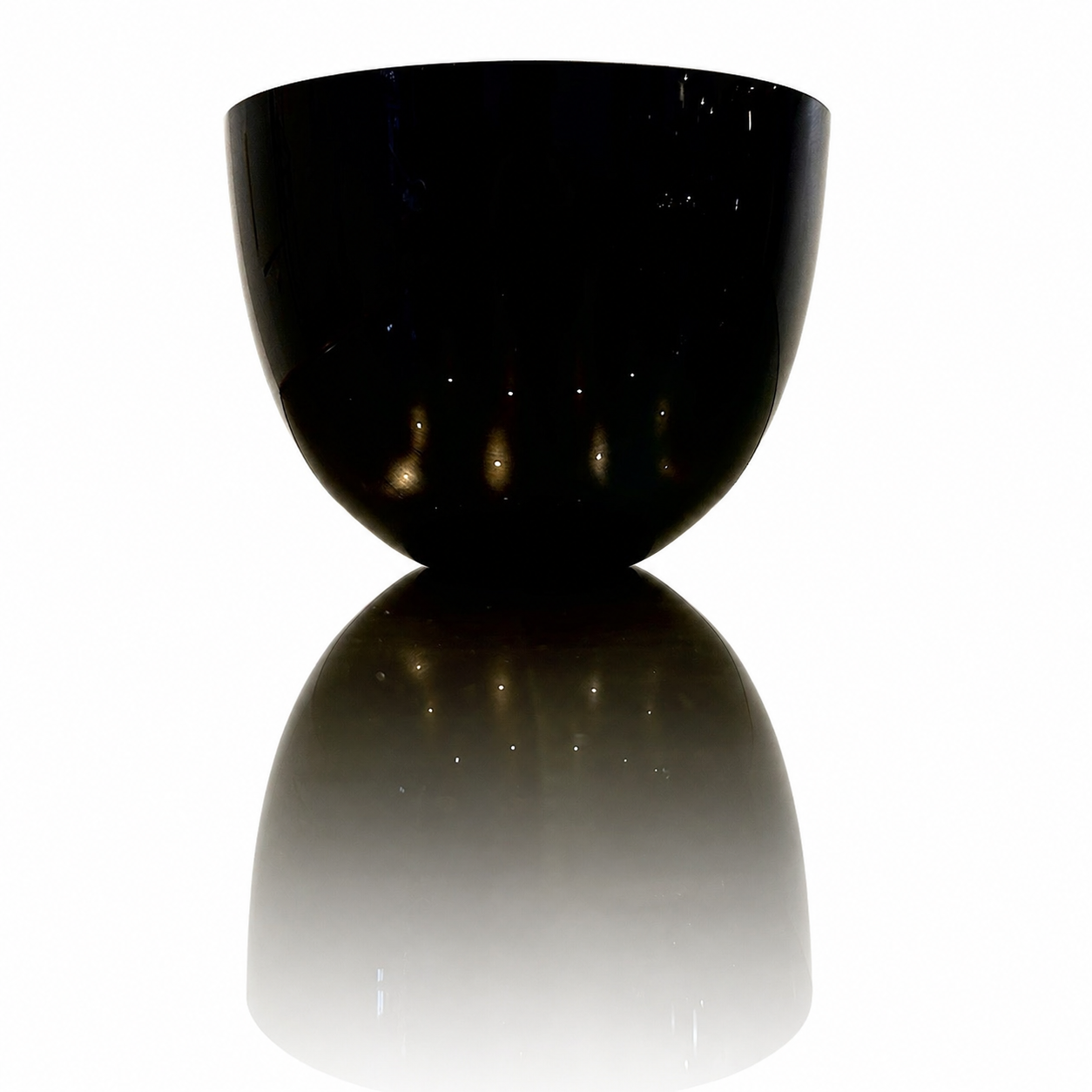
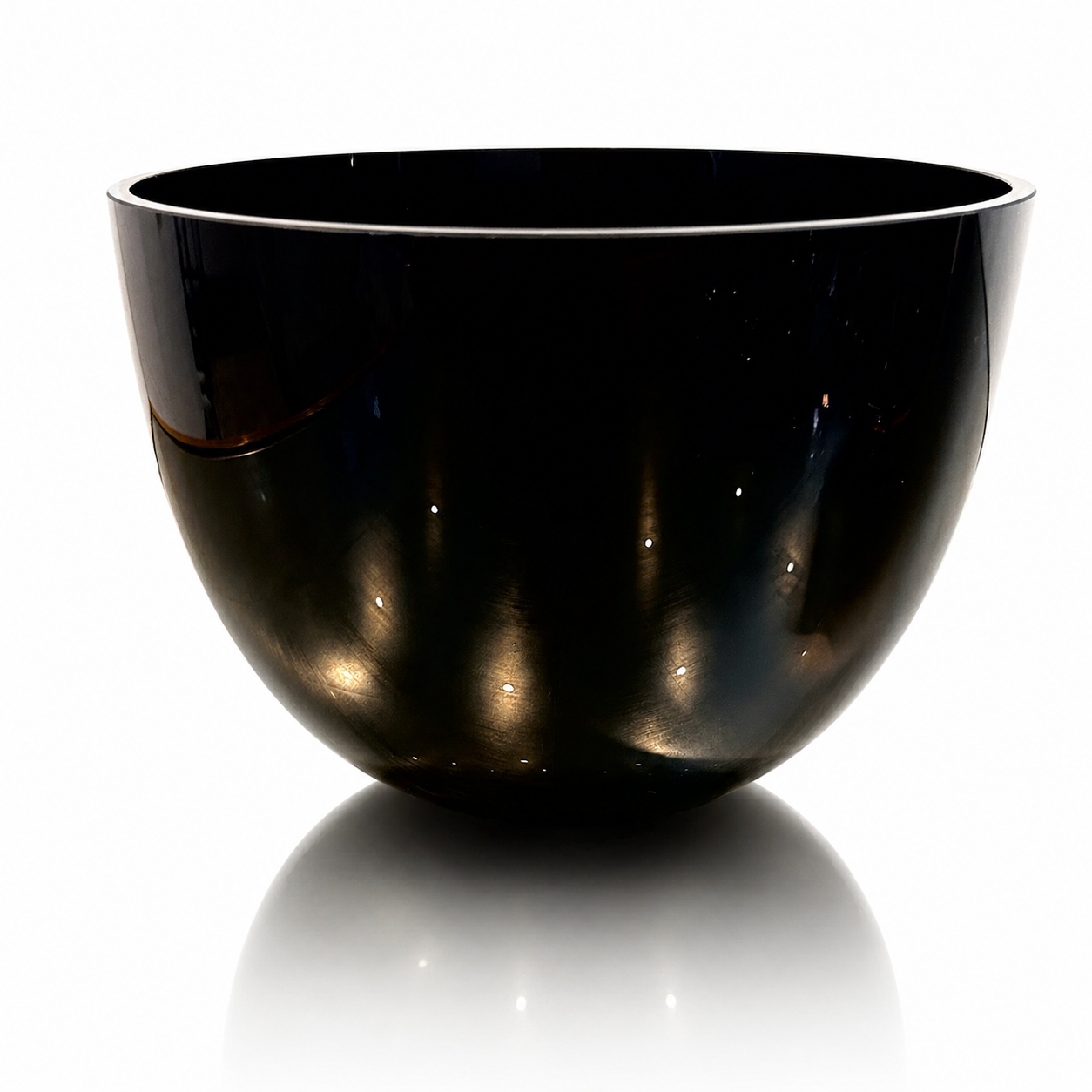
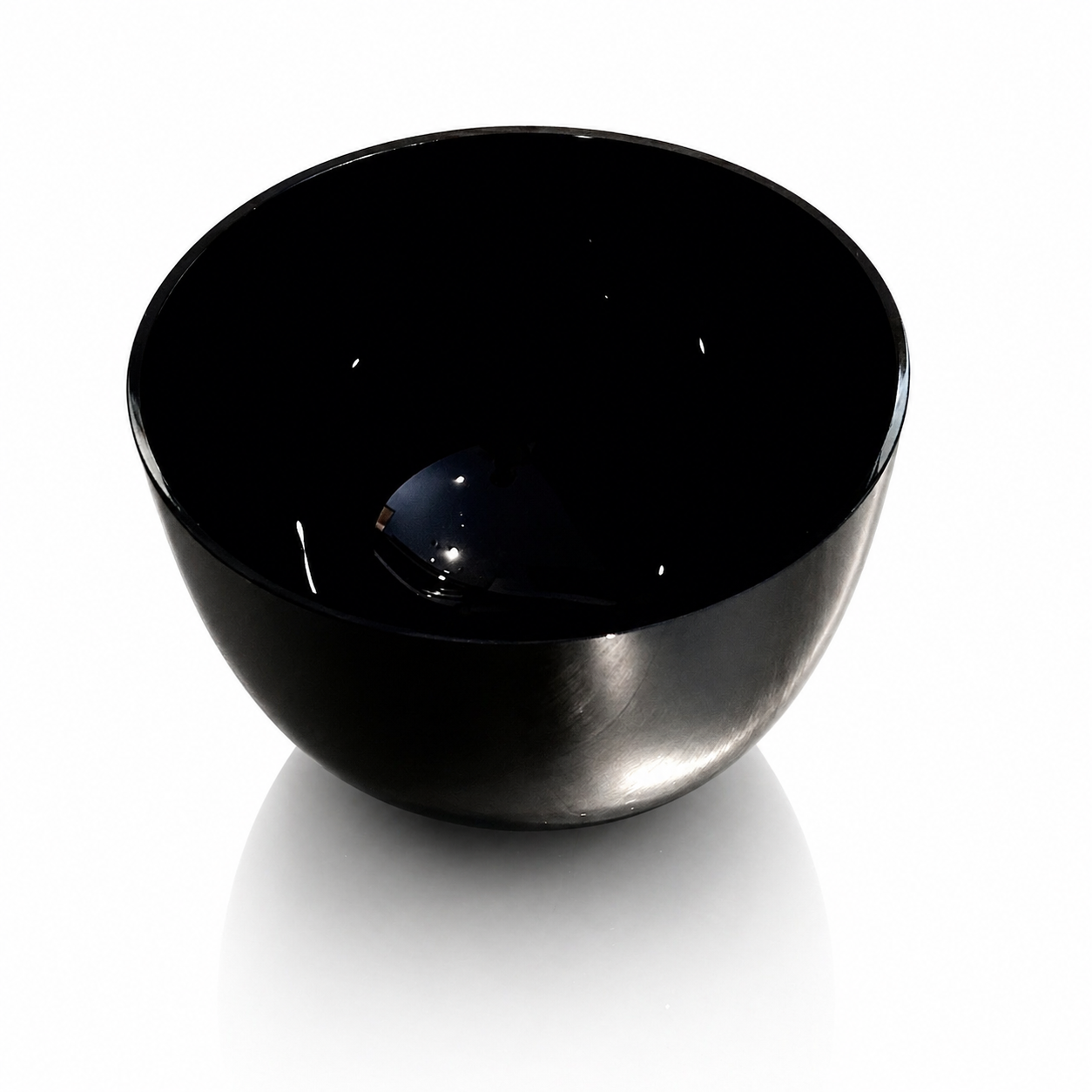
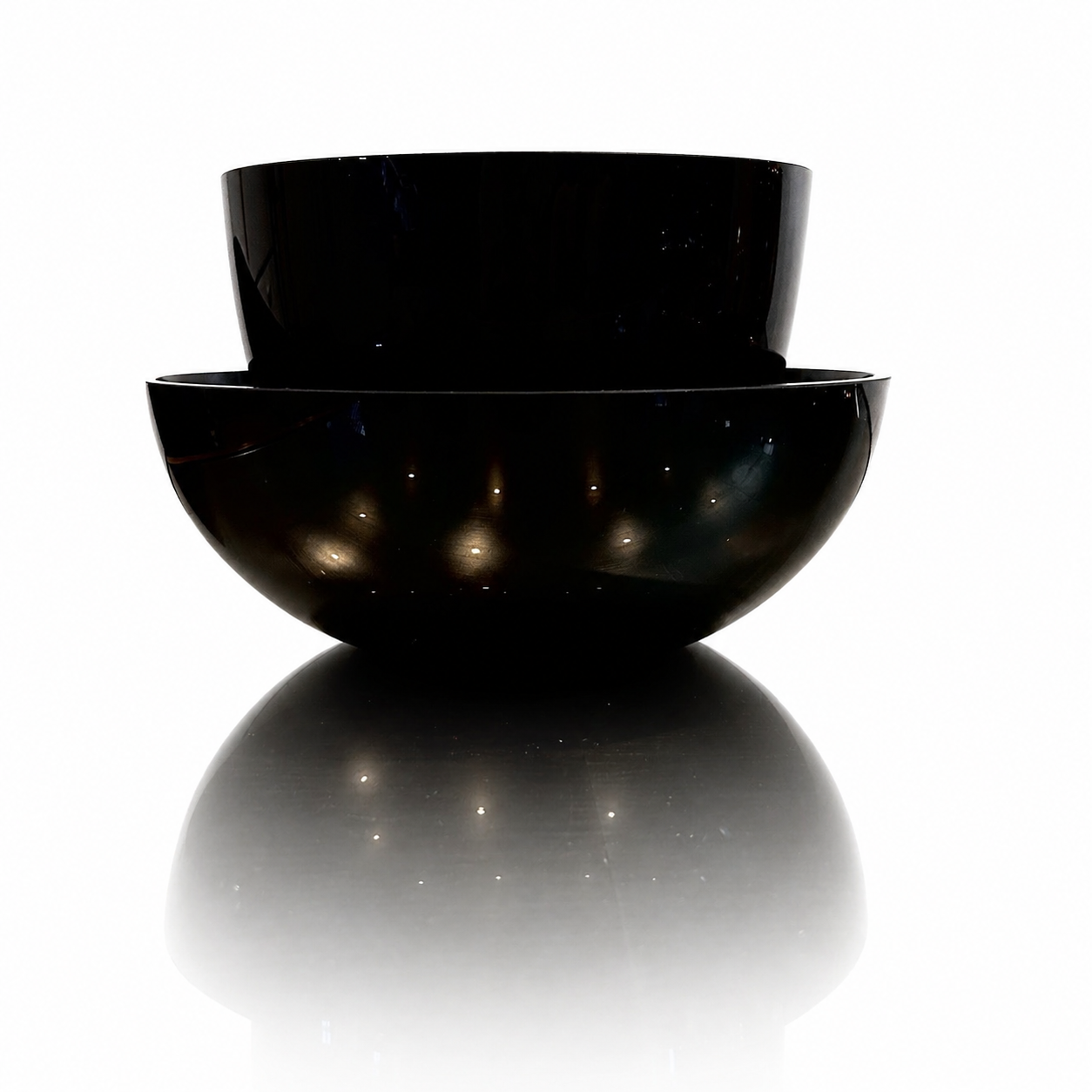
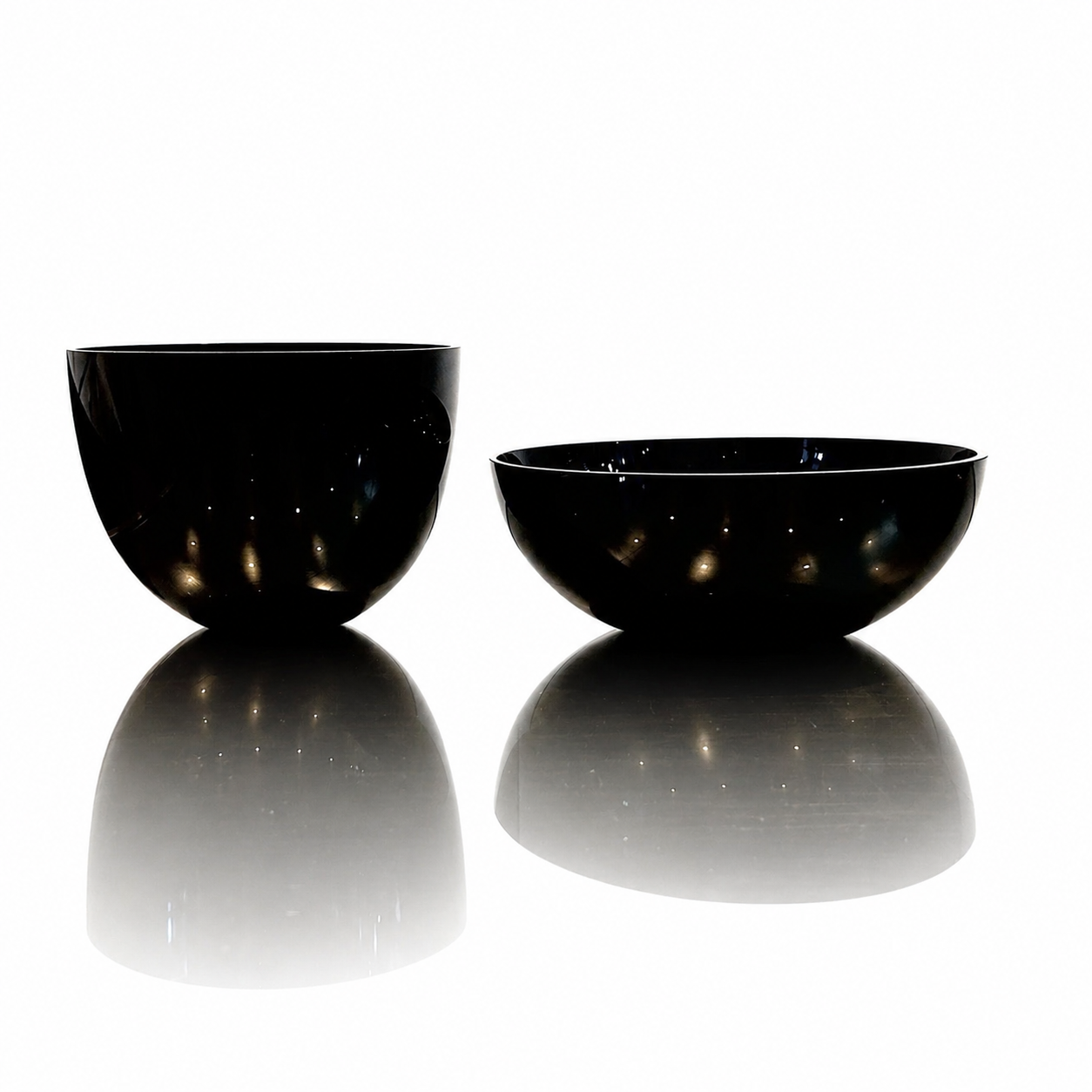
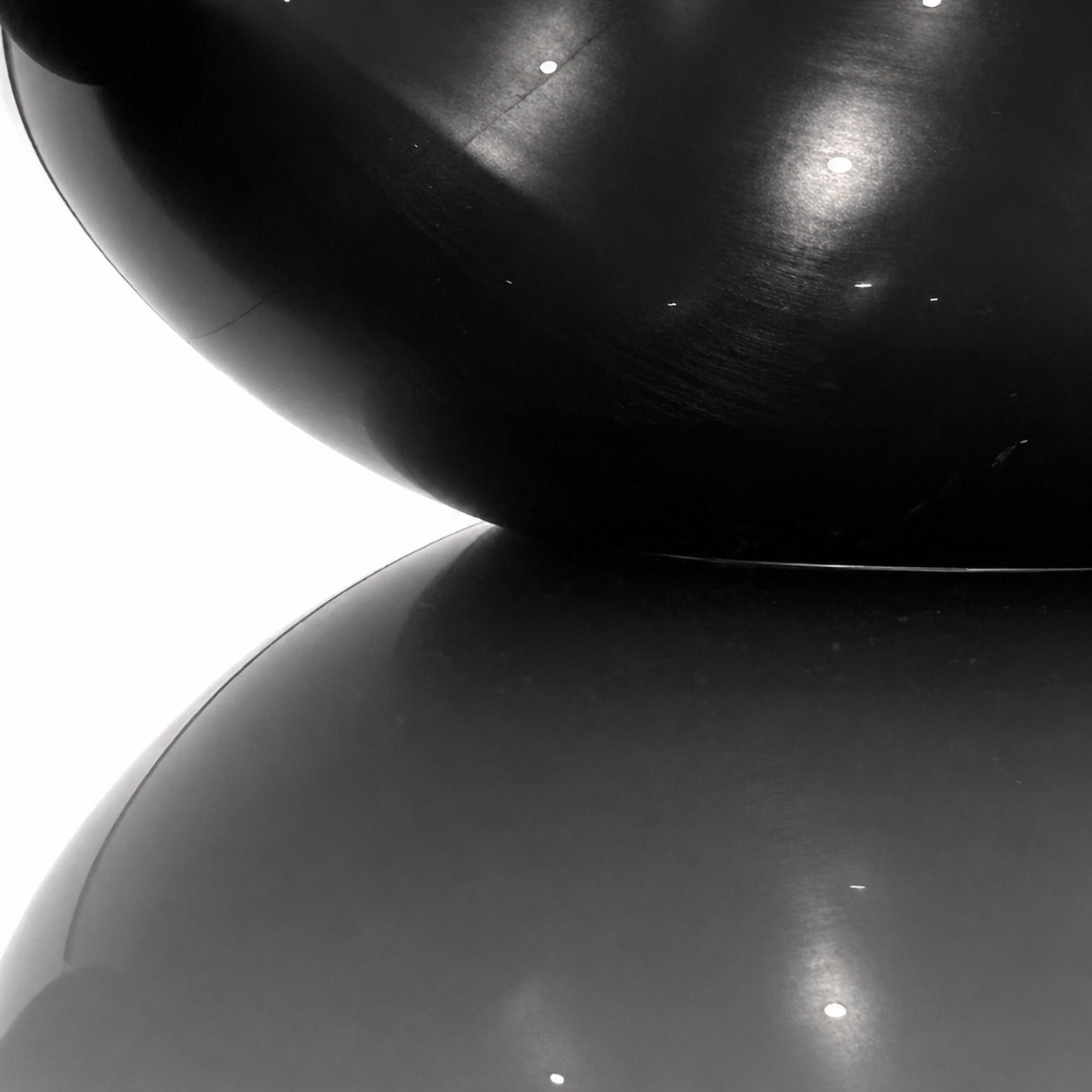
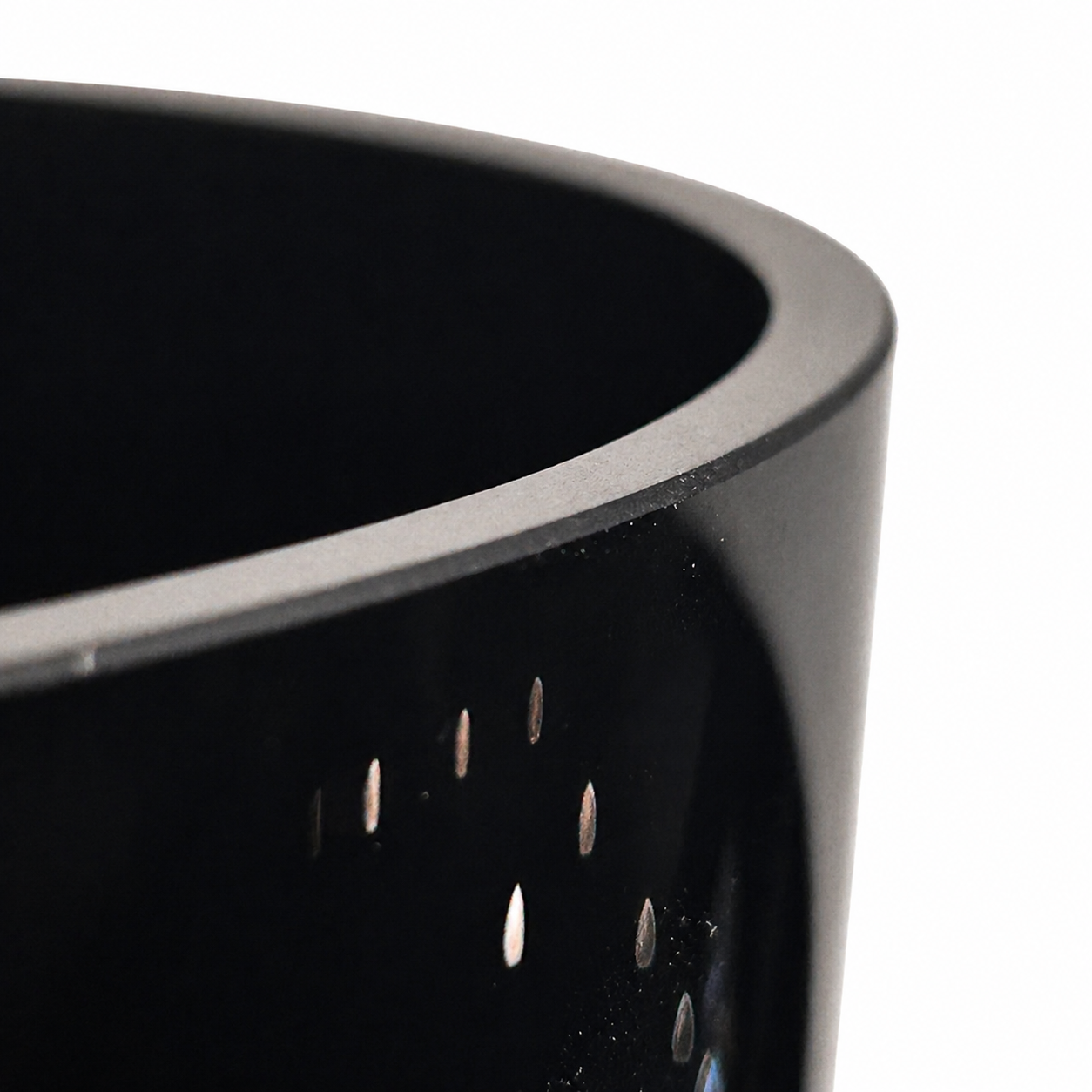
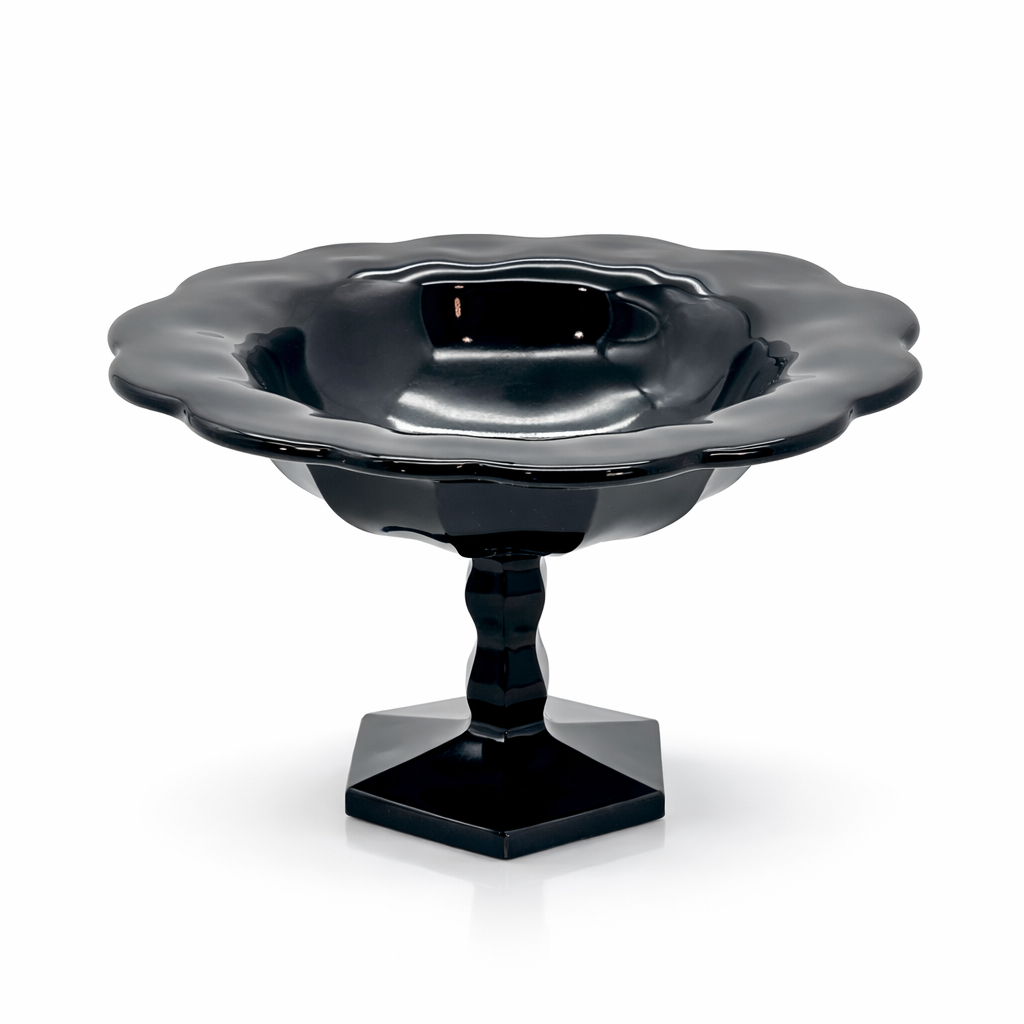
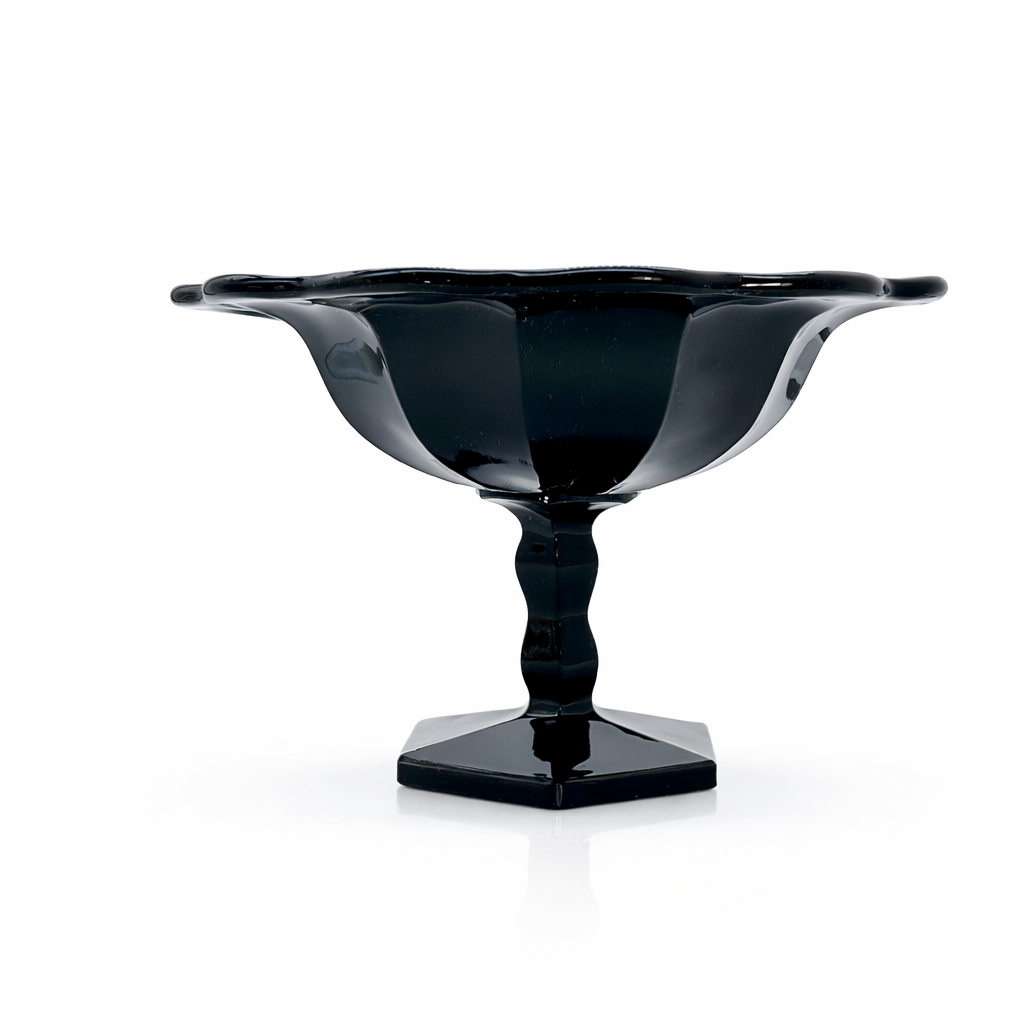
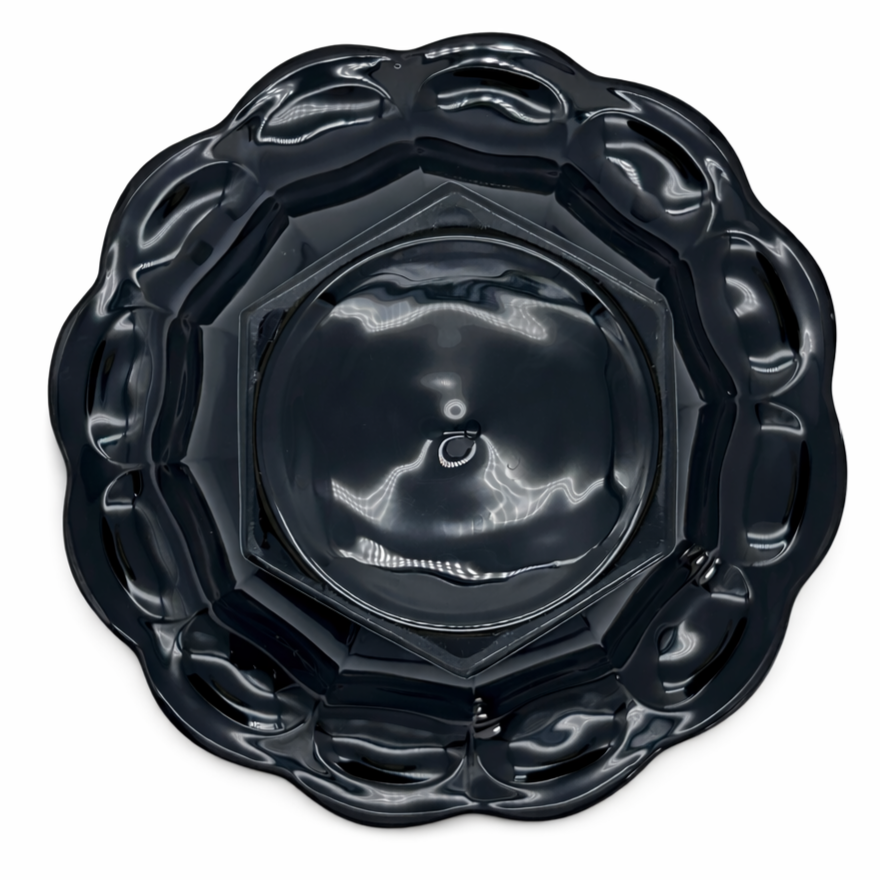
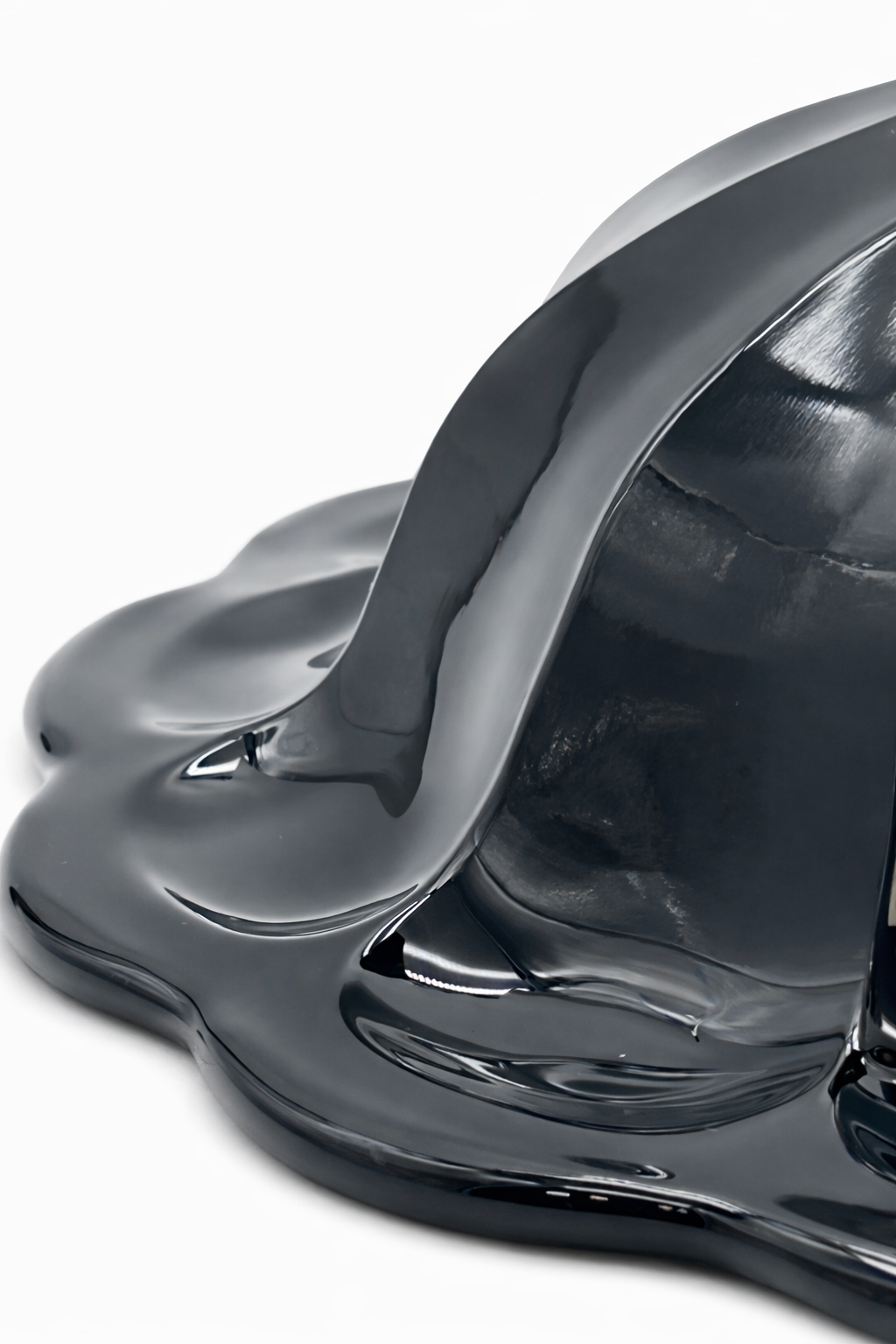
An exceptional trio of turn-of-the-century Bohemian black glass goblets, richly adorned with hand-applied raised gilt enamel in ornate cartouche reserves. Executed circa 1900, these vessels embody the opulent decorative language of the late Victorian to Edwardian period, when Central European glasshouses produced deeply saturated black grounds embellished with sculptural gold relief for export to refined markets.
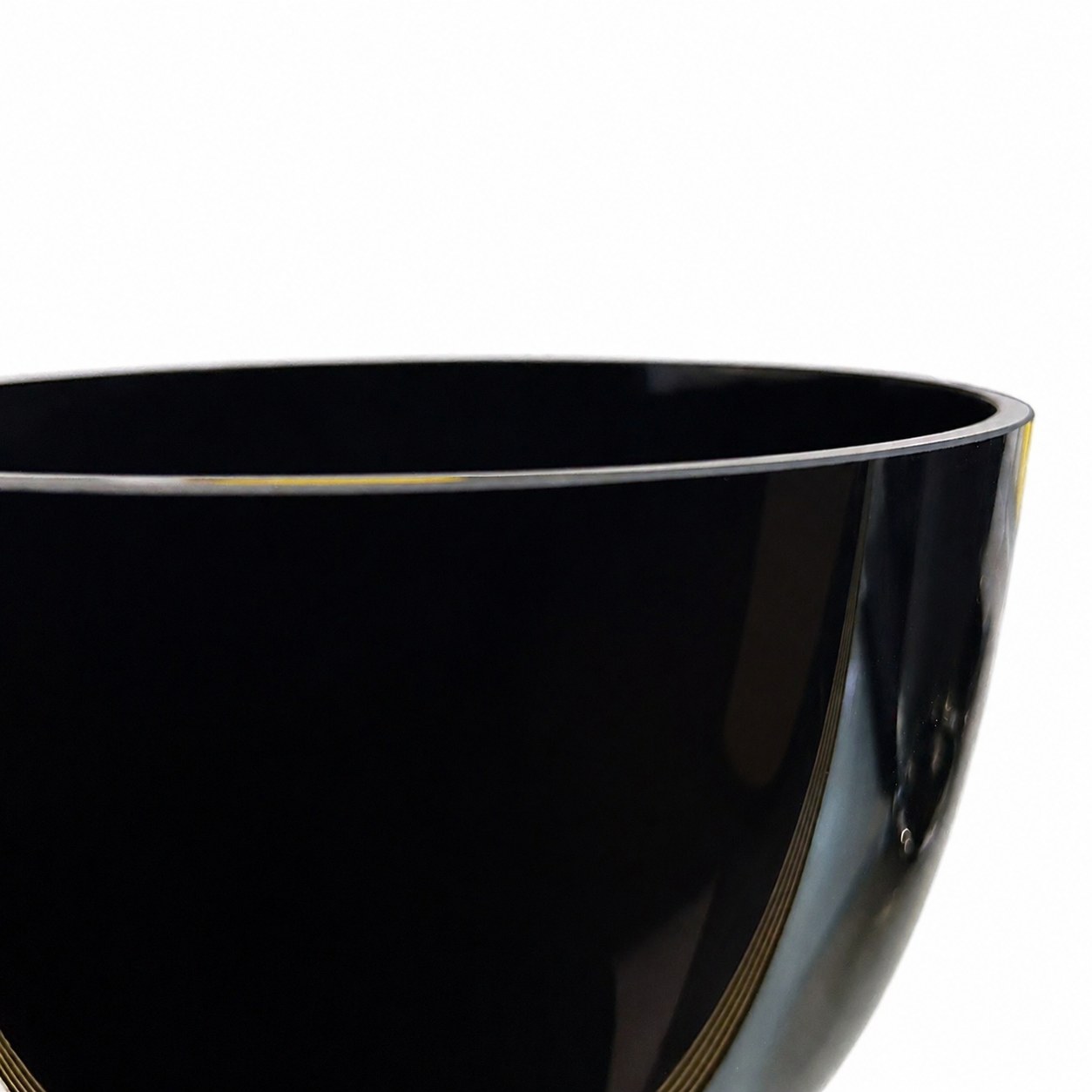
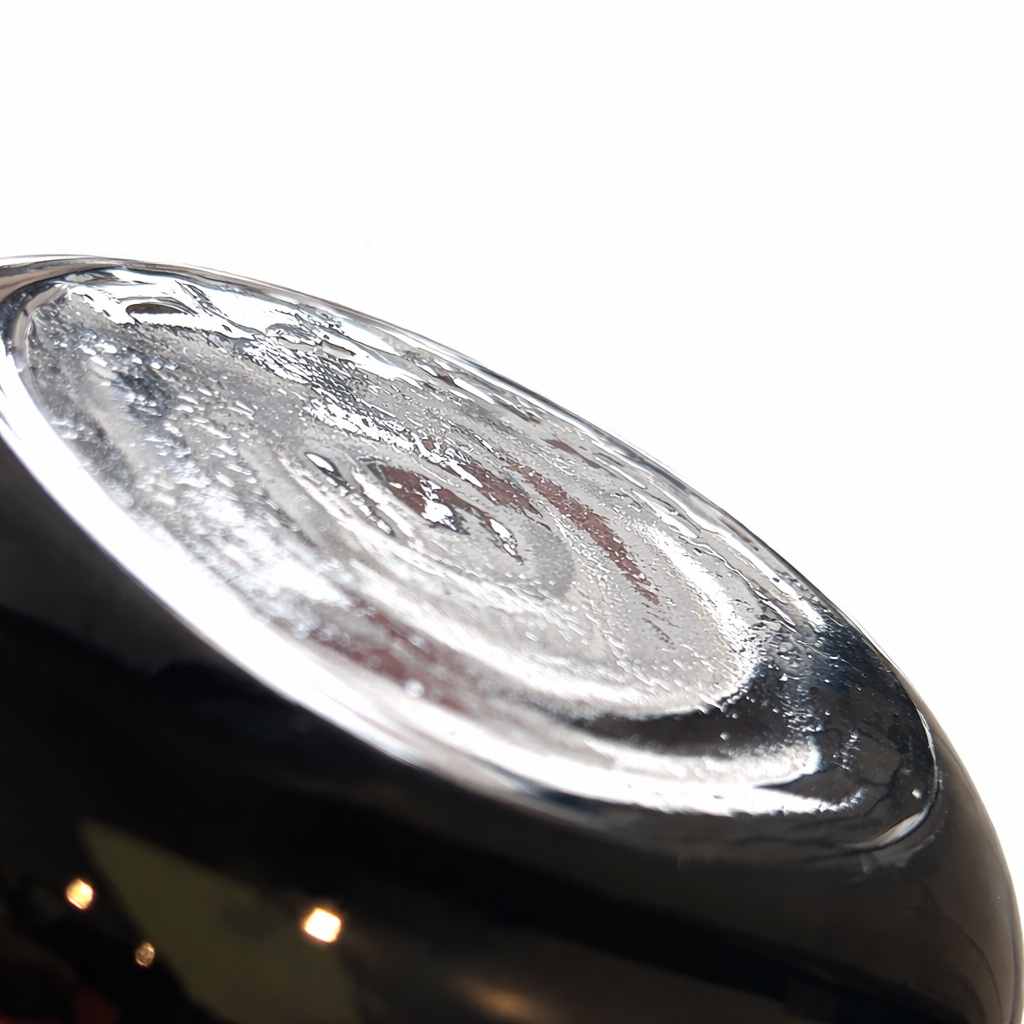
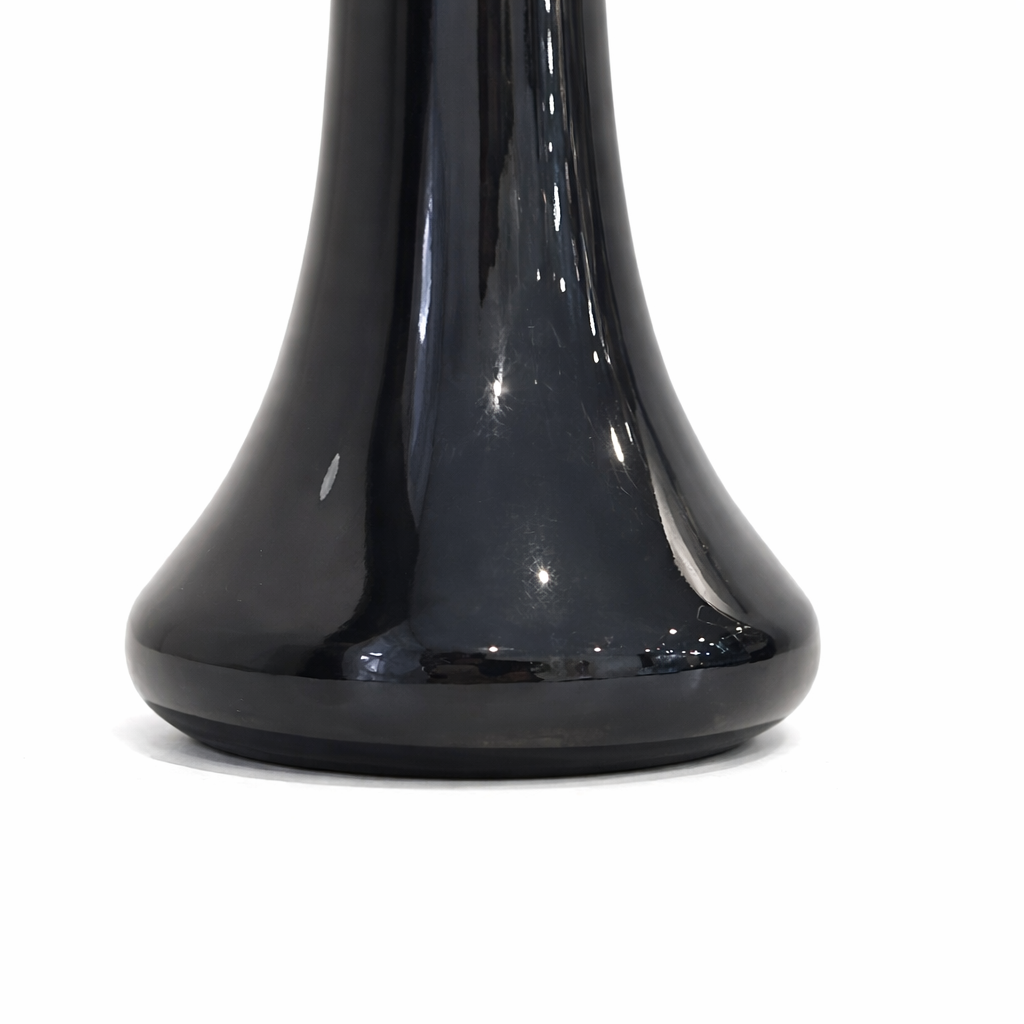
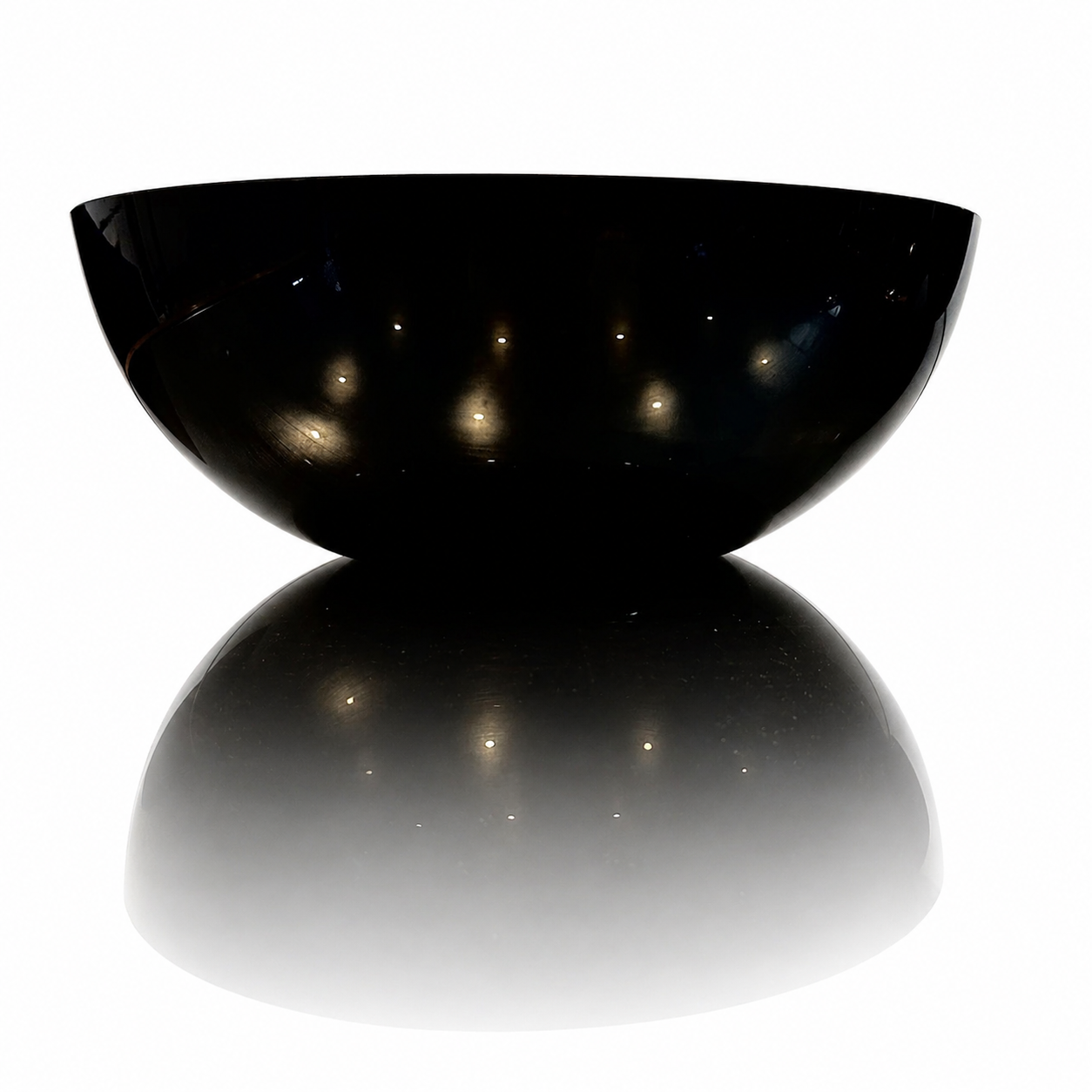
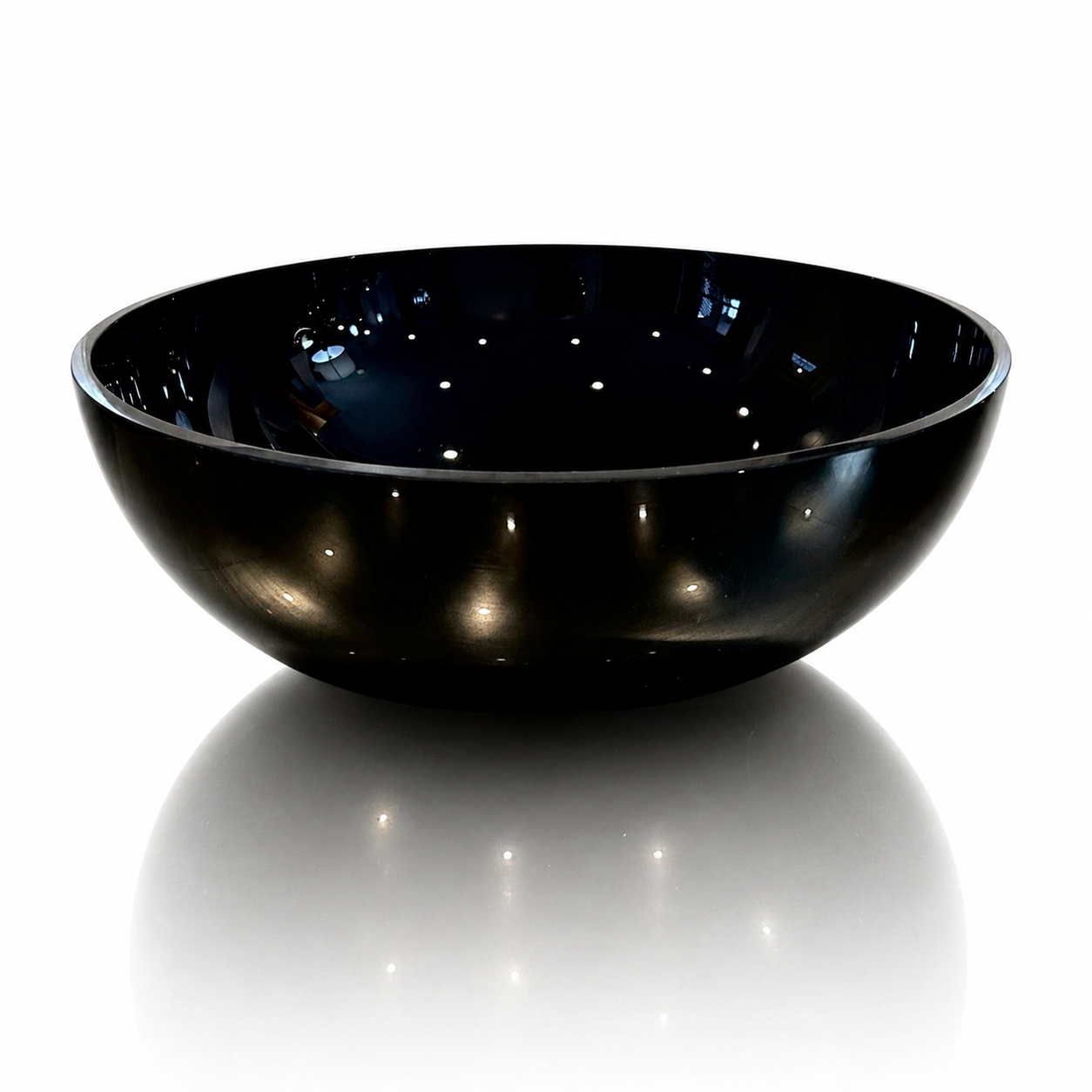
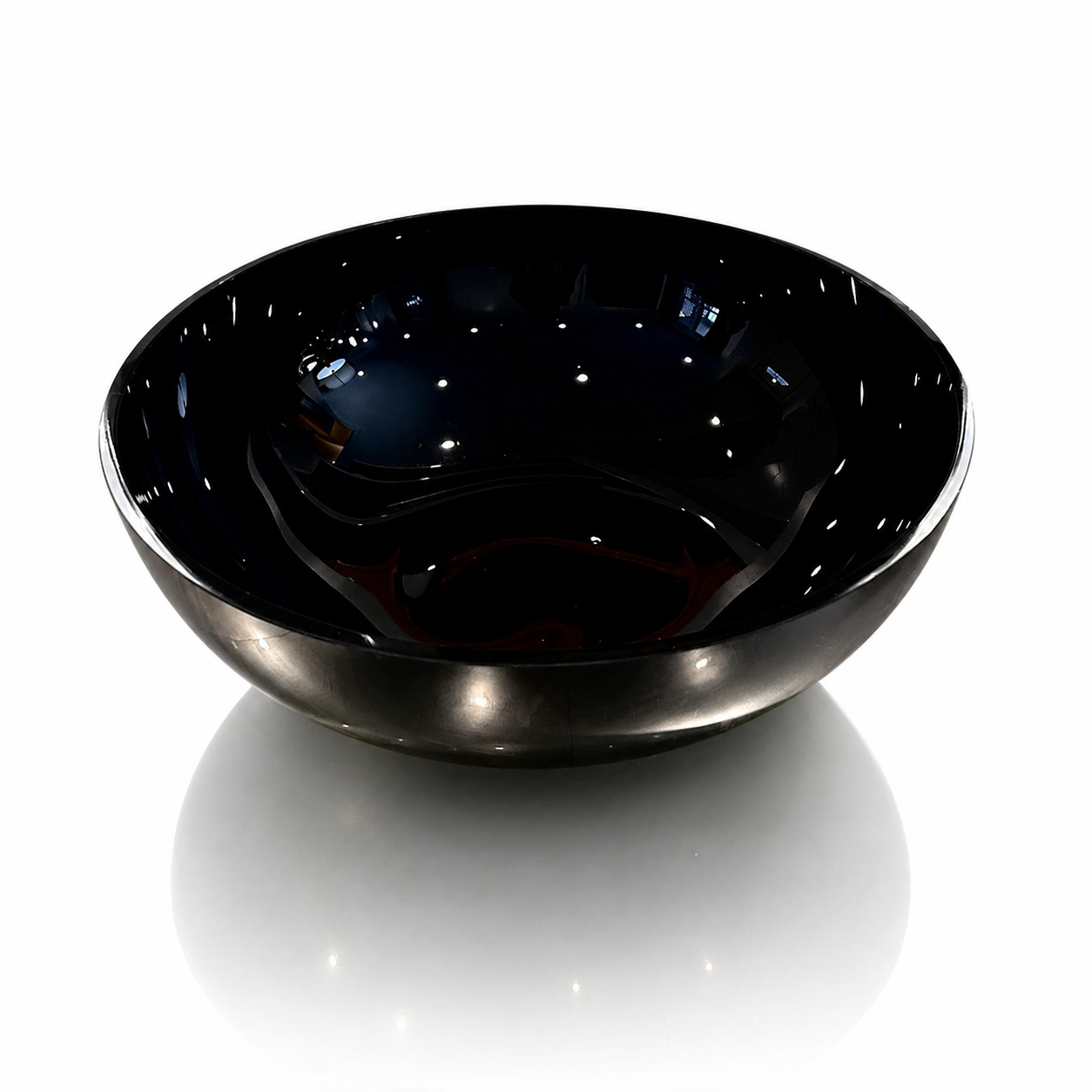
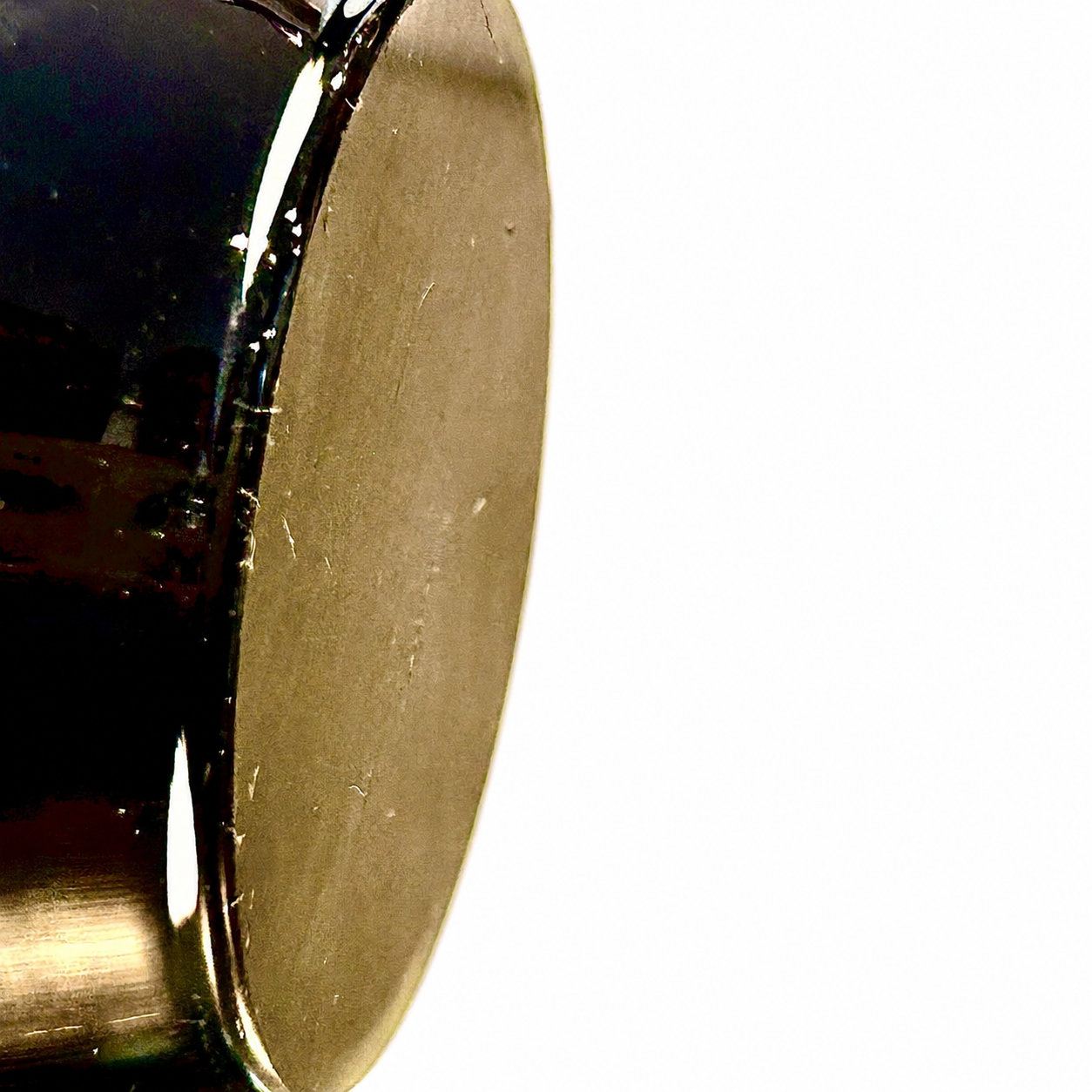
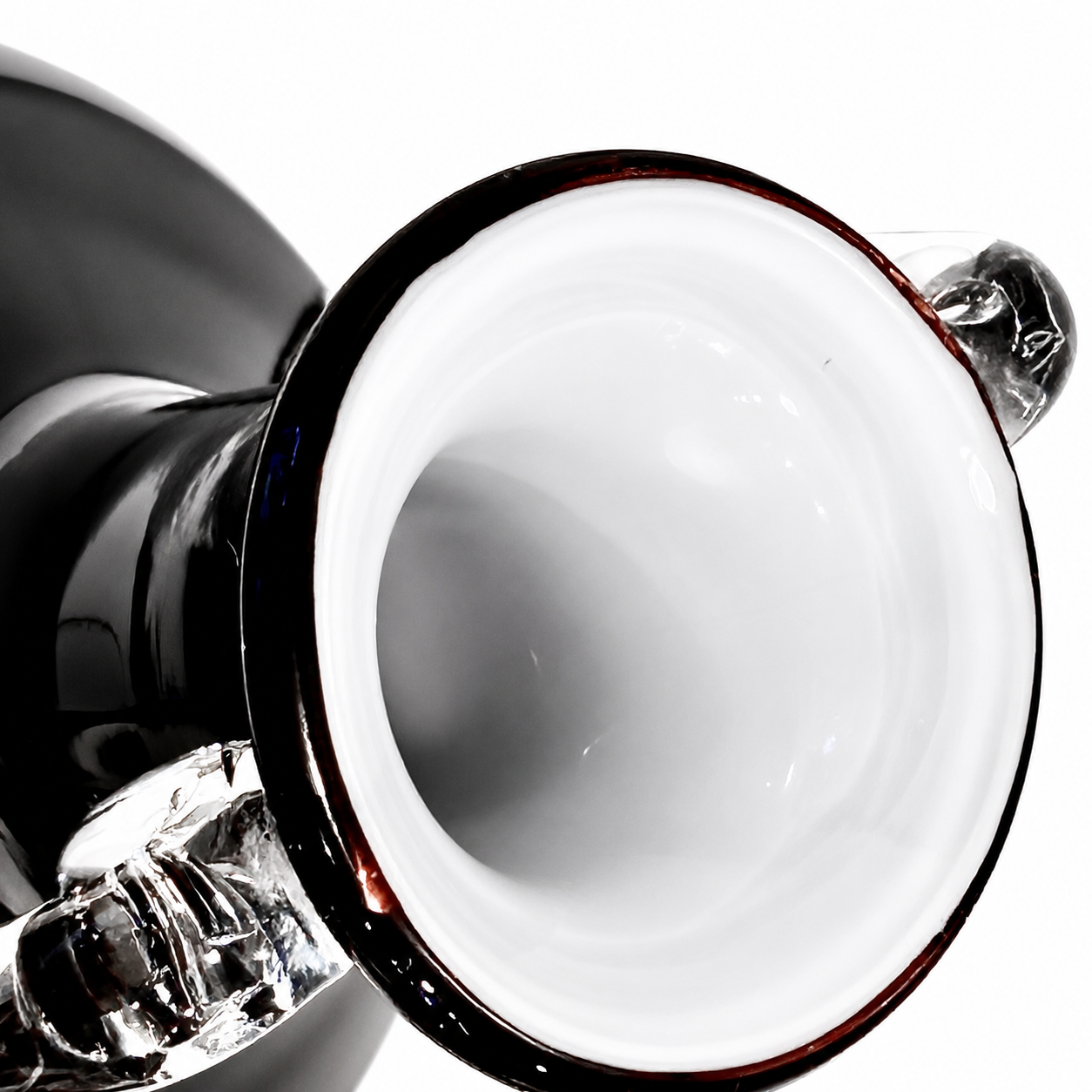
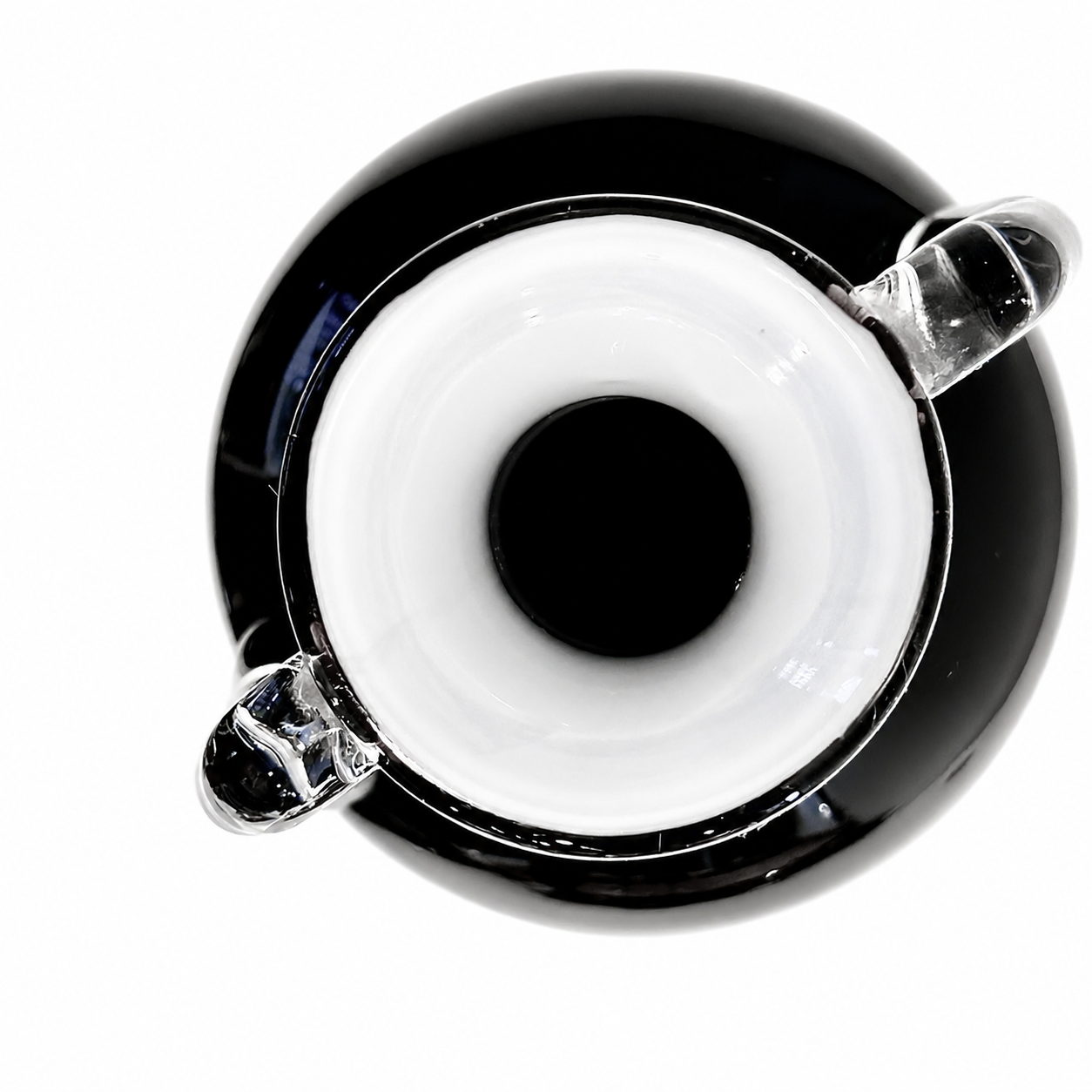
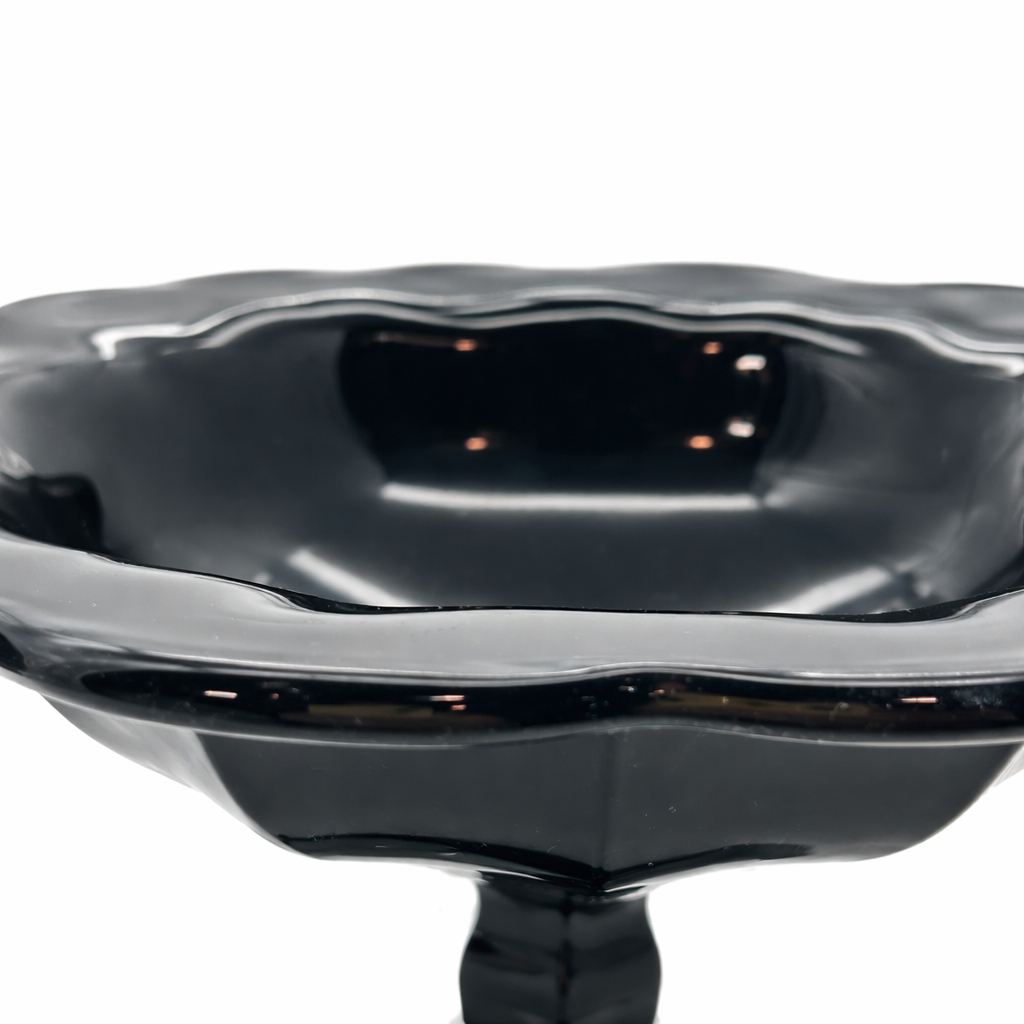
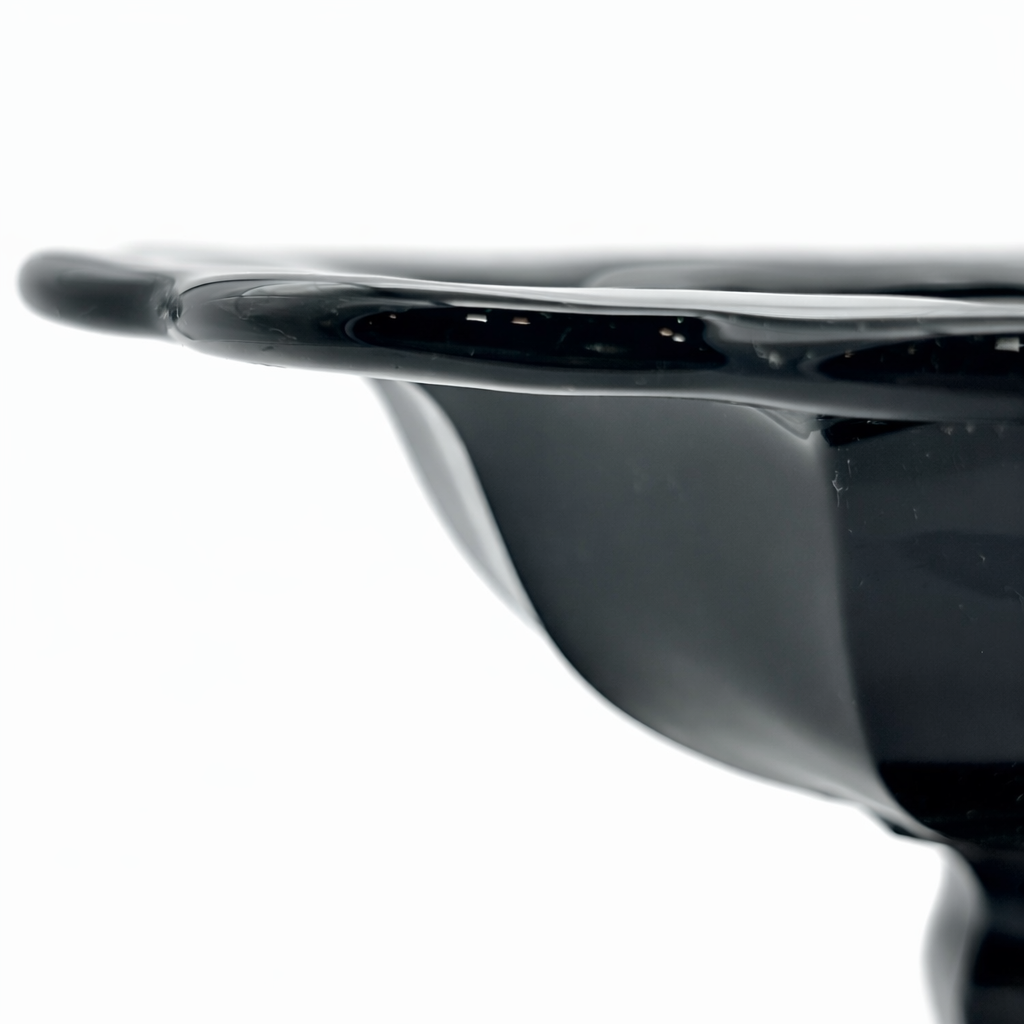
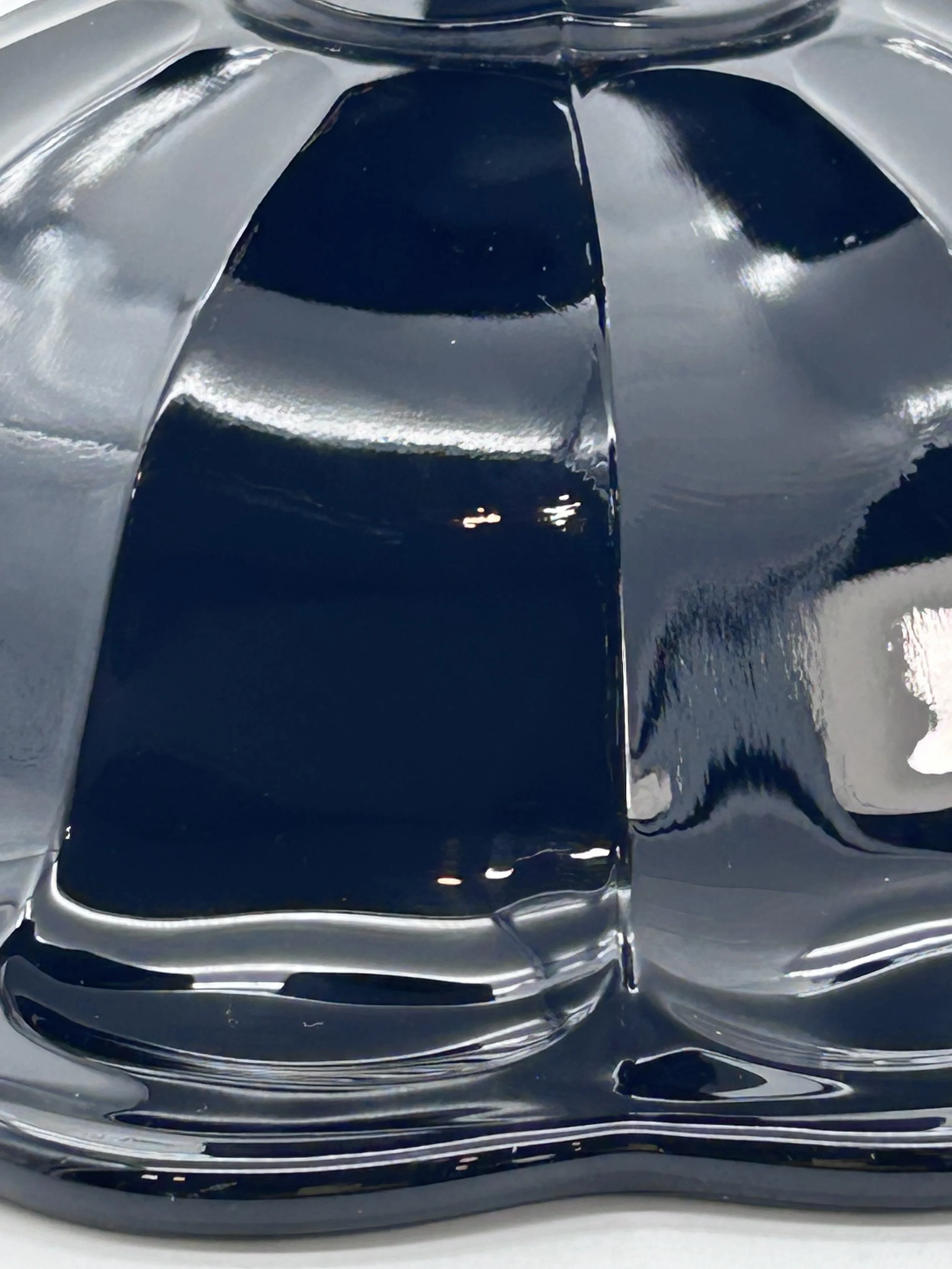
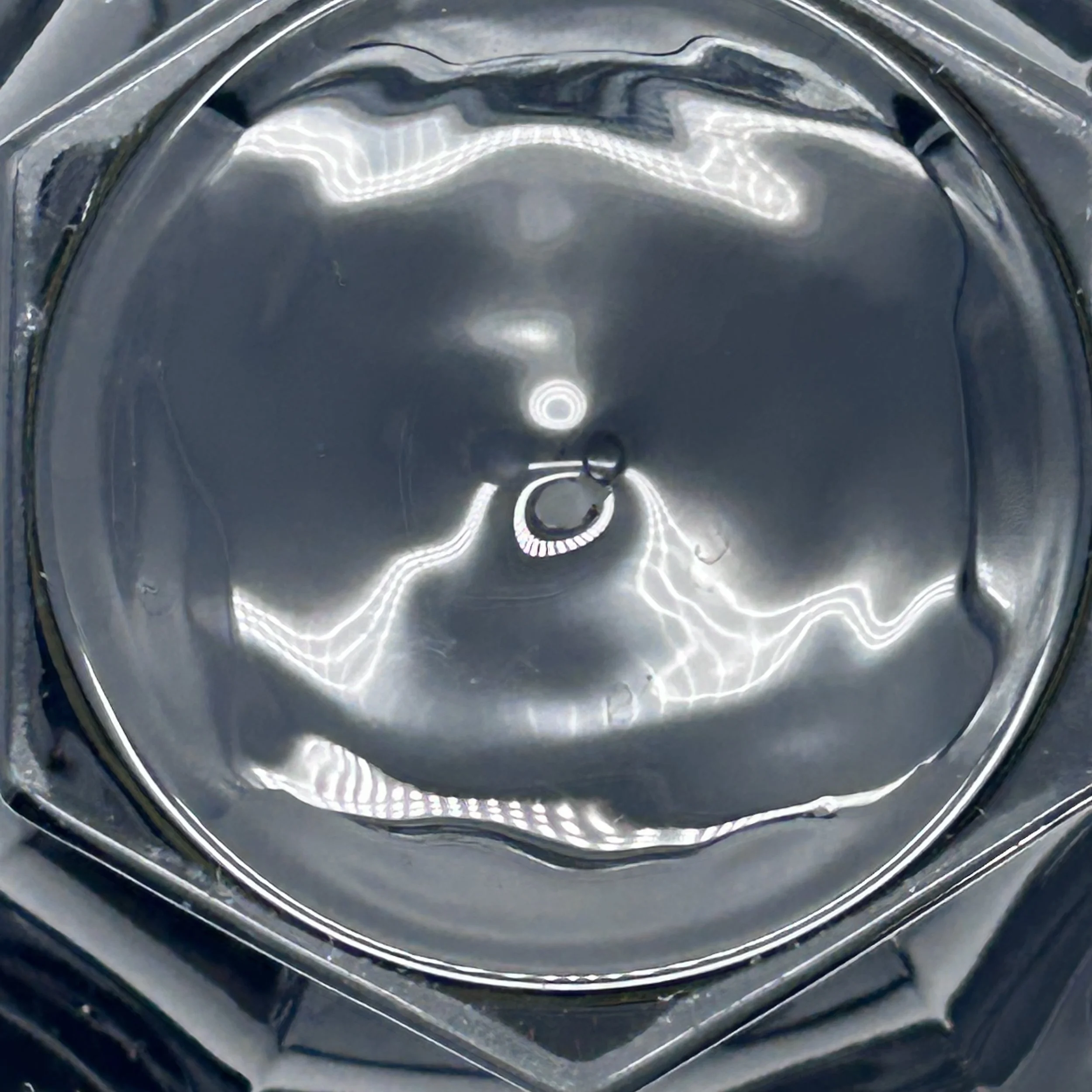
The bodies are hand-blown in dense, mirror-dark obsidian glass. Under illumination, the interiors reveal layered undertones of garnet, deep wine, and midnight blue—an optical depth associated with quality Bohemian black glass rather than opaque industrial material. The raised gilt work is thick, dimensional, and confidently applied, particularly along the rim panels and central cartouches. This is true relief enamel, not flat transfer decoration.
Each goblet was individually formed and decorated. Slight variations in height and bowl contour confirm workshop production rather than factory-identical molding. Displayed together, the trio presents as cohesive yet authentically hand-wrought—precisely the nuanced irregularity serious collectors seek.
The overall effect is ceremonial and architectural. These are not casual table goblets; they were conceived as decorative statement vessels, likely intended for formal display or cabinet presentation.
Attribution & Period
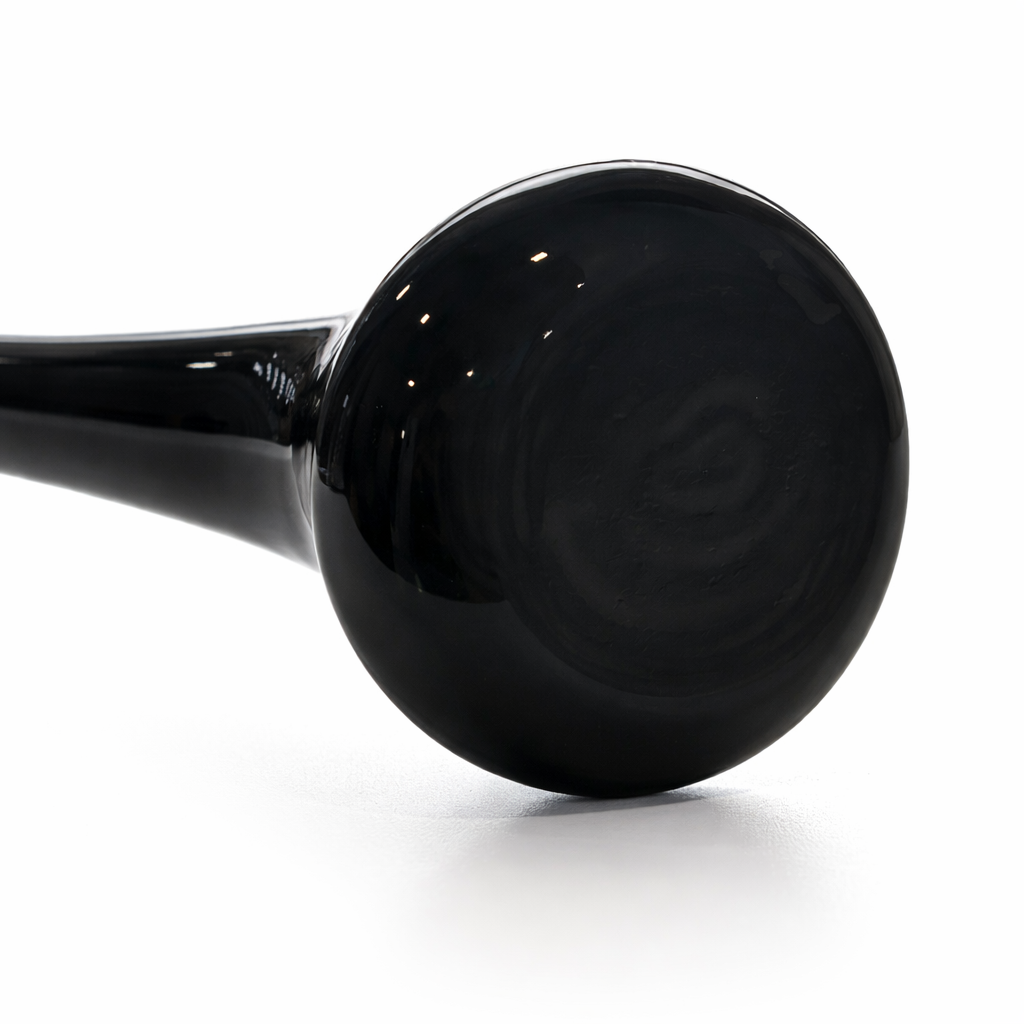
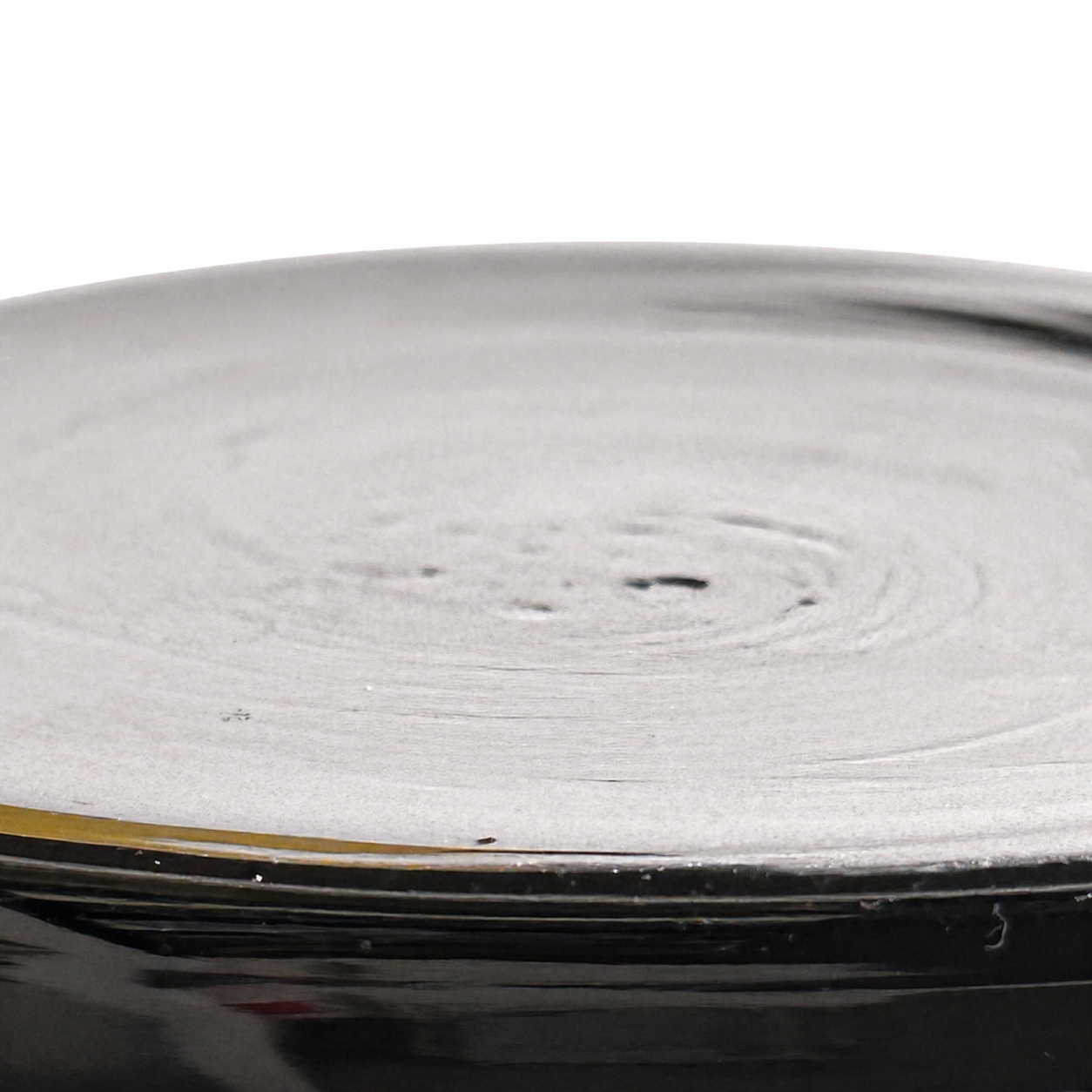
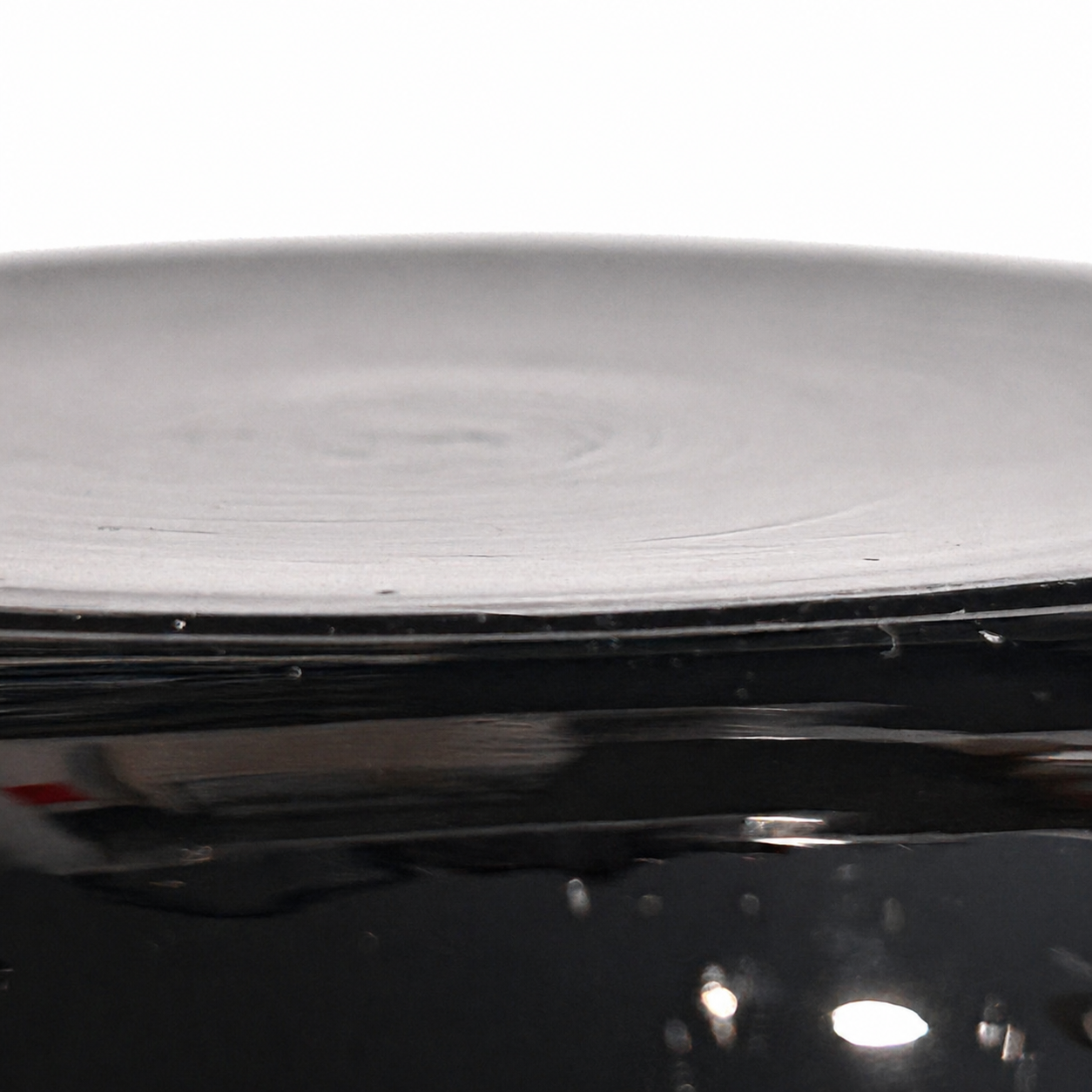
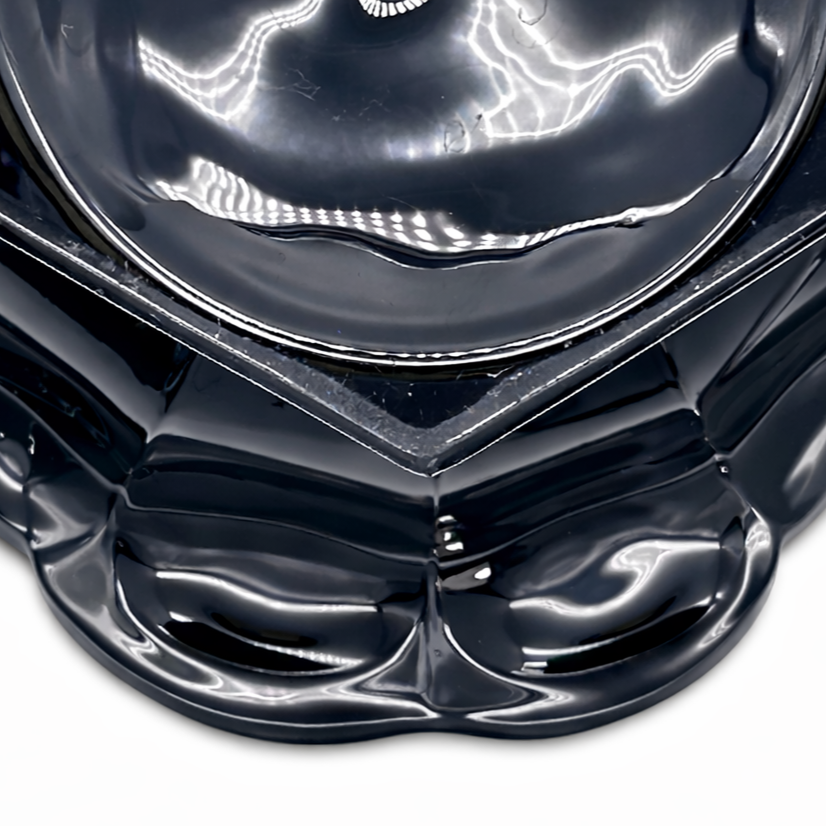
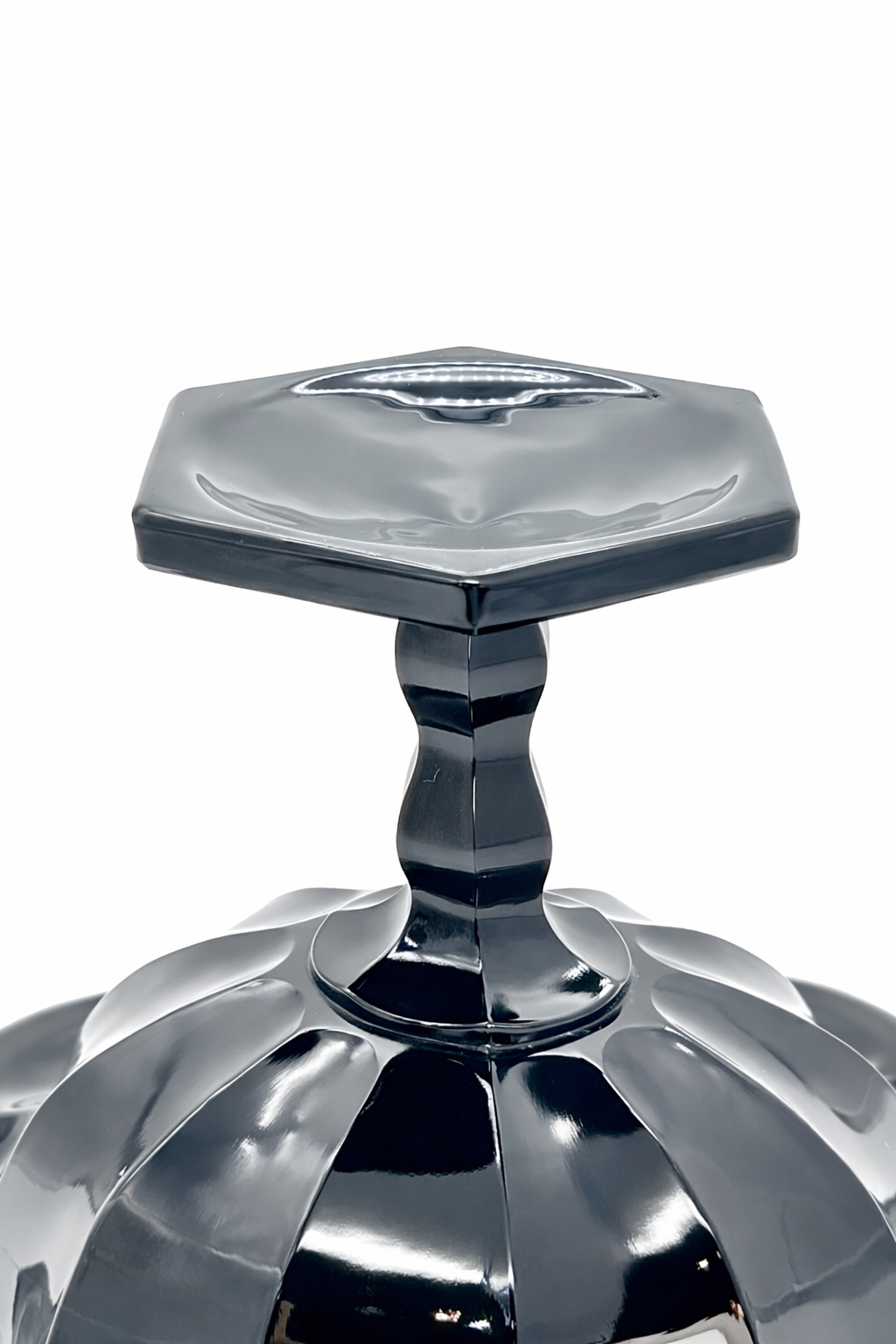
This unsigned, attributed Bohemian masterwork from Central Europe dates to circa 1900–1910 and represents a premium workshop production featuring slight natural variations, crafted from hand-blown black glass with a hand-finished base and meticulously adorned with hand-applied raised gilt enamel in relief—an attribution firmly grounded in its distinct black glass chemistry, advanced enamel technique, and comparative regional export examples of the period.
Dimensions
Two goblets: approximately 5 in. height
One goblet: approximately 4 7/8 in. height
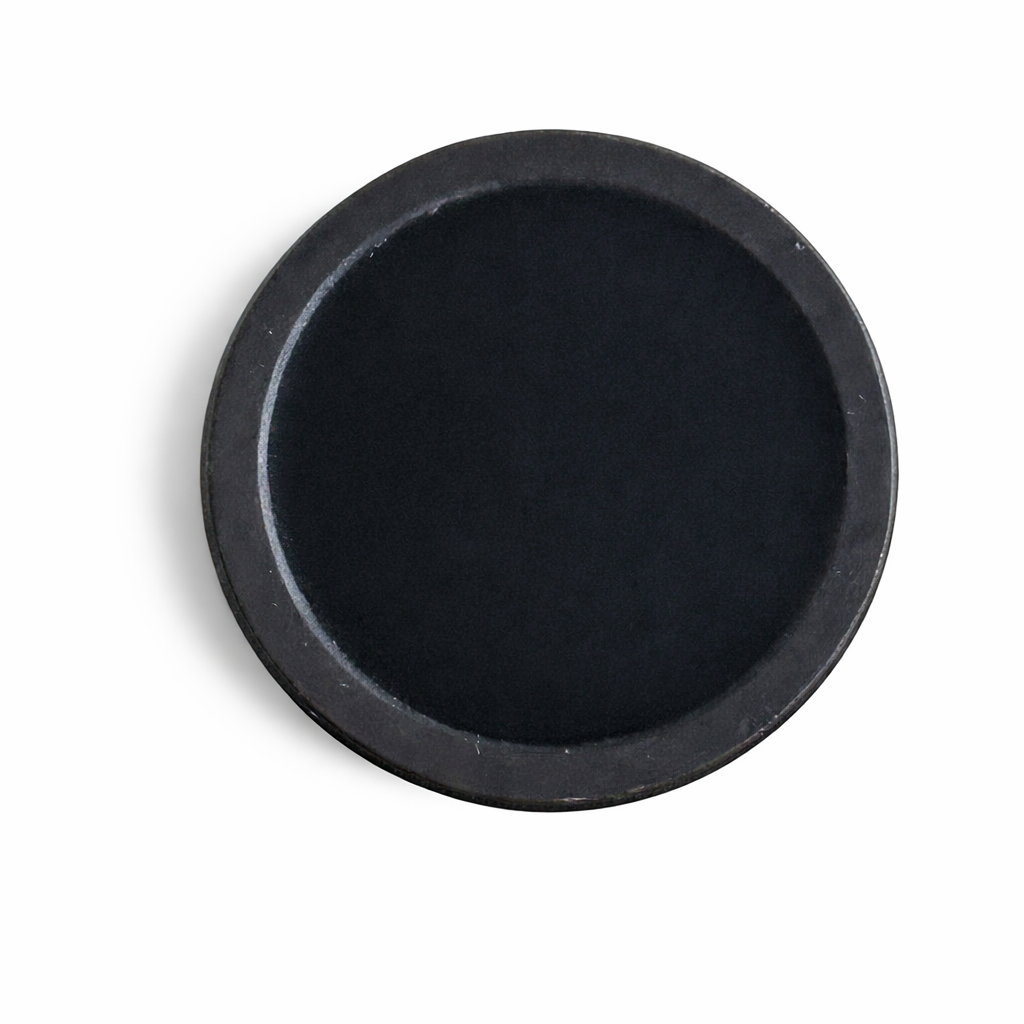
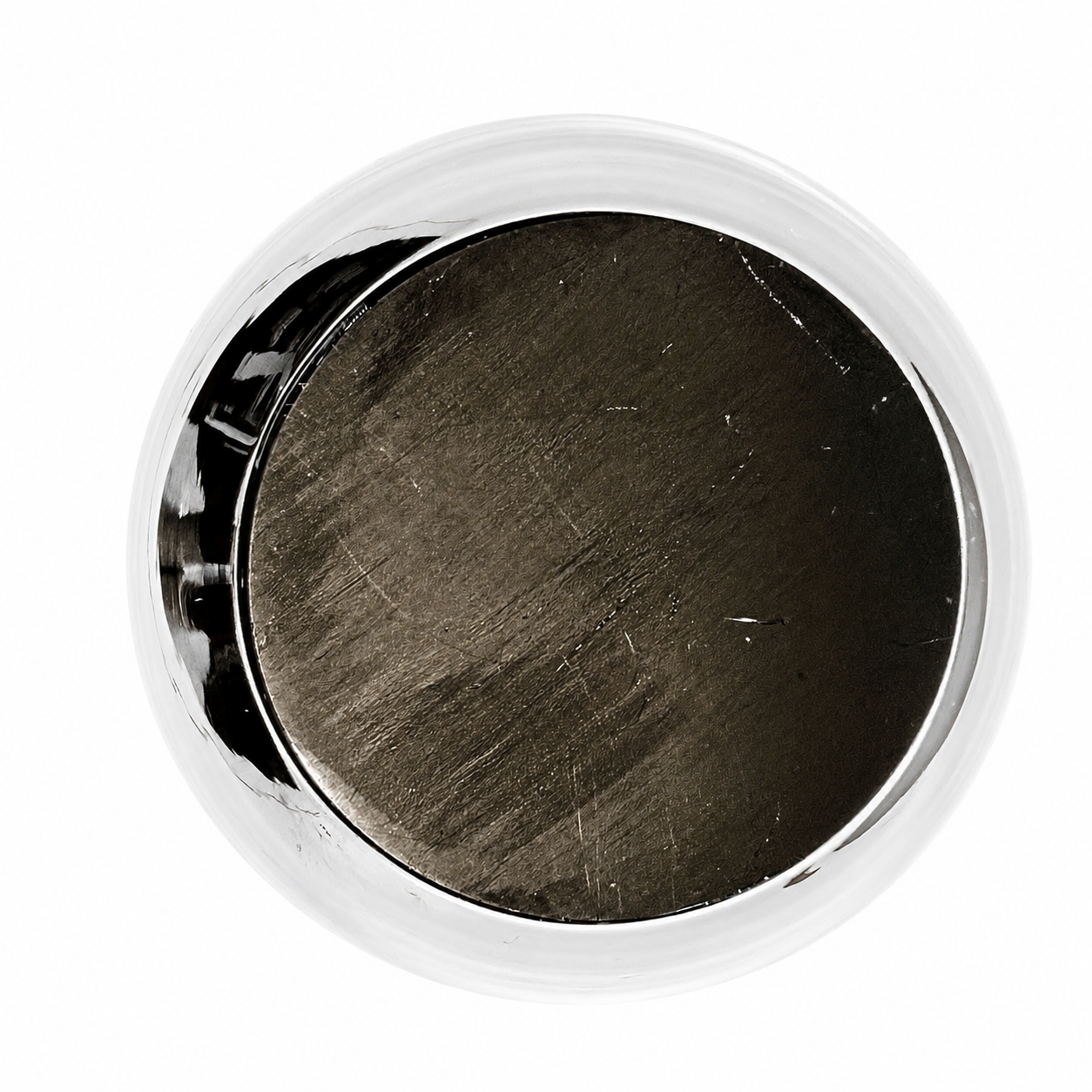
Base diameter (each): approximately 2 1/2 in.
Condition
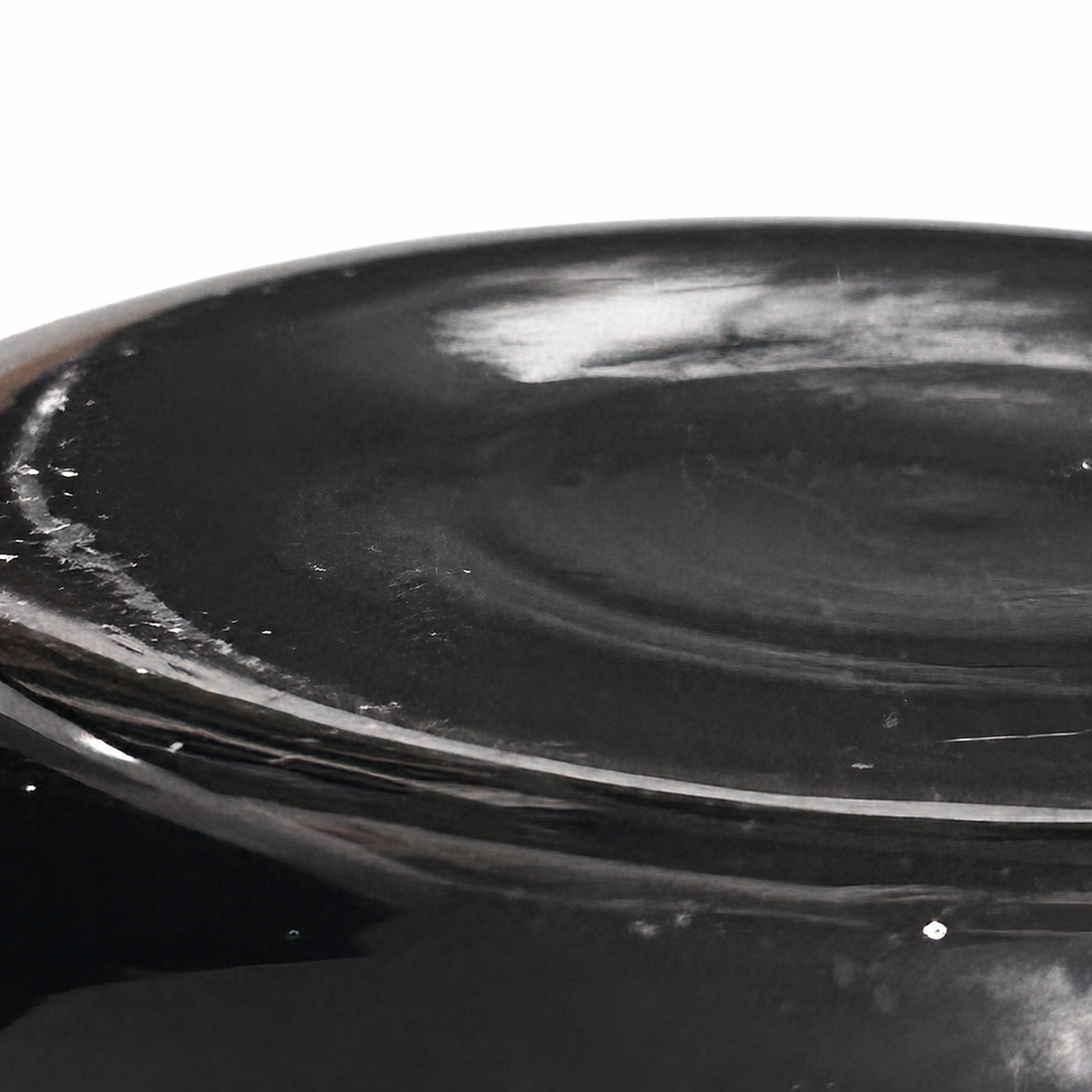
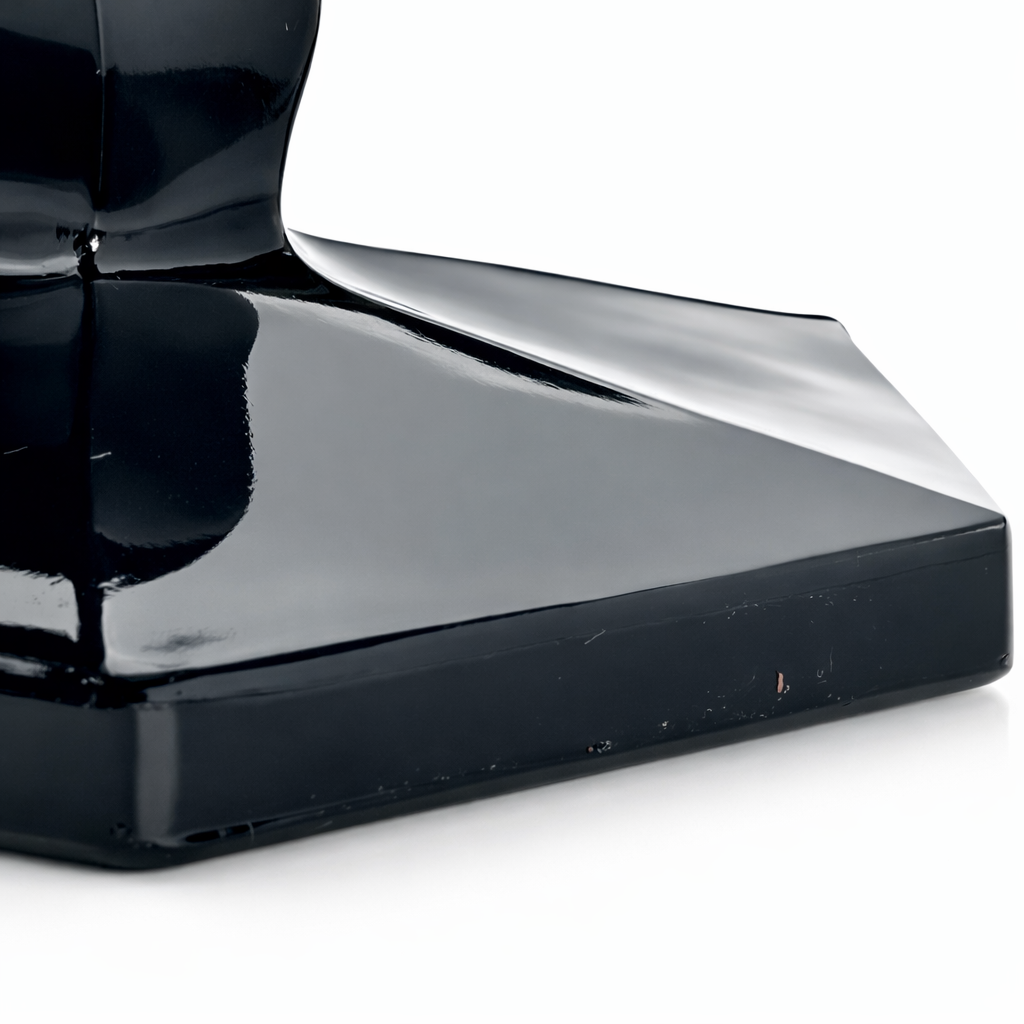
This exquisite pair presents in excellent antique condition, remaining structurally sound and visually commanding with no observed chips or cracks, light surface wear consistent with age, and raised gilt decoration that remains beautifully crisp and dimensional.
Placement
Perfect for anchoring high-end Bohemian glass collections and late Victorian or Edwardian decorative groupings, these versatile goblets are ideal for gothic or jewel-toned interiors and curated cabinet installations, reading as small-scale sculptural objects just as much as functional vessels.
STANDARD ATTRIBUTION & VALUE DISCLOSURE; This piece is described to the best of current scholarly and market knowledge. Any maker or regional attribution is based on visual analysis, materials, construction techniques, and documented stylistic comparisons. As with many vintage and antique glass objects, definitive attribution may not be possible without original labels or factory records. Pricing reflects condition, quality, decorative appeal, and current collector demand rather than a guaranteed maker identification.
An exceptional trio of turn-of-the-century Bohemian black glass goblets, richly adorned with hand-applied raised gilt enamel in ornate cartouche reserves. Executed circa 1900, these vessels embody the opulent decorative language of the late Victorian to Edwardian period, when Central European glasshouses produced deeply saturated black grounds embellished with sculptural gold relief for export to refined markets.
The bodies are hand-blown in dense, mirror-dark obsidian glass. Under illumination, the interiors reveal layered undertones of garnet, deep wine, and midnight blue—an optical depth associated with quality Bohemian black glass rather than opaque industrial material. The raised gilt work is thick, dimensional, and confidently applied, particularly along the rim panels and central cartouches. This is true relief enamel, not flat transfer decoration.
Each goblet was individually formed and decorated. Slight variations in height and bowl contour confirm workshop production rather than factory-identical molding. Displayed together, the trio presents as cohesive yet authentically hand-wrought—precisely the nuanced irregularity serious collectors seek.
The overall effect is ceremonial and architectural. These are not casual table goblets; they were conceived as decorative statement vessels, likely intended for formal display or cabinet presentation.
Attribution & Period
This unsigned, attributed Bohemian masterwork from Central Europe dates to circa 1900–1910 and represents a premium workshop production featuring slight natural variations, crafted from hand-blown black glass with a hand-finished base and meticulously adorned with hand-applied raised gilt enamel in relief—an attribution firmly grounded in its distinct black glass chemistry, advanced enamel technique, and comparative regional export examples of the period.
Dimensions
Two goblets: approximately 5 in. height
One goblet: approximately 4 7/8 in. height
Base diameter (each): approximately 2 1/2 in.
Condition
This exquisite pair presents in excellent antique condition, remaining structurally sound and visually commanding with no observed chips or cracks, light surface wear consistent with age, and raised gilt decoration that remains beautifully crisp and dimensional.
Placement
Perfect for anchoring high-end Bohemian glass collections and late Victorian or Edwardian decorative groupings, these versatile goblets are ideal for gothic or jewel-toned interiors and curated cabinet installations, reading as small-scale sculptural objects just as much as functional vessels.
STANDARD ATTRIBUTION & VALUE DISCLOSURE; This piece is described to the best of current scholarly and market knowledge. Any maker or regional attribution is based on visual analysis, materials, construction techniques, and documented stylistic comparisons. As with many vintage and antique glass objects, definitive attribution may not be possible without original labels or factory records. Pricing reflects condition, quality, decorative appeal, and current collector demand rather than a guaranteed maker identification.

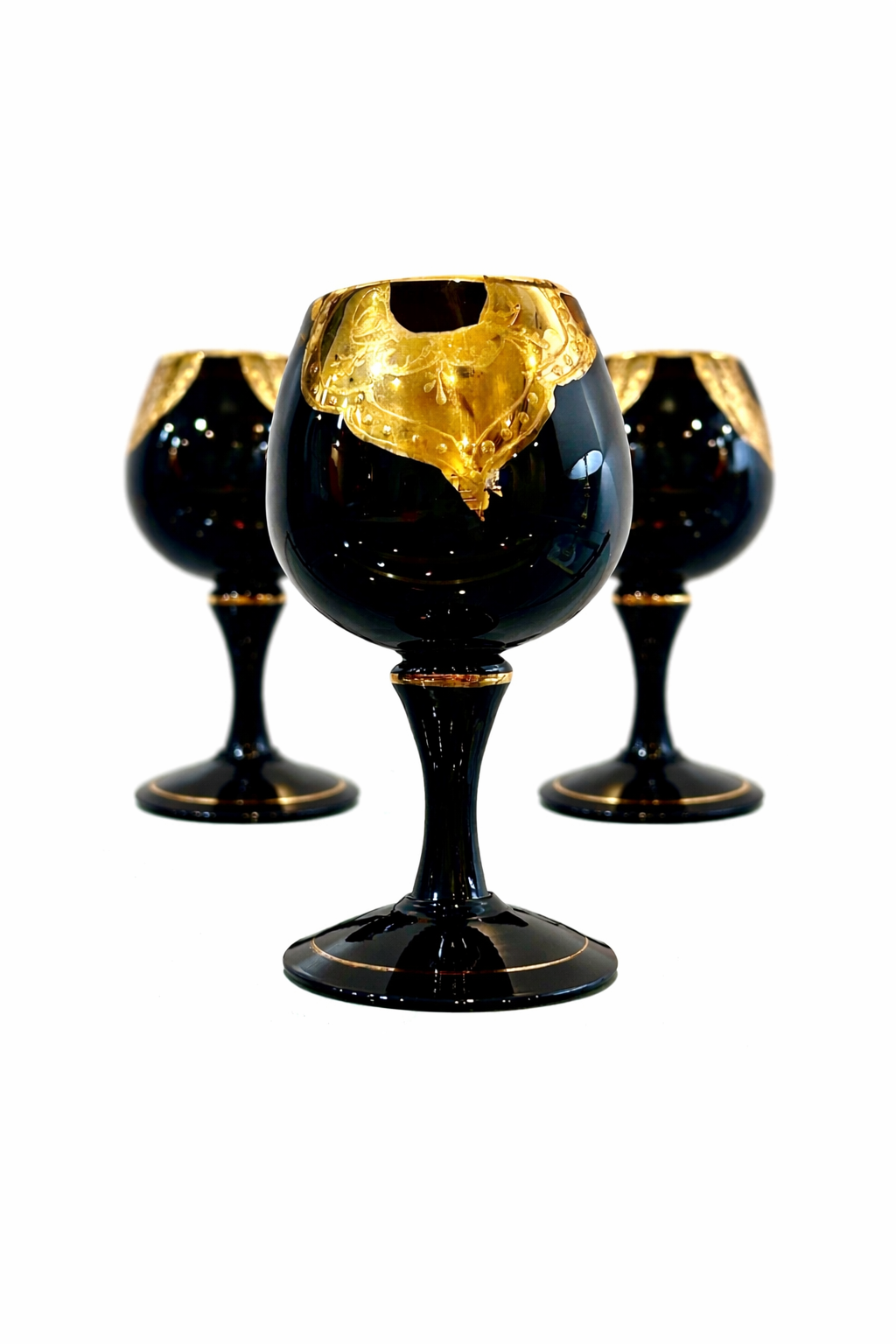 Image 1 of 10
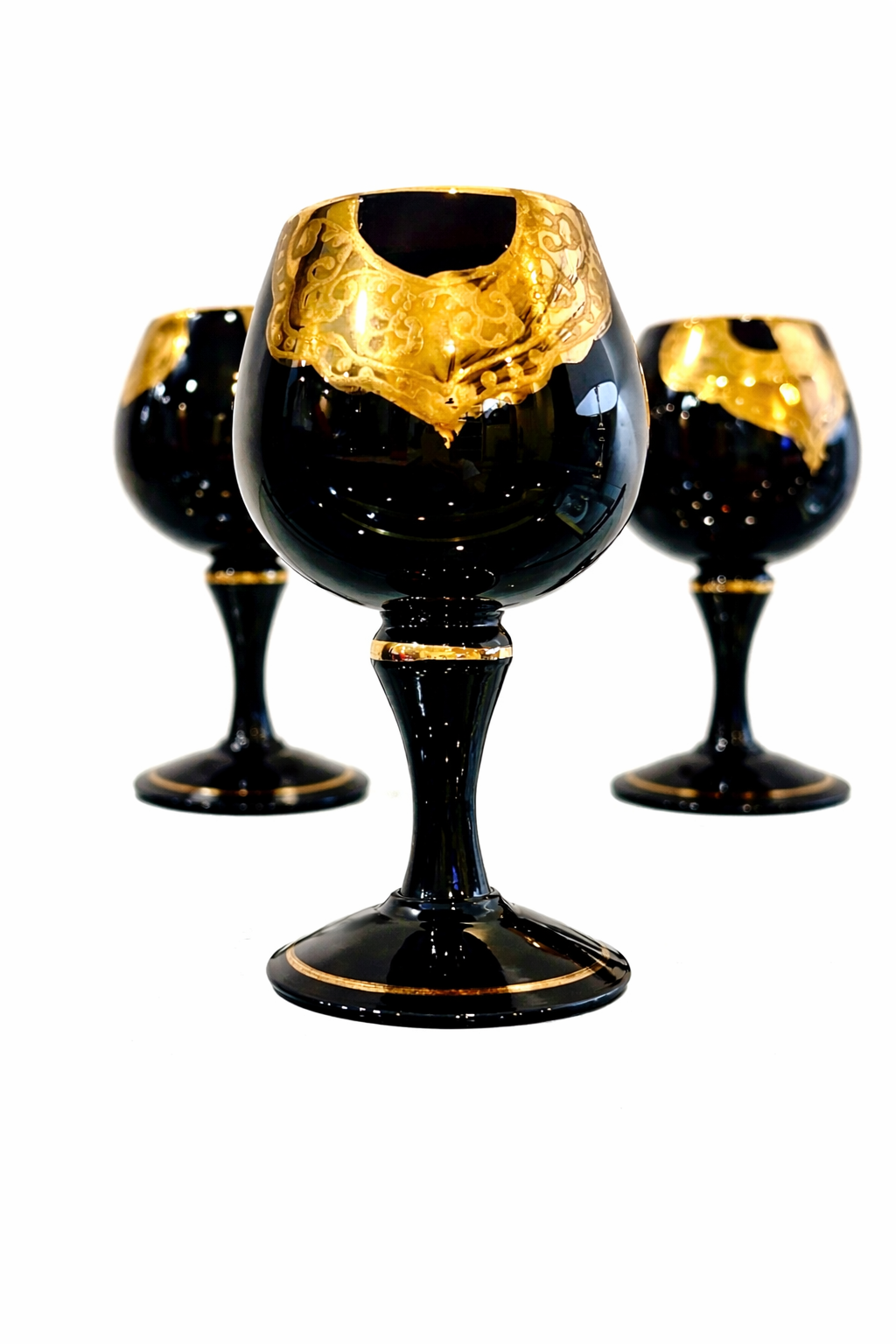 Image 2 of 10
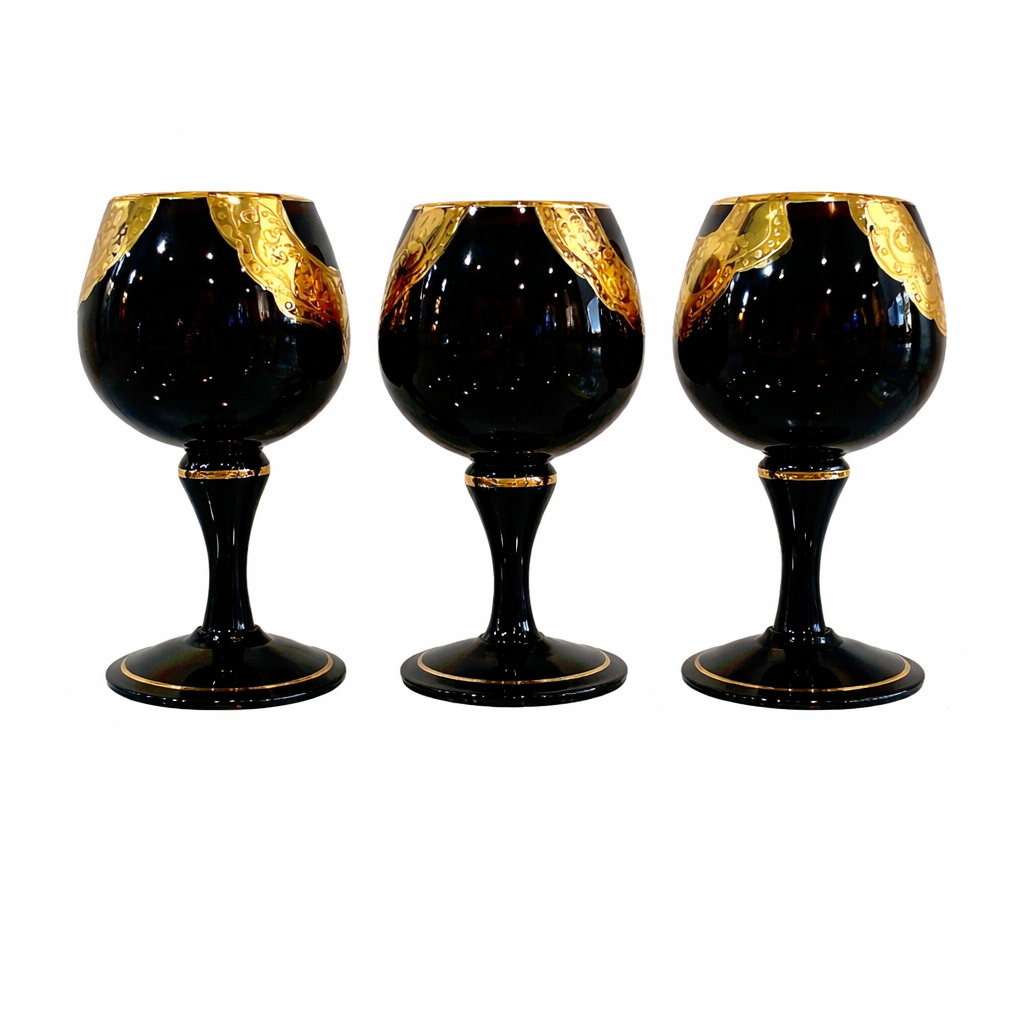 Image 3 of 10
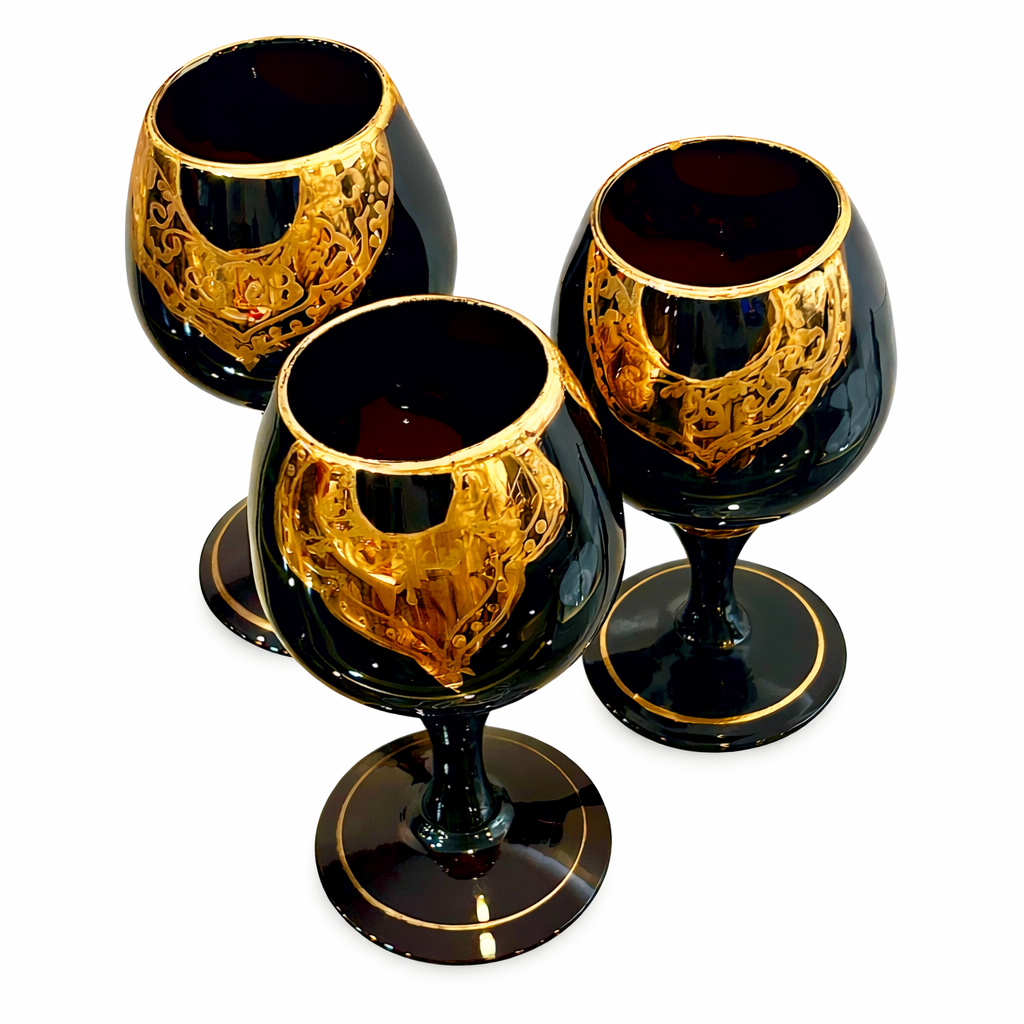 Image 4 of 10
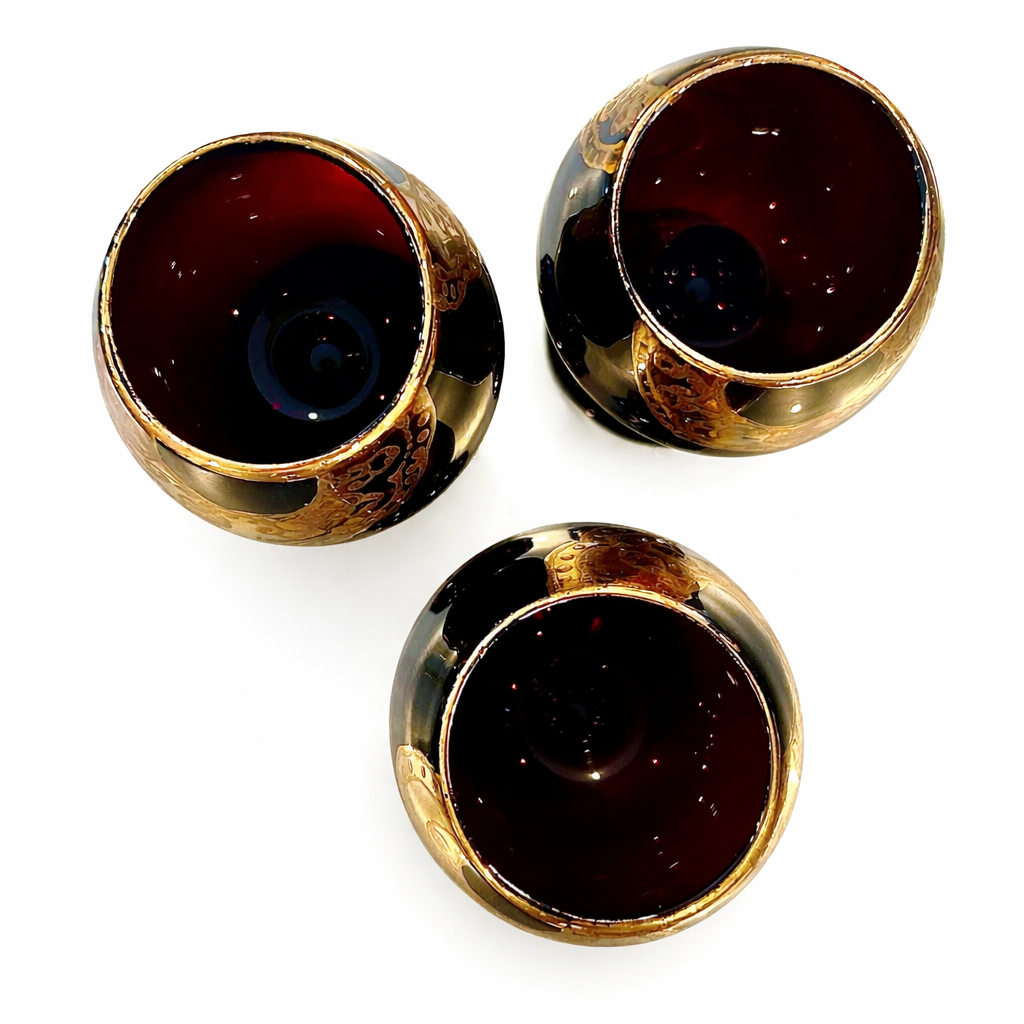 Image 5 of 10
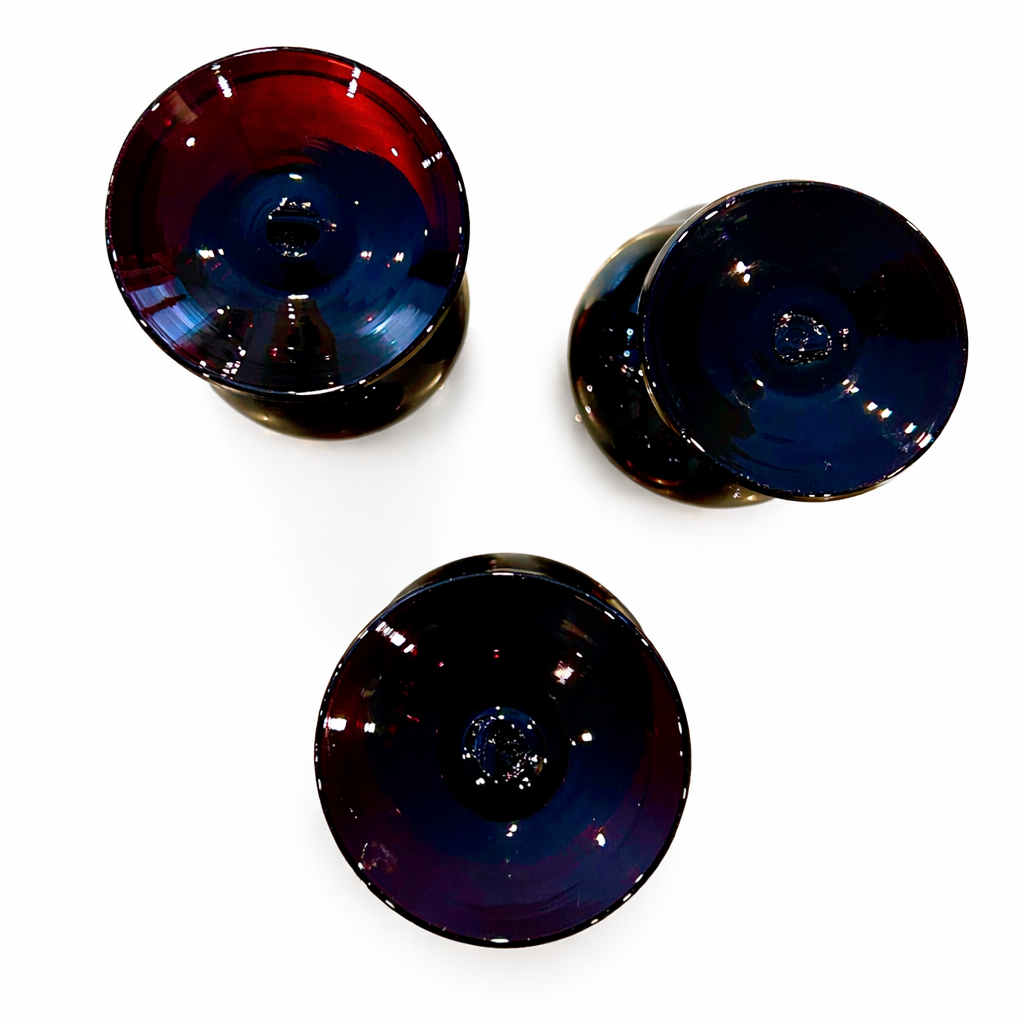 Image 6 of 10
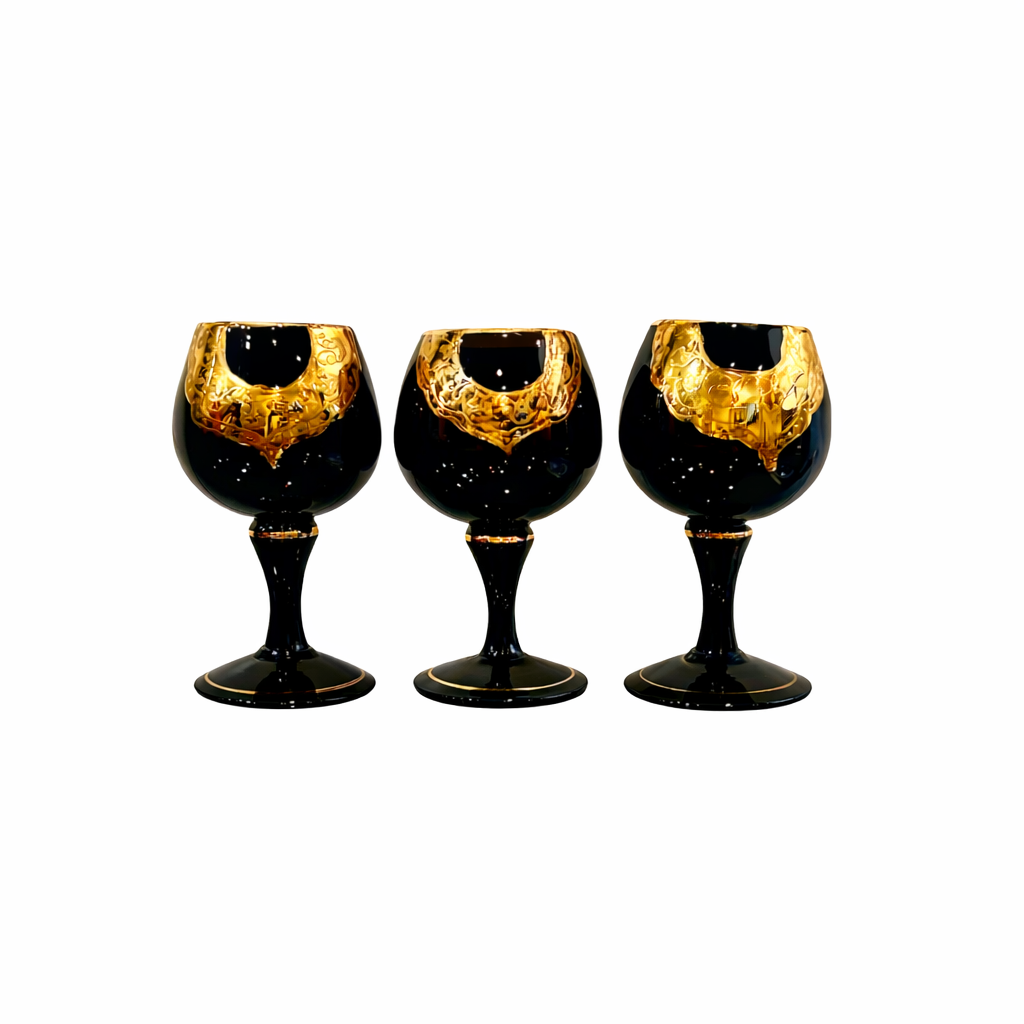 Image 7 of 10
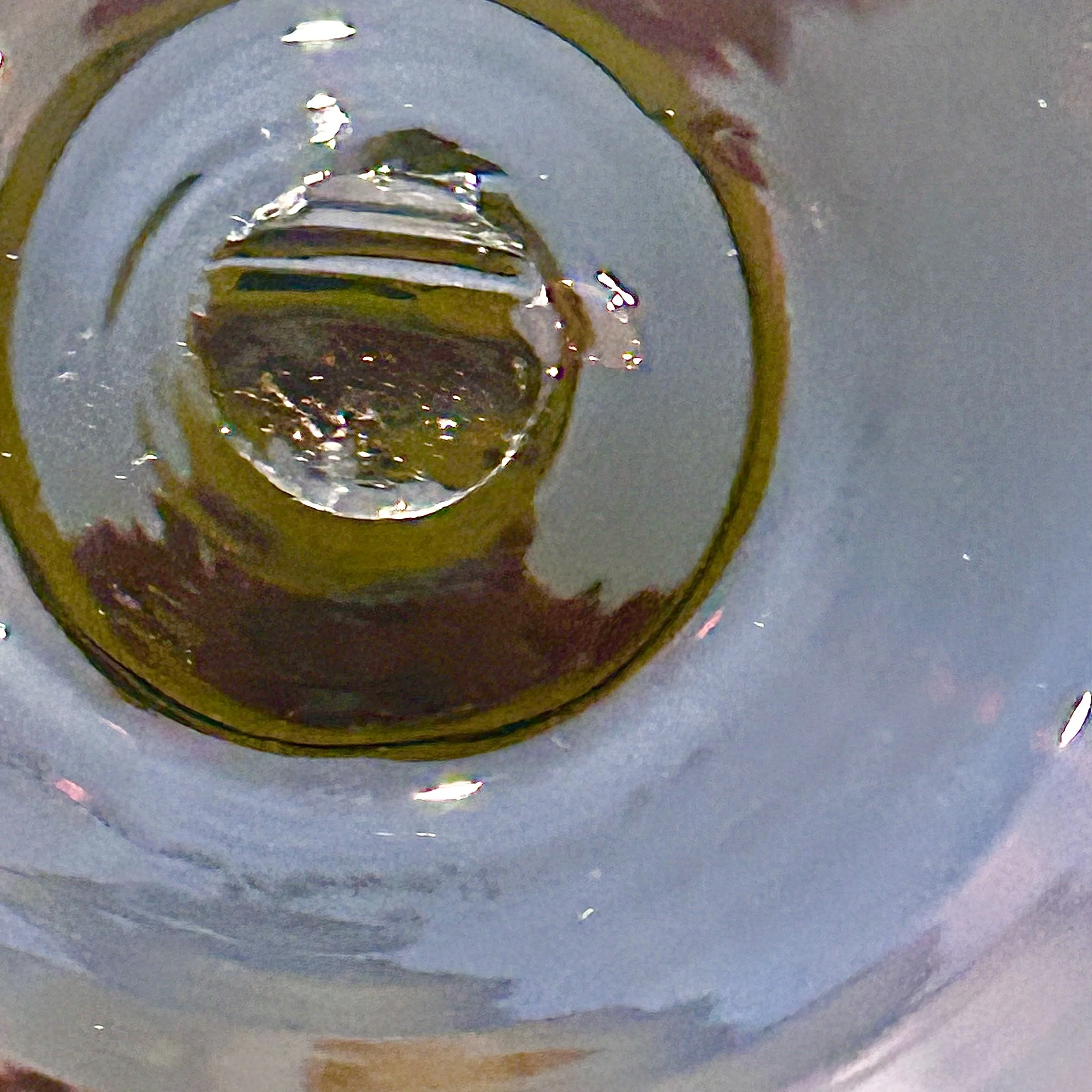 Image 8 of 10
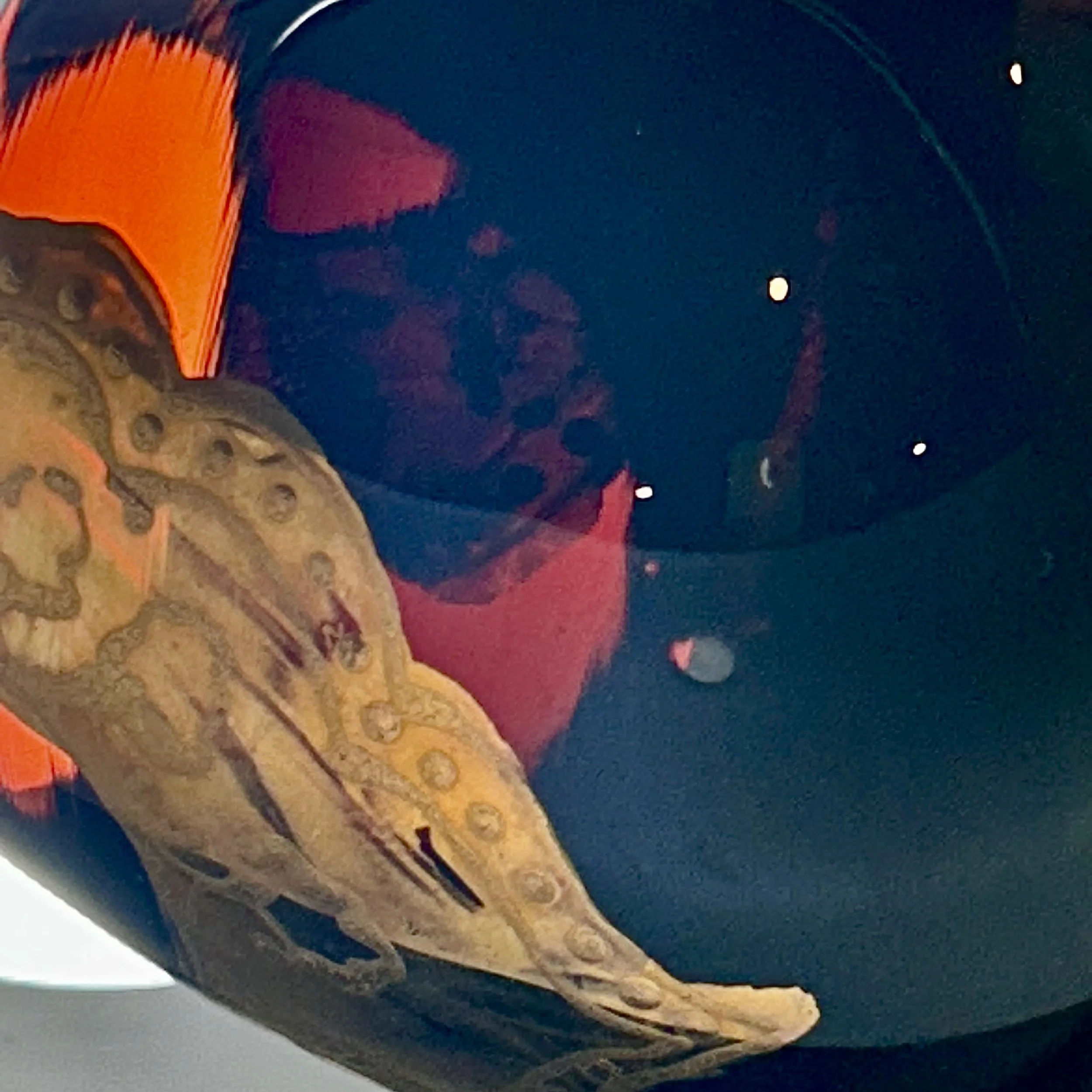 Image 9 of 10
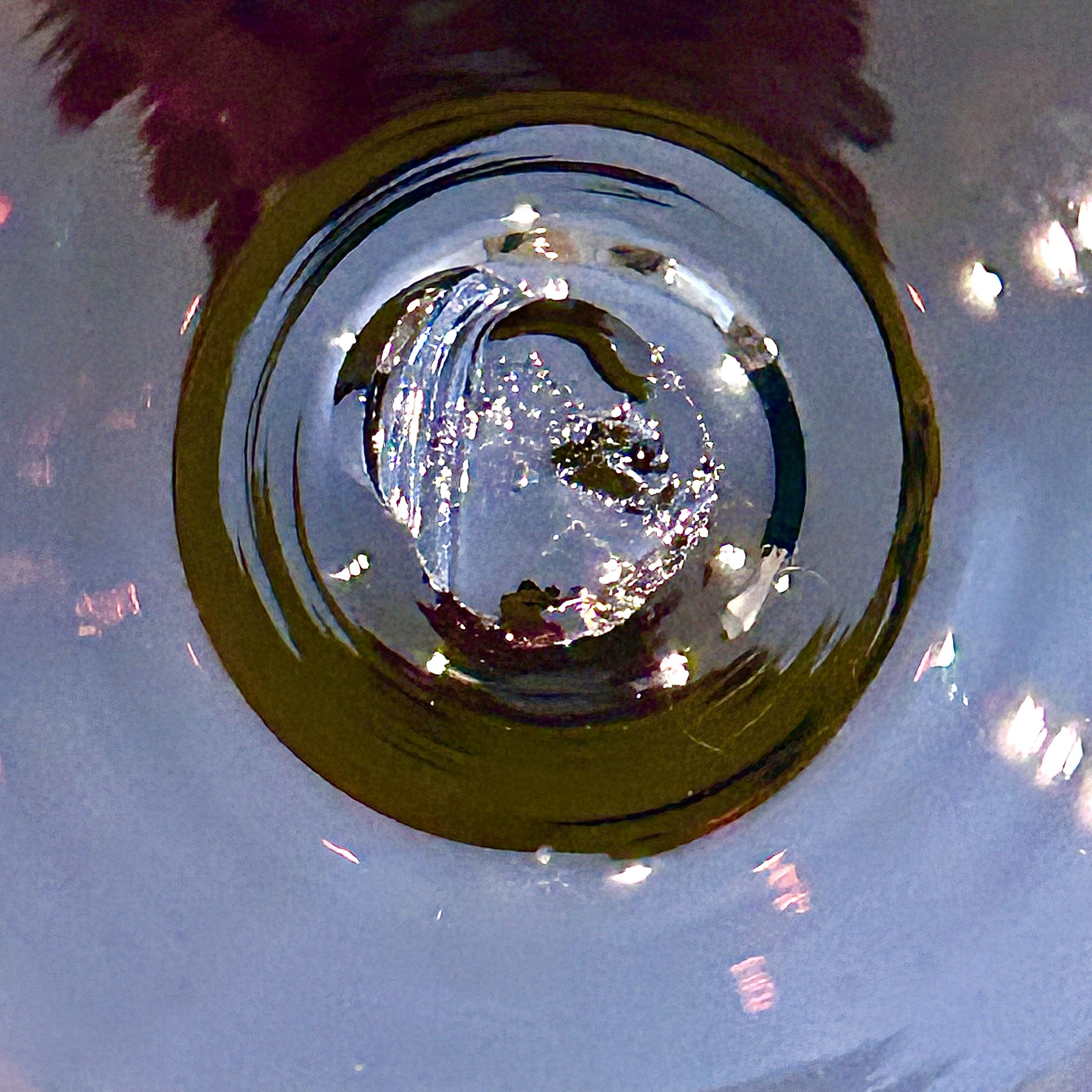 Image 10 of 10