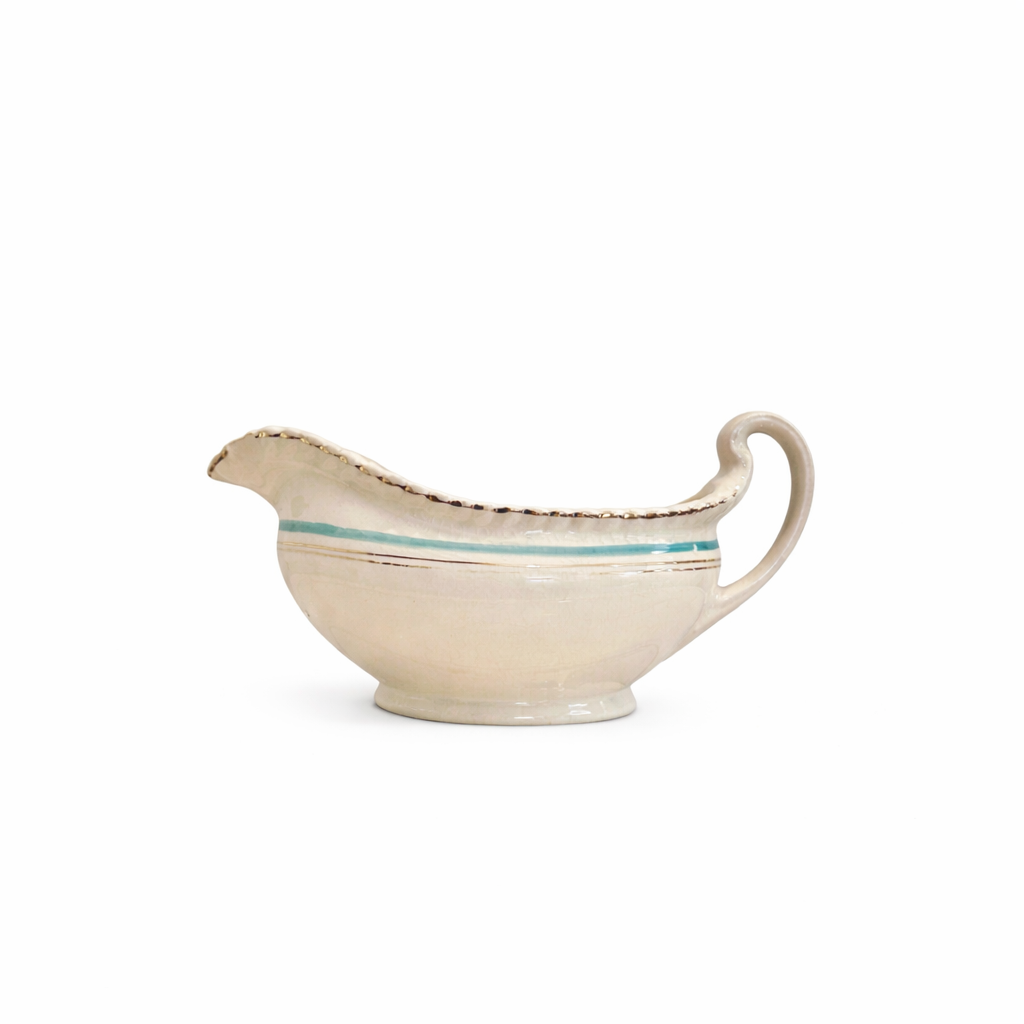
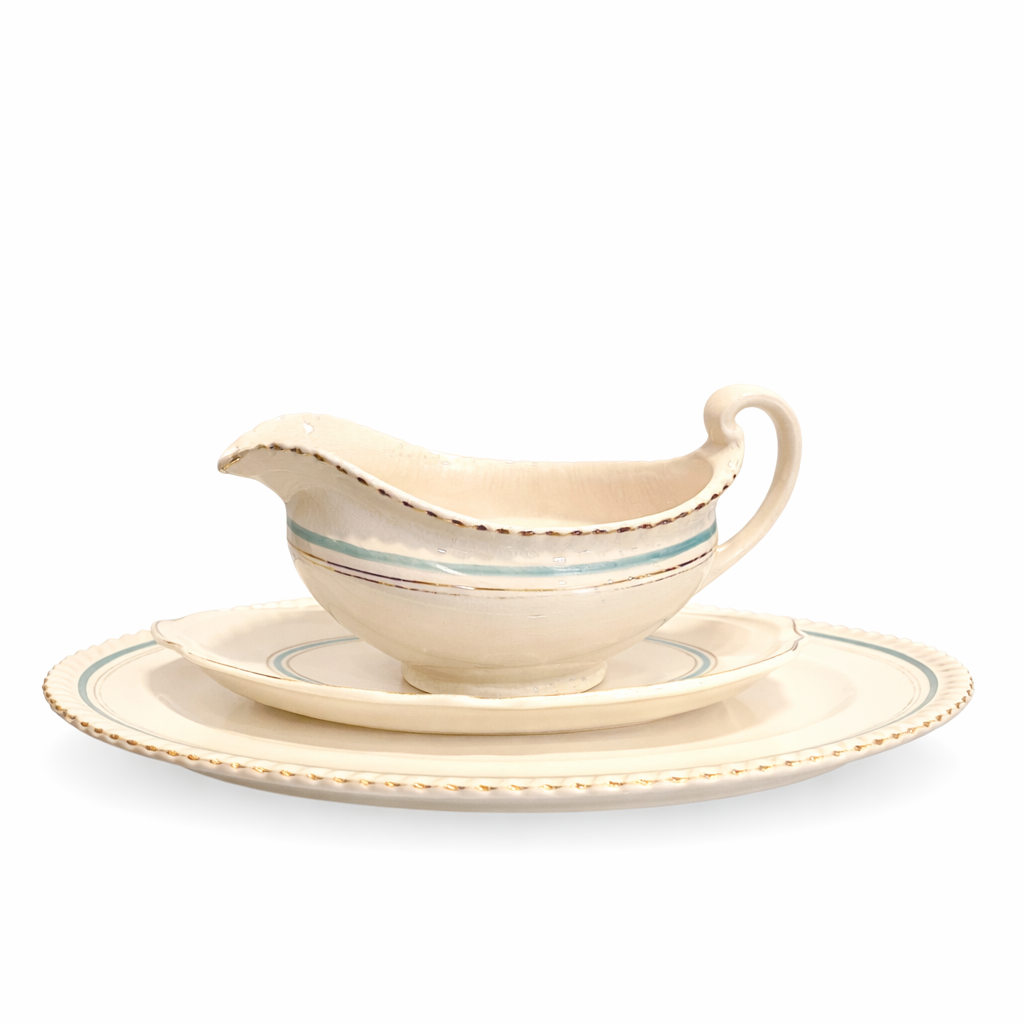
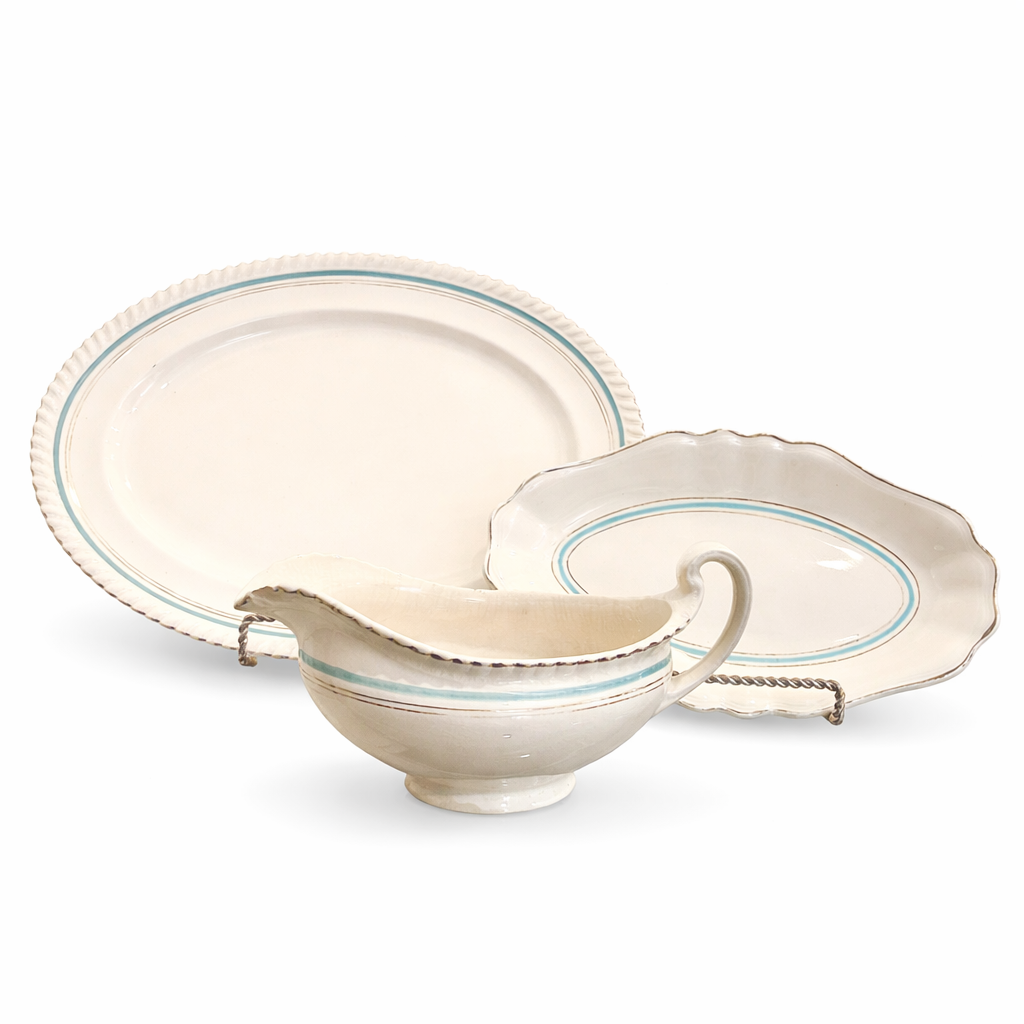
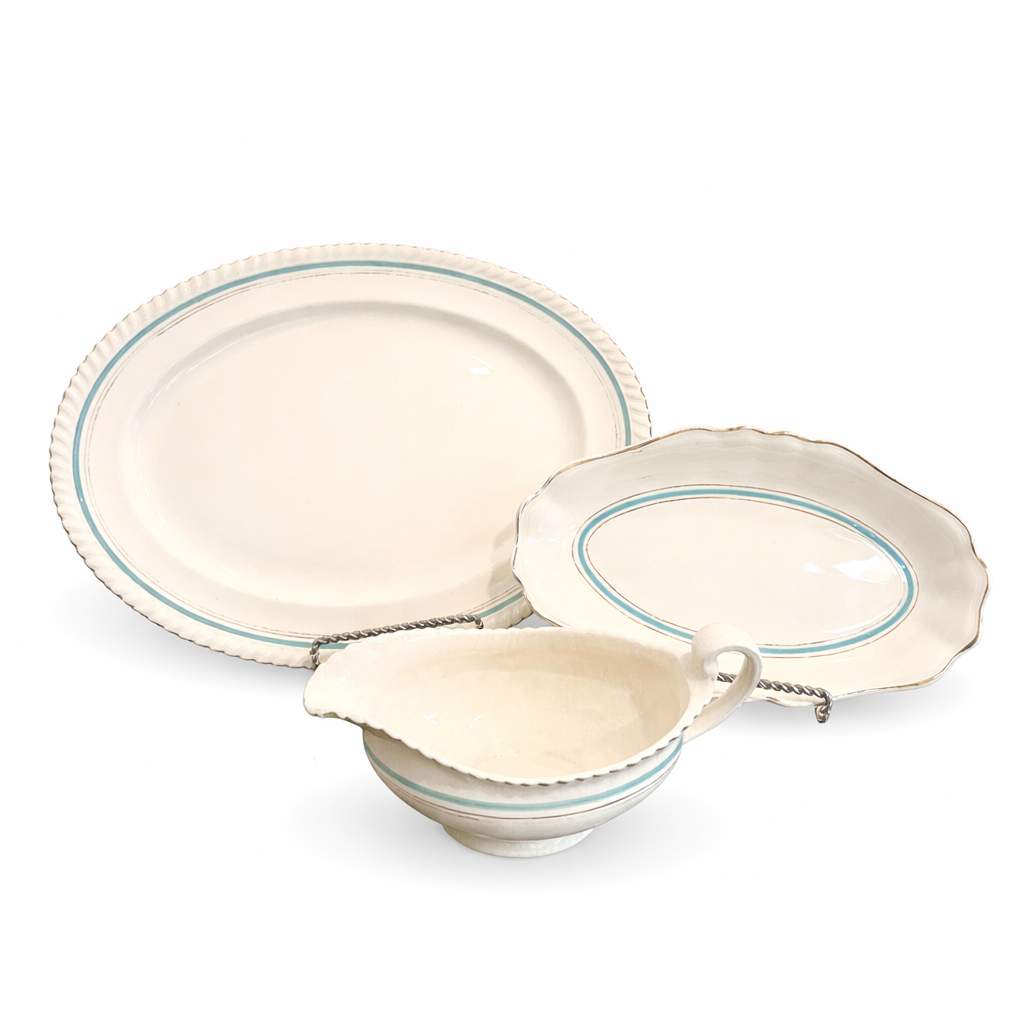
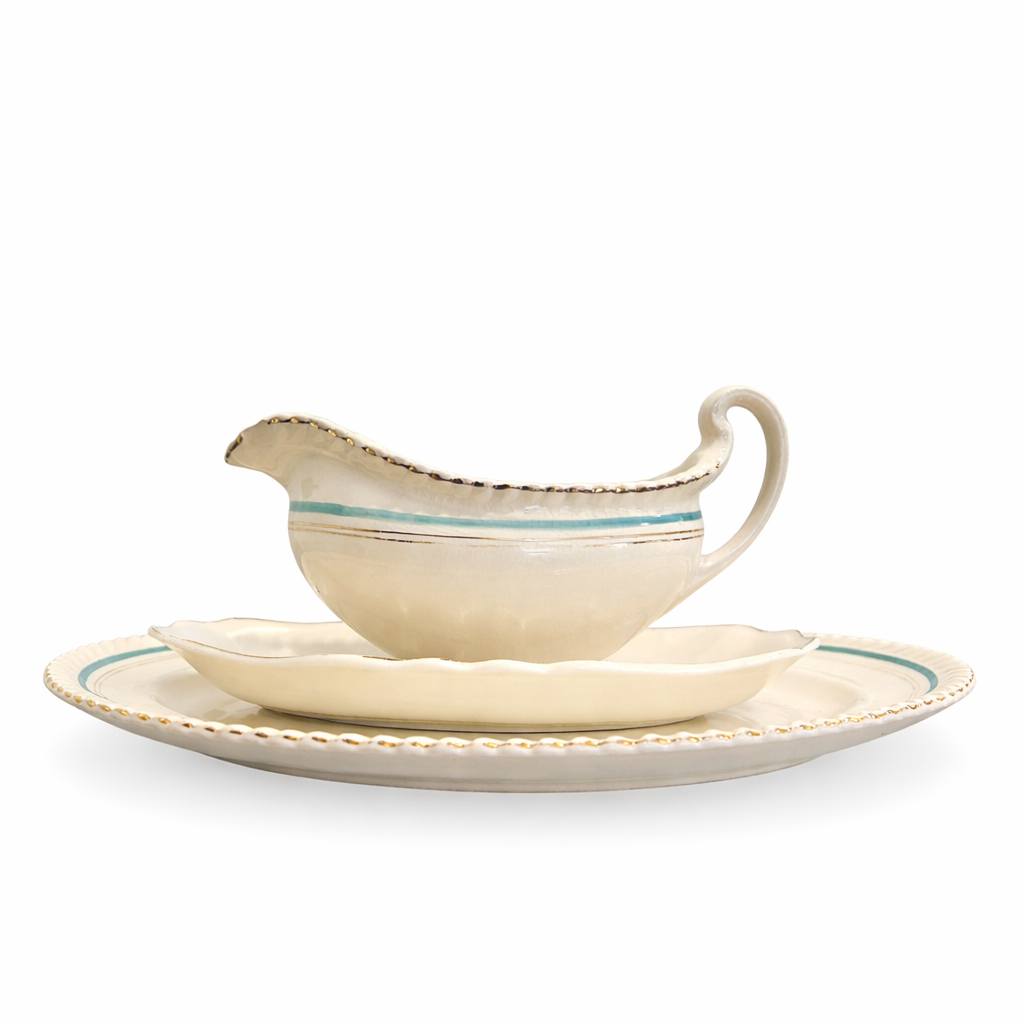
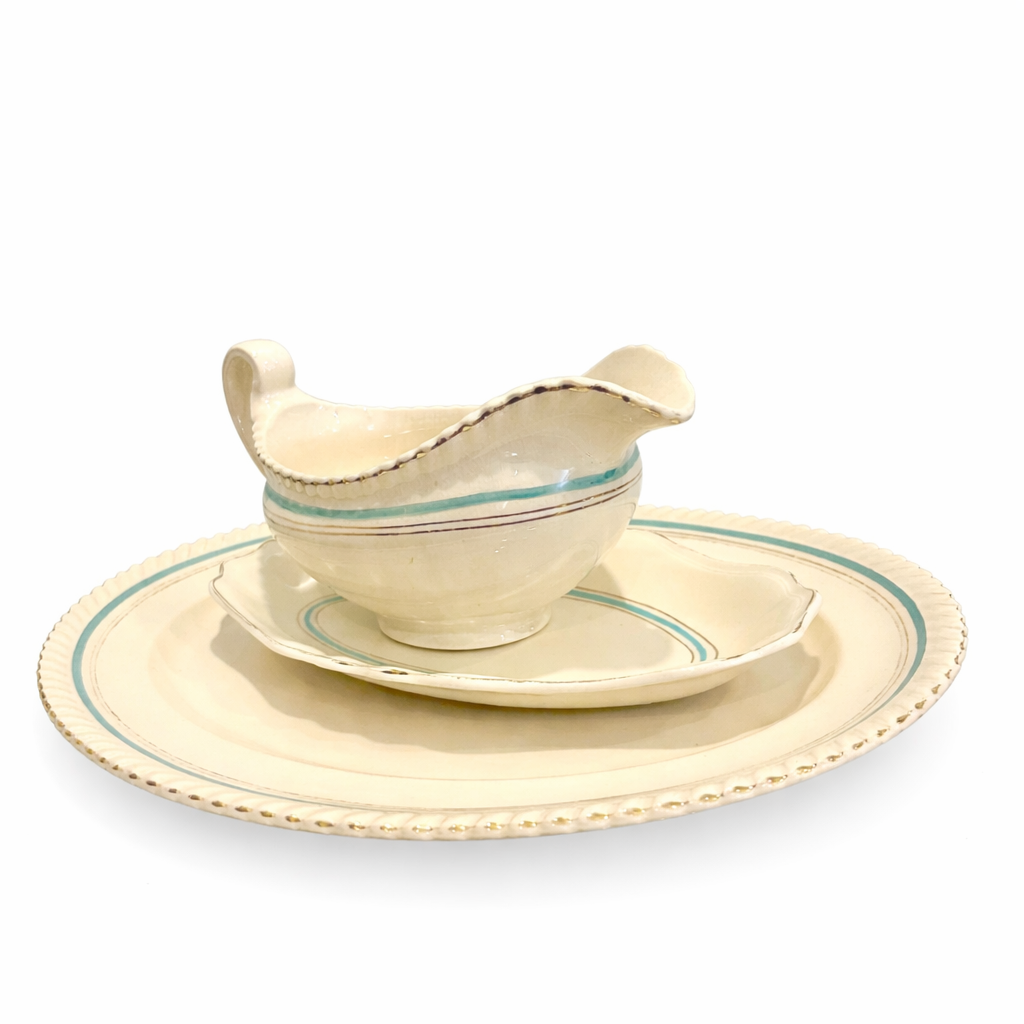
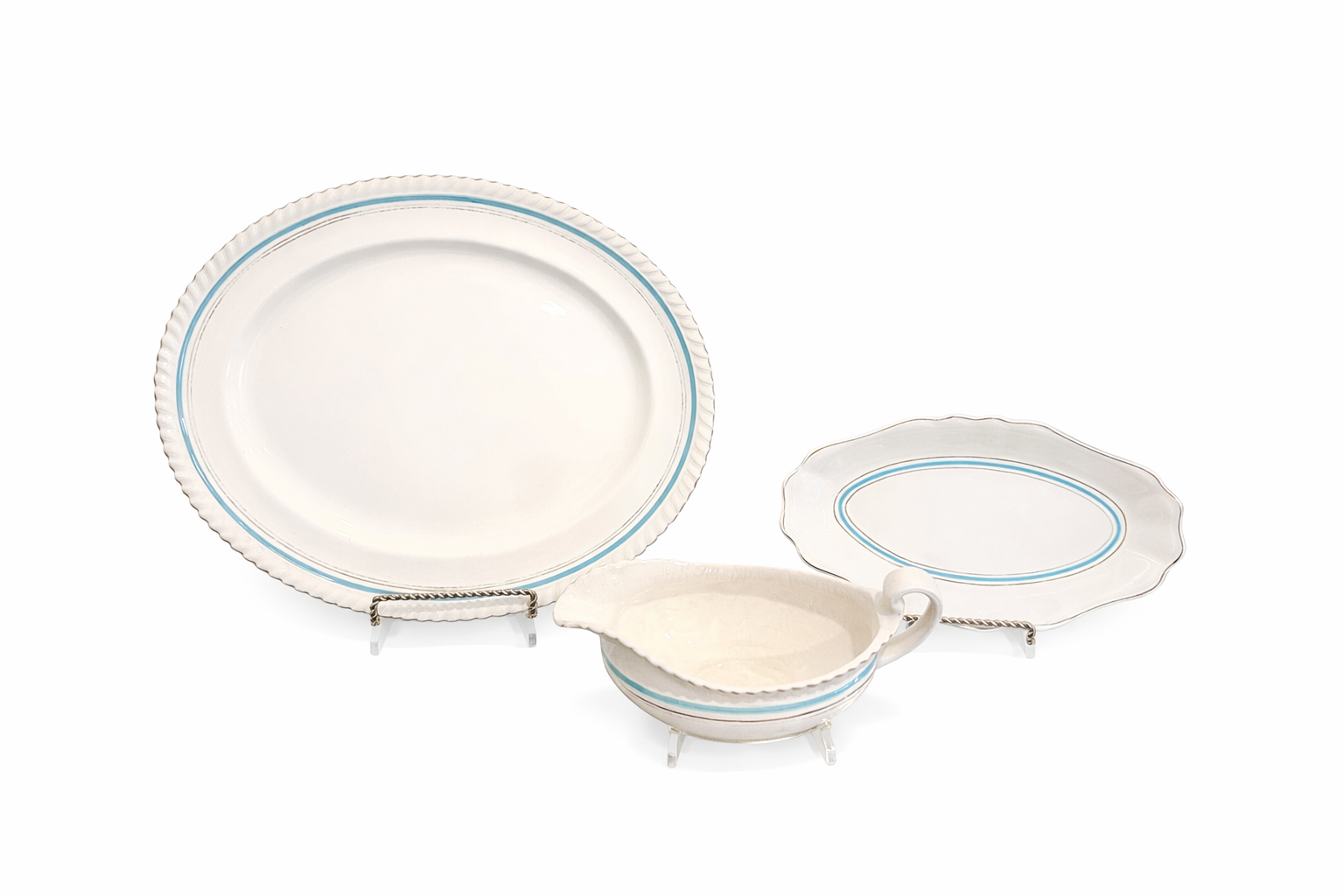
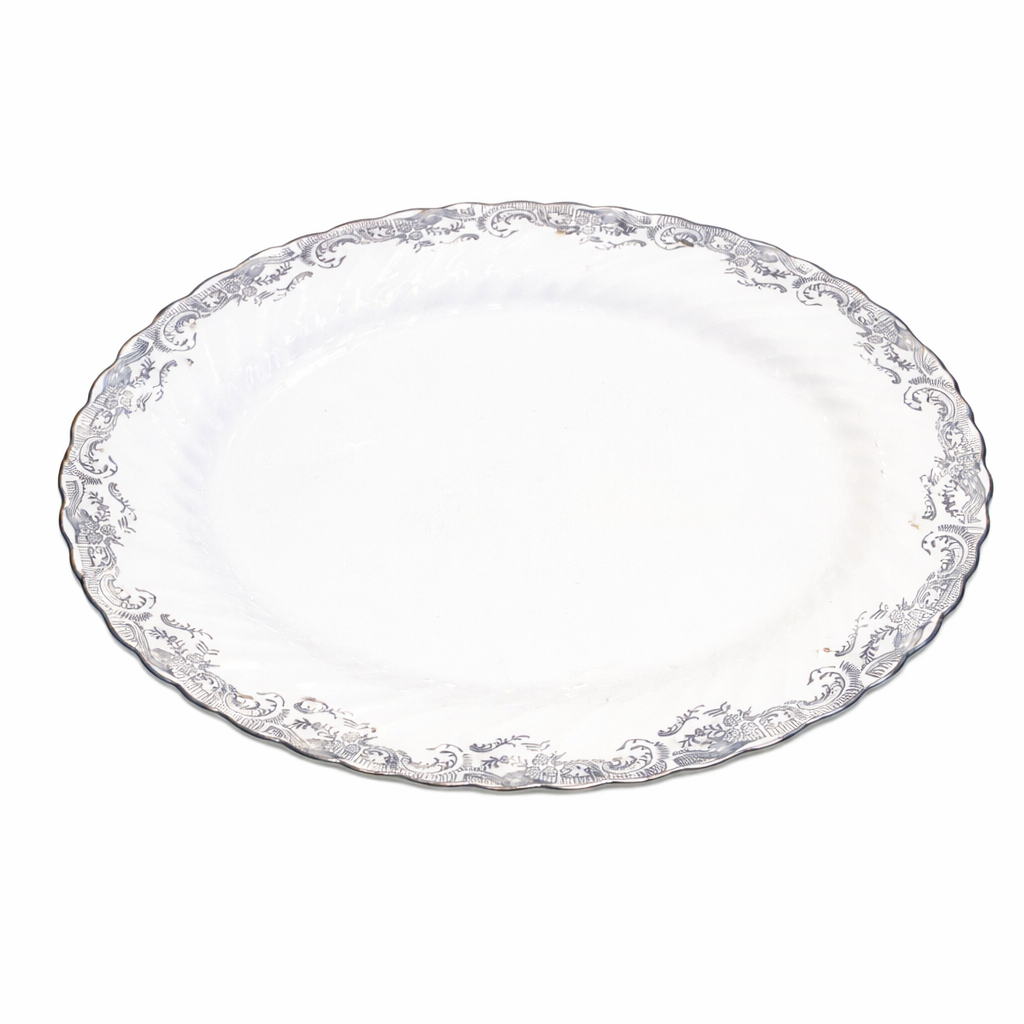
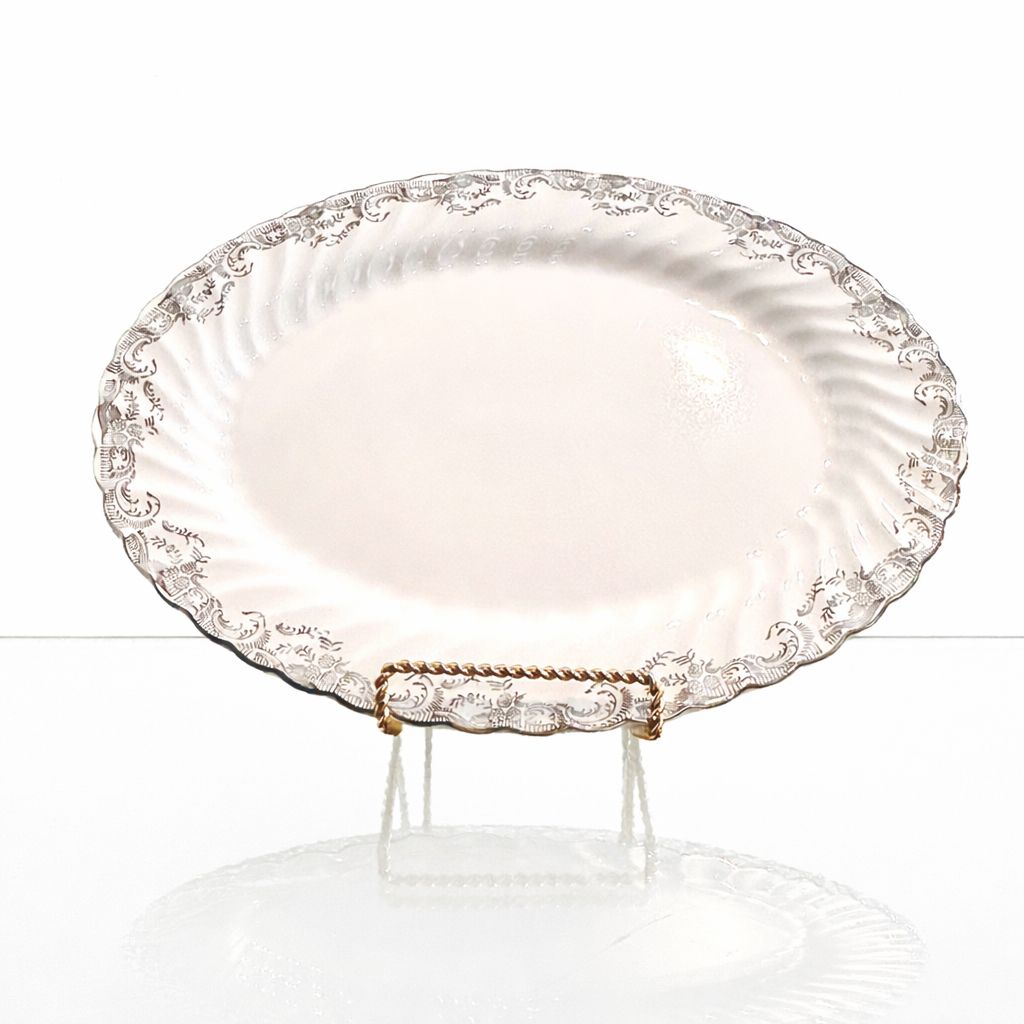
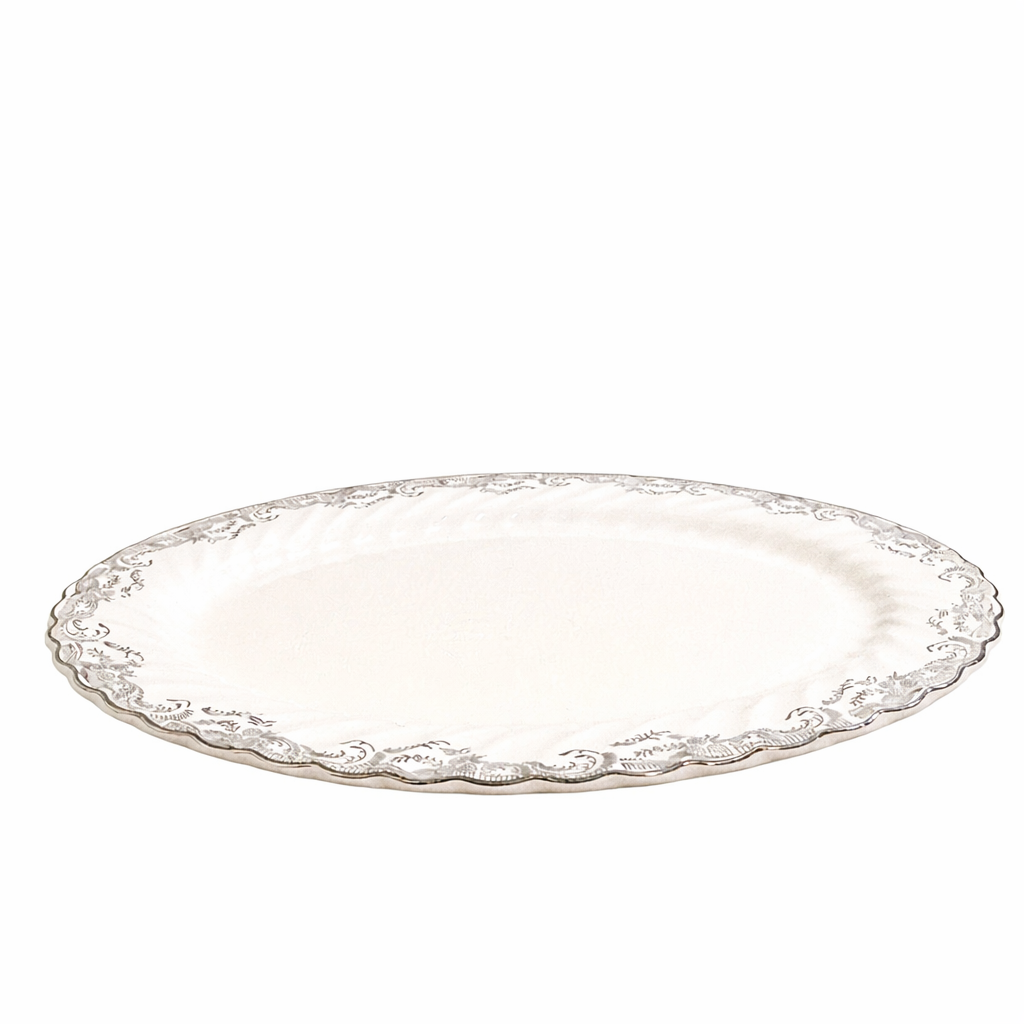
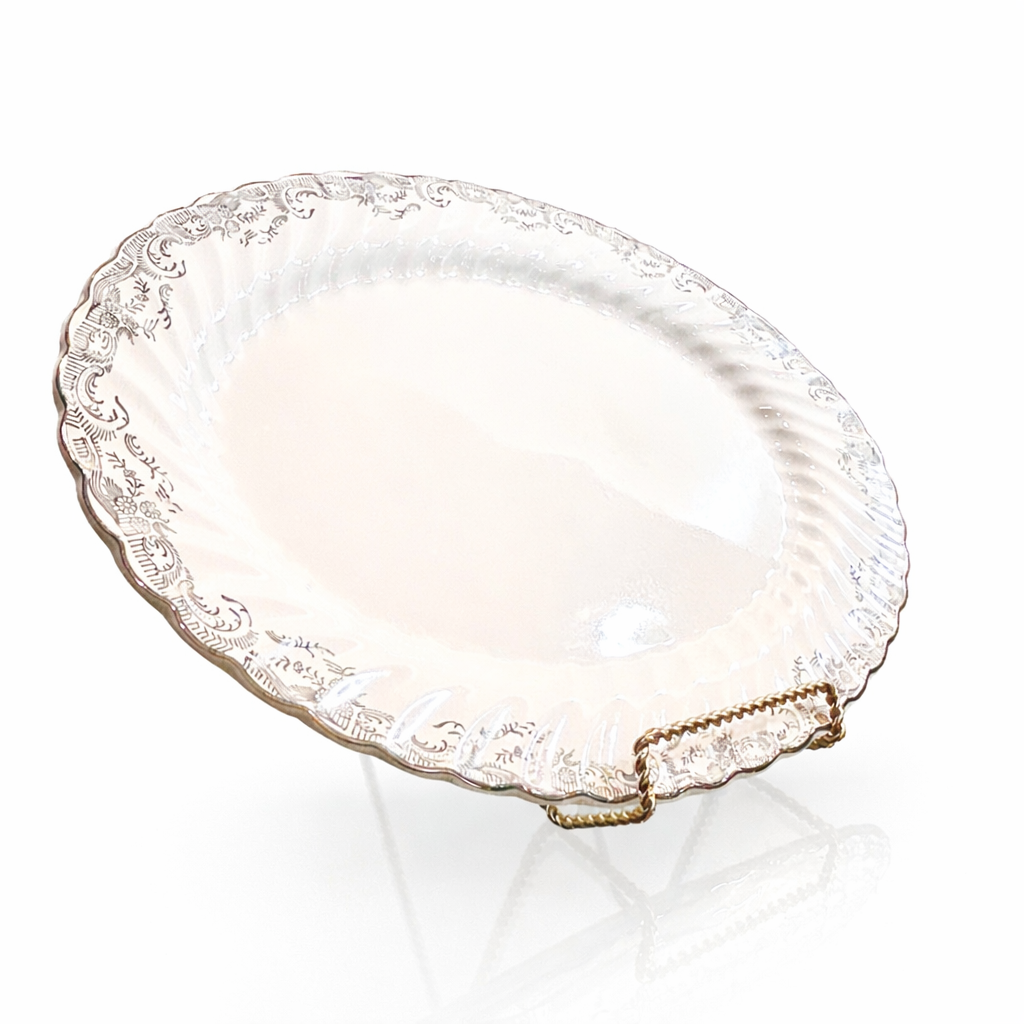
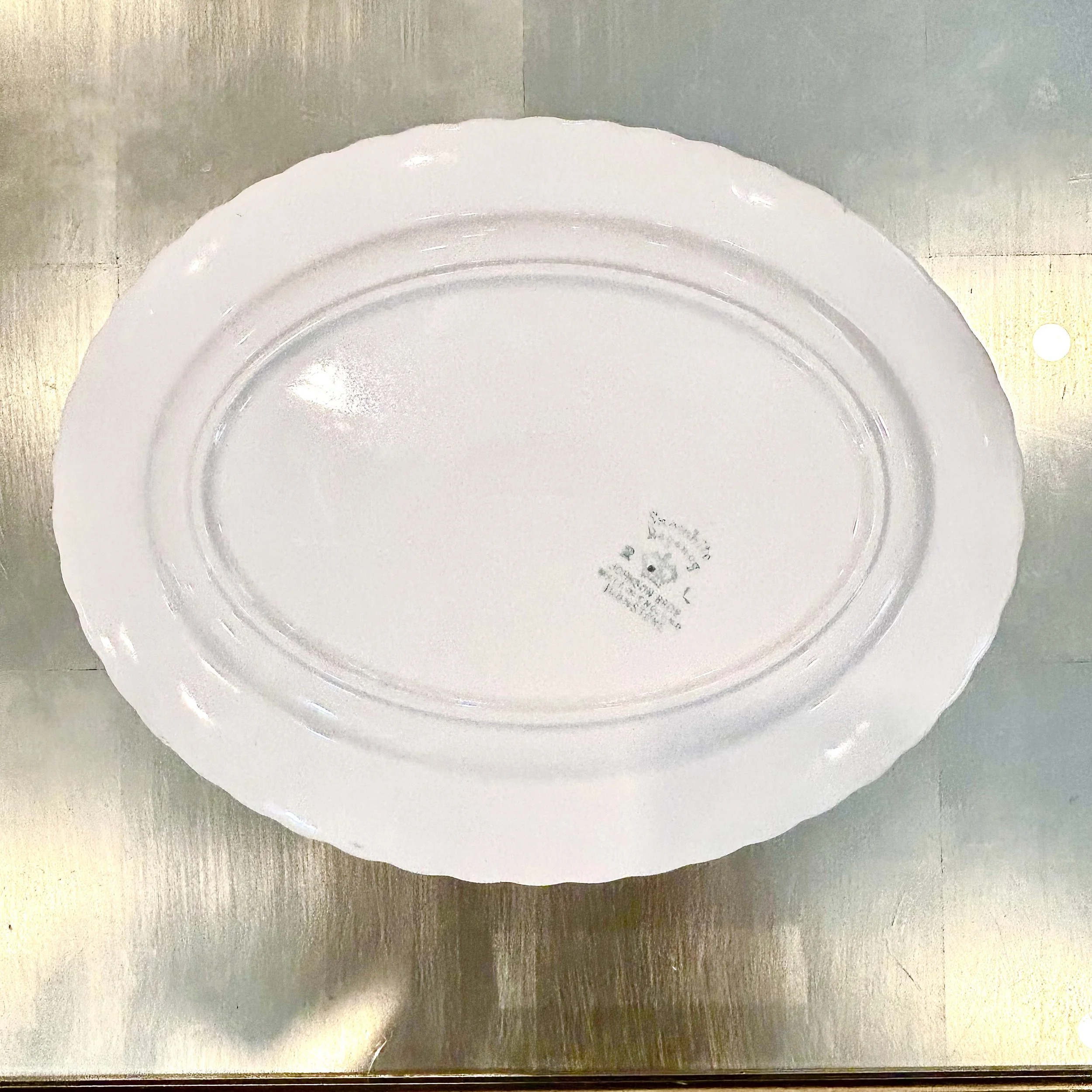
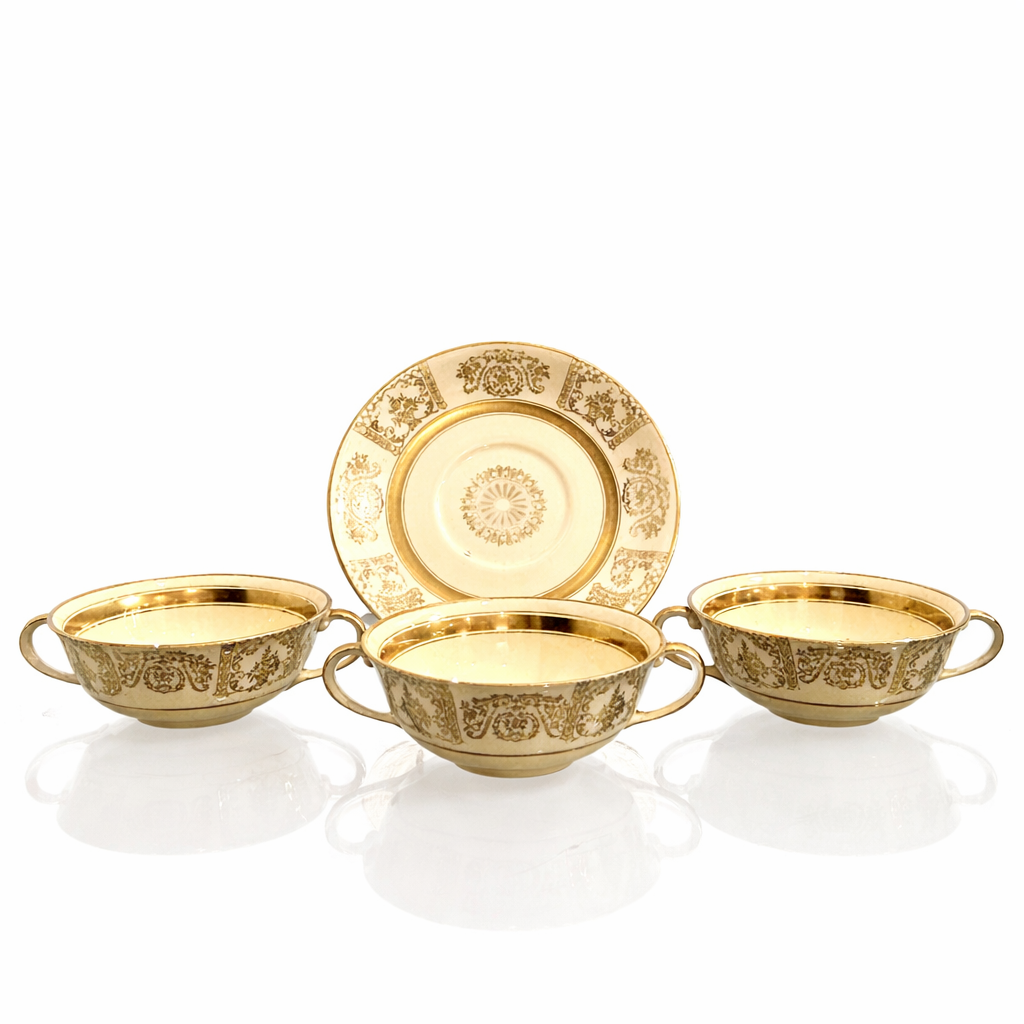
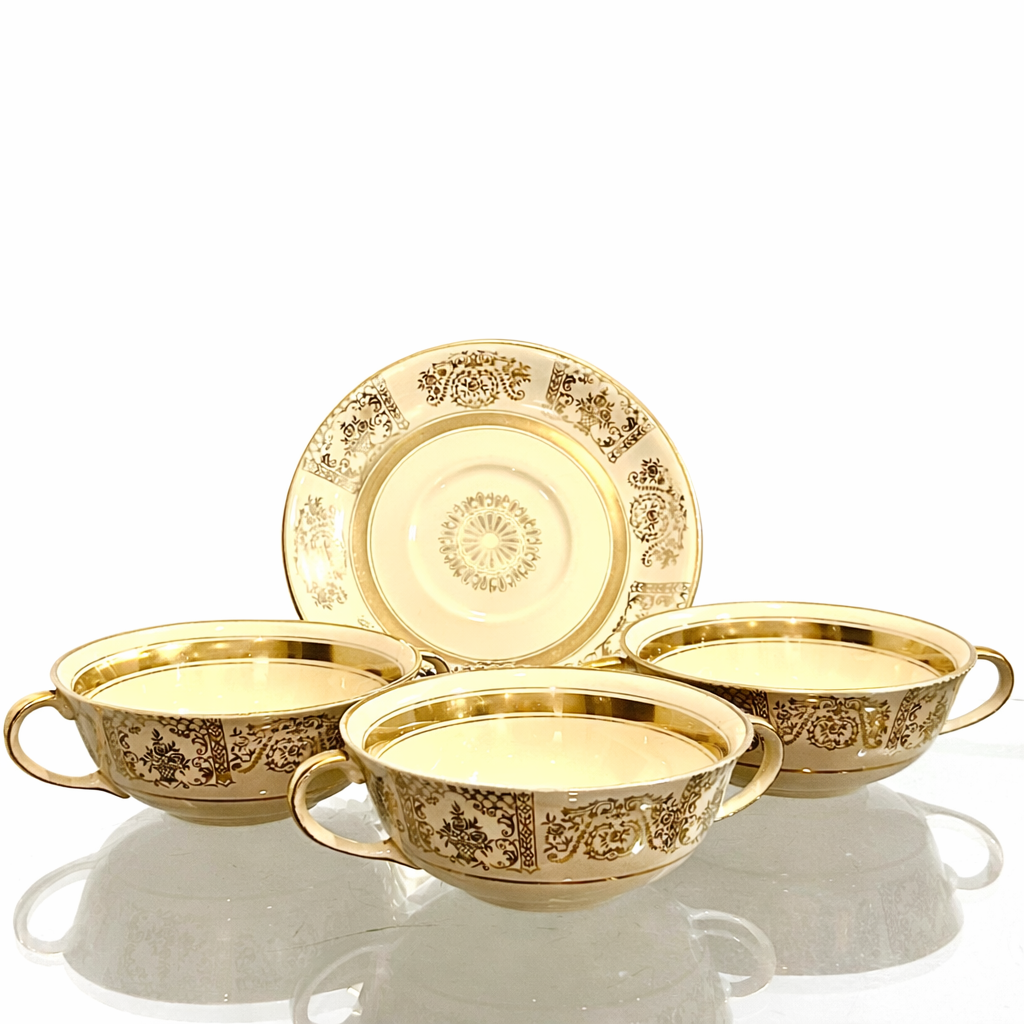
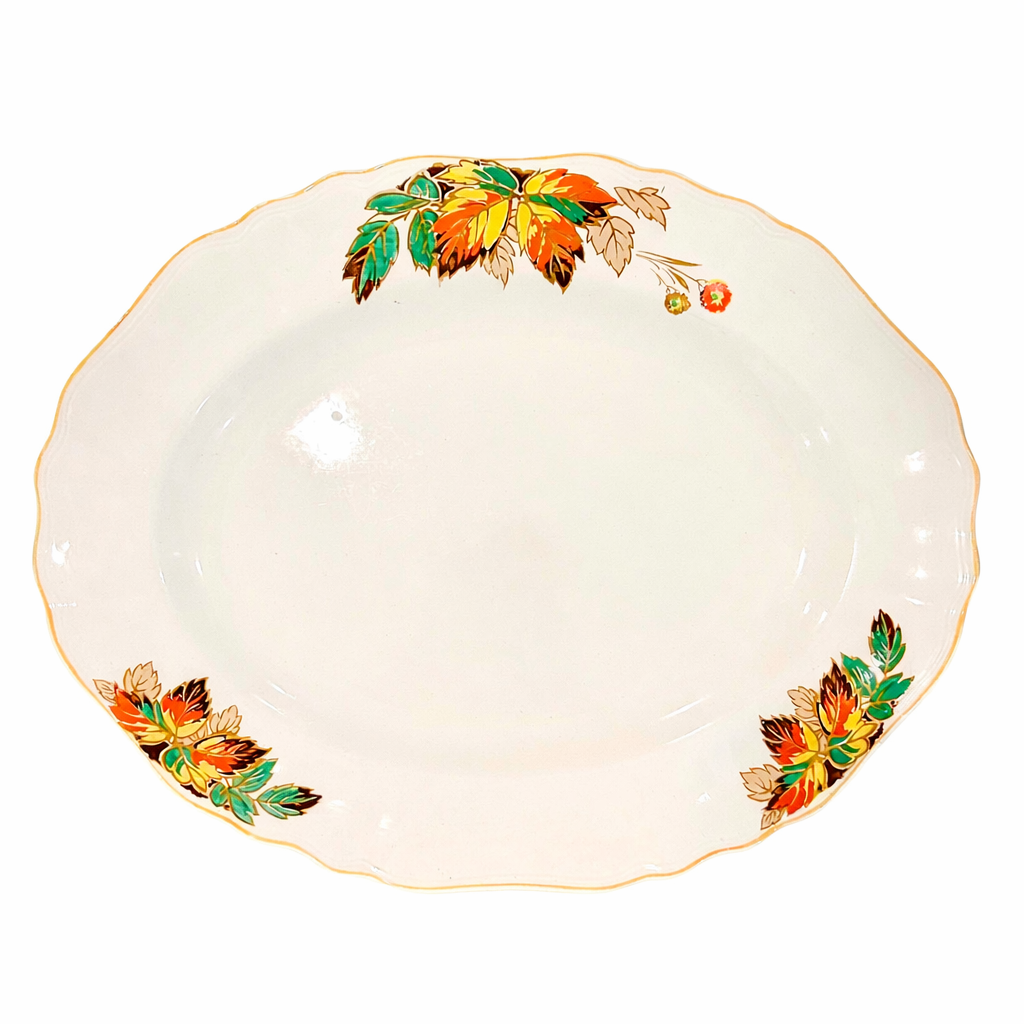
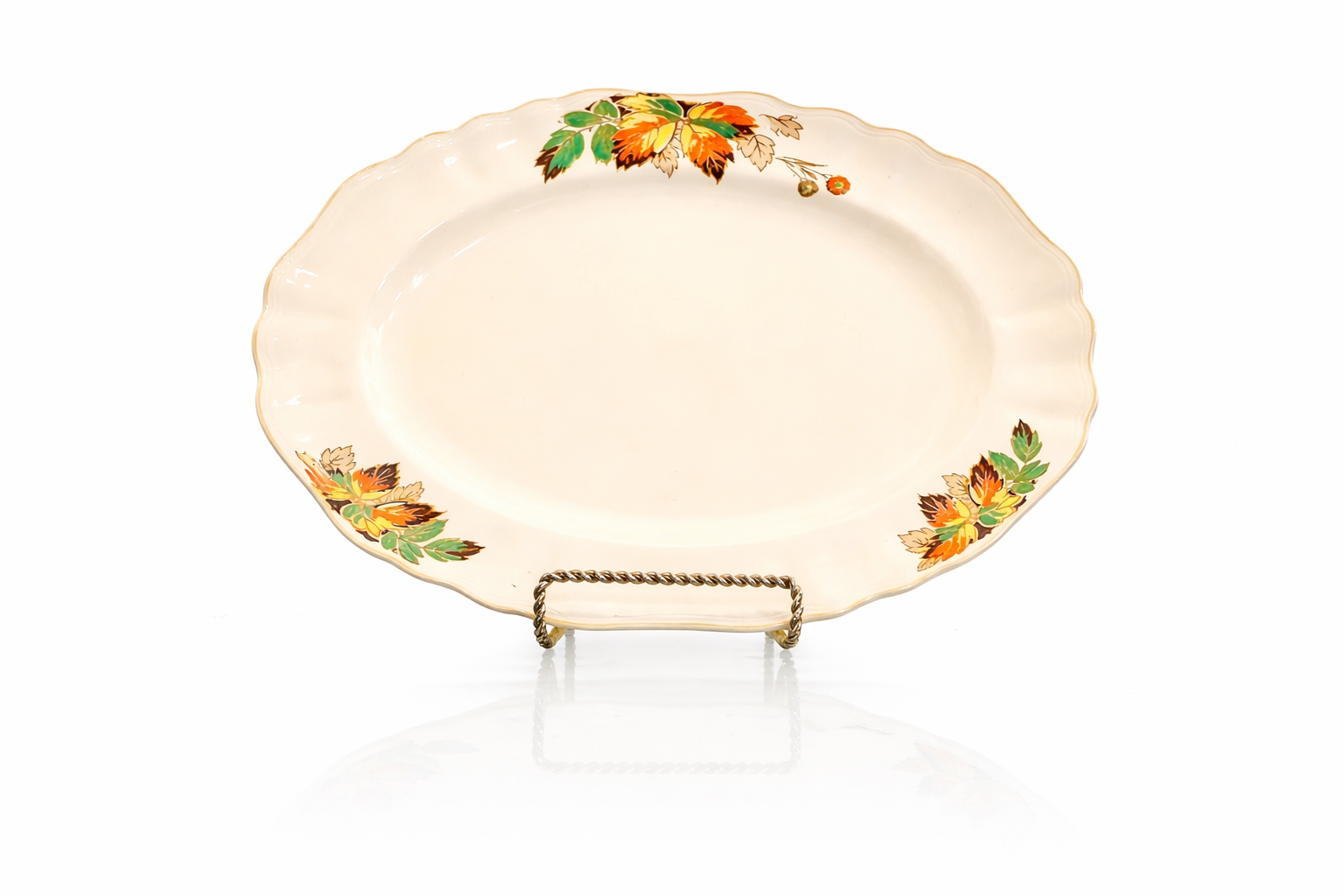
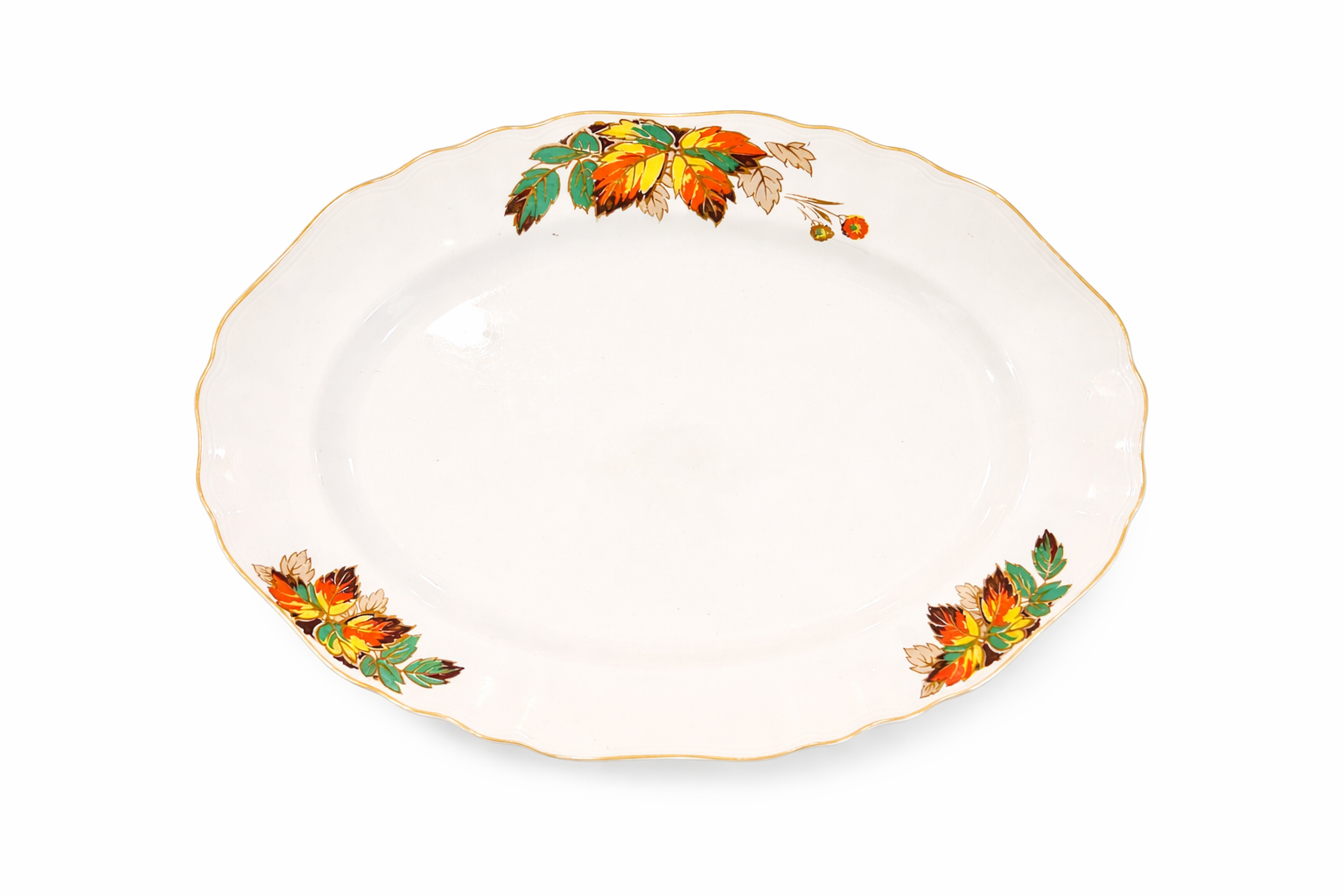
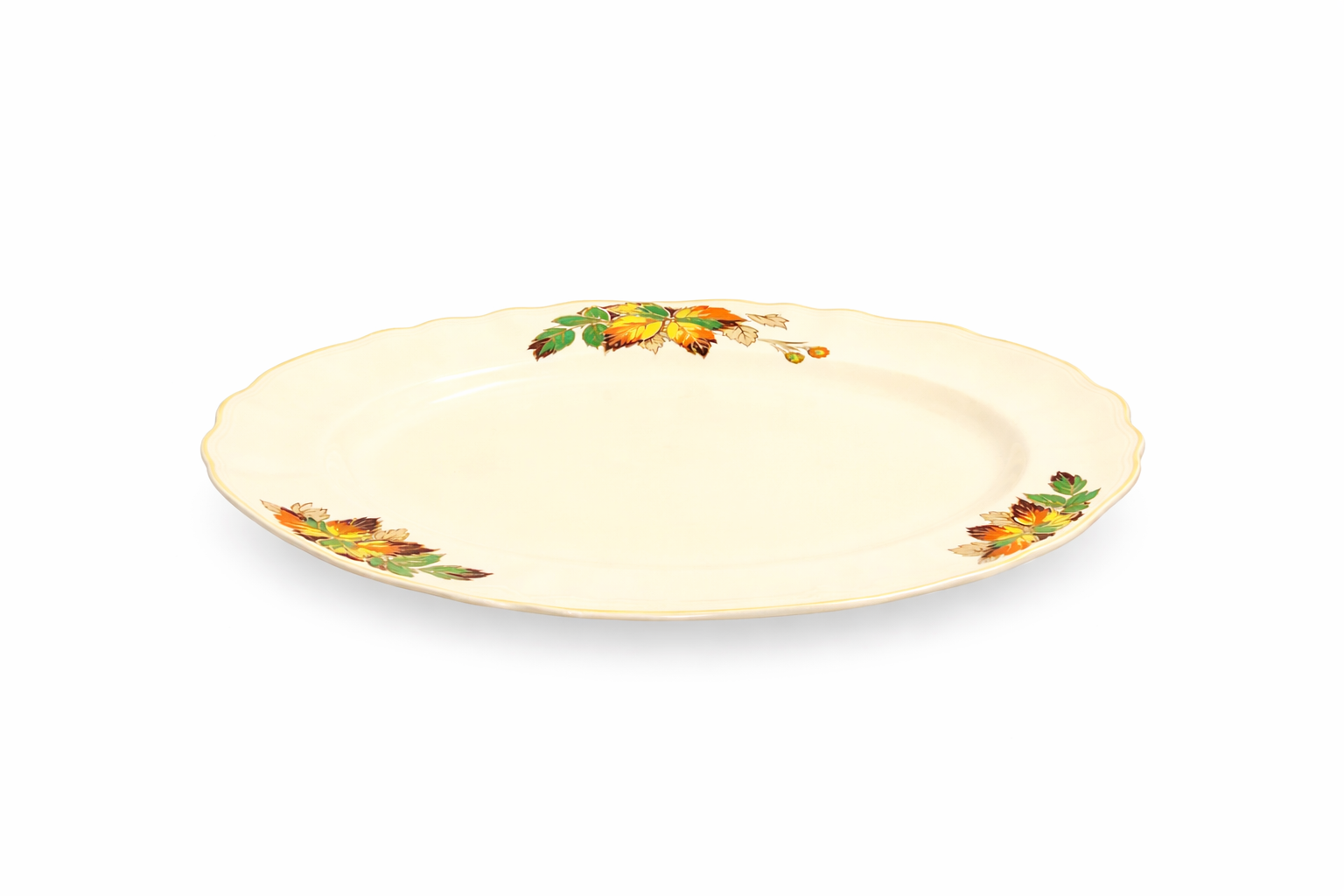
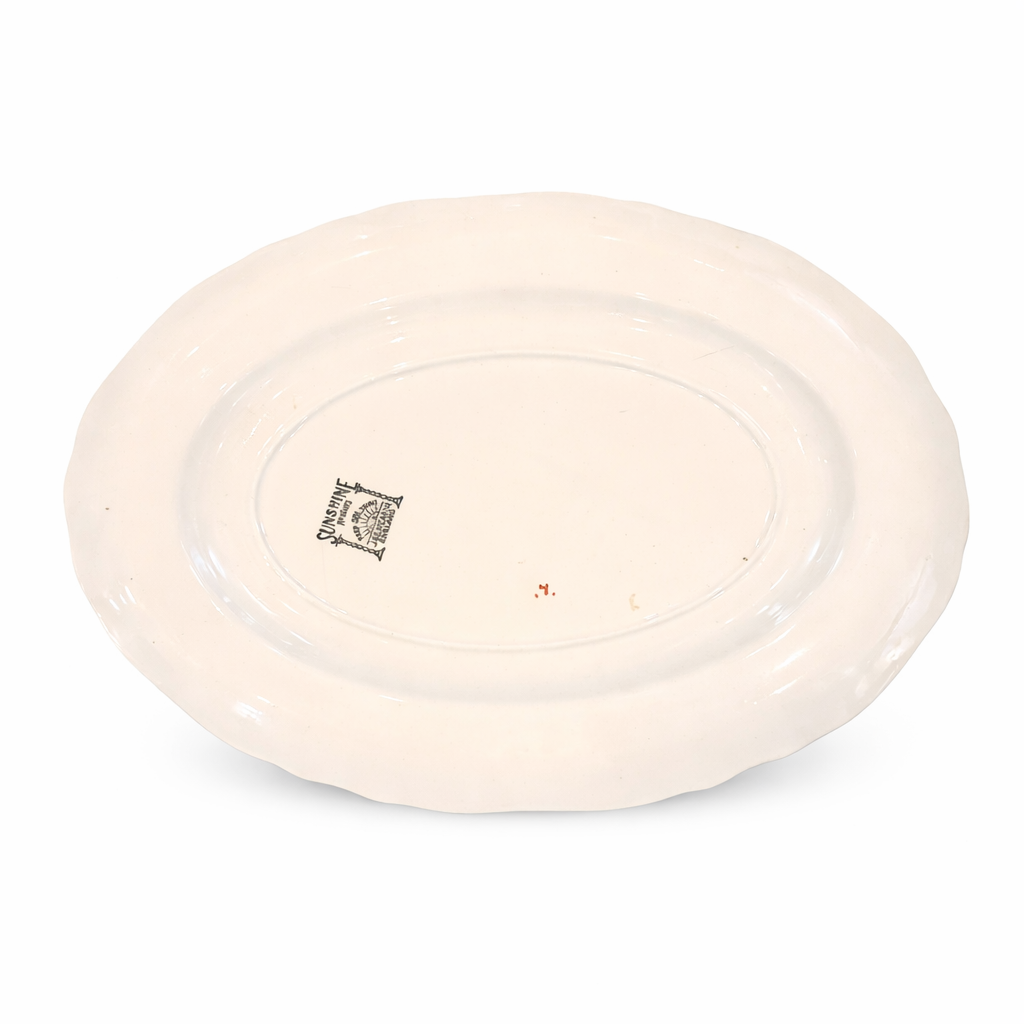
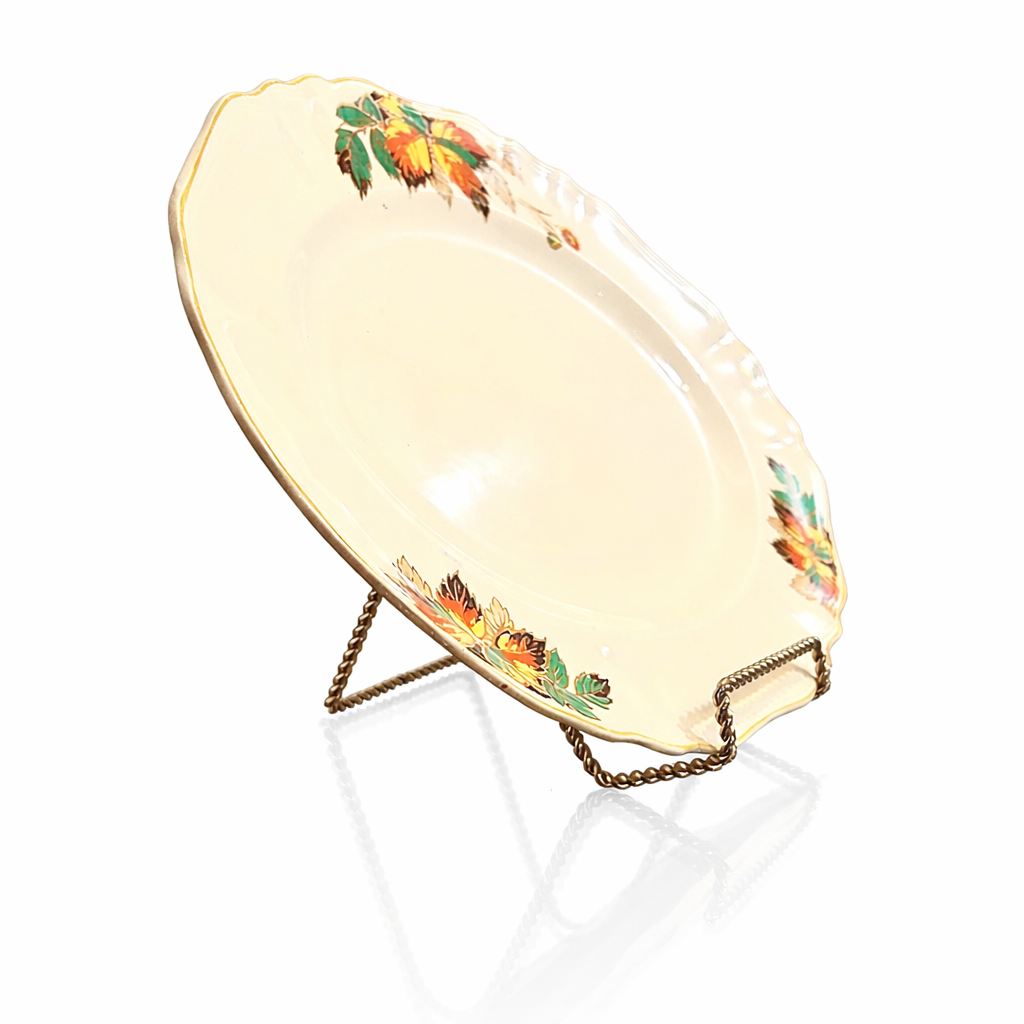
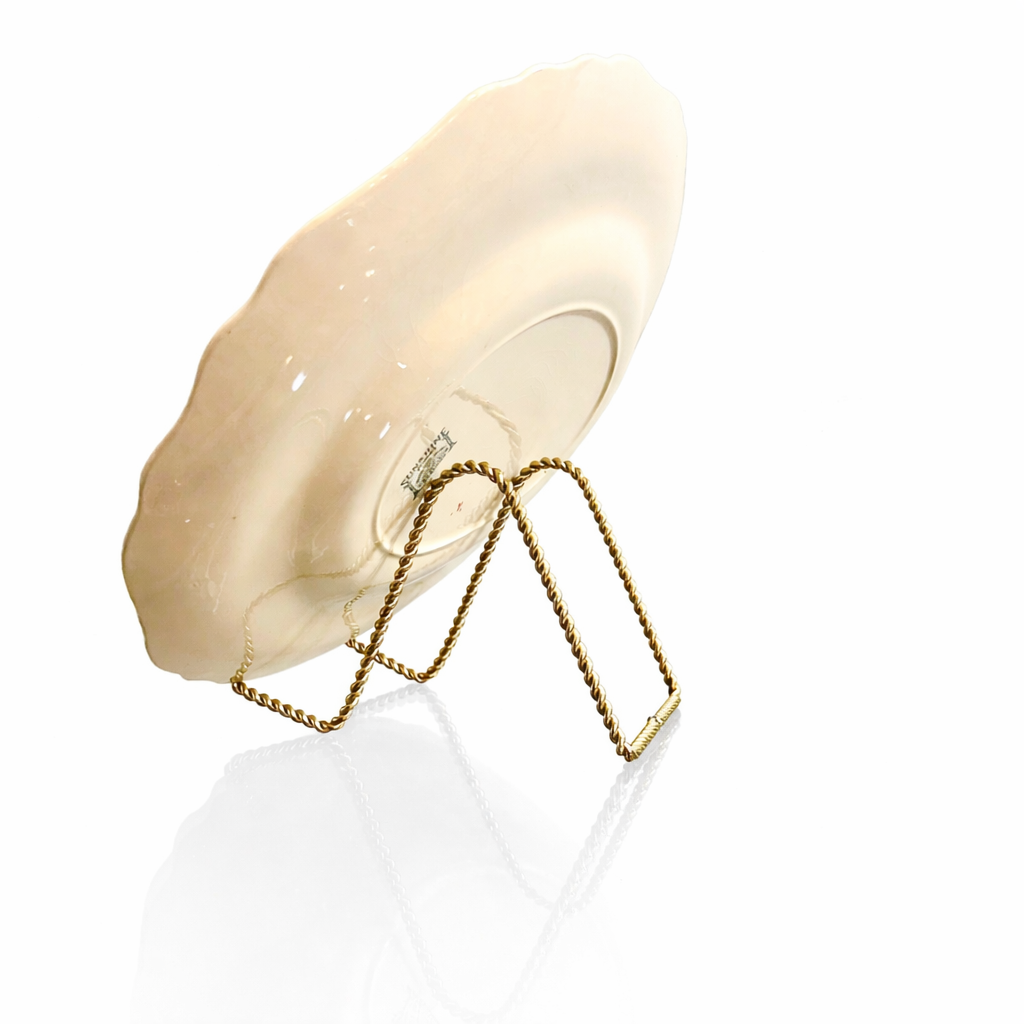
A rare and highly displayable pre-refrigeration butter service set: a covered butter dish designed to help keep butter cool at table, paired with its matching underplate/drip tray. This example features a softly scalloped, architectural form, warm cream glaze, and charming hand-applied decorationfloral sprigs and a rustic spattered/sponge-textured handlemaking it equally strong as functional kitchen history and as decorative antique pottery.
Provenance
Before electric refrigeration became common, households relied on practical cooling solutionspantries, iceboxes, and specialized serving ware. Ice butter dishes (butter coolers) were made to keep butter firm longer in warm rooms. This set includes a key feature associated with this form: a small drainage hole in the base, intended to let condensation or meltwater escape so the contents didn’t sit in water. Its a terrific survivor from the era when everyday objects were built with clever, purposeful design.
Attribution & Period
Country of origin: European, likely English or Continental (unmarked)
Time period: Late 19th to early 20th century (circa 18801930)
Material: Glazed white/buff earthenware (porous body) with age-appropriate crazing; mineral speckling/inclusions consistent with period pottery
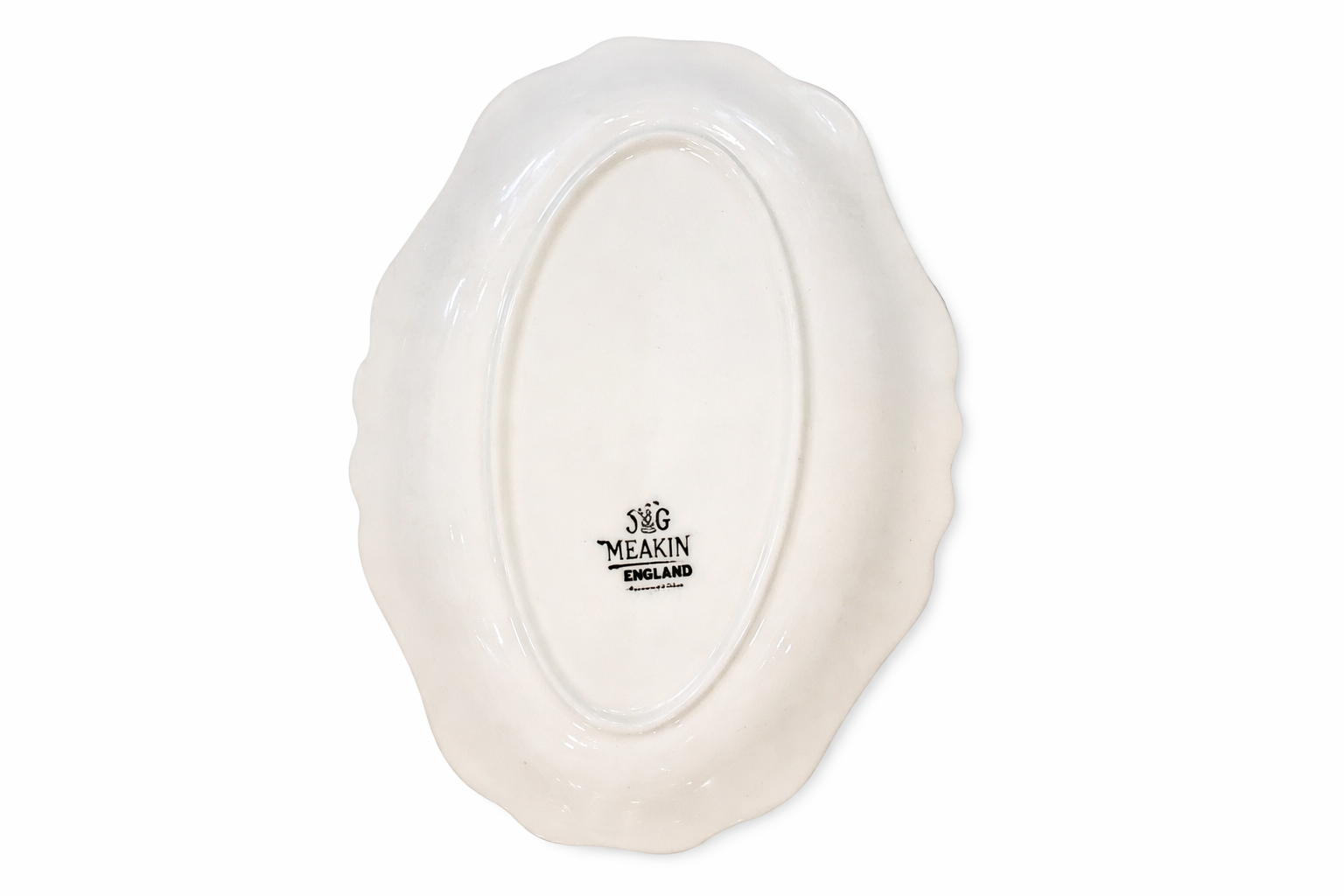
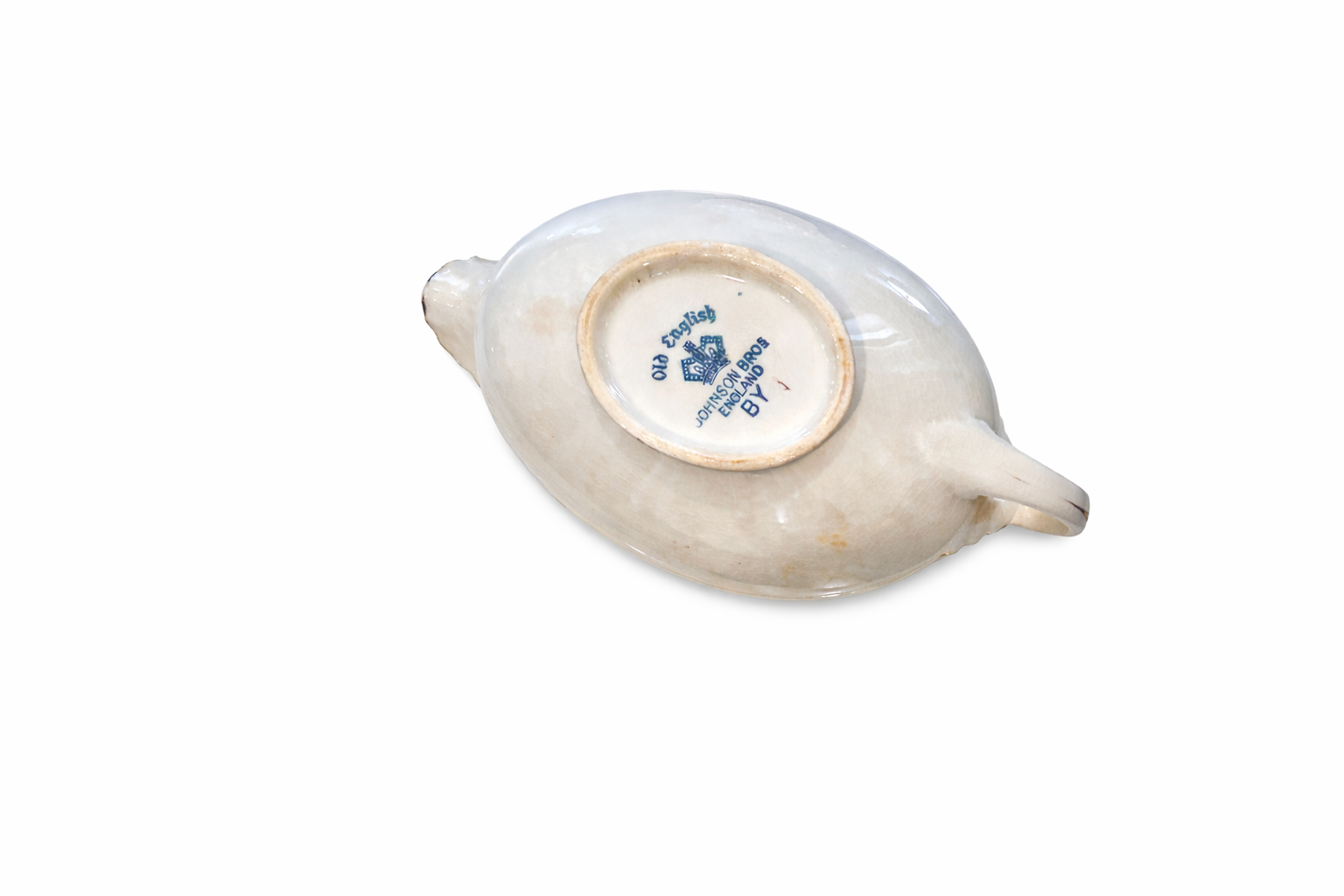
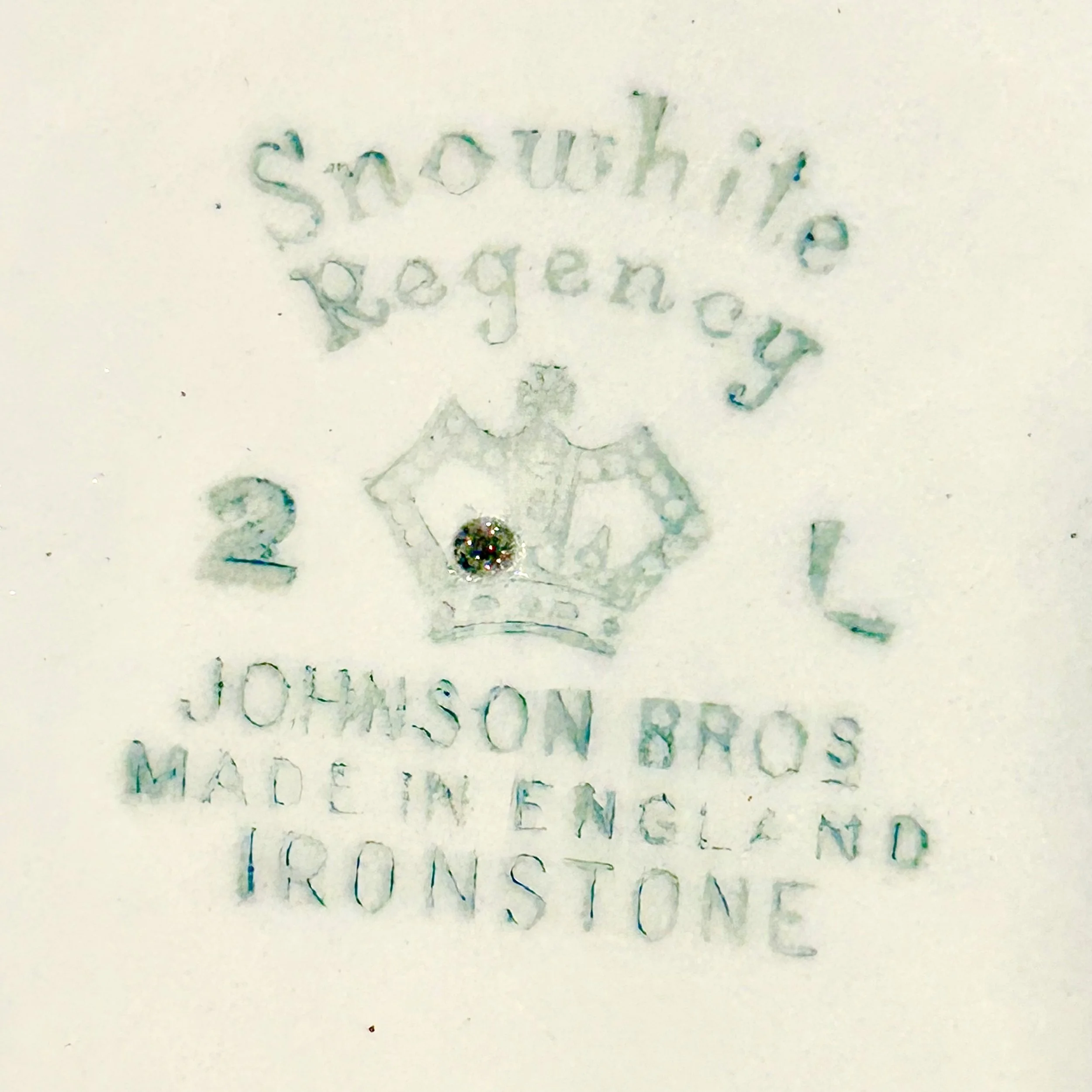
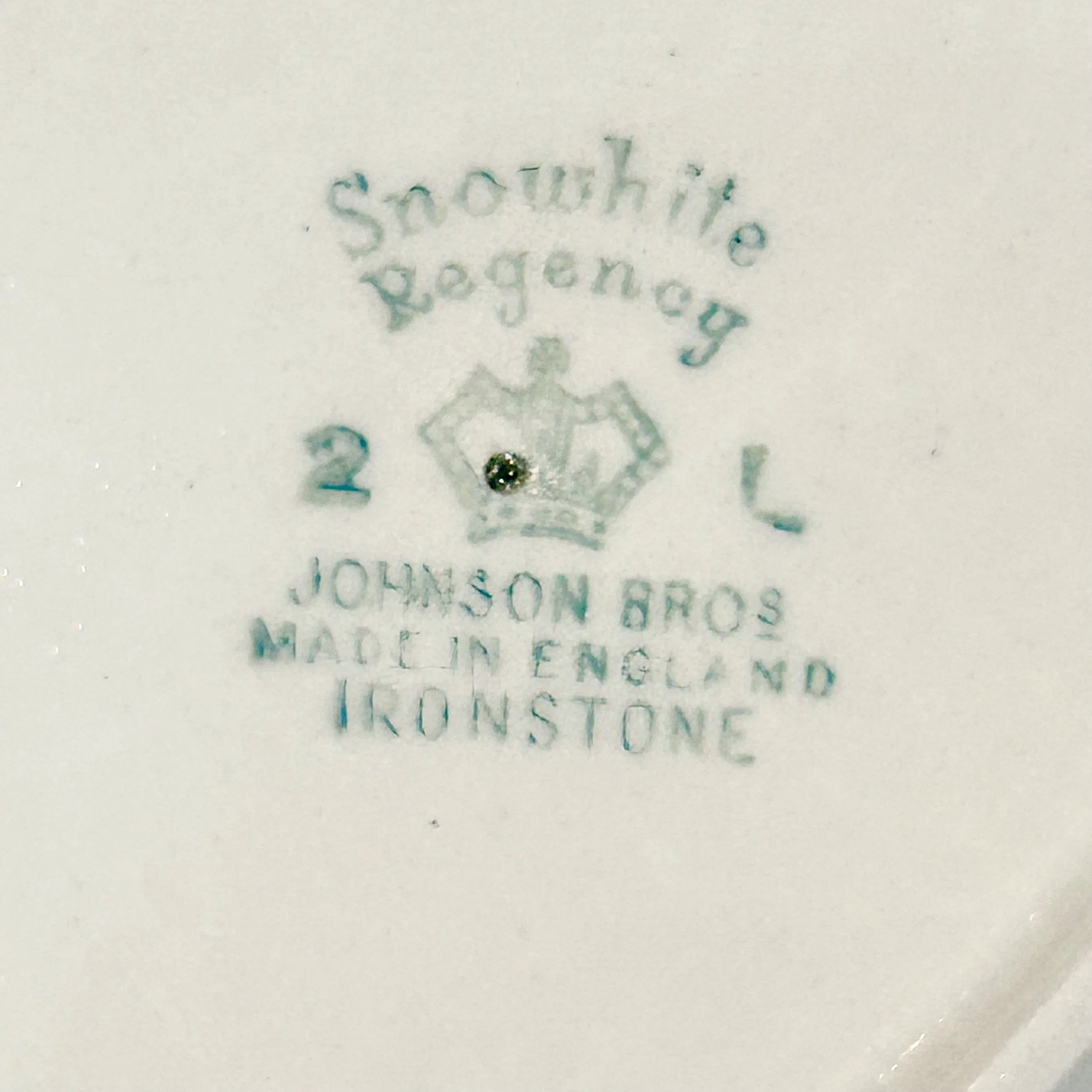
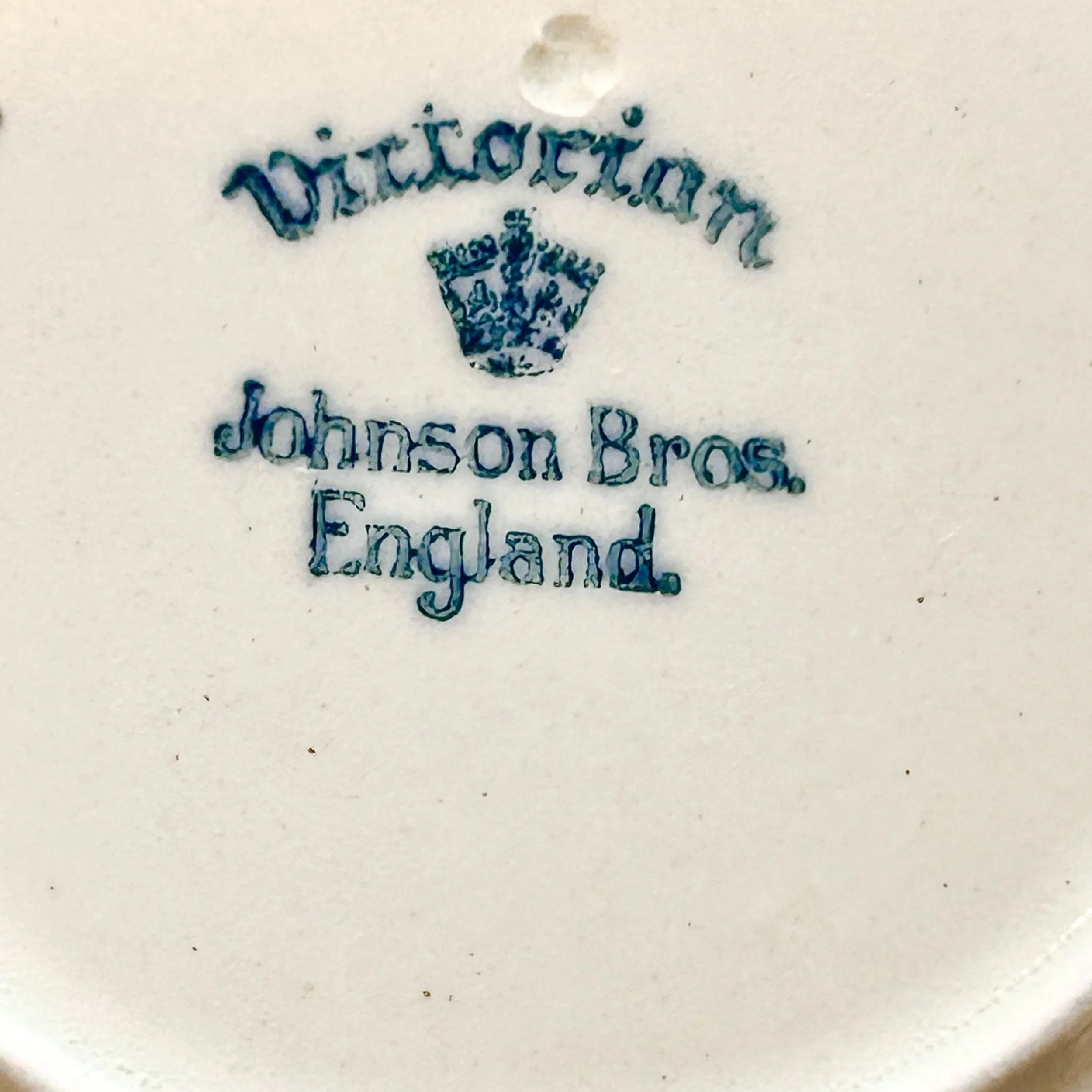
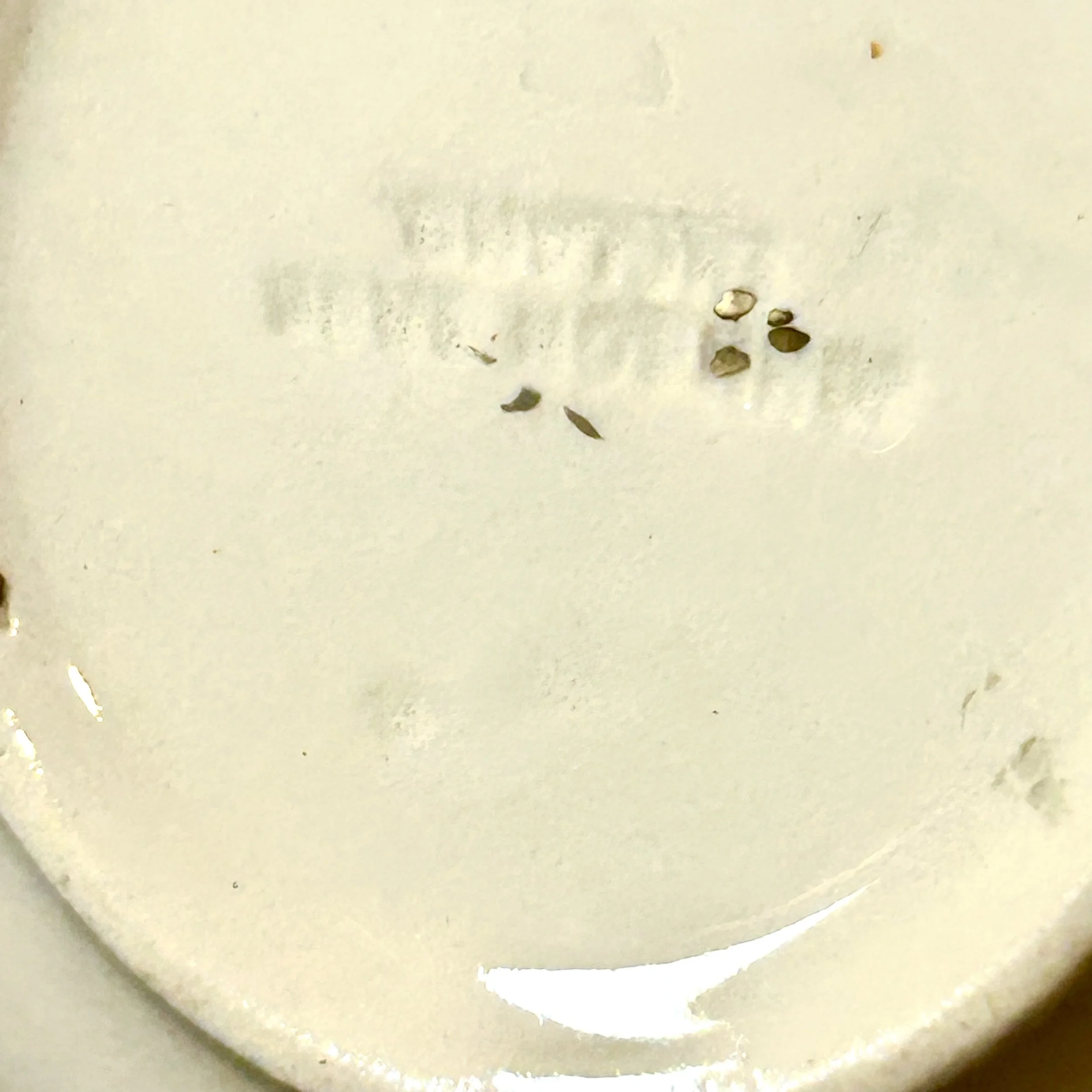
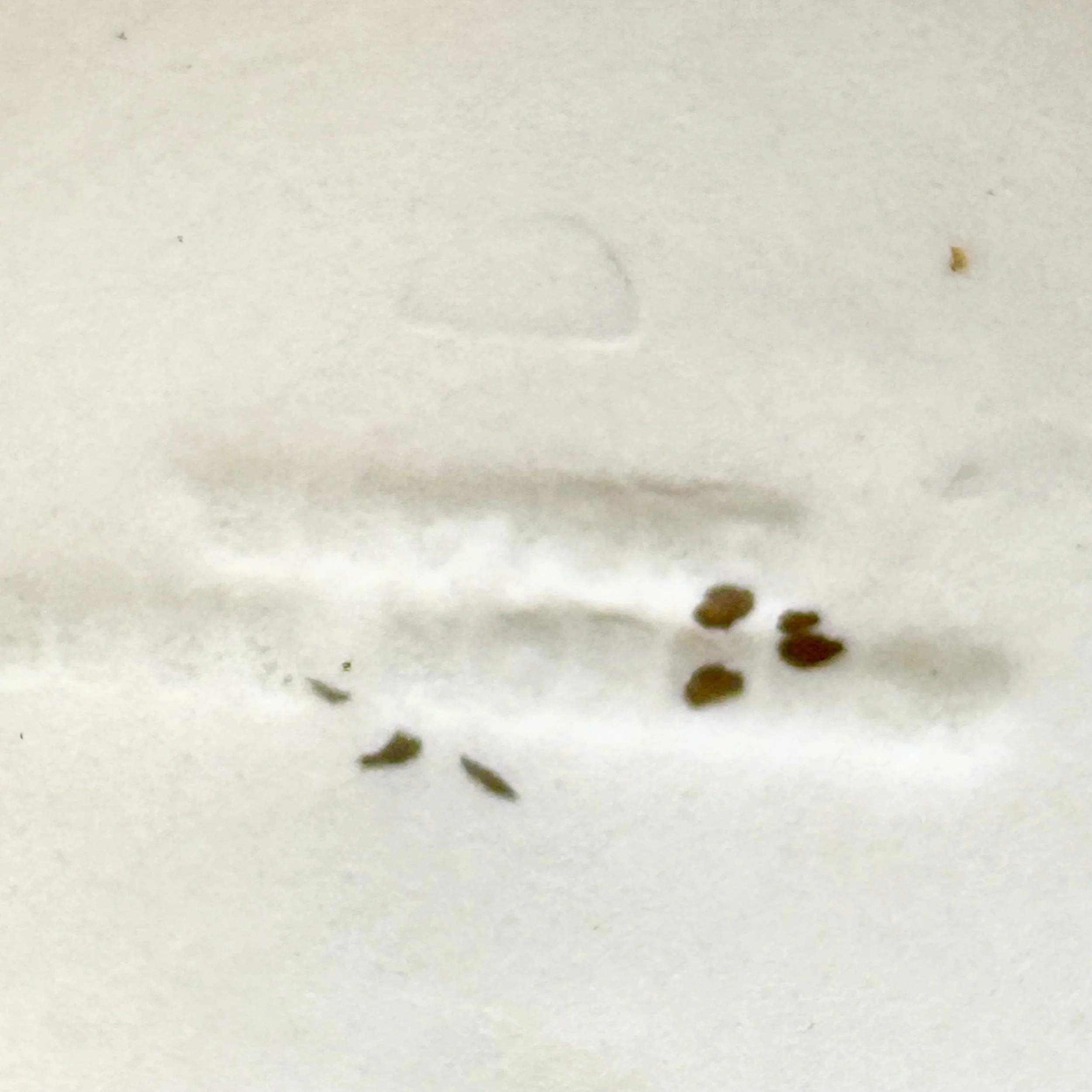
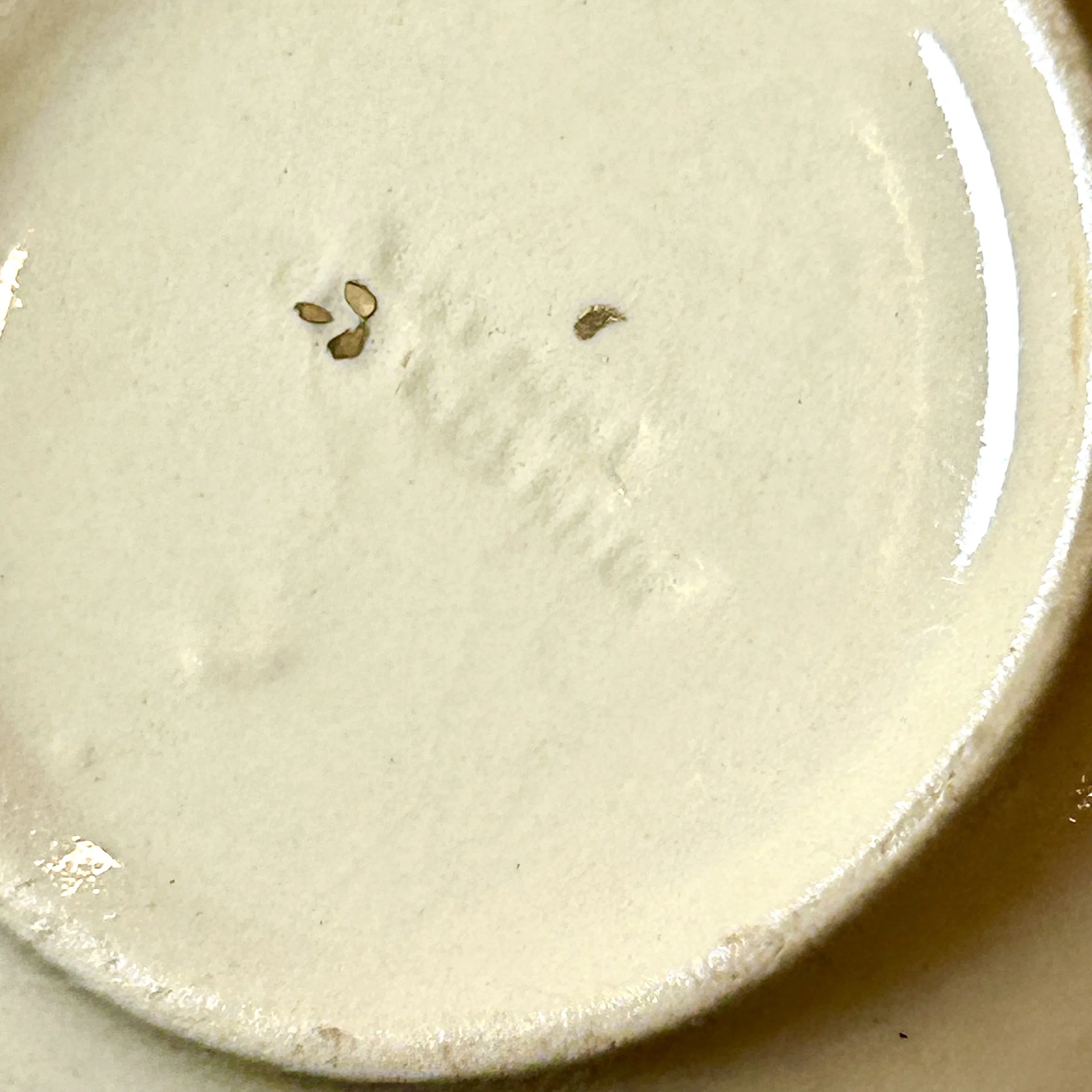
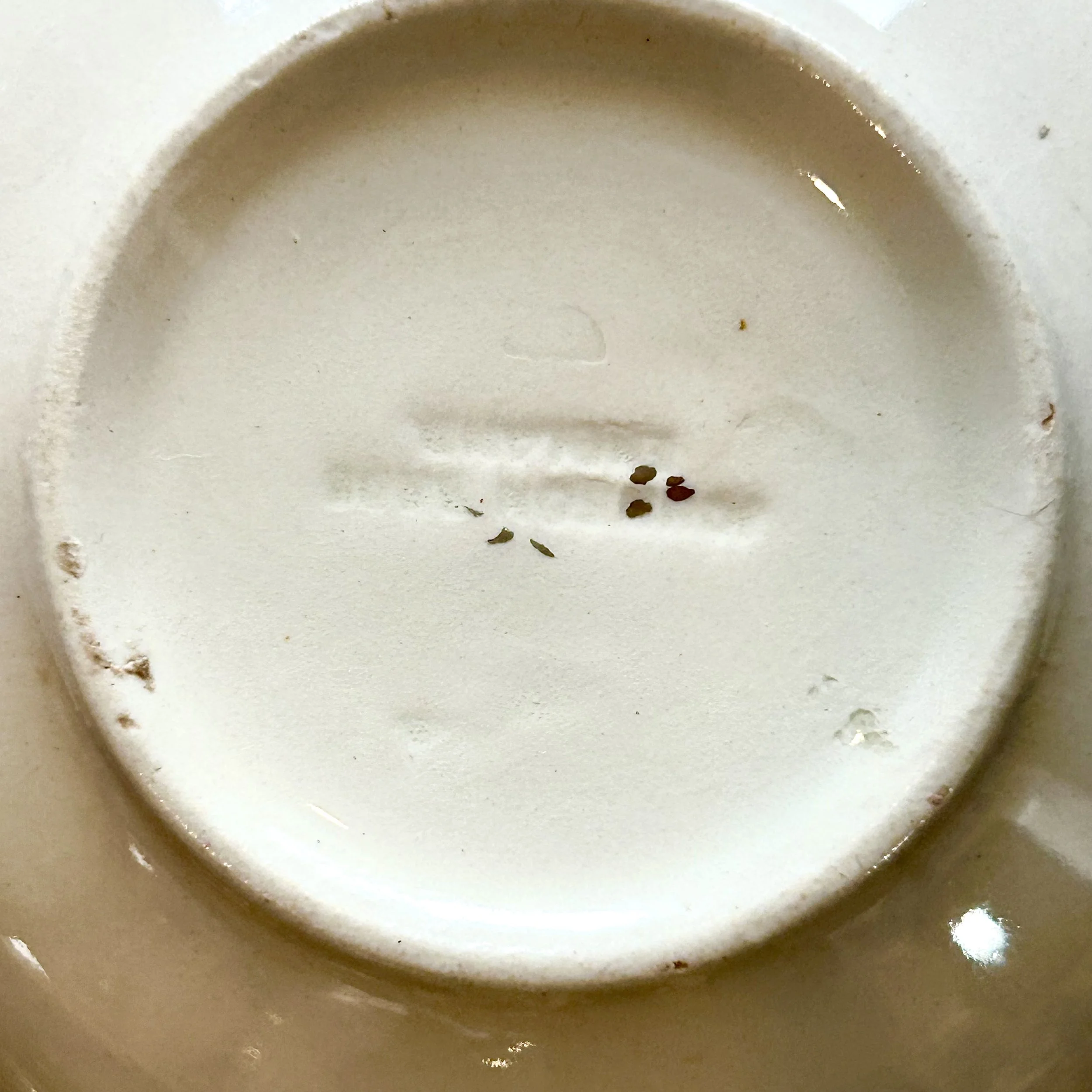
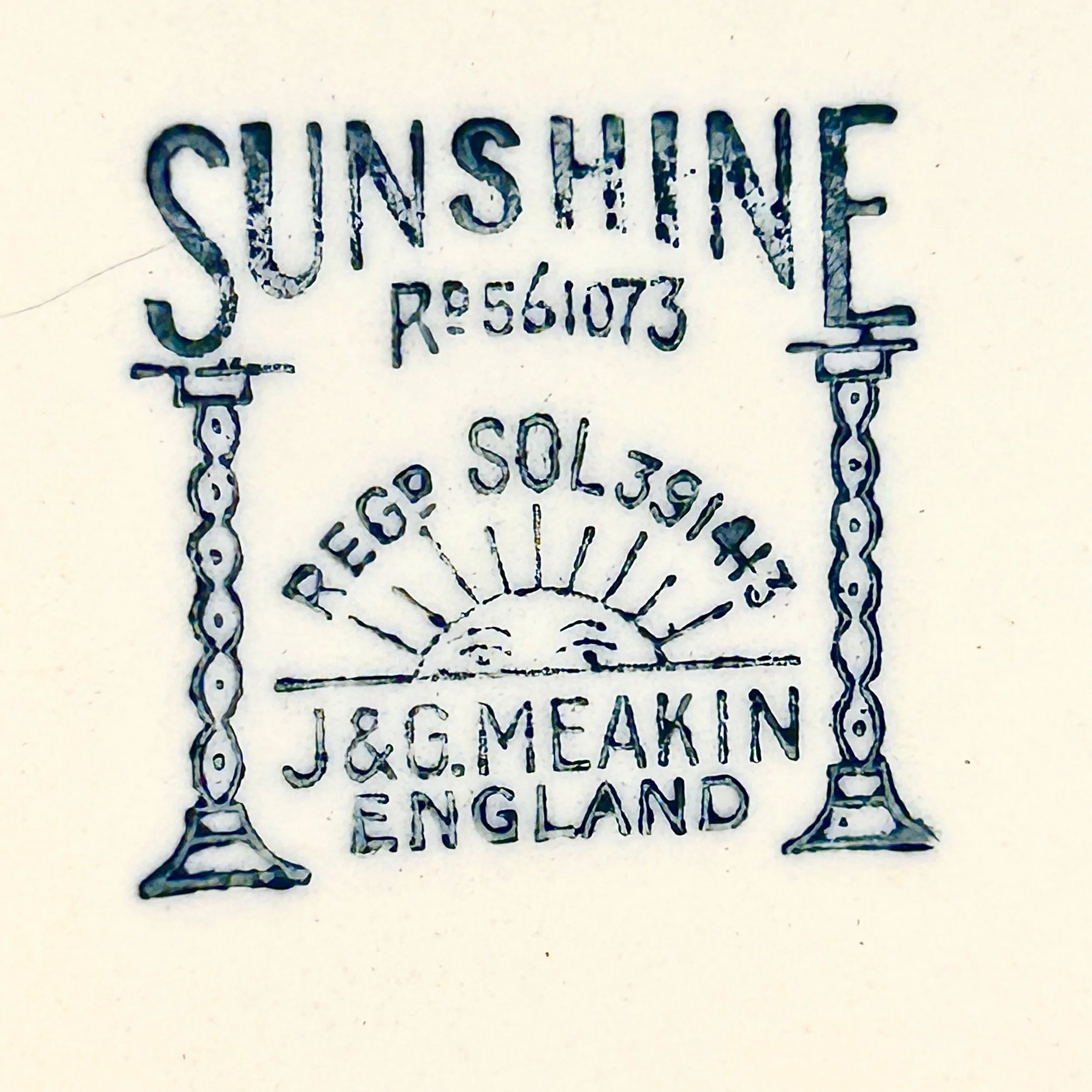
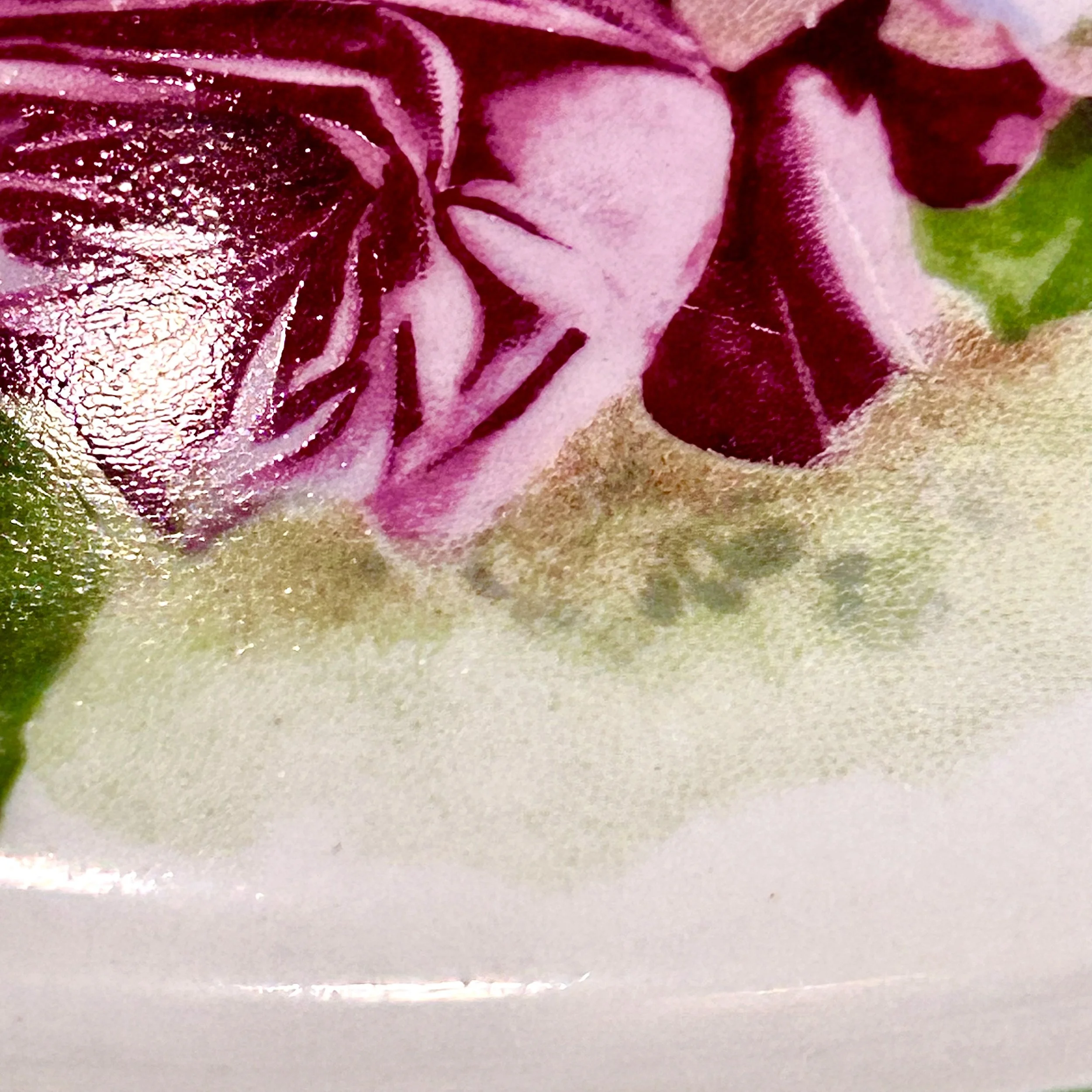
Markings: No makers mark found Small tally/painters marks present (including red X marks; typical workshop marks rather than a factory stamp)
Dimensions & Weight
Placement
Why it displays beautifully This set reads perfectly in French country, English cottage, farmhouse, or traditional interiorsideal for a hutch, open shelving, or styled tabletop. The sculptural lid and hand-painted details photograph exceptionally well, which is exactly what top collectors look for.
Condition:
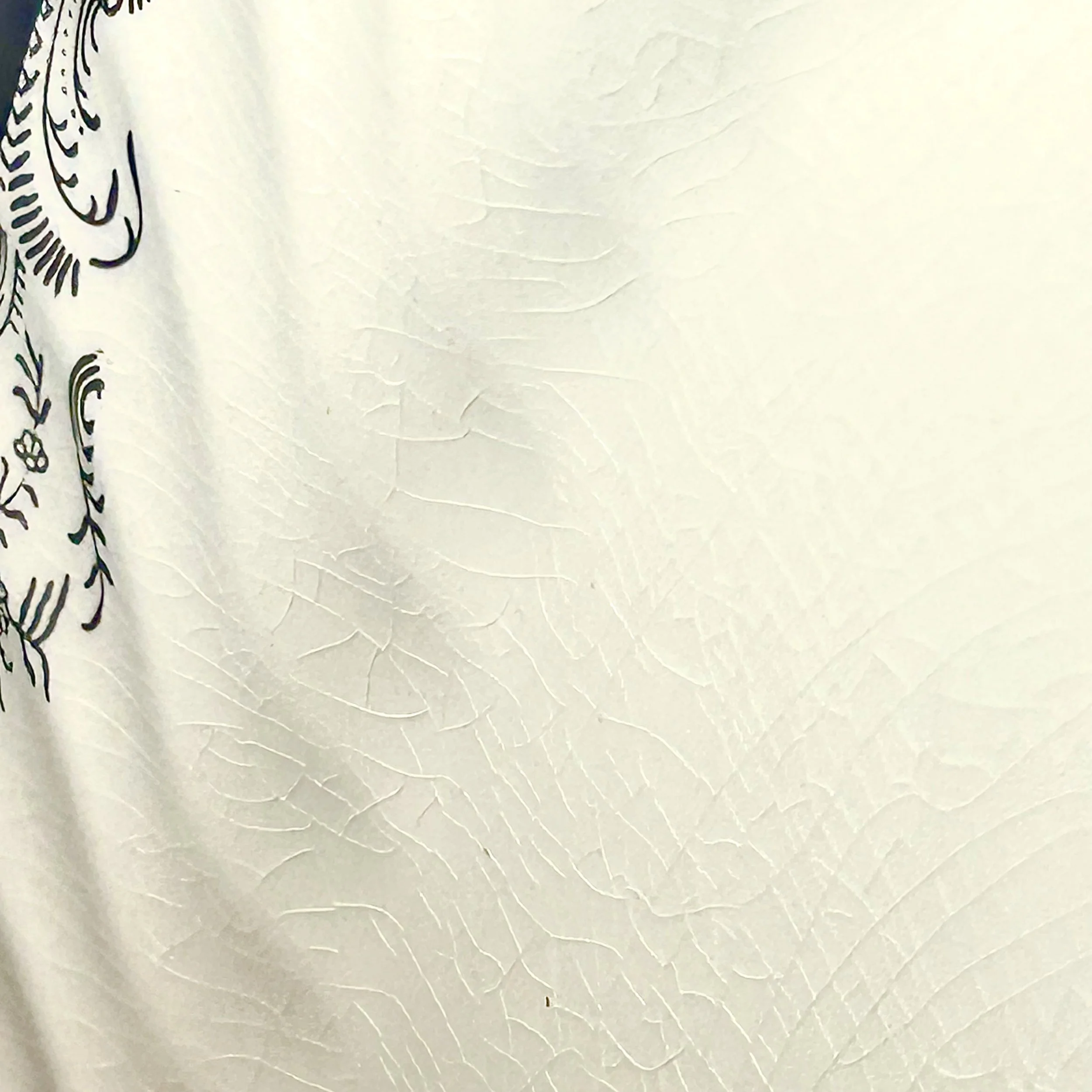
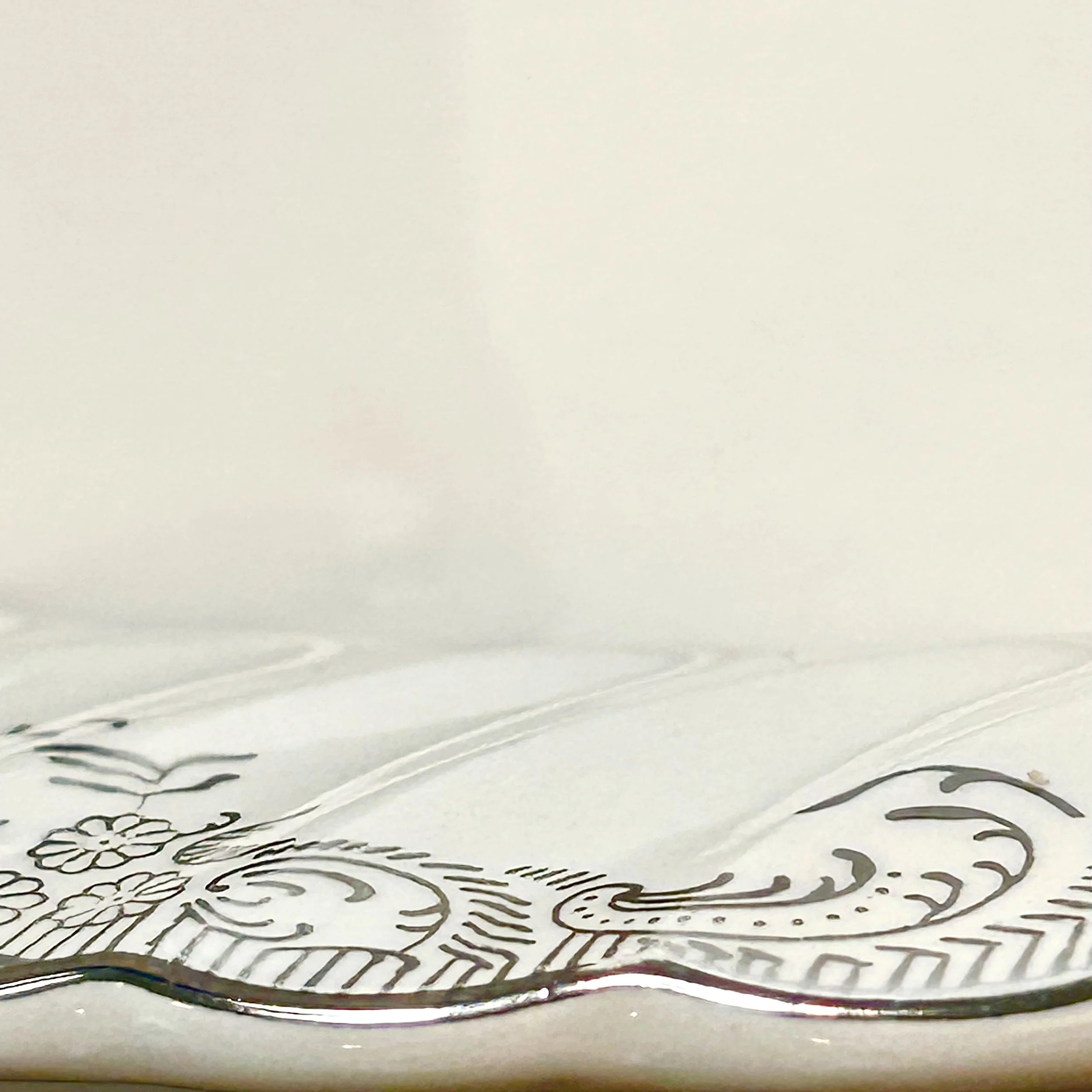
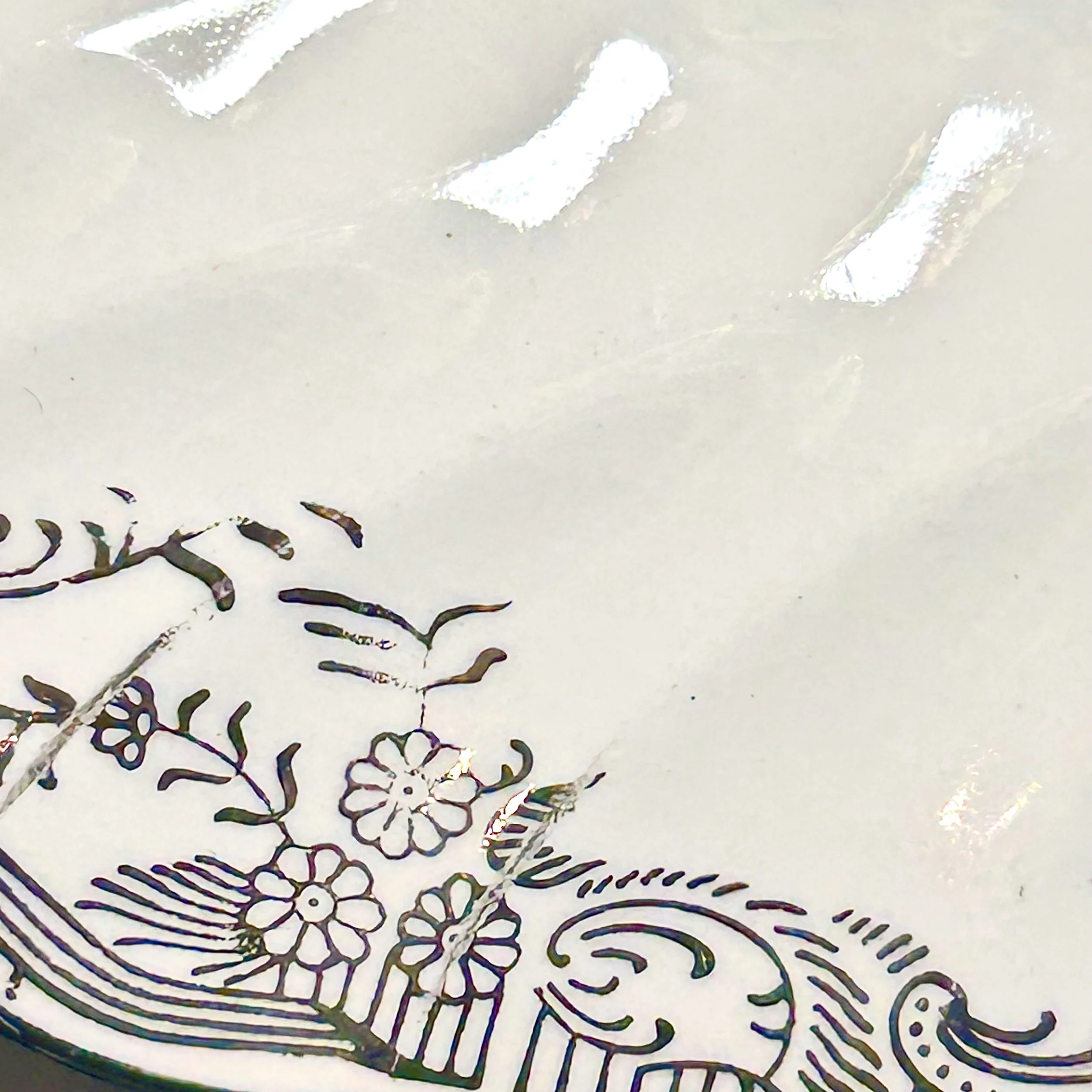
Antique condition consistent with age and use. Glaze crazing throughout with age-related discoloration/staining, especially to the underside. Three notable chips/flakes: two small dark/blackened chips to the lid (one on the outside edge and one on the inside edge) and one small chip on a corner of the tray/underplate (as shown in photos). The dark appearance to the lid chips is consistent with exposed body/mineral inclusions and/or age staining at the chip edges. No makers mark found; small workshop/tally marks present. Please review all photos for close-up details.
Note: Due to age, porosity, and crazing, this piece is best considered decorative/collectible; any food use is at buyers discretion (a liner is recommended).
STANDARD ATTRIBUTION & VALUE DISCLOSURE
This piece is described to the best of current scholarly and market knowledge. Any maker or regional attribution is based on visual analysis, materials, construction techniques, and documented stylistic comparisons. As with many vintage and antique glass objects, definitive attribution may not be possible without original labels or factory records. Pricing reflects condition, quality, decorative appeal, and current collector demand rather than a guaranteed maker identification.
A rare and highly displayable pre-refrigeration butter service set: a covered butter dish designed to help keep butter cool at table, paired with its matching underplate/drip tray. This example features a softly scalloped, architectural form, warm cream glaze, and charming hand-applied decorationfloral sprigs and a rustic spattered/sponge-textured handlemaking it equally strong as functional kitchen history and as decorative antique pottery.
Provenance
Before electric refrigeration became common, households relied on practical cooling solutionspantries, iceboxes, and specialized serving ware. Ice butter dishes (butter coolers) were made to keep butter firm longer in warm rooms. This set includes a key feature associated with this form: a small drainage hole in the base, intended to let condensation or meltwater escape so the contents didn’t sit in water. Its a terrific survivor from the era when everyday objects were built with clever, purposeful design.
Attribution & Period
Country of origin: European, likely English or Continental (unmarked)
Time period: Late 19th to early 20th century (circa 18801930)
Material: Glazed white/buff earthenware (porous body) with age-appropriate crazing; mineral speckling/inclusions consistent with period pottery
Markings: No makers mark found Small tally/painters marks present (including red X marks; typical workshop marks rather than a factory stamp)
Dimensions & Weight
Placement
Why it displays beautifully This set reads perfectly in French country, English cottage, farmhouse, or traditional interiorsideal for a hutch, open shelving, or styled tabletop. The sculptural lid and hand-painted details photograph exceptionally well, which is exactly what top collectors look for.
Condition:
Antique condition consistent with age and use. Glaze crazing throughout with age-related discoloration/staining, especially to the underside. Three notable chips/flakes: two small dark/blackened chips to the lid (one on the outside edge and one on the inside edge) and one small chip on a corner of the tray/underplate (as shown in photos). The dark appearance to the lid chips is consistent with exposed body/mineral inclusions and/or age staining at the chip edges. No makers mark found; small workshop/tally marks present. Please review all photos for close-up details.
Note: Due to age, porosity, and crazing, this piece is best considered decorative/collectible; any food use is at buyers discretion (a liner is recommended).
STANDARD ATTRIBUTION & VALUE DISCLOSURE
This piece is described to the best of current scholarly and market knowledge. Any maker or regional attribution is based on visual analysis, materials, construction techniques, and documented stylistic comparisons. As with many vintage and antique glass objects, definitive attribution may not be possible without original labels or factory records. Pricing reflects condition, quality, decorative appeal, and current collector demand rather than a guaranteed maker identification.

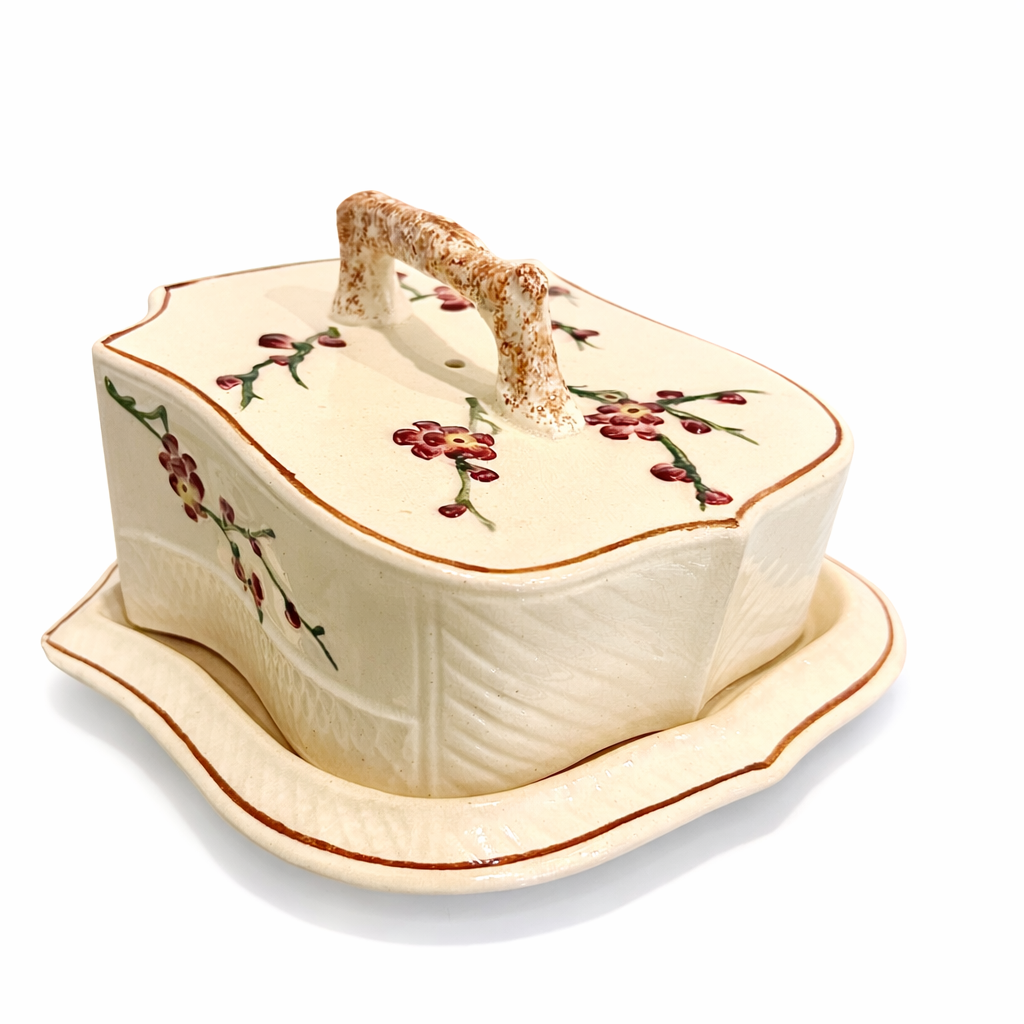 Image 1 of 15
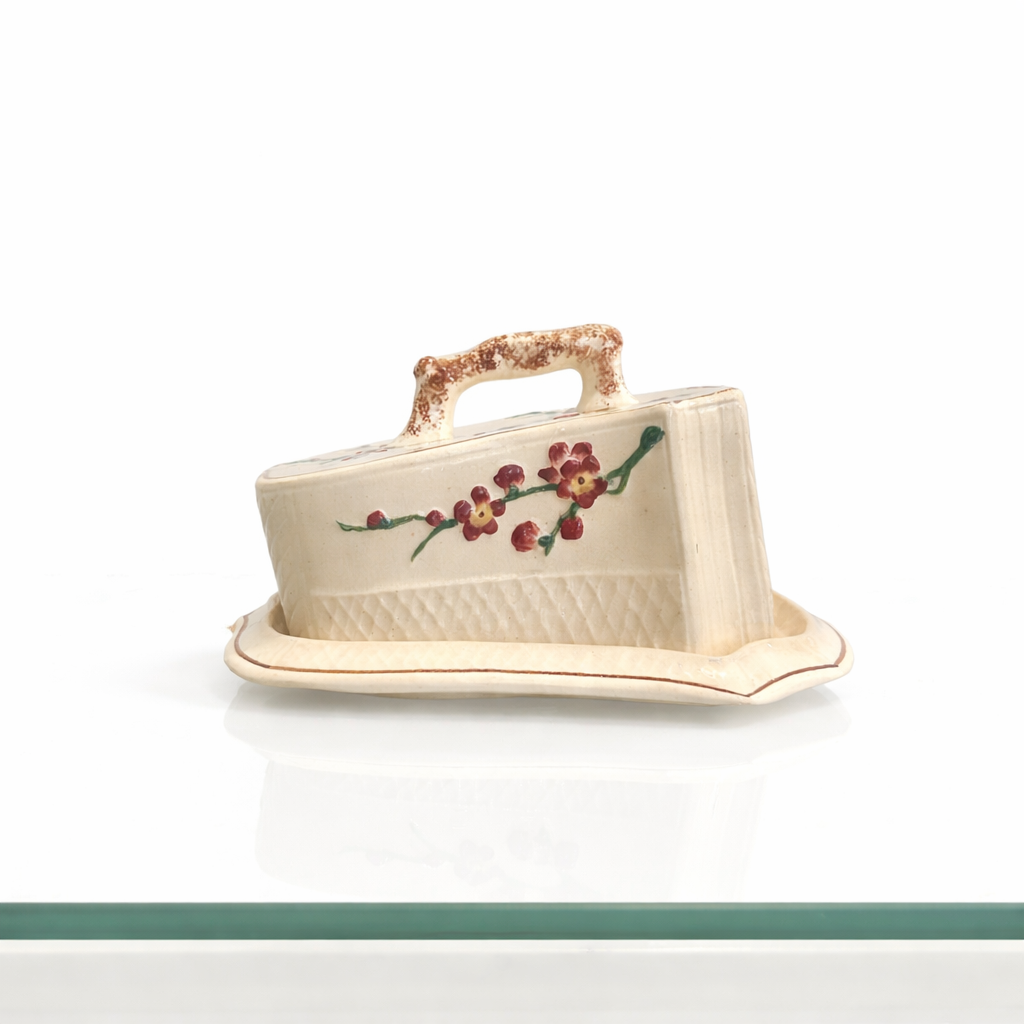 Image 2 of 15
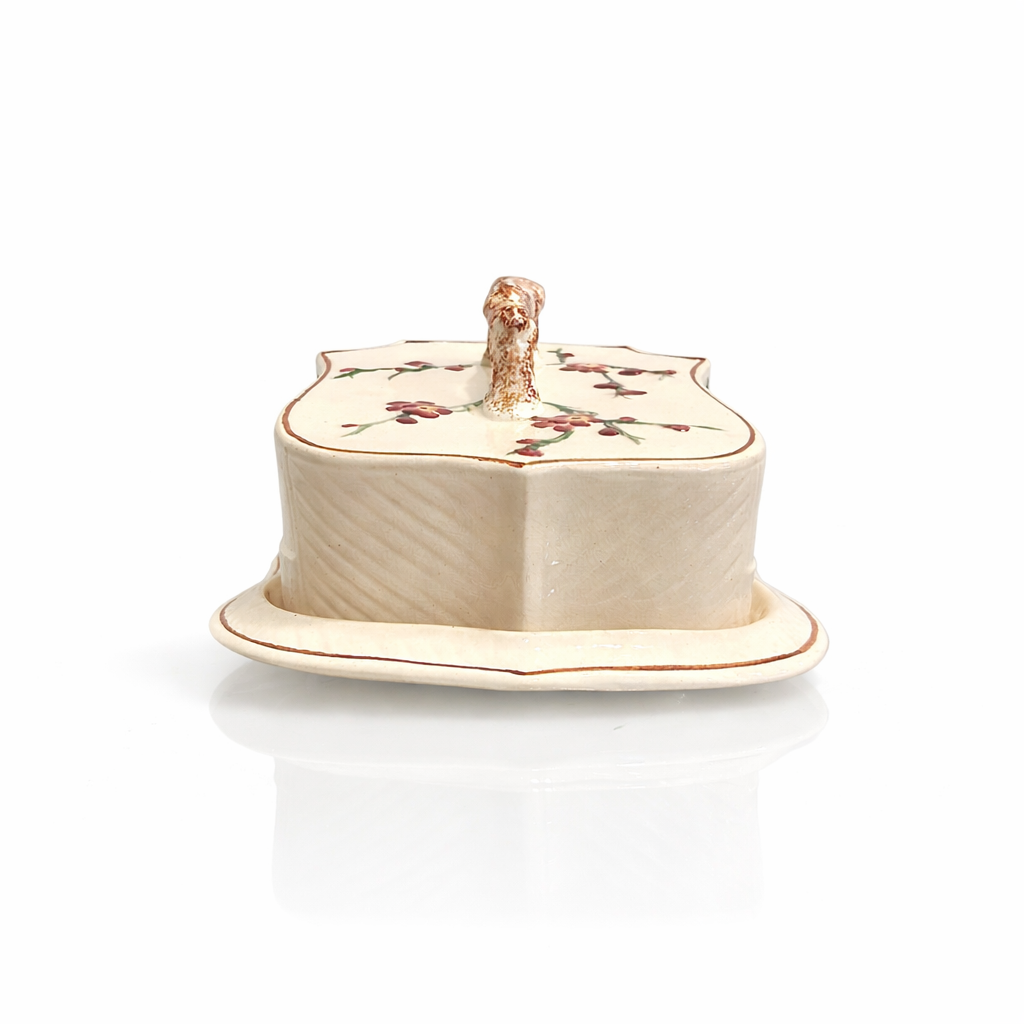 Image 3 of 15
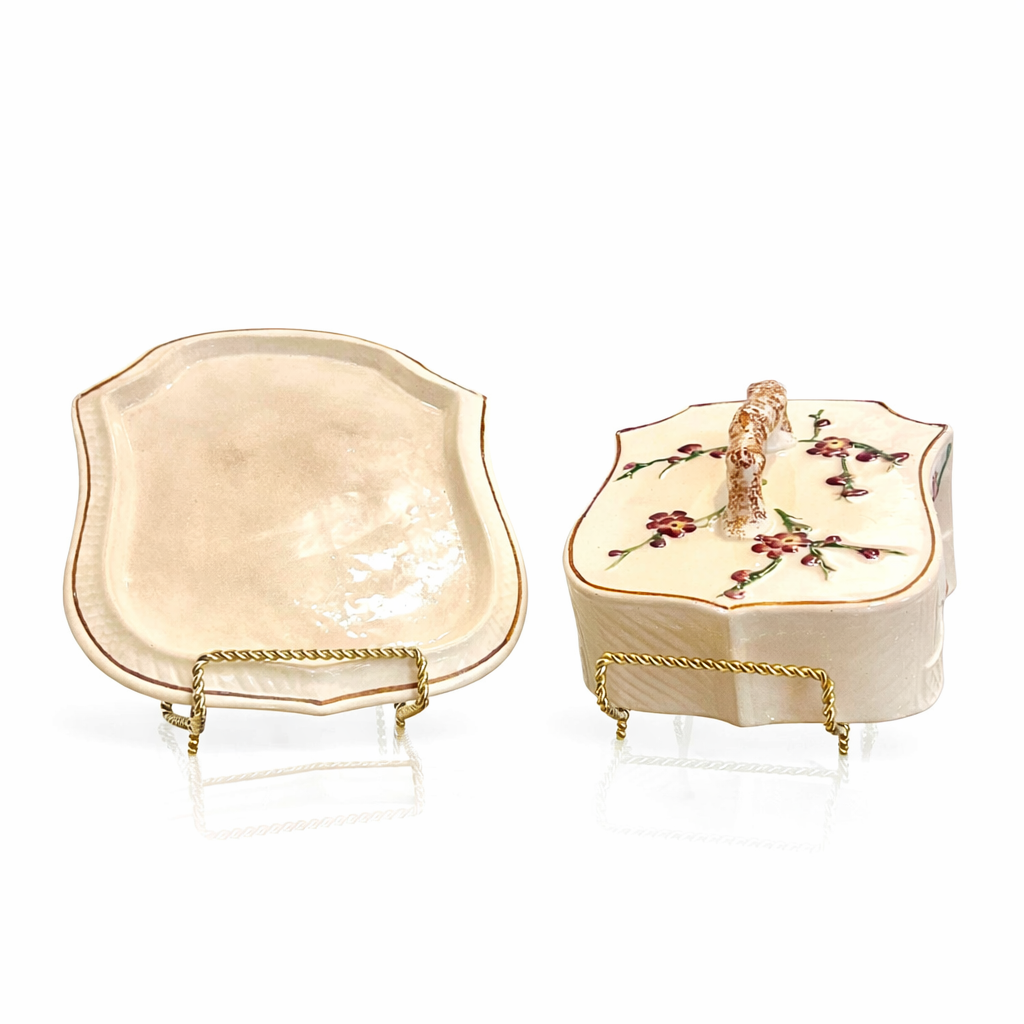 Image 4 of 15
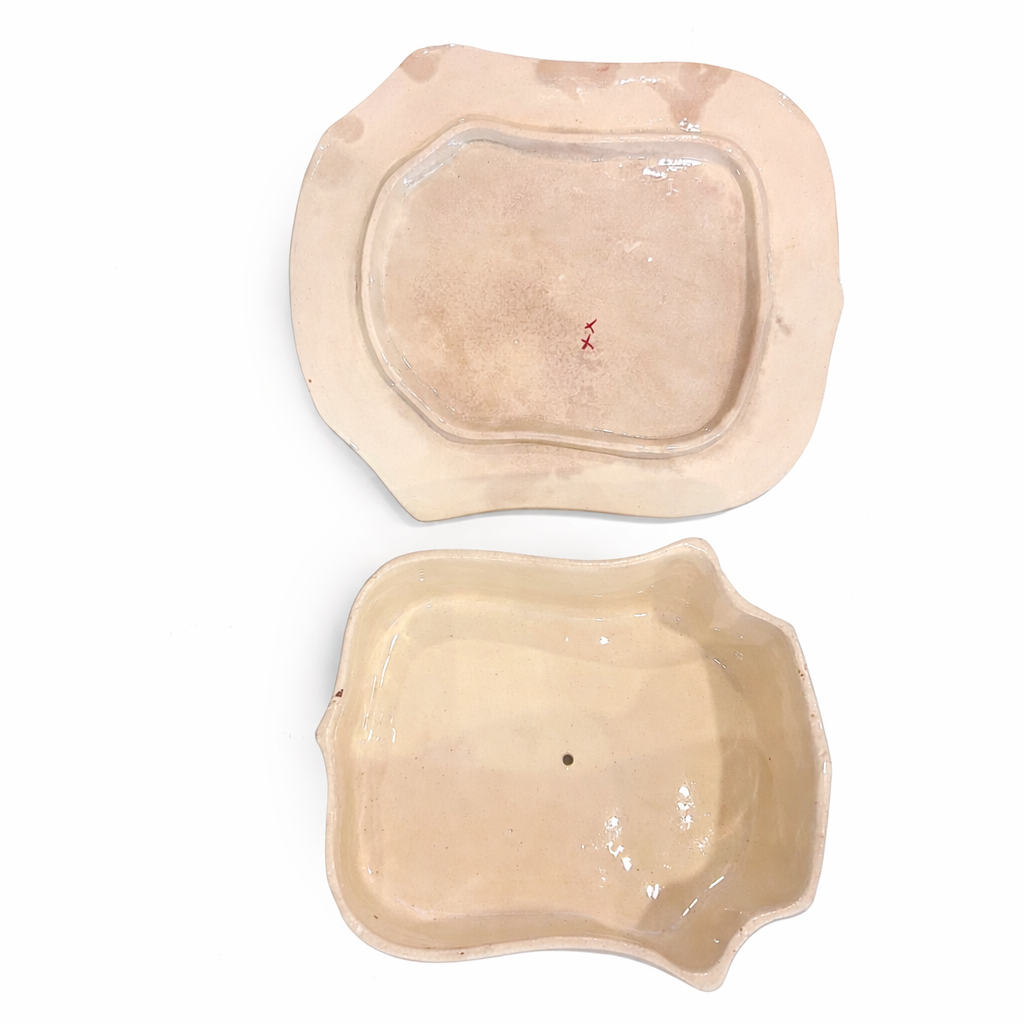 Image 5 of 15
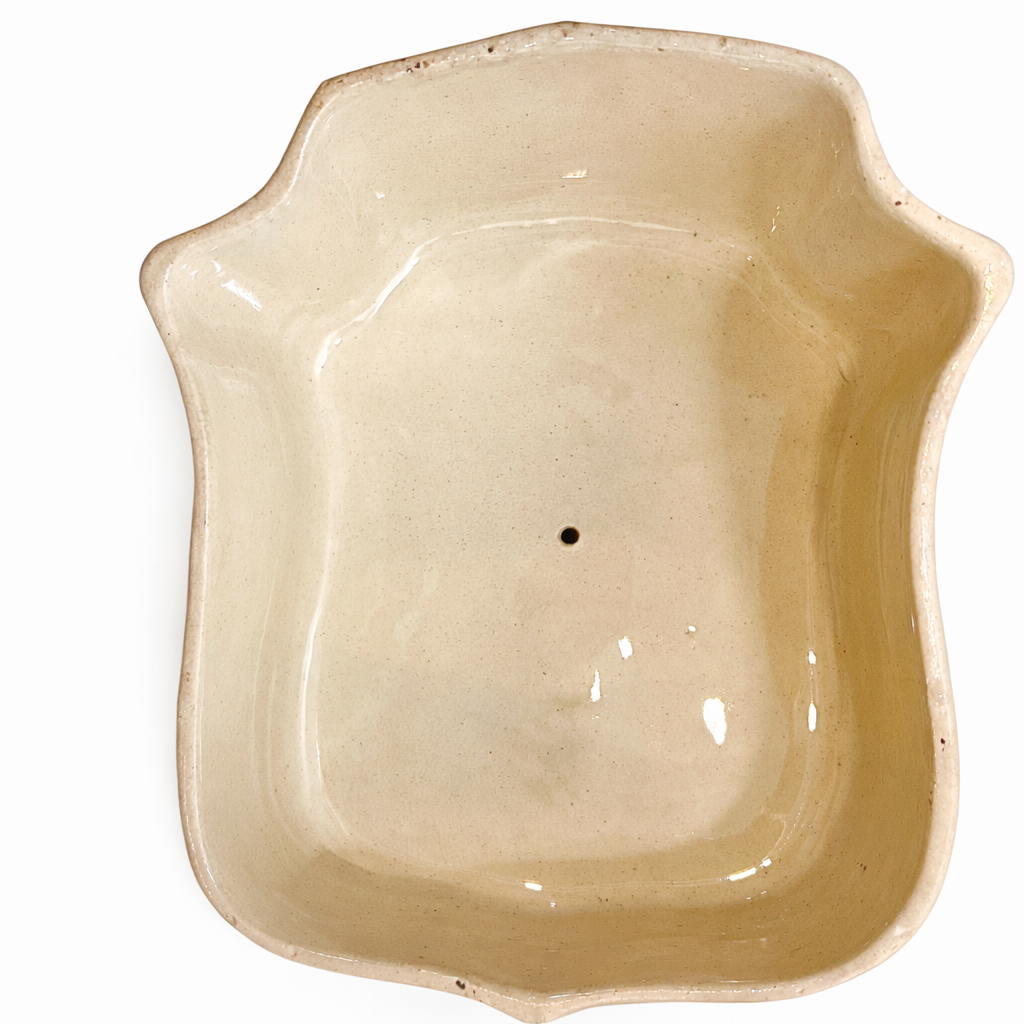 Image 6 of 15
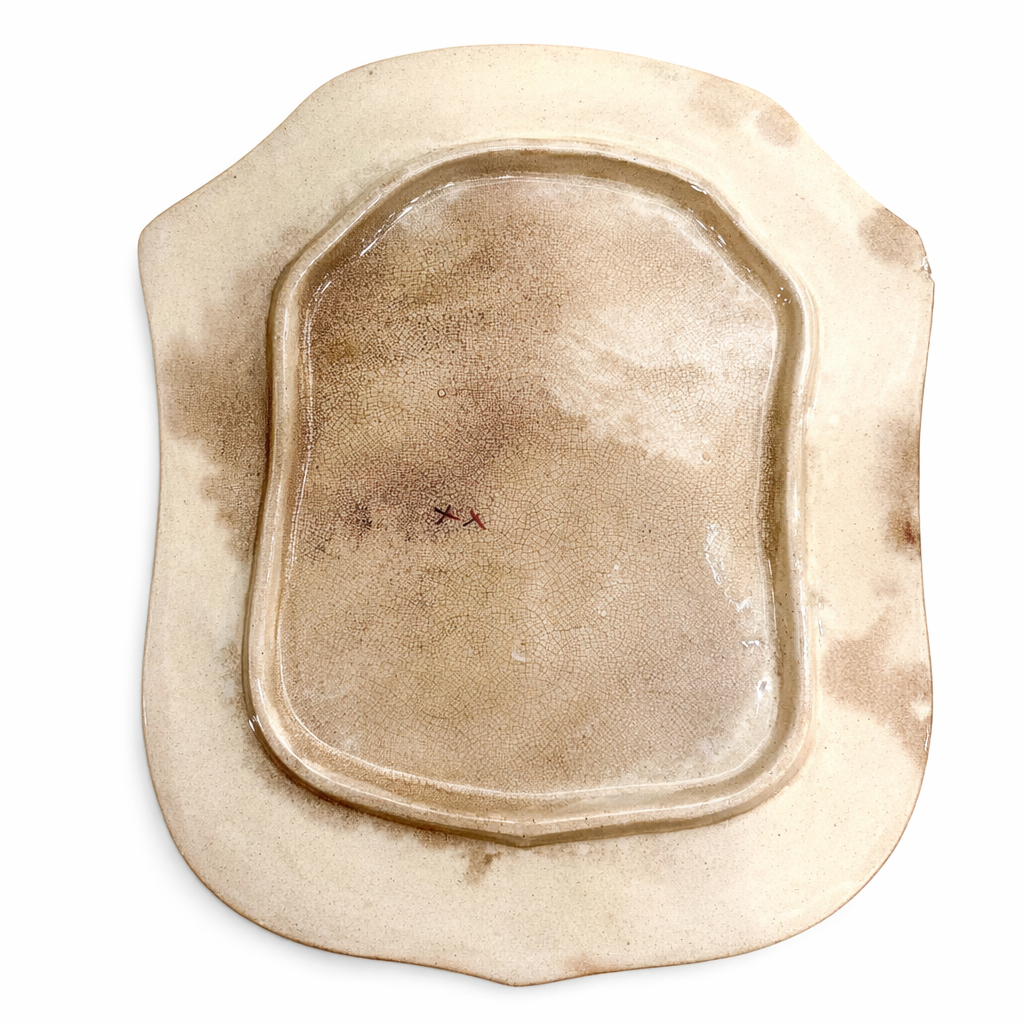 Image 7 of 15
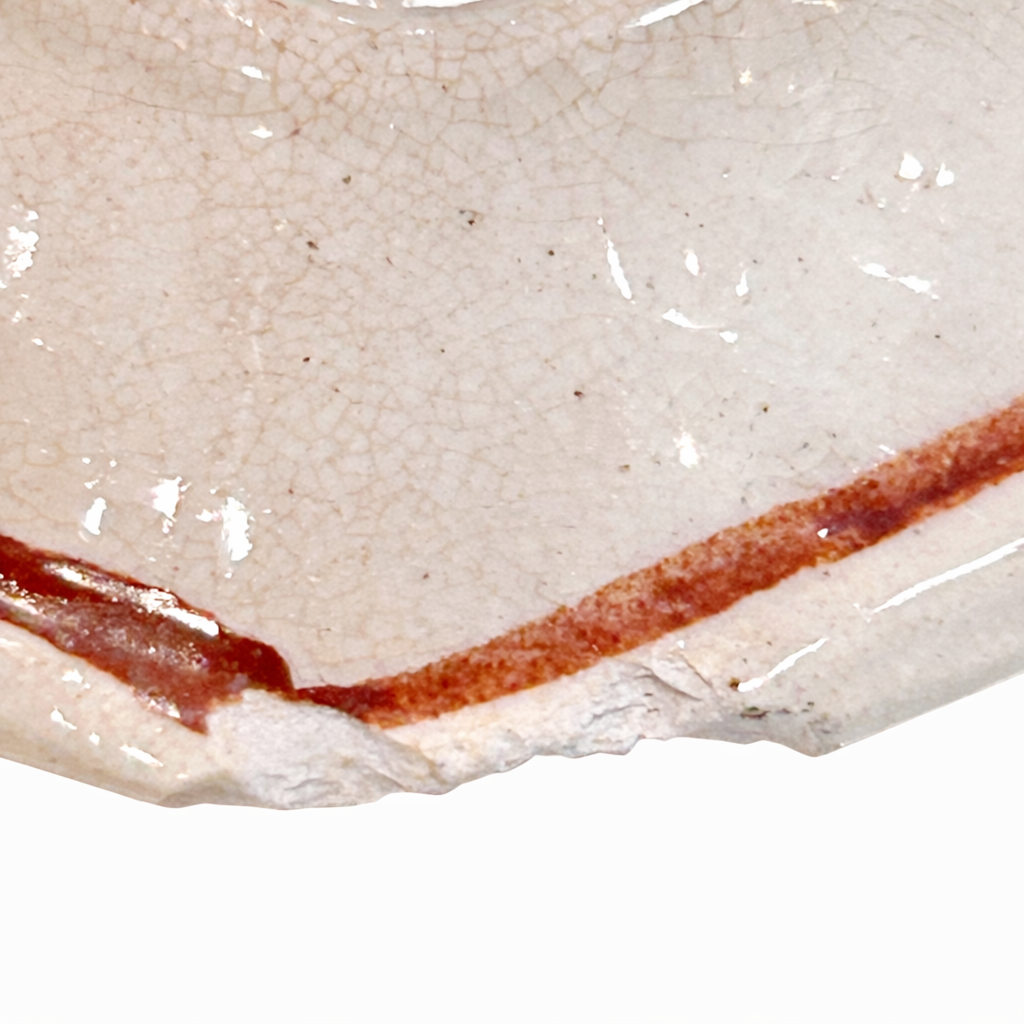 Image 8 of 15
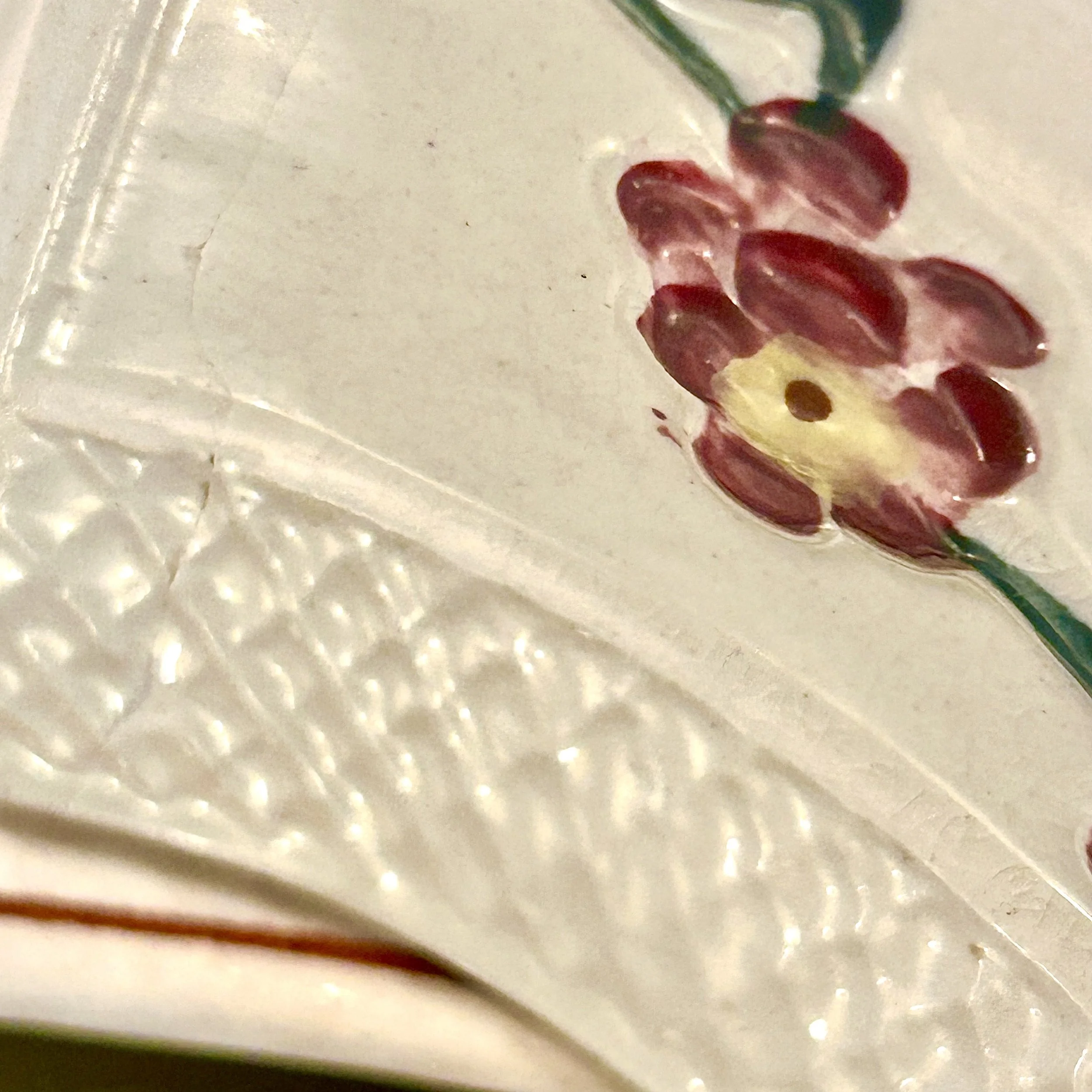 Image 9 of 15
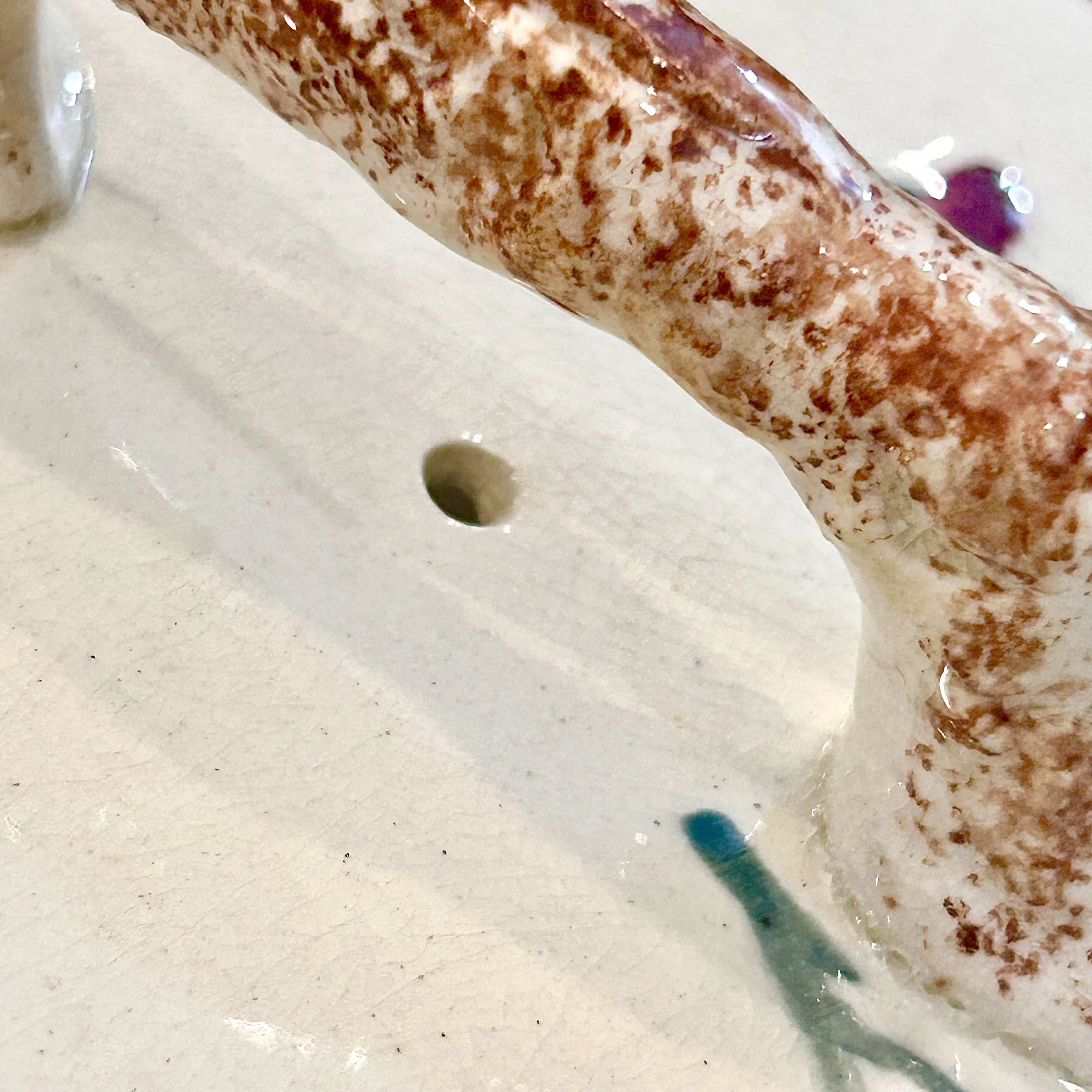 Image 10 of 15
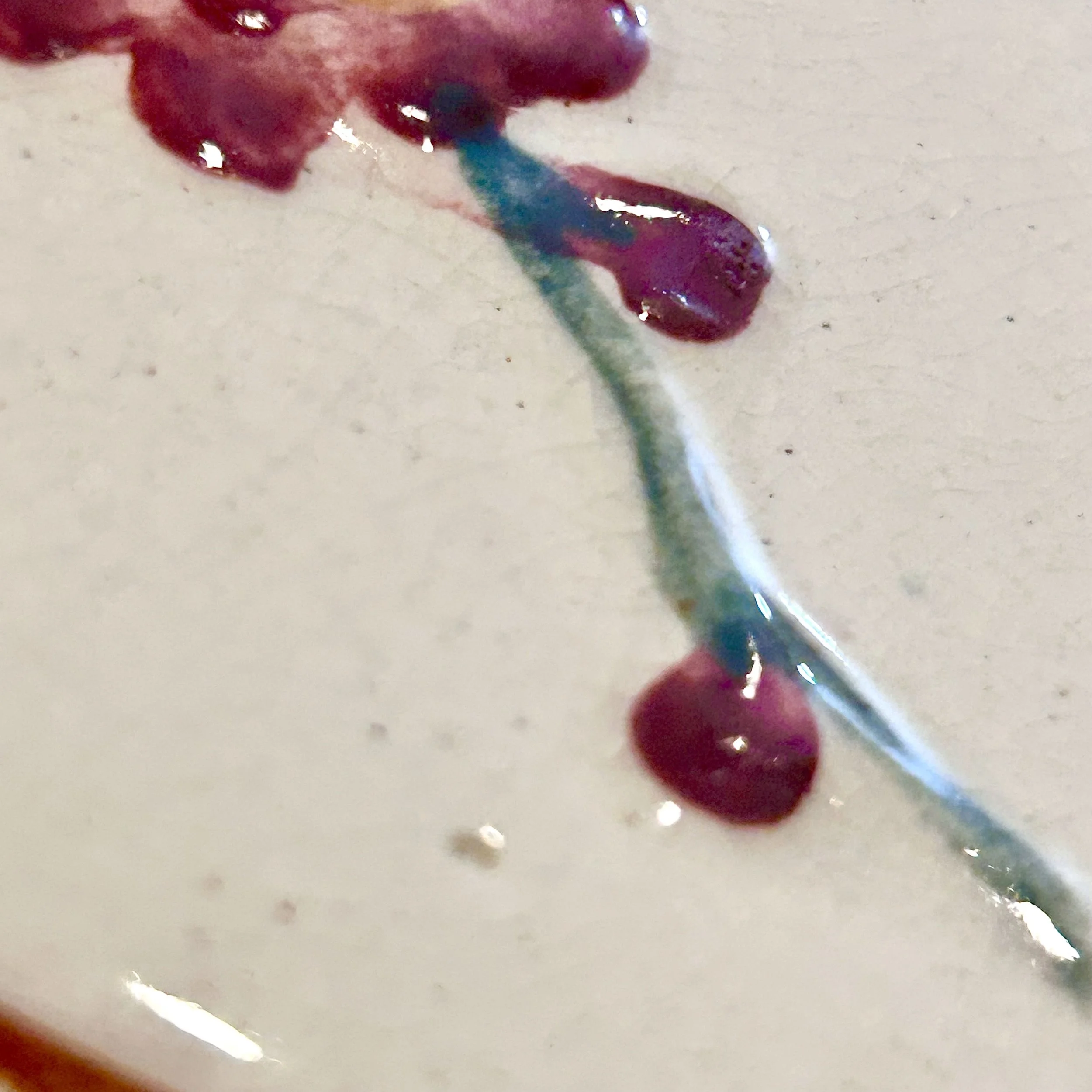 Image 11 of 15
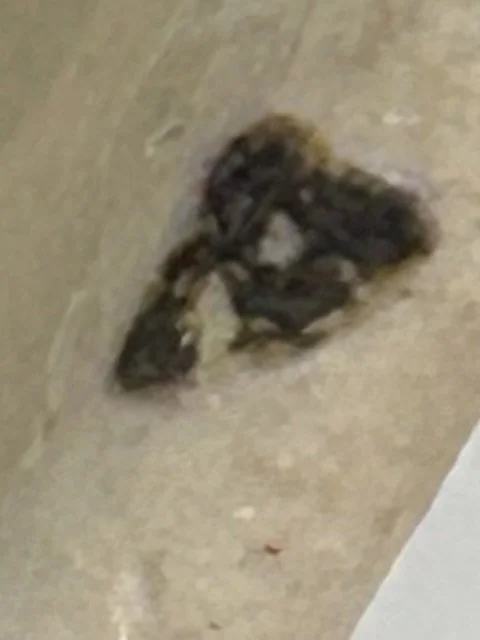 Image 12 of 15
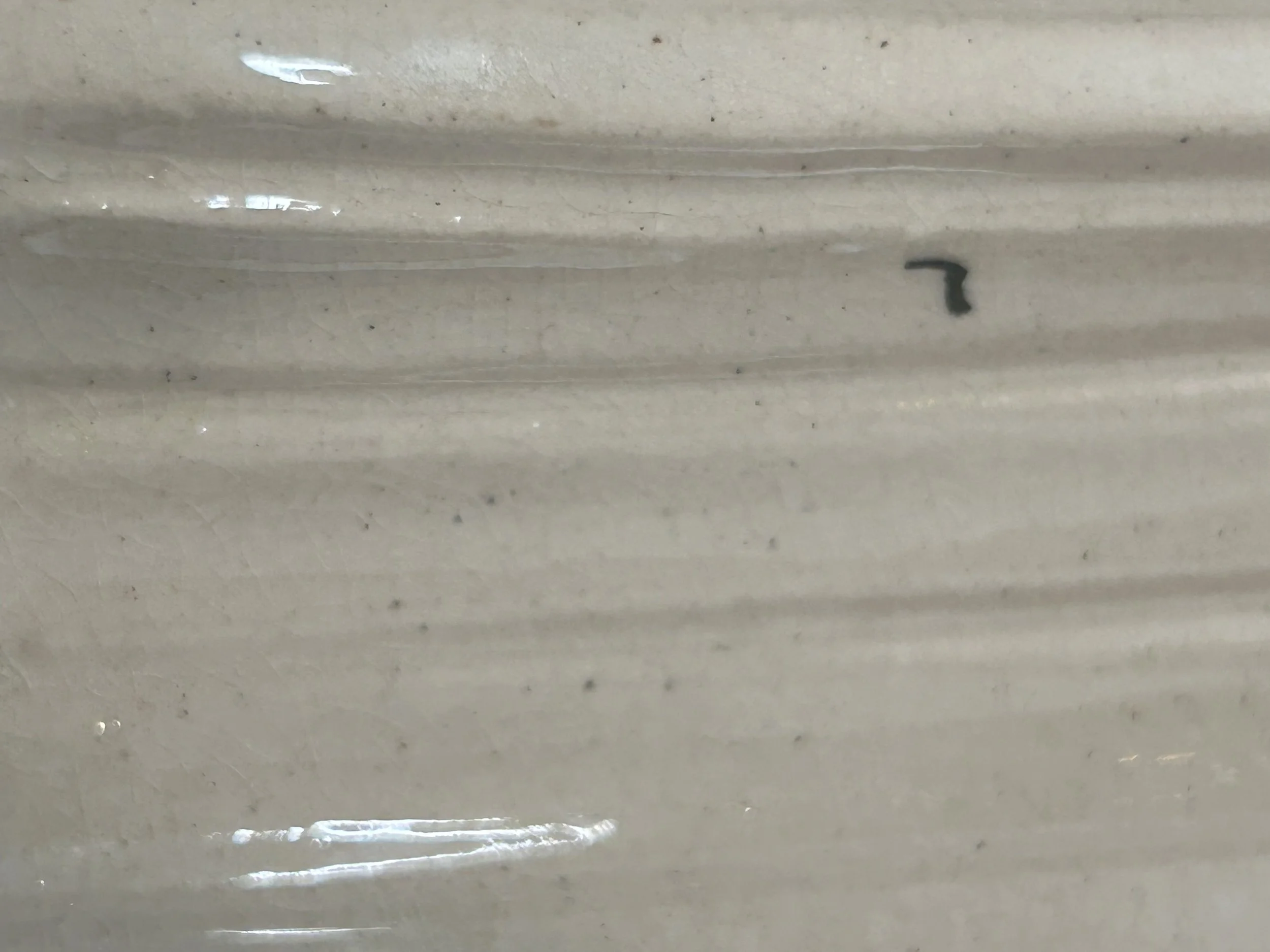 Image 13 of 15
 Image 14 of 15
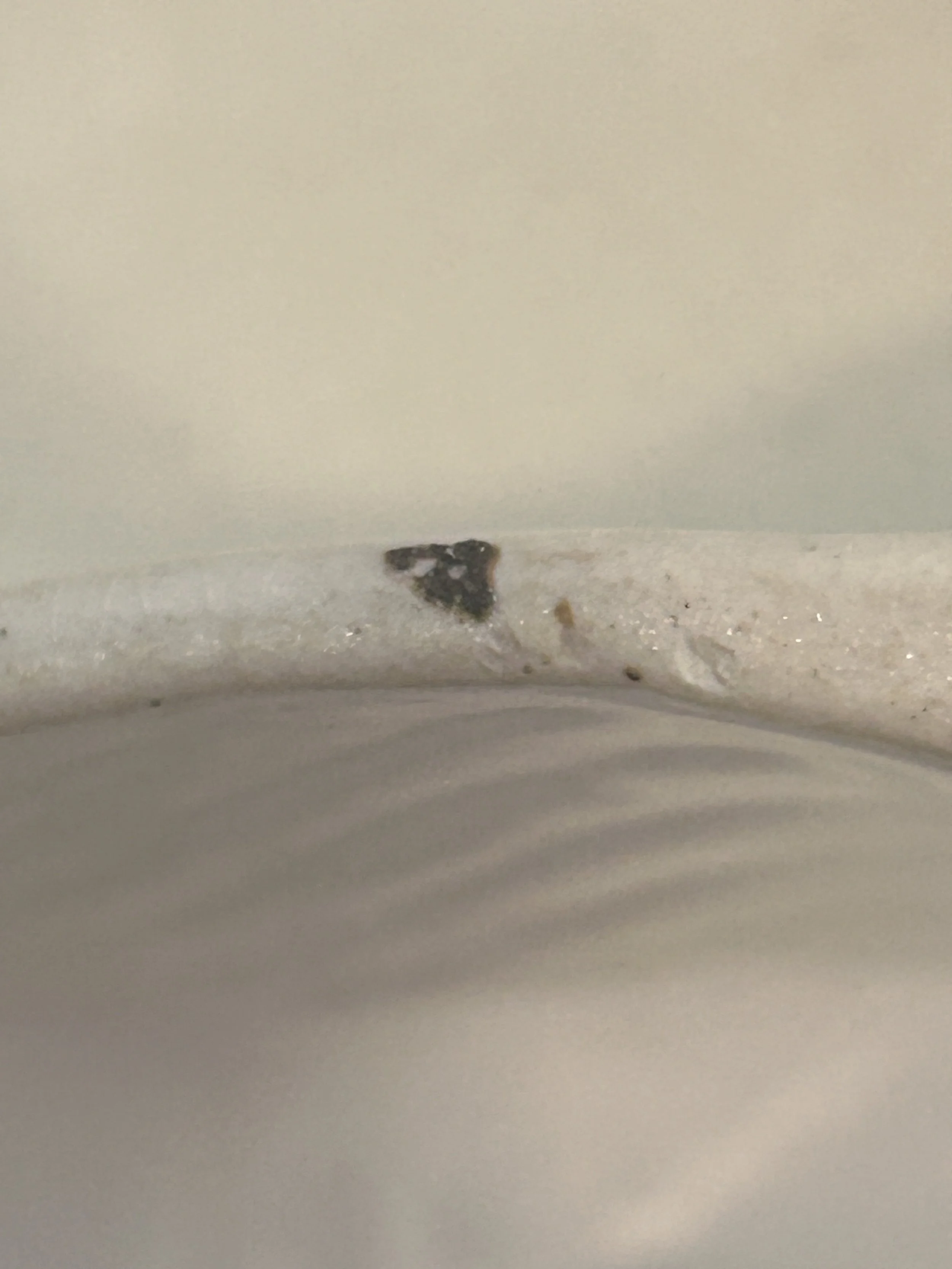 Image 15 of 15