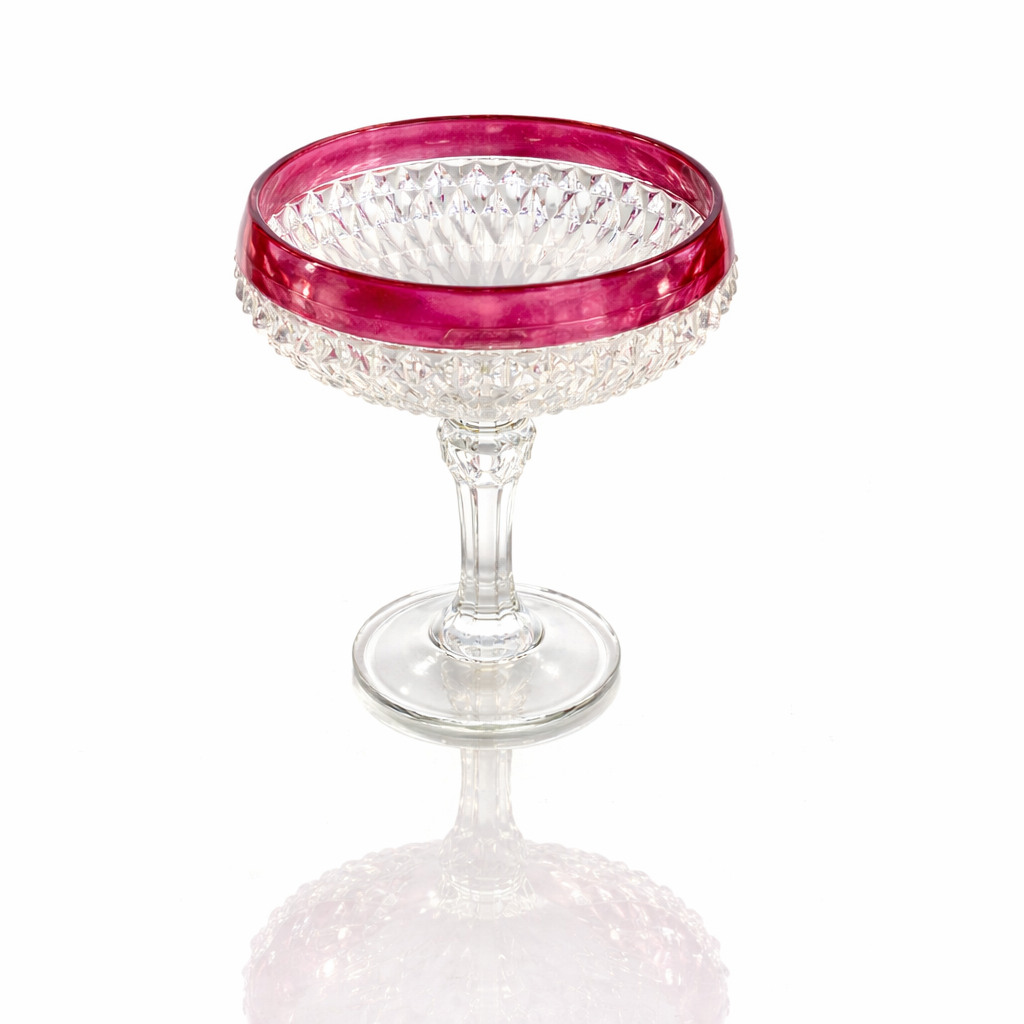
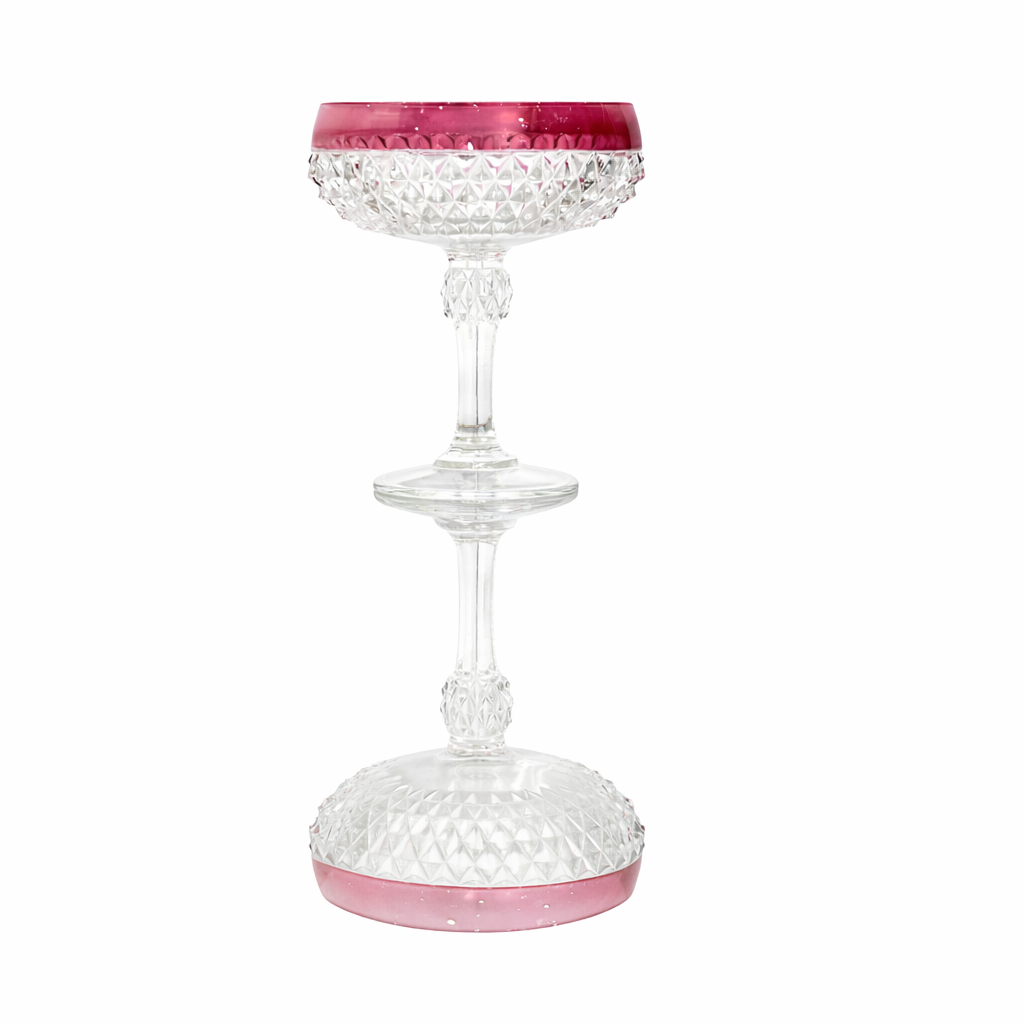
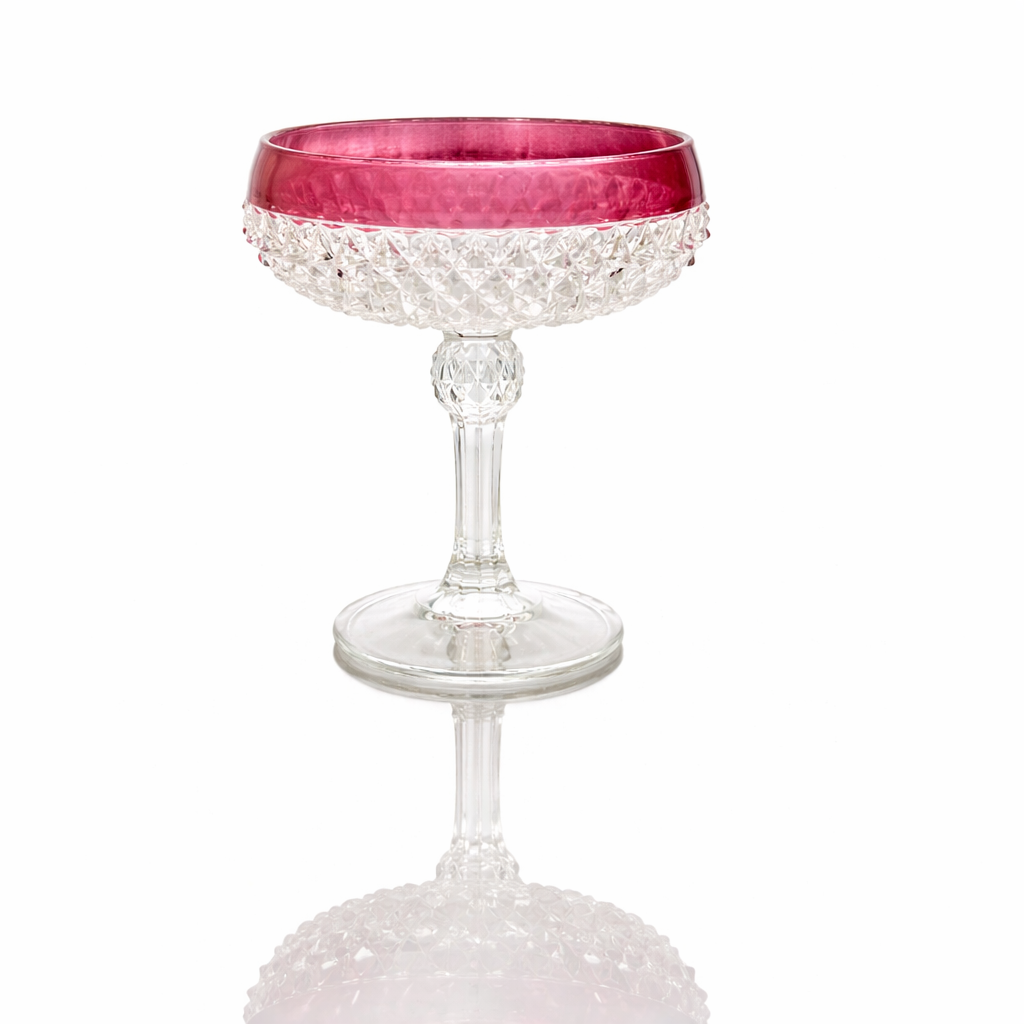
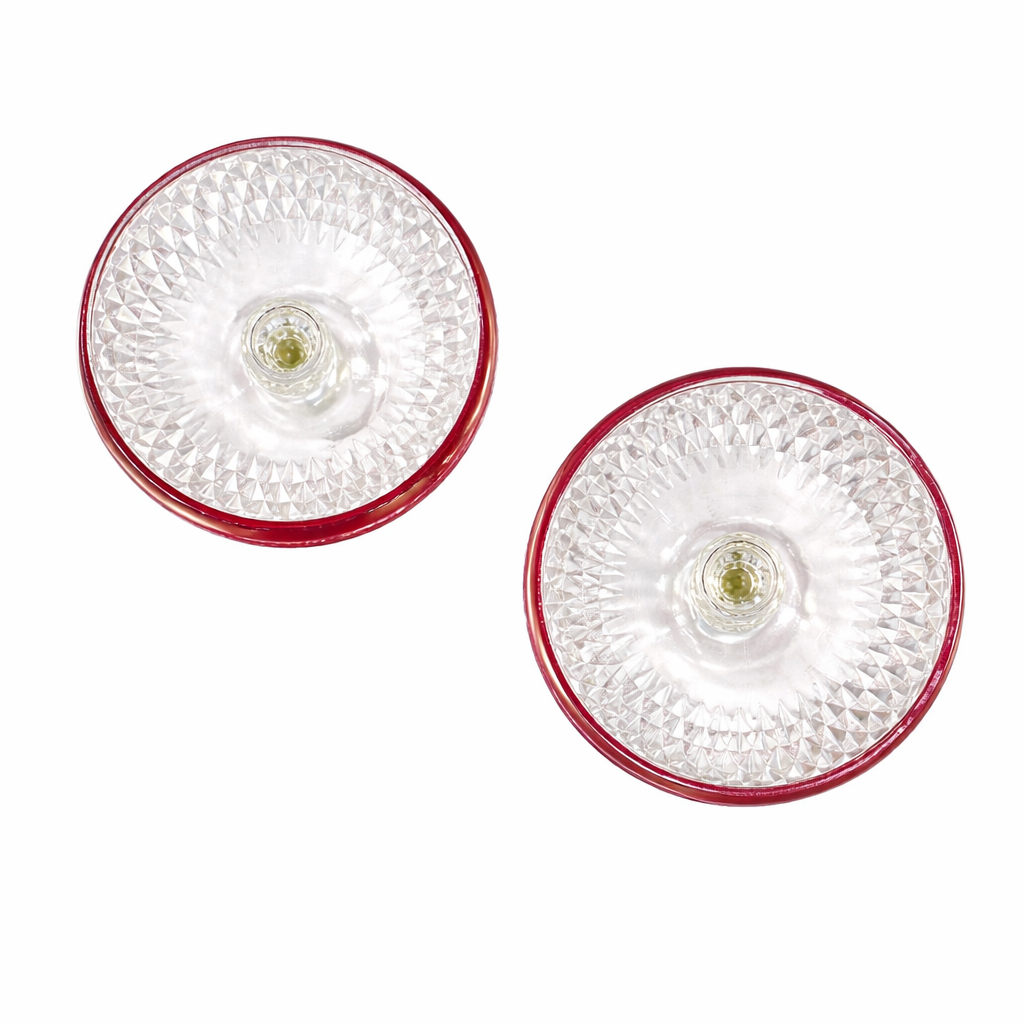
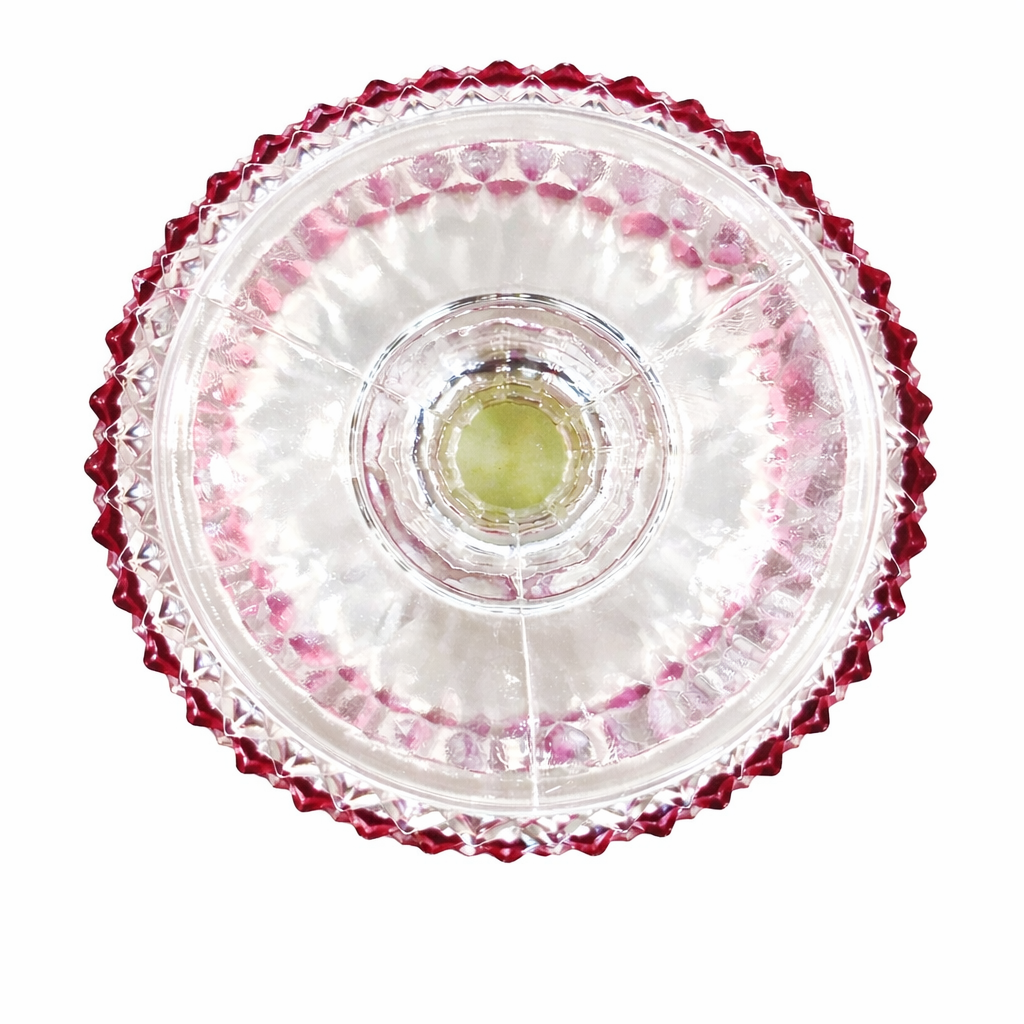
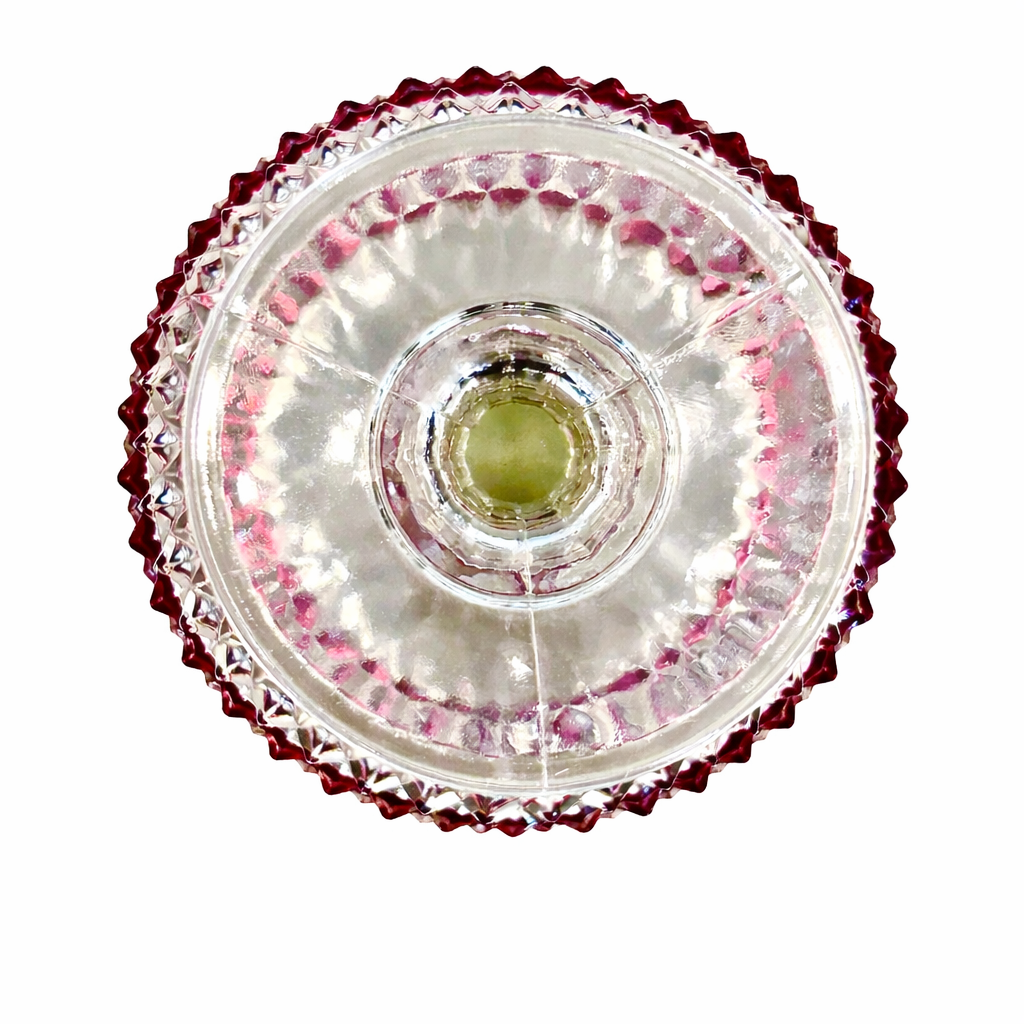
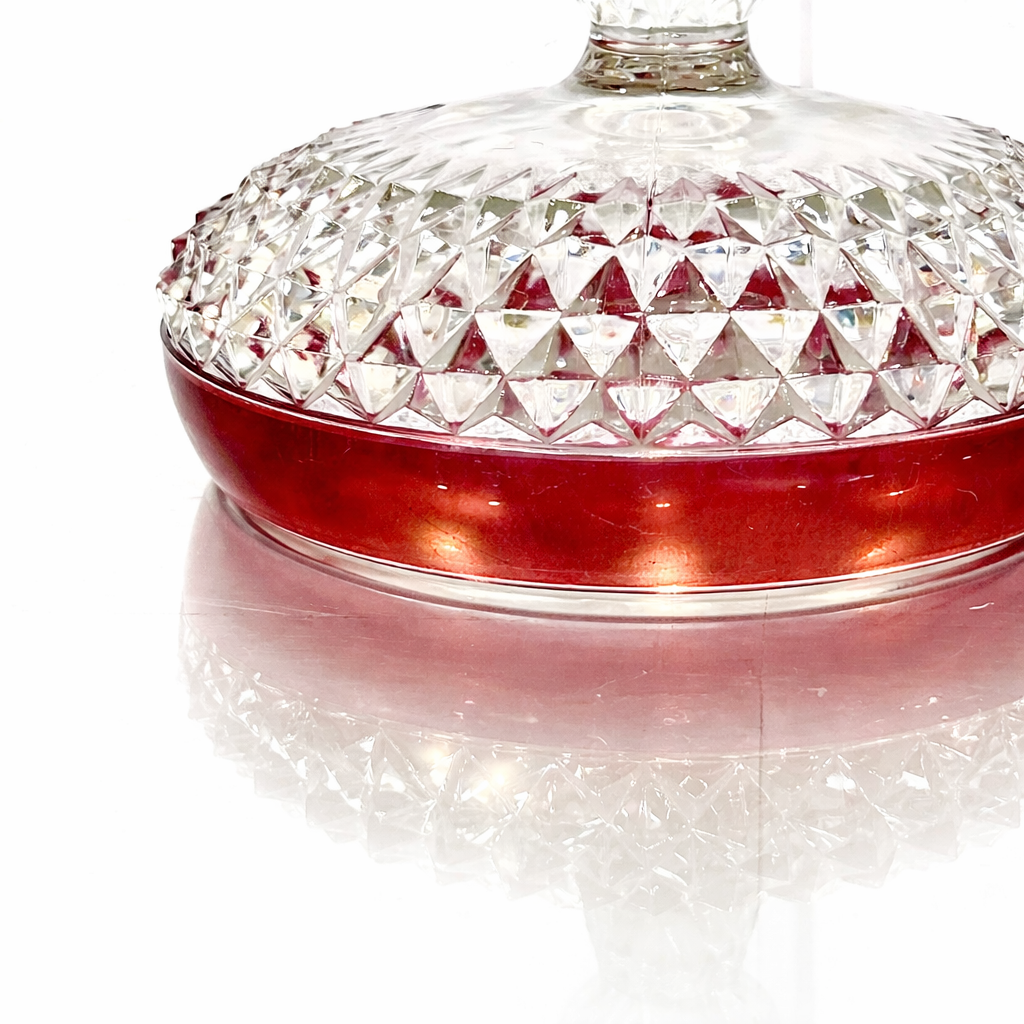
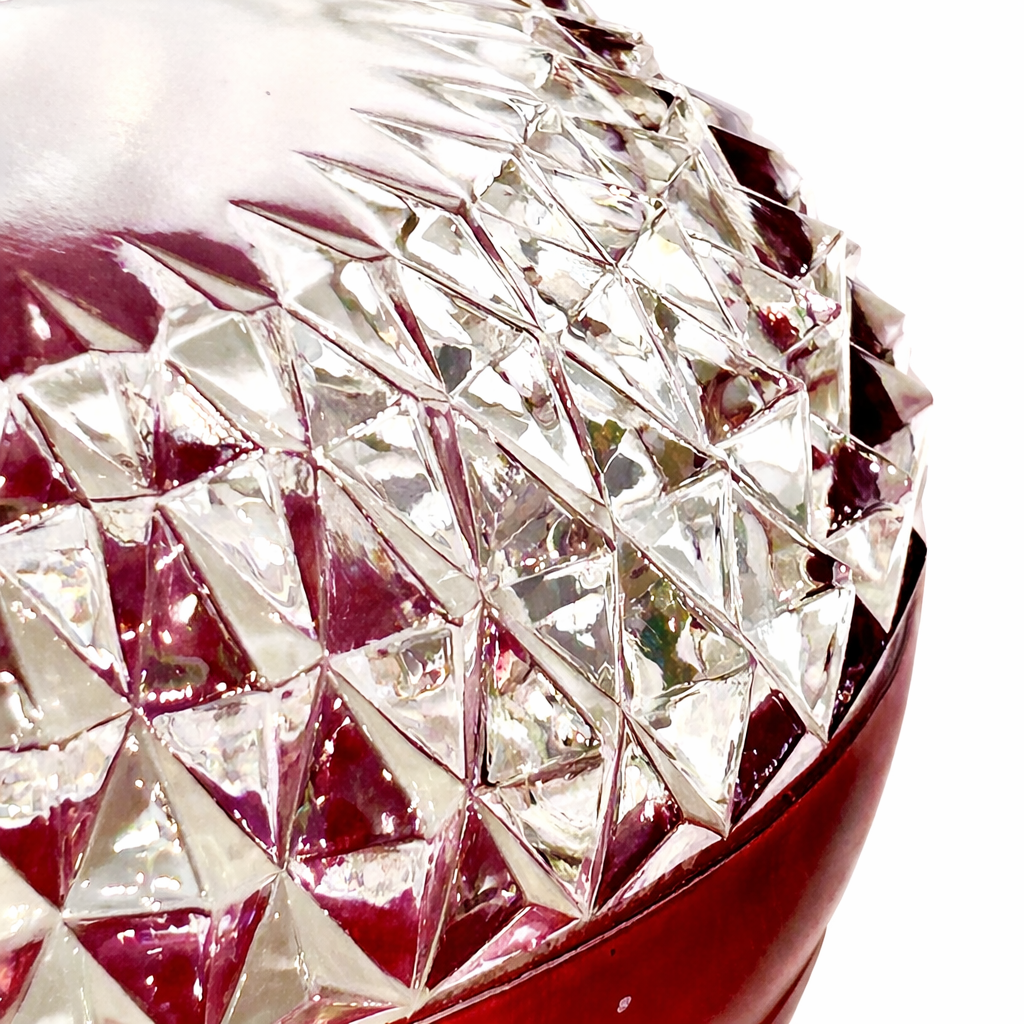
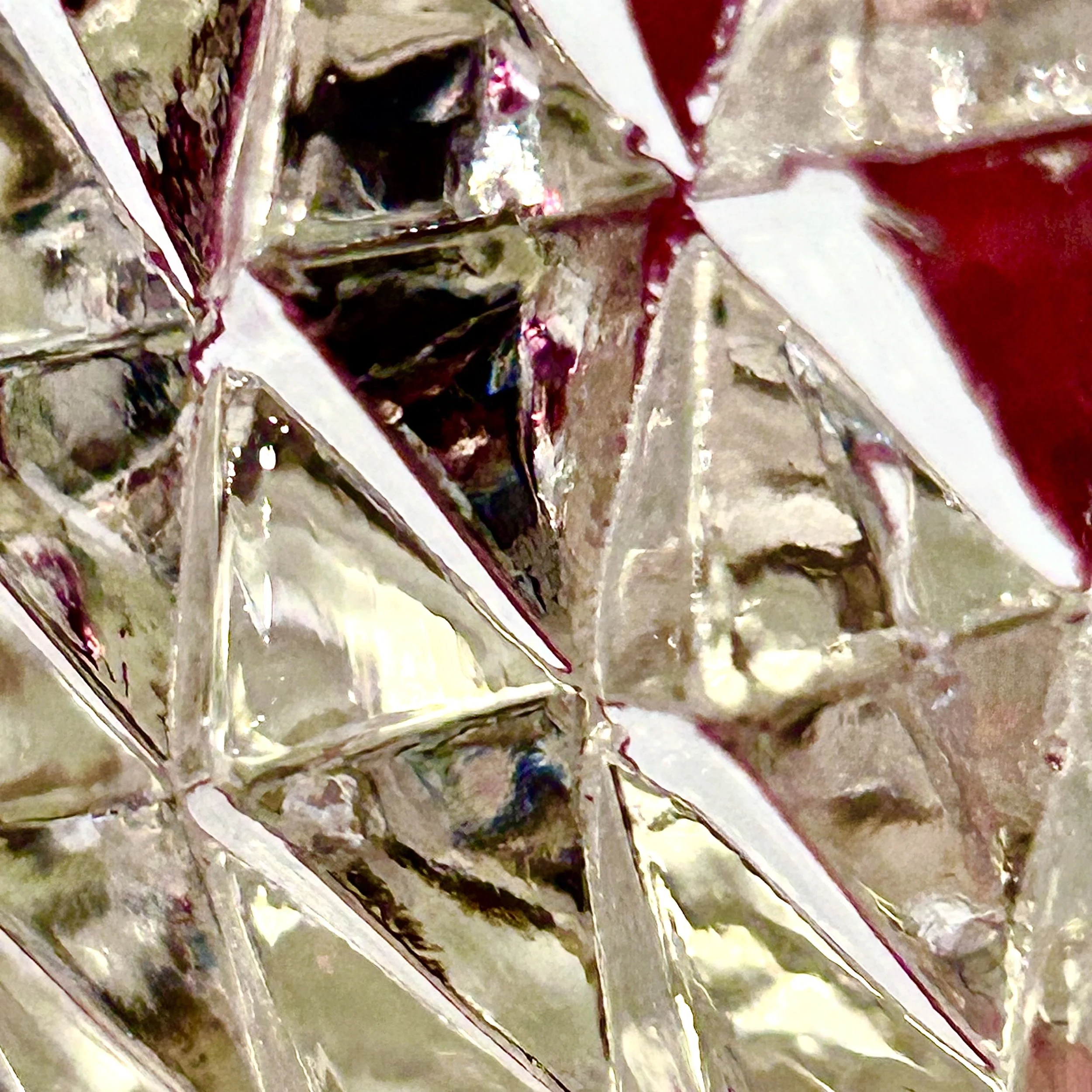
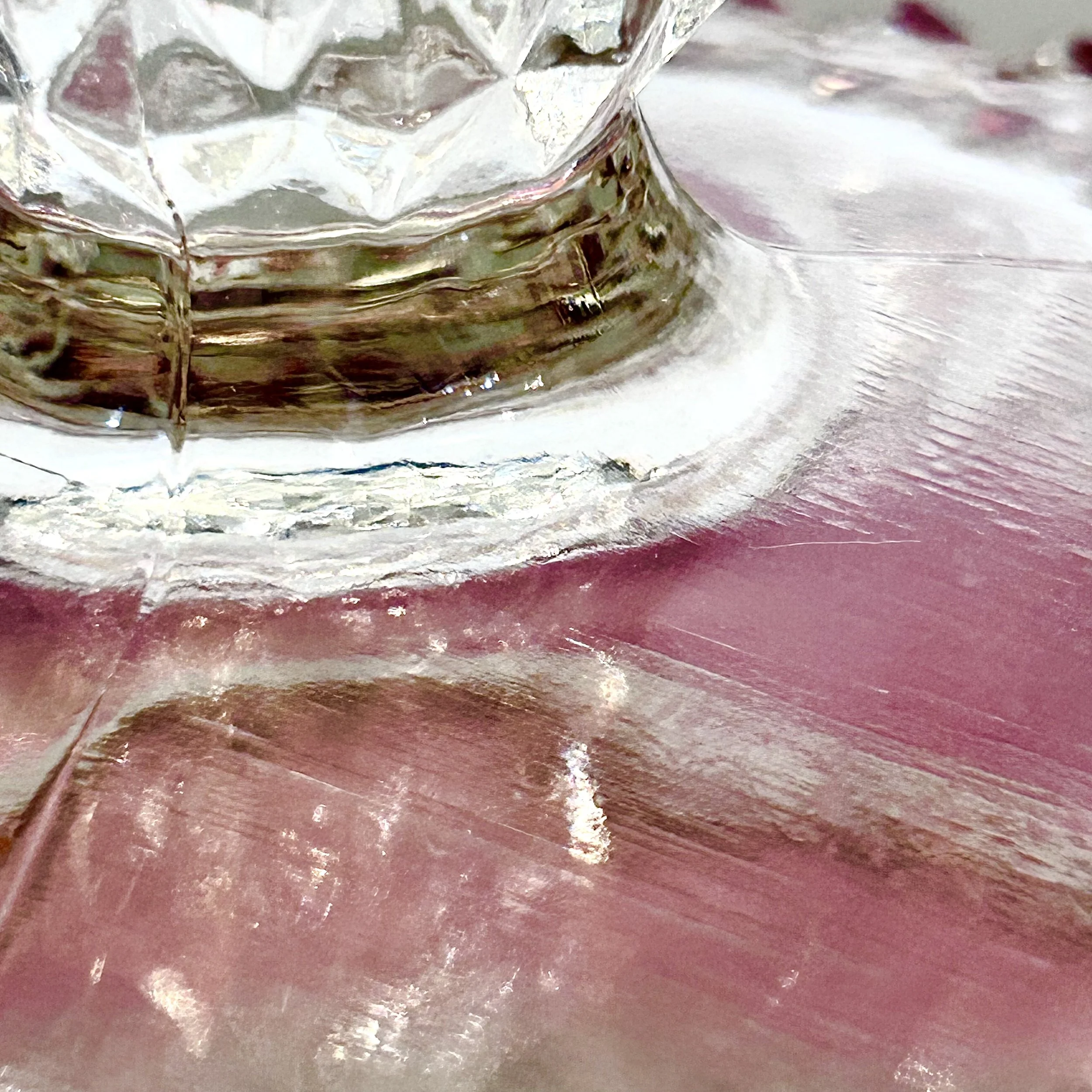
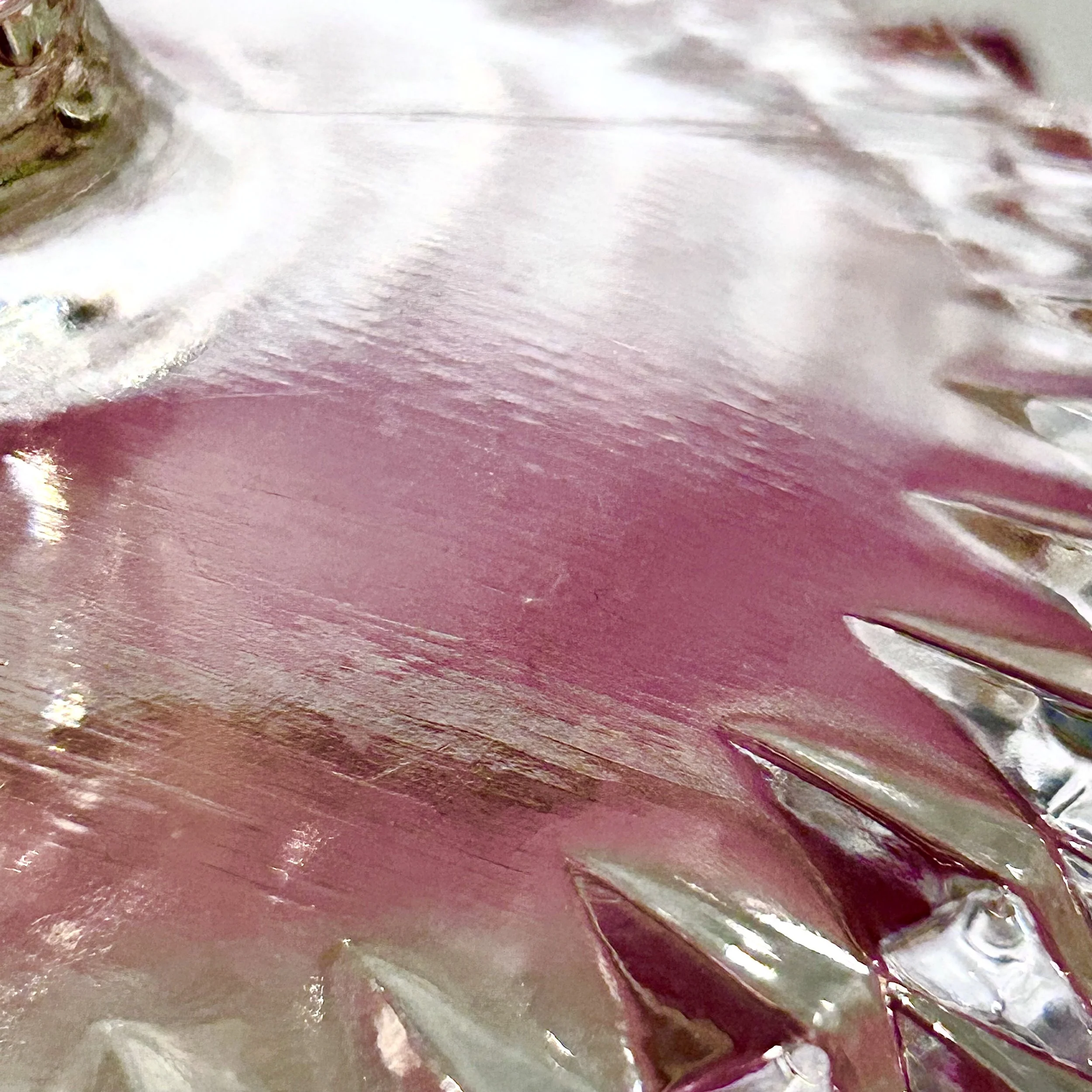
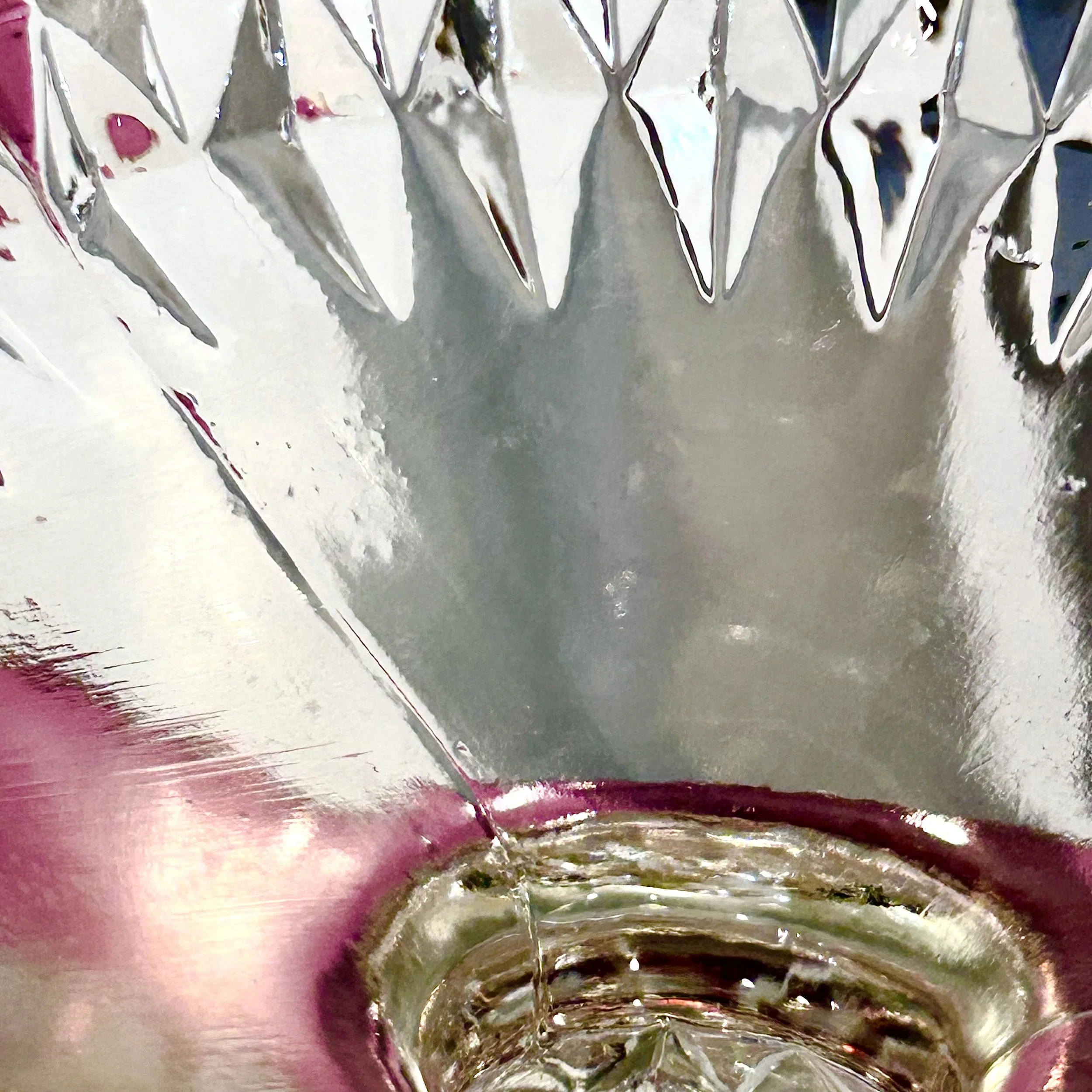
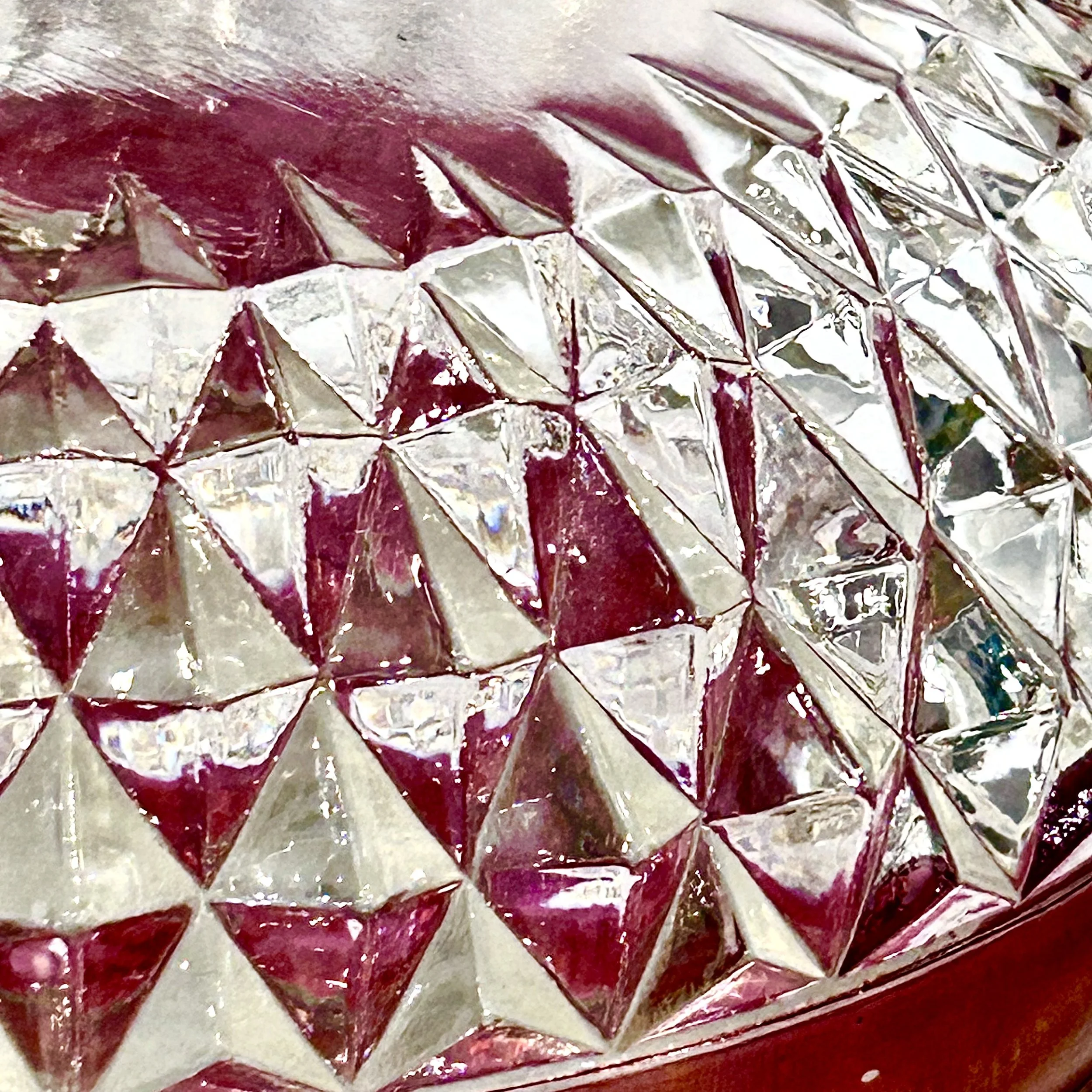
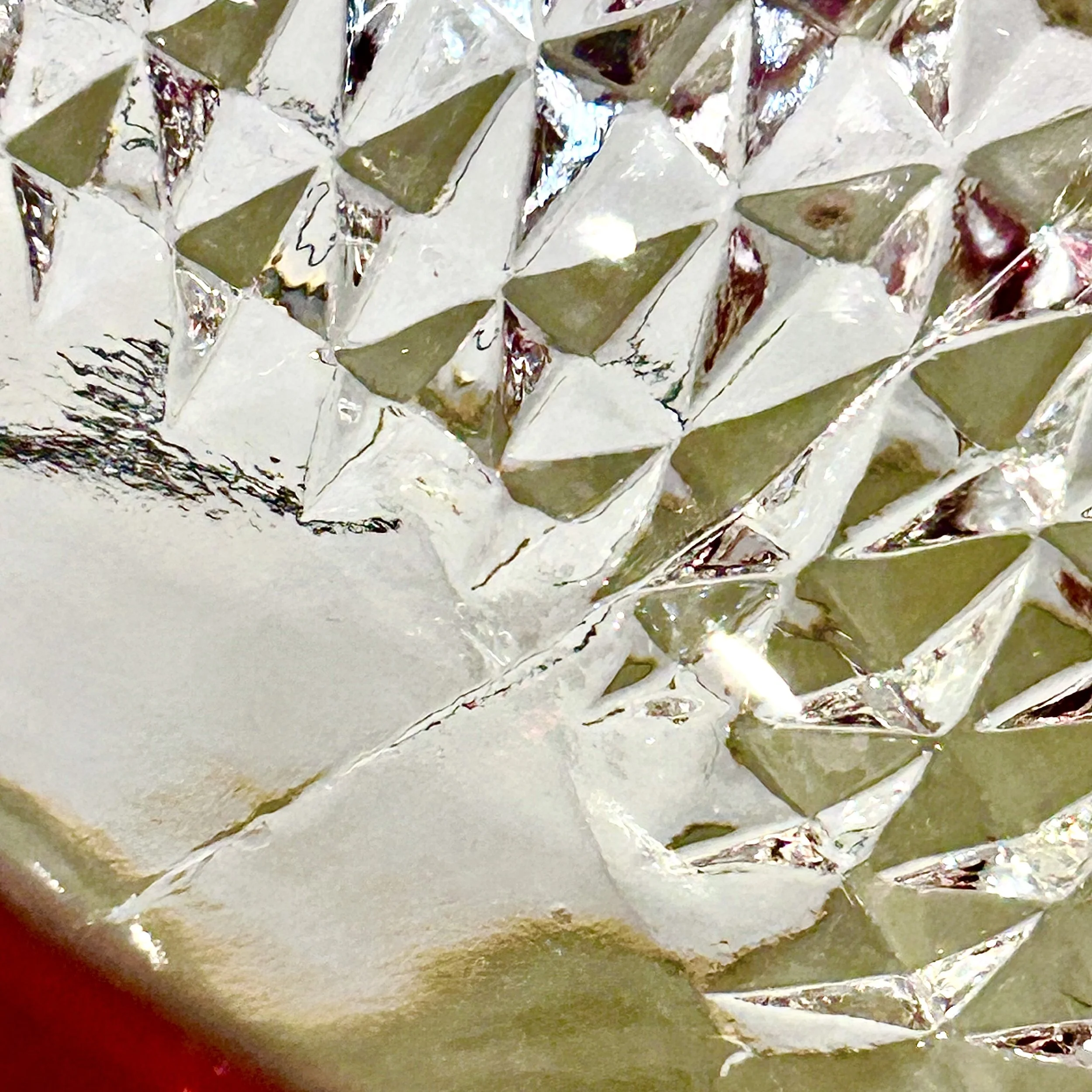
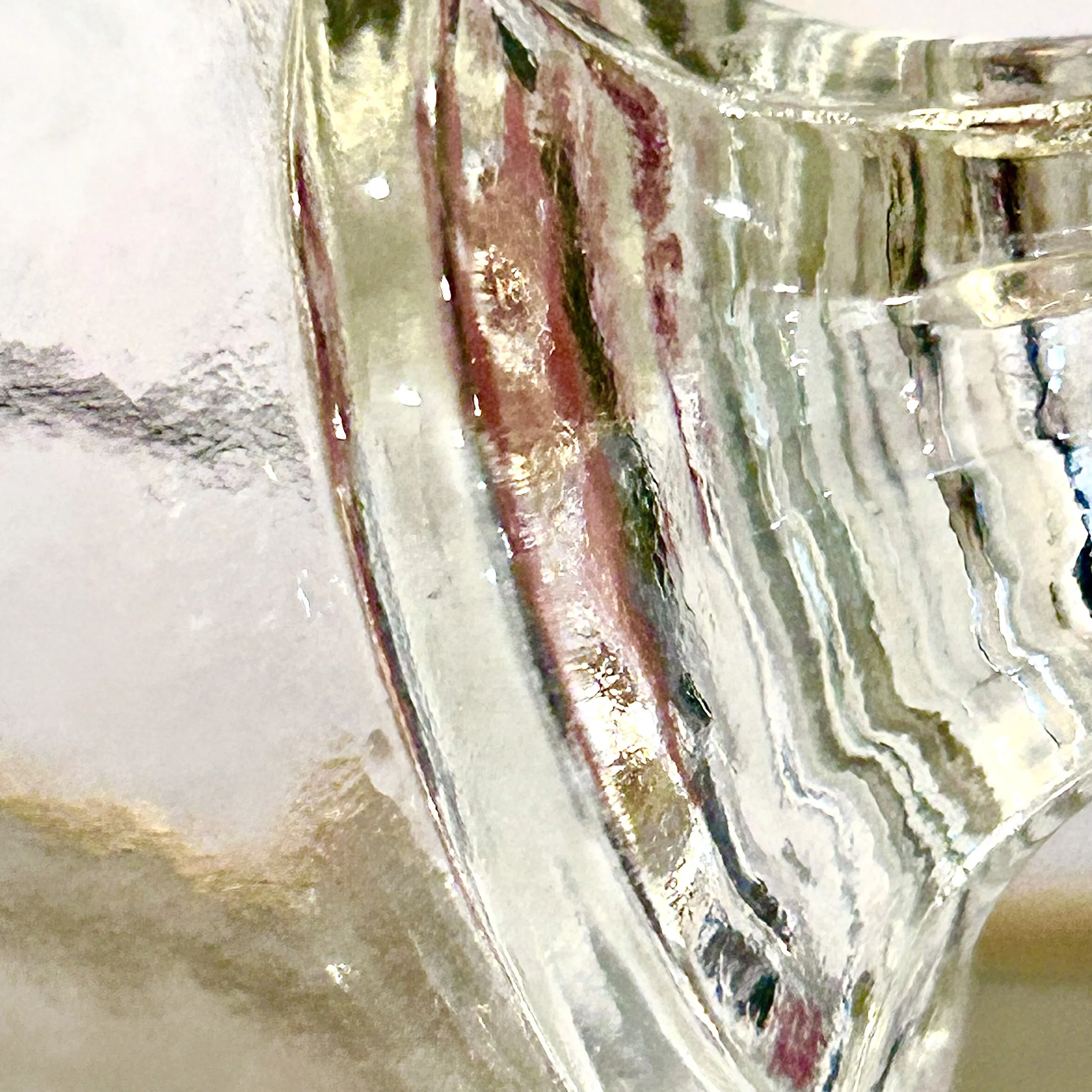
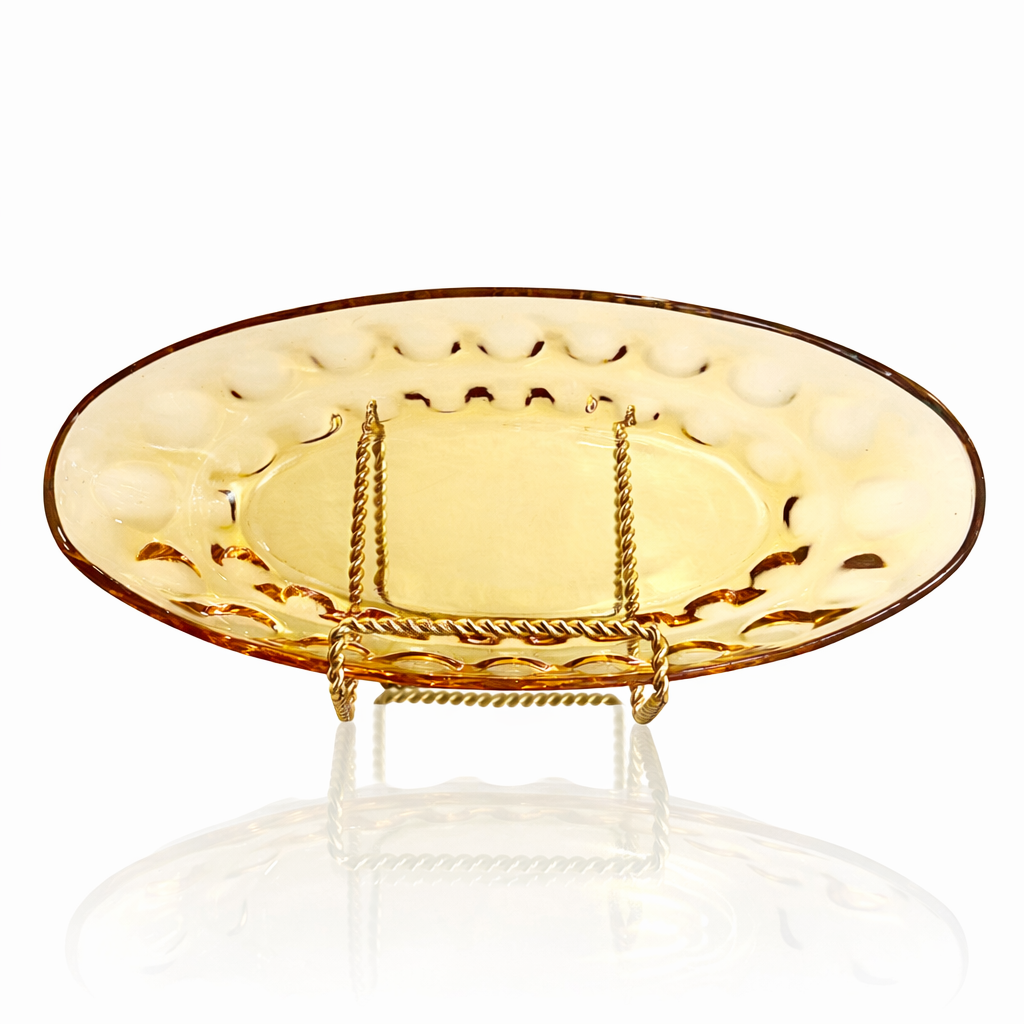
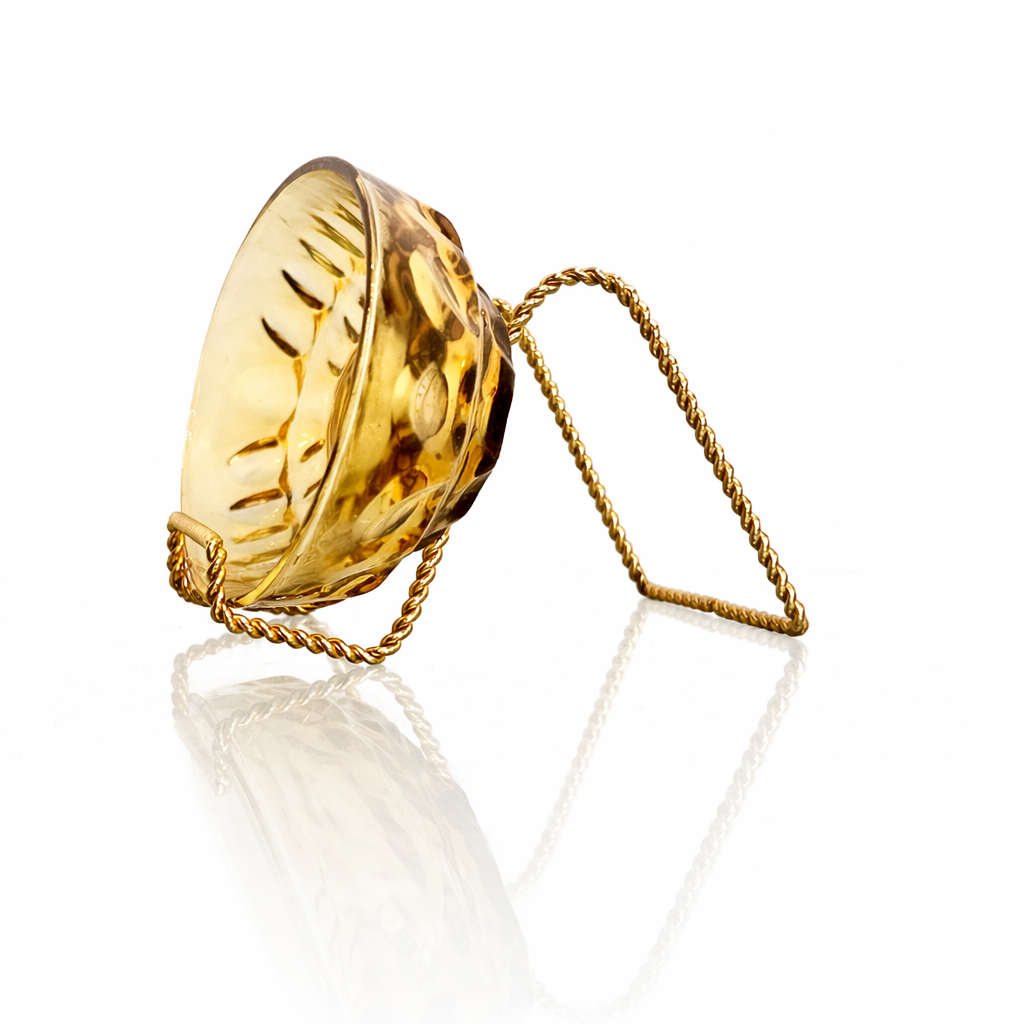
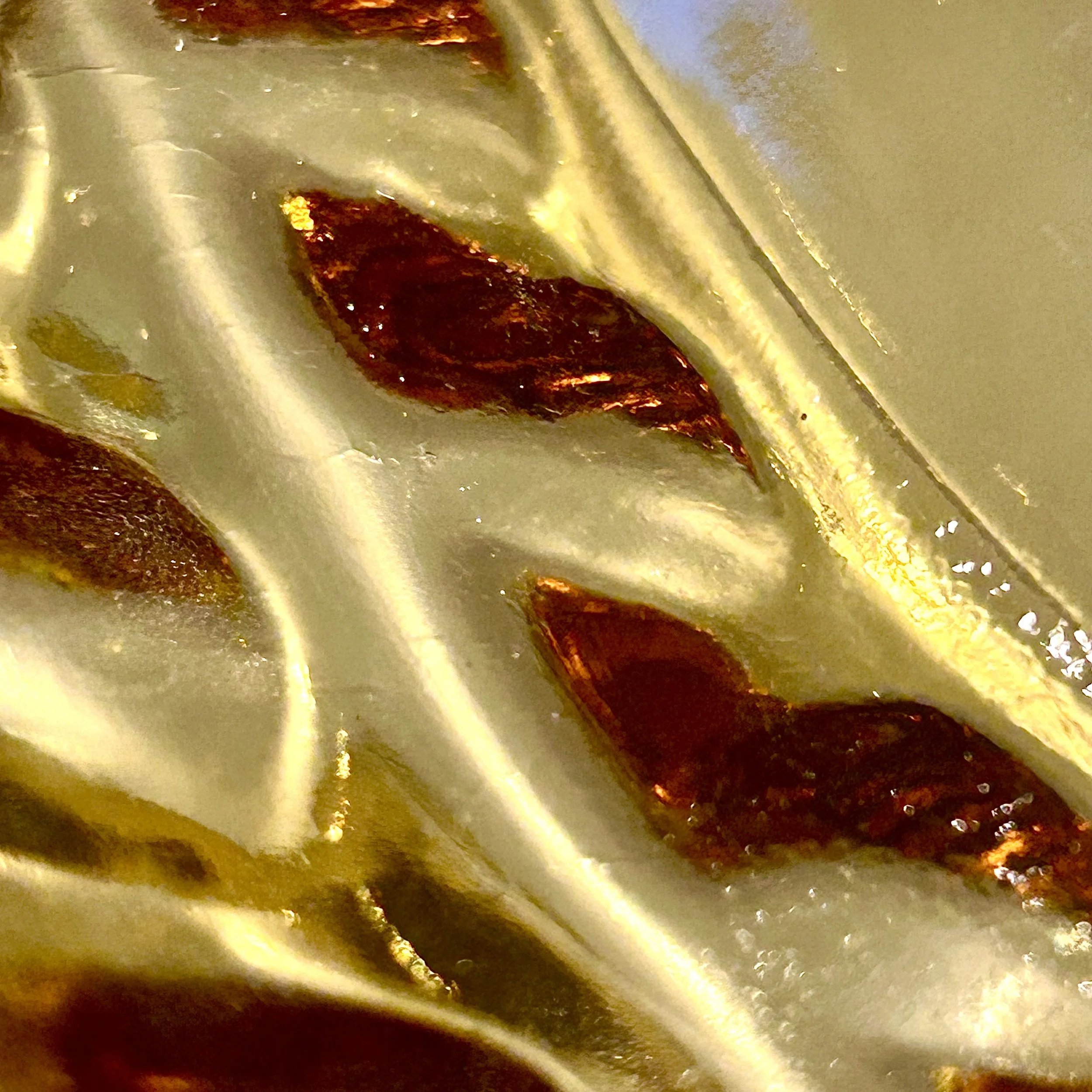
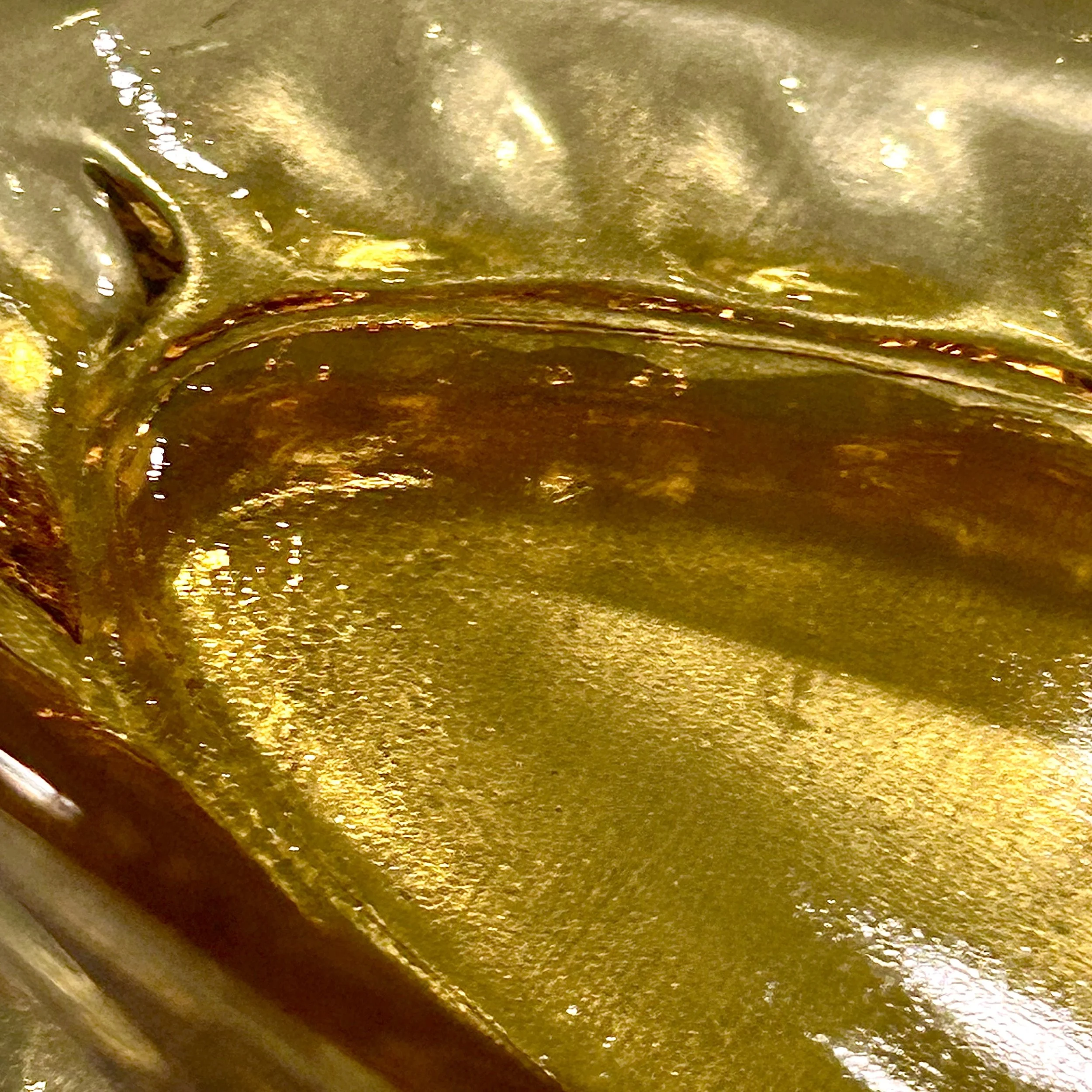
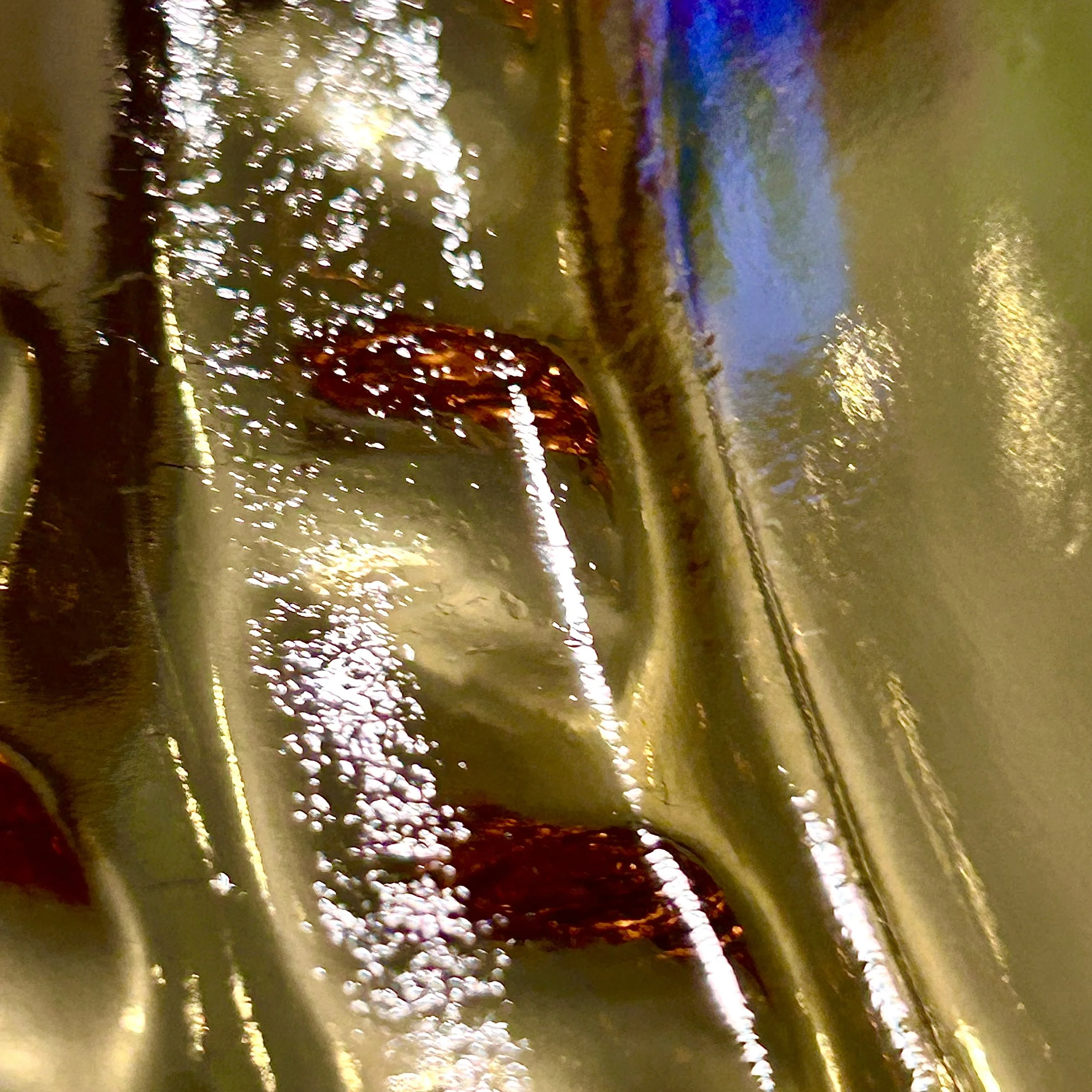
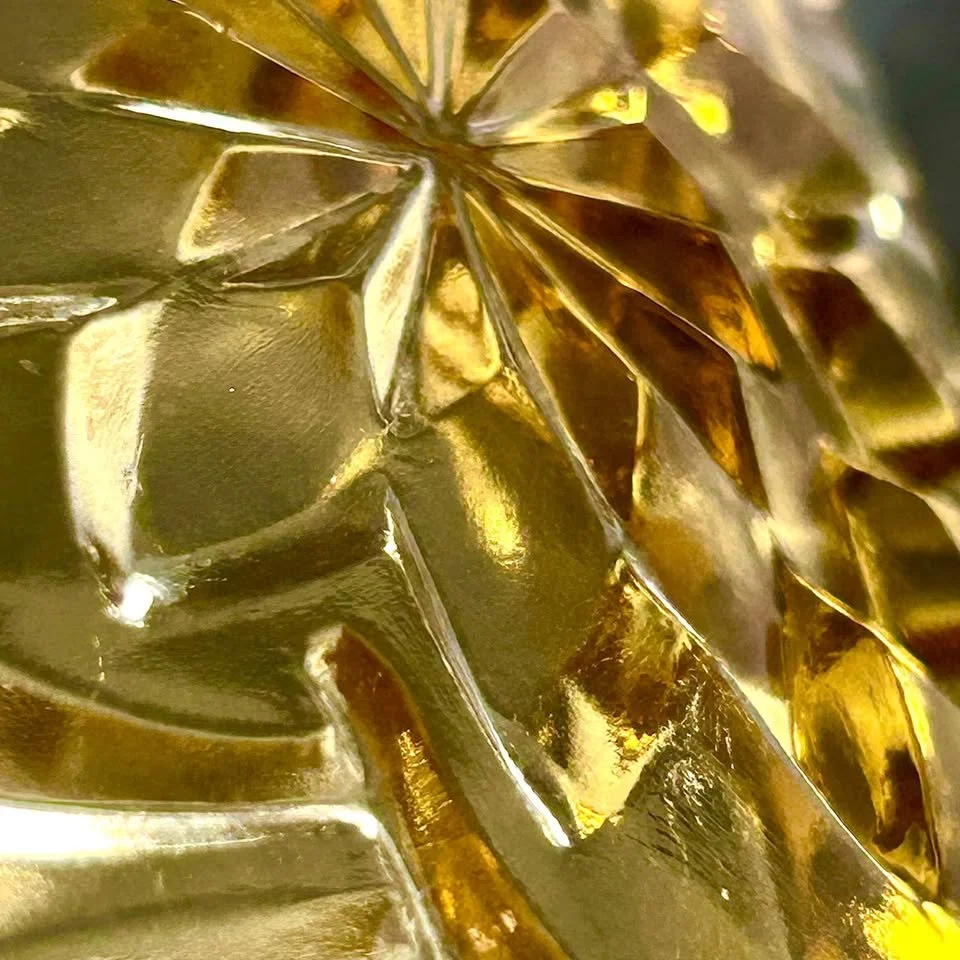
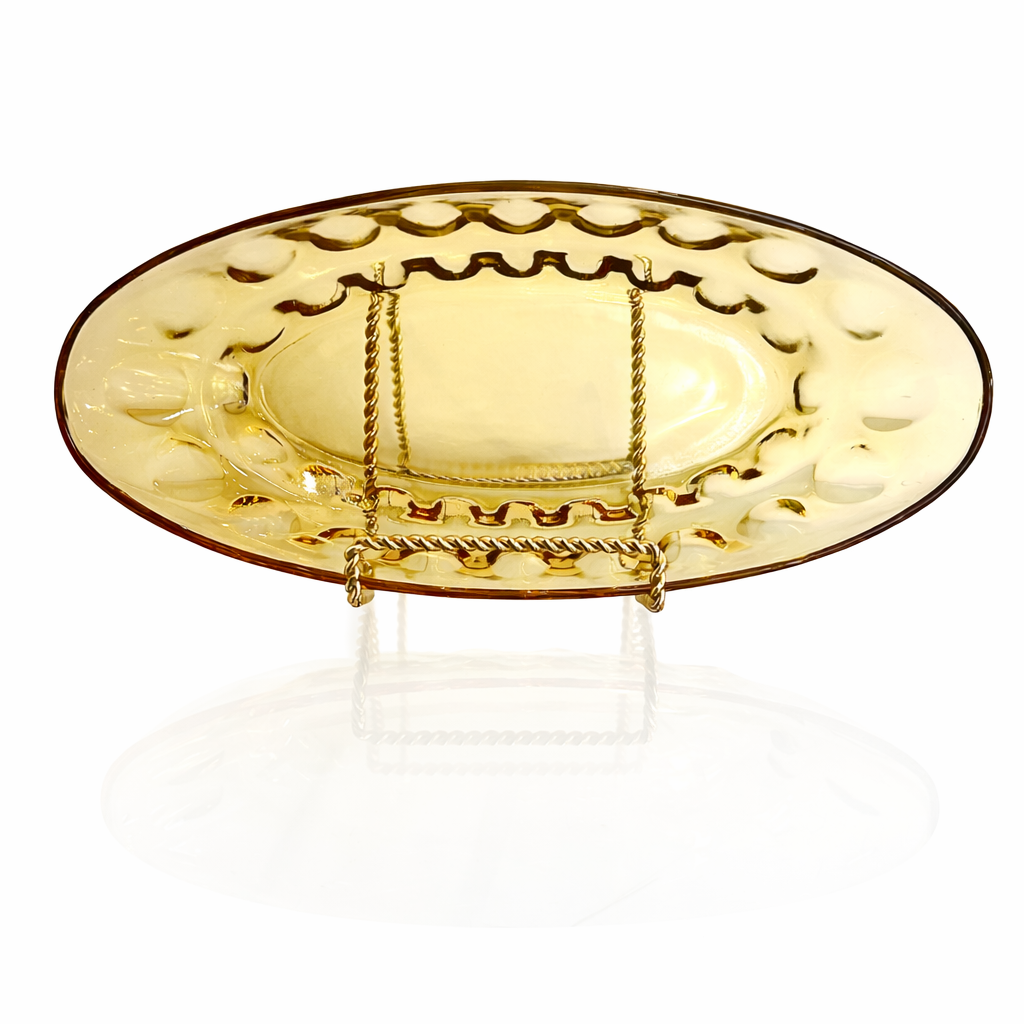
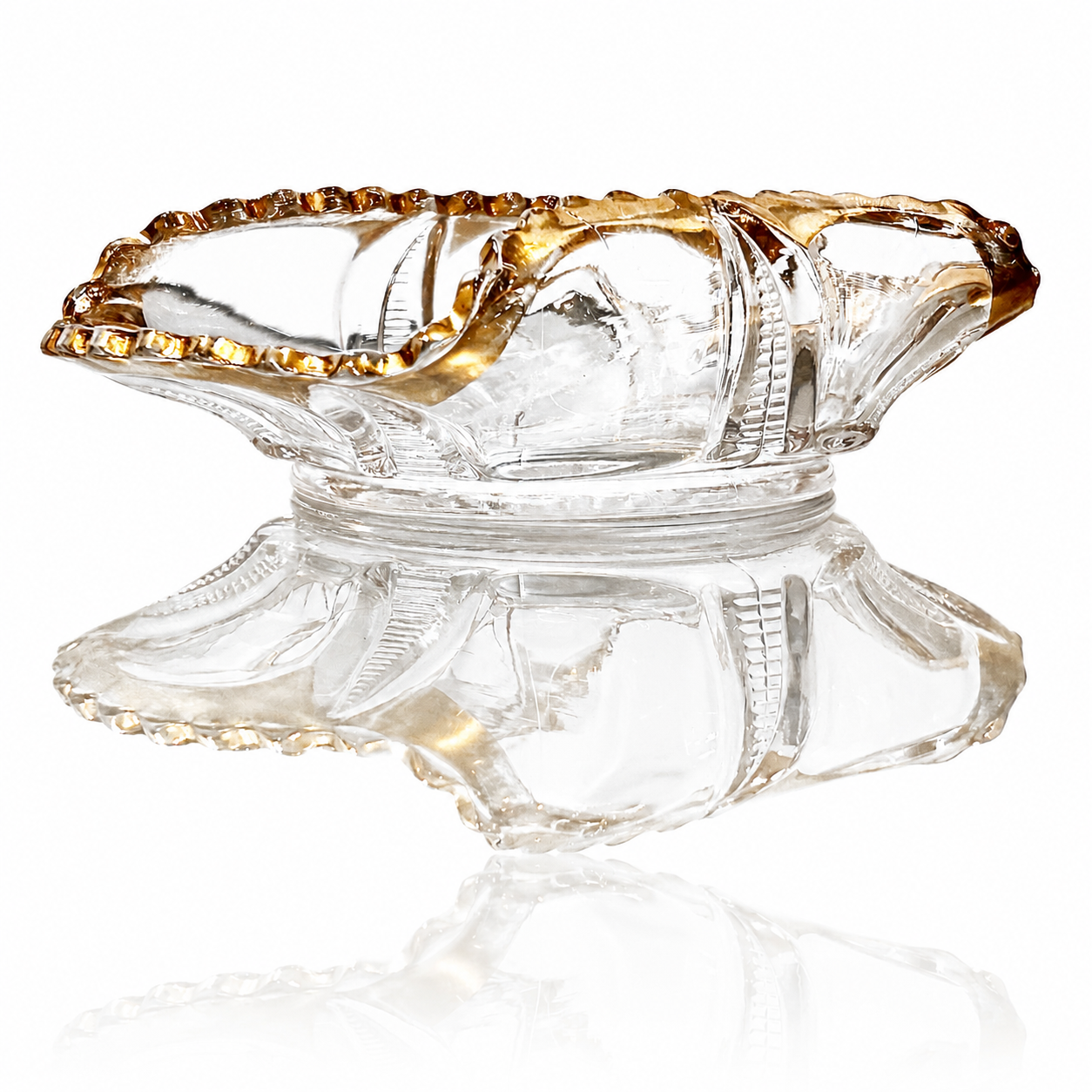
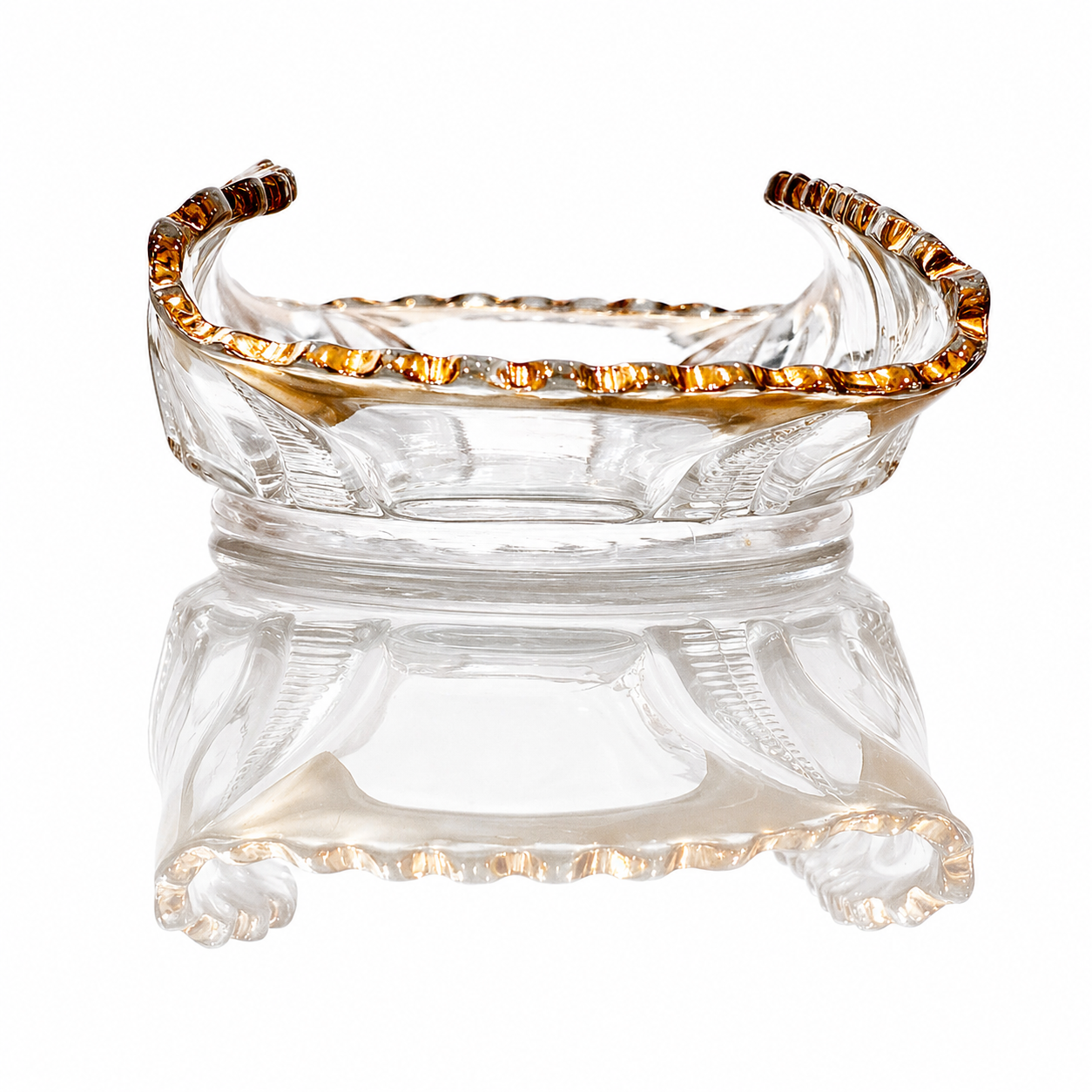
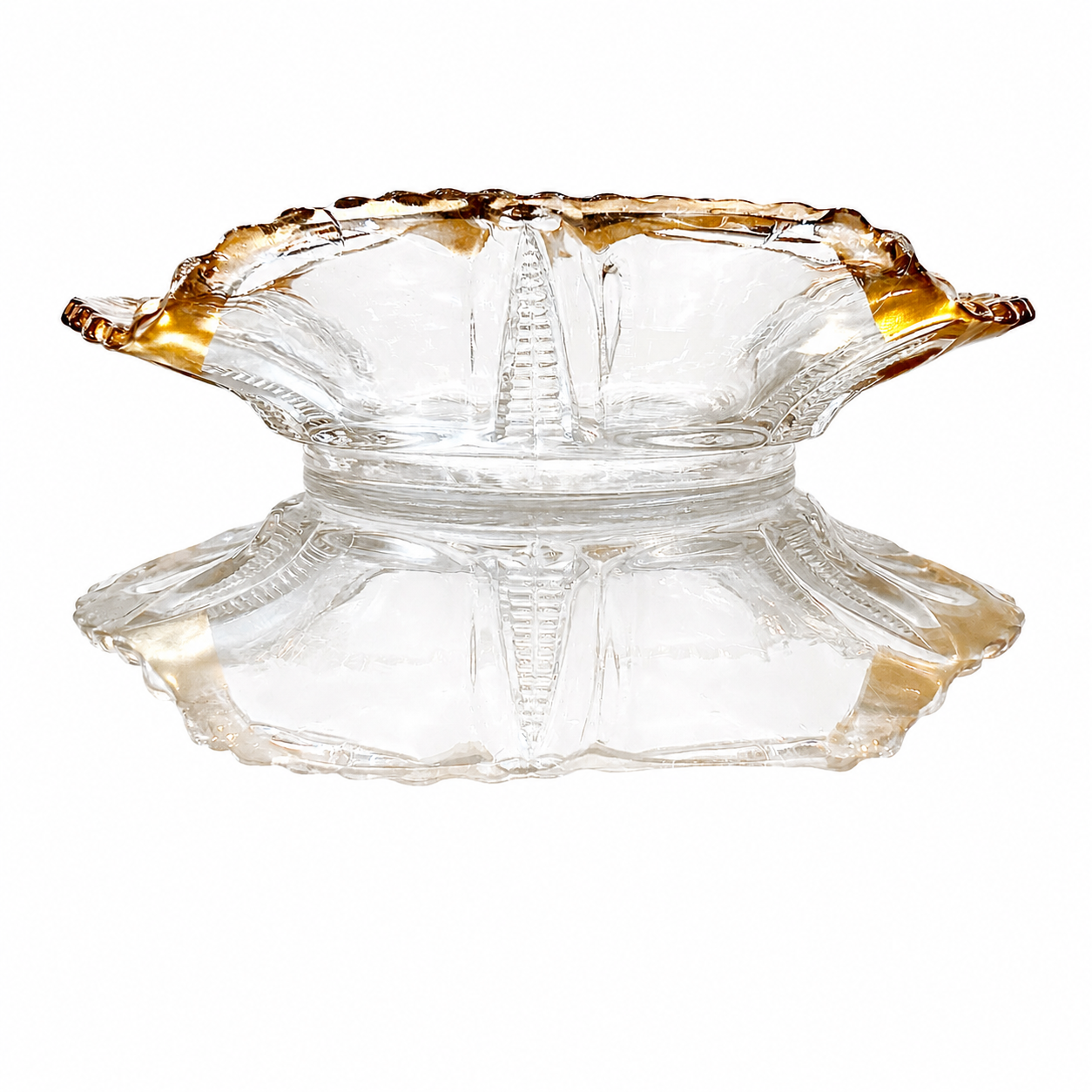
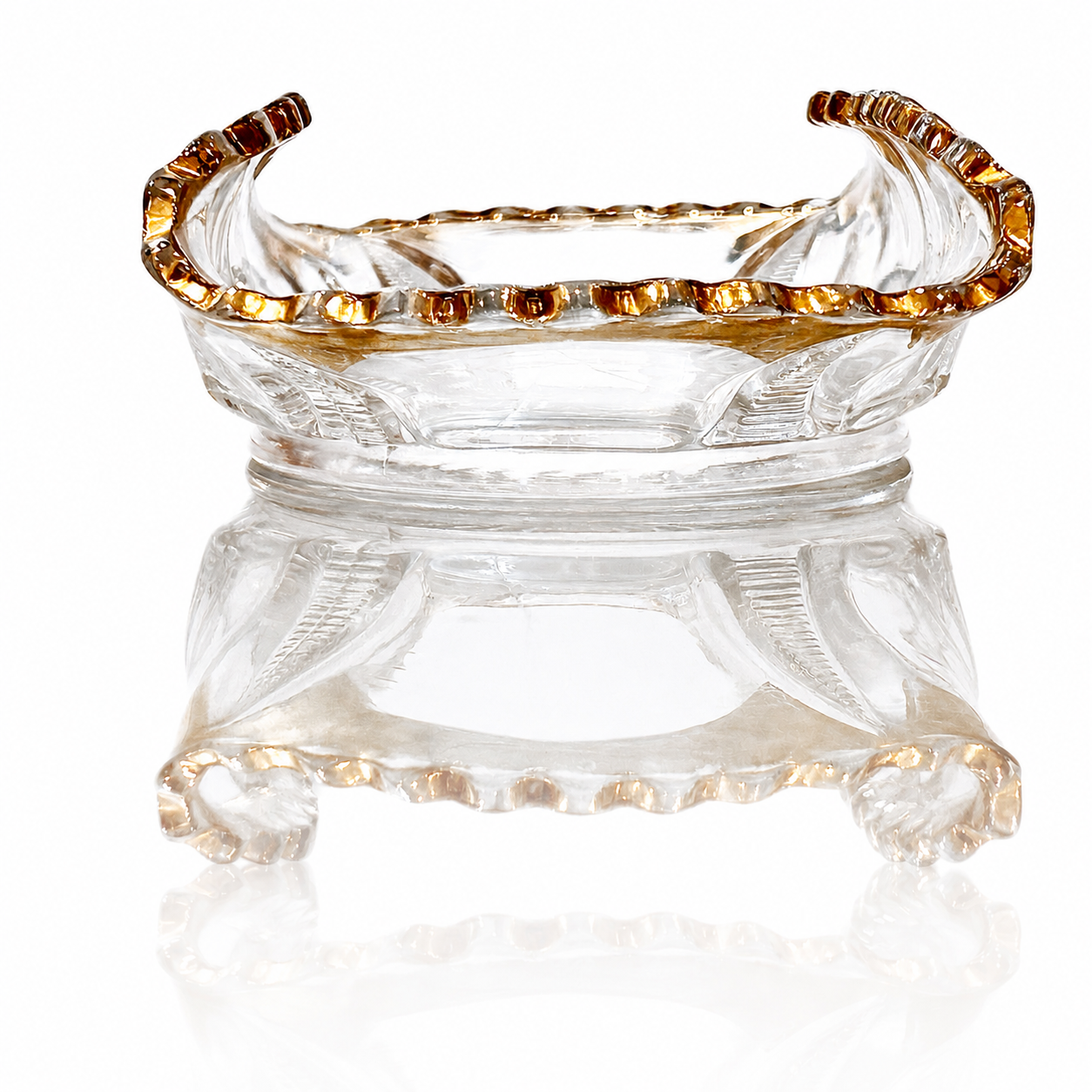
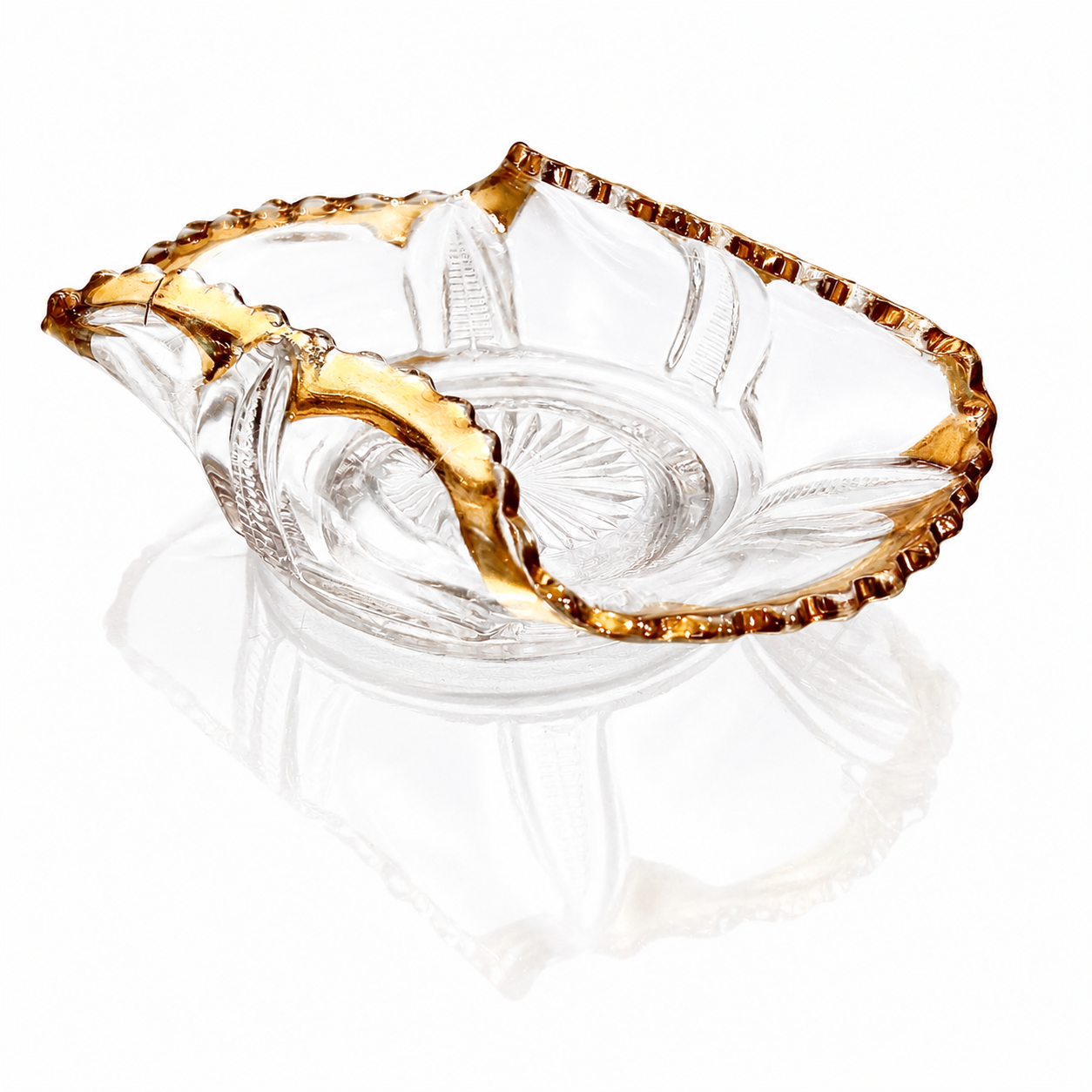
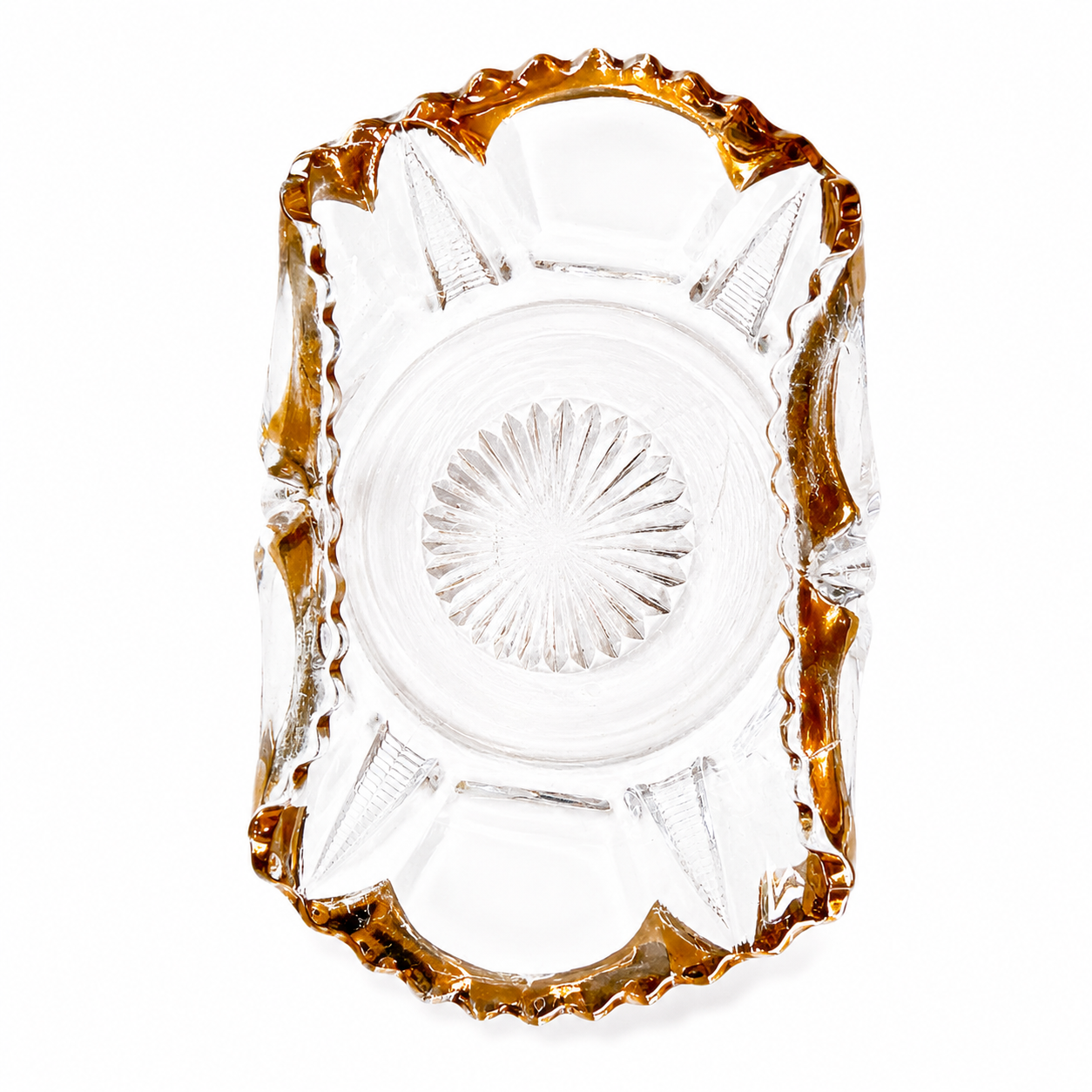
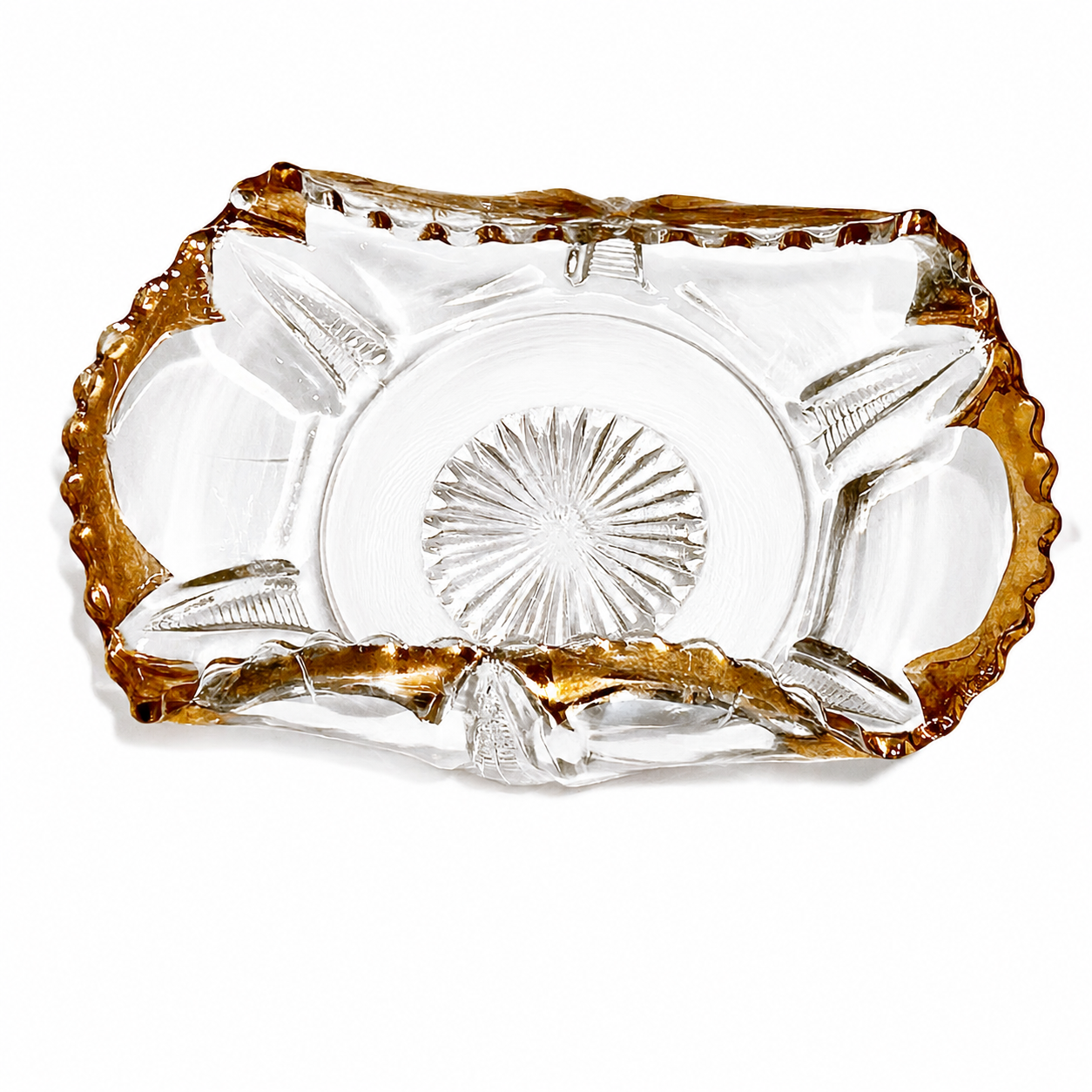
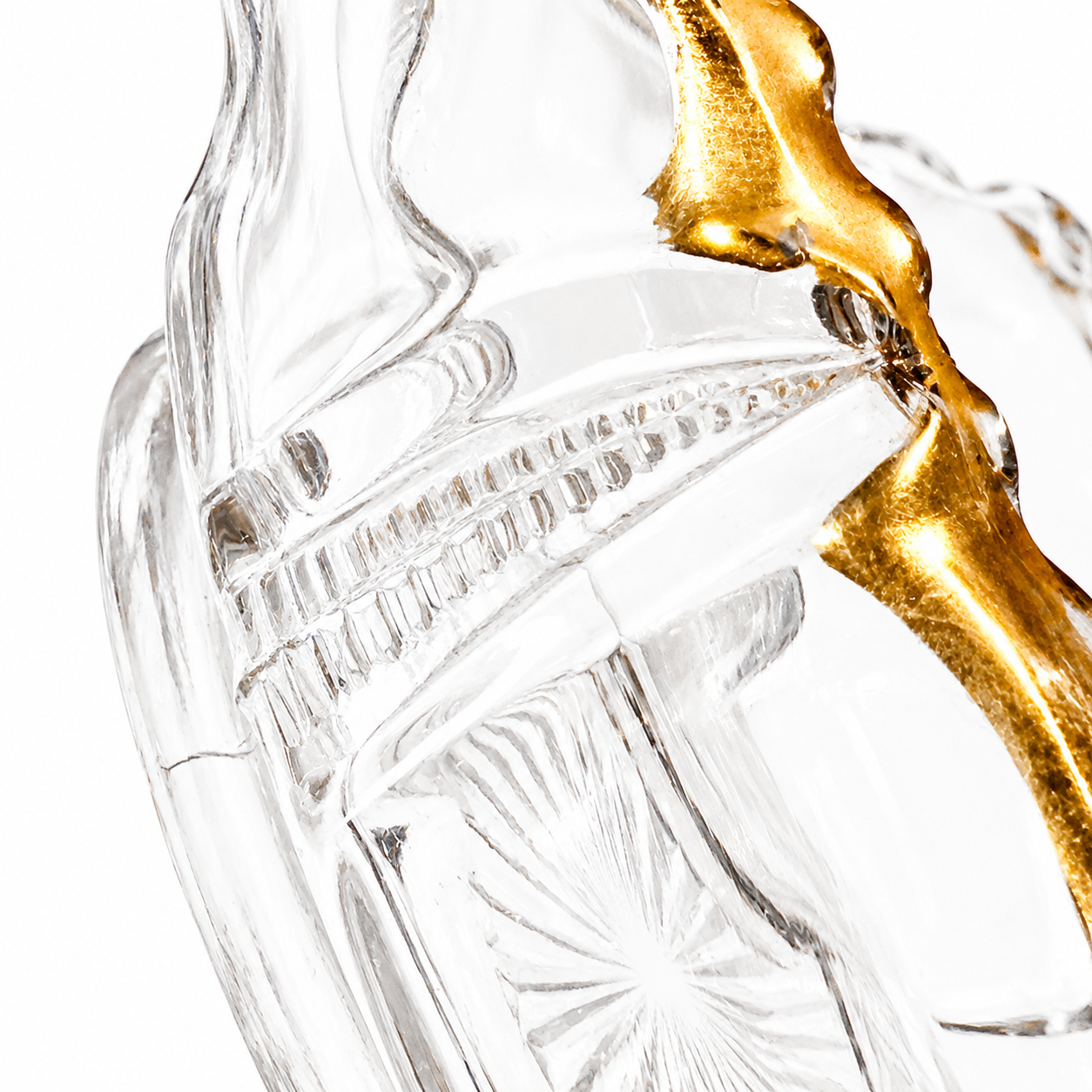
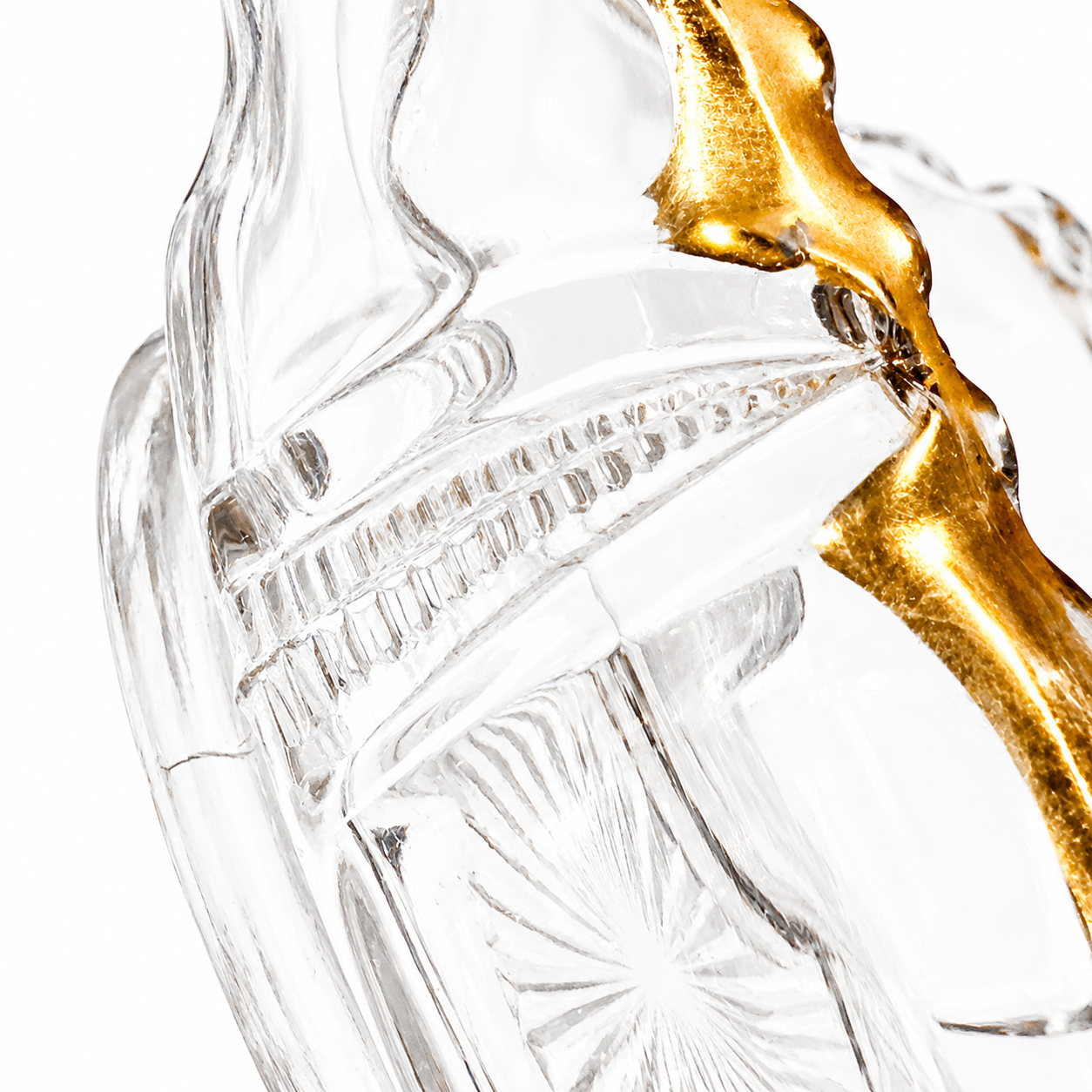
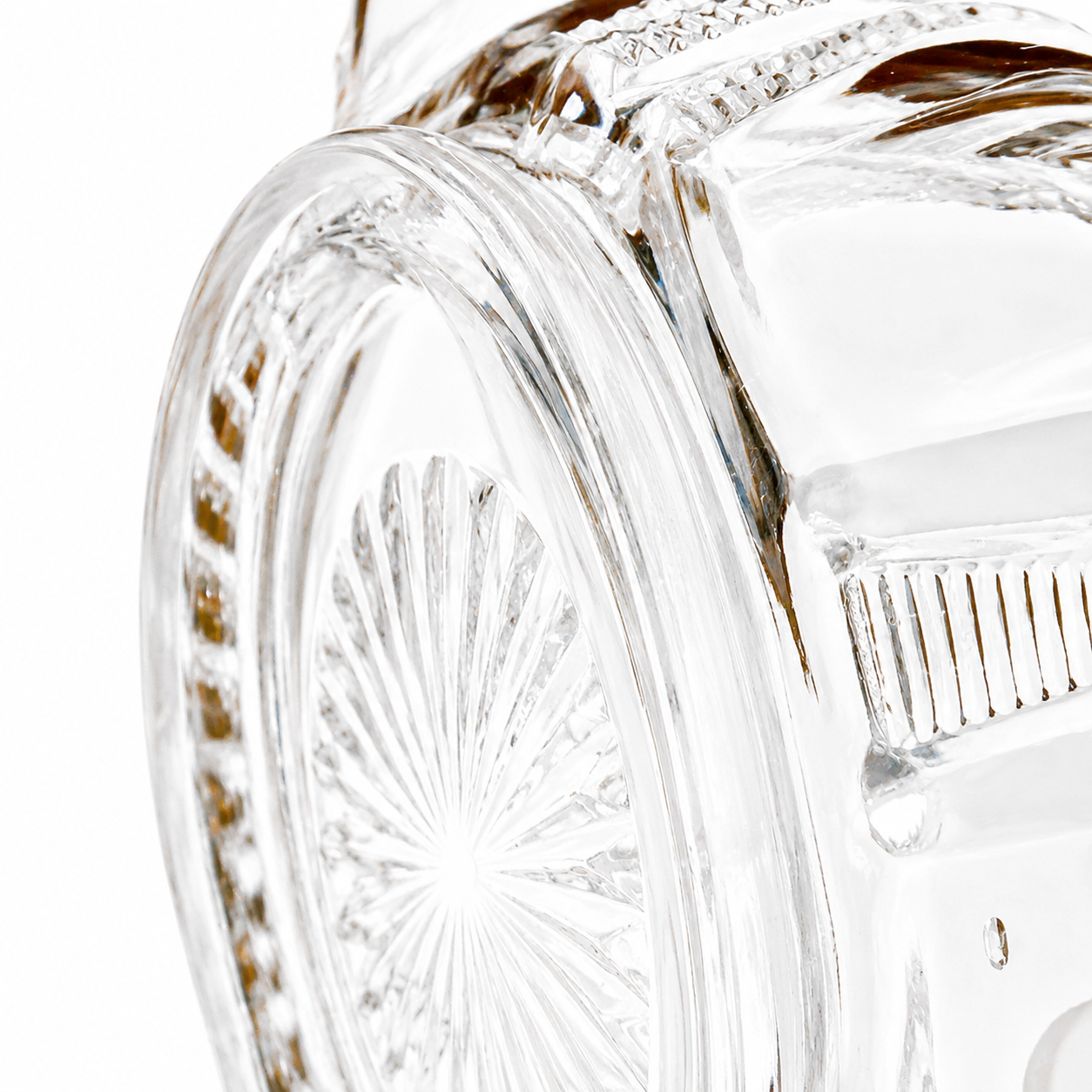
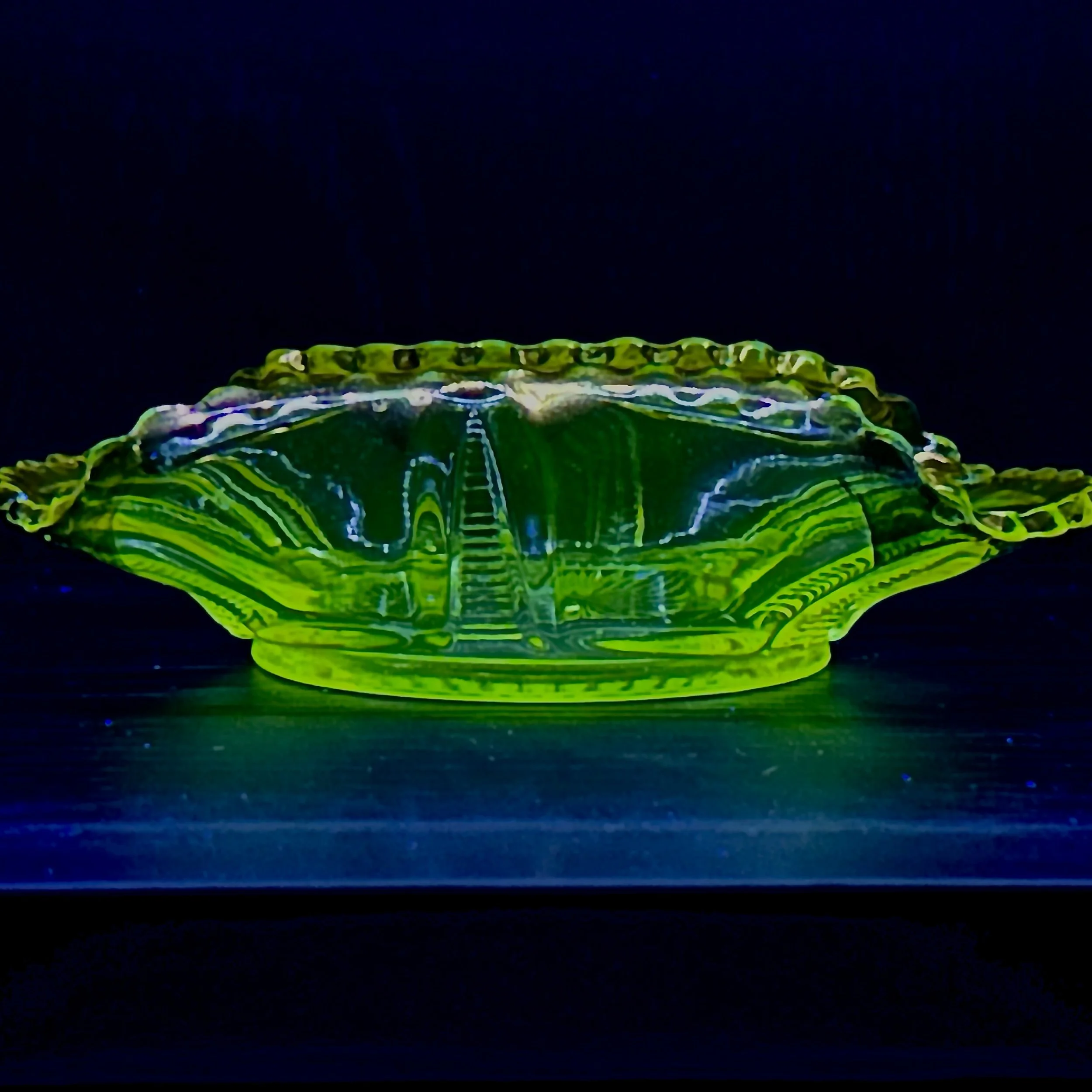
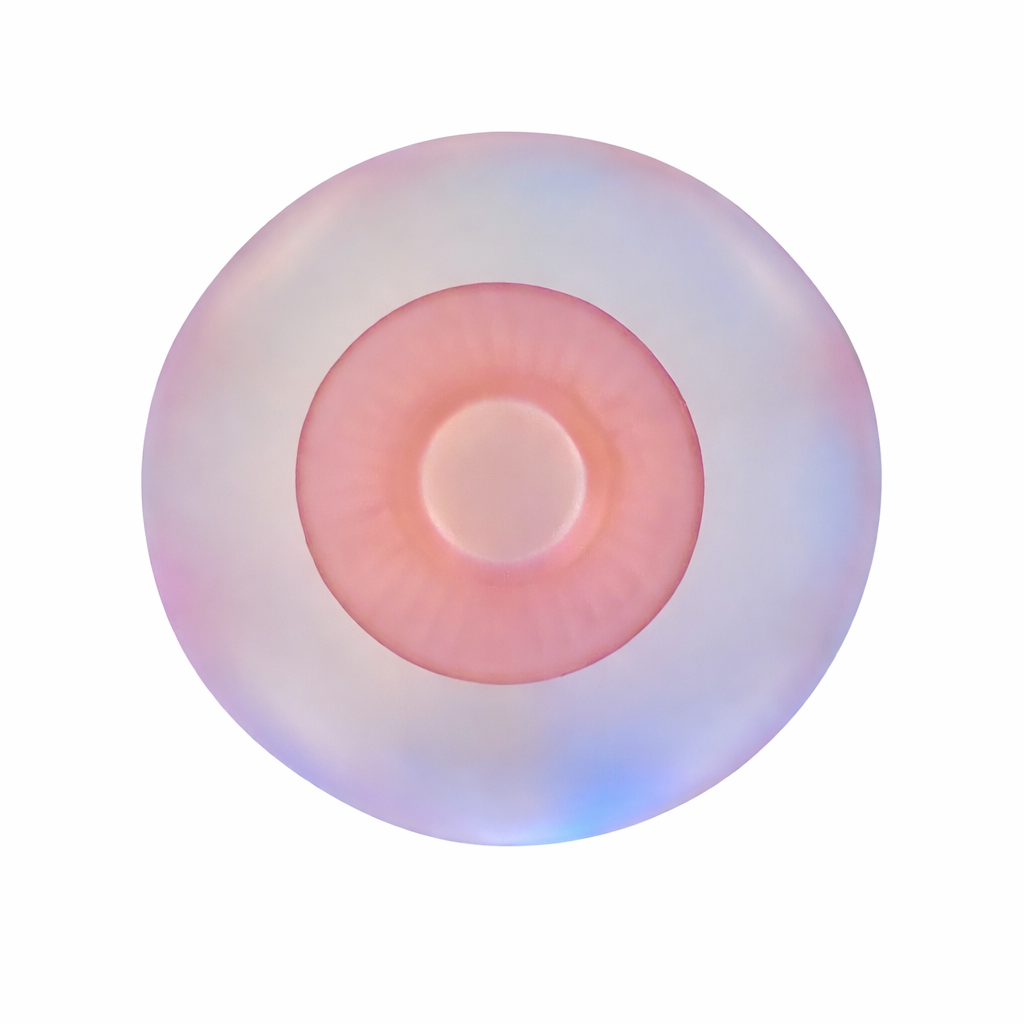
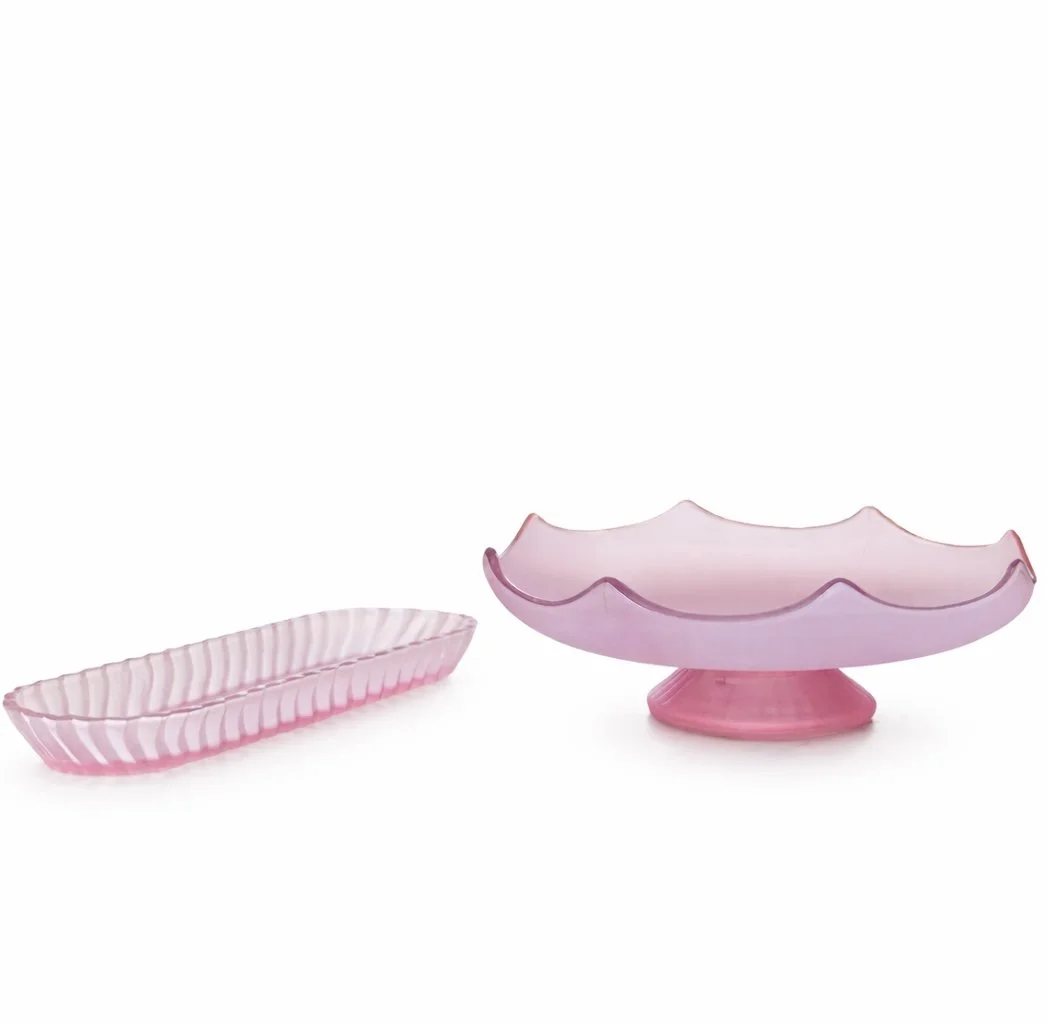
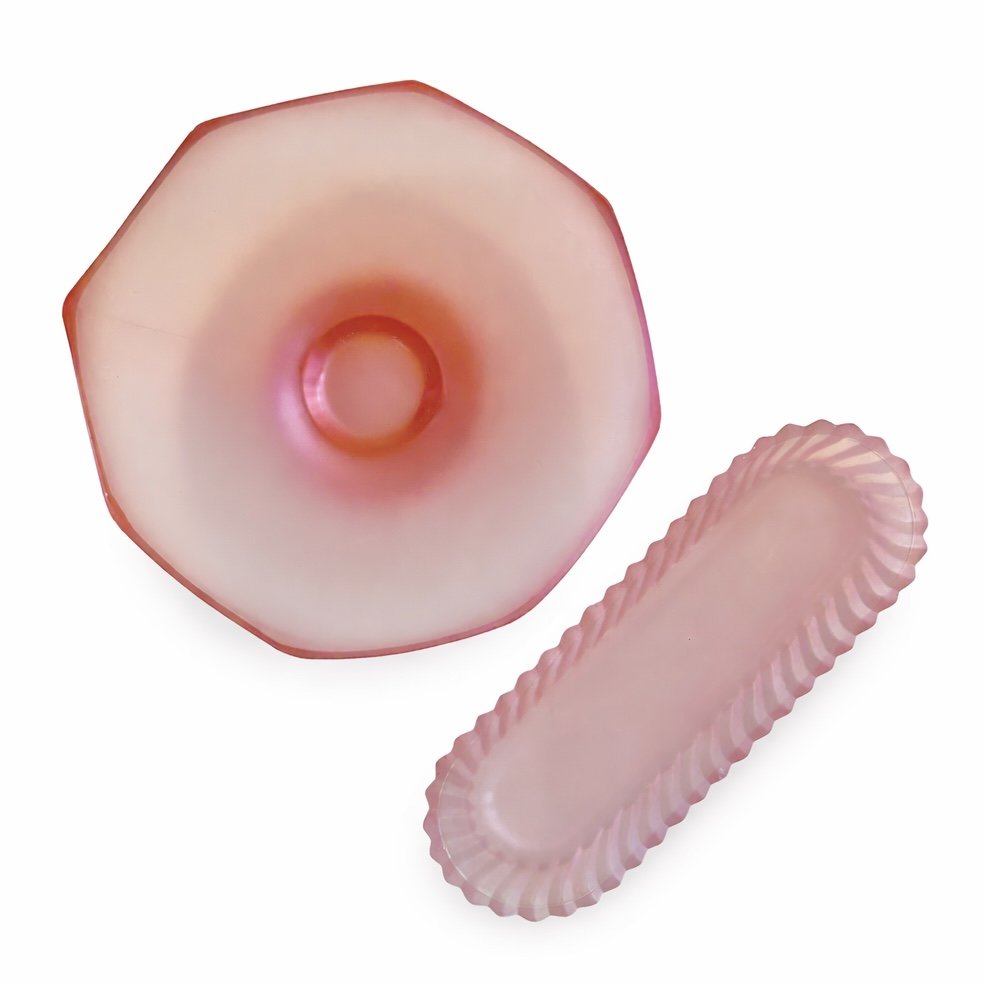
This exquisite antique porcelain centerpiece bowl projects a highly sculptural presence, balancing a broad, low-slung well against an elegant dual-handled geometry. Its luminous translucent porcelain surface captures light beautifully, showcasing an intricately detailed hand-painted band of stylized flora and rich gilding. The rhythmic articulation of its undulating rim creates an energetic, architecturally engaging silhouette that elevates it from simple service ware to an object of high decorative impact. It serves as a compelling masterclass in early Meiji-transitional export craft, delivering an undeniable presence to modern and historic interiors alike.
Attribution & Period
Attribution: Consistent with Morimura Brothers (Early Noritake) Period: 1910s (circa 1911–1921)
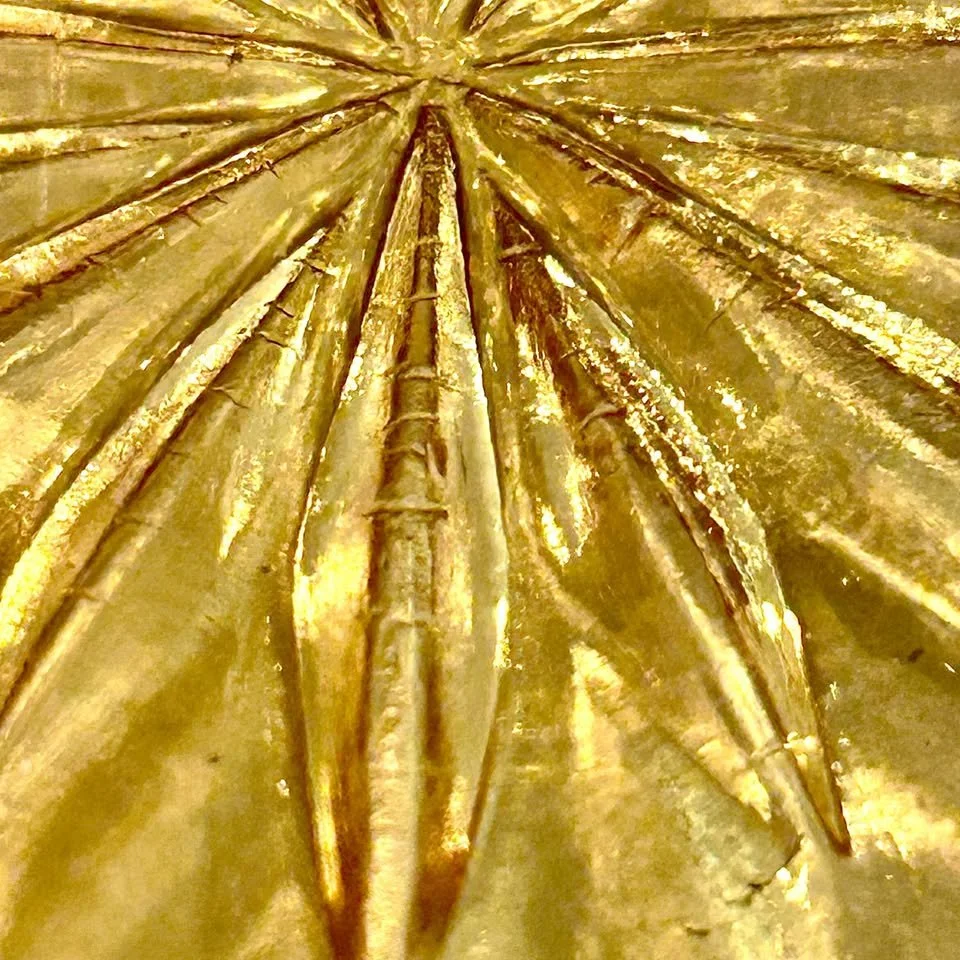
Reasoning: The underside features the definitive historical export stamp "Hand Painted Nippon," flanked by alphanumeric studio brushwork. Under the United States McKinley Tariff Act of 1890, all Japanese porcelain imported into America was legally required to be stamped with the native designation "Nippon." This practice was abruptly banned in 1921 when U.S. Customs mandated the use of the English word "Japan," establishing a strict, closed historical window (1891–1921). The sophisticated multi-handled blank, delicate slip-molding, and heavy gold-scroll highlight work are stylistically aligned with the premier output of the Morimura Brothers trading studios operating in Nagoya during the final decade of this era.
Dimensions & Weight
Condition
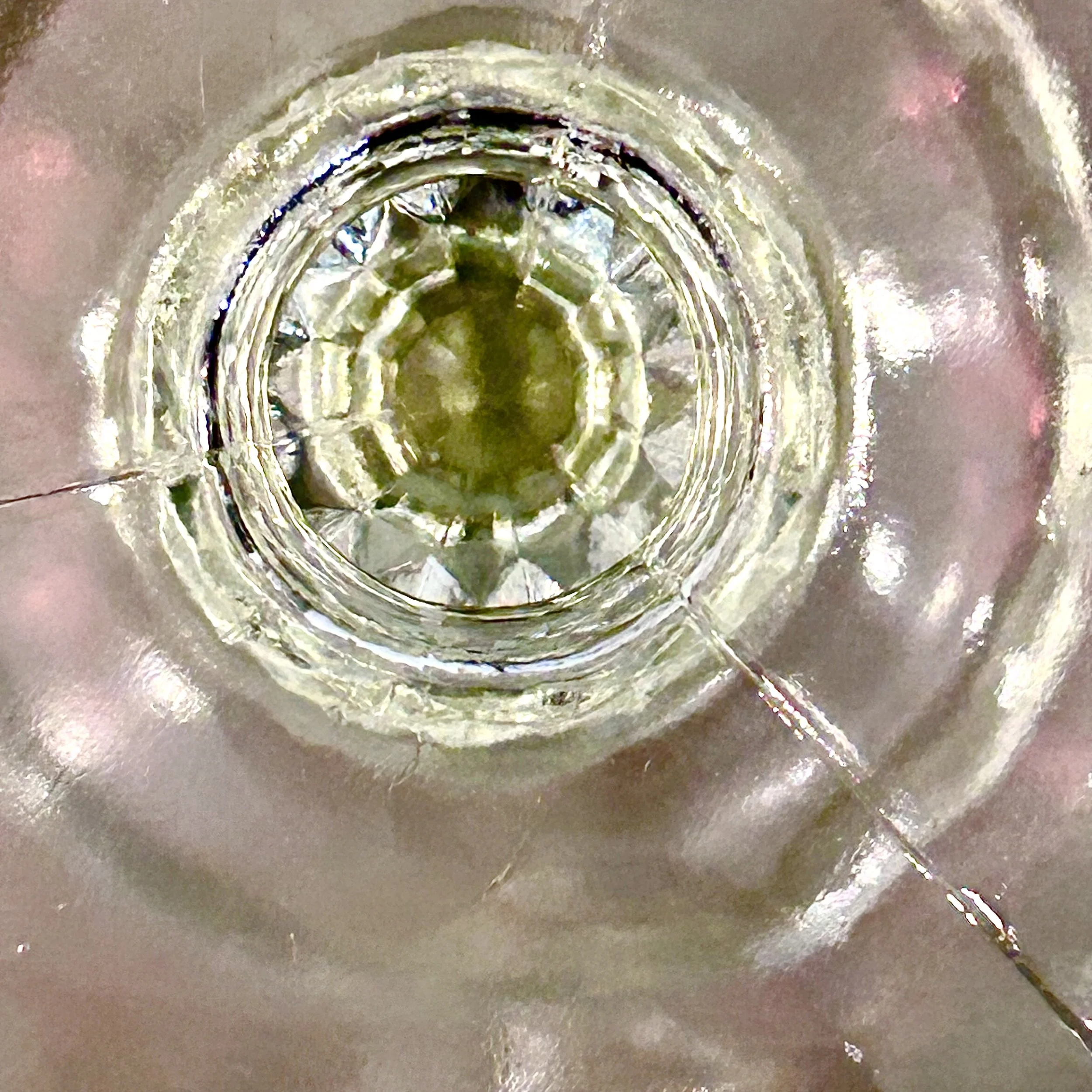
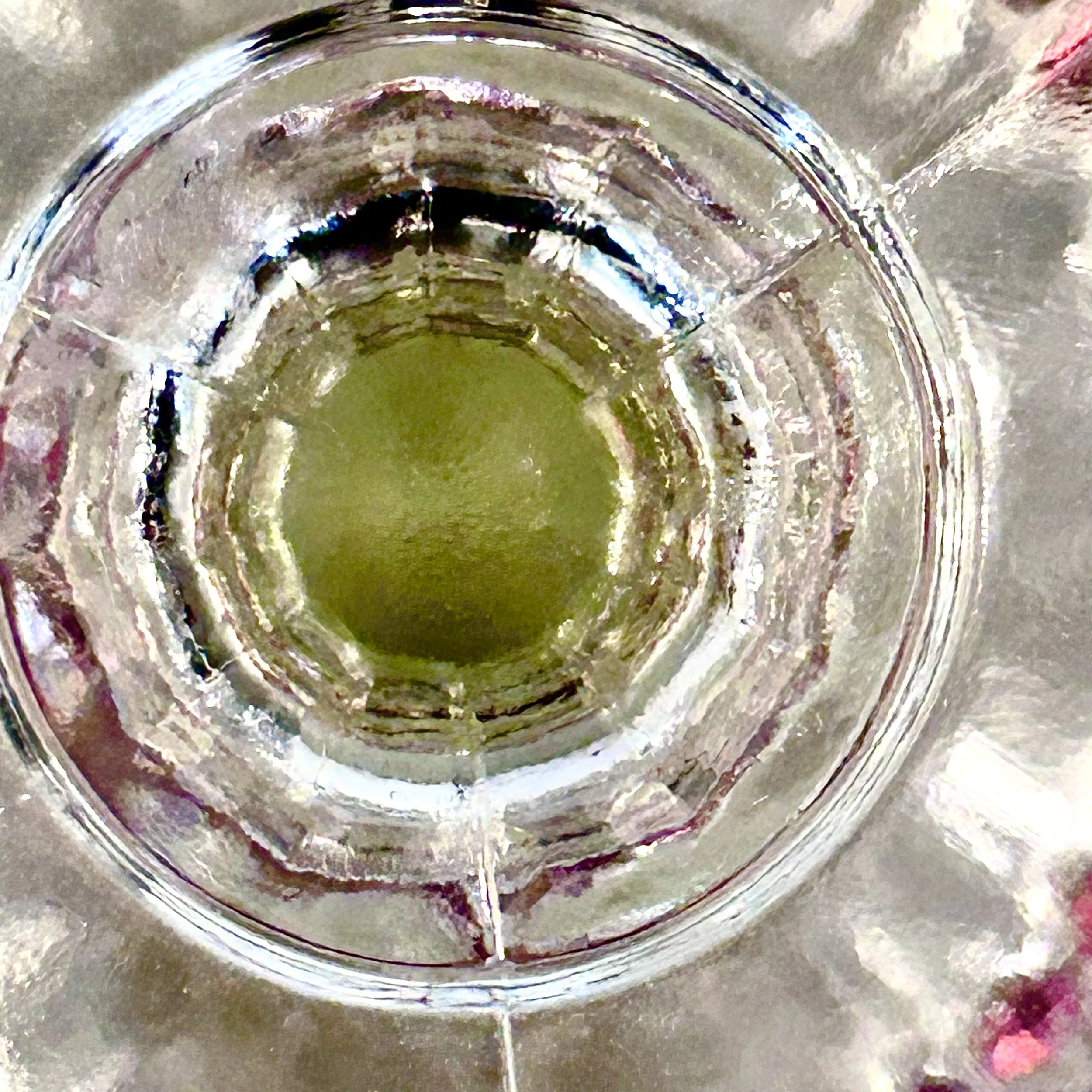
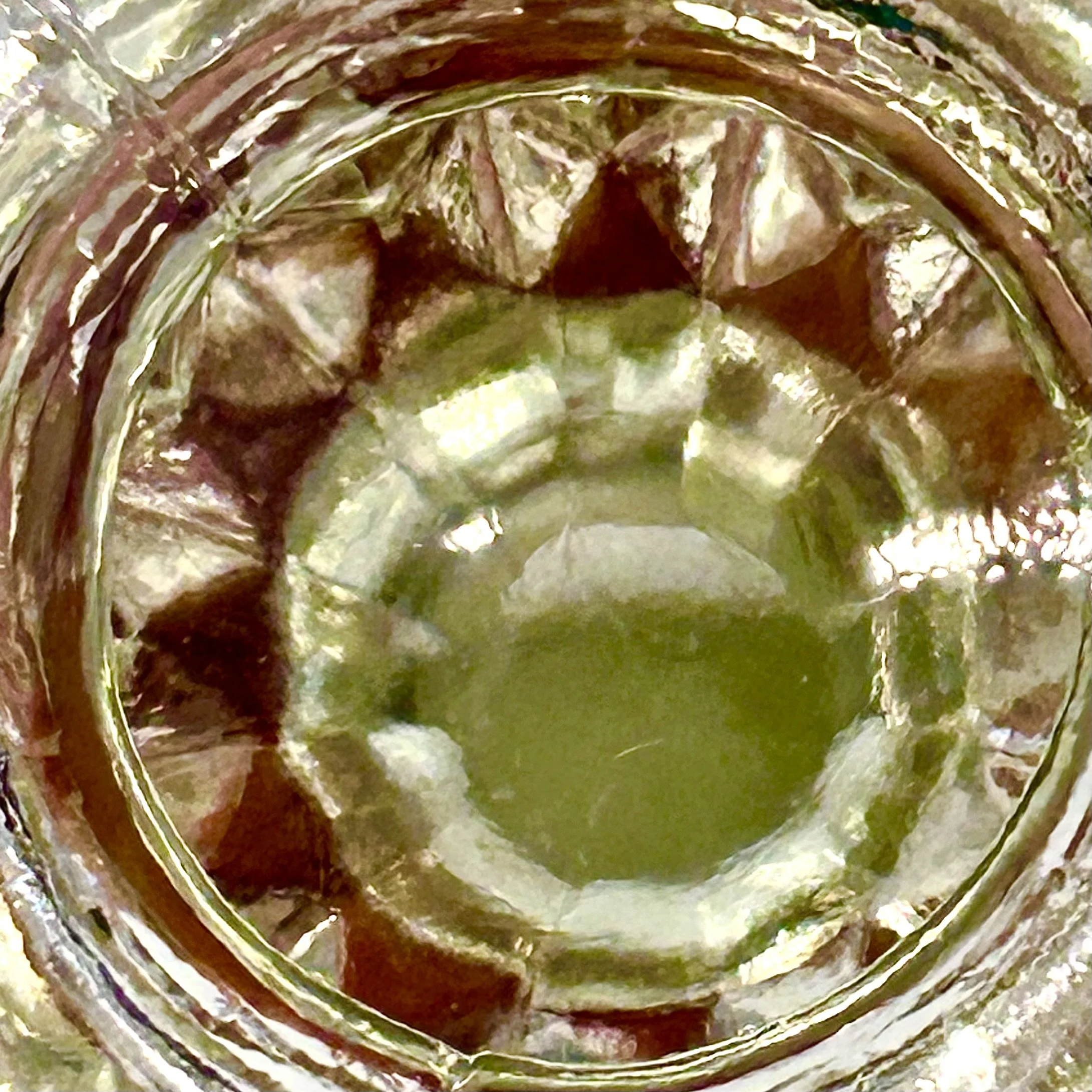
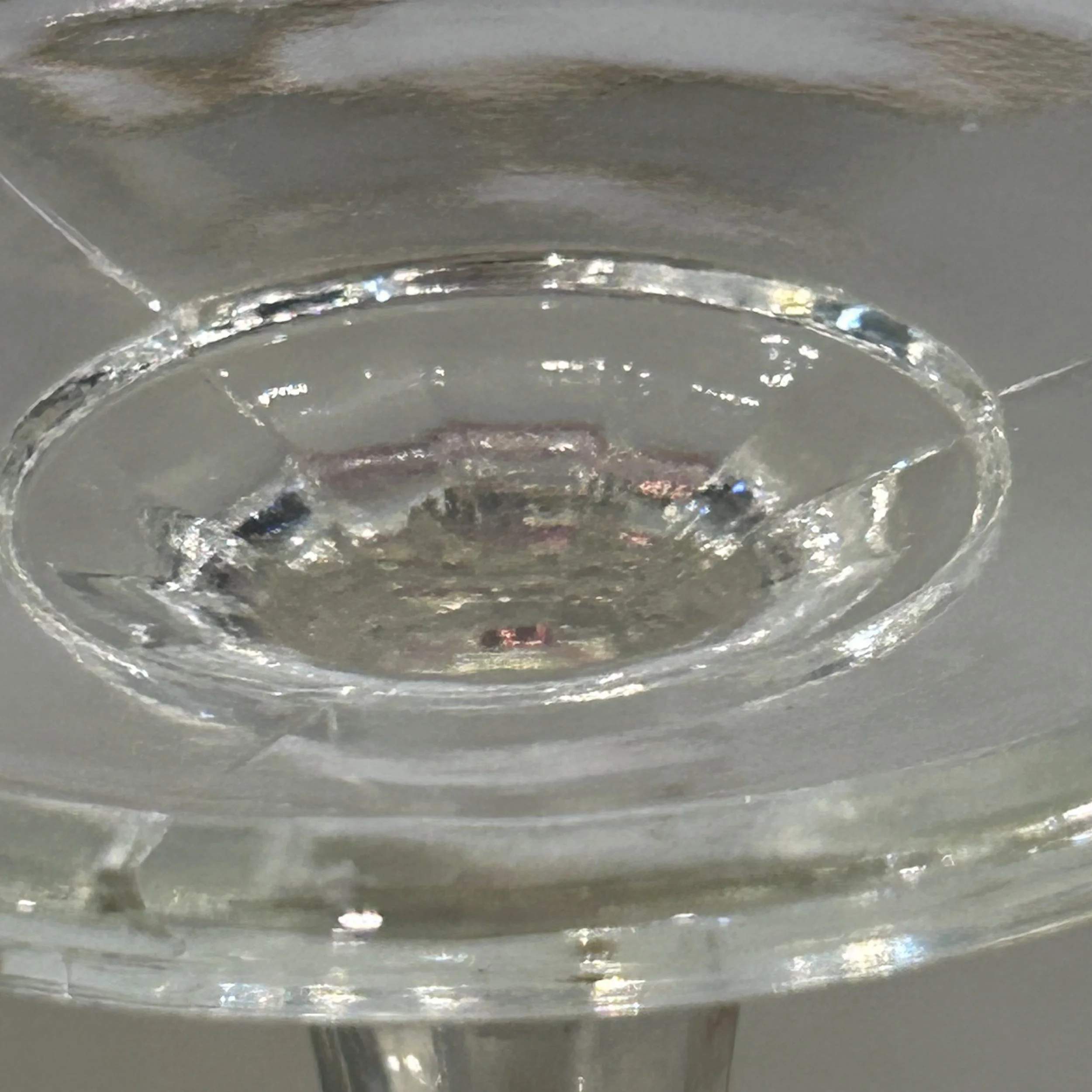
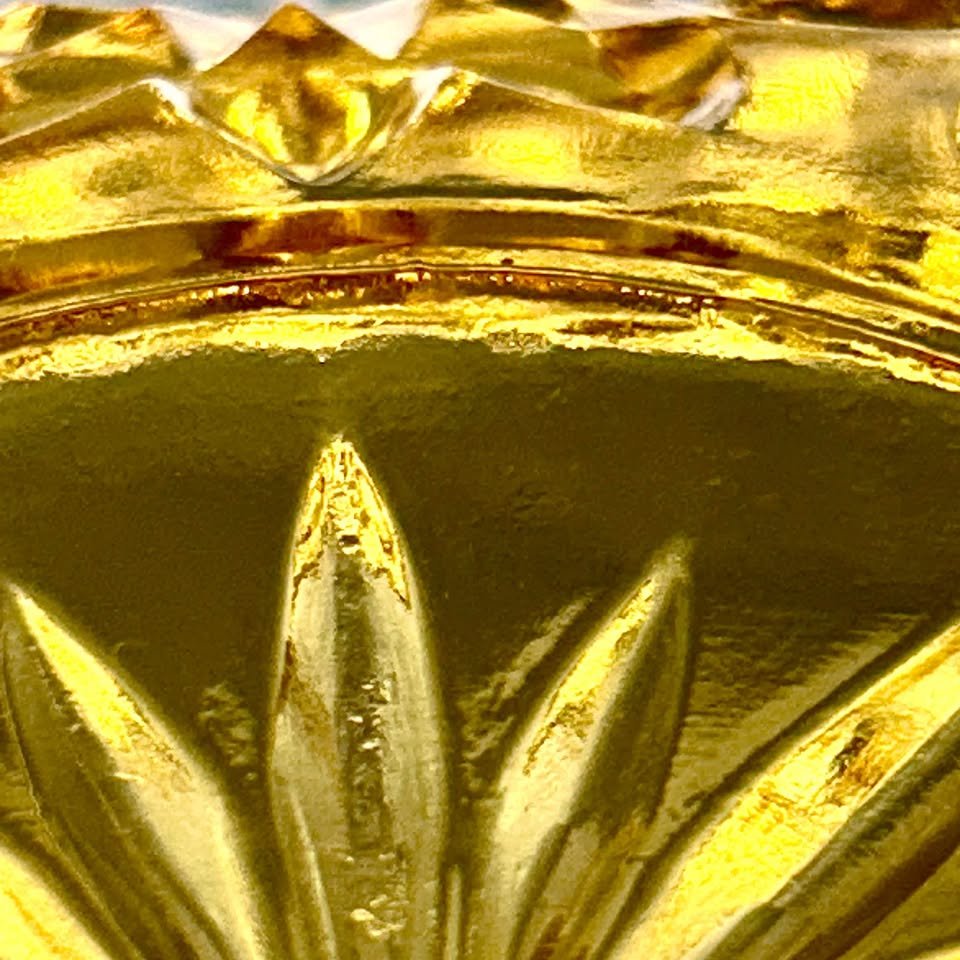
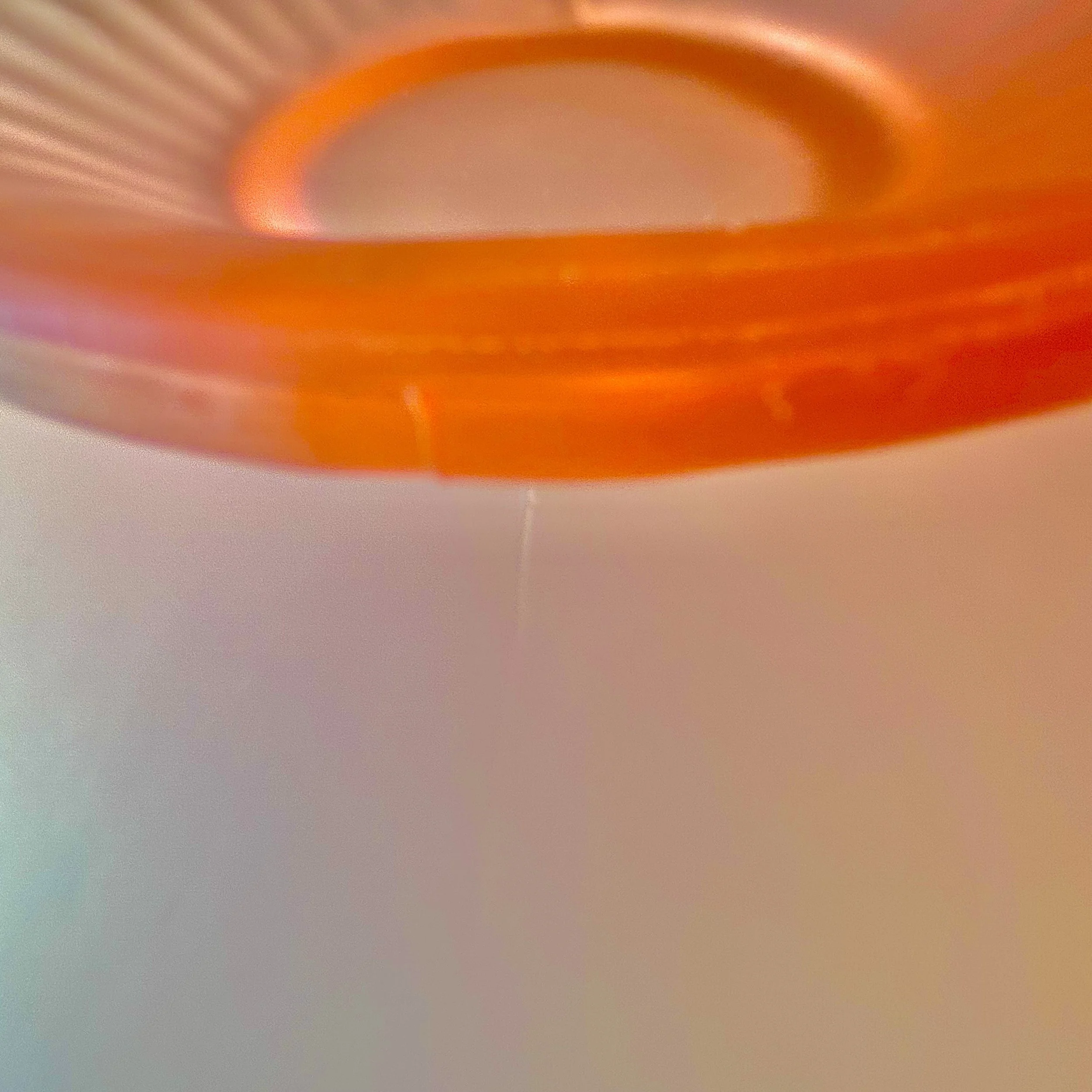
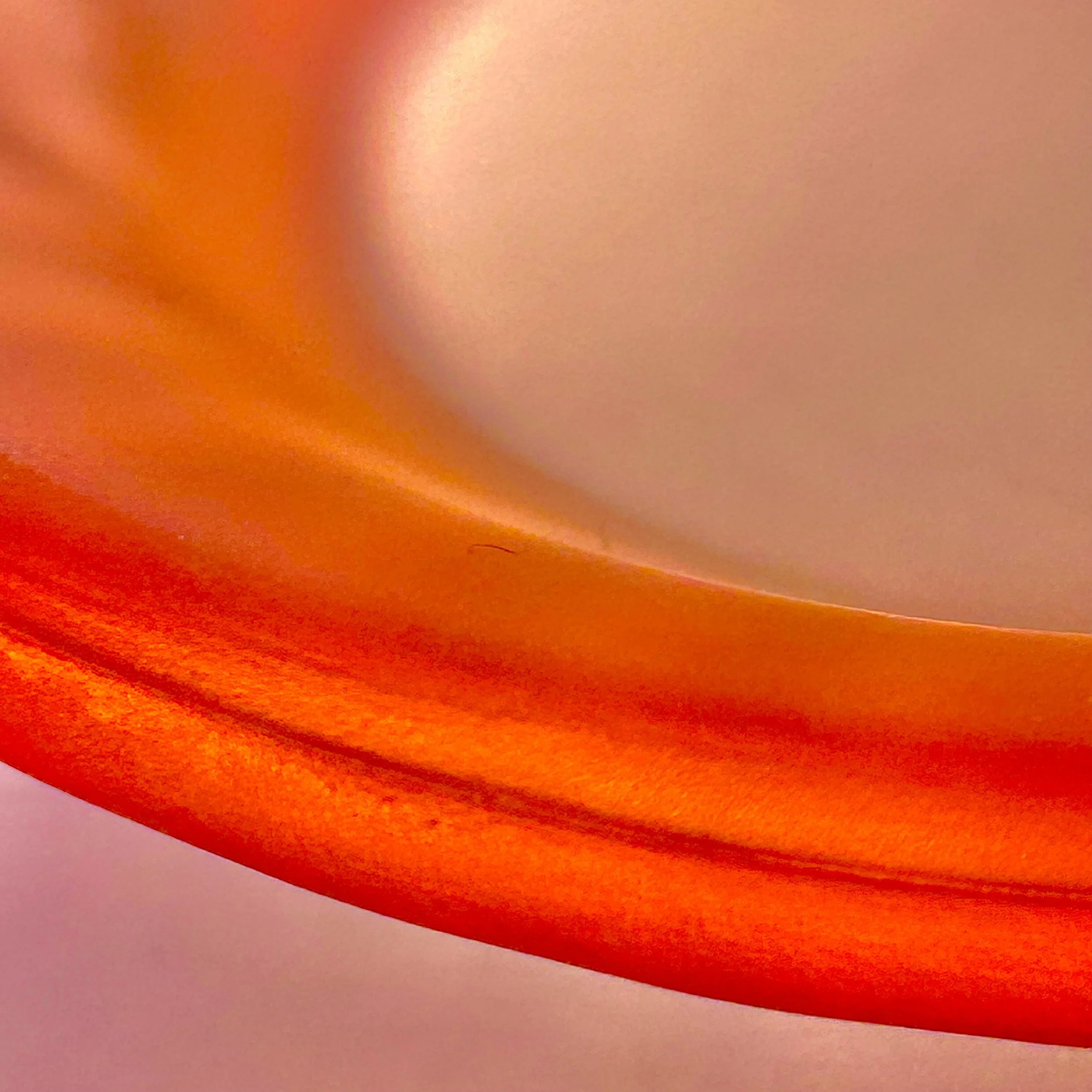
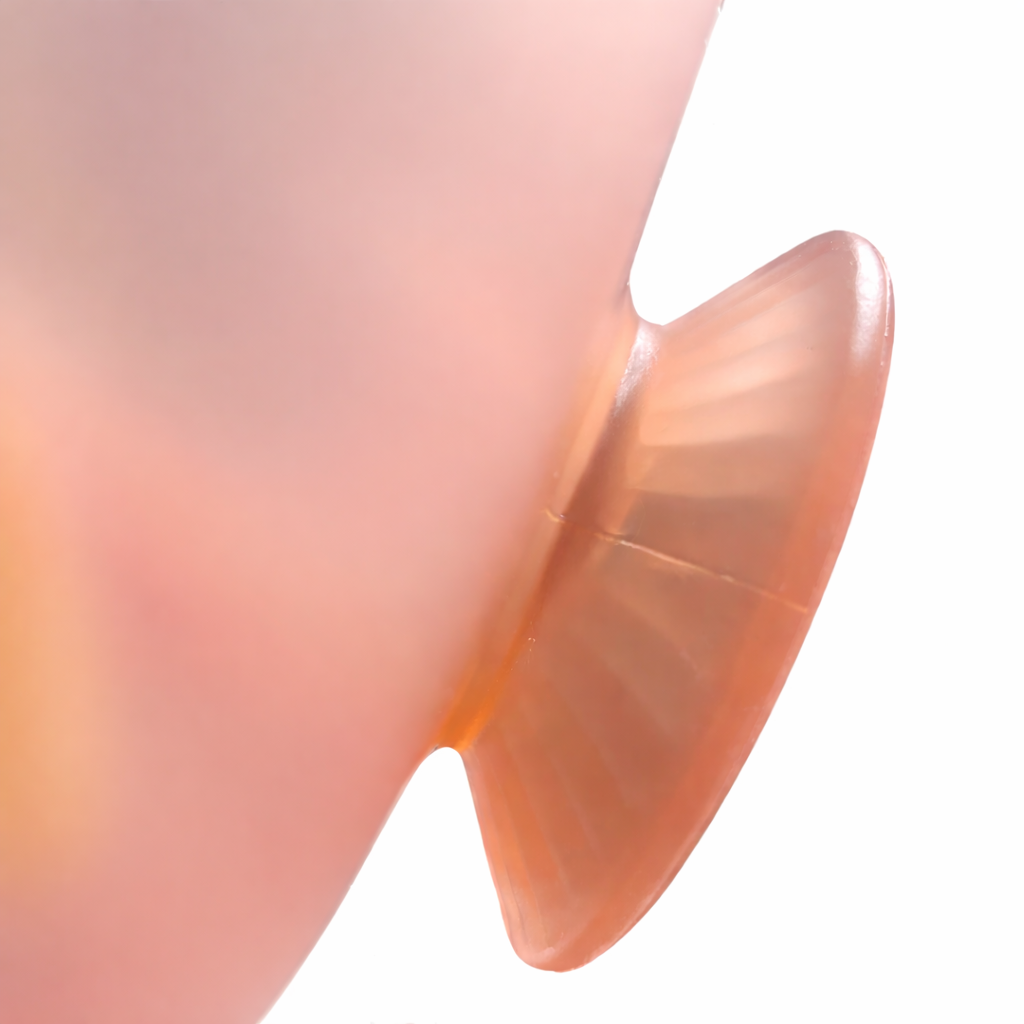
Clinical and direct. The porcelain vessel is in excellent antique condition, presenting no structural cracks, hairline fractures, deep chips, or evidence of restoration. Minor, light surface wear to the hand-painted enamels and gold-gilt accent bands is present, entirely consistent with age, authentic handling, and gentle display over the past century. Microscopic shelf friction is noted on the unglazed foot ring.
Authenticity & Construction
This piece is a testament to the golden era of Japanese export porcelain, utilizing an ultra-refined, thin-walled porcelain body that retains a striking translucency when held to light. The production process married European market demands with heritage Japanese studio techniques: the intricate structural handles were hand-applied to the wheel-thrown or slip-cast blank before a high-temperature primary firing. Master workshop decorators then hand-painted the intricate floral motifs and executed the delicate raised gilding across the rim before a final, lower-temperature muffle kiln firing sealed the pigment matrix.
Placement
The expansive, low-profile form and striking gilded handles make this bowl an exceptional design asset for a grand dining room table centerpiece, an entryway console, or an illuminated vitrine. Its soft, historical palette bridges the gap between classic European antiques and minimalist architectural spaces, offering an elegant layer of texture and narrative.
Standard Attribution & Value Disclosure; This piece is described to the best of current scholarly and market knowledge. Any maker or regional attribution is based on visual analysis, materials, construction techniques, and documented stylistic comparisons. As with many MCM and antique design objects, definitive attribution may not be possible without original labels or factory records. Pricing reflects condition, quality, decorative appeal, and current collector demand rather than guaranteed maker identification.
This exquisite antique porcelain centerpiece bowl projects a highly sculptural presence, balancing a broad, low-slung well against an elegant dual-handled geometry. Its luminous translucent porcelain surface captures light beautifully, showcasing an intricately detailed hand-painted band of stylized flora and rich gilding. The rhythmic articulation of its undulating rim creates an energetic, architecturally engaging silhouette that elevates it from simple service ware to an object of high decorative impact. It serves as a compelling masterclass in early Meiji-transitional export craft, delivering an undeniable presence to modern and historic interiors alike.
Attribution & Period
Attribution: Consistent with Morimura Brothers (Early Noritake) Period: 1910s (circa 1911–1921)
Reasoning: The underside features the definitive historical export stamp "Hand Painted Nippon," flanked by alphanumeric studio brushwork. Under the United States McKinley Tariff Act of 1890, all Japanese porcelain imported into America was legally required to be stamped with the native designation "Nippon." This practice was abruptly banned in 1921 when U.S. Customs mandated the use of the English word "Japan," establishing a strict, closed historical window (1891–1921). The sophisticated multi-handled blank, delicate slip-molding, and heavy gold-scroll highlight work are stylistically aligned with the premier output of the Morimura Brothers trading studios operating in Nagoya during the final decade of this era.
Dimensions & Weight
Condition
Clinical and direct. The porcelain vessel is in excellent antique condition, presenting no structural cracks, hairline fractures, deep chips, or evidence of restoration. Minor, light surface wear to the hand-painted enamels and gold-gilt accent bands is present, entirely consistent with age, authentic handling, and gentle display over the past century. Microscopic shelf friction is noted on the unglazed foot ring.
Authenticity & Construction
This piece is a testament to the golden era of Japanese export porcelain, utilizing an ultra-refined, thin-walled porcelain body that retains a striking translucency when held to light. The production process married European market demands with heritage Japanese studio techniques: the intricate structural handles were hand-applied to the wheel-thrown or slip-cast blank before a high-temperature primary firing. Master workshop decorators then hand-painted the intricate floral motifs and executed the delicate raised gilding across the rim before a final, lower-temperature muffle kiln firing sealed the pigment matrix.
Placement
The expansive, low-profile form and striking gilded handles make this bowl an exceptional design asset for a grand dining room table centerpiece, an entryway console, or an illuminated vitrine. Its soft, historical palette bridges the gap between classic European antiques and minimalist architectural spaces, offering an elegant layer of texture and narrative.
Standard Attribution & Value Disclosure; This piece is described to the best of current scholarly and market knowledge. Any maker or regional attribution is based on visual analysis, materials, construction techniques, and documented stylistic comparisons. As with many MCM and antique design objects, definitive attribution may not be possible without original labels or factory records. Pricing reflects condition, quality, decorative appeal, and current collector demand rather than guaranteed maker identification.

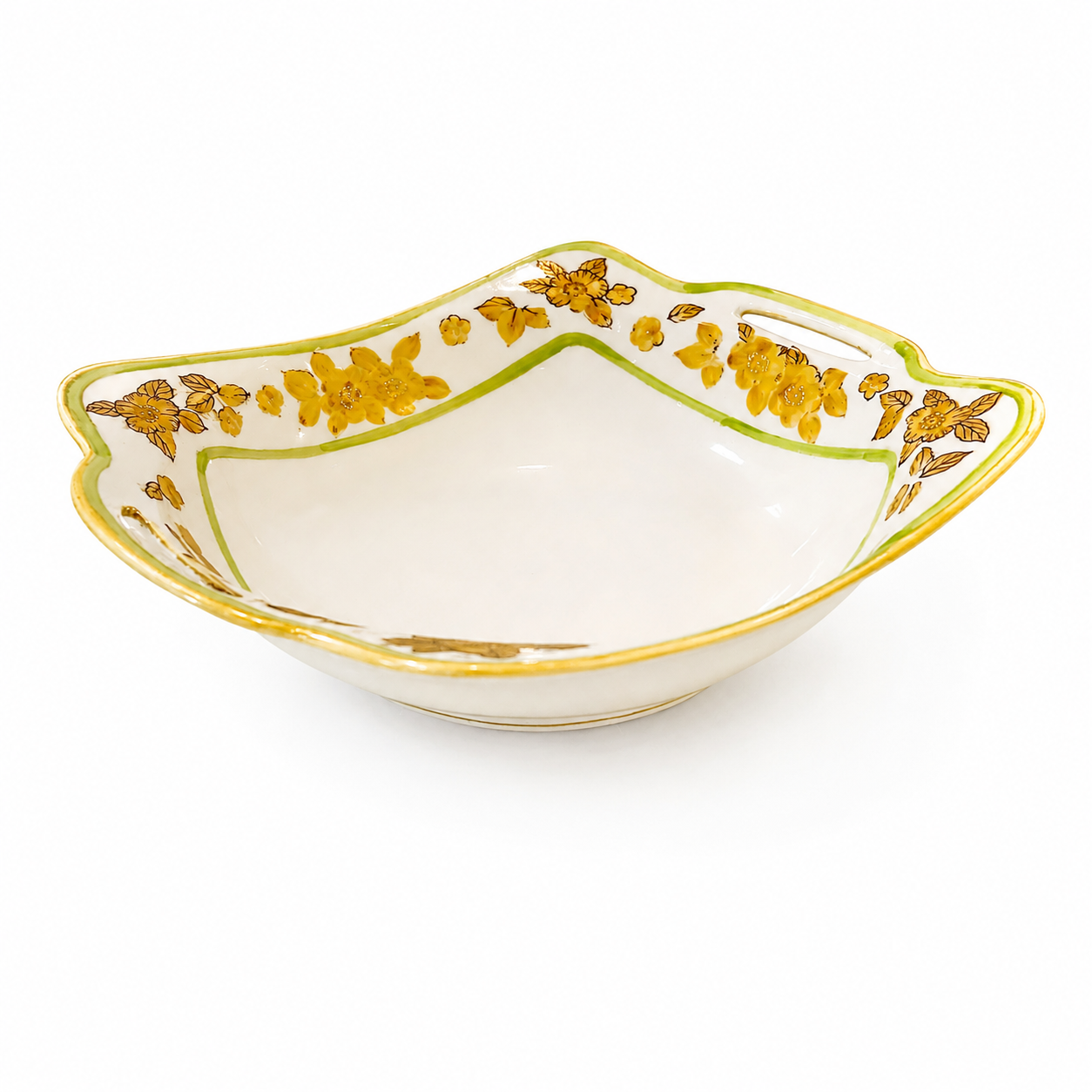 Image 1 of 11
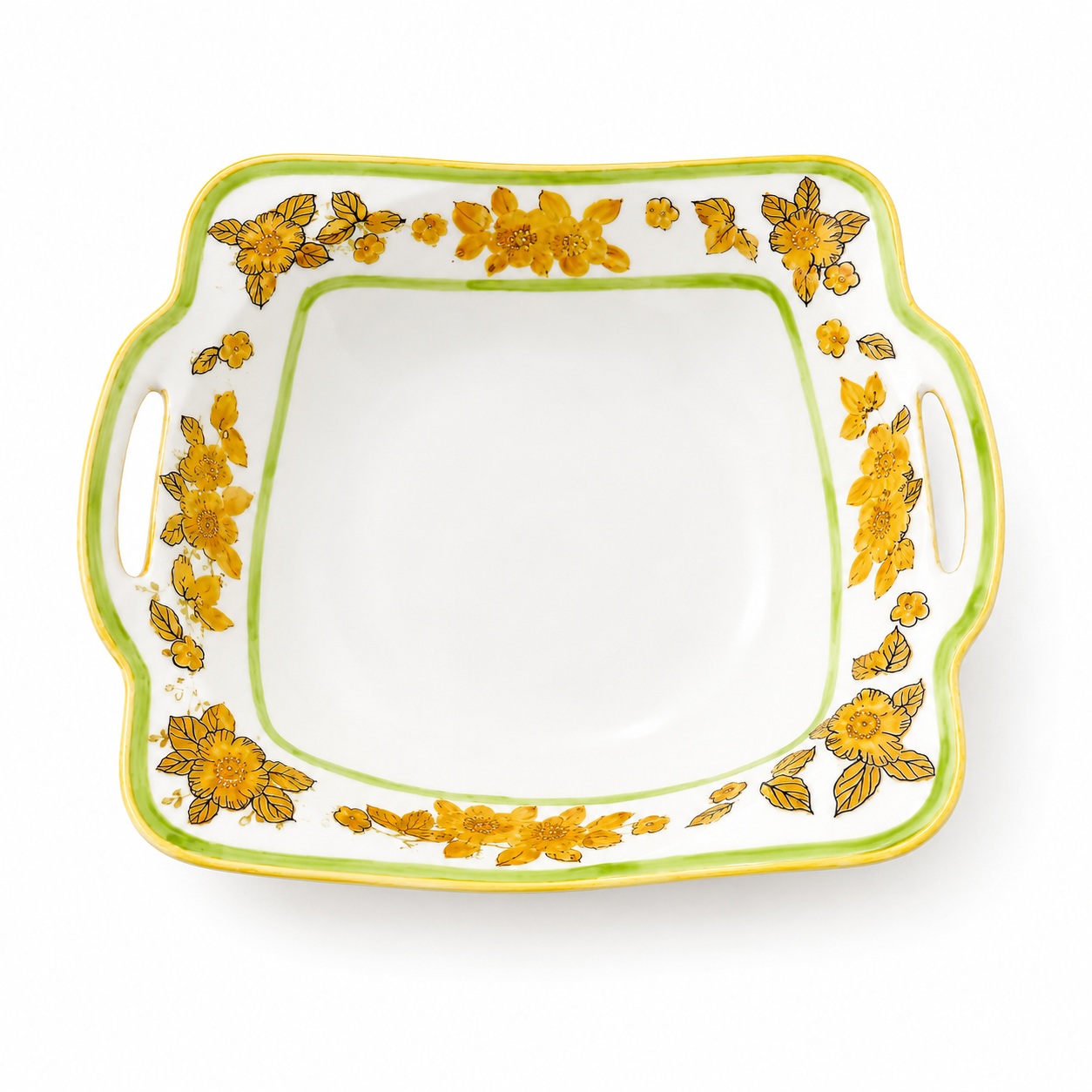 Image 2 of 11
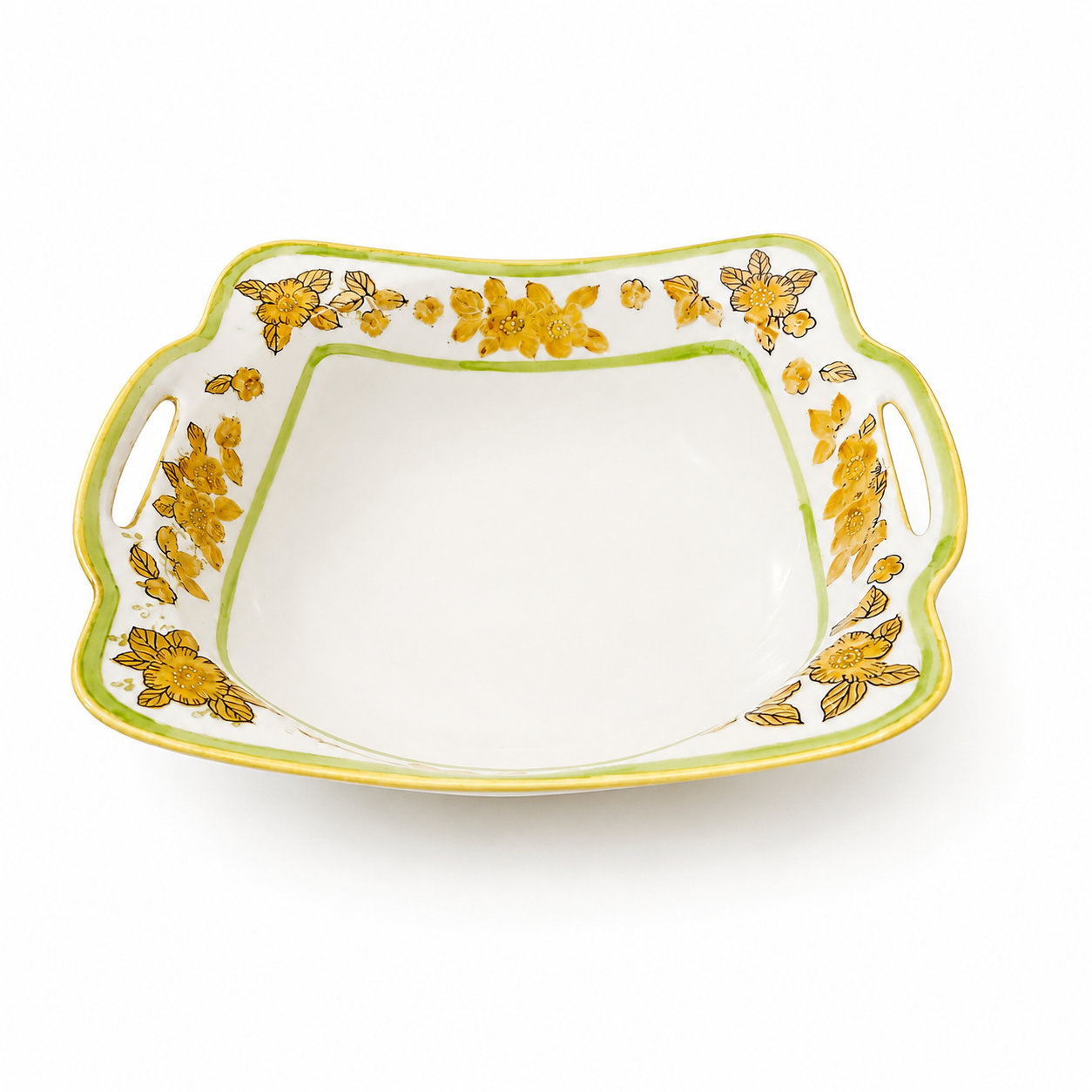 Image 3 of 11
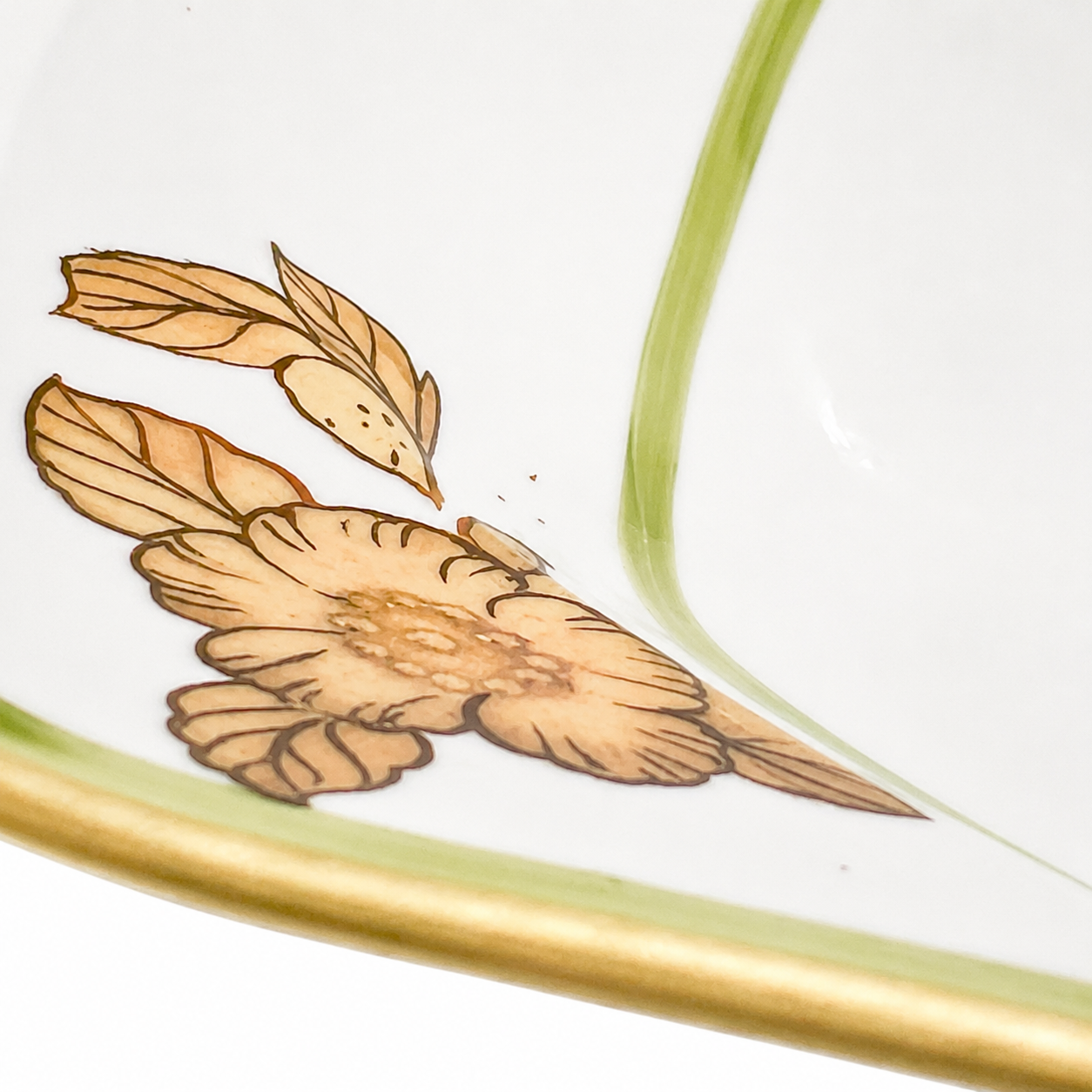 Image 4 of 11
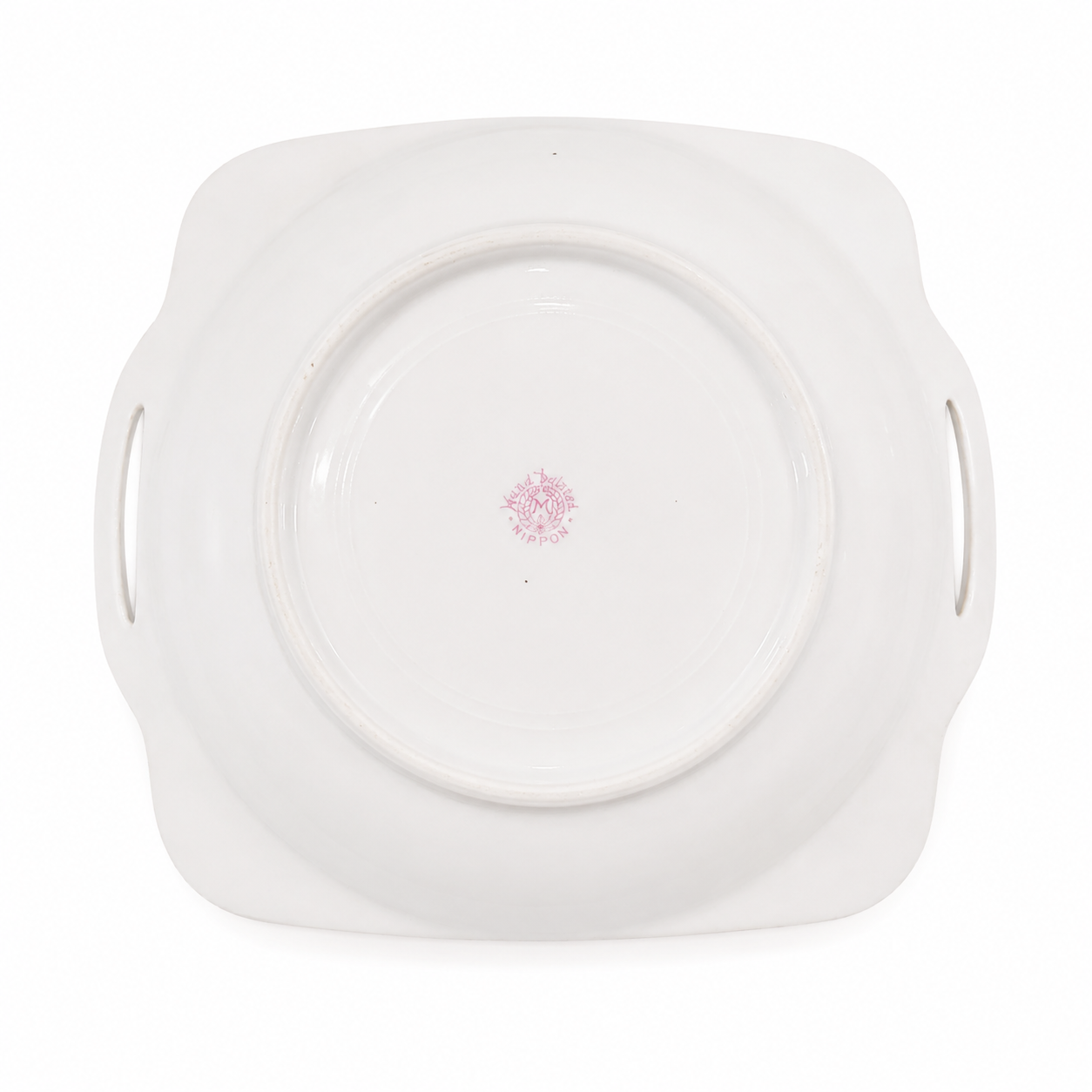 Image 5 of 11
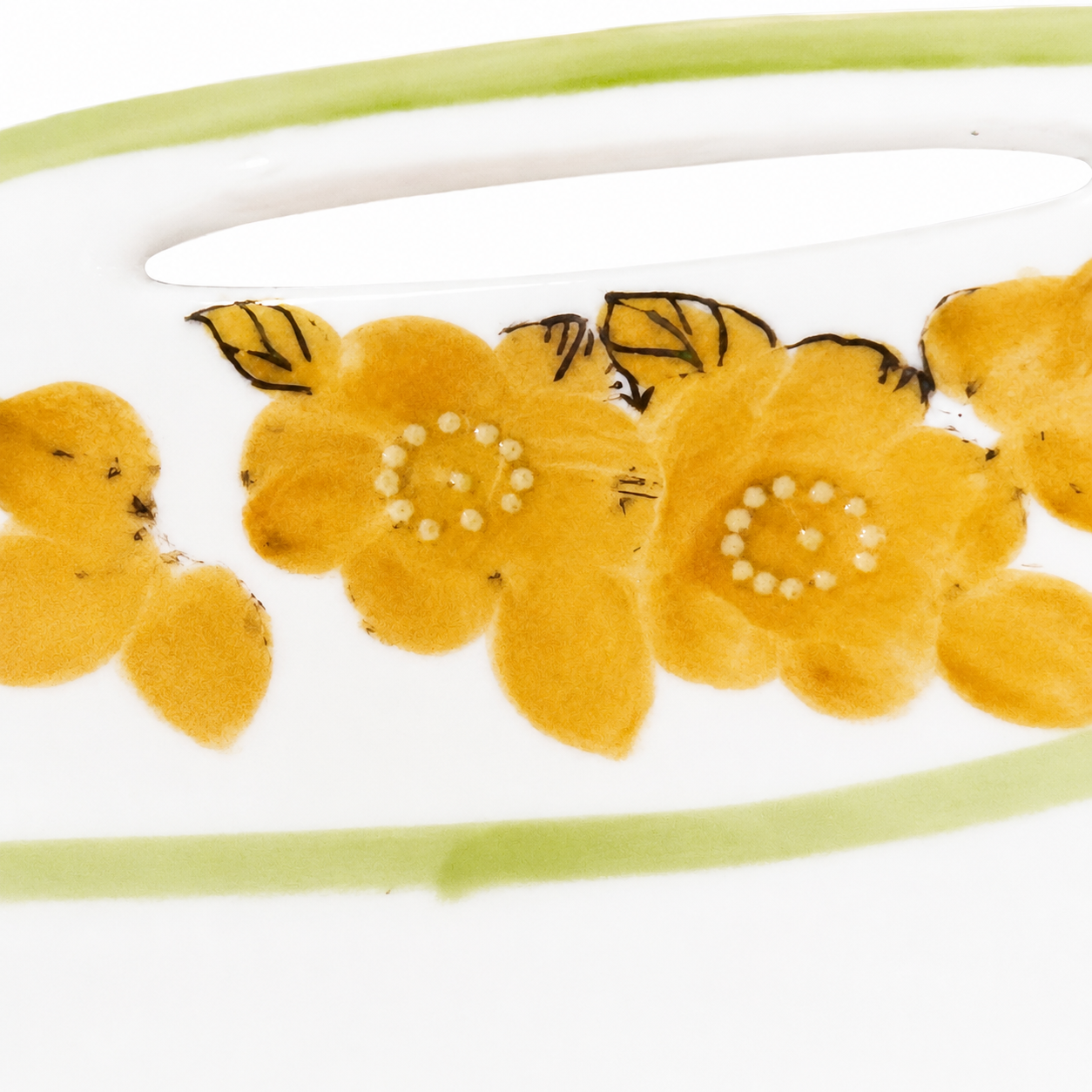 Image 6 of 11
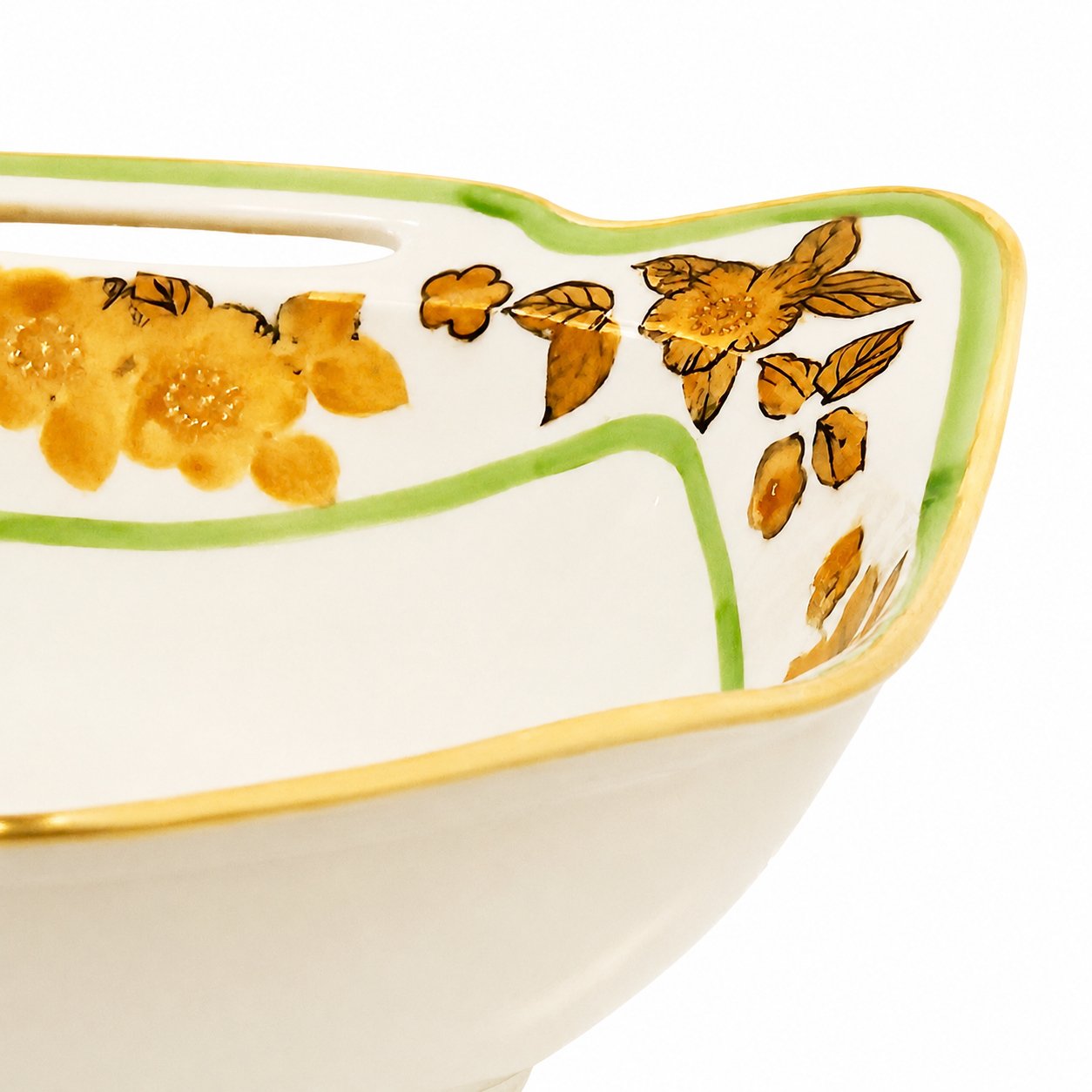 Image 7 of 11
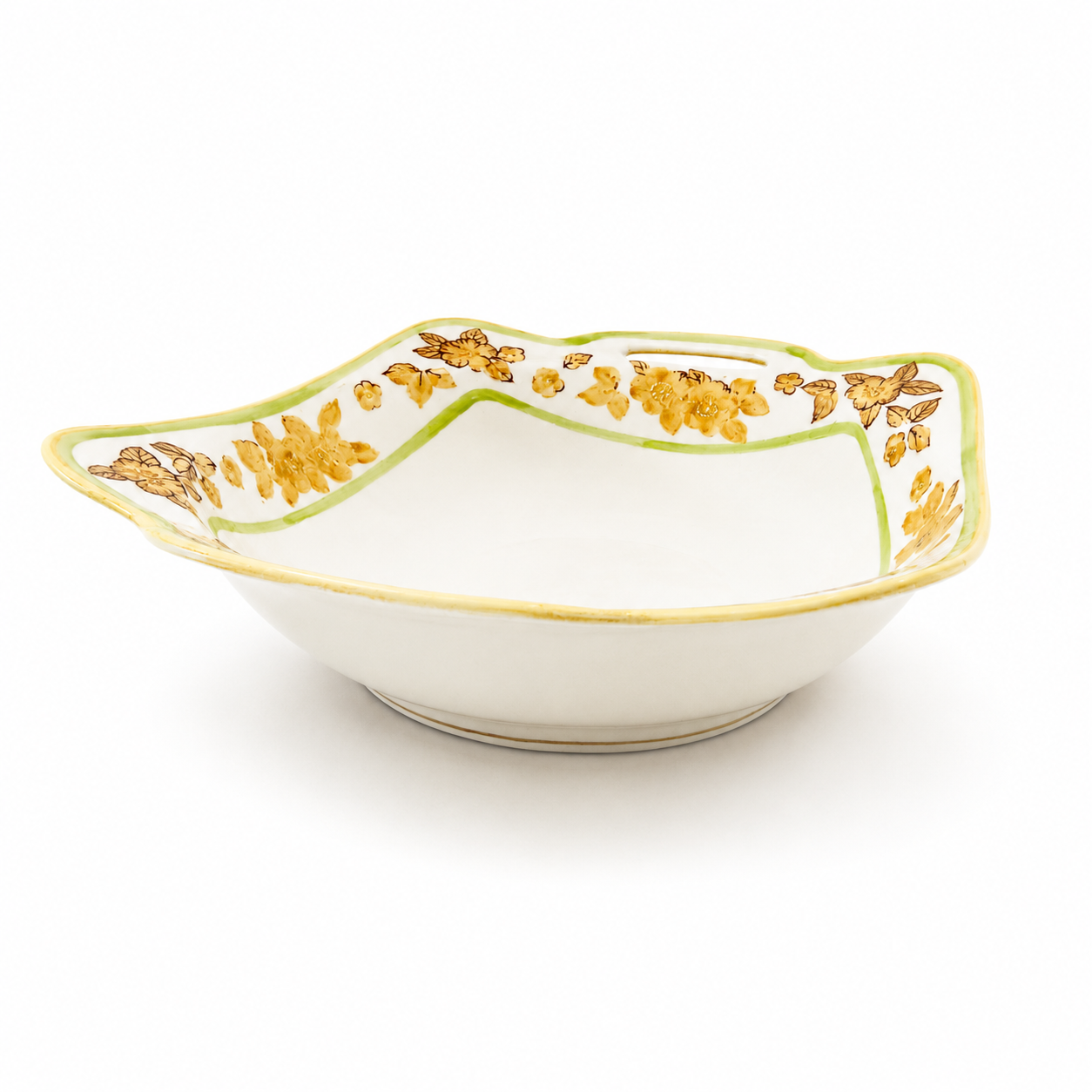 Image 8 of 11
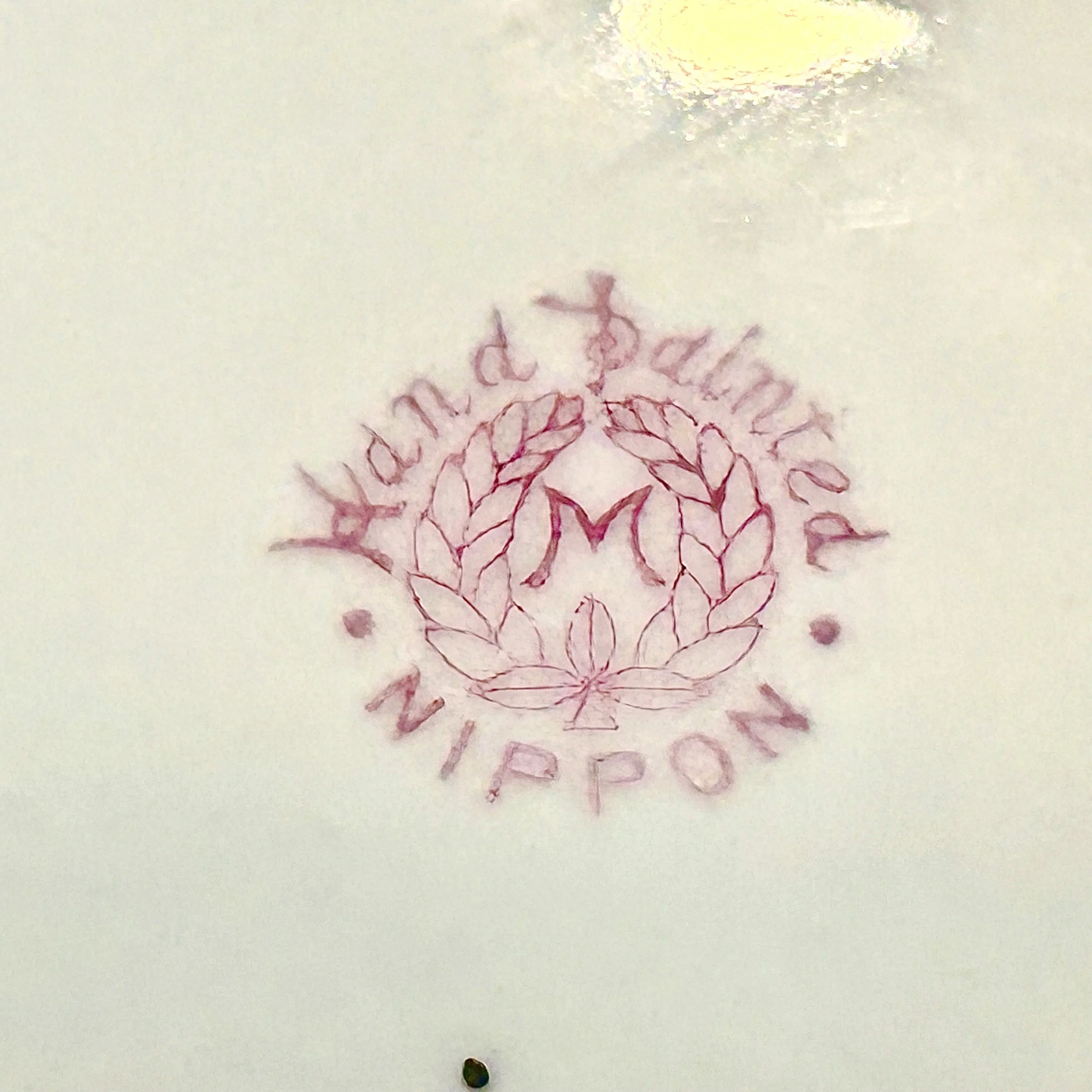 Image 9 of 11
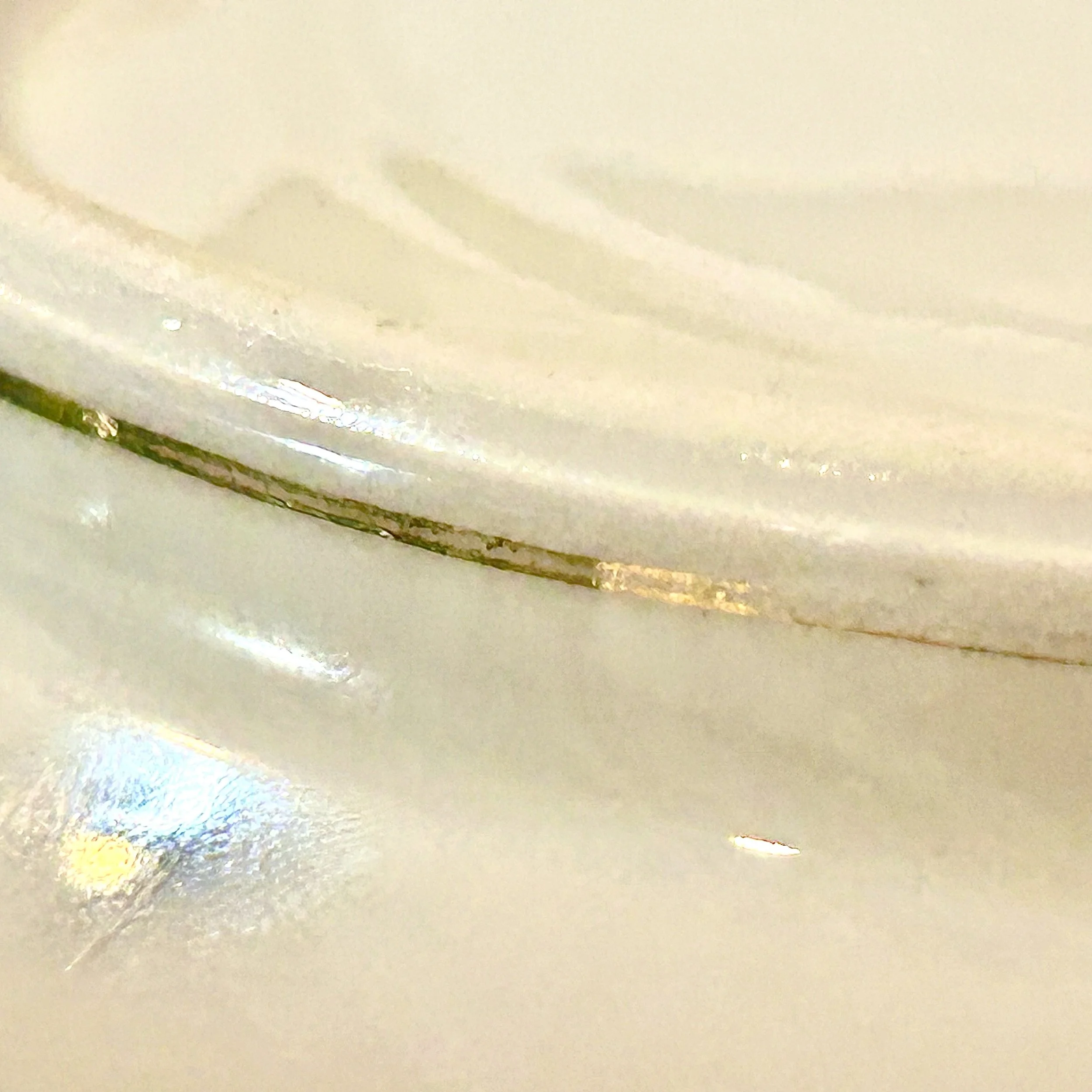 Image 10 of 11
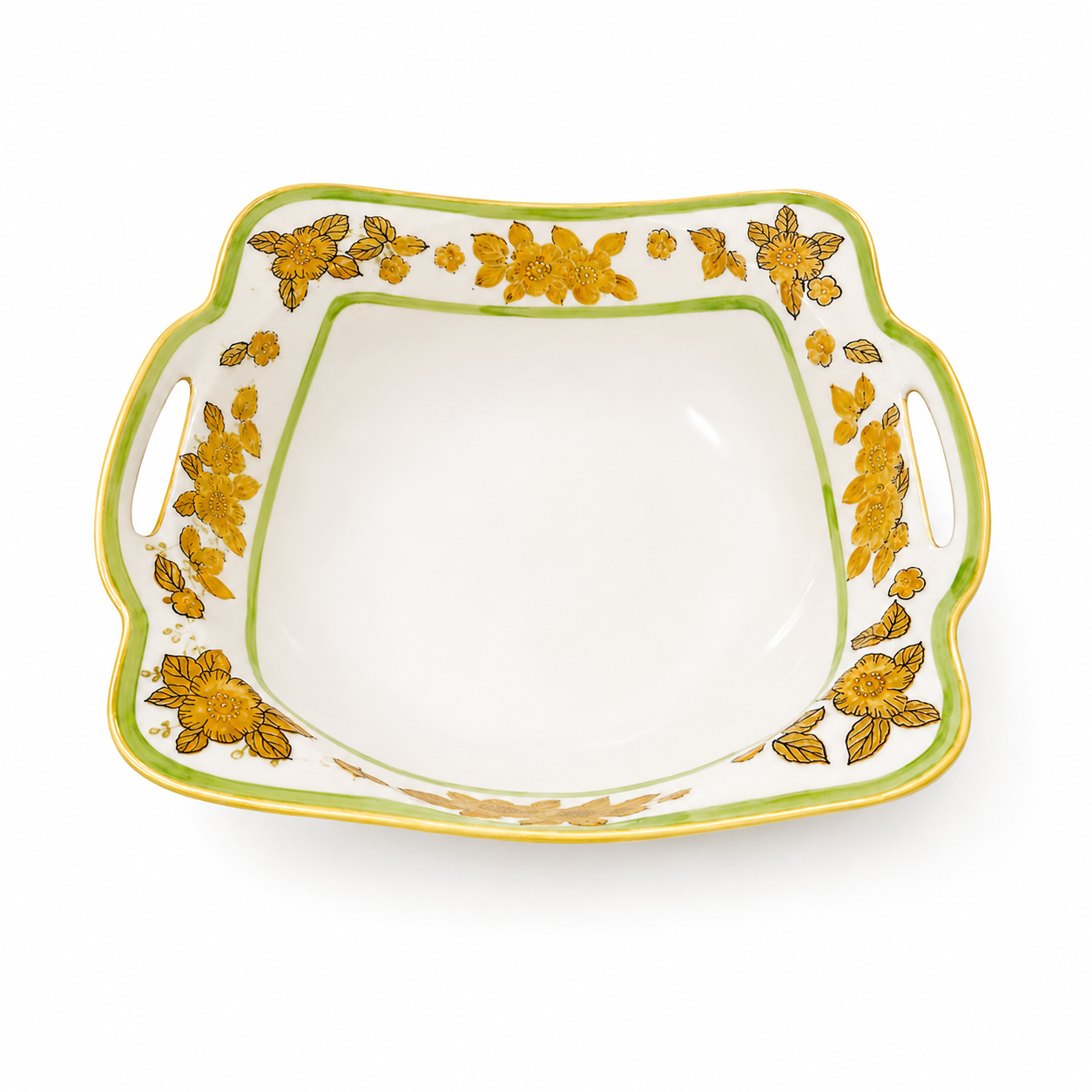 Image 11 of 11