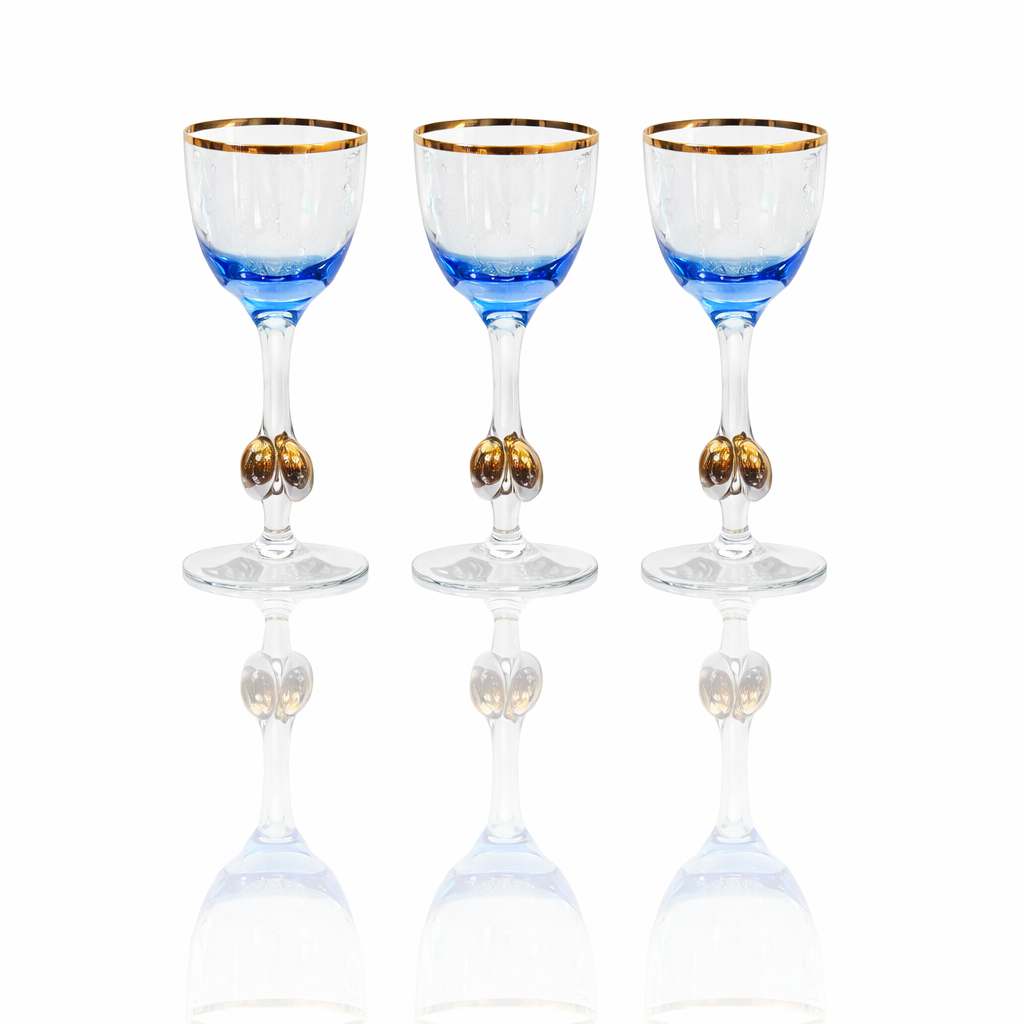
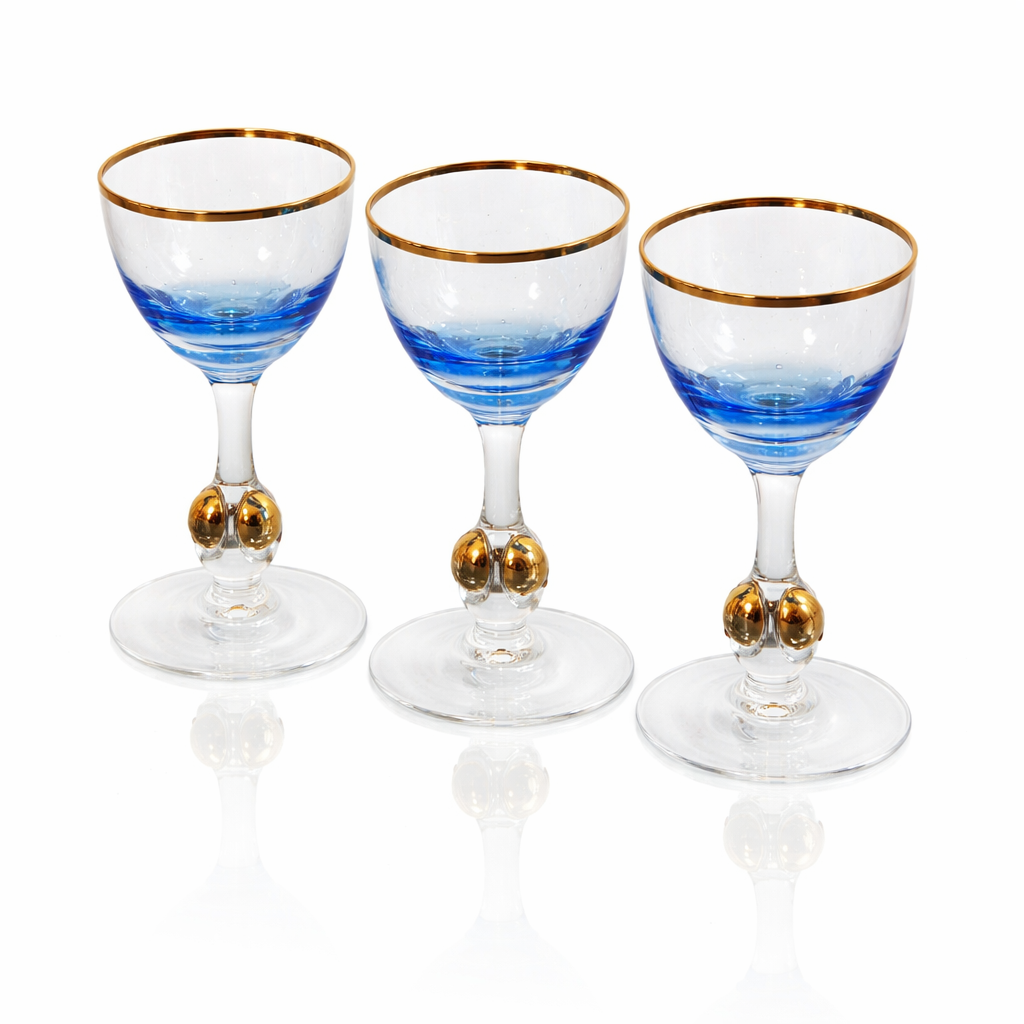
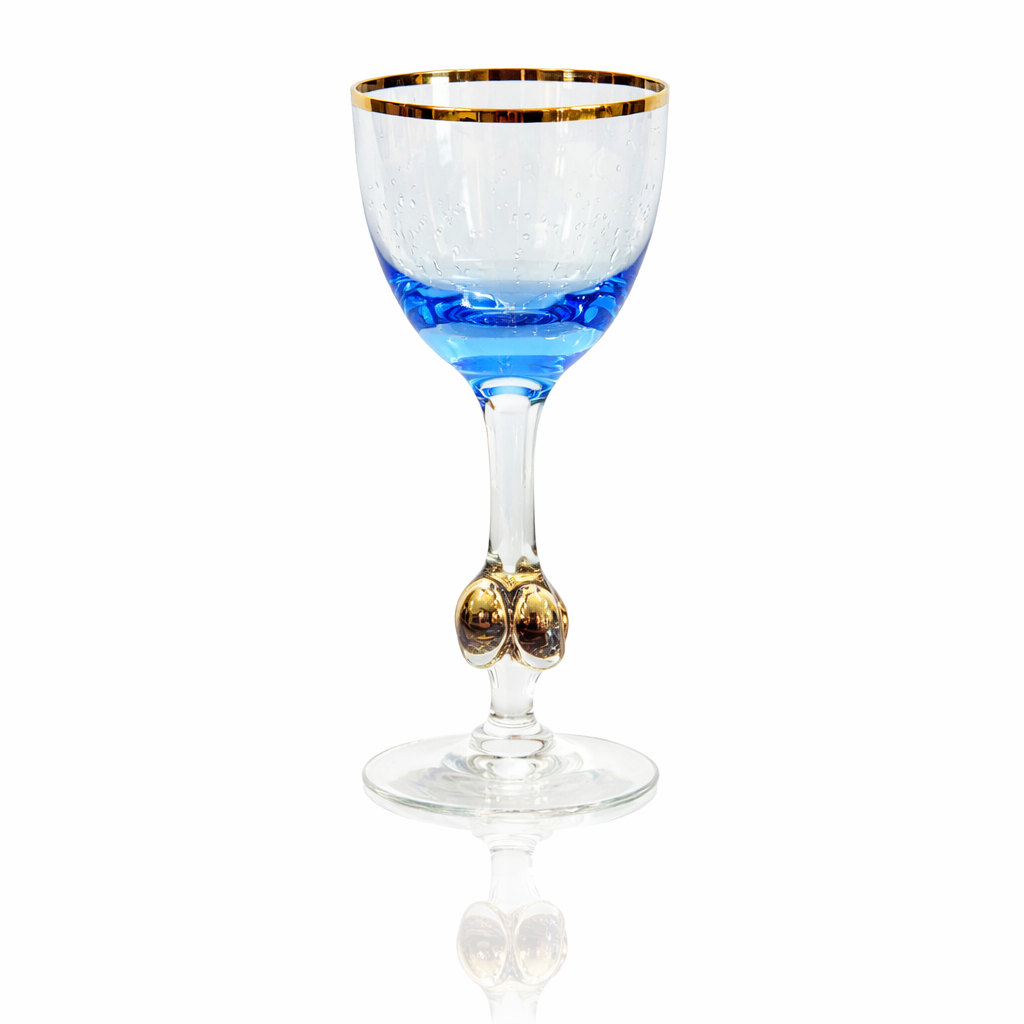
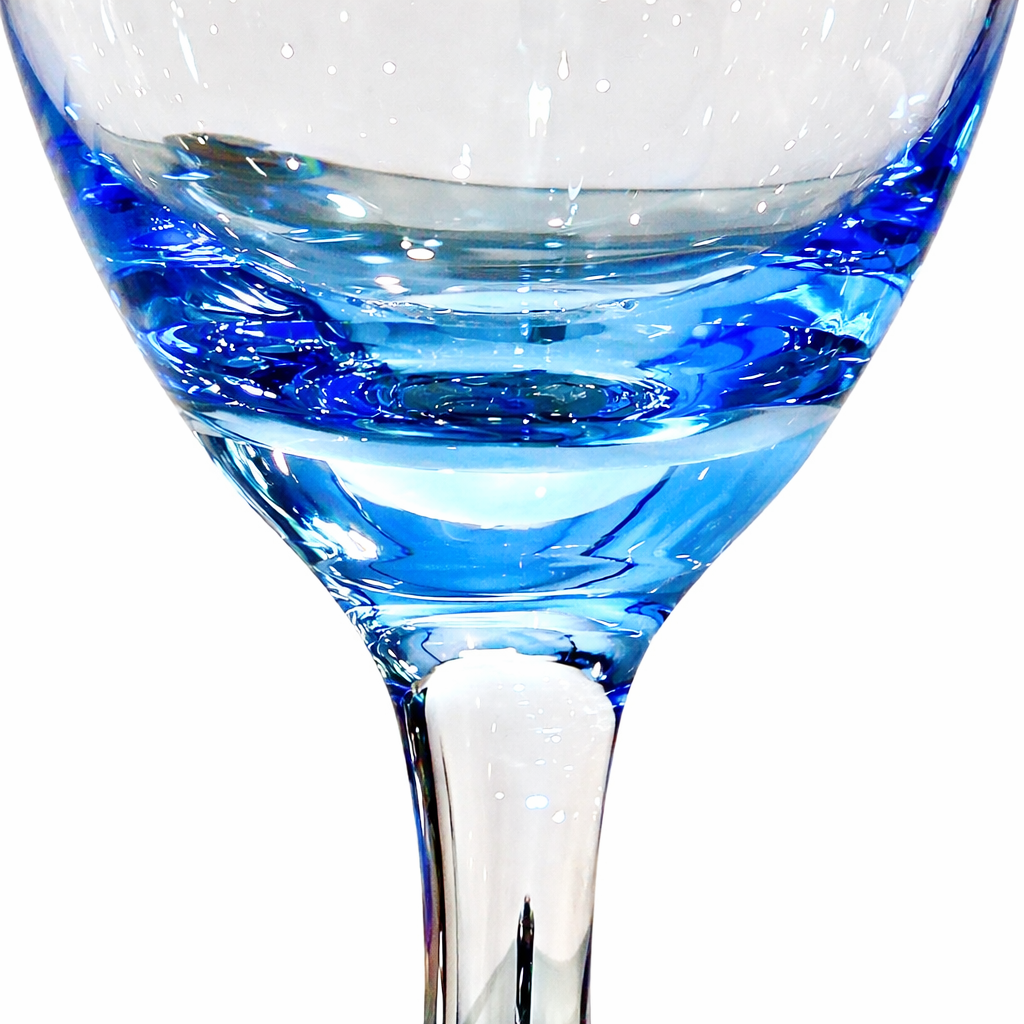
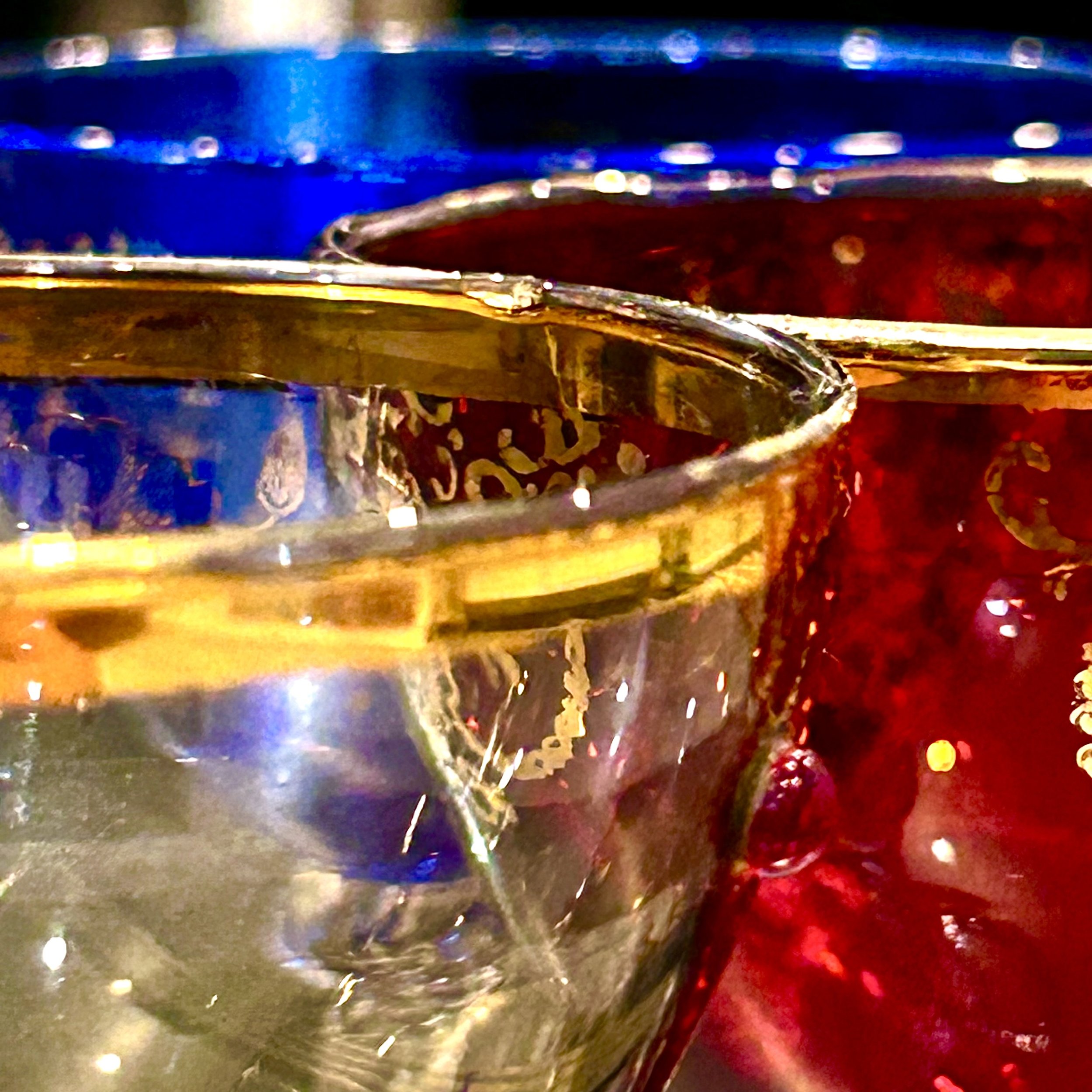
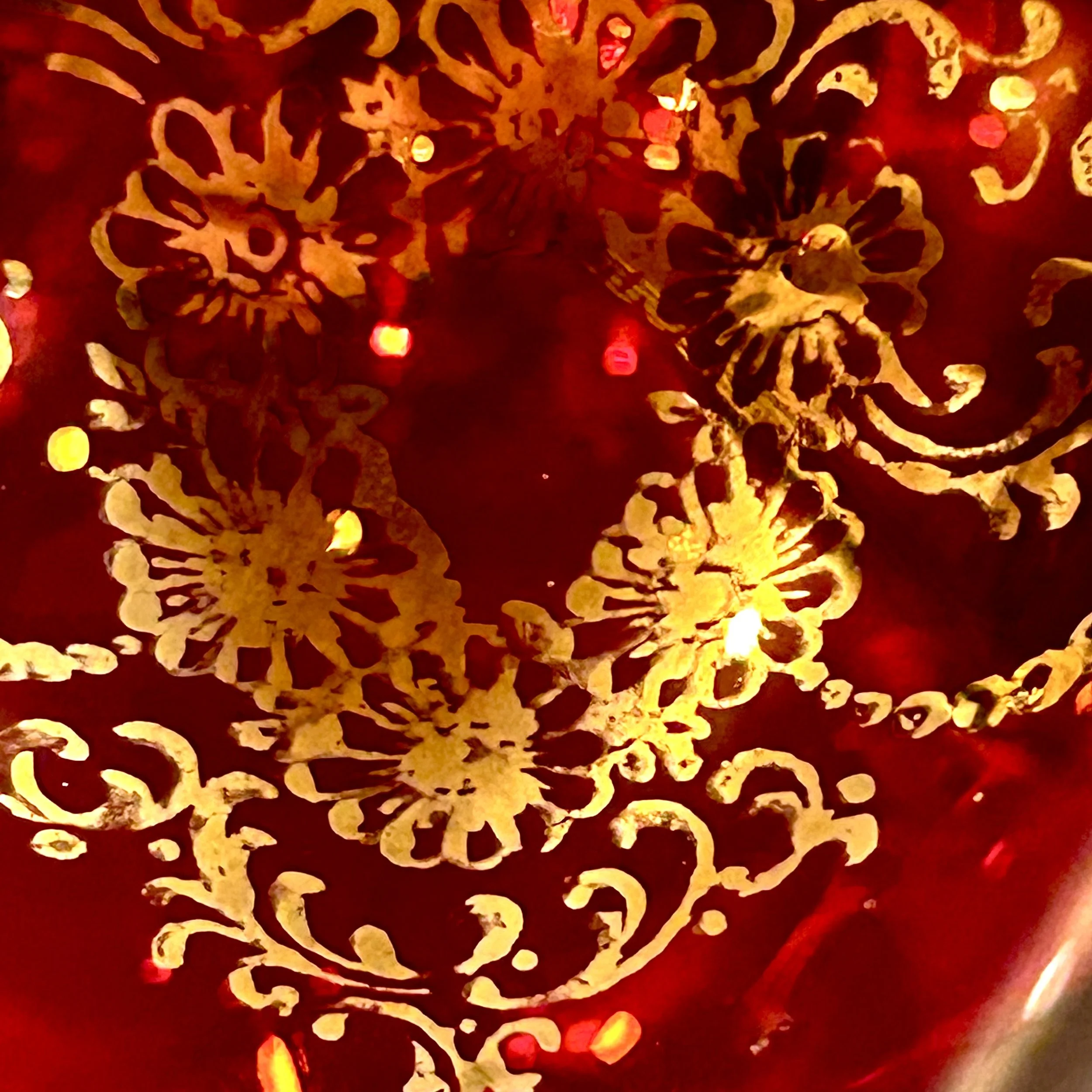
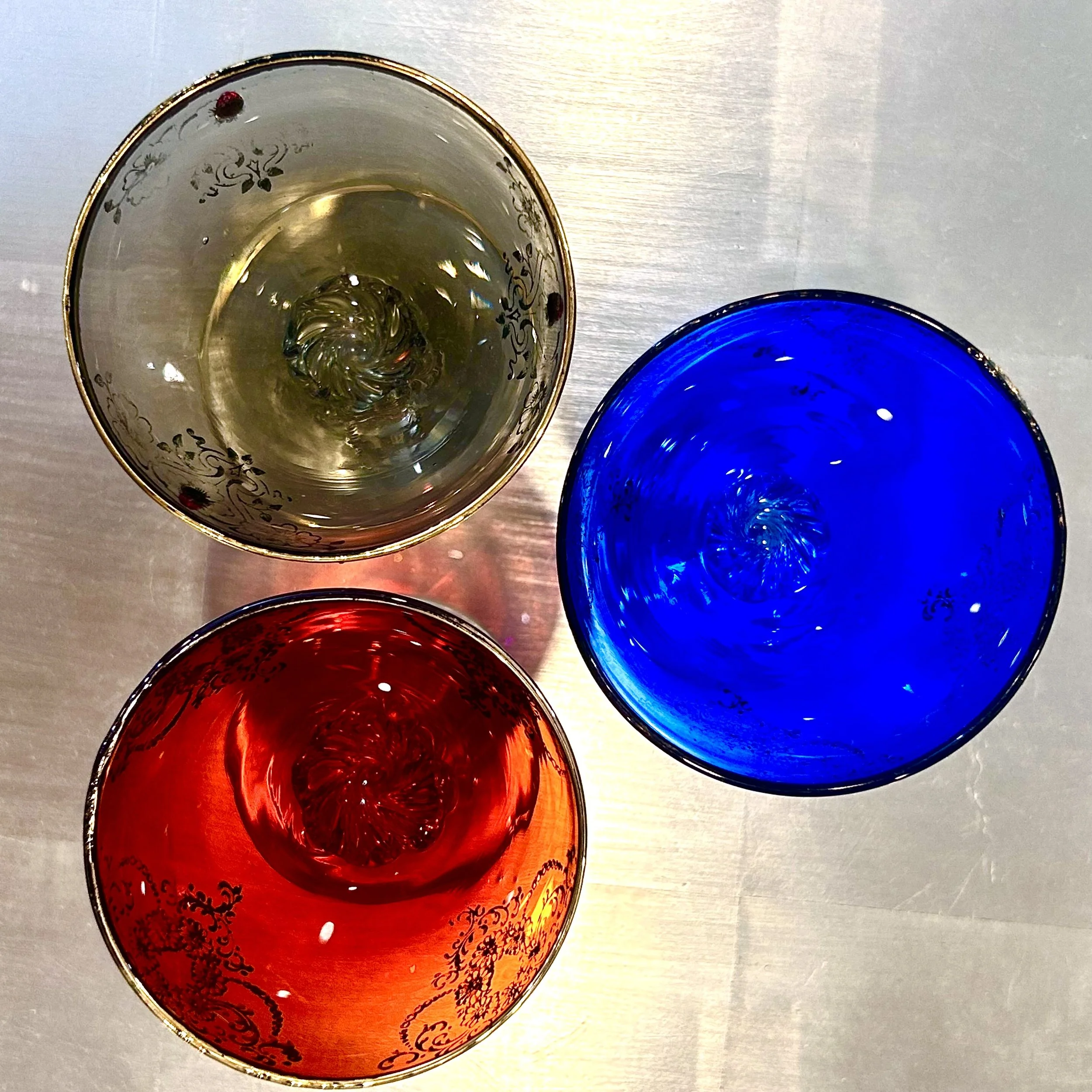
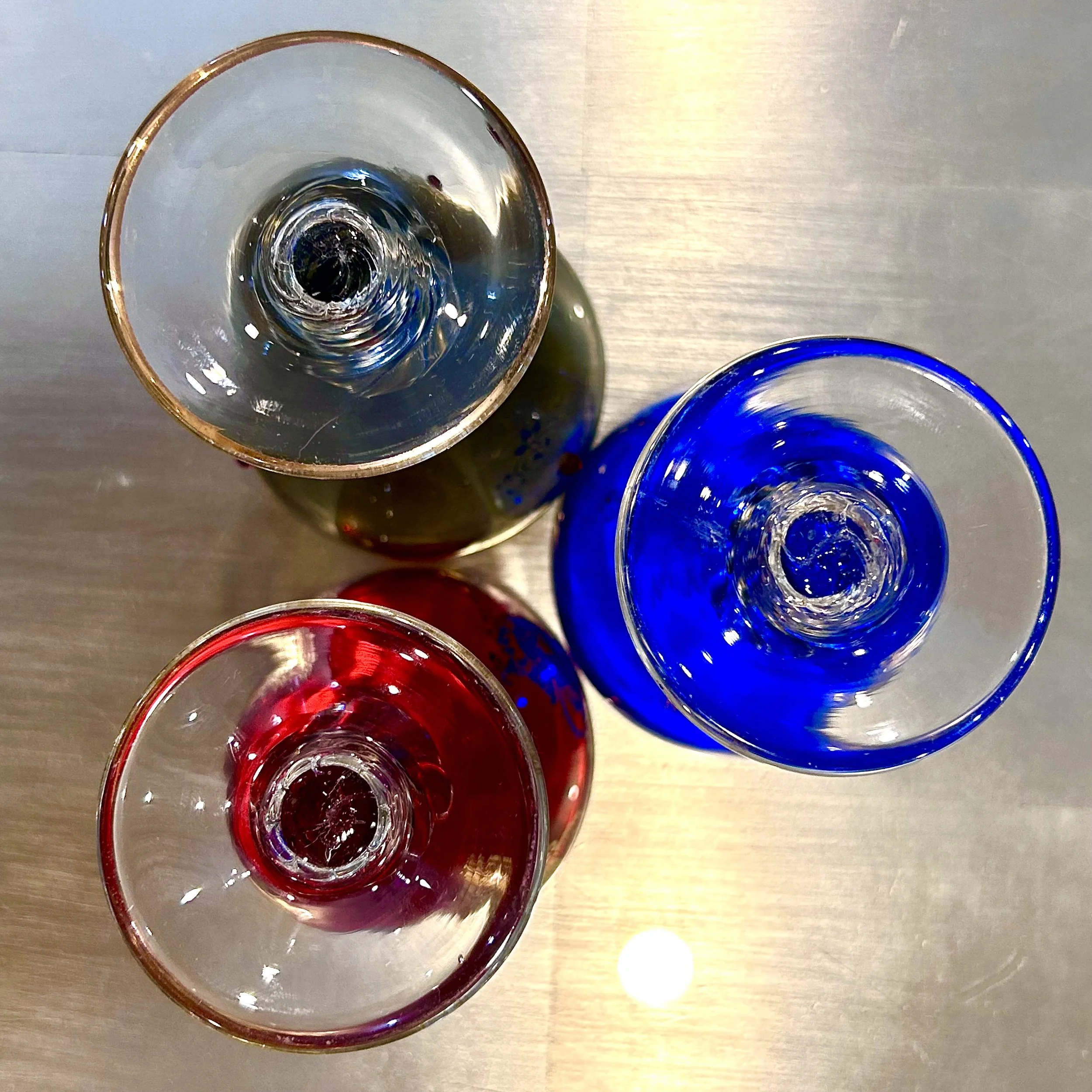
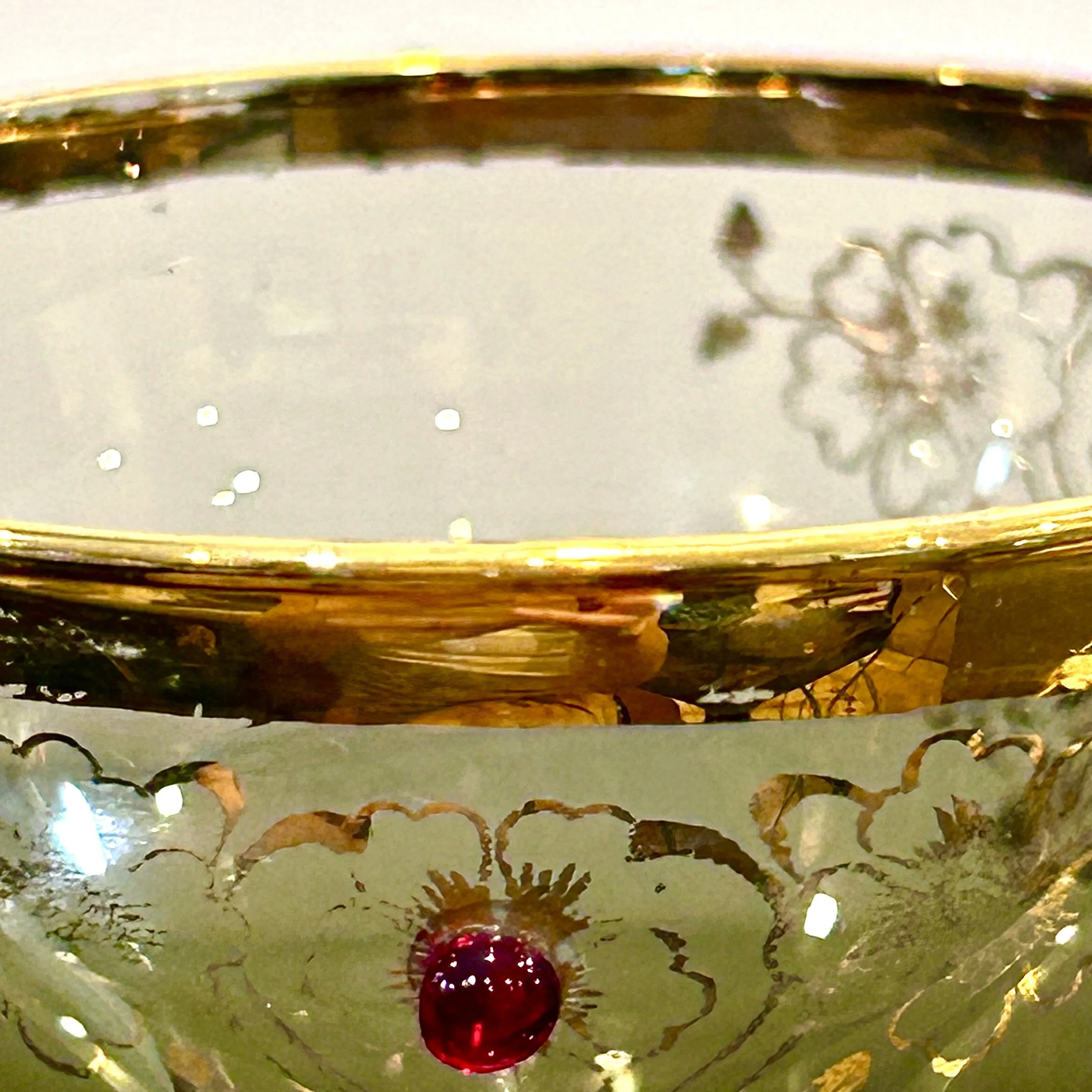
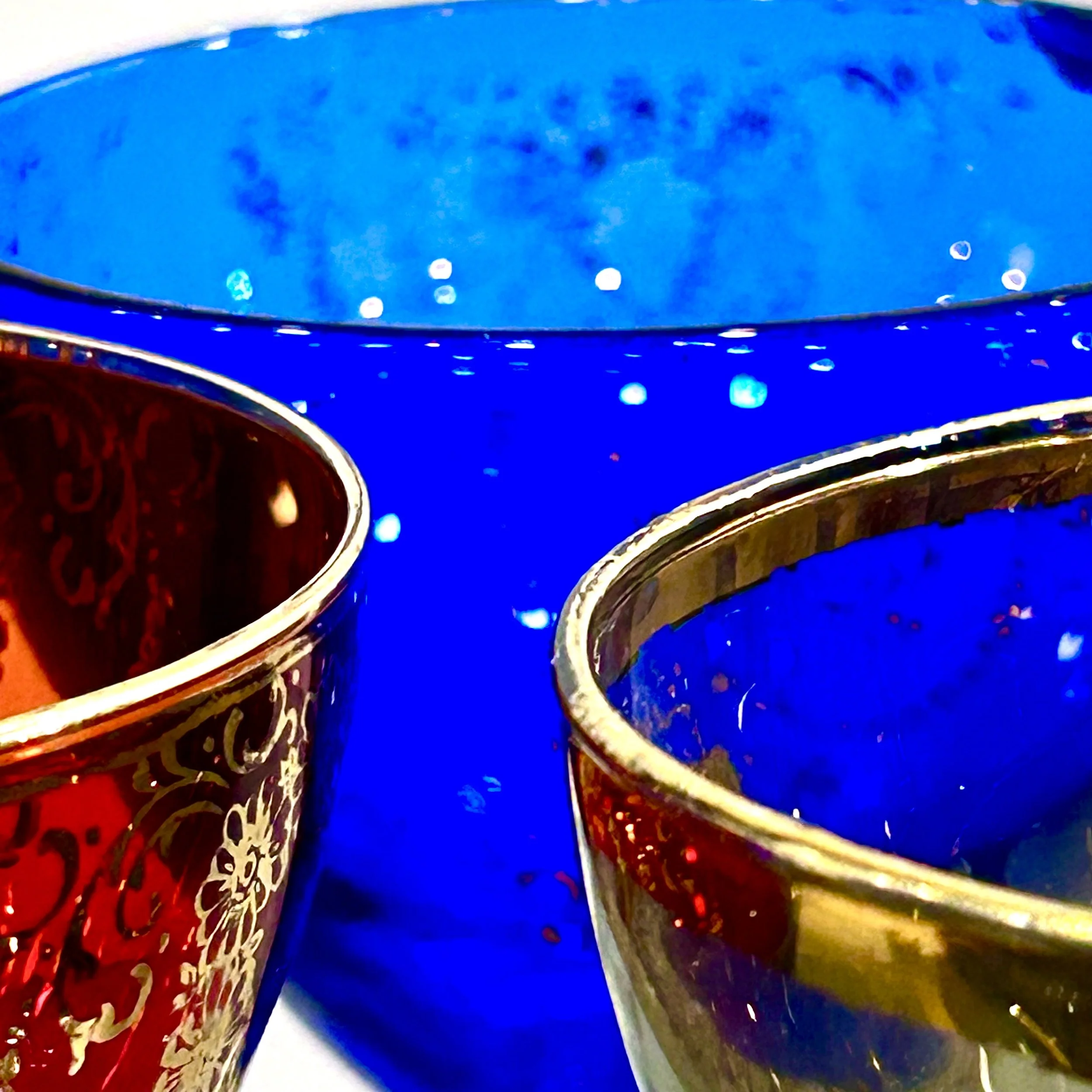
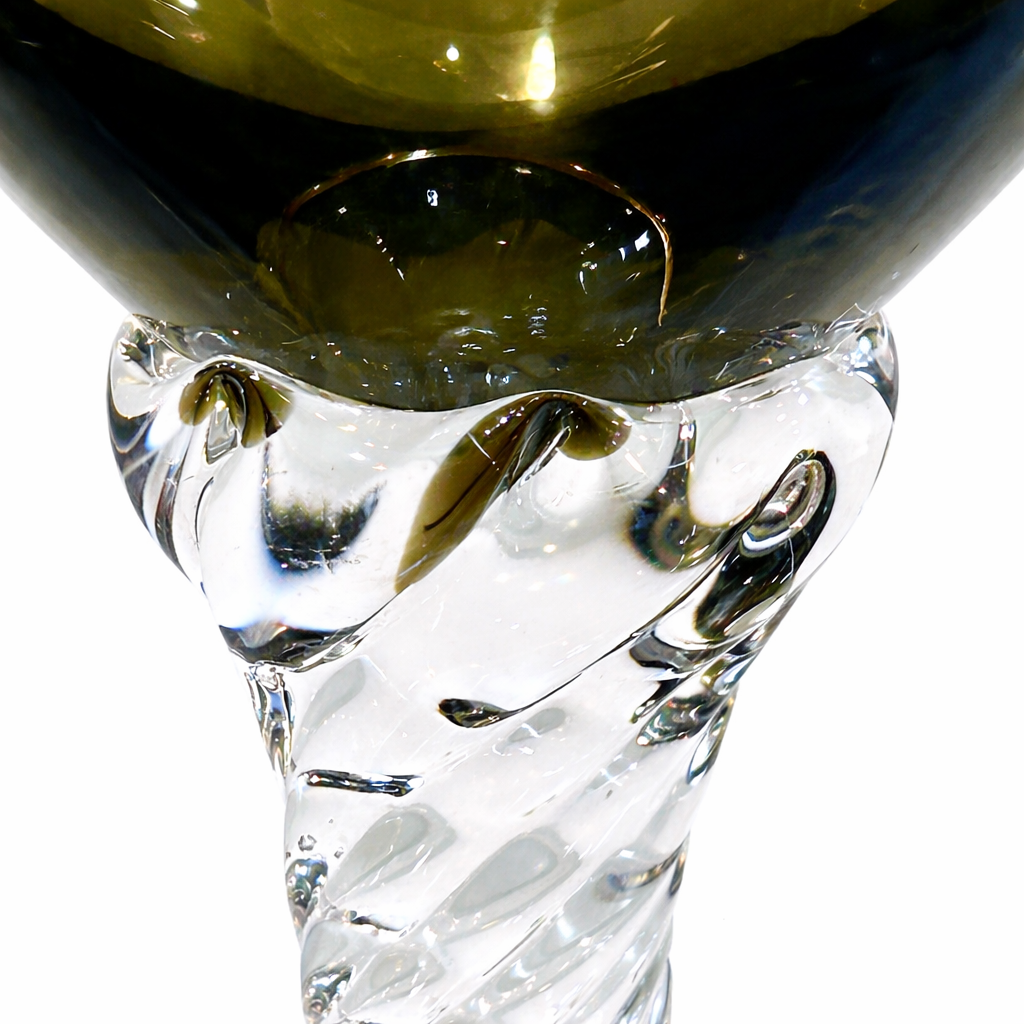
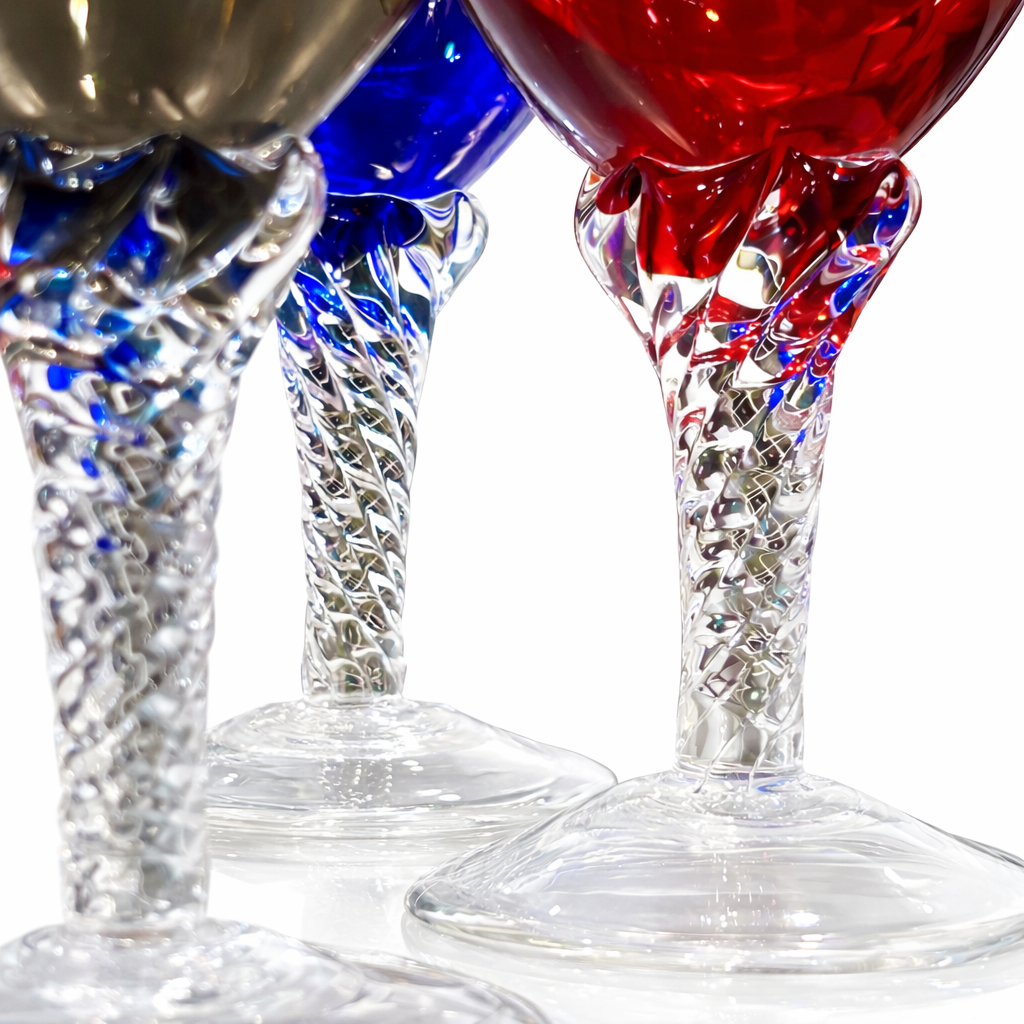
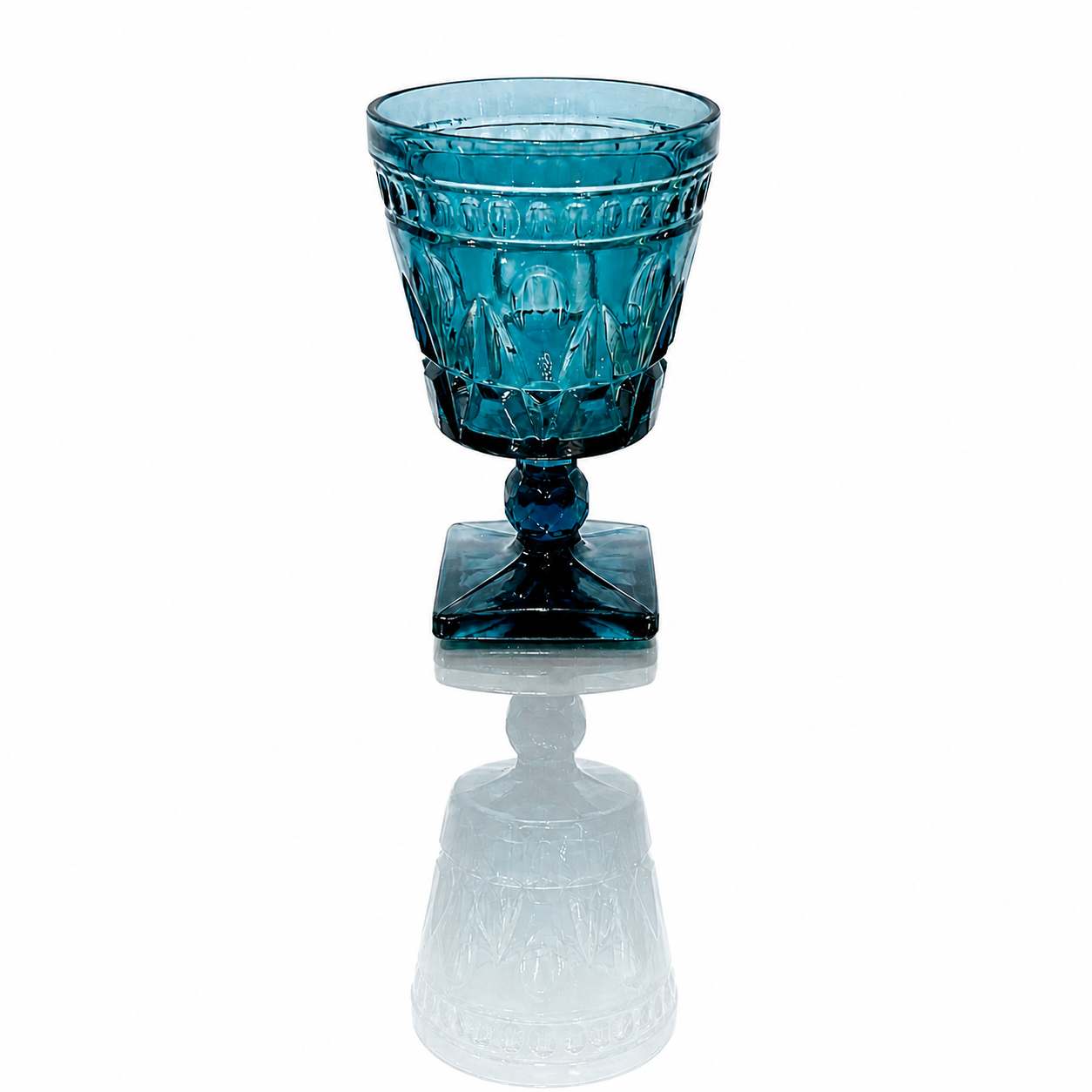
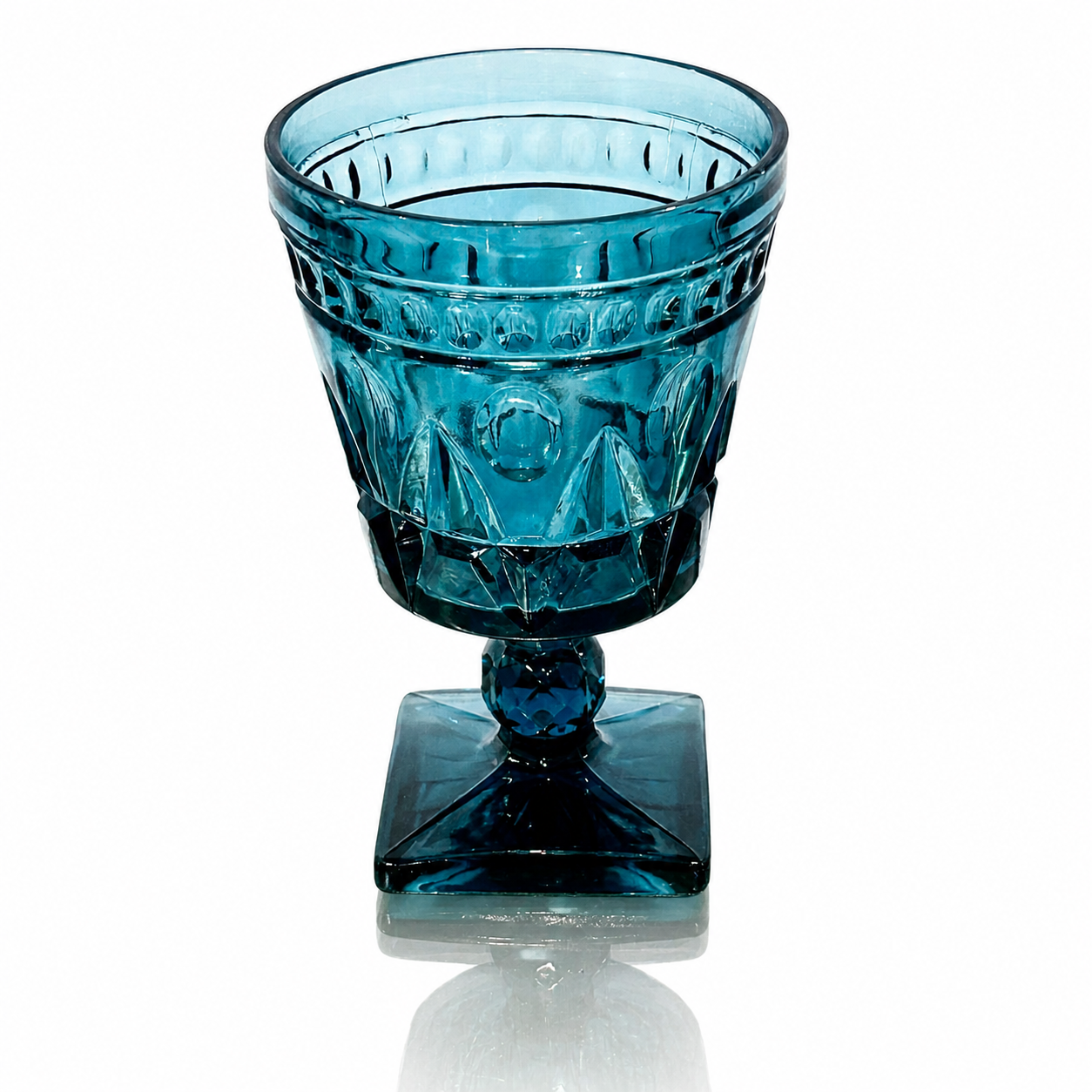
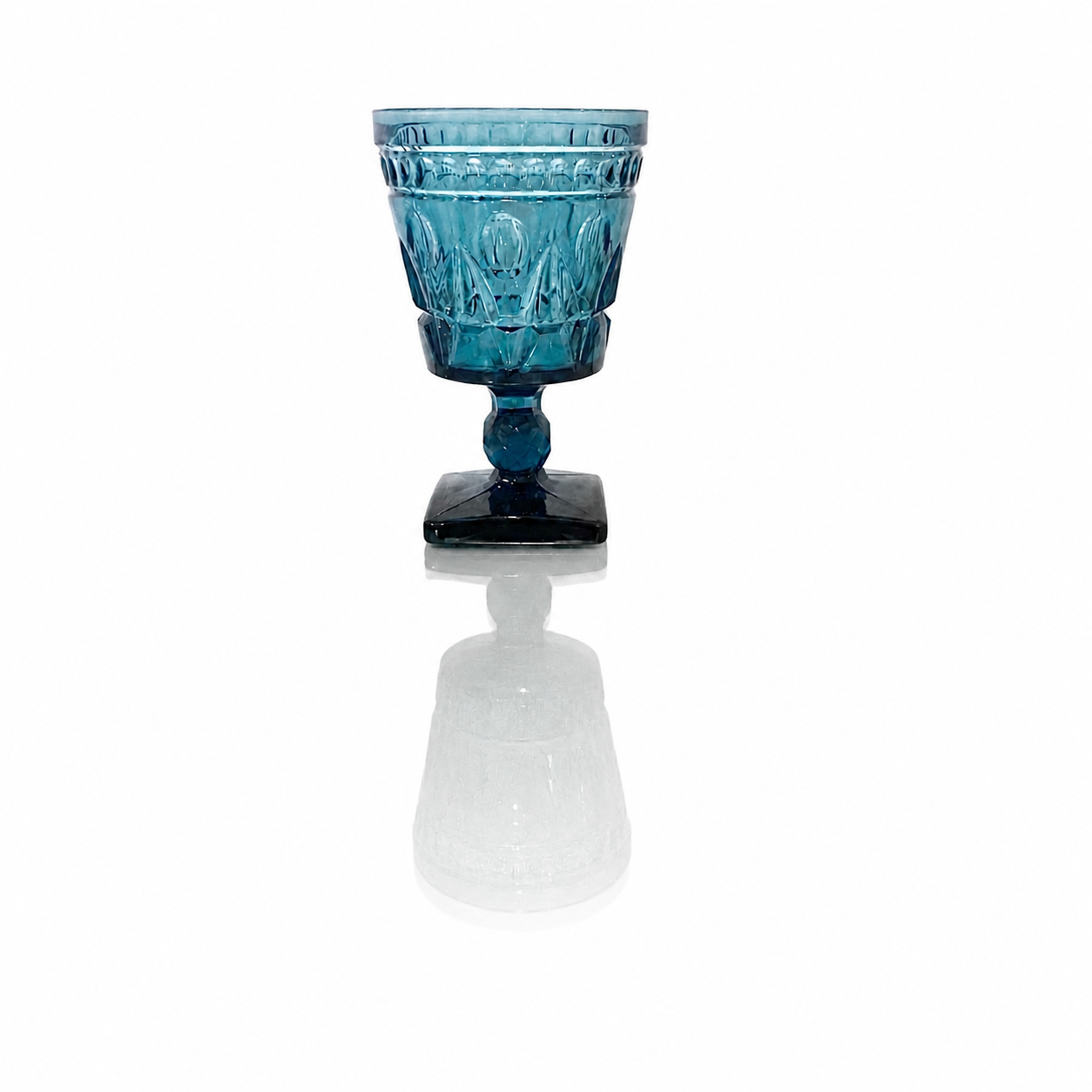
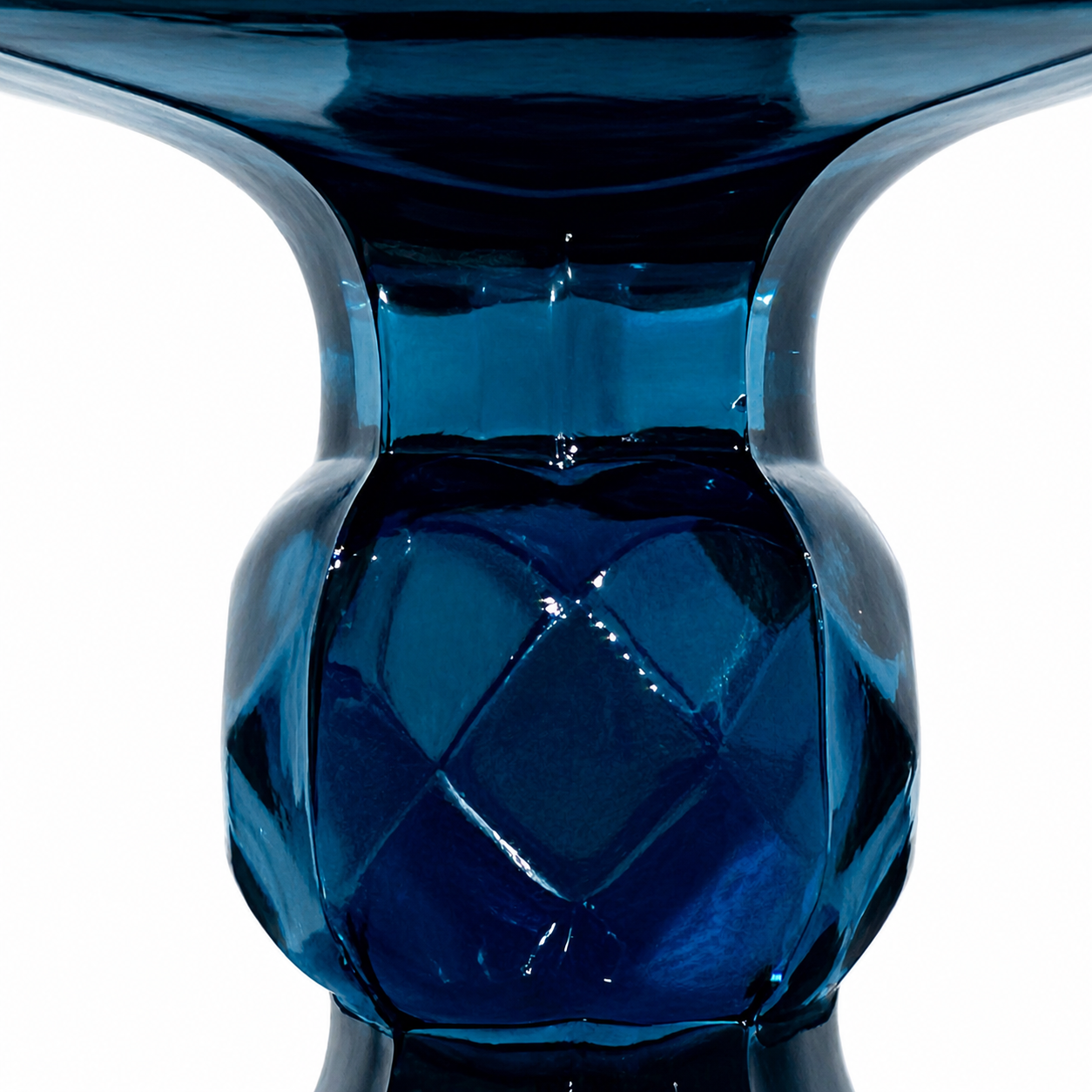
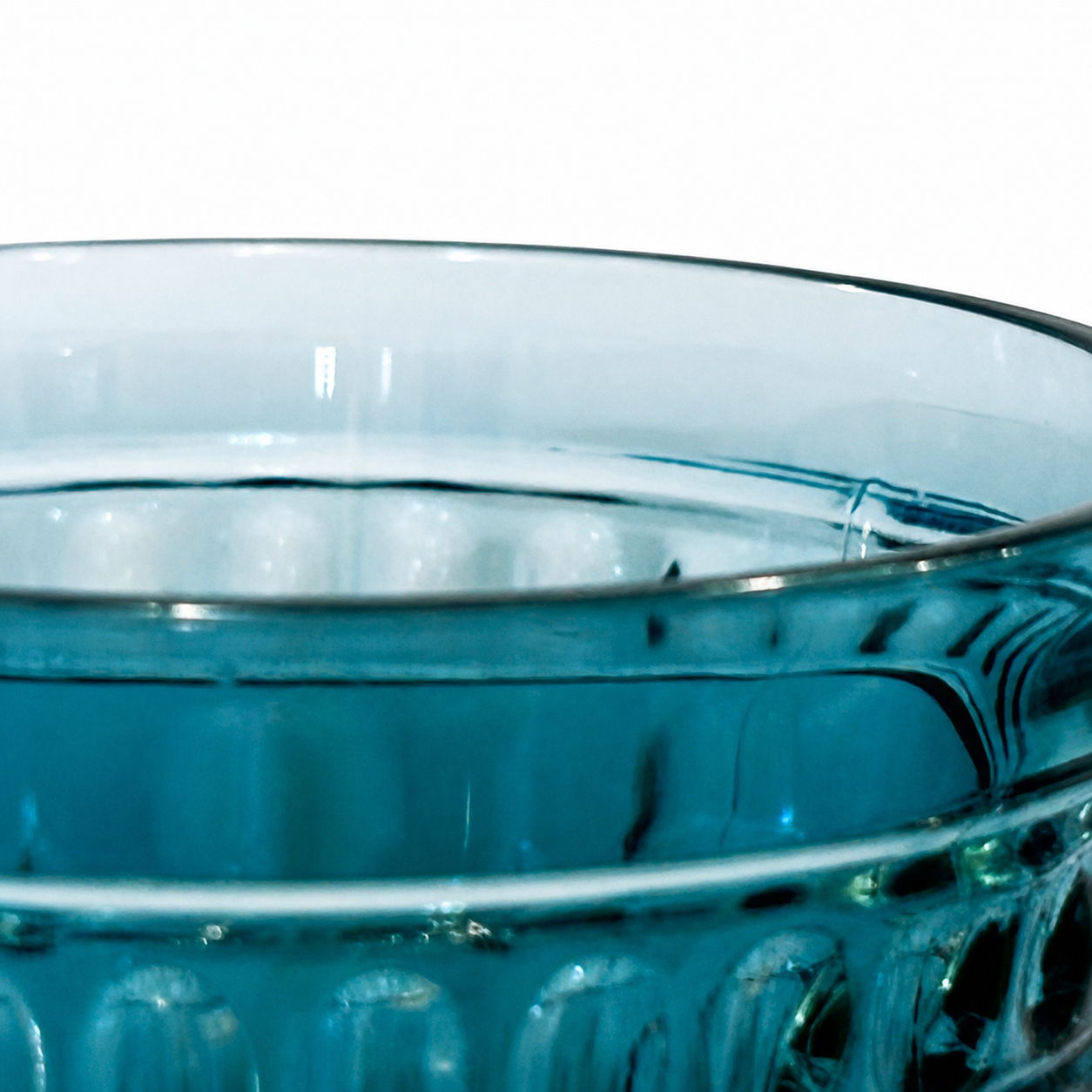
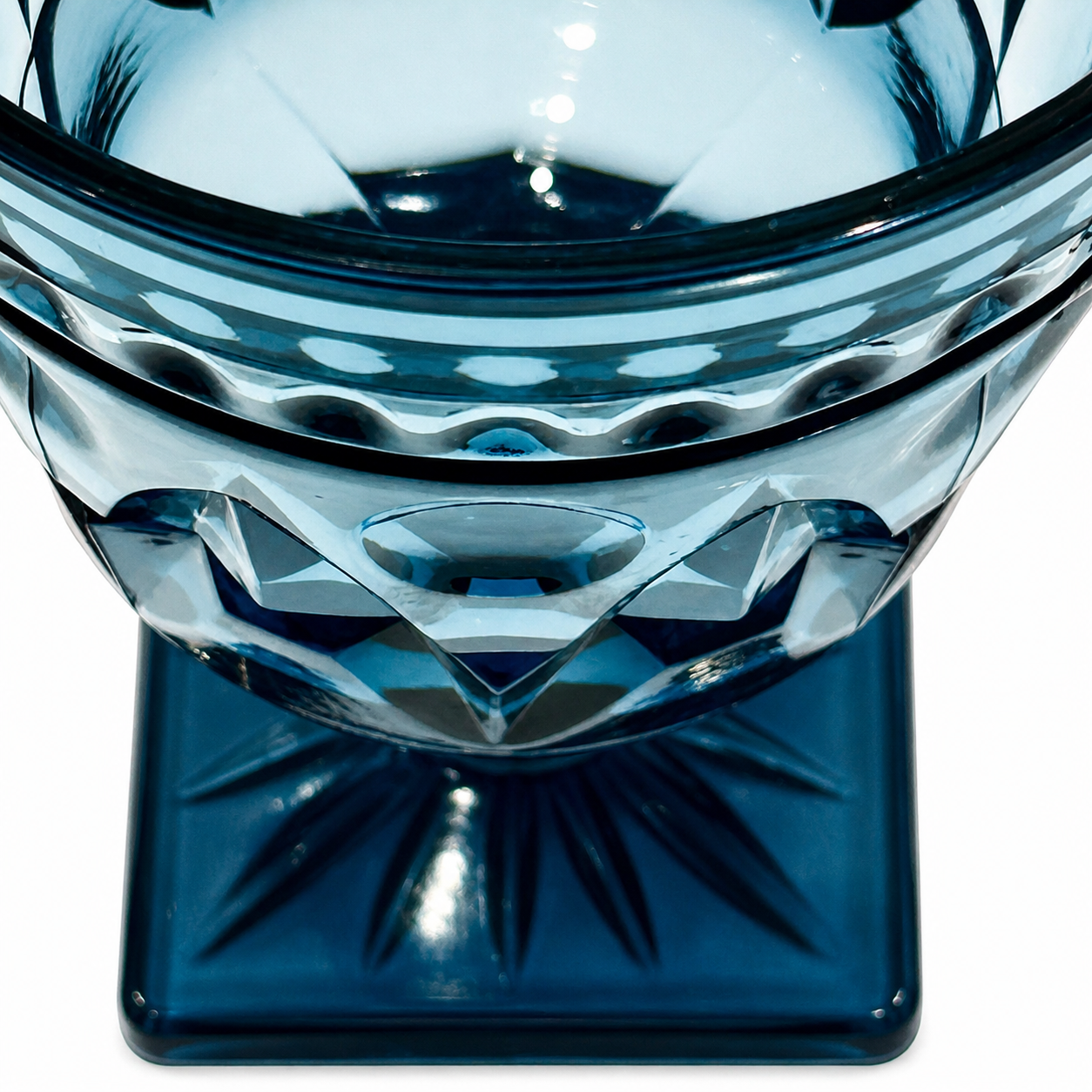
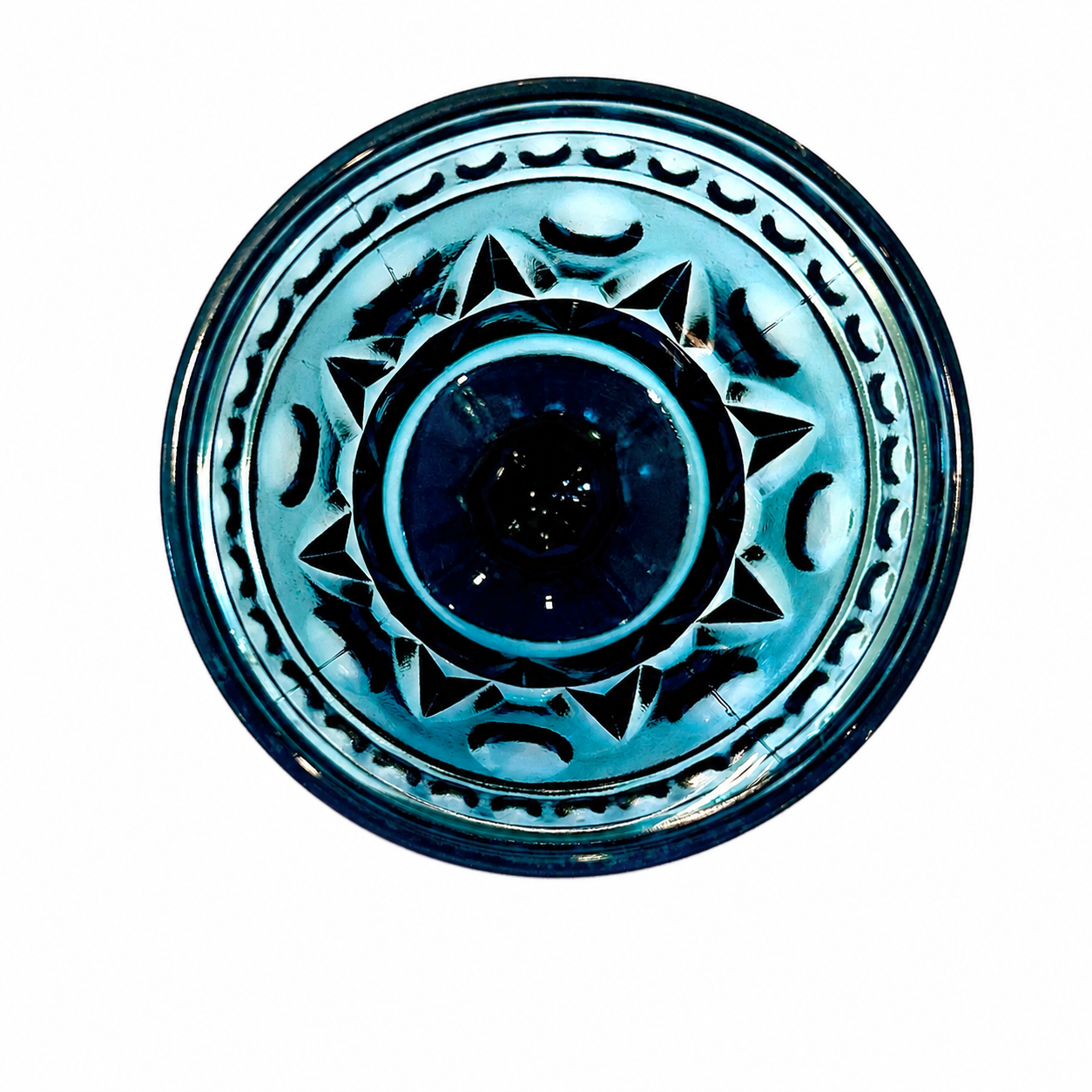
This curated seven-piece suite presents a masterclass in monochrome aquamarine glass, anchoring an interior with its luminous translucency and varied rhythmic textures. The collection—comprising a handblown opaline pitcher, a pair of shell-form dishes, and four optic ribbed wine glasses—is united by a shared tonal depth that shifts from ethereal sky blue to deep cerulean. Each element contributes to a cohesive, sculptural tablescape, offering a sophisticated interplay of smooth opaline surfaces, organic shell motifs, and architectural ribbing that interacts dynamically with both natural and UV light.
Attribution & Period Consistent with European decorative arts of the 1960s. The suite represents a curated assembly of mid-to-late 20th-century production, ranging from handblown Italian opaline glass (pitcher), stylistically aligned with Empoli-area workshops, to refined pressed glass examples (dishes and stemware). The attribution is based on a visual analysis of material composition—including manganese-bearing and uranium-reactive glass—and manufacturing techniques characteristic of the period.
Dimensions & Weight
Pitcher: 9" H x 5.5" W (including handle)
Shell Dishes (Pair): 10" L x 6.5" W x 1" H (each)
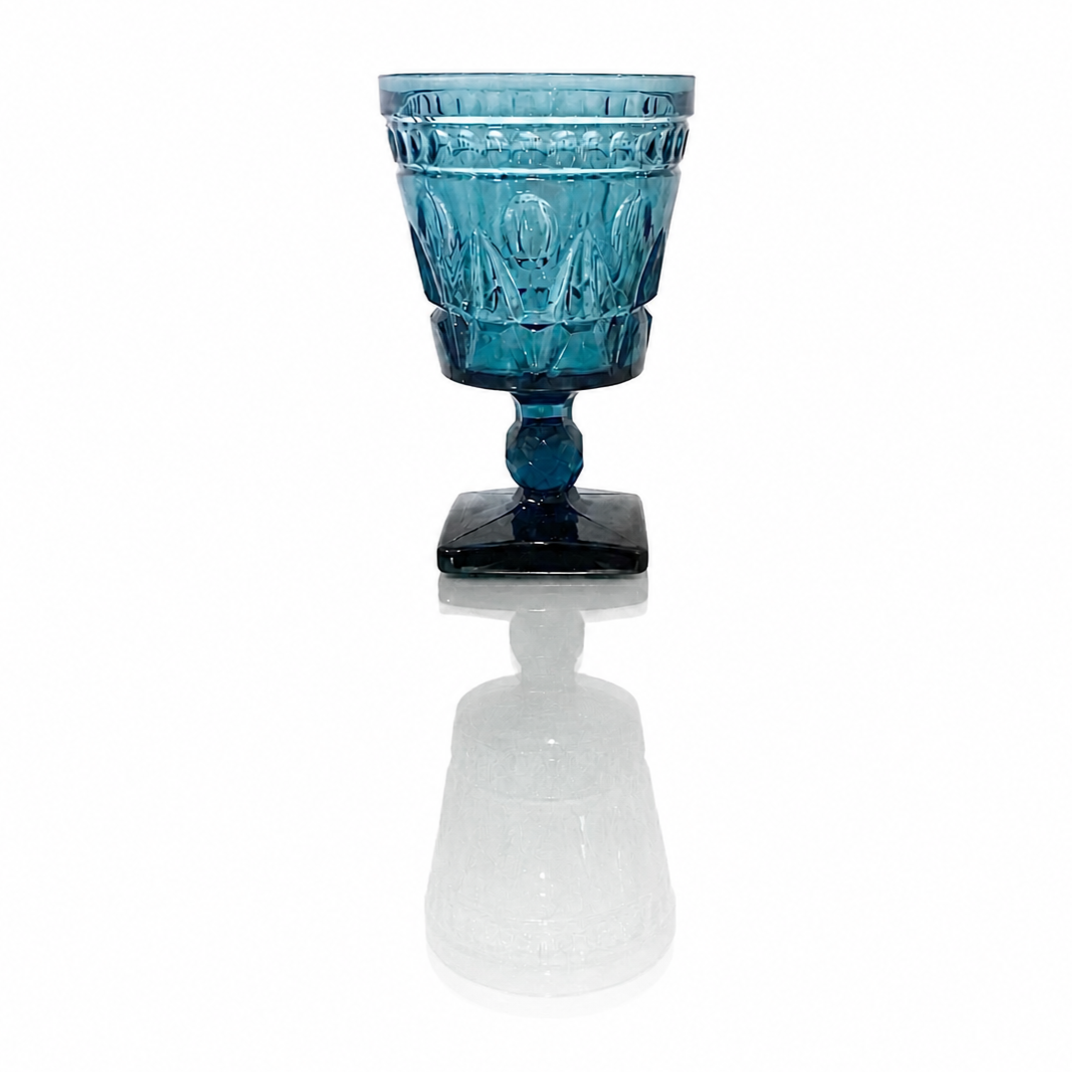
Wine Glasses (Set of 4): 7.75" H x 3.25" Diameter
Total Collection Weight: Approx. 6.5 lbs
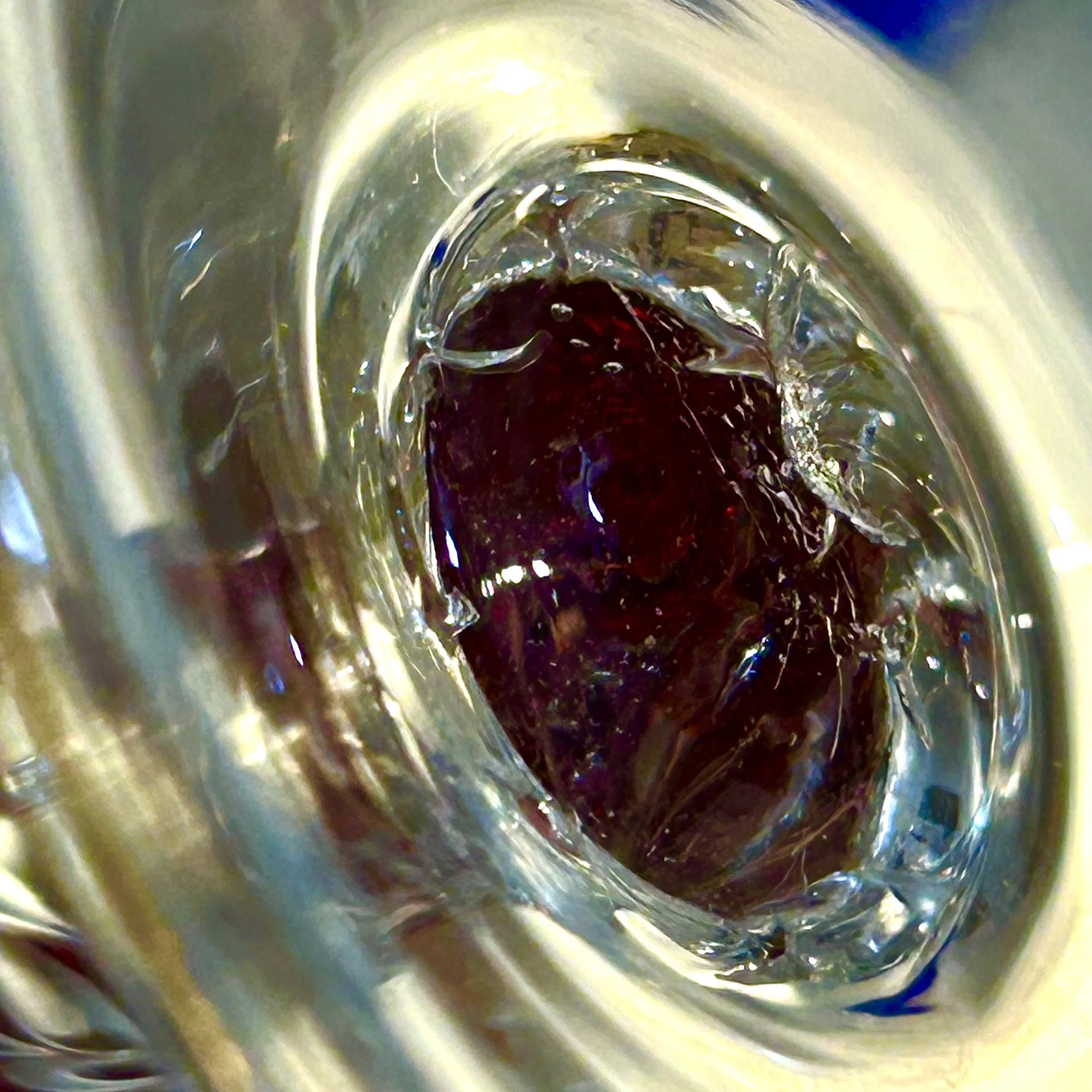
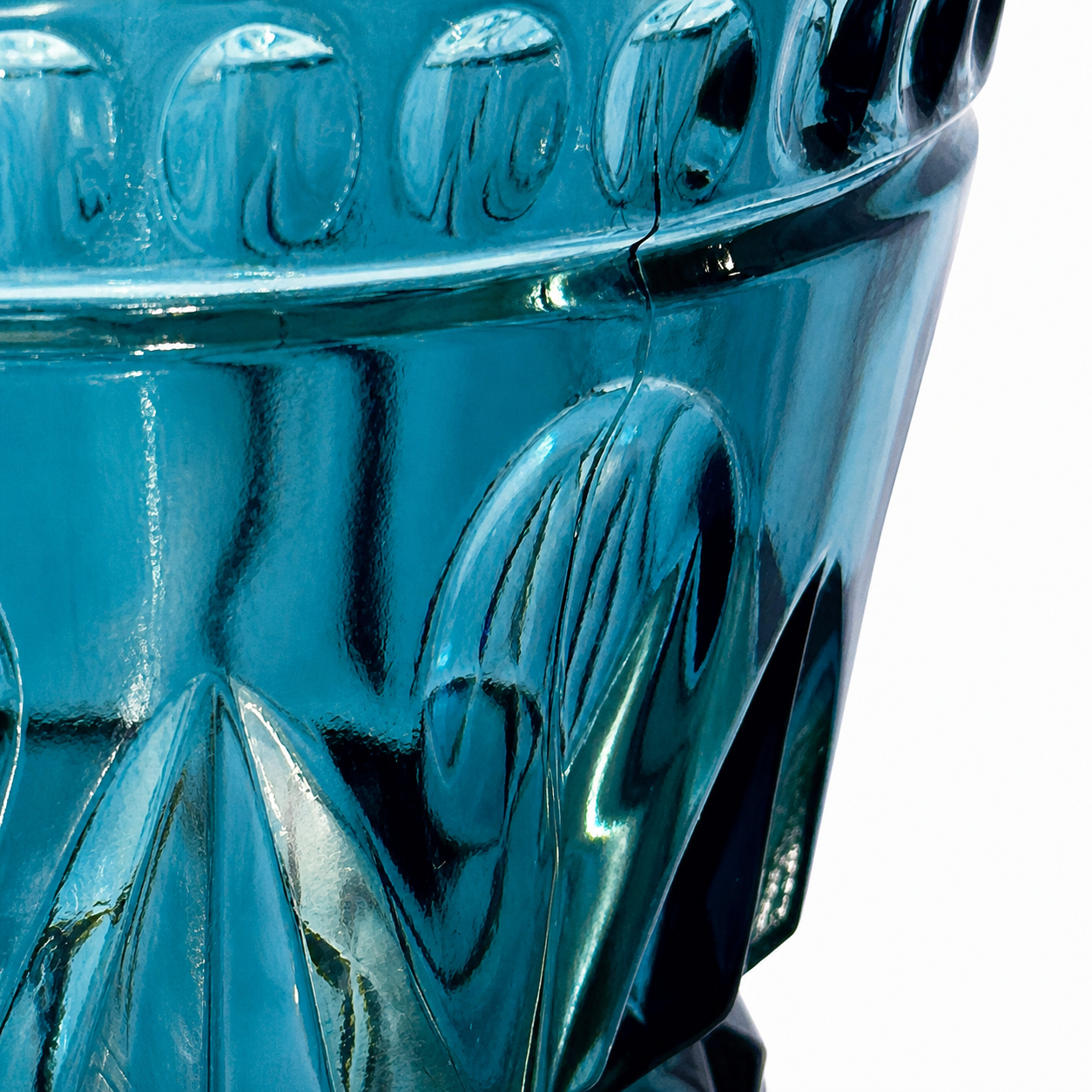
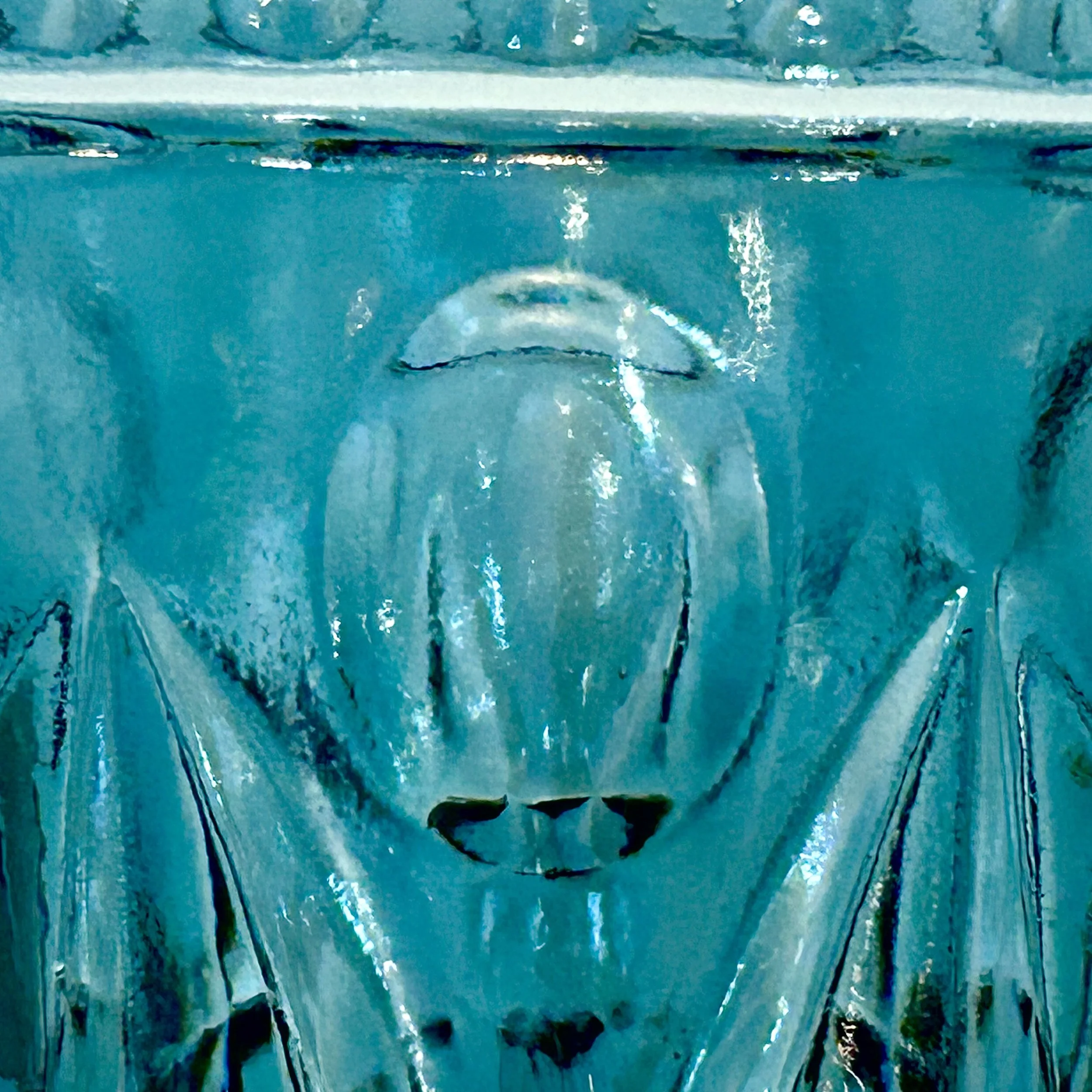
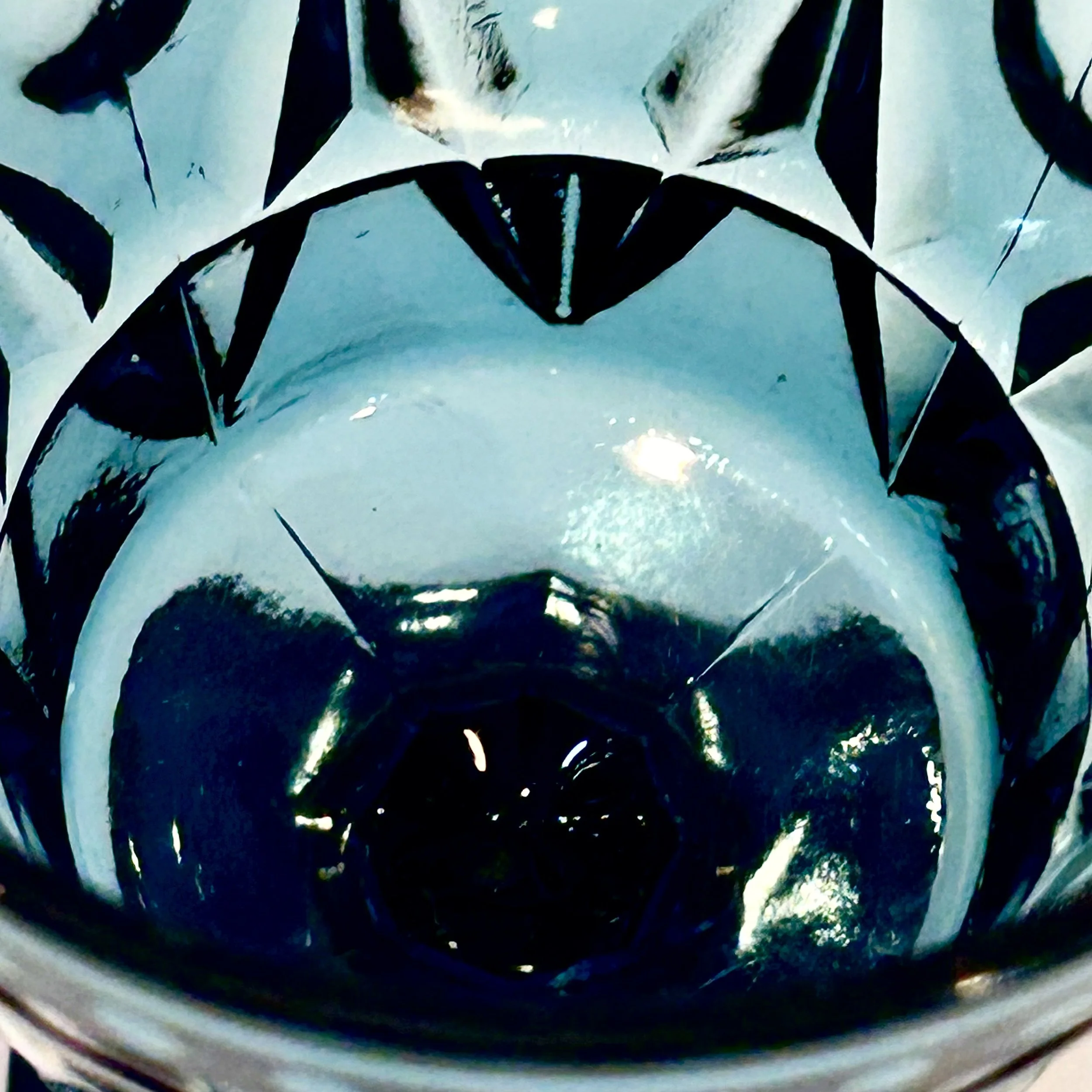
Condition The suite is in overall excellent collector-grade condition. The pitcher and wine glasses show no chips, cracks, or repairs, with minor interior surface wear to the pitcher consistent with age. One shell-form dish exhibits a small, stable crack as documented; however, it does not compromise the structural or display integrity of the piece.
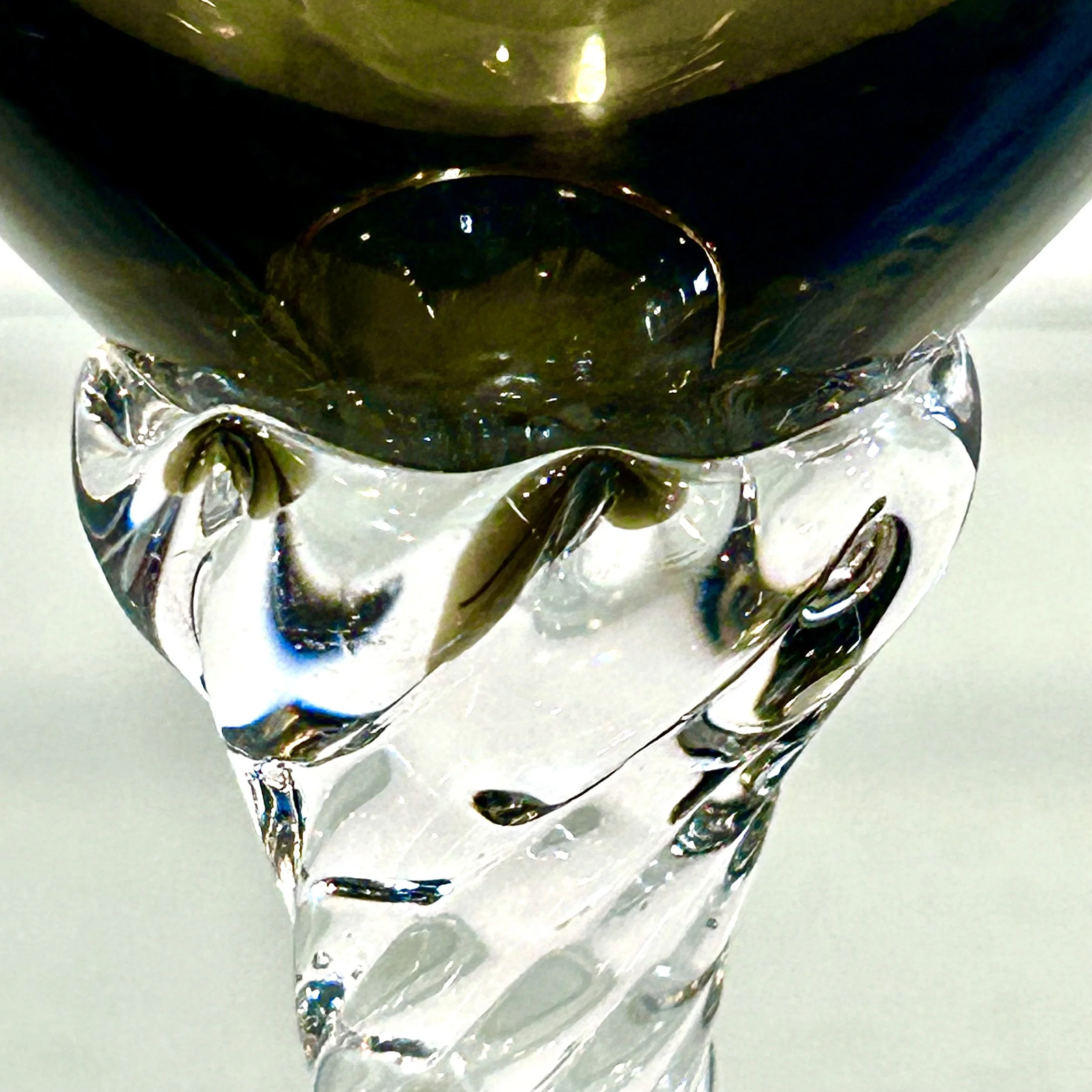
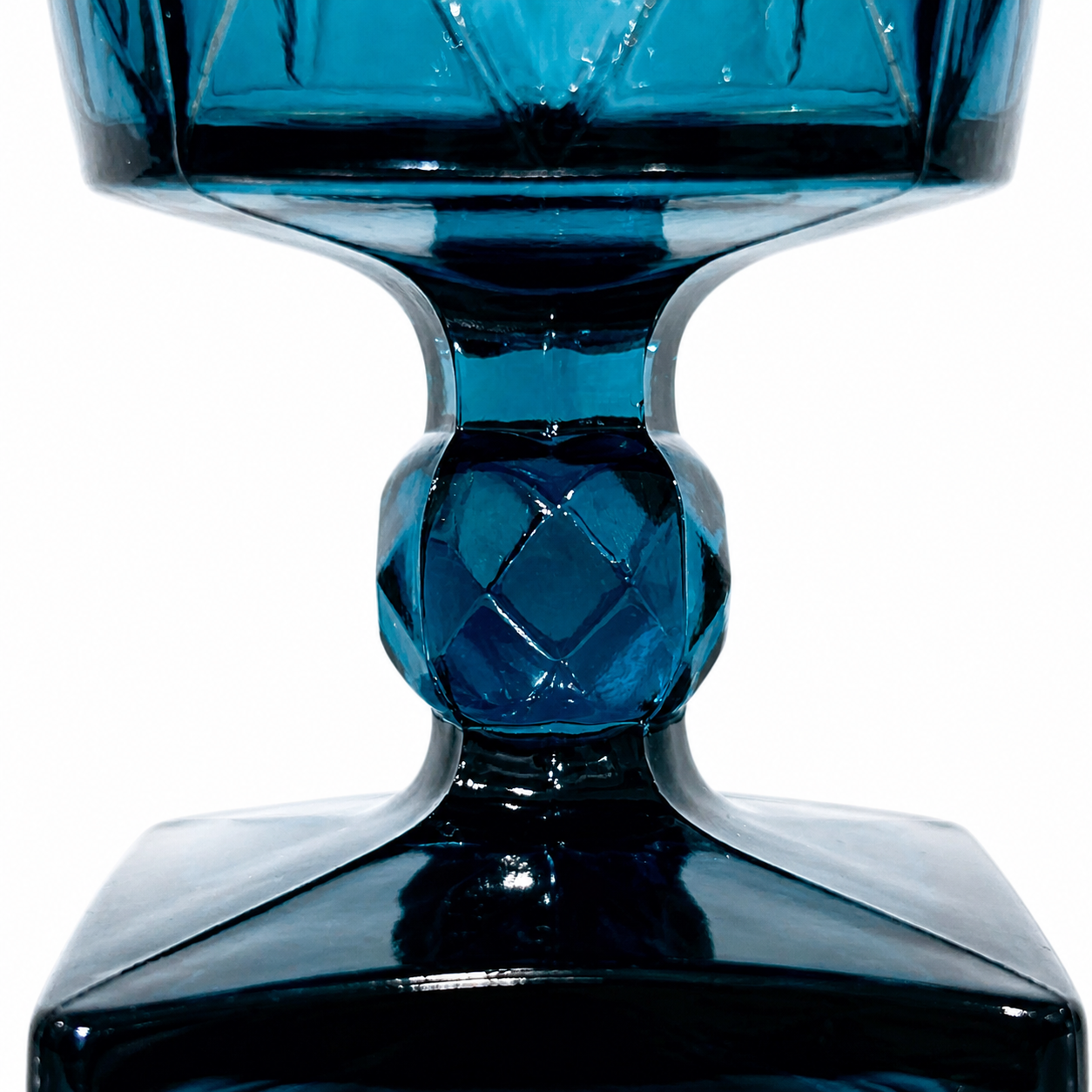
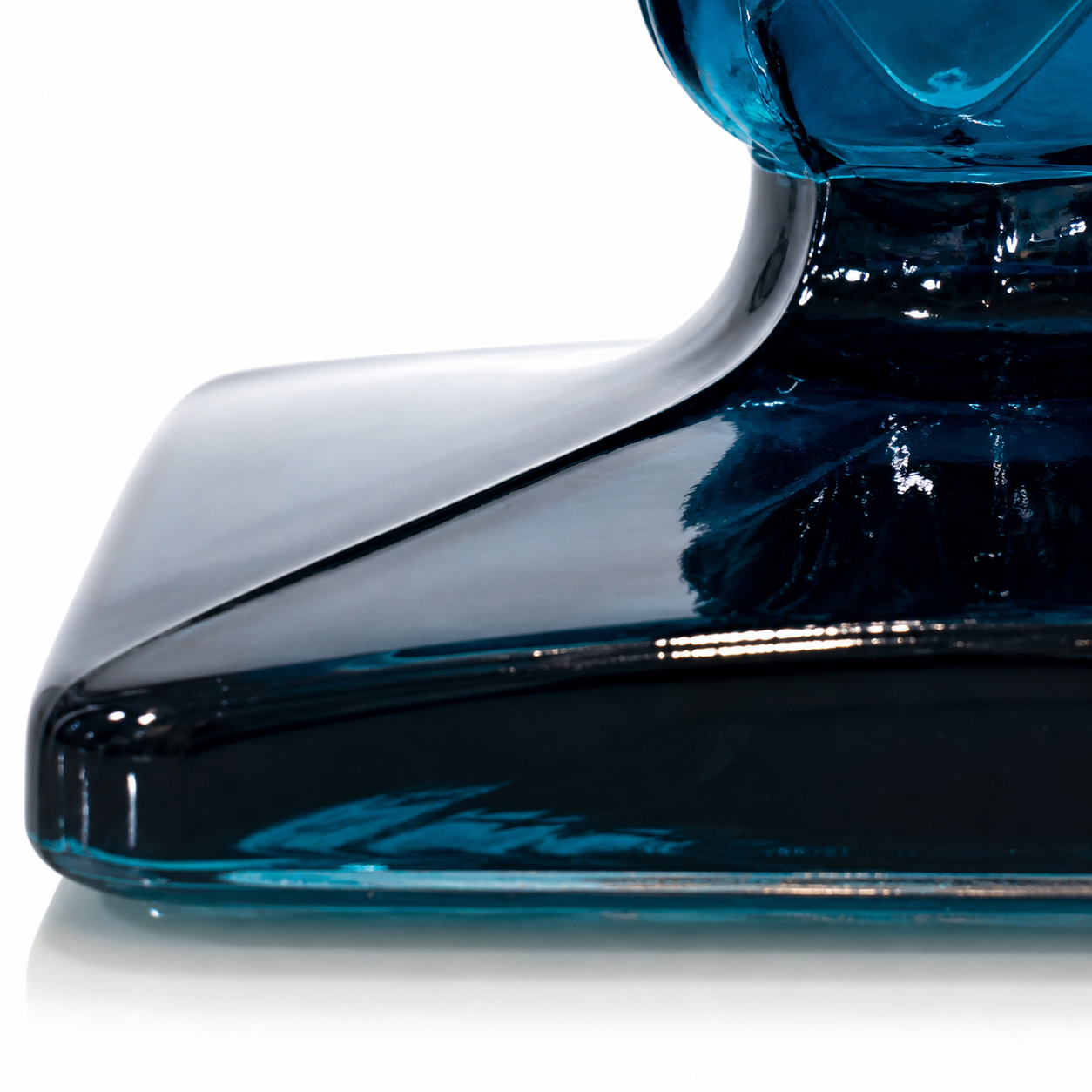
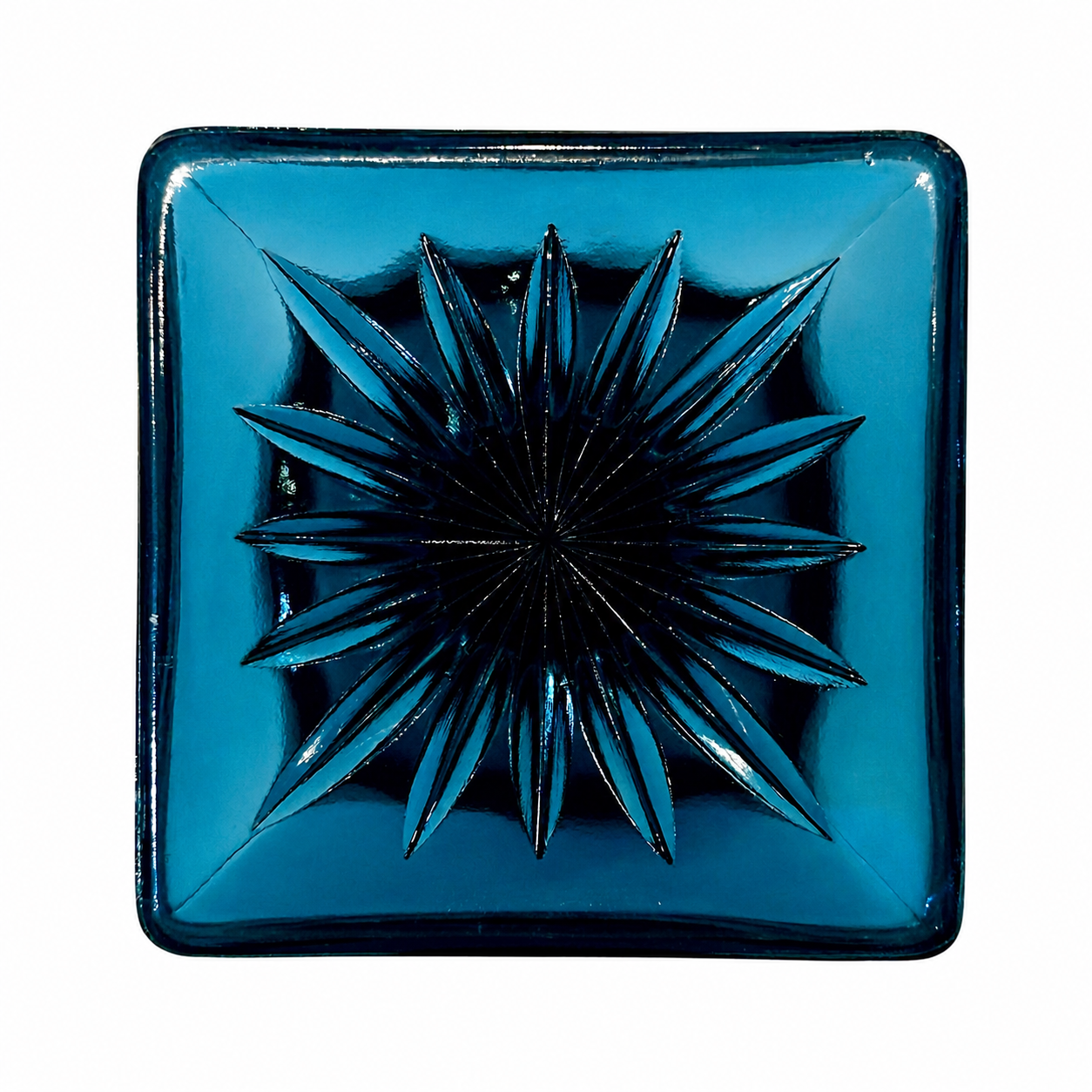
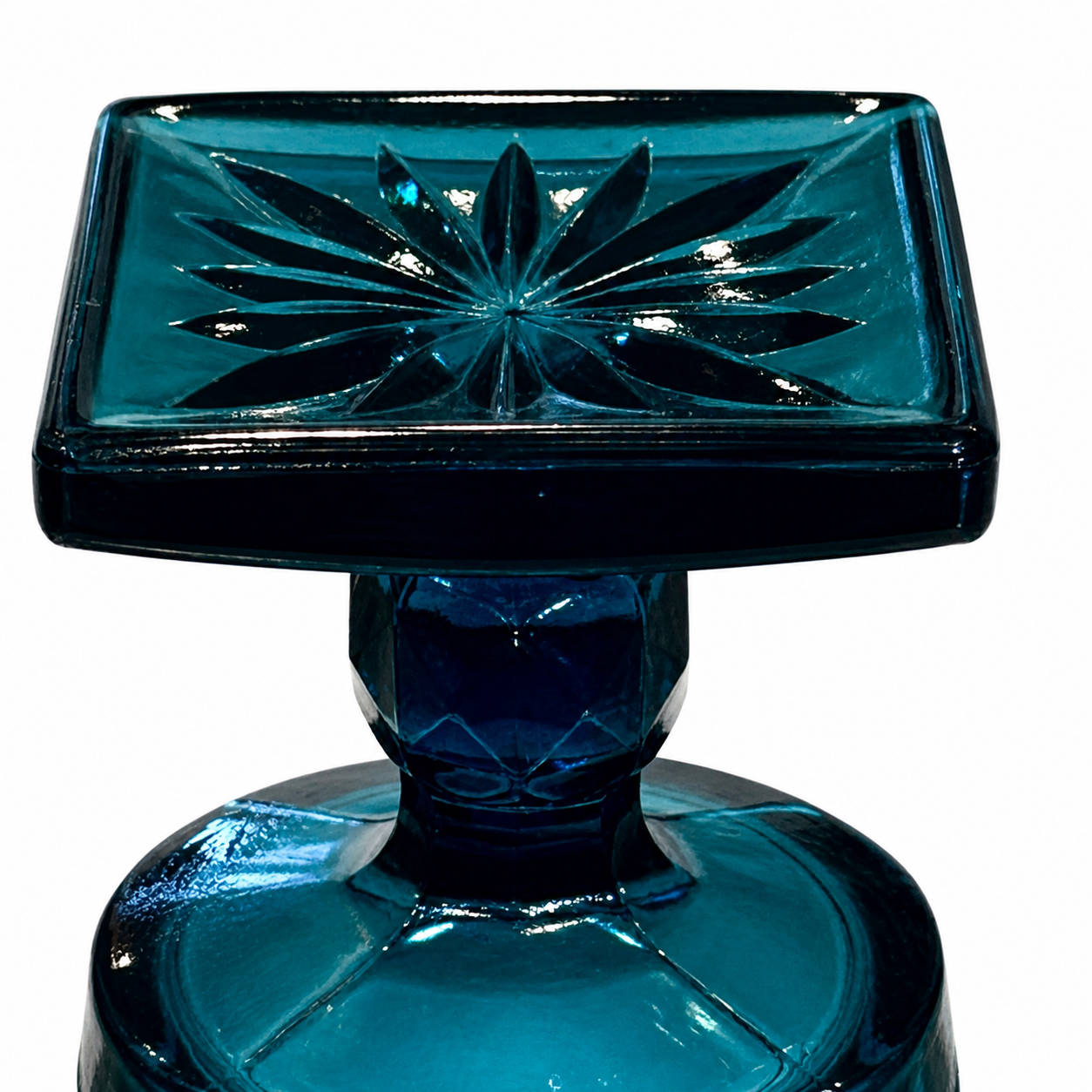
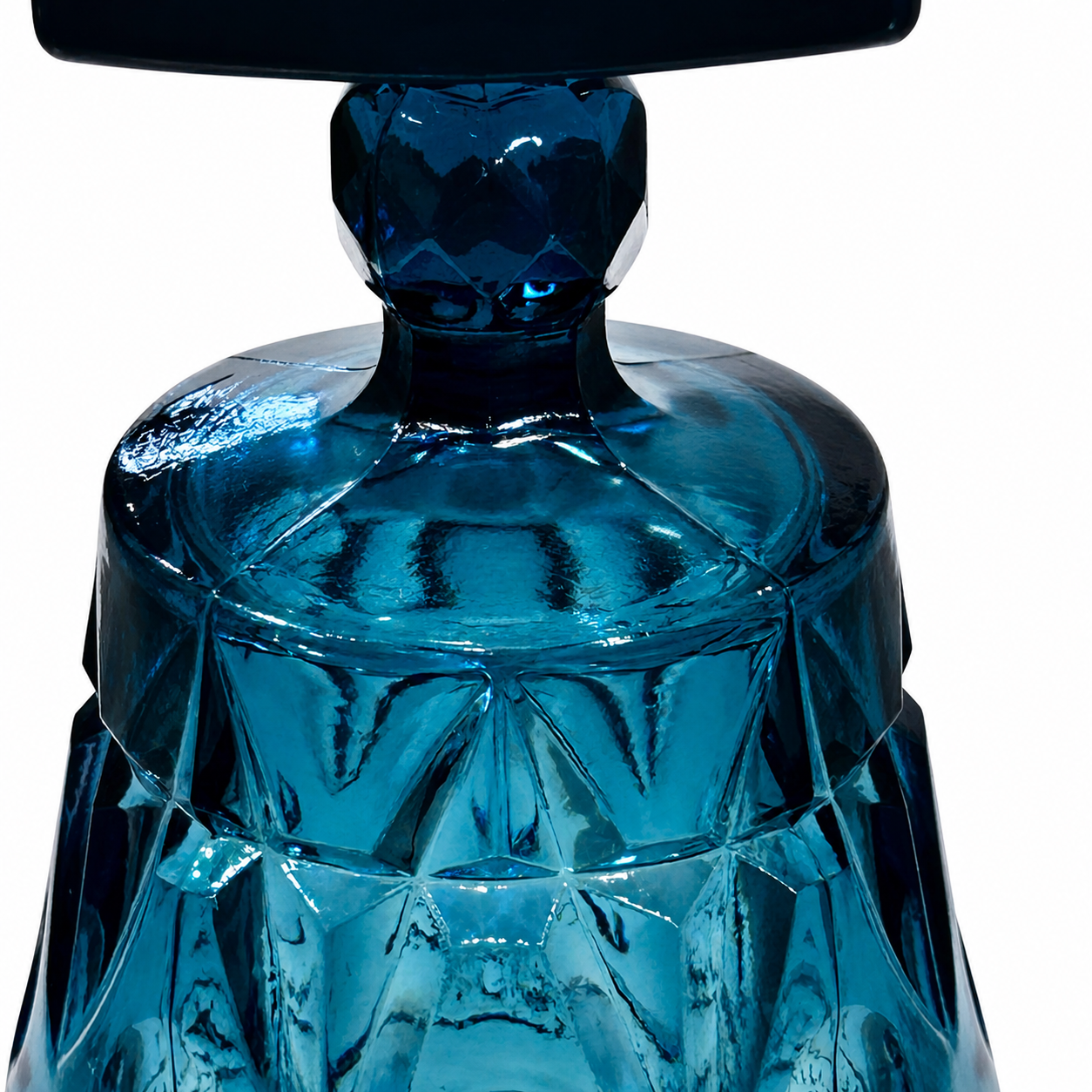
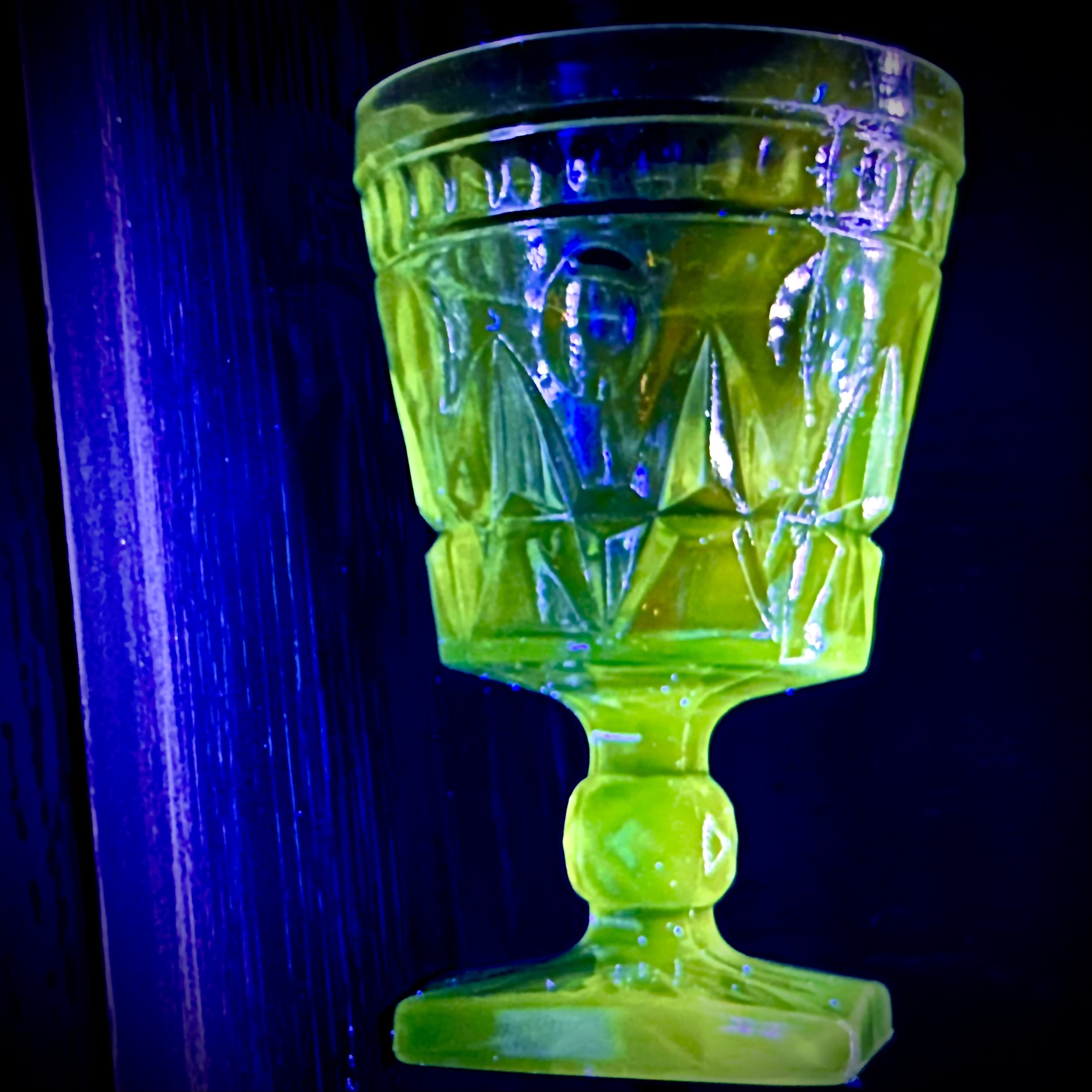
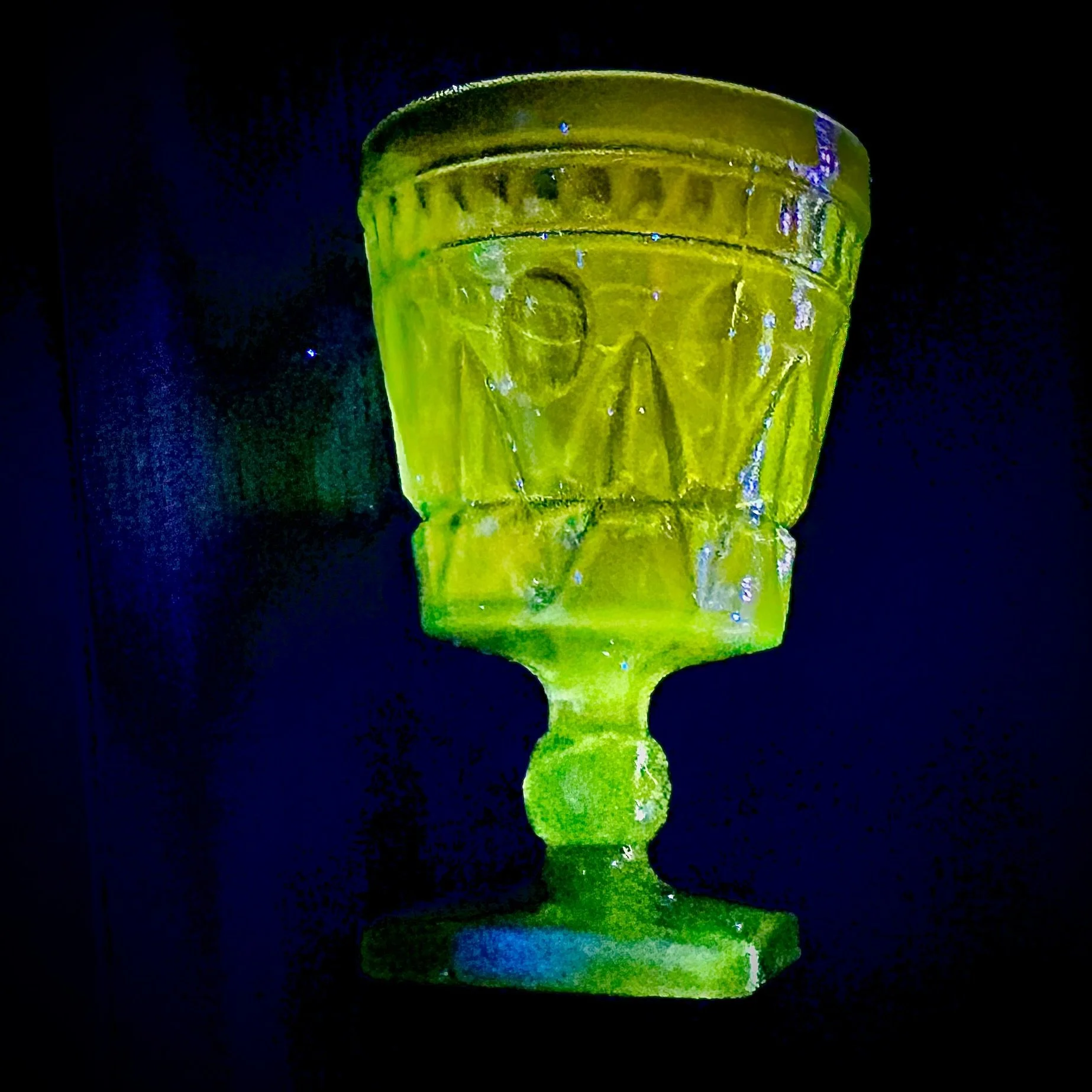
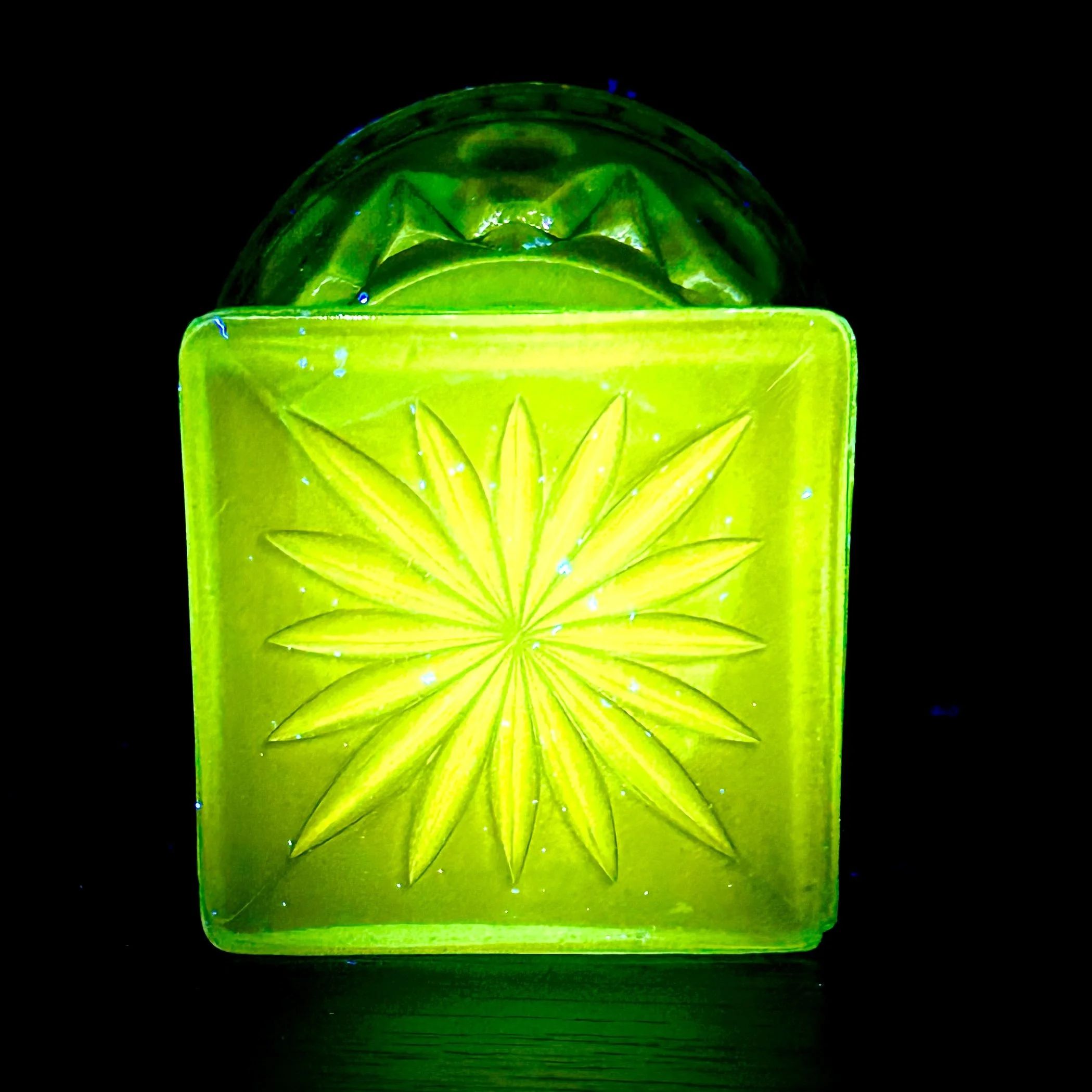
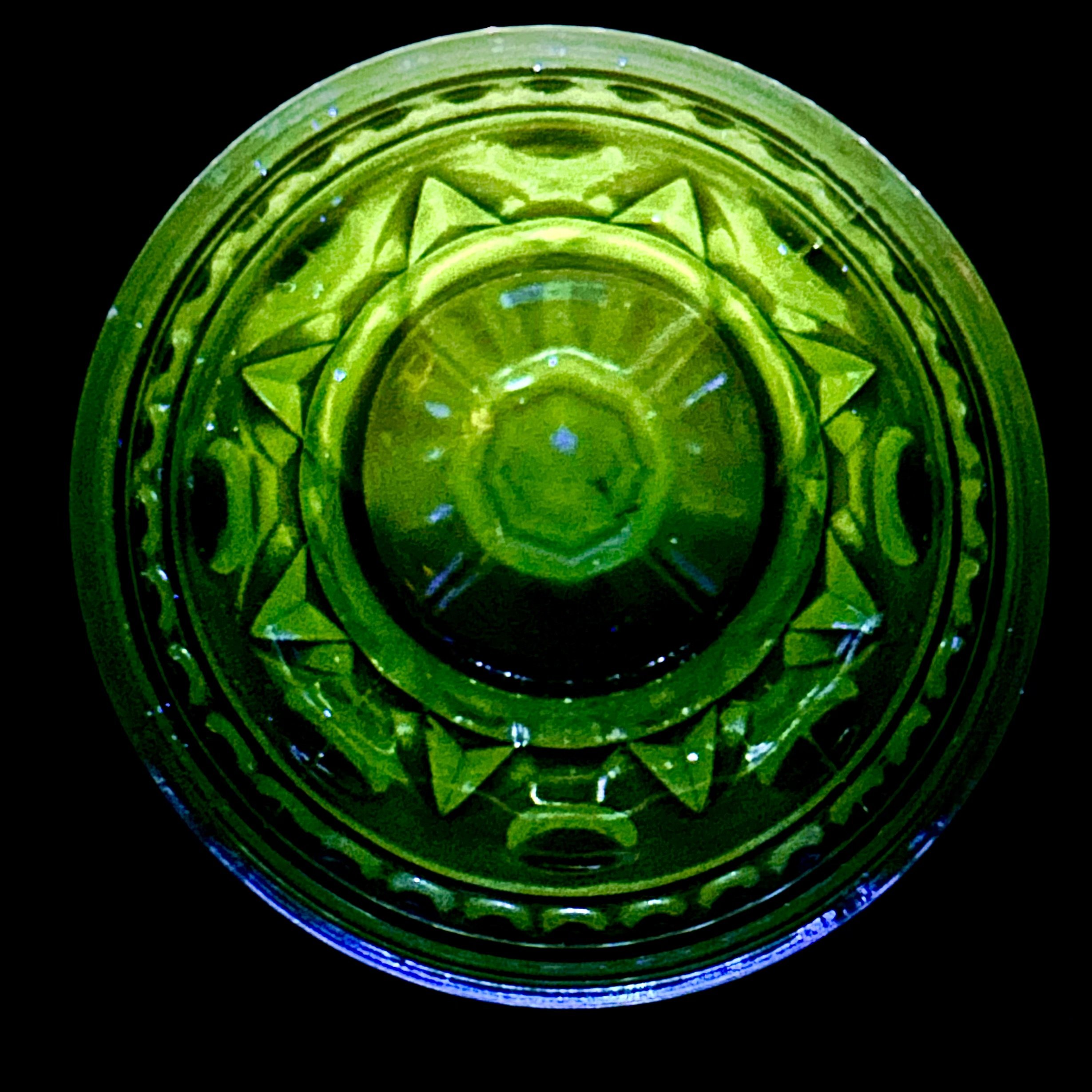
Authenticity & Construction This collection showcases a sophisticated range of glassmaking techniques. The pitcher features handblown construction with an elegantly applied handle and tooled spout, while the dishes and stemware utilize high-quality pressed-mold techniques to achieve their precise, symmetrical ribbing. The material integrity is confirmed through UV reactivity, with the stemware exhibiting a vivid green uranium fluorescence and the shells showing a soft manganese-driven glow under 365nm light.
Placement This assemblage is designed for high-concept entertaining or as a permanent sculptural installation on a minimalist sideboard, illuminated shelving, or a sun-drenched coastal console. While curated as a singular aesthetic statement, each component of this suite is also available for individual acquisition for those seeking a specific accent piece.
STANDARD ATTRIBUTION & VALUE DISCLOSURE This piece is described to the best of current scholarly and market knowledge. Any maker or regional attribution is based on visual analysis, materials, construction techniques, and documented stylistic comparisons. As with many MCM and antique design objects, definitive attribution may not be possible without original labels or factory records. Pricing reflects condition, quality, decorative appeal, and current collector demand rather than guaranteed maker identification.
This curated seven-piece suite presents a masterclass in monochrome aquamarine glass, anchoring an interior with its luminous translucency and varied rhythmic textures. The collection—comprising a handblown opaline pitcher, a pair of shell-form dishes, and four optic ribbed wine glasses—is united by a shared tonal depth that shifts from ethereal sky blue to deep cerulean. Each element contributes to a cohesive, sculptural tablescape, offering a sophisticated interplay of smooth opaline surfaces, organic shell motifs, and architectural ribbing that interacts dynamically with both natural and UV light.
Attribution & Period Consistent with European decorative arts of the 1960s. The suite represents a curated assembly of mid-to-late 20th-century production, ranging from handblown Italian opaline glass (pitcher), stylistically aligned with Empoli-area workshops, to refined pressed glass examples (dishes and stemware). The attribution is based on a visual analysis of material composition—including manganese-bearing and uranium-reactive glass—and manufacturing techniques characteristic of the period.
Dimensions & Weight
Pitcher: 9" H x 5.5" W (including handle)
Shell Dishes (Pair): 10" L x 6.5" W x 1" H (each)
Wine Glasses (Set of 4): 7.75" H x 3.25" Diameter
Total Collection Weight: Approx. 6.5 lbs
Condition The suite is in overall excellent collector-grade condition. The pitcher and wine glasses show no chips, cracks, or repairs, with minor interior surface wear to the pitcher consistent with age. One shell-form dish exhibits a small, stable crack as documented; however, it does not compromise the structural or display integrity of the piece.
Authenticity & Construction This collection showcases a sophisticated range of glassmaking techniques. The pitcher features handblown construction with an elegantly applied handle and tooled spout, while the dishes and stemware utilize high-quality pressed-mold techniques to achieve their precise, symmetrical ribbing. The material integrity is confirmed through UV reactivity, with the stemware exhibiting a vivid green uranium fluorescence and the shells showing a soft manganese-driven glow under 365nm light.
Placement This assemblage is designed for high-concept entertaining or as a permanent sculptural installation on a minimalist sideboard, illuminated shelving, or a sun-drenched coastal console. While curated as a singular aesthetic statement, each component of this suite is also available for individual acquisition for those seeking a specific accent piece.
STANDARD ATTRIBUTION & VALUE DISCLOSURE This piece is described to the best of current scholarly and market knowledge. Any maker or regional attribution is based on visual analysis, materials, construction techniques, and documented stylistic comparisons. As with many MCM and antique design objects, definitive attribution may not be possible without original labels or factory records. Pricing reflects condition, quality, decorative appeal, and current collector demand rather than guaranteed maker identification.

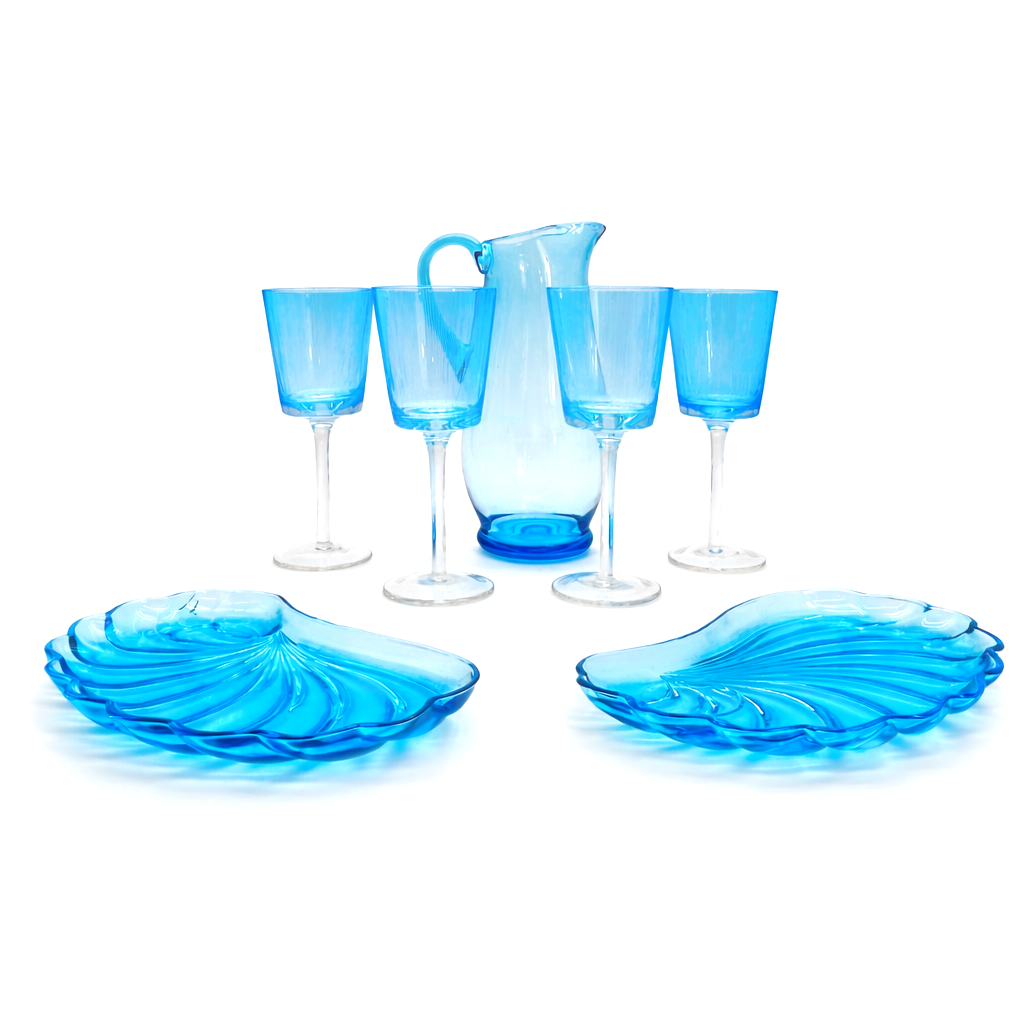 Image 1 of 20
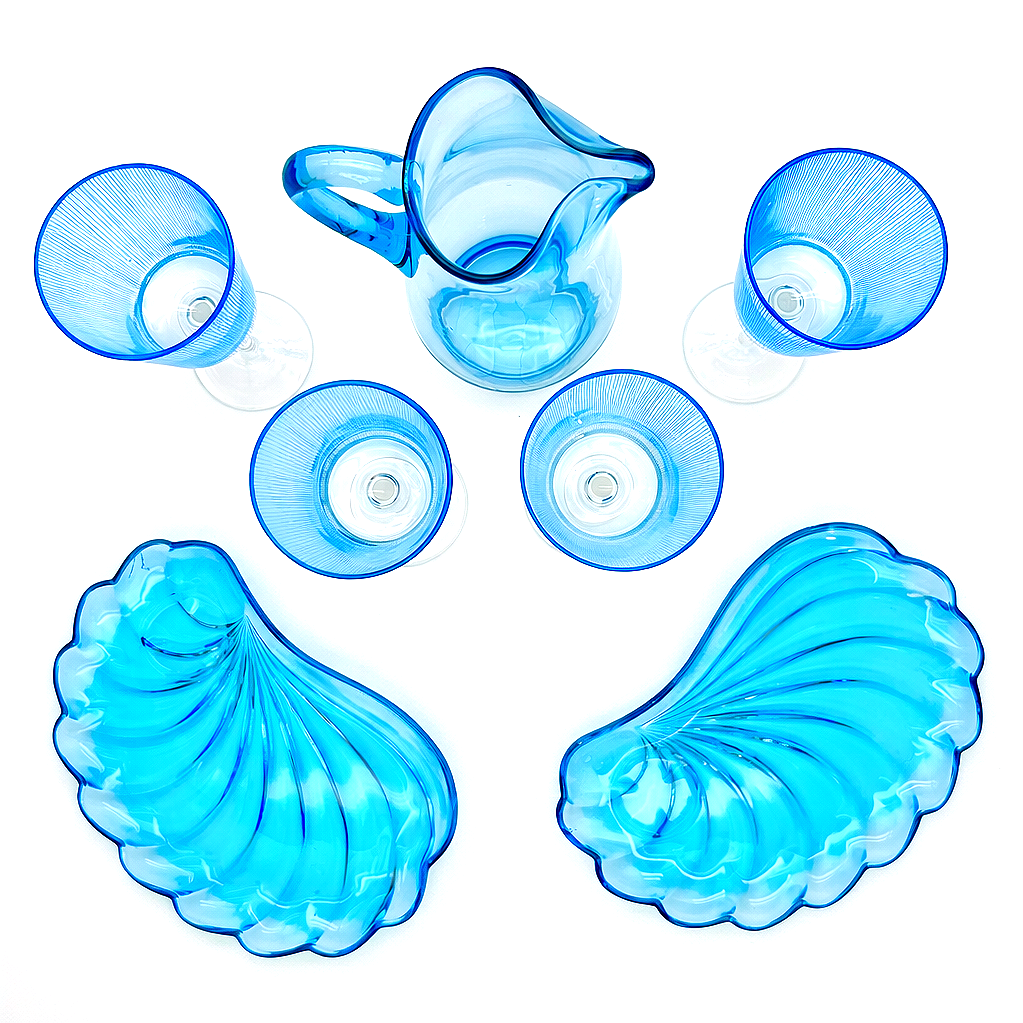 Image 2 of 20
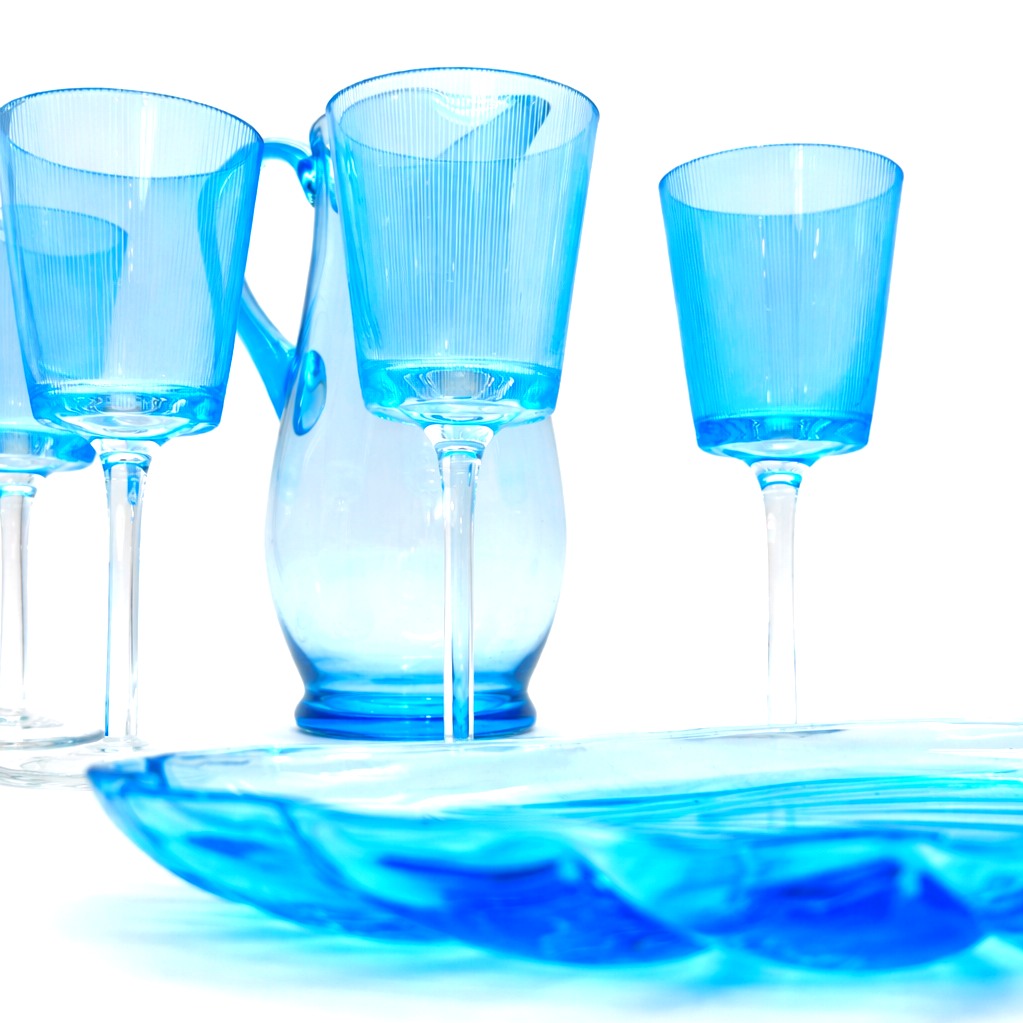 Image 3 of 20
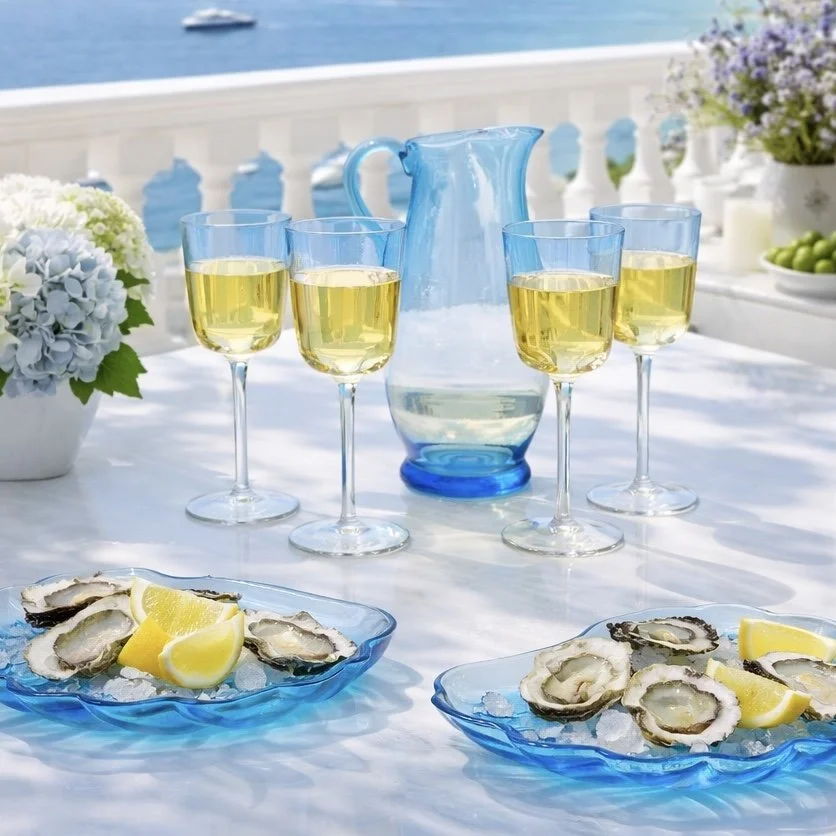 Image 4 of 20
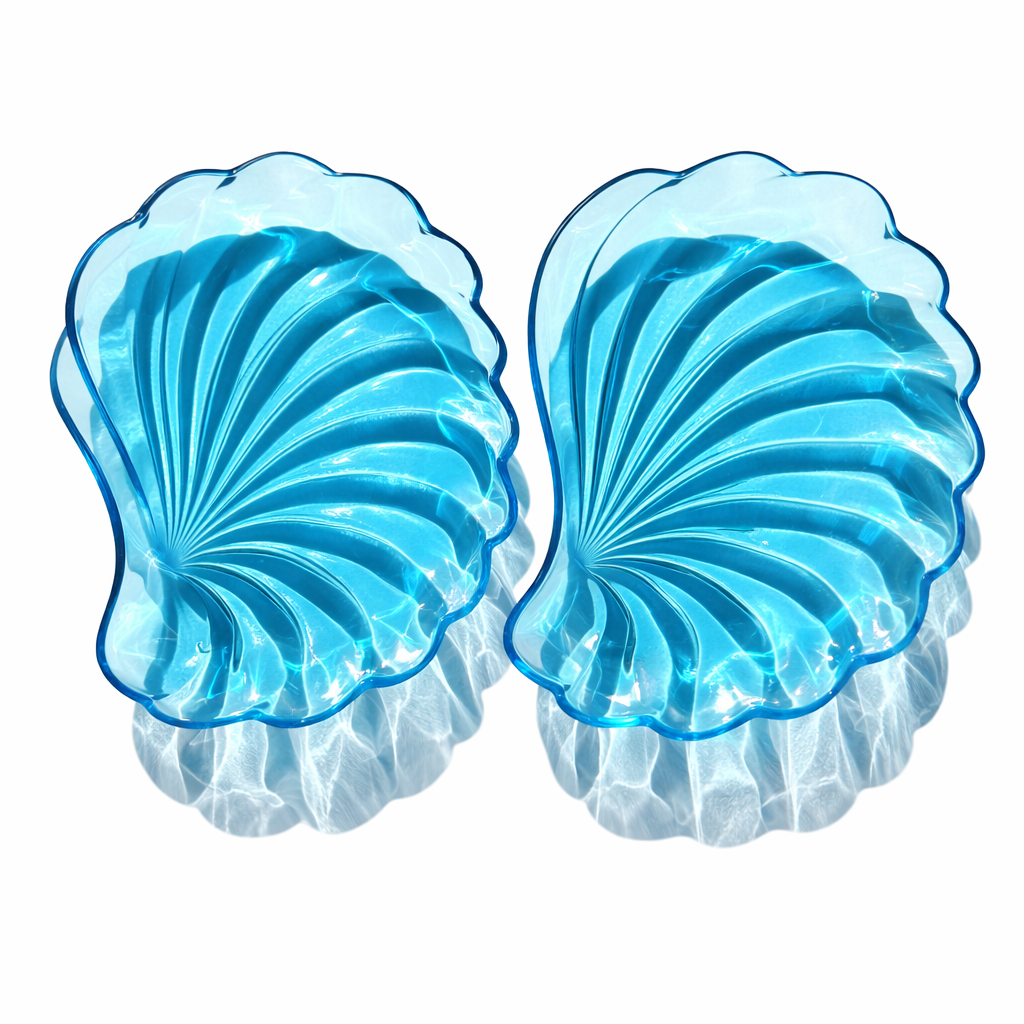 Image 5 of 20
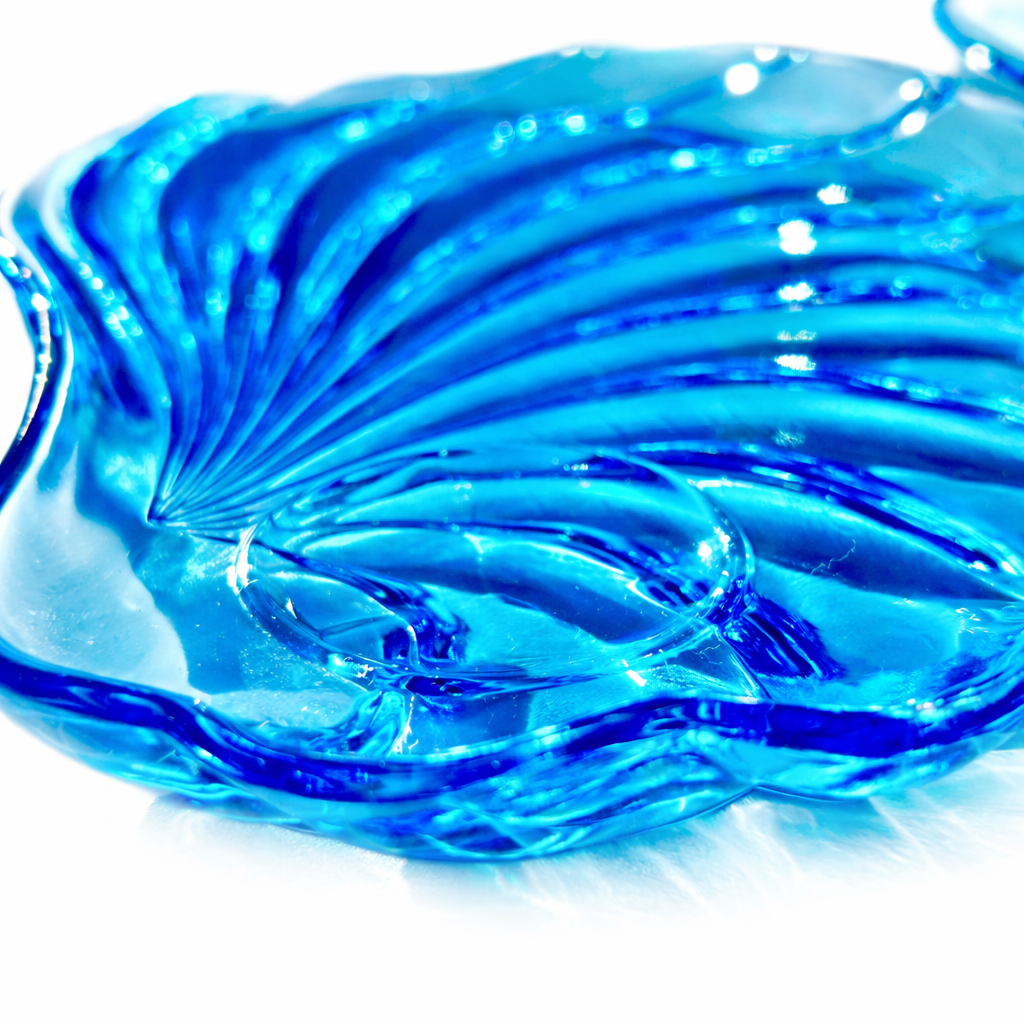 Image 6 of 20
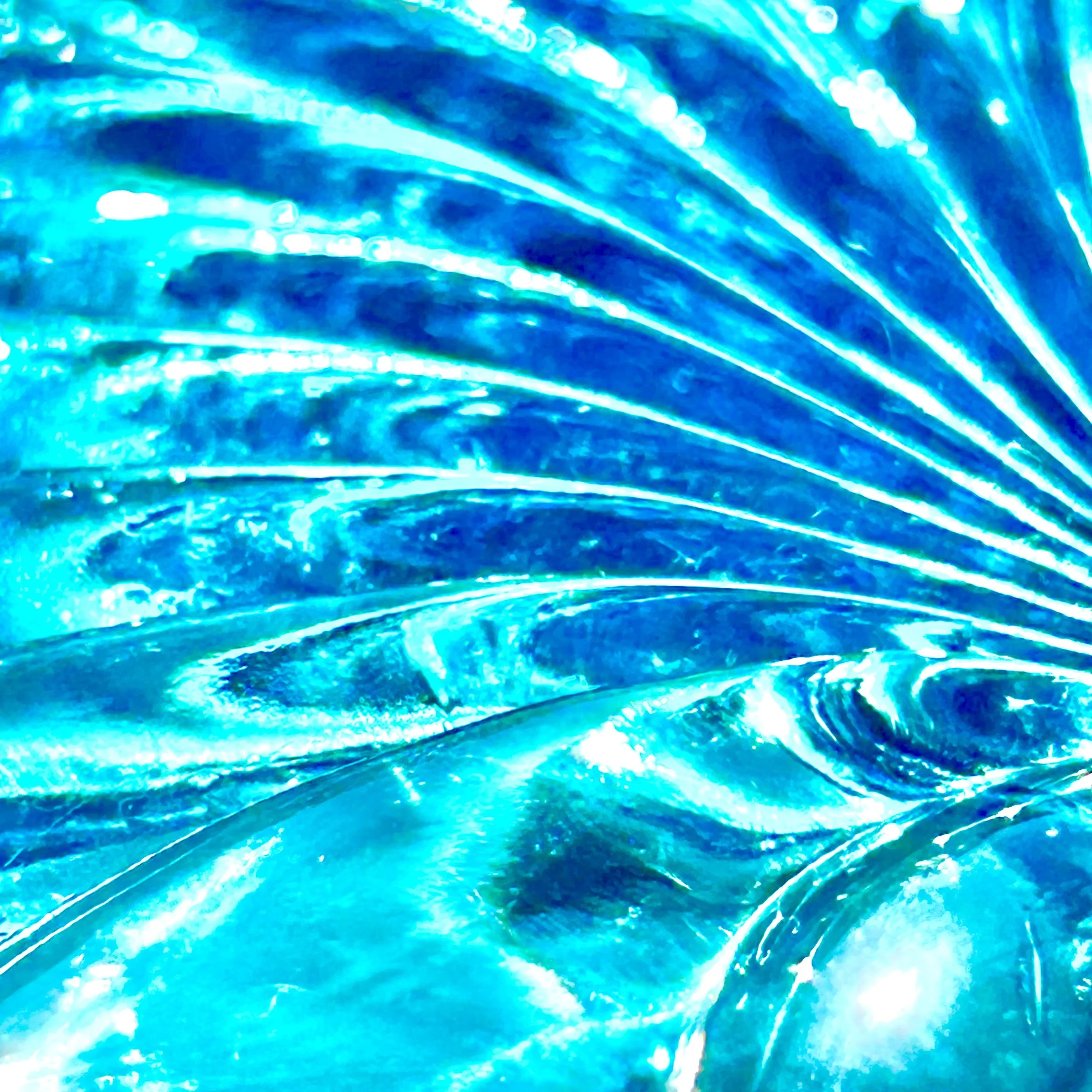 Image 7 of 20
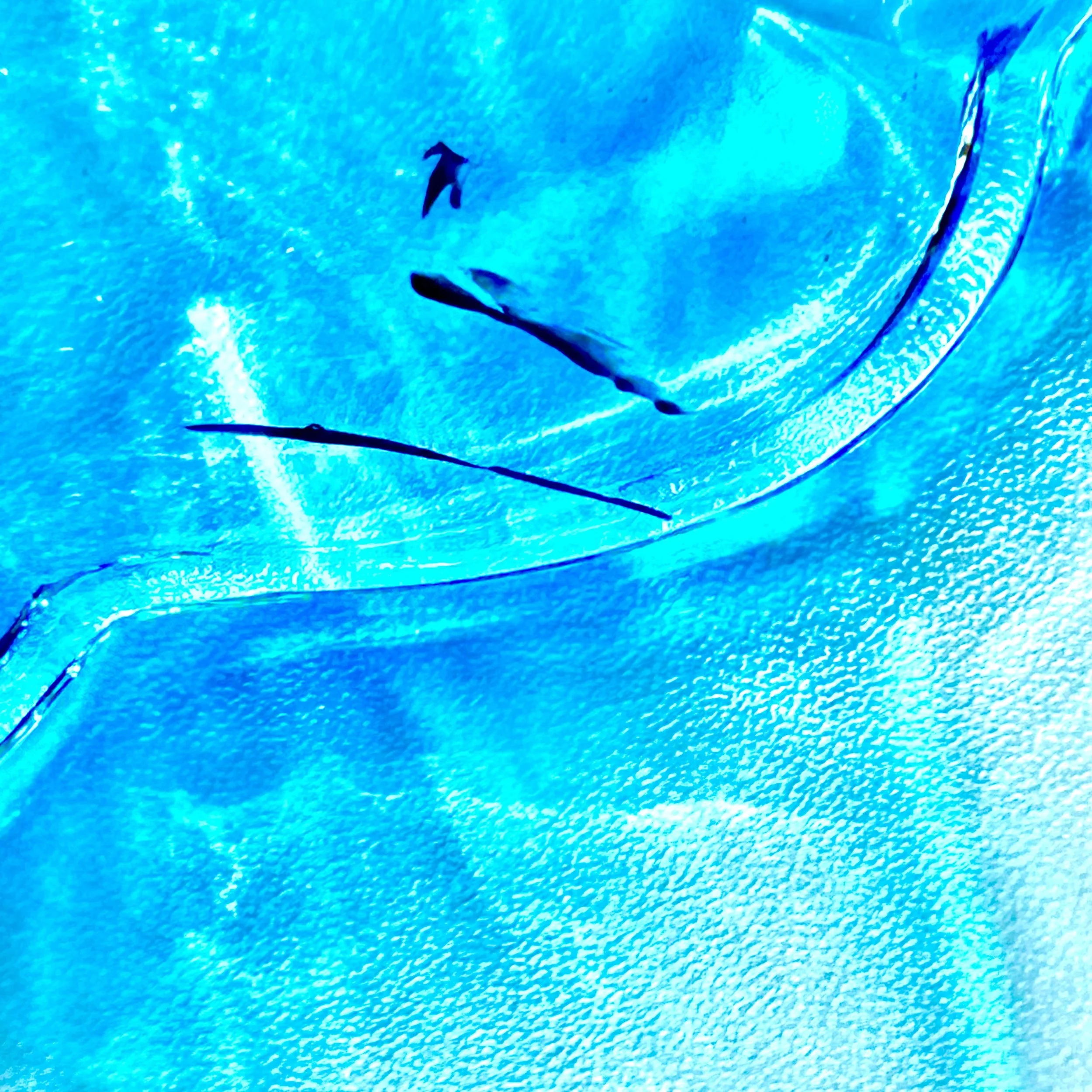 Image 8 of 20
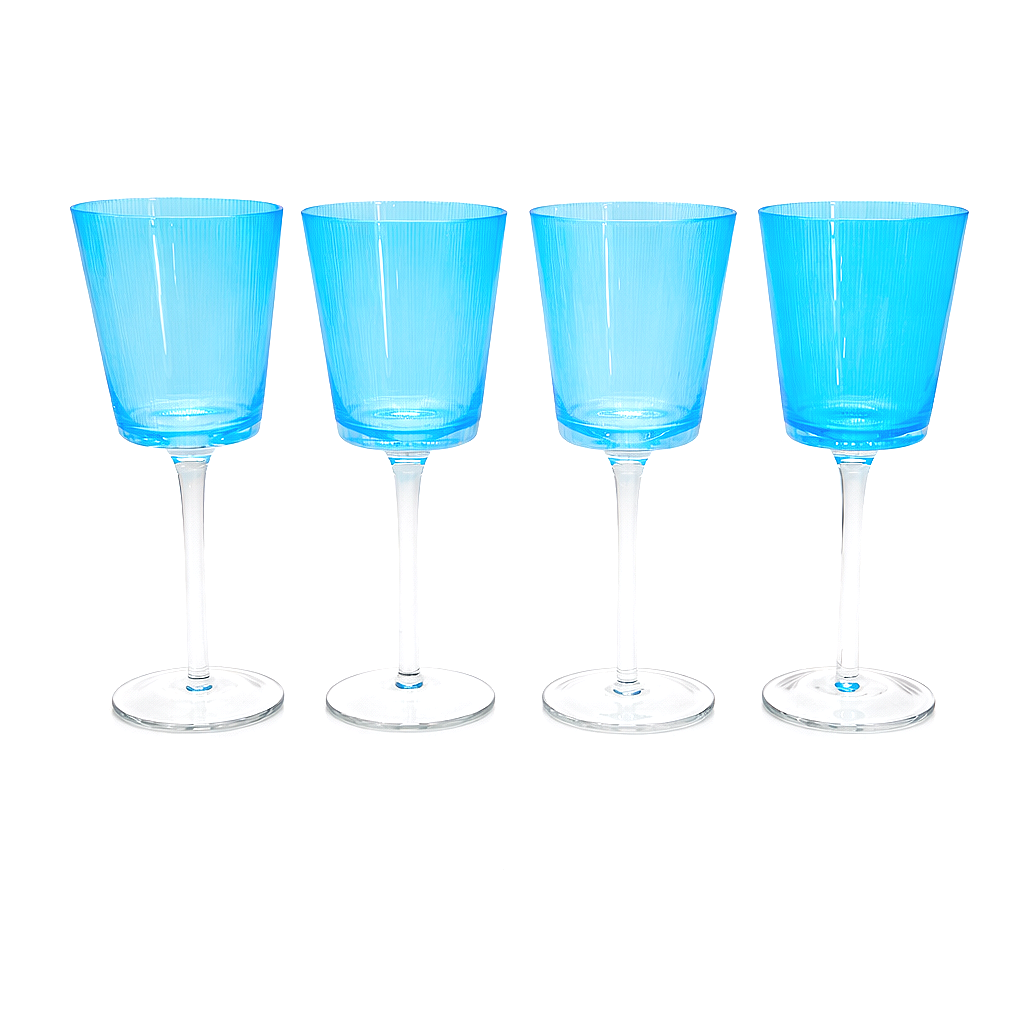 Image 9 of 20
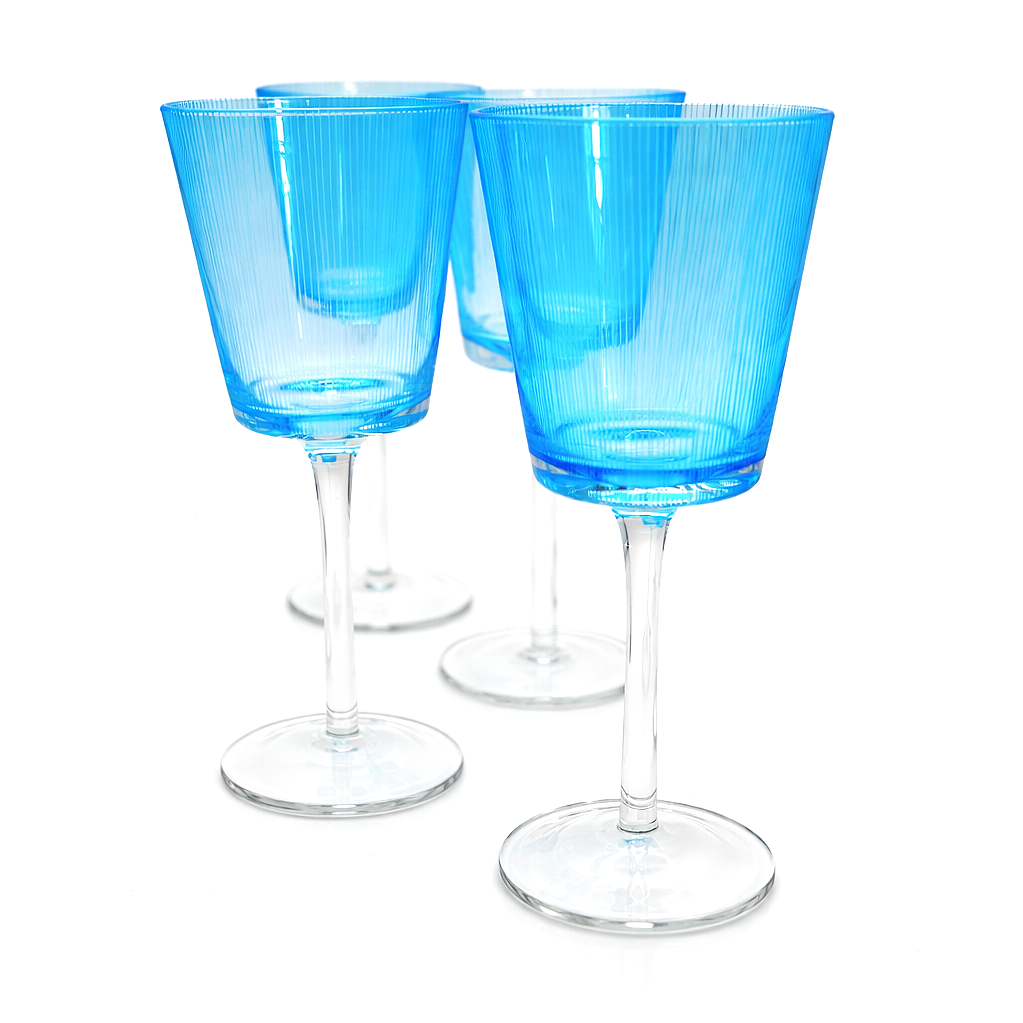 Image 10 of 20
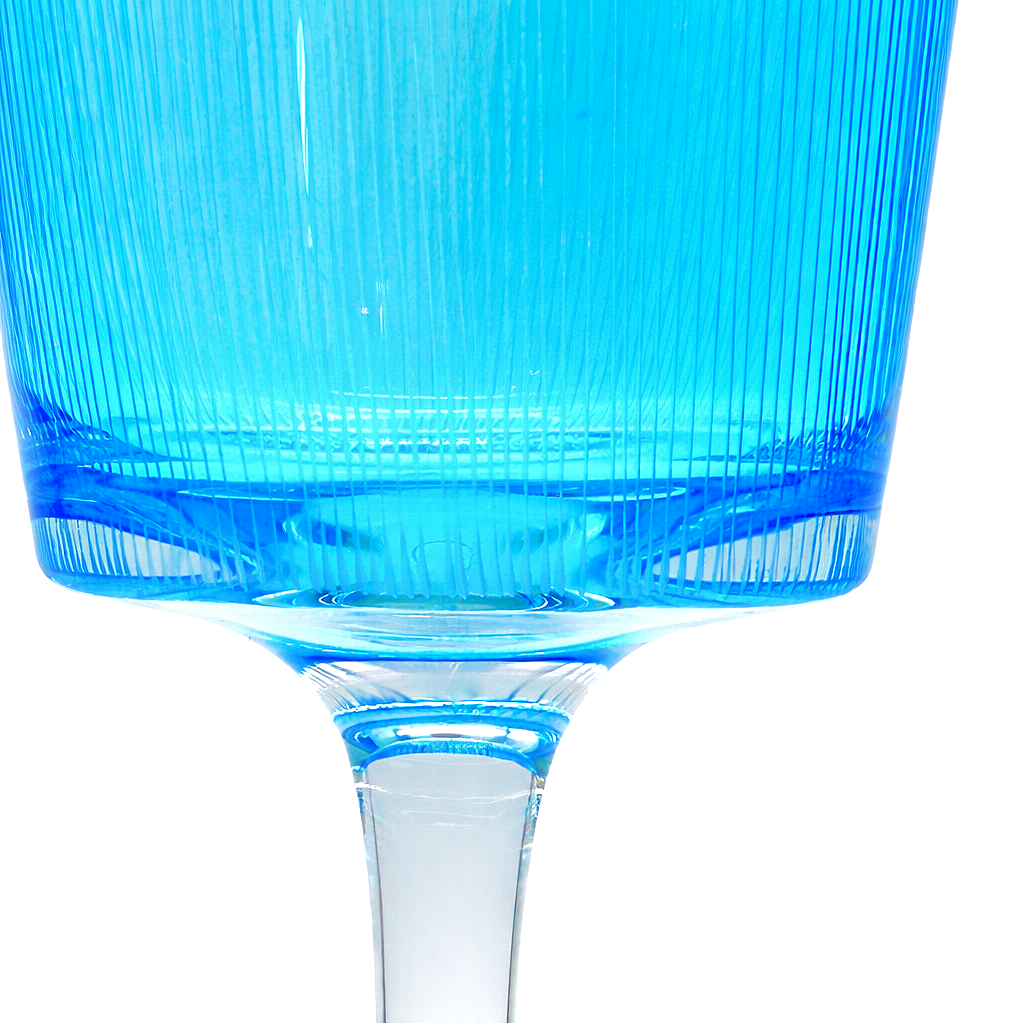 Image 11 of 20
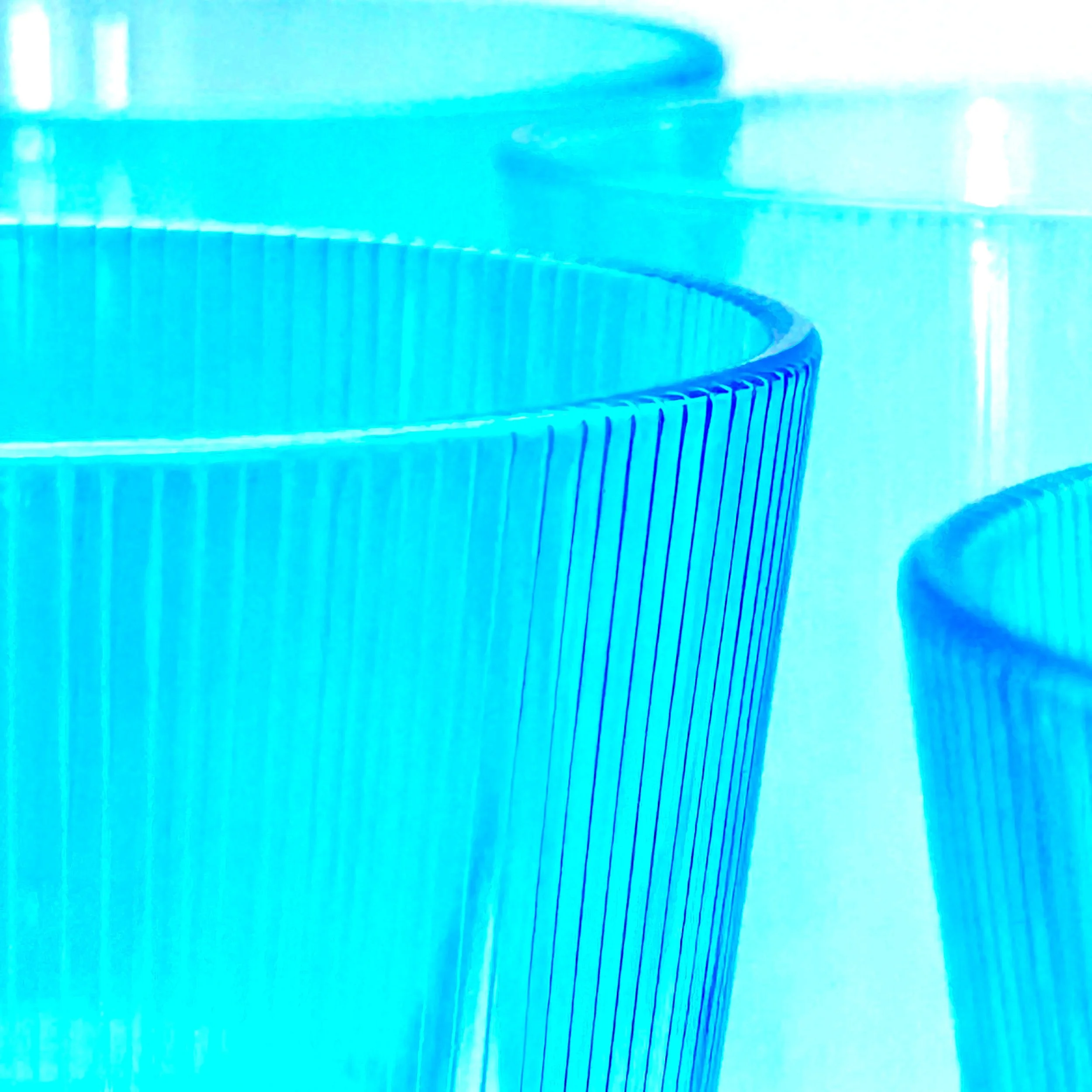 Image 12 of 20
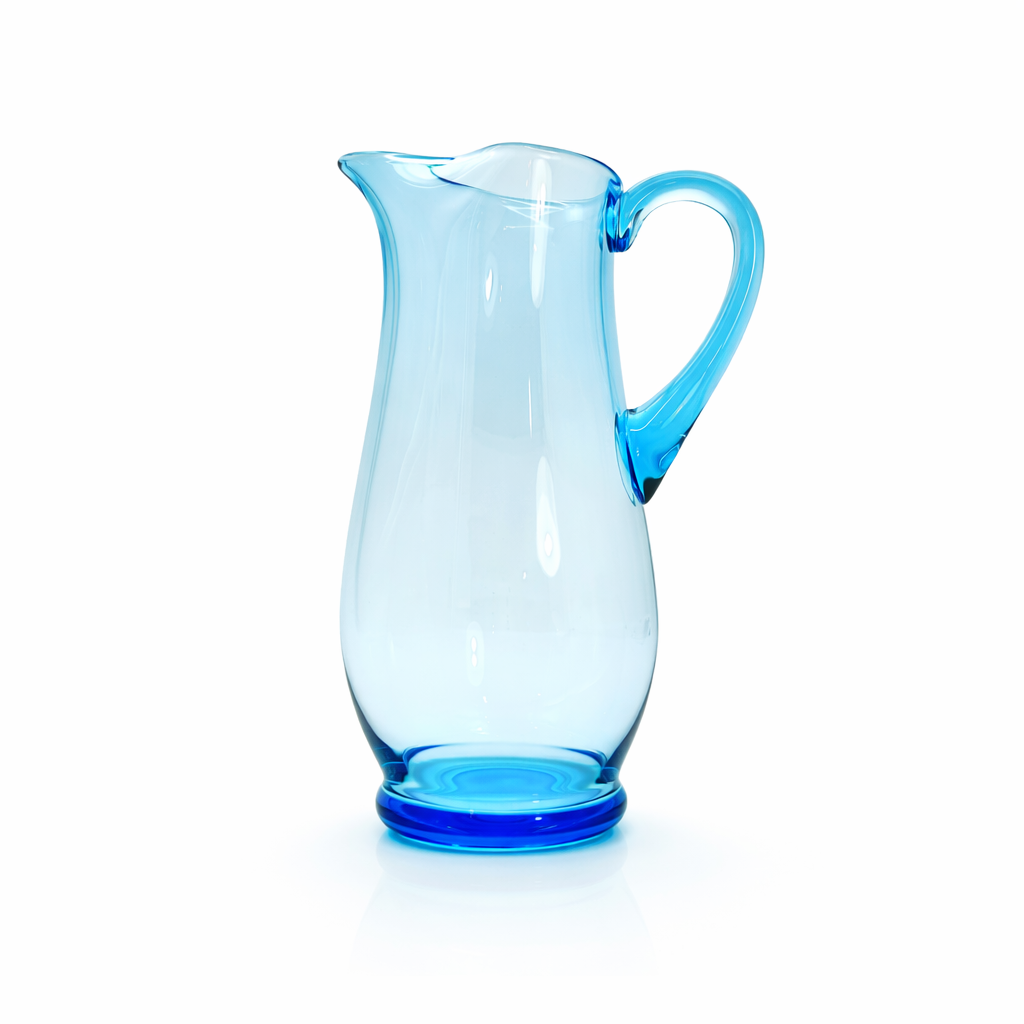 Image 13 of 20
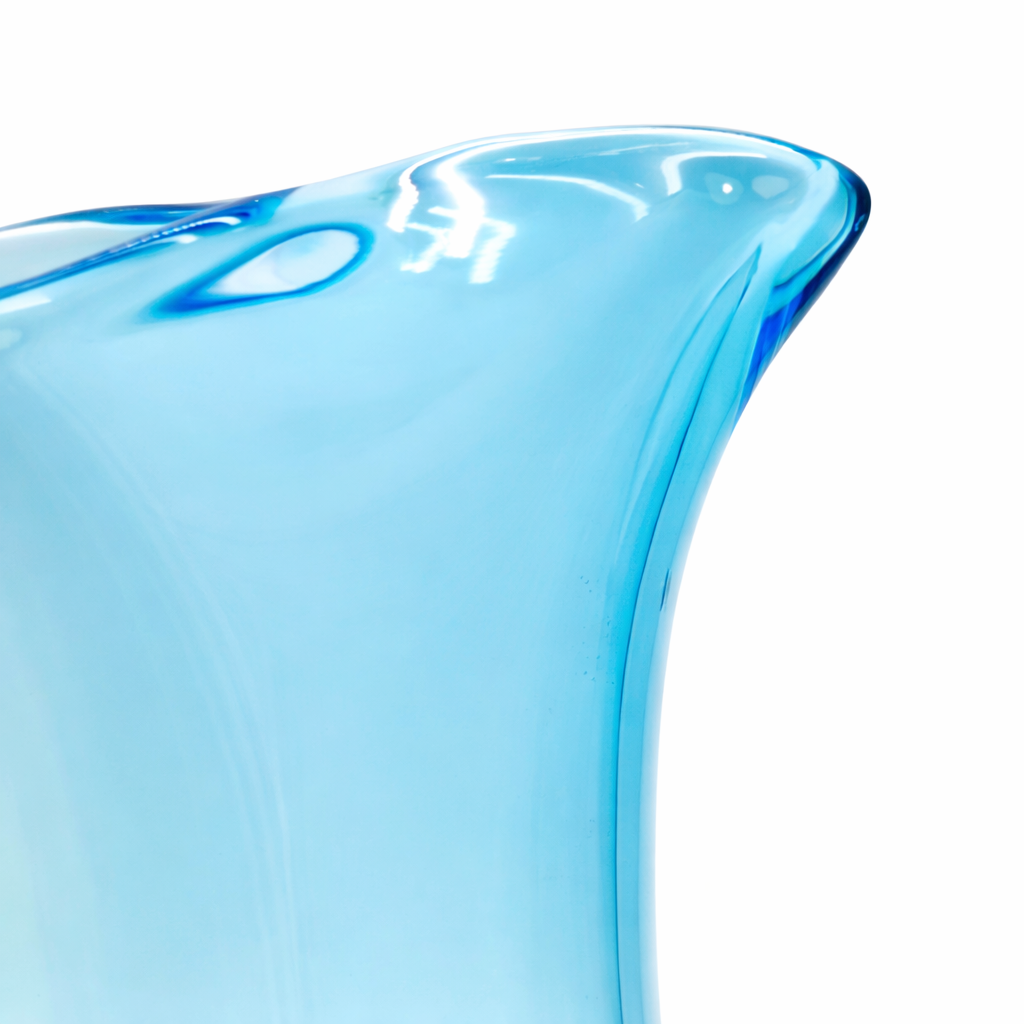 Image 14 of 20
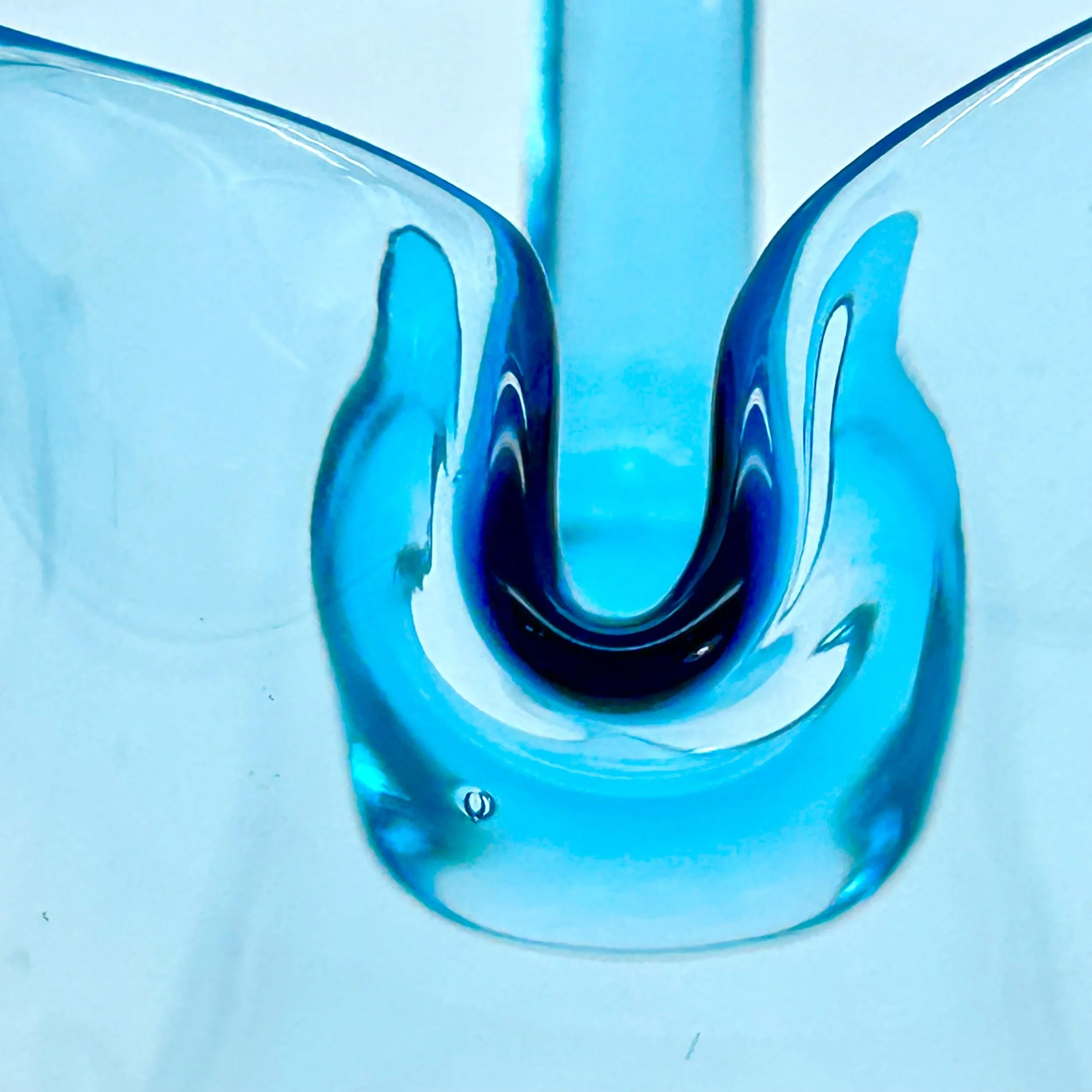 Image 15 of 20
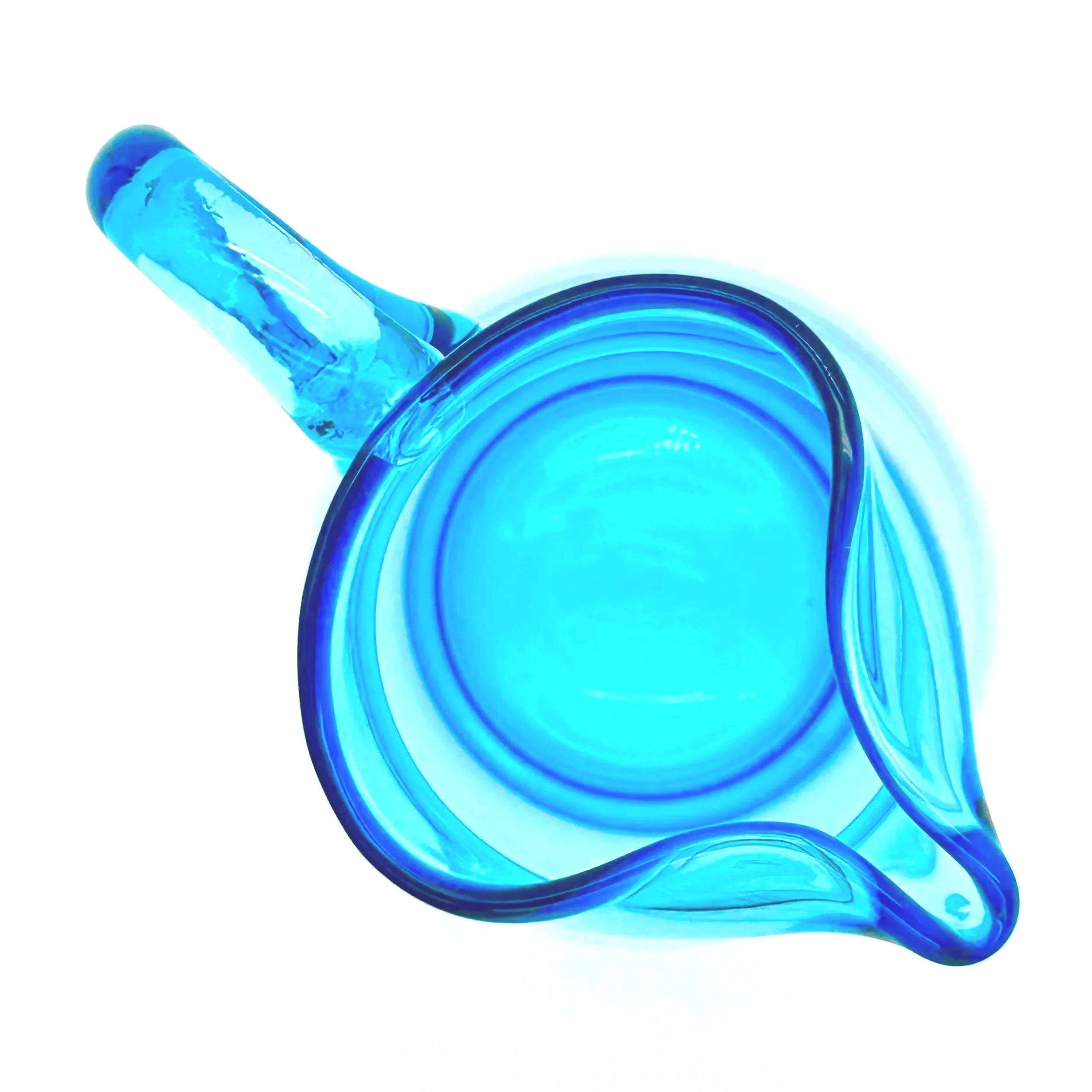 Image 16 of 20
 Image 17 of 20
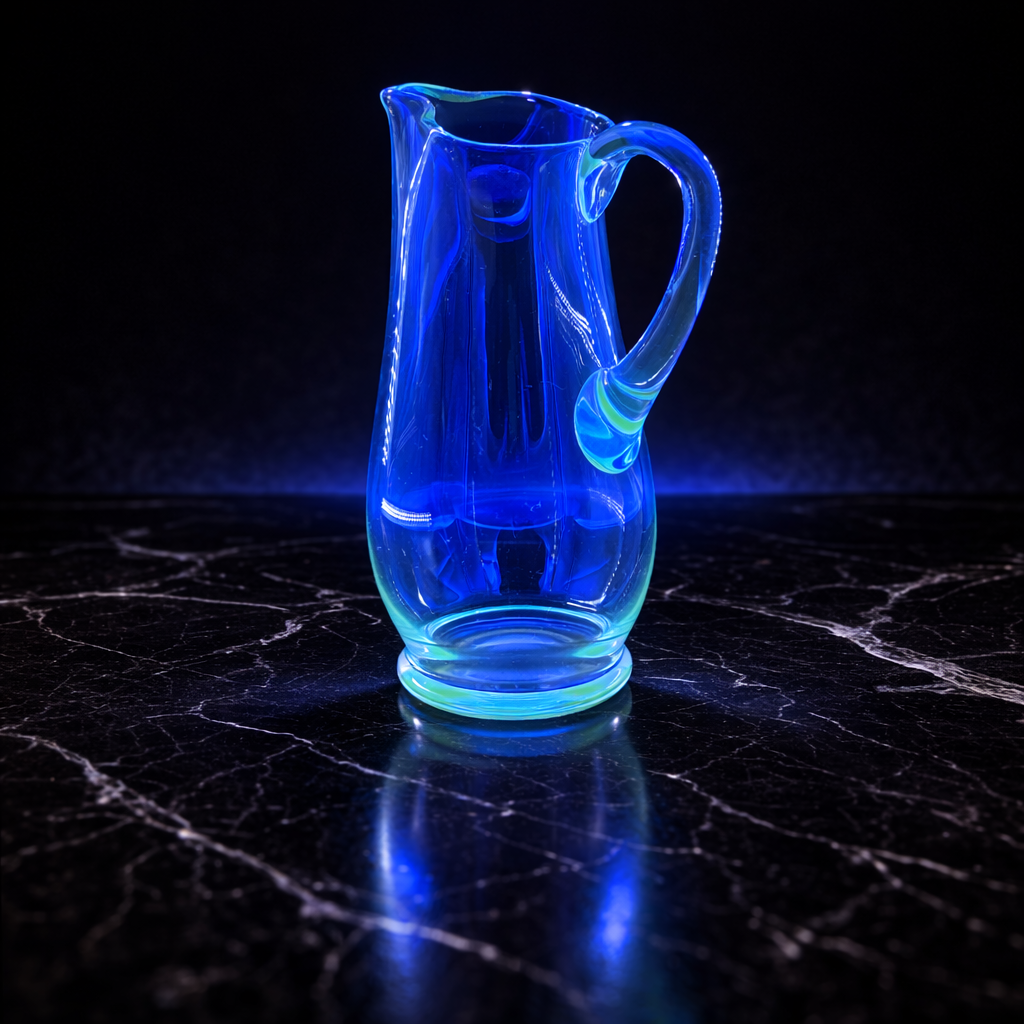 Image 18 of 20
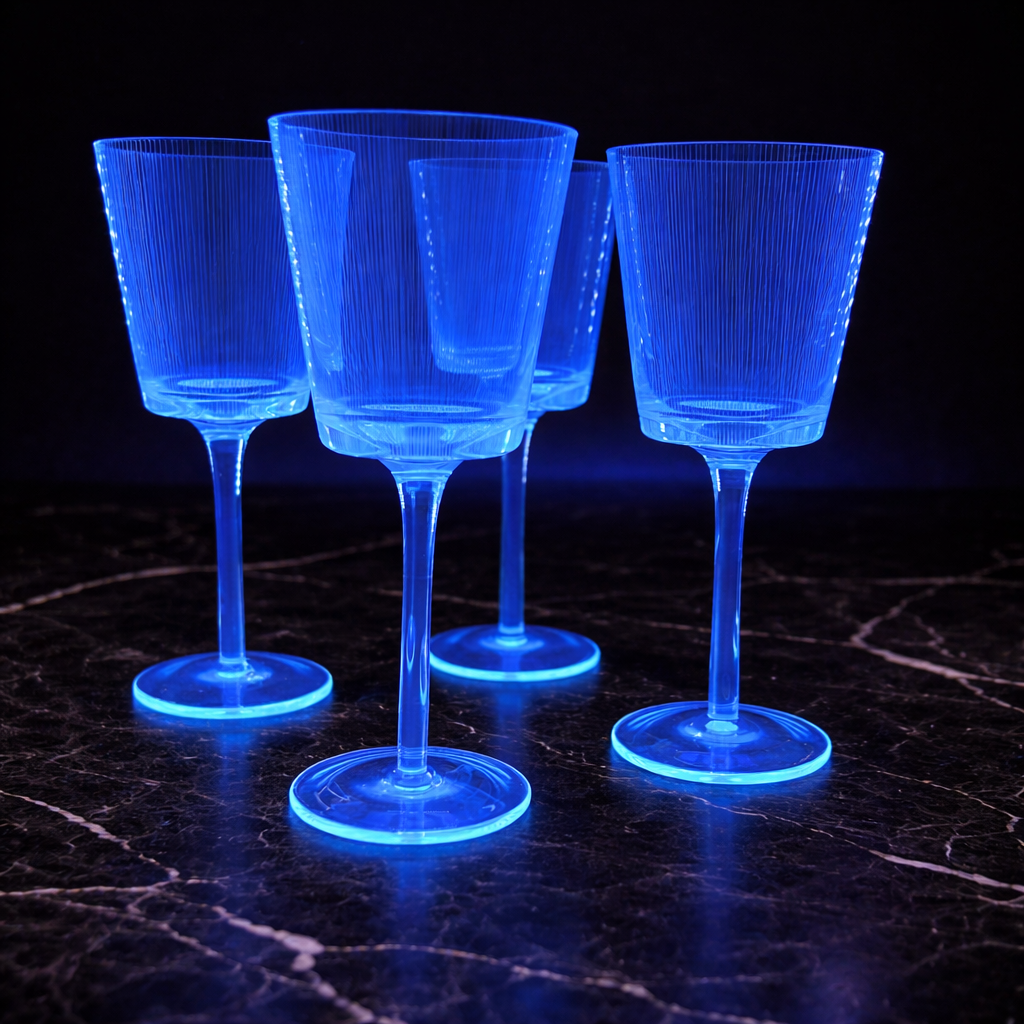 Image 19 of 20
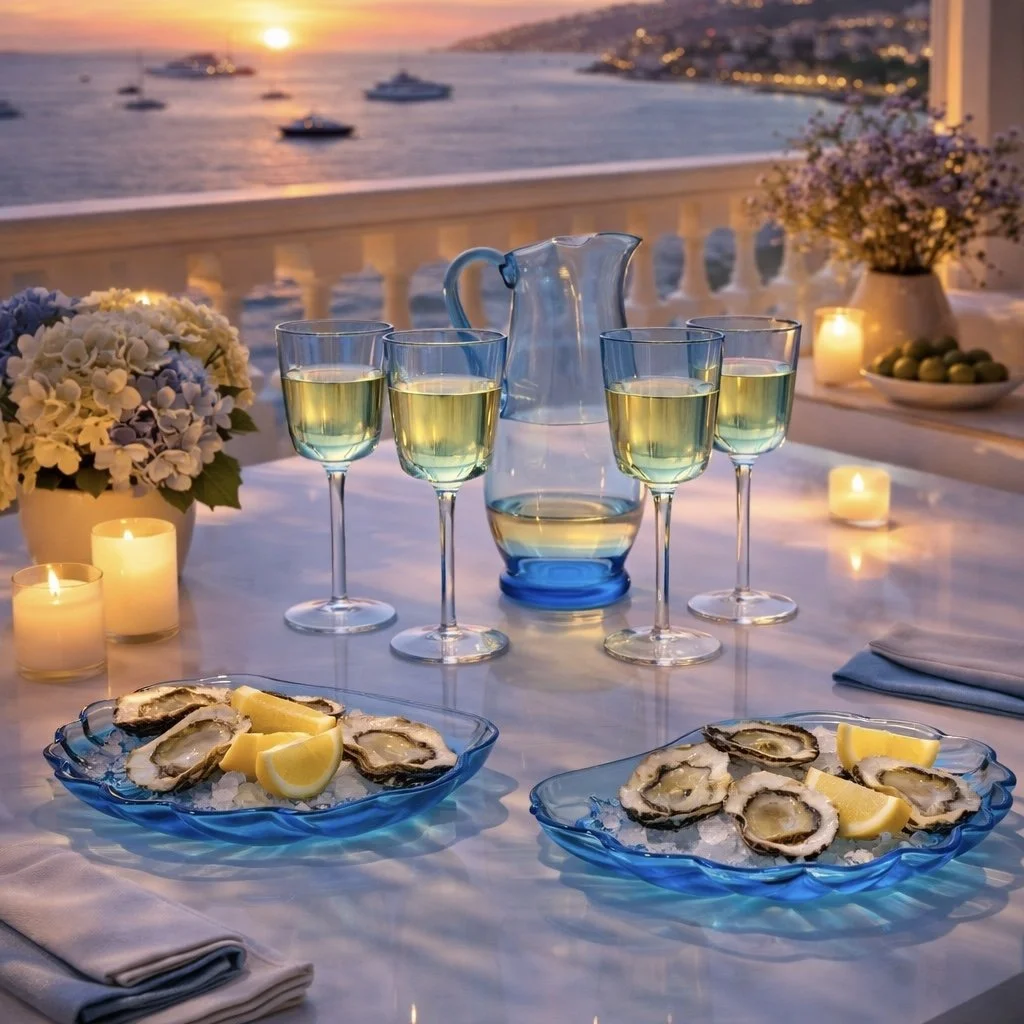 Image 20 of 20