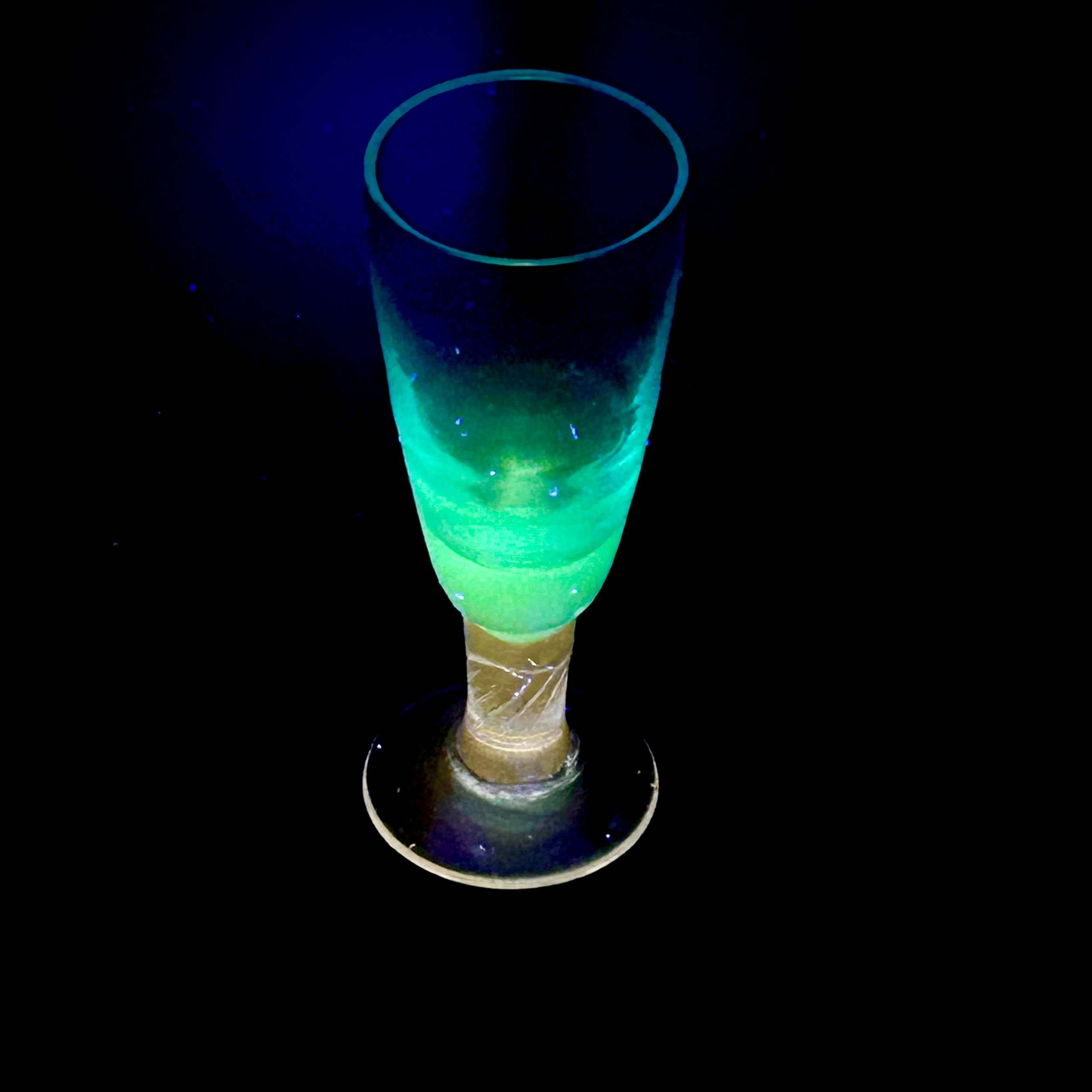
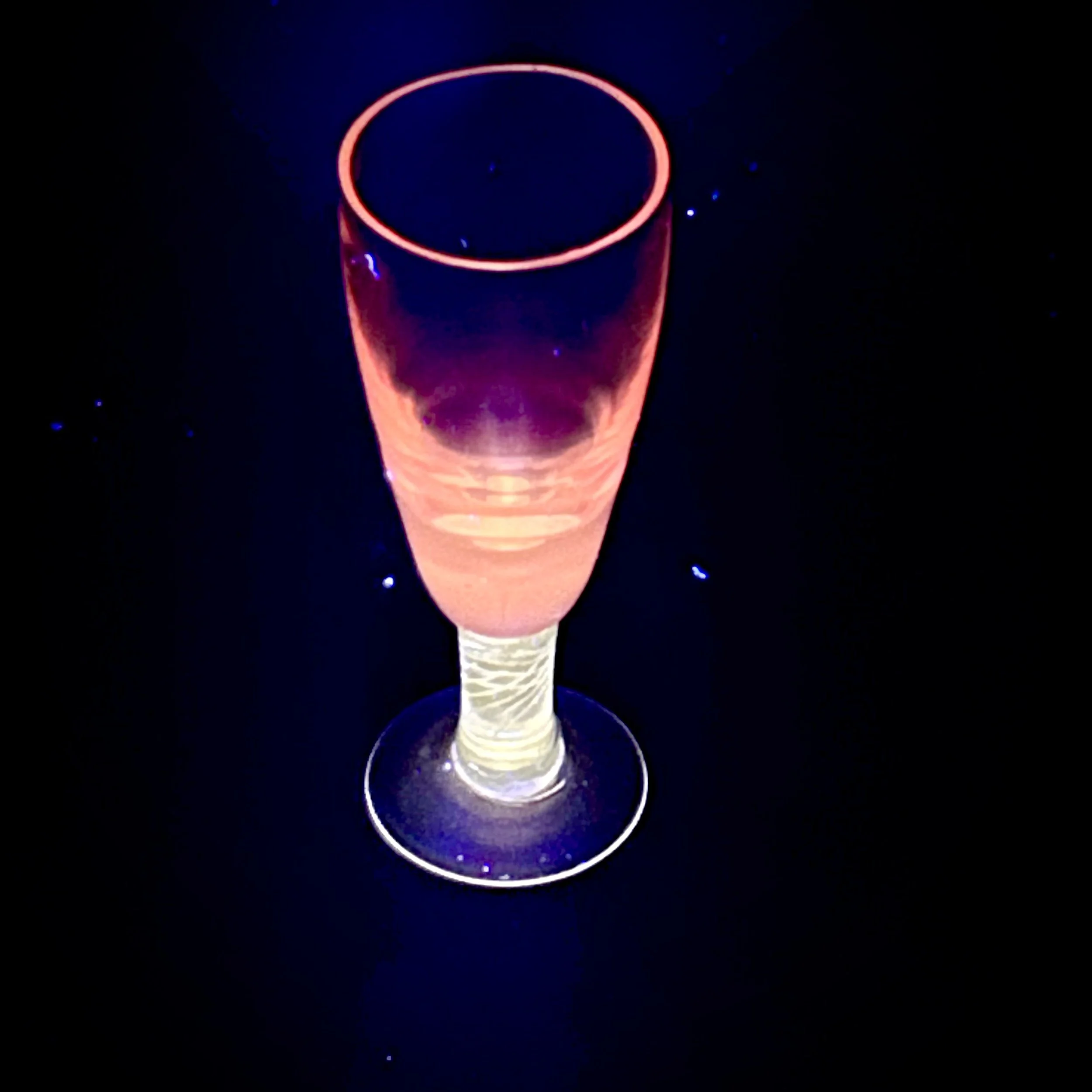
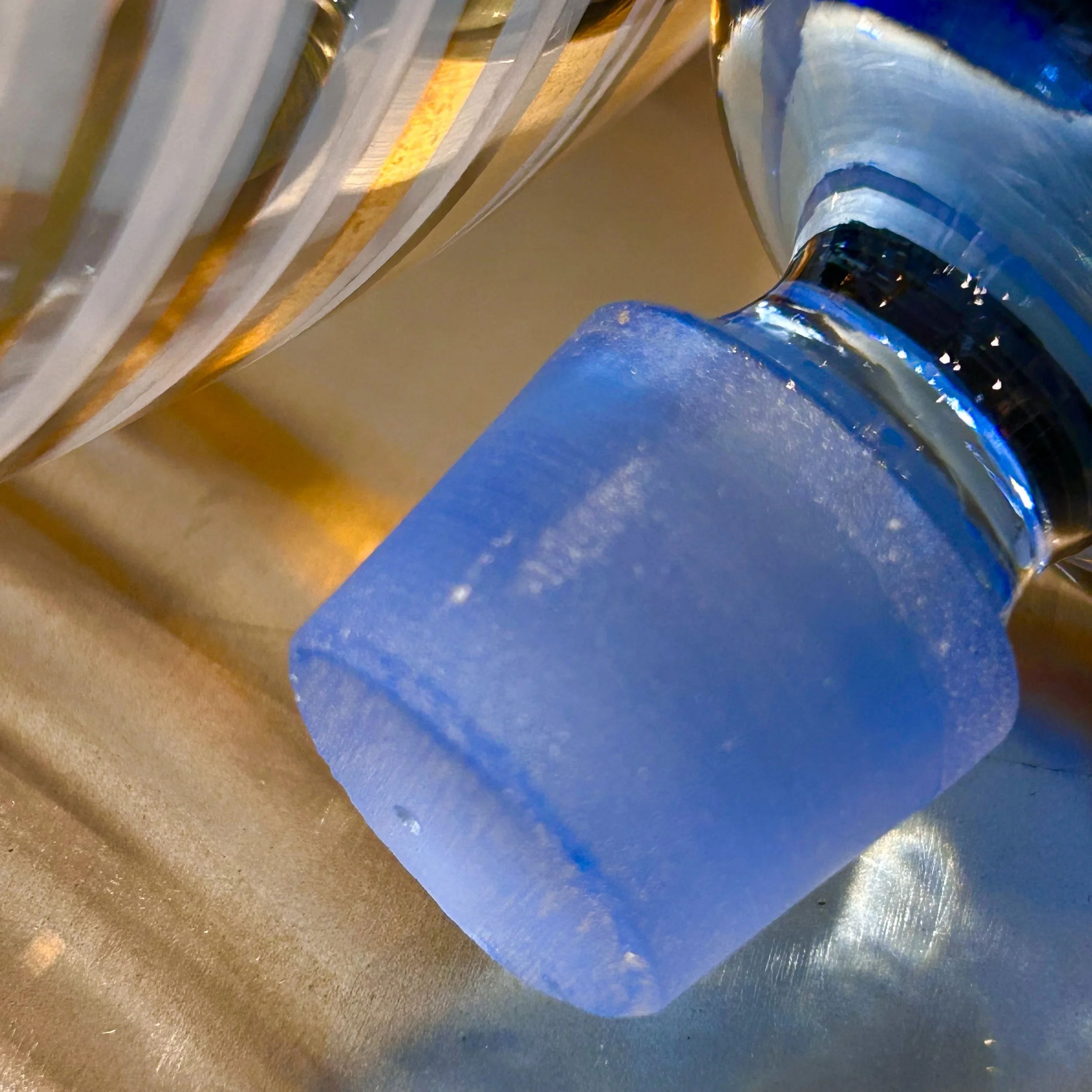
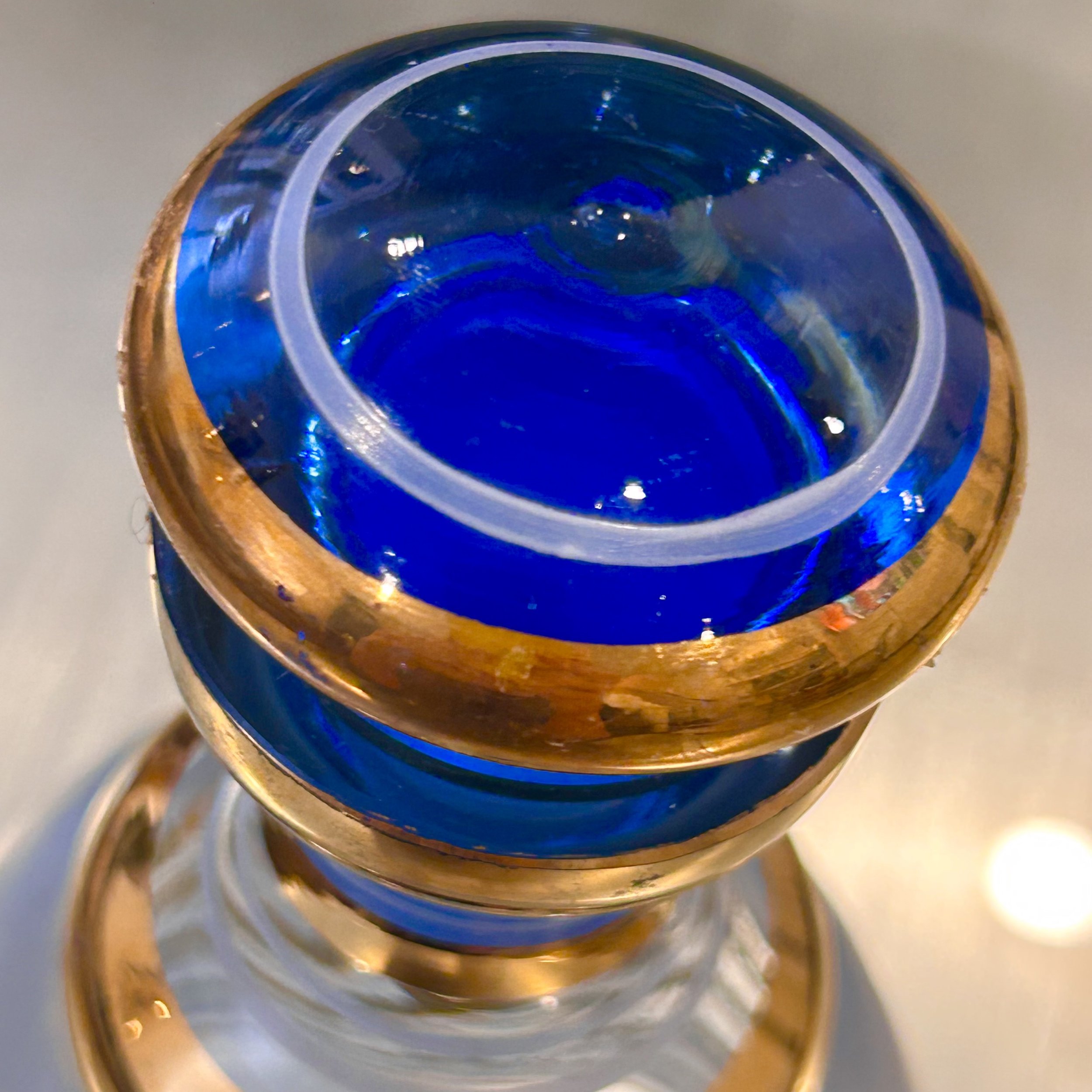
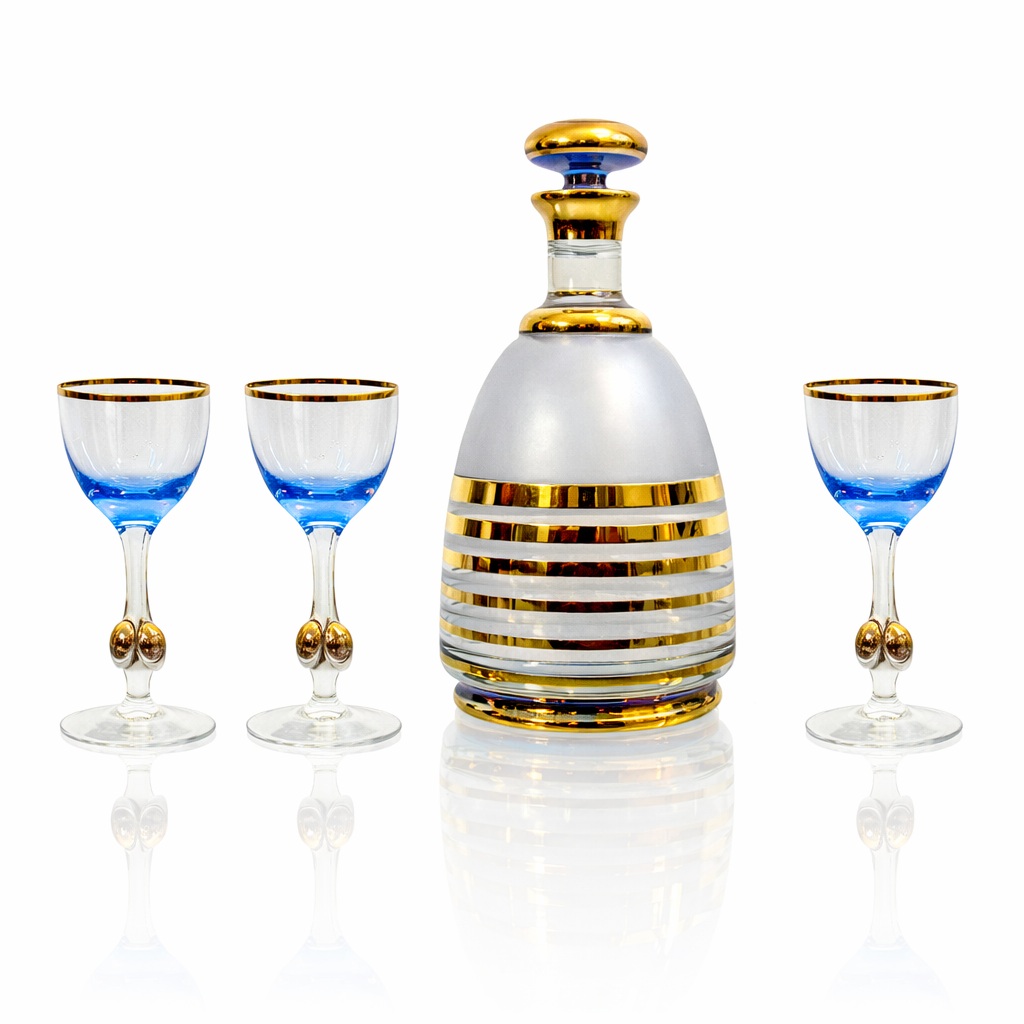
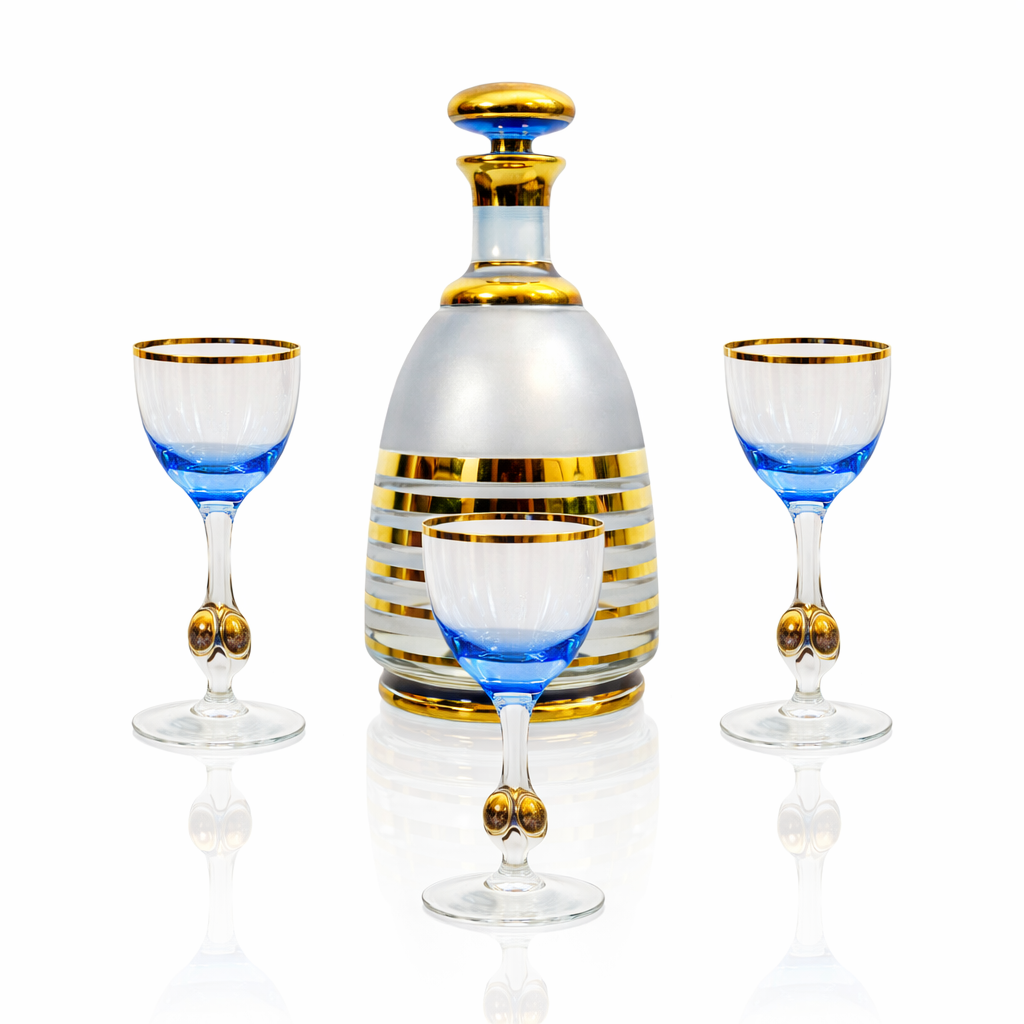
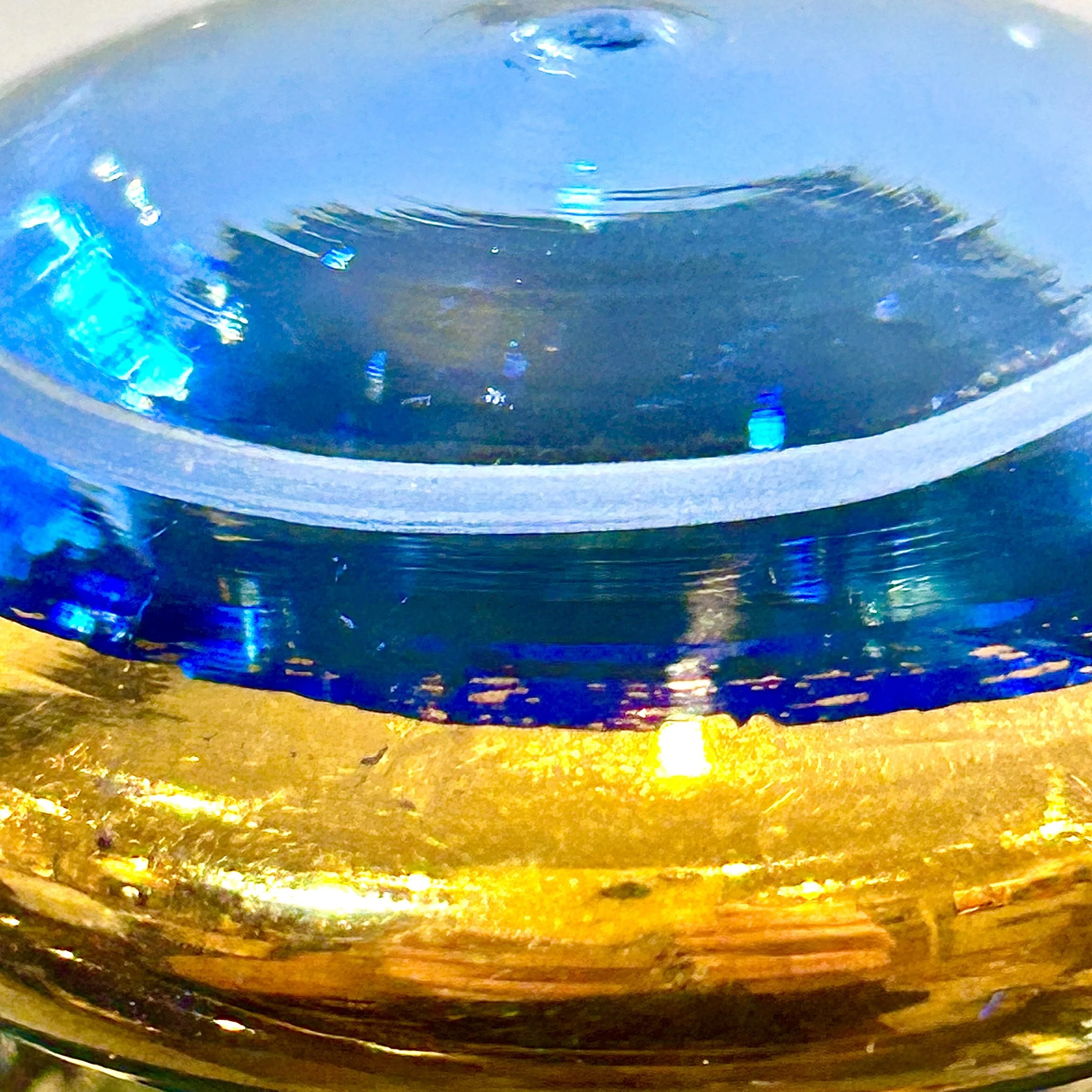
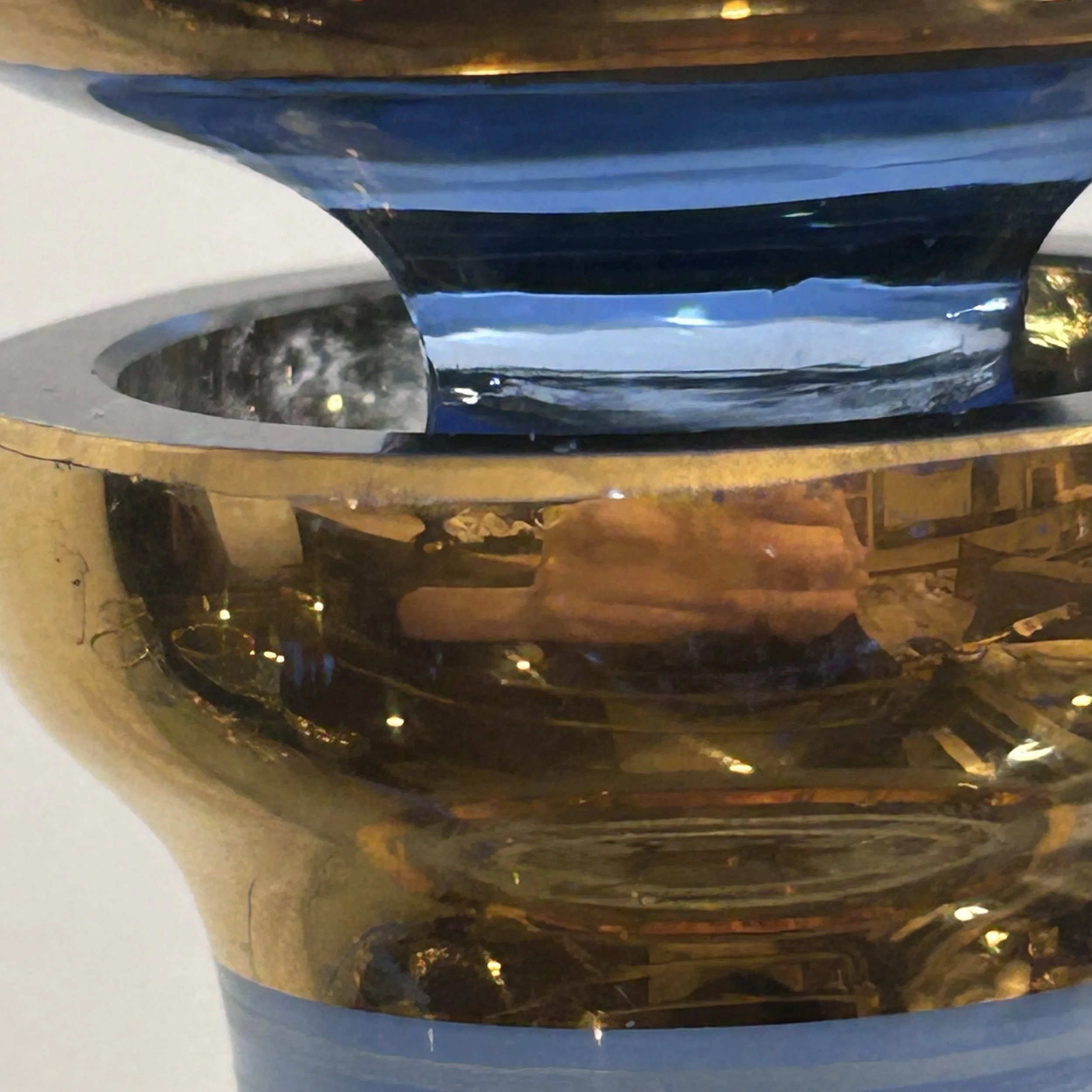
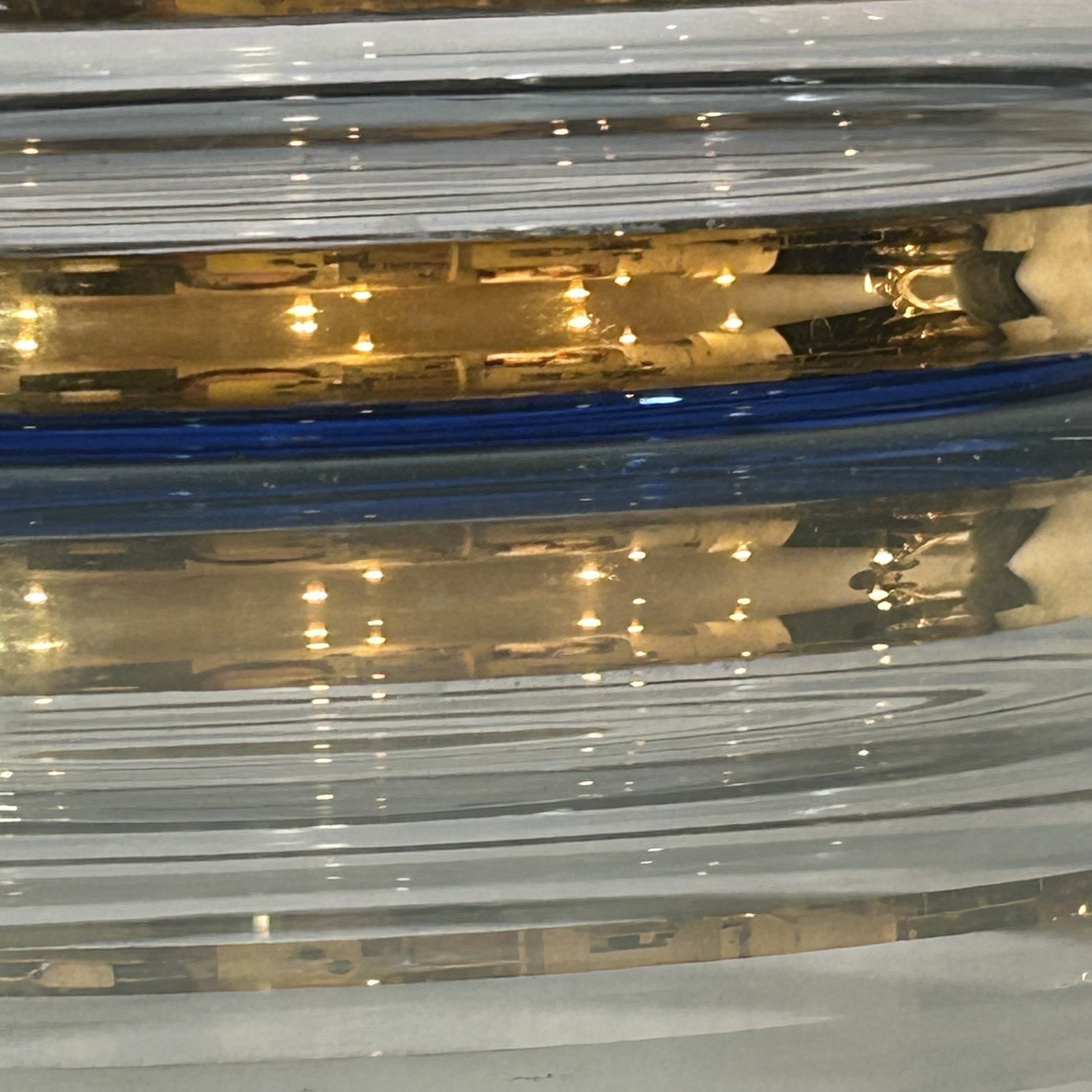
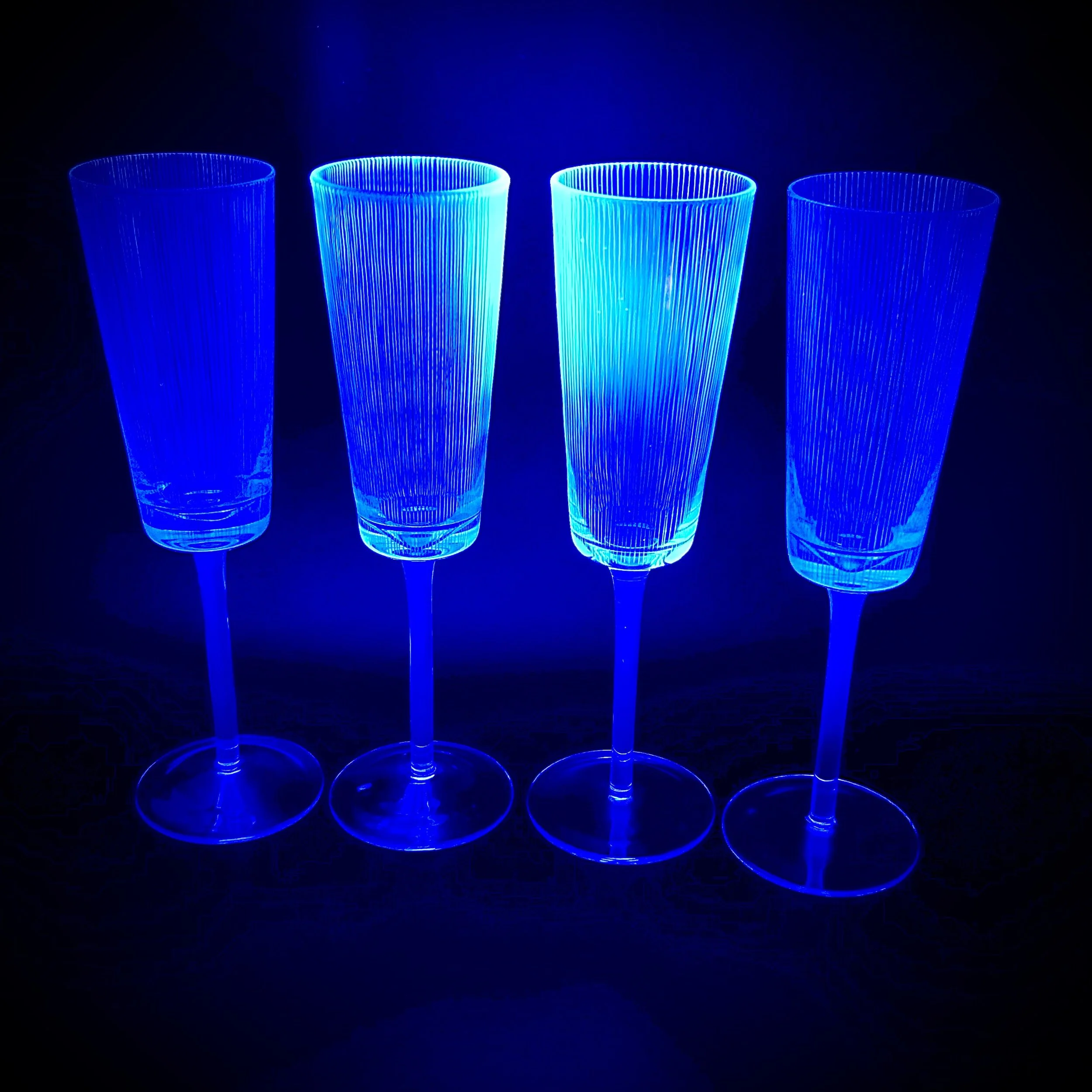
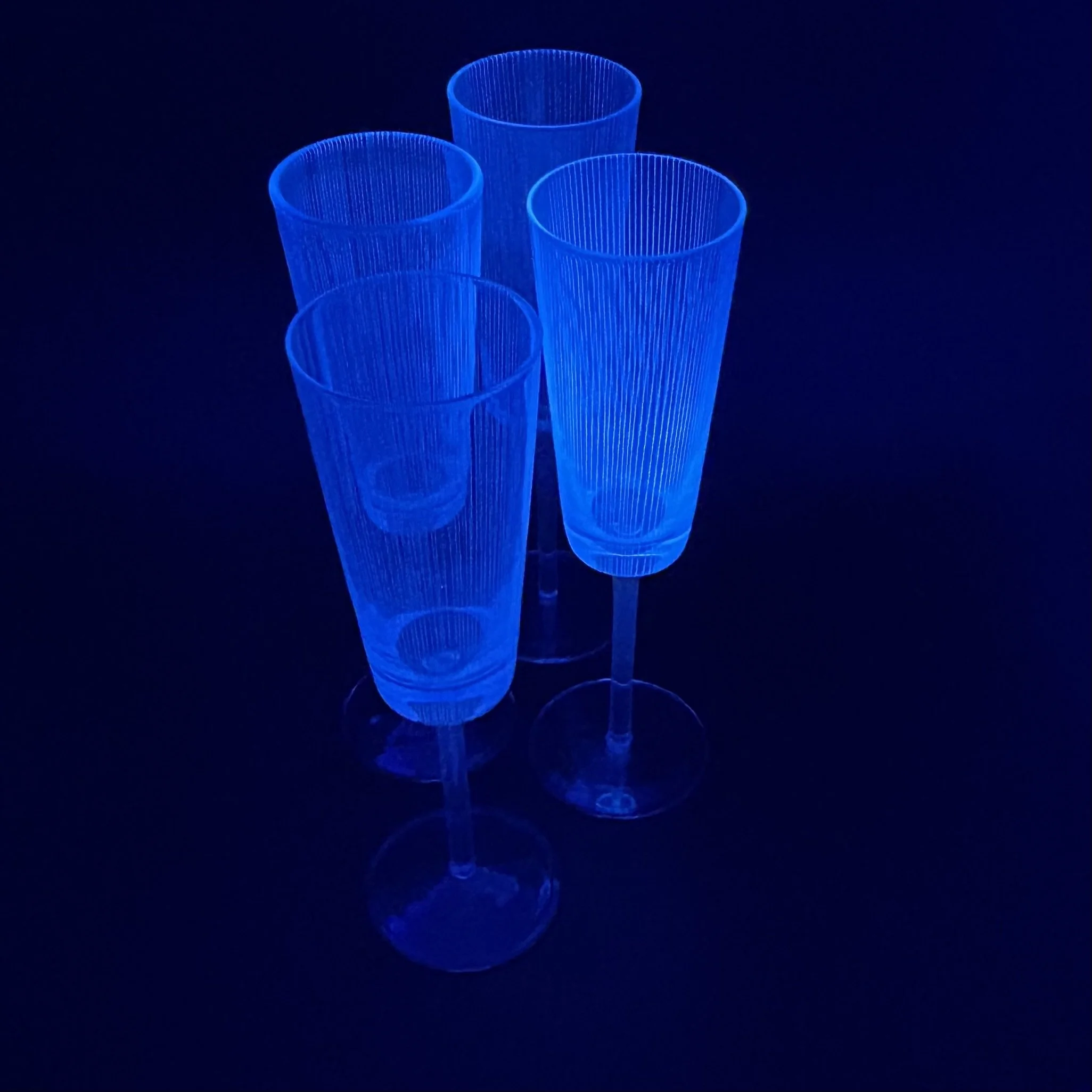
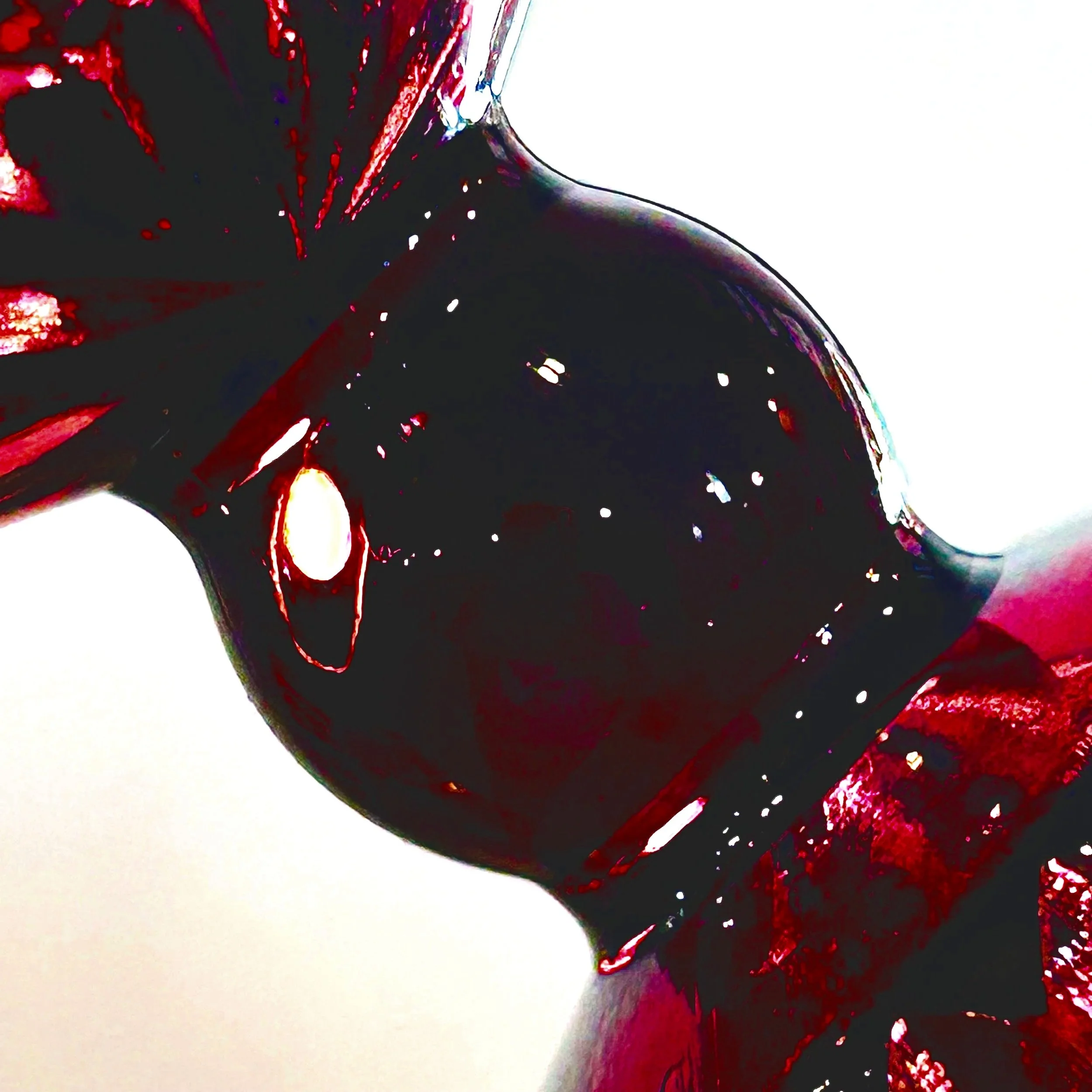
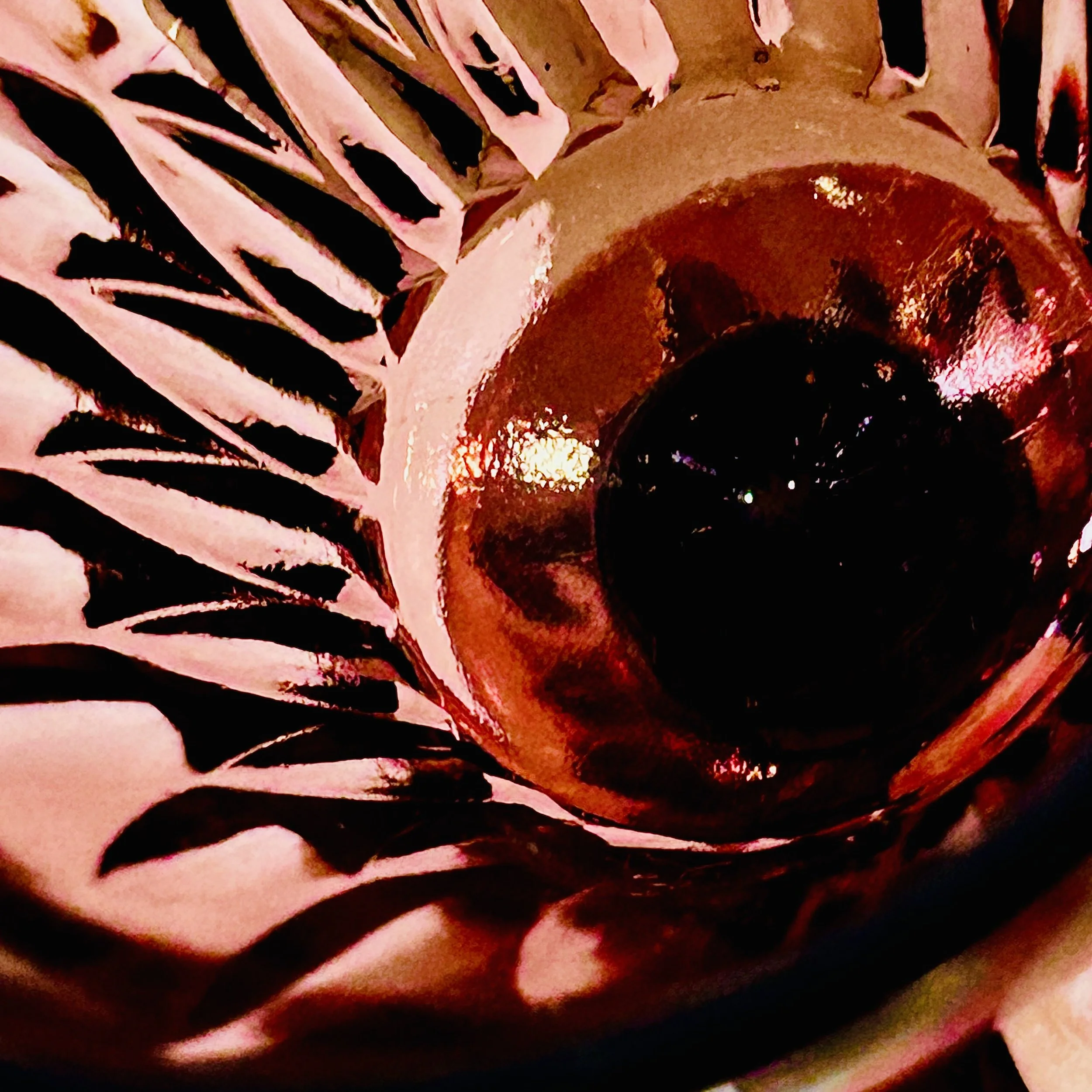
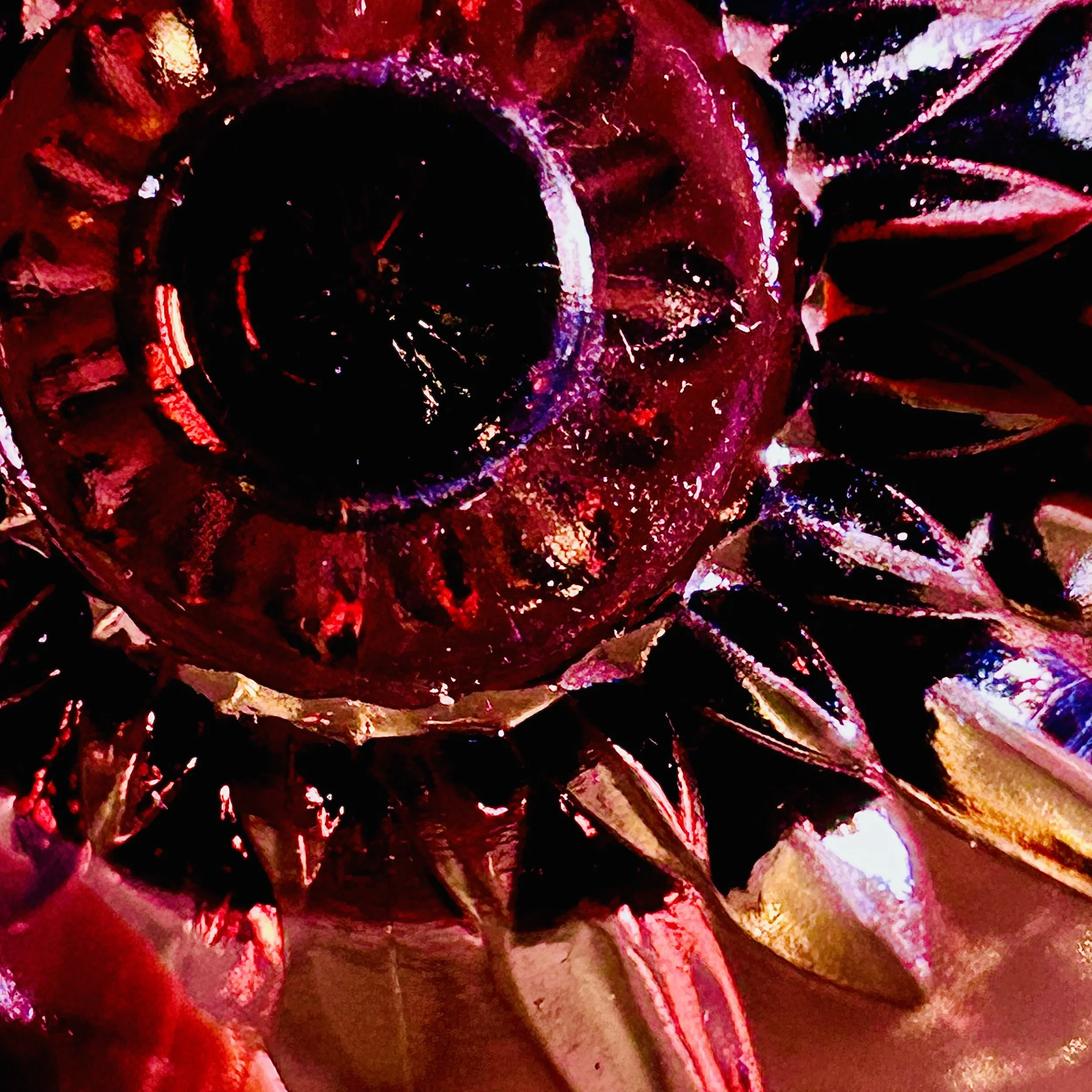
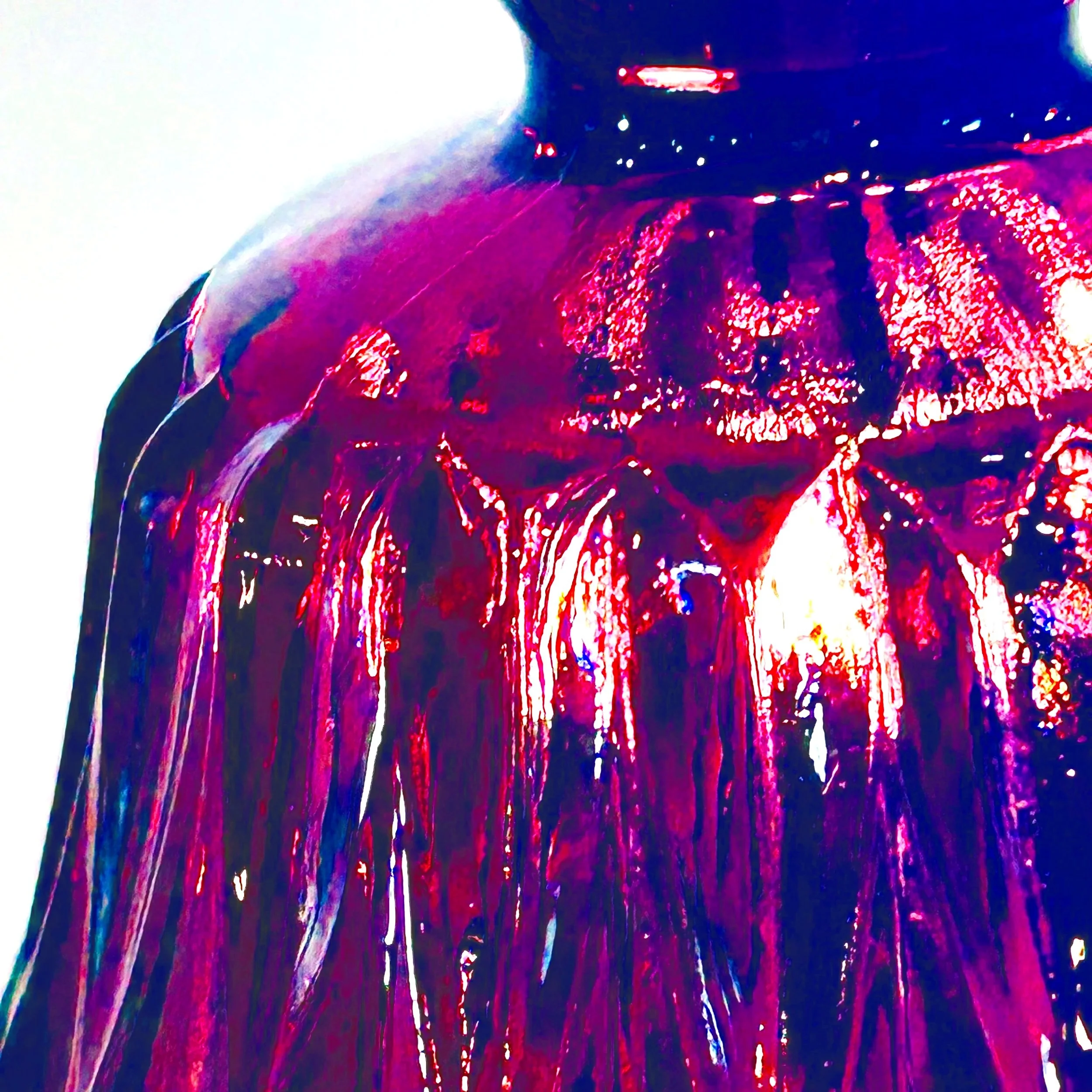
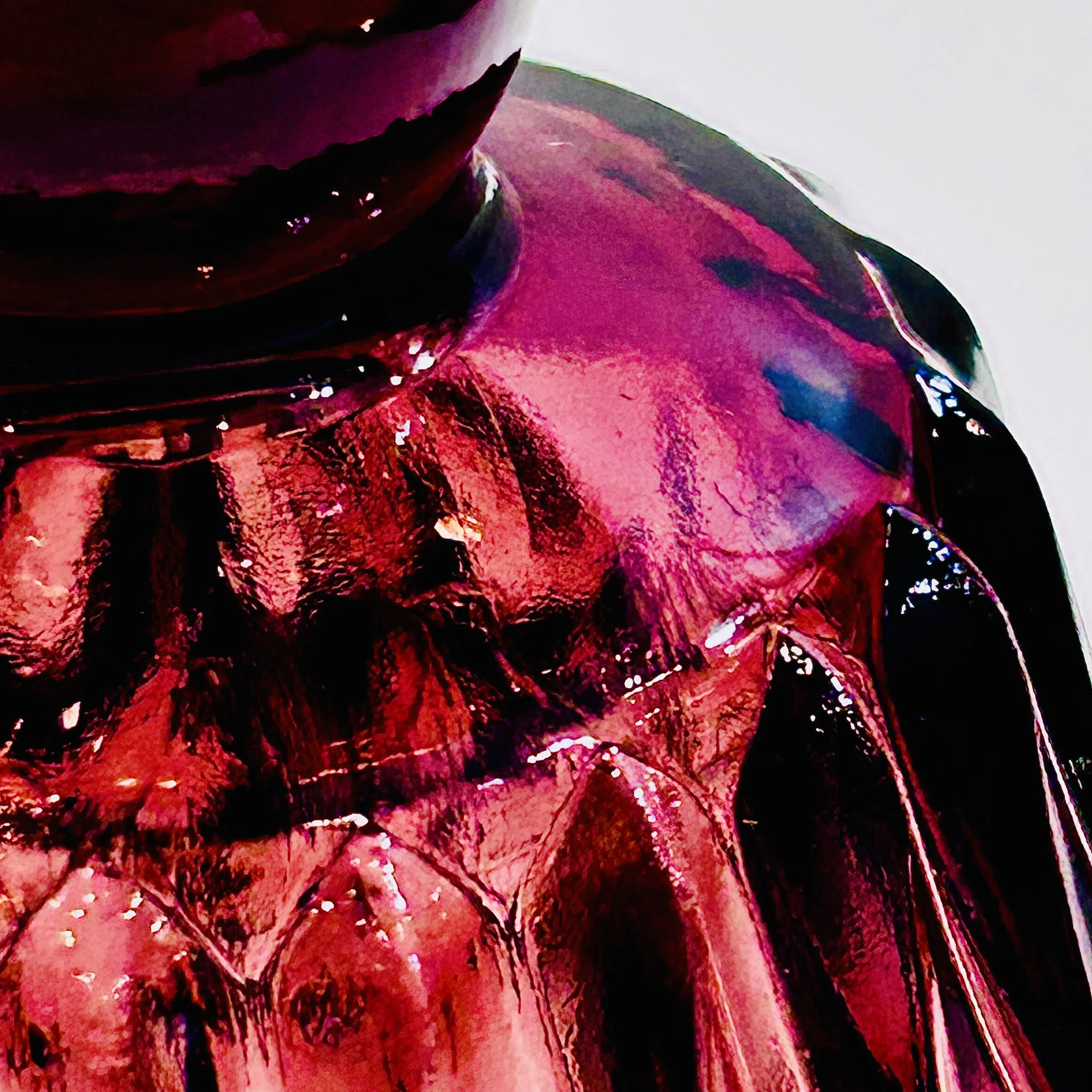
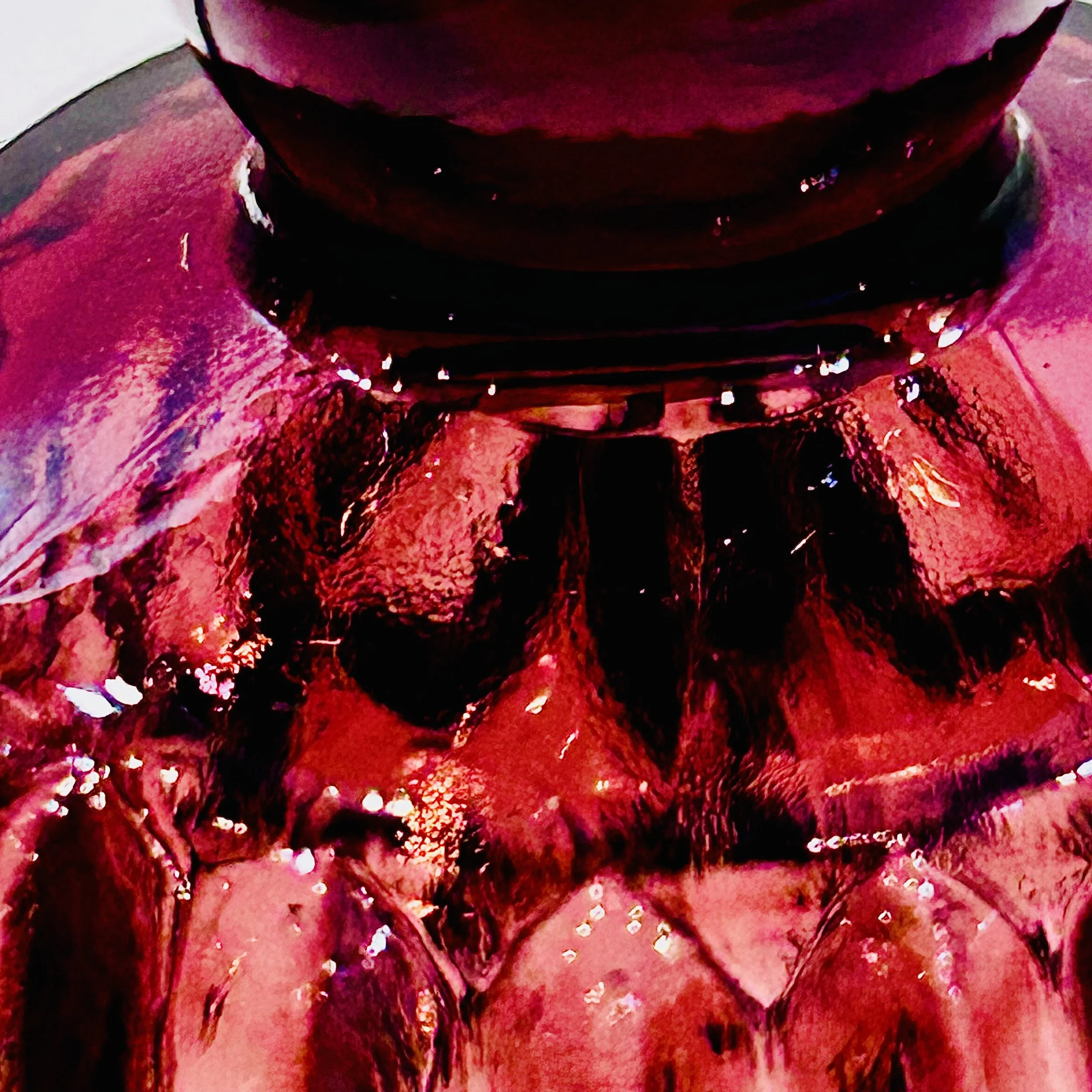
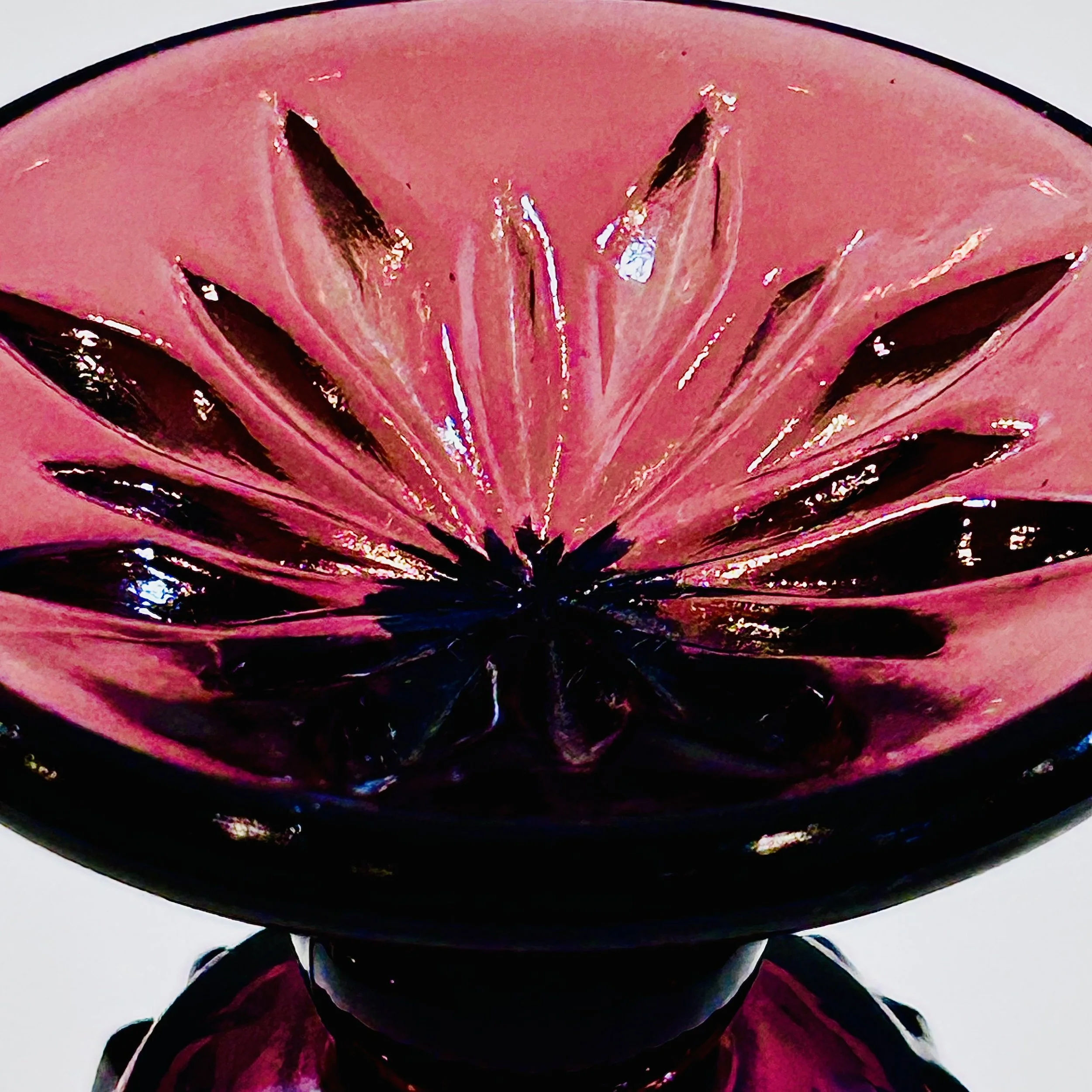
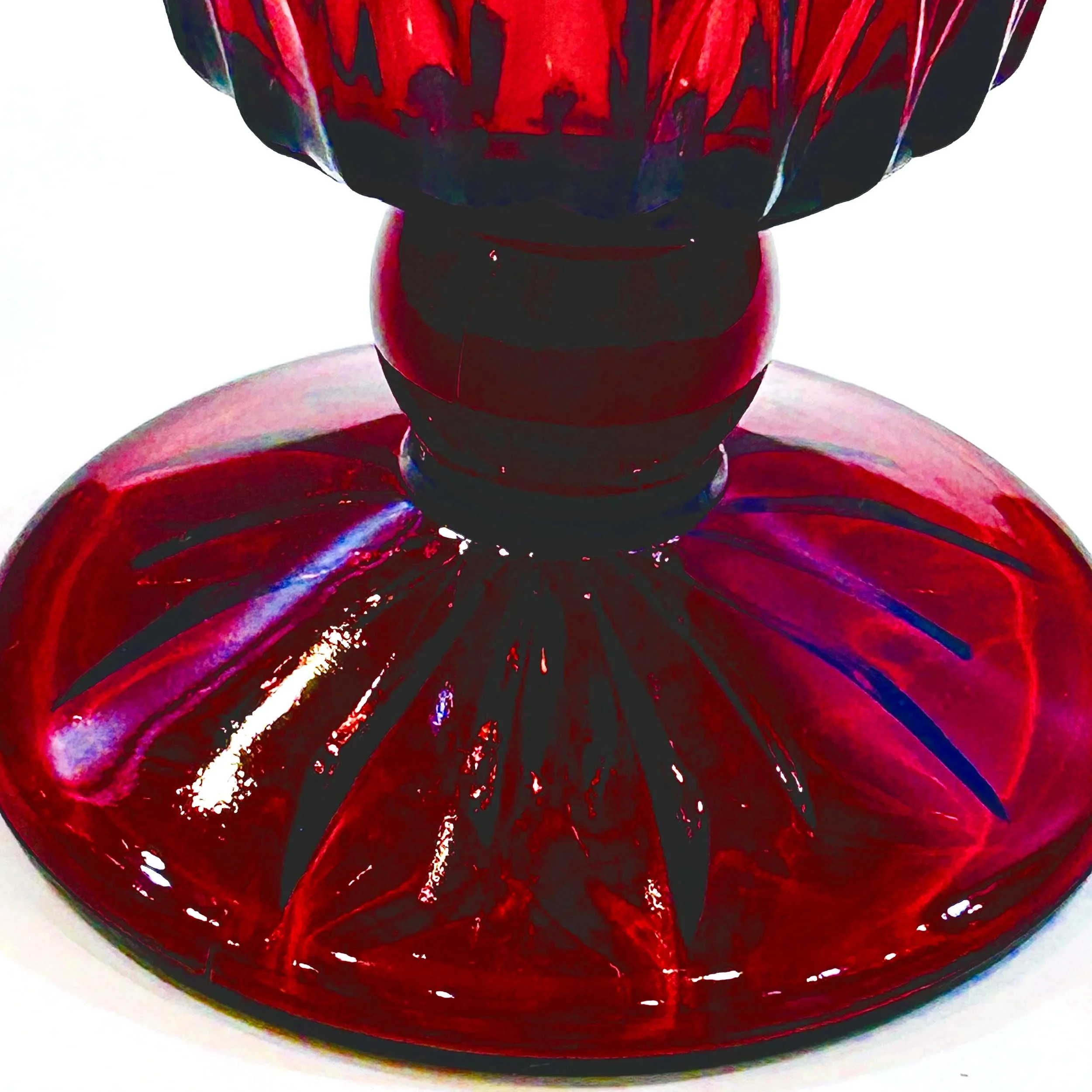
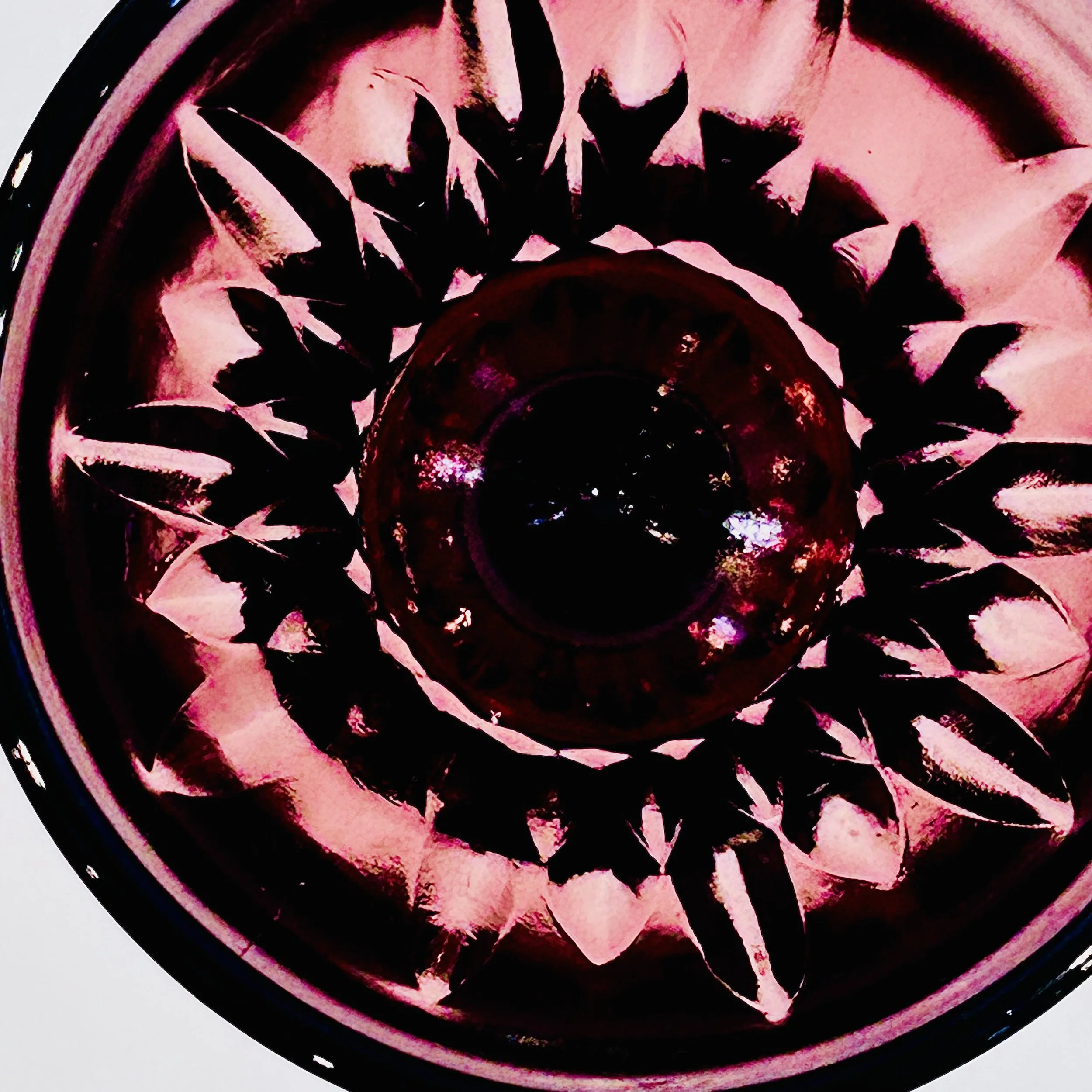
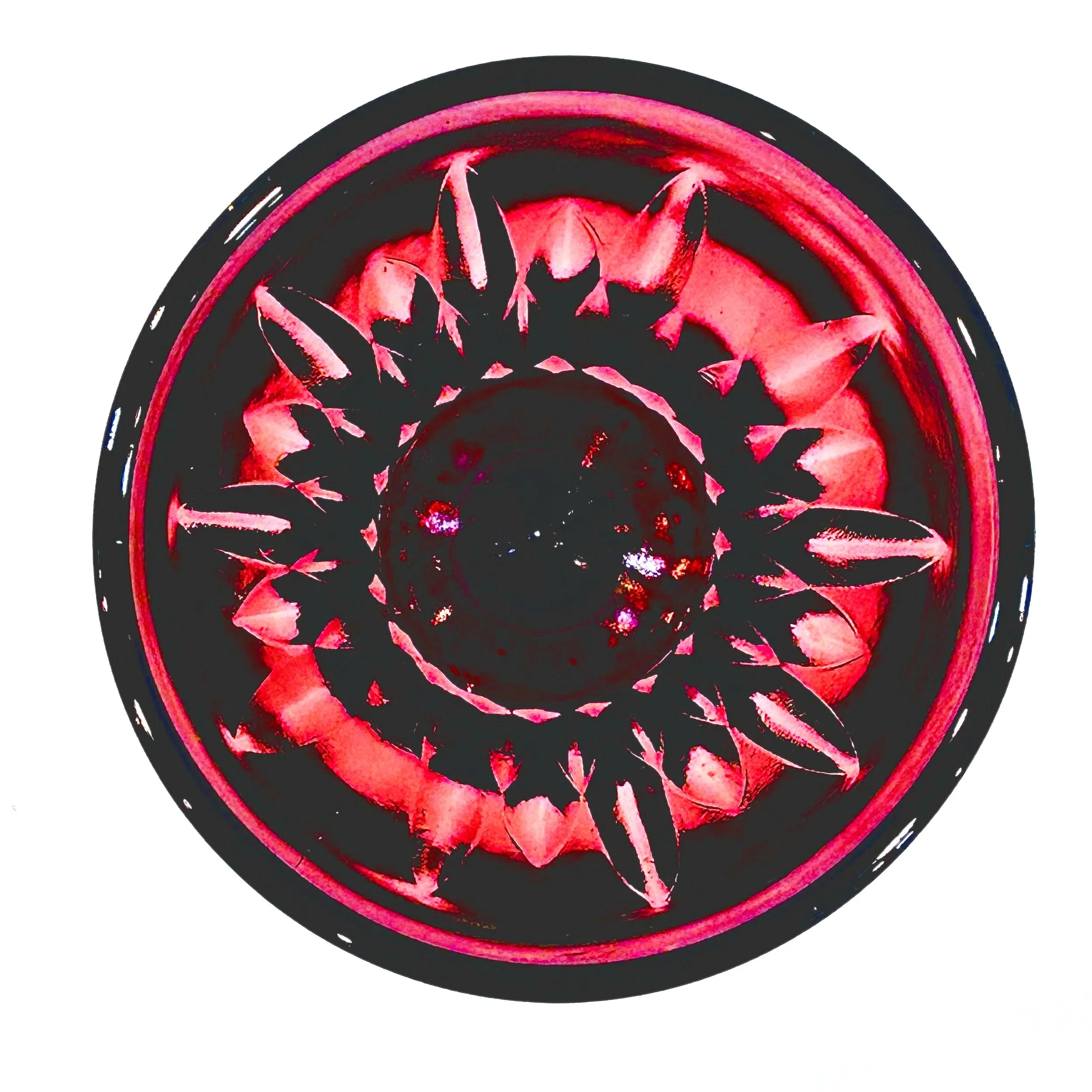
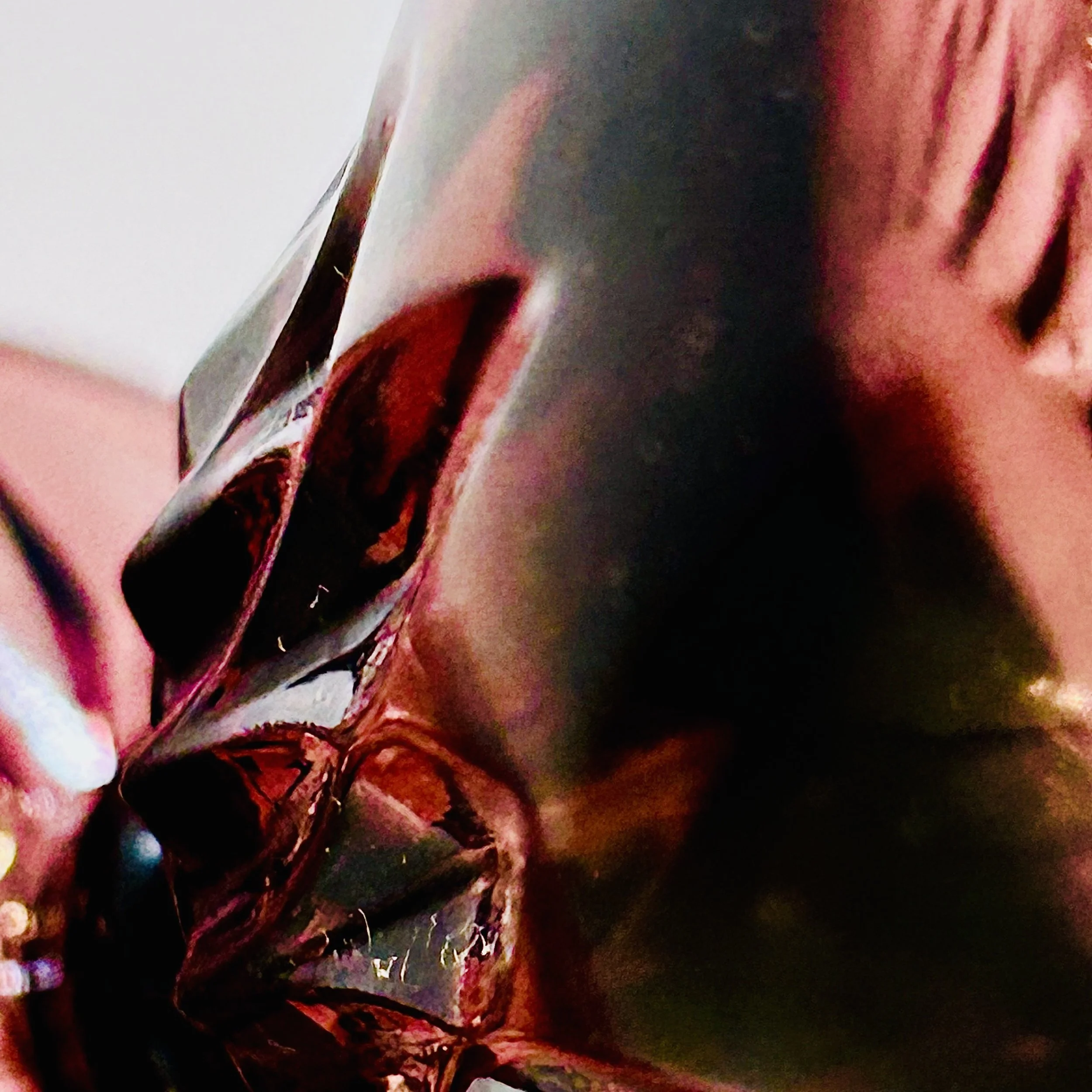
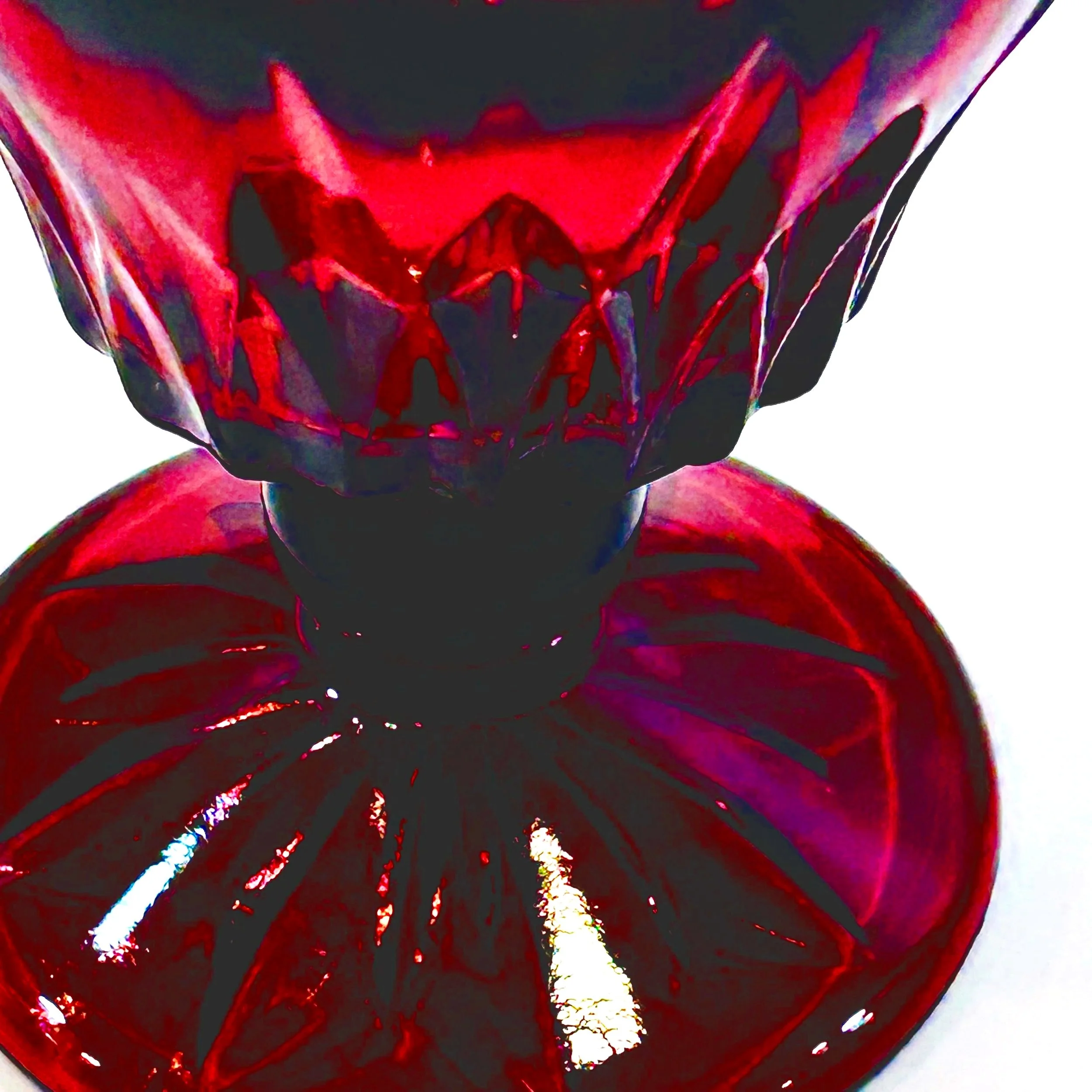
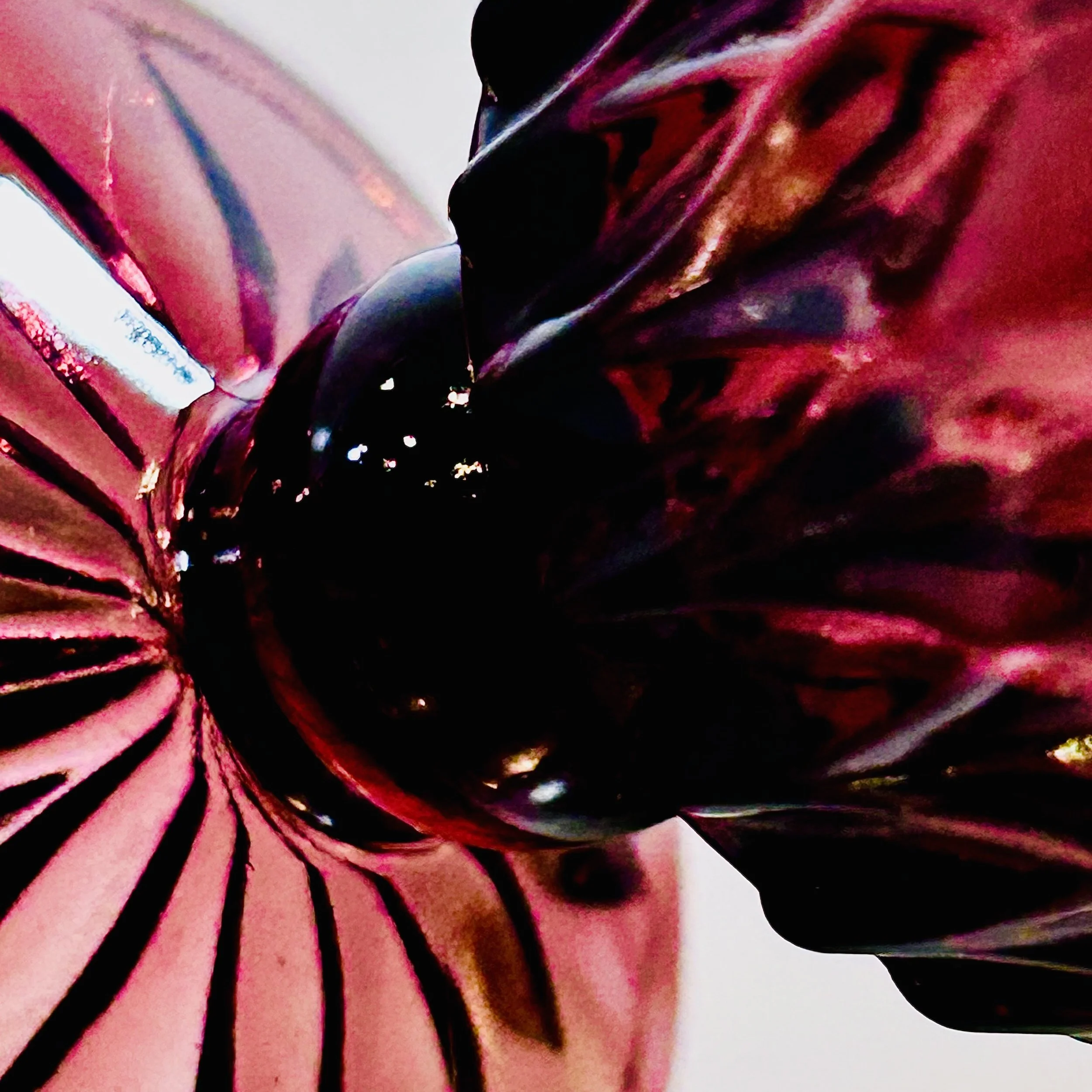
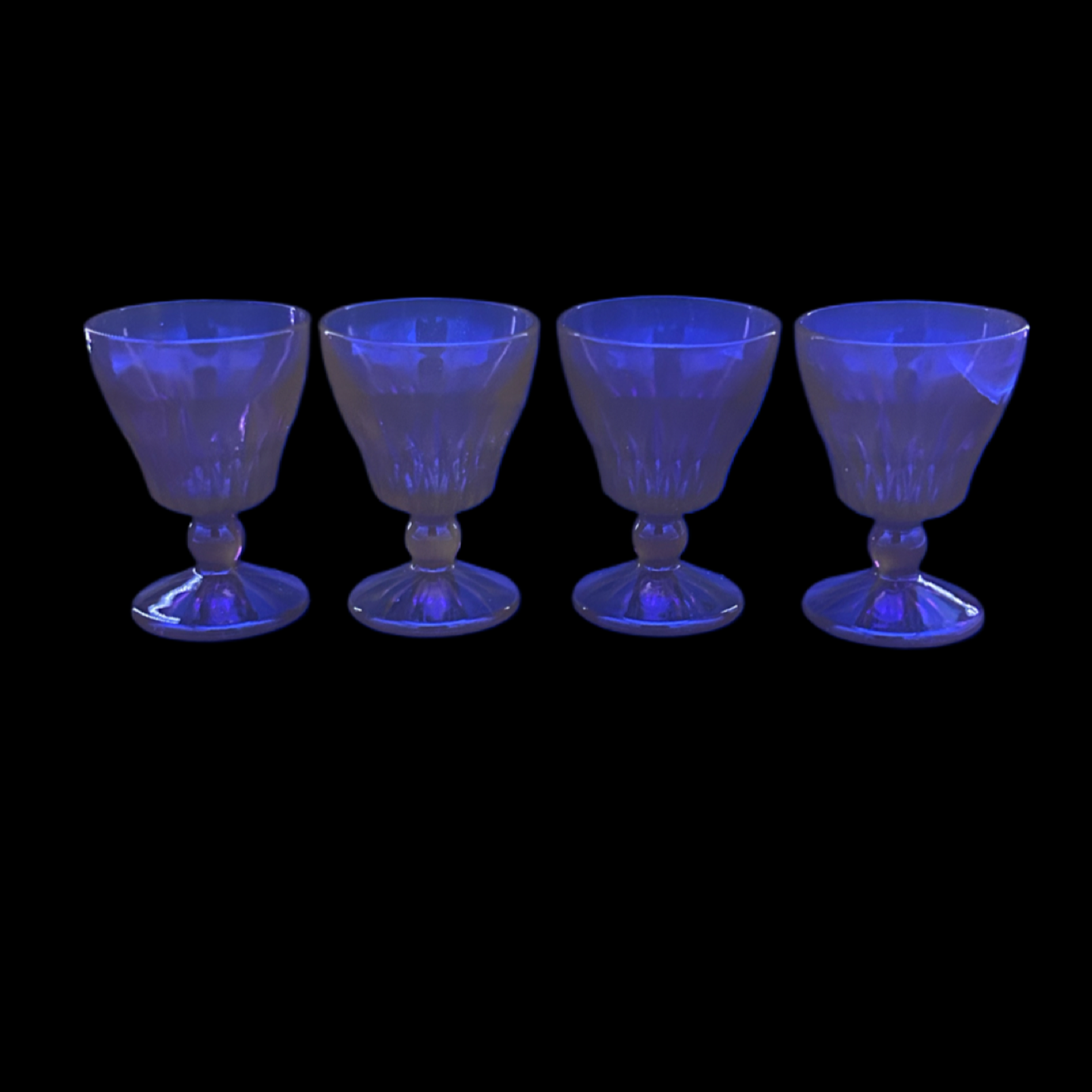
A finely proportioned aquamarine opaline glass pitcher with a tall tapering body, flared pouring lip, and elegantly drawn applied handle. The vessel carries strong sculptural presence, with the milky blue body deepening to more saturated cobalt-toned accents at the rim, handle joins, and foot. Its clean silhouette and luminous translucency give it a refined decorative effect even when not in use. Under 365nm UV light the glass shows a reflective glow, adding another layer of visual interest without, on its own, proving a specific glass formula.
Attribution & Period
Stylistically aligned with Italian opaline art glass, most closely comparable to Empoli-area decorative pitchers offered as 1960s handblown examples with similar pale blue opaline bodies, darker blue handle junctions, and applied handles. Comparable market examples identified as Empoli blue opaline pitchers from circa 1960 and the 1960s show closely related colour handling, silhouette, and construction, though this example bears no factory mark and no documented maker has been confirmed. Attribution therefore remains visual rather than documented, and the most defensible working date is the 1960s.
Dimensions & Weight
Condition
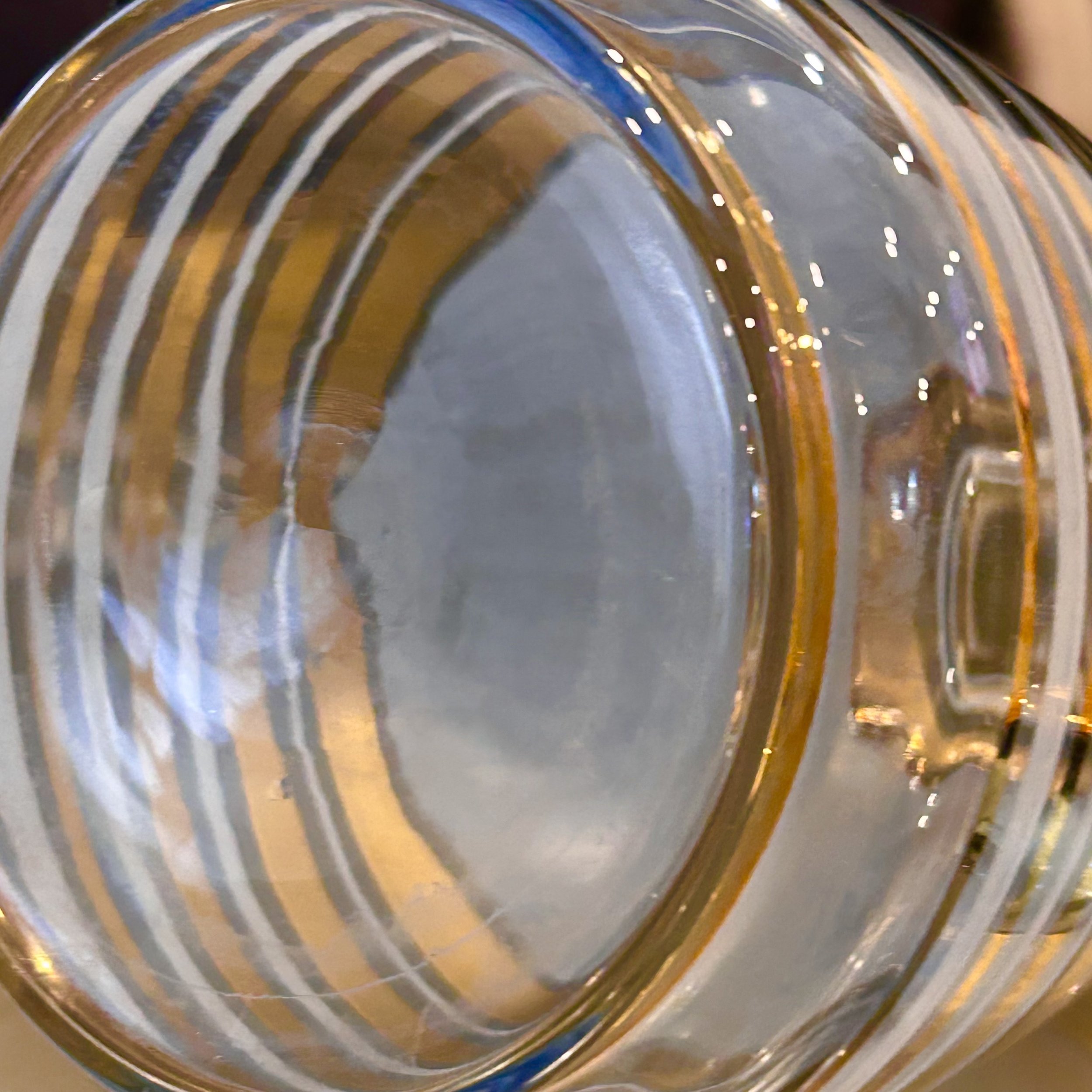
Excellent condition. No cracks, chips, or repairs observed. There appear to be light scratches to the interior belly, consistent with past cleaning by an abrasive cloth. Minor surface wear consistent with careful handling and age.
Authenticity & Construction
Handblown glass with an applied handle and tooled spout. The visible transitions at the handle attachments, the fluid shaping at the lip, and the concentrated colour at the joins and foot are consistent with studio or workshop hand-forming rather than pressed production. The opaline body and deeper blue accents create a materially rich effect that responds especially well to direct light and display lighting. Comparable Italian opaline pitchers from the 1960s are also described in the market as handblown with applied handles, supporting this construction reading.
Placement
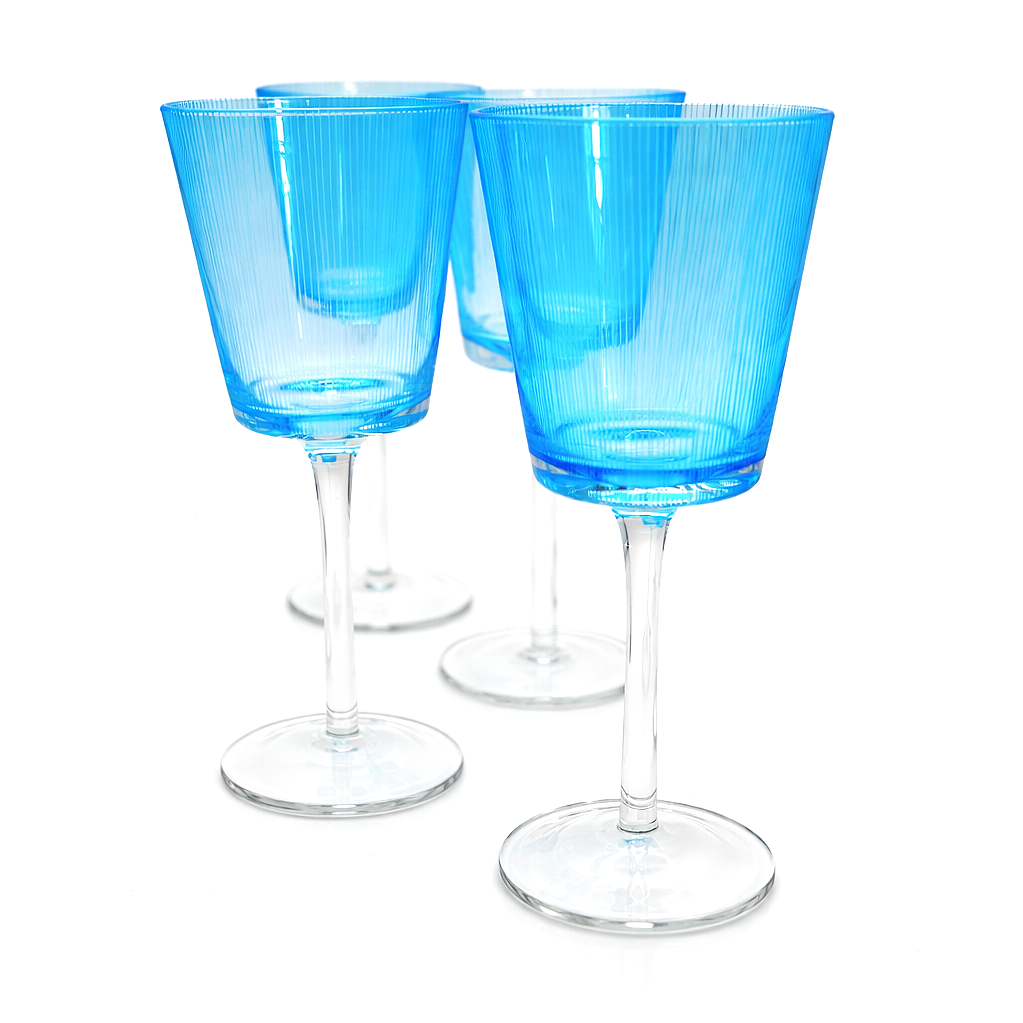
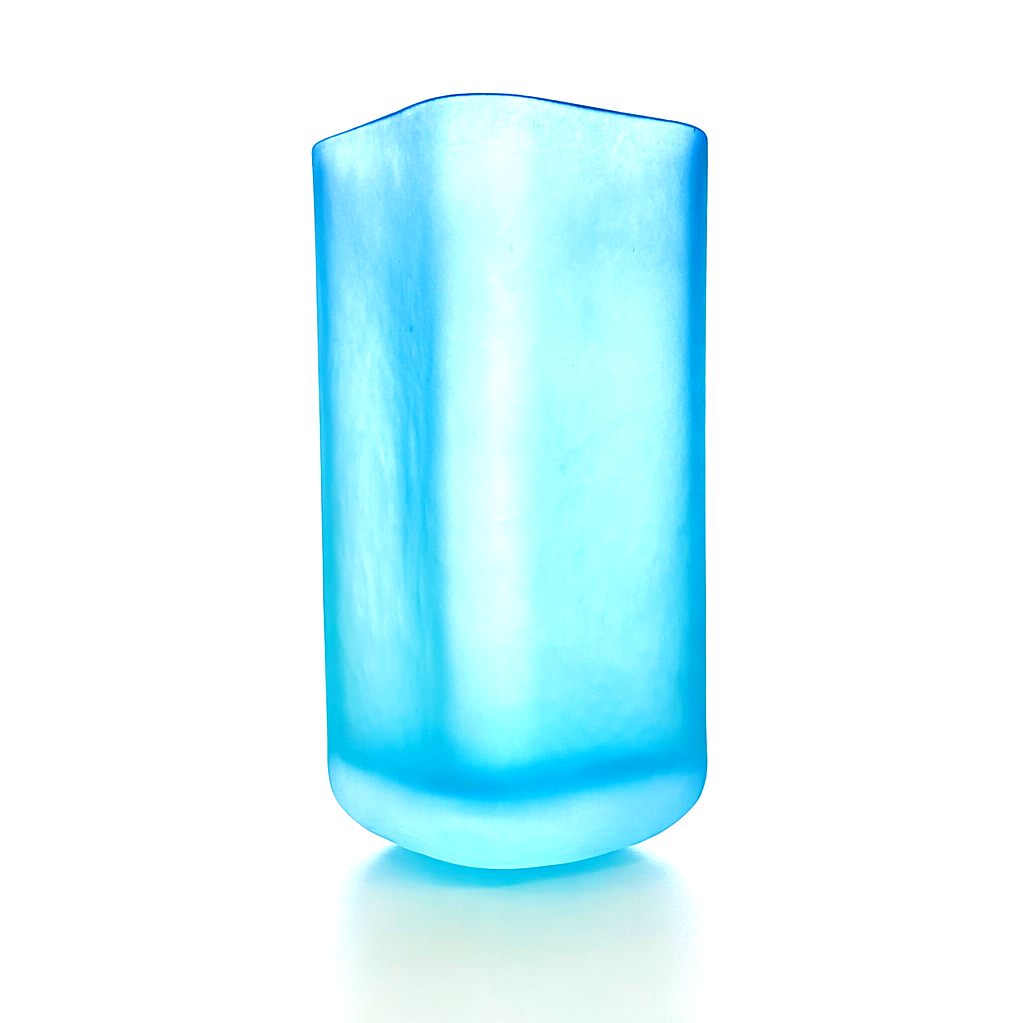
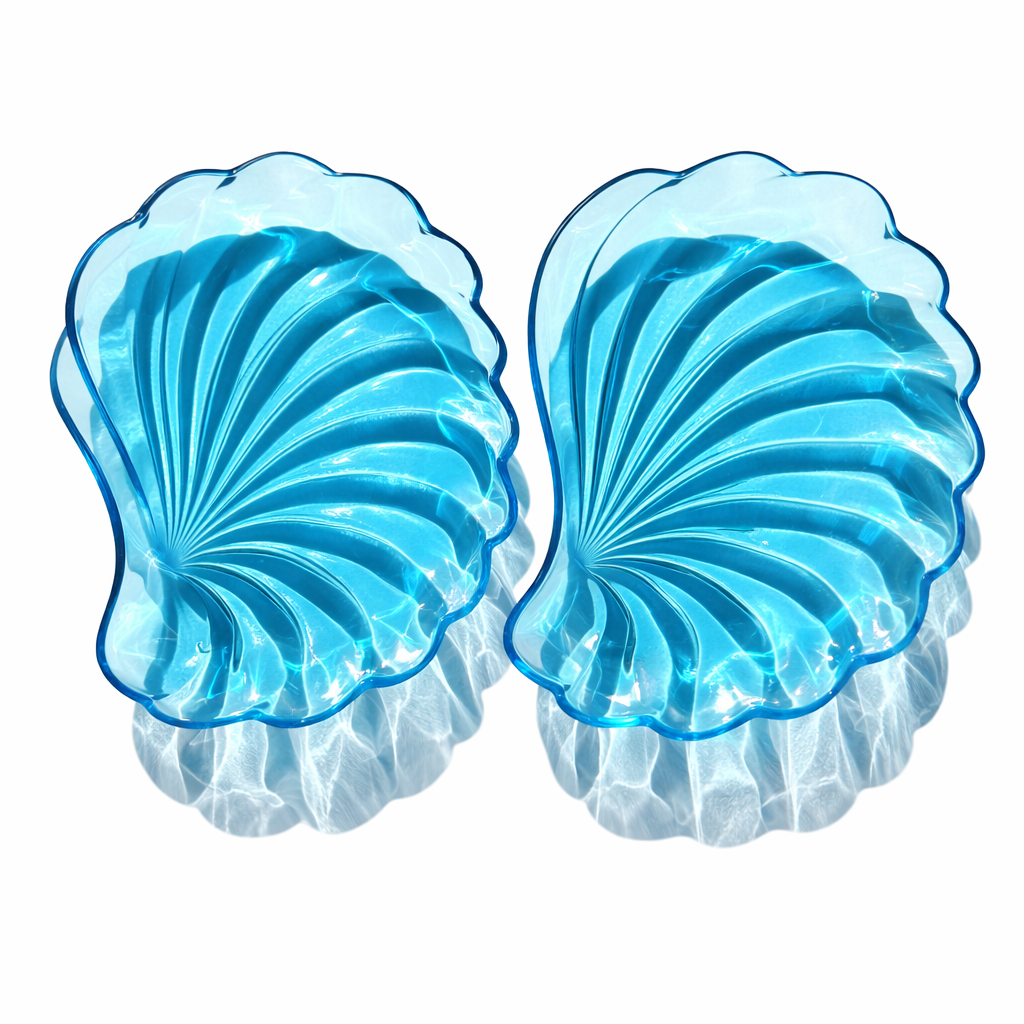
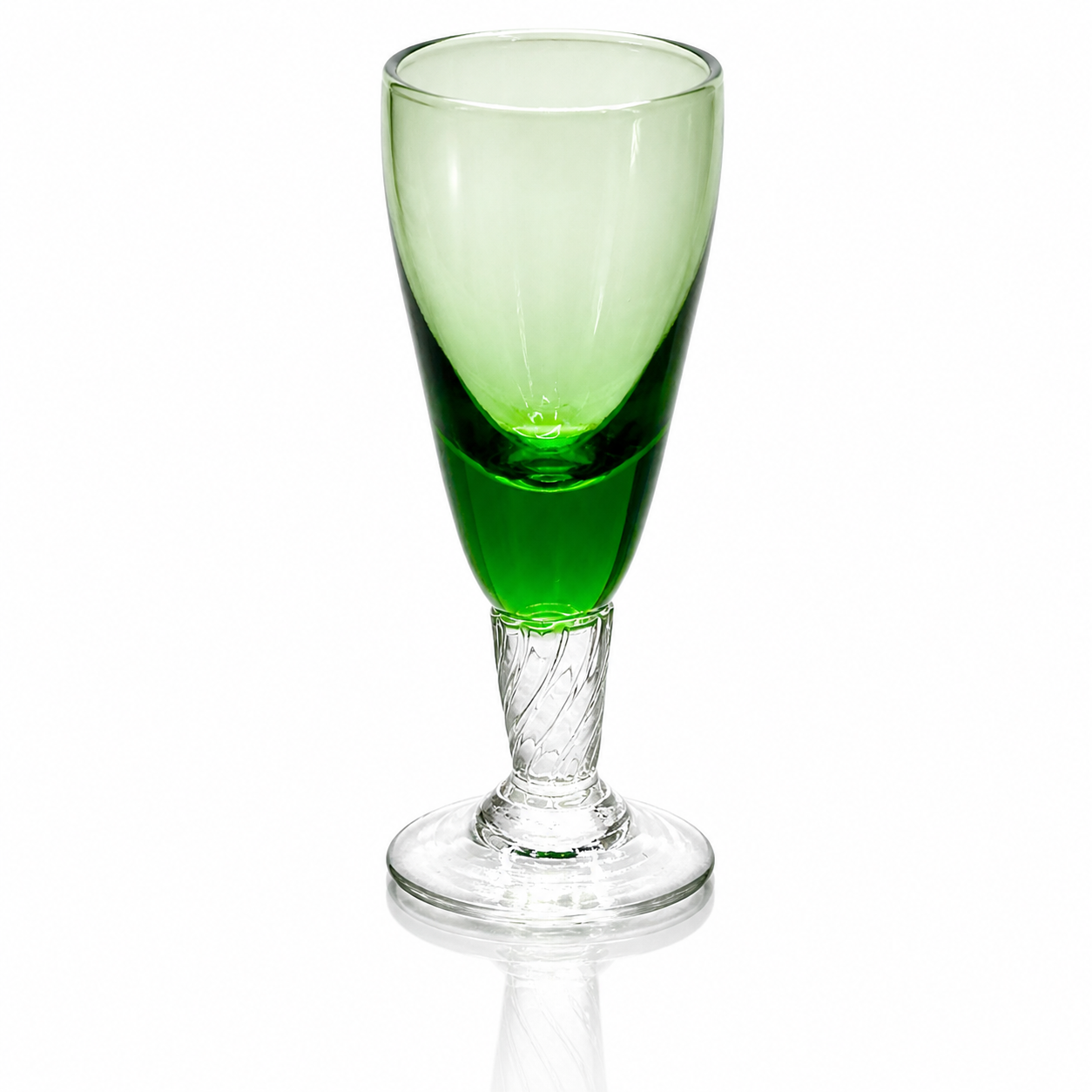
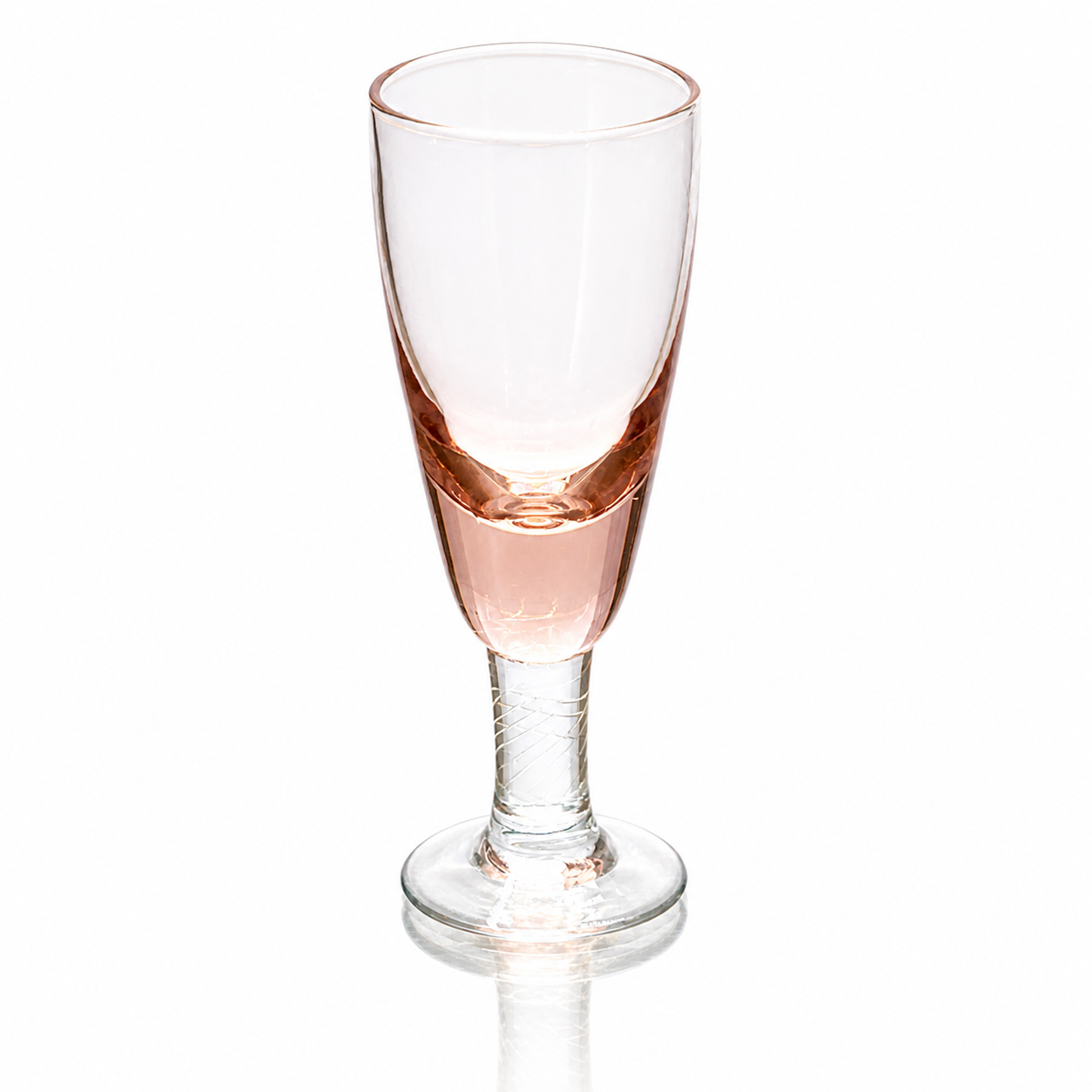
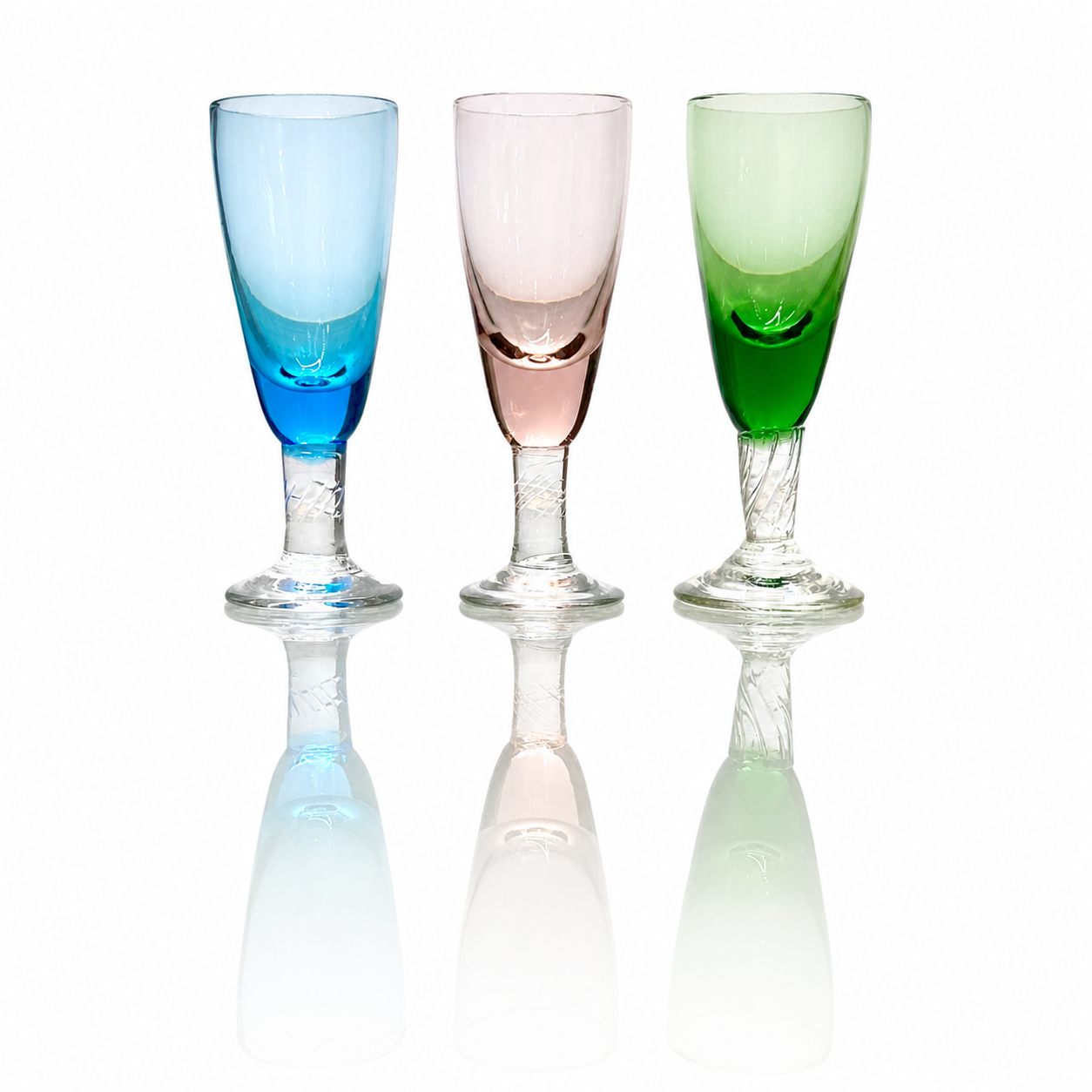
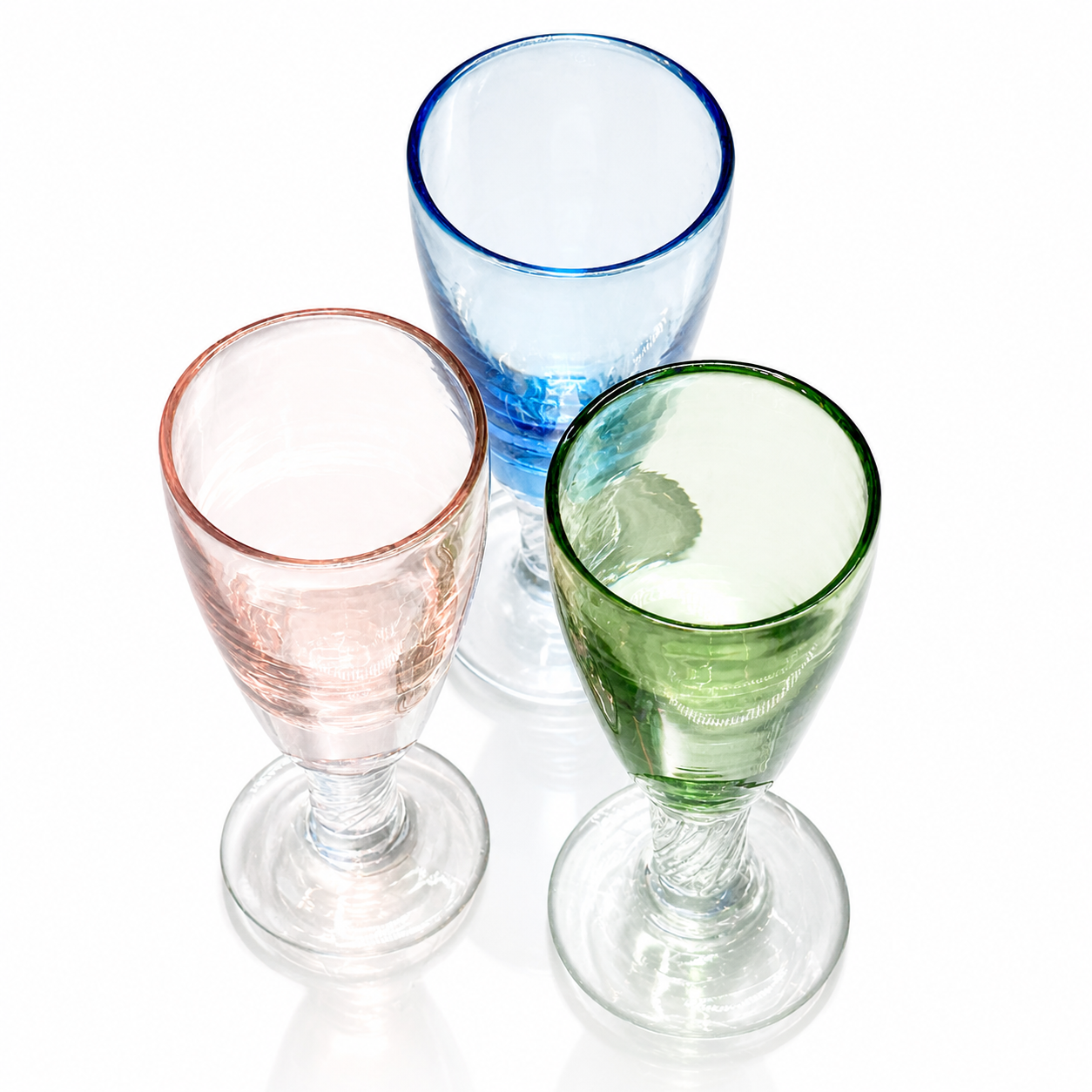
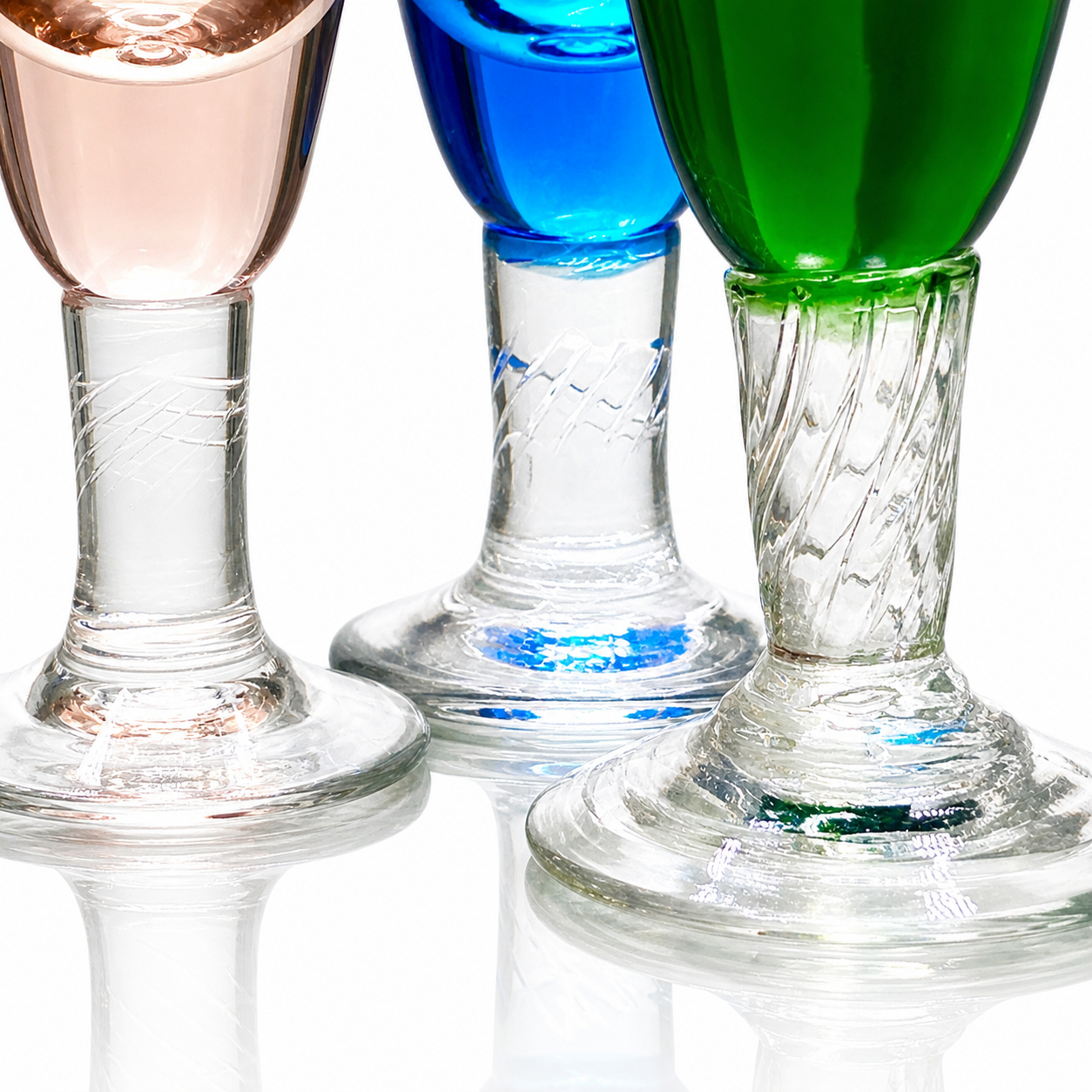
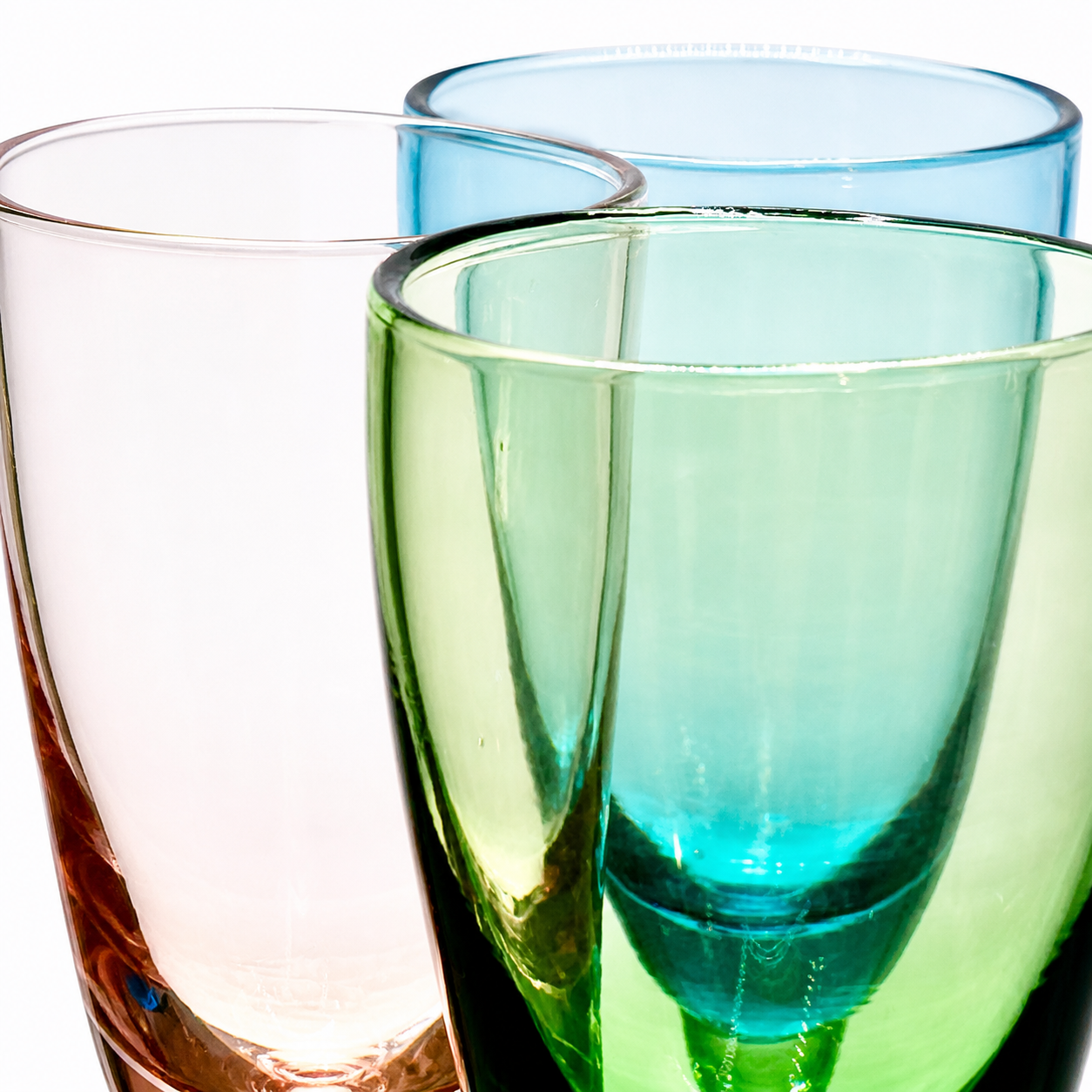
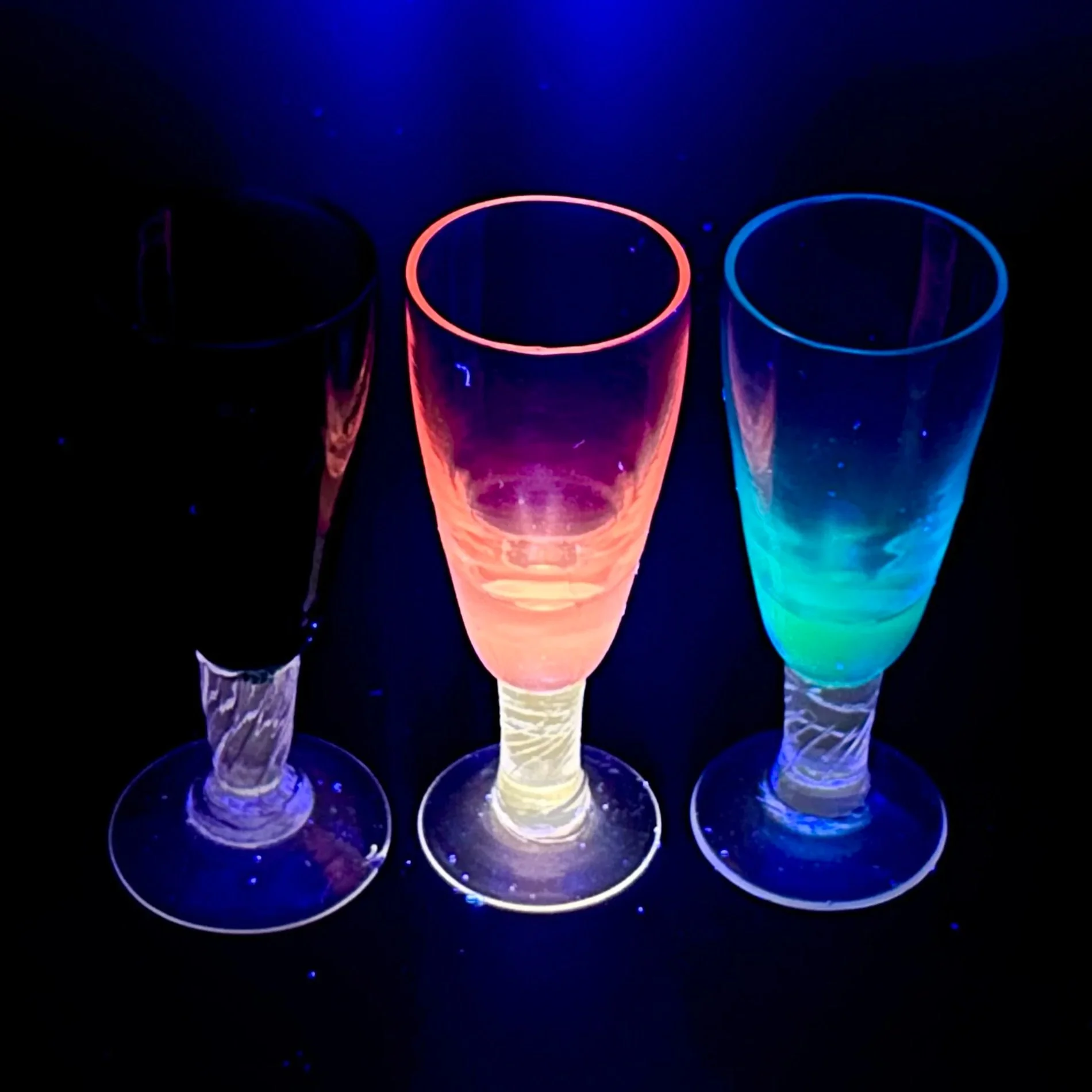
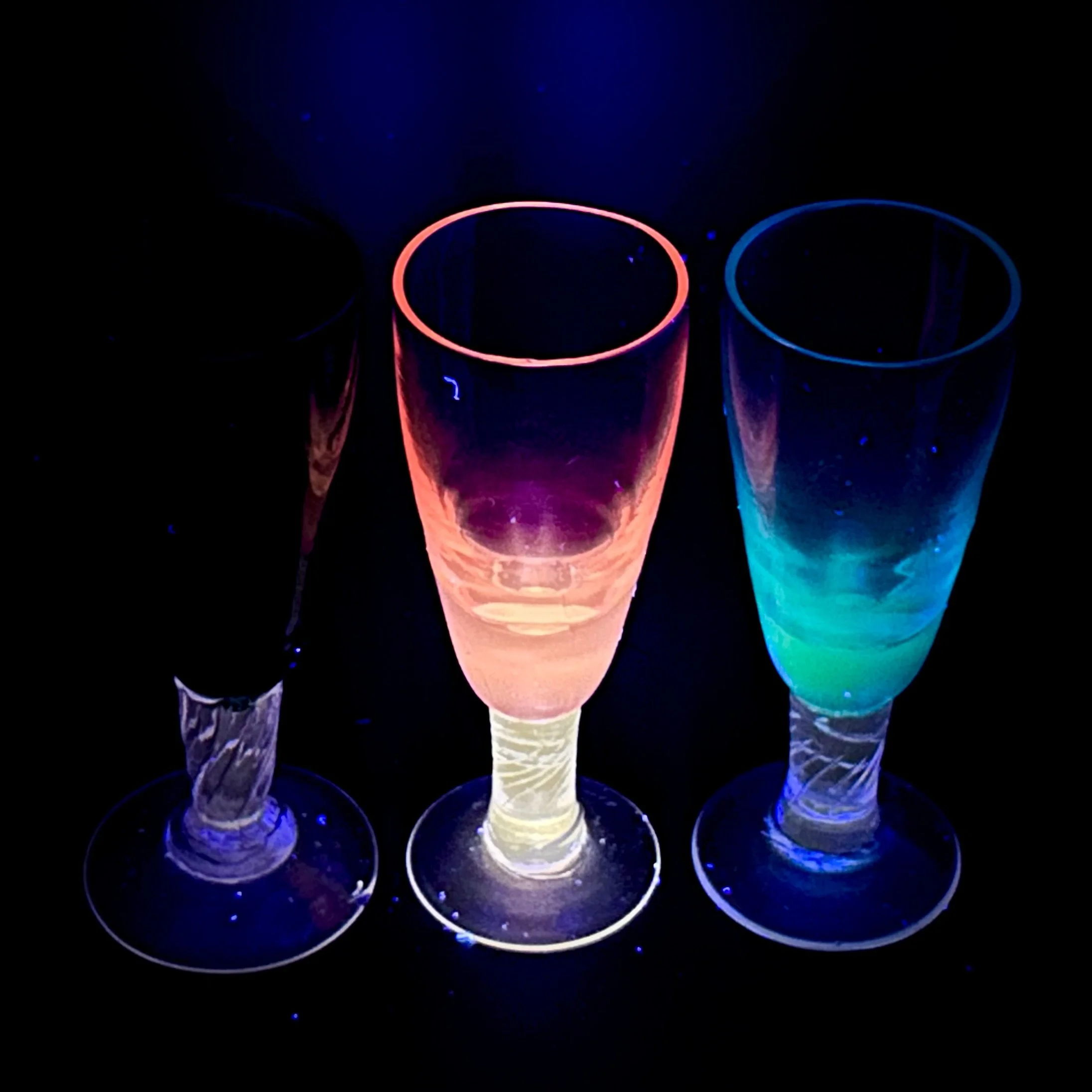
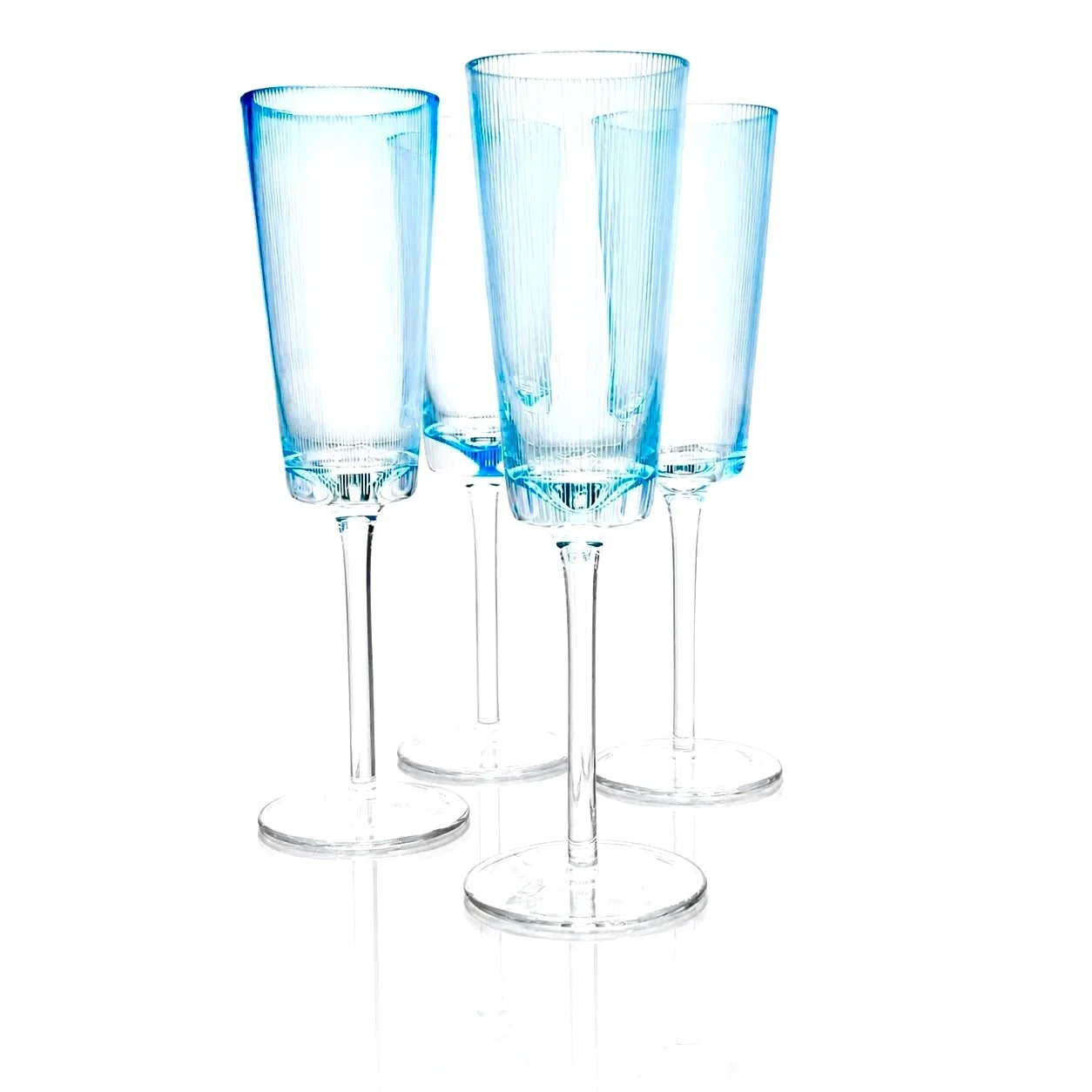
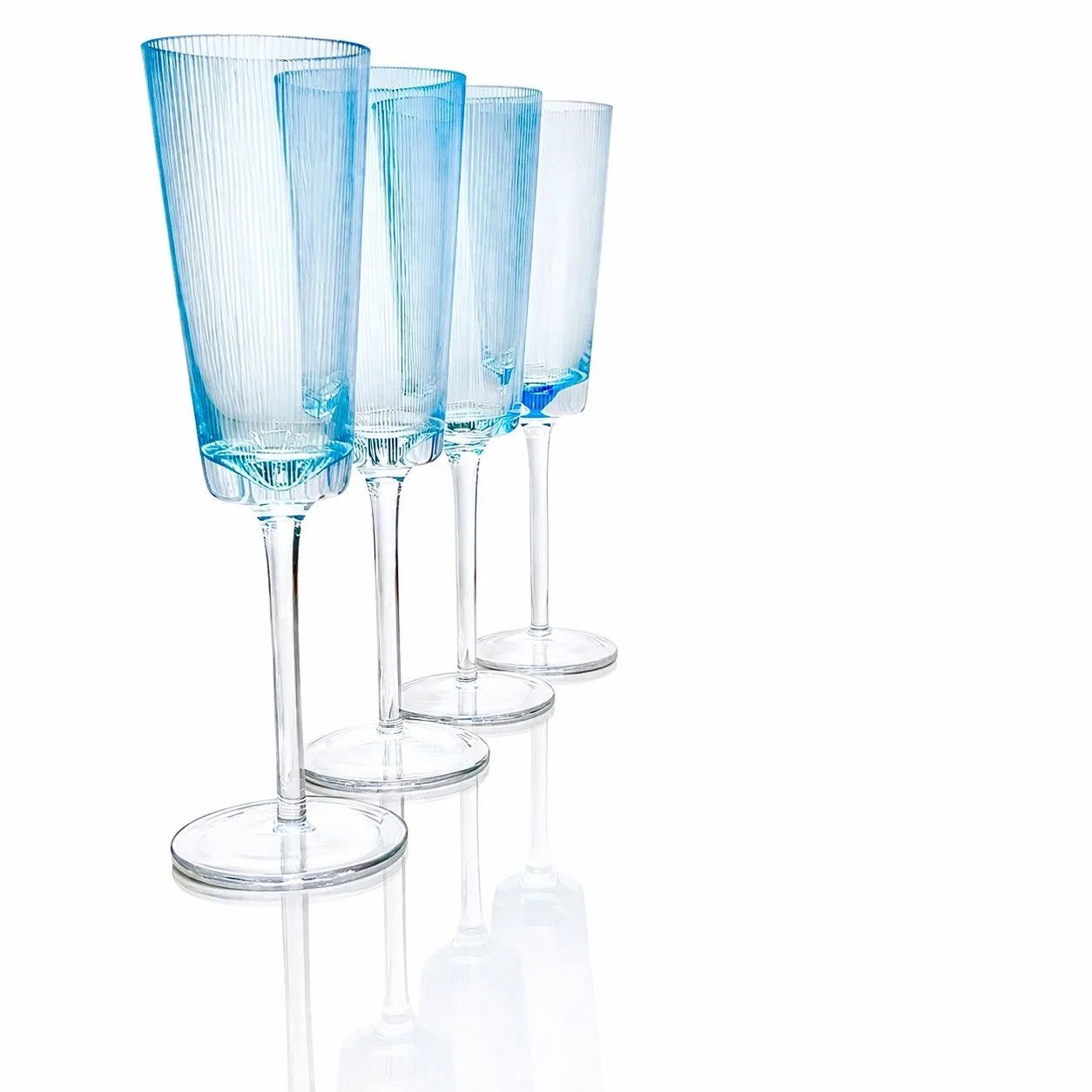
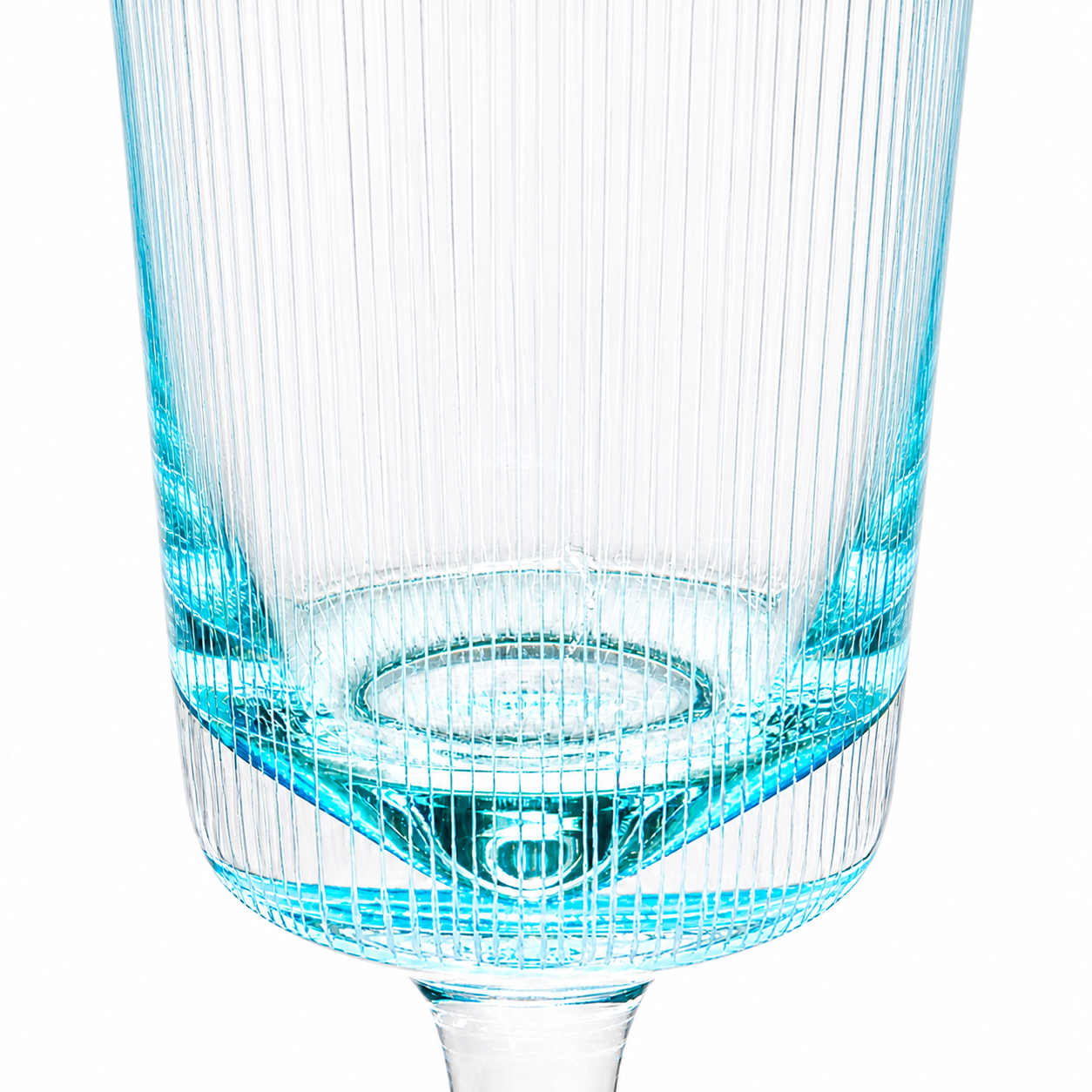
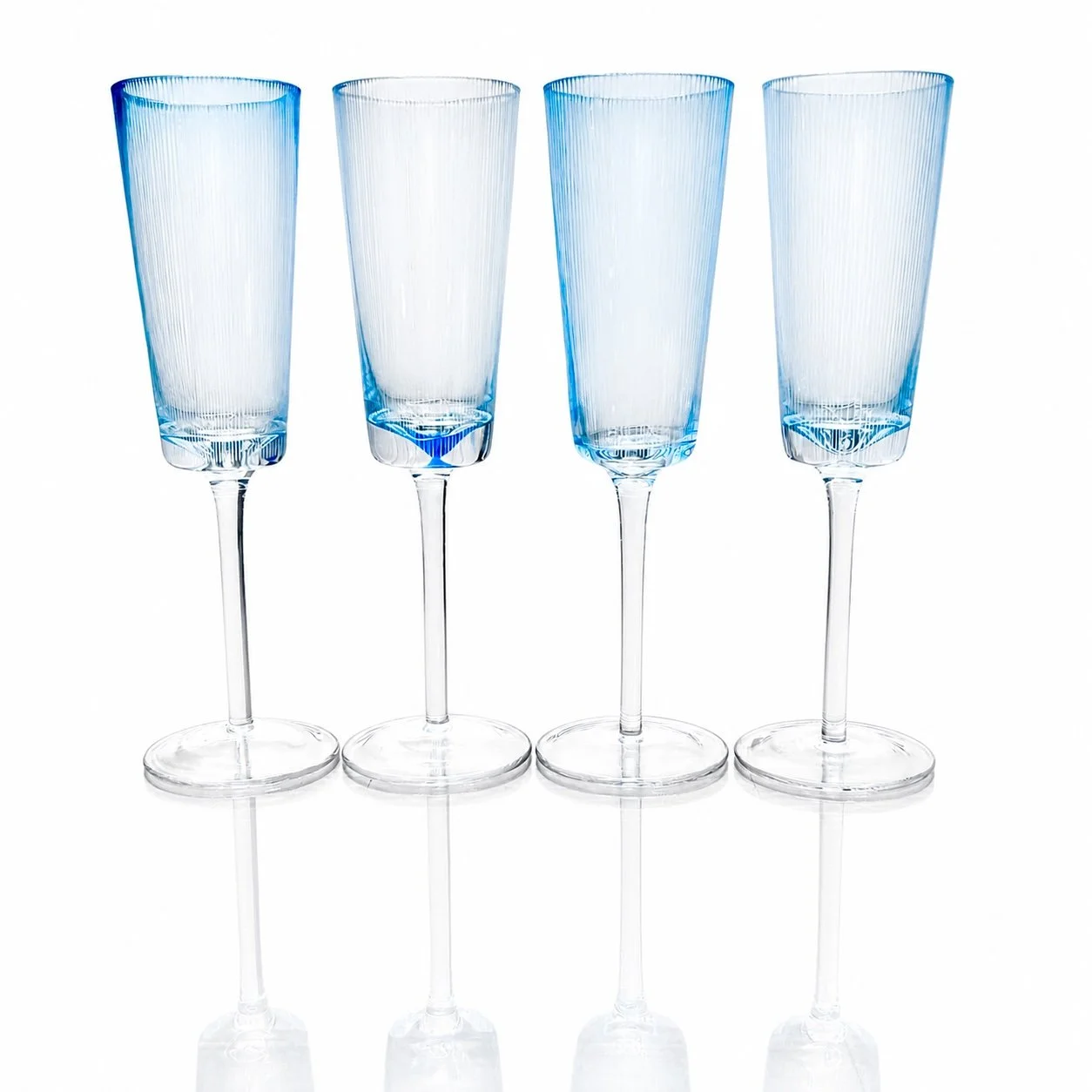
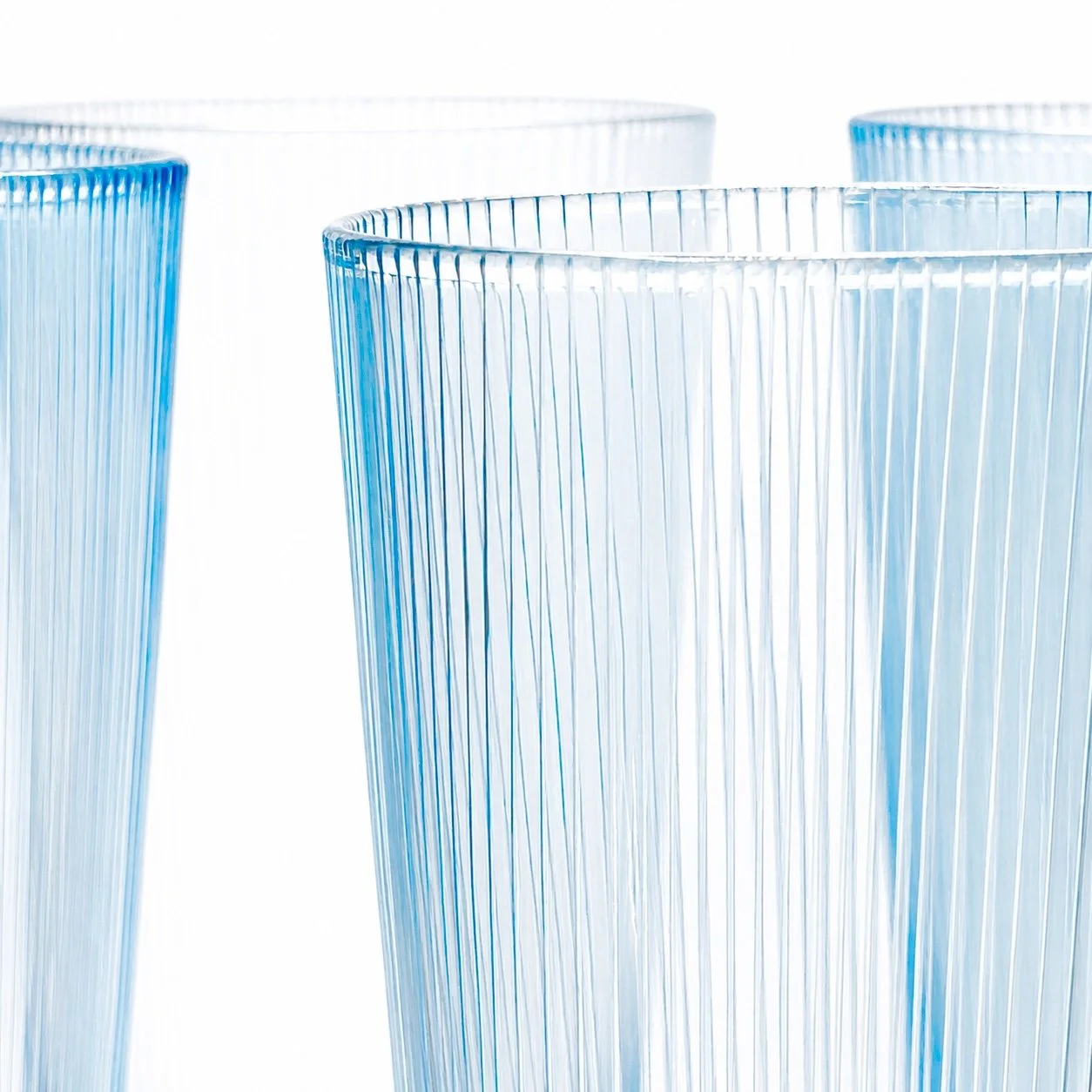
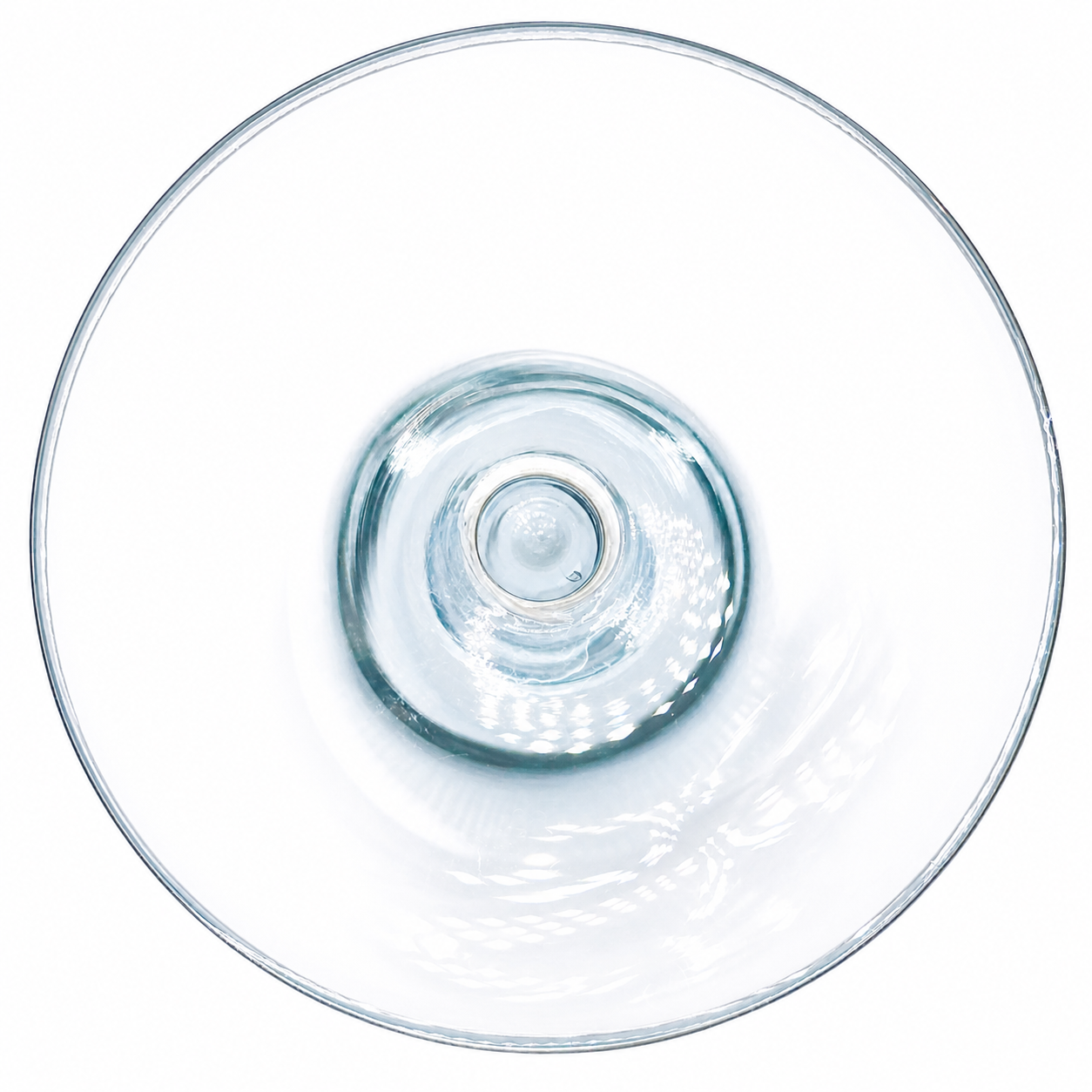
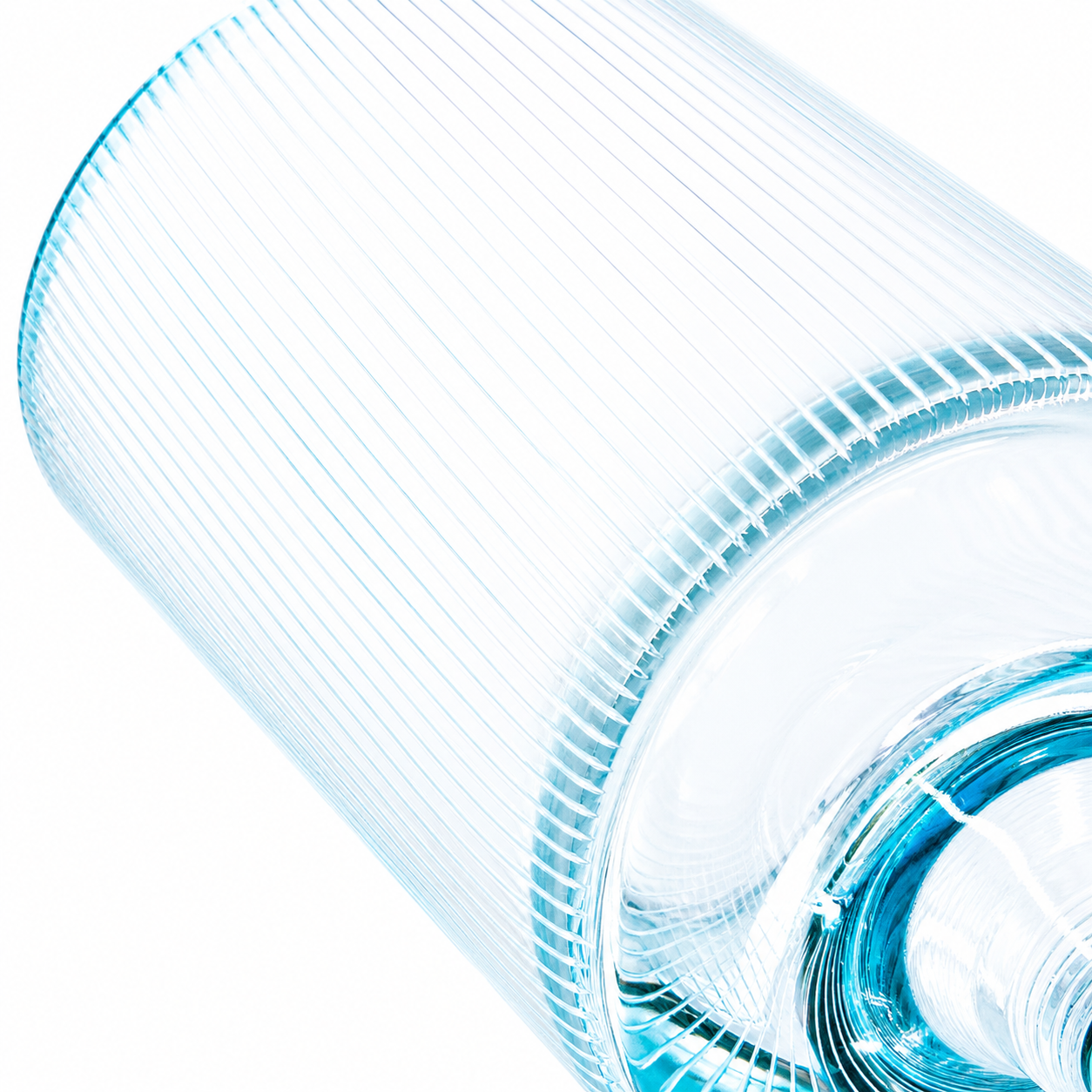
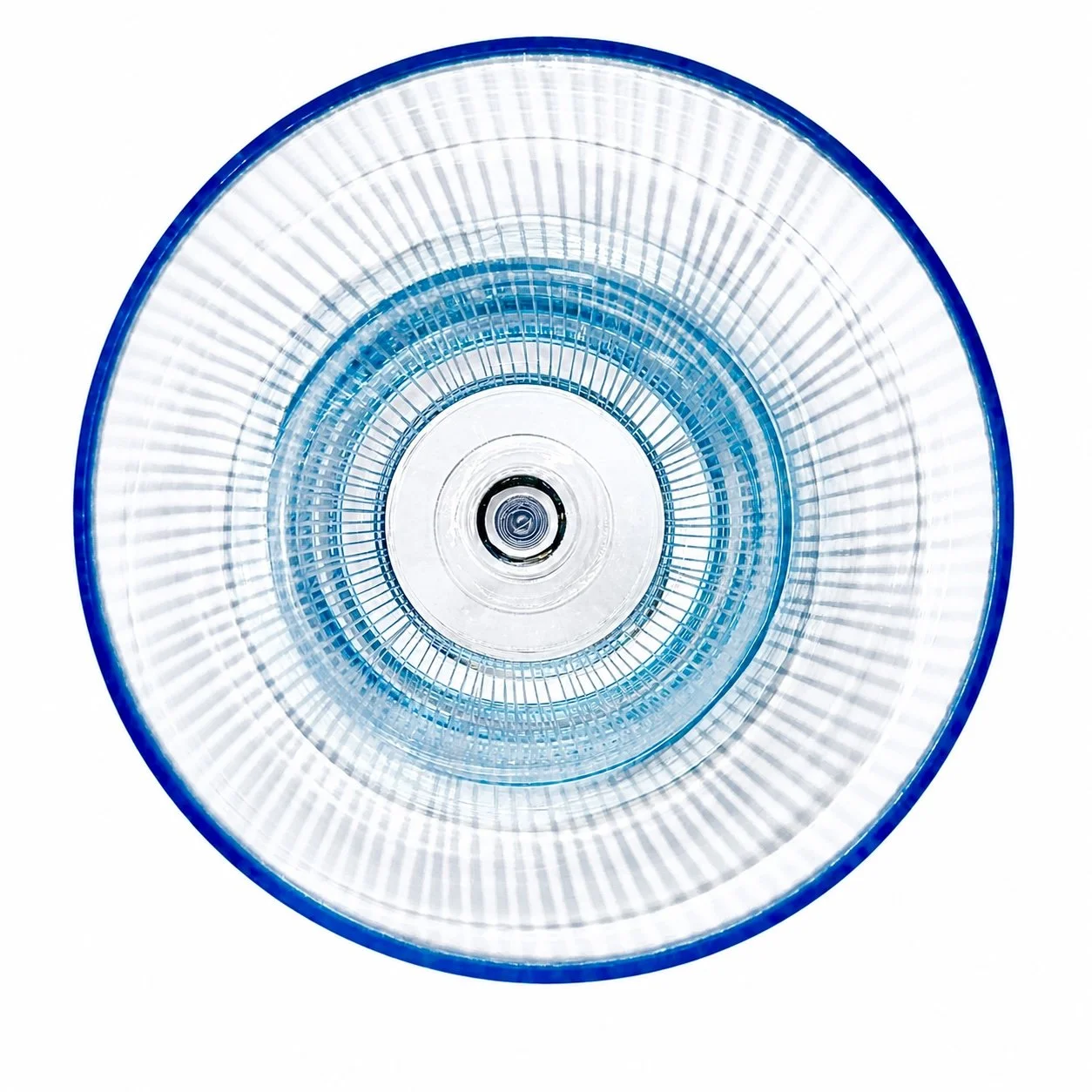
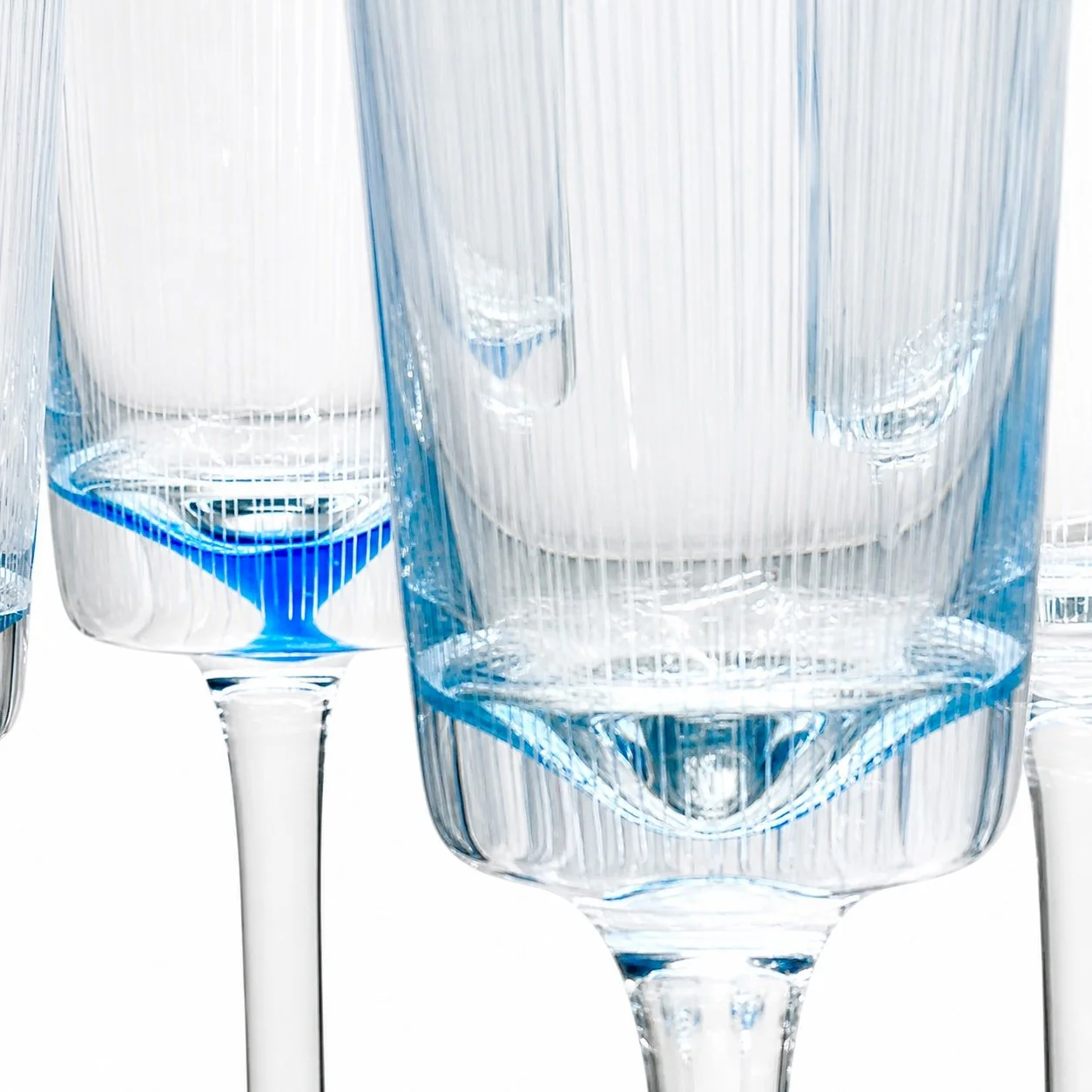
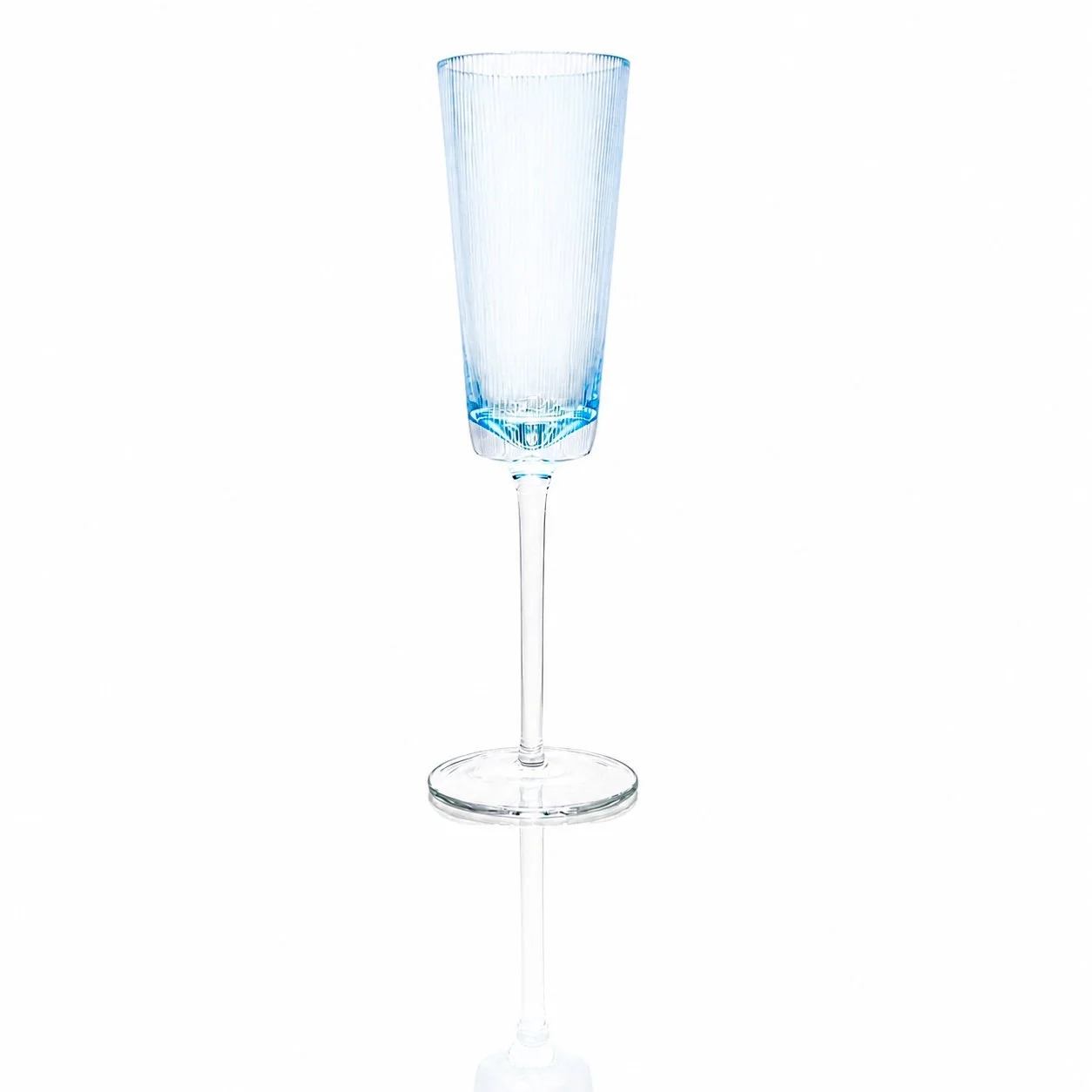
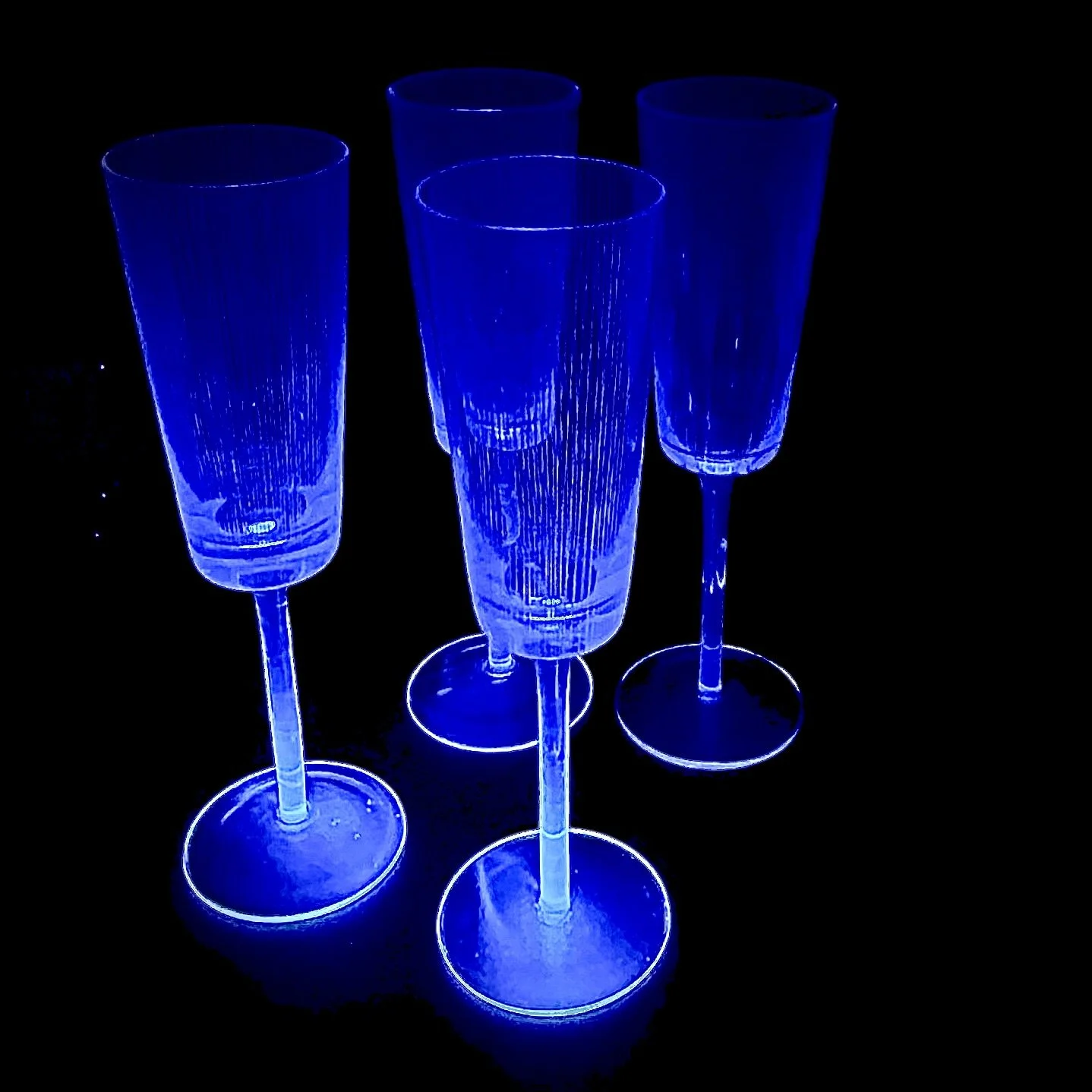
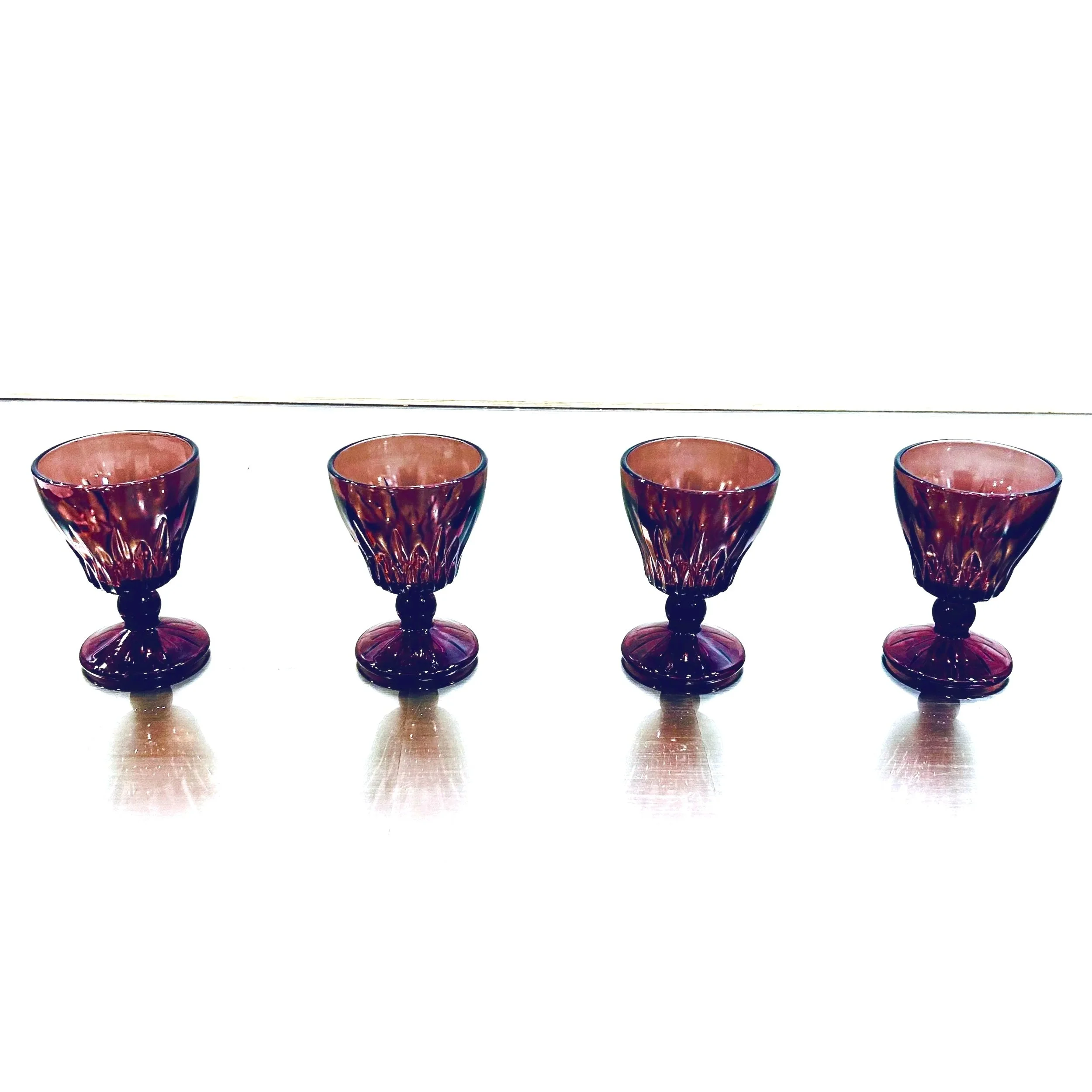
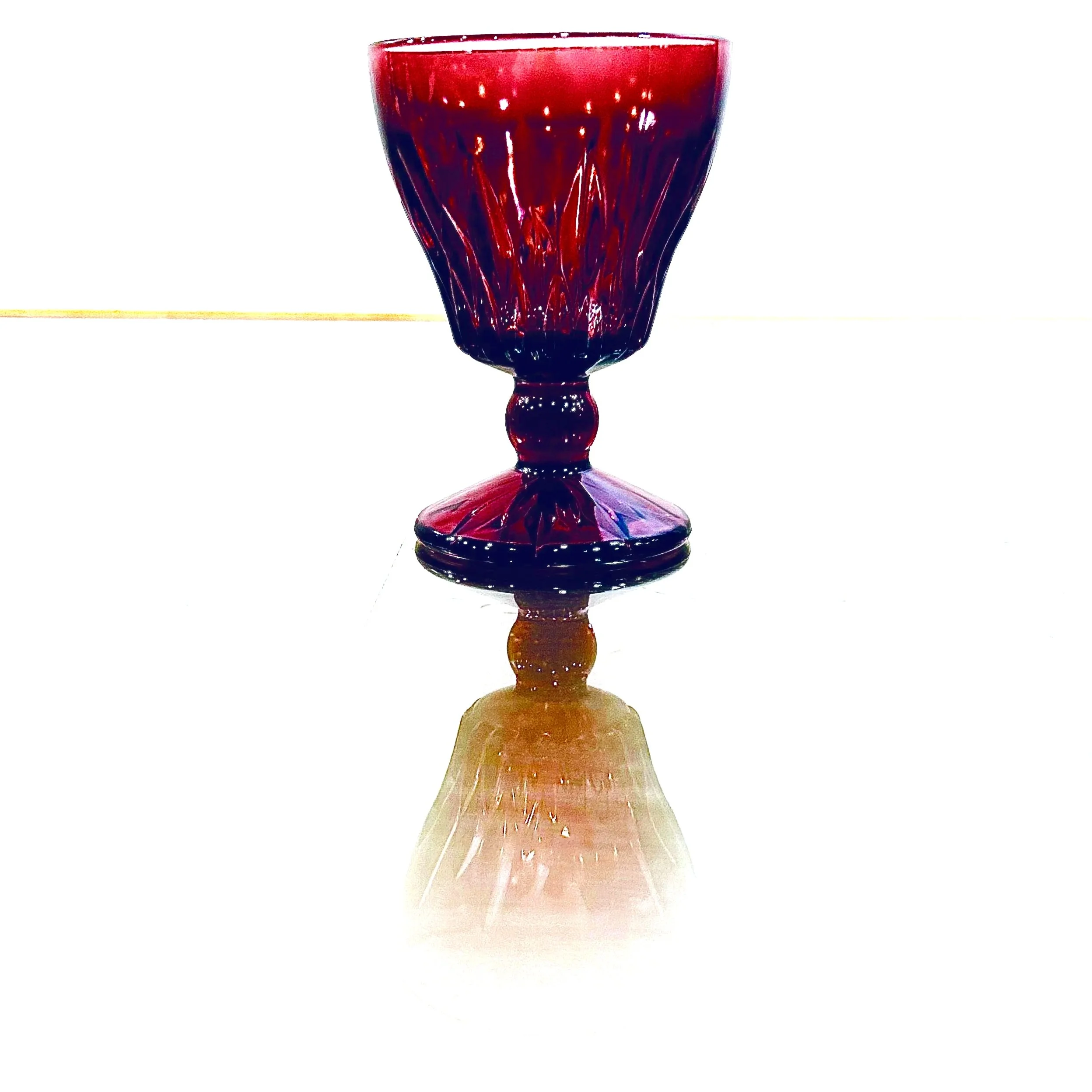
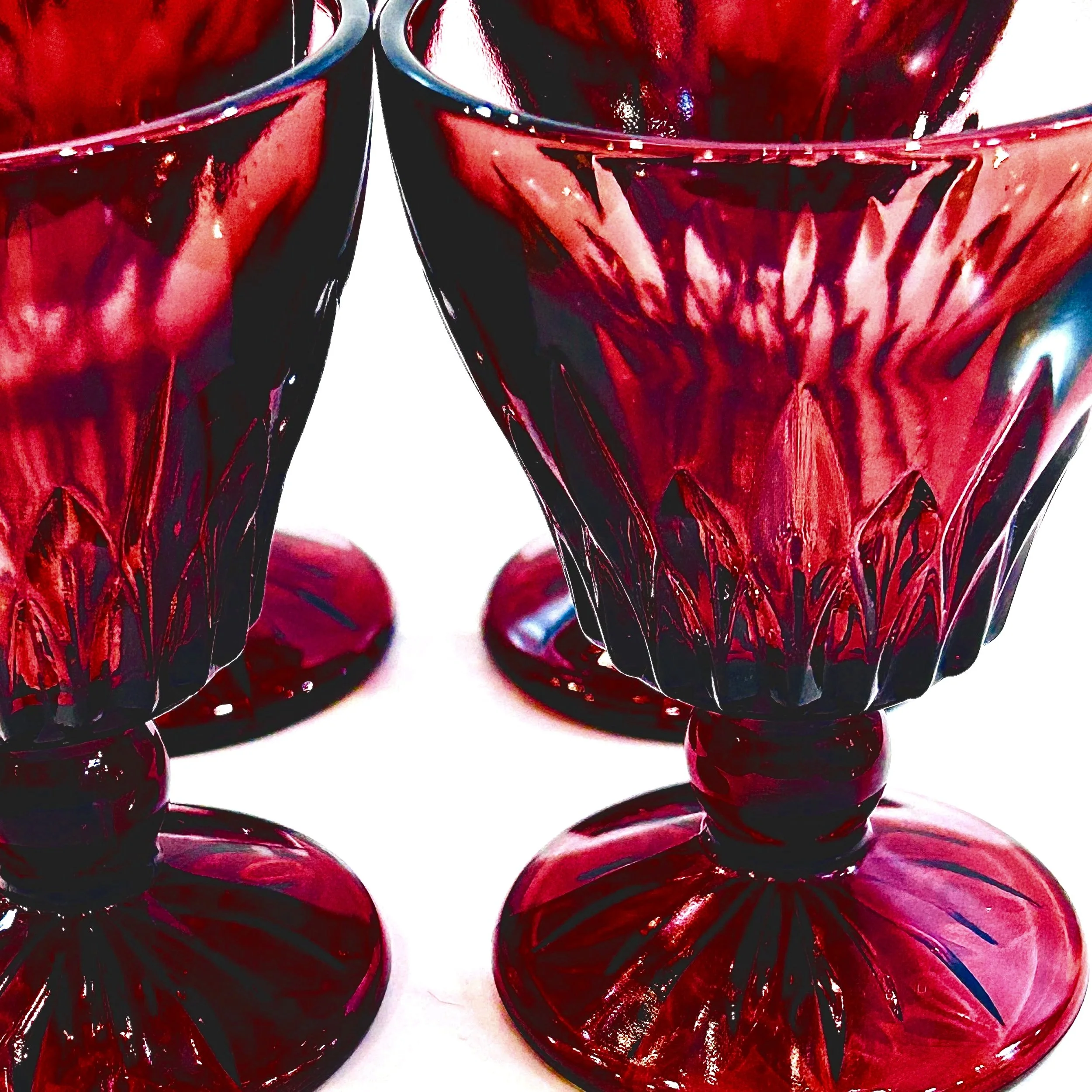
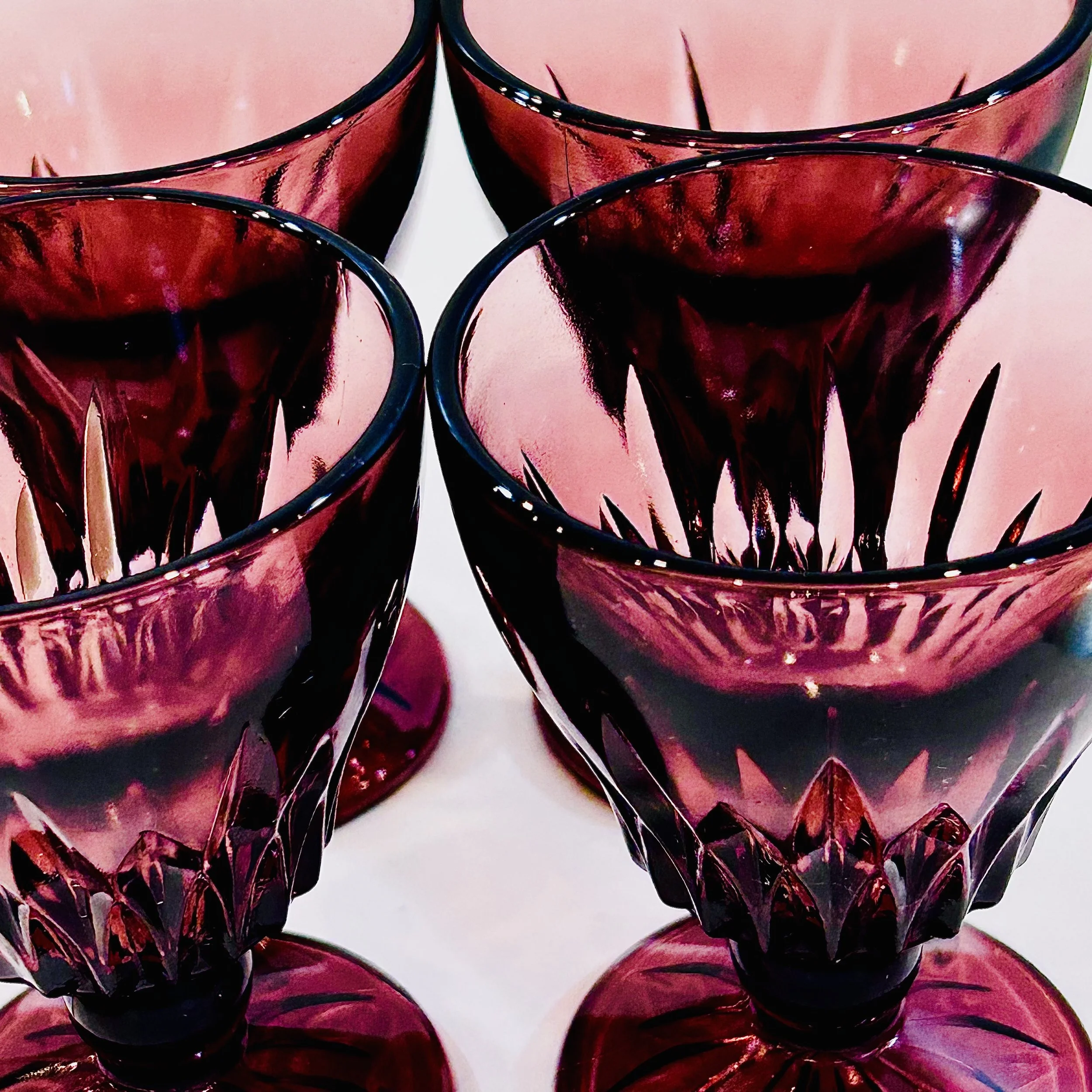
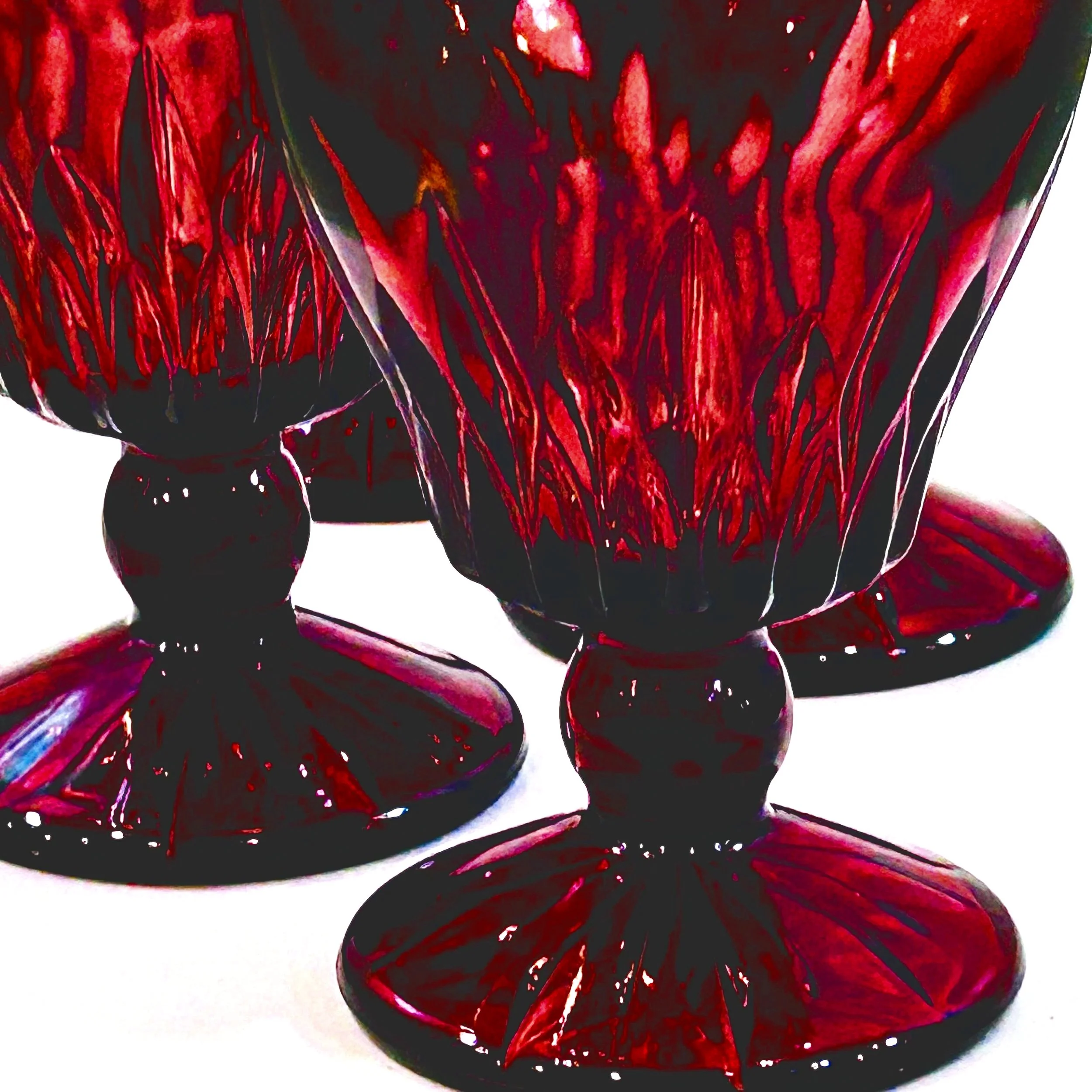
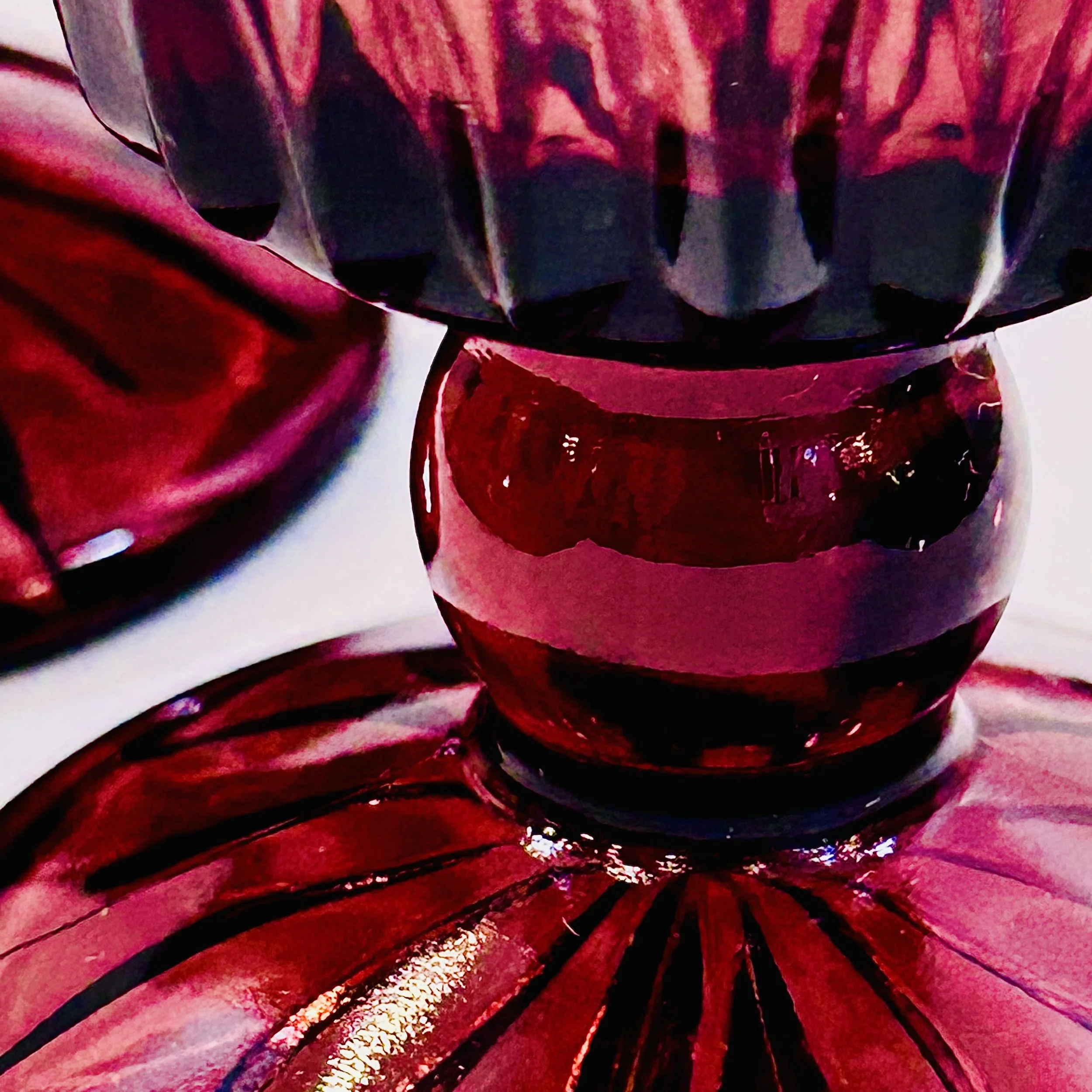
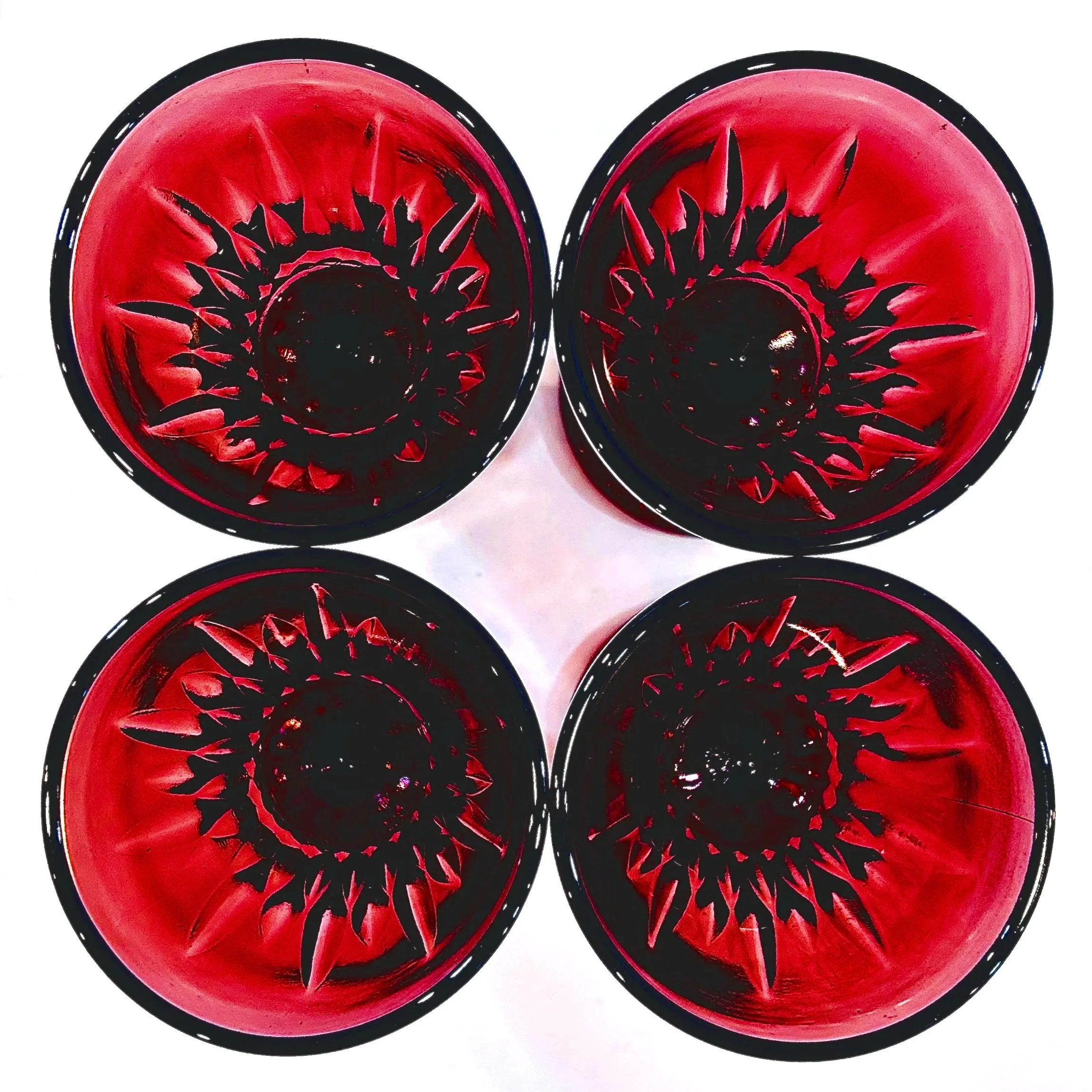
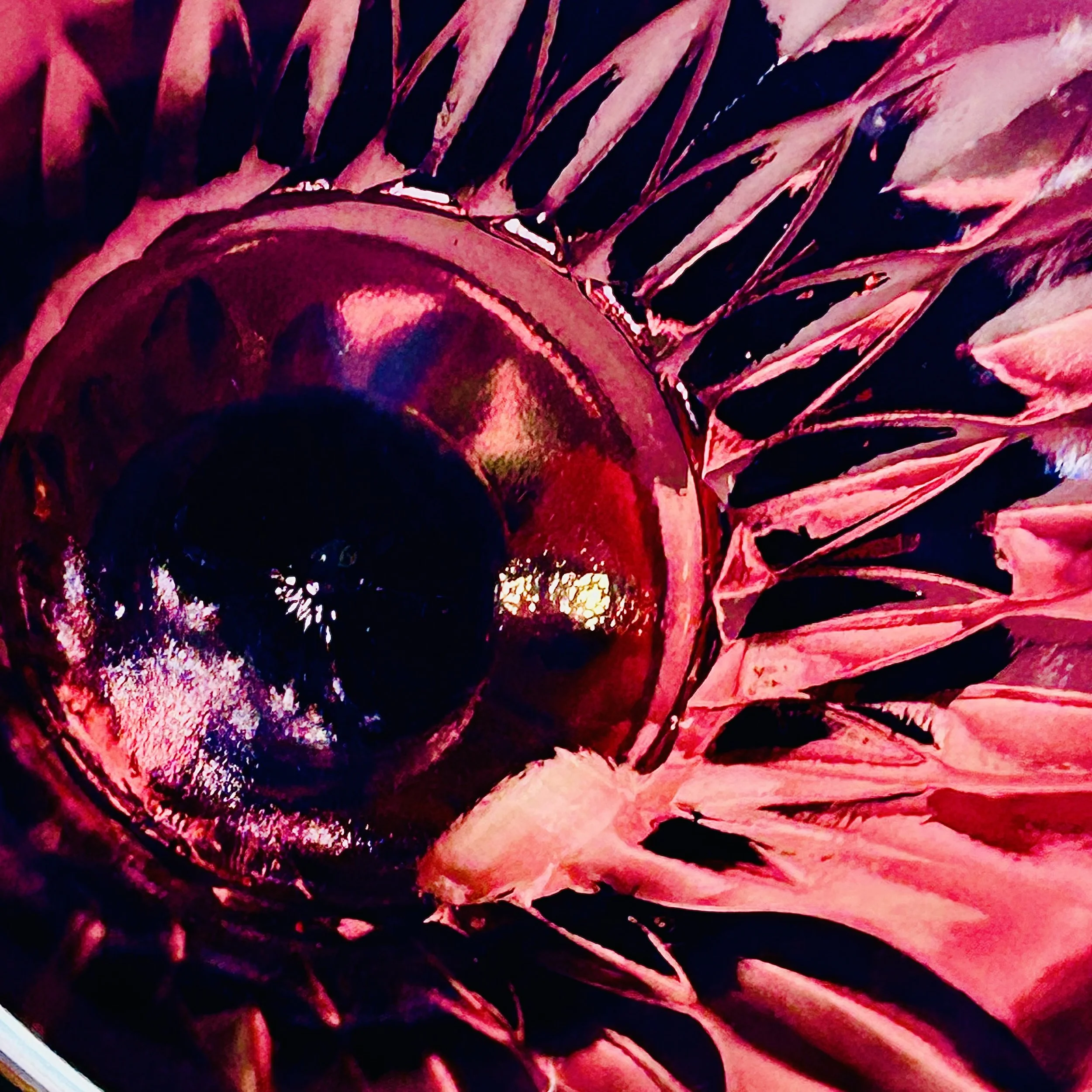
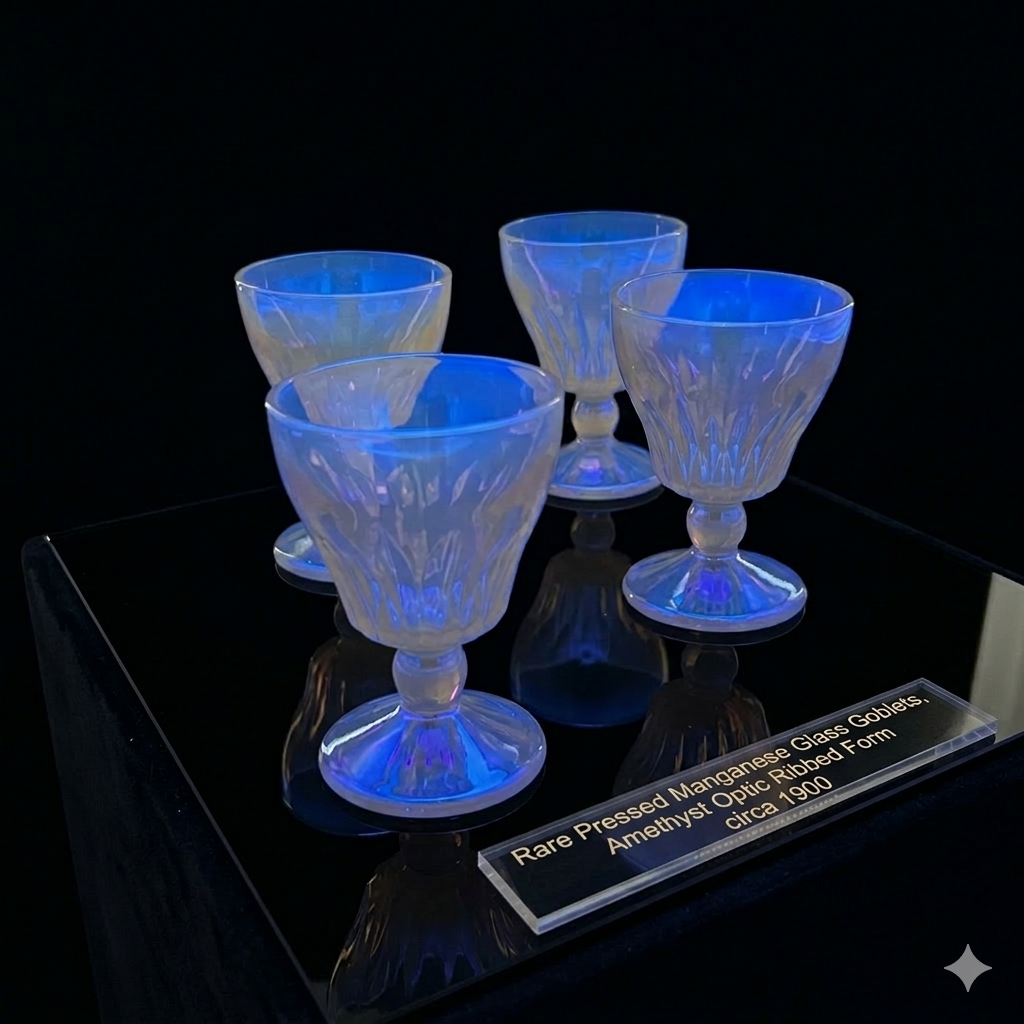
Ideal for a refined bar cart, open shelving, dining console, or coastal-modern interior where coloured glass can function as a sculptural accent. It also presents well grouped with the separately offered matching aquamarine ribbed wine glasses and shell-form serving trays shown in the photographs, creating a cohesive monochrome tablescape while remaining individually sold. Under directional or UV lighting, the vessel takes on added atmospheric presence.
STANDARD ATTRIBUTION & VALUE DISCLOSURE
This piece is described to the best of current scholarly and market knowledge. Any maker or regional attribution is based on visual analysis, materials, construction techniques, and documented stylistic comparisons. As with many MCM and antique design objects, definitive attribution may not be possible without original labels or factory records. Pricing reflects condition, quality, decorative appeal, and current collector demand rather than guaranteed maker identification.
A finely proportioned aquamarine opaline glass pitcher with a tall tapering body, flared pouring lip, and elegantly drawn applied handle. The vessel carries strong sculptural presence, with the milky blue body deepening to more saturated cobalt-toned accents at the rim, handle joins, and foot. Its clean silhouette and luminous translucency give it a refined decorative effect even when not in use. Under 365nm UV light the glass shows a reflective glow, adding another layer of visual interest without, on its own, proving a specific glass formula.
Attribution & Period
Stylistically aligned with Italian opaline art glass, most closely comparable to Empoli-area decorative pitchers offered as 1960s handblown examples with similar pale blue opaline bodies, darker blue handle junctions, and applied handles. Comparable market examples identified as Empoli blue opaline pitchers from circa 1960 and the 1960s show closely related colour handling, silhouette, and construction, though this example bears no factory mark and no documented maker has been confirmed. Attribution therefore remains visual rather than documented, and the most defensible working date is the 1960s.
Dimensions & Weight
Condition
Excellent condition. No cracks, chips, or repairs observed. There appear to be light scratches to the interior belly, consistent with past cleaning by an abrasive cloth. Minor surface wear consistent with careful handling and age.
Authenticity & Construction
Handblown glass with an applied handle and tooled spout. The visible transitions at the handle attachments, the fluid shaping at the lip, and the concentrated colour at the joins and foot are consistent with studio or workshop hand-forming rather than pressed production. The opaline body and deeper blue accents create a materially rich effect that responds especially well to direct light and display lighting. Comparable Italian opaline pitchers from the 1960s are also described in the market as handblown with applied handles, supporting this construction reading.
Placement
Ideal for a refined bar cart, open shelving, dining console, or coastal-modern interior where coloured glass can function as a sculptural accent. It also presents well grouped with the separately offered matching aquamarine ribbed wine glasses and shell-form serving trays shown in the photographs, creating a cohesive monochrome tablescape while remaining individually sold. Under directional or UV lighting, the vessel takes on added atmospheric presence.
STANDARD ATTRIBUTION & VALUE DISCLOSURE
This piece is described to the best of current scholarly and market knowledge. Any maker or regional attribution is based on visual analysis, materials, construction techniques, and documented stylistic comparisons. As with many MCM and antique design objects, definitive attribution may not be possible without original labels or factory records. Pricing reflects condition, quality, decorative appeal, and current collector demand rather than guaranteed maker identification.

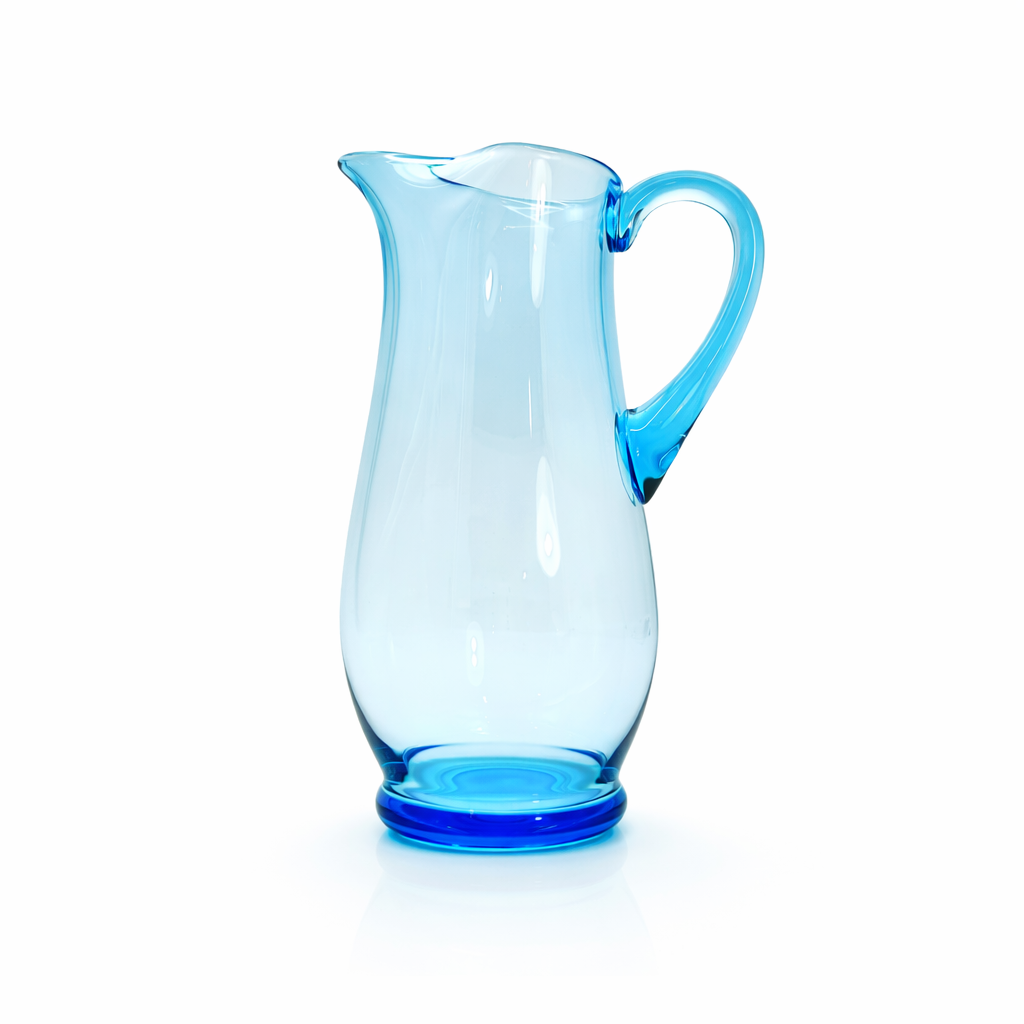 Image 1 of 18
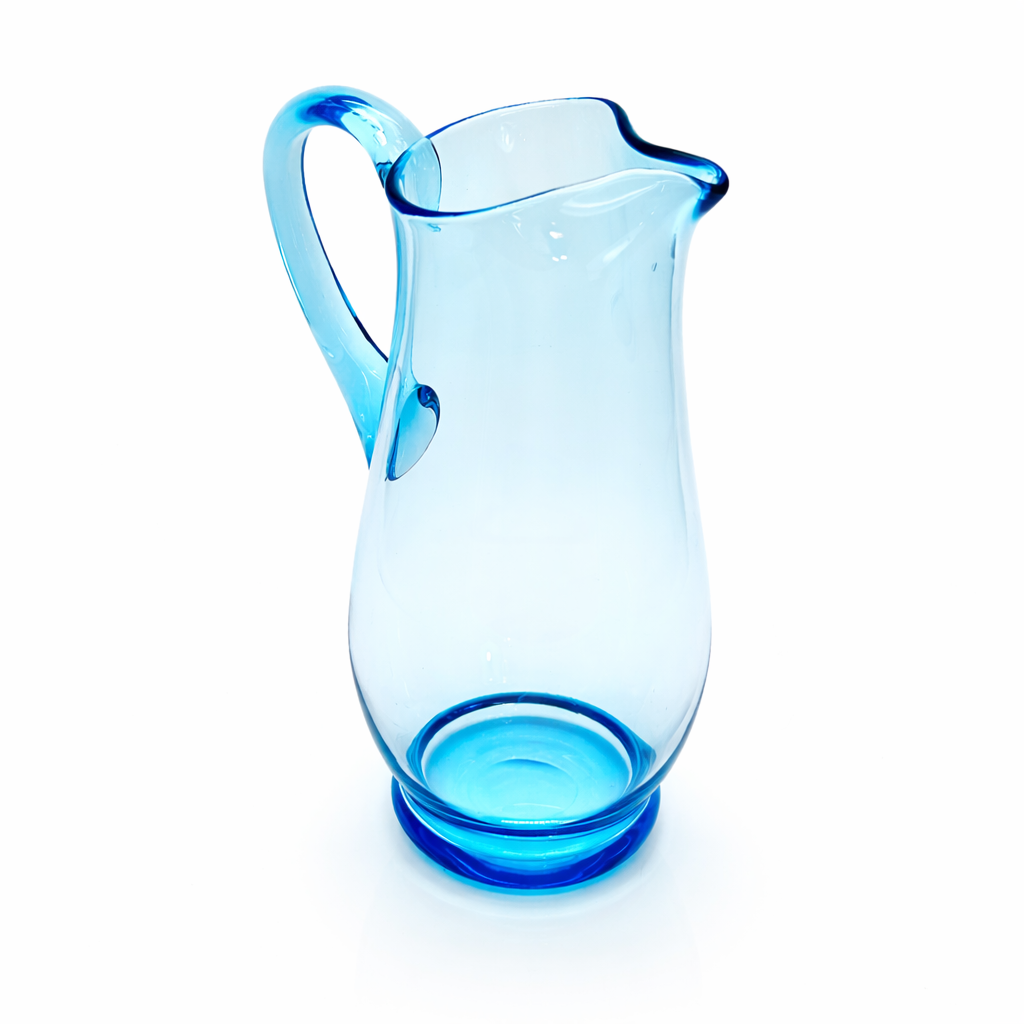 Image 2 of 18
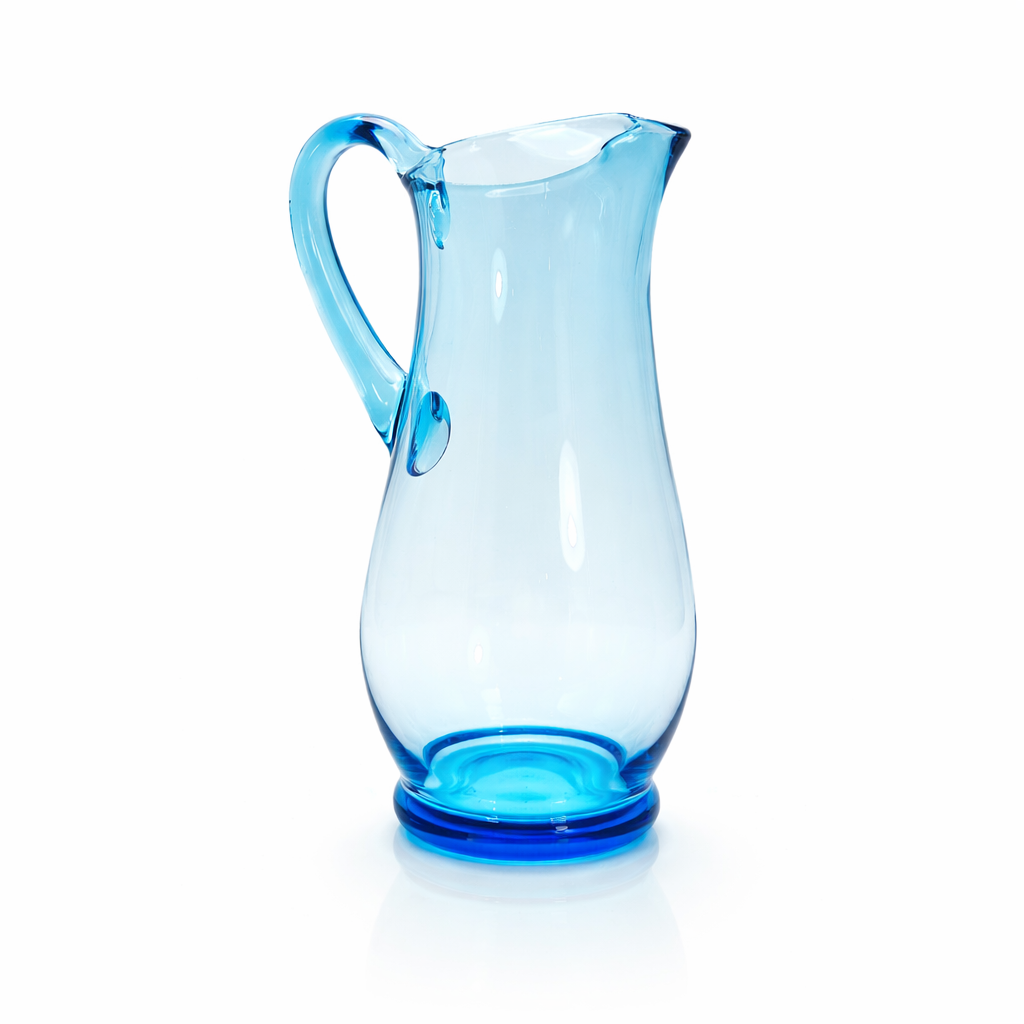 Image 3 of 18
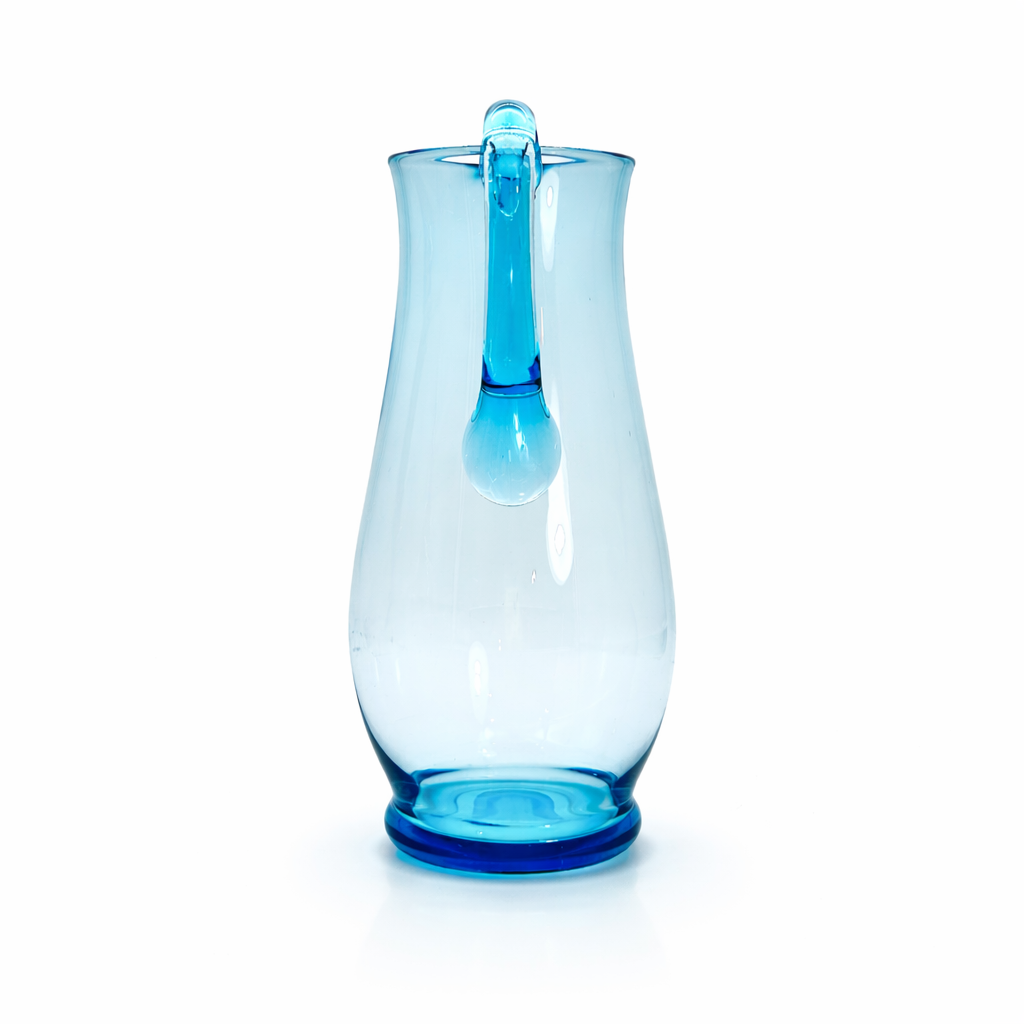 Image 4 of 18
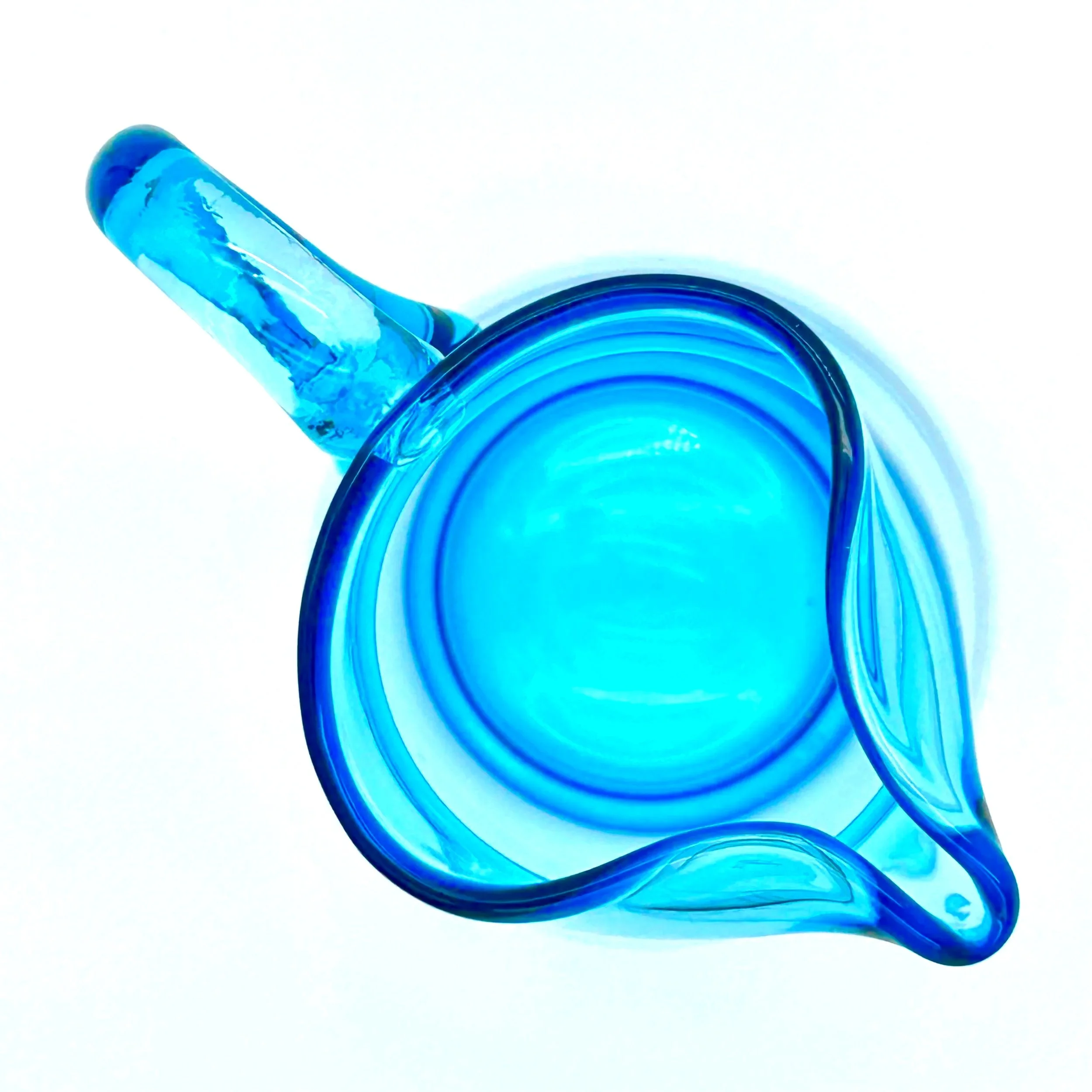 Image 5 of 18
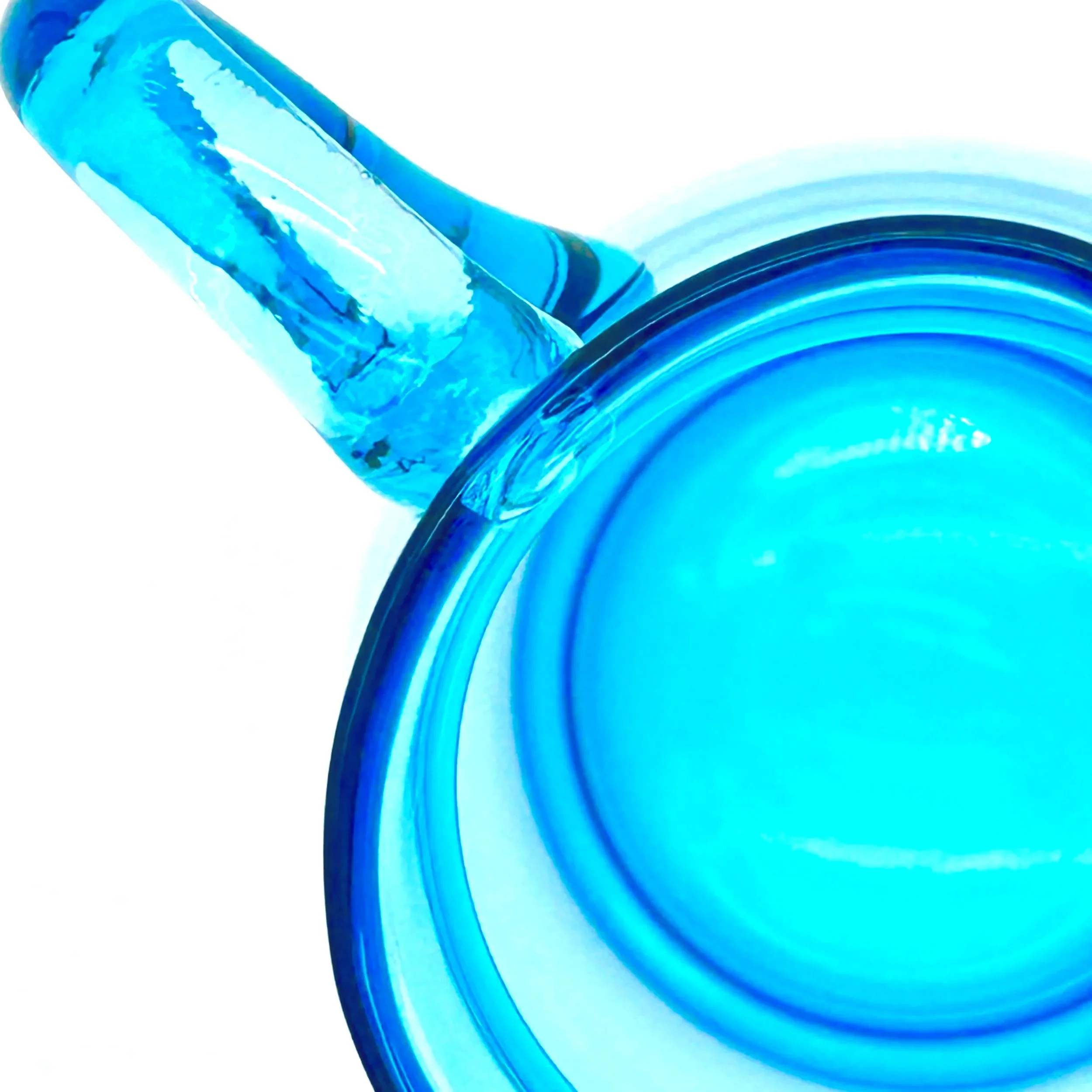 Image 6 of 18
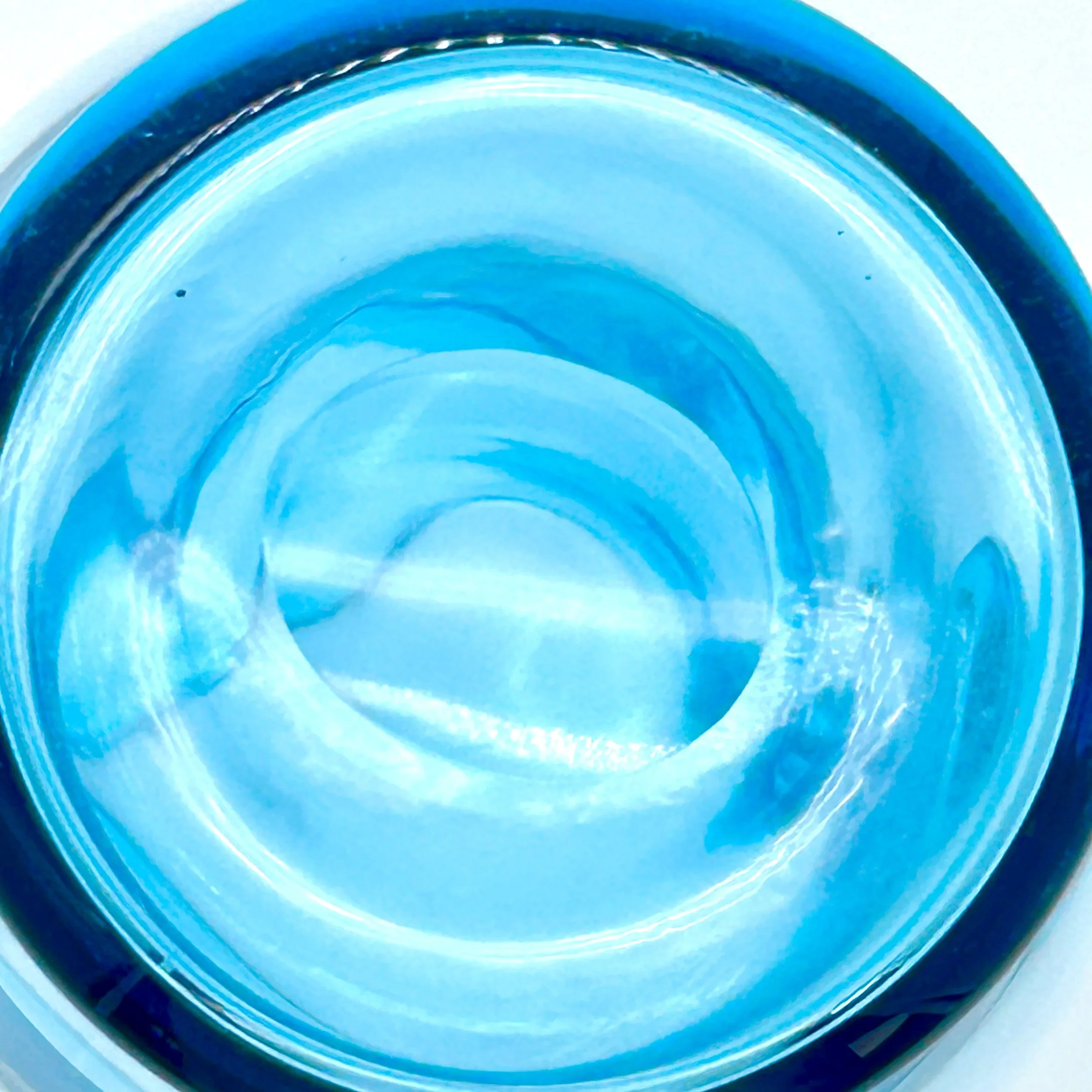 Image 7 of 18
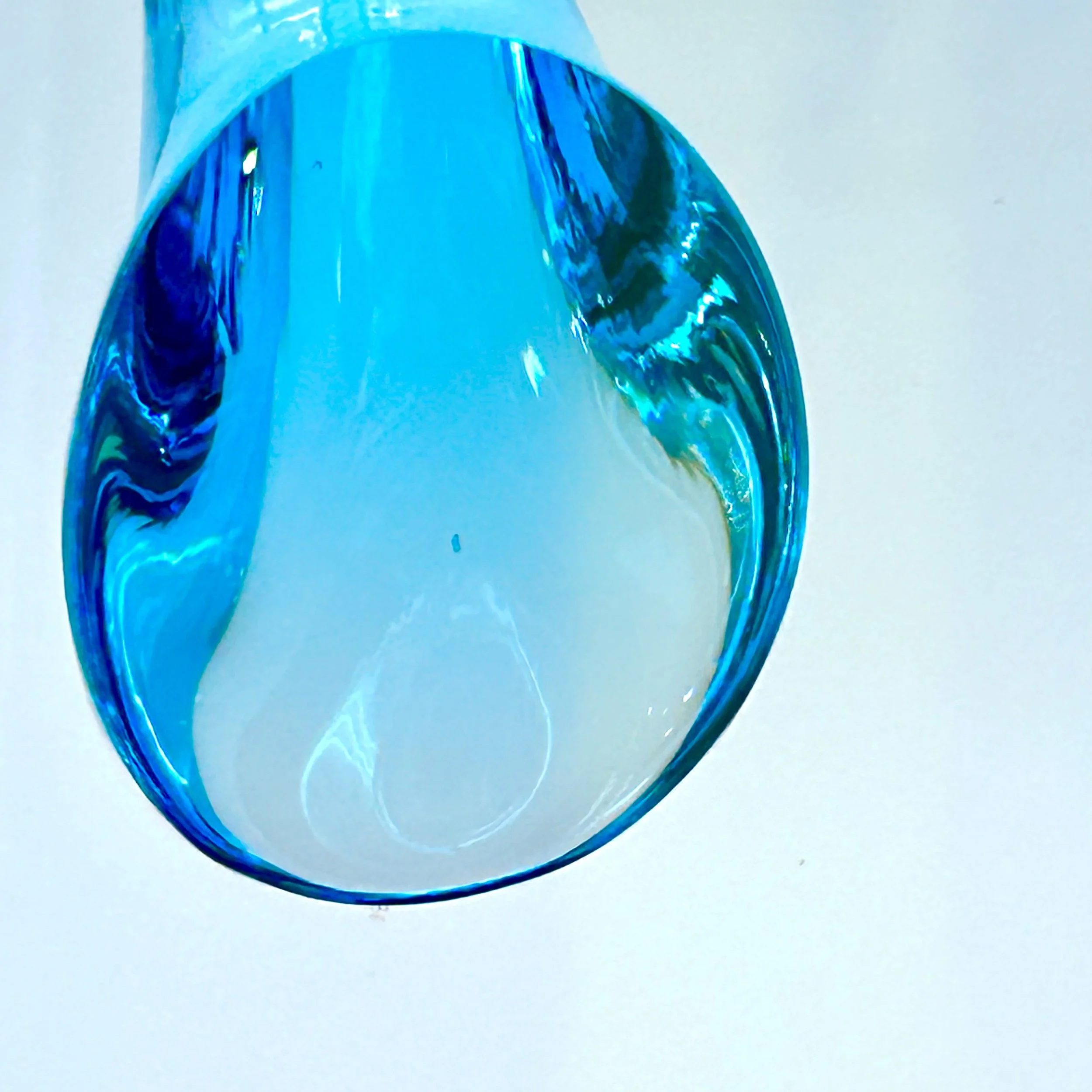 Image 8 of 18
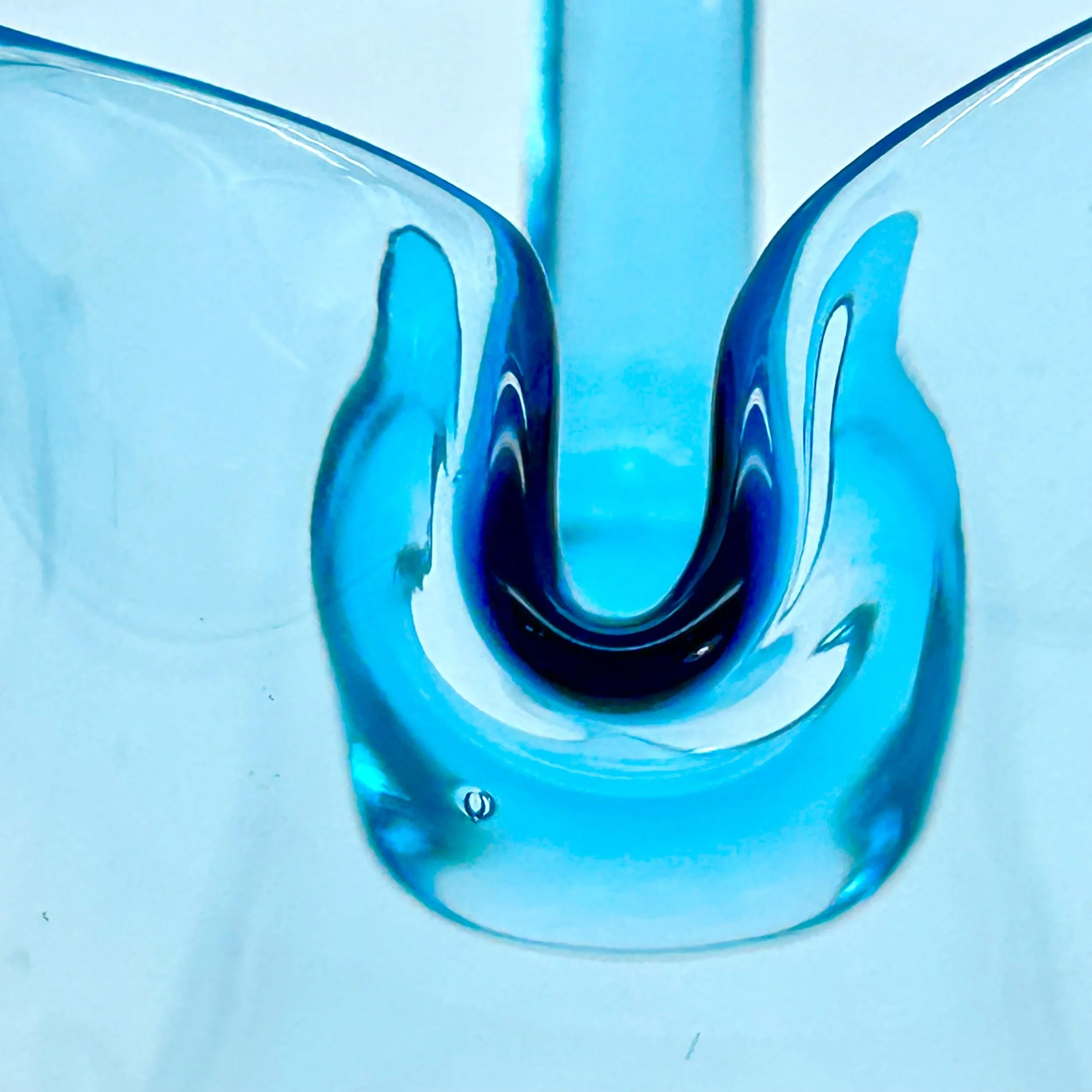 Image 9 of 18
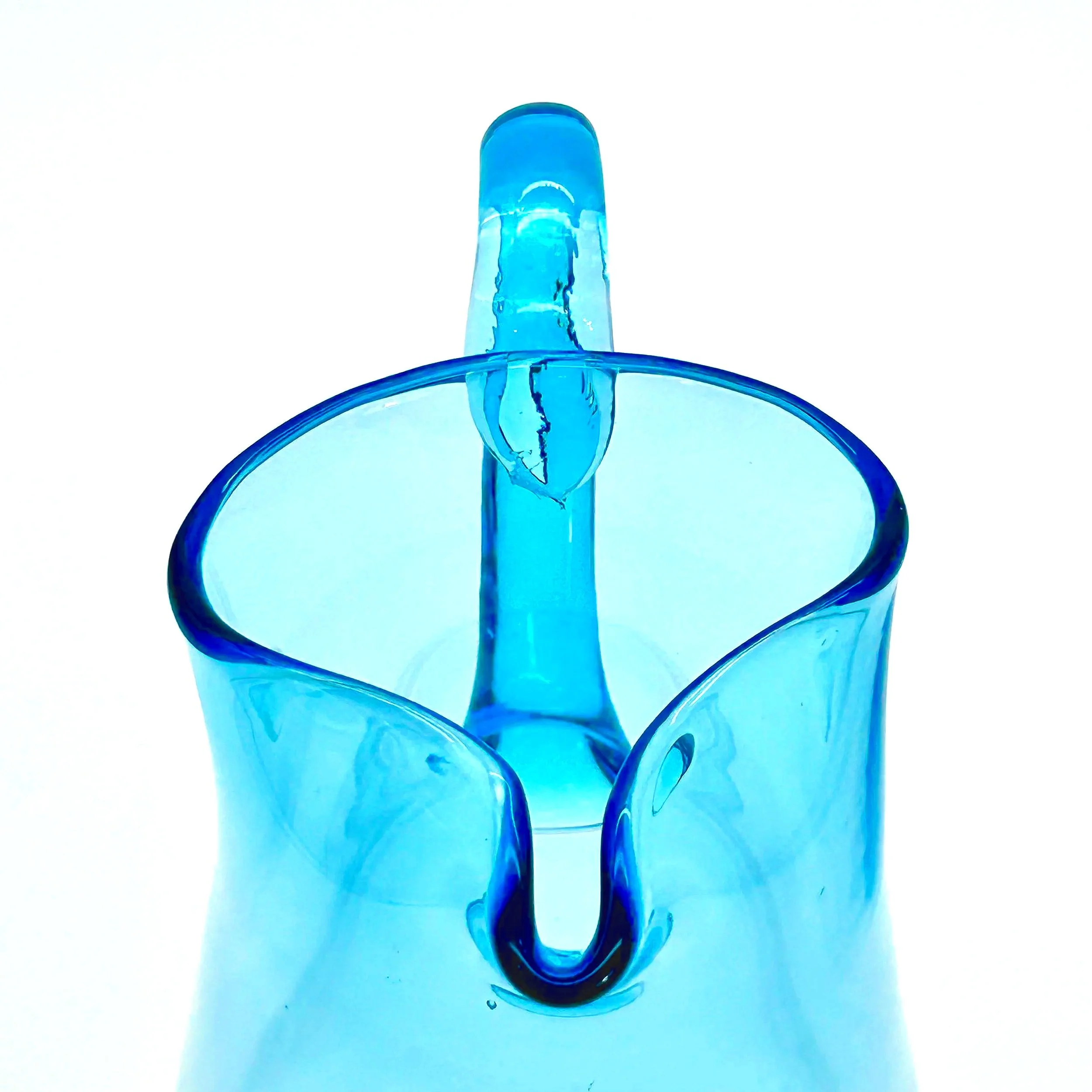 Image 10 of 18
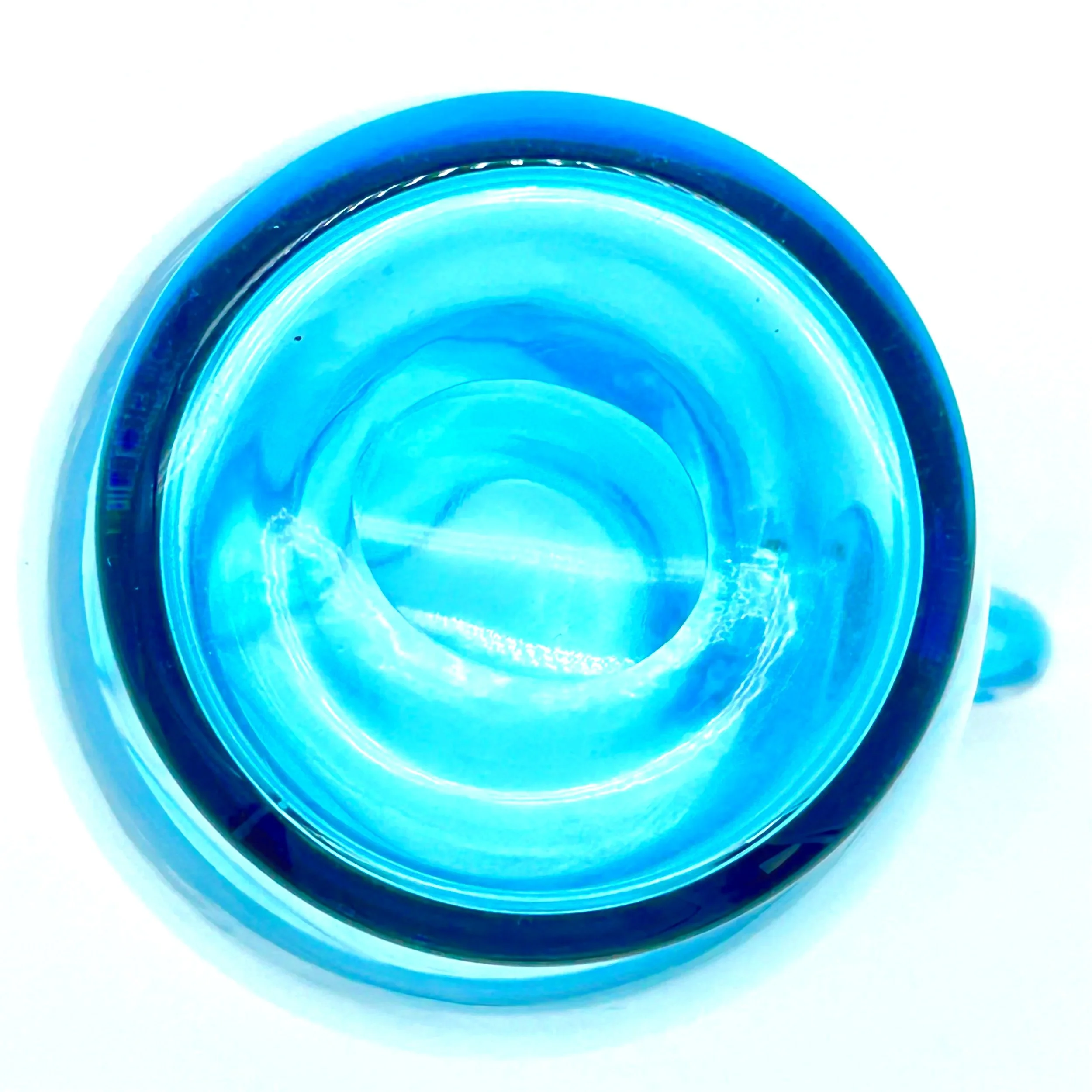 Image 11 of 18
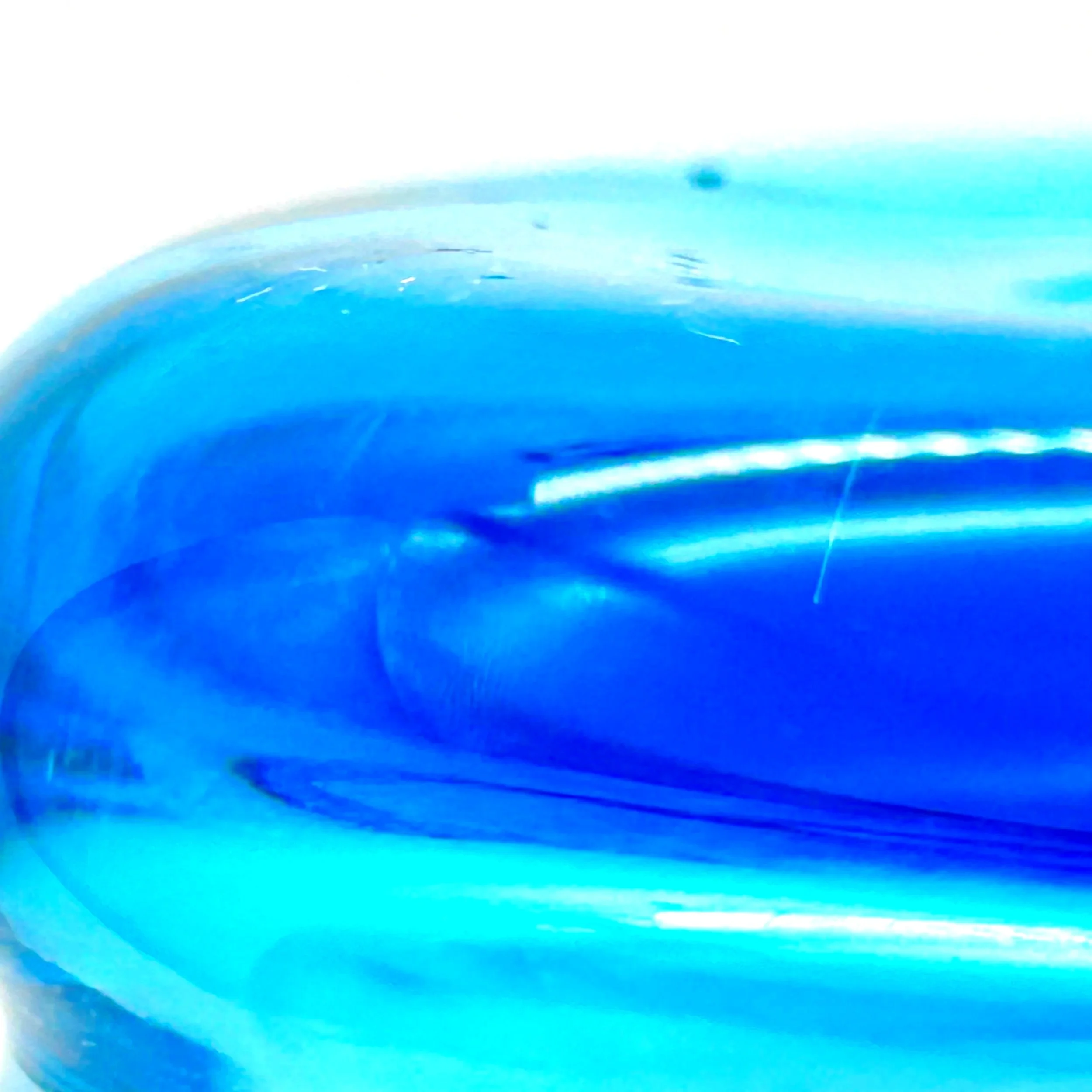 Image 12 of 18
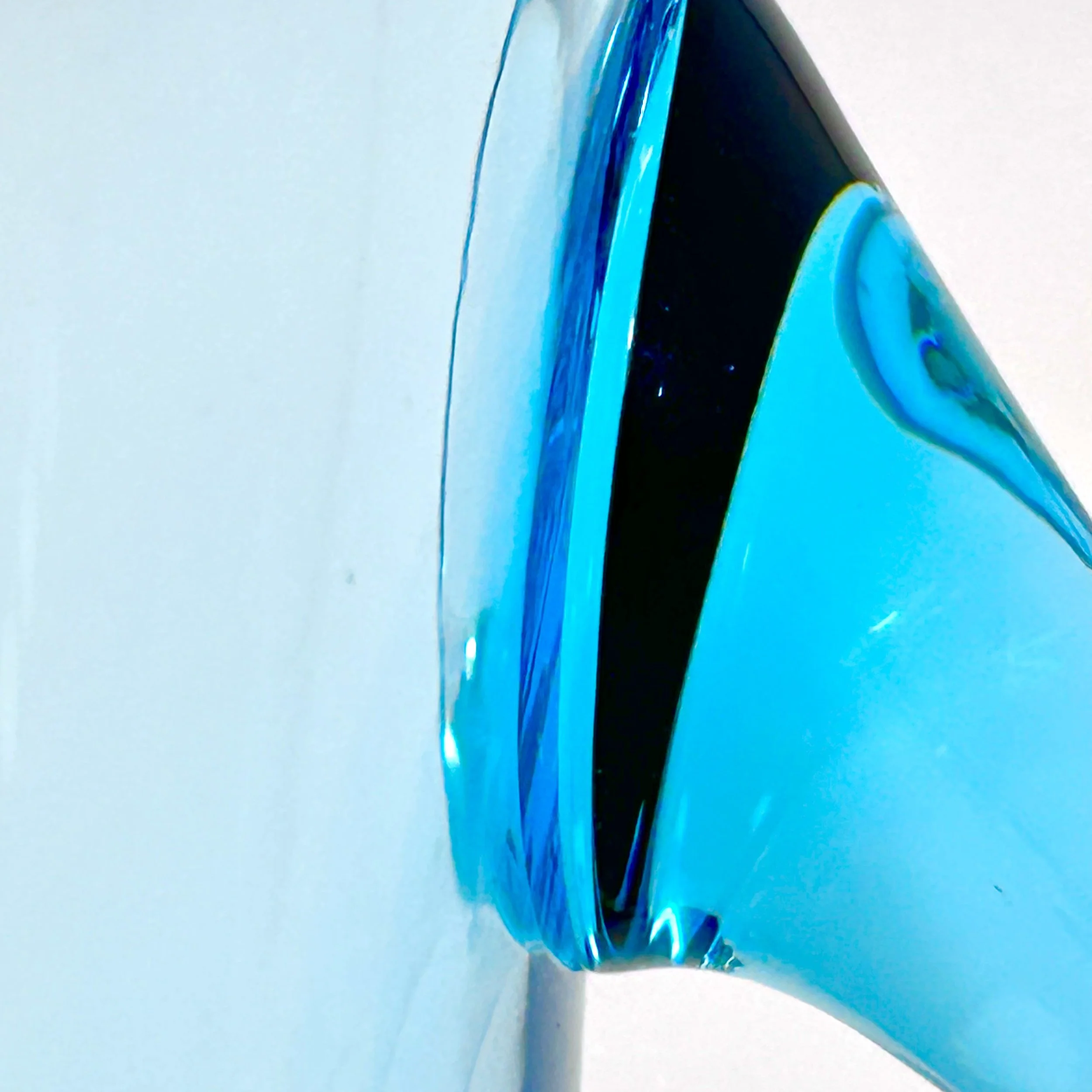 Image 13 of 18
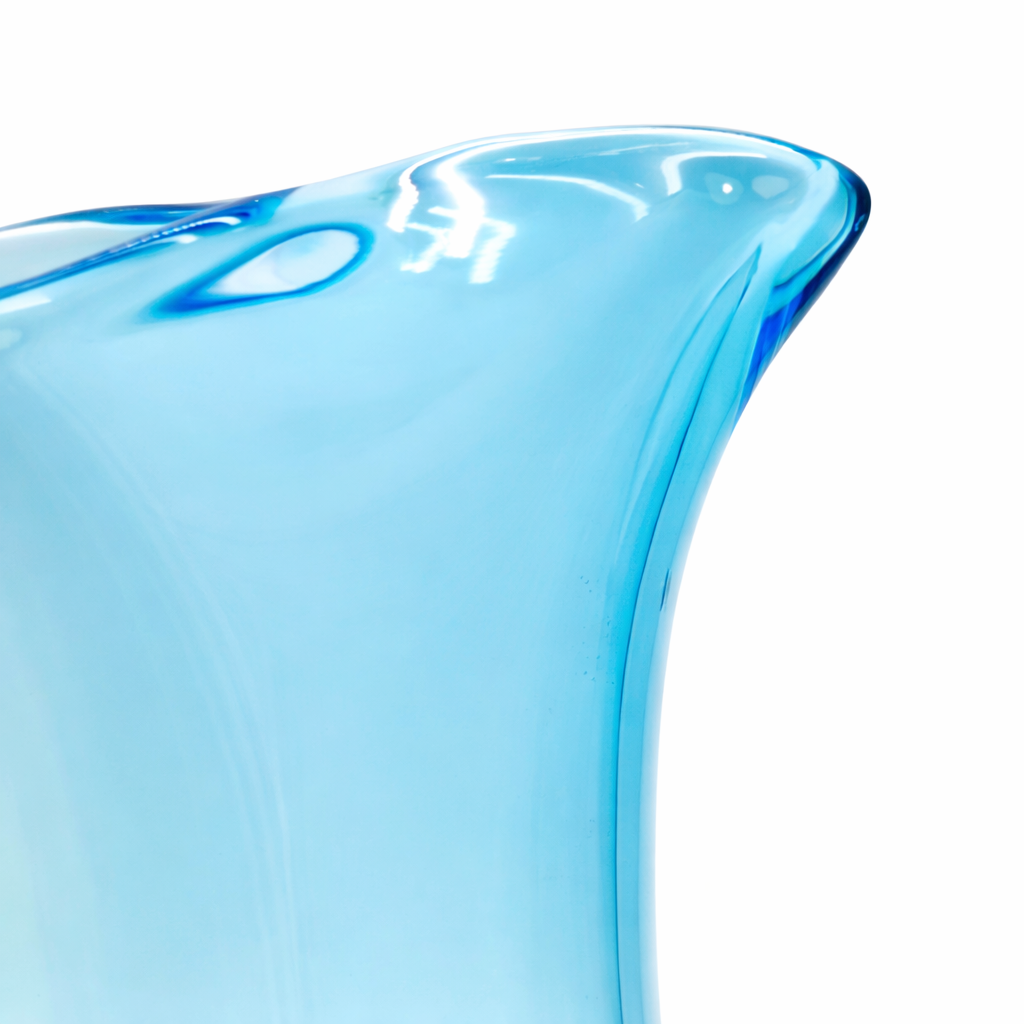 Image 14 of 18
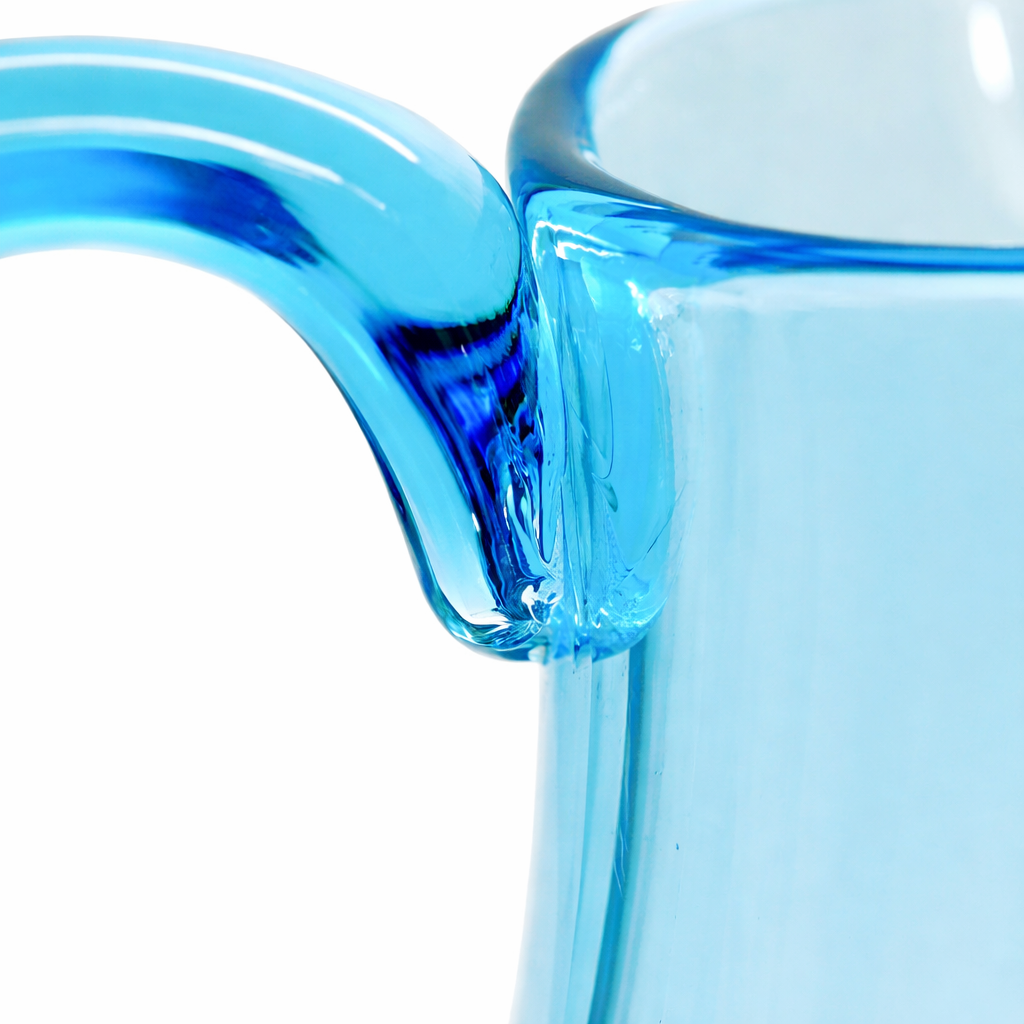 Image 15 of 18
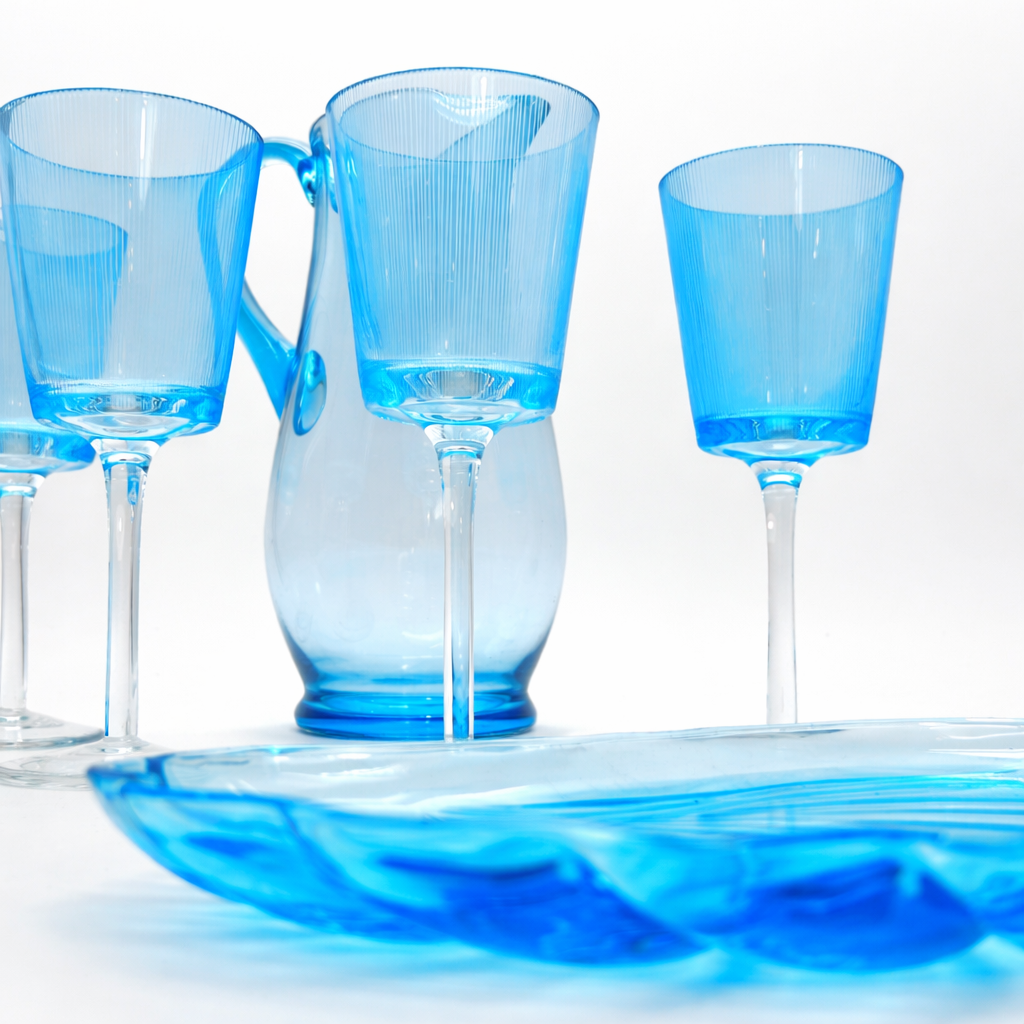 Image 16 of 18
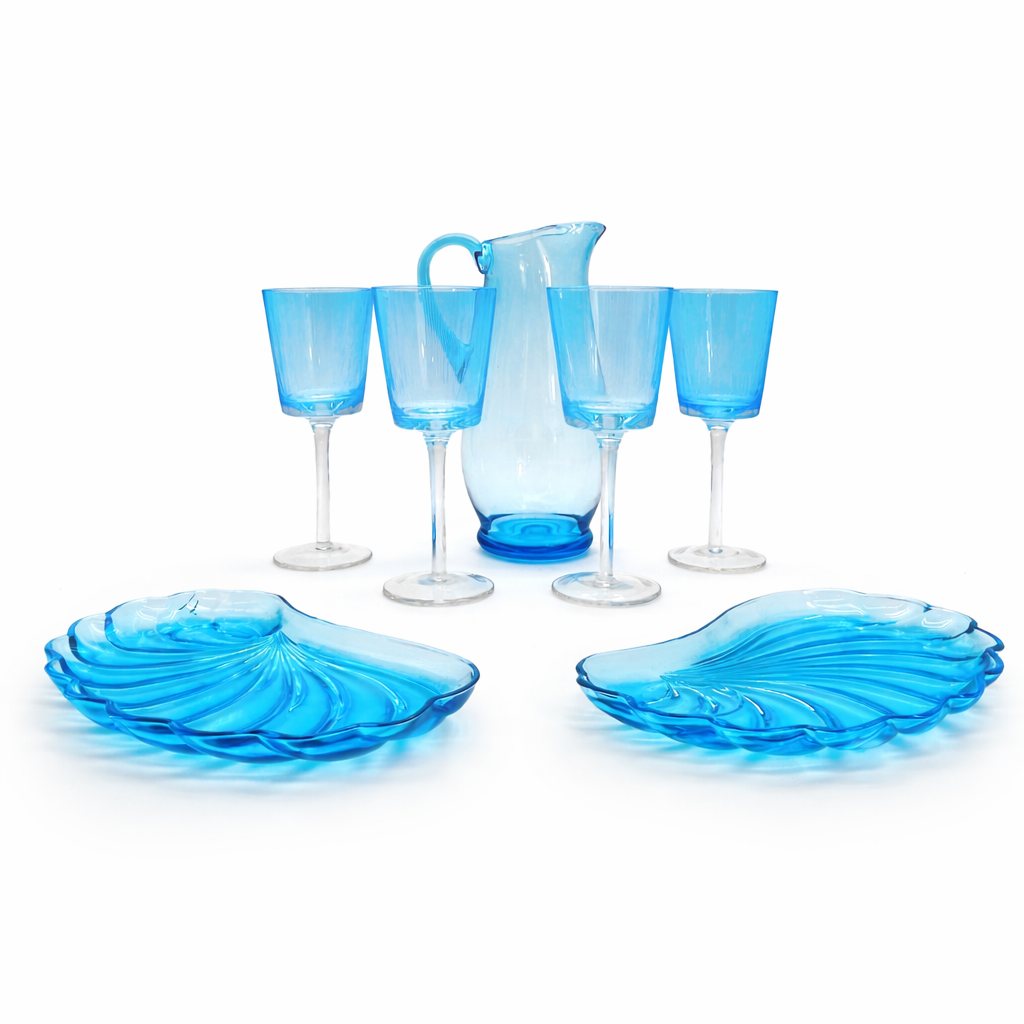 Image 17 of 18
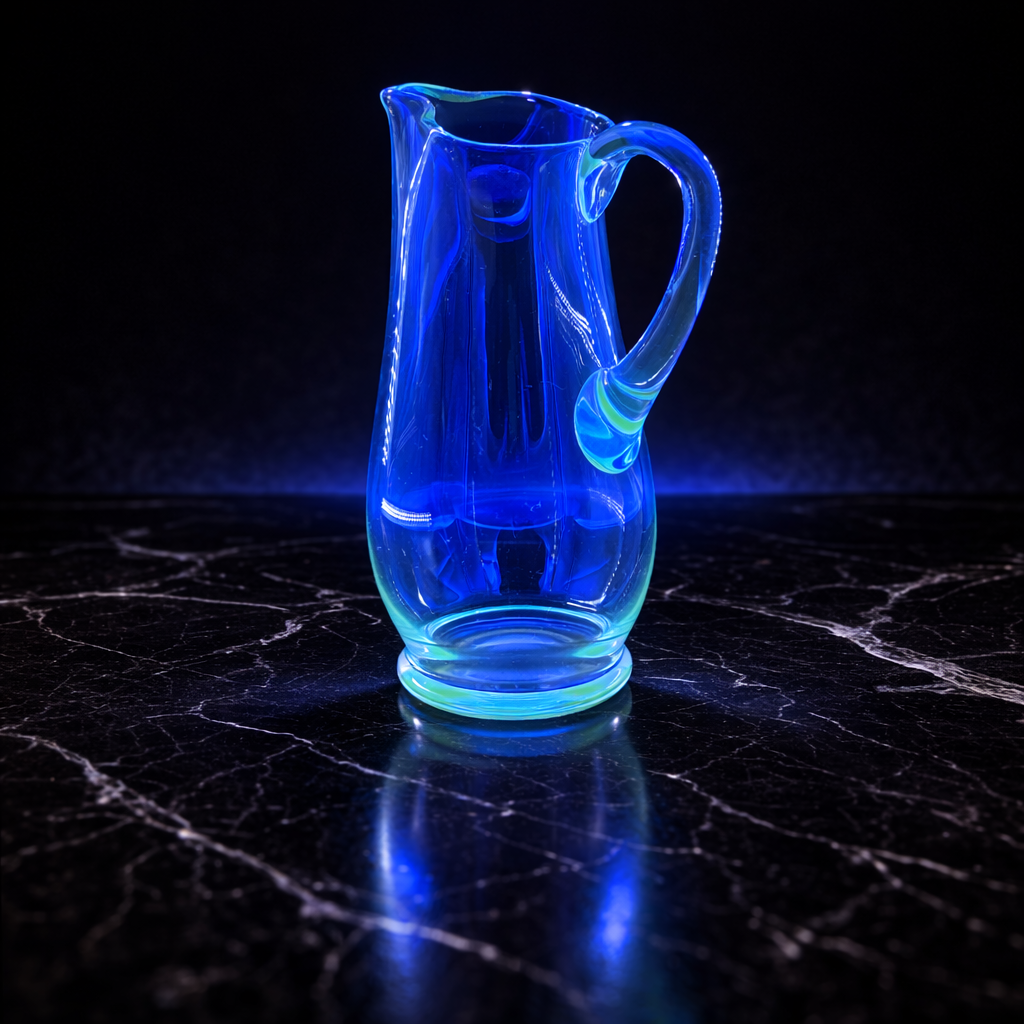 Image 18 of 18