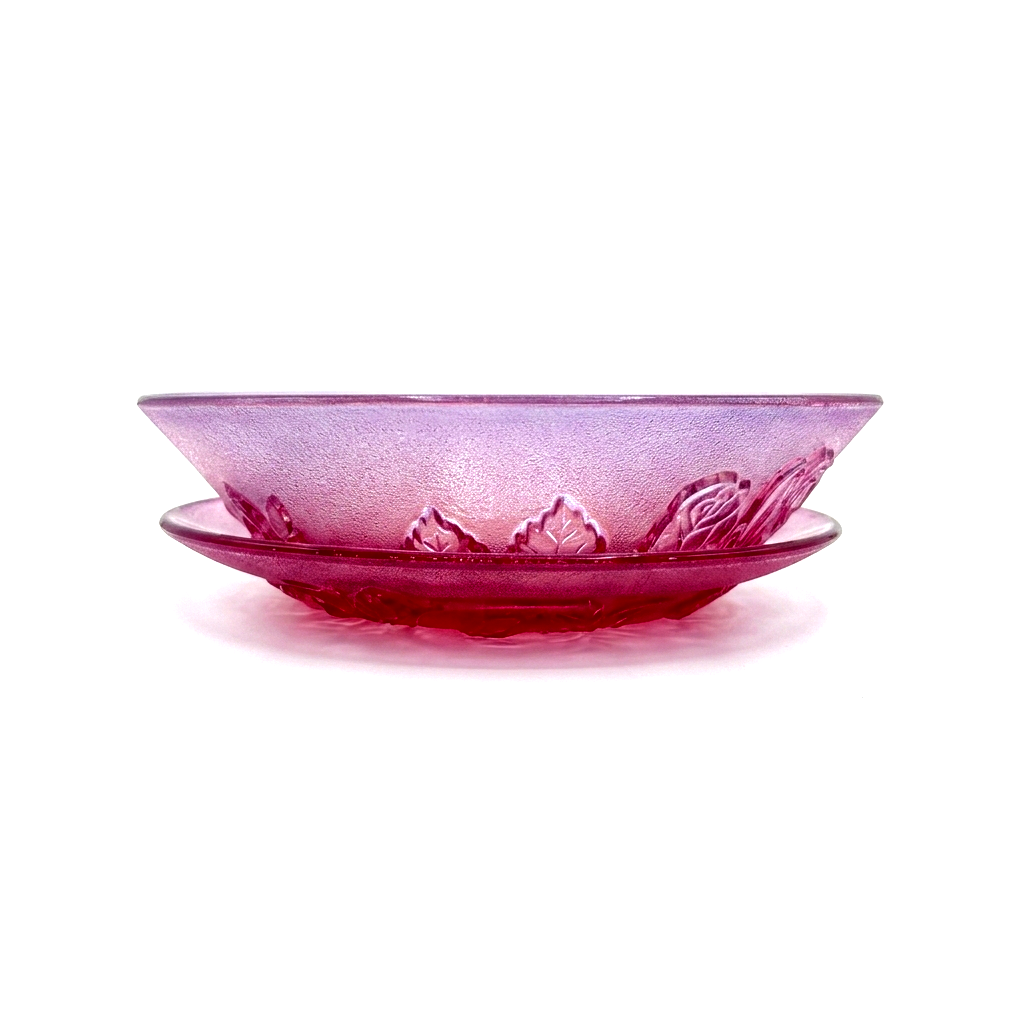
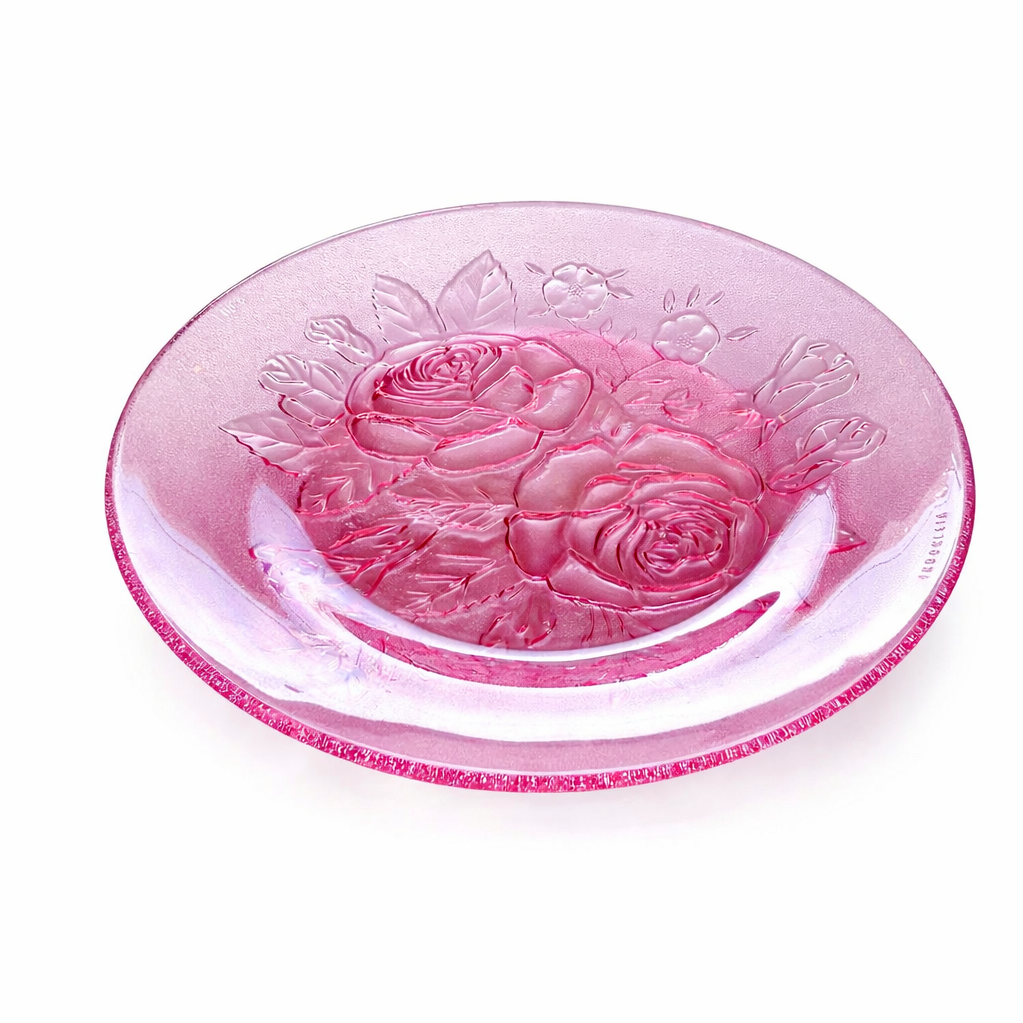
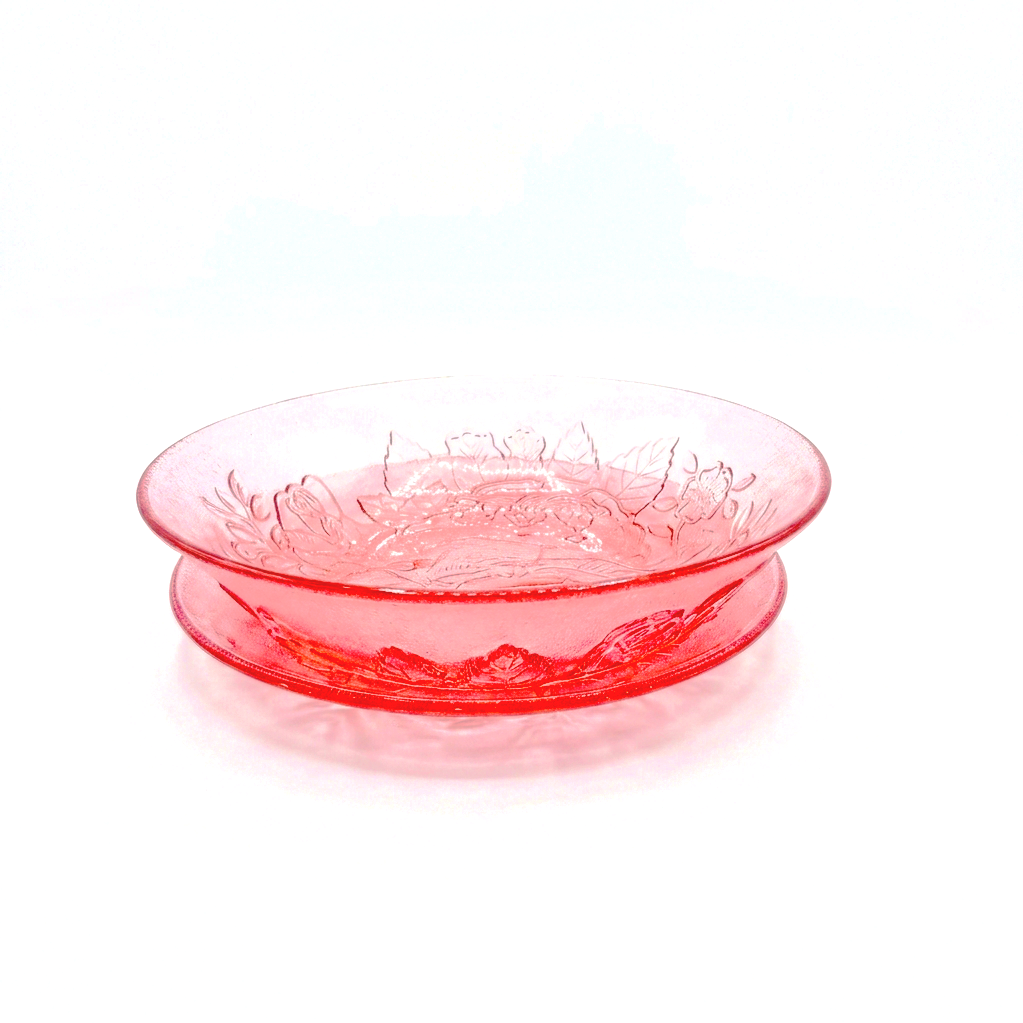
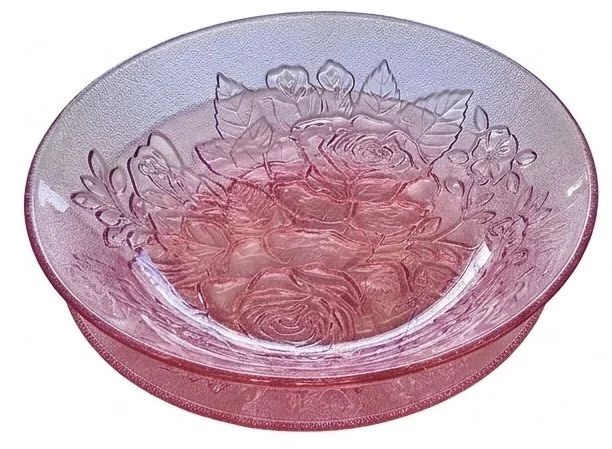
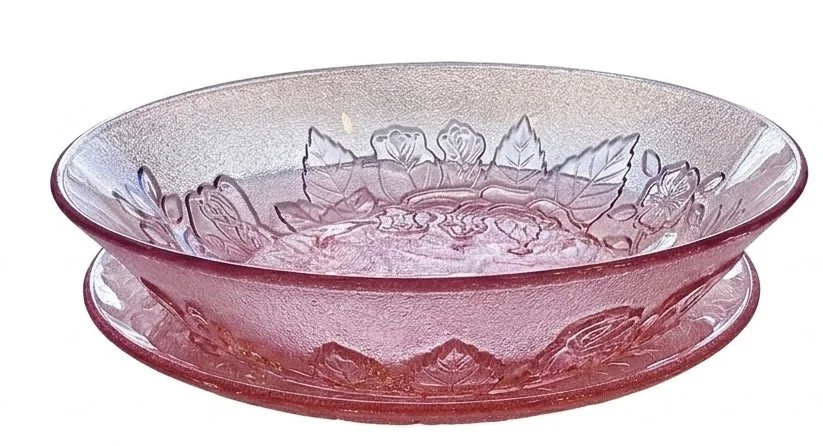
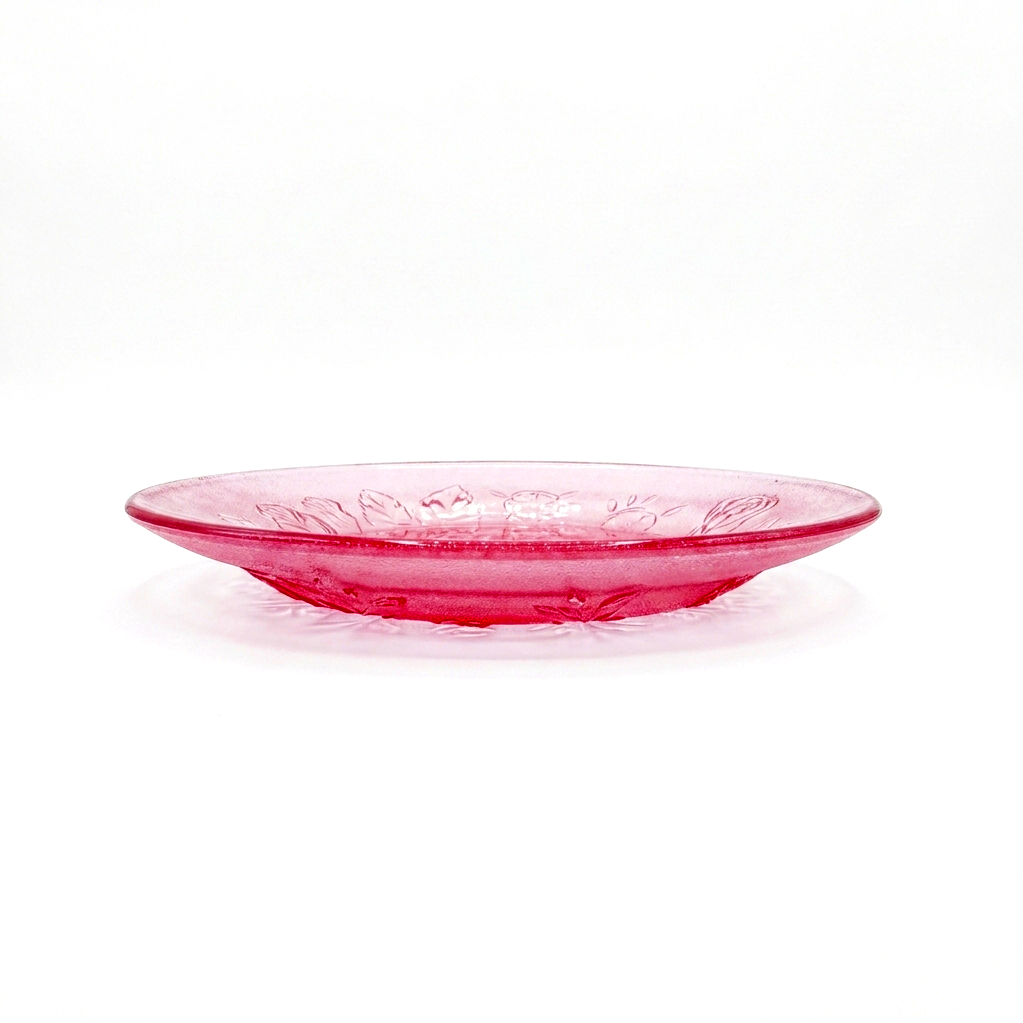
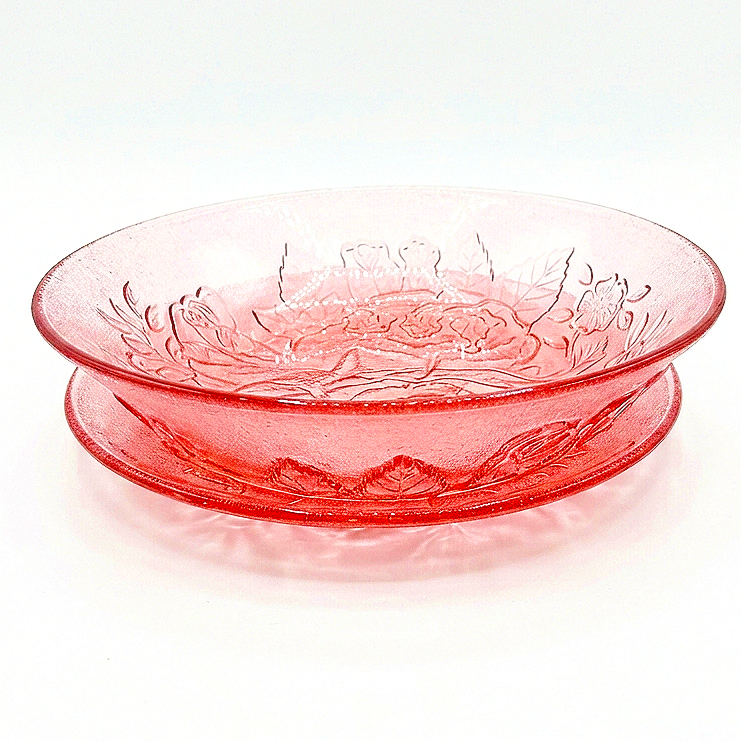
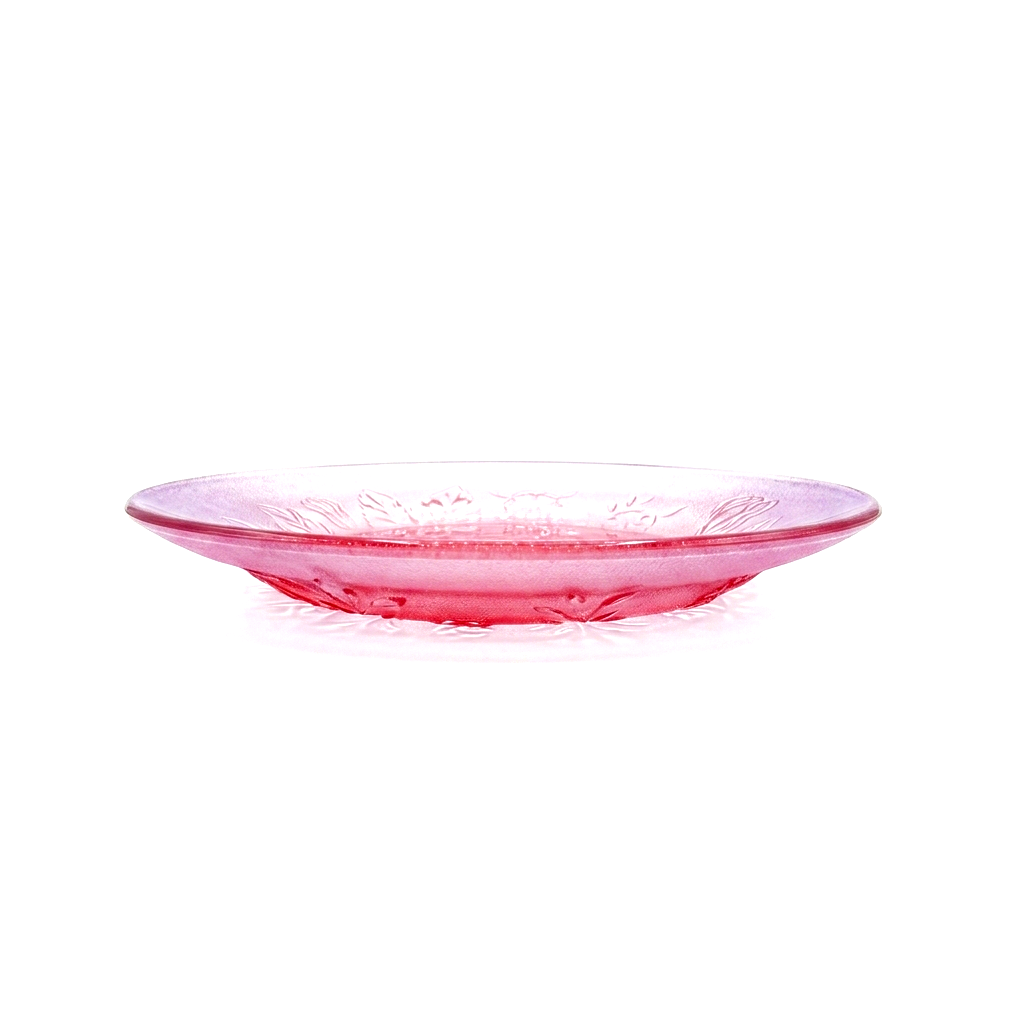
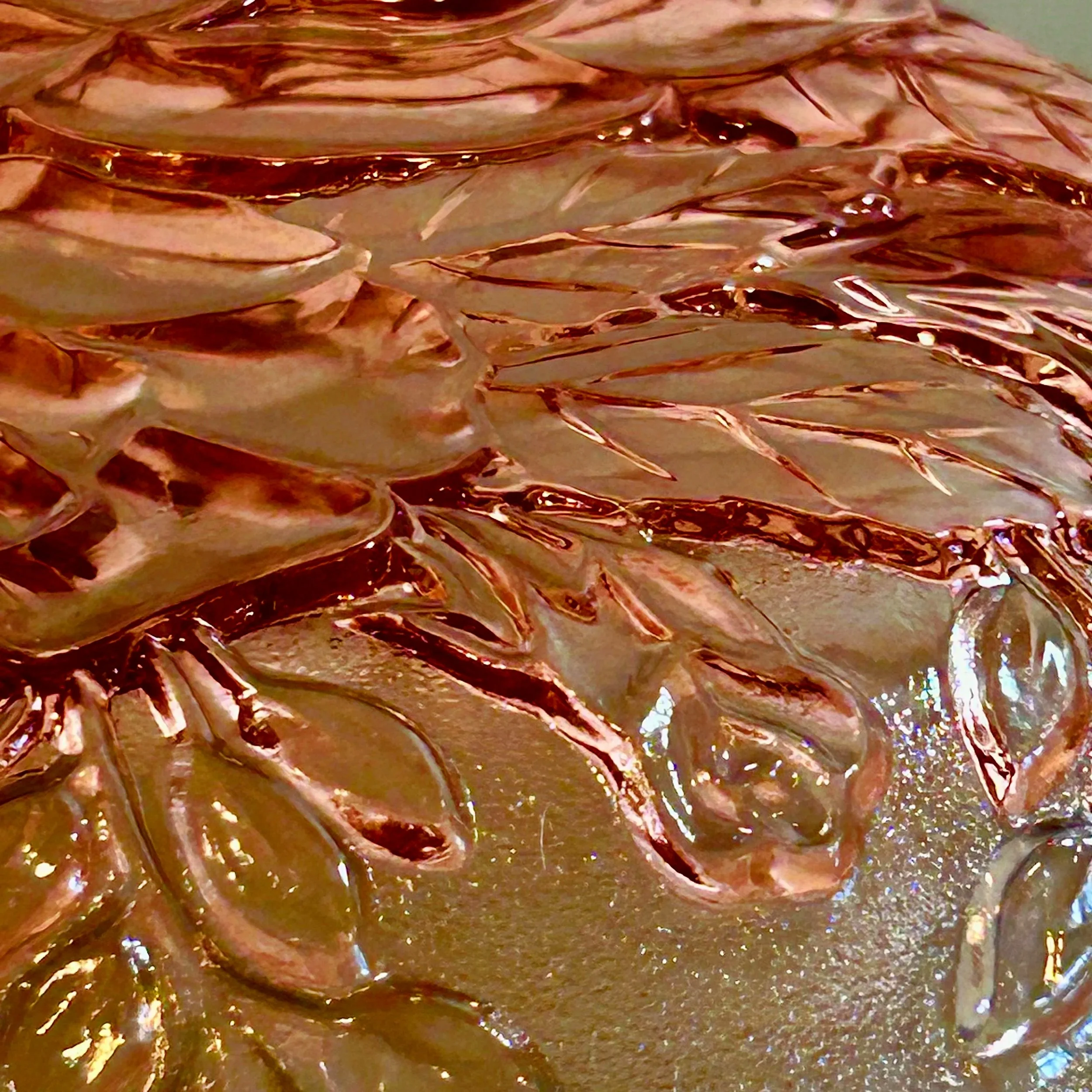
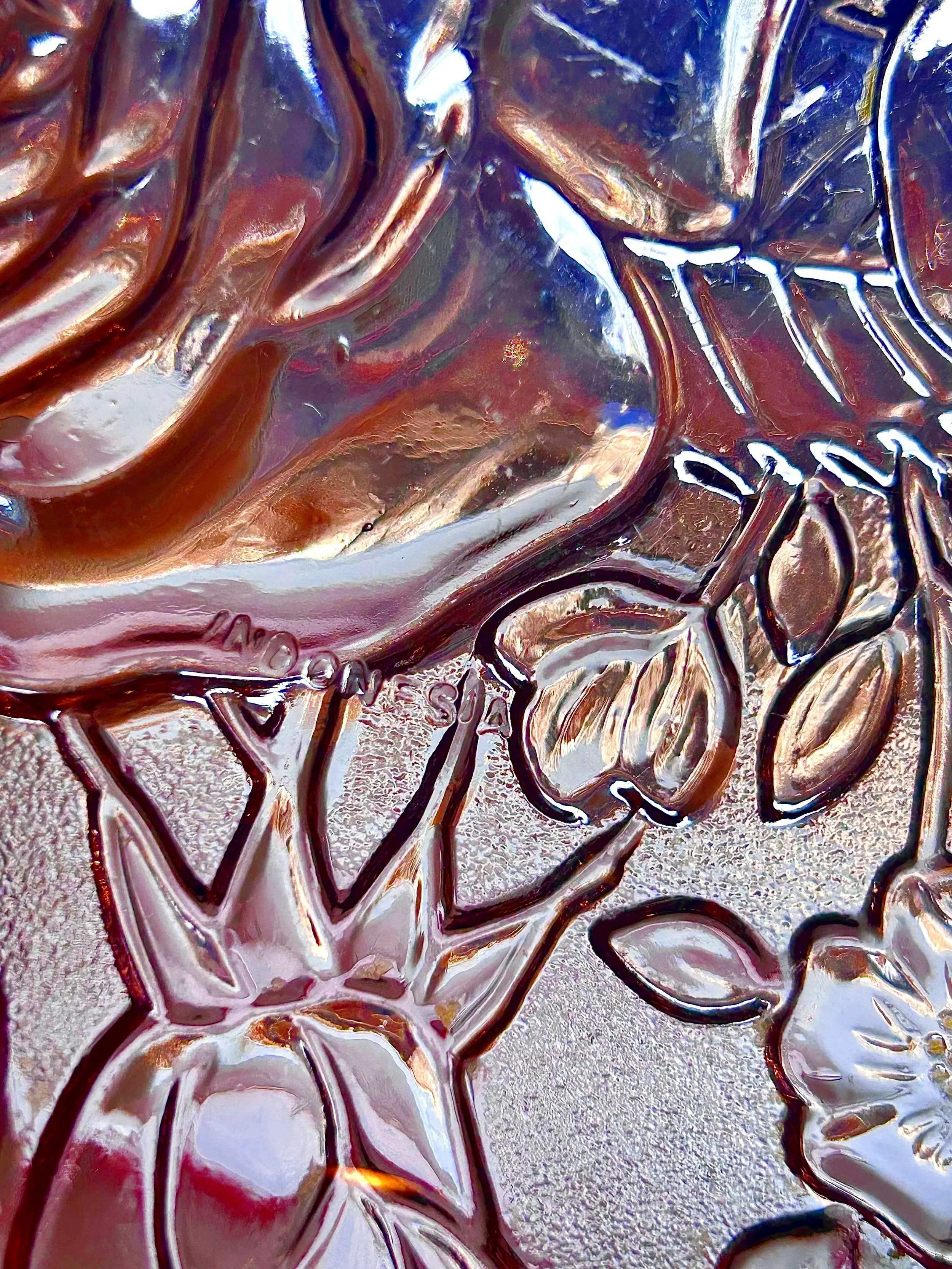
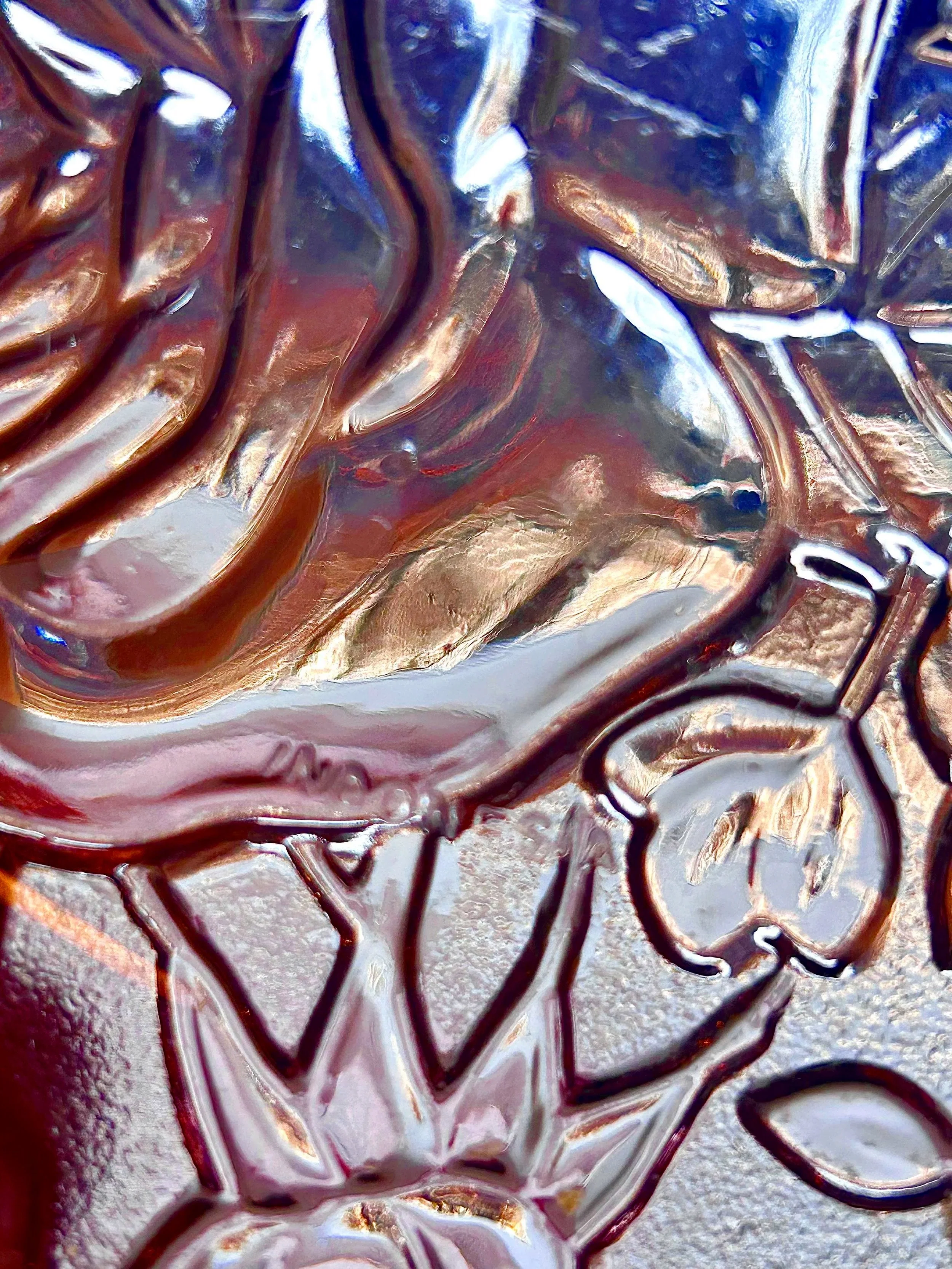
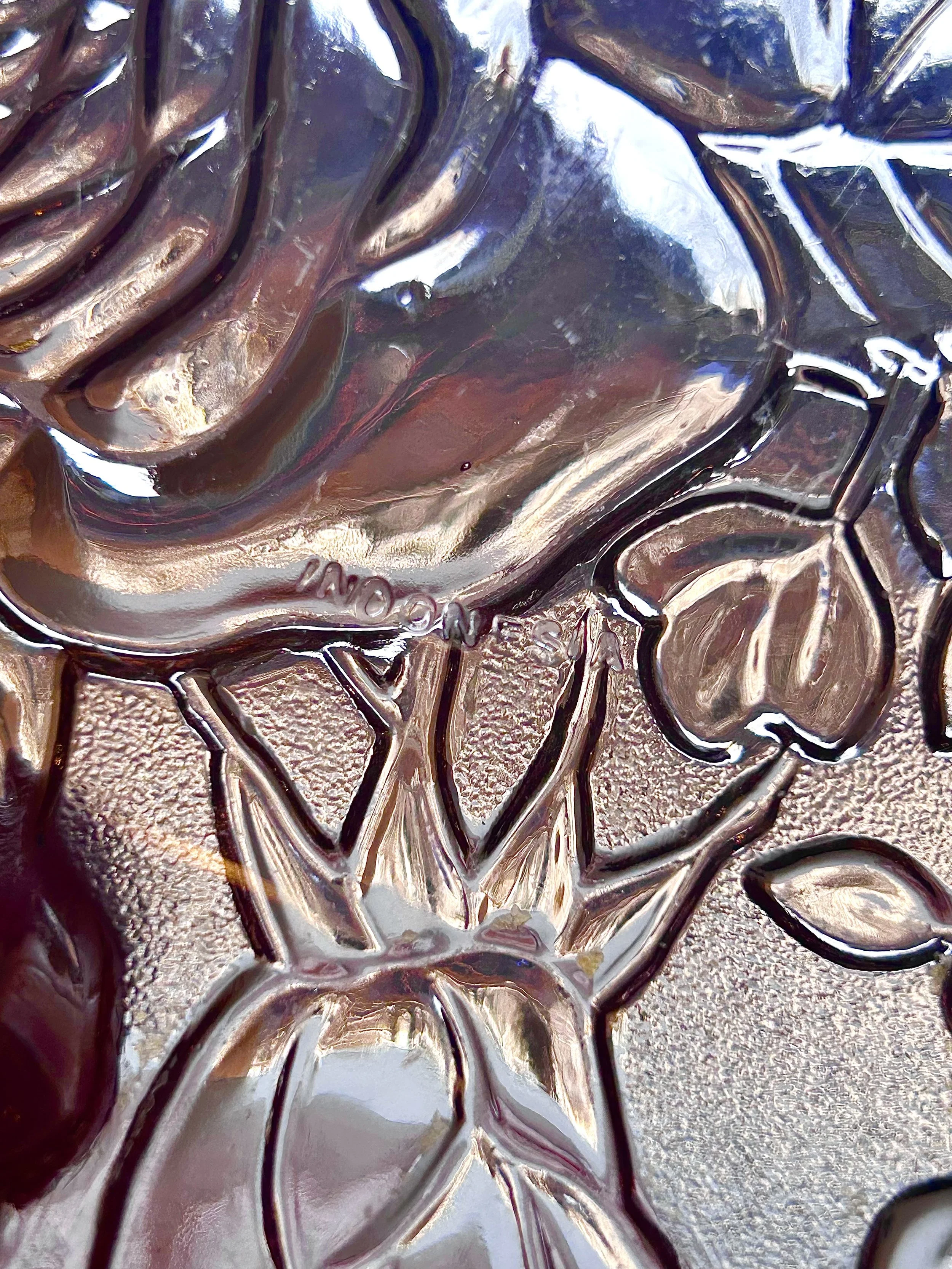
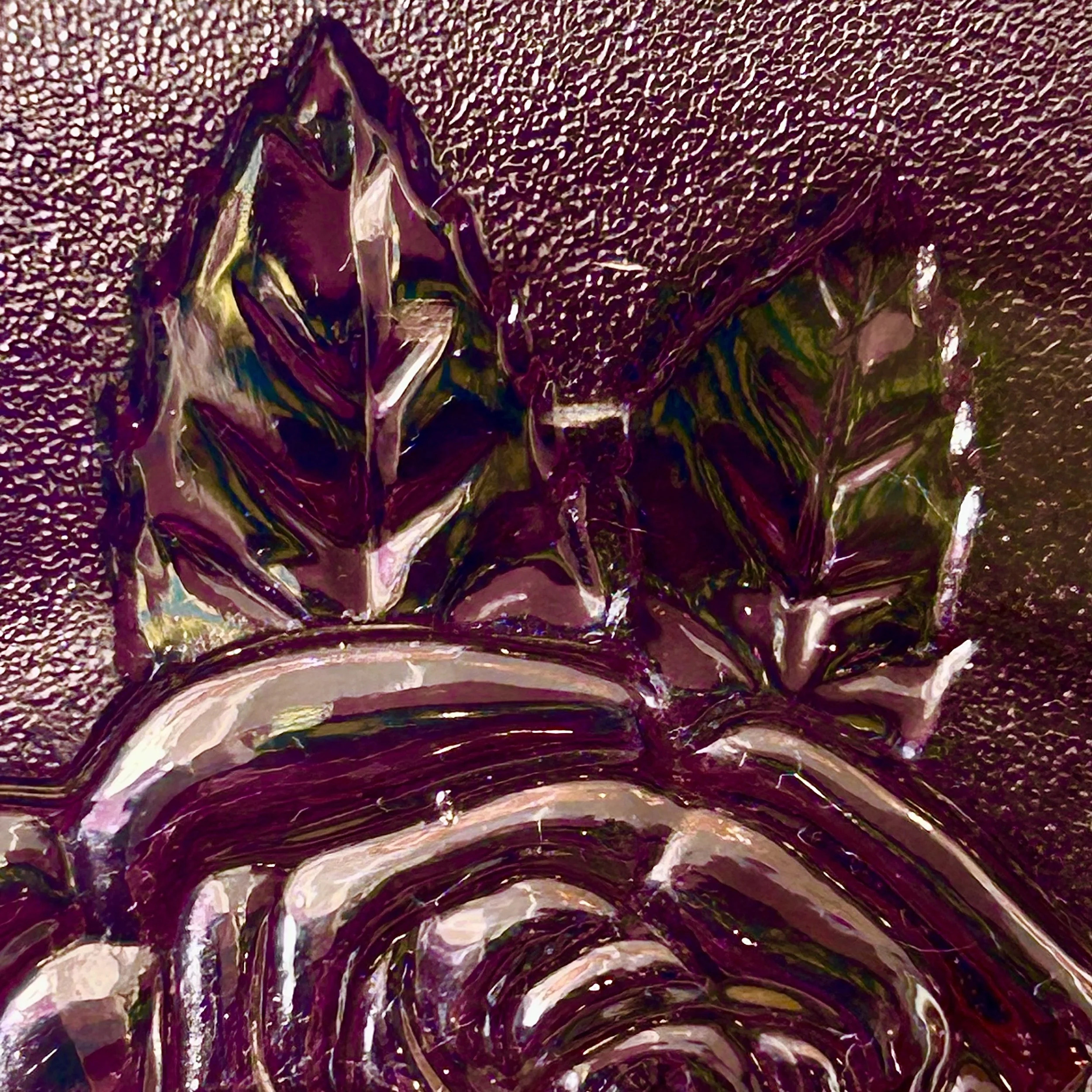
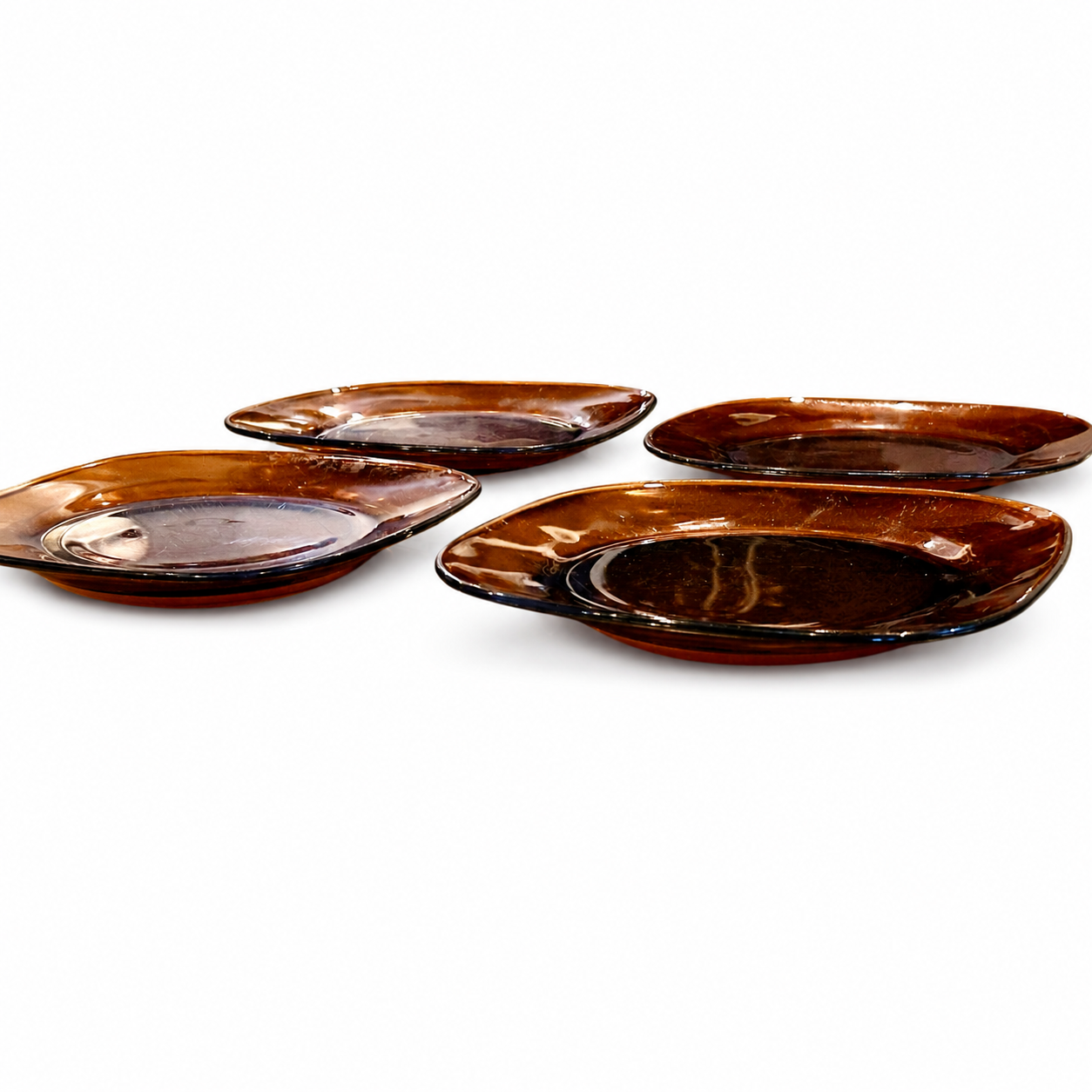
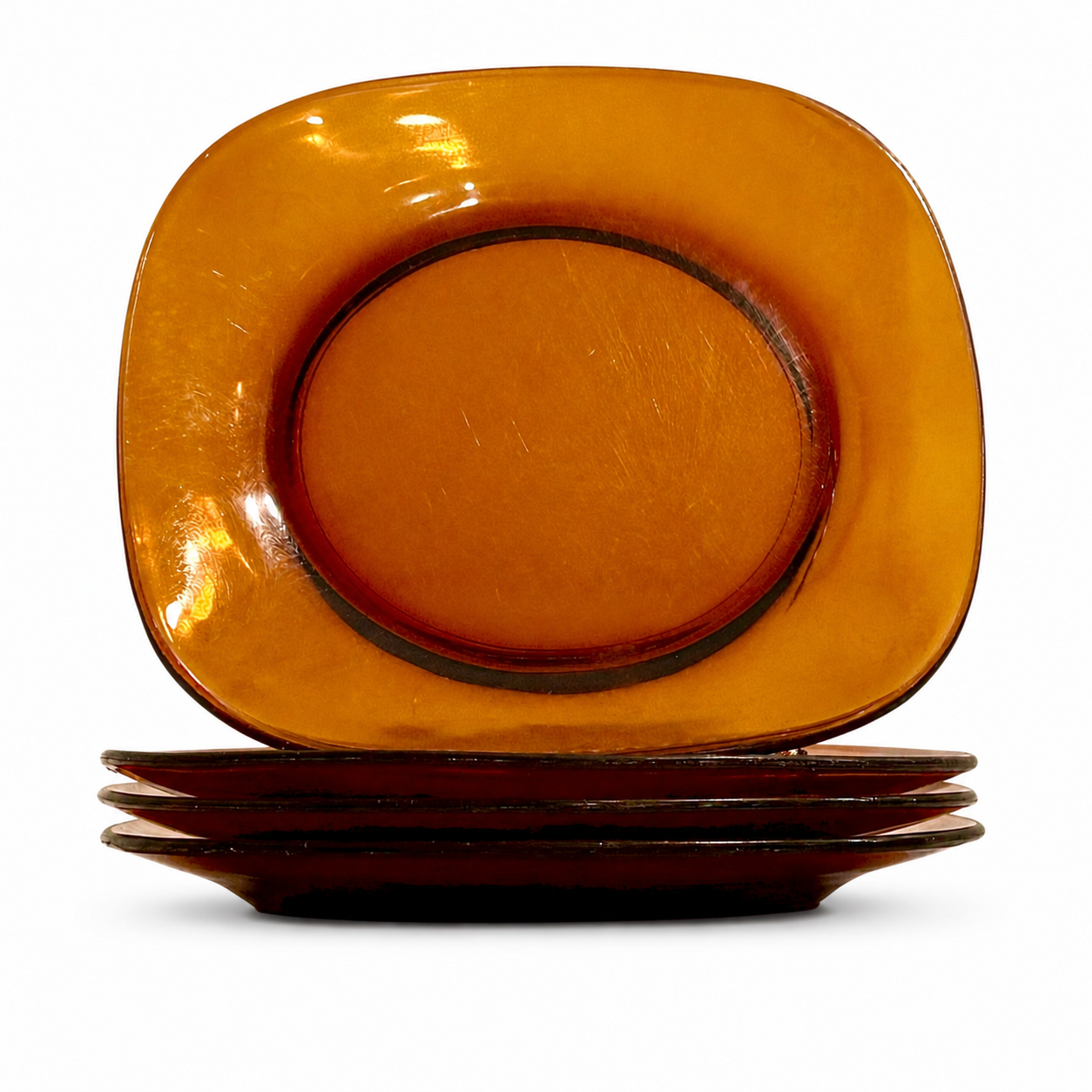
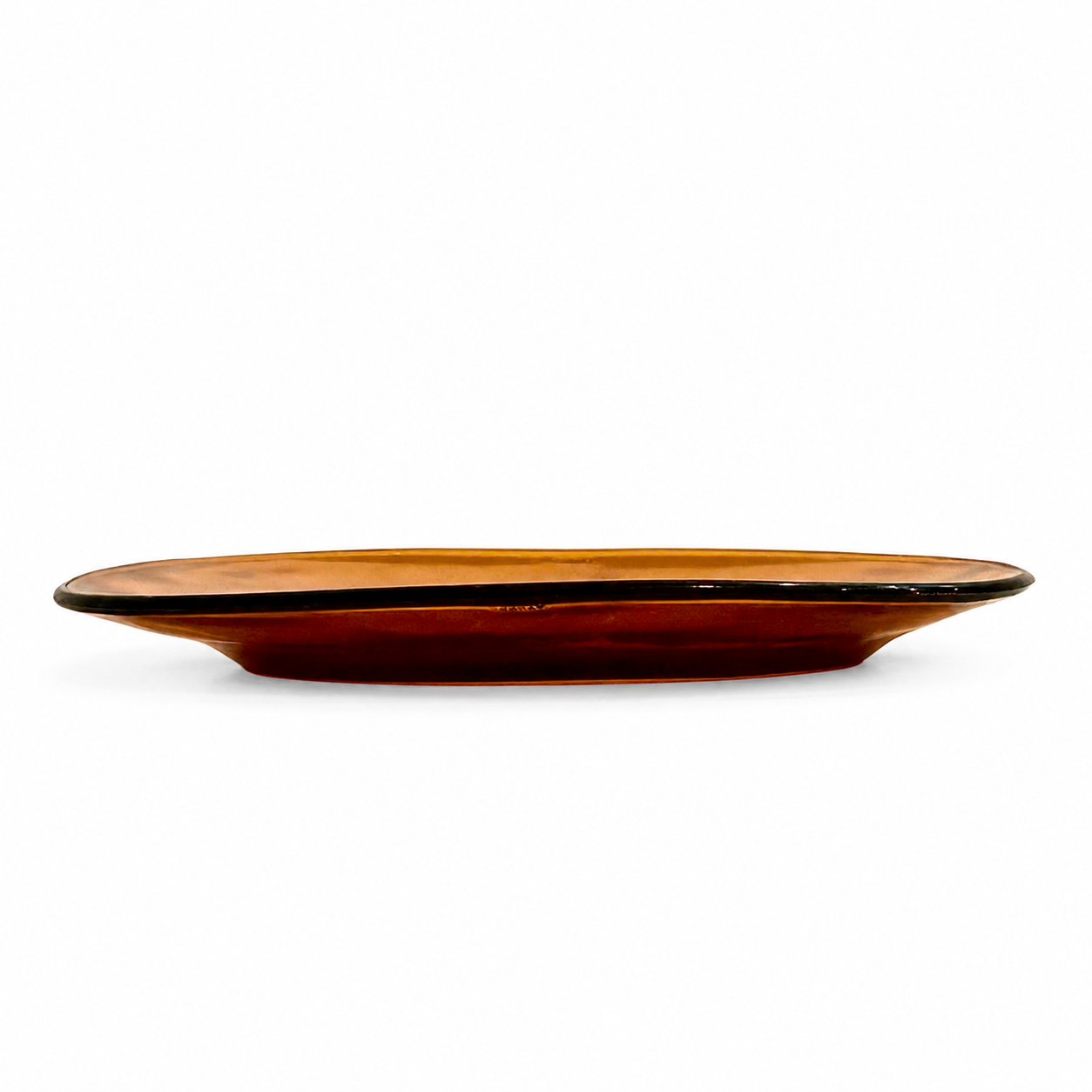
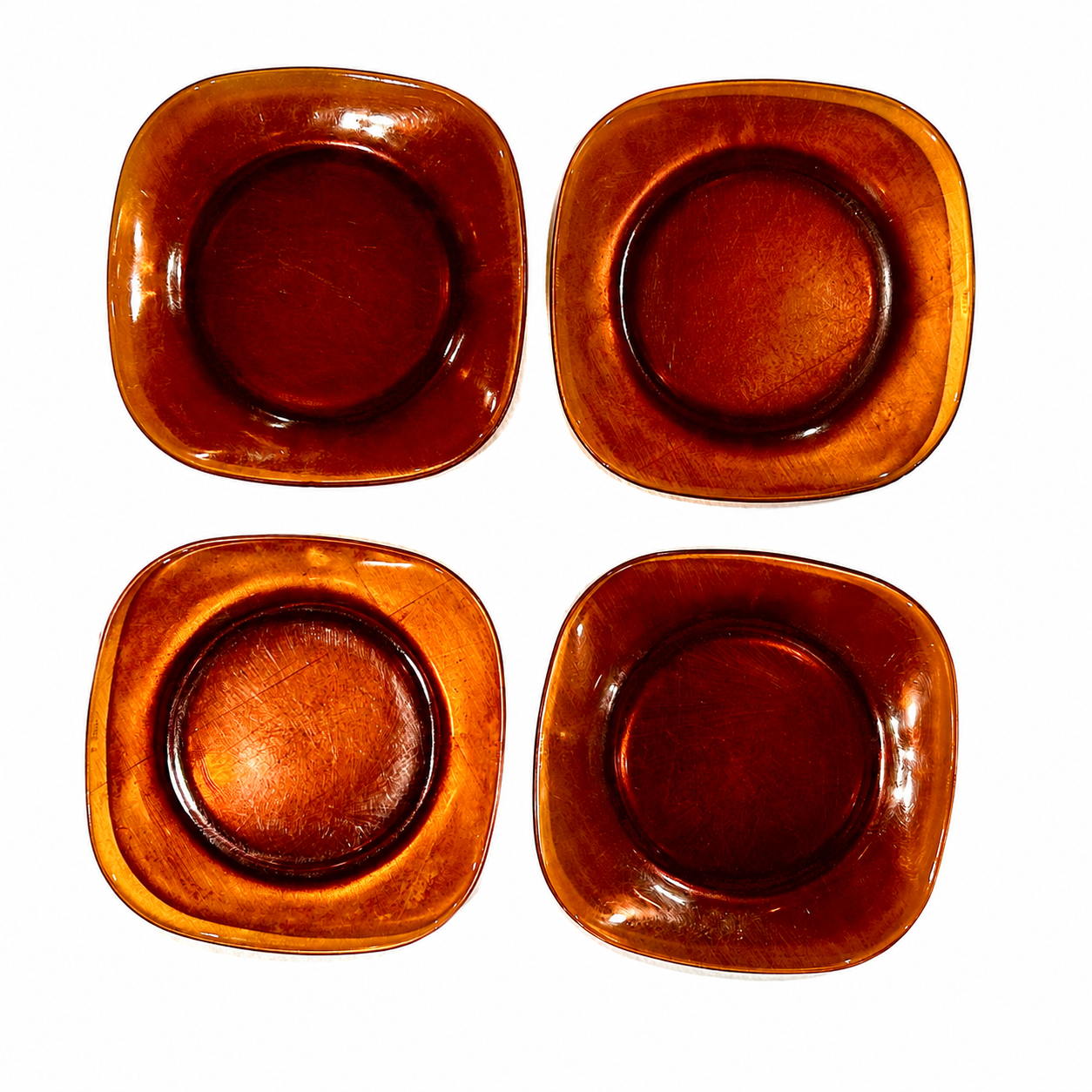
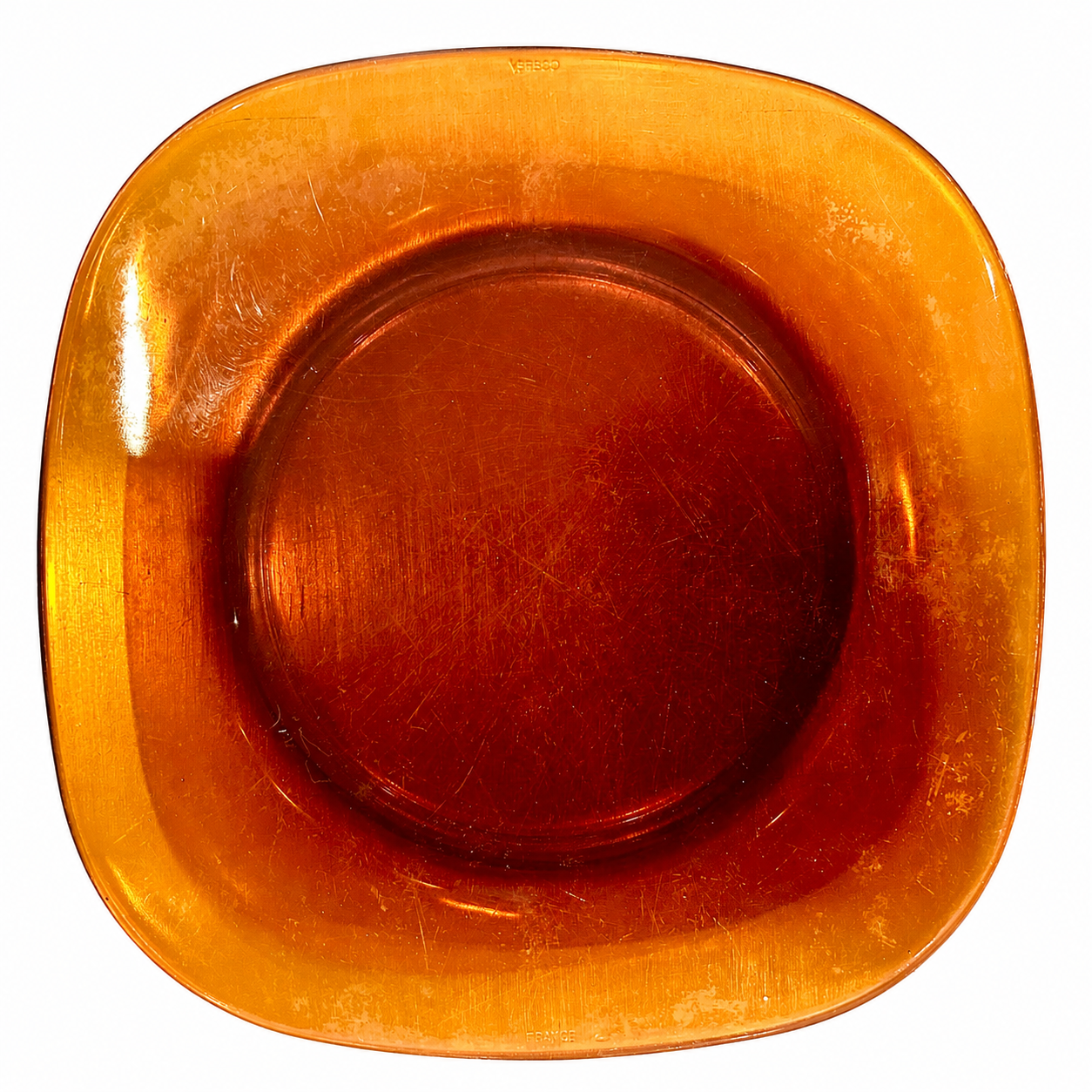
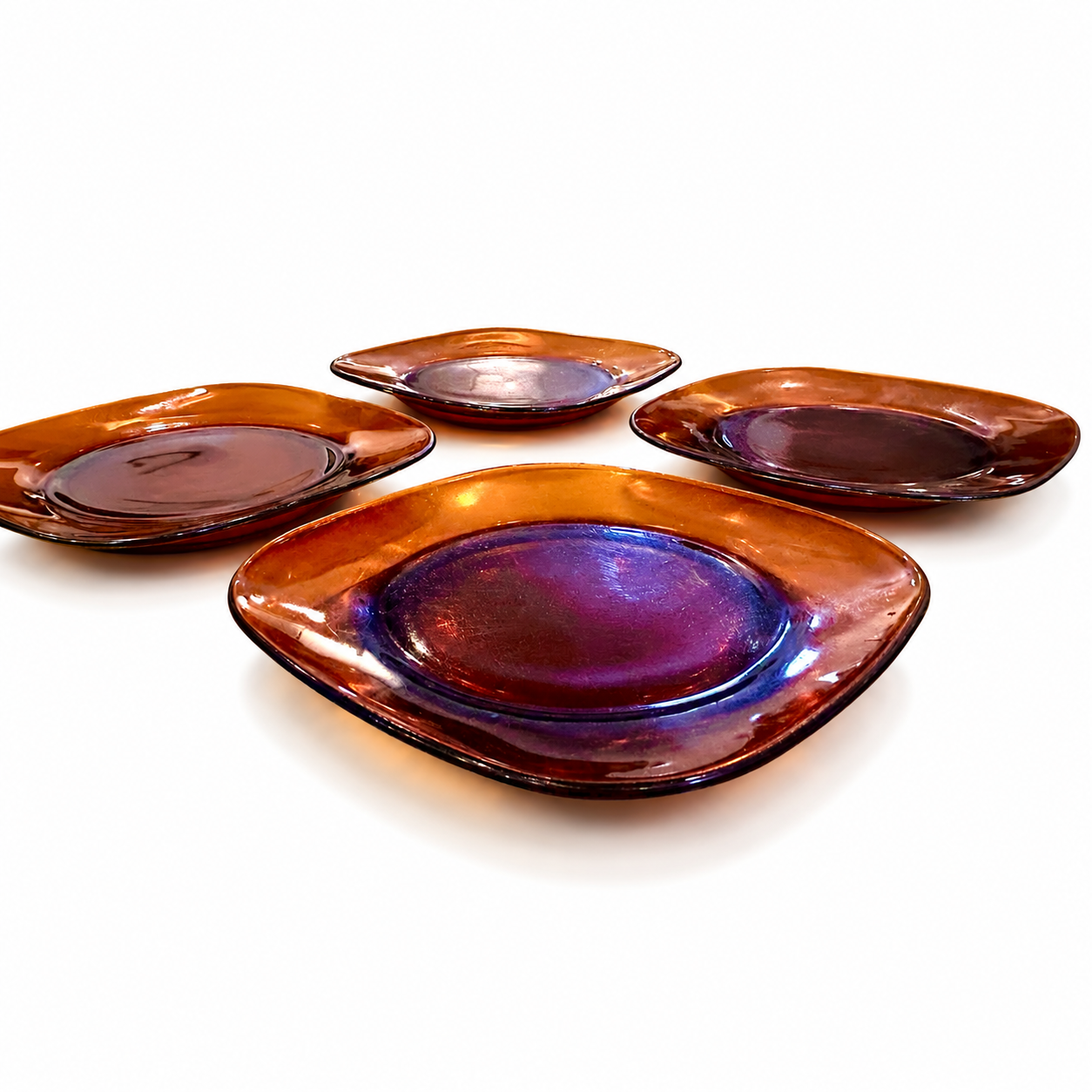
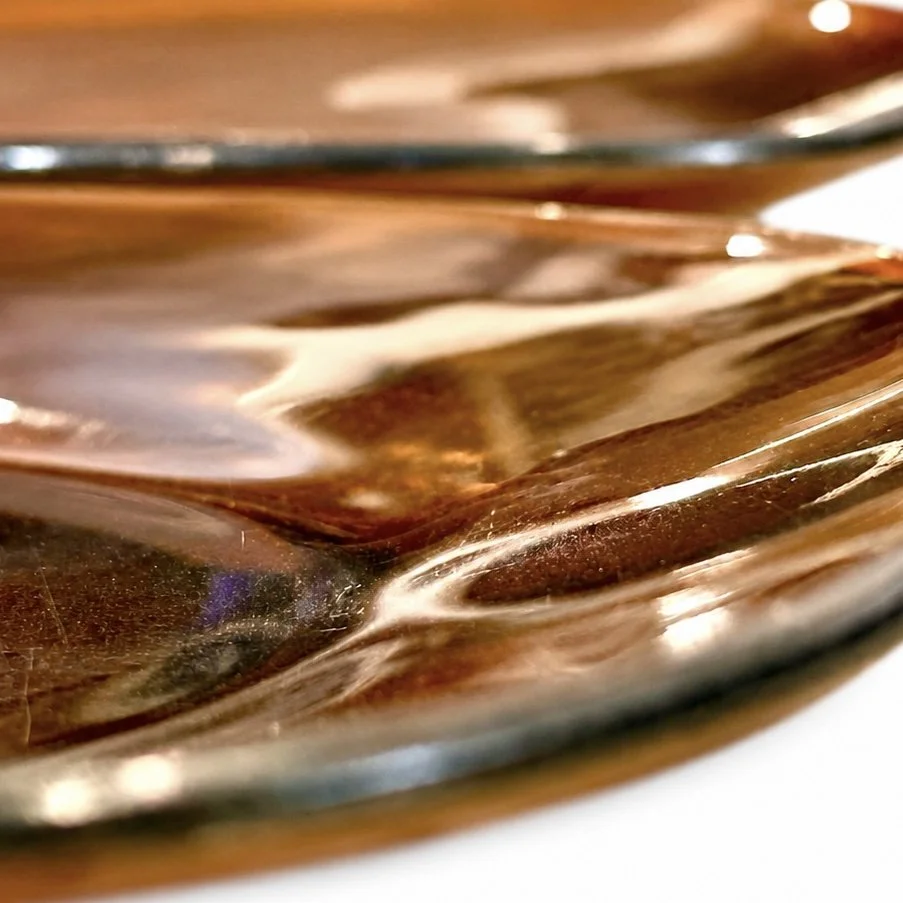
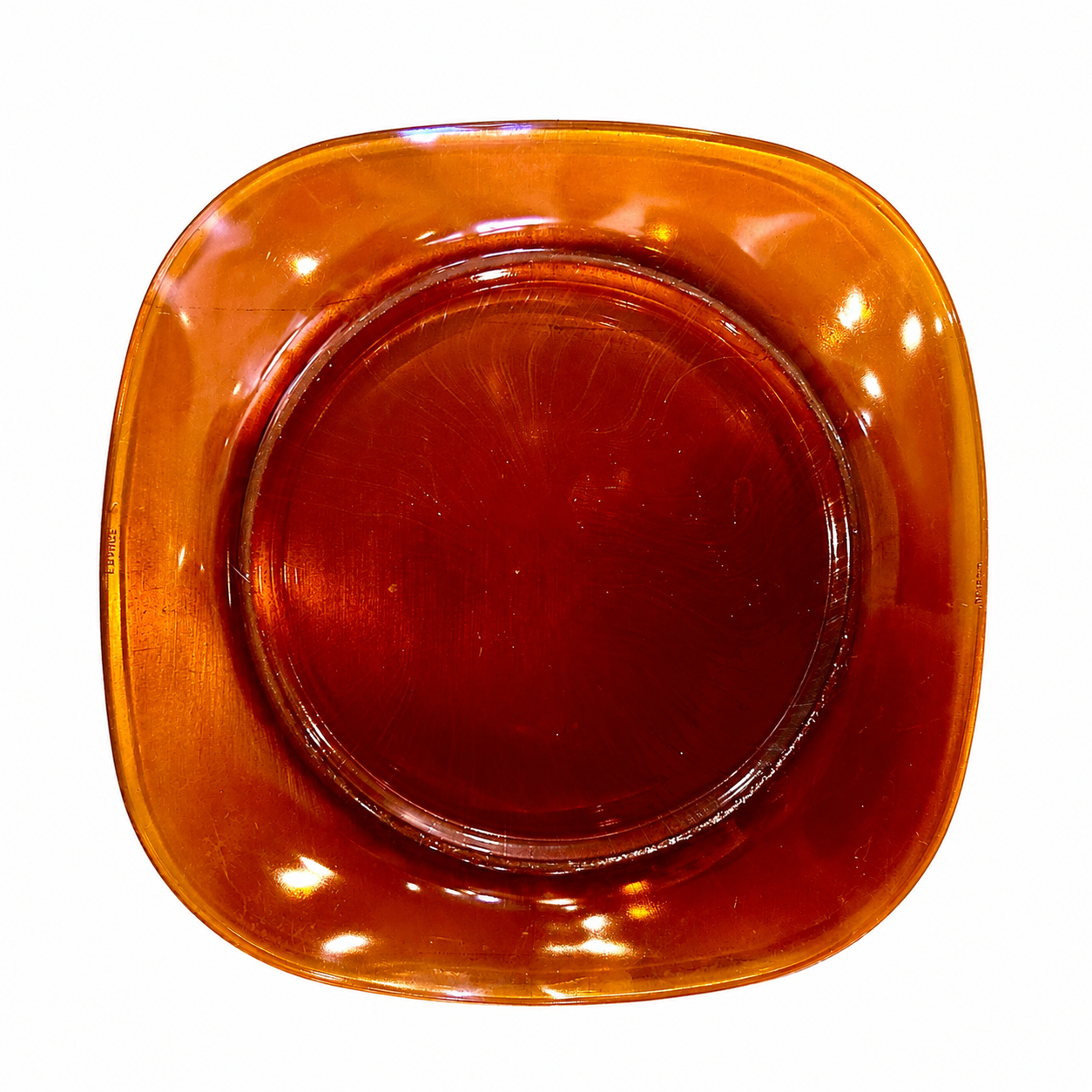
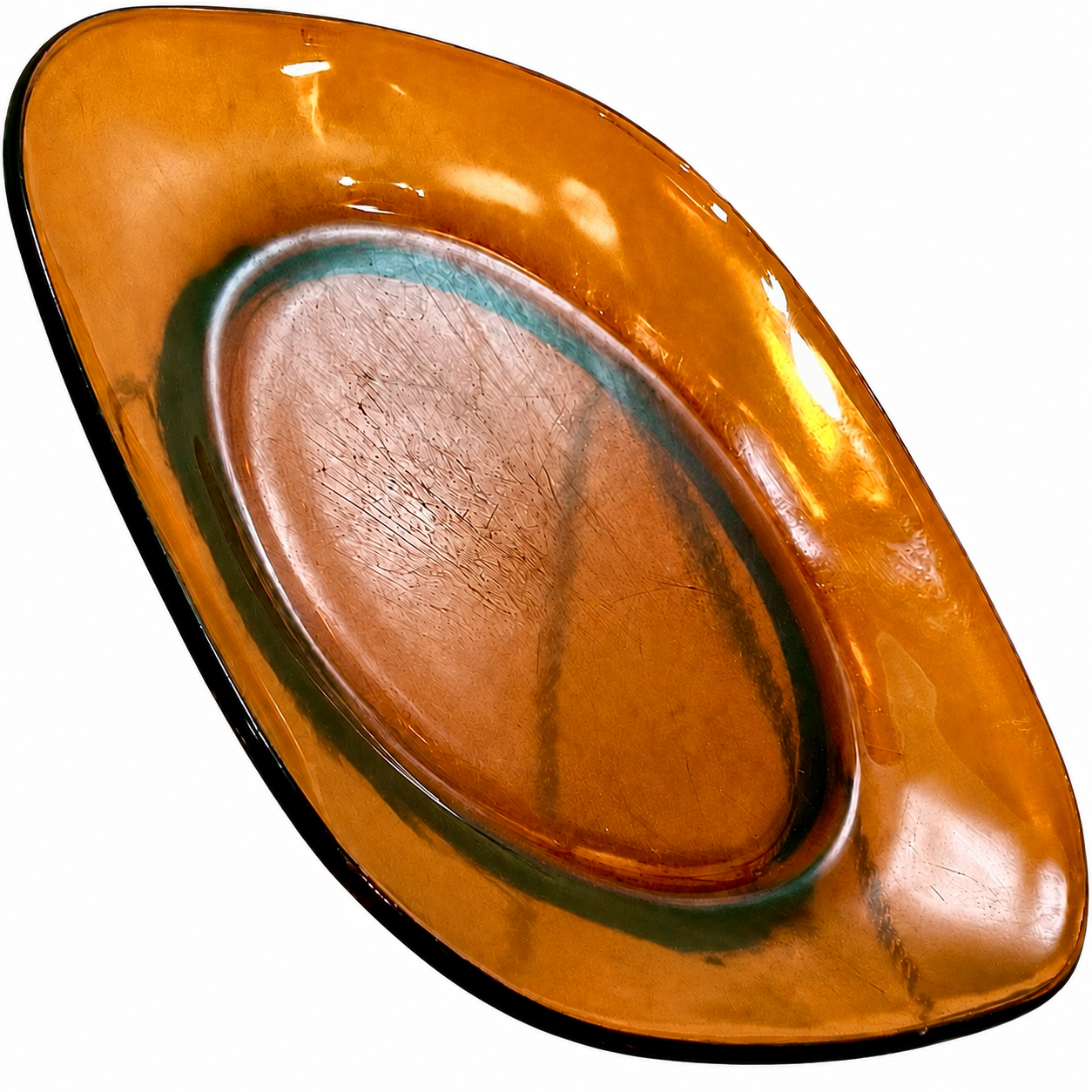
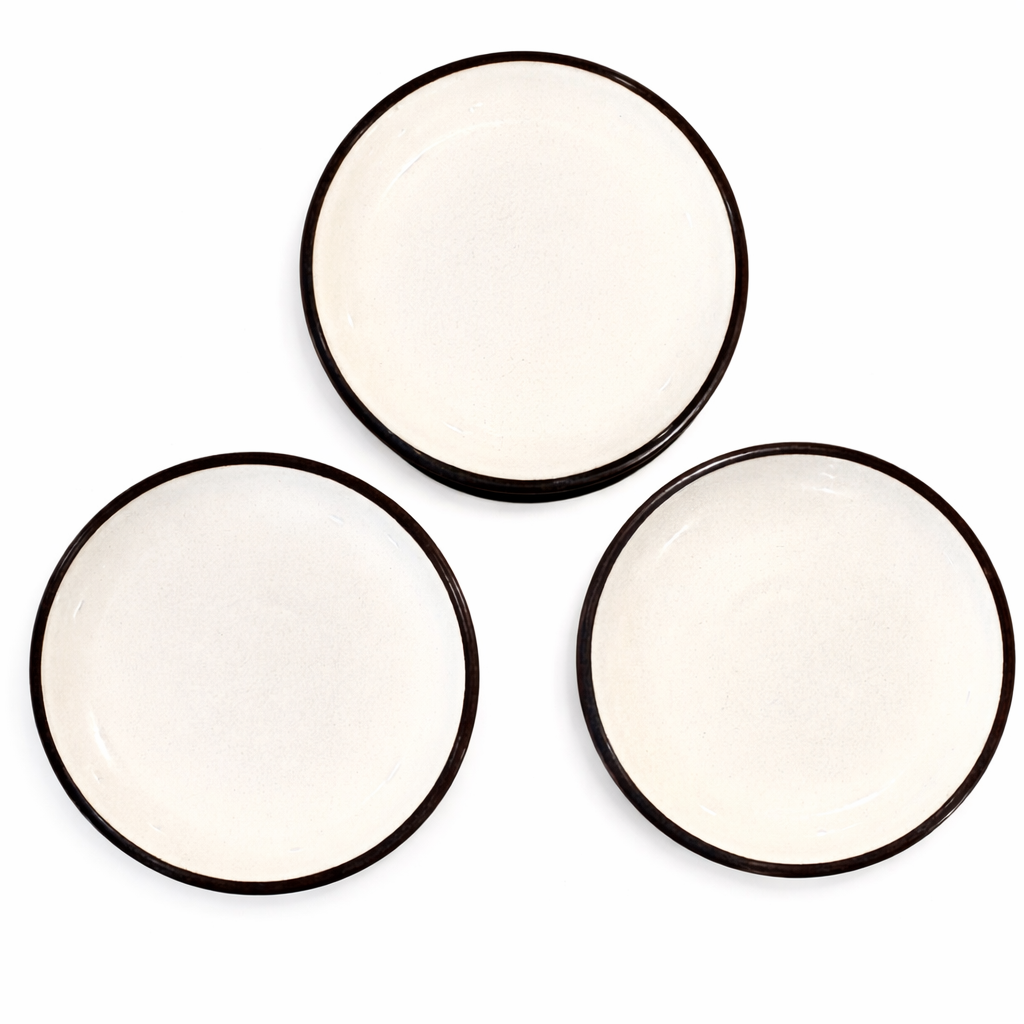
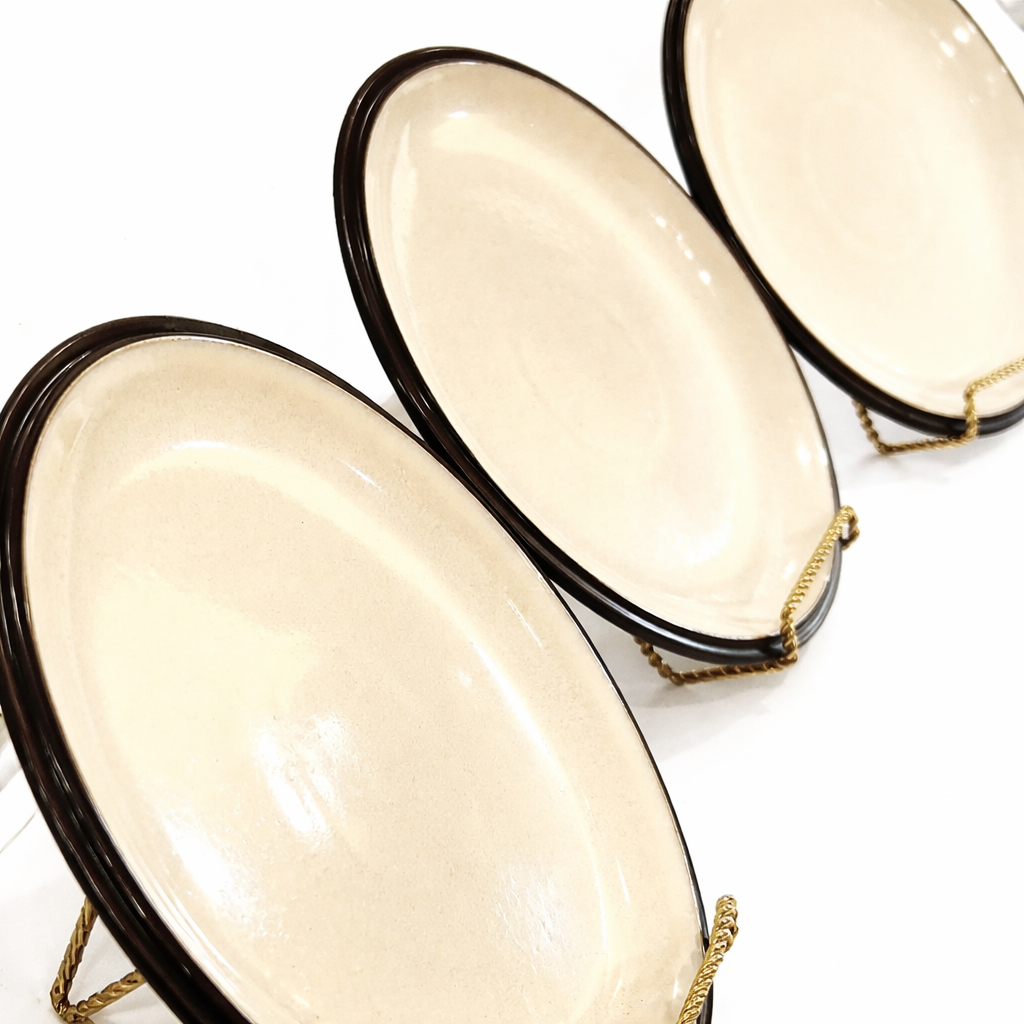
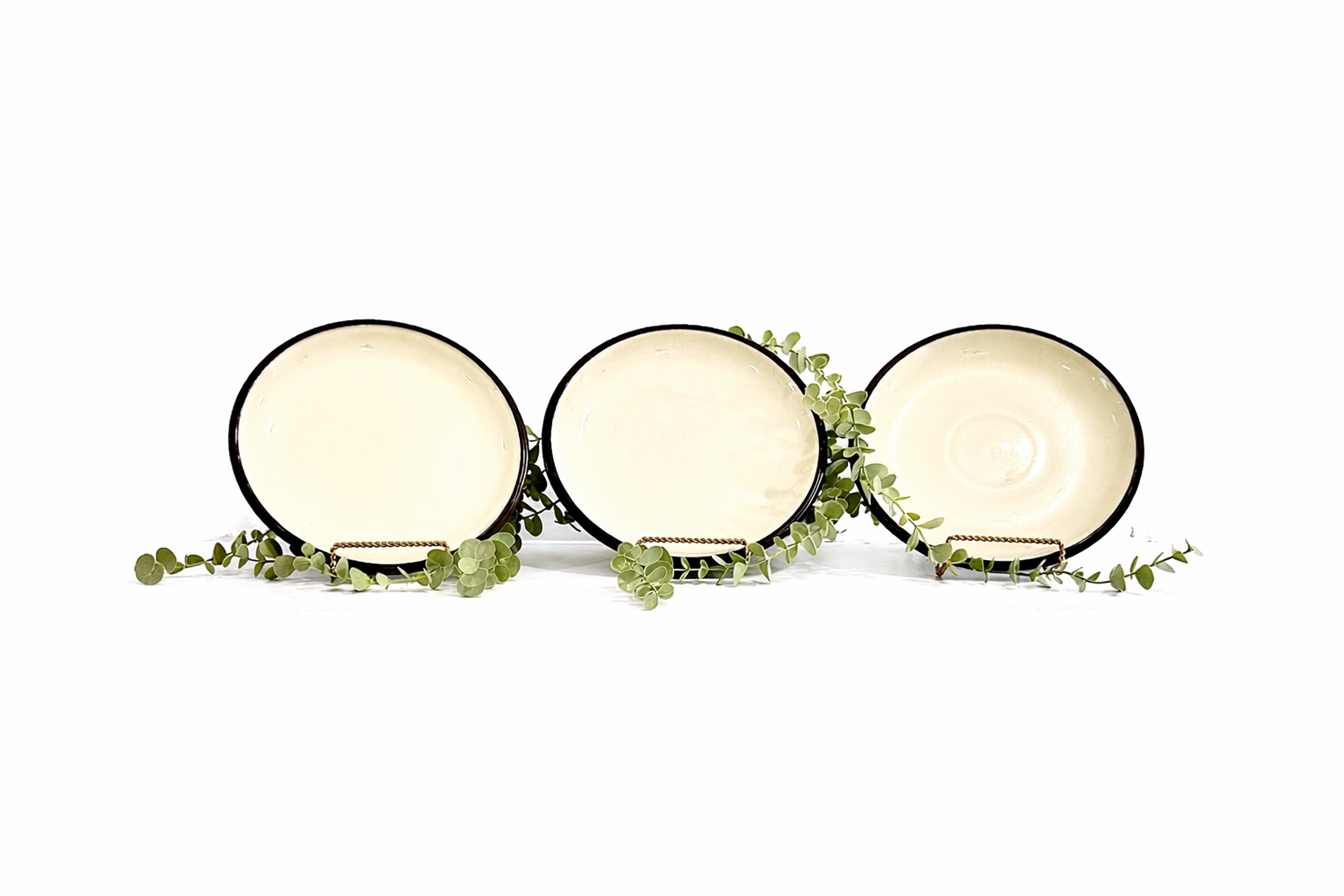
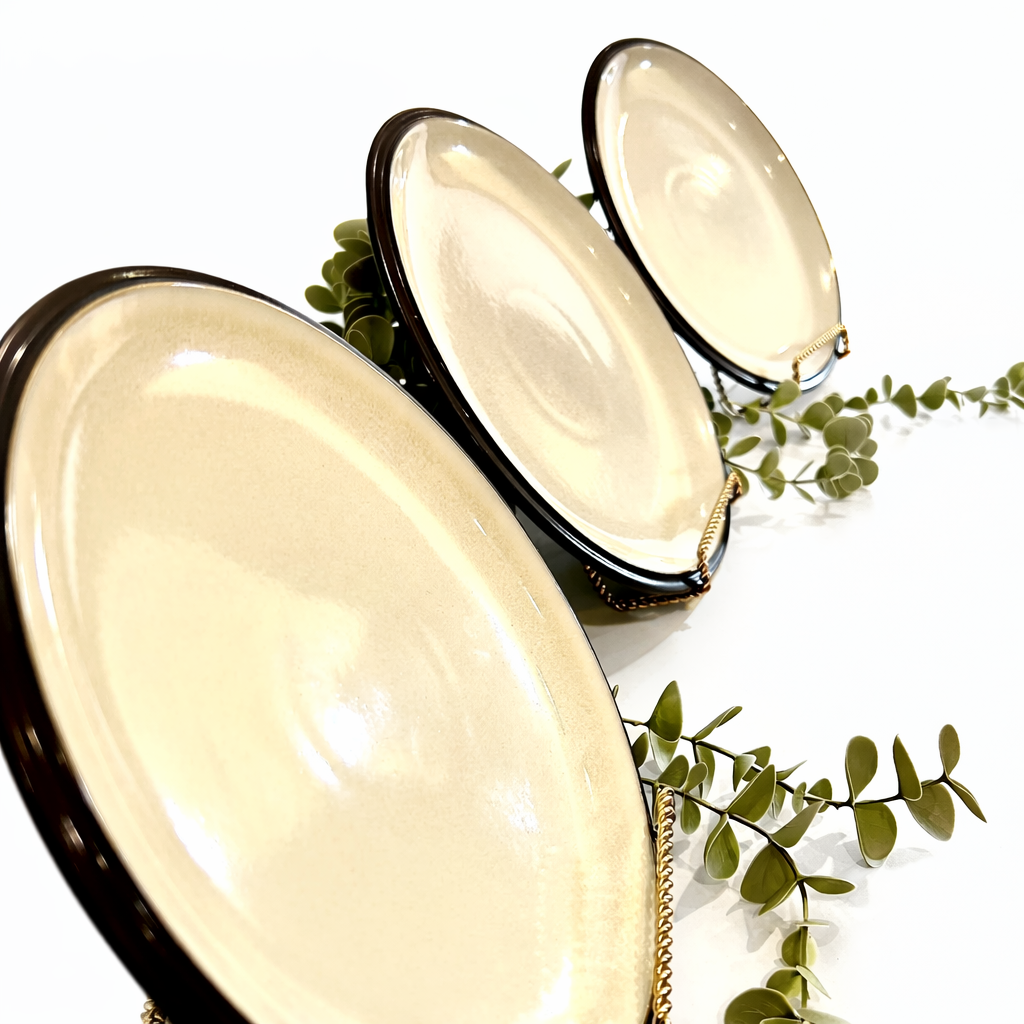
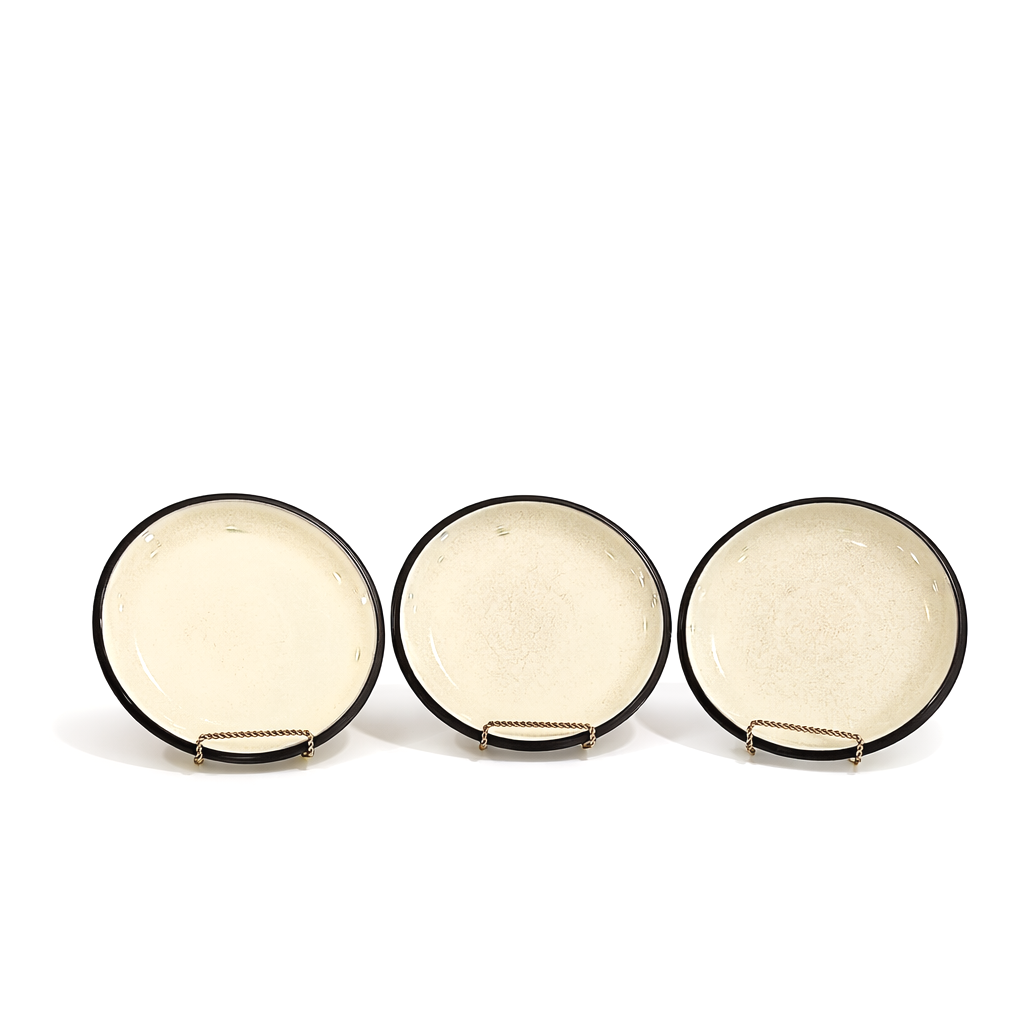
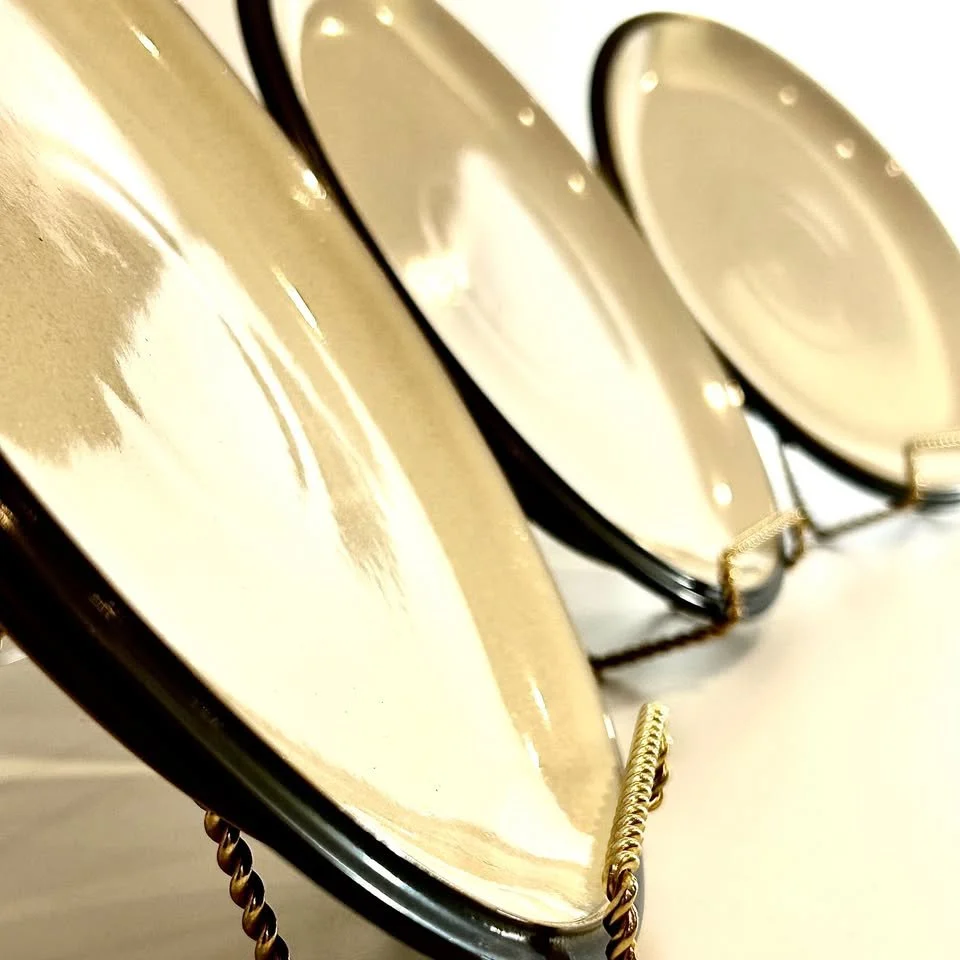
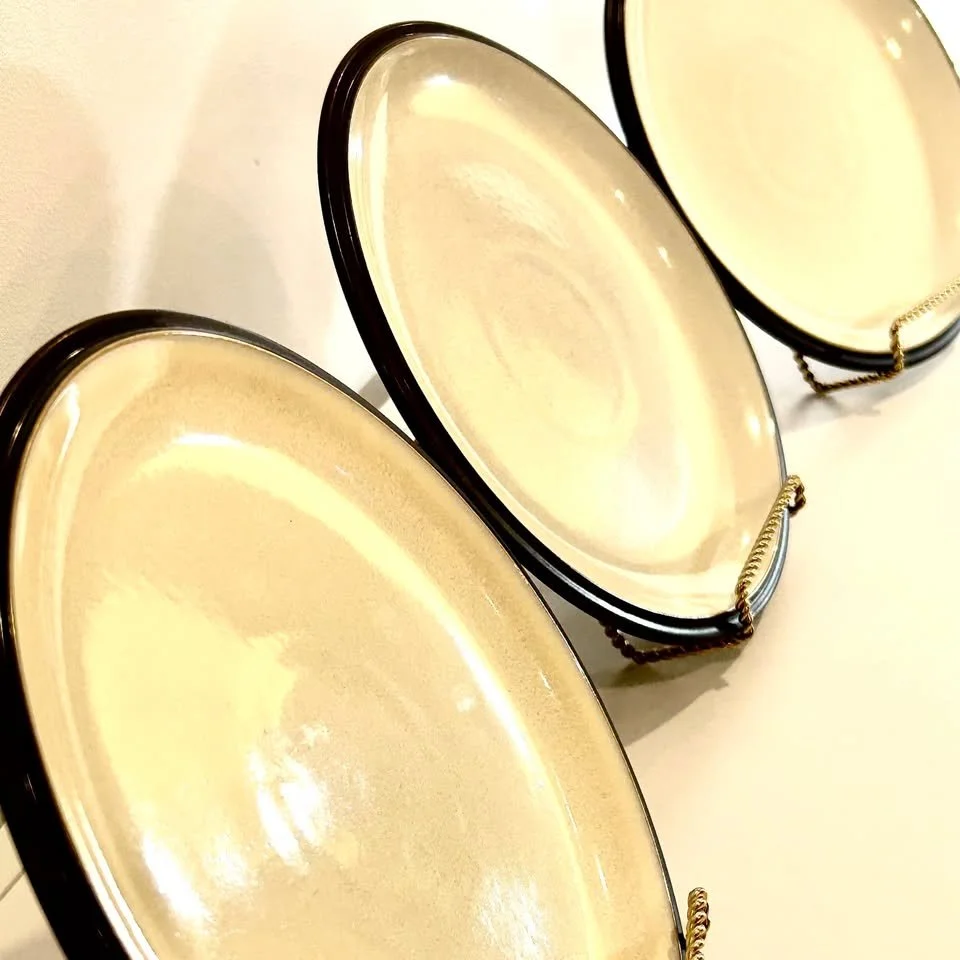
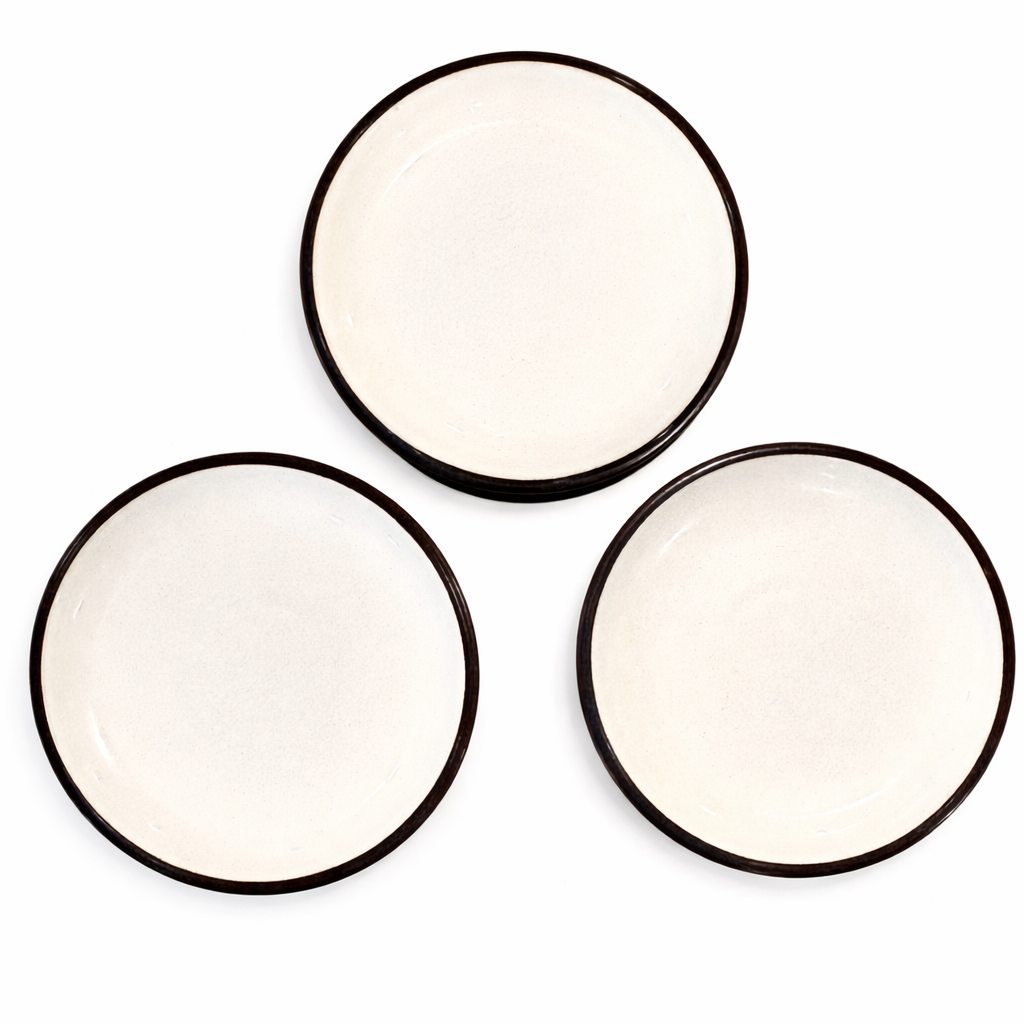
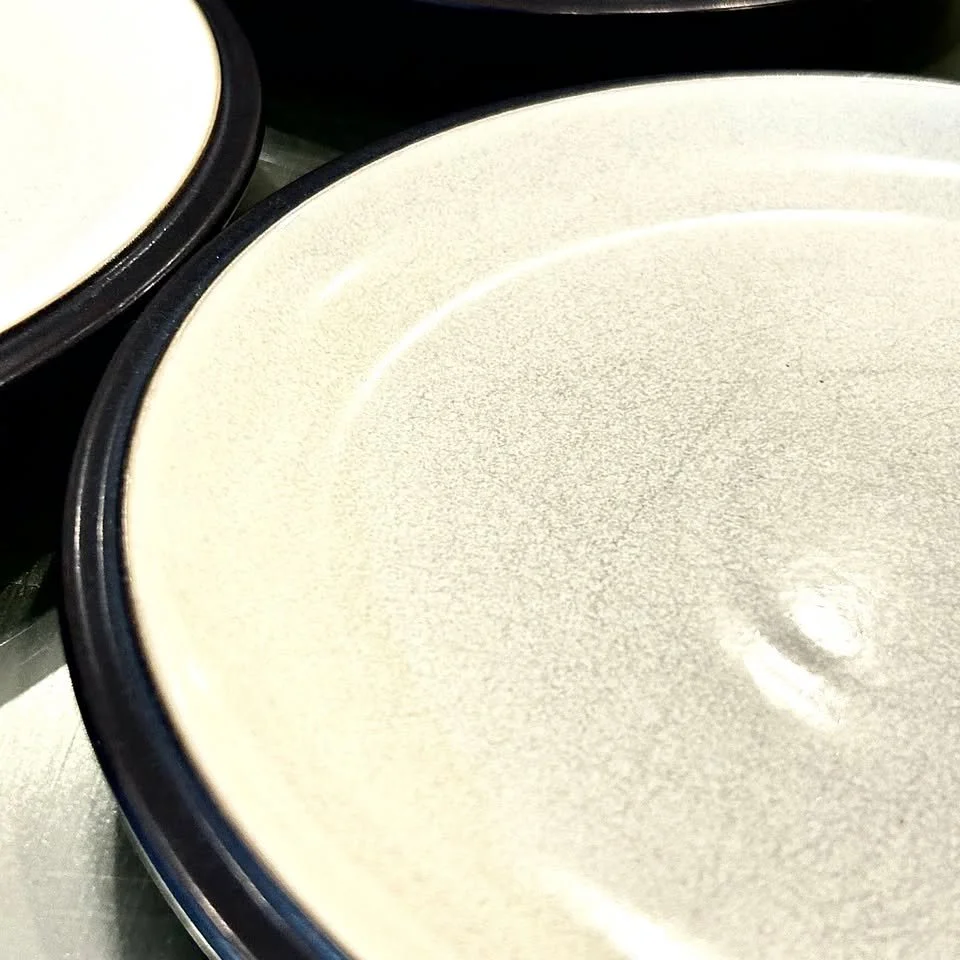
Characterized by a striking luminous presence, this exceptional serving plate exemplifies the geometric rigor and vibrant materiality of early 20th-century pressed glass. The canary yellow colorway—often referred to as "sprite" or vaseline glass—interacts dynamically with natural light, radiating a brilliant, warm glow across its smooth interior surface. The exterior features a meticulously molded, highly tactile ribbed texture that creates a complex interplay of shadow and refraction. With its generous scale and bold architectural silhouette, this piece serves as a compelling structural accent, bridging utilitarian heritage and purely sculptural decorative art.
Attribution & Period
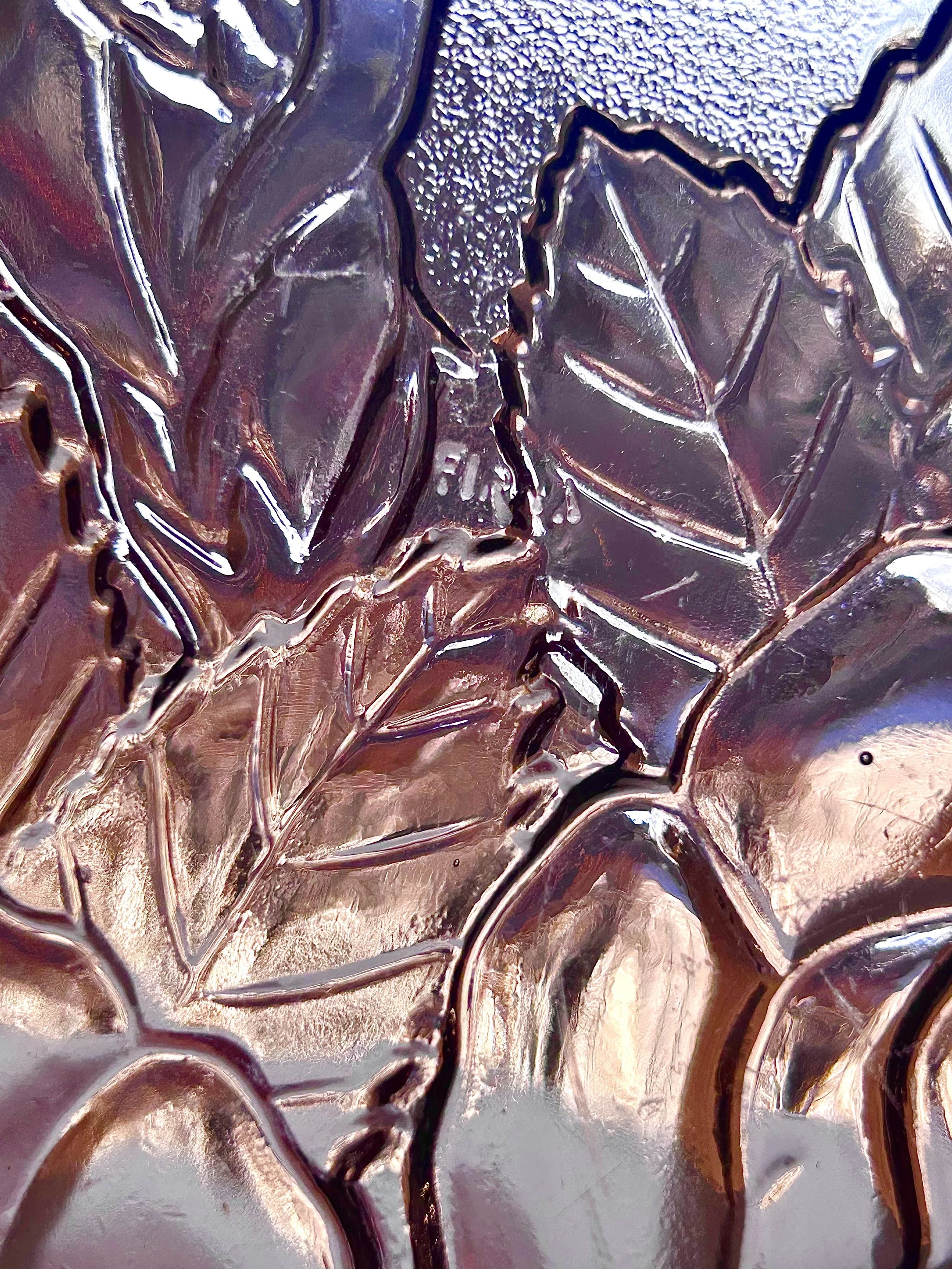
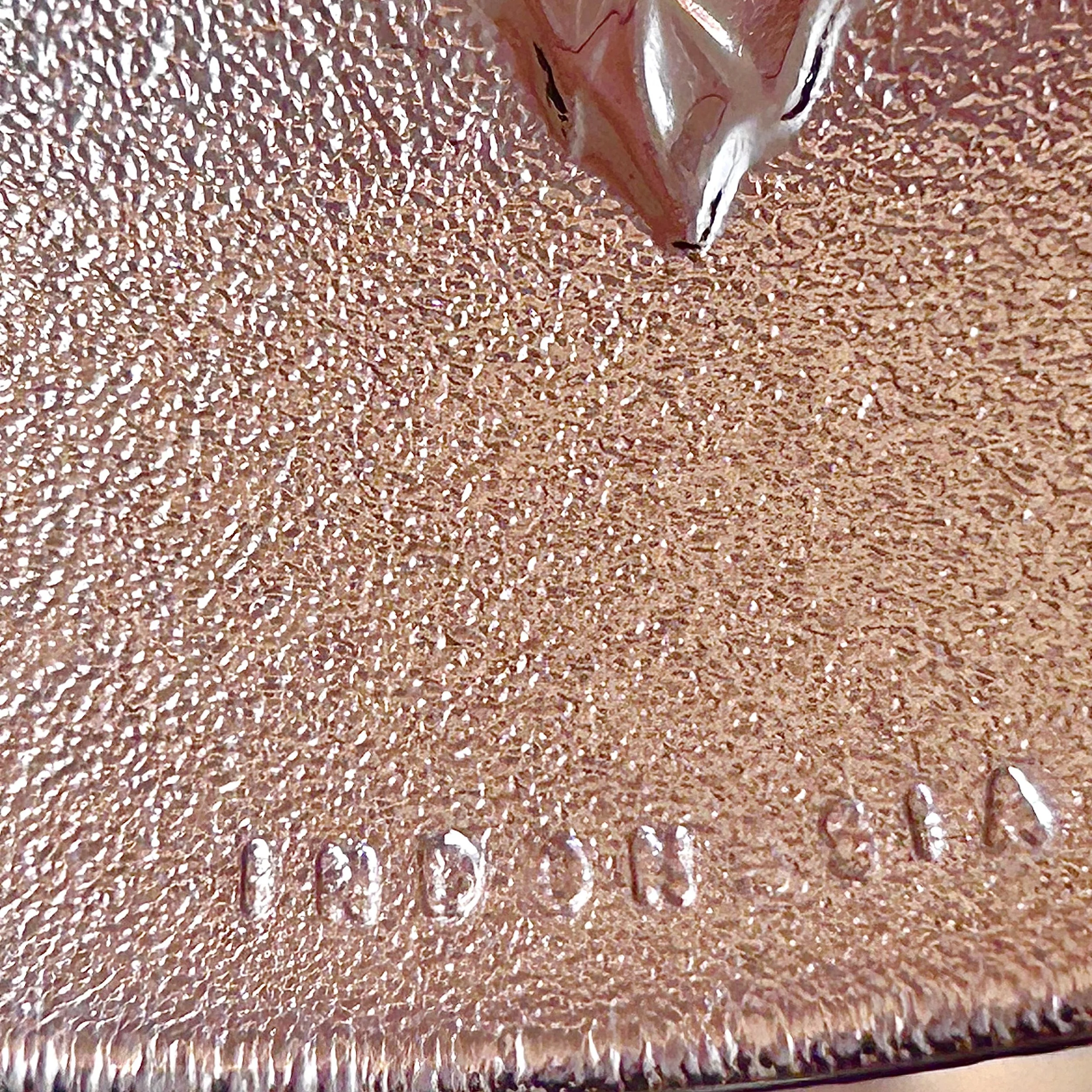
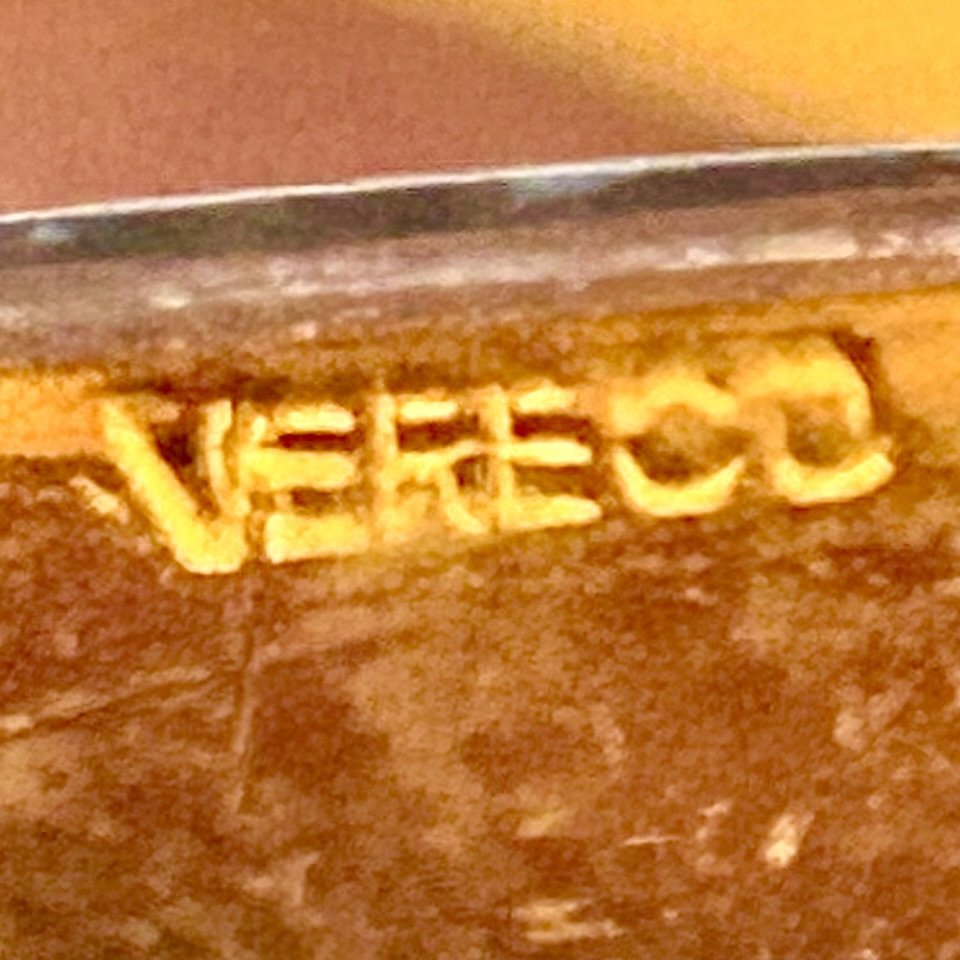
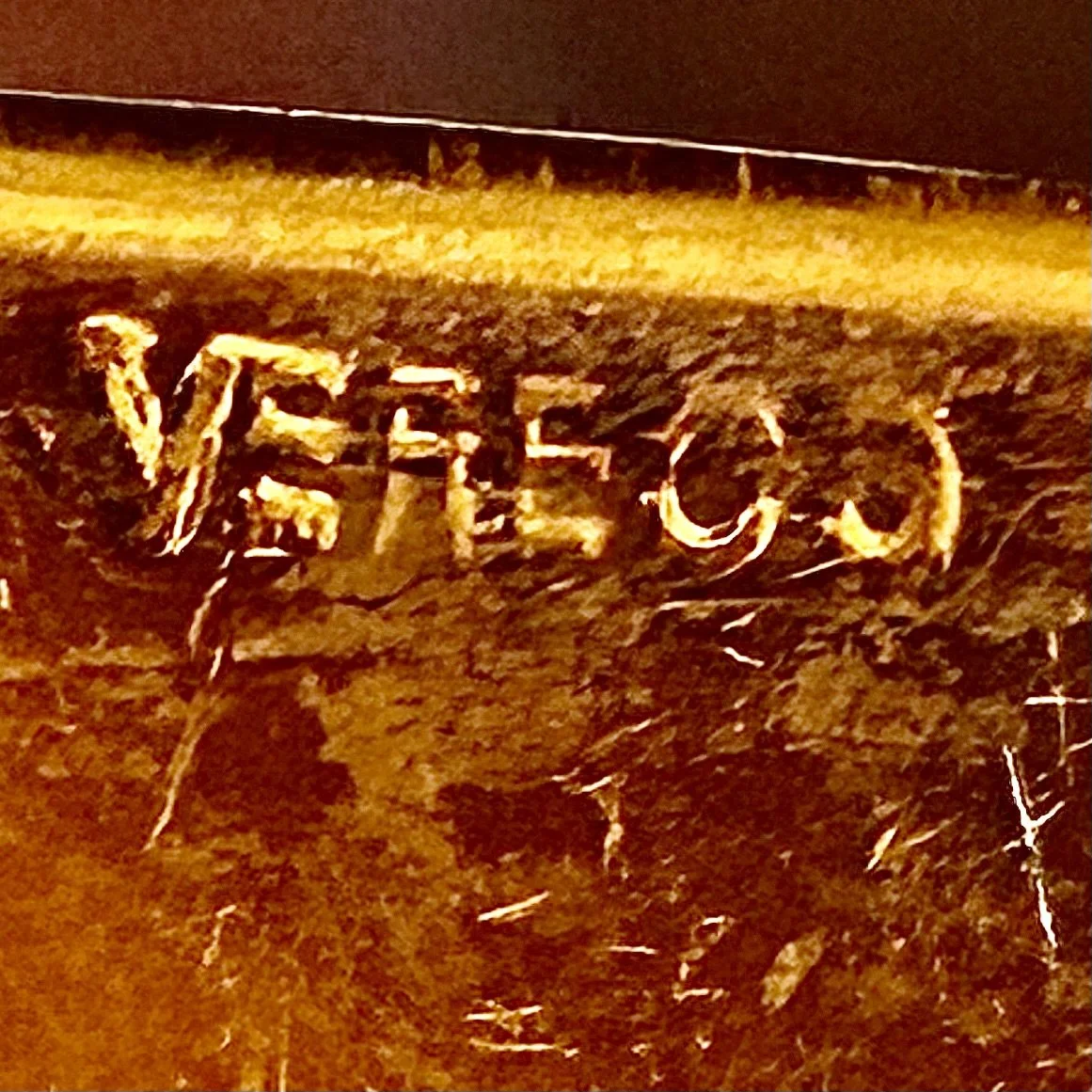
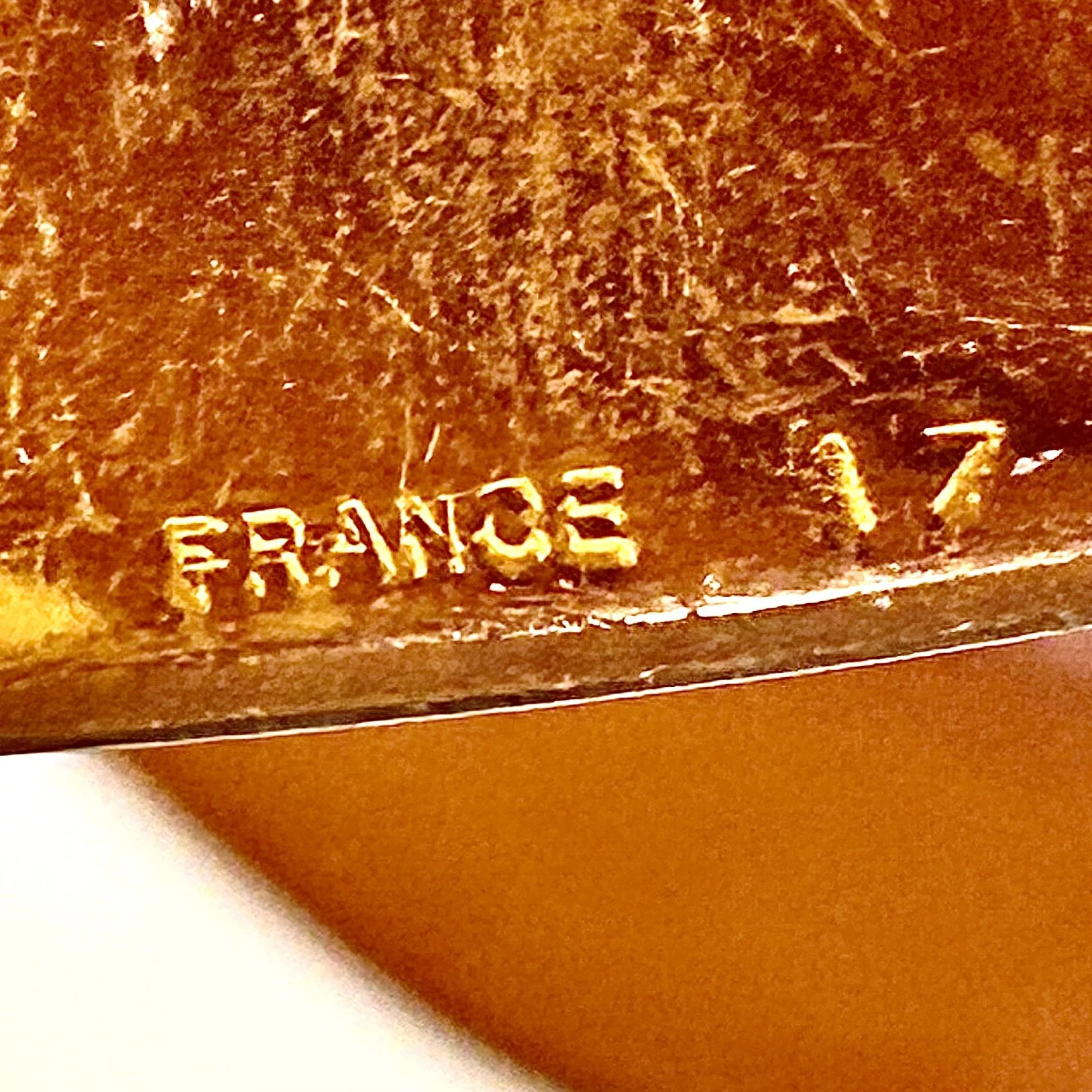
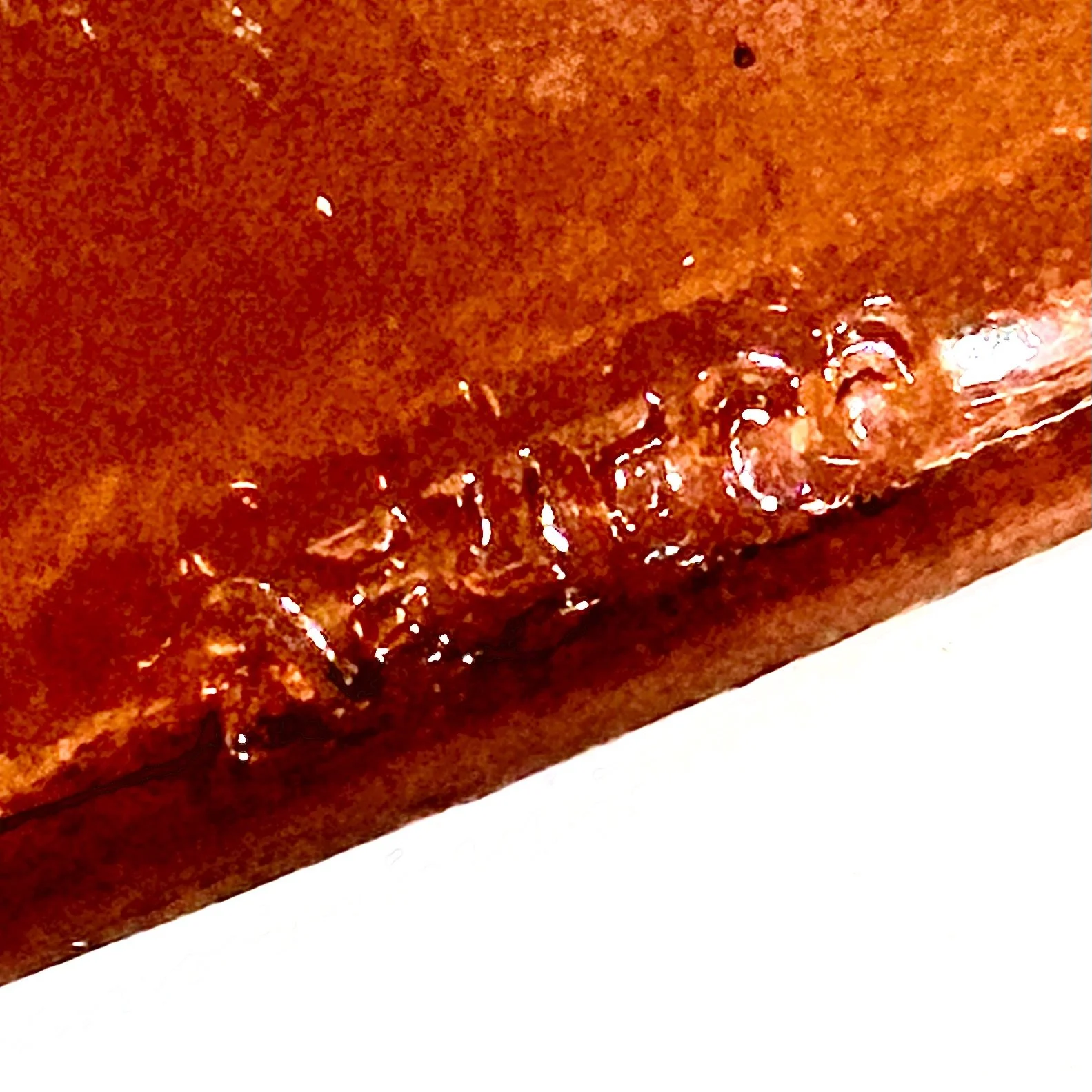
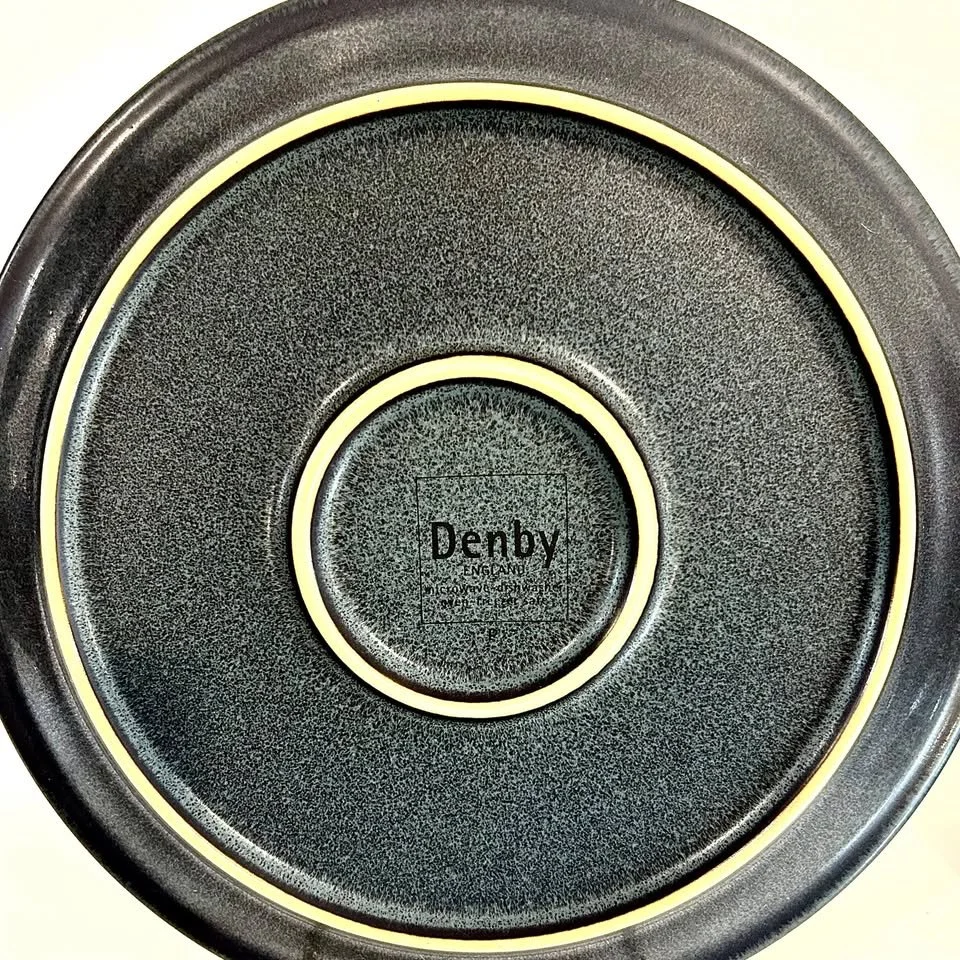
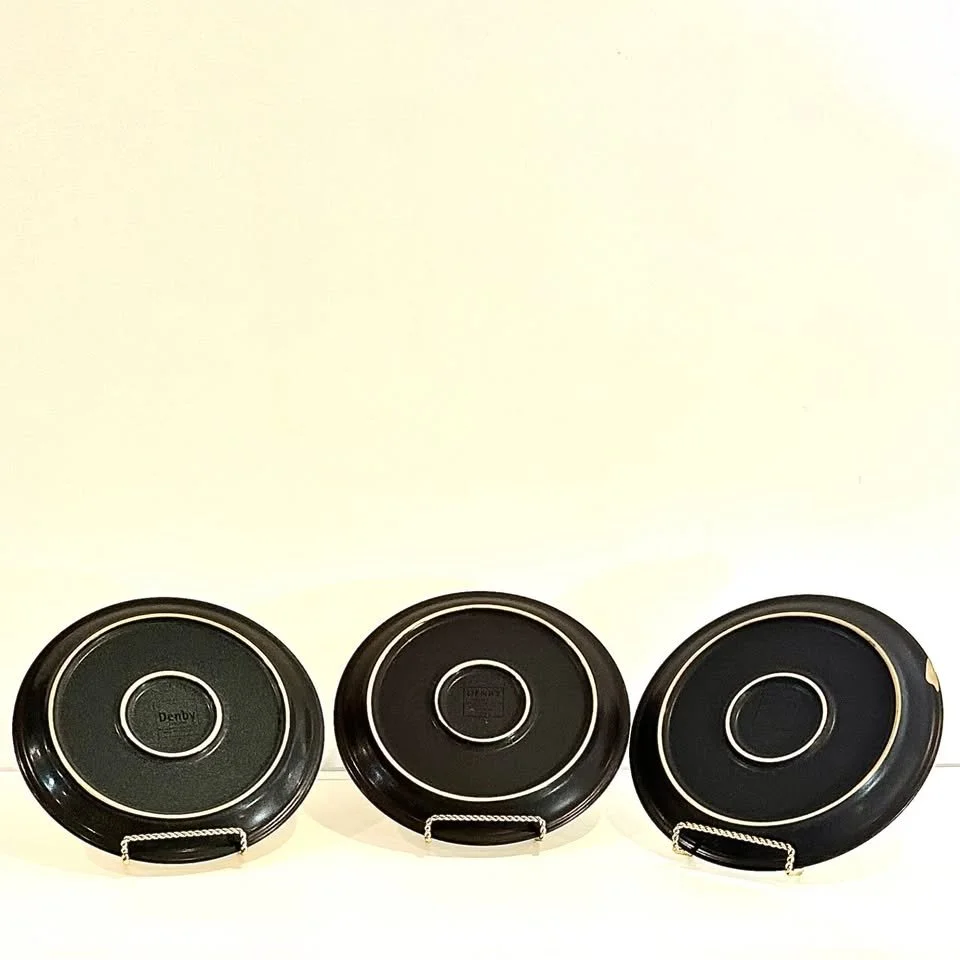
Unmarked decorative arts example, attributed to the American Depression era, circa 1930s. The absence of a factory mark is entirely consistent with high-volume, elegant glass production of this period, during which manufacturers relied on paper labels rather than permanent mold marks. The vibrant, translucent canary coloration, combined with the distinct combination of a smooth culinary surface and a deeply textured geometric rim, strongly aligns with the Art Deco design language popularized by prominent Midwestern glassworks such as Indiana Glass Company, Hazel-Atlas, or Federal Glass. The precise, concentric pattern layout and the specific density of the glass point directly to North American manufacturing methodologies of the 1930s.
Dimensions & Weight
Condition
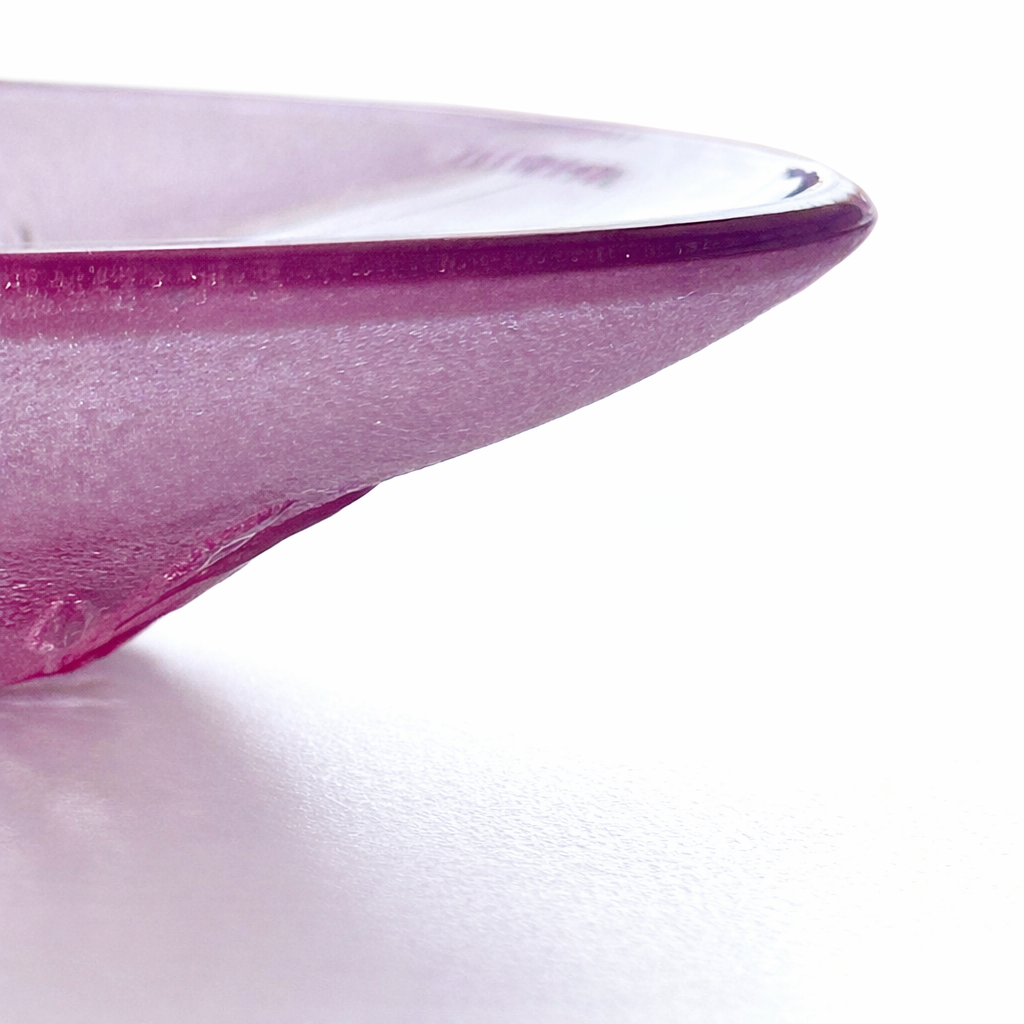
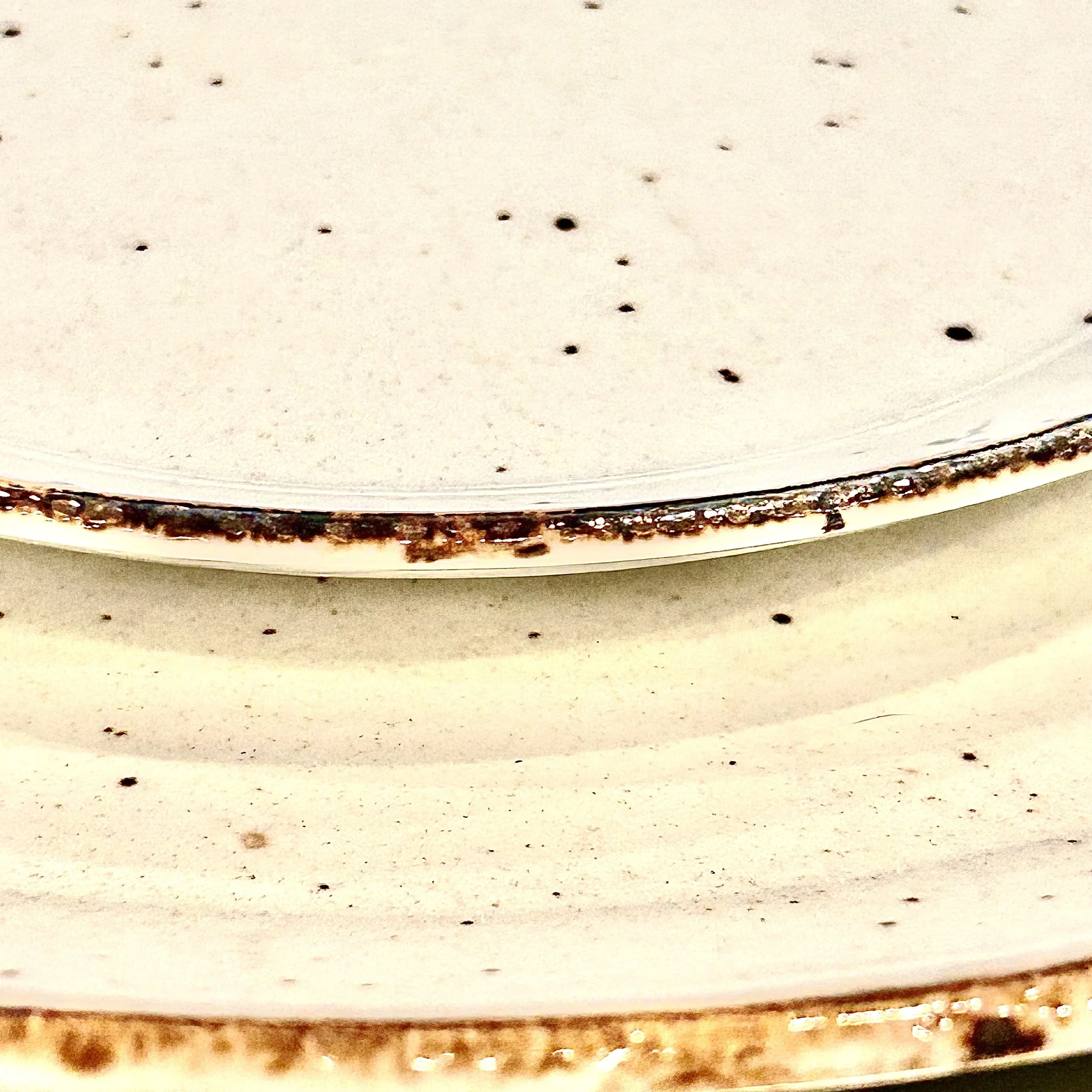
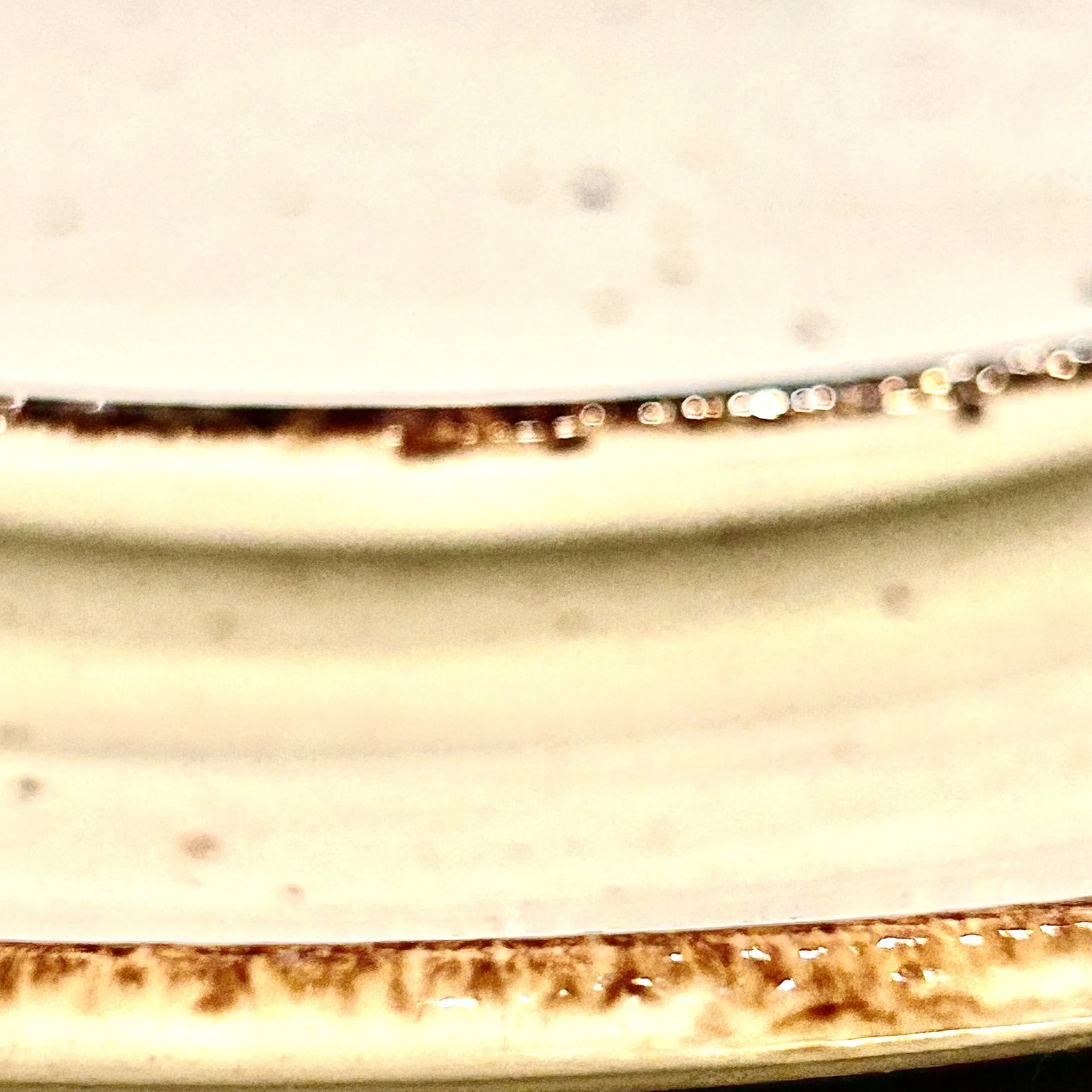
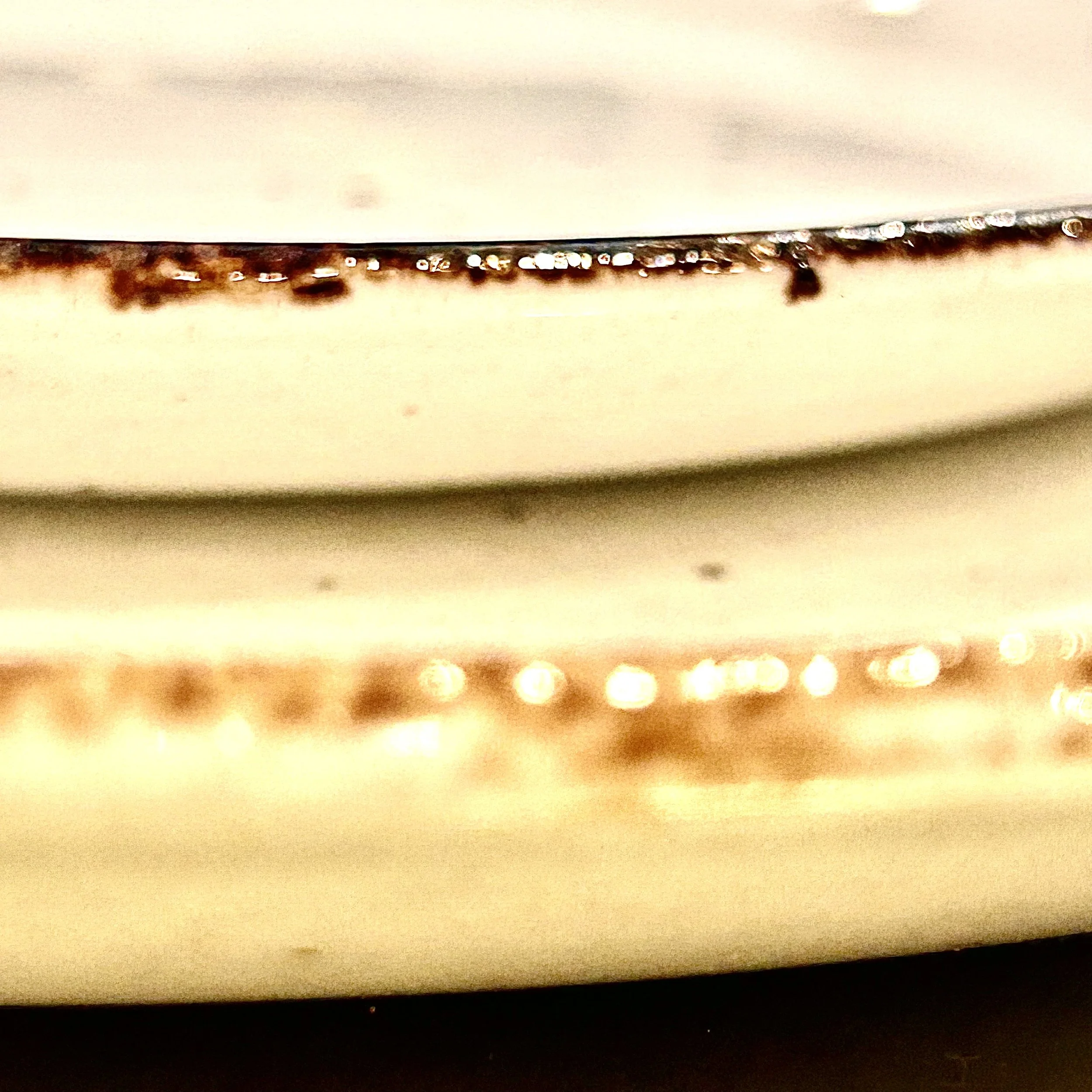
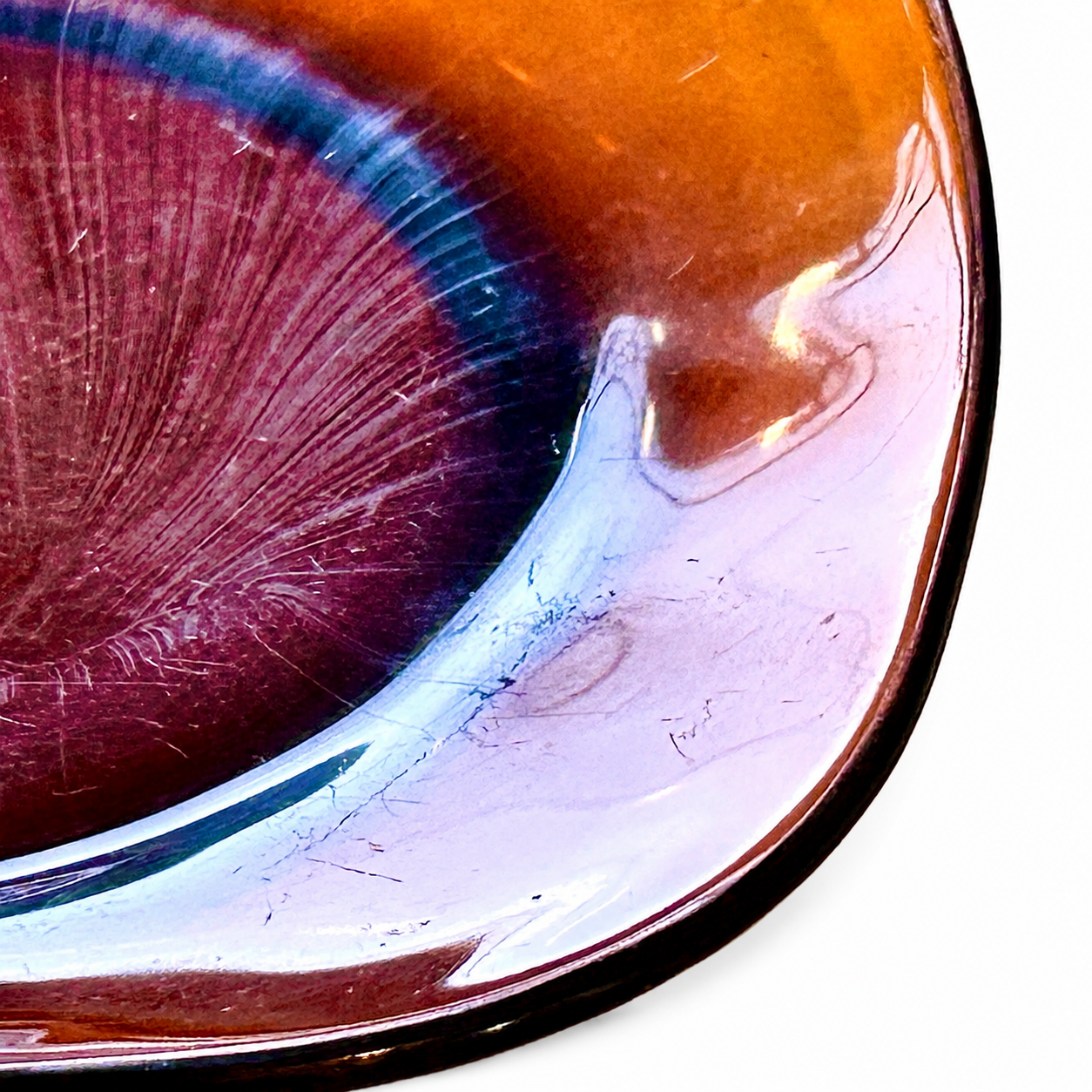
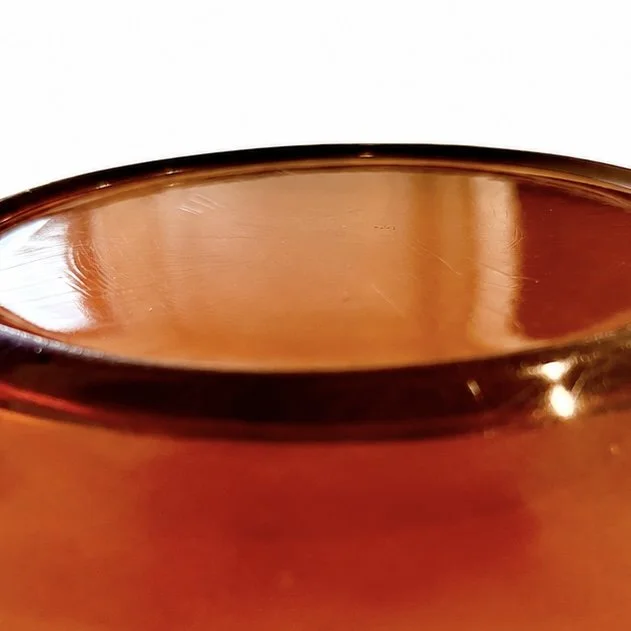
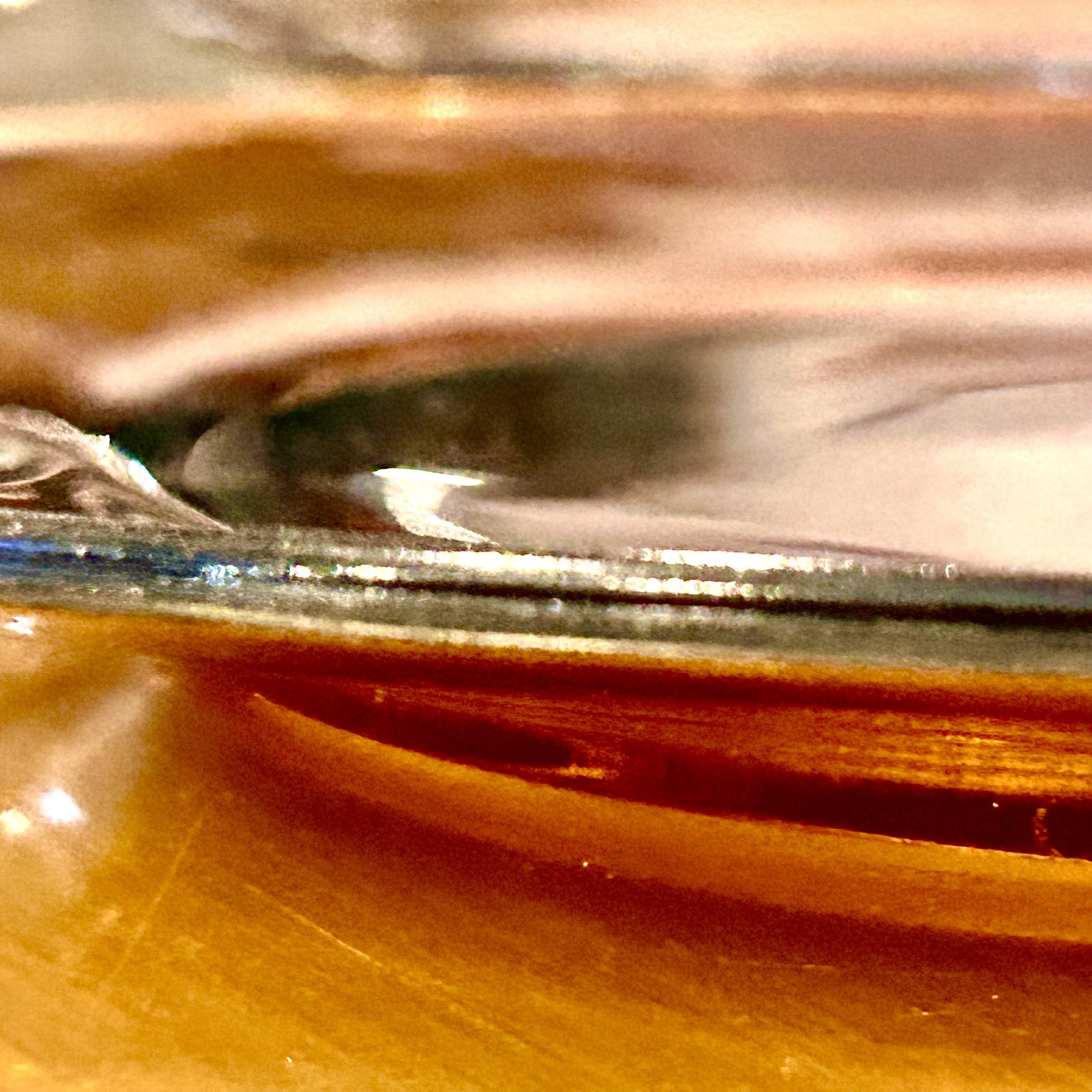
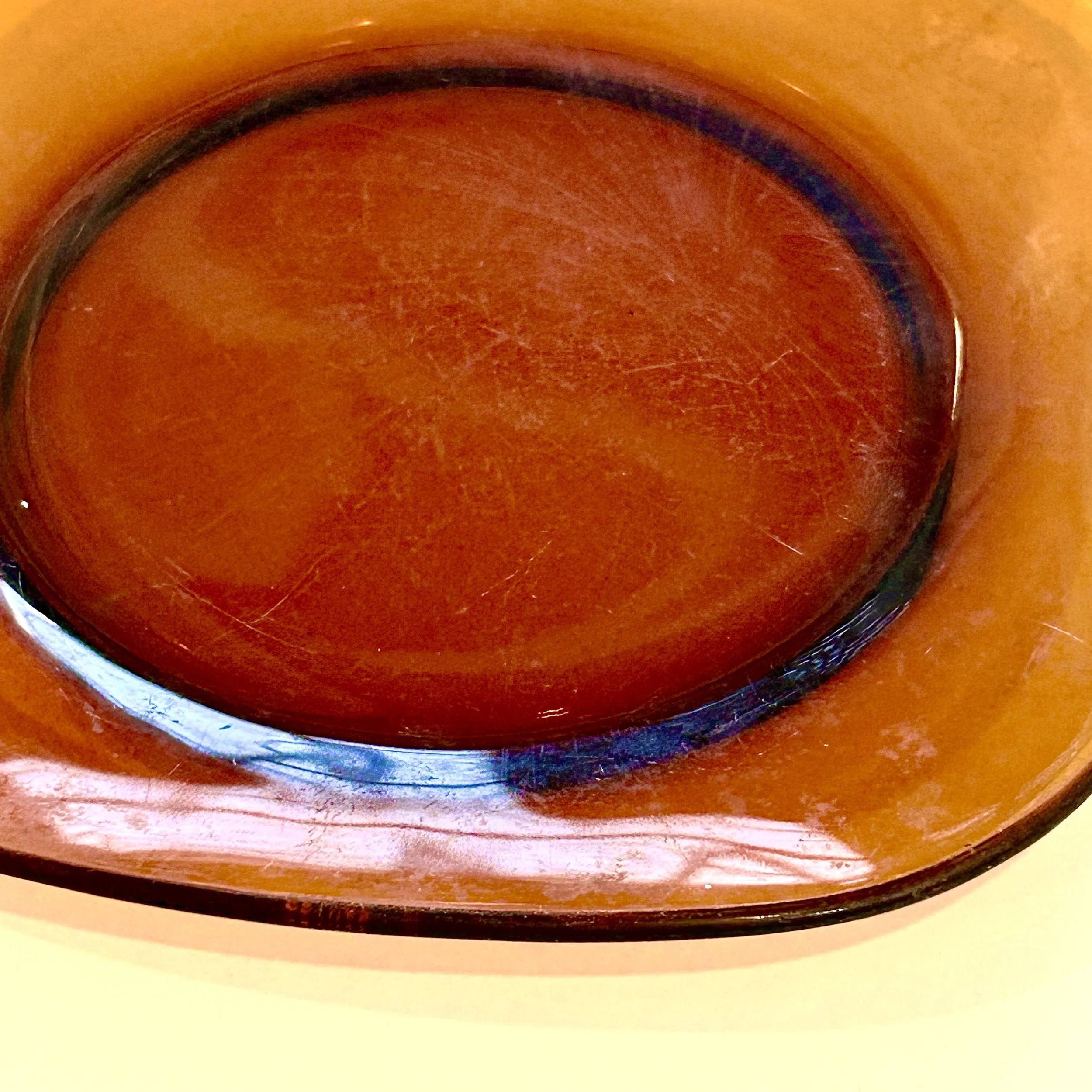
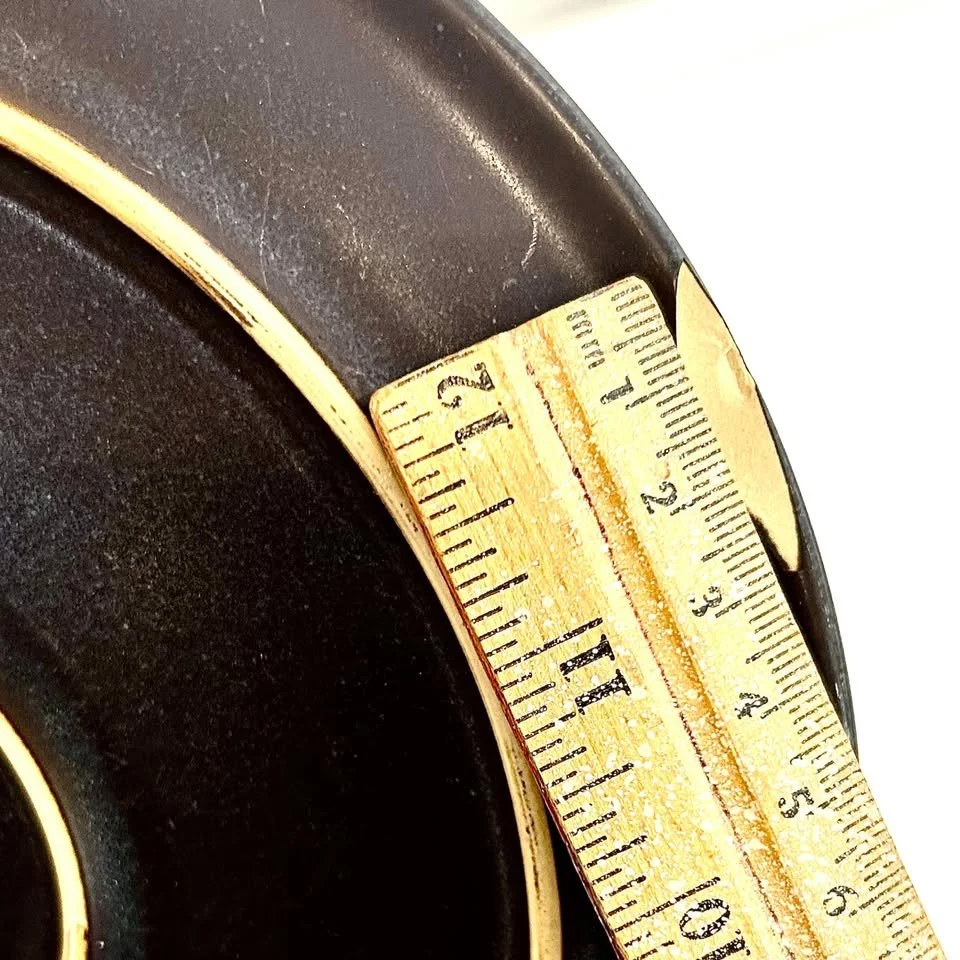
In good condition, exhibiting characteristics consistent with age and domestic use. Minor, age-appropriate wear and light micro-scratching are visible along the perimeter edges and the base ring. No structurally compromising cracks, major chips, or modern repairs are present. The glass matrix retains excellent clarity with typical, era-specific minor structural inclusions and faint mold lines from the original manufacturing process.
Authenticity & Construction
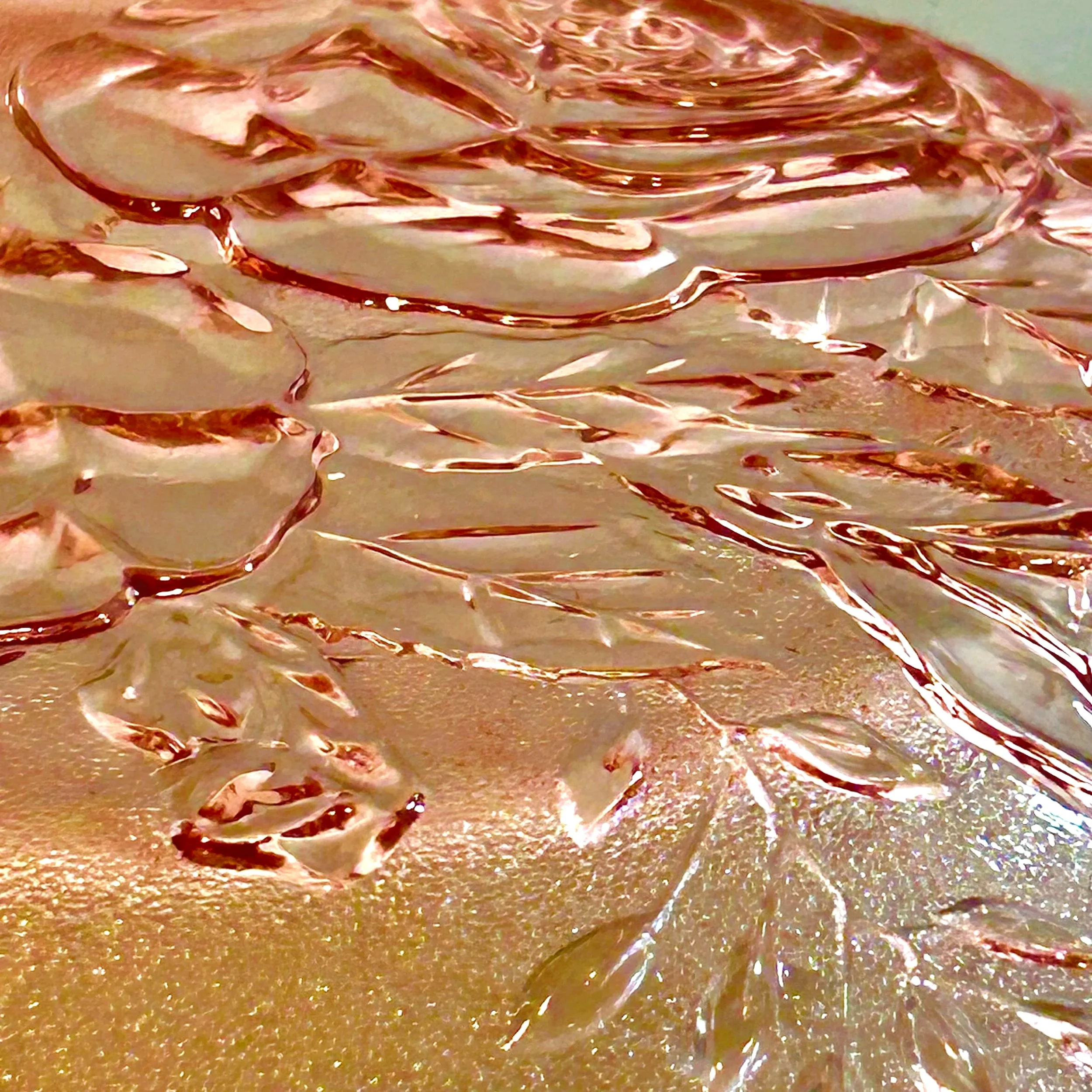
This piece was produced using a traditional two-part metal press mold, a defining construction technique of the Early Modern era. Molten glass was gathered and mechanically pressed into the patterned mold to form the highly articulated, ribbed exterior texture while leaving the interior surface perfectly smooth and functional. This method accounts for the pleasant heft, the faint, authentic mold seams along the base perimeter, and the distinctive light-diffusing qualities that modern reproductions fail to replicate.
Placement
This radiant sculptural plate is an ideal addition to a curated Mid-Century Modern or Art Deco interior. Position it where it can catch direct sunlight—such as on a minimalist low console, a brutalist stone mantelpiece, or styled within an open architectural étagère—to maximize its luminous color transmission and geometric line work.
STANDARD ATTRIBUTION & VALUE DISCLOSURE; This piece is described to the best of current scholarly and market knowledge. Any maker or regional attribution is based on visual analysis, materials, construction techniques, and documented stylistic comparisons. As with many MCM and antique design objects, definitive attribution may not be possible without original labels or factory records. Pricing reflects condition, quality, decorative appeal, and current collector demand rather than guaranteed maker identification.
Characterized by a striking luminous presence, this exceptional serving plate exemplifies the geometric rigor and vibrant materiality of early 20th-century pressed glass. The canary yellow colorway—often referred to as "sprite" or vaseline glass—interacts dynamically with natural light, radiating a brilliant, warm glow across its smooth interior surface. The exterior features a meticulously molded, highly tactile ribbed texture that creates a complex interplay of shadow and refraction. With its generous scale and bold architectural silhouette, this piece serves as a compelling structural accent, bridging utilitarian heritage and purely sculptural decorative art.
Attribution & Period
Unmarked decorative arts example, attributed to the American Depression era, circa 1930s. The absence of a factory mark is entirely consistent with high-volume, elegant glass production of this period, during which manufacturers relied on paper labels rather than permanent mold marks. The vibrant, translucent canary coloration, combined with the distinct combination of a smooth culinary surface and a deeply textured geometric rim, strongly aligns with the Art Deco design language popularized by prominent Midwestern glassworks such as Indiana Glass Company, Hazel-Atlas, or Federal Glass. The precise, concentric pattern layout and the specific density of the glass point directly to North American manufacturing methodologies of the 1930s.
Dimensions & Weight
Condition
In good condition, exhibiting characteristics consistent with age and domestic use. Minor, age-appropriate wear and light micro-scratching are visible along the perimeter edges and the base ring. No structurally compromising cracks, major chips, or modern repairs are present. The glass matrix retains excellent clarity with typical, era-specific minor structural inclusions and faint mold lines from the original manufacturing process.
Authenticity & Construction
This piece was produced using a traditional two-part metal press mold, a defining construction technique of the Early Modern era. Molten glass was gathered and mechanically pressed into the patterned mold to form the highly articulated, ribbed exterior texture while leaving the interior surface perfectly smooth and functional. This method accounts for the pleasant heft, the faint, authentic mold seams along the base perimeter, and the distinctive light-diffusing qualities that modern reproductions fail to replicate.
Placement
This radiant sculptural plate is an ideal addition to a curated Mid-Century Modern or Art Deco interior. Position it where it can catch direct sunlight—such as on a minimalist low console, a brutalist stone mantelpiece, or styled within an open architectural étagère—to maximize its luminous color transmission and geometric line work.
STANDARD ATTRIBUTION & VALUE DISCLOSURE; This piece is described to the best of current scholarly and market knowledge. Any maker or regional attribution is based on visual analysis, materials, construction techniques, and documented stylistic comparisons. As with many MCM and antique design objects, definitive attribution may not be possible without original labels or factory records. Pricing reflects condition, quality, decorative appeal, and current collector demand rather than guaranteed maker identification.

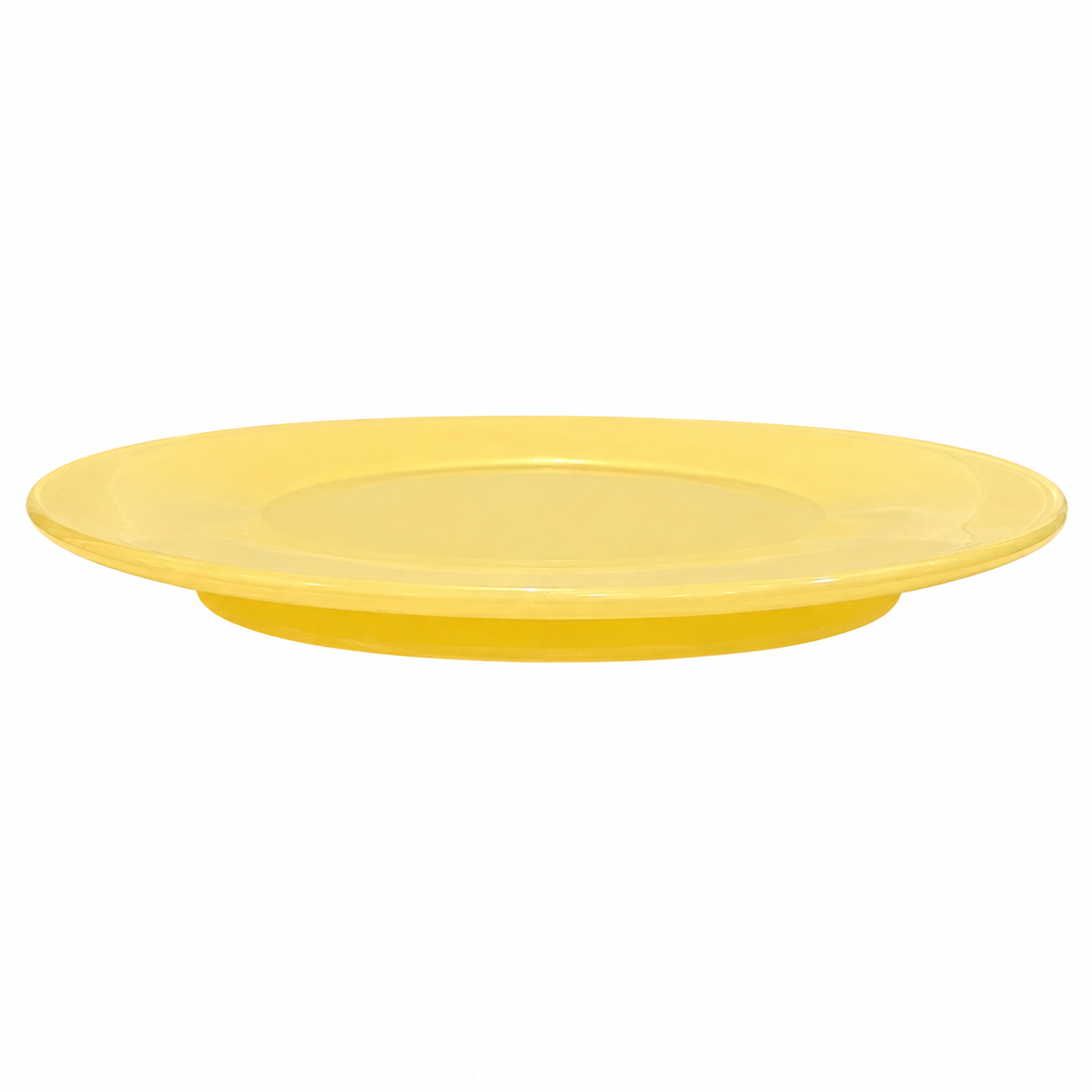 Image 1 of 13
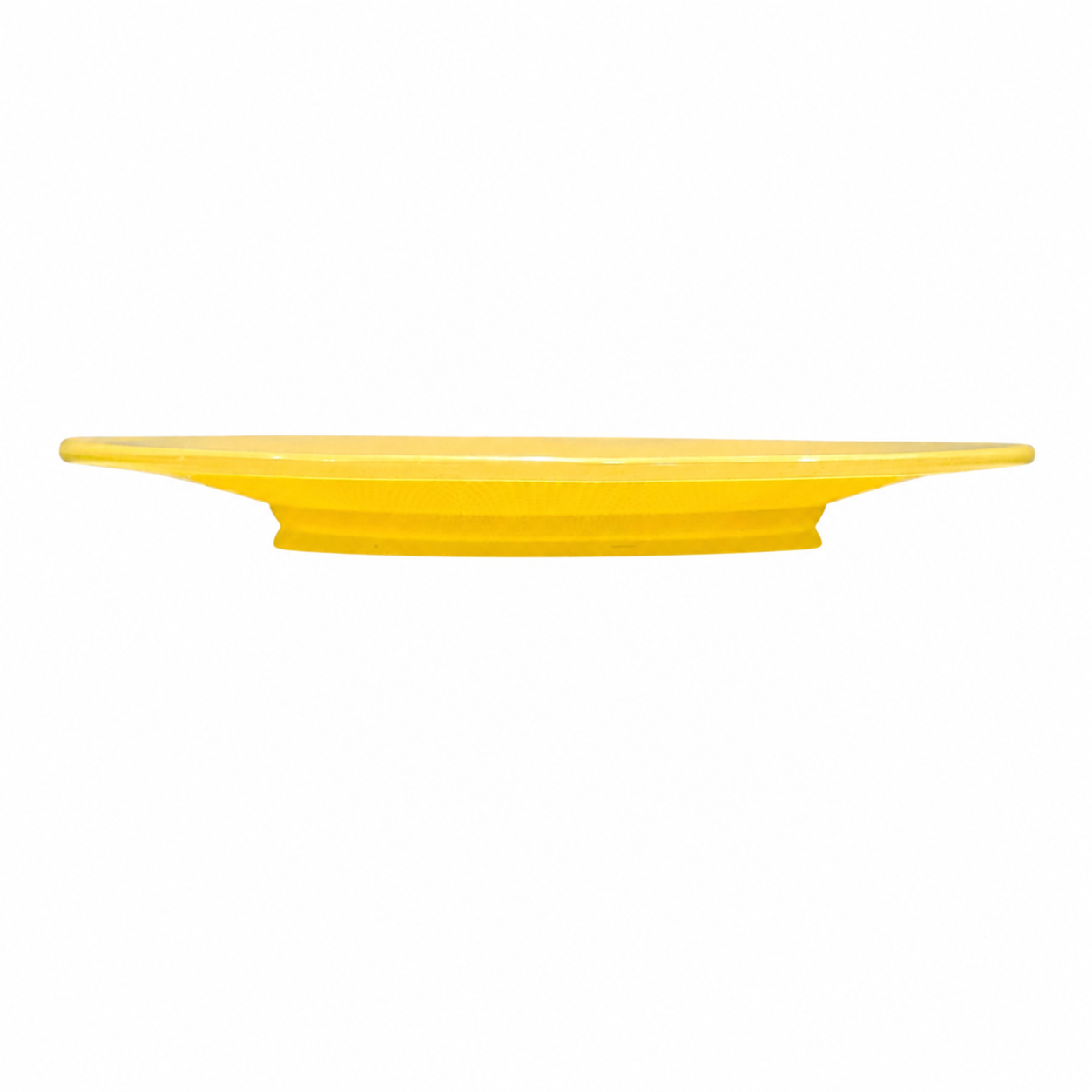 Image 2 of 13
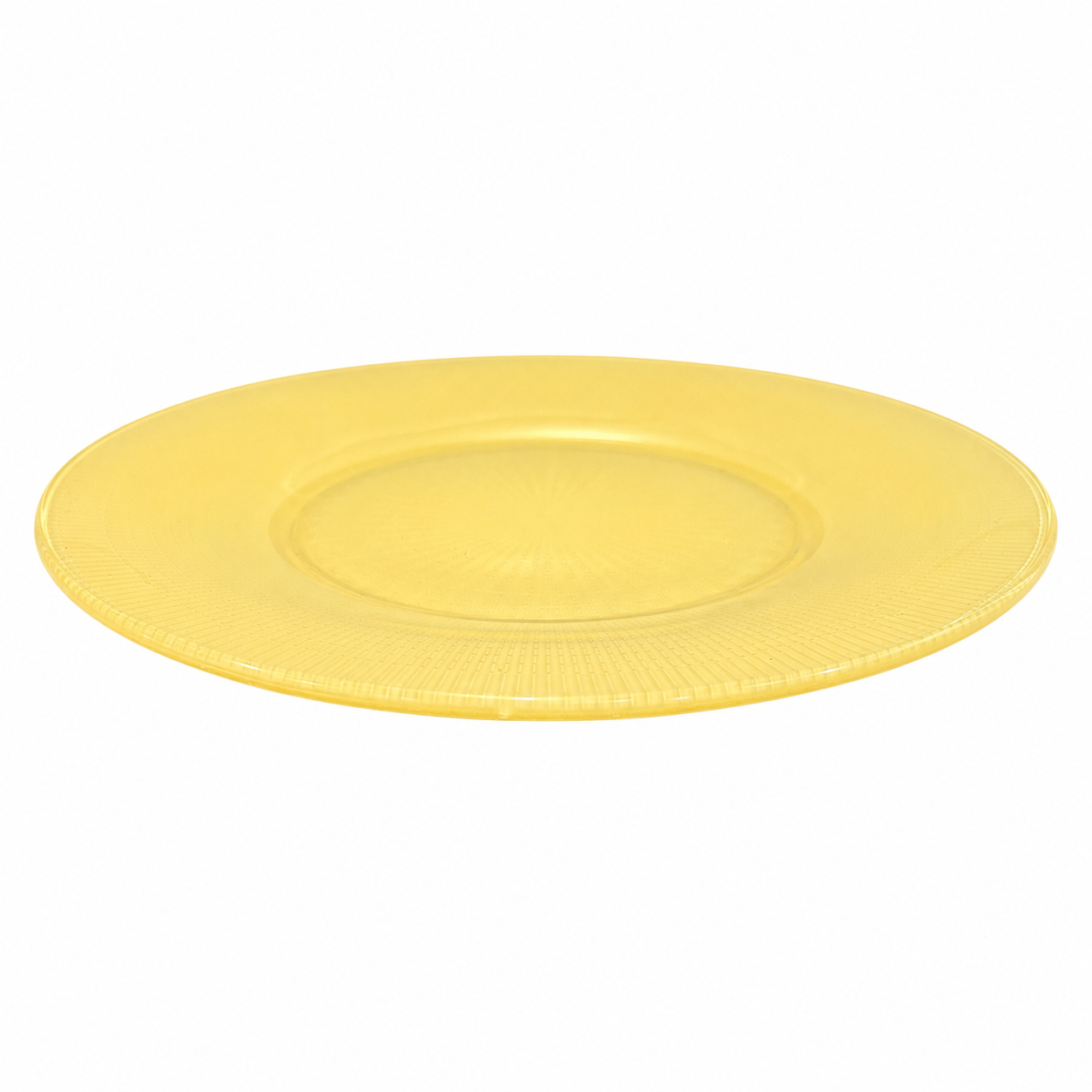 Image 3 of 13
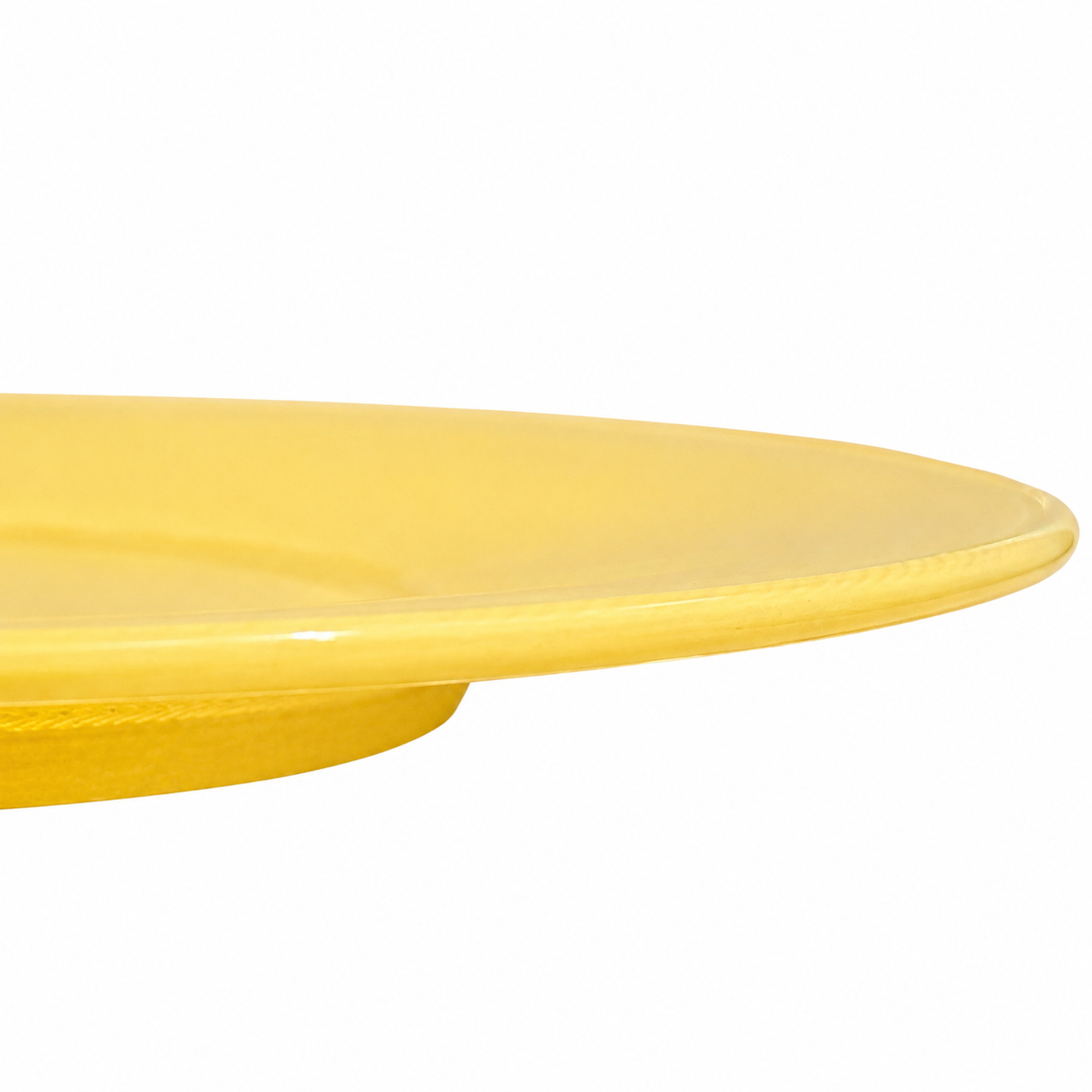 Image 4 of 13
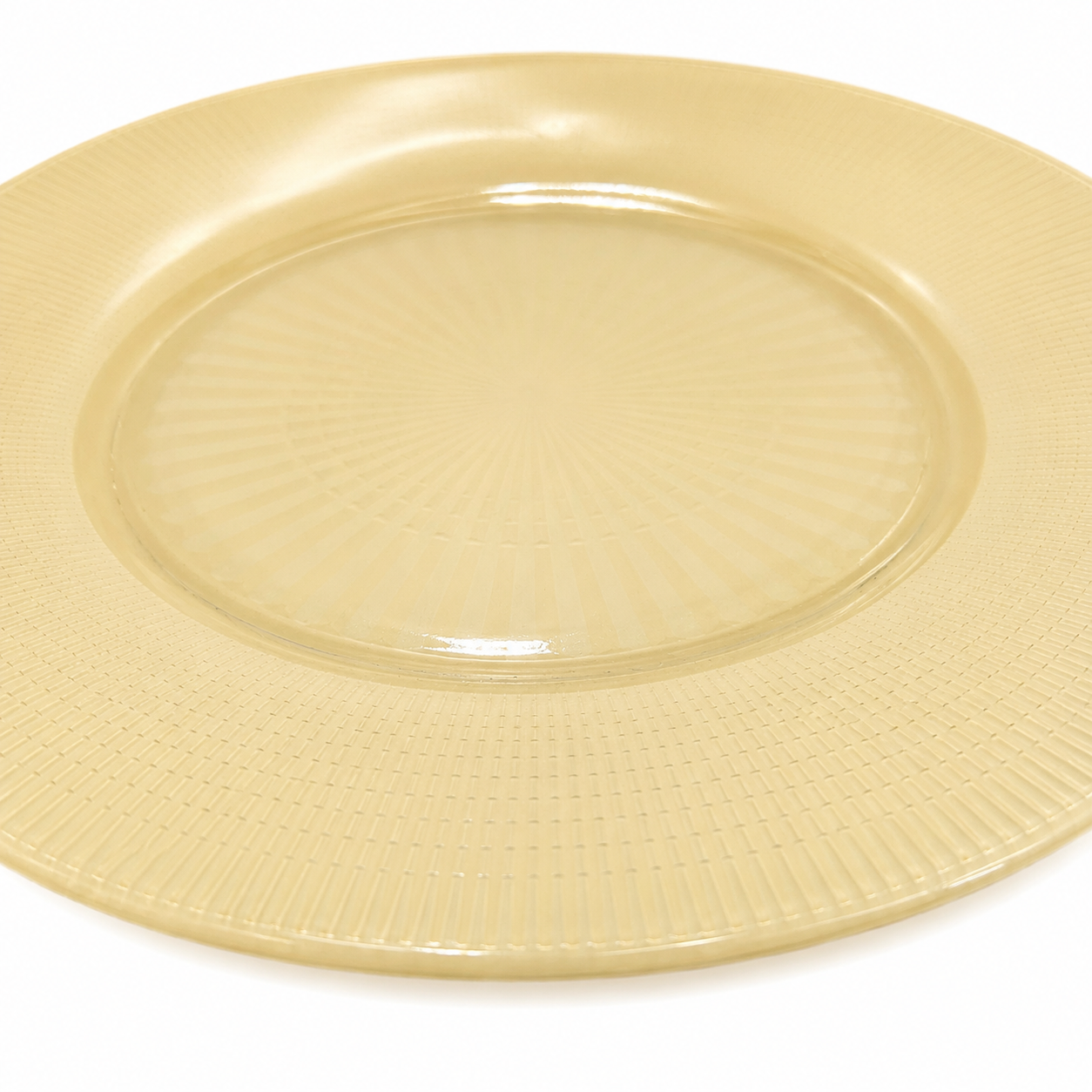 Image 5 of 13
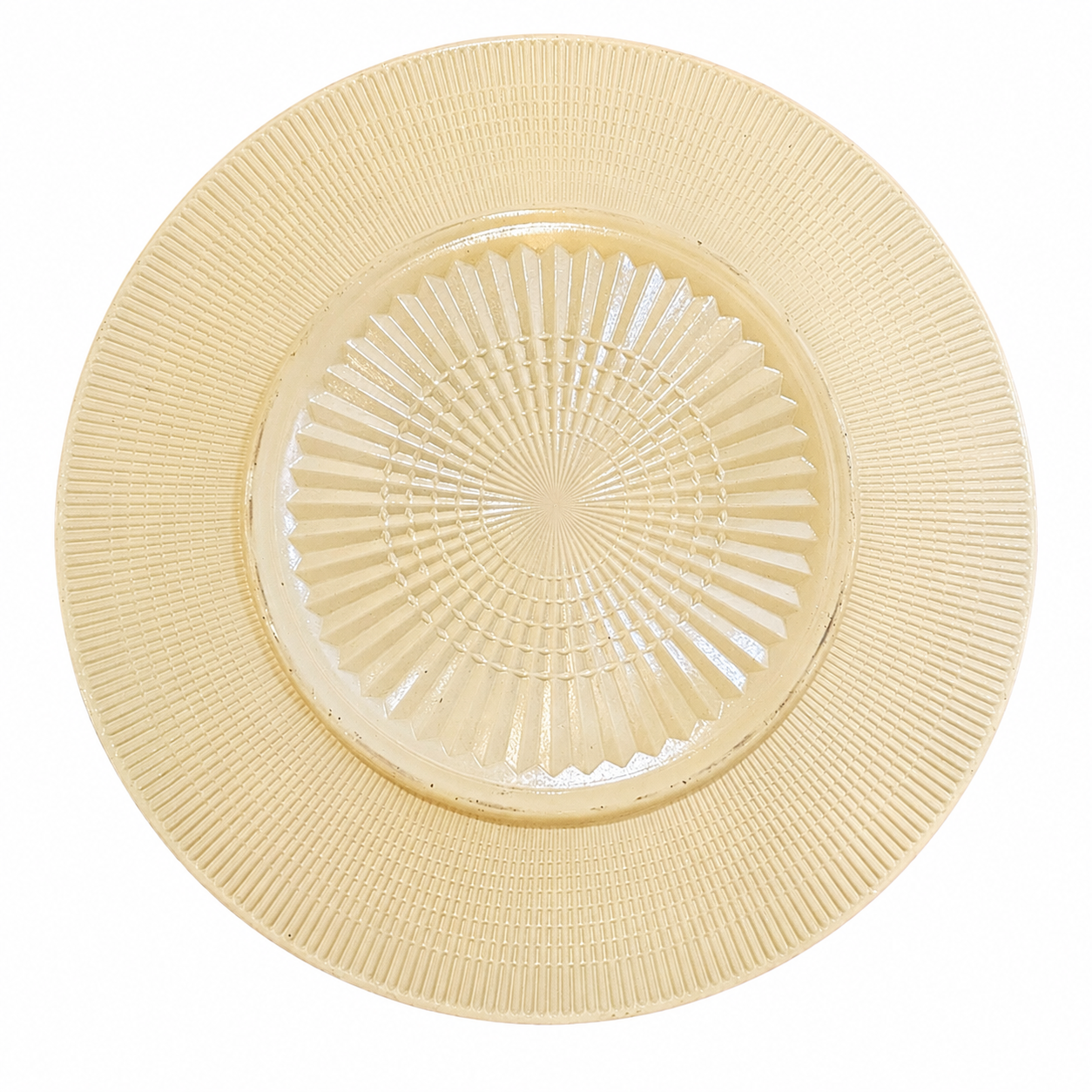 Image 6 of 13
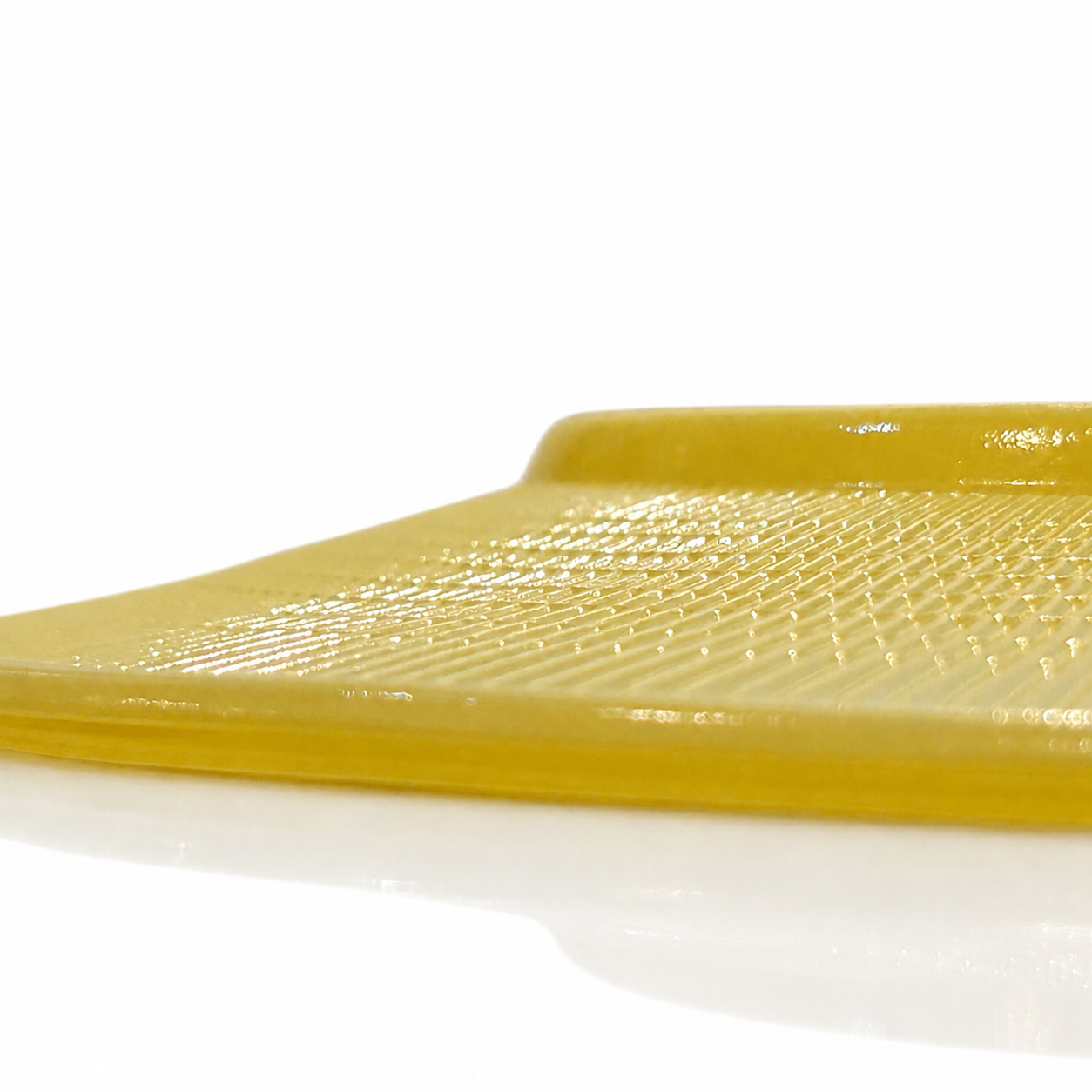 Image 7 of 13
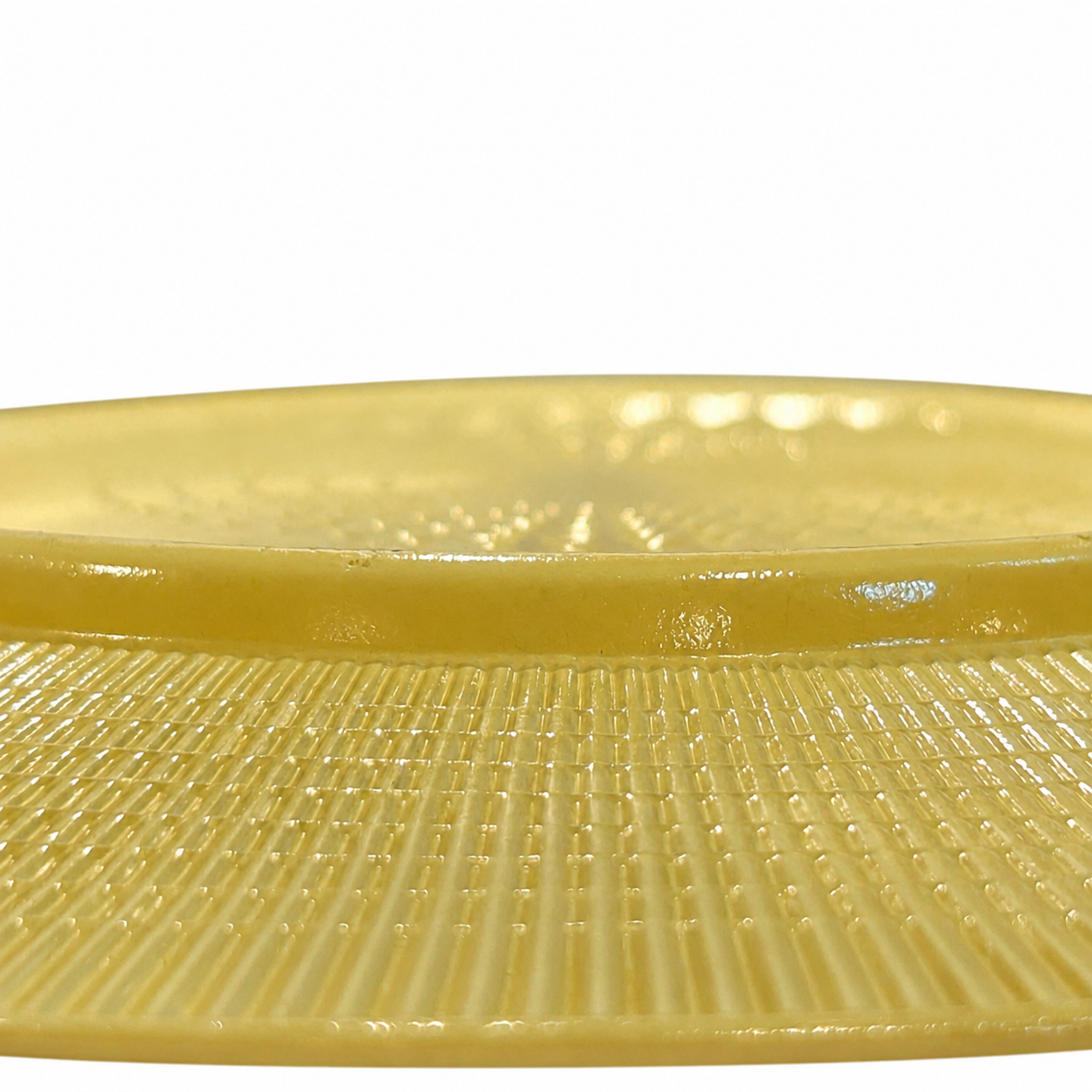 Image 8 of 13
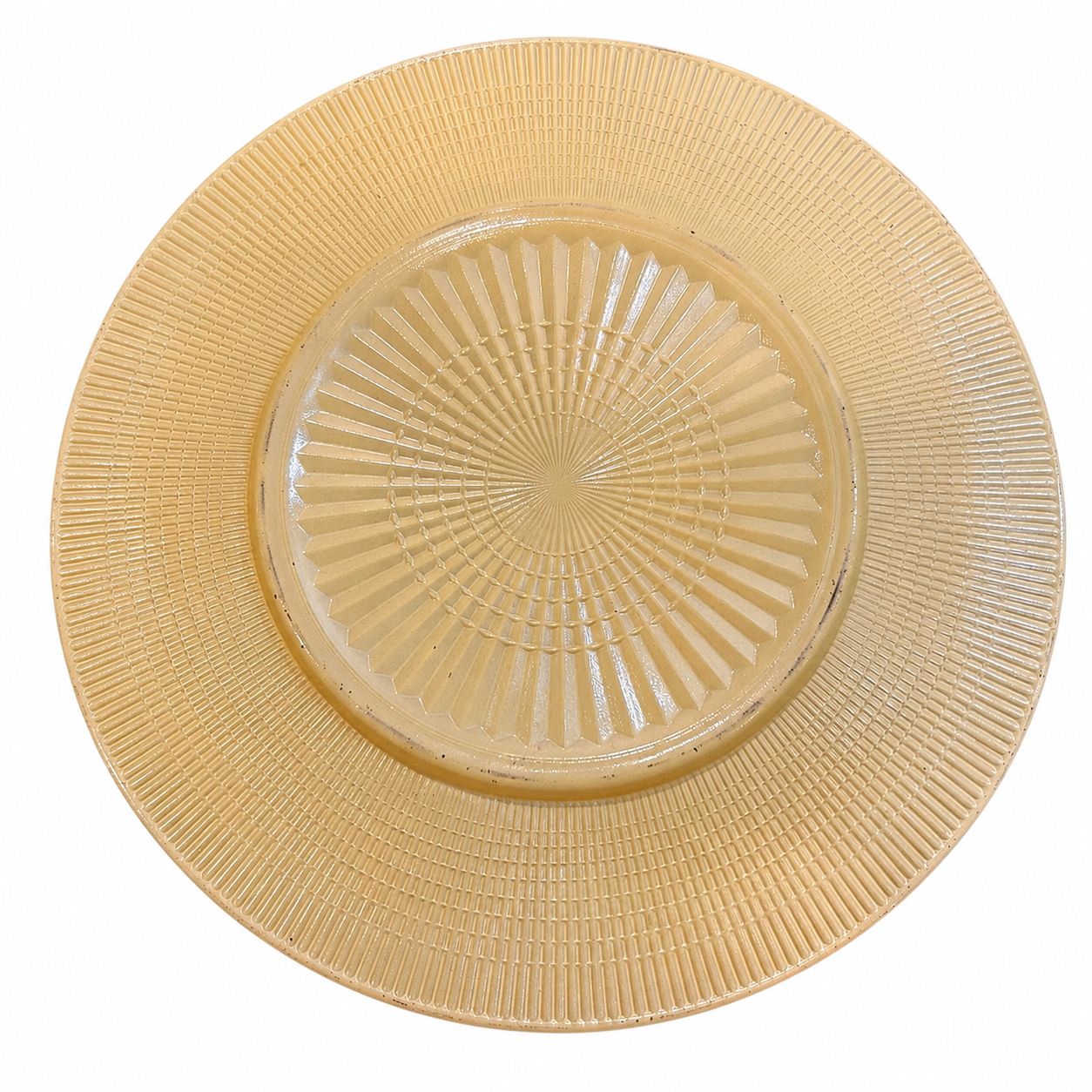 Image 9 of 13
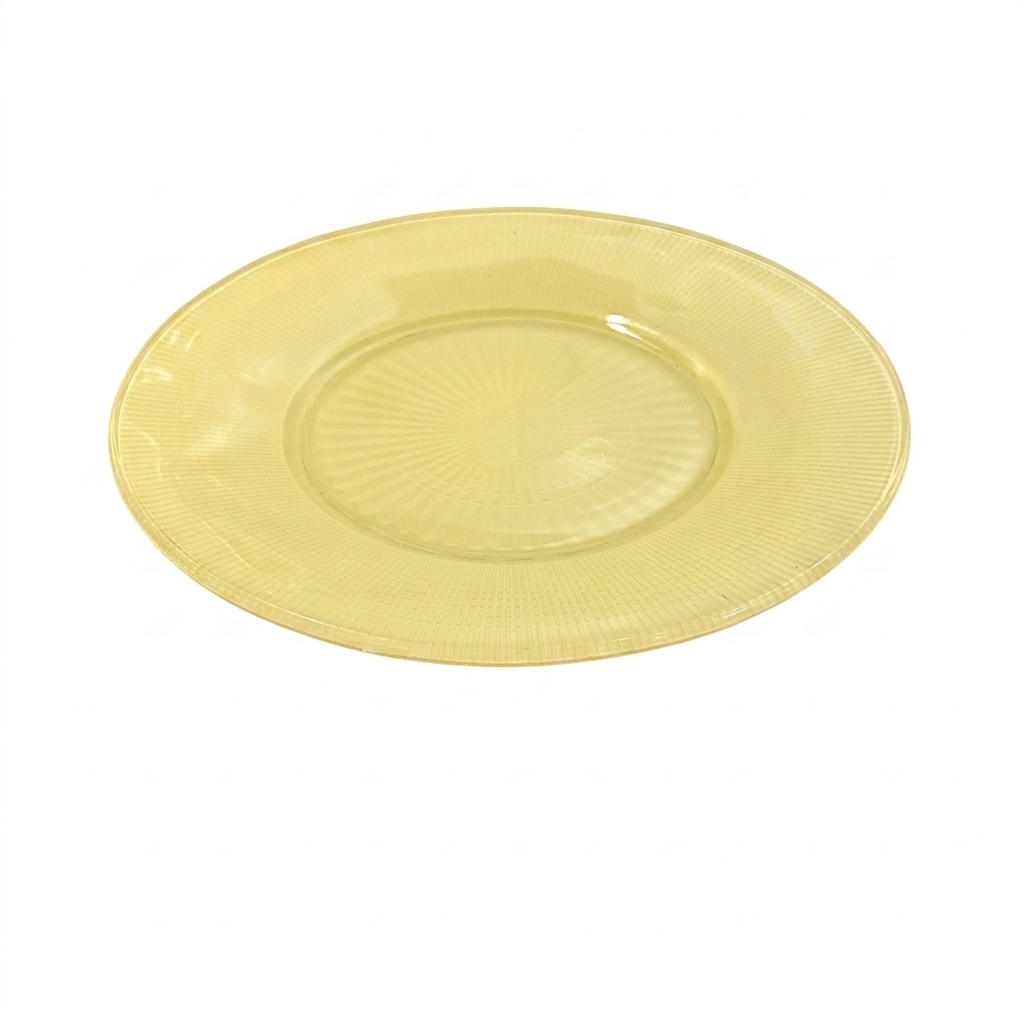 Image 10 of 13
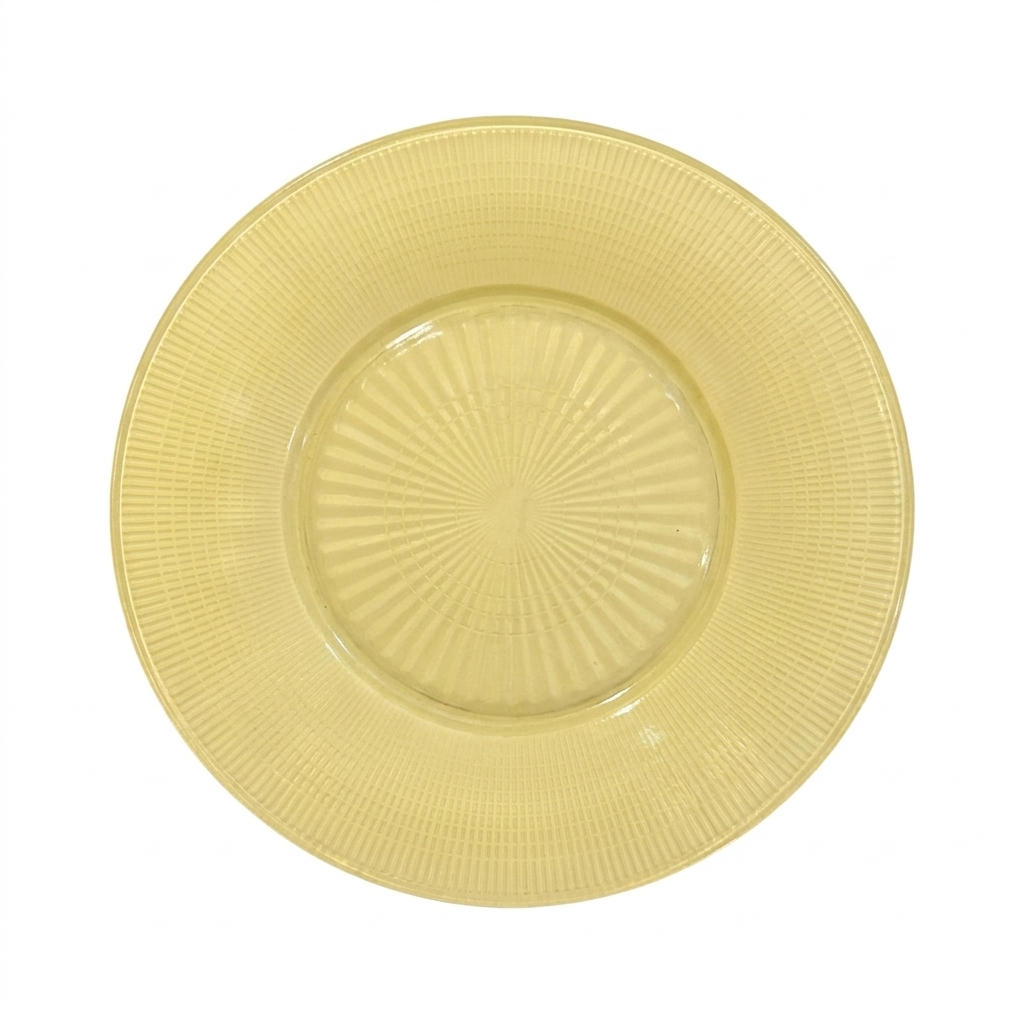 Image 11 of 13
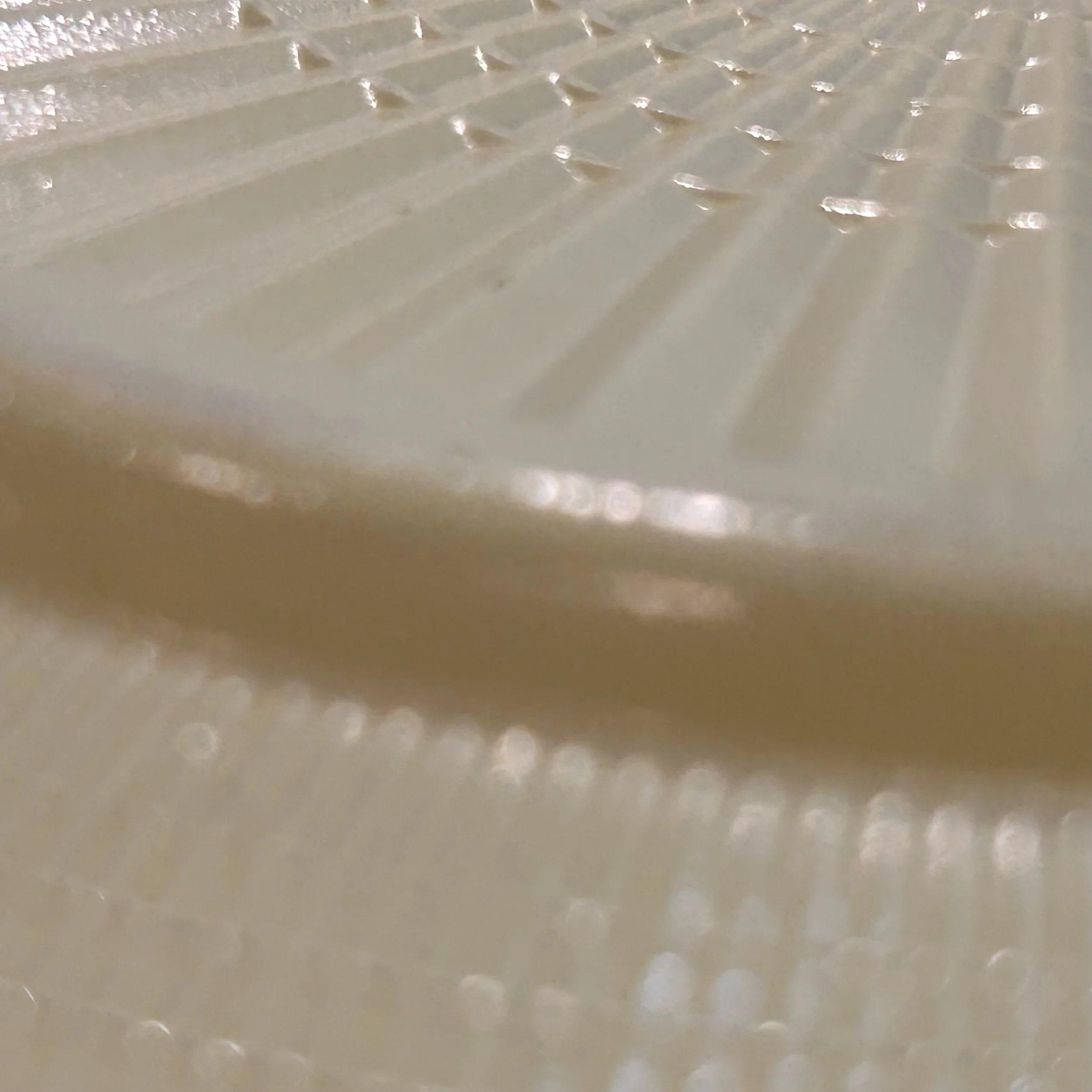 Image 12 of 13
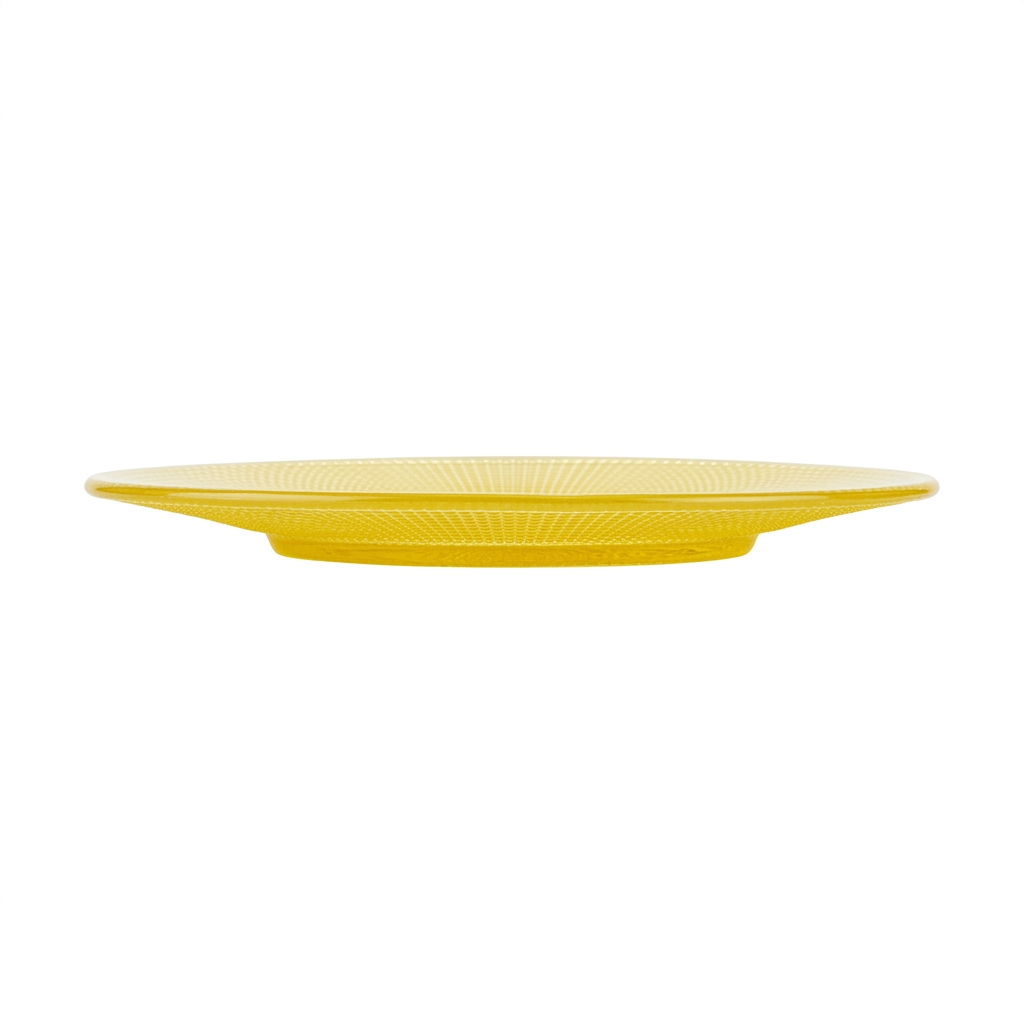 Image 13 of 13