This substantial Austrian terracotta vase commands a powerful sculptural presence, defined by its bold silhouette and deep matte black finish. The vessel features integrated, stylistically simplified handles that emerge seamlessly from the shoulder, creating a rhythmic, geometric profile. Its light-absorbing surface and significant material weight make it a compelling focal point, offering a moody, architectural impact that anchors any high-end collection of European ceramics.
Attribution & Period; Consistent with Keramos (Wiener Kunst-Keramik), 1930s
The construction and aesthetic are strongly aligned with the interwar period of Austrian decorative arts, specifically the Art Deco movement. The underside bears an incised model number "2653" and a clear "Made in Austria" mark, which is typographically consistent with production from the Keramos workshops or contemporaneous Viennese manufactories such as Goldscheider. The use of a red terracotta body beneath a localized black slip—revealed at the mouth and high-relief edges—is a hallmark of 1930s Austrian studio pottery.
Dimensions & Weight
Condition
The vase is in good condition, possessing a weathered patina that enhances its "found object" aesthetic. Clinical observation reveals honest wear to the matte black finish throughout, particularly on high-relief edges where the red terracotta substrate is exposed. The base shows characteristic shelf wear and some historical mineral deposits. No structural cracks or major repairs are observed, though the surface exhibits the charming irregularities of a hand-finished ceramic.
Authenticity & Construction
This piece is expertly slip-cast or hand-turned from red terracotta, a traditional Austrian clay known for its durability and rich color. The exterior was finished with a matte black glaze or cold-paint technique—a popular choice during the Secessionist and Deco eras to emphasize form over ornament. The incised "2653" and "Made in Austria" stamps provide definitive evidence of its industrial-artisan origin in the renowned ceramic centers of Vienna or Gmunden.
Placement
With its brutalist-adjacent aesthetic and matte texture, this vase is ideal for an interior featuring raw wood, concrete, or polished stone. It serves as a sophisticated sculptural anchor on a minimalist mantelpiece or as a centerpiece in a moody, executive library.
STANDARD ATTRIBUTION & VALUE DISCLOSURE; This piece is described to the best of current scholarly and market knowledge. Any maker or regional attribution is based on visual analysis, materials, construction techniques, and documented stylistic comparisons. As with many MCM and antique design objects, definitive attribution may not be possible without original labels or factory records. Pricing reflects condition, quality, decorative appeal, and current collector demand rather than guaranteed maker identification.
This substantial Austrian terracotta vase commands a powerful sculptural presence, defined by its bold silhouette and deep matte black finish. The vessel features integrated, stylistically simplified handles that emerge seamlessly from the shoulder, creating a rhythmic, geometric profile. Its light-absorbing surface and significant material weight make it a compelling focal point, offering a moody, architectural impact that anchors any high-end collection of European ceramics.
Attribution & Period; Consistent with Keramos (Wiener Kunst-Keramik), 1930s
The construction and aesthetic are strongly aligned with the interwar period of Austrian decorative arts, specifically the Art Deco movement. The underside bears an incised model number "2653" and a clear "Made in Austria" mark, which is typographically consistent with production from the Keramos workshops or contemporaneous Viennese manufactories such as Goldscheider. The use of a red terracotta body beneath a localized black slip—revealed at the mouth and high-relief edges—is a hallmark of 1930s Austrian studio pottery.
Dimensions & Weight
Condition
The vase is in good condition, possessing a weathered patina that enhances its "found object" aesthetic. Clinical observation reveals honest wear to the matte black finish throughout, particularly on high-relief edges where the red terracotta substrate is exposed. The base shows characteristic shelf wear and some historical mineral deposits. No structural cracks or major repairs are observed, though the surface exhibits the charming irregularities of a hand-finished ceramic.
Authenticity & Construction
This piece is expertly slip-cast or hand-turned from red terracotta, a traditional Austrian clay known for its durability and rich color. The exterior was finished with a matte black glaze or cold-paint technique—a popular choice during the Secessionist and Deco eras to emphasize form over ornament. The incised "2653" and "Made in Austria" stamps provide definitive evidence of its industrial-artisan origin in the renowned ceramic centers of Vienna or Gmunden.
Placement
With its brutalist-adjacent aesthetic and matte texture, this vase is ideal for an interior featuring raw wood, concrete, or polished stone. It serves as a sophisticated sculptural anchor on a minimalist mantelpiece or as a centerpiece in a moody, executive library.
STANDARD ATTRIBUTION & VALUE DISCLOSURE; This piece is described to the best of current scholarly and market knowledge. Any maker or regional attribution is based on visual analysis, materials, construction techniques, and documented stylistic comparisons. As with many MCM and antique design objects, definitive attribution may not be possible without original labels or factory records. Pricing reflects condition, quality, decorative appeal, and current collector demand rather than guaranteed maker identification.

 Image 1 of 17
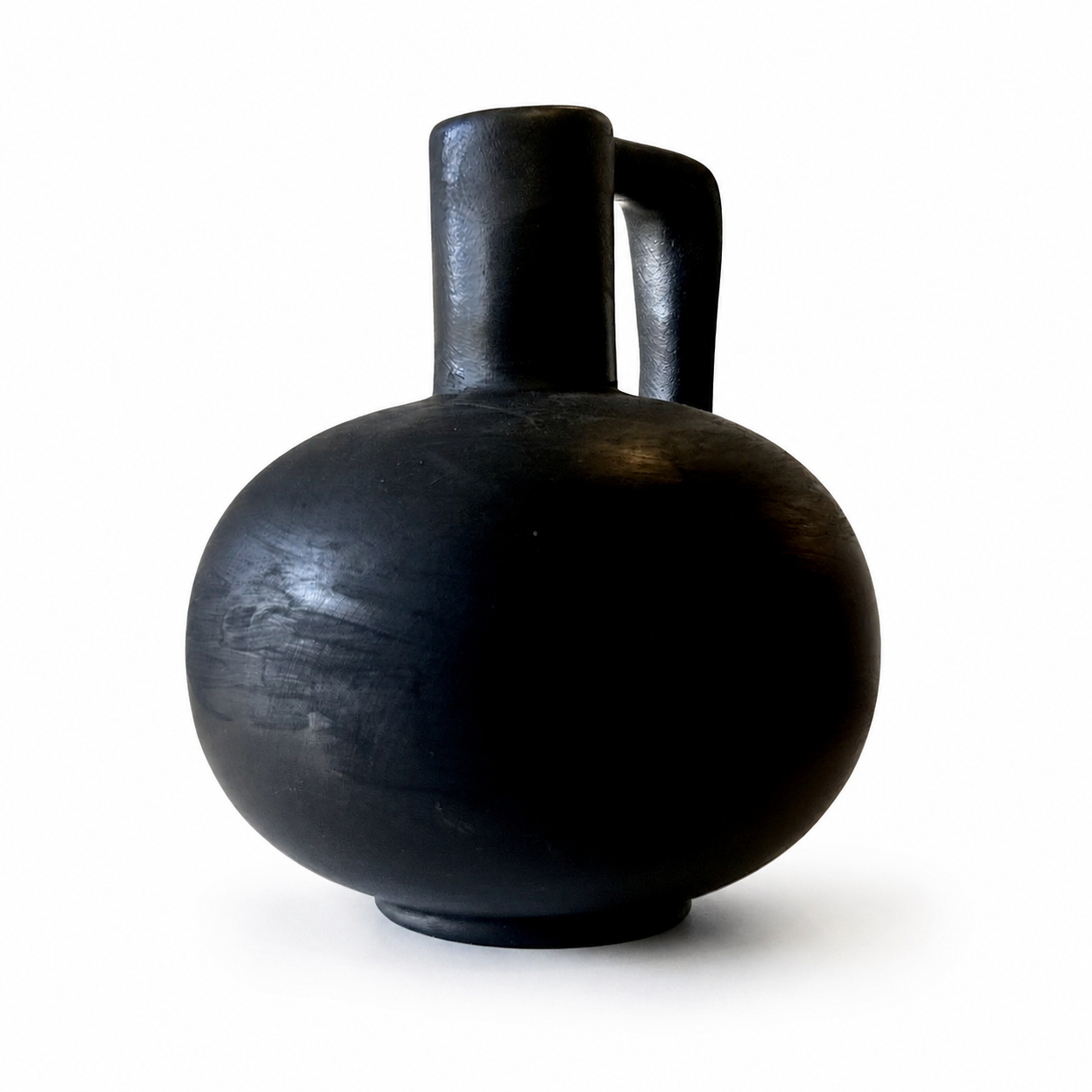 Image 2 of 17
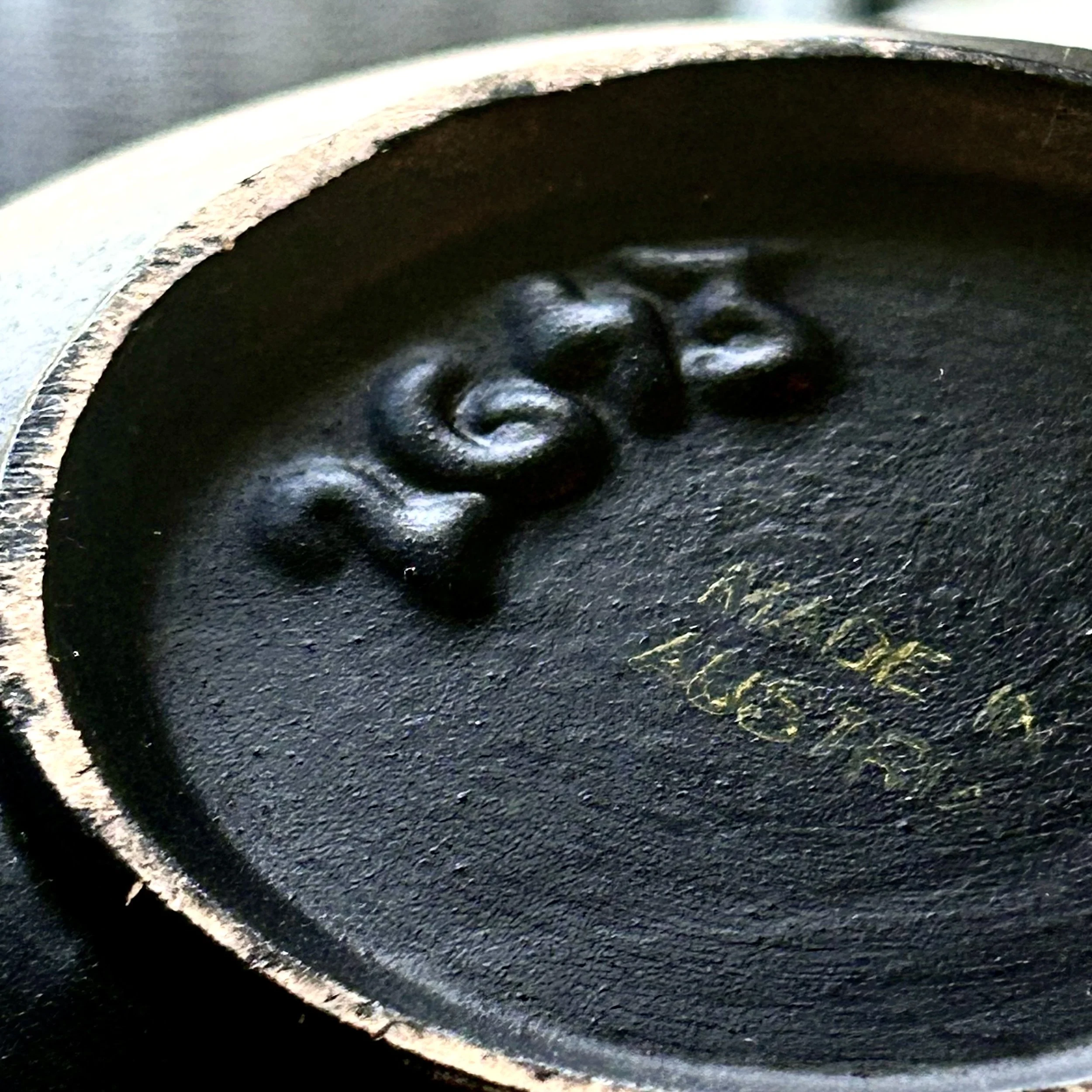 Image 3 of 17
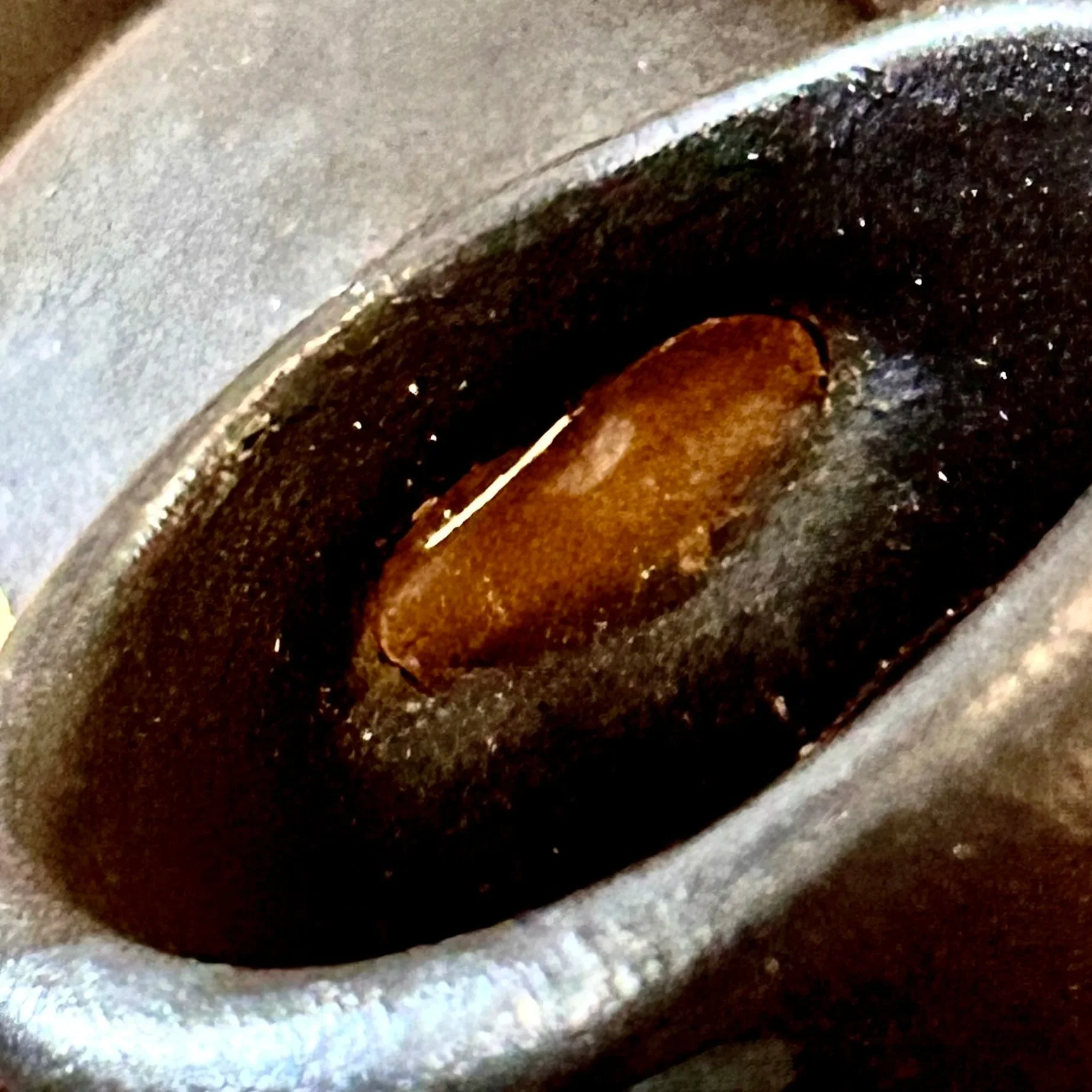 Image 4 of 17
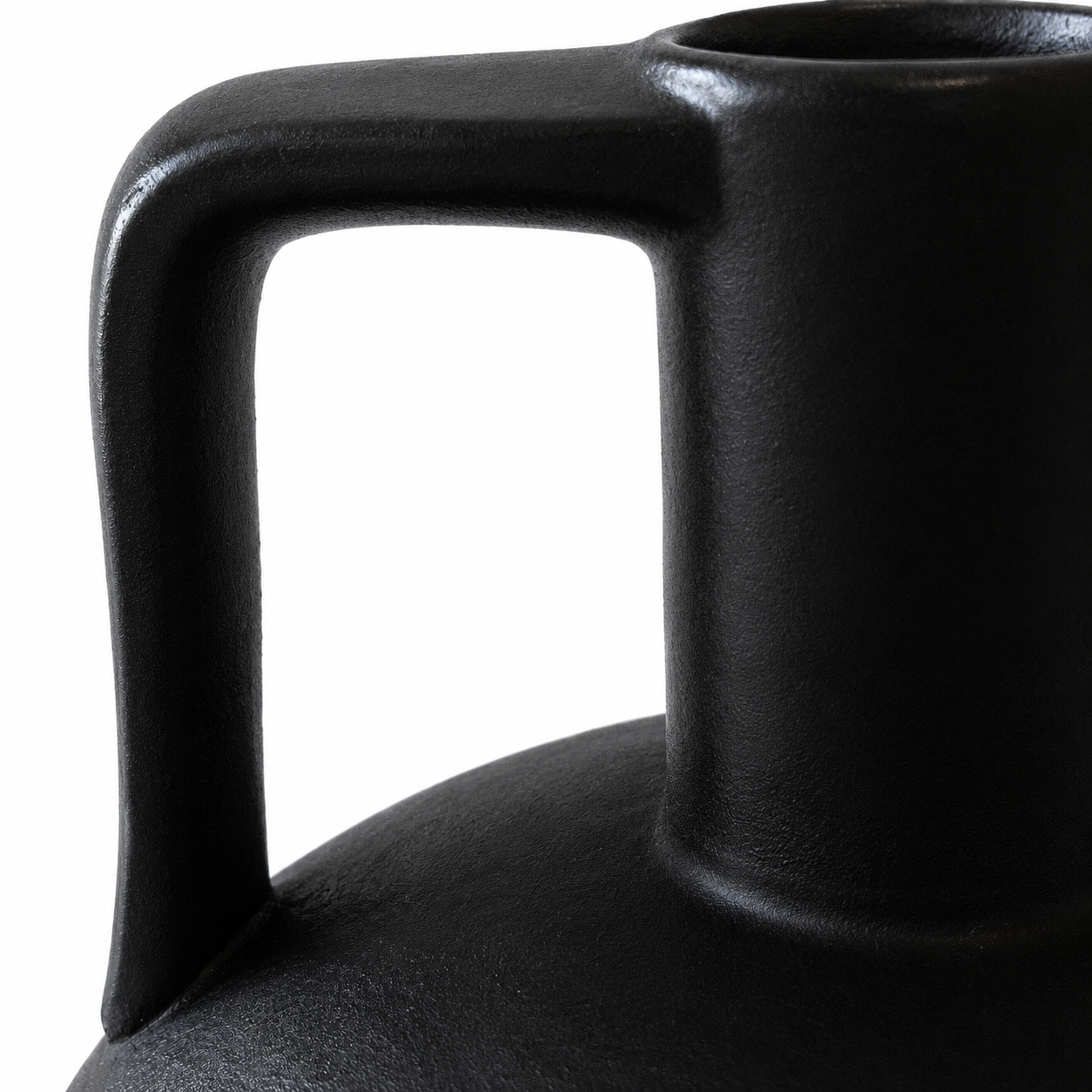 Image 5 of 17
 Image 6 of 17
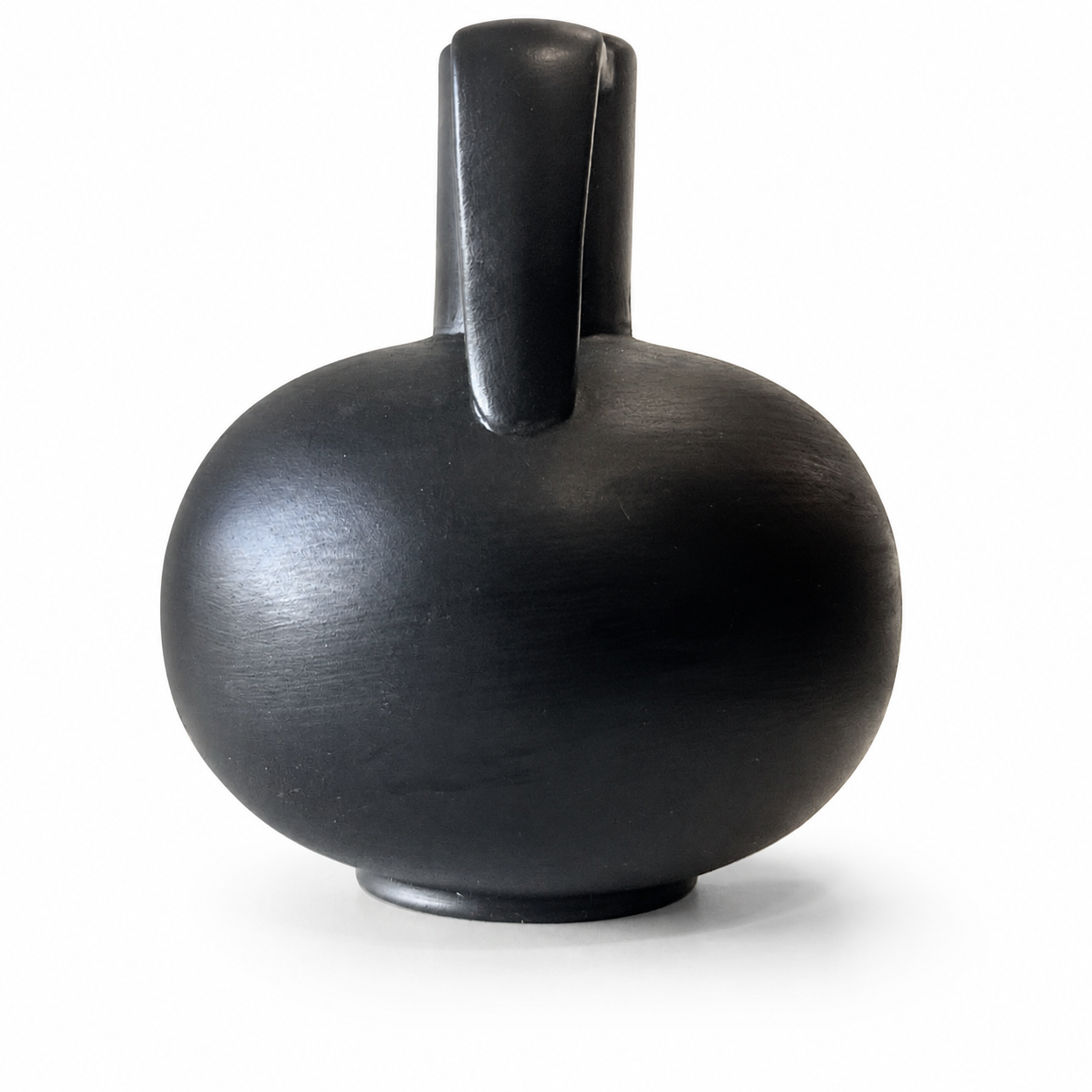 Image 7 of 17
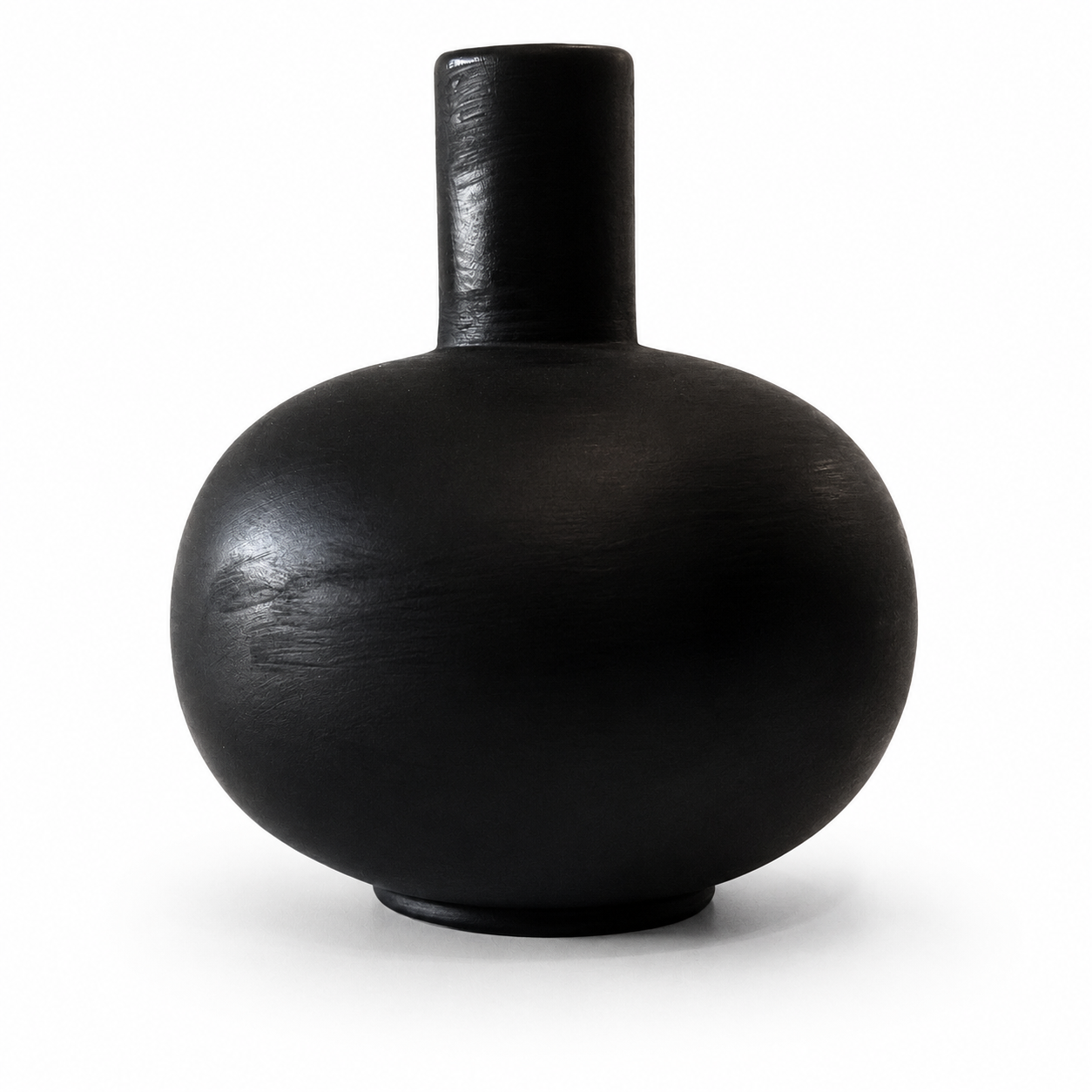 Image 8 of 17
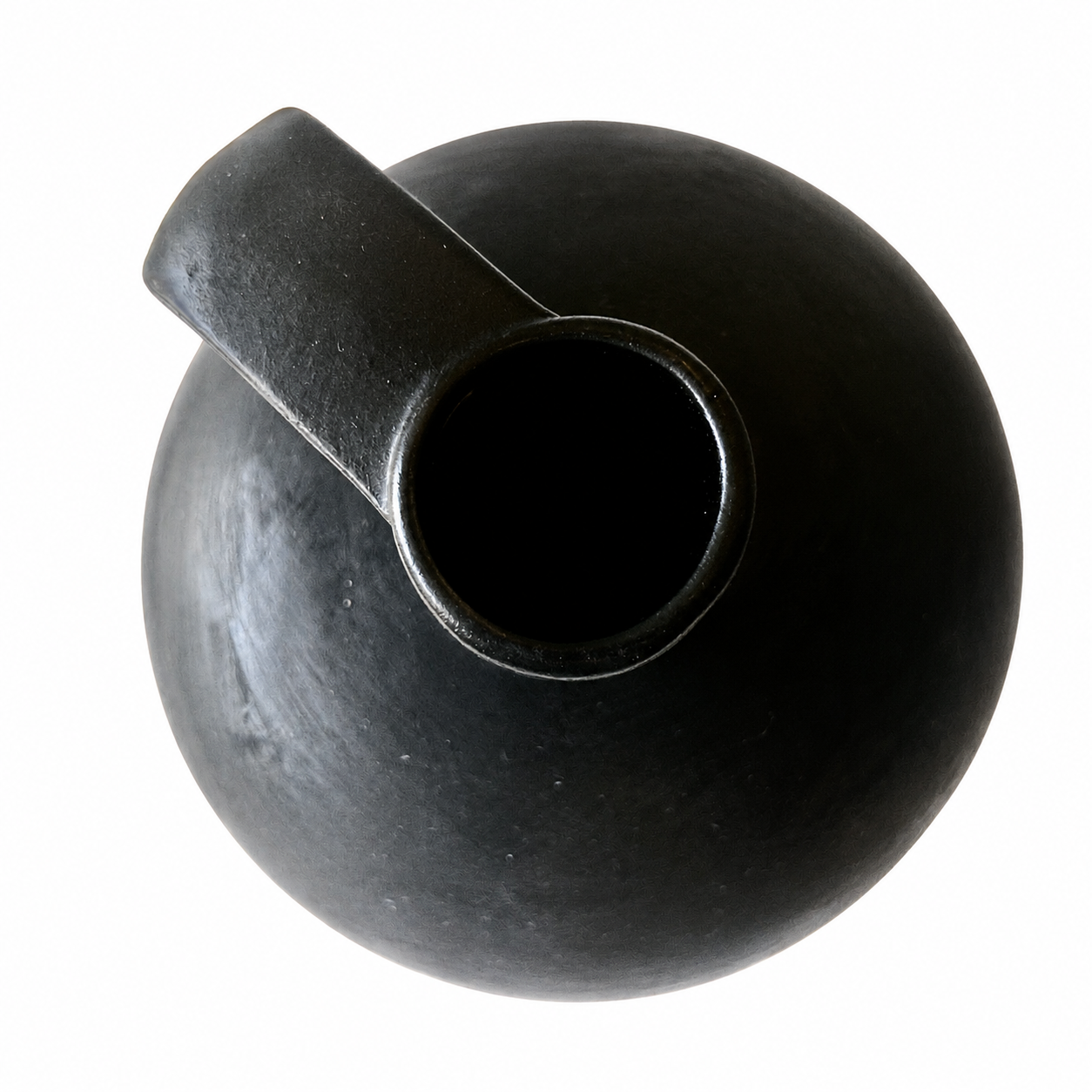 Image 9 of 17
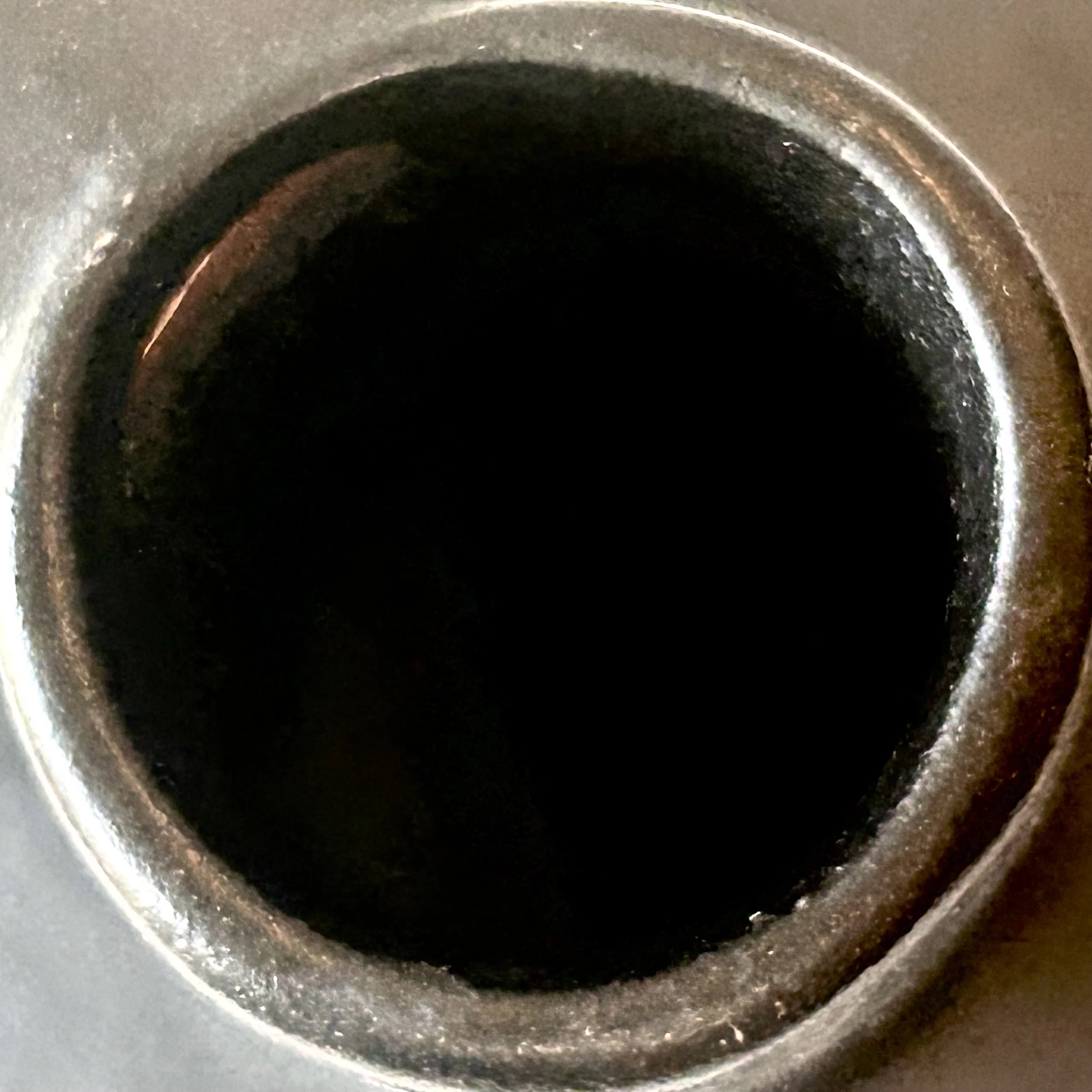 Image 10 of 17
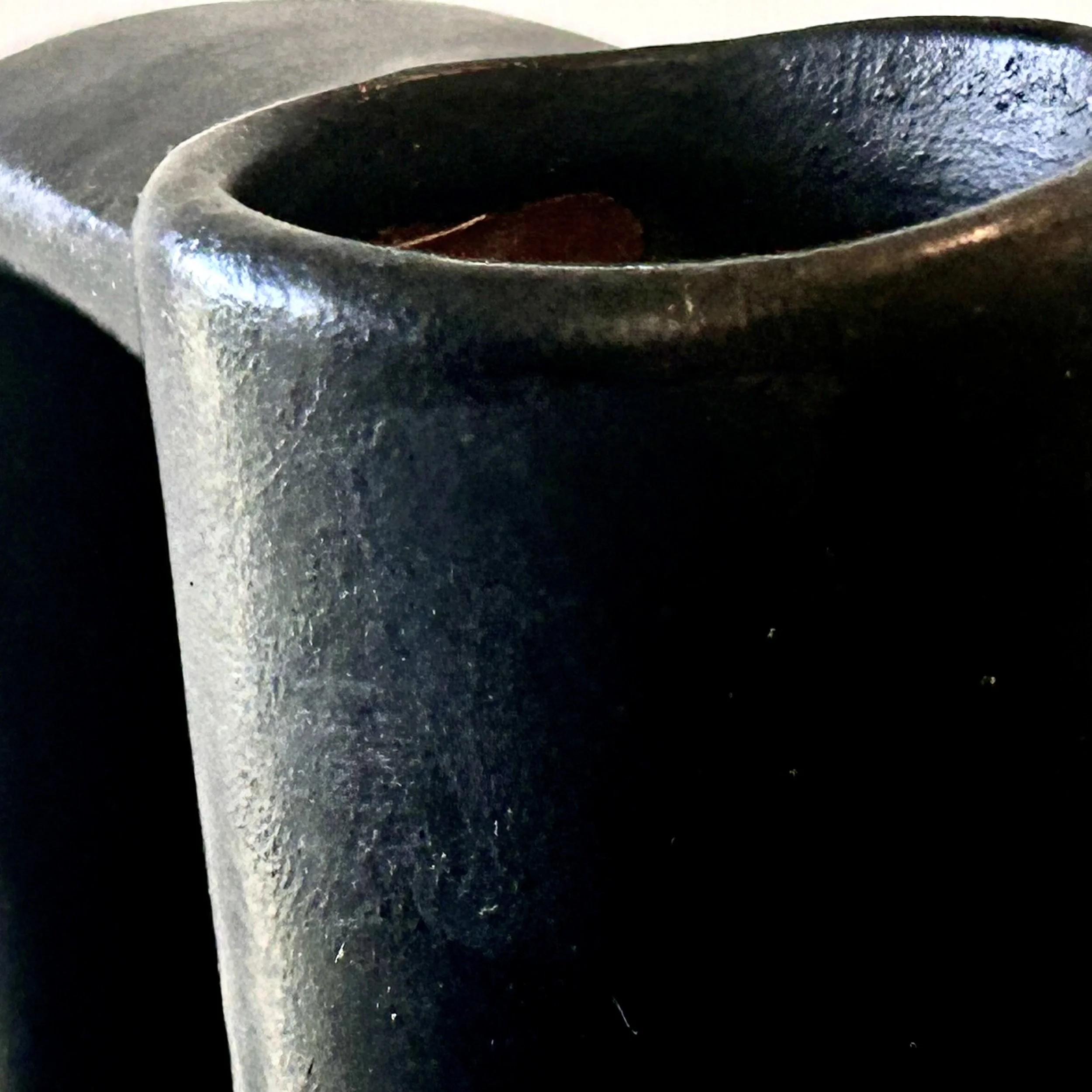 Image 11 of 17
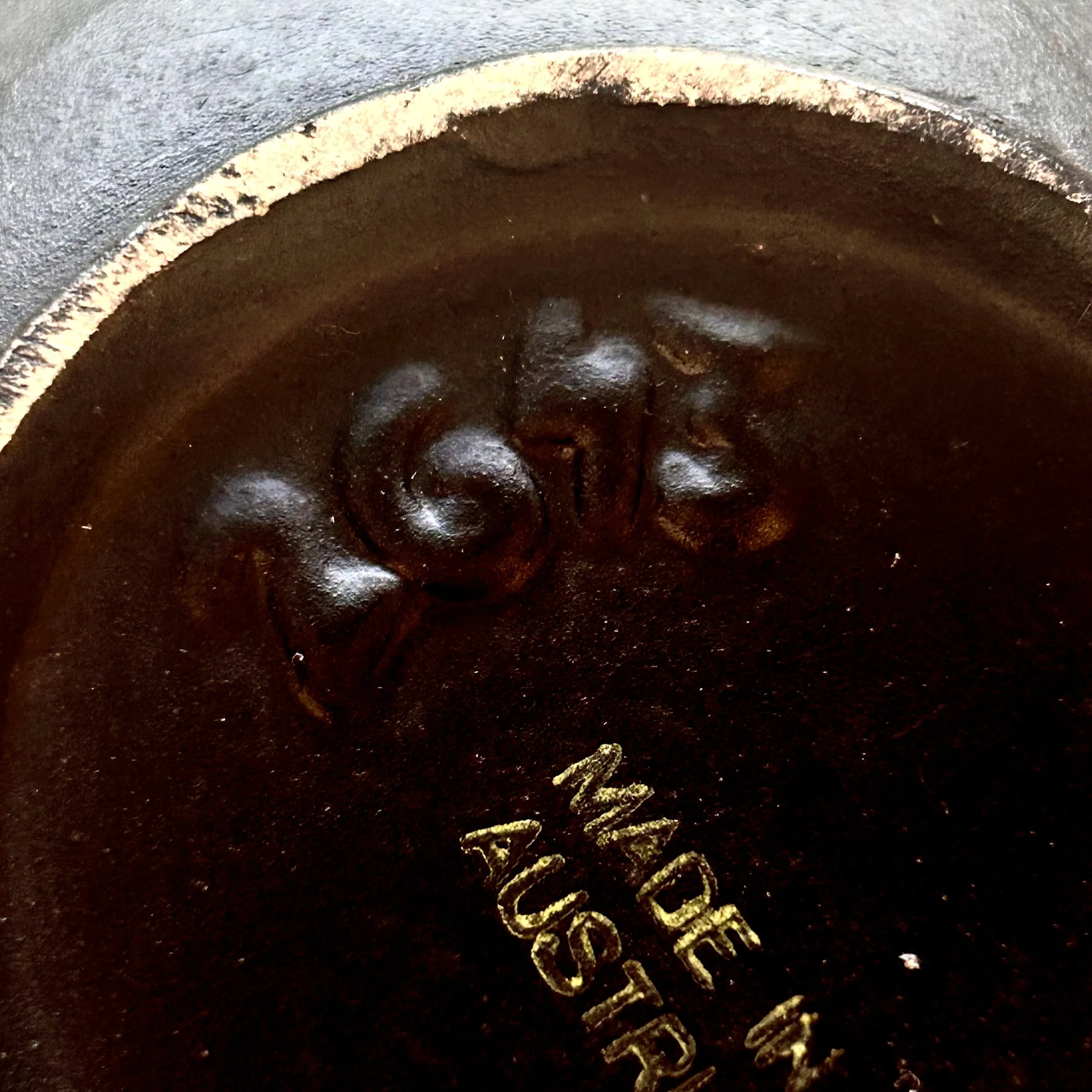 Image 12 of 17
 Image 13 of 17
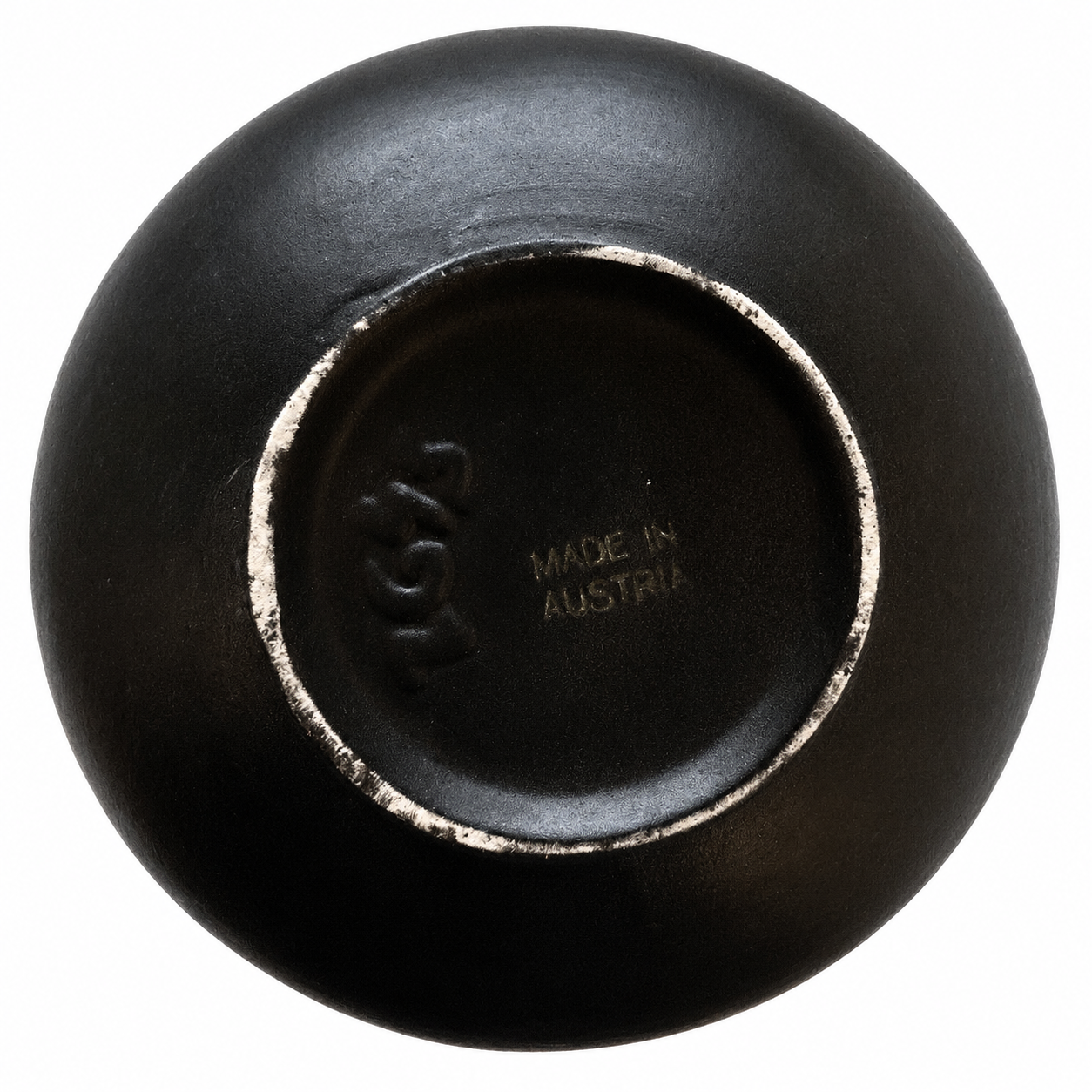 Image 14 of 17
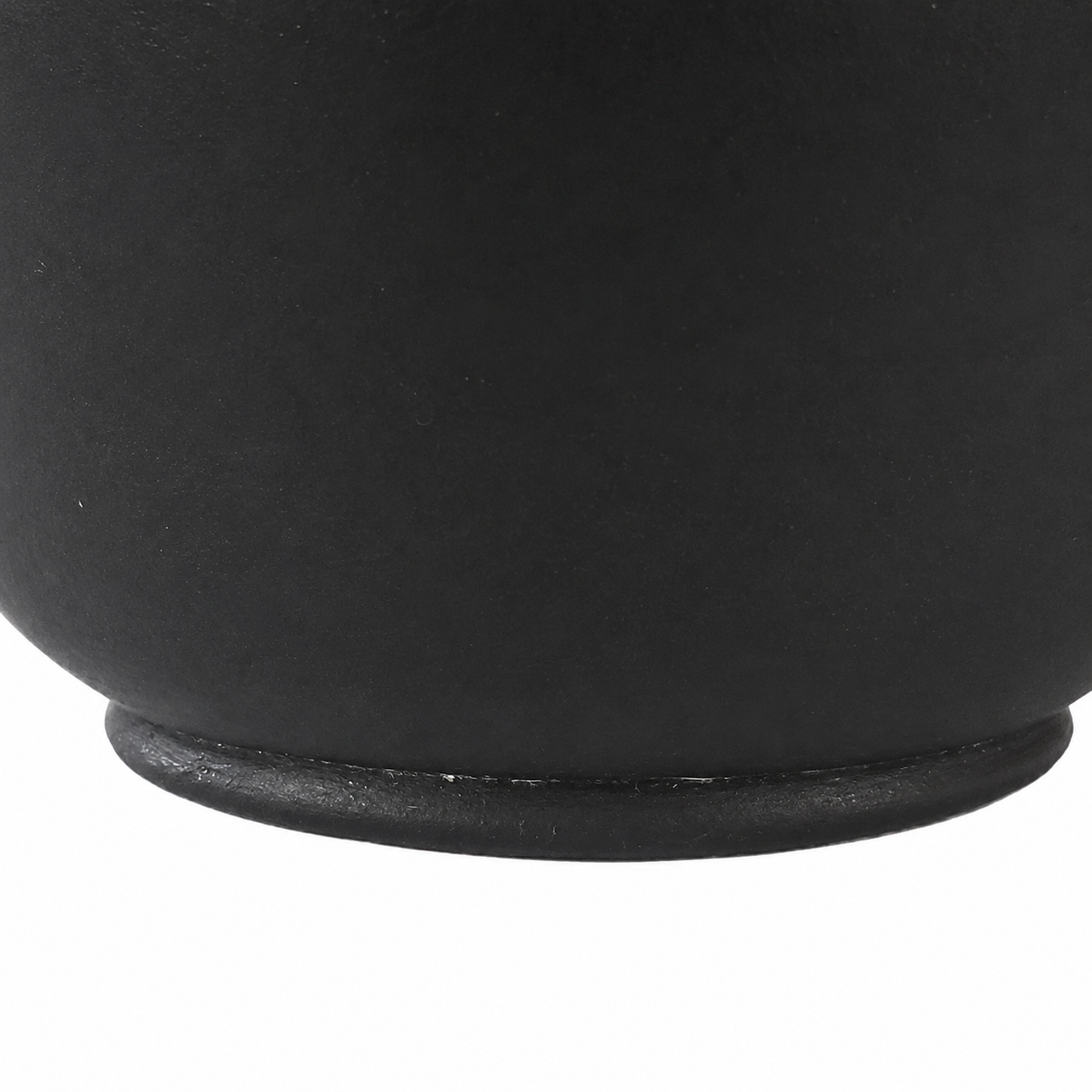 Image 15 of 17
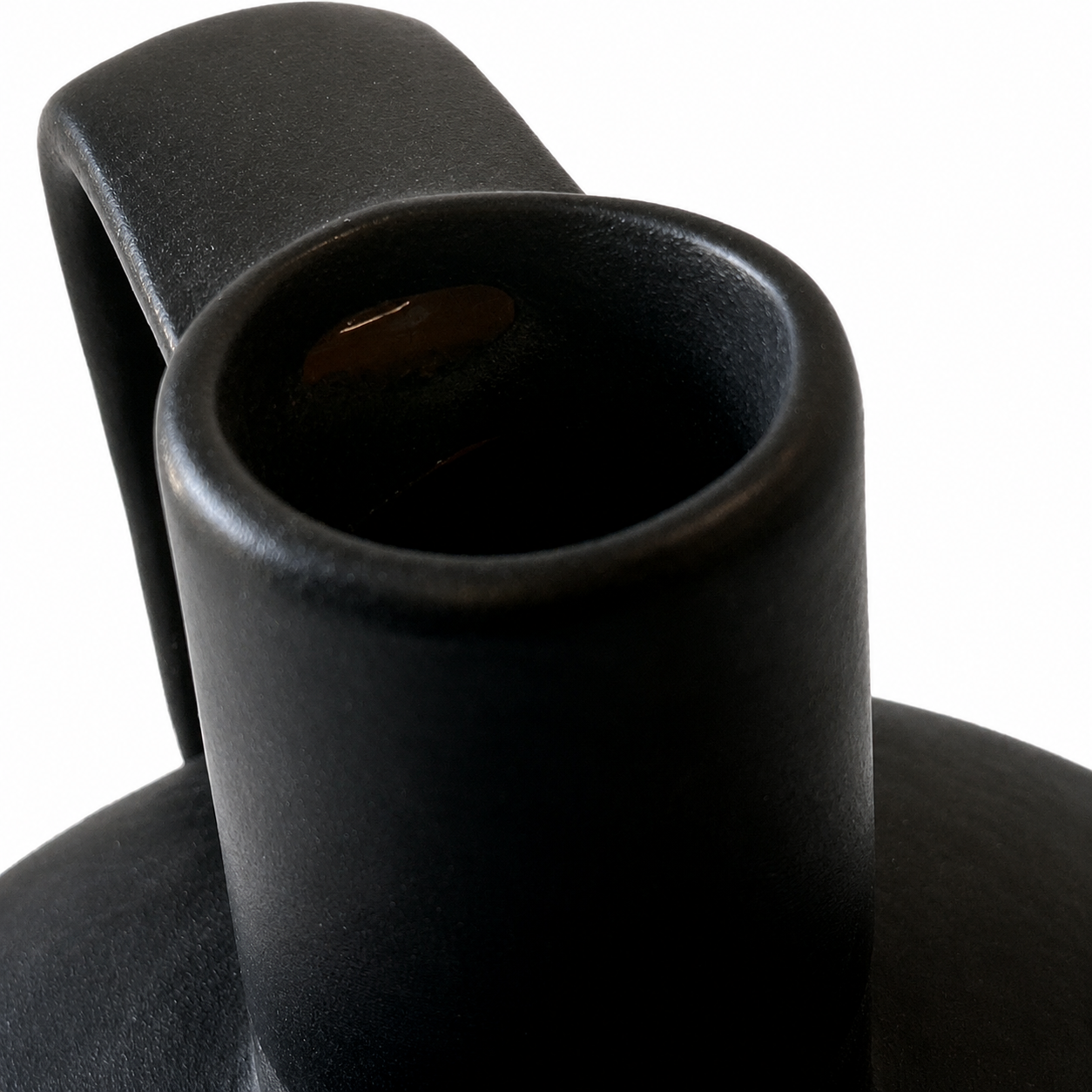 Image 16 of 17
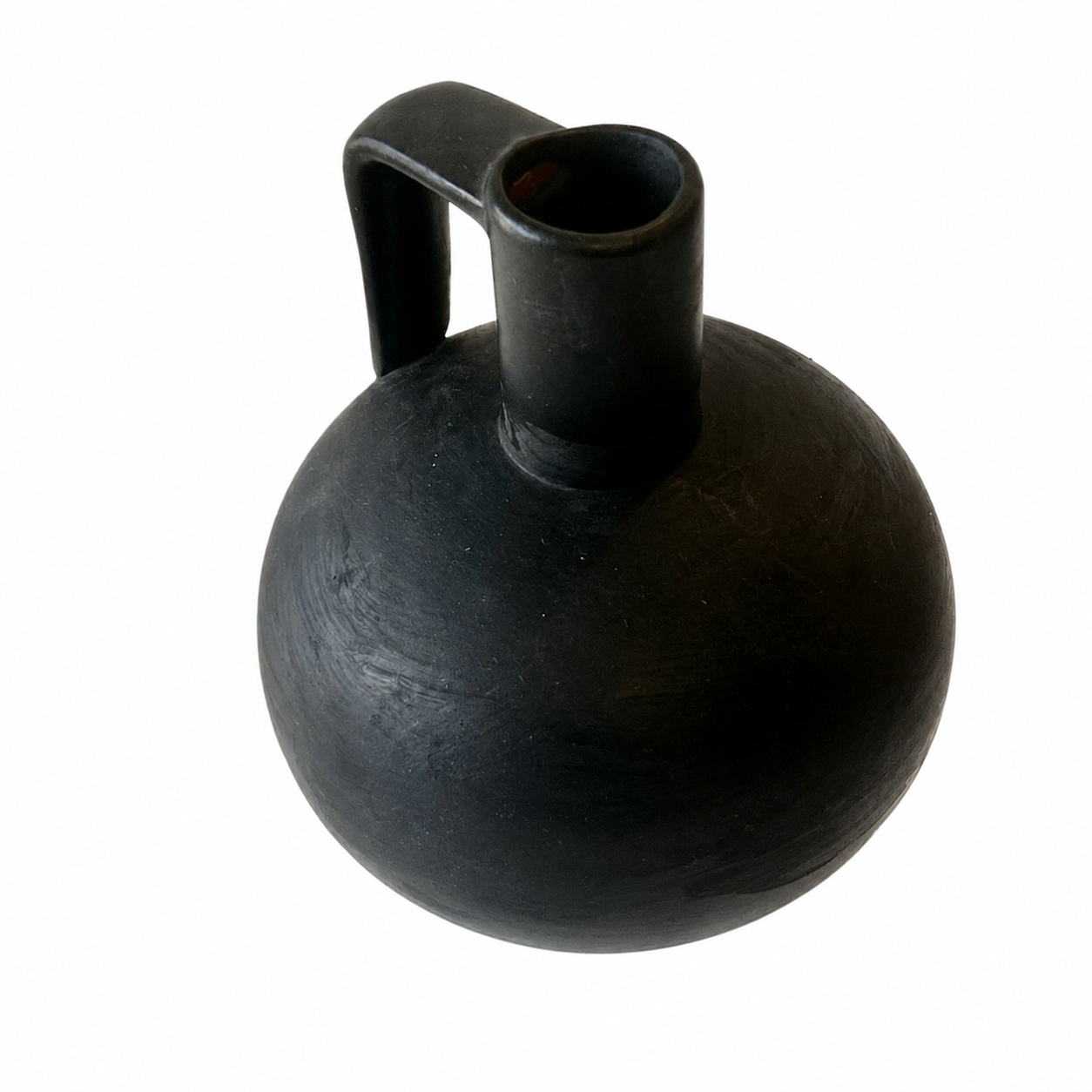 Image 17 of 17