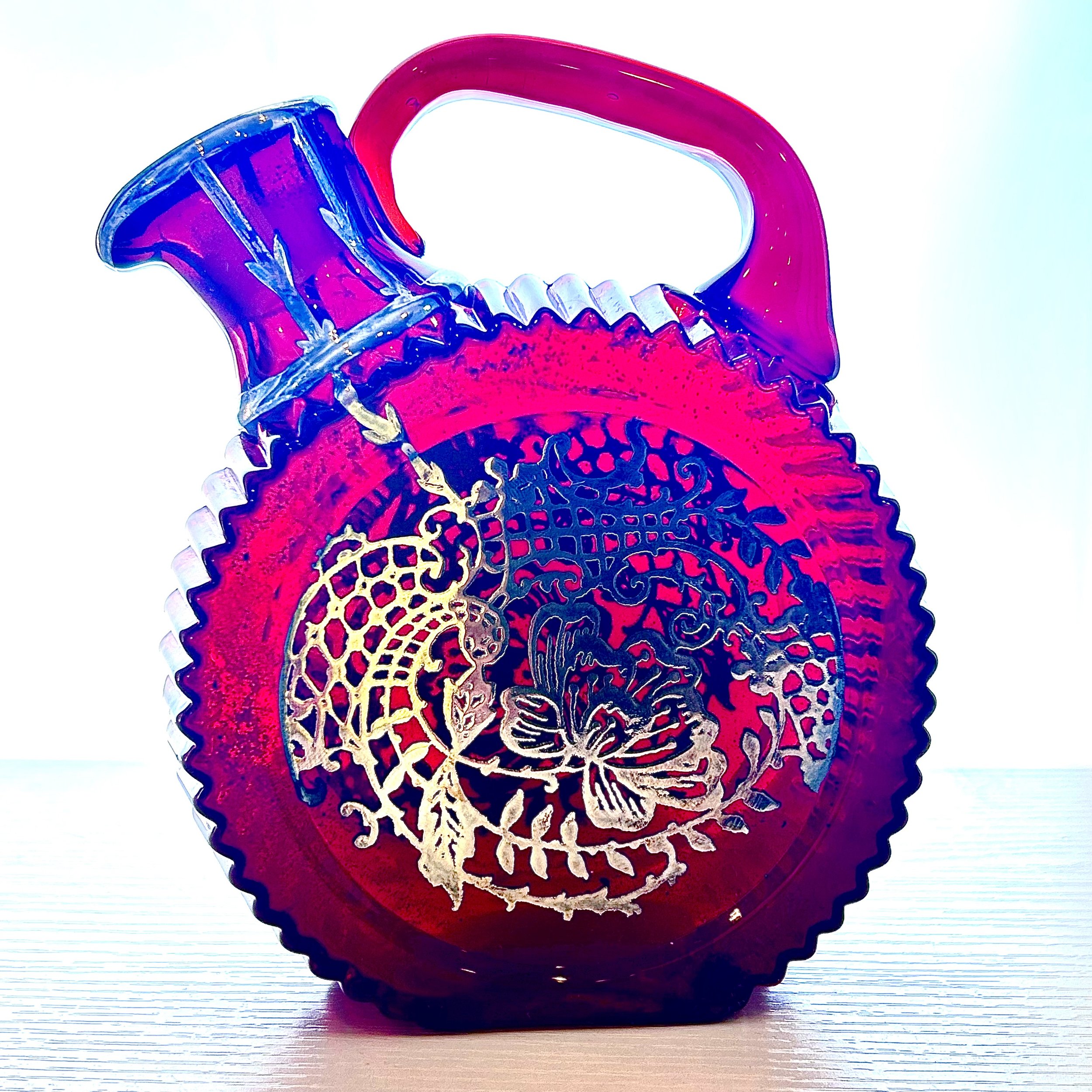
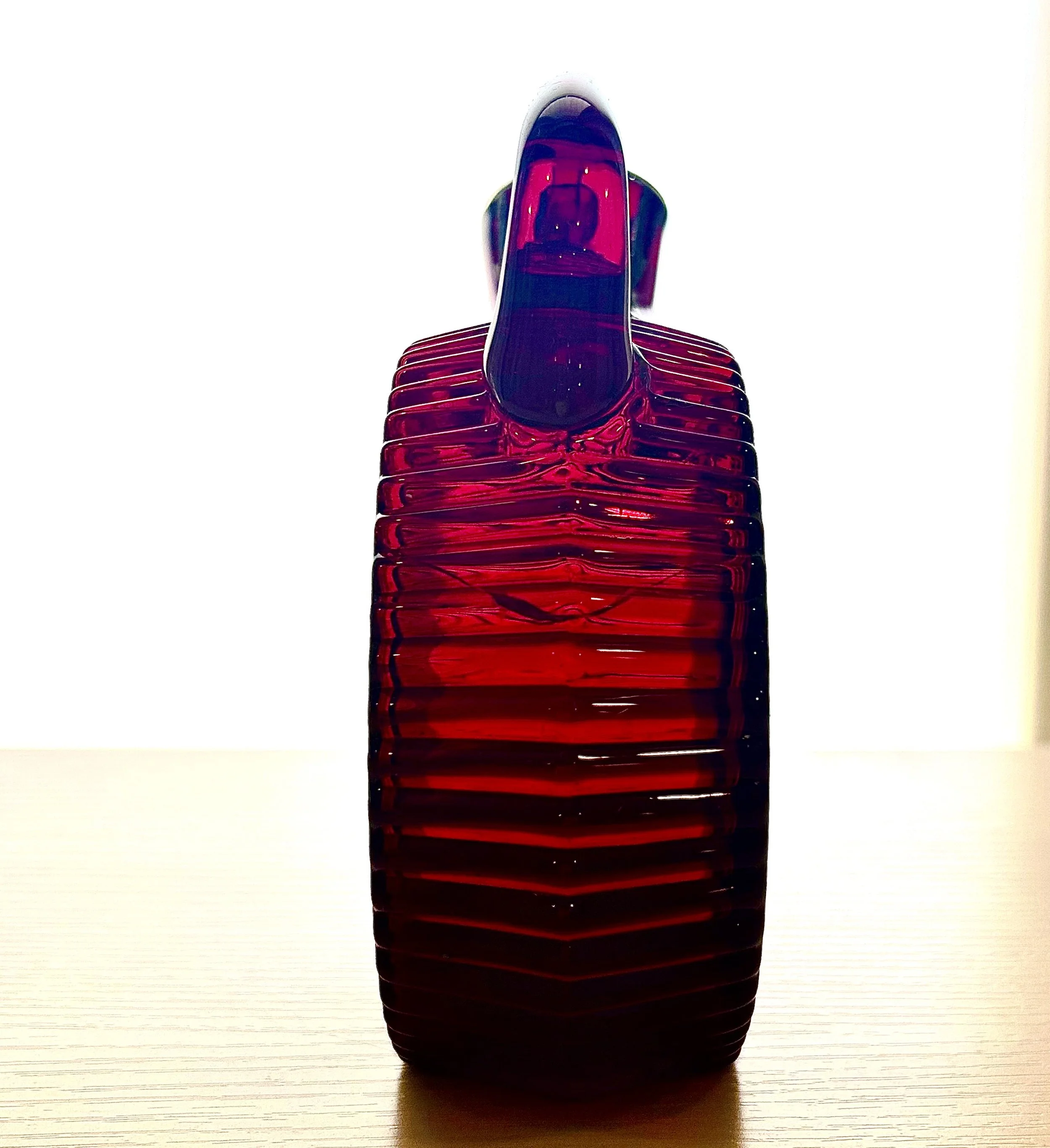
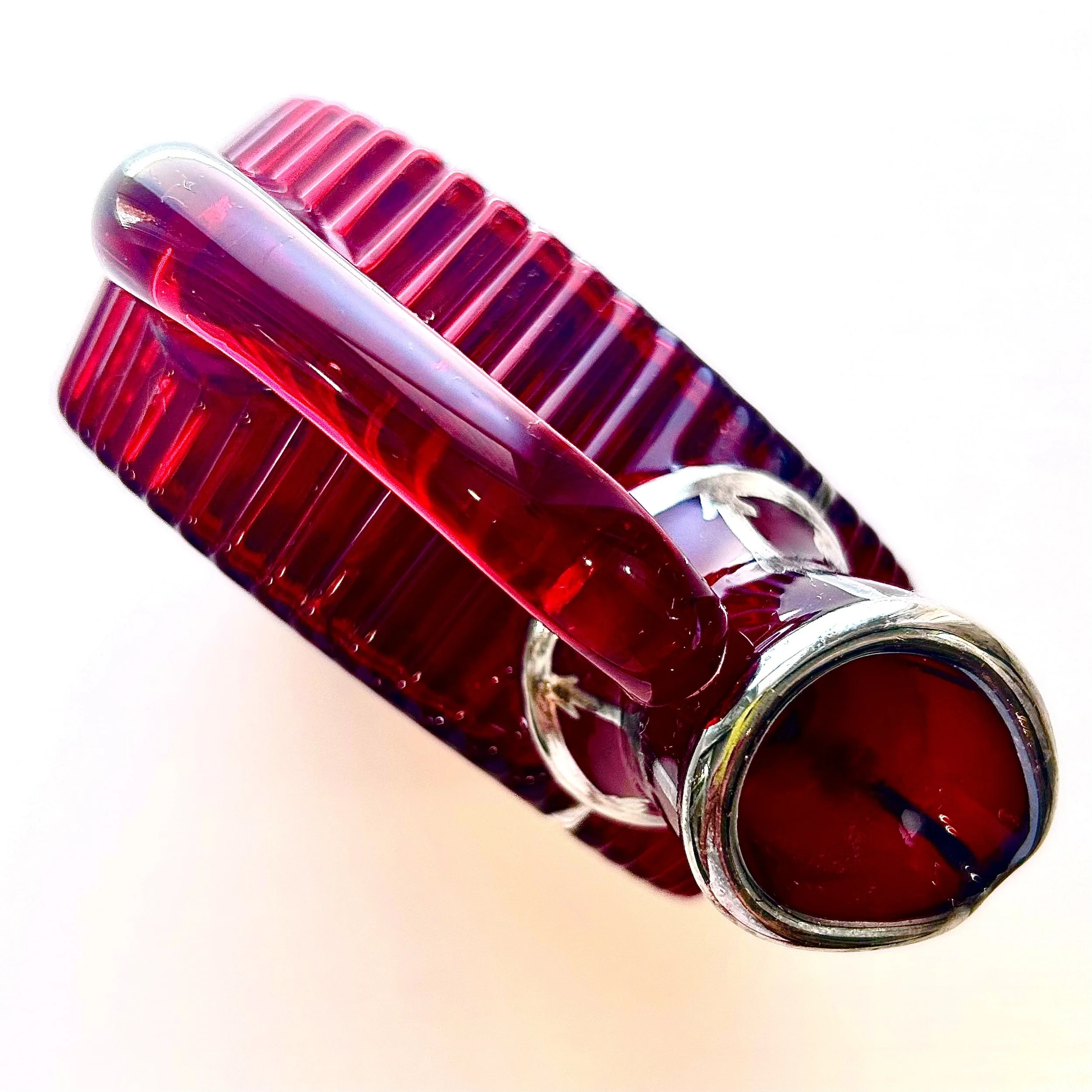
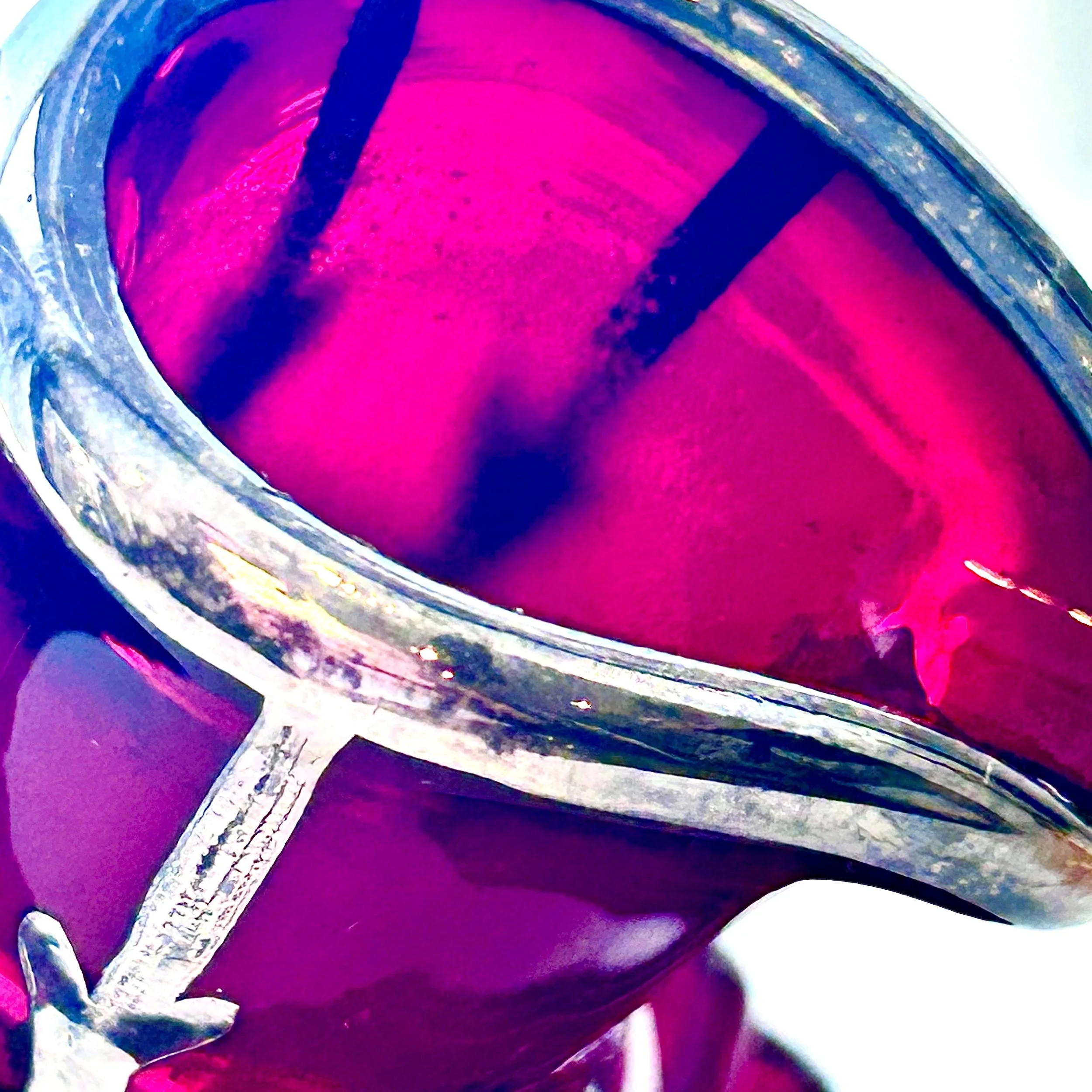
An exceptional hand-made Florentine majolica cachepot produced in Italy during the mid-20th century, exemplifying the post-war revival of Neoclassical design rooted in Renaissance Florence.
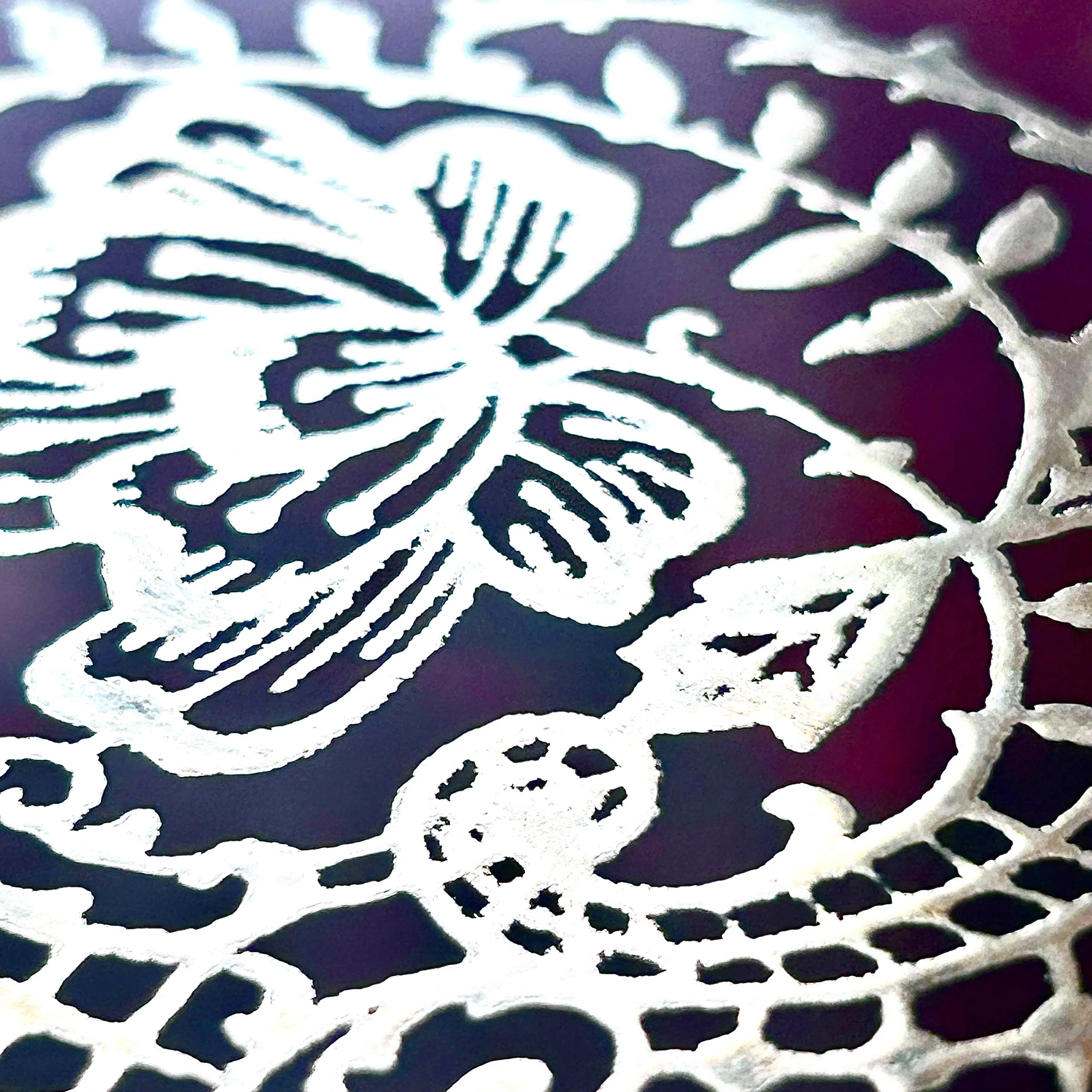
The cylindrical body is wrapped in a continuous grisaille classical frieze depicting draped female figures in procession — musicians, dancers, and votive bearers — rendered in relief against a saturated cobalt ground. The composition draws directly from ancient Roman bas-reliefs and Renaissance reinterpretations of antiquity, echoing decorative traditions long associated with Grand Tour collecting and Wedgwood jasperware classicism.
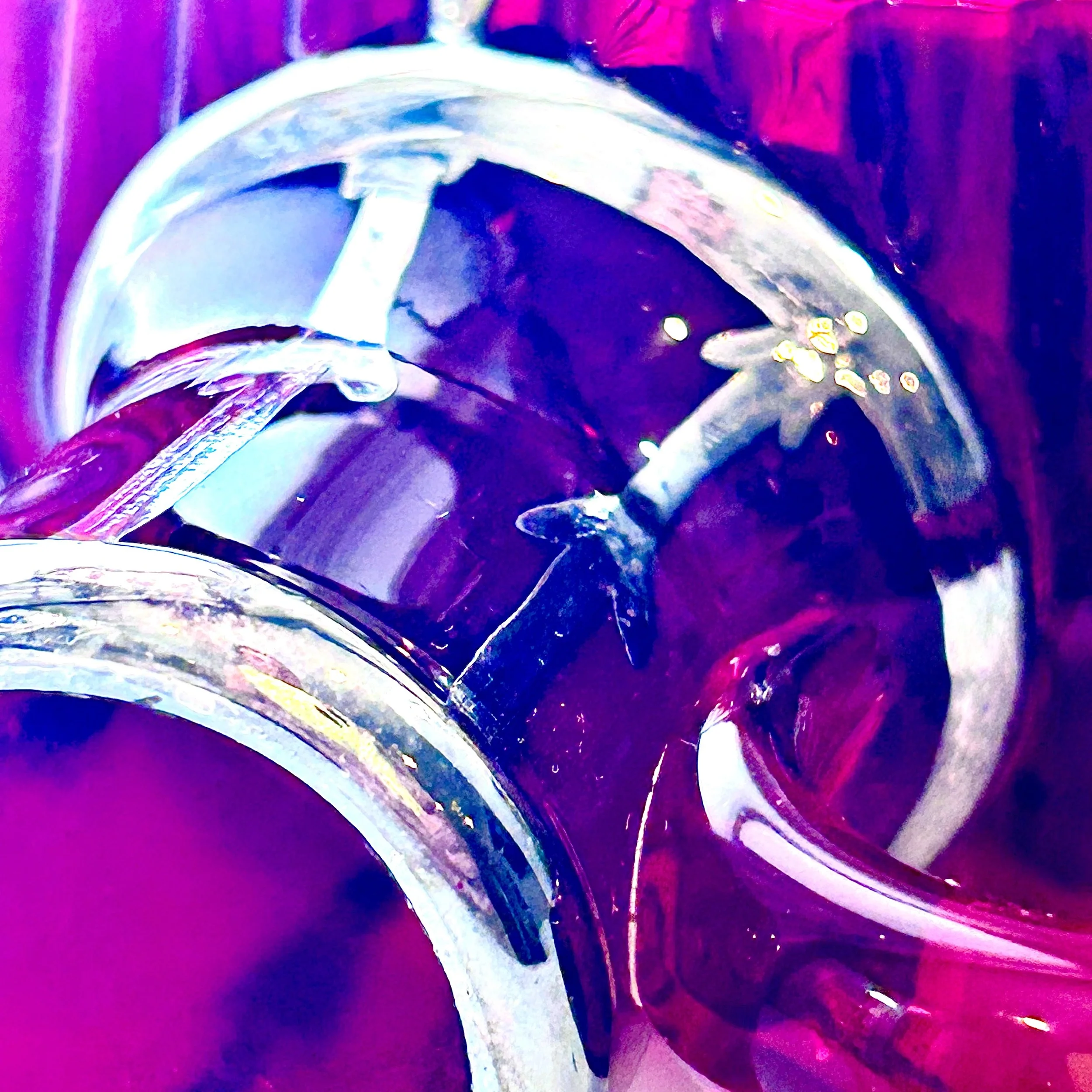
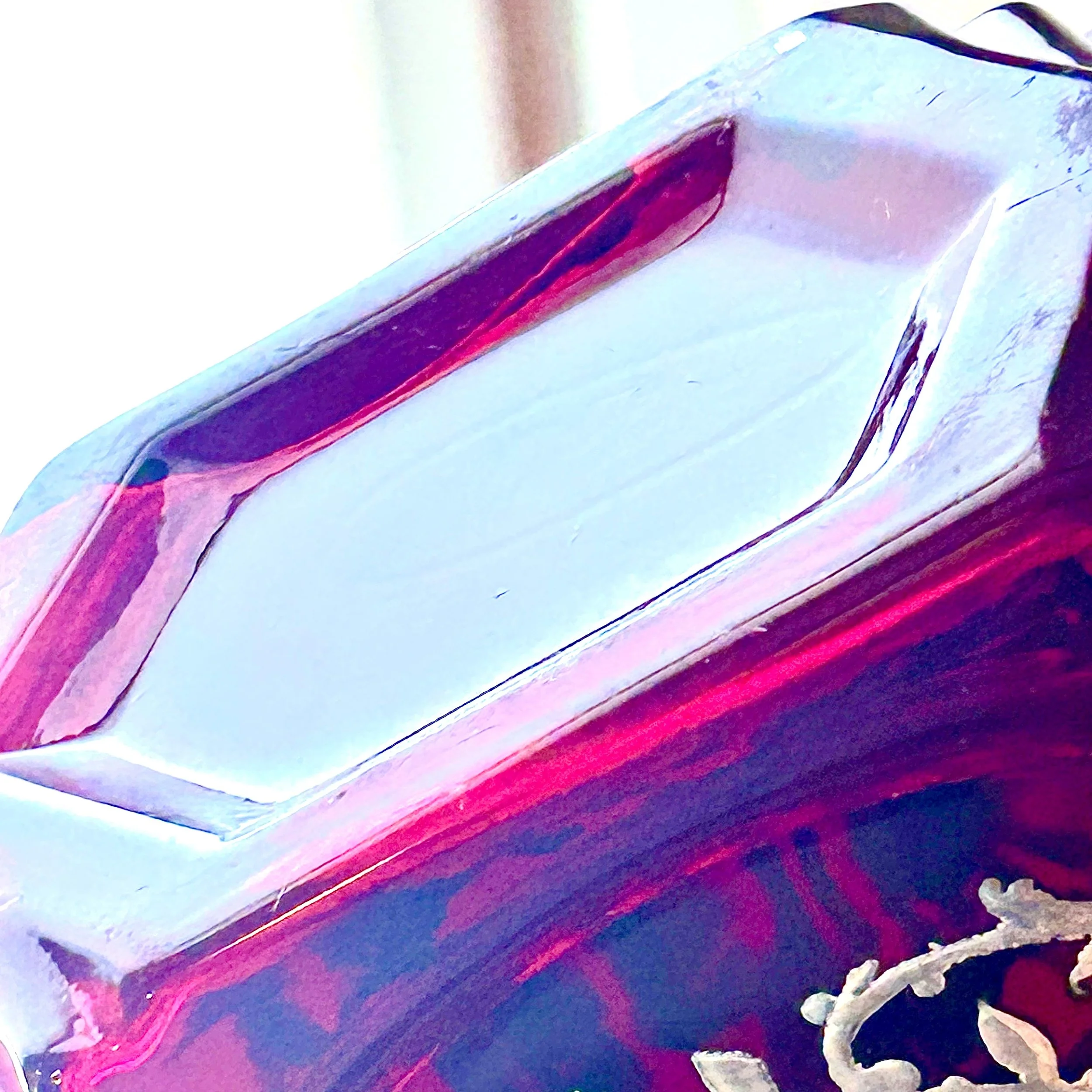
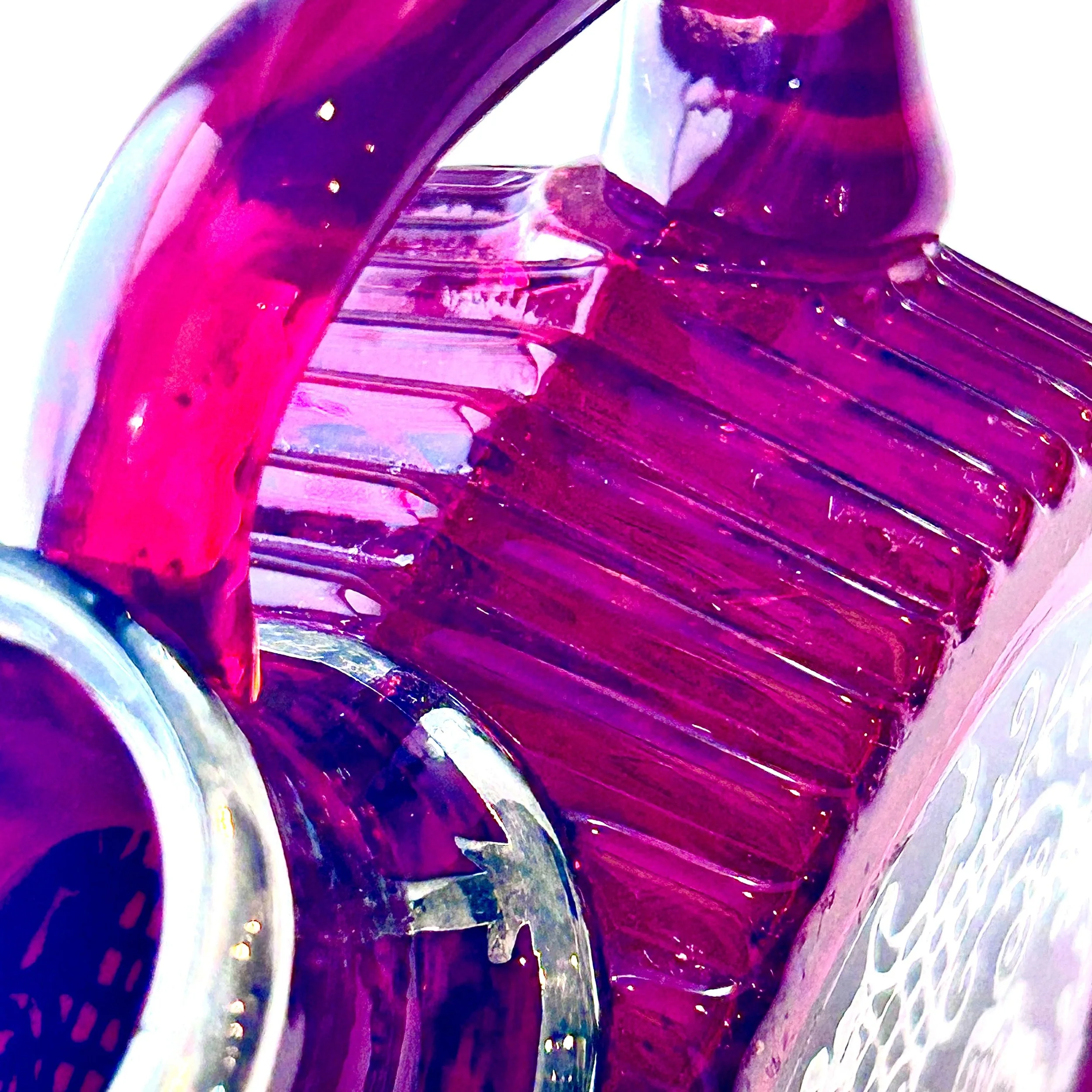
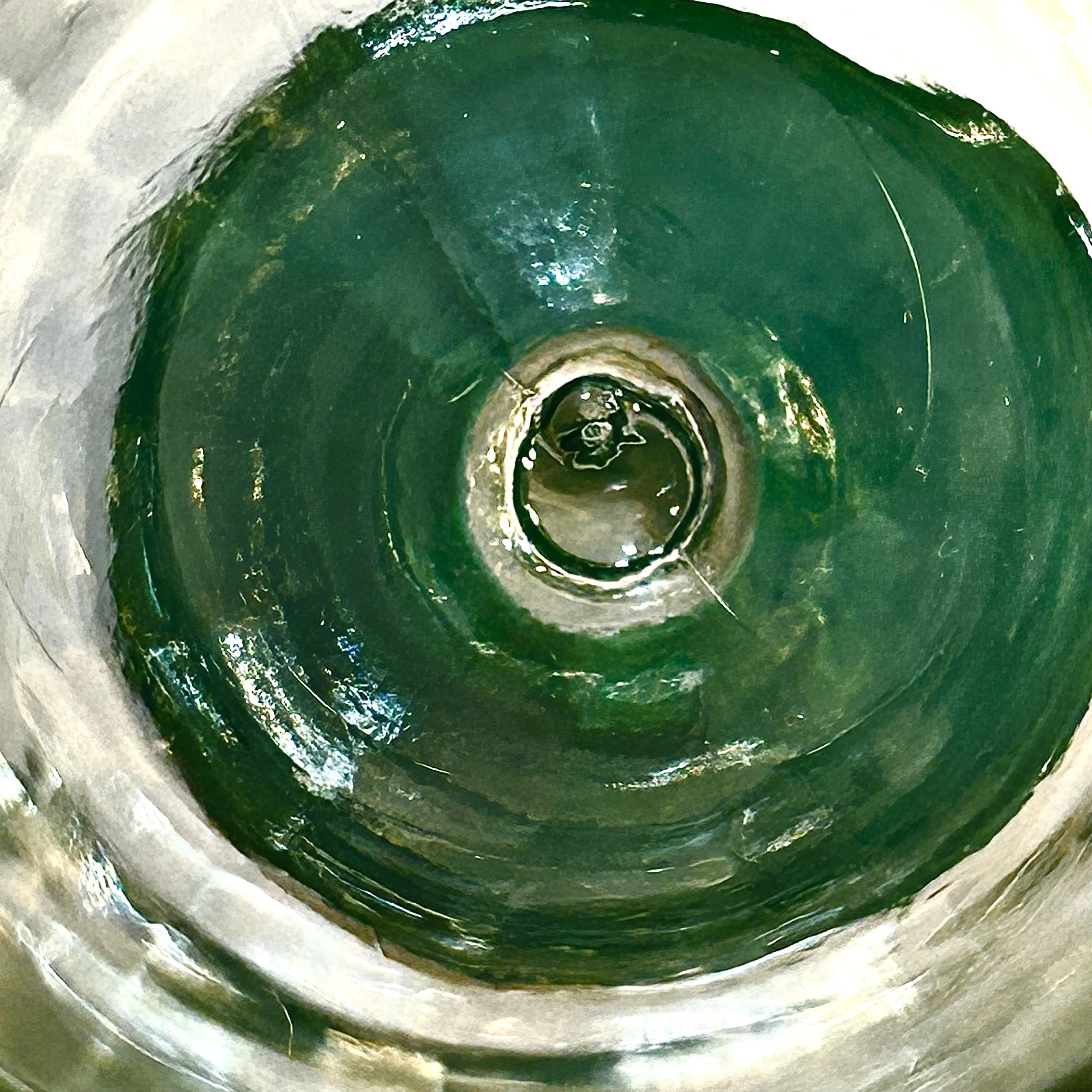
The deep cobalt glaze provides dramatic contrast to the sculptural white figures, while hand-applied gilding and a beaded egg-and-dart rim reinforce its architectural presence. The interior is fully glazed, confirming its intended function as a luxury cachepot rather than purely decorative earthenware.
This is a statement object — classical, disciplined, and visually commanding.
Mark & Attribution
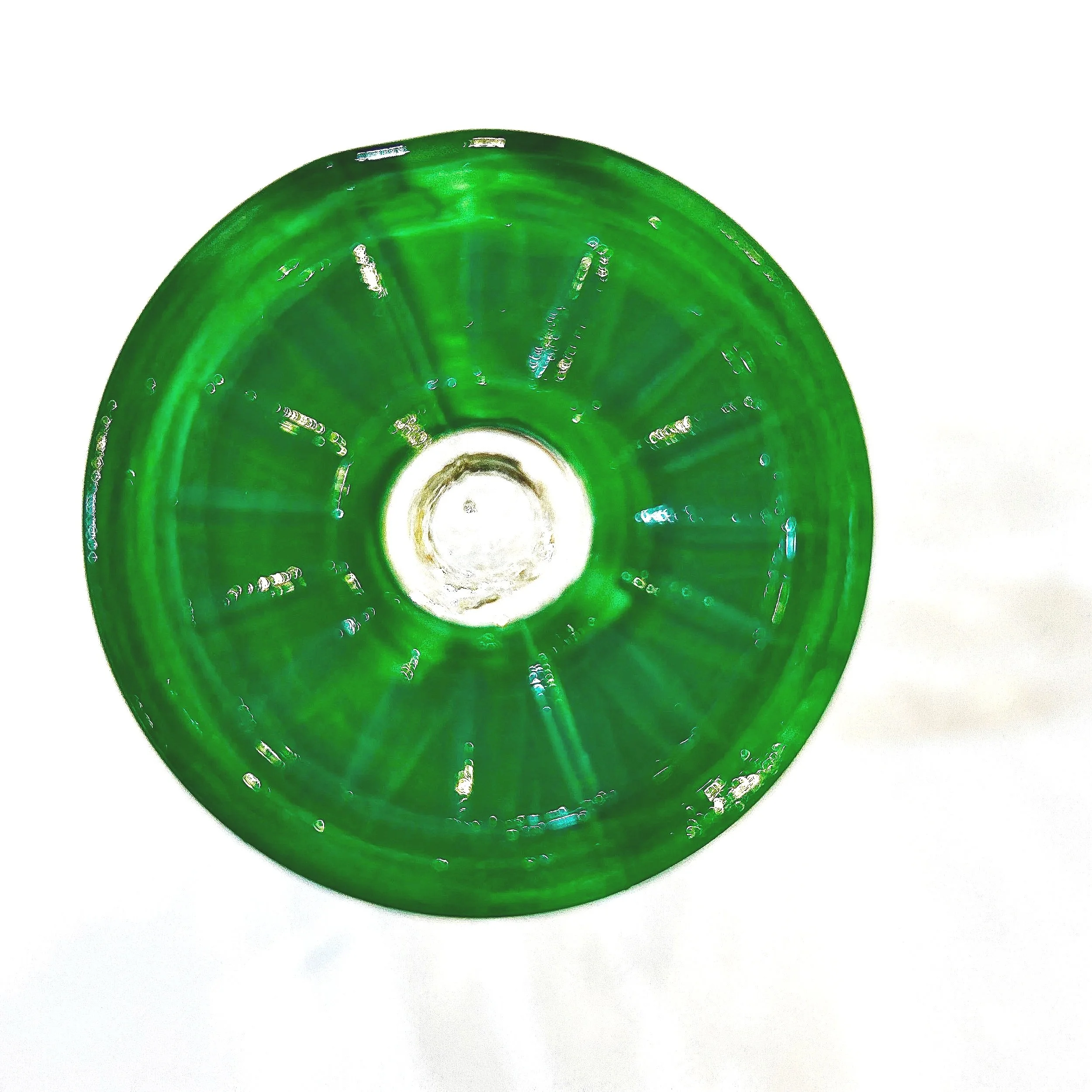
Gilt mark to underside:
“HAND MADE IN ITALY – FIORENTINE”
Studio reference: “Sr 865”
The marking is consistent with post-war Florentine workshop production created for the international export market, particularly the United States.
Origin & Date
Florence, Italy
Circa 1950s–1960s
Produced during the resurgence of Florentine decorative ceramic workshops following World War II, when artisan studios revived Renaissance and classical motifs for luxury export.
Materials & Technique
• Hand-thrown majolica (tin-glazed earthenware/faience)
• Relief-molded classical frieze
• Hand-painted cobalt glaze
• Hand-applied gilding
• Kiln-fired finish
Labor-intensive construction and finishing distinguish this from later mass-market reproductions.
Dimensions
Diameter: approximately 7 inches
Substantial cabinet scale with strong architectural presence.
Condition
Very good vintage condition.
• Minor, expected gilt wear
• Typical kiln irregularities consistent with hand craftsmanship
• No cracks
• No structural damage observed
Displays exceptionally well; glaze saturation remains strong and even.
Historical Context
Post-war Florentine workshops intentionally revived Renaissance humanist aesthetics, producing decorative objects that referenced classical antiquity and the Grand Tour tradition. These pieces were marketed to collectors furnishing libraries, formal interiors, and traditional estates.
Mid-century Florentine majolica is increasingly collected due to:
• Limited studio production
• High labor content
• Strong alignment with European classical decorative arts
• Export history tied to luxury interior design markets
Placement
Ideal for:
• Neoclassical interiors
• Grand Tour–inspired collections
• Library, console, or pedestal display
• Traditional or architectural settings requiring sculptural ceramic presence
Provenance
Acquired from private estates and longstanding collections in North America.
STANDARD ATTRIBUTION & VALUE DISCLOSURE
This piece is described to the best of current scholarly and market knowledge. Any maker or regional attribution is based on visual analysis, materials, construction techniques, and documented stylistic comparisons. As with many vintage and antique ceramic objects, definitive attribution may not be possible without original factory records. Pricing reflects condition, quality, decorative appeal, and current collector demand rather than a guaranteed maker identification.
An exceptional hand-made Florentine majolica cachepot produced in Italy during the mid-20th century, exemplifying the post-war revival of Neoclassical design rooted in Renaissance Florence.
The cylindrical body is wrapped in a continuous grisaille classical frieze depicting draped female figures in procession — musicians, dancers, and votive bearers — rendered in relief against a saturated cobalt ground. The composition draws directly from ancient Roman bas-reliefs and Renaissance reinterpretations of antiquity, echoing decorative traditions long associated with Grand Tour collecting and Wedgwood jasperware classicism.
The deep cobalt glaze provides dramatic contrast to the sculptural white figures, while hand-applied gilding and a beaded egg-and-dart rim reinforce its architectural presence. The interior is fully glazed, confirming its intended function as a luxury cachepot rather than purely decorative earthenware.
This is a statement object — classical, disciplined, and visually commanding.
Mark & Attribution
Gilt mark to underside:
“HAND MADE IN ITALY – FIORENTINE”
Studio reference: “Sr 865”
The marking is consistent with post-war Florentine workshop production created for the international export market, particularly the United States.
Origin & Date
Florence, Italy
Circa 1950s–1960s
Produced during the resurgence of Florentine decorative ceramic workshops following World War II, when artisan studios revived Renaissance and classical motifs for luxury export.
Materials & Technique
• Hand-thrown majolica (tin-glazed earthenware/faience)
• Relief-molded classical frieze
• Hand-painted cobalt glaze
• Hand-applied gilding
• Kiln-fired finish
Labor-intensive construction and finishing distinguish this from later mass-market reproductions.
Dimensions
Diameter: approximately 7 inches
Substantial cabinet scale with strong architectural presence.
Condition
Very good vintage condition.
• Minor, expected gilt wear
• Typical kiln irregularities consistent with hand craftsmanship
• No cracks
• No structural damage observed
Displays exceptionally well; glaze saturation remains strong and even.
Historical Context
Post-war Florentine workshops intentionally revived Renaissance humanist aesthetics, producing decorative objects that referenced classical antiquity and the Grand Tour tradition. These pieces were marketed to collectors furnishing libraries, formal interiors, and traditional estates.
Mid-century Florentine majolica is increasingly collected due to:
• Limited studio production
• High labor content
• Strong alignment with European classical decorative arts
• Export history tied to luxury interior design markets
Placement
Ideal for:
• Neoclassical interiors
• Grand Tour–inspired collections
• Library, console, or pedestal display
• Traditional or architectural settings requiring sculptural ceramic presence
Provenance
Acquired from private estates and longstanding collections in North America.
STANDARD ATTRIBUTION & VALUE DISCLOSURE
This piece is described to the best of current scholarly and market knowledge. Any maker or regional attribution is based on visual analysis, materials, construction techniques, and documented stylistic comparisons. As with many vintage and antique ceramic objects, definitive attribution may not be possible without original factory records. Pricing reflects condition, quality, decorative appeal, and current collector demand rather than a guaranteed maker identification.

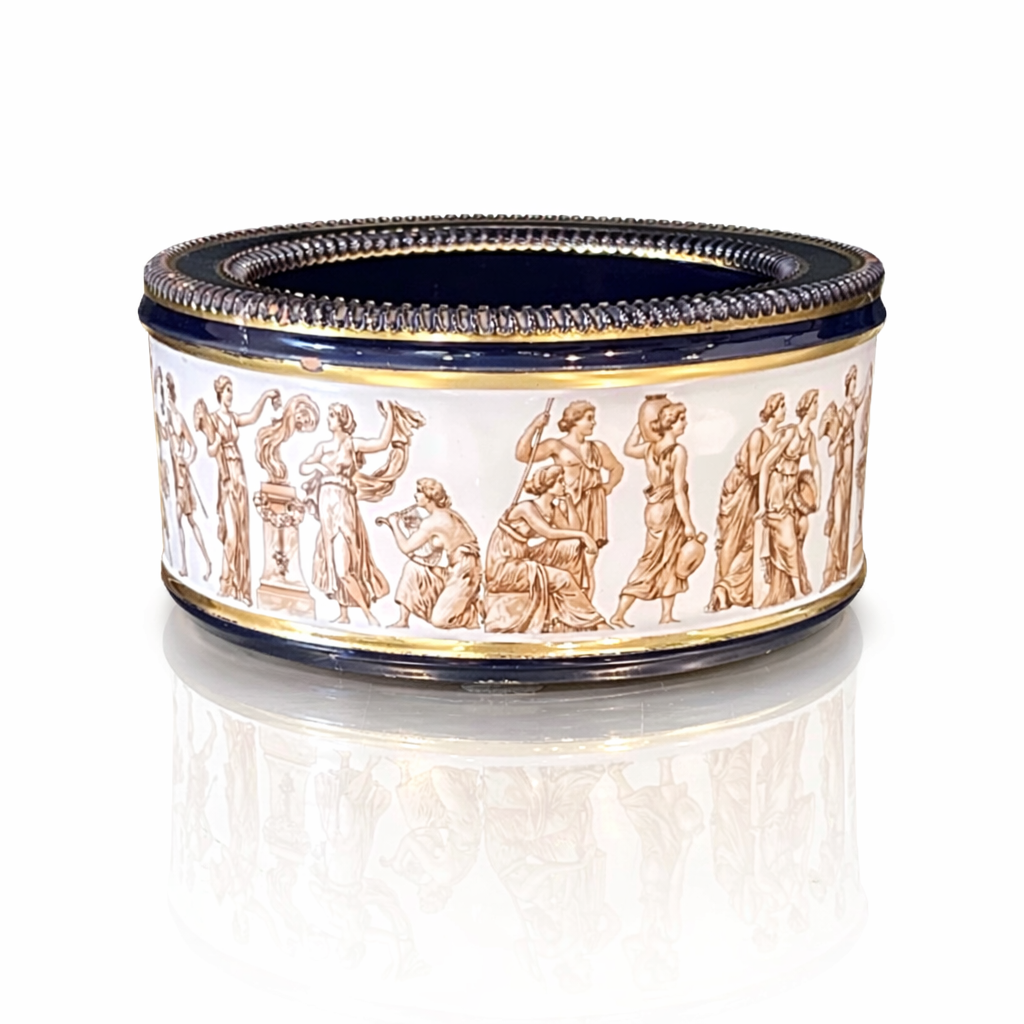 Image 1 of 10
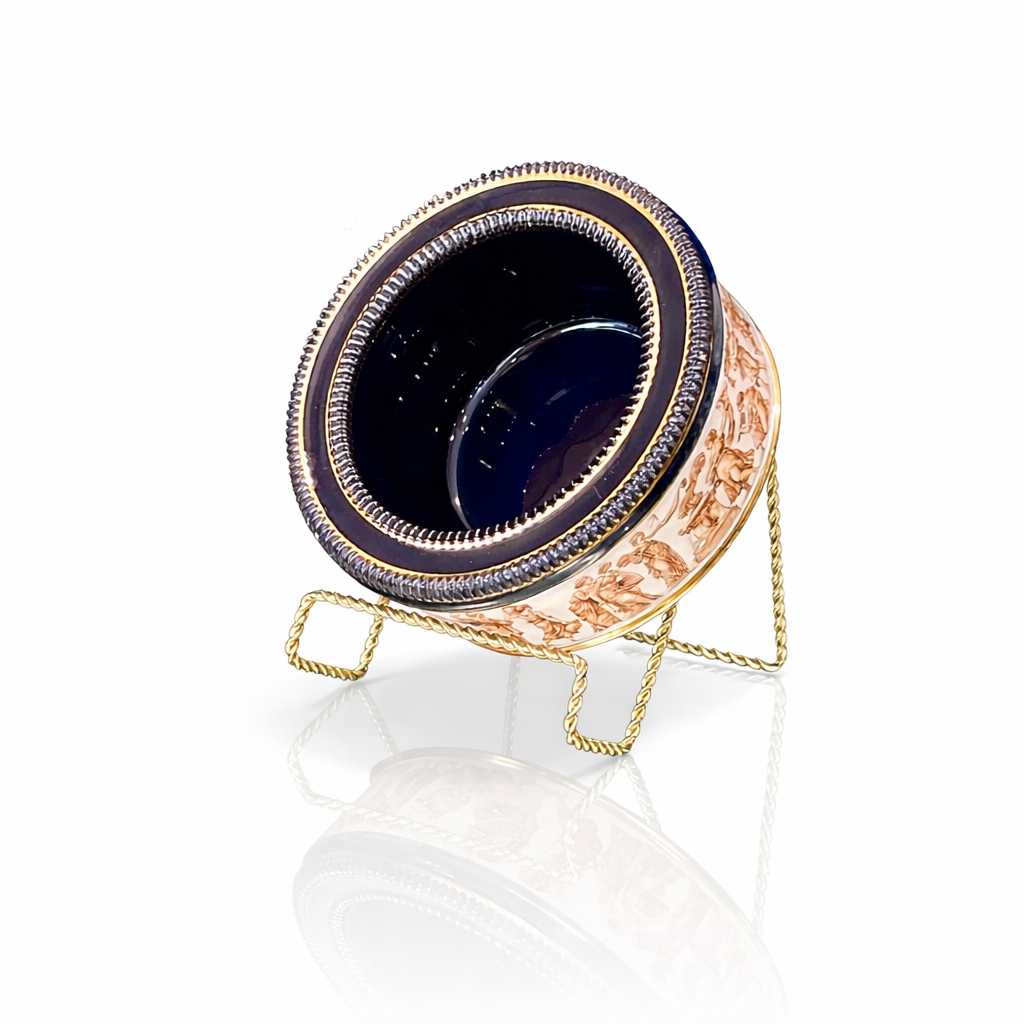 Image 2 of 10
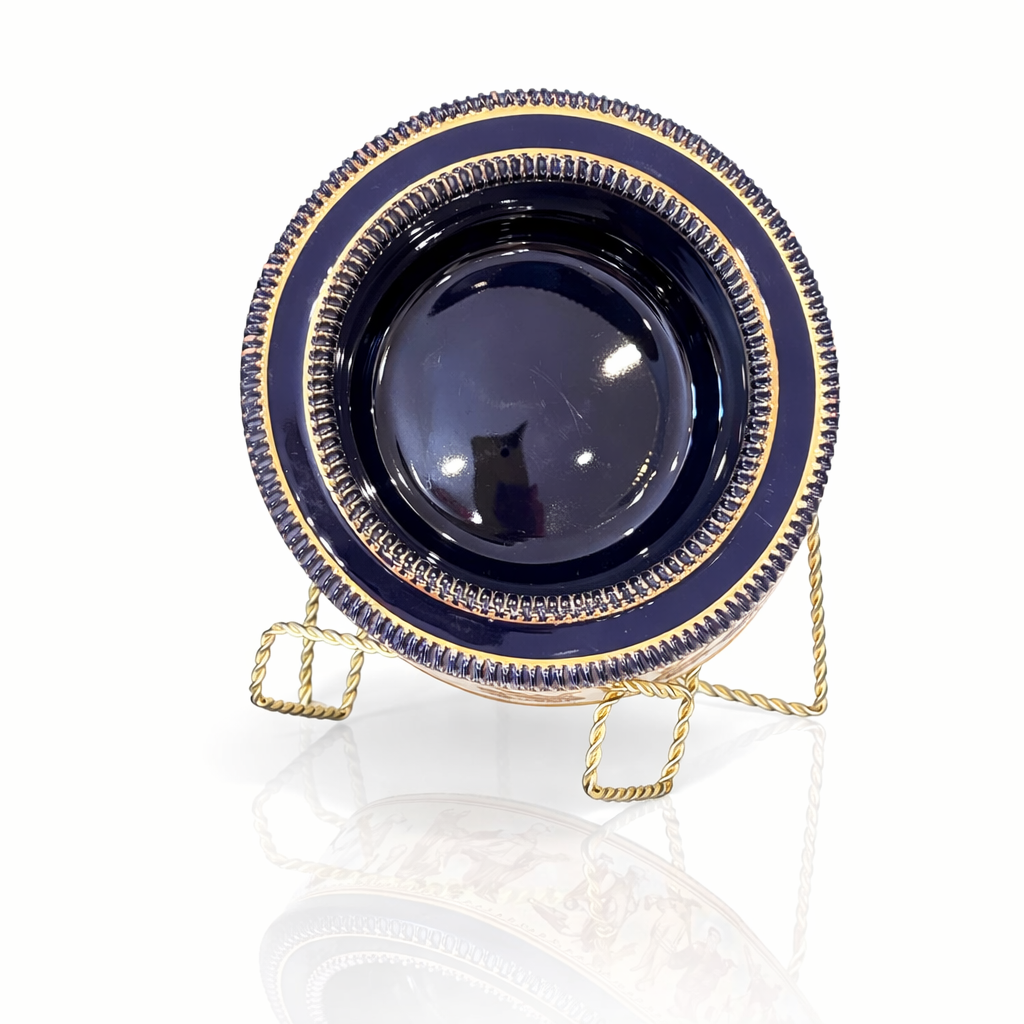 Image 3 of 10
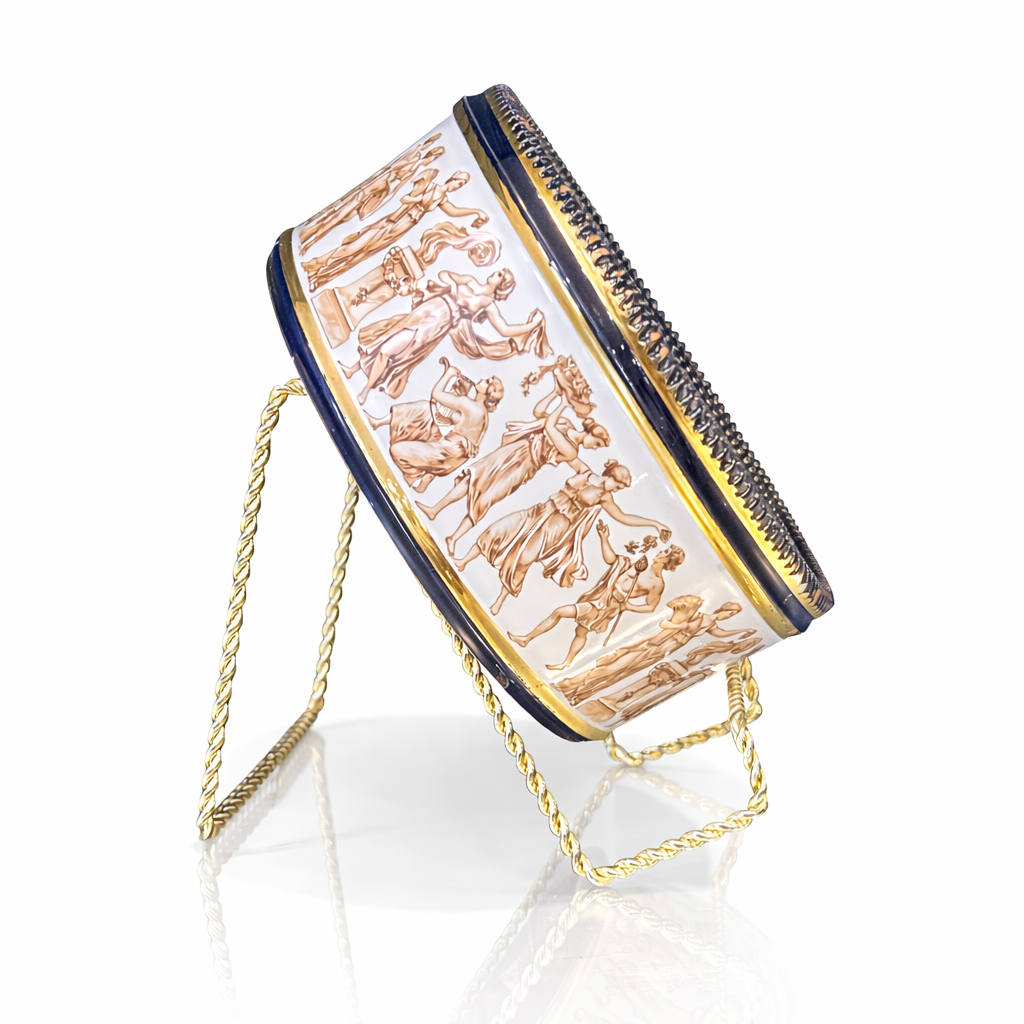 Image 4 of 10
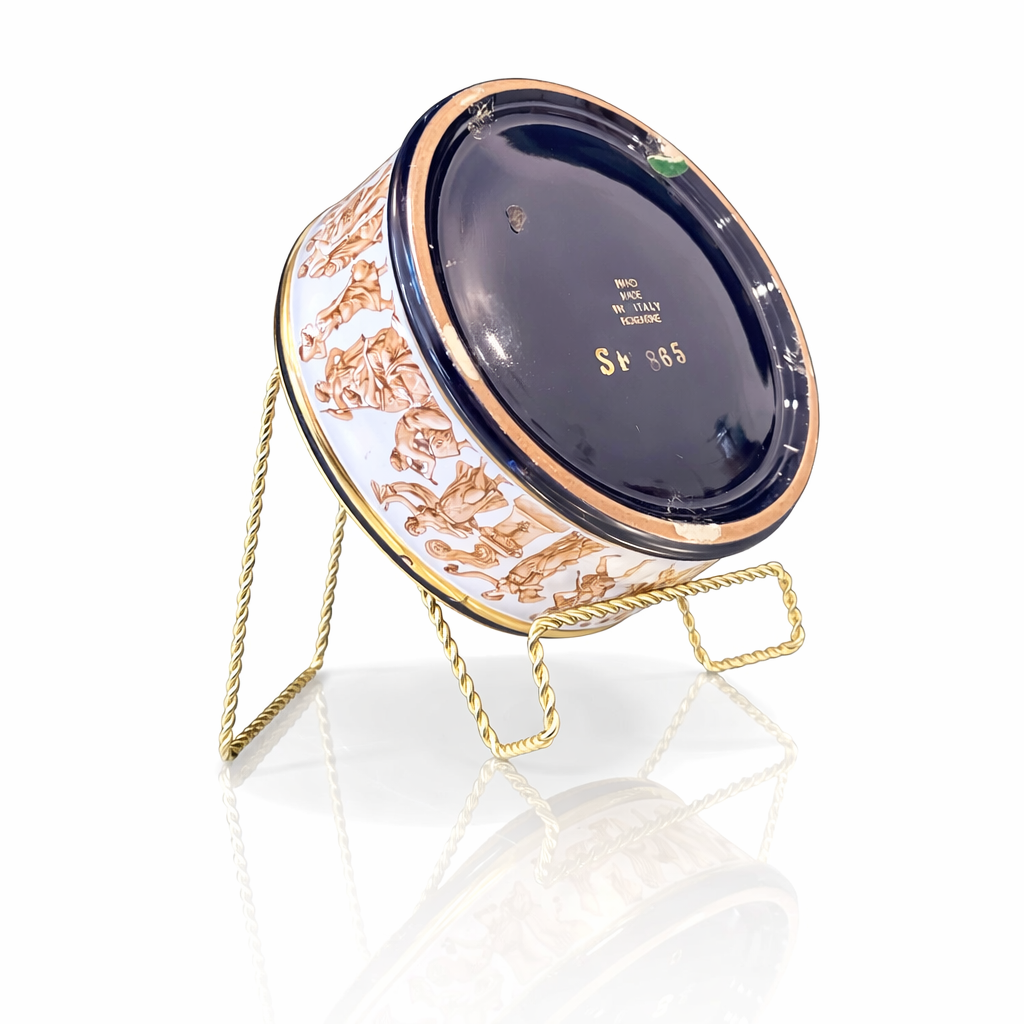 Image 5 of 10
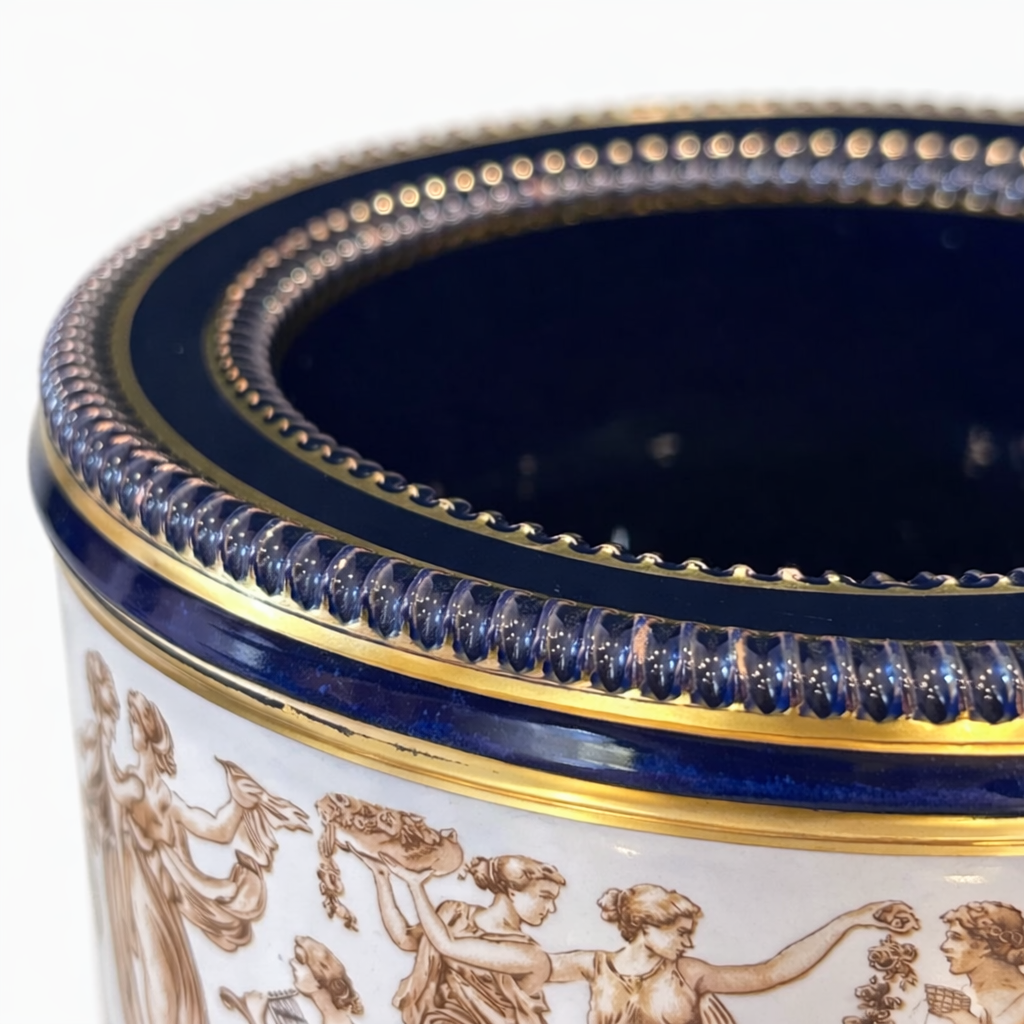 Image 6 of 10
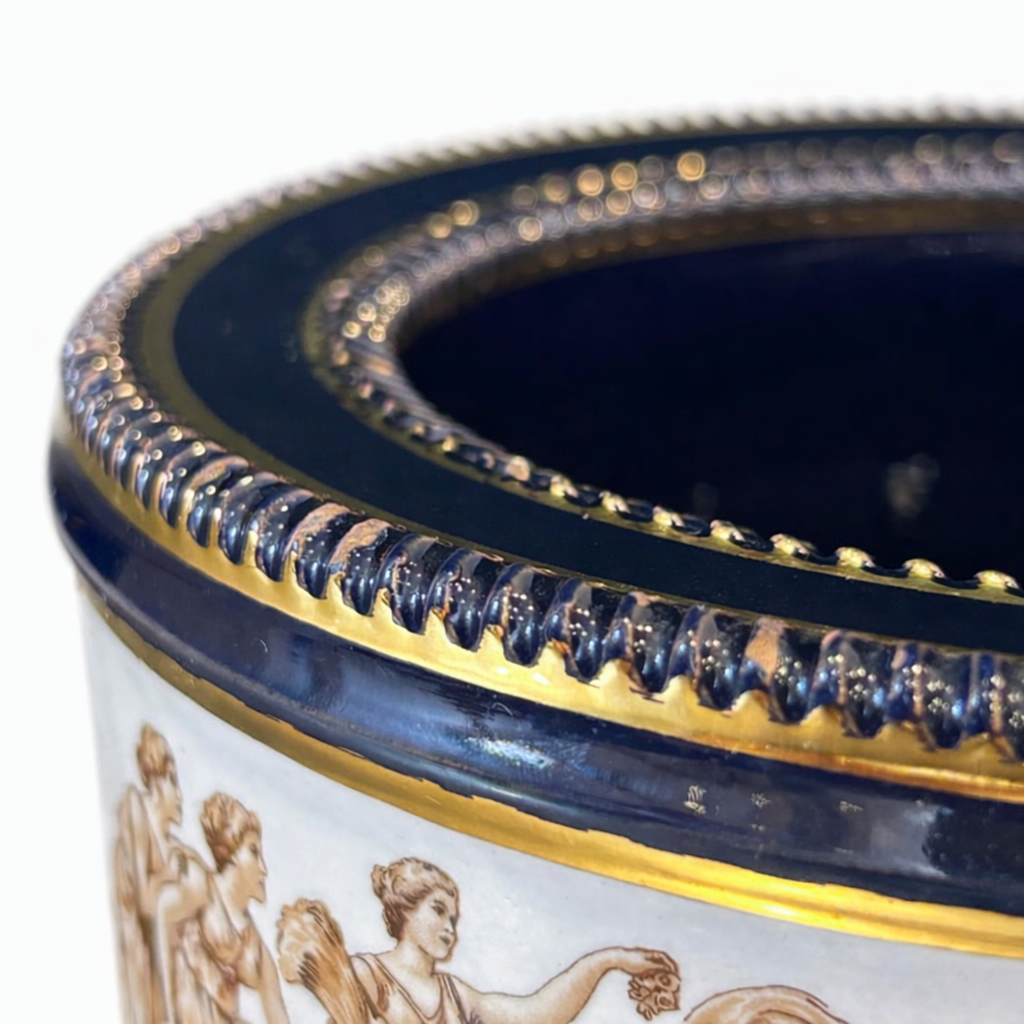 Image 7 of 10
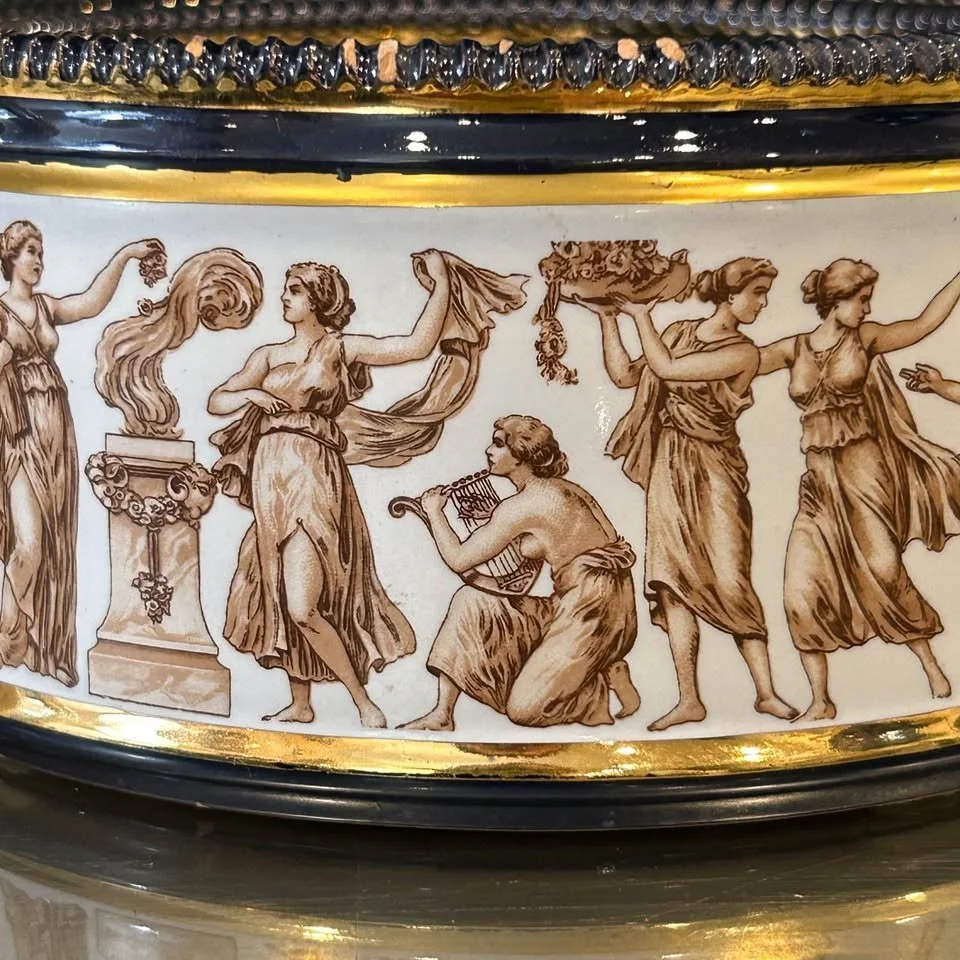 Image 8 of 10
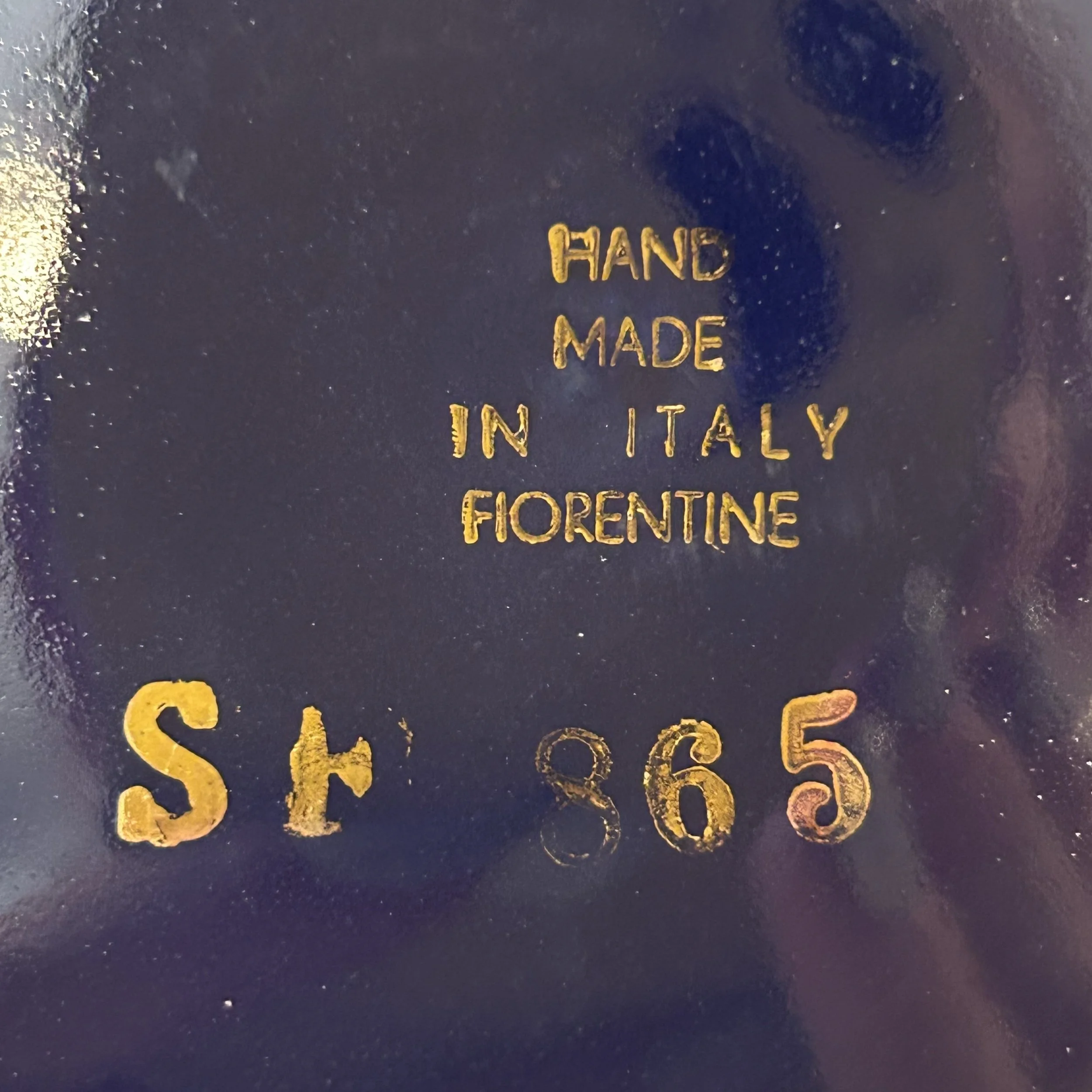 Image 9 of 10
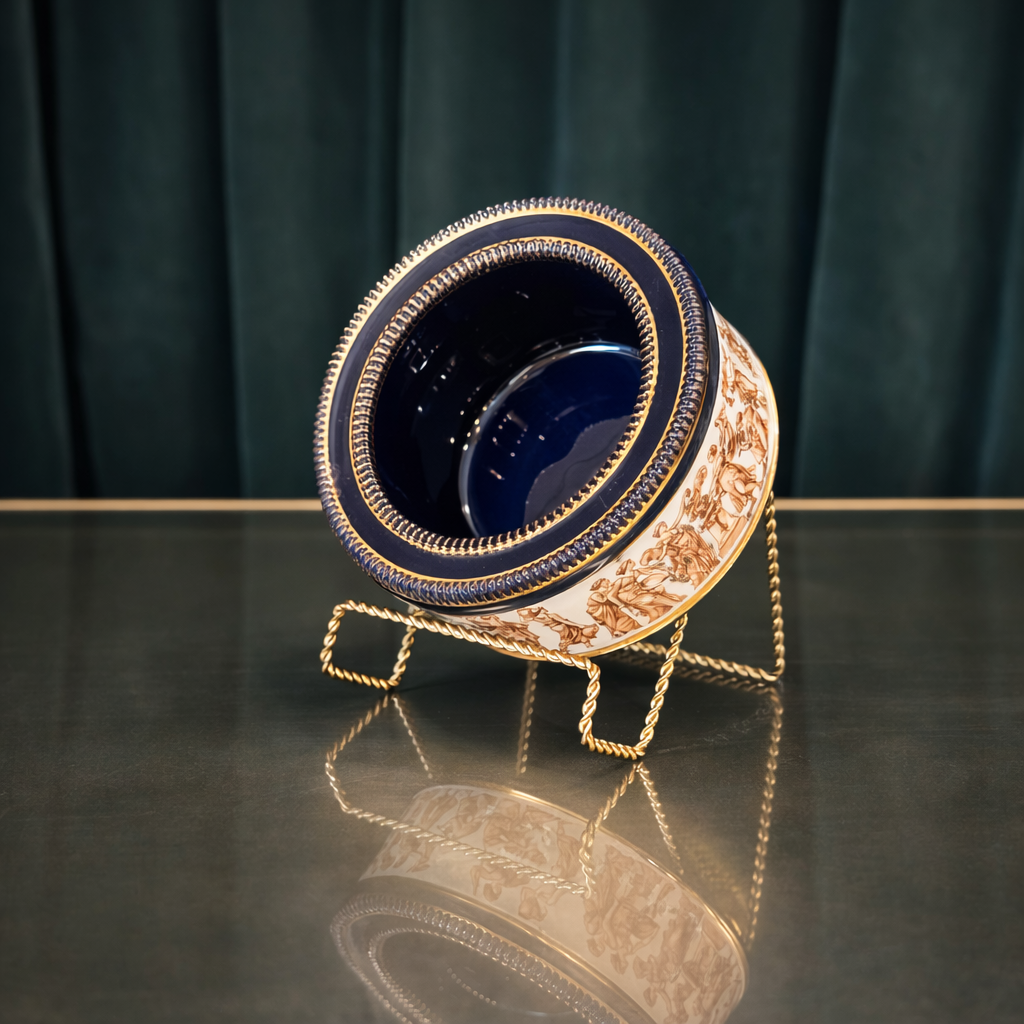 Image 10 of 10