Late 19th–Early 20th Century, Circa 1890–1910
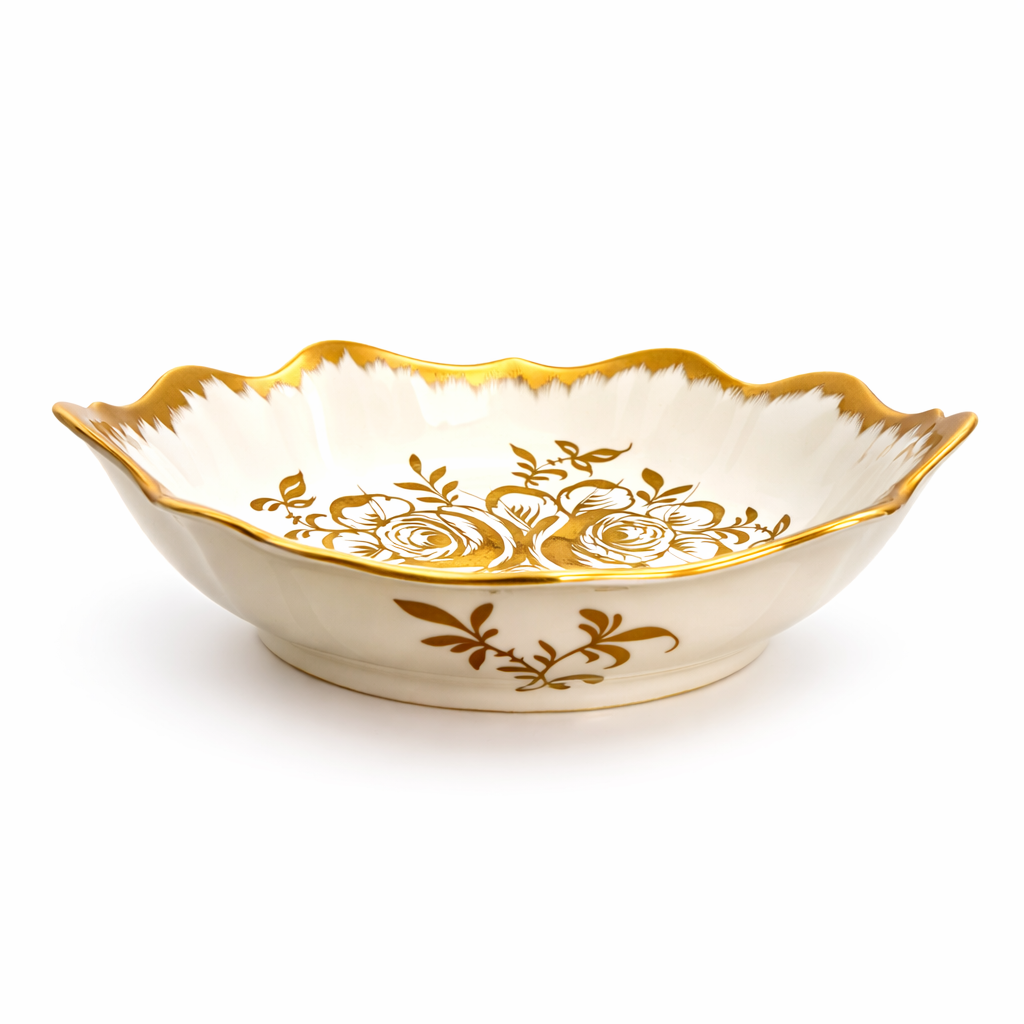
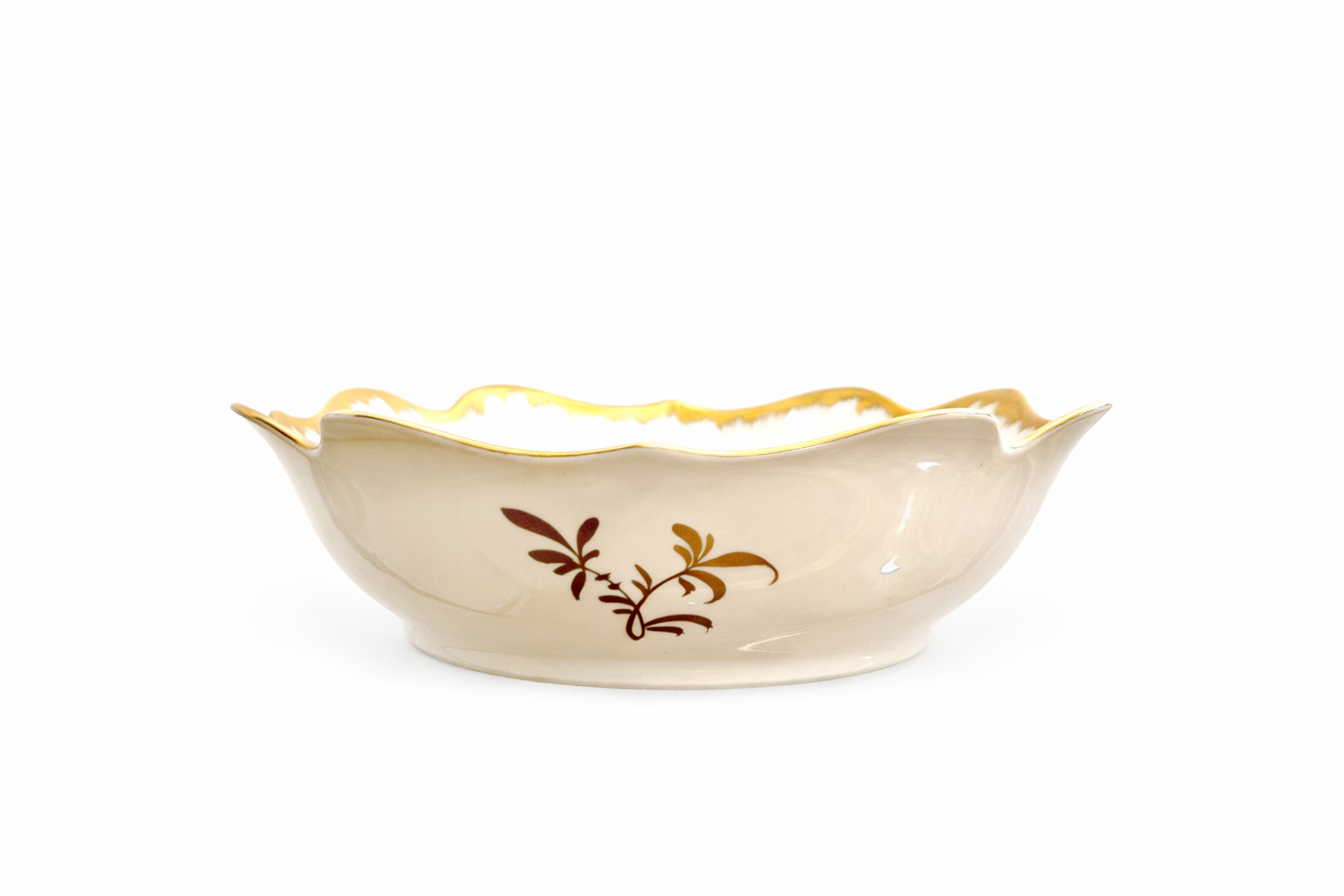
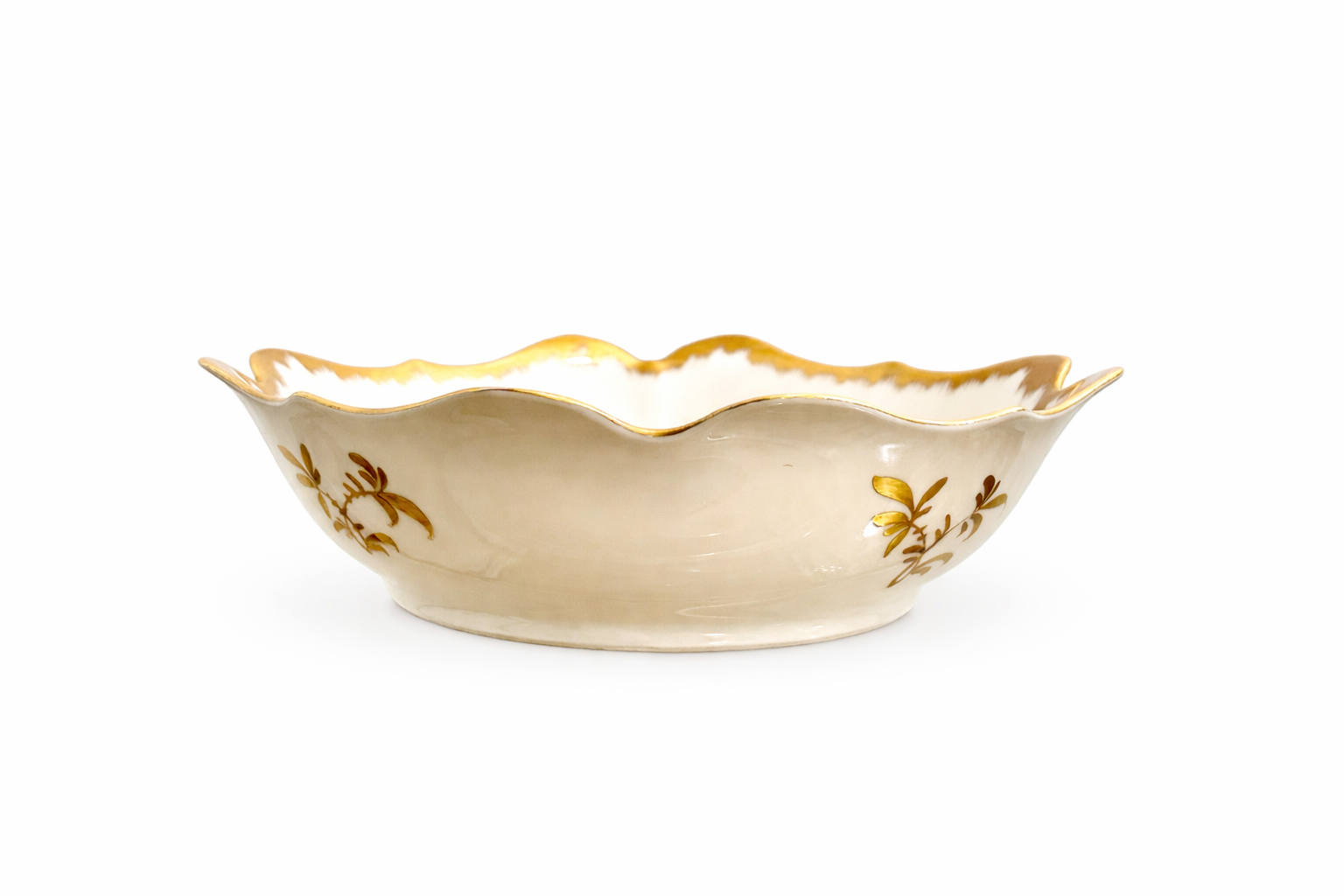
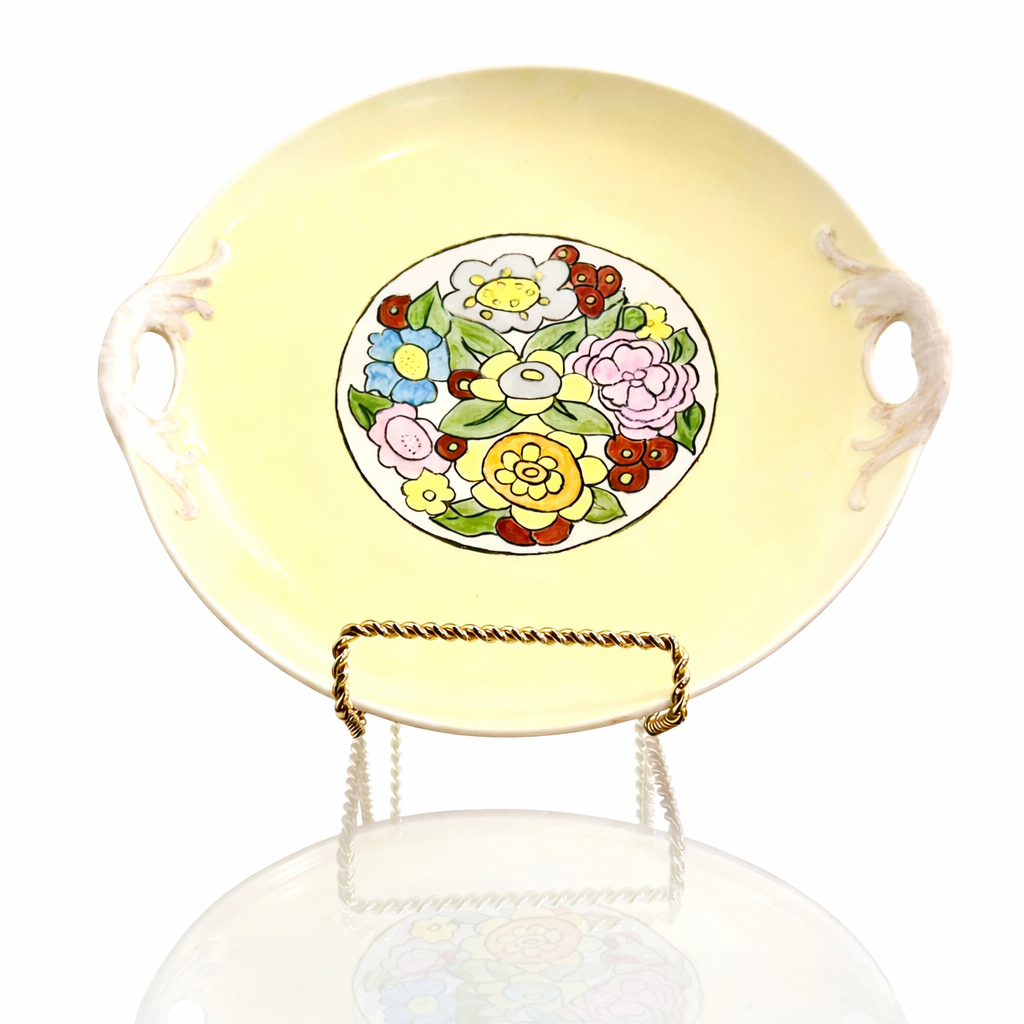
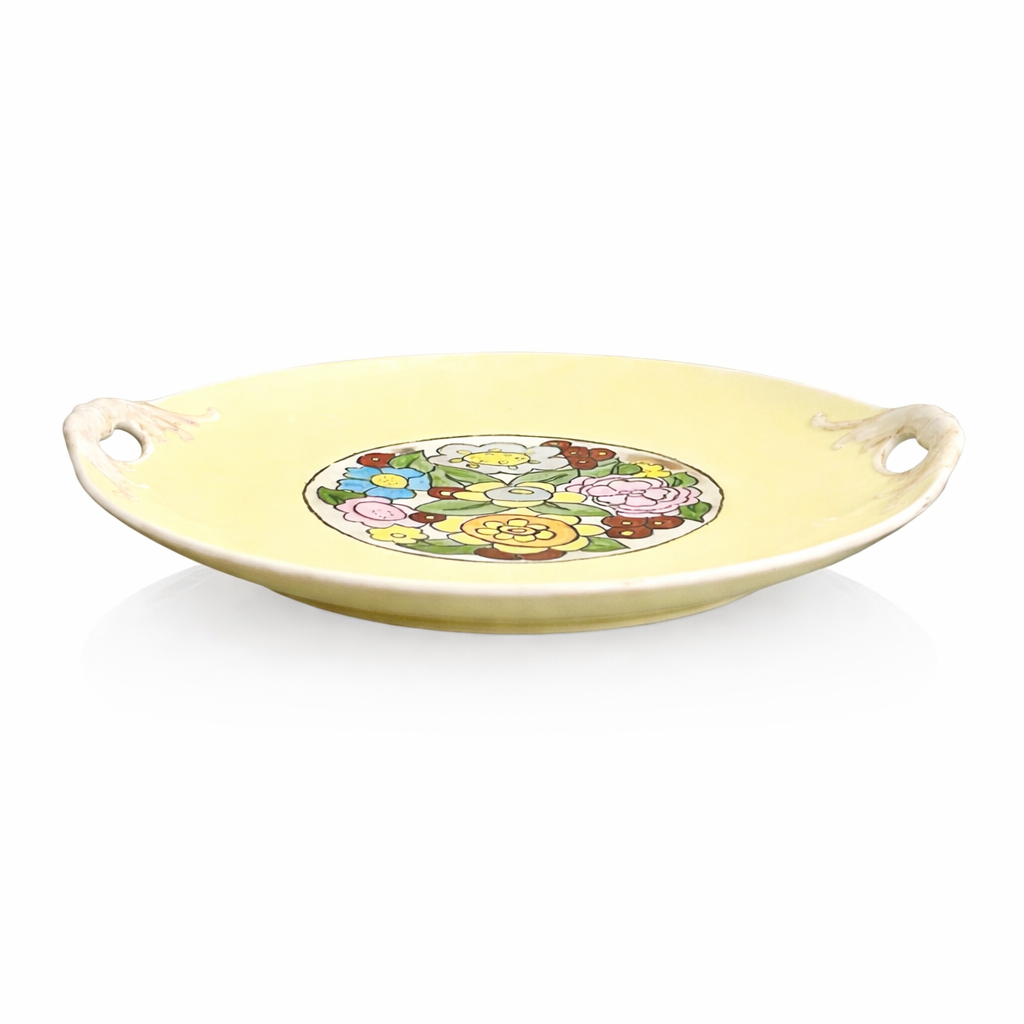
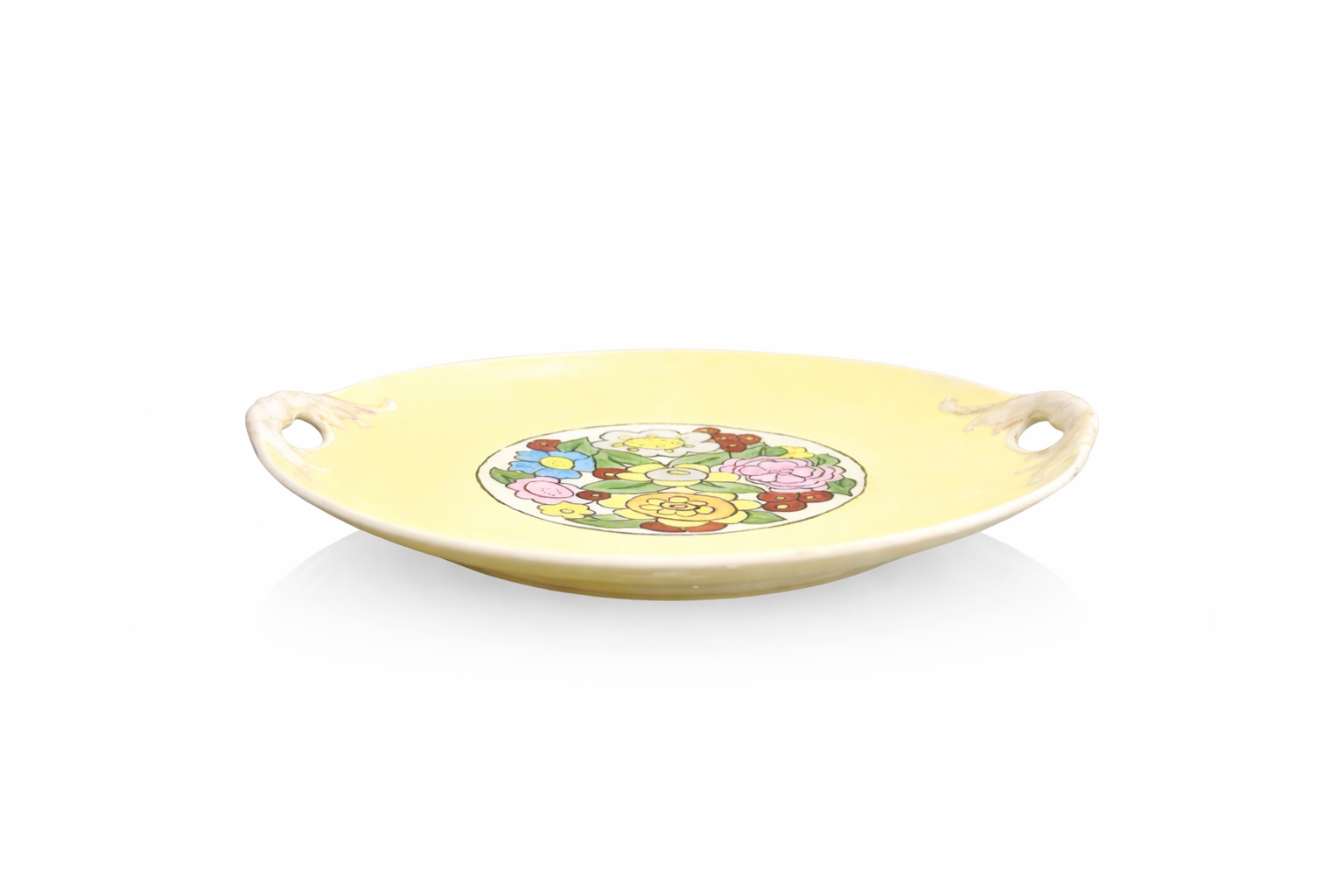
A refined and increasingly scarce matched pair of antique French porcelain bouillon cups, executed in the restrained yet elevated neoclassical taste that defined Belle Époque table culture. These low, wide-form vessels were produced for formal multi-course service and embody the quiet luxury of upper-bourgeois French dining at the turn of the century.
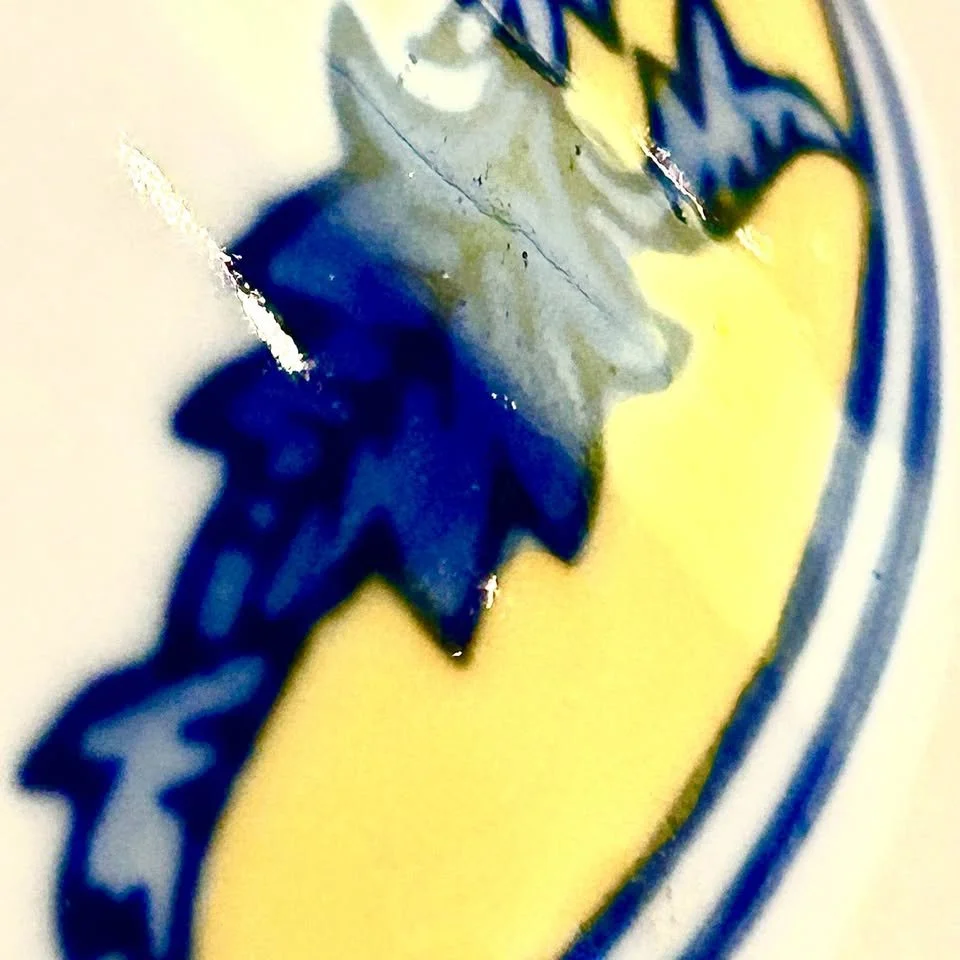
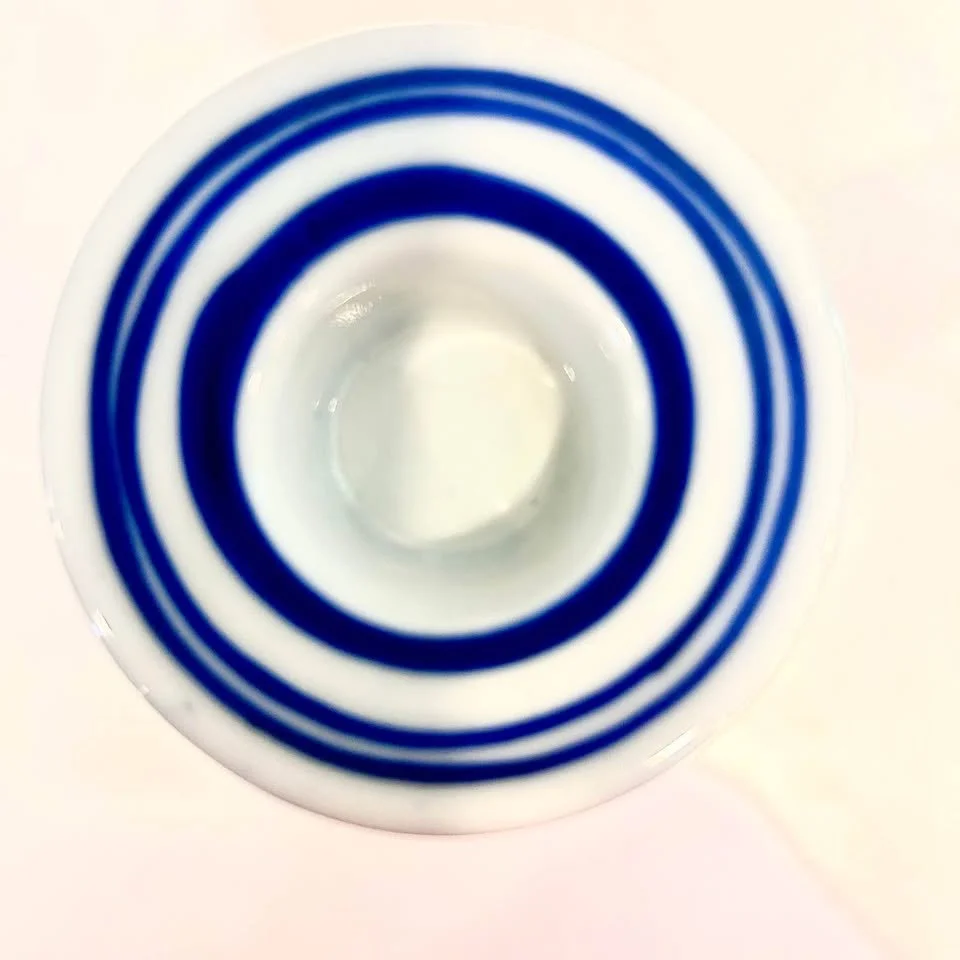
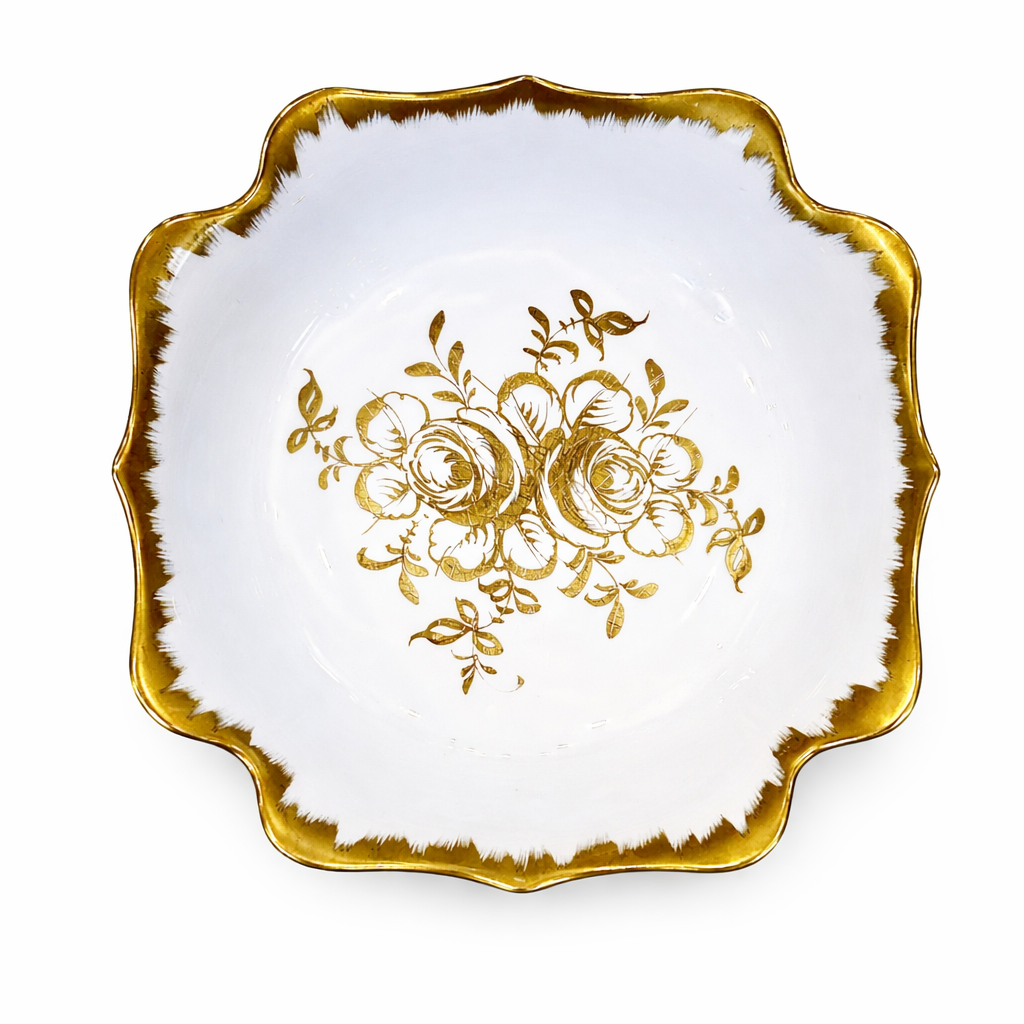
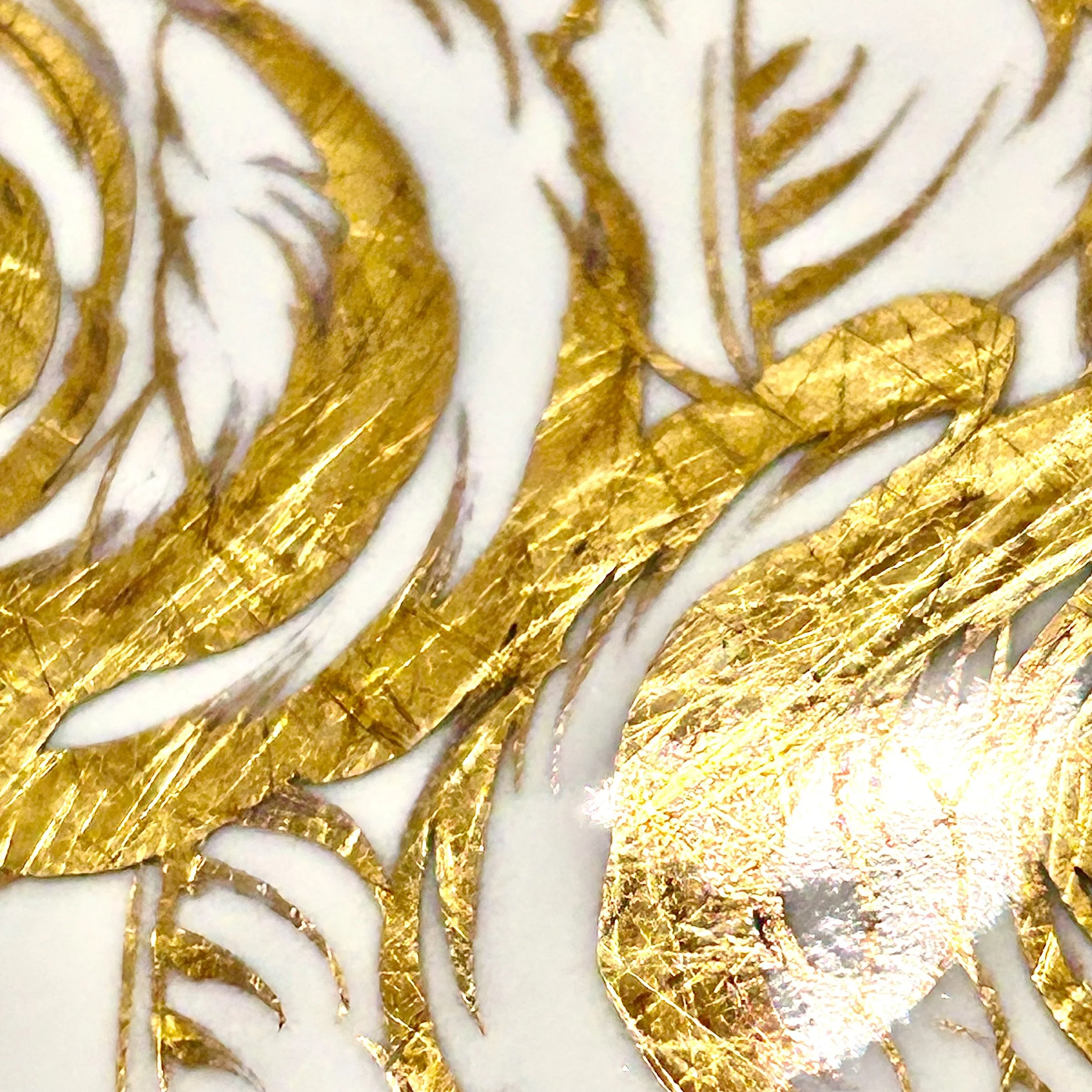
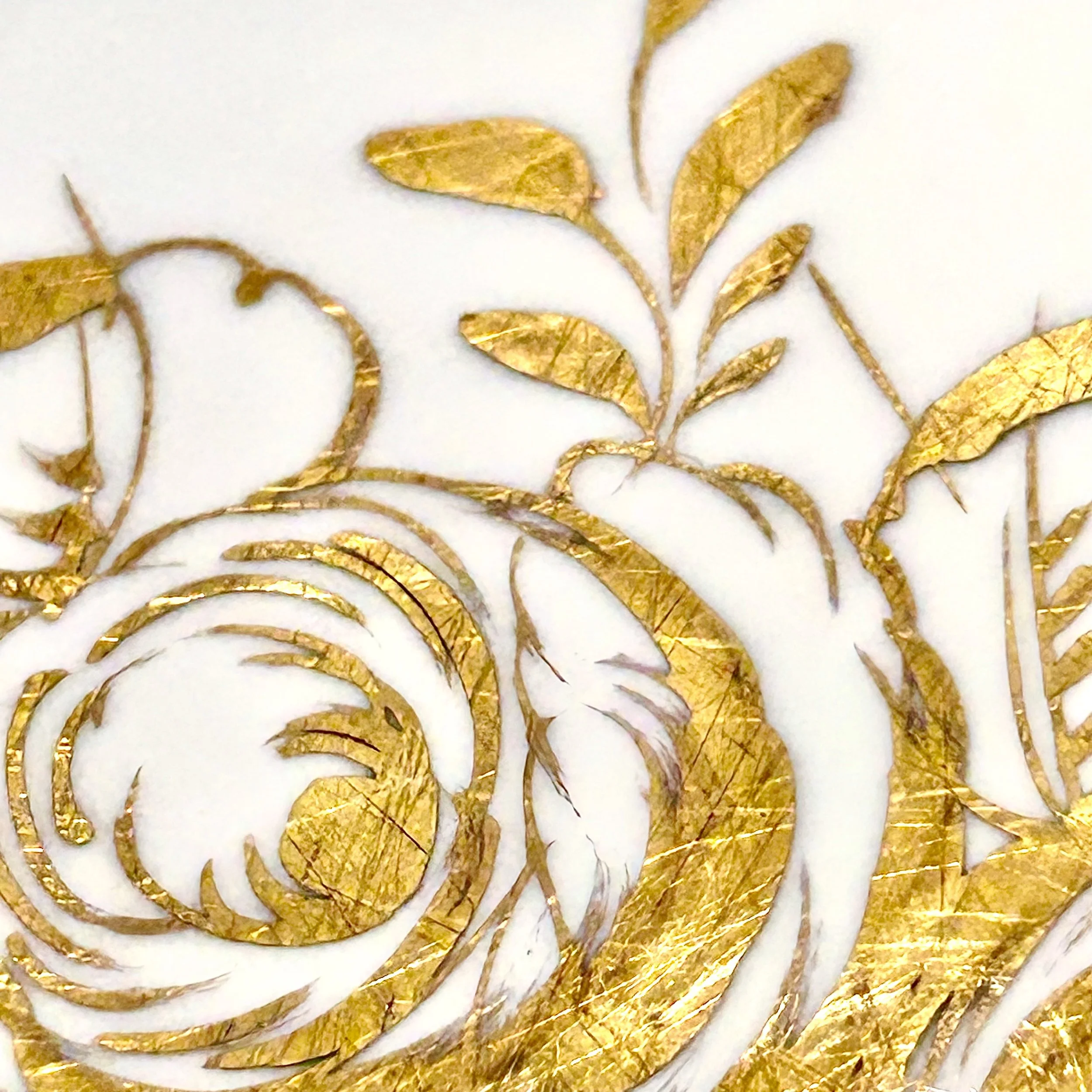
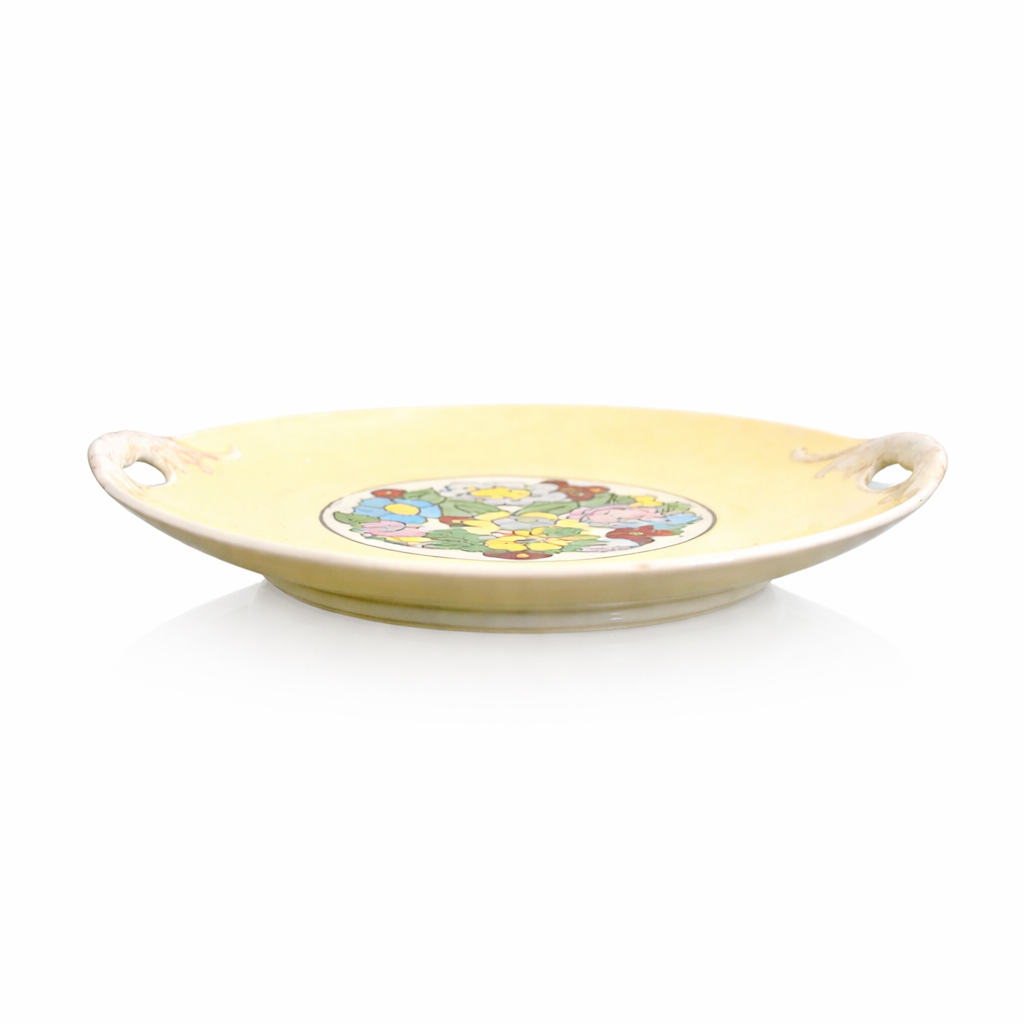
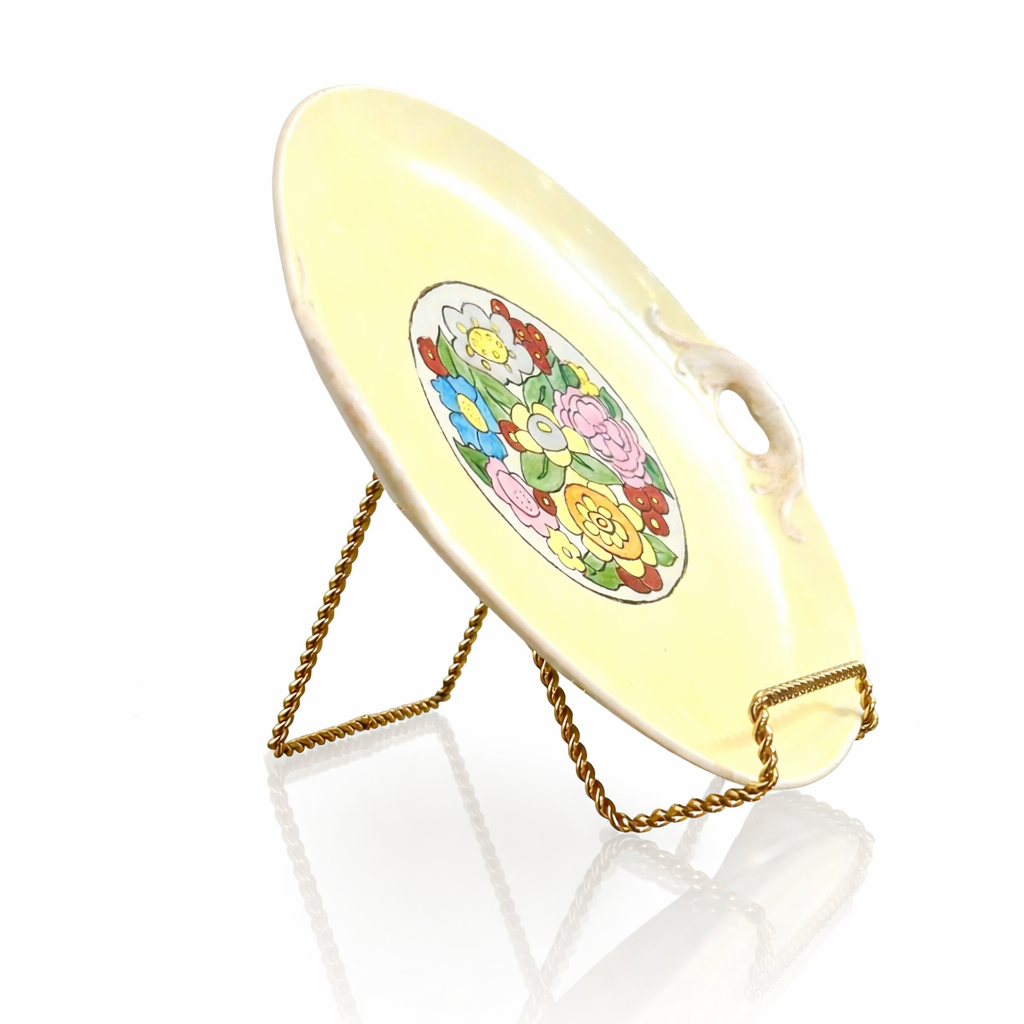
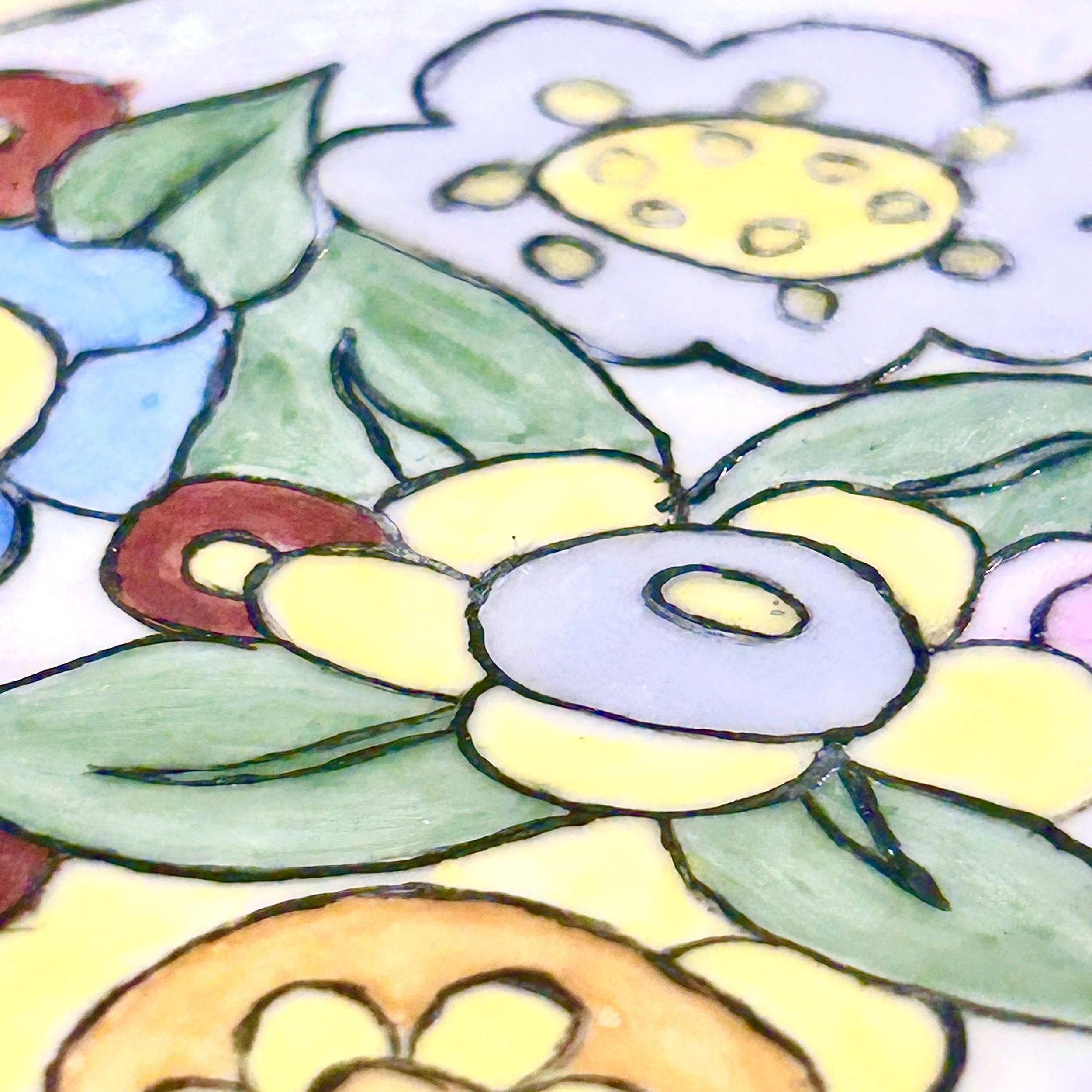
Each cup features a classical floral urn motif framed within balanced reserves, complemented by hand-applied cobalt blue banding. The porcelain body is notably thin and translucent, with subtle glaze pooling and kiln nuances consistent with period French atelier production. The double-handled form—elegant and architectural—distinguishes them from teacups and situates them firmly within formal bouillon service tradition.
Attribution & Period
French porcelain, likely provincial or Paris-region workshop production
Belle Époque period, circa 1890–1910
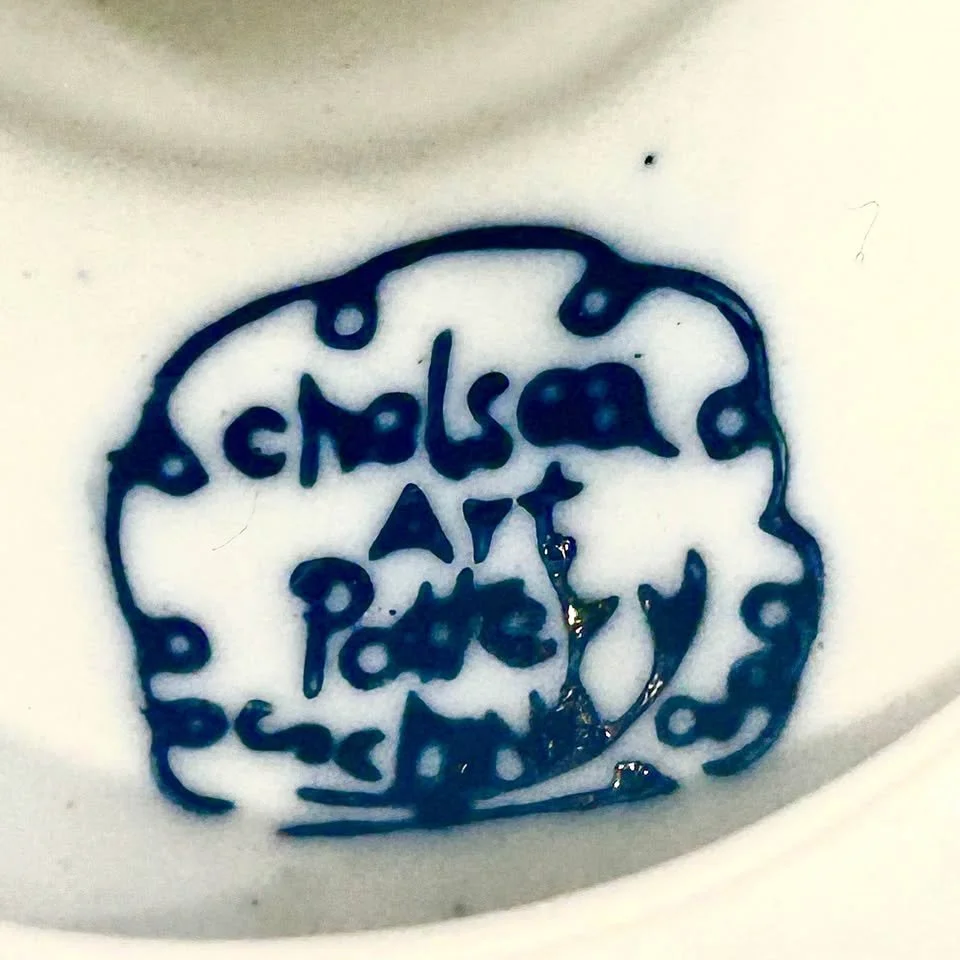
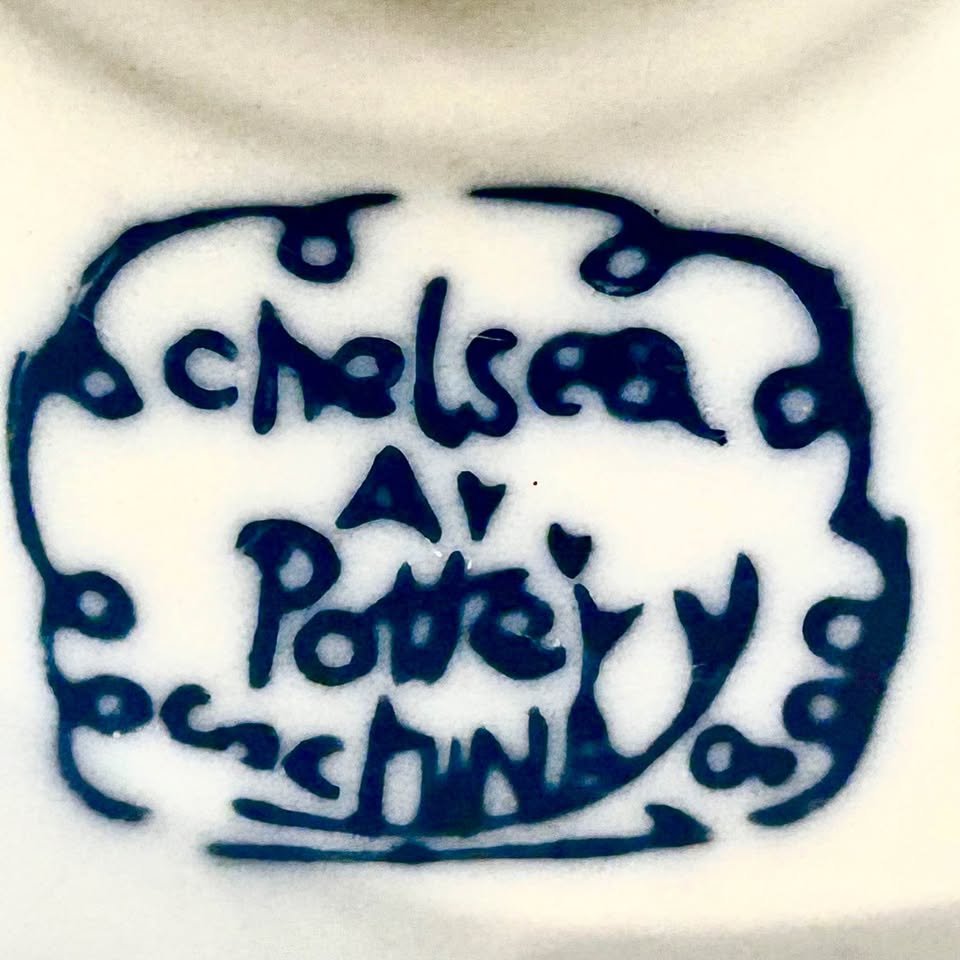
Decoration reflects the enduring influence of the Sèvres neoclassical vocabulary—specifically the urn-and-garland motif—interpreted for refined domestic service. The absence of a printed factory stamp is consistent with smaller French ateliers producing for regional or export markets during this period.
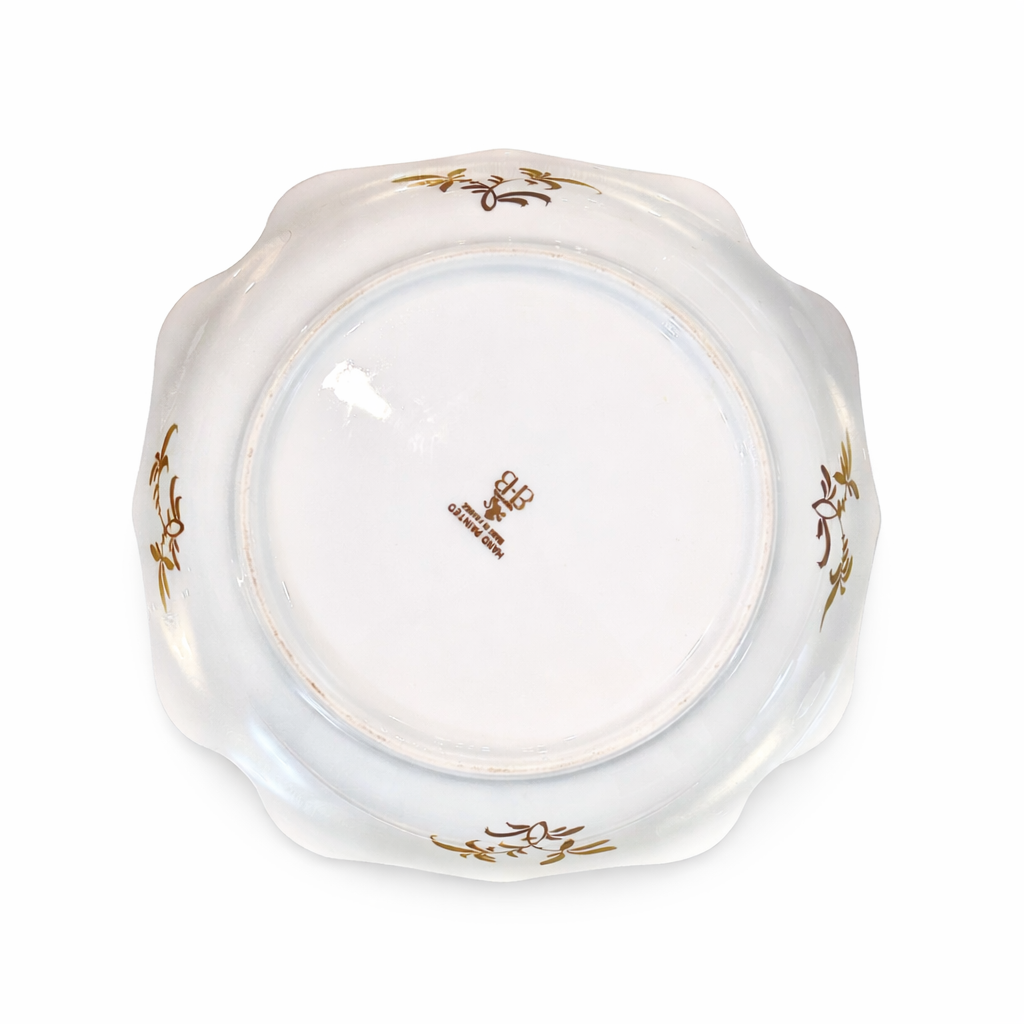
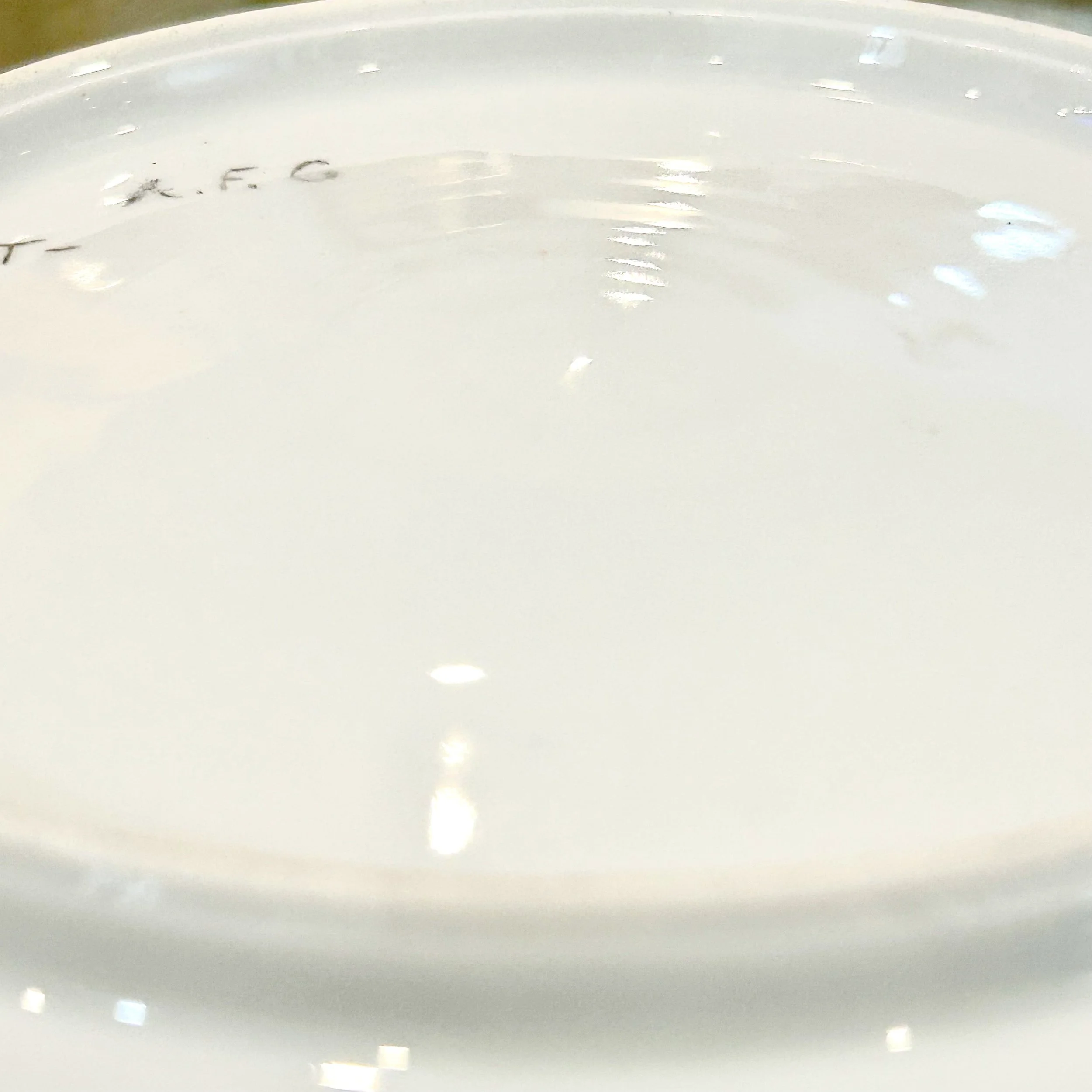
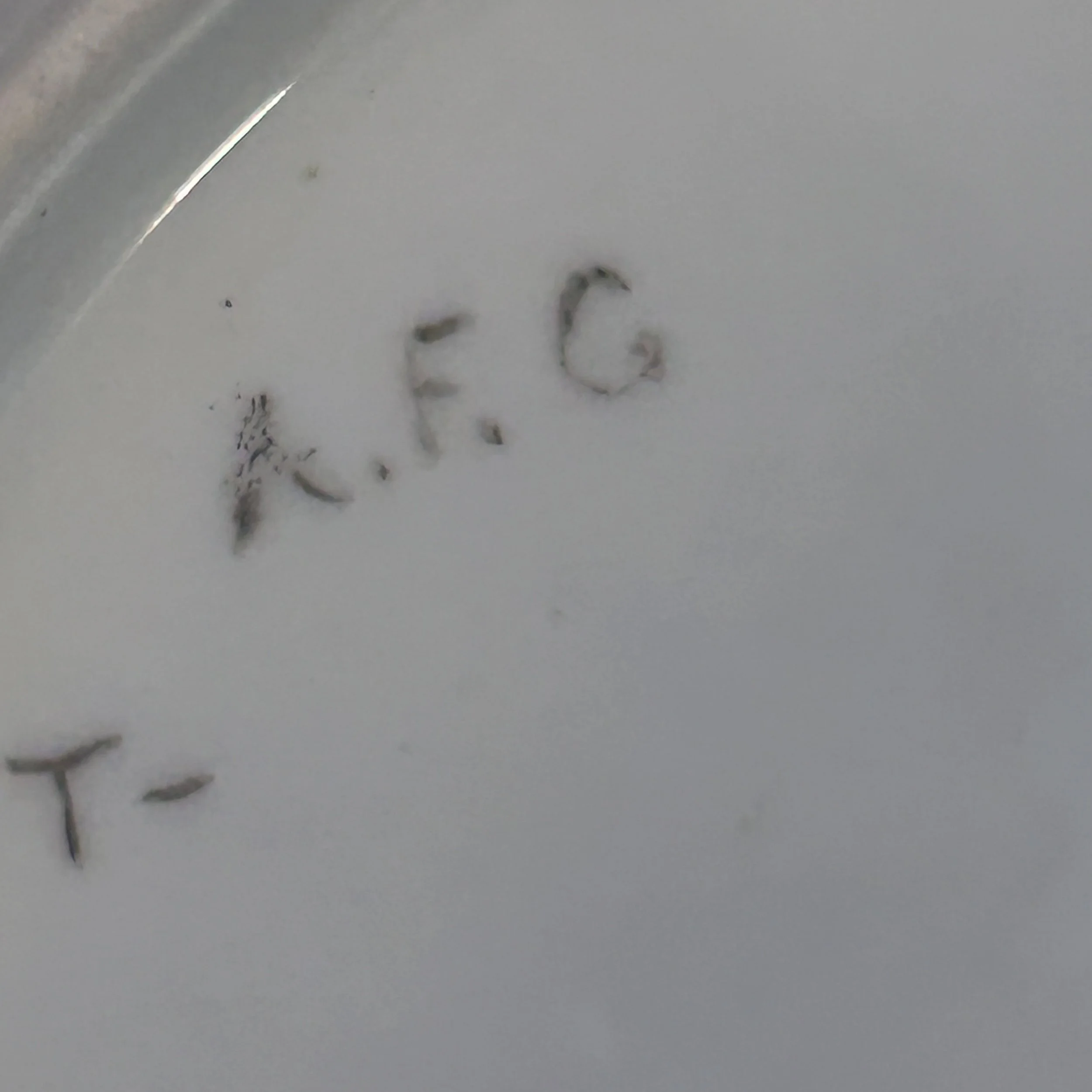
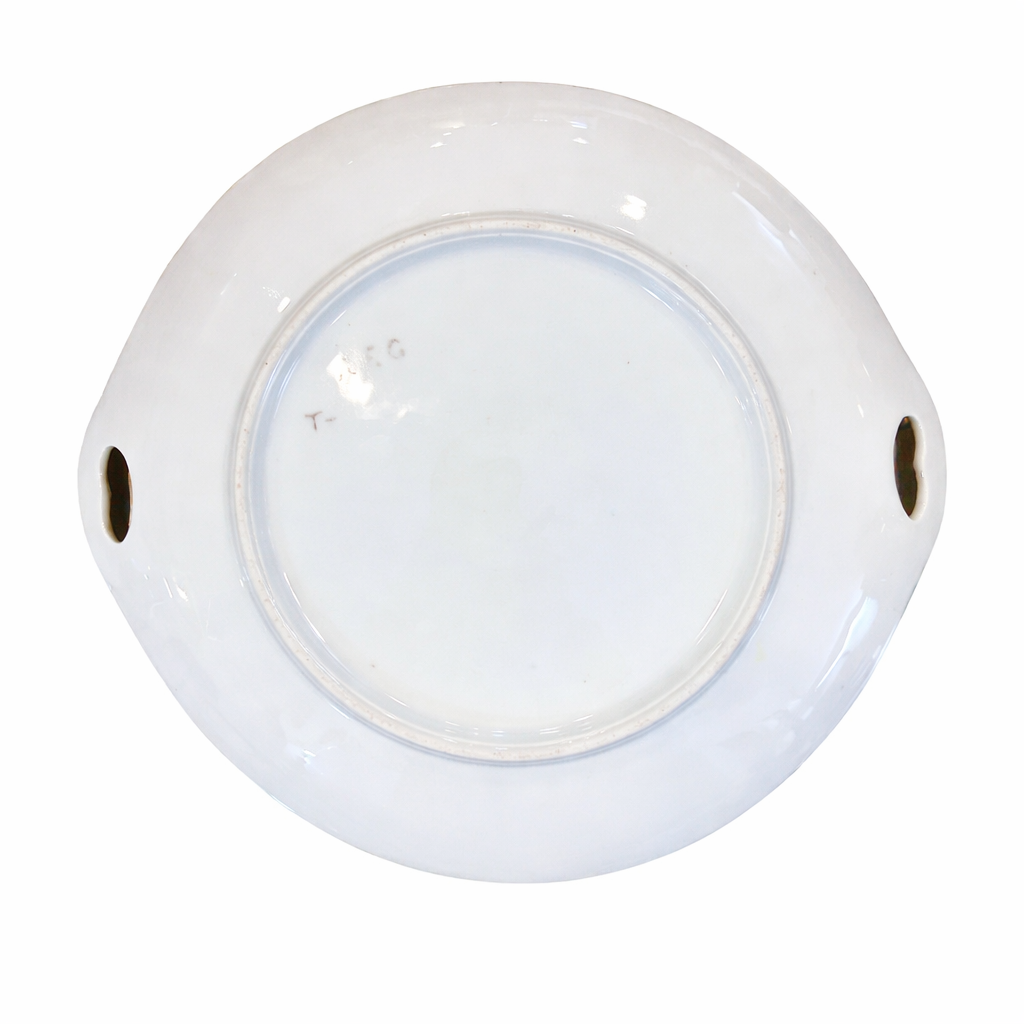
Hand-painted numerals and dot markings to the bases correspond with kiln or decorator identifiers typical of late 19th-century French porcelain workshops.
Dimensions & Weight
Low bouillon form with integrated double handles
Fine, thin porcelain body
Balanced weight appropriate for formal broth or consommé service
(Exact measurements can be provided for listing specification.)
Condition
Very good antique condition.
• No cracks
• No structural repairs observed
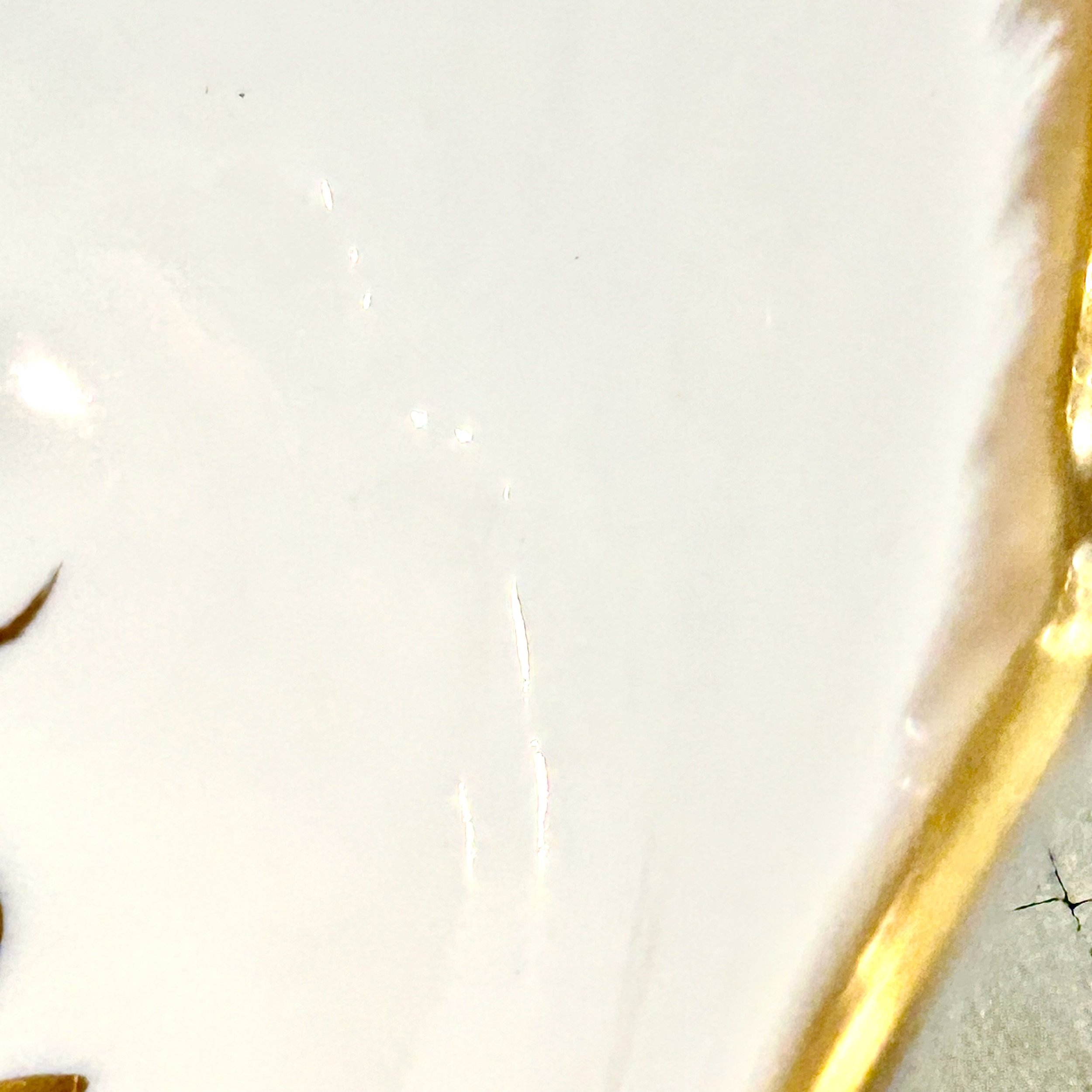
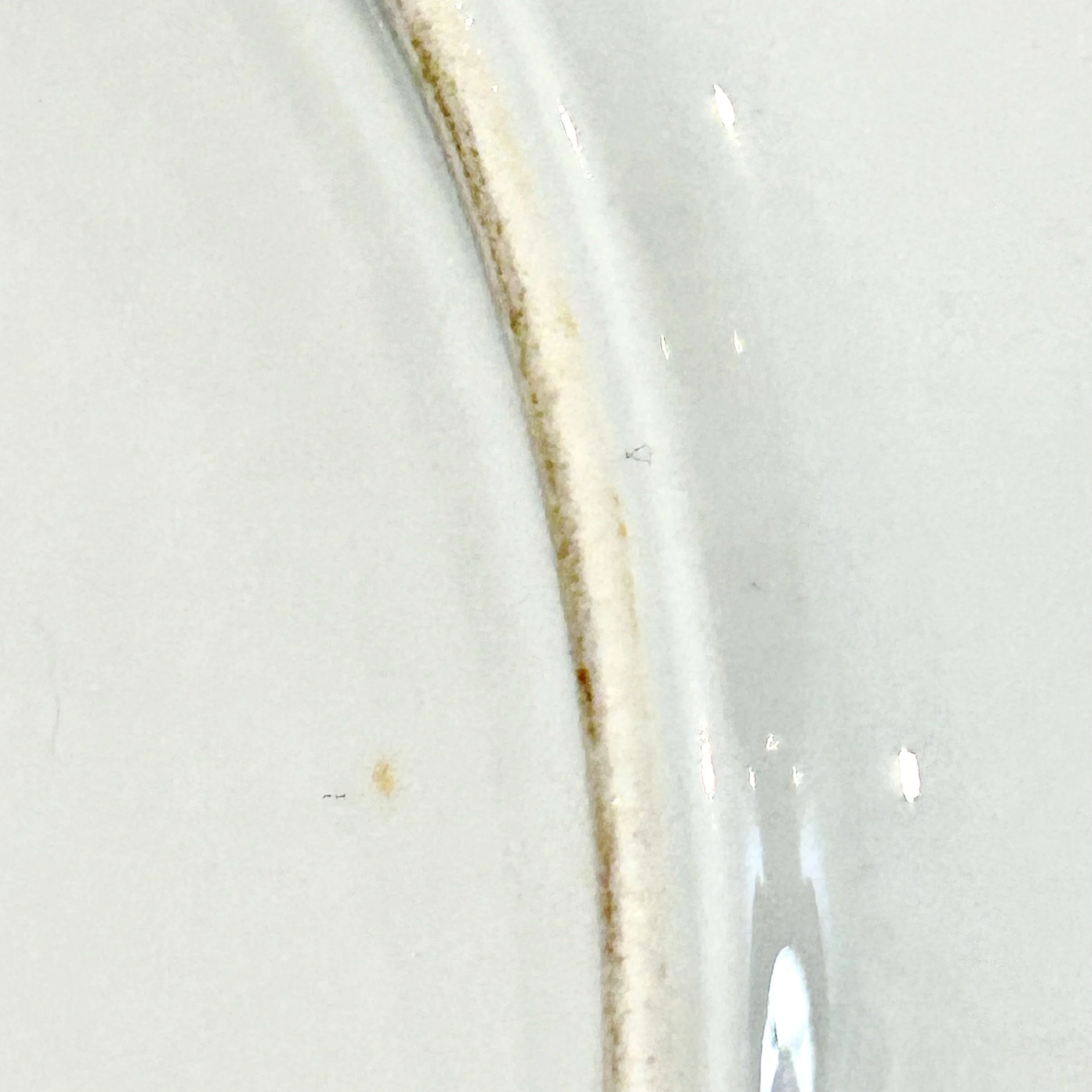
• Minor age-consistent glaze wear
• Light firing speckling and glaze pooling consistent with period manufacture
• Cobalt banding and central decoration remain strong and legible
Surface character reflects authentic age rather than restoration.
Authenticity & Construction
Thin, high-fired porcelain body
Transfer-assisted central urn motif with hand-finished detailing
Hand-painted cobalt banding (visible tonal variation confirms manual application)
Hand-painted kiln/decorator numerals to underside
Construction and decorative techniques align with documented French Belle Époque service ware production.
Placement
Ideal for:
• Advanced European porcelain collections
• Belle Époque or Neoclassical interiors
• Layered formal dining table installations
• French country château or Parisian apartment styling
• Gallery-level antique tabletop displays
As matched pairs increasingly disappear into private collections, intact examples offer both aesthetic and curatorial appeal.
STANDARD ATTRIBUTION & VALUE DISCLOSURE
This piece is described to the best of current scholarly and market knowledge. Any maker or regional attribution is based on visual analysis, materials, construction techniques, and documented stylistic comparisons. As with many vintage and antique glass objects, definitive attribution may not be possible without original labels or factory records. Pricing reflects condition, quality, decorative appeal, and current collector demand rather than a guaranteed maker identification.
Late 19th–Early 20th Century, Circa 1890–1910
A refined and increasingly scarce matched pair of antique French porcelain bouillon cups, executed in the restrained yet elevated neoclassical taste that defined Belle Époque table culture. These low, wide-form vessels were produced for formal multi-course service and embody the quiet luxury of upper-bourgeois French dining at the turn of the century.
Each cup features a classical floral urn motif framed within balanced reserves, complemented by hand-applied cobalt blue banding. The porcelain body is notably thin and translucent, with subtle glaze pooling and kiln nuances consistent with period French atelier production. The double-handled form—elegant and architectural—distinguishes them from teacups and situates them firmly within formal bouillon service tradition.
Attribution & Period
French porcelain, likely provincial or Paris-region workshop production
Belle Époque period, circa 1890–1910
Decoration reflects the enduring influence of the Sèvres neoclassical vocabulary—specifically the urn-and-garland motif—interpreted for refined domestic service. The absence of a printed factory stamp is consistent with smaller French ateliers producing for regional or export markets during this period.
Hand-painted numerals and dot markings to the bases correspond with kiln or decorator identifiers typical of late 19th-century French porcelain workshops.
Dimensions & Weight
Low bouillon form with integrated double handles
Fine, thin porcelain body
Balanced weight appropriate for formal broth or consommé service
(Exact measurements can be provided for listing specification.)
Condition
Very good antique condition.
• No cracks
• No structural repairs observed
• Minor age-consistent glaze wear
• Light firing speckling and glaze pooling consistent with period manufacture
• Cobalt banding and central decoration remain strong and legible
Surface character reflects authentic age rather than restoration.
Authenticity & Construction
Thin, high-fired porcelain body
Transfer-assisted central urn motif with hand-finished detailing
Hand-painted cobalt banding (visible tonal variation confirms manual application)
Hand-painted kiln/decorator numerals to underside
Construction and decorative techniques align with documented French Belle Époque service ware production.
Placement
Ideal for:
• Advanced European porcelain collections
• Belle Époque or Neoclassical interiors
• Layered formal dining table installations
• French country château or Parisian apartment styling
• Gallery-level antique tabletop displays
As matched pairs increasingly disappear into private collections, intact examples offer both aesthetic and curatorial appeal.
STANDARD ATTRIBUTION & VALUE DISCLOSURE
This piece is described to the best of current scholarly and market knowledge. Any maker or regional attribution is based on visual analysis, materials, construction techniques, and documented stylistic comparisons. As with many vintage and antique glass objects, definitive attribution may not be possible without original labels or factory records. Pricing reflects condition, quality, decorative appeal, and current collector demand rather than a guaranteed maker identification.

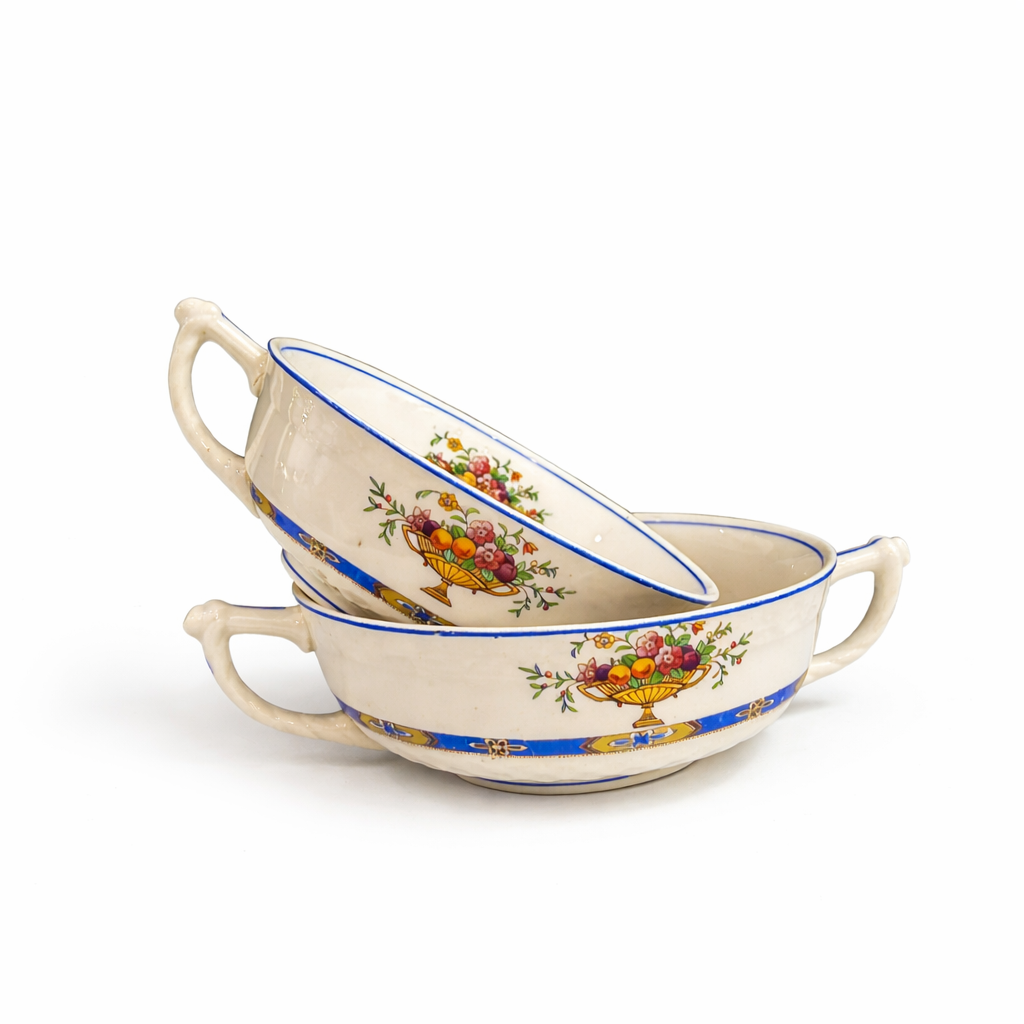 Image 1 of 9
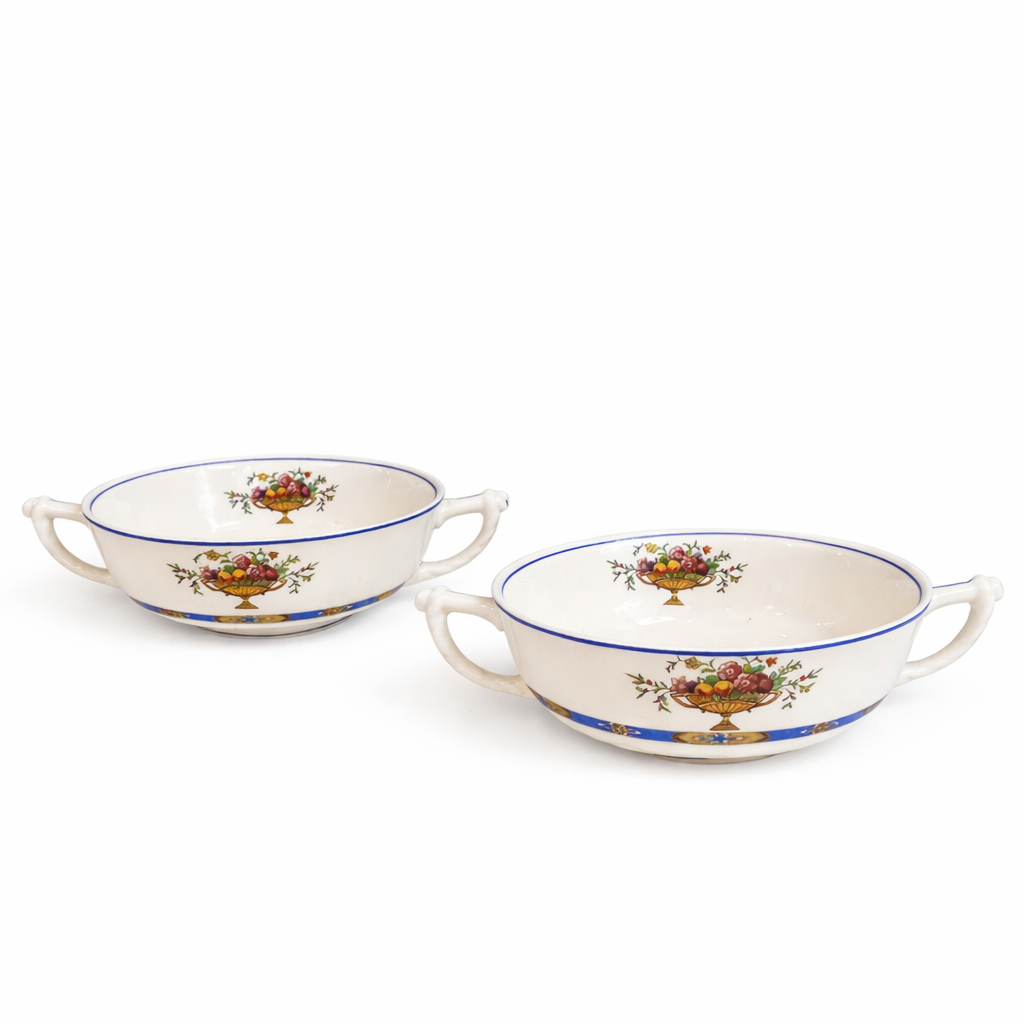 Image 2 of 9
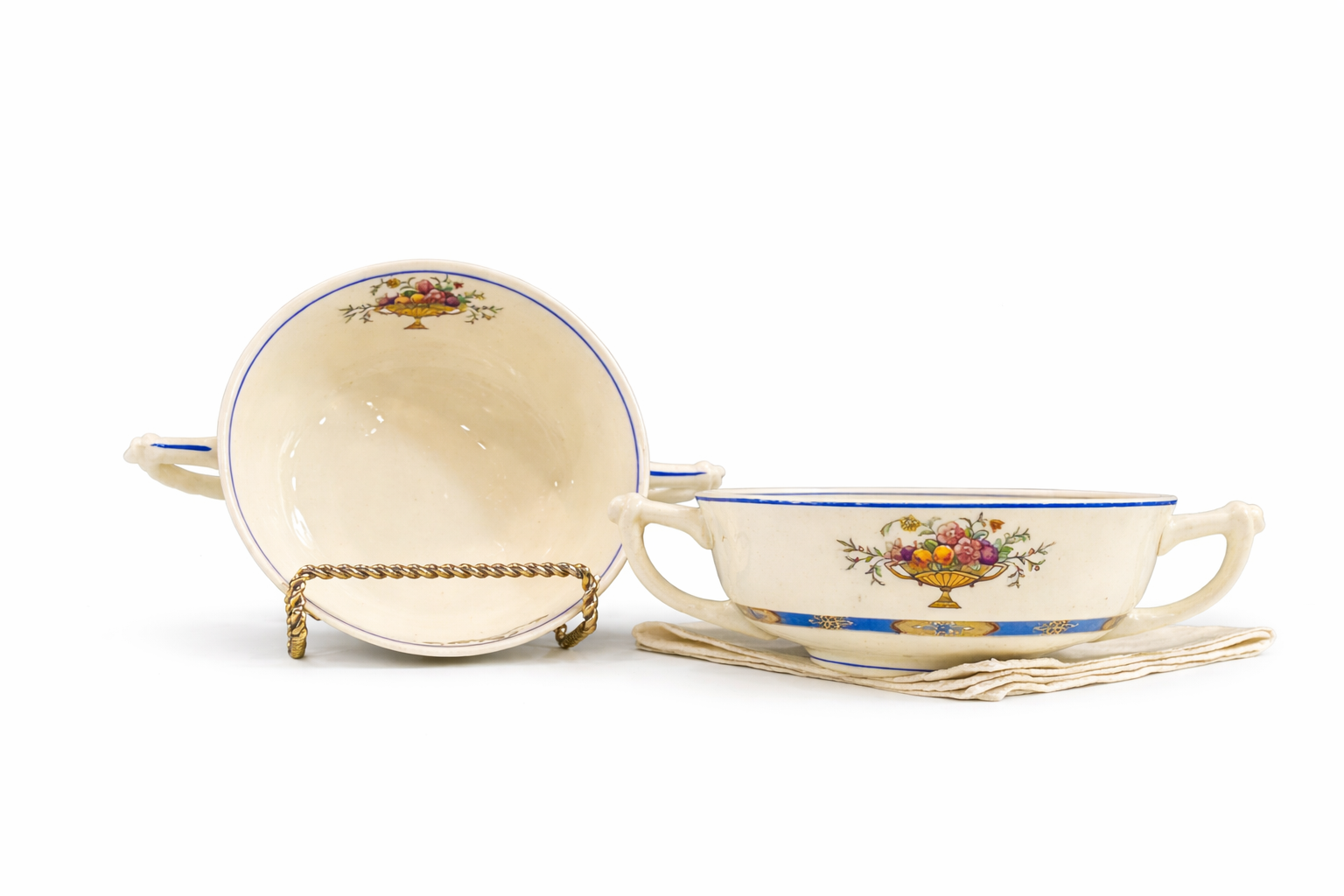 Image 3 of 9
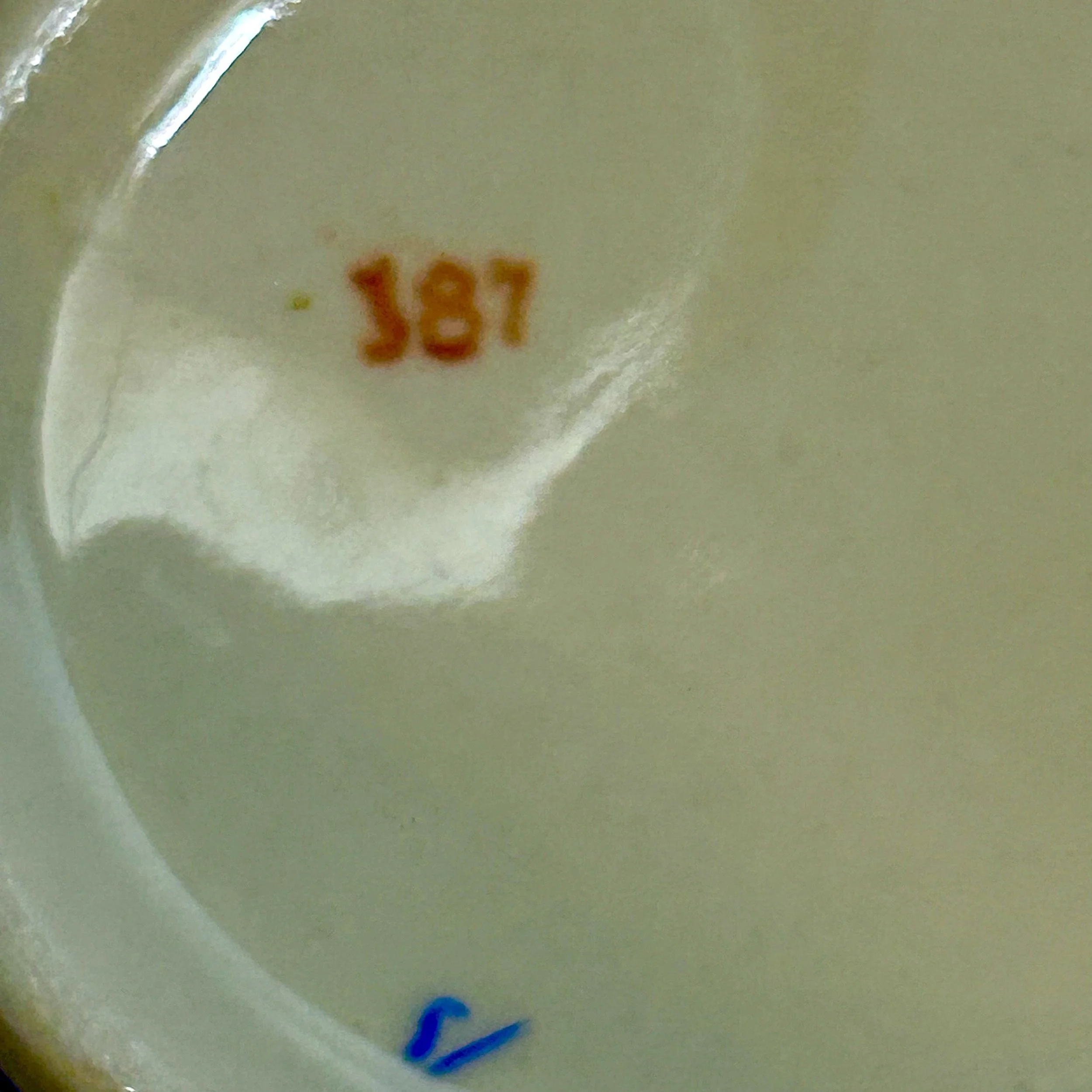 Image 4 of 9
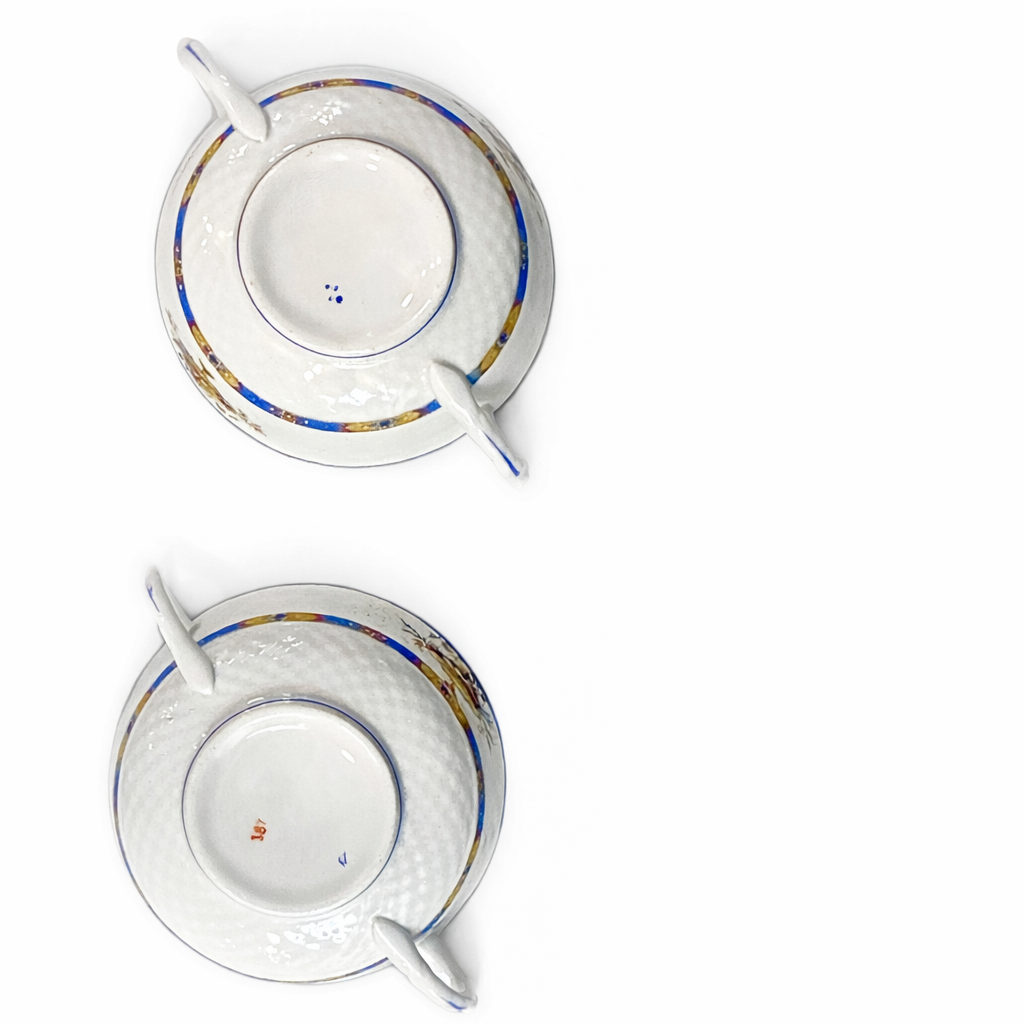 Image 5 of 9
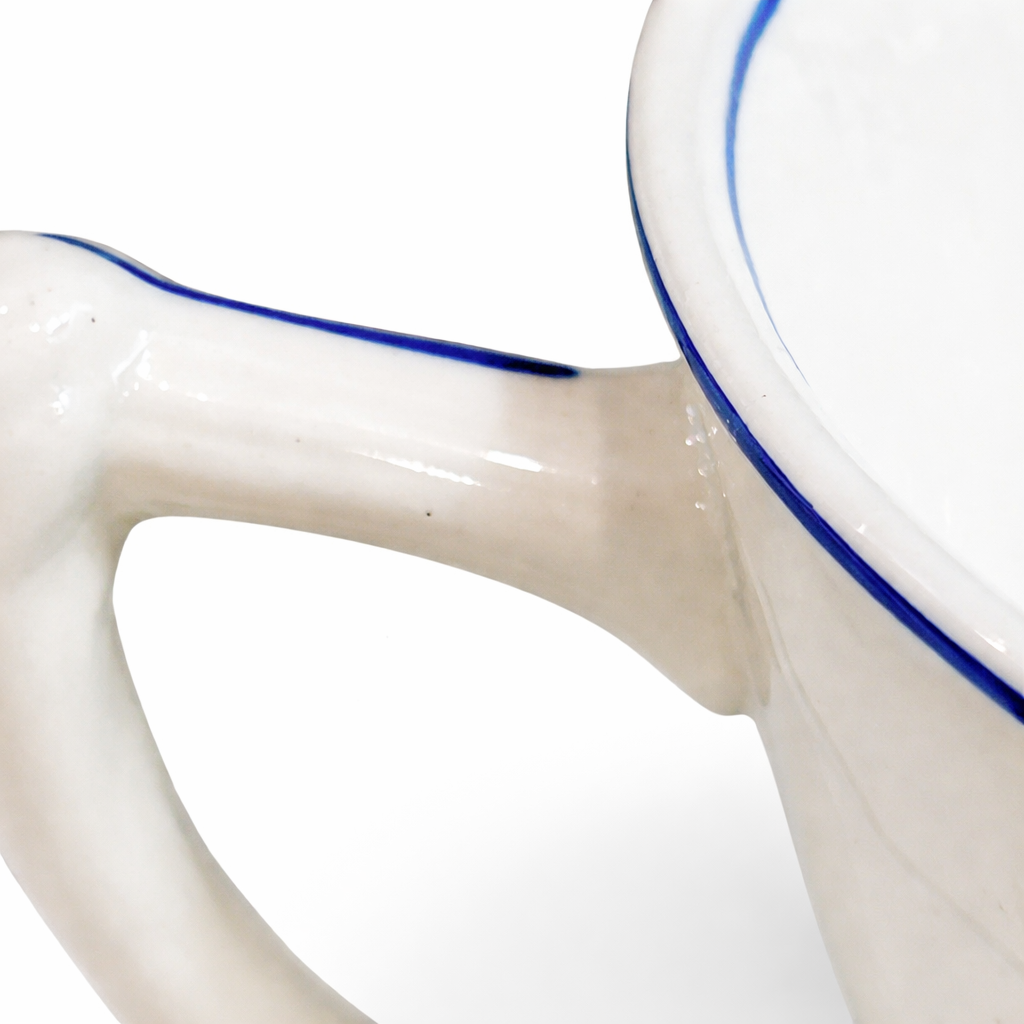 Image 6 of 9
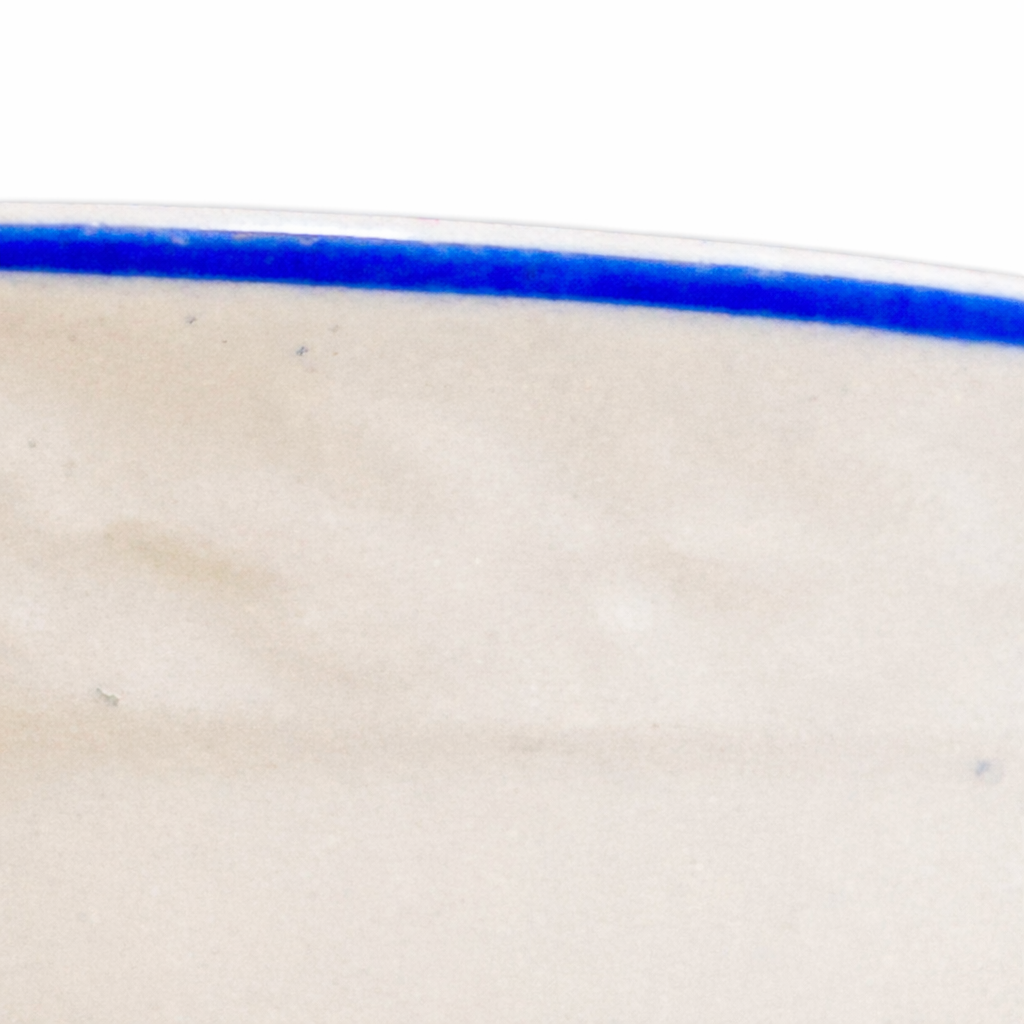 Image 7 of 9
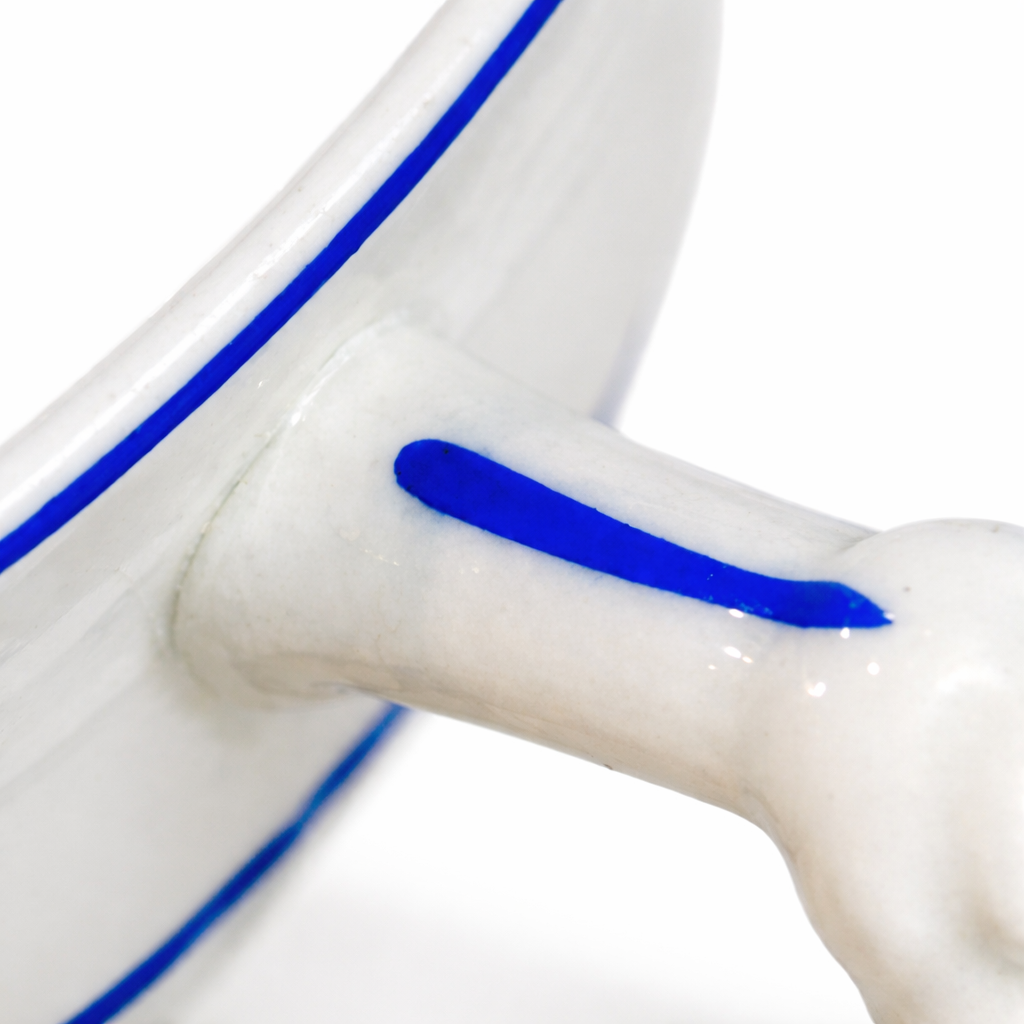 Image 8 of 9
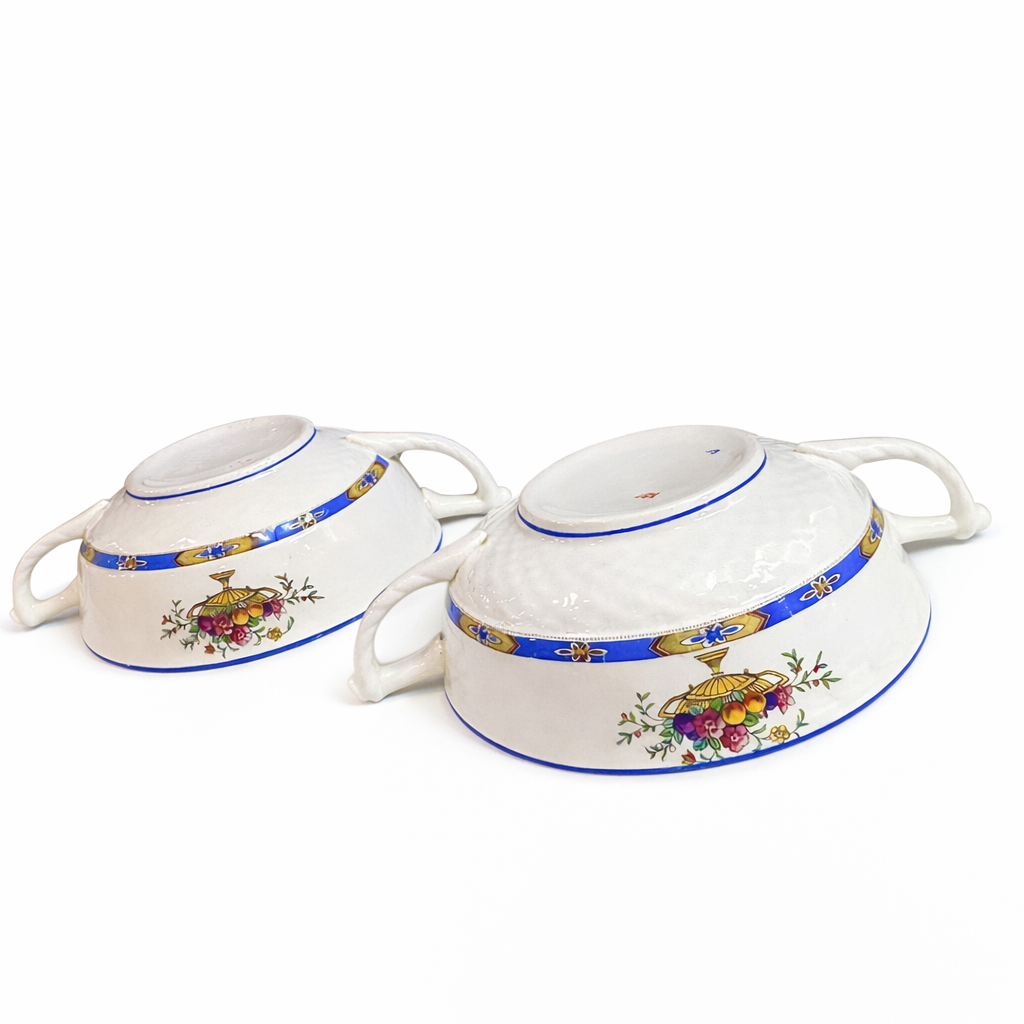 Image 9 of 9