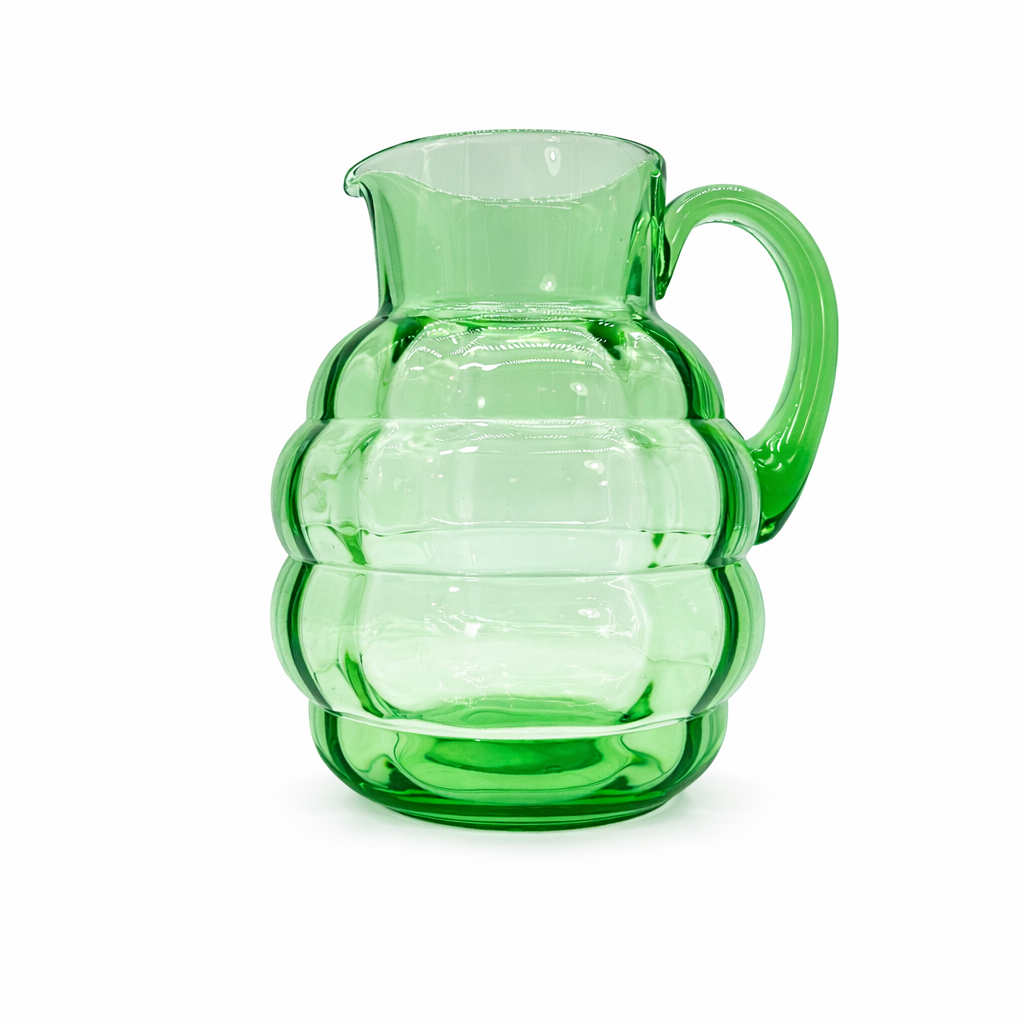
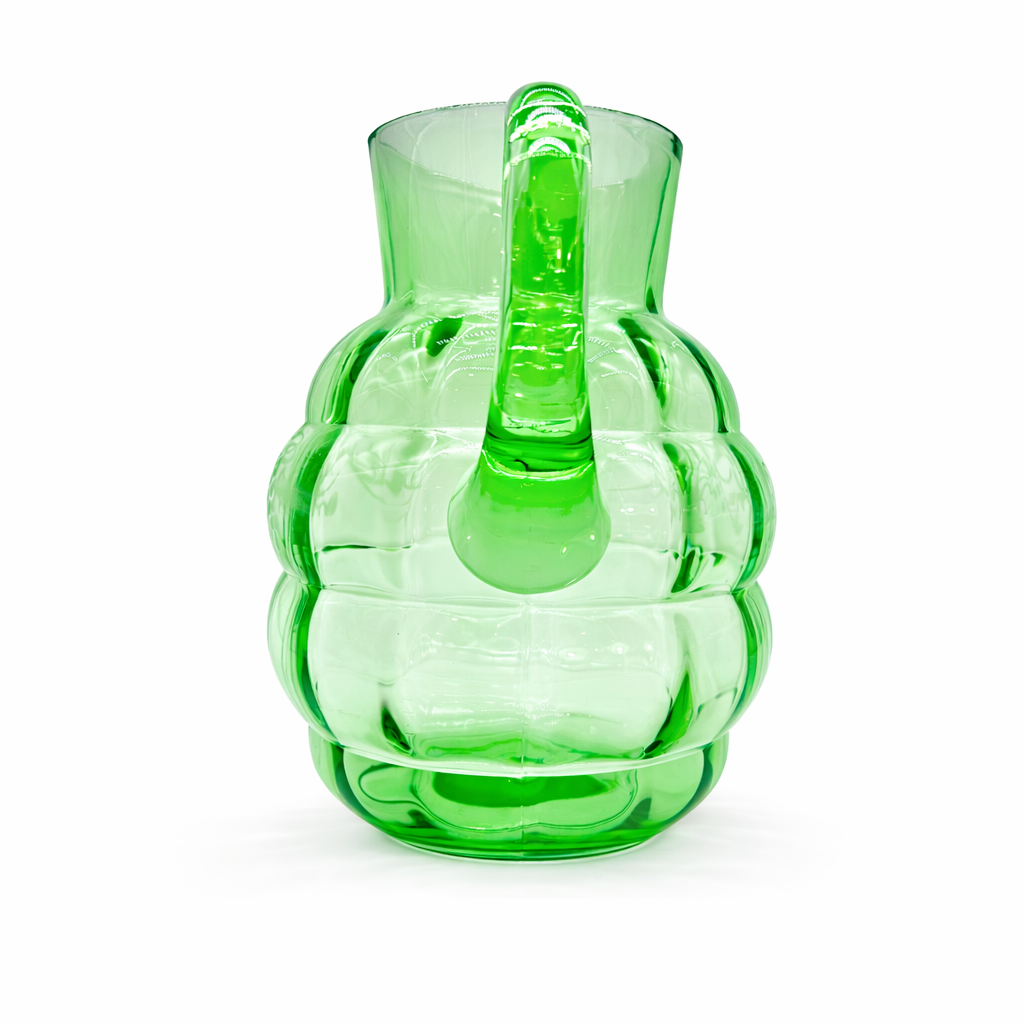
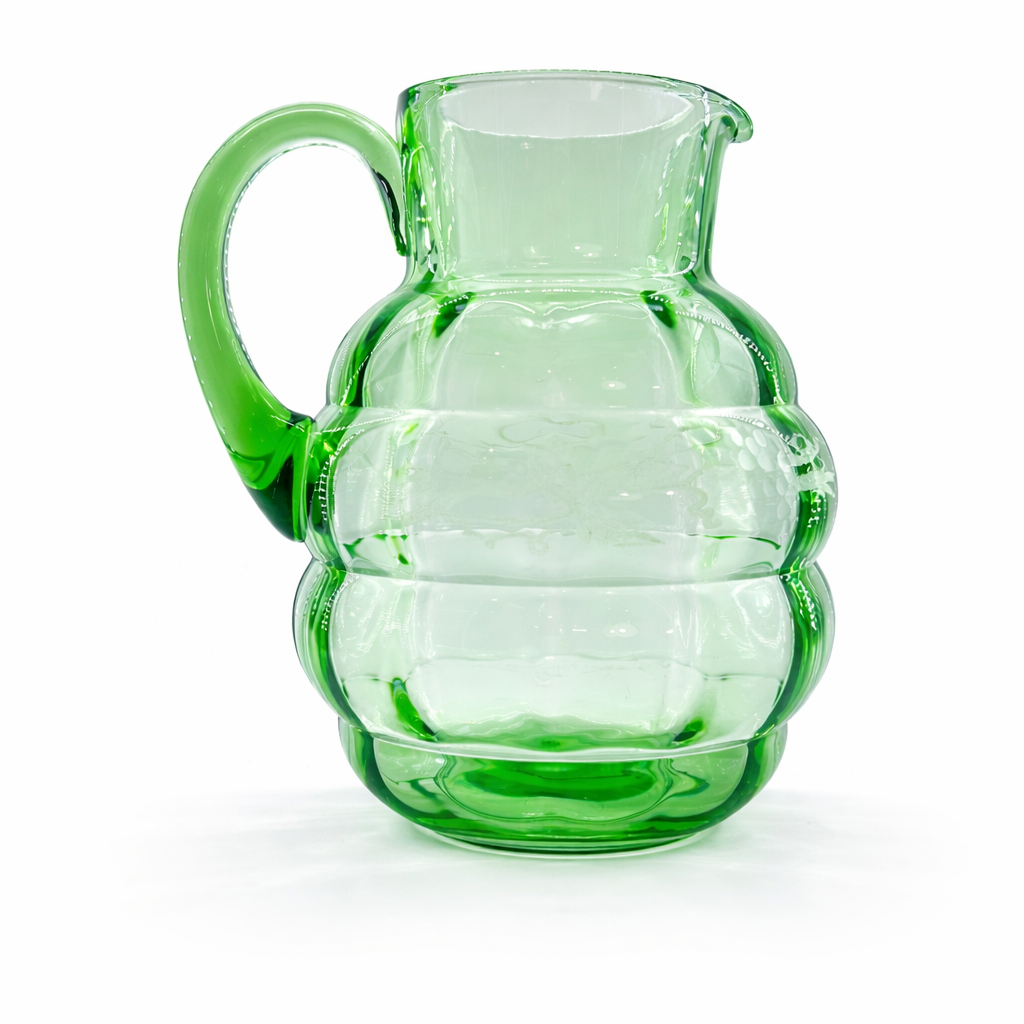
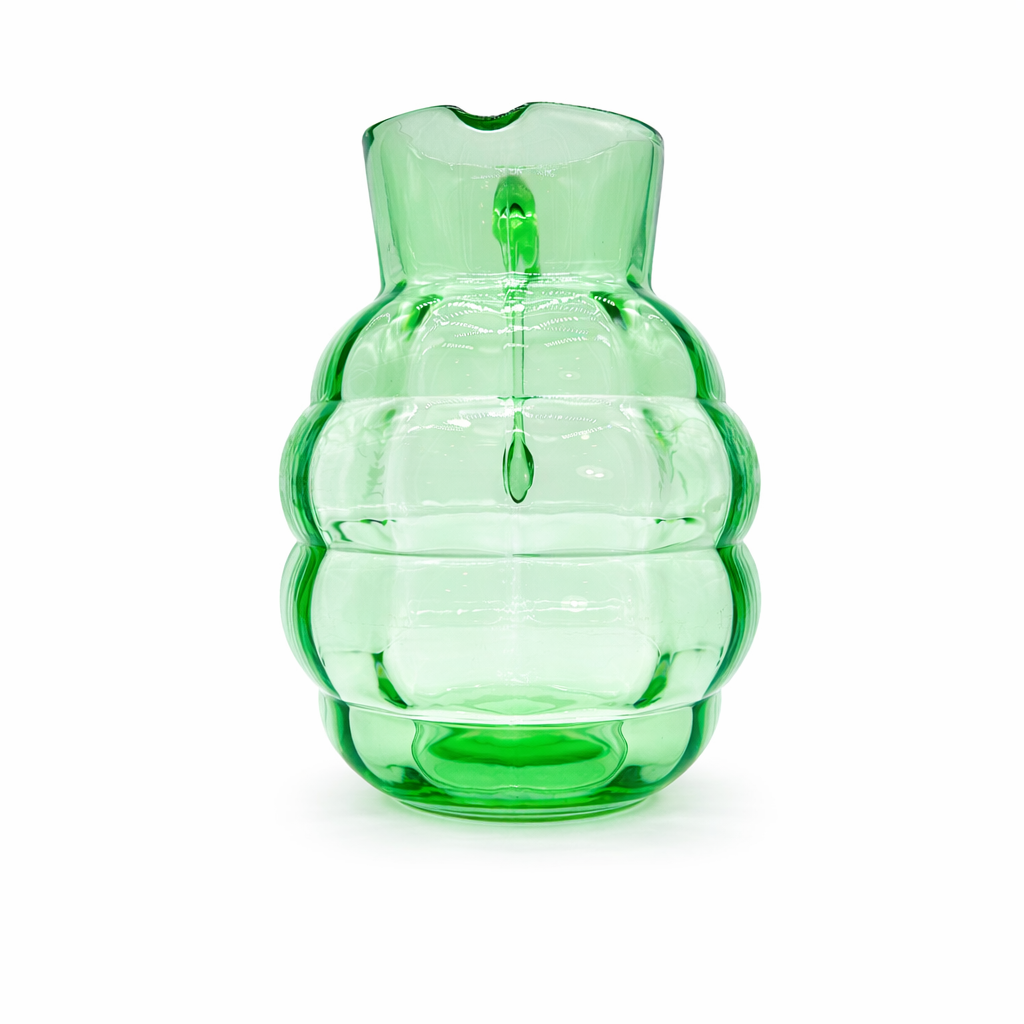
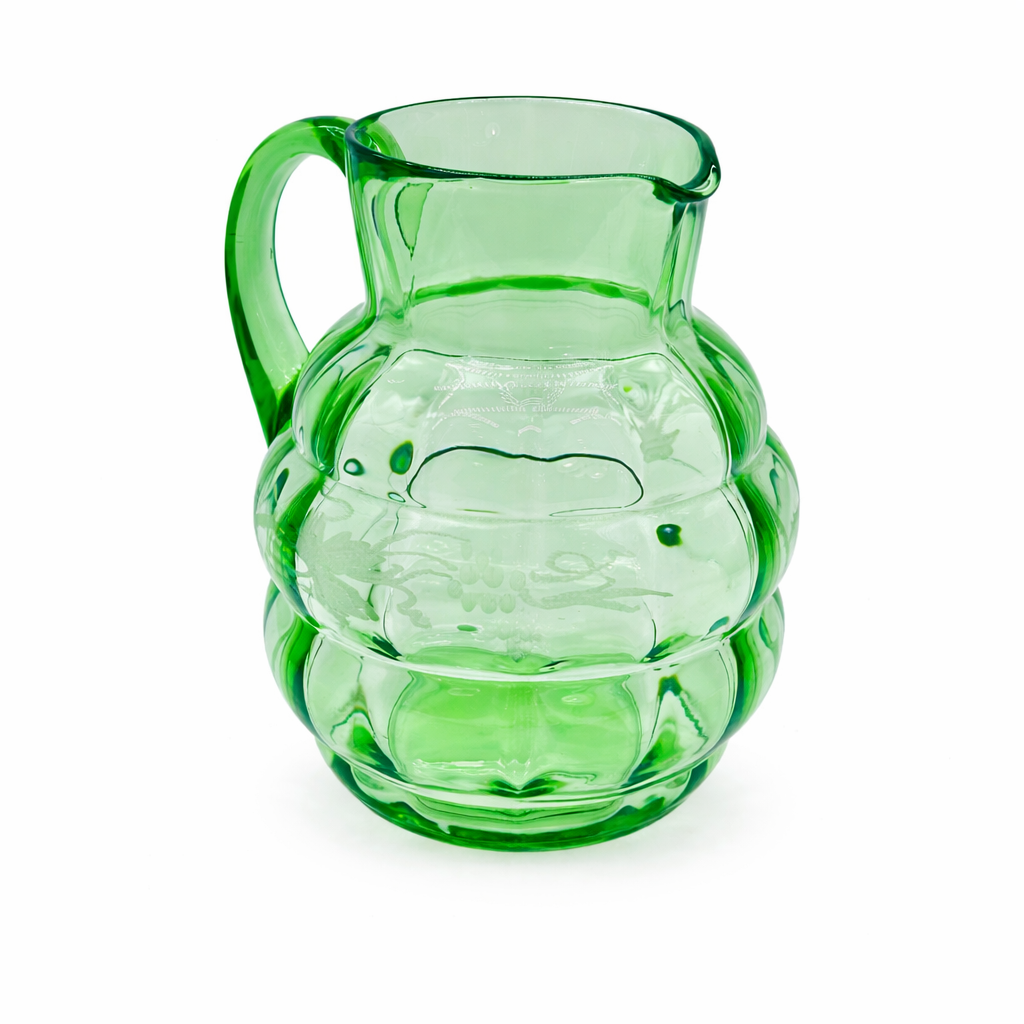
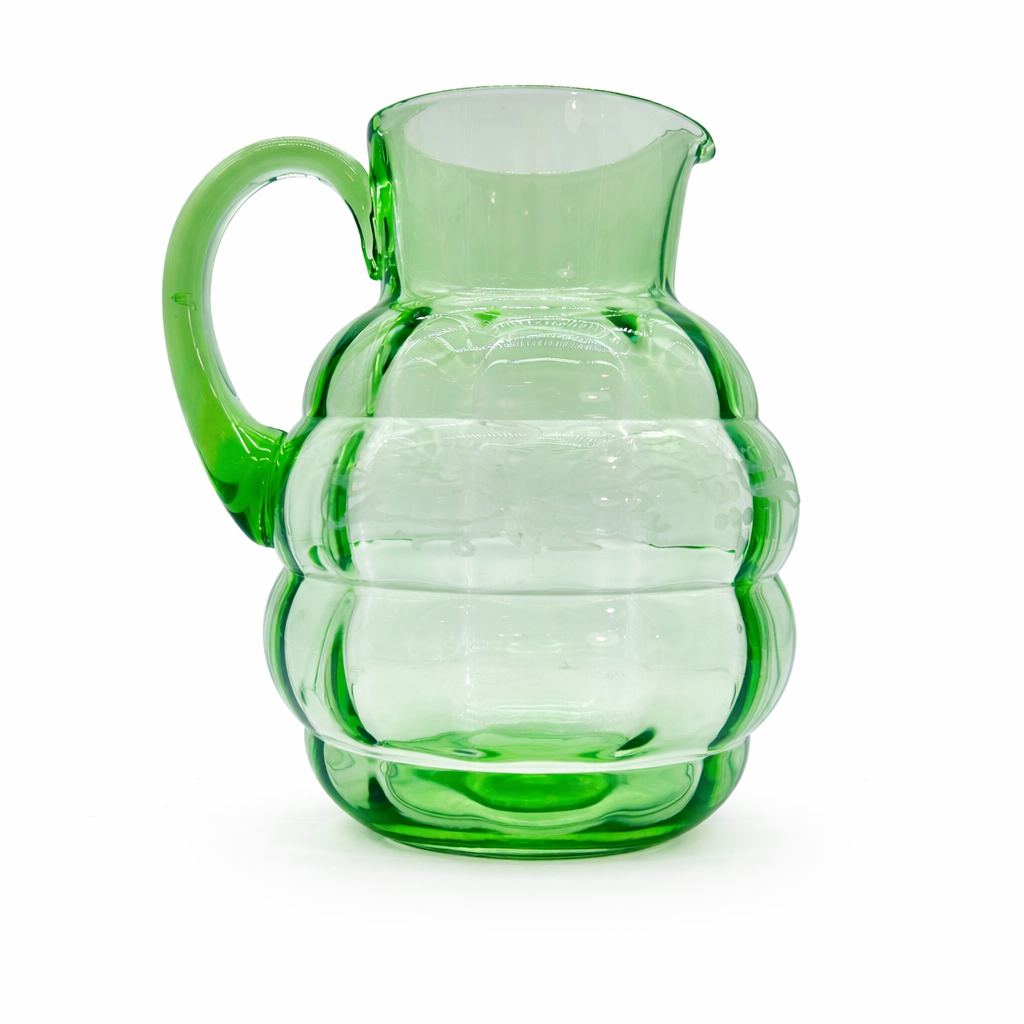
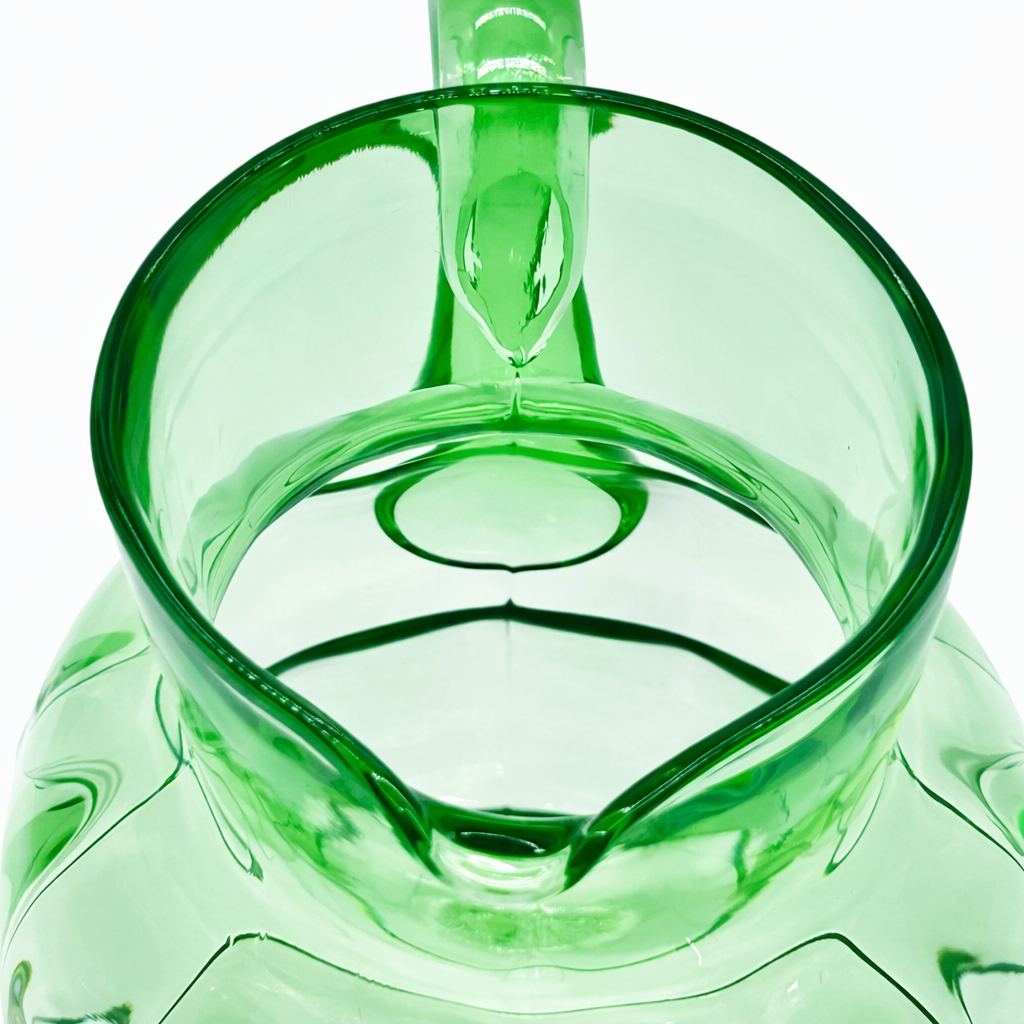
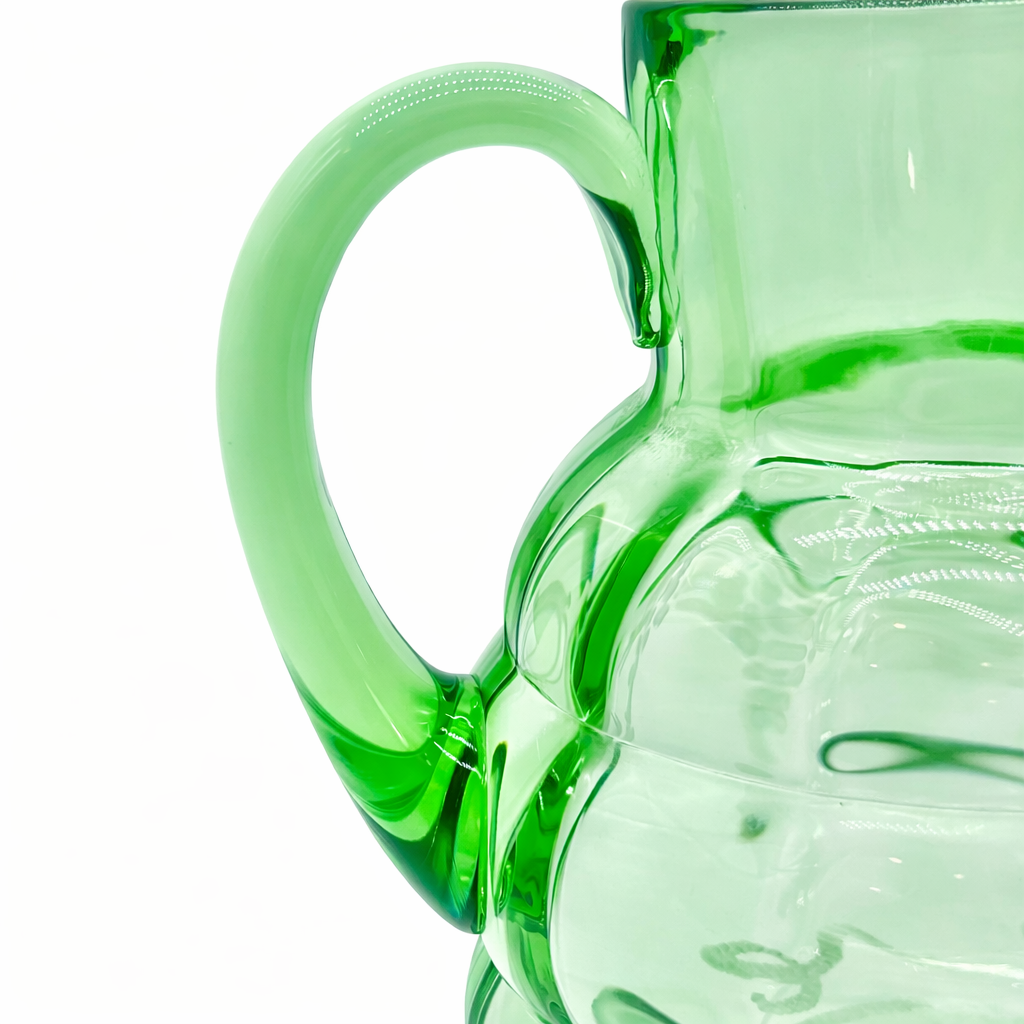
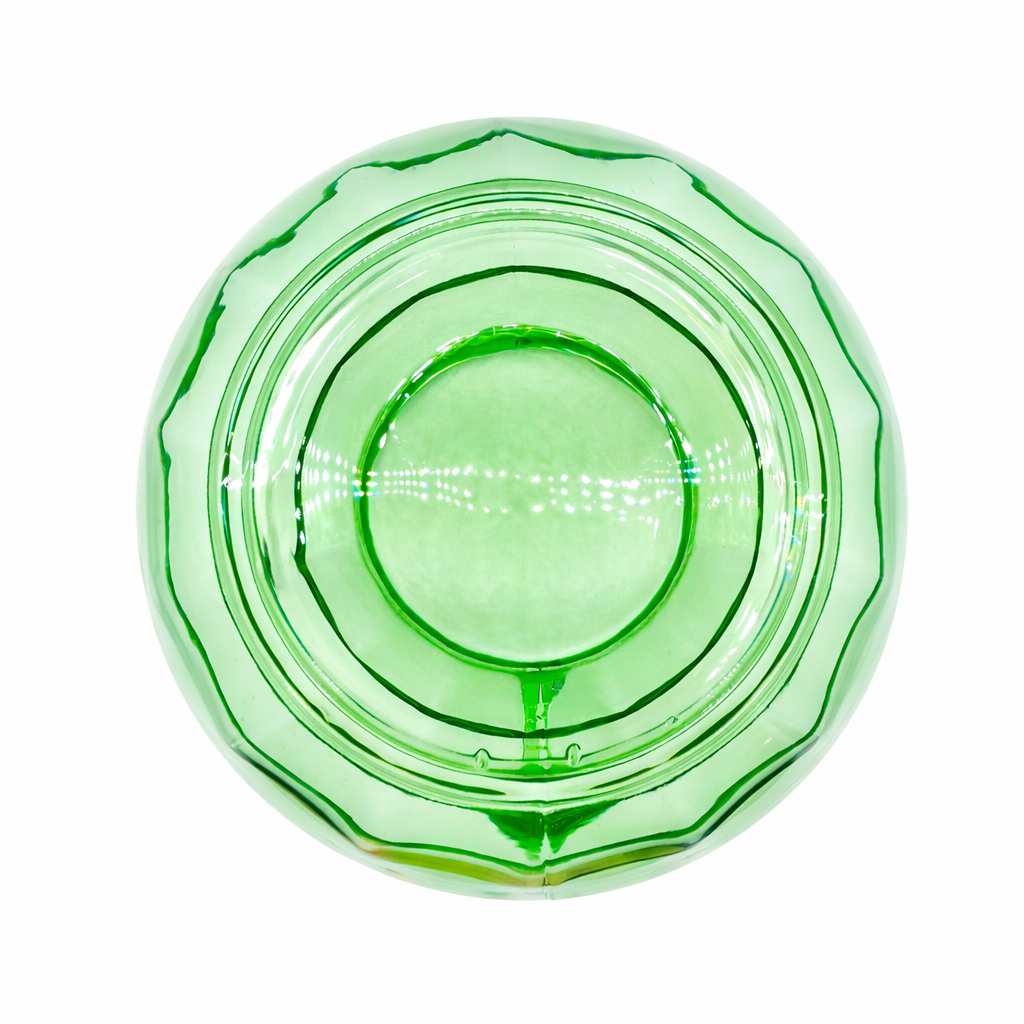
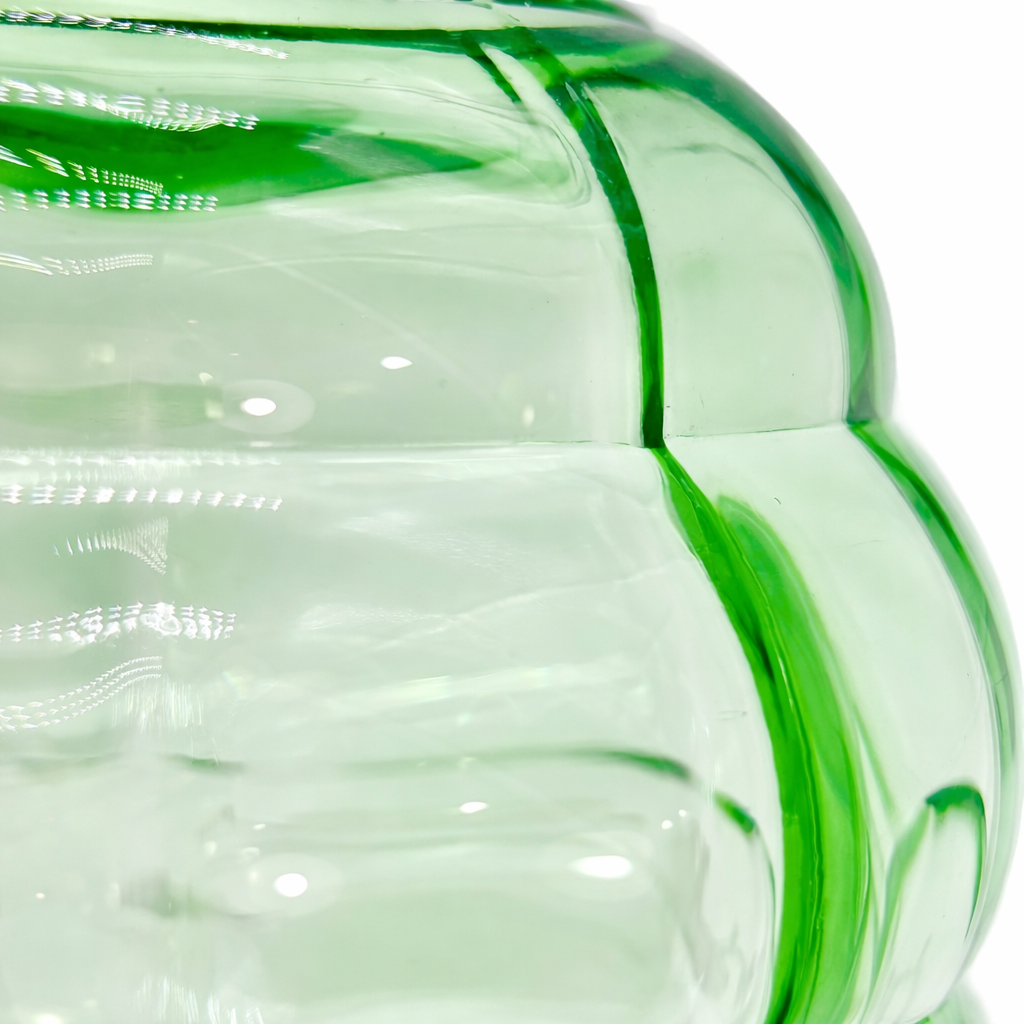
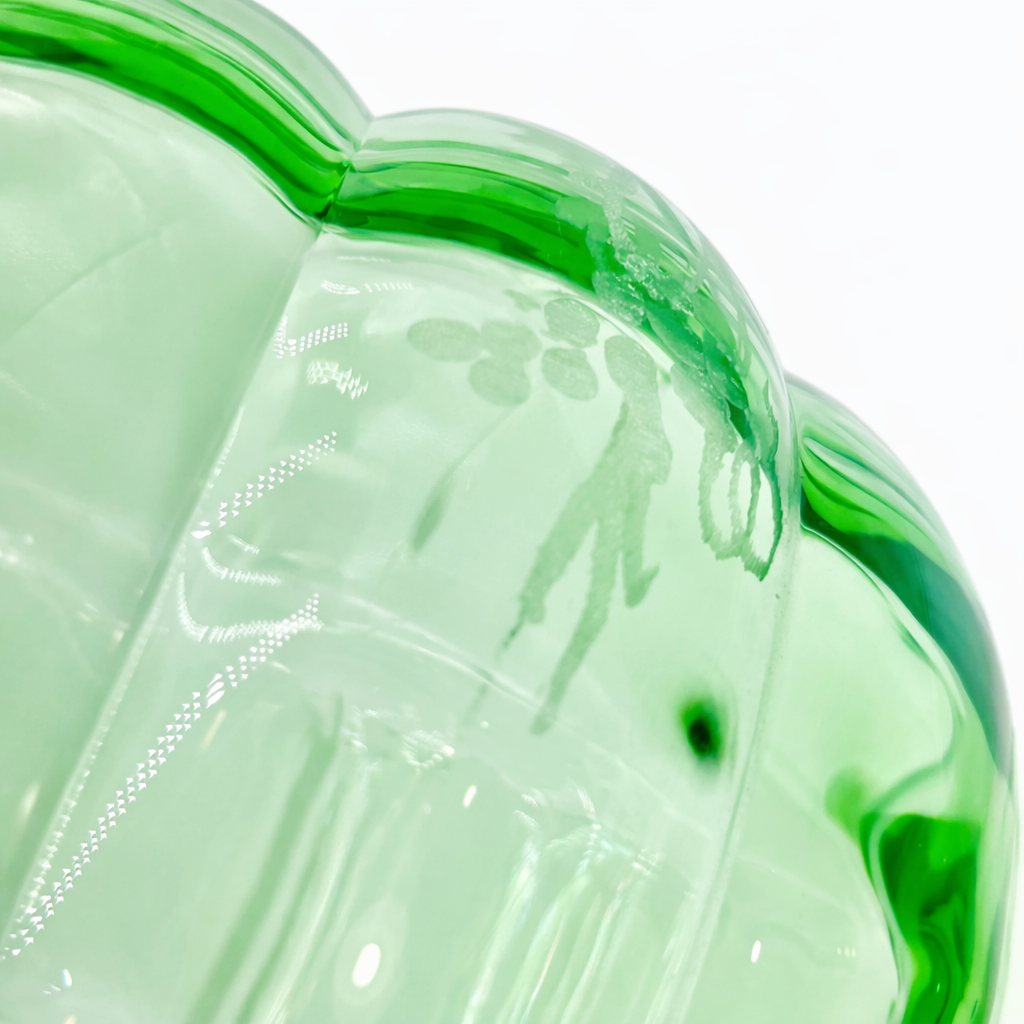
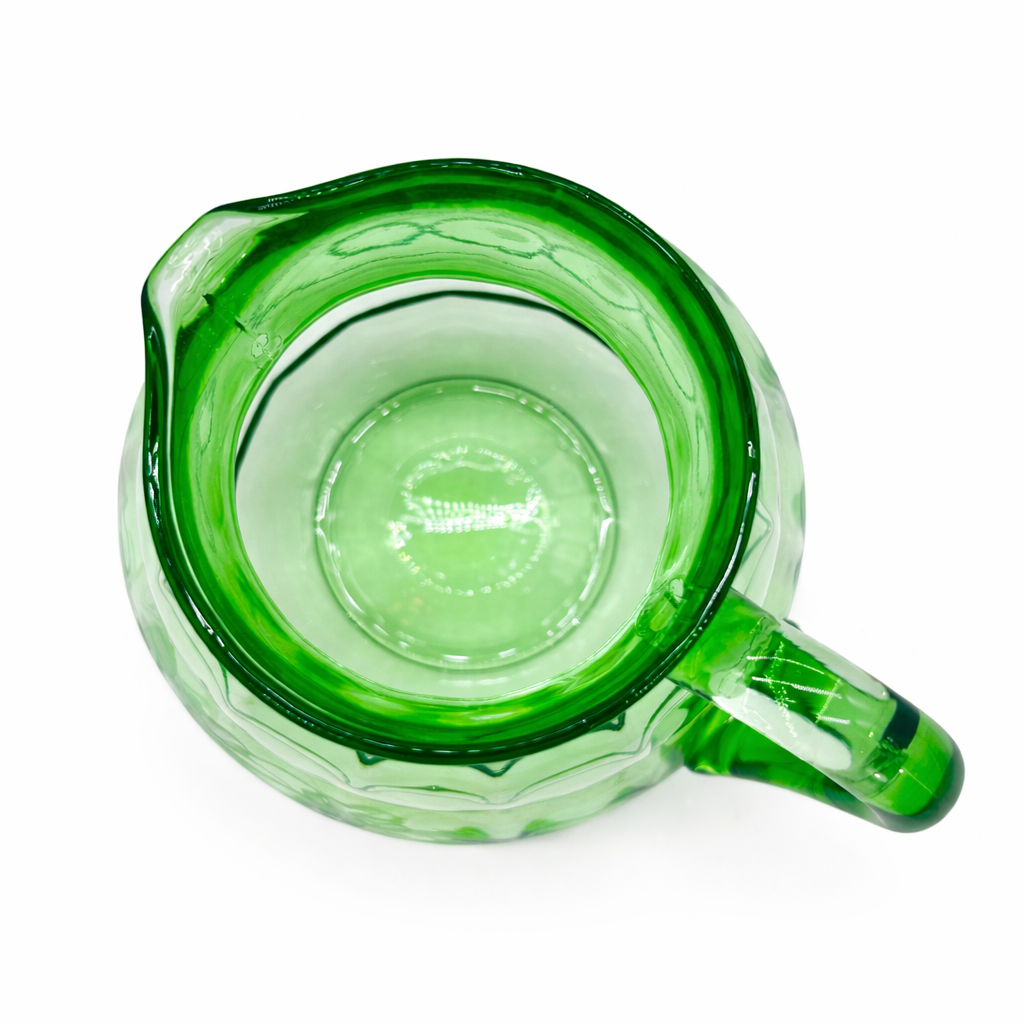
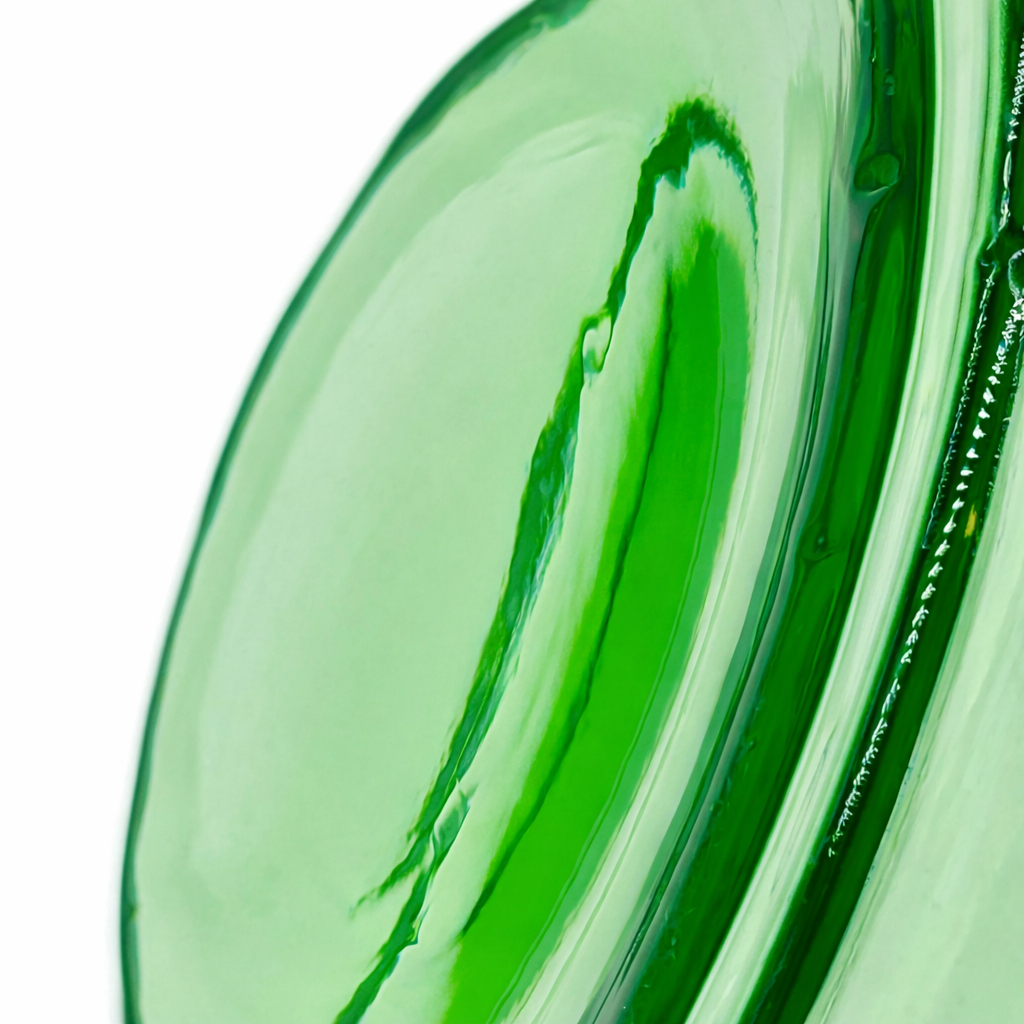
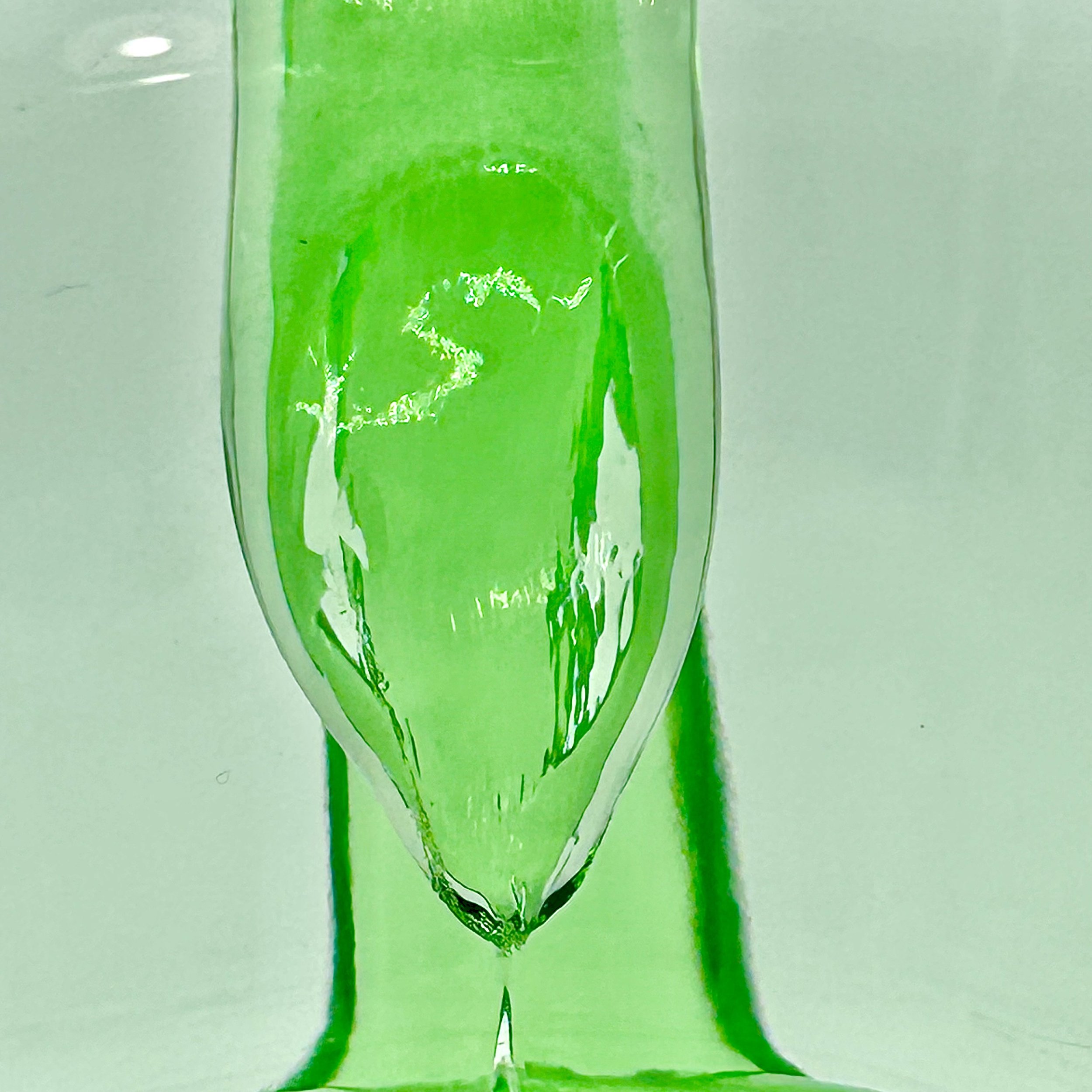
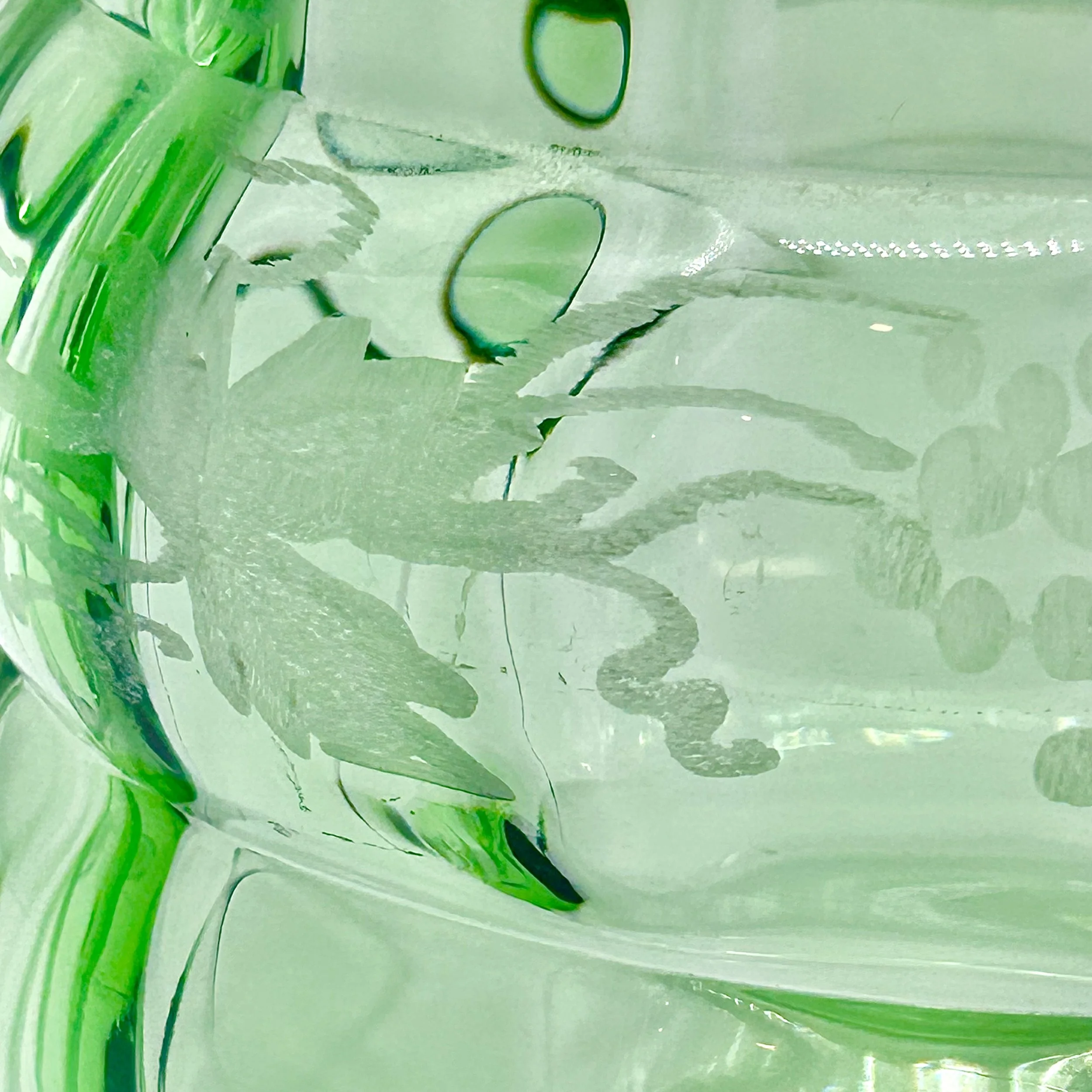
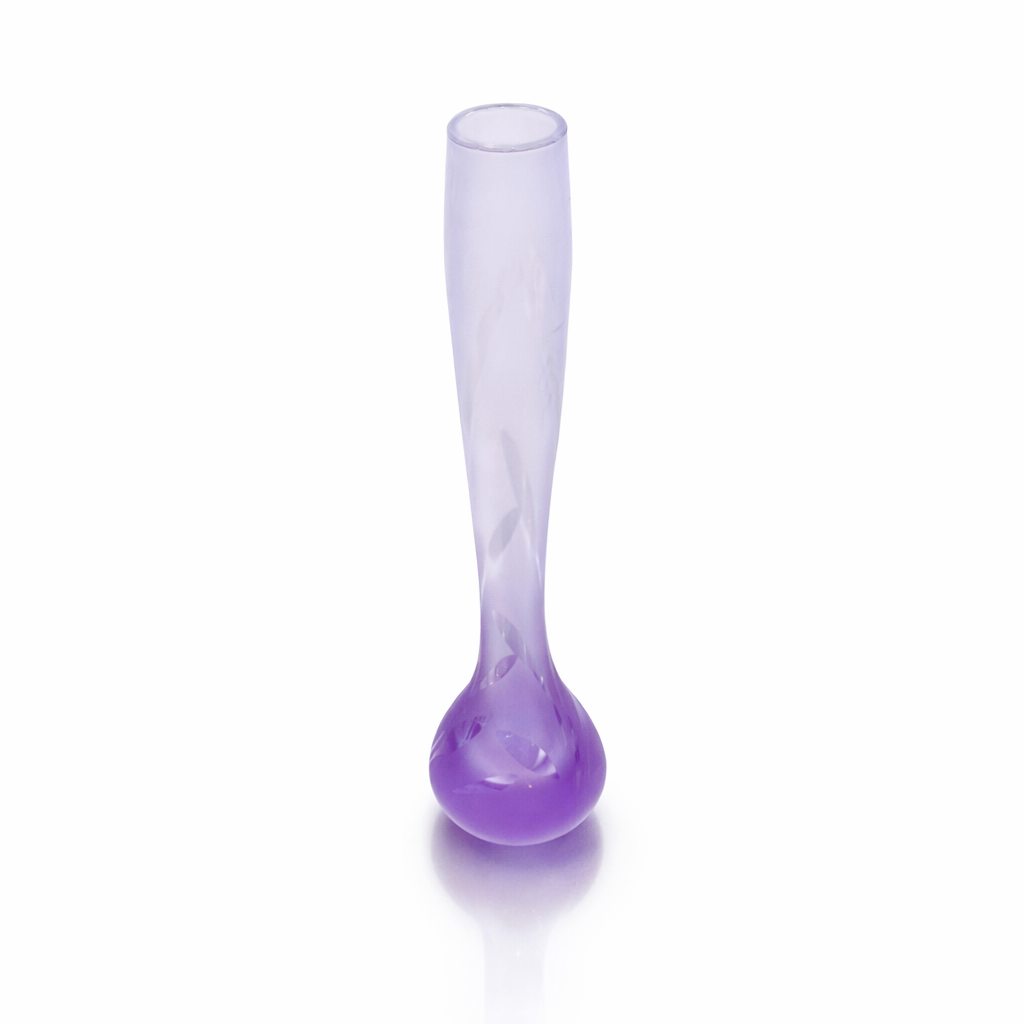
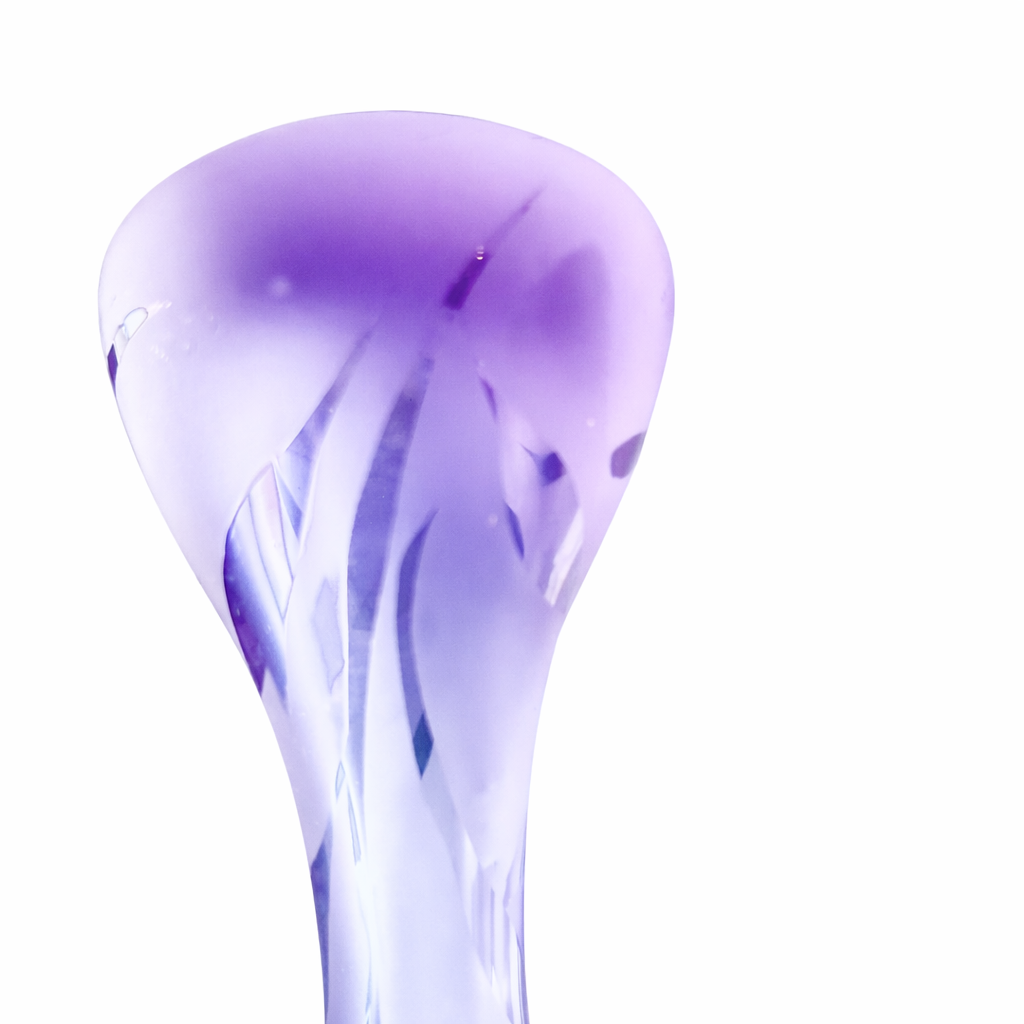
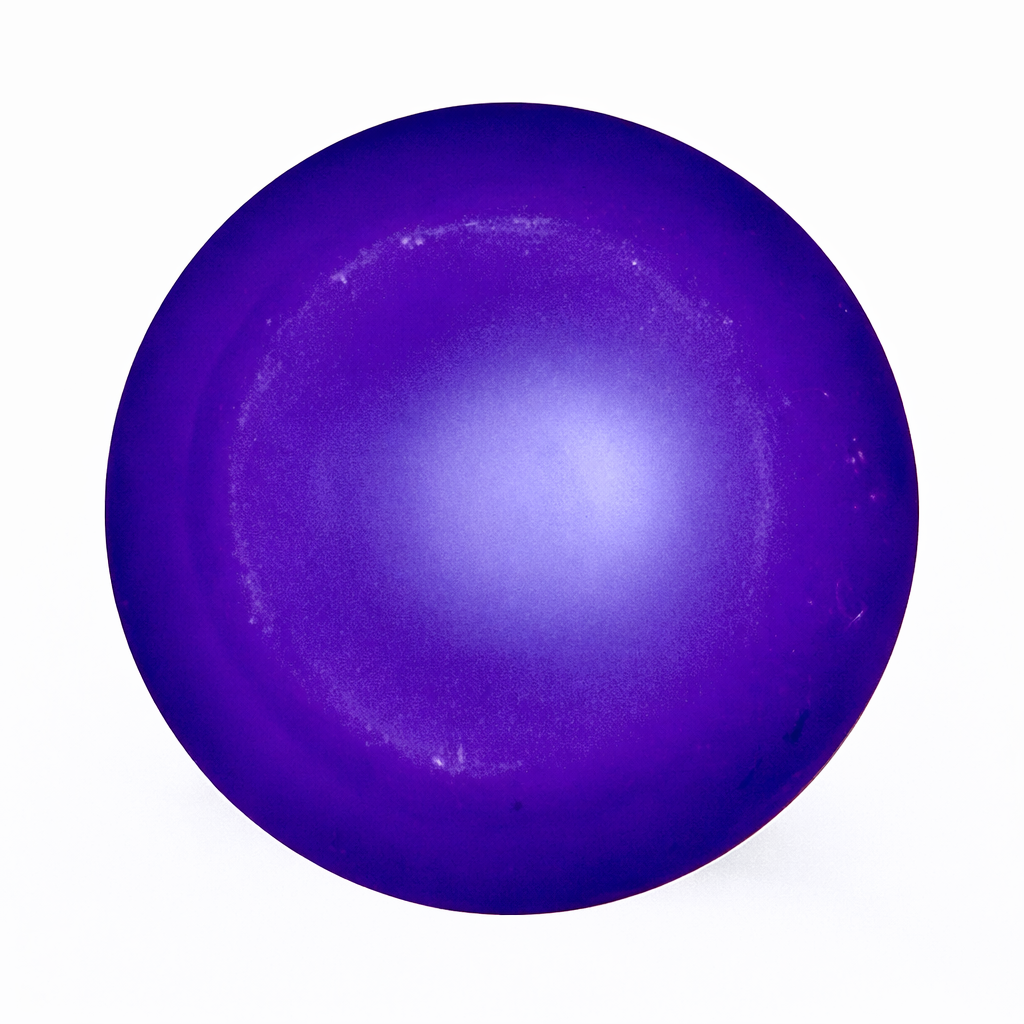
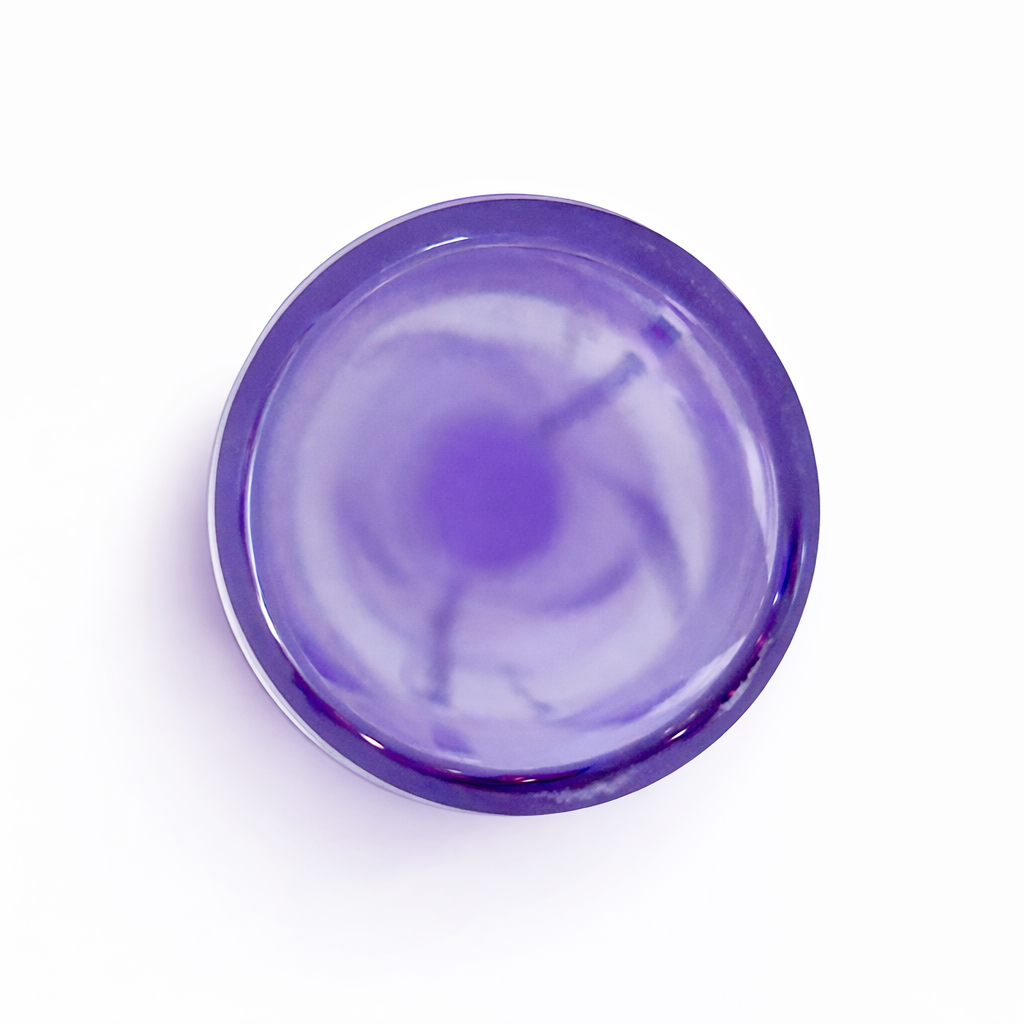
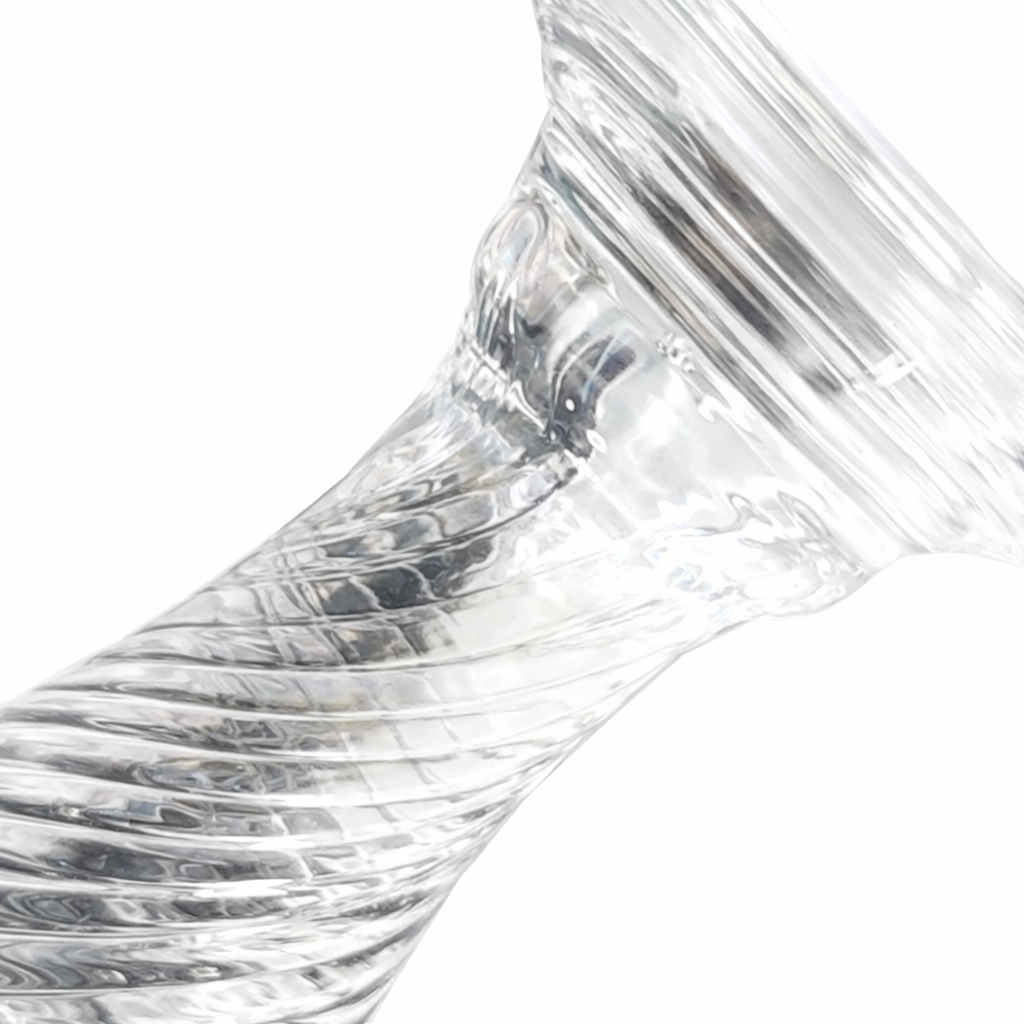
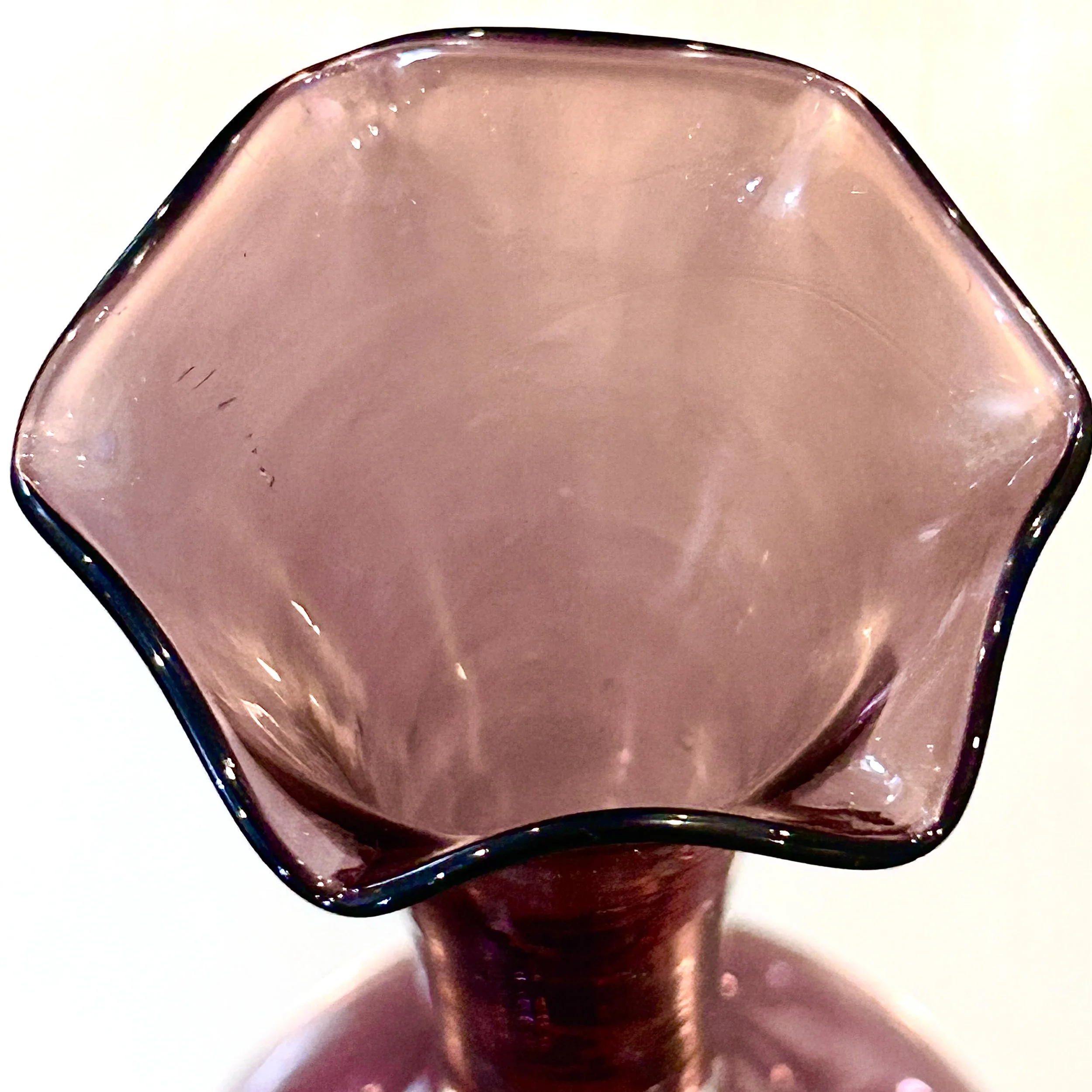
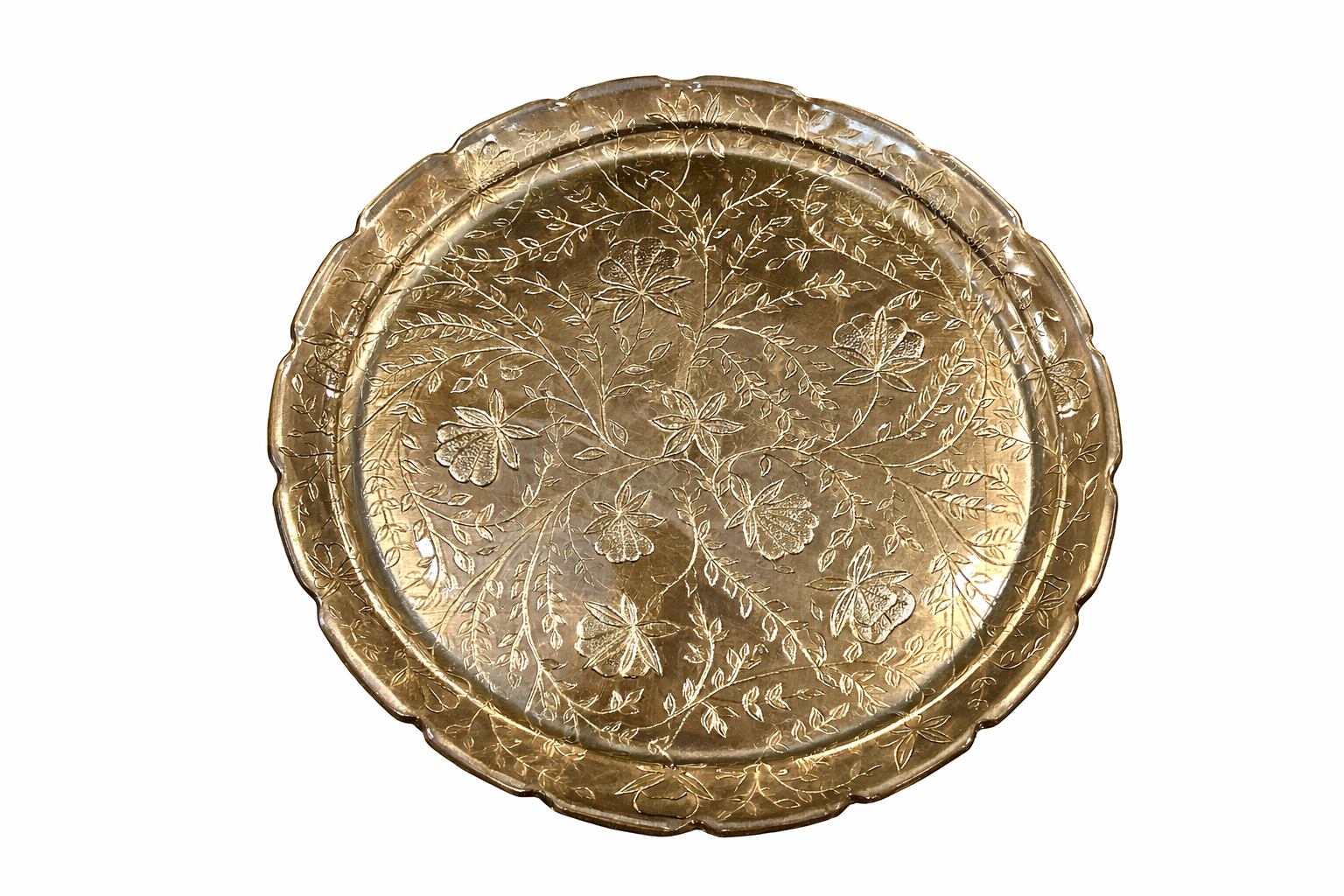
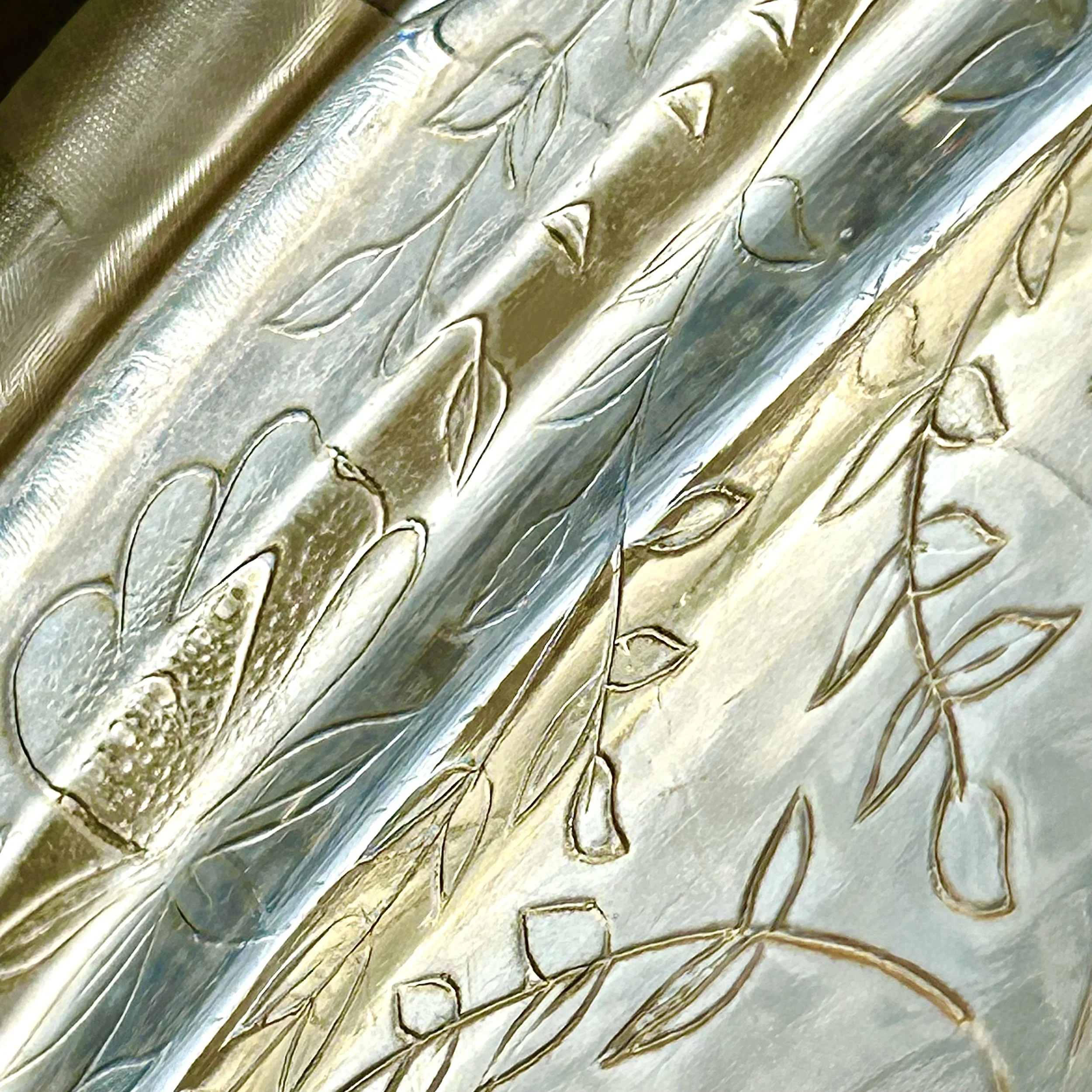
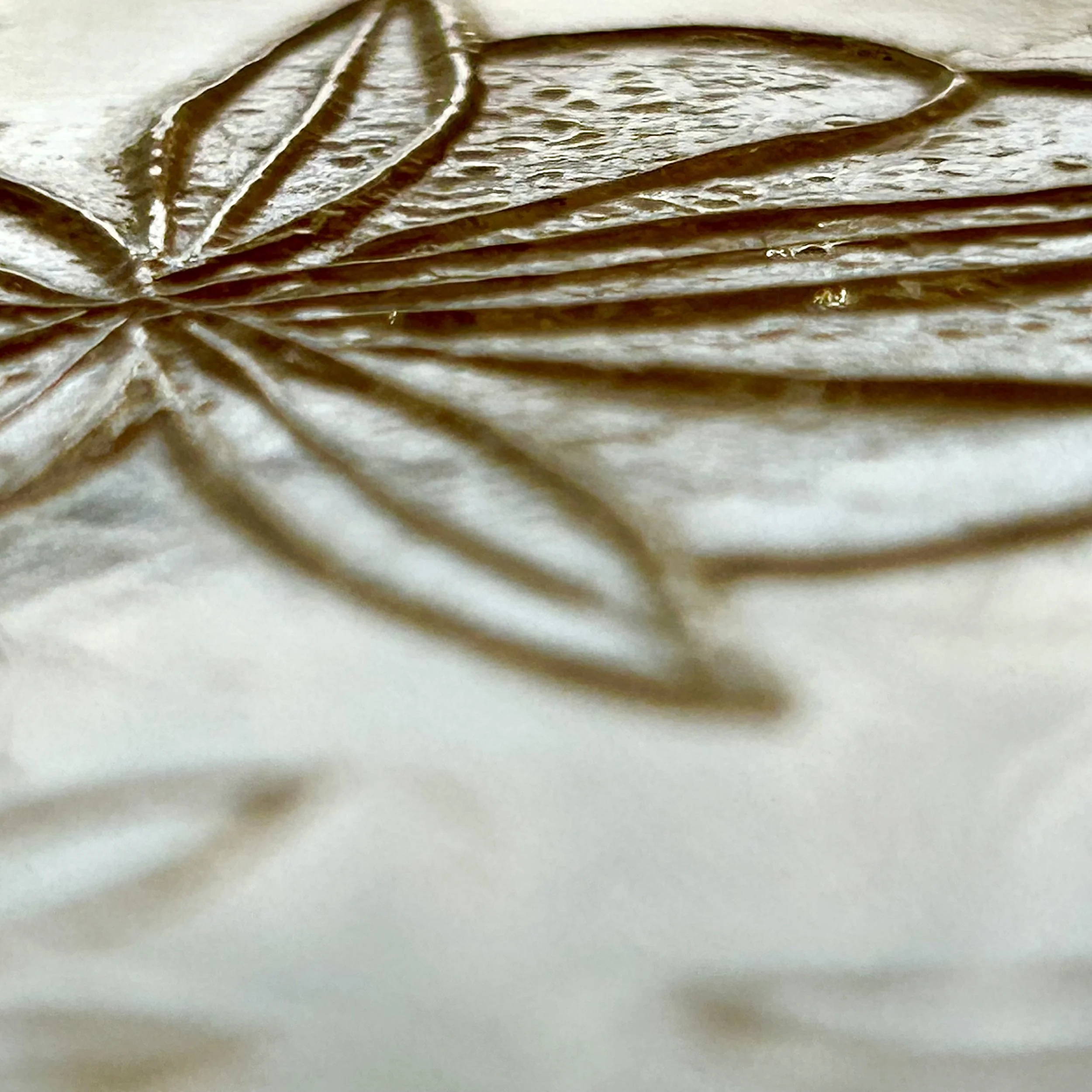
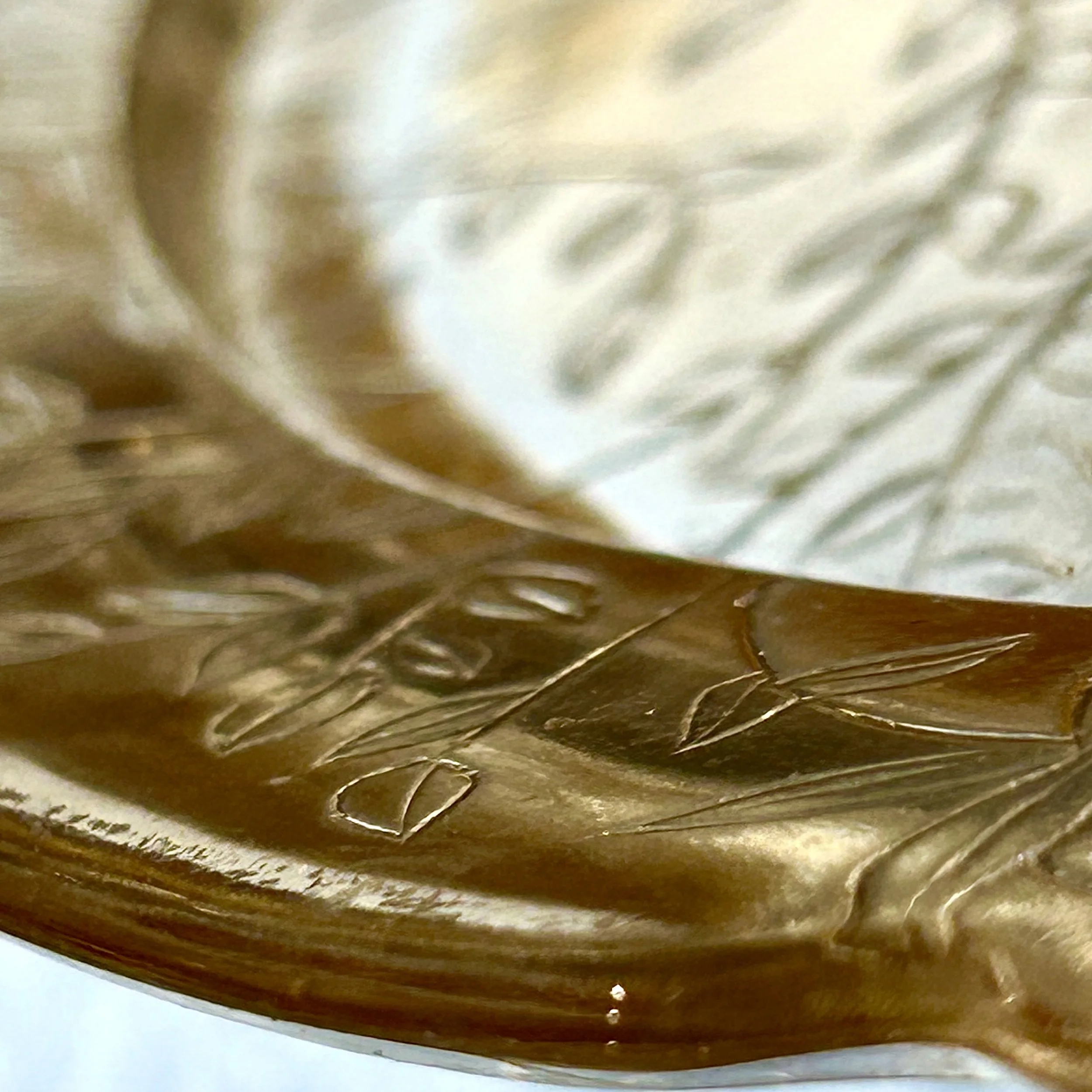
This exceptional ruby glass jug exhibits a profound color saturation and a rhythmic, horizontally ribbed body that creates a dynamic play of light and shadow. The sculptural presence is defined by a bold, integrated handle and a gracefully angled spout, while the front is anchored by a high-relief gilt medallion featuring intricate lattice and foliate motifs. Its dense material quality, polished "thumbprint" base, and vibrant ruby hues offer a compelling architectural accent, transitioning from a functional vessel to a sophisticated light-capturing object for a curated interior.
Attribution & Period
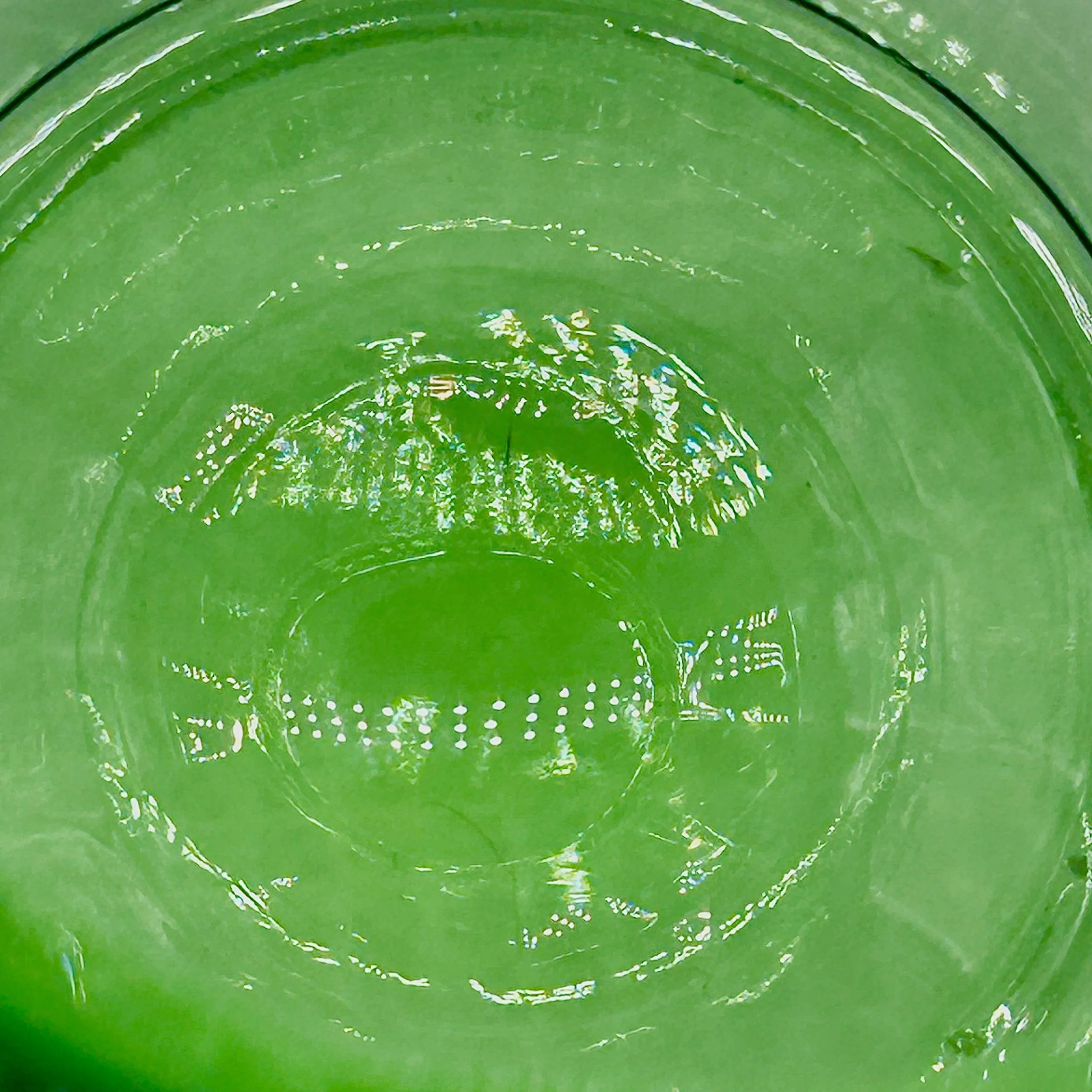
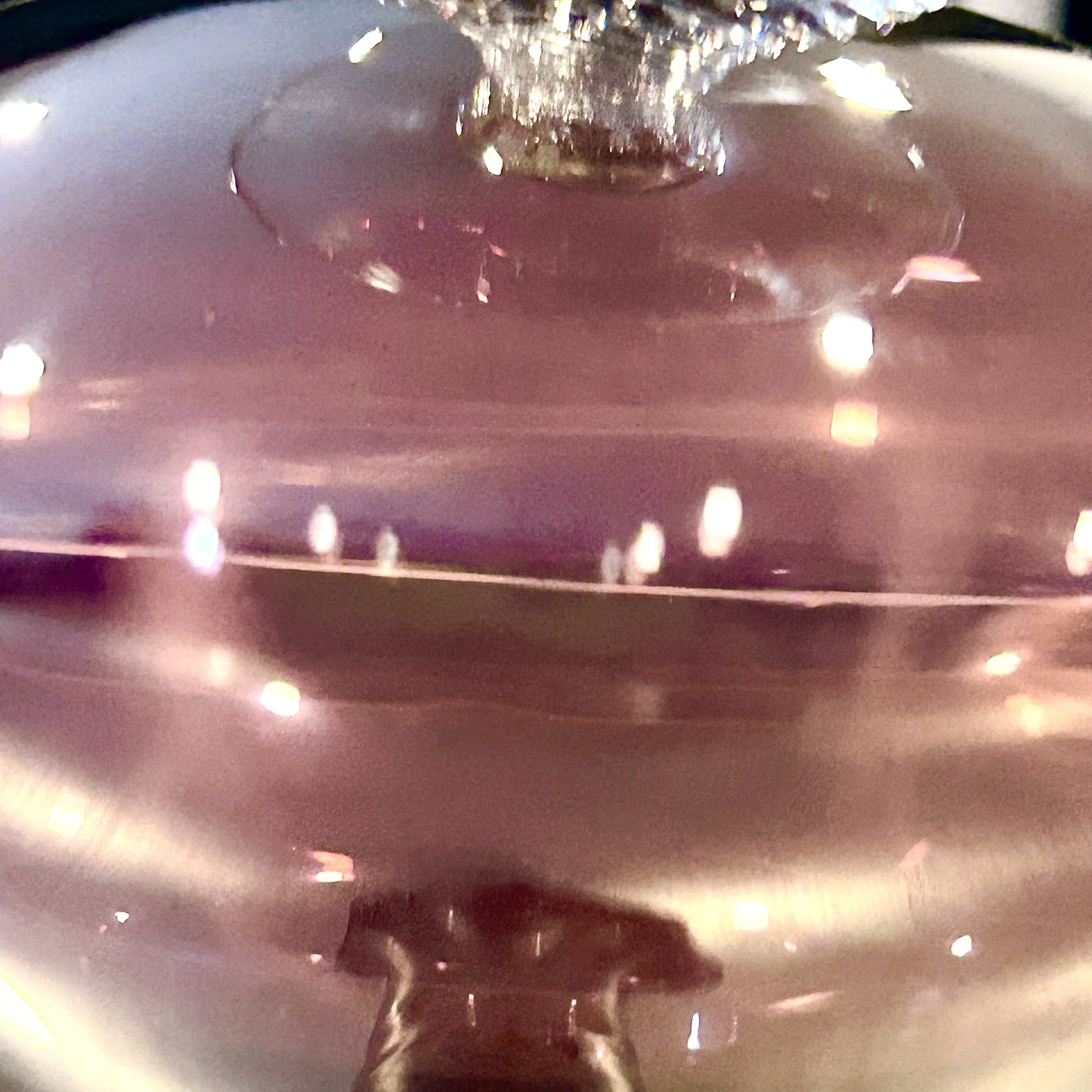
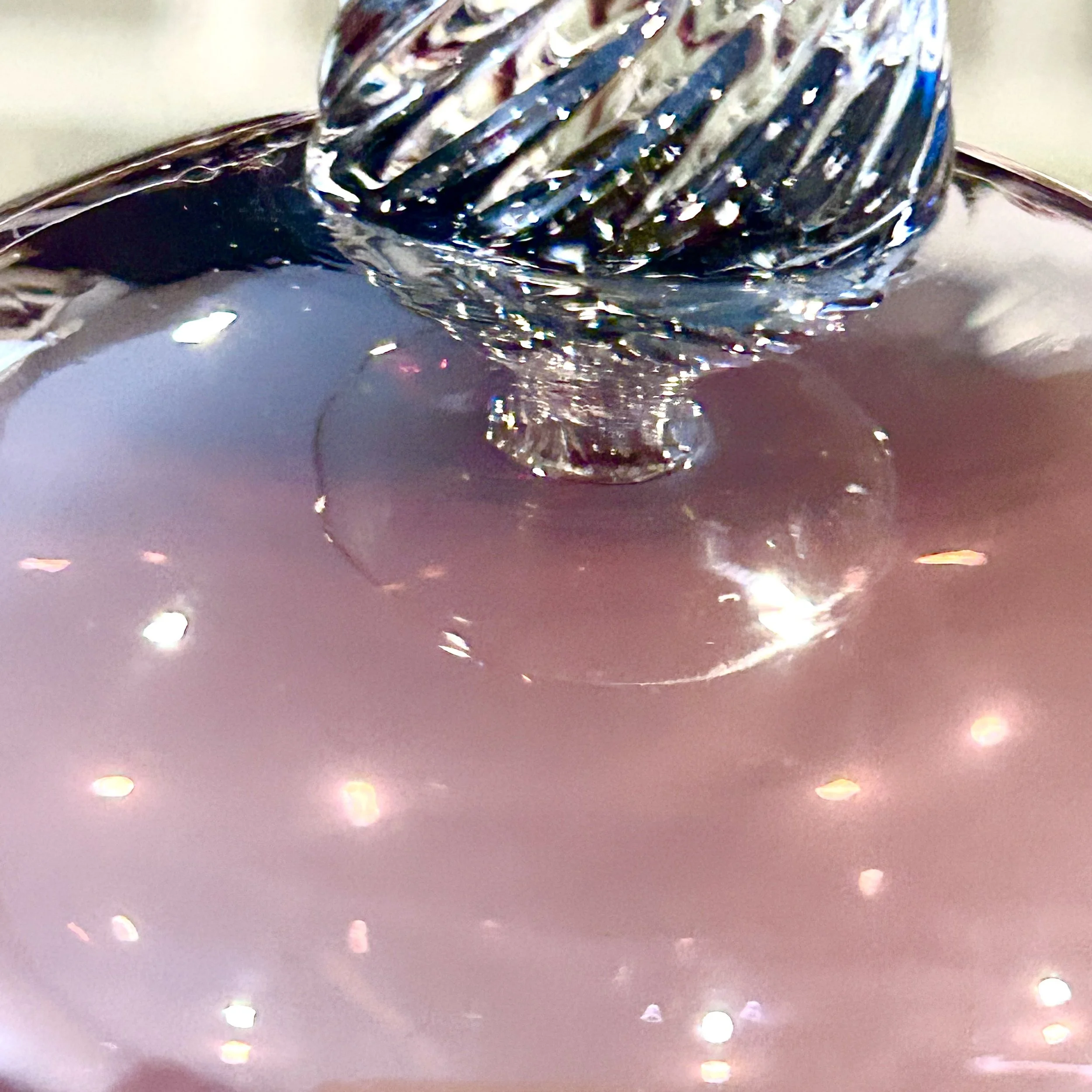
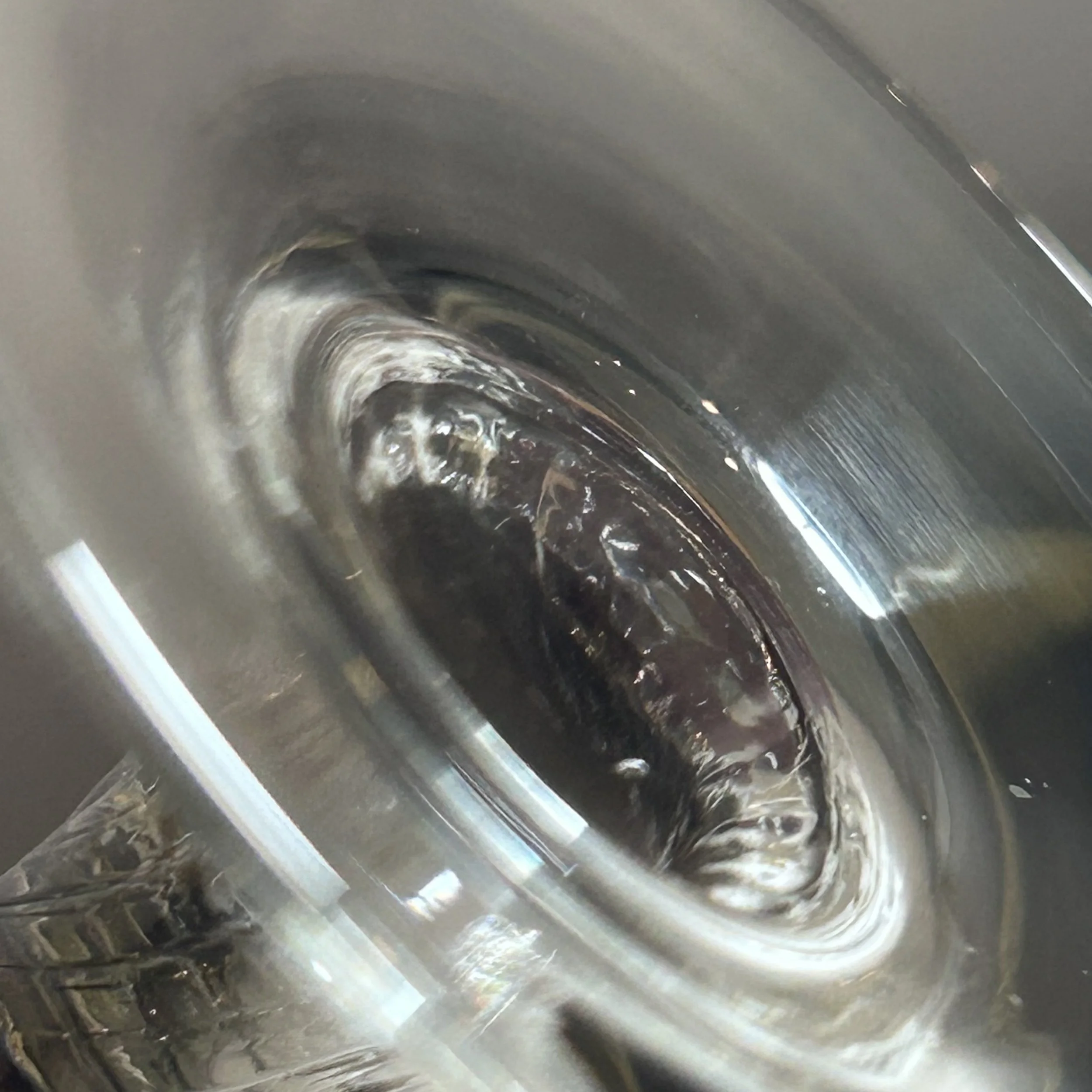
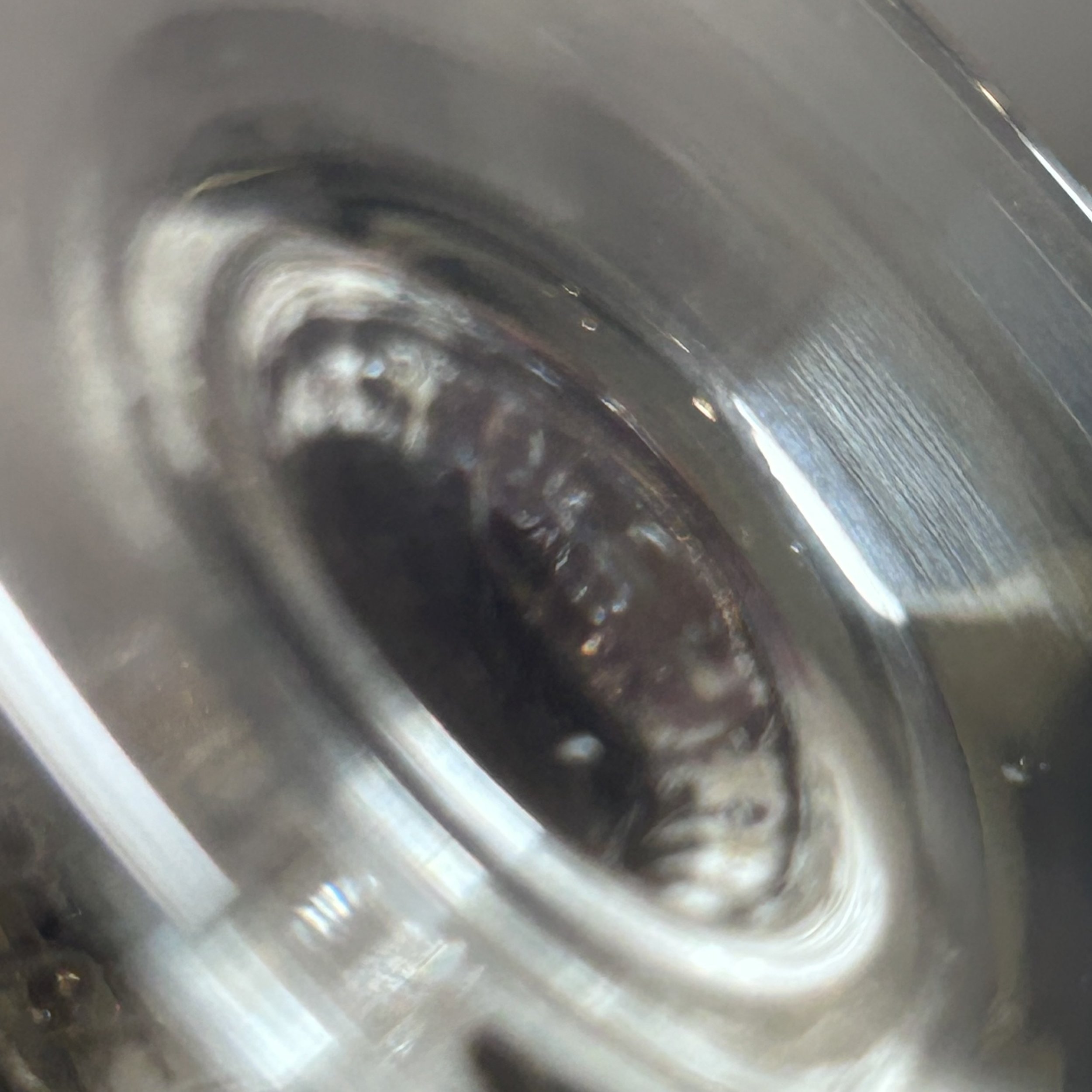
Attributed to Moser or Harrach, 1890s. The presence of a perfectly ground and polished "thumbprint" circular pontil is a hallmark of elite Bohemian glasshouses, distinguishing this piece from standard regional production. The construction is stylistically aligned with late 19th-century Austro-Hungarian "luxury" glass traditions. The combination of gold-chloride cranberry glass, hand-applied raised gilding, and a high-heat selenium reactive interior confirms a sophisticated late-Victorian production era at a major workshop.
⸻
Dimensions & Weight
Height: 6 in Width / Diameter: 5 in (including handle) Depth / Base Diameter: 2 in Weight: 0.856 lb
Condition
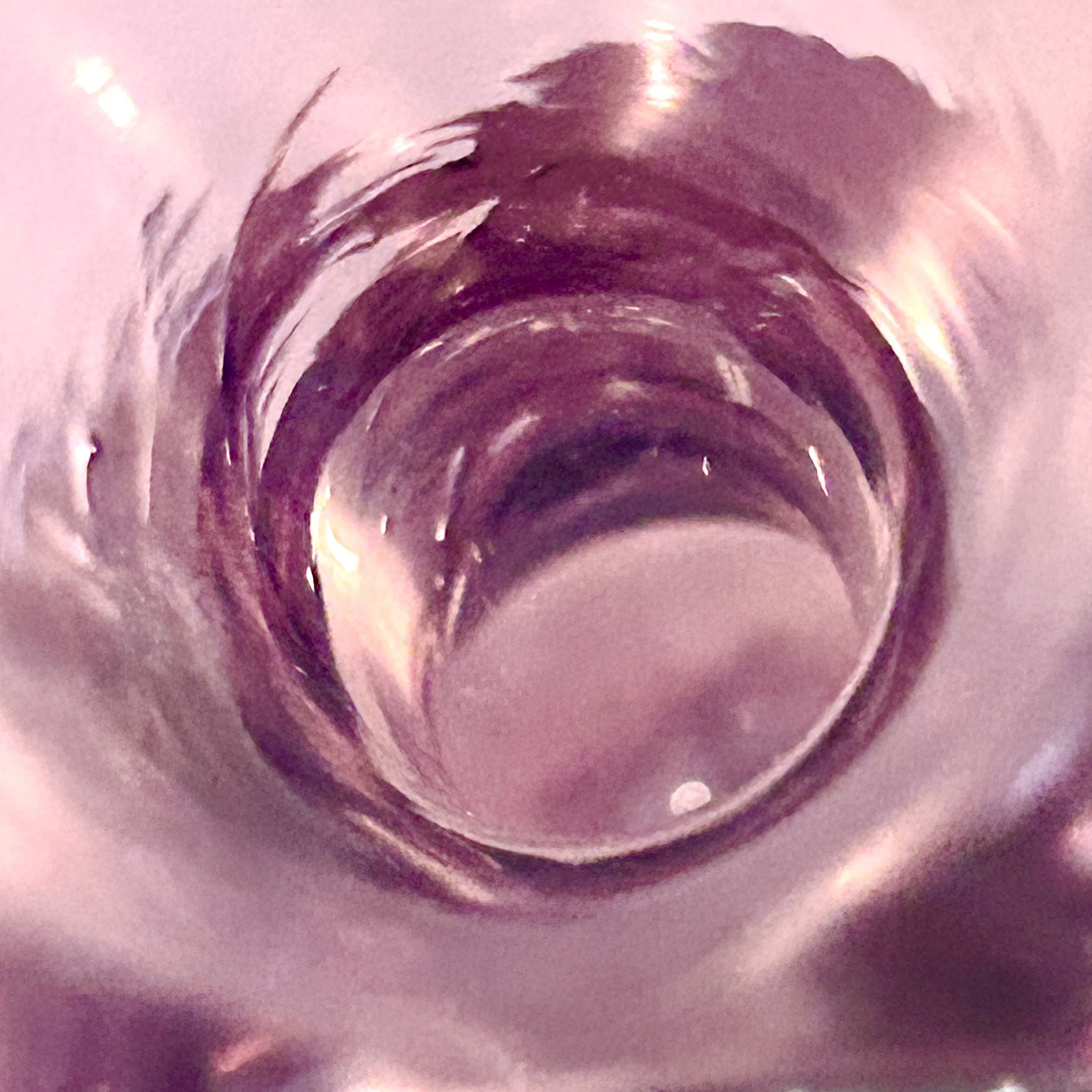
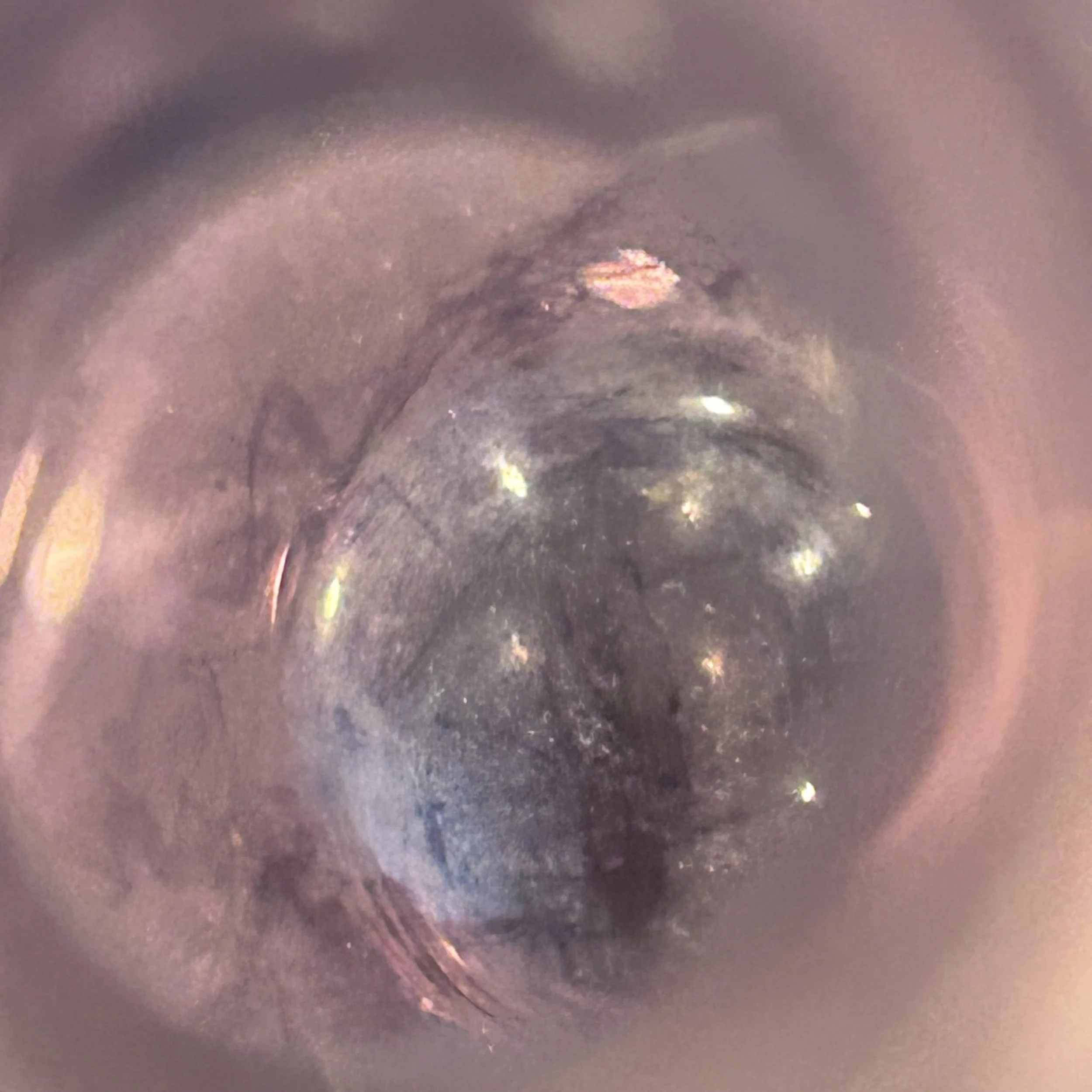
Excellent antique condition. No chips, cracks, or structural repairs are observed. The polished base shows appropriate micro-wear consistent with 130+ years of age. The gilt decoration remains remarkably intact with minimal micro-abrasions. Interior exhibits minor sediment film typical of period glass.
Authenticity & Construction
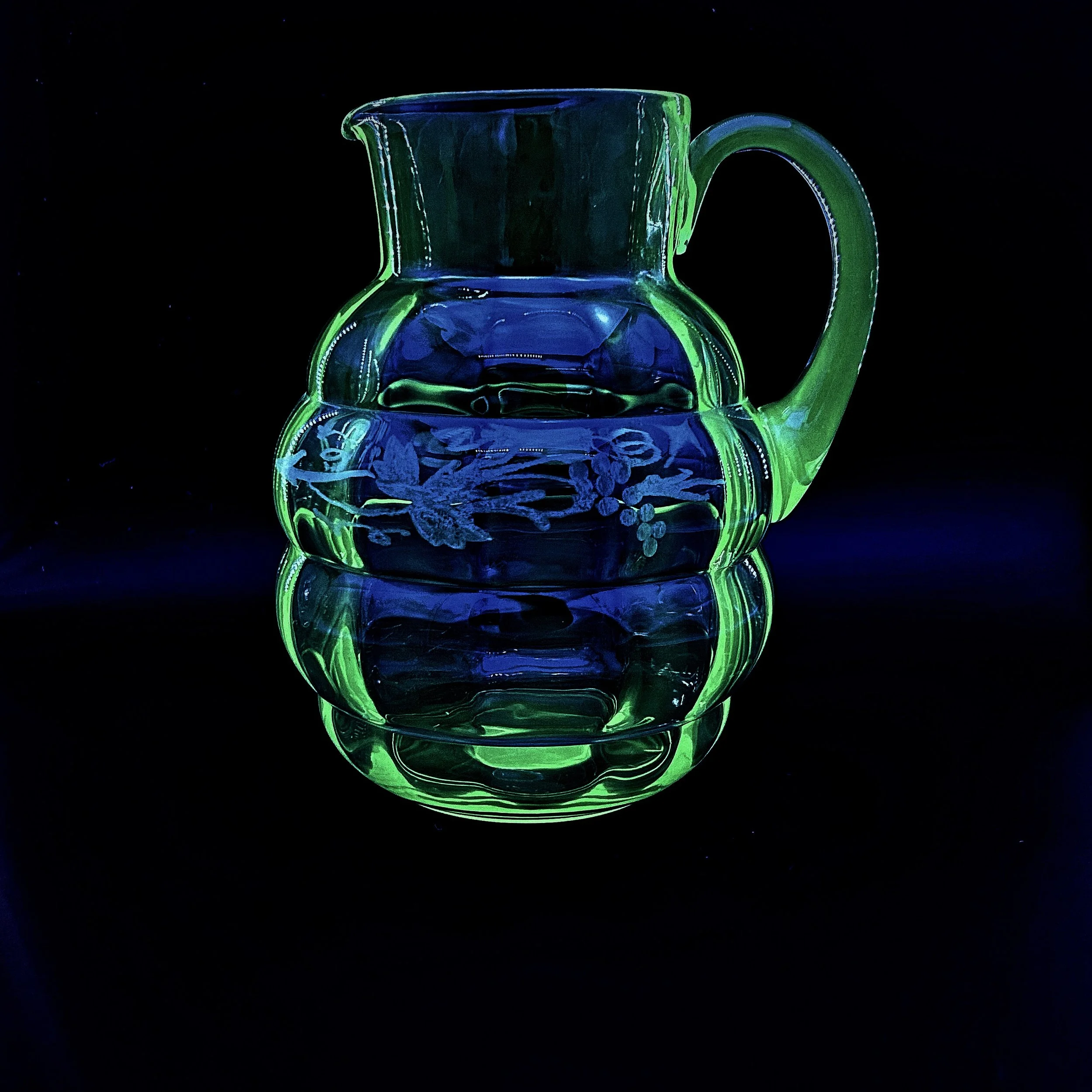
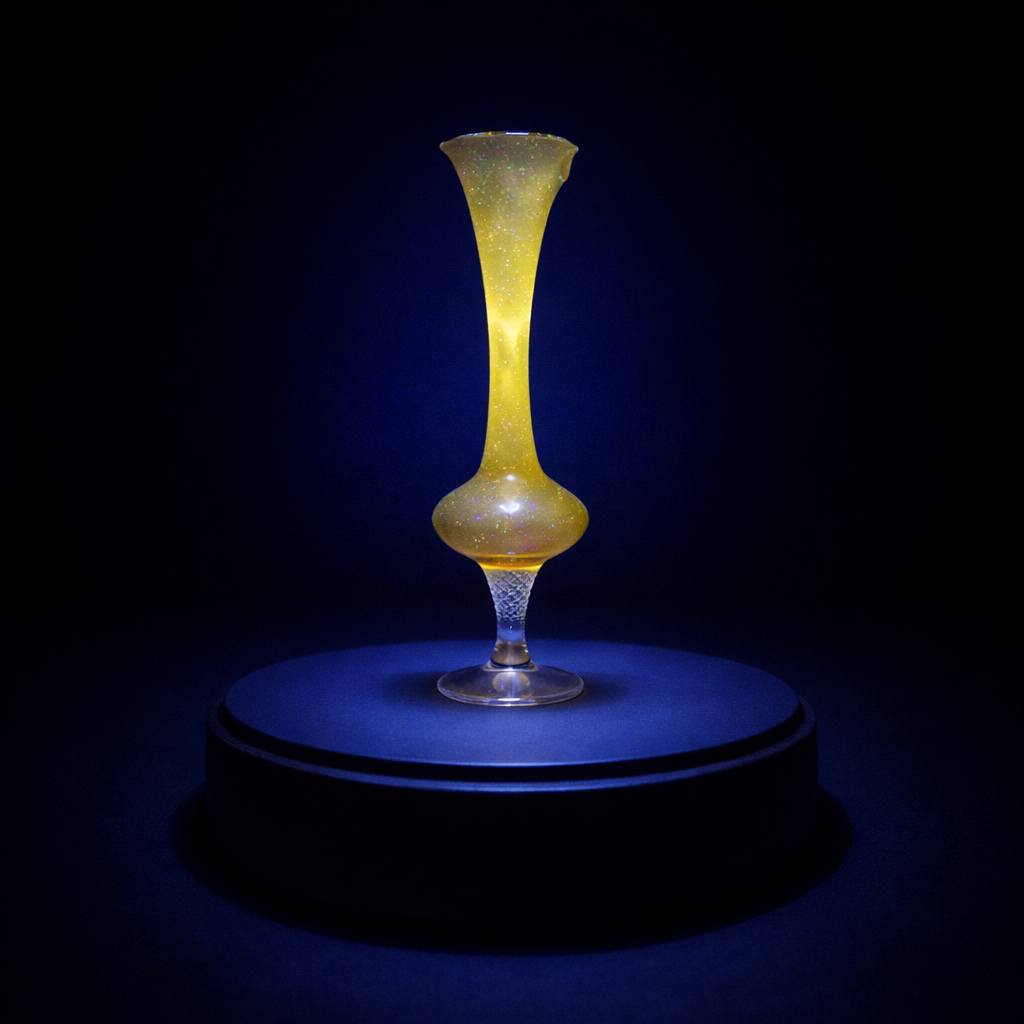
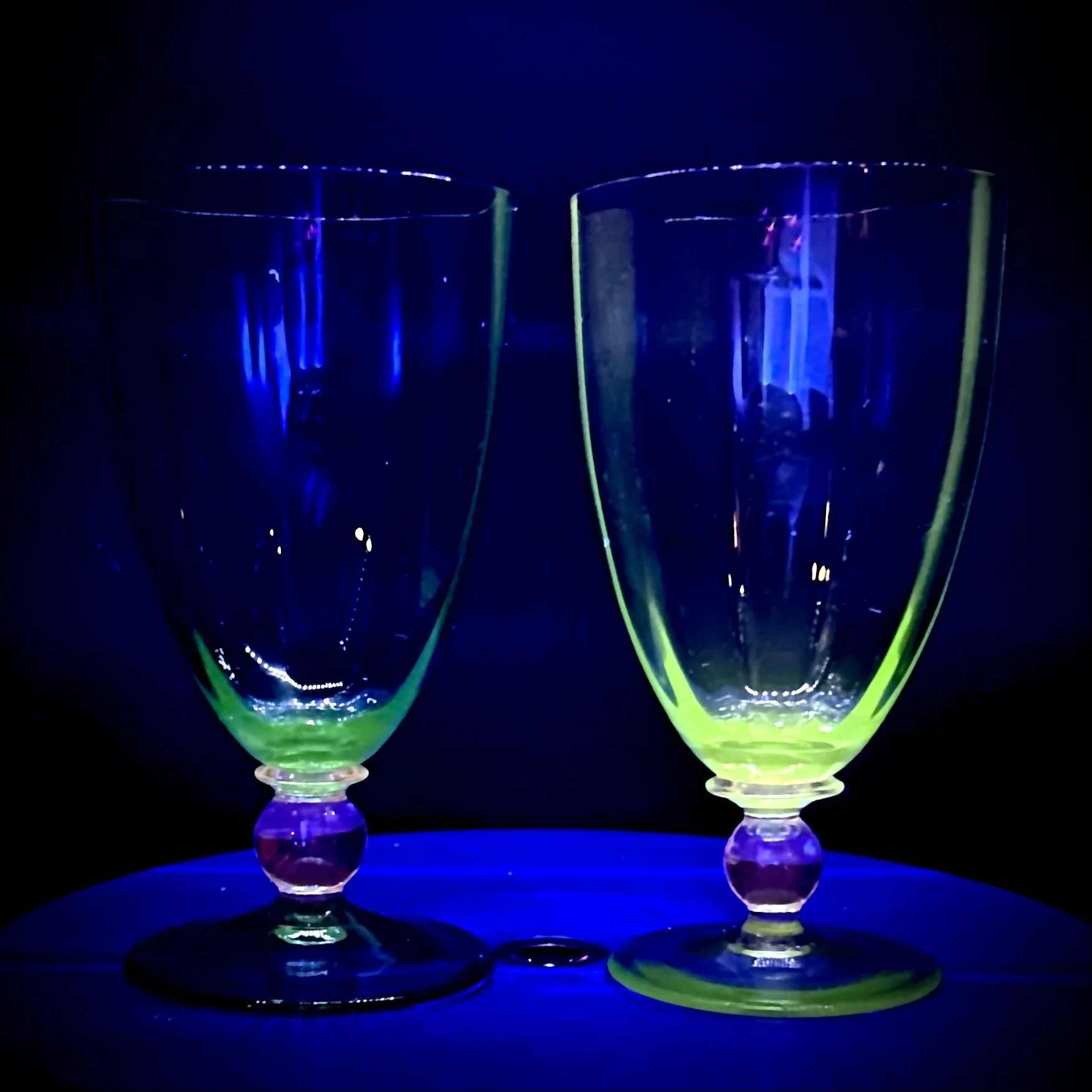
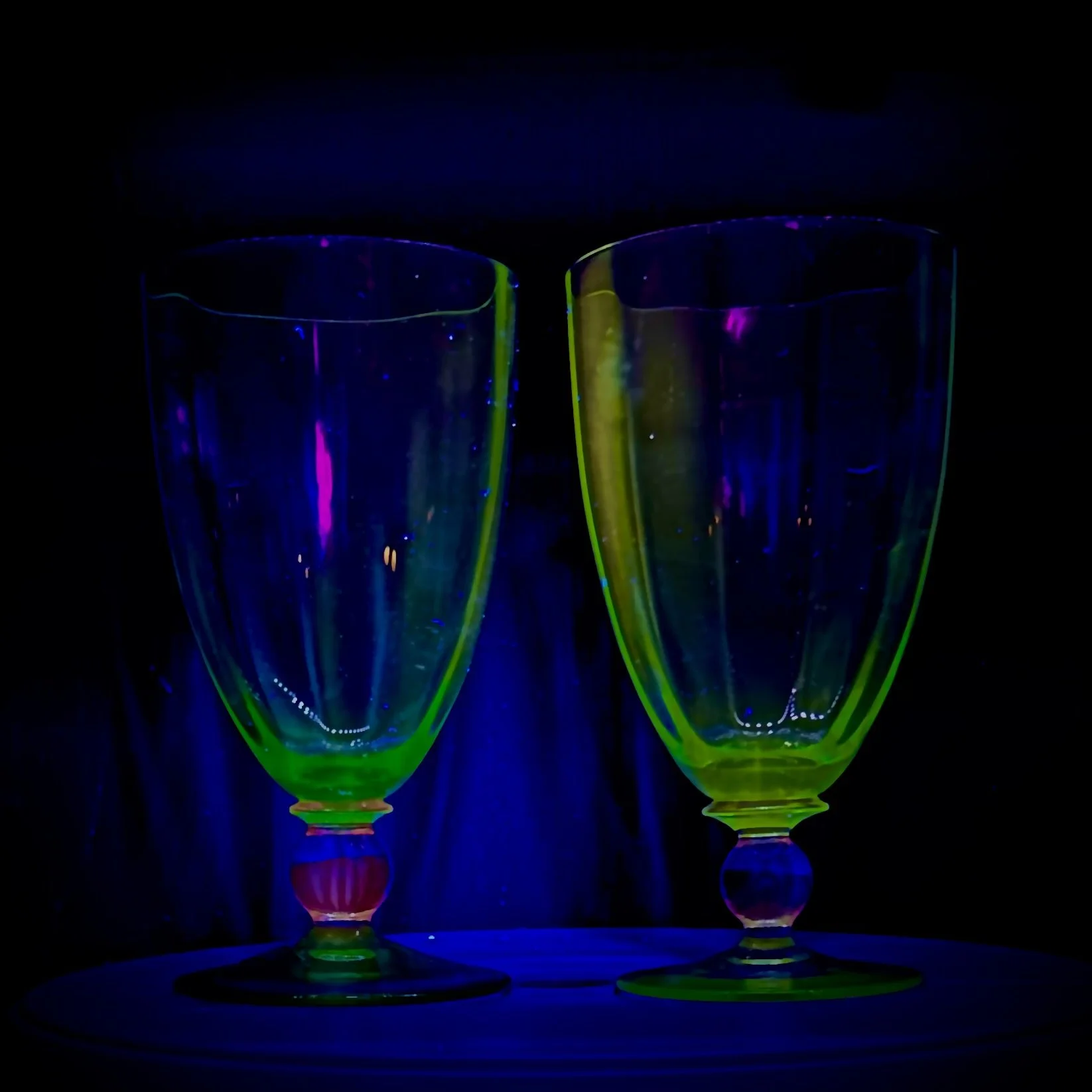
This piece is hand-blown into an optic ribbed mold, featuring an "applied" handle and spout fused at the furnace while molten. A significant technical detail is the inclusion of reactive mineral stabilizers—specifically selenium—within the internal glass batch, resulting in a fiery orange-red fluorescence under UV light. This hidden luminescent quality, paired with the expertly finished polished pontil, serves as a dual verification of high-end 19th-century craftsmanship.
Placement
Ideal as a focal point on a backlit glass shelf, a dark wood sideboard, or a marble-topped console. Its saturated color and gilt details perform best in environments with direct natural light or focused accent lighting to activate the internal optics and reactive core.
STANDARD ATTRIBUTION & VALUE DISCLOSURE This piece is described to the best of current scholarly and market knowledge. Any maker or regional attribution is based on visual analysis, materials, construction techniques, and documented stylistic comparisons. As with many MCM and antique design objects, definitive attribution may not be possible without original labels or factory records. Pricing reflects condition, quality, decorative appeal, and current collector demand rather than guaranteed maker identification.
This exceptional ruby glass jug exhibits a profound color saturation and a rhythmic, horizontally ribbed body that creates a dynamic play of light and shadow. The sculptural presence is defined by a bold, integrated handle and a gracefully angled spout, while the front is anchored by a high-relief gilt medallion featuring intricate lattice and foliate motifs. Its dense material quality, polished "thumbprint" base, and vibrant ruby hues offer a compelling architectural accent, transitioning from a functional vessel to a sophisticated light-capturing object for a curated interior.
Attribution & Period
Attributed to Moser or Harrach, 1890s. The presence of a perfectly ground and polished "thumbprint" circular pontil is a hallmark of elite Bohemian glasshouses, distinguishing this piece from standard regional production. The construction is stylistically aligned with late 19th-century Austro-Hungarian "luxury" glass traditions. The combination of gold-chloride cranberry glass, hand-applied raised gilding, and a high-heat selenium reactive interior confirms a sophisticated late-Victorian production era at a major workshop.
⸻
Dimensions & Weight
Height: 6 in Width / Diameter: 5 in (including handle) Depth / Base Diameter: 2 in Weight: 0.856 lb
Condition
Excellent antique condition. No chips, cracks, or structural repairs are observed. The polished base shows appropriate micro-wear consistent with 130+ years of age. The gilt decoration remains remarkably intact with minimal micro-abrasions. Interior exhibits minor sediment film typical of period glass.
Authenticity & Construction
This piece is hand-blown into an optic ribbed mold, featuring an "applied" handle and spout fused at the furnace while molten. A significant technical detail is the inclusion of reactive mineral stabilizers—specifically selenium—within the internal glass batch, resulting in a fiery orange-red fluorescence under UV light. This hidden luminescent quality, paired with the expertly finished polished pontil, serves as a dual verification of high-end 19th-century craftsmanship.
Placement
Ideal as a focal point on a backlit glass shelf, a dark wood sideboard, or a marble-topped console. Its saturated color and gilt details perform best in environments with direct natural light or focused accent lighting to activate the internal optics and reactive core.
STANDARD ATTRIBUTION & VALUE DISCLOSURE This piece is described to the best of current scholarly and market knowledge. Any maker or regional attribution is based on visual analysis, materials, construction techniques, and documented stylistic comparisons. As with many MCM and antique design objects, definitive attribution may not be possible without original labels or factory records. Pricing reflects condition, quality, decorative appeal, and current collector demand rather than guaranteed maker identification.

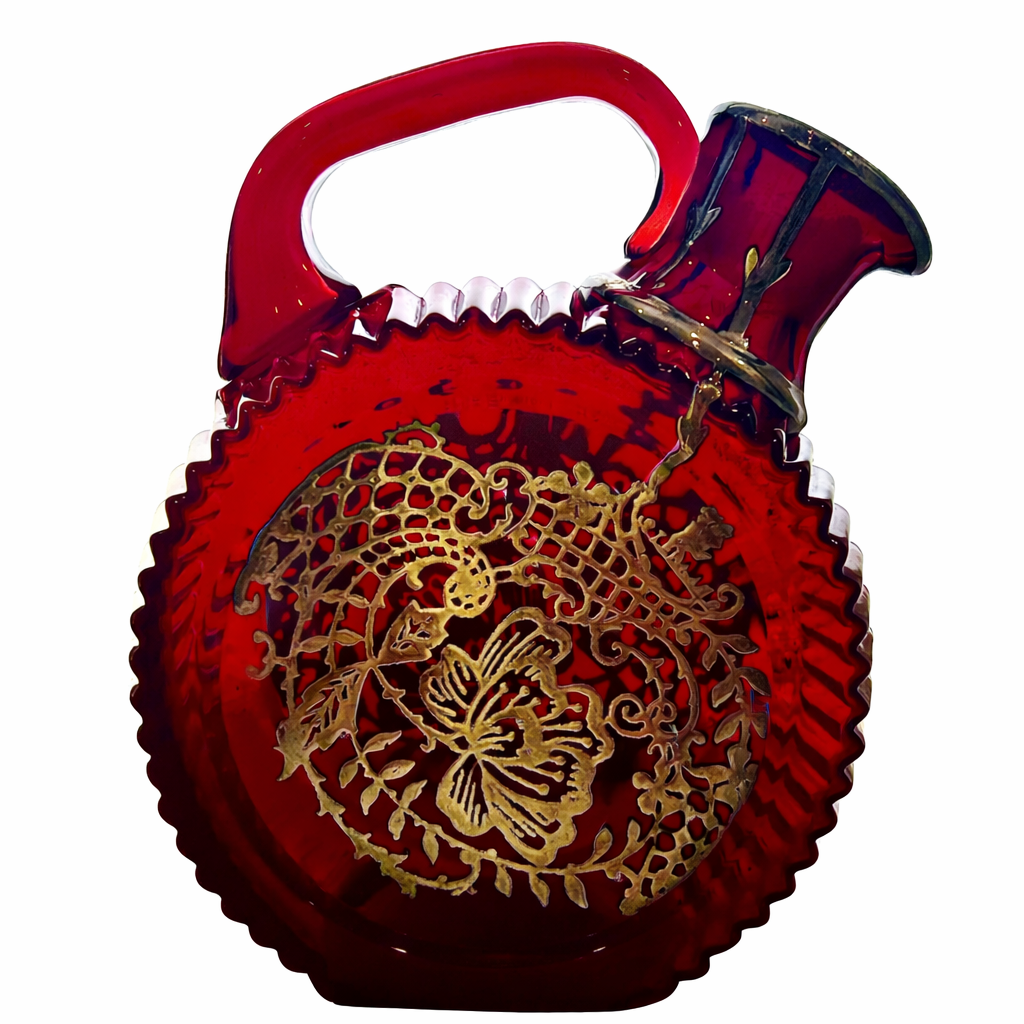 Image 1 of 14
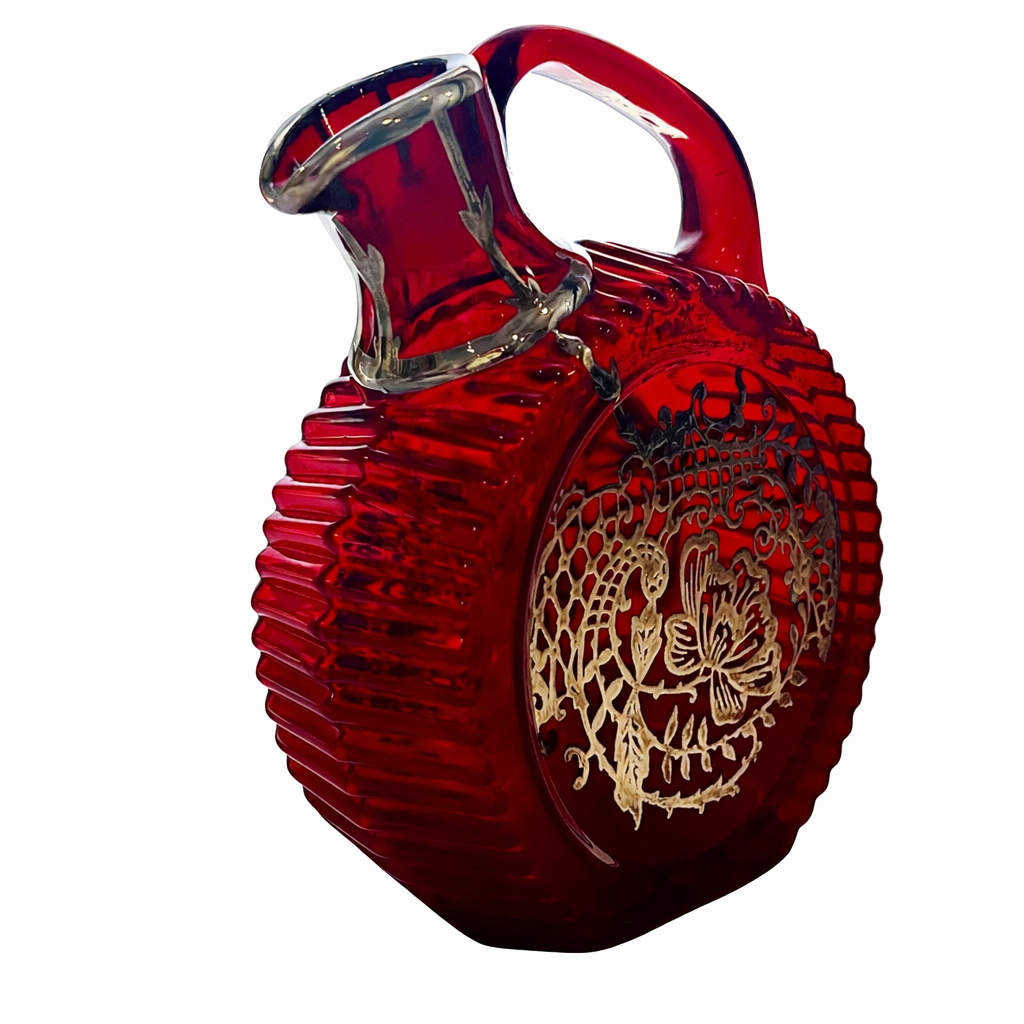 Image 2 of 14
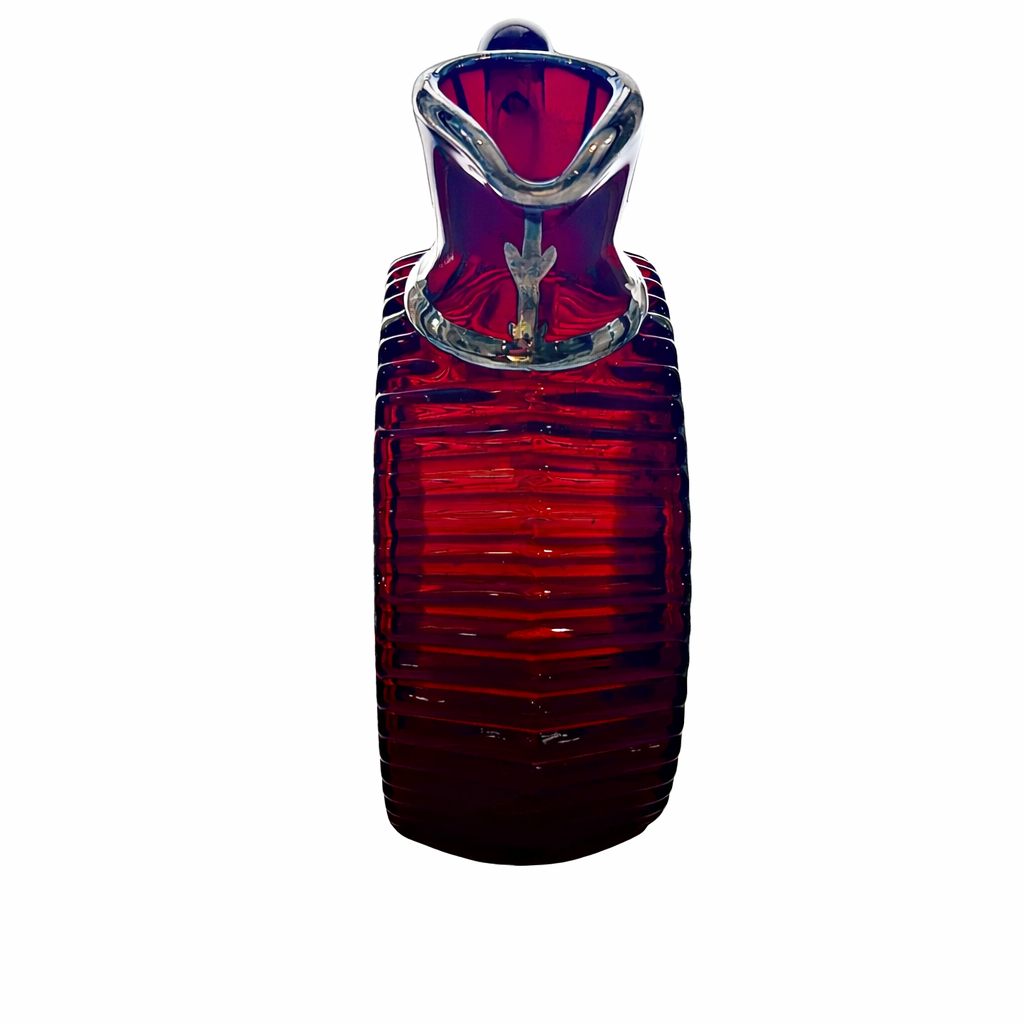 Image 3 of 14
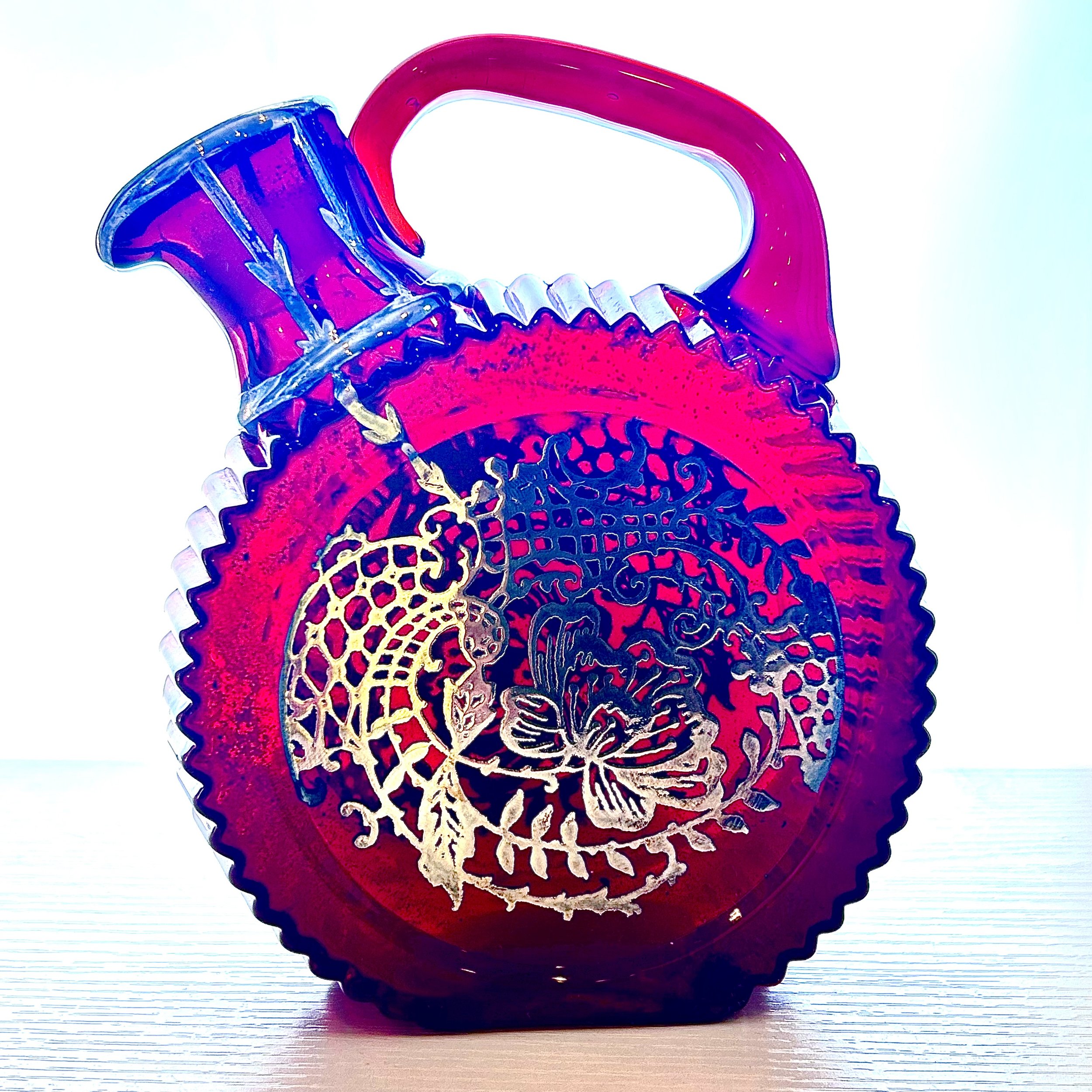 Image 4 of 14
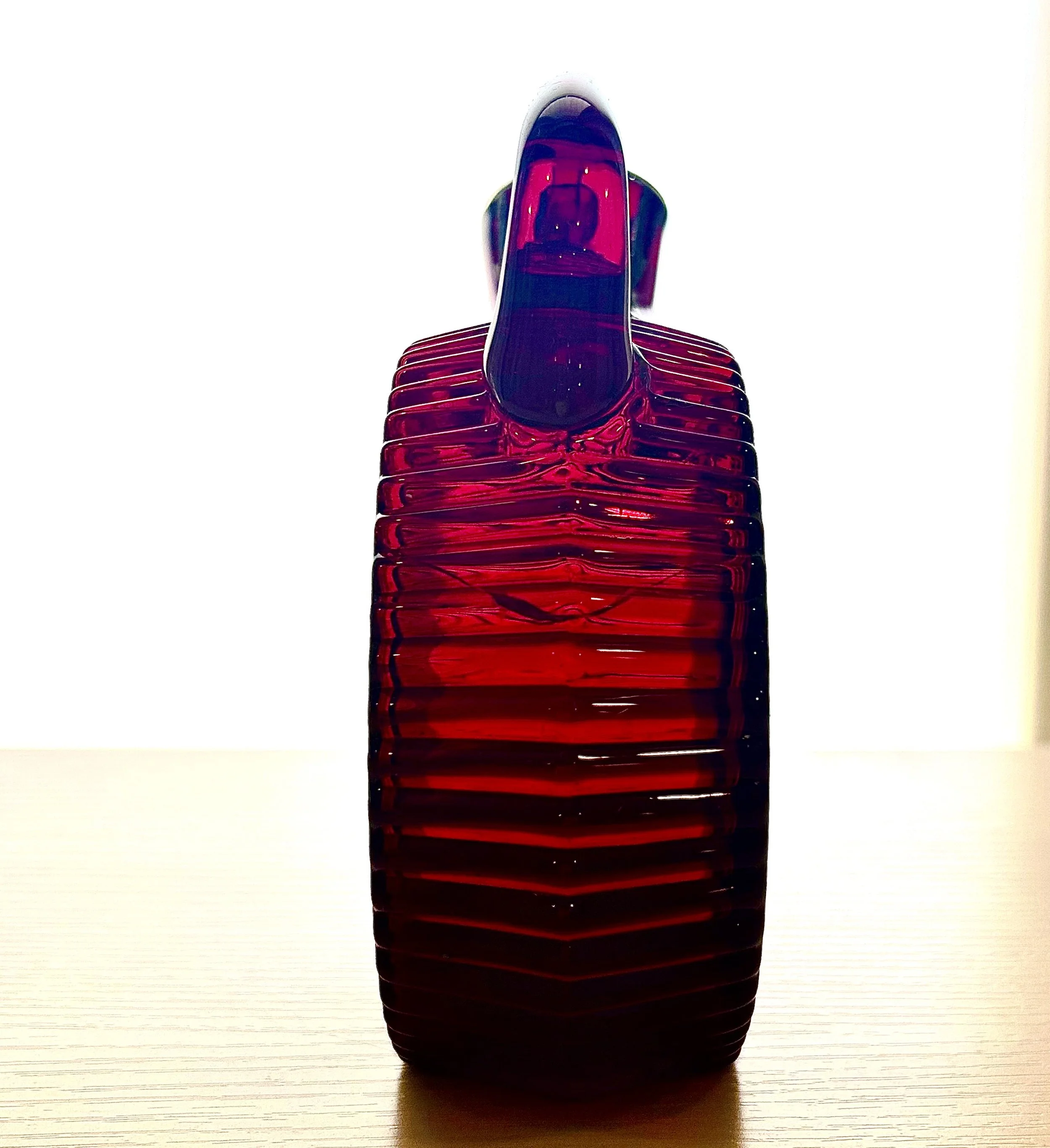 Image 5 of 14
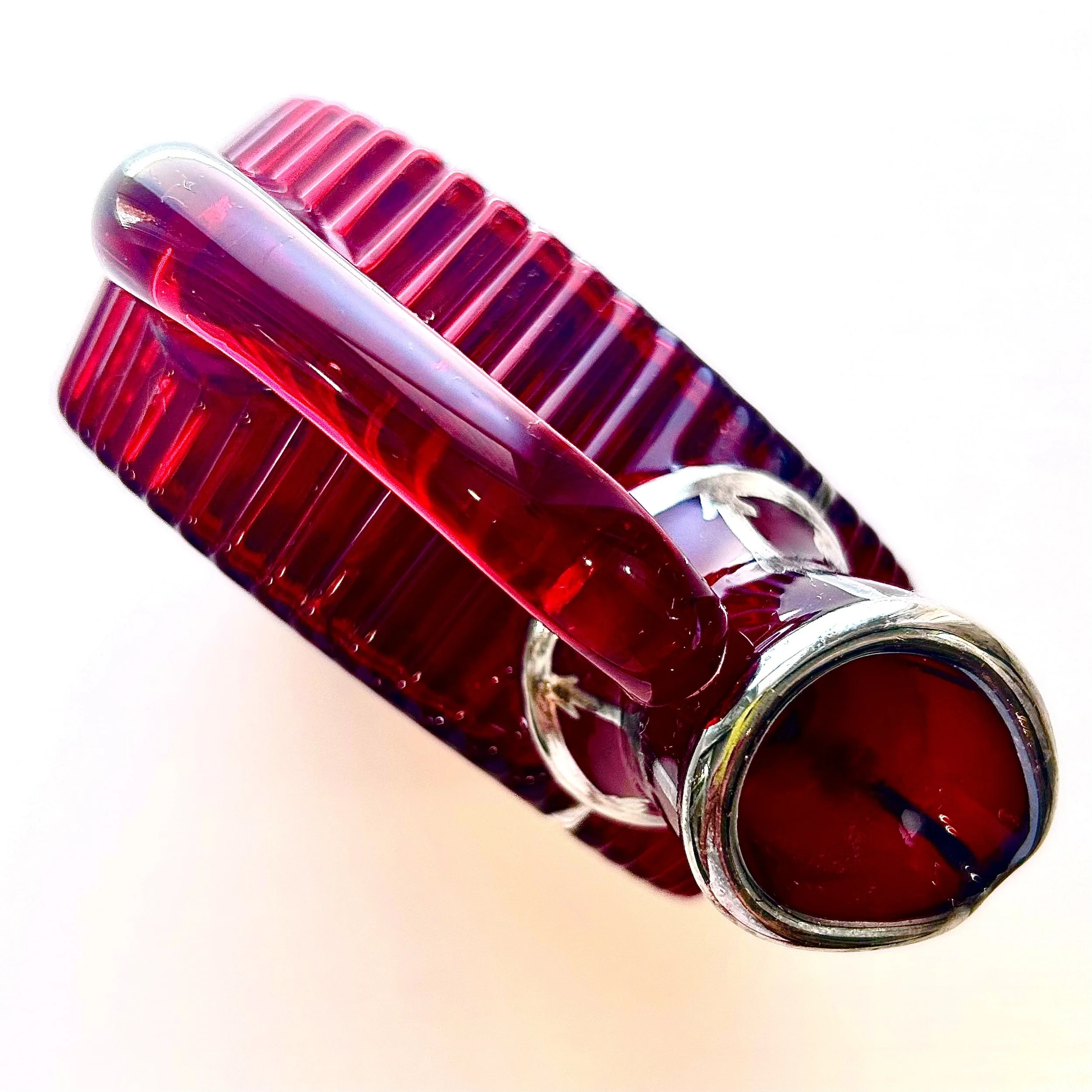 Image 6 of 14
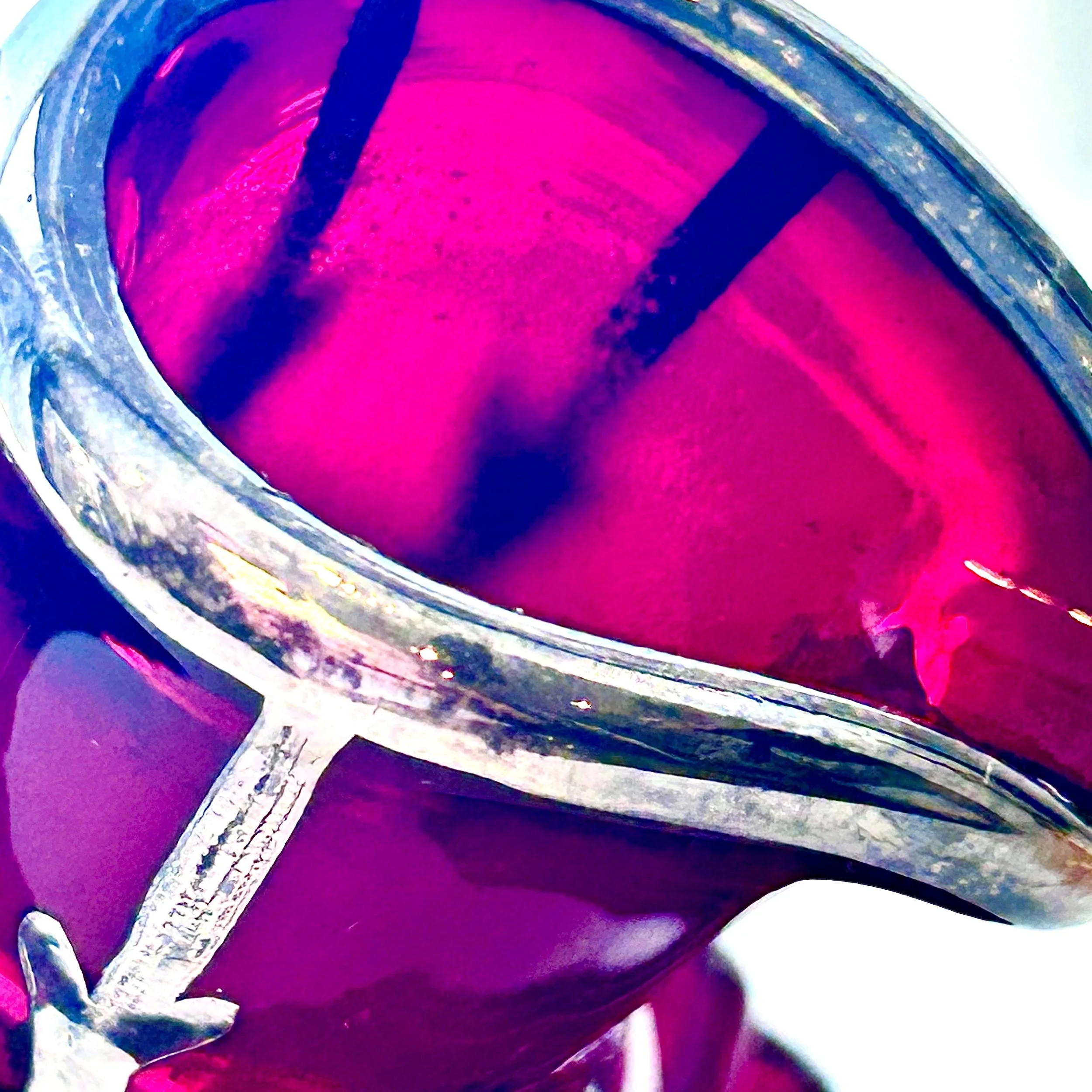 Image 7 of 14
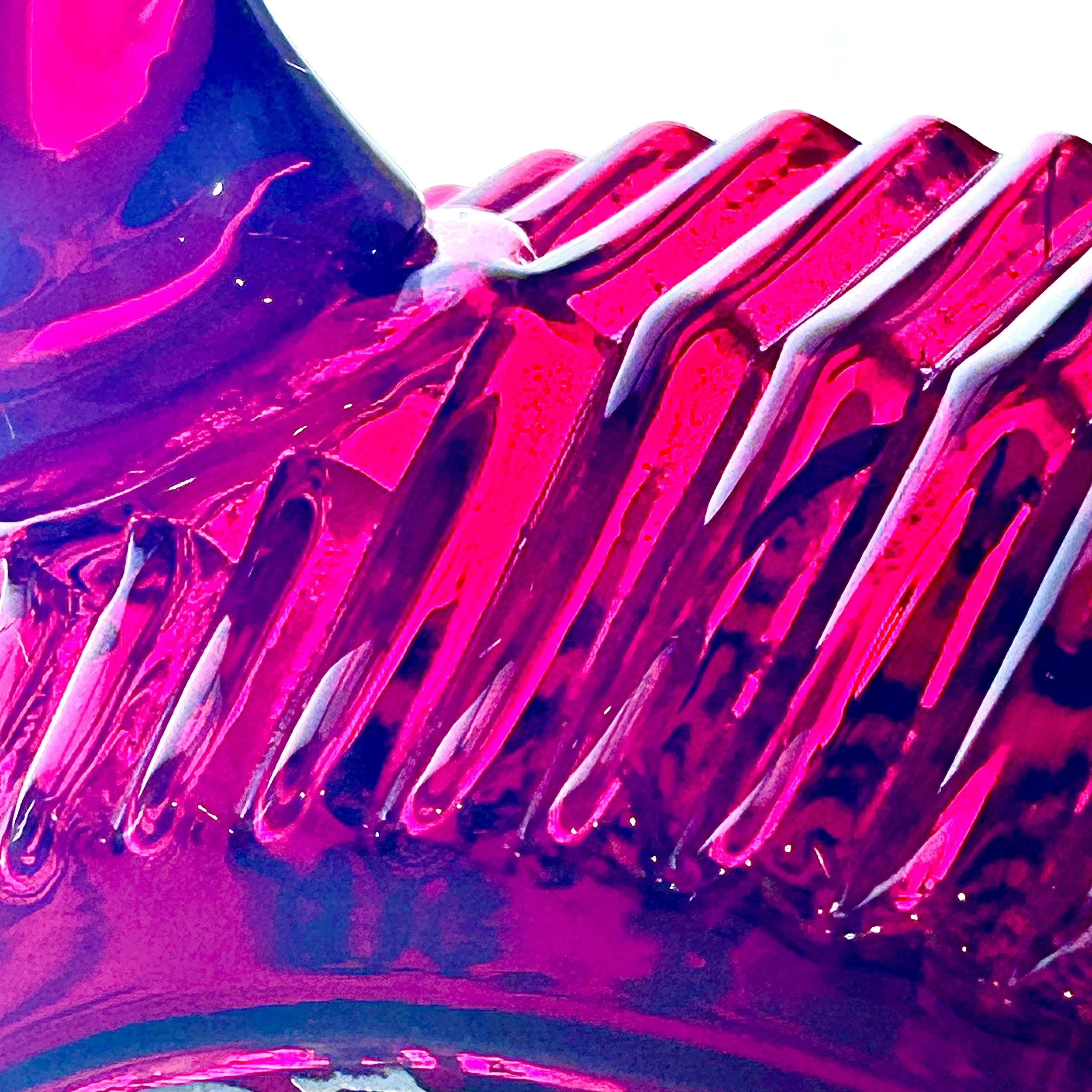 Image 8 of 14
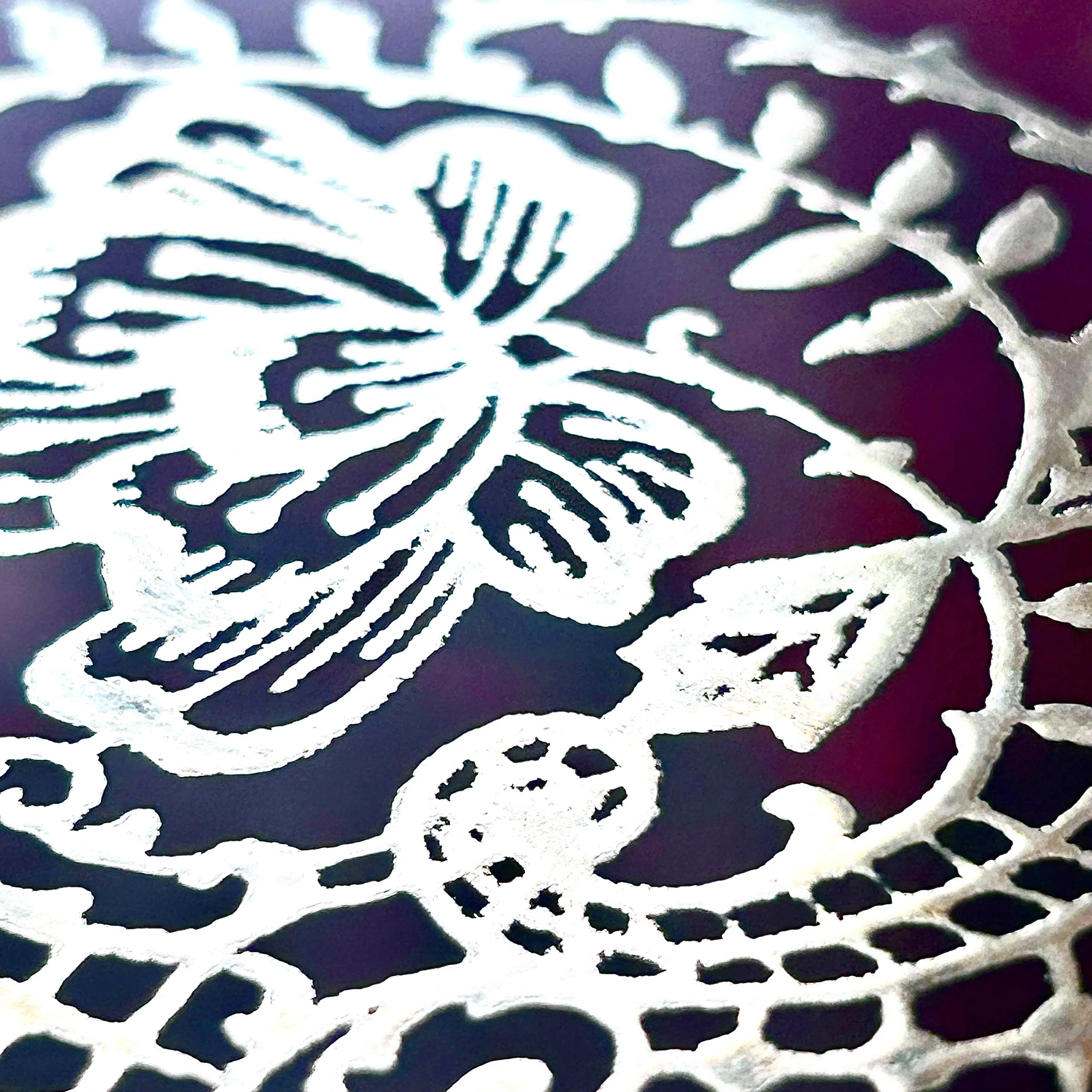 Image 9 of 14
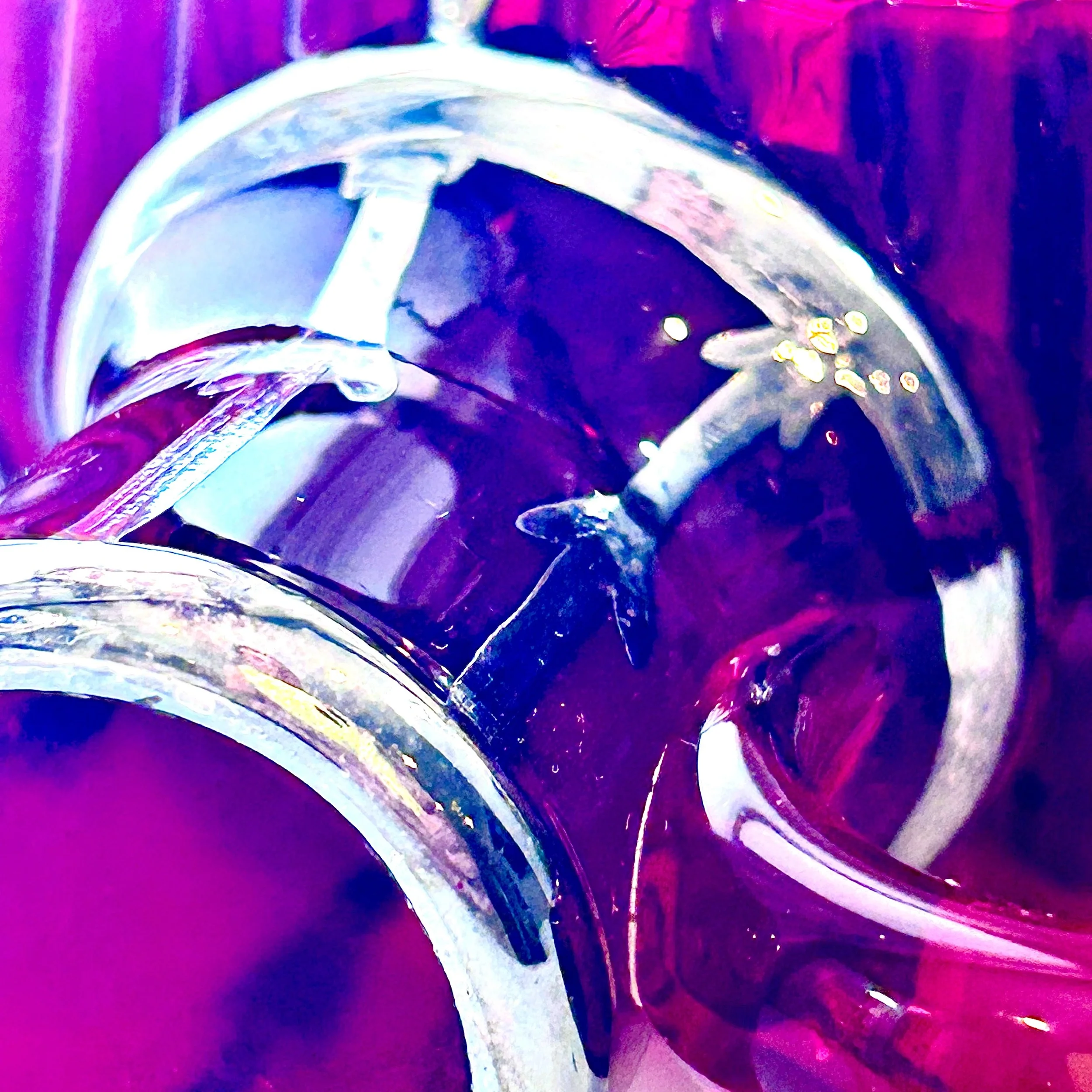 Image 10 of 14
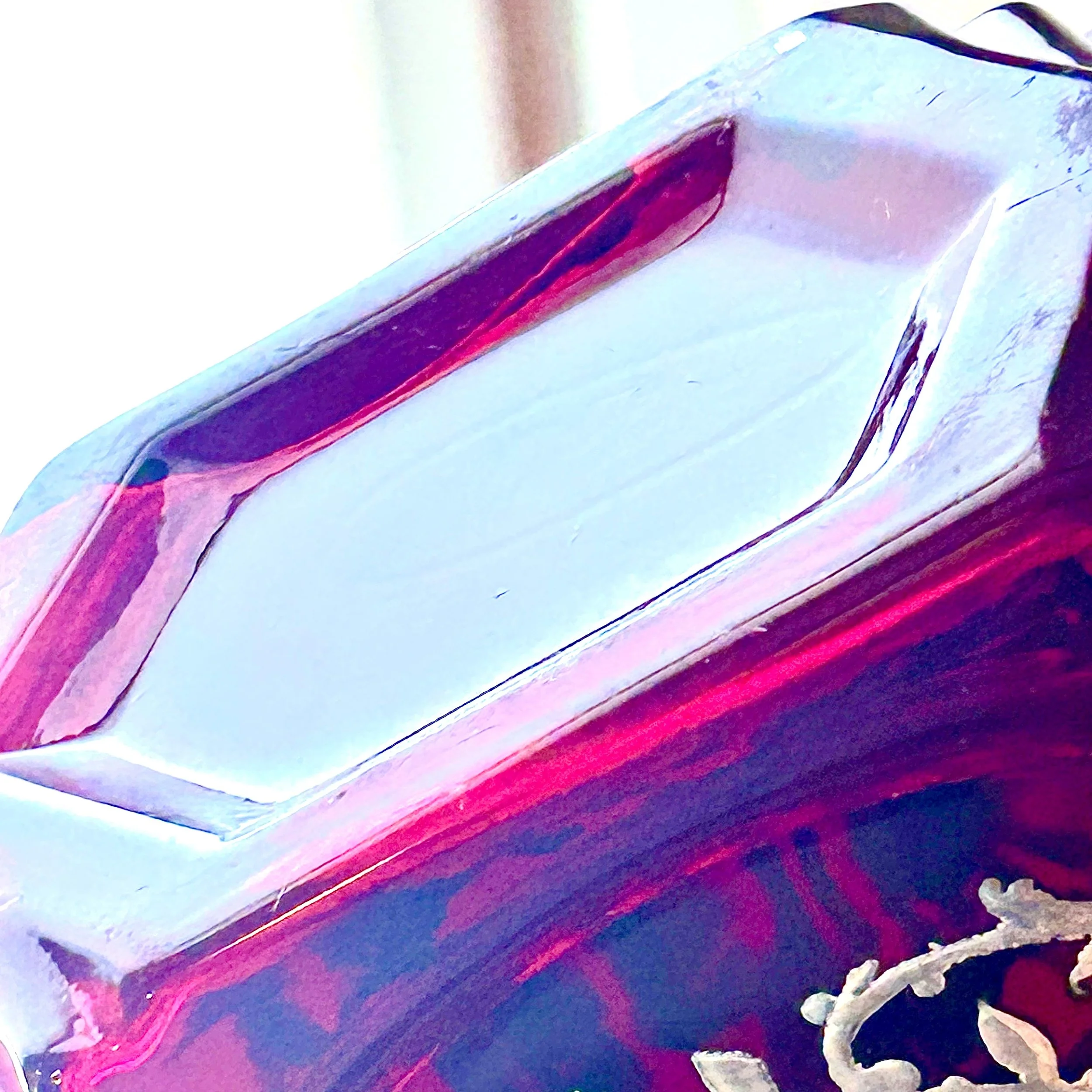 Image 11 of 14
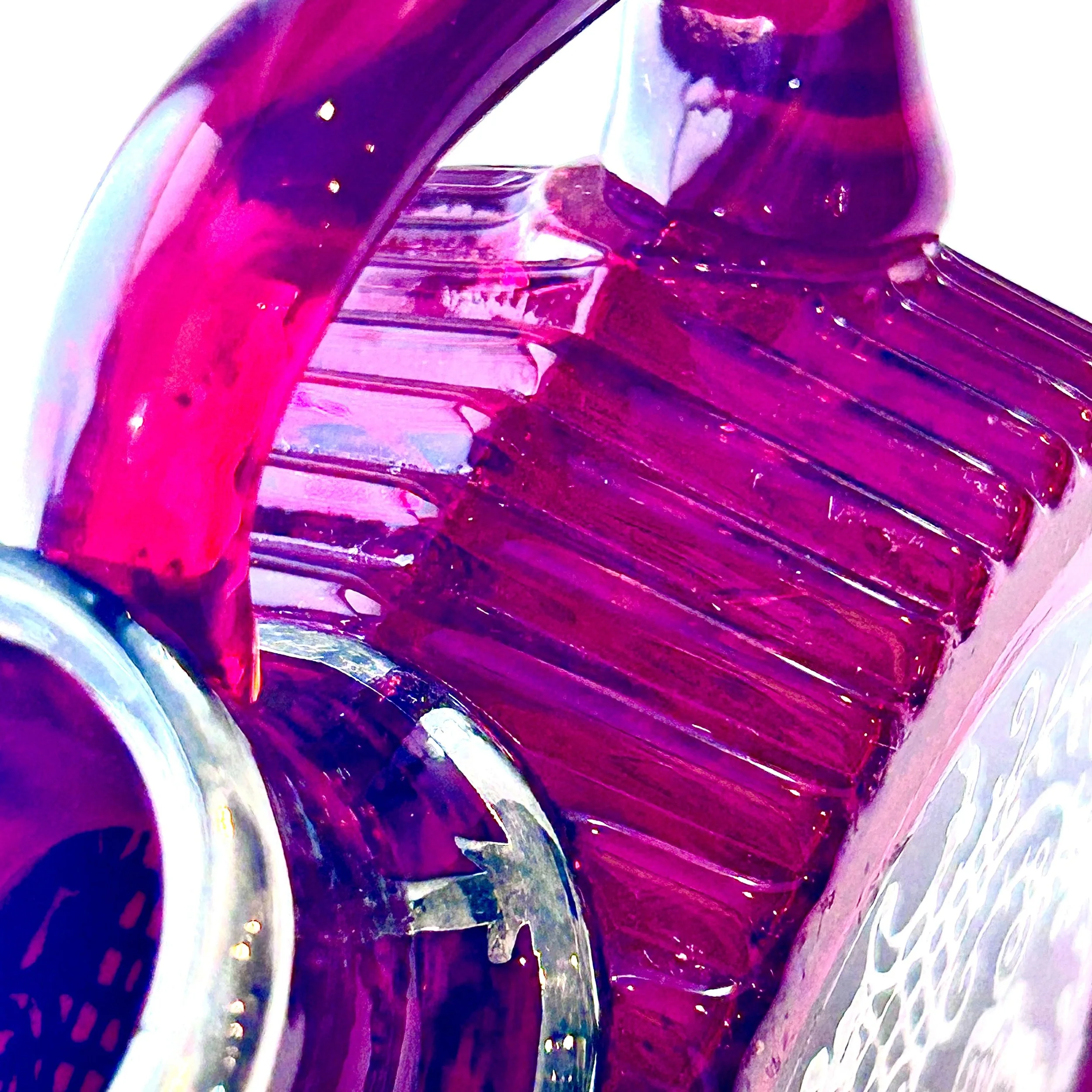 Image 12 of 14
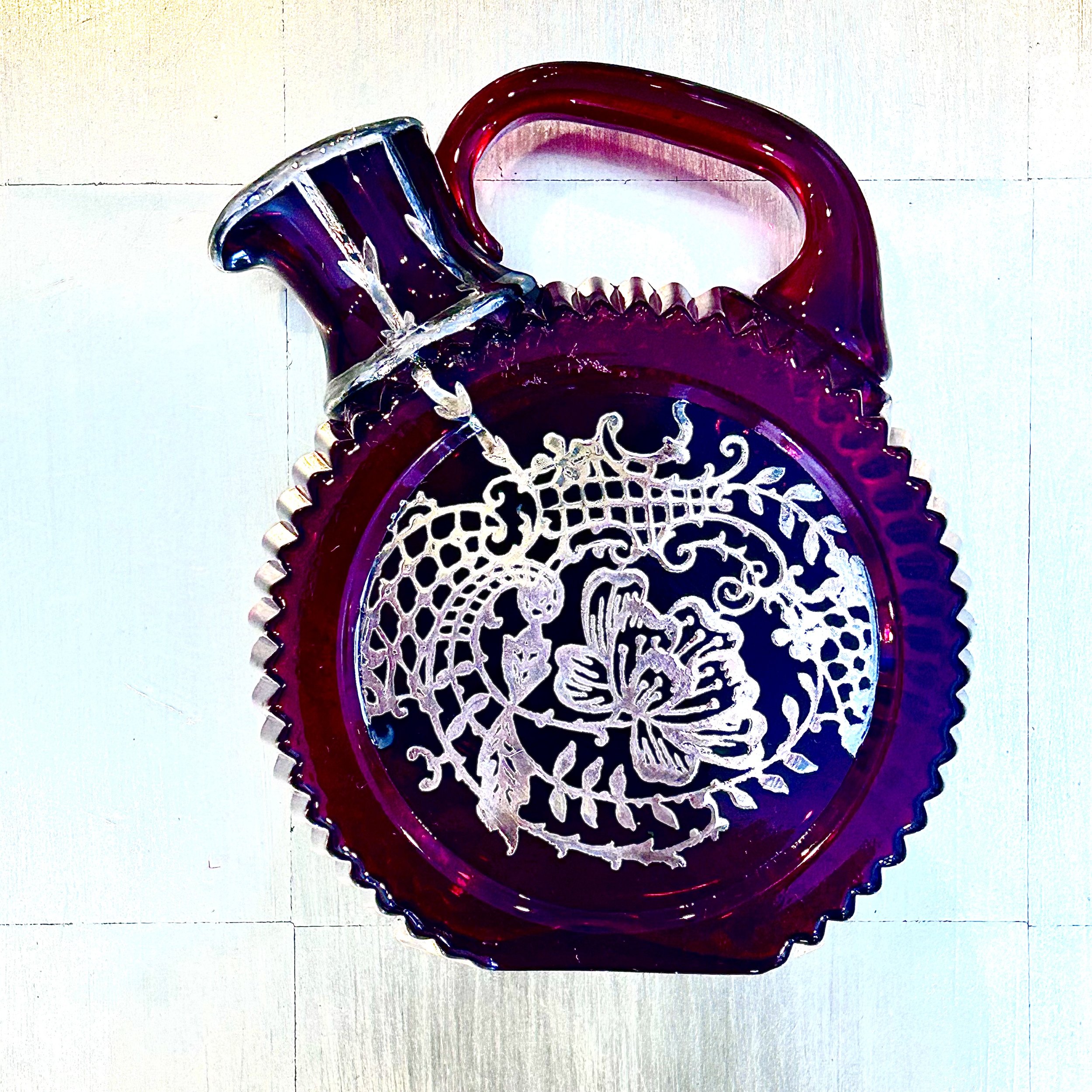 Image 13 of 14
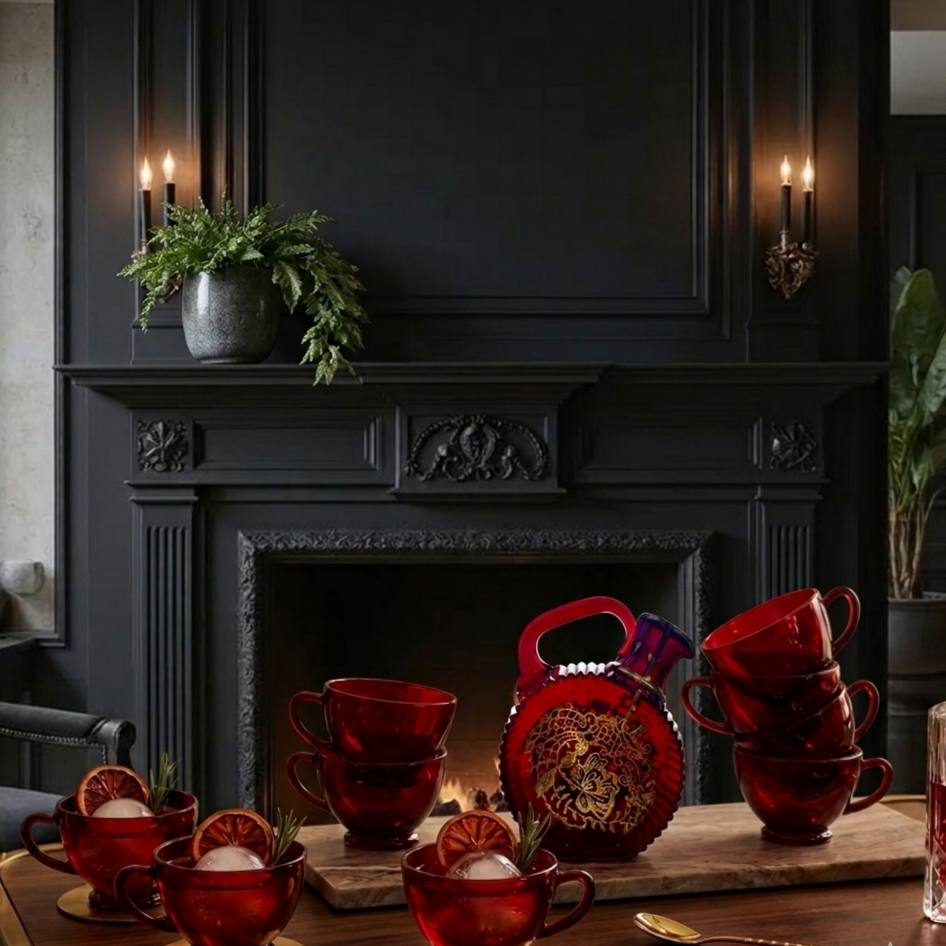 Image 14 of 14