This exceptional trumpet-form vase possesses a commanding sculptural presence, defined by its elongated, slender neck and gracefully flared base. The opalescent lattimo glass core radiates a soft, ethereal glow, beautifully encased within a thick layer of high-transparency clear glass. Its minimalist silhouette and substantial weight allow it to serve as a sophisticated architectural focal point that interacts dynamically with ambient light.
Attribution & Period; By Carlo Moretti, 1970s.
This piece is definitively identified by the original "Moretti Carlo" gold foil label remaining on the base. The label commemorates the gold medal won at the International Exhibition in Munich, a hallmark of Moretti's mid-to-late 20th-century production. The combination of cased glass (incamiciato) techniques and the refined, tapered "trumpet" profile is quintessential to the Moretti brothers’ output during the 1970s.
Dimensions & Weight
Height: 13 3/4 inches
Diameter (Base): 4 1/4 inches
Weight: 1.536 lbs
Condition
The vase is in excellent vintage condition. Clinical inspection reveals no chips, cracks, or fleabites to the rim or body. Consistent with its age and use, minor shelf-wear scratches are present on the underside of the clear glass base. A few microscopic air inclusions (bubbles) are trapped within the glass, inherent to the hand-blown manufacturing process.
Authenticity & Construction
Hand-blown on the island of Murano, Italy, this vase utilizes the incamiciato technique, where layers of contrasting glass are fused together while molten. The precise centering of the white internal sleeve and the perfectly fire-polished rim demonstrate the high-level craftsmanship synonymous with the Moretti furnace. The heavy, solid glass base provides exceptional stability for its towering height.
Placement
Ideally suited for a minimalist mantle, an executive desk, or a centerpiece on a mid-century sideboard. Its neutral palette allows it to integrate seamlessly into monochromatic contemporary interiors or high-contrast Brutalist spaces.
STANDARD ATTRIBUTION & VALUE DISCLOSURE; This piece is described to the best of current scholarly and market knowledge. Any maker or regional attribution is based on visual analysis, materials, construction techniques, and documented stylistic comparisons. As with many MCM and antique design objects, definitive attribution may not be possible without original labels or factory records. Pricing reflects condition, quality, decorative appeal, and current collector demand rather than guaranteed maker identification.
This exceptional trumpet-form vase possesses a commanding sculptural presence, defined by its elongated, slender neck and gracefully flared base. The opalescent lattimo glass core radiates a soft, ethereal glow, beautifully encased within a thick layer of high-transparency clear glass. Its minimalist silhouette and substantial weight allow it to serve as a sophisticated architectural focal point that interacts dynamically with ambient light.
Attribution & Period; By Carlo Moretti, 1970s.
This piece is definitively identified by the original "Moretti Carlo" gold foil label remaining on the base. The label commemorates the gold medal won at the International Exhibition in Munich, a hallmark of Moretti's mid-to-late 20th-century production. The combination of cased glass (incamiciato) techniques and the refined, tapered "trumpet" profile is quintessential to the Moretti brothers’ output during the 1970s.
Dimensions & Weight
Height: 13 3/4 inches
Diameter (Base): 4 1/4 inches
Weight: 1.536 lbs
Condition
The vase is in excellent vintage condition. Clinical inspection reveals no chips, cracks, or fleabites to the rim or body. Consistent with its age and use, minor shelf-wear scratches are present on the underside of the clear glass base. A few microscopic air inclusions (bubbles) are trapped within the glass, inherent to the hand-blown manufacturing process.
Authenticity & Construction
Hand-blown on the island of Murano, Italy, this vase utilizes the incamiciato technique, where layers of contrasting glass are fused together while molten. The precise centering of the white internal sleeve and the perfectly fire-polished rim demonstrate the high-level craftsmanship synonymous with the Moretti furnace. The heavy, solid glass base provides exceptional stability for its towering height.
Placement
Ideally suited for a minimalist mantle, an executive desk, or a centerpiece on a mid-century sideboard. Its neutral palette allows it to integrate seamlessly into monochromatic contemporary interiors or high-contrast Brutalist spaces.
STANDARD ATTRIBUTION & VALUE DISCLOSURE; This piece is described to the best of current scholarly and market knowledge. Any maker or regional attribution is based on visual analysis, materials, construction techniques, and documented stylistic comparisons. As with many MCM and antique design objects, definitive attribution may not be possible without original labels or factory records. Pricing reflects condition, quality, decorative appeal, and current collector demand rather than guaranteed maker identification.

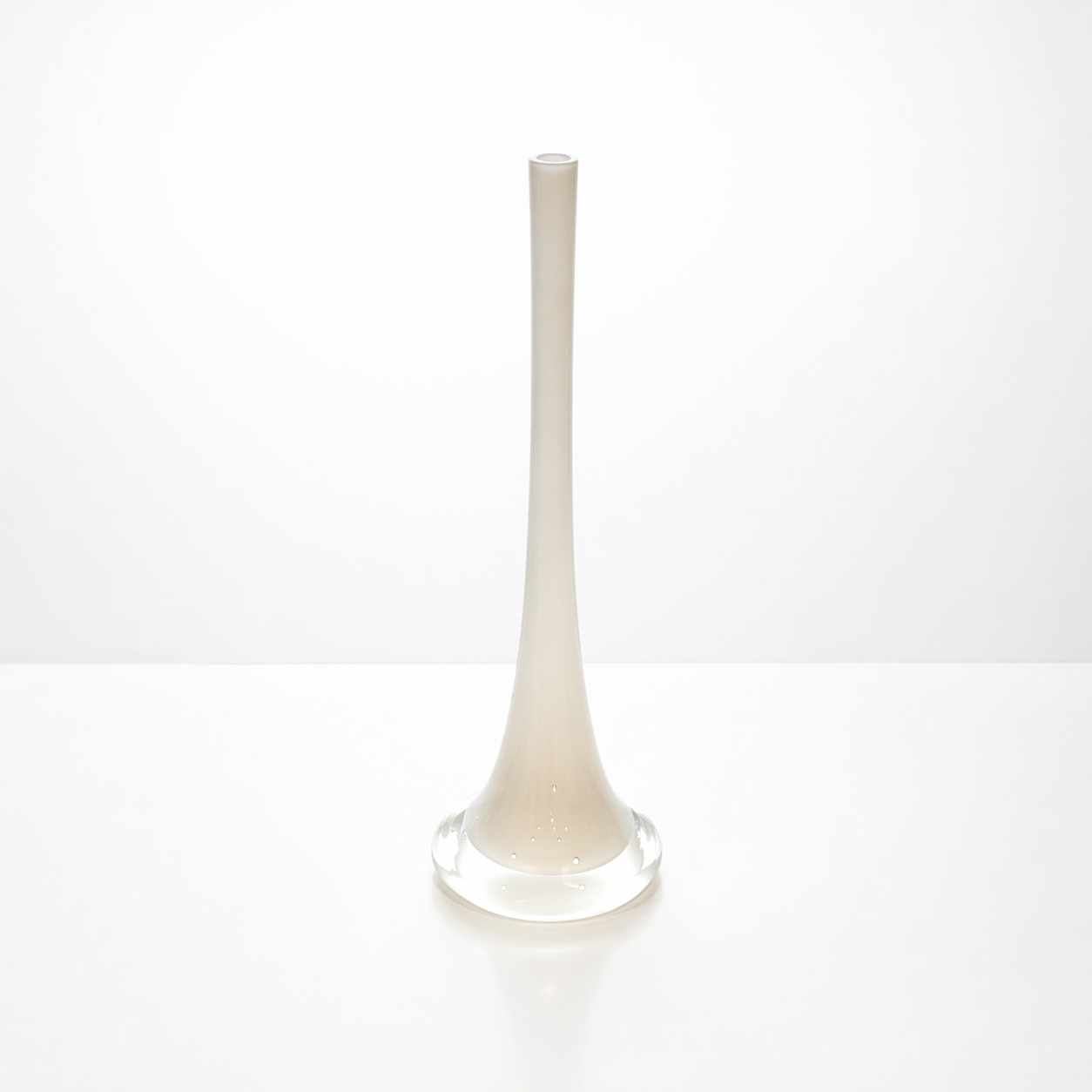 Image 1 of 72
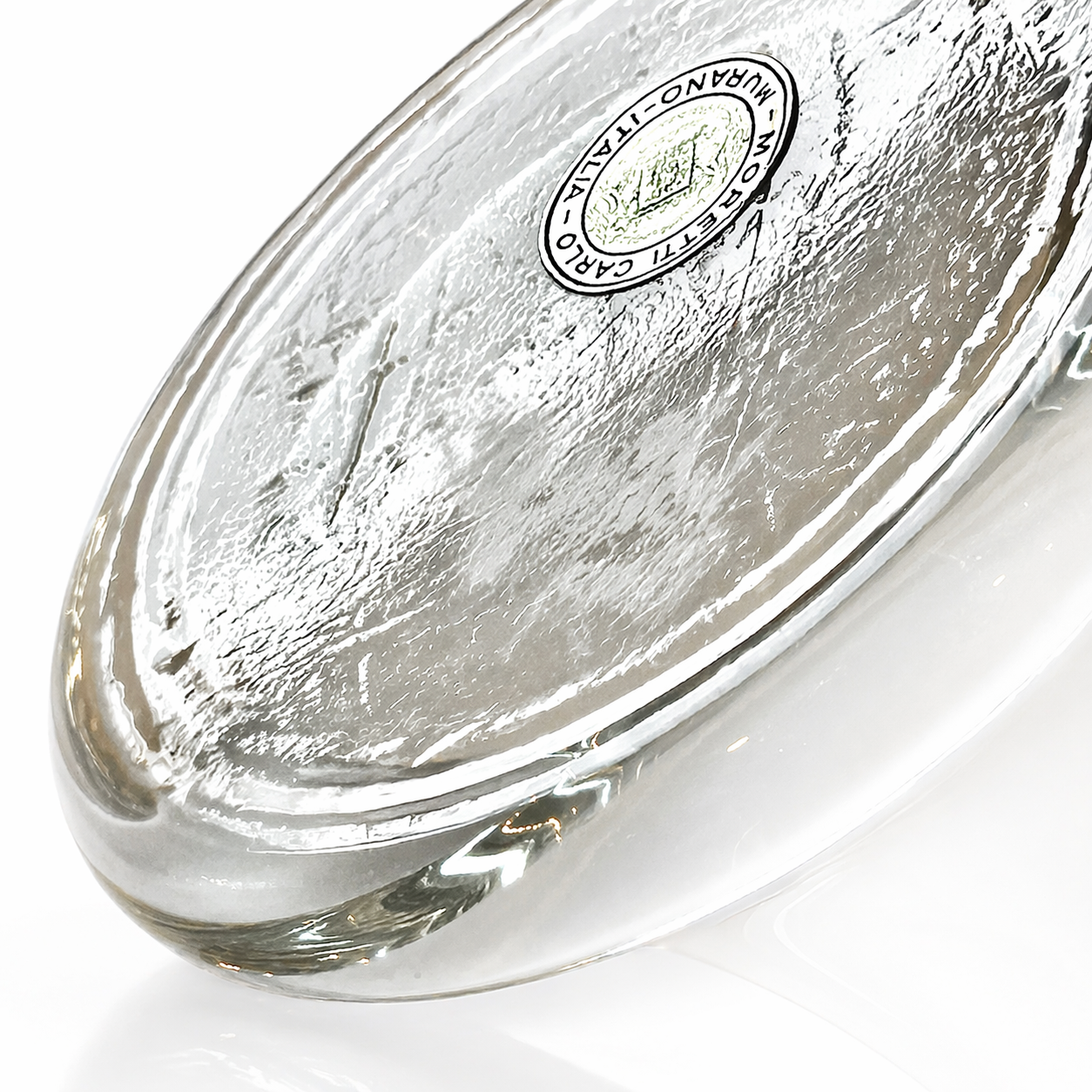 Image 2 of 72
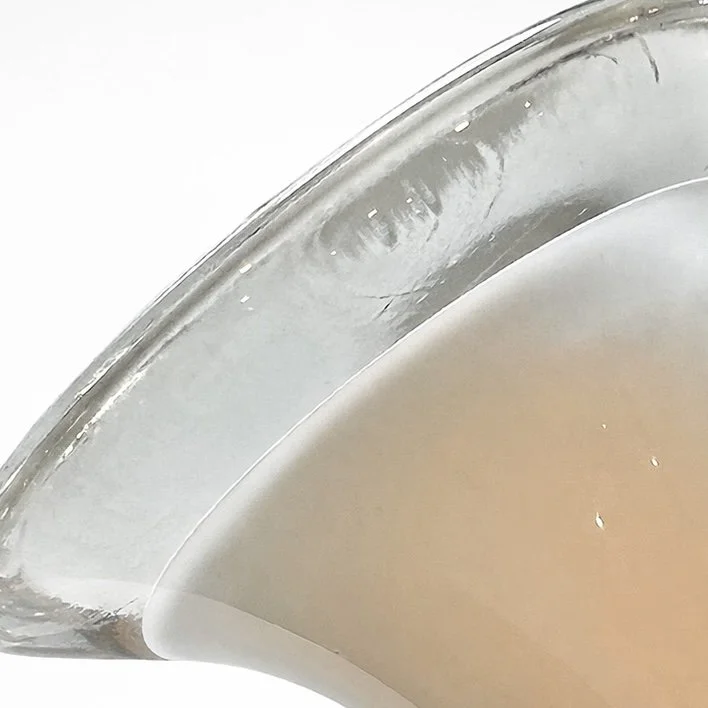 Image 3 of 72
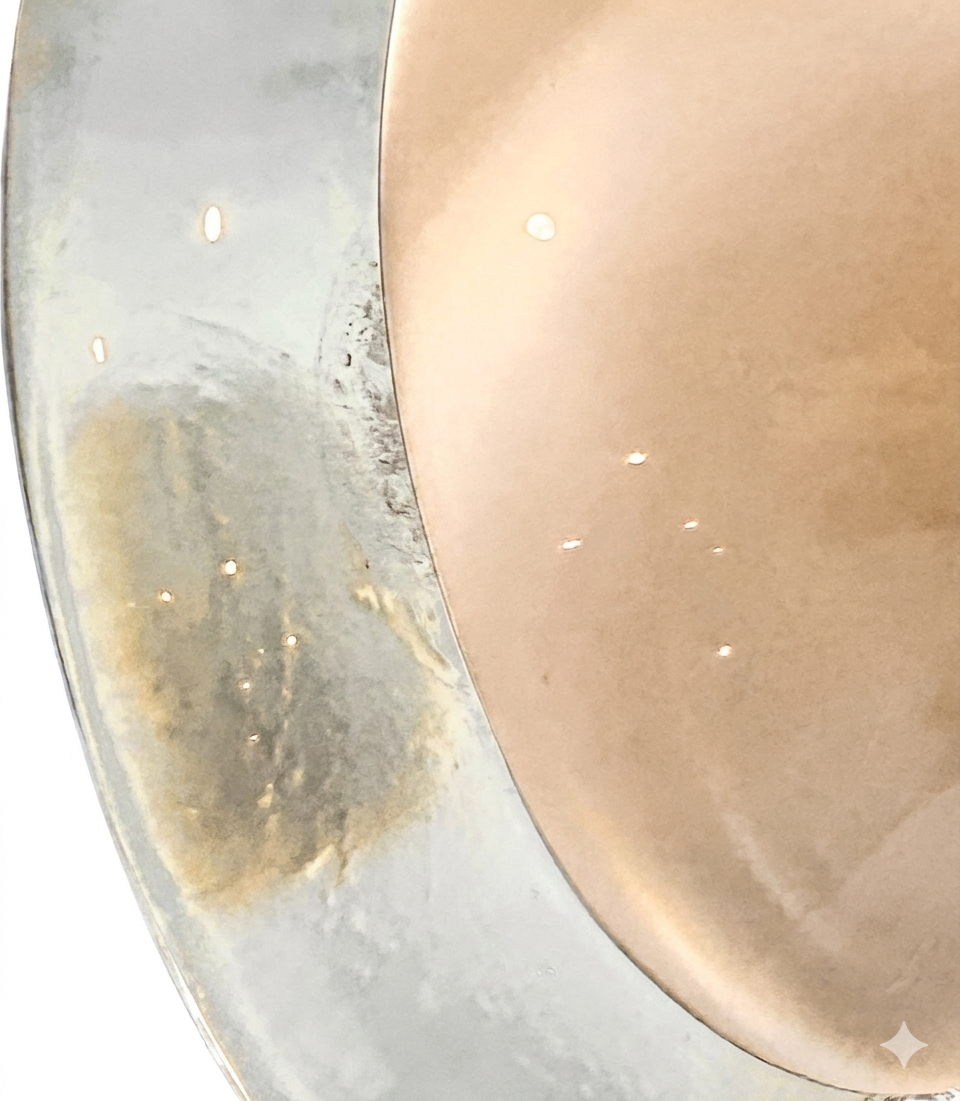 Image 4 of 72
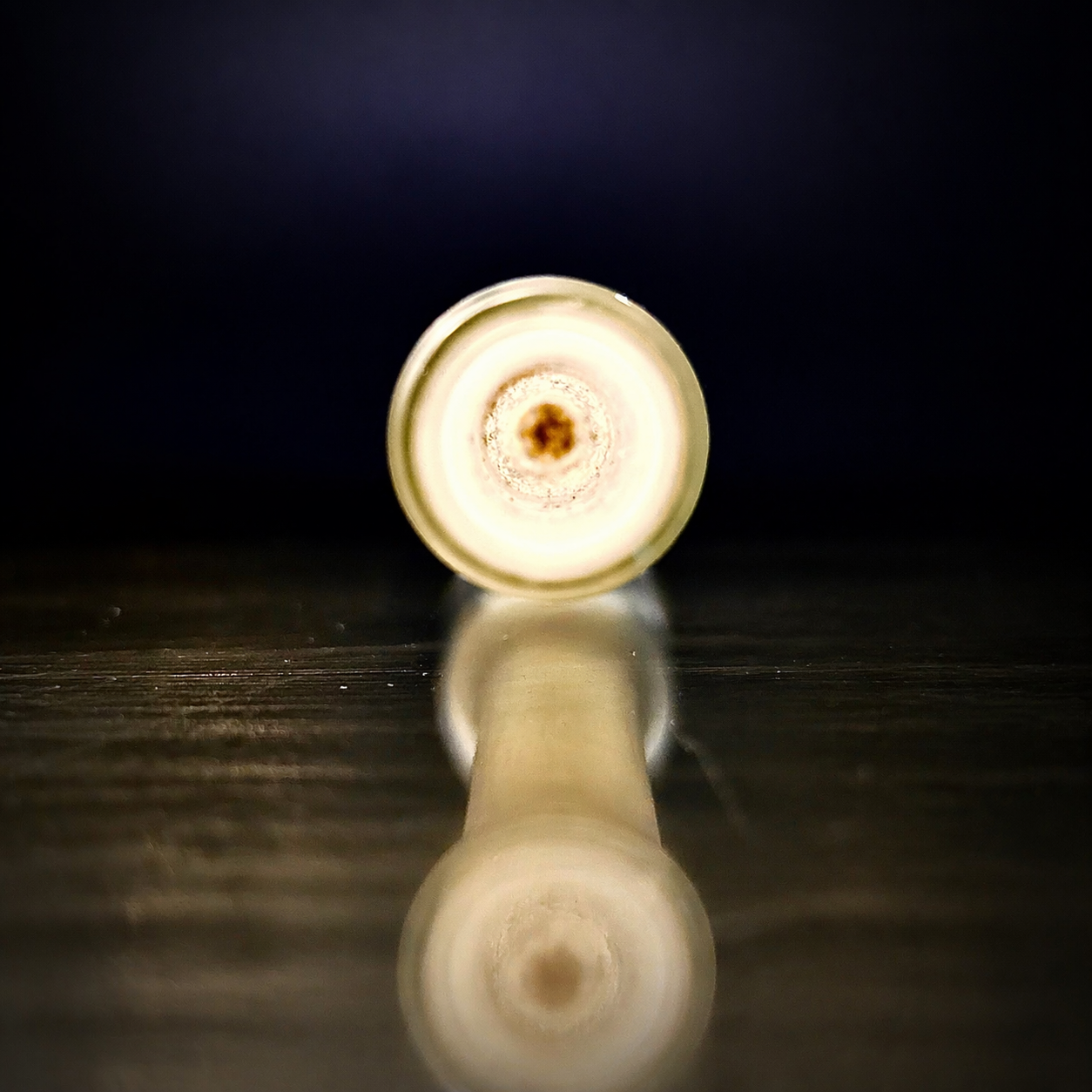 Image 5 of 72
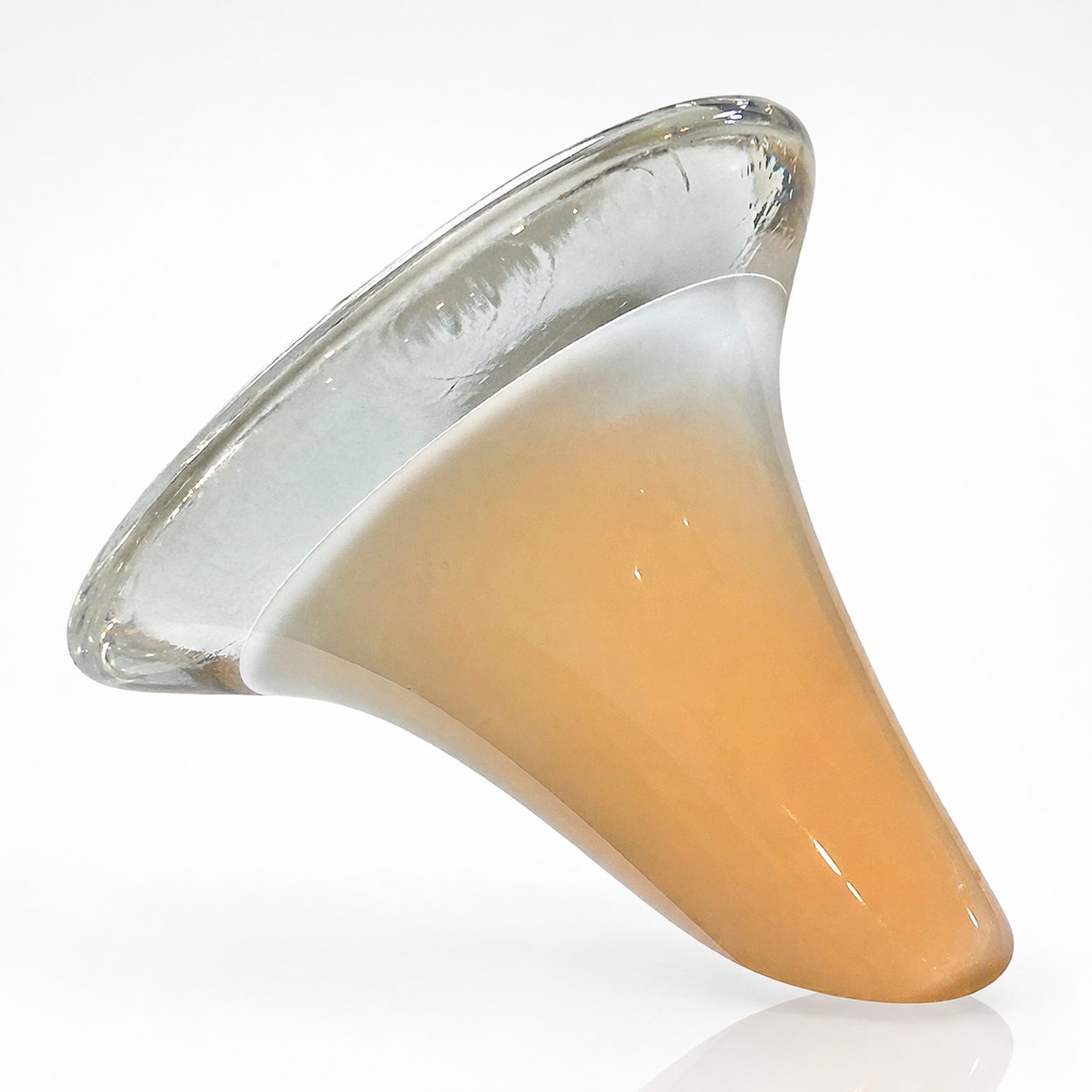 Image 6 of 72
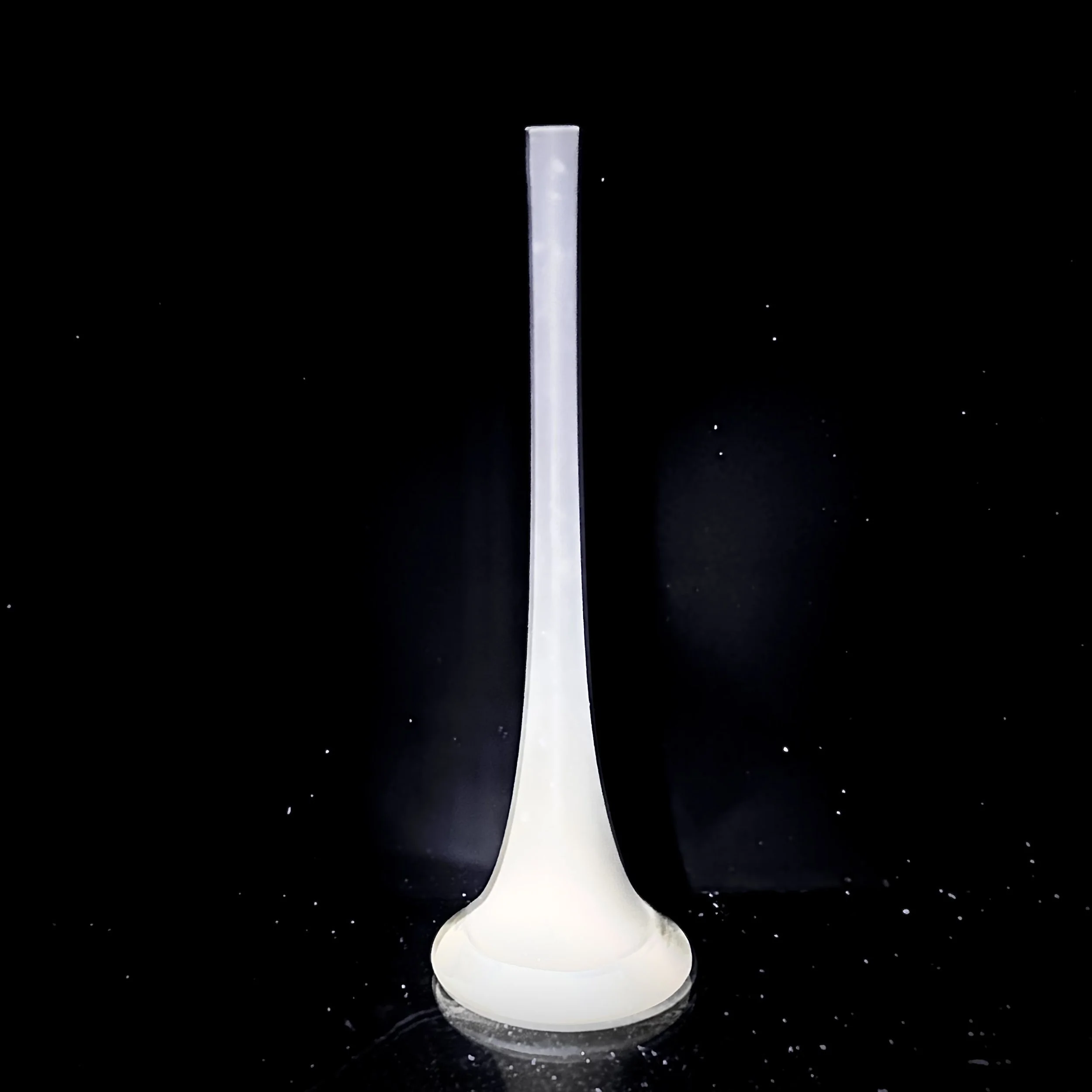 Image 7 of 72
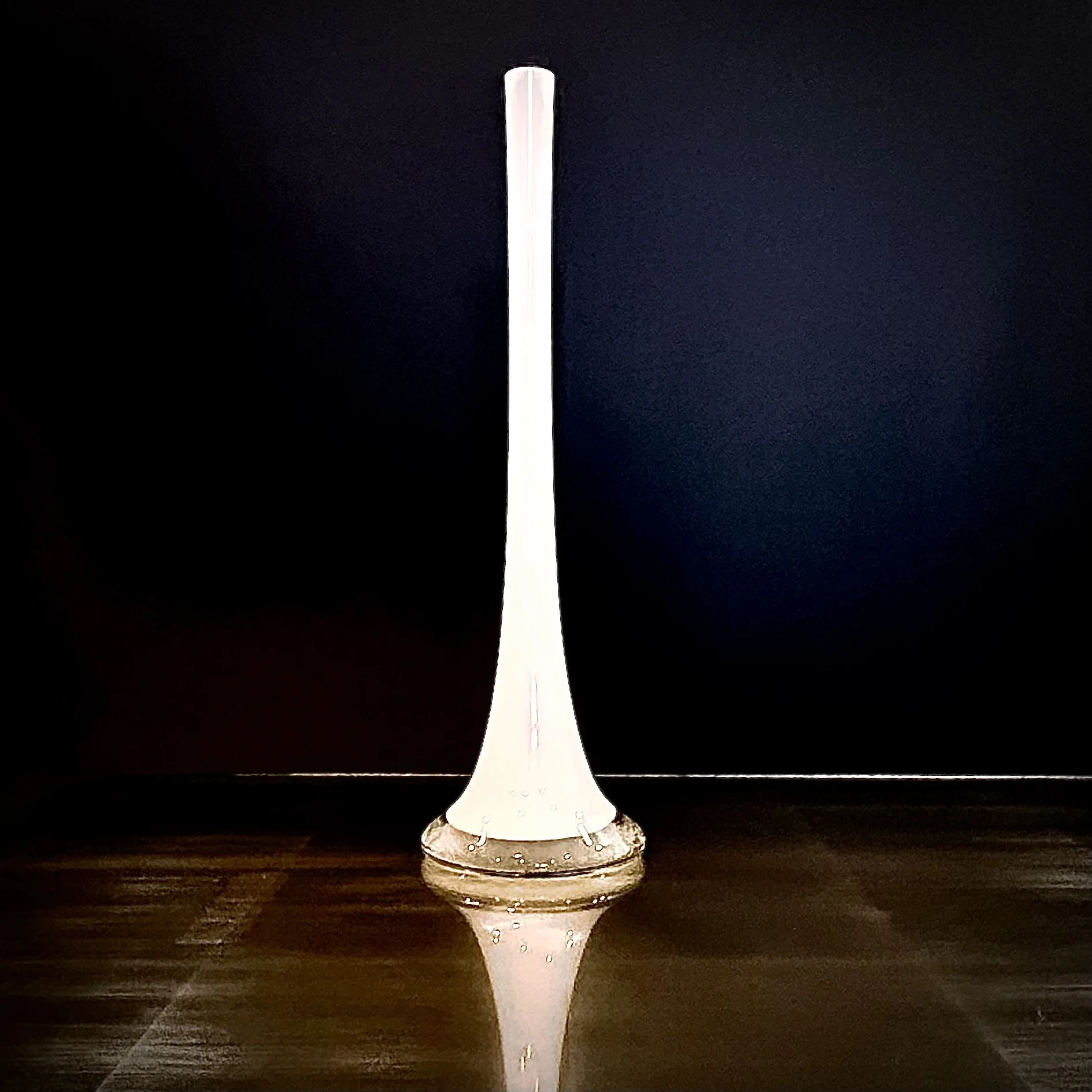 Image 8 of 72
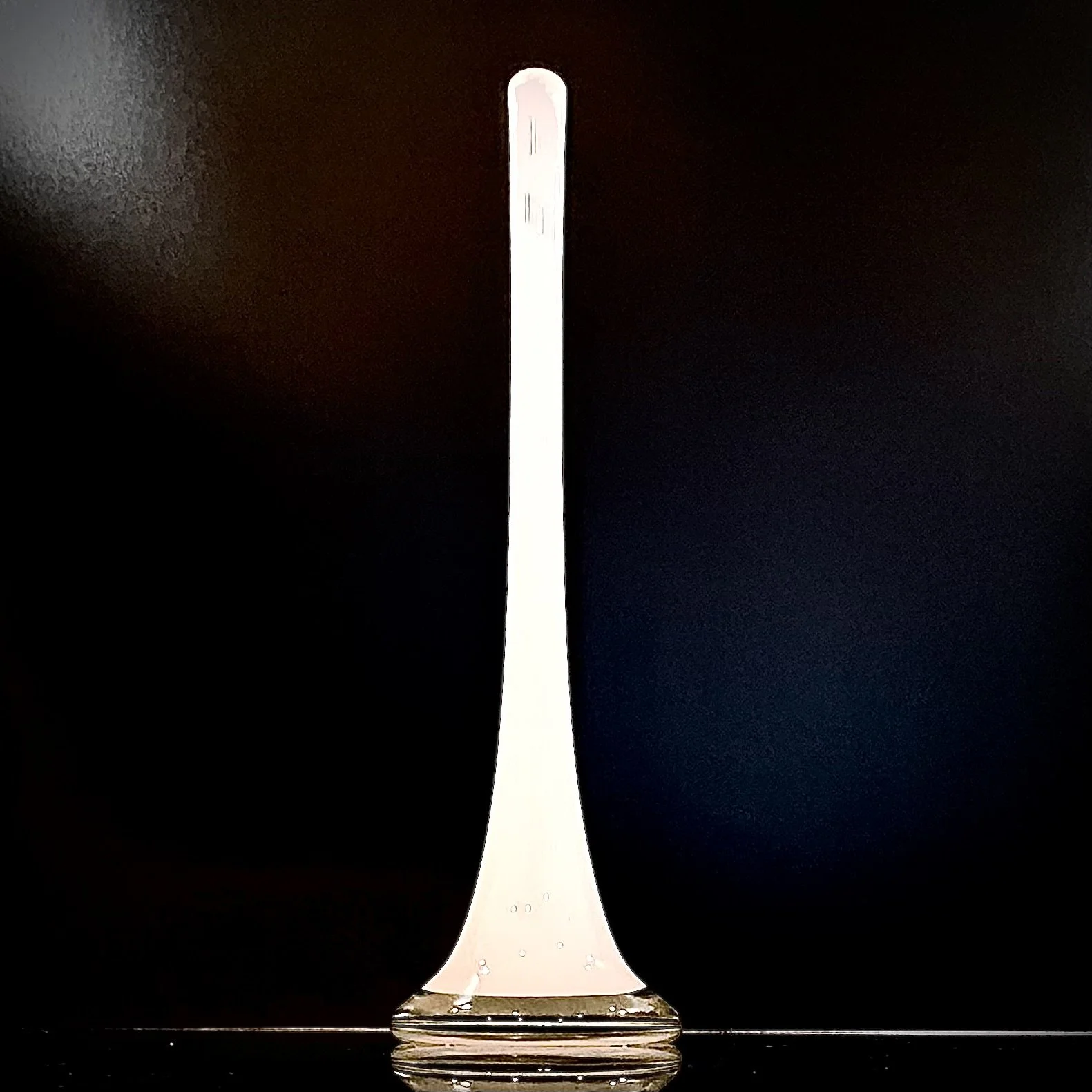 Image 9 of 72
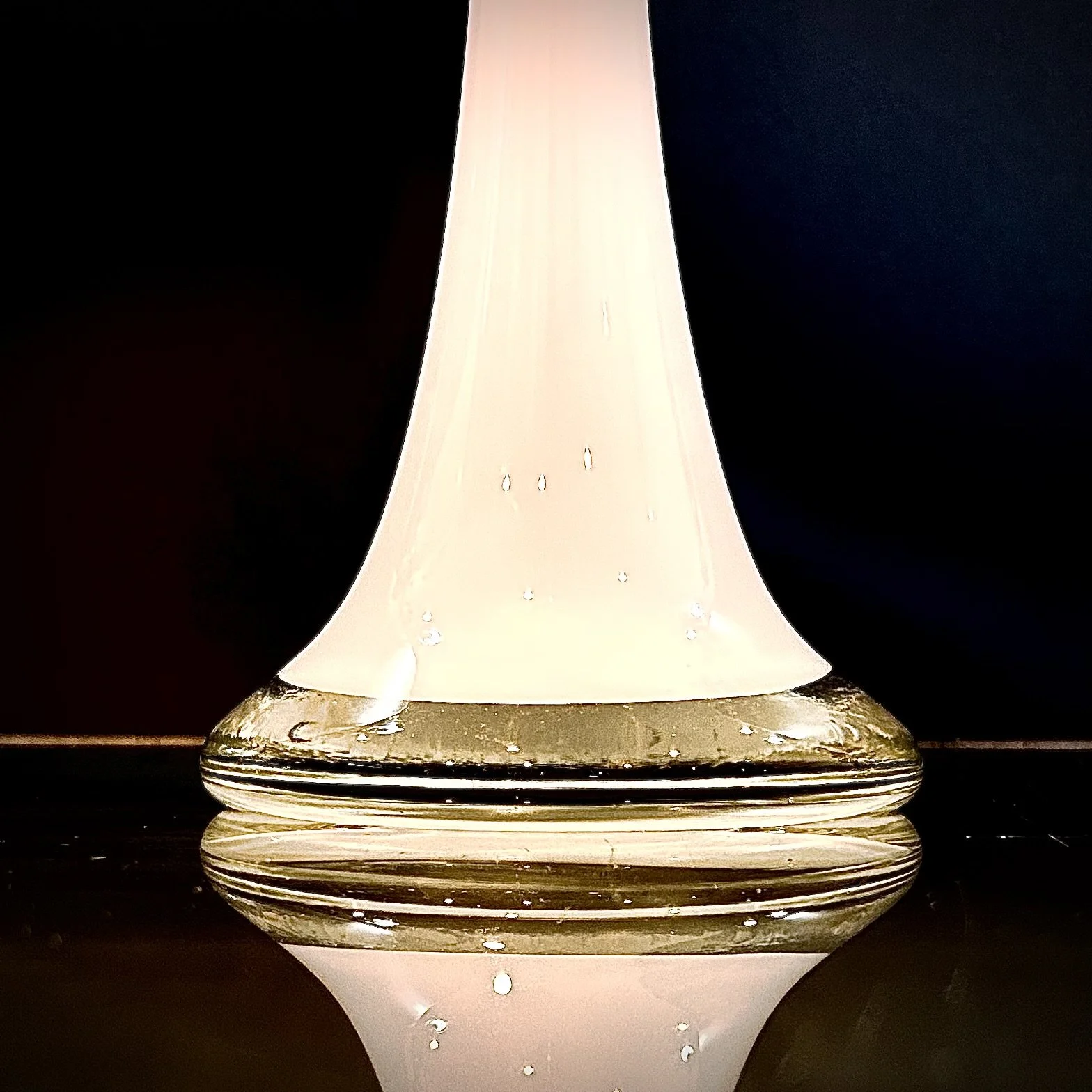 Image 10 of 72
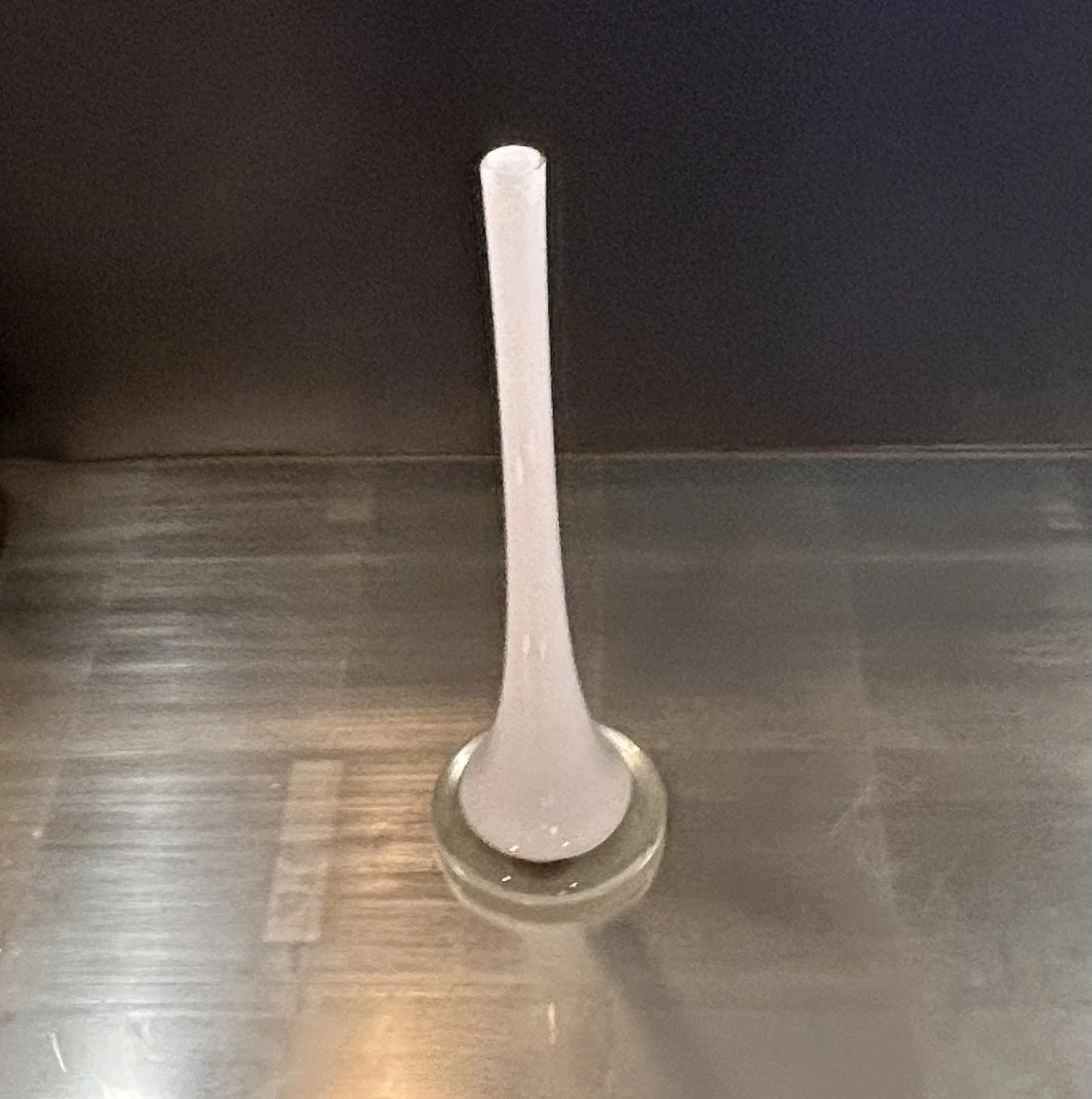 Image 11 of 72
 Image 12 of 72
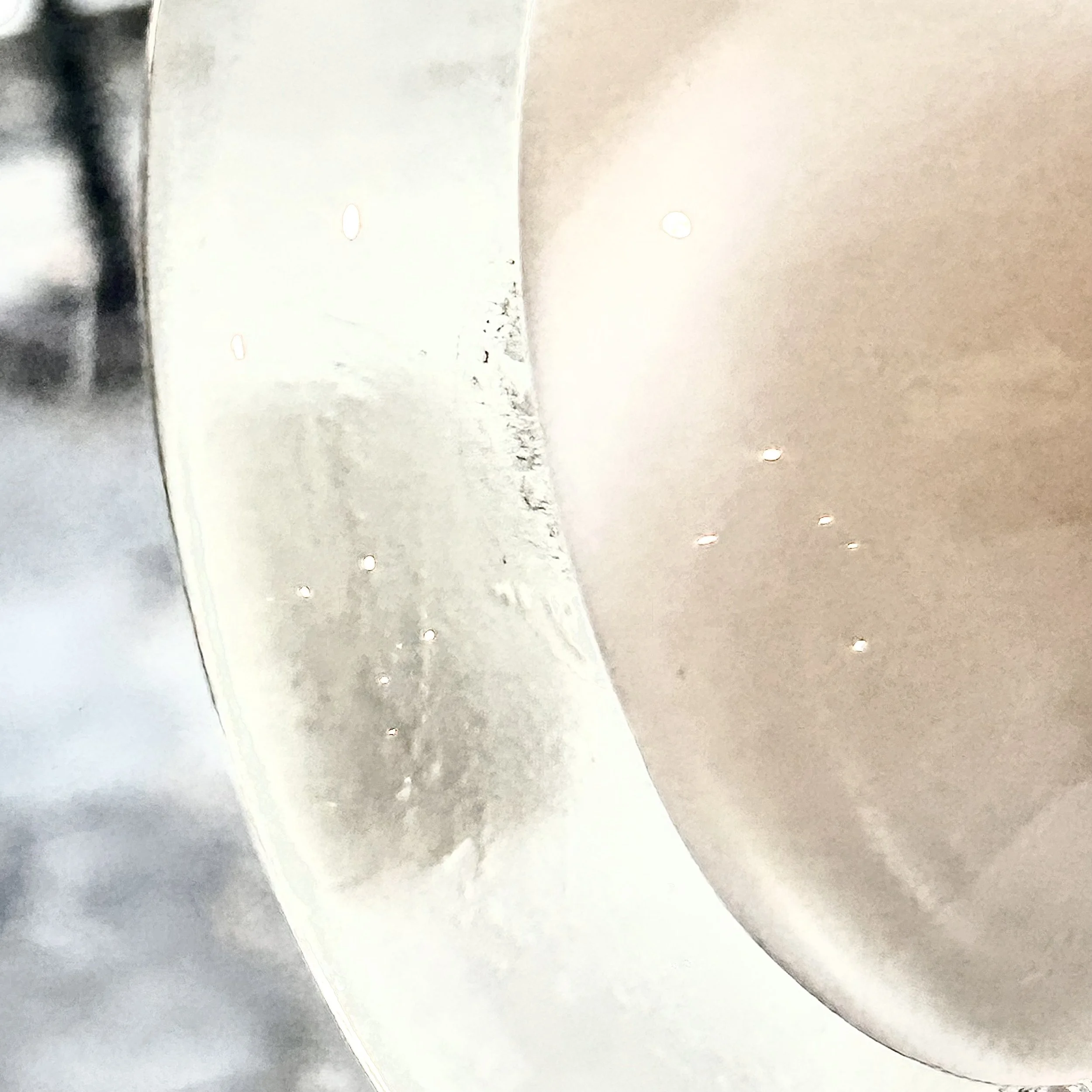 Image 13 of 72
 Image 14 of 72
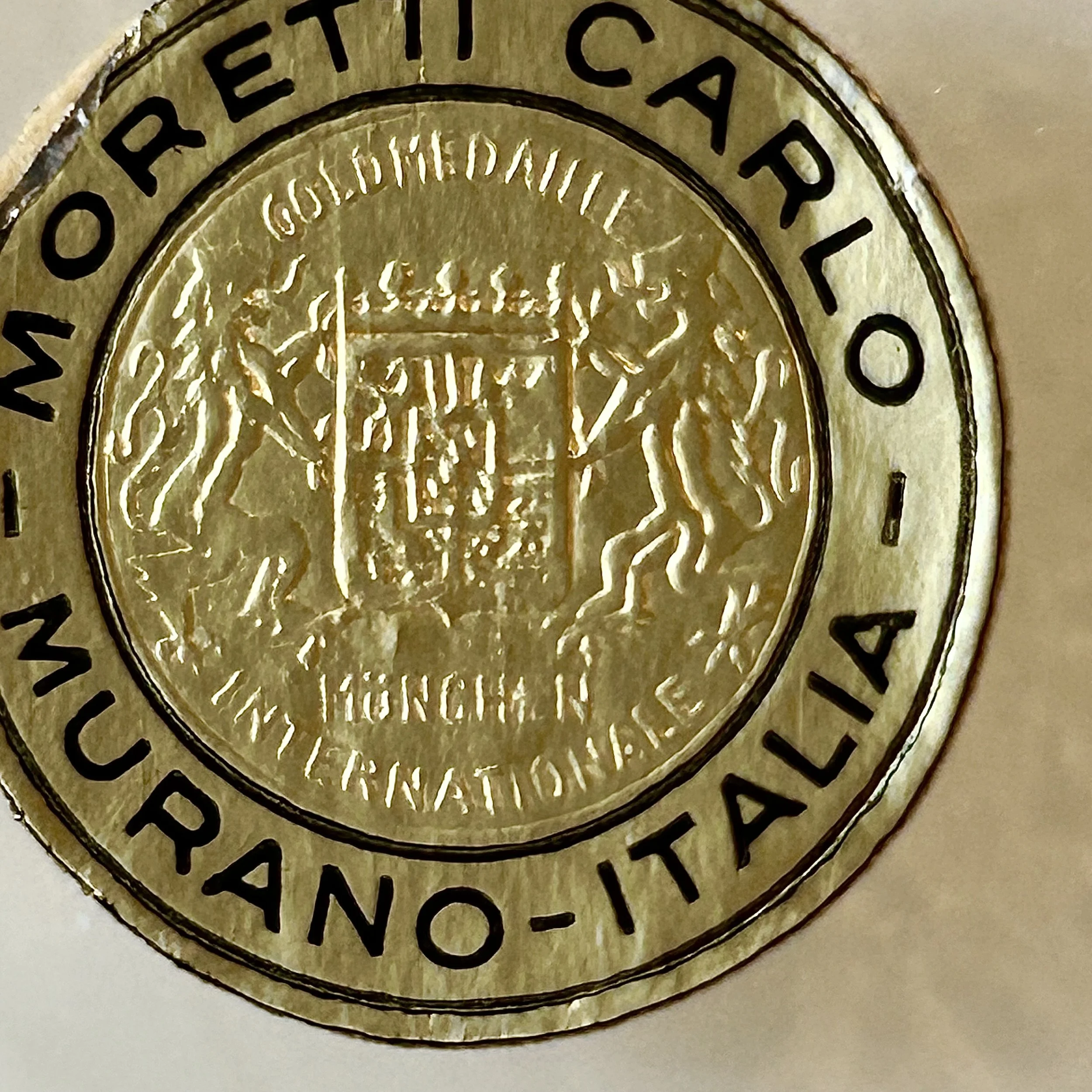 Image 15 of 72
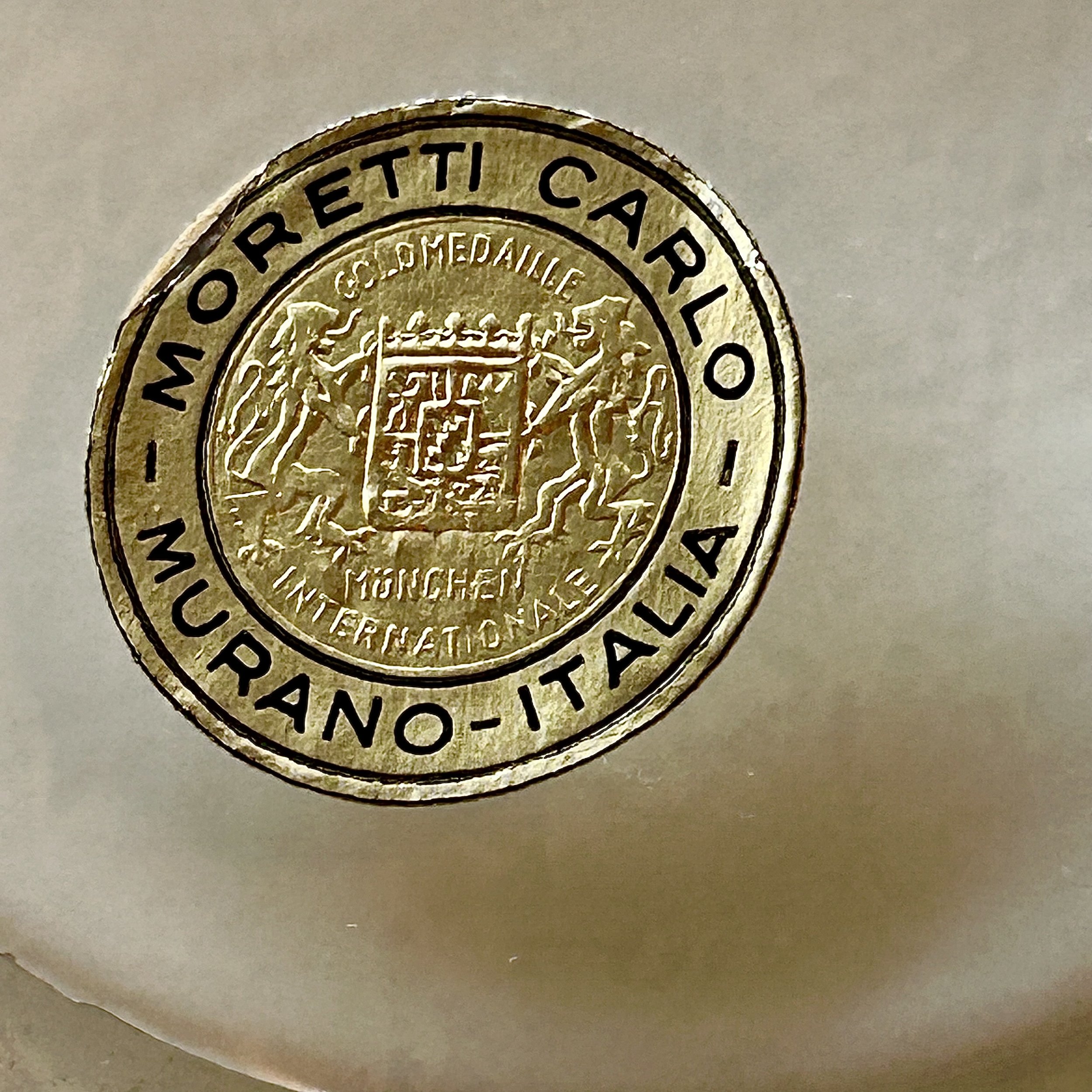 Image 16 of 72
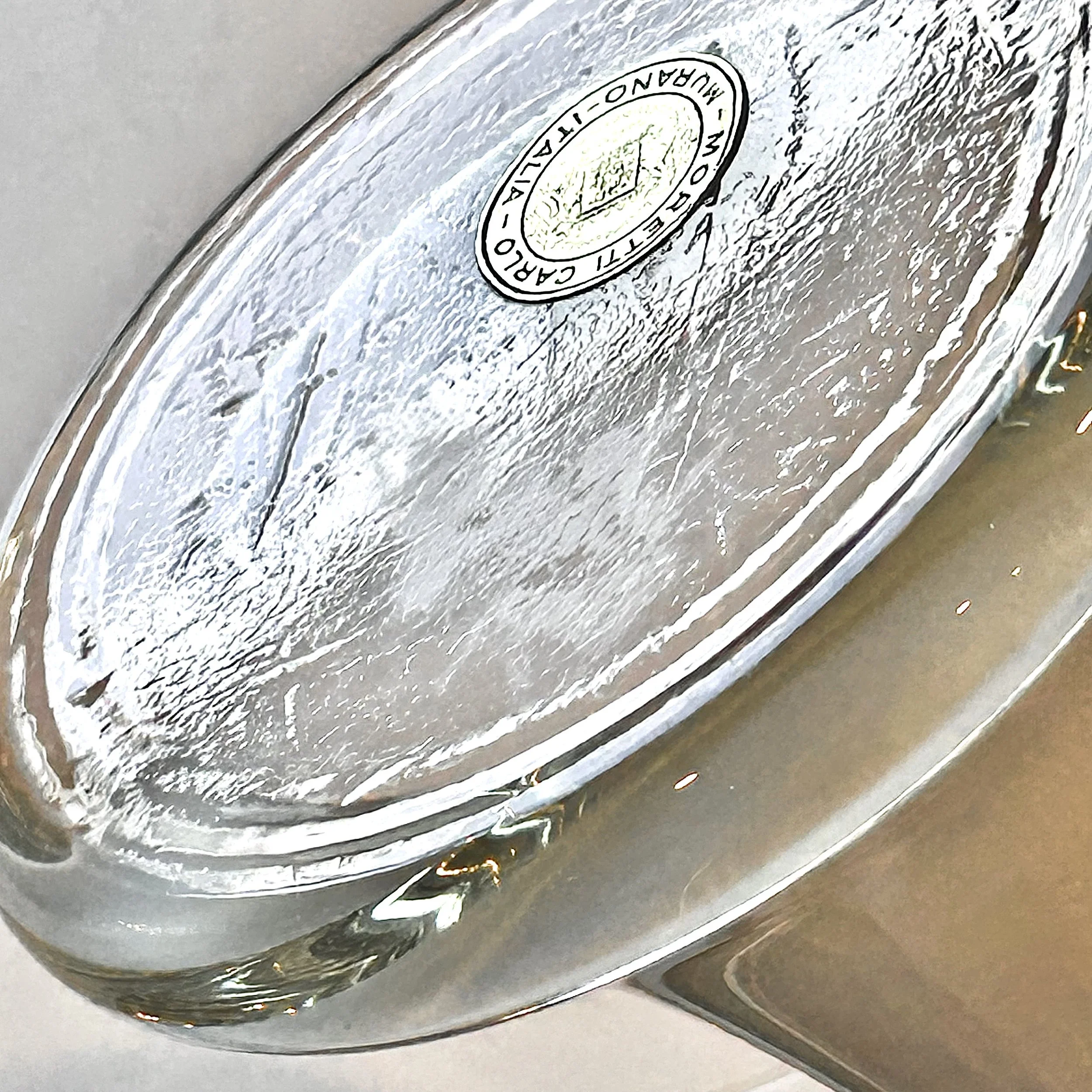 Image 17 of 72
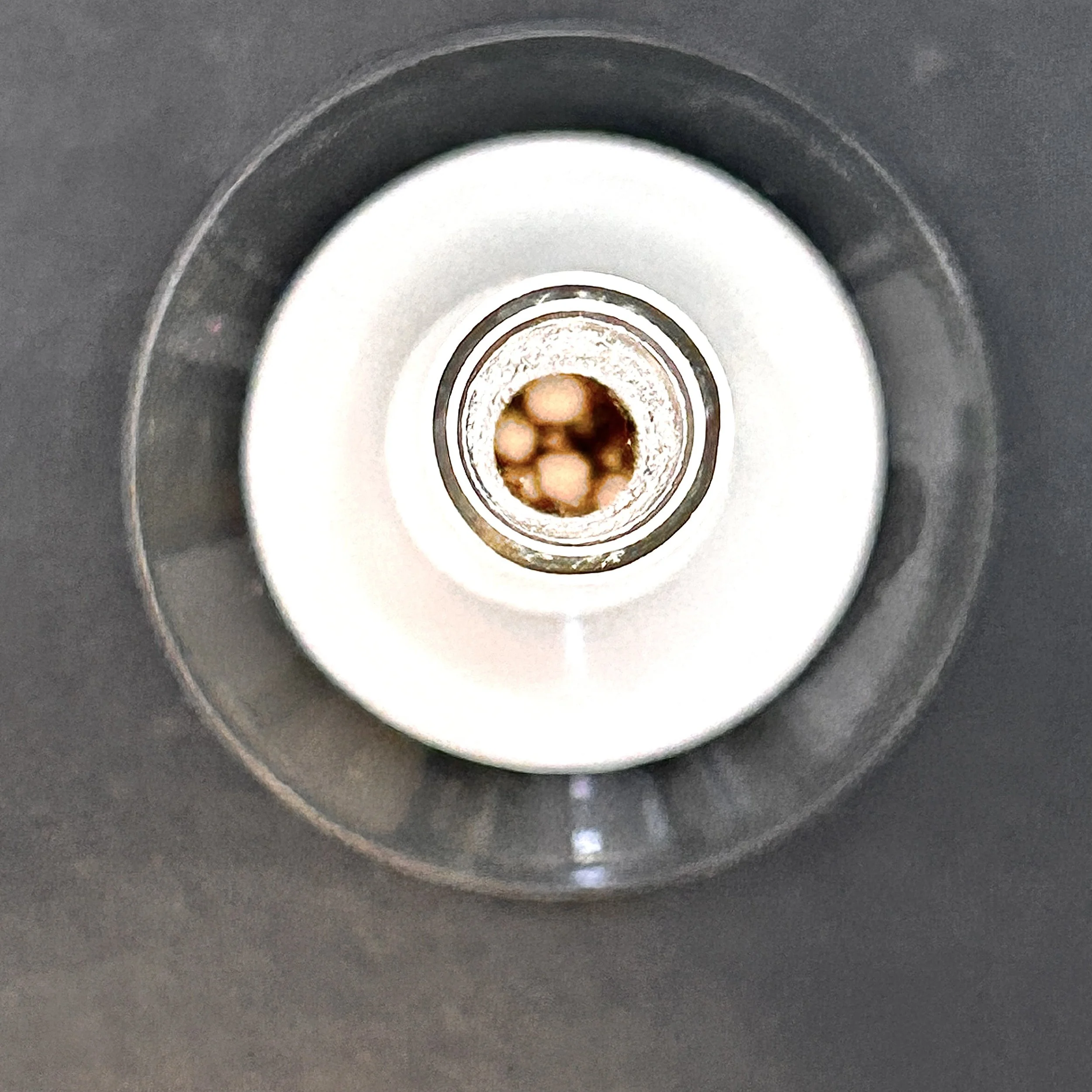 Image 18 of 72
 Image 19 of 72
 Image 20 of 72
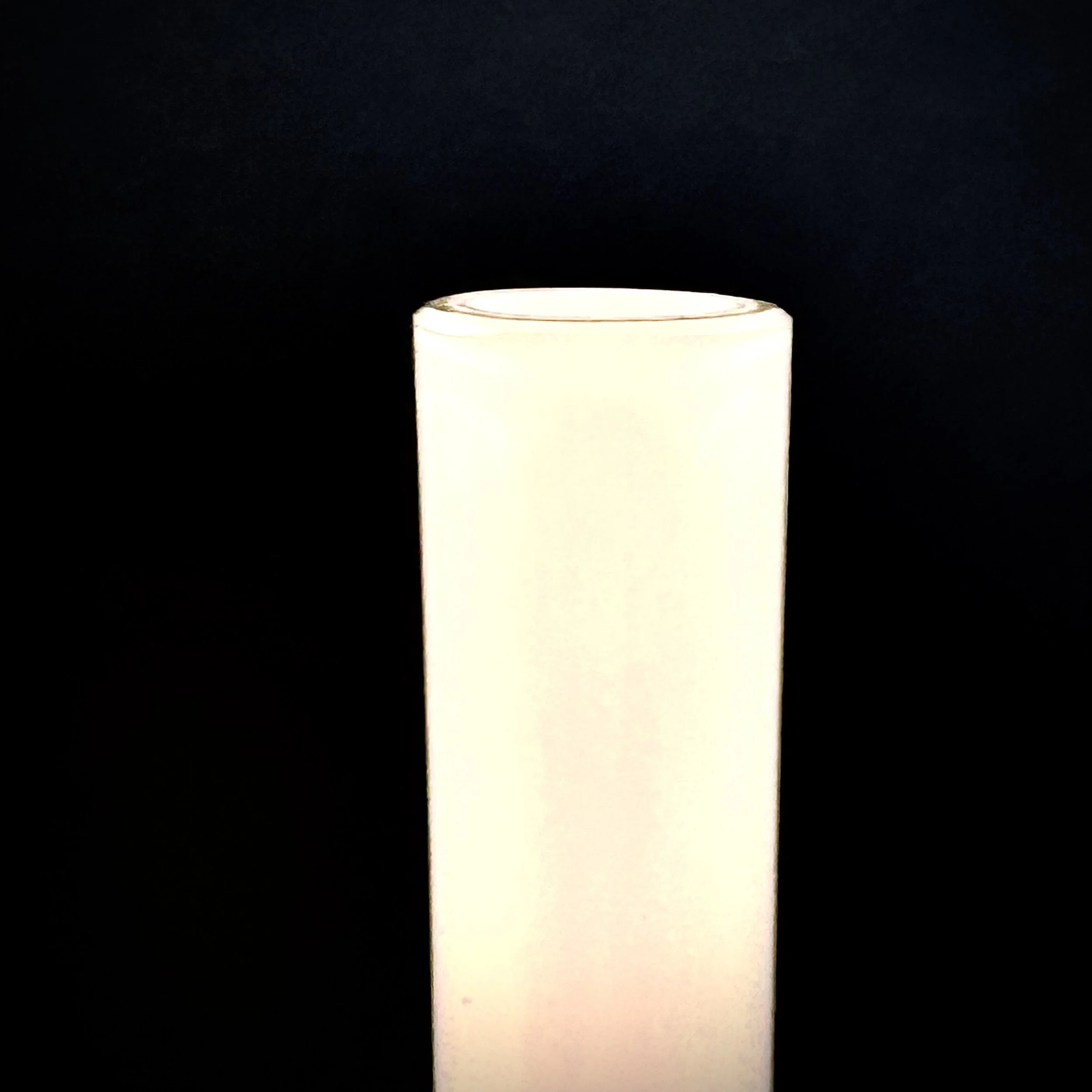 Image 21 of 72
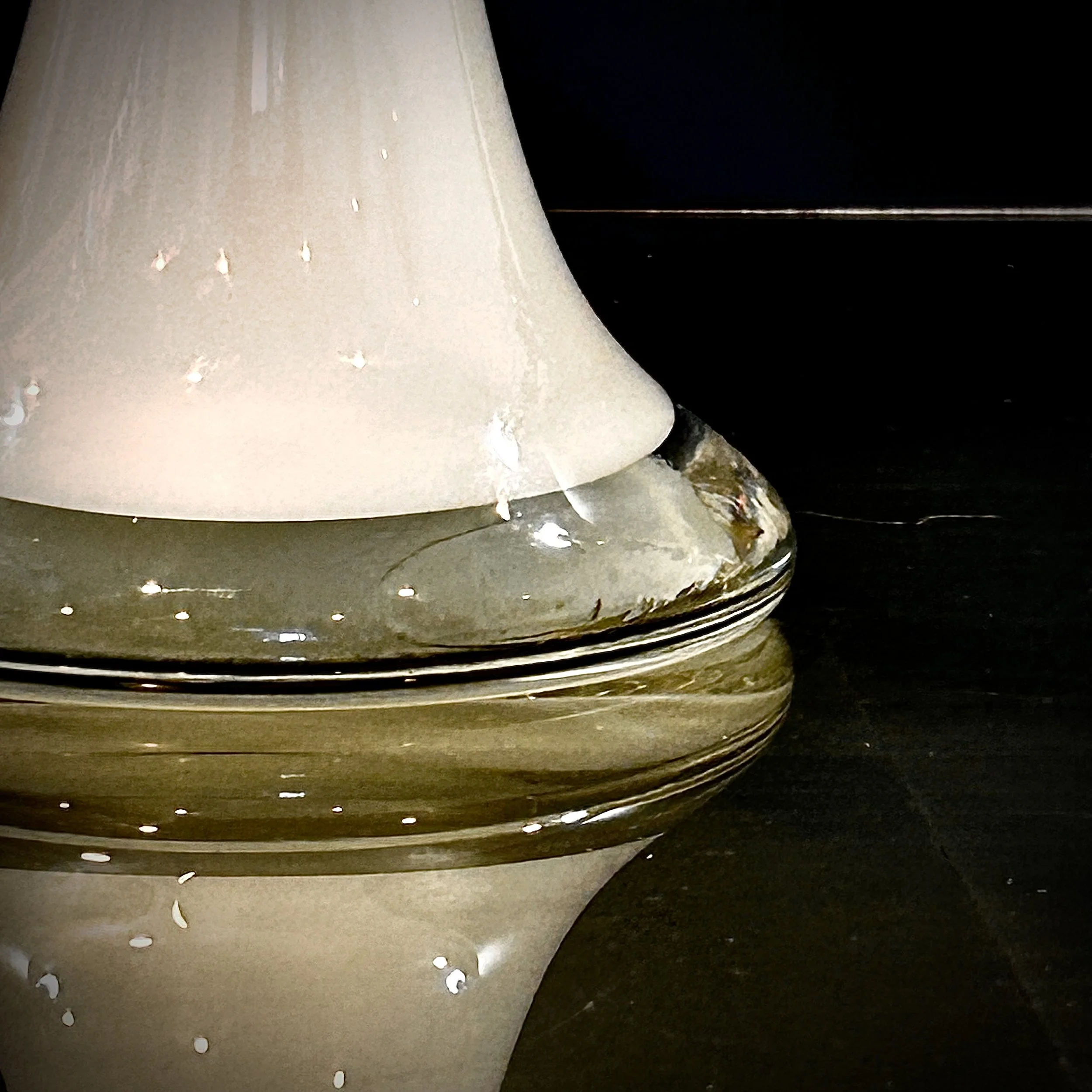 Image 22 of 72
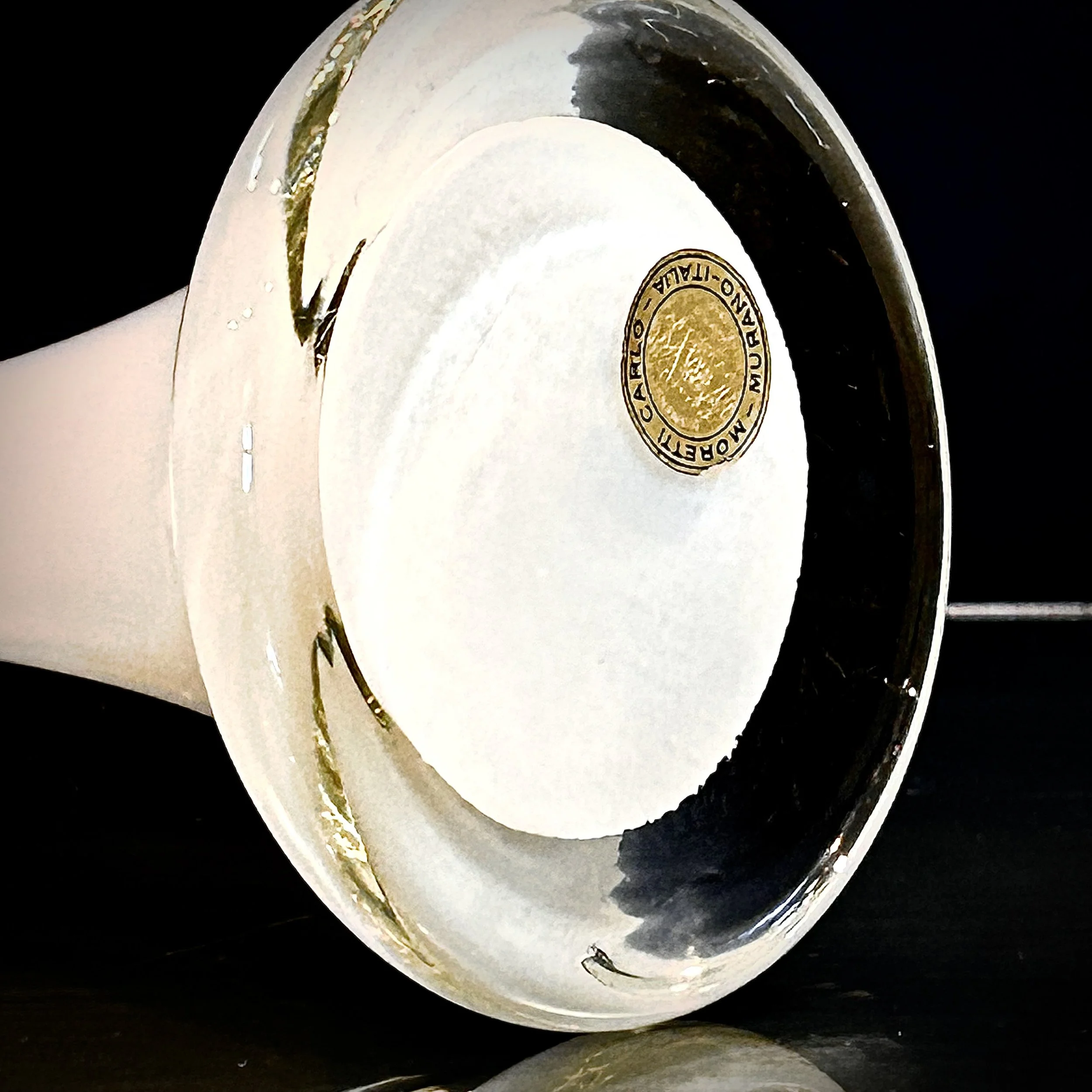 Image 23 of 72
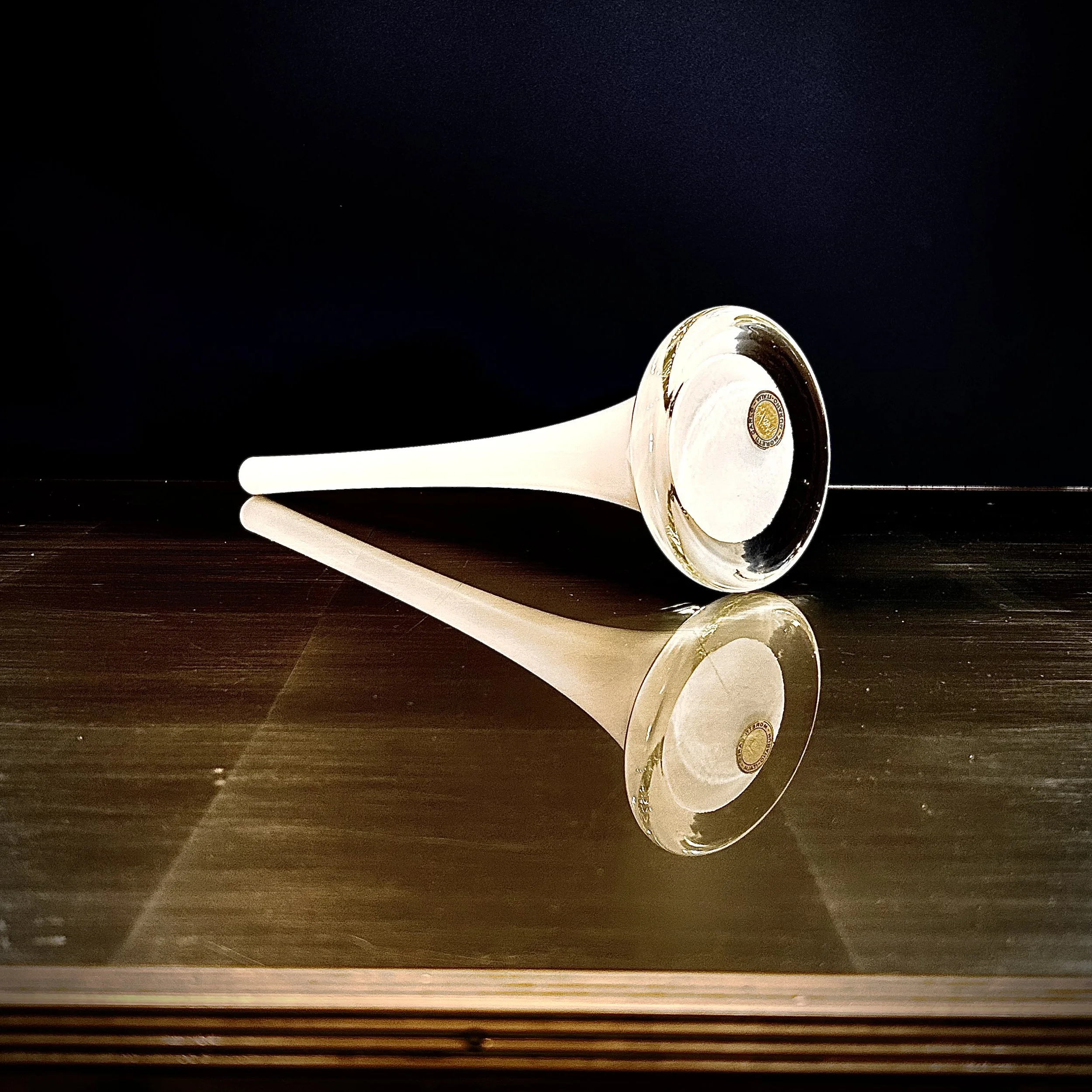 Image 24 of 72
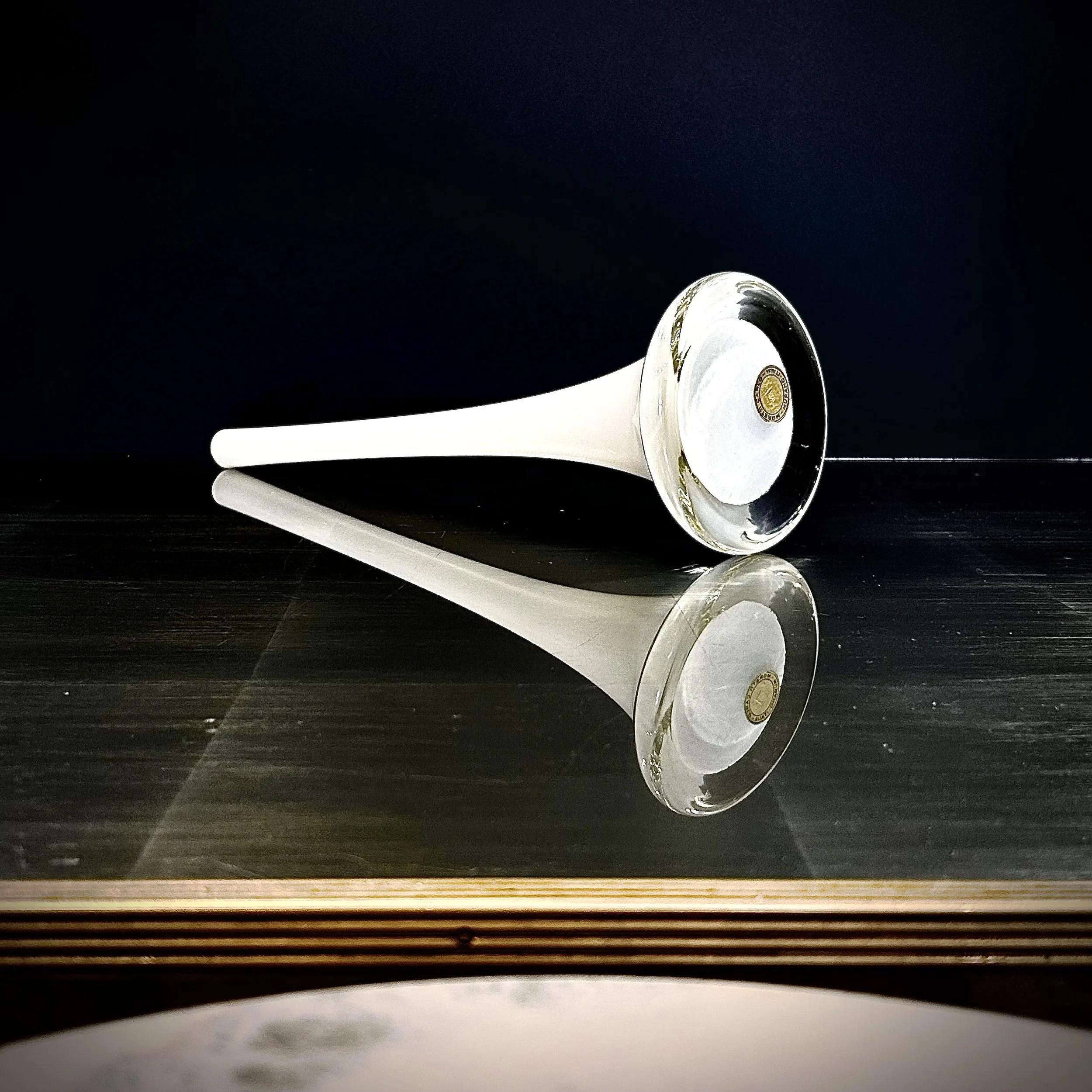 Image 25 of 72
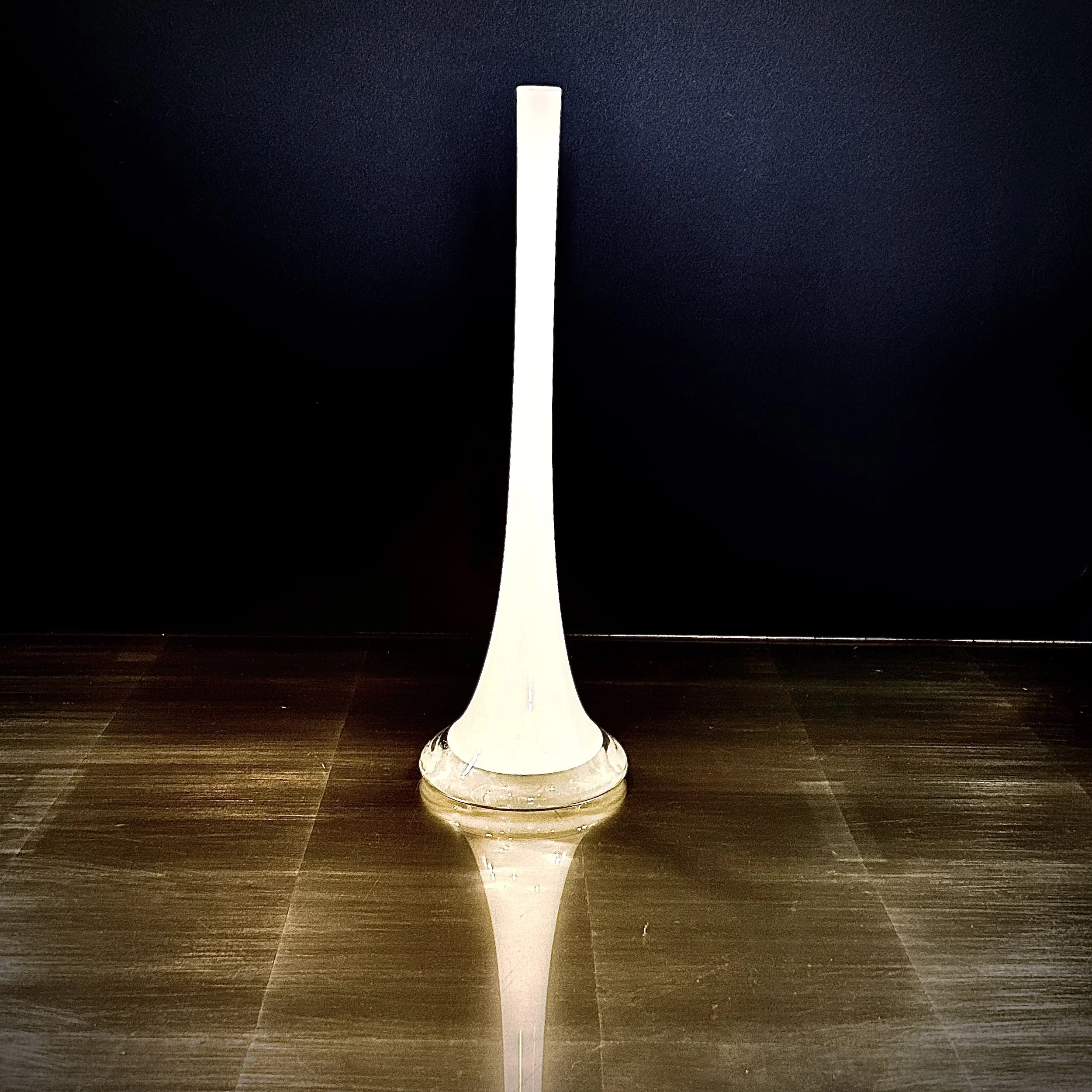 Image 26 of 72
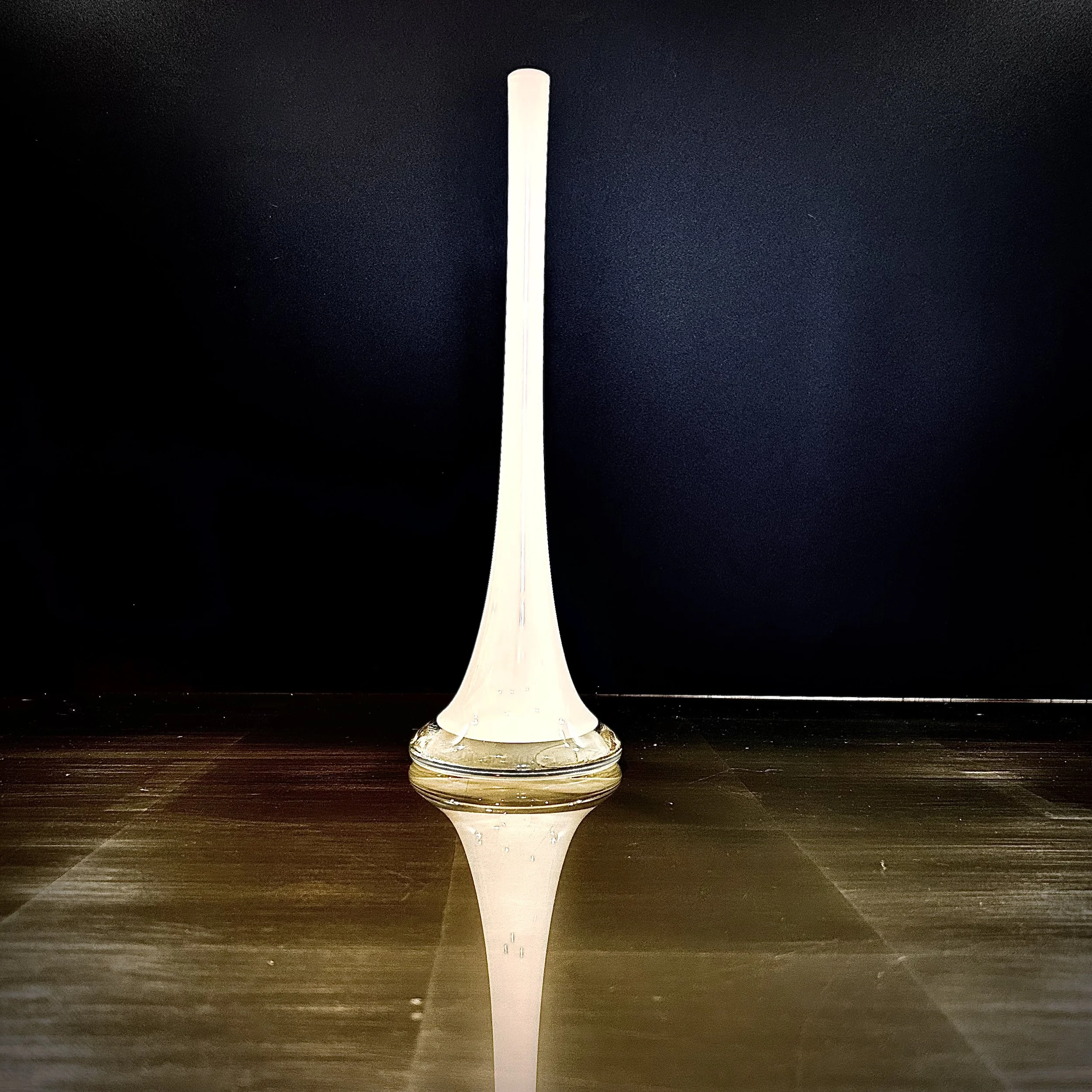 Image 27 of 72
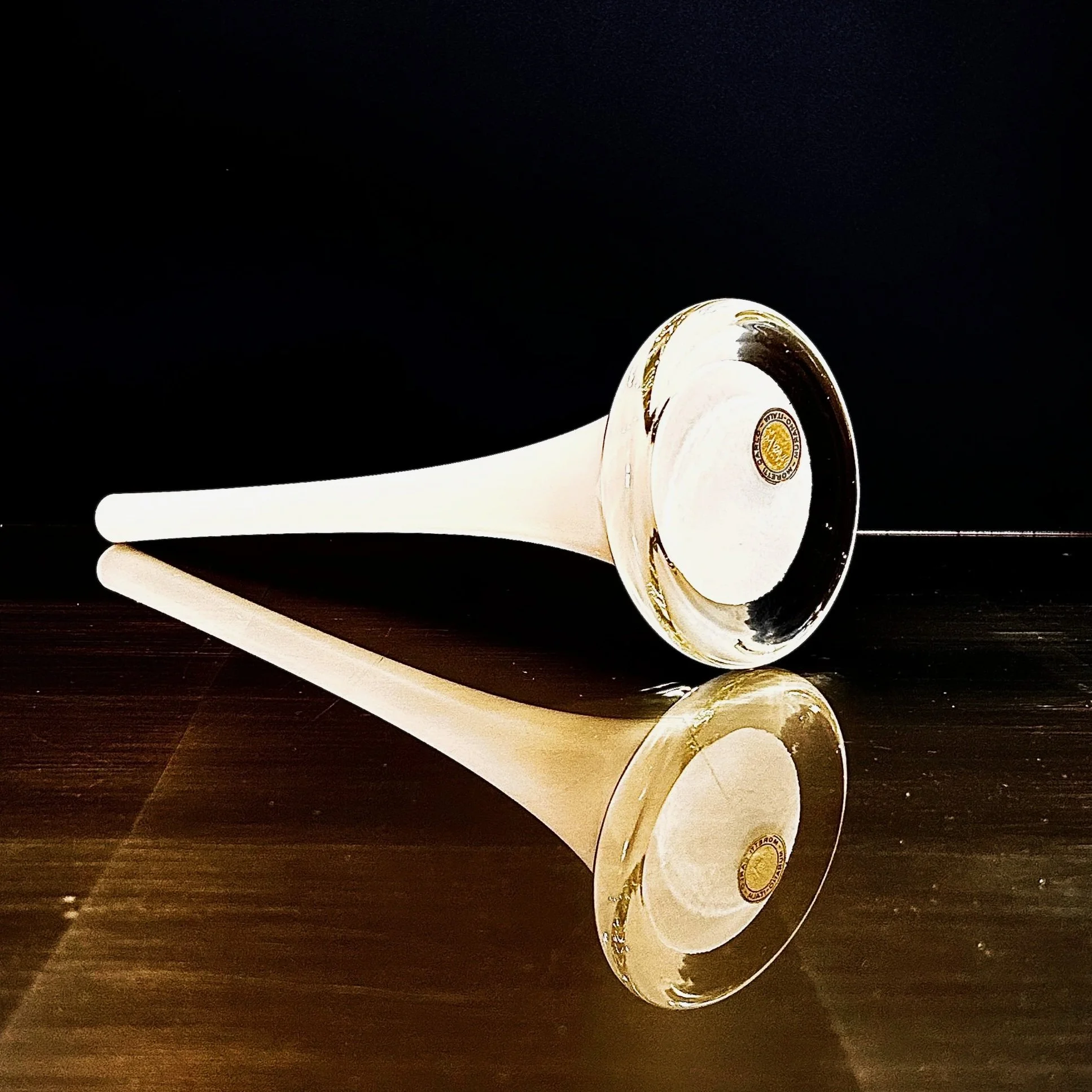 Image 28 of 72
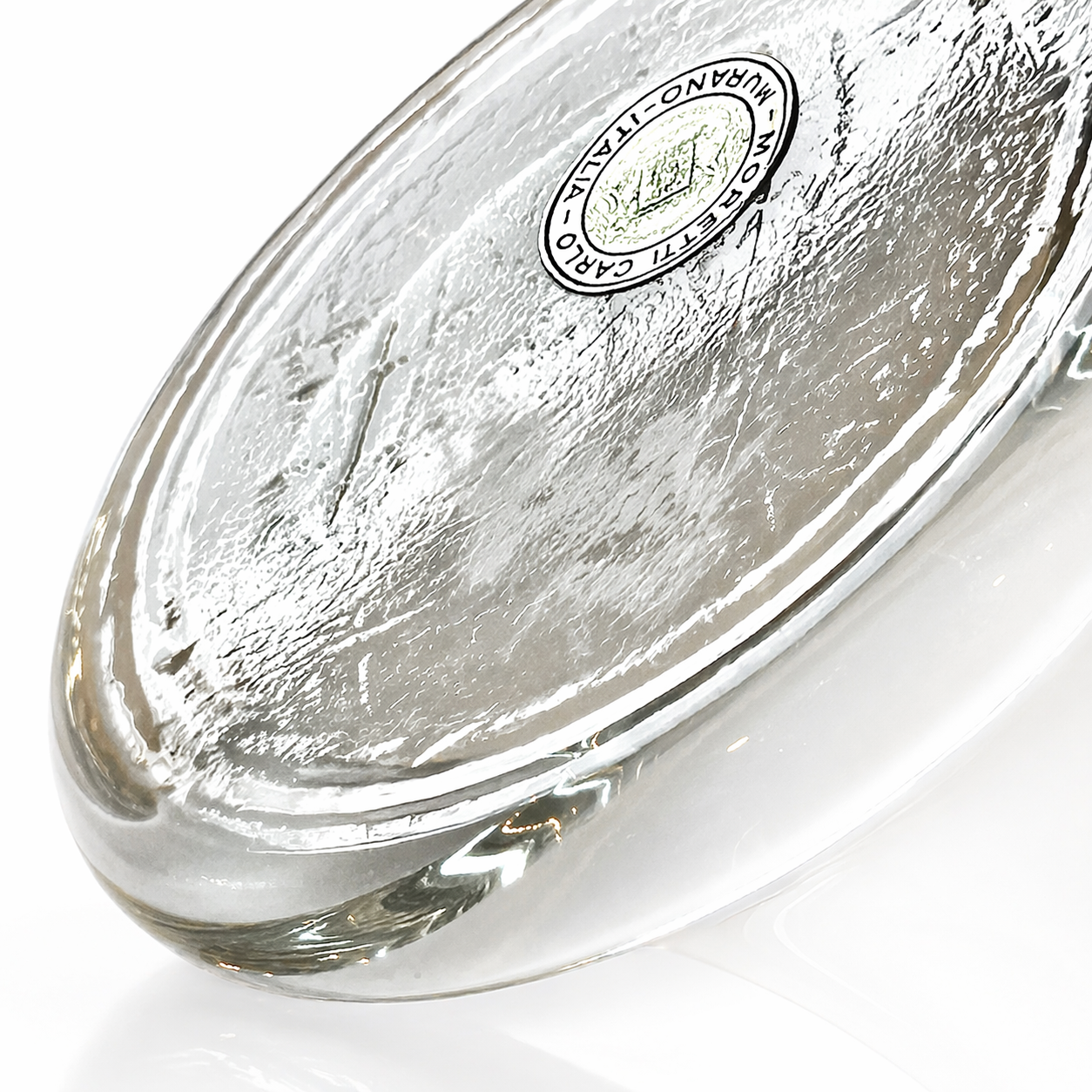 Image 29 of 72
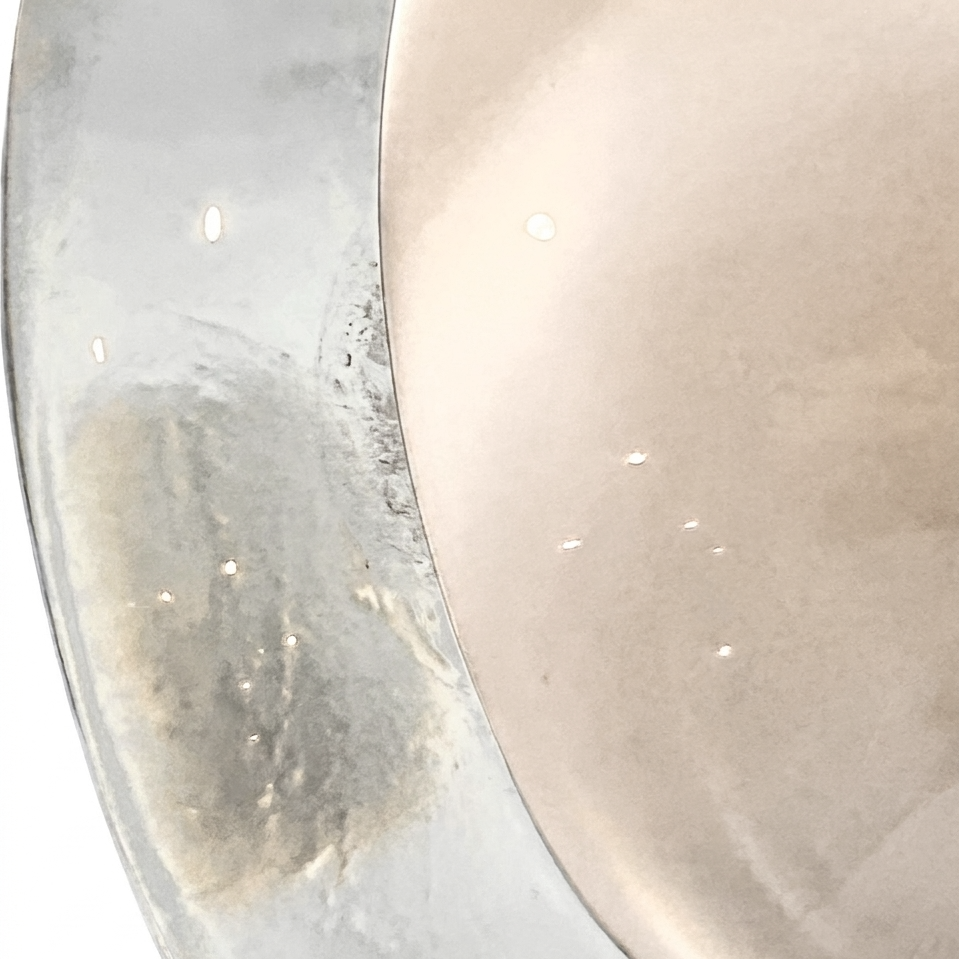 Image 30 of 72
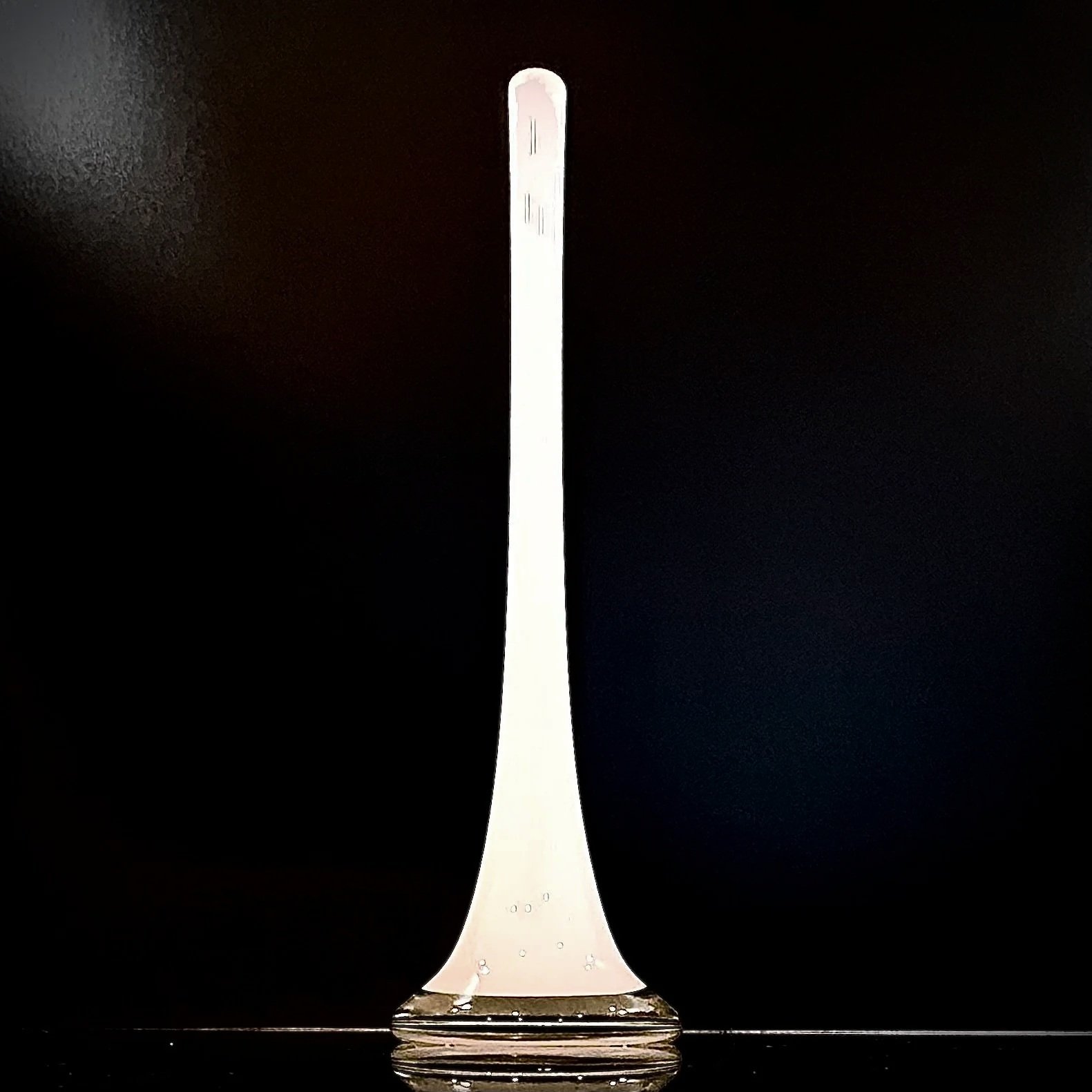 Image 31 of 72
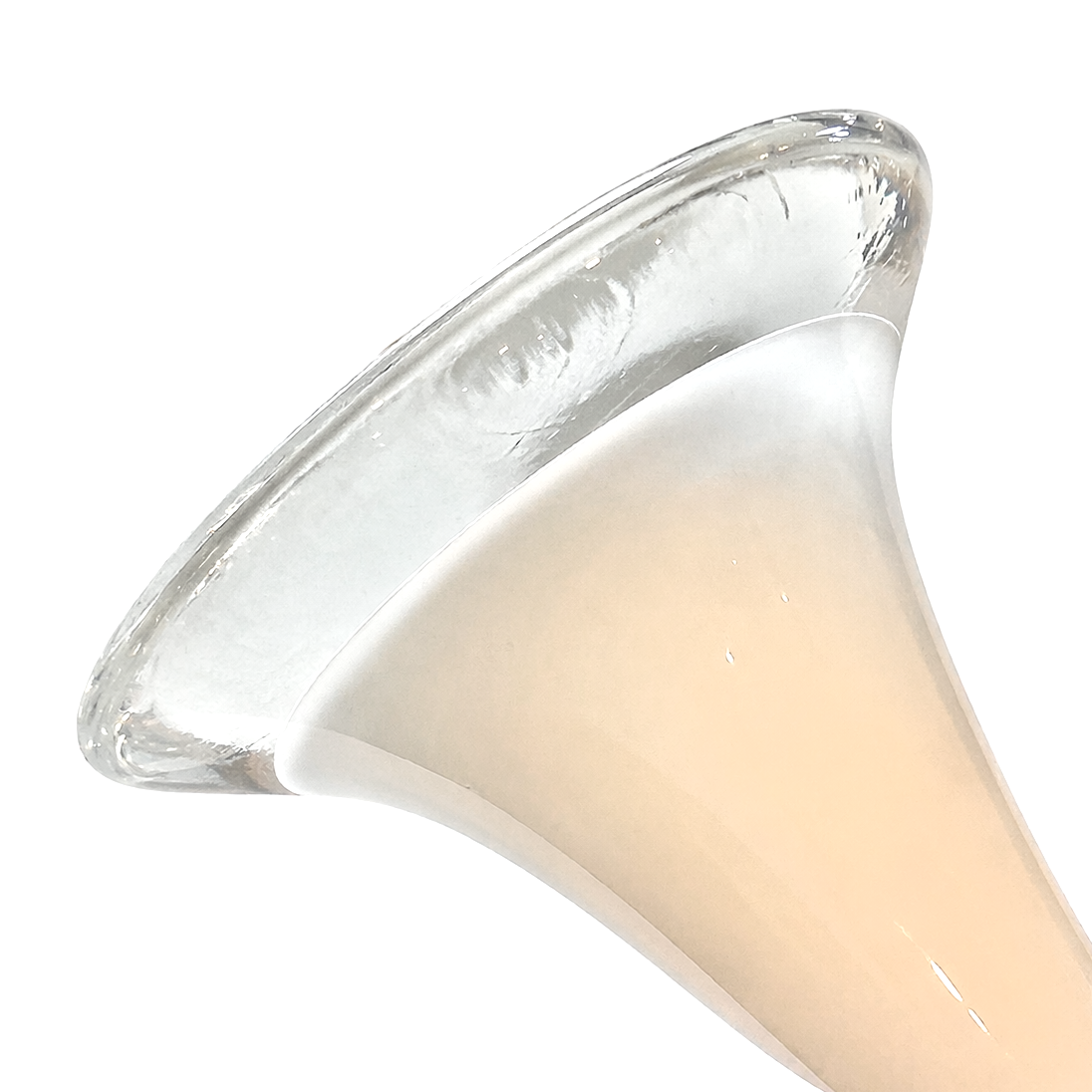 Image 32 of 72
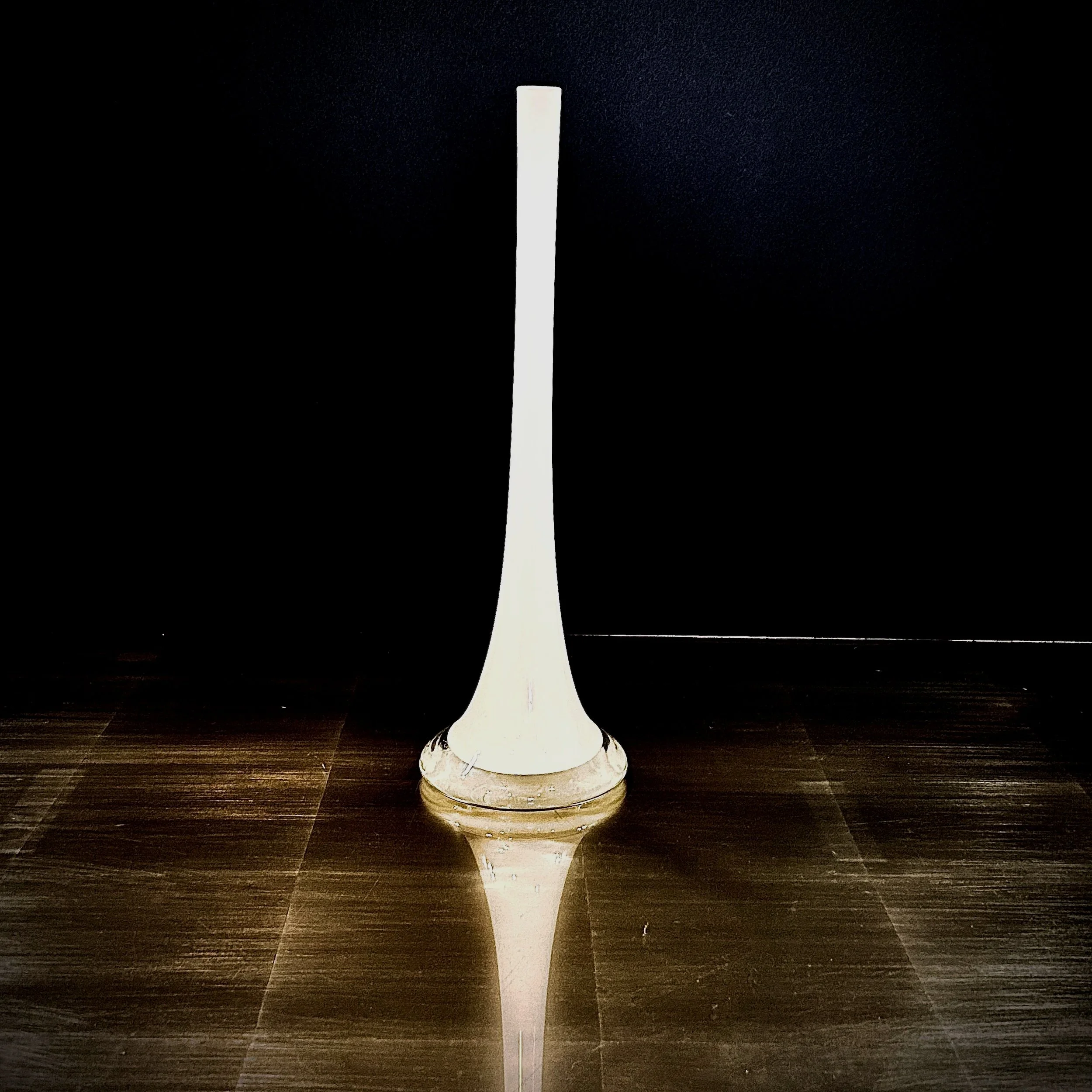 Image 33 of 72
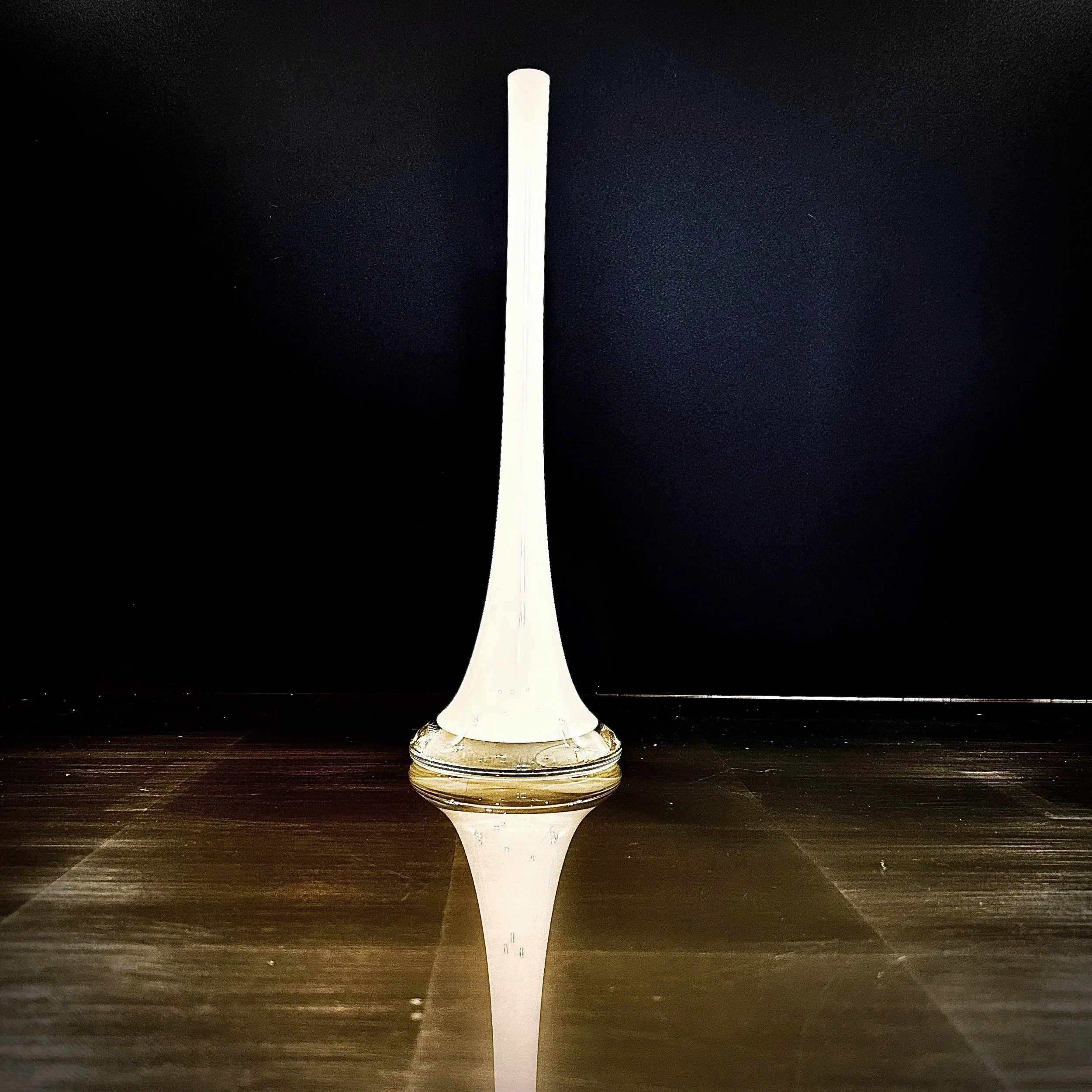 Image 34 of 72
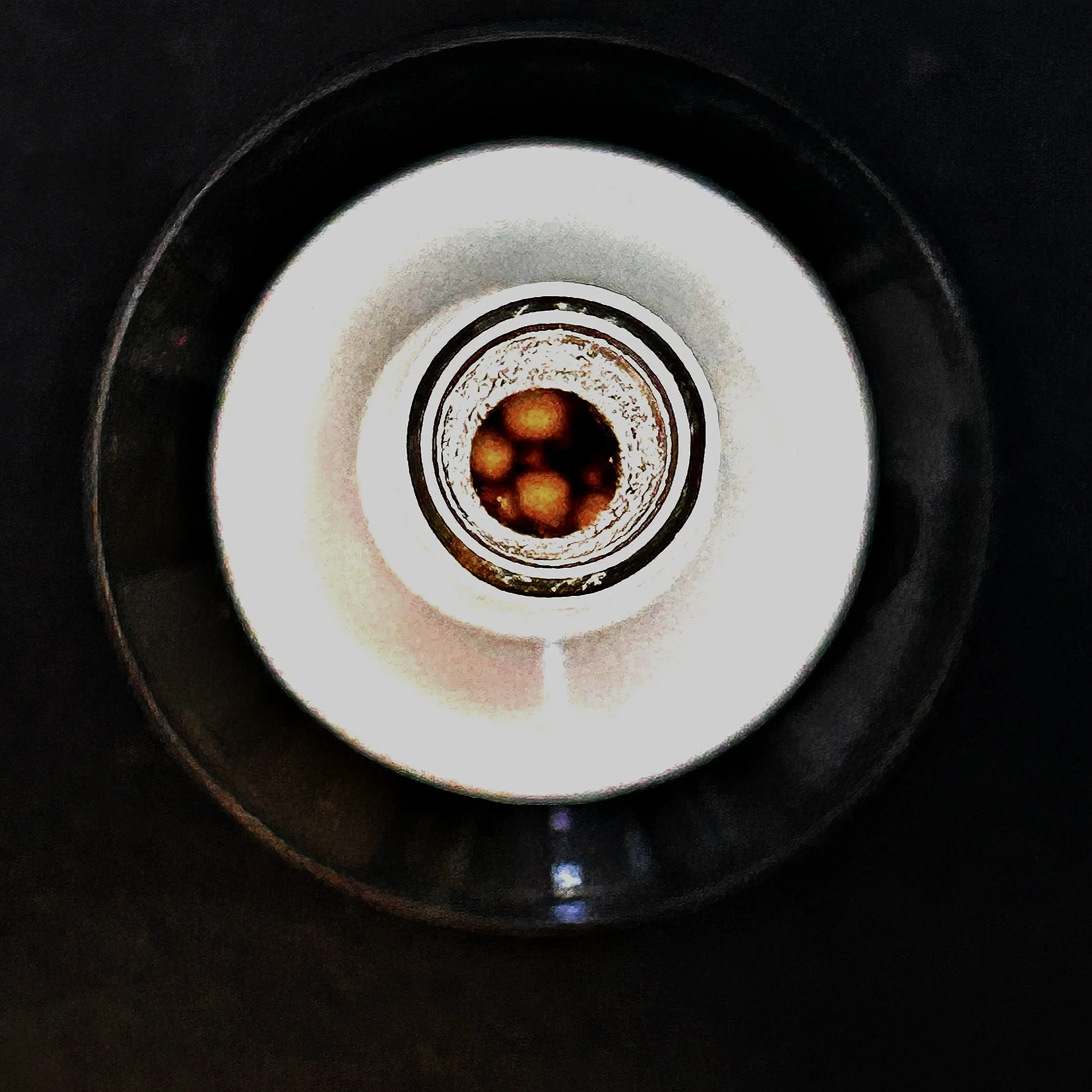 Image 35 of 72
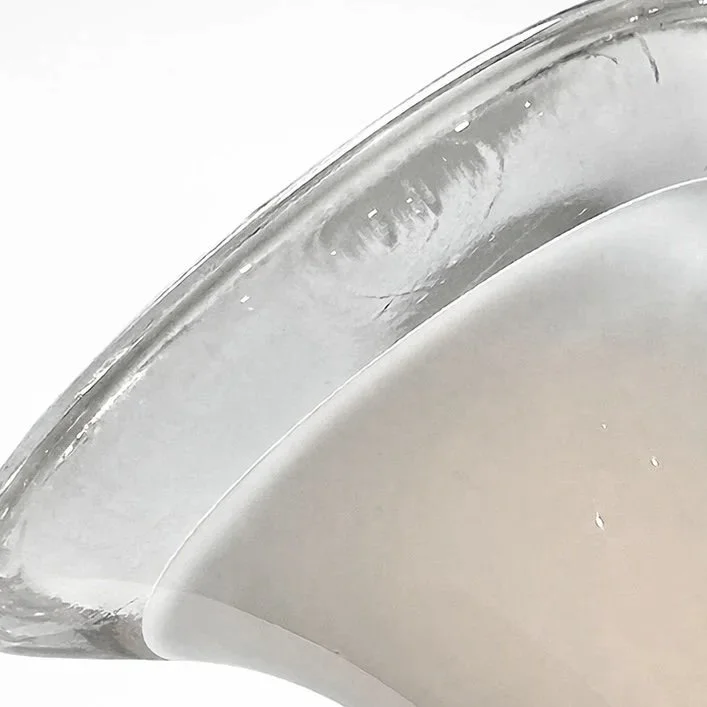 Image 36 of 72