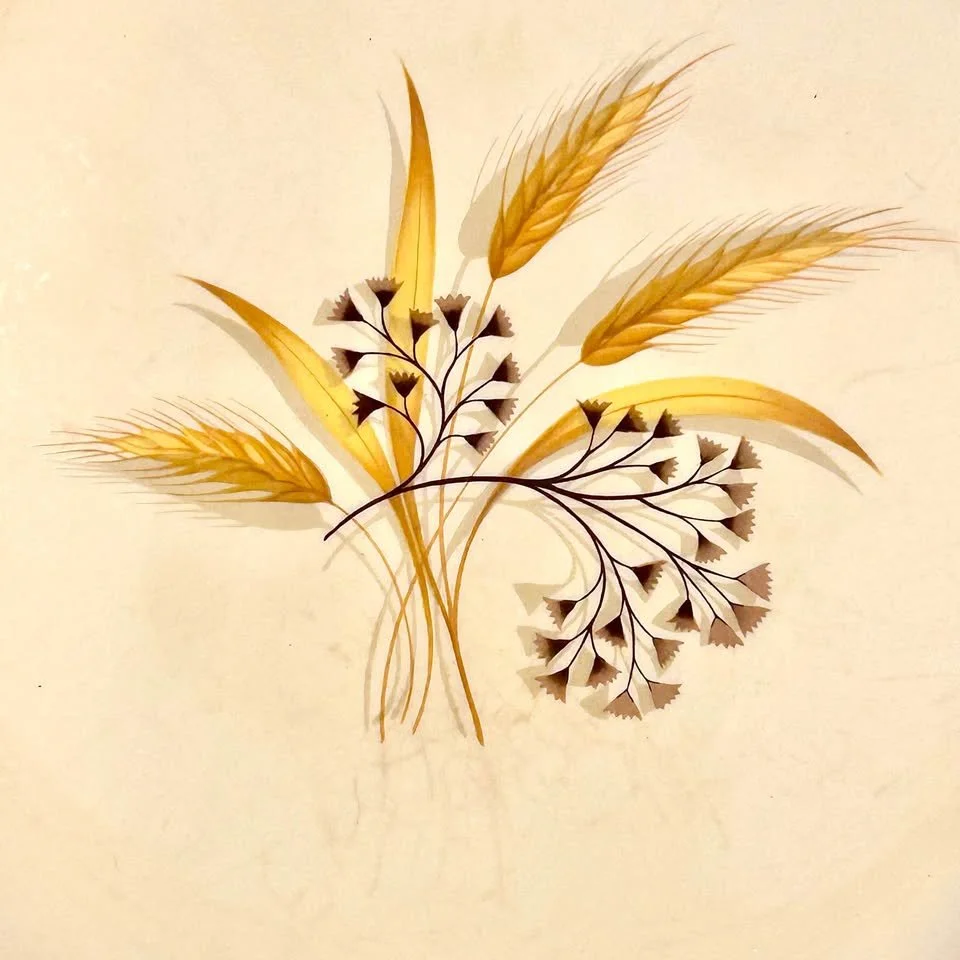
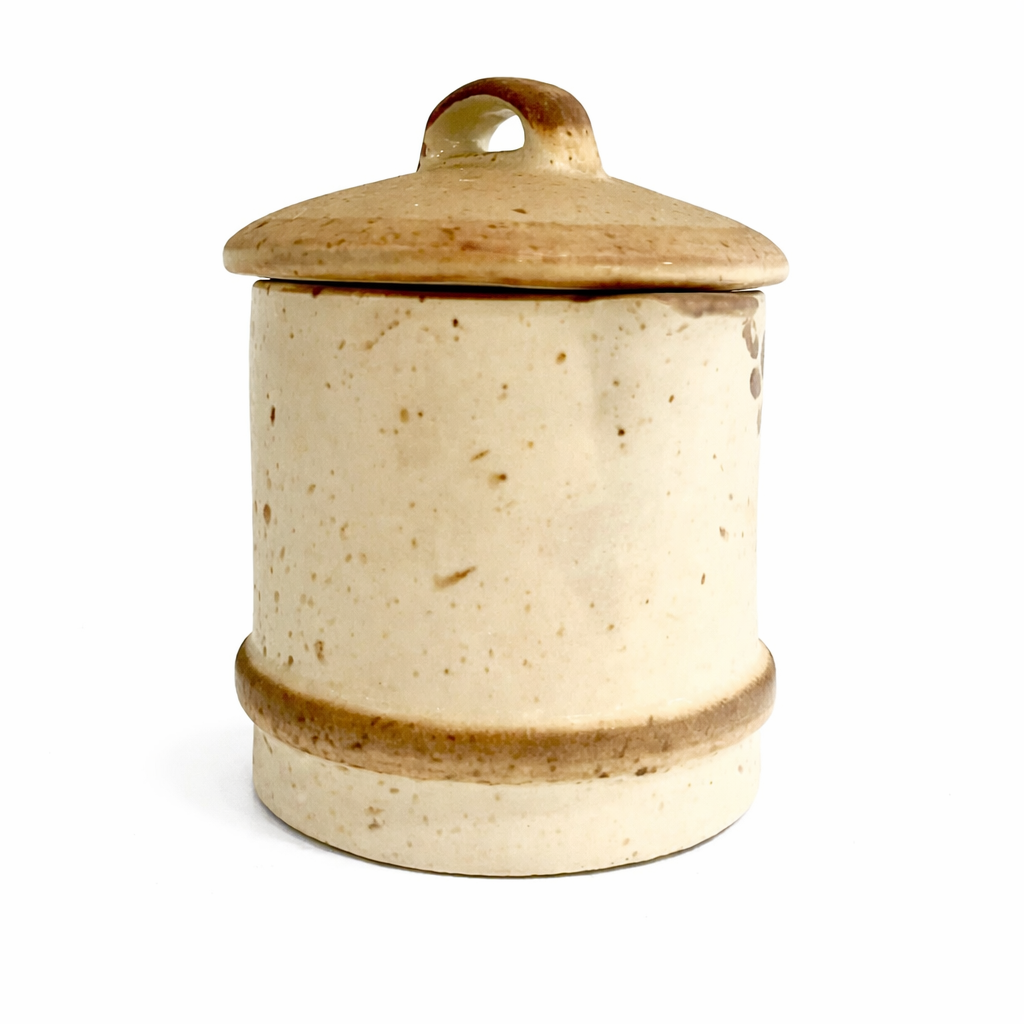
 Image 1 of 4
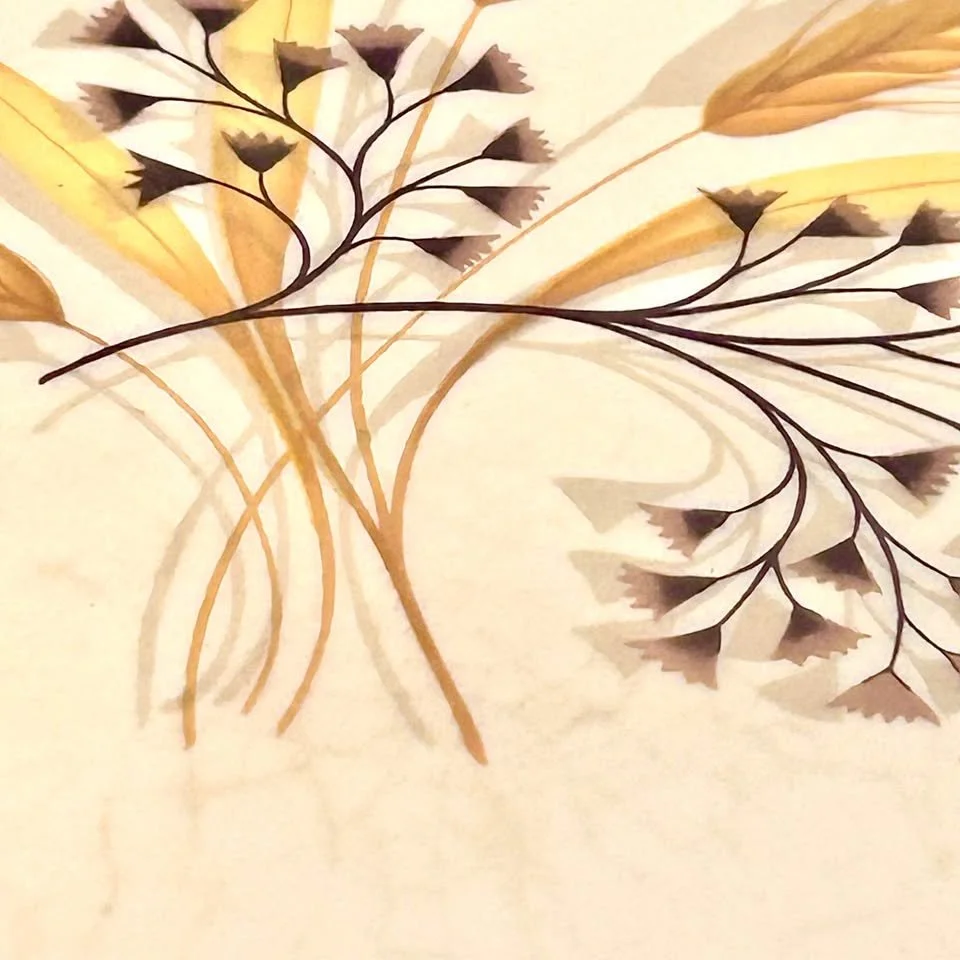
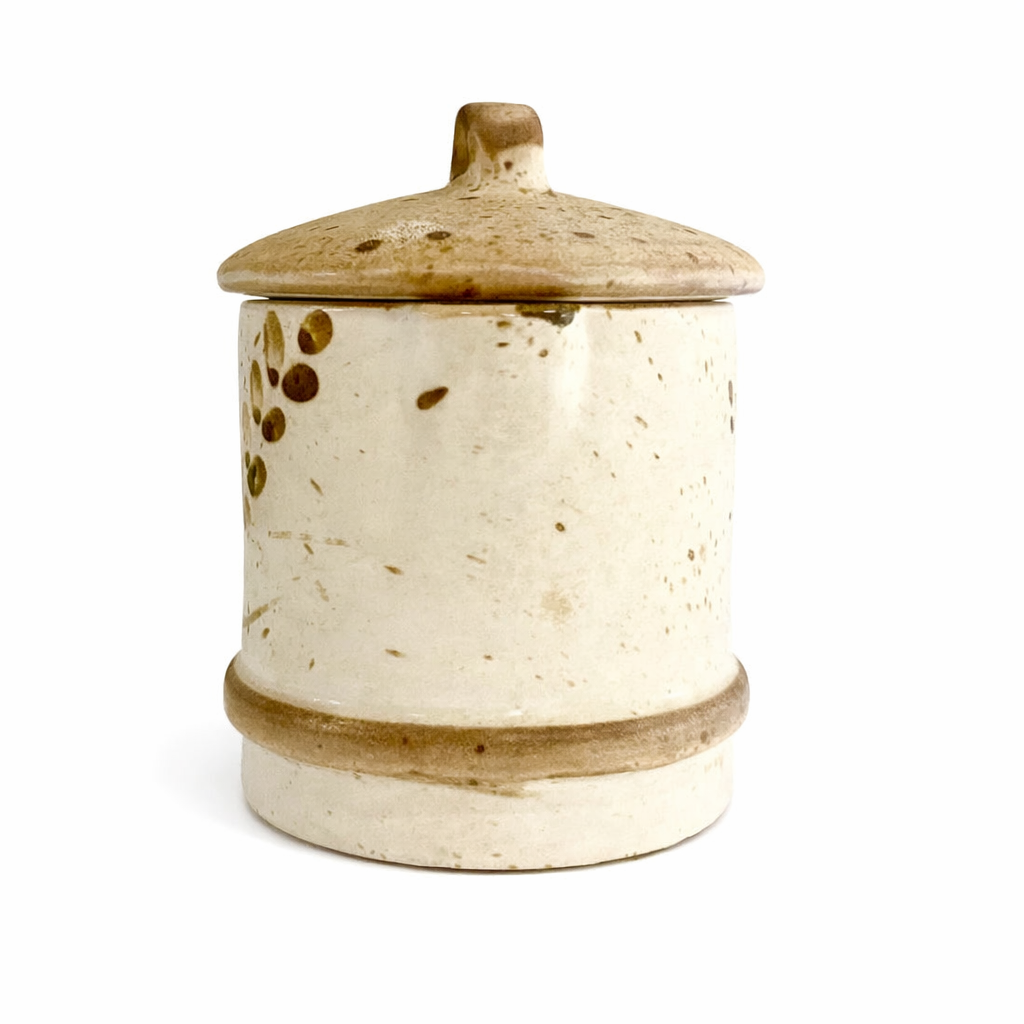
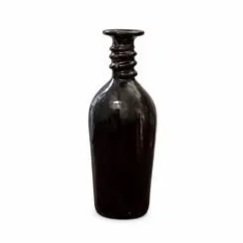 Image 2 of 4
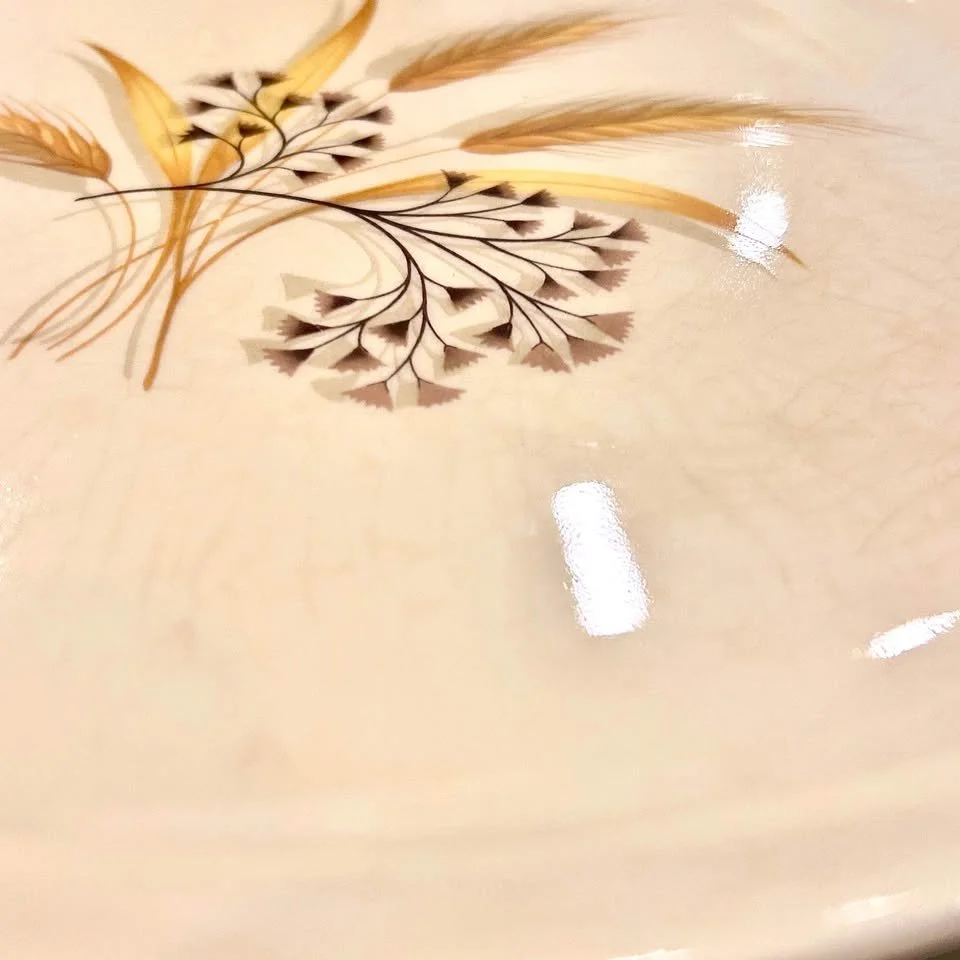
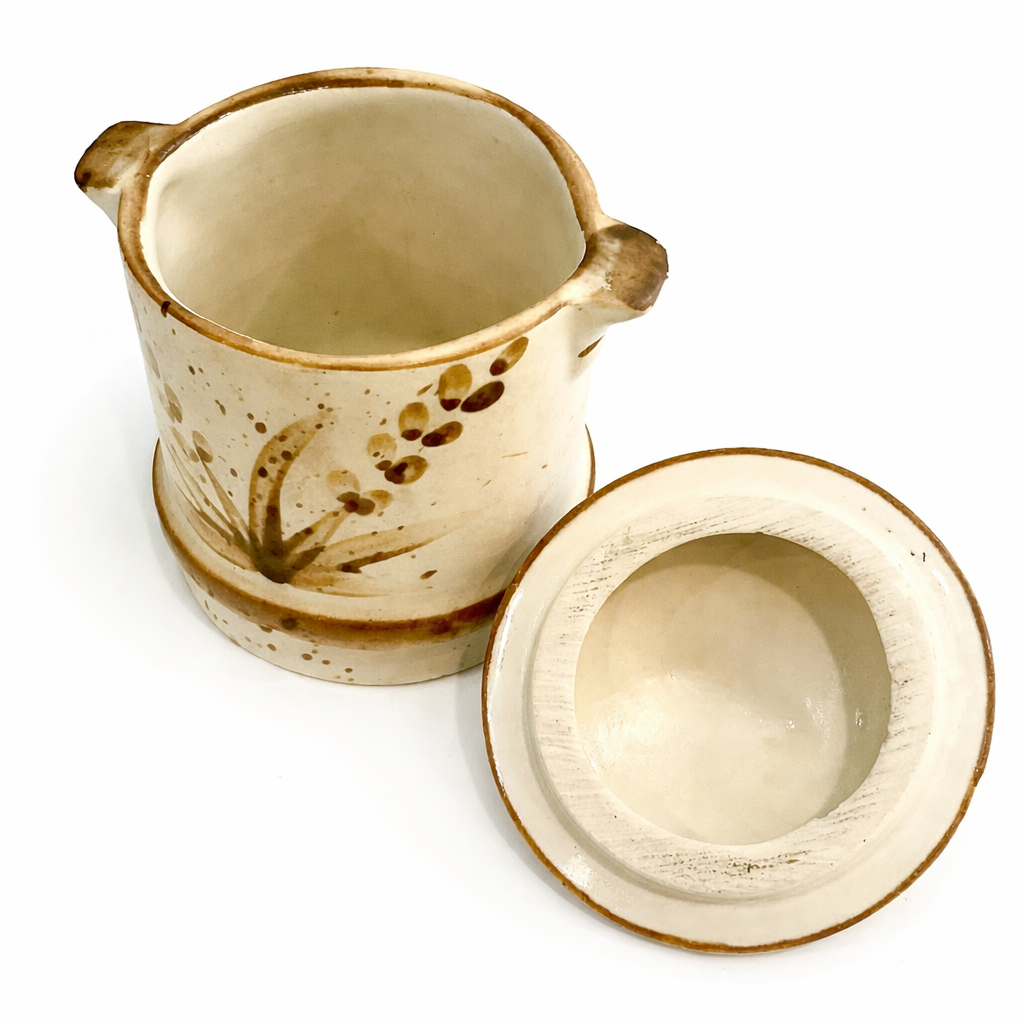
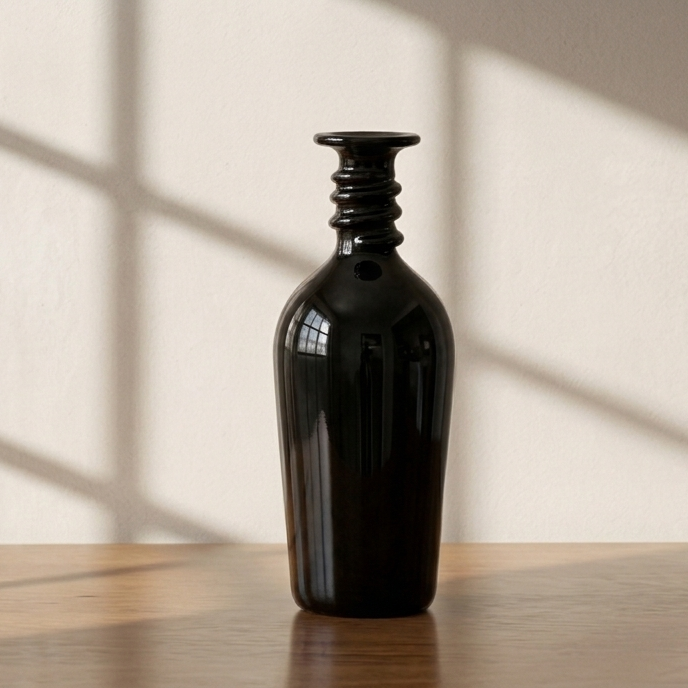 Image 3 of 4
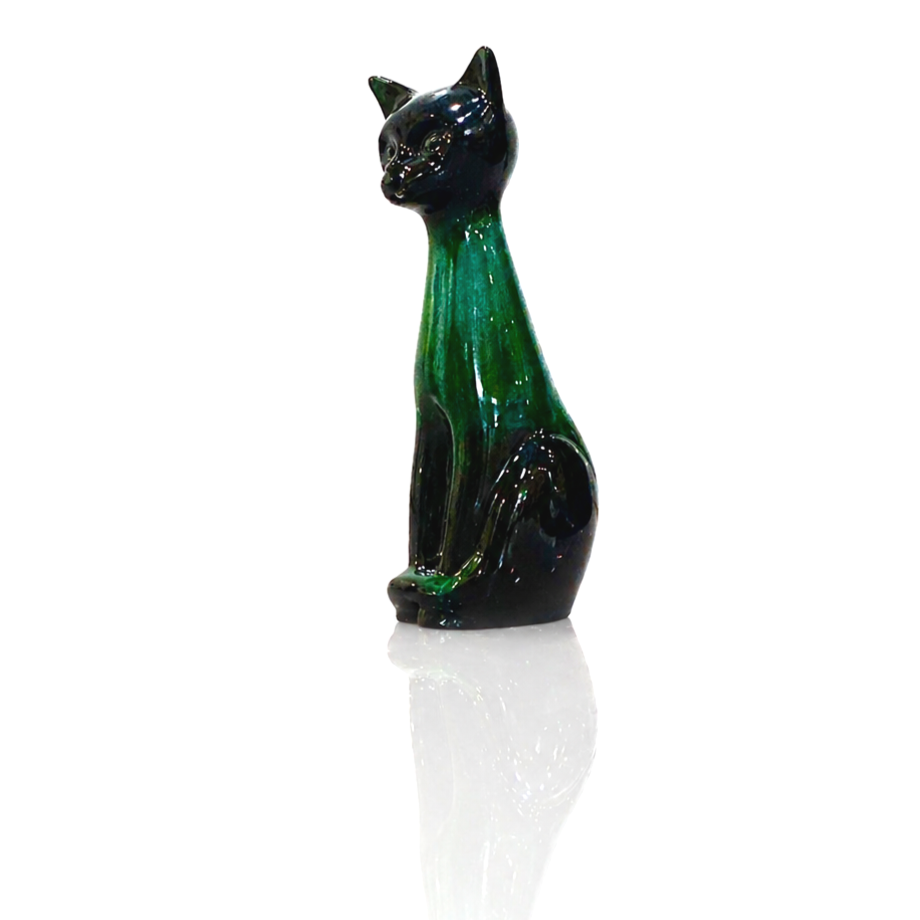
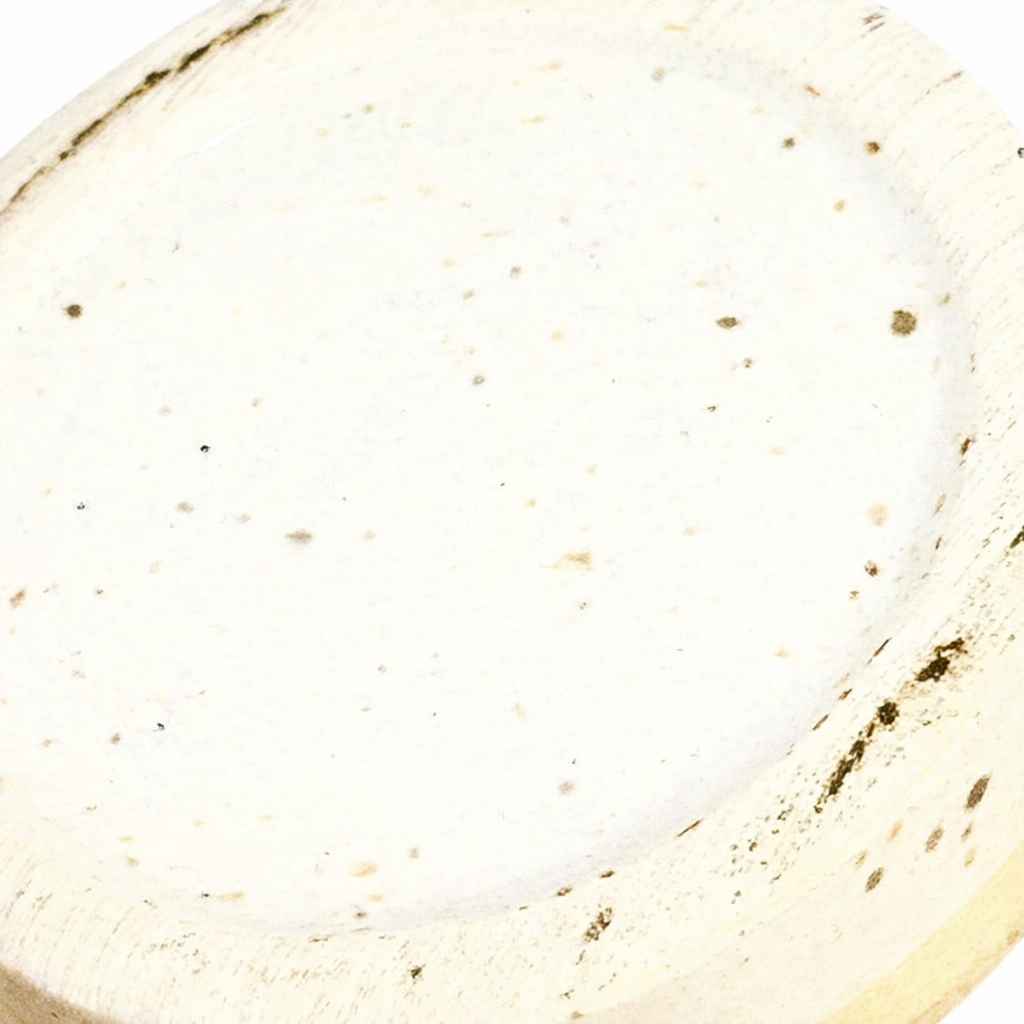
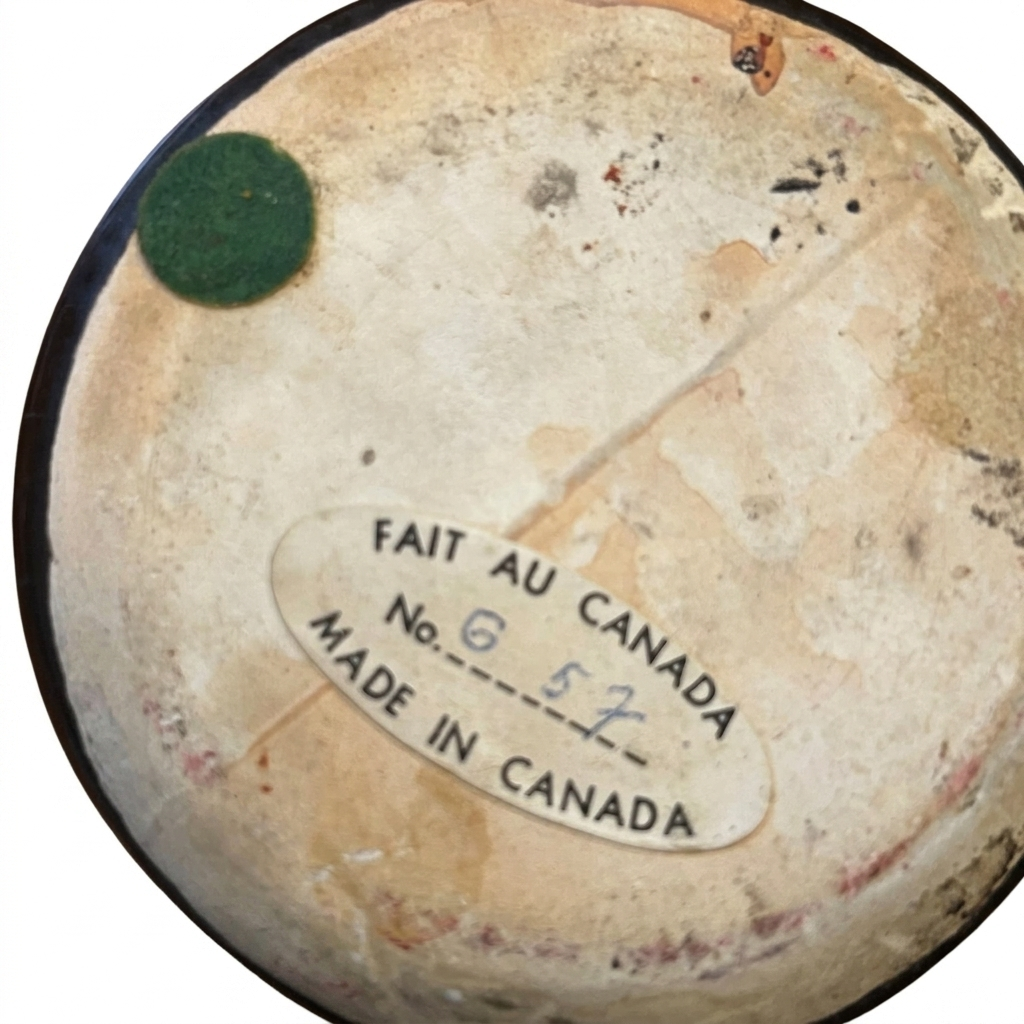 Image 4 of 4
Origin: Quebec, Canada • Circa 1960s
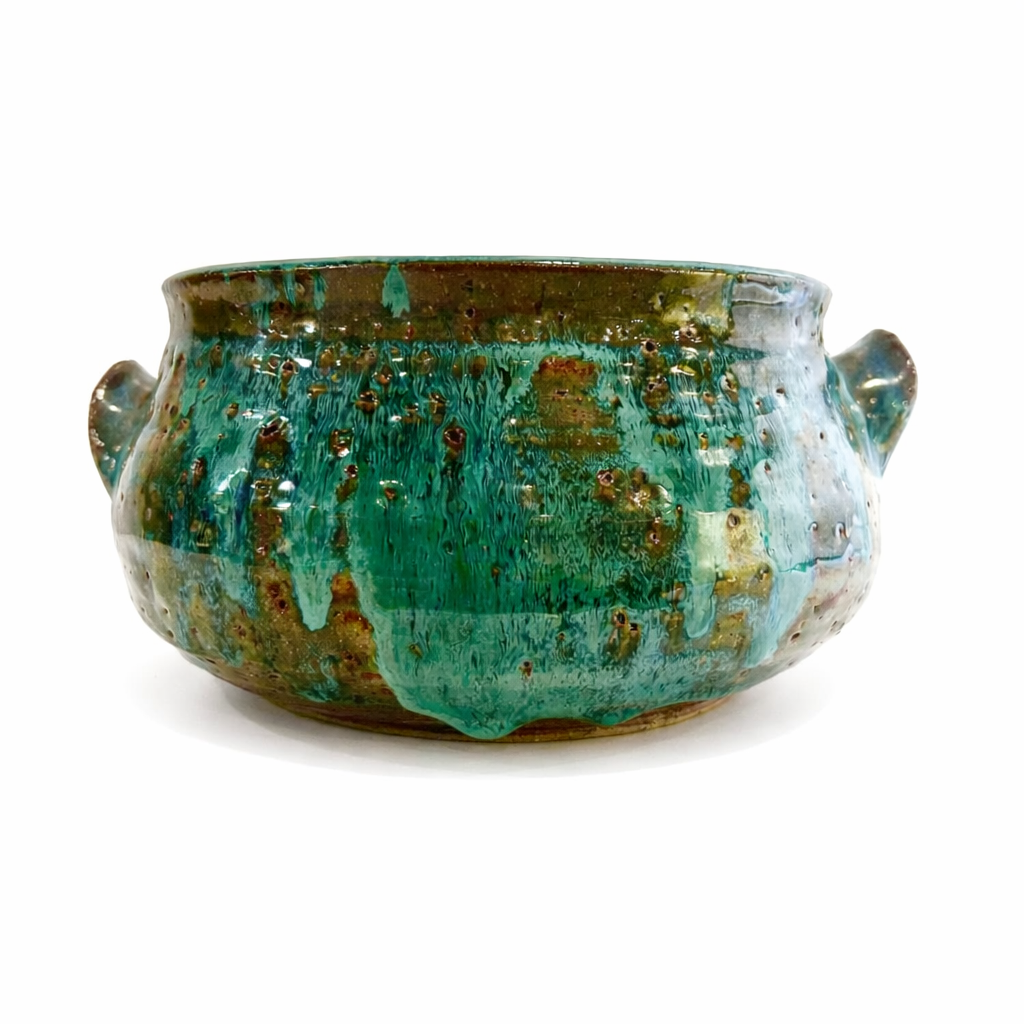
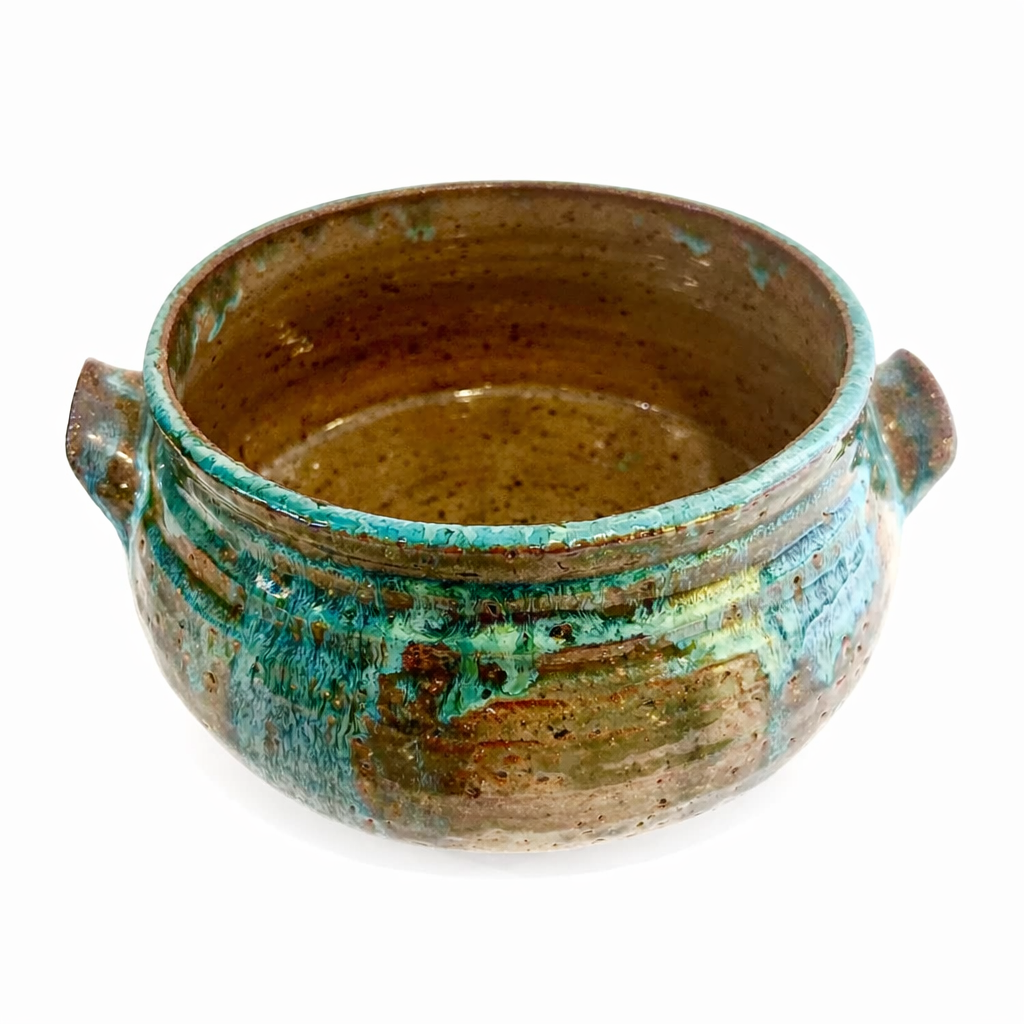
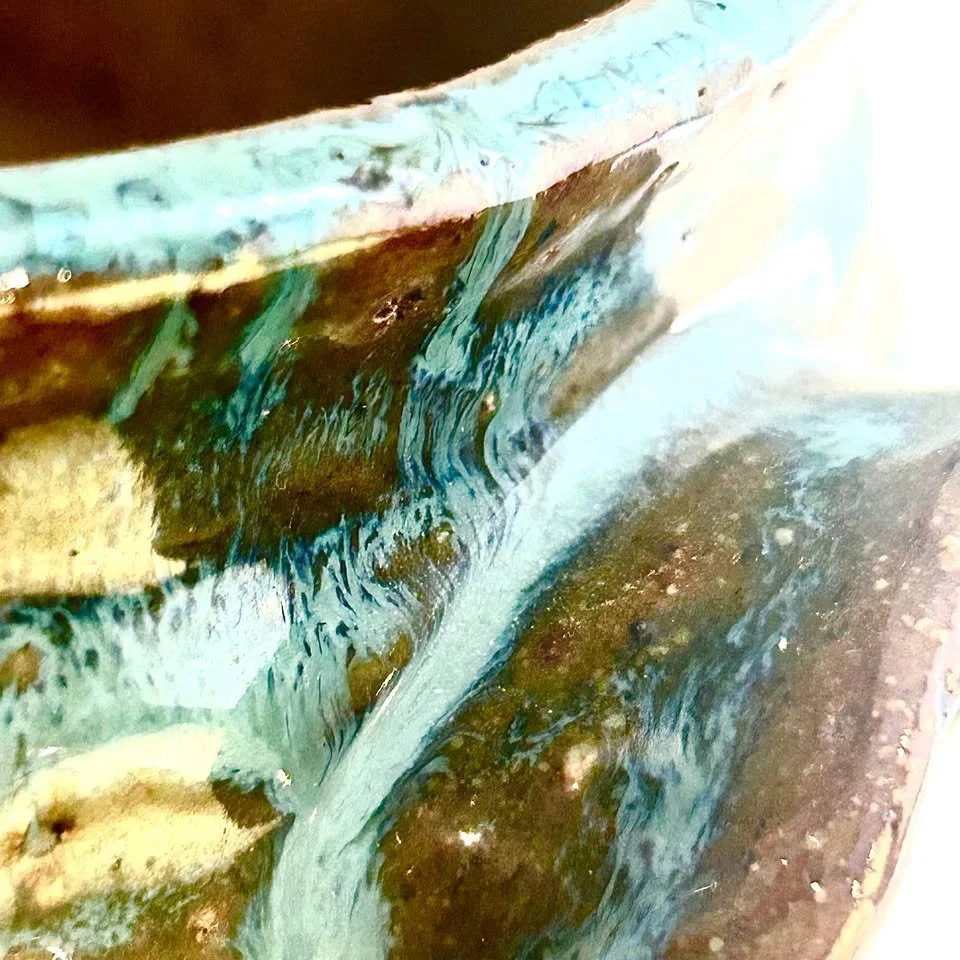
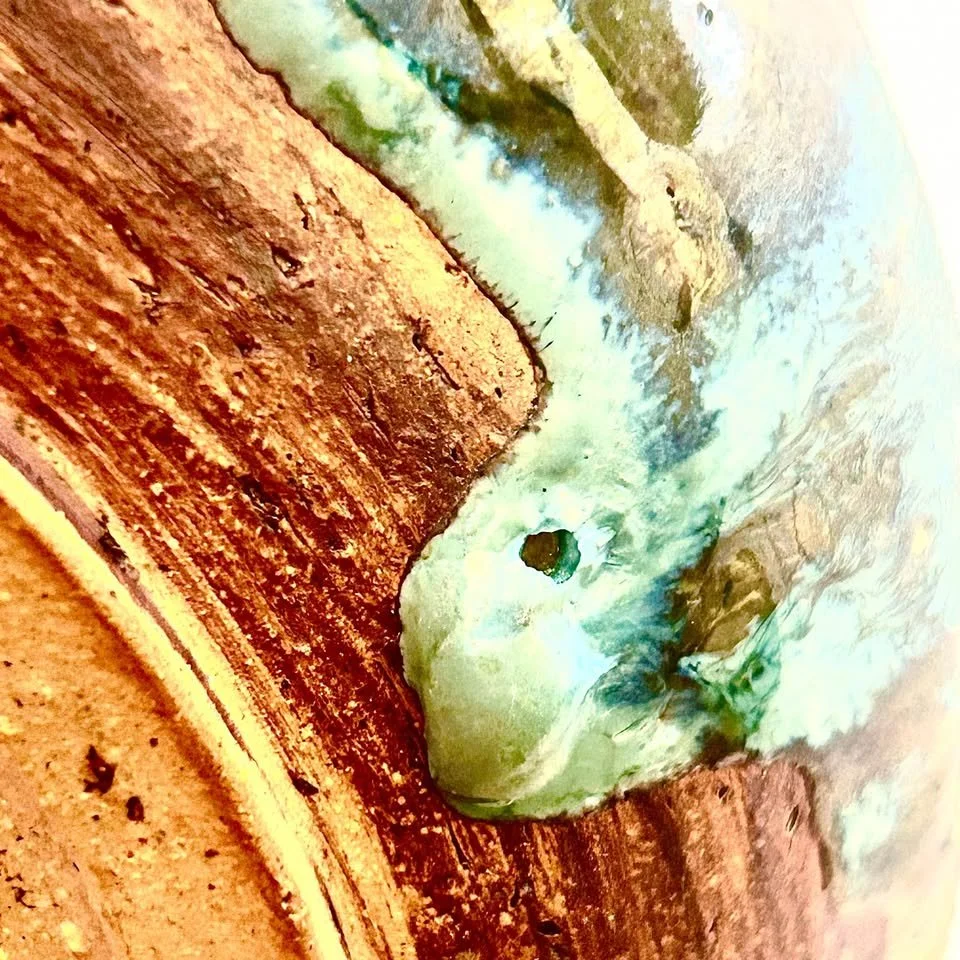
This commanding mid-century vessel is a quintessential example of the Quebec studio pottery movement. Produced by Céramique de Princeville, the vase is characterized by its elongated bottle form and a sophisticated, multi-tonal glaze that oscillates between deep obsidian and rich umber.
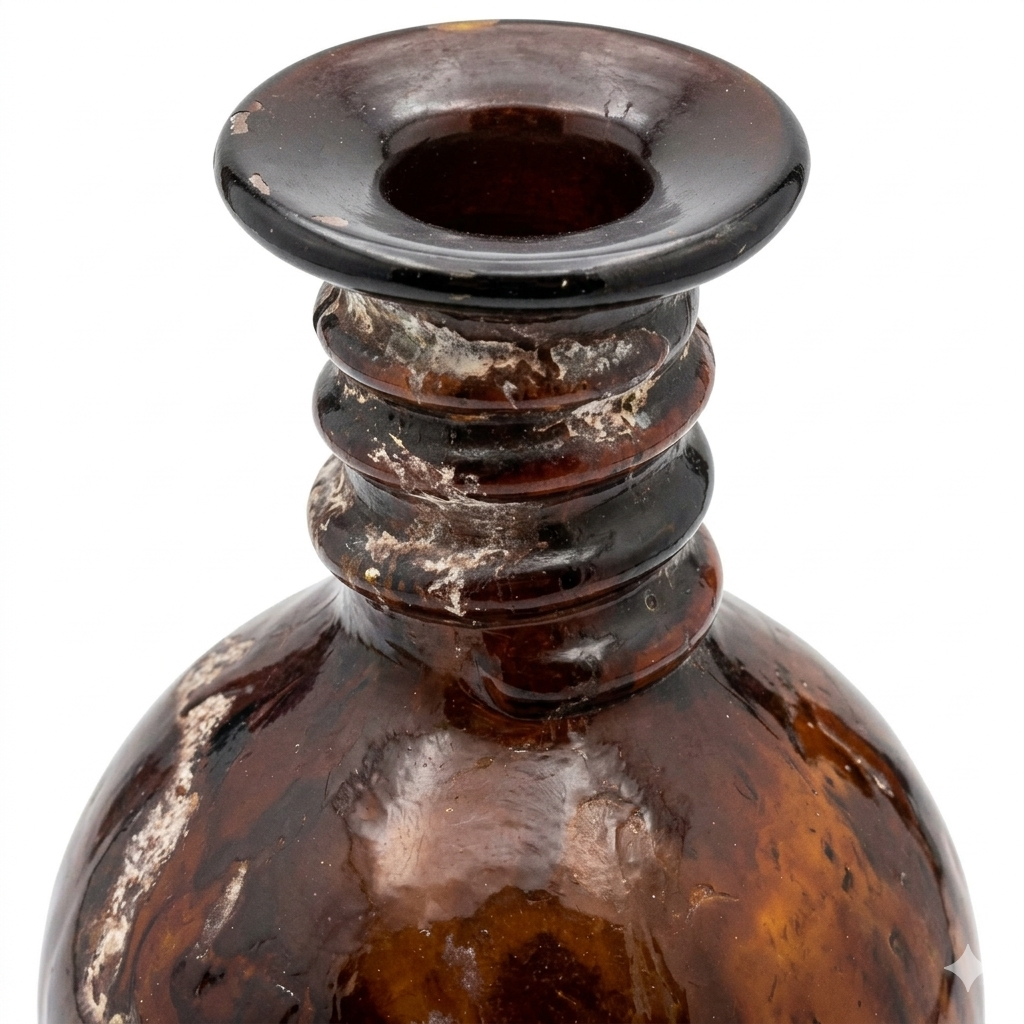
The neck features architectural ribbing—a hallmark of the era's tactile, sculptural approach to functional ceramics. The piece retains its original bilingual paper label ("Fait au Canada / Made in Canada"), a critical detail for provenance and regional authenticity.
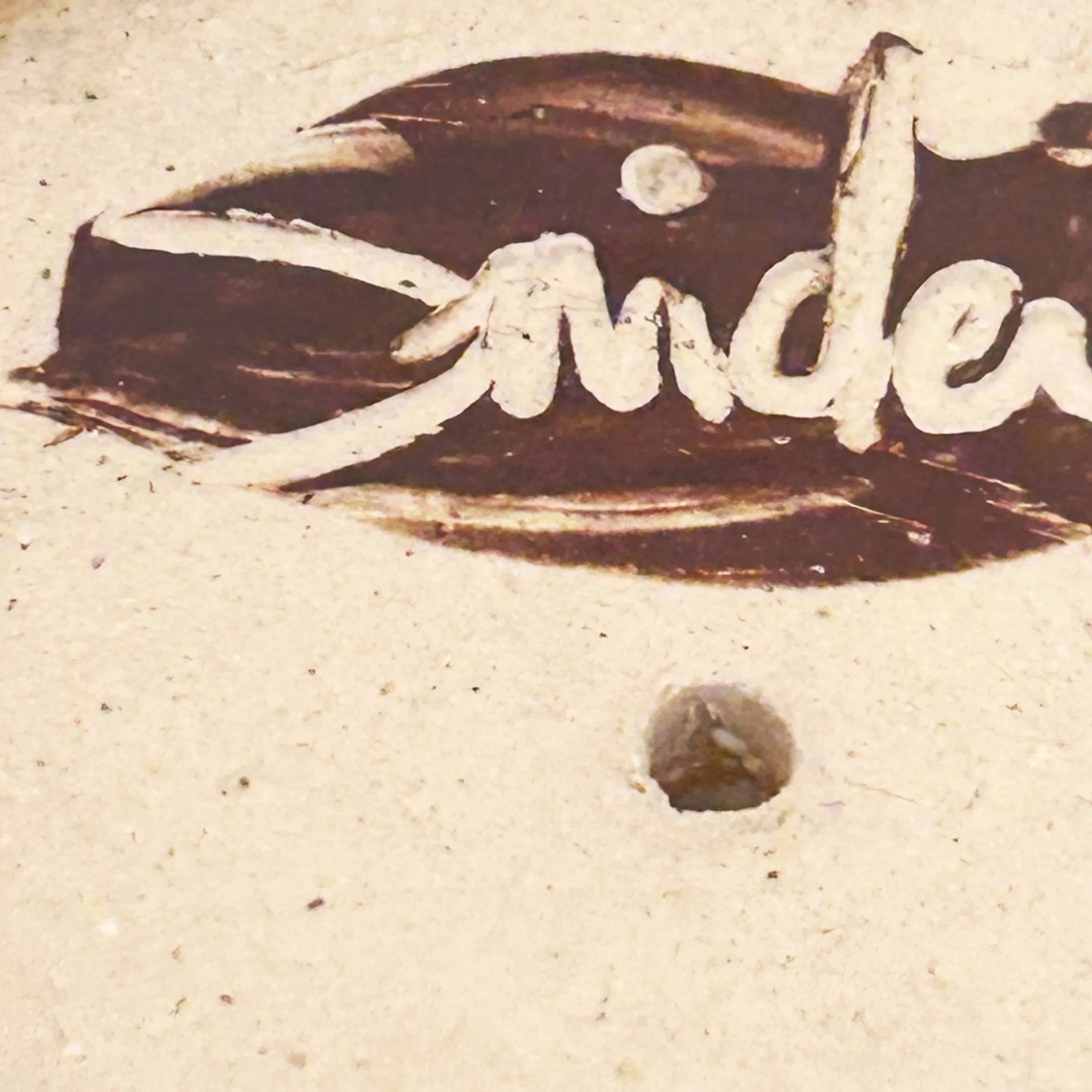
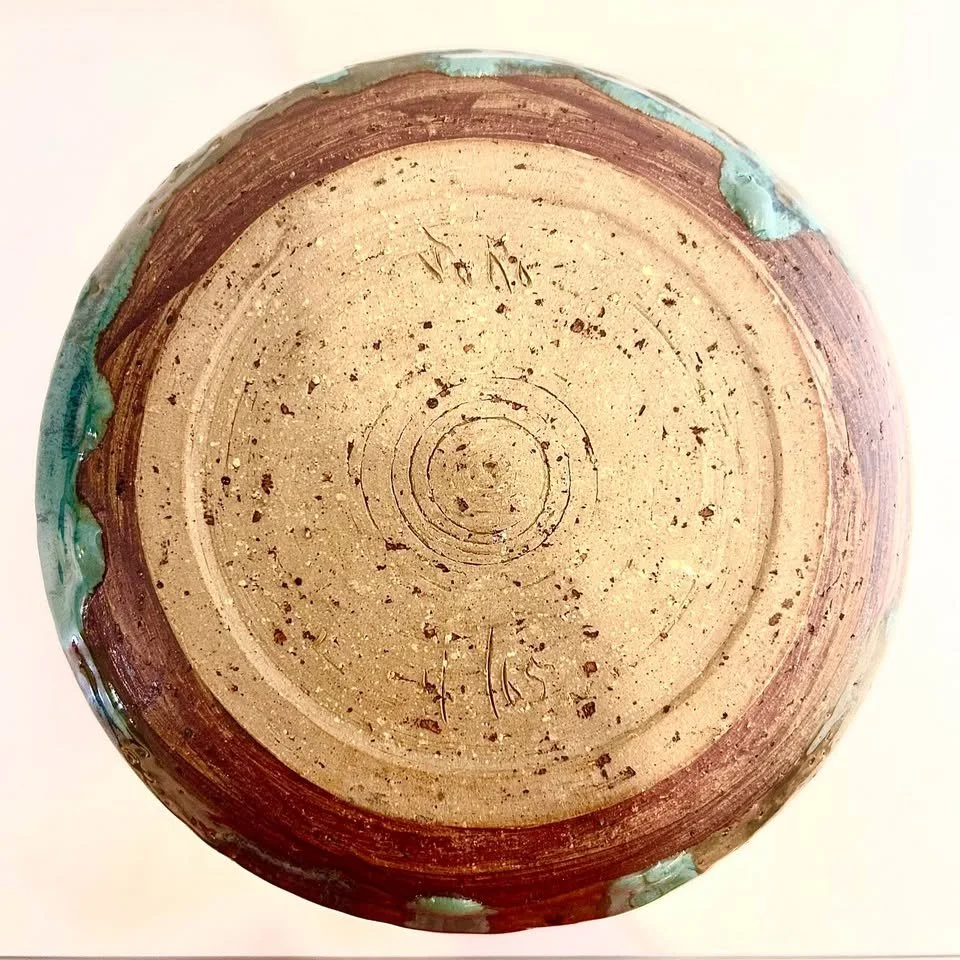
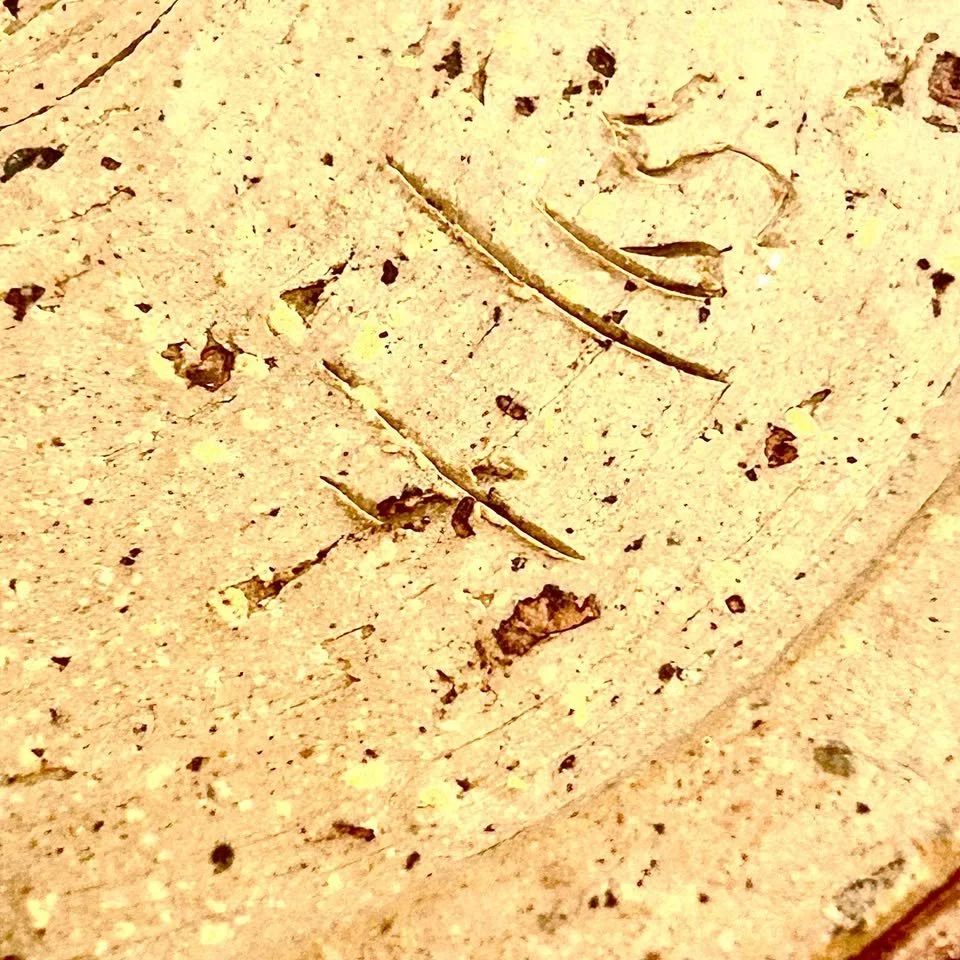
During the mid-20th century, Quebec was the heart of the Canadian "ceramics revolution." This piece reflects the transition from traditional folk forms to refined, minimalist studio work. The underside is inscribed with model number G57, signifying its place in the factory’s curated catalog of modernist shapes.
The glaze displays a remarkable depth, with subtle "oil-spot" tonal variations and natural movement. Its glossy finish provides a striking contrast when placed against organic wood or stone surfaces.
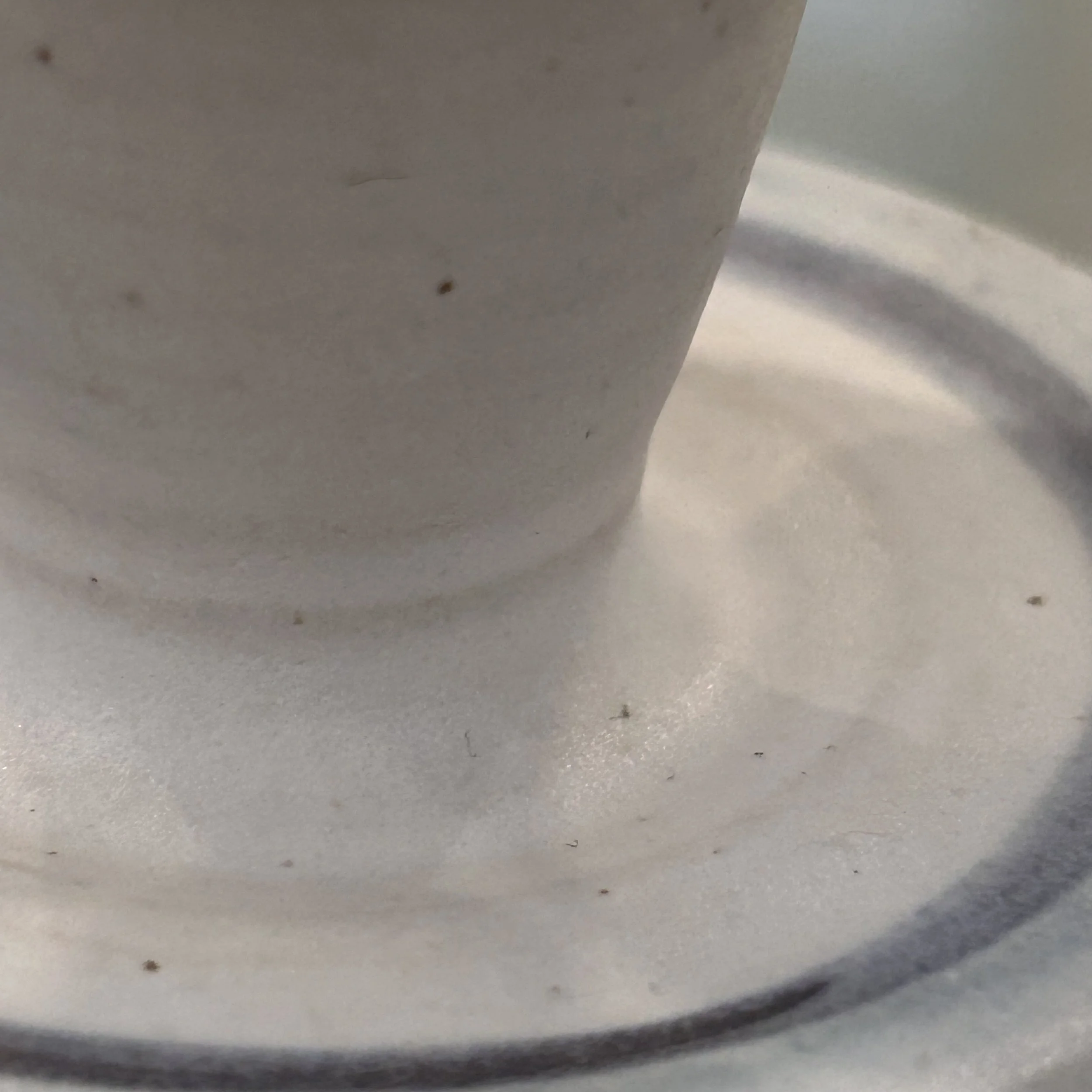
Condition: Excellent vintage condition. Minimal surface wear consistent with a 60-year-old studio object.
Glaze: High-gloss metallic brown-black.
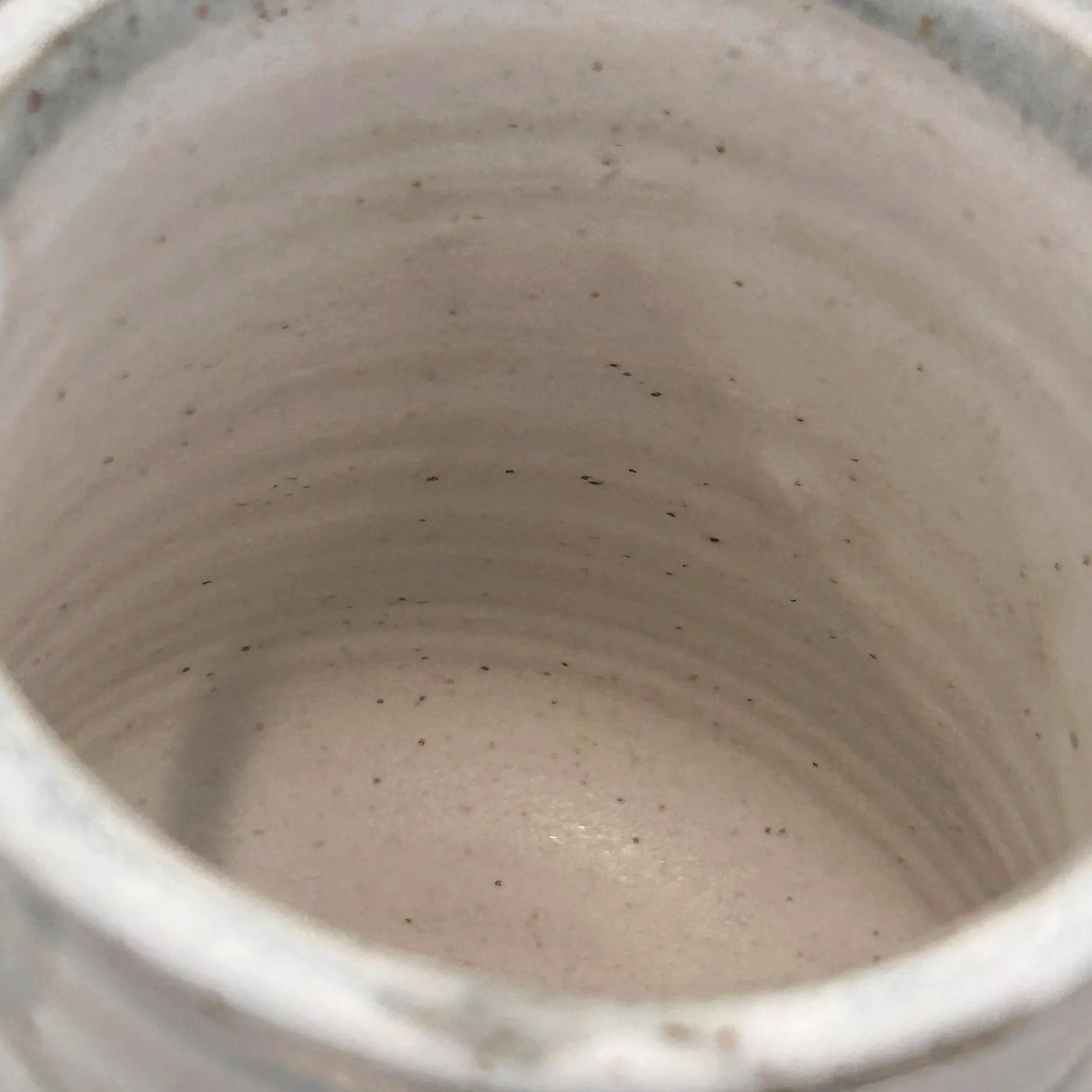
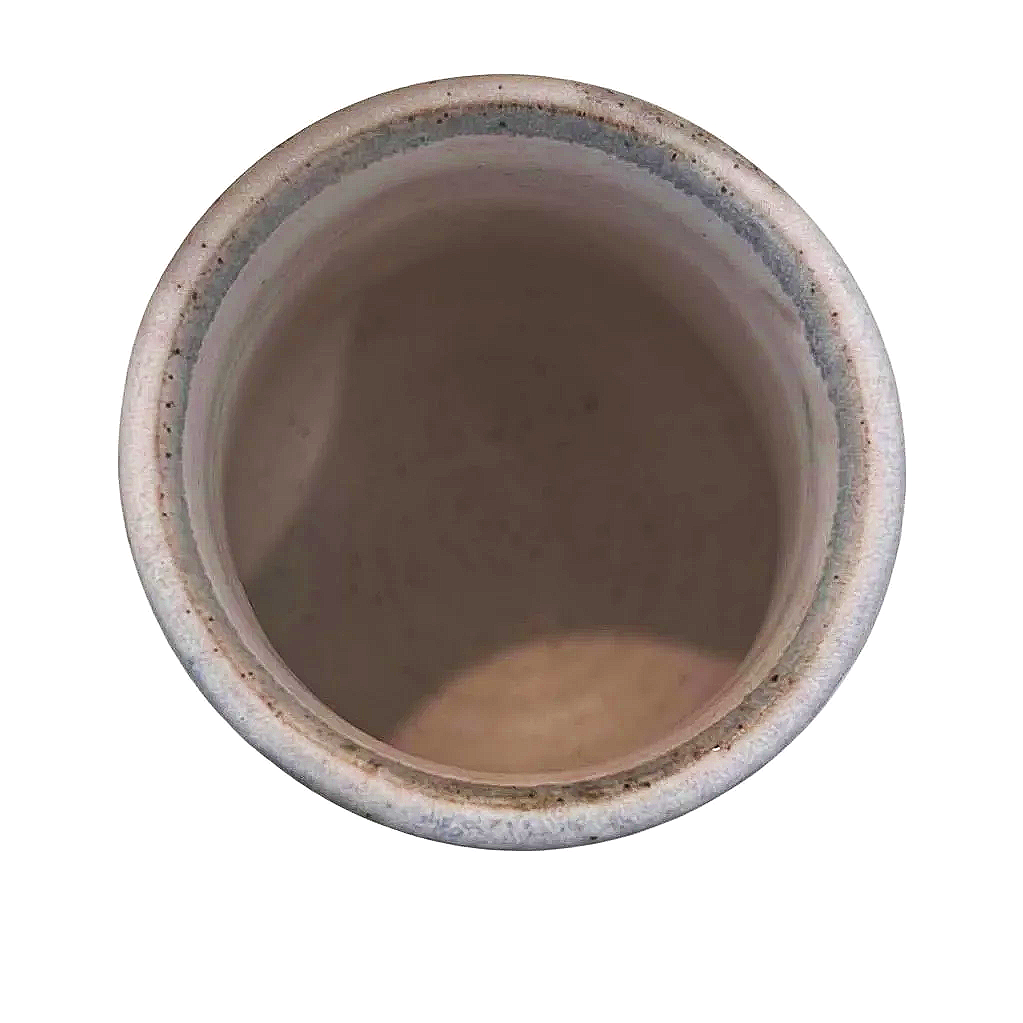
Interior: Fully glazed; holds water.
Height: 11.5 in (29.2 cm)
Diameter: 3 in (7.6 cm) at base
Weight: Substantial, hand-thrown stoneware
Style: Mid-Century Modern / Canadiana
Materials: Glazed Stoneware
Creator: Céramique de Princeville
Attribution Marks: Original bilingual paper label; hand-incised model number G57 to base.
Curator’s Note
"The G57 silhouette is a masterwork of verticality. Its rhythmic, architectural ribbing at the neck evokes the Brutalist movements of the 1960s, while the obsidian glaze offers a metallic depth rarely seen in commercial production. This specific form serves as a sophisticated anchor for any high-concept interior, effortlessly bridging the gap between mid-century organicism and contemporary minimalism"
Origin: Quebec, Canada • Circa 1960s
This commanding mid-century vessel is a quintessential example of the Quebec studio pottery movement. Produced by Céramique de Princeville, the vase is characterized by its elongated bottle form and a sophisticated, multi-tonal glaze that oscillates between deep obsidian and rich umber.
The neck features architectural ribbing—a hallmark of the era's tactile, sculptural approach to functional ceramics. The piece retains its original bilingual paper label ("Fait au Canada / Made in Canada"), a critical detail for provenance and regional authenticity.
During the mid-20th century, Quebec was the heart of the Canadian "ceramics revolution." This piece reflects the transition from traditional folk forms to refined, minimalist studio work. The underside is inscribed with model number G57, signifying its place in the factory’s curated catalog of modernist shapes.
The glaze displays a remarkable depth, with subtle "oil-spot" tonal variations and natural movement. Its glossy finish provides a striking contrast when placed against organic wood or stone surfaces.
Condition: Excellent vintage condition. Minimal surface wear consistent with a 60-year-old studio object.
Glaze: High-gloss metallic brown-black.
Interior: Fully glazed; holds water.
Height: 11.5 in (29.2 cm)
Diameter: 3 in (7.6 cm) at base
Weight: Substantial, hand-thrown stoneware
Style: Mid-Century Modern / Canadiana
Materials: Glazed Stoneware
Creator: Céramique de Princeville
Attribution Marks: Original bilingual paper label; hand-incised model number G57 to base.
Curator’s Note
"The G57 silhouette is a masterwork of verticality. Its rhythmic, architectural ribbing at the neck evokes the Brutalist movements of the 1960s, while the obsidian glaze offers a metallic depth rarely seen in commercial production. This specific form serves as a sophisticated anchor for any high-concept interior, effortlessly bridging the gap between mid-century organicism and contemporary minimalism"