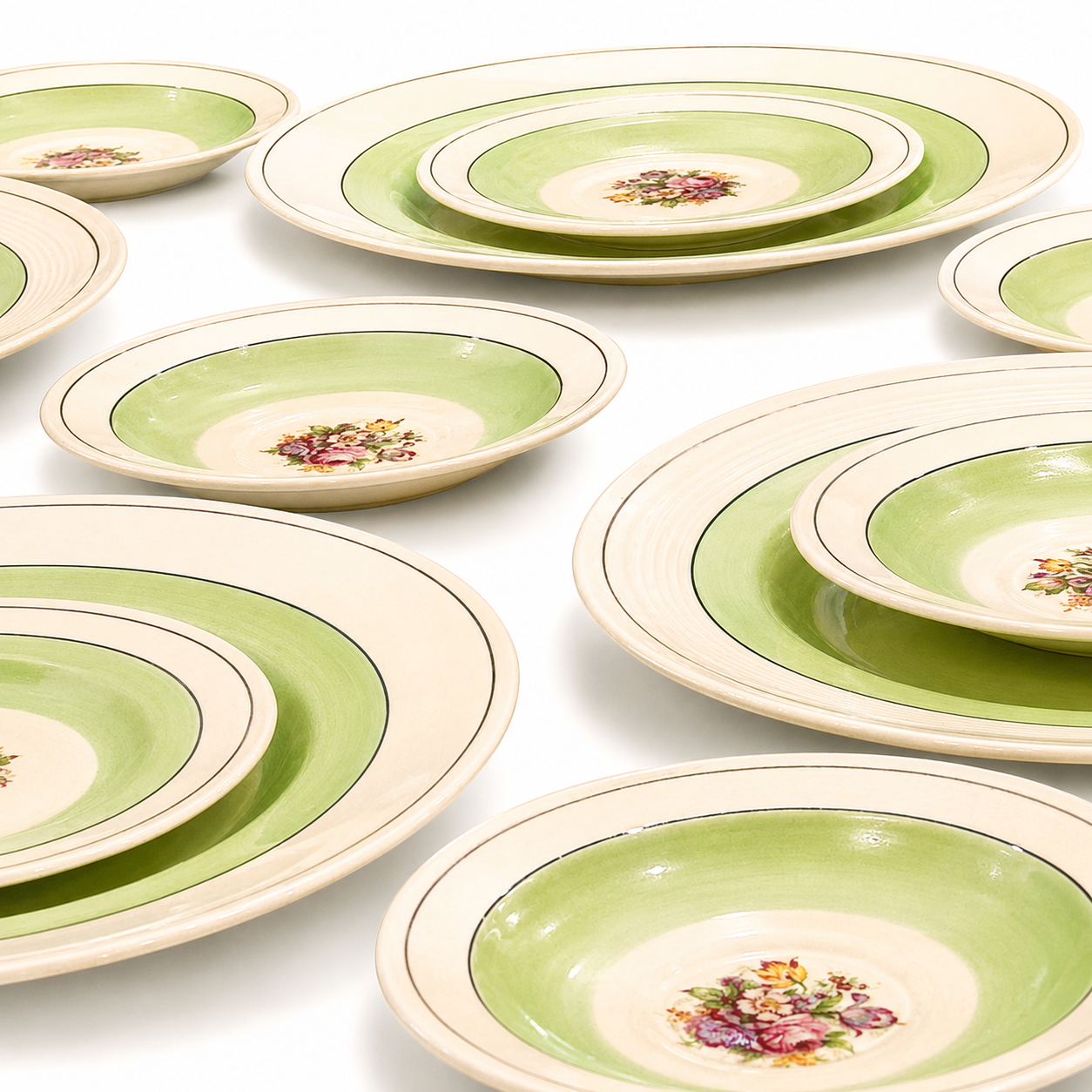
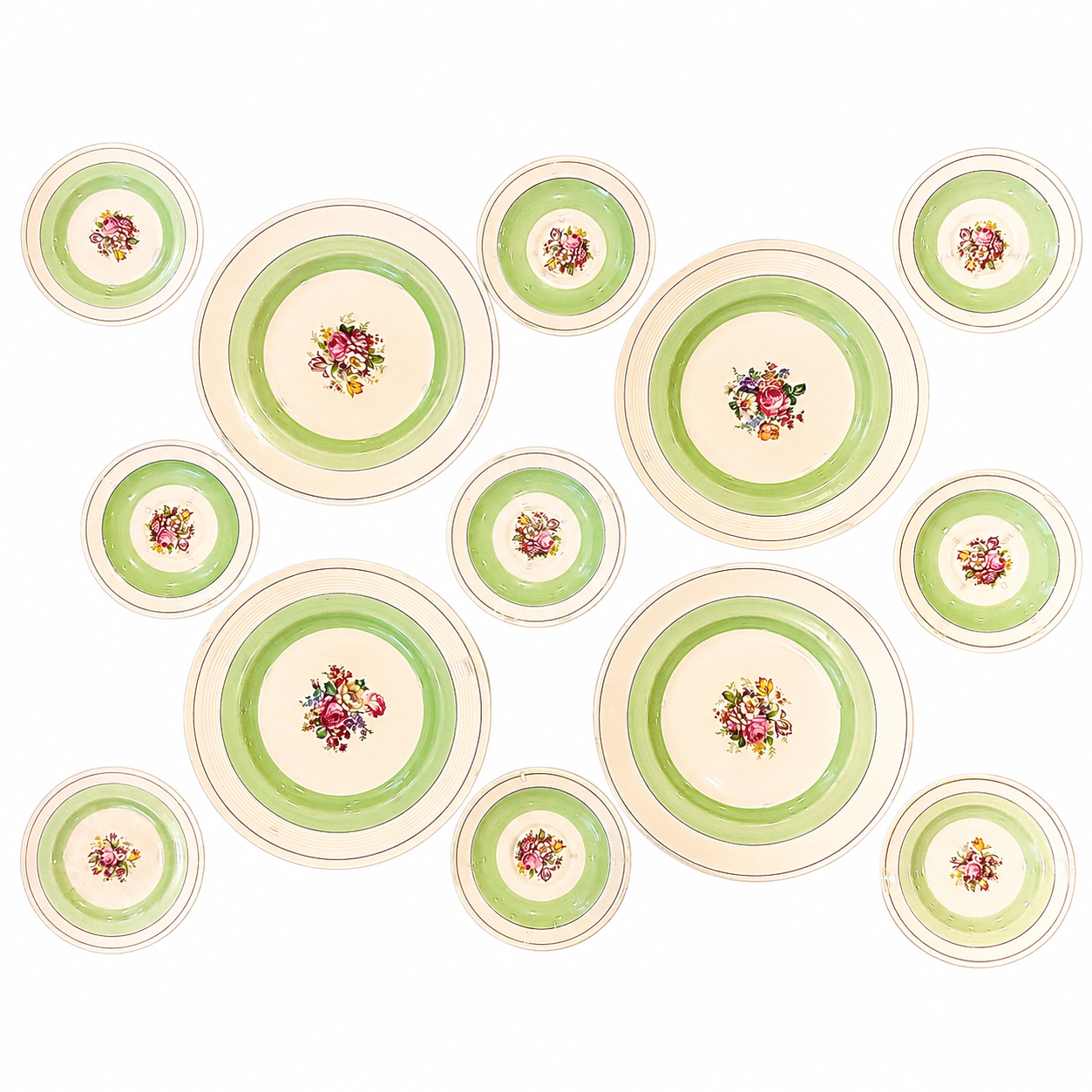
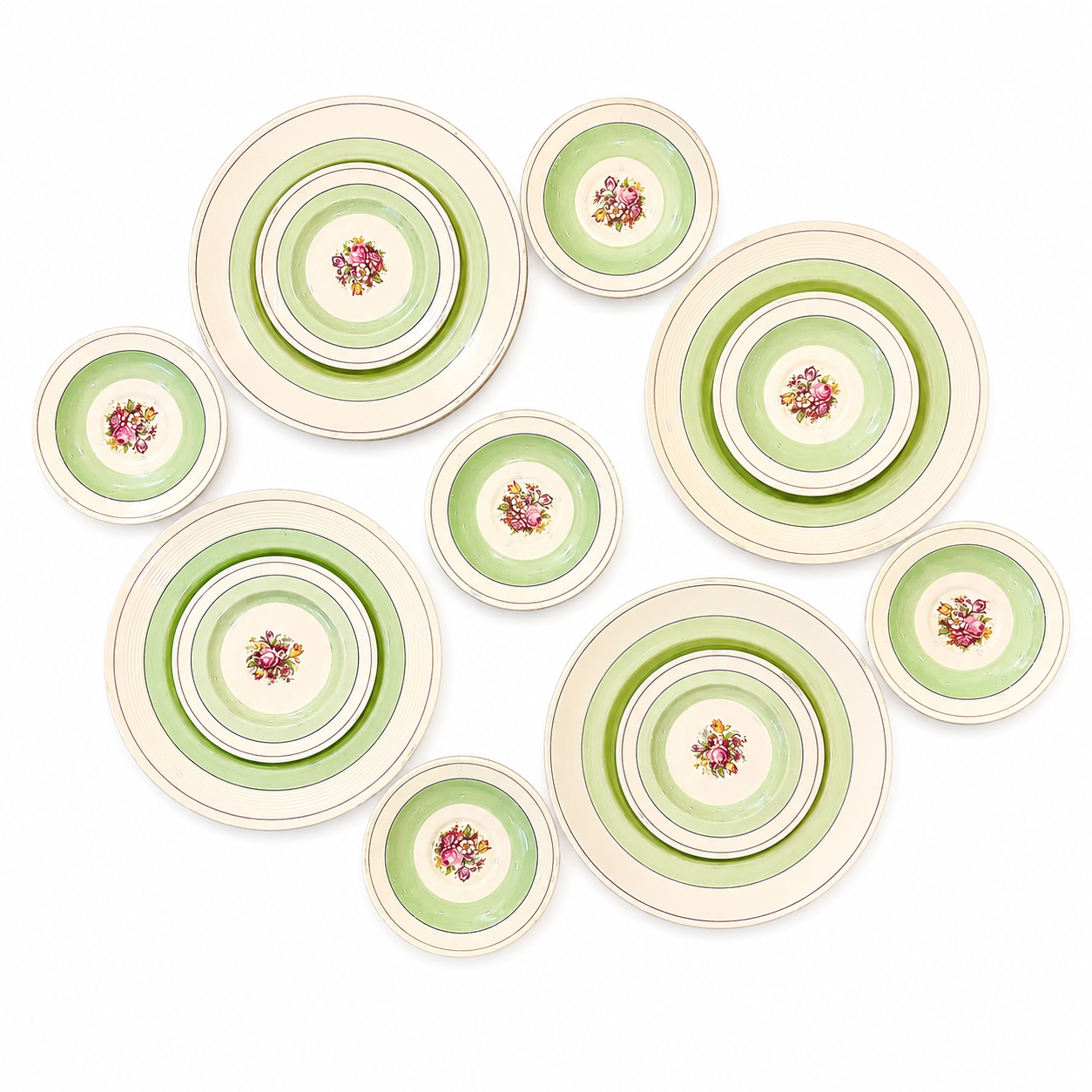
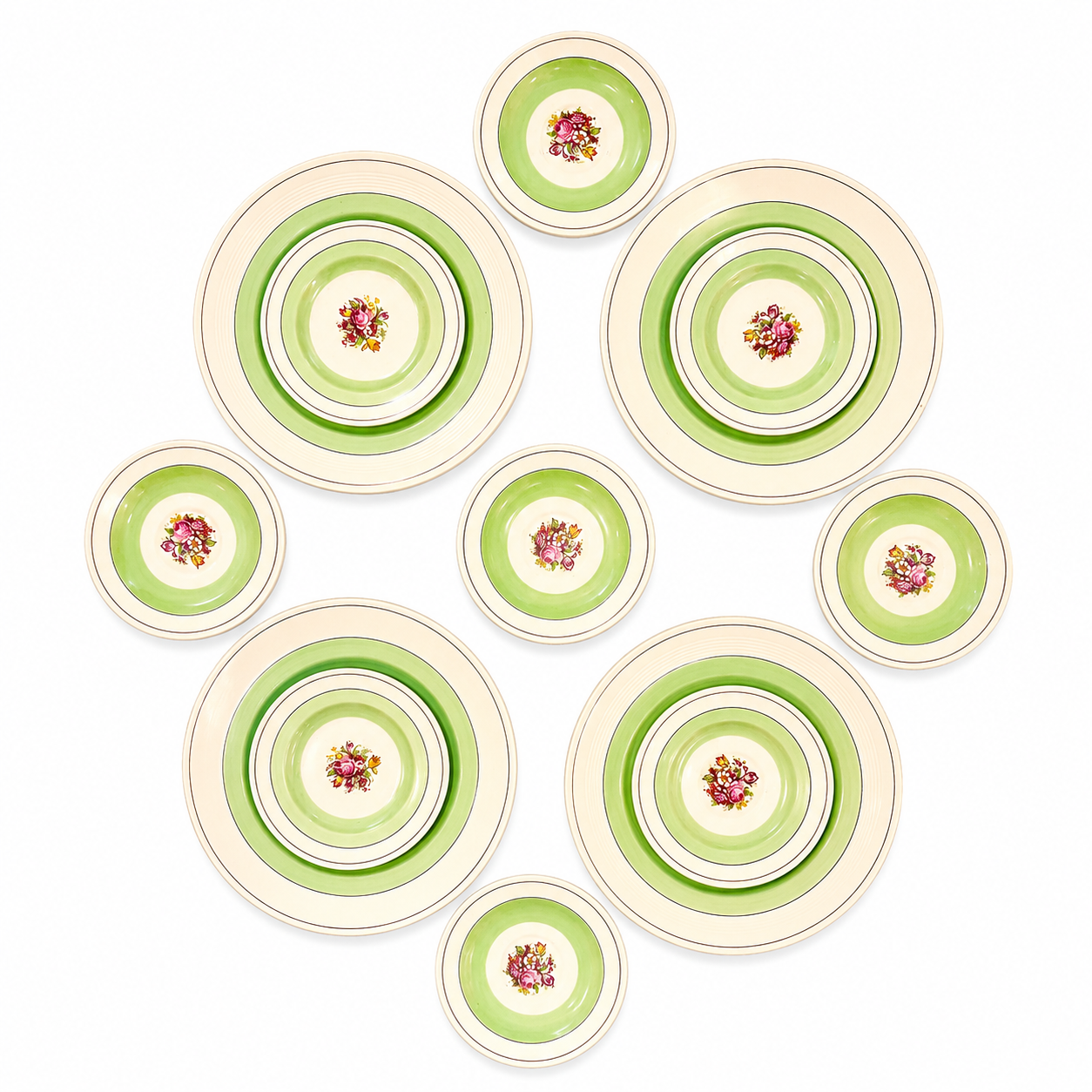
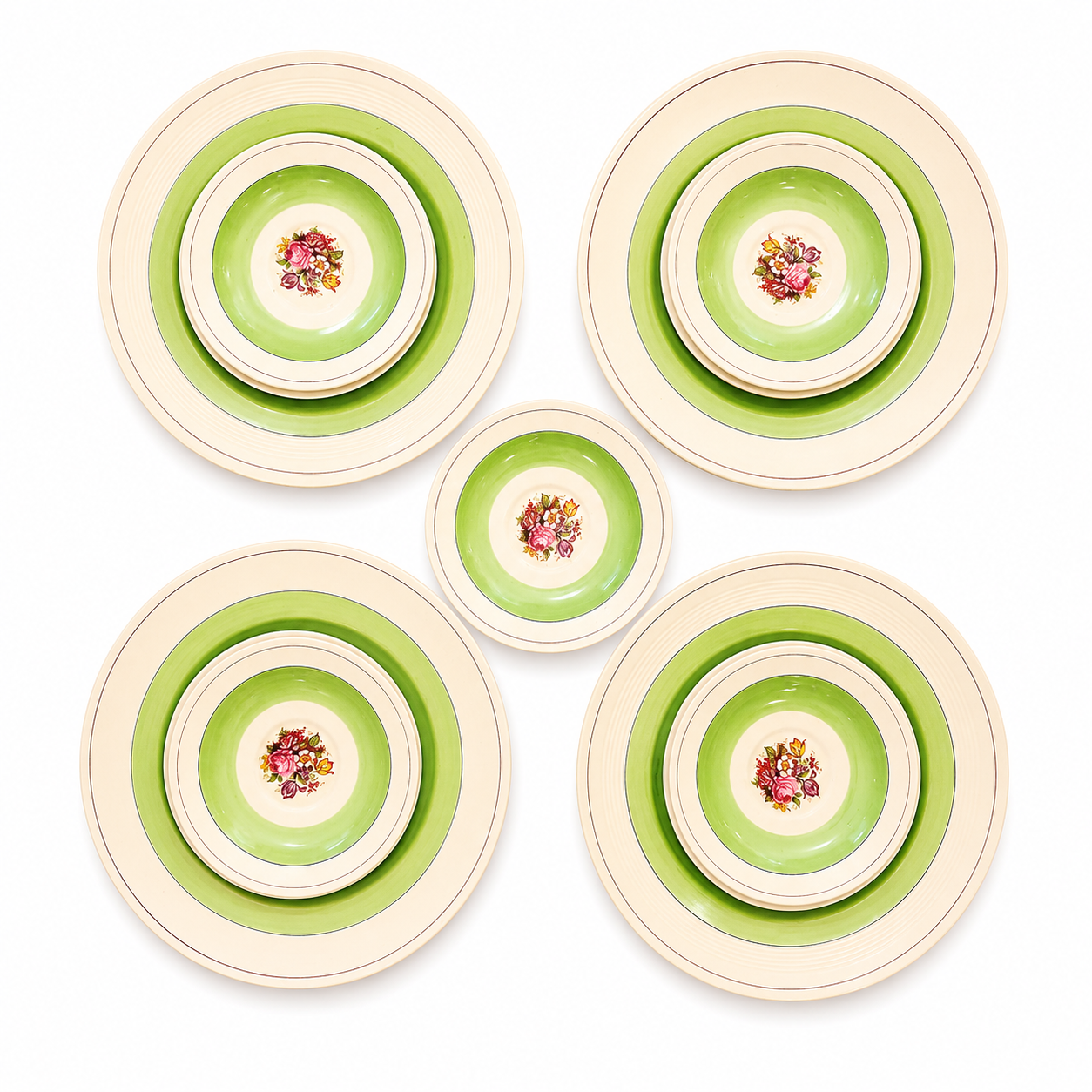
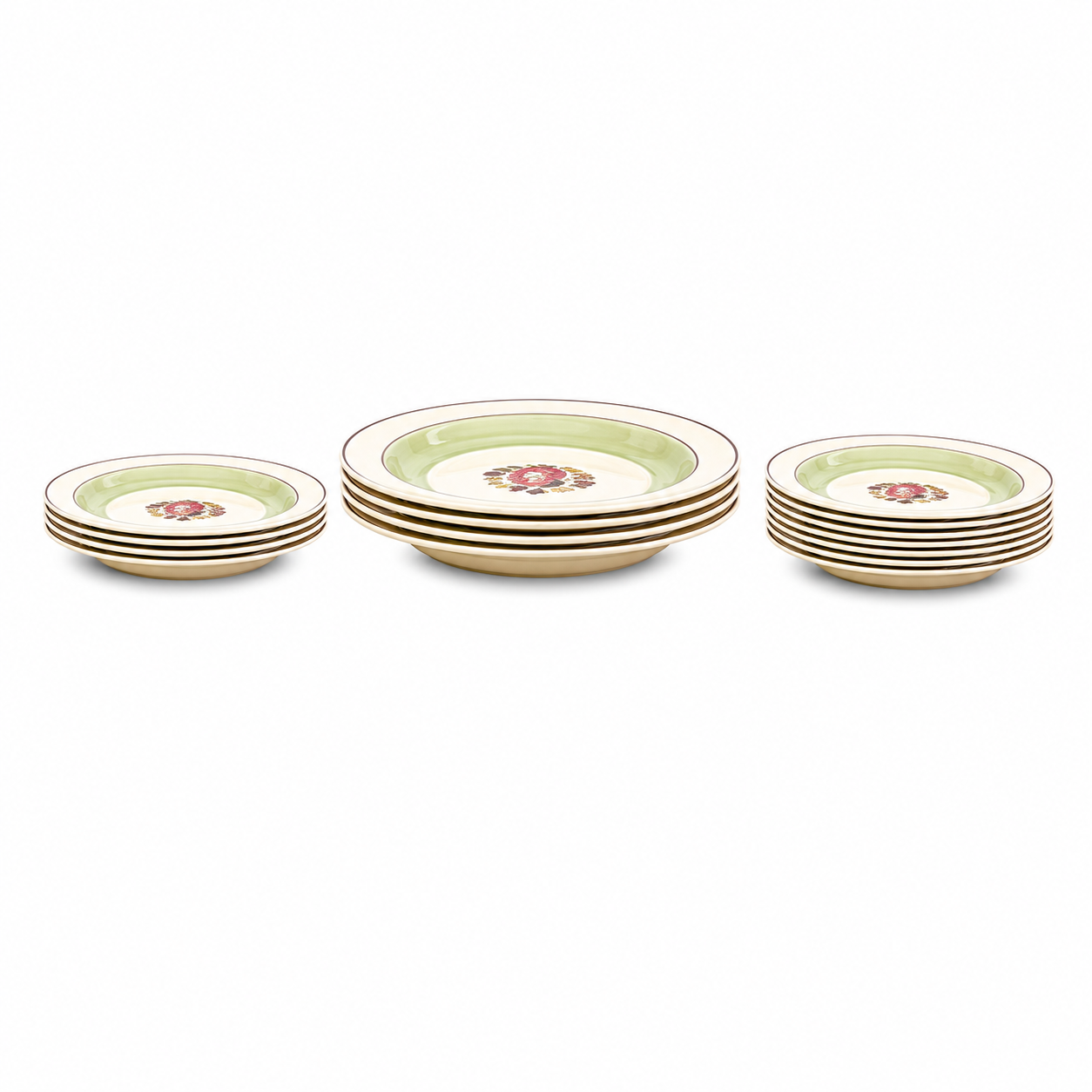
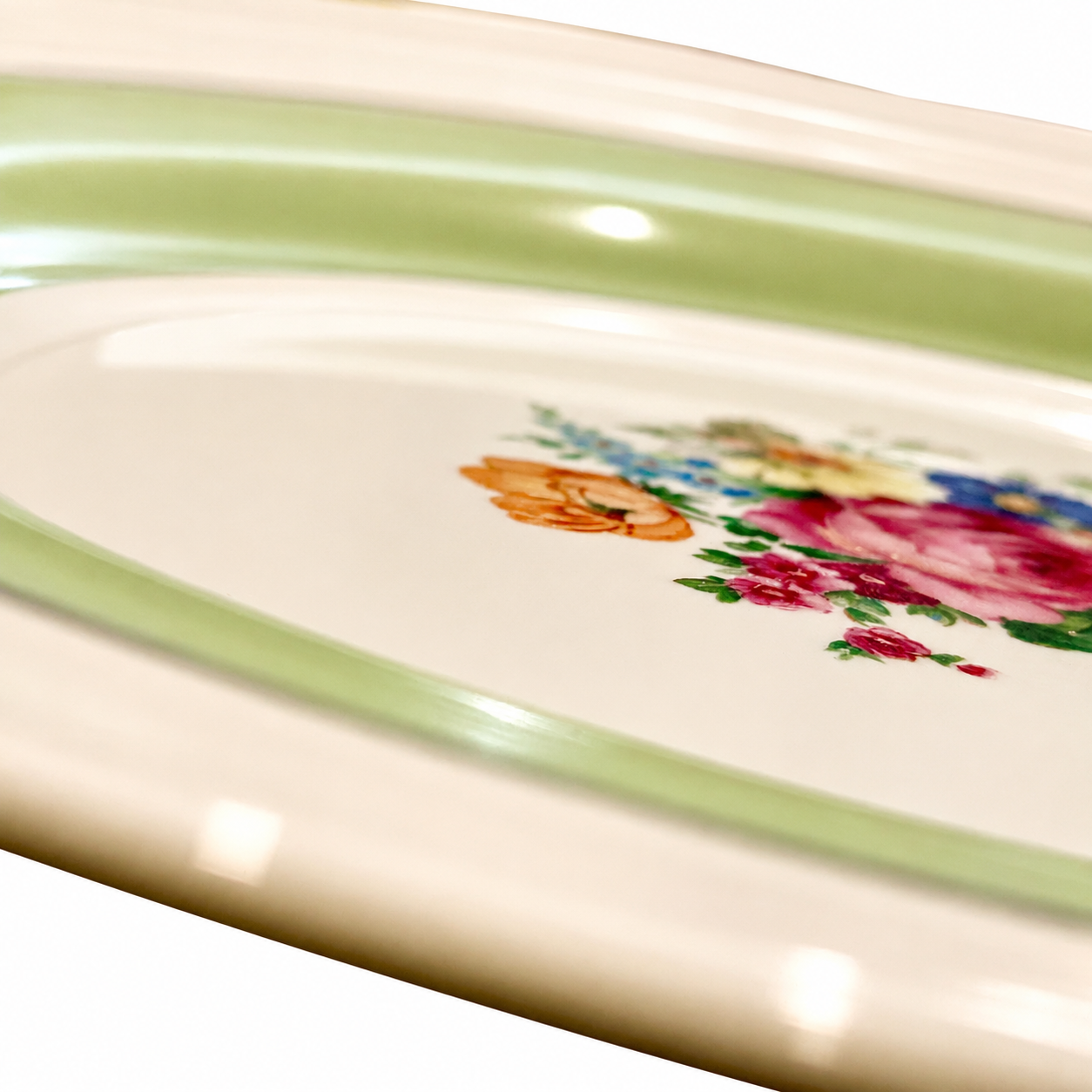
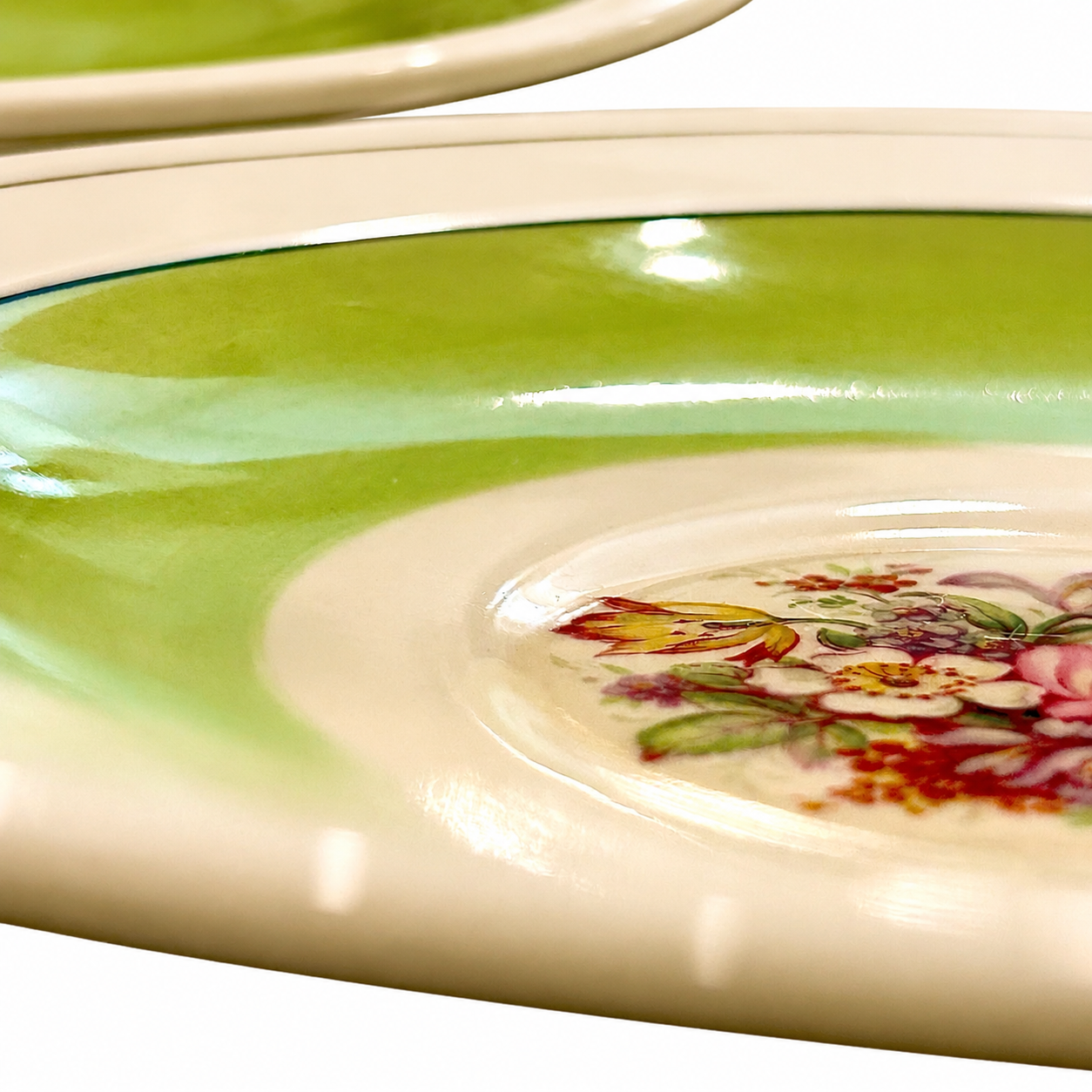
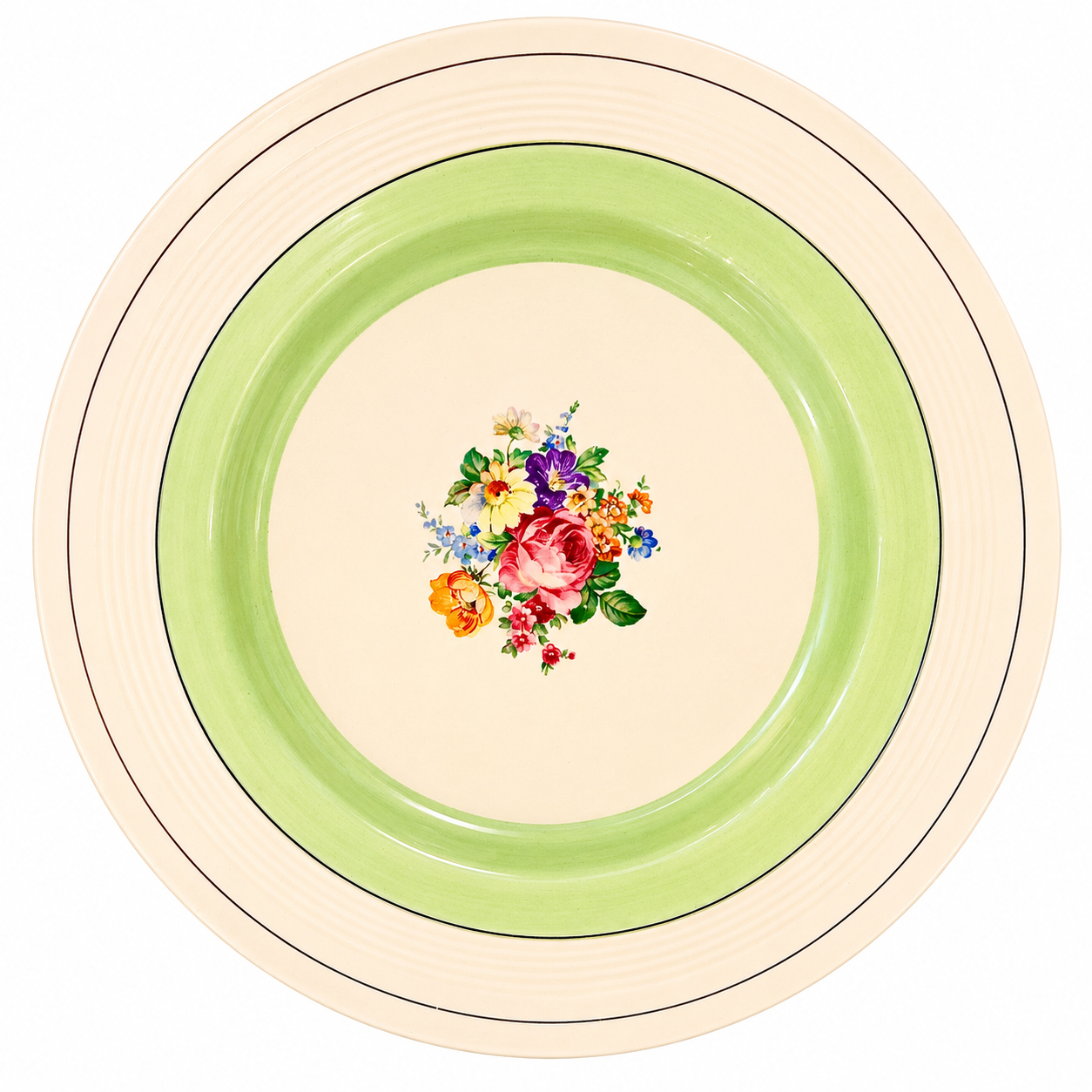
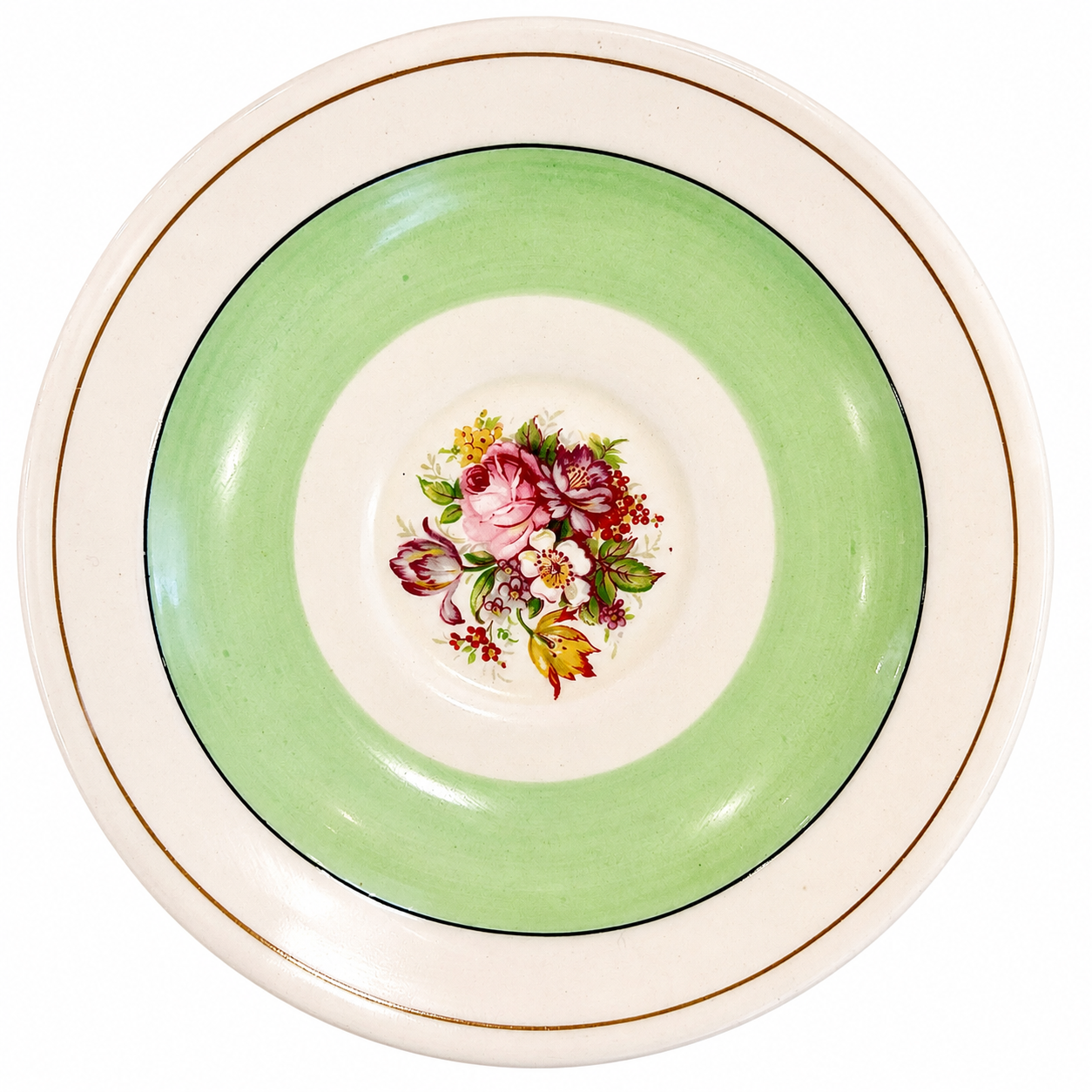
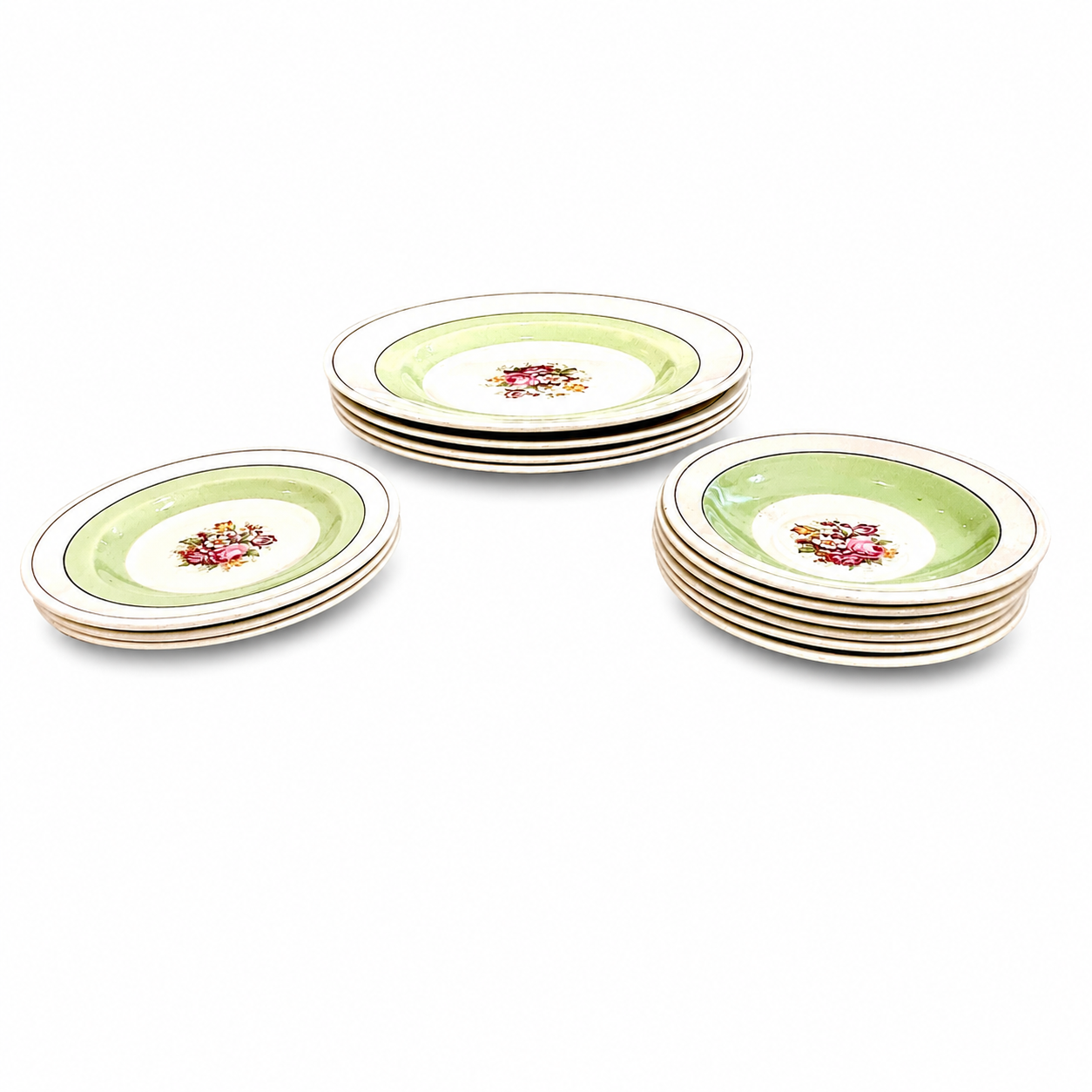
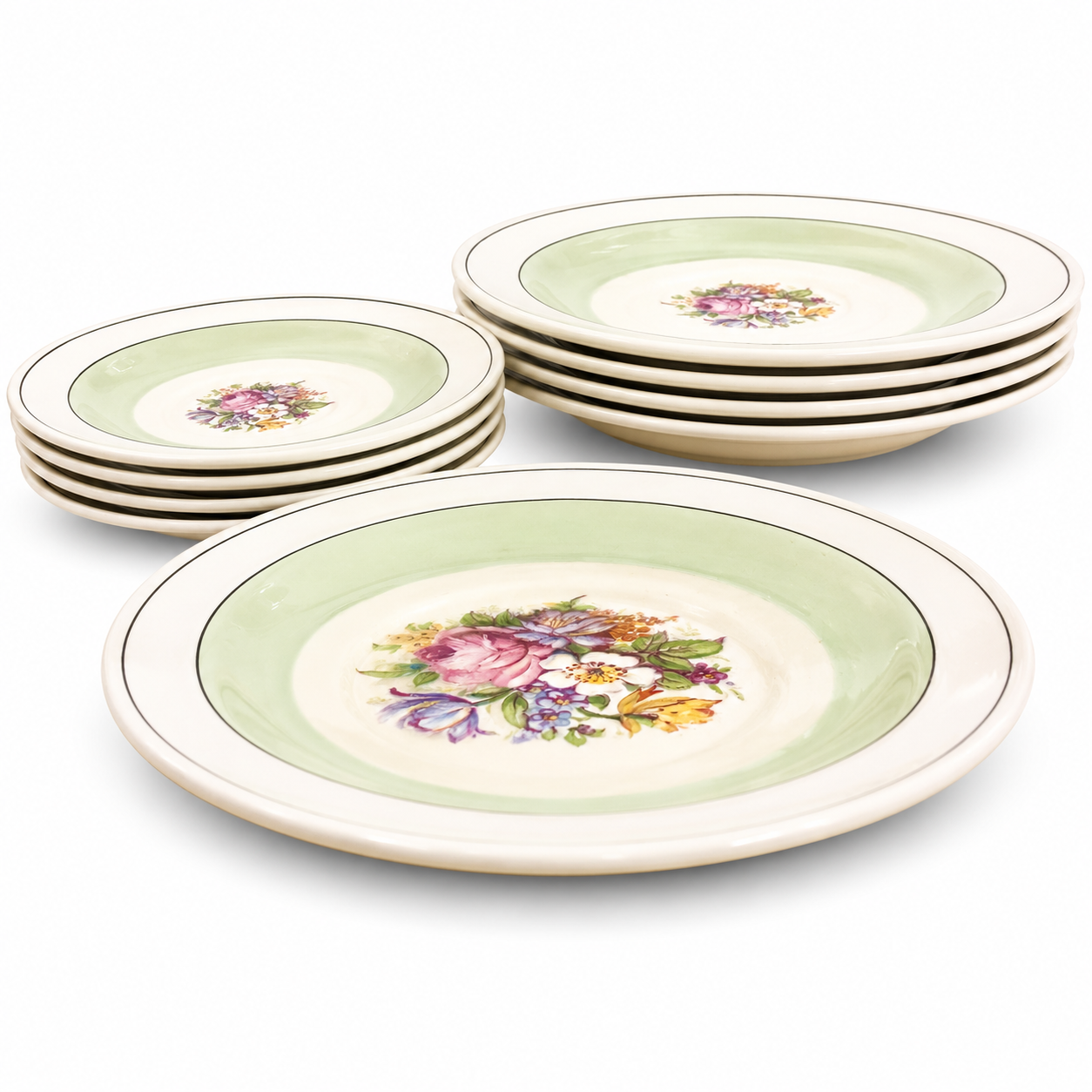
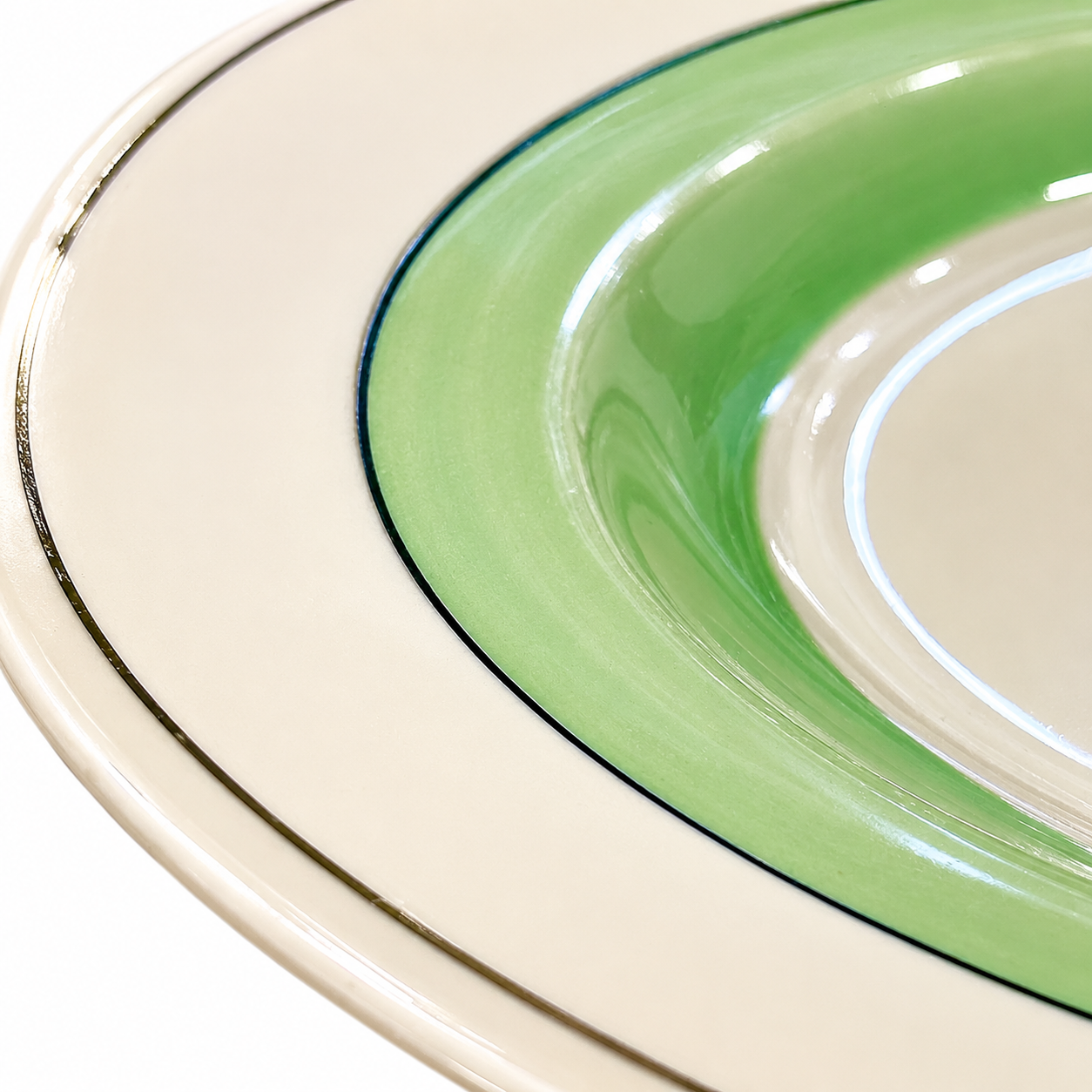
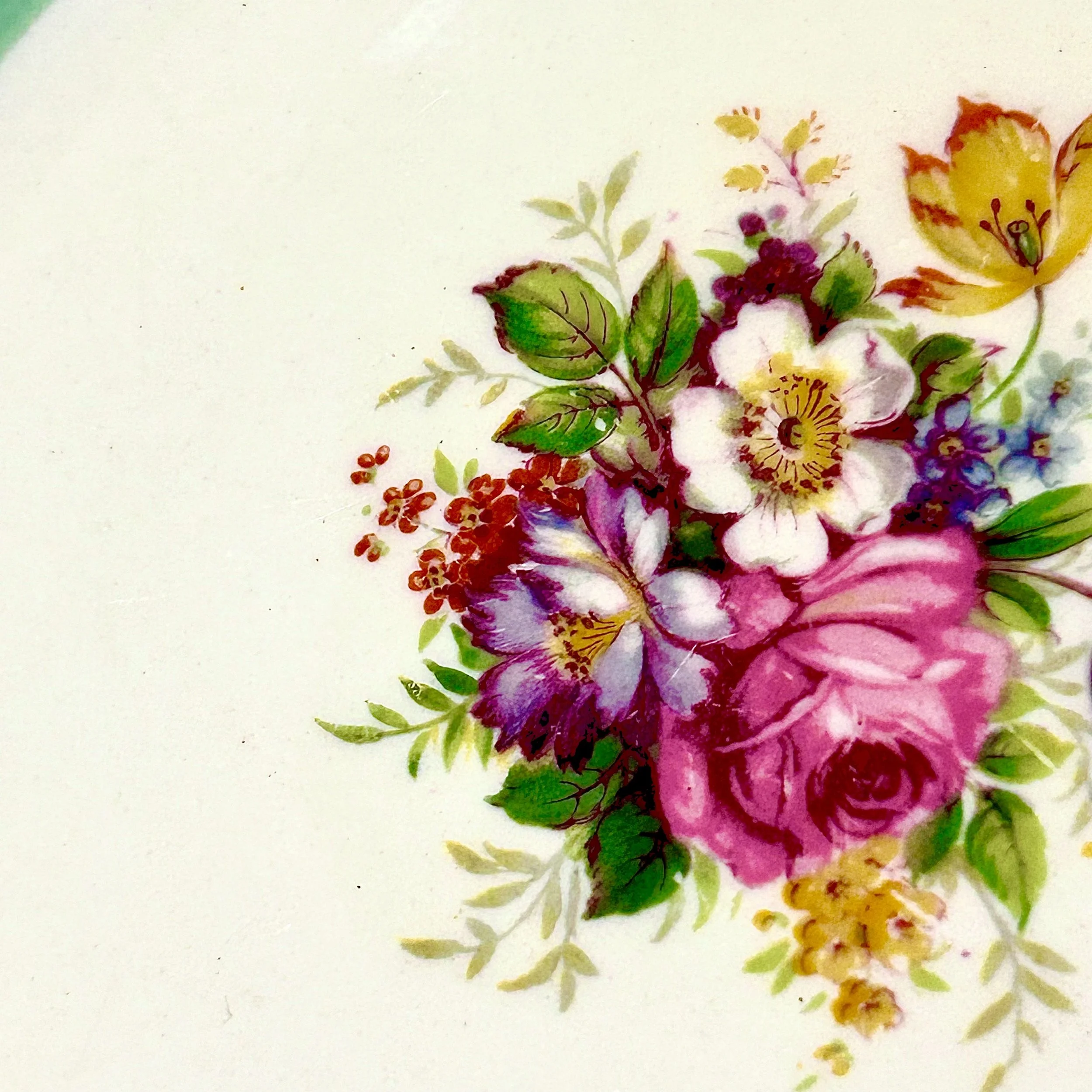
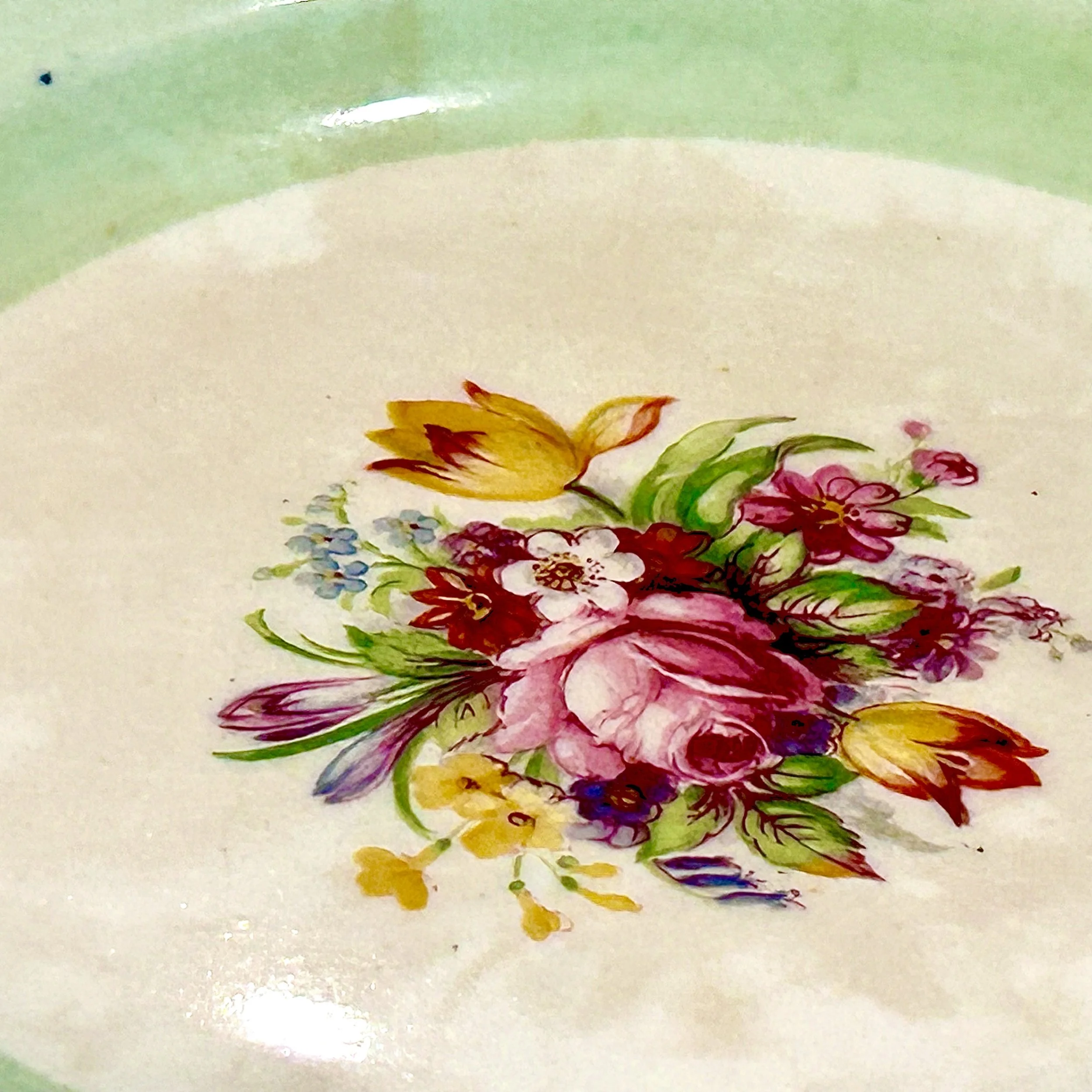
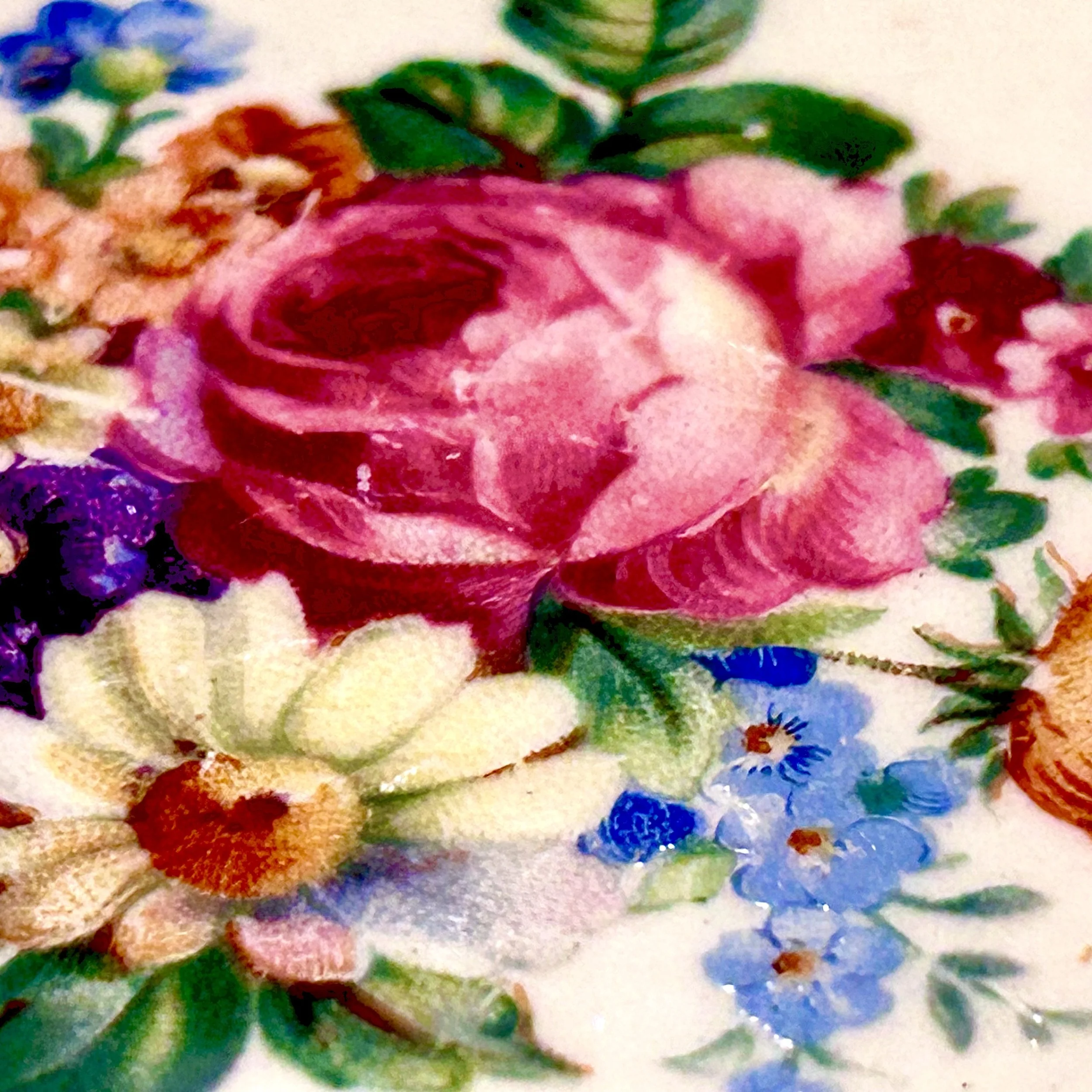
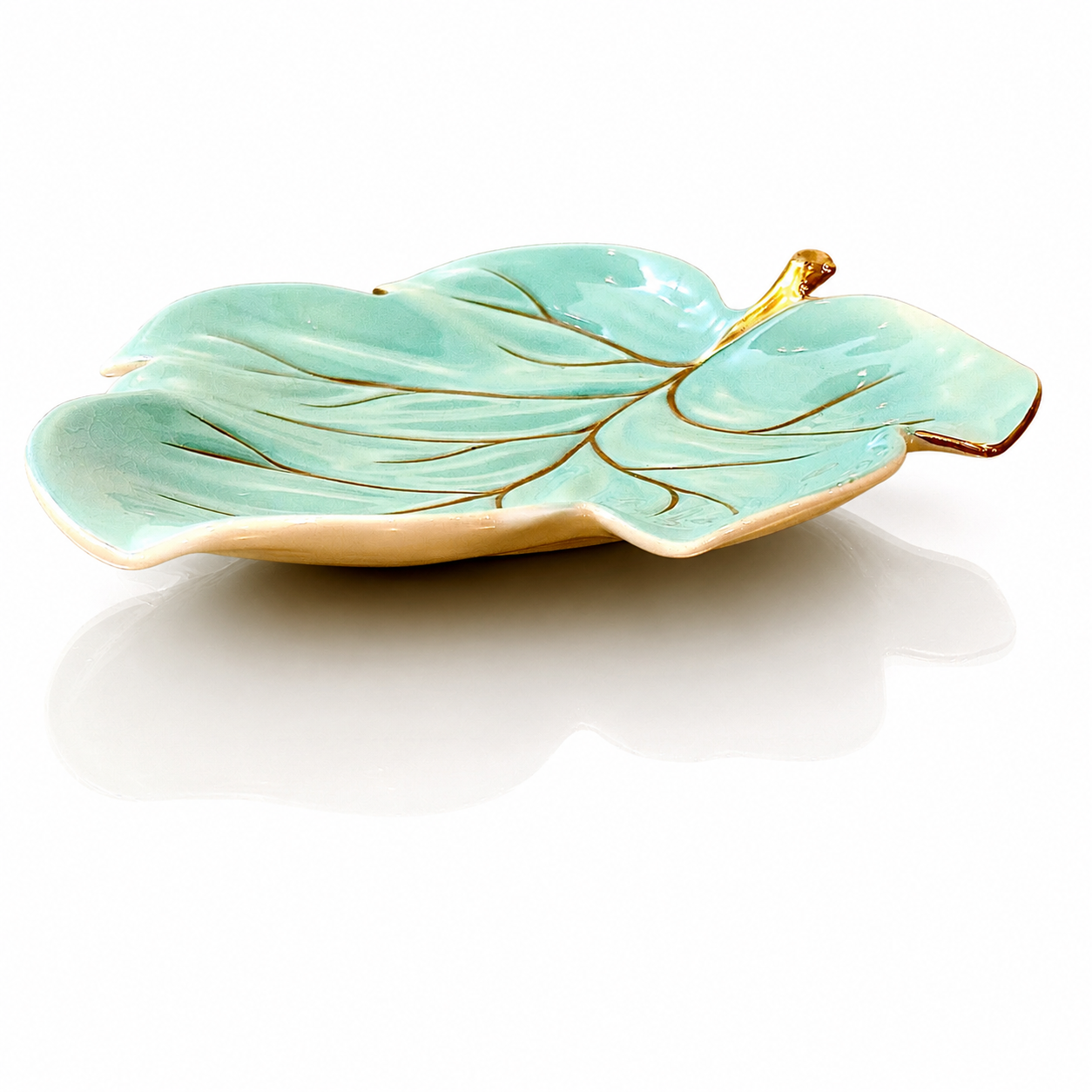
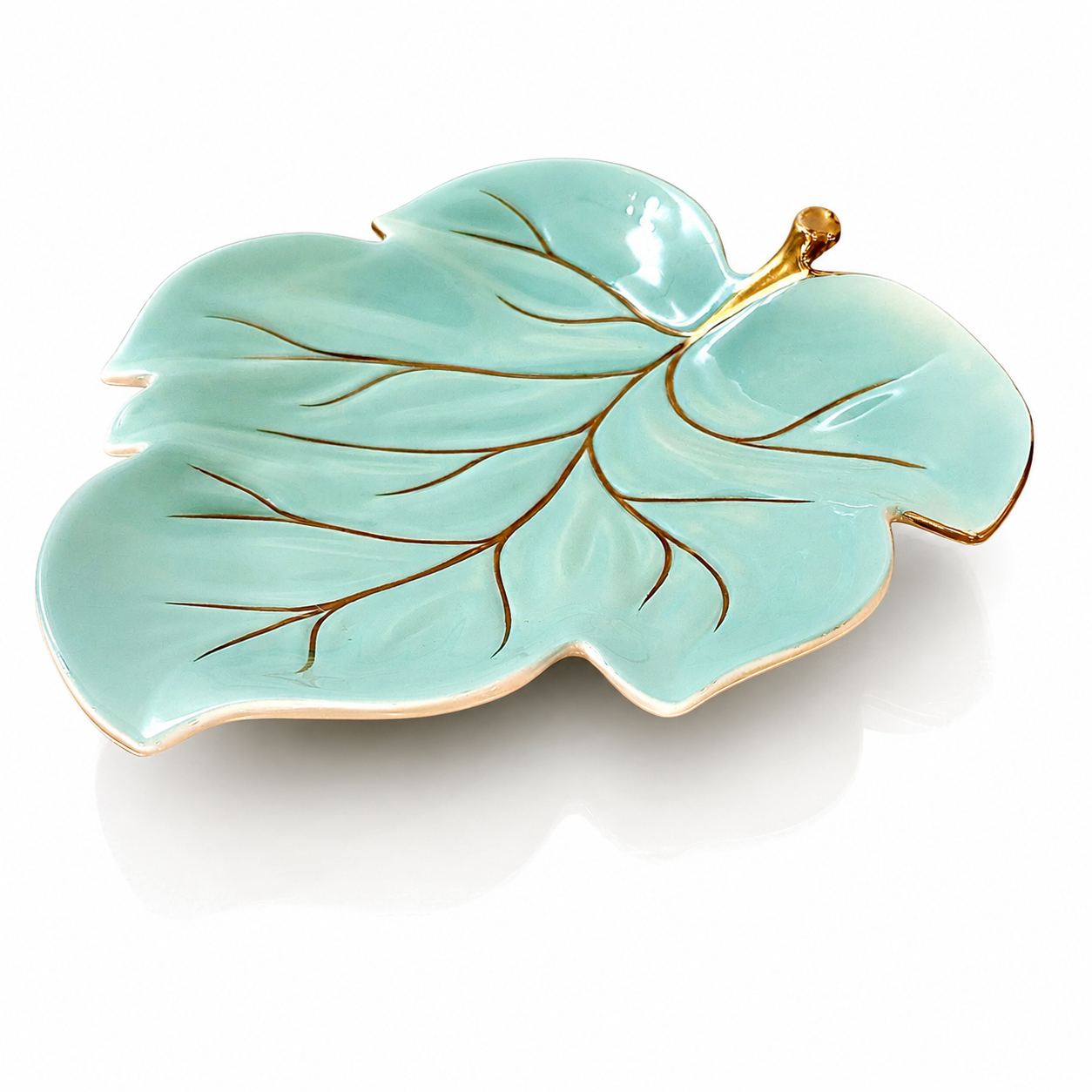
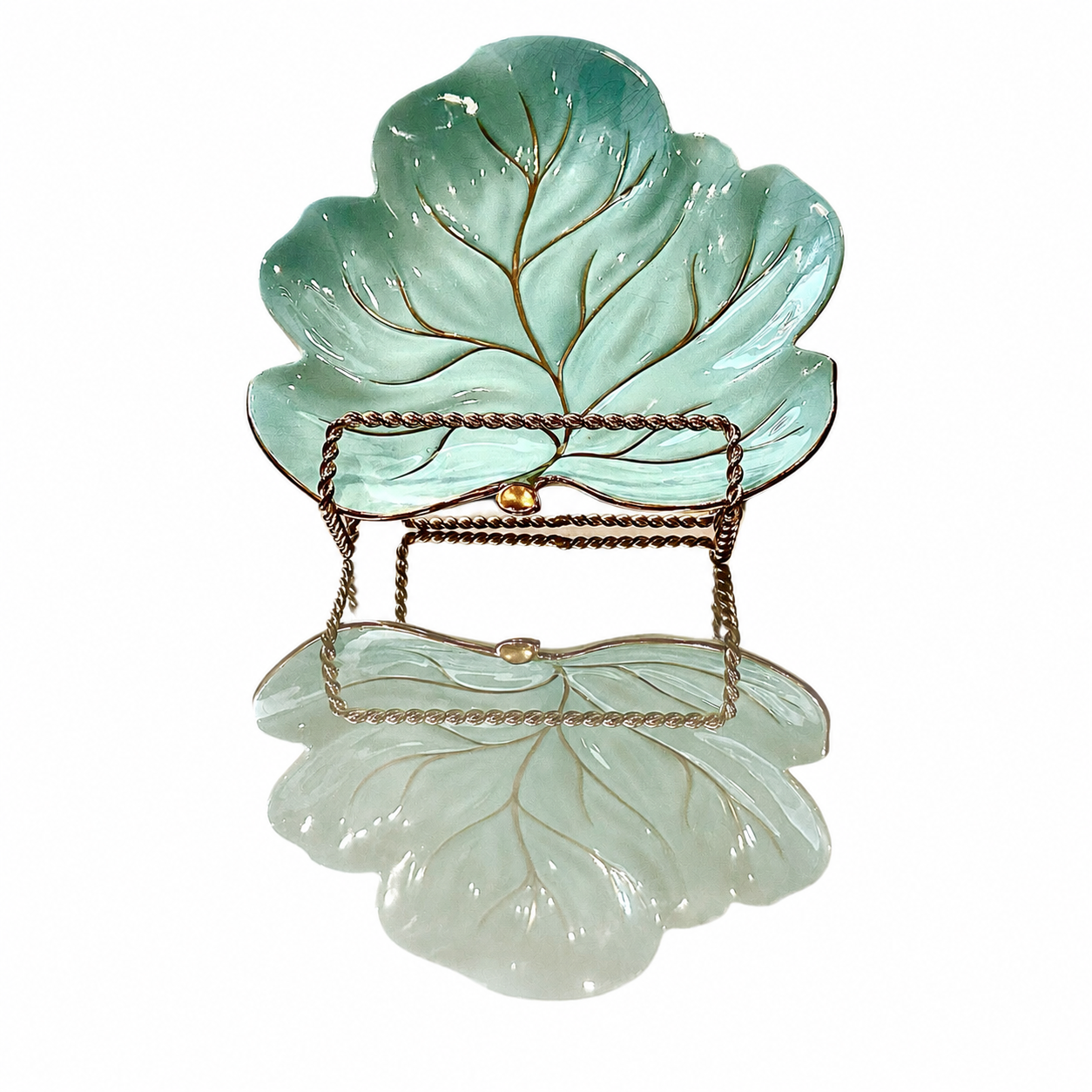
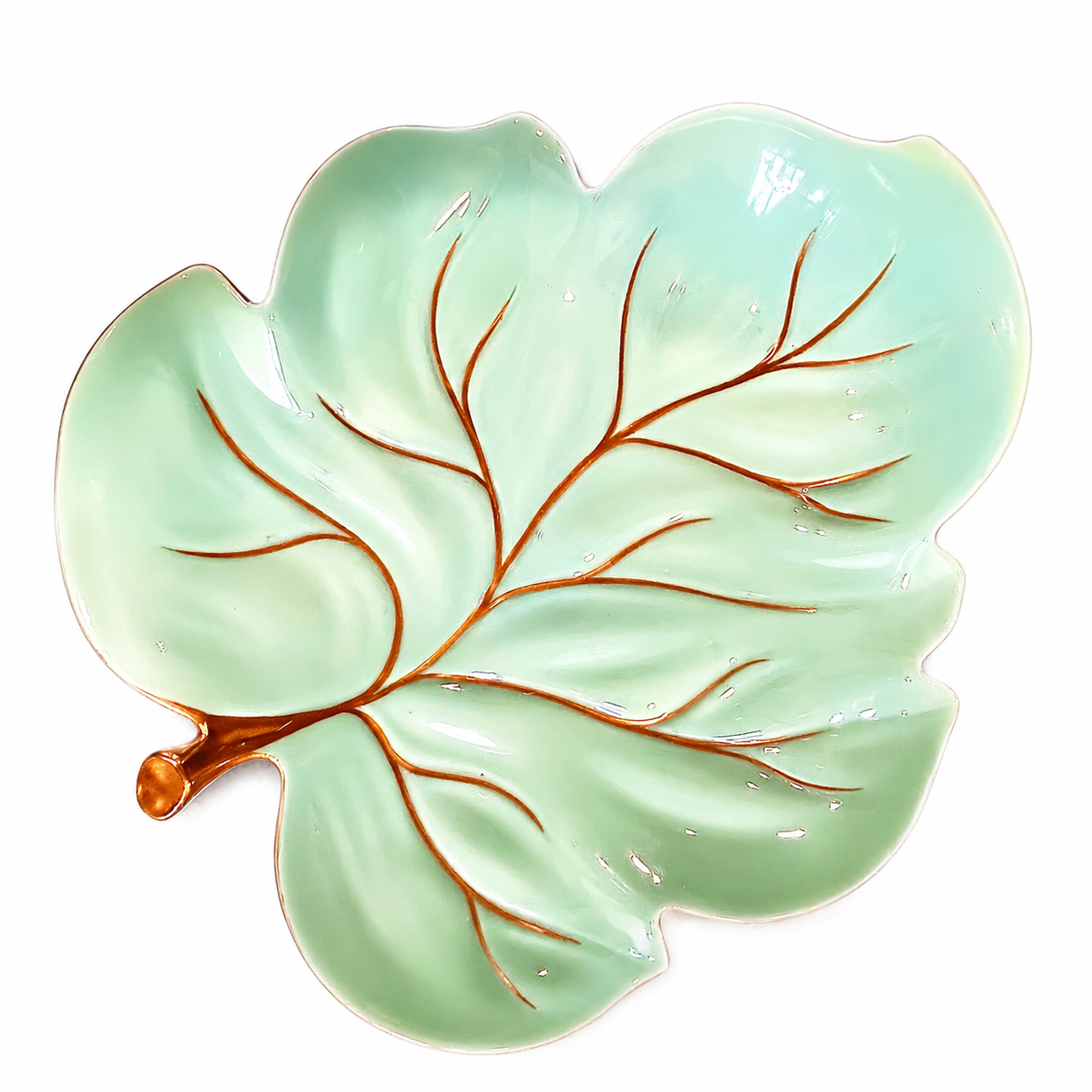
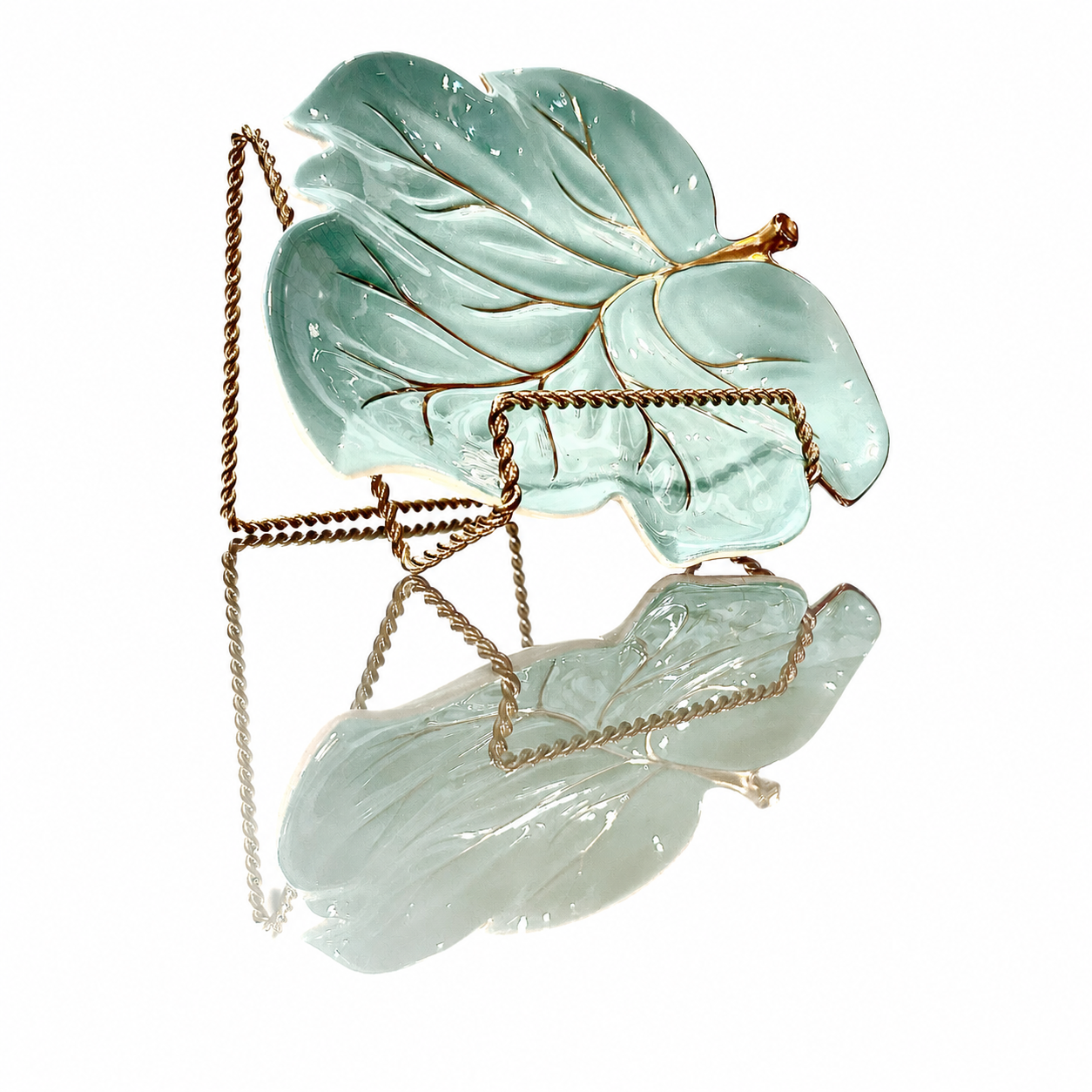
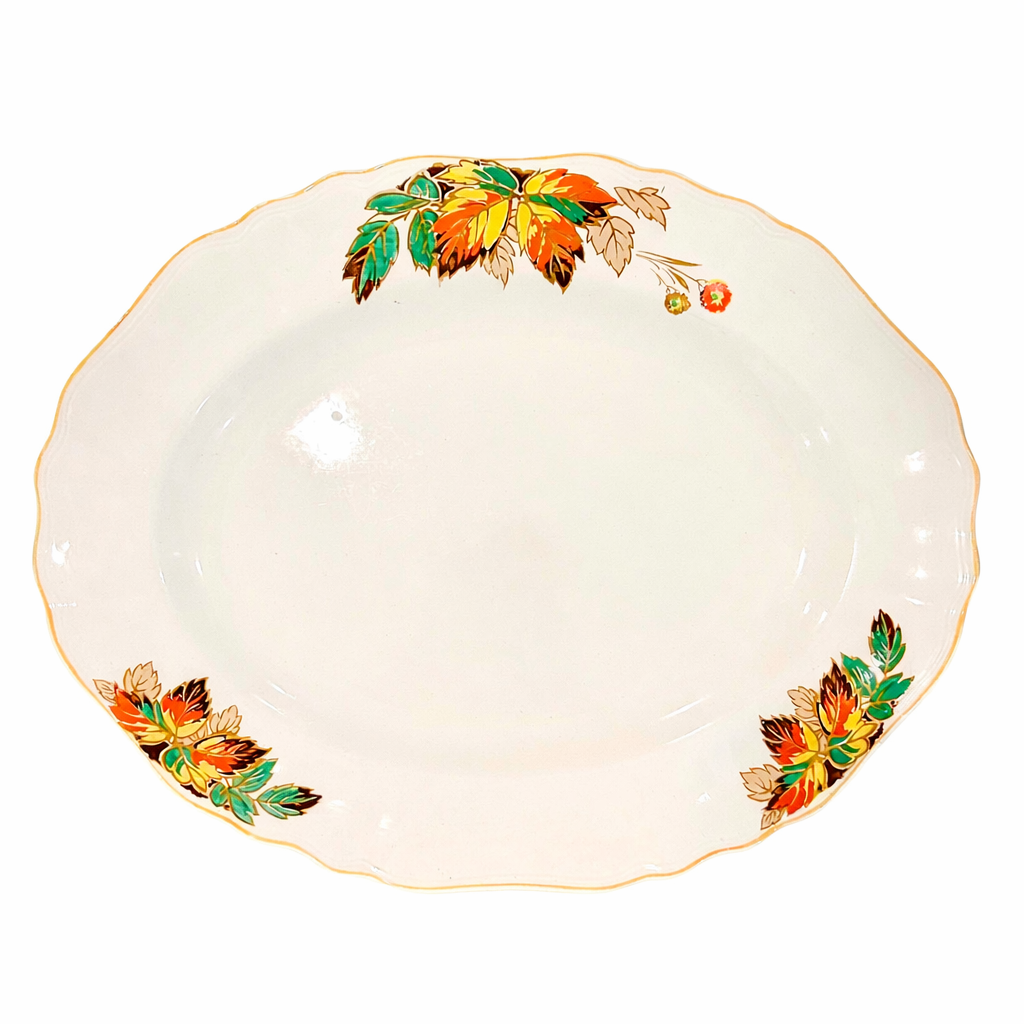
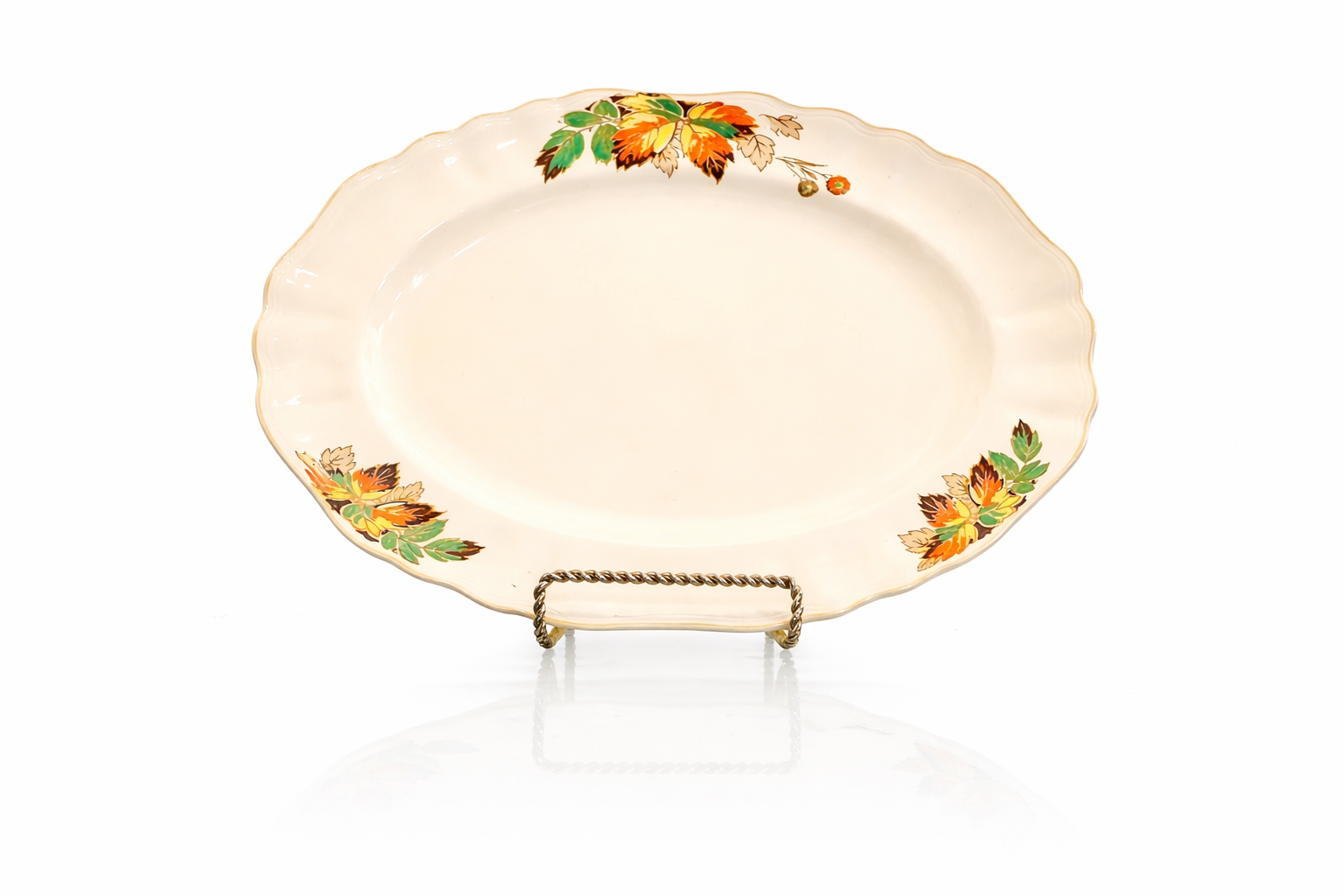
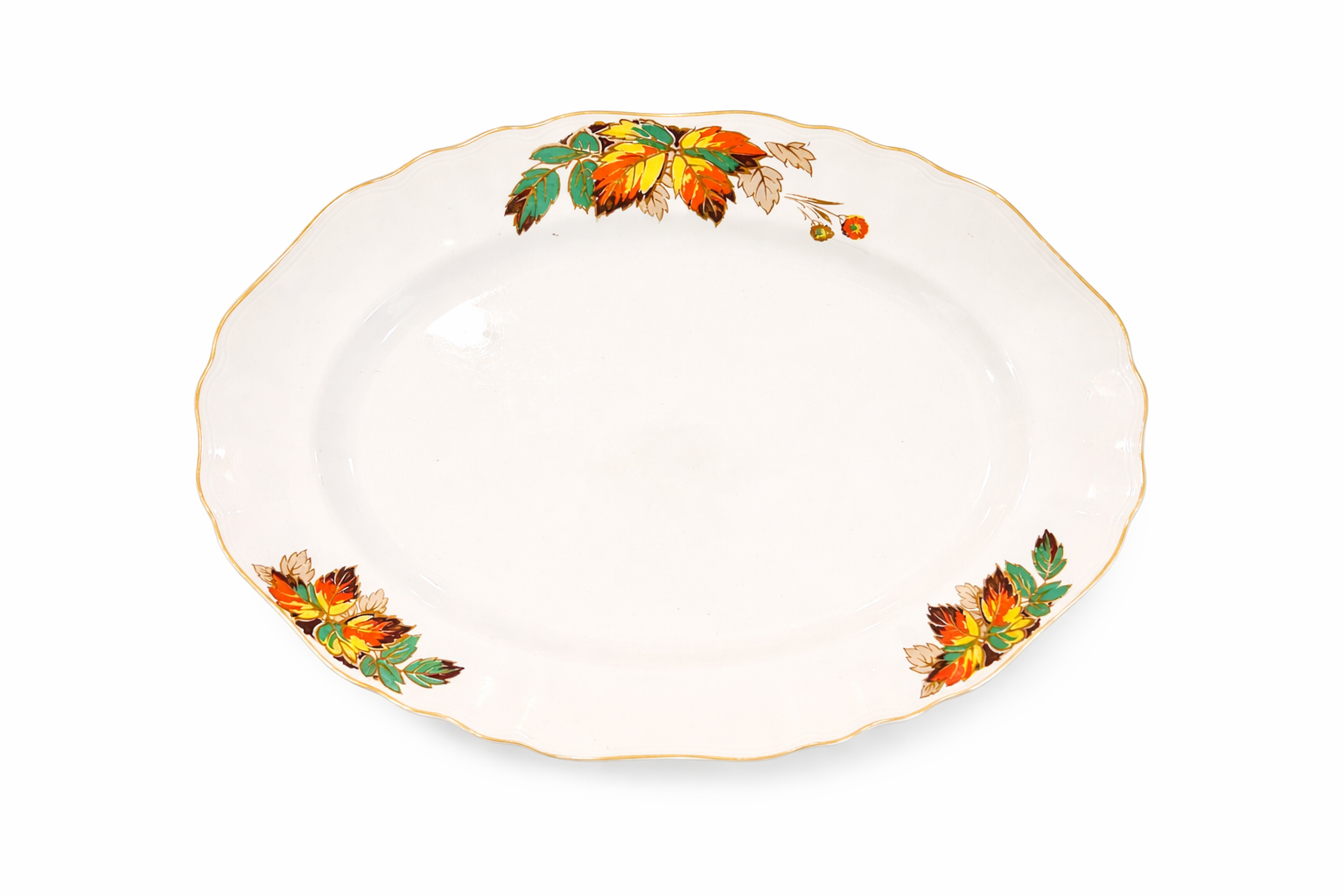
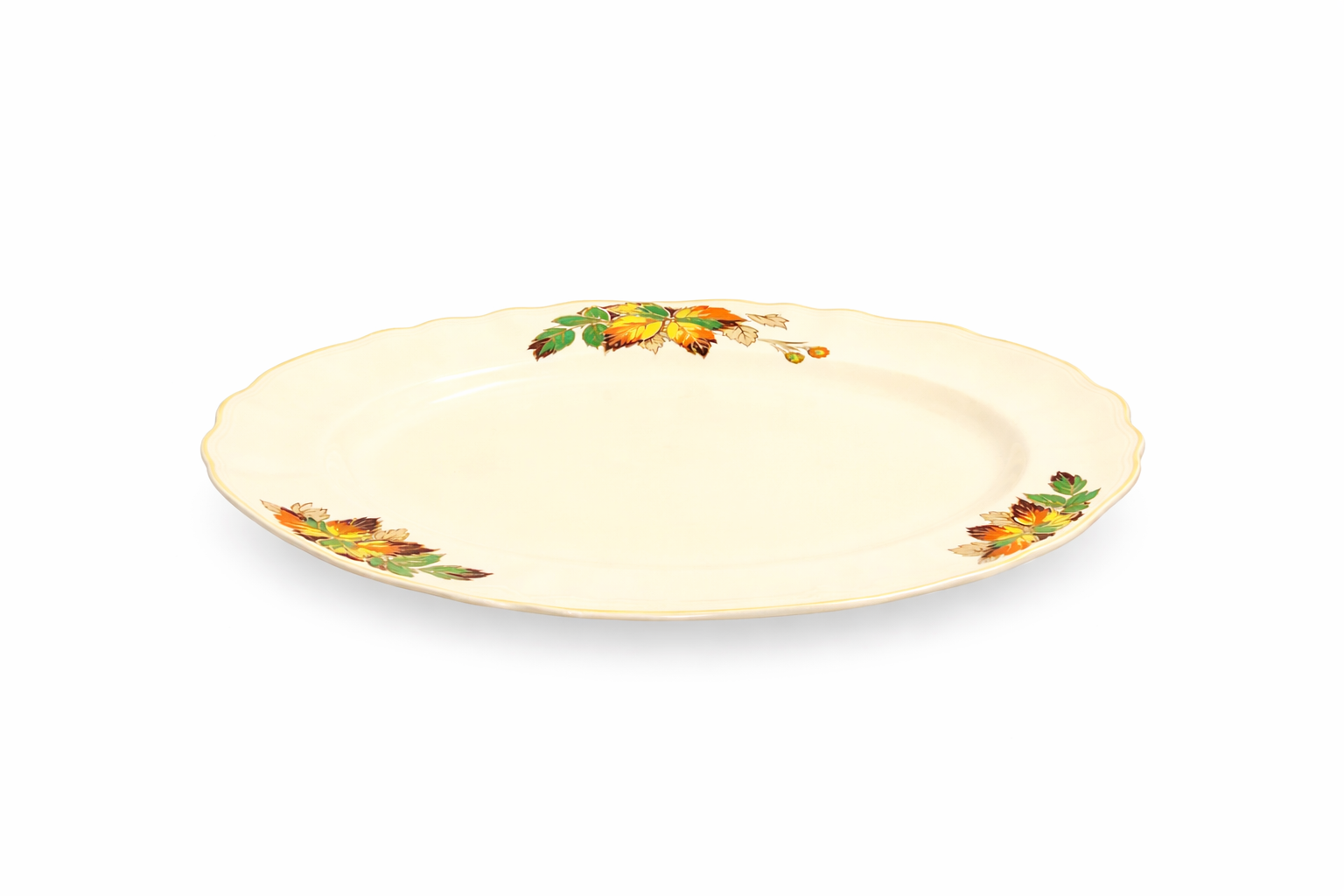
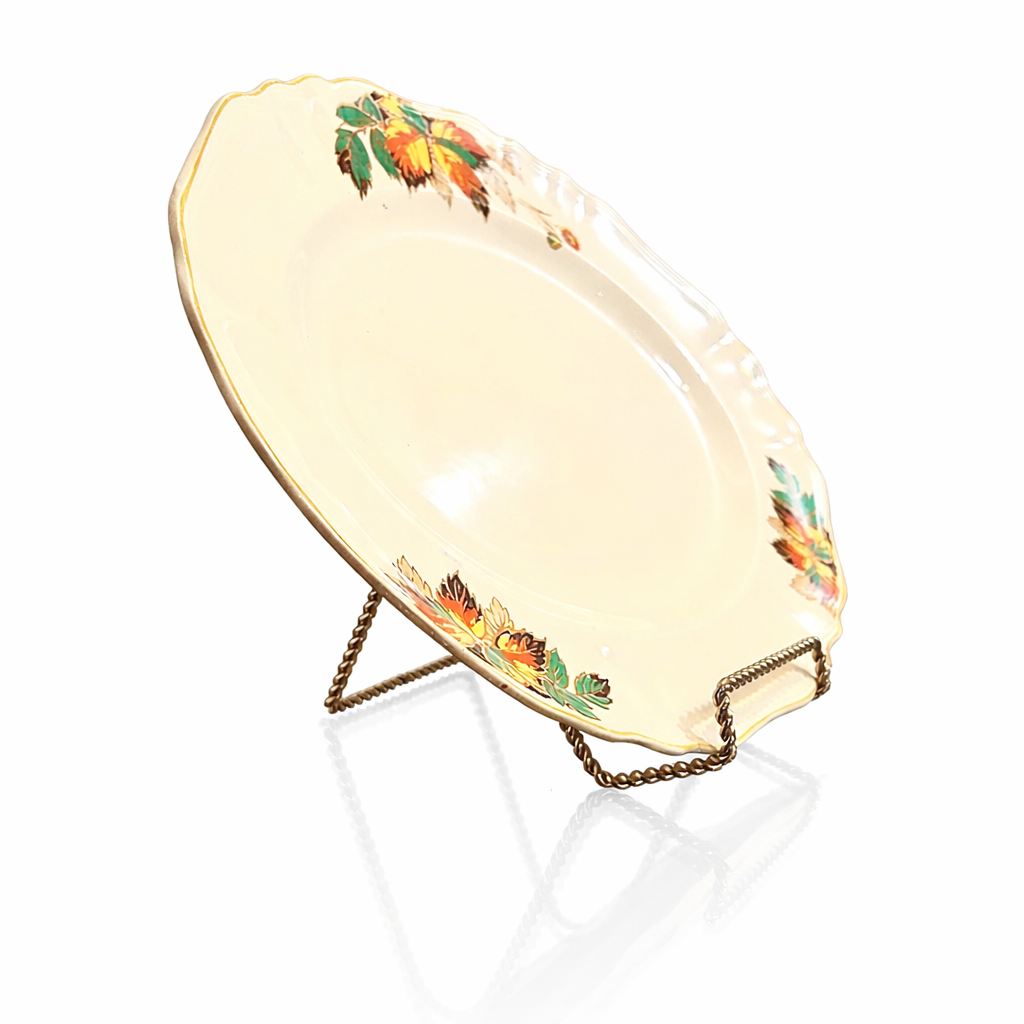
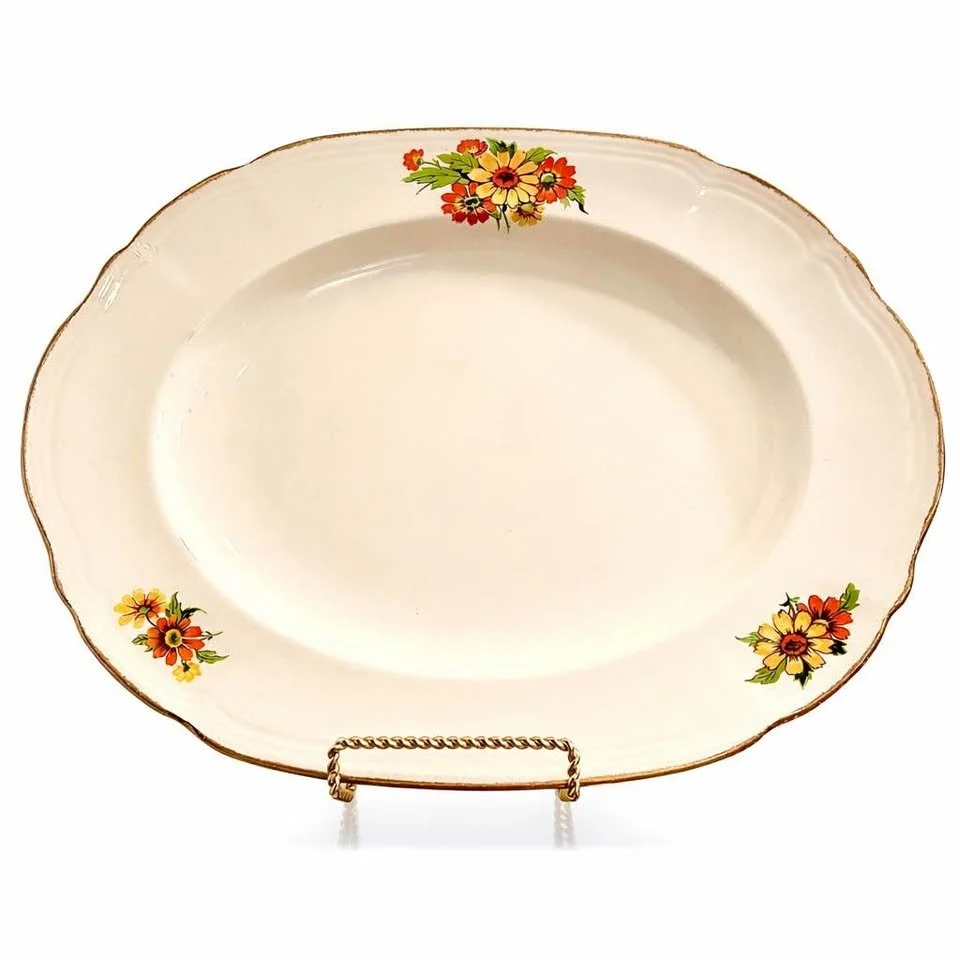
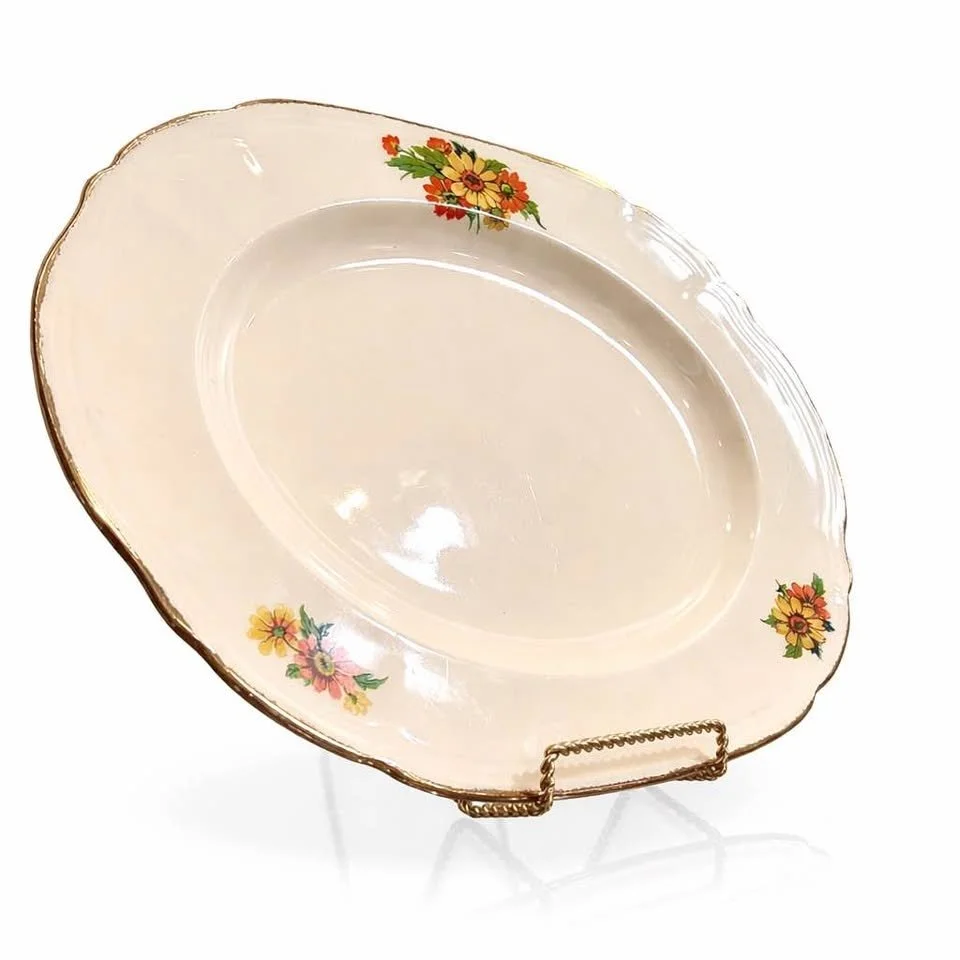
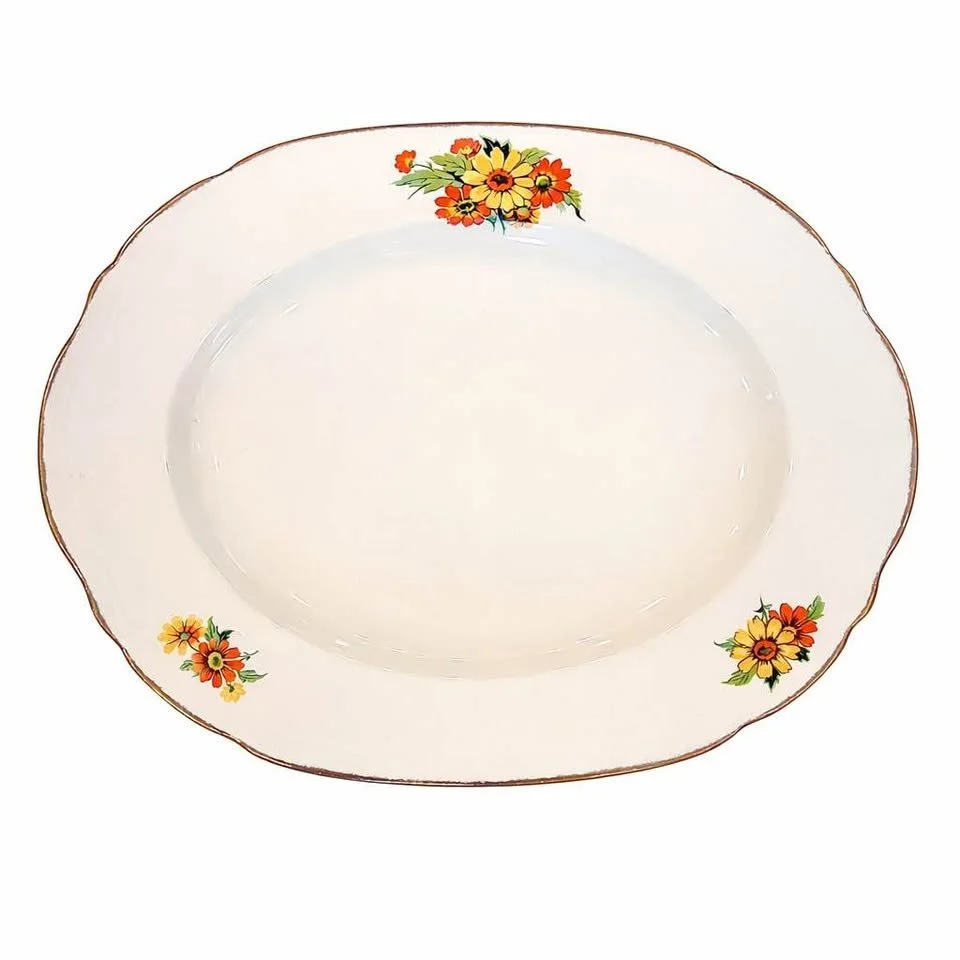
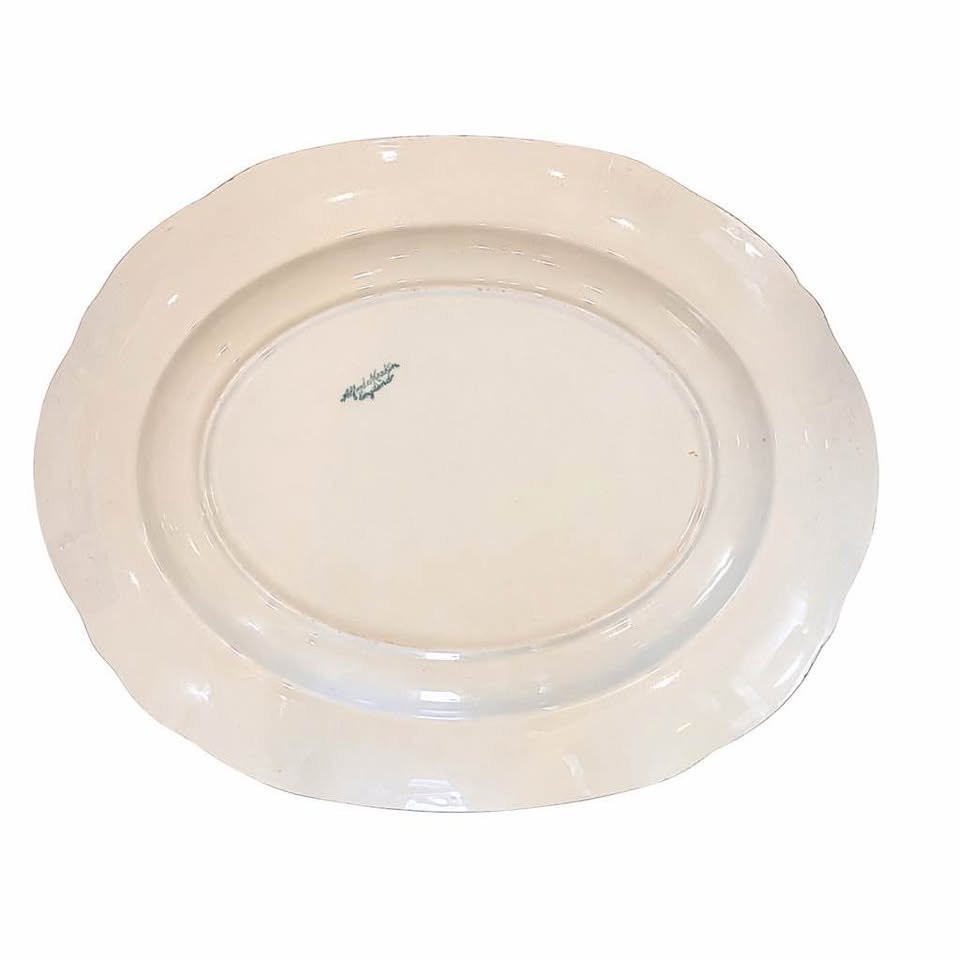
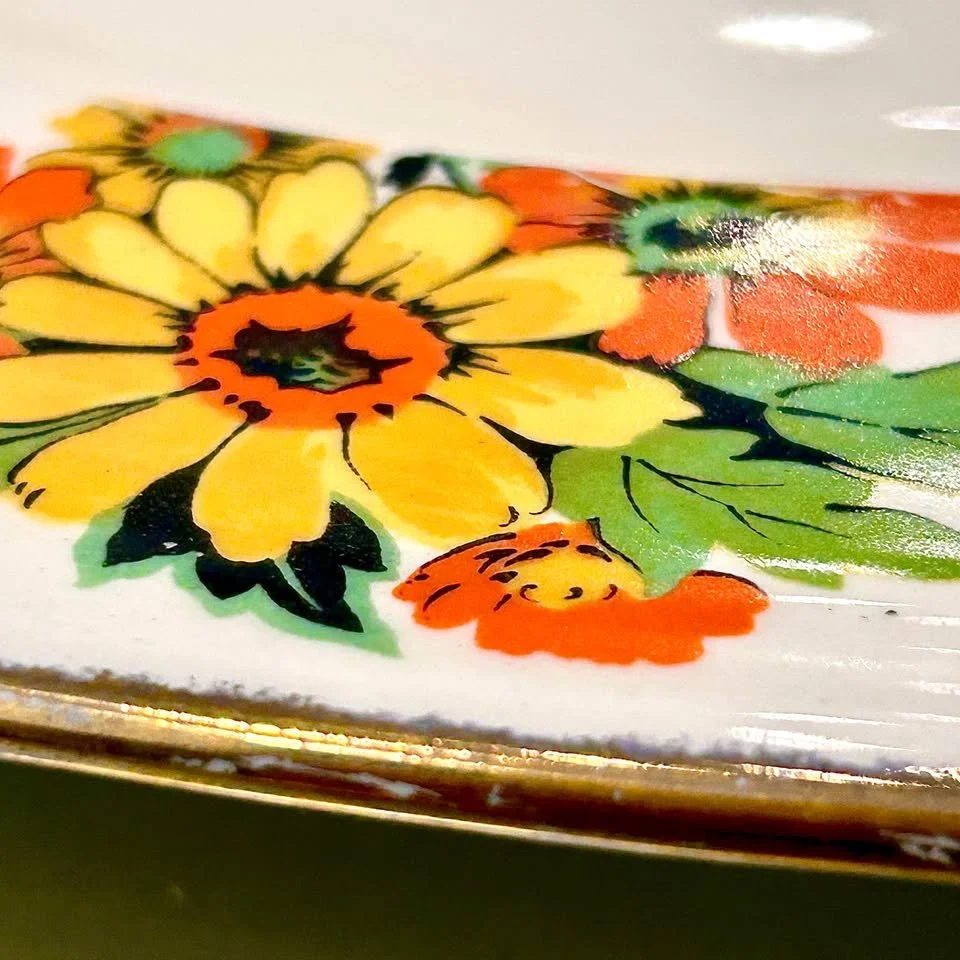
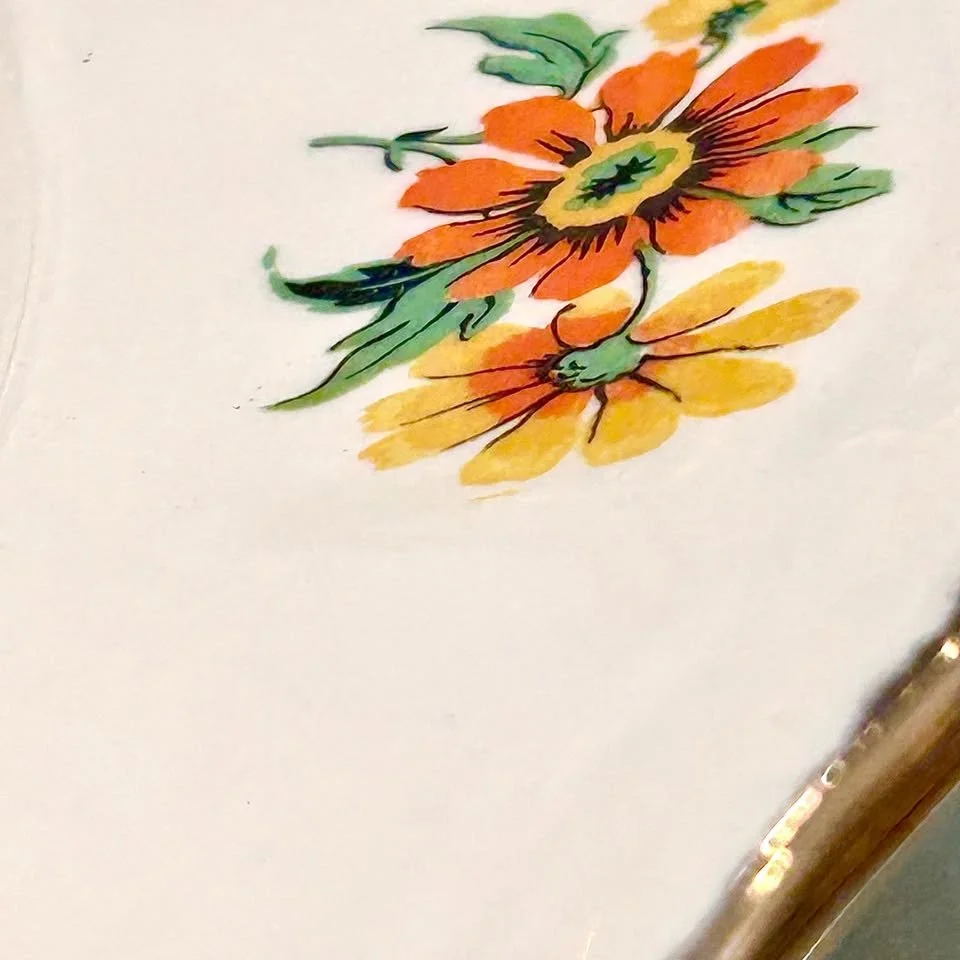
This exceptional ceramic dish presents a commanding sculptural presence through its deeply molded foliate border, a hallmark of mid-18th-century botanical naturalism. The rim features a rhythmic procession of raised leaf forms glazed in a vibrant, saturated green that provides a tactile and architectural frame for the central composition. At the heart of the piece, a hand-painted floral reserve—anchored by a lush purple peony—demonstrates a masterful use of light and pigment, with delicate freehand brushwork that captures the ephemeral beauty of English garden flora. The contrast between the high-relief perimeter and the luminous white ground ensures a dynamic interaction with light, making it as much an object of art as a piece of heritage service.
Attribution & Period
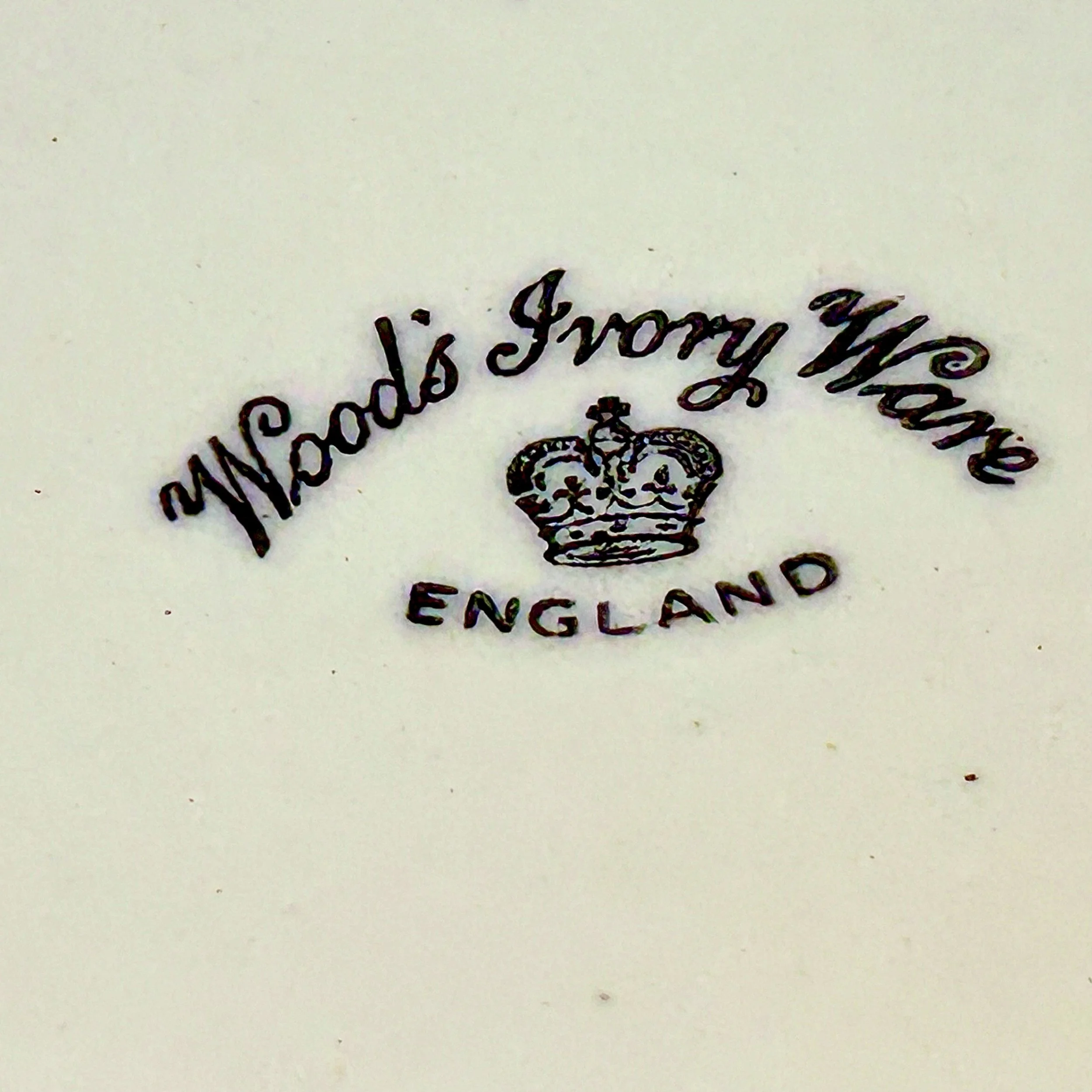
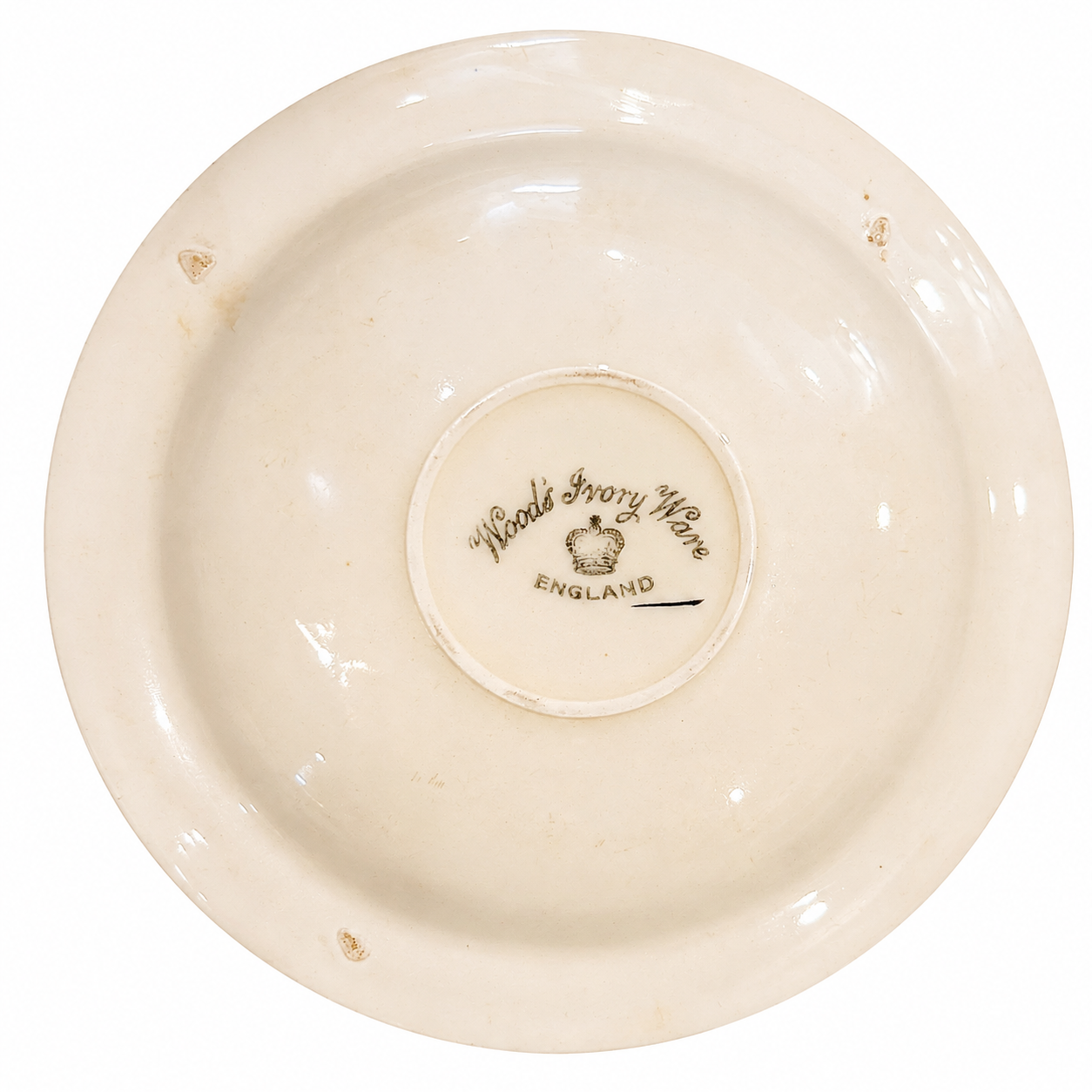
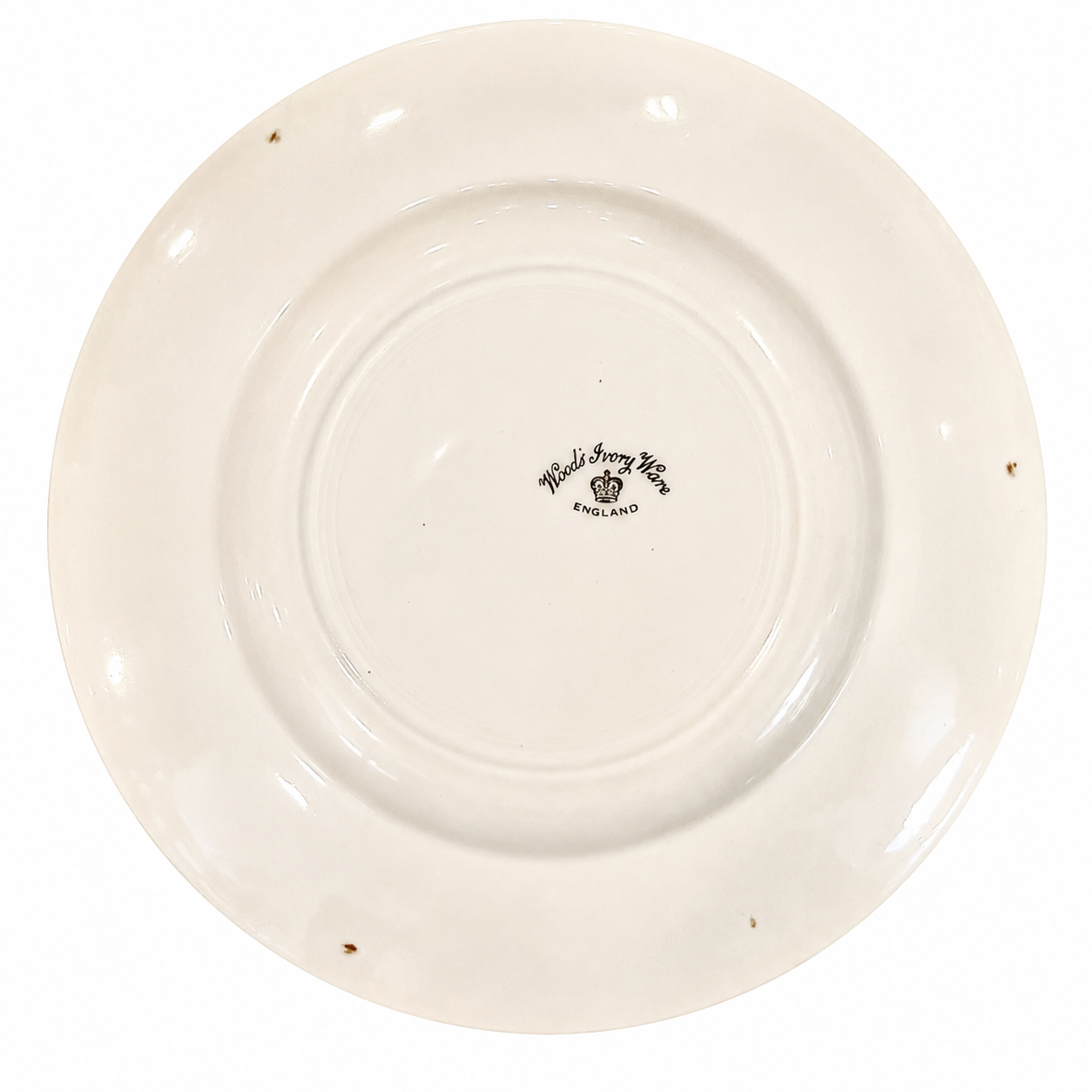
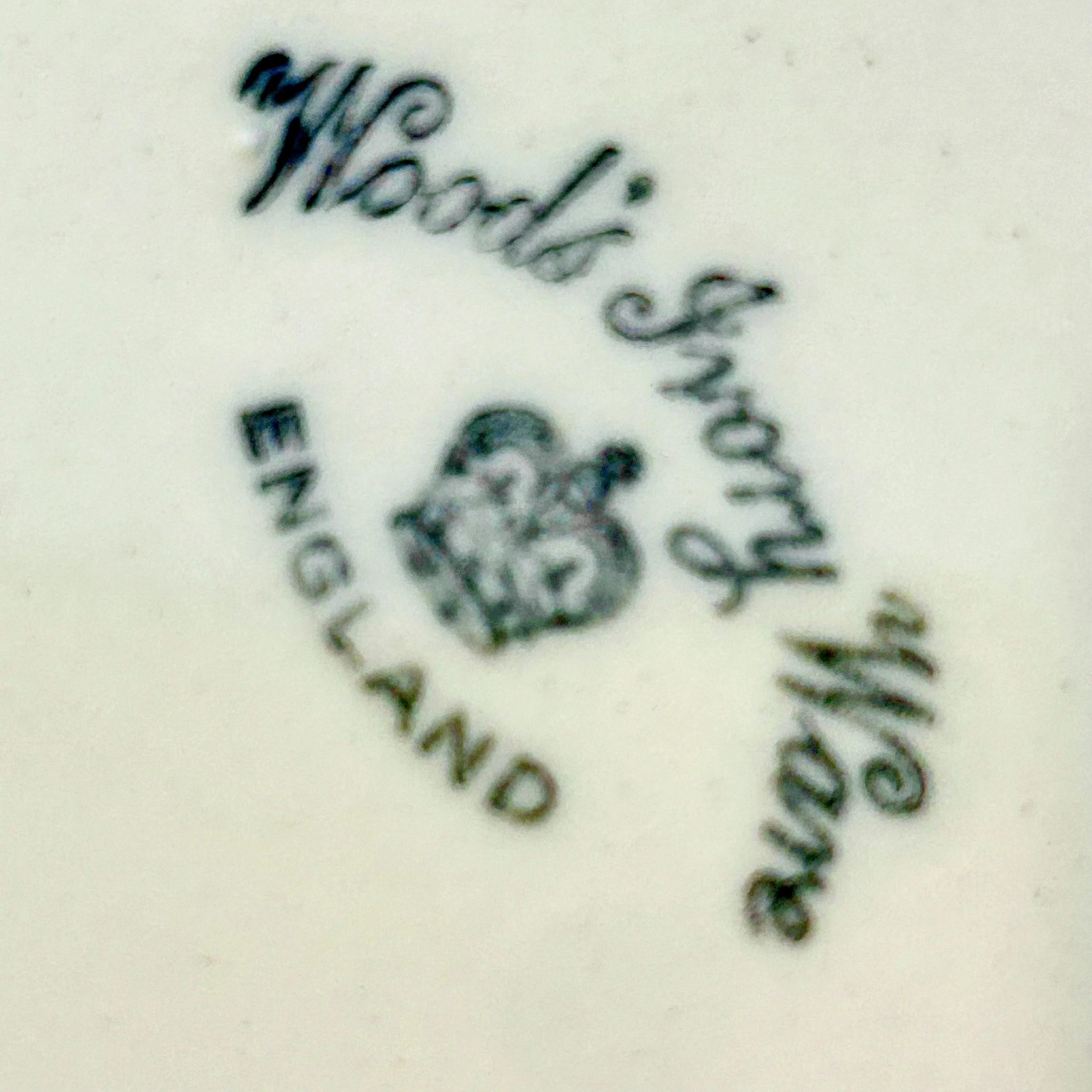
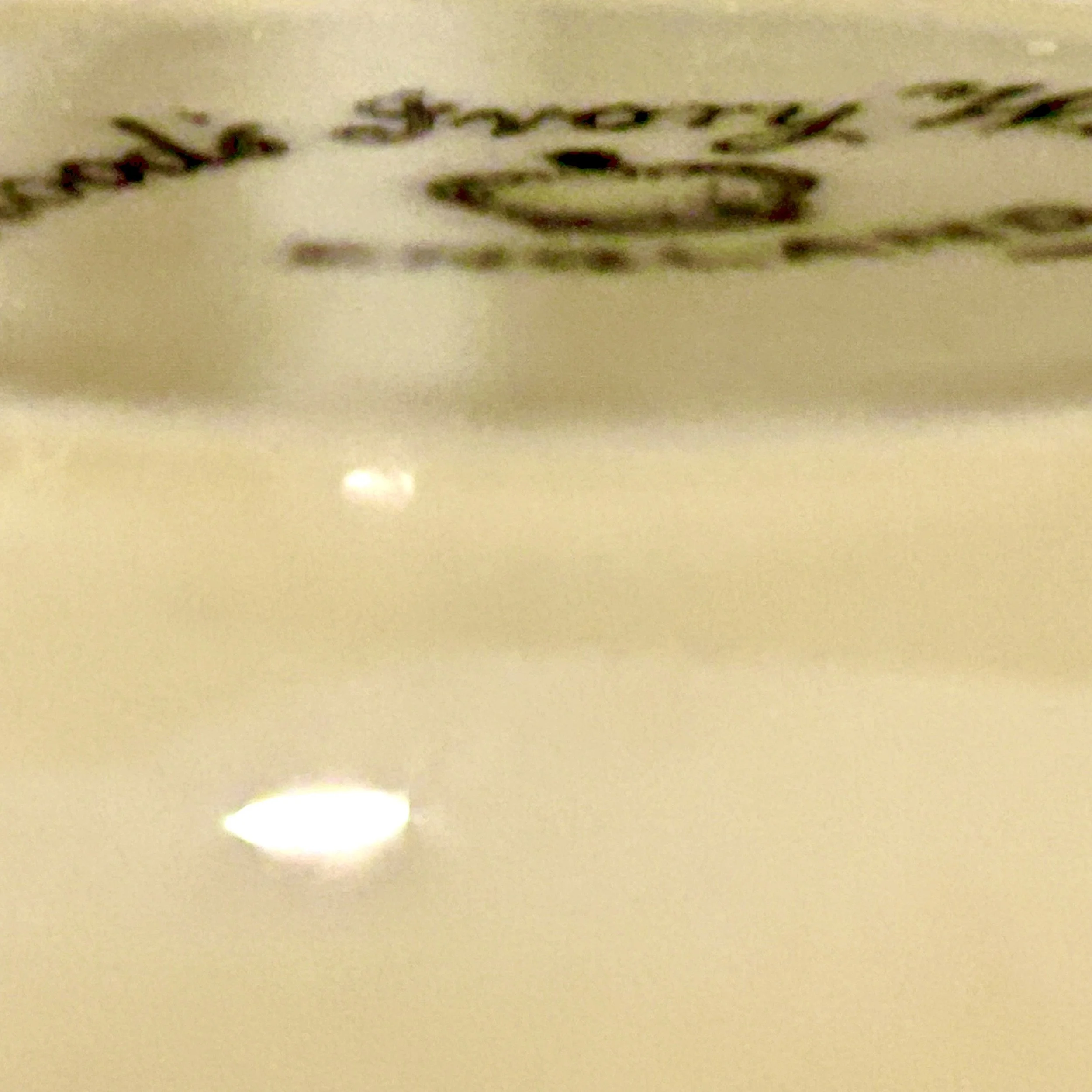
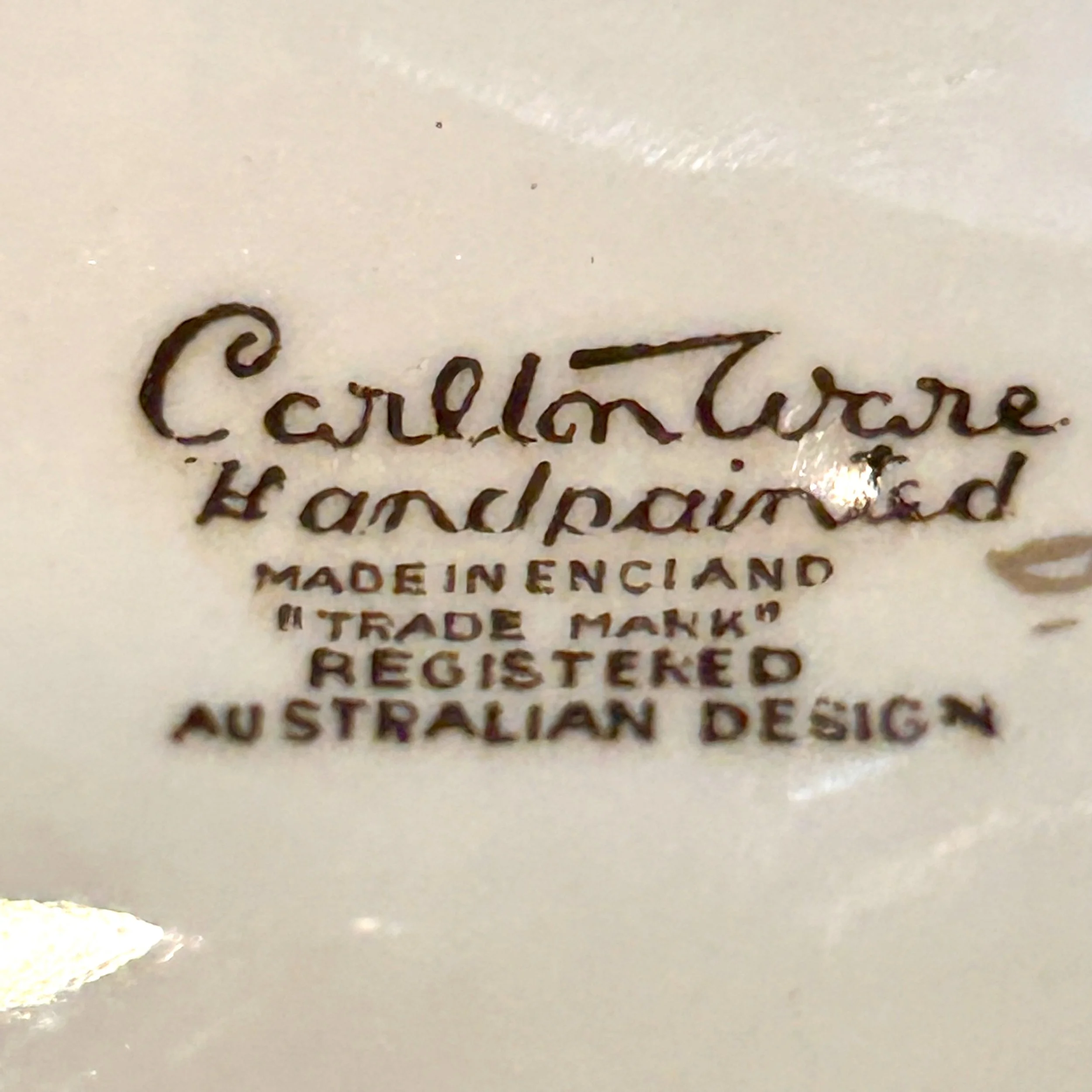
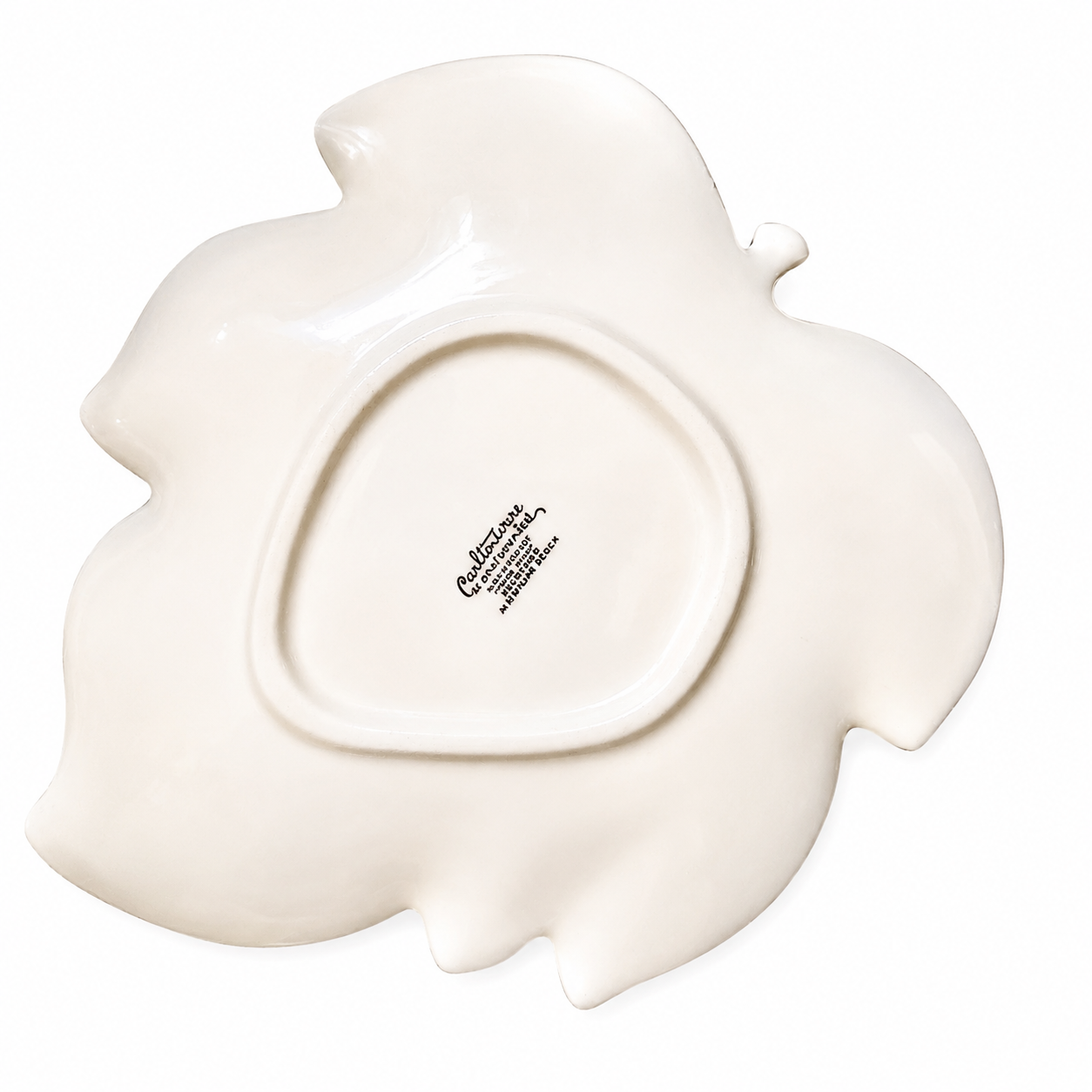
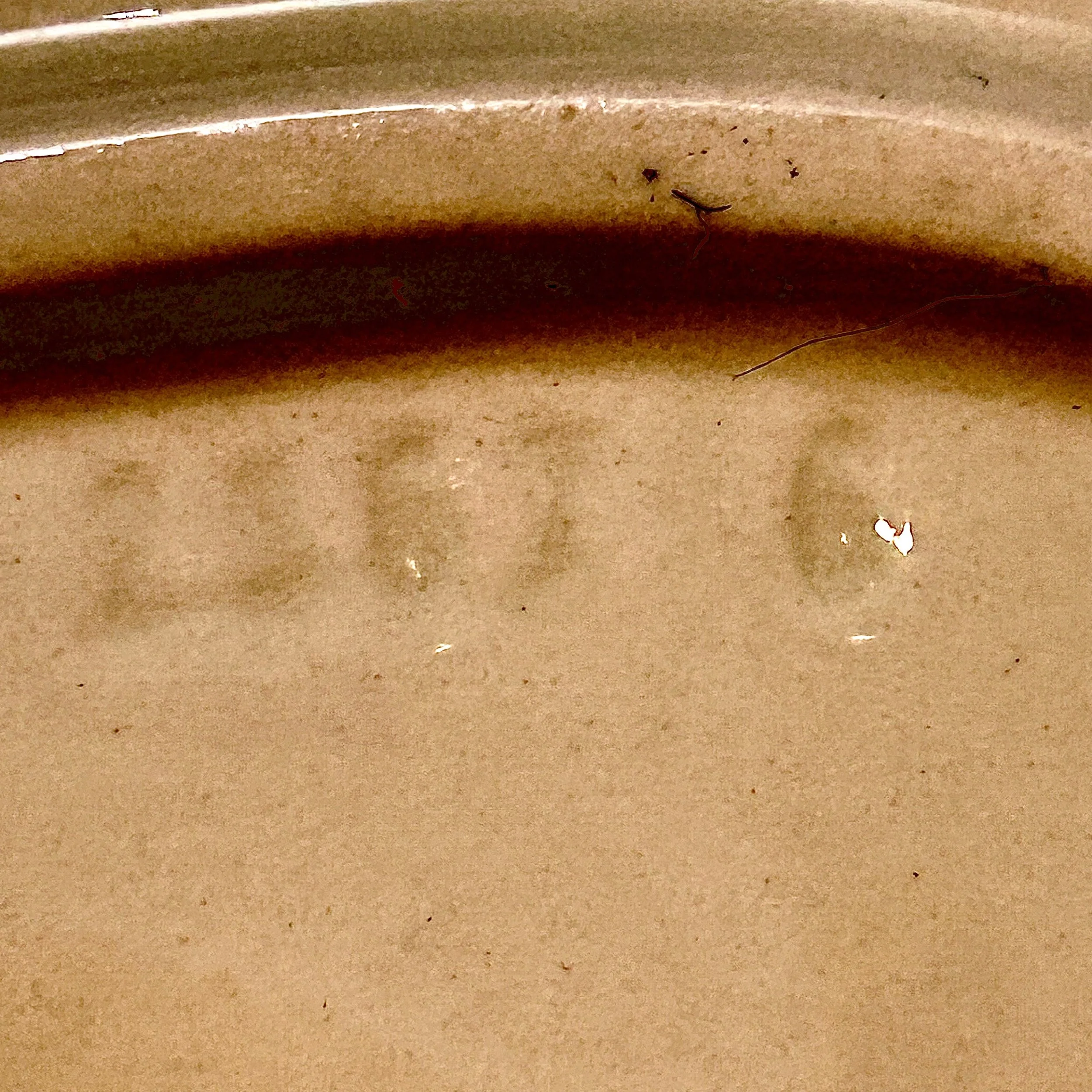
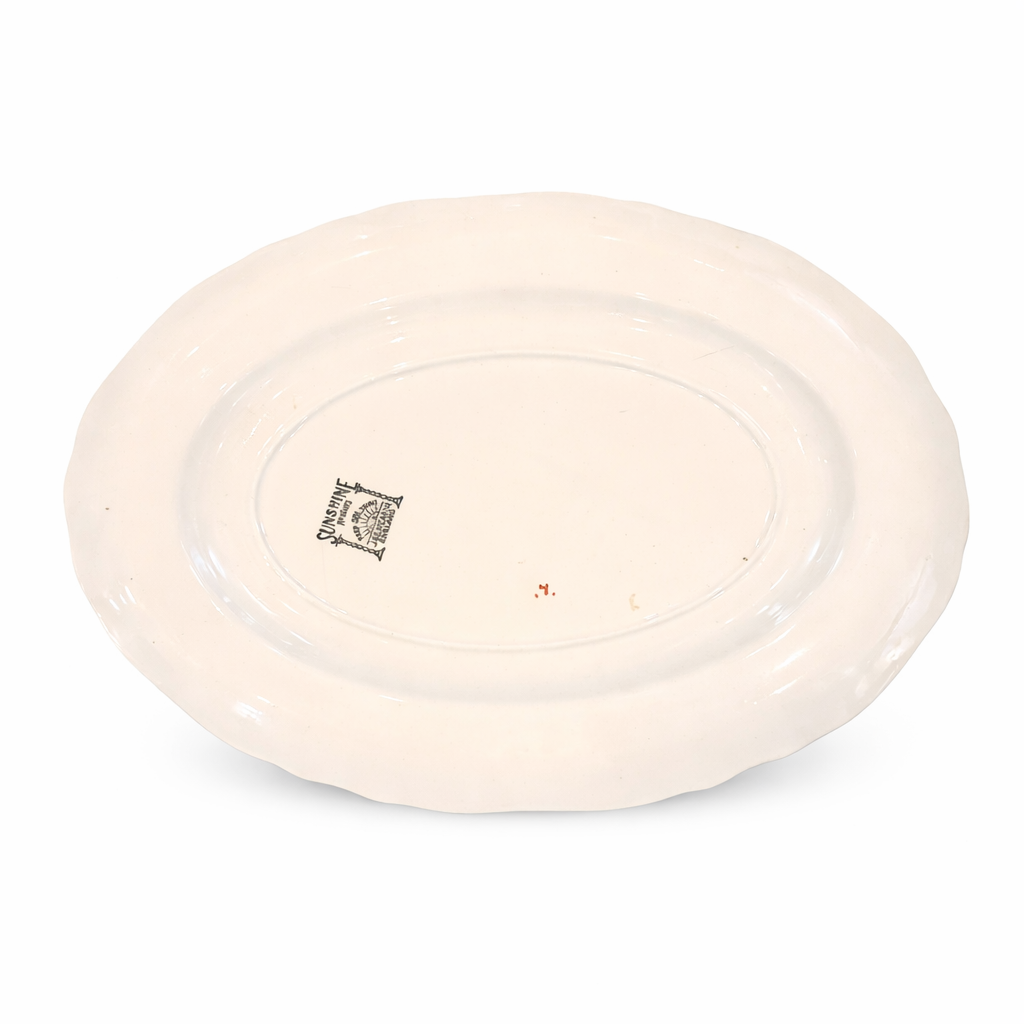
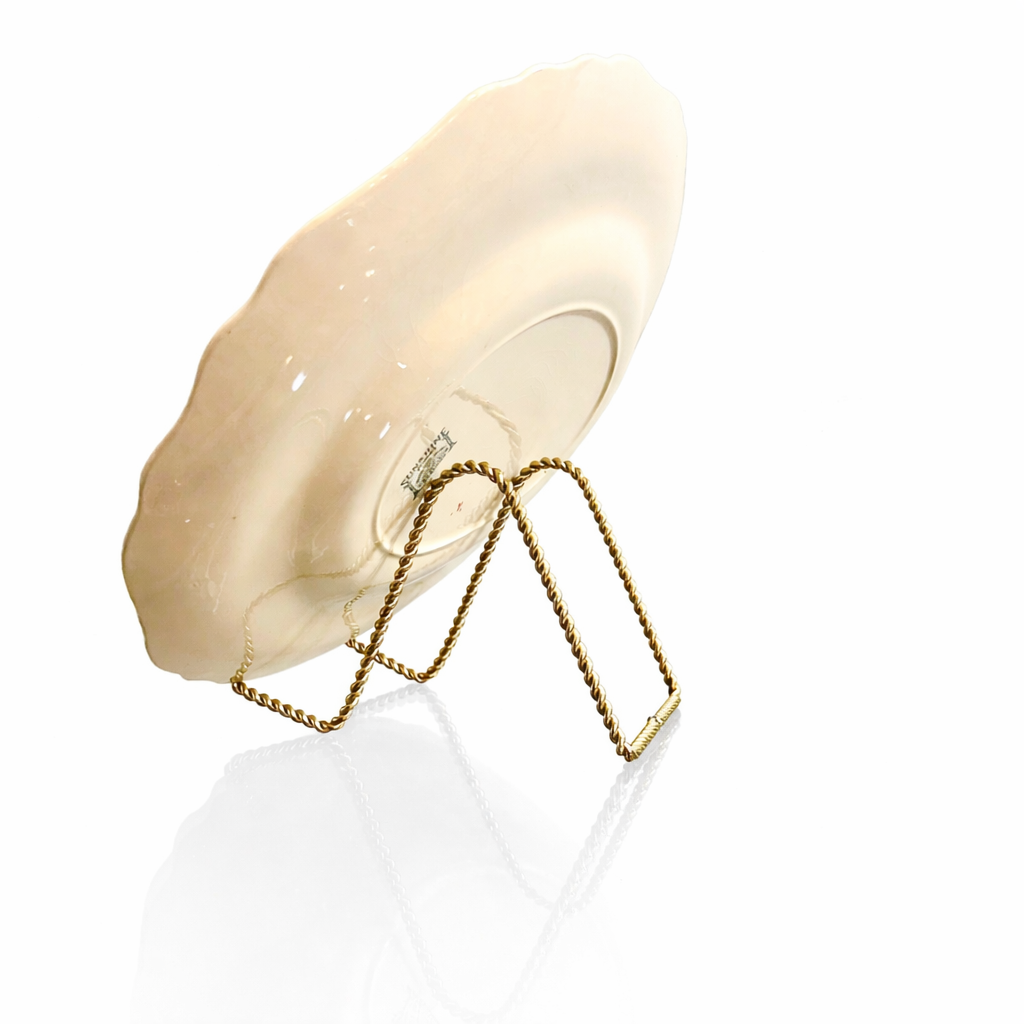
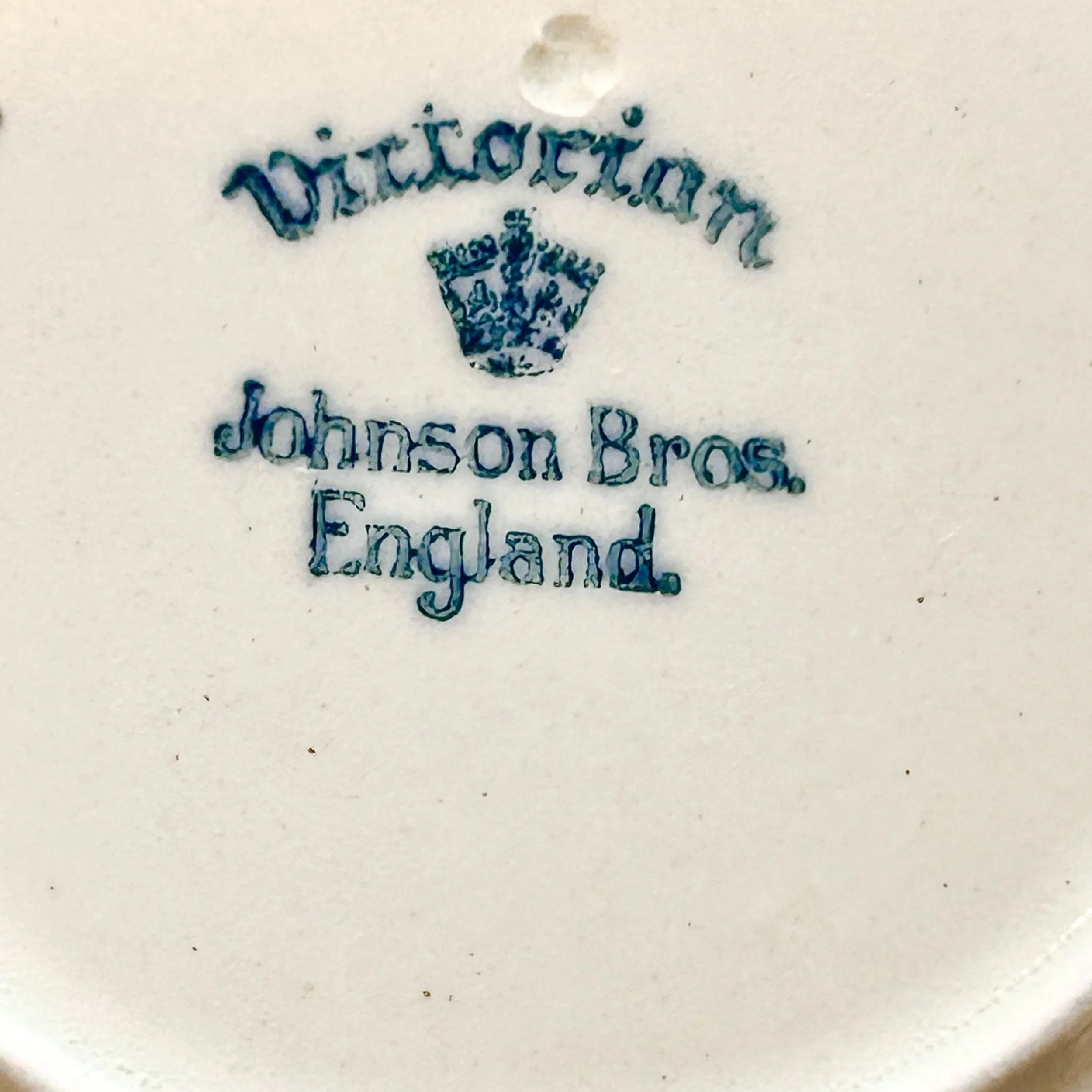
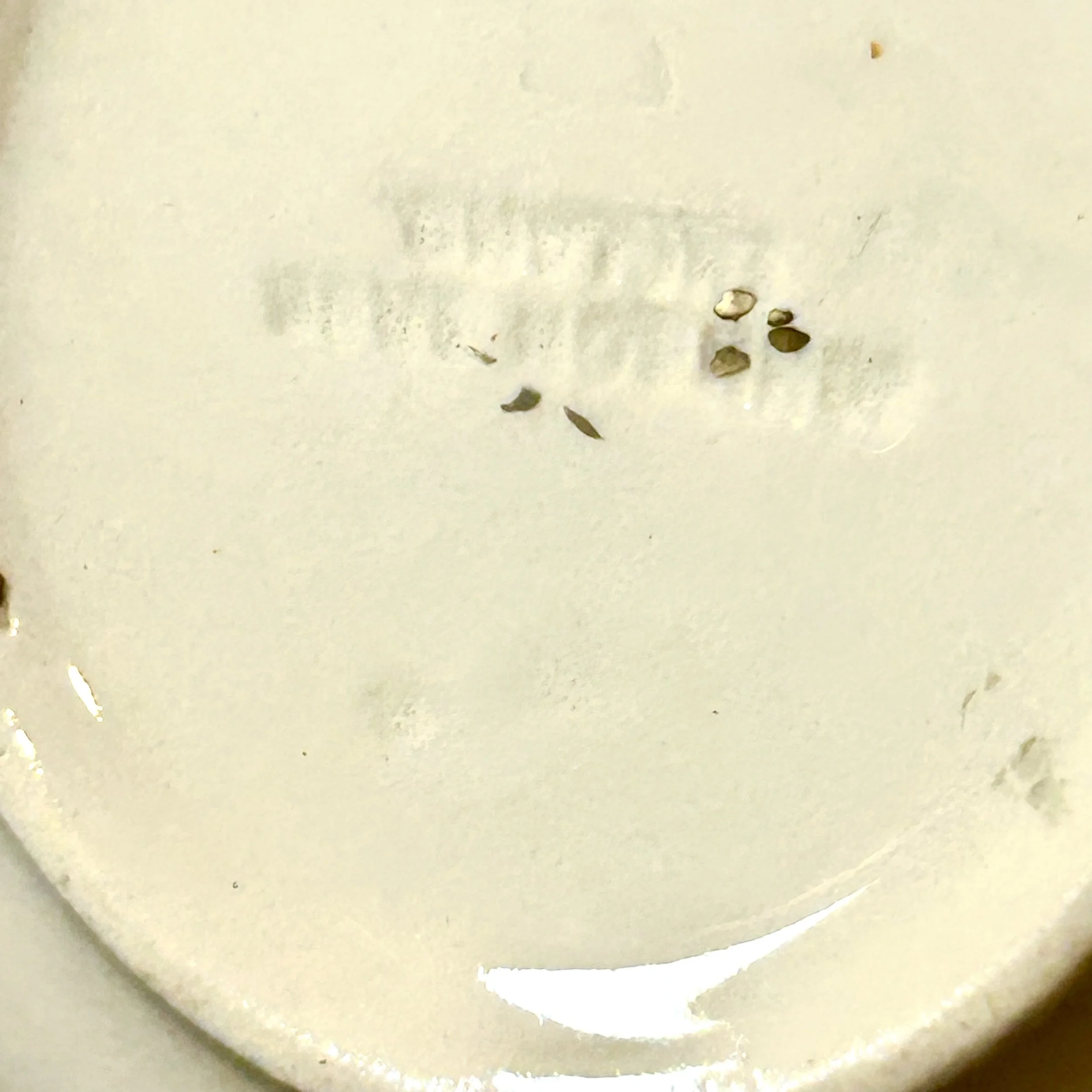
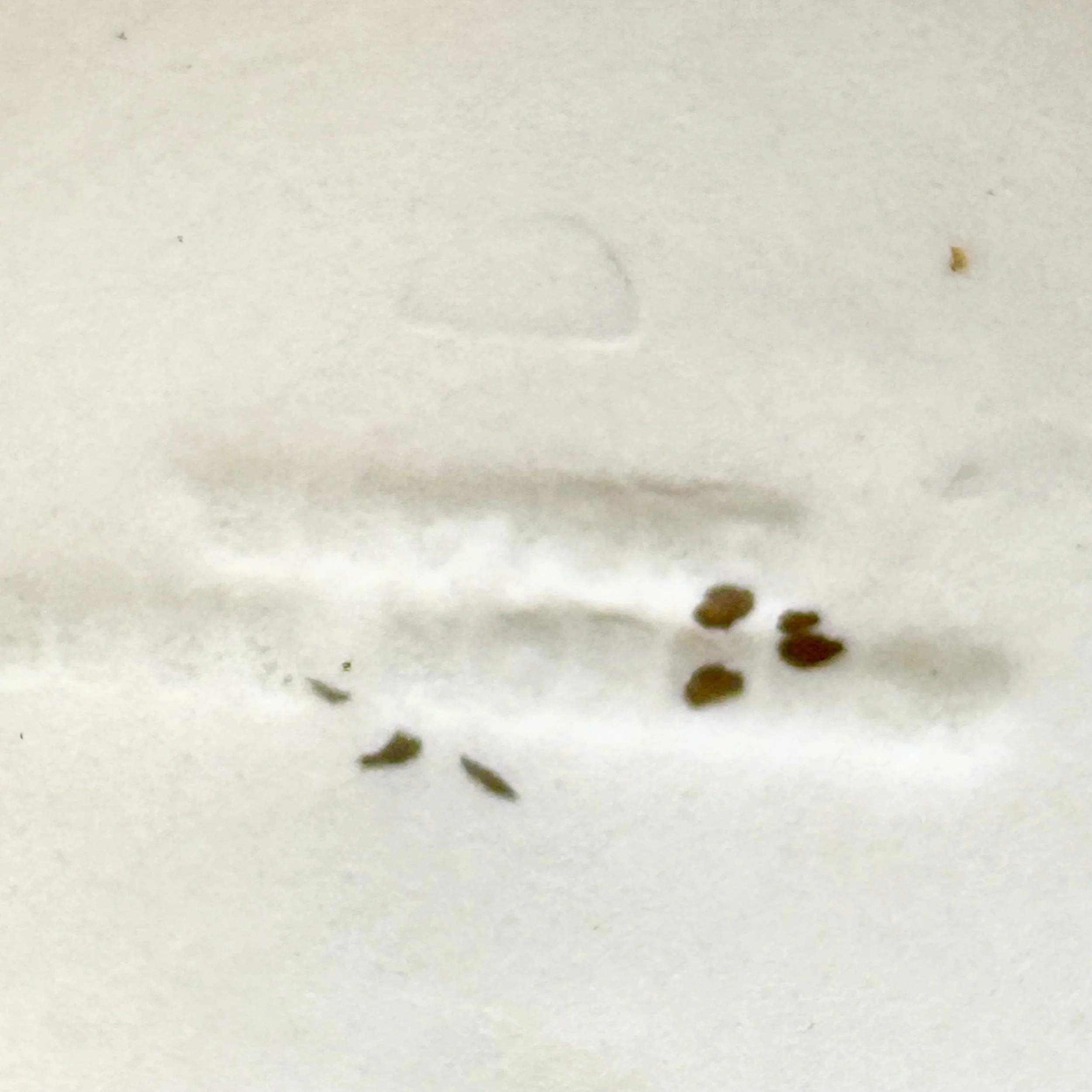
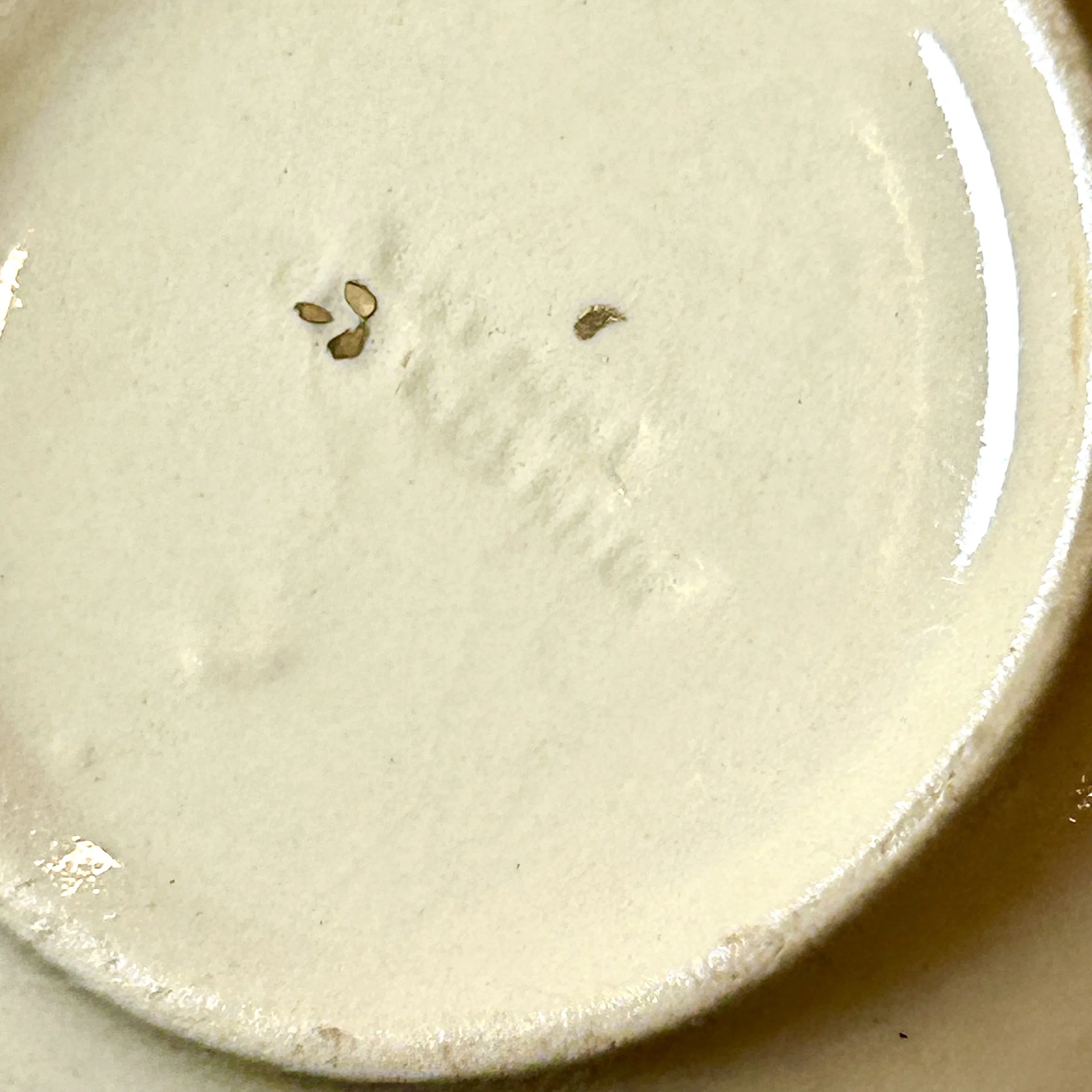
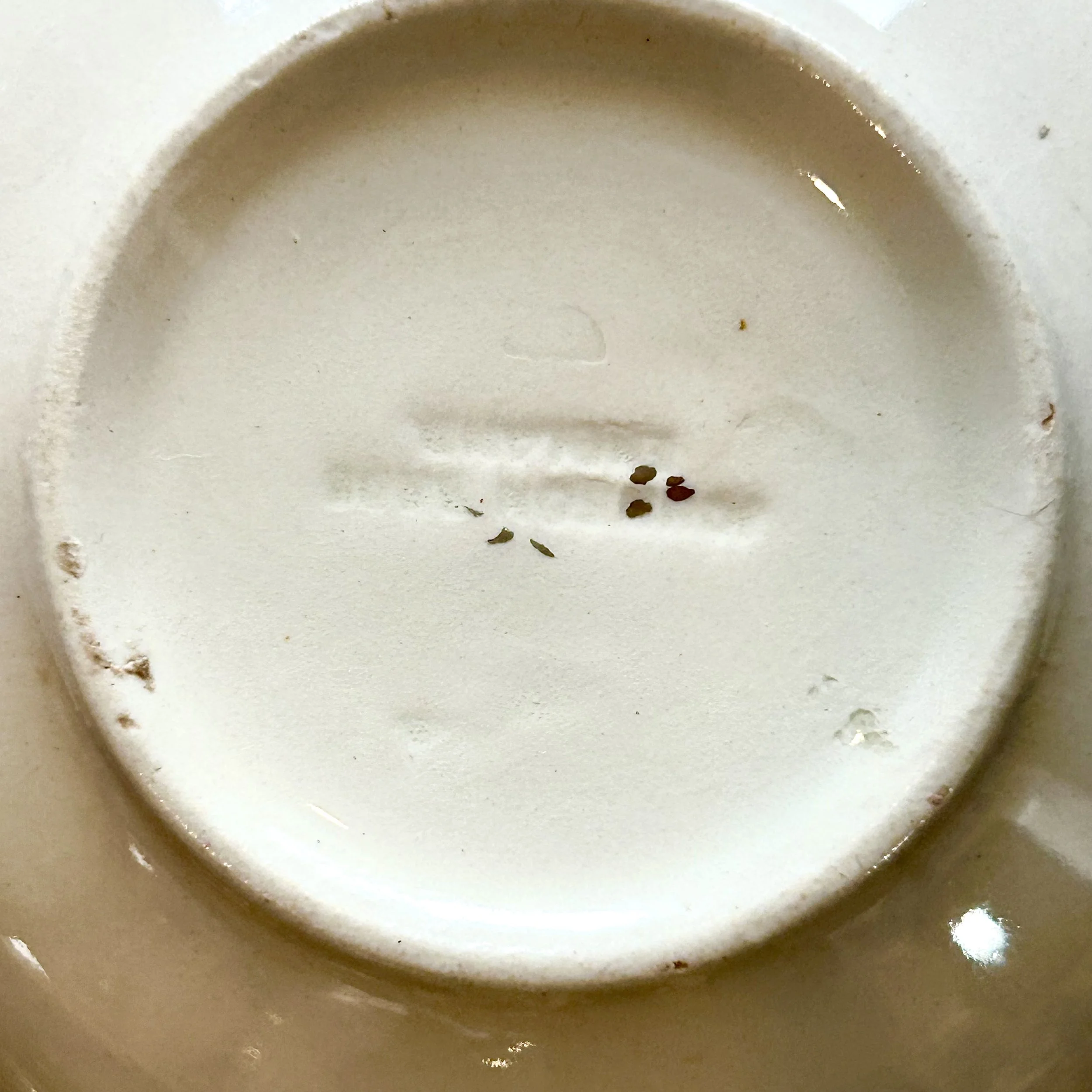
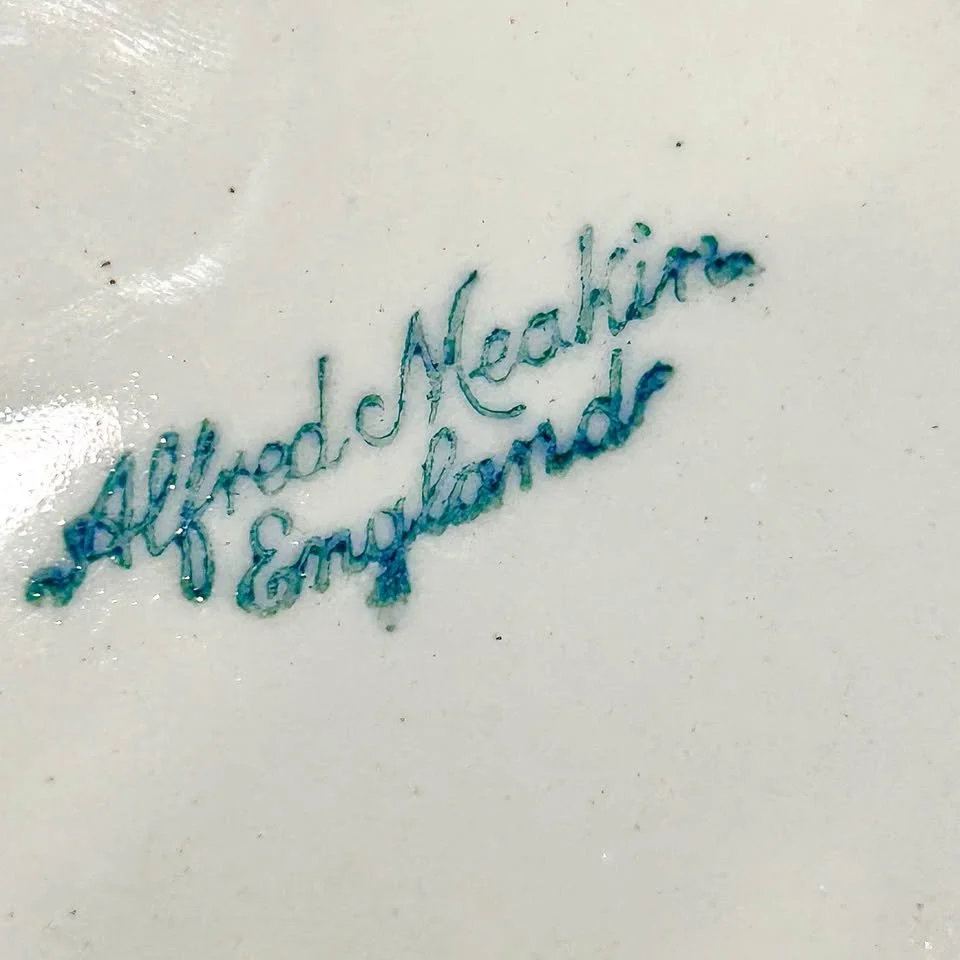
Attributed to the Chelsea Porcelain Factory1750s The form and decoration are wholly consistent with the "Red Anchor" period of Chelsea production (c. 1753–1758). The molded leaf border, specifically the "Peony" pattern, and the characteristic palette of the floral spray—utilizing a specific purplish-crimson and soft cornflower blue—align with documented examples from this era. While no factory mark was observed on this specific specimen, the clay body, glaze pooling, and painterly execution are stylistically aligned with 18th-century English soft-paste porcelain traditions.
Dimensions & Weight
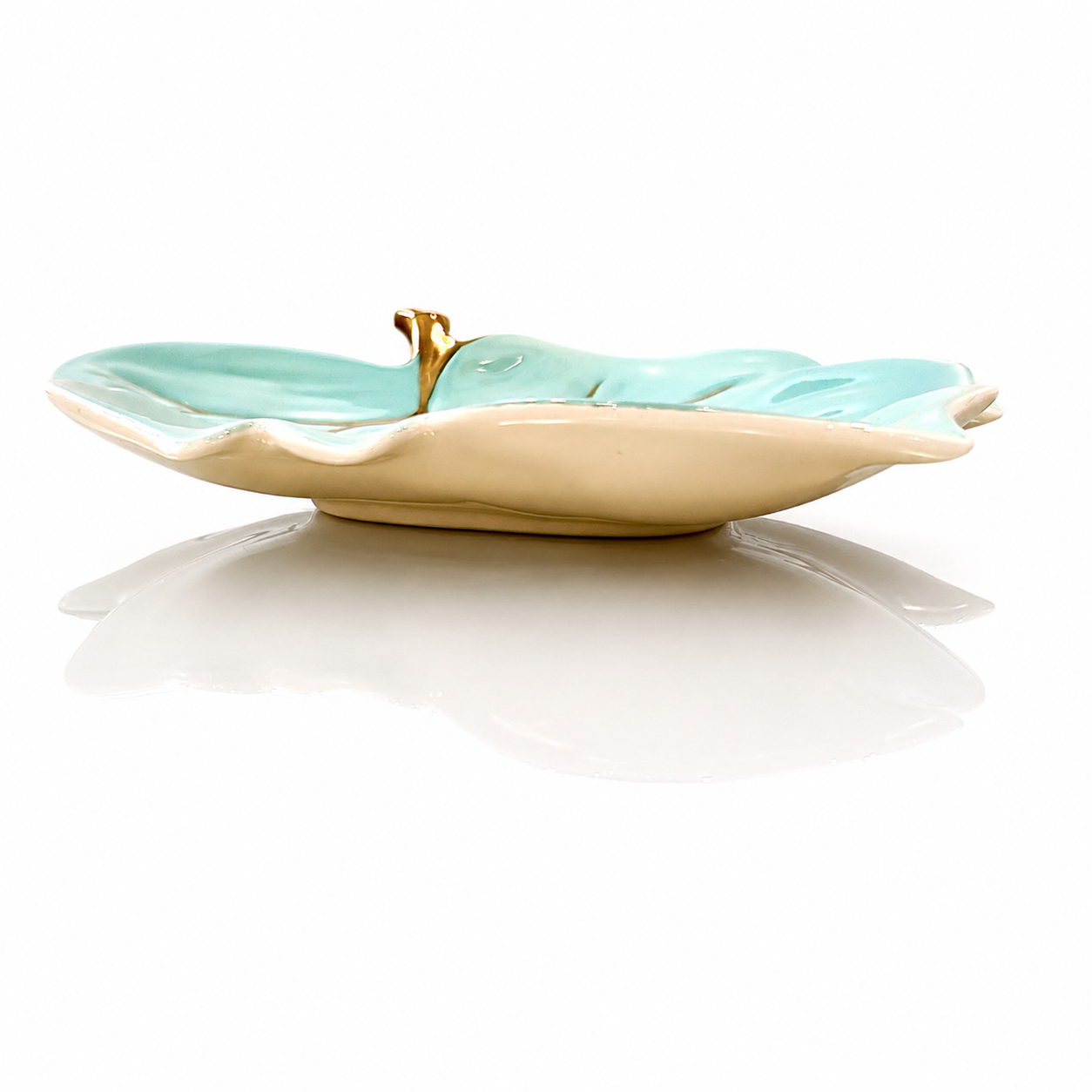
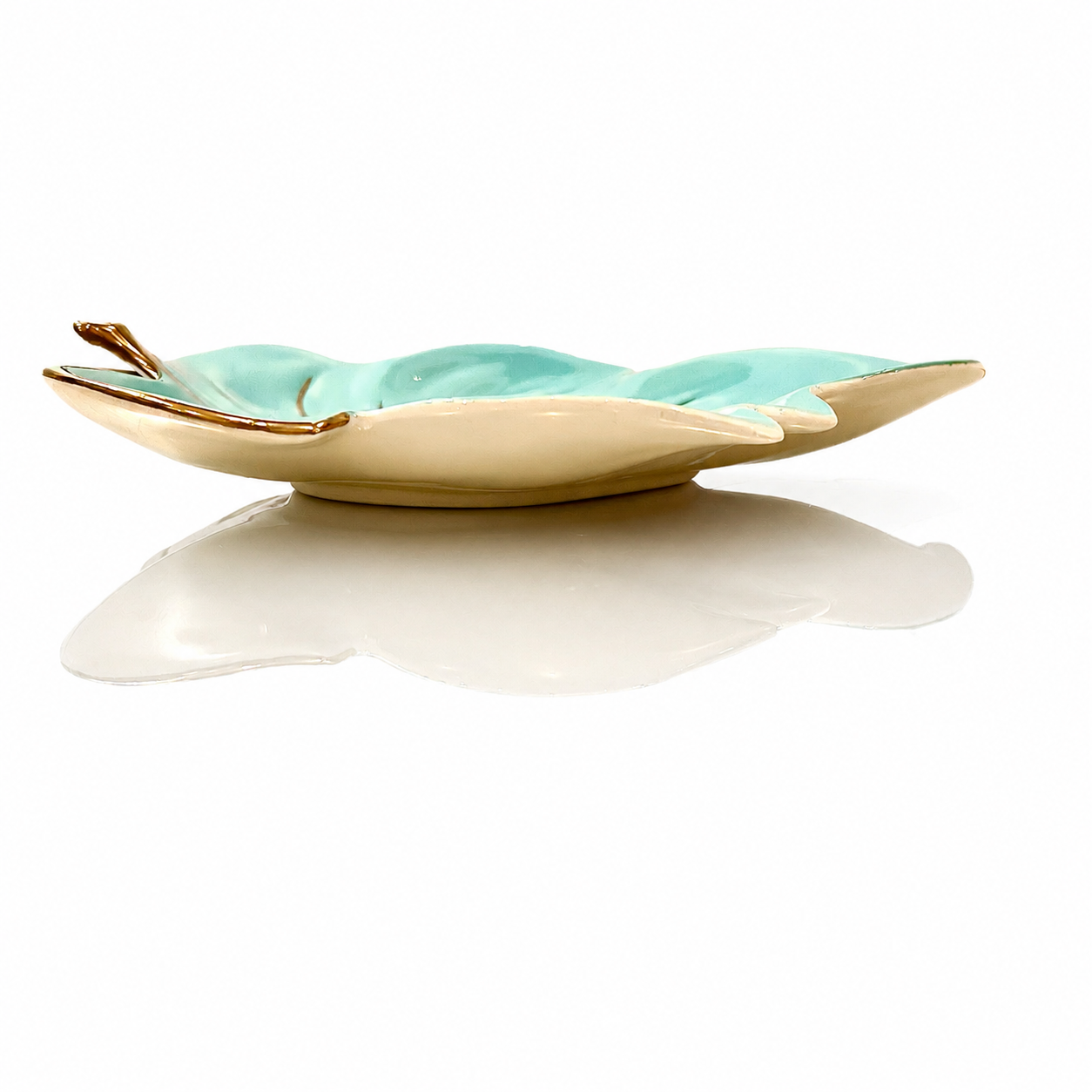
Height: 2 inches Width / Diameter: 10 5/8 inches Depth / Base Diameter: 10 inches Weight: 1.4 lbs
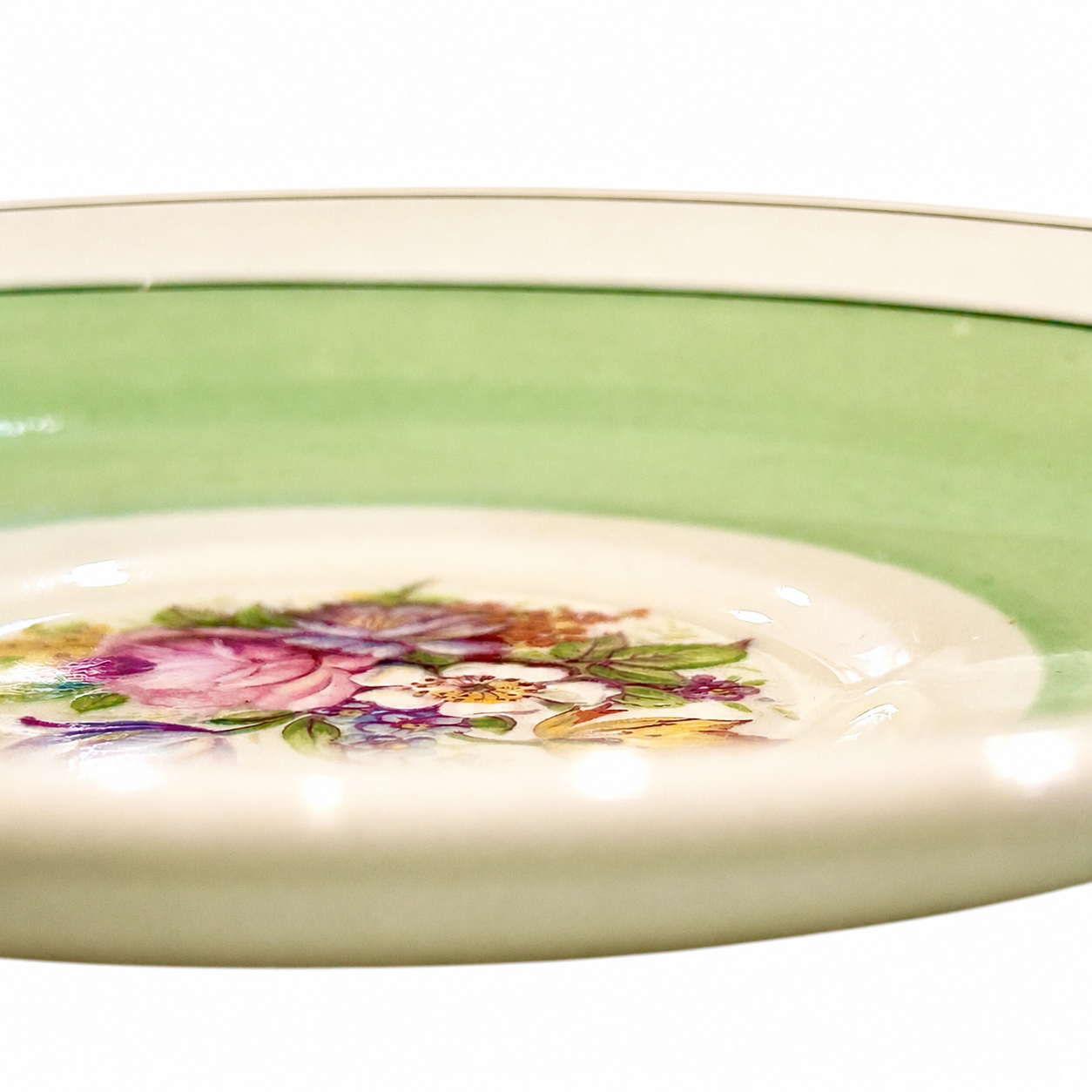
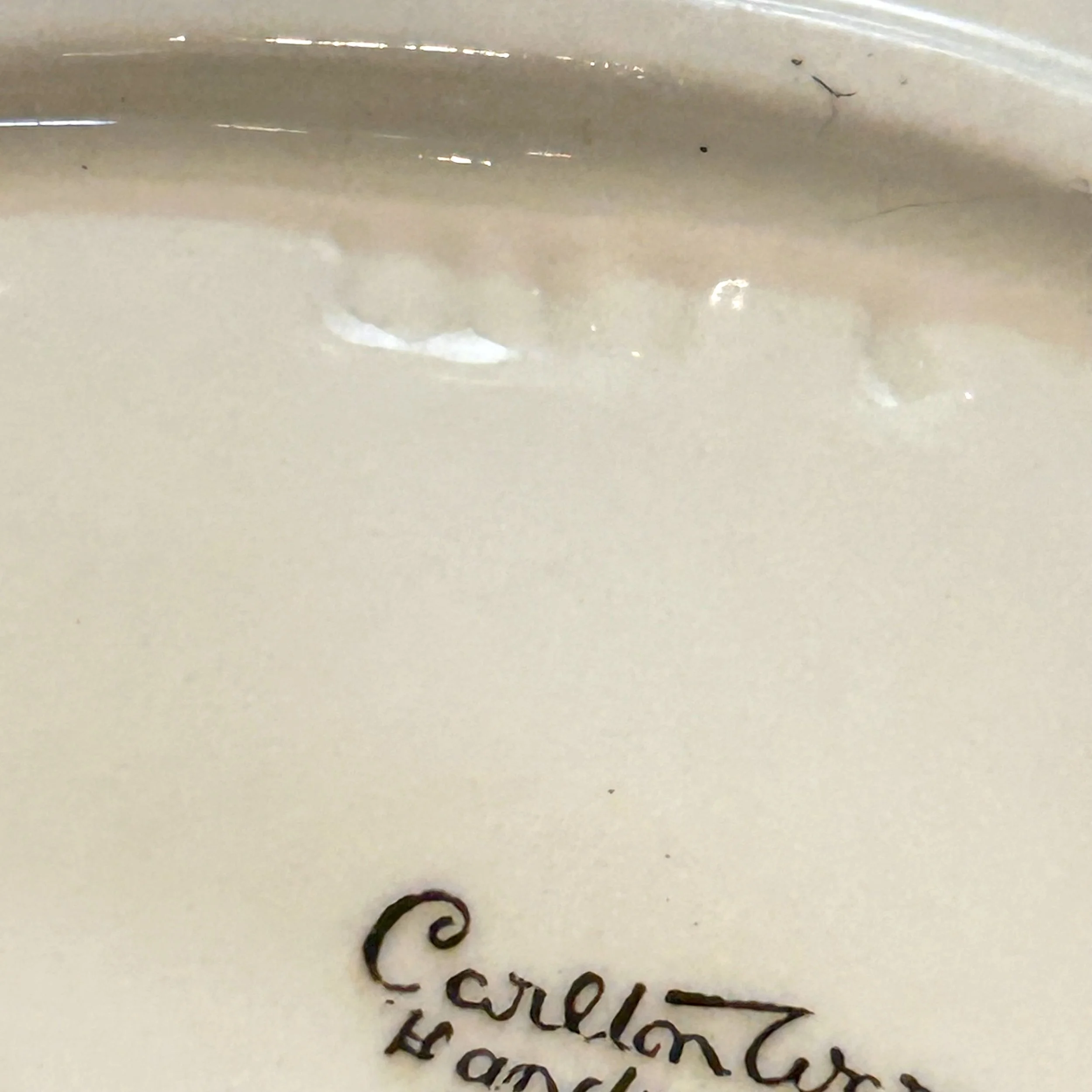
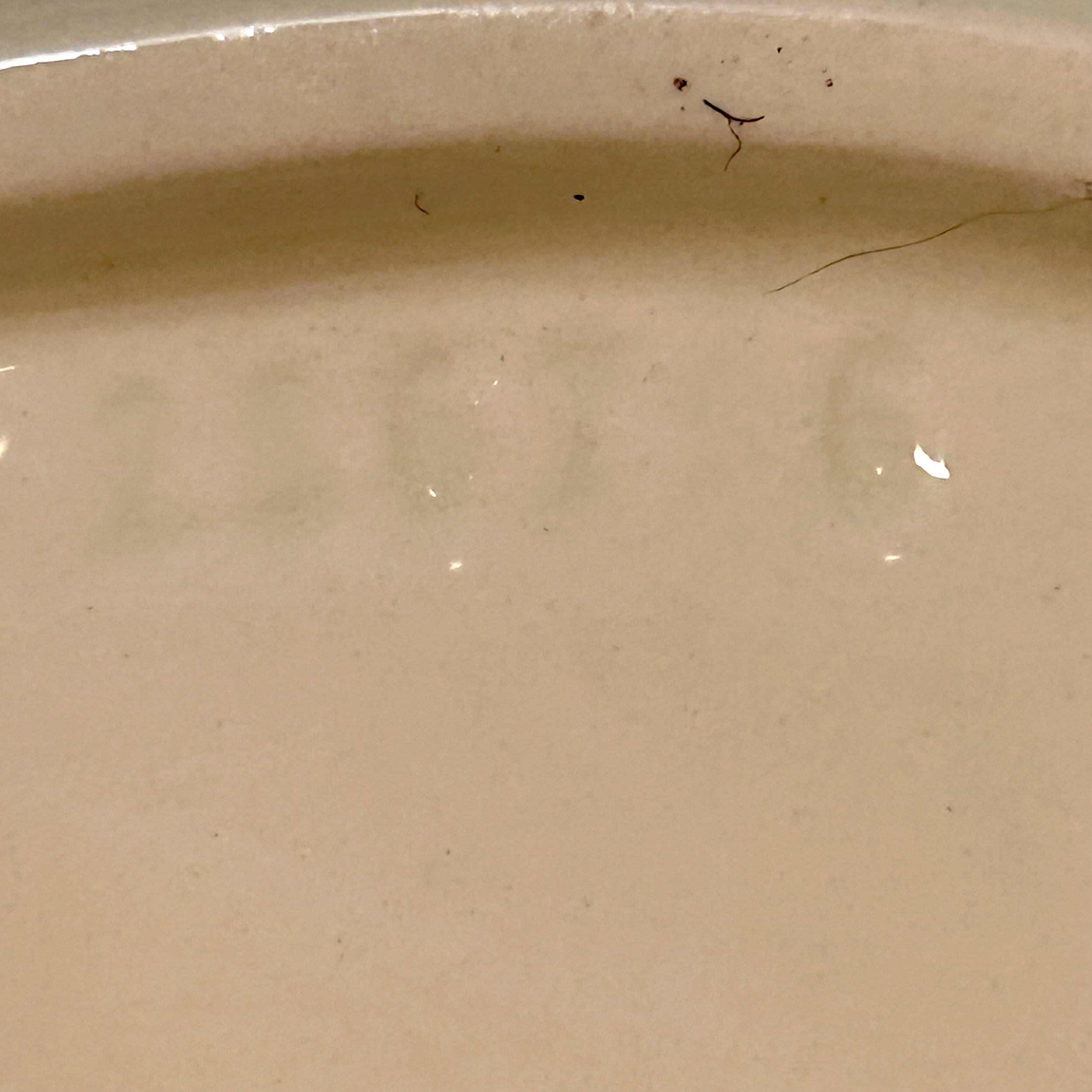
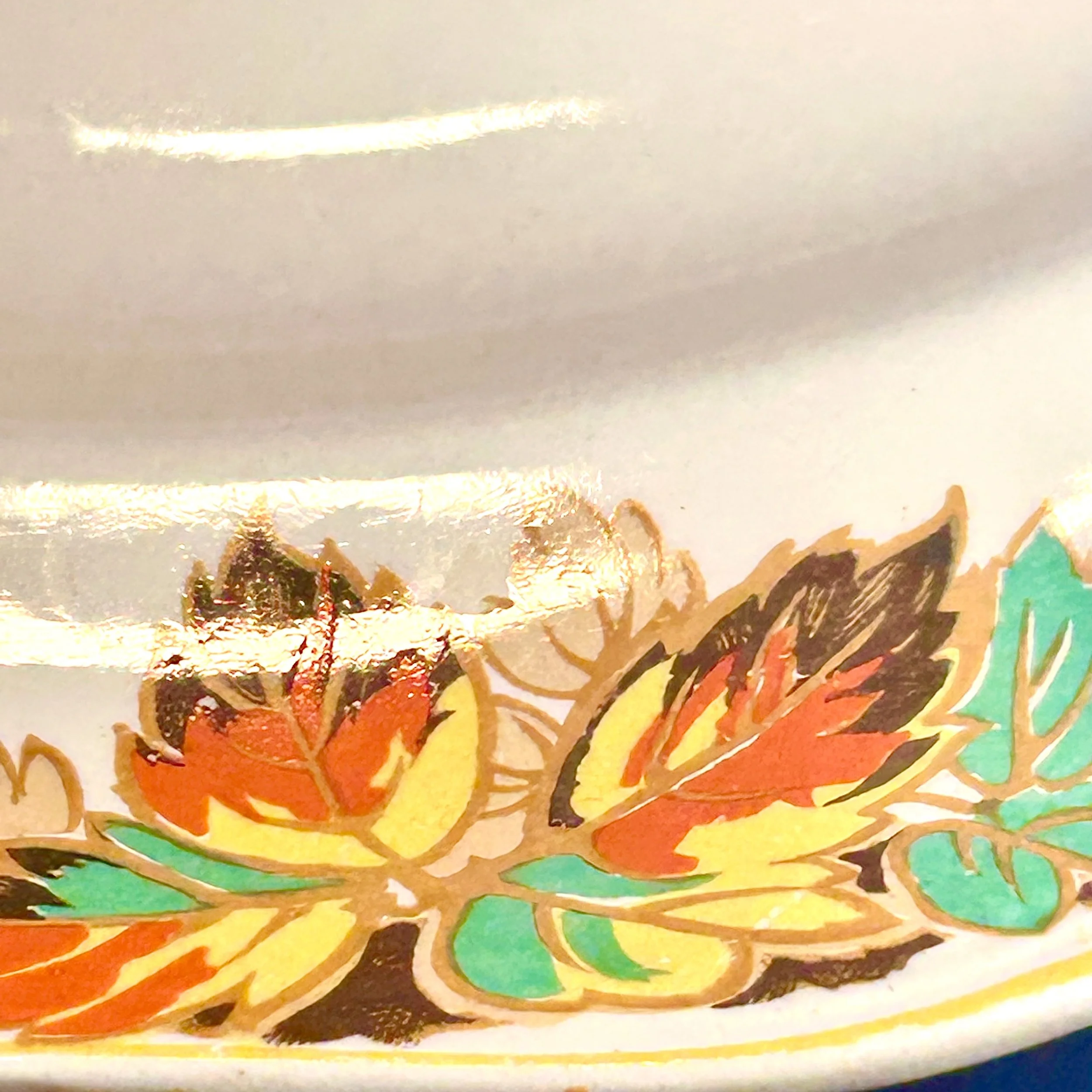
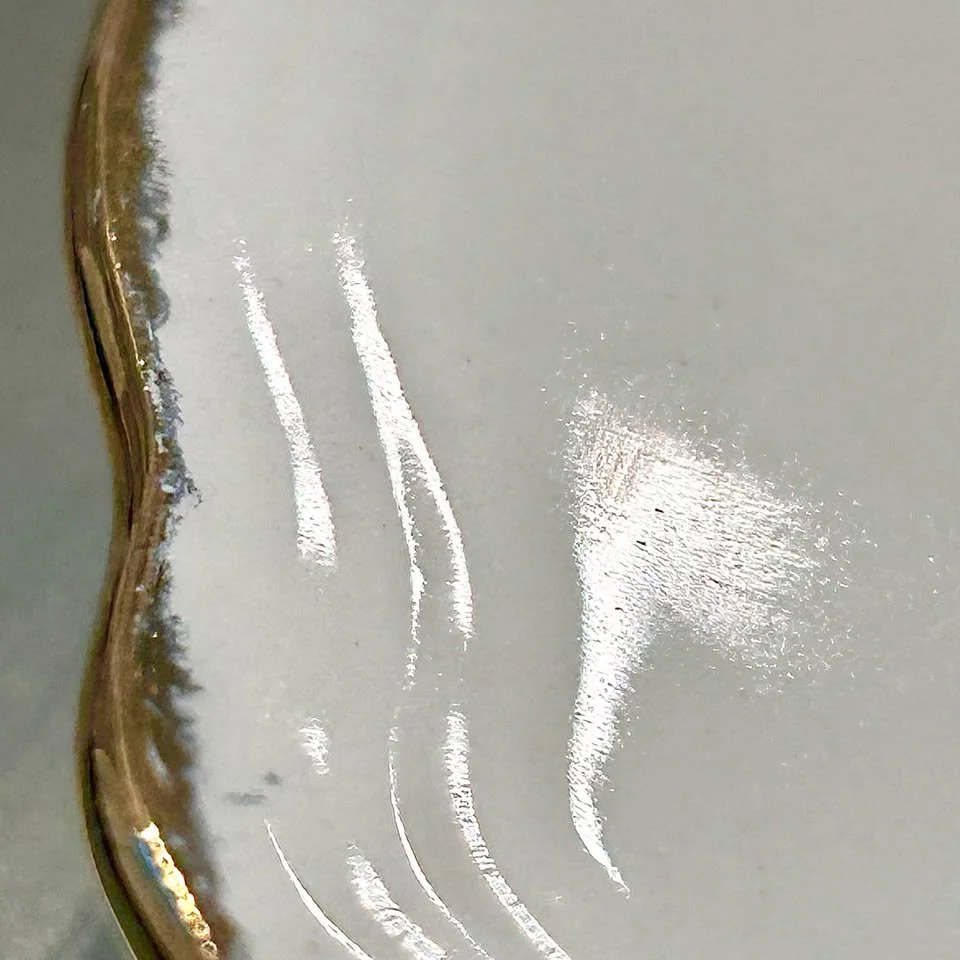
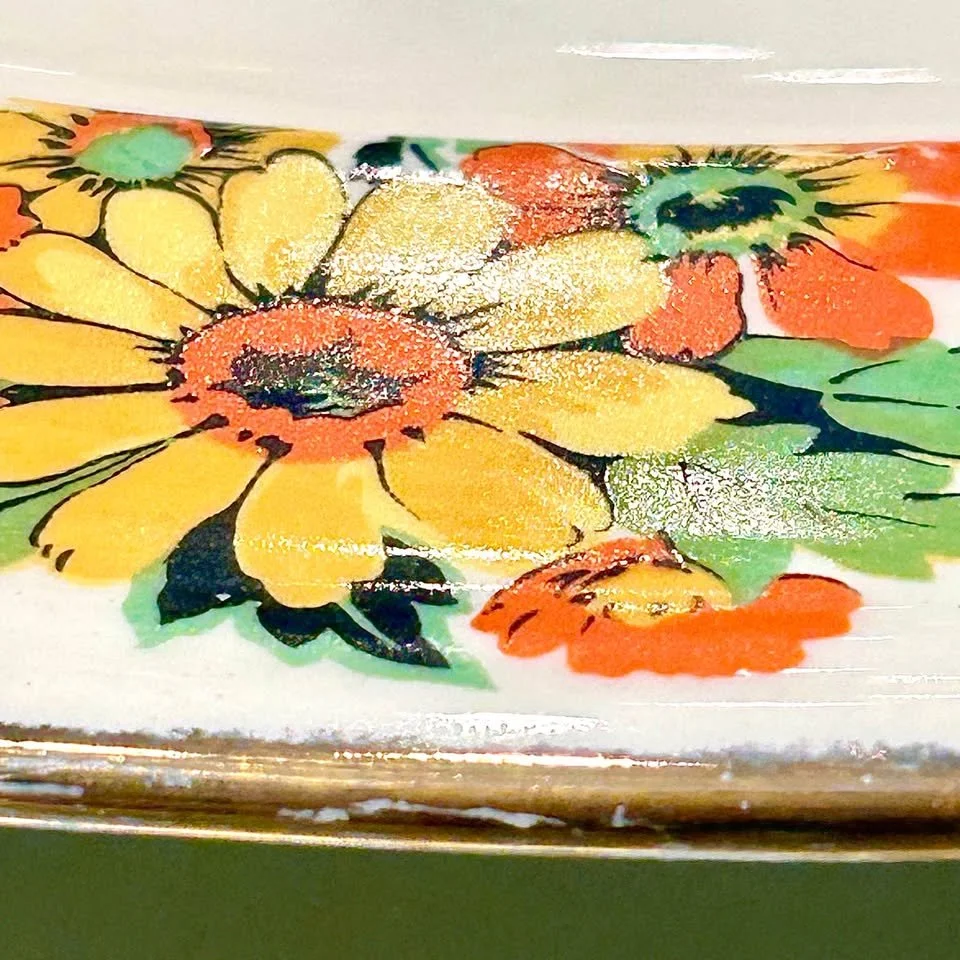
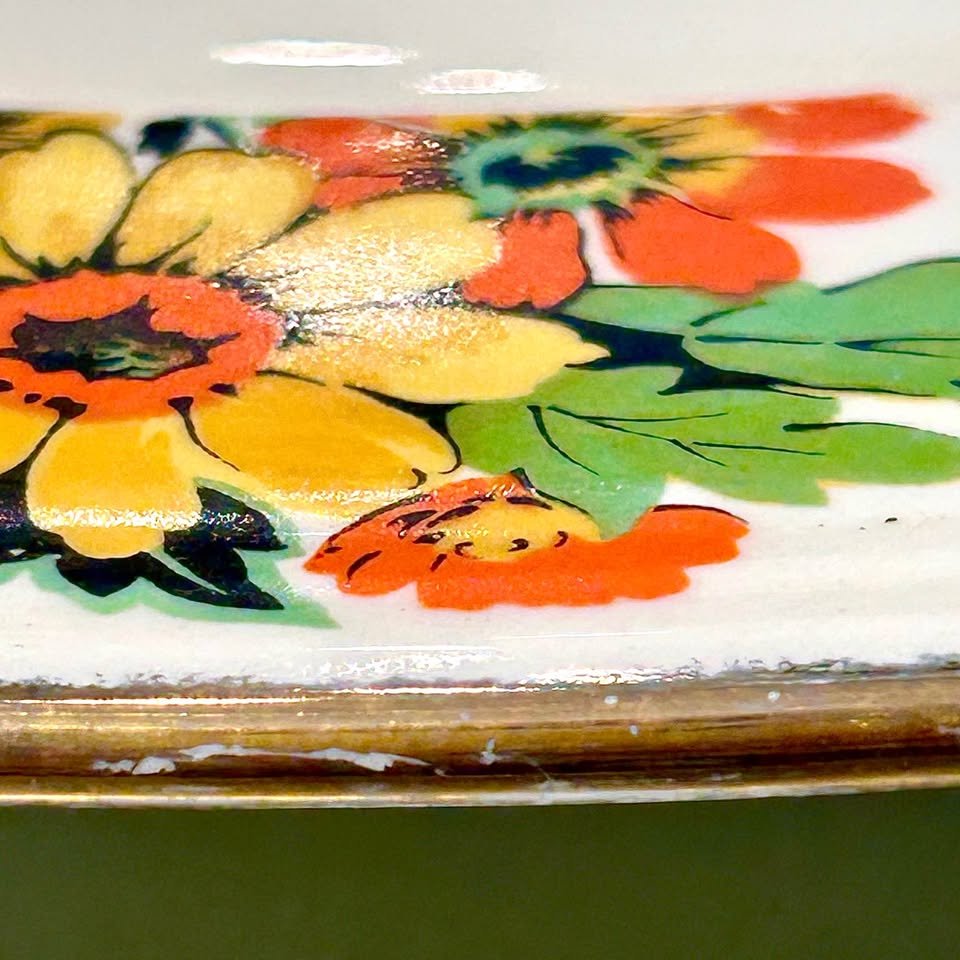
Condition The dish remains in good antique condition. There is one notable chip to the green molded leaf border on the upper rim (visible in detail photography). Minor age-consistent surface wear and light utensil marks are present. The glaze exhibits characteristic 18th-century irregularities and firing specks. No structural cracks or professional restorations were observed.
Authenticity & Construction
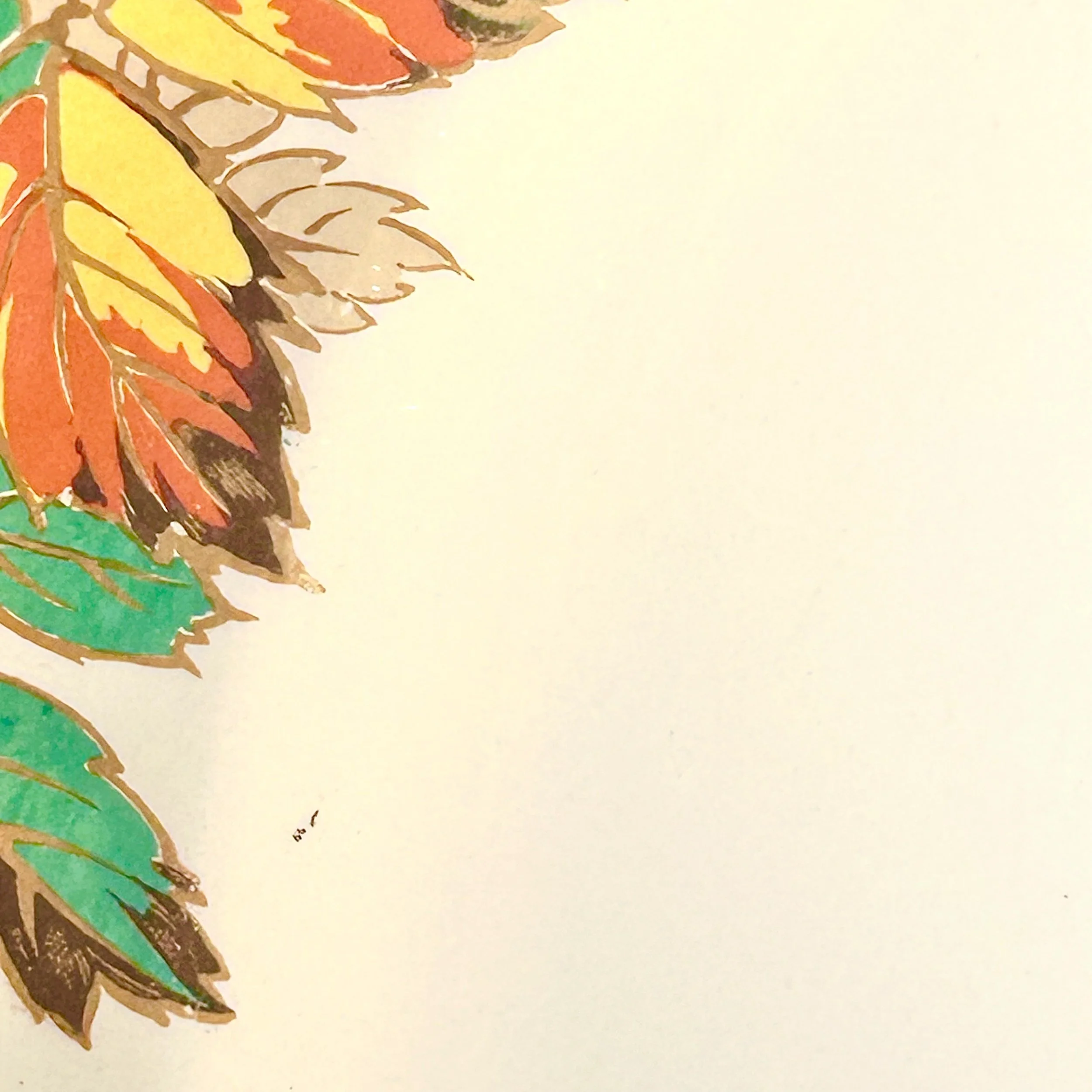
This piece is constructed from fine soft-paste porcelain, a material prized for its warmth and translucency. The border was achieved through complex relief molding, with the green enamel "picked out" by hand to accentuate the veins and serrated edges of the leaves. The central bouquet is entirely freehand painted—not a transfer—which is evident in the visible layering of the enamels and the slight variations in the floral anatomy.
Placement
An ideal focal point for a formal dining sideboard or an antique cabinet display. Its botanical geometry and historical weight allow it to serve as a sophisticated bridge between traditional English interiors and contemporary spaces that value organic, sculptural forms.
STANDARD ATTRIBUTION & VALUE DISCLOSURE This piece is described to the best of current scholarly and market knowledge. Any maker or regional attribution is based on visual analysis, materials, construction techniques, and documented stylistic comparisons. As with many MCM and antique design objects, definitive attribution may not be possible without original labels or factory records. Pricing reflects condition, quality, decorative appeal, and current collector demand rather than guaranteed maker identification.
This exceptional ceramic dish presents a commanding sculptural presence through its deeply molded foliate border, a hallmark of mid-18th-century botanical naturalism. The rim features a rhythmic procession of raised leaf forms glazed in a vibrant, saturated green that provides a tactile and architectural frame for the central composition. At the heart of the piece, a hand-painted floral reserve—anchored by a lush purple peony—demonstrates a masterful use of light and pigment, with delicate freehand brushwork that captures the ephemeral beauty of English garden flora. The contrast between the high-relief perimeter and the luminous white ground ensures a dynamic interaction with light, making it as much an object of art as a piece of heritage service.
Attribution & Period
Attributed to the Chelsea Porcelain Factory1750s The form and decoration are wholly consistent with the "Red Anchor" period of Chelsea production (c. 1753–1758). The molded leaf border, specifically the "Peony" pattern, and the characteristic palette of the floral spray—utilizing a specific purplish-crimson and soft cornflower blue—align with documented examples from this era. While no factory mark was observed on this specific specimen, the clay body, glaze pooling, and painterly execution are stylistically aligned with 18th-century English soft-paste porcelain traditions.
Dimensions & Weight
Height: 2 inches Width / Diameter: 10 5/8 inches Depth / Base Diameter: 10 inches Weight: 1.4 lbs
Condition The dish remains in good antique condition. There is one notable chip to the green molded leaf border on the upper rim (visible in detail photography). Minor age-consistent surface wear and light utensil marks are present. The glaze exhibits characteristic 18th-century irregularities and firing specks. No structural cracks or professional restorations were observed.
Authenticity & Construction
This piece is constructed from fine soft-paste porcelain, a material prized for its warmth and translucency. The border was achieved through complex relief molding, with the green enamel "picked out" by hand to accentuate the veins and serrated edges of the leaves. The central bouquet is entirely freehand painted—not a transfer—which is evident in the visible layering of the enamels and the slight variations in the floral anatomy.
Placement
An ideal focal point for a formal dining sideboard or an antique cabinet display. Its botanical geometry and historical weight allow it to serve as a sophisticated bridge between traditional English interiors and contemporary spaces that value organic, sculptural forms.
STANDARD ATTRIBUTION & VALUE DISCLOSURE This piece is described to the best of current scholarly and market knowledge. Any maker or regional attribution is based on visual analysis, materials, construction techniques, and documented stylistic comparisons. As with many MCM and antique design objects, definitive attribution may not be possible without original labels or factory records. Pricing reflects condition, quality, decorative appeal, and current collector demand rather than guaranteed maker identification.

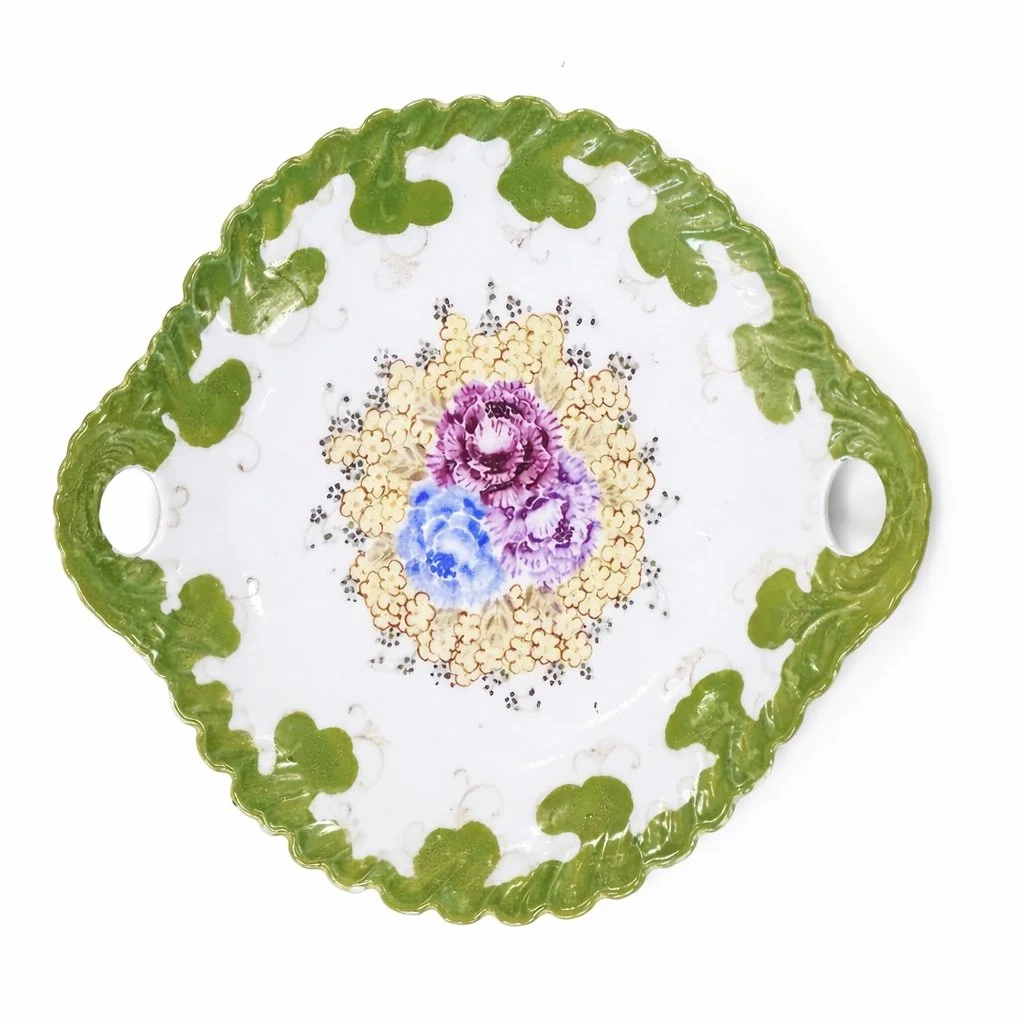 Image 1 of 9
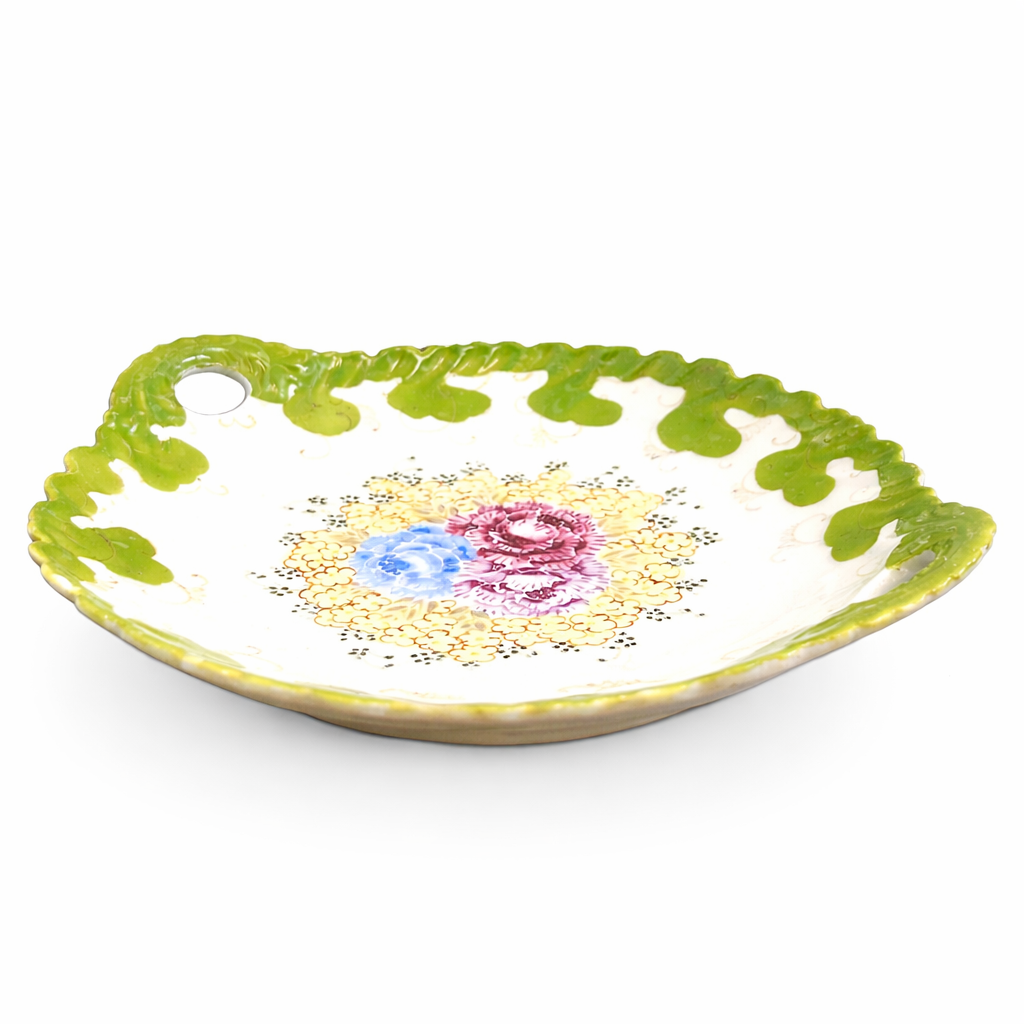 Image 2 of 9
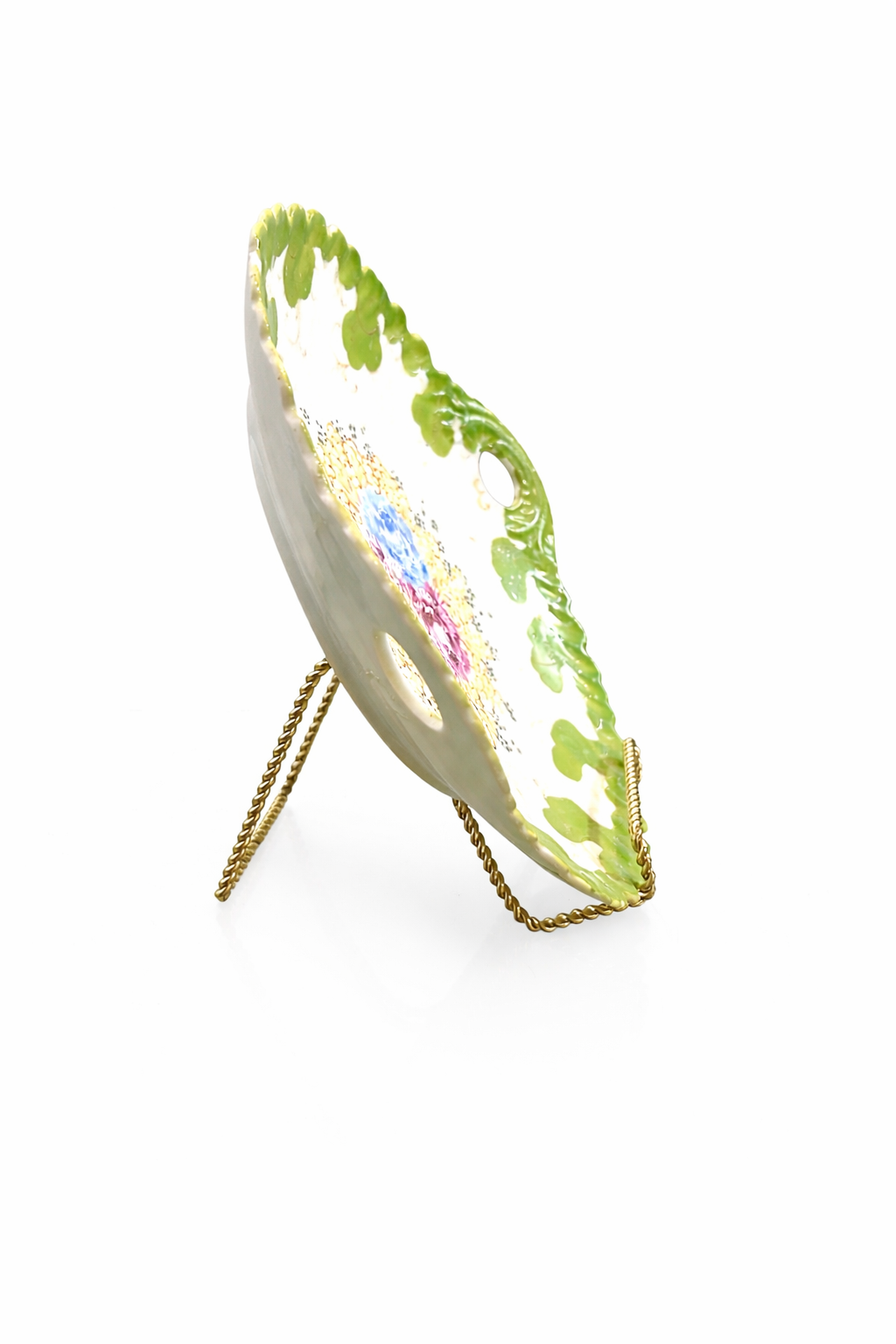 Image 3 of 9
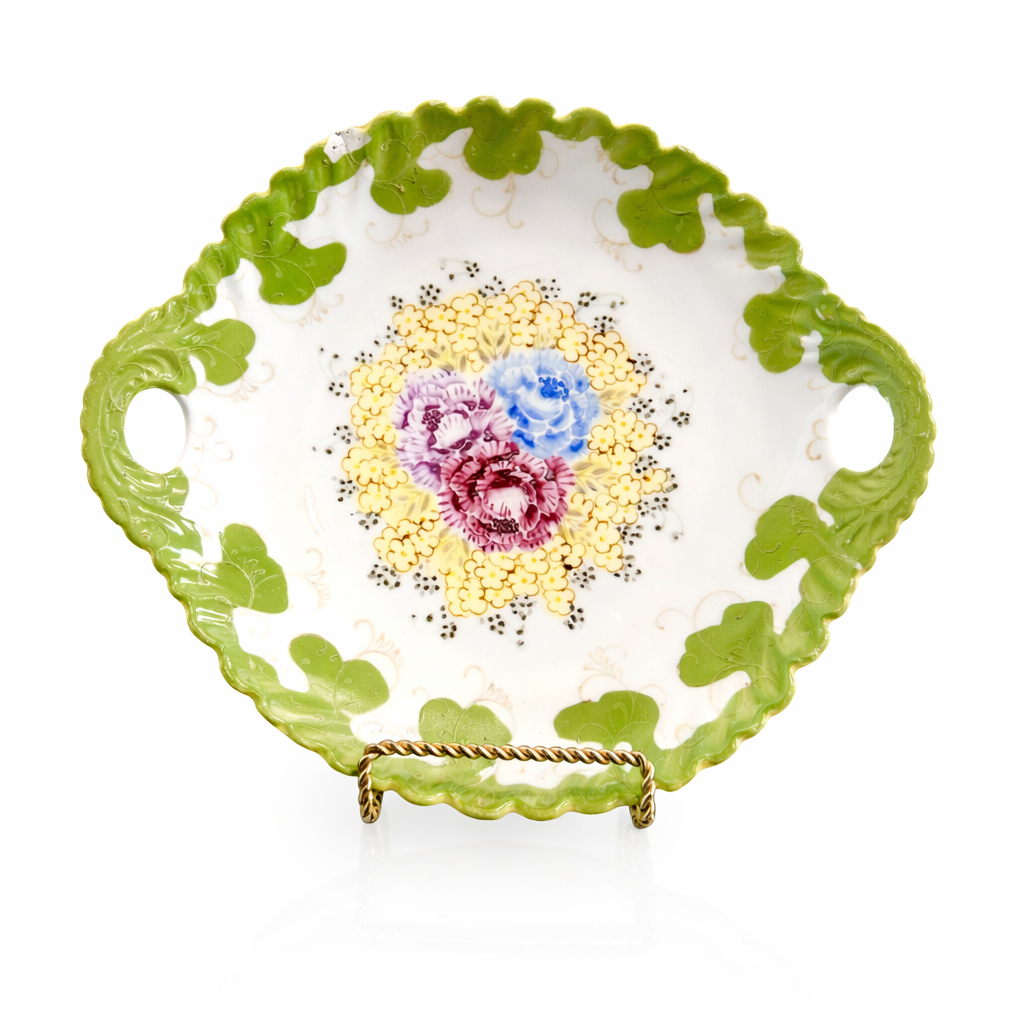 Image 4 of 9
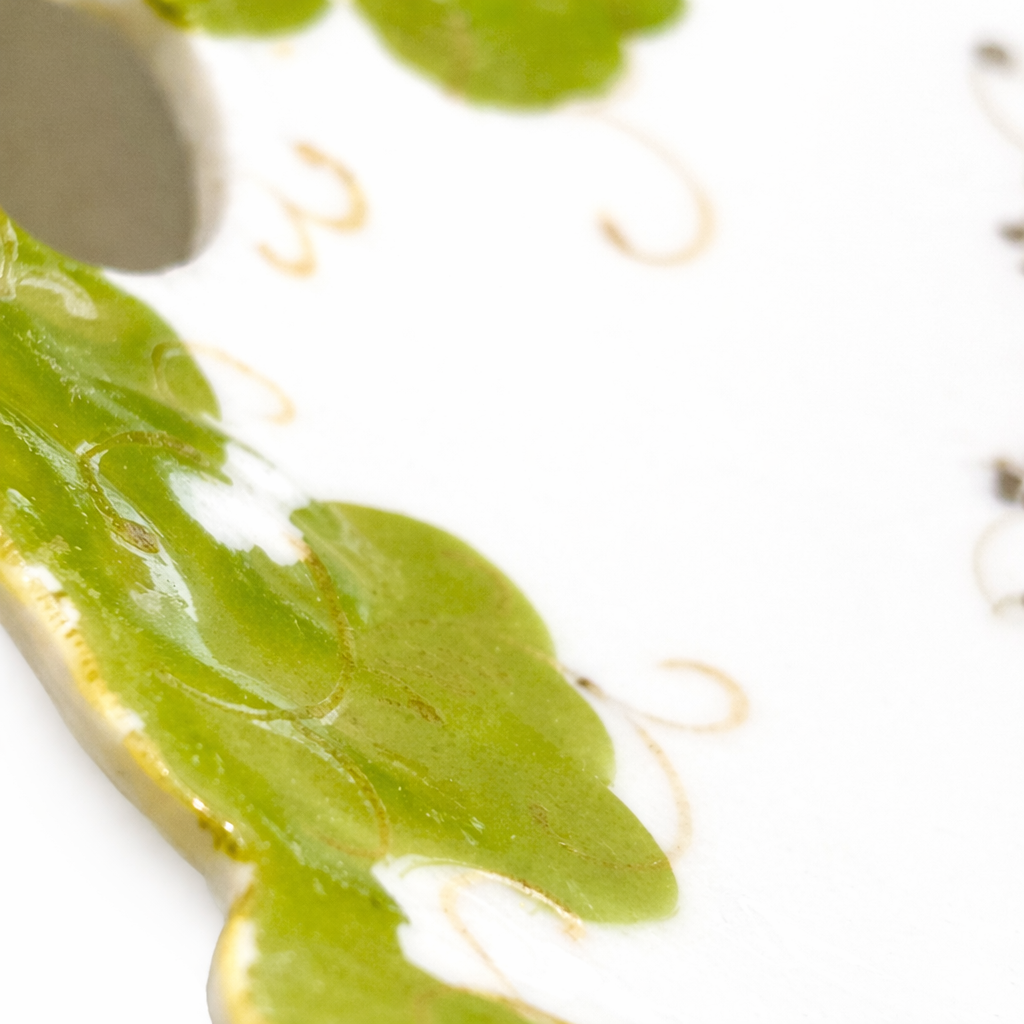 Image 5 of 9
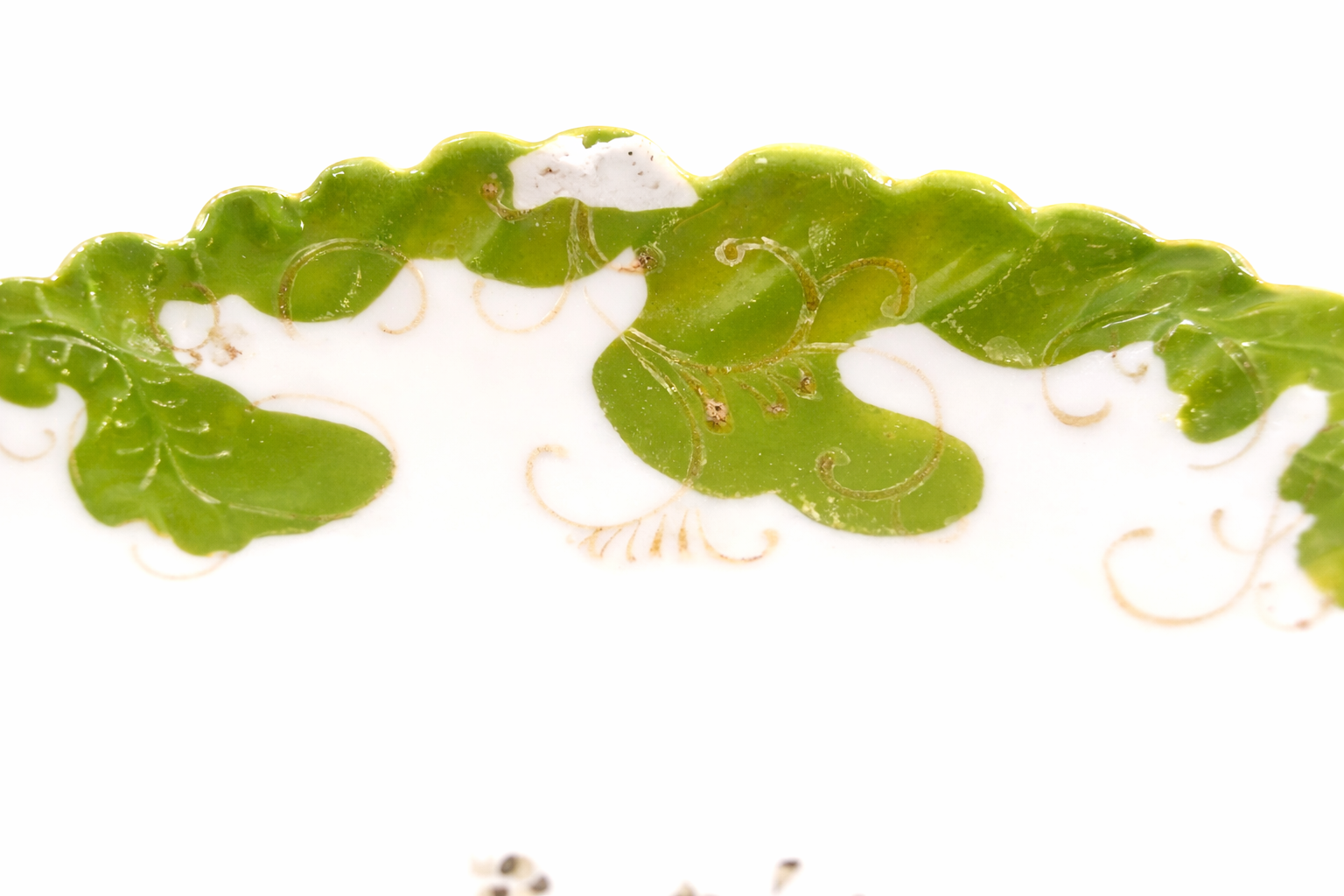 Image 6 of 9
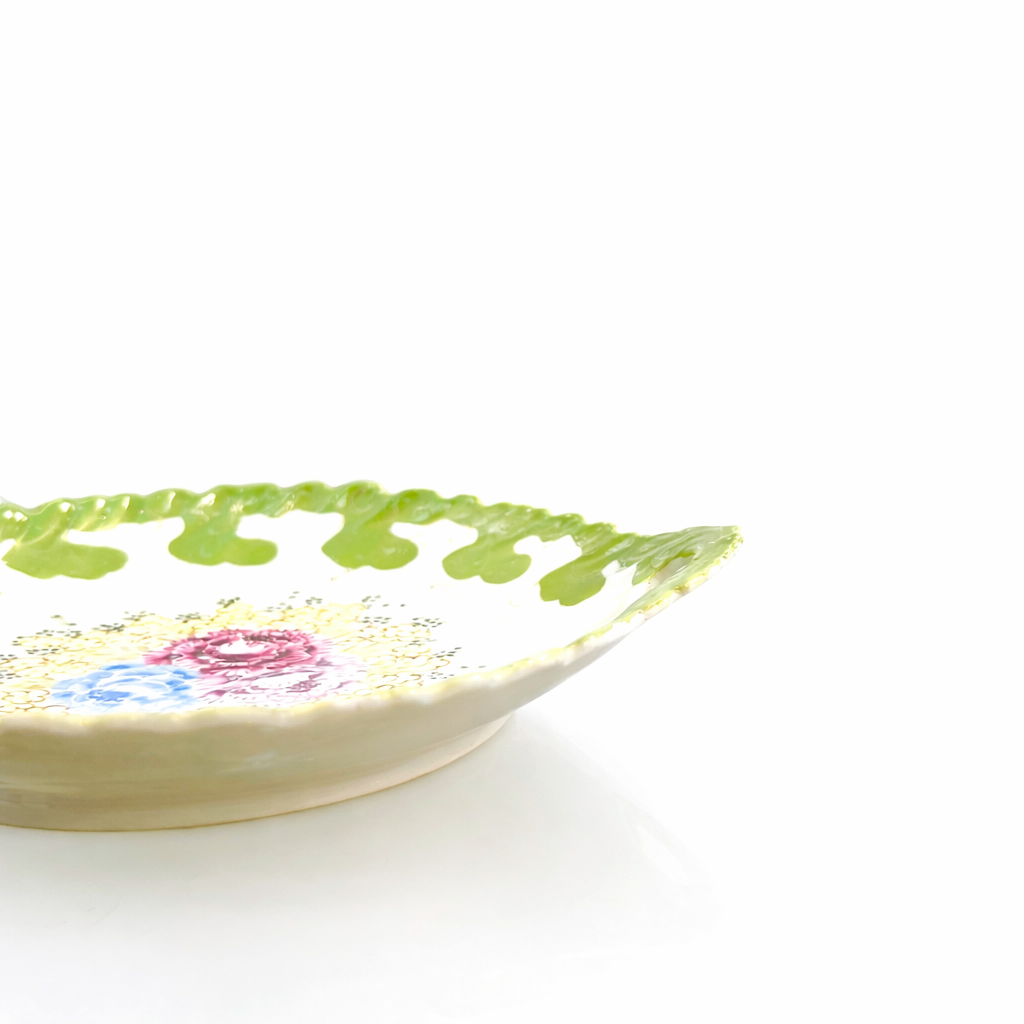 Image 7 of 9
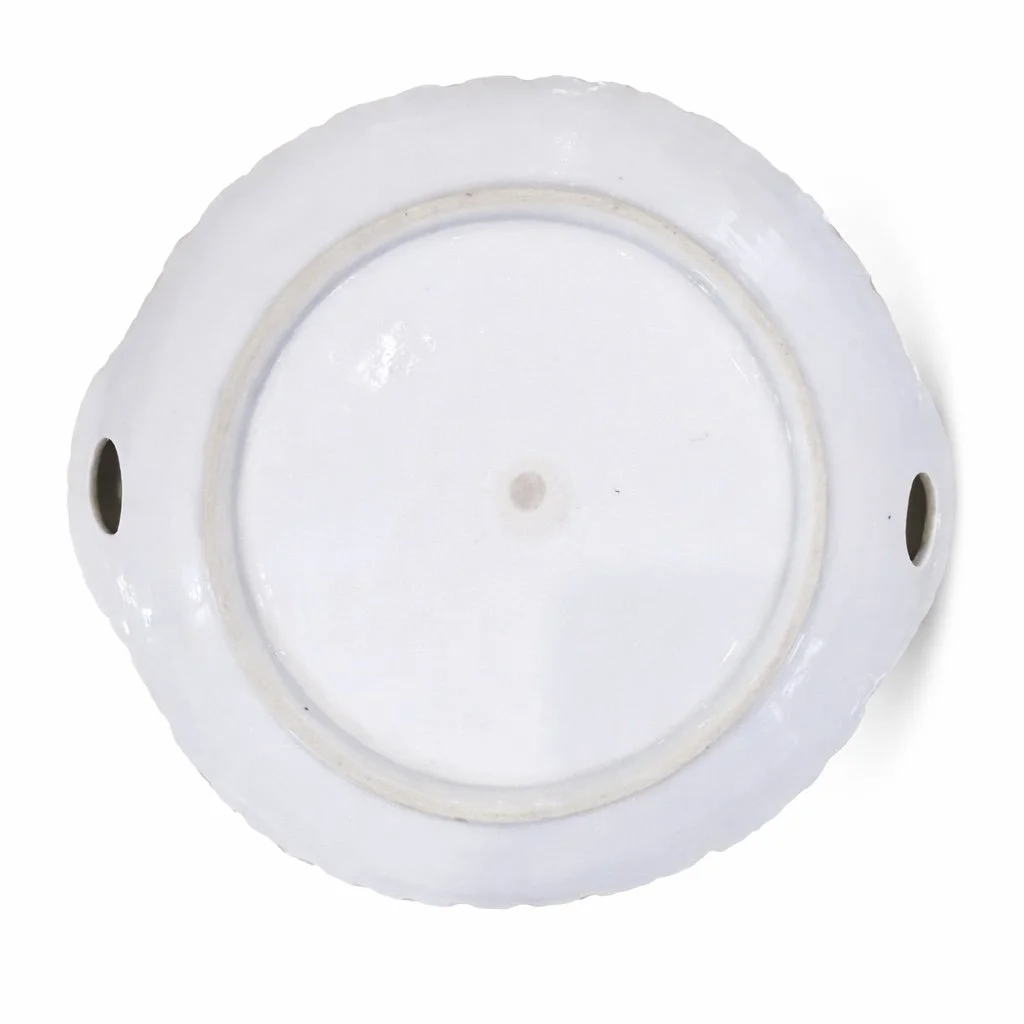 Image 8 of 9
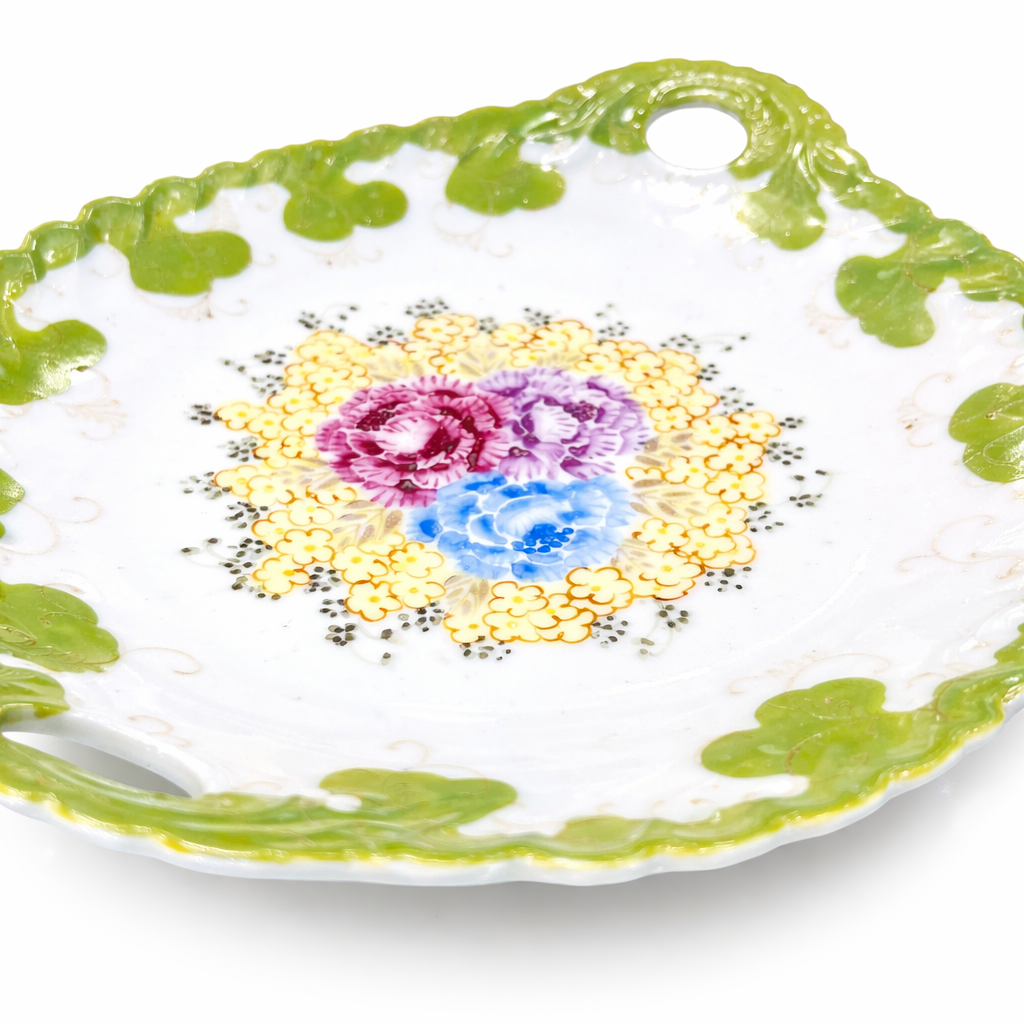 Image 9 of 9