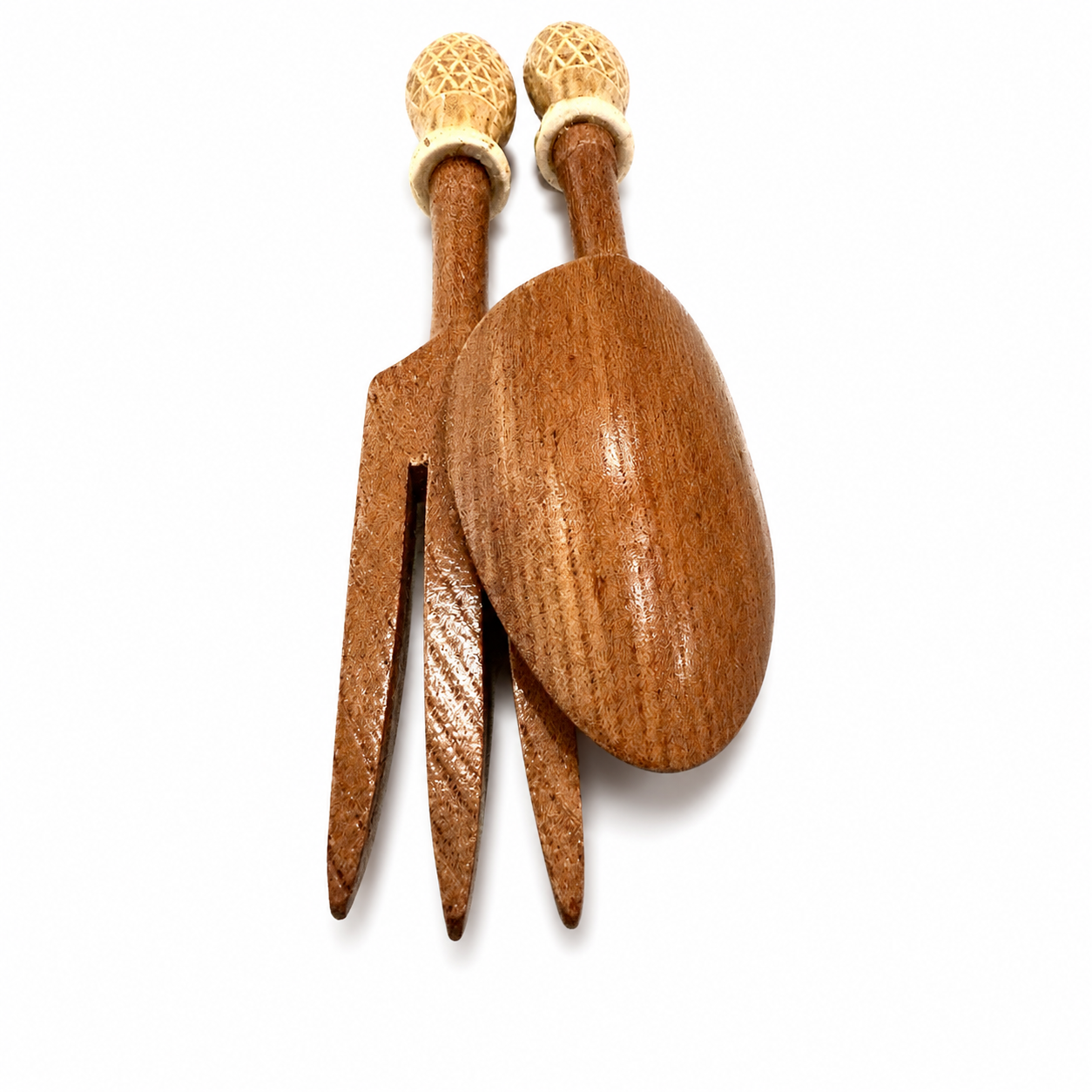
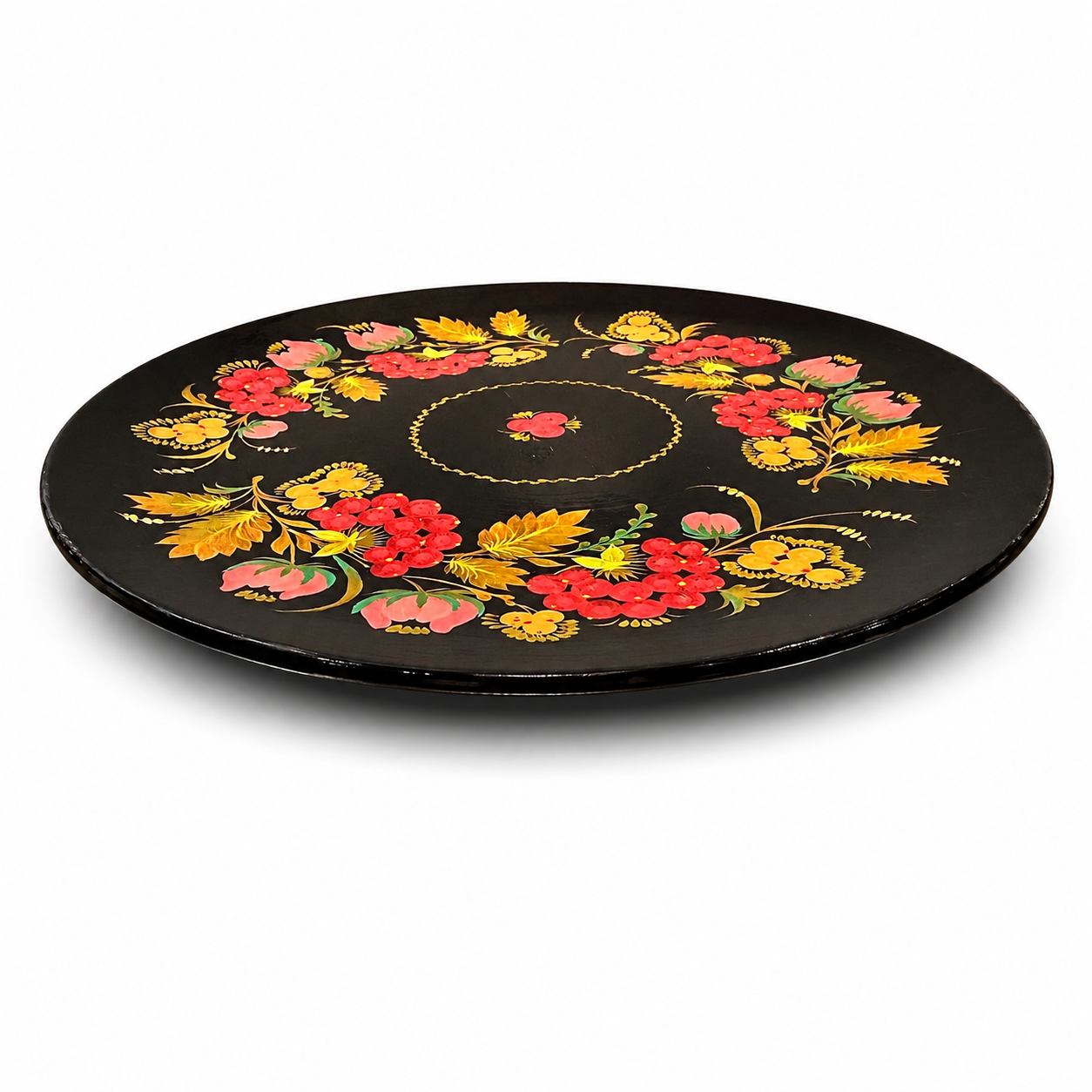
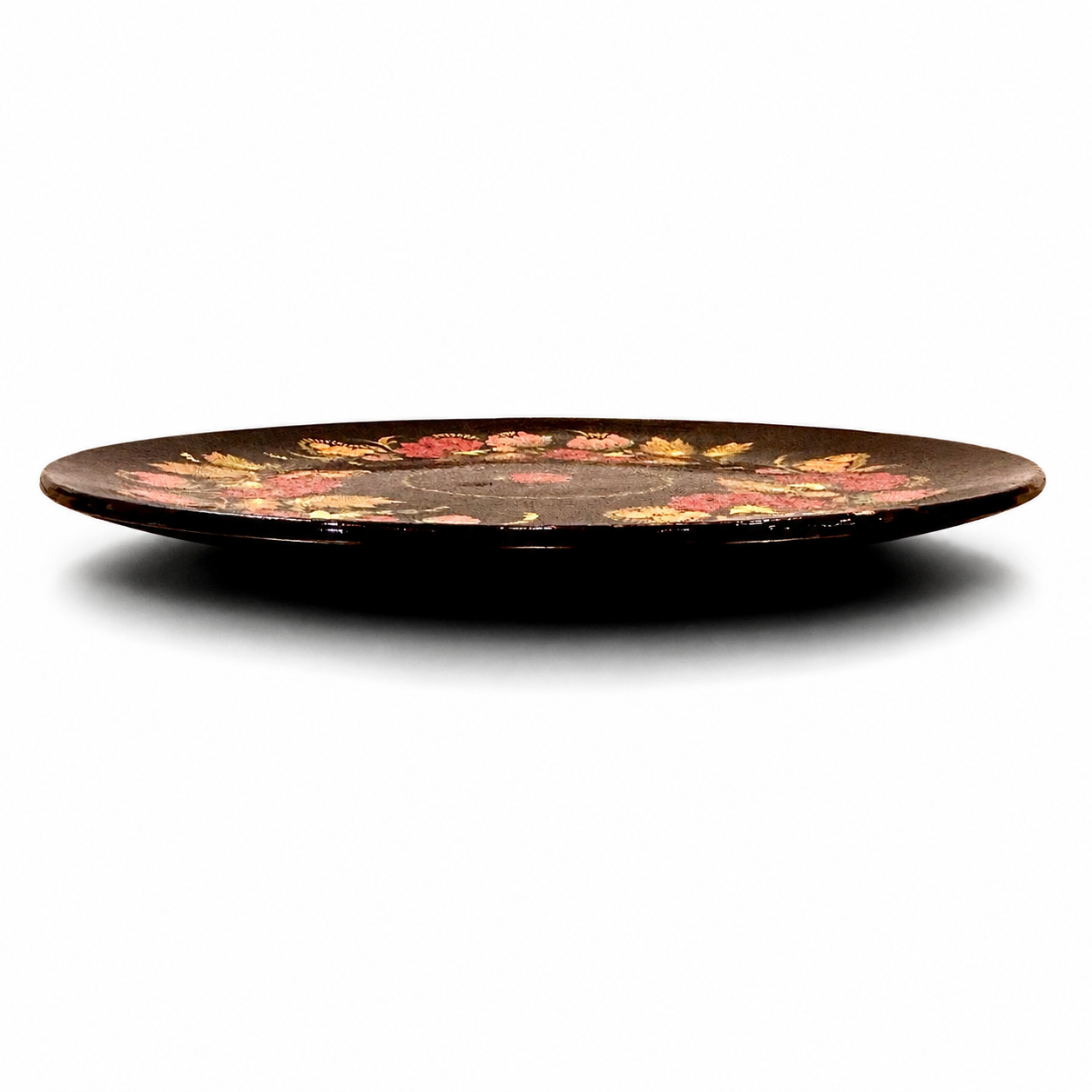
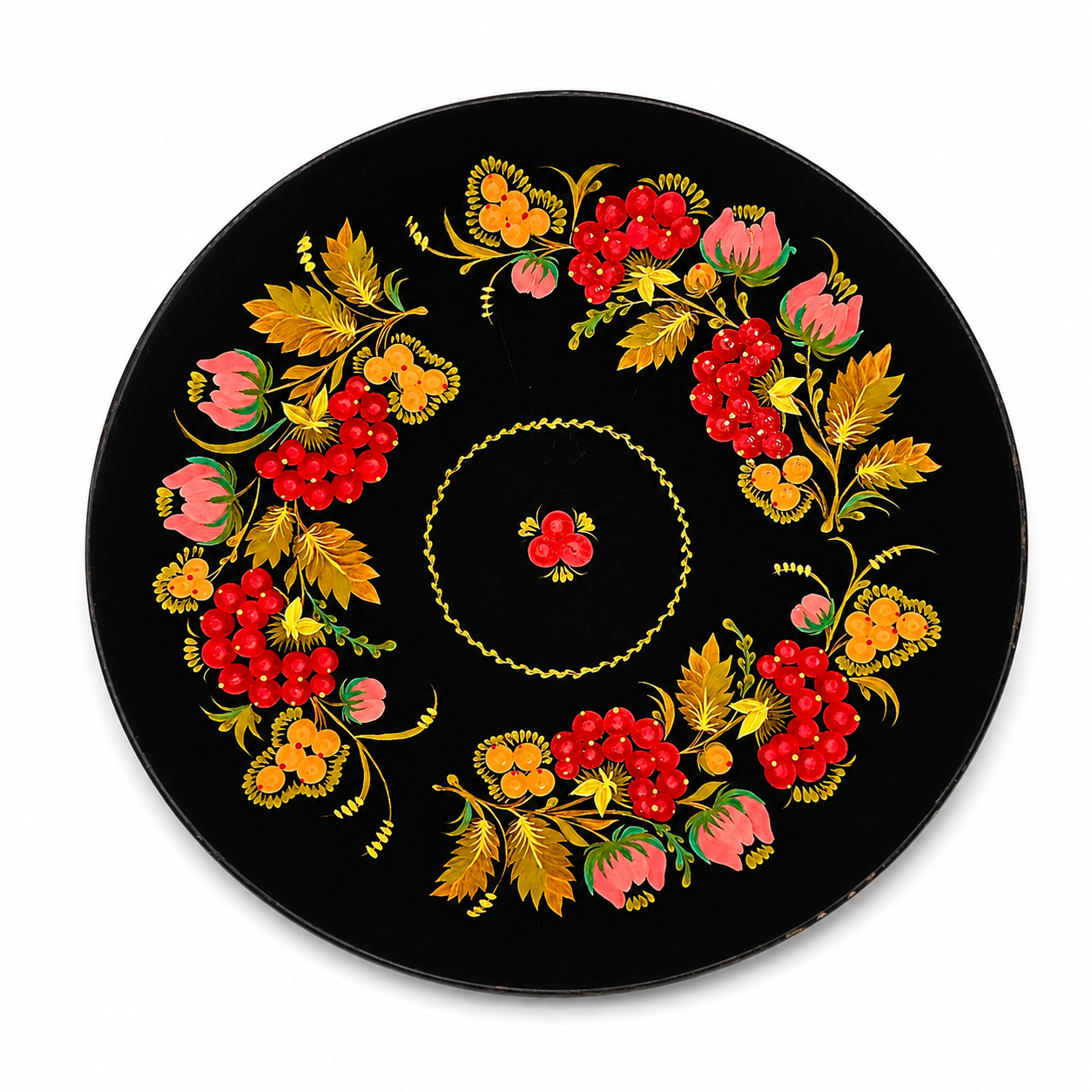
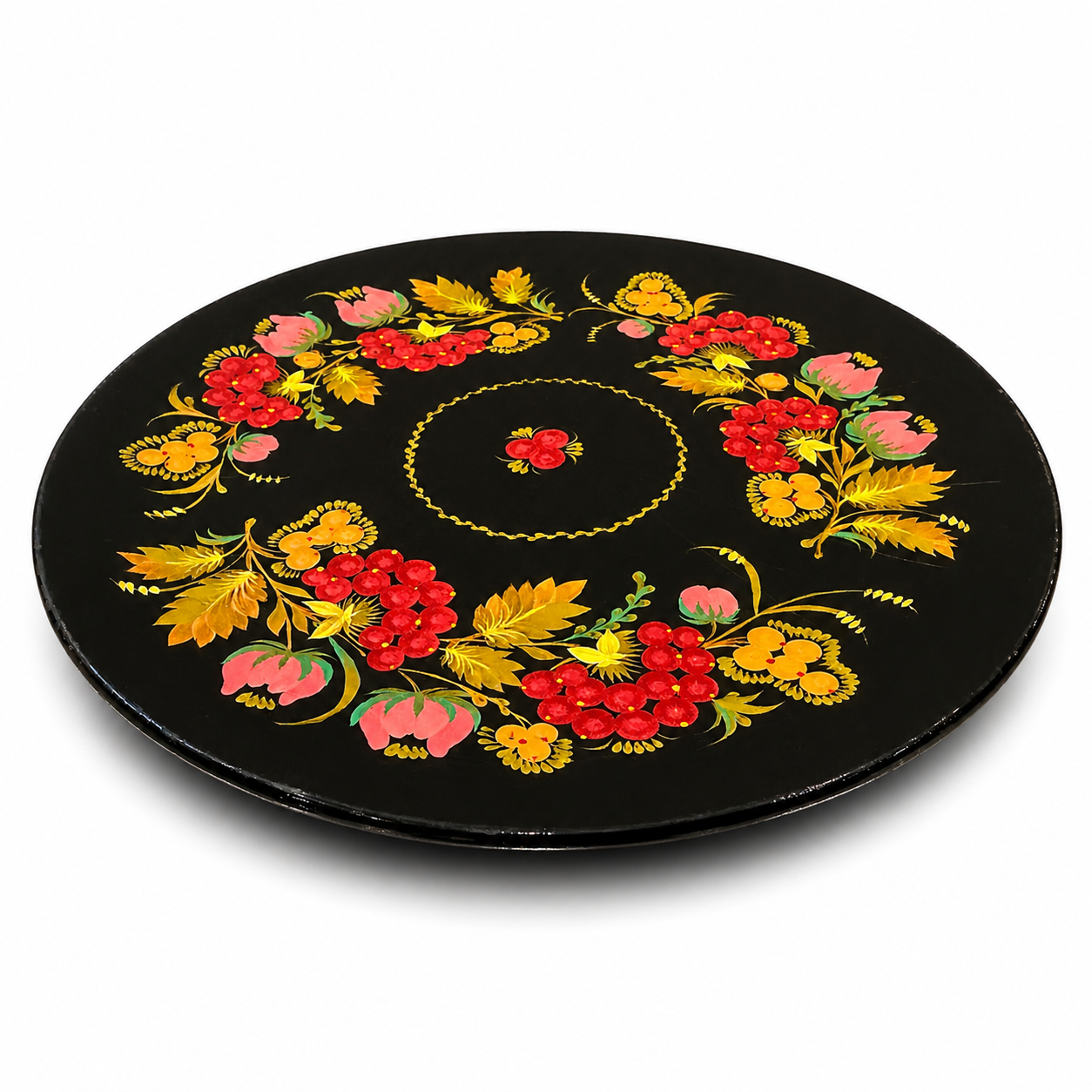
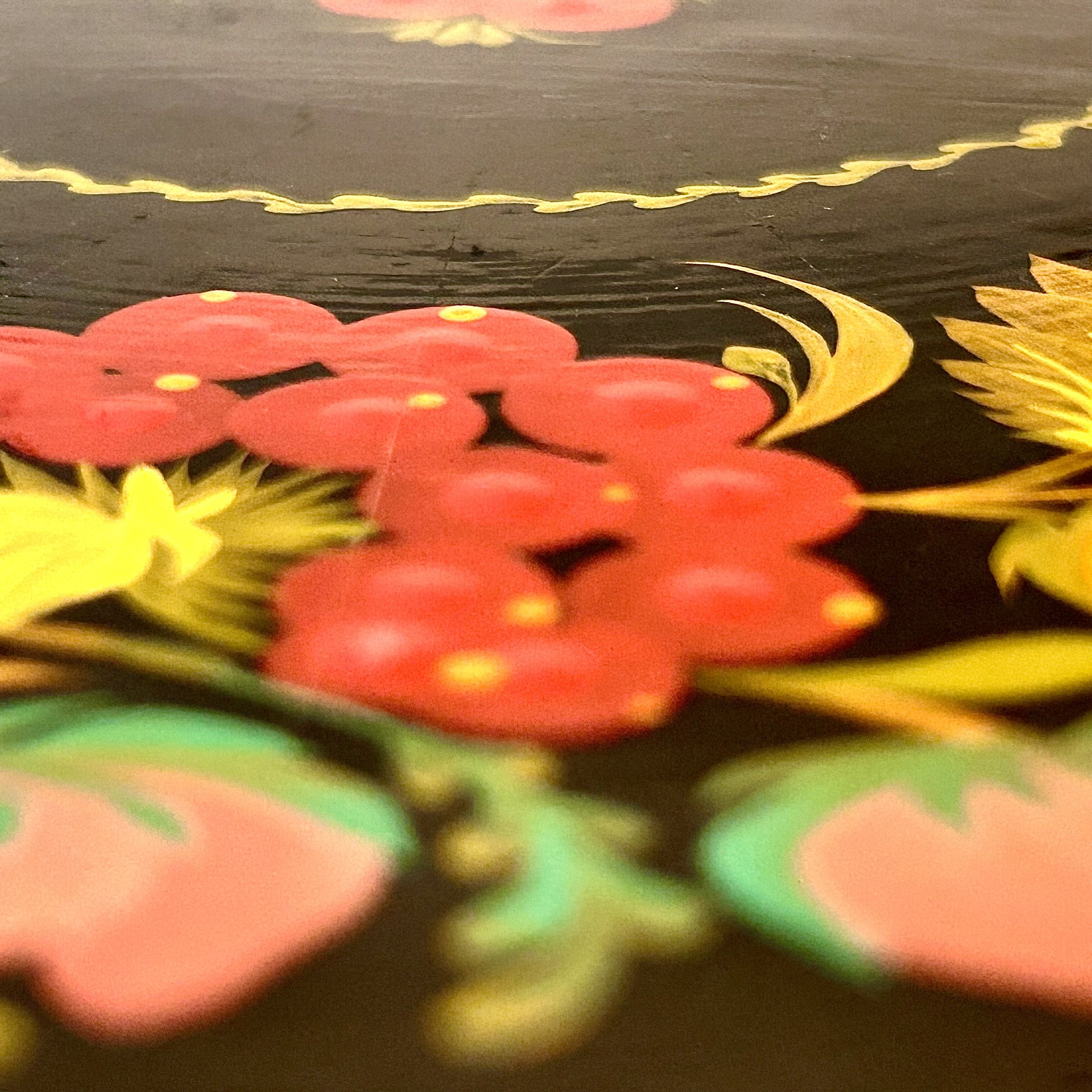
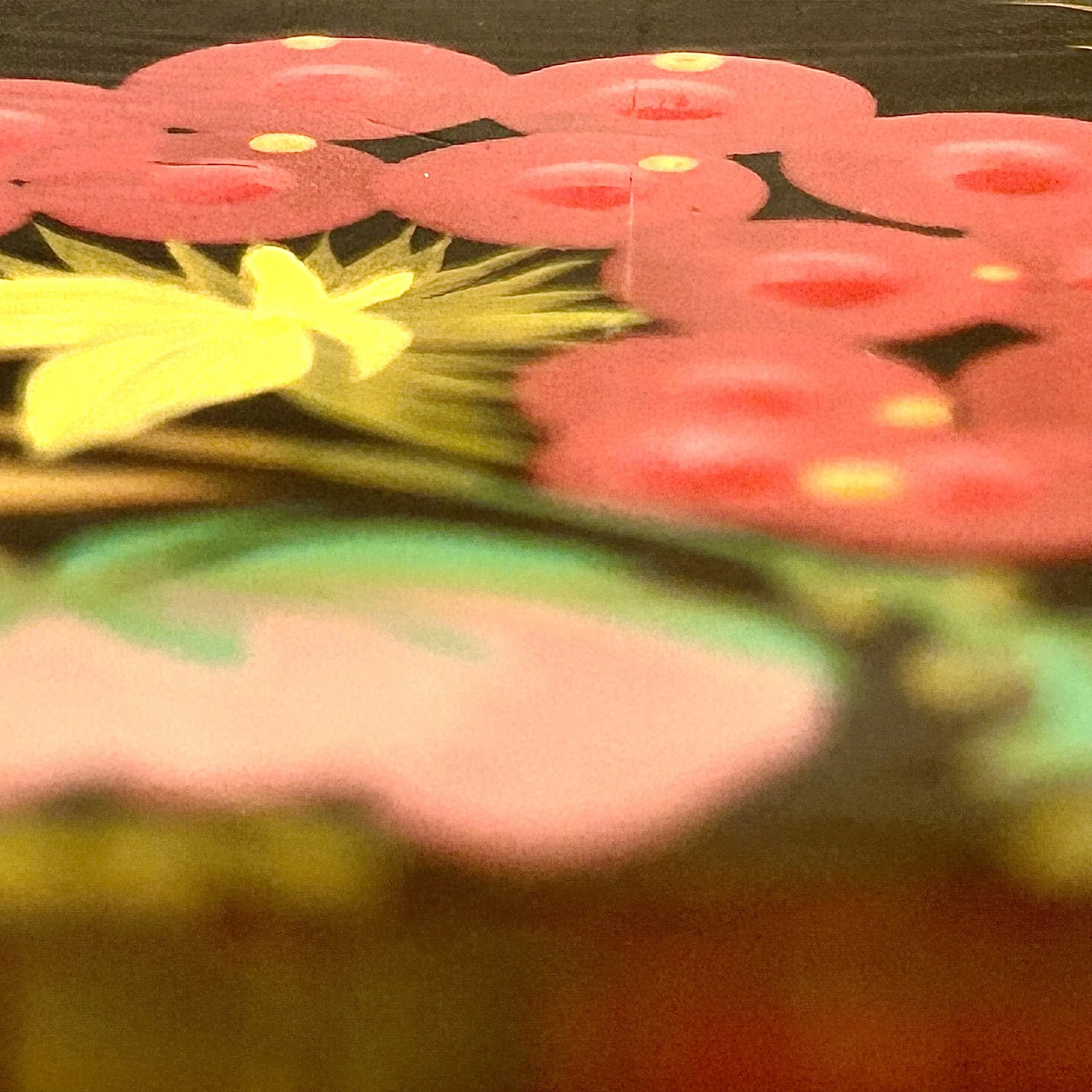
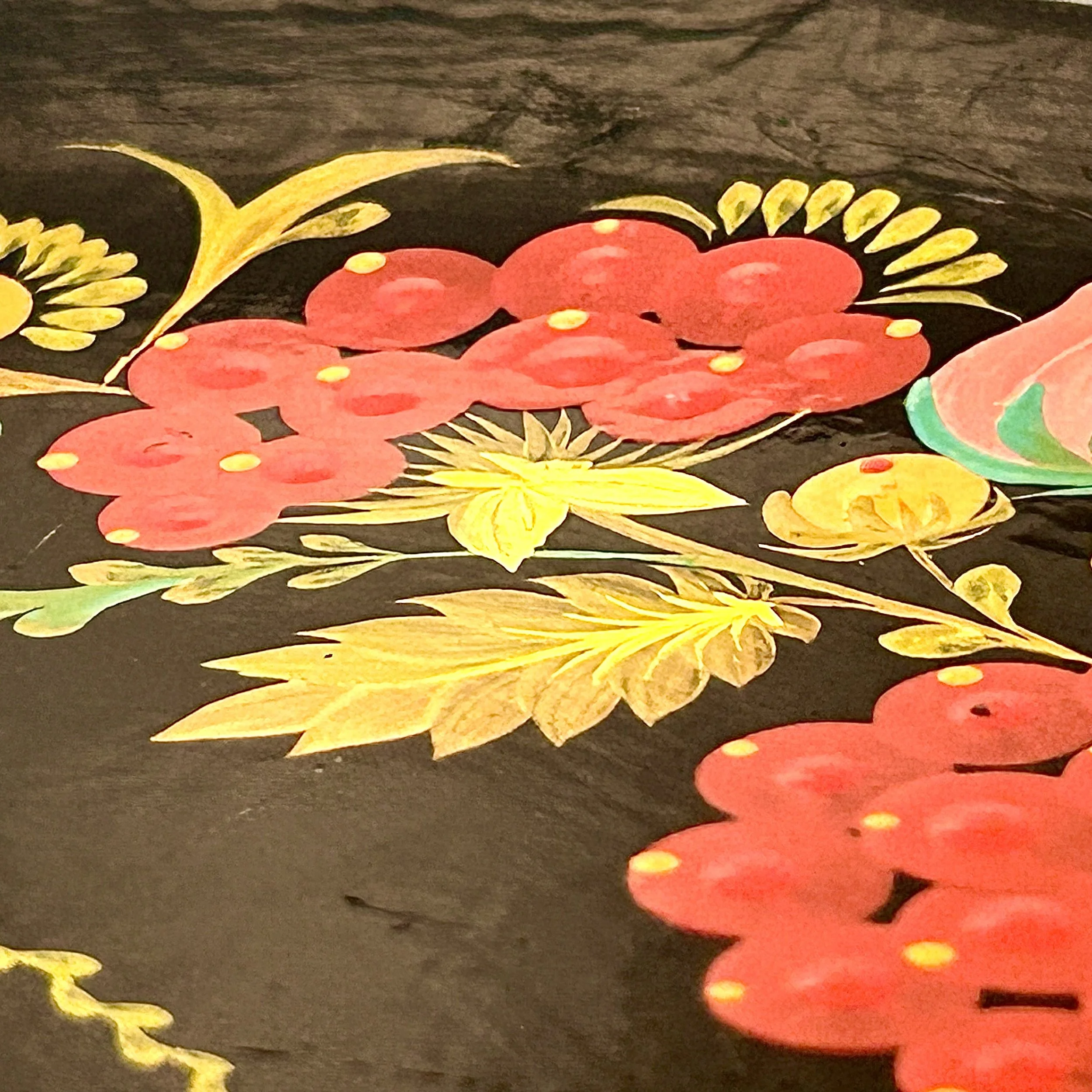
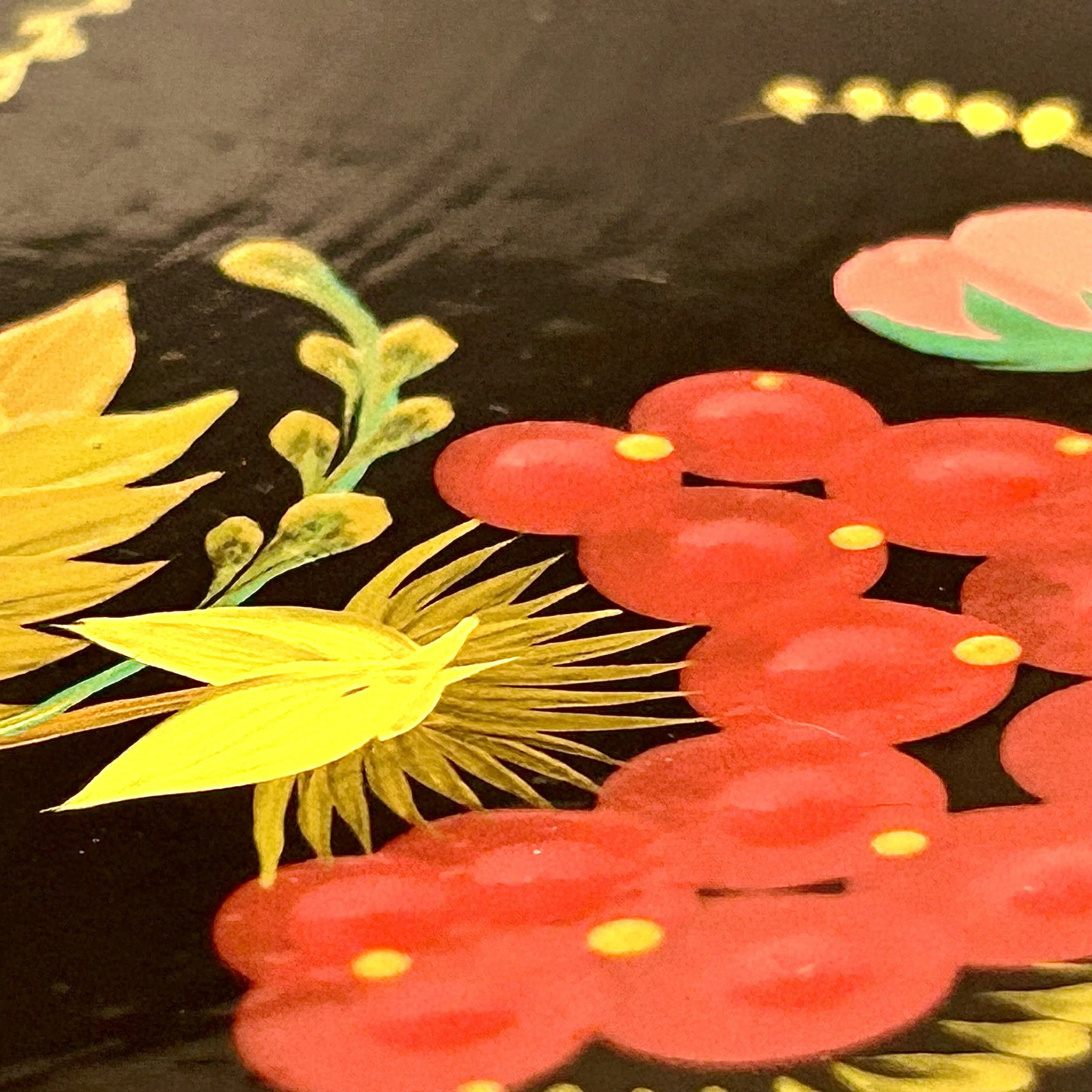
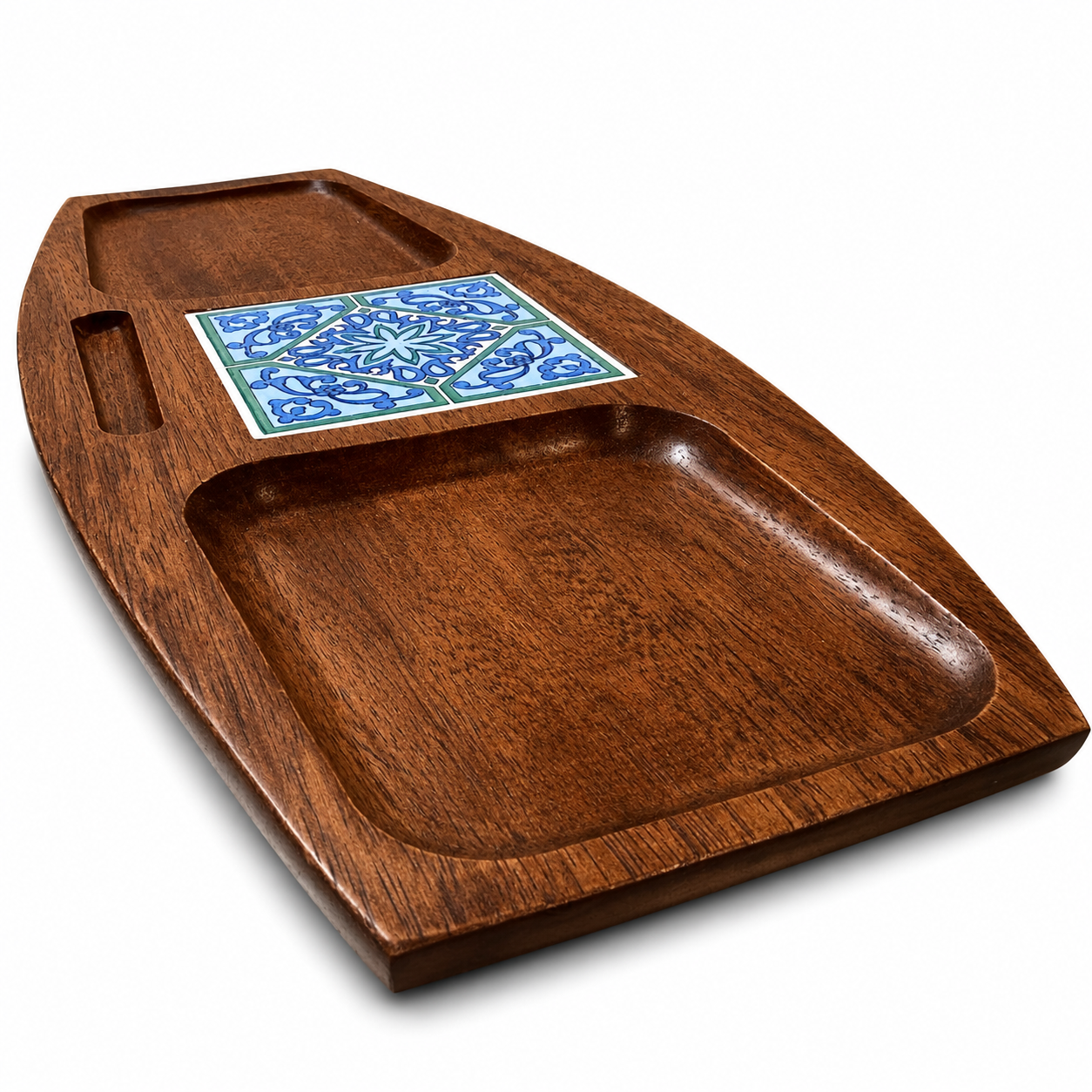
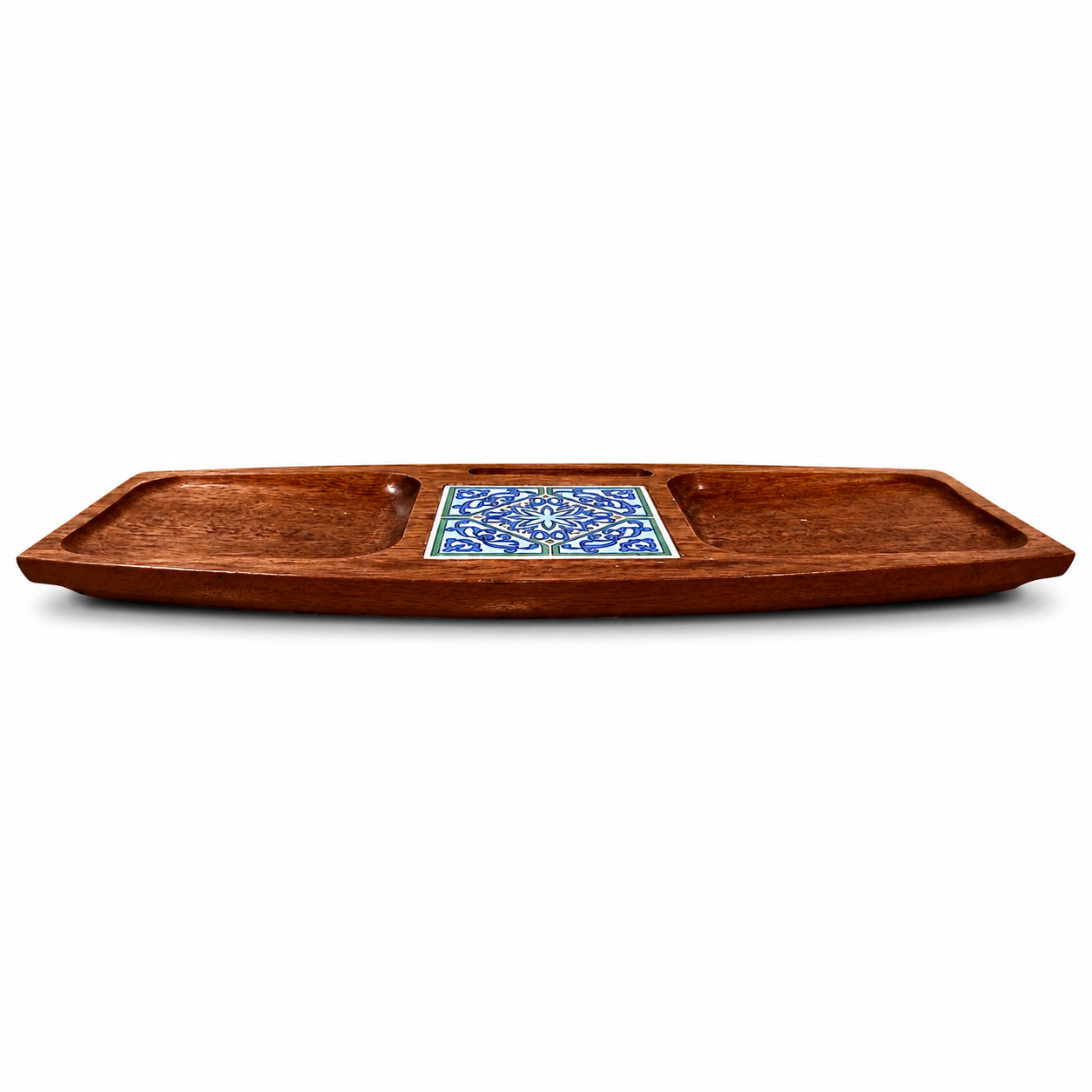
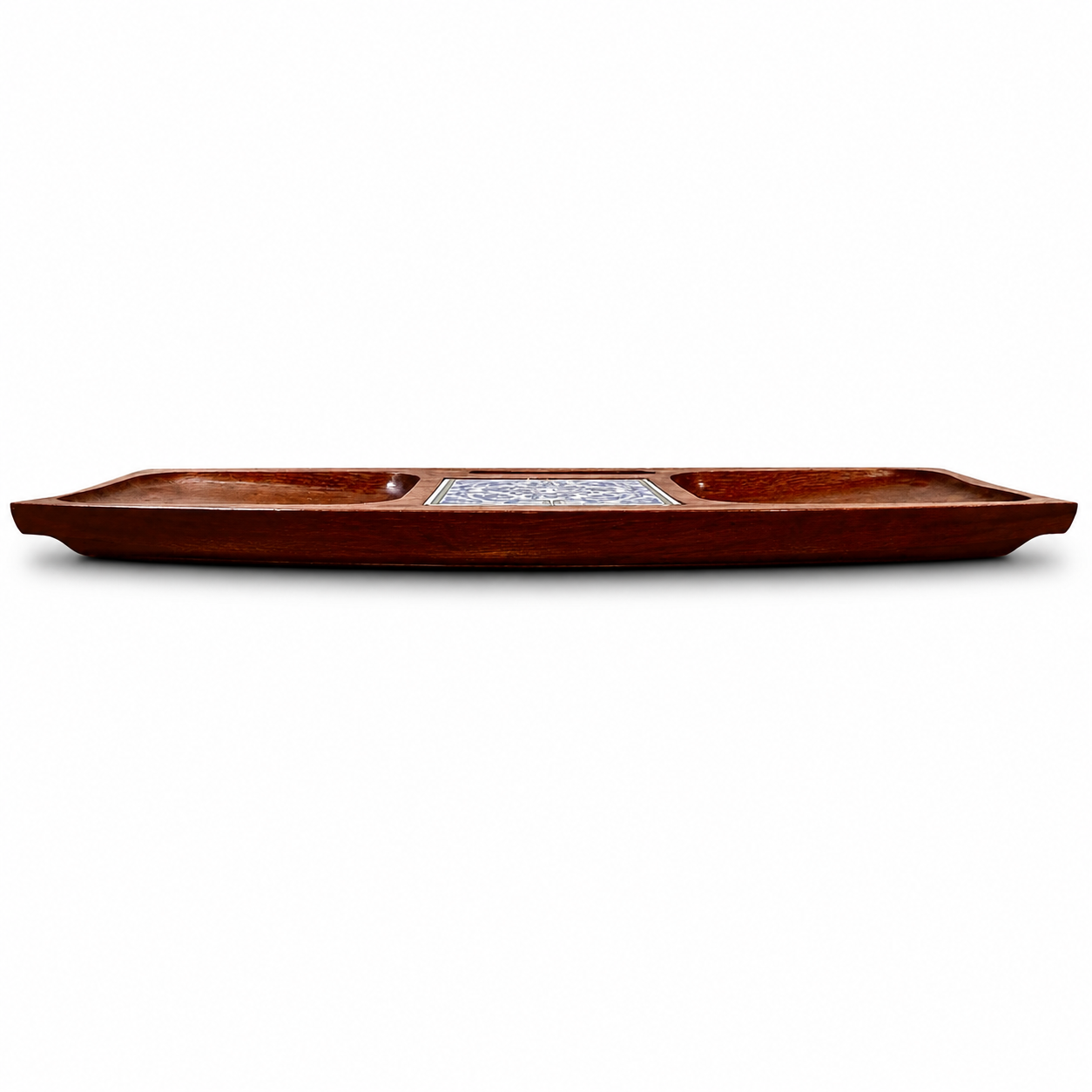
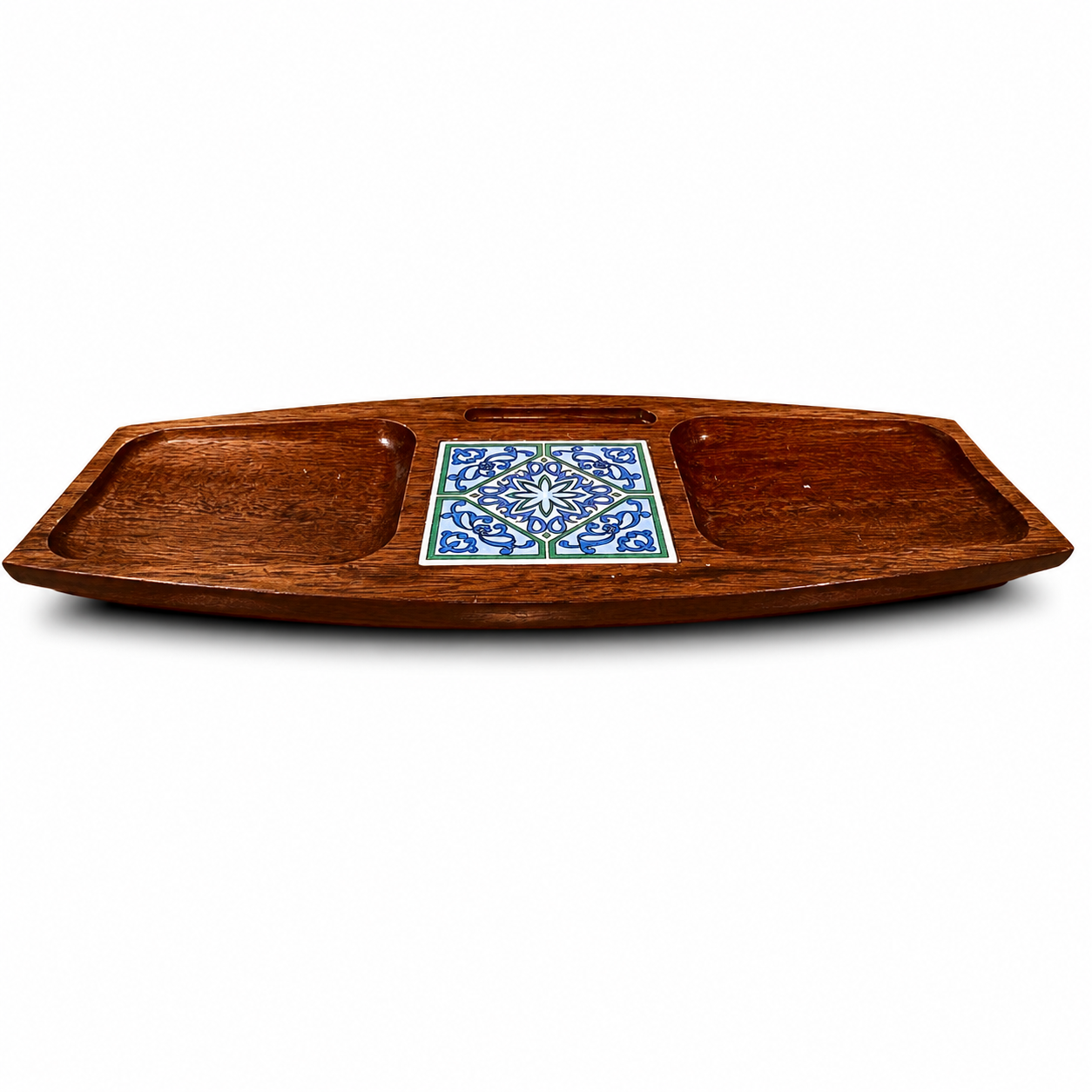
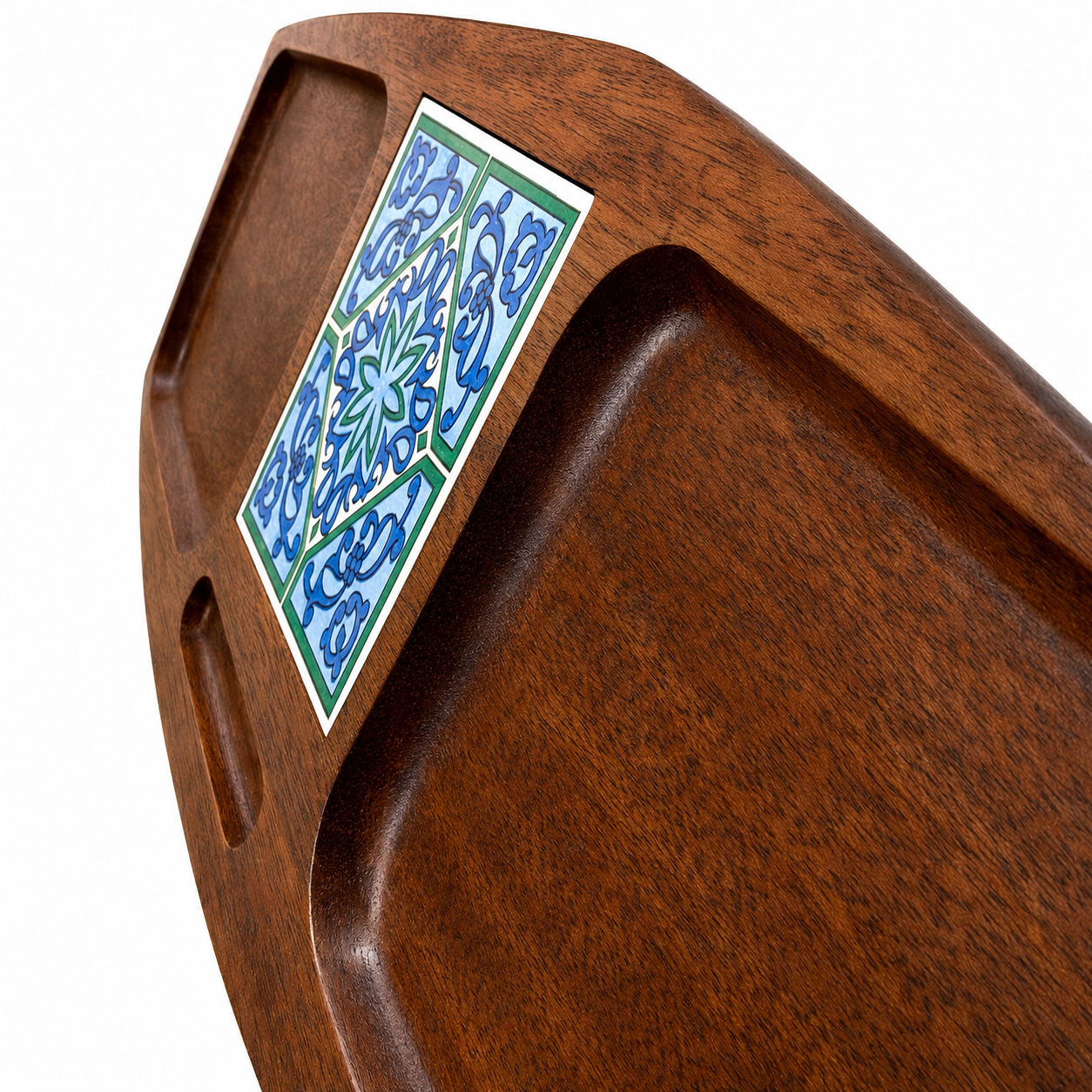
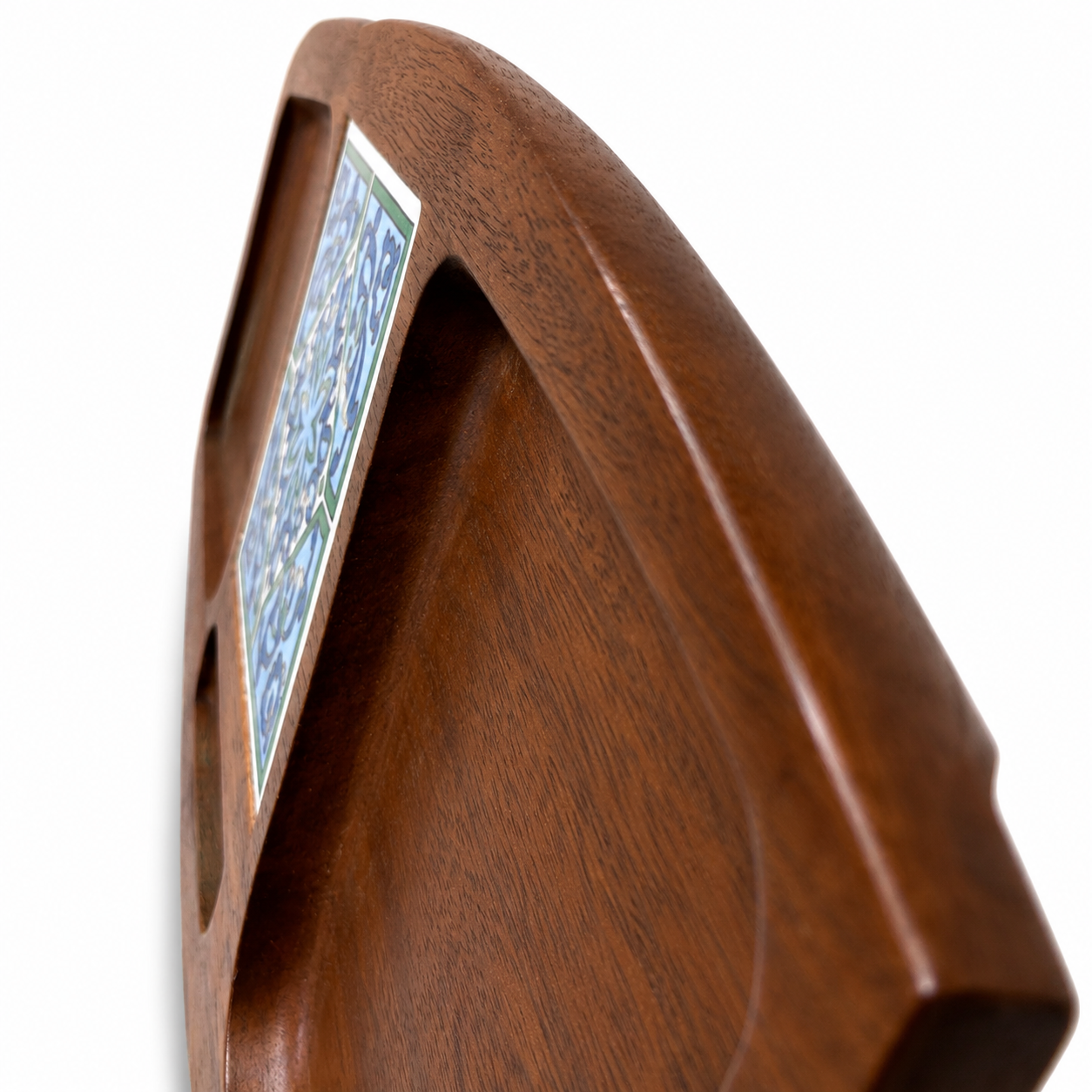
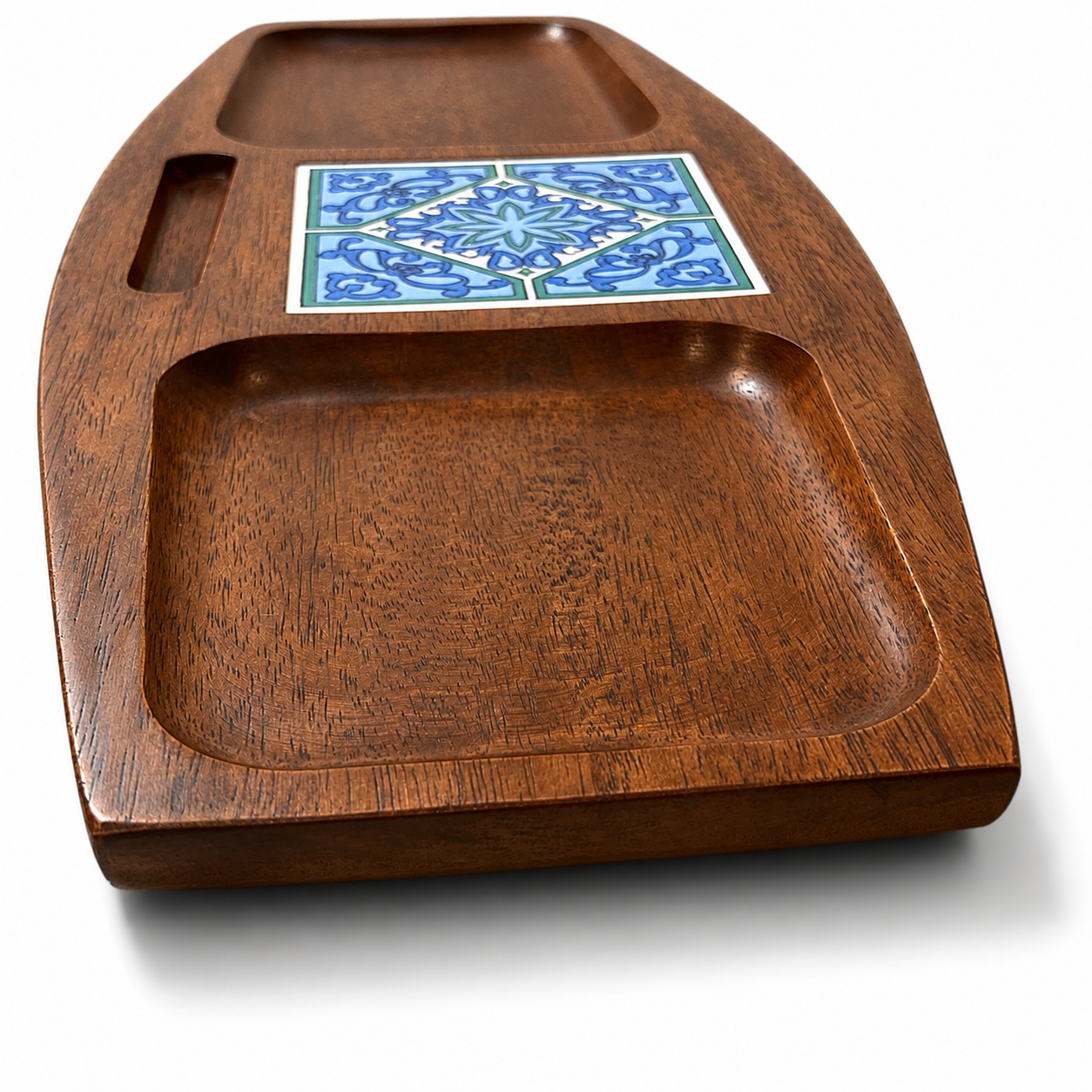
This exceptional hand-painted wood serving tray commands a striking decorative presence, characterized by its elegant elongated silhouette and beautifully weathered surface. The stylized botanical and foliate motifs exhibit a brilliant graphic quality, interacting gracefully with ambient light to highlight the organic contours of the carved rim. Its sophisticated low profile and sweeping lines offer immense visual allure as an interior-designer friendly styling asset or an architecturally interesting tabletop centerpiece. The authentic, time-softened patina introduces a rich historical texture that elevates both modern minimalist and eclectic high-end spaces.
Attribution & Period
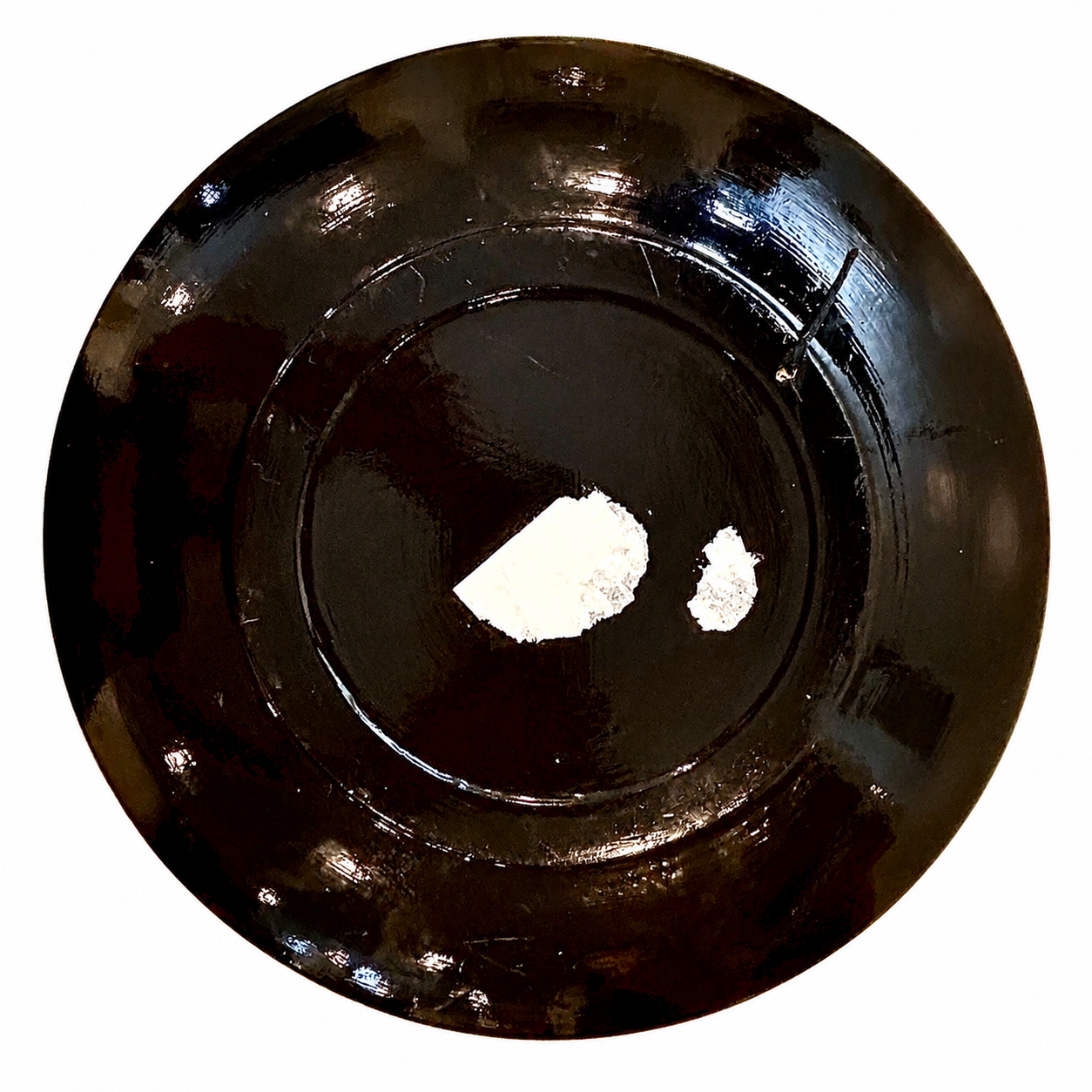
By Jerywil Products, manufactured in Japan, circa 1950s. This piece bears the authentic stamped hallmark of Jerywil, a prominent mid-century importer celebrated for commissioning high-quality decorative arts, alongside a rare impressed artisan flower mark on the reverse. The exceptionally lightweight structure and pale coloration visible beneath the patinated paint layers identify the primary material as hand-formed Japanese willow or linden wood (*shina*). These specific timbers were highly favored by mid-century Japanese master woodworkers for their dimensional stability, tight grain, and feather-light handling qualities under lacquered or painted finishes.
Dimensions & Weight
Condition
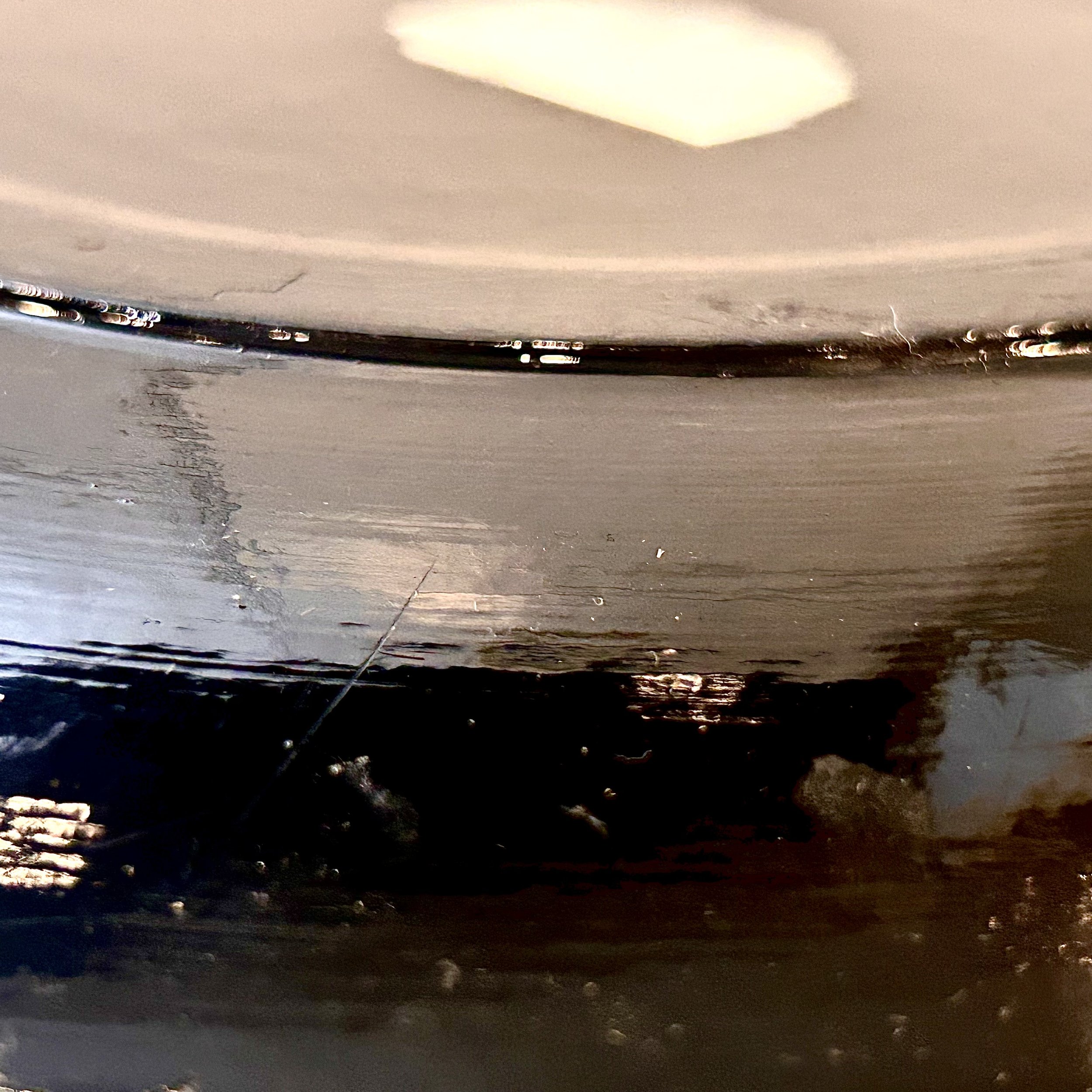
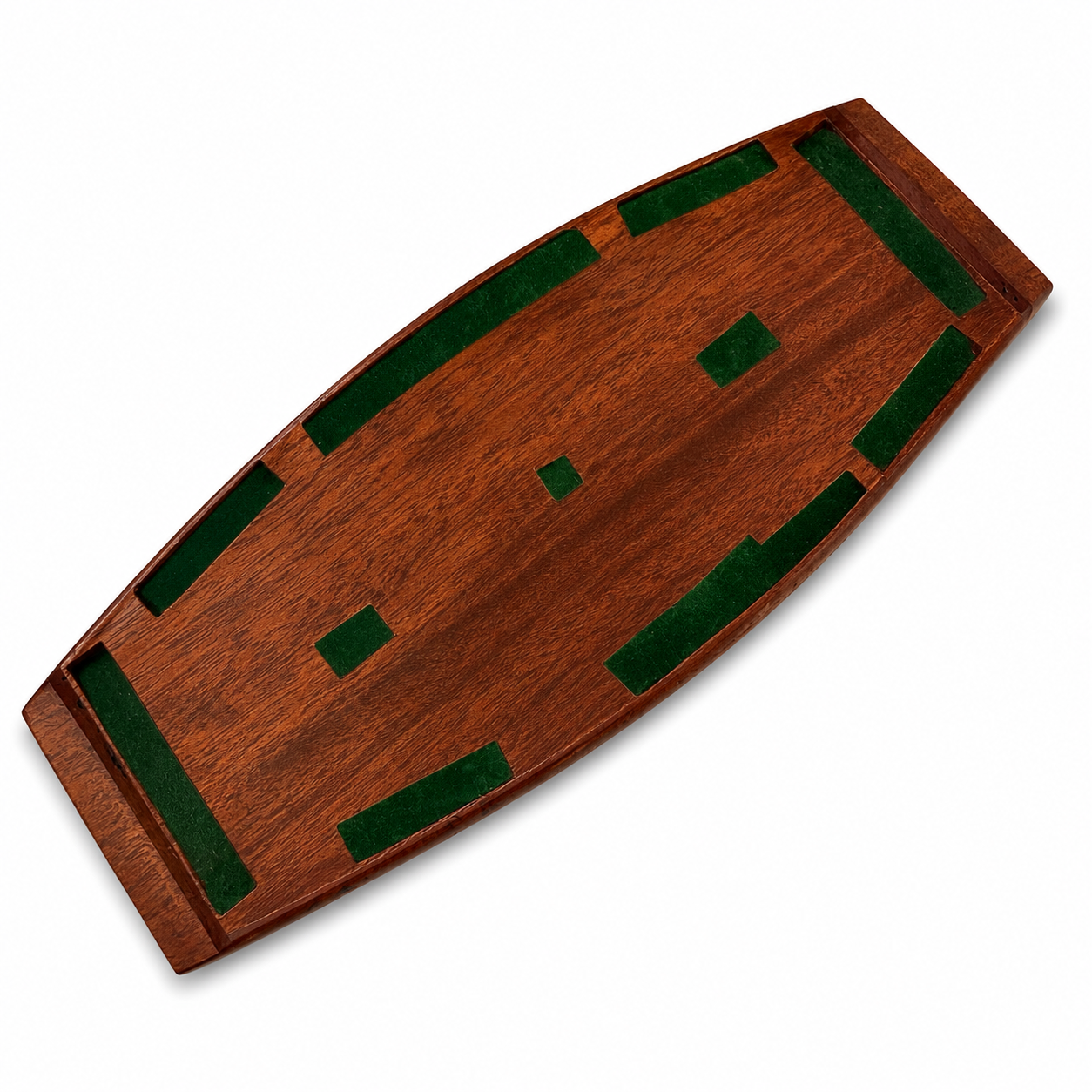
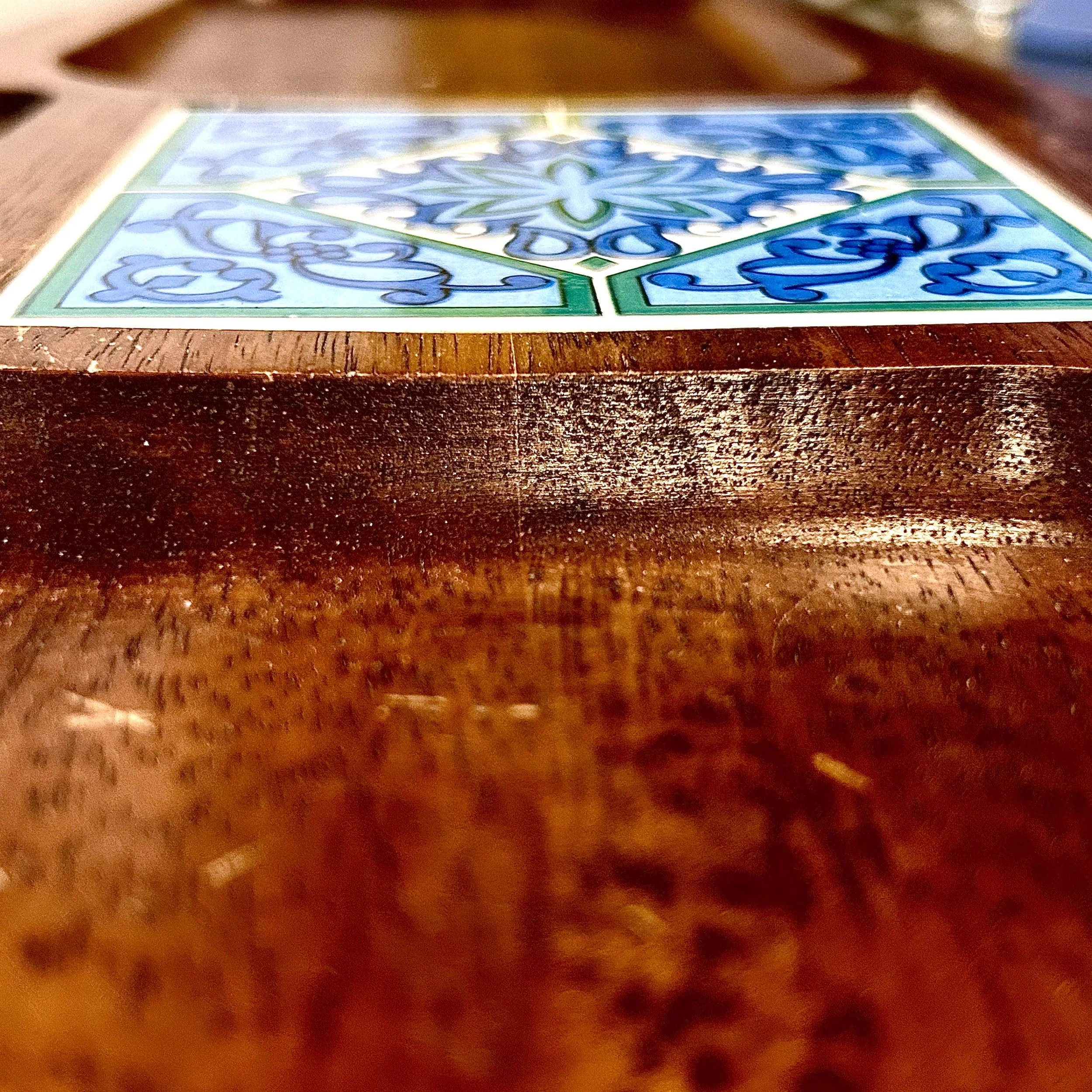
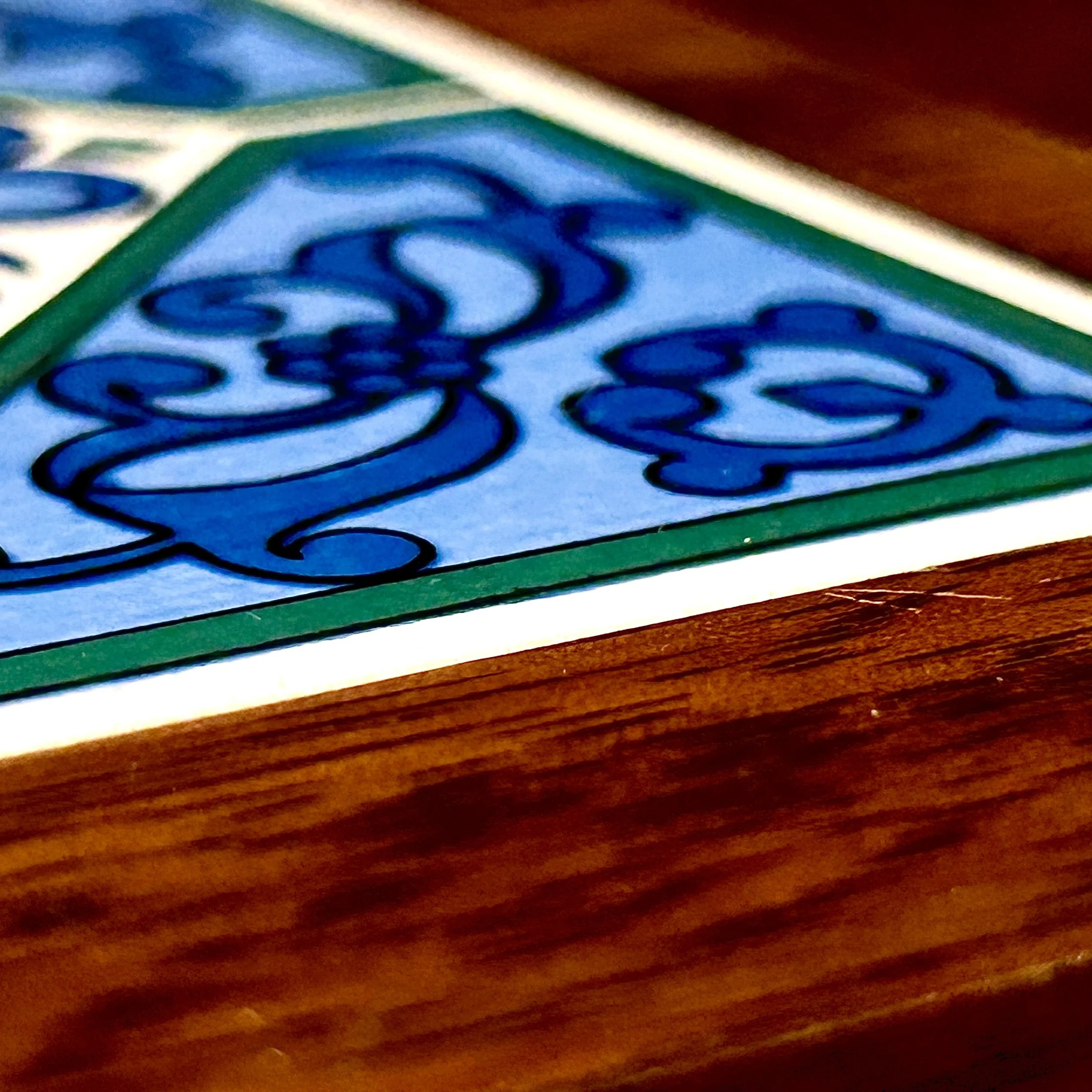
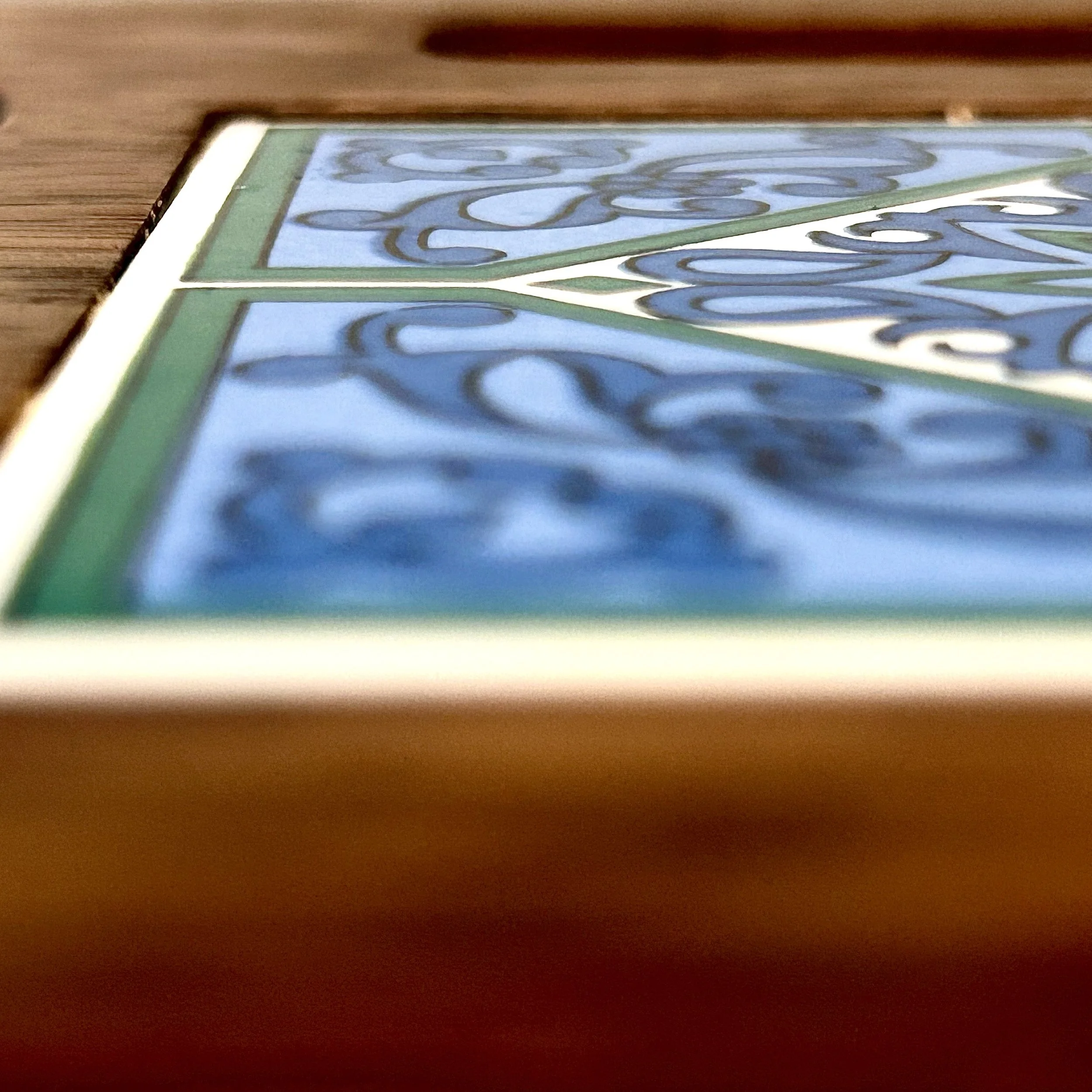
Clinical structurally stable condition with a beautifully patinated, weathered surface. The hand-painted face exhibits honest, age-appropriate wear, including localized paint loss and chipping that cleanly exposes the light-colored natural wood substrate underneath. Superficial scuffing is present along the perimeter sidewalls, and the reverse shows typical light shelf wear surrounding the crisp maker stamps. The wooden form is entirely sound, free of structural warping, splits, or modern alterations.
Authenticity & Construction
This tray is expertly executed from a single, lightweight plank of premium Japanese hardwood, meticulously shaped to achieve its precise, shallow foliate profile. The surface was foundational-primed before the intricate botanical flourishes were applied entirely by hand. Prior to the final finishing process, the official Jerywil manufacturer mark and a stylized flower emblem were deeply stamped into the reverse. This traditional methodology ensures the object remains structurally sound while offering a refined tactile experience for collectors.
Placement
An ideal acquisition for high-end editorial styling, this piece serves beautifully when placed atop a contemporary honed travertine coffee table, nested within an open-concept mid-century sideboard, or styled on a chic bouclé ottoman in a luxury metropolitan penthouse.
STANDARD ATTRIBUTION & VALUE DISCLOSURE; This piece is described to the best of current scholarly and market knowledge. Any maker or regional attribution is based on visual analysis, materials, construction techniques, and documented stylistic comparisons. As with many MCM and antique design objects, definitive attribution may not be possible without original labels or factory records. Pricing reflects condition, quality, decorative appeal, and current collector demand rather than guaranteed maker identification.
This exceptional hand-painted wood serving tray commands a striking decorative presence, characterized by its elegant elongated silhouette and beautifully weathered surface. The stylized botanical and foliate motifs exhibit a brilliant graphic quality, interacting gracefully with ambient light to highlight the organic contours of the carved rim. Its sophisticated low profile and sweeping lines offer immense visual allure as an interior-designer friendly styling asset or an architecturally interesting tabletop centerpiece. The authentic, time-softened patina introduces a rich historical texture that elevates both modern minimalist and eclectic high-end spaces.
Attribution & Period
By Jerywil Products, manufactured in Japan, circa 1950s. This piece bears the authentic stamped hallmark of Jerywil, a prominent mid-century importer celebrated for commissioning high-quality decorative arts, alongside a rare impressed artisan flower mark on the reverse. The exceptionally lightweight structure and pale coloration visible beneath the patinated paint layers identify the primary material as hand-formed Japanese willow or linden wood (*shina*). These specific timbers were highly favored by mid-century Japanese master woodworkers for their dimensional stability, tight grain, and feather-light handling qualities under lacquered or painted finishes.
Dimensions & Weight
Condition
Clinical structurally stable condition with a beautifully patinated, weathered surface. The hand-painted face exhibits honest, age-appropriate wear, including localized paint loss and chipping that cleanly exposes the light-colored natural wood substrate underneath. Superficial scuffing is present along the perimeter sidewalls, and the reverse shows typical light shelf wear surrounding the crisp maker stamps. The wooden form is entirely sound, free of structural warping, splits, or modern alterations.
Authenticity & Construction
This tray is expertly executed from a single, lightweight plank of premium Japanese hardwood, meticulously shaped to achieve its precise, shallow foliate profile. The surface was foundational-primed before the intricate botanical flourishes were applied entirely by hand. Prior to the final finishing process, the official Jerywil manufacturer mark and a stylized flower emblem were deeply stamped into the reverse. This traditional methodology ensures the object remains structurally sound while offering a refined tactile experience for collectors.
Placement
An ideal acquisition for high-end editorial styling, this piece serves beautifully when placed atop a contemporary honed travertine coffee table, nested within an open-concept mid-century sideboard, or styled on a chic bouclé ottoman in a luxury metropolitan penthouse.
STANDARD ATTRIBUTION & VALUE DISCLOSURE; This piece is described to the best of current scholarly and market knowledge. Any maker or regional attribution is based on visual analysis, materials, construction techniques, and documented stylistic comparisons. As with many MCM and antique design objects, definitive attribution may not be possible without original labels or factory records. Pricing reflects condition, quality, decorative appeal, and current collector demand rather than guaranteed maker identification.

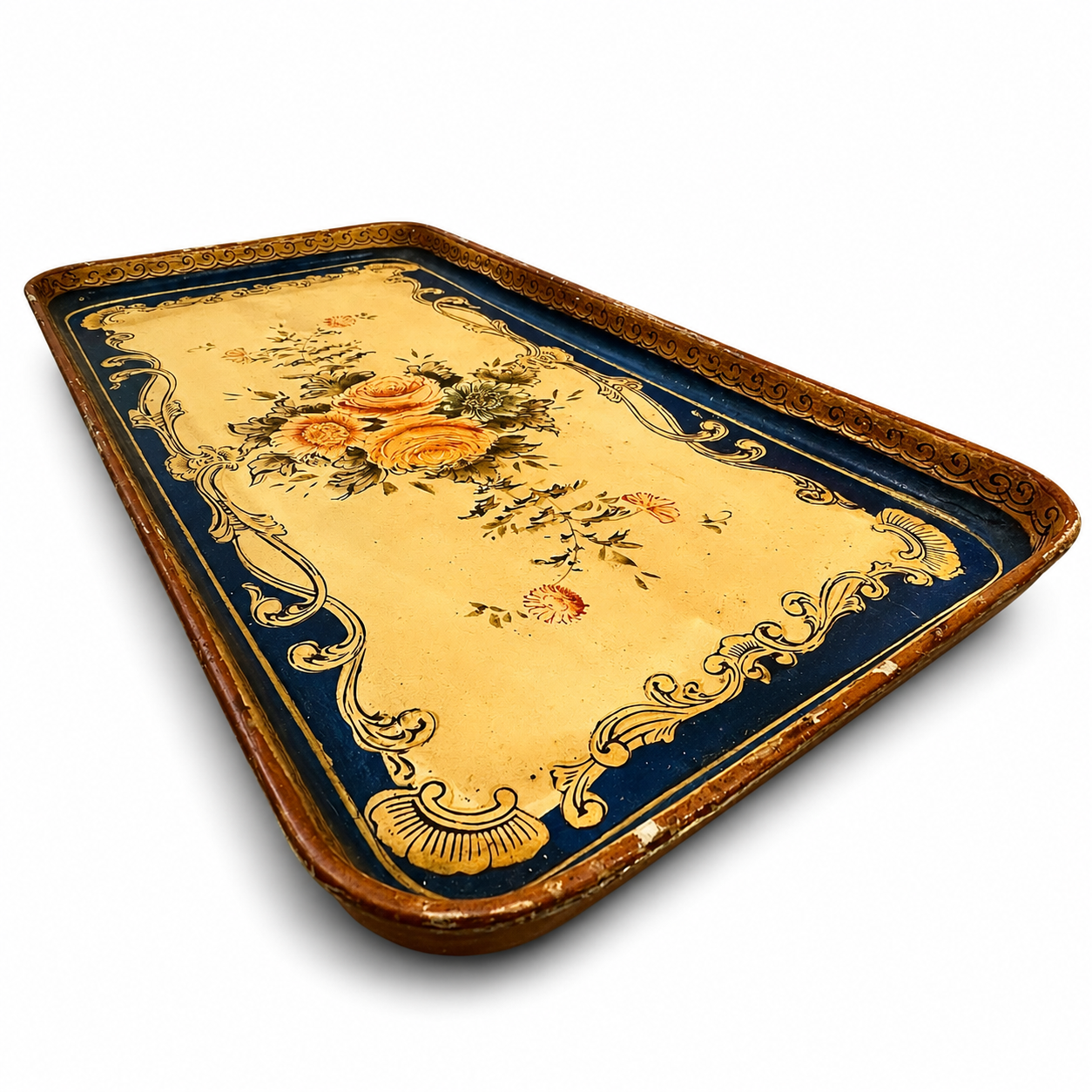 Image 1 of 15
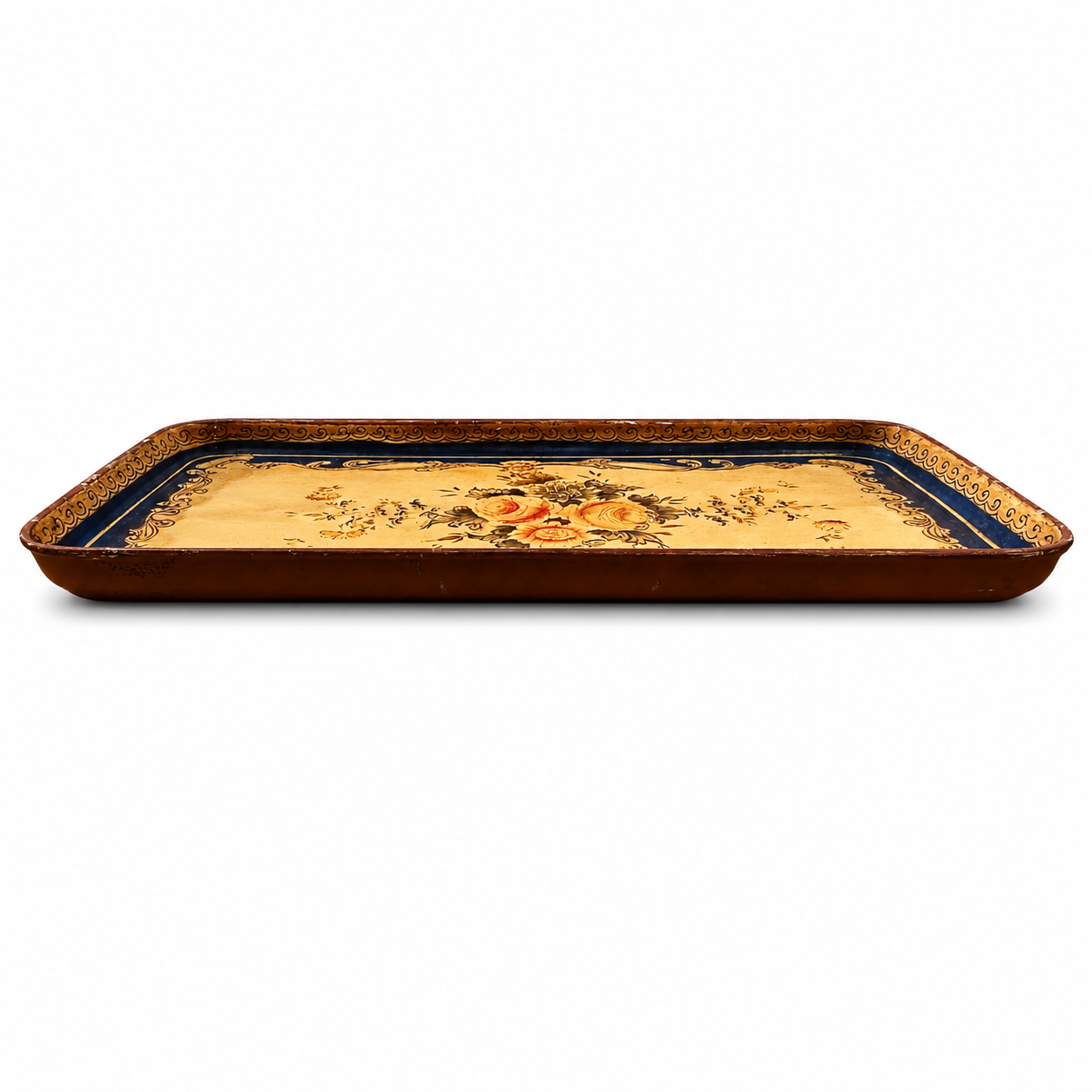 Image 2 of 15
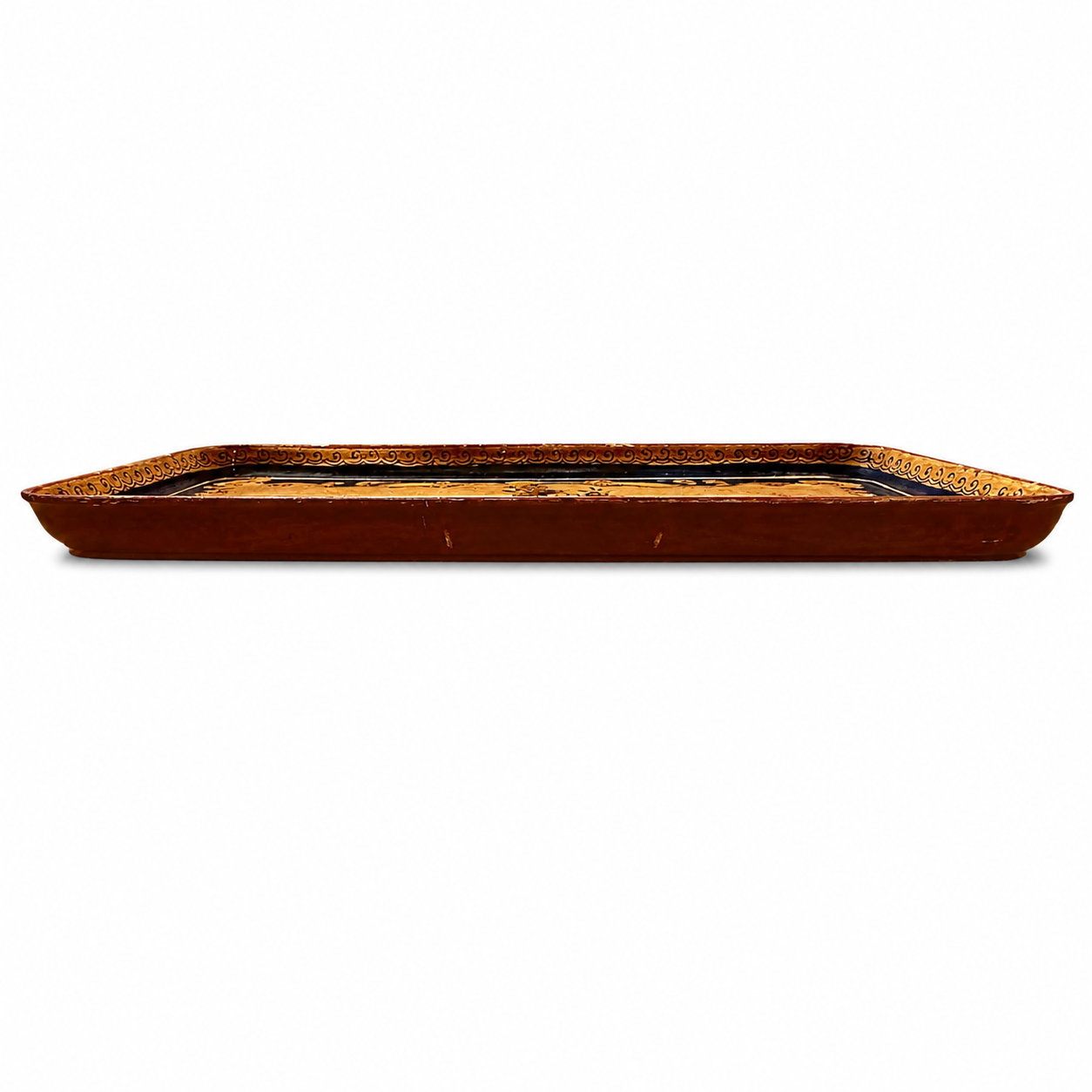 Image 3 of 15
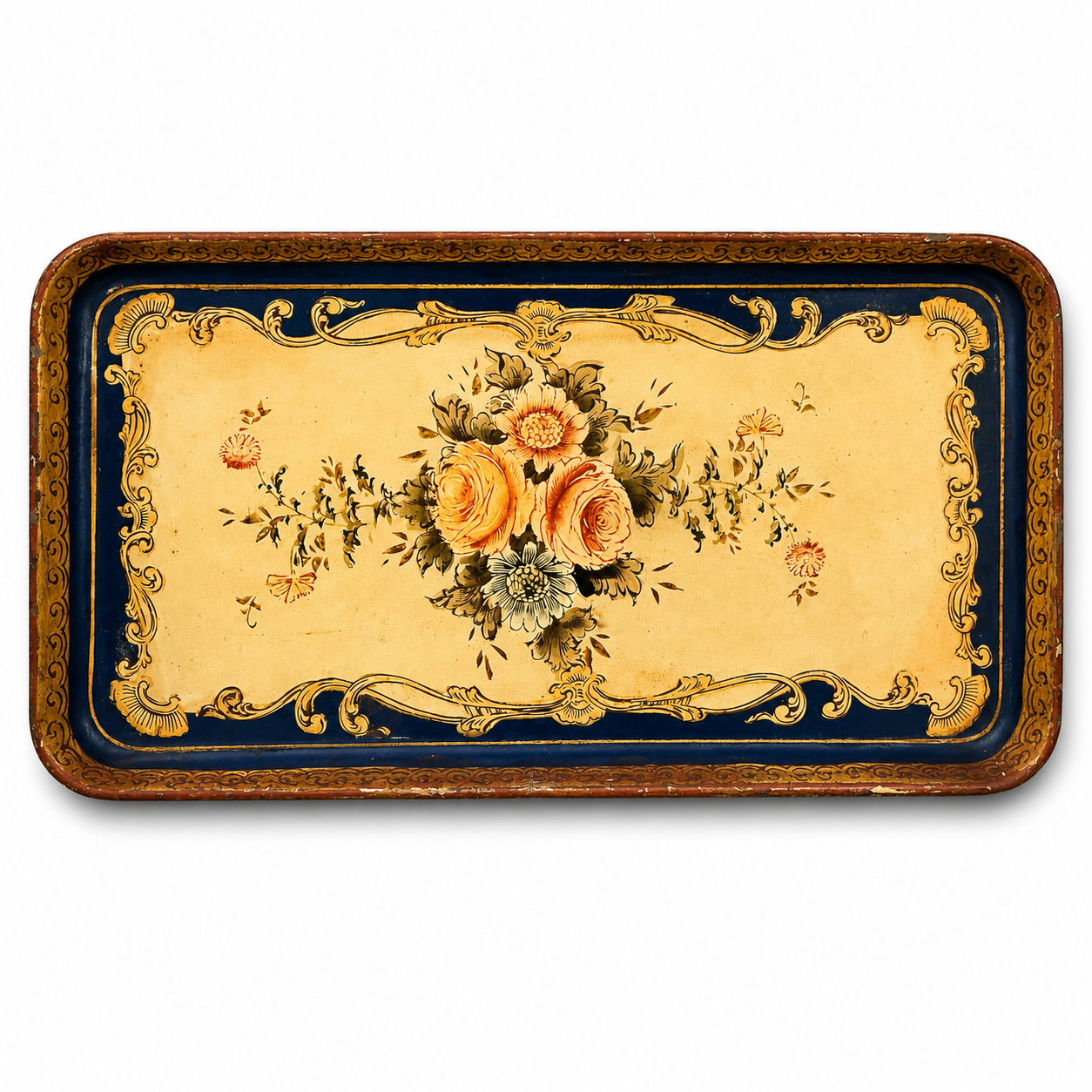 Image 4 of 15
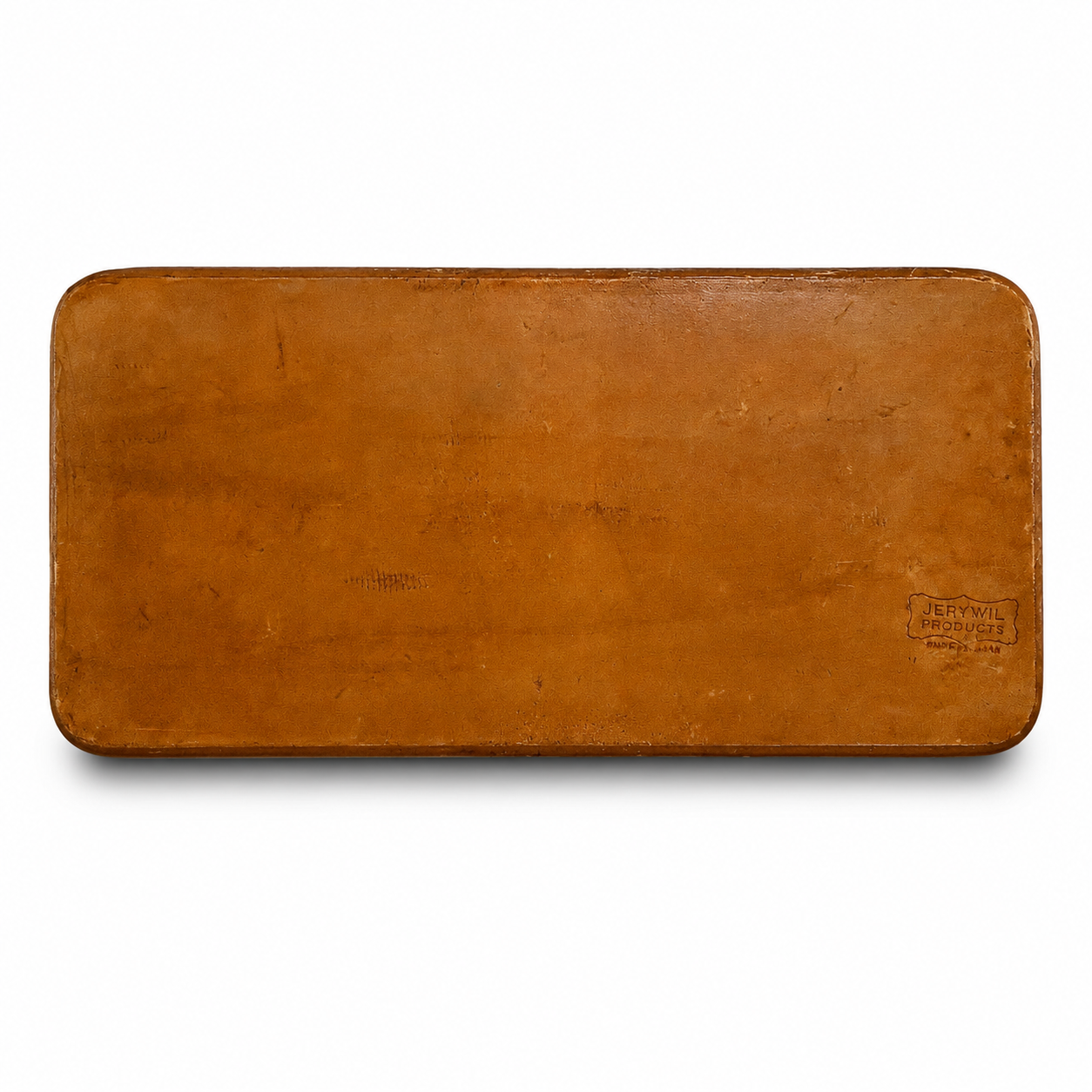 Image 5 of 15
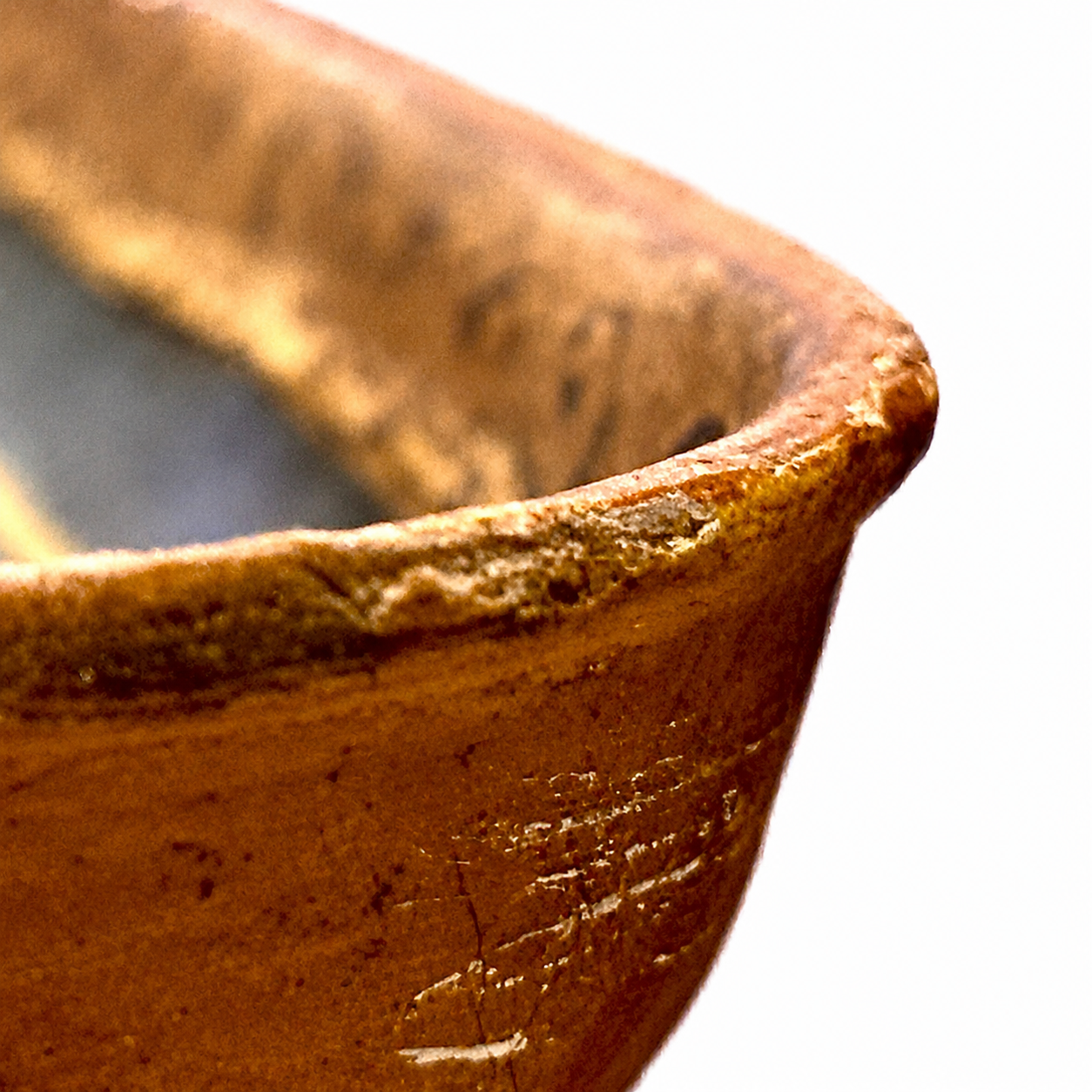 Image 6 of 15
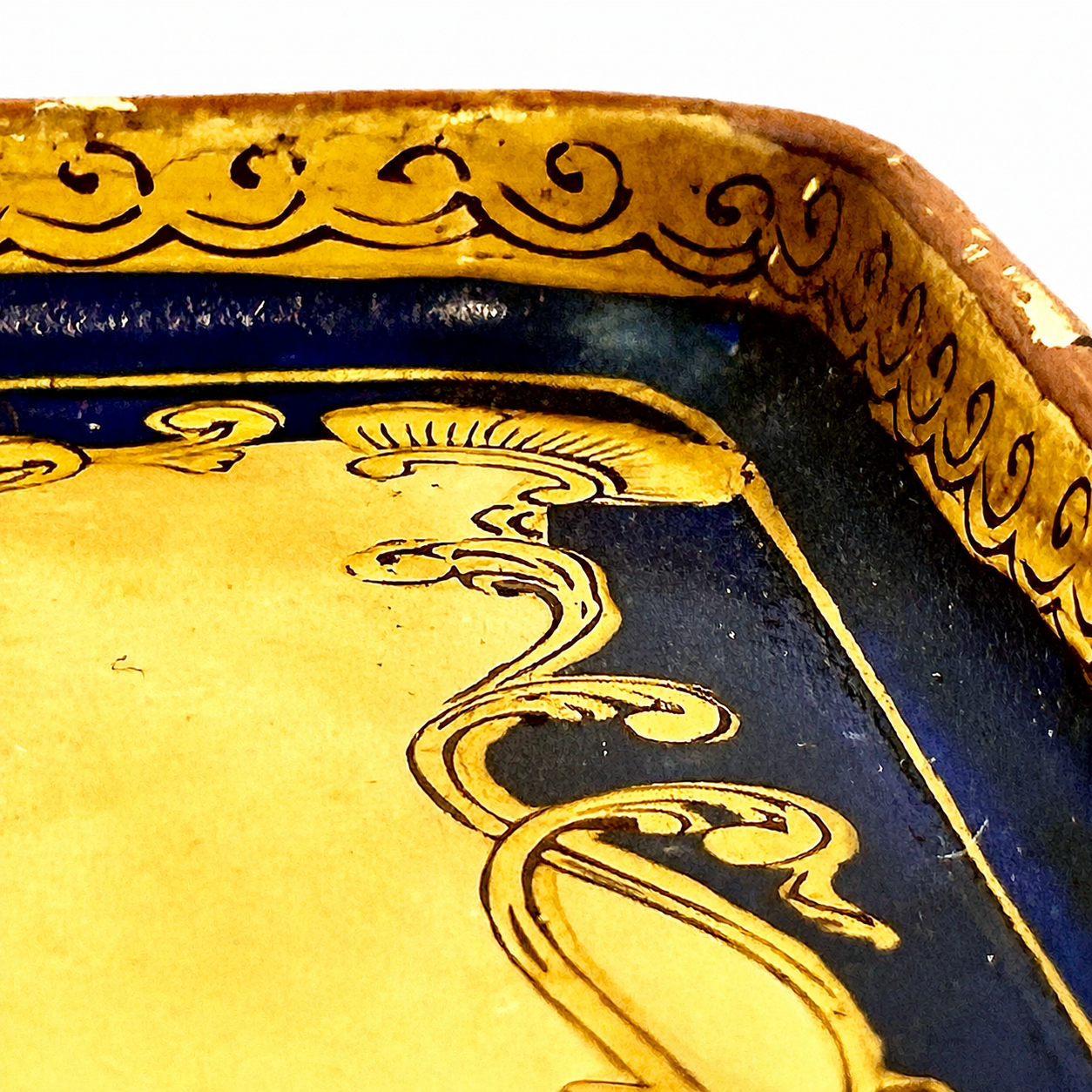 Image 7 of 15
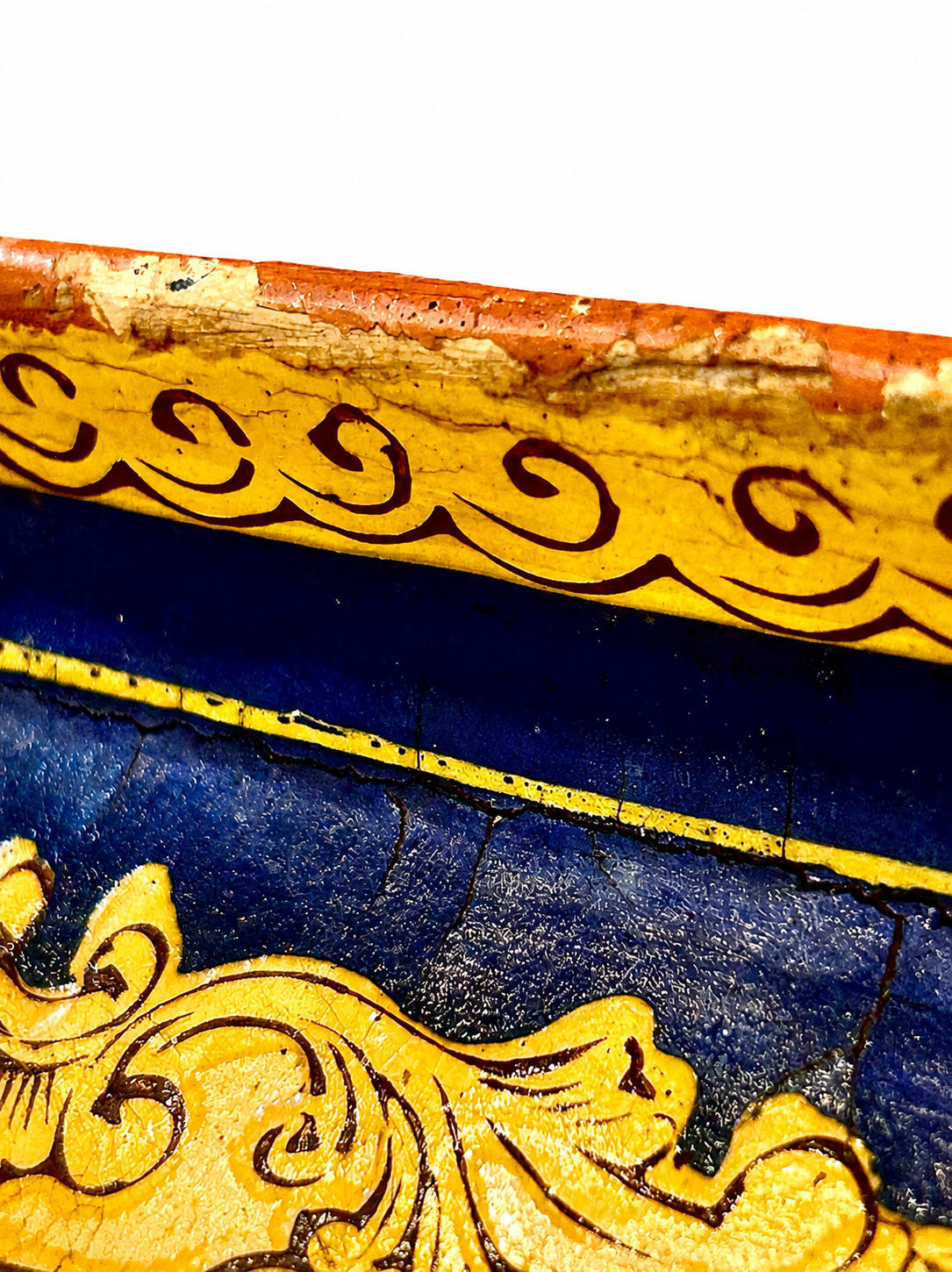 Image 8 of 15
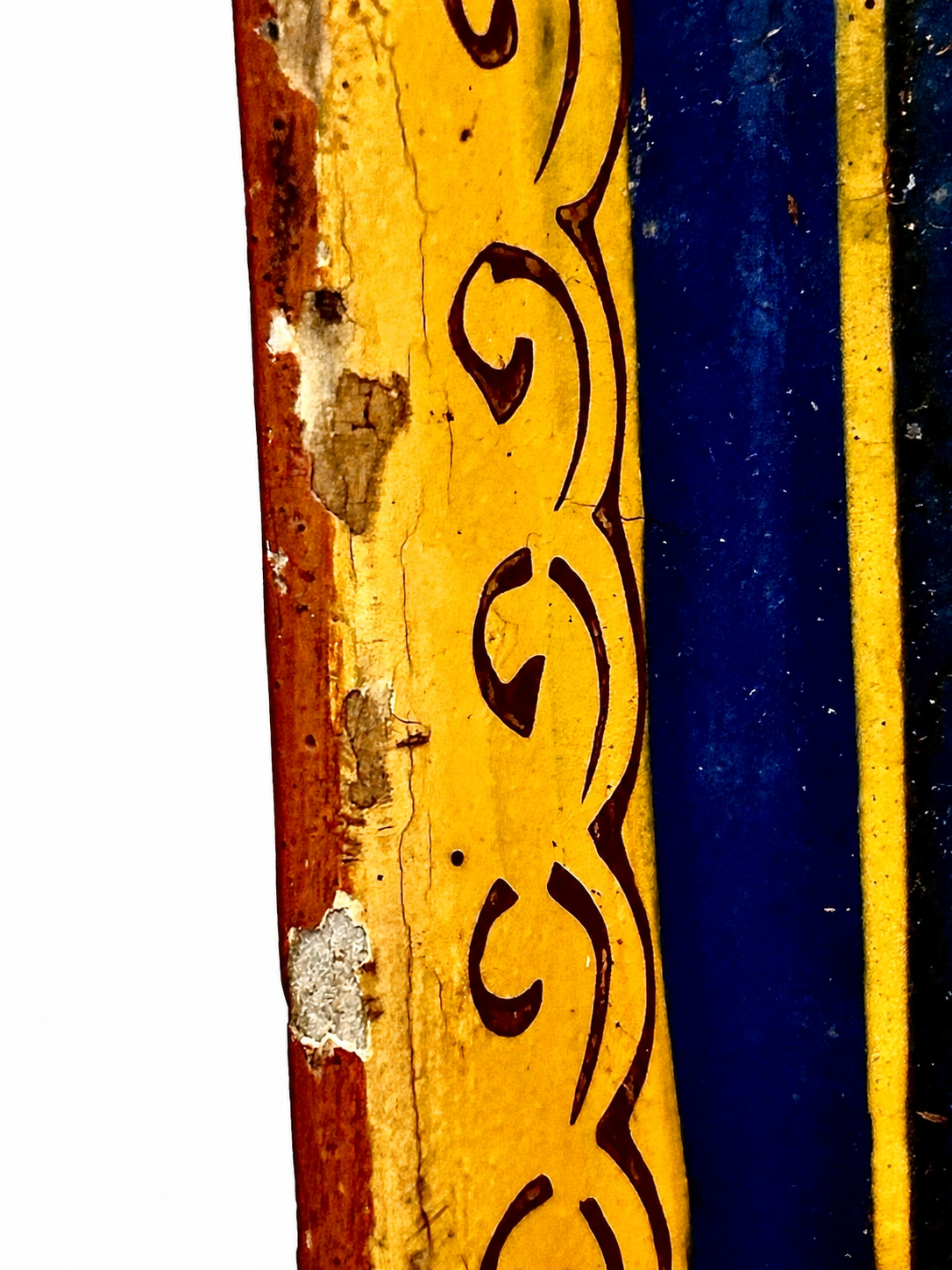 Image 9 of 15
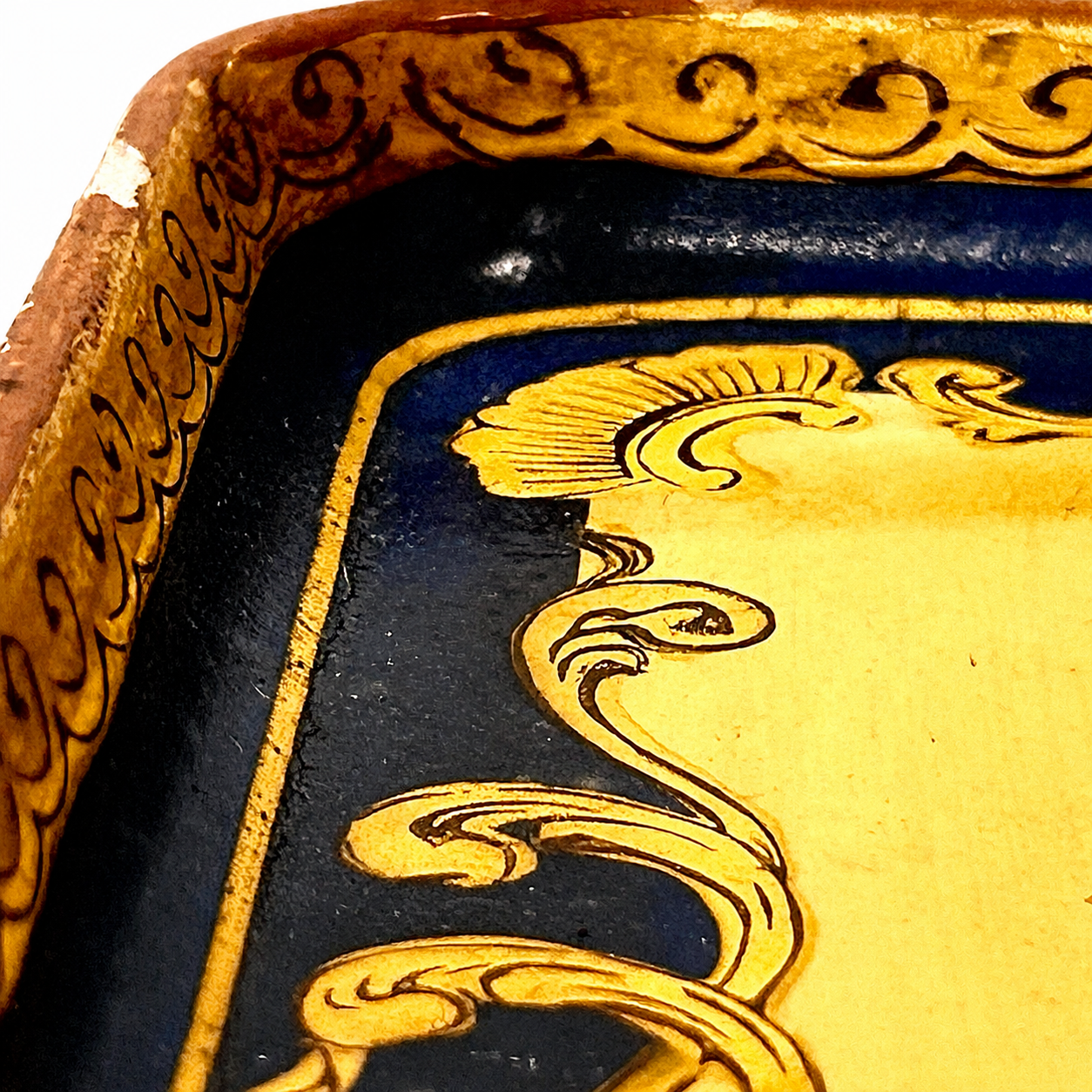 Image 10 of 15
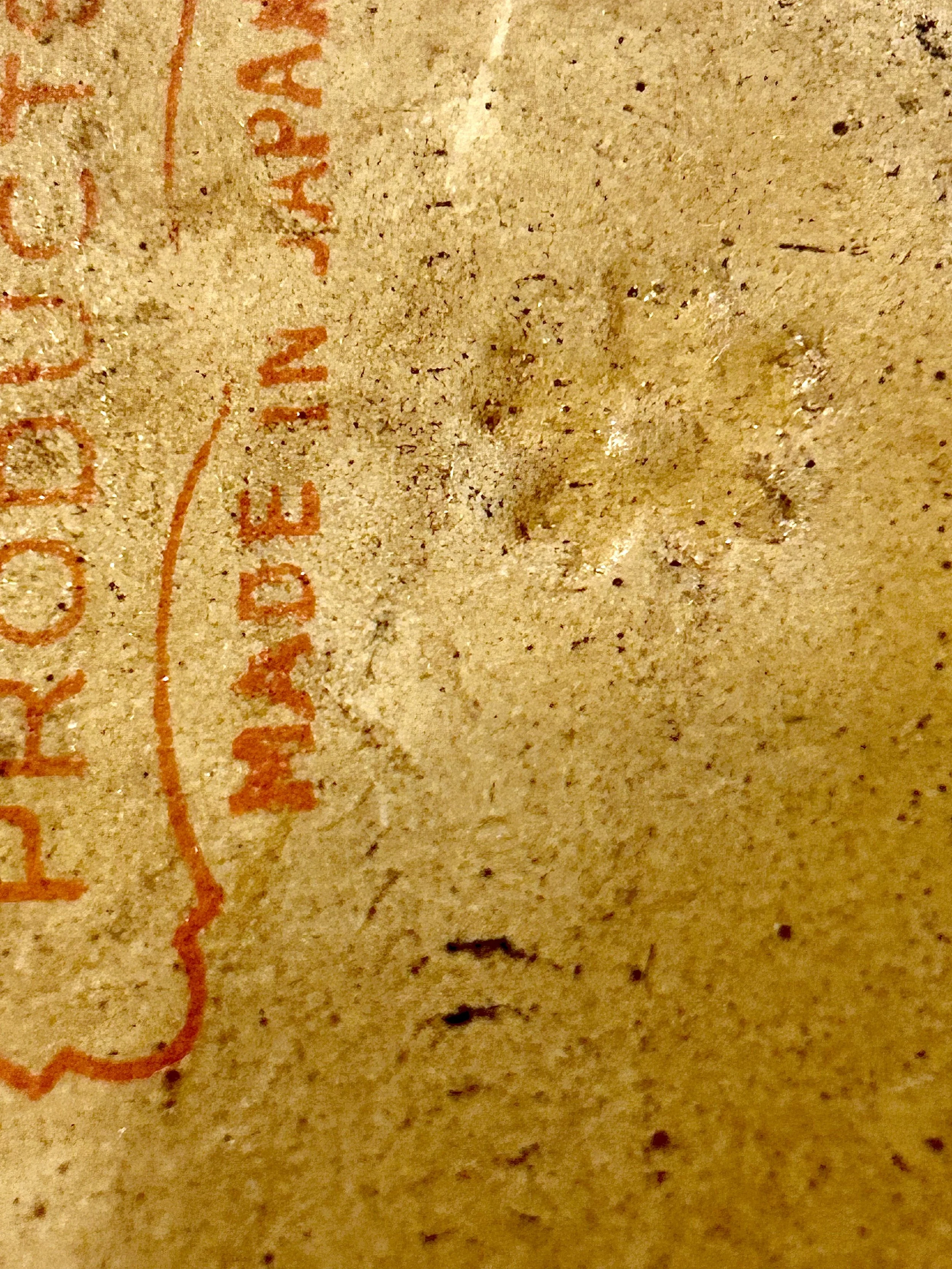 Image 11 of 15
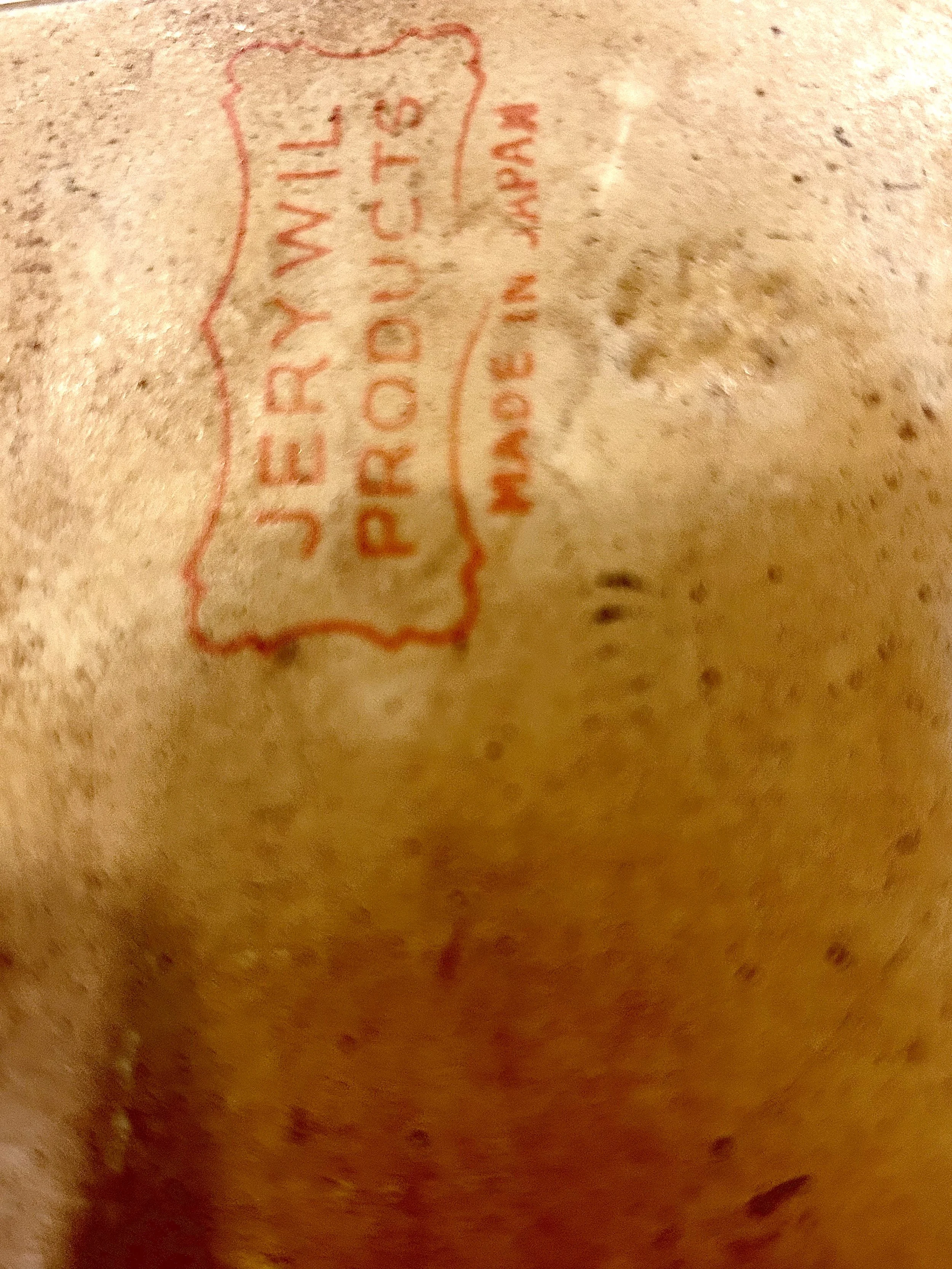 Image 12 of 15
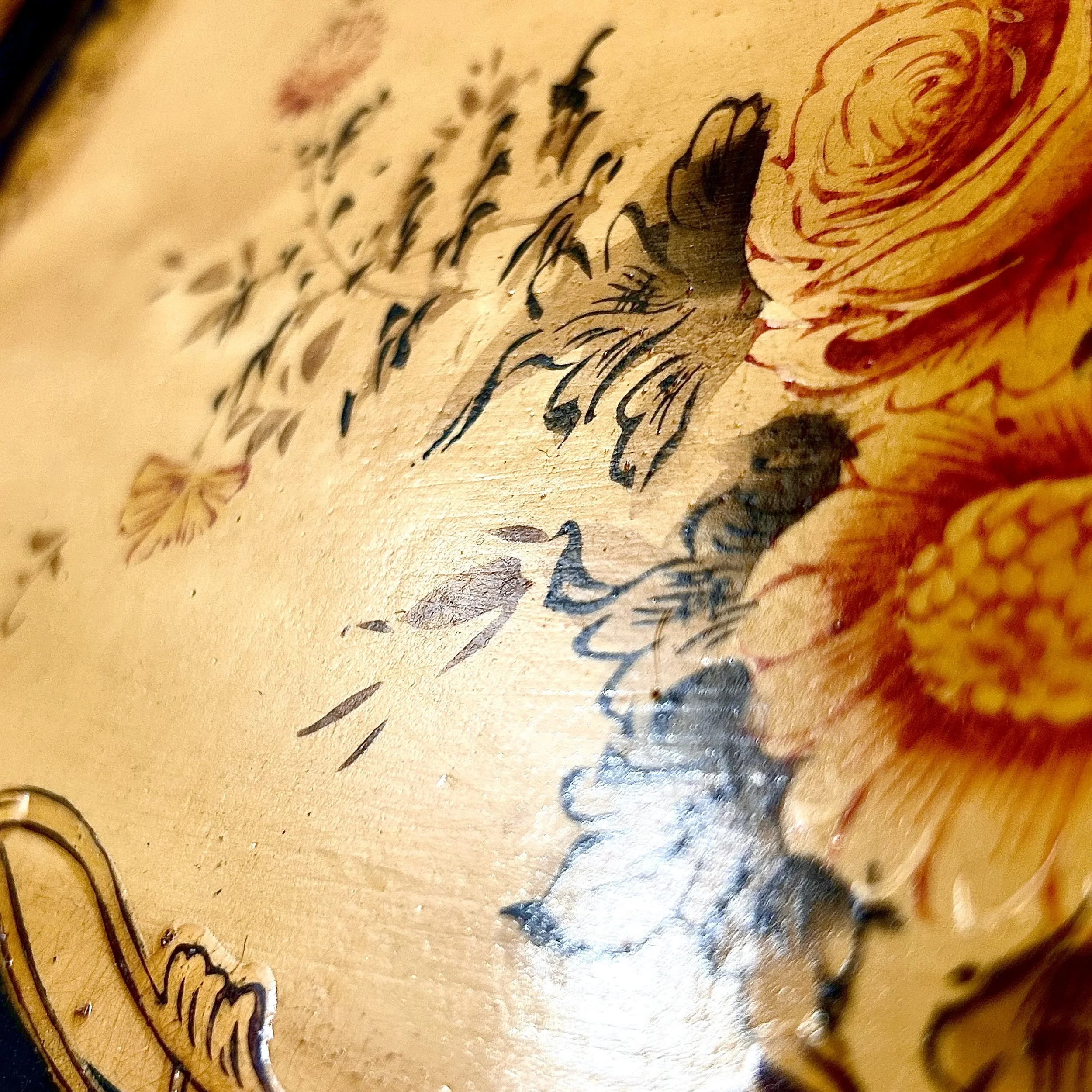 Image 13 of 15
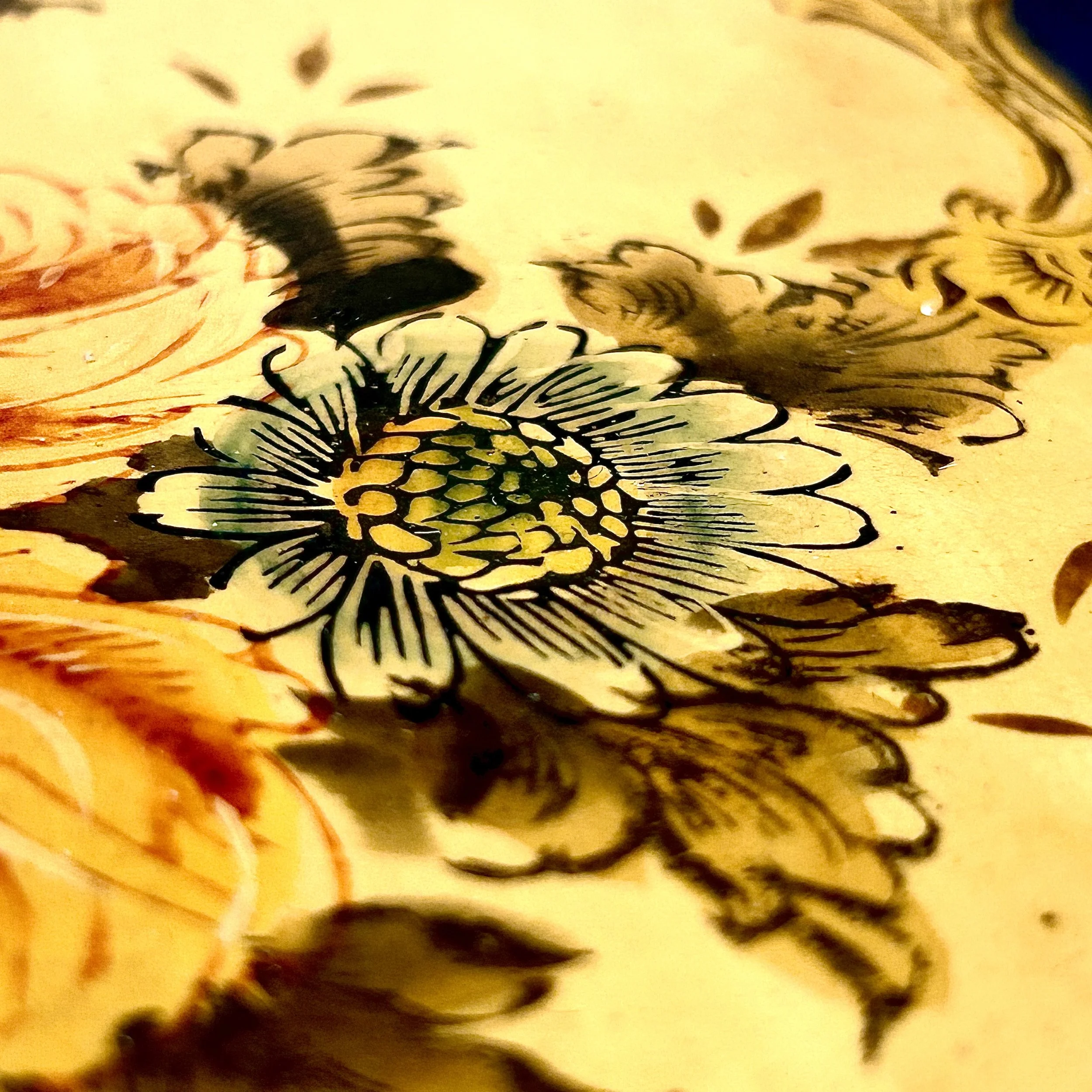 Image 14 of 15
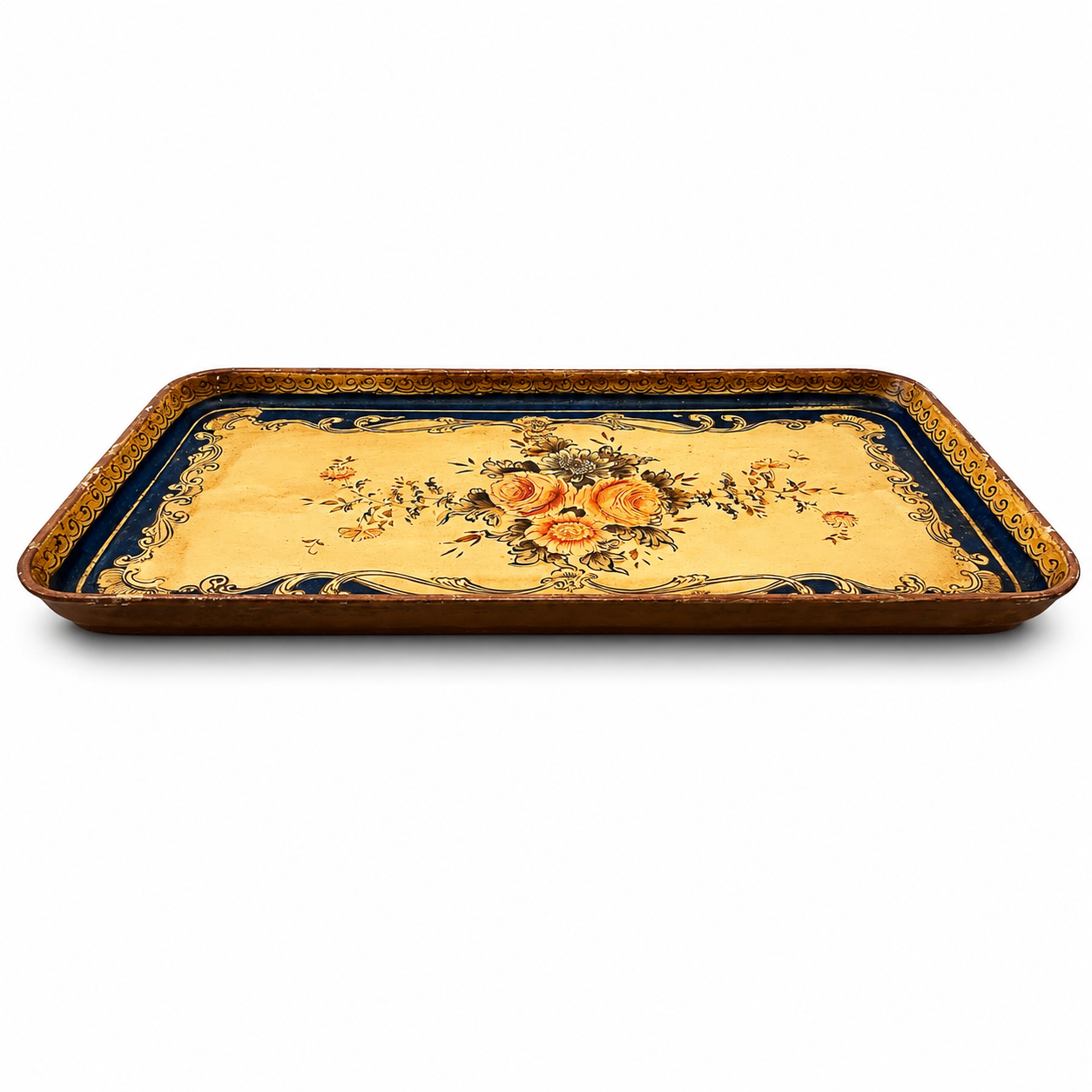 Image 15 of 15