This evocative twelve-piece set represents the pinnacle of mid-century Japanese export design, specifically curated for the 1960s "hostess culture." The spoons possess a sharp, graphic silhouette with polished stainless steel bowls transitioning into sculptural white resin handles, each embellished with a rhythmic gold-tone floral motif. Housed in its original vibrant presentation box—featuring stylized tropical "pineapple" graphics and atomic-era typography—the set transcends functional flatware to become a preserved artifact of mid-century social ritual. The complete, unused state of the collection provides a significant architectural impact when staged on a bar cart or within a modernist cabinet.
Attribution & Period
Regional Japanese Export Example 1960s The set is a quintessential example of the Japanese "Giftware" boom of the early 1960s, characterized by the "Stainless Japan" marking found on the reverse of the necks. This production period (c. 1961–1967) saw Japanese manufacturers master the integration of stainless steel with molded polymers to appeal to Western modernist tastes. The specific typography and lithographic style of the original box are stylistically aligned with documented export wares of the high Mid-Century period.
Dimensions & Weight
Length (Each Spoon): 4.5 inches Case Width: 6 inches (approx.) Case Depth: 5.5 inches (approx.) Weight (Set in Box): 0.5 lbs
Condition
Clinical and direct. The spoons are in pristine, unused condition with no pitting to the stainless steel and no loss to the gold-tone handle decoration. The original cardboard box shows visible shelf wear, scuffing, and edge softening consistent with storage; however, it remains structurally sound with its internal red molded insert fully intact.
Authenticity & Construction
Manufactured from stamped and polished stainless steel with injection-molded resin handles. The gold-tone floral application is a surface-fired metallic pigment typical of the era's decorative flair. The set's authenticity is bolstered by the presence of the original graphic packaging, which serves as primary evidence of its 1960s origin and intended luxury positioning for boutique gift counters.
Placement
An essential acquisition for the mid-century mixologist or the collector of boxed tabletop design. These spoons are perfectly scaled for demitasse service, cocktail garnishes, or as a vibrant decorative element within a curated bar cart or kitchen vitrine.
STANDARD ATTRIBUTION & VALUE DISCLOSURE This piece is described to the best of current scholarly and market knowledge. Any maker or regional attribution is based on visual analysis, materials, construction techniques, and documented stylistic comparisons. As with many MCM and antique design objects, definitive attribution may not be possible without original labels or factory records. Pricing reflects condition, quality, decorative appeal, and current collector demand rather than guaranteed maker identification
This evocative twelve-piece set represents the pinnacle of mid-century Japanese export design, specifically curated for the 1960s "hostess culture." The spoons possess a sharp, graphic silhouette with polished stainless steel bowls transitioning into sculptural white resin handles, each embellished with a rhythmic gold-tone floral motif. Housed in its original vibrant presentation box—featuring stylized tropical "pineapple" graphics and atomic-era typography—the set transcends functional flatware to become a preserved artifact of mid-century social ritual. The complete, unused state of the collection provides a significant architectural impact when staged on a bar cart or within a modernist cabinet.
Attribution & Period
Regional Japanese Export Example 1960s The set is a quintessential example of the Japanese "Giftware" boom of the early 1960s, characterized by the "Stainless Japan" marking found on the reverse of the necks. This production period (c. 1961–1967) saw Japanese manufacturers master the integration of stainless steel with molded polymers to appeal to Western modernist tastes. The specific typography and lithographic style of the original box are stylistically aligned with documented export wares of the high Mid-Century period.
Dimensions & Weight
Length (Each Spoon): 4.5 inches Case Width: 6 inches (approx.) Case Depth: 5.5 inches (approx.) Weight (Set in Box): 0.5 lbs
Condition
Clinical and direct. The spoons are in pristine, unused condition with no pitting to the stainless steel and no loss to the gold-tone handle decoration. The original cardboard box shows visible shelf wear, scuffing, and edge softening consistent with storage; however, it remains structurally sound with its internal red molded insert fully intact.
Authenticity & Construction
Manufactured from stamped and polished stainless steel with injection-molded resin handles. The gold-tone floral application is a surface-fired metallic pigment typical of the era's decorative flair. The set's authenticity is bolstered by the presence of the original graphic packaging, which serves as primary evidence of its 1960s origin and intended luxury positioning for boutique gift counters.
Placement
An essential acquisition for the mid-century mixologist or the collector of boxed tabletop design. These spoons are perfectly scaled for demitasse service, cocktail garnishes, or as a vibrant decorative element within a curated bar cart or kitchen vitrine.
STANDARD ATTRIBUTION & VALUE DISCLOSURE This piece is described to the best of current scholarly and market knowledge. Any maker or regional attribution is based on visual analysis, materials, construction techniques, and documented stylistic comparisons. As with many MCM and antique design objects, definitive attribution may not be possible without original labels or factory records. Pricing reflects condition, quality, decorative appeal, and current collector demand rather than guaranteed maker identification

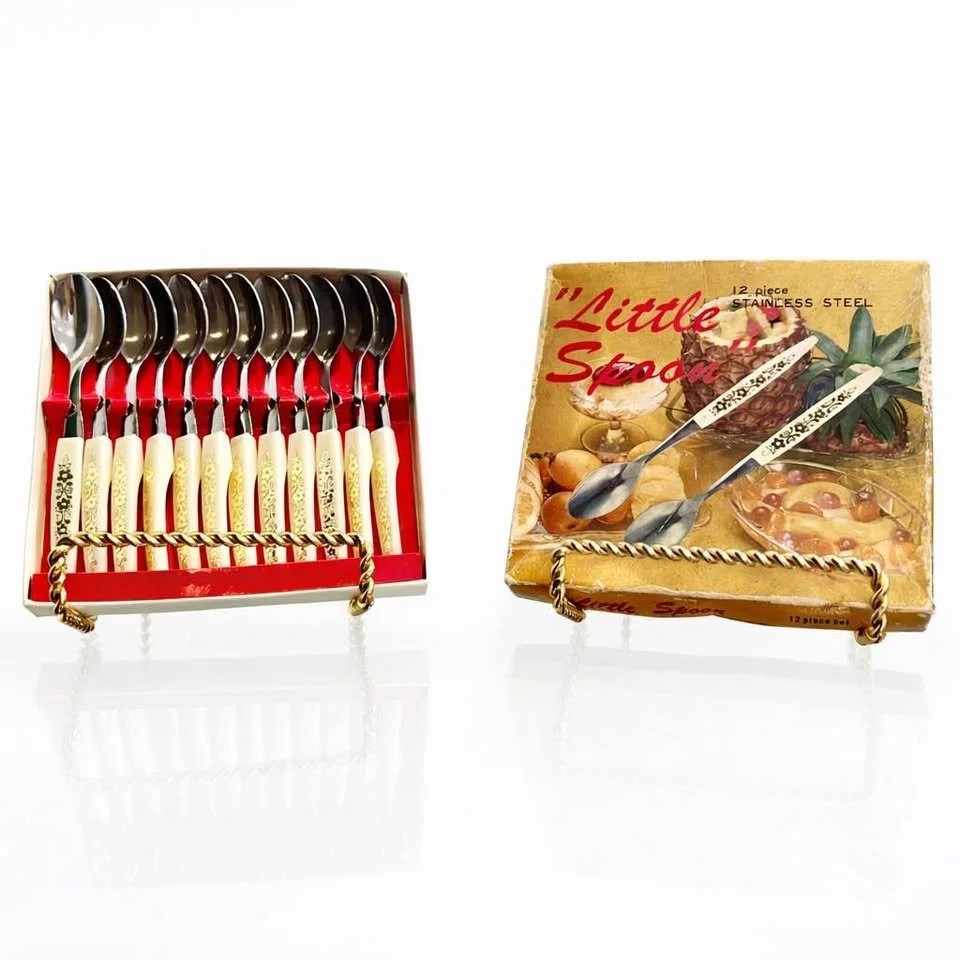 Image 1 of 10
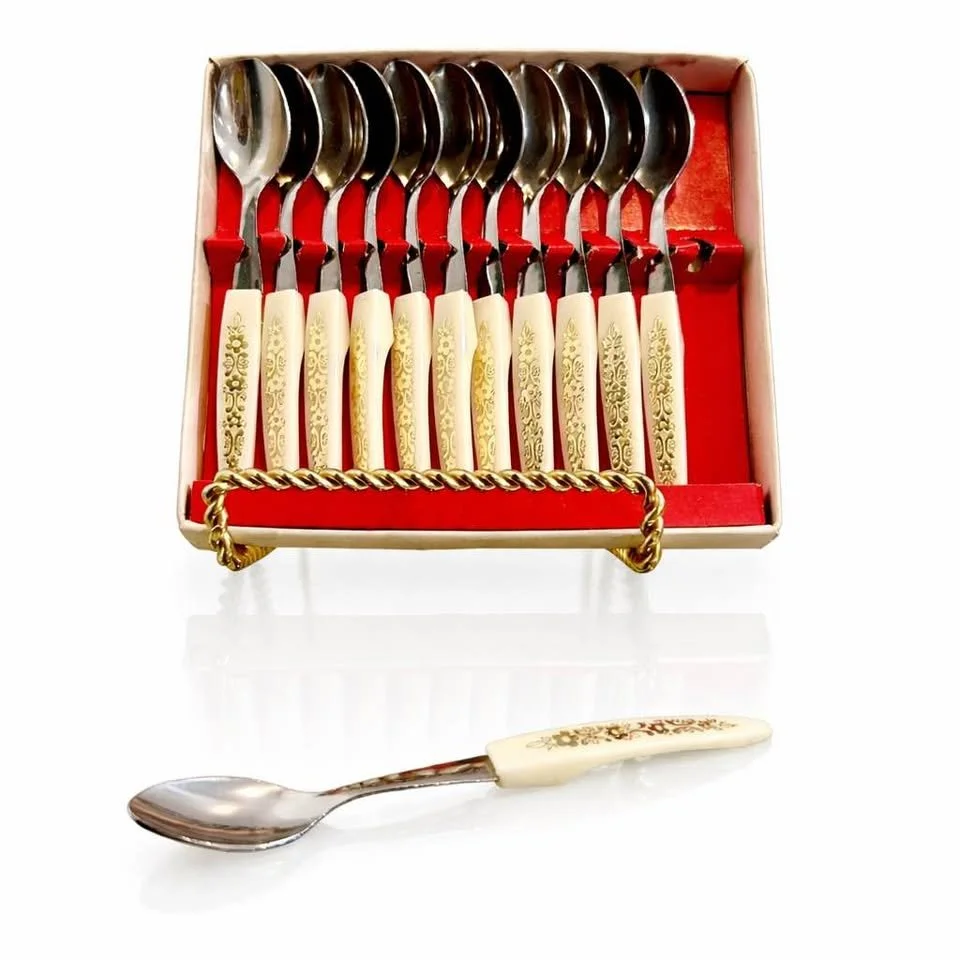 Image 2 of 10
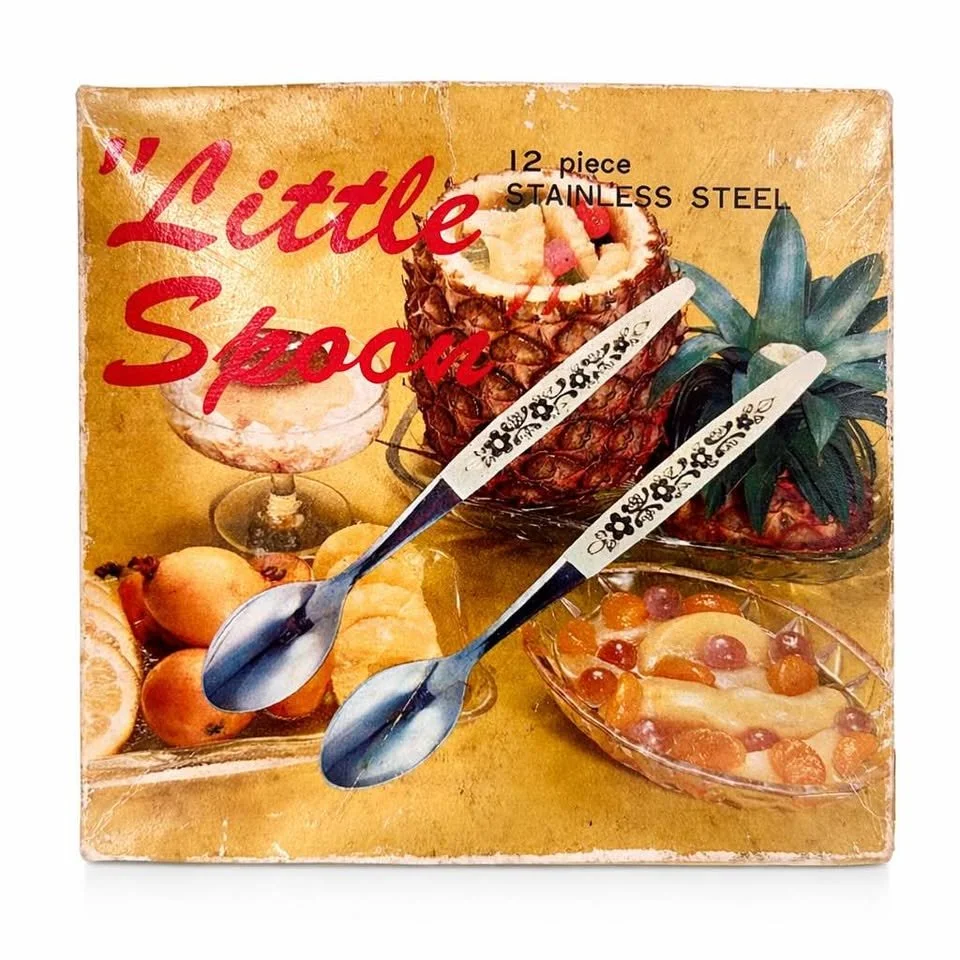 Image 3 of 10
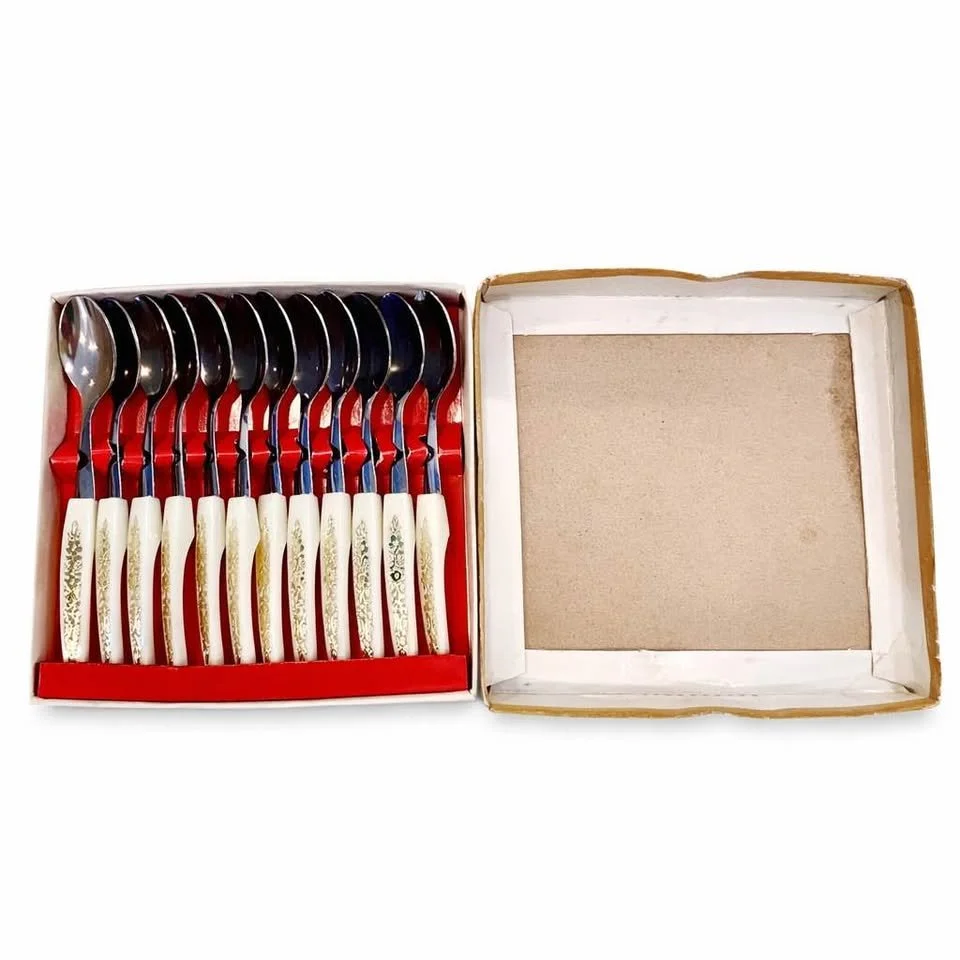 Image 4 of 10
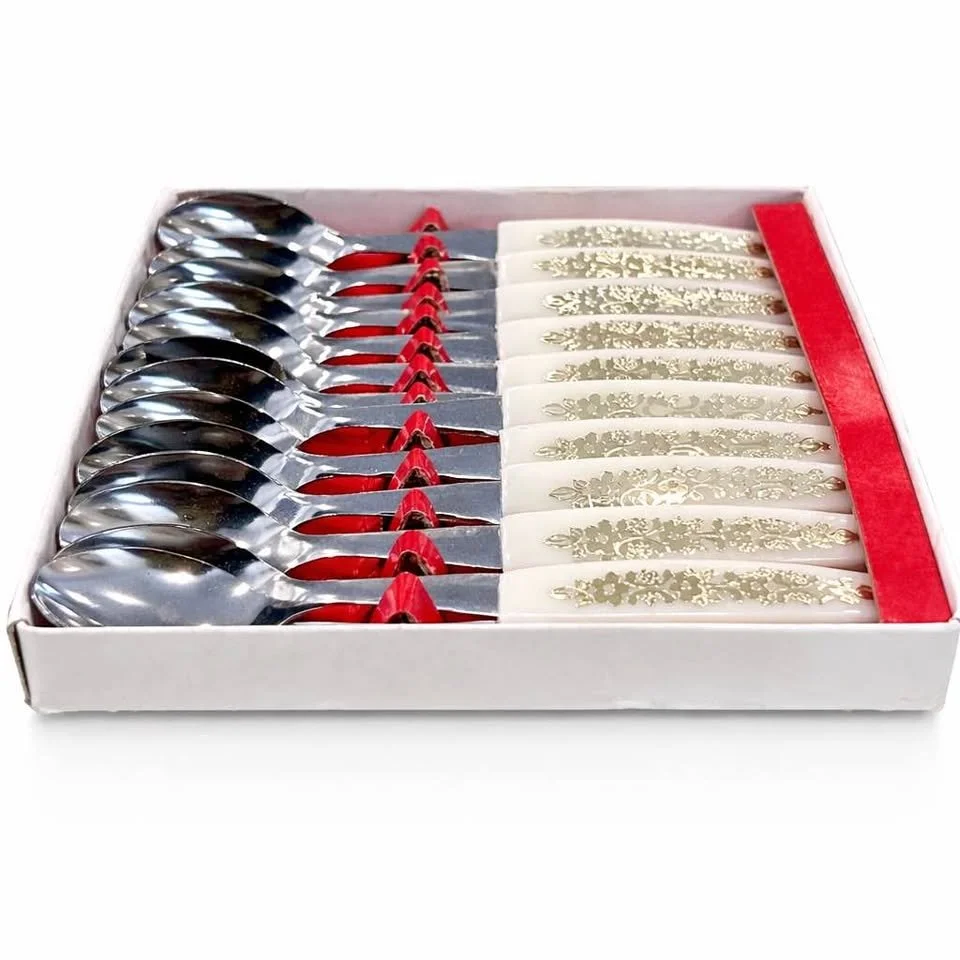 Image 5 of 10
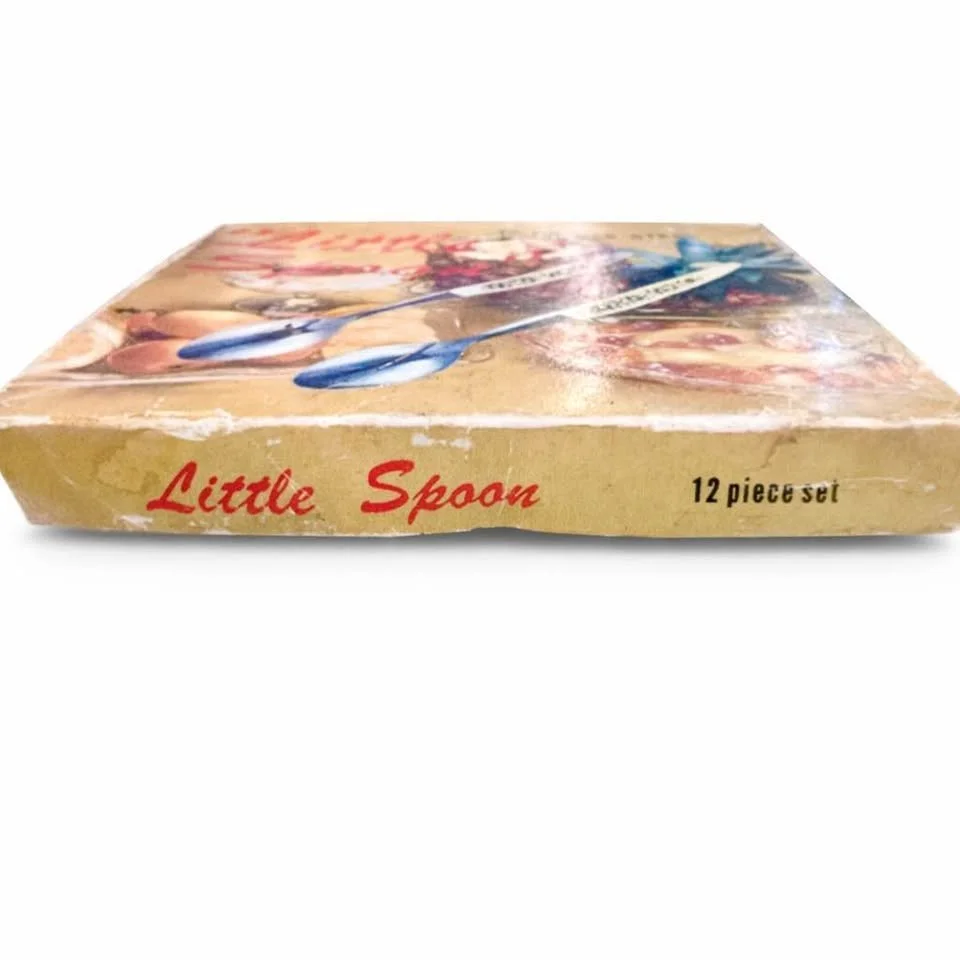 Image 6 of 10
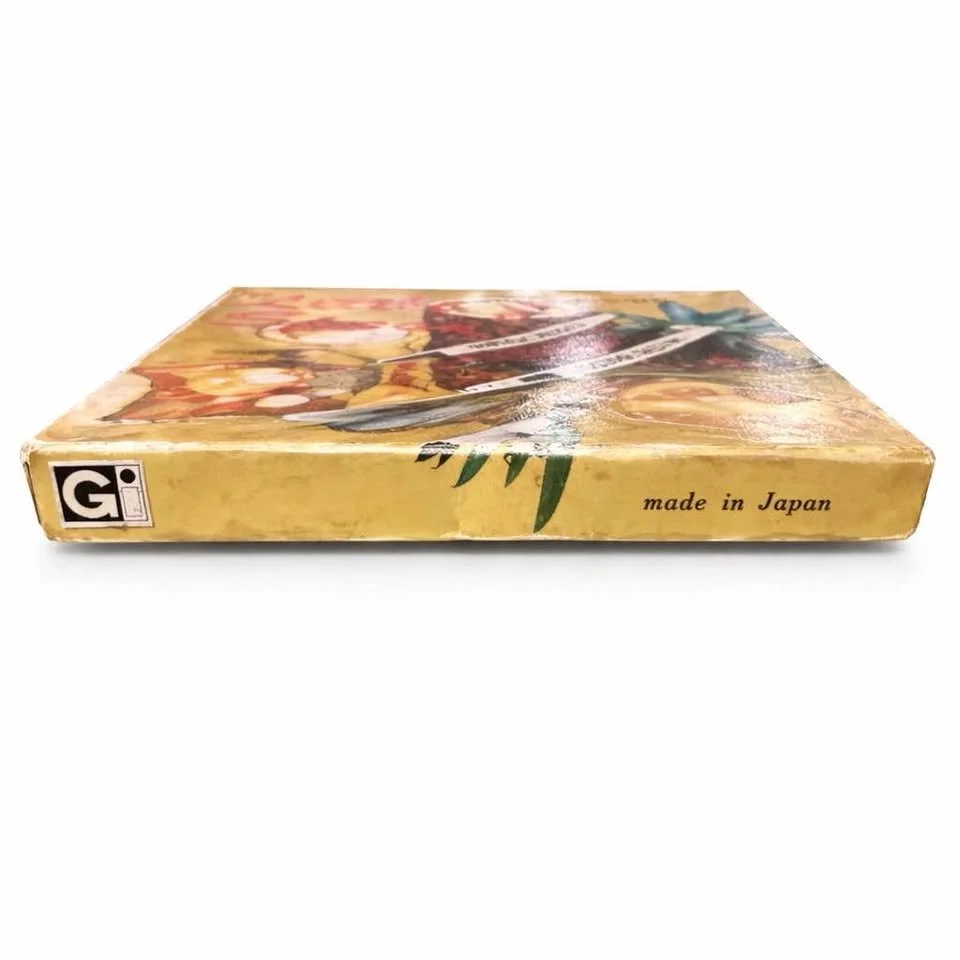 Image 7 of 10
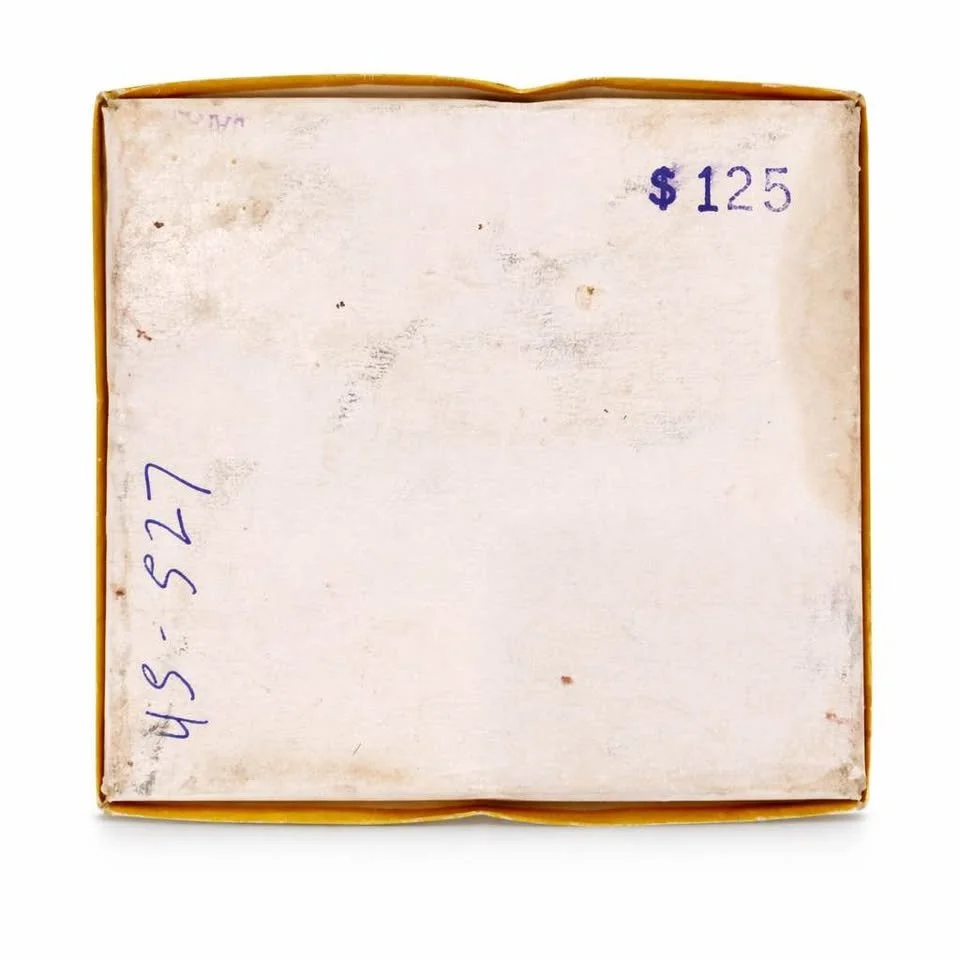 Image 8 of 10
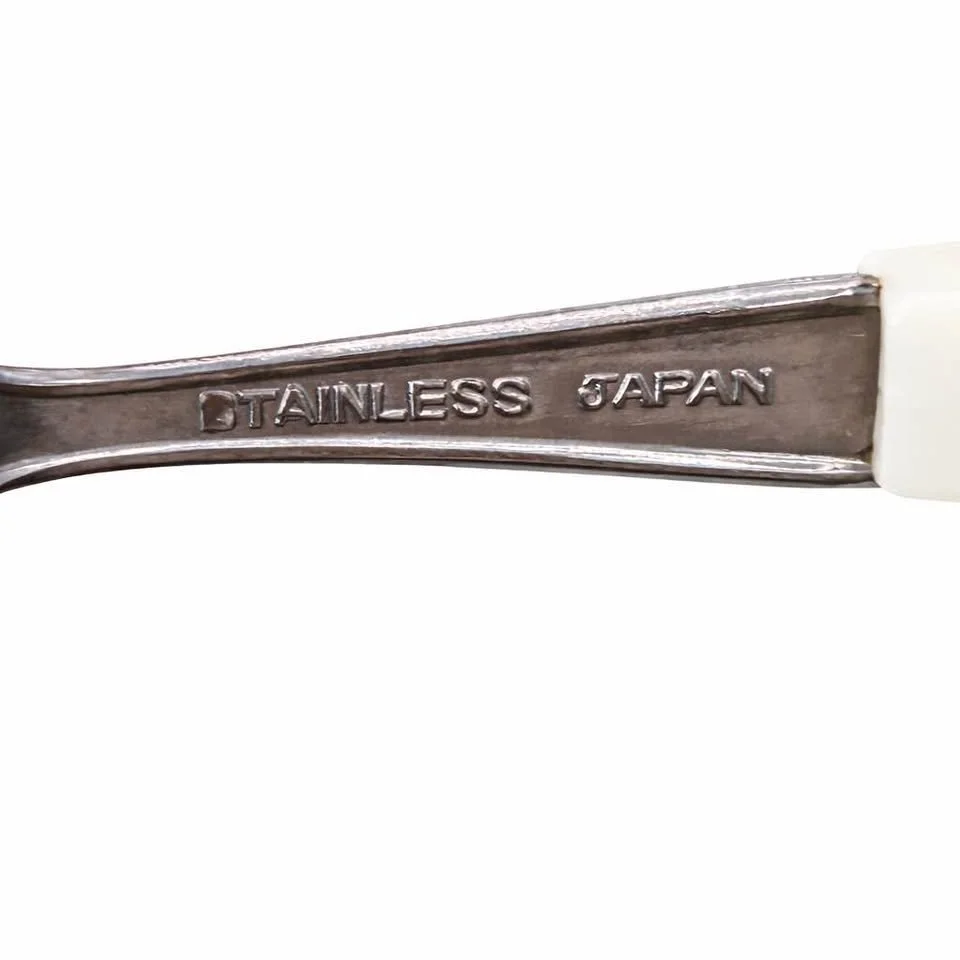 Image 9 of 10
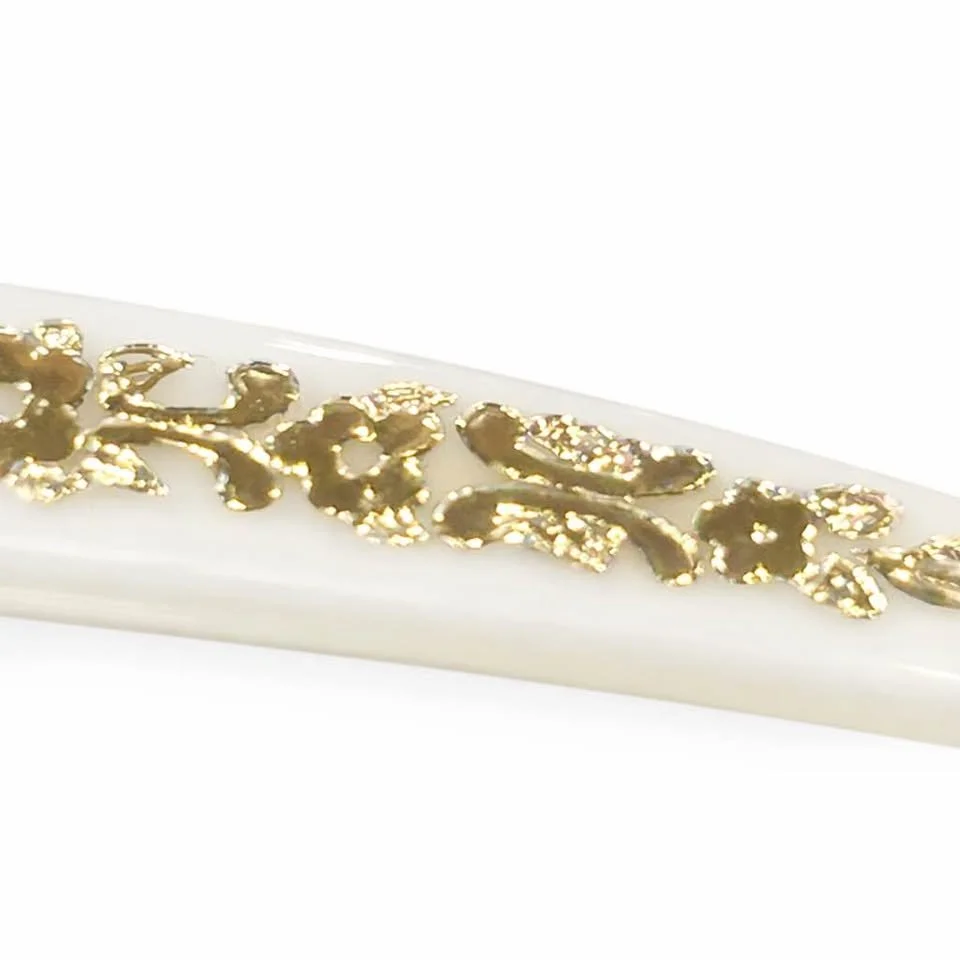 Image 10 of 10