This pair of salad serving utensils commands a sculptural and highly decorative presence, offering an organic material contrast that elevates any tablescape. The warmth of the carved wood grain strikes a sophisticated balance against the highly reflective, amber-glazed ceramic handles, which catch and diffuse light beautifully across their textured surfaces. Modeled with an architectural dimensionality, the undulating contours and rhythmic geometry of the design elevate these pieces from standard utilitarian objects into striking functional sculptures. Their expressive form provides a compelling tactile experience, making them an excellent choice for a designer-led interior looking to blend organic textures.
Attribution & Period
Consistent with American studio craft and regional decorative arts from the 1970s. While no definitive factory mark or signature is observed, the stylized pineapple motif—a traditional symbol of hospitality—and the specific combination of glazed ceramic slips coupled with tropical hardwood turnings align precisely with regional artisan workshops popular across Florida and California during this era. Attribution remains visual rather than documented, supported by the characteristic mid-century hand-finishing techniques.
Dimensions & Weight
Height: 11.0 inches
Width / Diameter: 2.25 inches (Spoon) | 1.0 inch (Fork)
Depth / Base Diameter: 1.0 inch
Weight: 0.236 lbs (Combined)
Condition
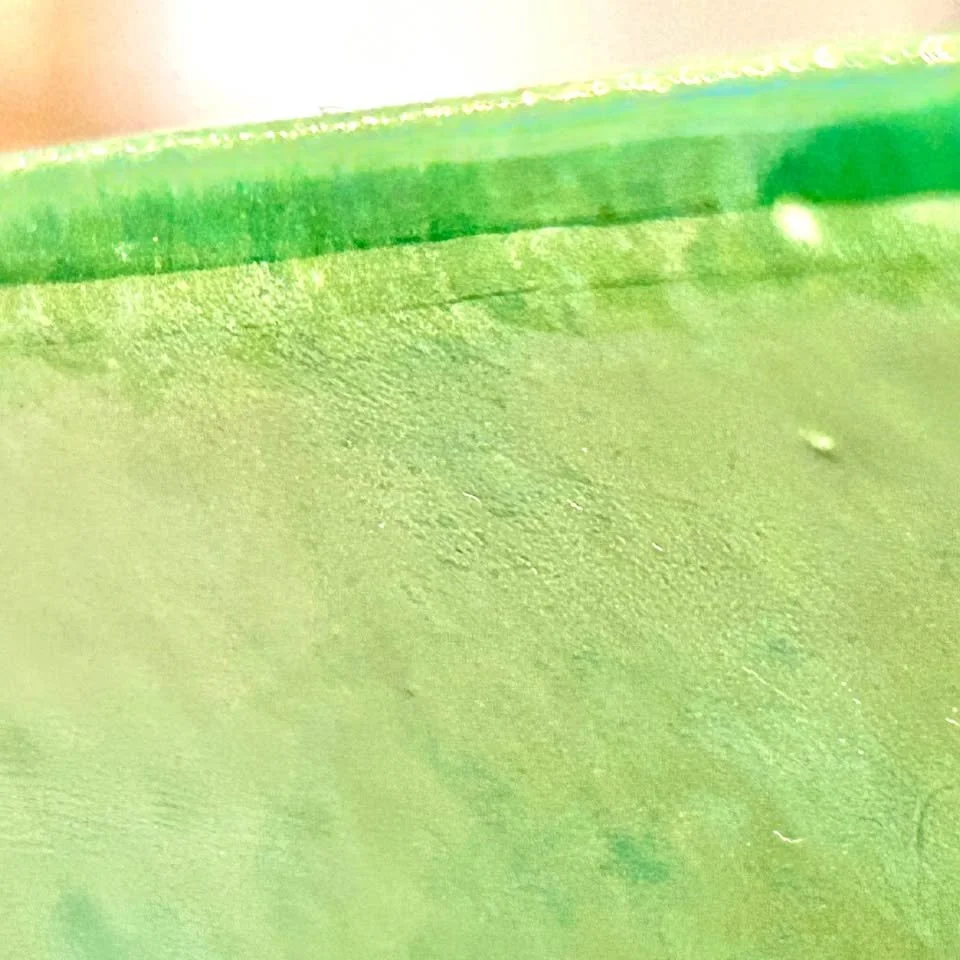
Presented in good, stable shape with age-appropriate character. Direct clinical inspection notes a small structural hairline check/crack in the glazed ceramic handle of the fork, shown clearly under close-up magnification, which remains tight and does not compromise the piece. The wooden components display a minor historic chip/loss at the upper rim of the spoon bowl, along with light, authentic surface scuffs and grain variation consistent with age and occasional handling.
Authenticity & Construction
These servers feature a mixed-material construction technique that celebrates mid-century craftsmanship. Each piece is assembled by joining a carved wood server head to a molded ceramic handle via a central tang. The handles are detailed with a relief chevron design evoking a stylized pineapple texture, finished in a glossy, high-fired amber celadon-style glaze. This intentional pairing of natural timber and glazed stoneware highlights the mid-century studio movement's focus on contrasting textures.
Placement
An exceptional styling choice for high-end casual dining settings, coastal modern interiors, or organic brutalist decors. These servers read beautifully when displayed openly in a hand-turned wooden bowl on a modern credenza, or arranged as part of an editorial table setting within a sophisticated dining space.
STANDARD ATTRIBUTION & VALUE DISCLOSURE
This piece is described to the best of current scholarly and market knowledge. Any maker or regional attribution is based on visual analysis, materials, construction techniques, and documented stylistic comparisons. As with many MCM and antique design objects, definitive attribution may not be possible without original labels or factory records. Pricing reflects condition, quality, decorative appeal, and current collector demand rather than guaranteed maker identification.
This pair of salad serving utensils commands a sculptural and highly decorative presence, offering an organic material contrast that elevates any tablescape. The warmth of the carved wood grain strikes a sophisticated balance against the highly reflective, amber-glazed ceramic handles, which catch and diffuse light beautifully across their textured surfaces. Modeled with an architectural dimensionality, the undulating contours and rhythmic geometry of the design elevate these pieces from standard utilitarian objects into striking functional sculptures. Their expressive form provides a compelling tactile experience, making them an excellent choice for a designer-led interior looking to blend organic textures.
Attribution & Period
Consistent with American studio craft and regional decorative arts from the 1970s. While no definitive factory mark or signature is observed, the stylized pineapple motif—a traditional symbol of hospitality—and the specific combination of glazed ceramic slips coupled with tropical hardwood turnings align precisely with regional artisan workshops popular across Florida and California during this era. Attribution remains visual rather than documented, supported by the characteristic mid-century hand-finishing techniques.
Dimensions & Weight
Height: 11.0 inches
Width / Diameter: 2.25 inches (Spoon) | 1.0 inch (Fork)
Depth / Base Diameter: 1.0 inch
Weight: 0.236 lbs (Combined)
Condition
Presented in good, stable shape with age-appropriate character. Direct clinical inspection notes a small structural hairline check/crack in the glazed ceramic handle of the fork, shown clearly under close-up magnification, which remains tight and does not compromise the piece. The wooden components display a minor historic chip/loss at the upper rim of the spoon bowl, along with light, authentic surface scuffs and grain variation consistent with age and occasional handling.
Authenticity & Construction
These servers feature a mixed-material construction technique that celebrates mid-century craftsmanship. Each piece is assembled by joining a carved wood server head to a molded ceramic handle via a central tang. The handles are detailed with a relief chevron design evoking a stylized pineapple texture, finished in a glossy, high-fired amber celadon-style glaze. This intentional pairing of natural timber and glazed stoneware highlights the mid-century studio movement's focus on contrasting textures.
Placement
An exceptional styling choice for high-end casual dining settings, coastal modern interiors, or organic brutalist decors. These servers read beautifully when displayed openly in a hand-turned wooden bowl on a modern credenza, or arranged as part of an editorial table setting within a sophisticated dining space.
STANDARD ATTRIBUTION & VALUE DISCLOSURE
This piece is described to the best of current scholarly and market knowledge. Any maker or regional attribution is based on visual analysis, materials, construction techniques, and documented stylistic comparisons. As with many MCM and antique design objects, definitive attribution may not be possible without original labels or factory records. Pricing reflects condition, quality, decorative appeal, and current collector demand rather than guaranteed maker identification.

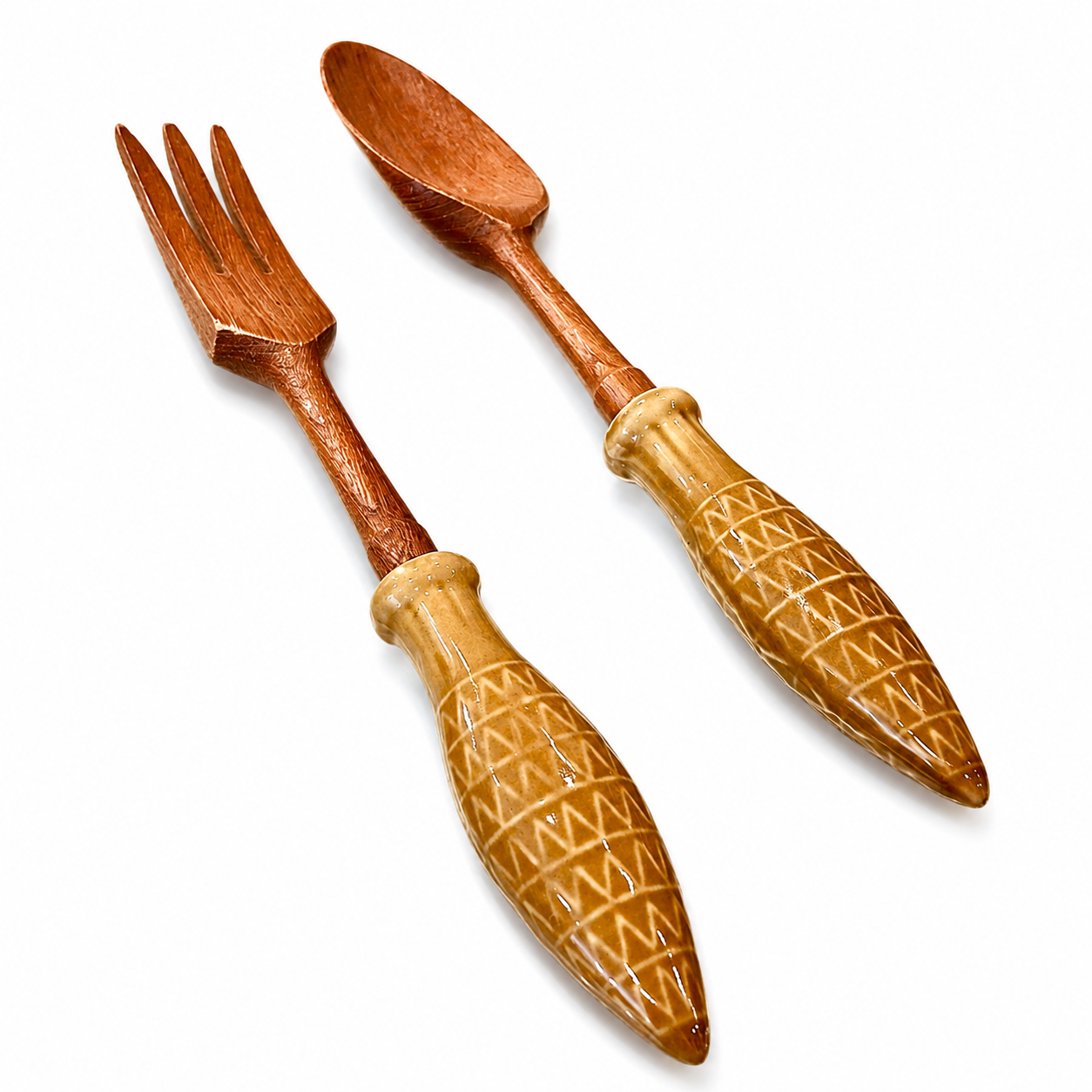 Image 1 of 15
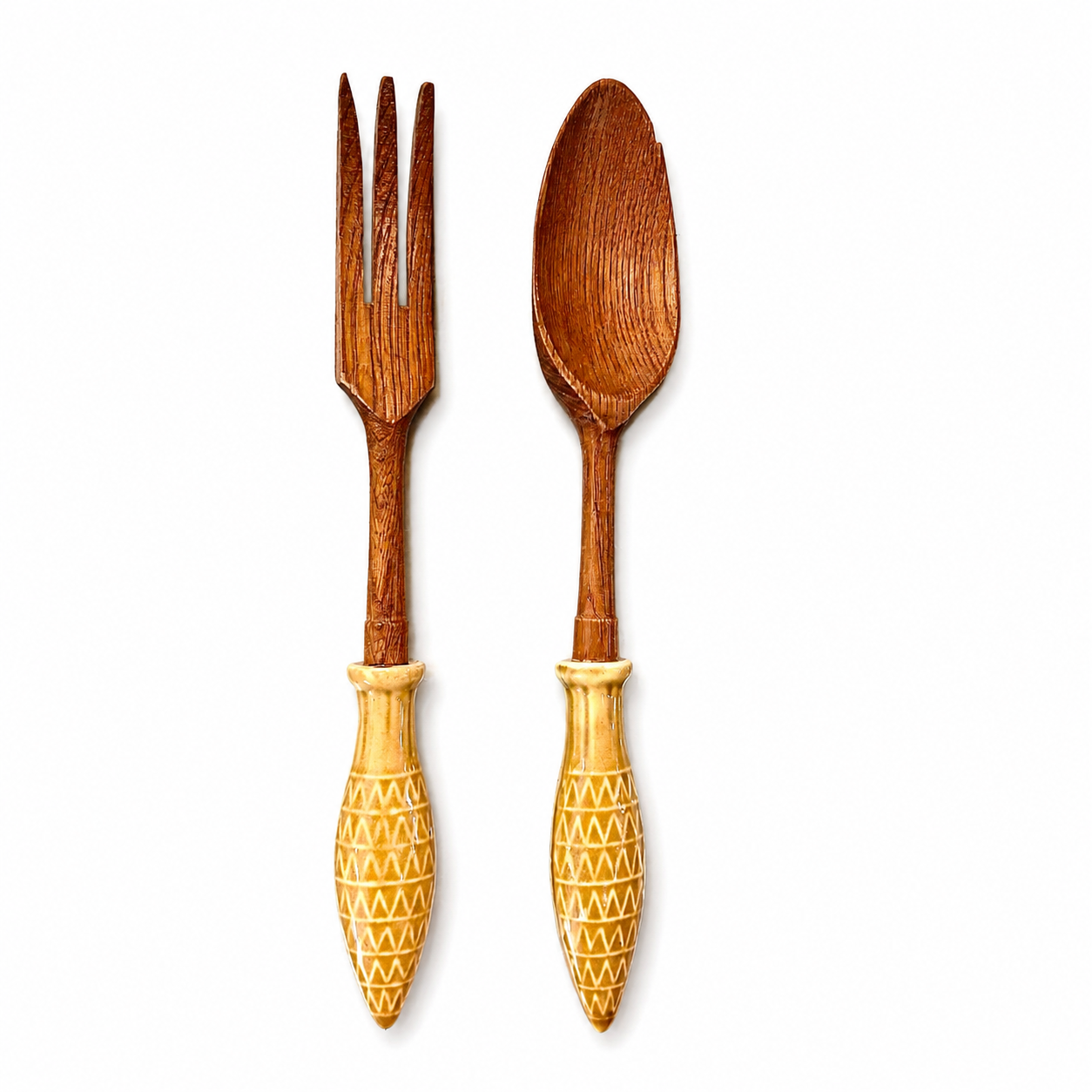 Image 2 of 15
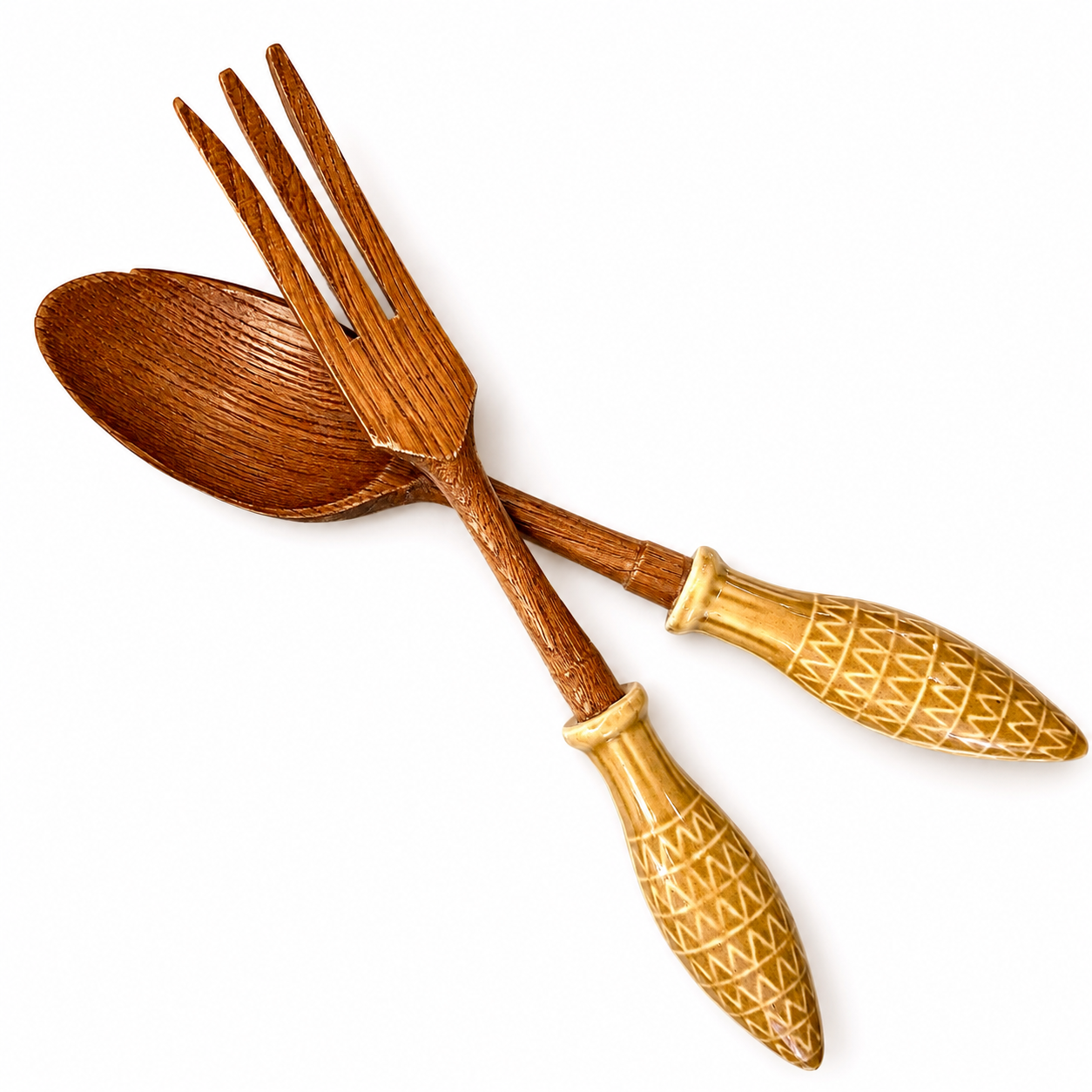 Image 3 of 15
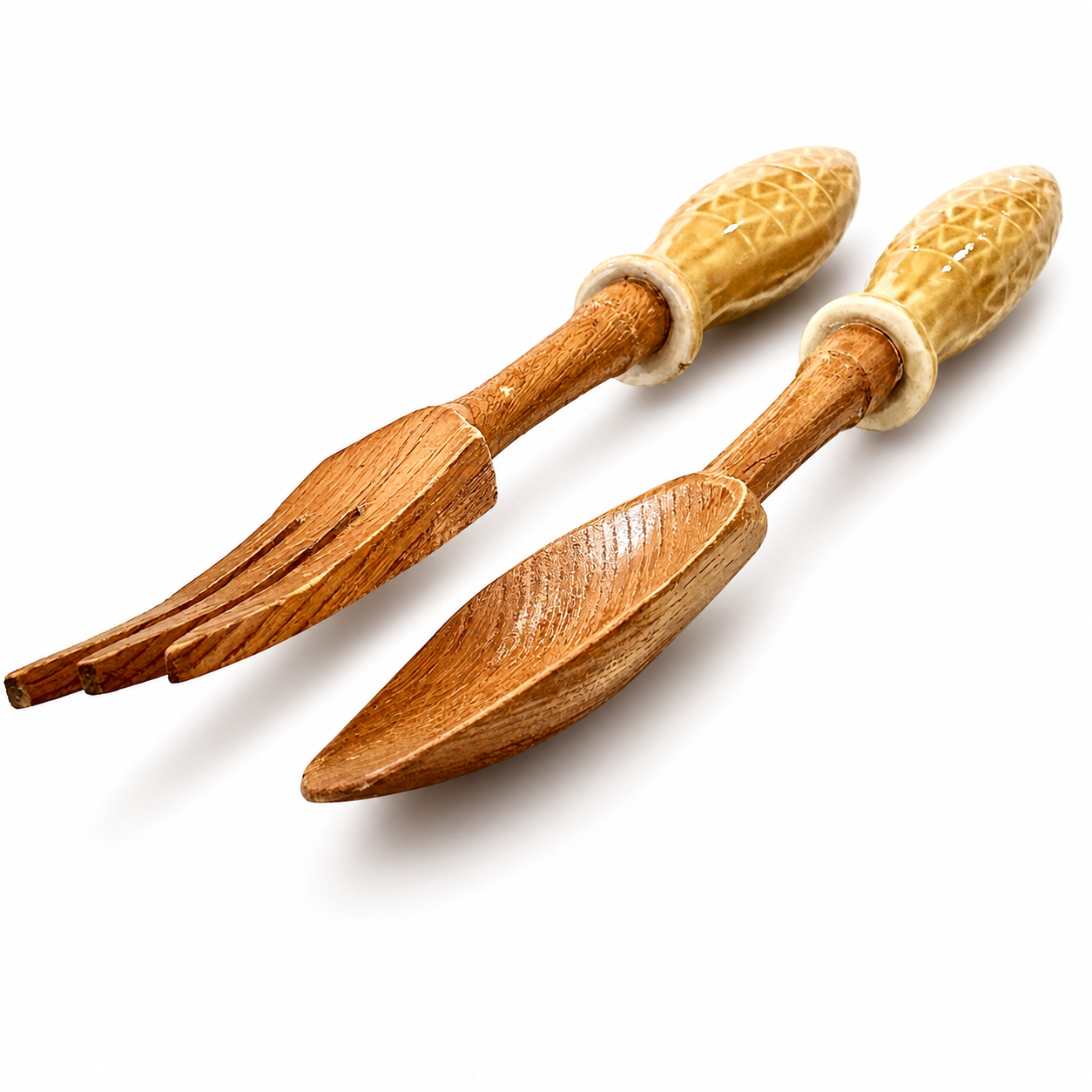 Image 4 of 15
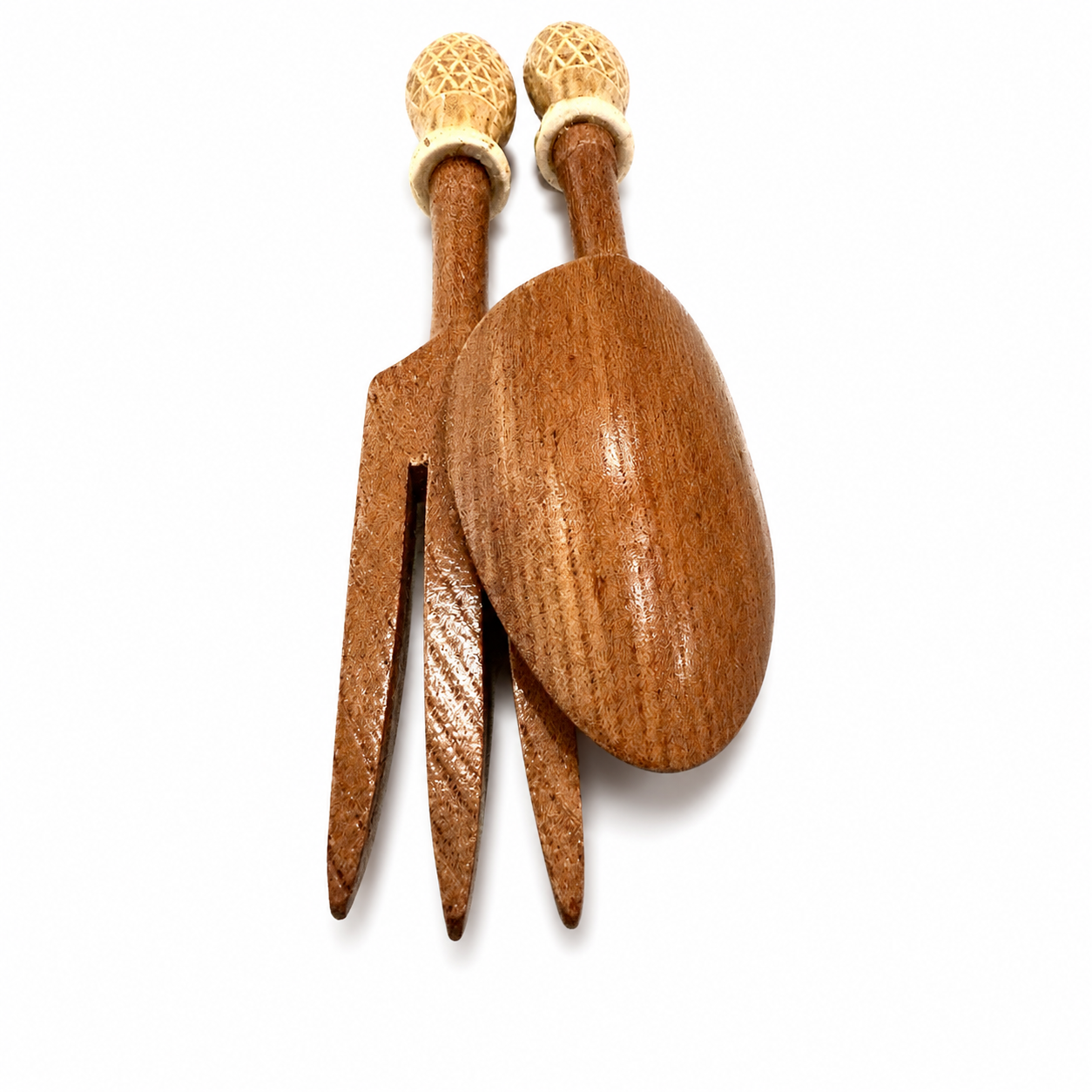 Image 5 of 15
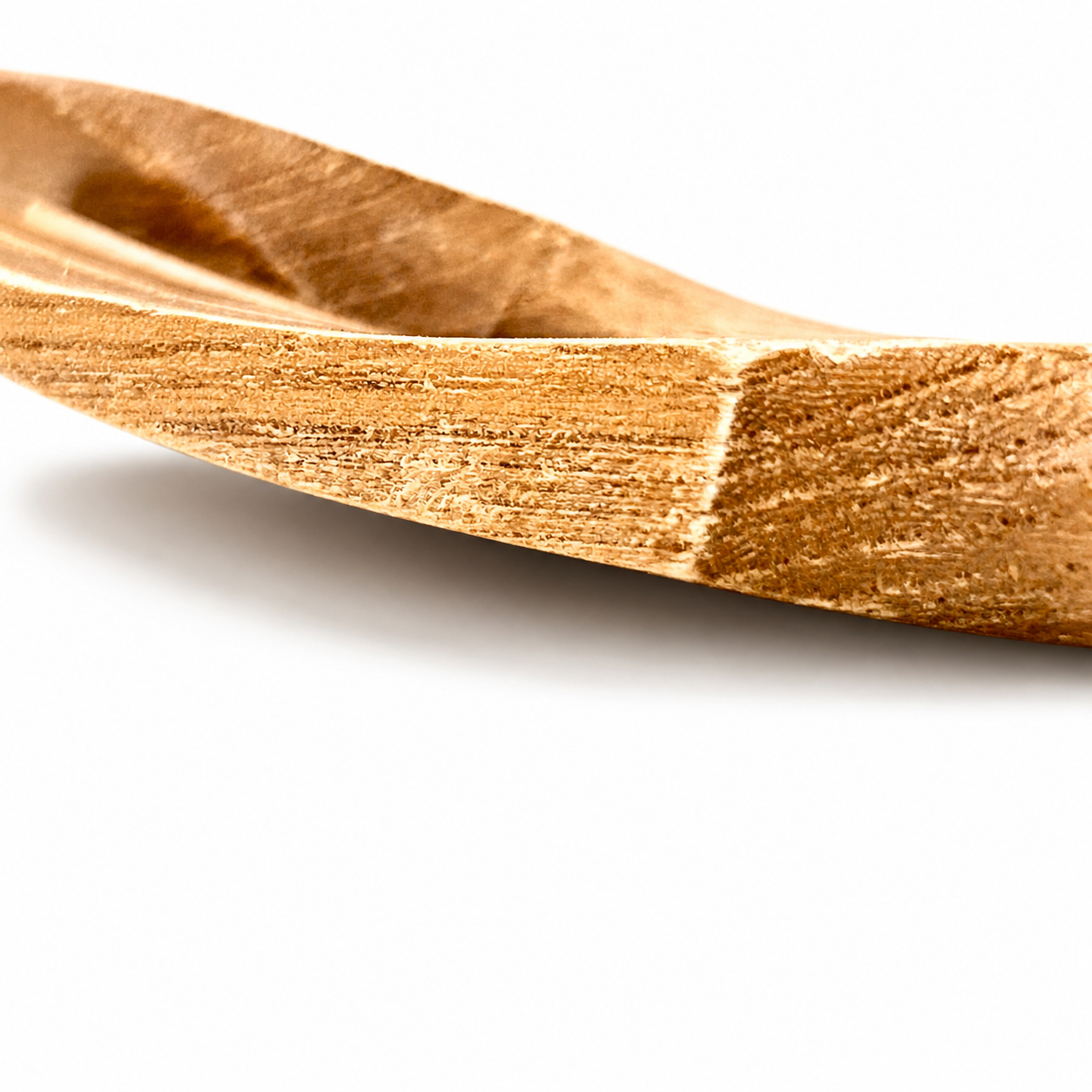 Image 6 of 15
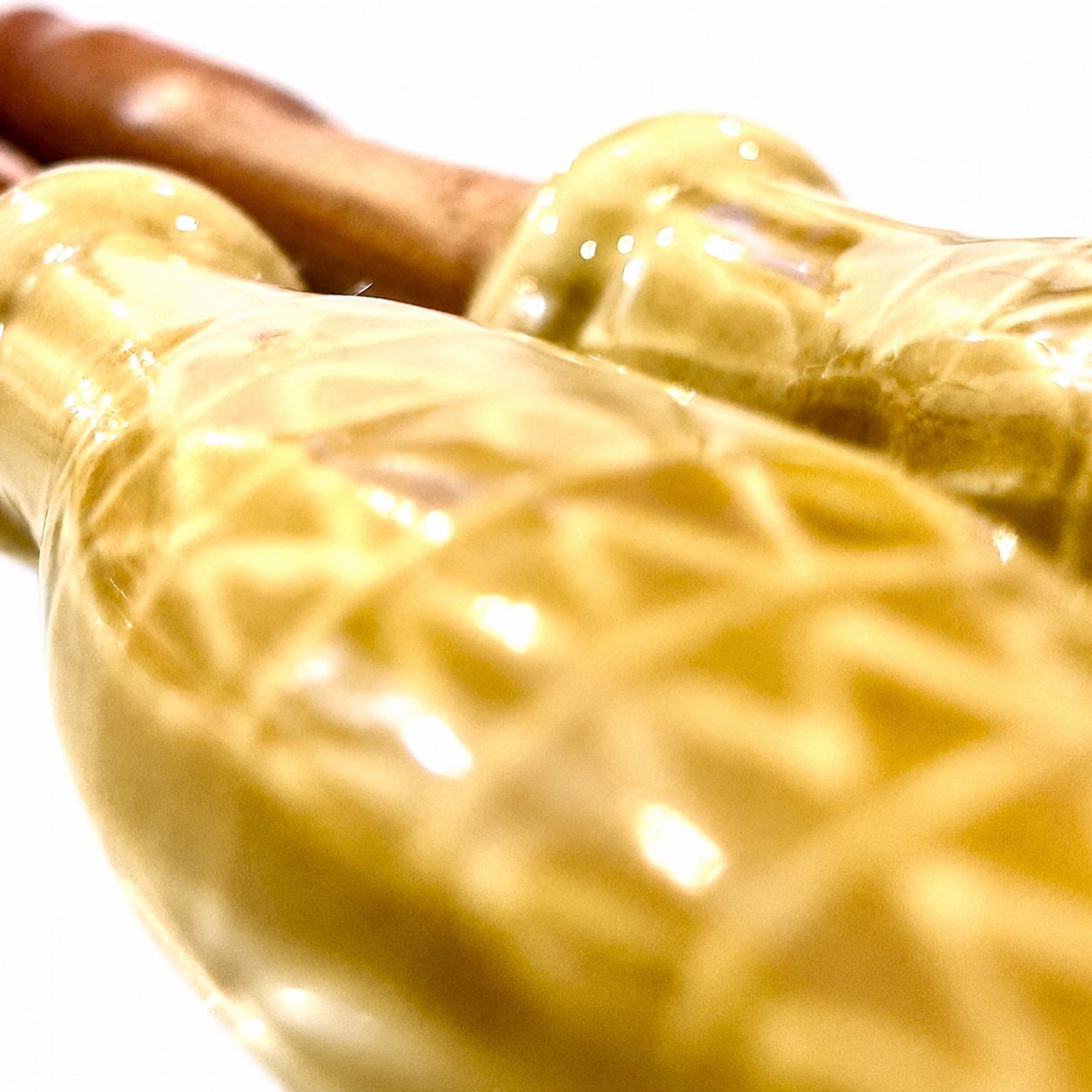 Image 7 of 15
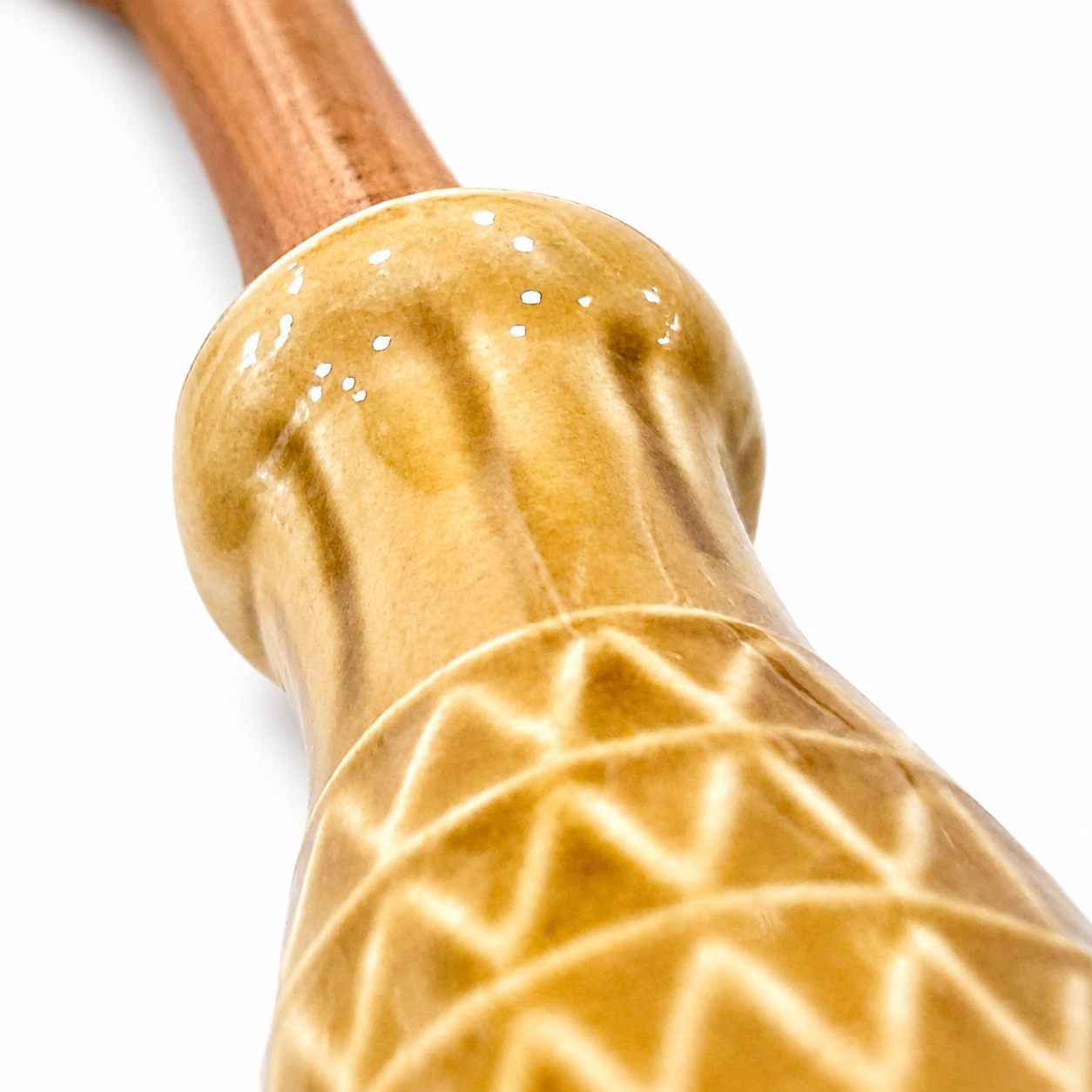 Image 8 of 15
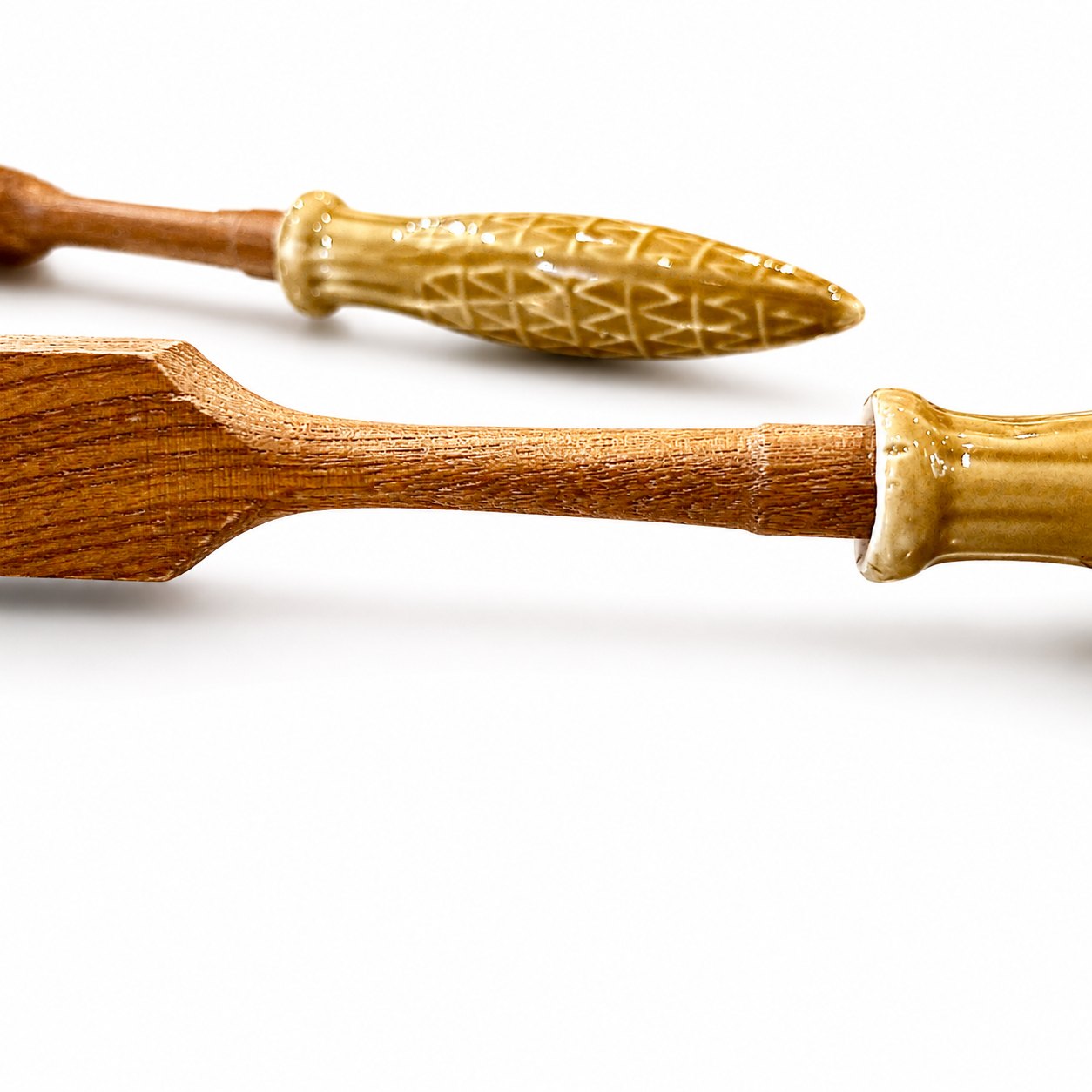 Image 9 of 15
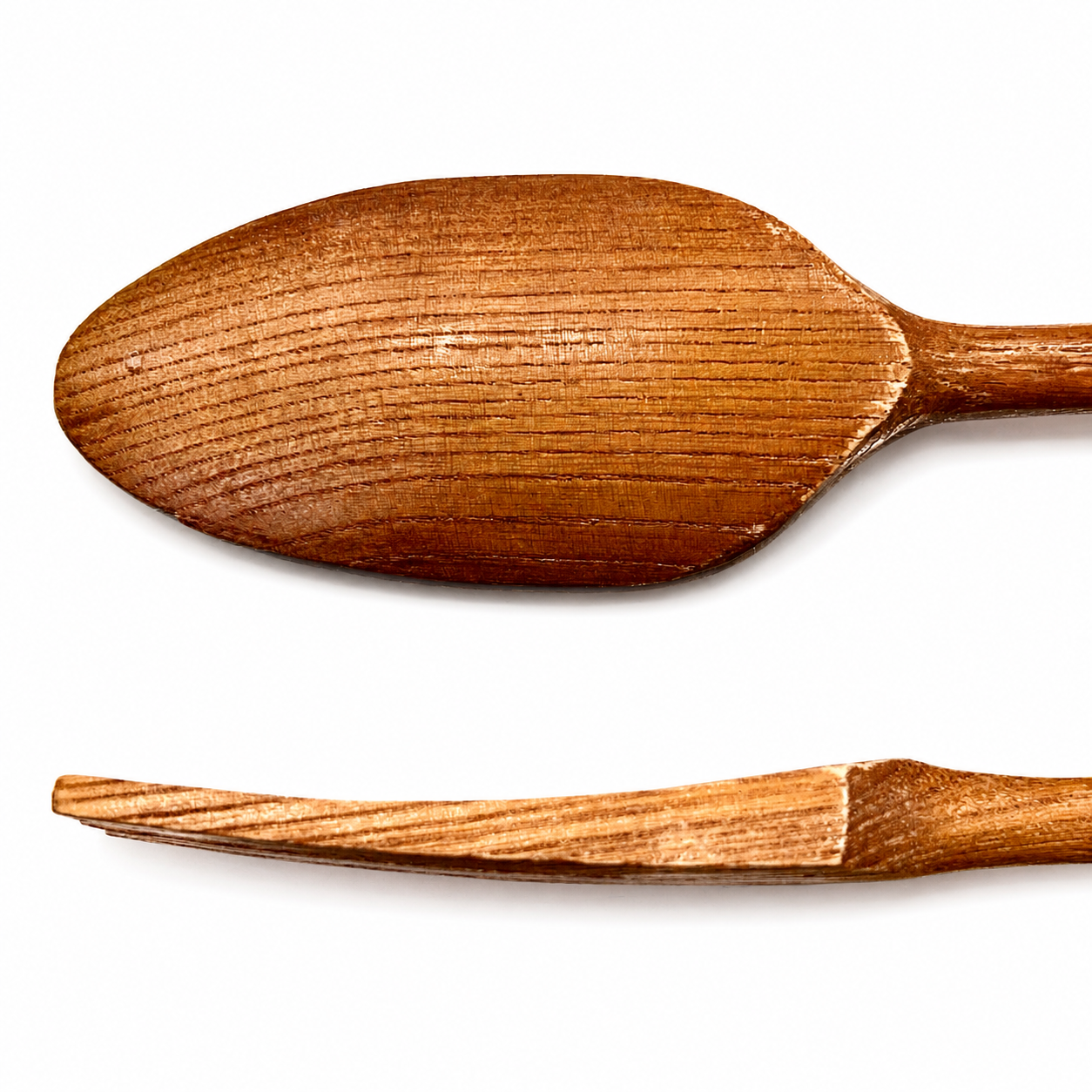 Image 10 of 15
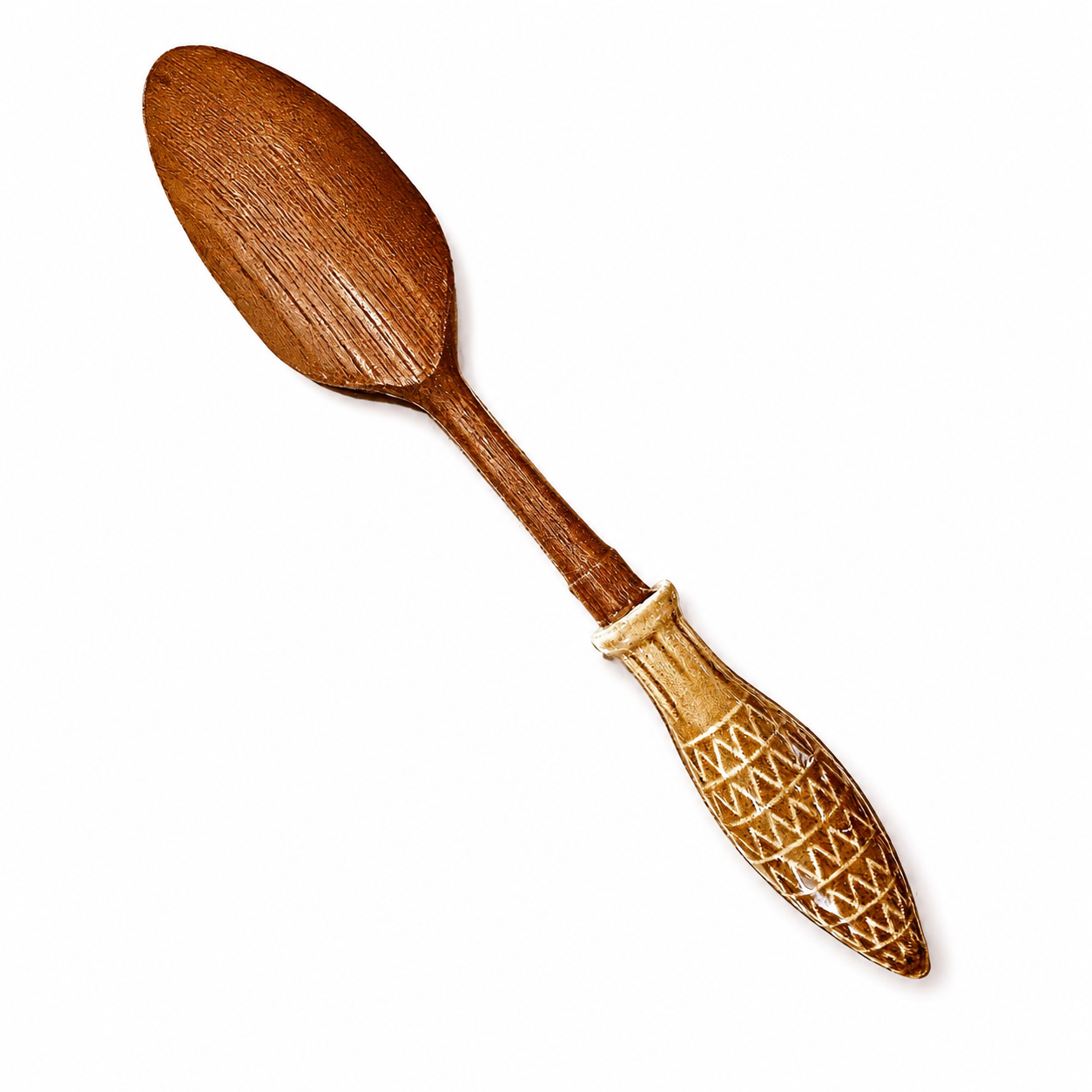 Image 11 of 15
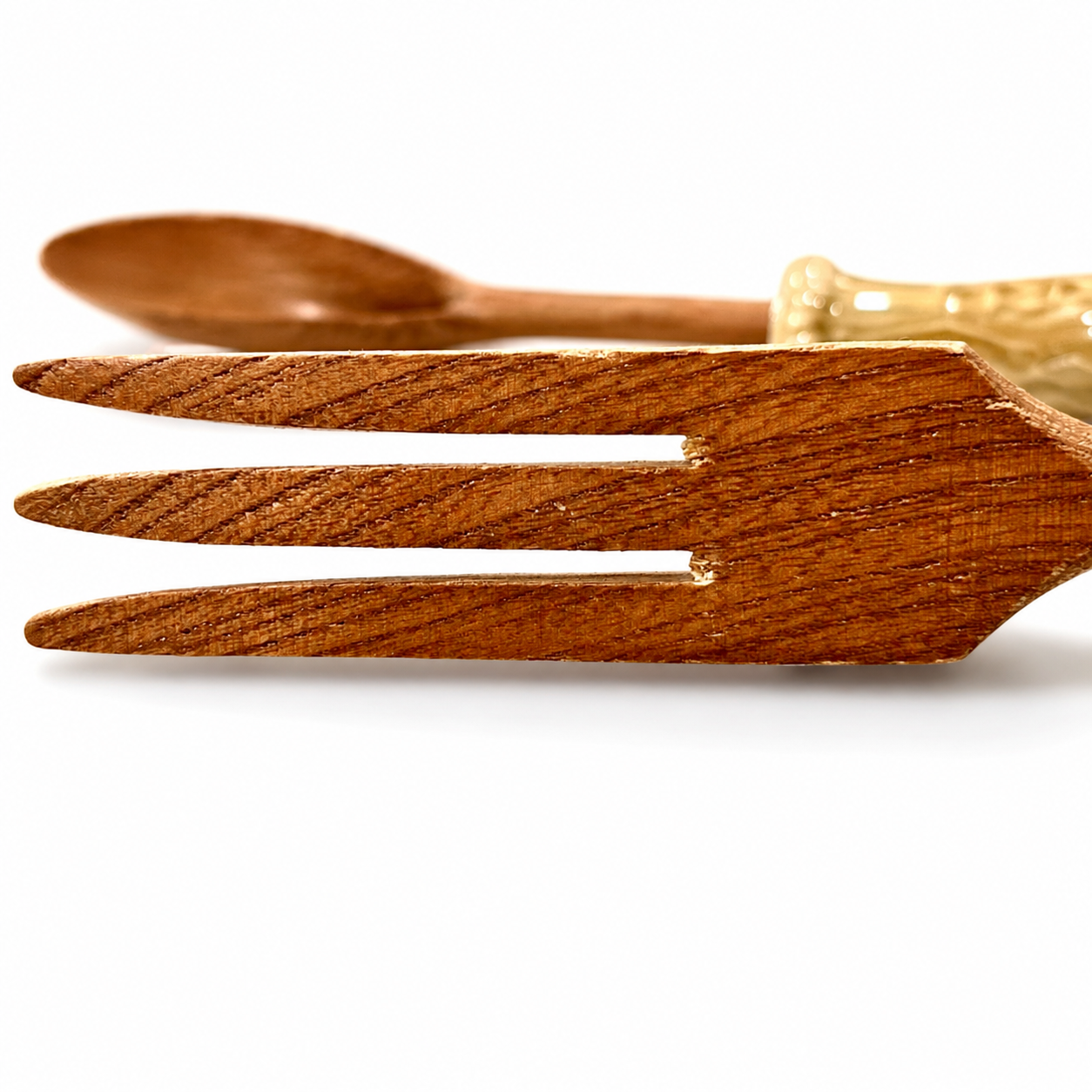 Image 12 of 15
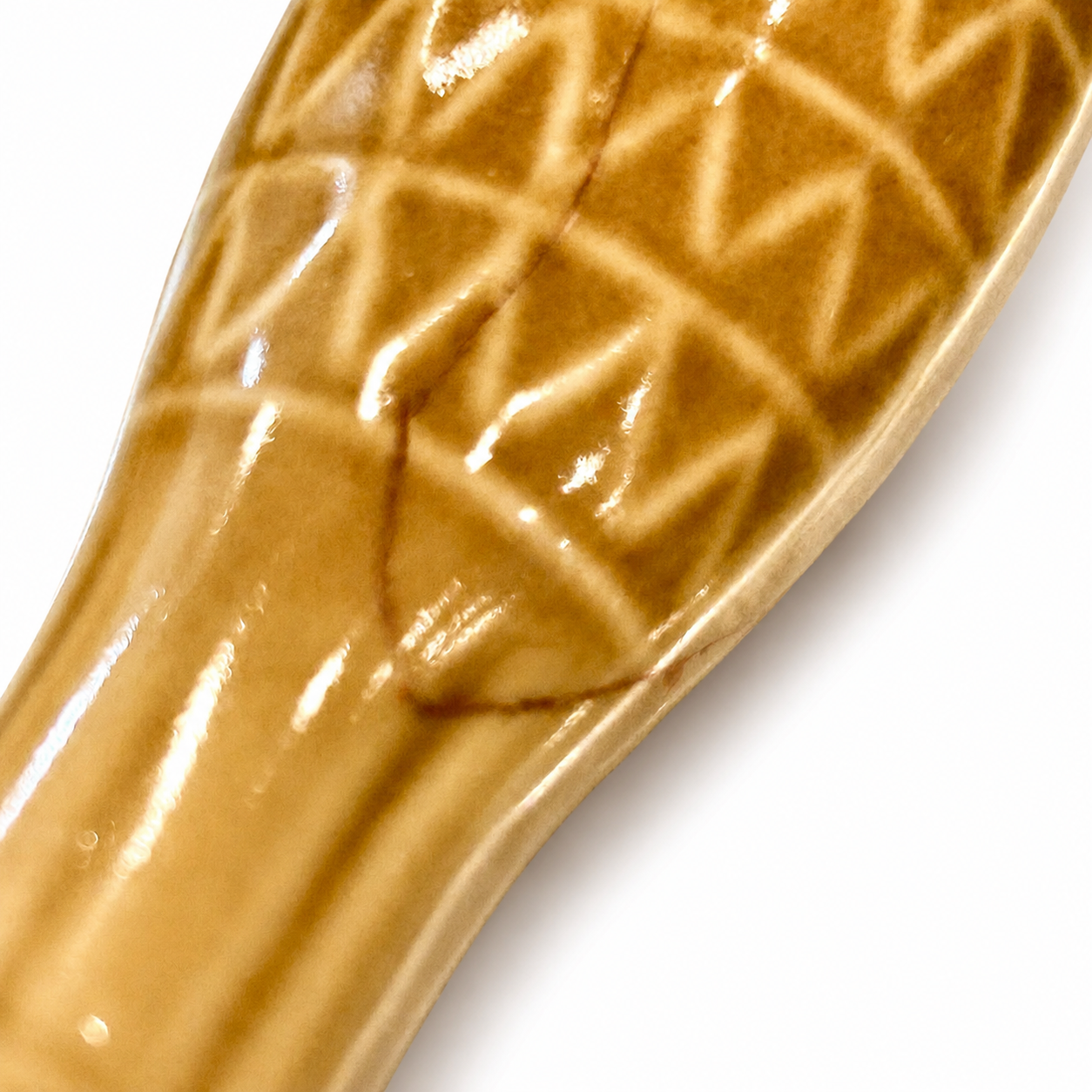 Image 13 of 15
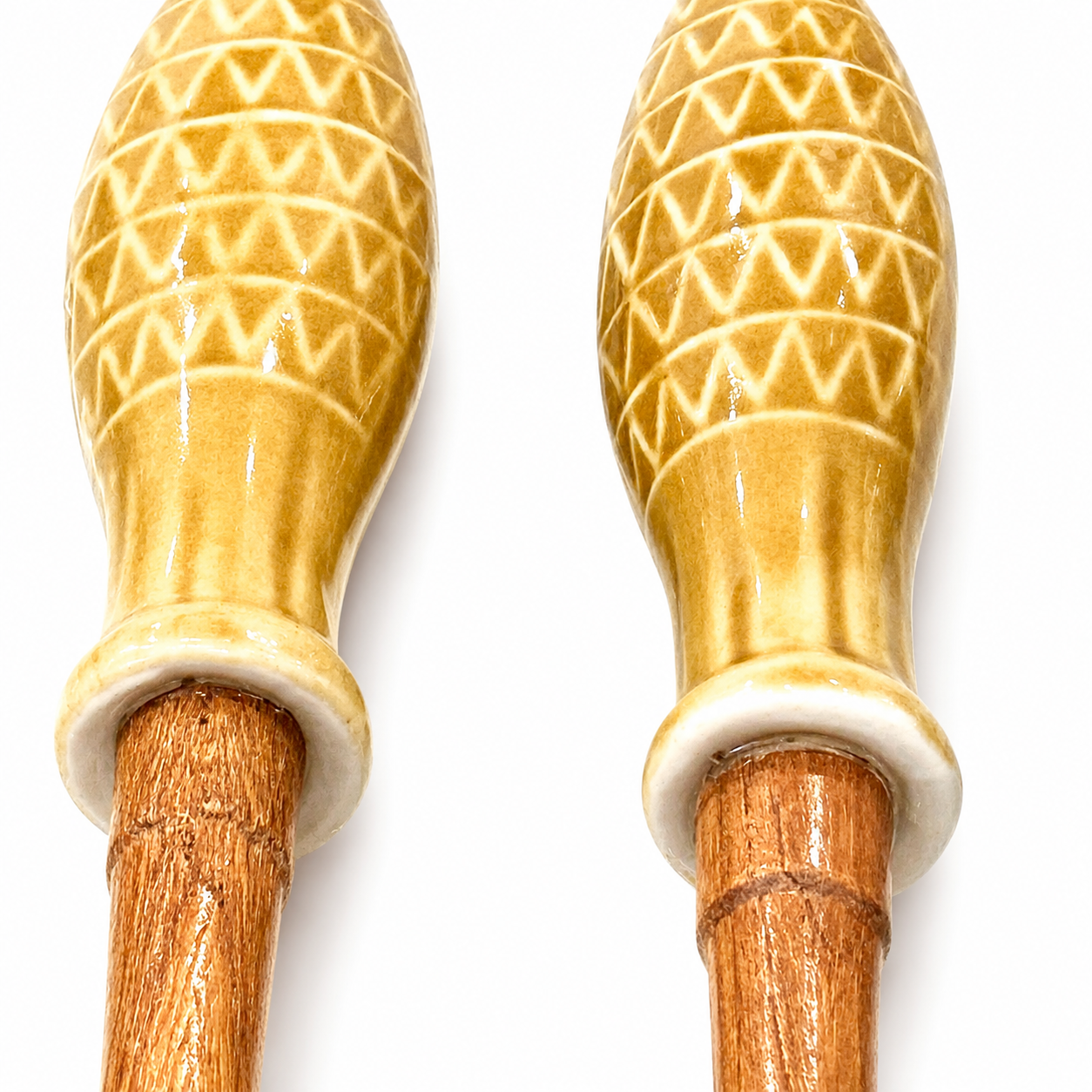 Image 14 of 15
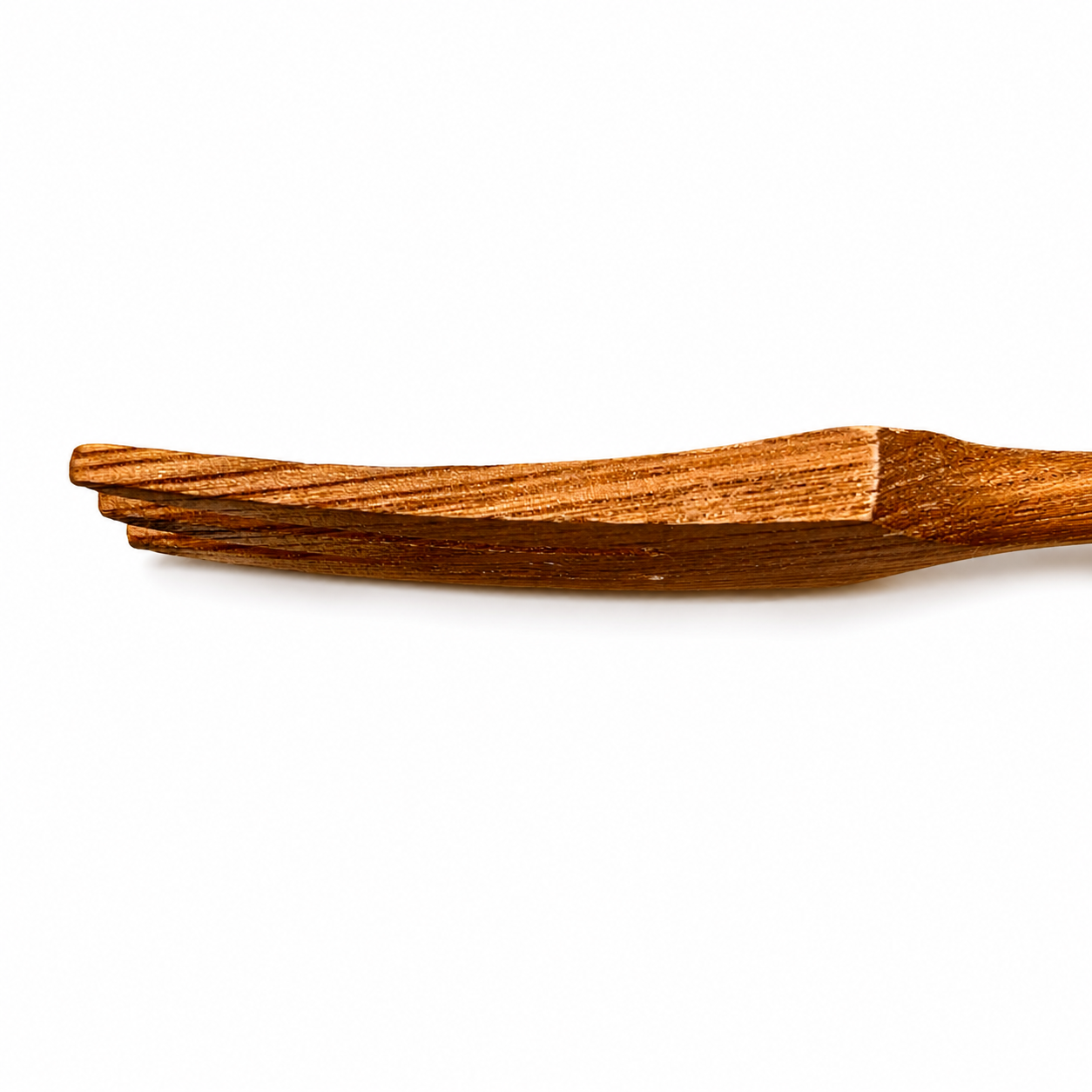 Image 15 of 15