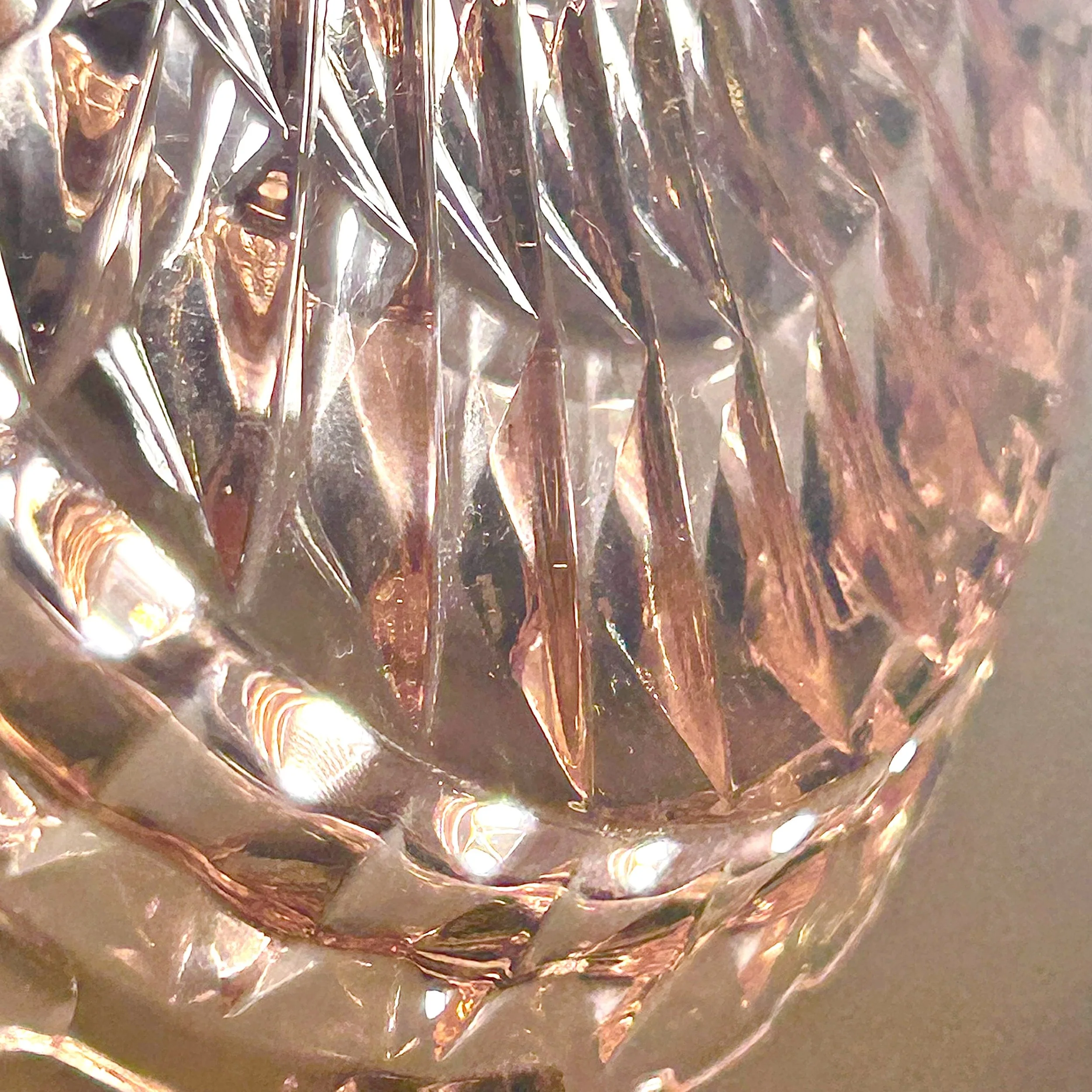
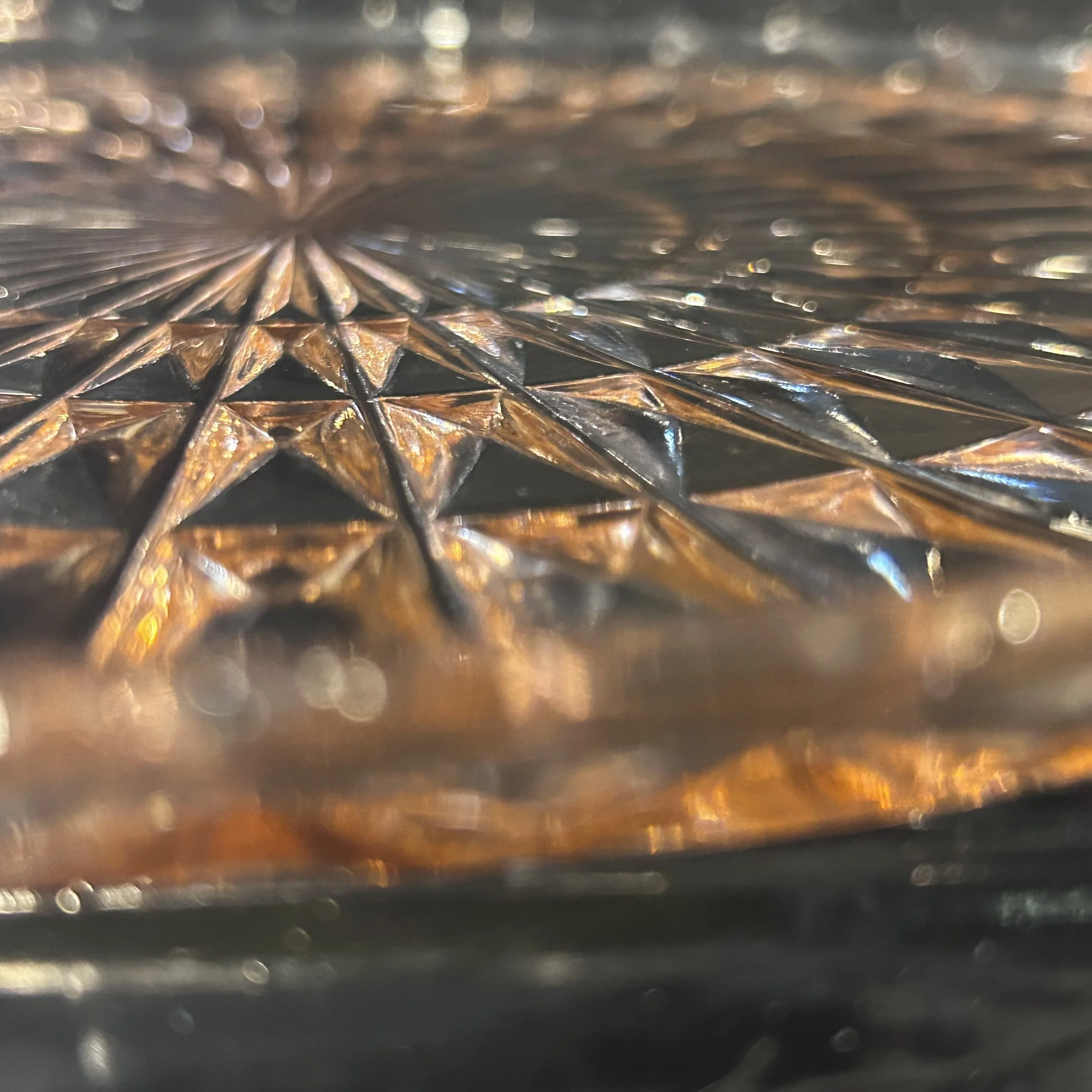
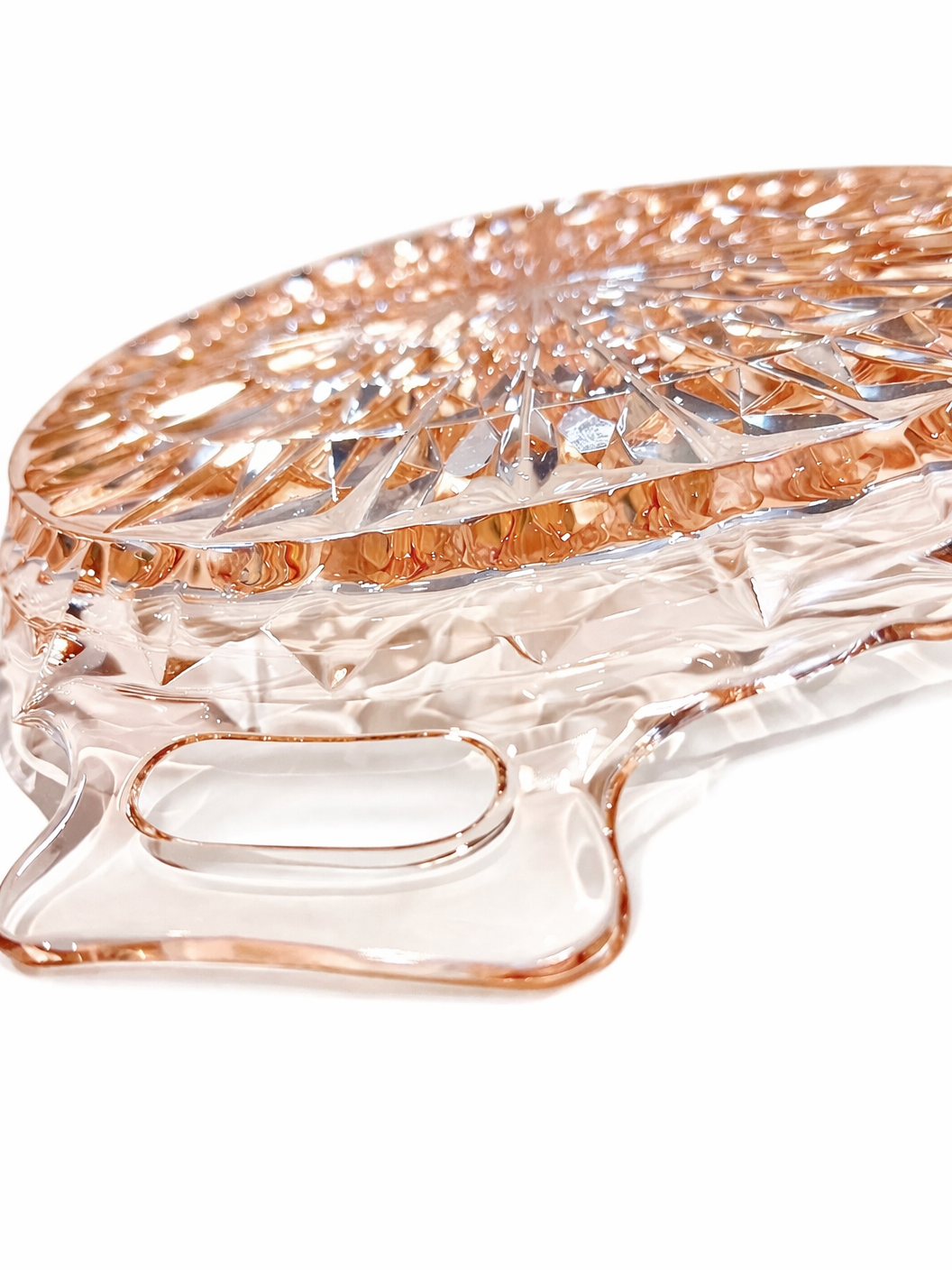
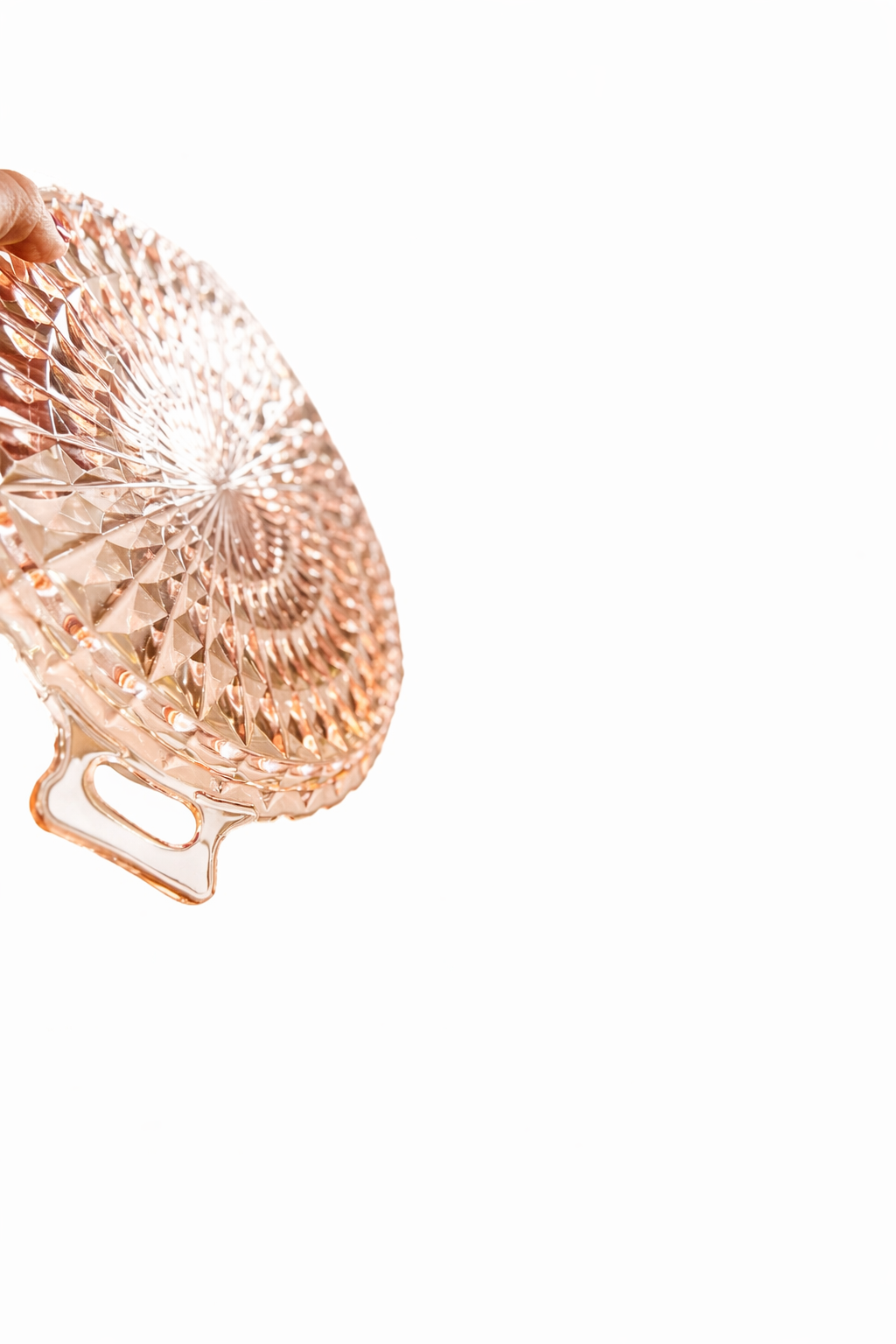
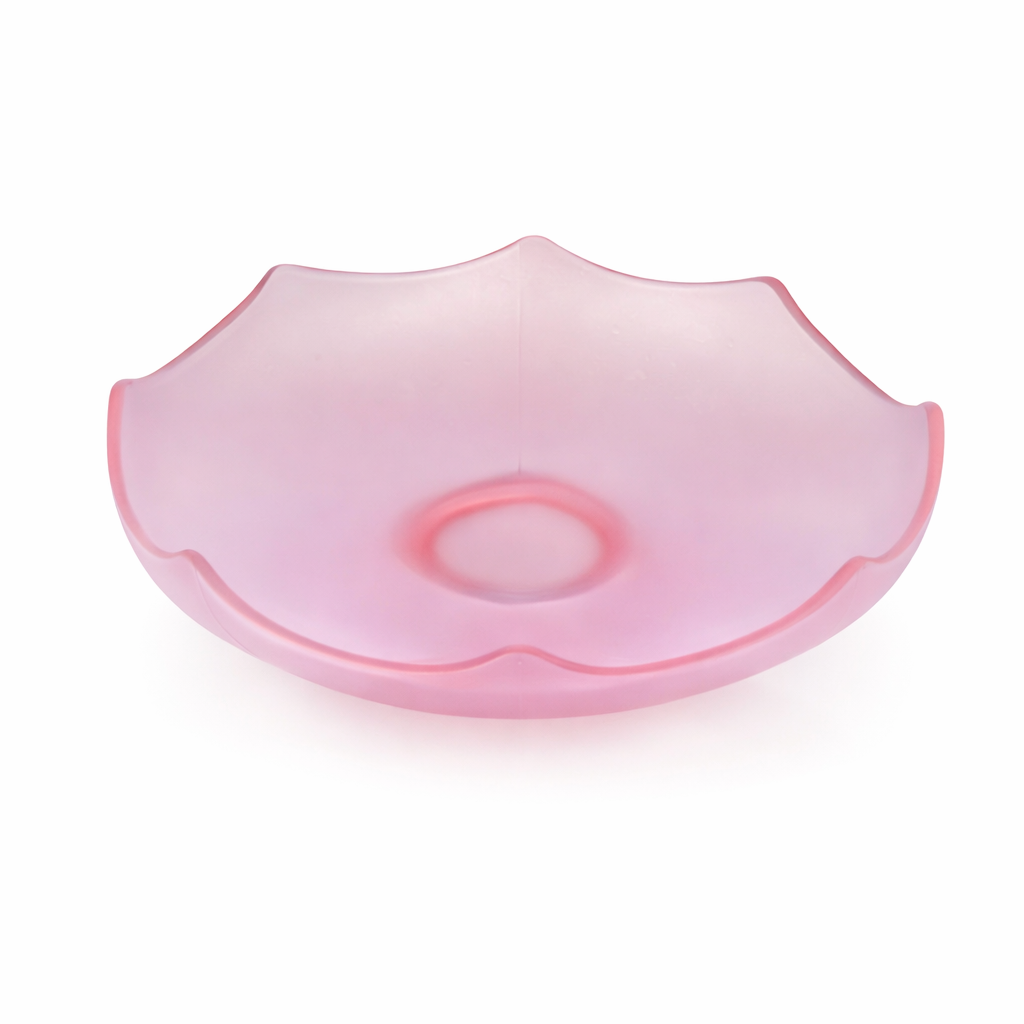
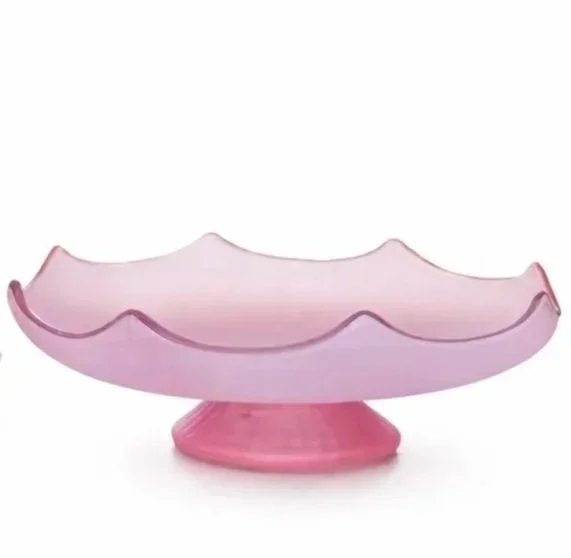
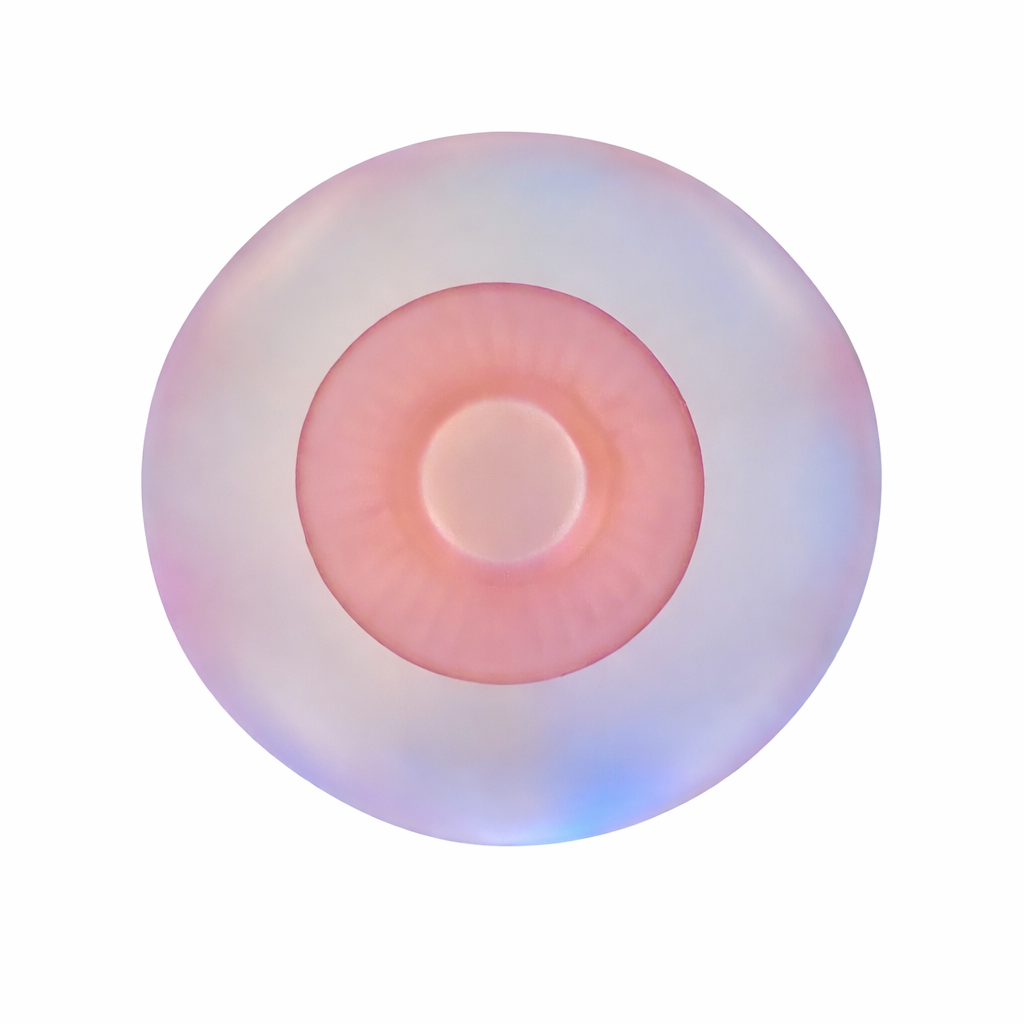
This exquisite hand-blown vessel is a study in delicate translucency and organic form. The body is crafted from ultra-thin white opaline glass, possessing a ghostly, ethereal quality that shifts in opacity as it catches the light. This soft, milk-white volume is punctuated by a vibrant, hand-applied pink glass handle, creating a sophisticated color story characteristic of high-end Venetian glassmaking. The elegant, high-arching handle and precise, elongated spout elevate the object from a simple functional pitcher to a significant work of mid-century decorative art.
Attribution & Period; Murano, Italy, 1960s.
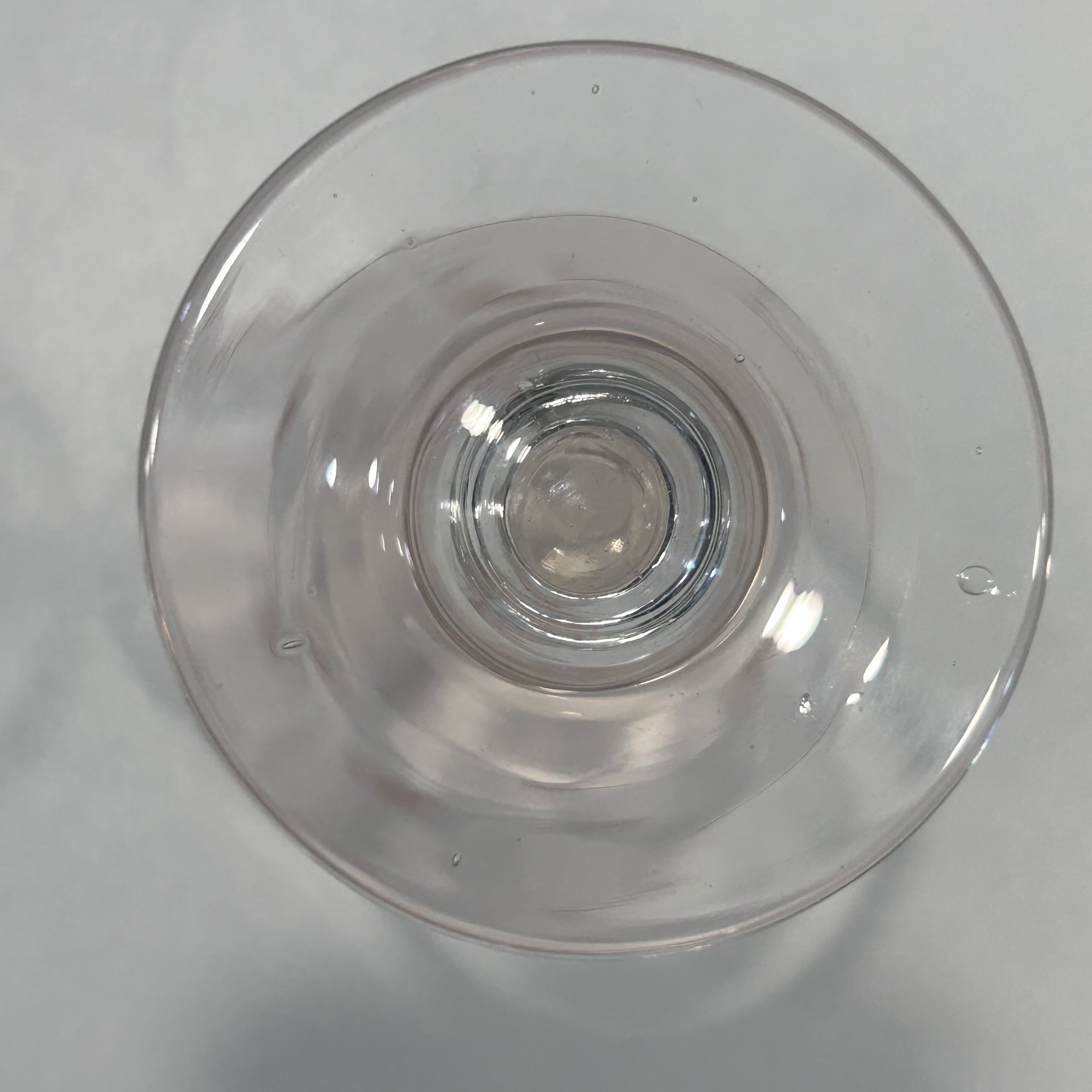
The technical execution—specifically the use of "lattimo" (milk glass) opaline paired with a contrasting applied glass handle—is a definitive hallmark of the Murano workshops during the mid-20th century. The presence of a hand-finished, smoothed pontil mark on the underside confirms its artisanal, hand-blown origins rather than mass-produced glass. The minimalist, bulbous silhouette is consistent with the Modernist movement within Italian glass design of the 1960s.
Dimensions & Weight
Height: [User to provide]
Width / Diameter: [User to provide]
Depth / Base Diameter: [User to provide]
Weight: [User to provide]
Condition
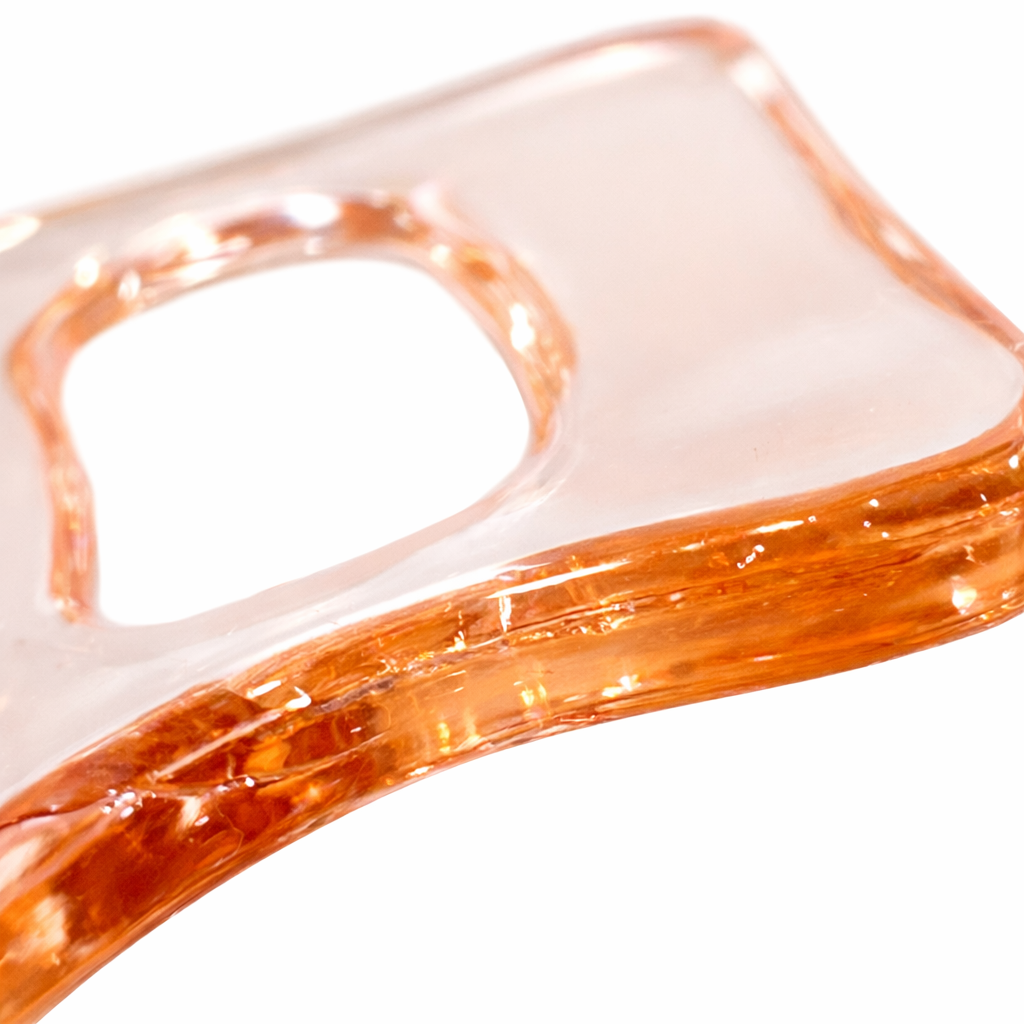
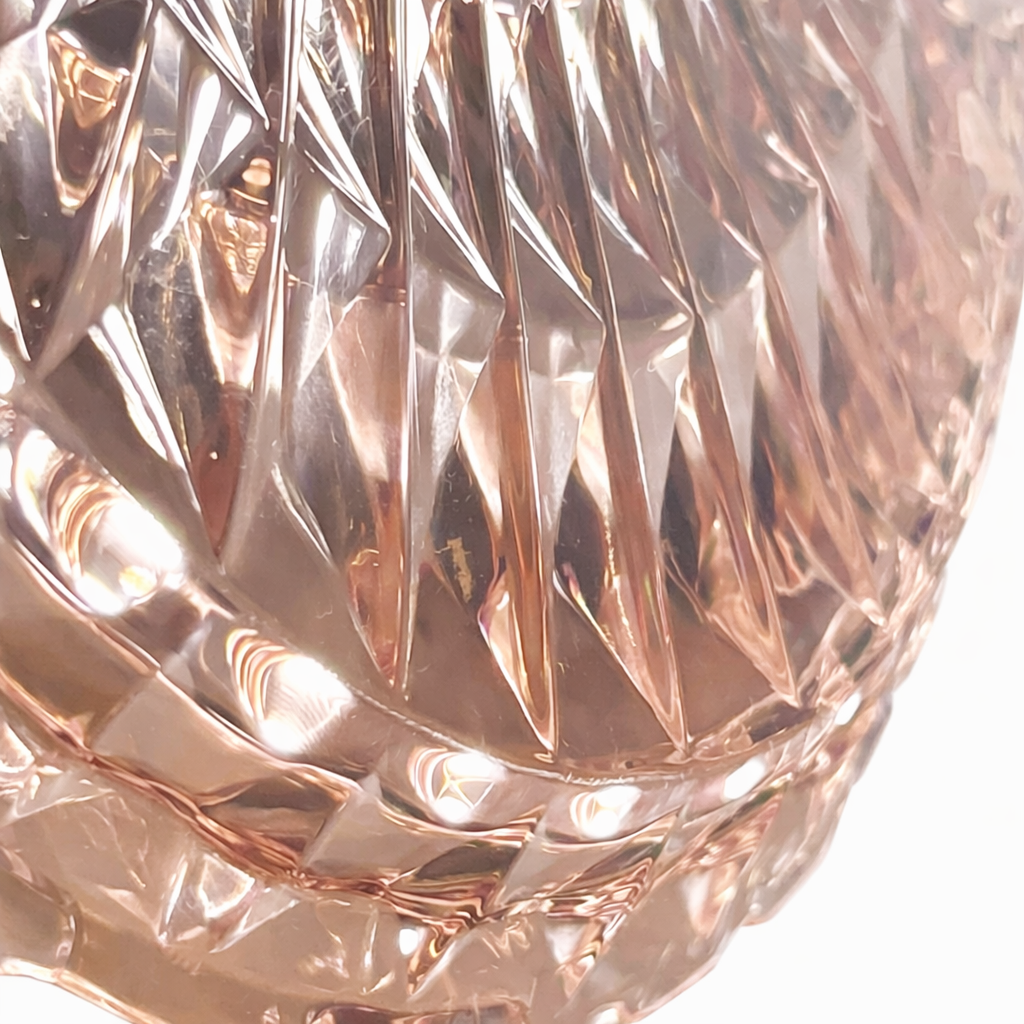
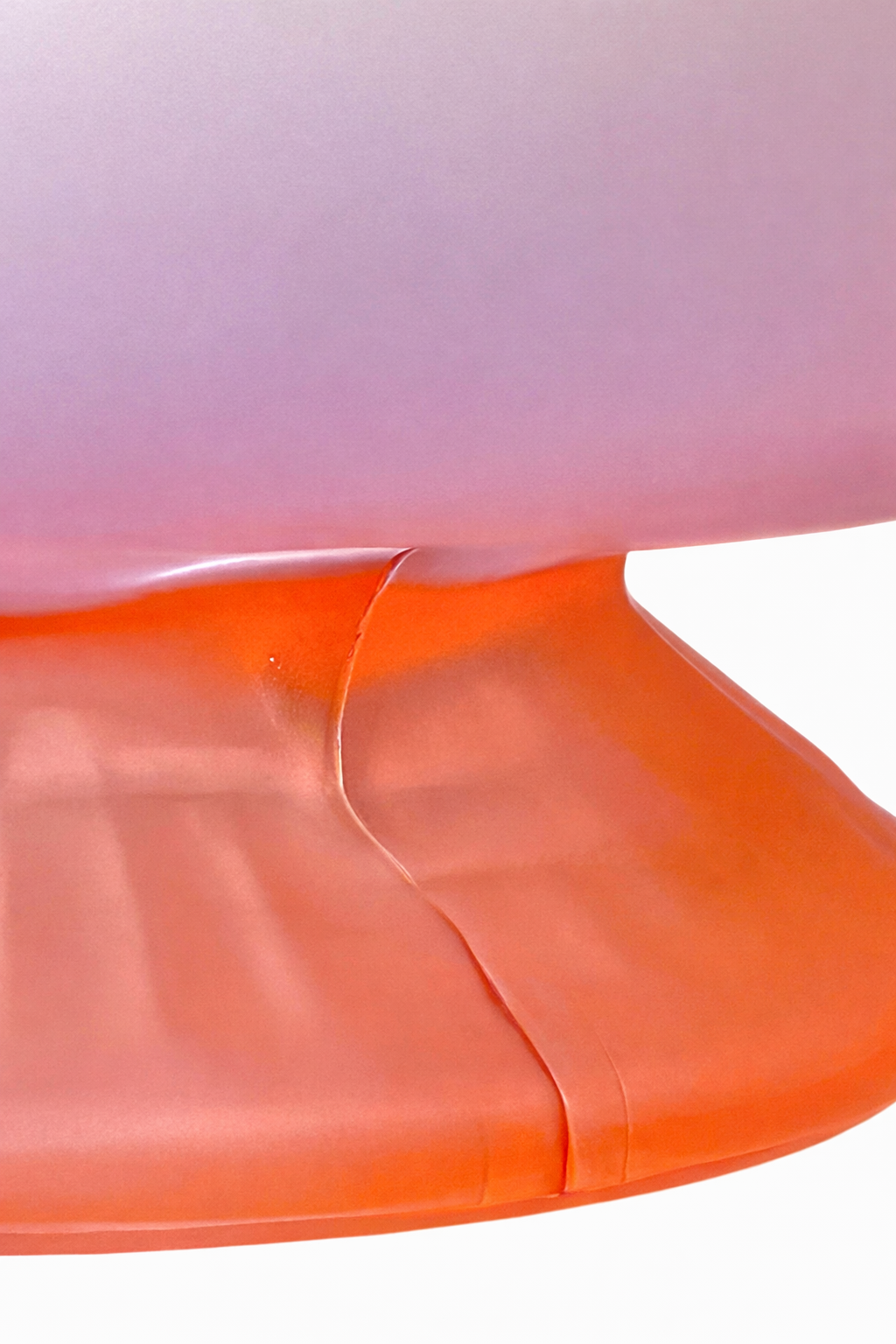
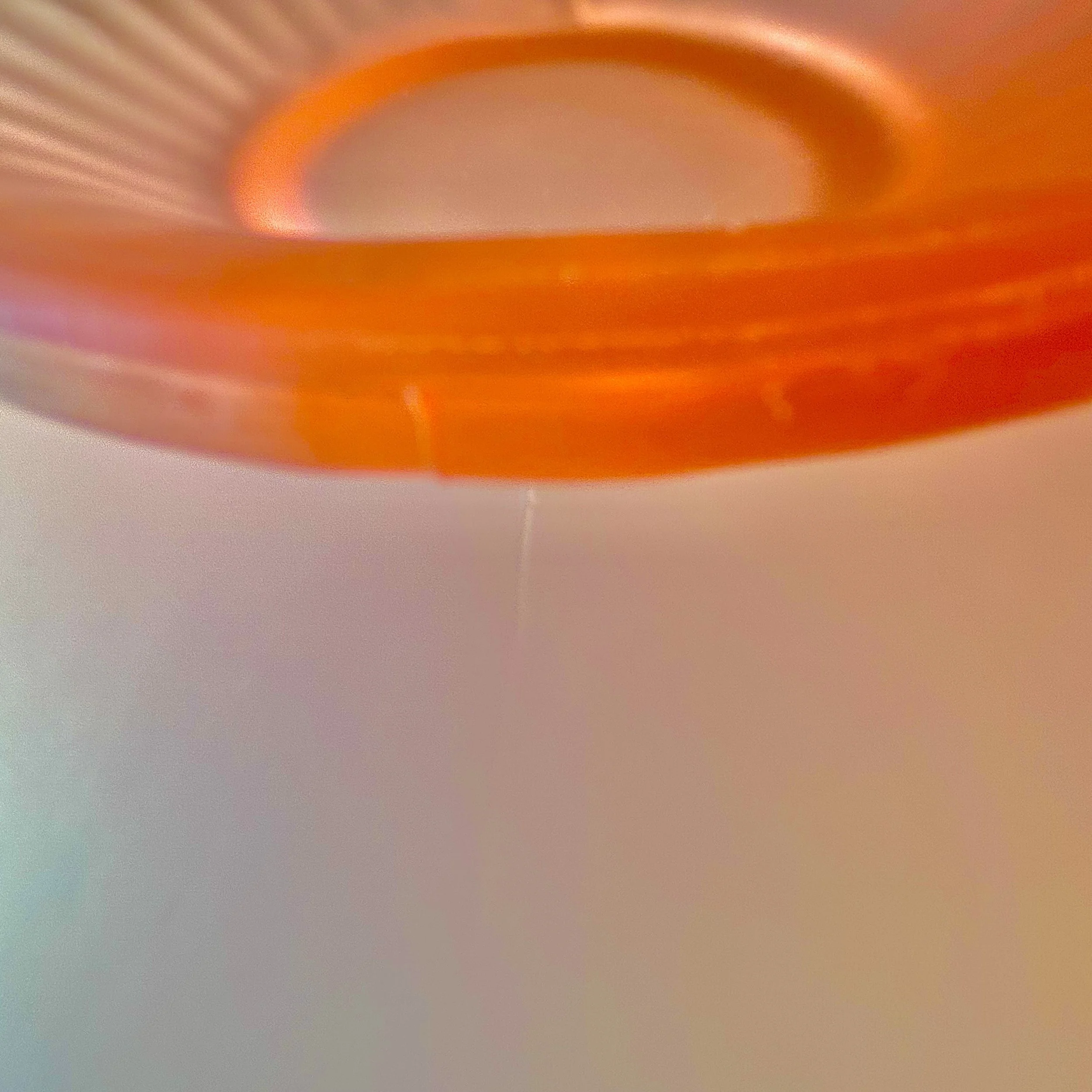
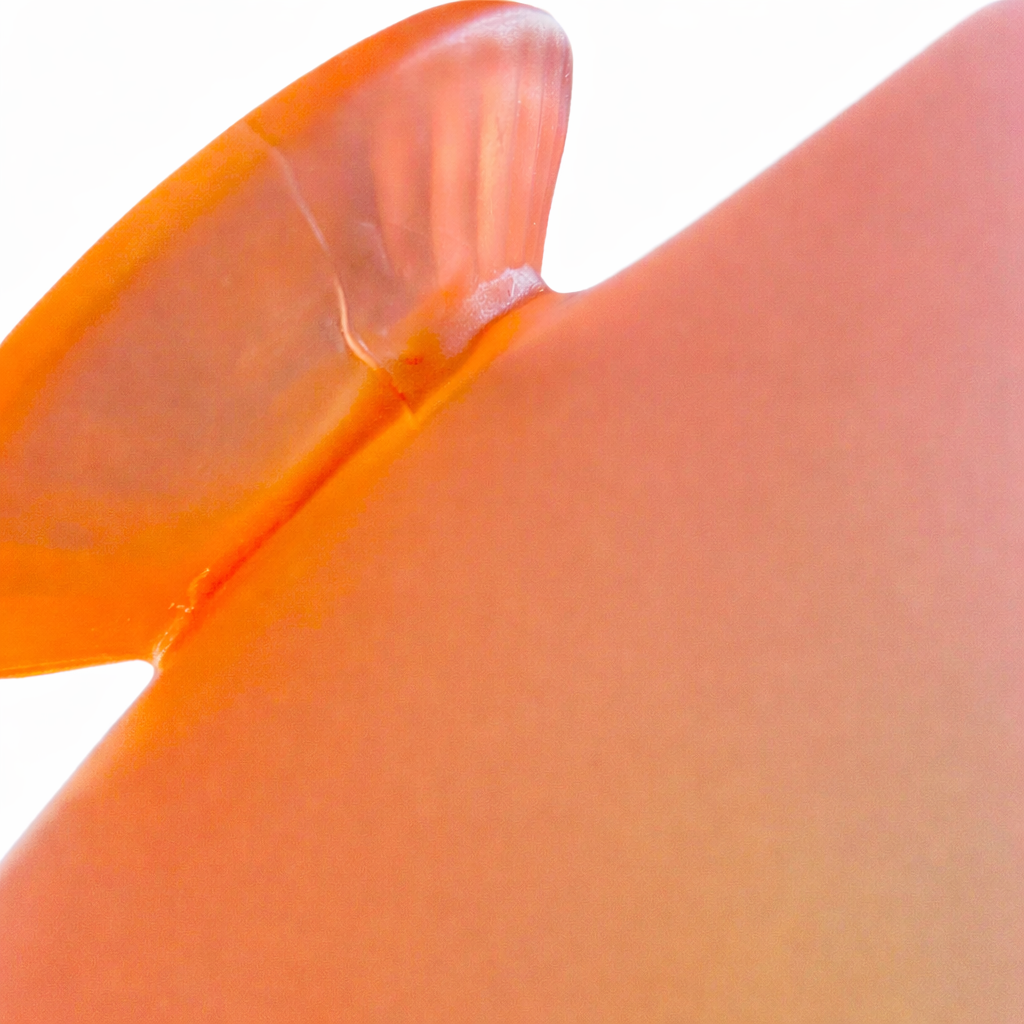
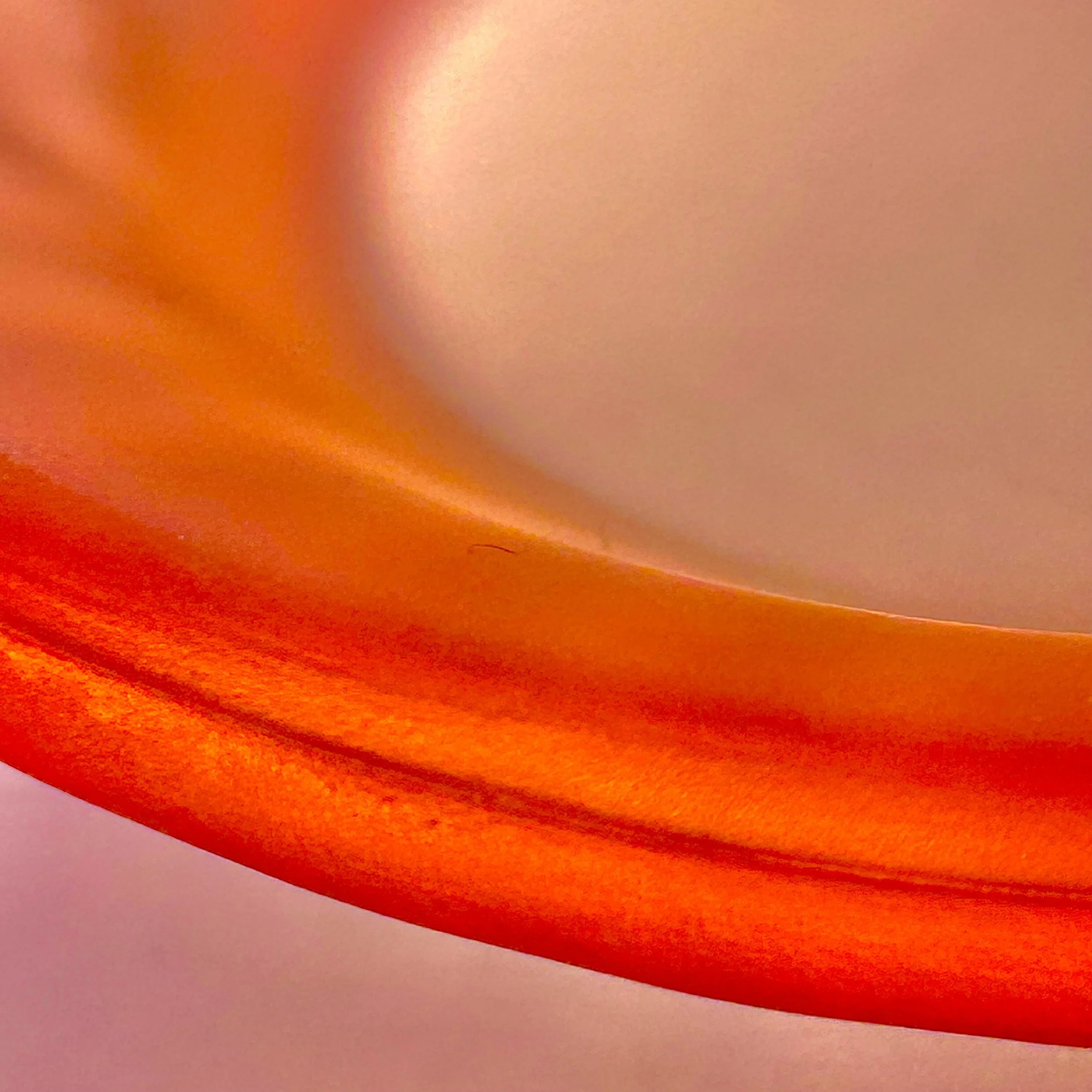
Clinical and direct. The piece is in excellent condition. The extremely thin glass body remains intact with no chips, cracks, or hairline fractures. The hand-applied handle is securely attached with no stress fractures at the joinery. The fire-polished rim and spout are smooth to the touch, and the base shows only the slightest signs of shelf wear, consistent with a well-maintained collector's piece.
Authenticity & Construction
This vessel is a testament to the skill of the master glassblower, as evidenced by the uniform thinness of the walls and the precision of the applied handle. It was formed using the free-blowing method, with the handle added while the glass was still in a molten state. The smoothed pontil on the base indicates a high level of finish, where the glass was snapped from the blowpipe and then meticulously ground to ensure a stable, flush surface.
Placement
With its light-diffusing opaline body and pop of pink, this pitcher is a perfect "jewel" for a modern interior. It serves as a striking focal point on a backlit glass shelf, an elegant addition to a primary suite vanity, or as a centerpiece in a room that favors soft pastel palettes and clean, modernist lines.
STANDARD ATTRIBUTION & VALUE DISCLOSURE; This piece is described to the best of current scholarly and market knowledge. Any maker or regional attribution is based on visual analysis, materials, construction techniques, and documented stylistic comparisons. As with many MCM and antique design objects, definitive attribution may not be possible without original labels or factory records. Pricing reflects condition, quality, decorative appeal, and current collector demand rather than guaranteed maker identification.
This exquisite hand-blown vessel is a study in delicate translucency and organic form. The body is crafted from ultra-thin white opaline glass, possessing a ghostly, ethereal quality that shifts in opacity as it catches the light. This soft, milk-white volume is punctuated by a vibrant, hand-applied pink glass handle, creating a sophisticated color story characteristic of high-end Venetian glassmaking. The elegant, high-arching handle and precise, elongated spout elevate the object from a simple functional pitcher to a significant work of mid-century decorative art.
Attribution & Period; Murano, Italy, 1960s.
The technical execution—specifically the use of "lattimo" (milk glass) opaline paired with a contrasting applied glass handle—is a definitive hallmark of the Murano workshops during the mid-20th century. The presence of a hand-finished, smoothed pontil mark on the underside confirms its artisanal, hand-blown origins rather than mass-produced glass. The minimalist, bulbous silhouette is consistent with the Modernist movement within Italian glass design of the 1960s.
Dimensions & Weight
Height: [User to provide]
Width / Diameter: [User to provide]
Depth / Base Diameter: [User to provide]
Weight: [User to provide]
Condition
Clinical and direct. The piece is in excellent condition. The extremely thin glass body remains intact with no chips, cracks, or hairline fractures. The hand-applied handle is securely attached with no stress fractures at the joinery. The fire-polished rim and spout are smooth to the touch, and the base shows only the slightest signs of shelf wear, consistent with a well-maintained collector's piece.
Authenticity & Construction
This vessel is a testament to the skill of the master glassblower, as evidenced by the uniform thinness of the walls and the precision of the applied handle. It was formed using the free-blowing method, with the handle added while the glass was still in a molten state. The smoothed pontil on the base indicates a high level of finish, where the glass was snapped from the blowpipe and then meticulously ground to ensure a stable, flush surface.
Placement
With its light-diffusing opaline body and pop of pink, this pitcher is a perfect "jewel" for a modern interior. It serves as a striking focal point on a backlit glass shelf, an elegant addition to a primary suite vanity, or as a centerpiece in a room that favors soft pastel palettes and clean, modernist lines.
STANDARD ATTRIBUTION & VALUE DISCLOSURE; This piece is described to the best of current scholarly and market knowledge. Any maker or regional attribution is based on visual analysis, materials, construction techniques, and documented stylistic comparisons. As with many MCM and antique design objects, definitive attribution may not be possible without original labels or factory records. Pricing reflects condition, quality, decorative appeal, and current collector demand rather than guaranteed maker identification.

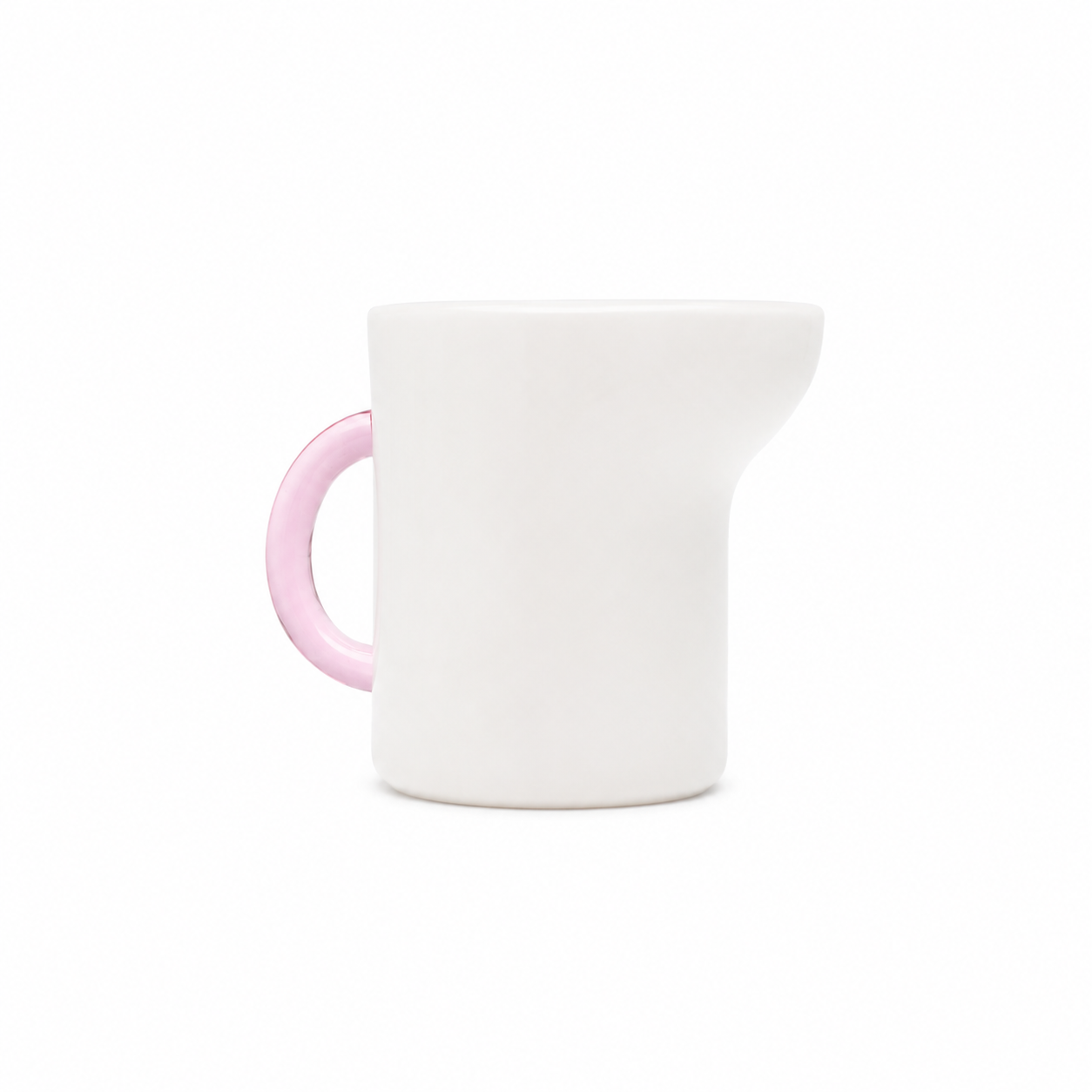 Image 1 of 11
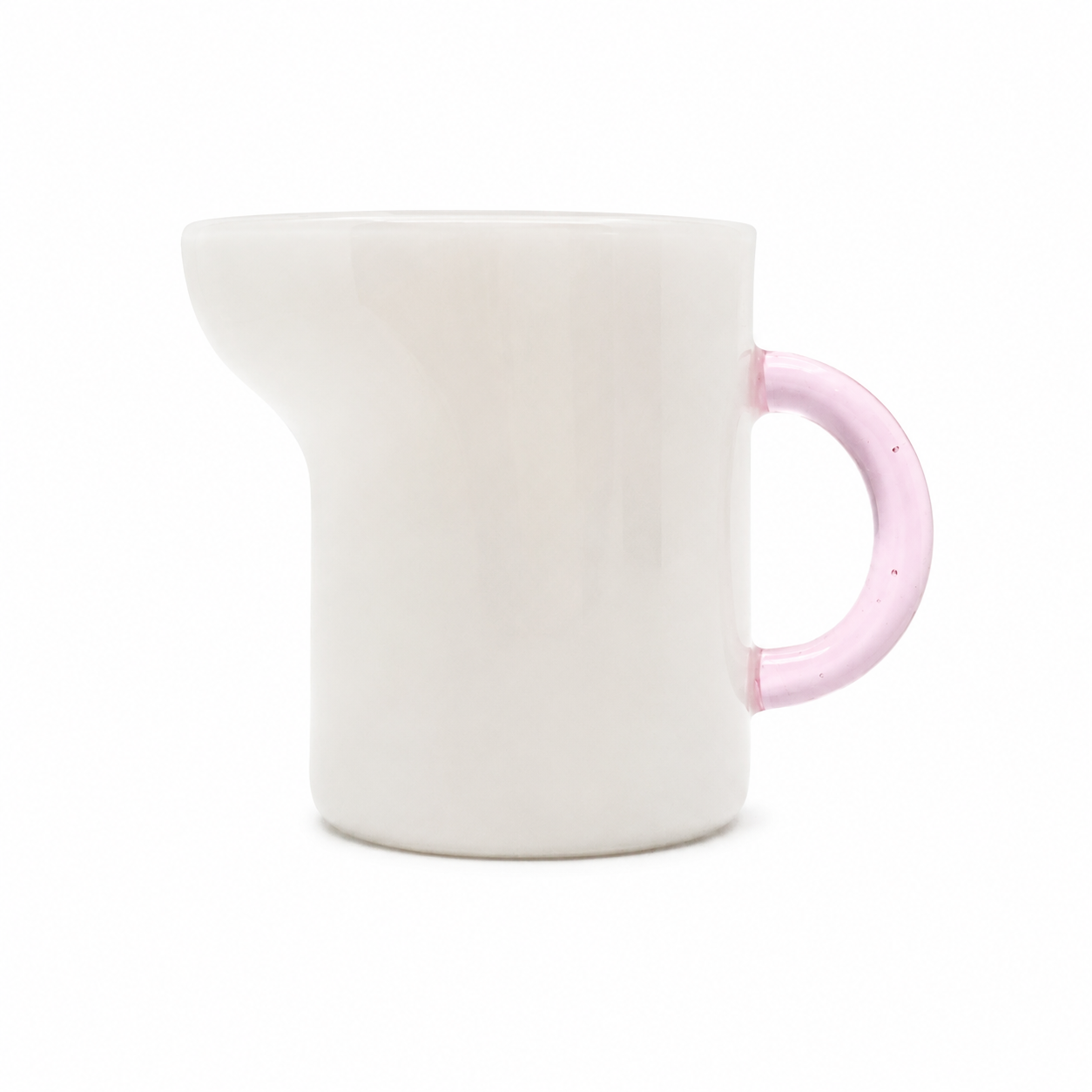 Image 2 of 11
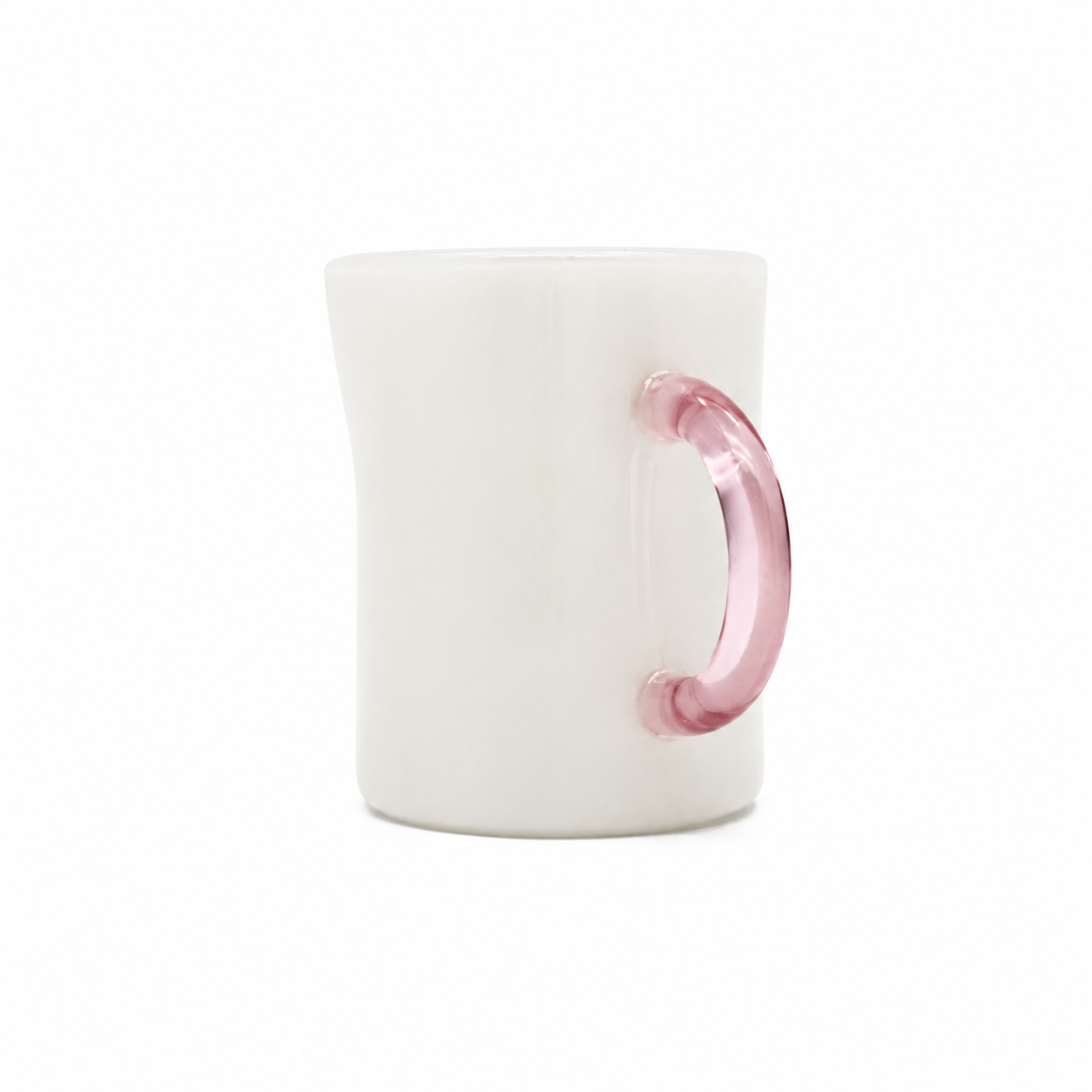 Image 3 of 11
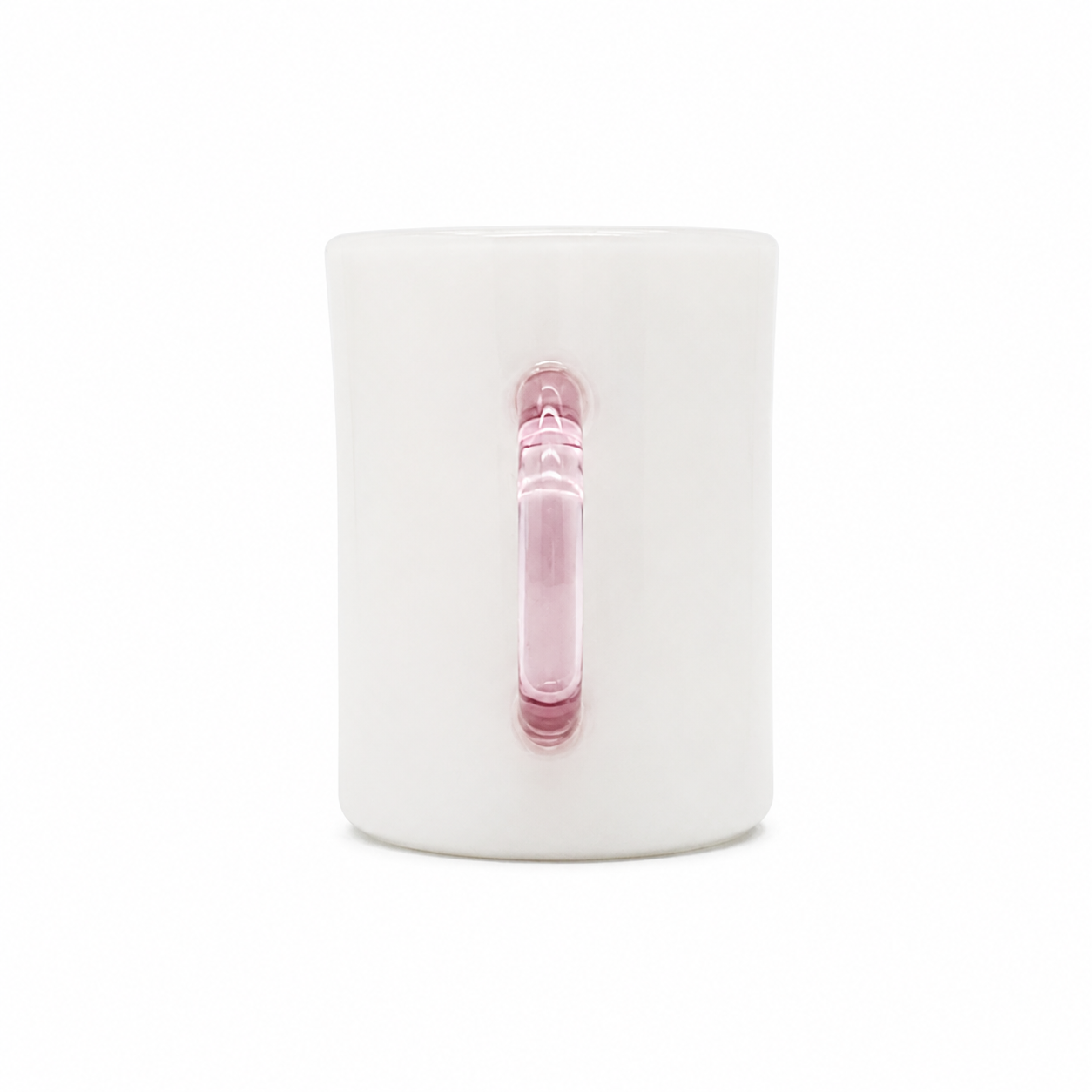 Image 4 of 11
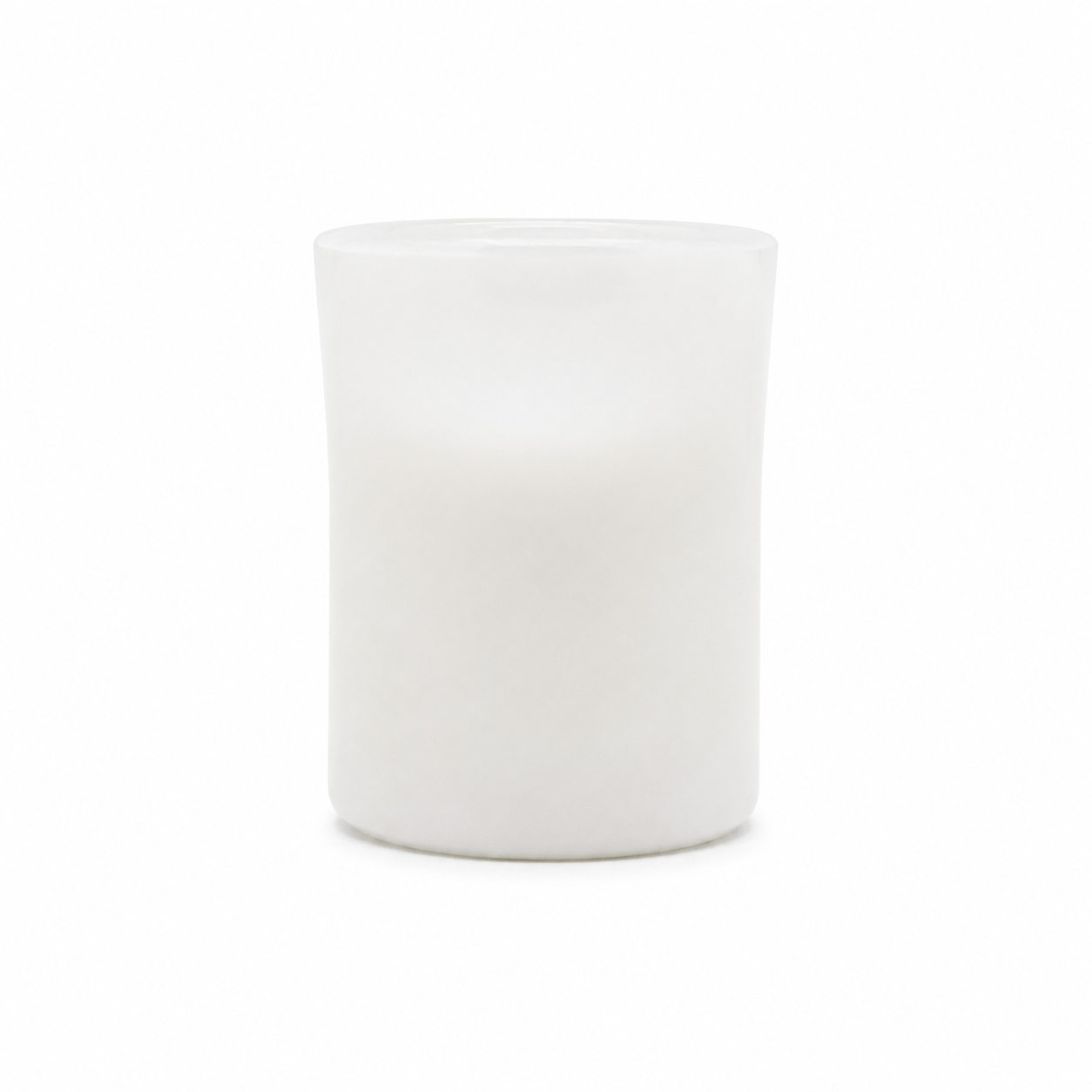 Image 5 of 11
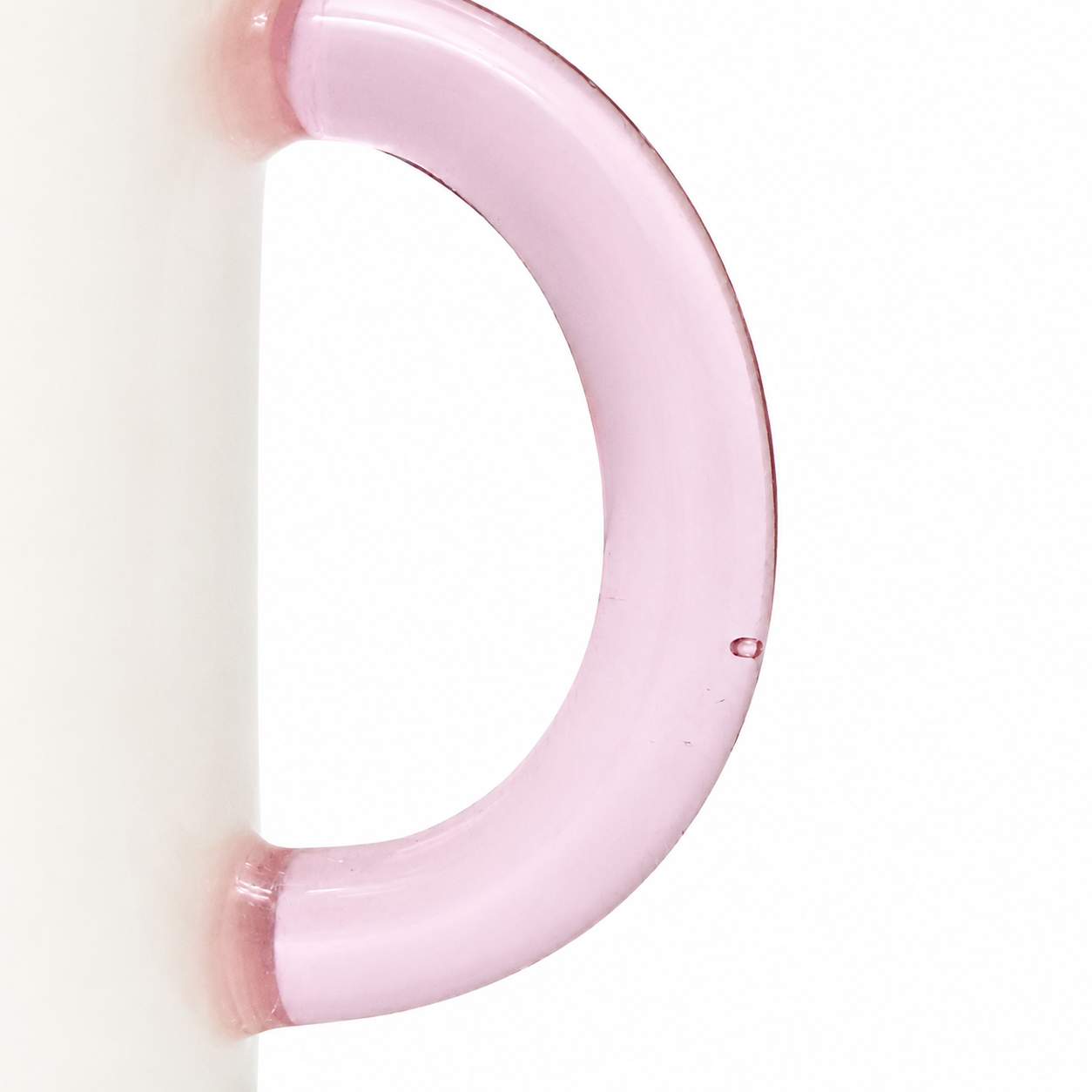 Image 6 of 11
 Image 7 of 11
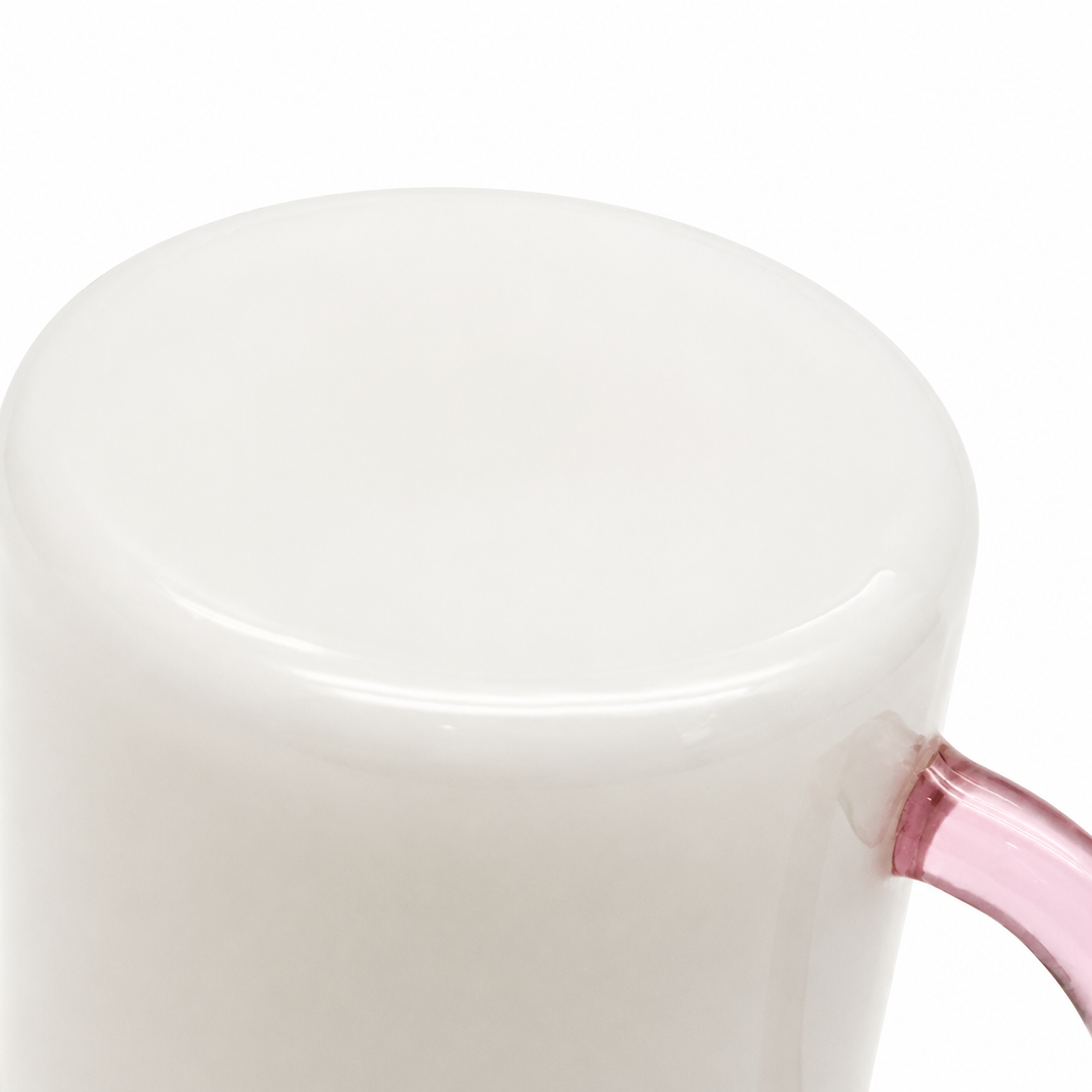 Image 8 of 11
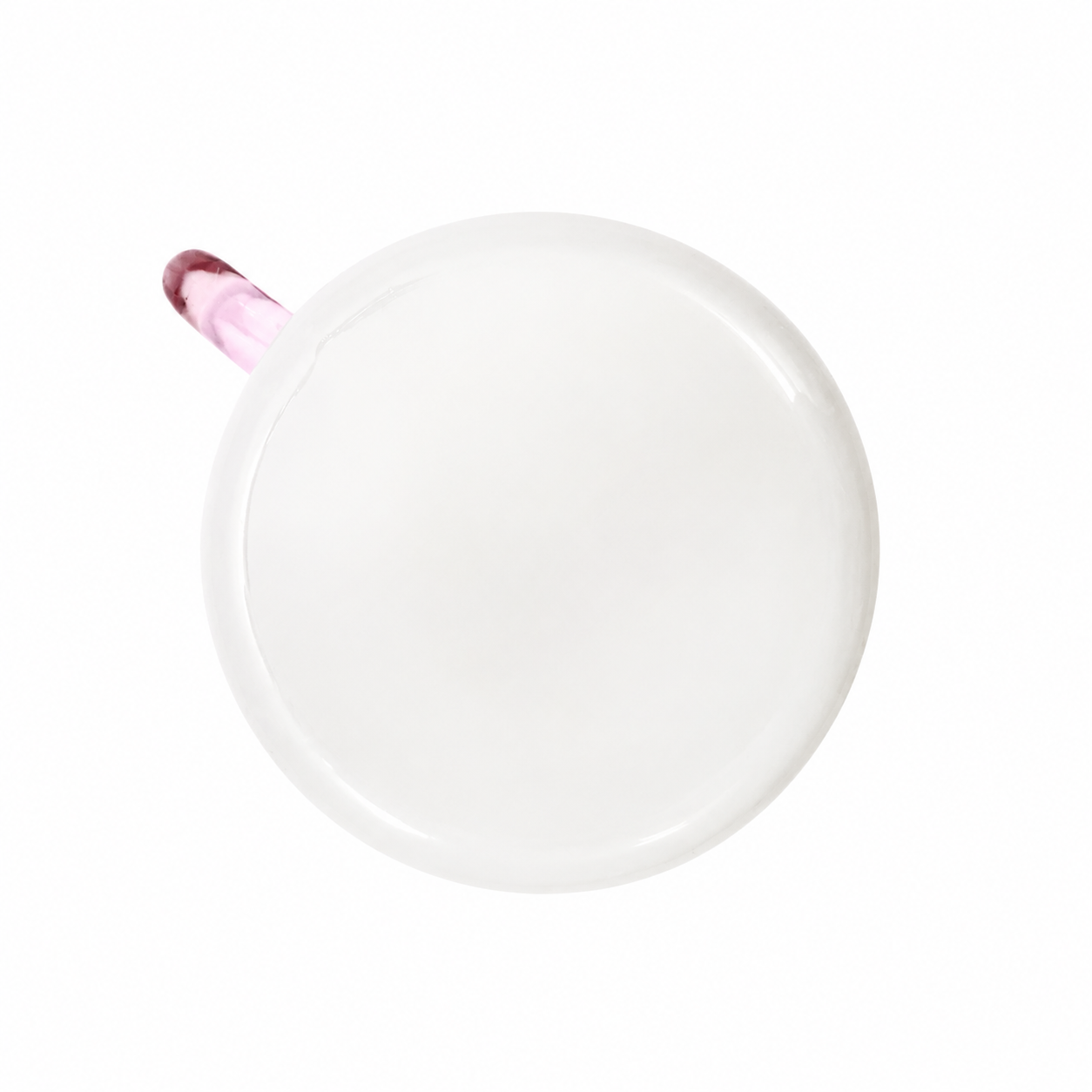 Image 9 of 11
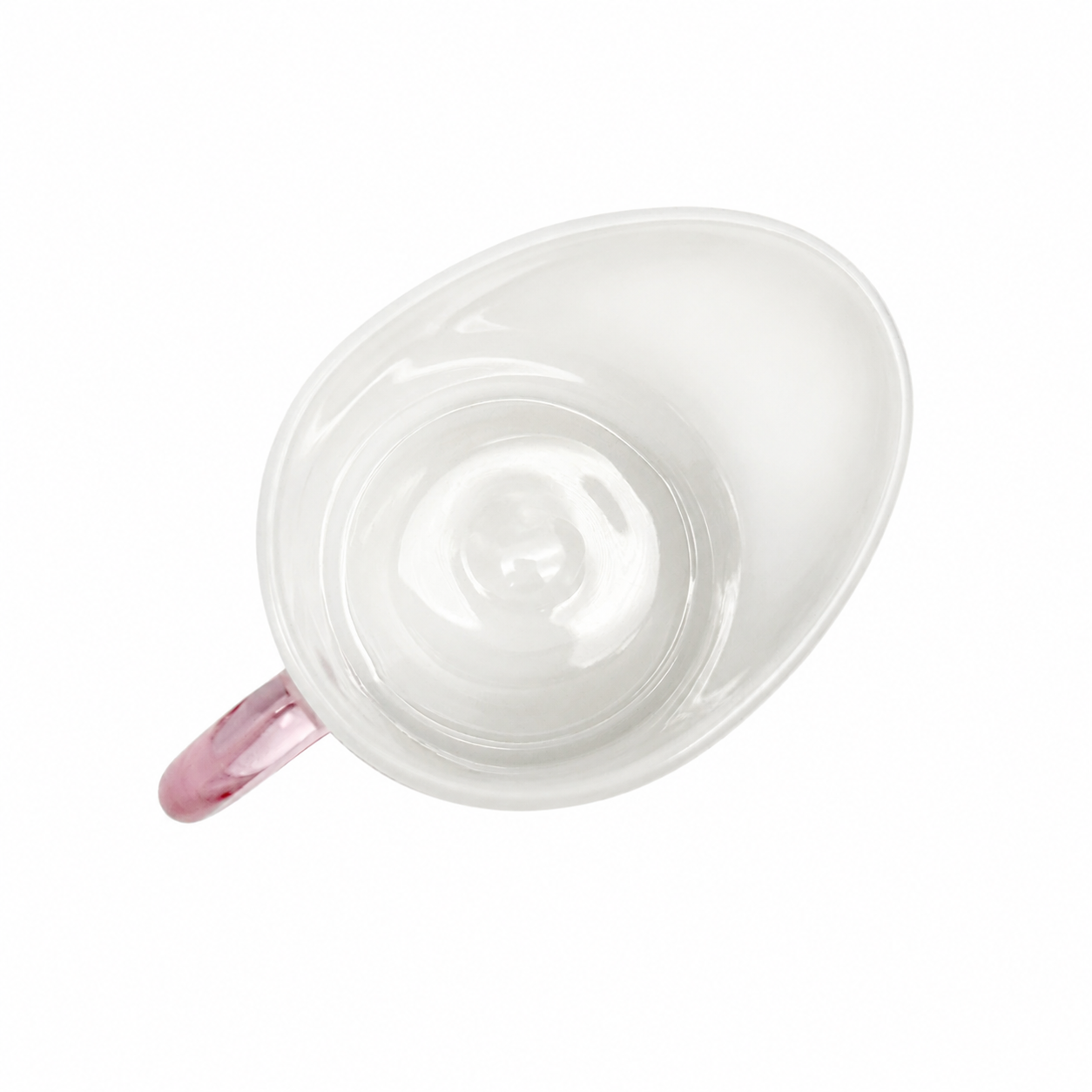 Image 10 of 11
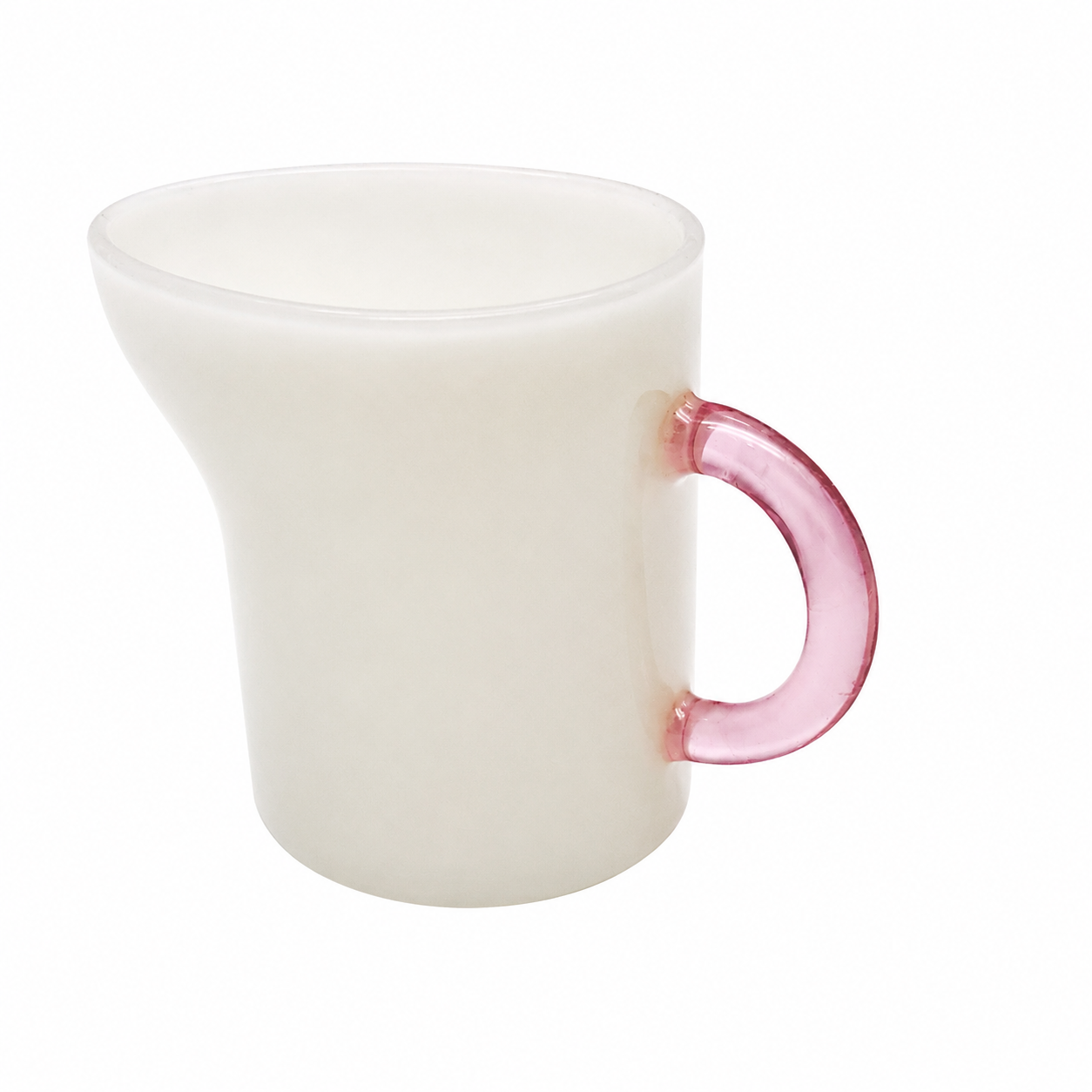 Image 11 of 11