Imperial German Period, Circa 1900–1918
A visually commanding Royal R.S. Prussia porcelain serving bowl executed on a Tillowitz blank during the final decades of Imperial Prussian production. The sculptural scalloped form with integrated handles is elevated by a saturated oxblood-to-amber gradient ground—an unusually bold and luminous field for the factory—encircled by finely hand-painted white blossoms with dark stamens and delicate outlining.
The ombré firing transitions from deep red at the rim into glowing amber and warm gold toward the center, creating dimensional depth rarely seen in more common pastel R.S. examples. The high-gloss glaze amplifies the chromatic intensity, giving the piece strong cabinet presence and immediate decorative authority.
Attribution & Period
Royal R.S. Prussia (Reinhold Schlegelmilch)
Tillowitz, Silesia (now Tułowice, Poland)
Green wreath mark with star and “R.S.”
Circa 1900–1918
Produced during the golden era of Prussian export porcelain, prior to the dissolution of Prussia following World War I. Tillowitz blanks were widely regarded for their refined molding and high-gloss finish, often serving as the foundation for elevated decorative programs.
Dimensions & Weight
10 inches across (handle to handle)
Substantial weight consistent with high-grade early 20th-century serving porcelain
Balanced, display-ready proportions
Condition
Very good antique condition.
• No cracks
• No structural repairs observed
• Minor age-appropriate interior utensil wear consistent with original use
• Glaze retains strong luster
• Color saturation remains vivid and stable
Presents exceptionally well for display.
Authenticity & Construction
Fine porcelain blank with molded scalloped form and integrated handles;True hand-painted floral decoration (not transfer printed),Gradient oxblood ground achieved through controlled firing technique, High-gloss glaze with depth characteristic of period Prussian production -Green wreath R.S. mark consistent with documented pre-1918 Tillowitz output.
Placement
An ideal acquisition for:
• Serious Royal R.S. Prussia collectors
• Imperial German porcelain specialists
• Early 20th-century European decorative arts collections
• High-impact cabinet or console presentation
• Layered maximalist, Art Nouveau, or transitional interiors
The saturated oxblood ground distinguishes this example from the more commonly encountered pastel florals in the R.S. market, giving it elevated decorative appeal in a luxury setting.
STANDARD ATTRIBUTION & VALUE DISCLOSURE;This piece is described to the best of current scholarly and market knowledge. Any maker or regional attribution is based on visual analysis, materials, construction techniques, and documented stylistic comparisons. As with many vintage and antique glass objects, definitive attribution may not be possible without original labels or factory records. Pricing reflects condition, quality, decorative appeal, and current collector demand rather than a guaranteed maker identification.
Imperial German Period, Circa 1900–1918
A visually commanding Royal R.S. Prussia porcelain serving bowl executed on a Tillowitz blank during the final decades of Imperial Prussian production. The sculptural scalloped form with integrated handles is elevated by a saturated oxblood-to-amber gradient ground—an unusually bold and luminous field for the factory—encircled by finely hand-painted white blossoms with dark stamens and delicate outlining.
The ombré firing transitions from deep red at the rim into glowing amber and warm gold toward the center, creating dimensional depth rarely seen in more common pastel R.S. examples. The high-gloss glaze amplifies the chromatic intensity, giving the piece strong cabinet presence and immediate decorative authority.
Attribution & Period
Royal R.S. Prussia (Reinhold Schlegelmilch)
Tillowitz, Silesia (now Tułowice, Poland)
Green wreath mark with star and “R.S.”
Circa 1900–1918
Produced during the golden era of Prussian export porcelain, prior to the dissolution of Prussia following World War I. Tillowitz blanks were widely regarded for their refined molding and high-gloss finish, often serving as the foundation for elevated decorative programs.
Dimensions & Weight
10 inches across (handle to handle)
Substantial weight consistent with high-grade early 20th-century serving porcelain
Balanced, display-ready proportions
Condition
Very good antique condition.
• No cracks
• No structural repairs observed
• Minor age-appropriate interior utensil wear consistent with original use
• Glaze retains strong luster
• Color saturation remains vivid and stable
Presents exceptionally well for display.
Authenticity & Construction
Fine porcelain blank with molded scalloped form and integrated handles;True hand-painted floral decoration (not transfer printed),Gradient oxblood ground achieved through controlled firing technique, High-gloss glaze with depth characteristic of period Prussian production -Green wreath R.S. mark consistent with documented pre-1918 Tillowitz output.
Placement
An ideal acquisition for:
• Serious Royal R.S. Prussia collectors
• Imperial German porcelain specialists
• Early 20th-century European decorative arts collections
• High-impact cabinet or console presentation
• Layered maximalist, Art Nouveau, or transitional interiors
The saturated oxblood ground distinguishes this example from the more commonly encountered pastel florals in the R.S. market, giving it elevated decorative appeal in a luxury setting.
STANDARD ATTRIBUTION & VALUE DISCLOSURE;This piece is described to the best of current scholarly and market knowledge. Any maker or regional attribution is based on visual analysis, materials, construction techniques, and documented stylistic comparisons. As with many vintage and antique glass objects, definitive attribution may not be possible without original labels or factory records. Pricing reflects condition, quality, decorative appeal, and current collector demand rather than a guaranteed maker identification.

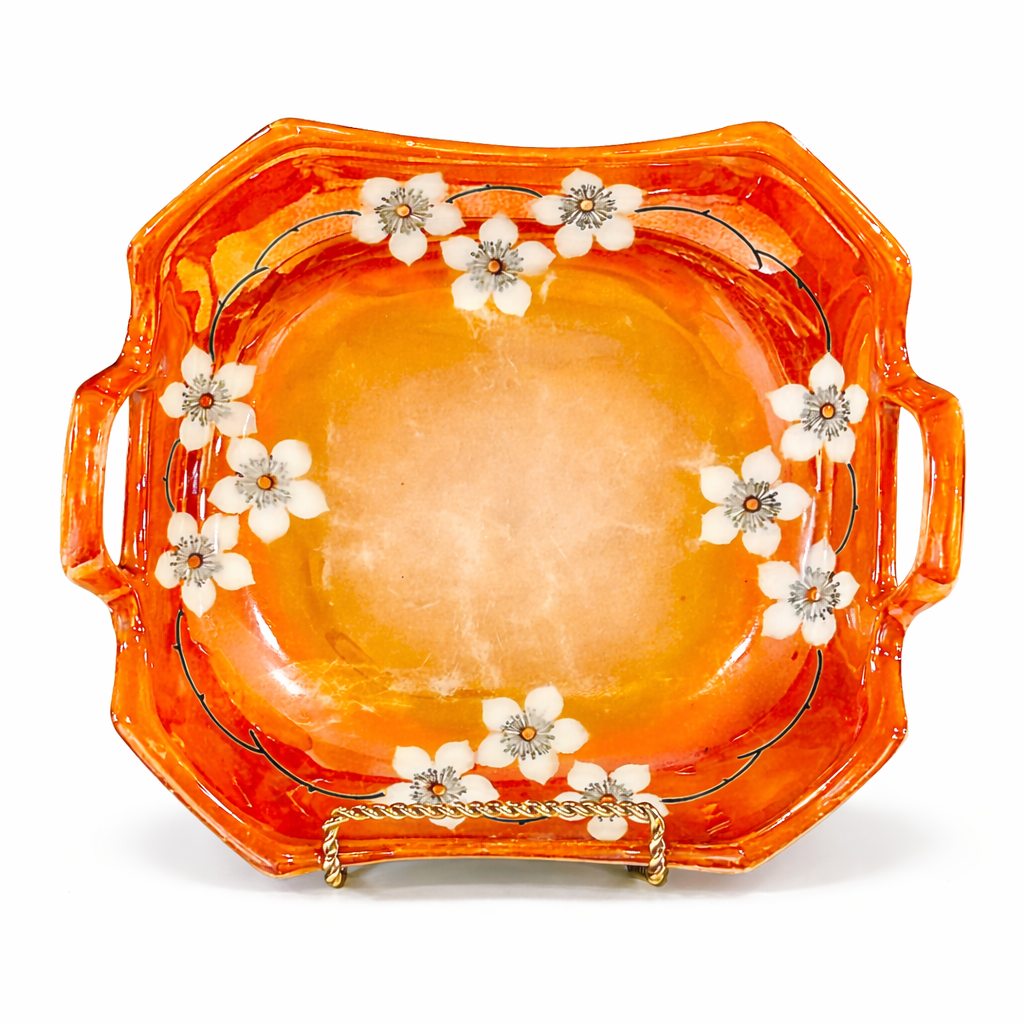 Image 1 of 8
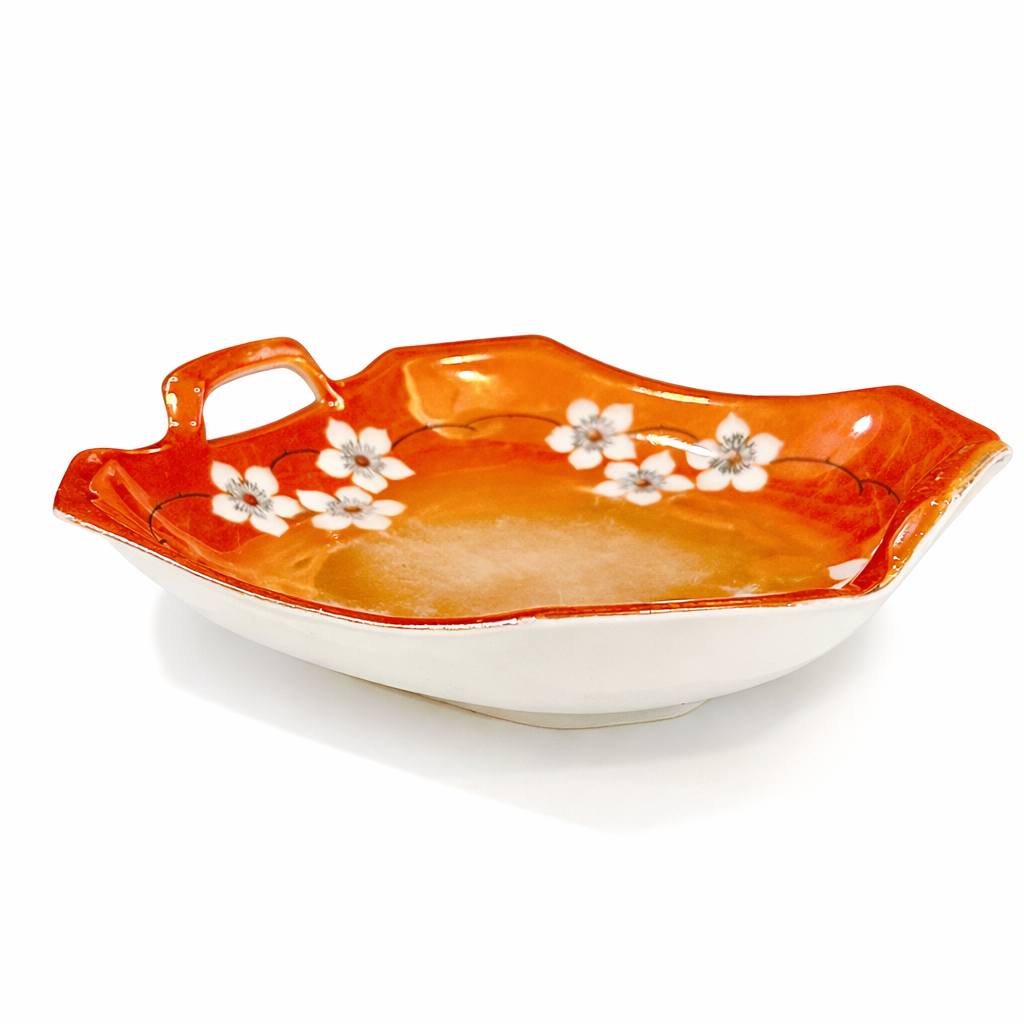 Image 2 of 8
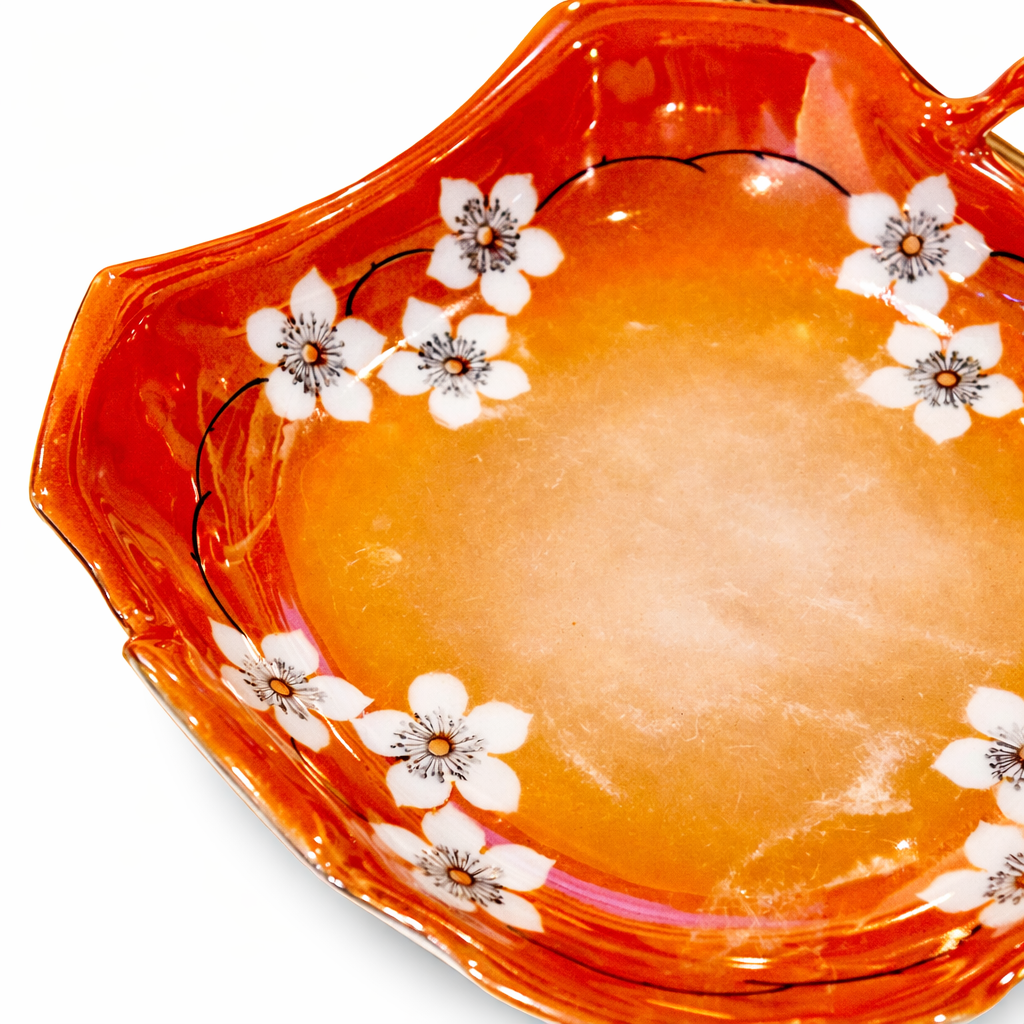 Image 3 of 8
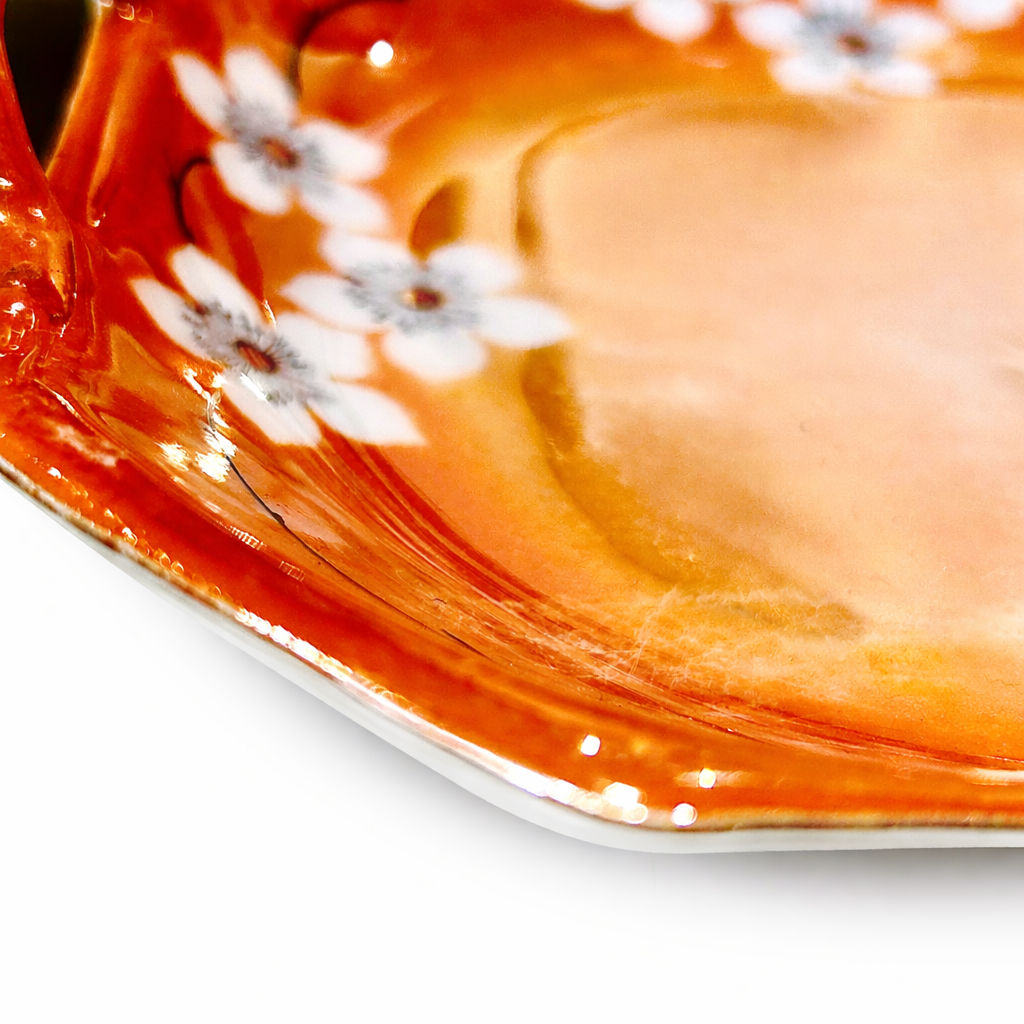 Image 4 of 8
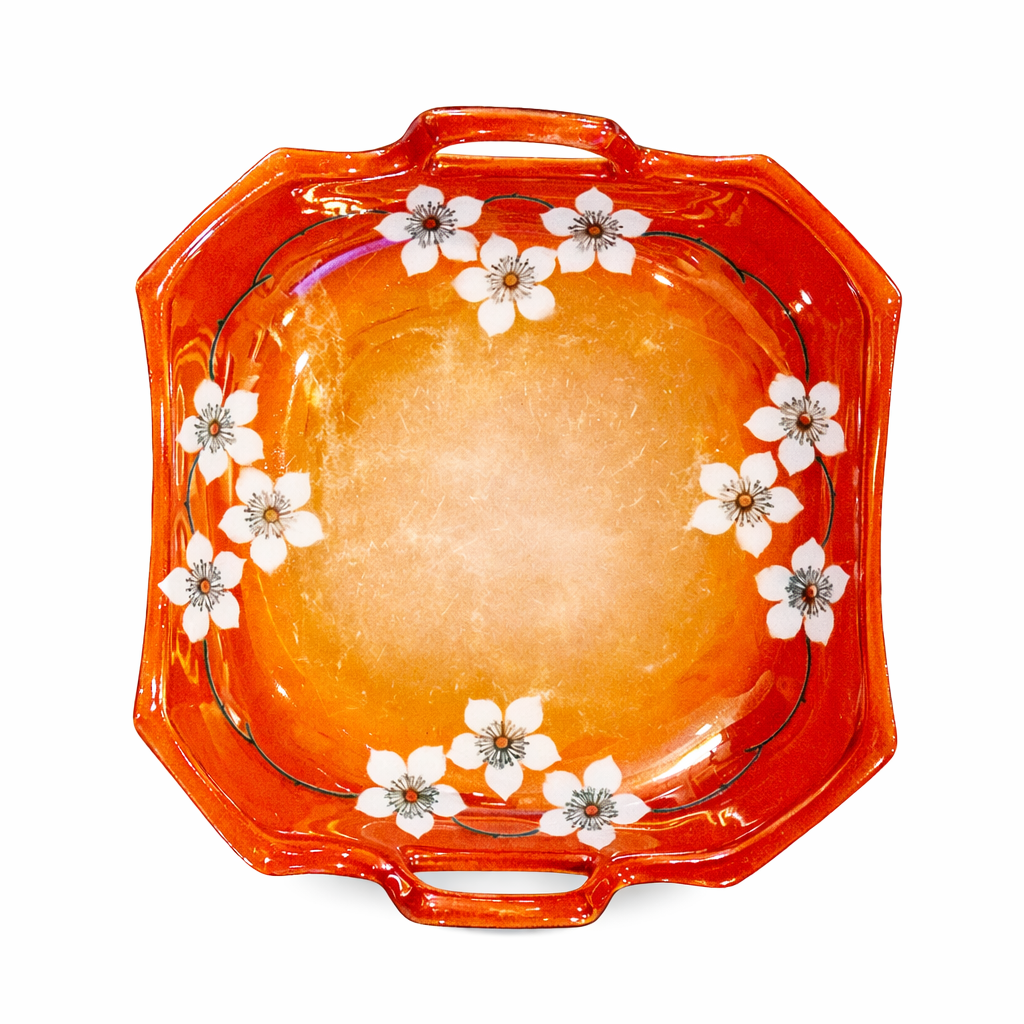 Image 5 of 8
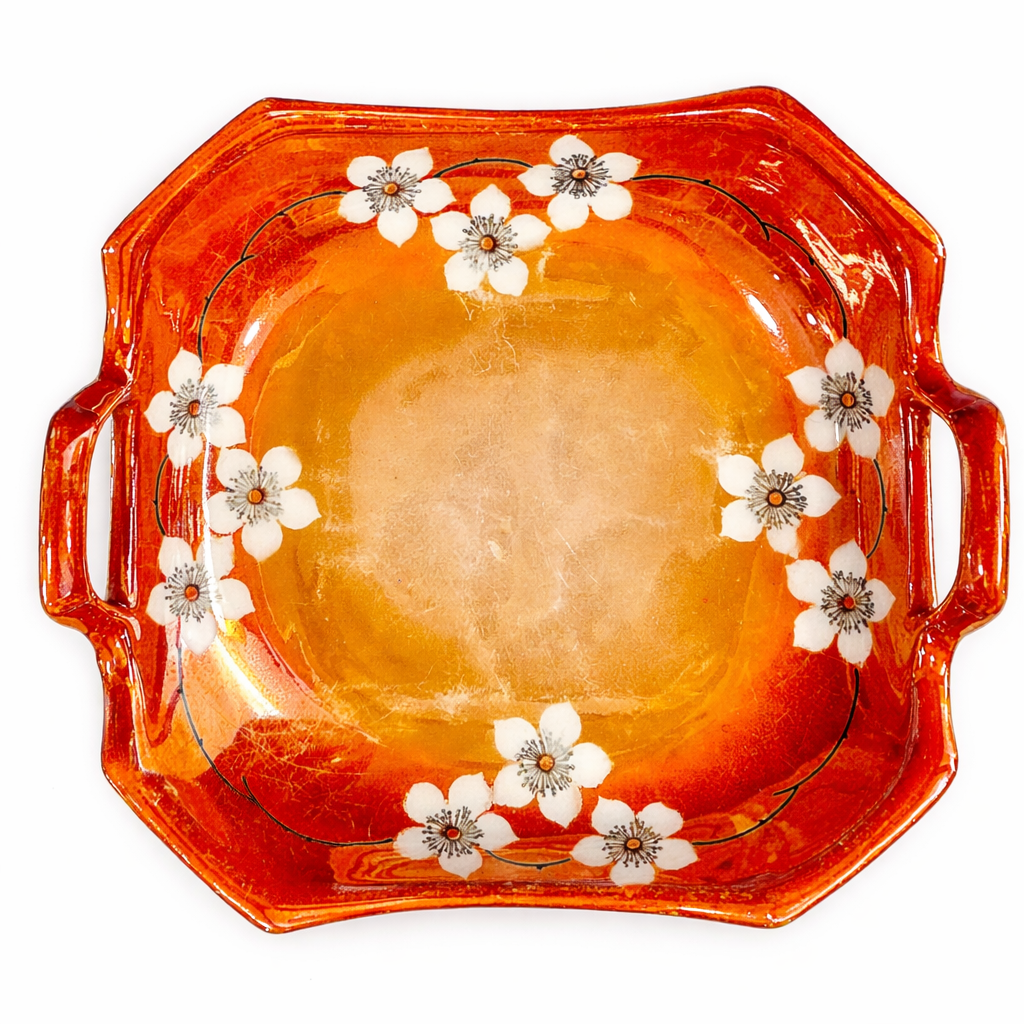 Image 6 of 8
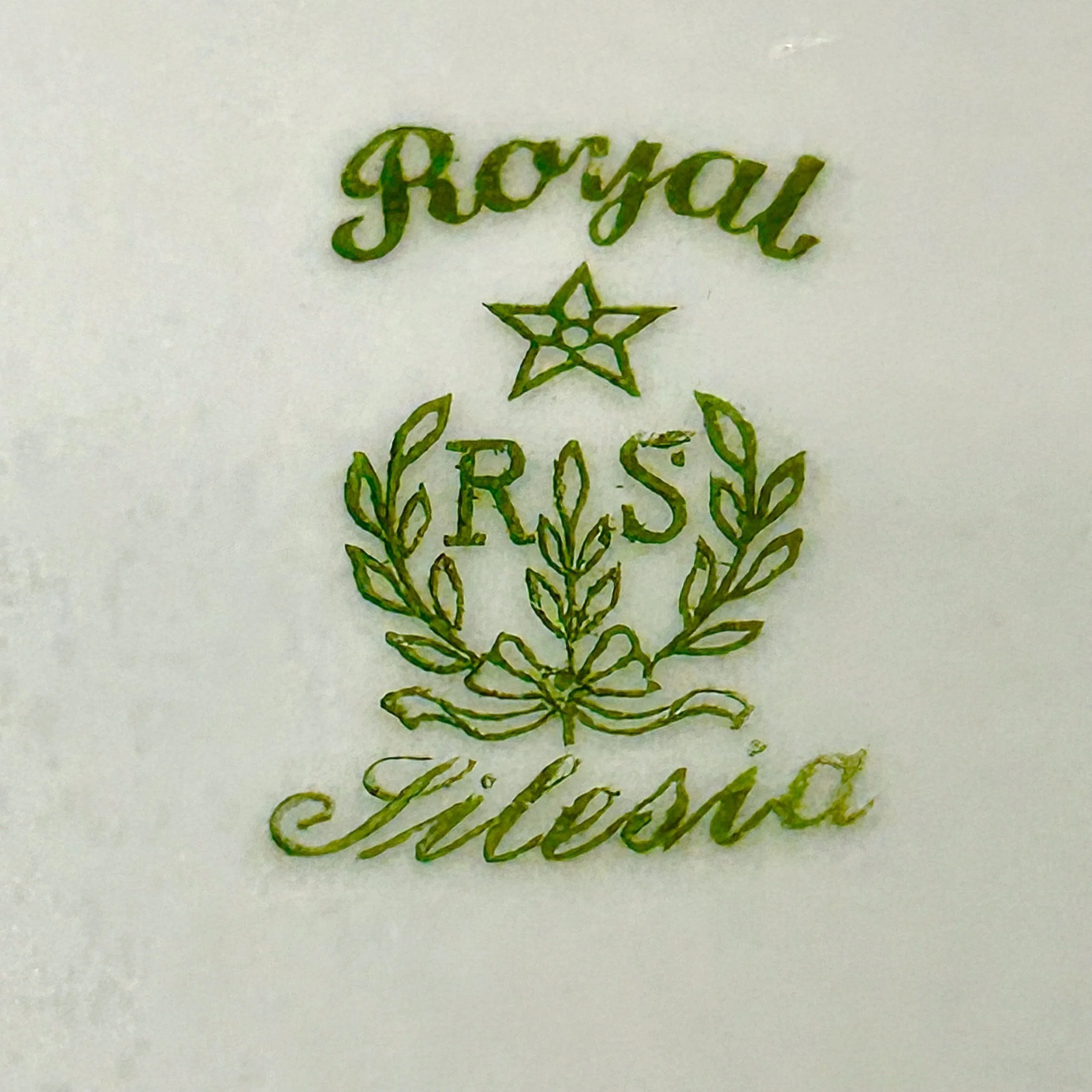 Image 7 of 8
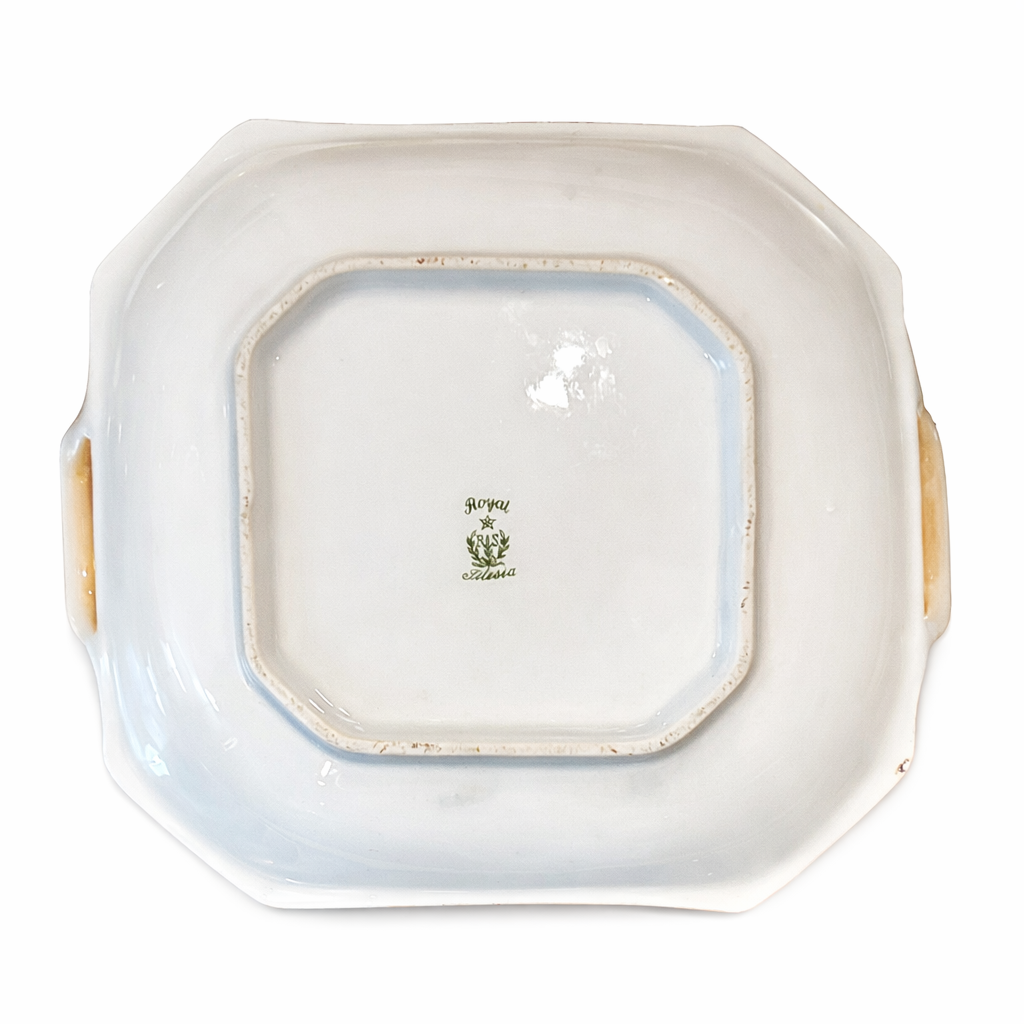 Image 8 of 8