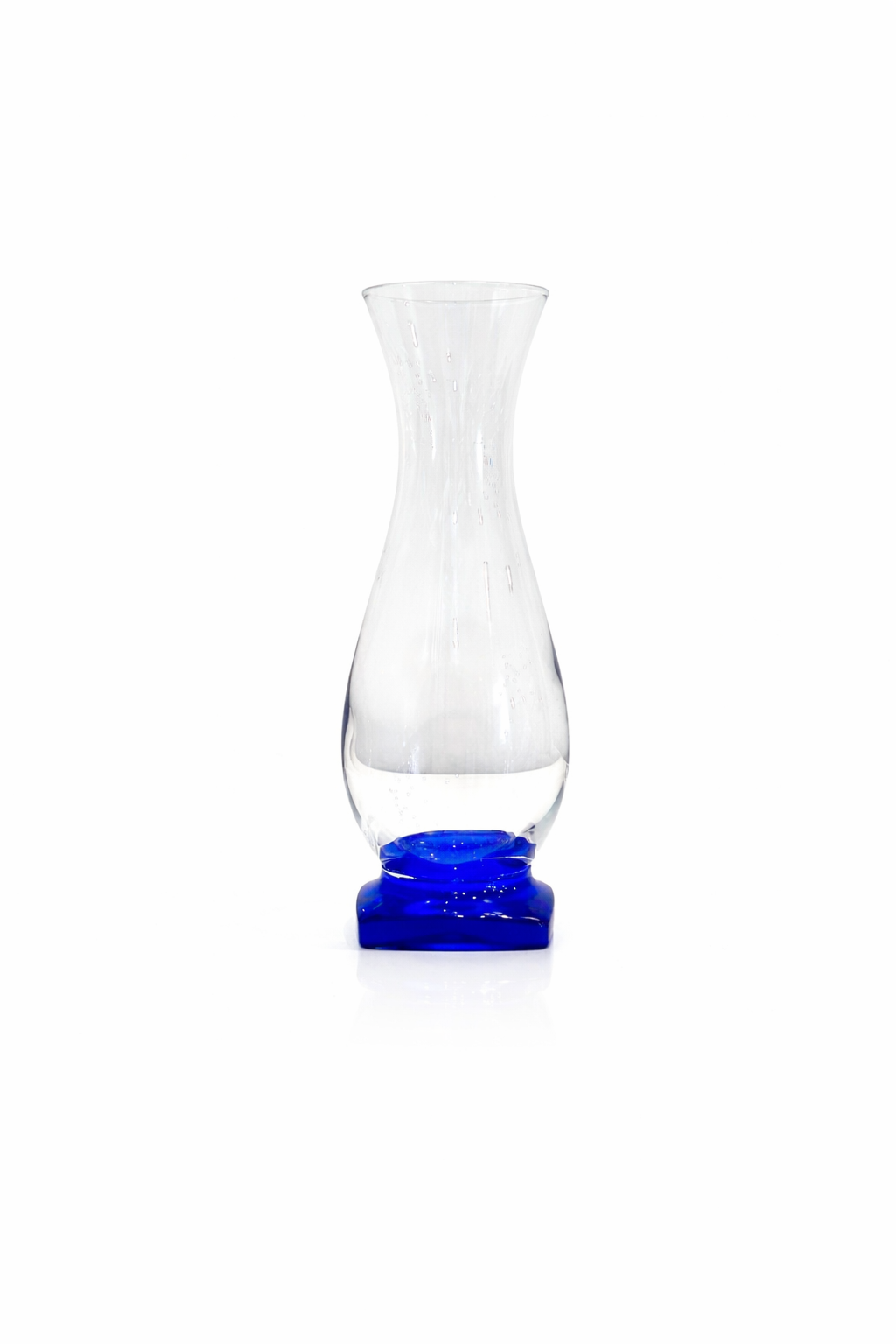
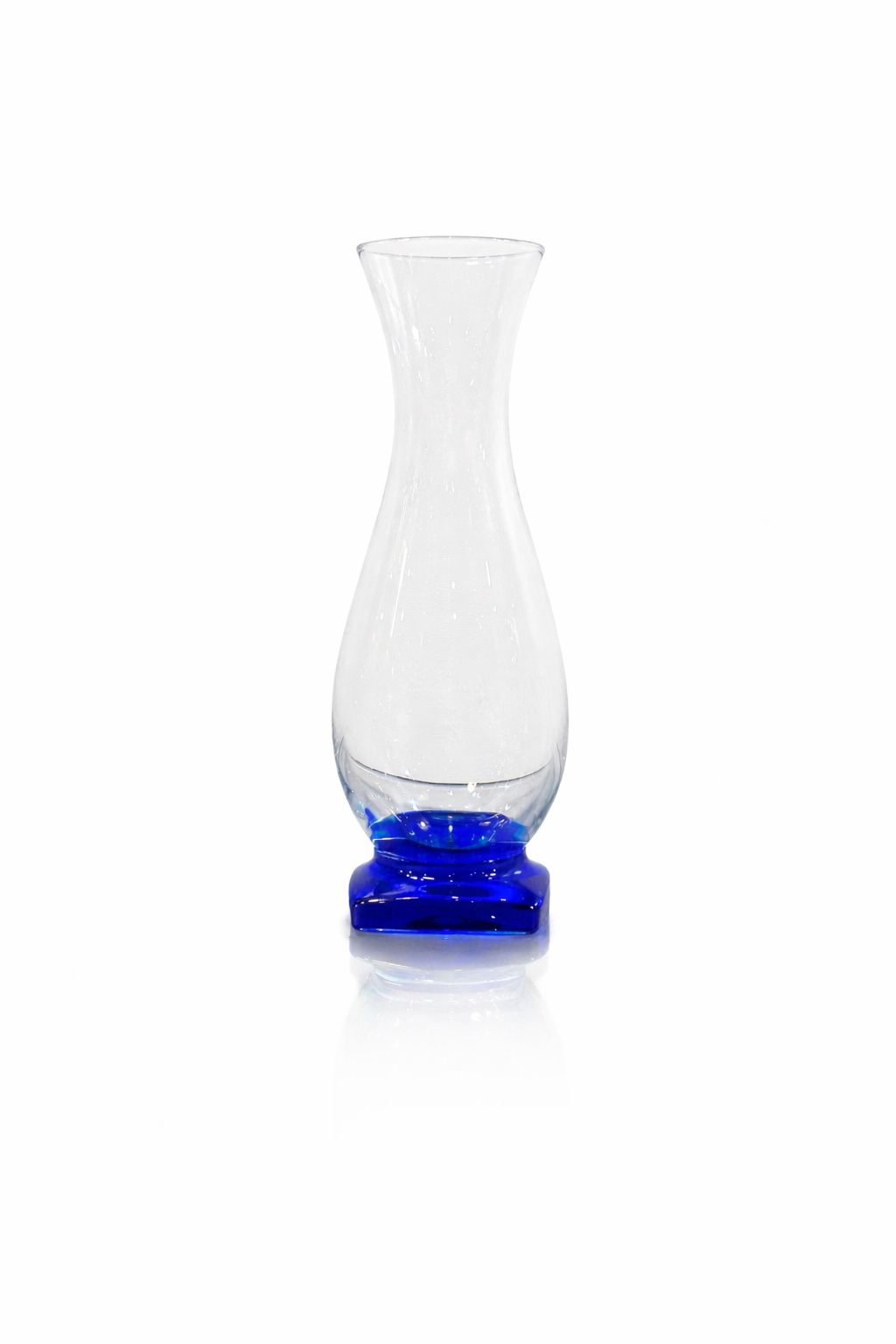
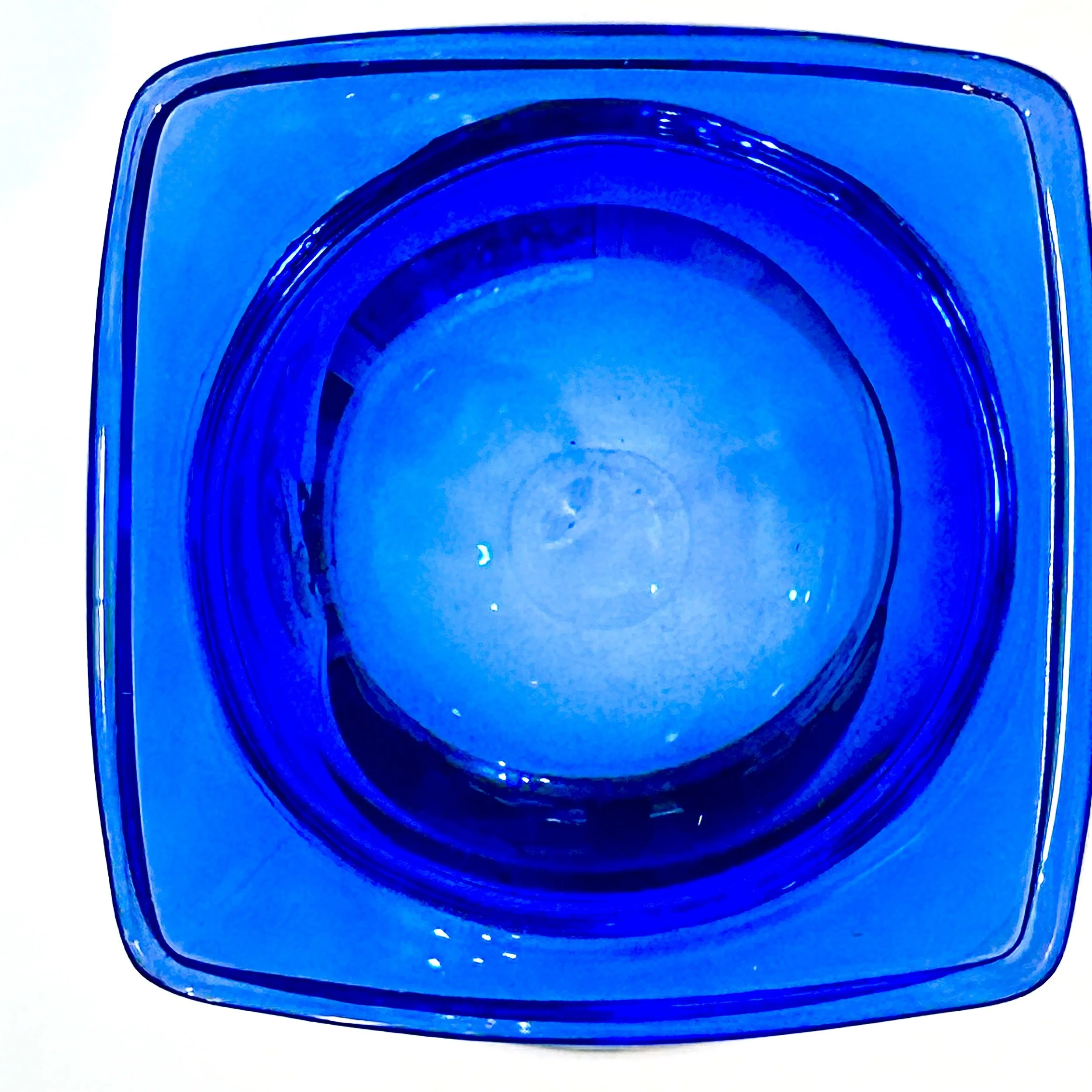
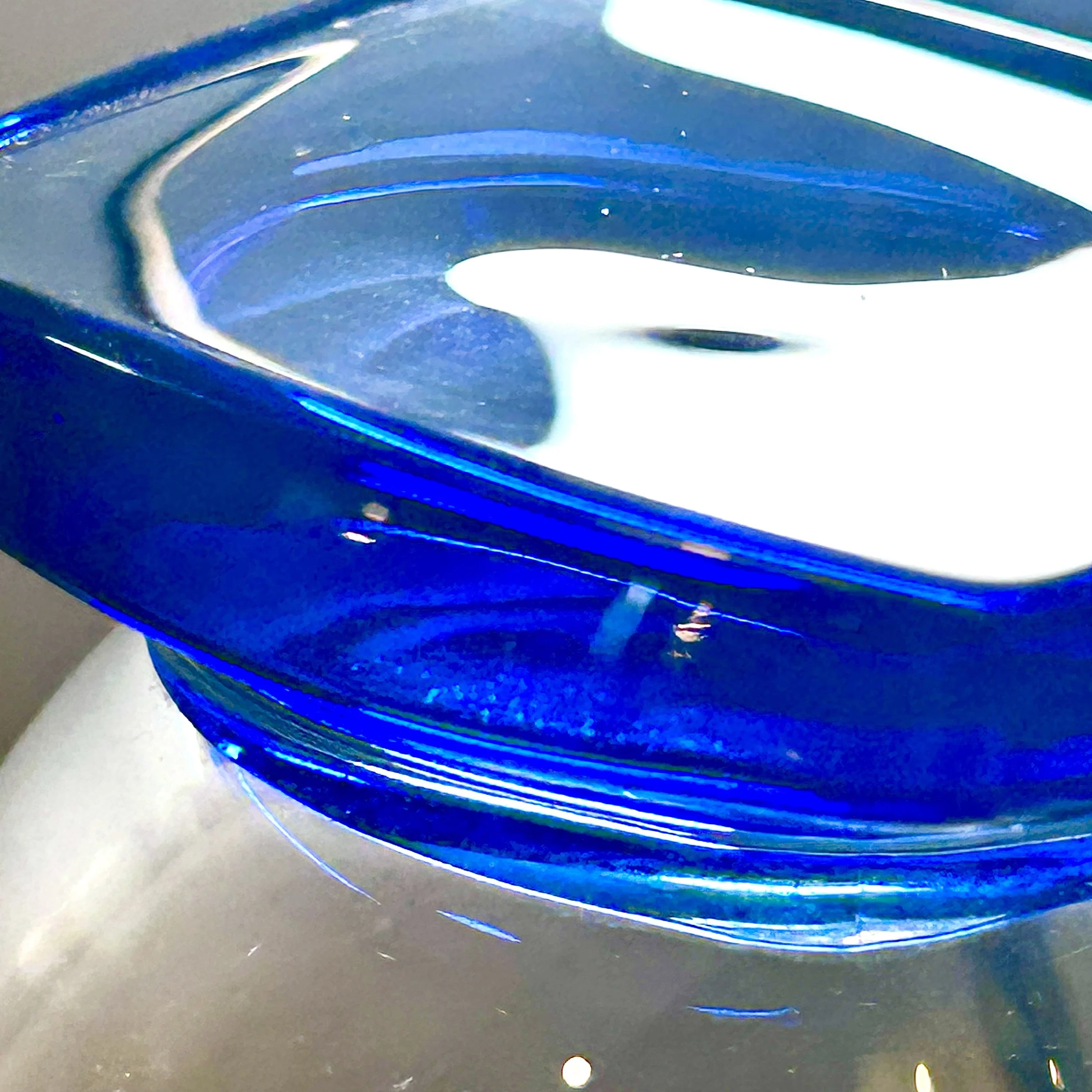
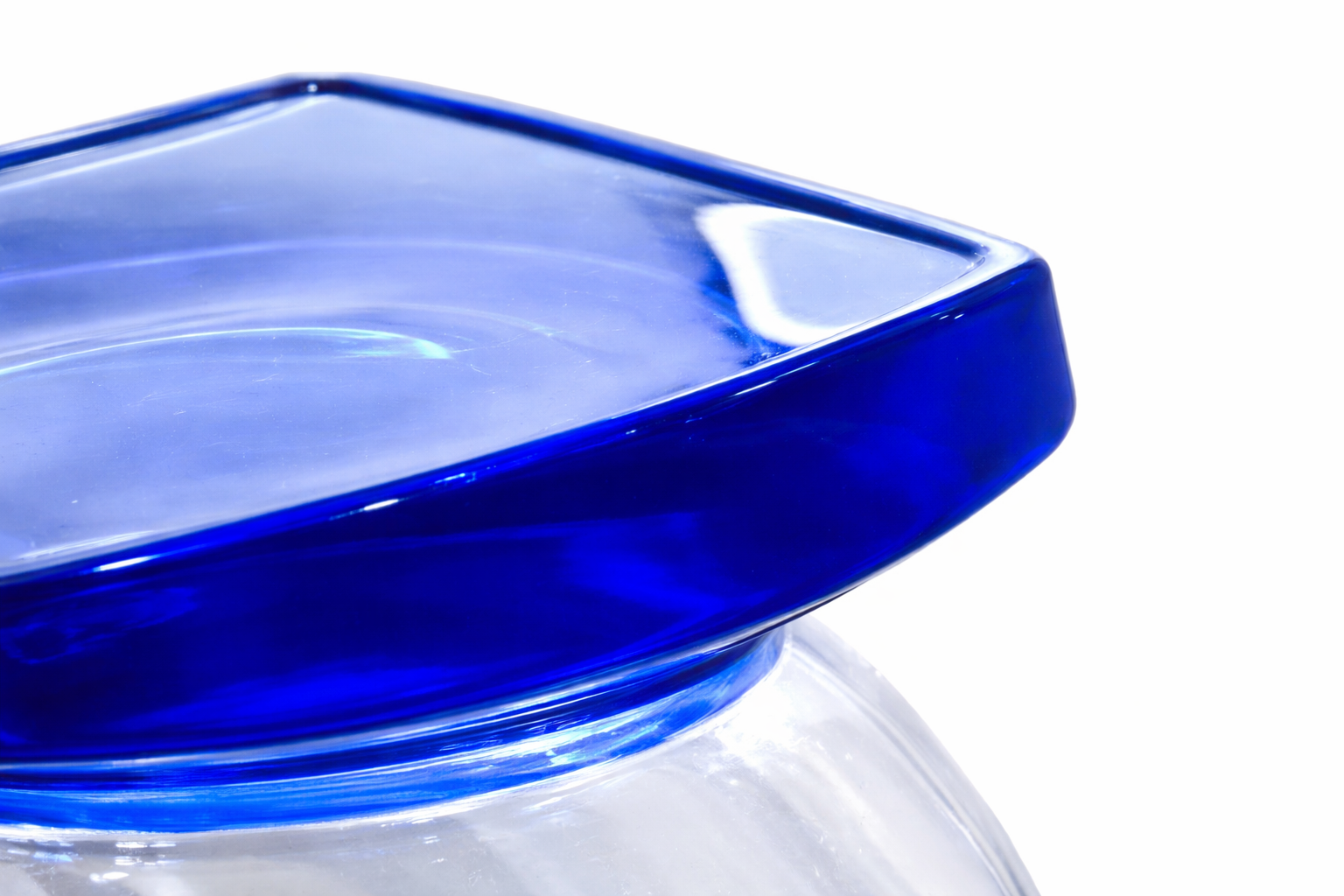
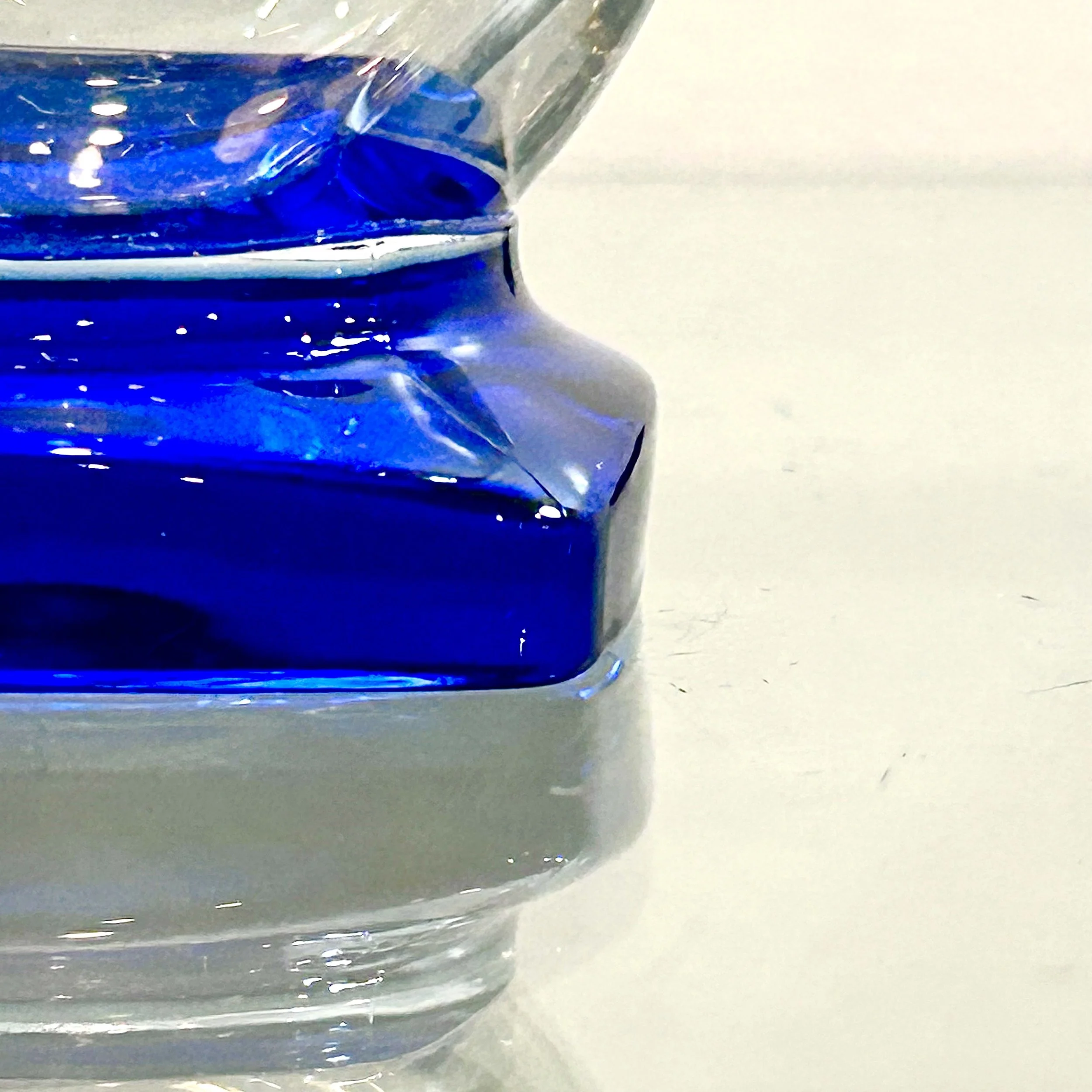
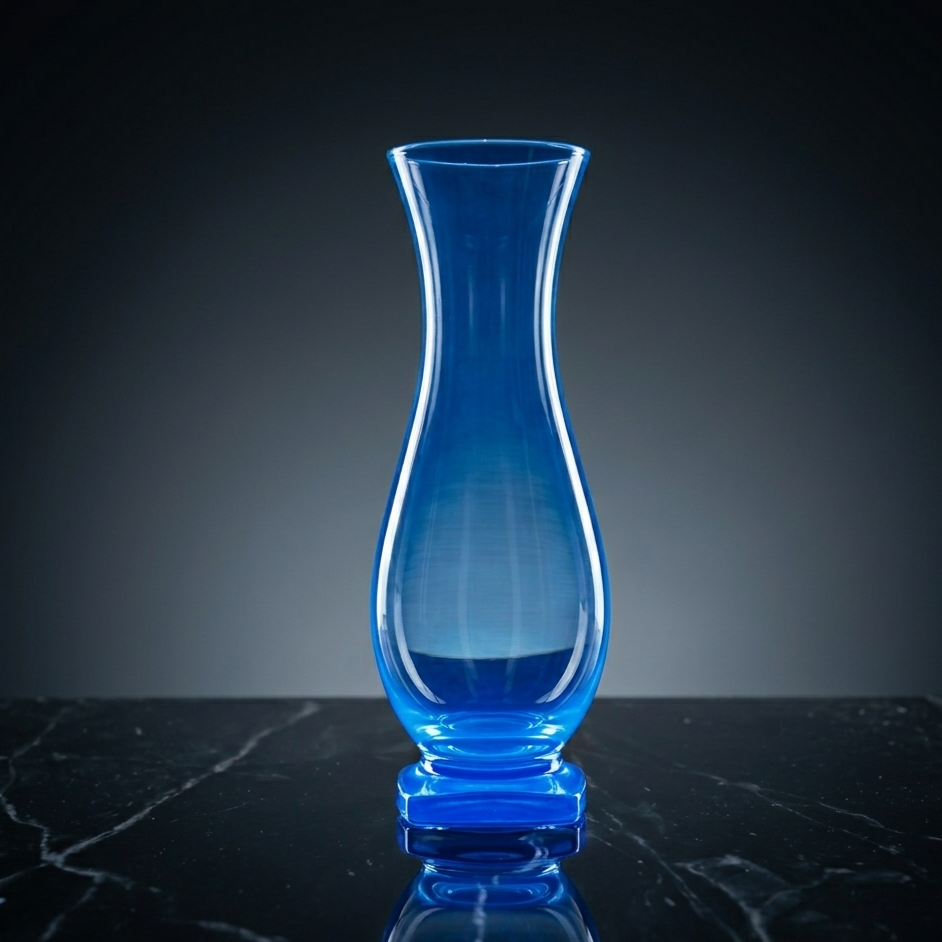
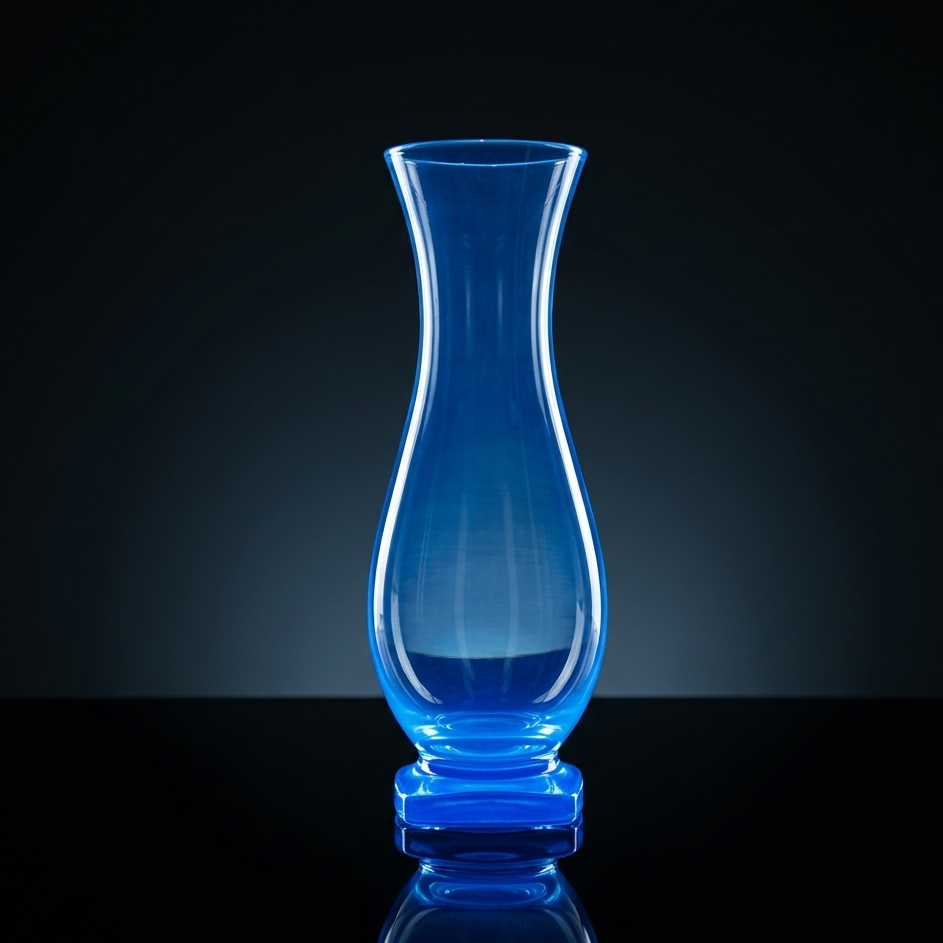
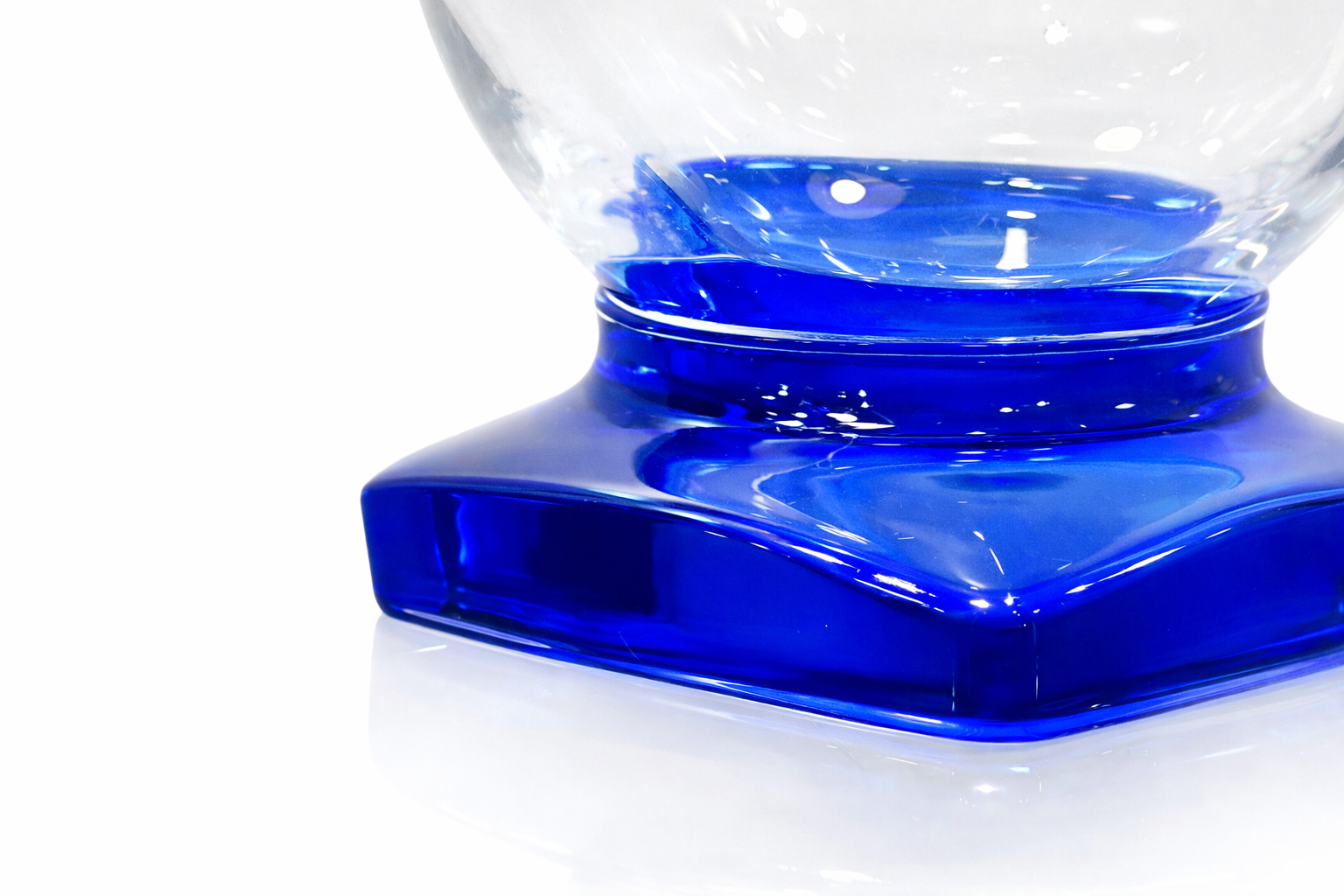
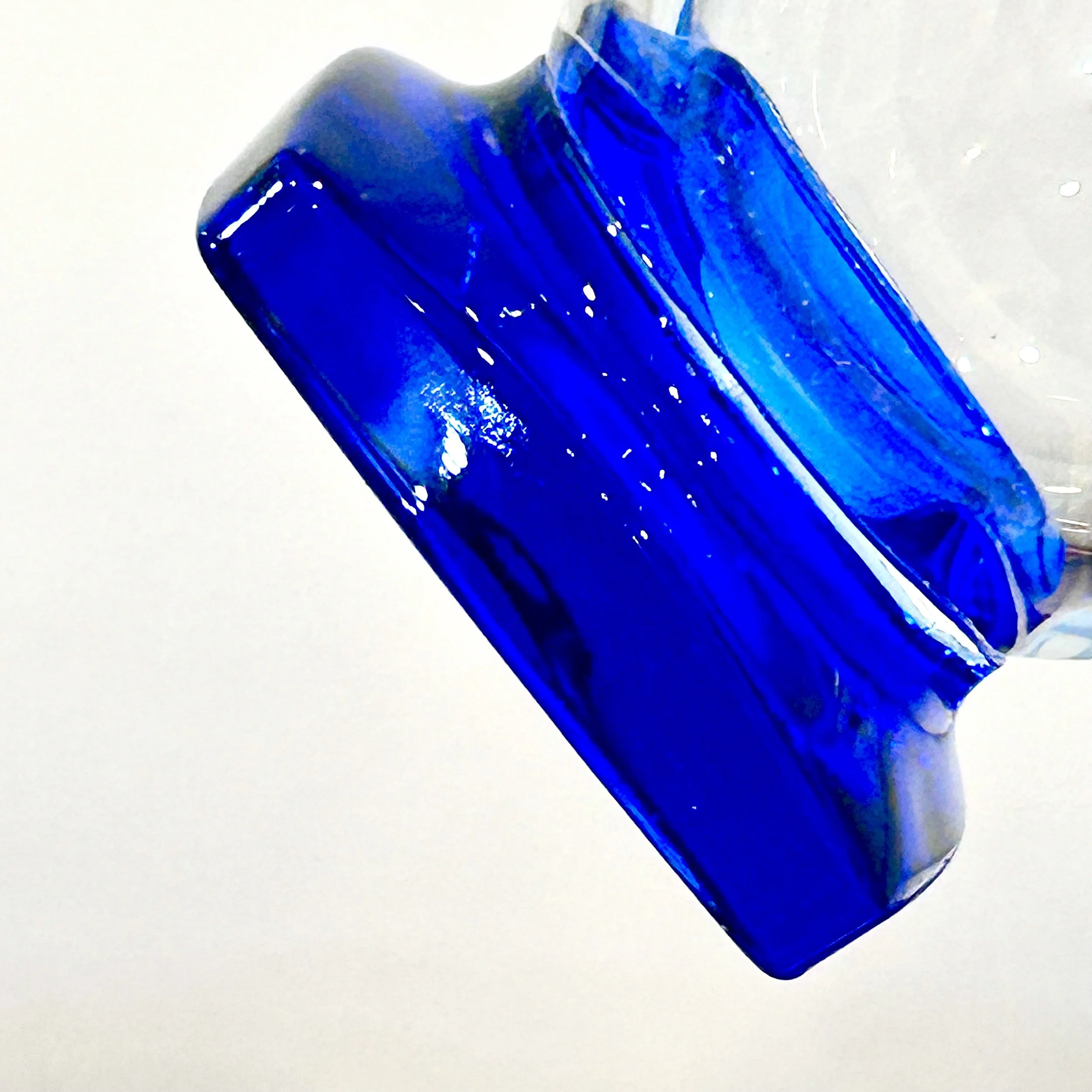
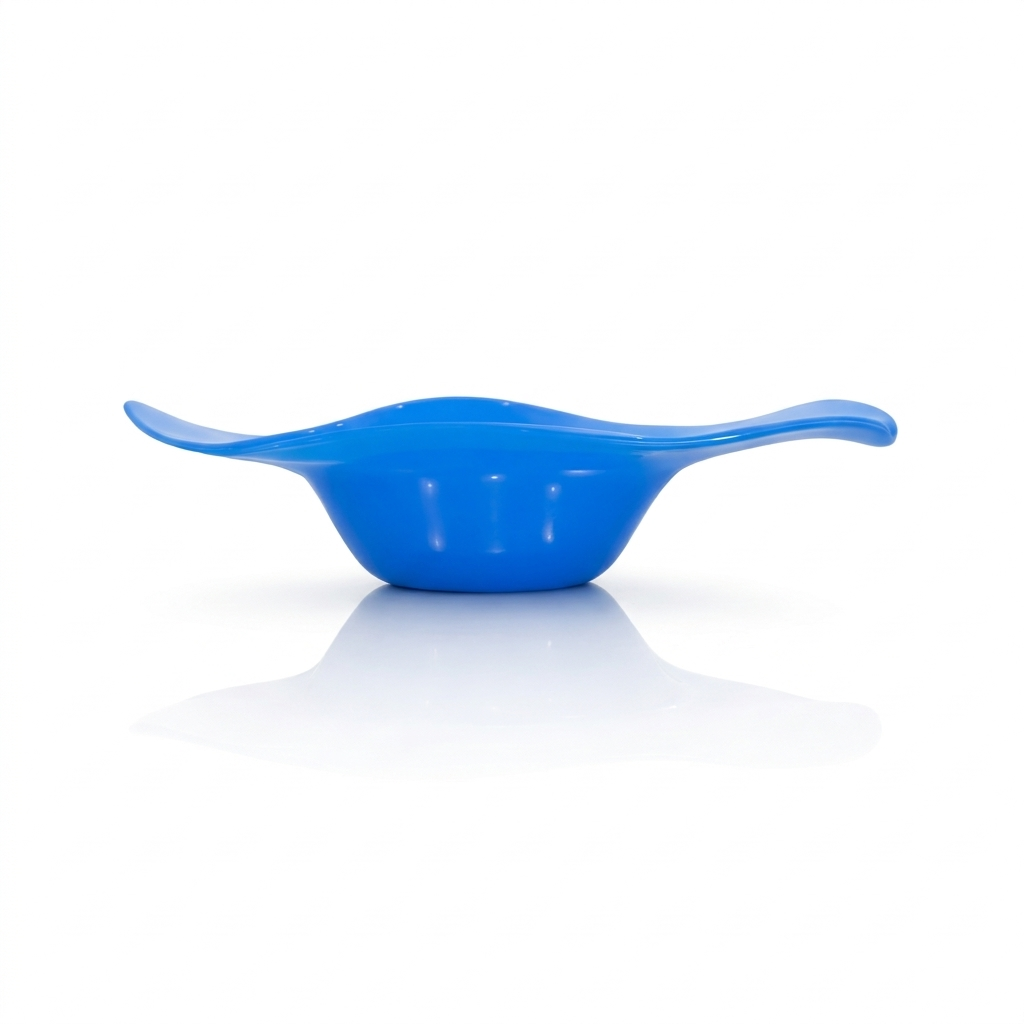
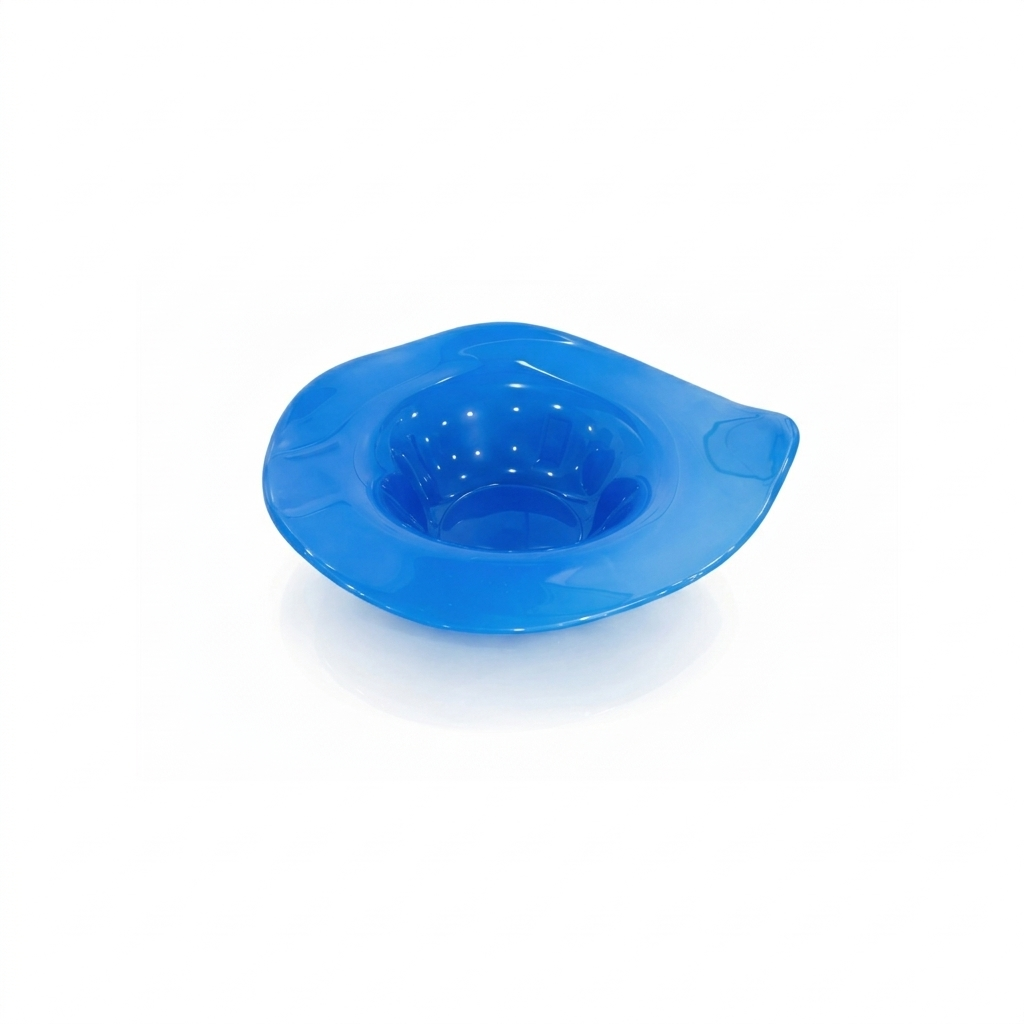
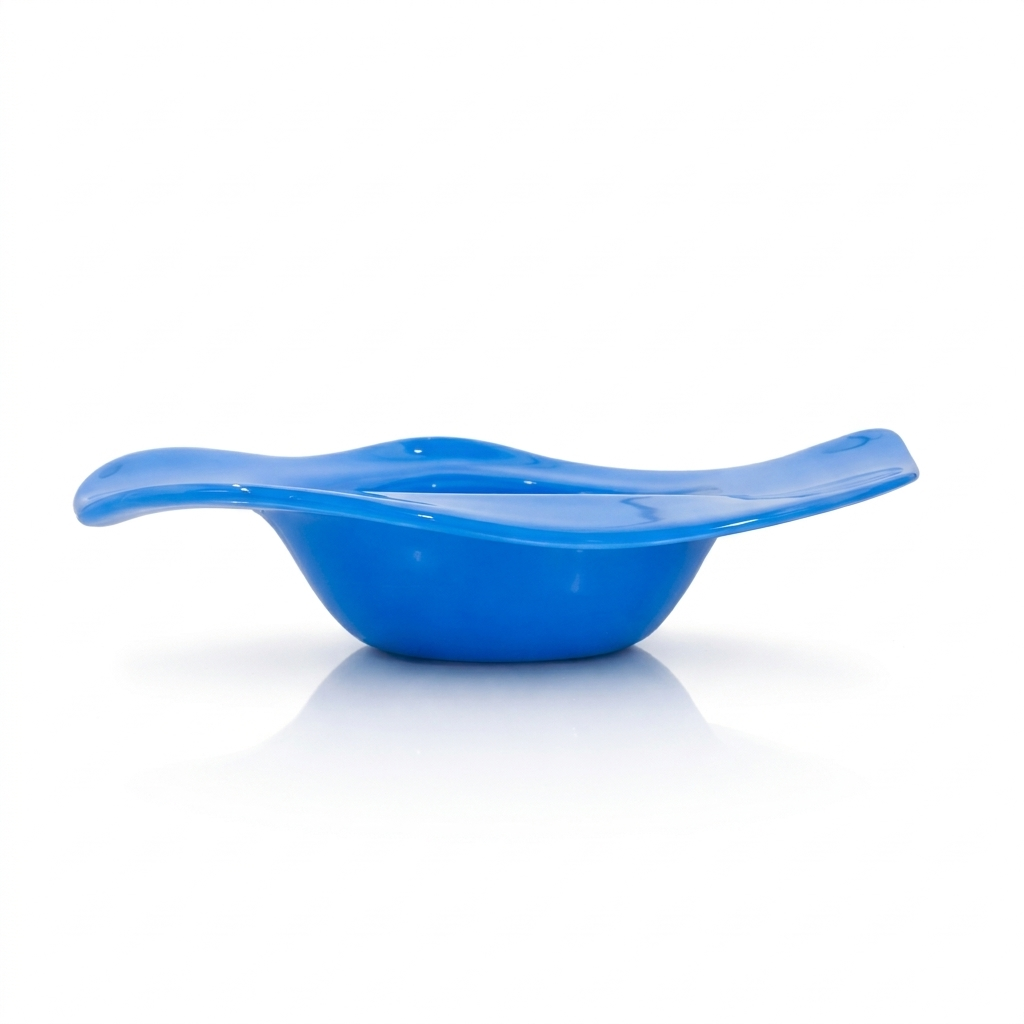
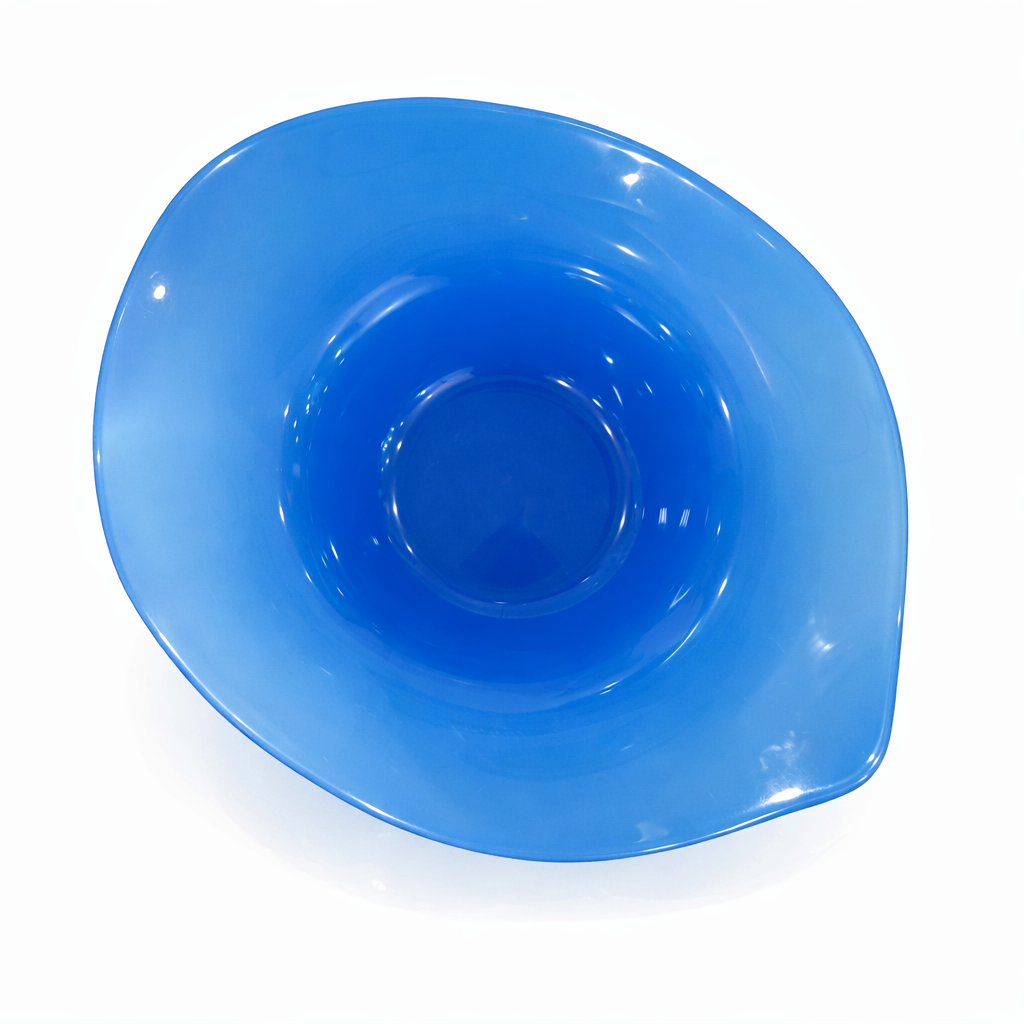
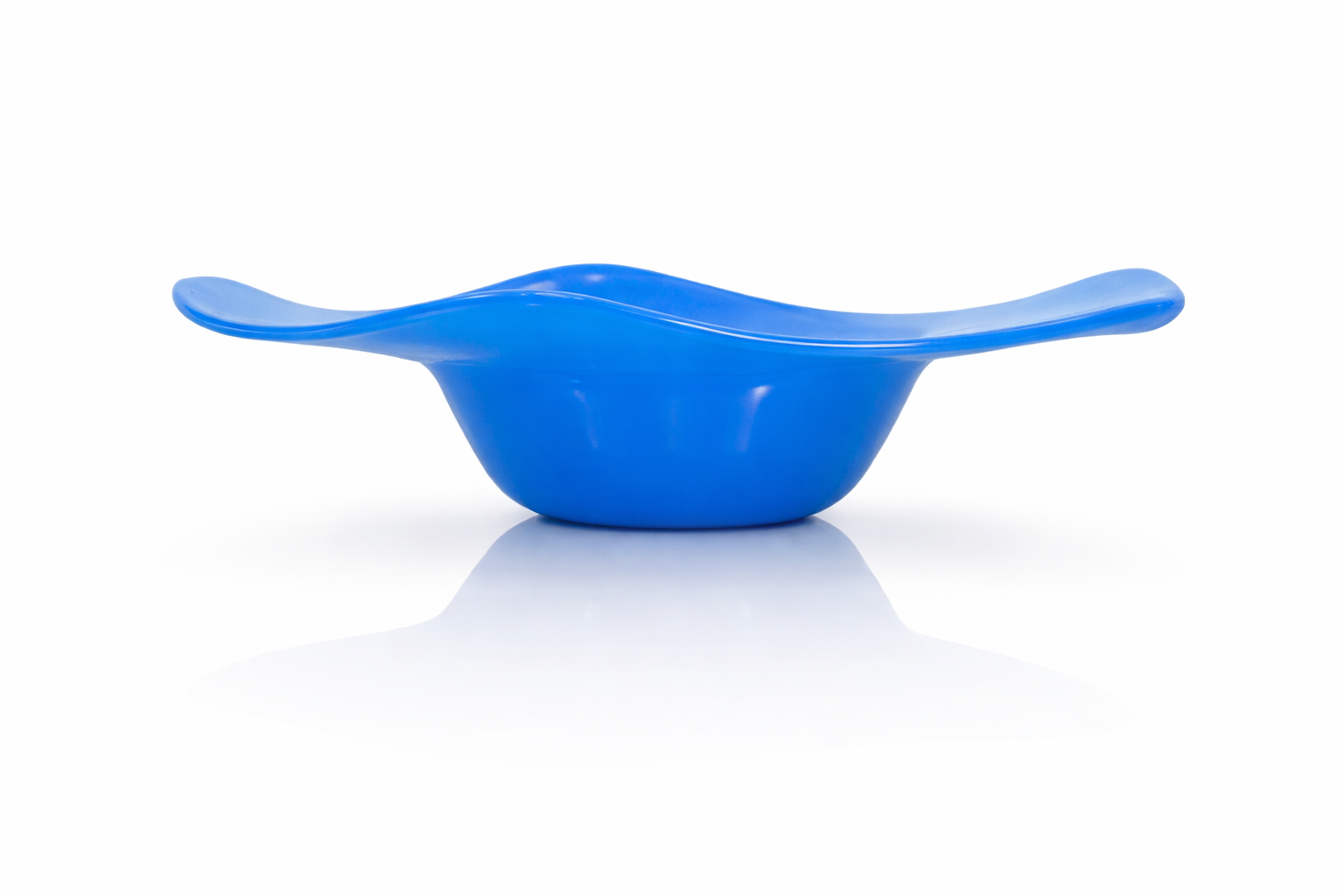
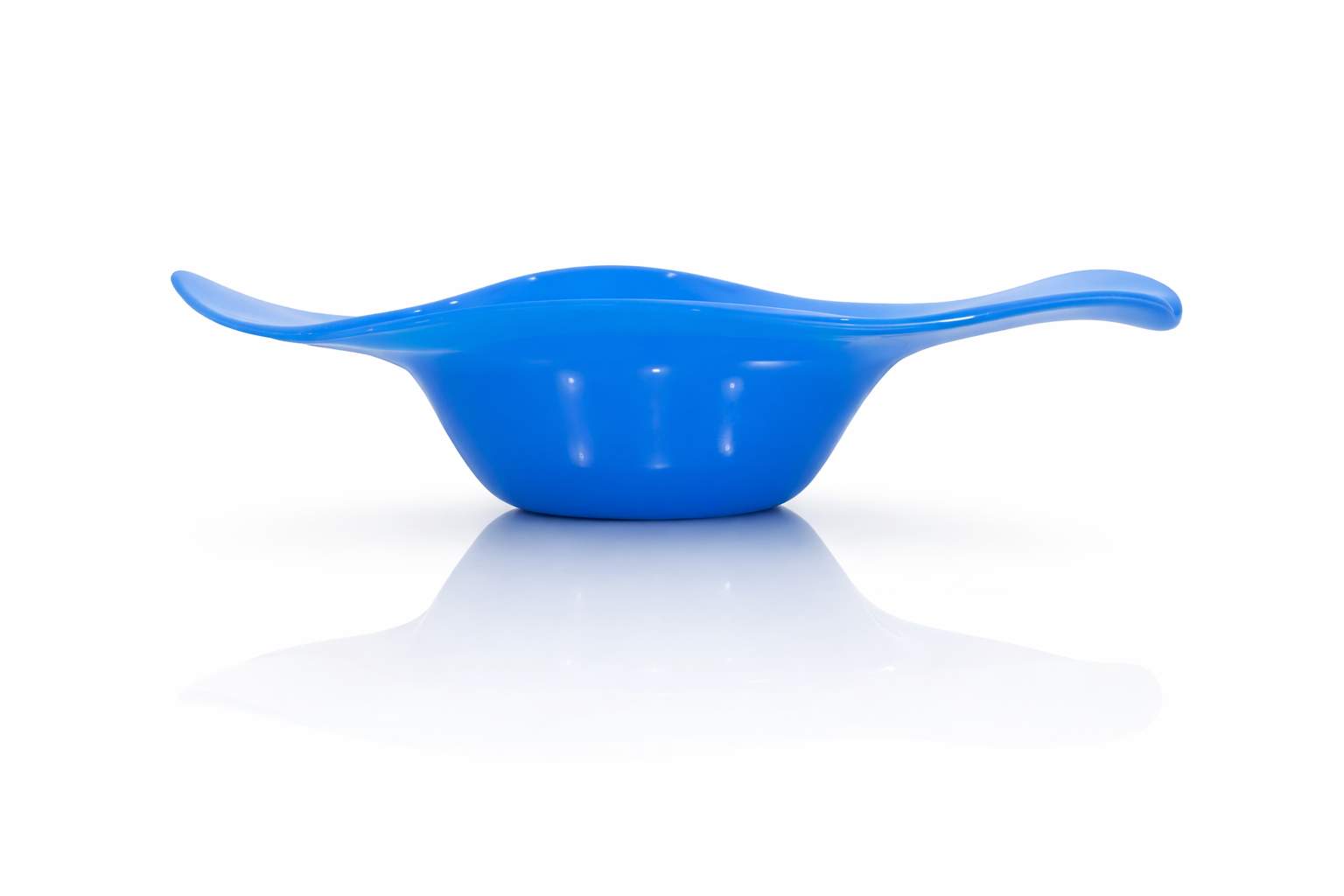
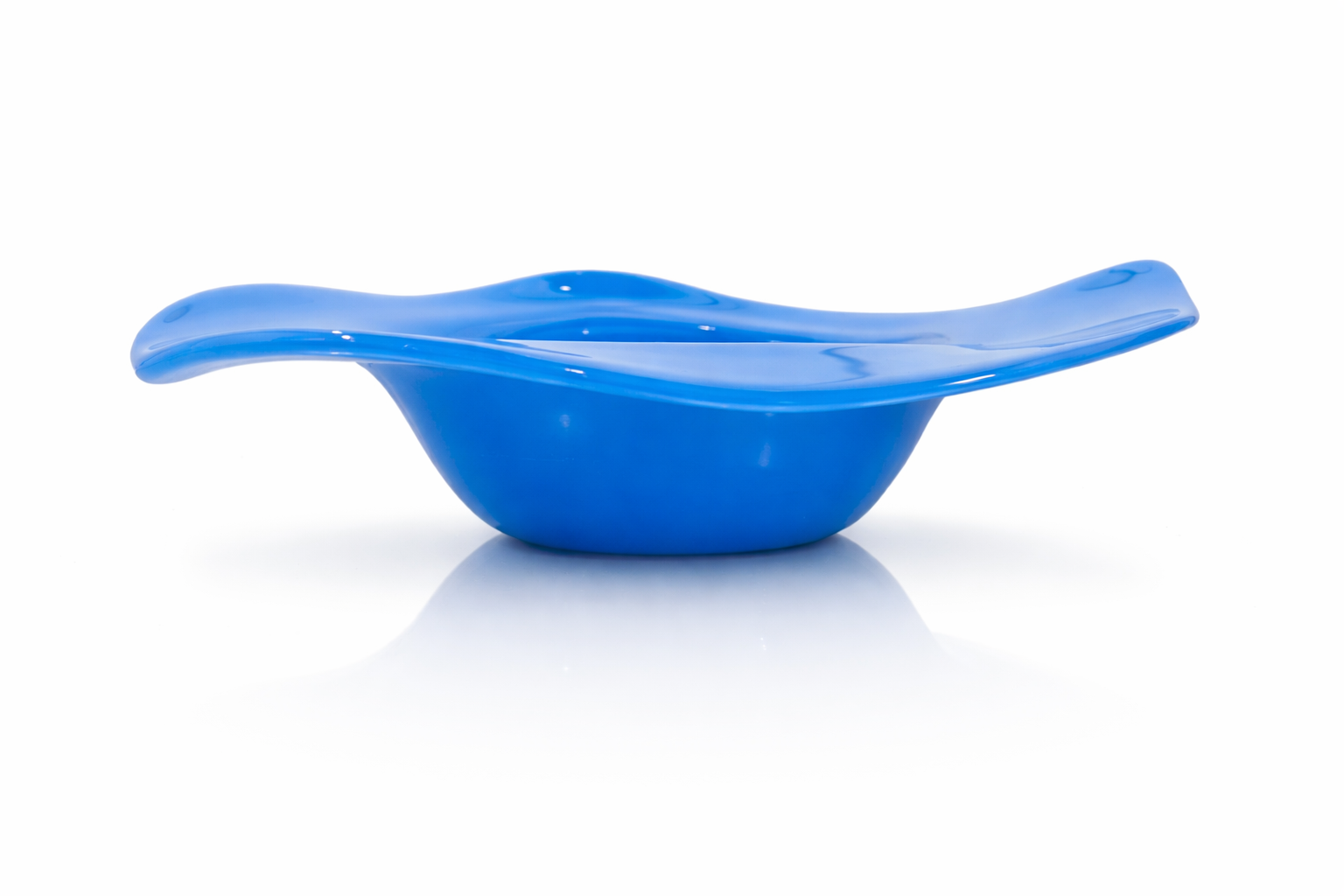
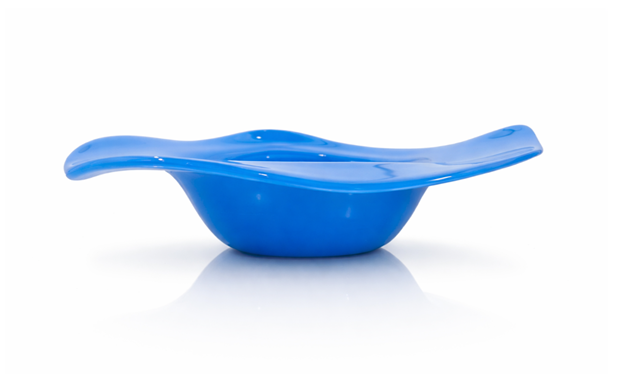
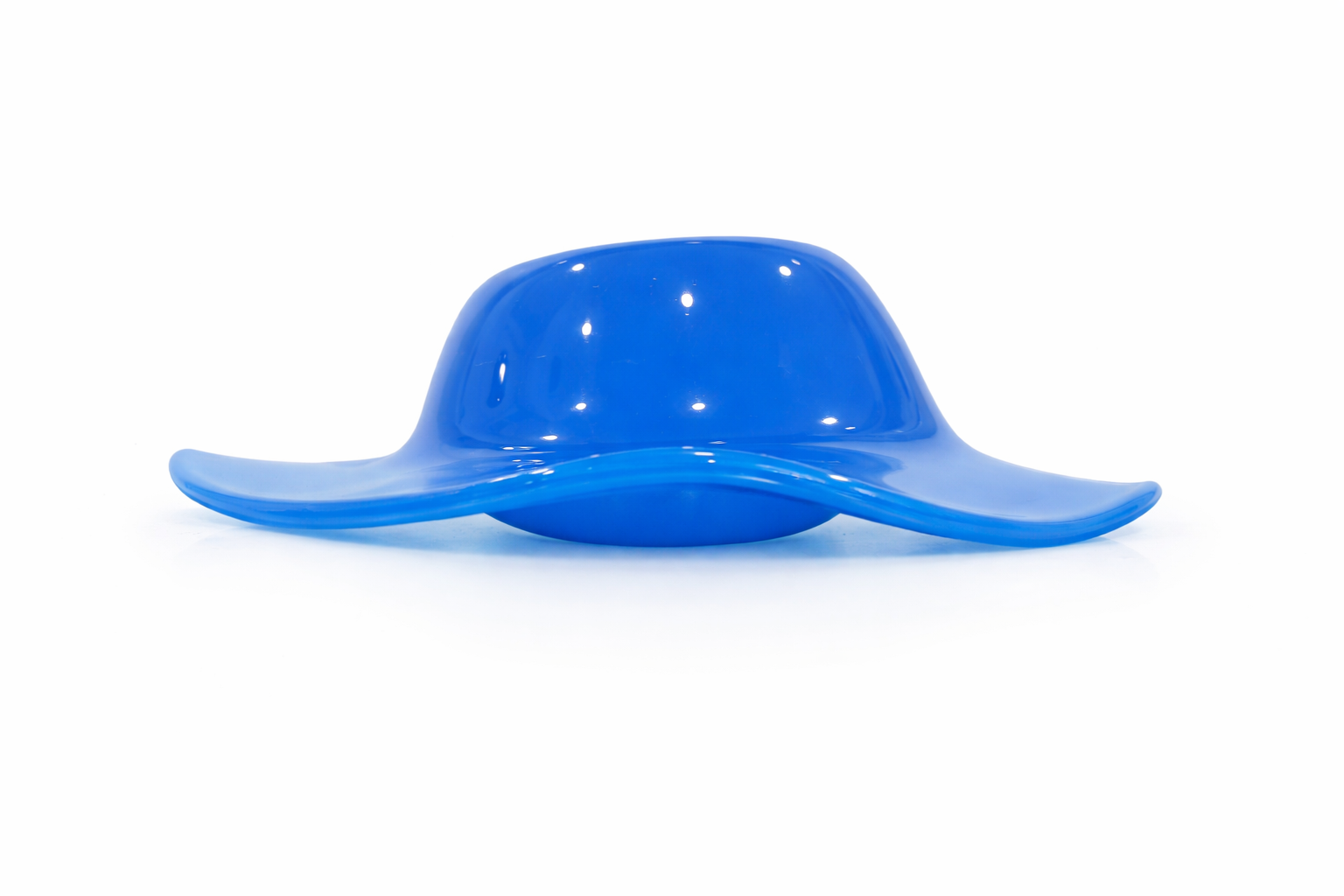
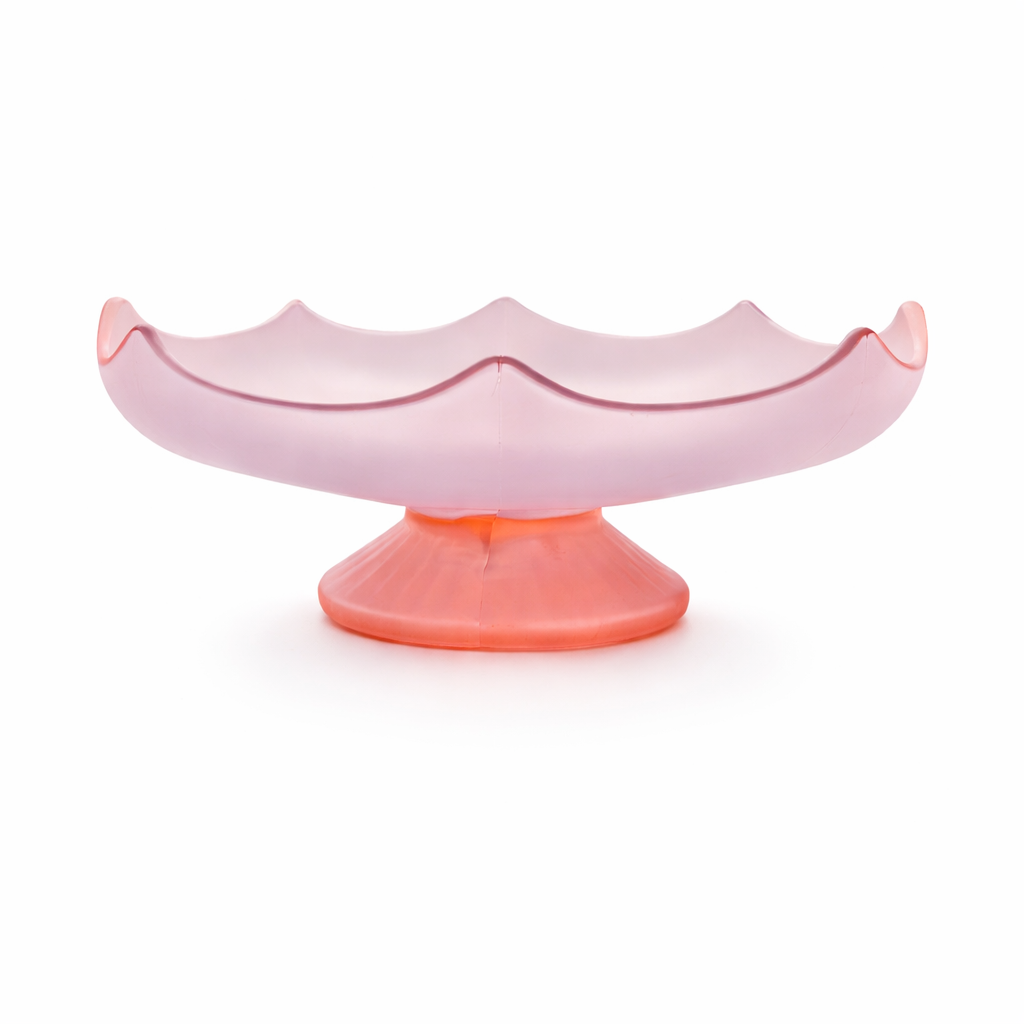
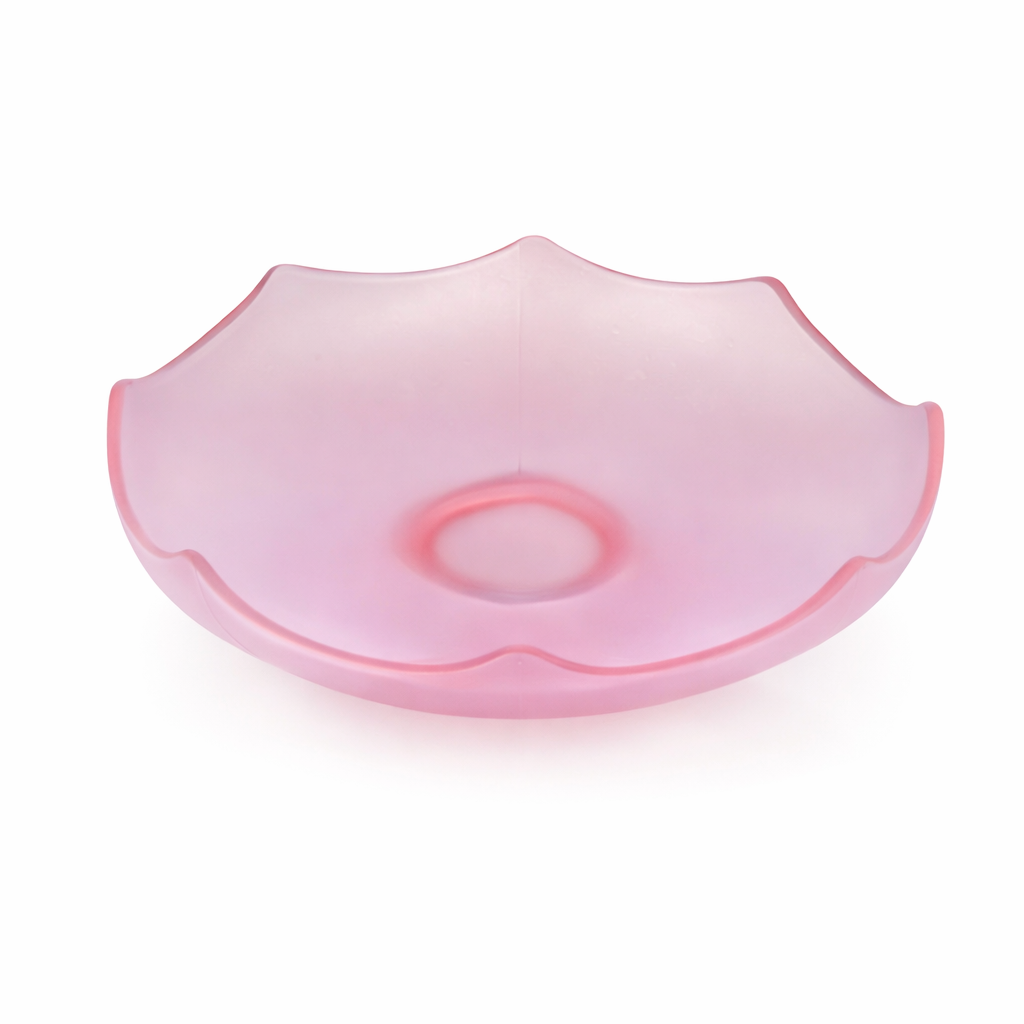
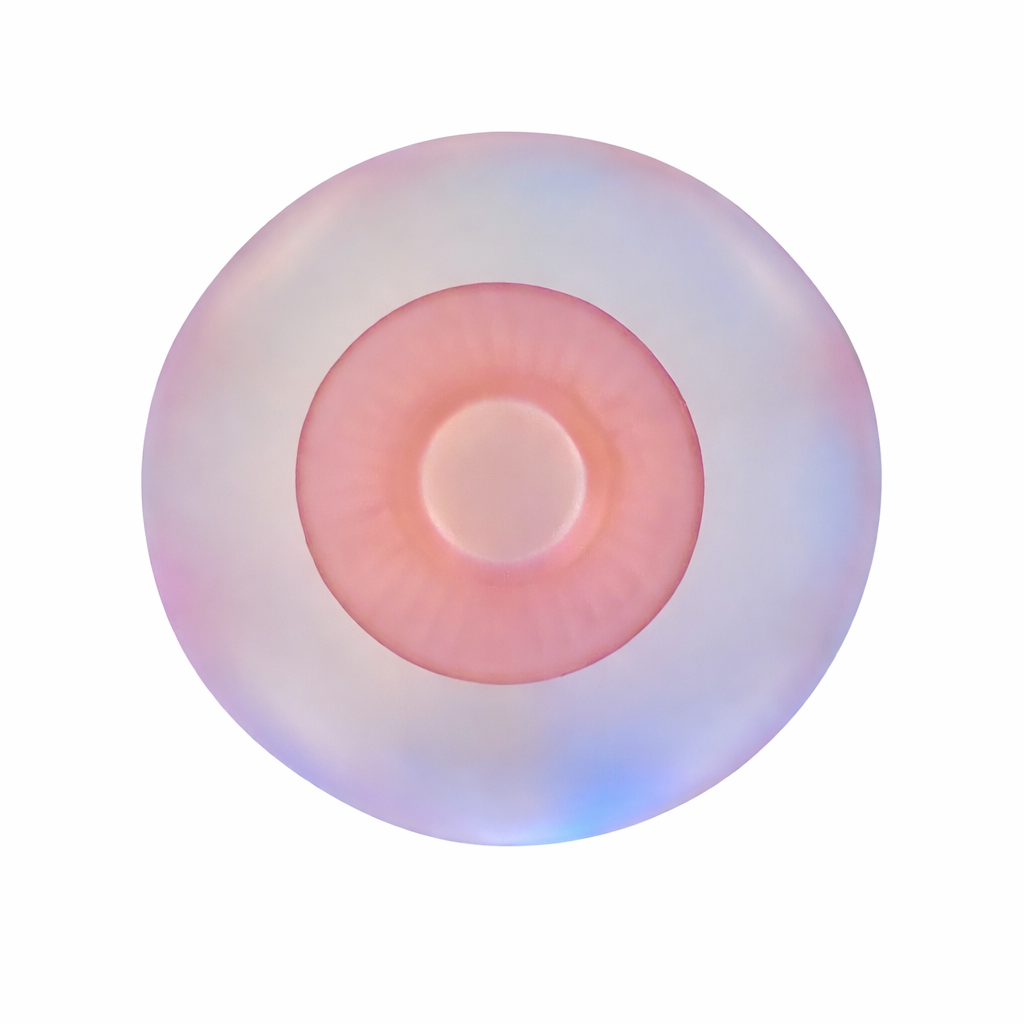
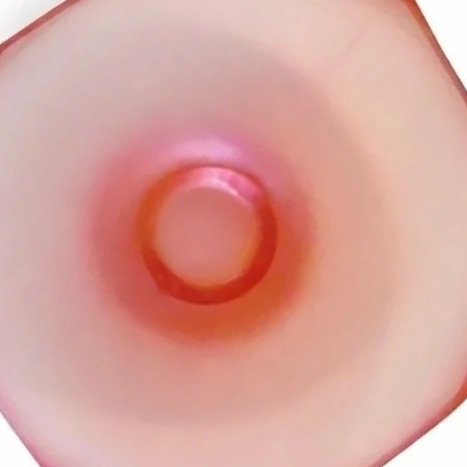
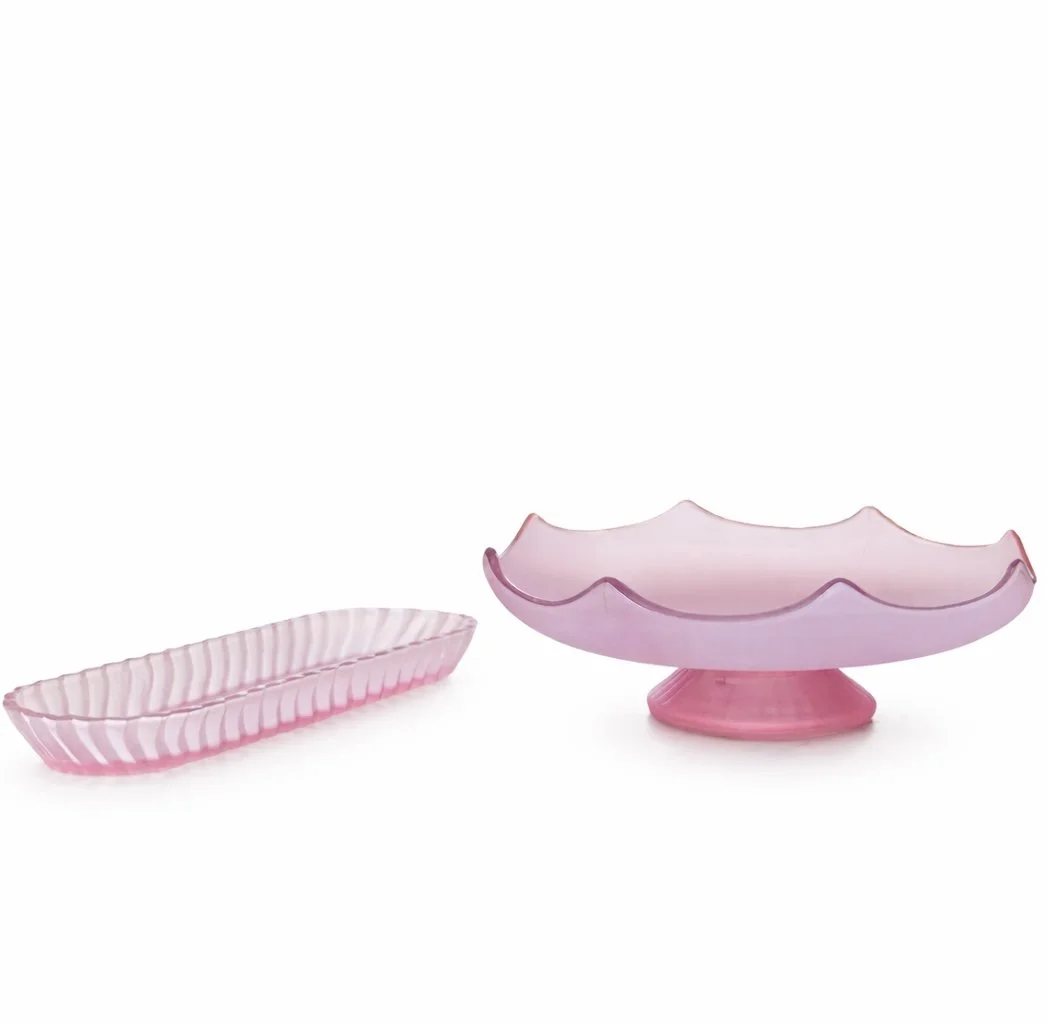
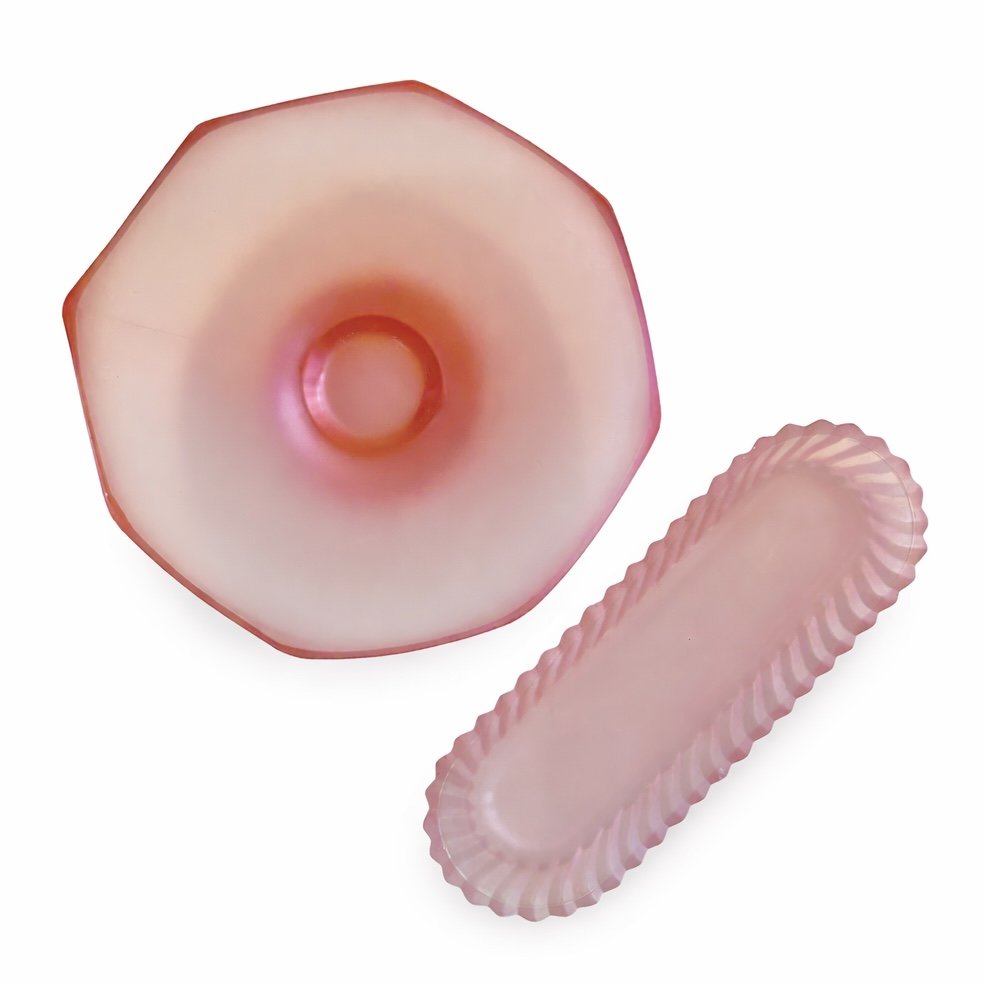
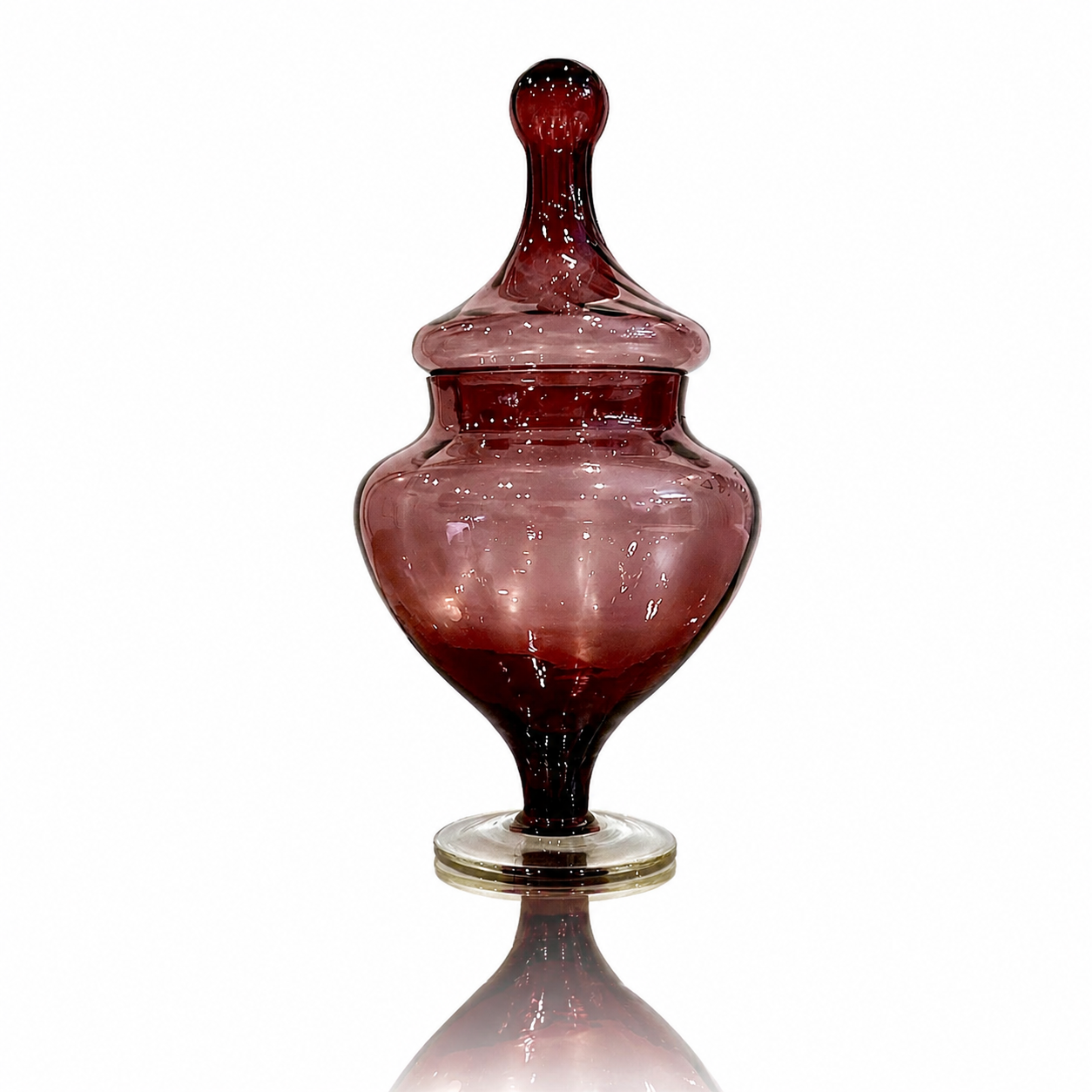
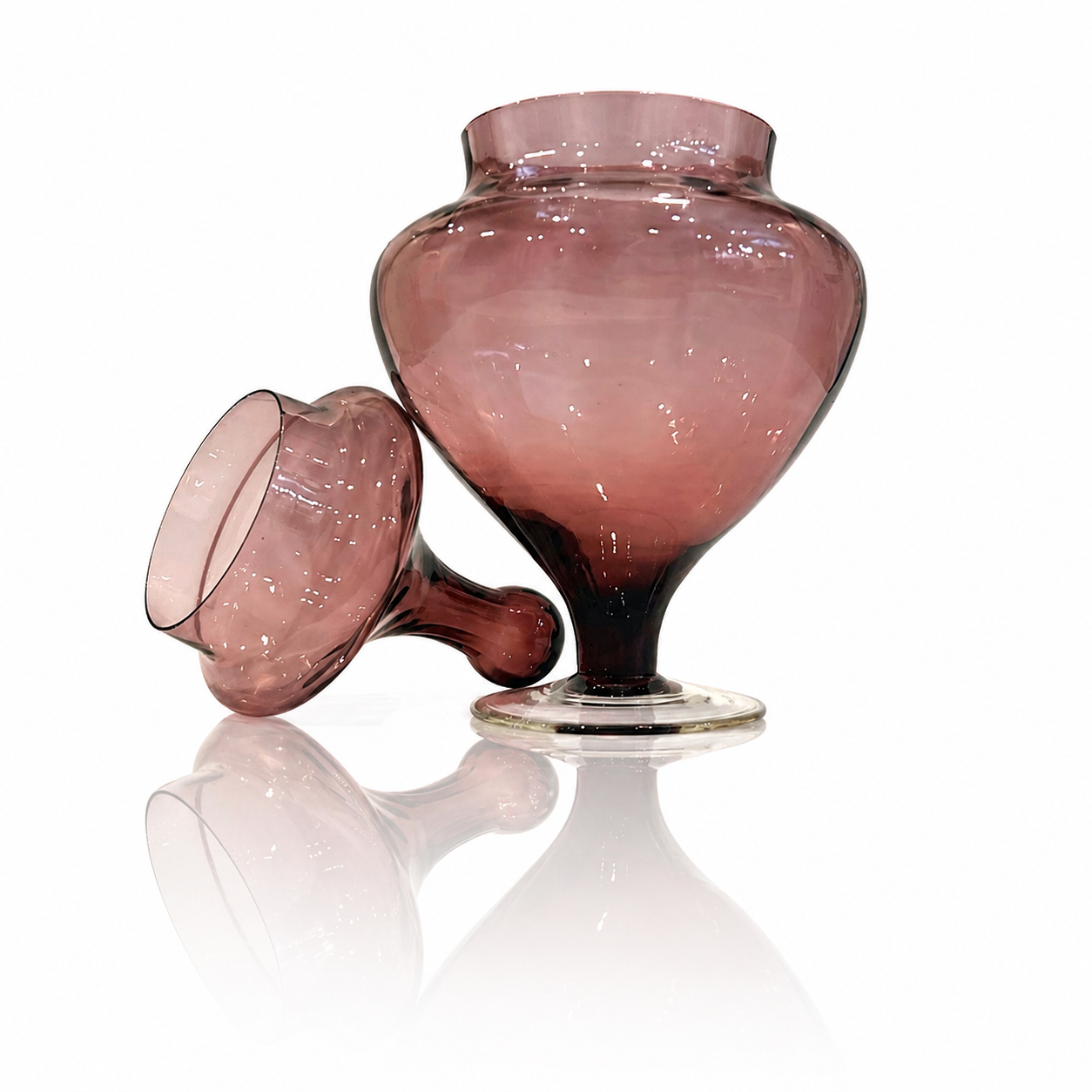
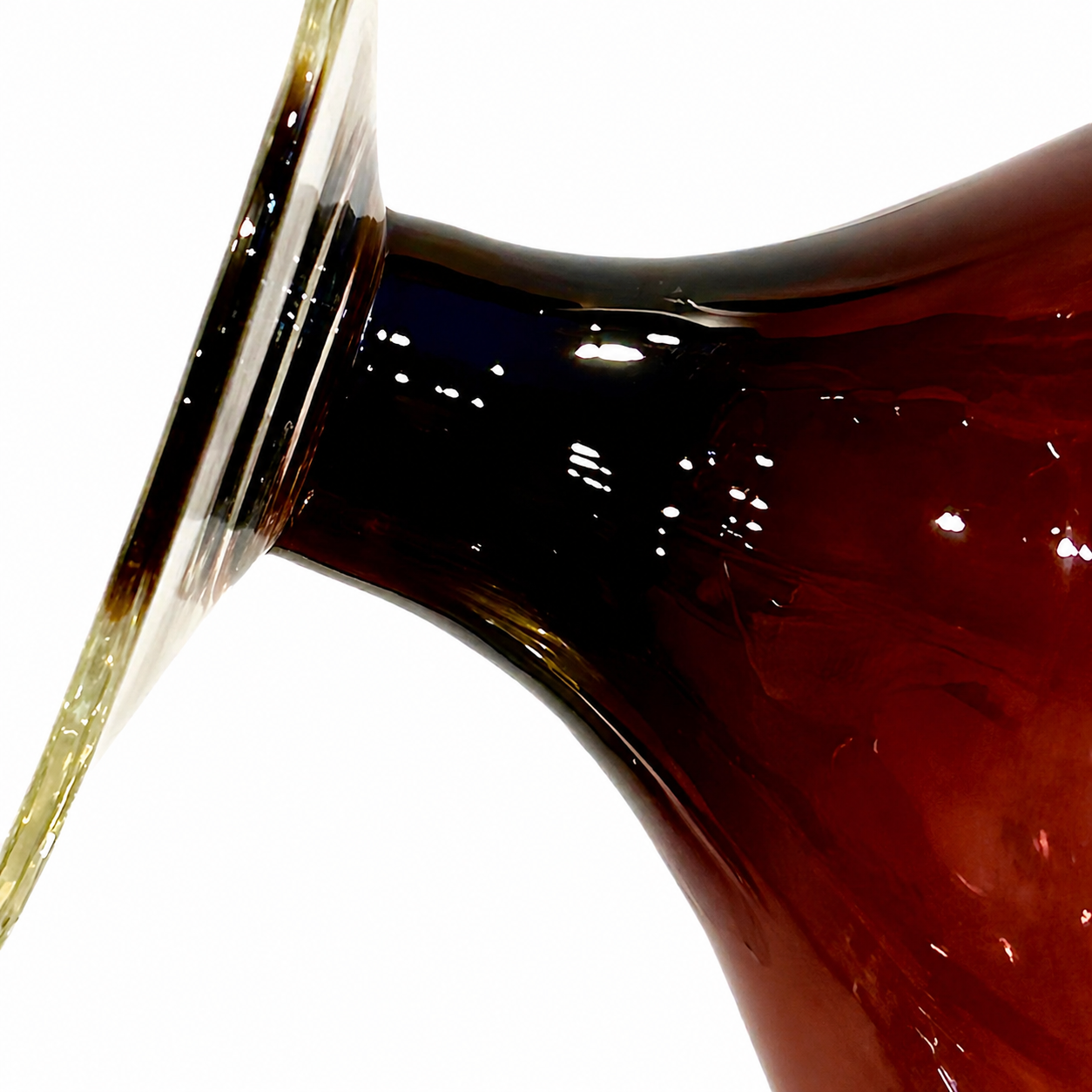
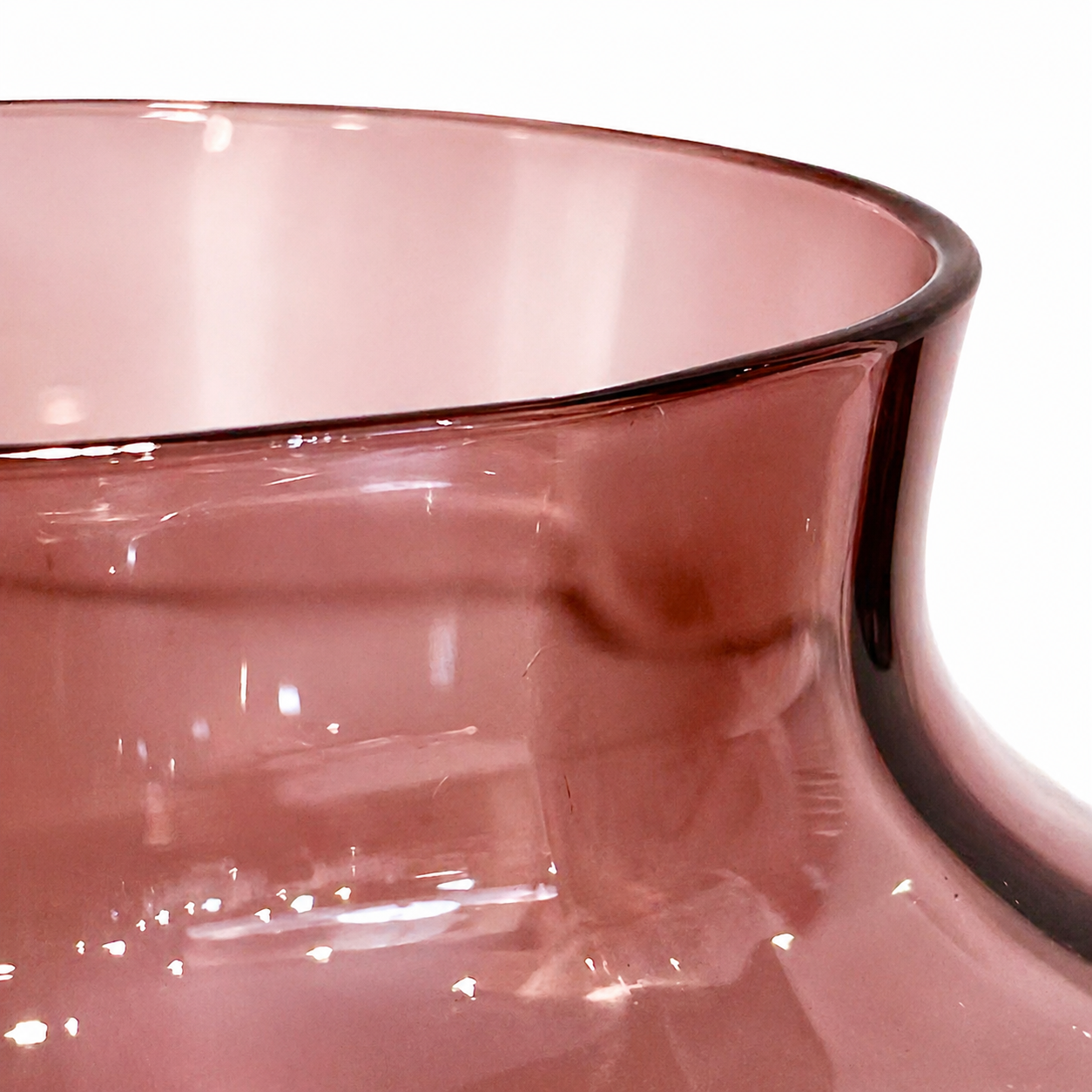
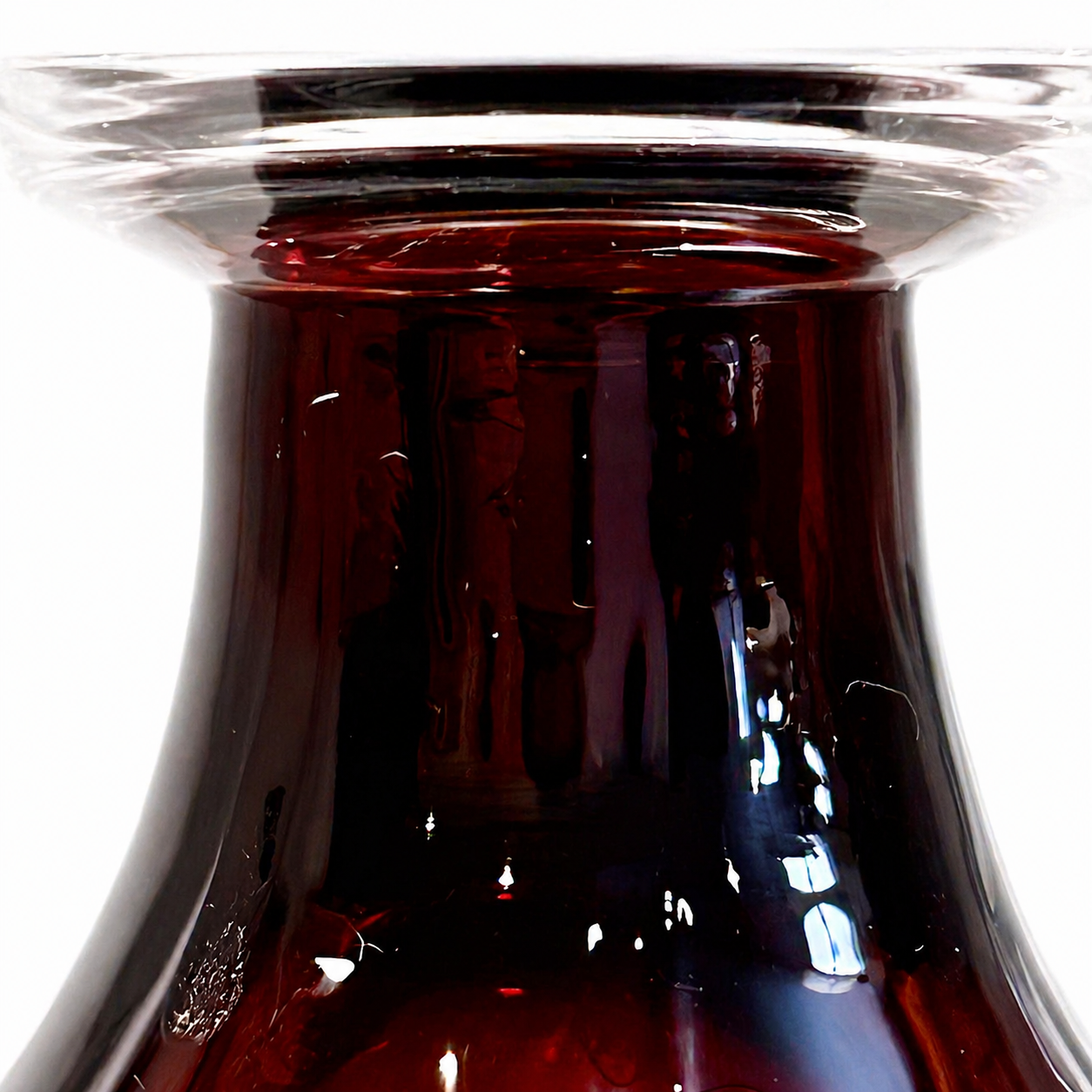
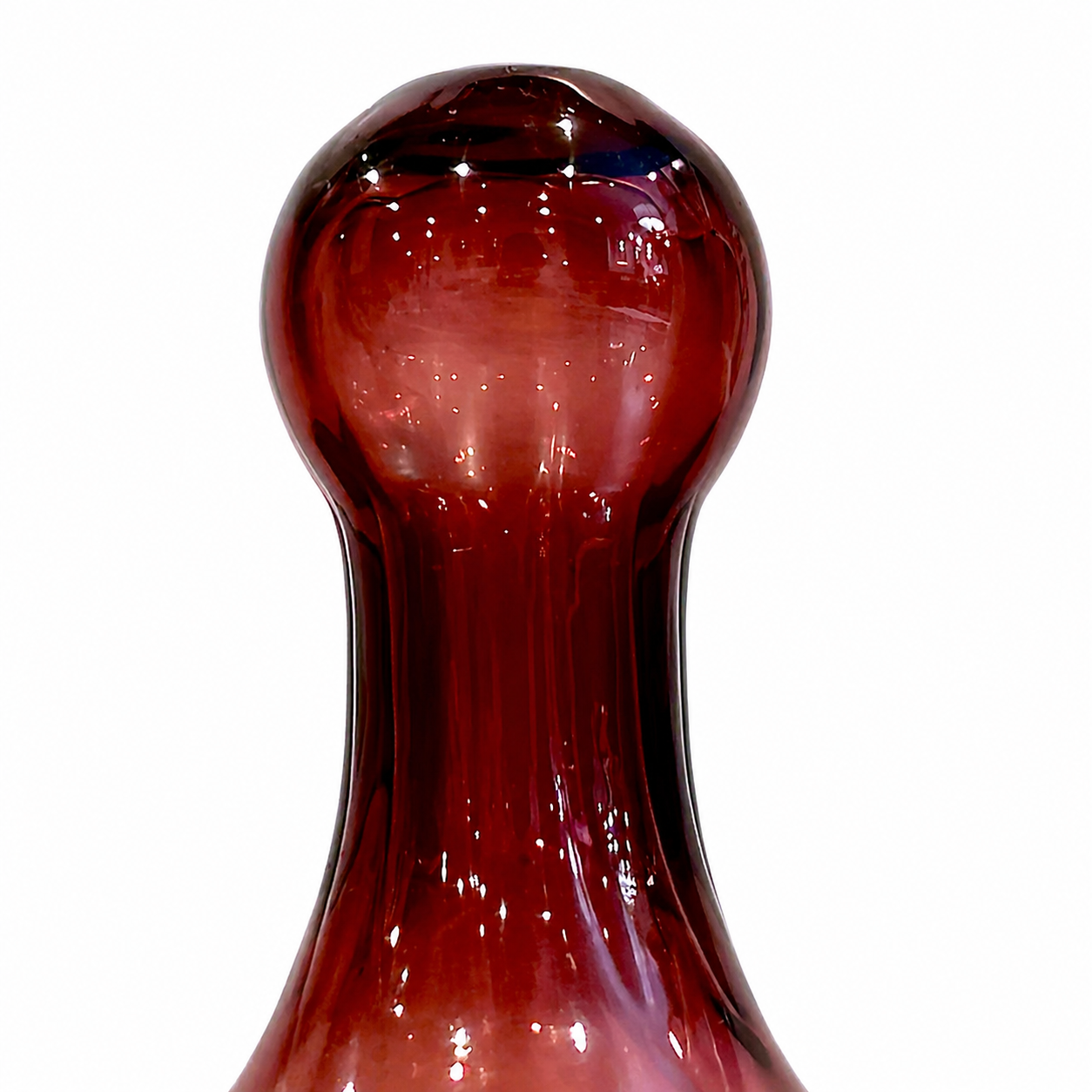
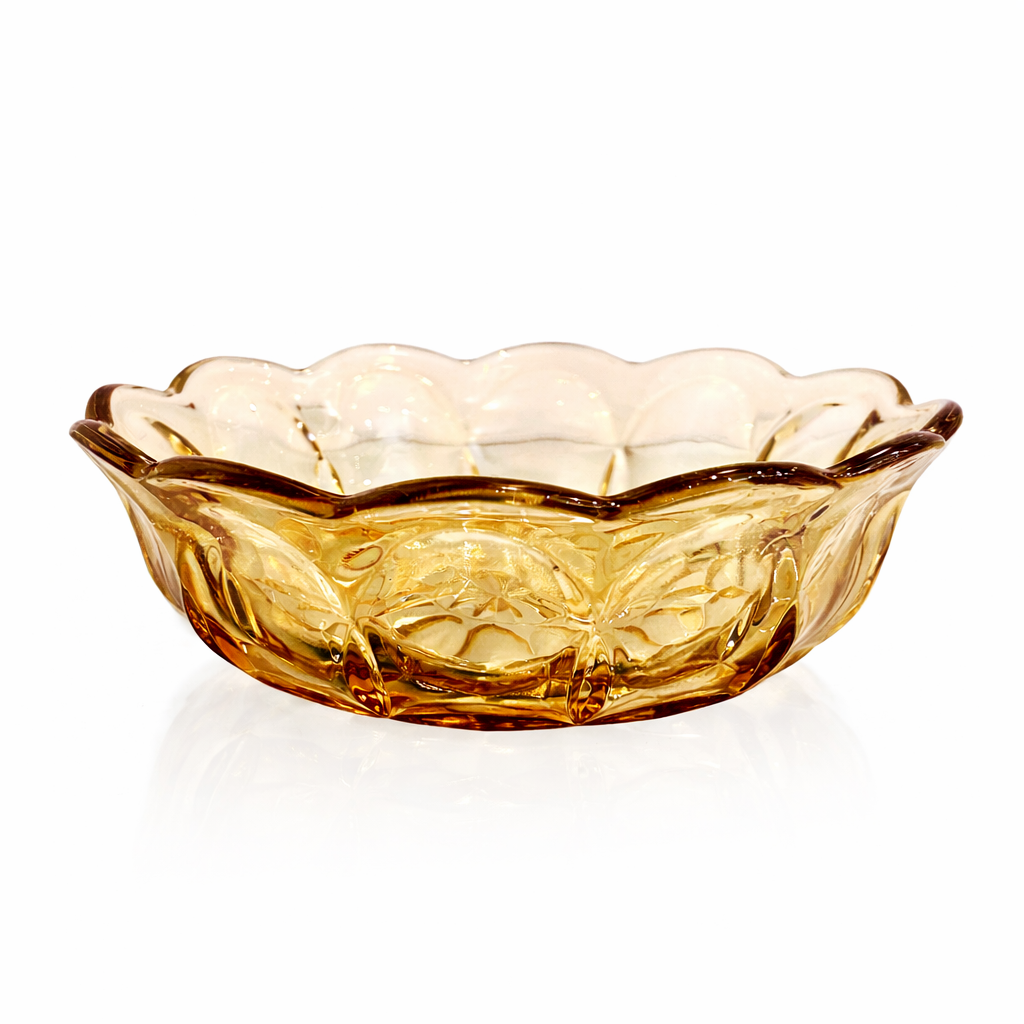
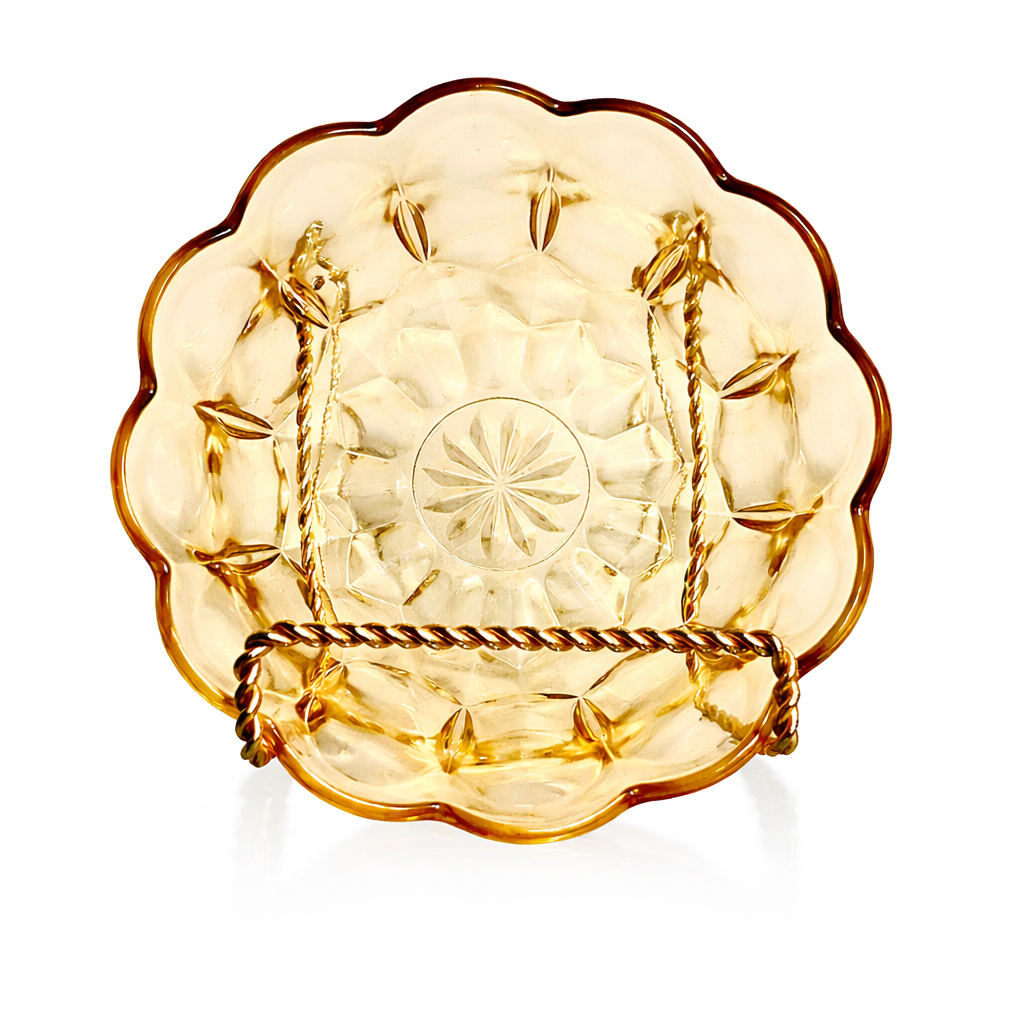
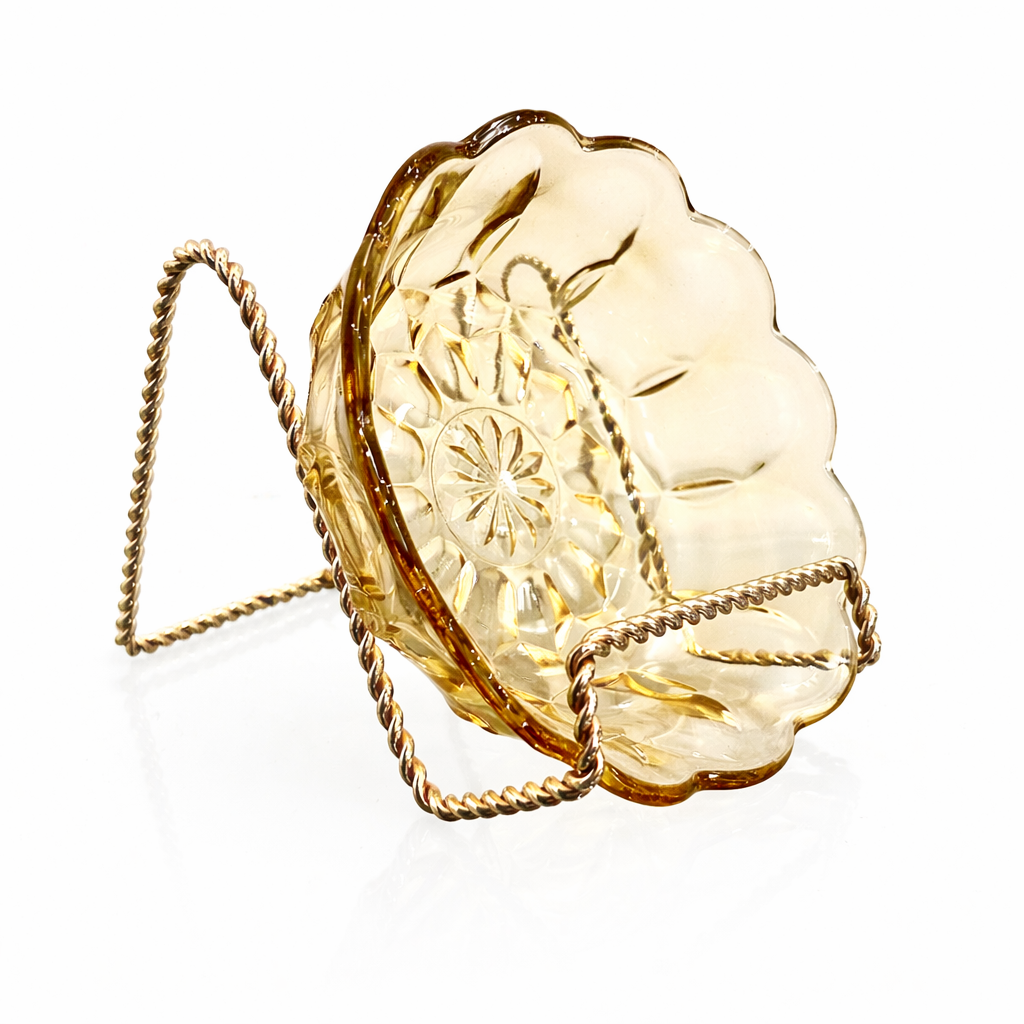
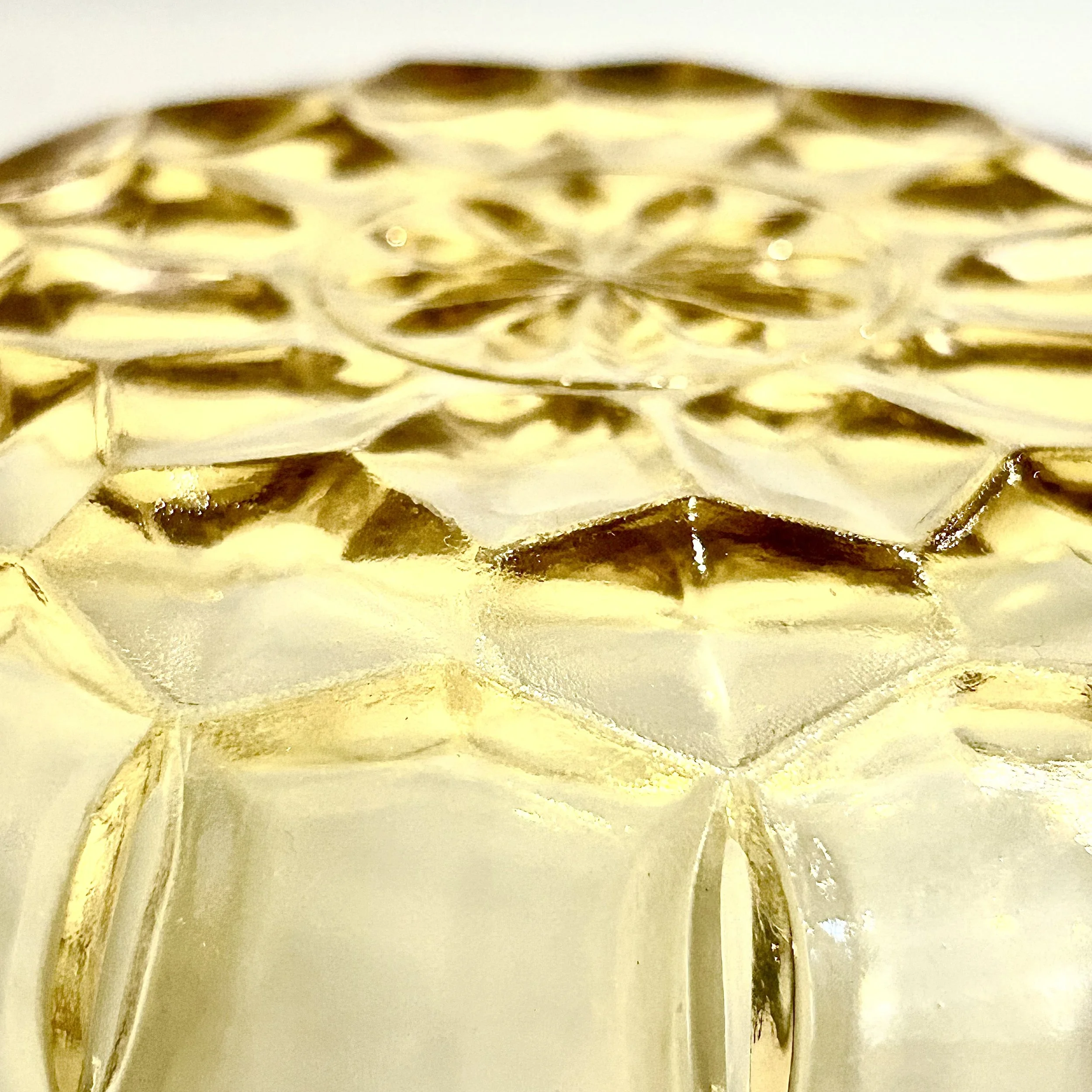
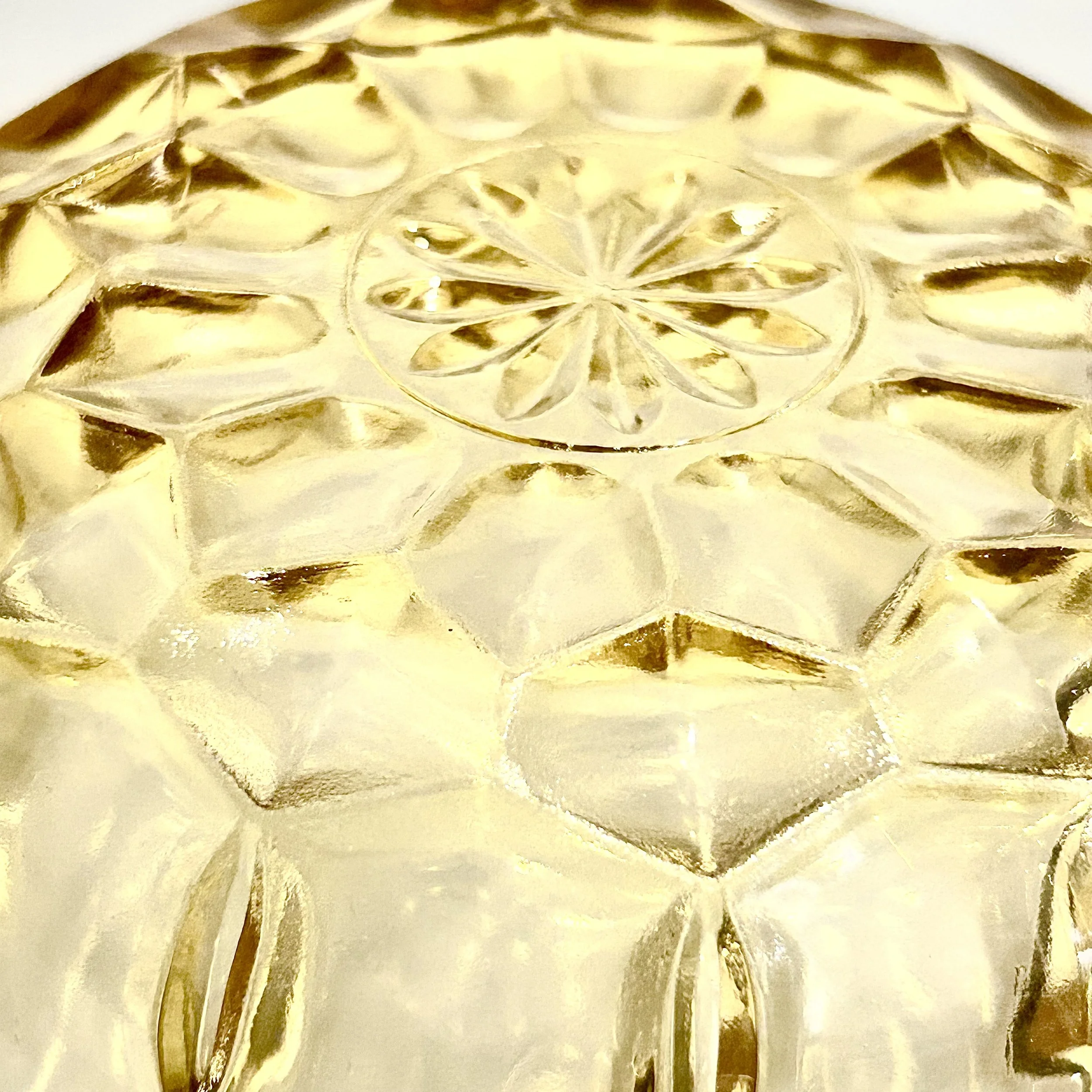
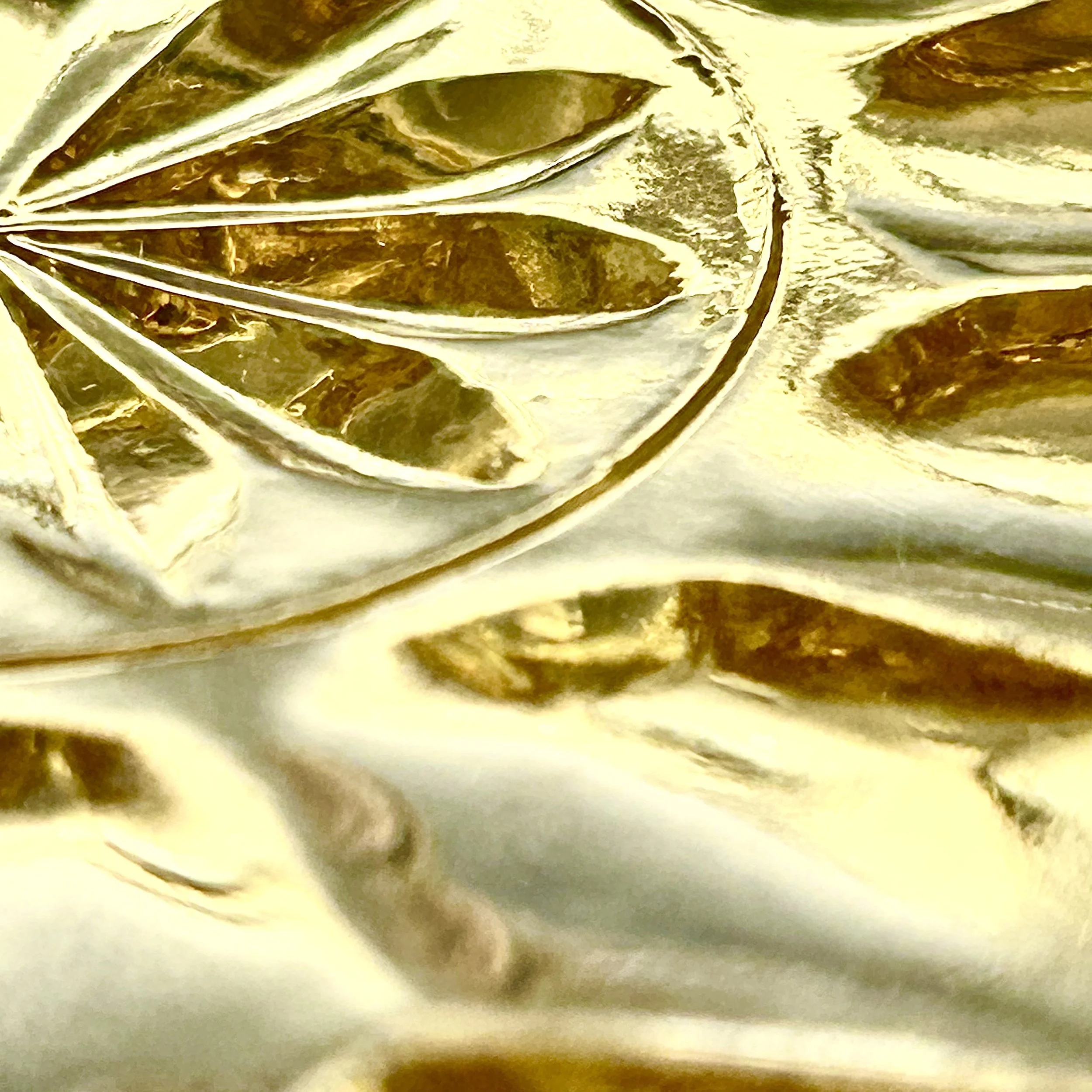
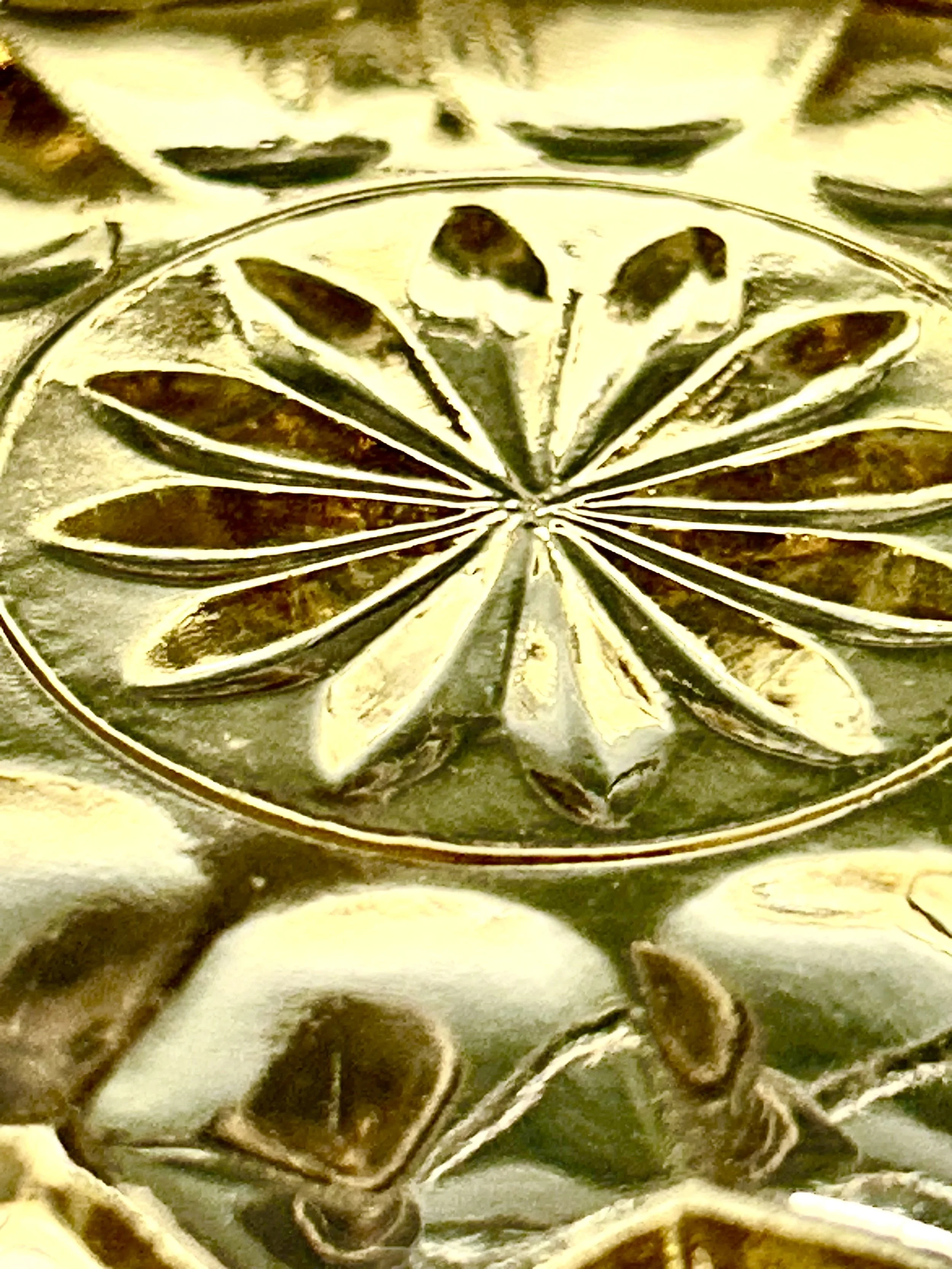
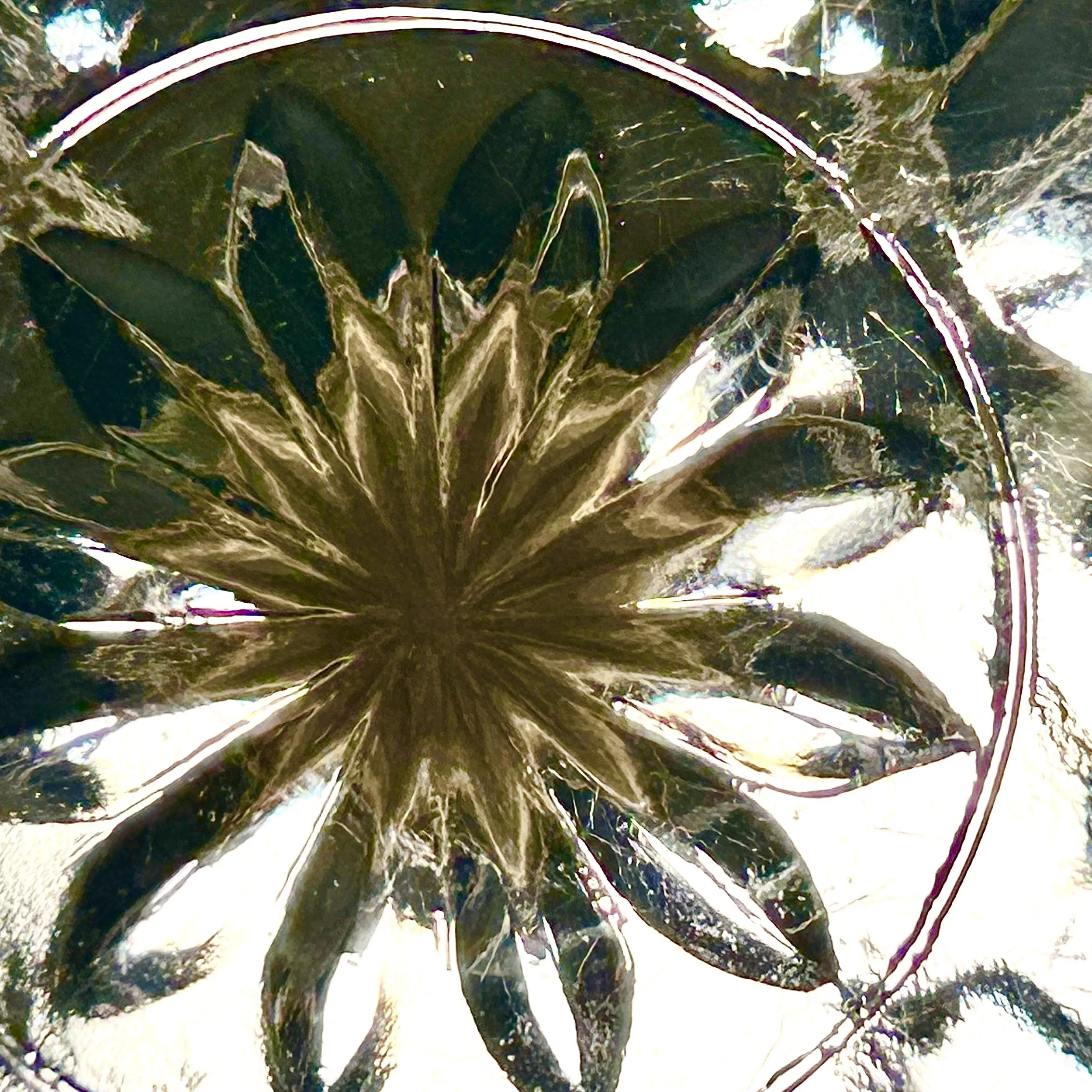
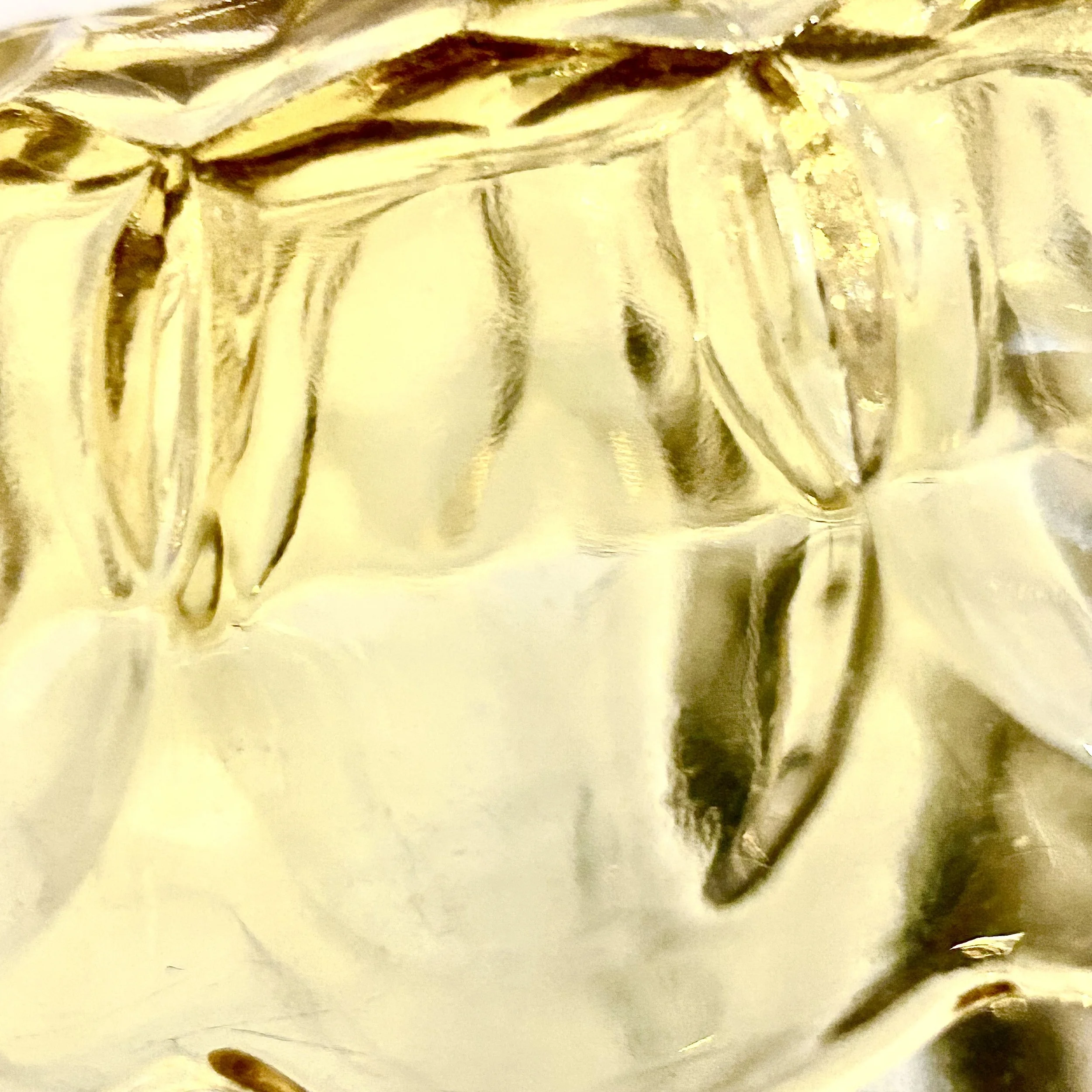
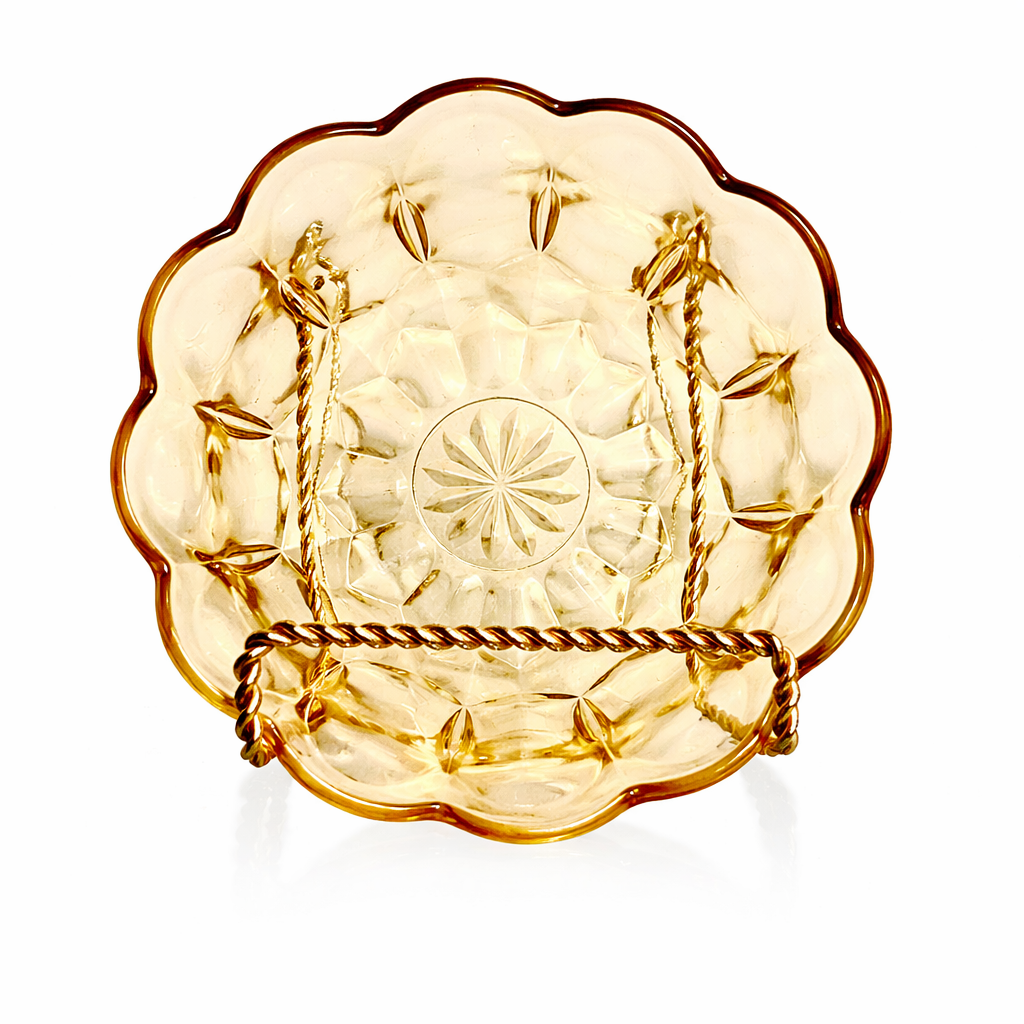
This "Harvest Grape" pattern is a staple of mid-century American glasshouses (most notably Indiana Glass and Westmoreland). To compete with 1stdibs, we must move away from "kitchen bowl" descriptions and reframe it as a "Low-Profile Botanical Basin" with an architectural "frosted" or "satin" relief.
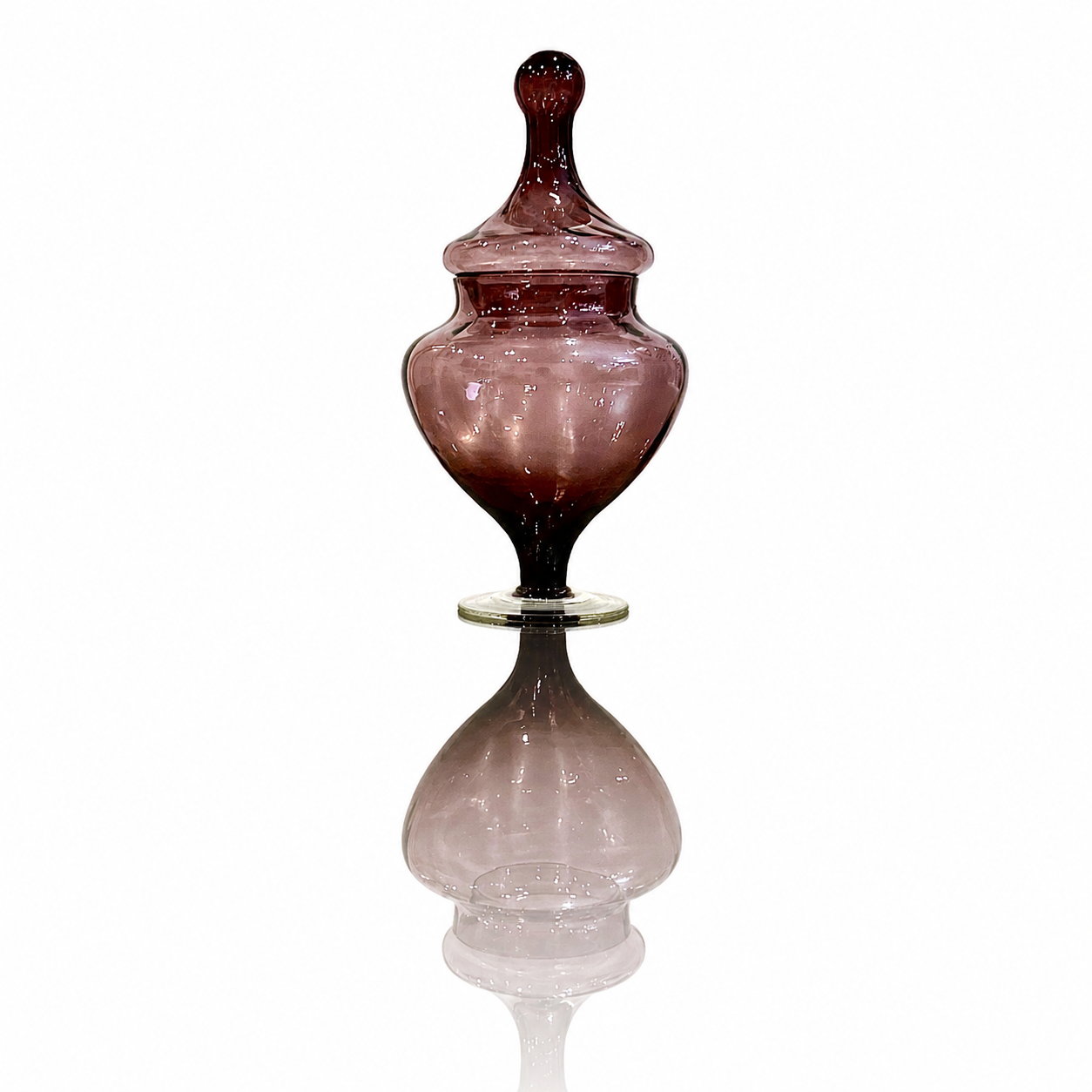
Indonesian production; Contemporary period (late 20th century–early 21st century) The base marking “Indonesia” indicates export-market decorative glass production.
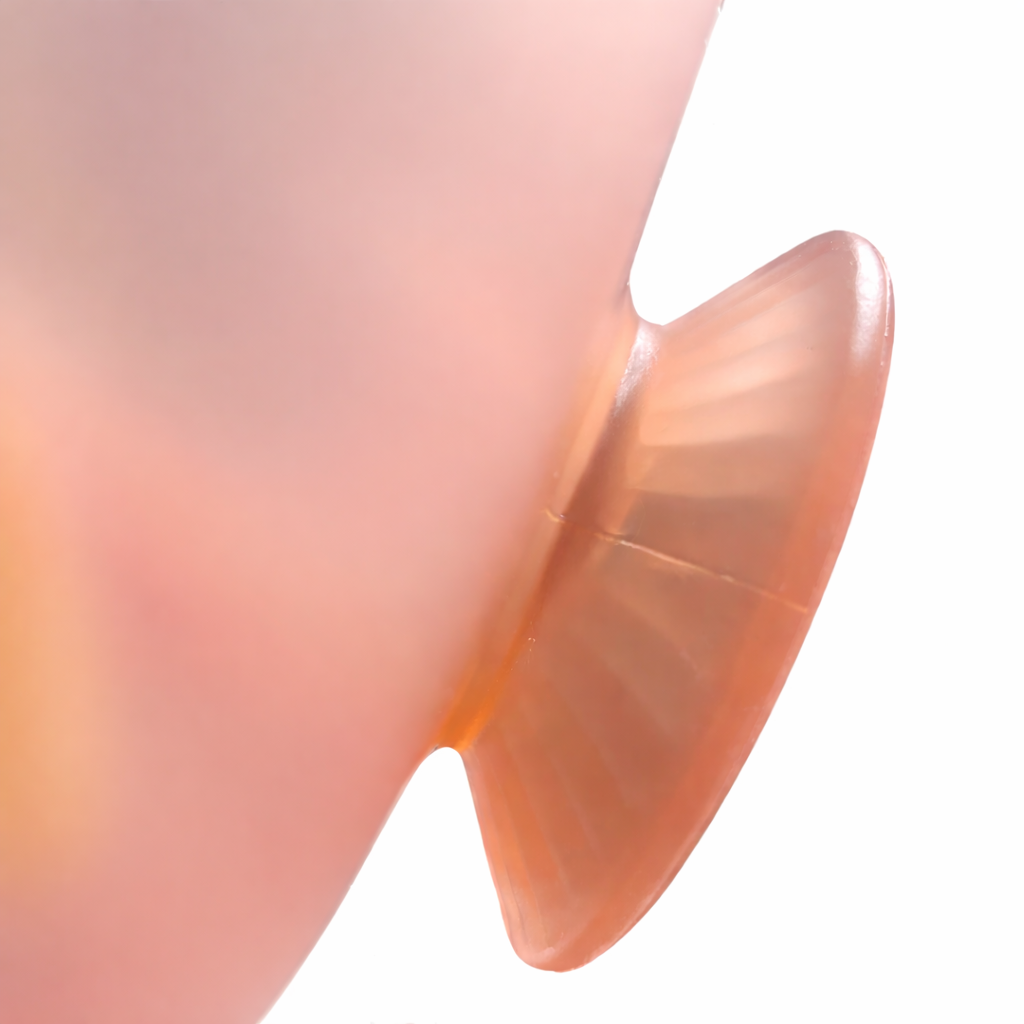
Height: 1.75 in (4.45 cm)
Mouth Diameter: 5.25 in (13.34 cm)
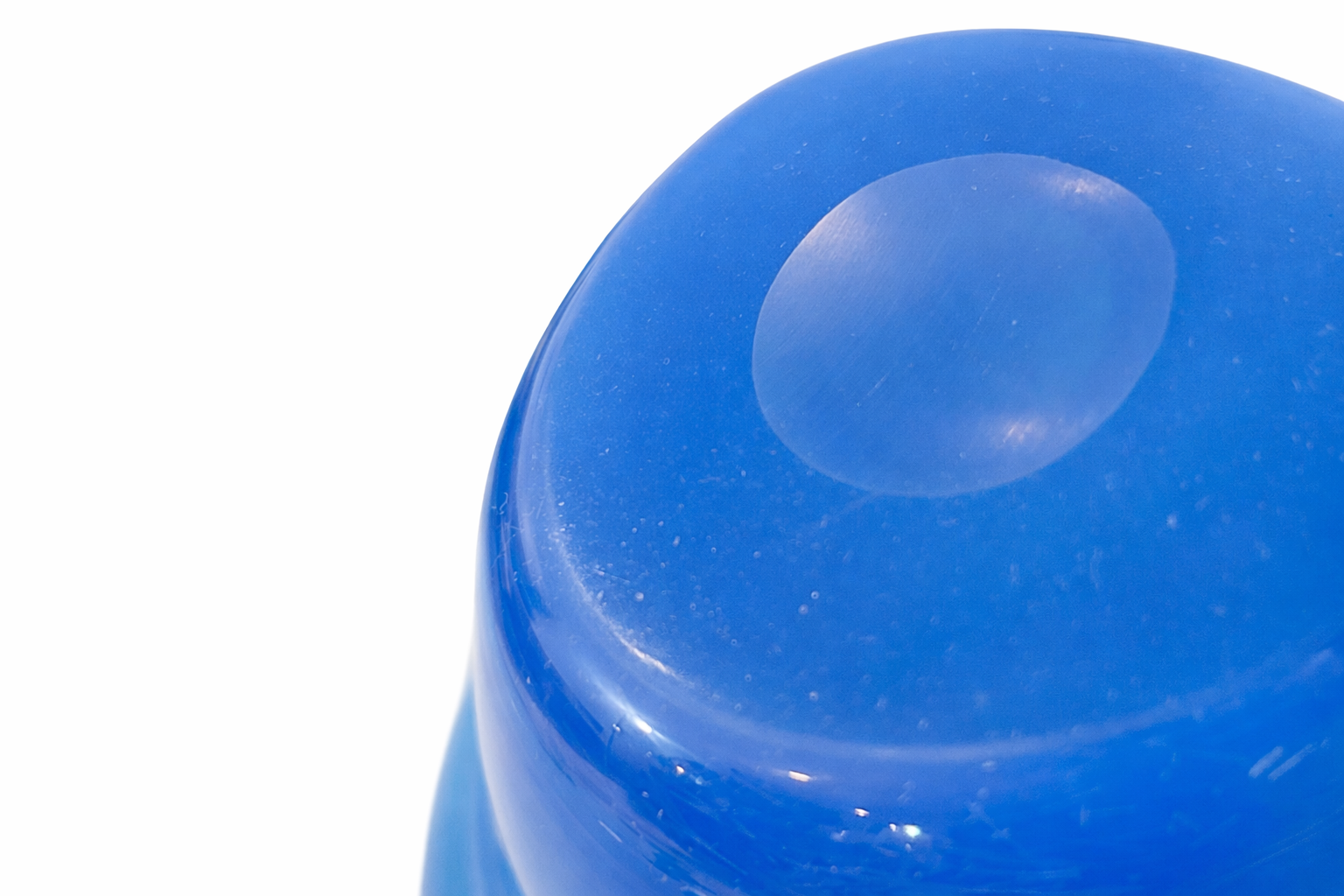
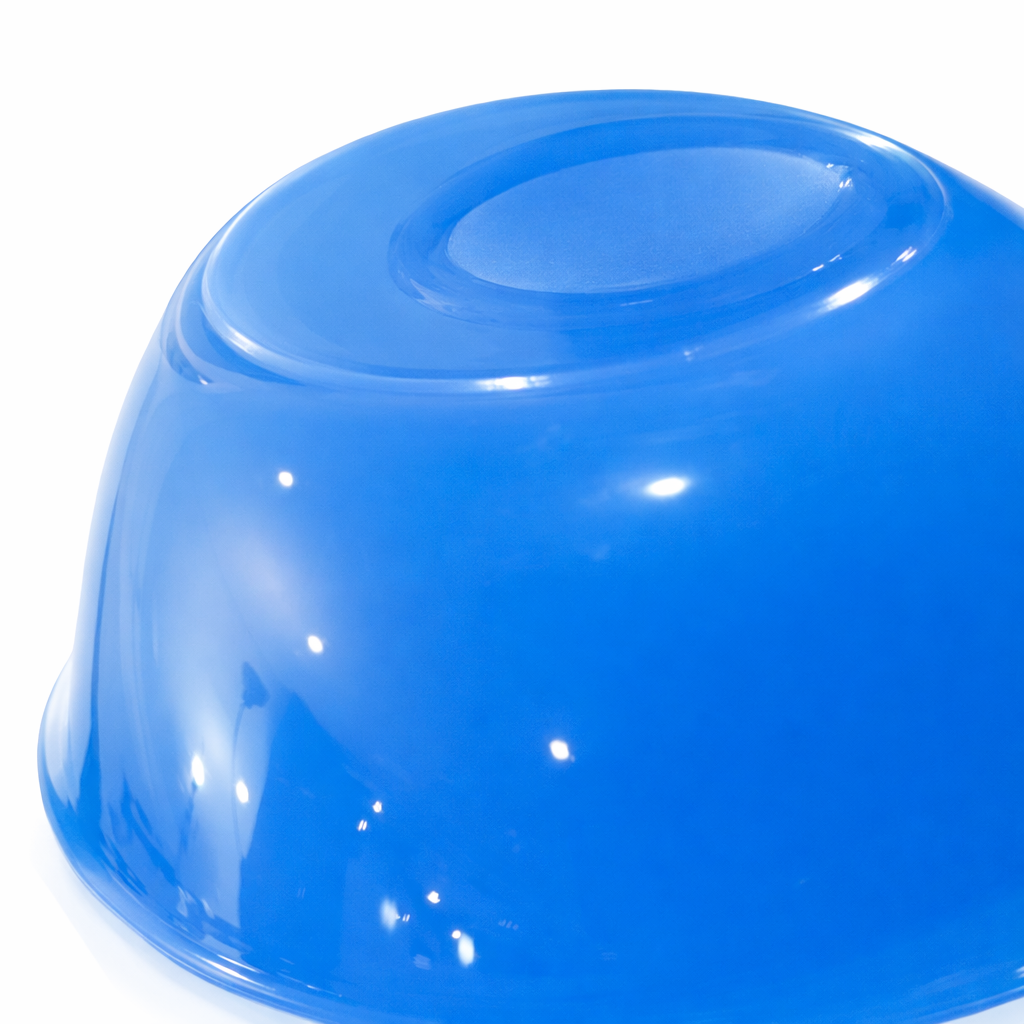
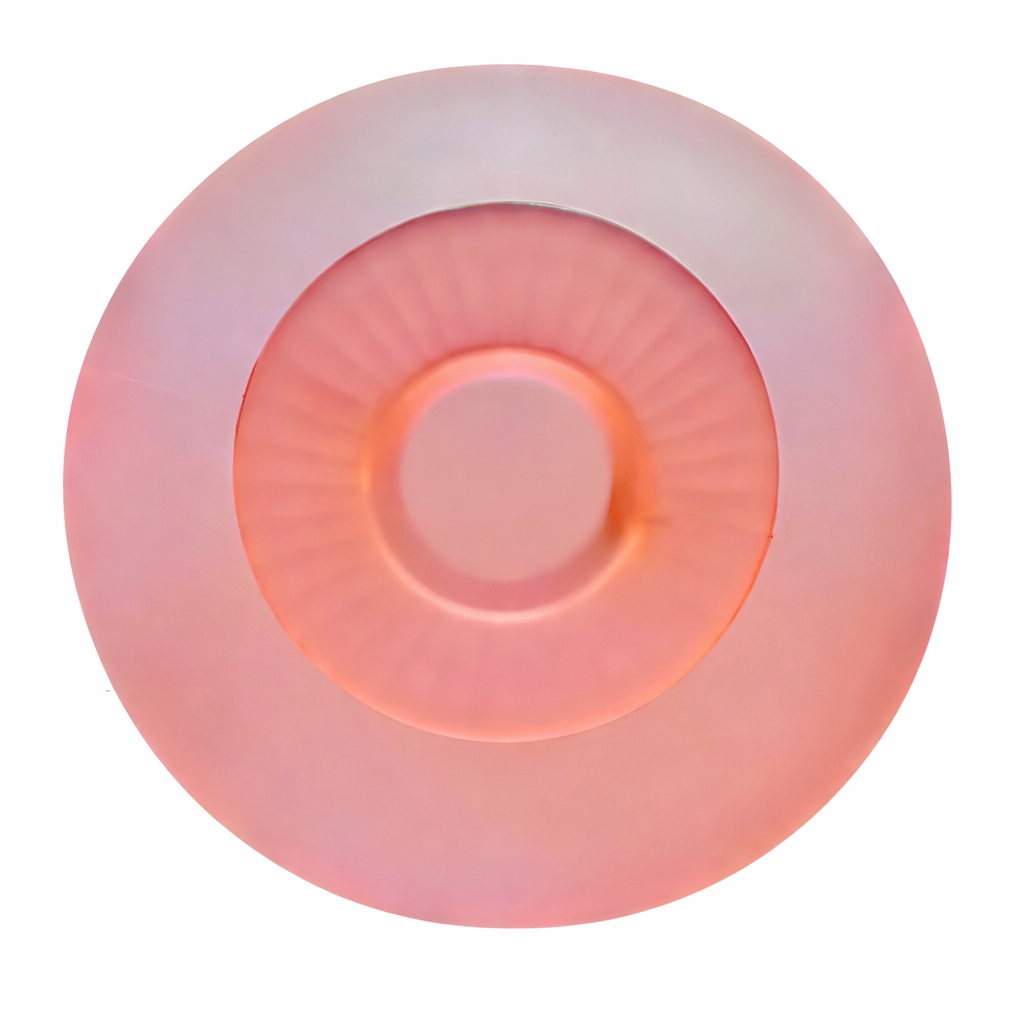
Base Diameter: 3 in (7.62 cm)
Weight:450 g
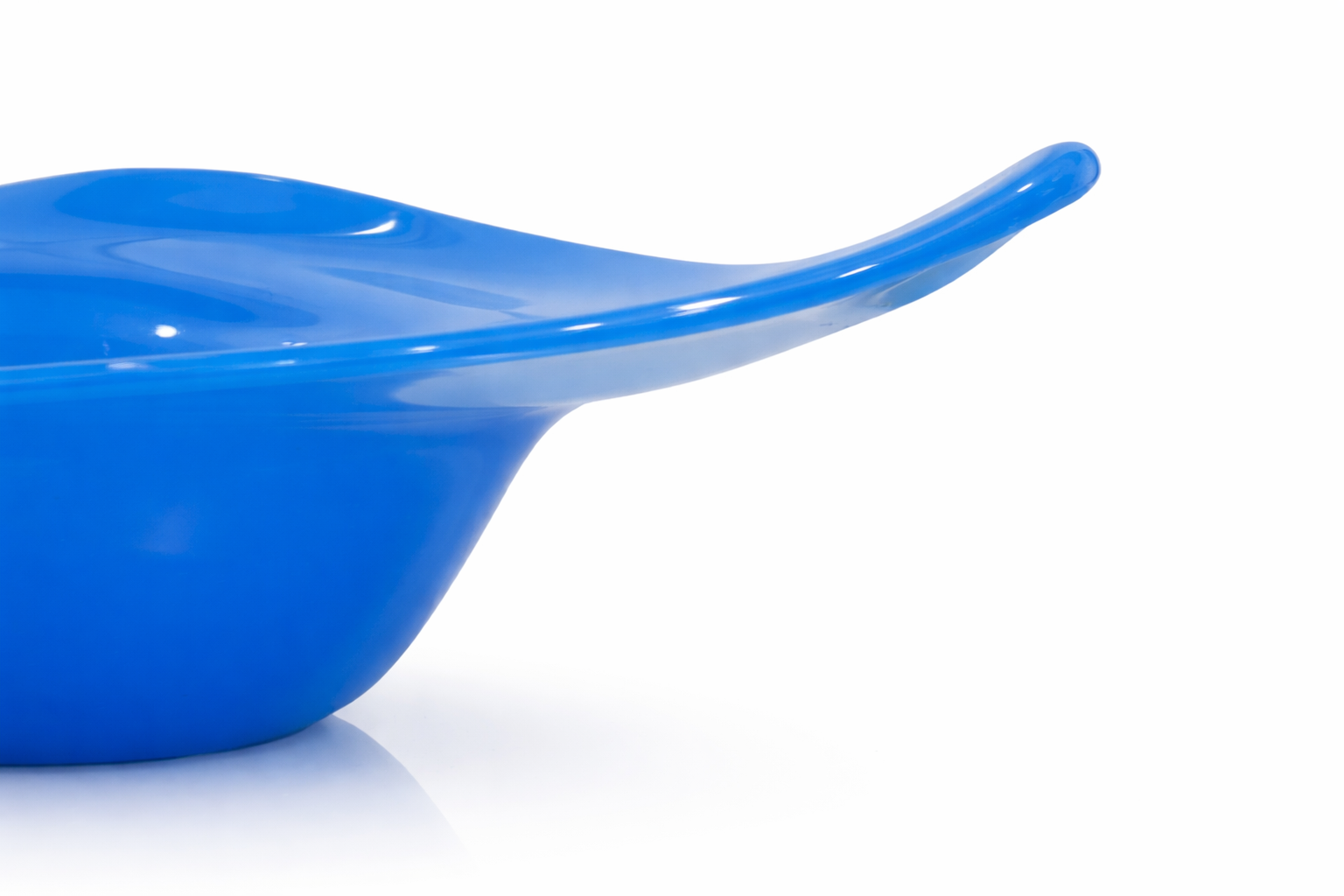
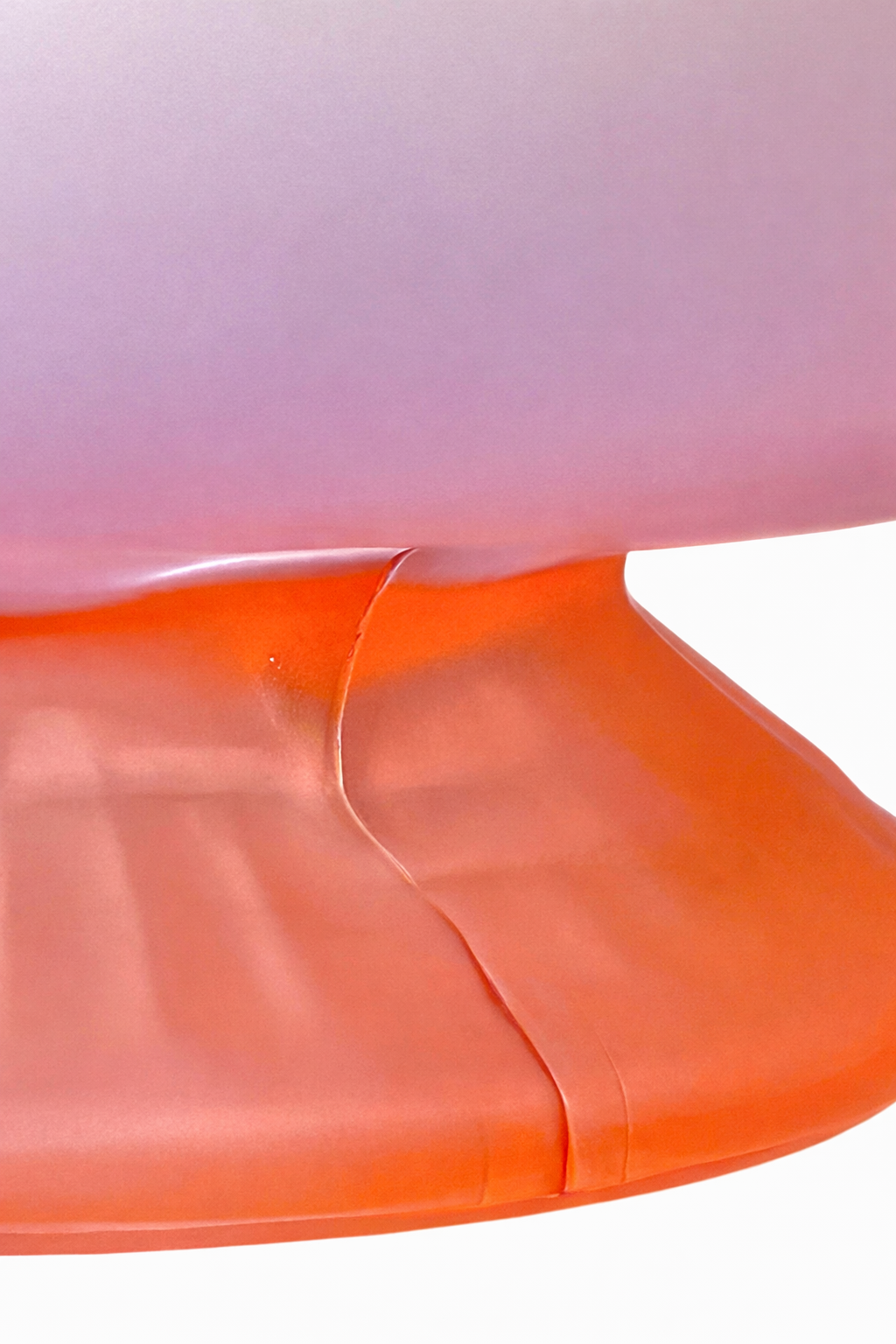
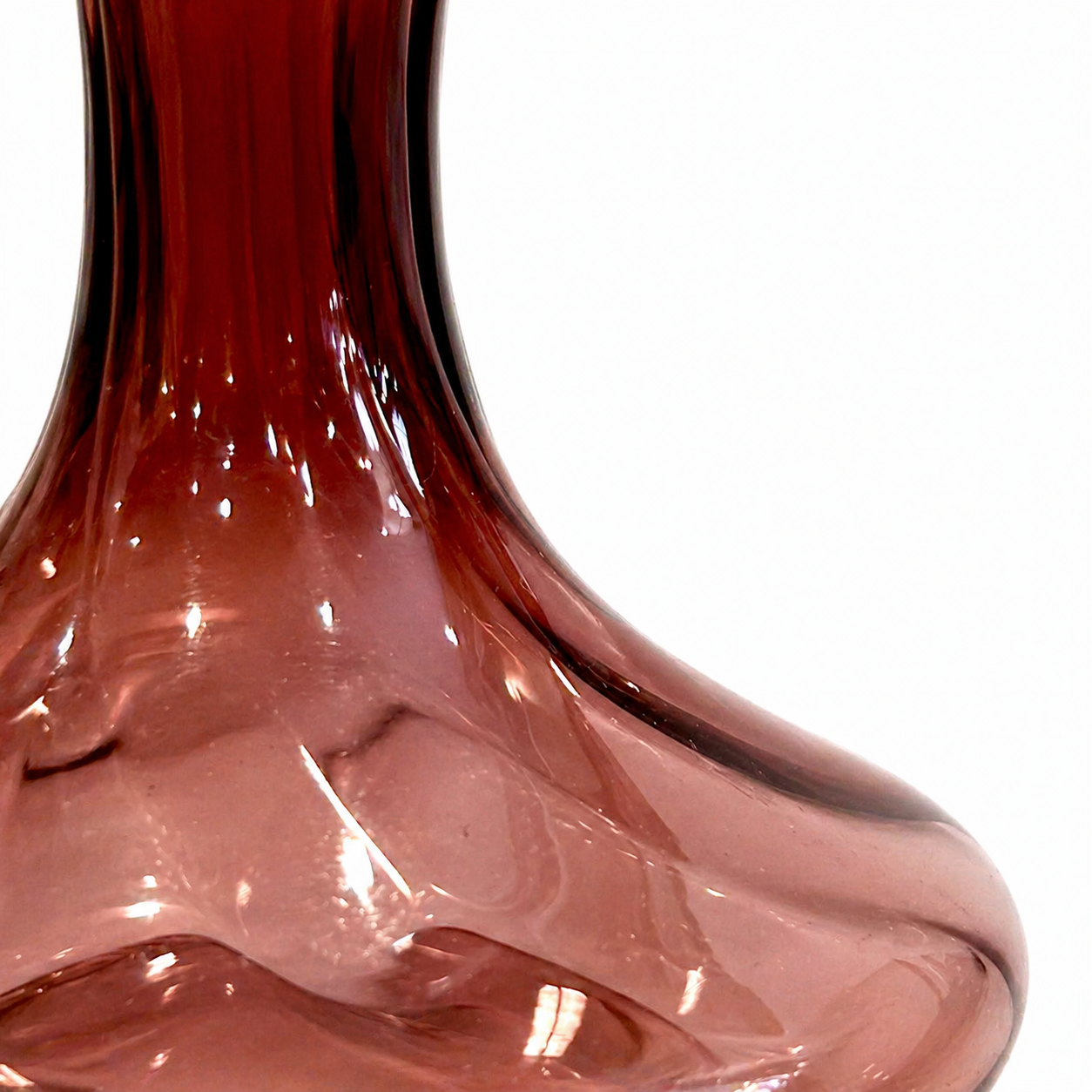
Good decorative condition. A small crack is present, visible upon inspection. The bowl remains structurally intact and displays well, but the flaw should be noted as it affects collectible value. No additional chips or major damage observed.
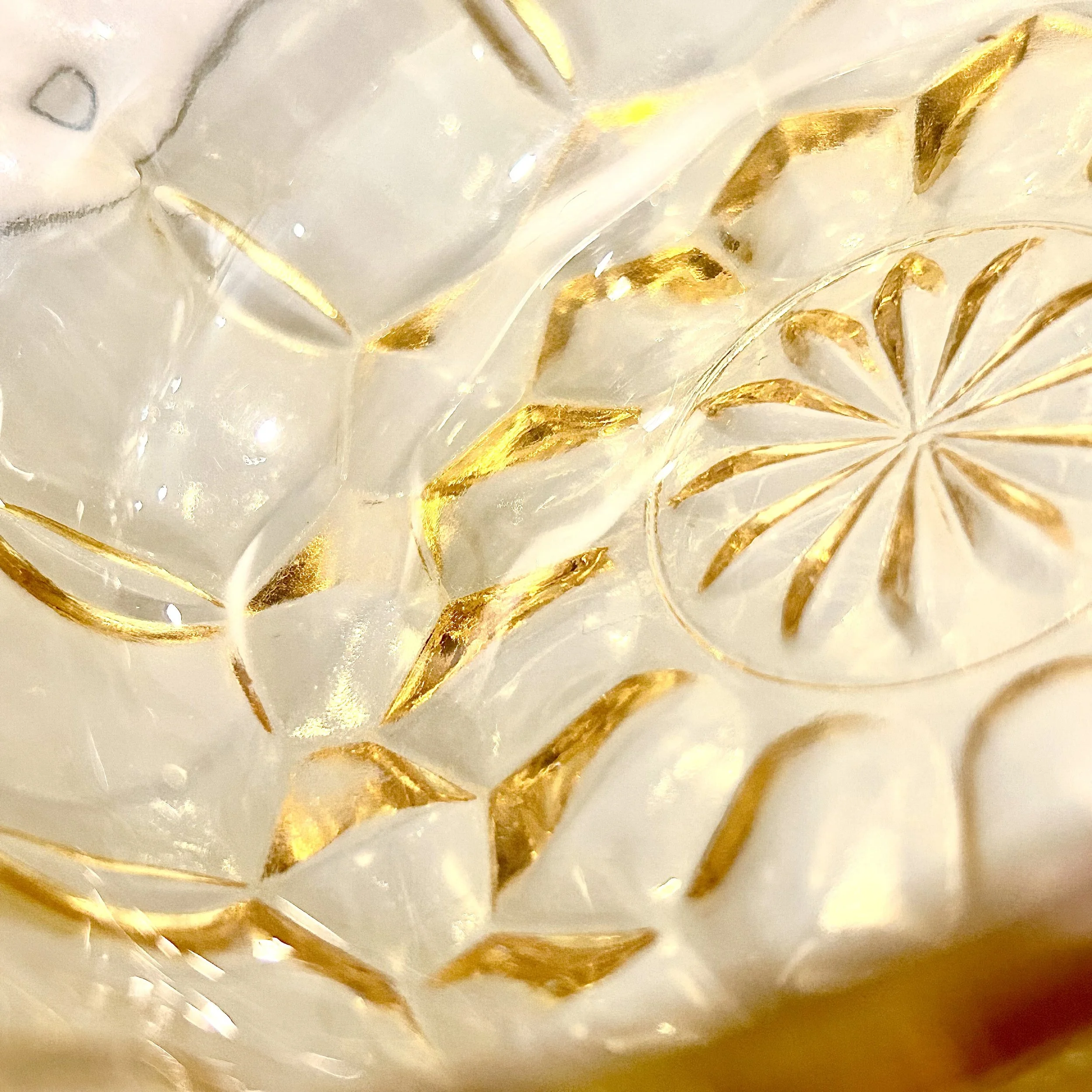
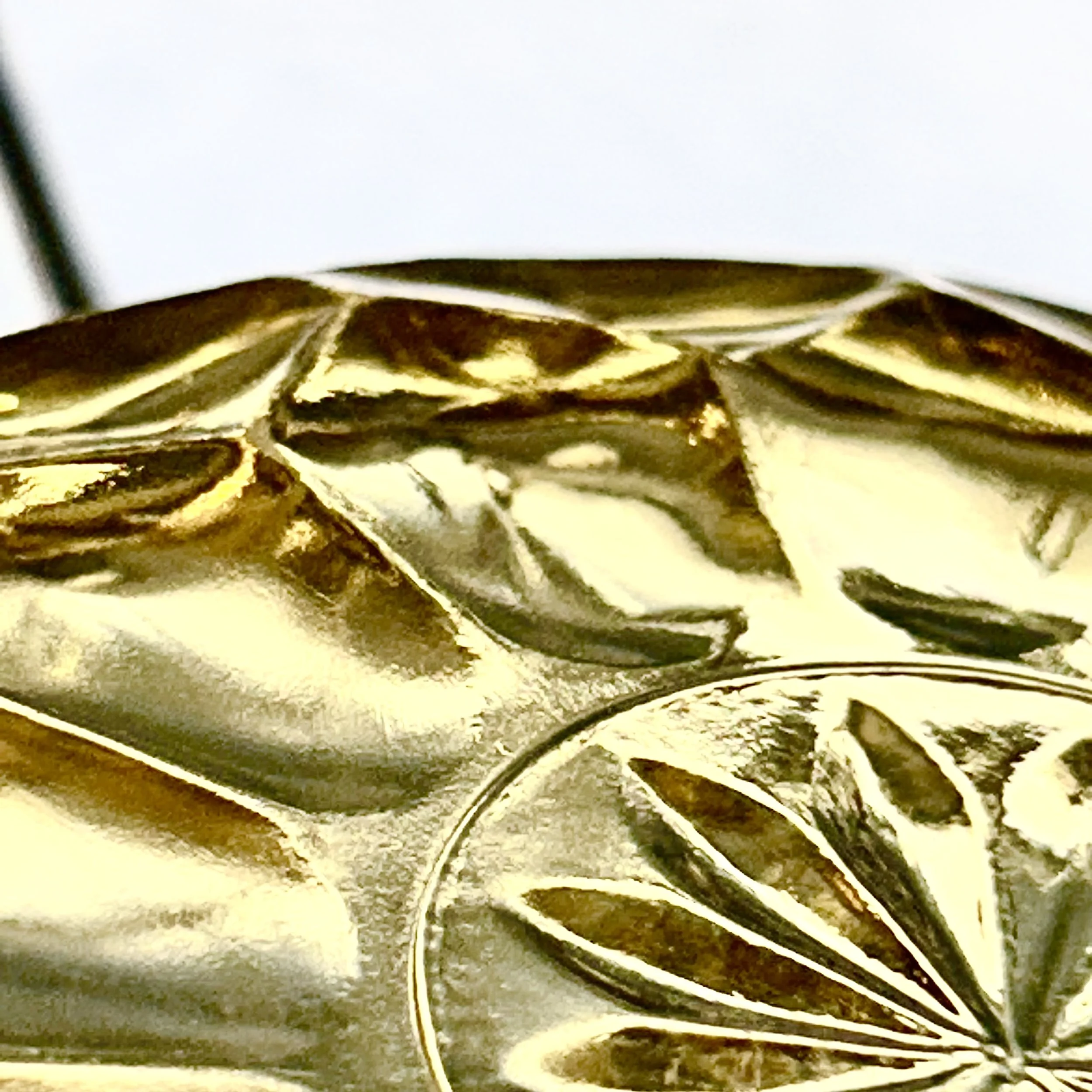
Pressed glass construction with molded relief decoration. The bowl was produced using a metal mold that forms the grape clusters, vine leaves, and textured ground simultaneously during pressing. This technique allows decorative motifs to be reproduced with consistency while maintaining crisp surface detail. The pink coloration is created through metallic oxide additions during the glassmaking process, producing the warm blush tone that enhances the depth of the molded pattern when illuminated. Pressed glass techniques have been widely used in decorative tableware since the mid-19th century and remain popular for ornamental glass pieces due to their ability to produce complex relief patterns.
Ideal for a prominent console or vanity, this sculptural vessel functions as a sophisticated focal point within a curated vitrine or as a thematic accent in an epicurean setting, where the high-relief grape motif creates a refined dialogue with vineyard or garden-inspired decor.
This piece is described to the best of current scholarly and market knowledge. Any maker or regional attribution is based on visual analysis, materials, construction techniques, and documented stylistic comparisons. As with many antique and modern glass objects, definitive attribution may not be possible without original labels or factory records. Pricing reflects condition, quality, decorative appeal, and current collector demand rather than a guaranteed maker identification.
This "Harvest Grape" pattern is a staple of mid-century American glasshouses (most notably Indiana Glass and Westmoreland). To compete with 1stdibs, we must move away from "kitchen bowl" descriptions and reframe it as a "Low-Profile Botanical Basin" with an architectural "frosted" or "satin" relief.
Indonesian production; Contemporary period (late 20th century–early 21st century) The base marking “Indonesia” indicates export-market decorative glass production.
Height: 1.75 in (4.45 cm)
Mouth Diameter: 5.25 in (13.34 cm)
Base Diameter: 3 in (7.62 cm)
Weight:450 g
Good decorative condition. A small crack is present, visible upon inspection. The bowl remains structurally intact and displays well, but the flaw should be noted as it affects collectible value. No additional chips or major damage observed.
Pressed glass construction with molded relief decoration. The bowl was produced using a metal mold that forms the grape clusters, vine leaves, and textured ground simultaneously during pressing. This technique allows decorative motifs to be reproduced with consistency while maintaining crisp surface detail. The pink coloration is created through metallic oxide additions during the glassmaking process, producing the warm blush tone that enhances the depth of the molded pattern when illuminated. Pressed glass techniques have been widely used in decorative tableware since the mid-19th century and remain popular for ornamental glass pieces due to their ability to produce complex relief patterns.
Ideal for a prominent console or vanity, this sculptural vessel functions as a sophisticated focal point within a curated vitrine or as a thematic accent in an epicurean setting, where the high-relief grape motif creates a refined dialogue with vineyard or garden-inspired decor.
This piece is described to the best of current scholarly and market knowledge. Any maker or regional attribution is based on visual analysis, materials, construction techniques, and documented stylistic comparisons. As with many antique and modern glass objects, definitive attribution may not be possible without original labels or factory records. Pricing reflects condition, quality, decorative appeal, and current collector demand rather than a guaranteed maker identification.