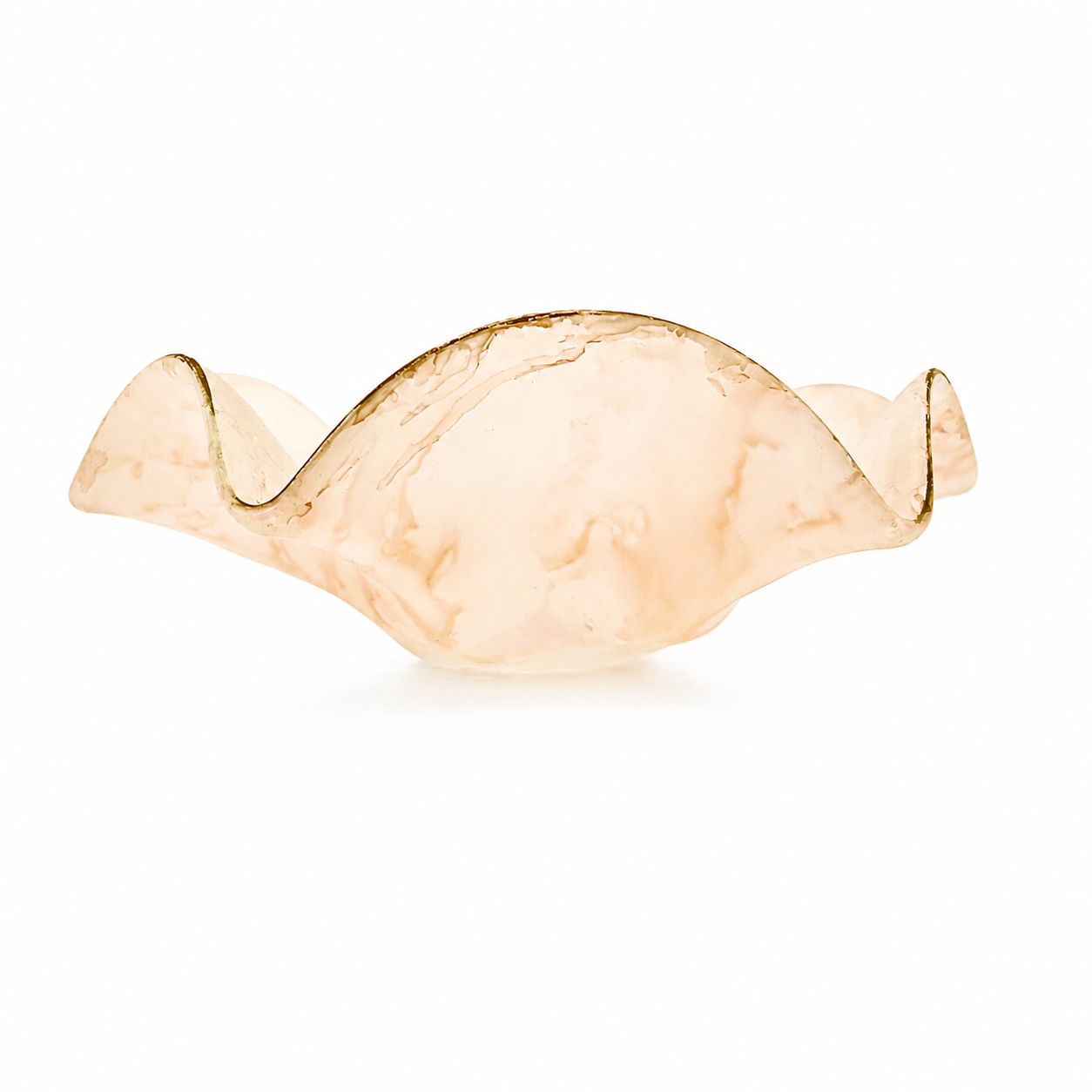
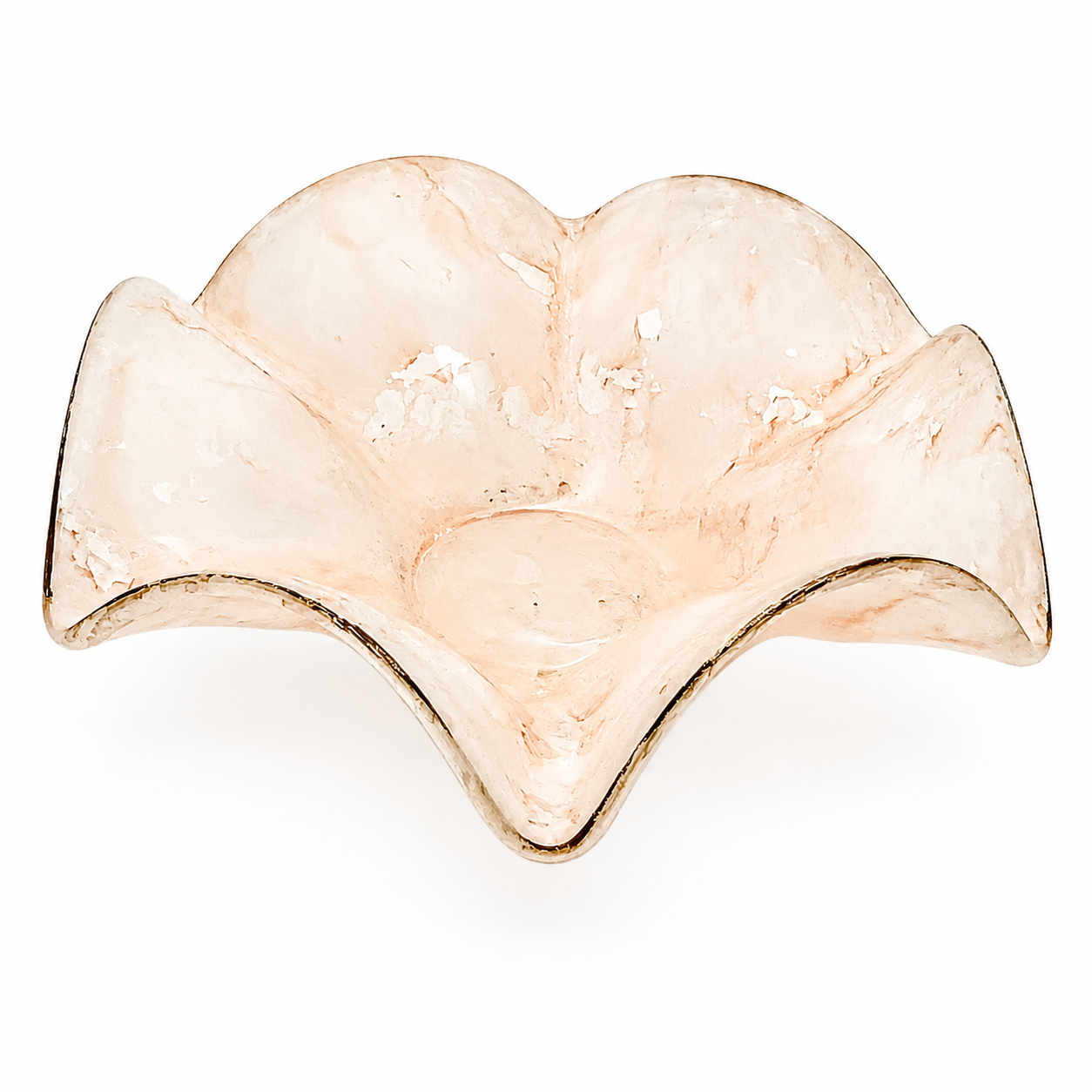
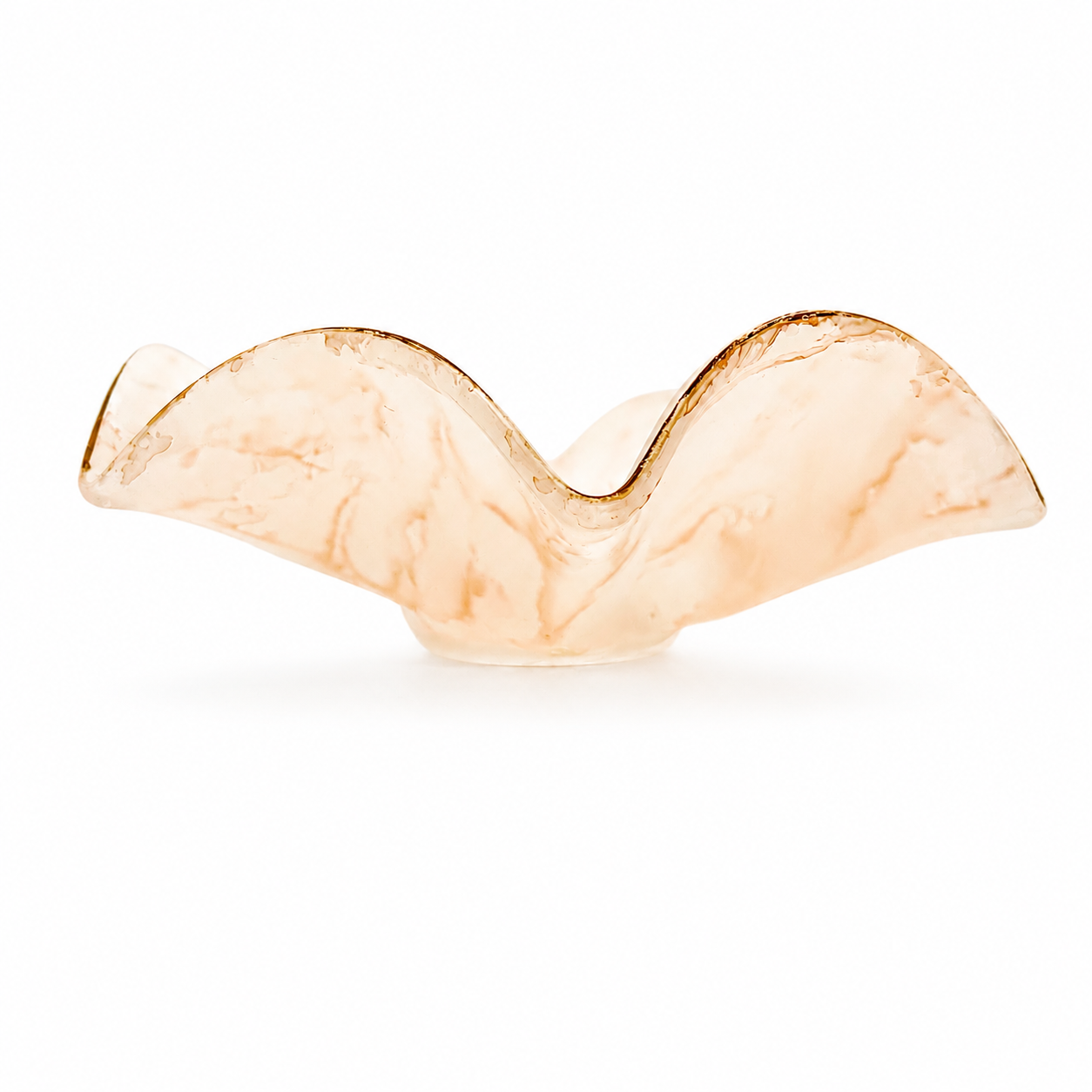
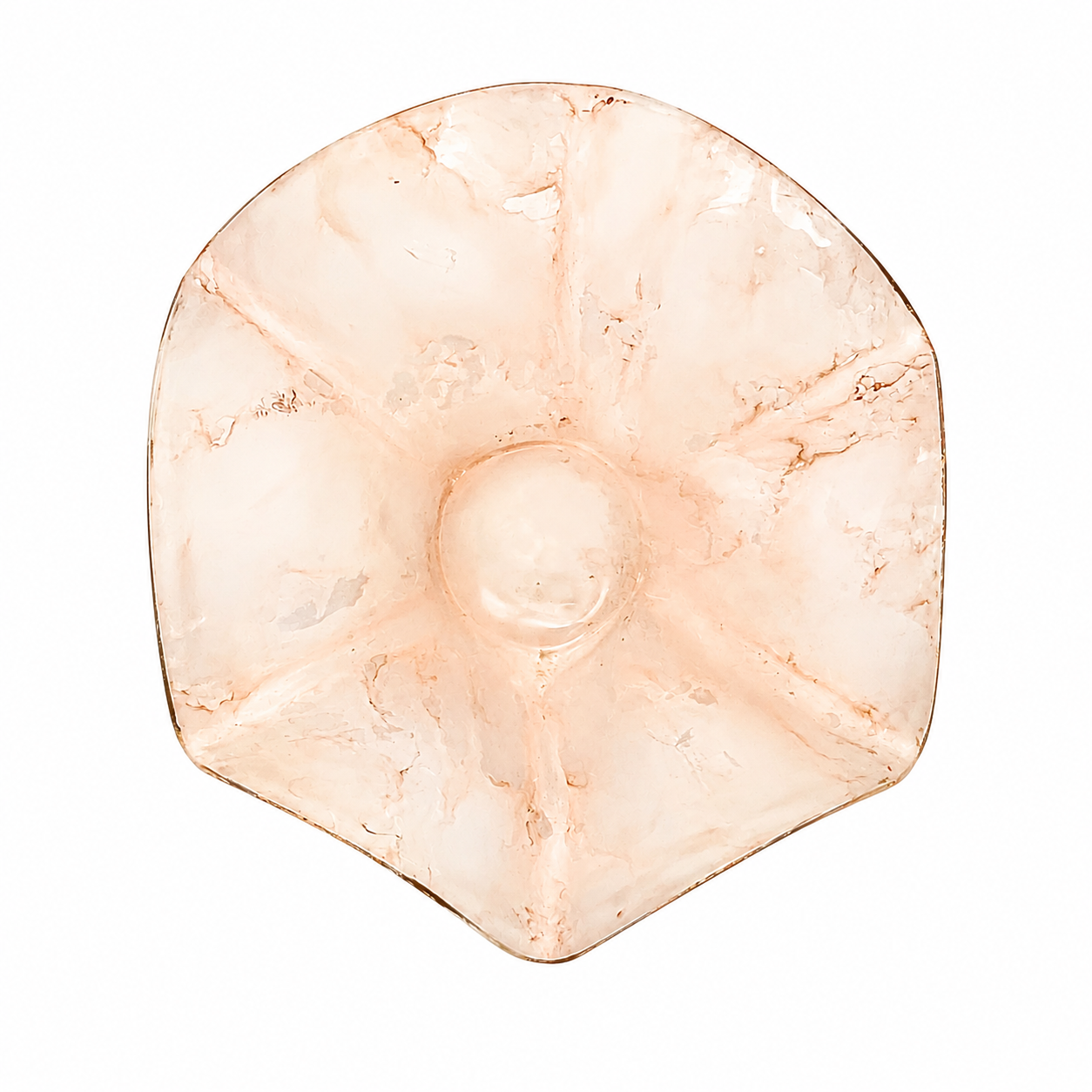
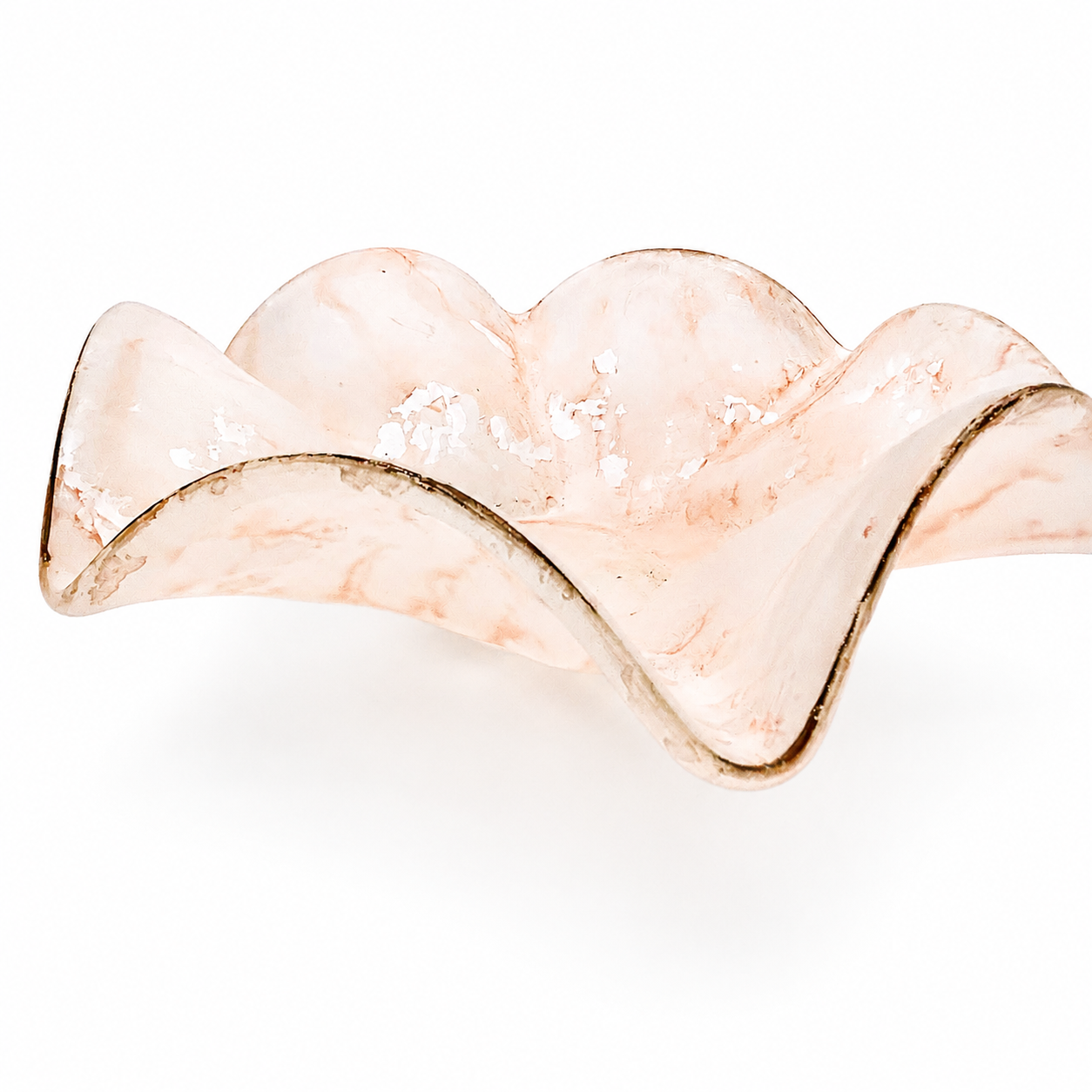
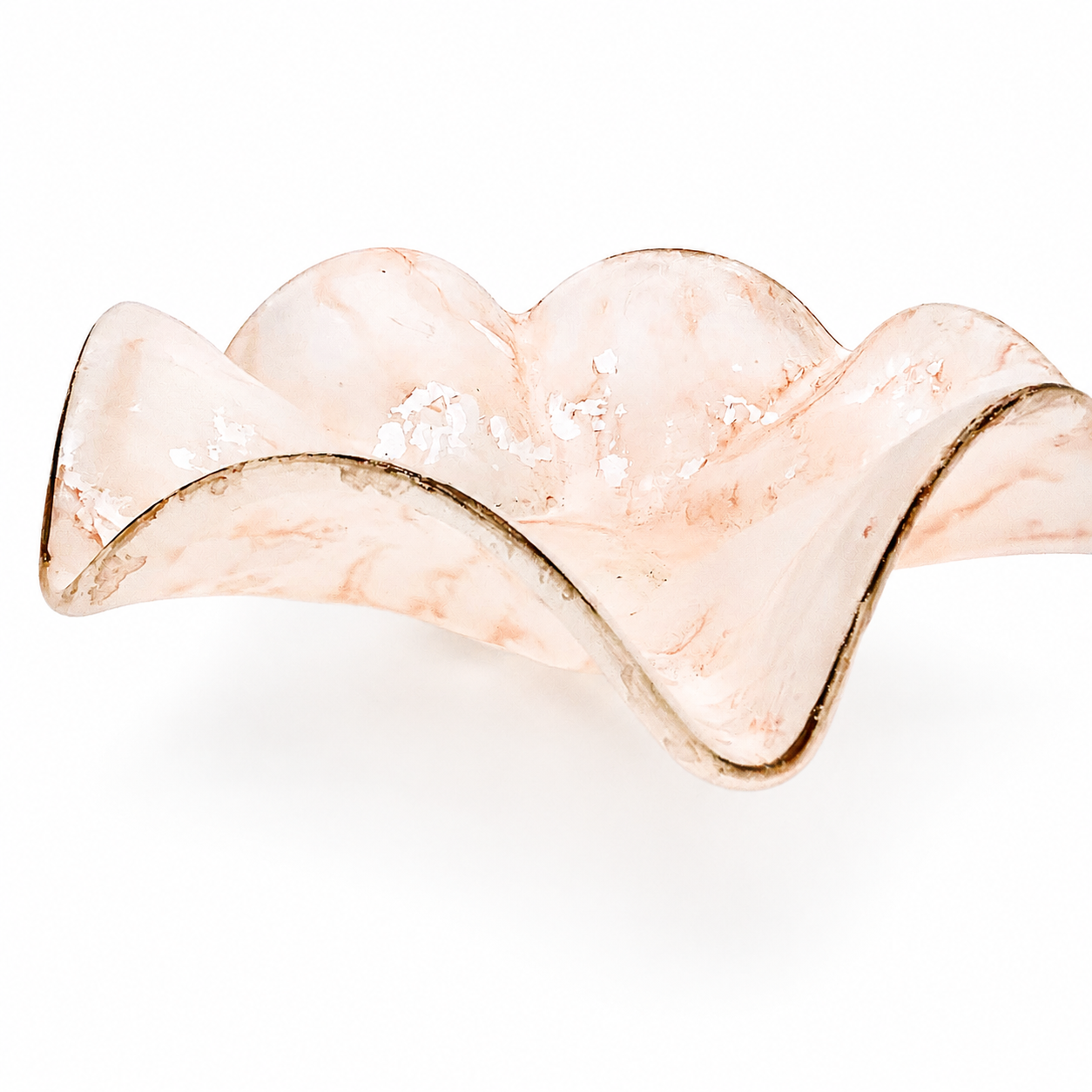
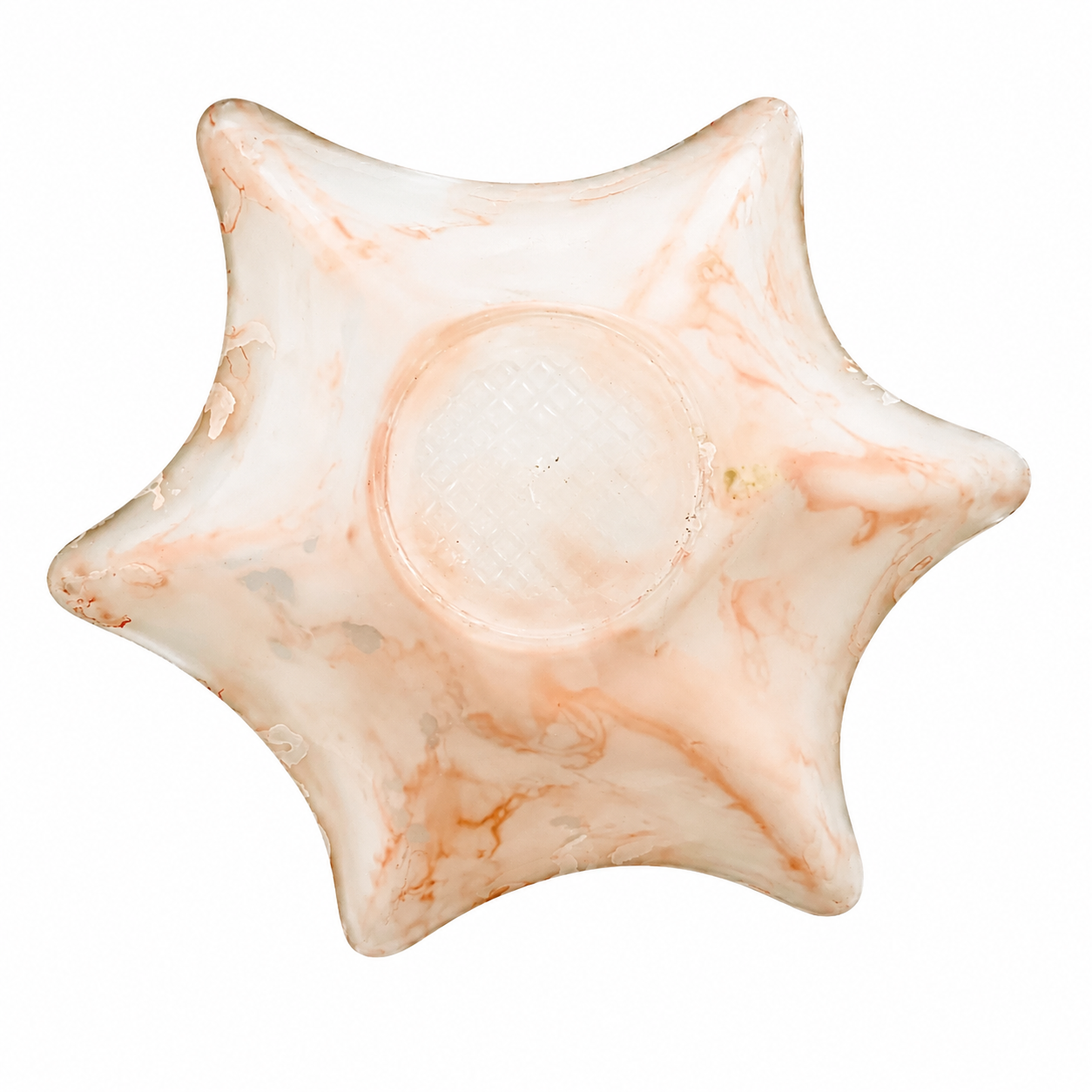
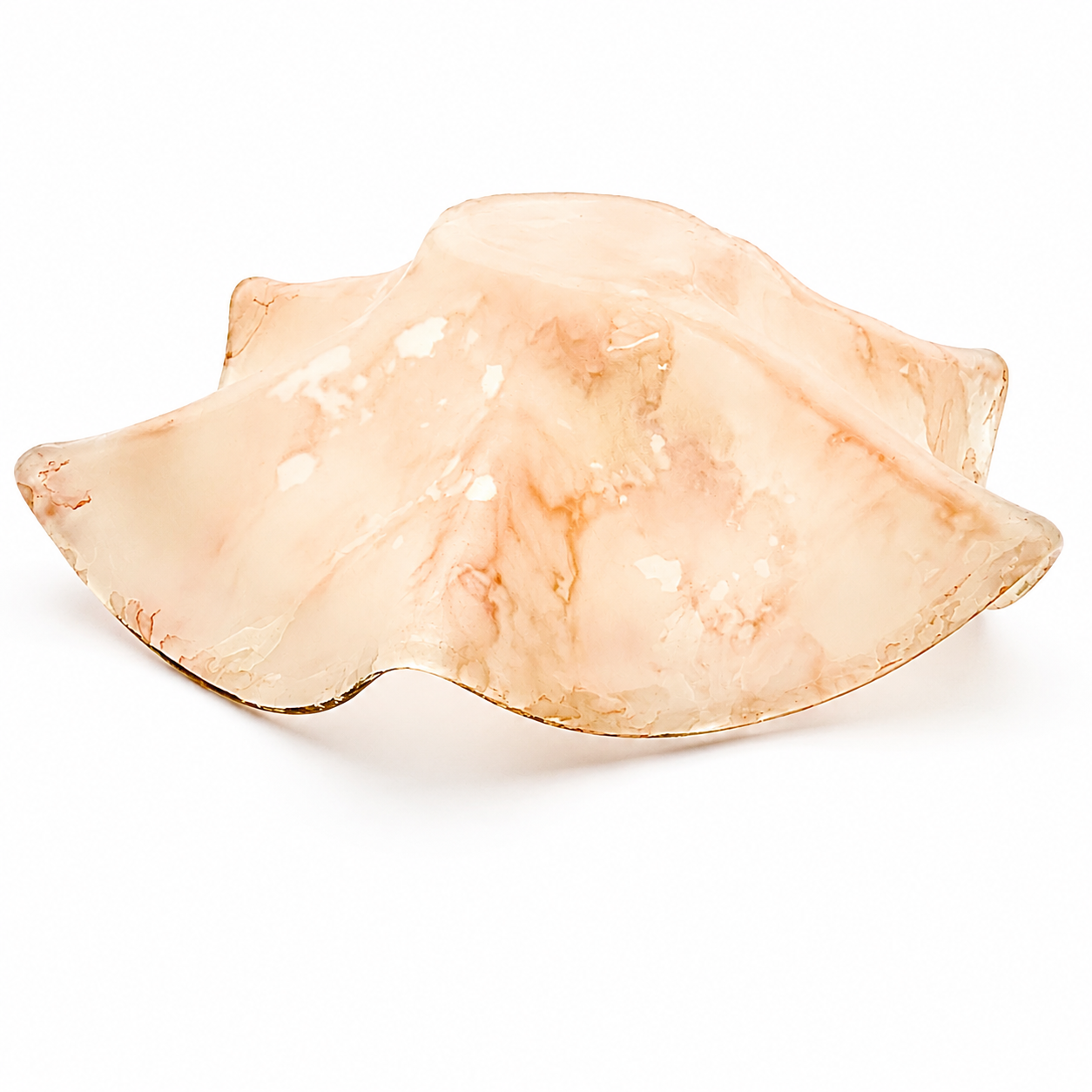
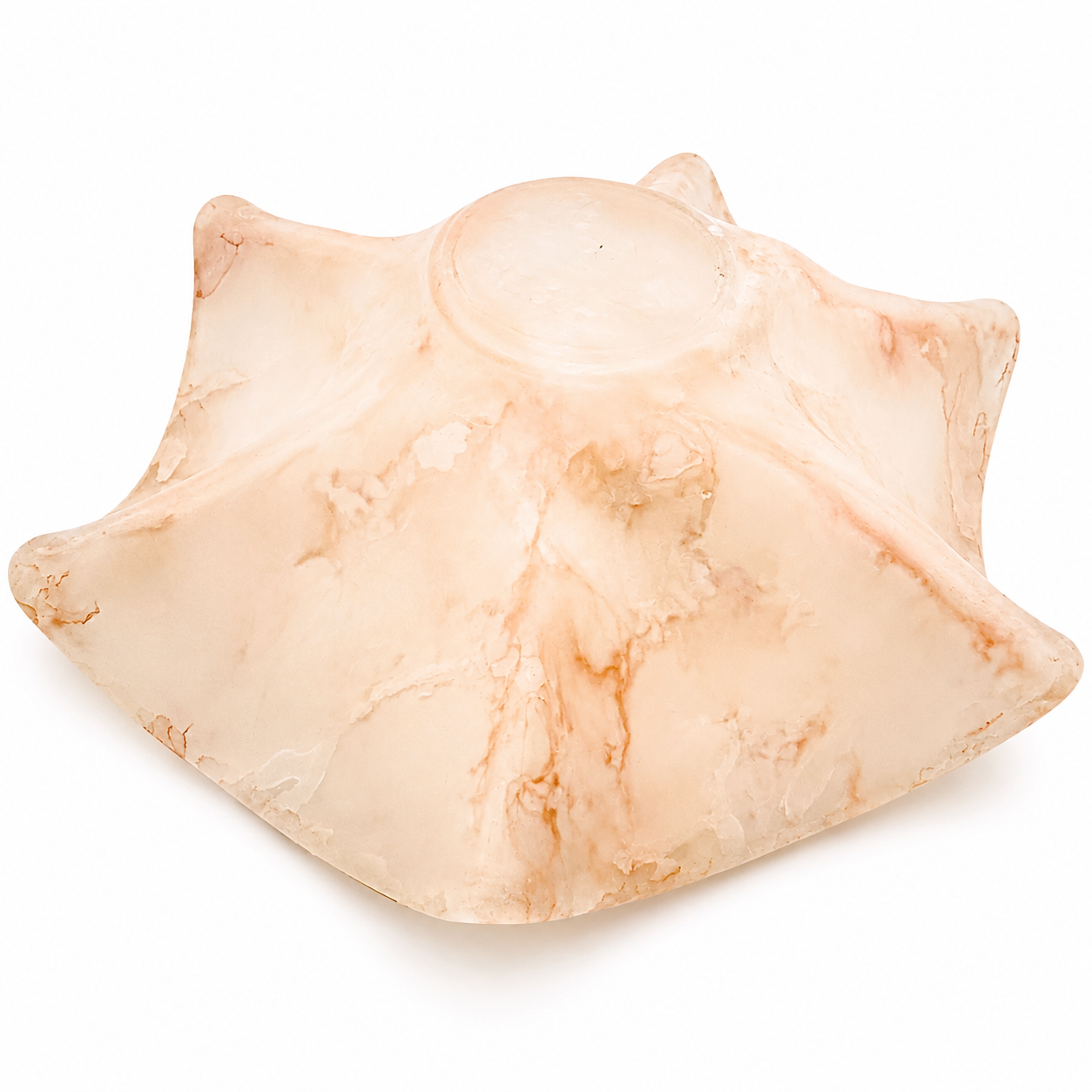
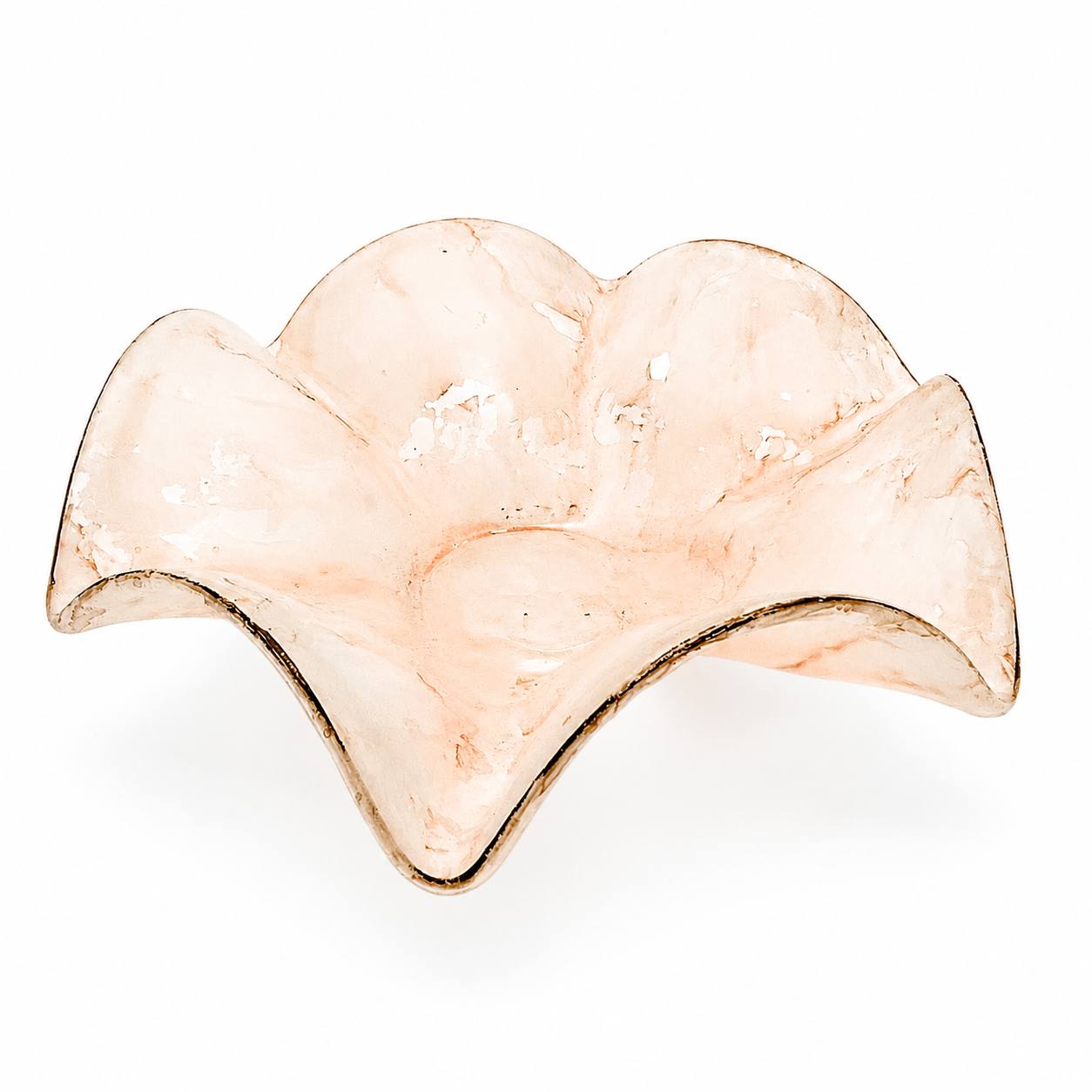
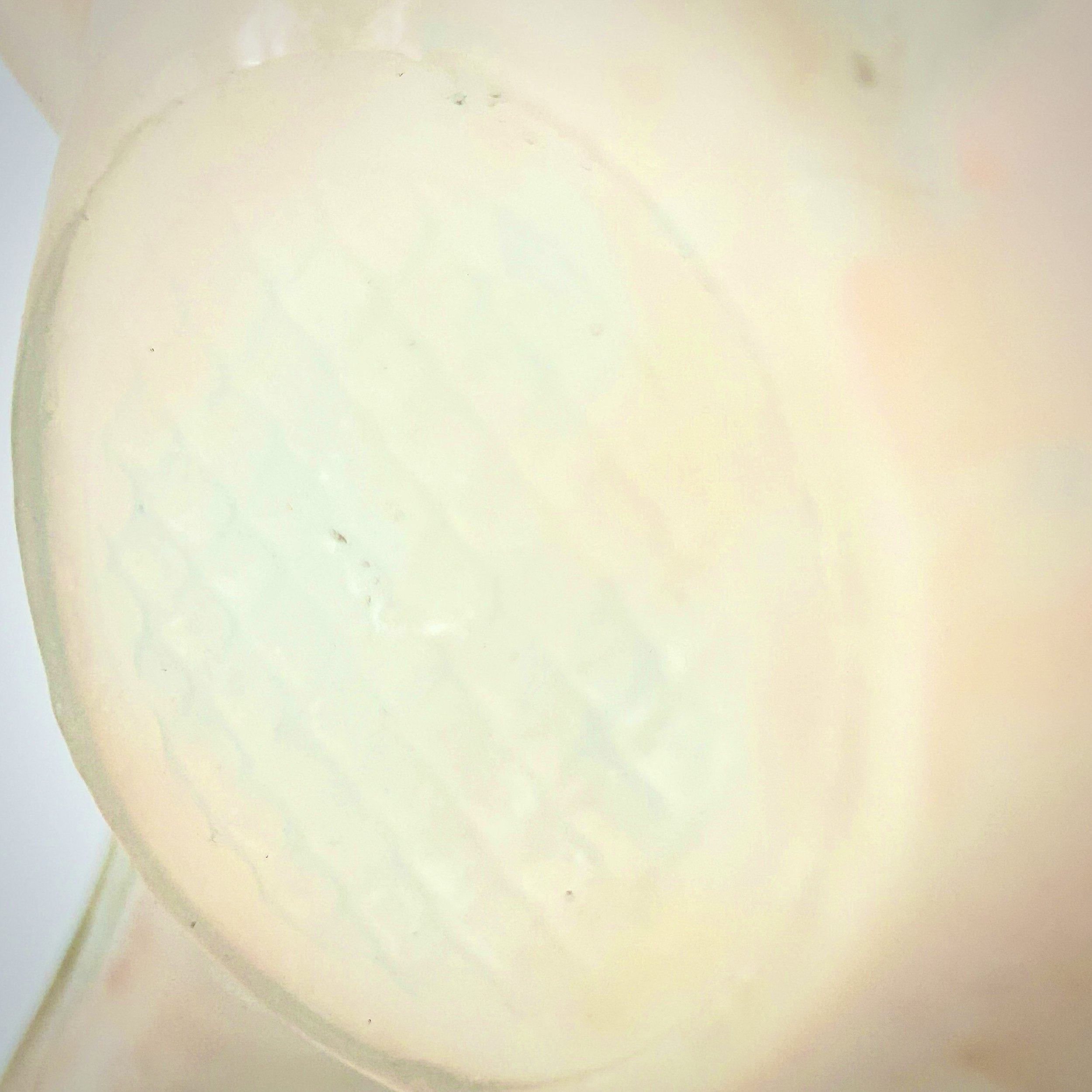
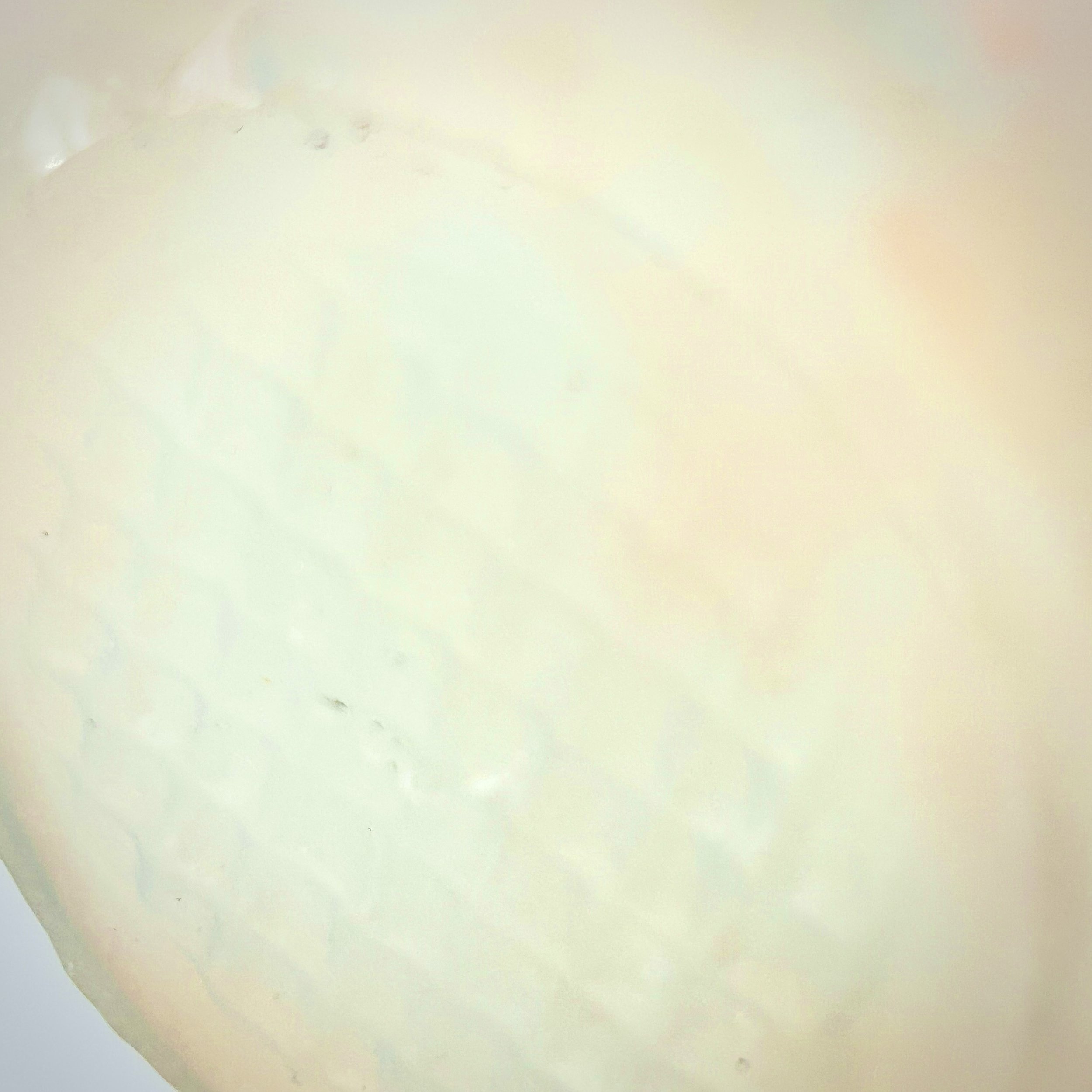
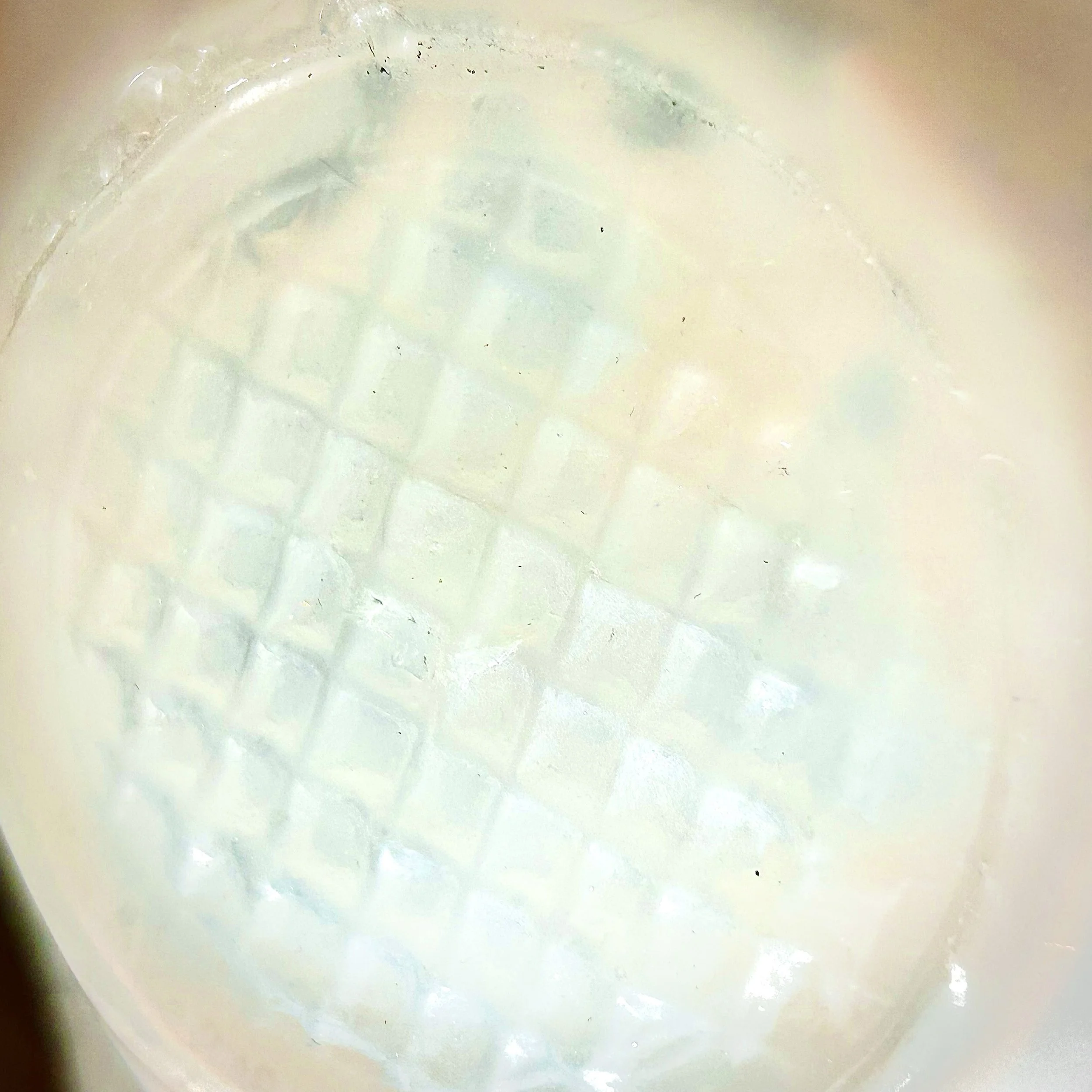
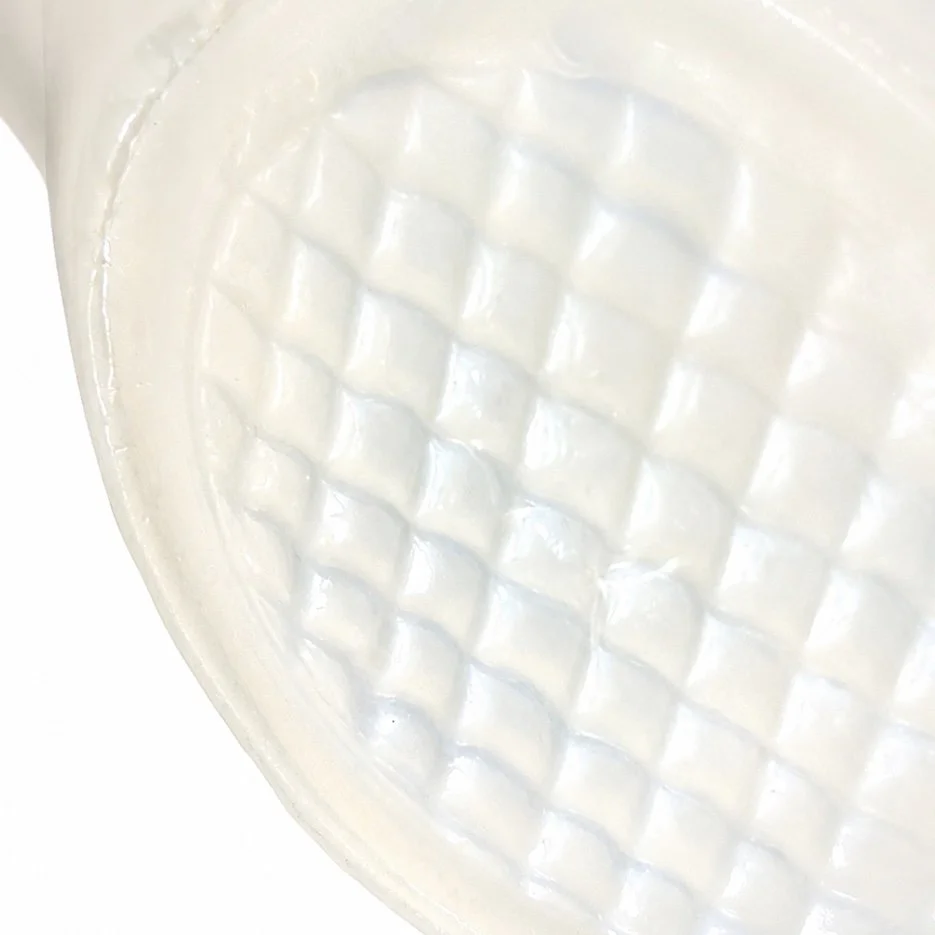
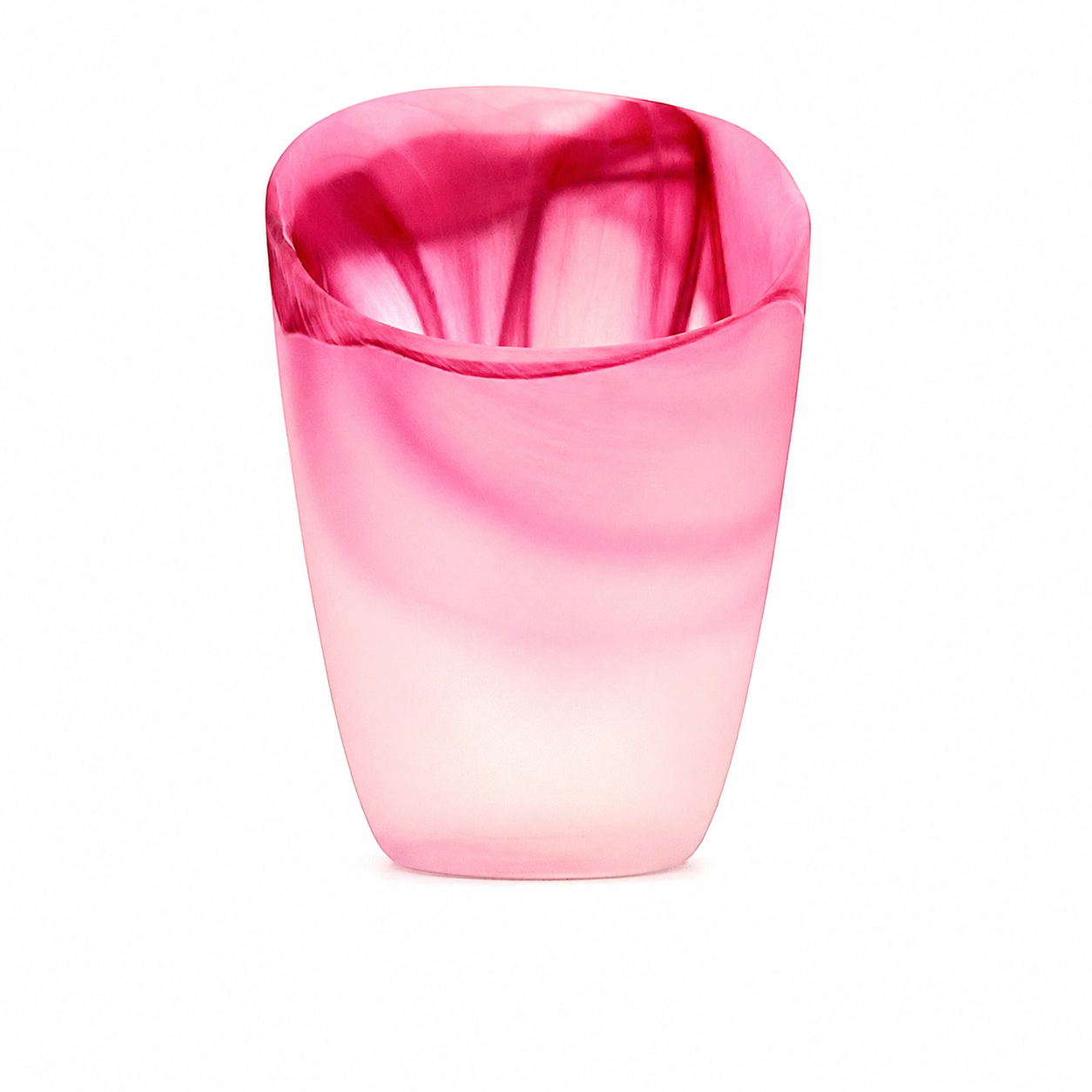
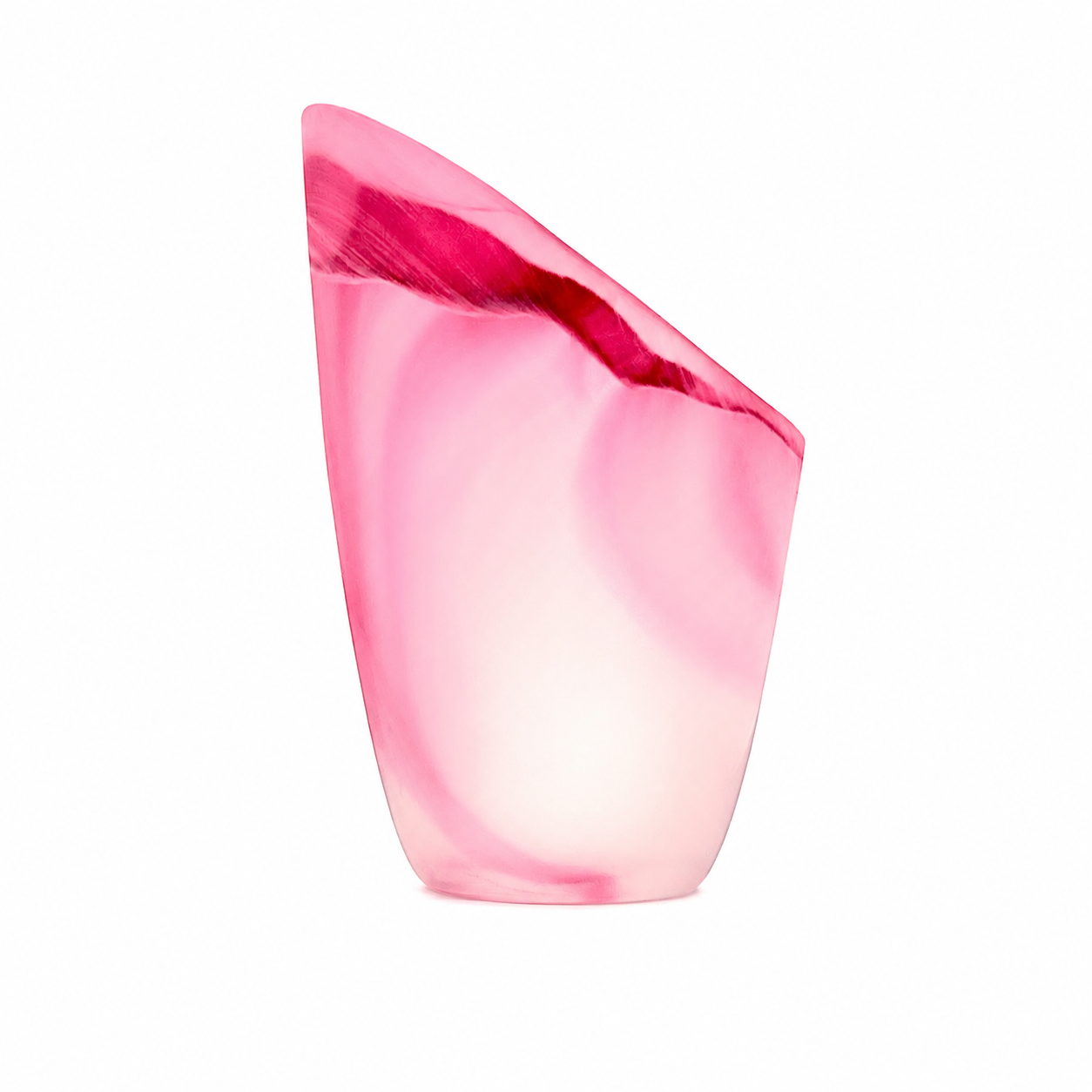
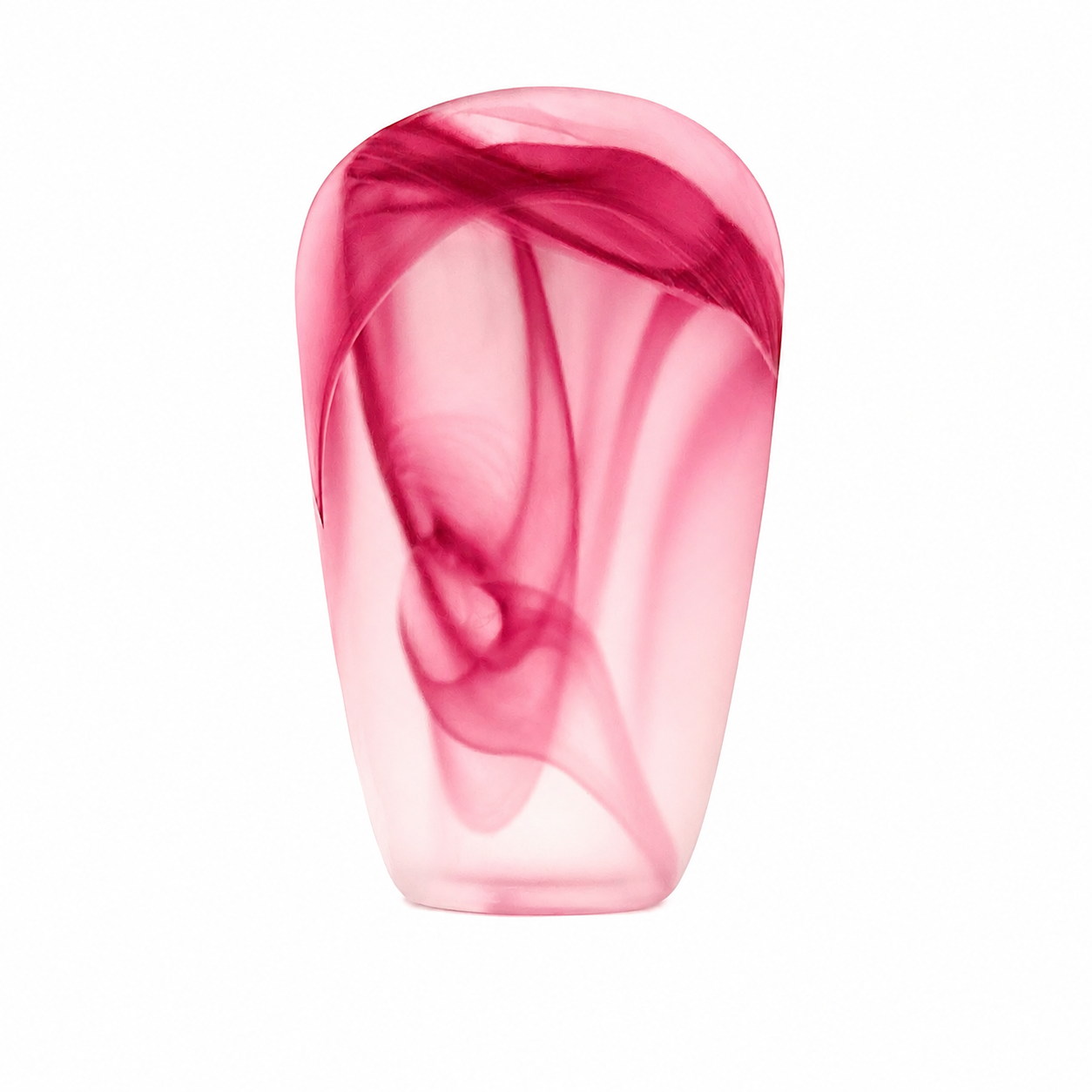
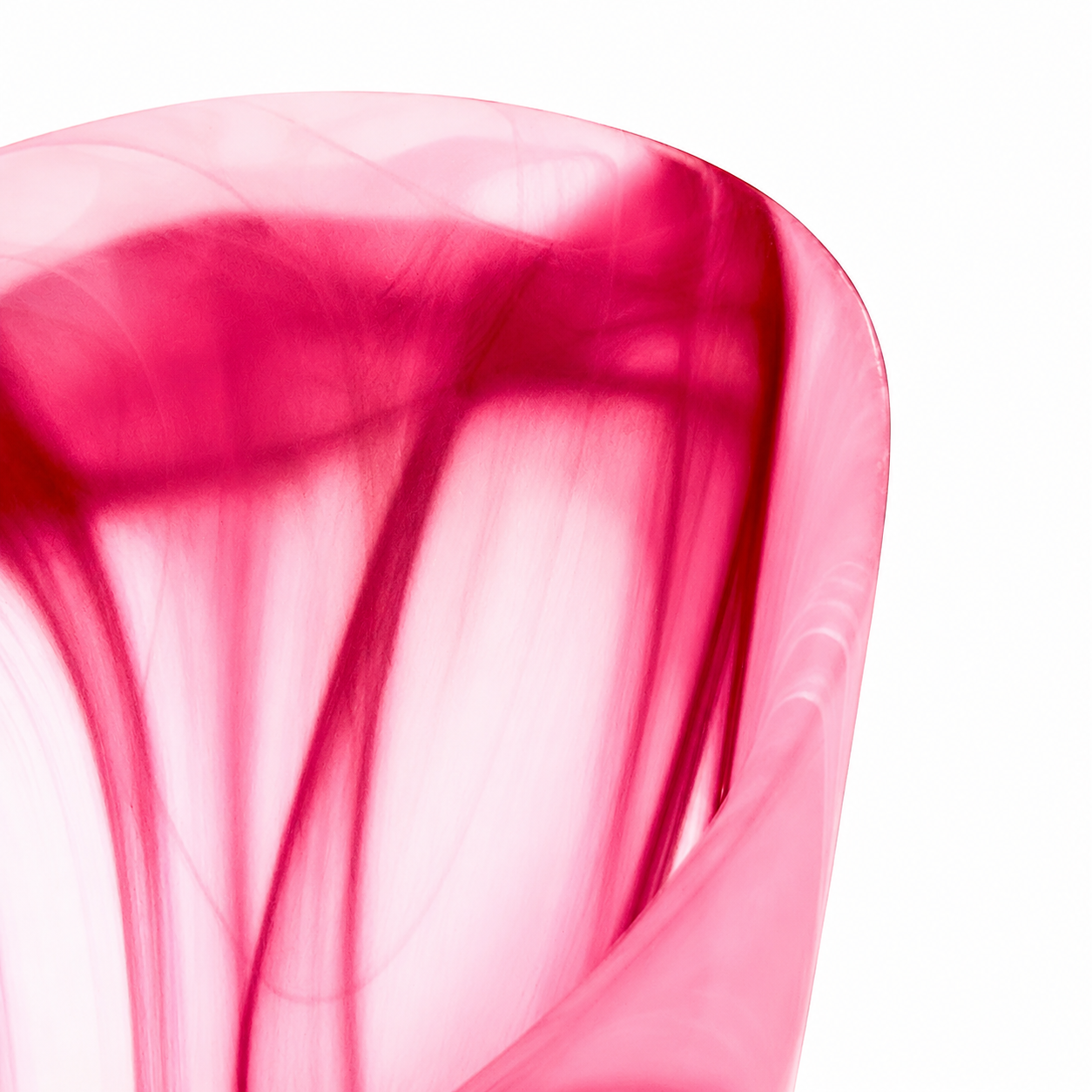
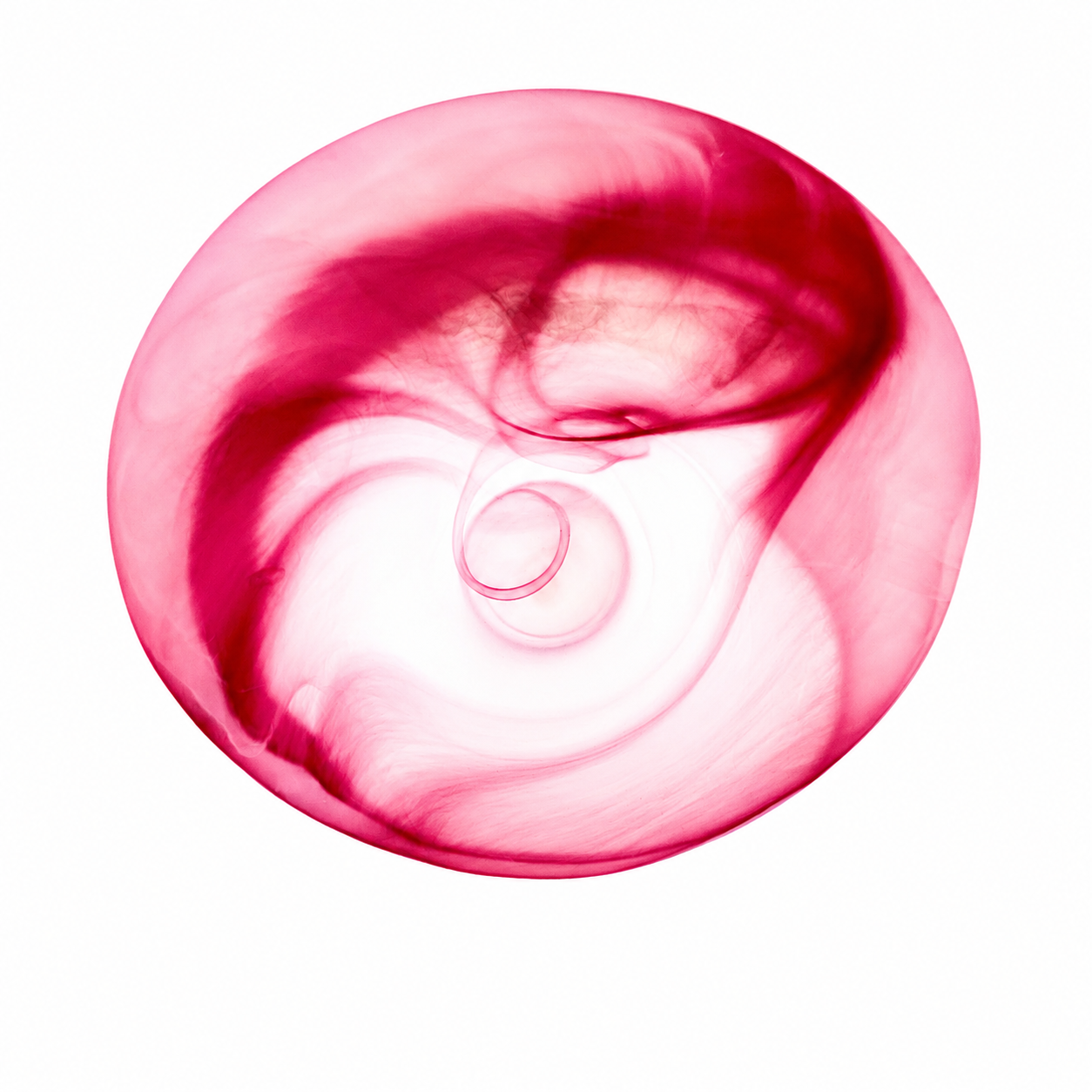
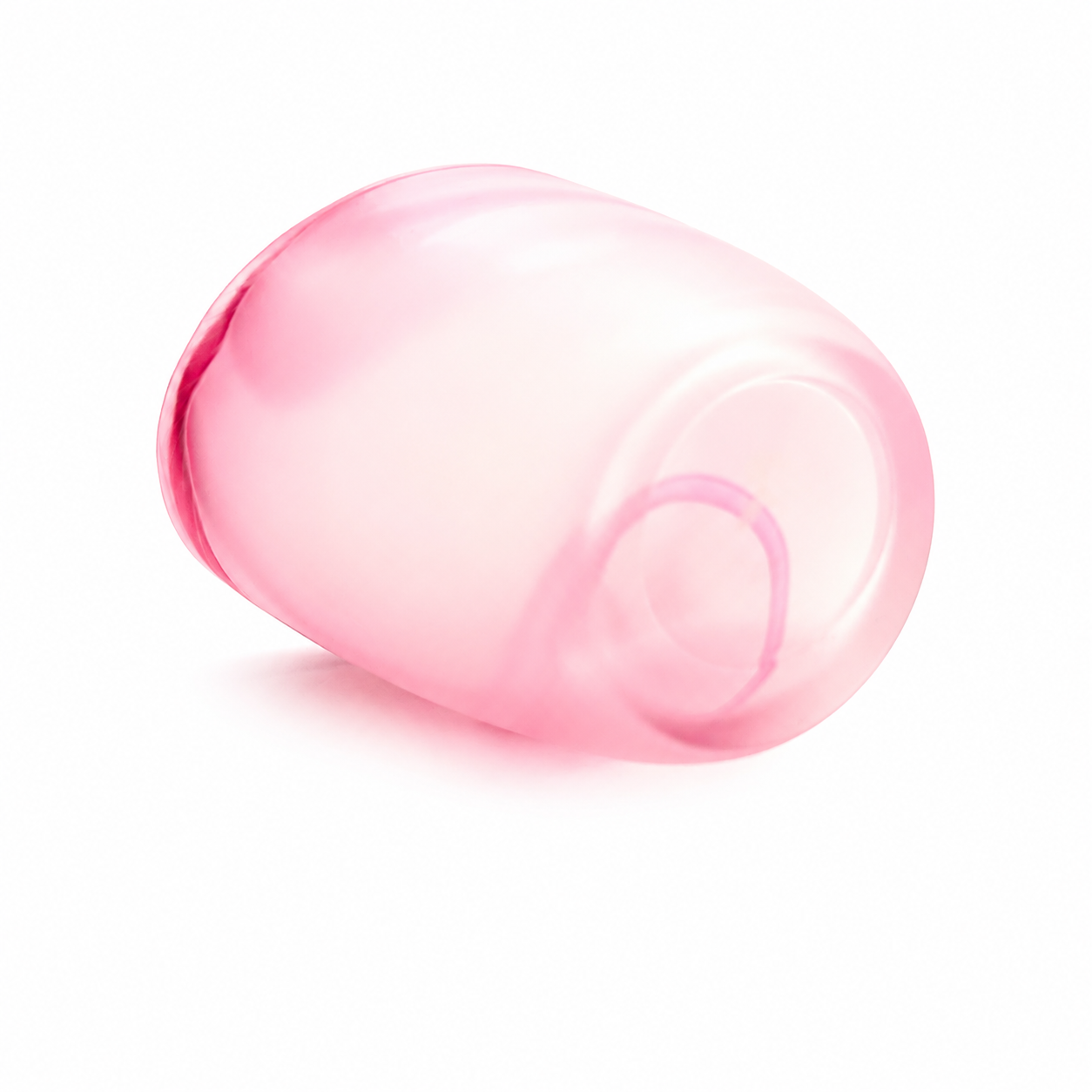
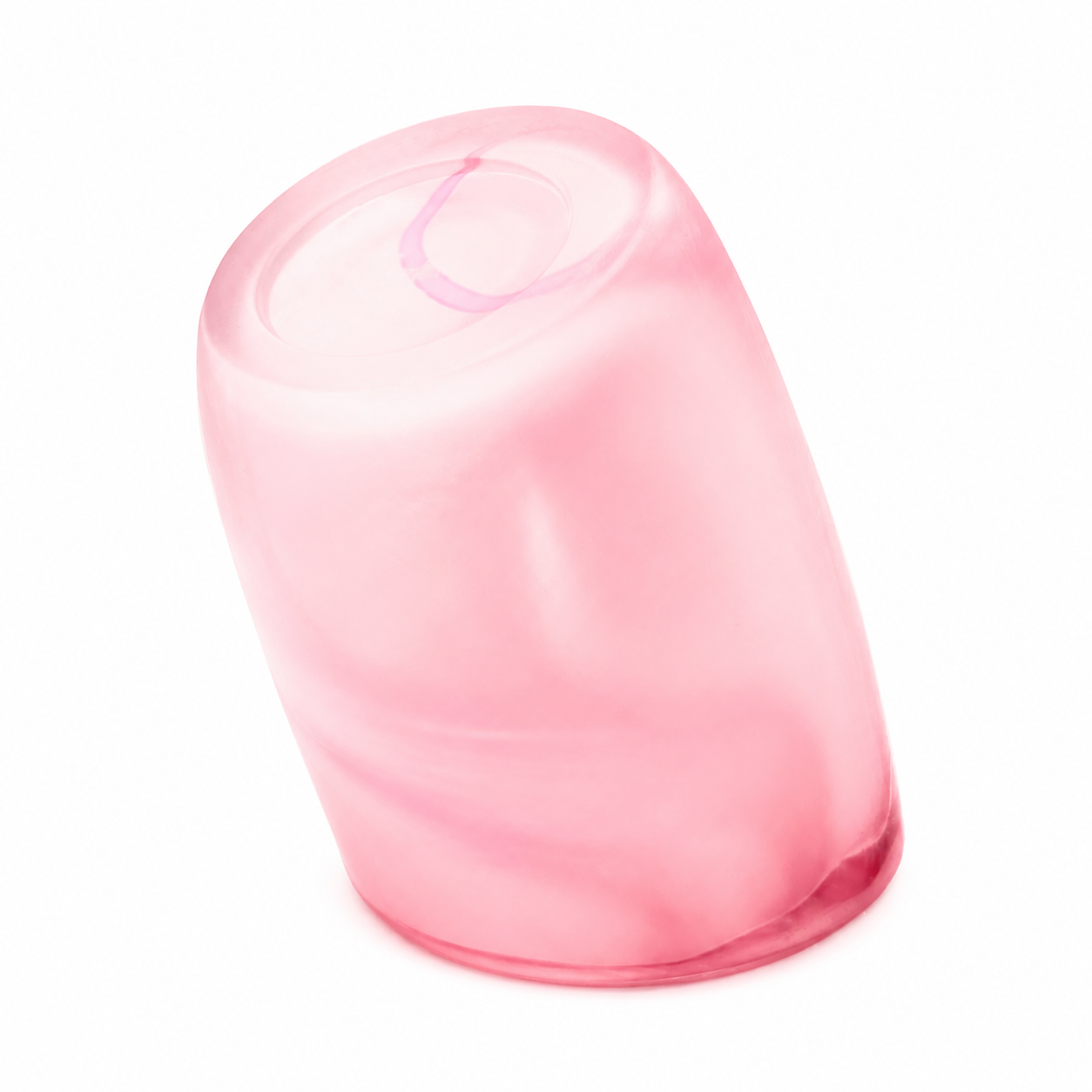
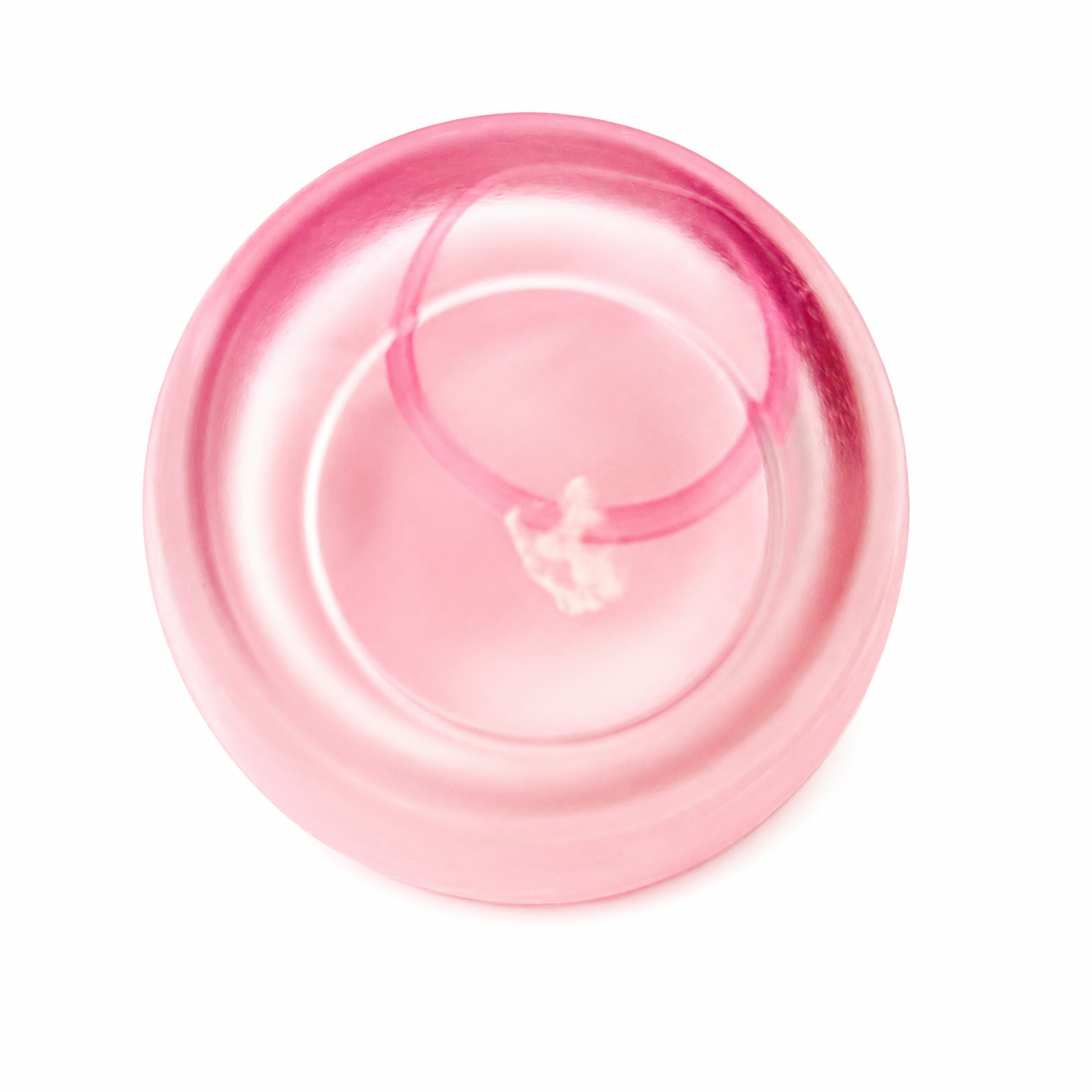
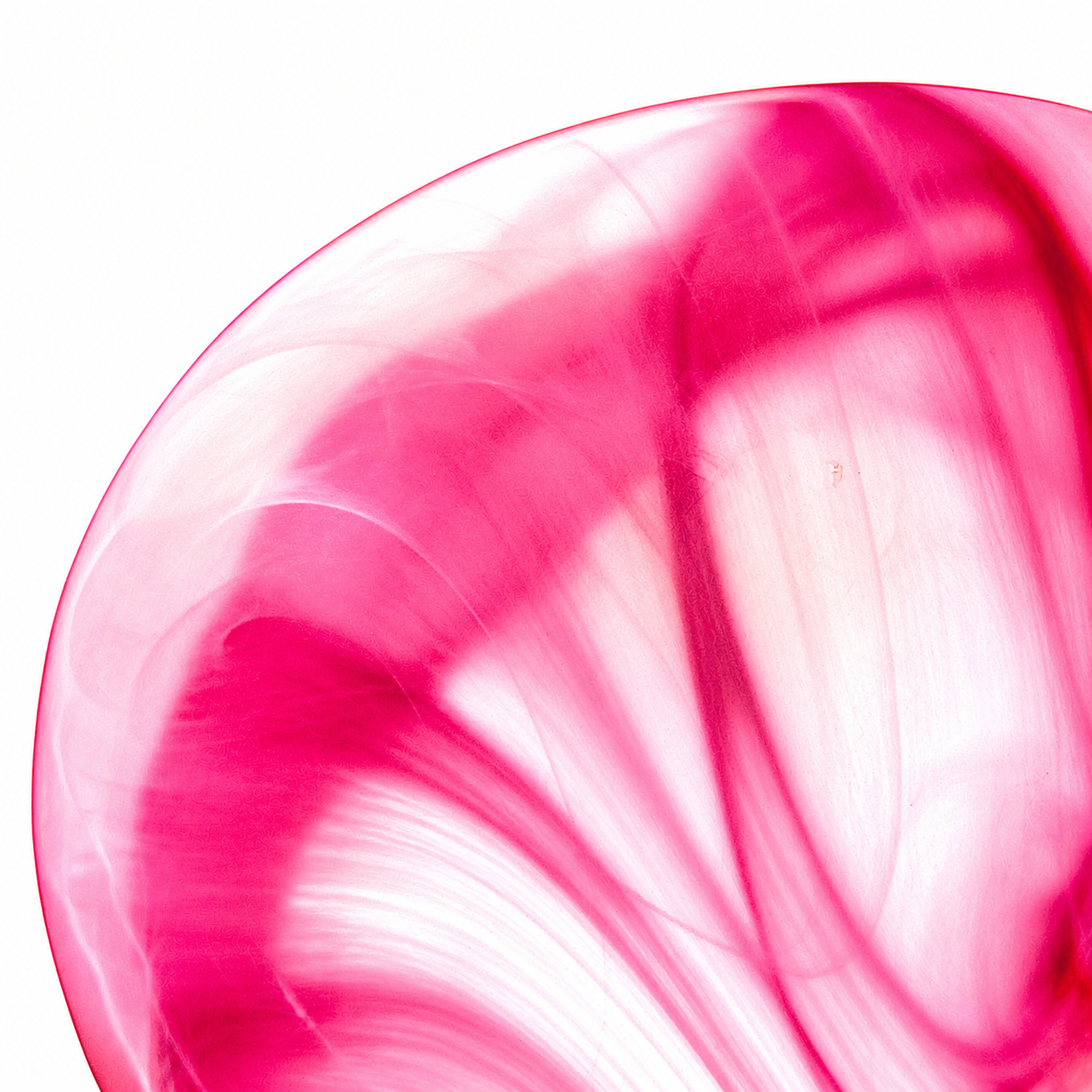
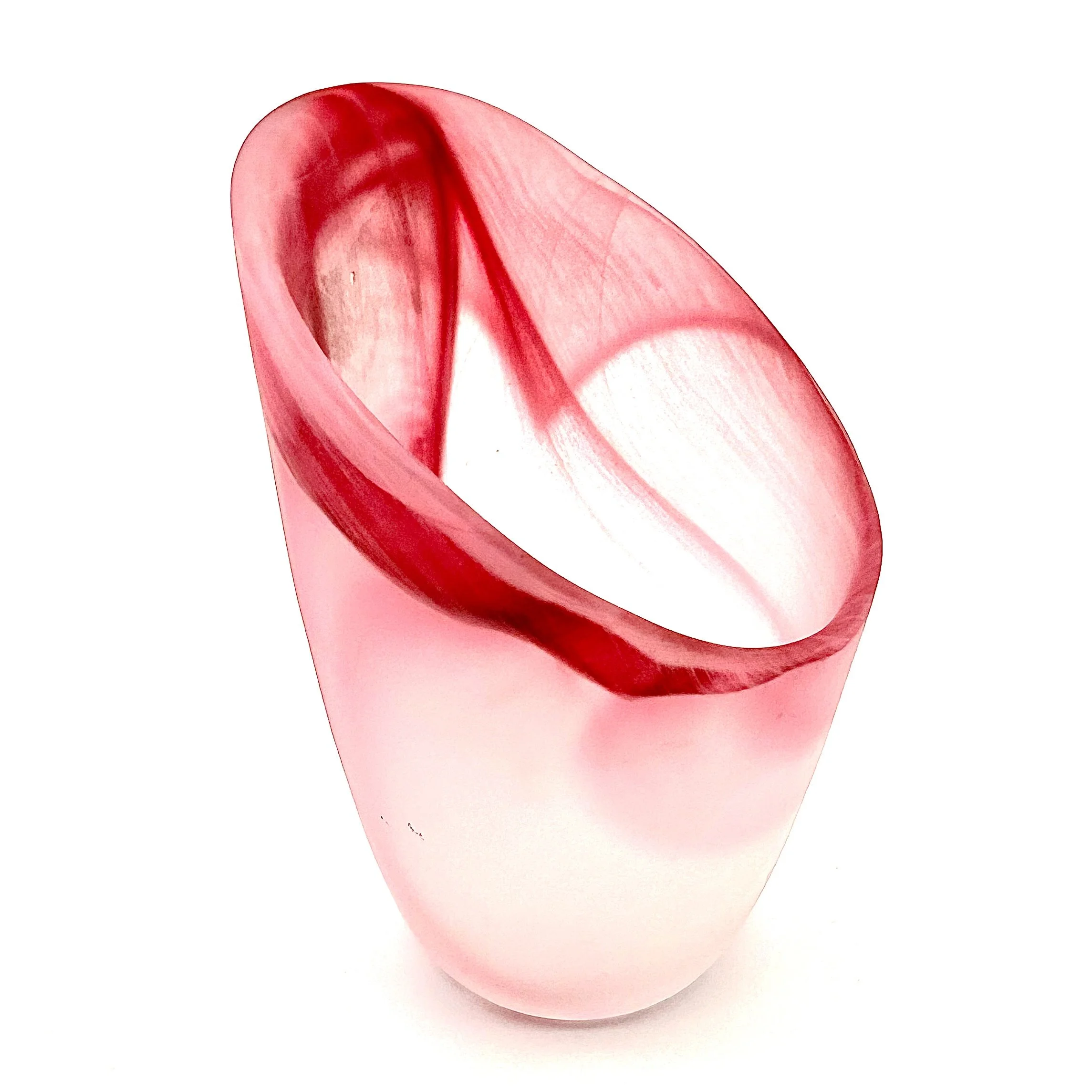
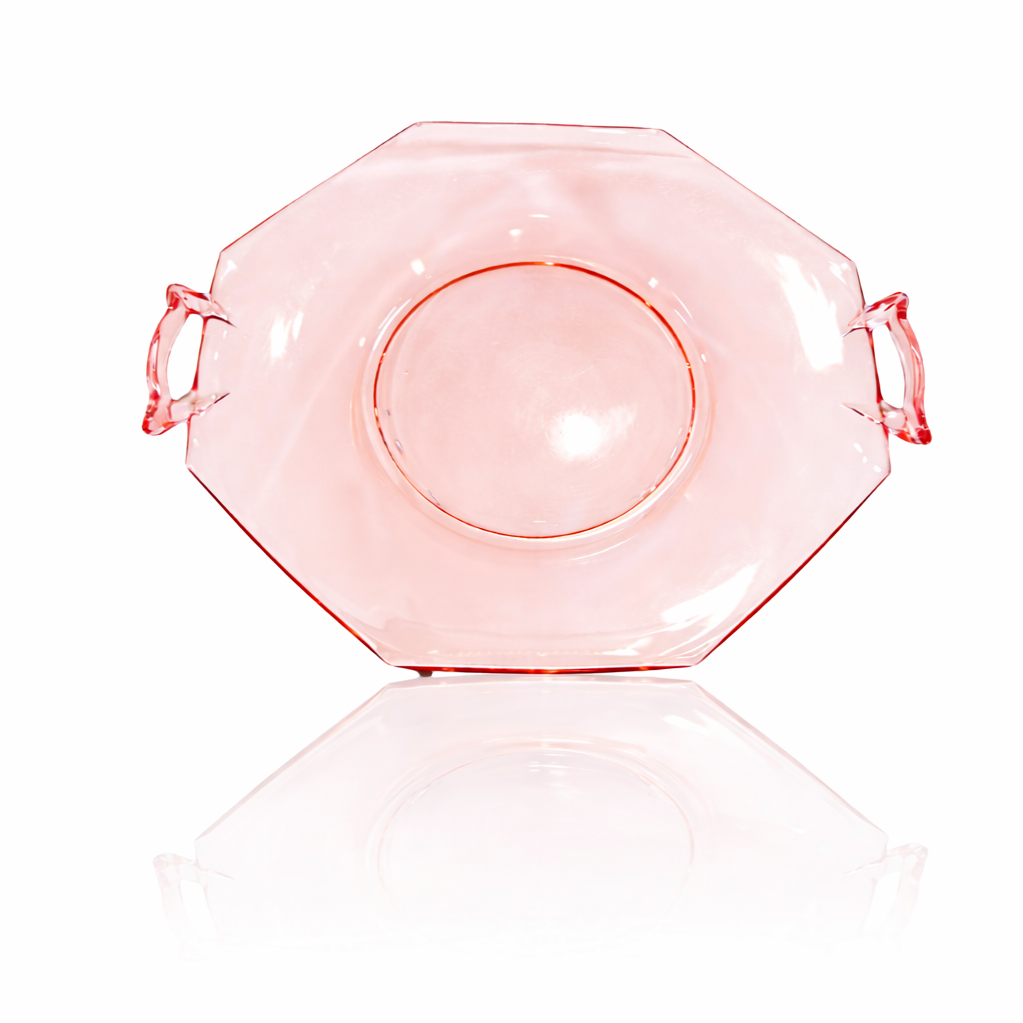
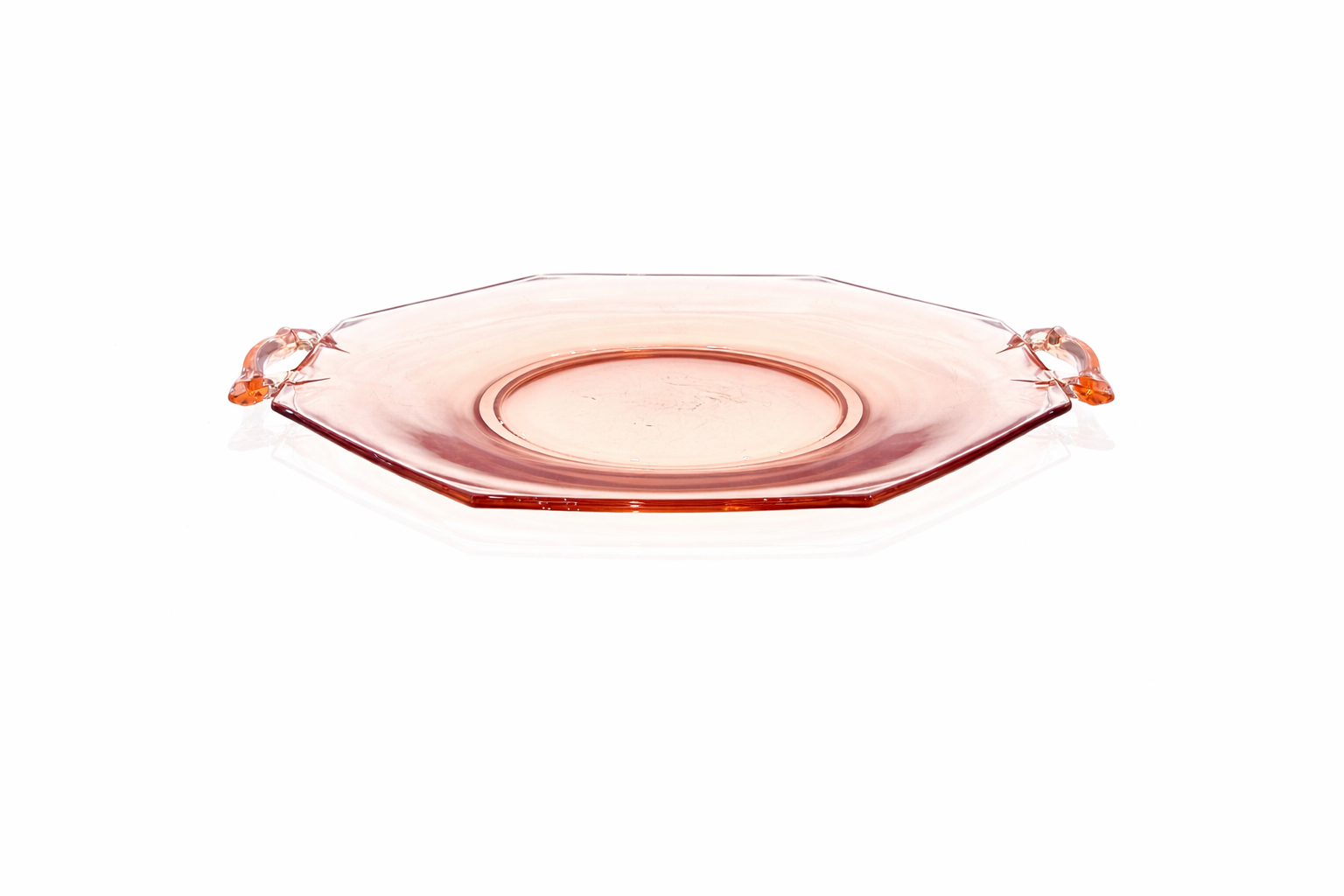
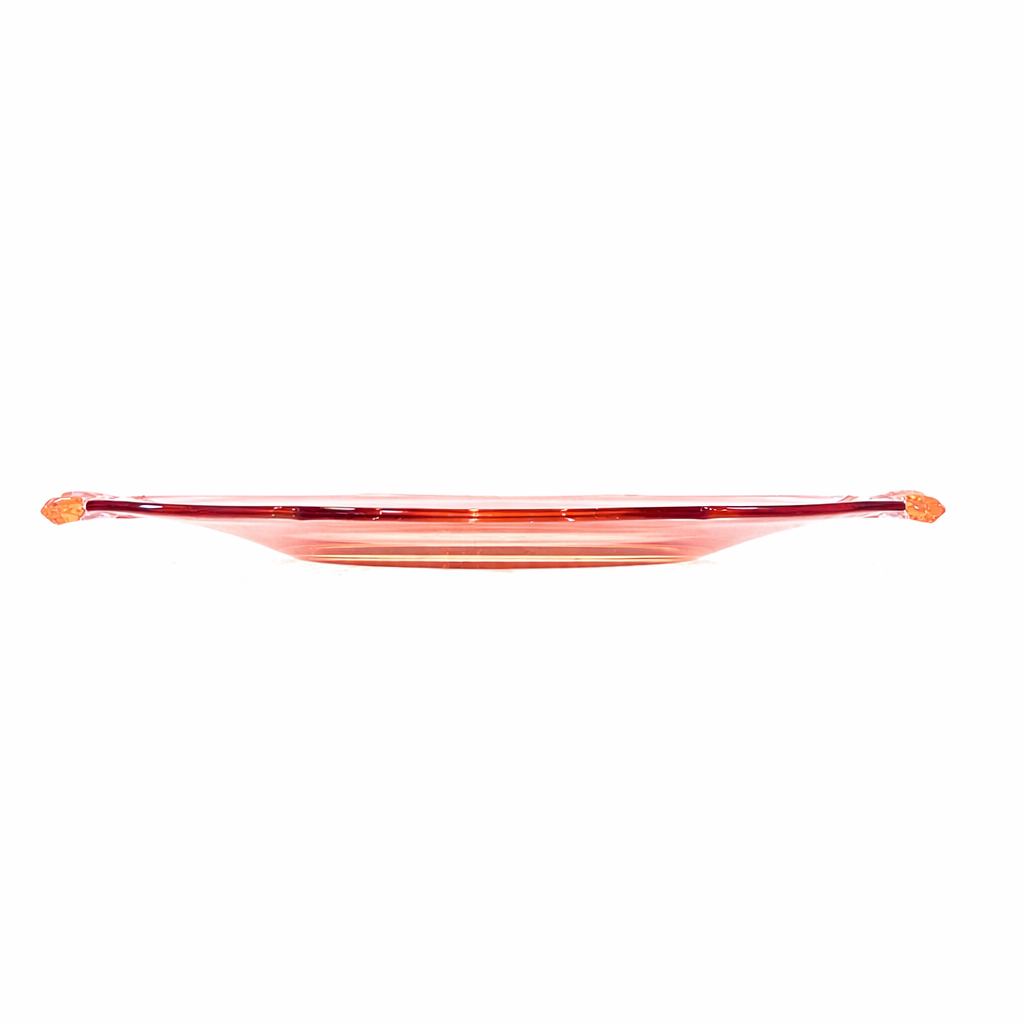
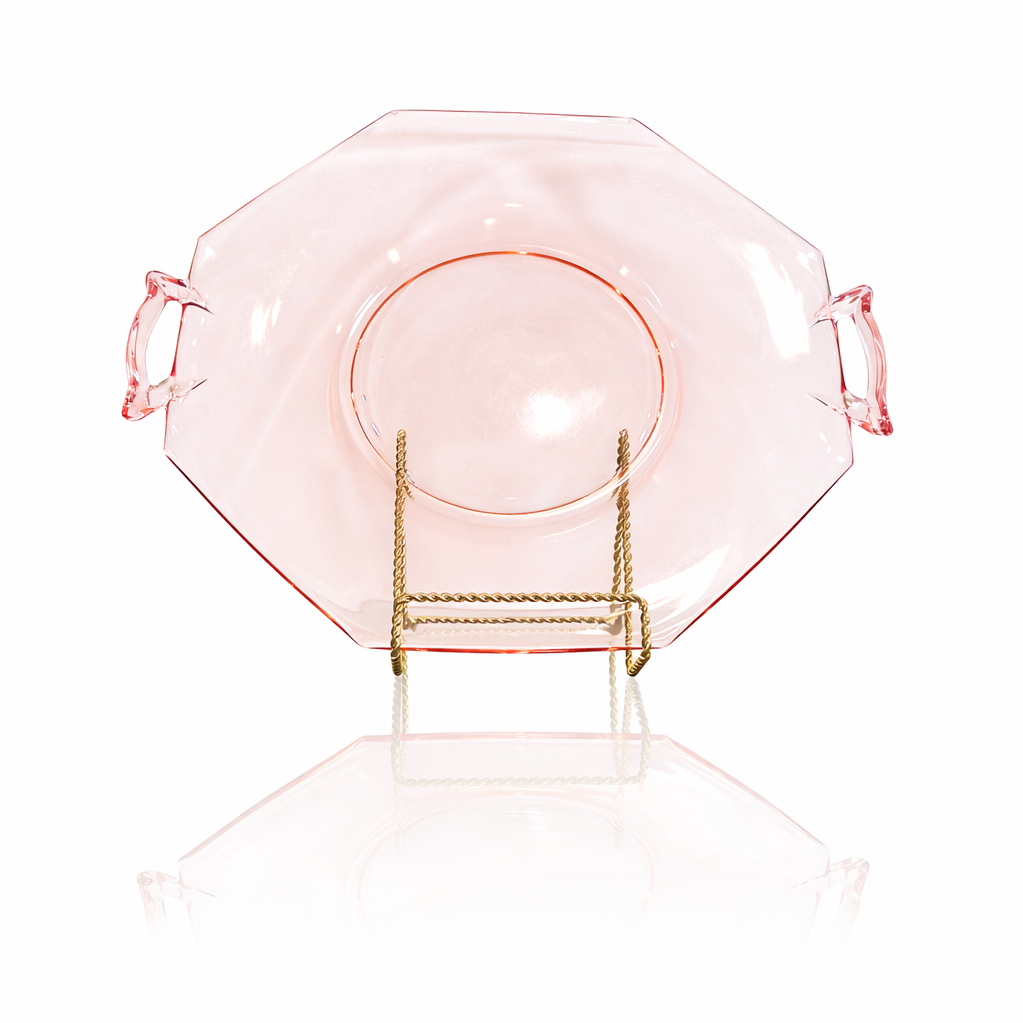
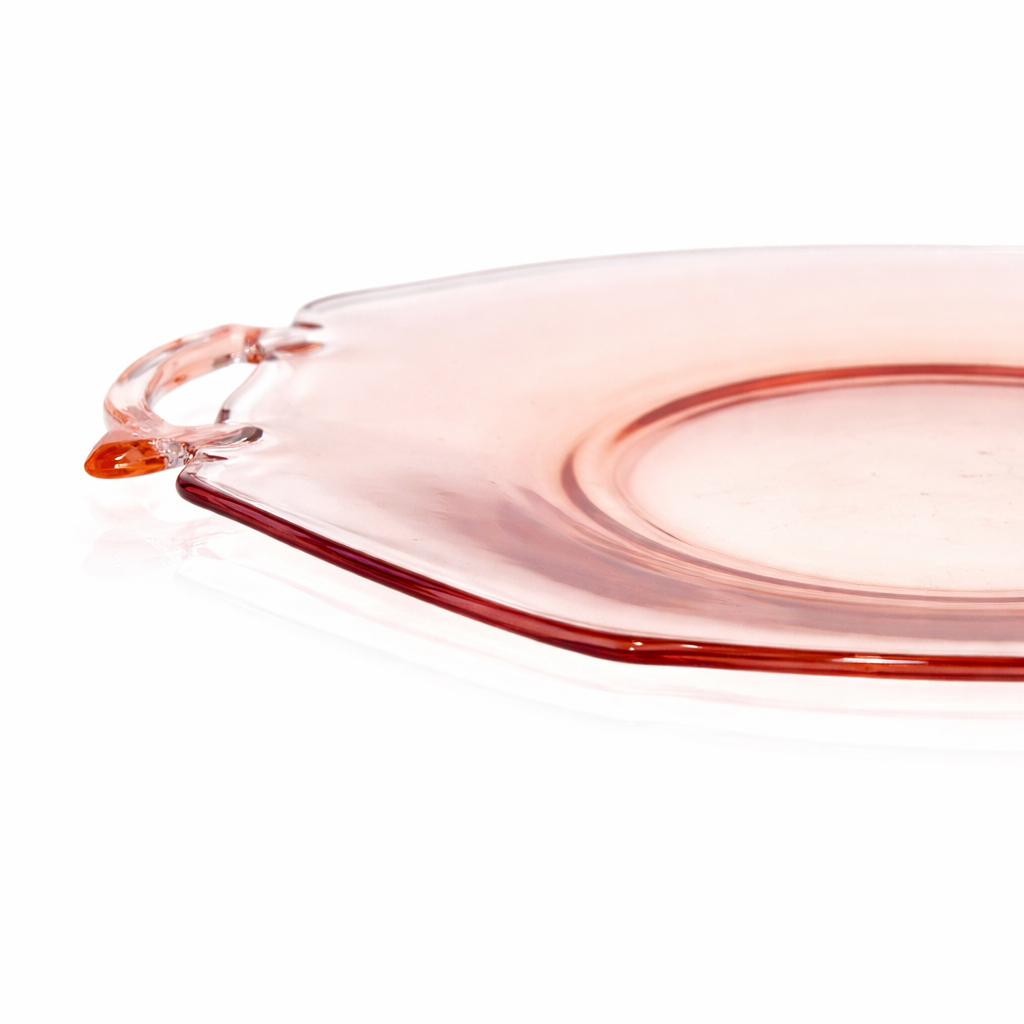
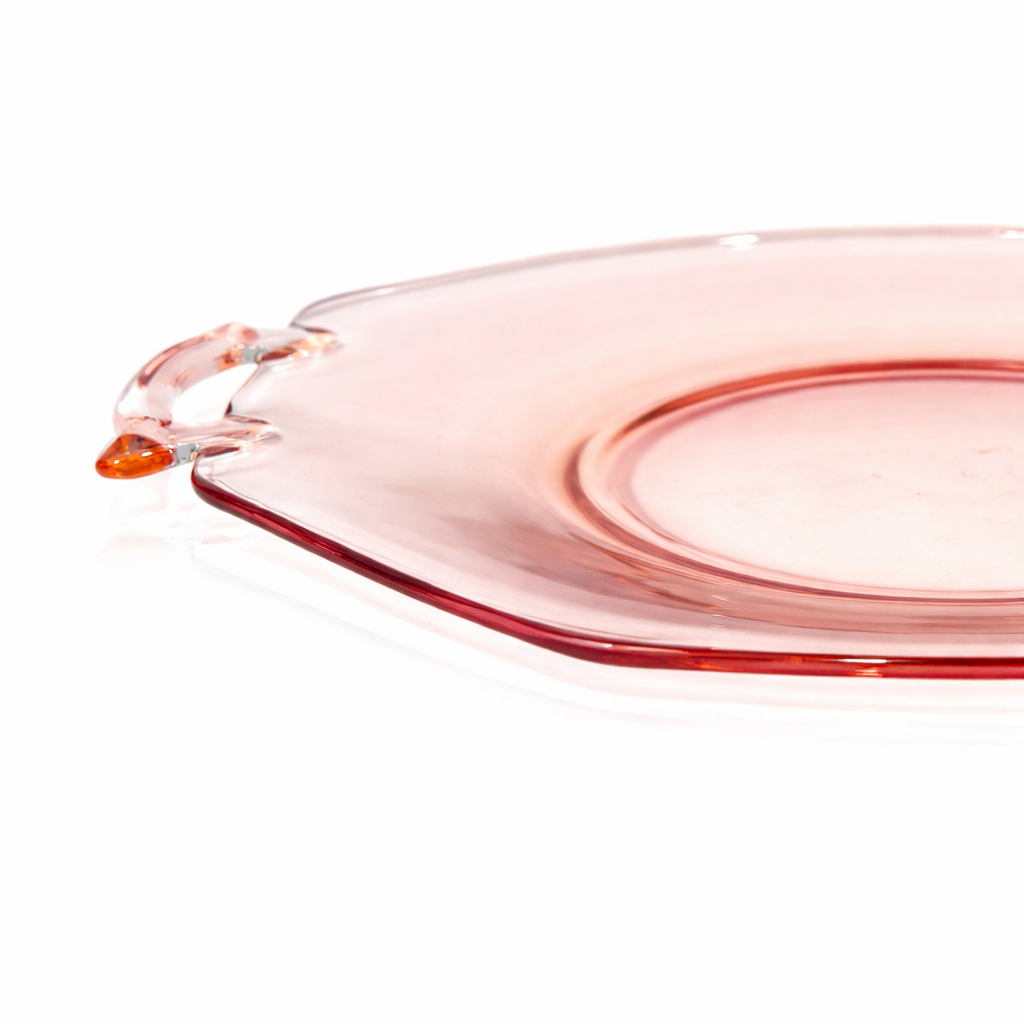
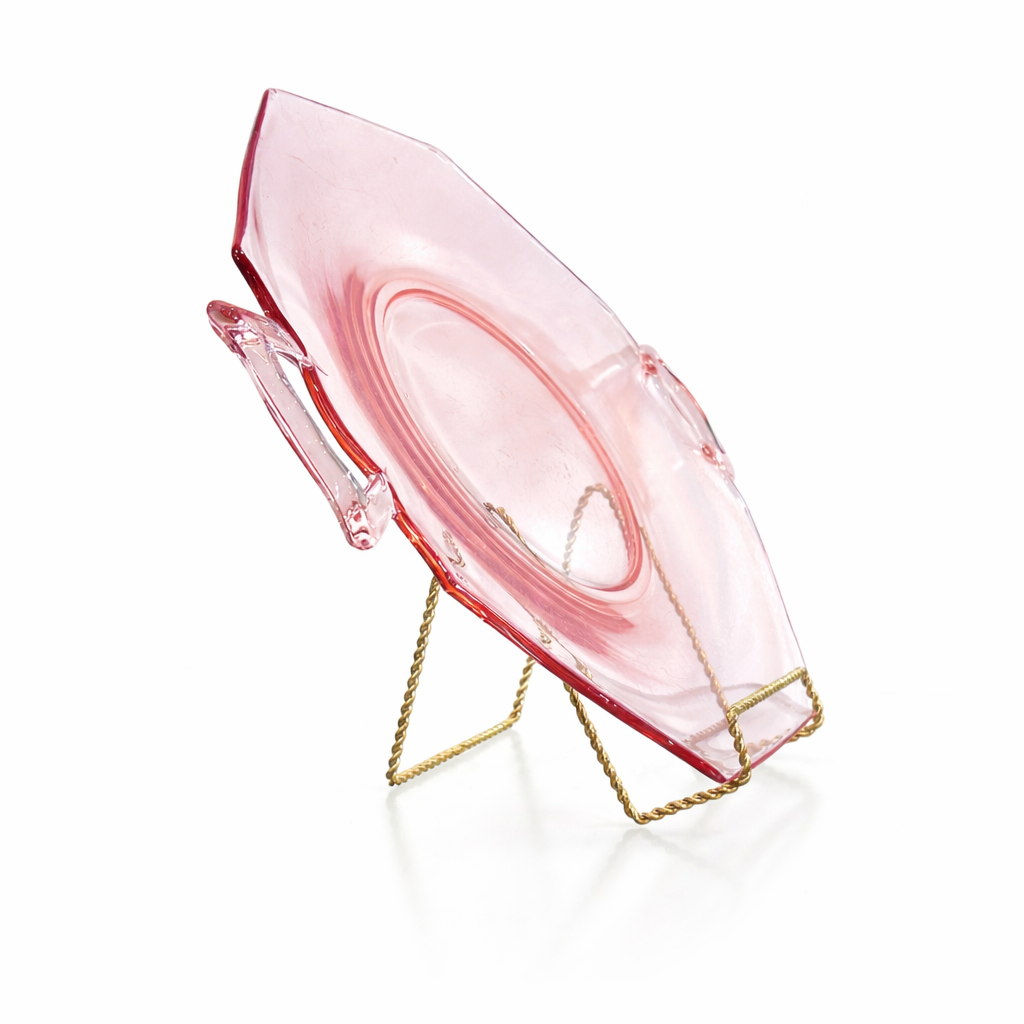
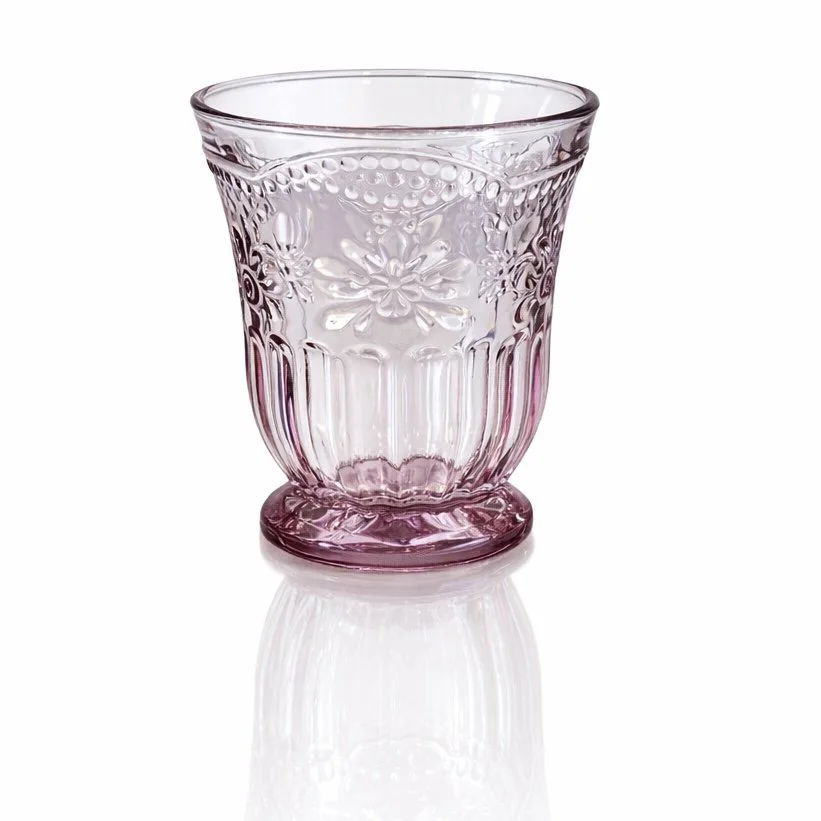
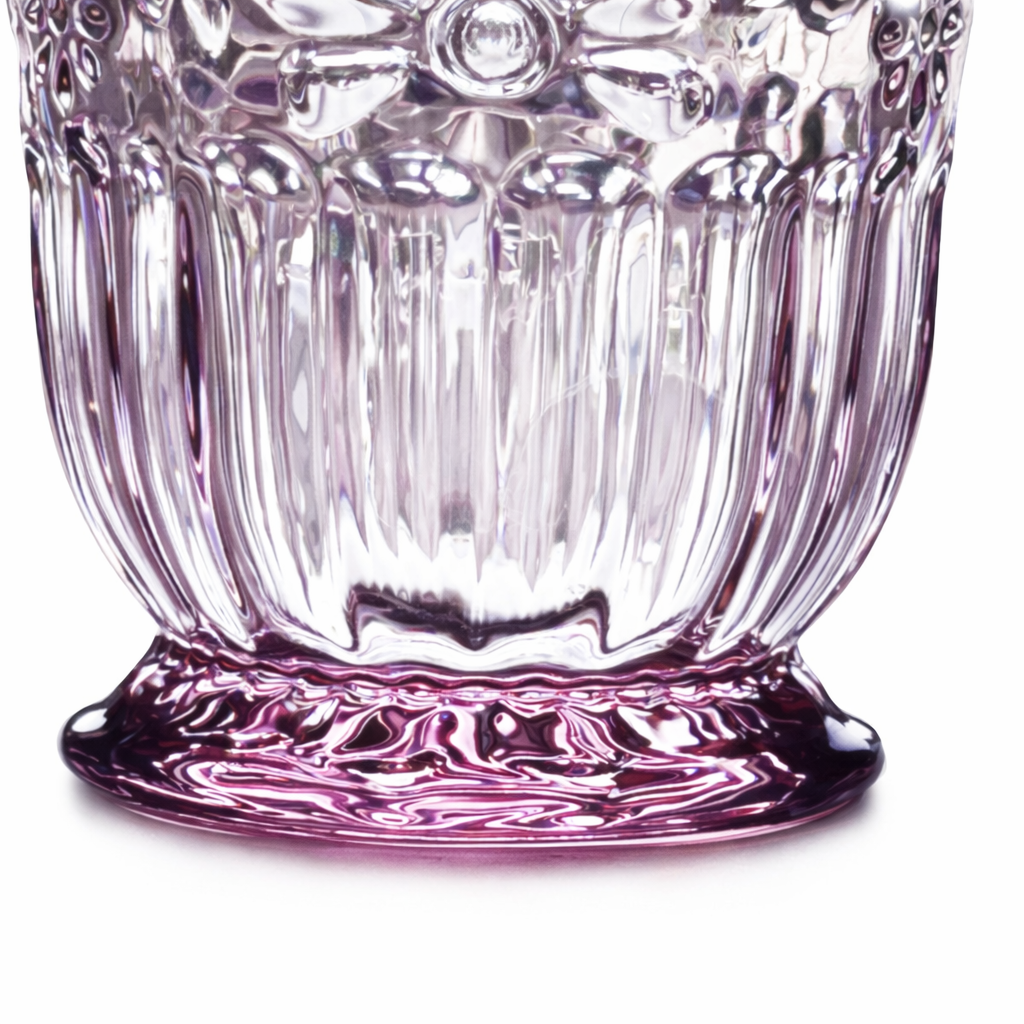
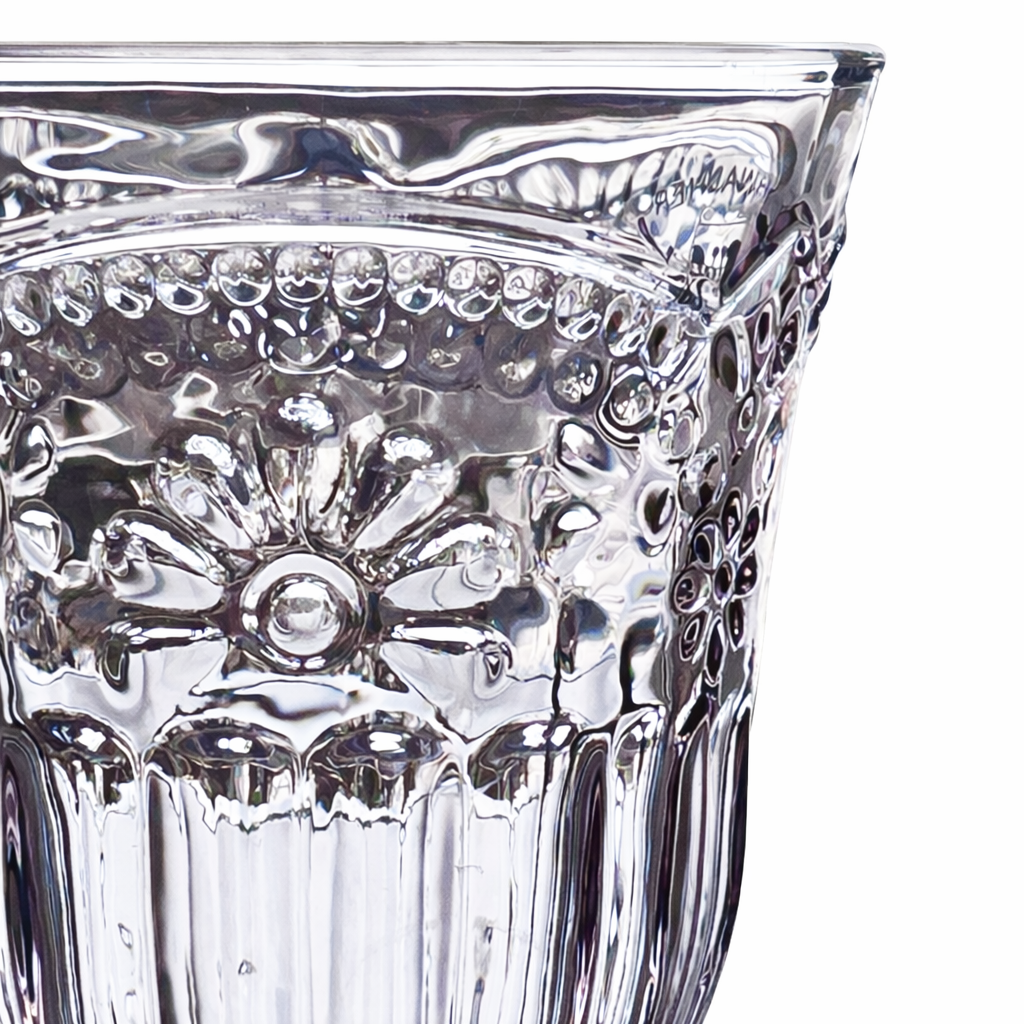
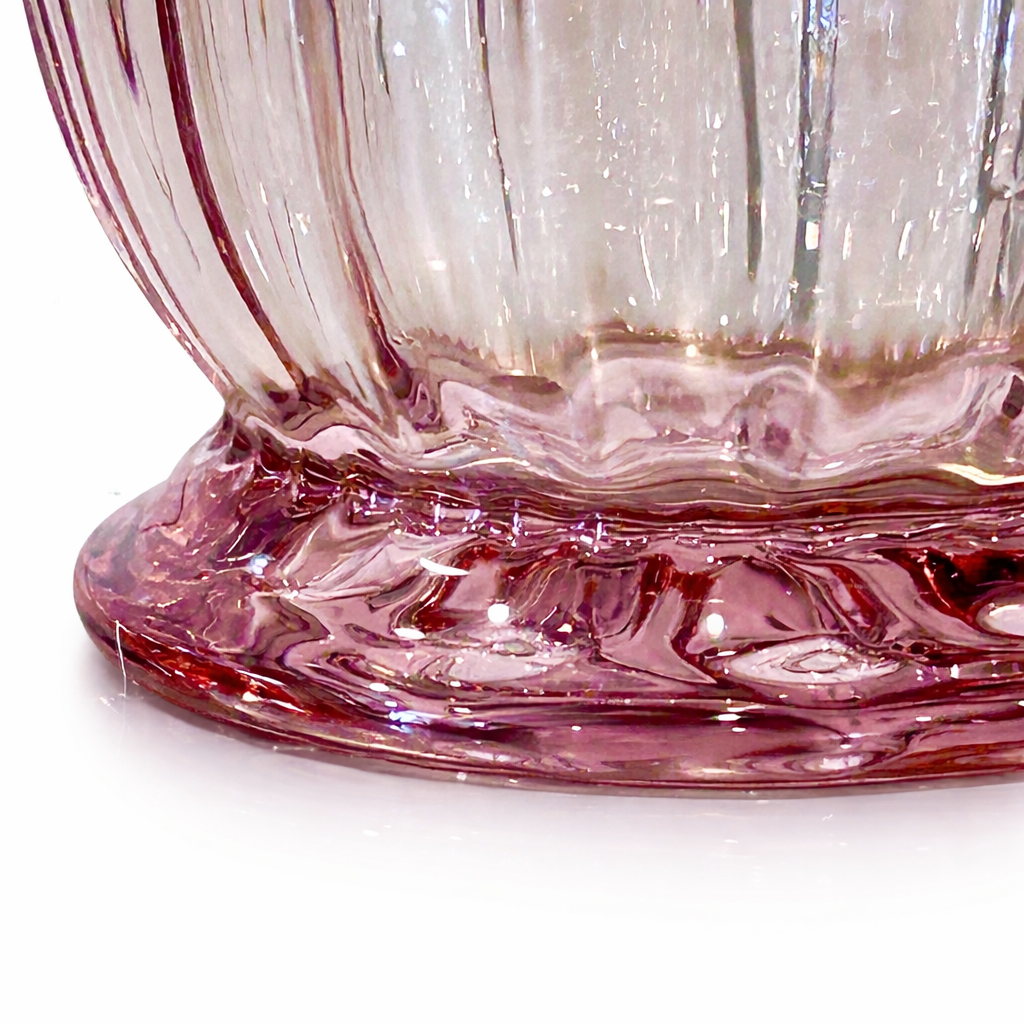
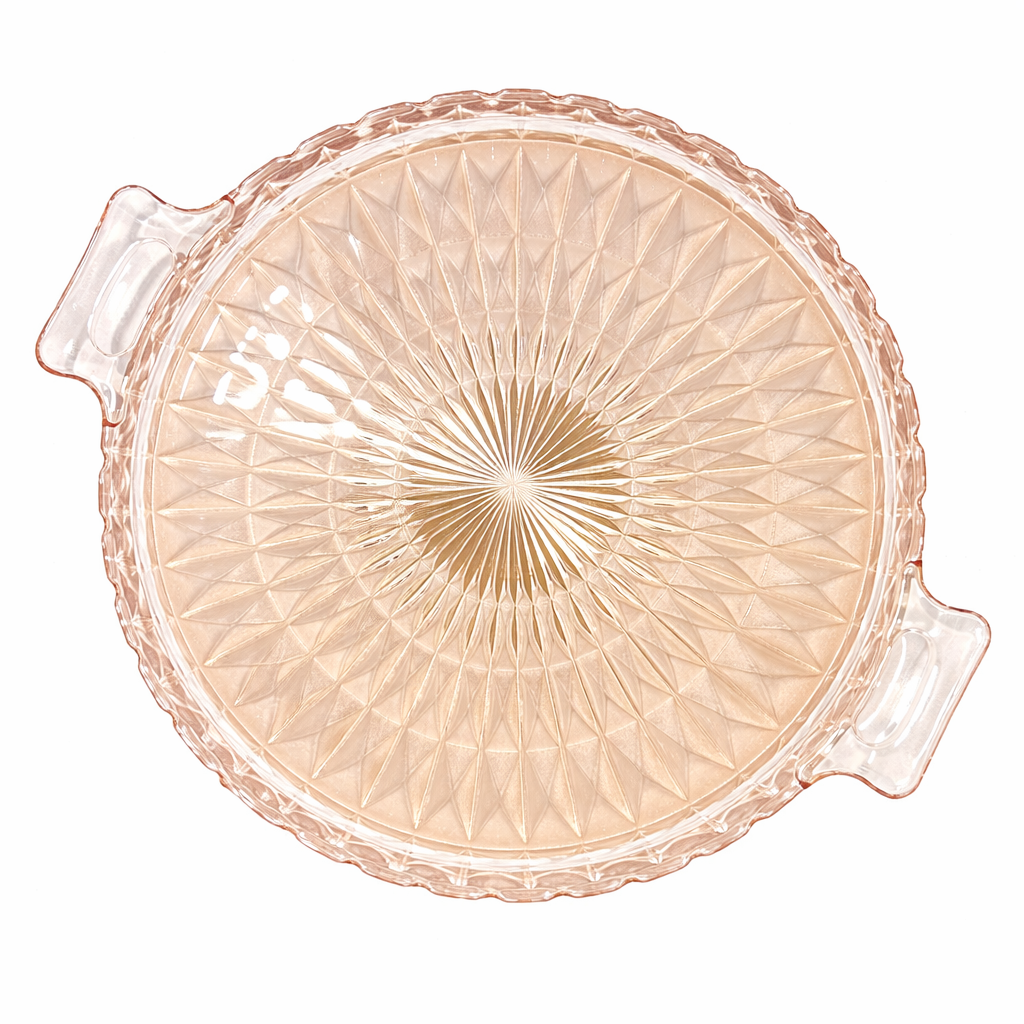
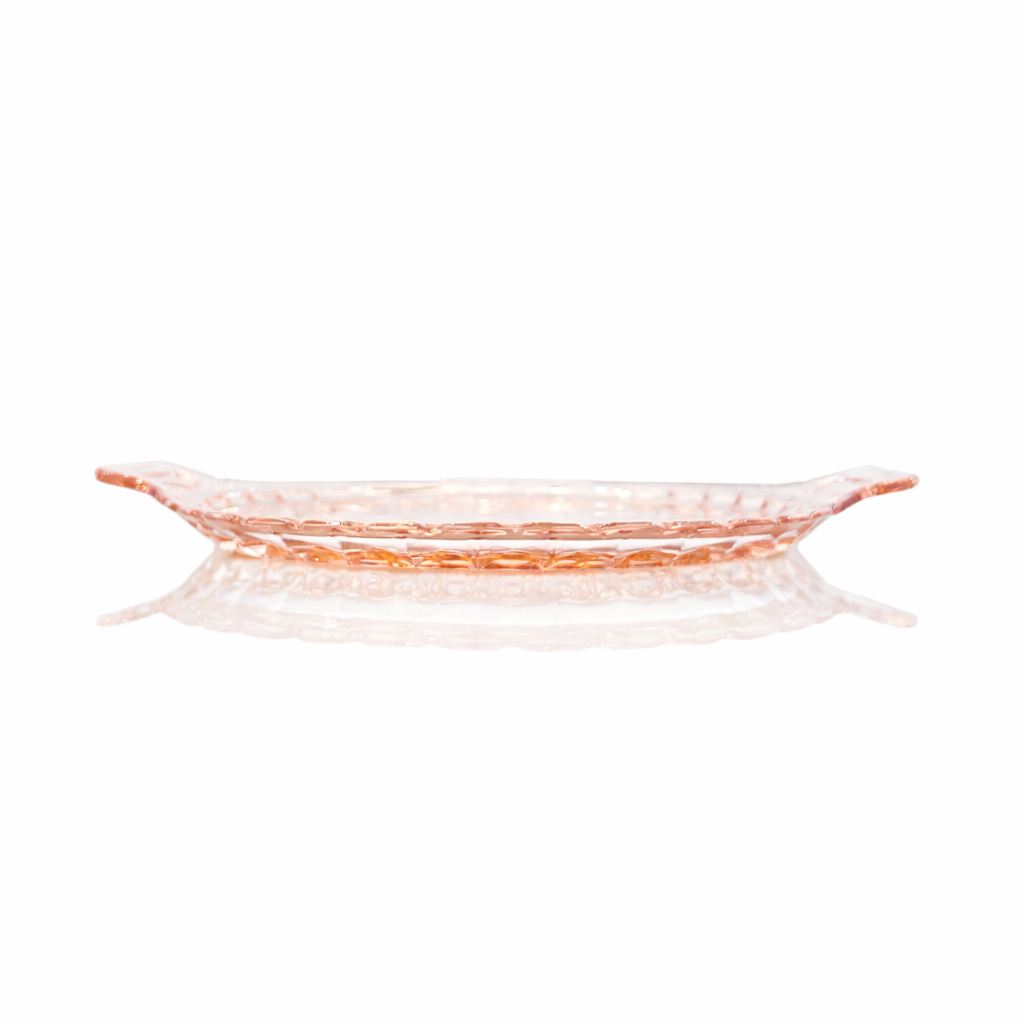
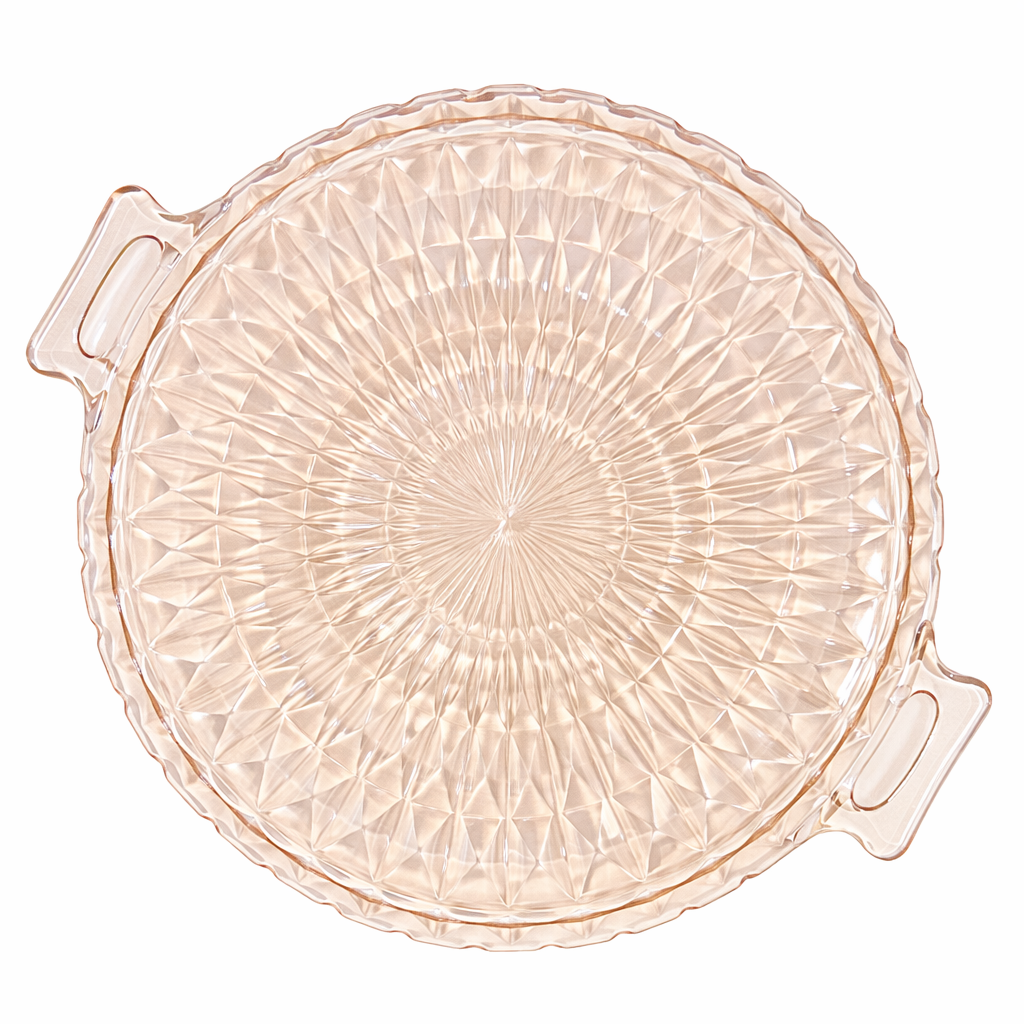
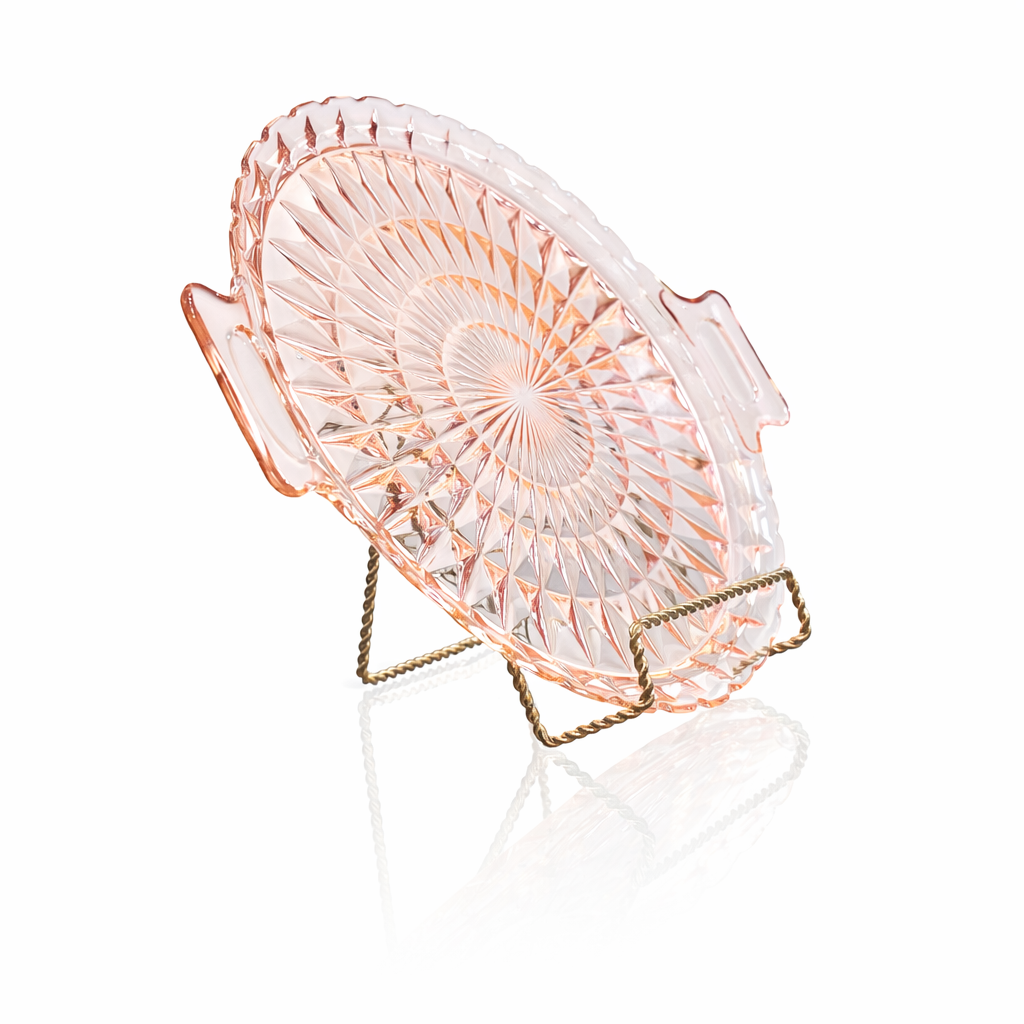
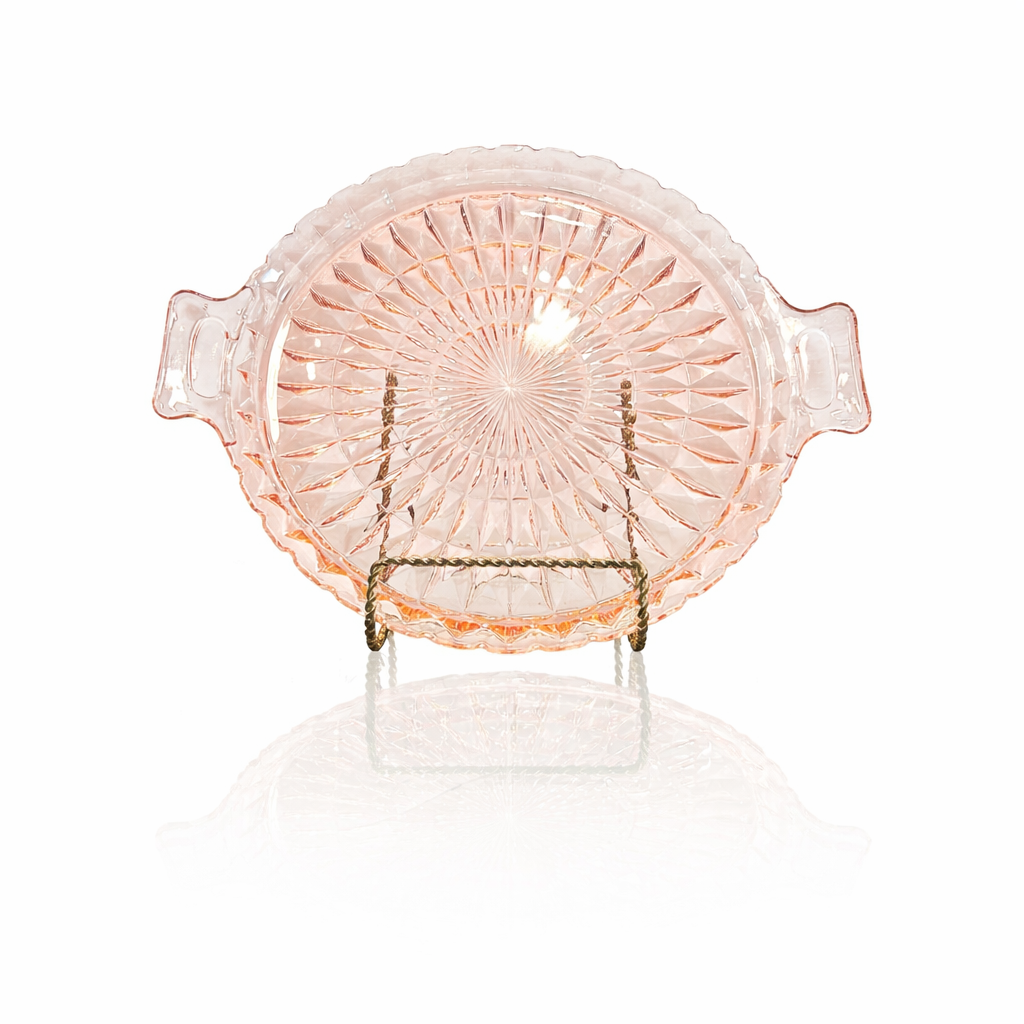
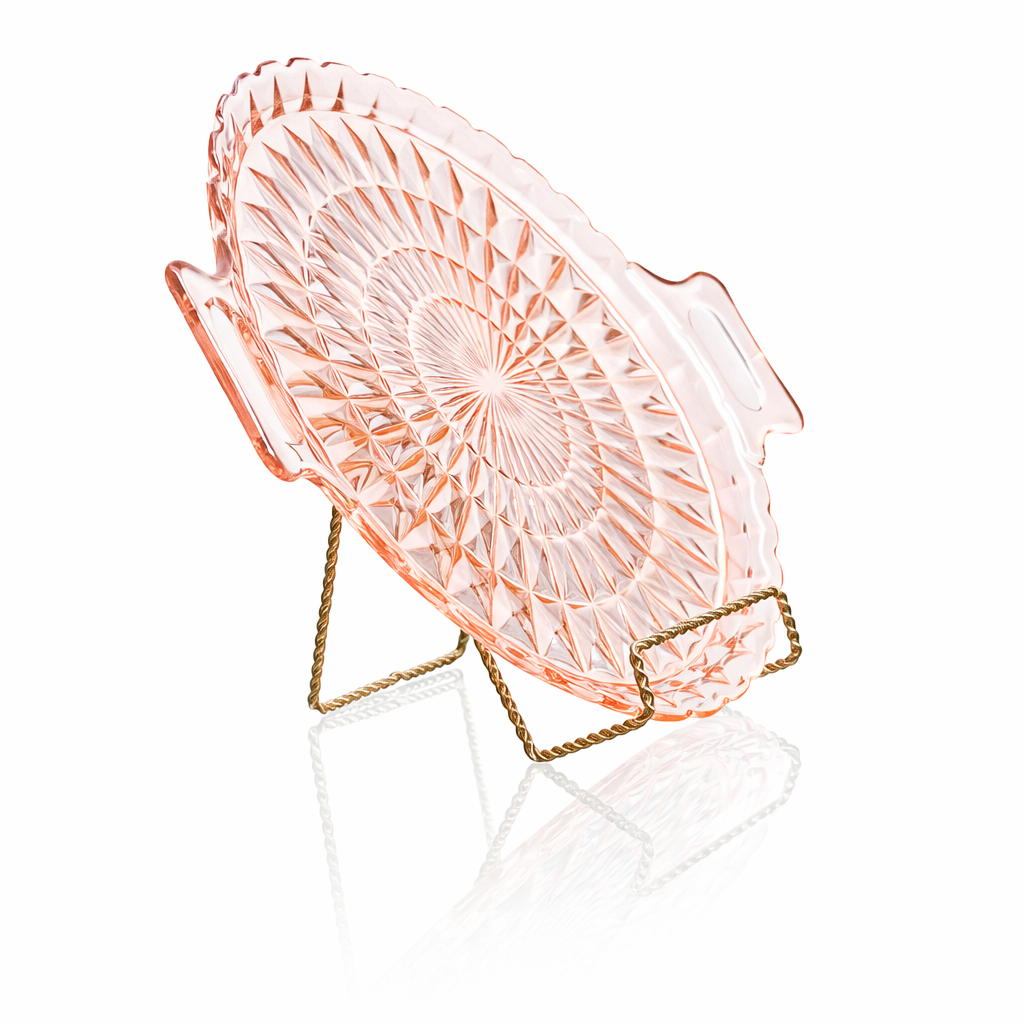
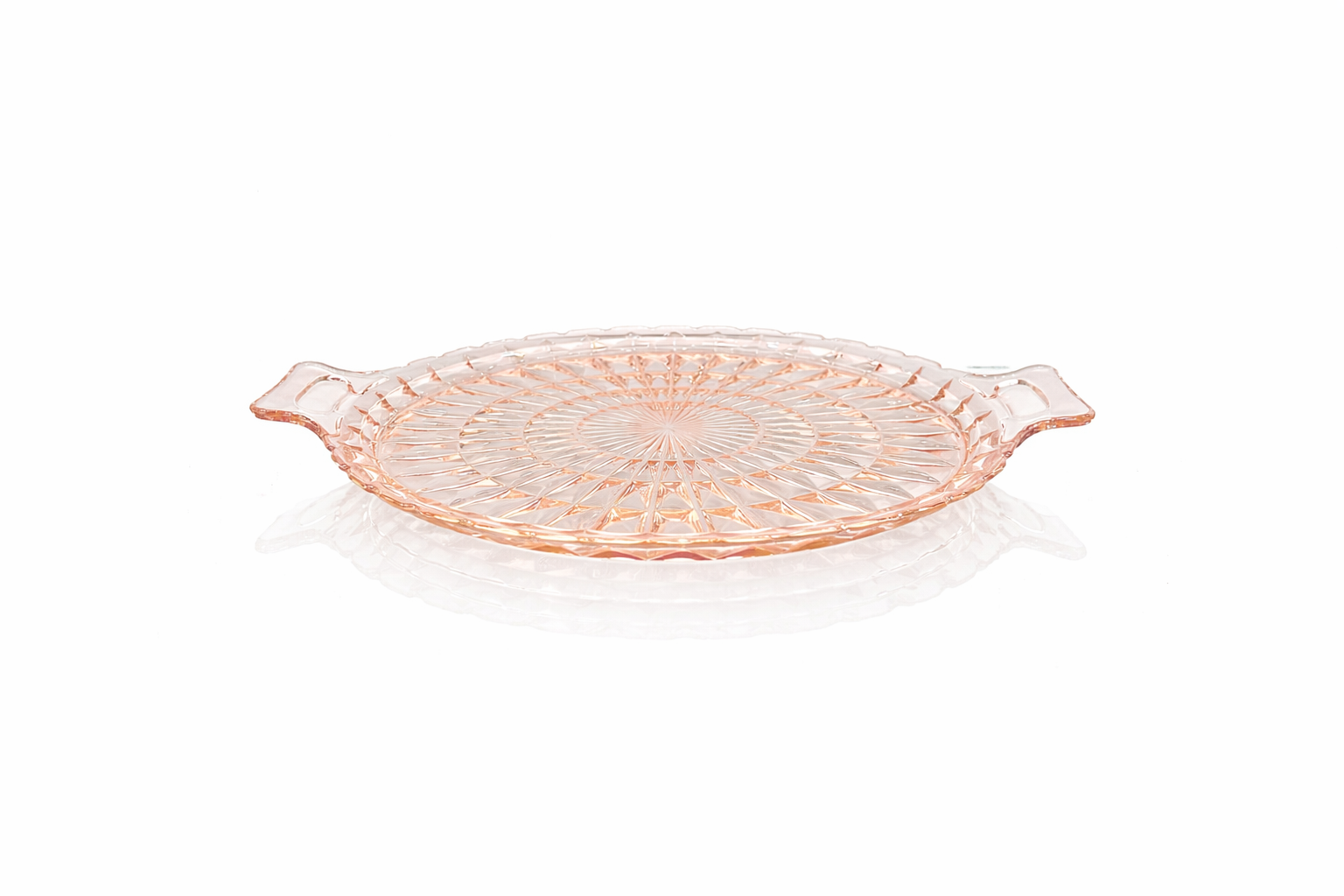
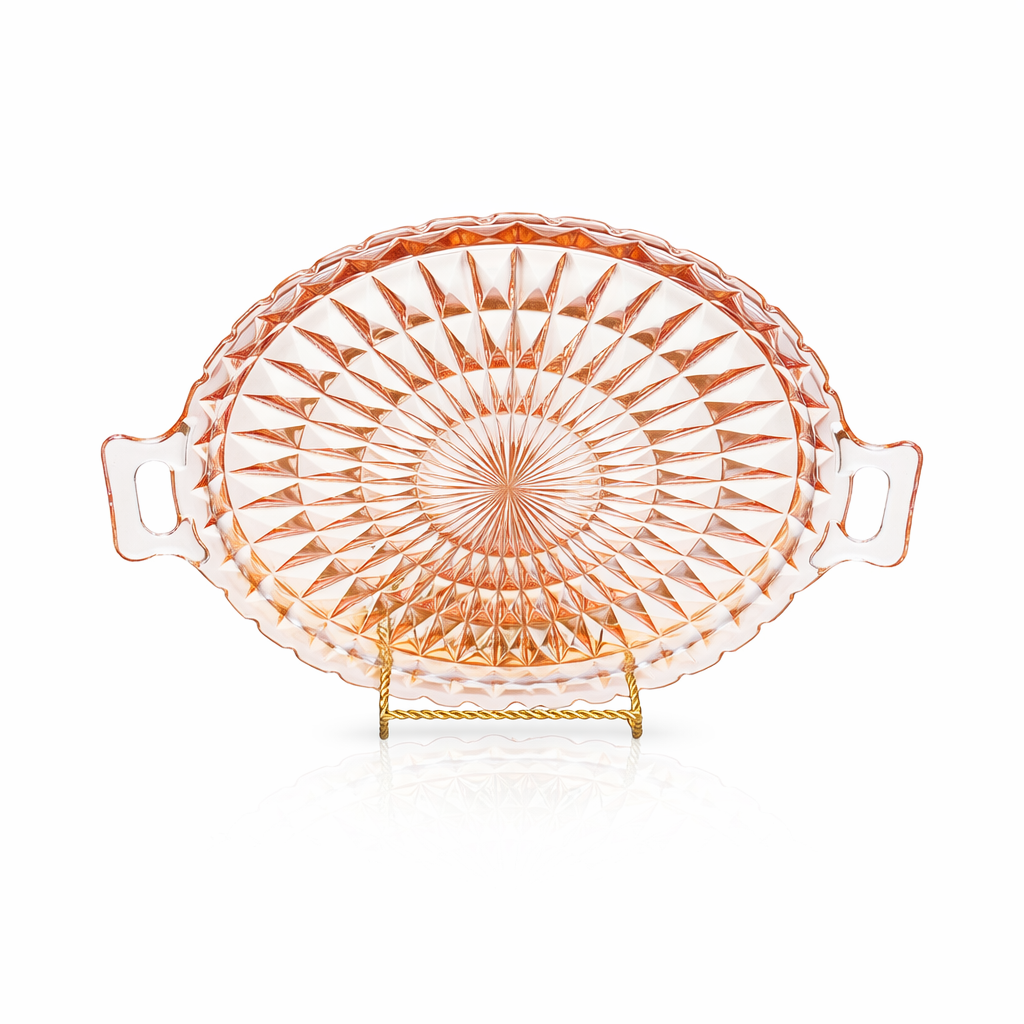
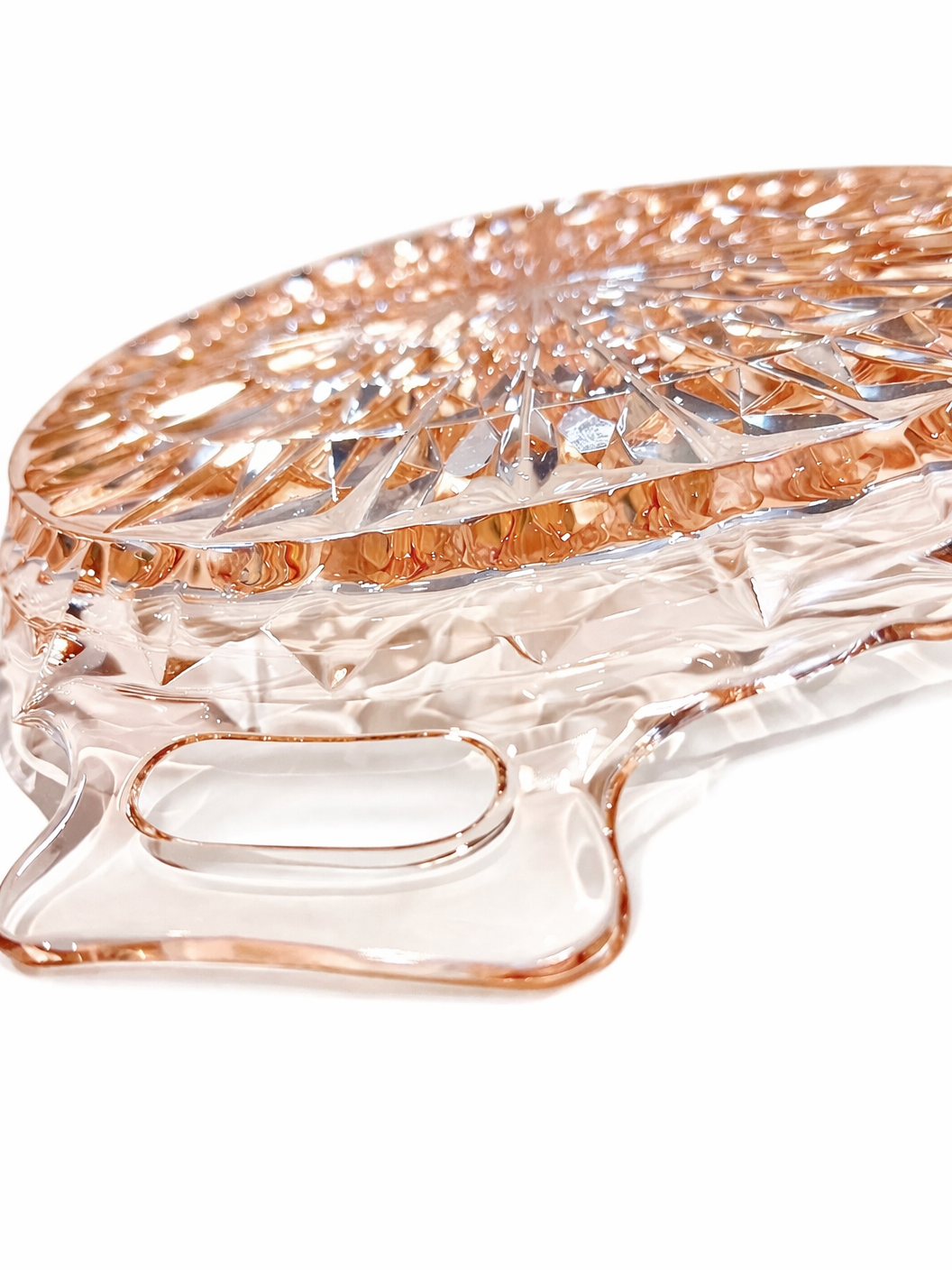
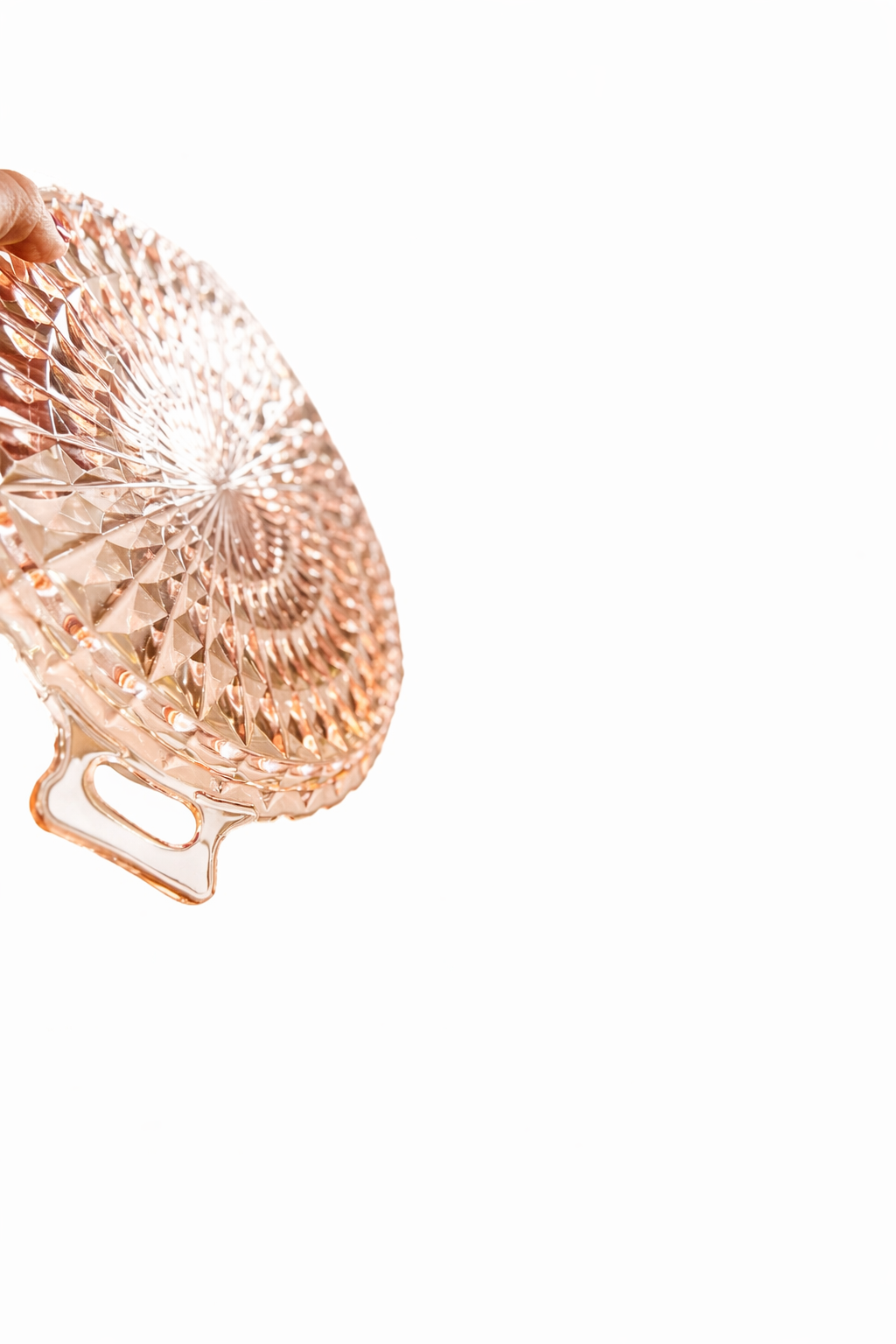
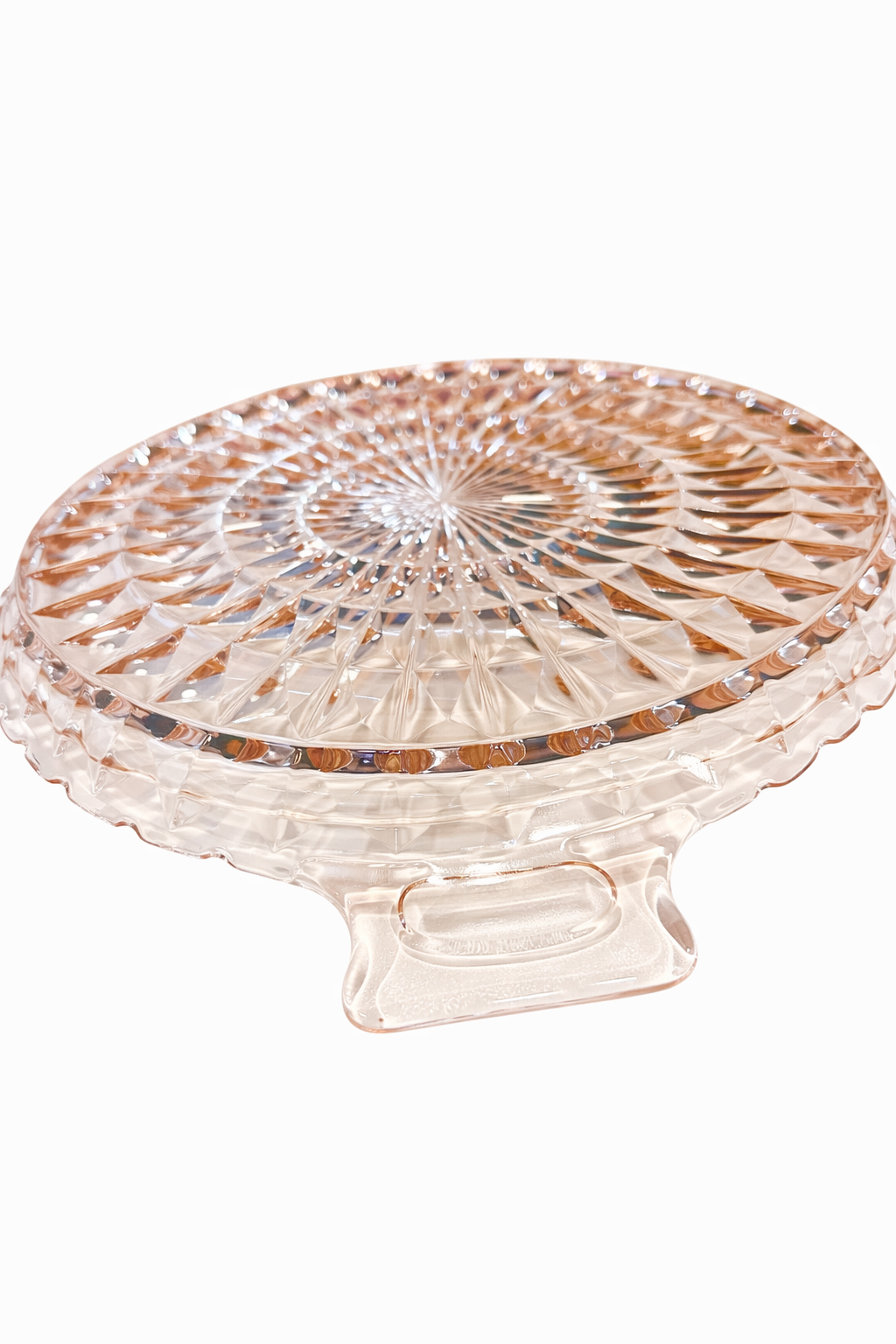
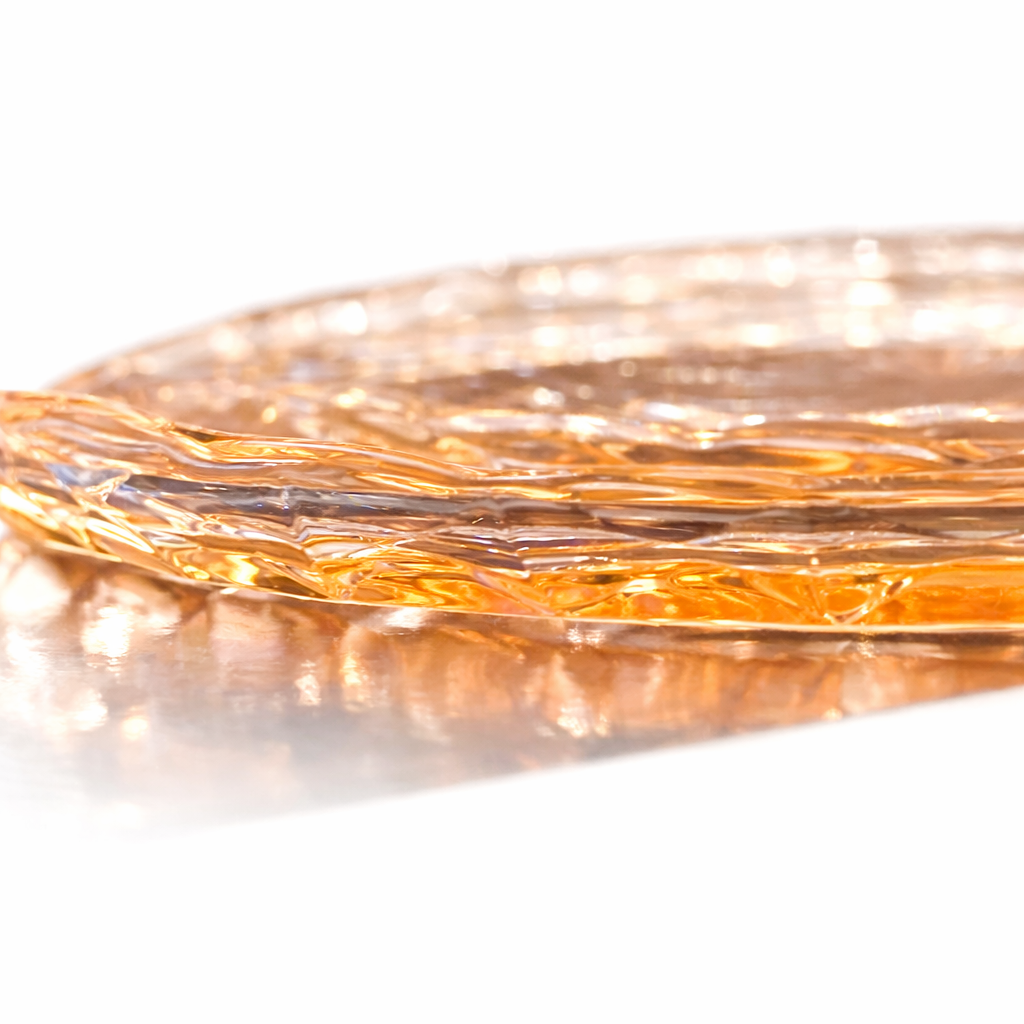
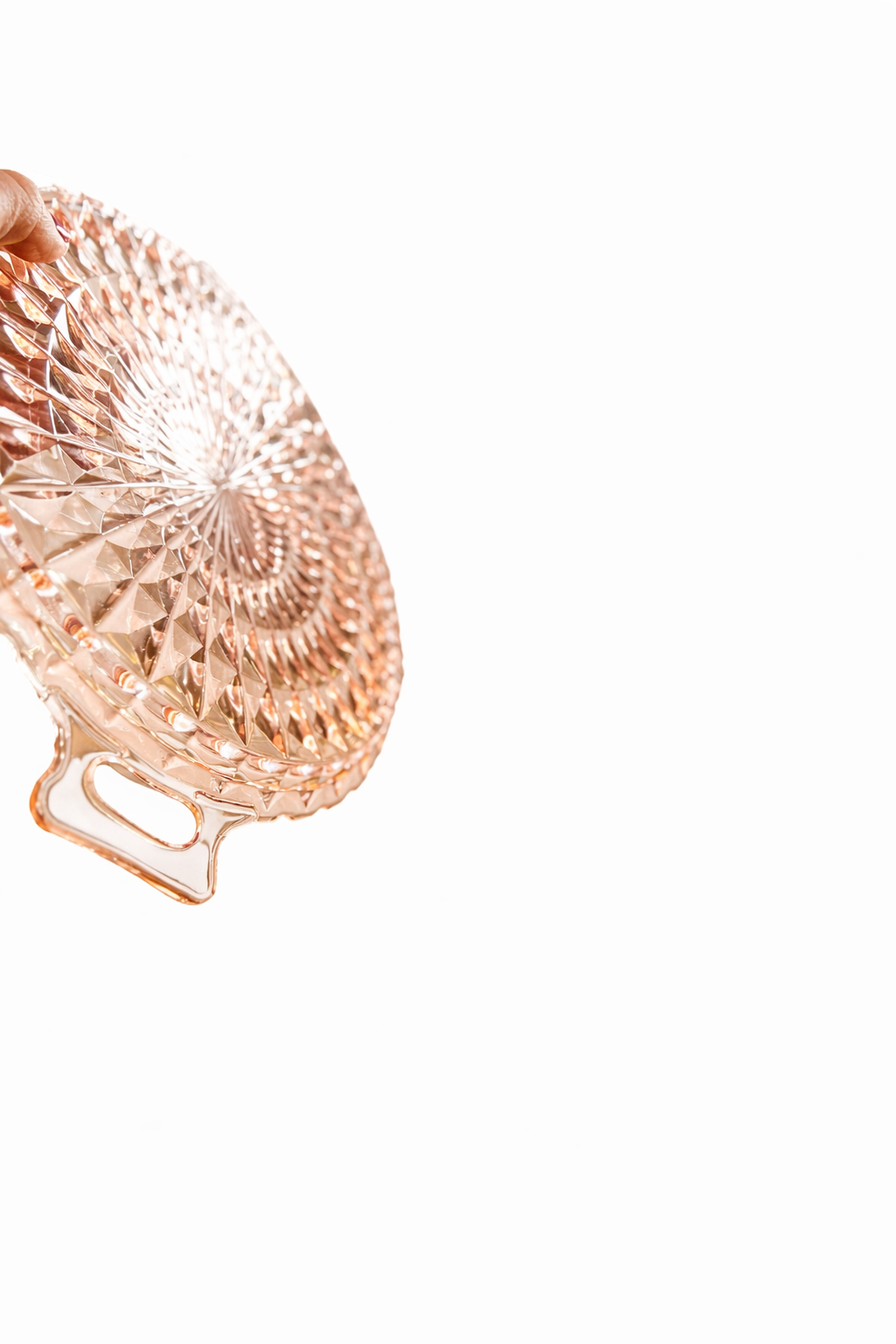
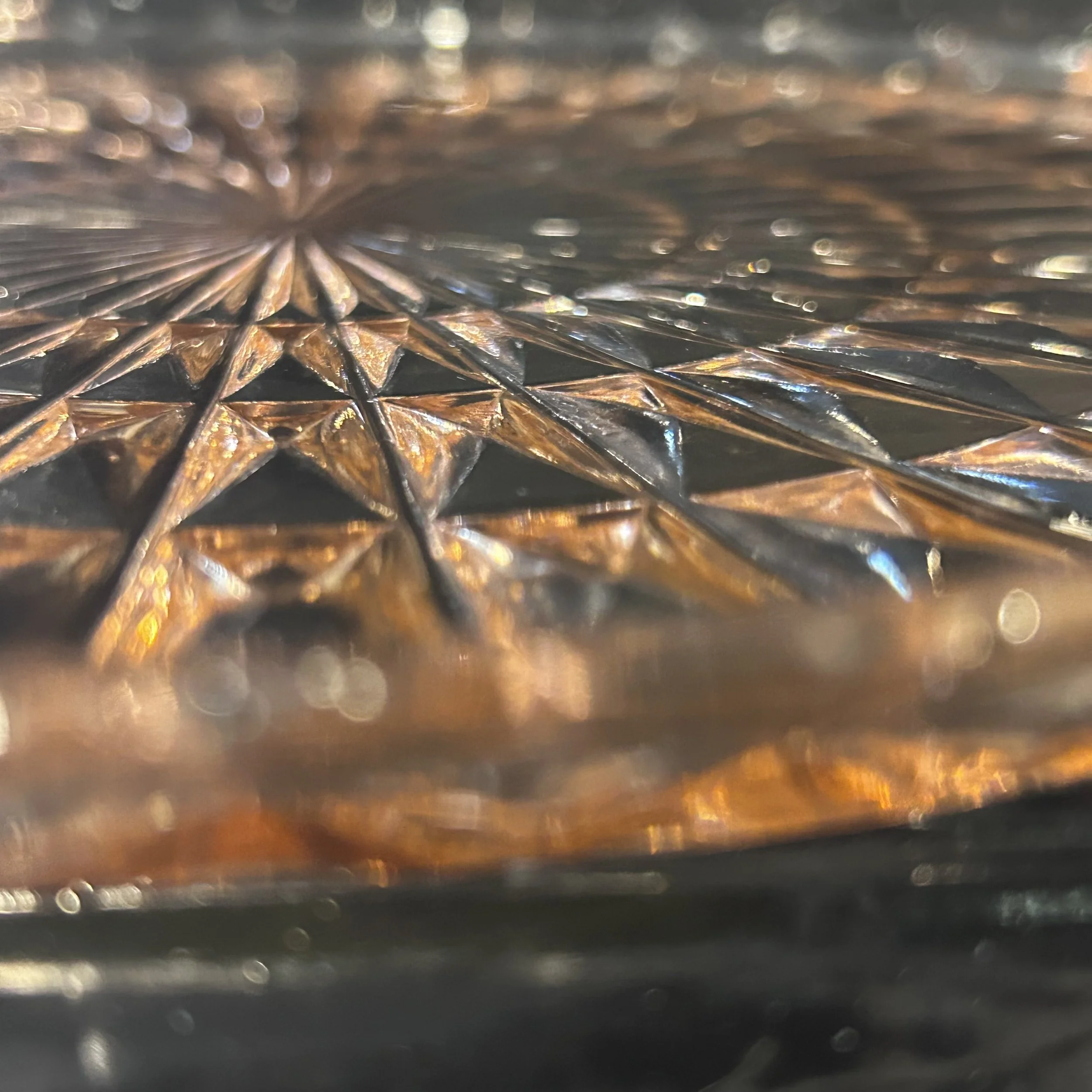
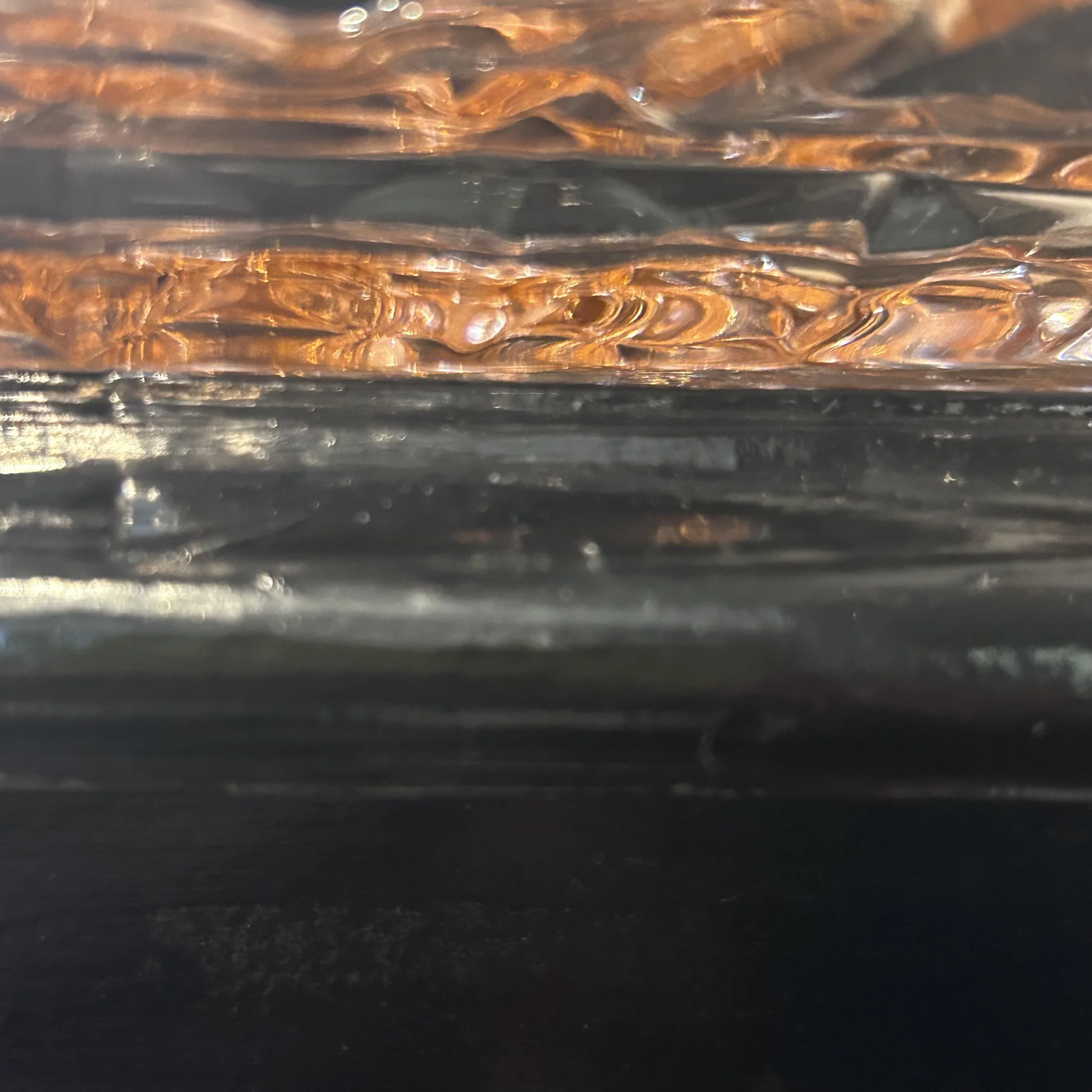
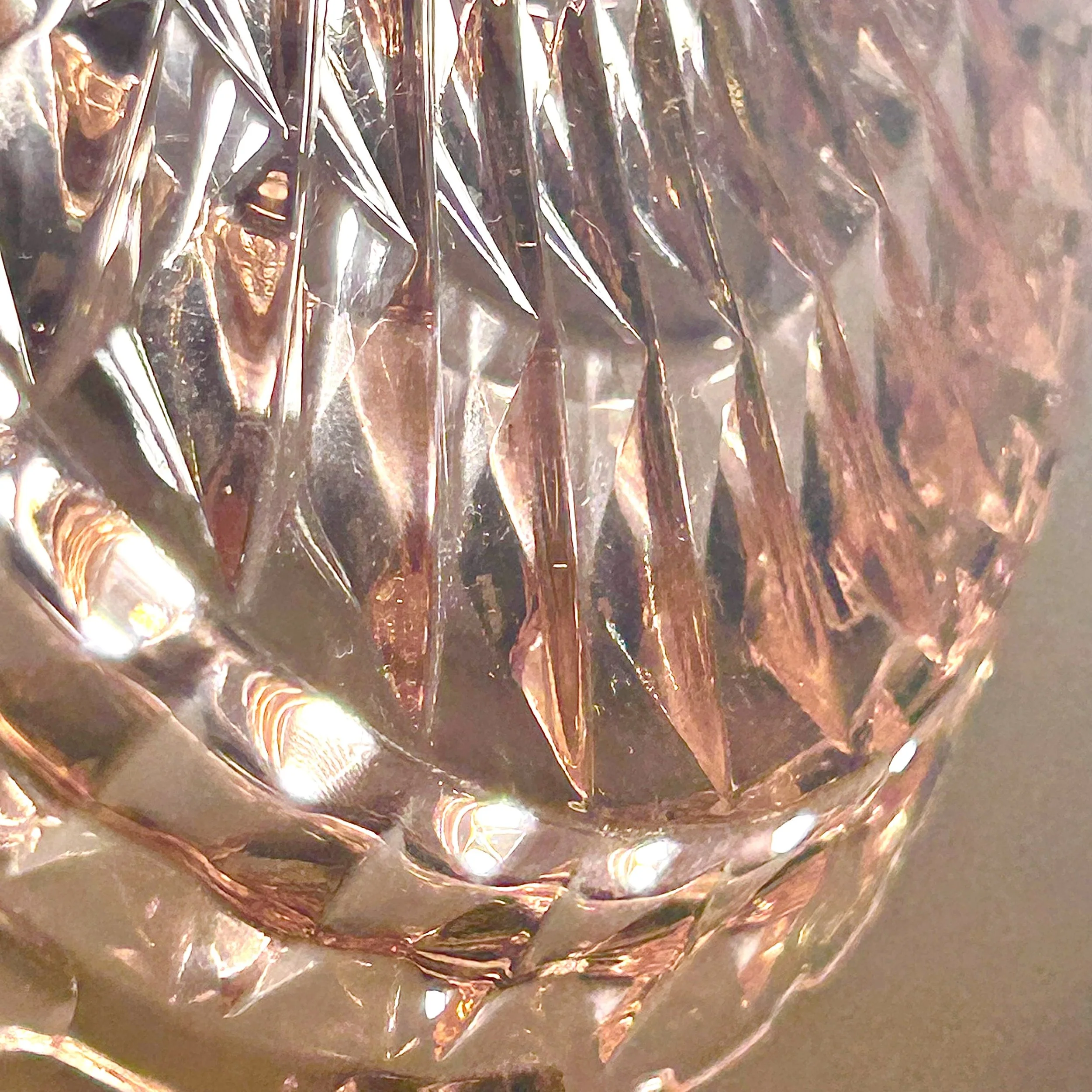
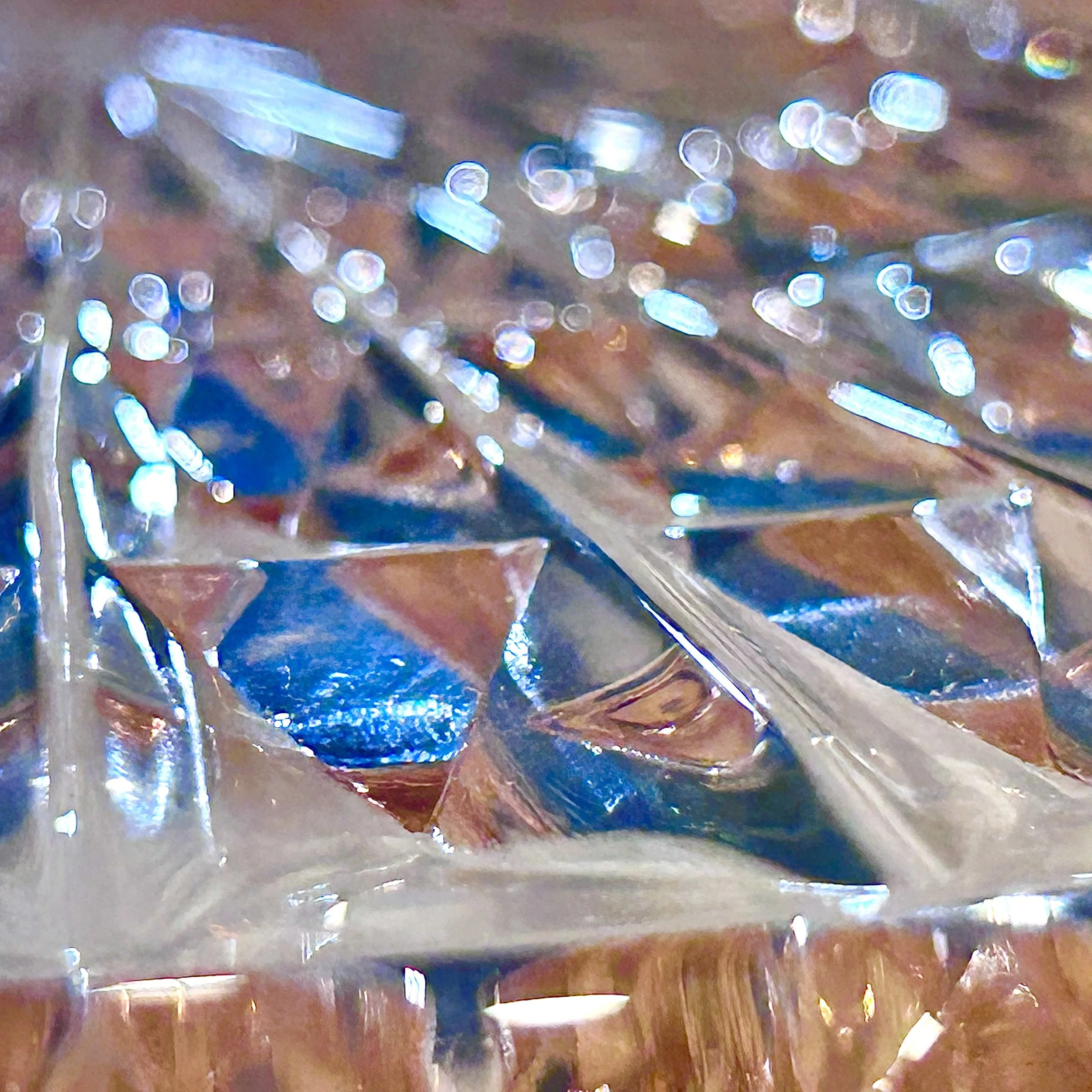
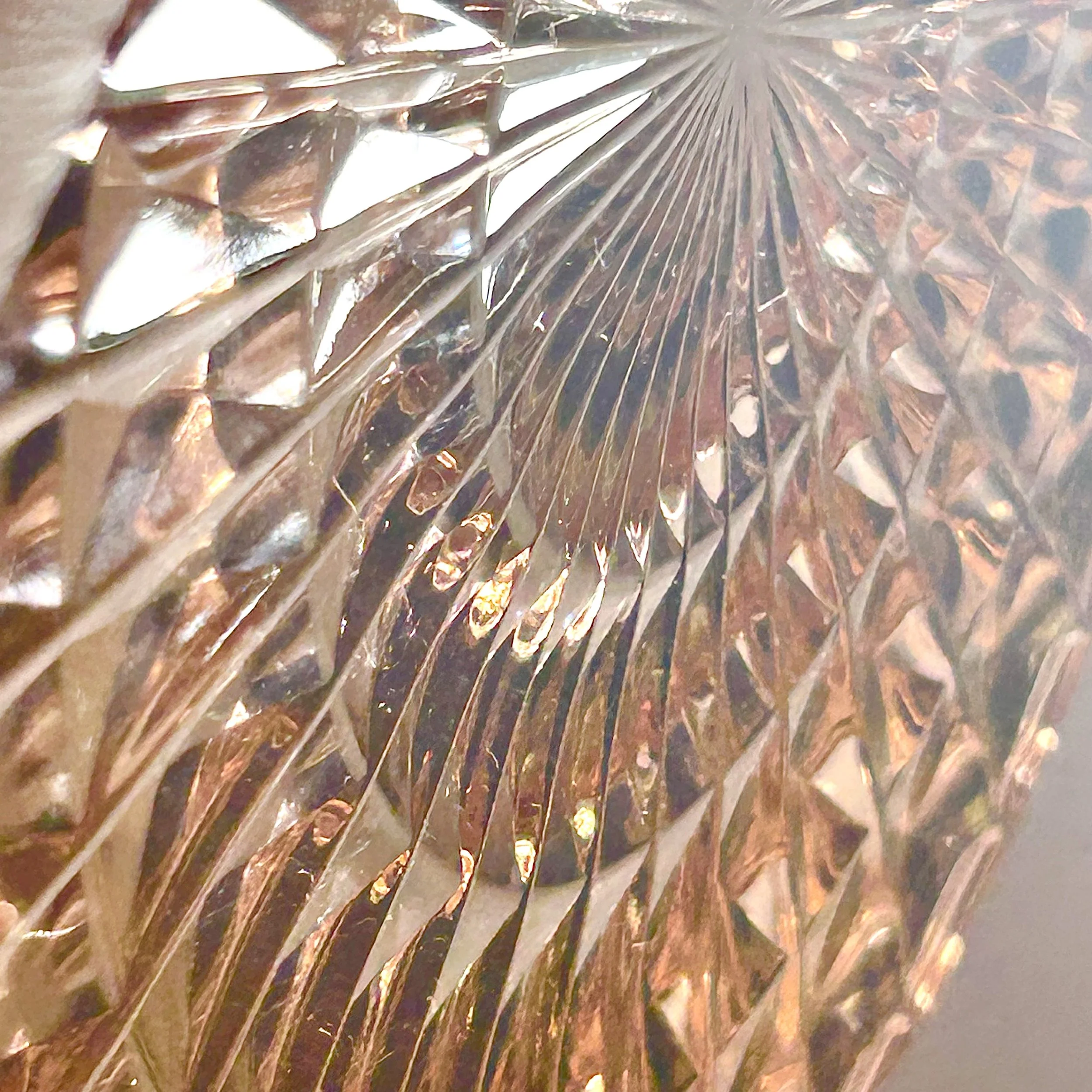
This substantial presentation plate commands attention through its heavy-gauge construction and sophisticated radial geometry. The central rosette, composed of eight frosted and polished petals, creates a mesmerizing interplay of light and shadow that shifts with the viewer’s perspective. While appearing as a refined blush-pink under ambient light, the glass possesses a high concentration of mineral content, resulting in a vivid, high-intensity neon fluorescence under 365nm ultraviolet light that transforms the object into a luminous sculptural statement.
Attribution & Period
Region: United States
Period: 1930s (Early Modern)
Attribution: Stylistically aligned with American Depression-era "Elegant Glass"
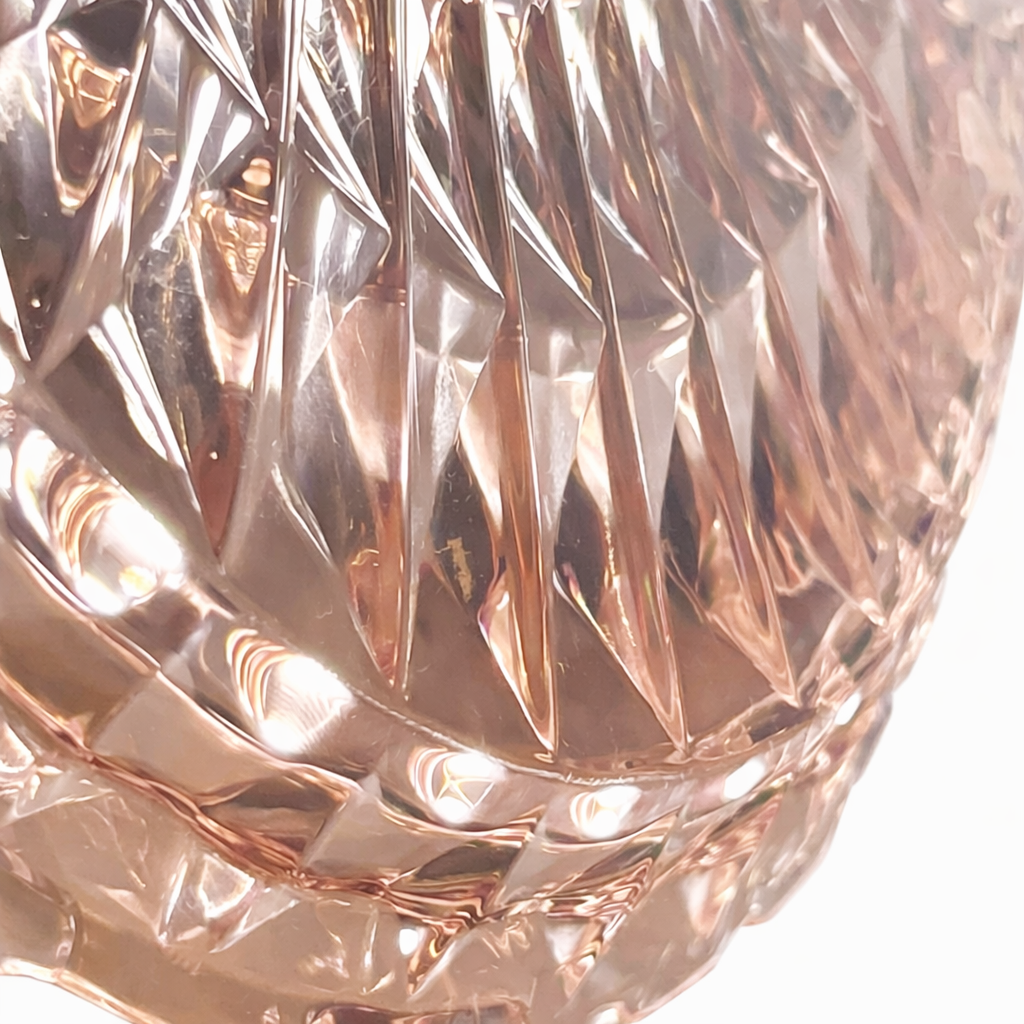
The precision of the molded facets and the specific "ice" frosting within the petals are consistent with high-end American glass houses of the early 20th century. The intense fluorescent reaction is a hallmark of specific glass formulas used during this period, positioning this piece as a significant example of functionalist chemistry meeting Neoclassical decorative revival.
Dimensions & Weight
Condition
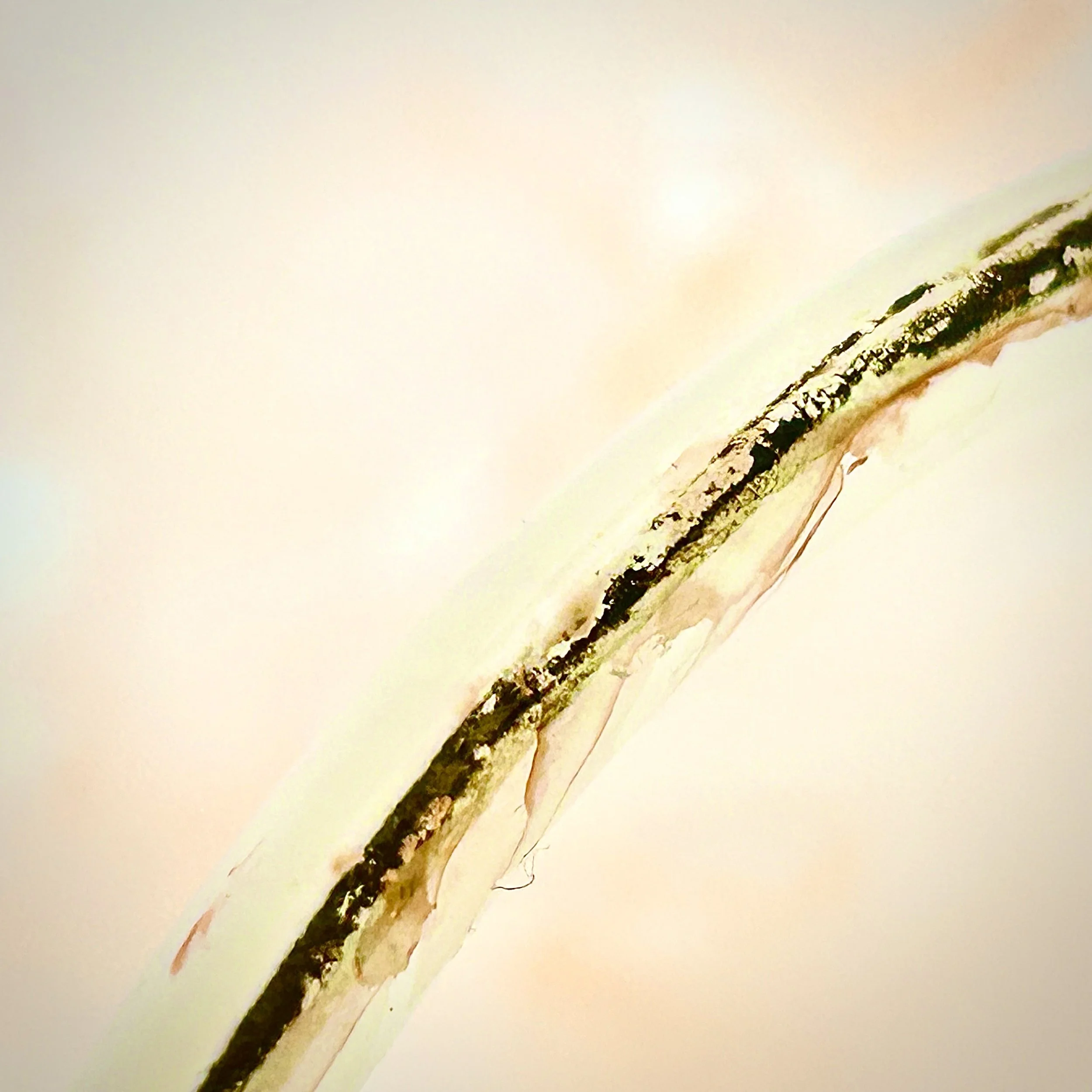
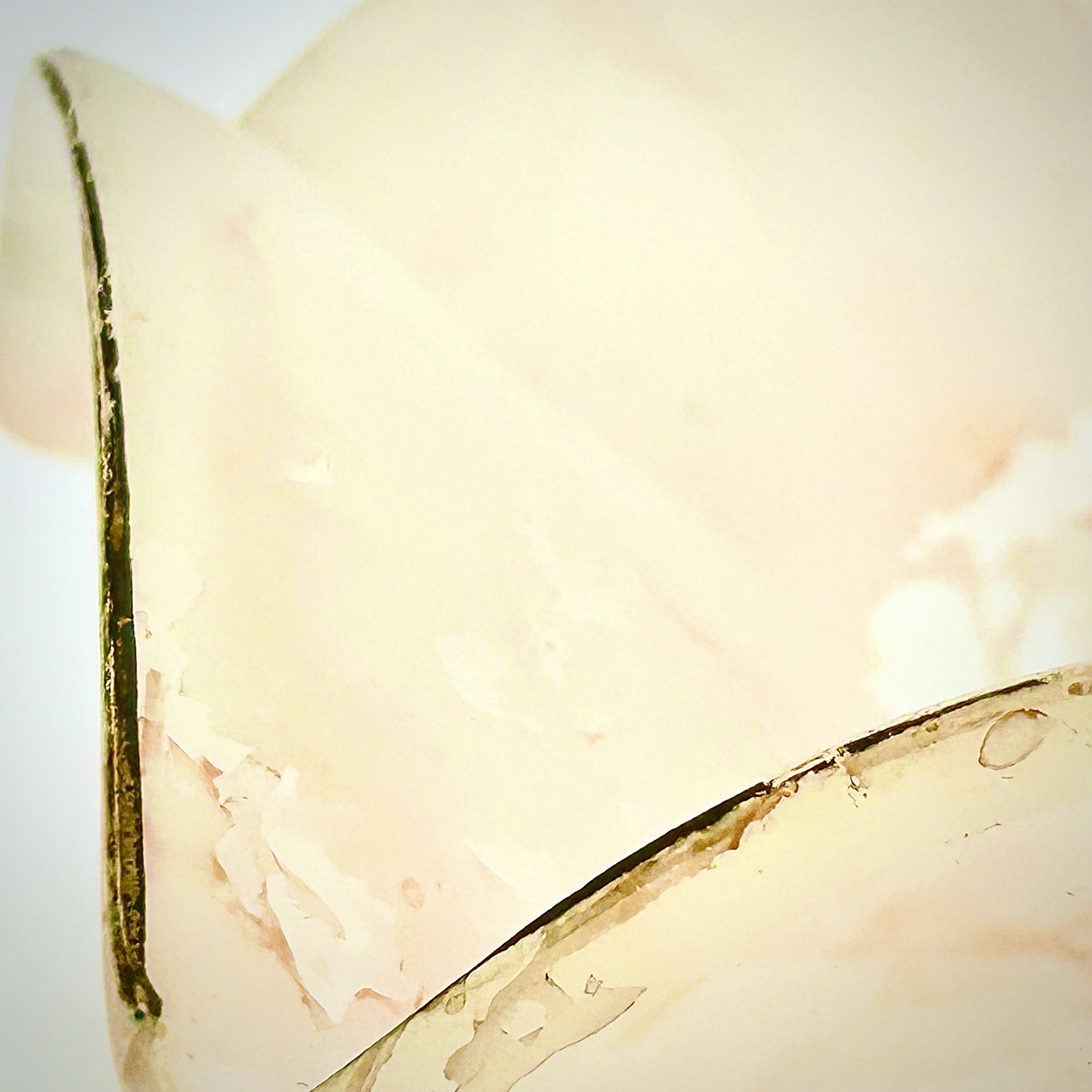
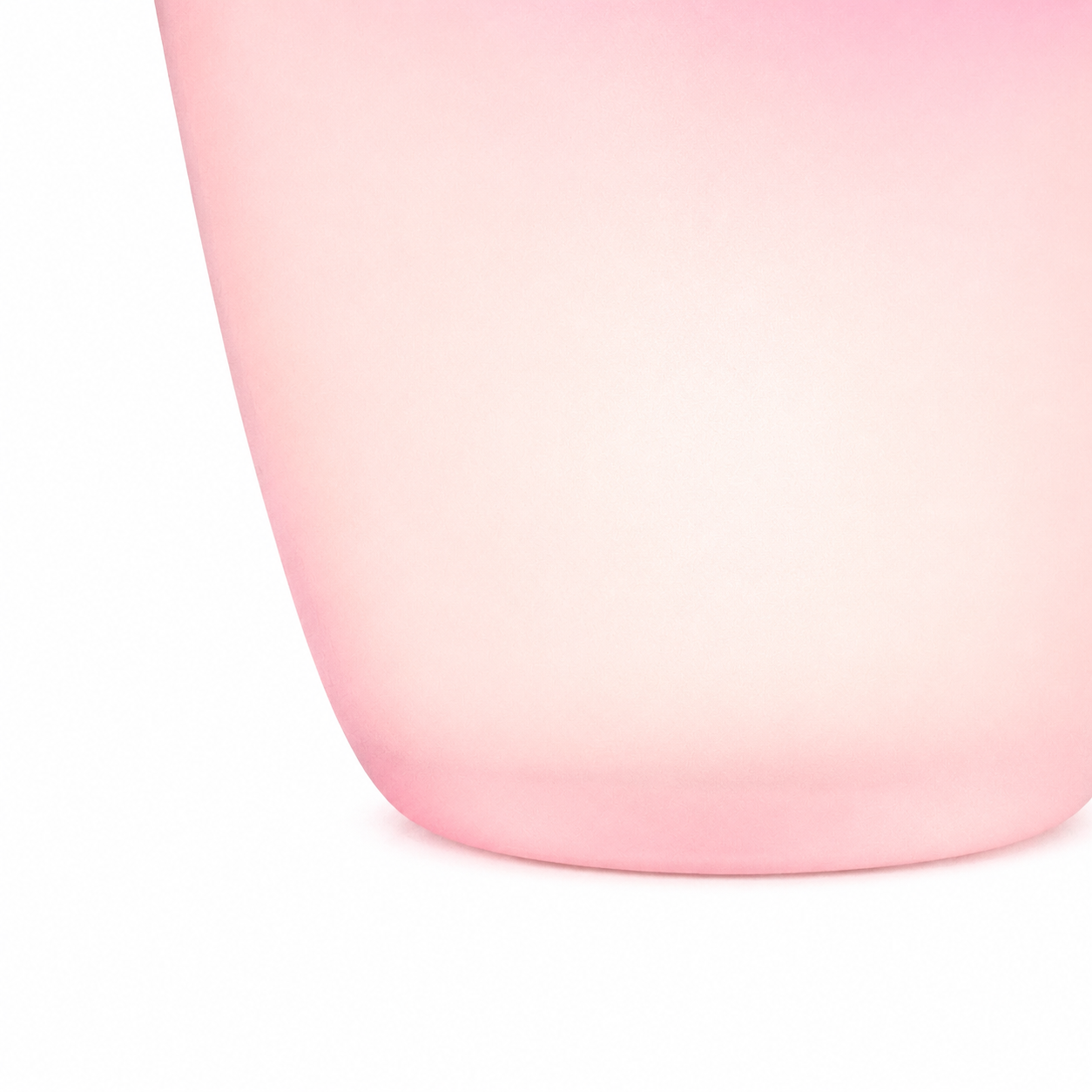
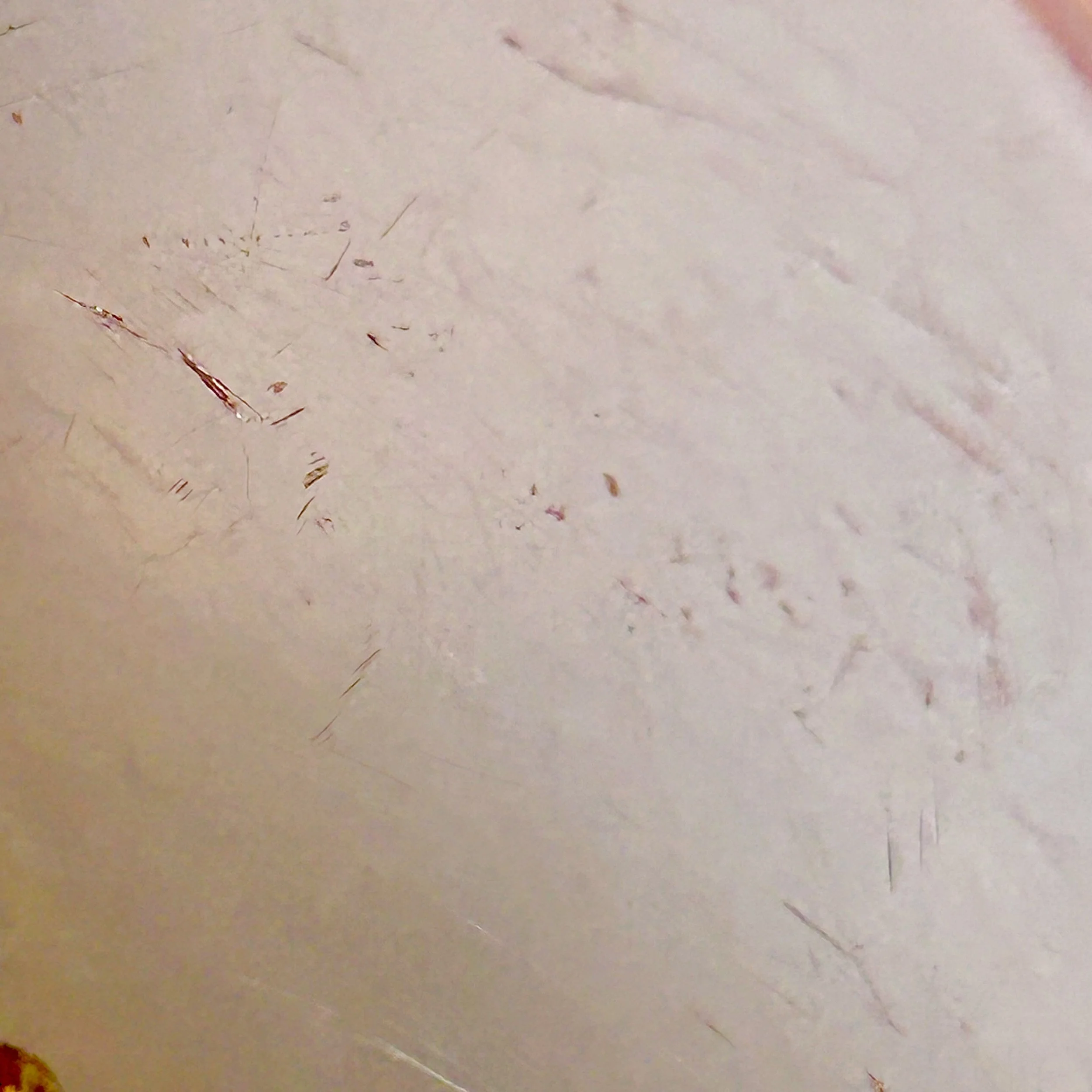
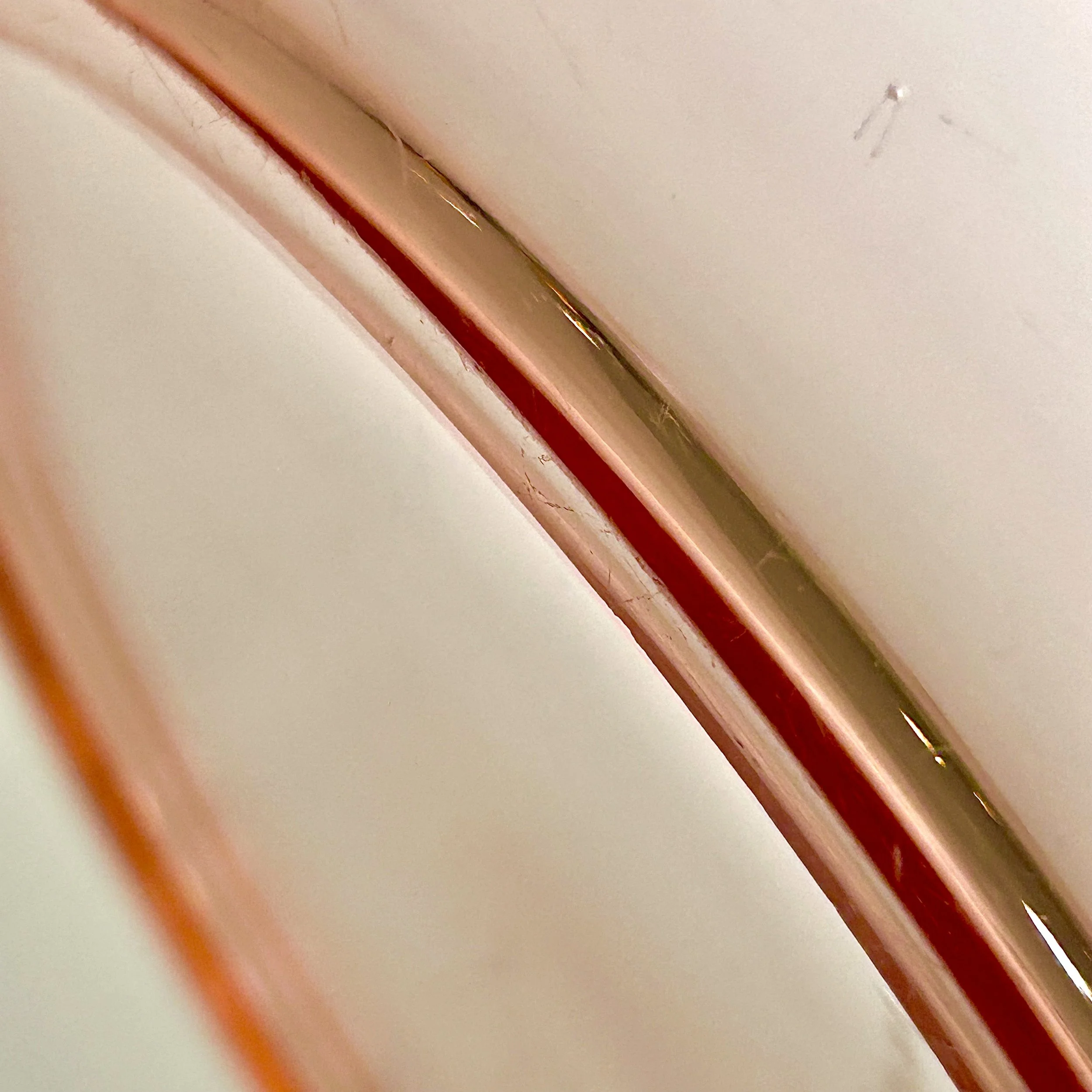
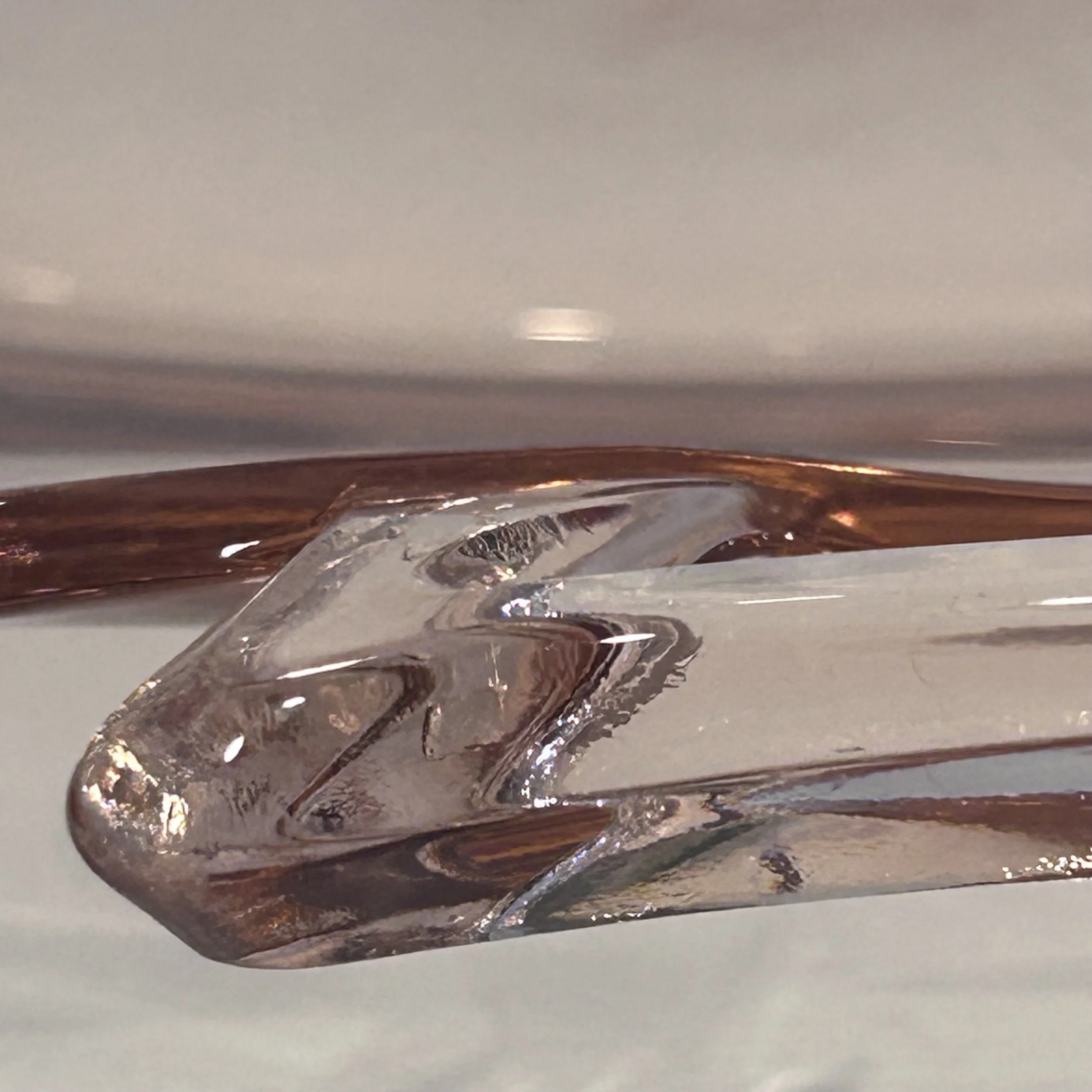
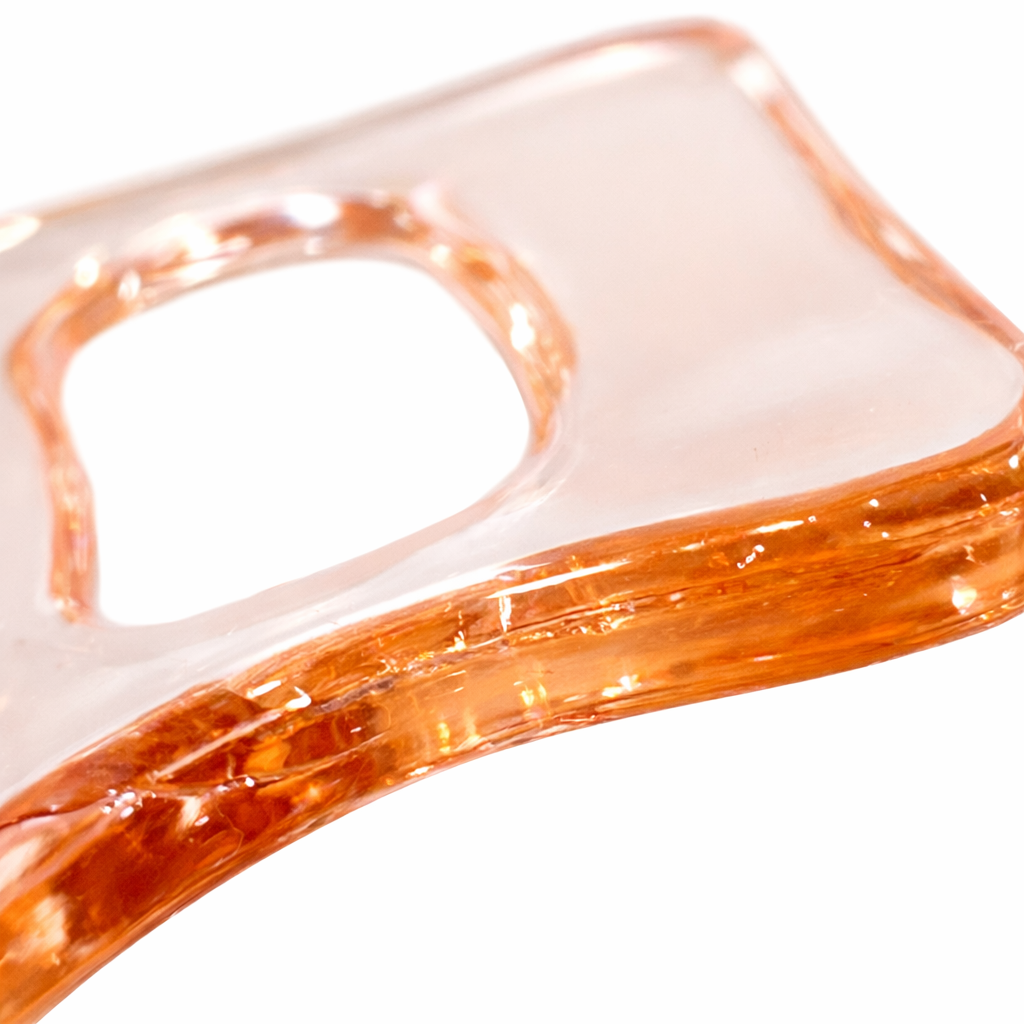
Clinical. This object is in very good condition with excellent surface clarity. There is a singular, minute structural crack located on the lateral rim (edge) of the plate. Minor shelf wear is present on the underside consistent with age and heavy-gauge glass. No significant clouding or "sick glass" syndrome is observed.
Authenticity & Construction
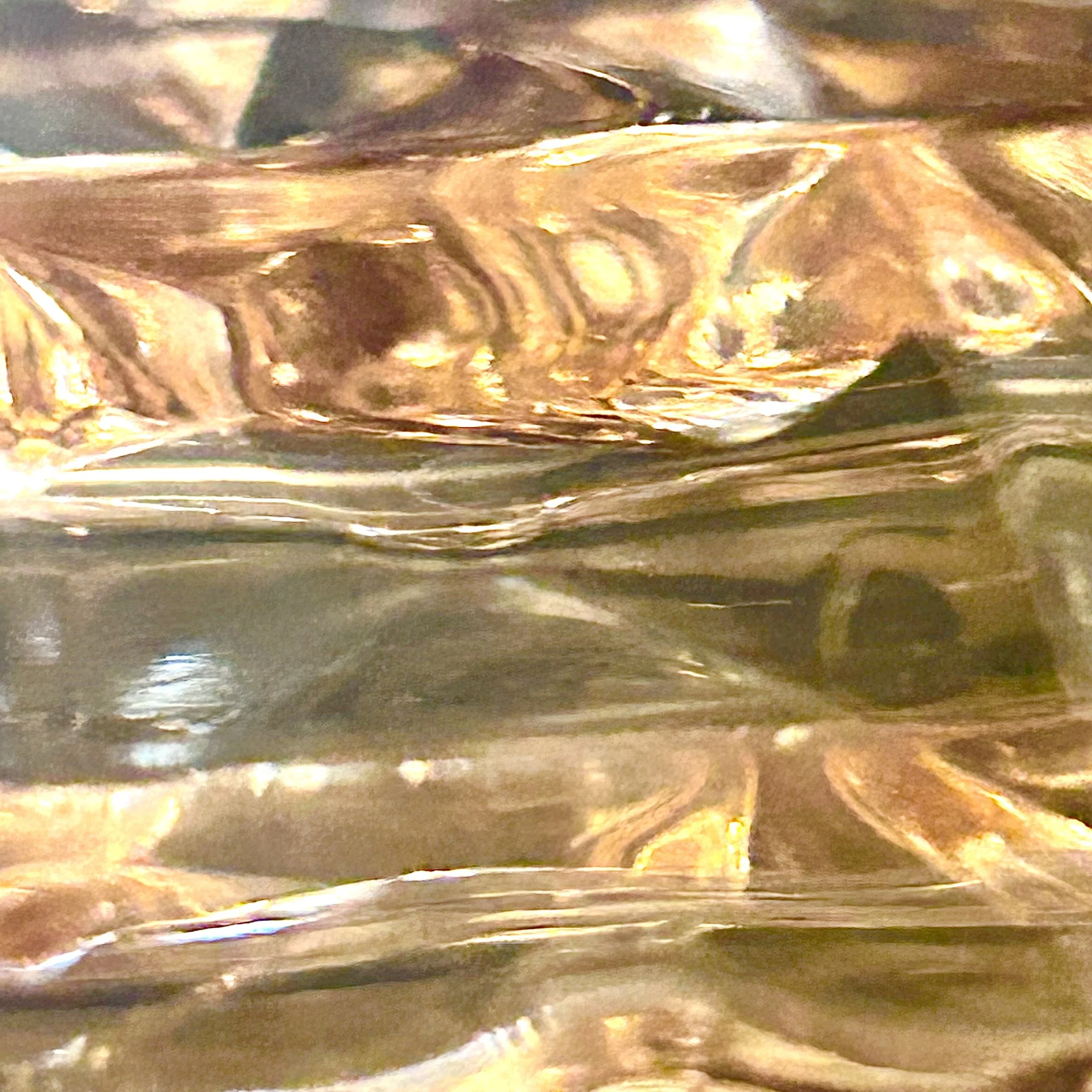
This piece is a masterwork of pressed glass technology, characterized by its remarkable heft and clarity. The design features a smooth, flat edge that distinguishes it from lesser mass-produced wares. The dual-tone effect—achieved through a combination of acid-etching or sandblasting on the petals and high-polish transparency on the field—highlights the complexity of its manufacturing process.
Placement
The scale and weight of this plate make it an ideal centerpiece for a brutalist sideboard or a minimalist glass console. Given its dramatic UV reactivity, it is best suited for an interior that utilizes varied lighting schemes, allowing it to transition from a subtle pink decorative accent by day to a glowing, neon-green focal point by night.
STANDARD ATTRIBUTION & VALUE DISCLOSURE
This piece is described to the best of current scholarly and market knowledge. Any maker or regional attribution is based on visual analysis, materials, construction techniques, and documented stylistic comparisons. As with many MCM and antique design objects, definitive attribution may not be possible without original labels or factory records. Pricing reflects condition, quality, decorative appeal, and current collector demand rather than guaranteed maker identification.
This substantial presentation plate commands attention through its heavy-gauge construction and sophisticated radial geometry. The central rosette, composed of eight frosted and polished petals, creates a mesmerizing interplay of light and shadow that shifts with the viewer’s perspective. While appearing as a refined blush-pink under ambient light, the glass possesses a high concentration of mineral content, resulting in a vivid, high-intensity neon fluorescence under 365nm ultraviolet light that transforms the object into a luminous sculptural statement.
Attribution & Period
Region: United States
Period: 1930s (Early Modern)
Attribution: Stylistically aligned with American Depression-era "Elegant Glass"
The precision of the molded facets and the specific "ice" frosting within the petals are consistent with high-end American glass houses of the early 20th century. The intense fluorescent reaction is a hallmark of specific glass formulas used during this period, positioning this piece as a significant example of functionalist chemistry meeting Neoclassical decorative revival.
Dimensions & Weight
Condition
Clinical. This object is in very good condition with excellent surface clarity. There is a singular, minute structural crack located on the lateral rim (edge) of the plate. Minor shelf wear is present on the underside consistent with age and heavy-gauge glass. No significant clouding or "sick glass" syndrome is observed.
Authenticity & Construction
This piece is a masterwork of pressed glass technology, characterized by its remarkable heft and clarity. The design features a smooth, flat edge that distinguishes it from lesser mass-produced wares. The dual-tone effect—achieved through a combination of acid-etching or sandblasting on the petals and high-polish transparency on the field—highlights the complexity of its manufacturing process.
Placement
The scale and weight of this plate make it an ideal centerpiece for a brutalist sideboard or a minimalist glass console. Given its dramatic UV reactivity, it is best suited for an interior that utilizes varied lighting schemes, allowing it to transition from a subtle pink decorative accent by day to a glowing, neon-green focal point by night.
STANDARD ATTRIBUTION & VALUE DISCLOSURE
This piece is described to the best of current scholarly and market knowledge. Any maker or regional attribution is based on visual analysis, materials, construction techniques, and documented stylistic comparisons. As with many MCM and antique design objects, definitive attribution may not be possible without original labels or factory records. Pricing reflects condition, quality, decorative appeal, and current collector demand rather than guaranteed maker identification.

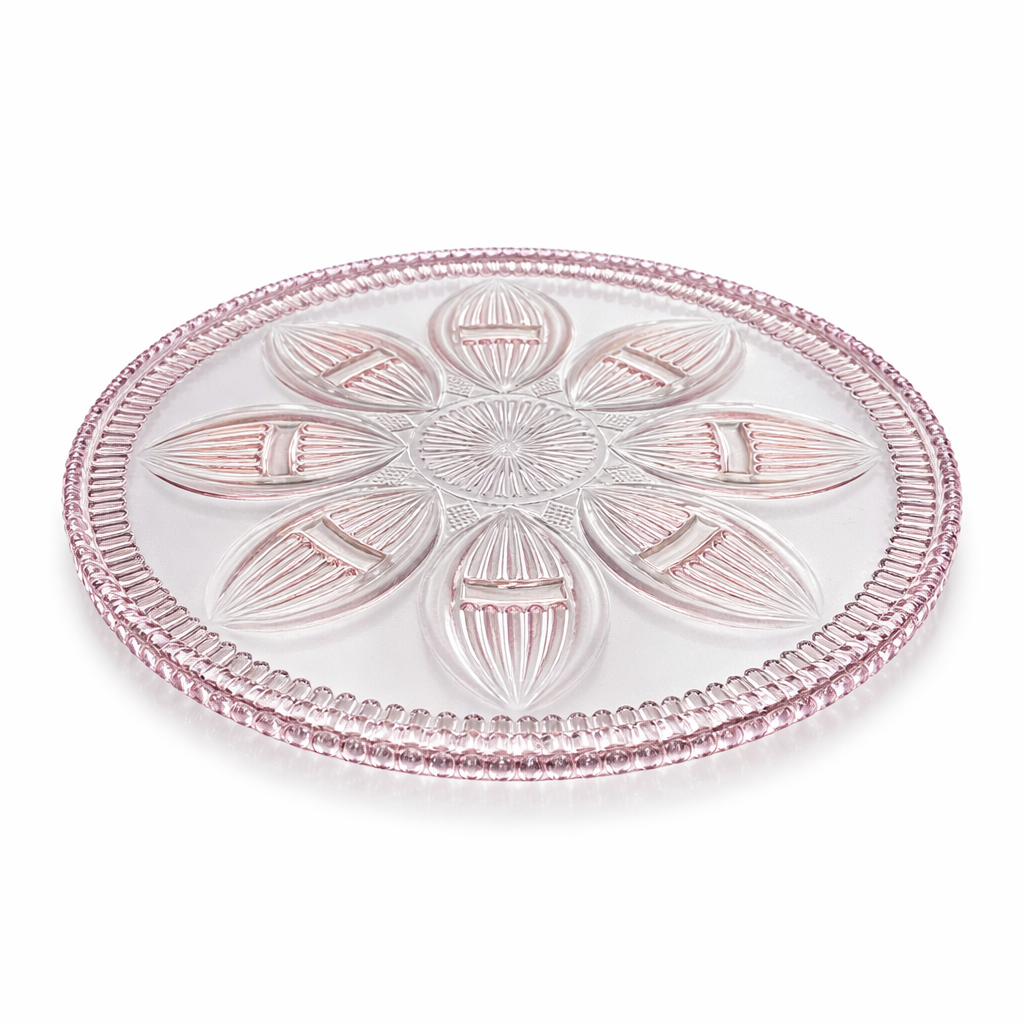 Image 1 of 26
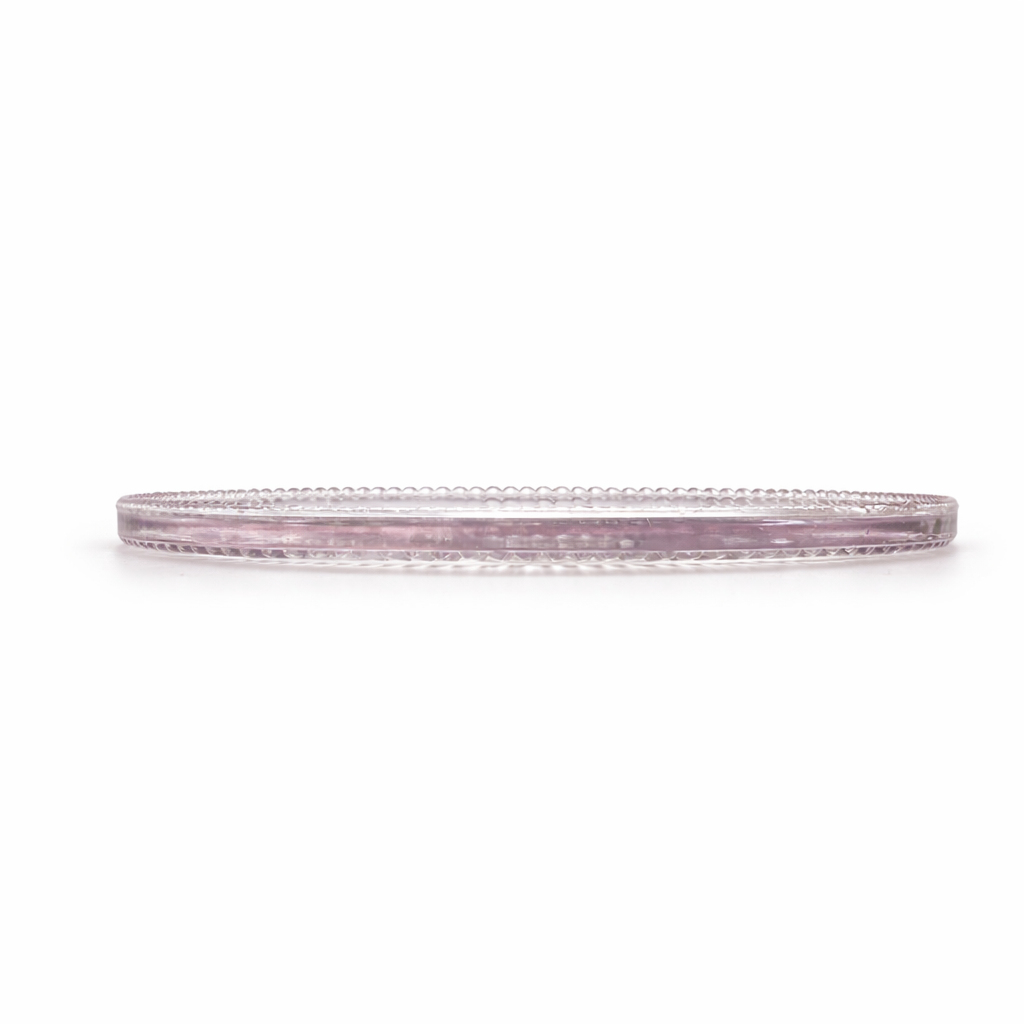 Image 2 of 26
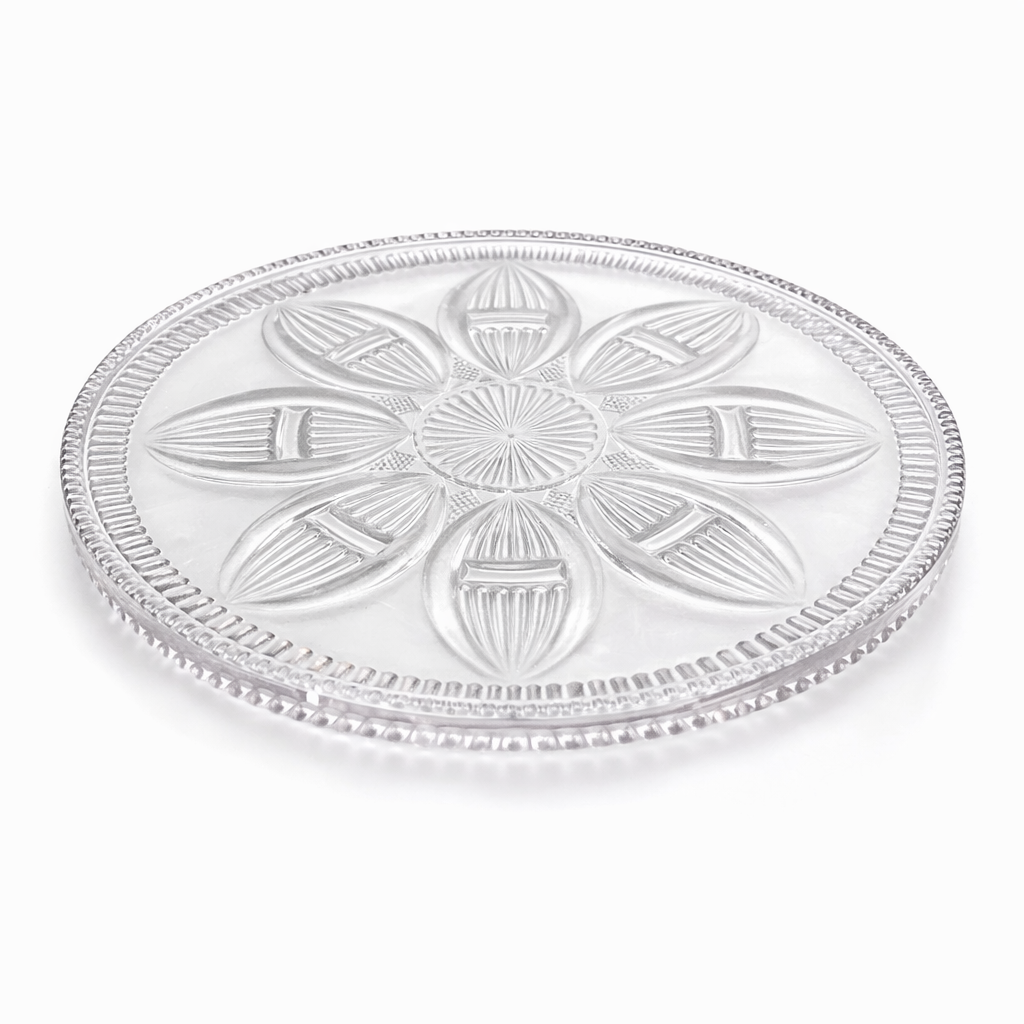 Image 3 of 26
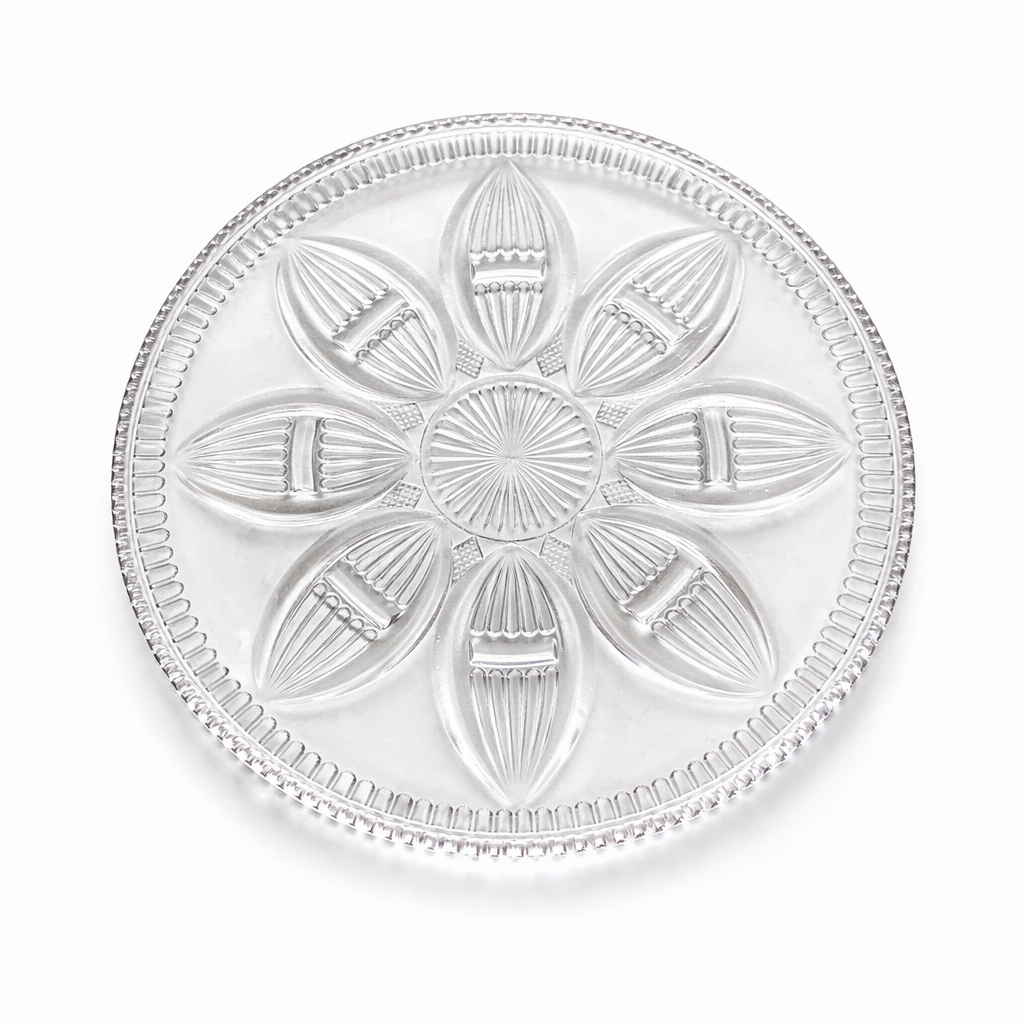 Image 4 of 26
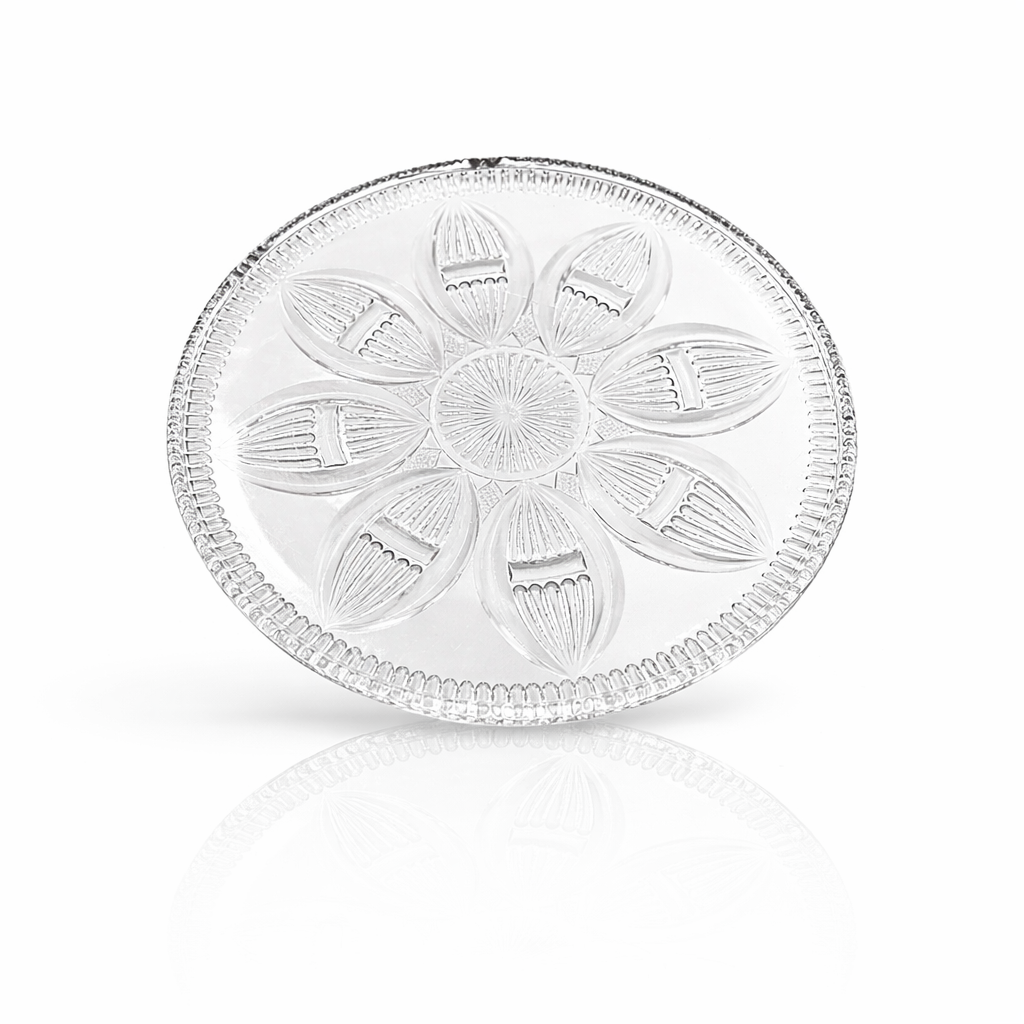 Image 5 of 26
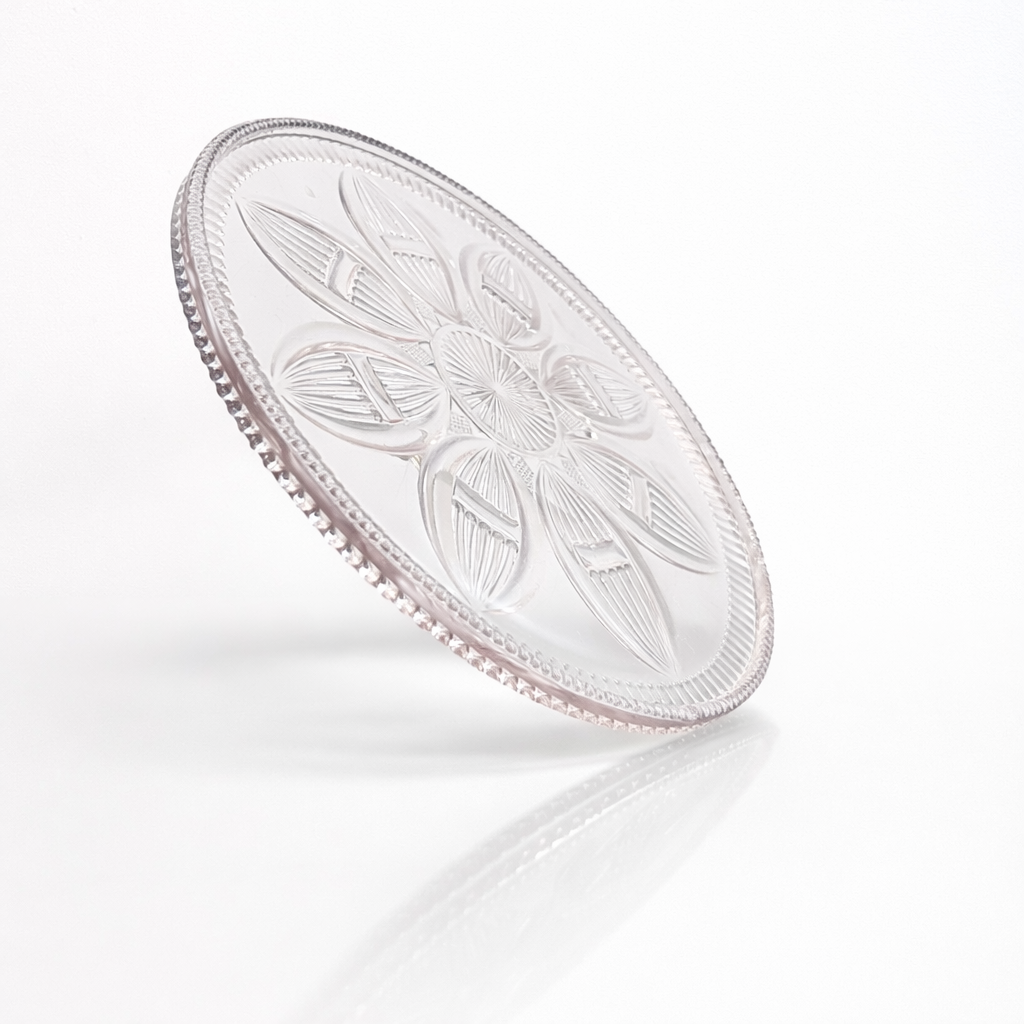 Image 6 of 26
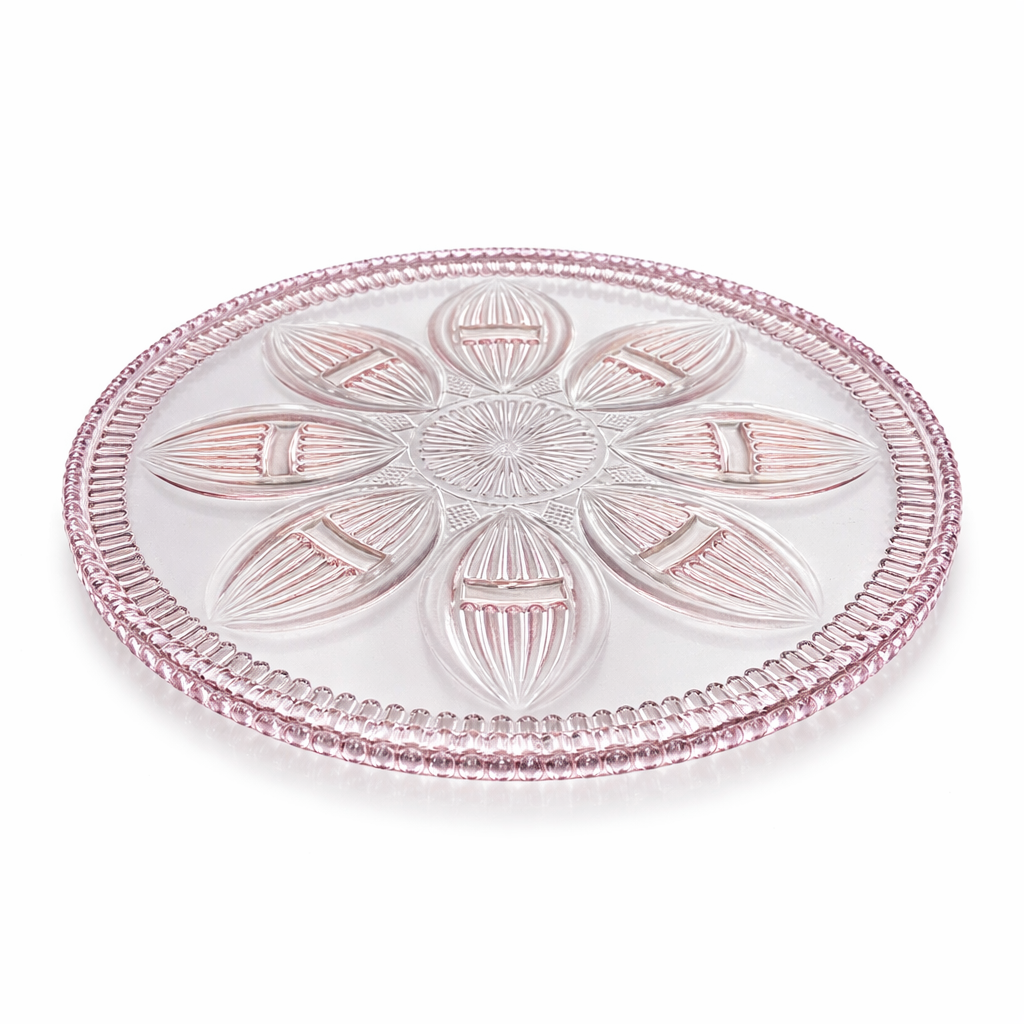 Image 7 of 26
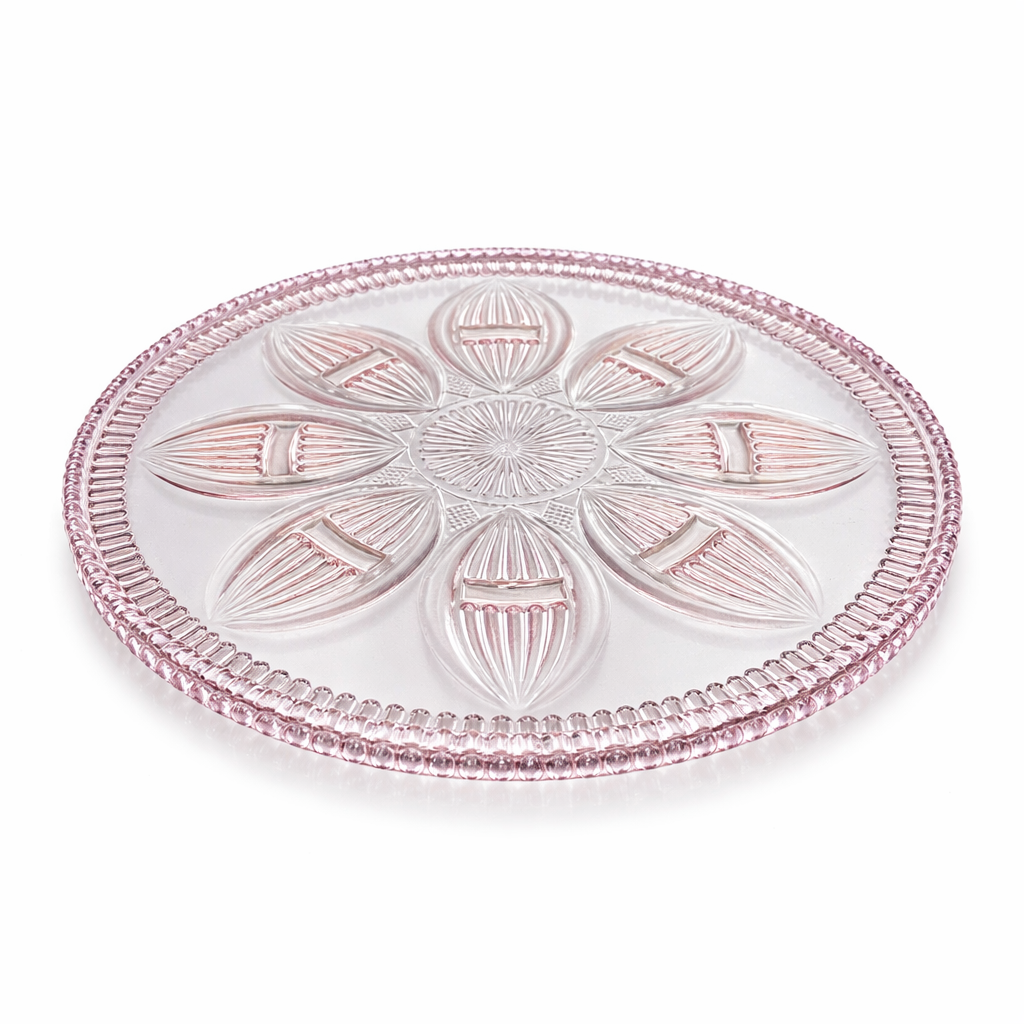 Image 8 of 26
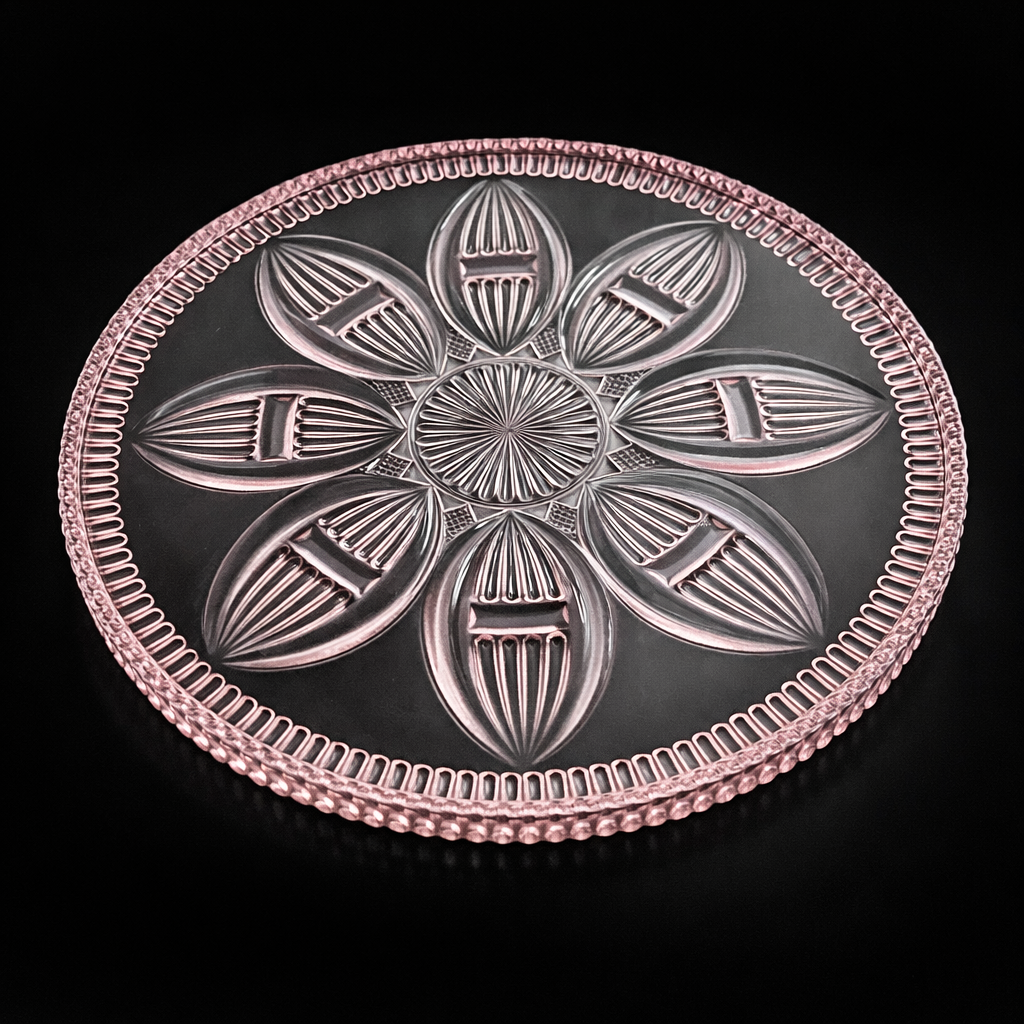 Image 9 of 26
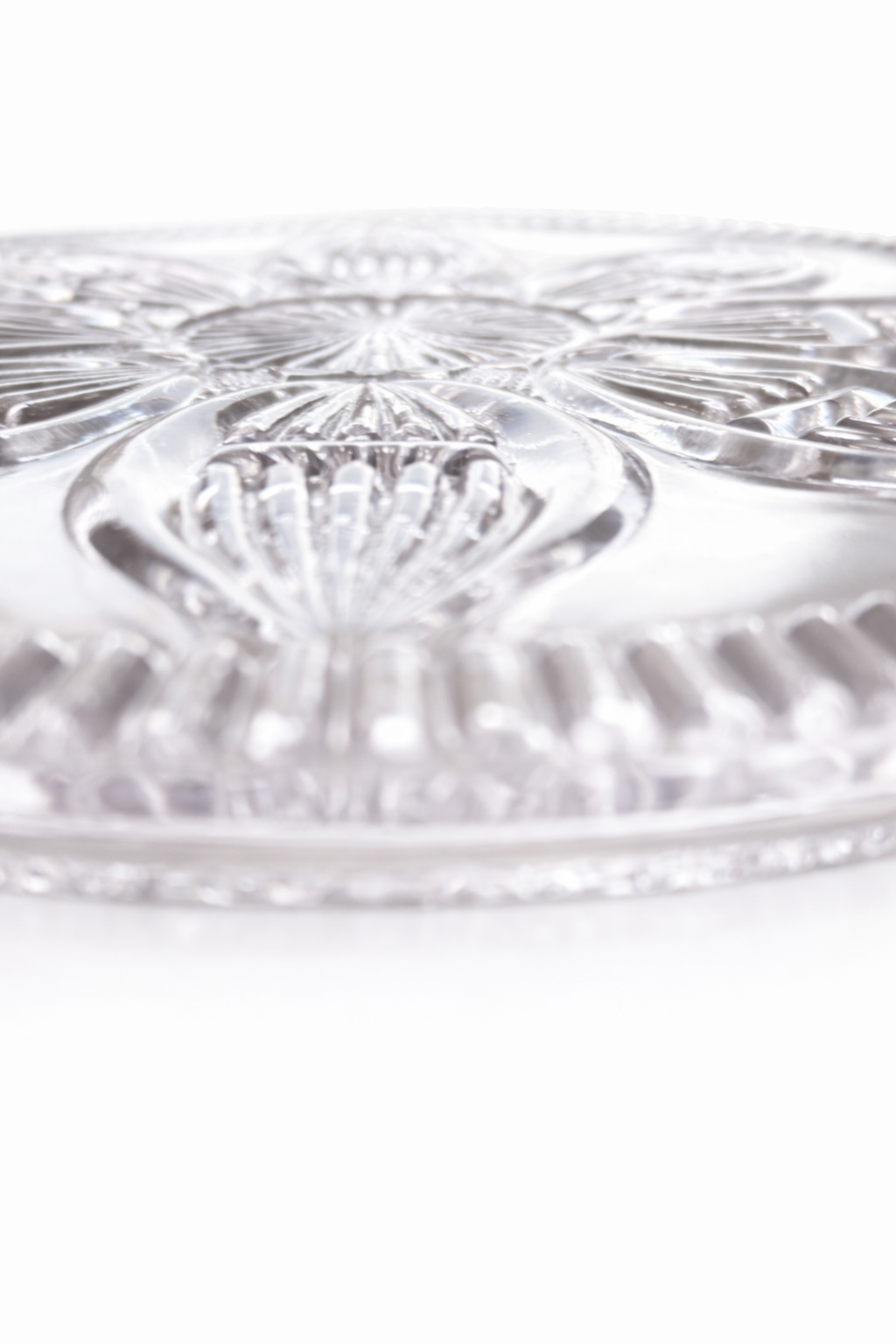 Image 10 of 26
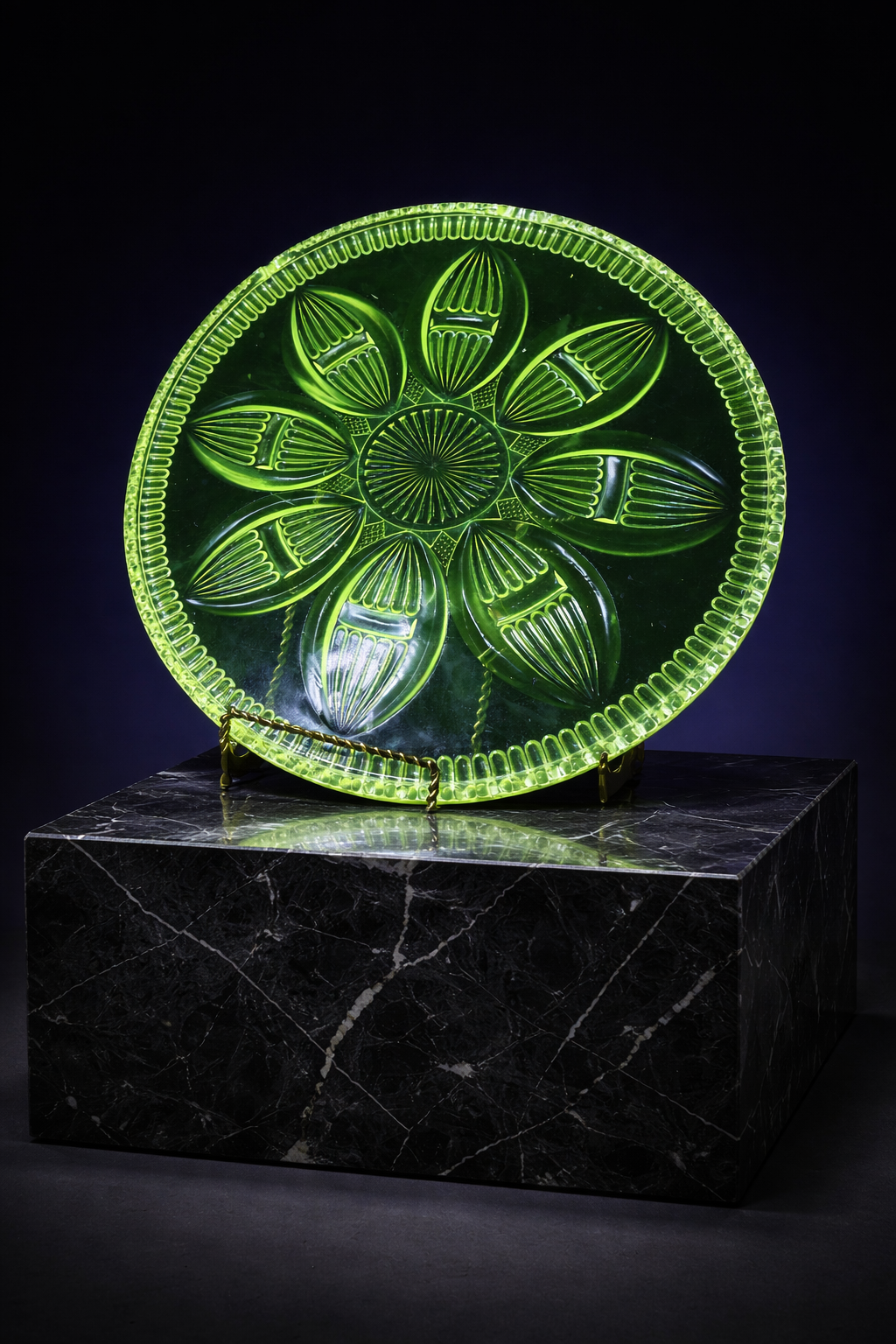 Image 11 of 26
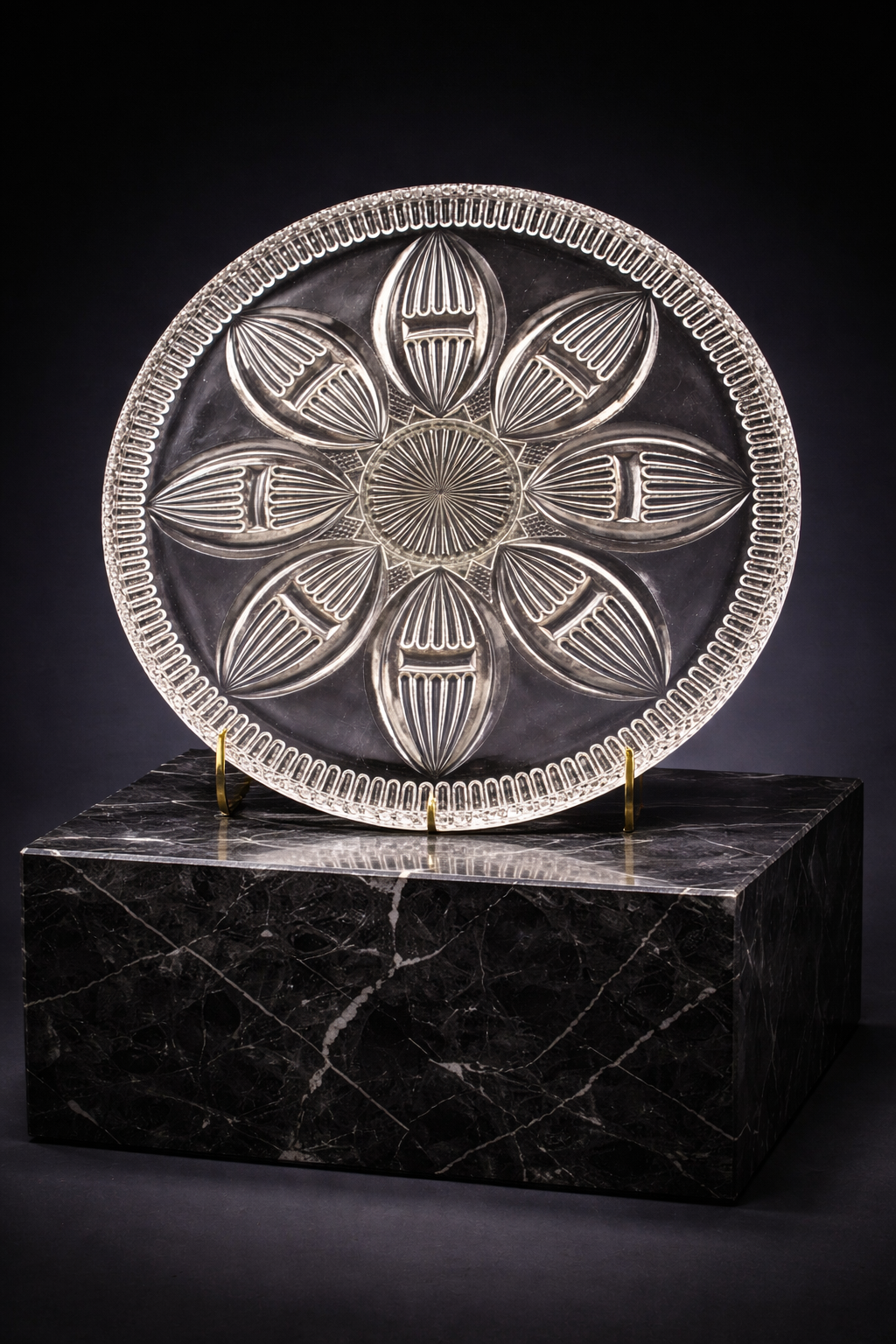 Image 12 of 26
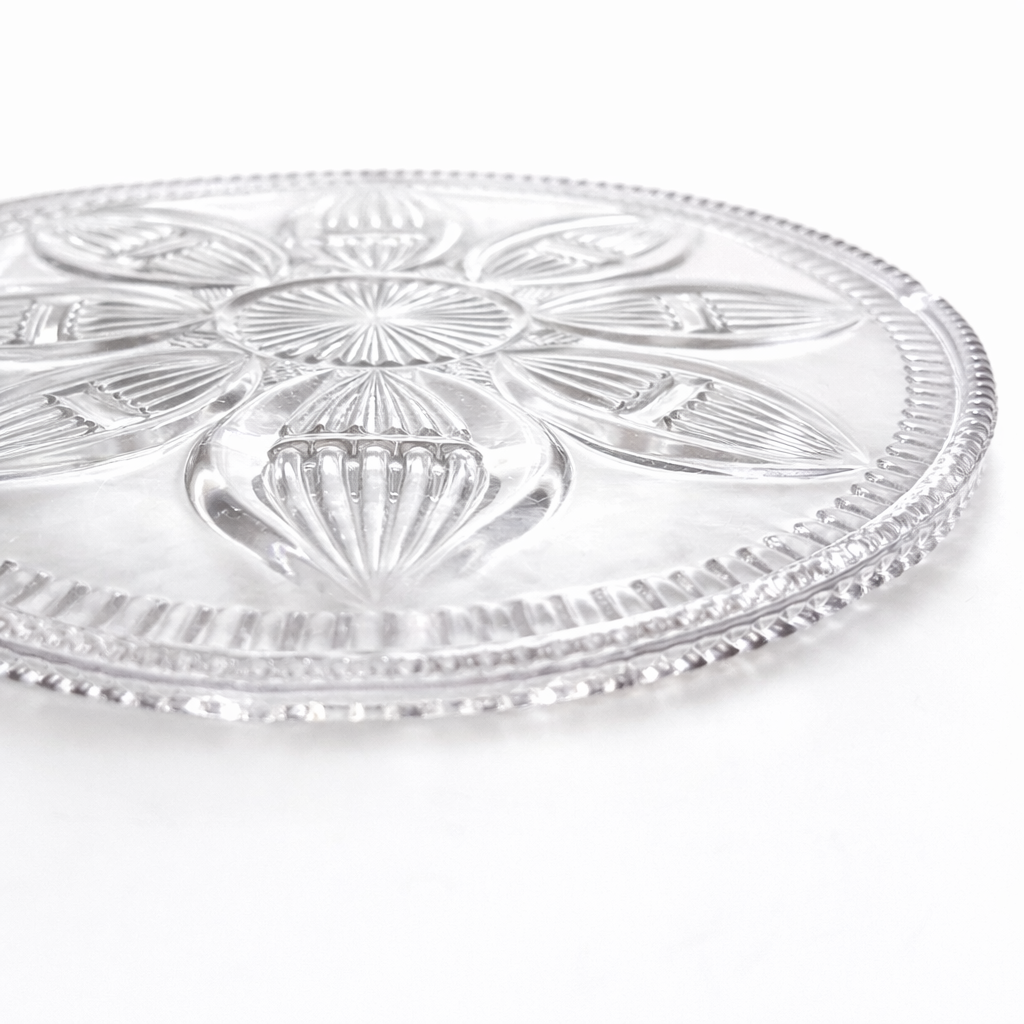 Image 13 of 26
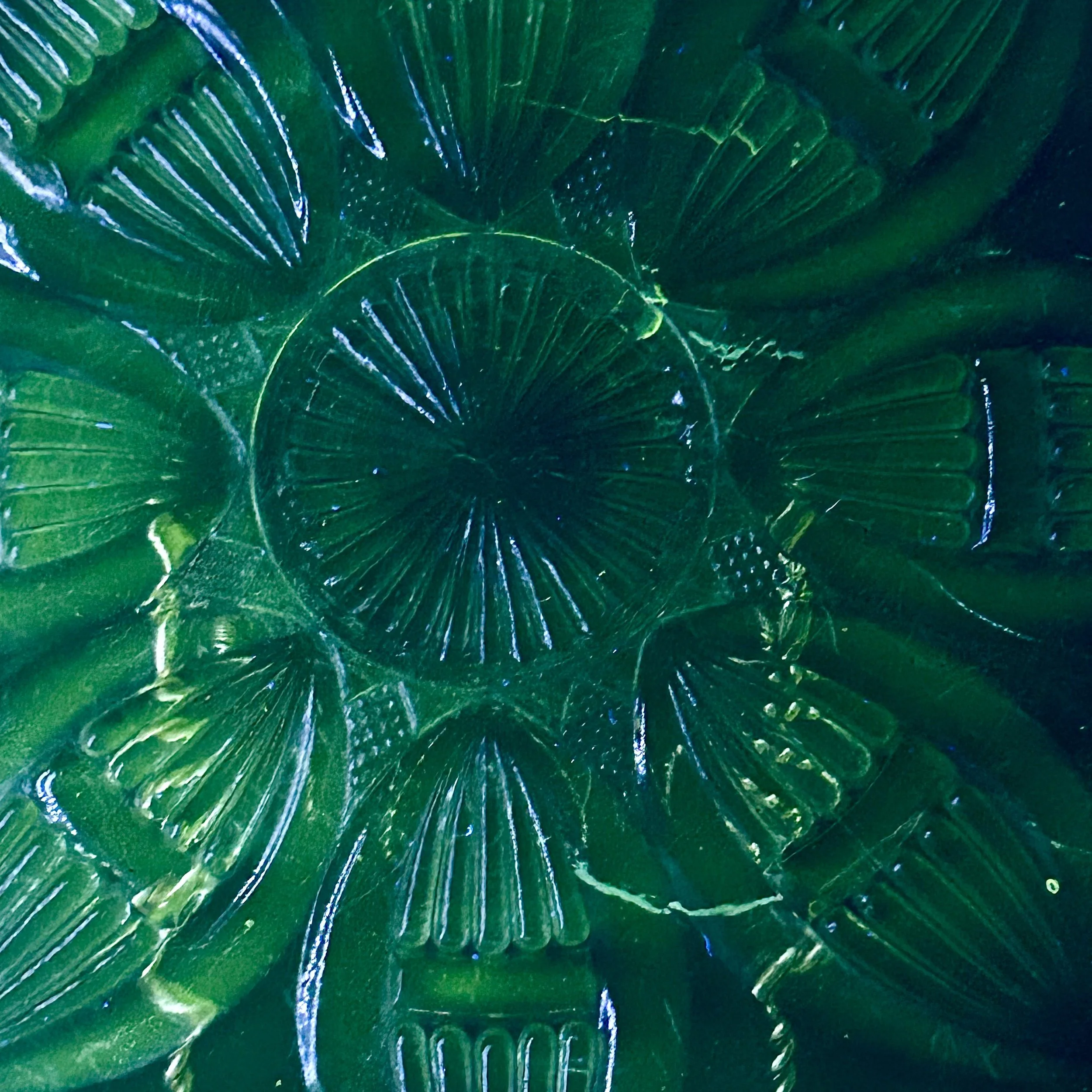 Image 14 of 26
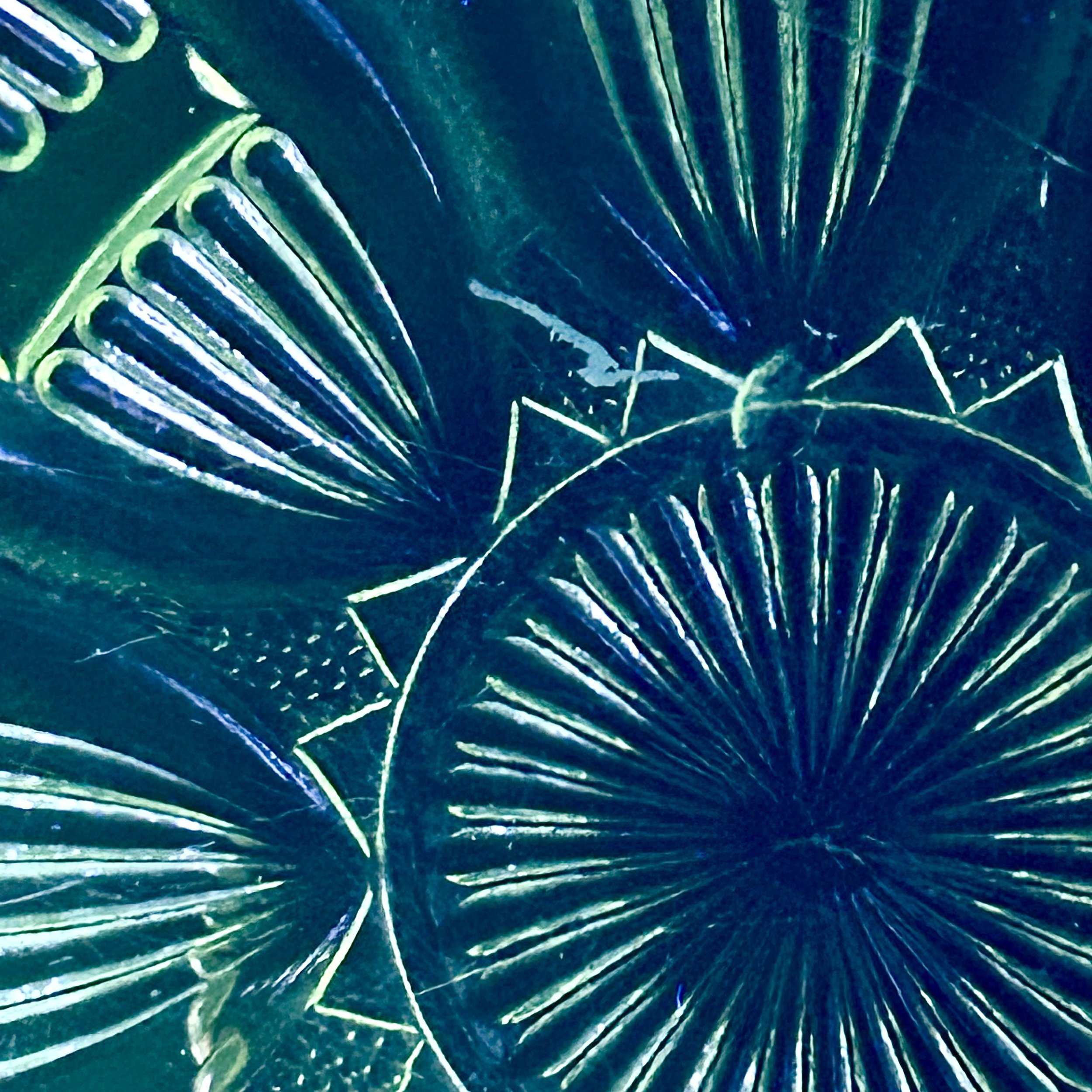 Image 15 of 26
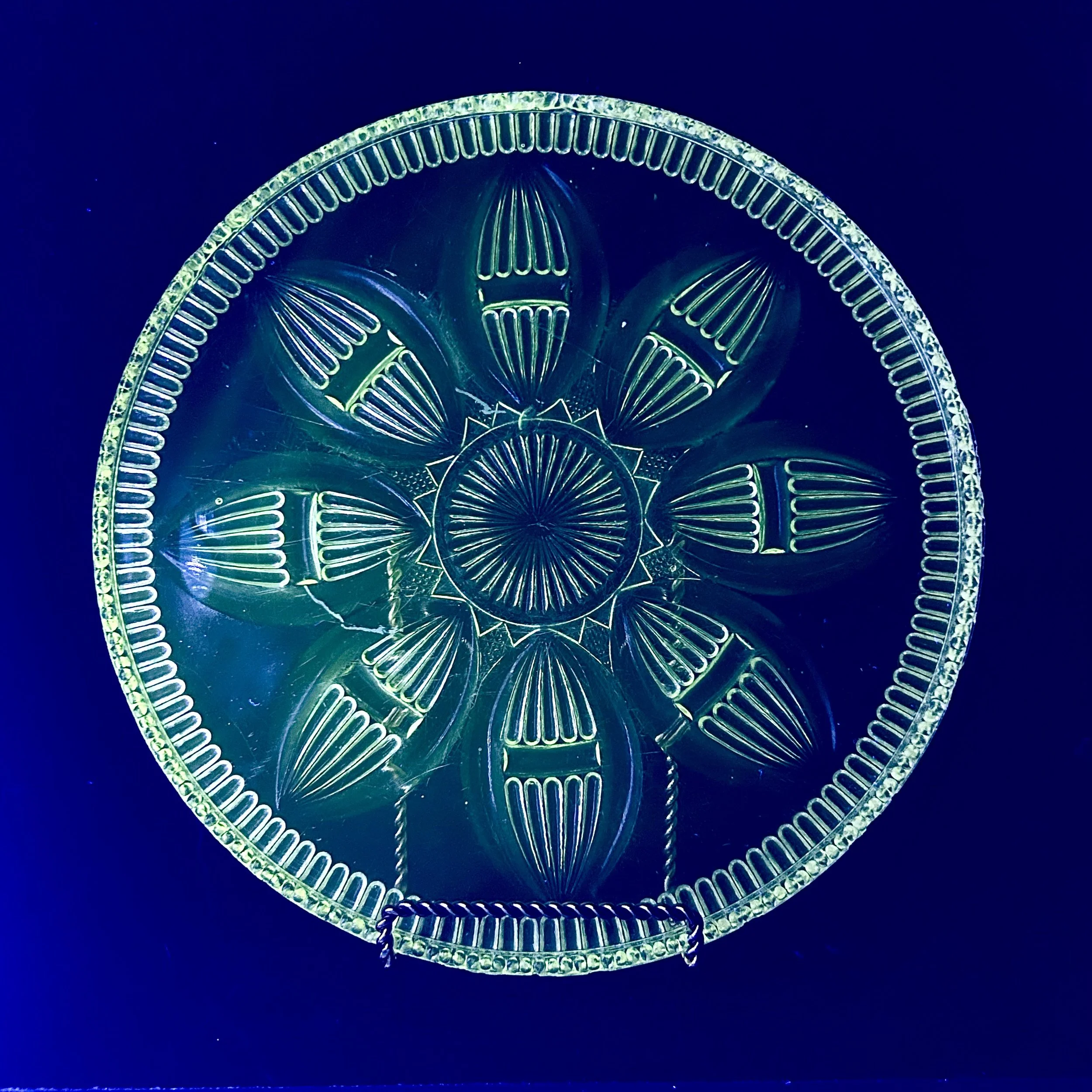 Image 16 of 26
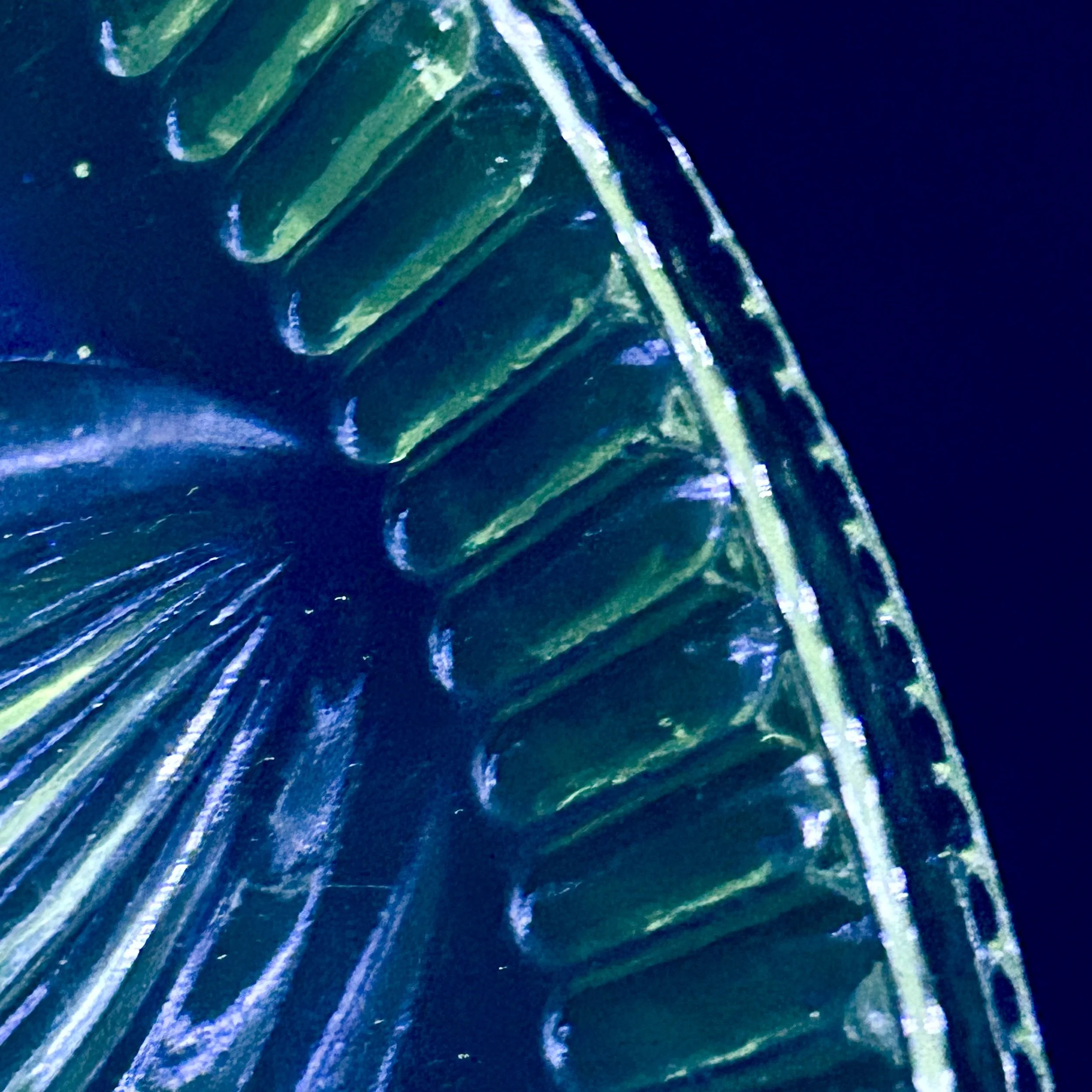 Image 17 of 26
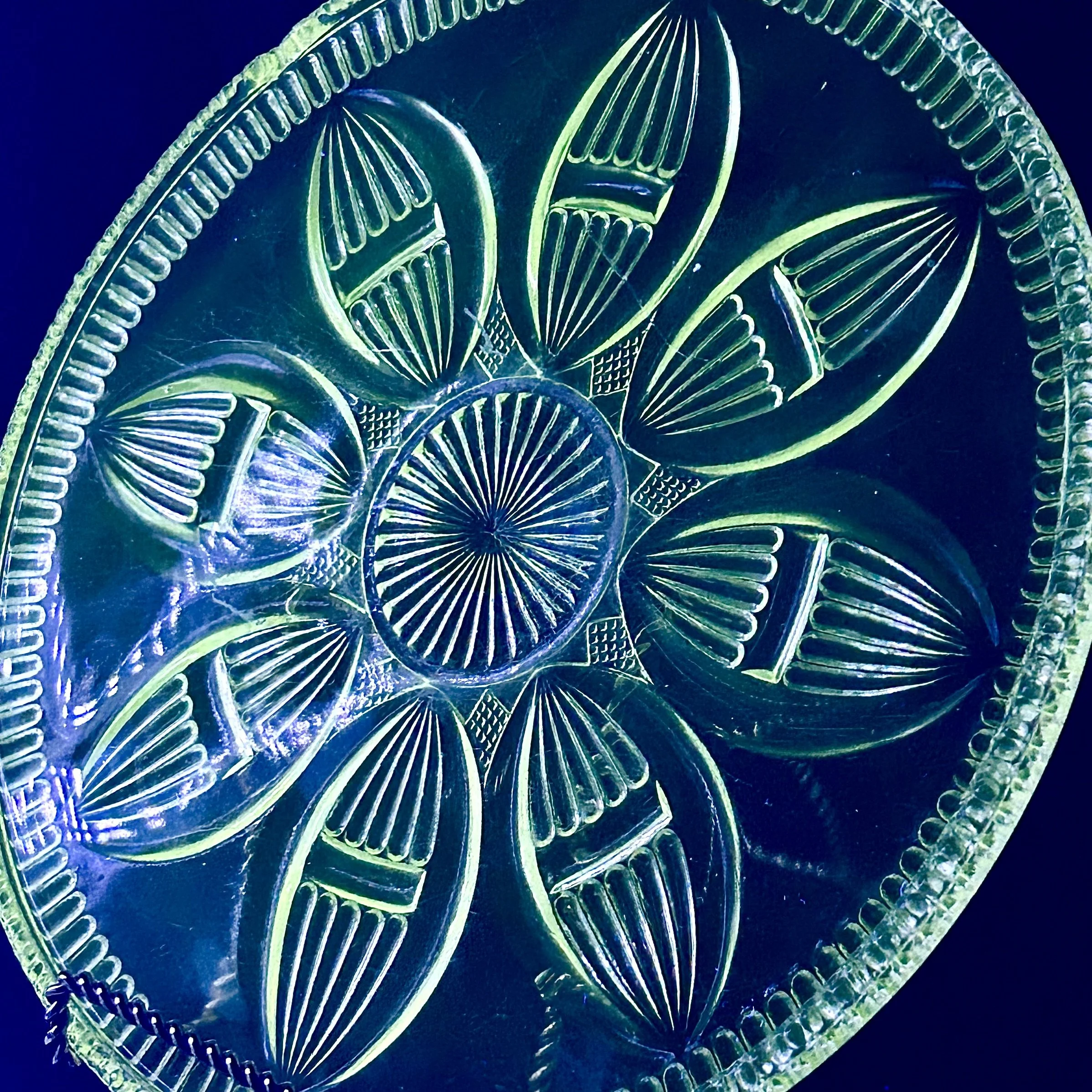 Image 18 of 26
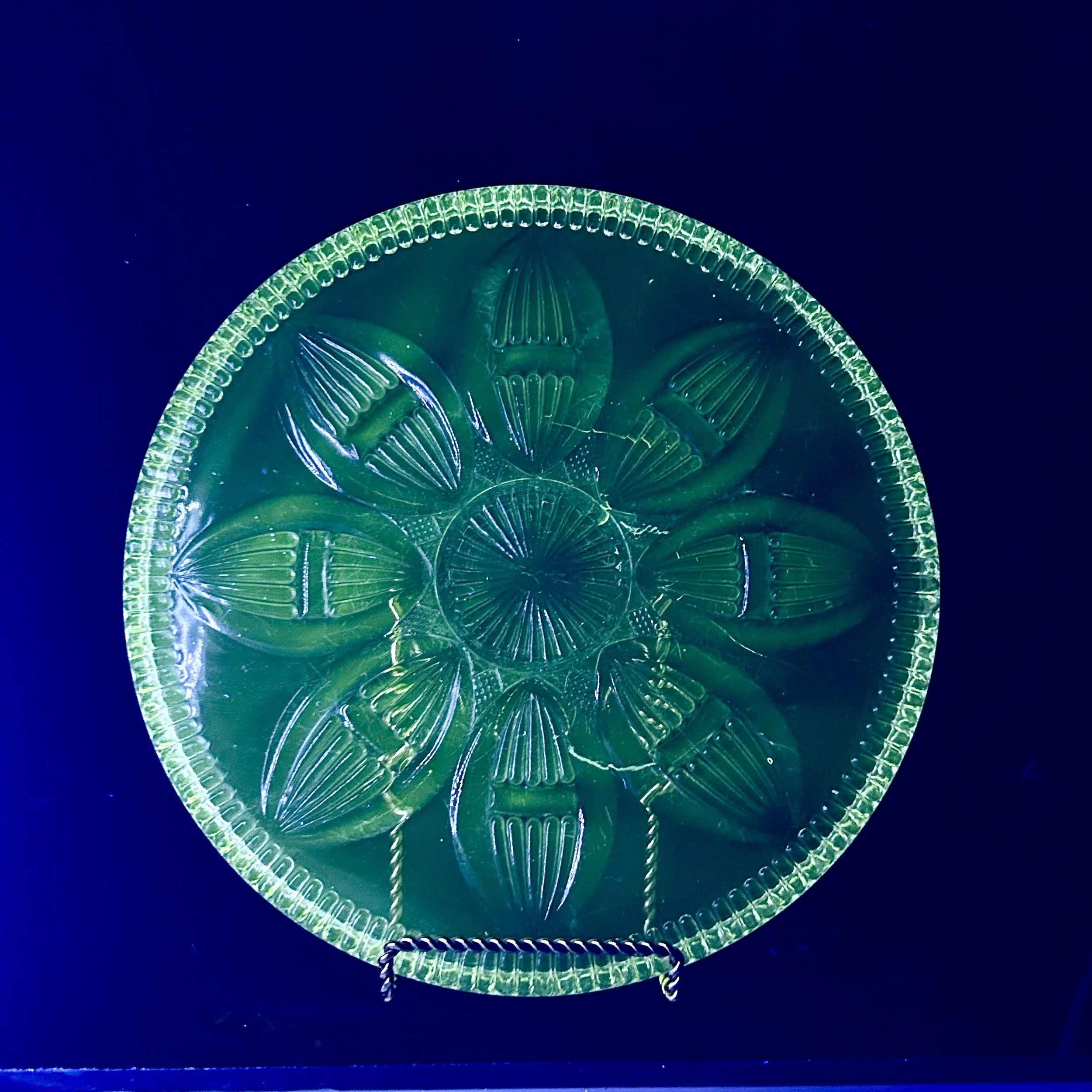 Image 19 of 26
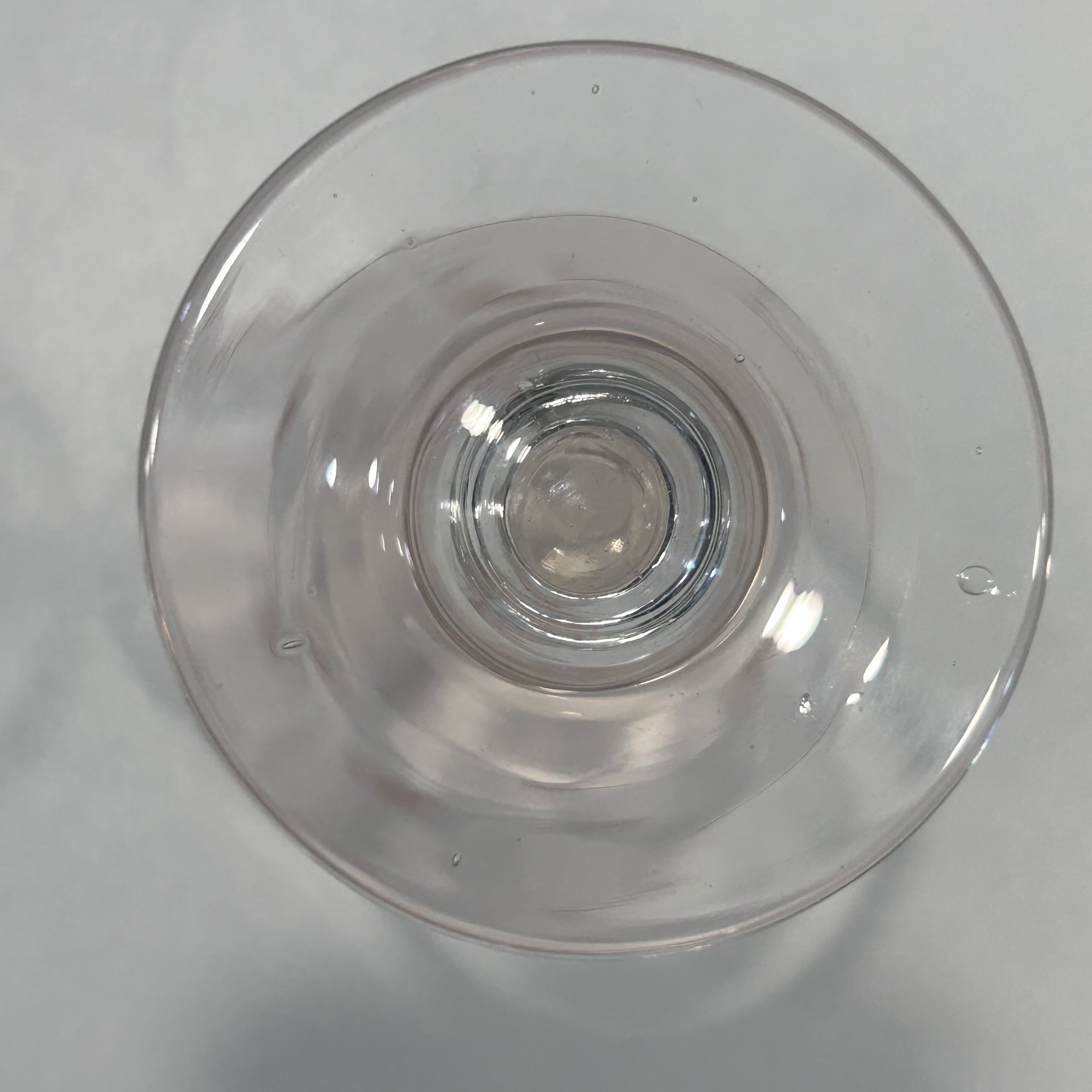 Image 20 of 26
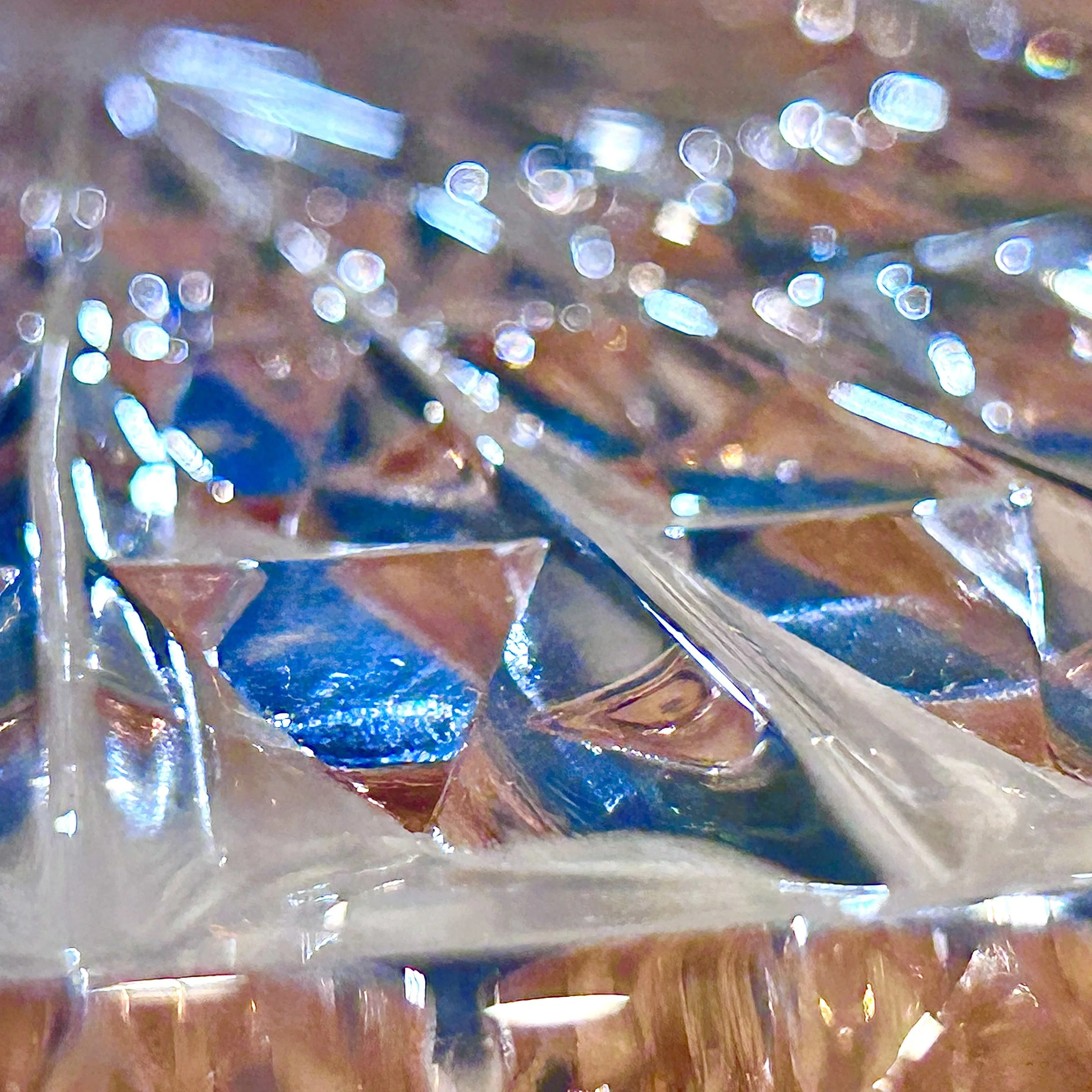 Image 21 of 26
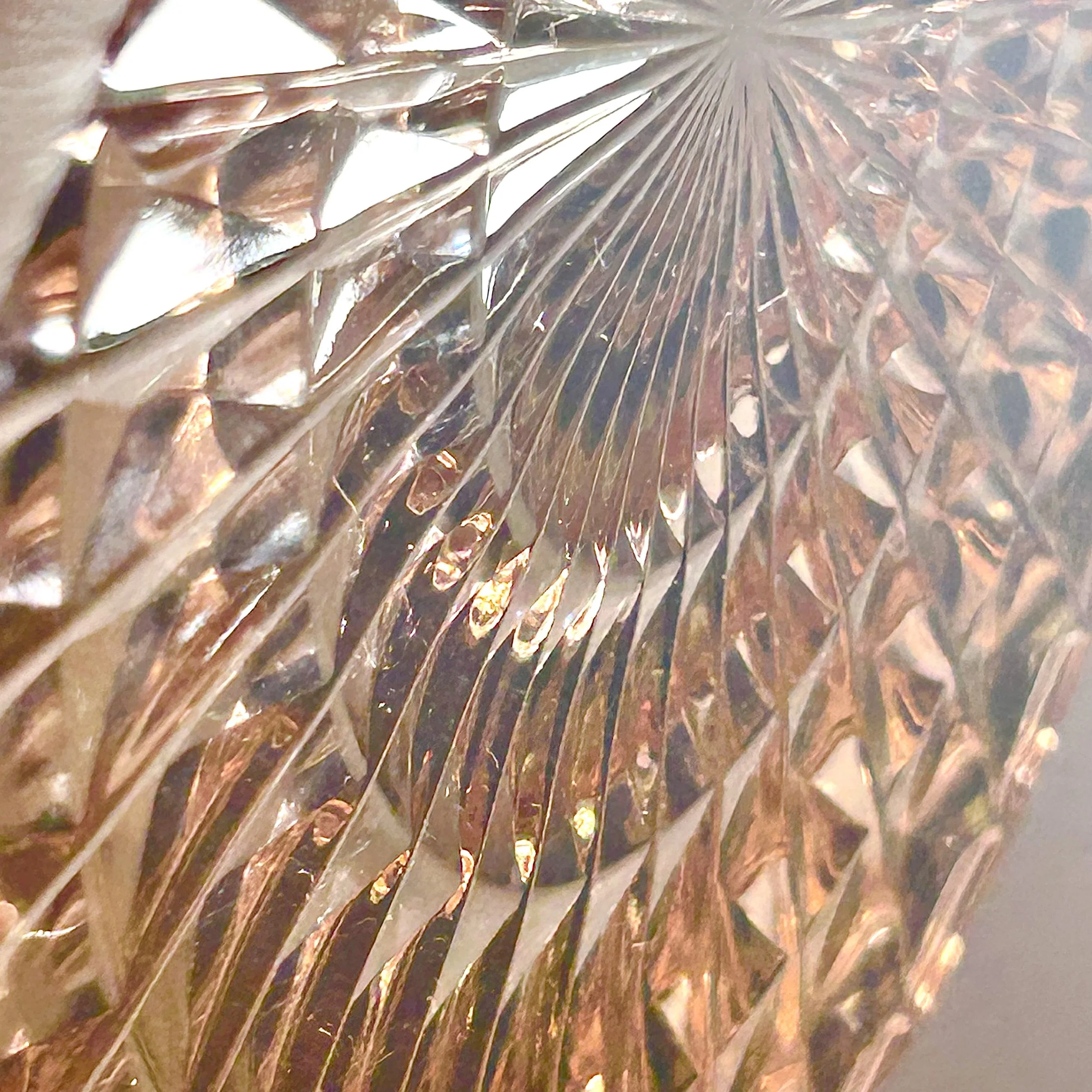 Image 22 of 26
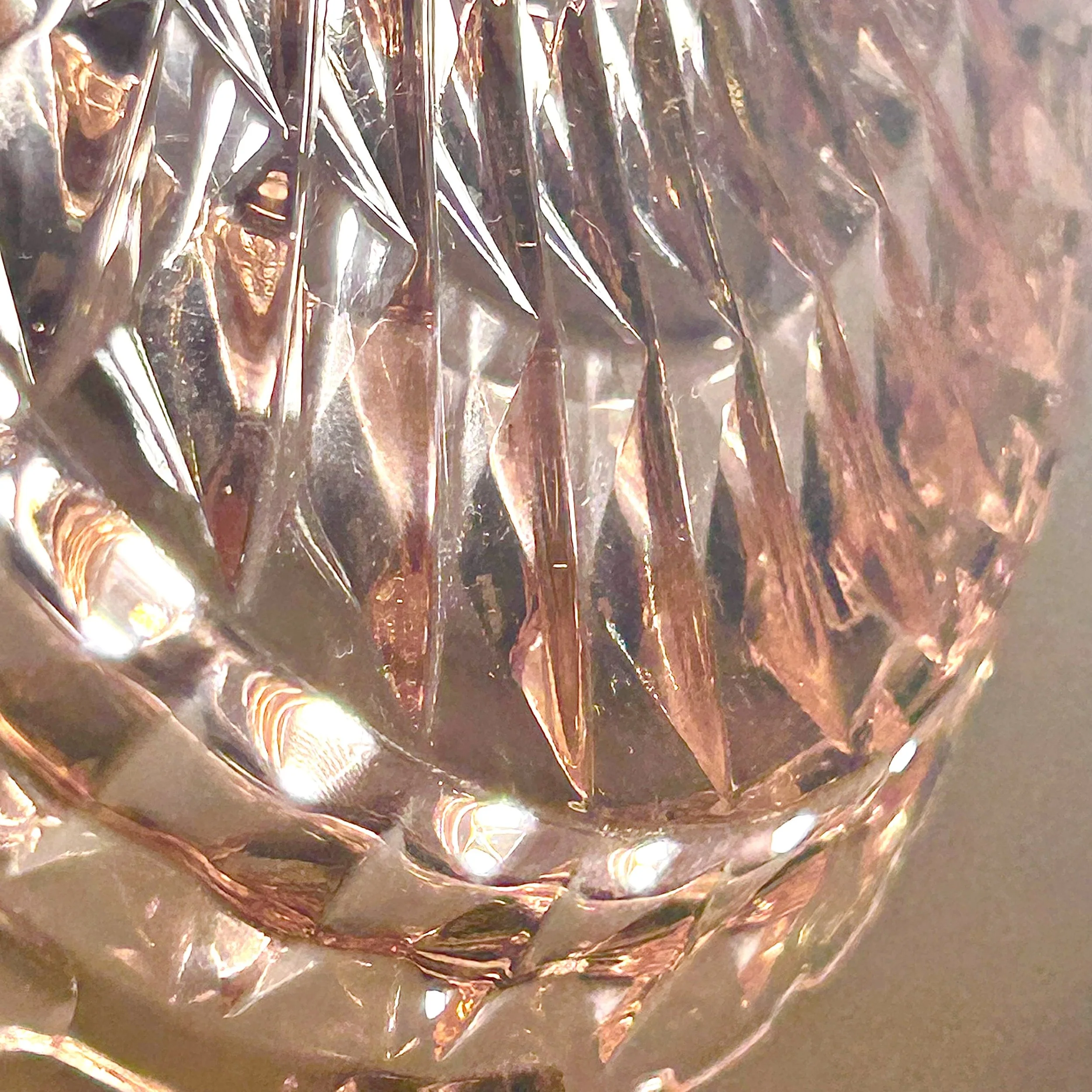 Image 23 of 26
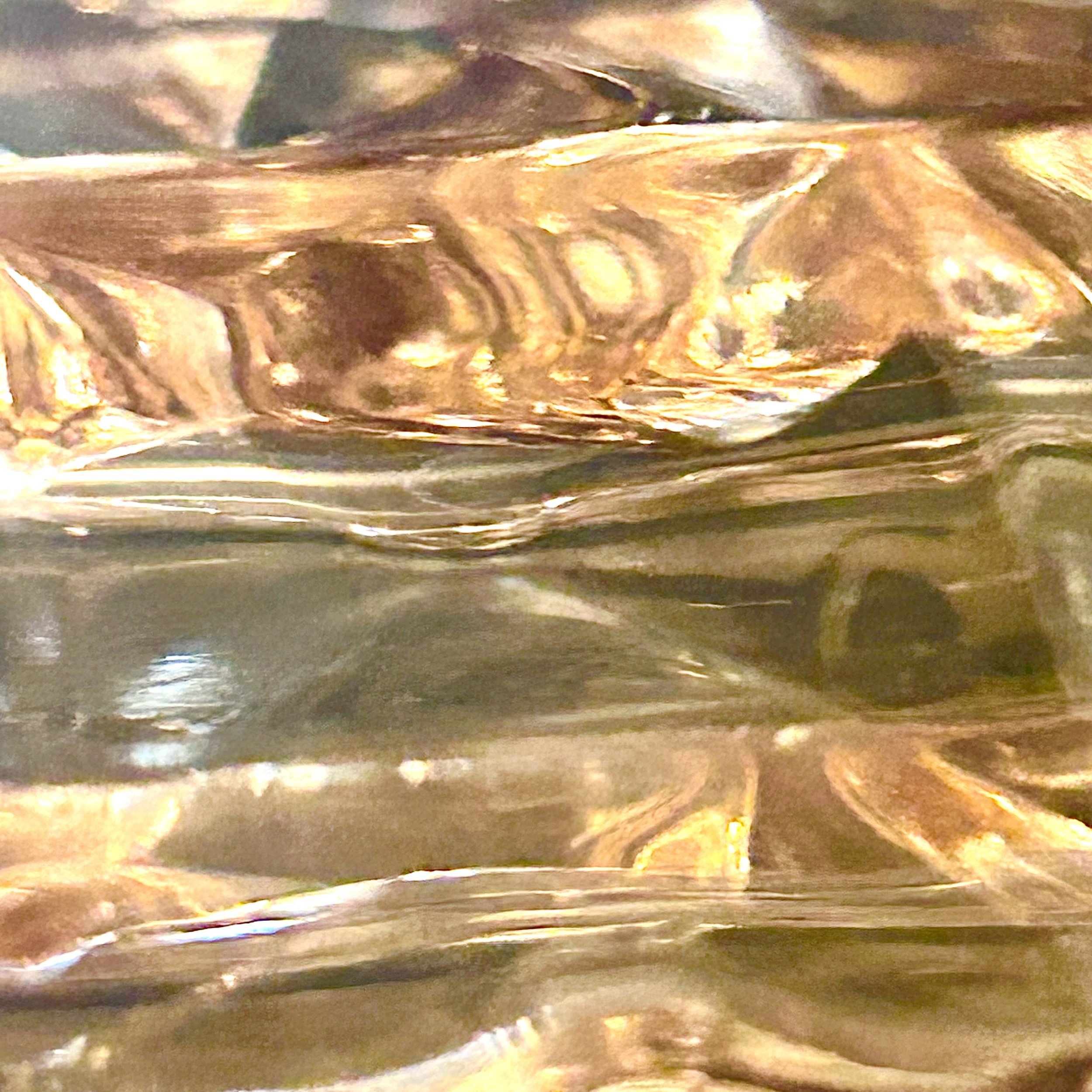 Image 24 of 26
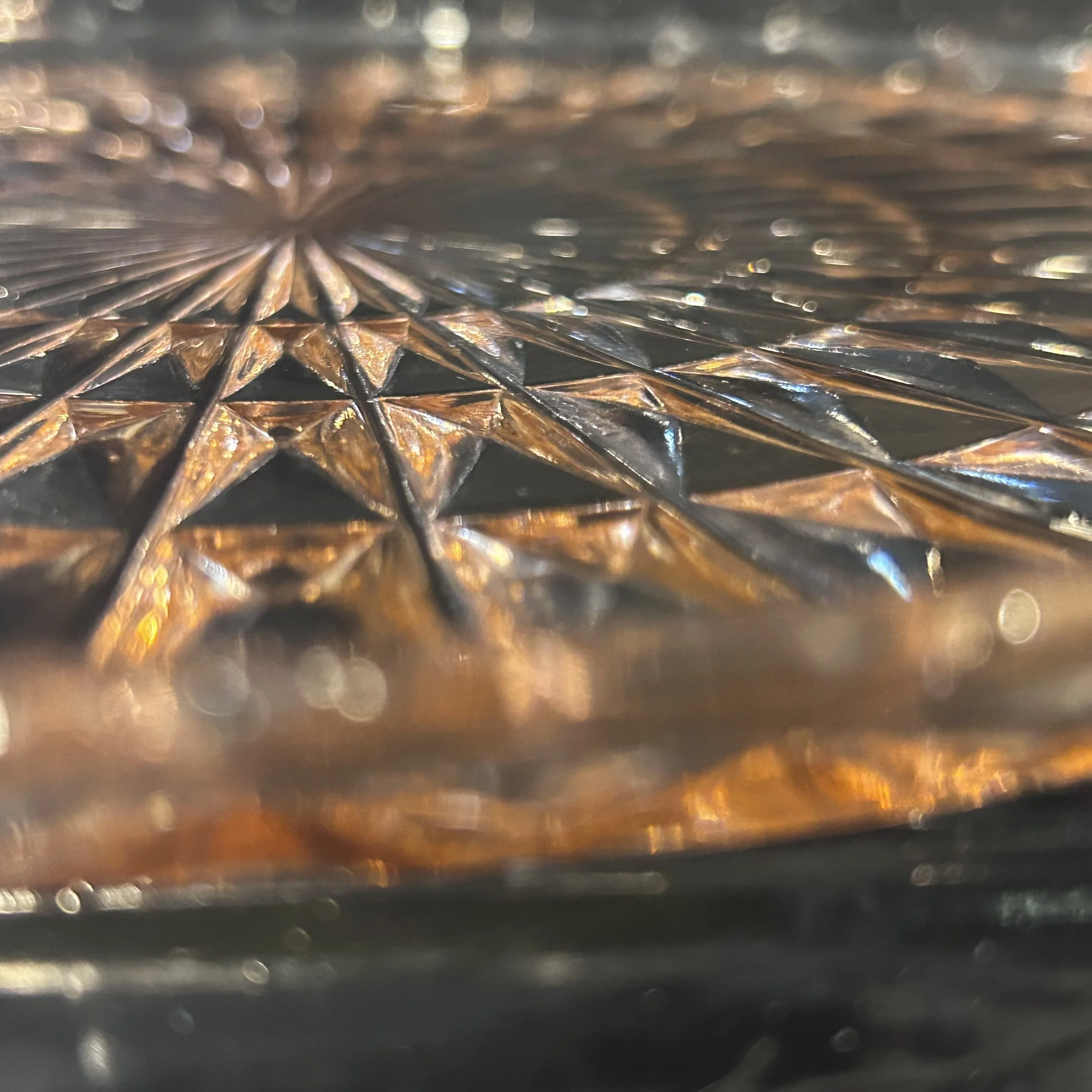 Image 25 of 26
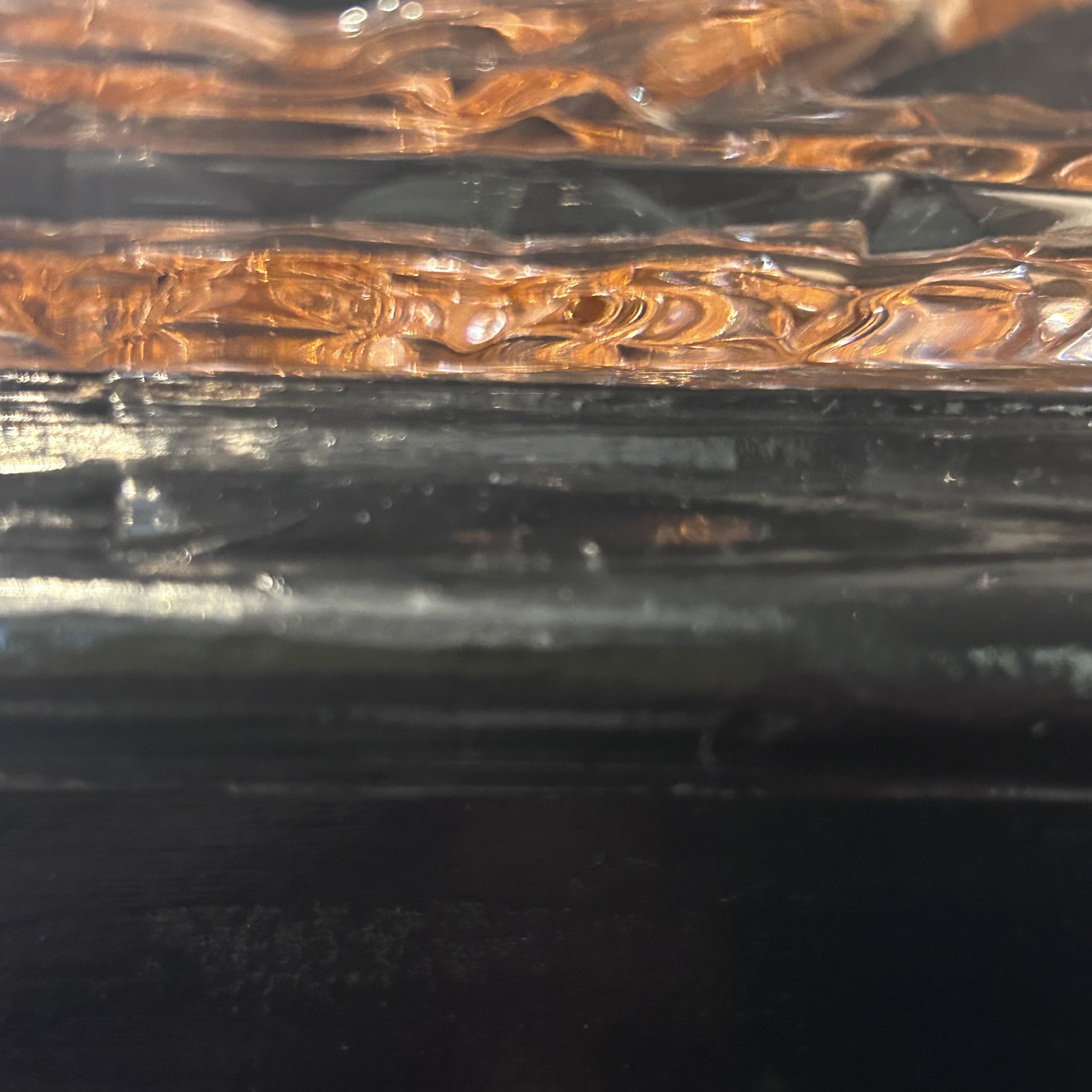 Image 26 of 26