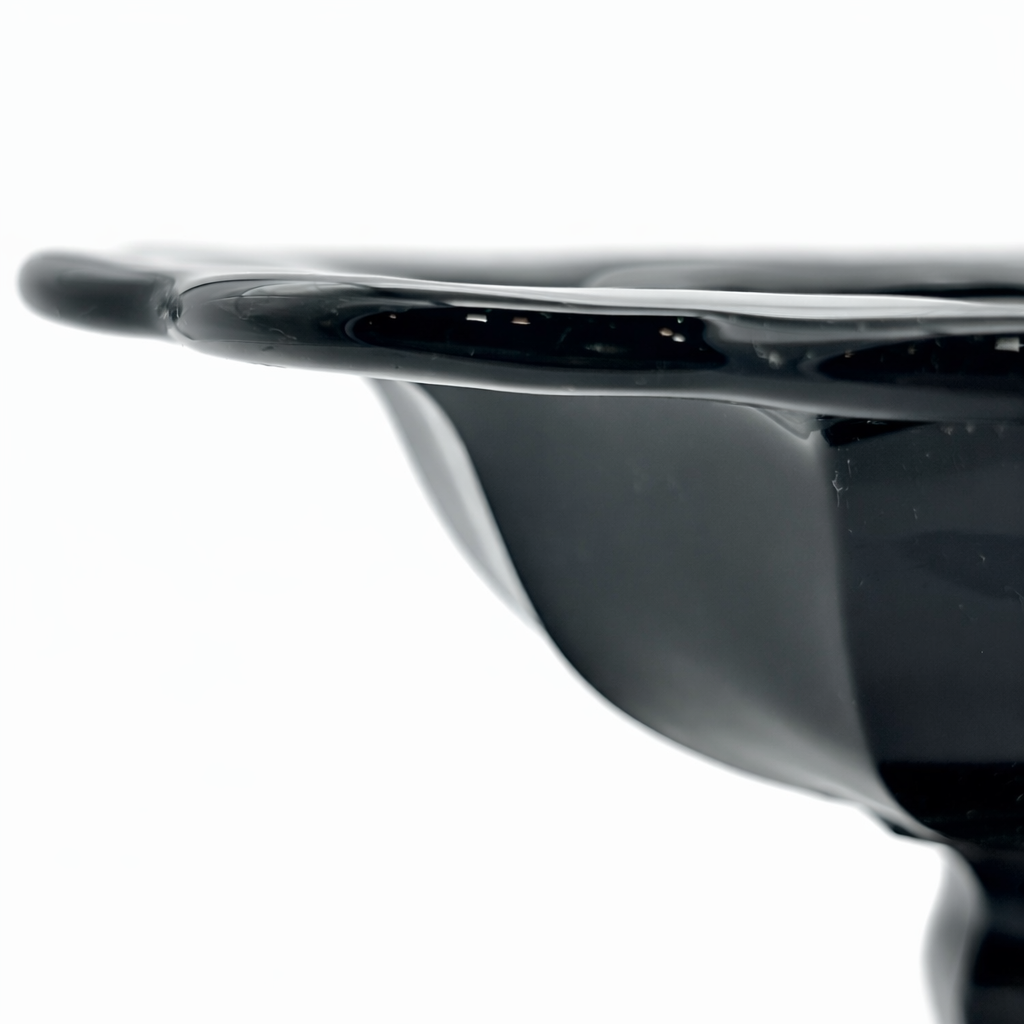
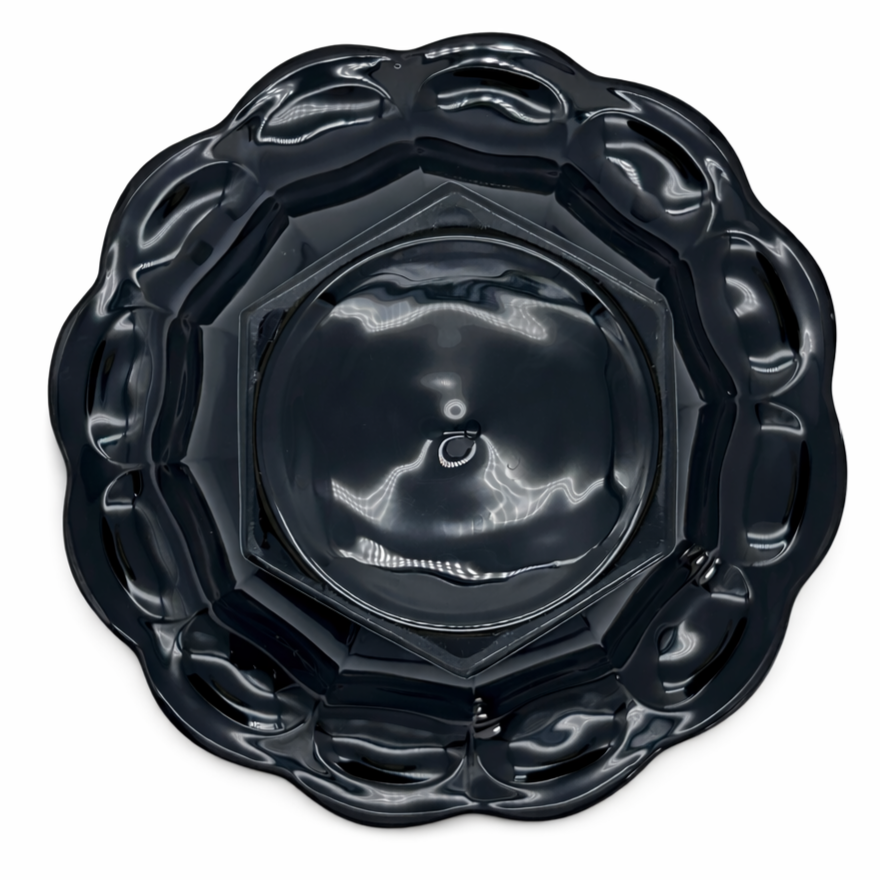
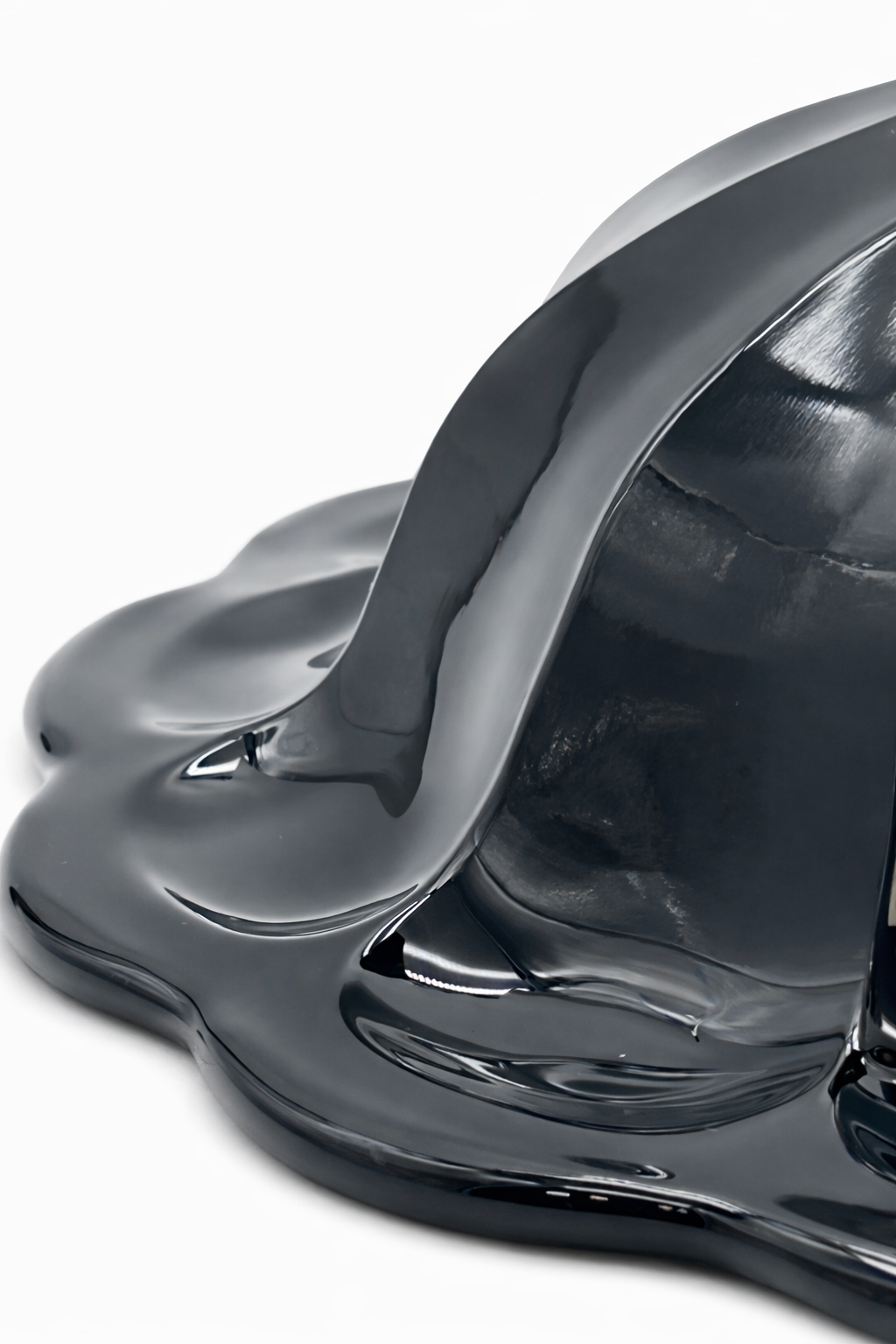
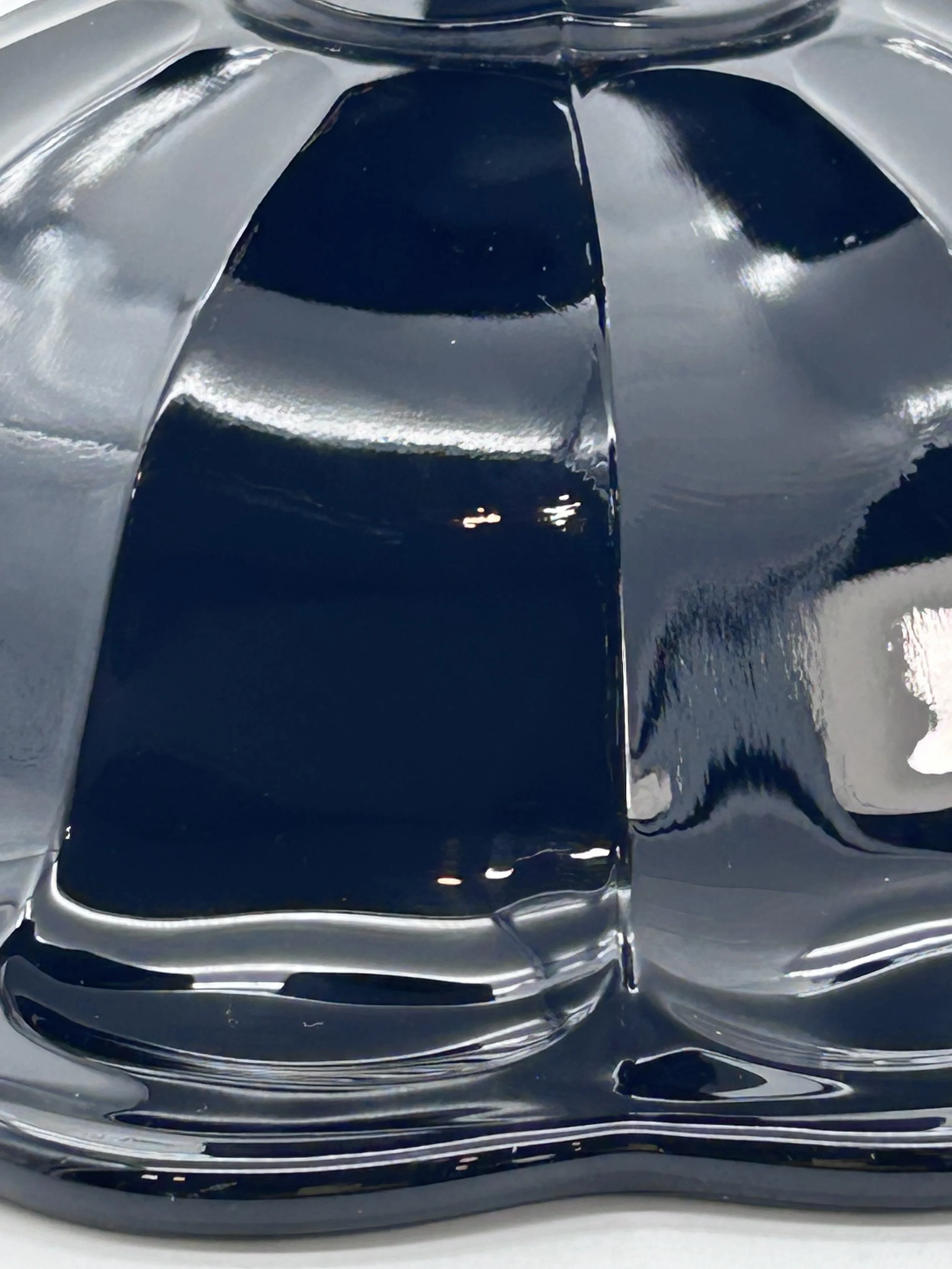
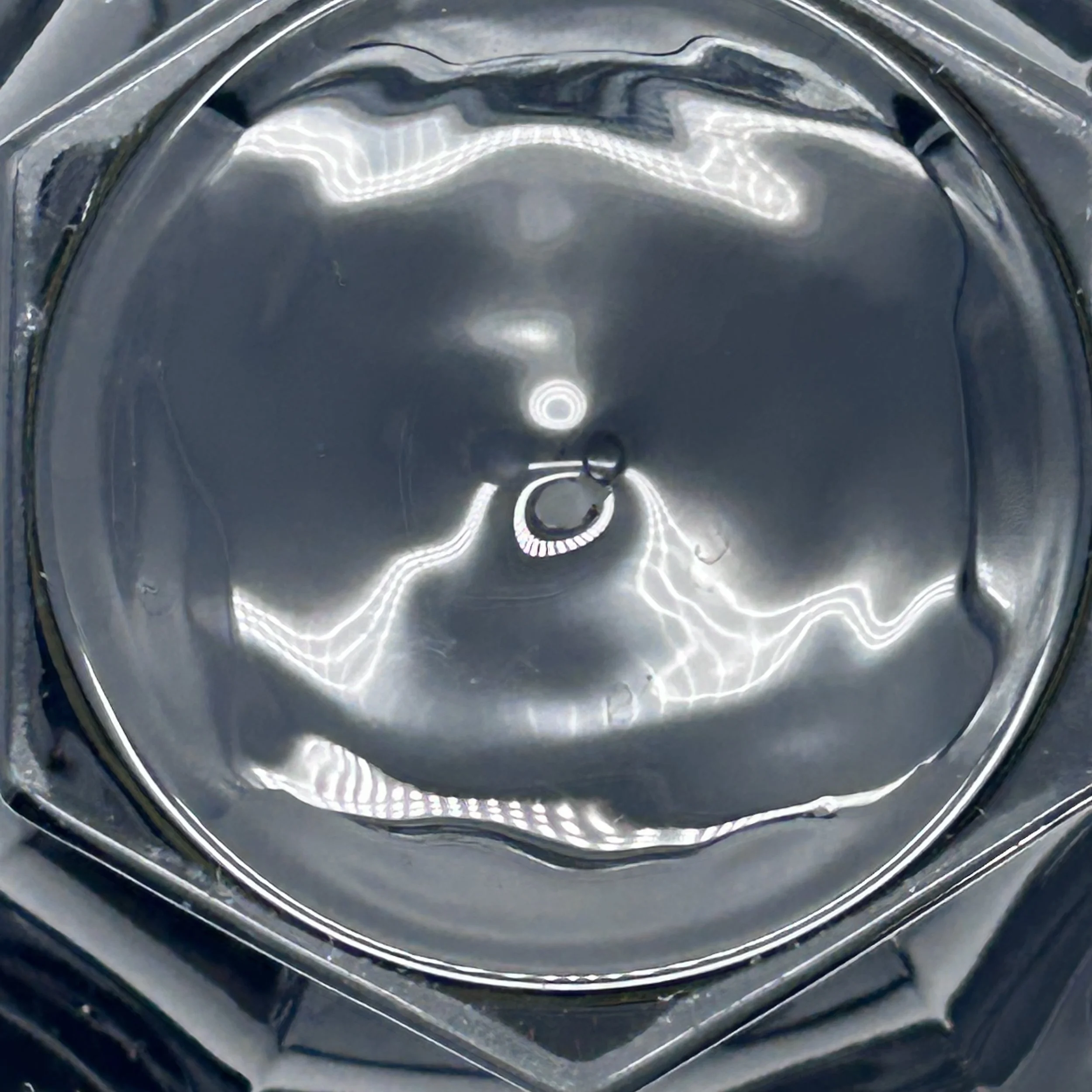
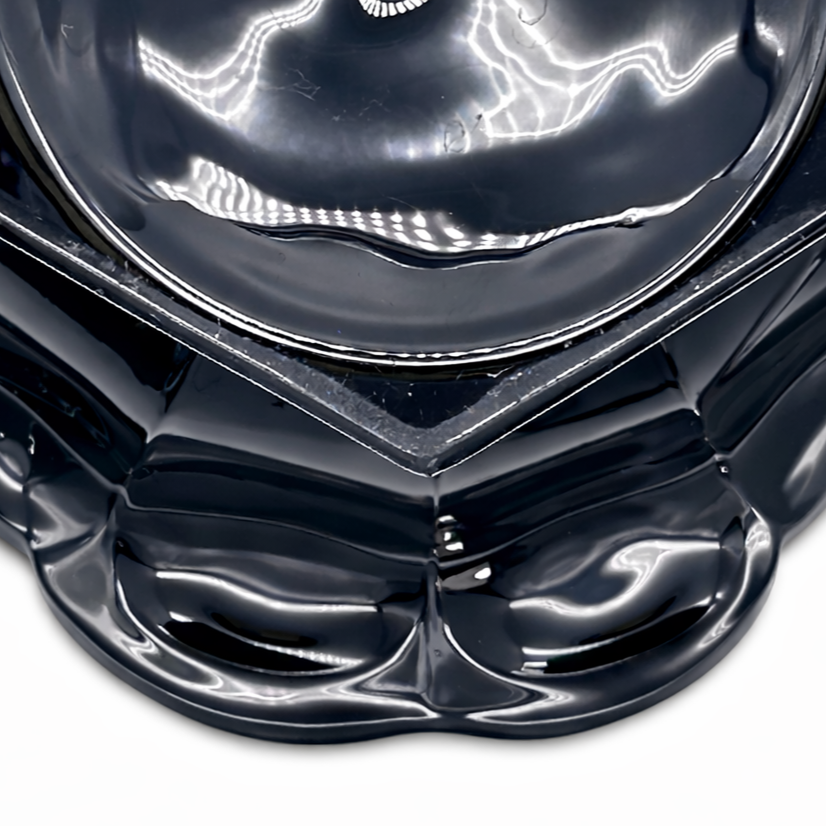
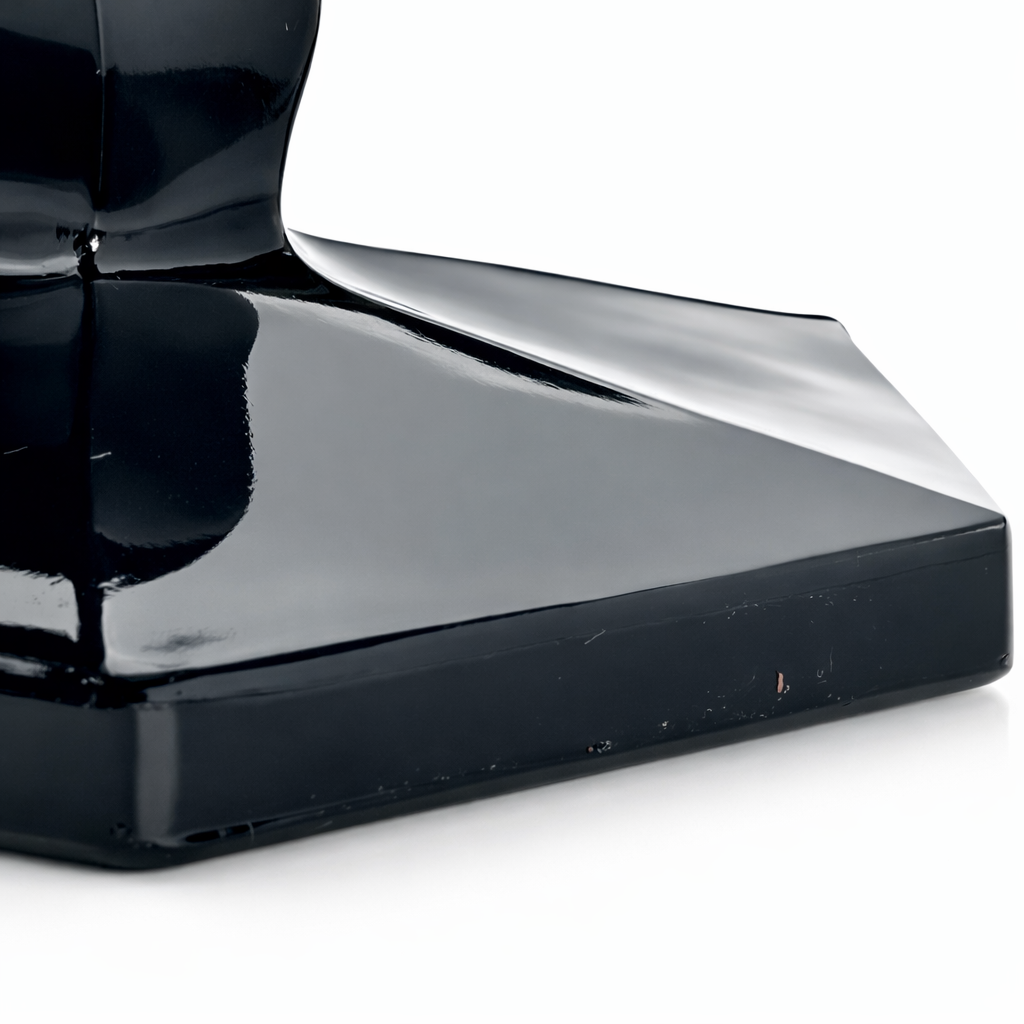
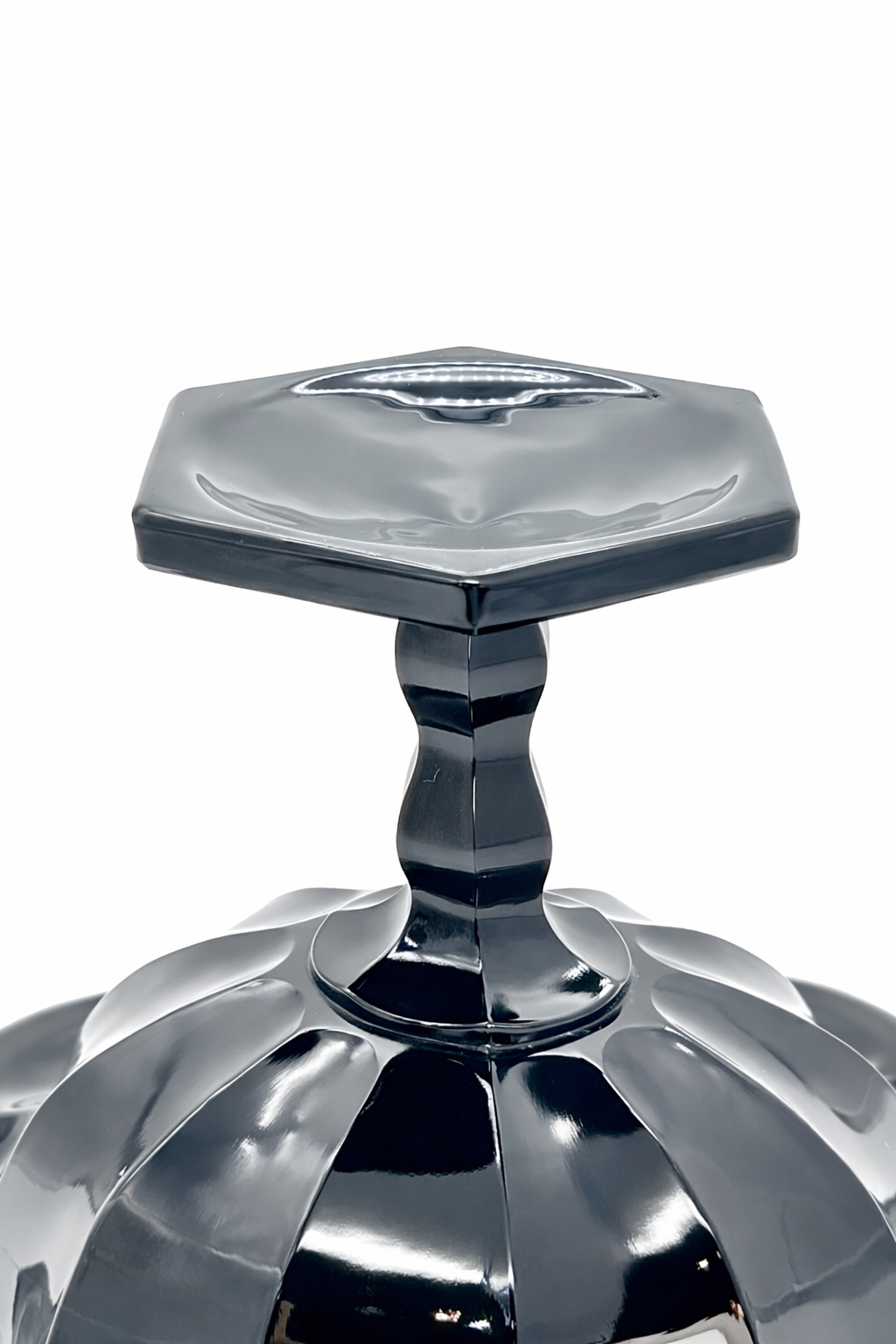
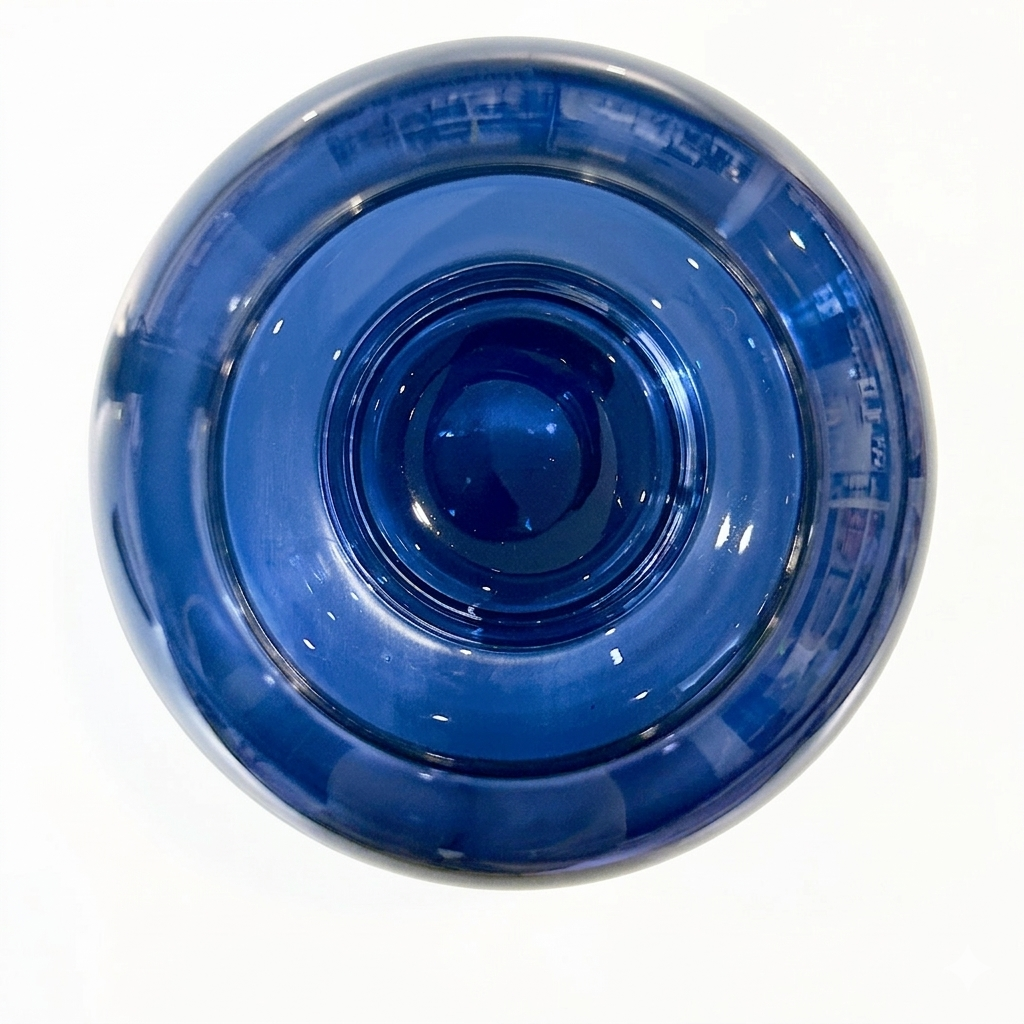
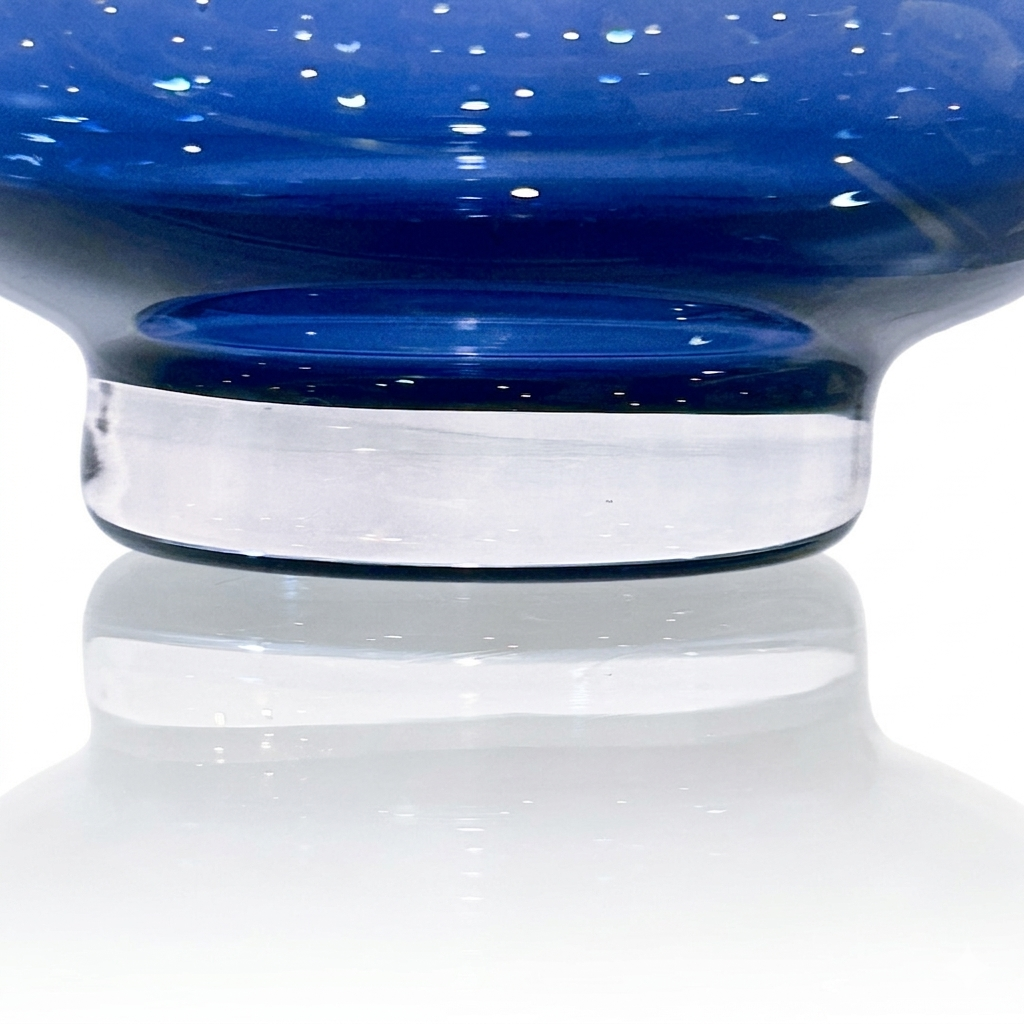
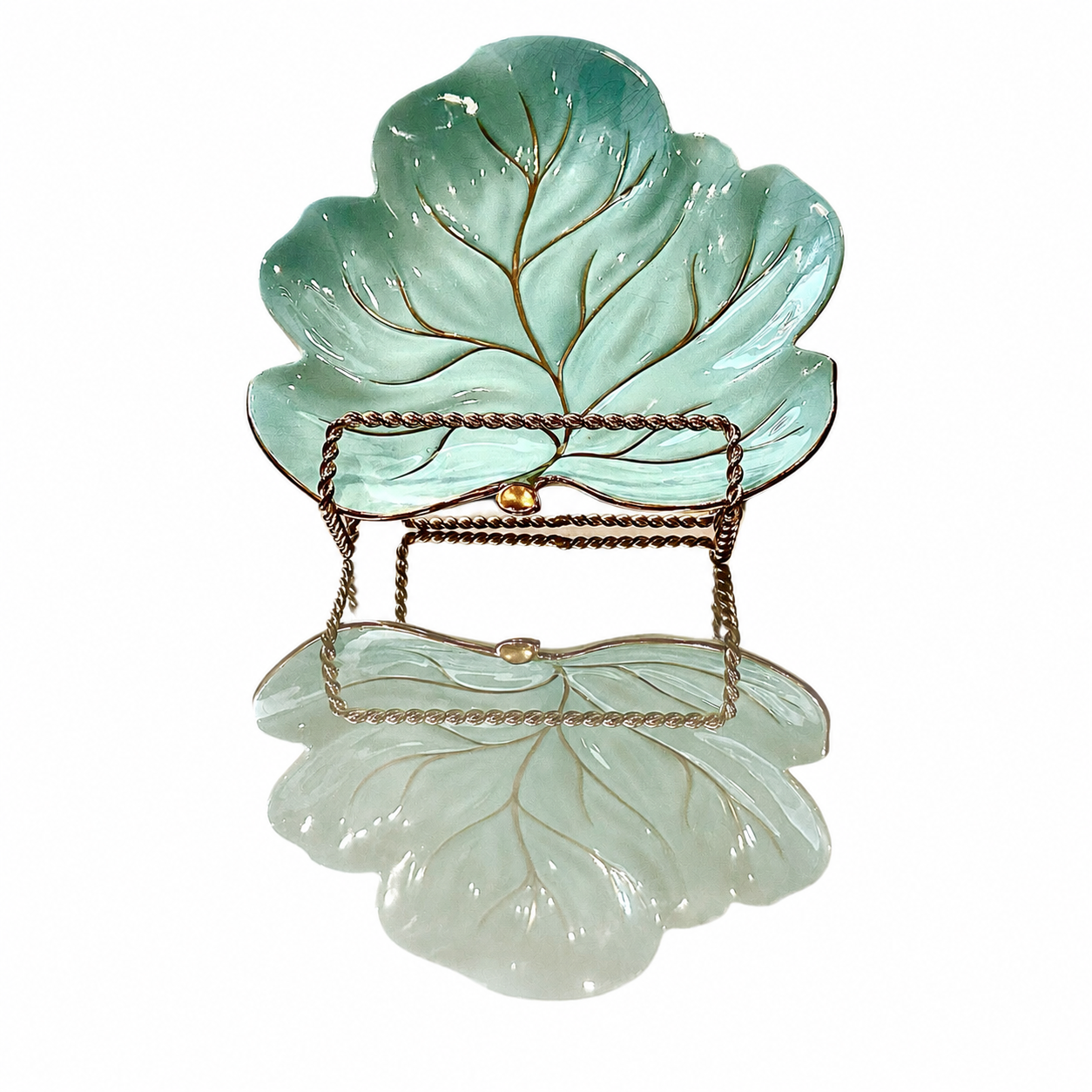
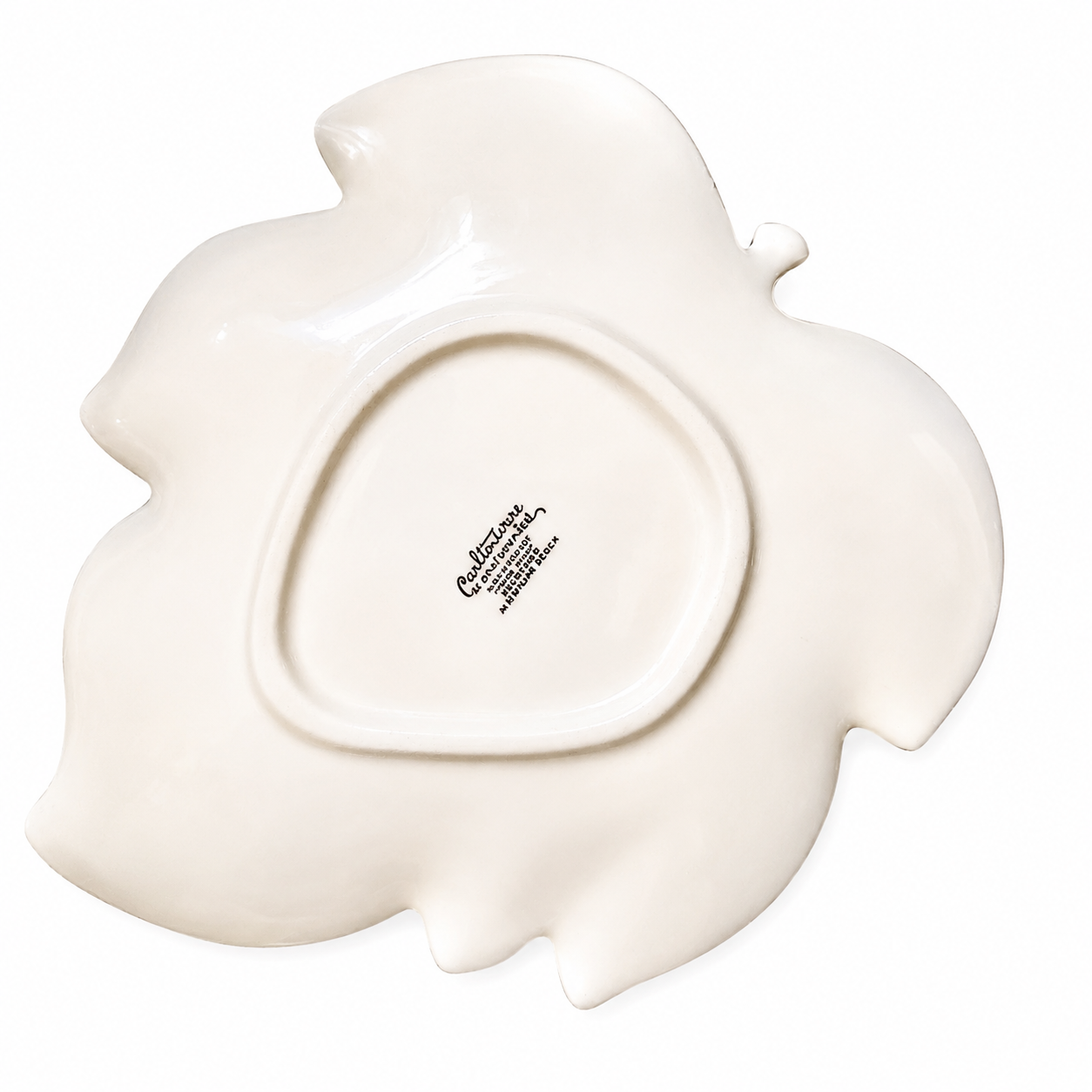
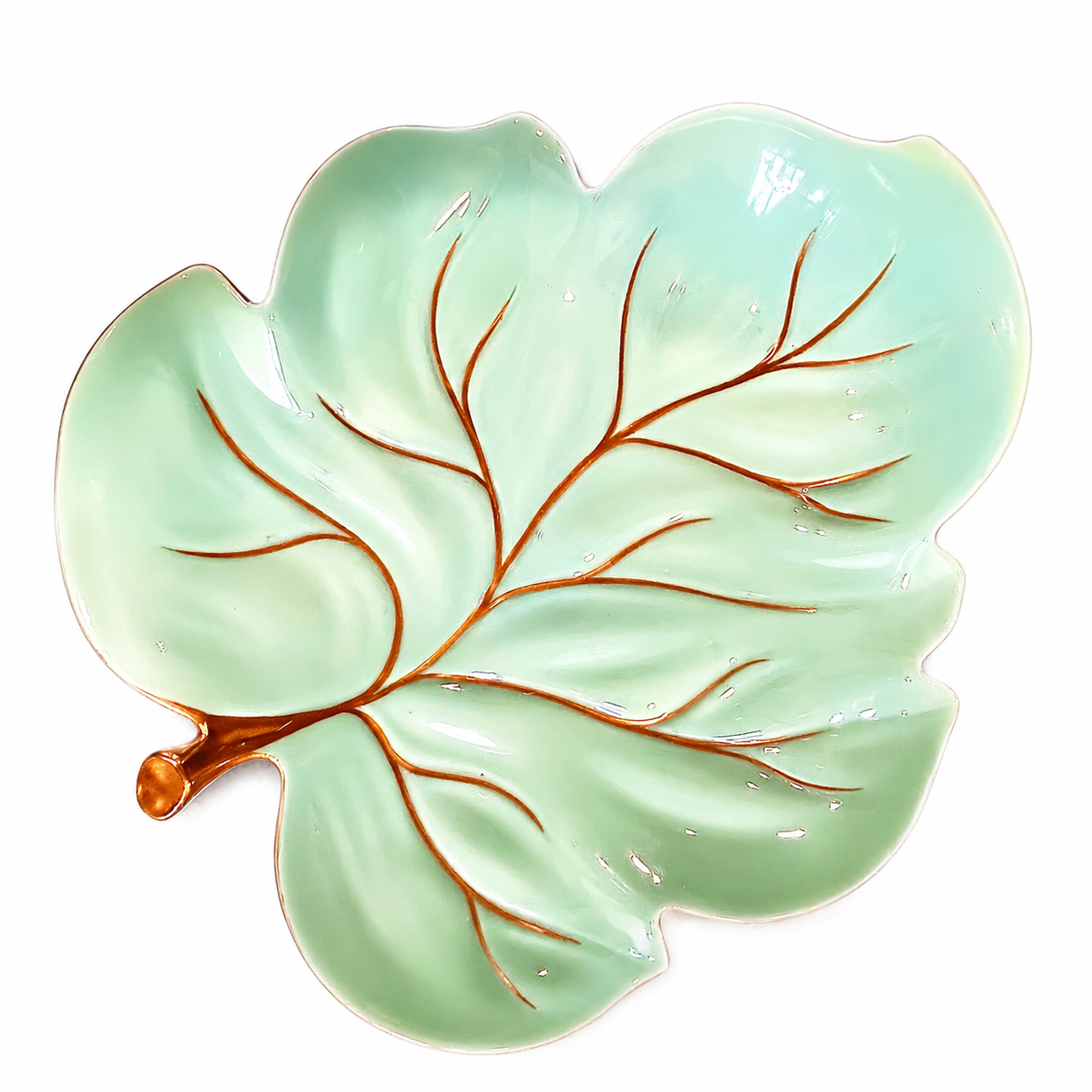
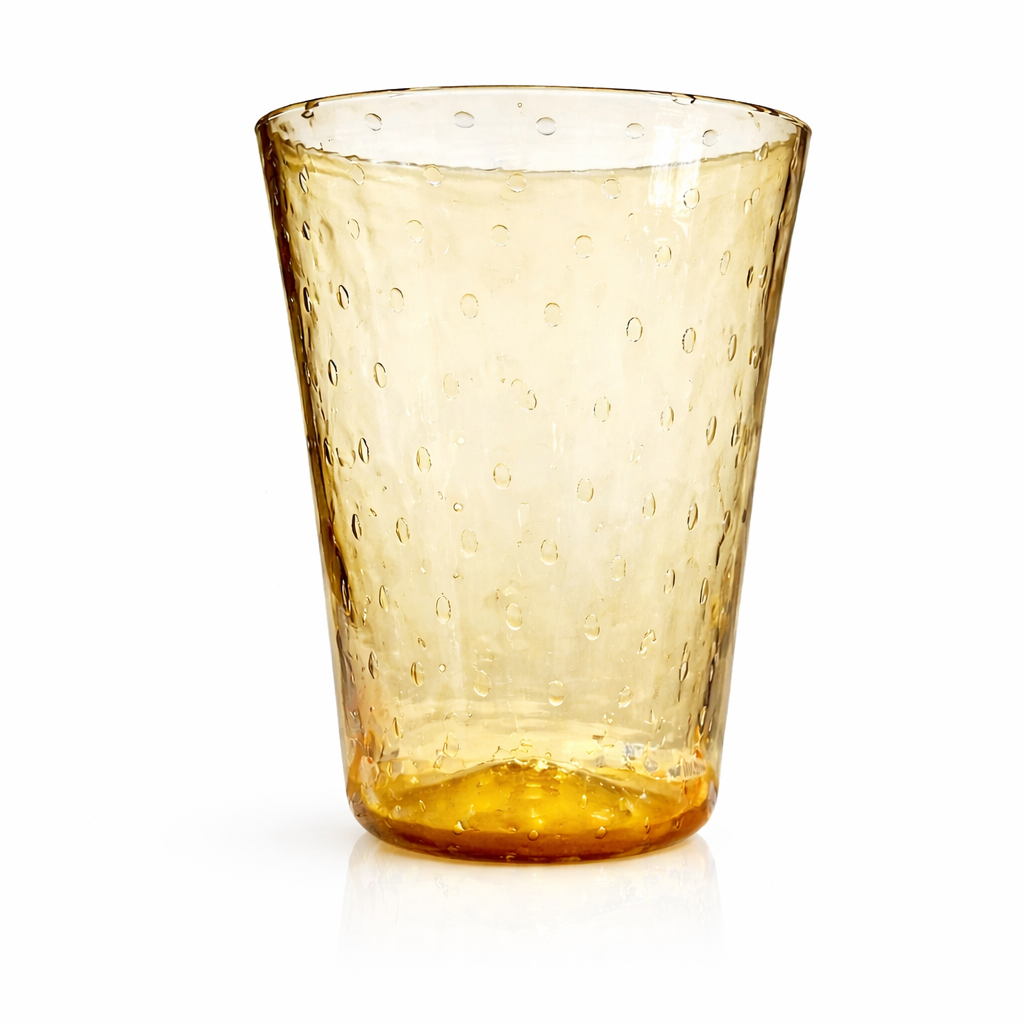
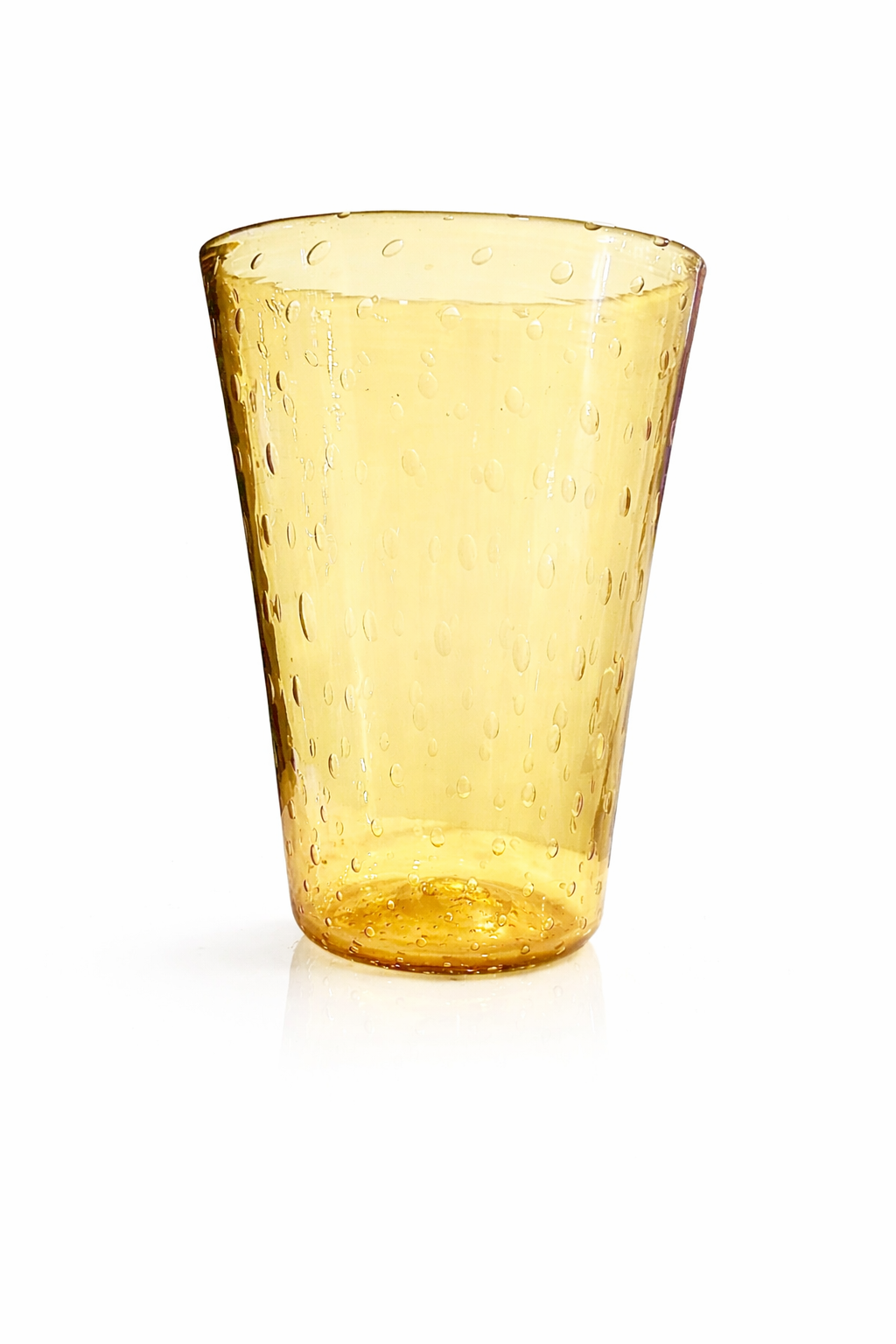
This exquisite set of cocktail stems represents the pinnacle of the American Elegant Glass movement. Defined by a dramatic "corset" or hourglass silhouette, each piece features a rhythmic, optic-ribbed body that creates a kaleidoscopic play of light. The focal point is the PC#545 "Spring Orchard" frieze—a deep-etched, 22K gold-encrusted masterpiece depicting a whimsical landscape of songbirds amidst flowering branches. These are not merely vessels; they are sculptural artifacts that bridge the gap between functional barware and high-end Depression-era decorative art.
Attribution & Period
Manufacturer: Paden City Glass Manufacturing Company, West Virginia, USA.
Pattern: No. 545 "Spring Orchard" (Gold Encrusted).
Circa: 1930–1949.
The "Spring Orchard" etching is one of Paden City’s most coveted designs, characterized by its "Minton-style" encrustation—a labor-intensive process where the pattern is acid-etched into the glass and then filled with heavy gold paste. This specific corset-shape stem is a hallmark of the Art Deco influence on Paden City’s production, offering a more avant-garde profile than the traditional stems of the era.
Dimensions & Weight
Condition Report
Excellent Vintage Condition. Clinical inspection reveals the crystal remains in a pristine state with no chips, cracks, or "flea bites." The glass maintains its original transparency with no signs of "sick" glass or mineral clouding. Regarding the gold encrustation: The heavy 22K gilding remains remarkably vibrant. Consistent with age and authentic use, some pieces may show microscopic thinning at the extreme interior rim, though the primary etched frieze remains dense, tactile, and highly reflective.
Authenticity & Construction
Hand-blown into a specialized mold to achieve the internal optic ribbing, these glasses demonstrate the technical prowess of West Virginia glassmakers. The "Spring Orchard" motif is achieved through a multi-stage firing process. Unlike standard gold wash, this gold-encrusted method results in a jewelry-like texture that is raised to the touch, providing a luxurious sensory experience for the collector.
Curation & Placement
These stems are ideally suited for a high-gloss lacquer bar or a mirrored Art Deco sideboard. Their architectural "corset" shape and metallic luster make them a perfect choice for a Hollywood Regency-inspired interior or a curated collection of "Elegant Glass." They are best displayed under direct gallery lighting to fully realize the "fire" within the gold-etched pattern.
STANDARD ATTRIBUTION & VALUE DISCLOSURE; This piece is described to the best of current scholarly and market knowledge. Any maker or regional attribution is based on visual analysis, materials, construction techniques, and documented stylistic comparisons. As with many MCM and antique glass objects, definitive attribution may not be possible without original labels or factory records. Pricing reflects condition, quality, decorative appeal, and current collector demand rather than a guaranteed maker identification.
This exquisite set of cocktail stems represents the pinnacle of the American Elegant Glass movement. Defined by a dramatic "corset" or hourglass silhouette, each piece features a rhythmic, optic-ribbed body that creates a kaleidoscopic play of light. The focal point is the PC#545 "Spring Orchard" frieze—a deep-etched, 22K gold-encrusted masterpiece depicting a whimsical landscape of songbirds amidst flowering branches. These are not merely vessels; they are sculptural artifacts that bridge the gap between functional barware and high-end Depression-era decorative art.
Attribution & Period
Manufacturer: Paden City Glass Manufacturing Company, West Virginia, USA.
Pattern: No. 545 "Spring Orchard" (Gold Encrusted).
Circa: 1930–1949.
The "Spring Orchard" etching is one of Paden City’s most coveted designs, characterized by its "Minton-style" encrustation—a labor-intensive process where the pattern is acid-etched into the glass and then filled with heavy gold paste. This specific corset-shape stem is a hallmark of the Art Deco influence on Paden City’s production, offering a more avant-garde profile than the traditional stems of the era.
Dimensions & Weight
Condition Report
Excellent Vintage Condition. Clinical inspection reveals the crystal remains in a pristine state with no chips, cracks, or "flea bites." The glass maintains its original transparency with no signs of "sick" glass or mineral clouding. Regarding the gold encrustation: The heavy 22K gilding remains remarkably vibrant. Consistent with age and authentic use, some pieces may show microscopic thinning at the extreme interior rim, though the primary etched frieze remains dense, tactile, and highly reflective.
Authenticity & Construction
Hand-blown into a specialized mold to achieve the internal optic ribbing, these glasses demonstrate the technical prowess of West Virginia glassmakers. The "Spring Orchard" motif is achieved through a multi-stage firing process. Unlike standard gold wash, this gold-encrusted method results in a jewelry-like texture that is raised to the touch, providing a luxurious sensory experience for the collector.
Curation & Placement
These stems are ideally suited for a high-gloss lacquer bar or a mirrored Art Deco sideboard. Their architectural "corset" shape and metallic luster make them a perfect choice for a Hollywood Regency-inspired interior or a curated collection of "Elegant Glass." They are best displayed under direct gallery lighting to fully realize the "fire" within the gold-etched pattern.
STANDARD ATTRIBUTION & VALUE DISCLOSURE; This piece is described to the best of current scholarly and market knowledge. Any maker or regional attribution is based on visual analysis, materials, construction techniques, and documented stylistic comparisons. As with many MCM and antique glass objects, definitive attribution may not be possible without original labels or factory records. Pricing reflects condition, quality, decorative appeal, and current collector demand rather than a guaranteed maker identification.

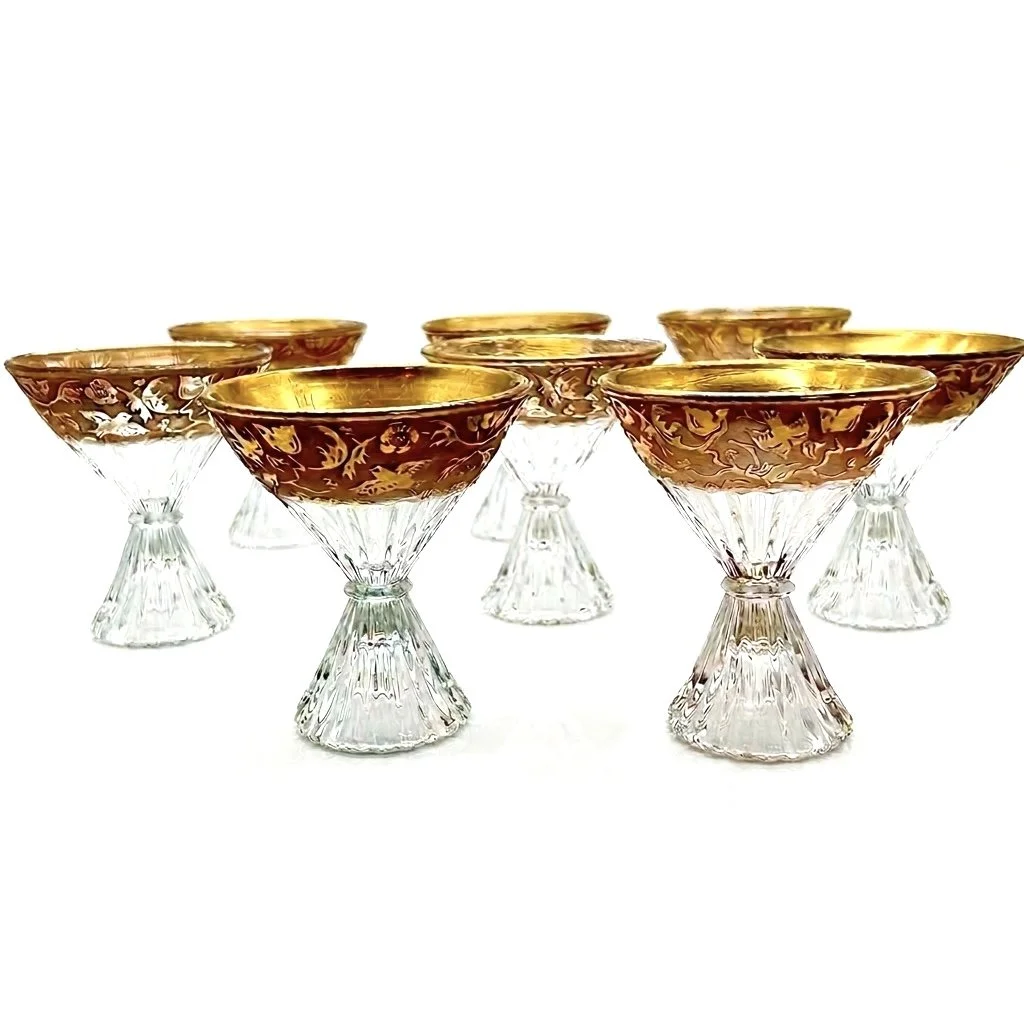 Image 1 of 34
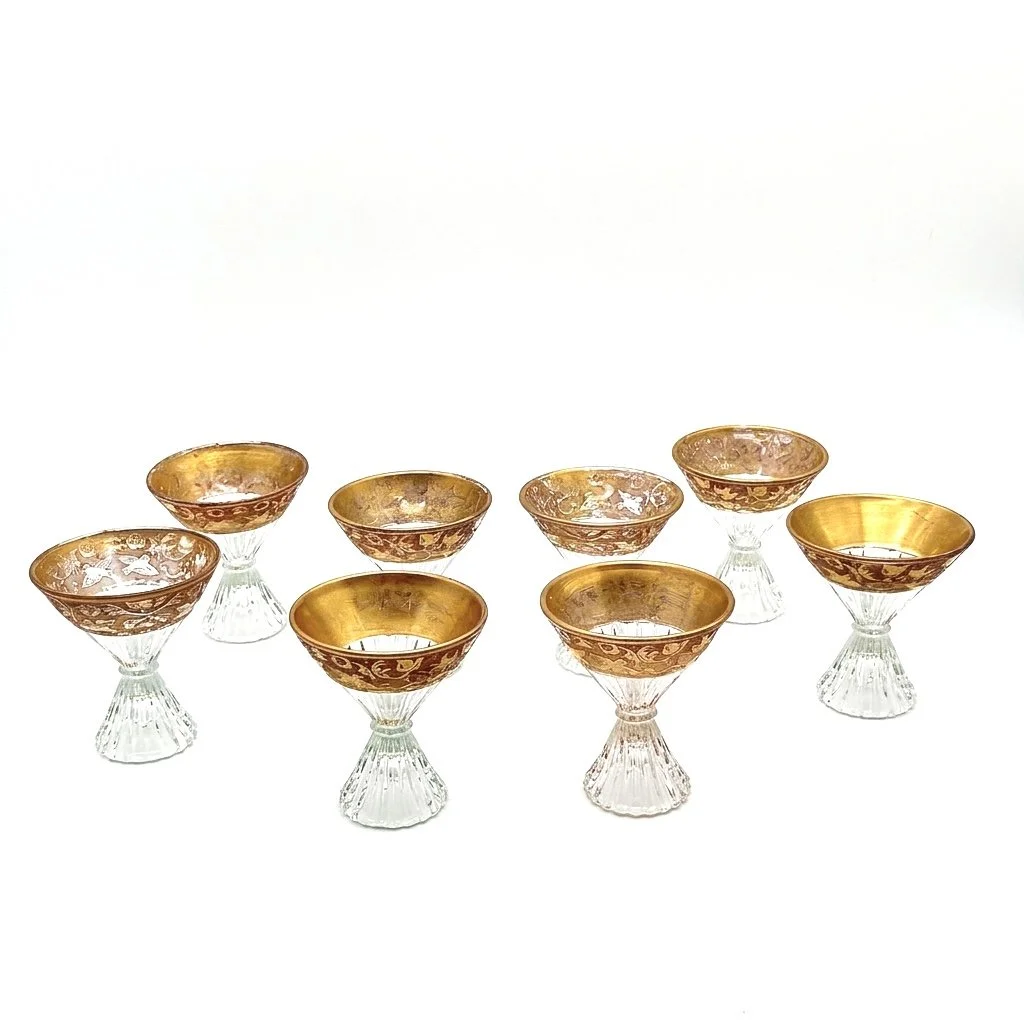 Image 2 of 34
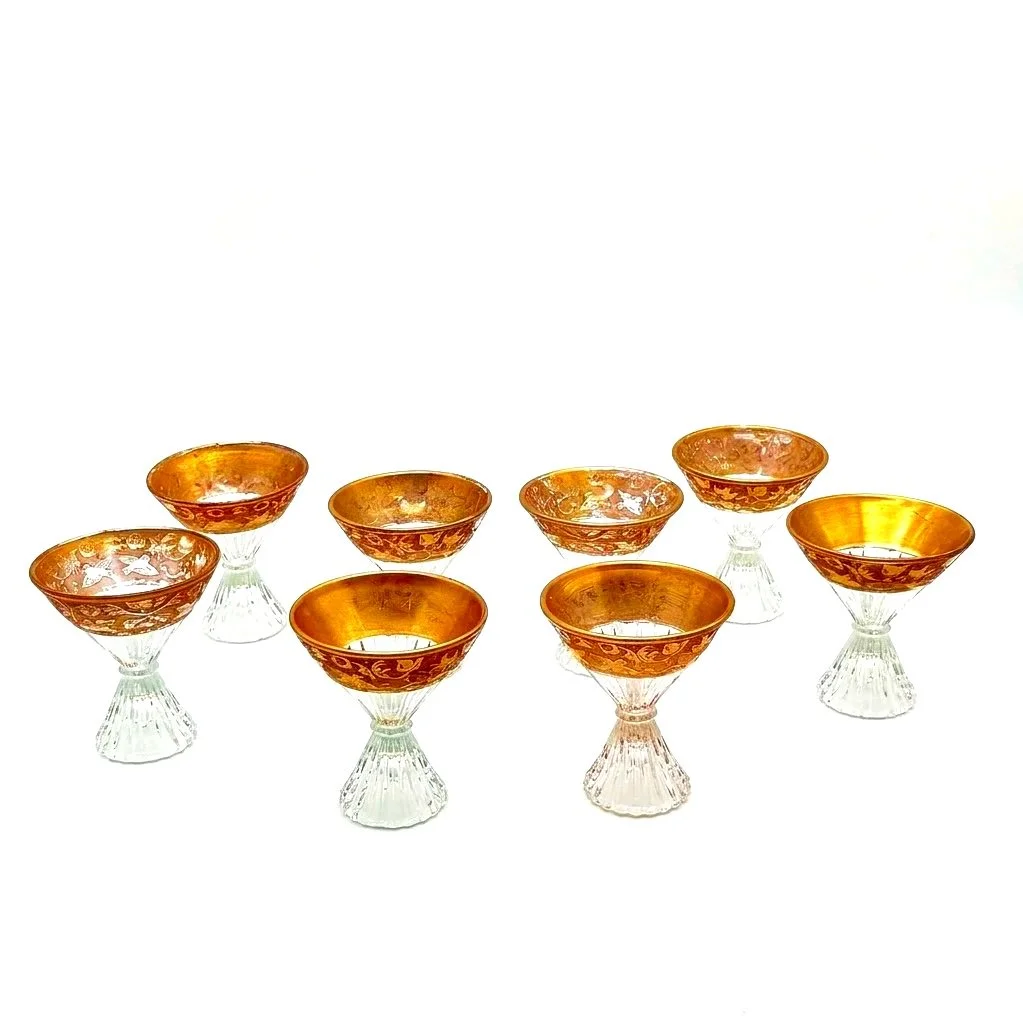 Image 3 of 34
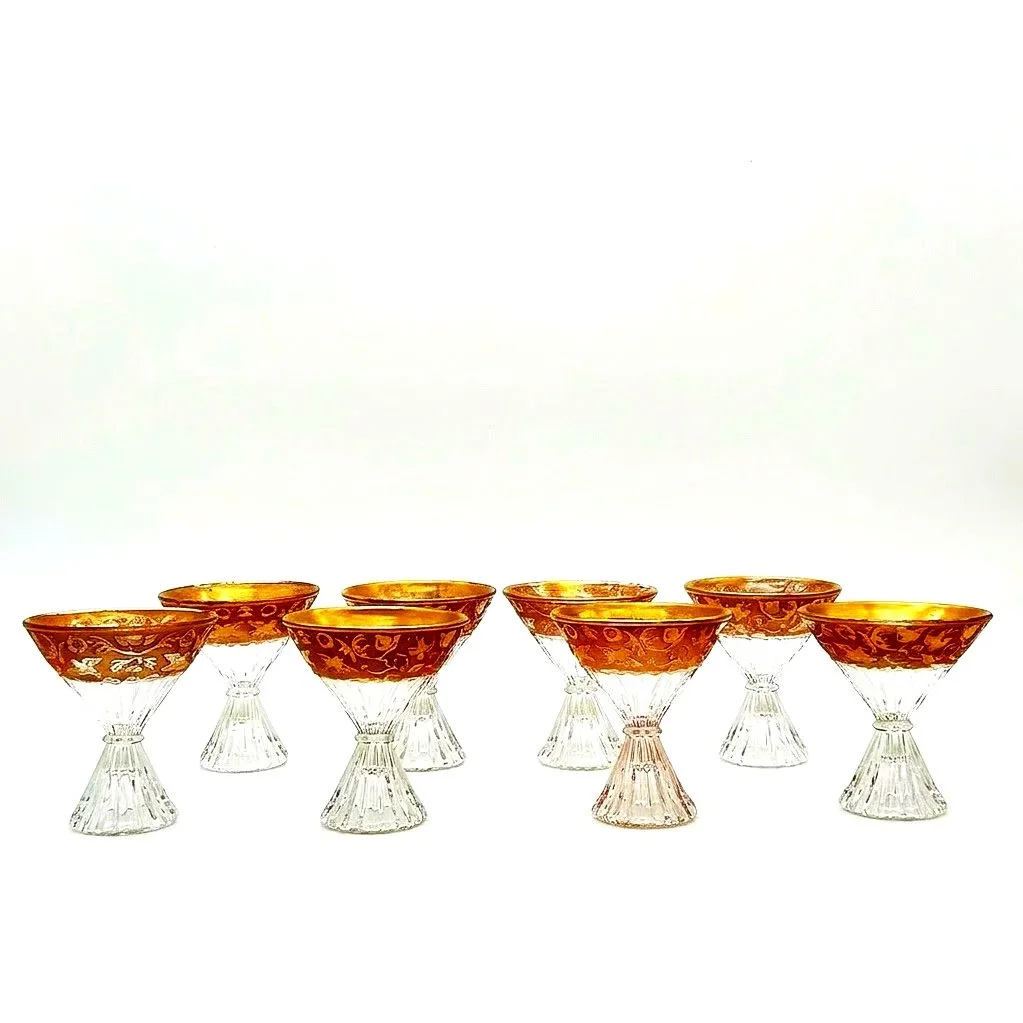 Image 4 of 34
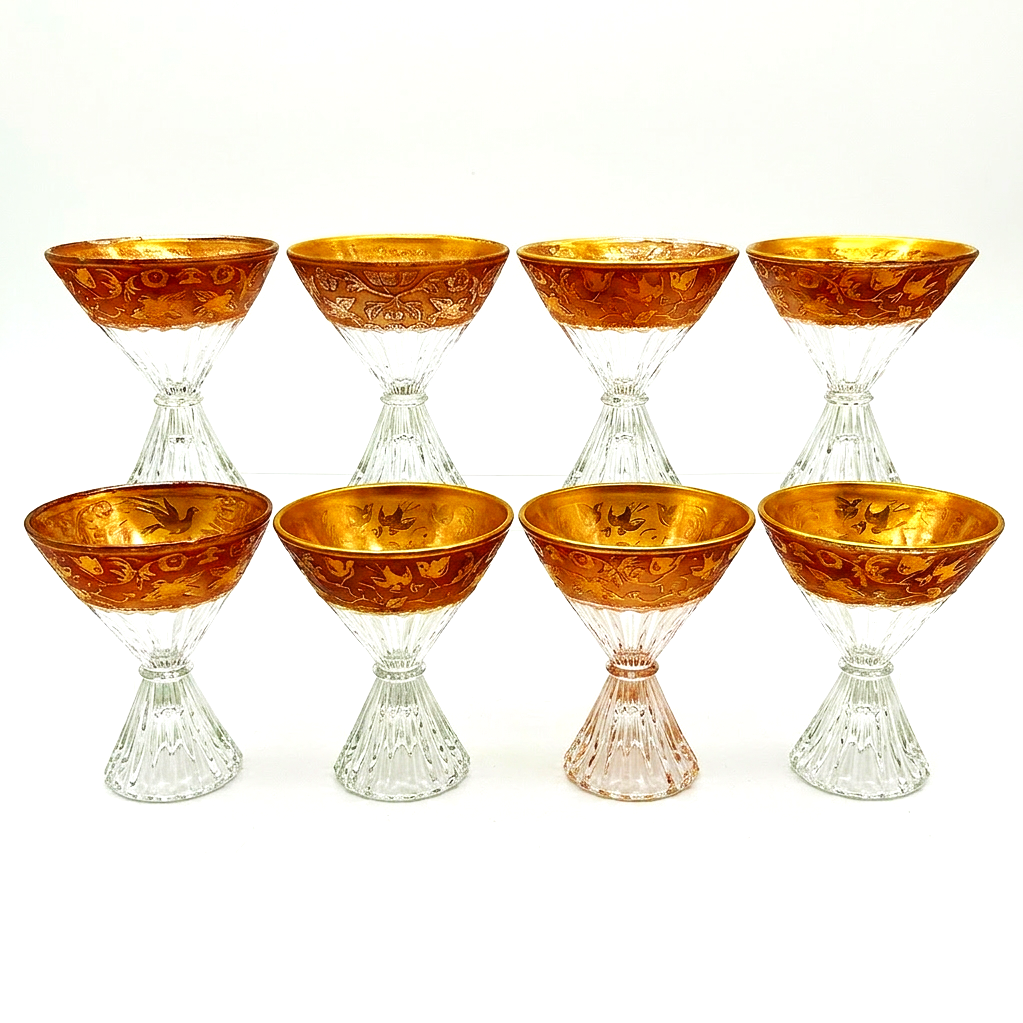 Image 5 of 34
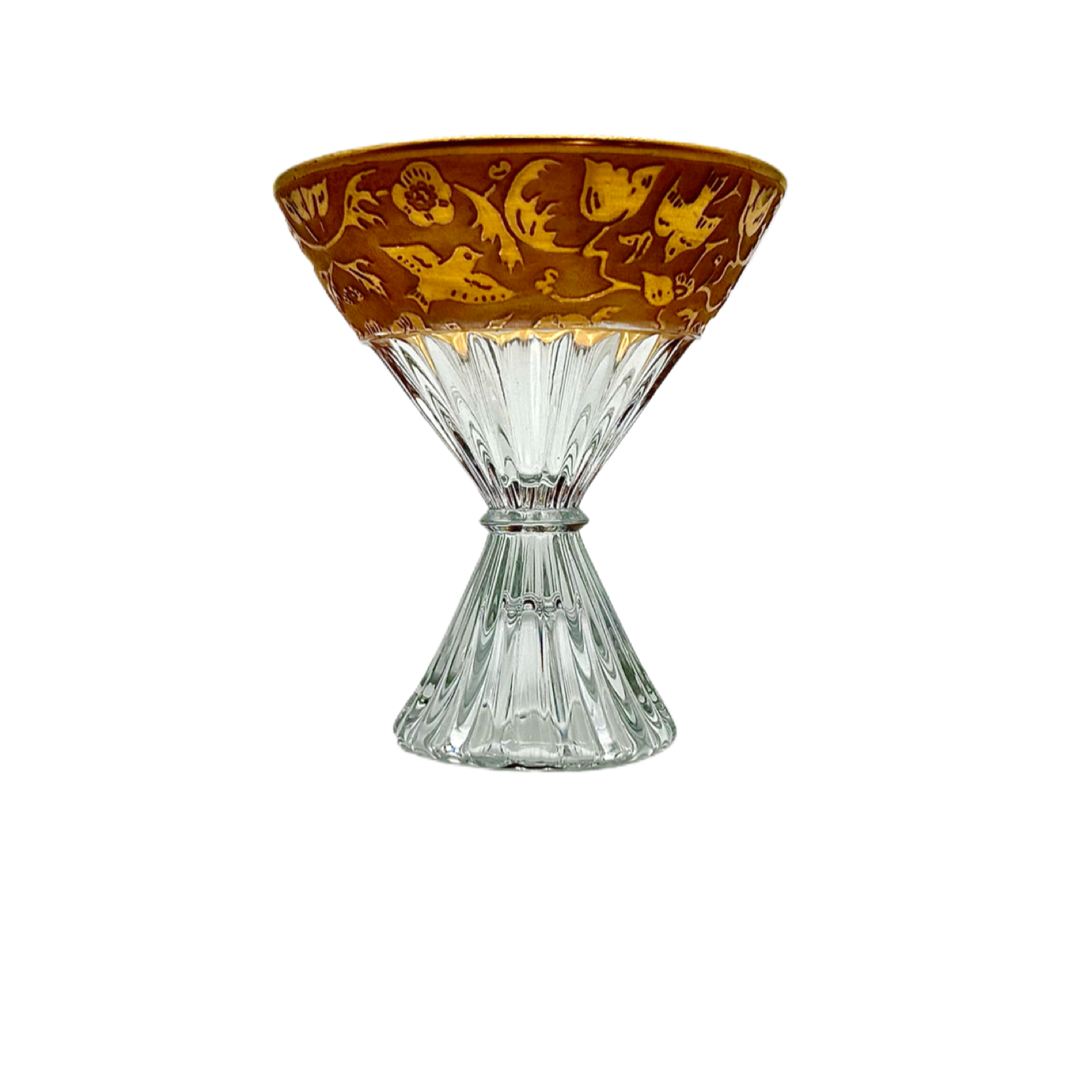 Image 6 of 34
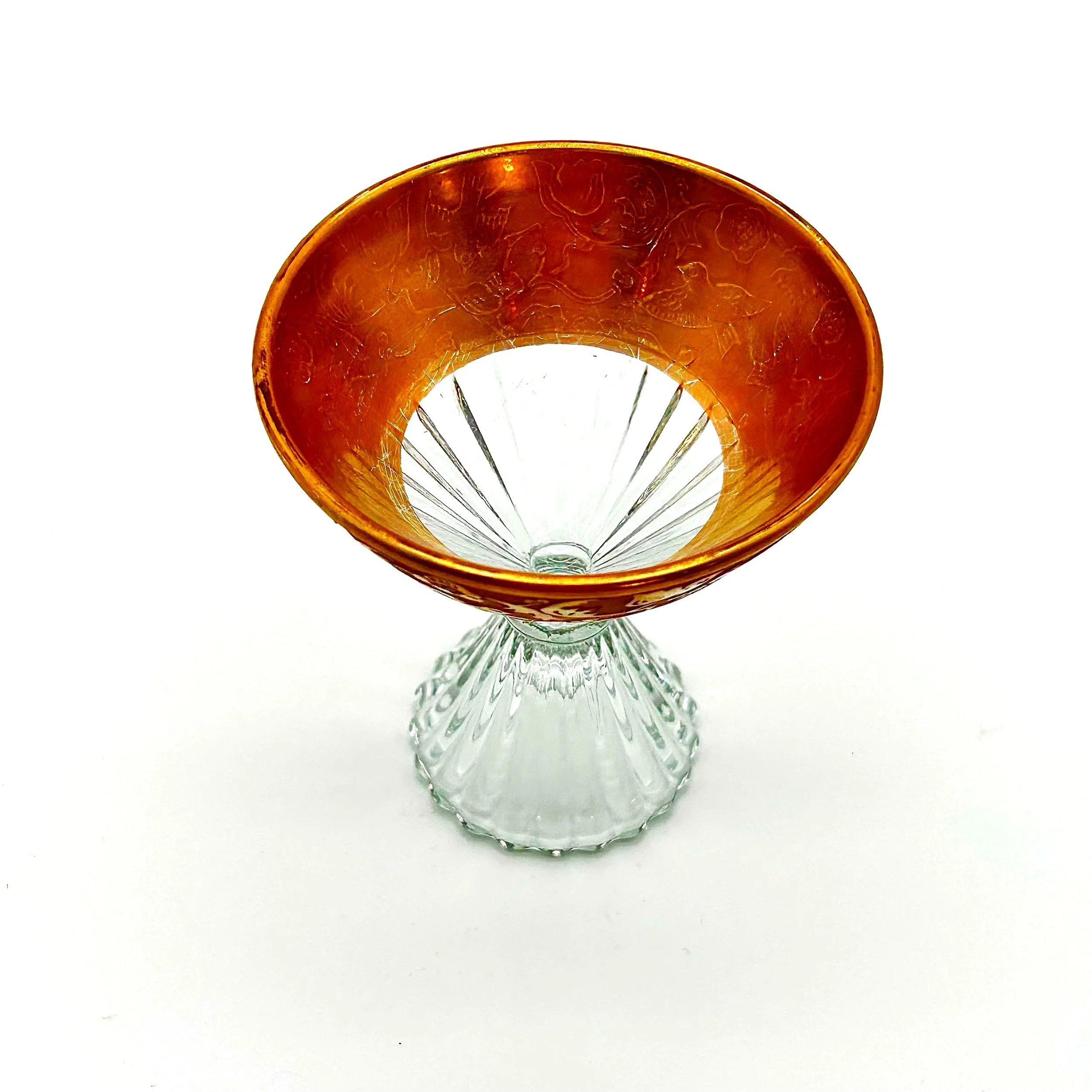 Image 7 of 34
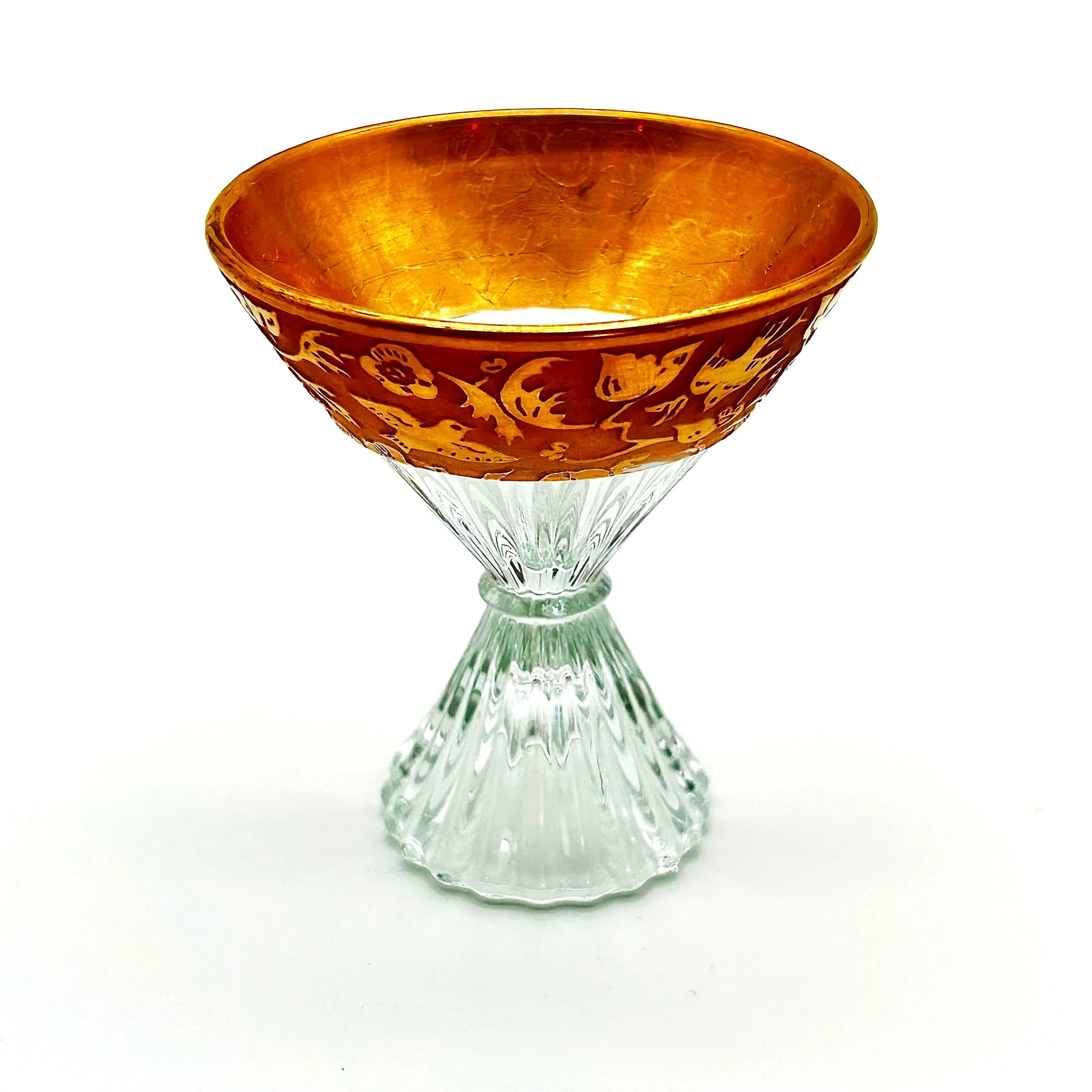 Image 8 of 34
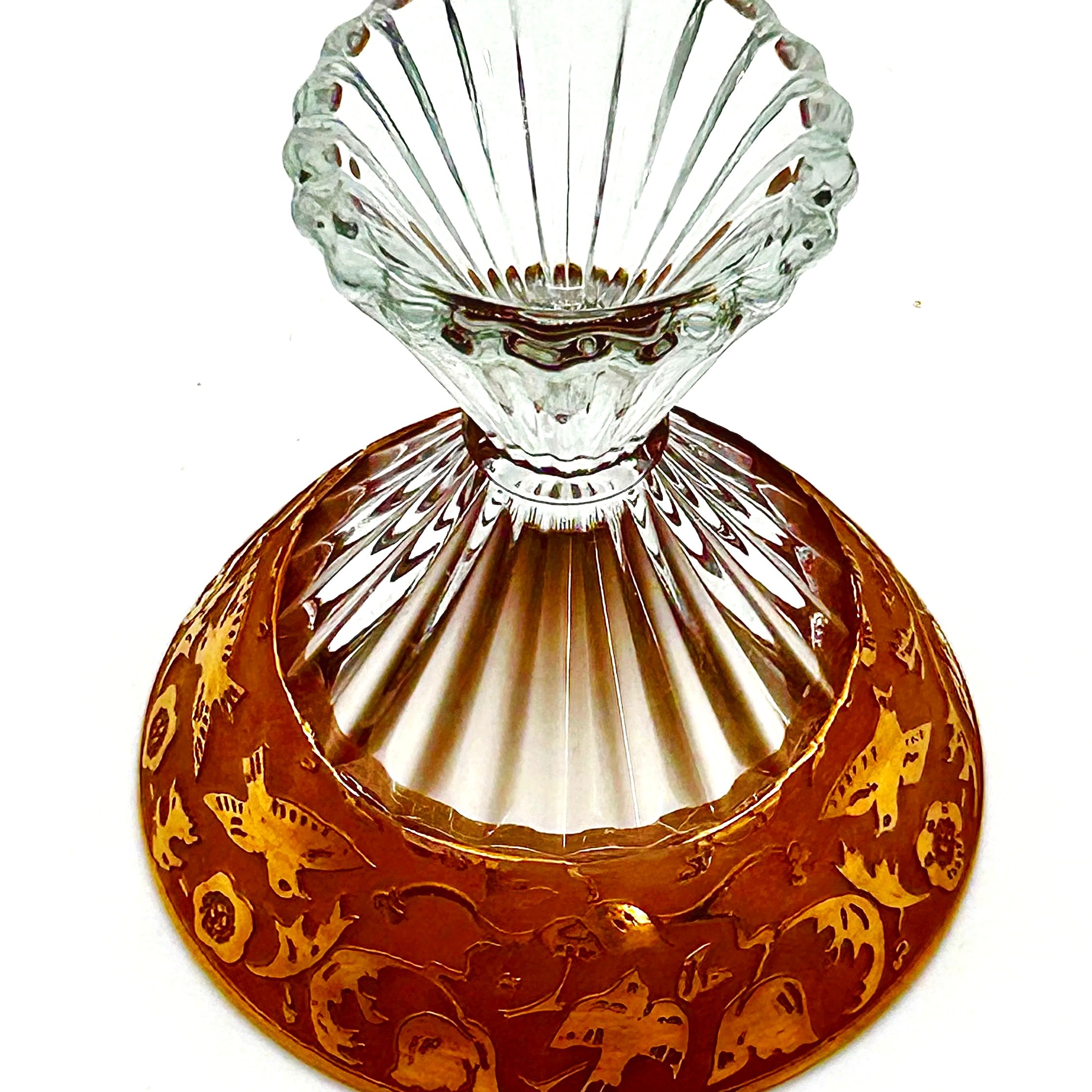 Image 9 of 34
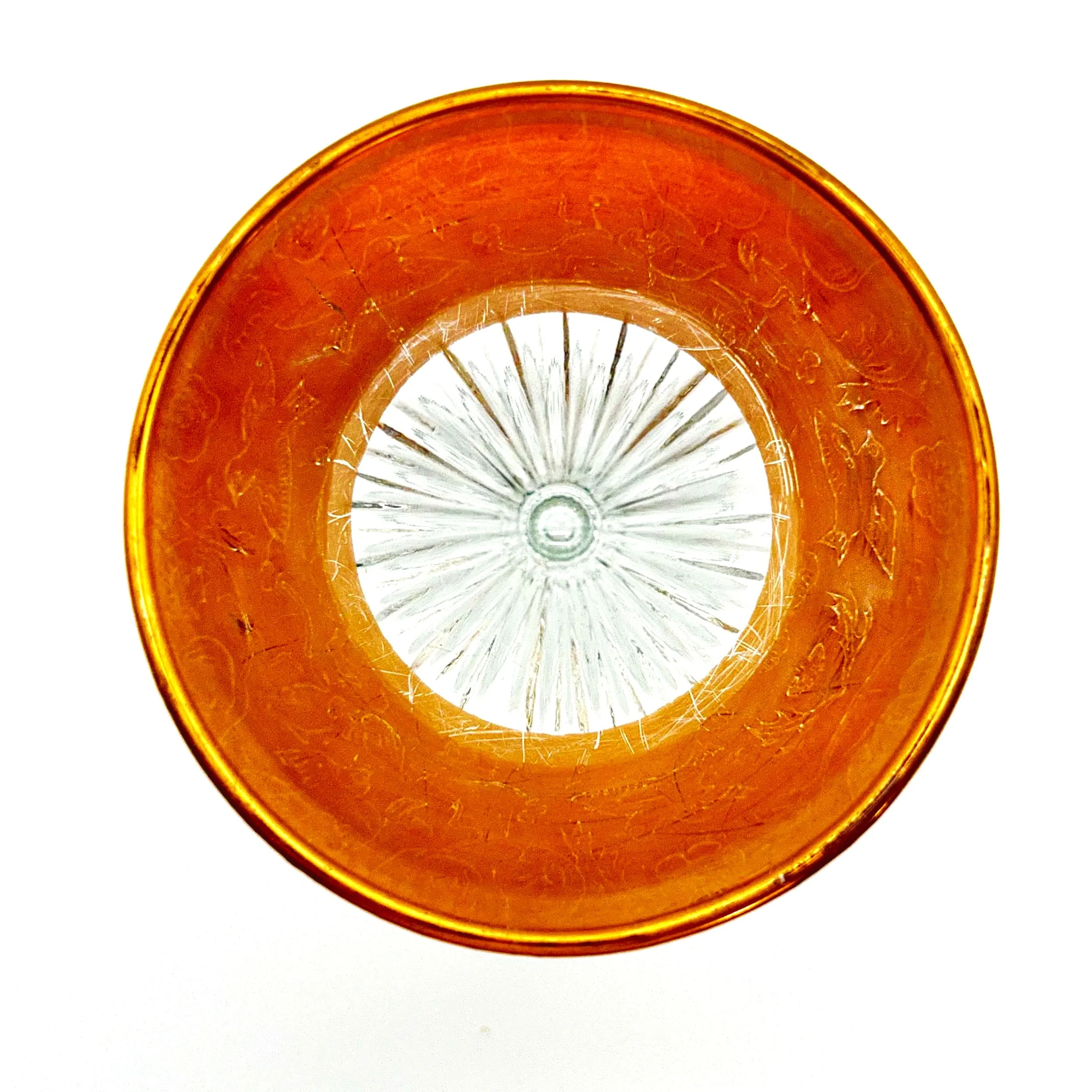 Image 10 of 34
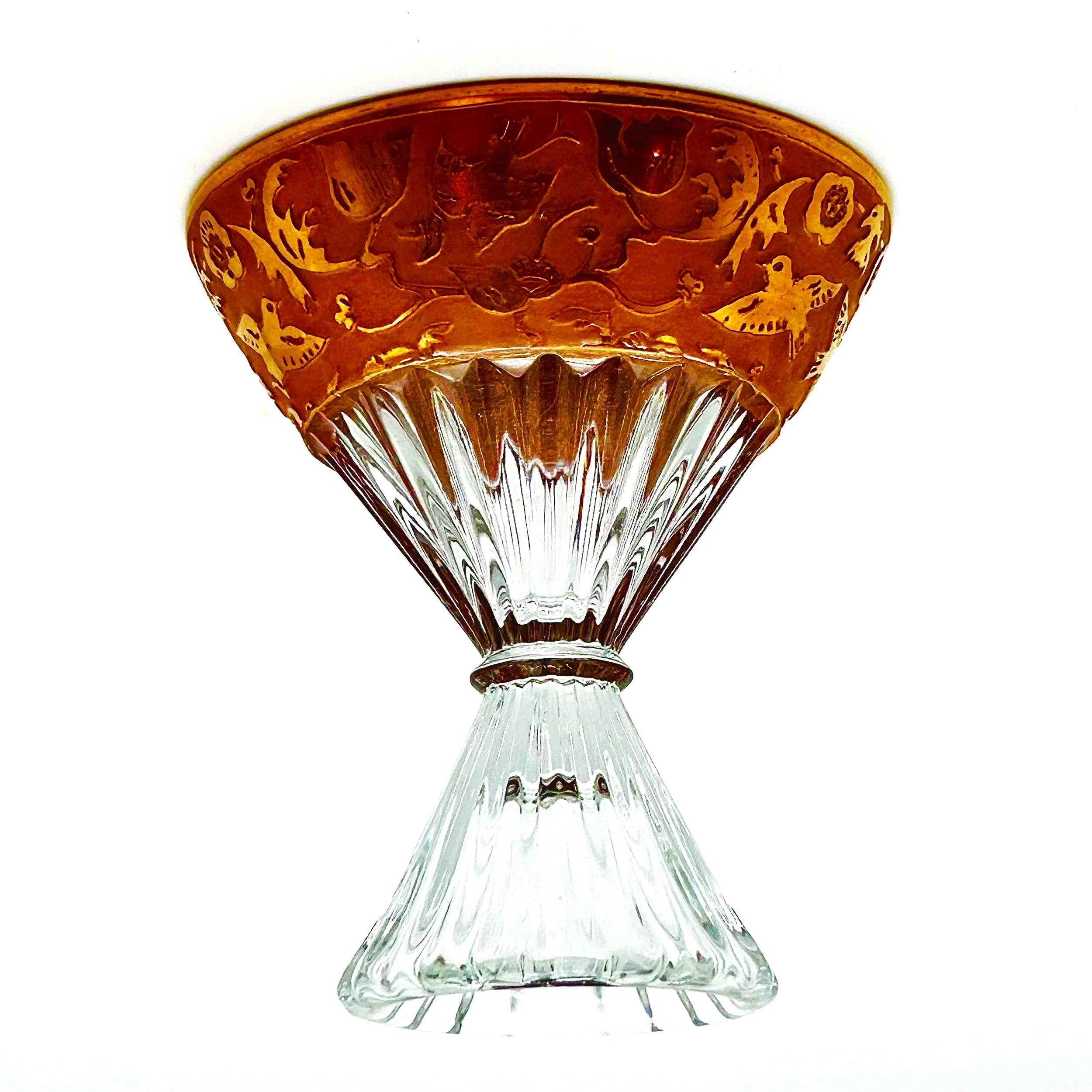 Image 11 of 34
 Image 12 of 34
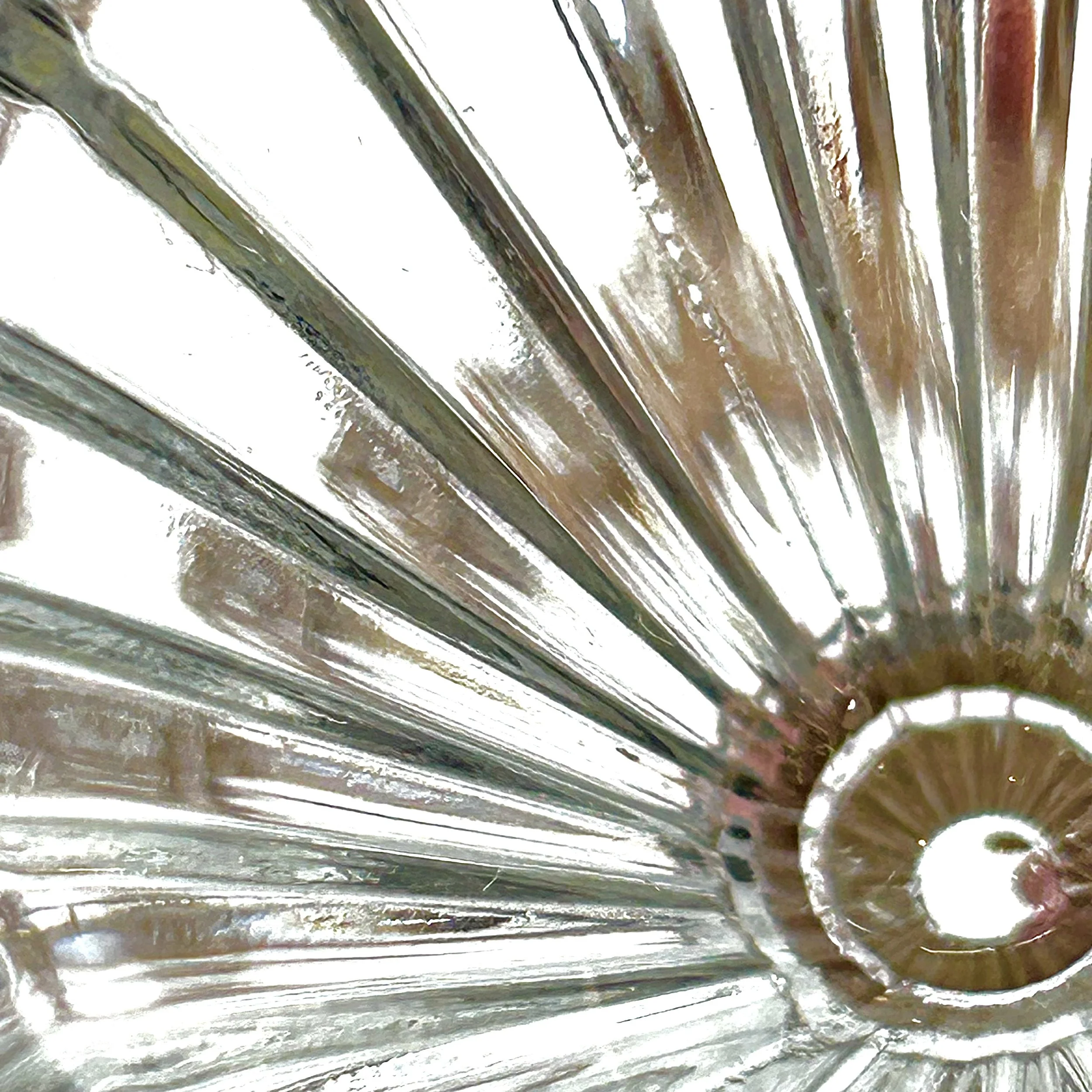 Image 13 of 34
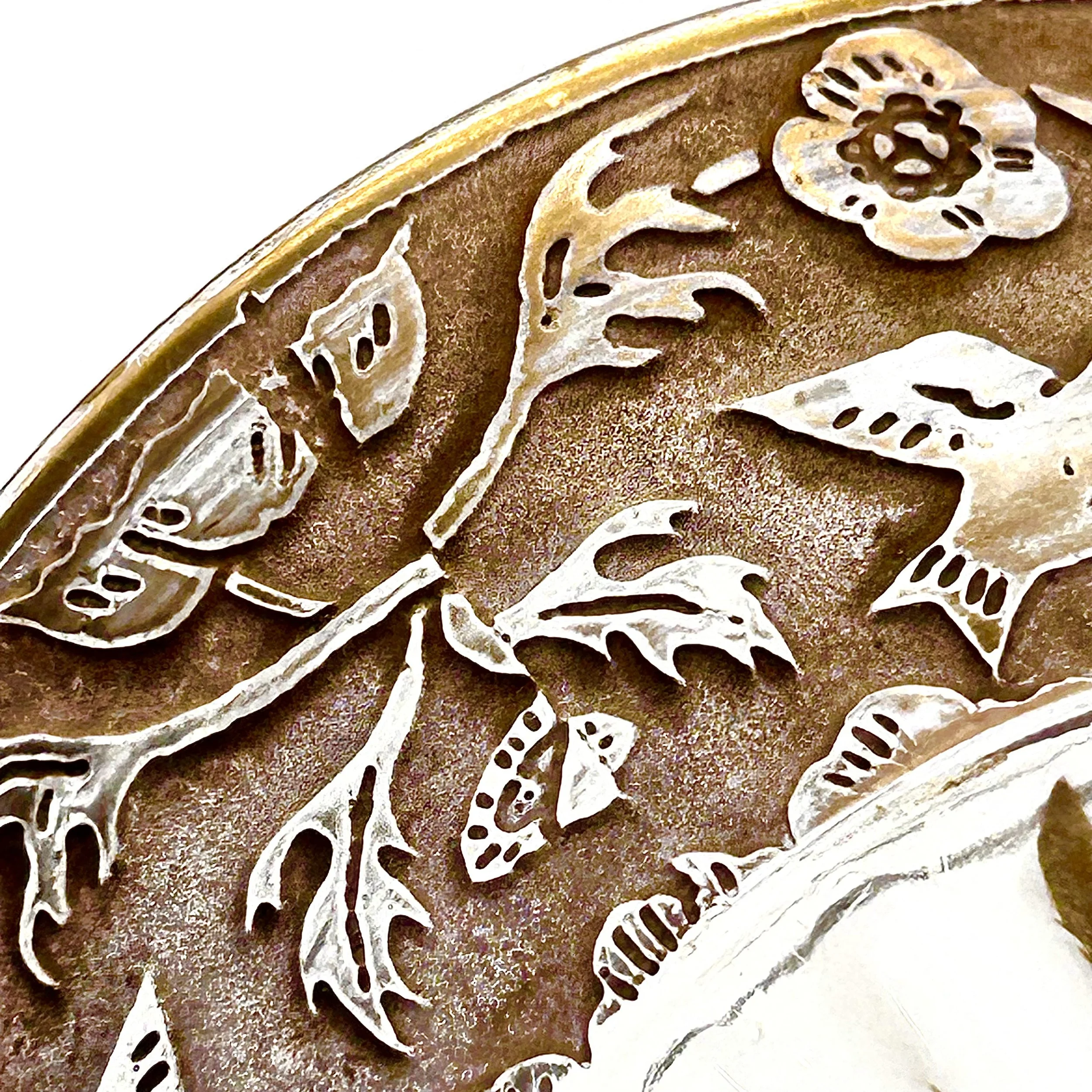 Image 14 of 34
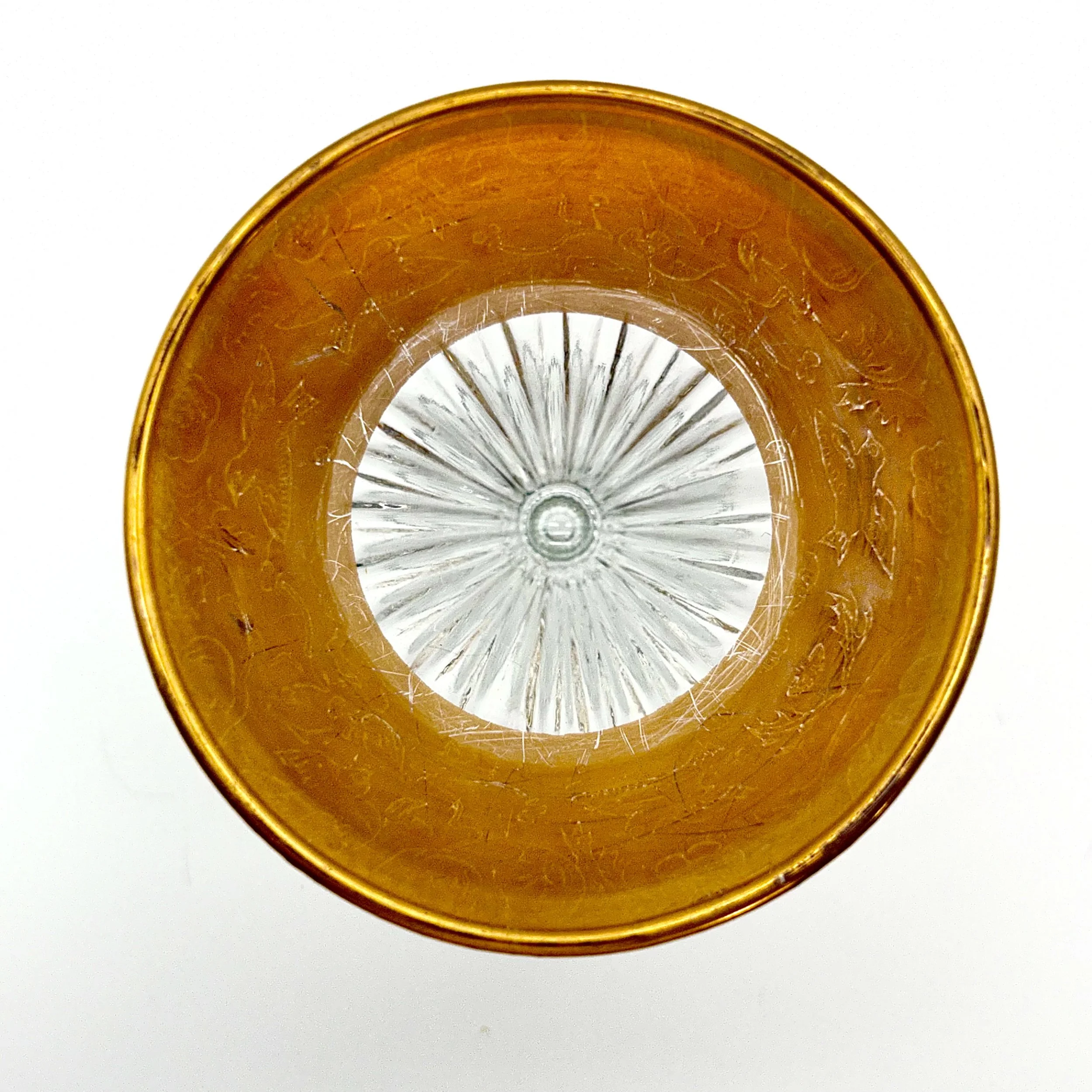 Image 15 of 34
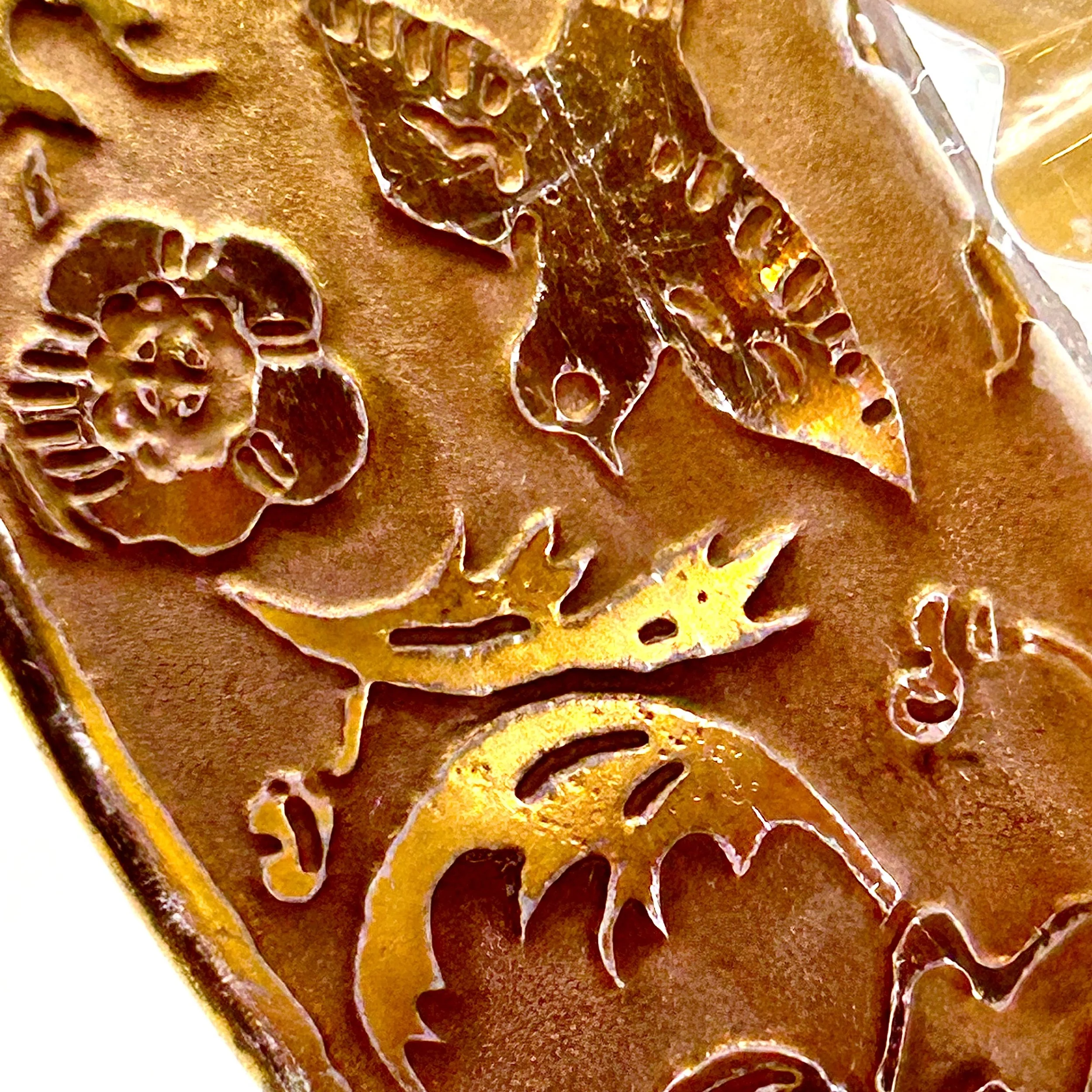 Image 16 of 34
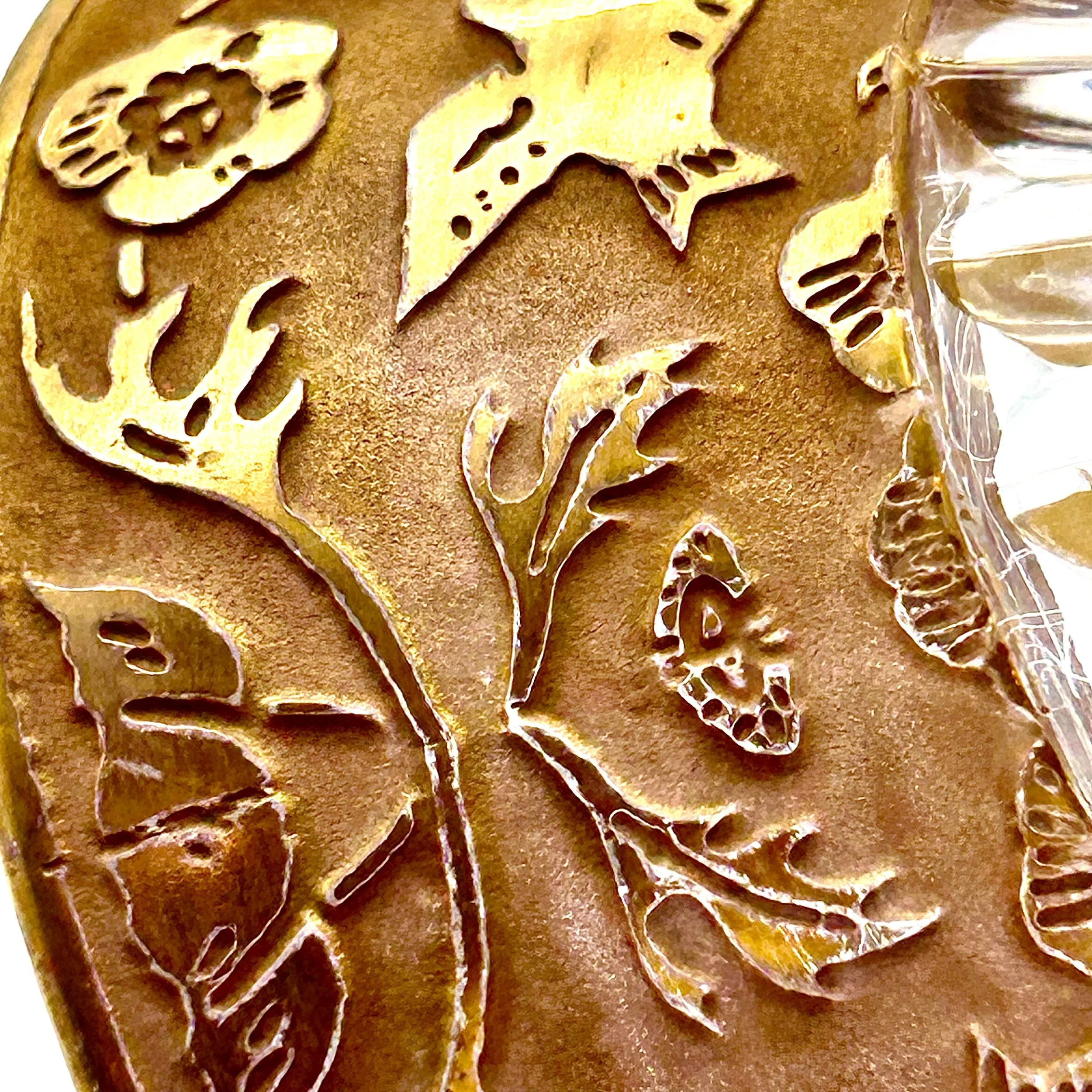 Image 17 of 34
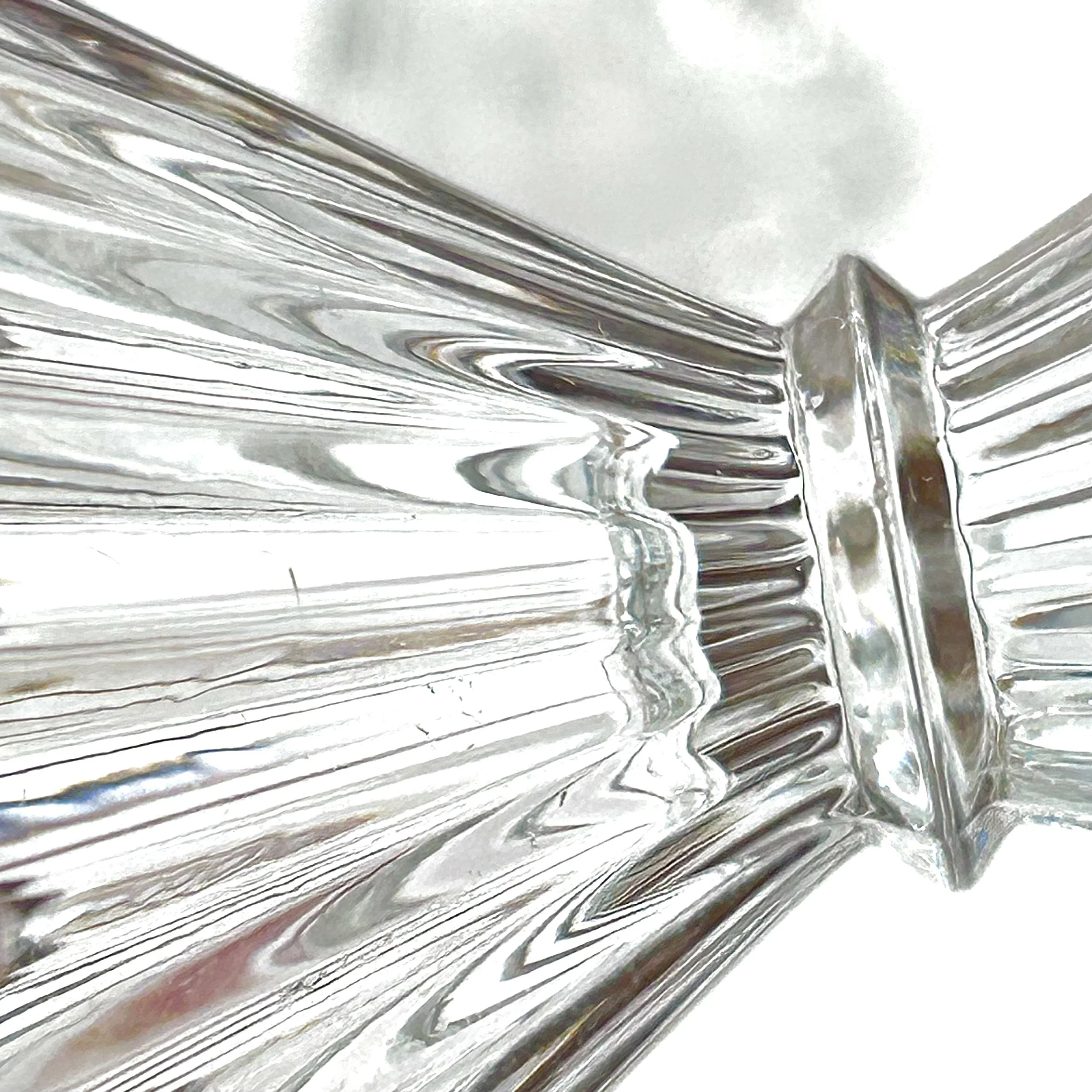 Image 18 of 34
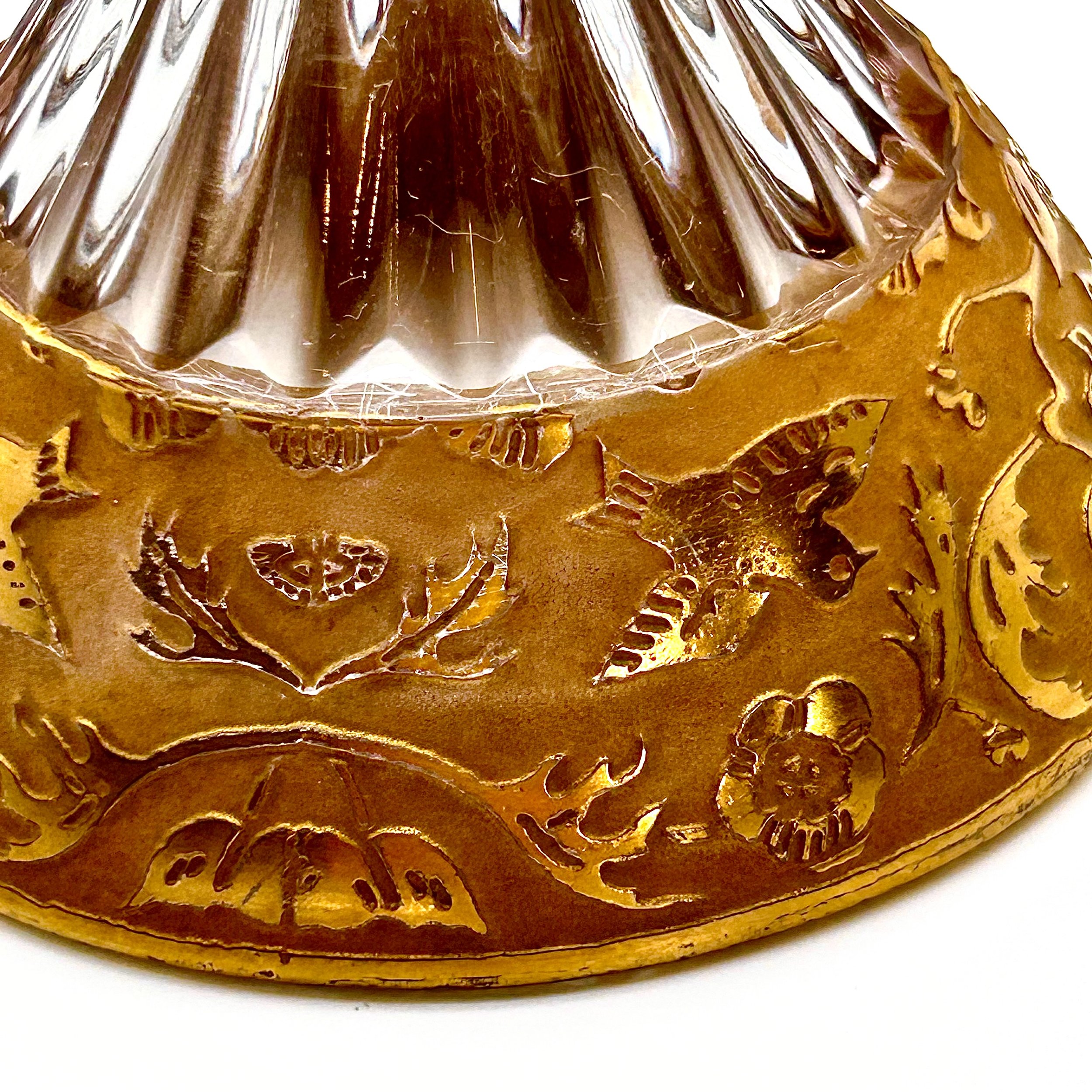 Image 19 of 34
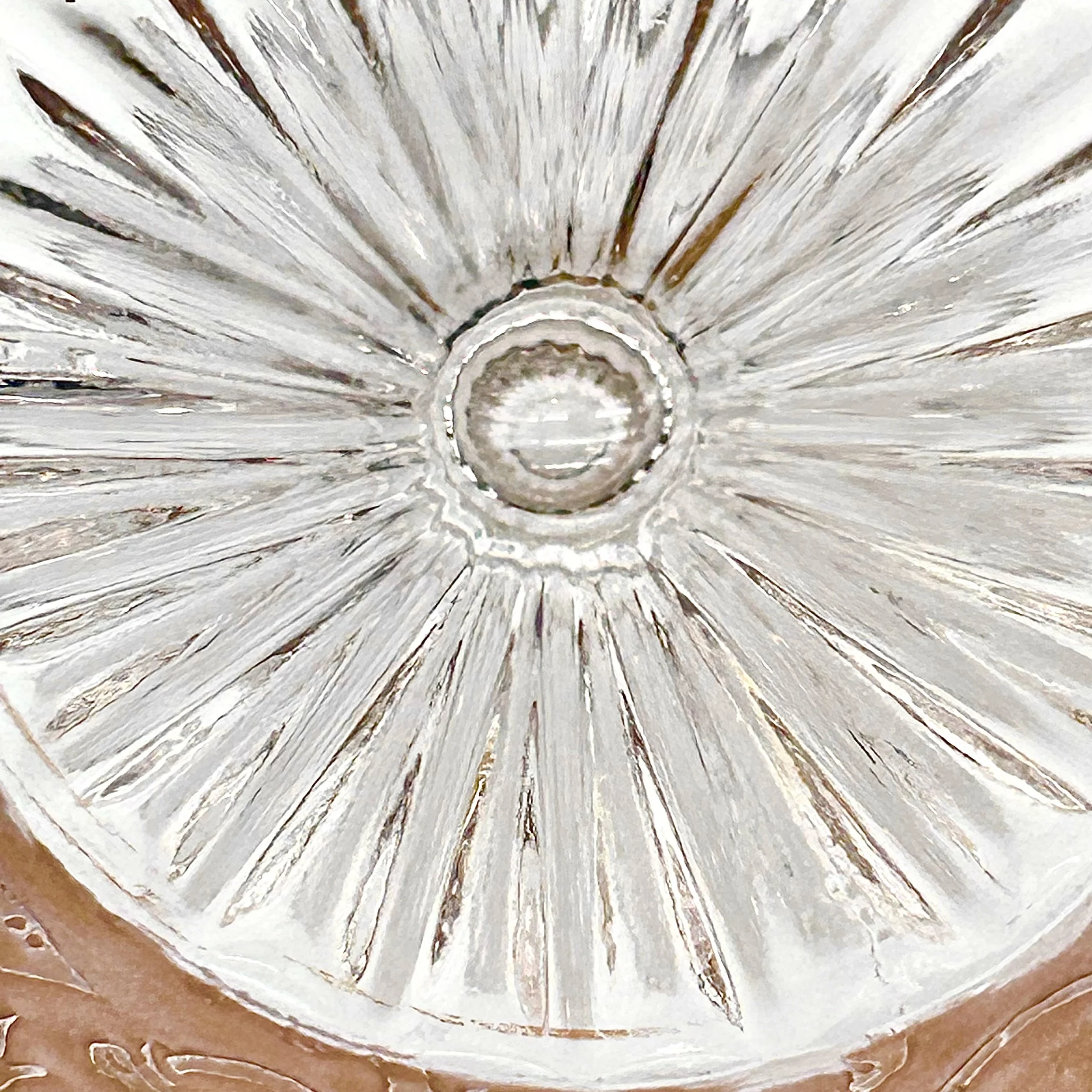 Image 20 of 34
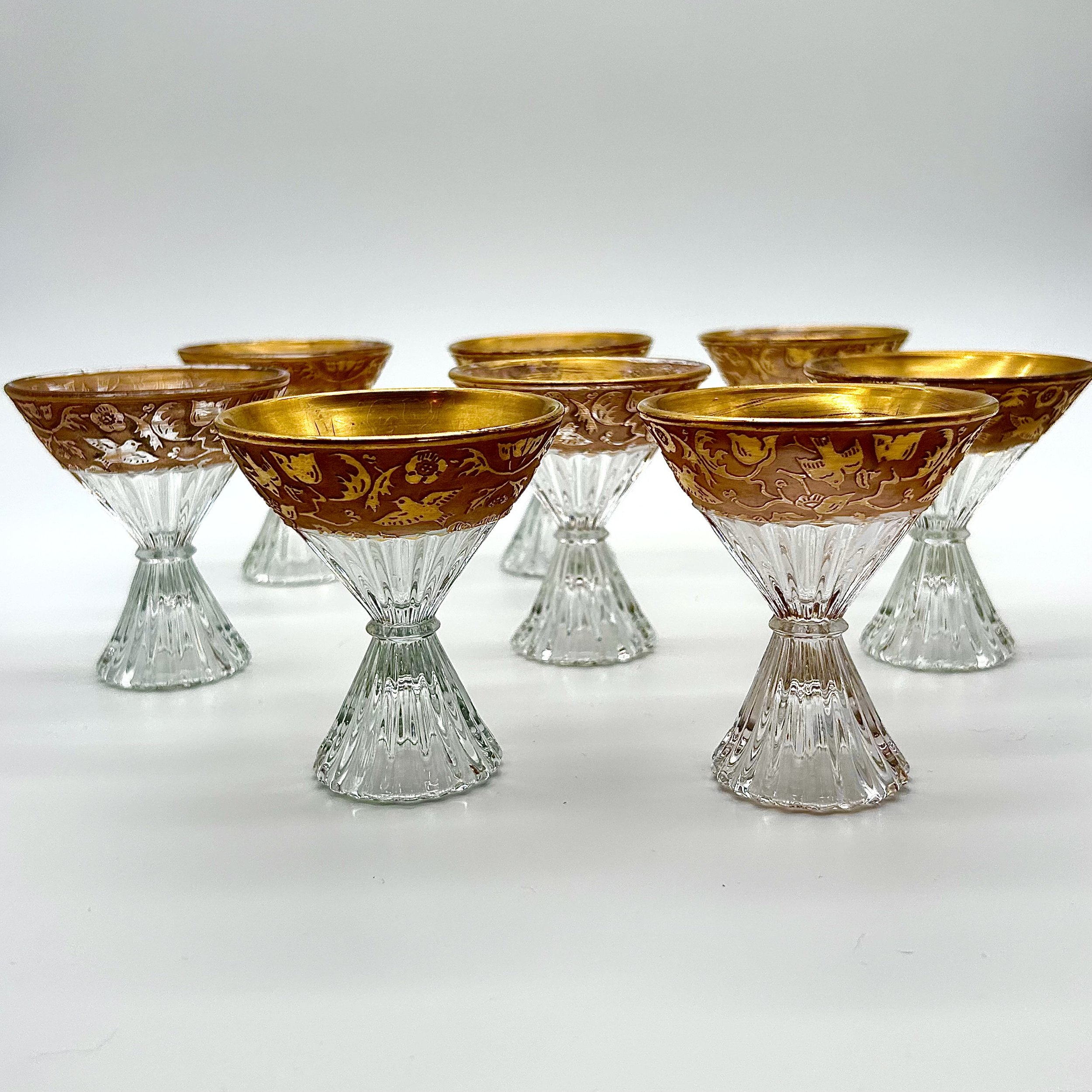 Image 21 of 34
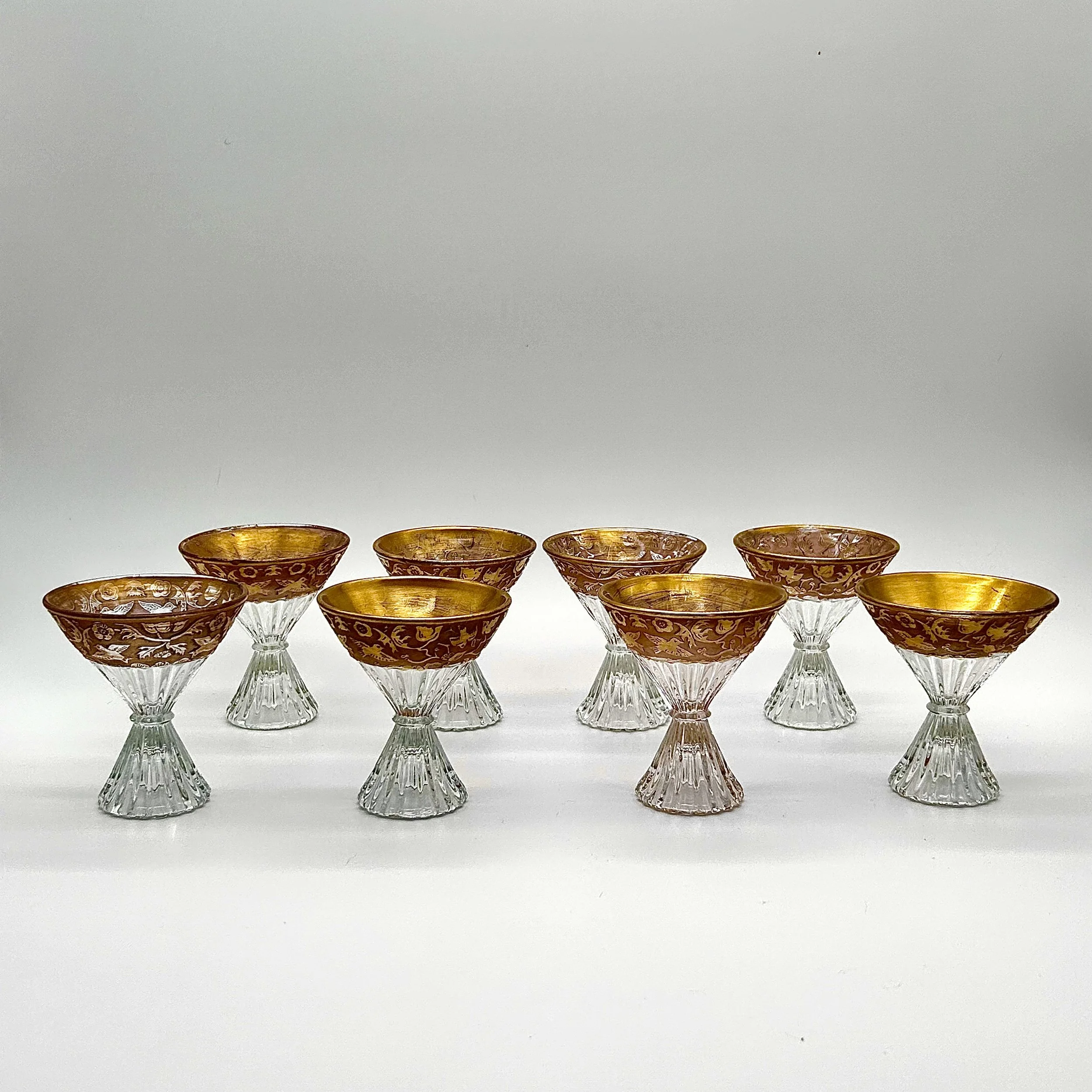 Image 22 of 34
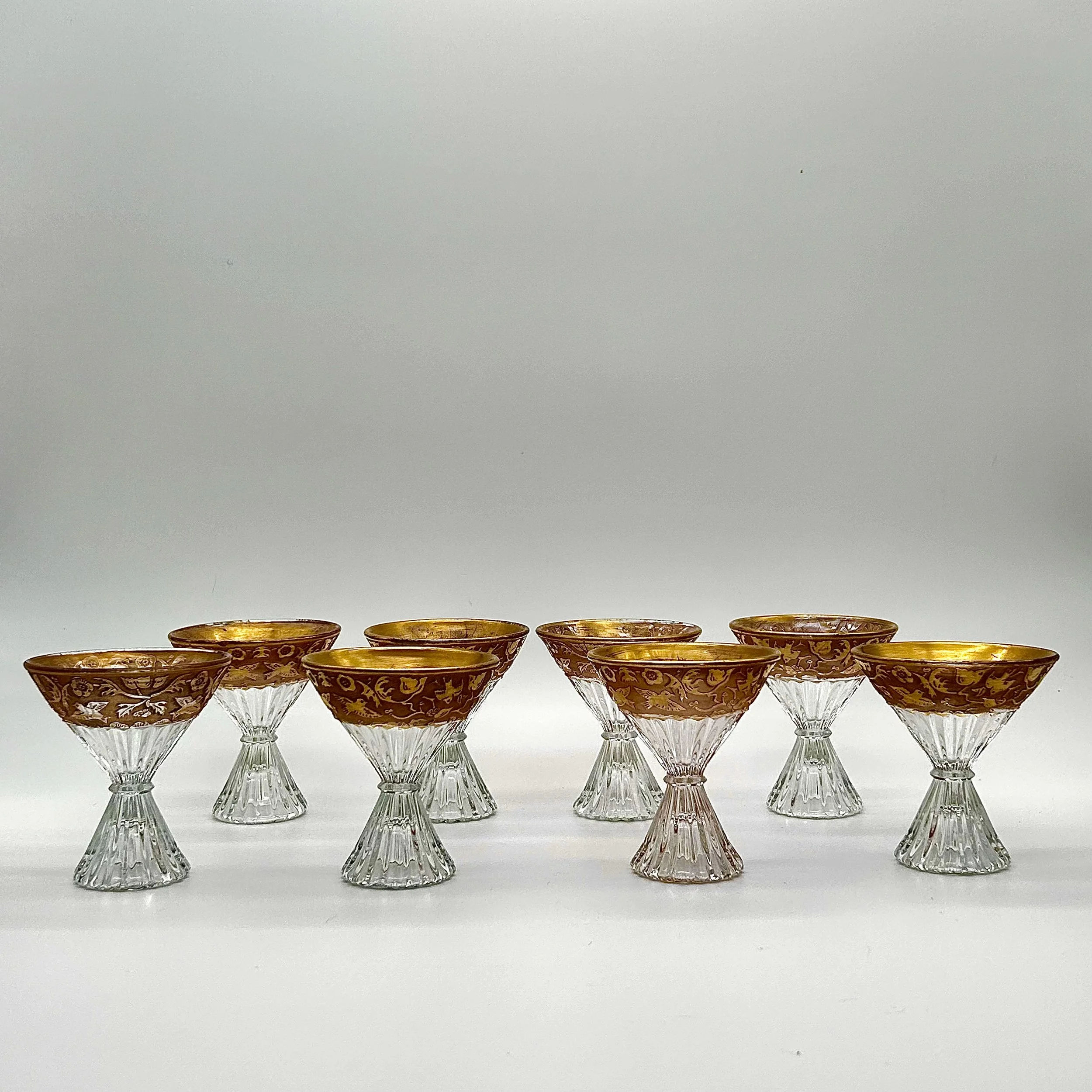 Image 23 of 34
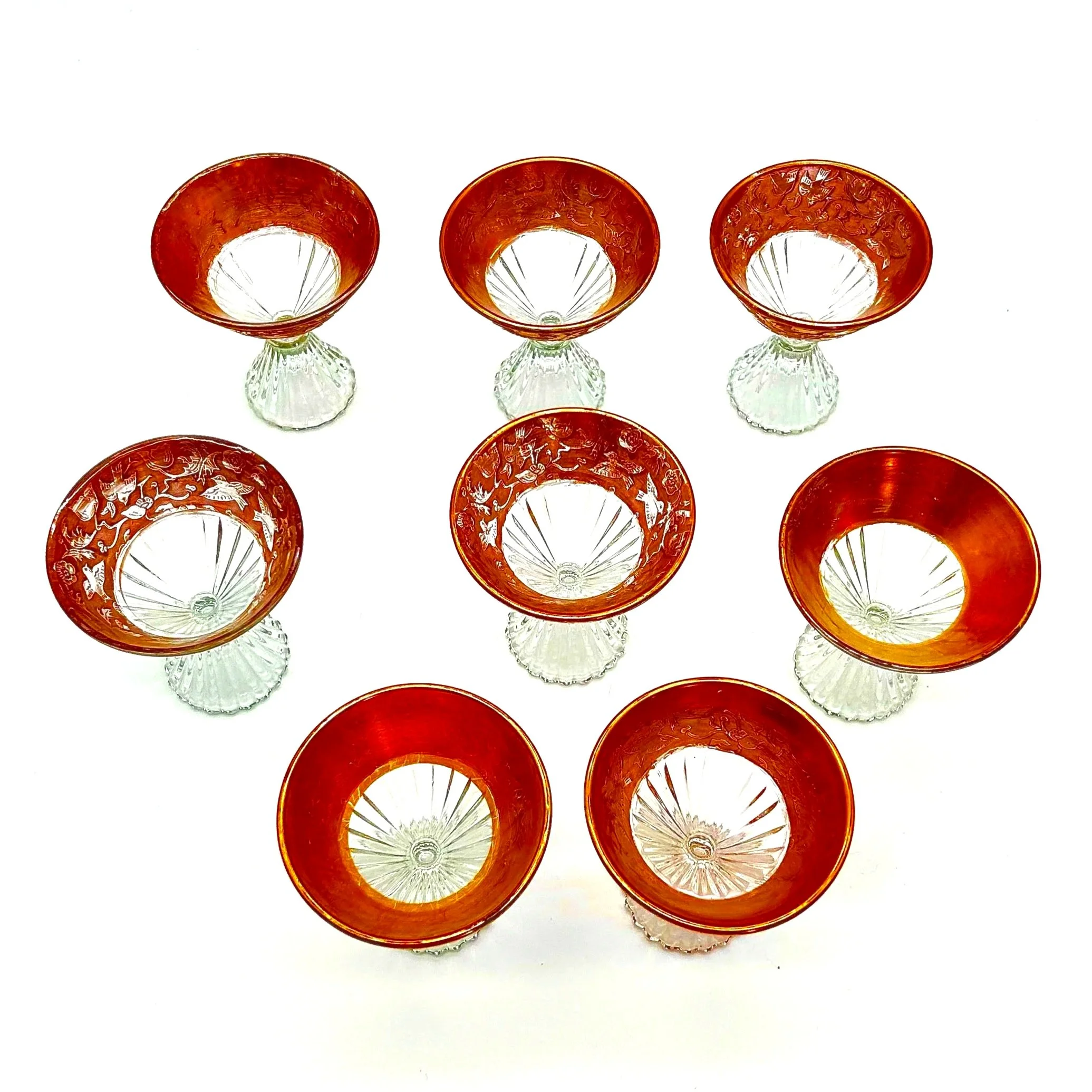 Image 24 of 34
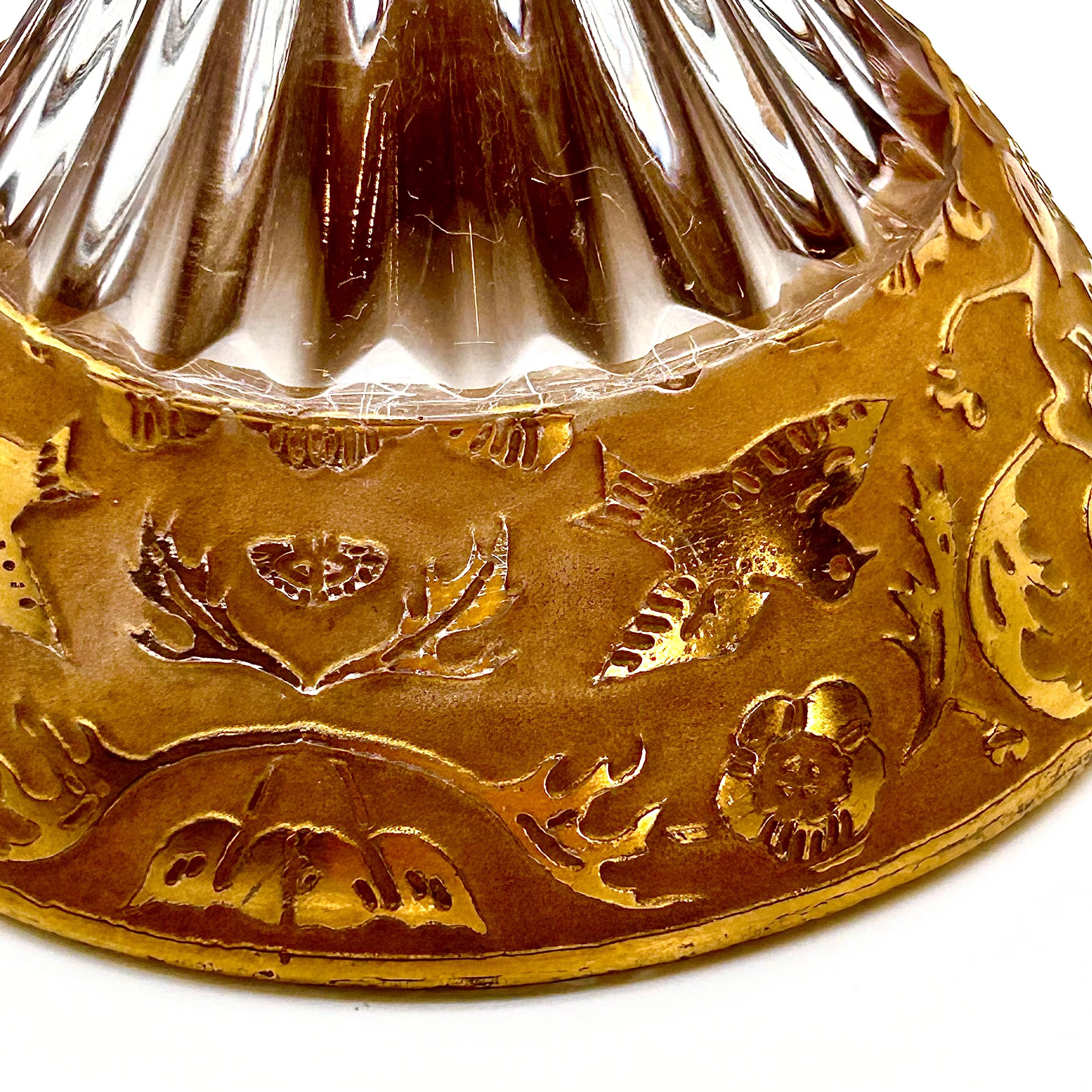 Image 25 of 34
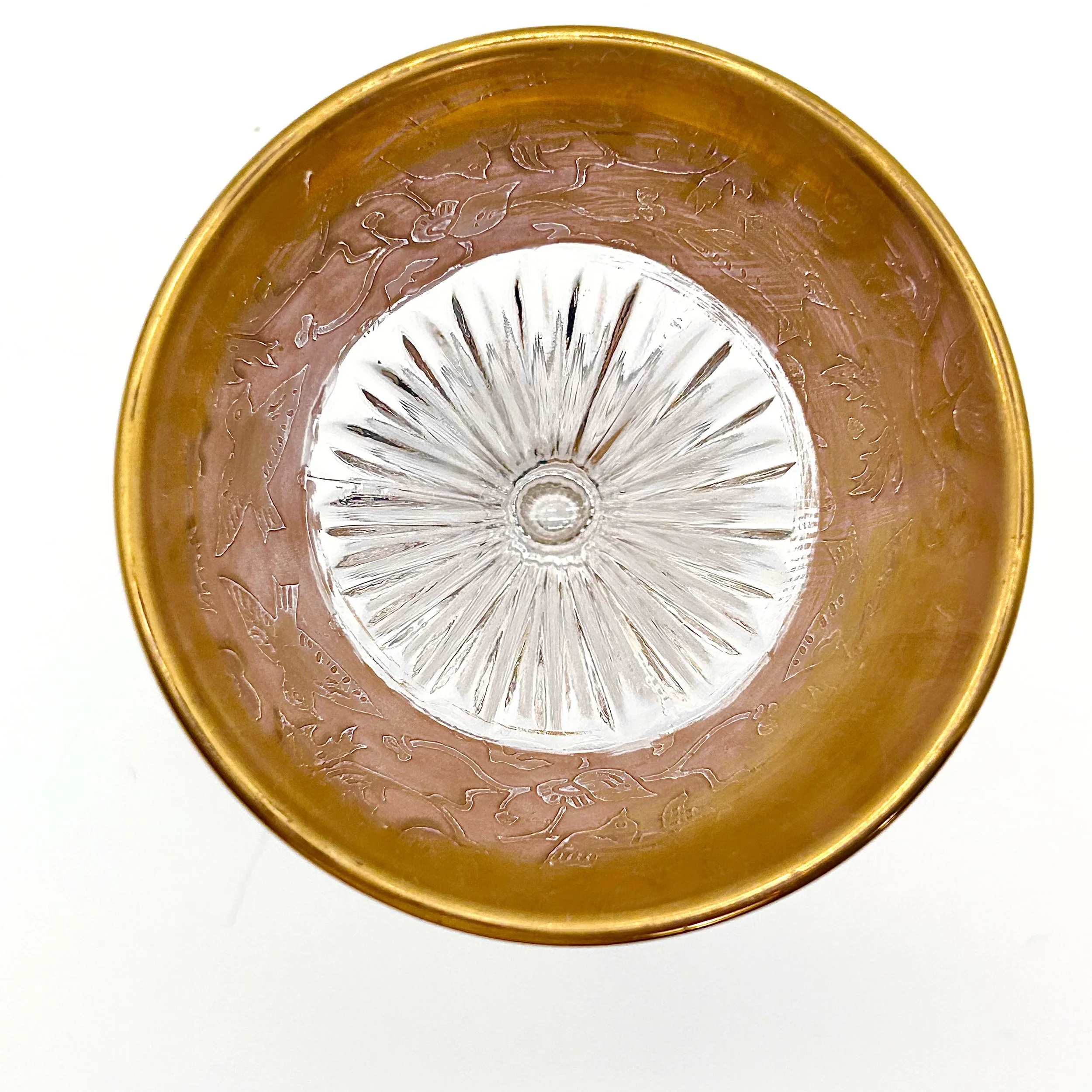 Image 26 of 34
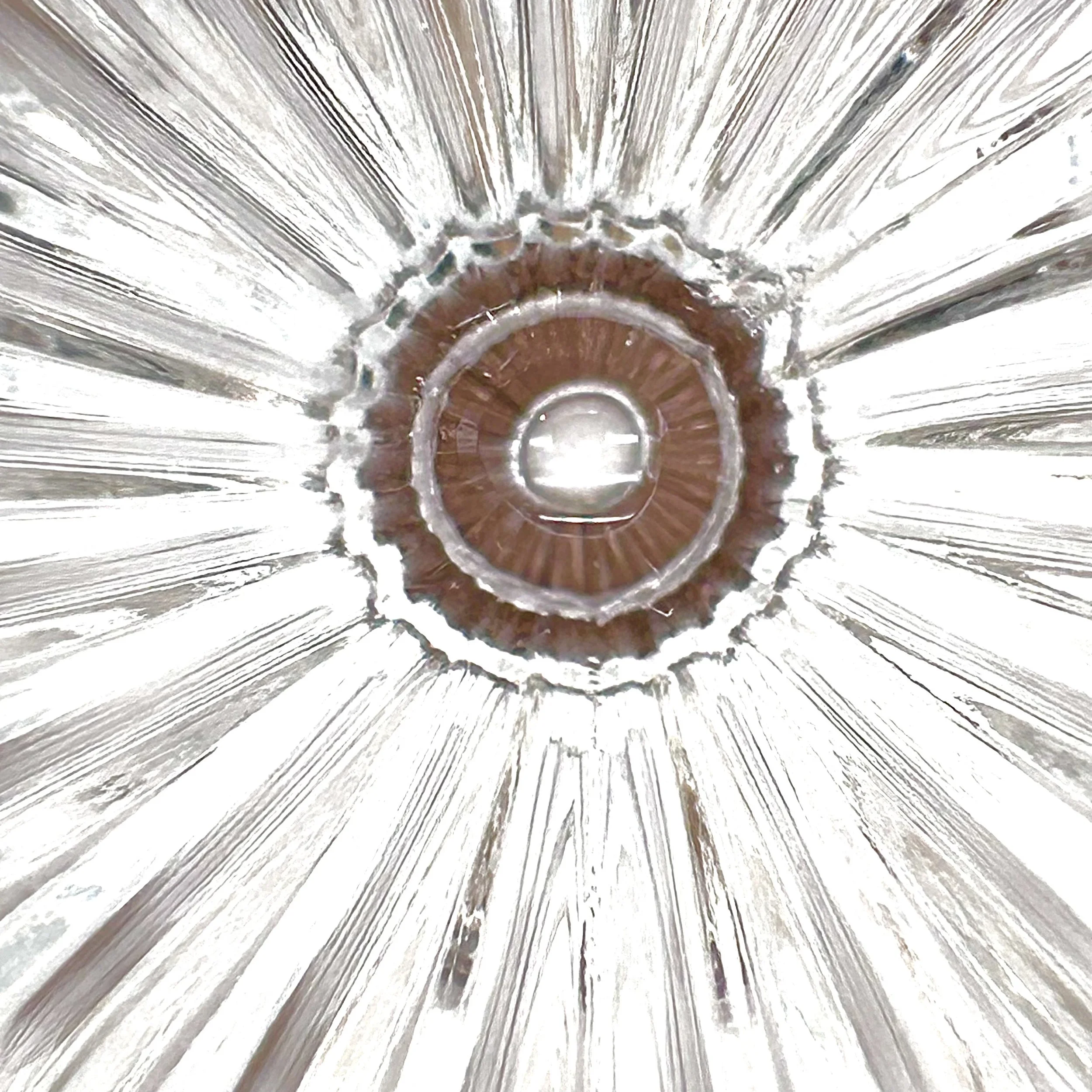 Image 27 of 34
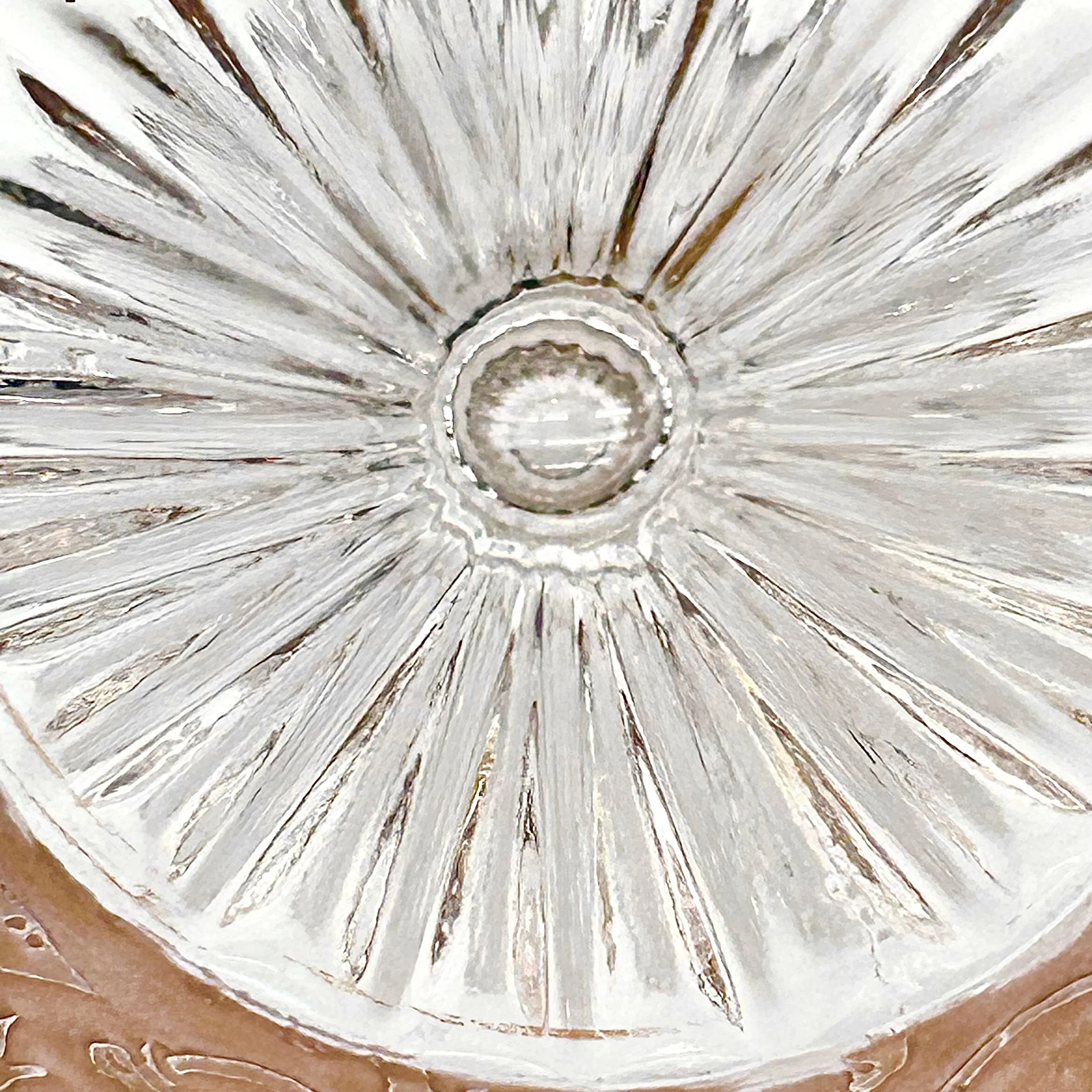 Image 28 of 34
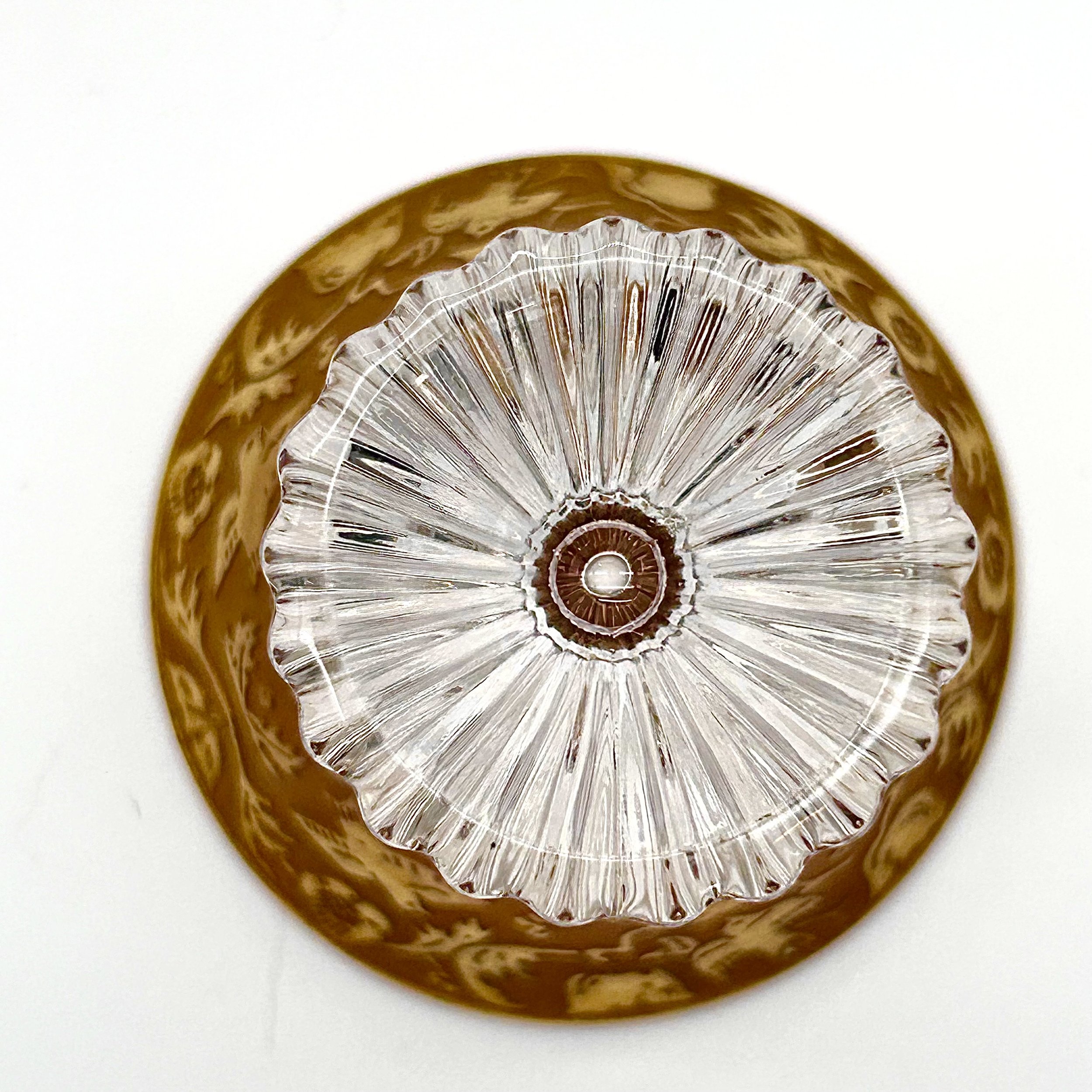 Image 29 of 34
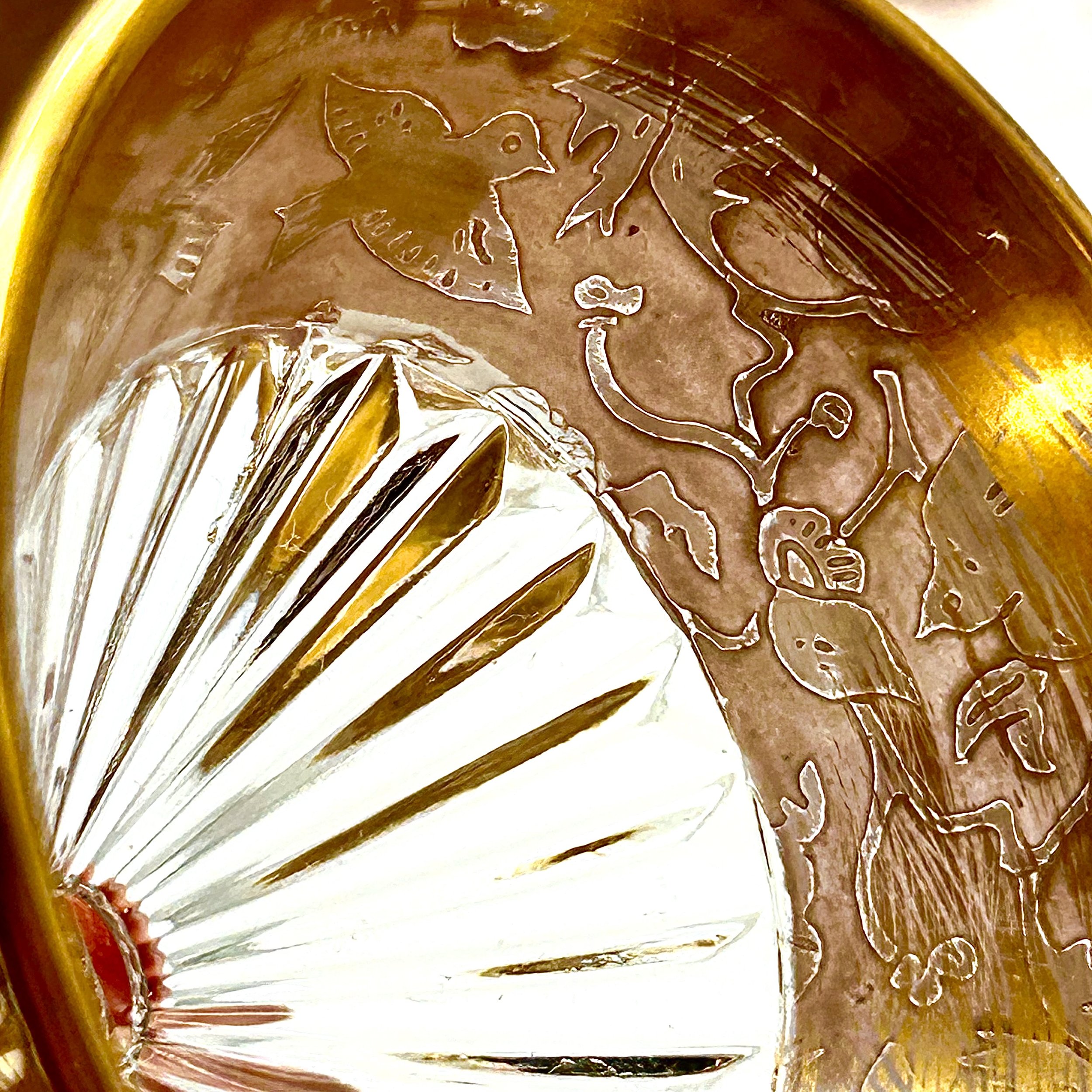 Image 30 of 34
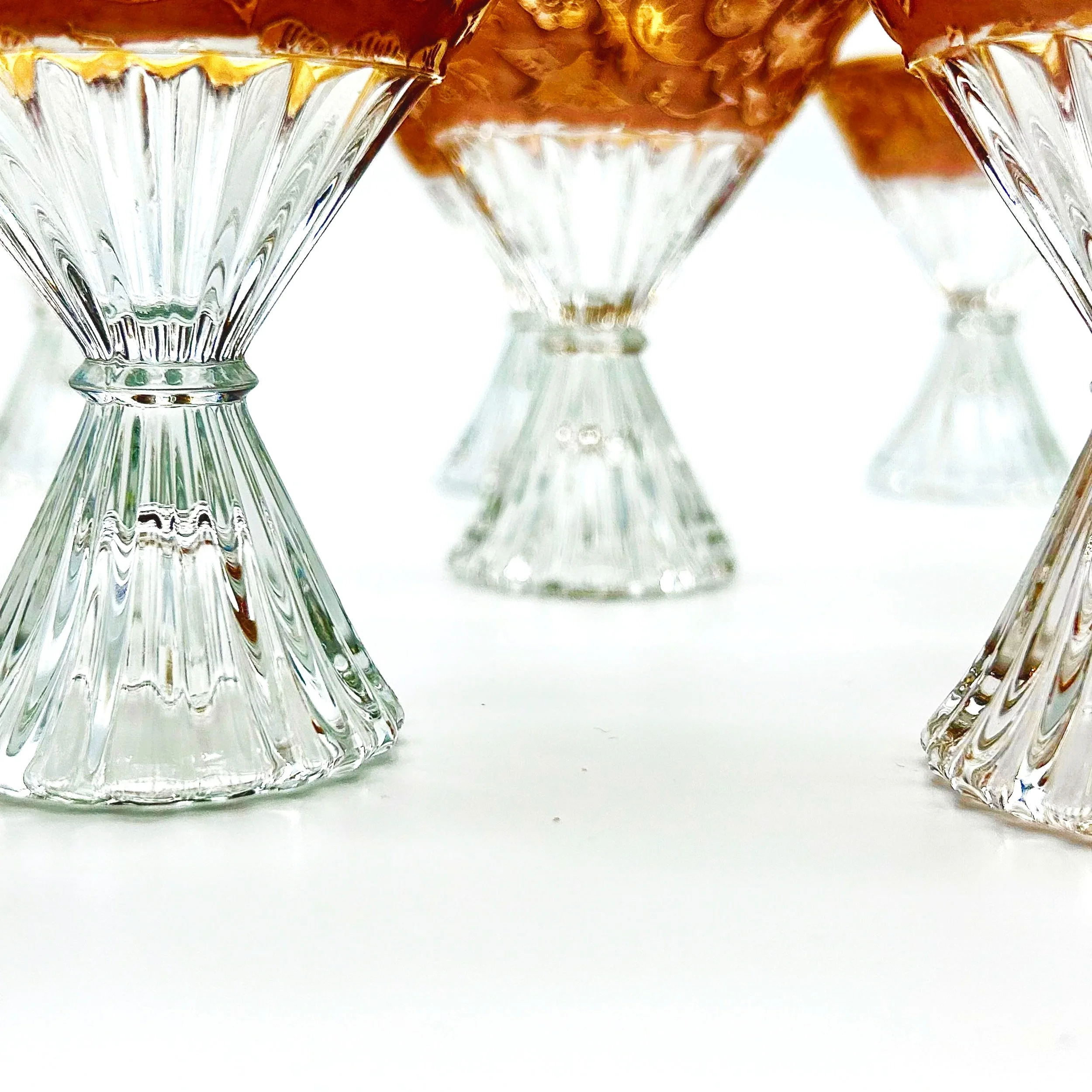 Image 31 of 34
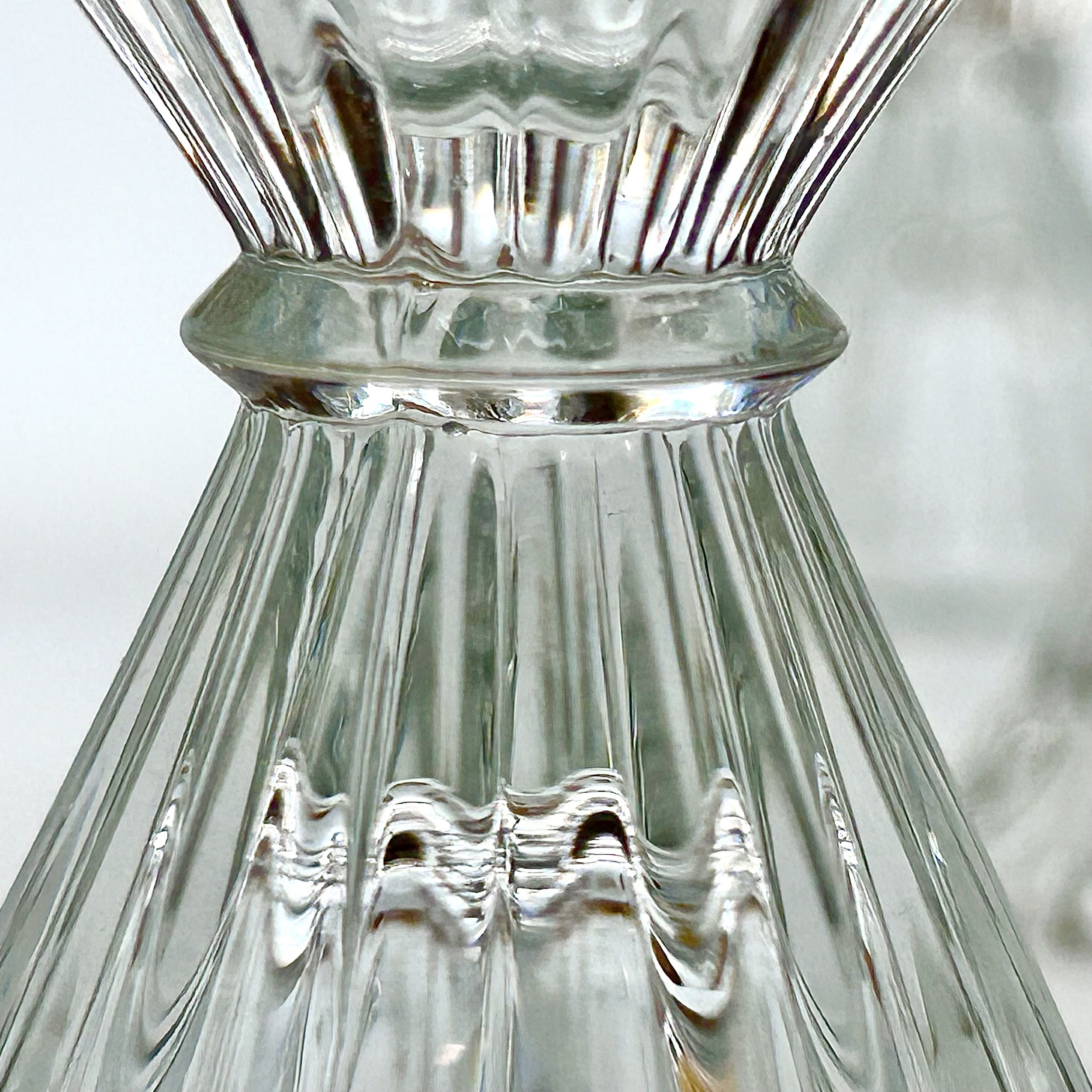 Image 32 of 34
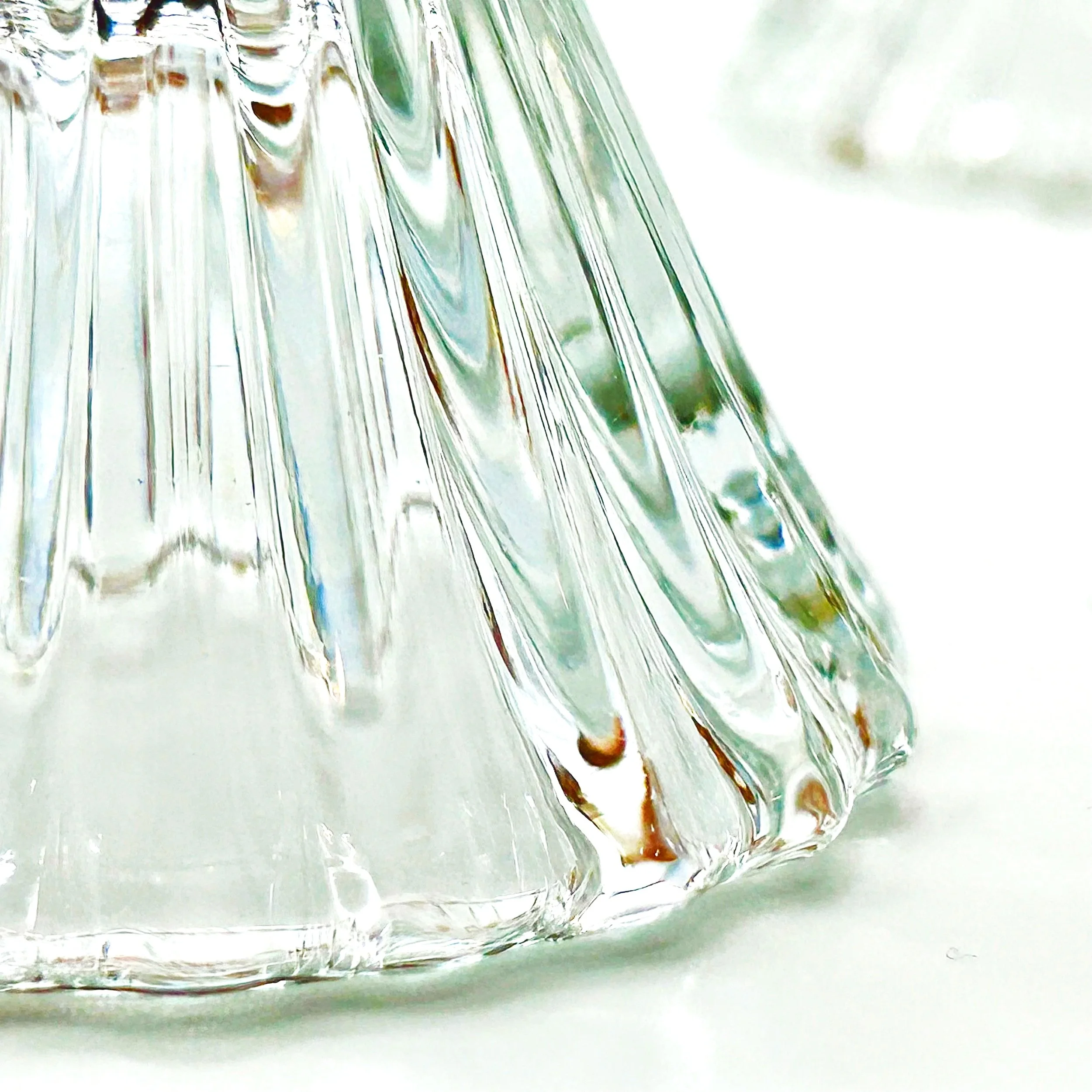 Image 33 of 34
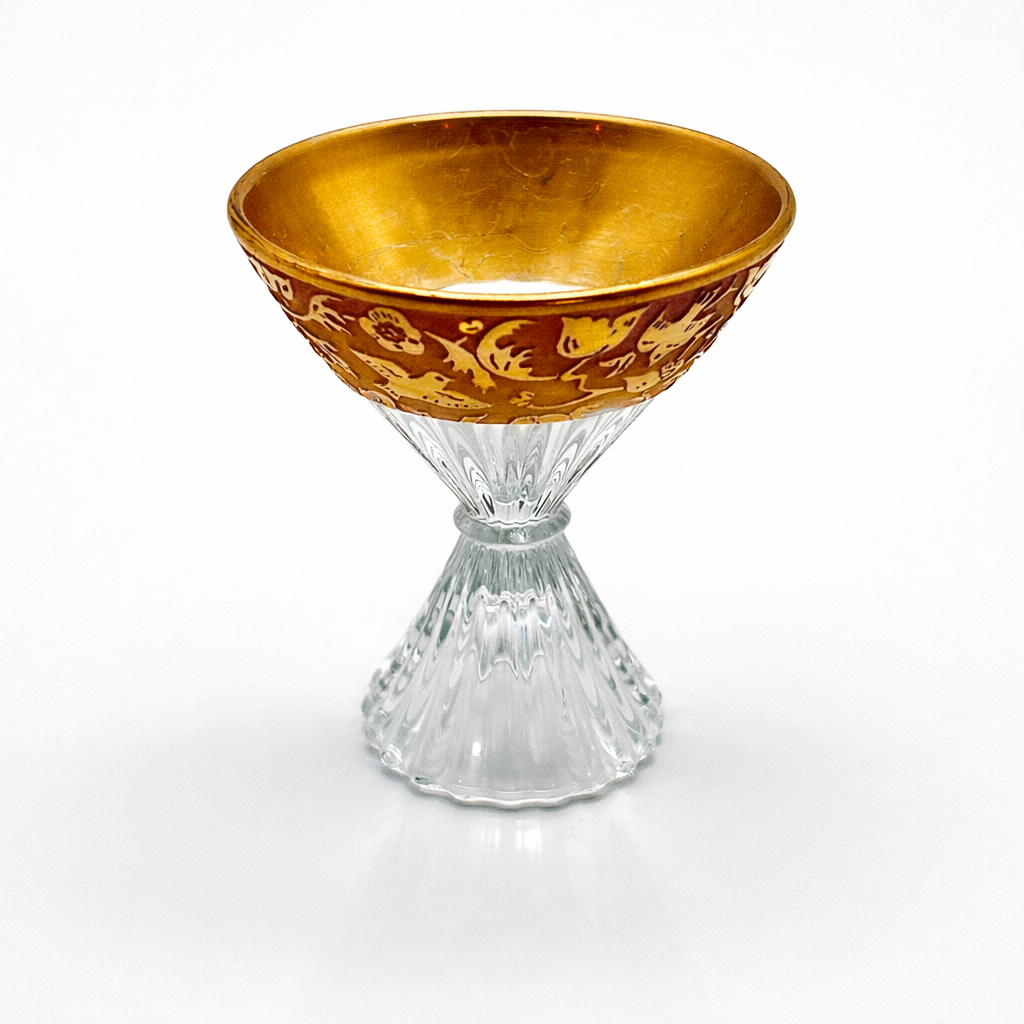 Image 34 of 34