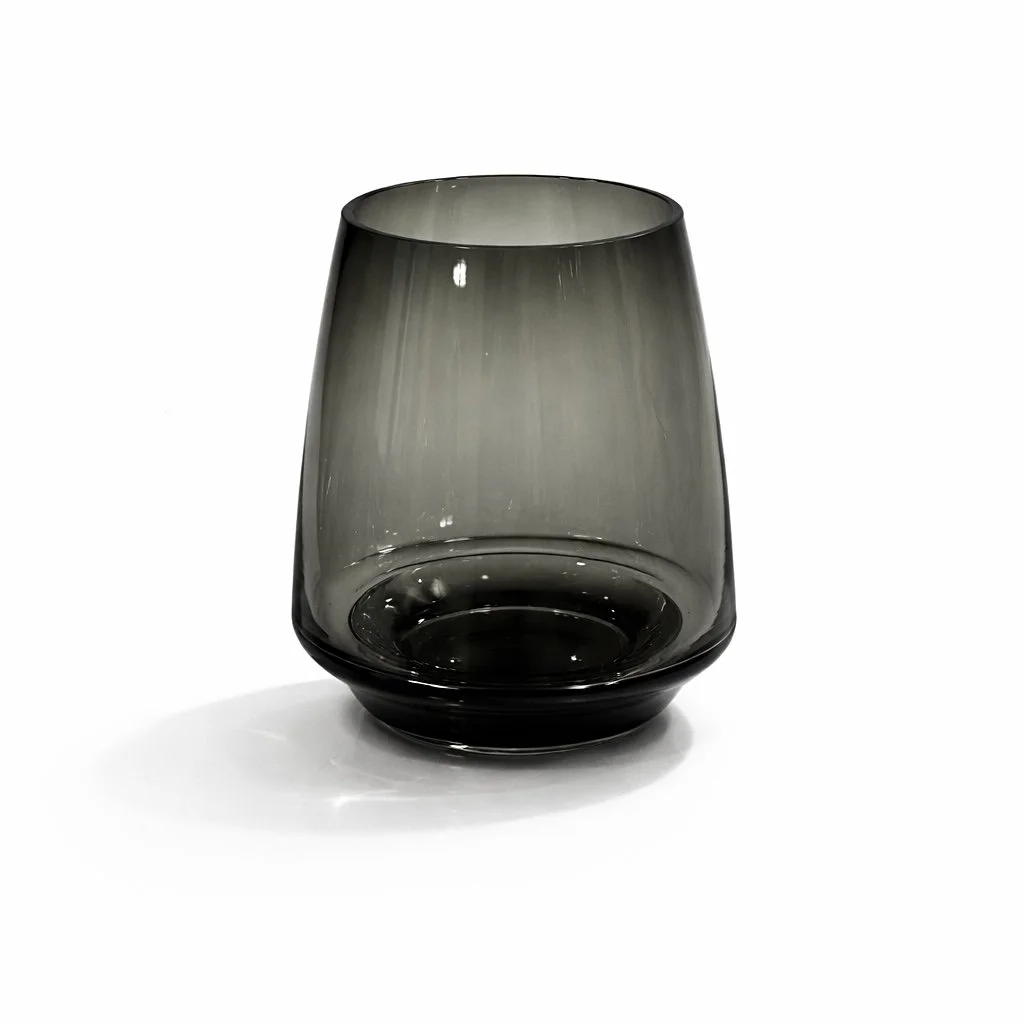
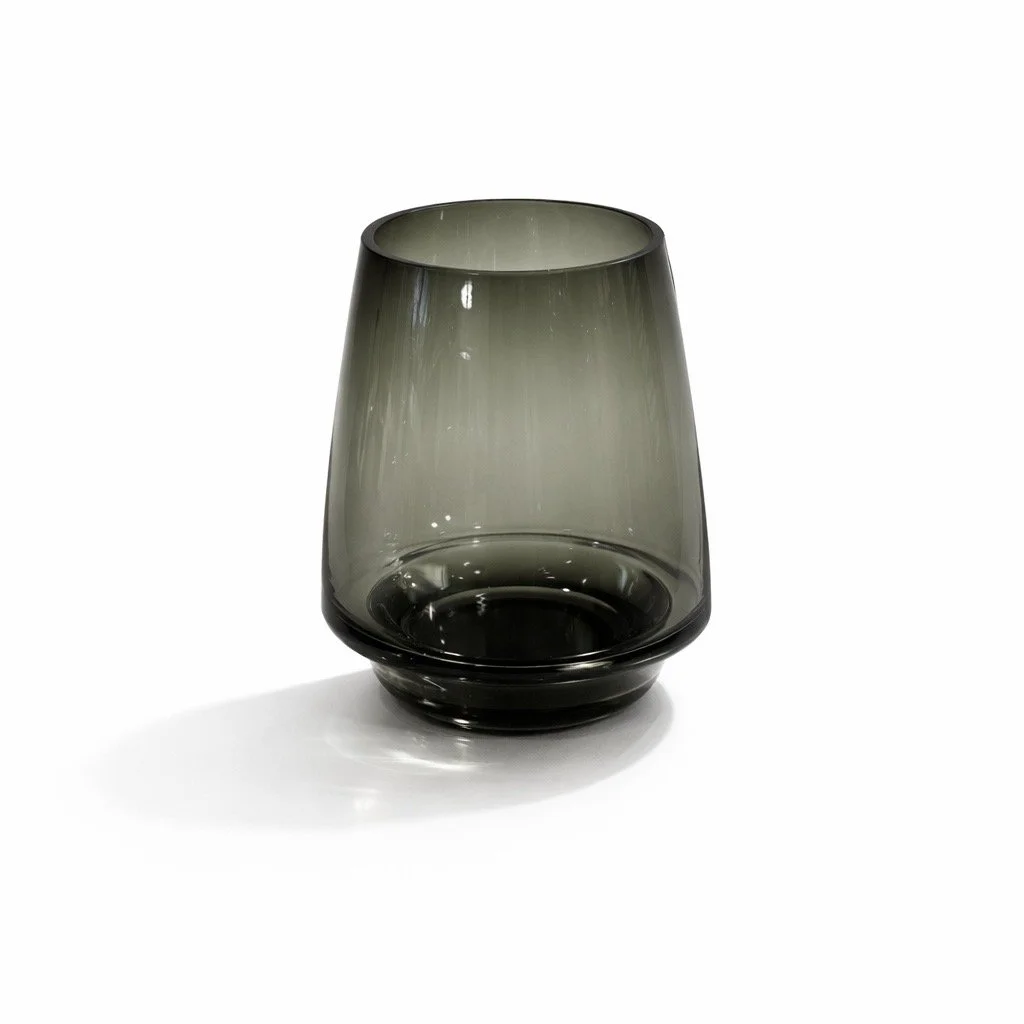
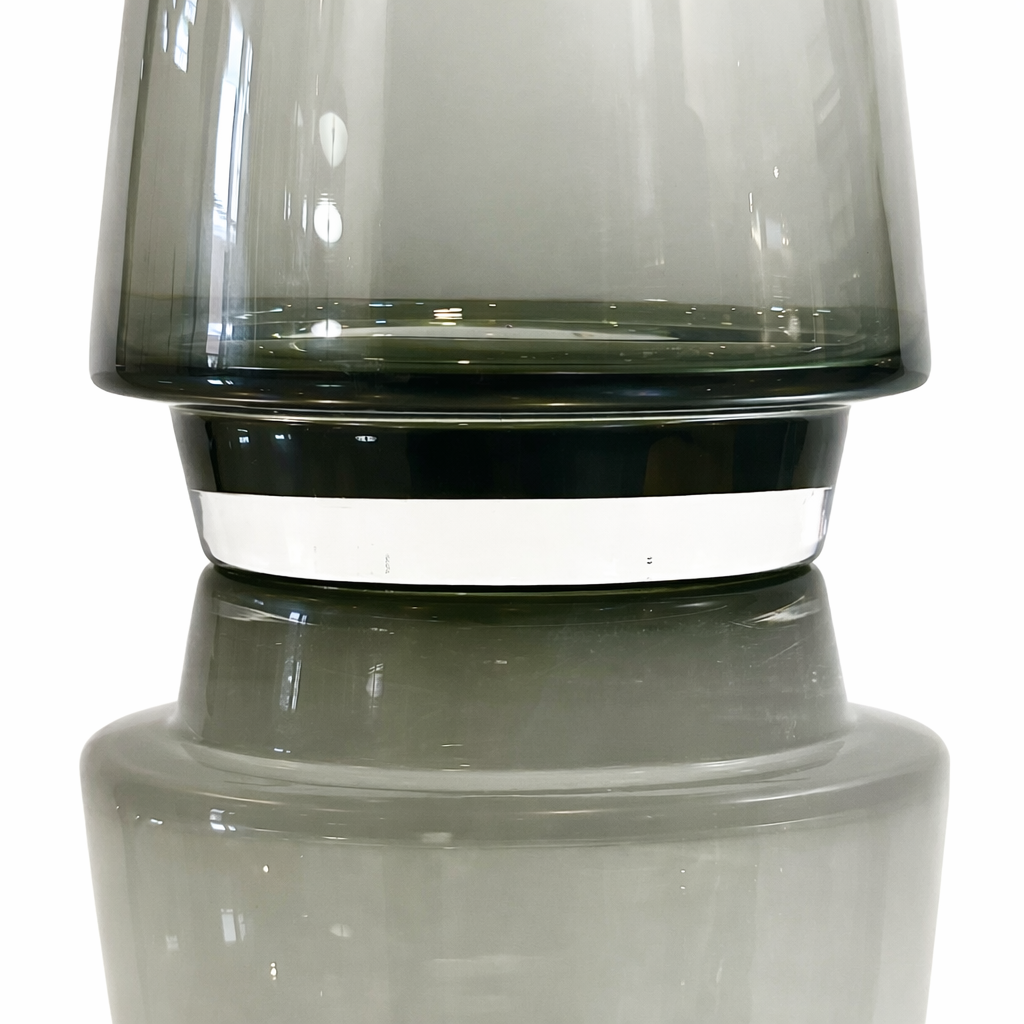
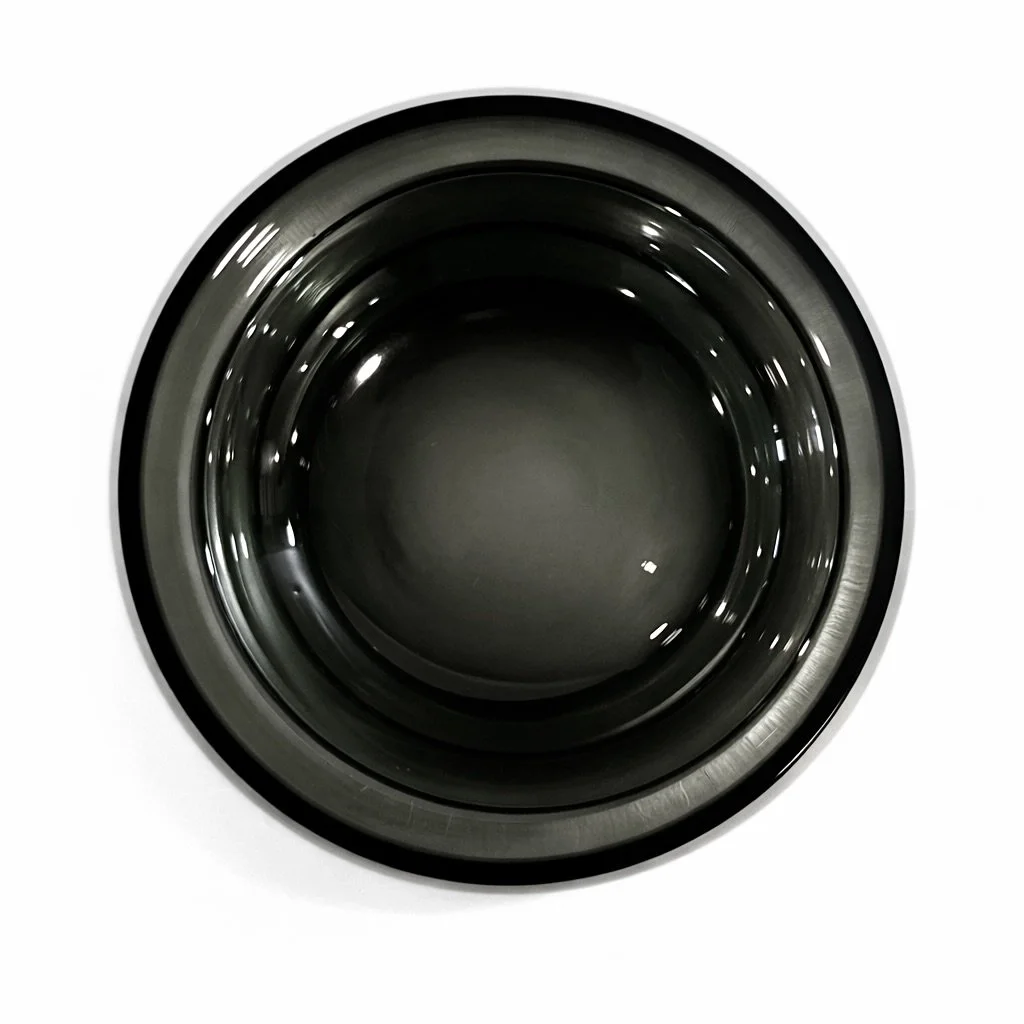
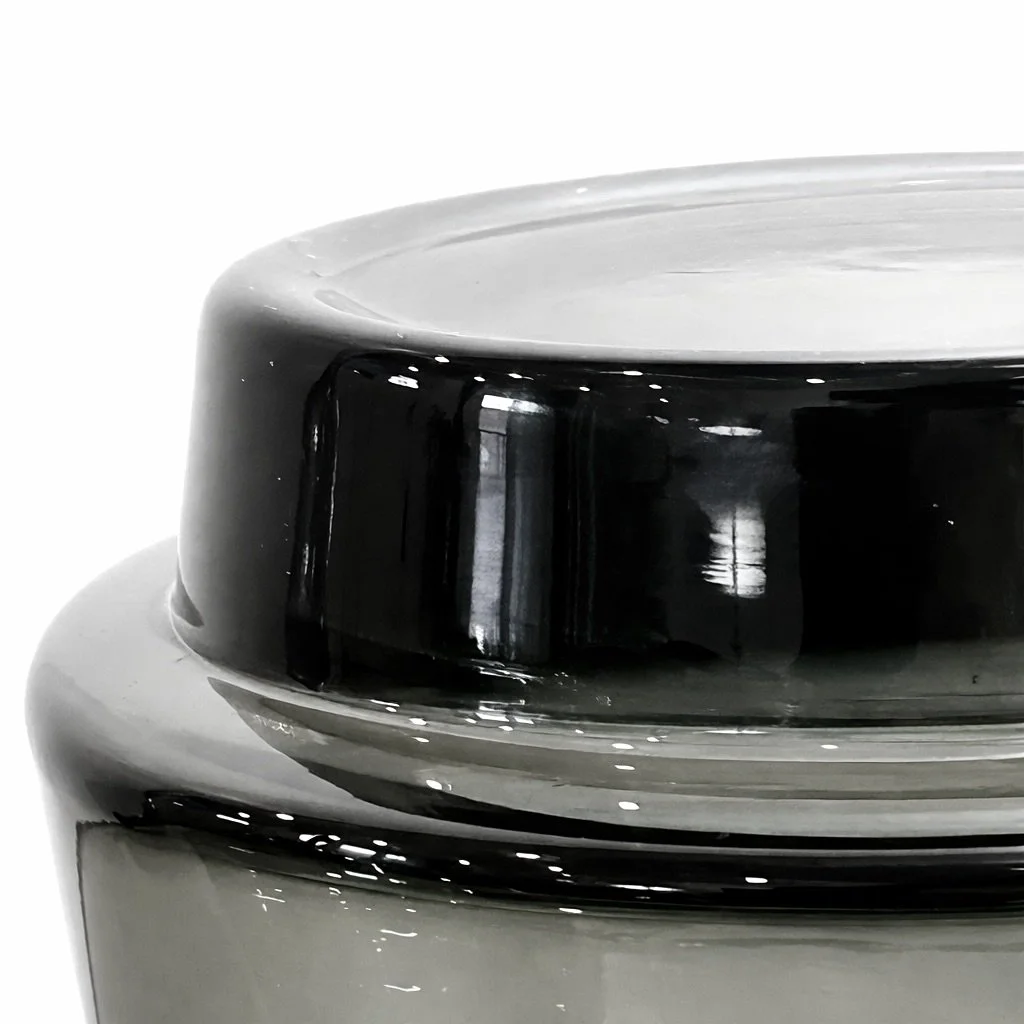
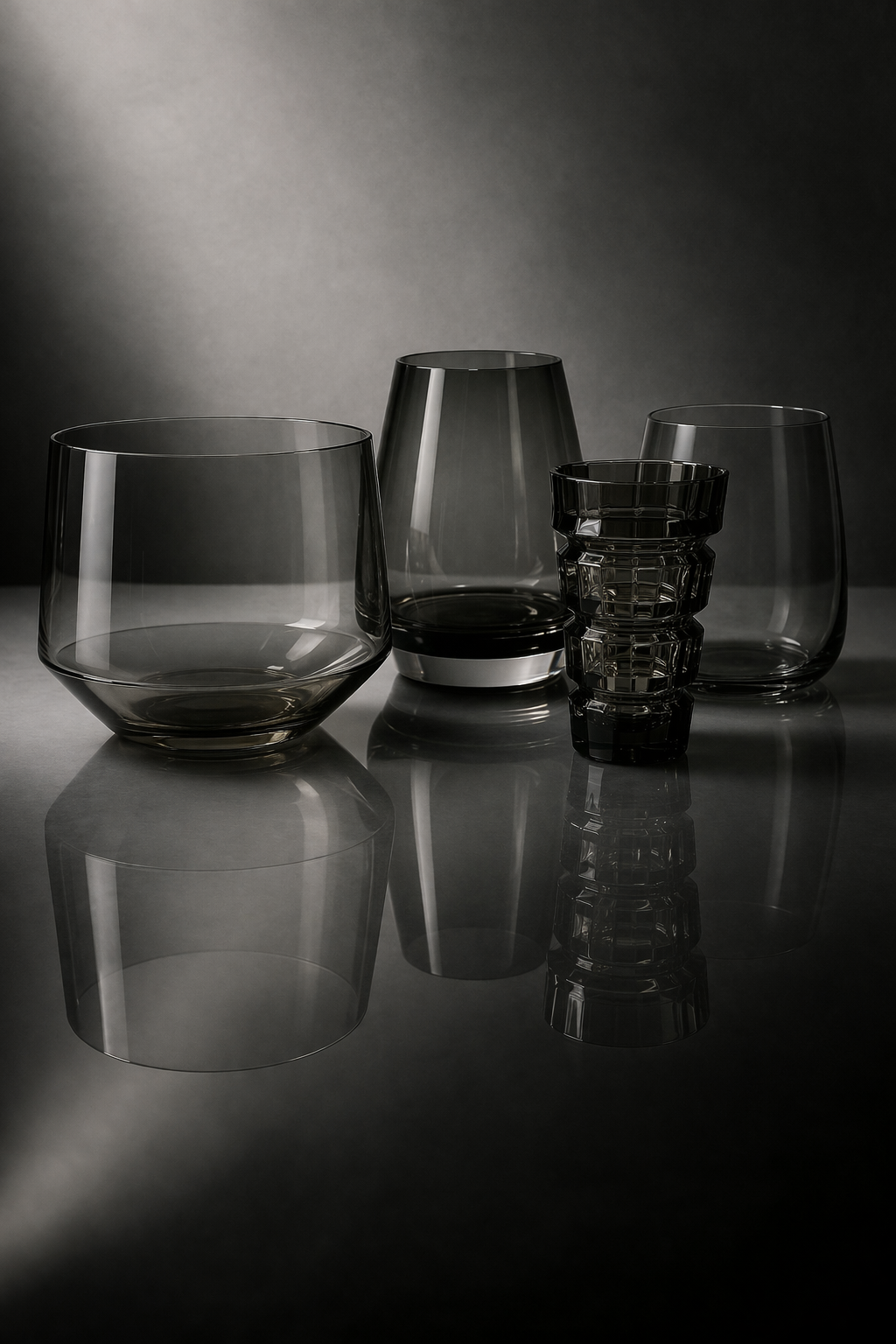
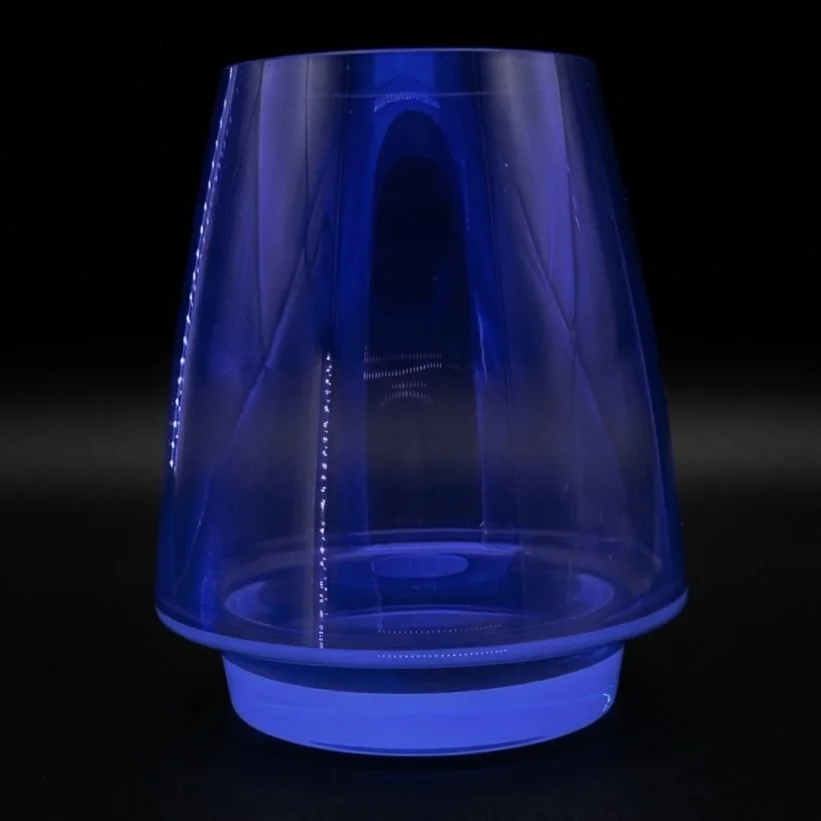
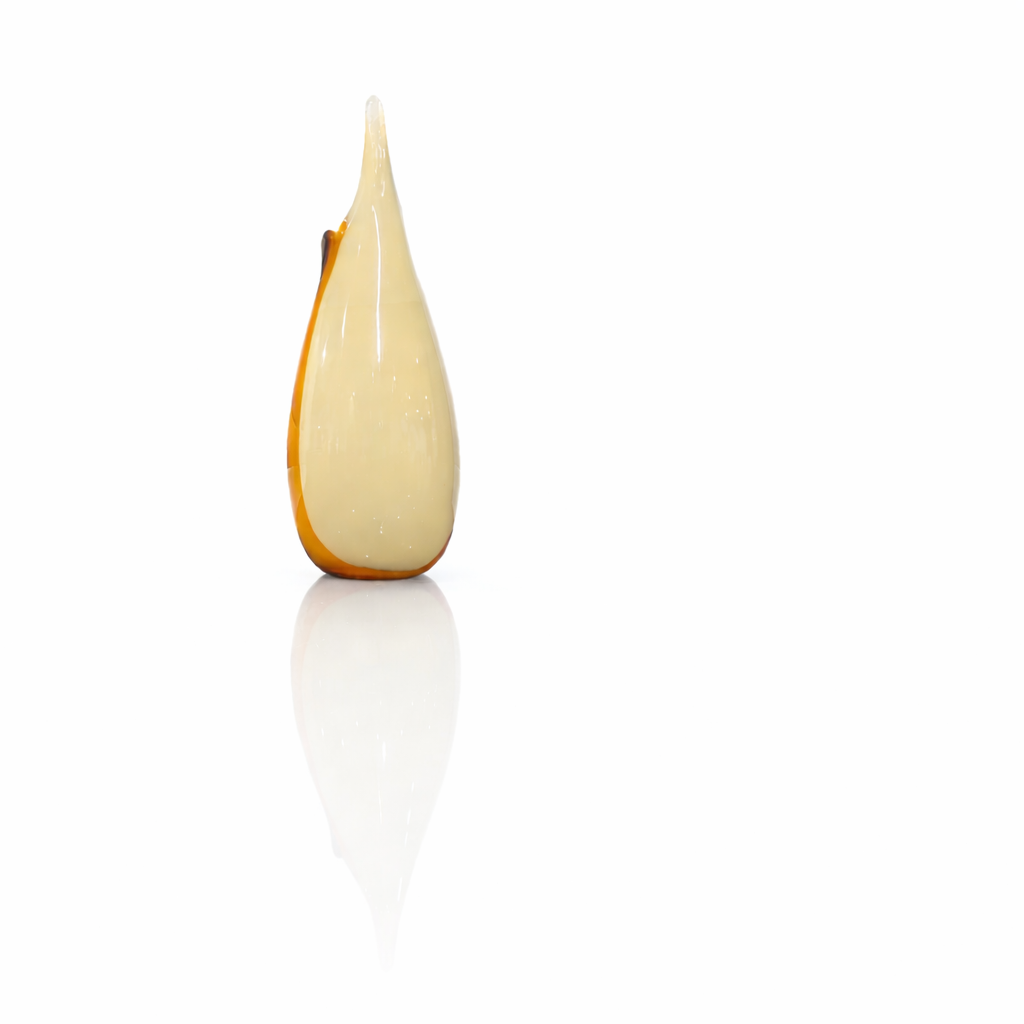
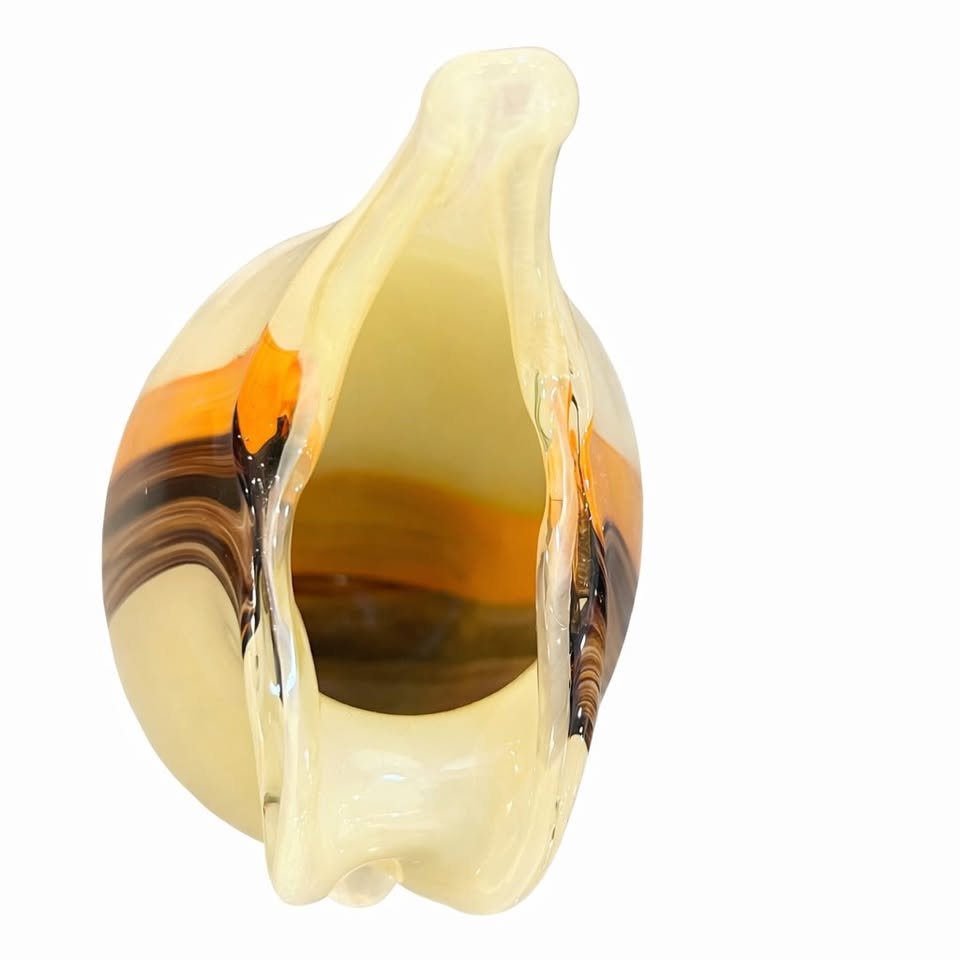
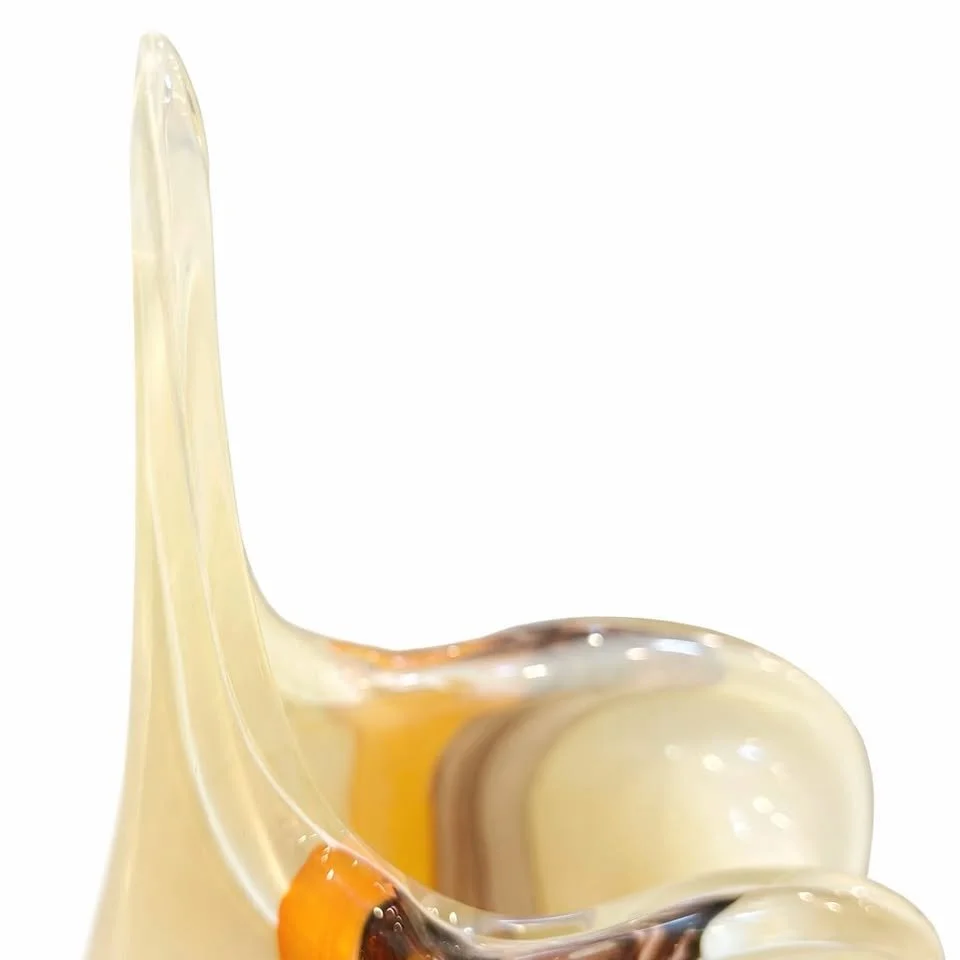
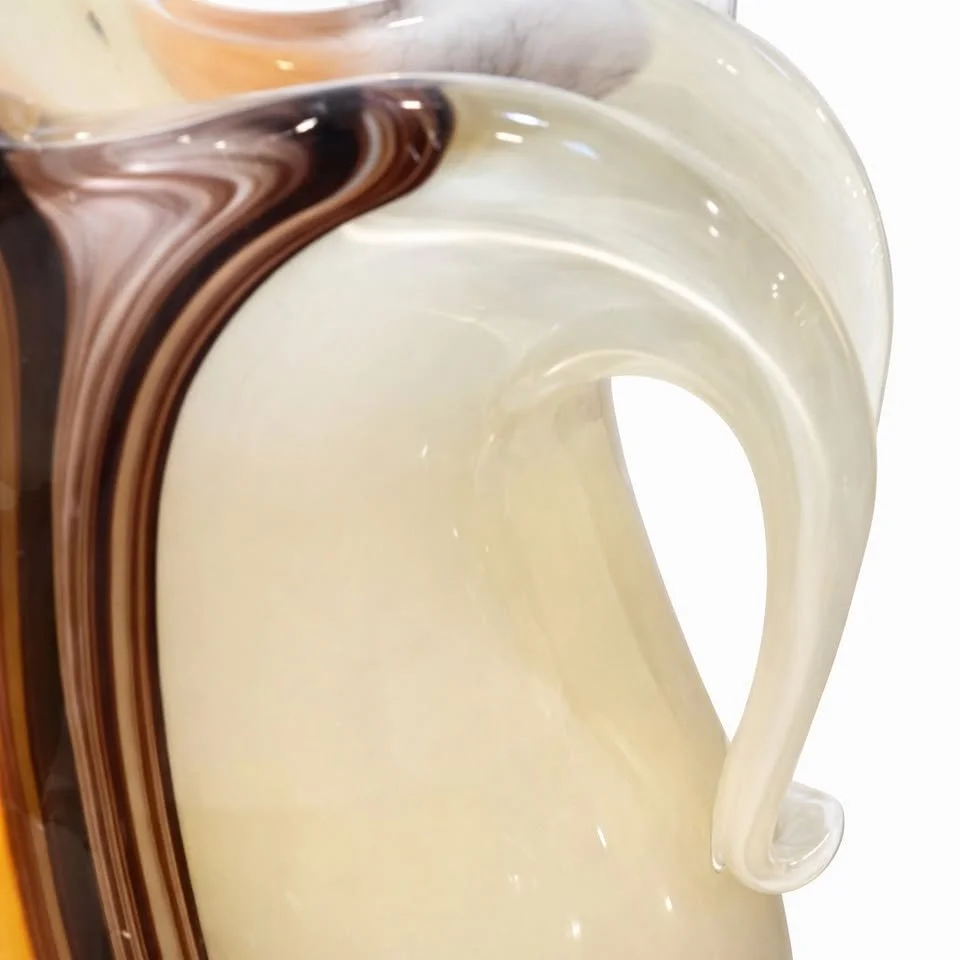
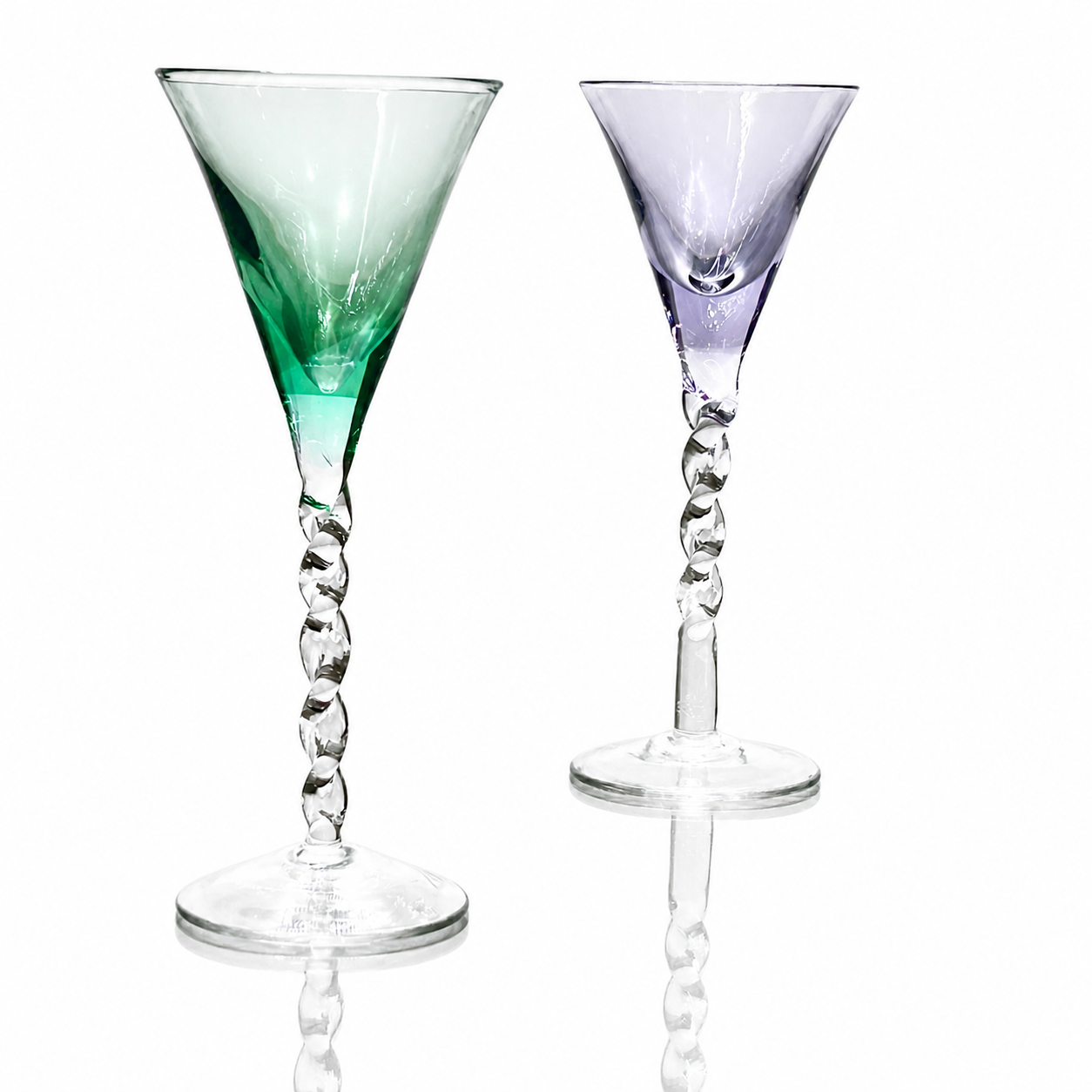
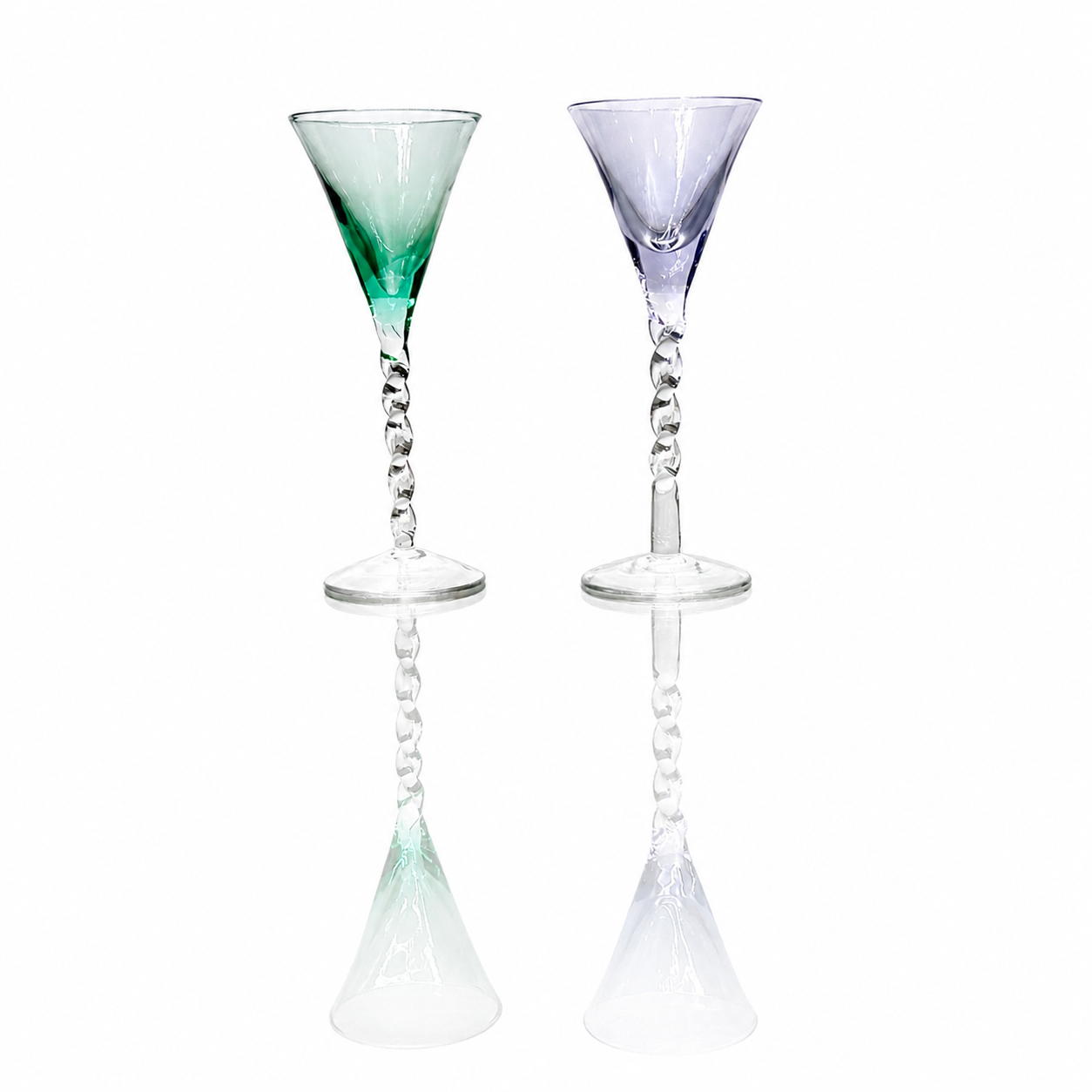
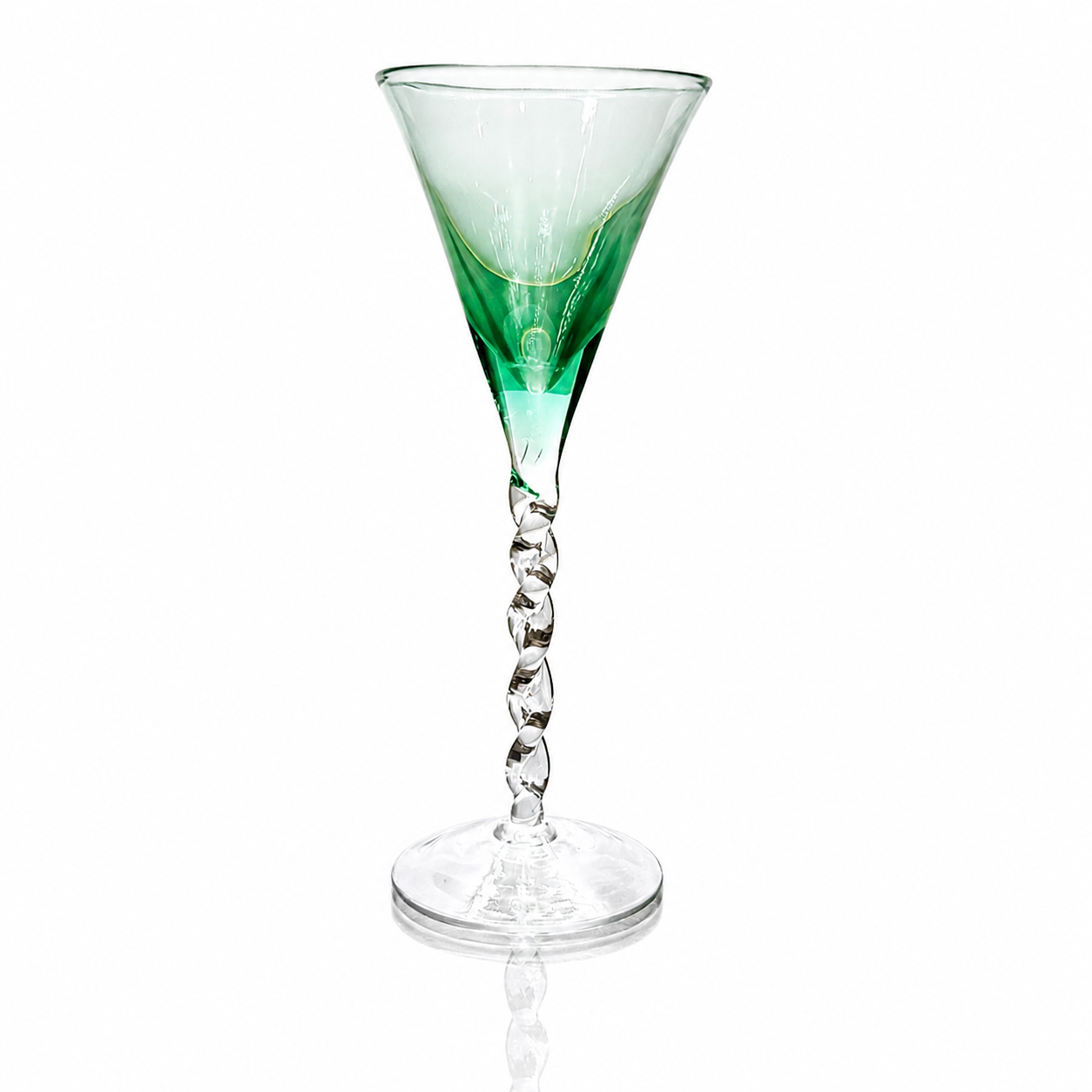
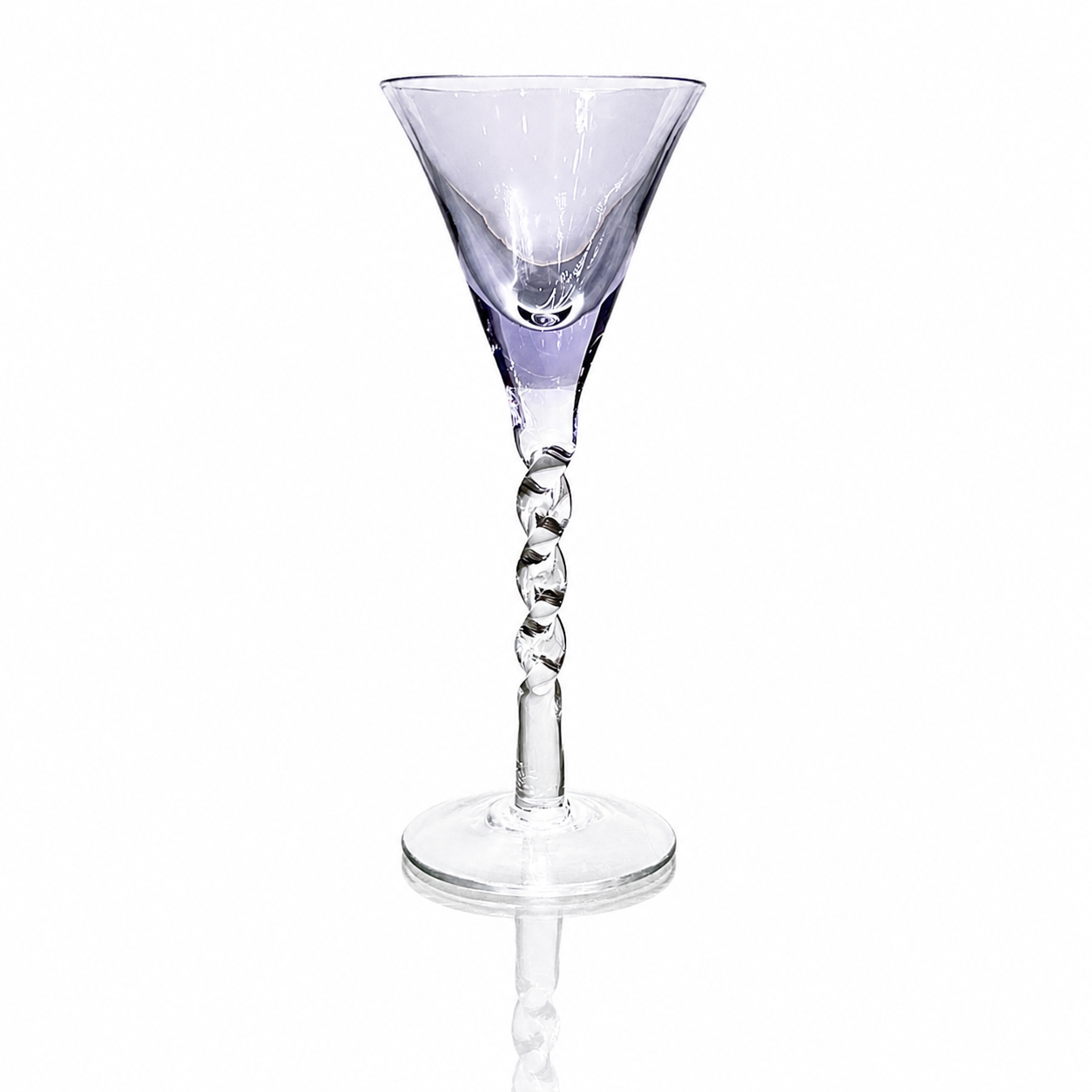
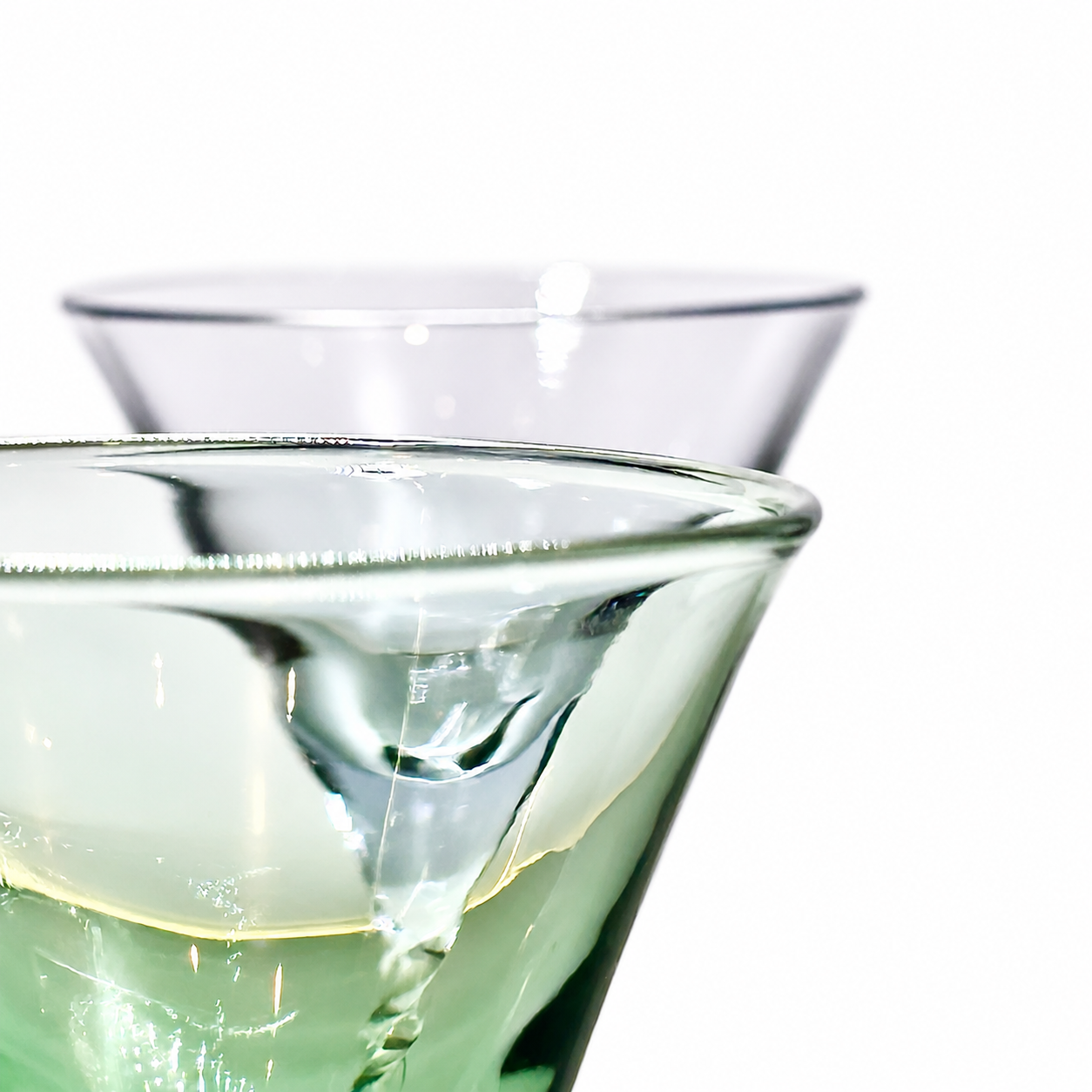
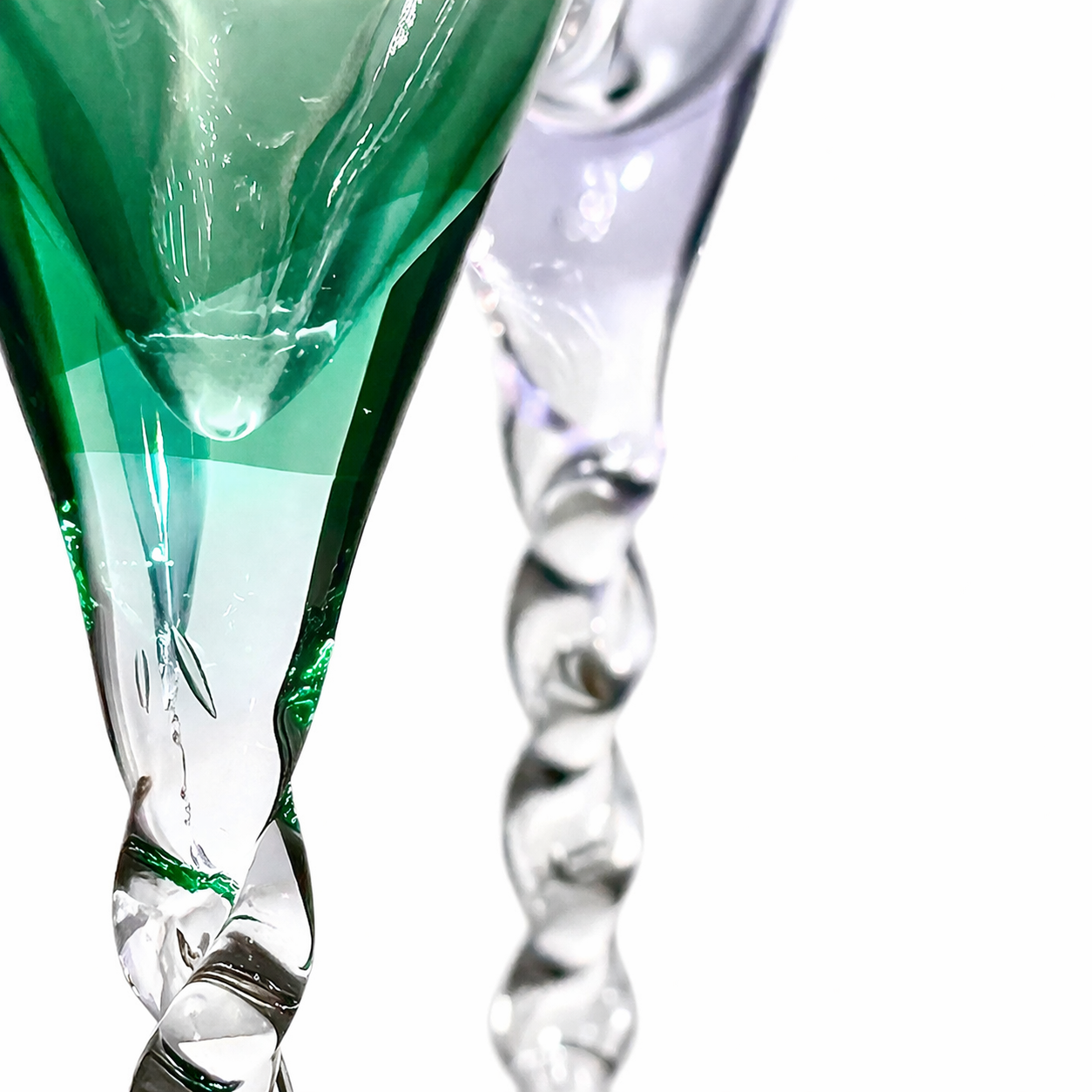
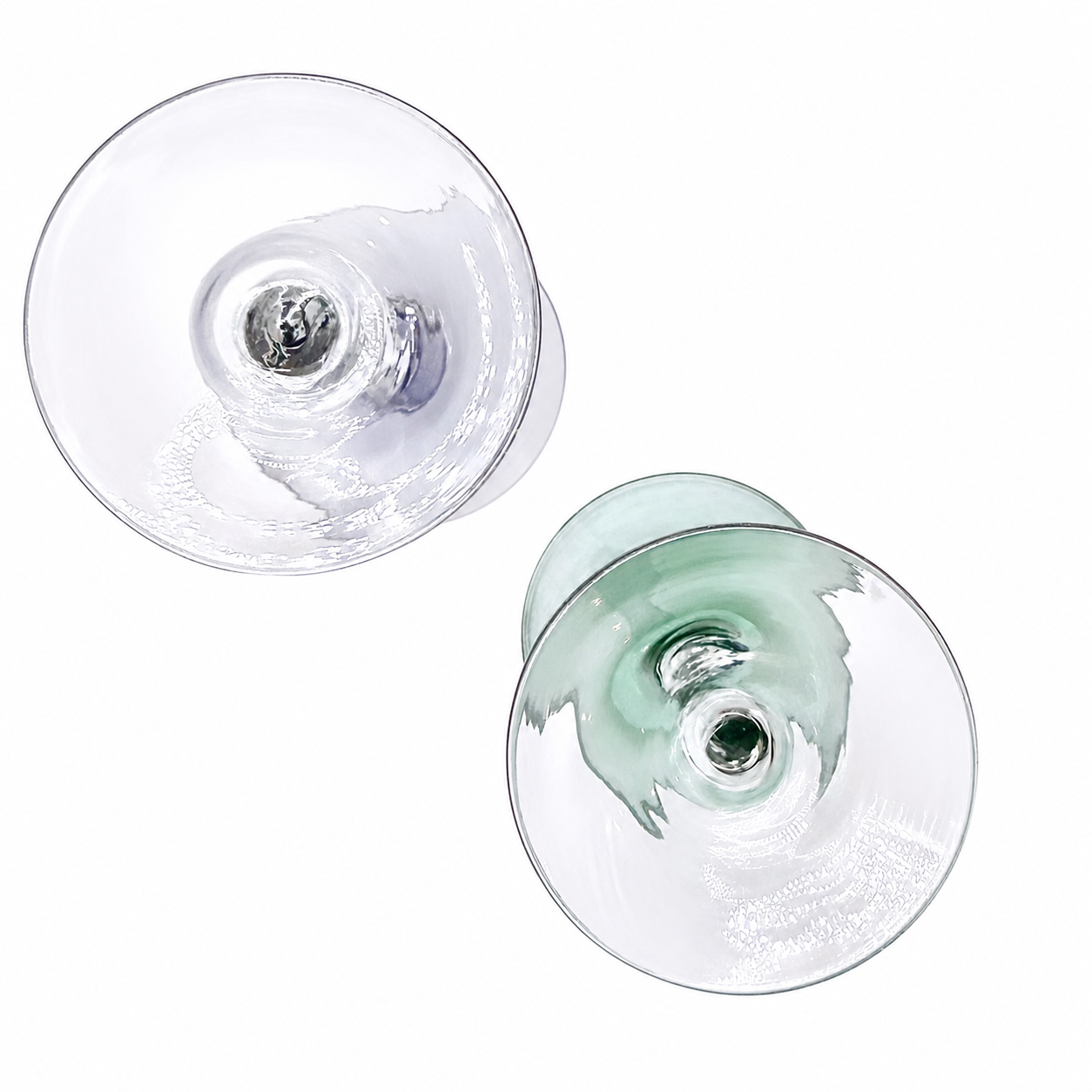
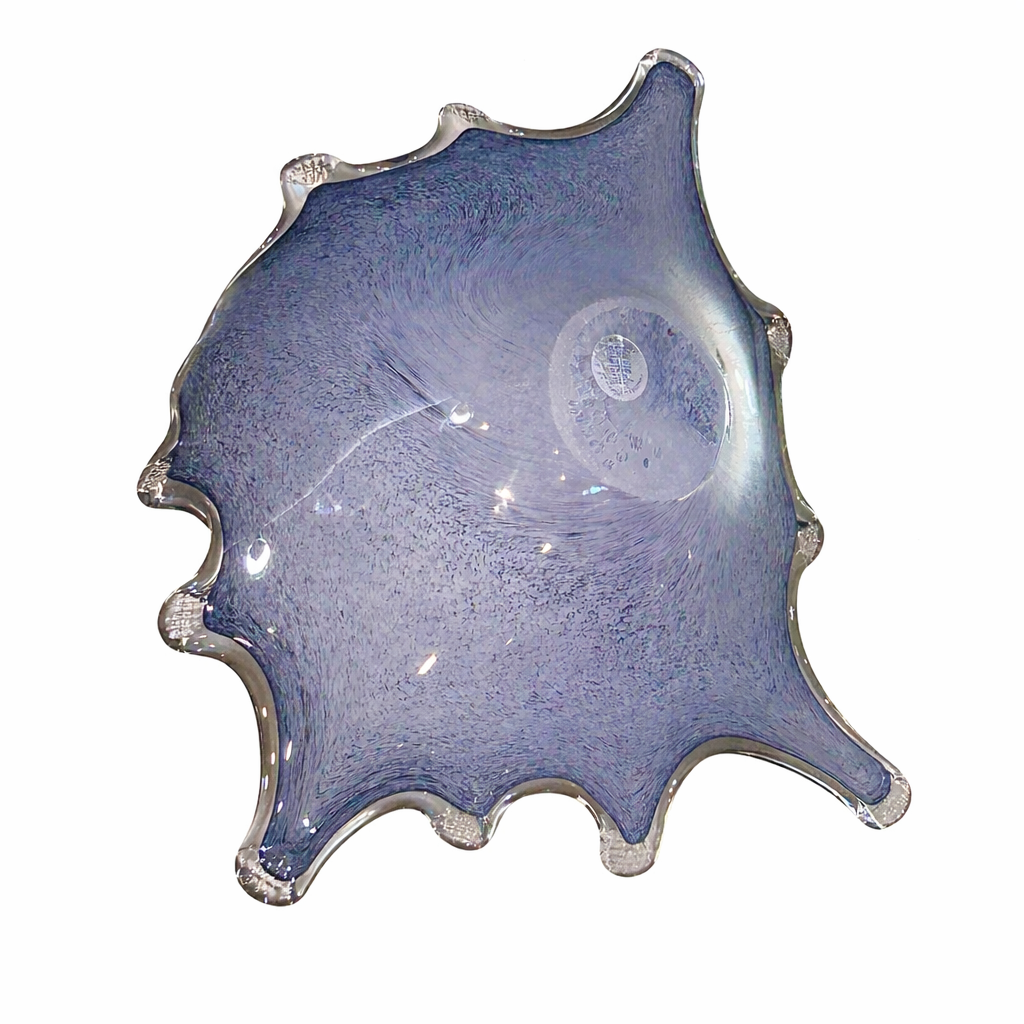
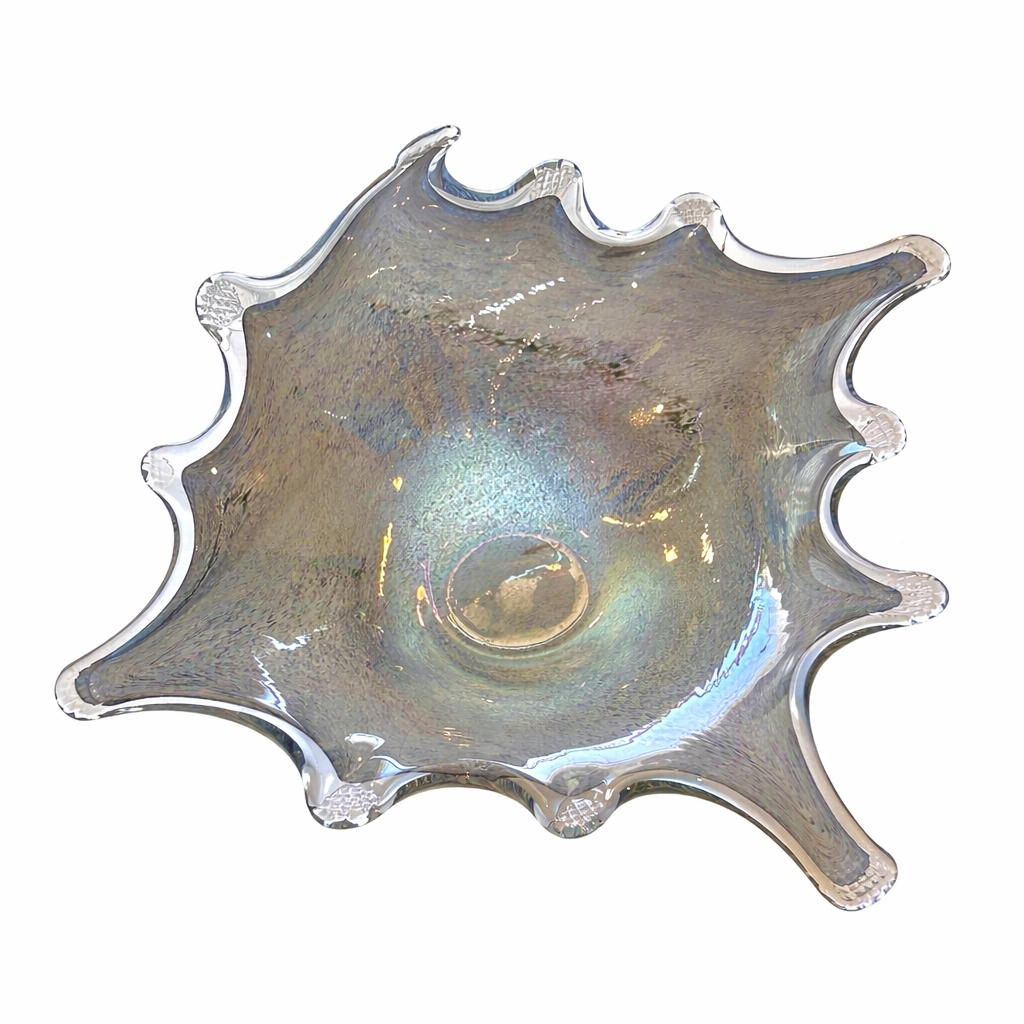
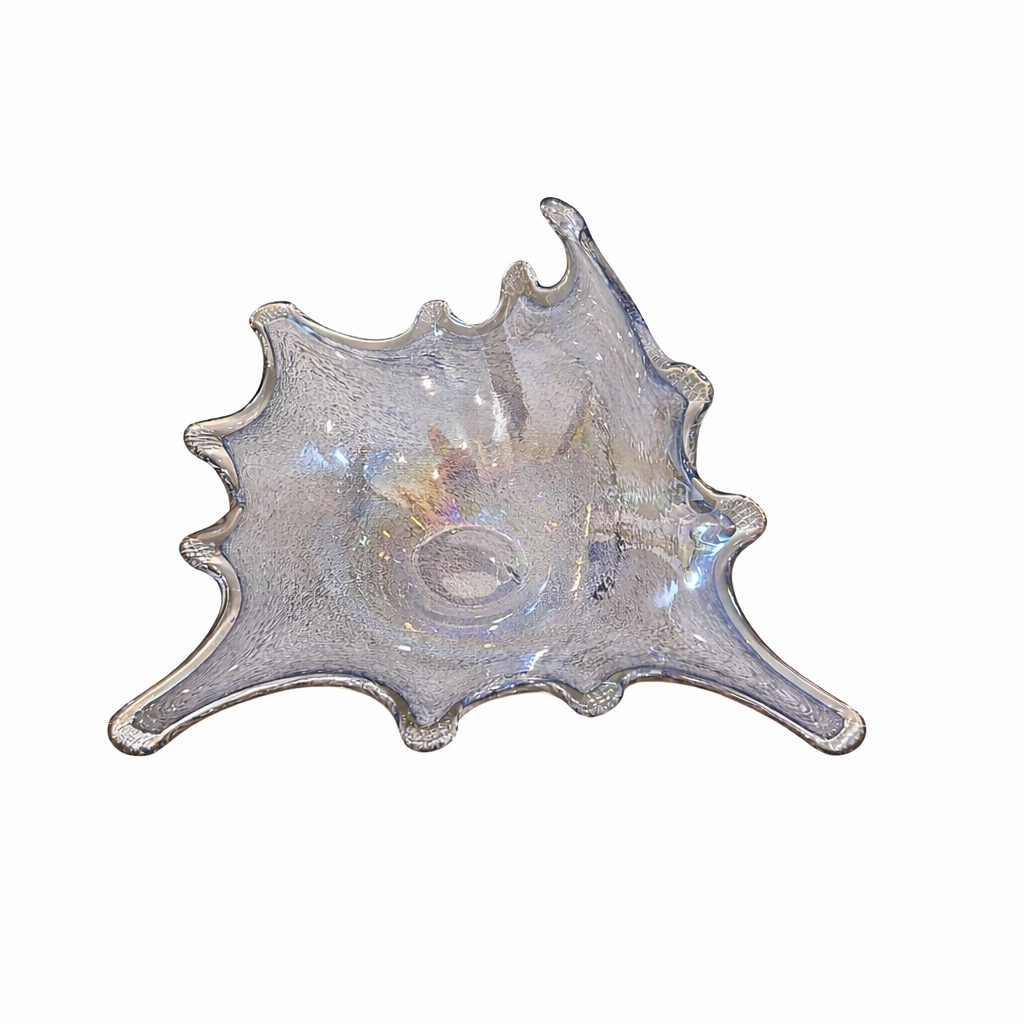
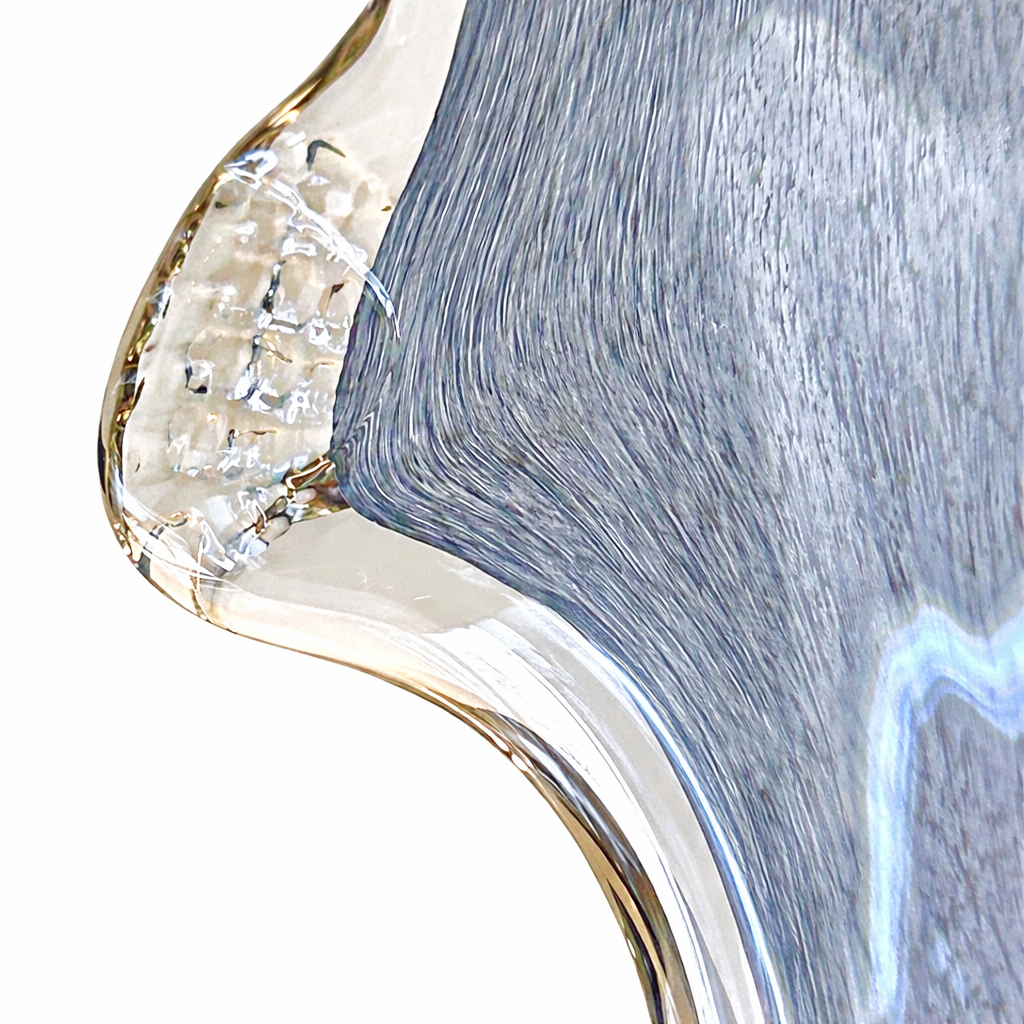
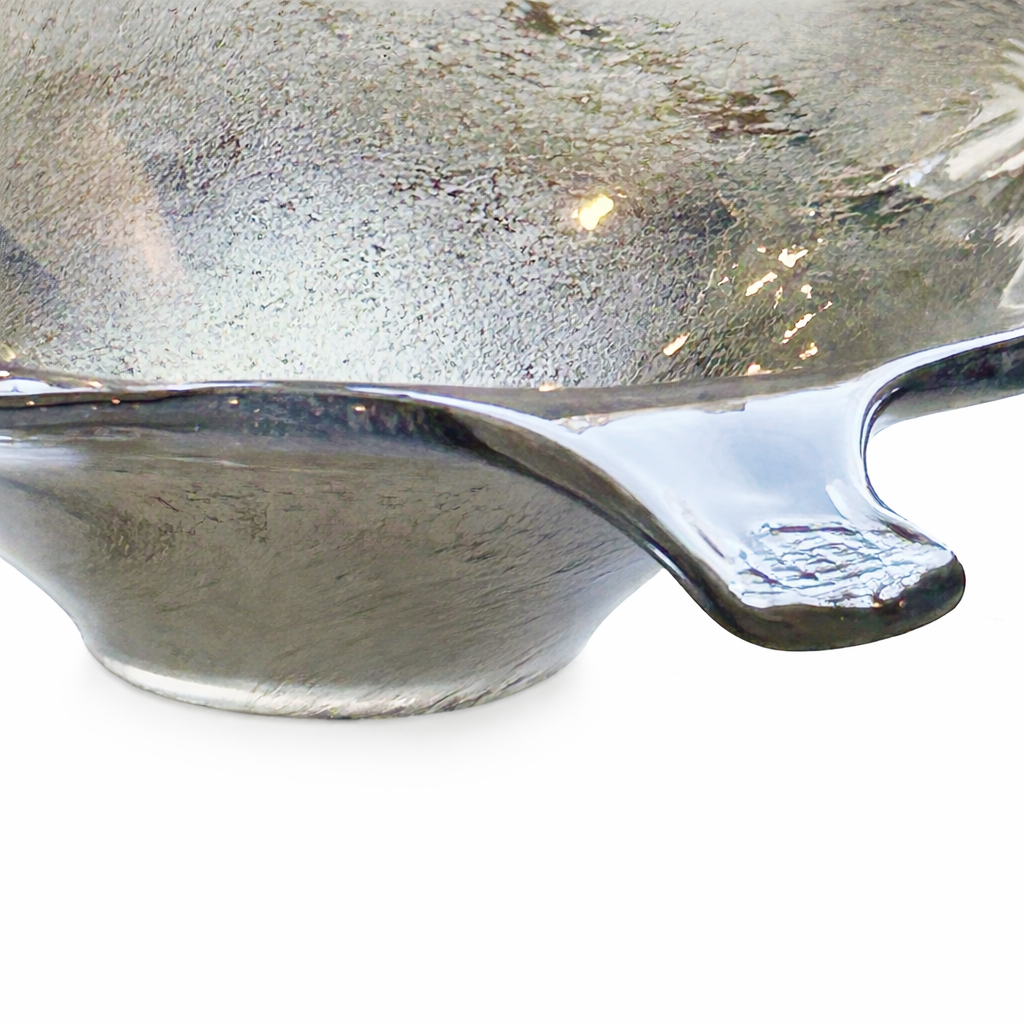
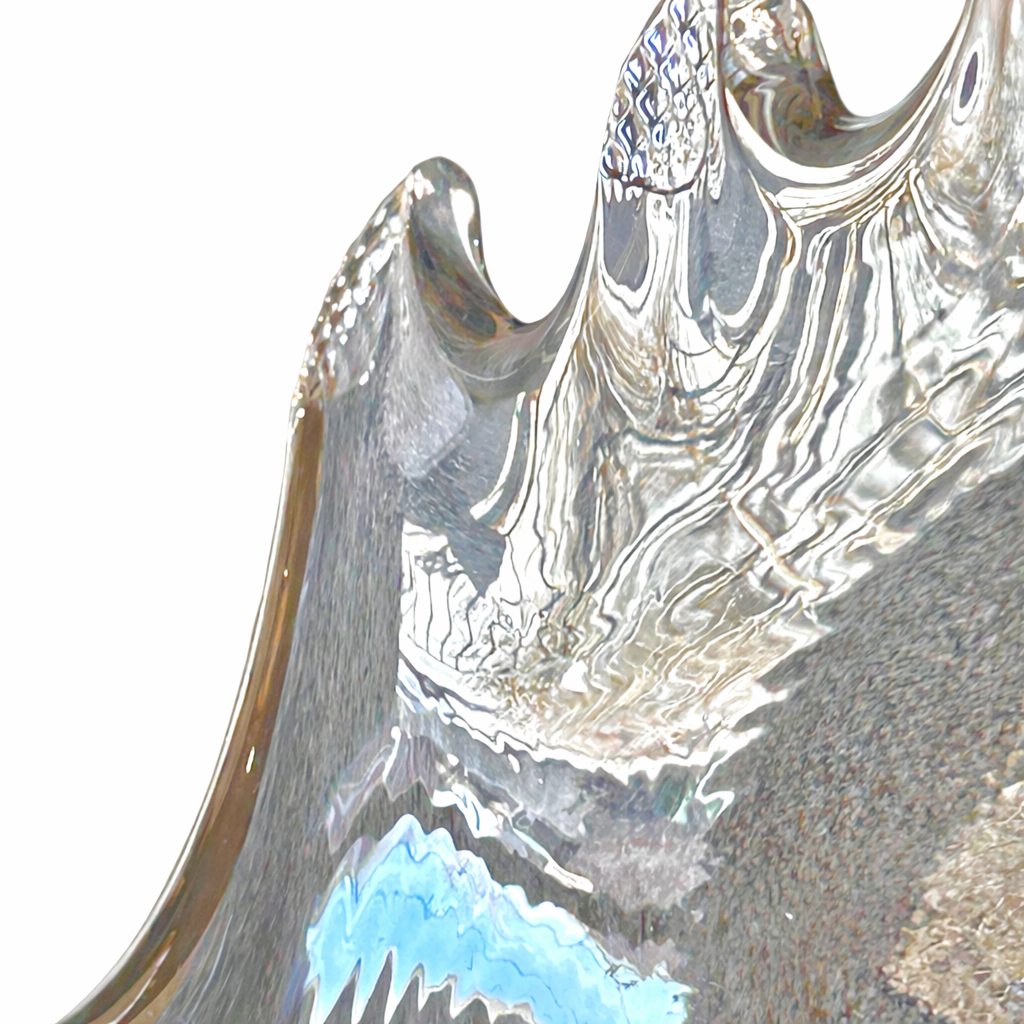
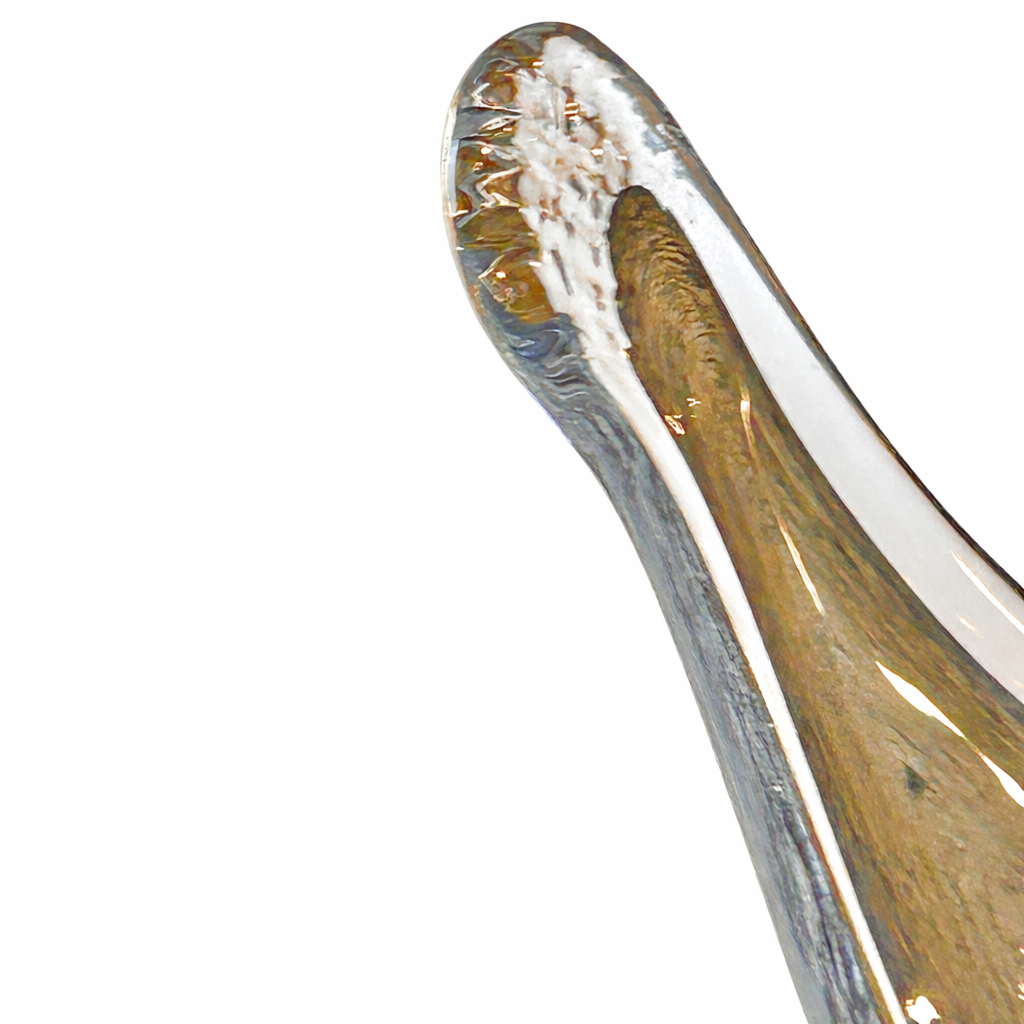
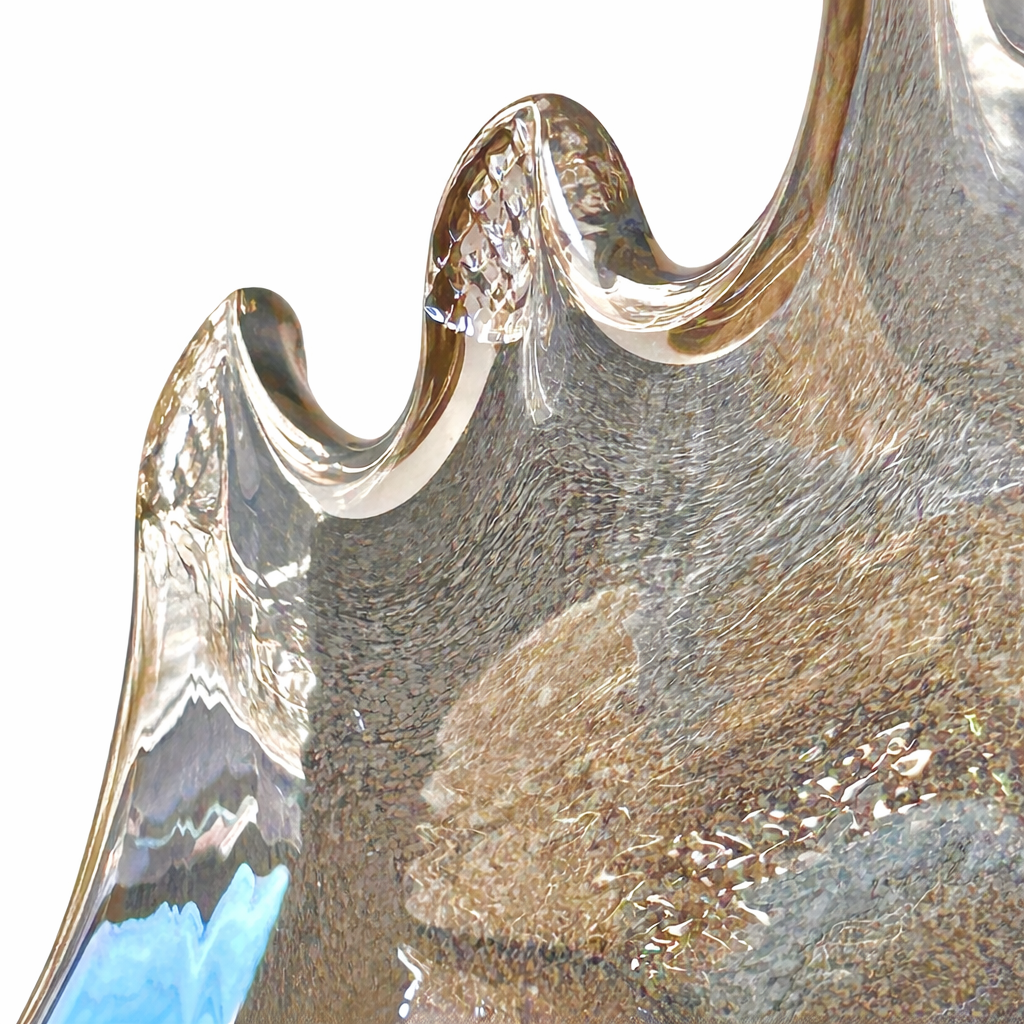
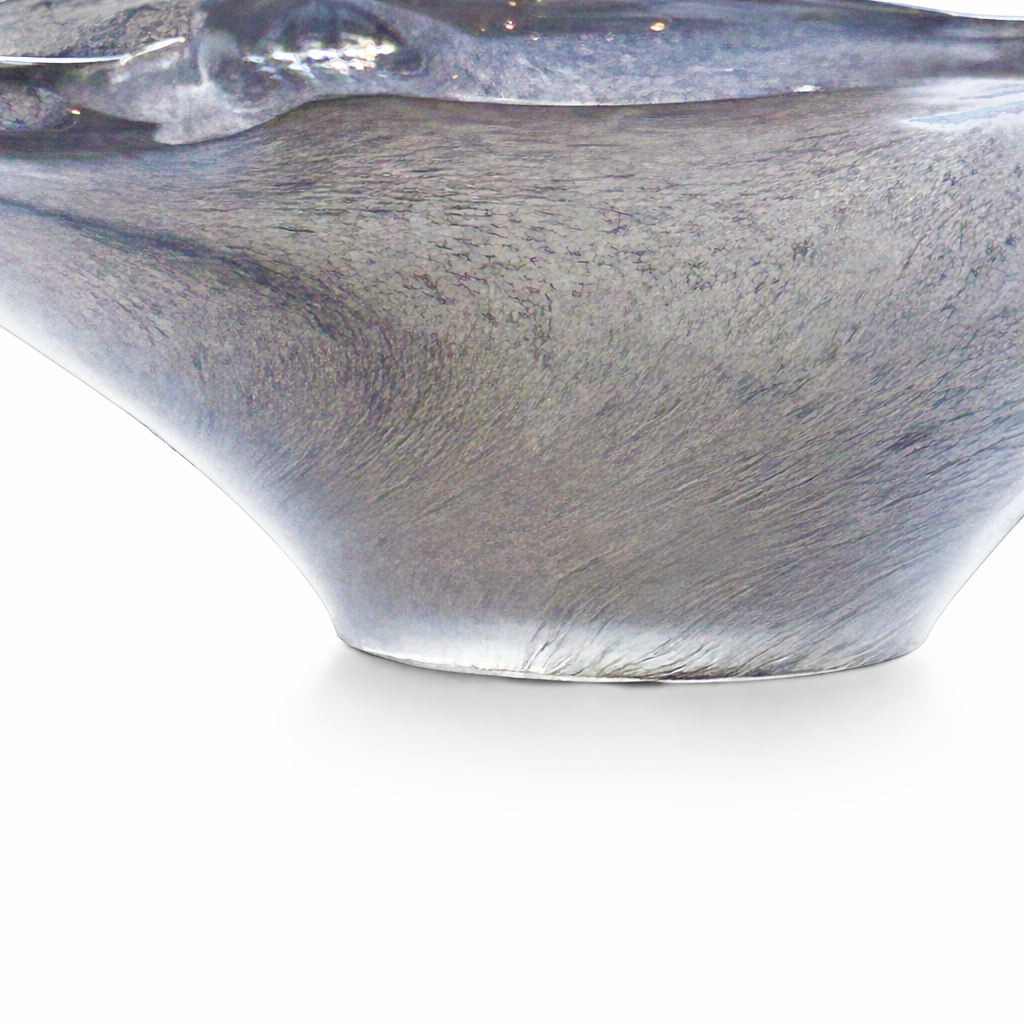
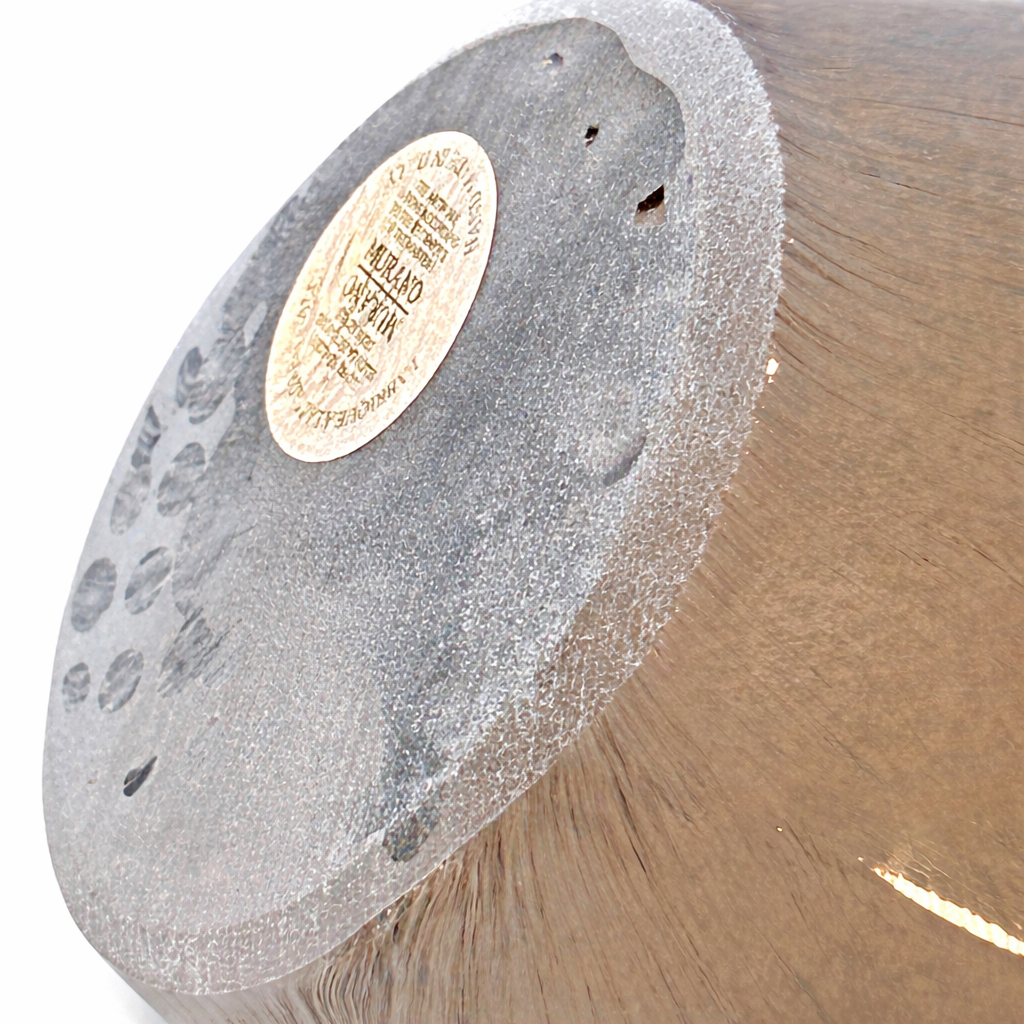
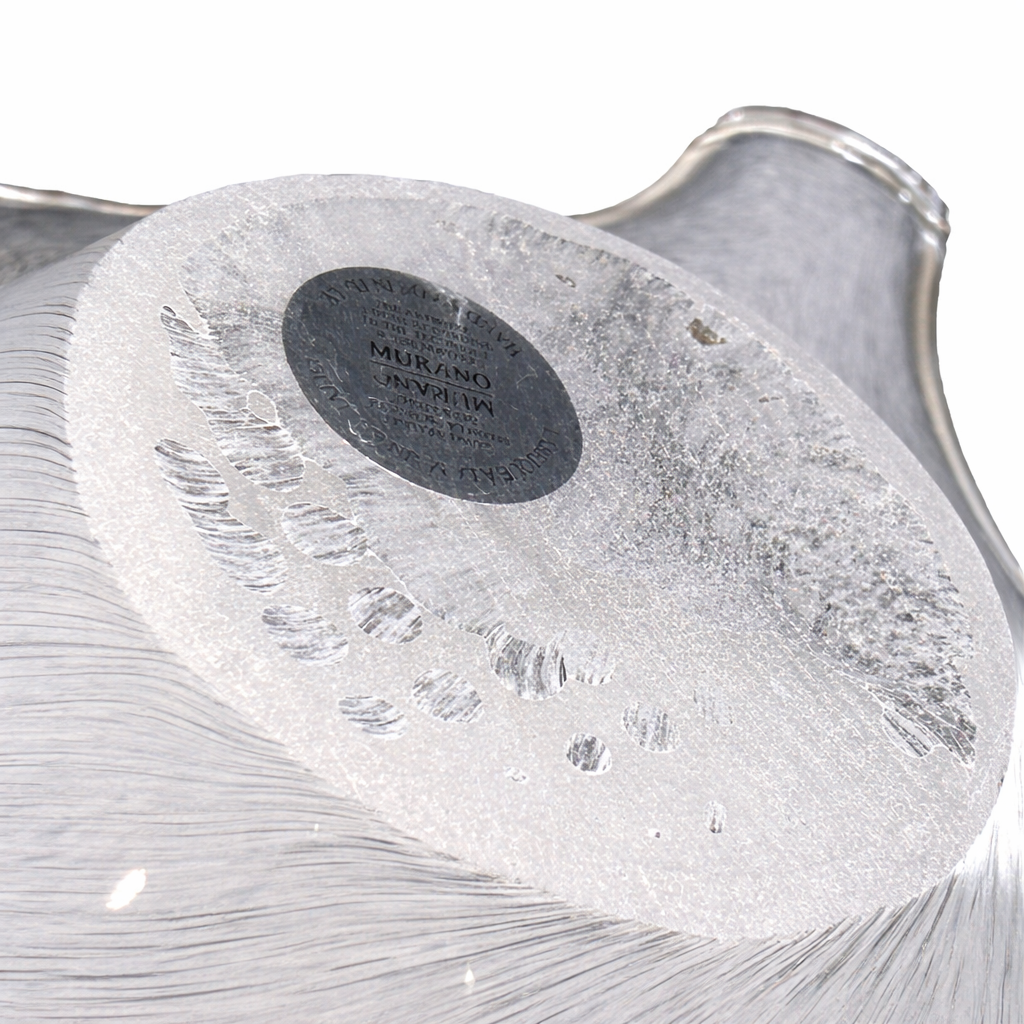
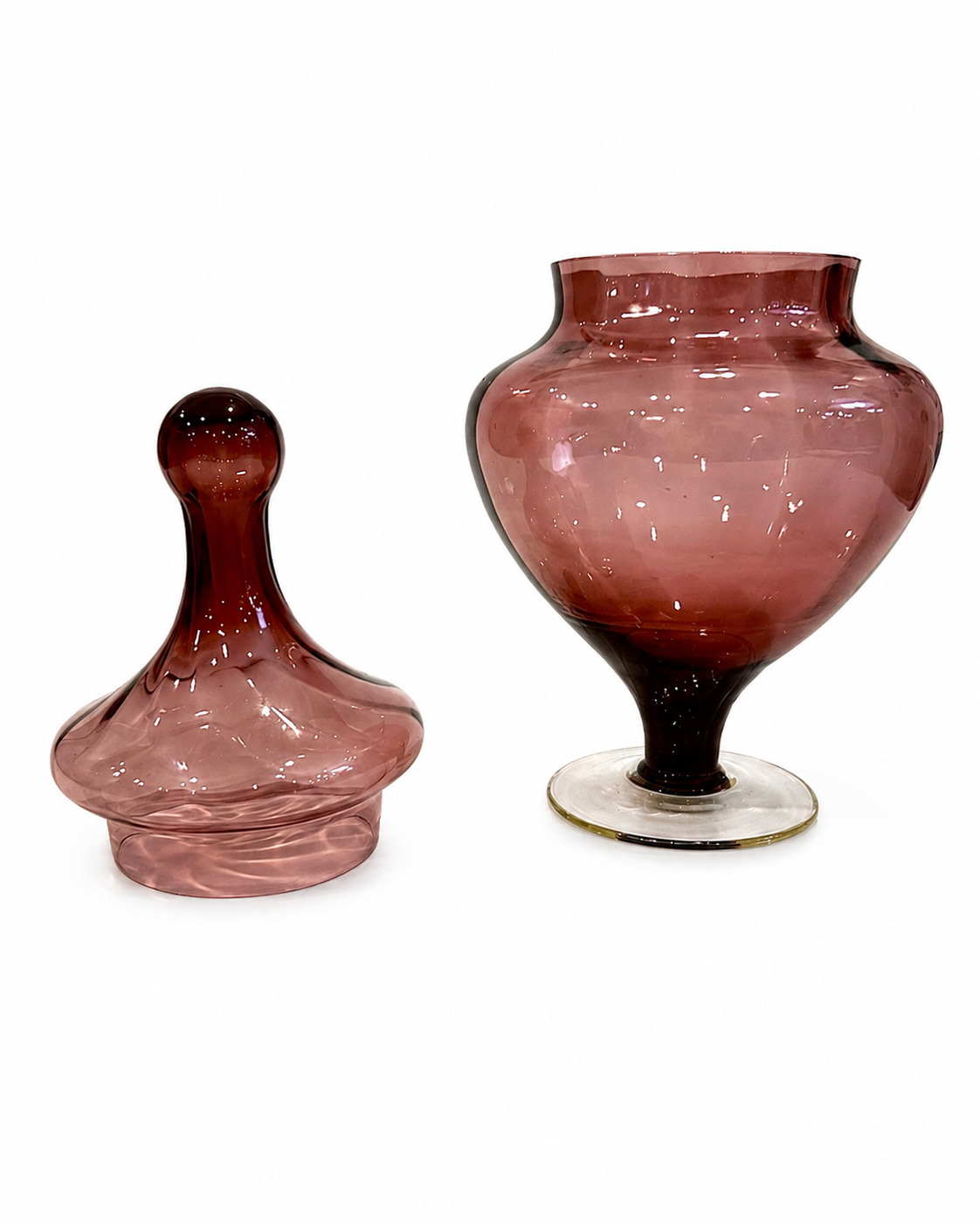
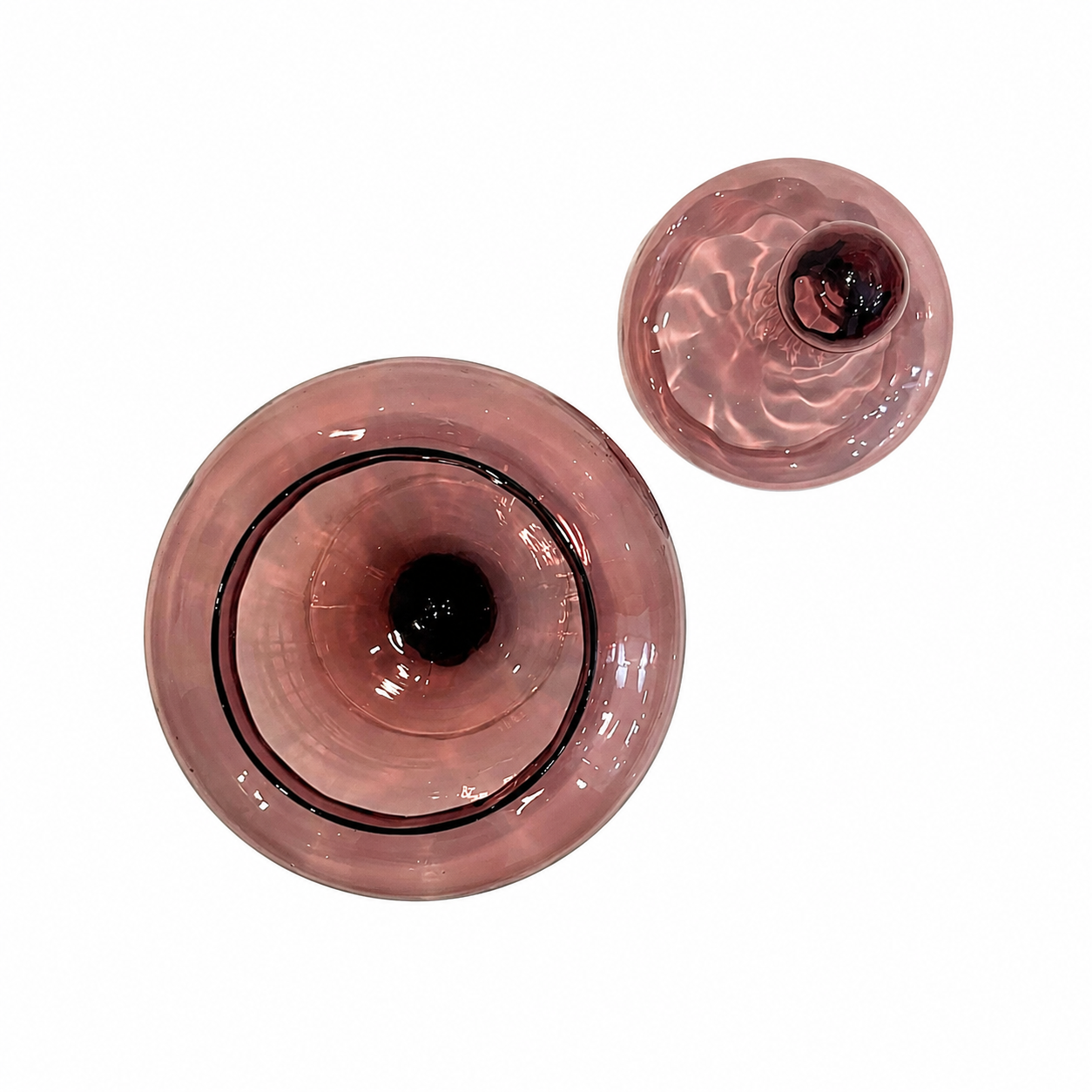
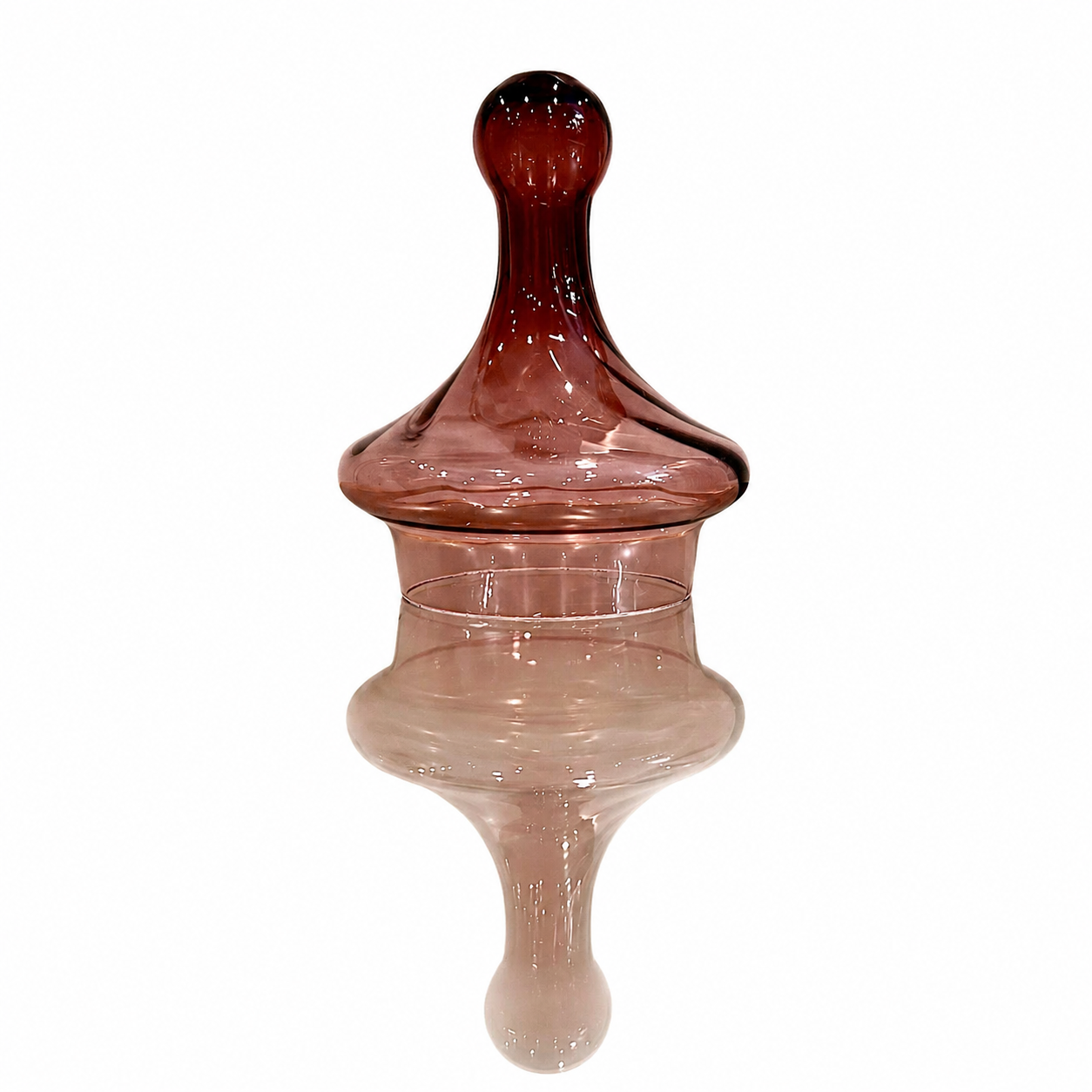
This elegant tea service presents a sophisticated interplay between transparency and opulent metallic detailing, characteristic of refined Turkish glassmaking. The waisted, hourglass silhouette of the vessels creates a graceful sculptural profile that catches and refracts light through its exceptionally thin-walled construction. Each piece is elevated by a bold, hand-applied gold band at the midline and a delicate gilded rim, offering a minimalist yet luxurious aesthetic for the modern collector.
These vessels represent a sophisticated evolution of the traditional Turkish ince belli (slim-waisted) tea glass. Produced during a period of intense artistic modernization in Istanbul, this set strips away ornate traditional patterns in favor of a clean, Mid-Century Modern silhouette. The contrast between the ethereal, paper-thin glass—known locally as "Fene"—and the substantial 24k gold gilding evokes the shimmering reflections of the Bosphorus at sunset. It is a set designed not just for service, but as a celebratory centerpiece of Turkish hospitality reimagined for the international avant-garde.This elegant tea service presents a sophisticated interplay between transparency and opulent metallic detailing, characteristic of refined Turkish glassmaking. The waisted, hourglass silhouette of the vessels creates a graceful sculptural profile that catches and refracts light through its exceptionally thin-walled construction. Each piece is elevated by a bold, hand-applied gold band at the midline and a delicate gilded rim, offering a minimalist yet luxurious aesthetic for the modern collector.
Attribution & Period
By Pasabahce, Turkey; Mid-Century Modern (1960s–1970s). The "Pasabahce" mark on the underside, identifies the premier Turkish glass manufacturer known for high-quality soda-lime glass. This specific form and the 24k gold gilding techniques are consistent with the company's mid-to-late 20th-century production of traditional tea sets reimagined with a modern, streamlined sensibility.
The Era: 1965–1975; The evidence is directed to the late 1960s or early 1970s.
• The Mark: The specific typeface of "TURKEY" and the presence of a single-digit or double-digit mold number (like the "12" on your pieces) are characteristic of Pasabahce’s export expansion in the mid-to-late 20th century. In earlier decades, marks were less standardized, and in much later production (1990s+), the logos often moved toward printed or laser-etched marks rather than deep glass embossing.
• The "Gilt" Style: The "Mid-Century Modern Minimalist" look—thin glass with simple, heavy gold bands—peaked in popularity during the Hollywood Regency and Late MCM transition (roughly 1965–1975). This was Turkey's "Golden Age" for exporting these high-end "Fene" (extra-thin) glass sets to European and American markets.
• Manufacturing Method:These pieces are "blown-machine" glass. This technology was perfected by Pasabahce in the 60s to achieve that "very thin" feel, which mimics hand-blown crystal but with the durability of soda-lime glass.
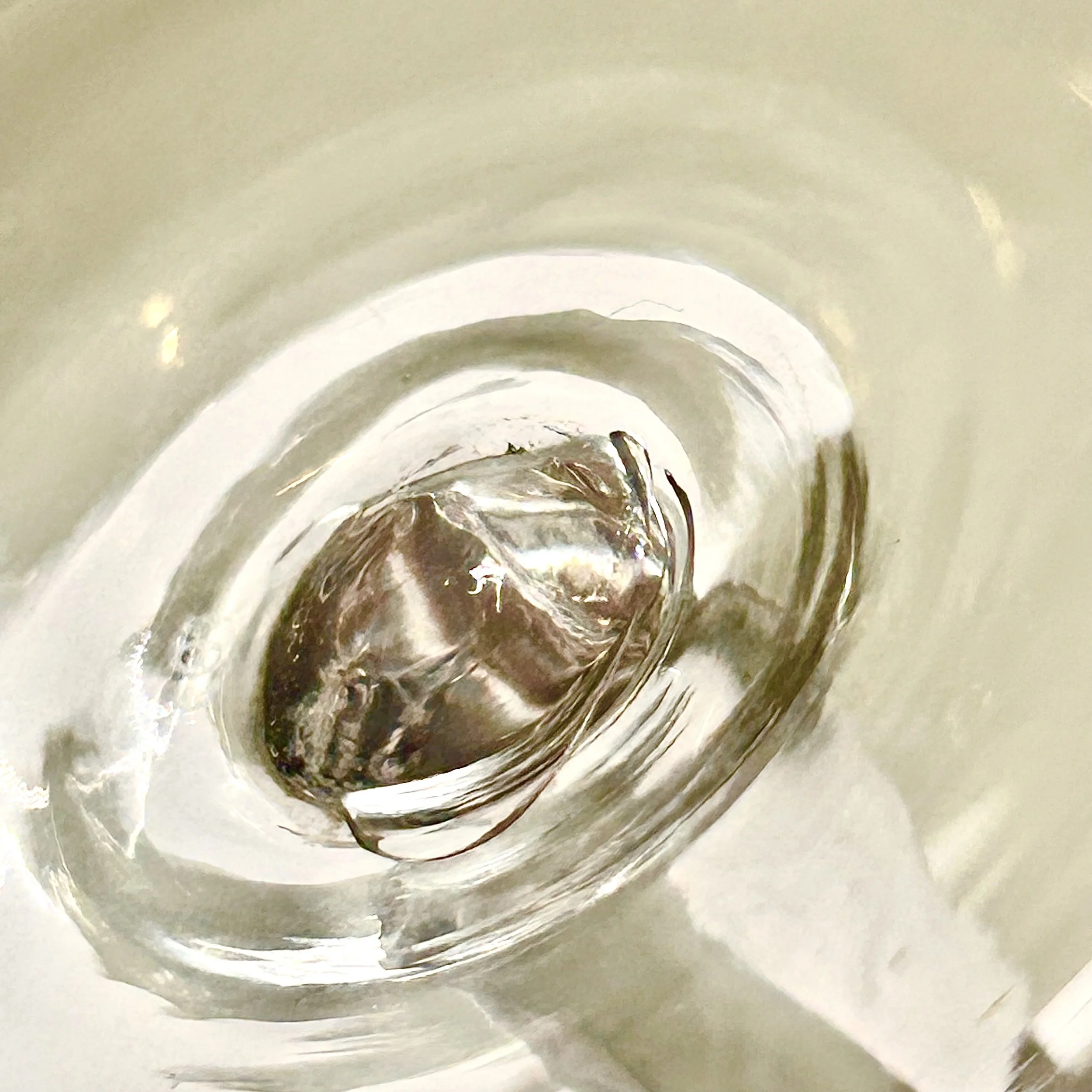
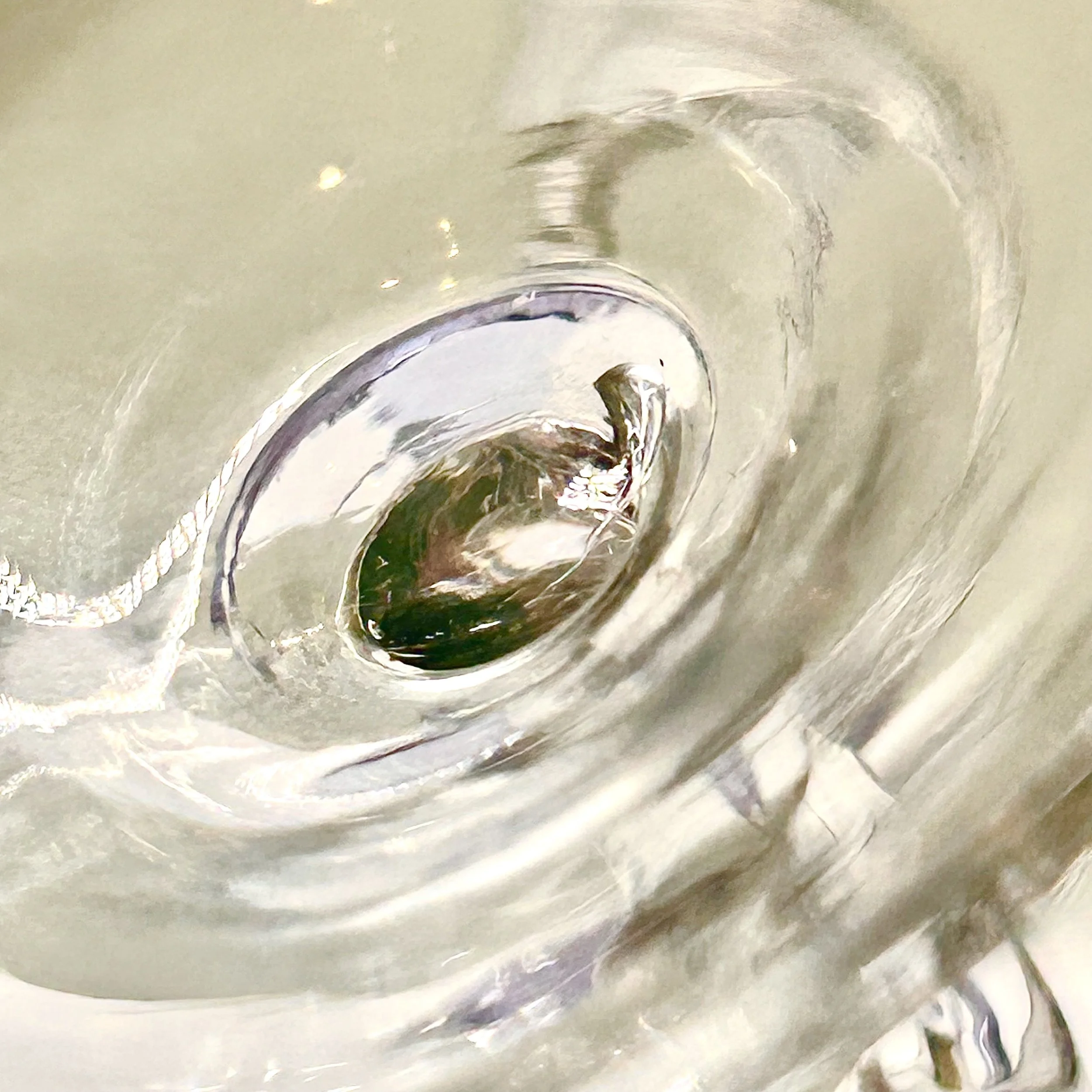
The "12" on the bottom is an indication of the Mold Number. In a high-end factory, multiple molds are used simultaneously to keep up with production. If a glass came out with a defect, the inspector would look at the bottom, see the "12," and know exactly which machine/mold on the factory floor needed to be adjusted
Dimensions & Weight
Condition
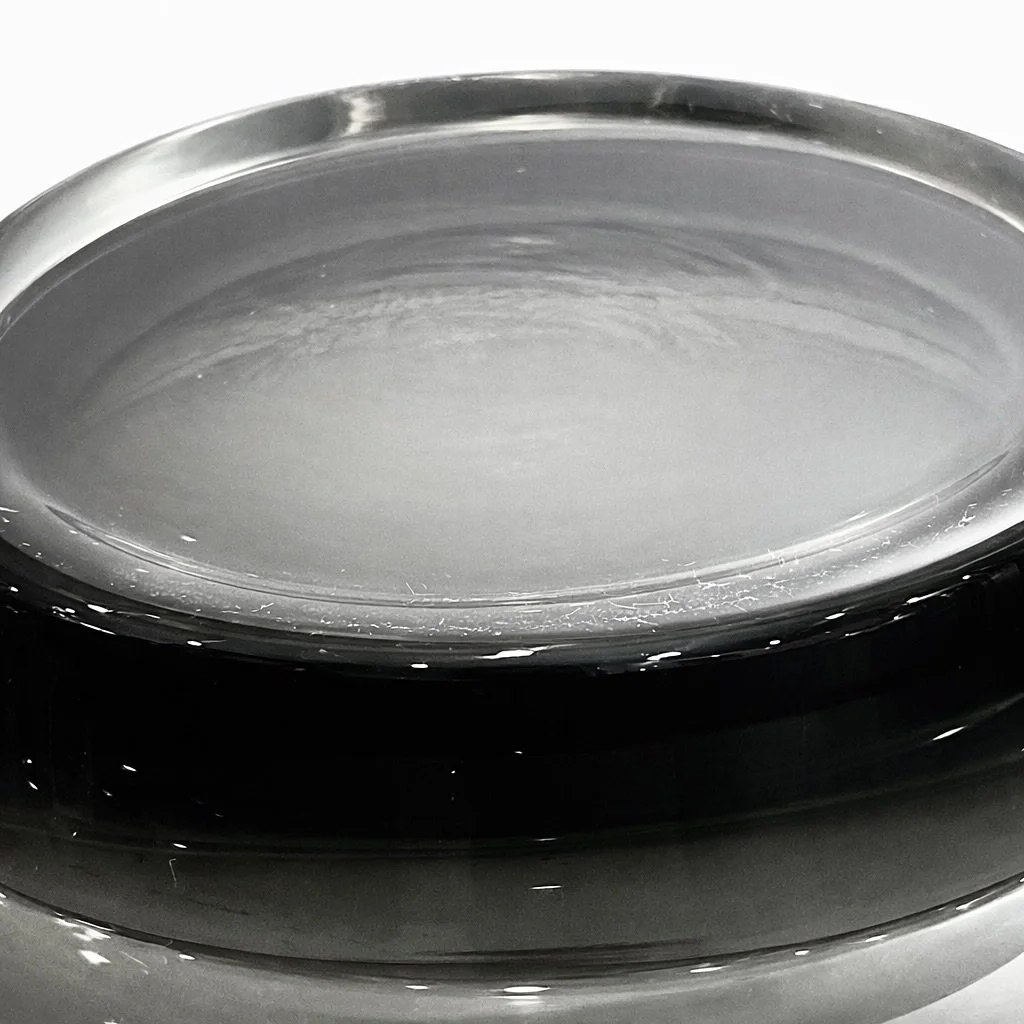
Excellent condition. The glass remains remarkably clear with no observed chips, cracks, or clouding. The gold gilding shows minimal to no signs of wear, maintaining a high-lustre finish. Very light, age-appropriate shelf wear to the bases.
Authenticity & Construction
These pieces are crafted from high-clarity, lightweight "Fene" style glass, a hallmark of Pasabahce’s finer collections. The precision of the gilded bands indicates professional factory application, likely fired to ensure durability. The presence of the embossed "Pasabahce Turkey" factory mark and mold number "12" on the underside serves as definitive authentication of its origin and manufacturing standards.
Placement
A perfect addition to a curated bar cart or as a decorative accent in a minimalist dining room. These vessels function beautifully as both tea service and sculptural objects when displayed on a backlit shelf or a marble-topped credenza.
STANDARD ATTRIBUTION & VALUE DISCLOSURE; This piece is described to the best of current scholarly and market knowledge. Any maker or regional attribution is based on visual analysis, materials, construction techniques, and documented stylistic comparisons. As with many MCM and antique design objects, definitive attribution may not be possible without original labels or factory records. Pricing reflects condition, quality, decorative appeal, and current collector demand rather than guaranteed maker identification.
This elegant tea service presents a sophisticated interplay between transparency and opulent metallic detailing, characteristic of refined Turkish glassmaking. The waisted, hourglass silhouette of the vessels creates a graceful sculptural profile that catches and refracts light through its exceptionally thin-walled construction. Each piece is elevated by a bold, hand-applied gold band at the midline and a delicate gilded rim, offering a minimalist yet luxurious aesthetic for the modern collector.
These vessels represent a sophisticated evolution of the traditional Turkish ince belli (slim-waisted) tea glass. Produced during a period of intense artistic modernization in Istanbul, this set strips away ornate traditional patterns in favor of a clean, Mid-Century Modern silhouette. The contrast between the ethereal, paper-thin glass—known locally as "Fene"—and the substantial 24k gold gilding evokes the shimmering reflections of the Bosphorus at sunset. It is a set designed not just for service, but as a celebratory centerpiece of Turkish hospitality reimagined for the international avant-garde.This elegant tea service presents a sophisticated interplay between transparency and opulent metallic detailing, characteristic of refined Turkish glassmaking. The waisted, hourglass silhouette of the vessels creates a graceful sculptural profile that catches and refracts light through its exceptionally thin-walled construction. Each piece is elevated by a bold, hand-applied gold band at the midline and a delicate gilded rim, offering a minimalist yet luxurious aesthetic for the modern collector.
Attribution & Period
By Pasabahce, Turkey; Mid-Century Modern (1960s–1970s). The "Pasabahce" mark on the underside, identifies the premier Turkish glass manufacturer known for high-quality soda-lime glass. This specific form and the 24k gold gilding techniques are consistent with the company's mid-to-late 20th-century production of traditional tea sets reimagined with a modern, streamlined sensibility.
The Era: 1965–1975; The evidence is directed to the late 1960s or early 1970s.
• The Mark: The specific typeface of "TURKEY" and the presence of a single-digit or double-digit mold number (like the "12" on your pieces) are characteristic of Pasabahce’s export expansion in the mid-to-late 20th century. In earlier decades, marks were less standardized, and in much later production (1990s+), the logos often moved toward printed or laser-etched marks rather than deep glass embossing.
• The "Gilt" Style: The "Mid-Century Modern Minimalist" look—thin glass with simple, heavy gold bands—peaked in popularity during the Hollywood Regency and Late MCM transition (roughly 1965–1975). This was Turkey's "Golden Age" for exporting these high-end "Fene" (extra-thin) glass sets to European and American markets.
• Manufacturing Method:These pieces are "blown-machine" glass. This technology was perfected by Pasabahce in the 60s to achieve that "very thin" feel, which mimics hand-blown crystal but with the durability of soda-lime glass.
The "12" on the bottom is an indication of the Mold Number. In a high-end factory, multiple molds are used simultaneously to keep up with production. If a glass came out with a defect, the inspector would look at the bottom, see the "12," and know exactly which machine/mold on the factory floor needed to be adjusted
Dimensions & Weight
Condition
Excellent condition. The glass remains remarkably clear with no observed chips, cracks, or clouding. The gold gilding shows minimal to no signs of wear, maintaining a high-lustre finish. Very light, age-appropriate shelf wear to the bases.
Authenticity & Construction
These pieces are crafted from high-clarity, lightweight "Fene" style glass, a hallmark of Pasabahce’s finer collections. The precision of the gilded bands indicates professional factory application, likely fired to ensure durability. The presence of the embossed "Pasabahce Turkey" factory mark and mold number "12" on the underside serves as definitive authentication of its origin and manufacturing standards.
Placement
A perfect addition to a curated bar cart or as a decorative accent in a minimalist dining room. These vessels function beautifully as both tea service and sculptural objects when displayed on a backlit shelf or a marble-topped credenza.
STANDARD ATTRIBUTION & VALUE DISCLOSURE; This piece is described to the best of current scholarly and market knowledge. Any maker or regional attribution is based on visual analysis, materials, construction techniques, and documented stylistic comparisons. As with many MCM and antique design objects, definitive attribution may not be possible without original labels or factory records. Pricing reflects condition, quality, decorative appeal, and current collector demand rather than guaranteed maker identification.

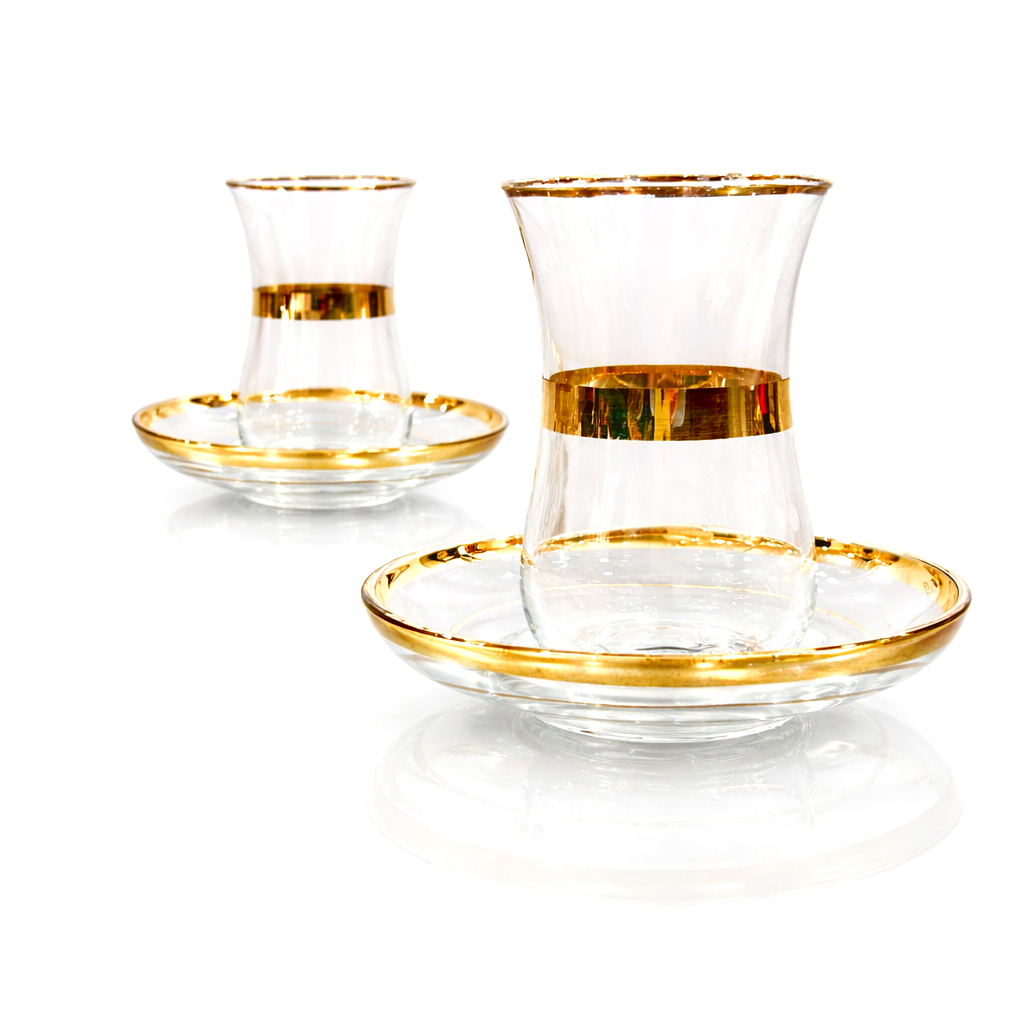 Image 1 of 10
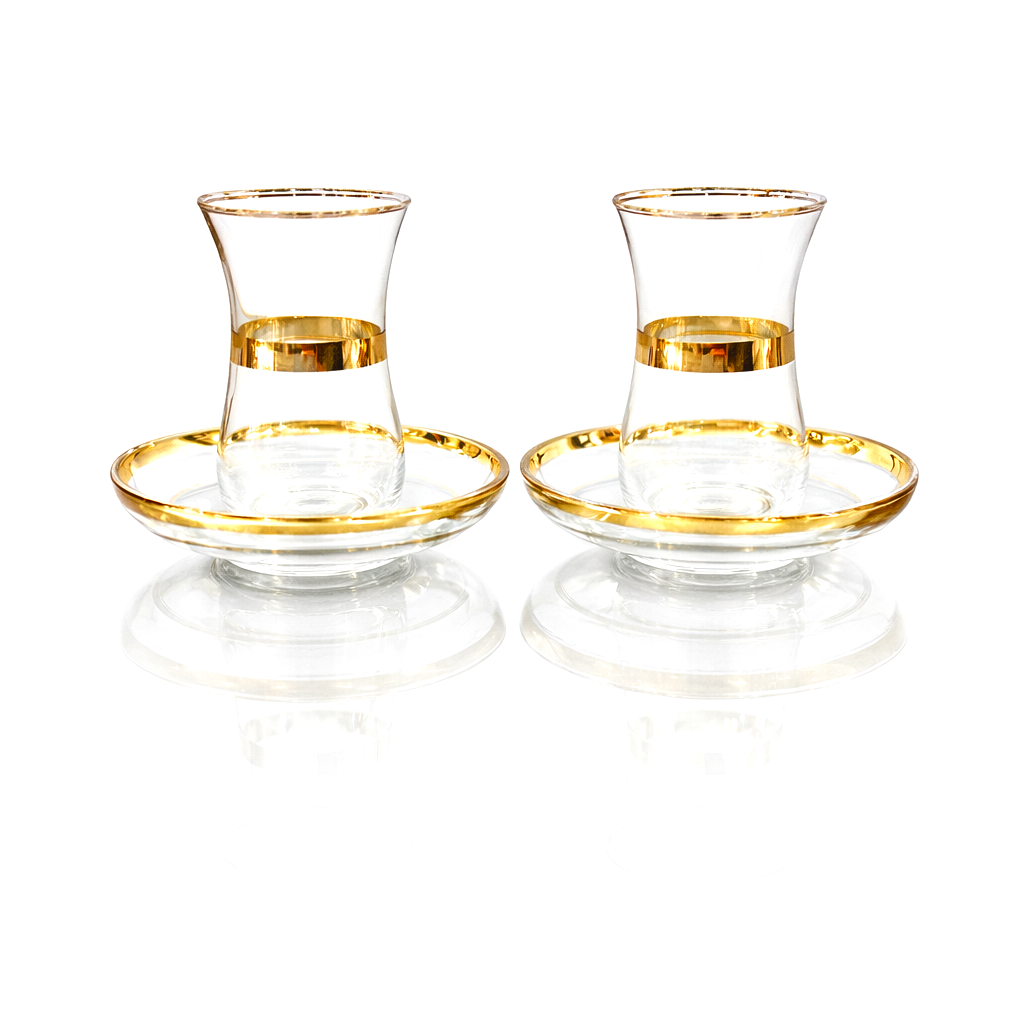 Image 2 of 10
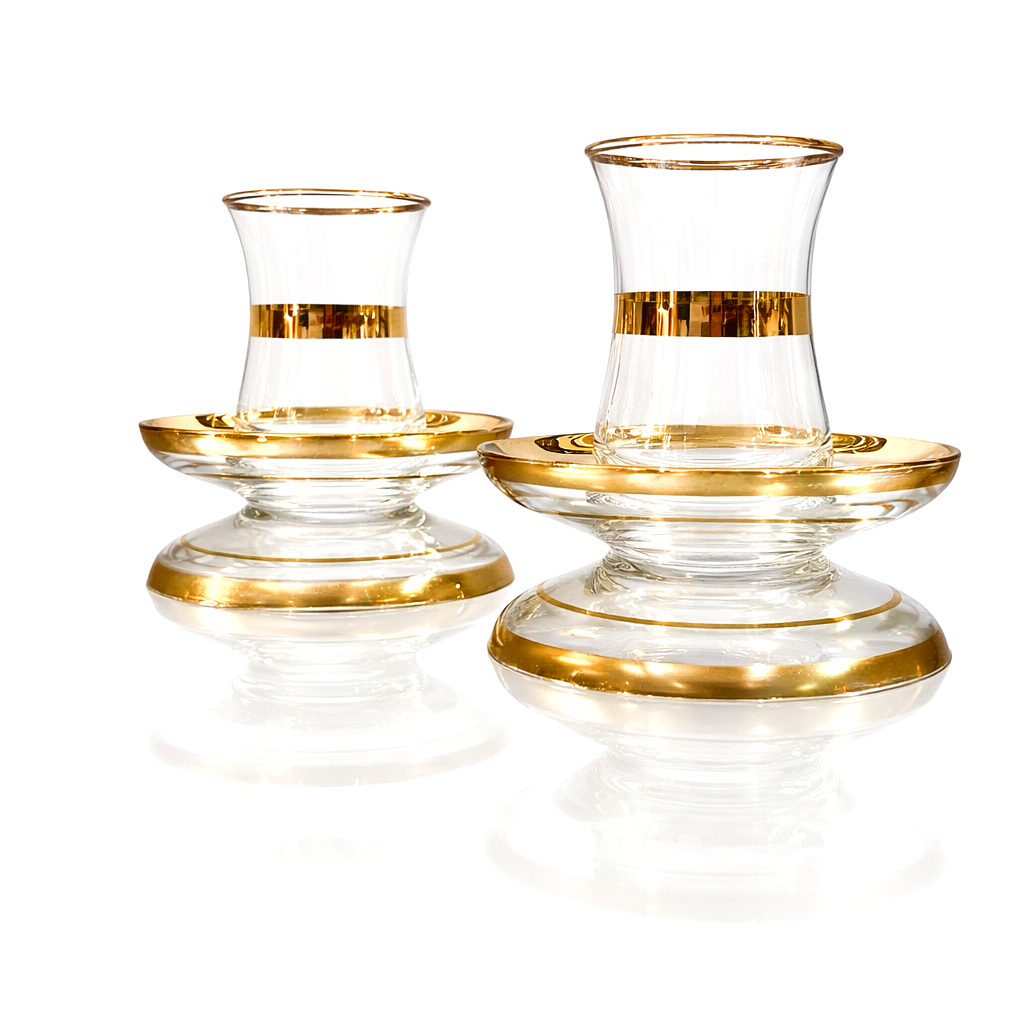 Image 3 of 10
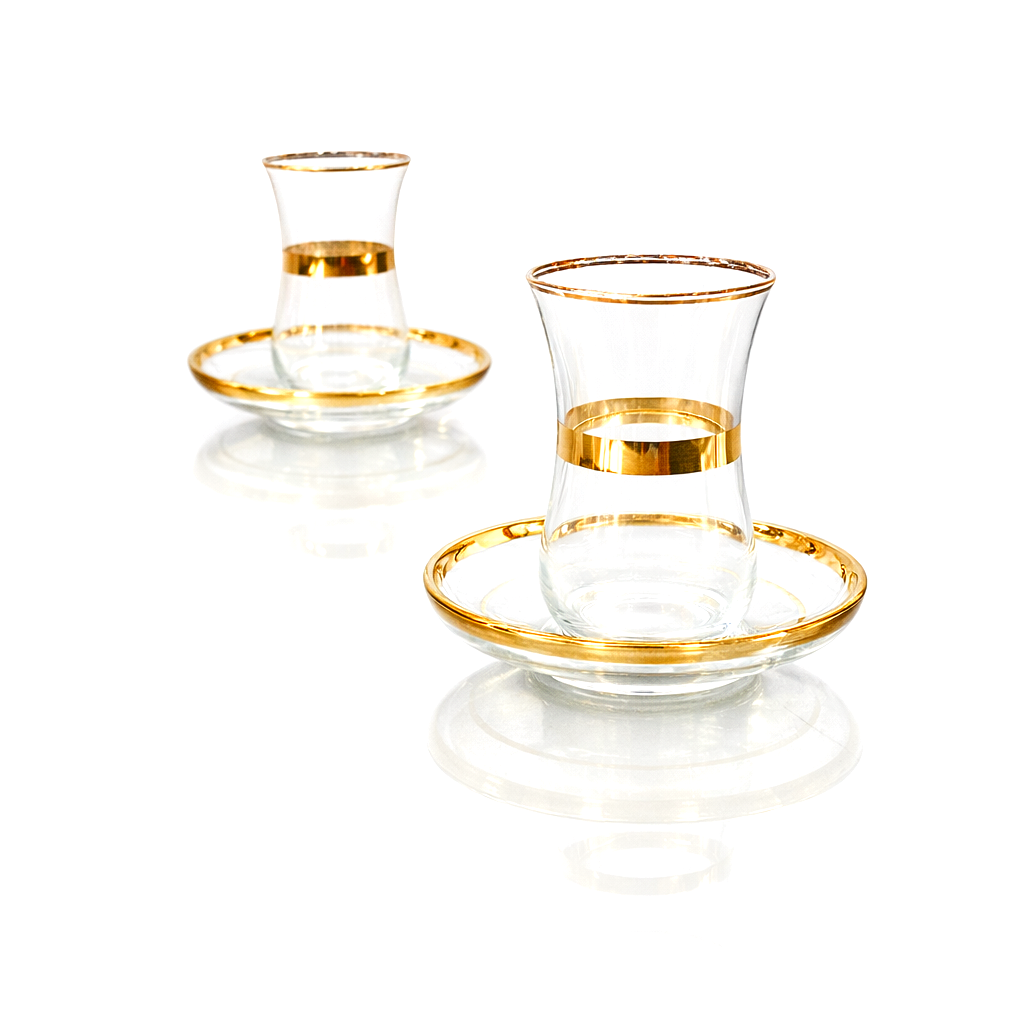 Image 4 of 10
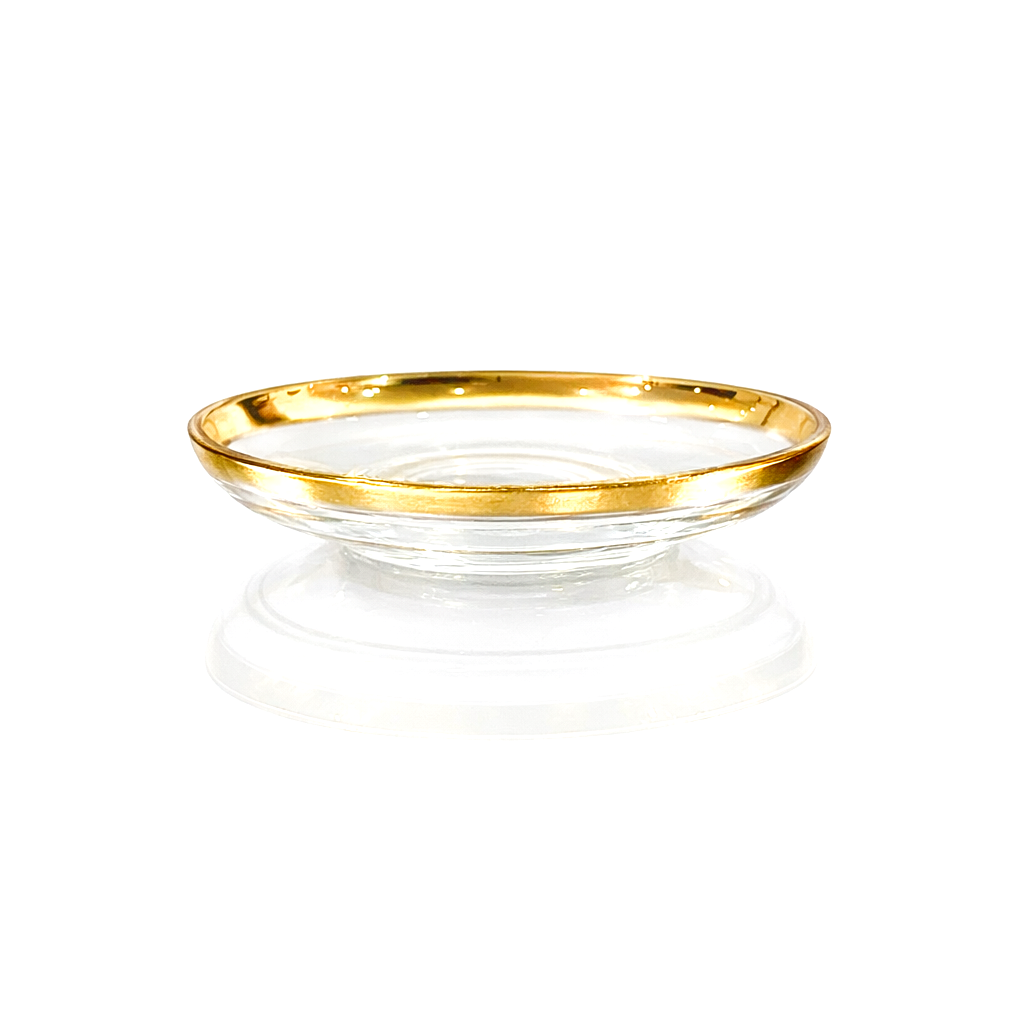 Image 5 of 10
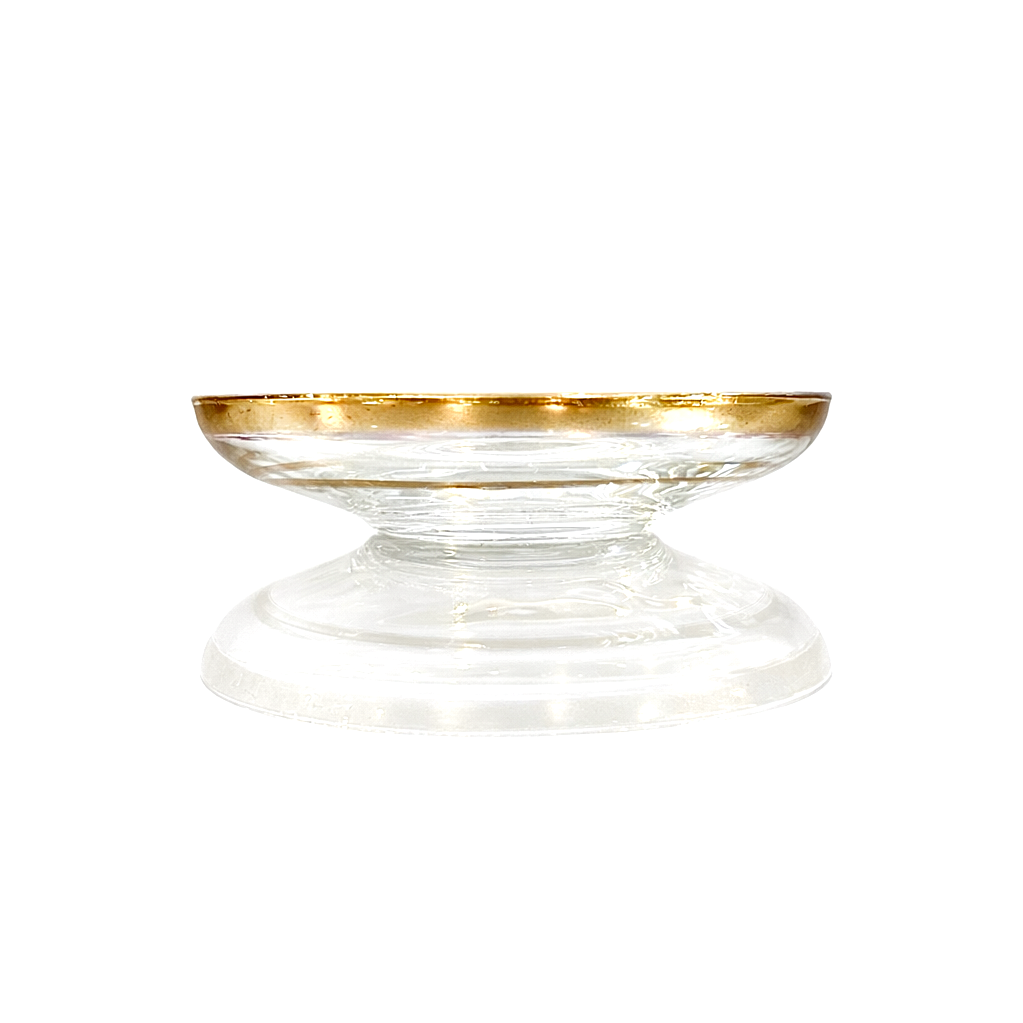 Image 6 of 10
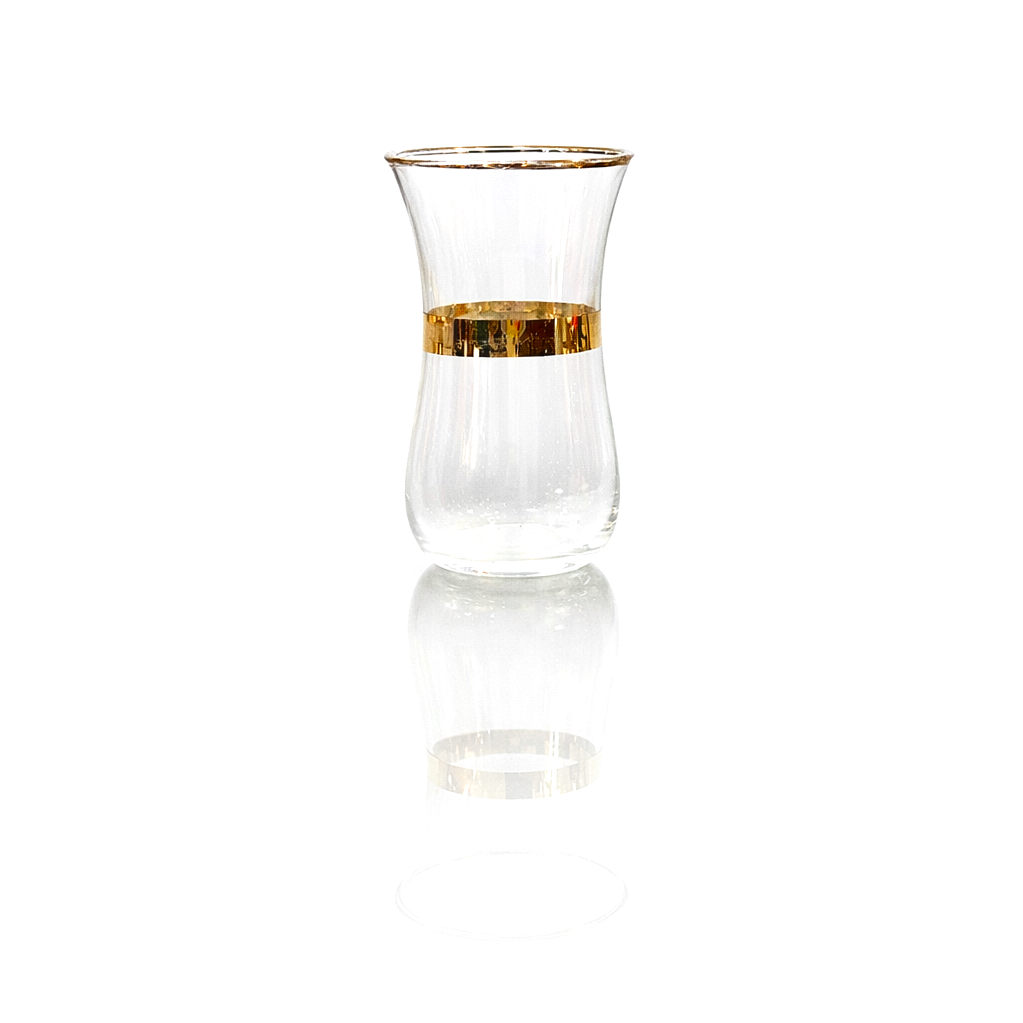 Image 7 of 10
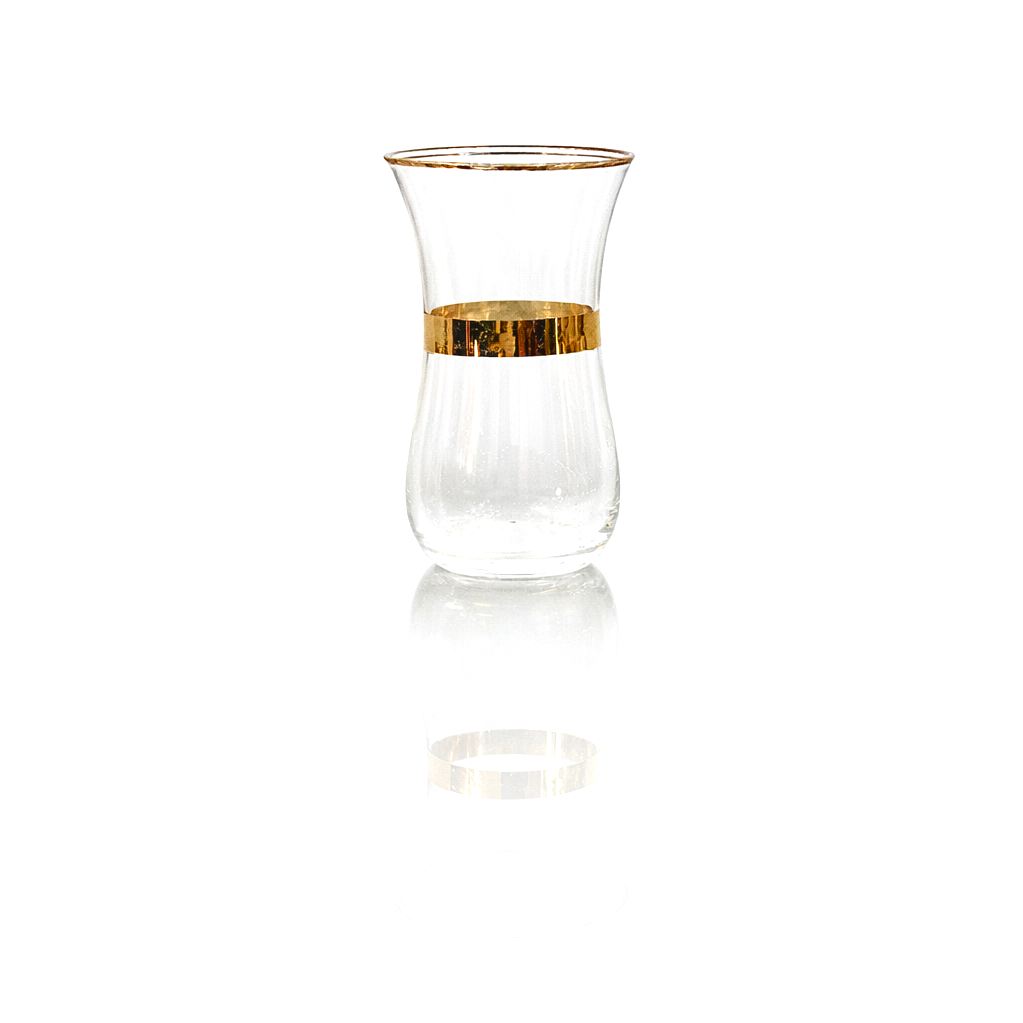 Image 8 of 10
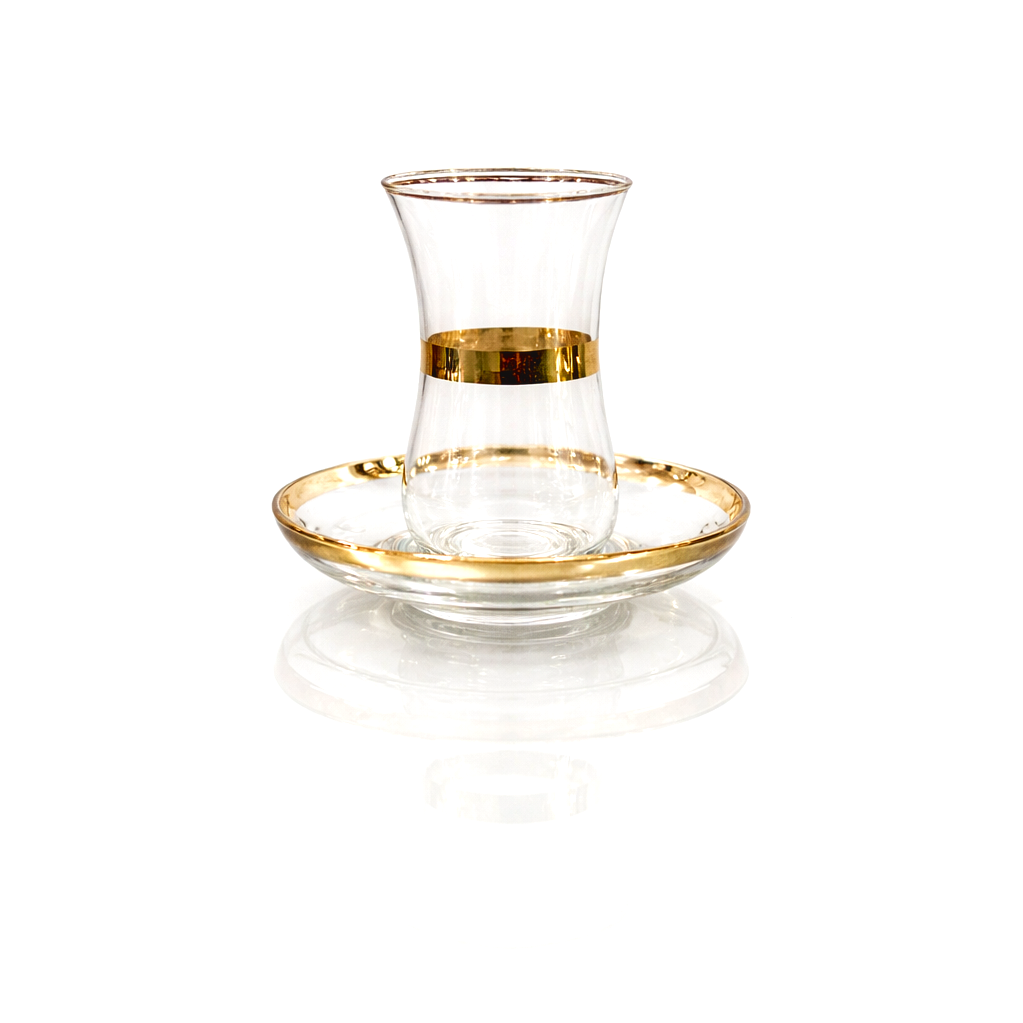 Image 9 of 10
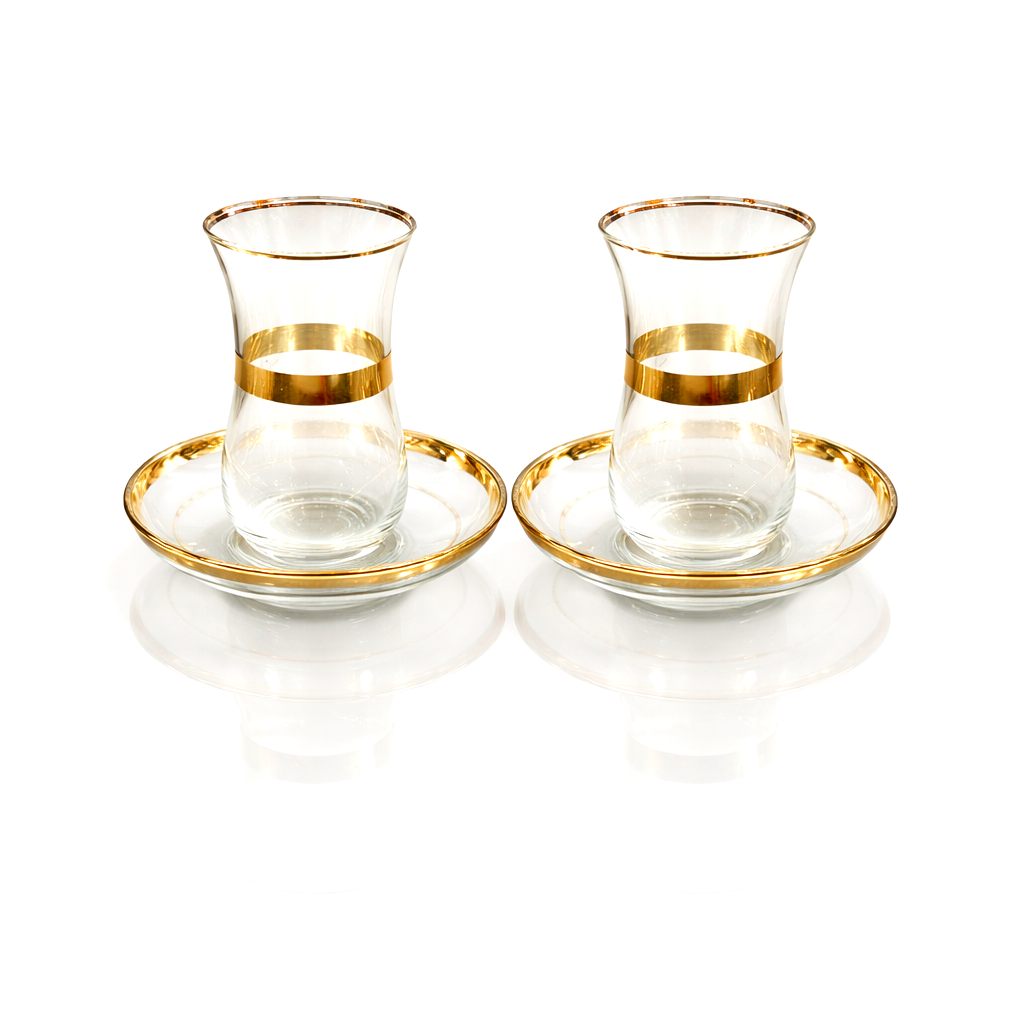 Image 10 of 10