 Image 1 of 5
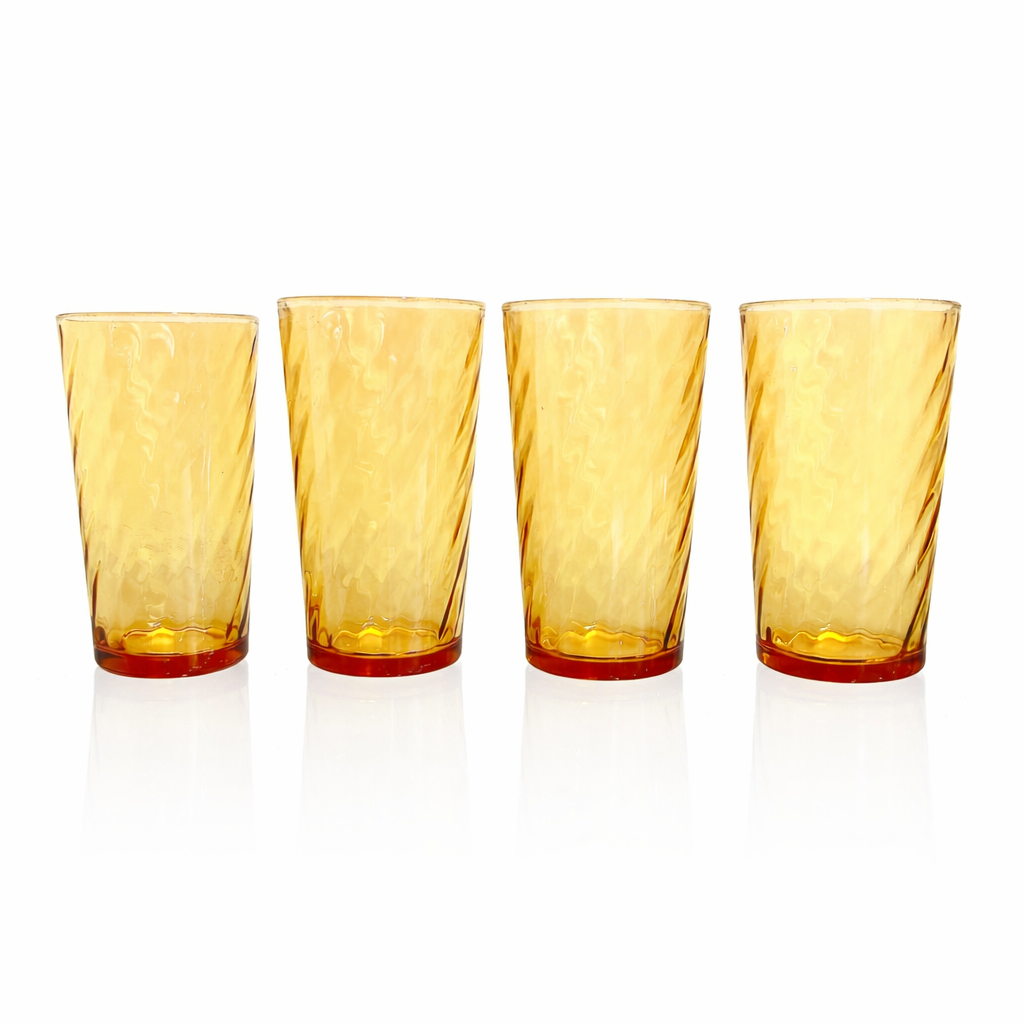 Image 2 of 5
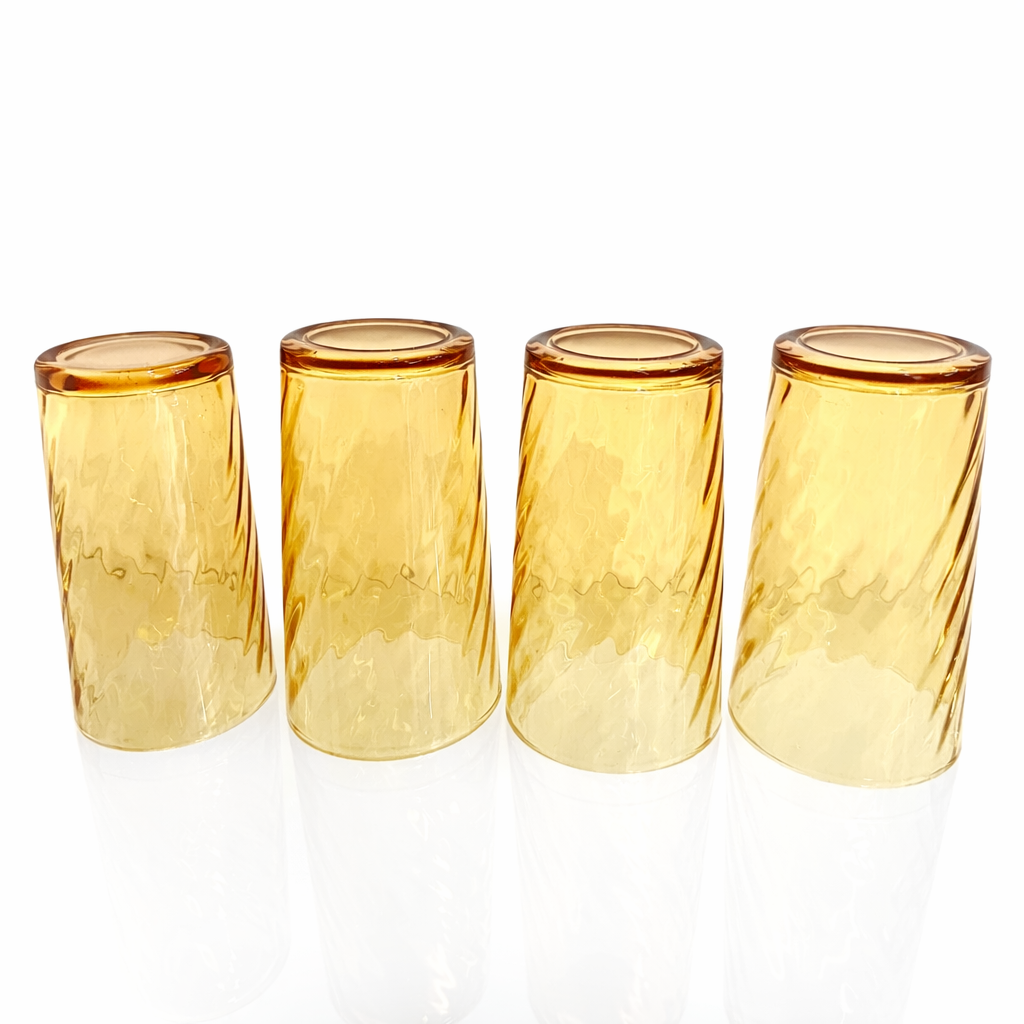 Image 3 of 5
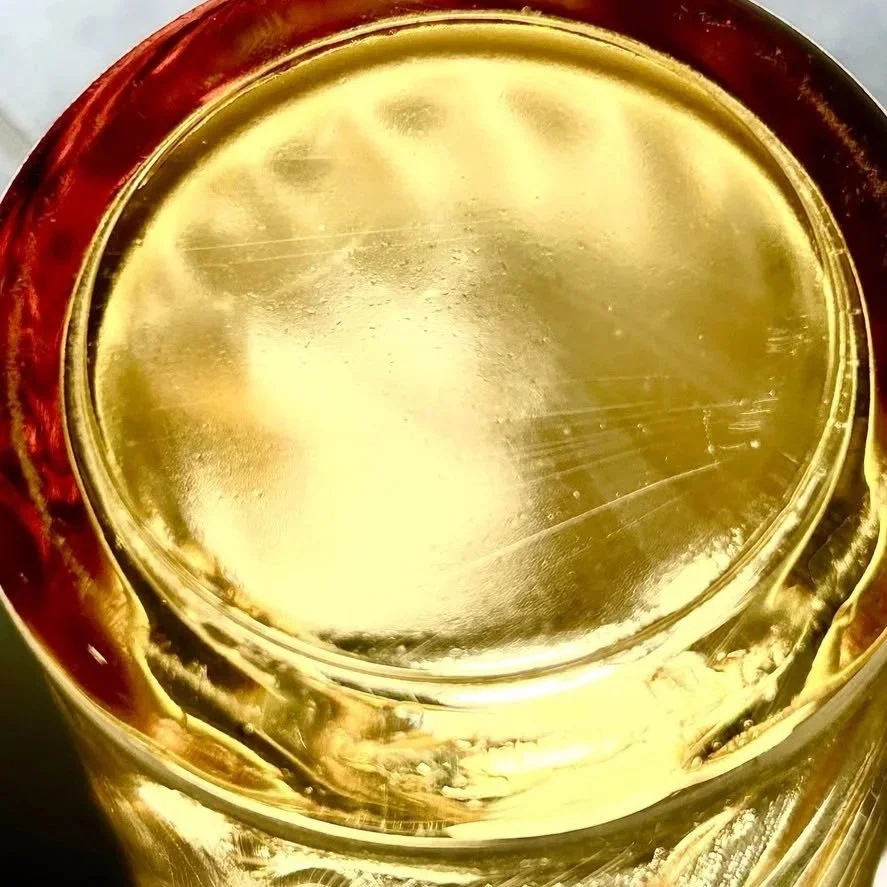 Image 4 of 5
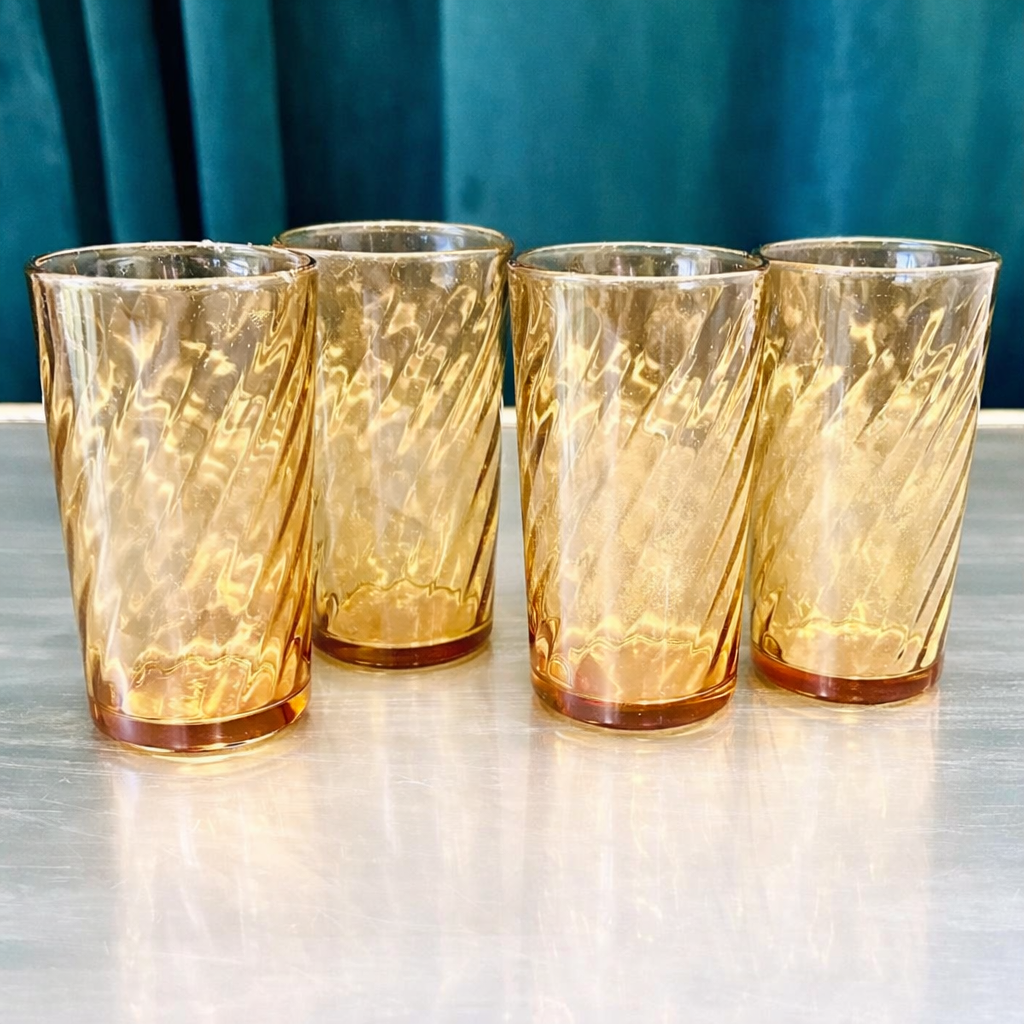 Image 5 of 5
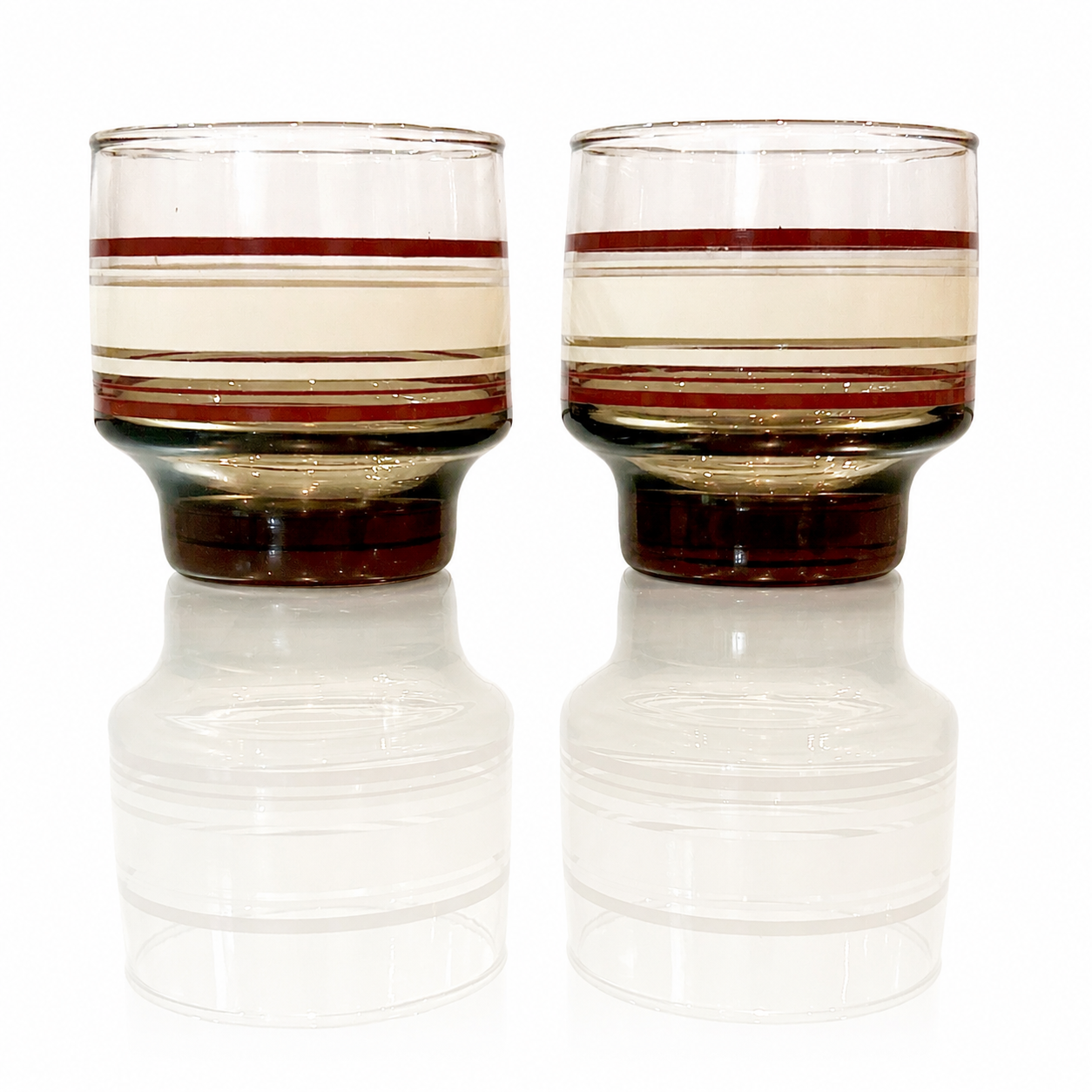
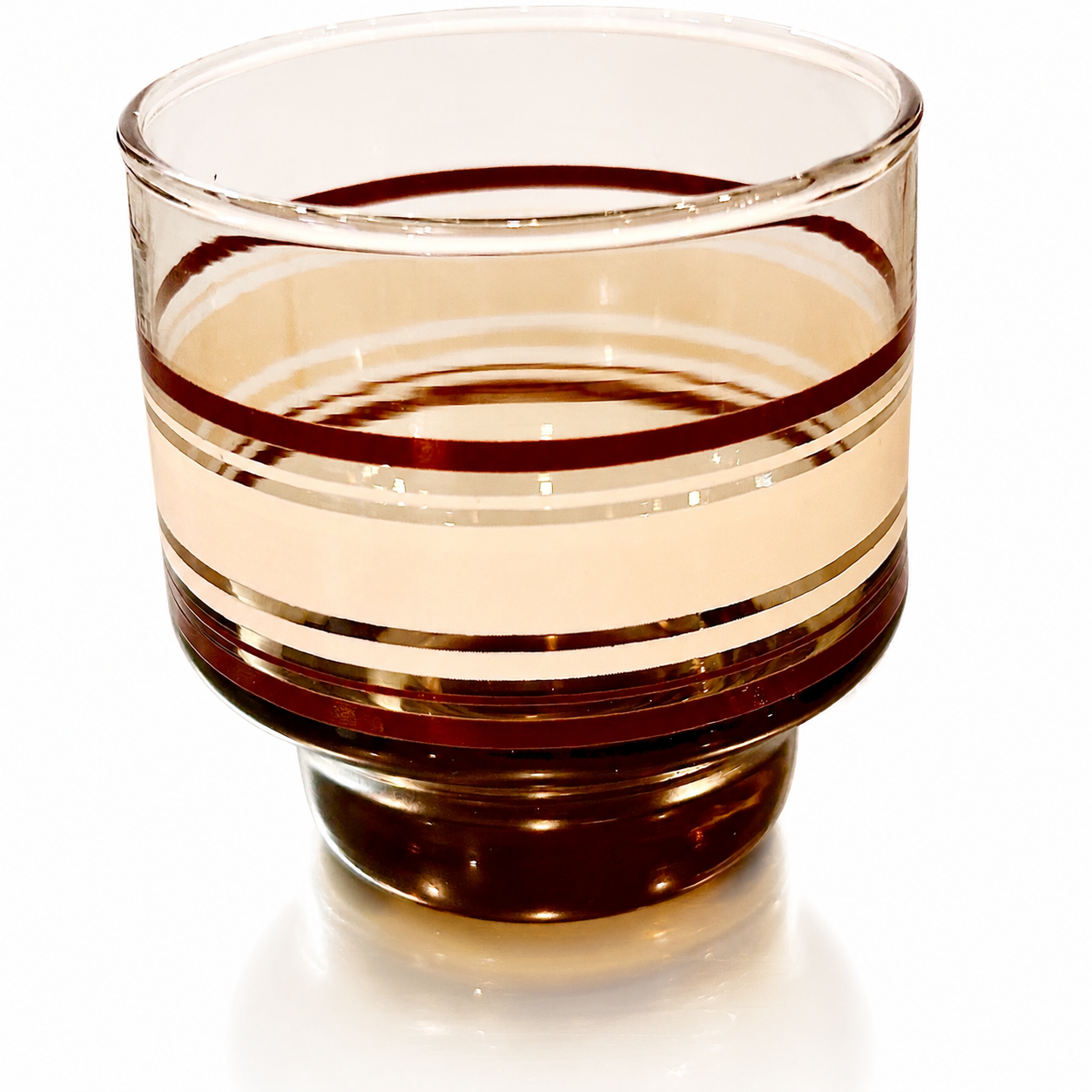
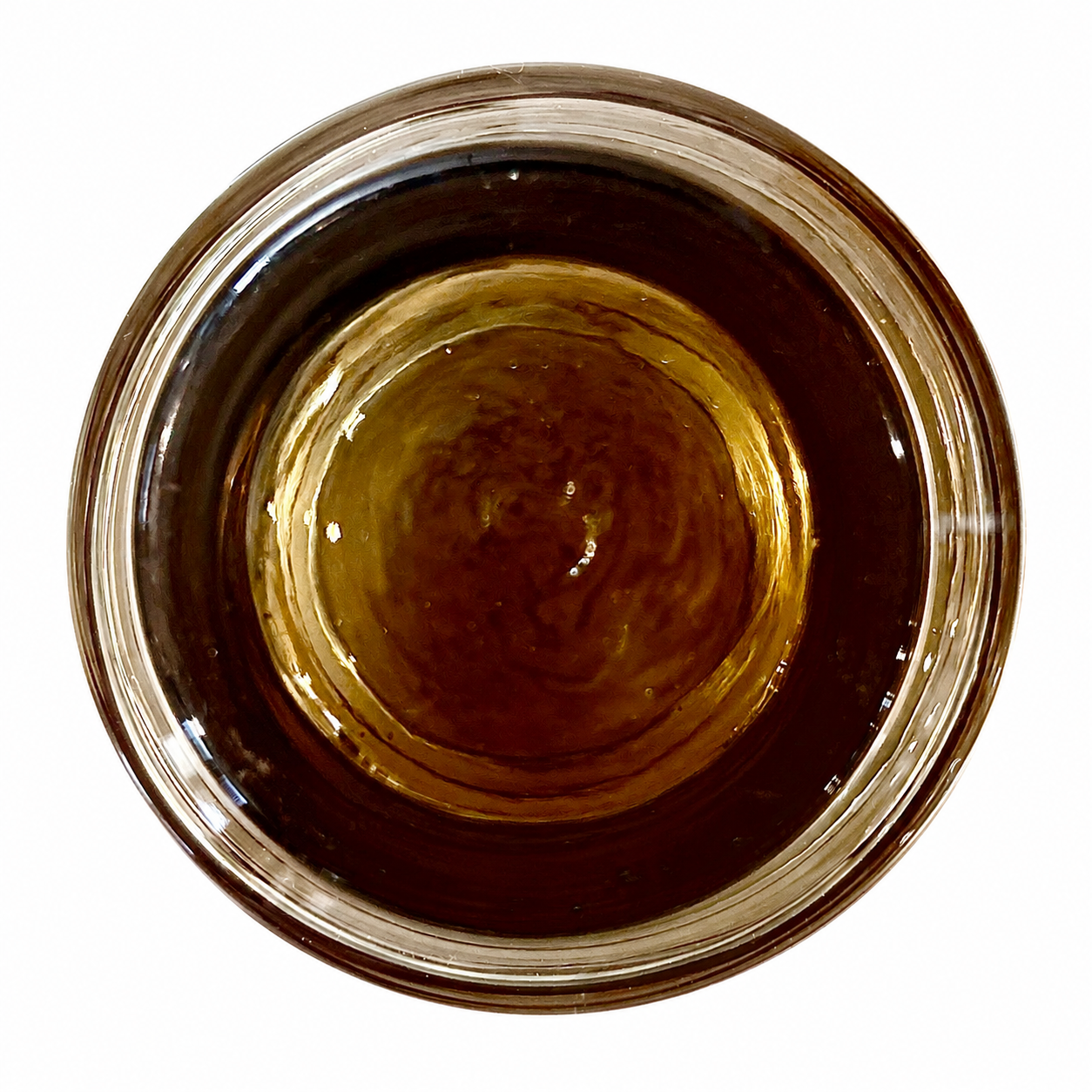
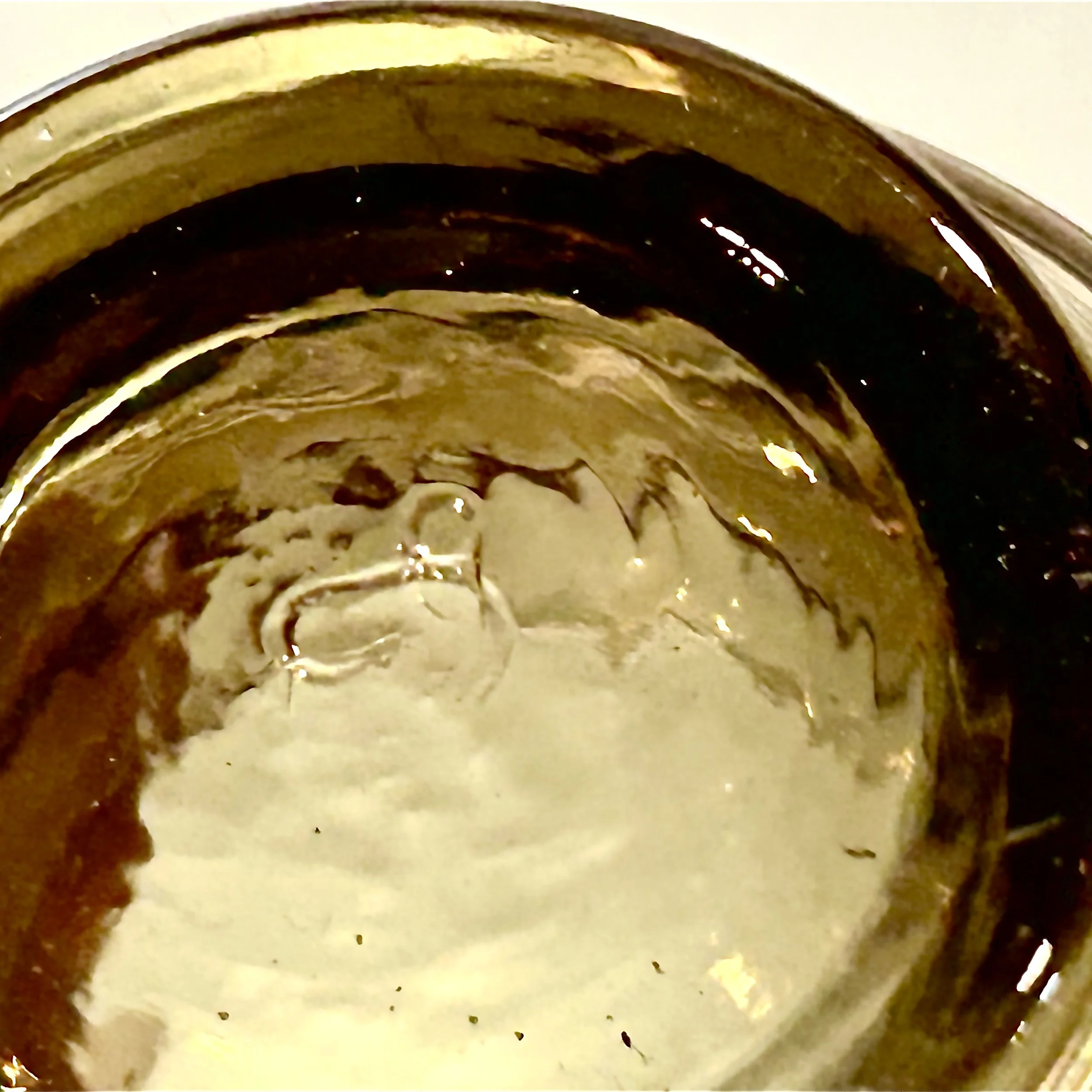
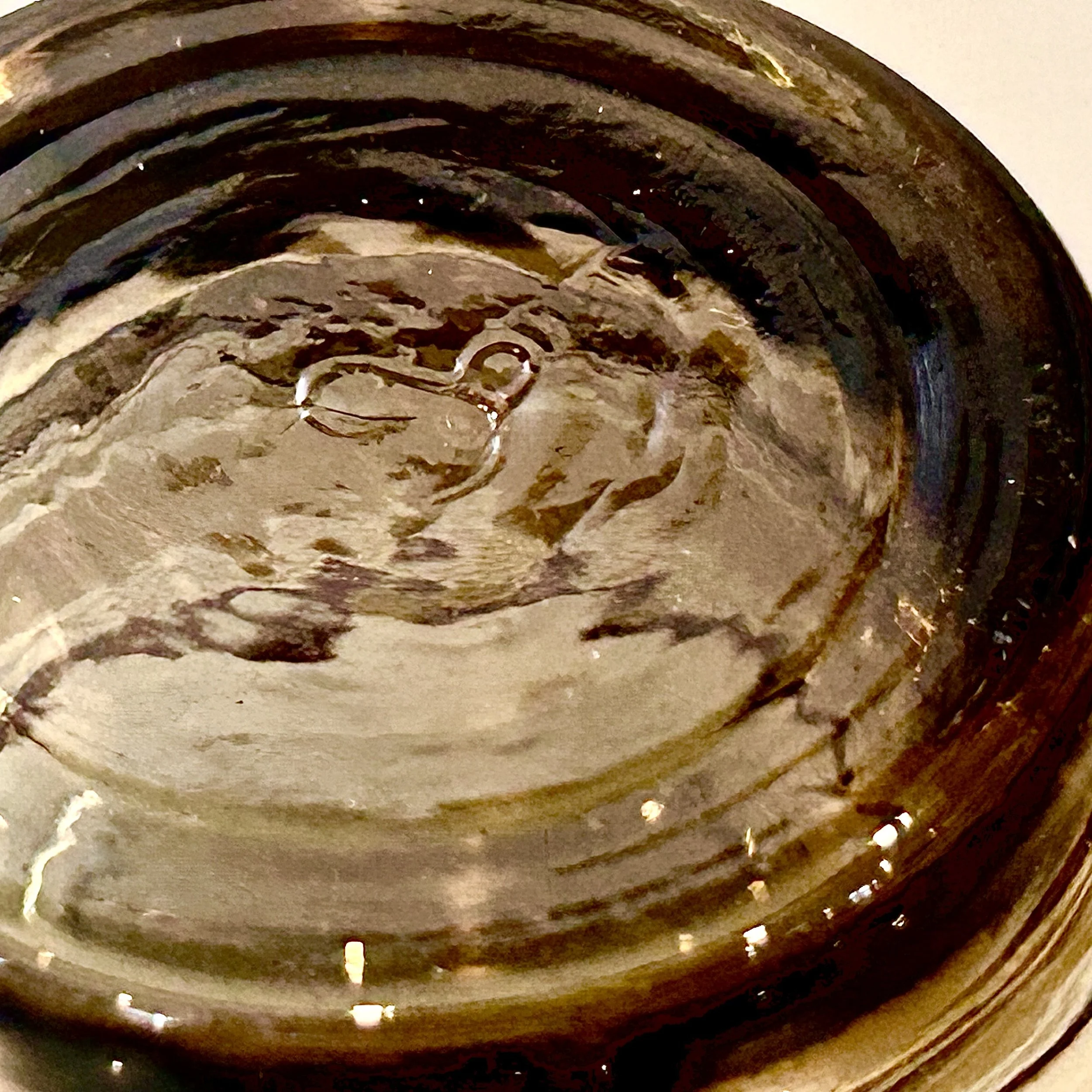
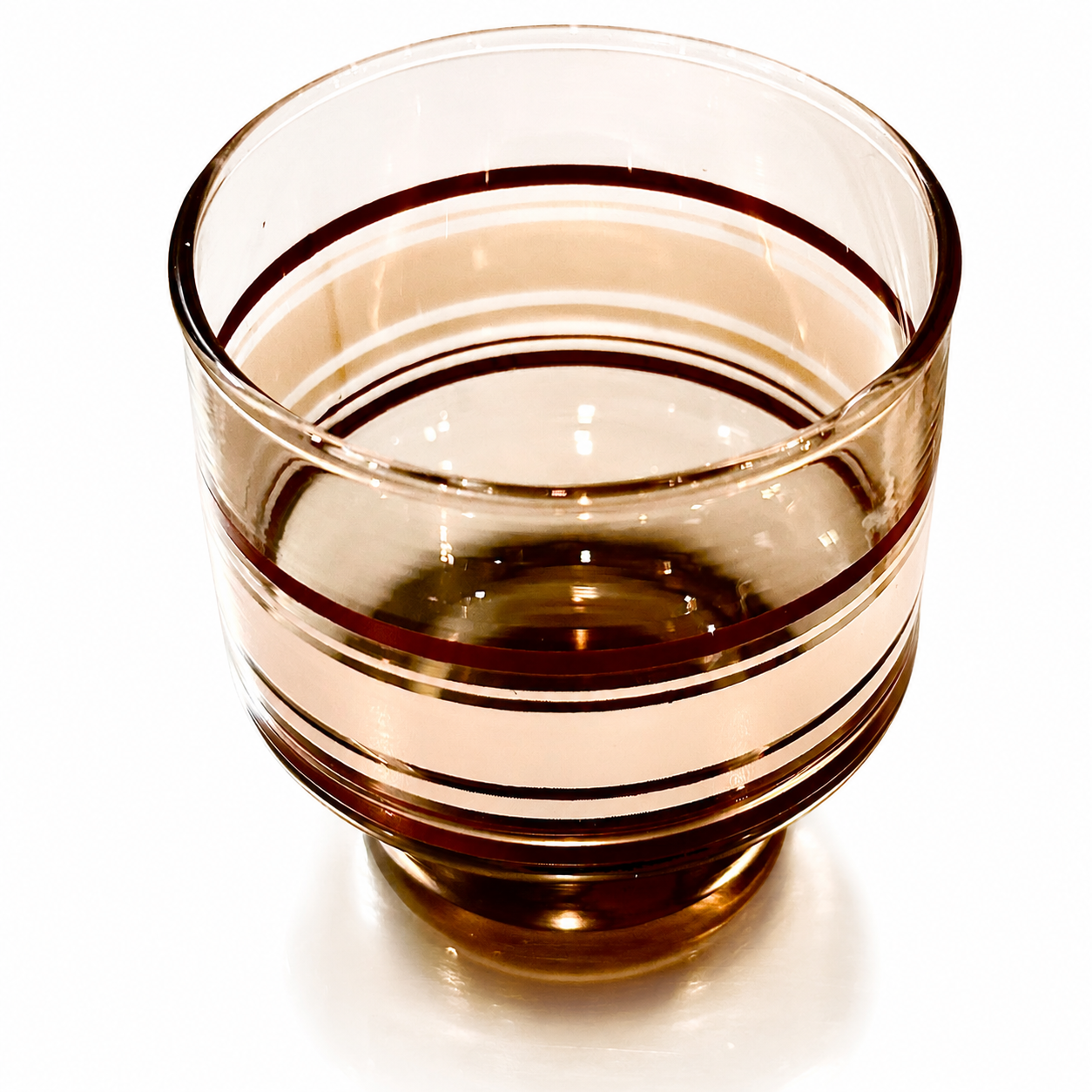
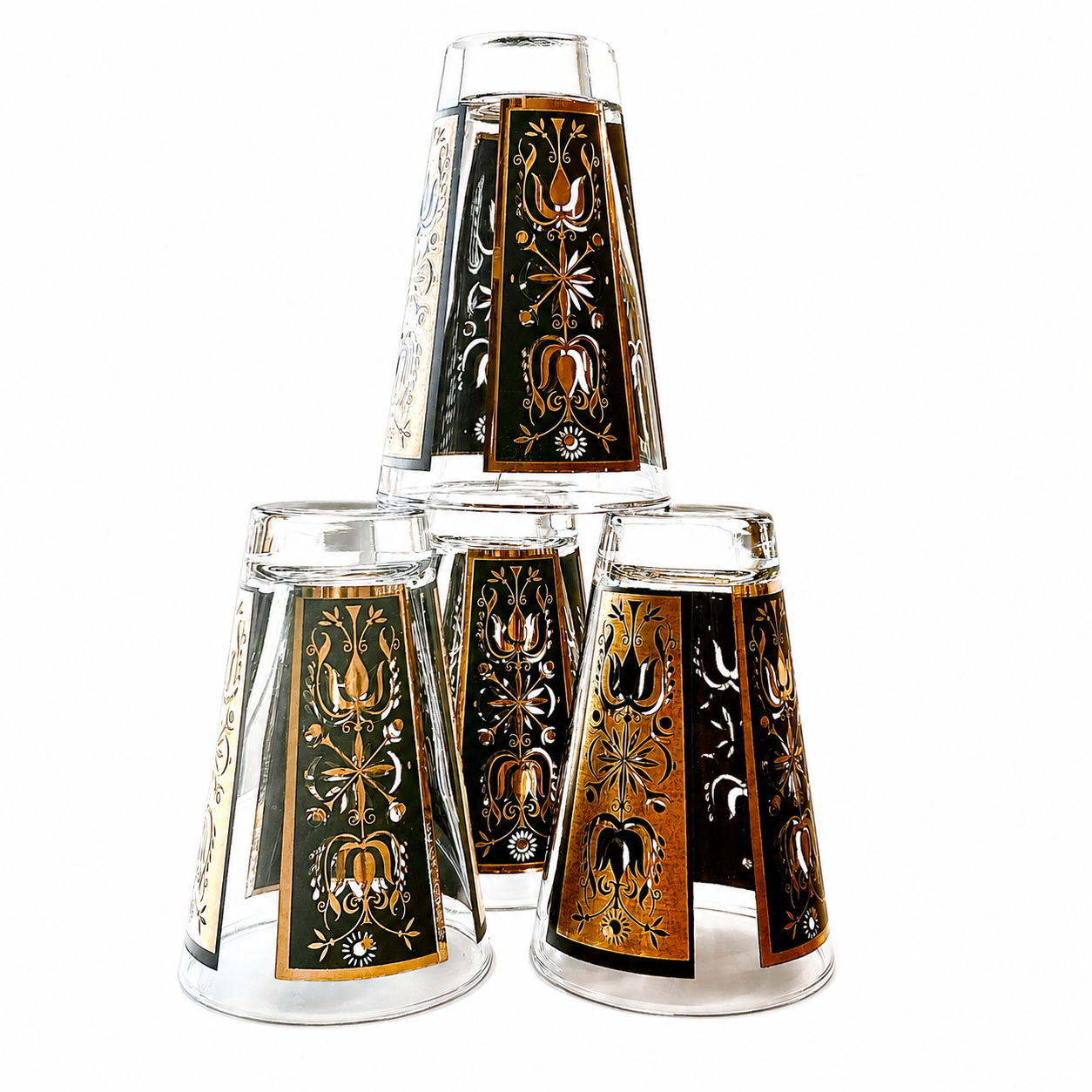
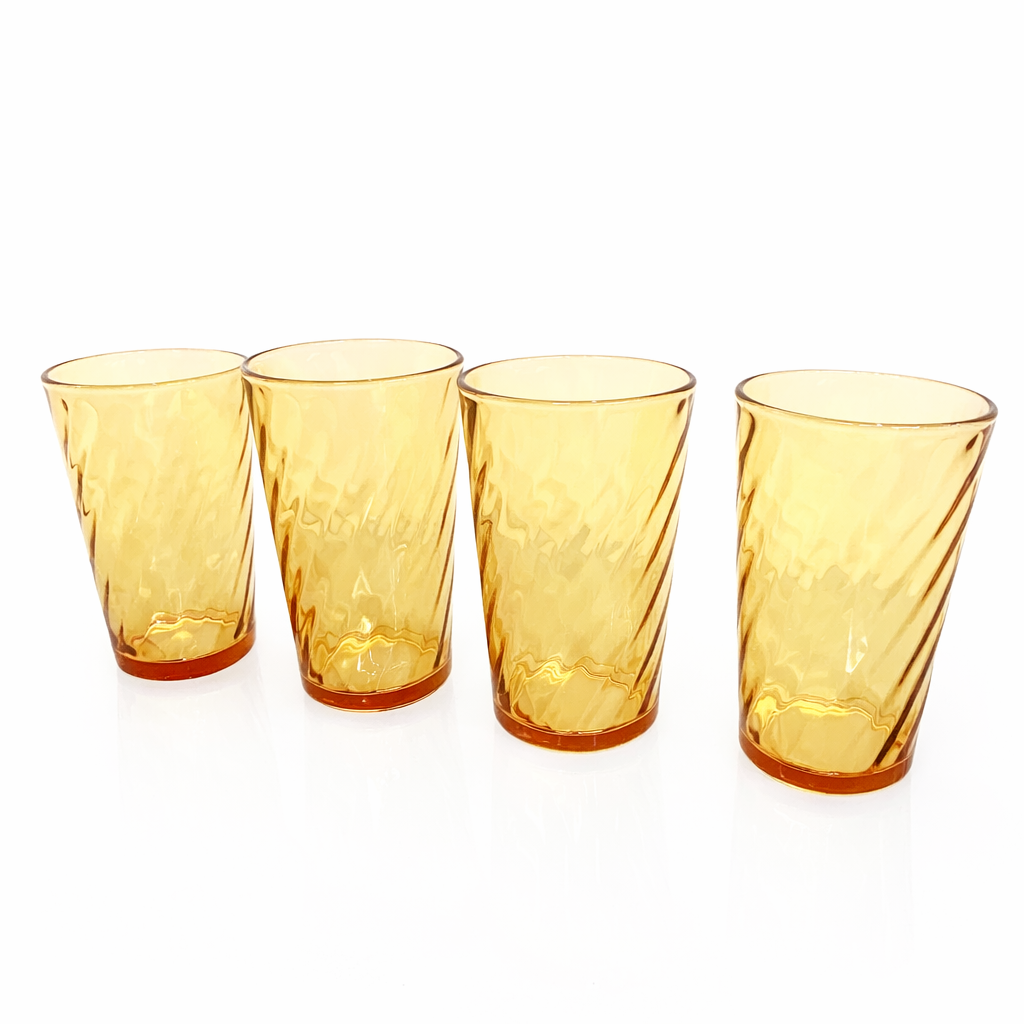
Service for 4, amber twist-optic tumblers in a warm honey-to-cognac gradient, each with a spiral-swirl body and applied amber-toned base ring. The glass exhibits subtle hand-worked character—gentle waviness, fluid optic movement, and lively light refraction—hallmarks of mid-century barware production.
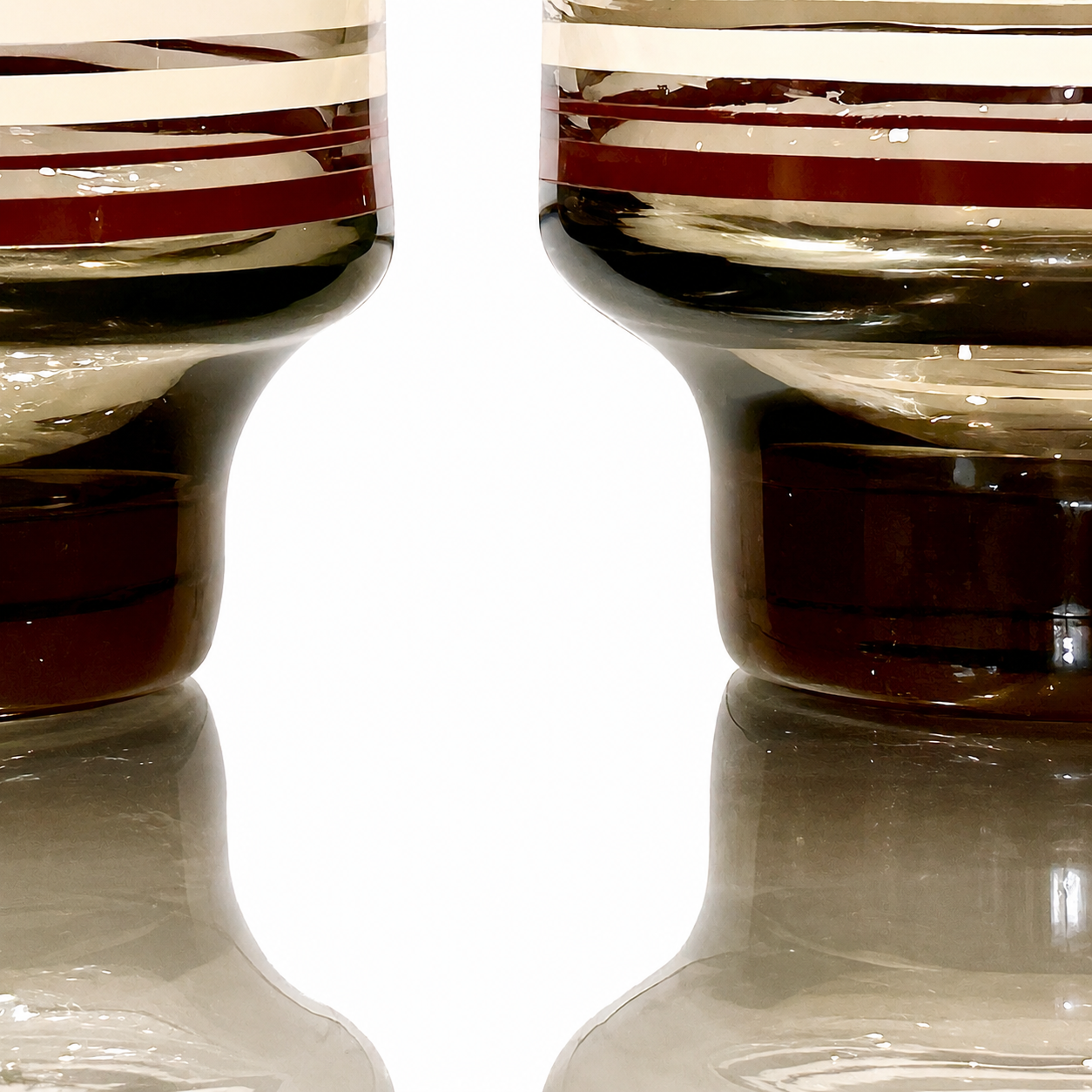
The graduated coloration, with deeper amber concentrated at the foot, creates dimensional warmth when grouped. Finding four closely matched examples with consistent tone and optic alignment is increasingly uncommon, making this set particularly well-suited for curated bar presentation.
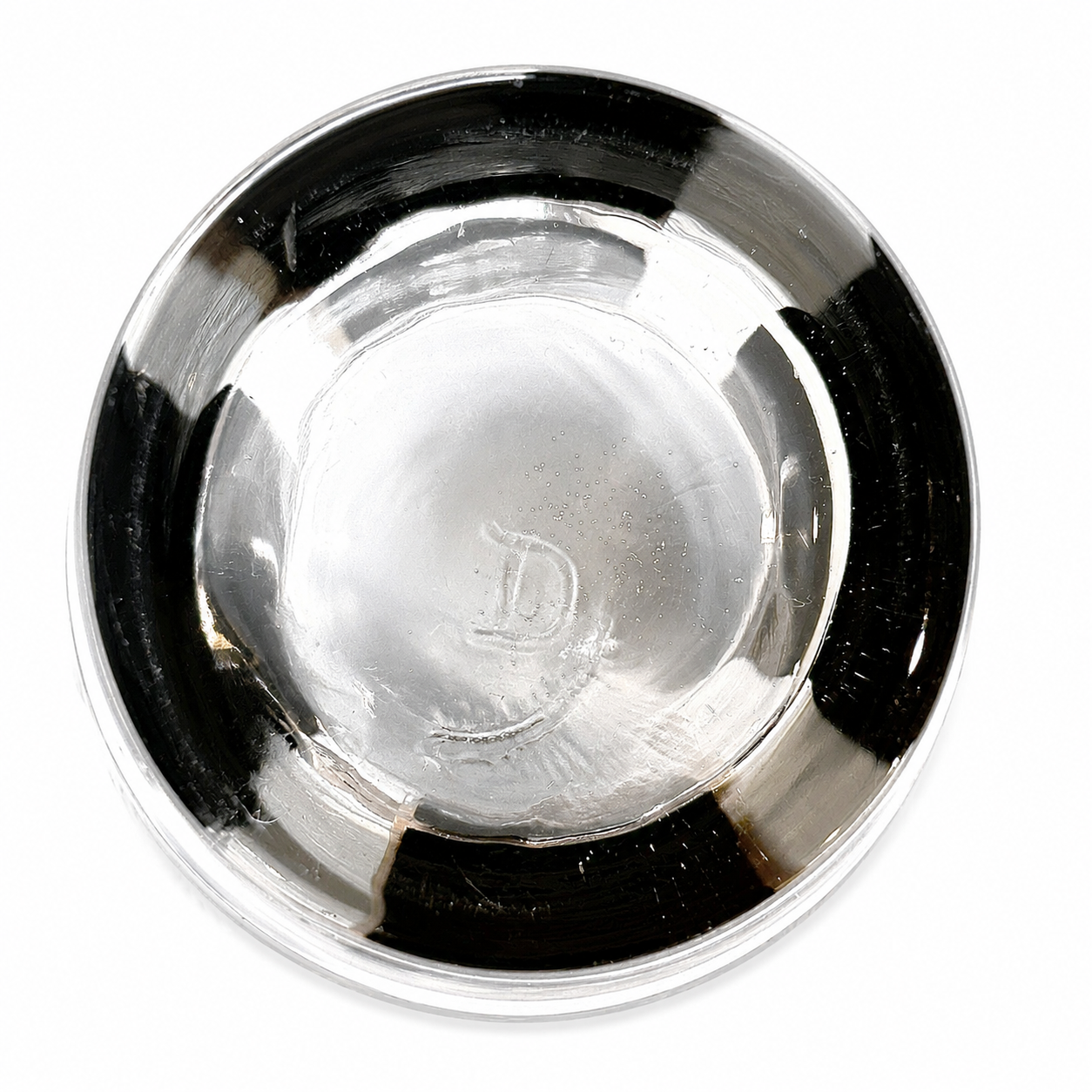
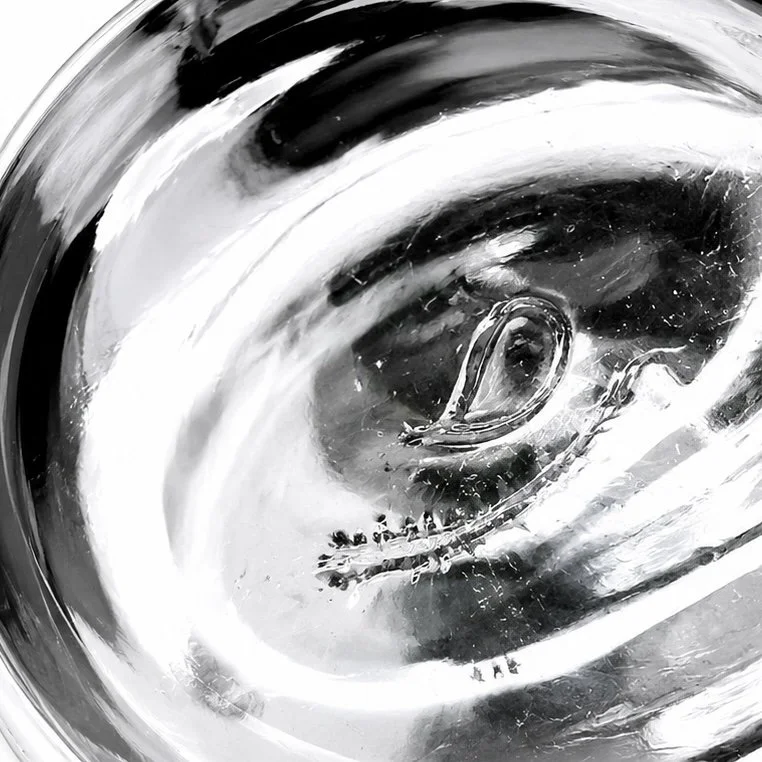
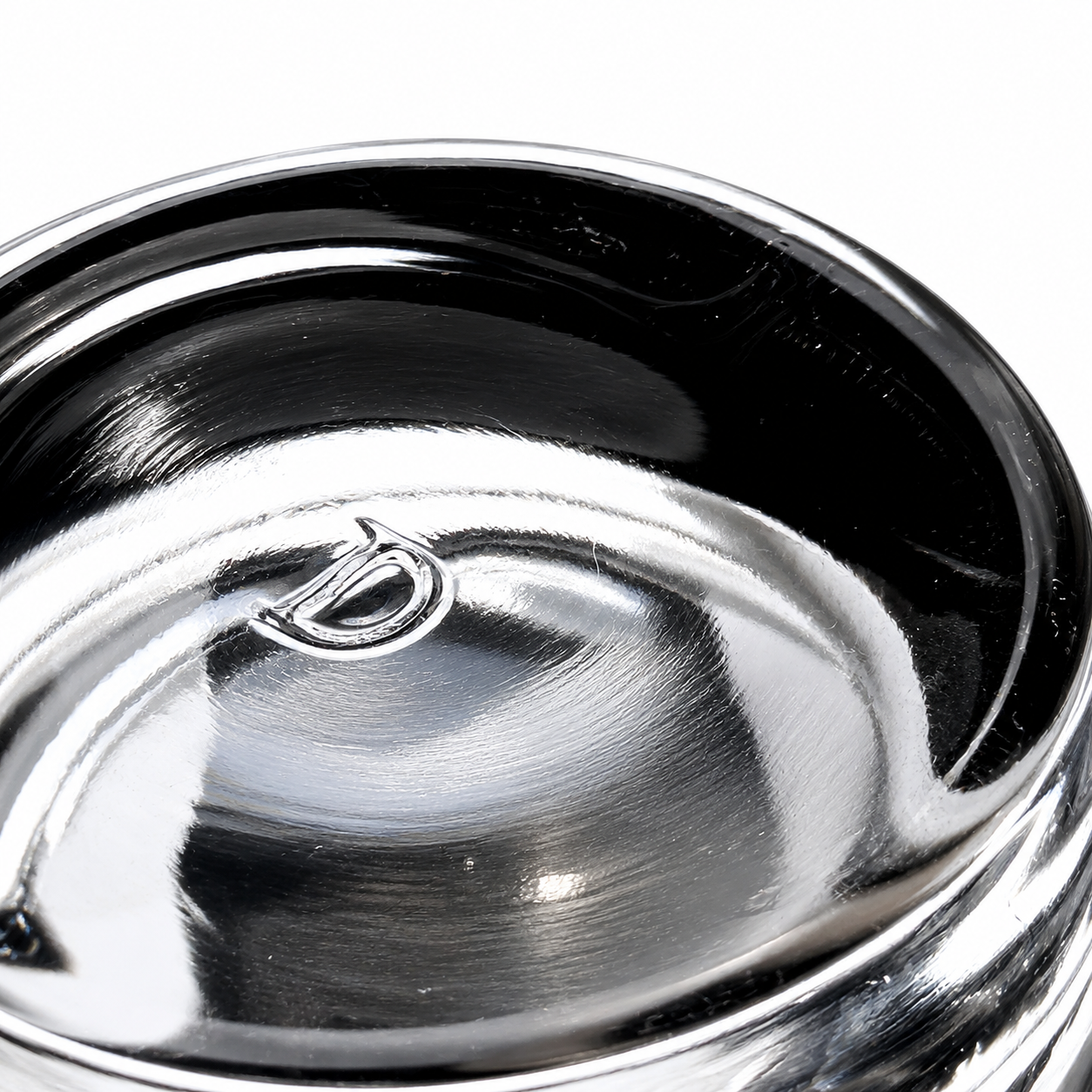
Mid-20th century, circa 1960s–1970s. Unmarked, consistent with studio-style and export barware production of the period.
Height: 6 inches (15–16 cm)
Rim diameter: 3 inches (7.5–8 cm)
Weight: Moderate; balanced in-hand with stable applied base ring.
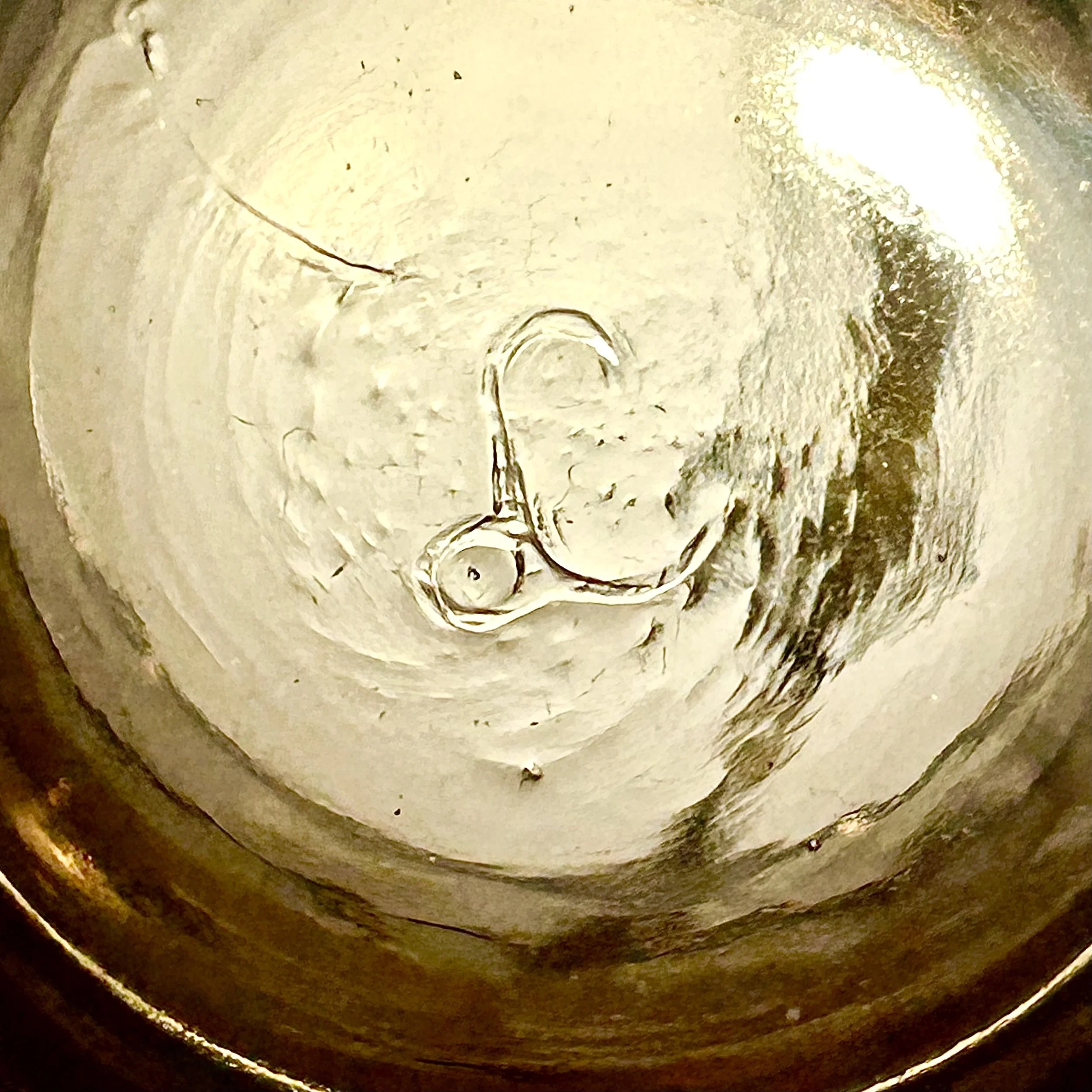
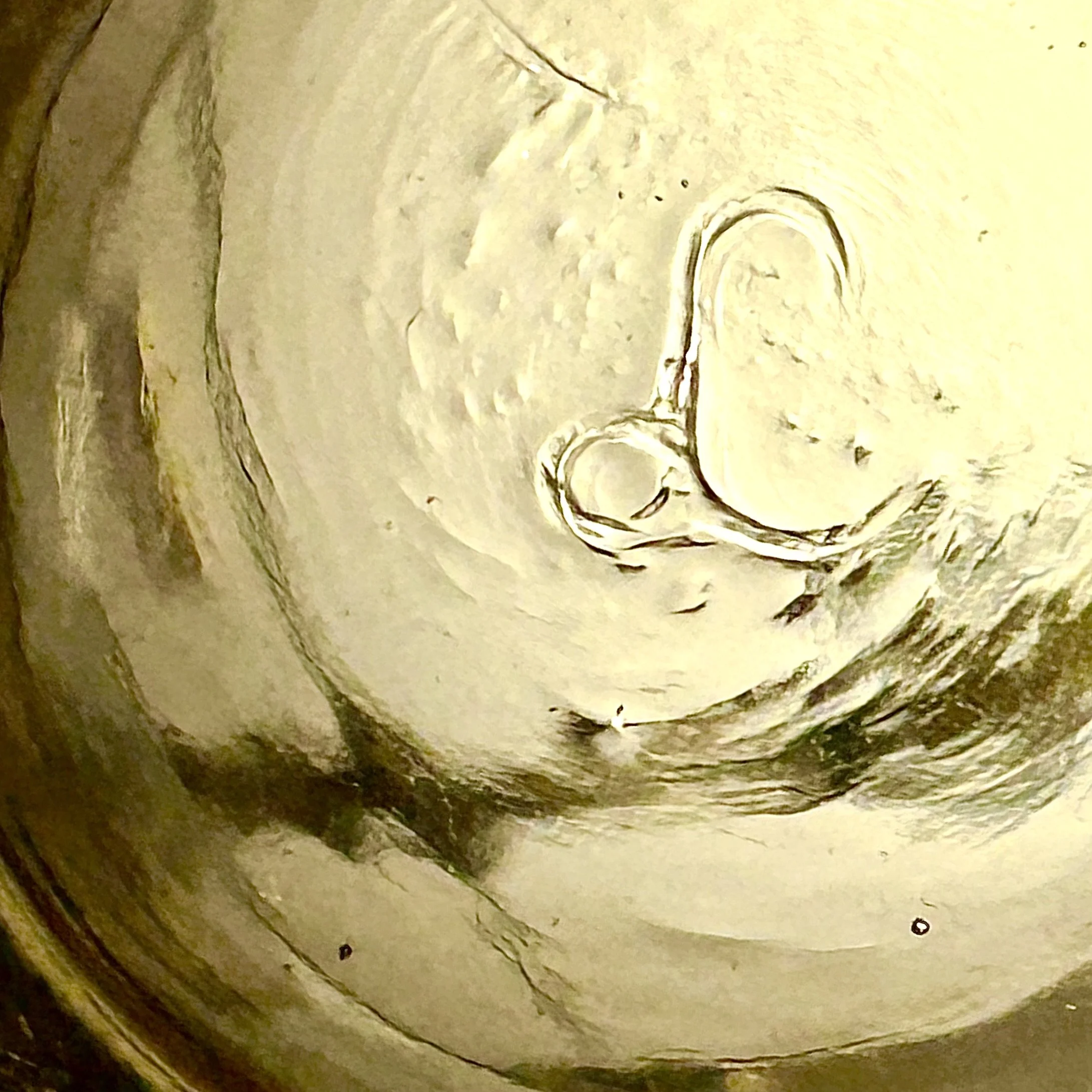
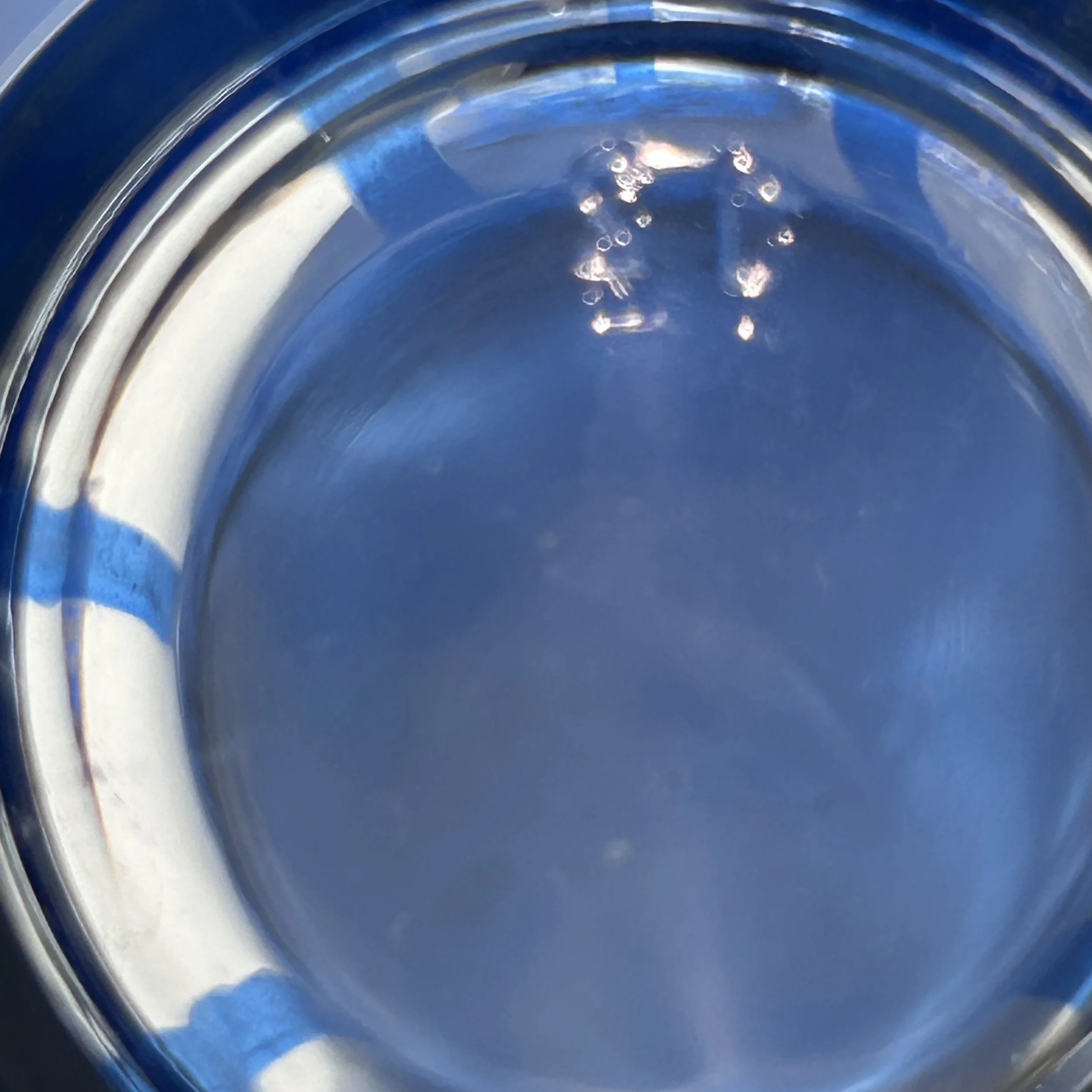
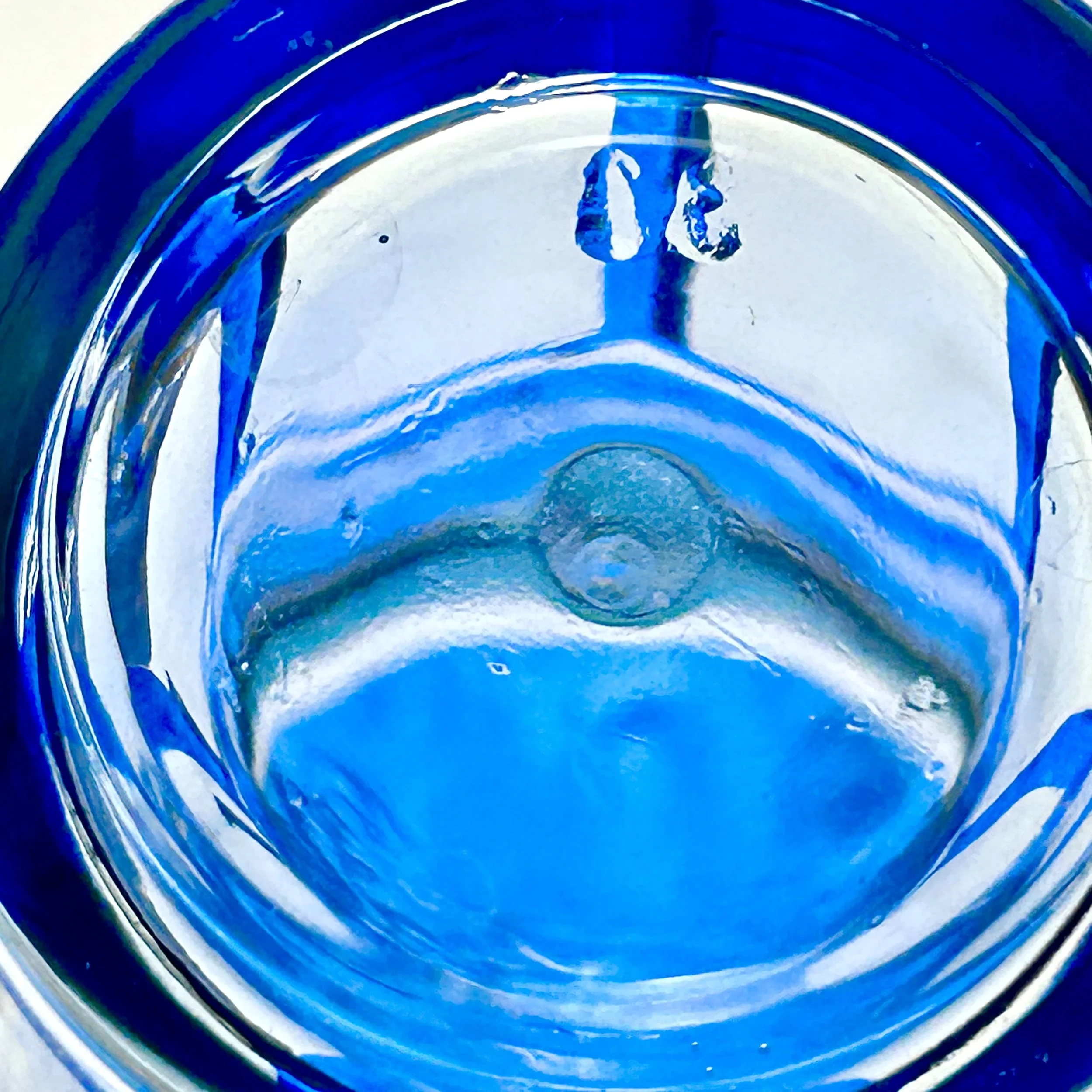
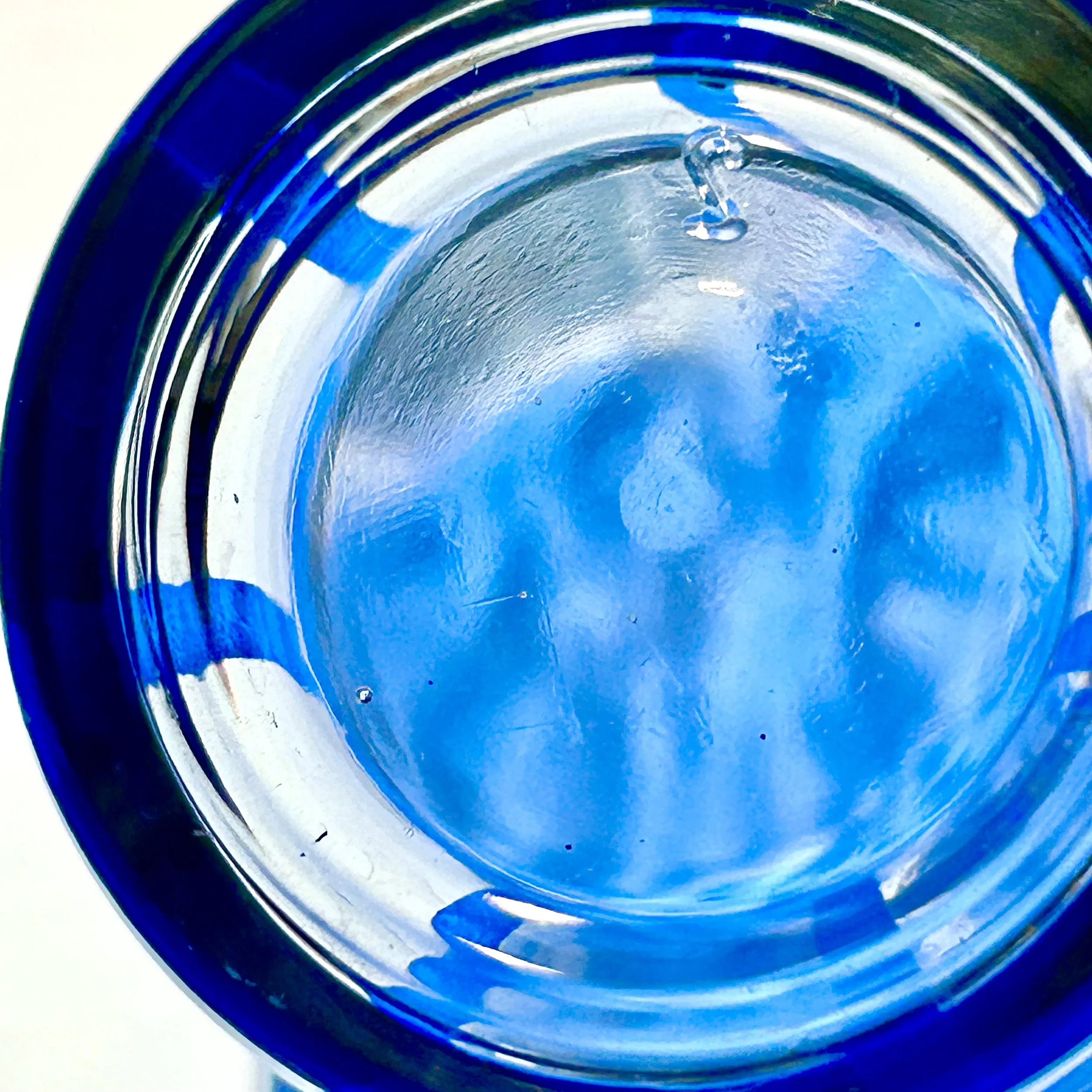
Very good condition. No visible chips or cracks observed. Light surface wear consistent with age and use. Minor manufacturing characteristics (subtle bubbles or optical variation) typical of mid-century glass.
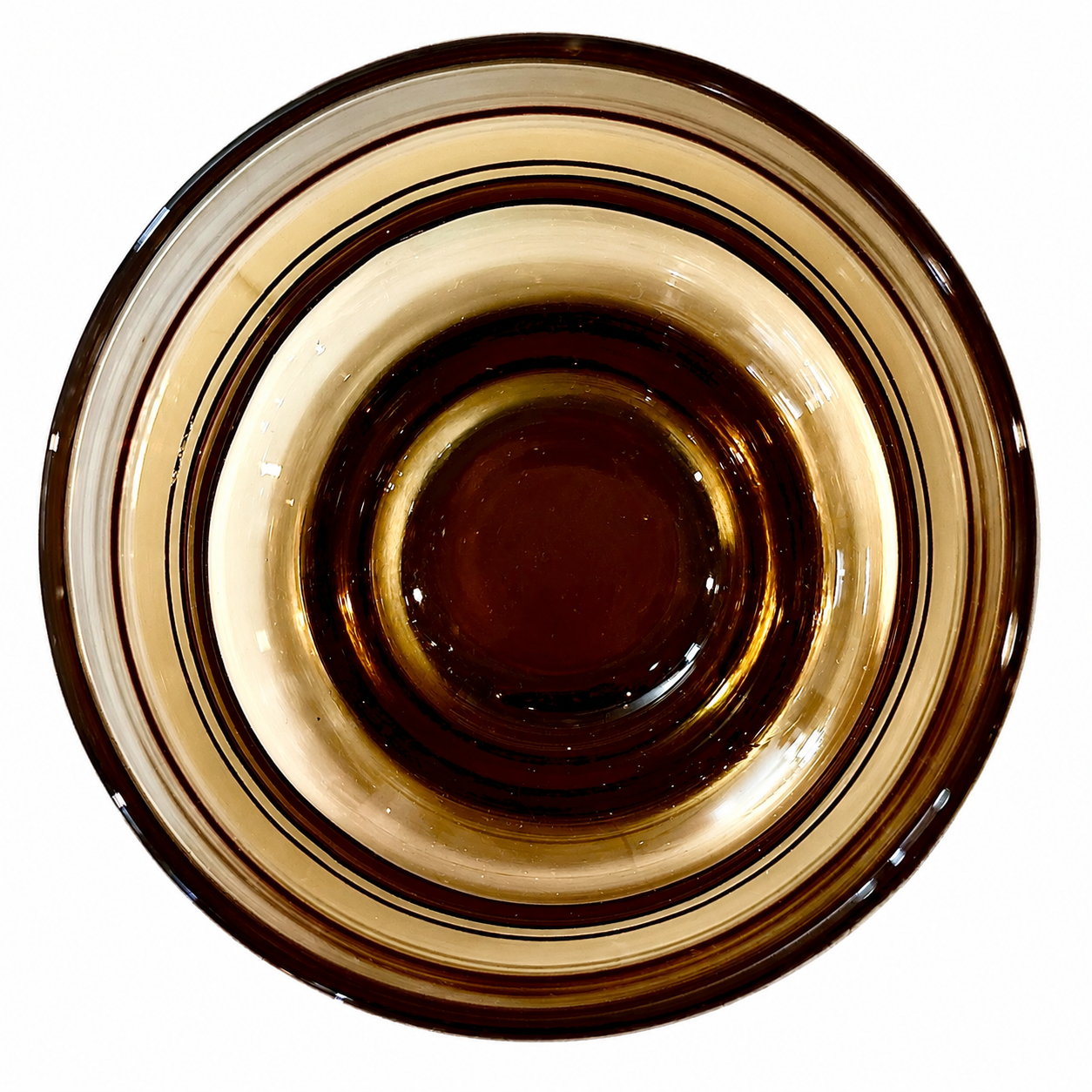
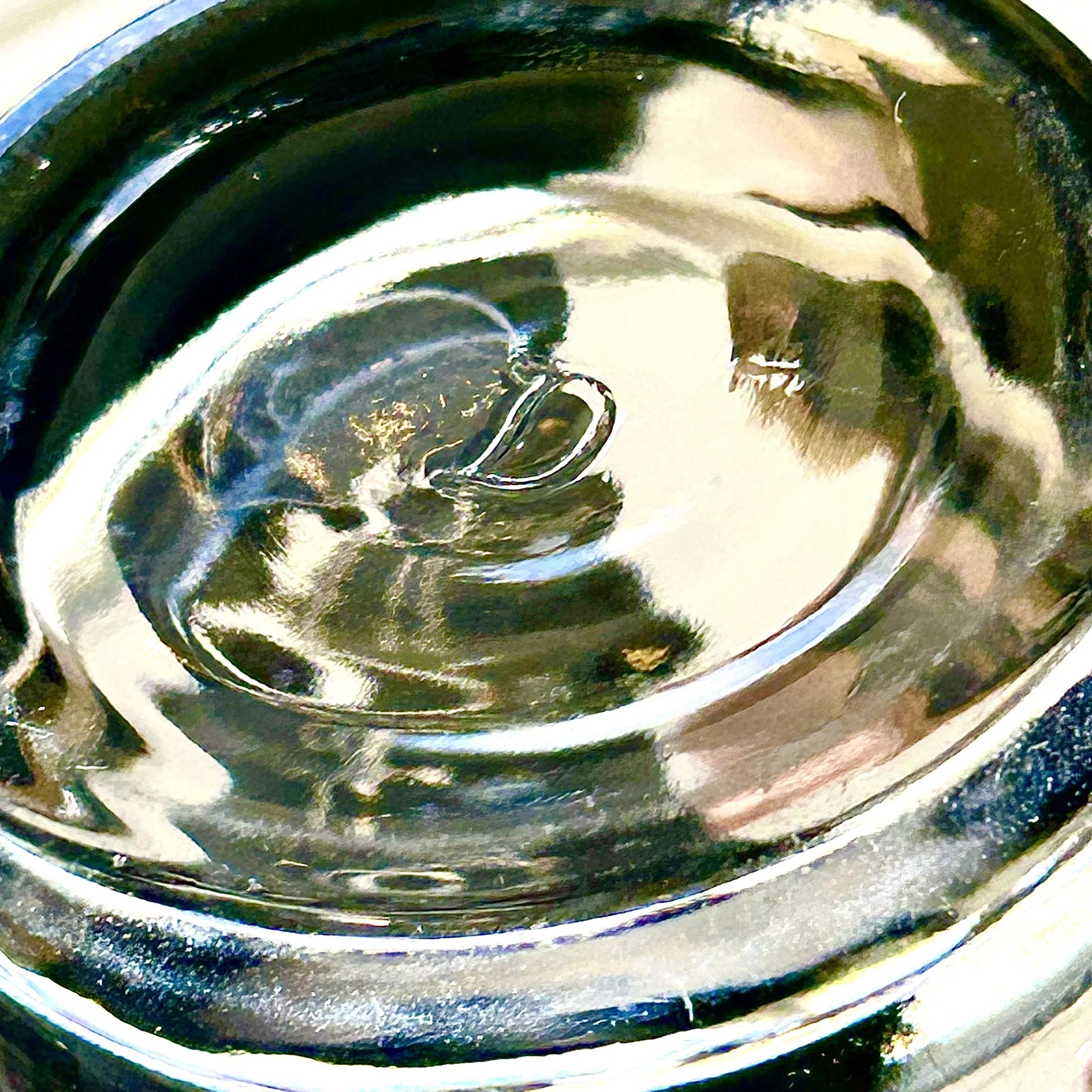
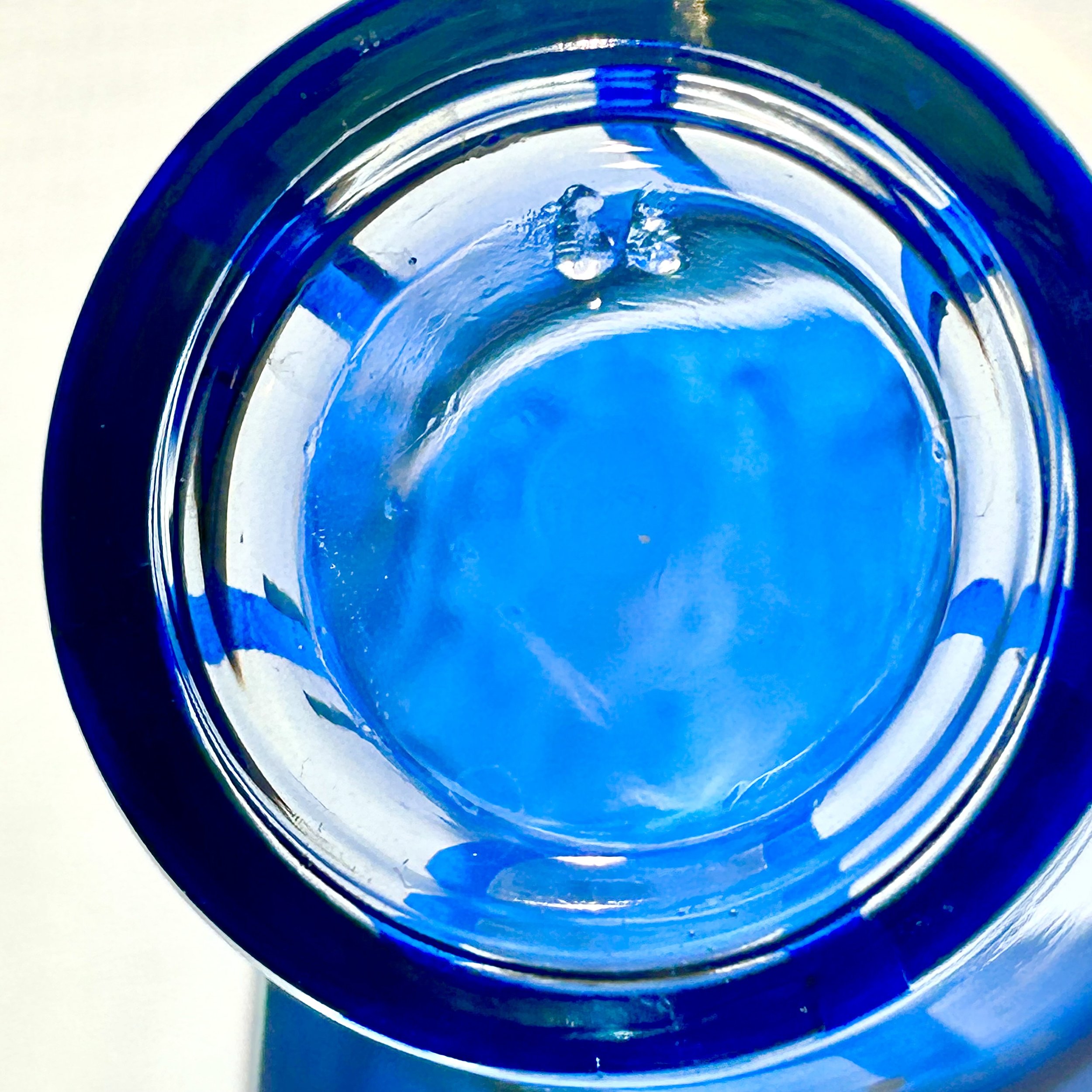
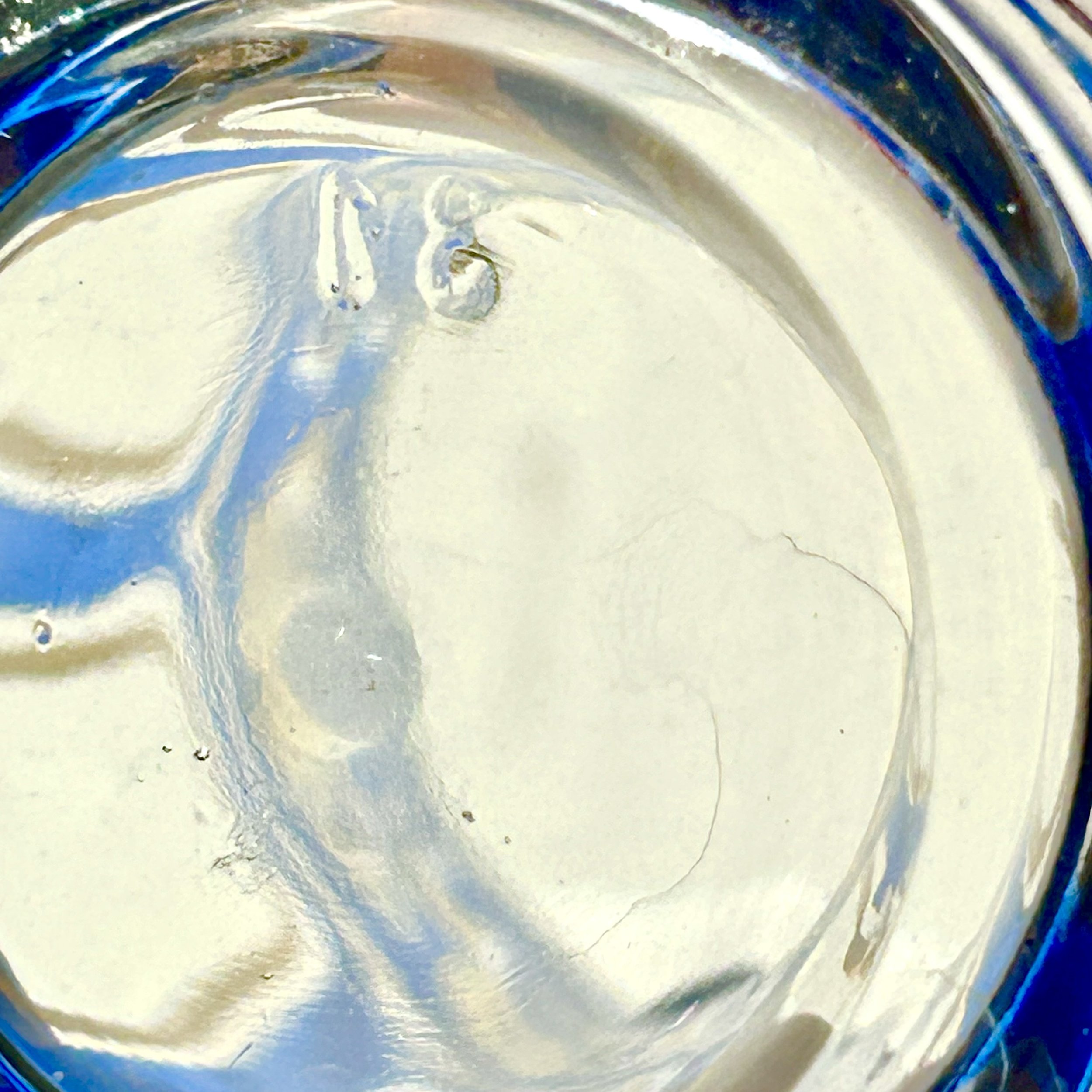
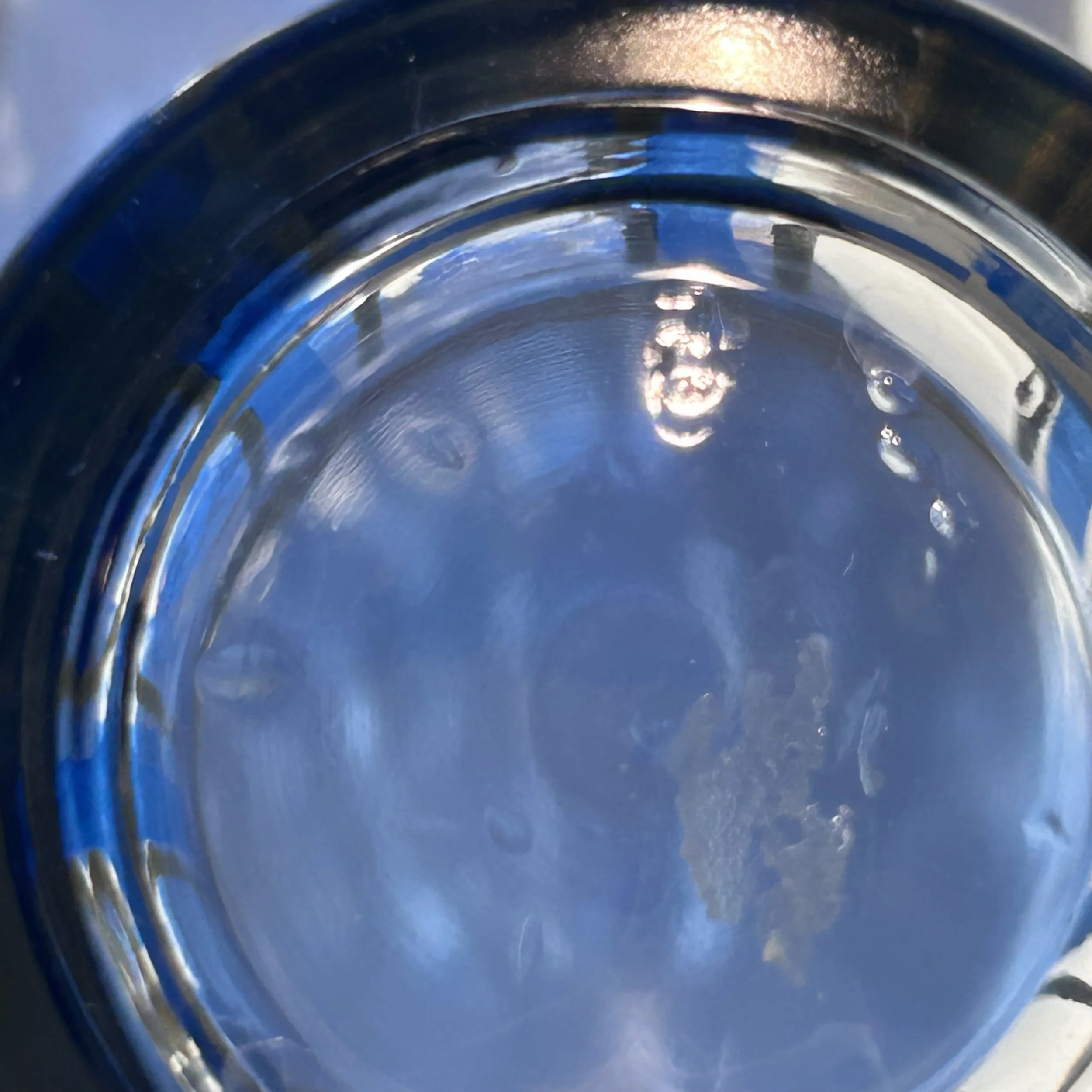
Mold-blown or mold-assisted glass with applied amber base ring. Spiral optic twist with organic ripple effect. Subtle tonal graduation from honey-yellow body to deeper amber base. Unmarked bases, typical for mid-century decorative barware.
Ideal for a mid-century modern bar cart, layered amber glass vignette, or warm-toned dining setting. Pairs exceptionally well with brass, smoked glass, walnut, and silver-tone serving pieces. Suitable for cocktails, water, or display within a chromatic amber collection.
STANDARD ATTRIBUTION & VALUE DISCLOSURE; This piece is described to the best of current scholarly and market knowledge. Any maker or regional attribution is based on visual analysis, materials, construction techniques, and documented stylistic comparisons. As with many vintage and antique glass objects, definitive attribution may not be possible without original labels or factory records. Pricing reflects condition, quality, decorative appeal, and current collector demand rather than a guaranteed maker identification.
Service for 4, amber twist-optic tumblers in a warm honey-to-cognac gradient, each with a spiral-swirl body and applied amber-toned base ring. The glass exhibits subtle hand-worked character—gentle waviness, fluid optic movement, and lively light refraction—hallmarks of mid-century barware production.
The graduated coloration, with deeper amber concentrated at the foot, creates dimensional warmth when grouped. Finding four closely matched examples with consistent tone and optic alignment is increasingly uncommon, making this set particularly well-suited for curated bar presentation.
Mid-20th century, circa 1960s–1970s. Unmarked, consistent with studio-style and export barware production of the period.
Height: 6 inches (15–16 cm)
Rim diameter: 3 inches (7.5–8 cm)
Weight: Moderate; balanced in-hand with stable applied base ring.
Very good condition. No visible chips or cracks observed. Light surface wear consistent with age and use. Minor manufacturing characteristics (subtle bubbles or optical variation) typical of mid-century glass.
Mold-blown or mold-assisted glass with applied amber base ring. Spiral optic twist with organic ripple effect. Subtle tonal graduation from honey-yellow body to deeper amber base. Unmarked bases, typical for mid-century decorative barware.
Ideal for a mid-century modern bar cart, layered amber glass vignette, or warm-toned dining setting. Pairs exceptionally well with brass, smoked glass, walnut, and silver-tone serving pieces. Suitable for cocktails, water, or display within a chromatic amber collection.
STANDARD ATTRIBUTION & VALUE DISCLOSURE; This piece is described to the best of current scholarly and market knowledge. Any maker or regional attribution is based on visual analysis, materials, construction techniques, and documented stylistic comparisons. As with many vintage and antique glass objects, definitive attribution may not be possible without original labels or factory records. Pricing reflects condition, quality, decorative appeal, and current collector demand rather than a guaranteed maker identification.