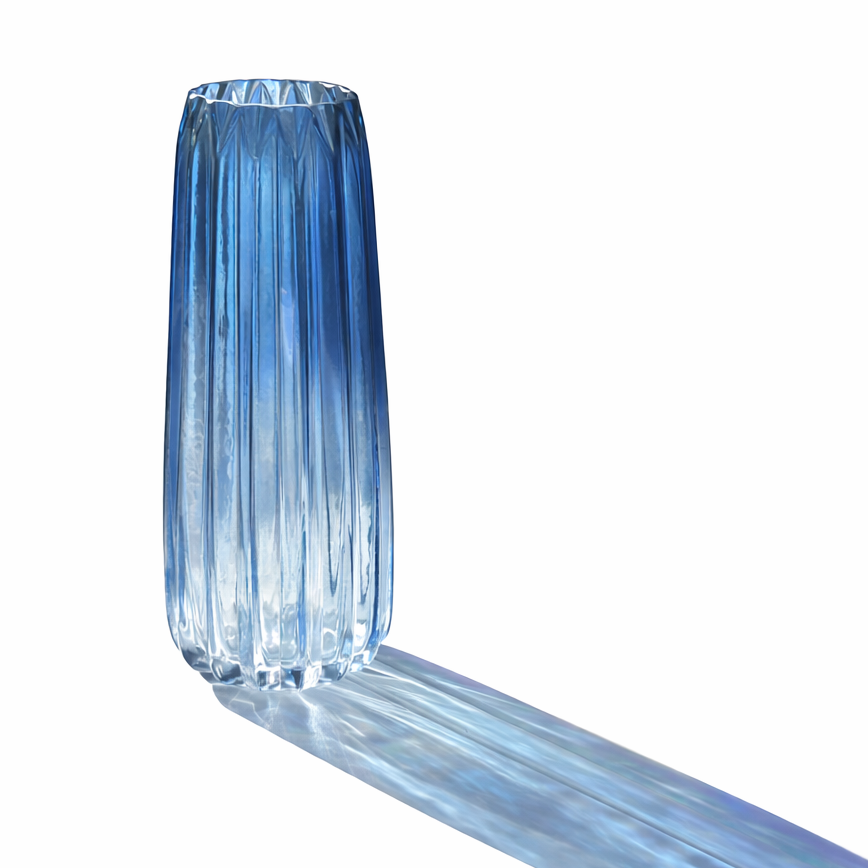
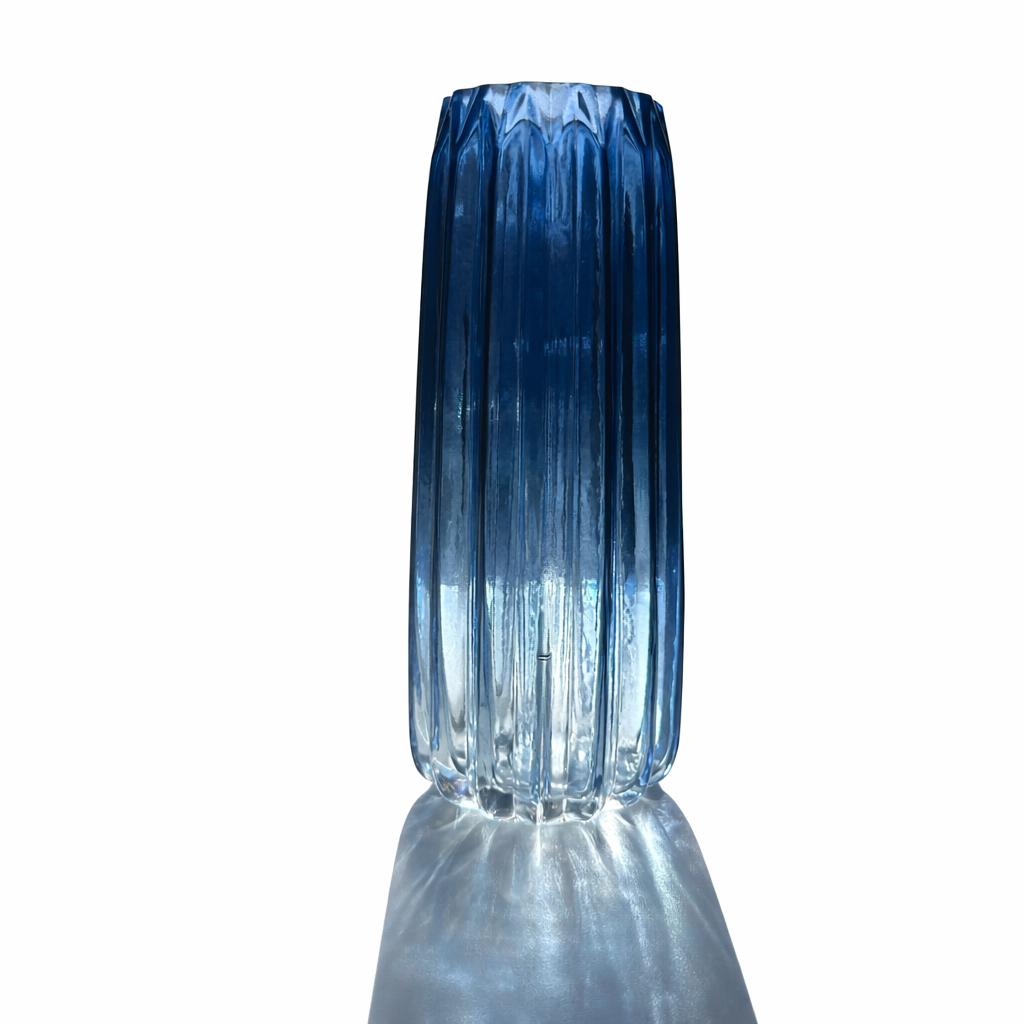
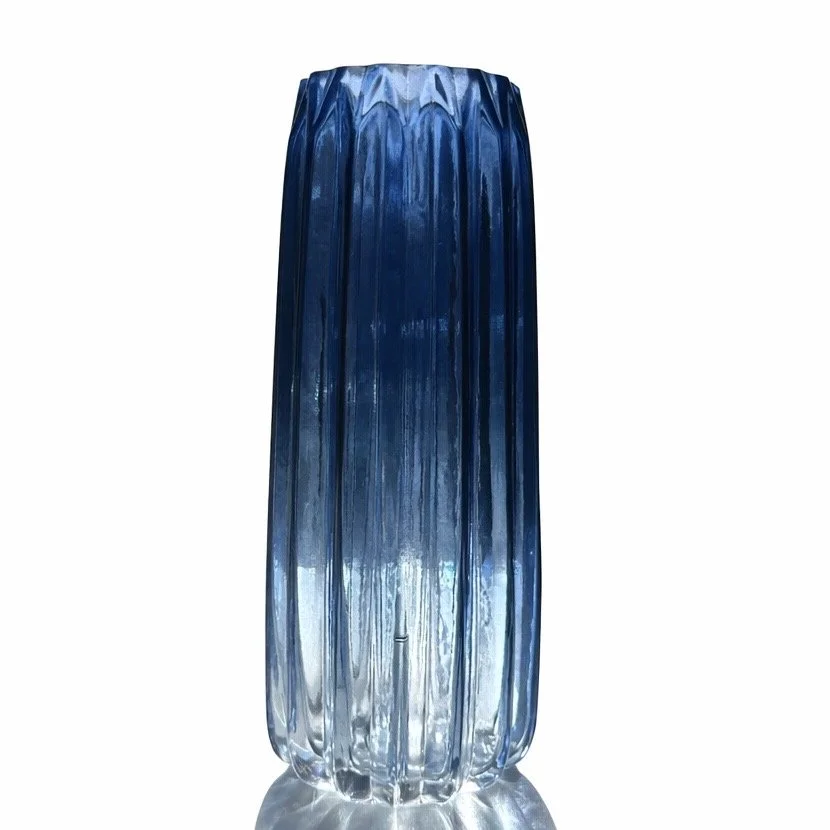
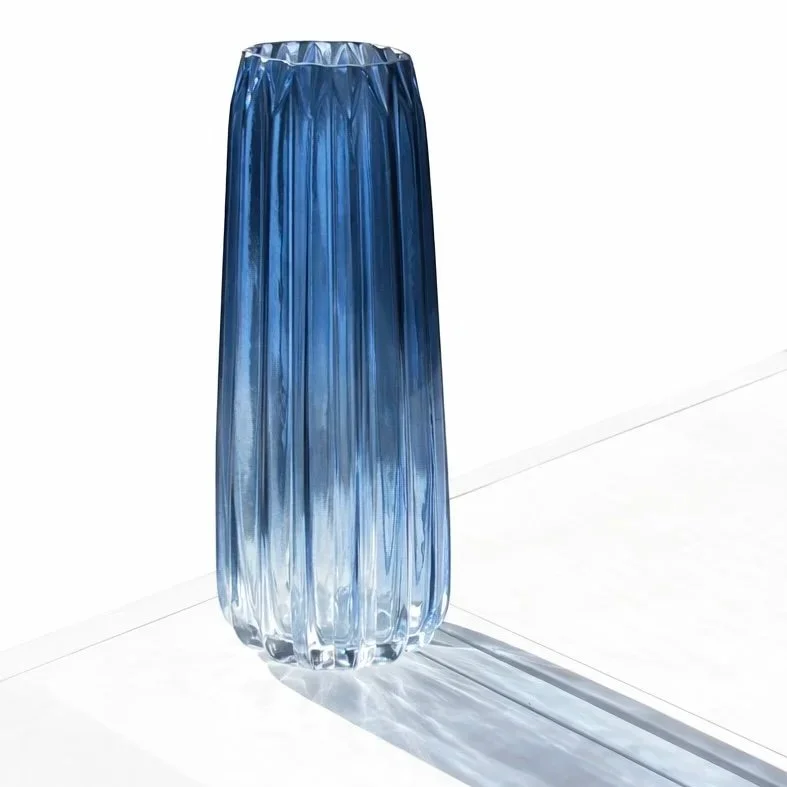
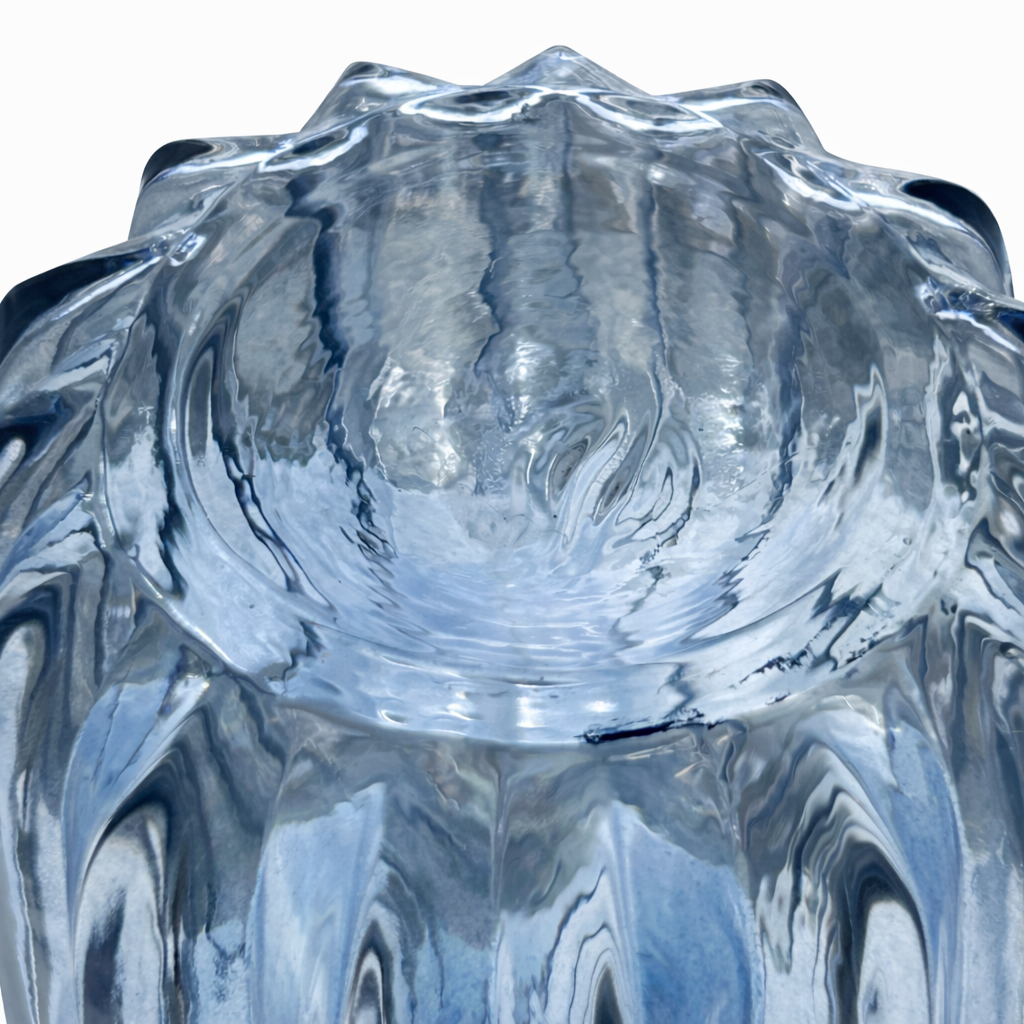
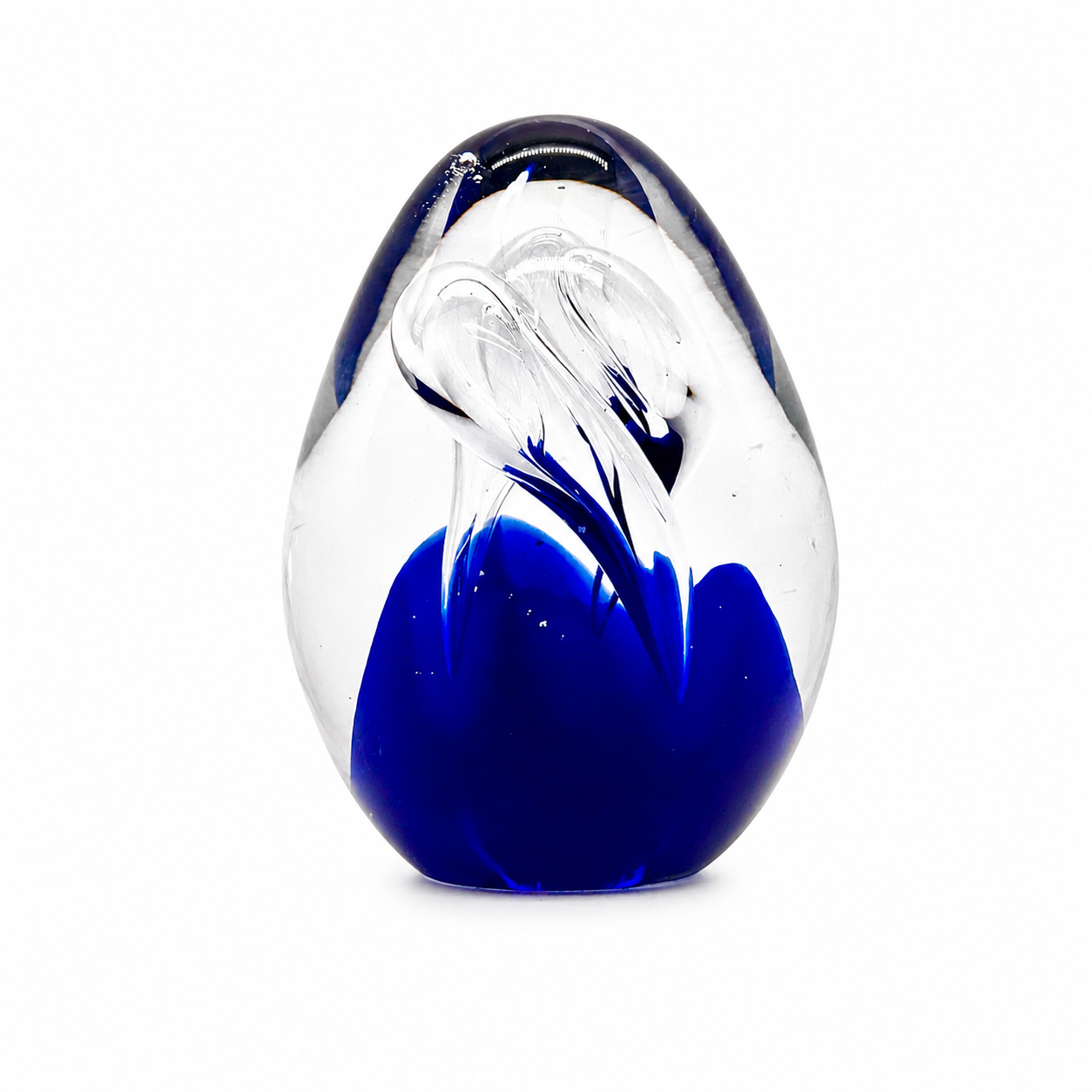
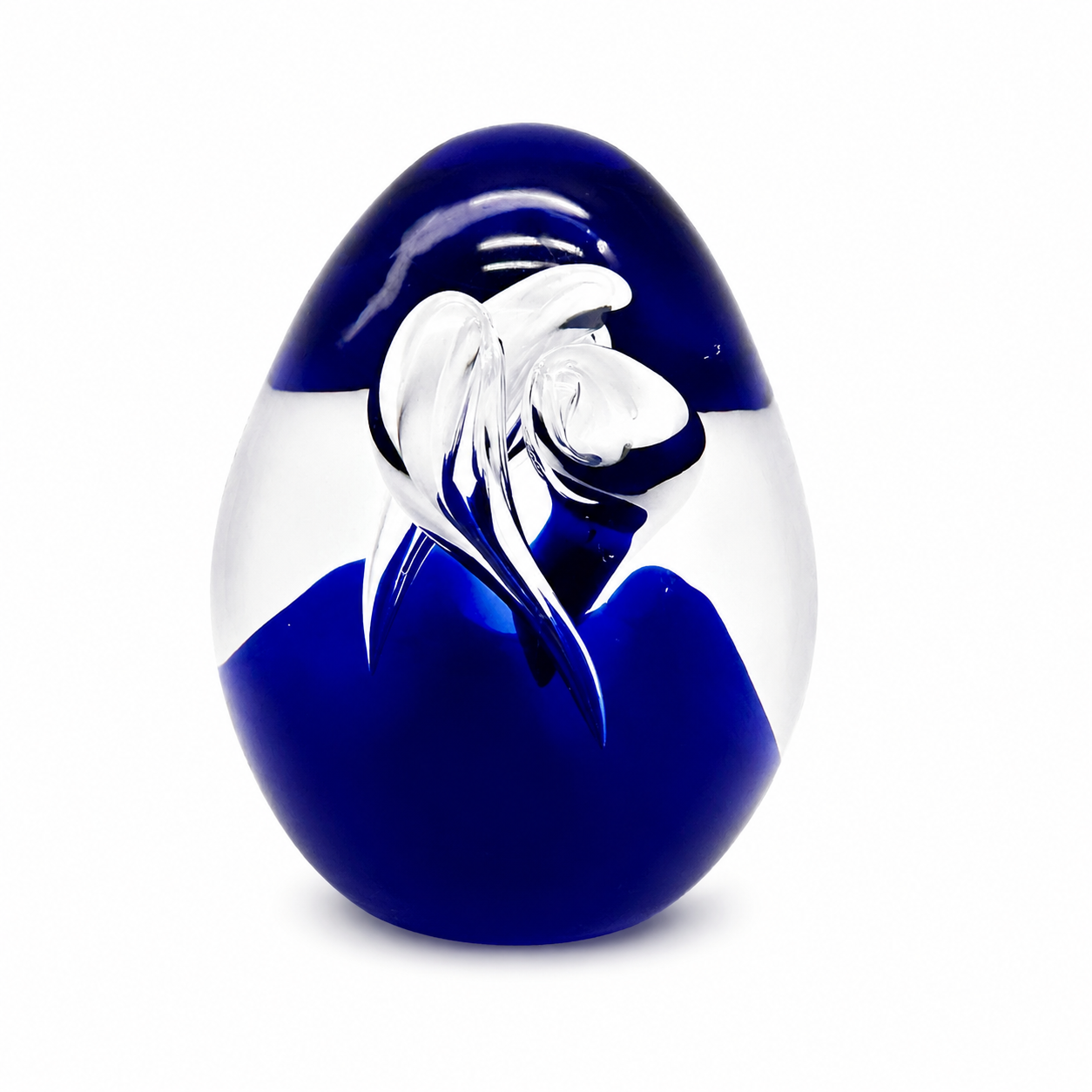
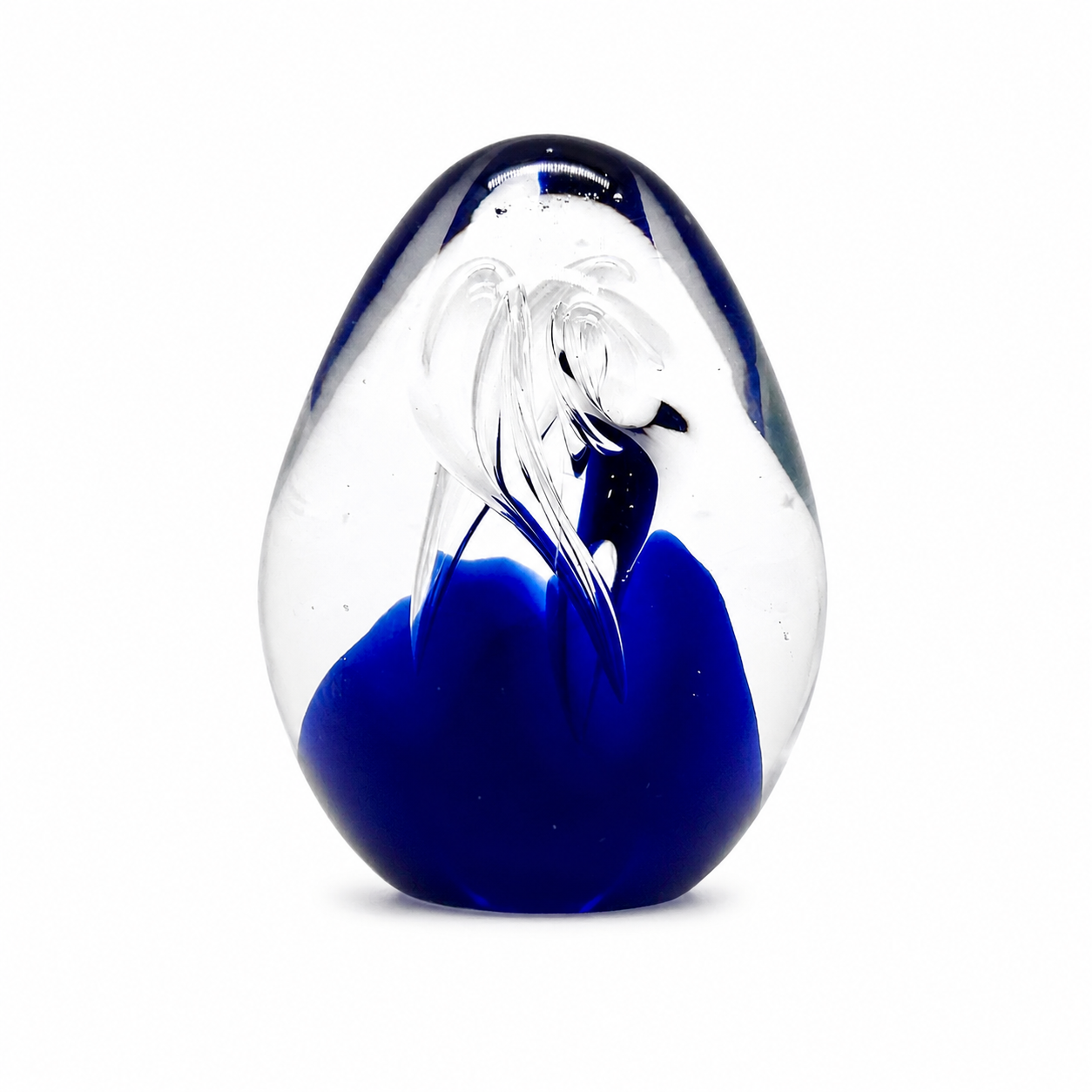
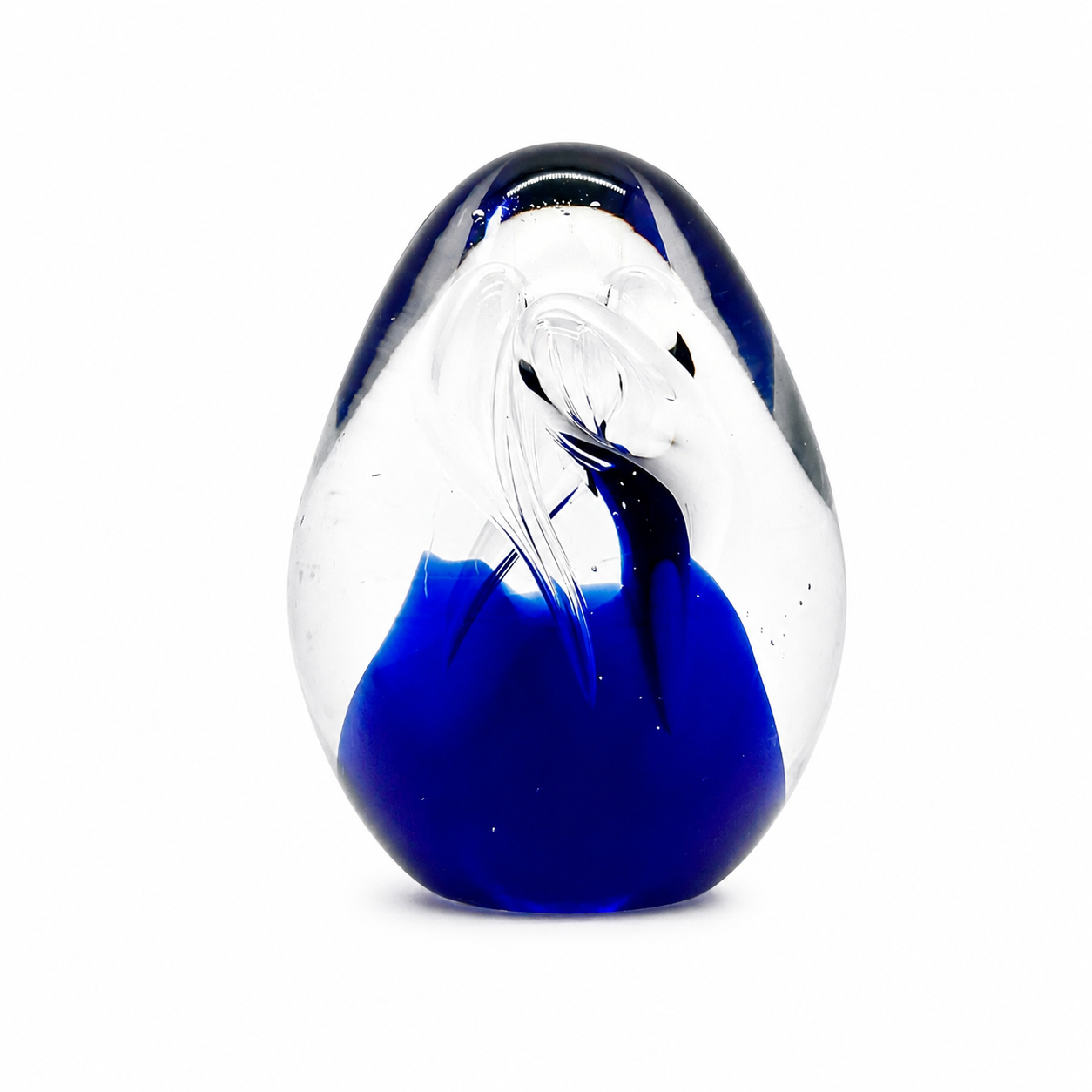
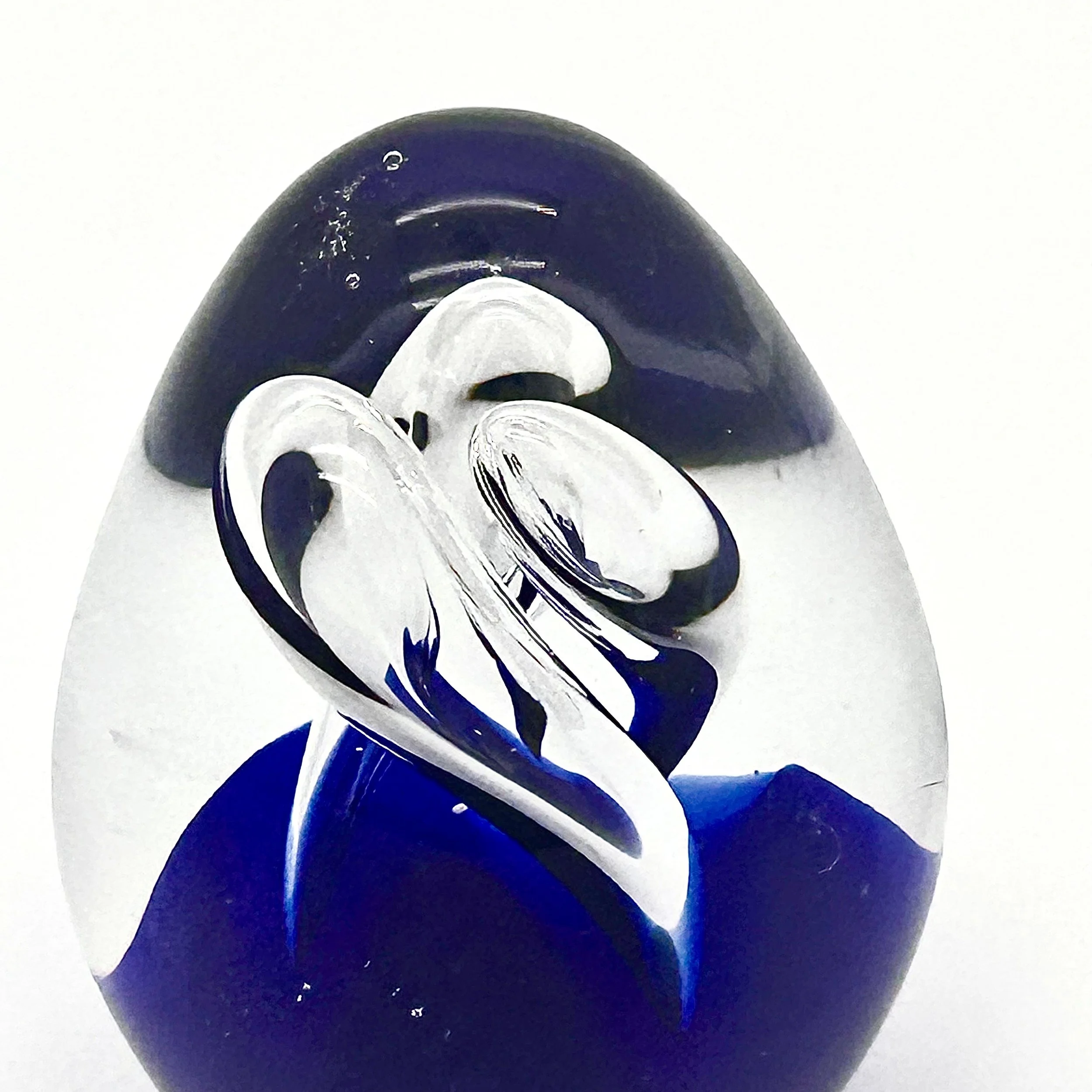
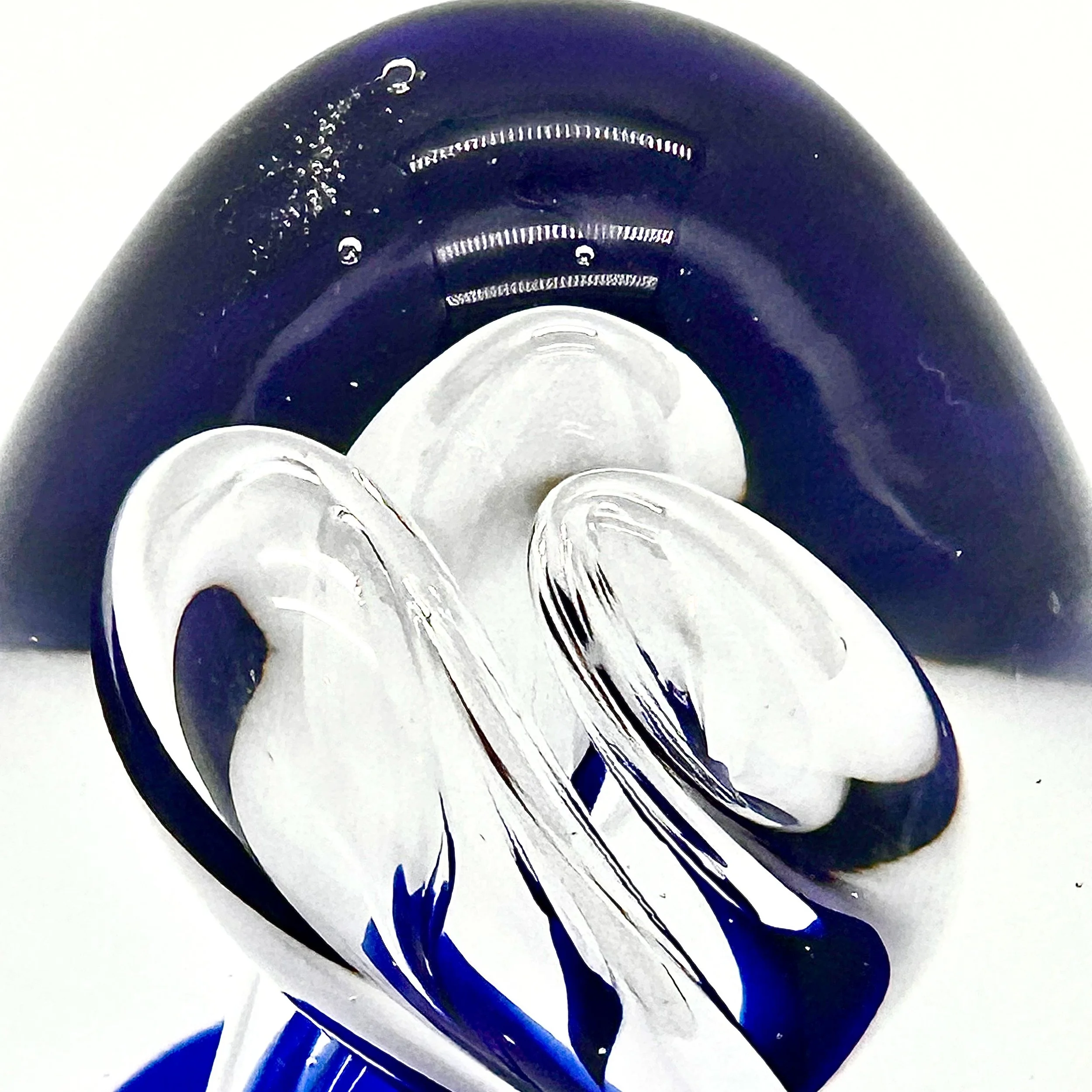
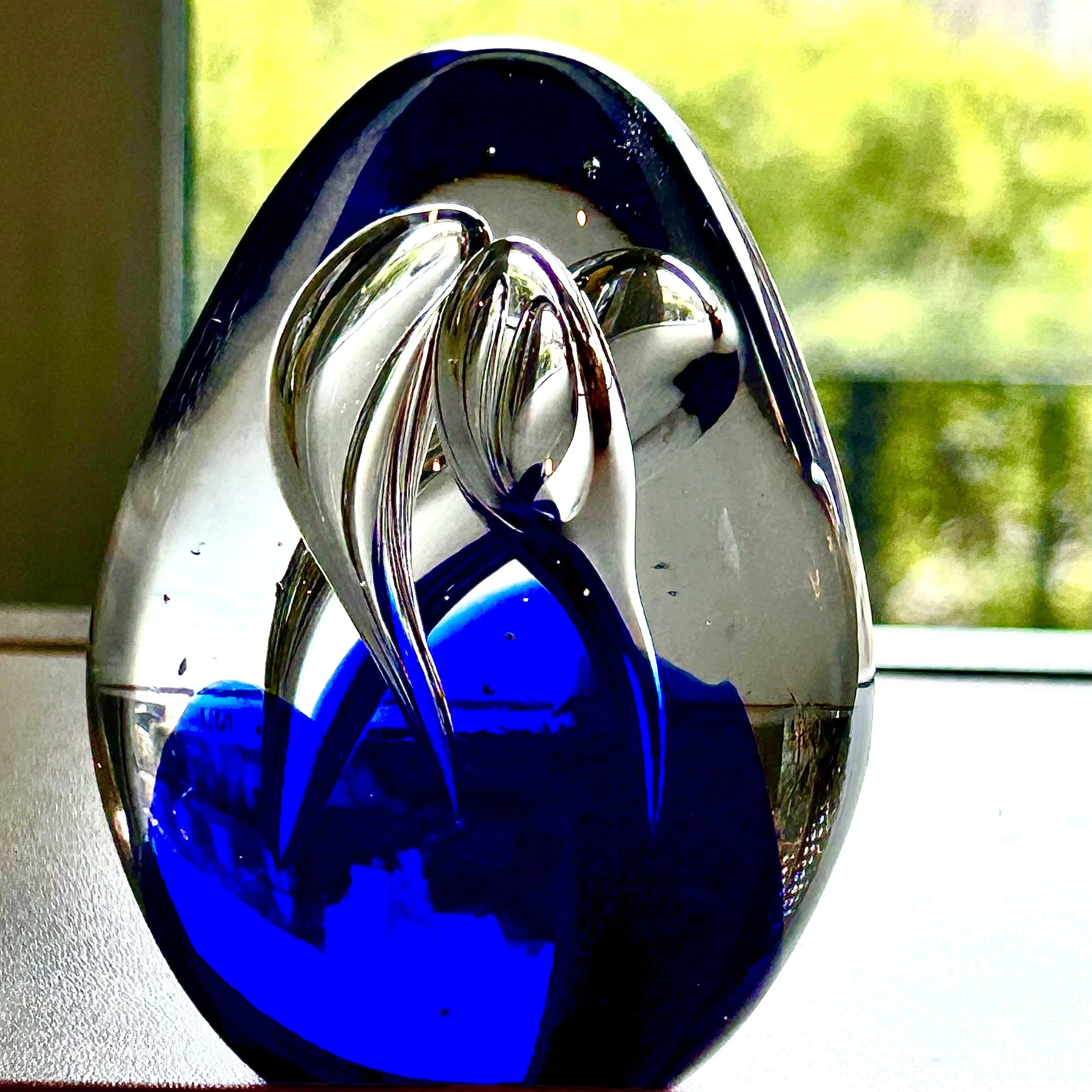
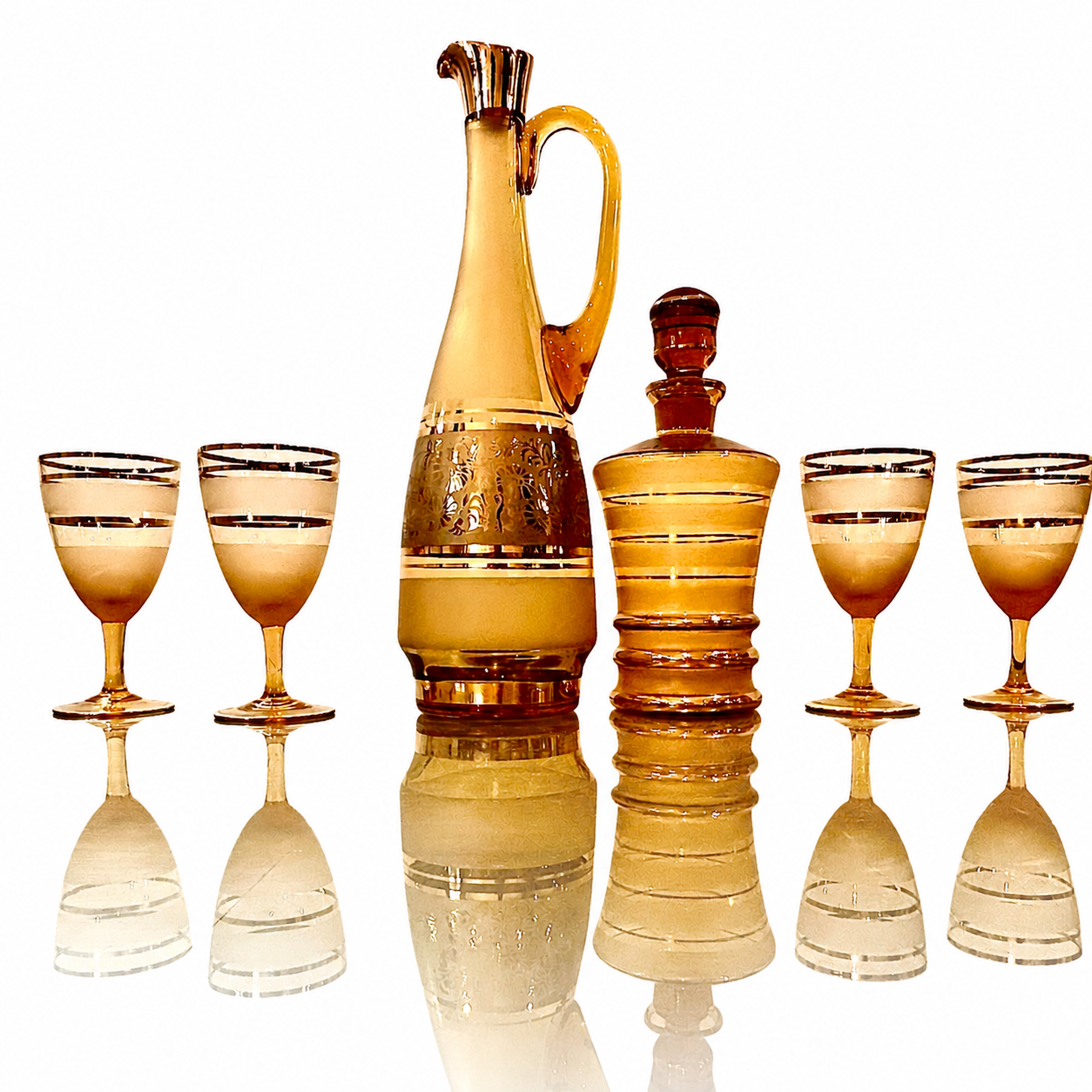
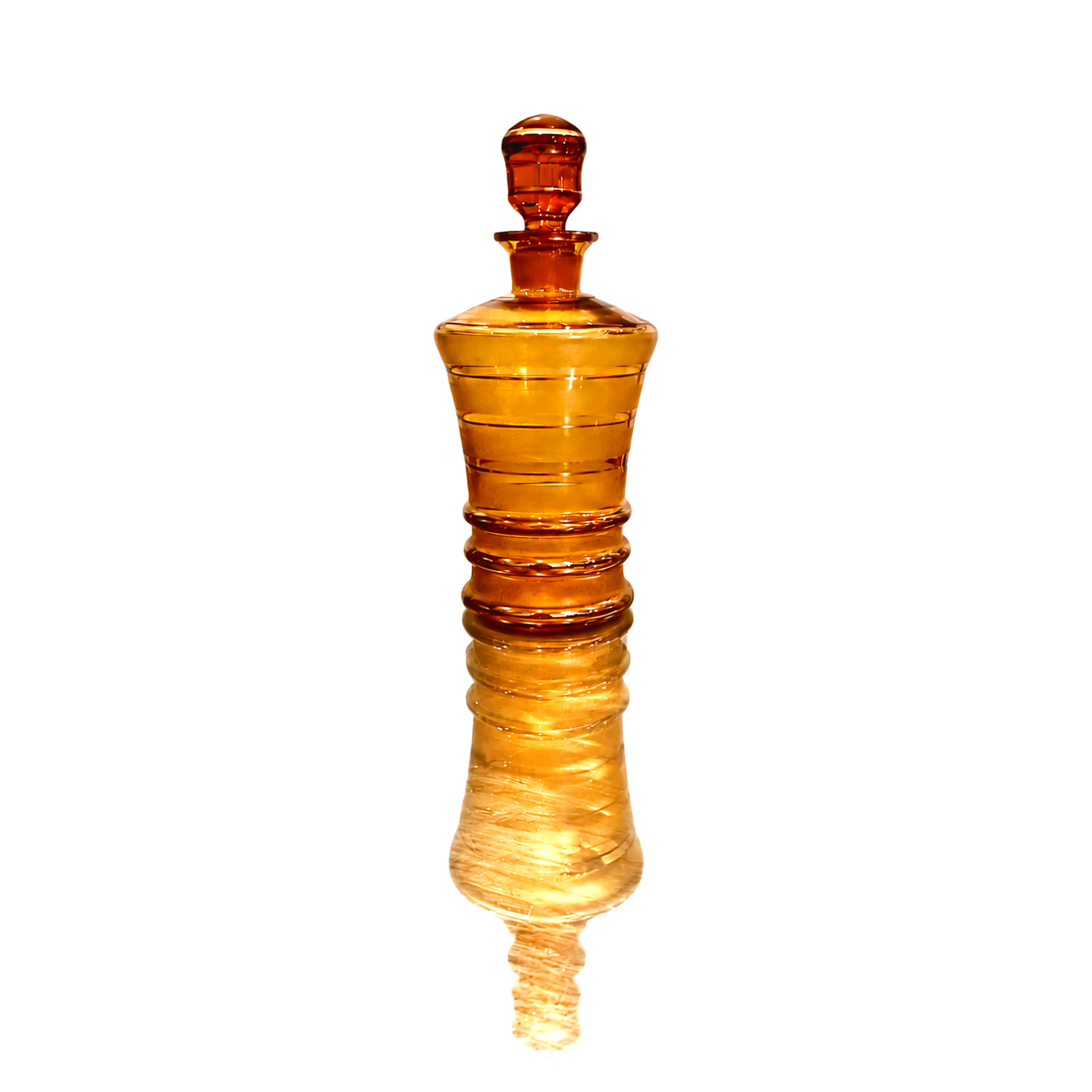
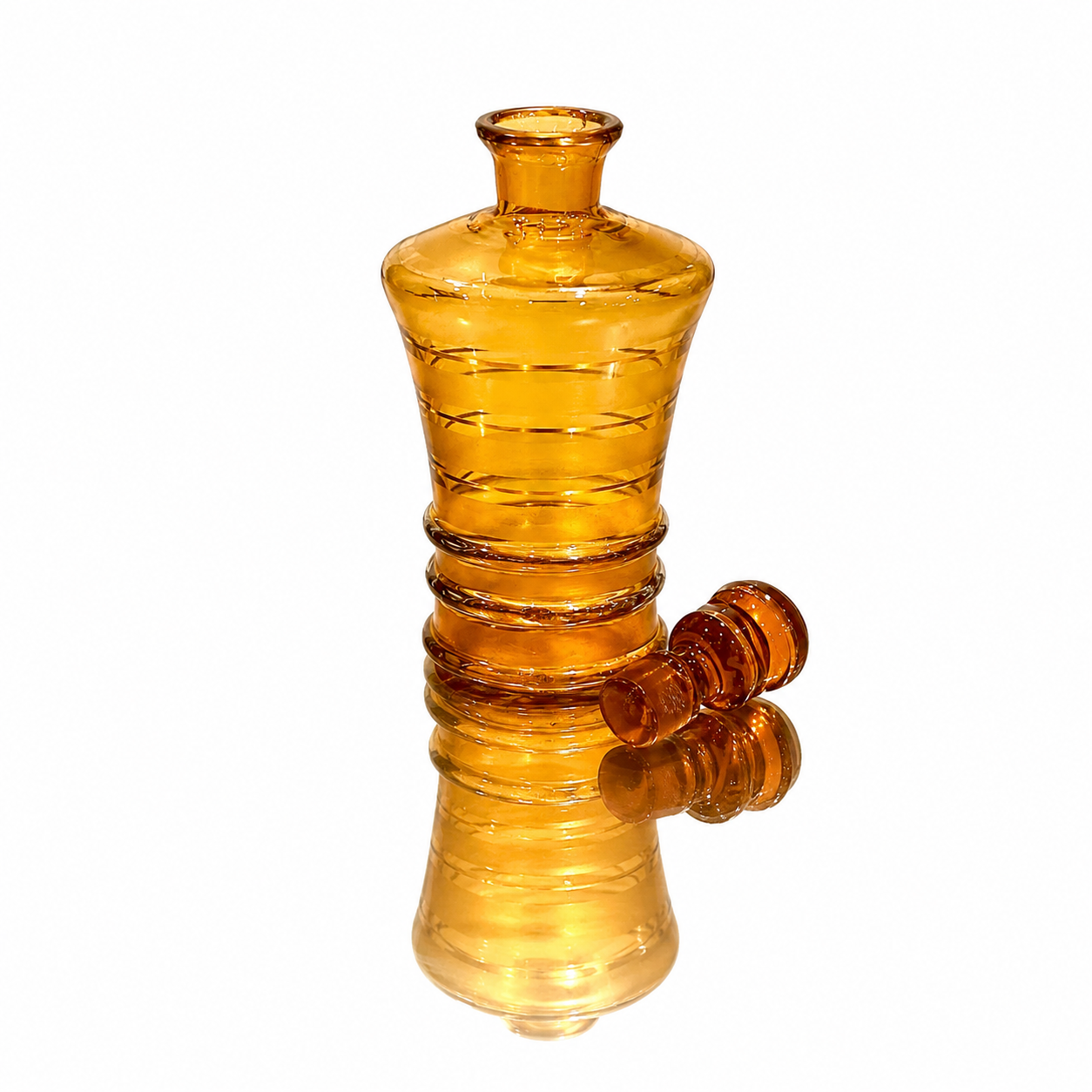
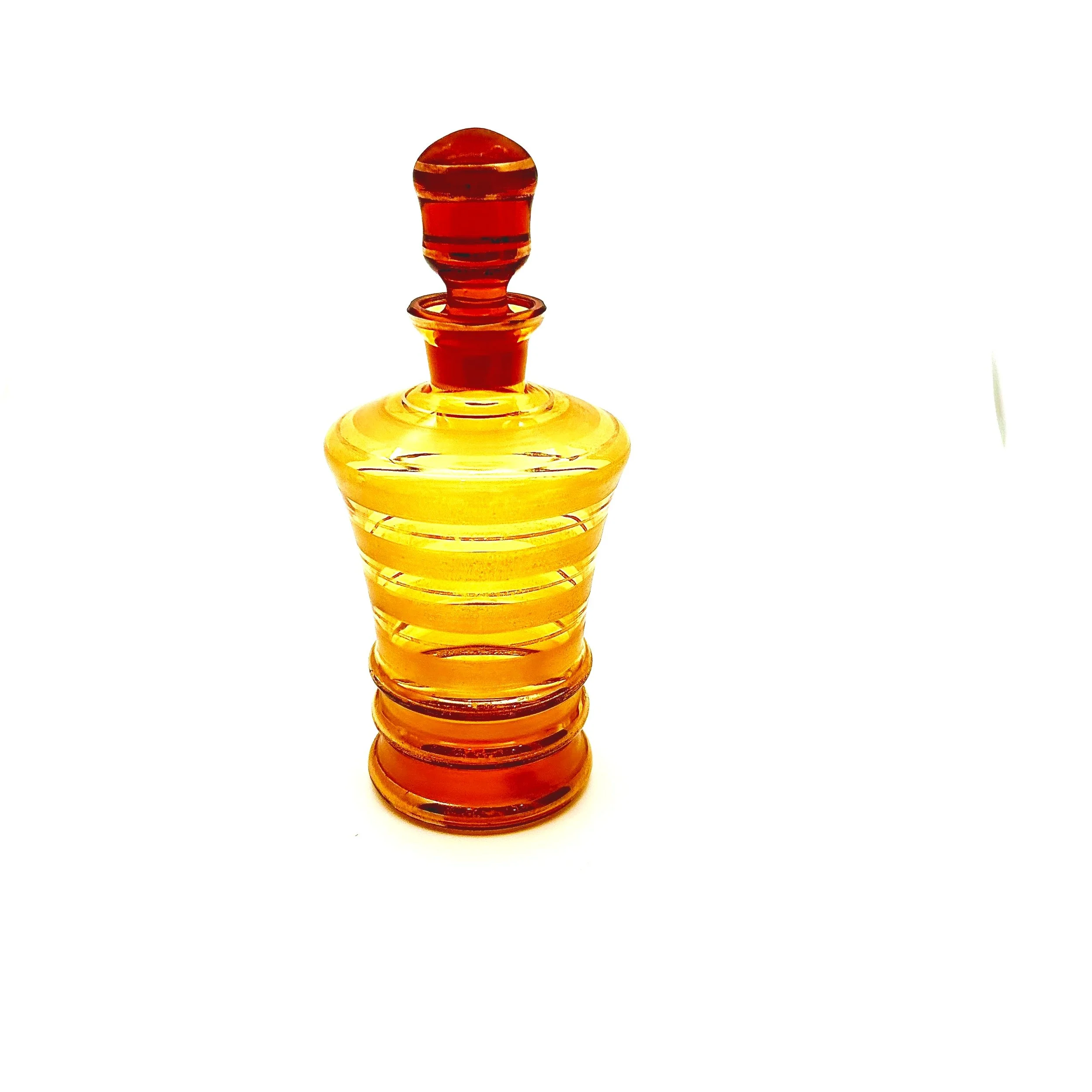
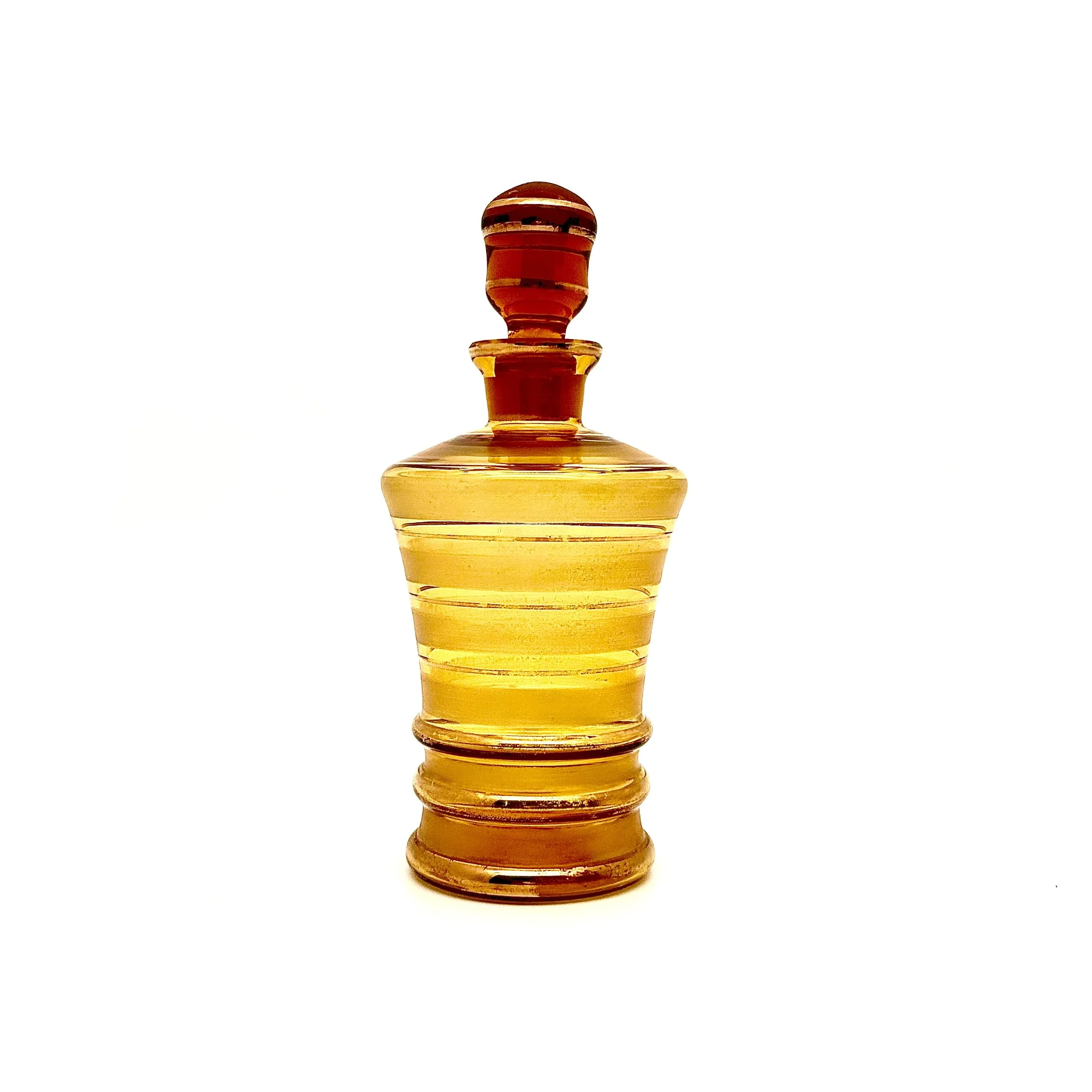
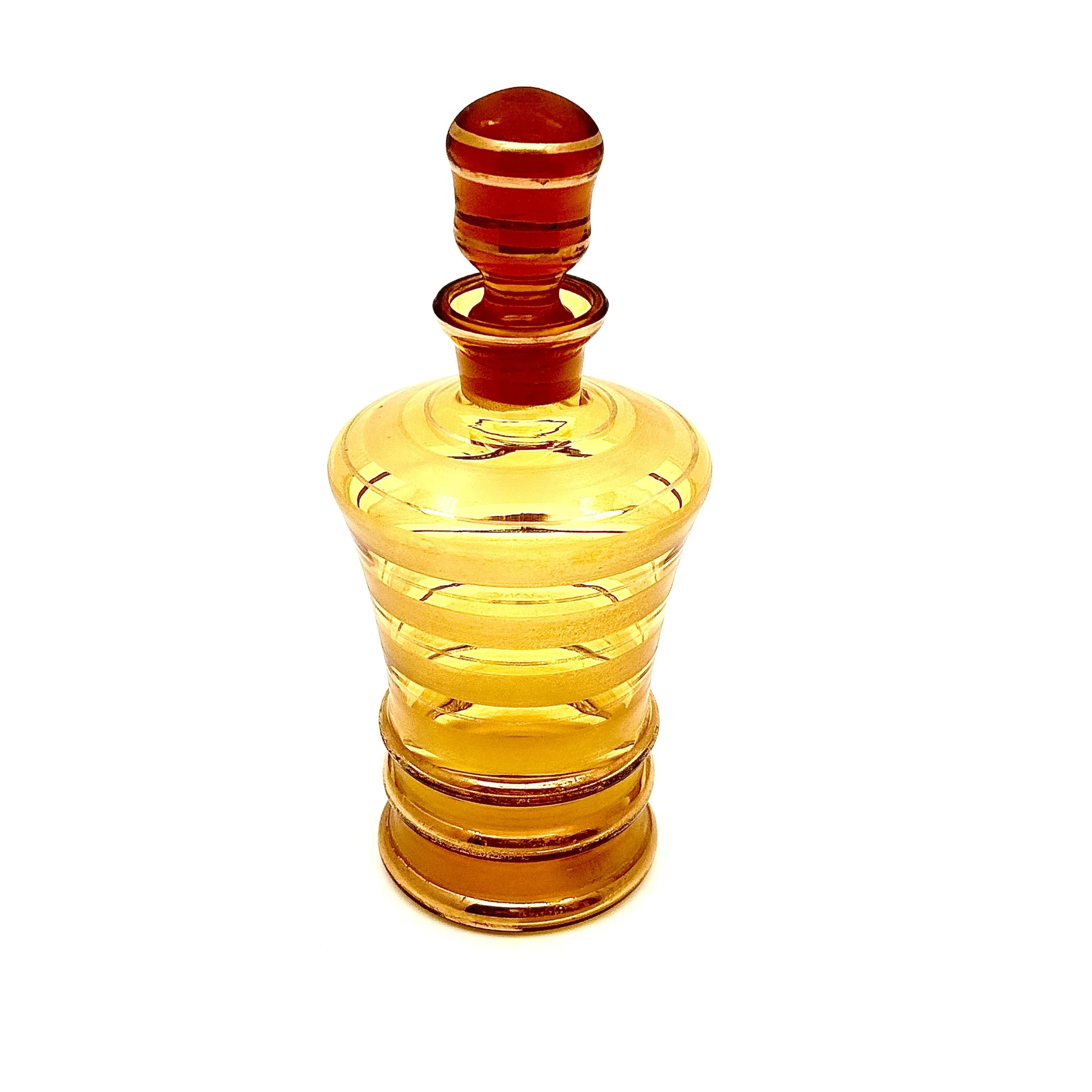
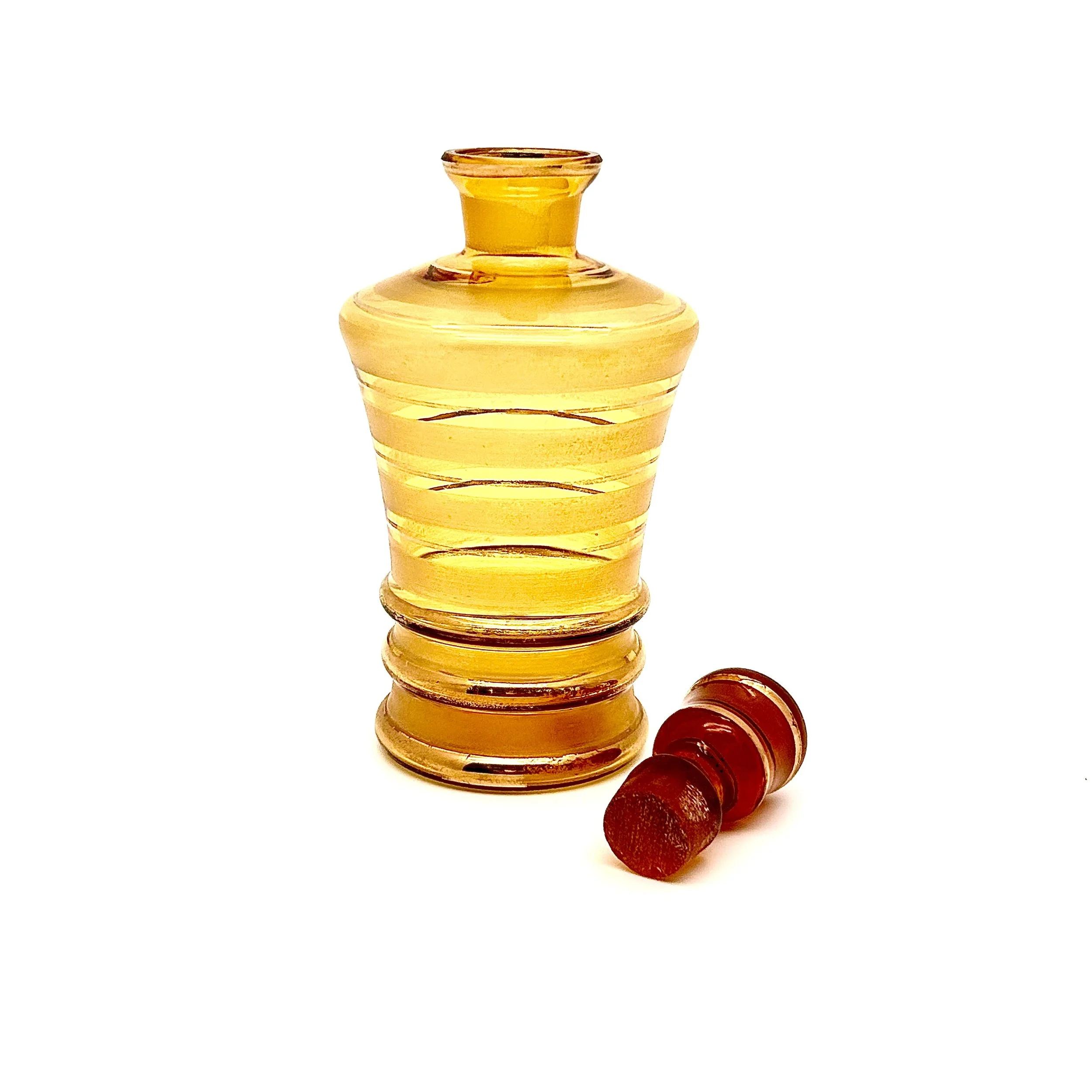
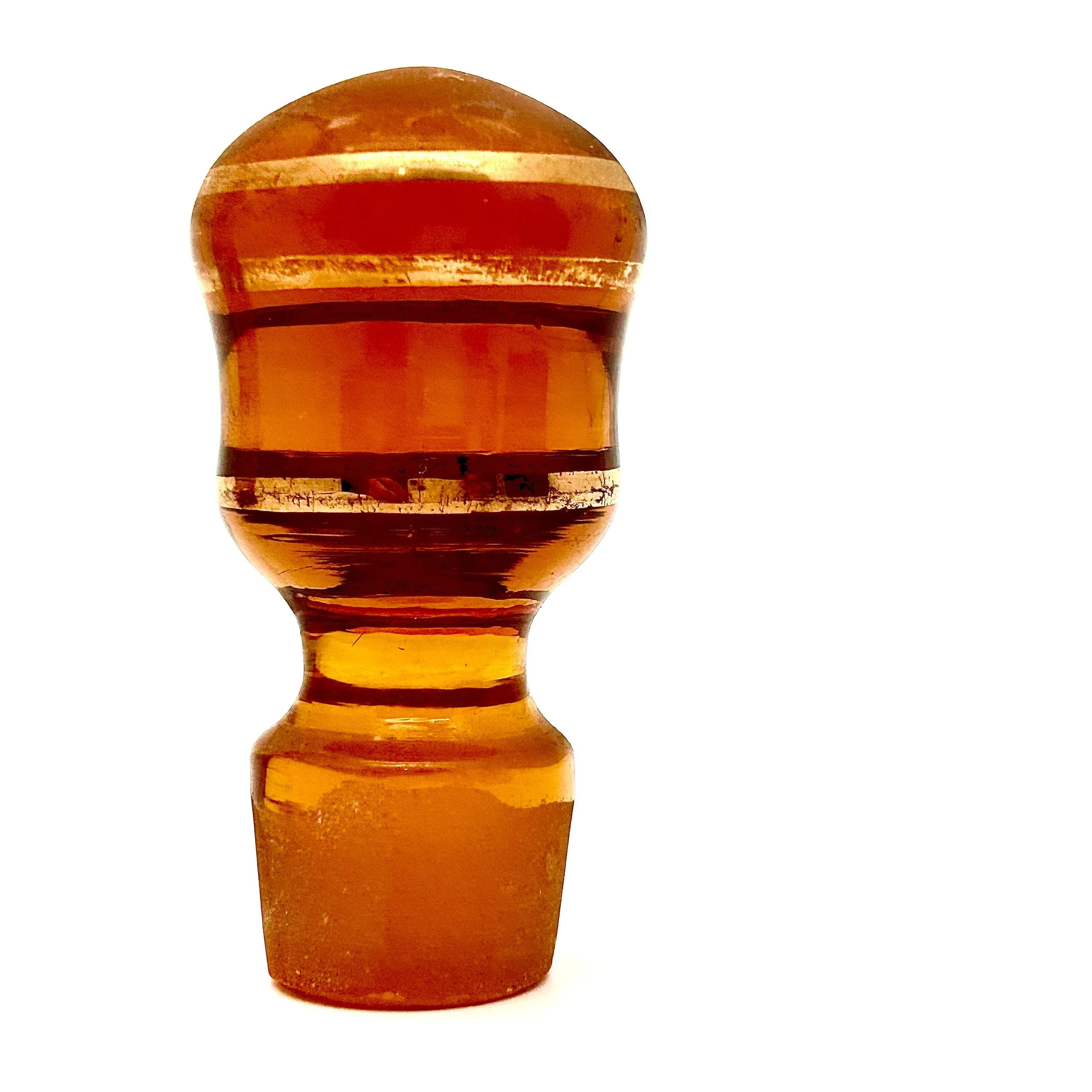
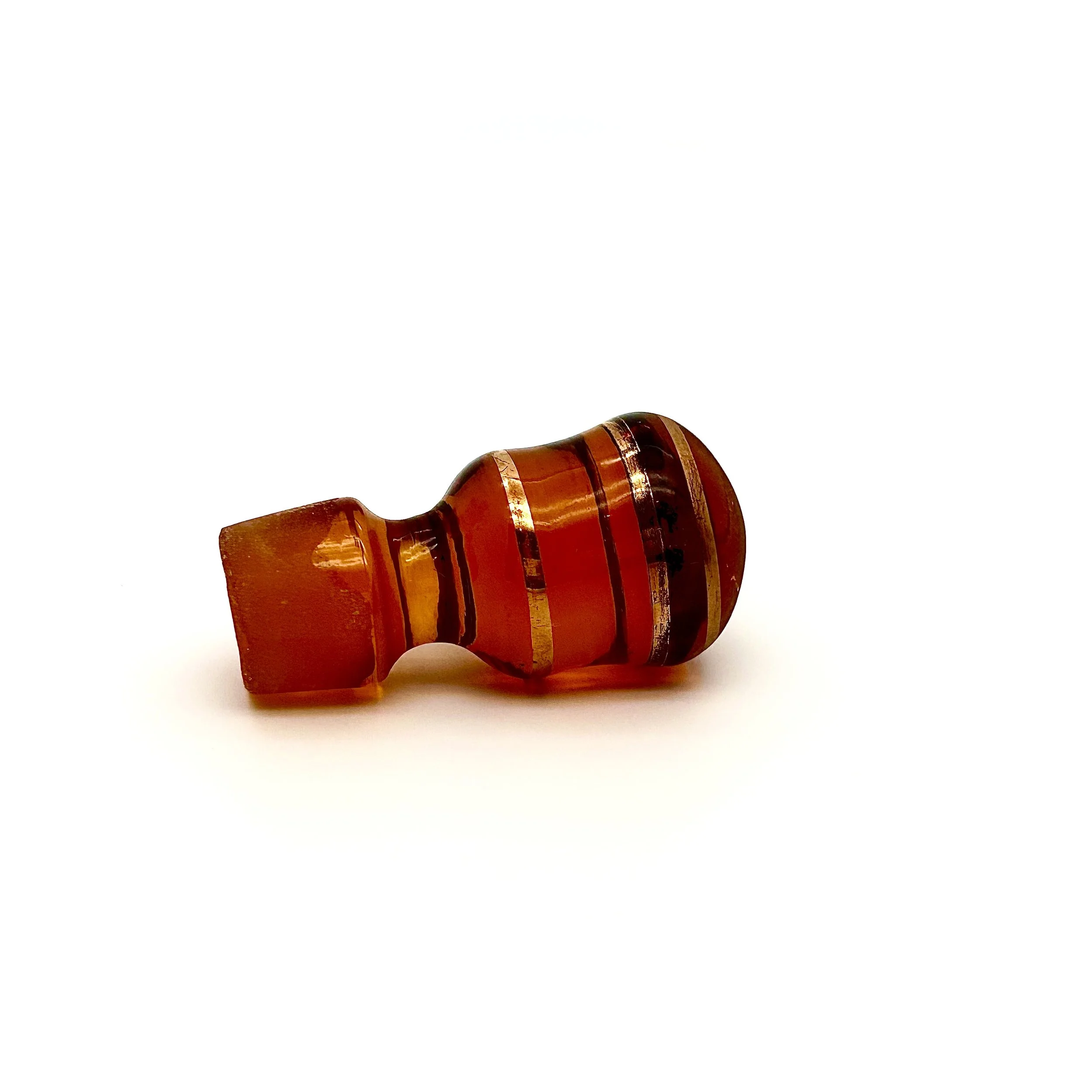
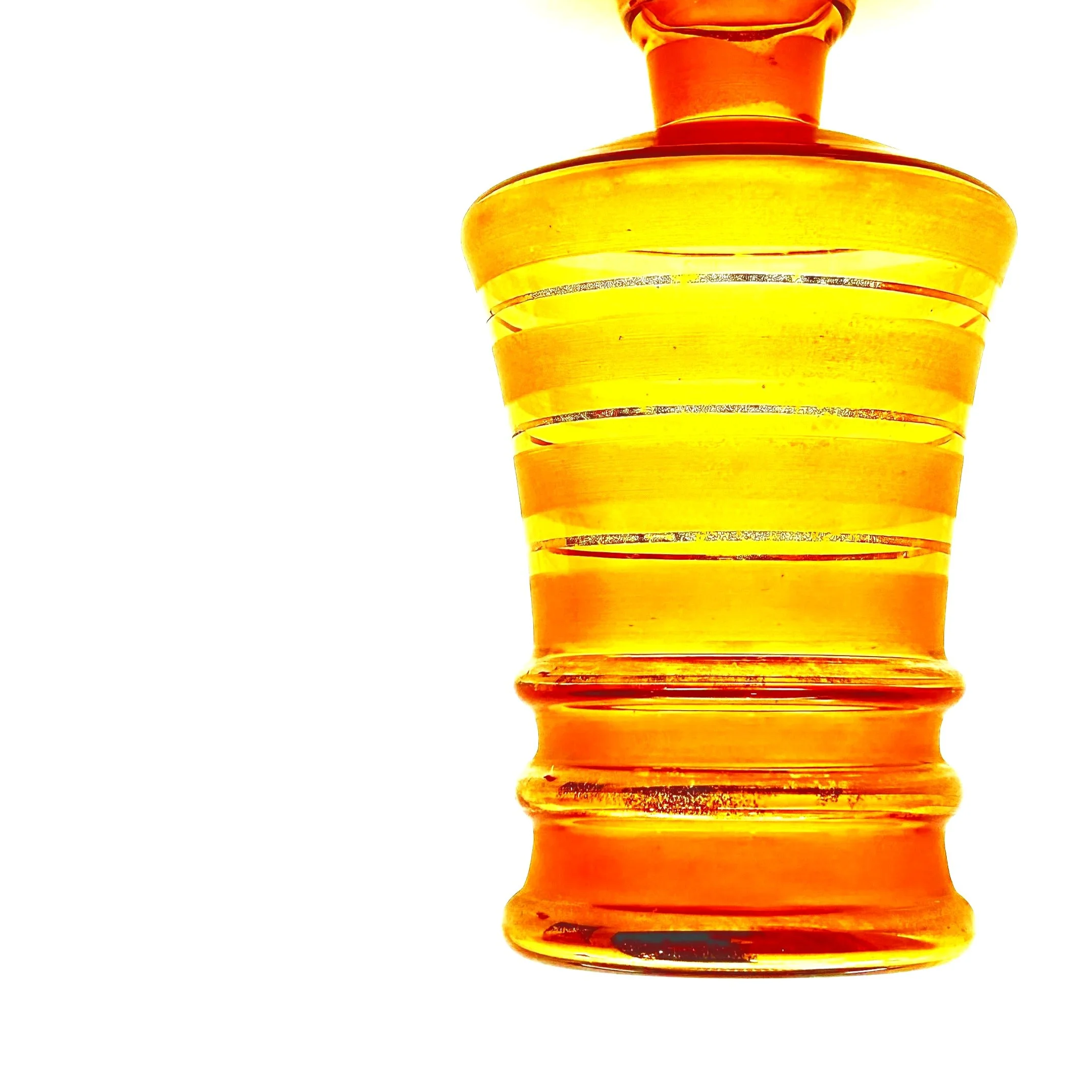
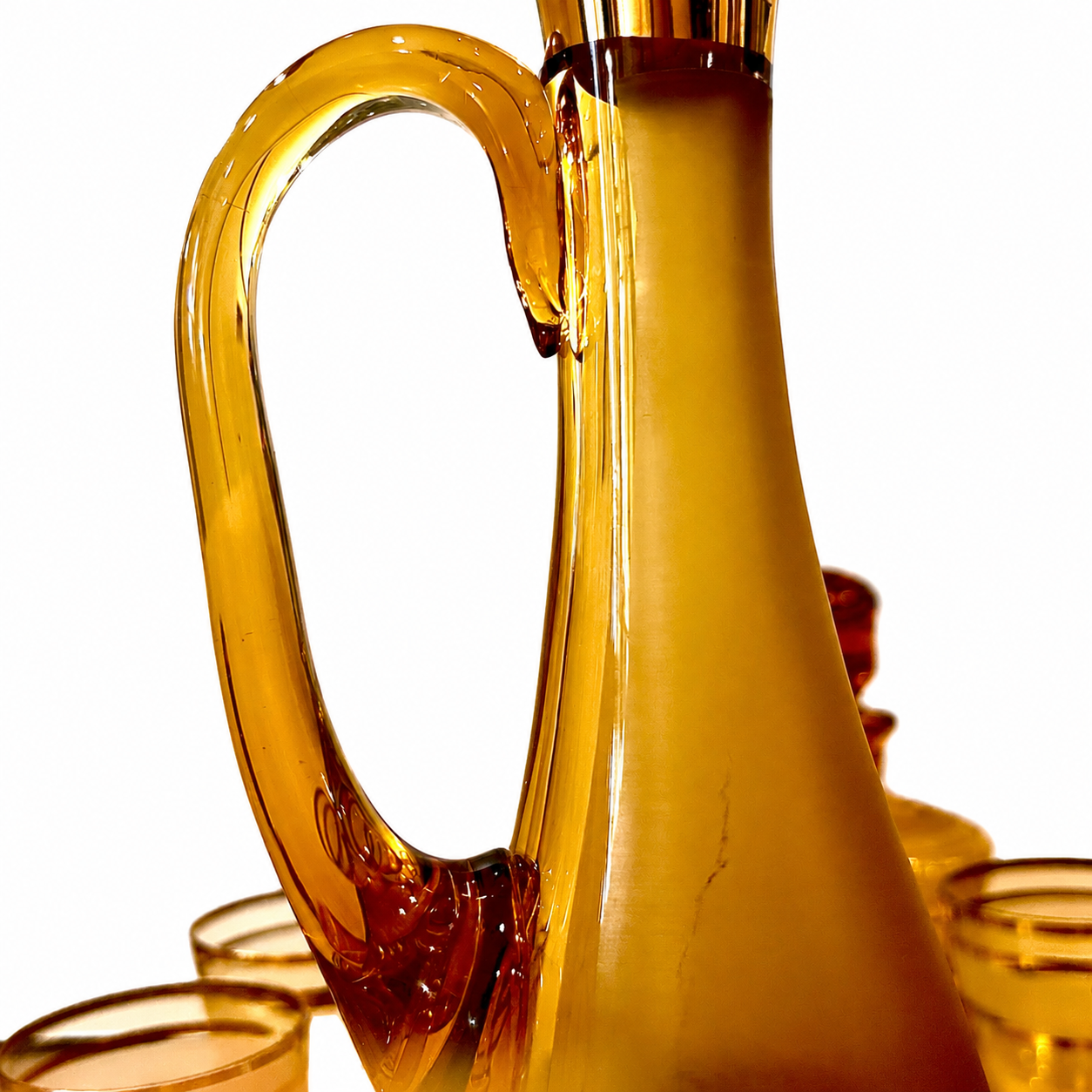
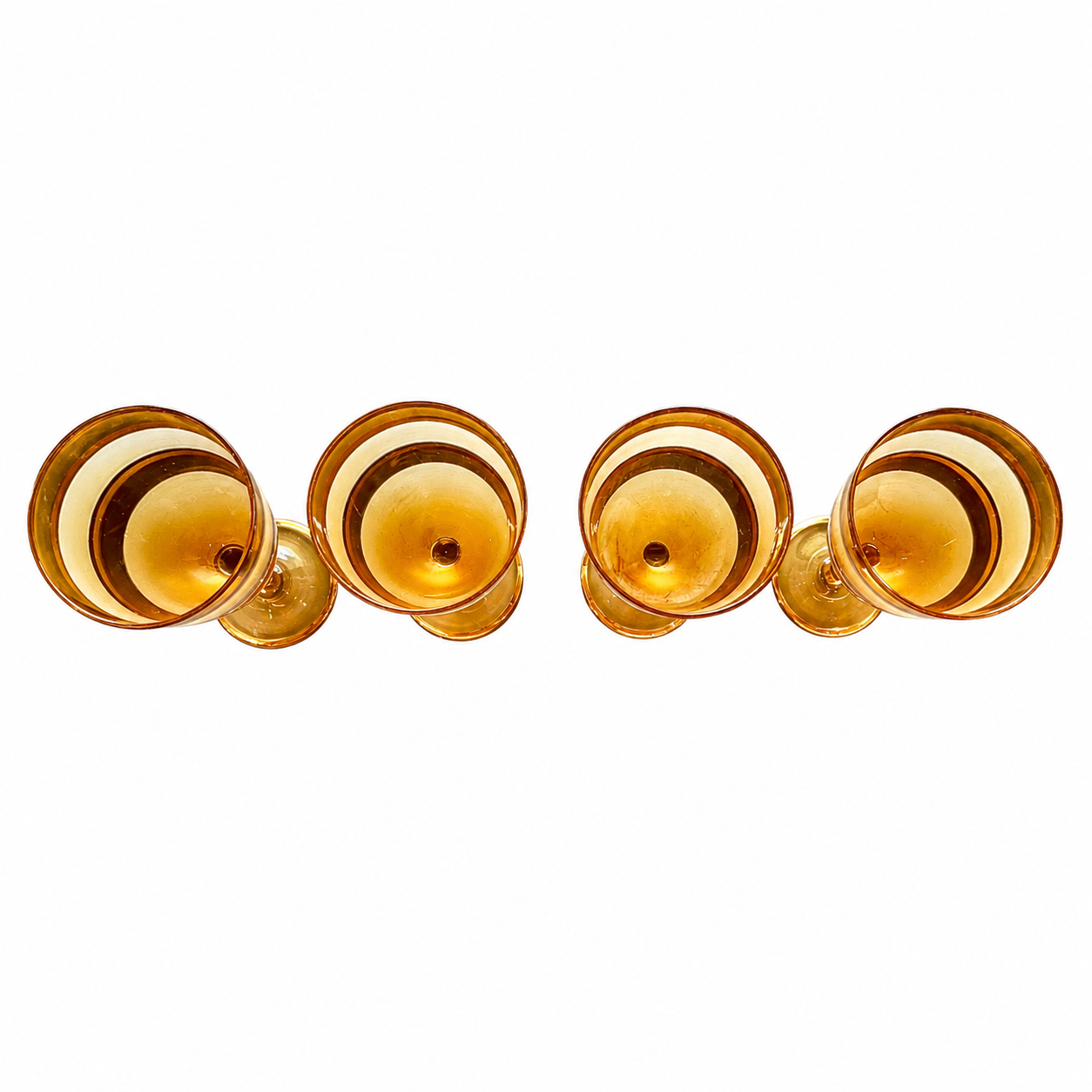
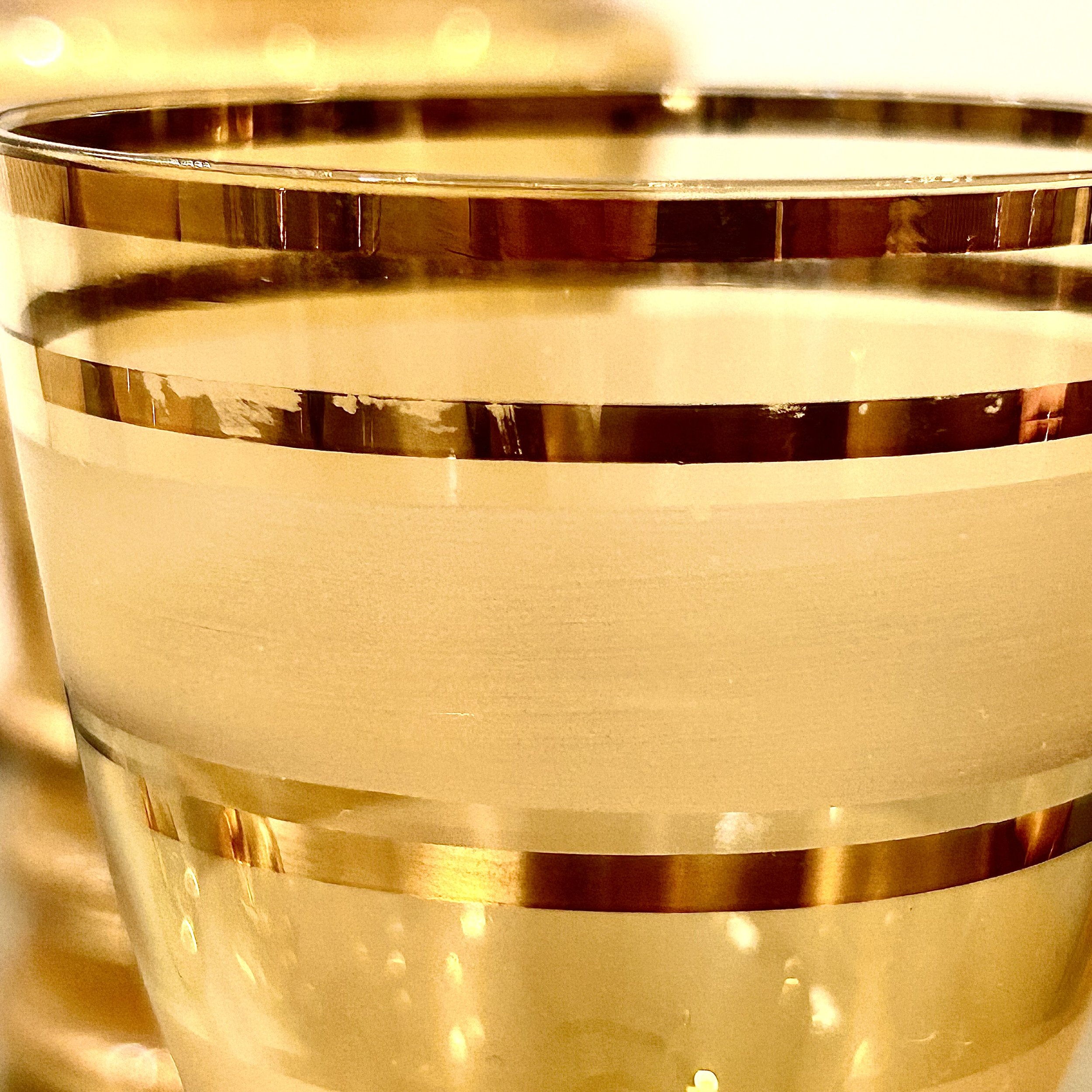
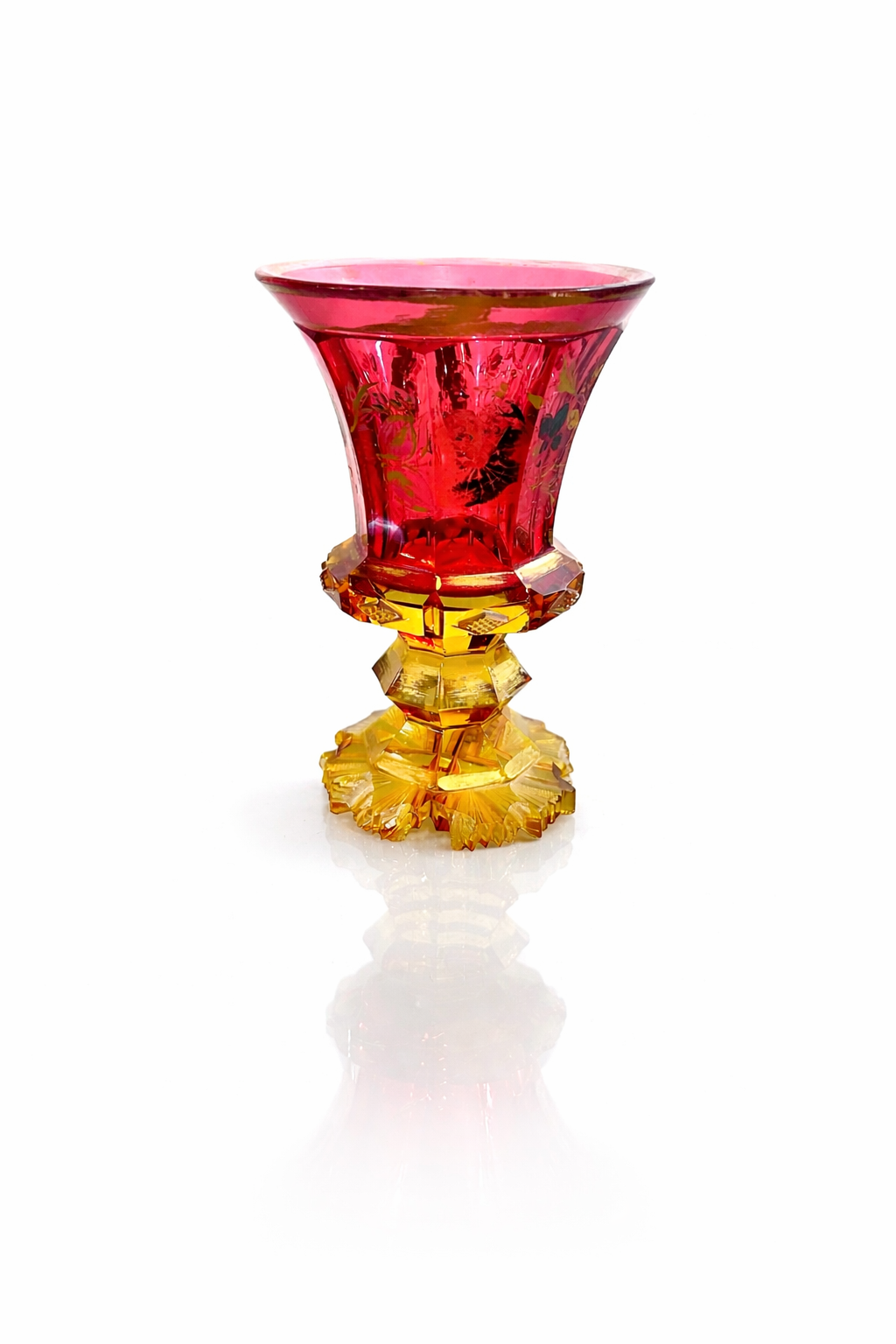
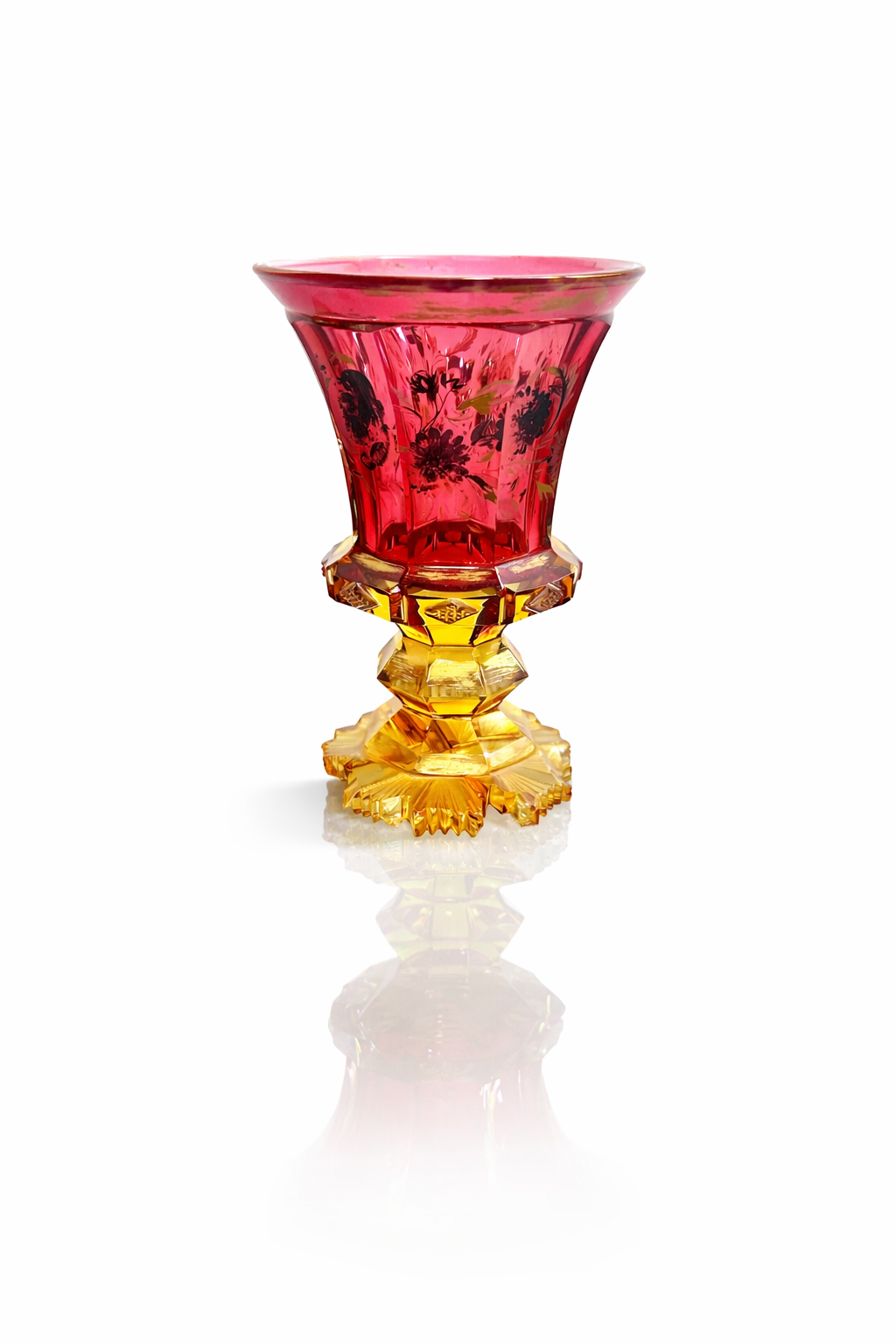
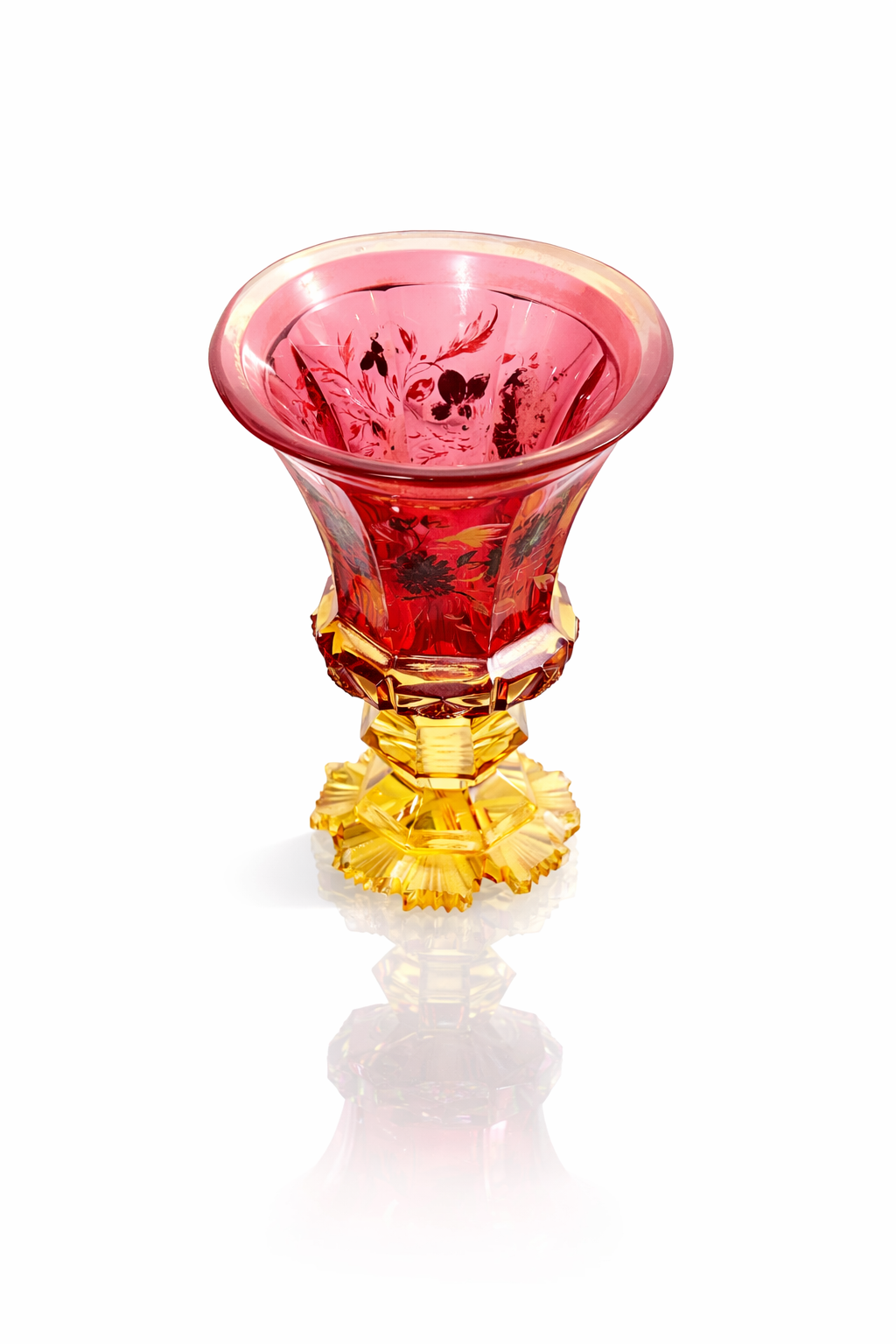
A collector-grade mid-century cranberry art glass vase of sculptural, free-formed presence, executed in richly saturated ruby-cranberry batch glass. This is a true hand-blown example with visible hot-worked character—confidently formed, weight-balanced, and materially expressive.
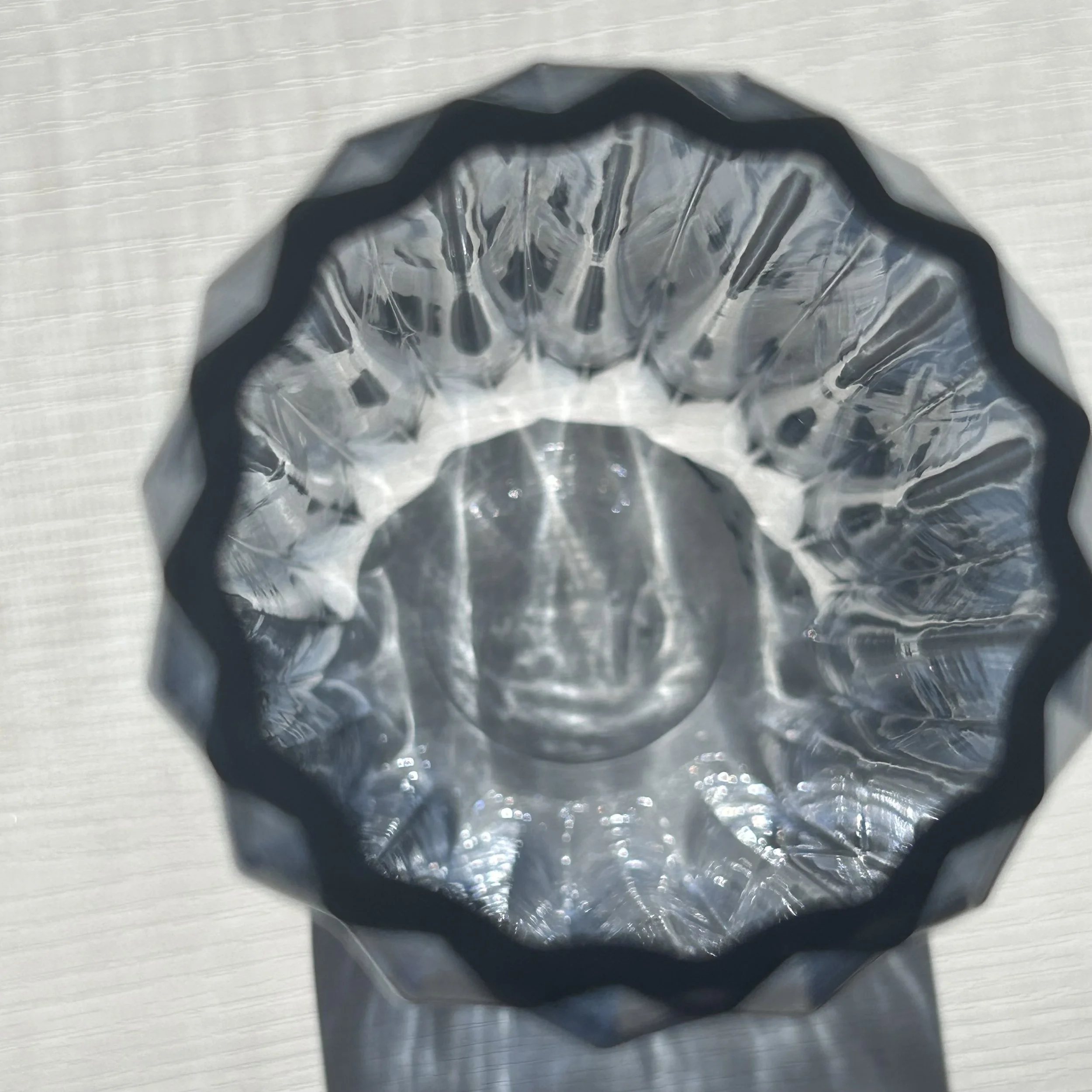
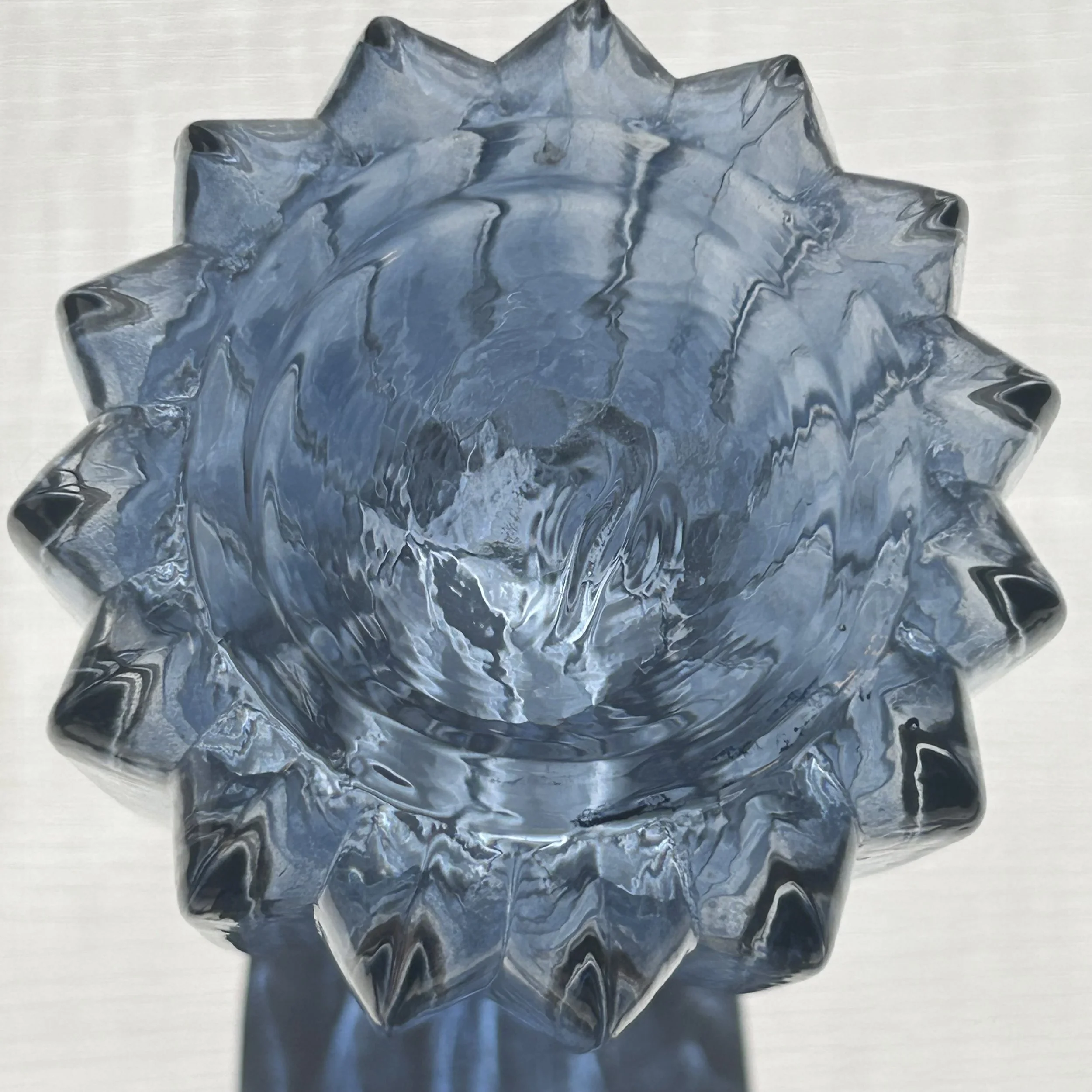
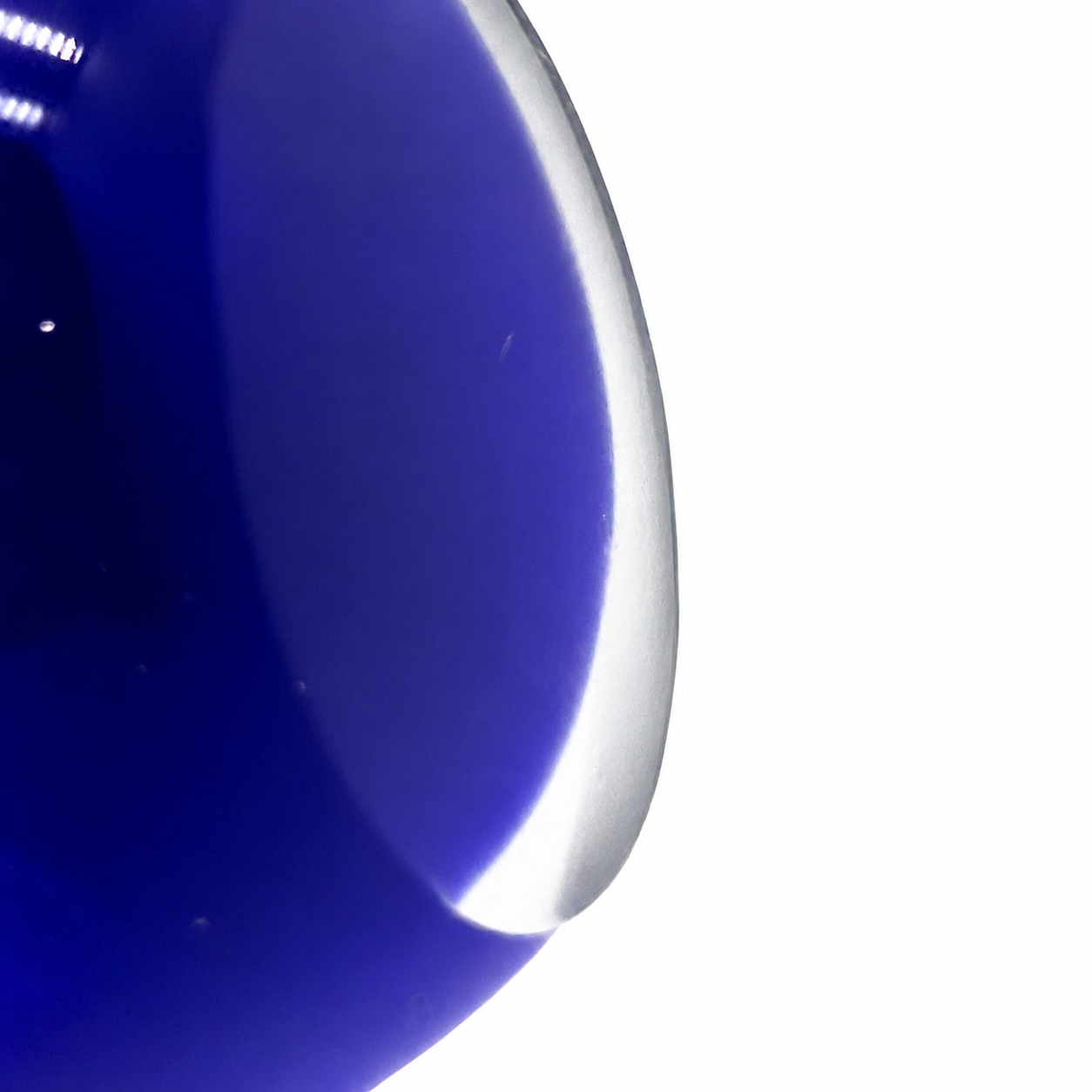
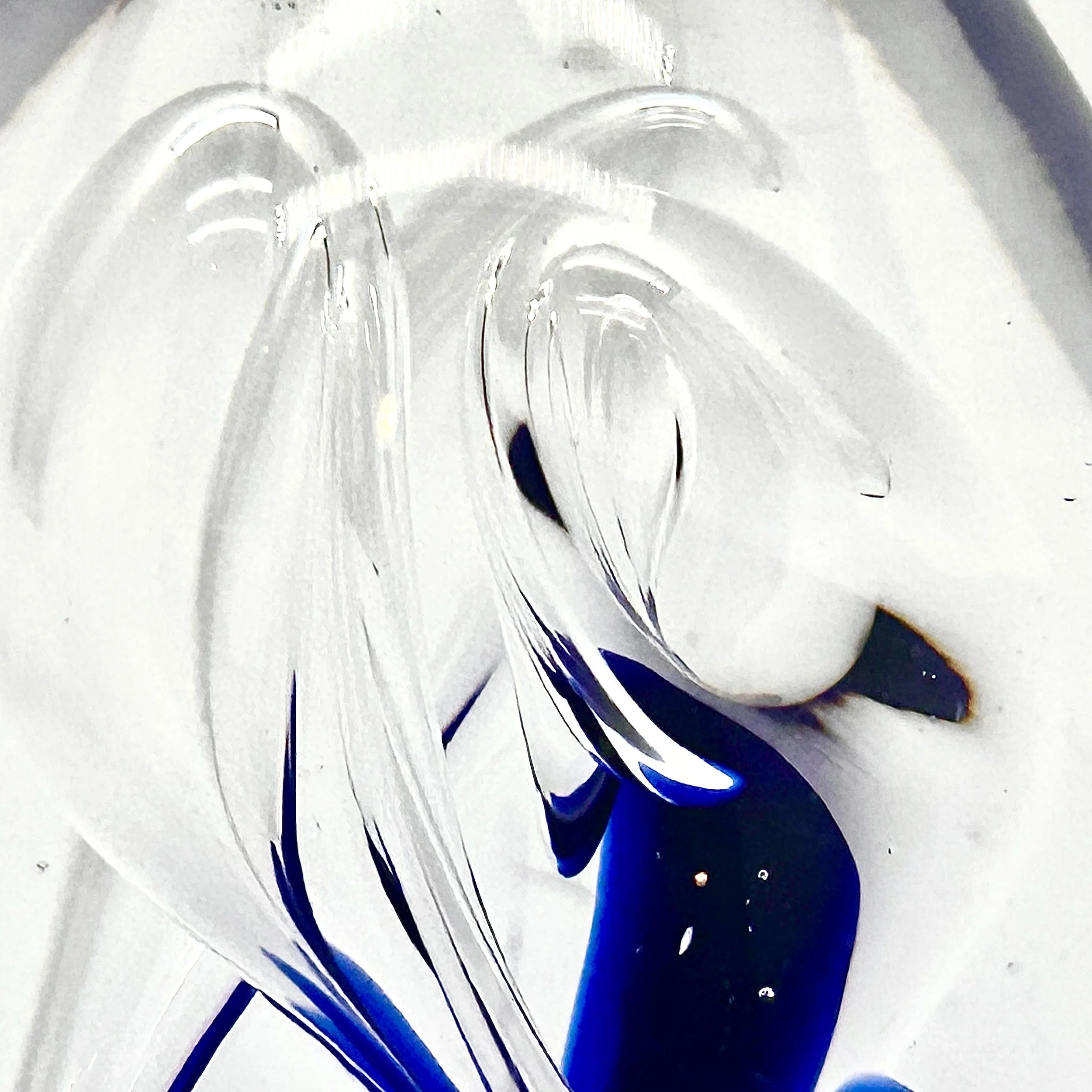
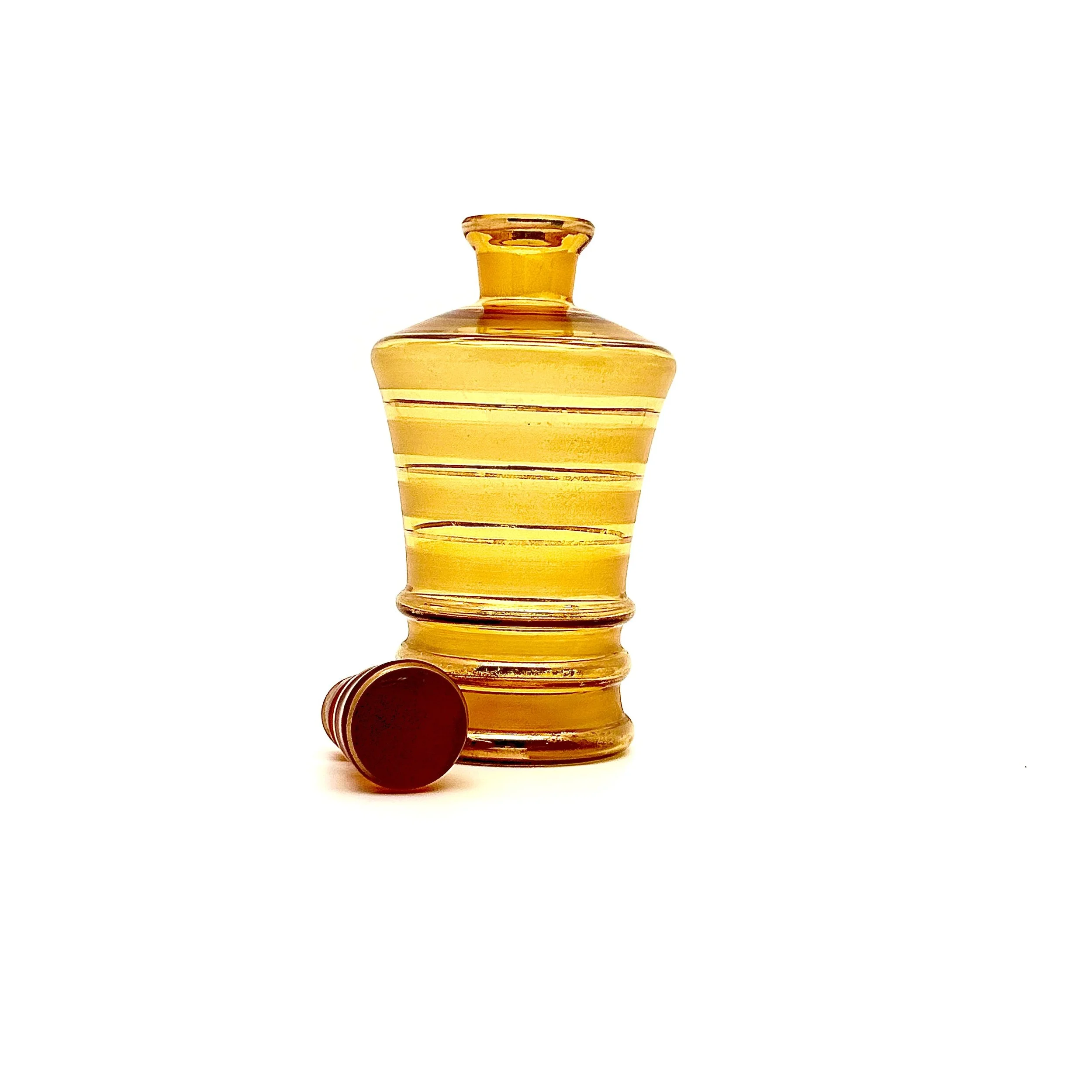
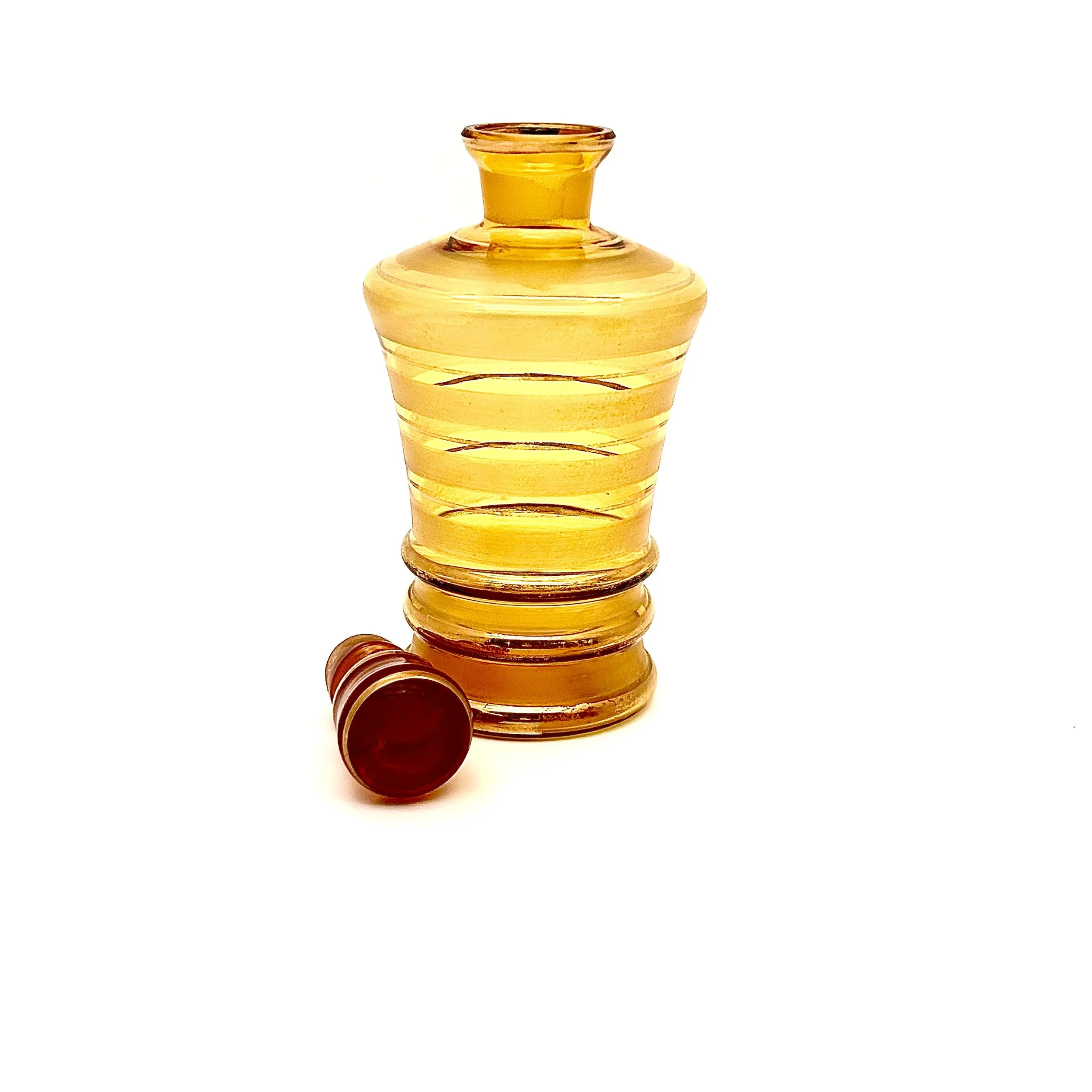
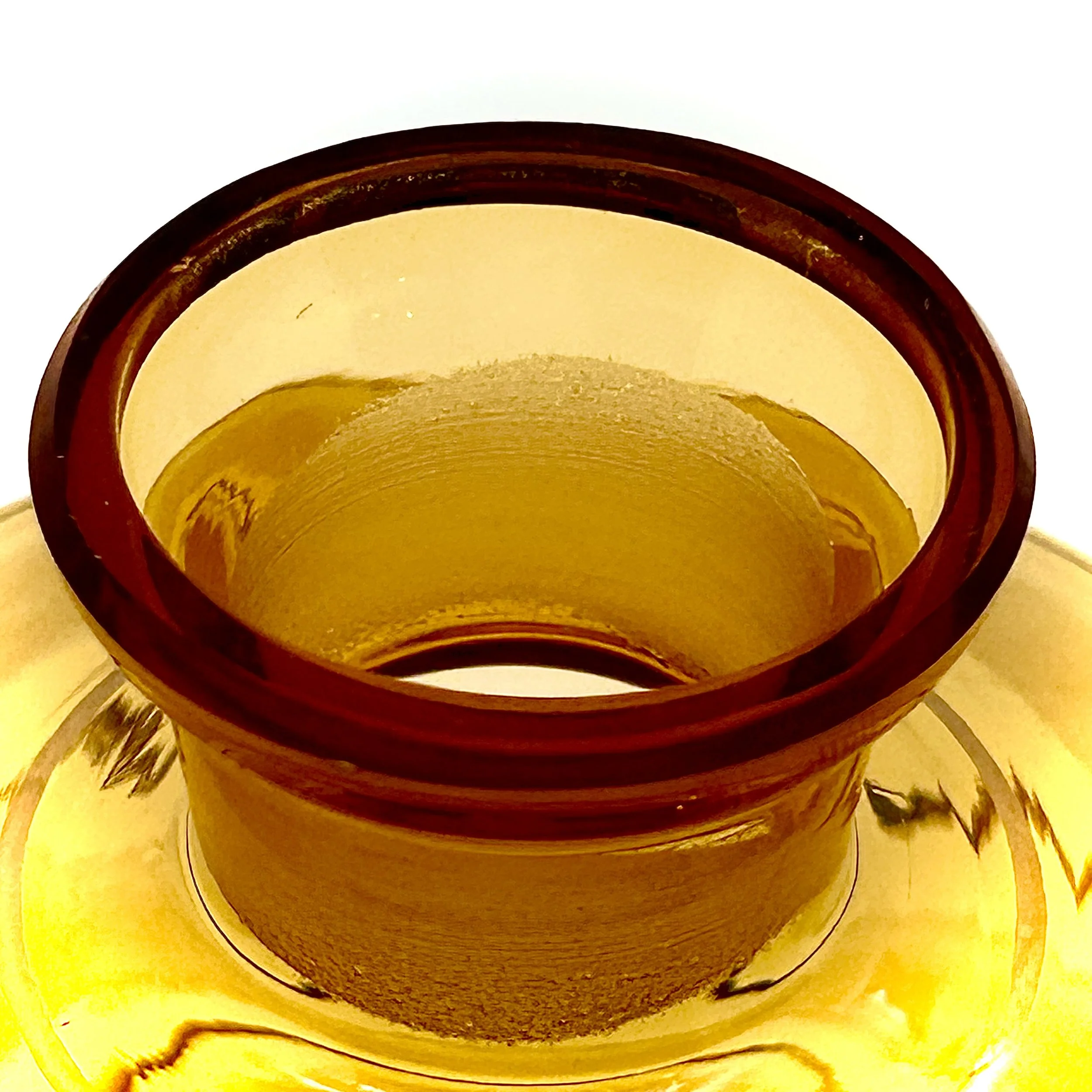
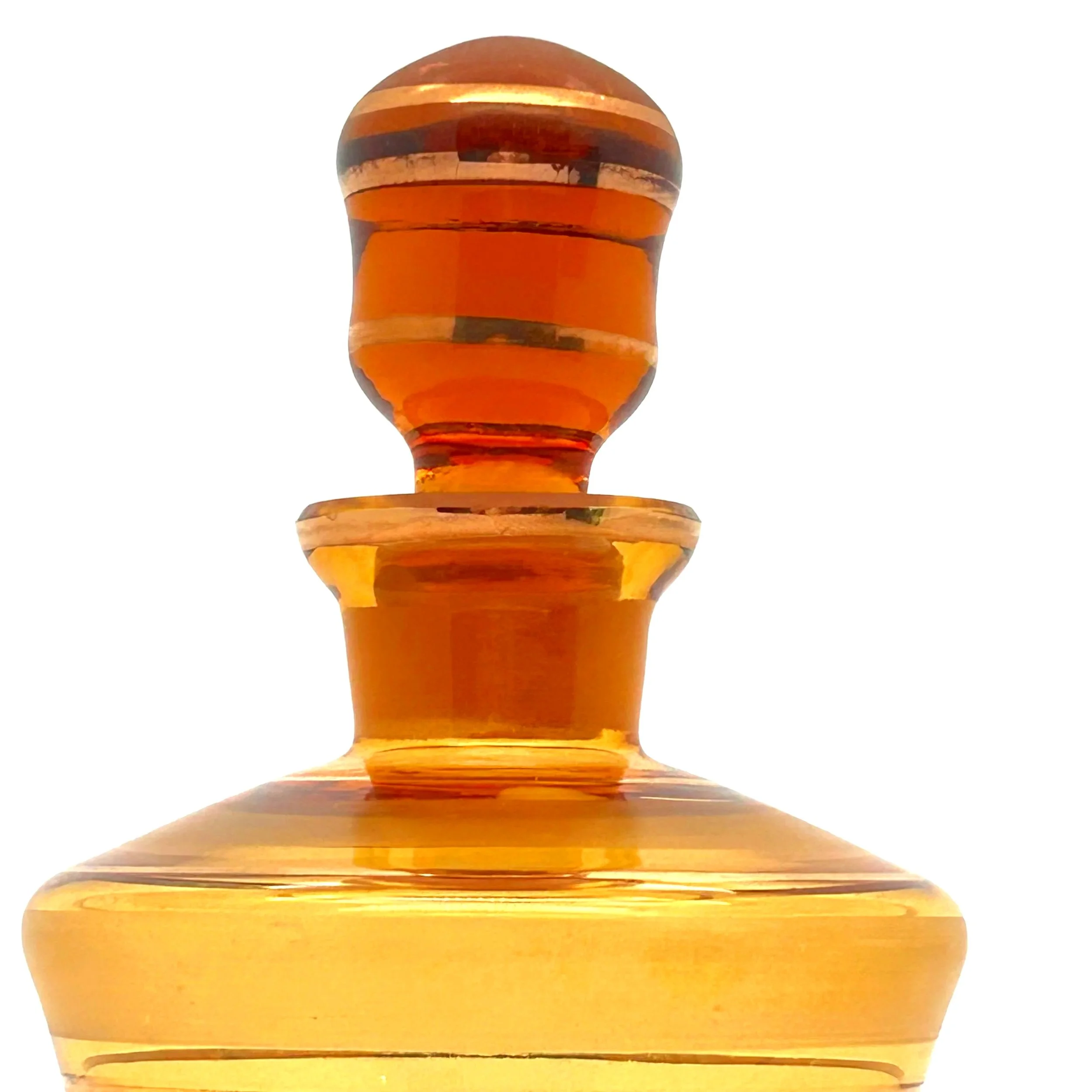
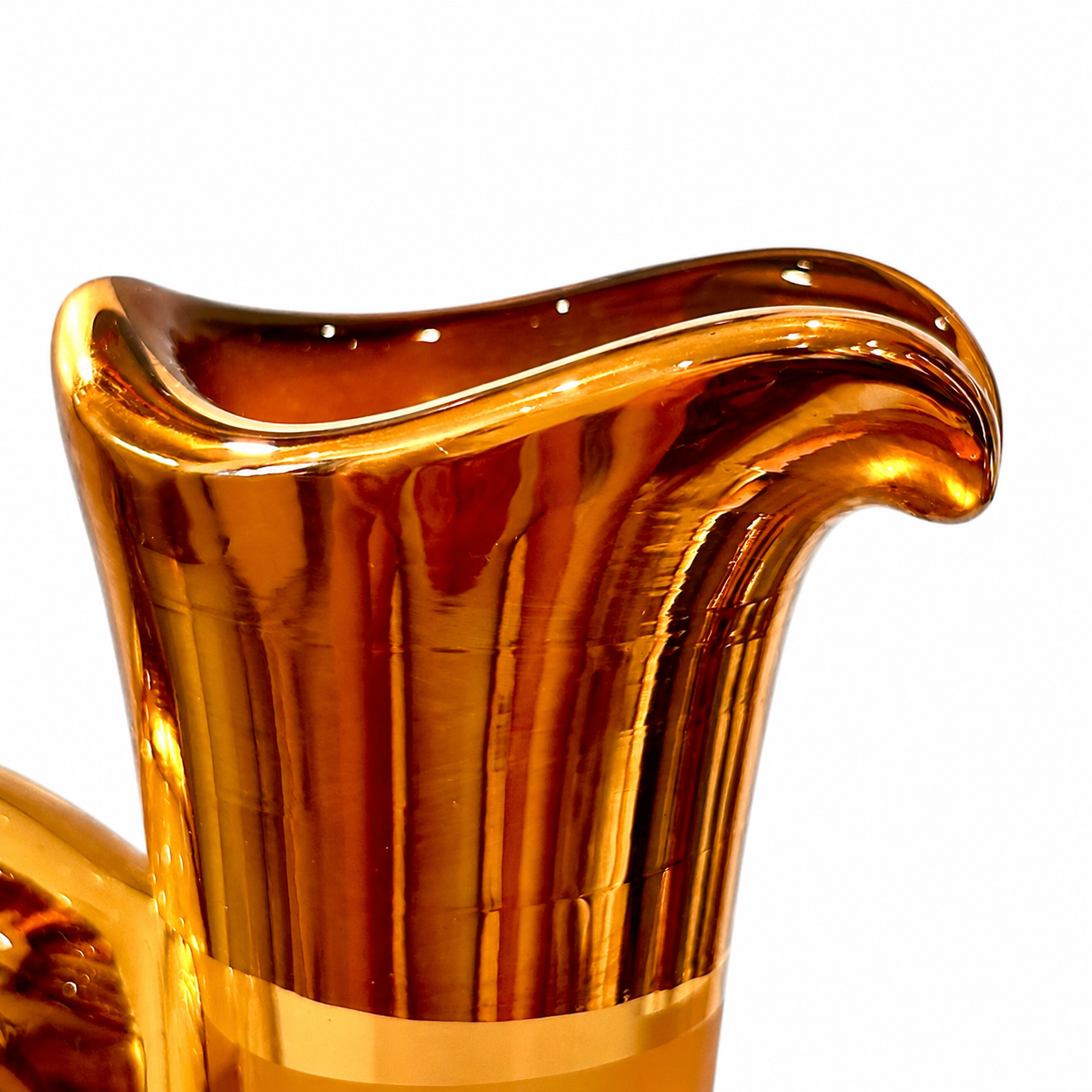
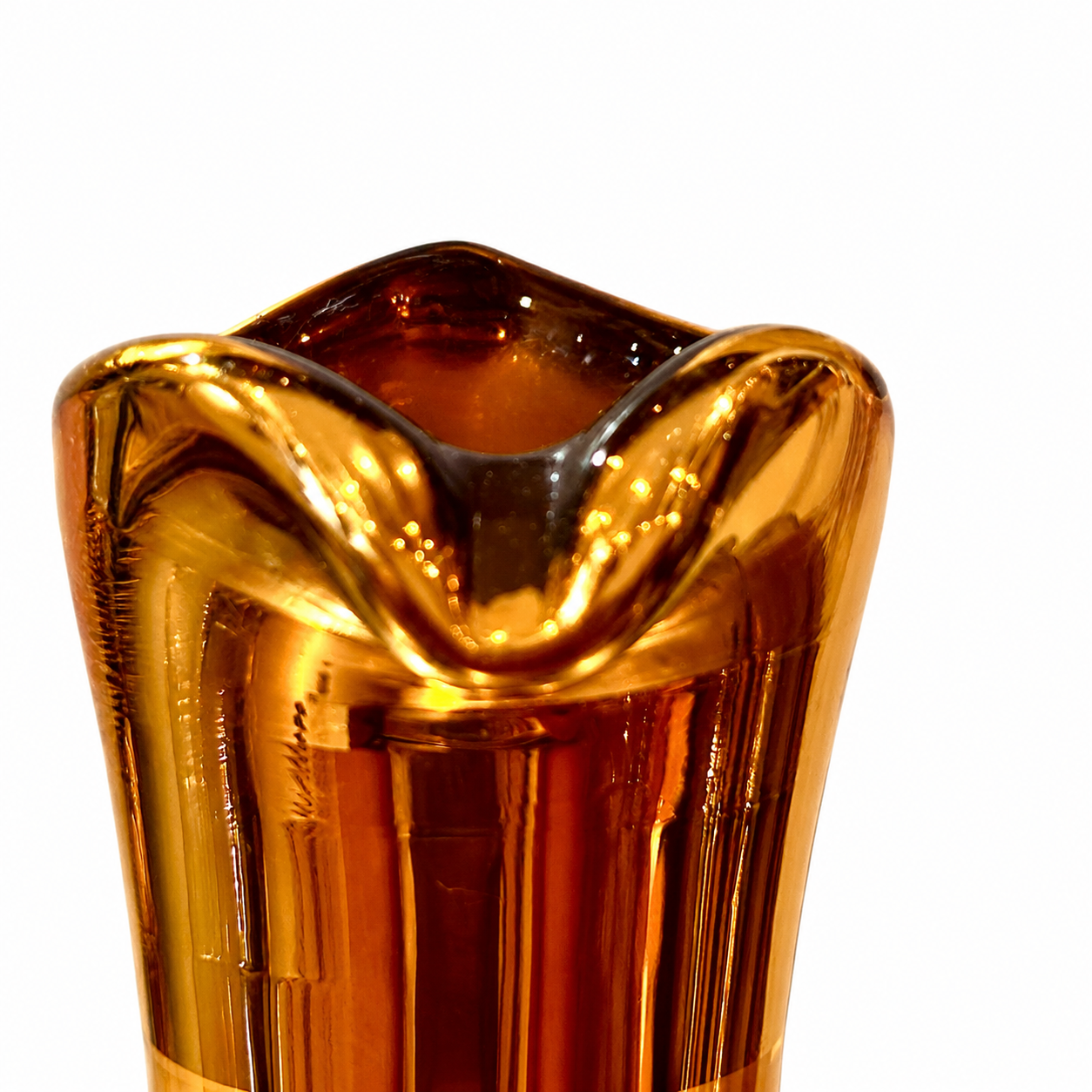
The silhouette is tall and architectural: a narrowed neck rising into a gently flared, organically articulated rim, flowing downward into a rounded, weighty lower body that anchors the form visually. The rim remains intentionally irregular, shaped while molten rather than mechanically cut—an authentic indicator of studio handling rather than factory standardization.
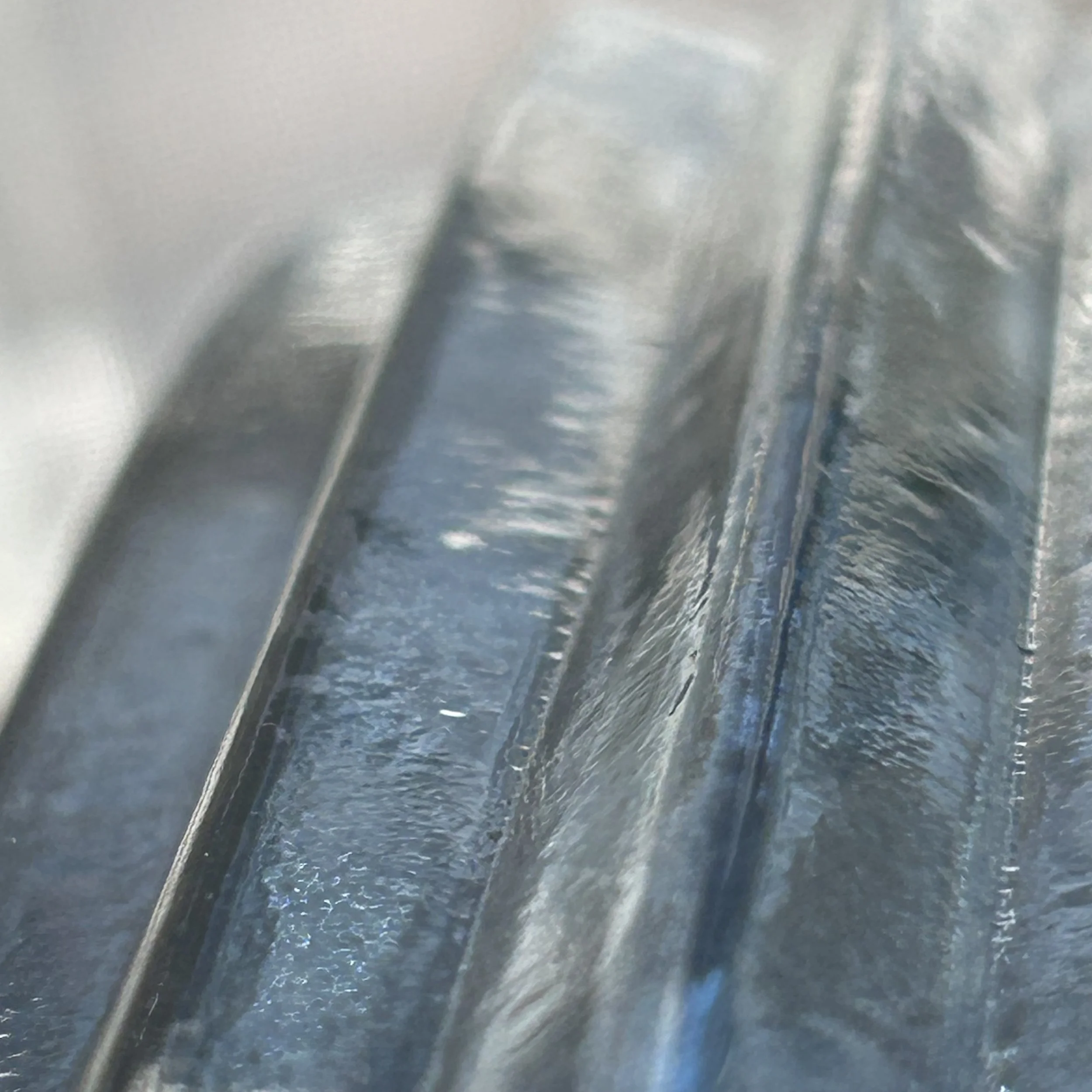
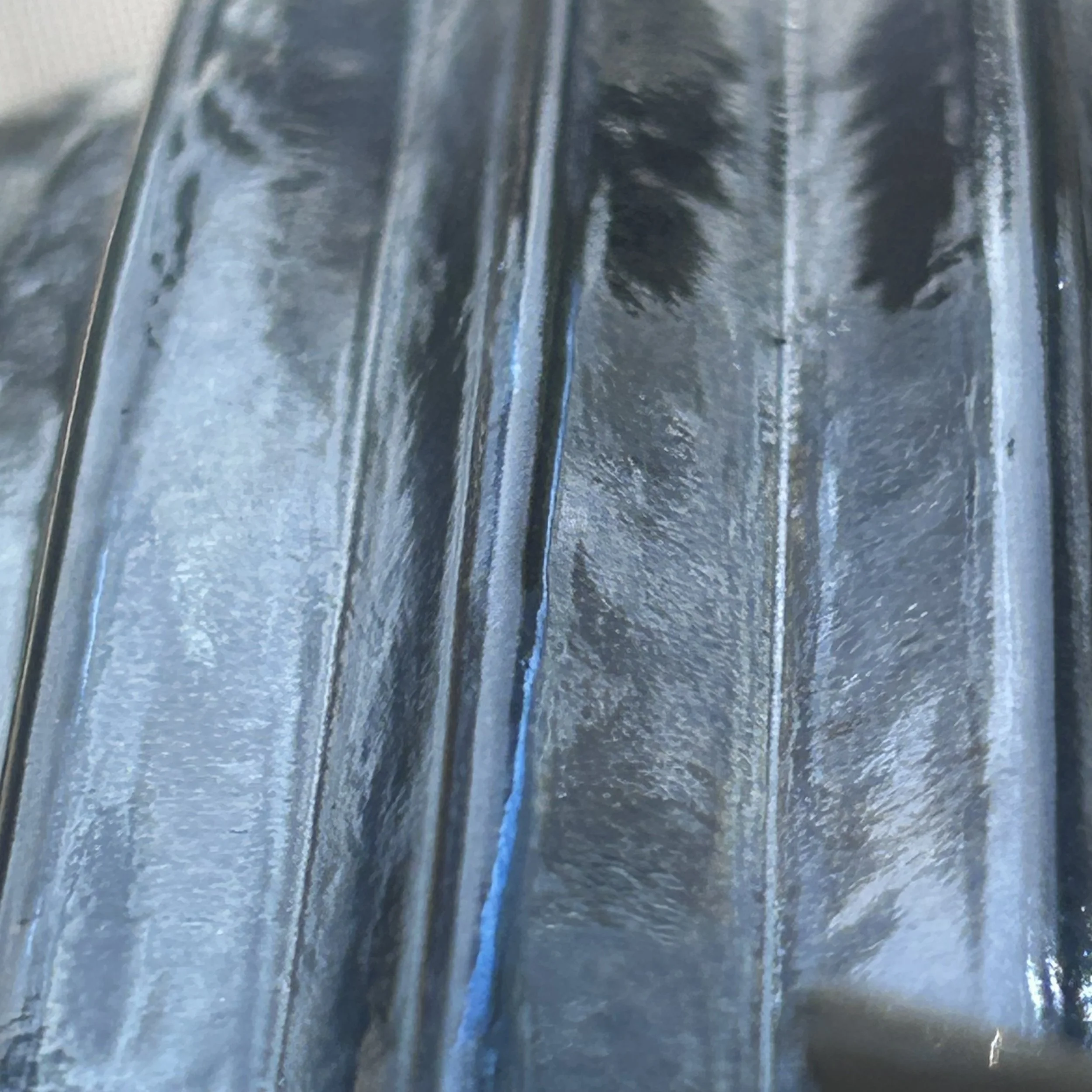
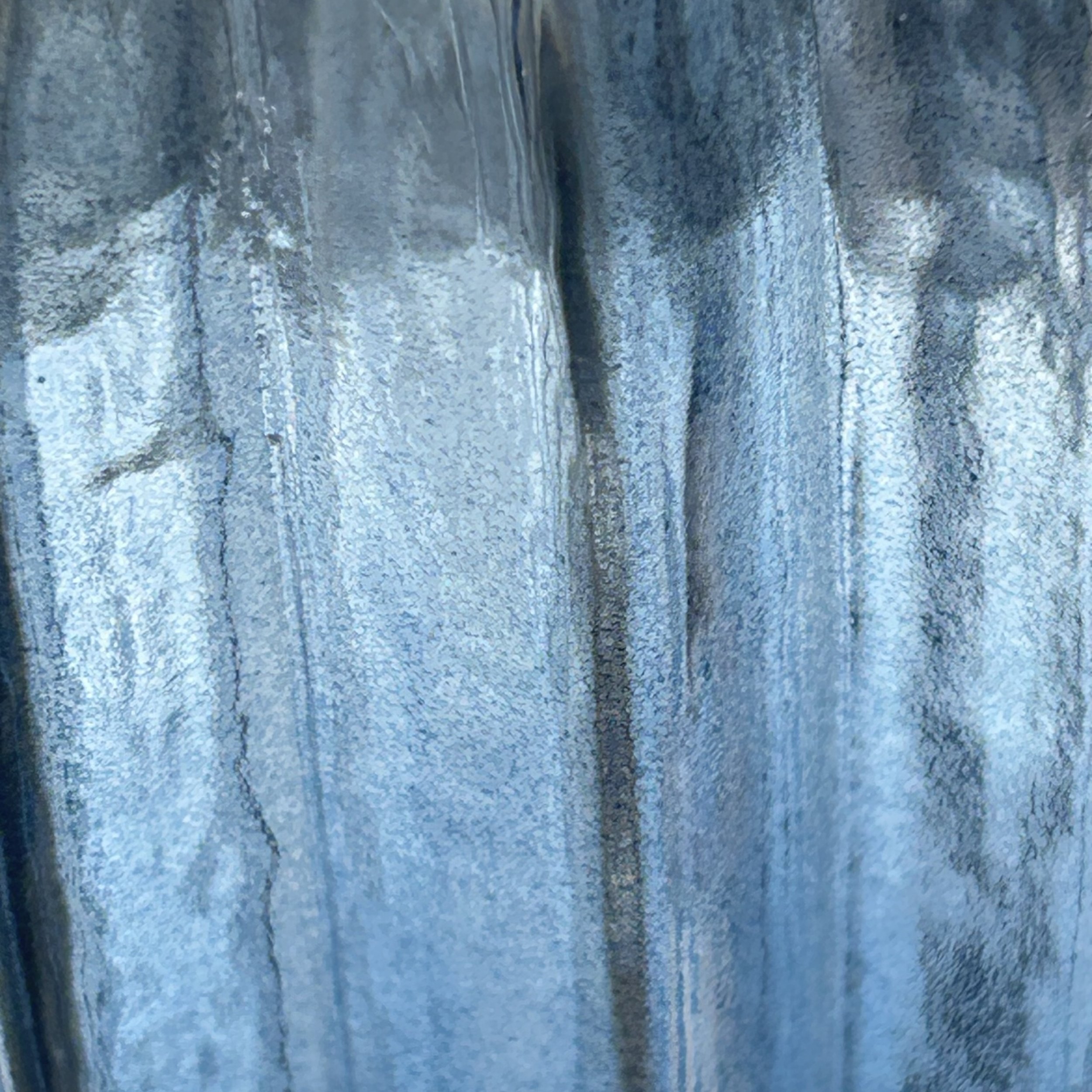
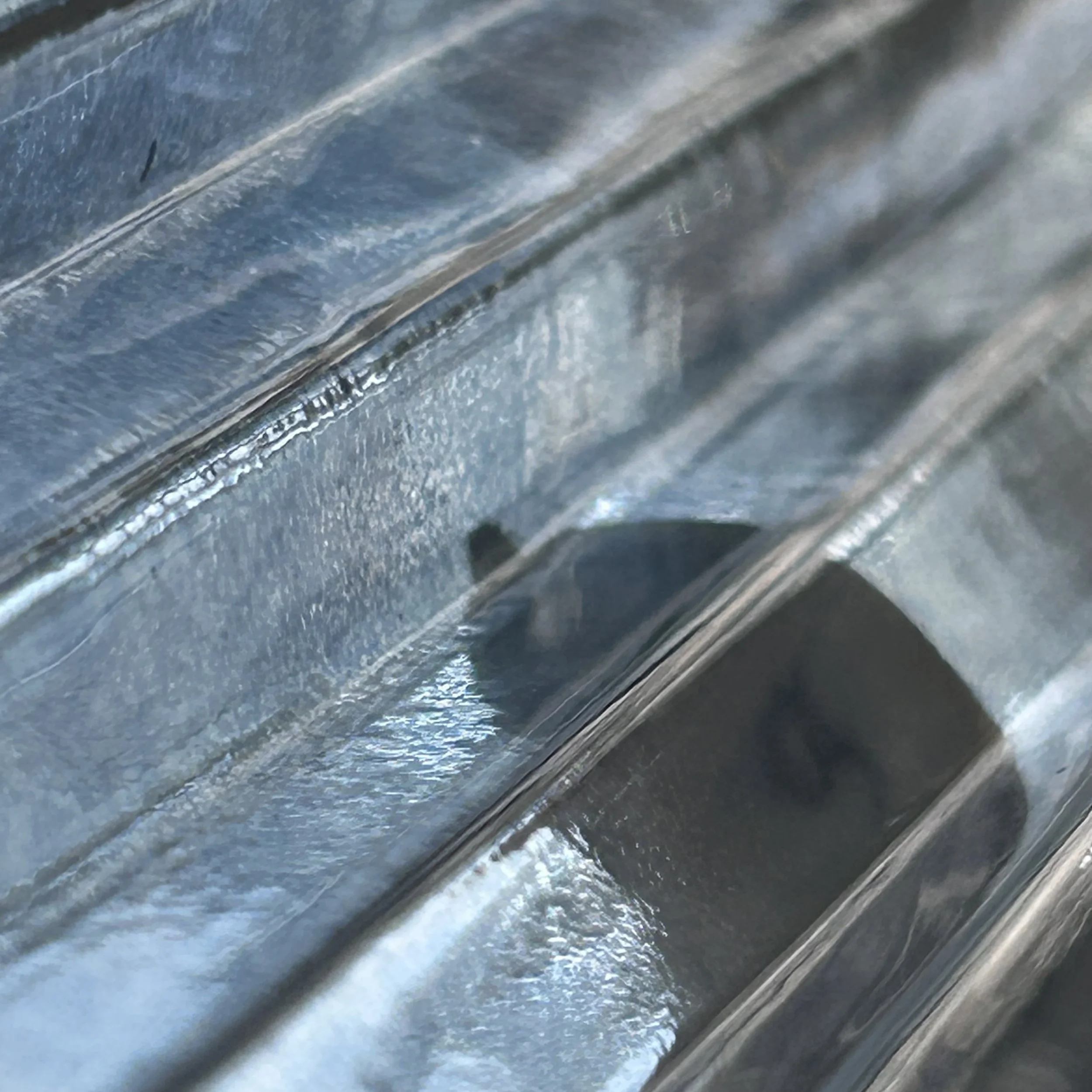
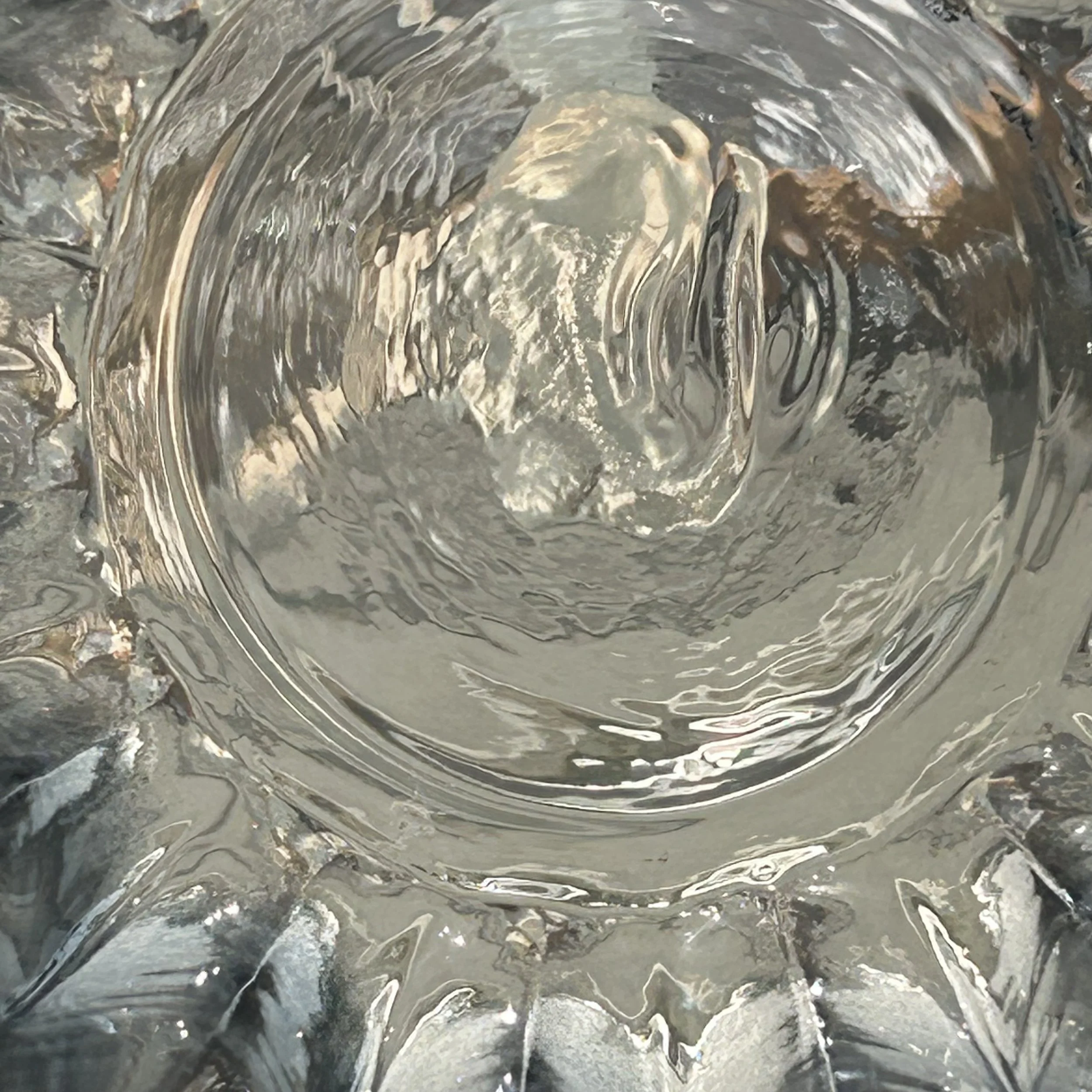
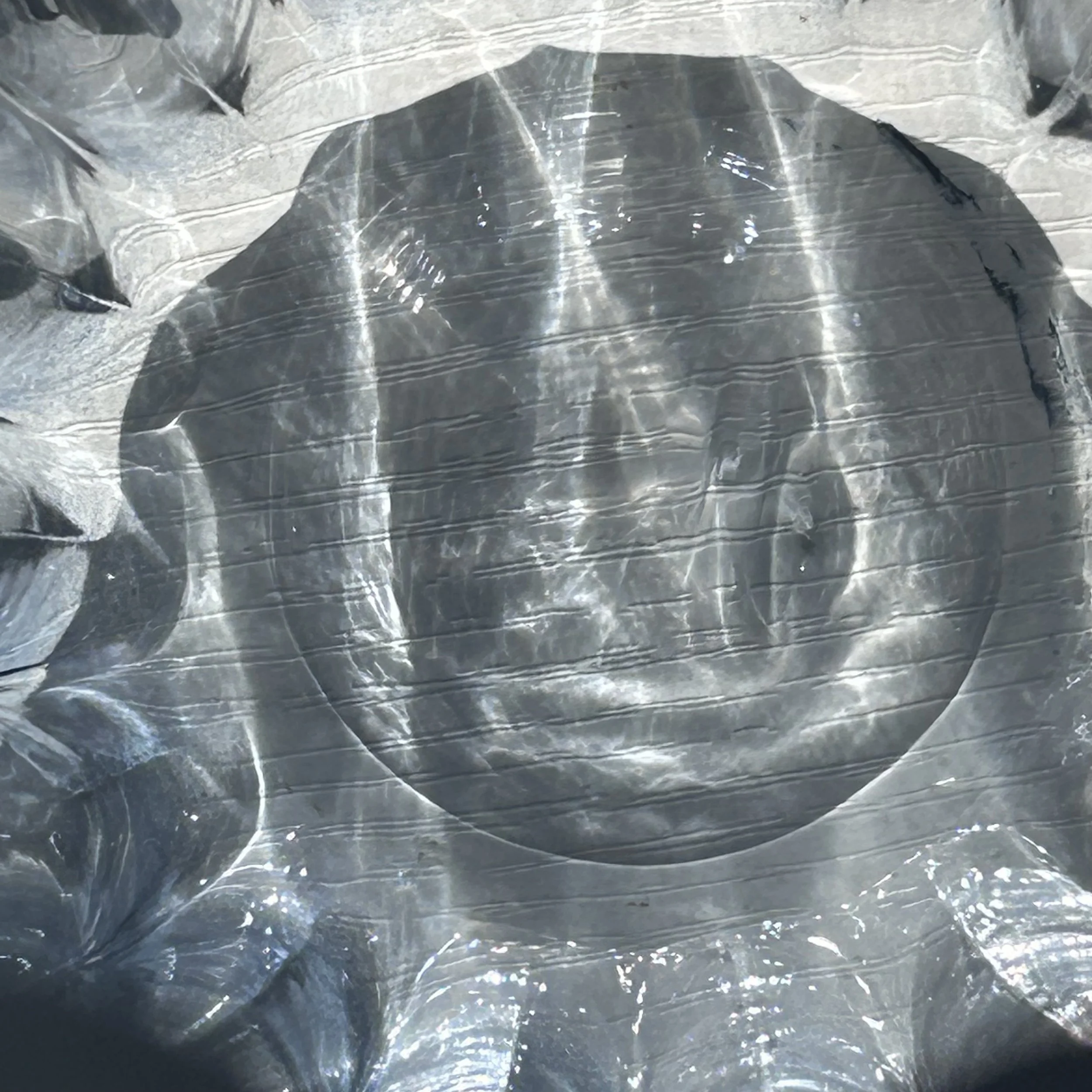
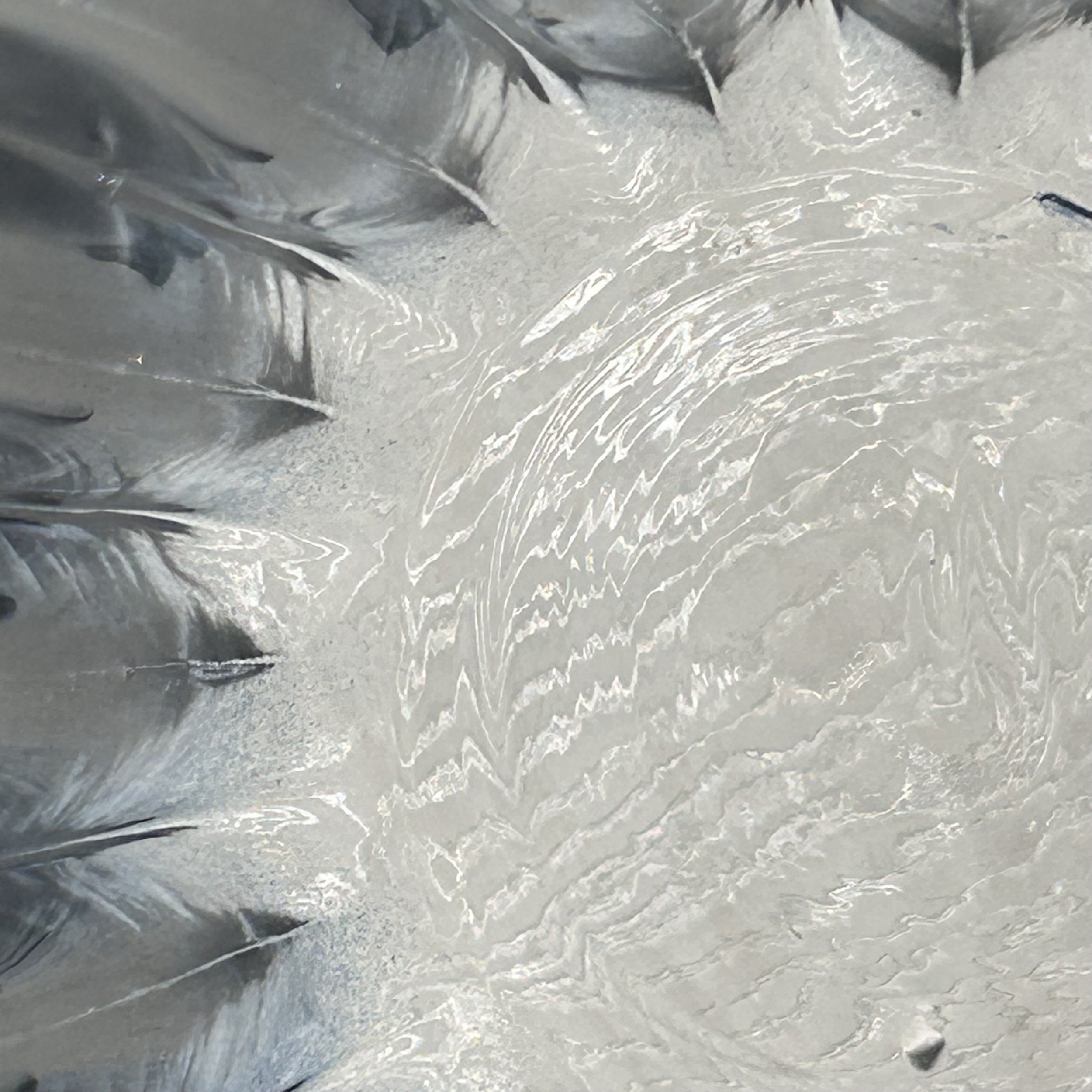
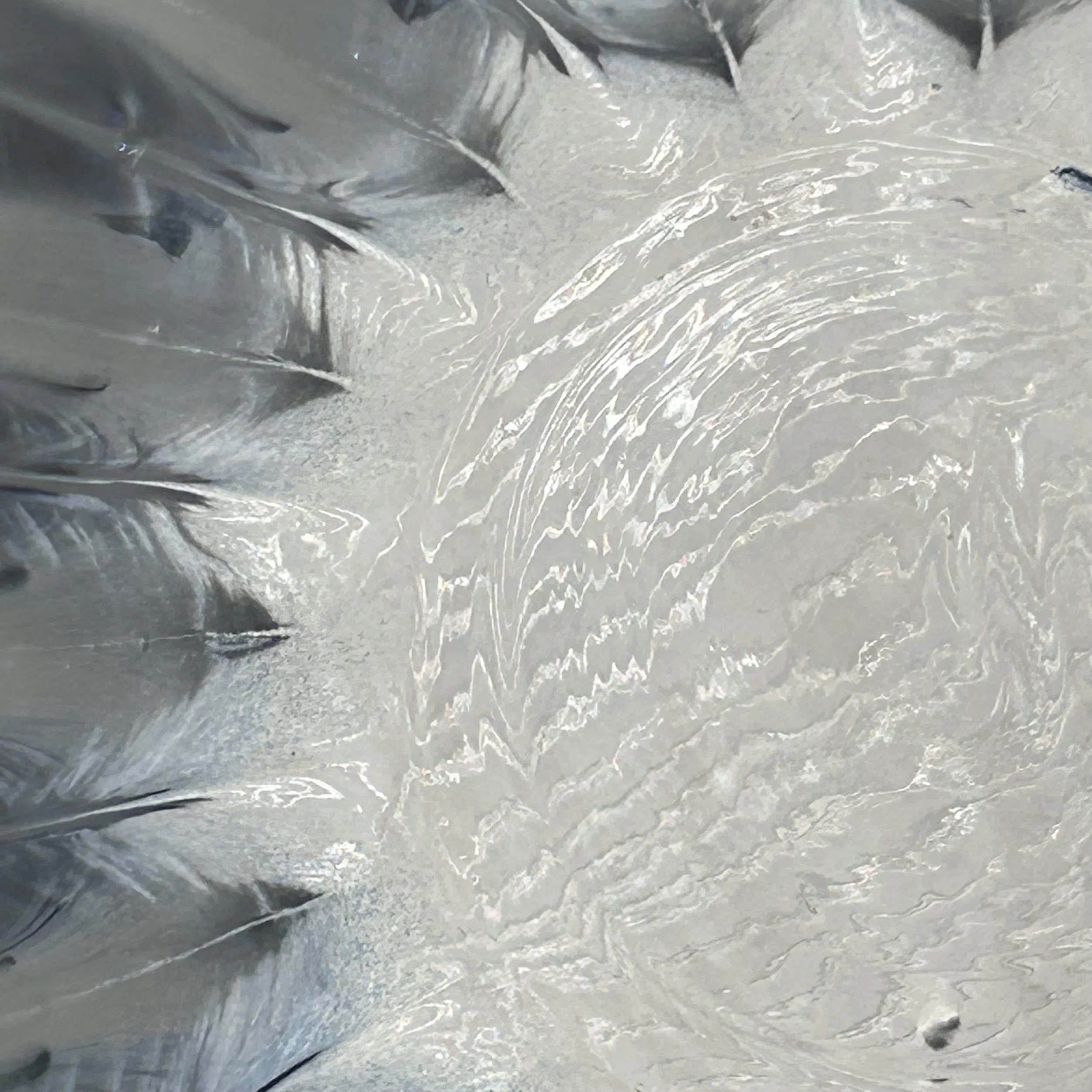
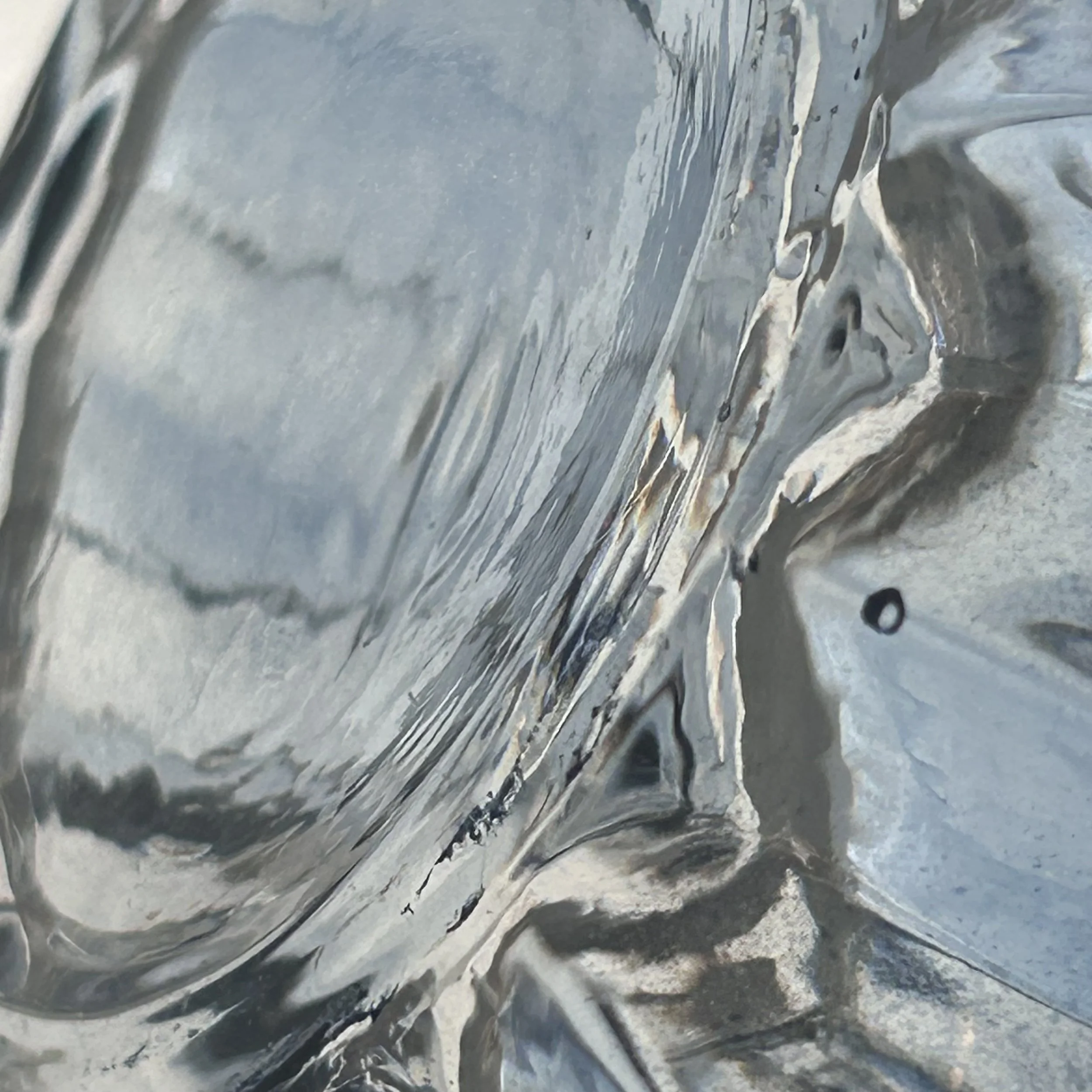
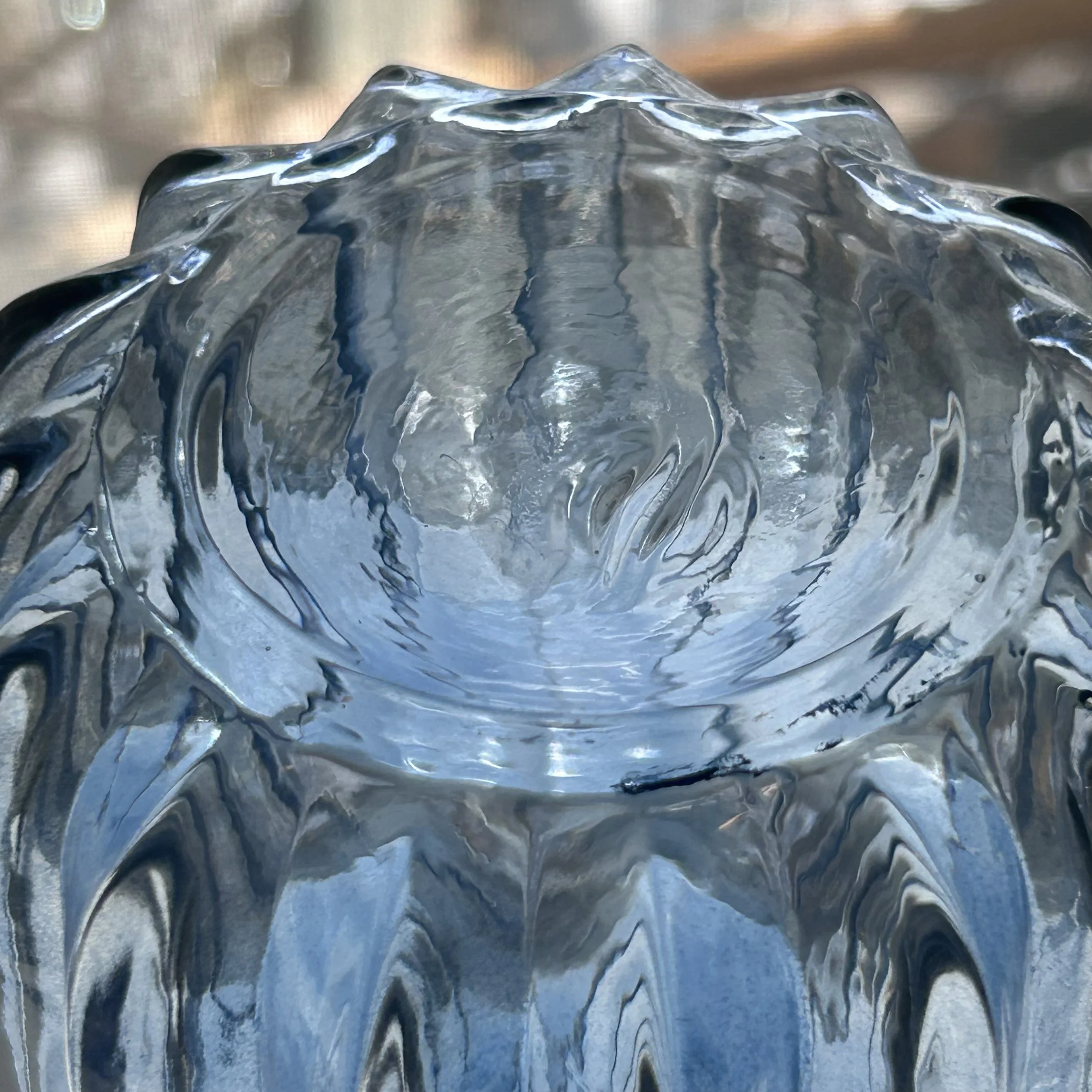
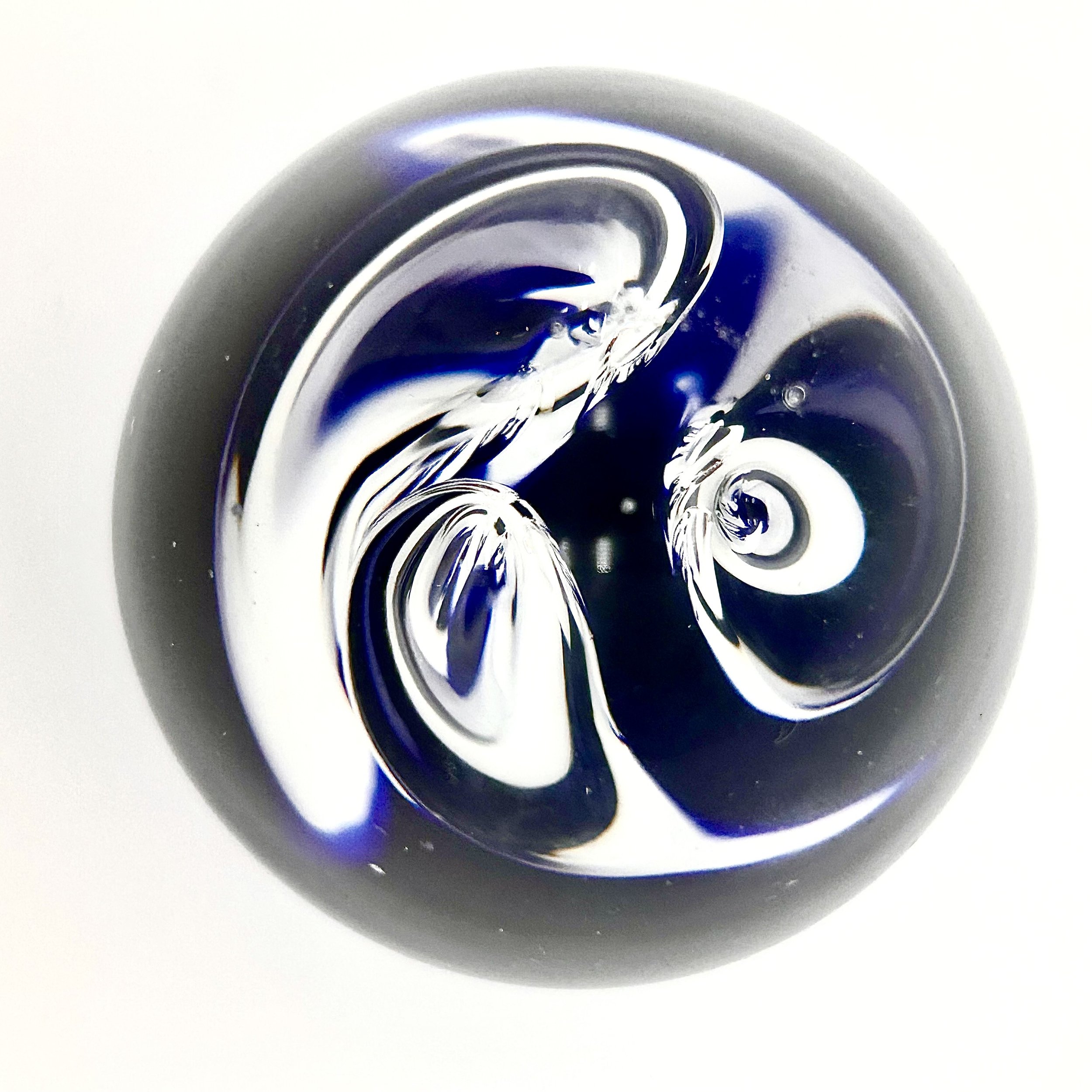
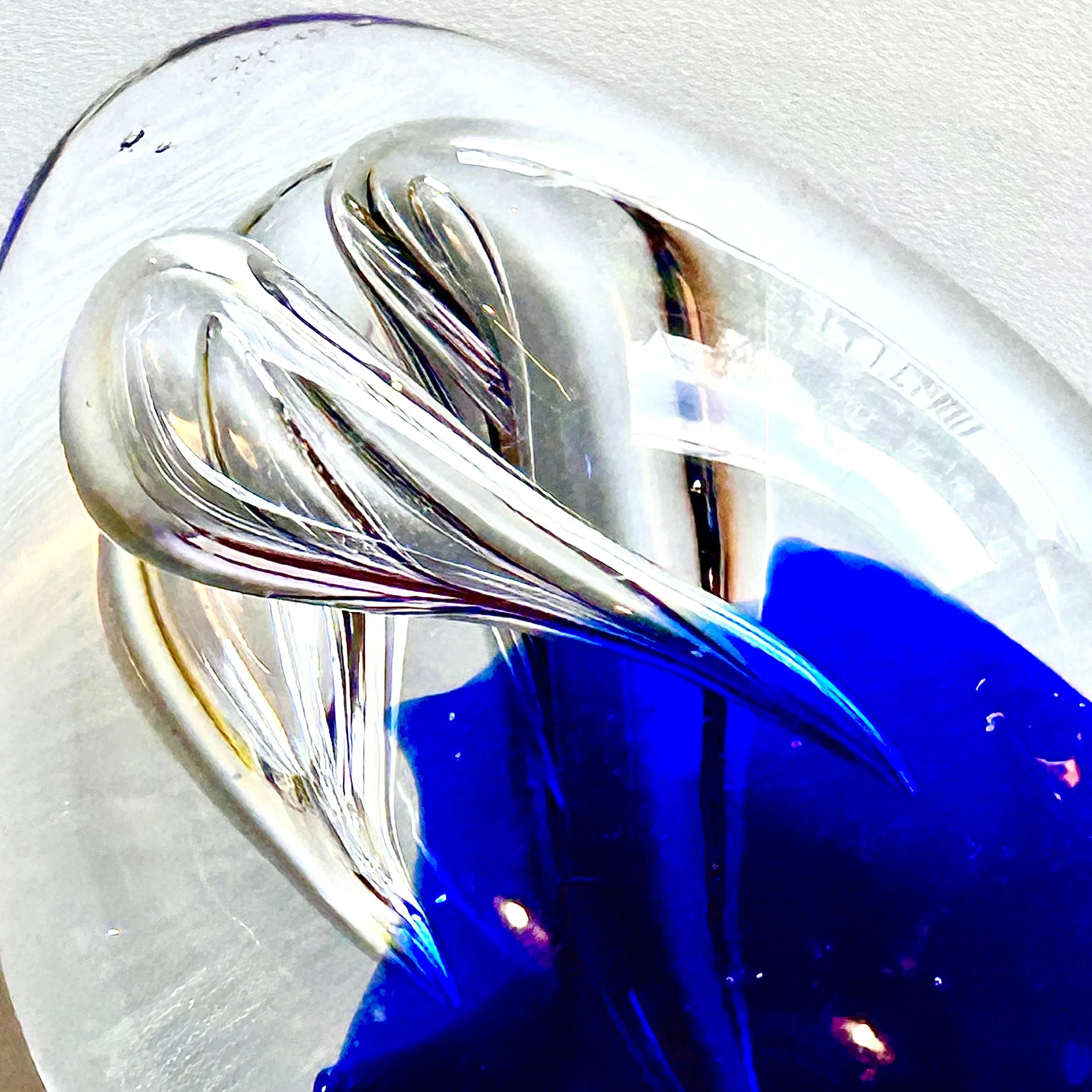
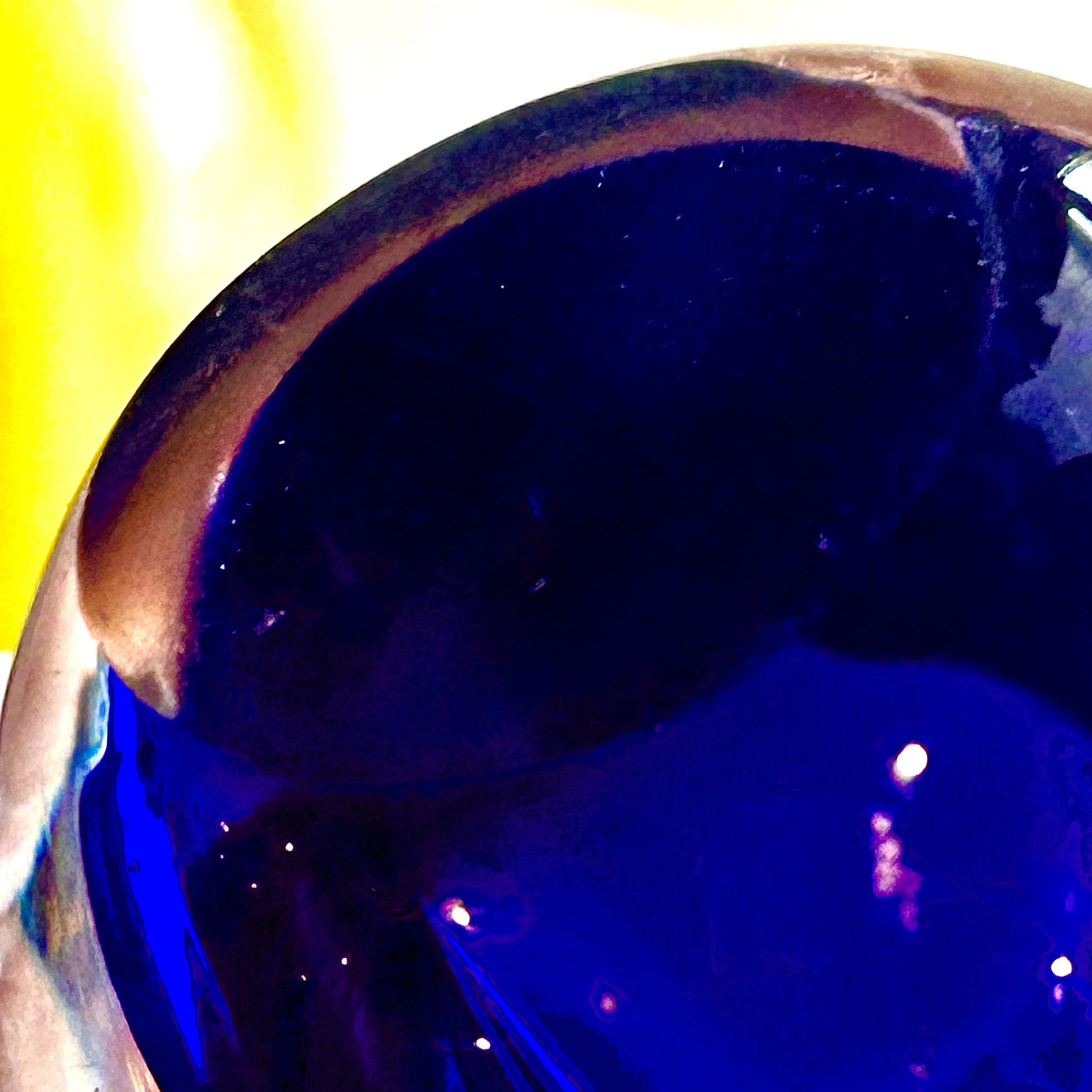
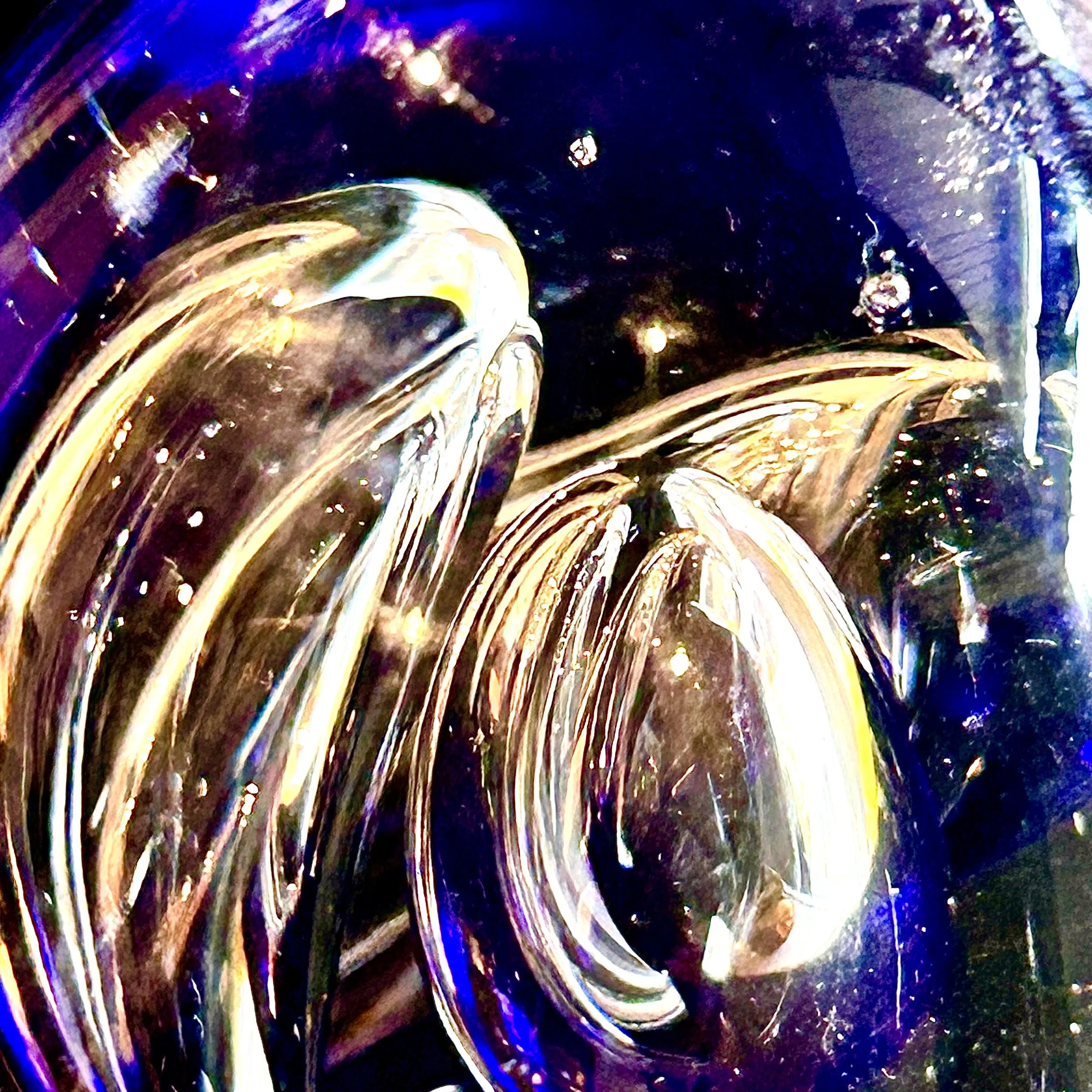
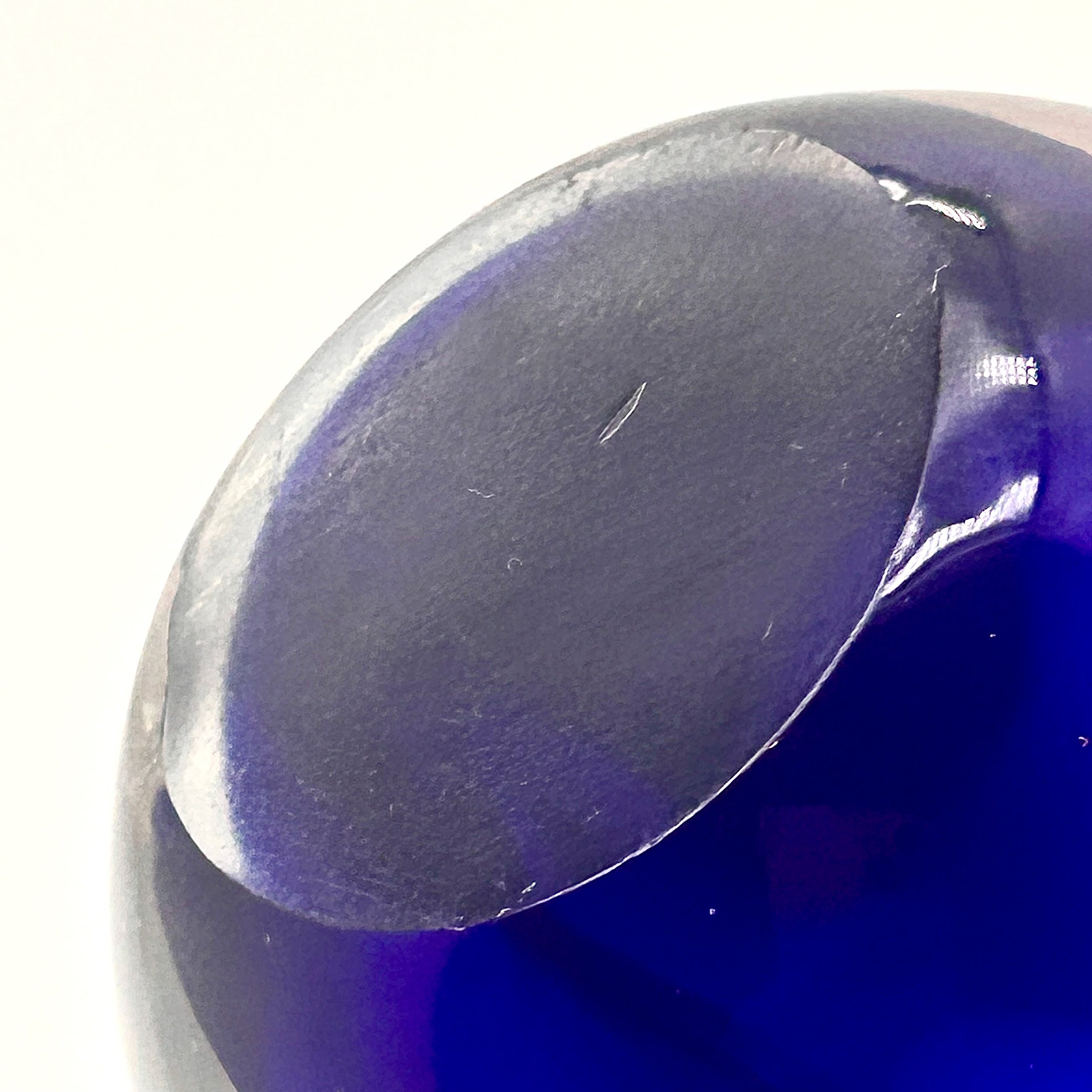
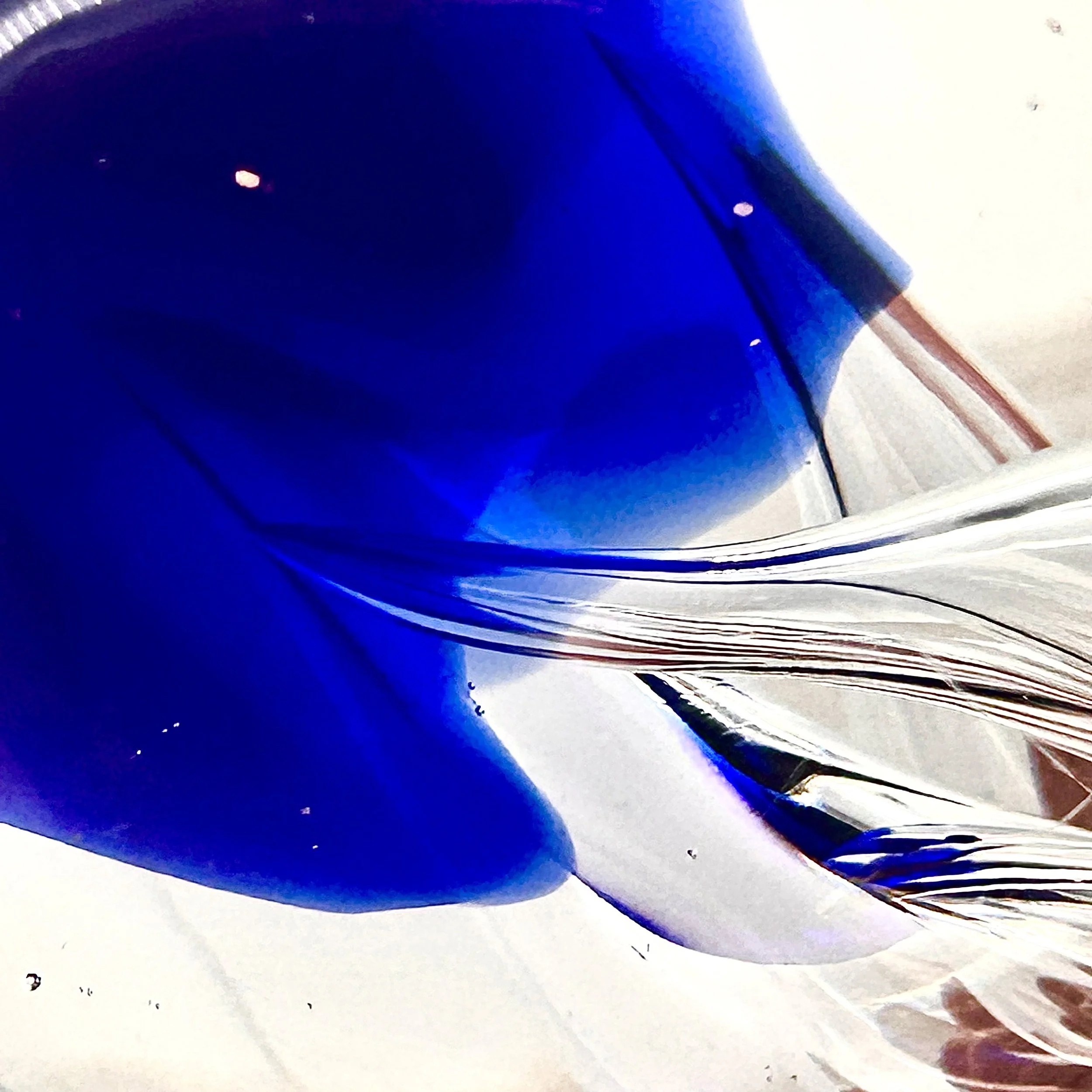
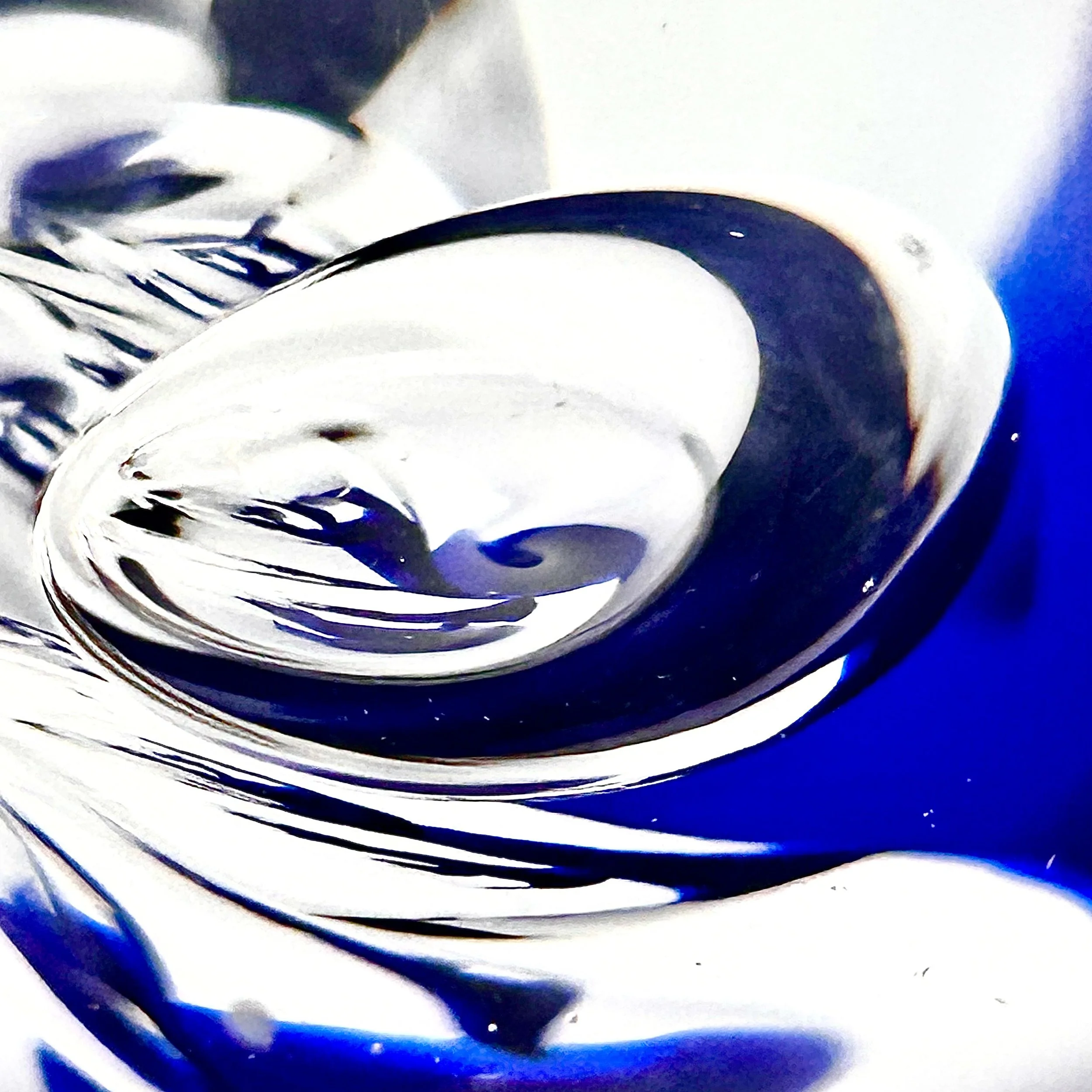
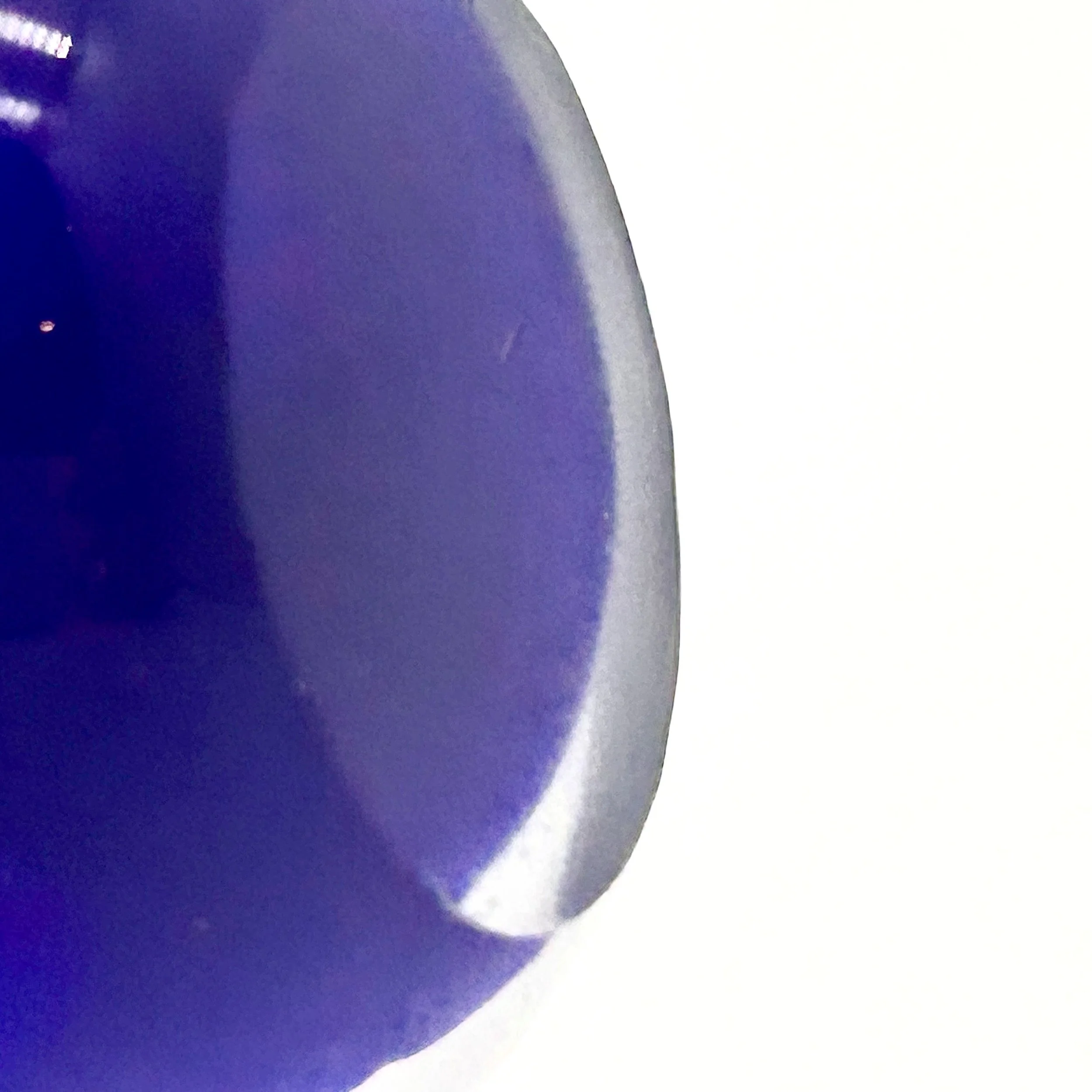
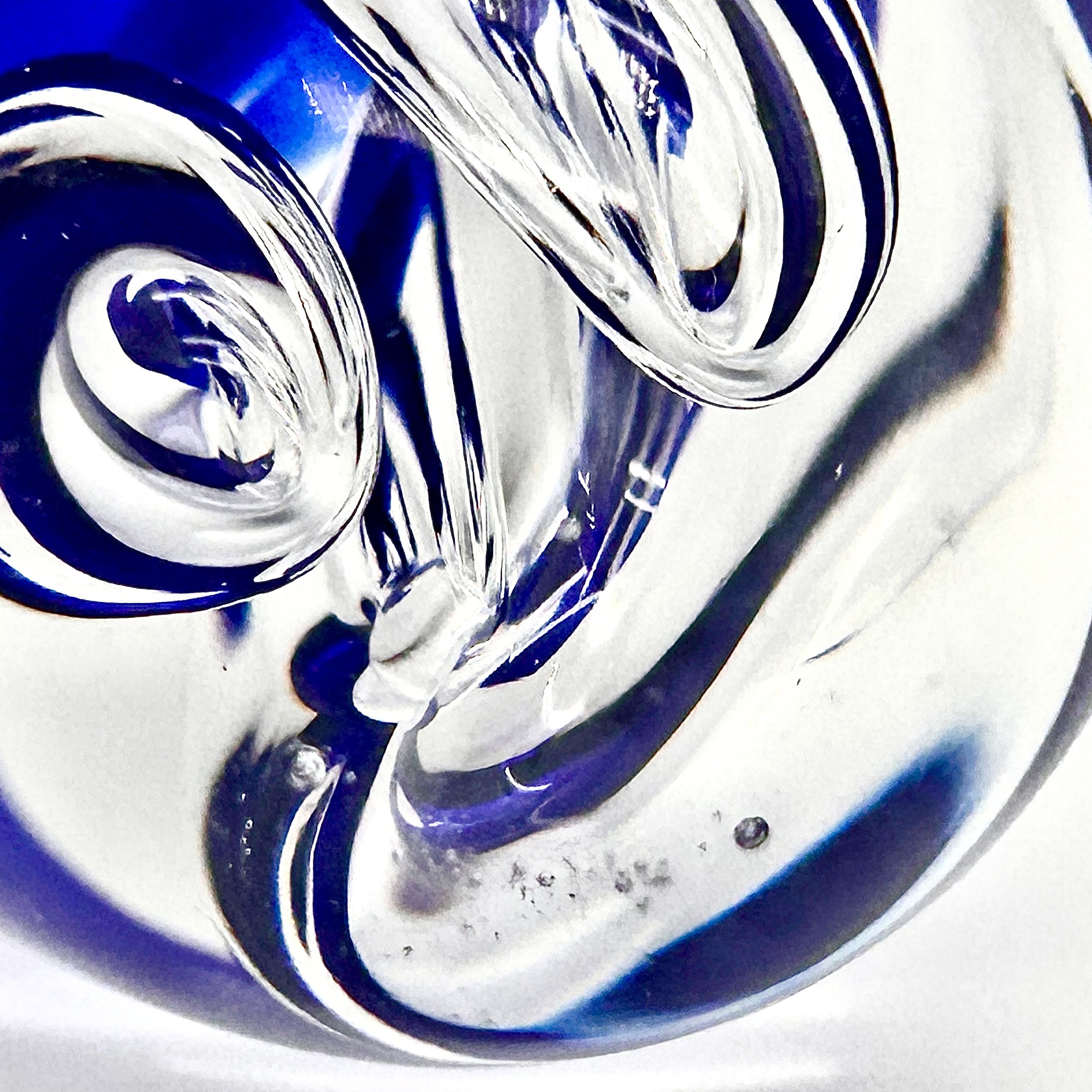
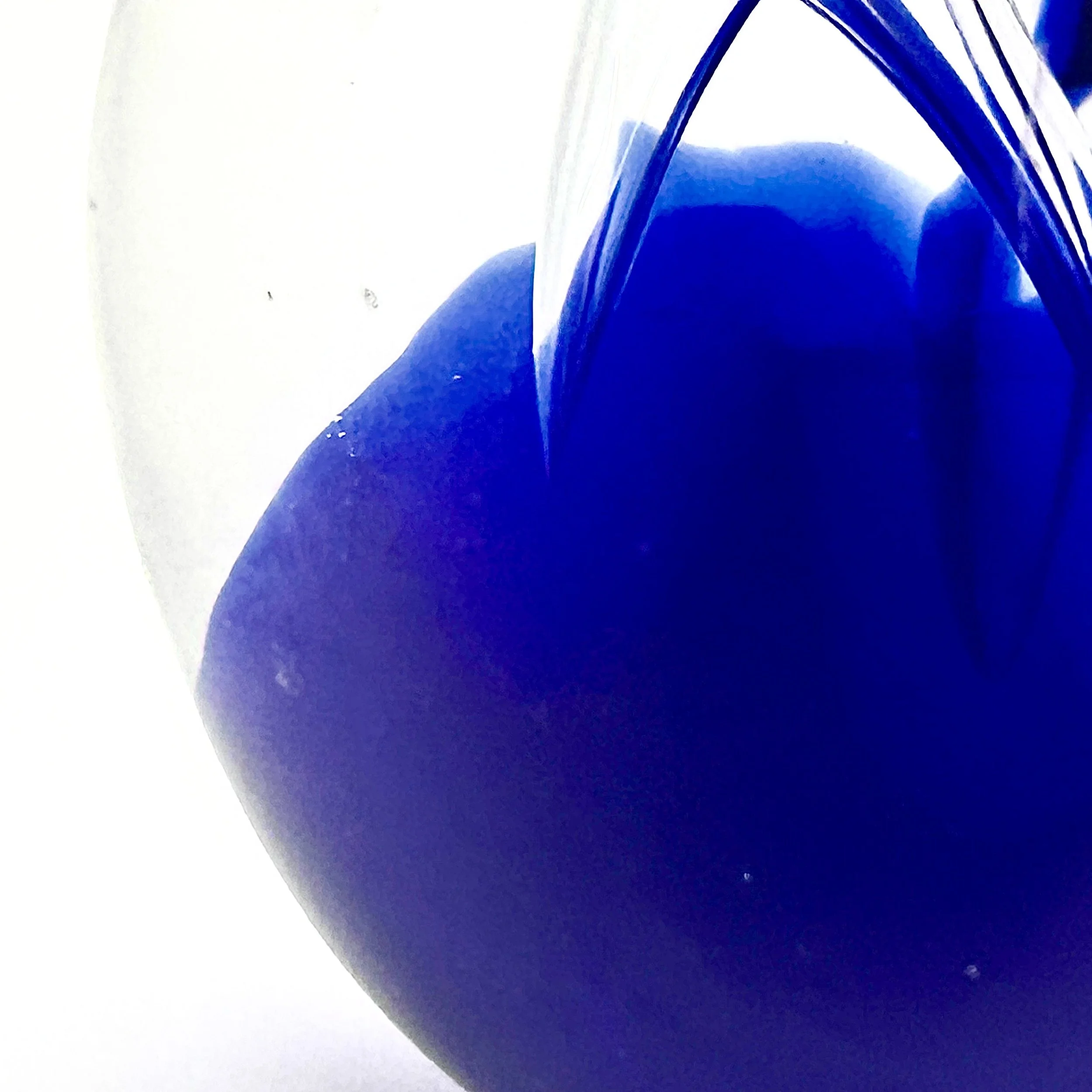
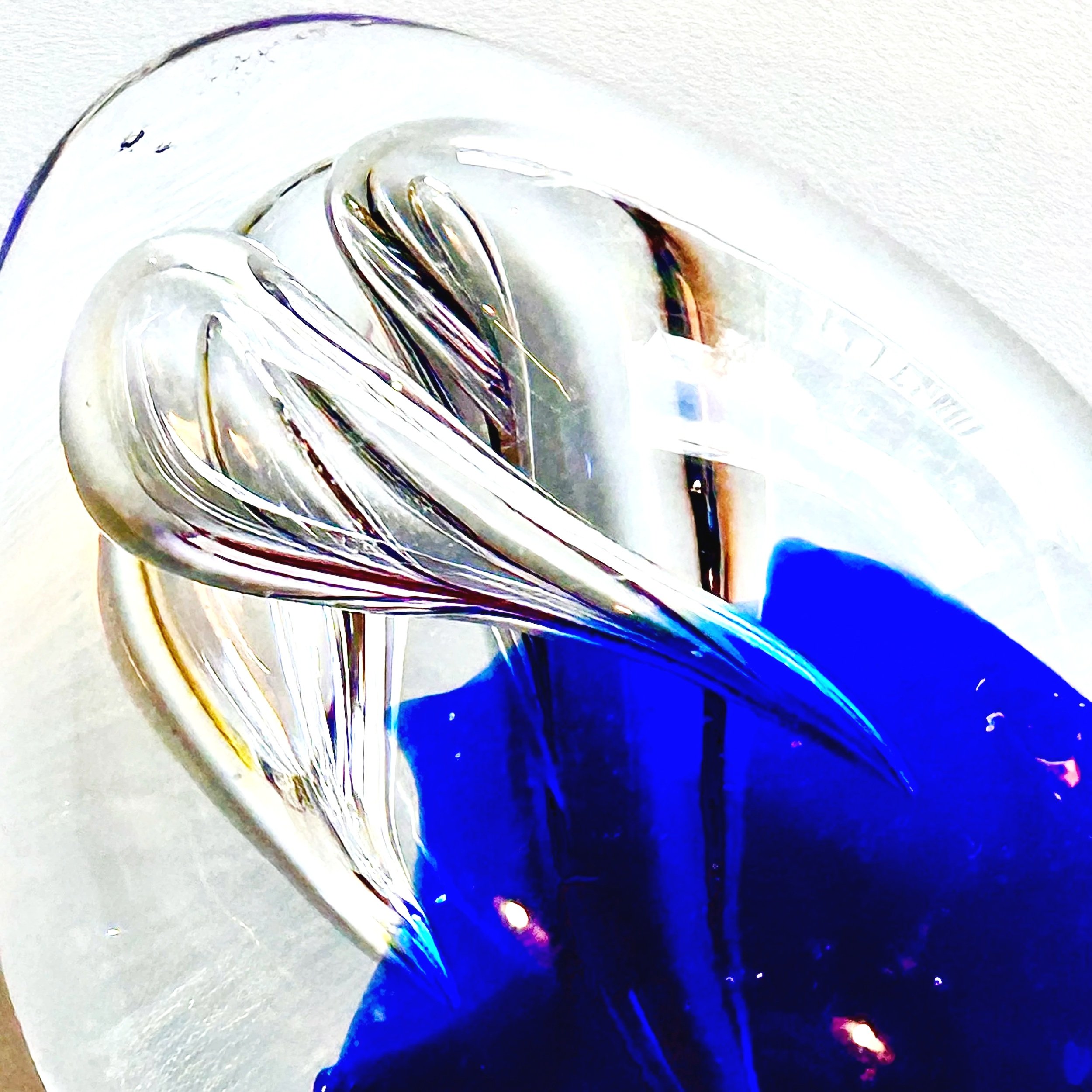
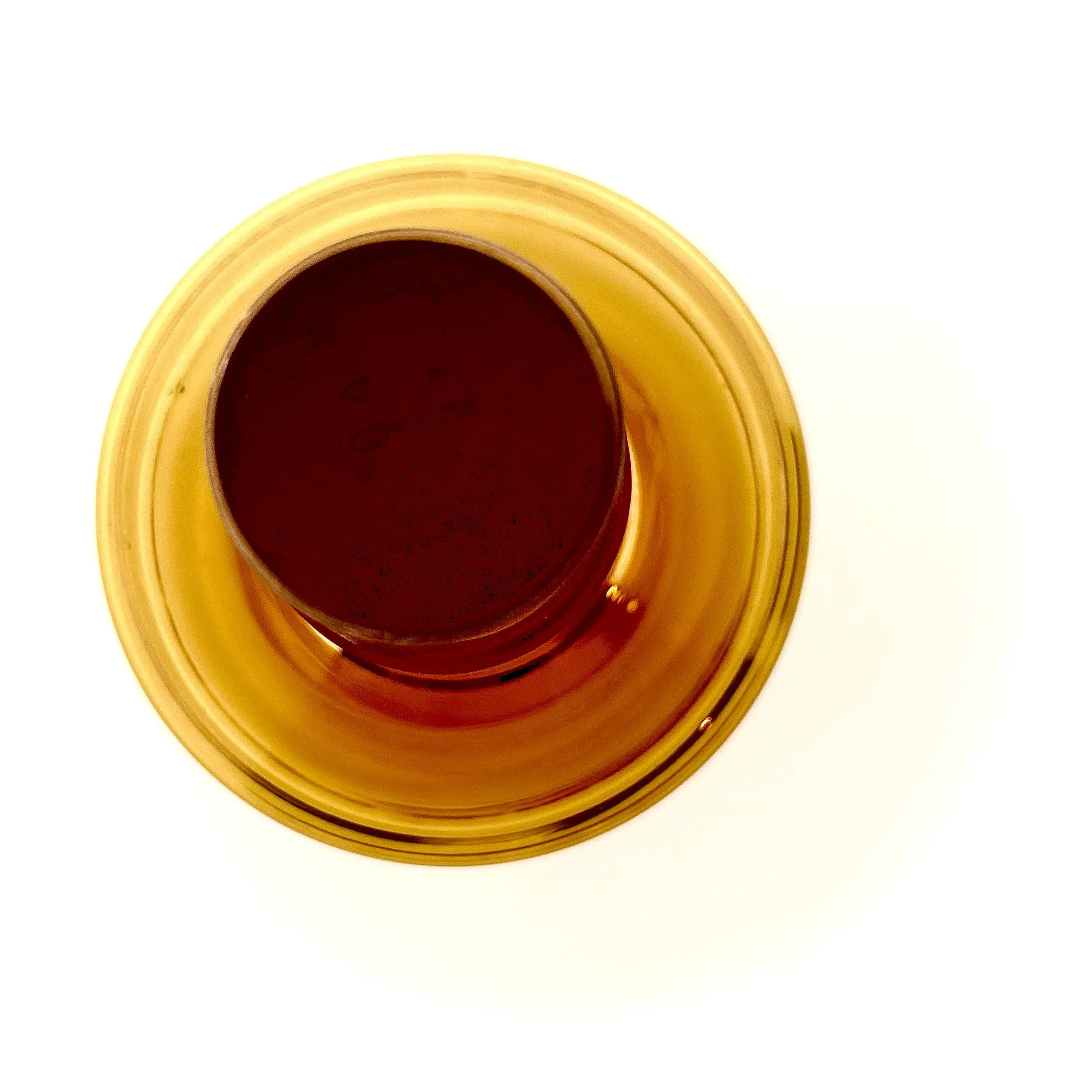
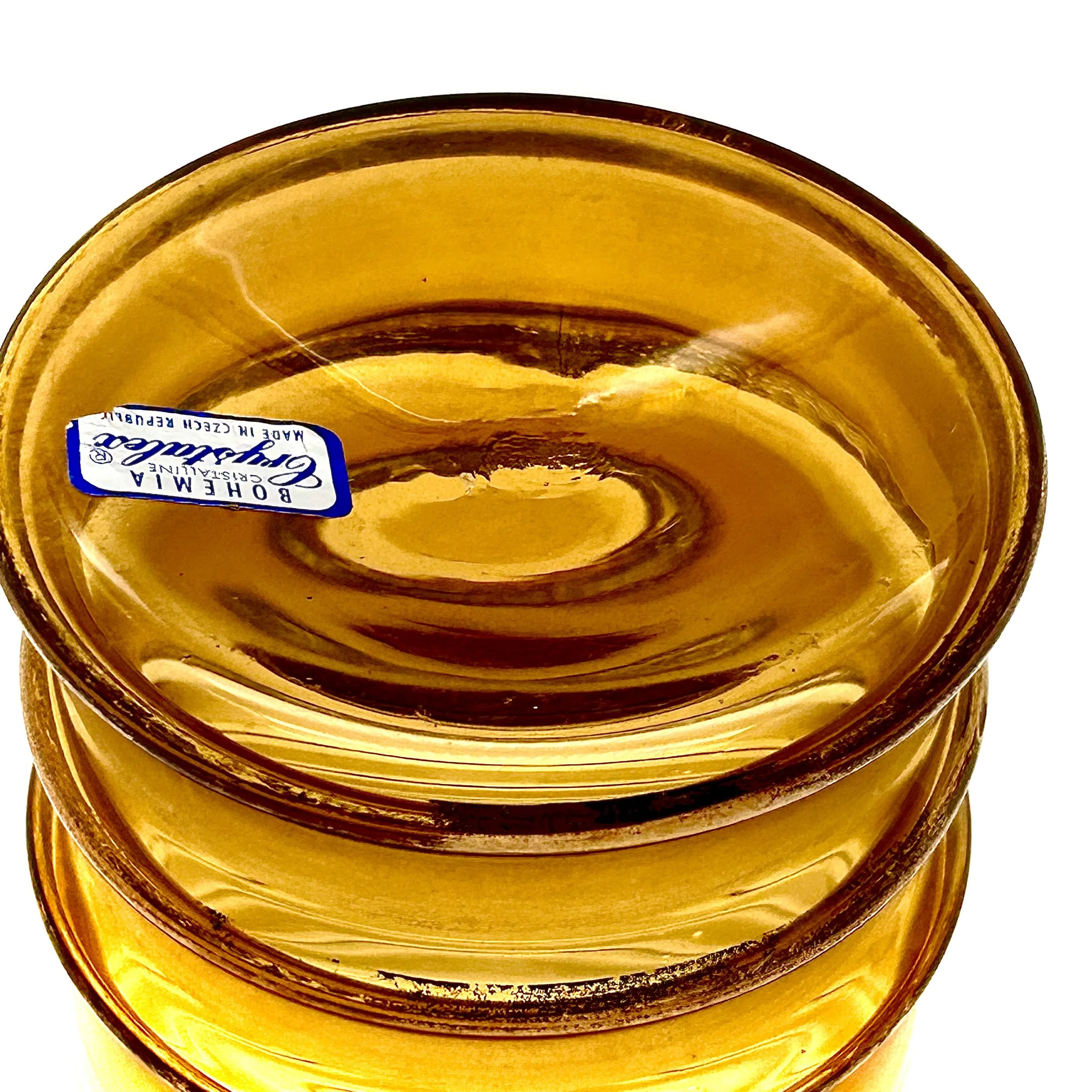
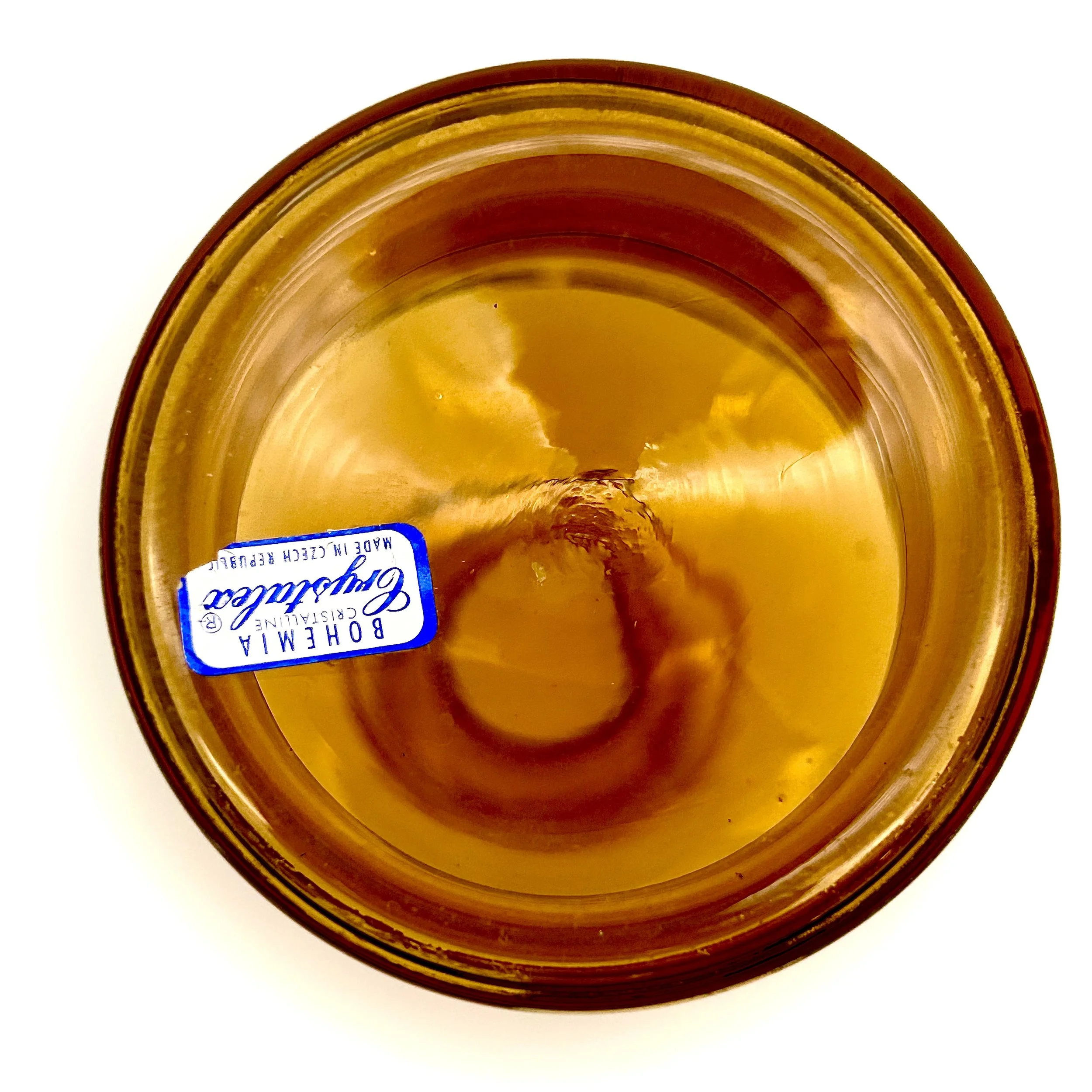
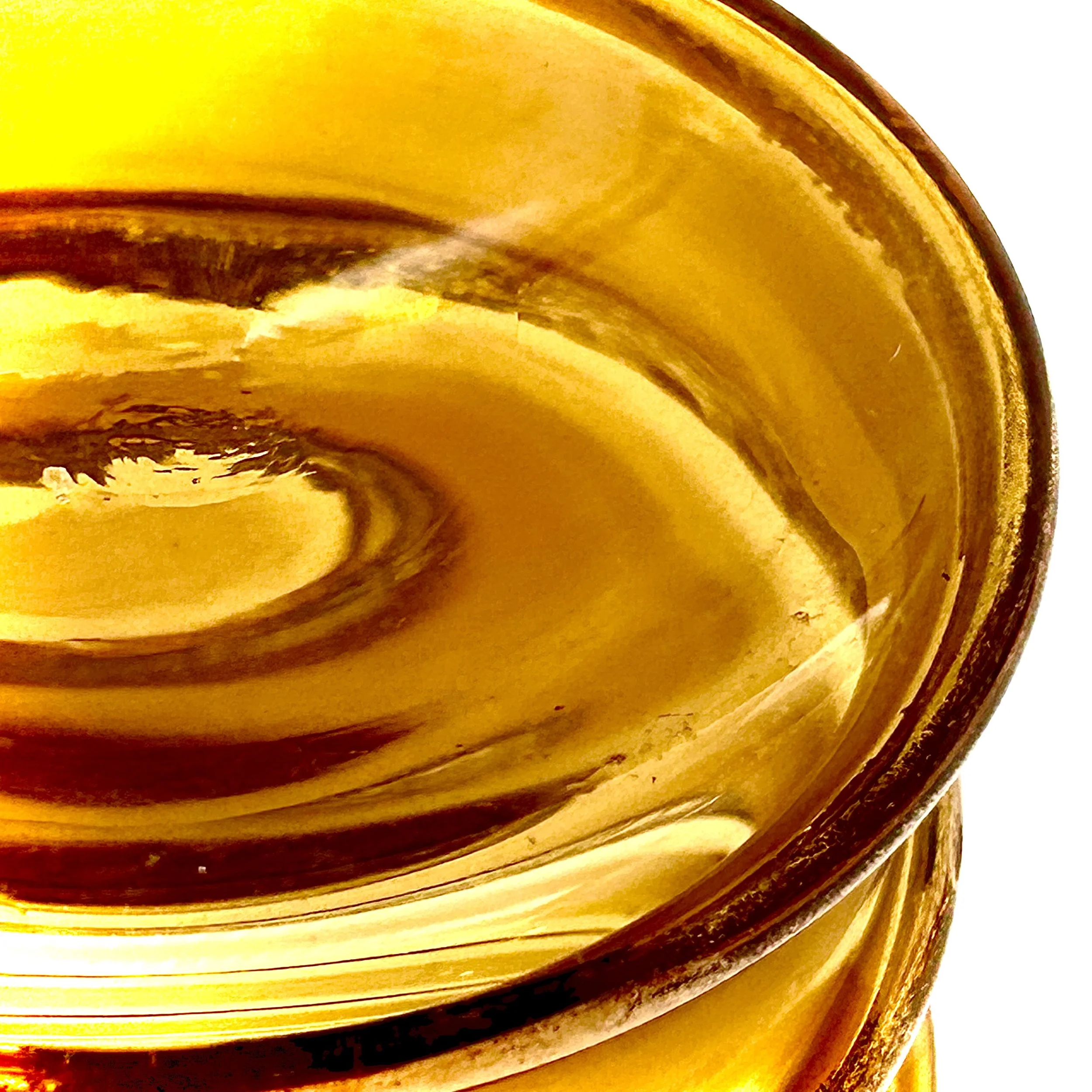
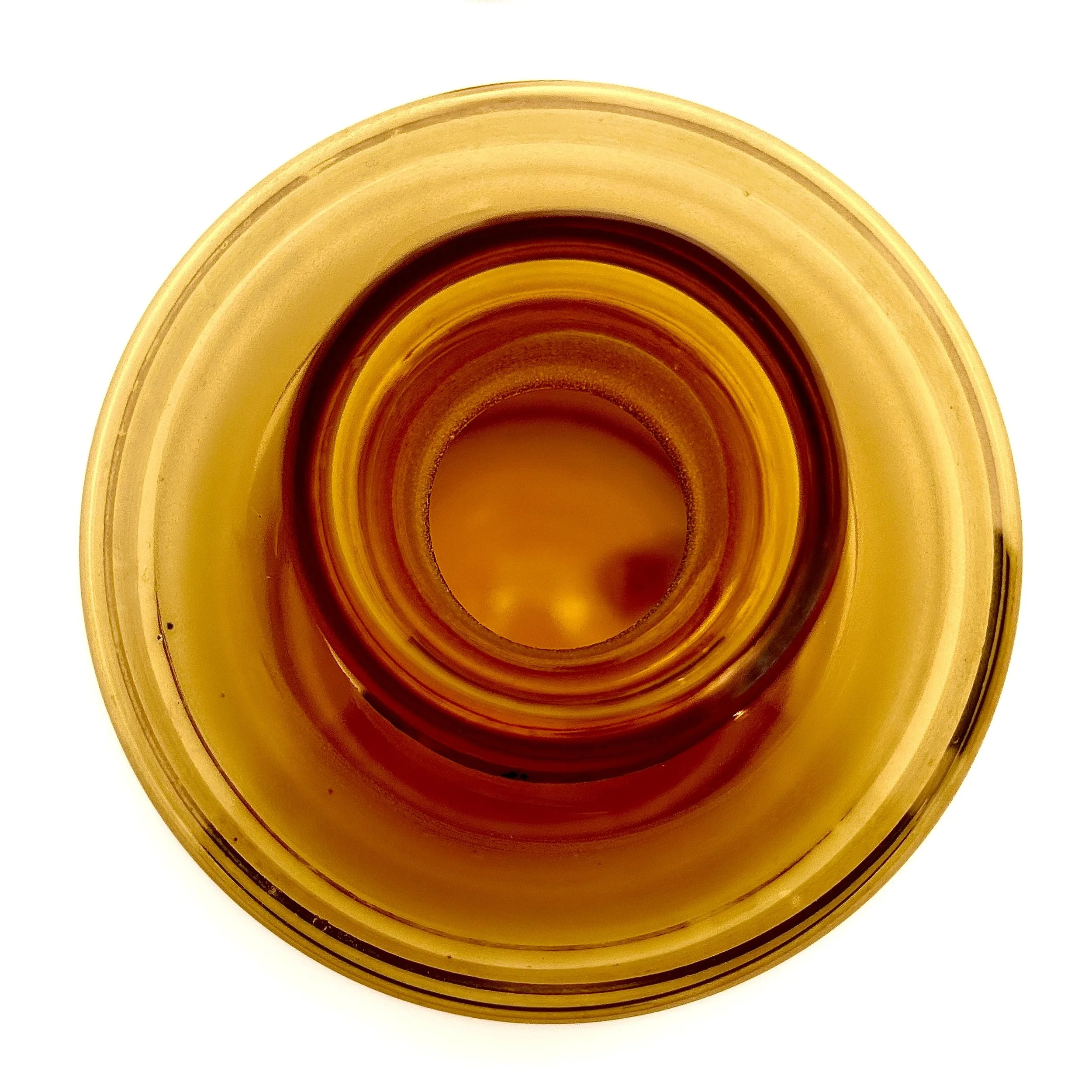
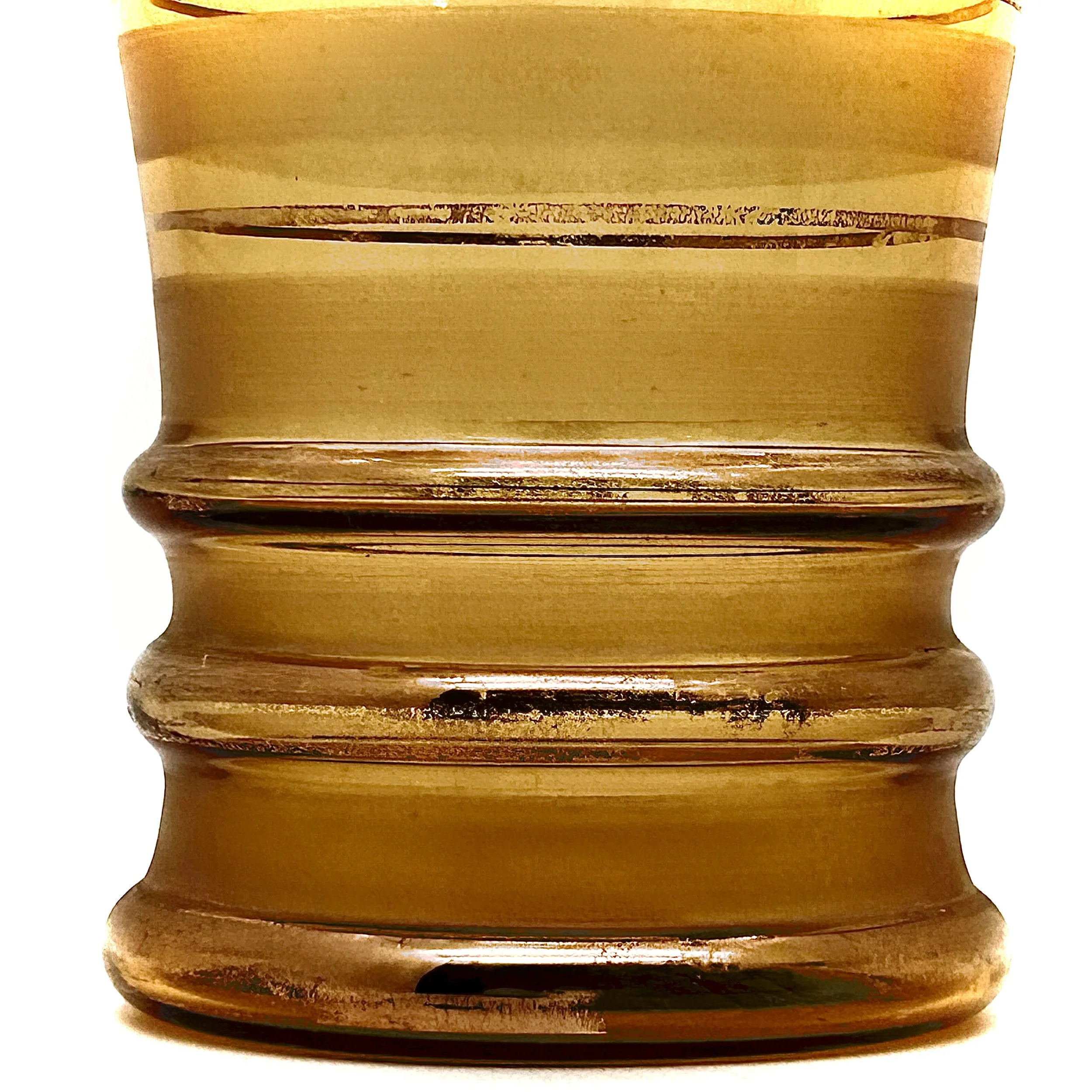
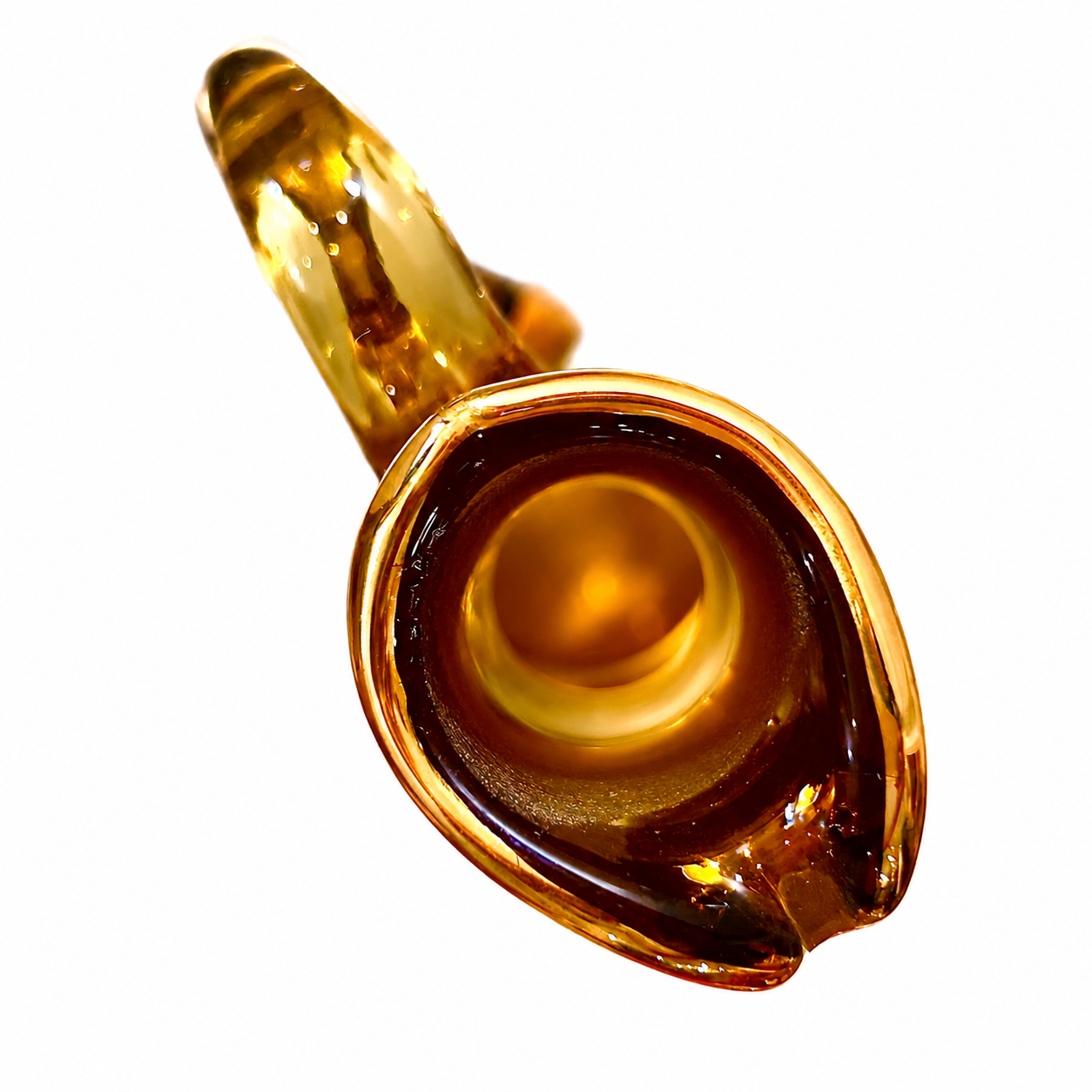
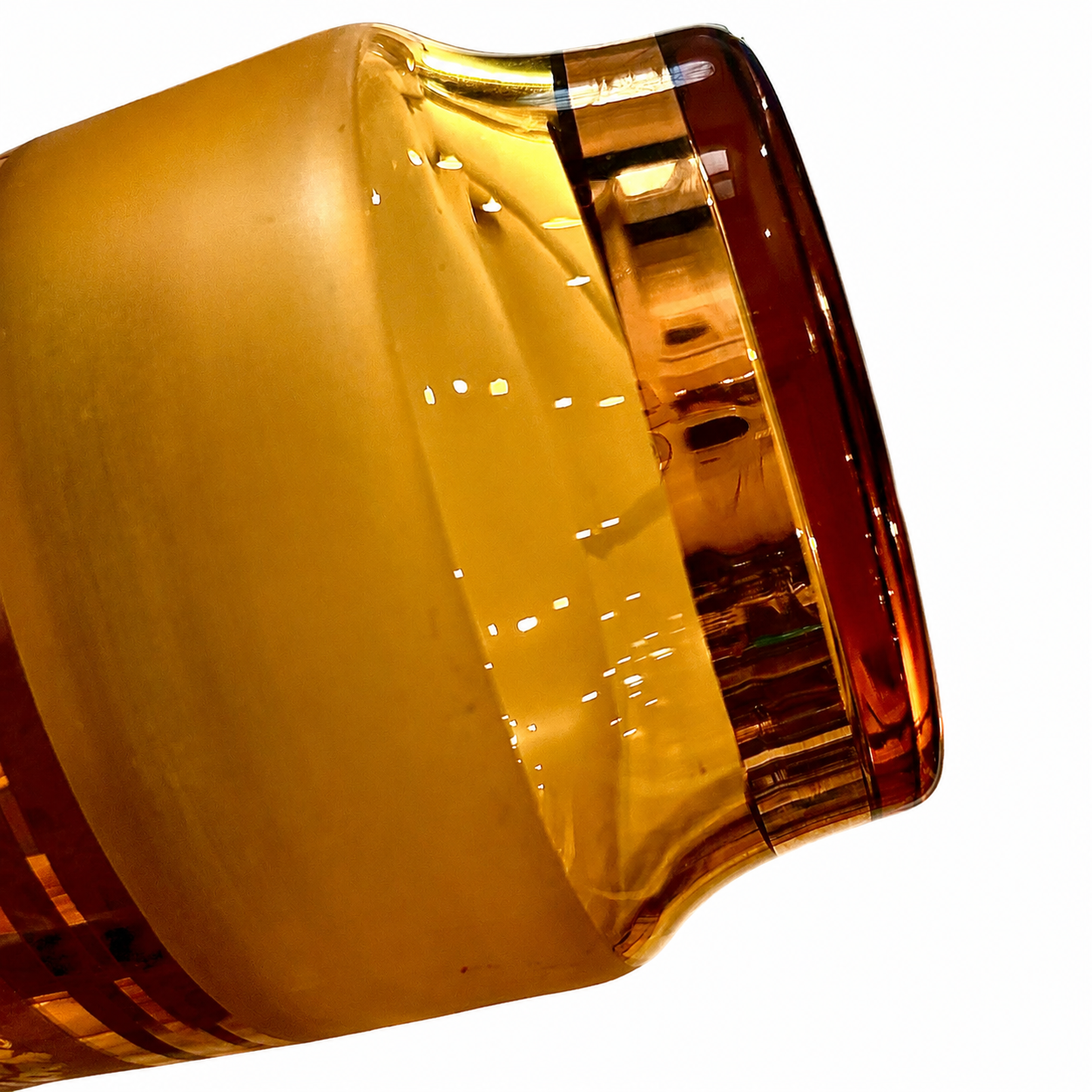
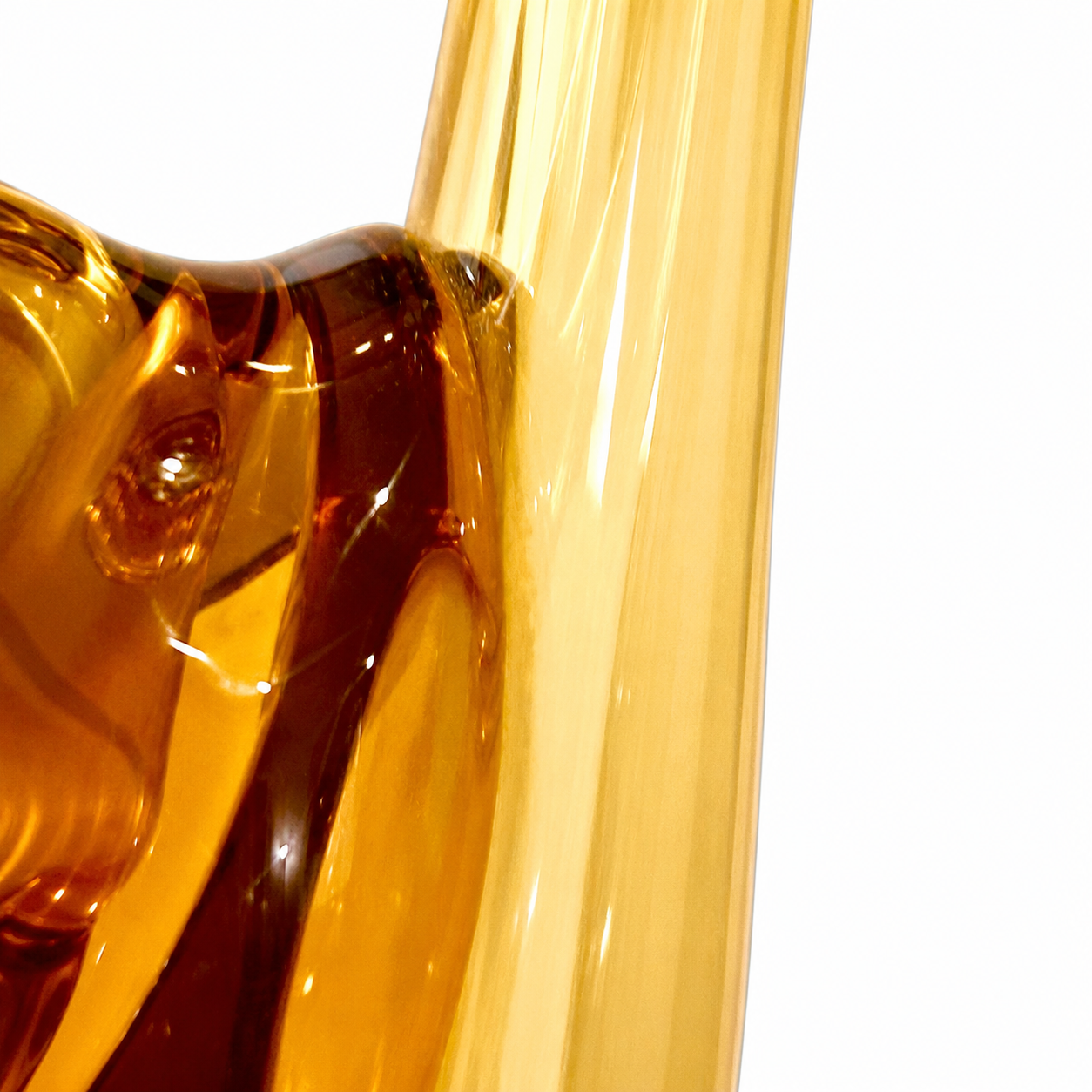
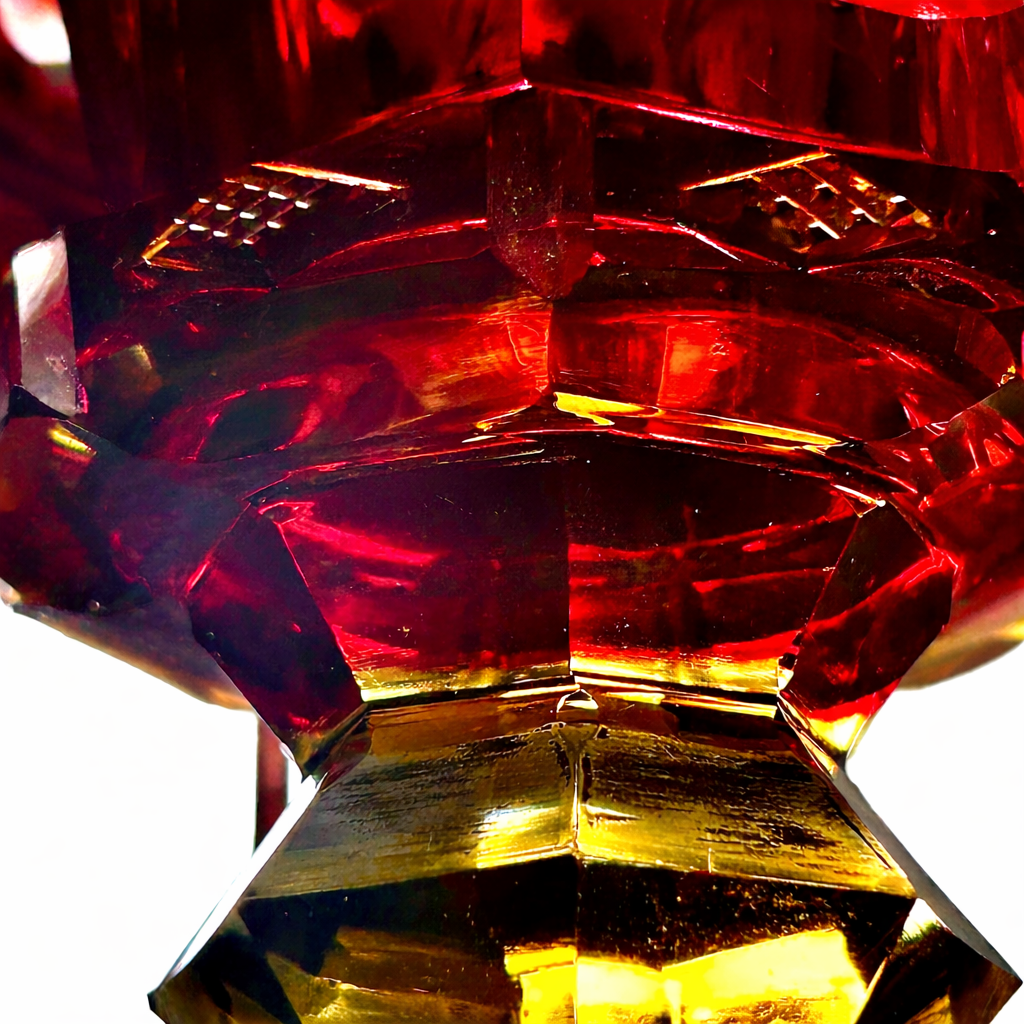
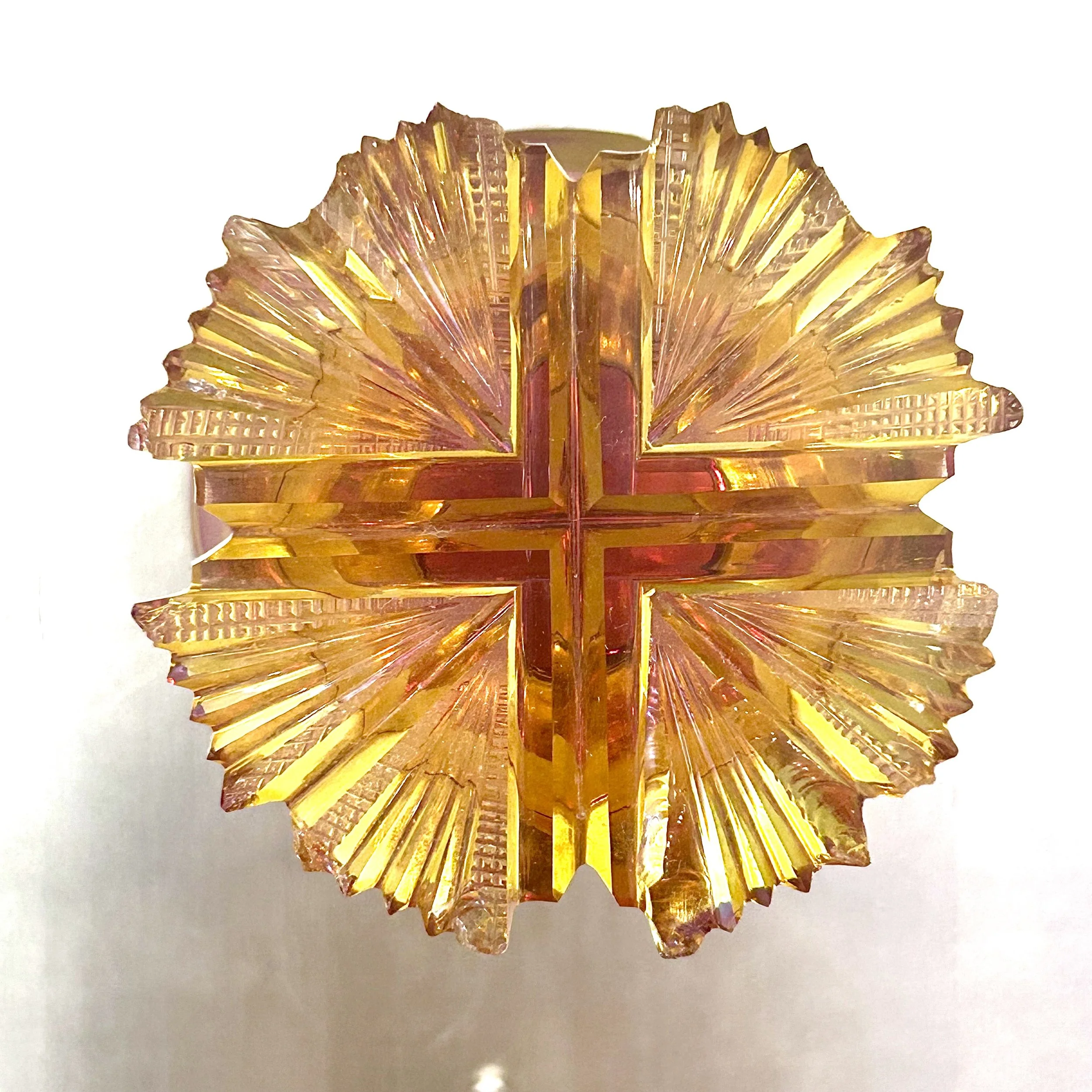
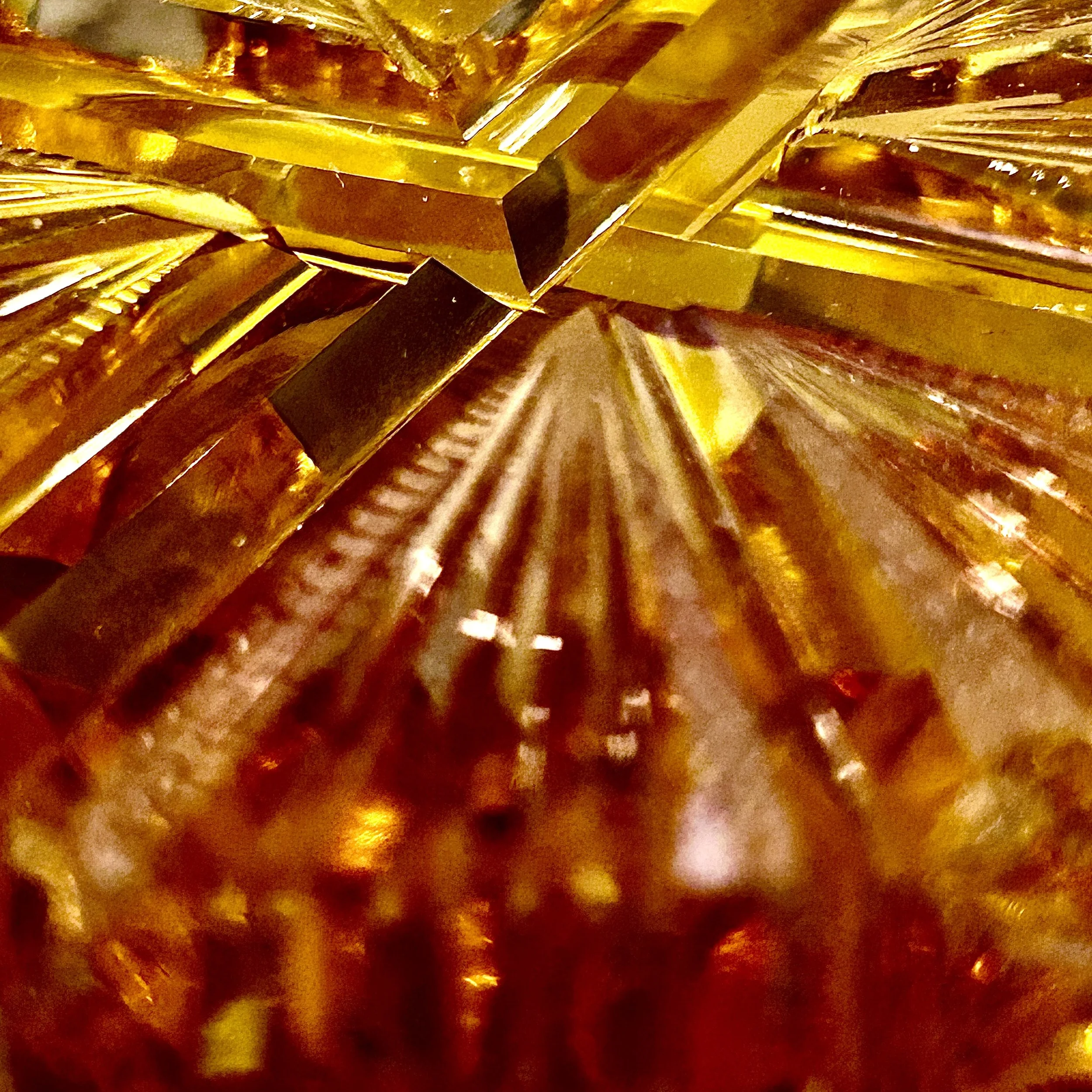
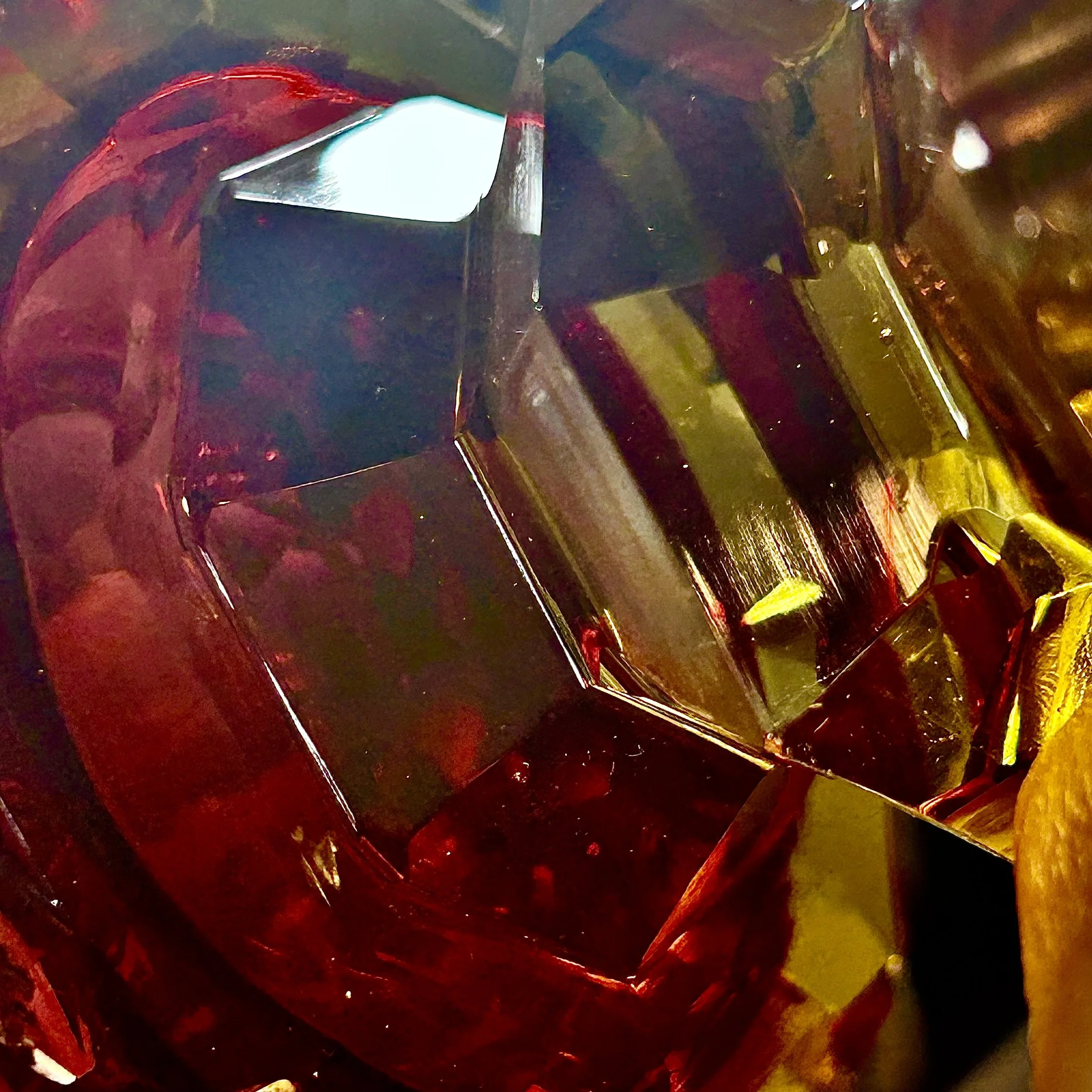
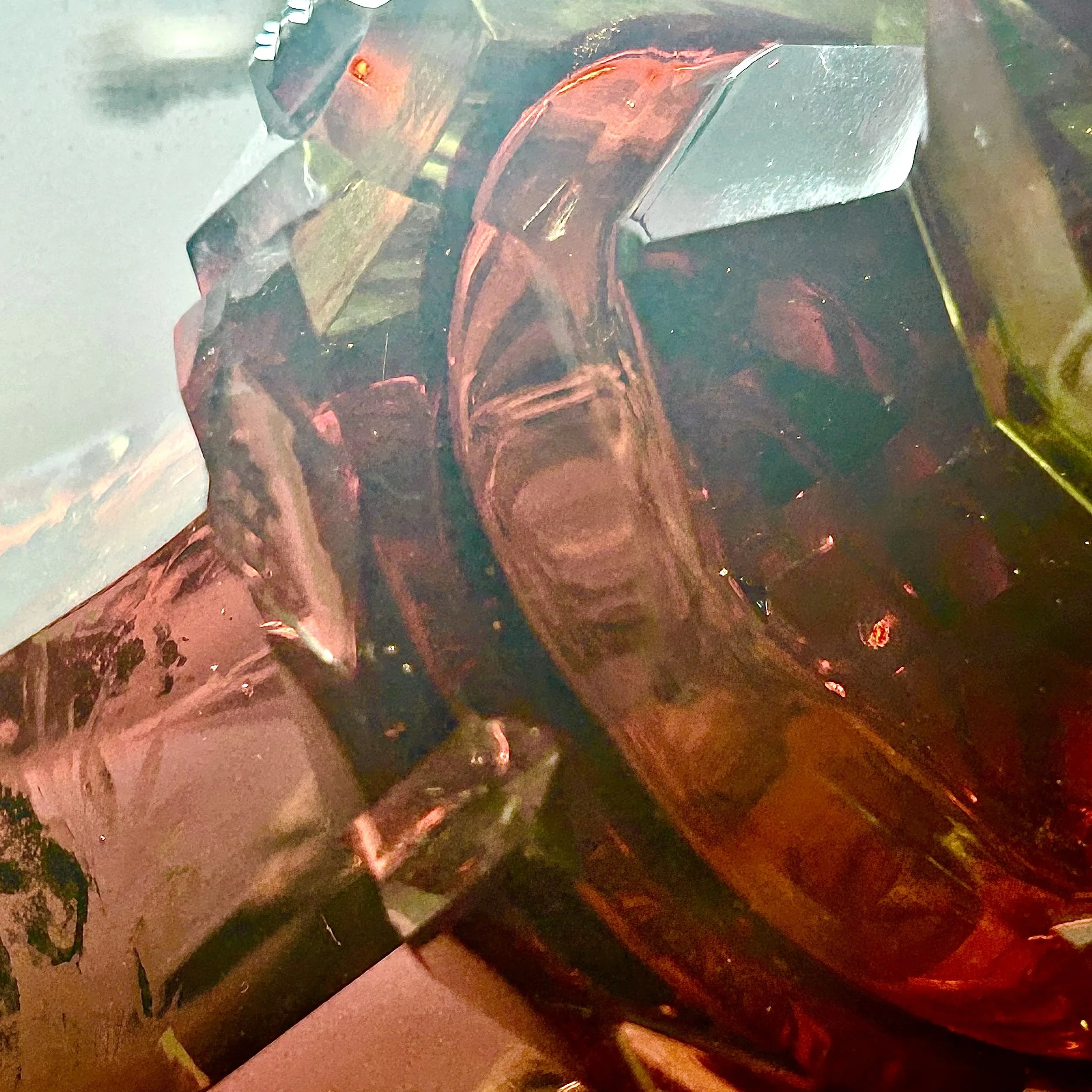
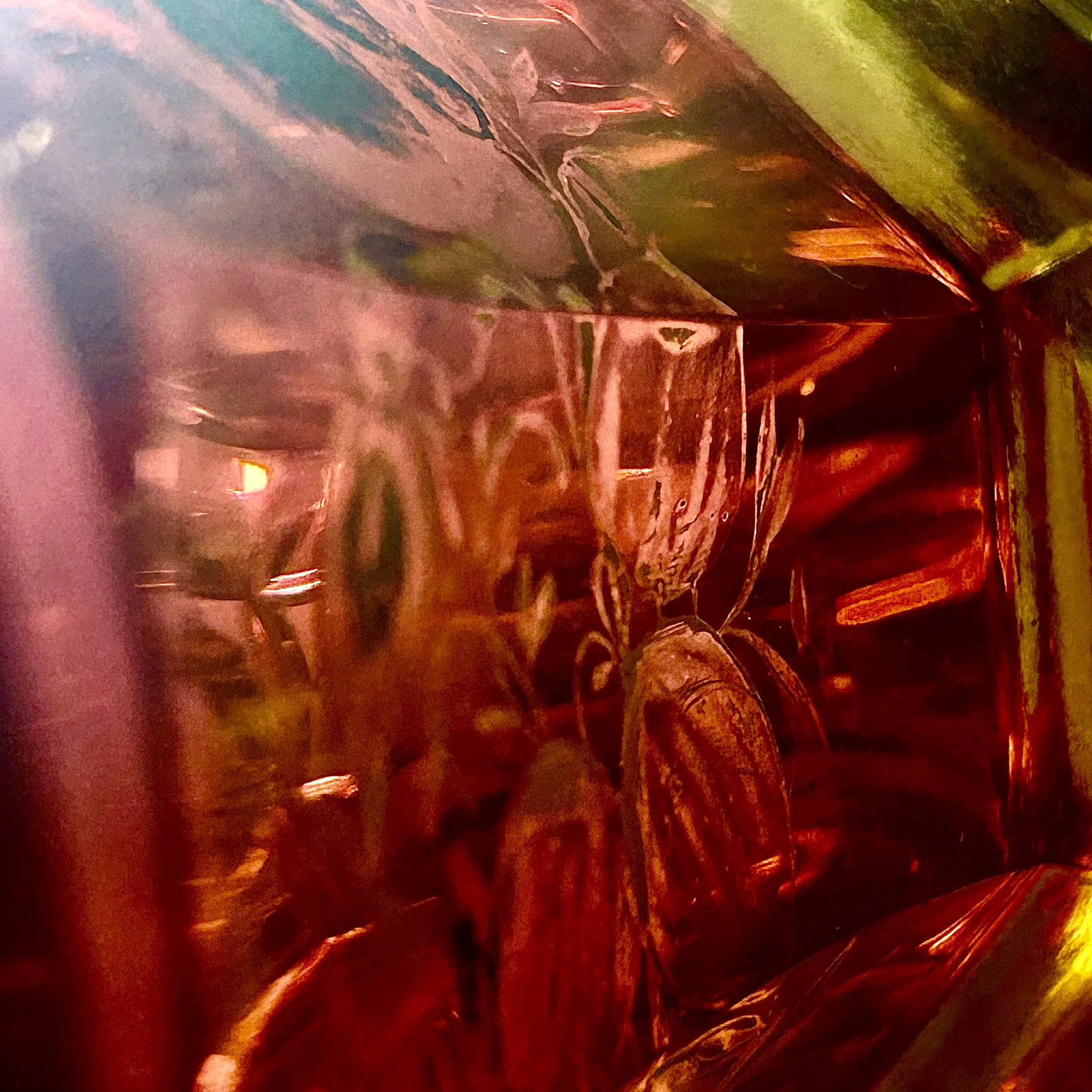
The cranberry tone is integral to the glass itself, not surface-treated, displaying internal movement, tonal depth, and subtle striations created during the blowing process. Fine flow lines and chromatic variation are visible throughout, reinforcing its hand-crafted origin. The base retains a clearly defined pontil scar, documented in close view, confirming individual finishing after removal from the blowpipe and distinguishing it from pressed or mold-finished production.
The glass carries notable heft relative to scale, consistent with controlled mid-century studio or continental art glass practice. No maker’s mark is present; as with many quality studio and export pieces of the period, attribution is based on construction and material analysis rather than signature.
In the 2026 collector market, saturated monochrome studio glass—particularly cranberry and ruby tones—continues to perform strongly due to its compatibility with both modernist and Murano-influenced interiors.
Attribution & Period
Studio / art glass production, likely mid-20th century (circa 1950s–1960s).
Unattributed; described strictly by observable manufacturing characteristics and period form language.
Dimensions
Substantial weight for size, indicative of quality glass mass.
Condition
Excellent vintage condition.
No scratches
No cracks
No chips
No hairlines
No repairs
Glass remains clean, structurally sound, and display-ready.
Authenticity & Construction
Hand-blown cranberry batch glass with free-formed rim and visible internal striations. Pronounced pontil scar confirms traditional blowpipe removal and finishing. Absence of mold seams supports non-pressed production. Color depth and tonal layering consistent with authentic mid-century studio or continental art glass techniques.
Placement
An ideal statement object for:
Modernist interiors
Murano-influenced collections
Scandinavian and continental studio glass groupings
Monochrome tonal displays
Standalone pedestal or console presentation
Its vertical discipline and saturated hue allow it to function as both sculptural form and focal accent.
STANDARD ATTRIBUTION & VALUE DISCLOSURE
This piece is described to the best of current scholarly and market knowledge. Any maker or regional attribution is based on visual analysis, materials, construction techniques, and documented stylistic comparisons. As with many vintage and antique glass objects, definitive attribution may not be possible without original labels or factory records. Pricing reflects condition, quality, decorative appeal, and current collector demand rather than a guaranteed maker identification.
A collector-grade mid-century cranberry art glass vase of sculptural, free-formed presence, executed in richly saturated ruby-cranberry batch glass. This is a true hand-blown example with visible hot-worked character—confidently formed, weight-balanced, and materially expressive.
The silhouette is tall and architectural: a narrowed neck rising into a gently flared, organically articulated rim, flowing downward into a rounded, weighty lower body that anchors the form visually. The rim remains intentionally irregular, shaped while molten rather than mechanically cut—an authentic indicator of studio handling rather than factory standardization.
The cranberry tone is integral to the glass itself, not surface-treated, displaying internal movement, tonal depth, and subtle striations created during the blowing process. Fine flow lines and chromatic variation are visible throughout, reinforcing its hand-crafted origin. The base retains a clearly defined pontil scar, documented in close view, confirming individual finishing after removal from the blowpipe and distinguishing it from pressed or mold-finished production.
The glass carries notable heft relative to scale, consistent with controlled mid-century studio or continental art glass practice. No maker’s mark is present; as with many quality studio and export pieces of the period, attribution is based on construction and material analysis rather than signature.
In the 2026 collector market, saturated monochrome studio glass—particularly cranberry and ruby tones—continues to perform strongly due to its compatibility with both modernist and Murano-influenced interiors.
Attribution & Period
Studio / art glass production, likely mid-20th century (circa 1950s–1960s).
Unattributed; described strictly by observable manufacturing characteristics and period form language.
Dimensions
Substantial weight for size, indicative of quality glass mass.
Condition
Excellent vintage condition.
No scratches
No cracks
No chips
No hairlines
No repairs
Glass remains clean, structurally sound, and display-ready.
Authenticity & Construction
Hand-blown cranberry batch glass with free-formed rim and visible internal striations. Pronounced pontil scar confirms traditional blowpipe removal and finishing. Absence of mold seams supports non-pressed production. Color depth and tonal layering consistent with authentic mid-century studio or continental art glass techniques.
Placement
An ideal statement object for:
Modernist interiors
Murano-influenced collections
Scandinavian and continental studio glass groupings
Monochrome tonal displays
Standalone pedestal or console presentation
Its vertical discipline and saturated hue allow it to function as both sculptural form and focal accent.
STANDARD ATTRIBUTION & VALUE DISCLOSURE
This piece is described to the best of current scholarly and market knowledge. Any maker or regional attribution is based on visual analysis, materials, construction techniques, and documented stylistic comparisons. As with many vintage and antique glass objects, definitive attribution may not be possible without original labels or factory records. Pricing reflects condition, quality, decorative appeal, and current collector demand rather than a guaranteed maker identification.

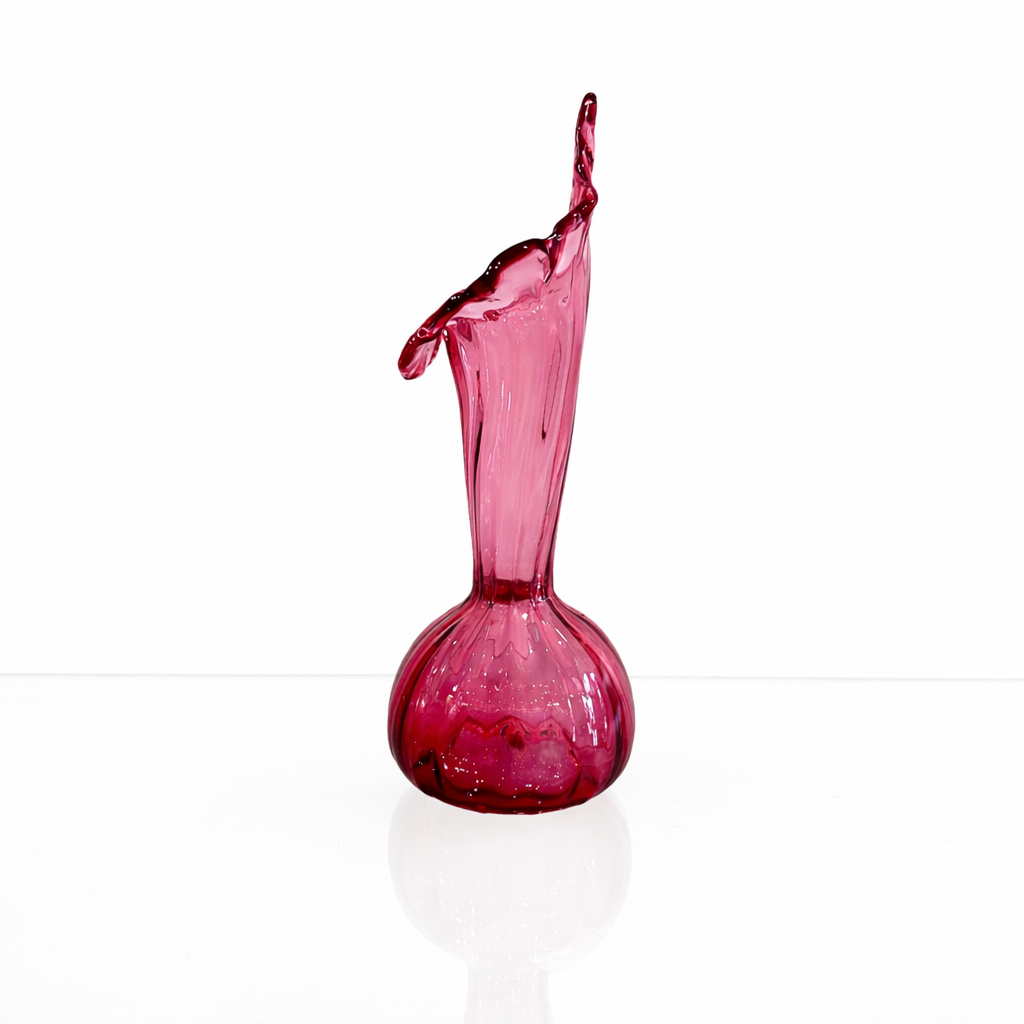 Image 1 of 16
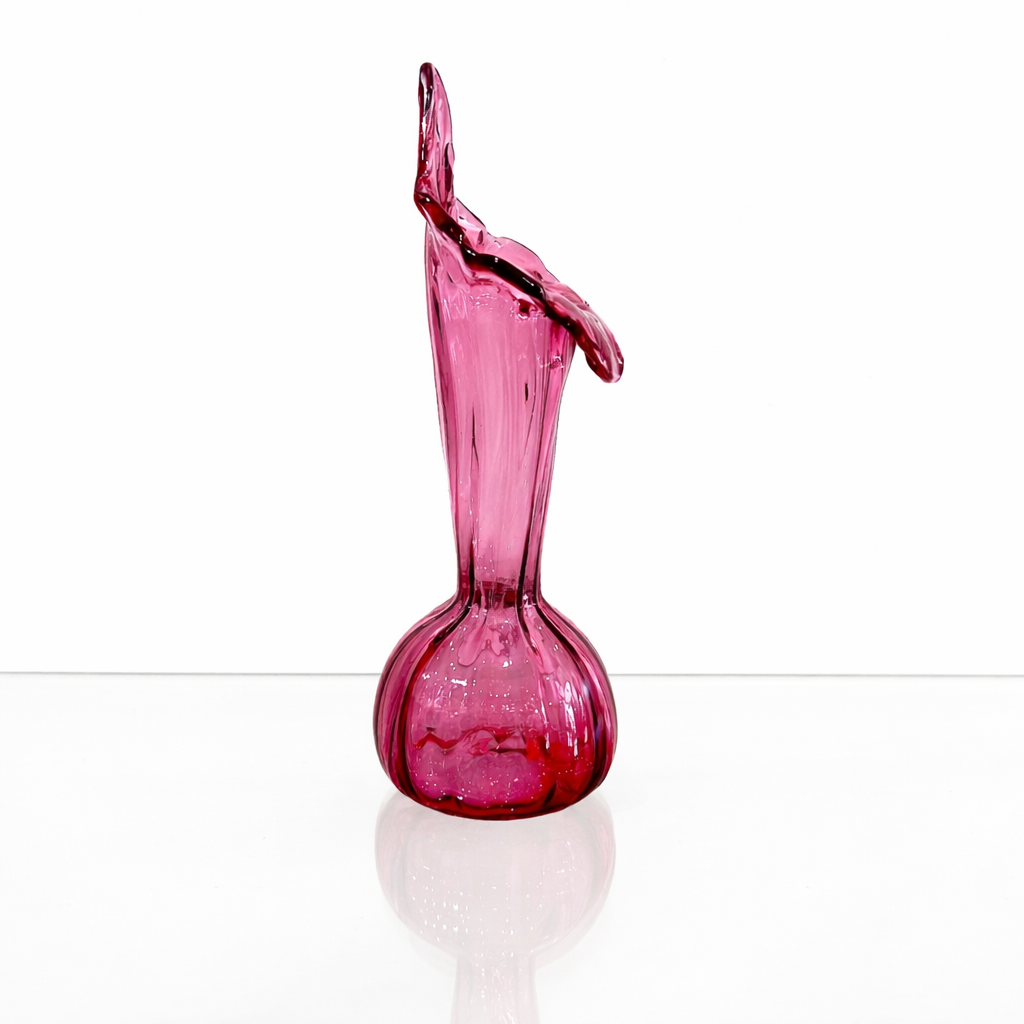 Image 2 of 16
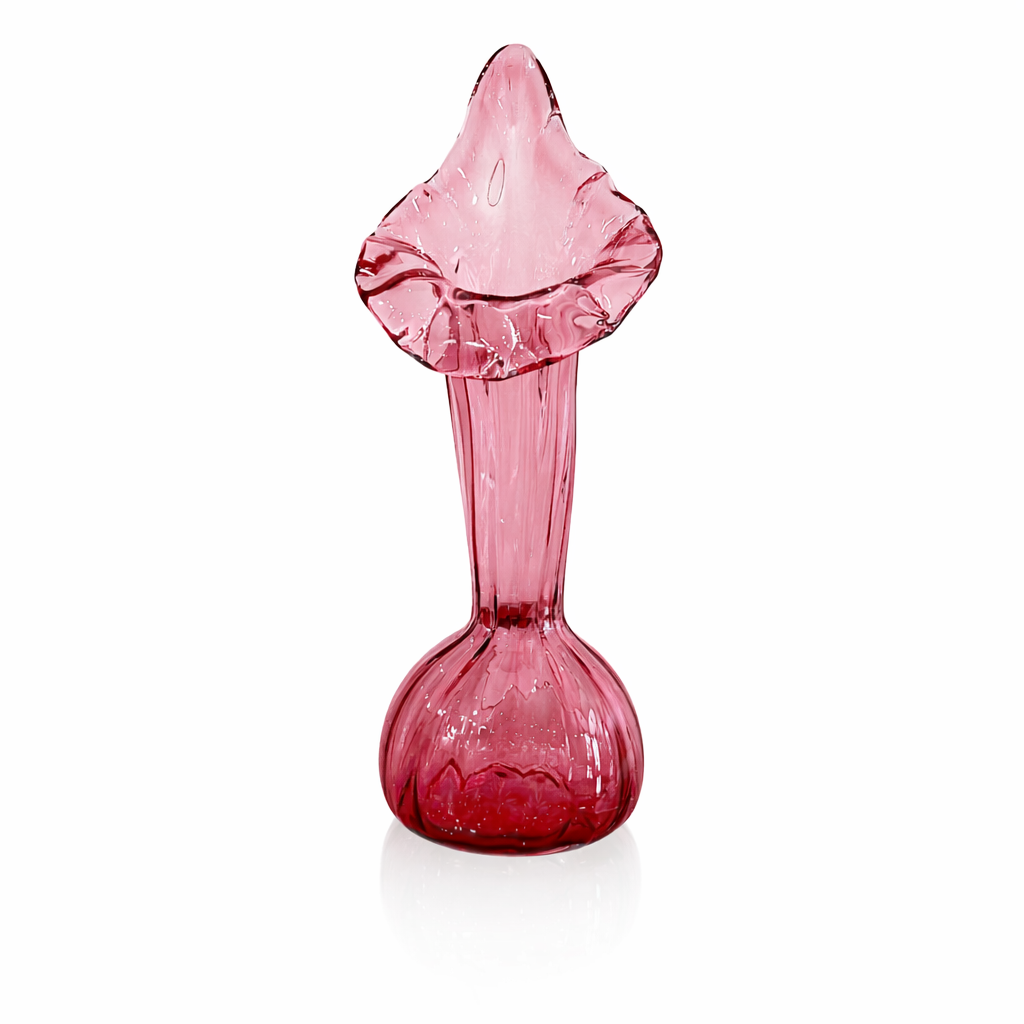 Image 3 of 16
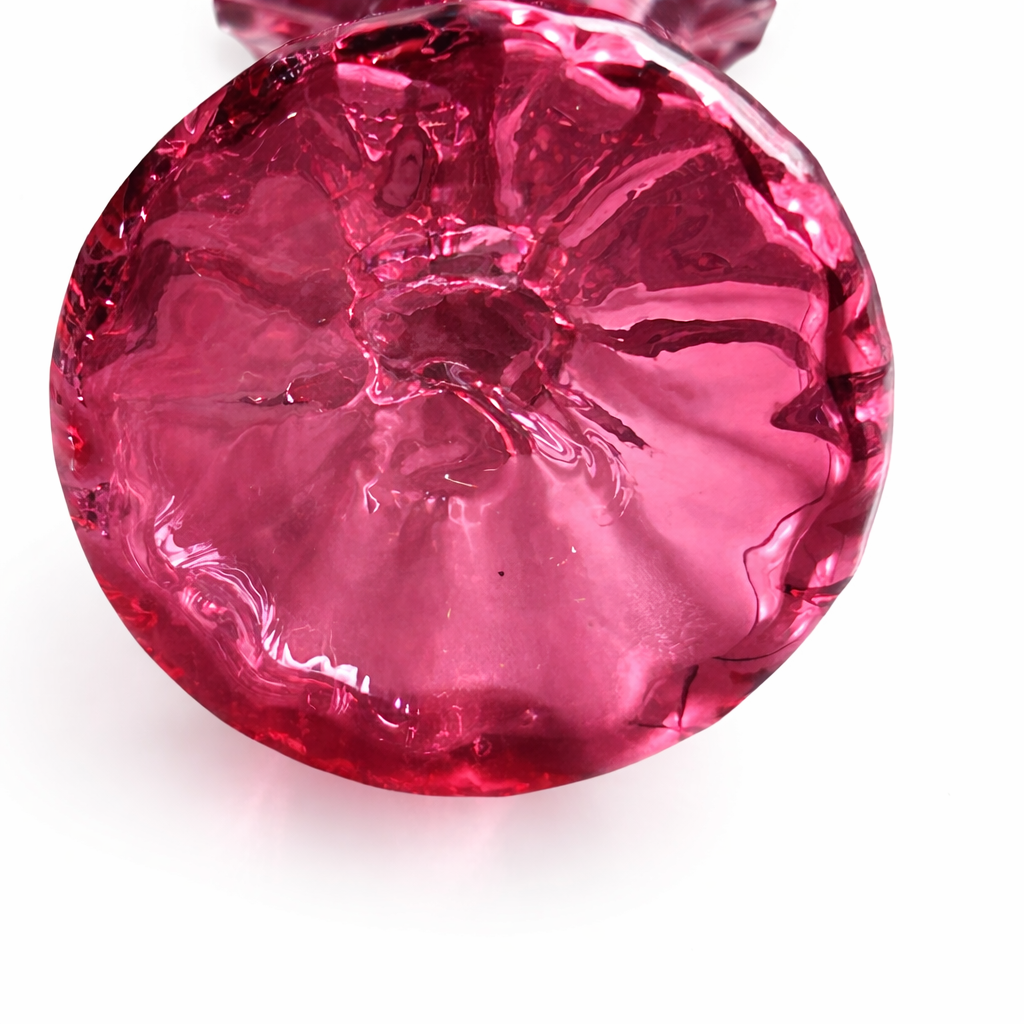 Image 4 of 16
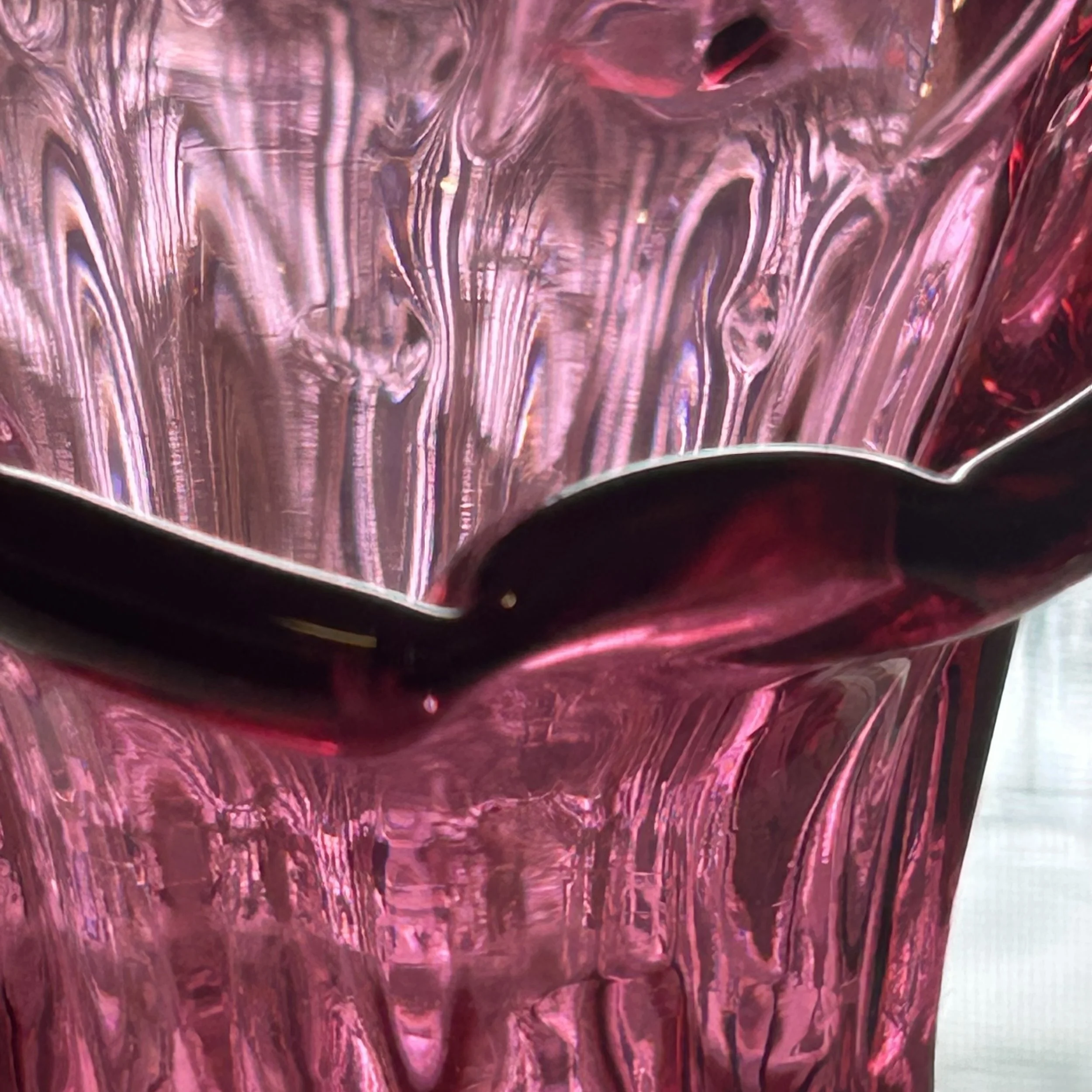 Image 5 of 16
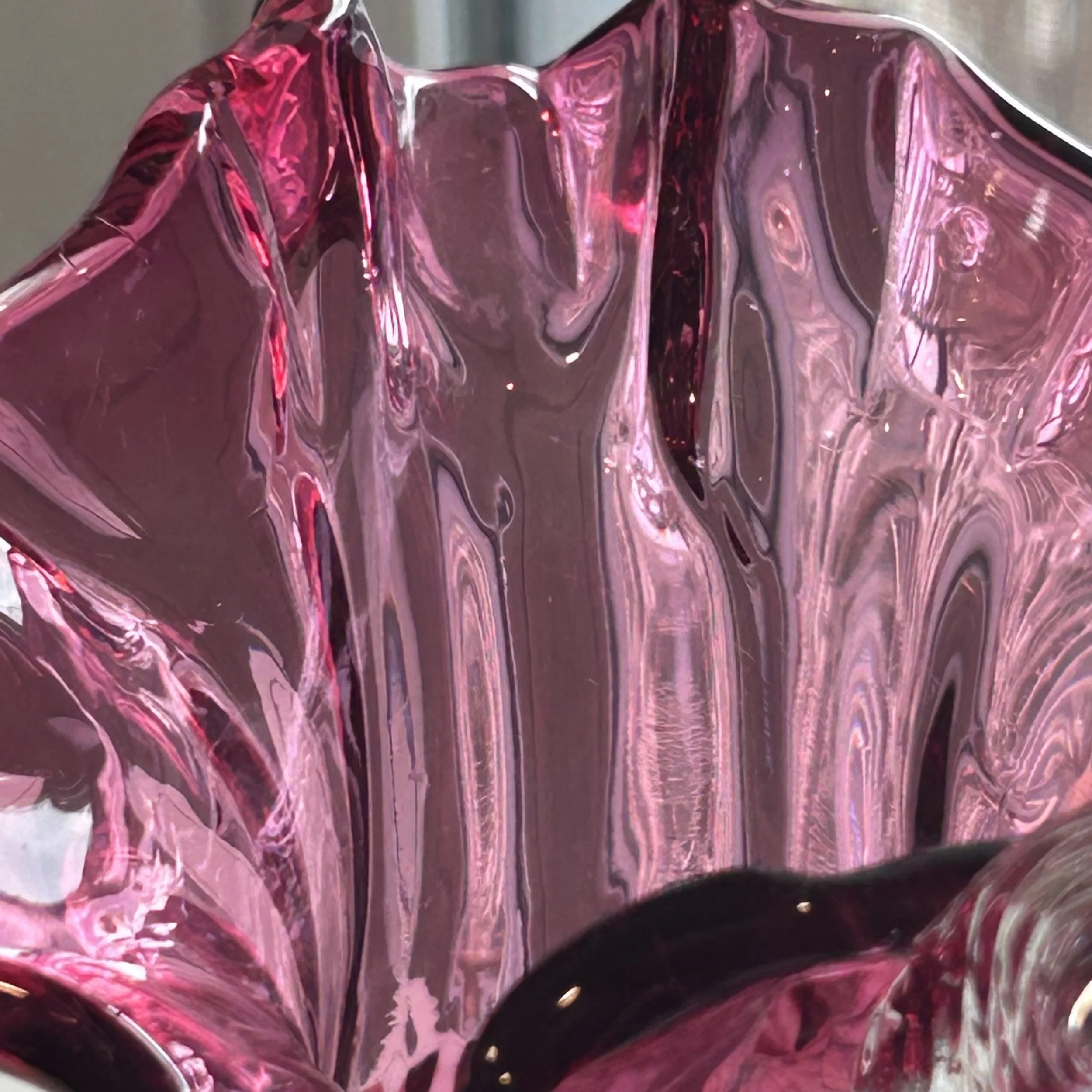 Image 6 of 16
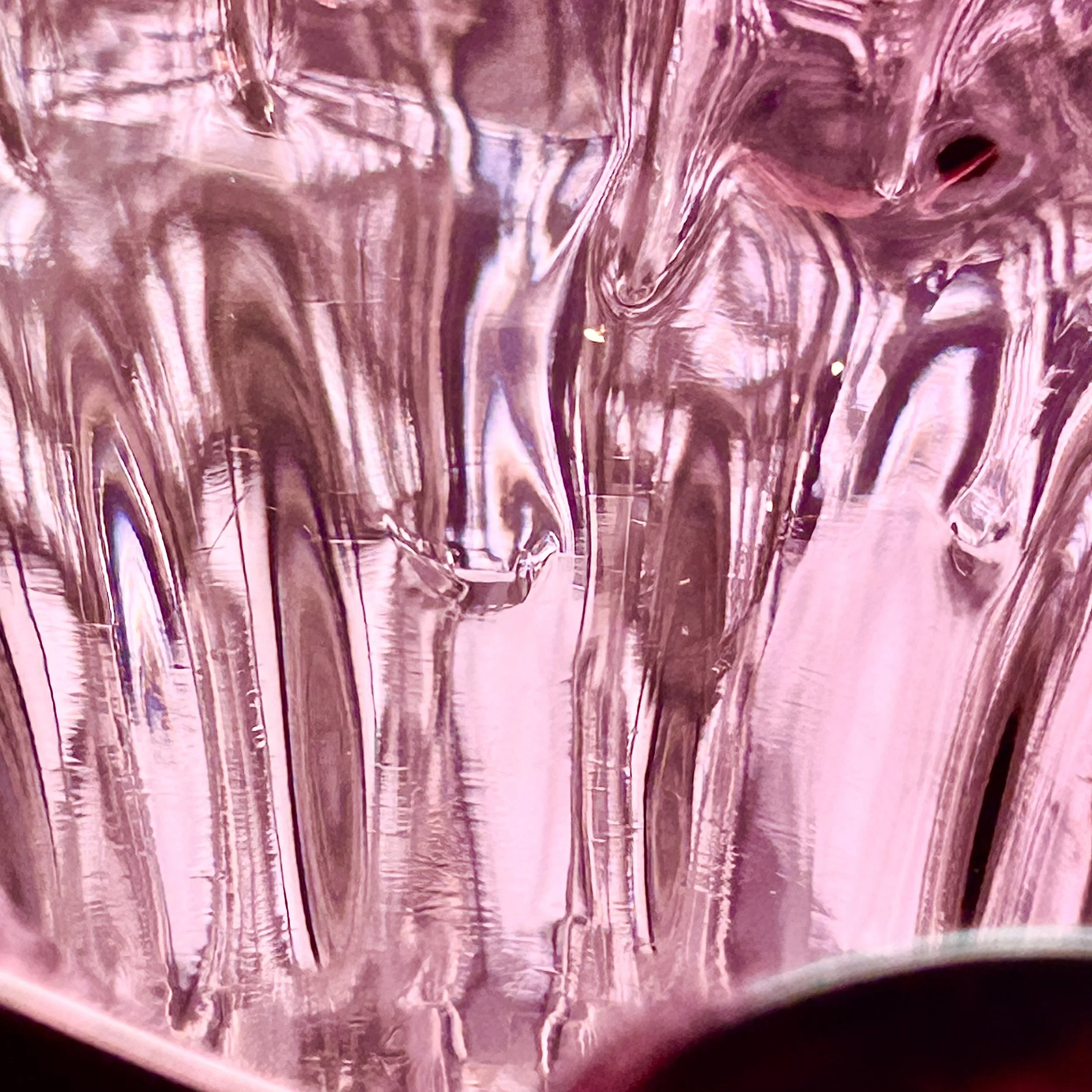 Image 7 of 16
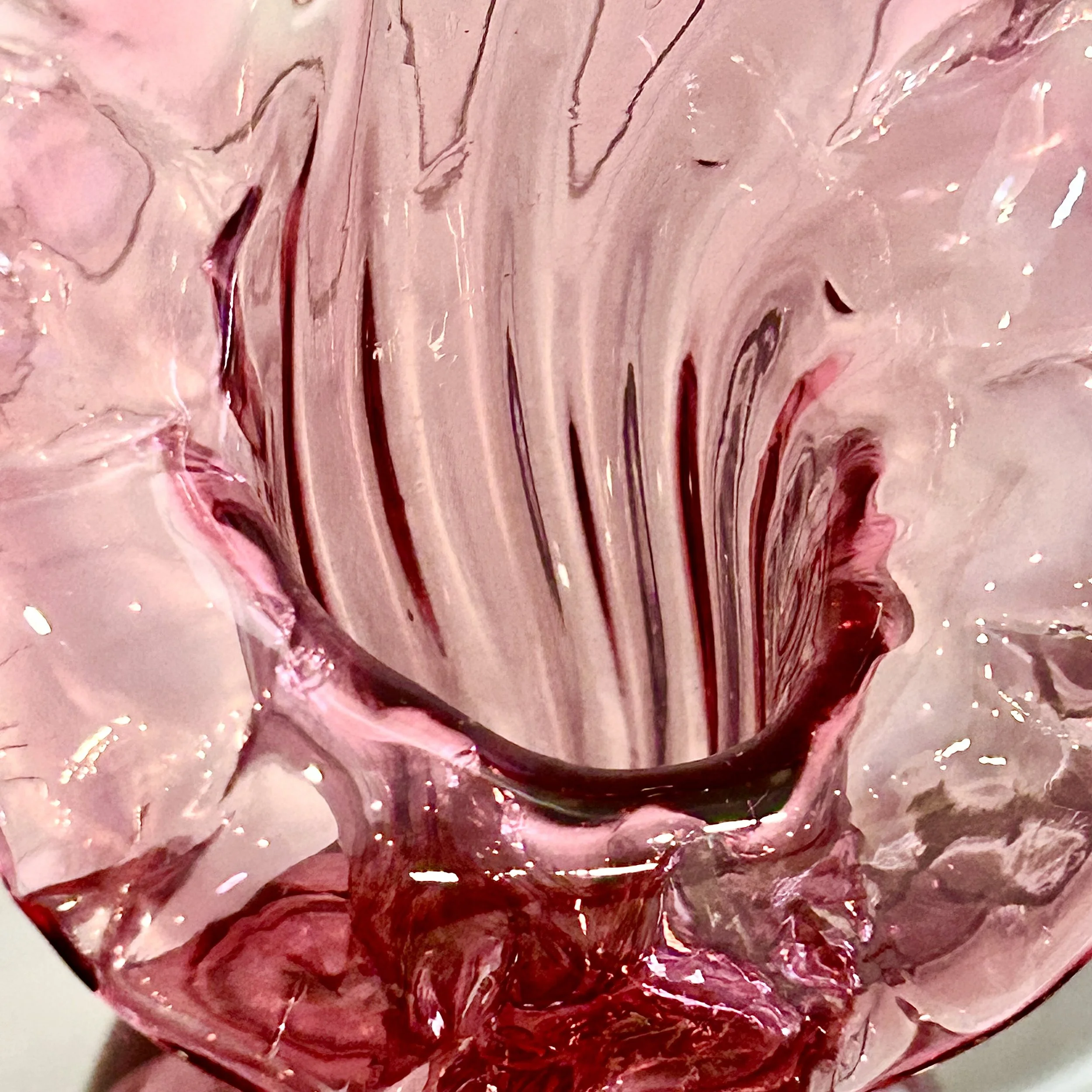 Image 8 of 16
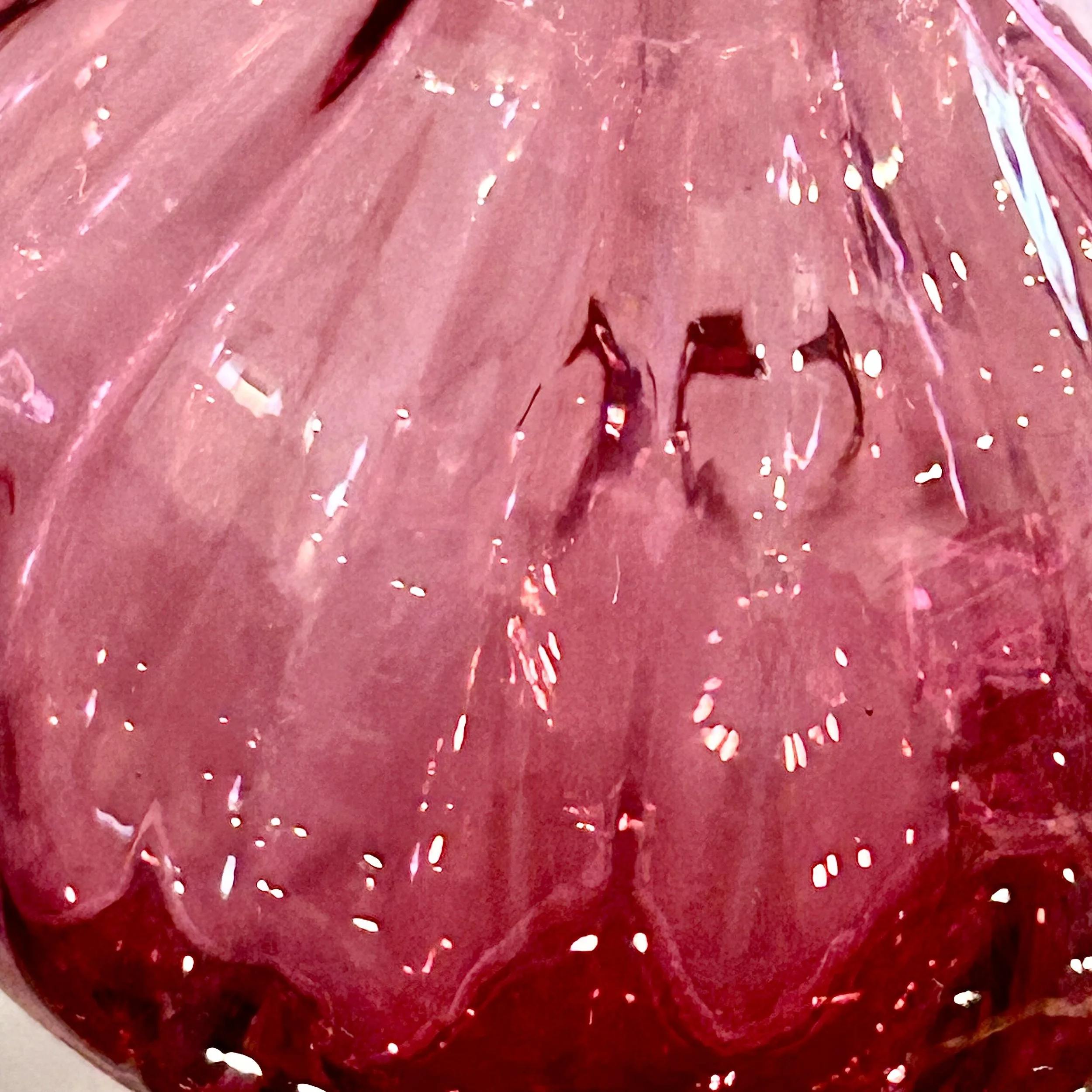 Image 9 of 16
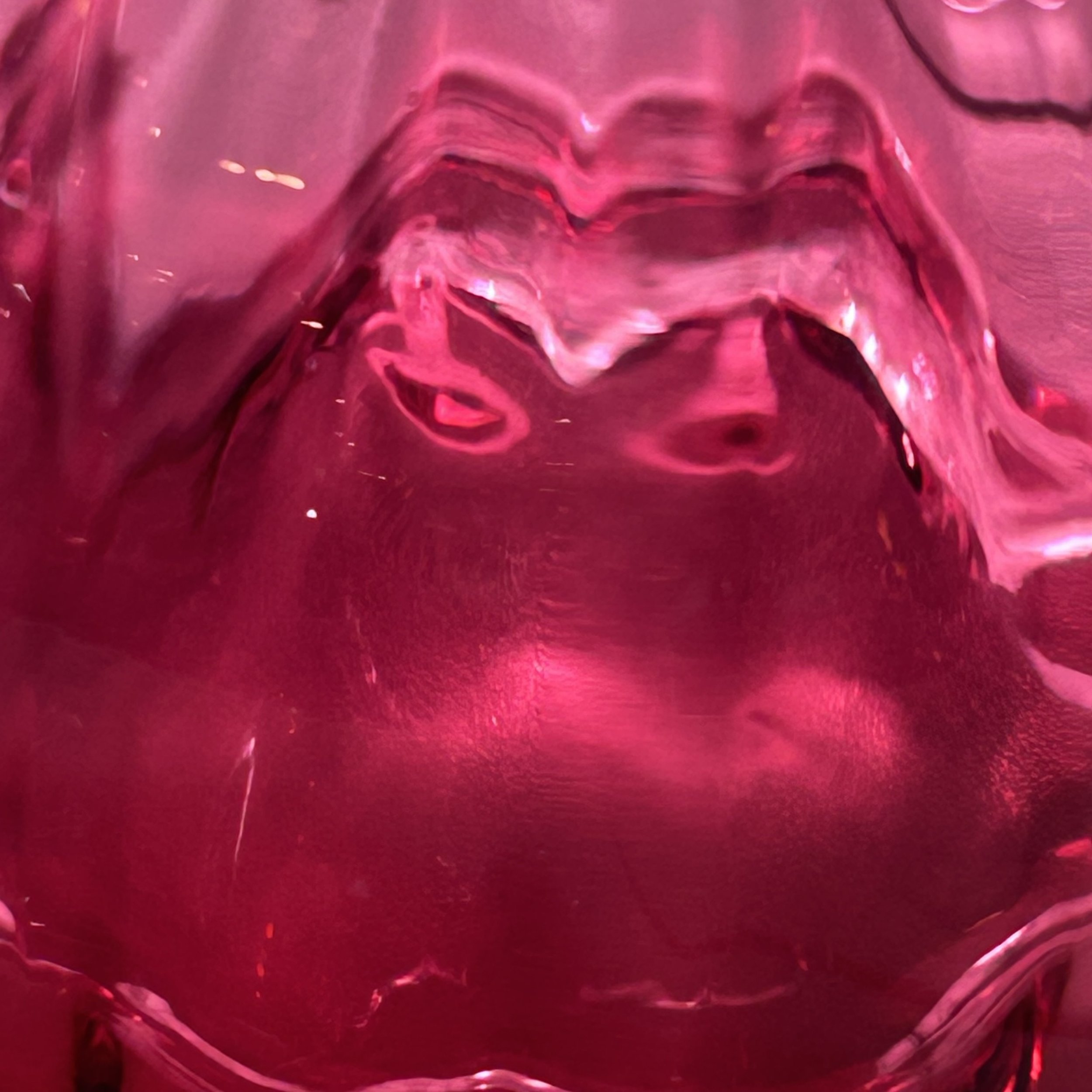 Image 10 of 16
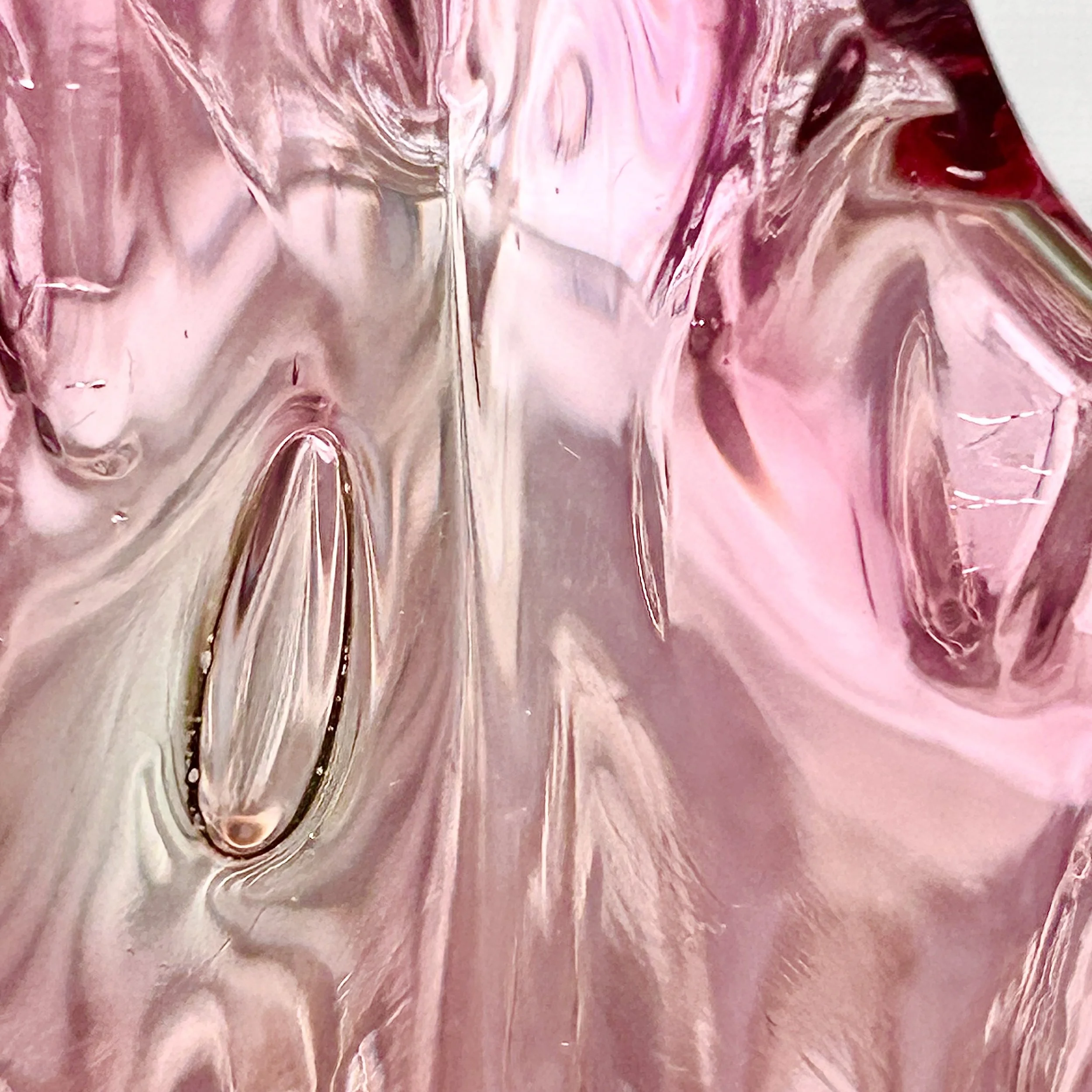 Image 11 of 16
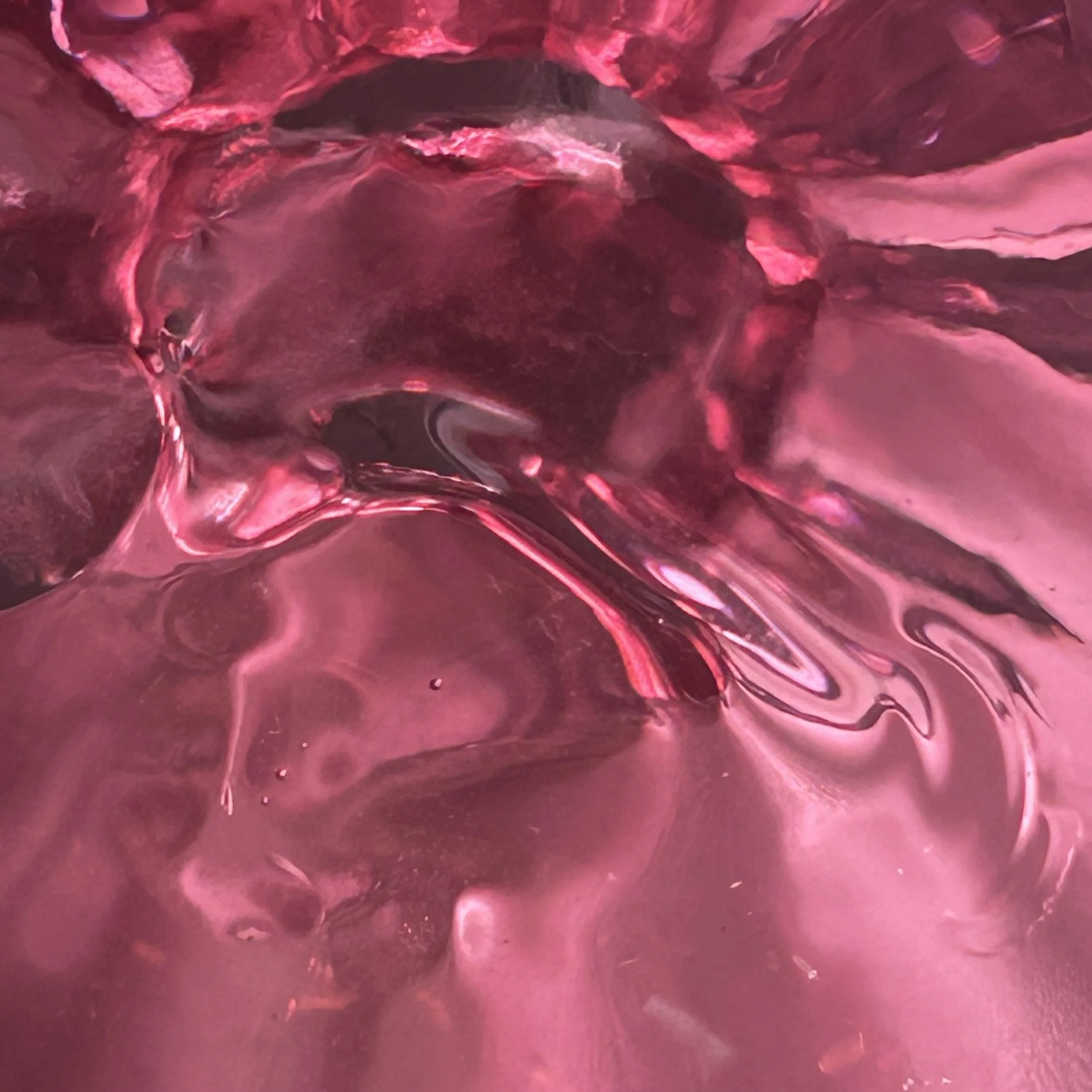 Image 12 of 16
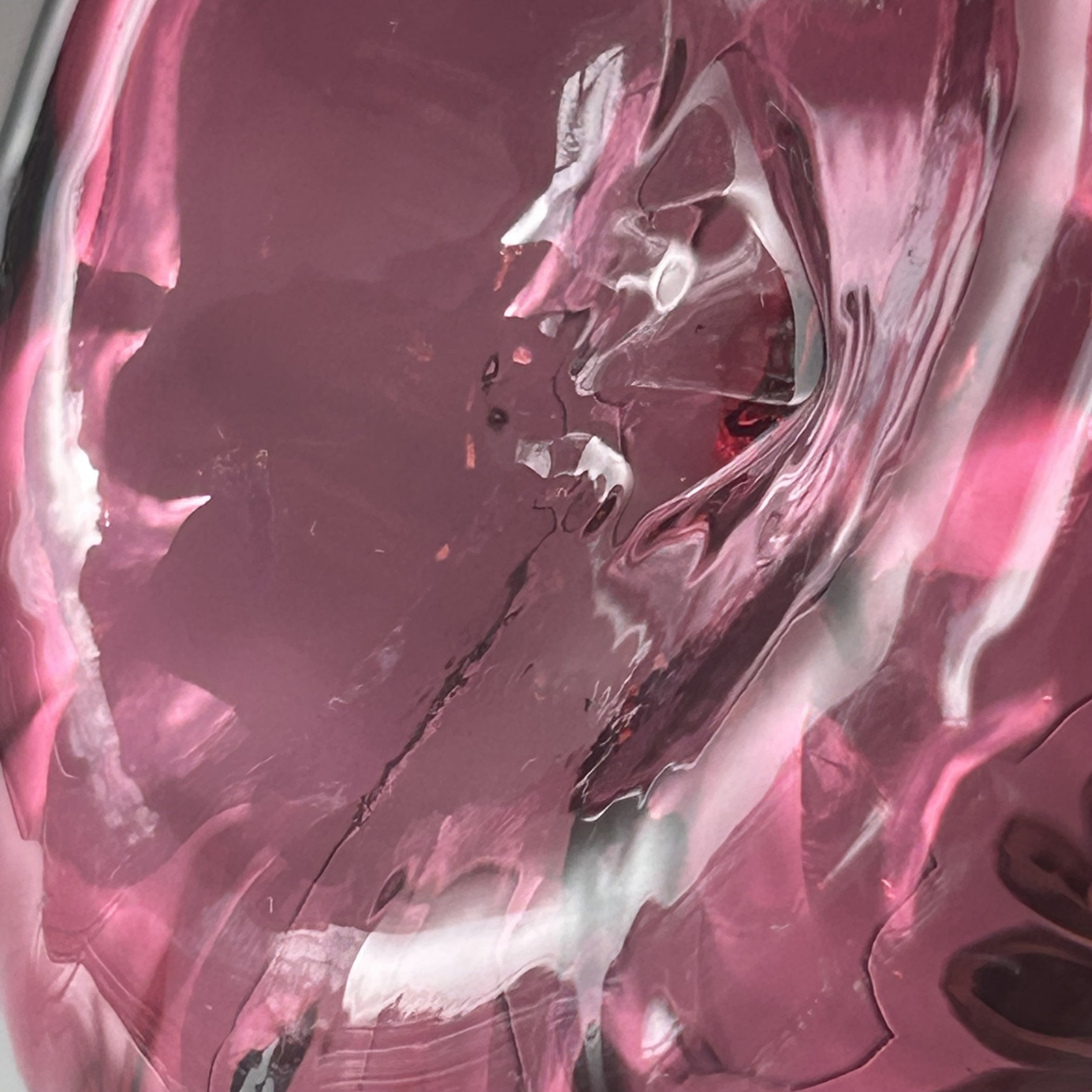 Image 13 of 16
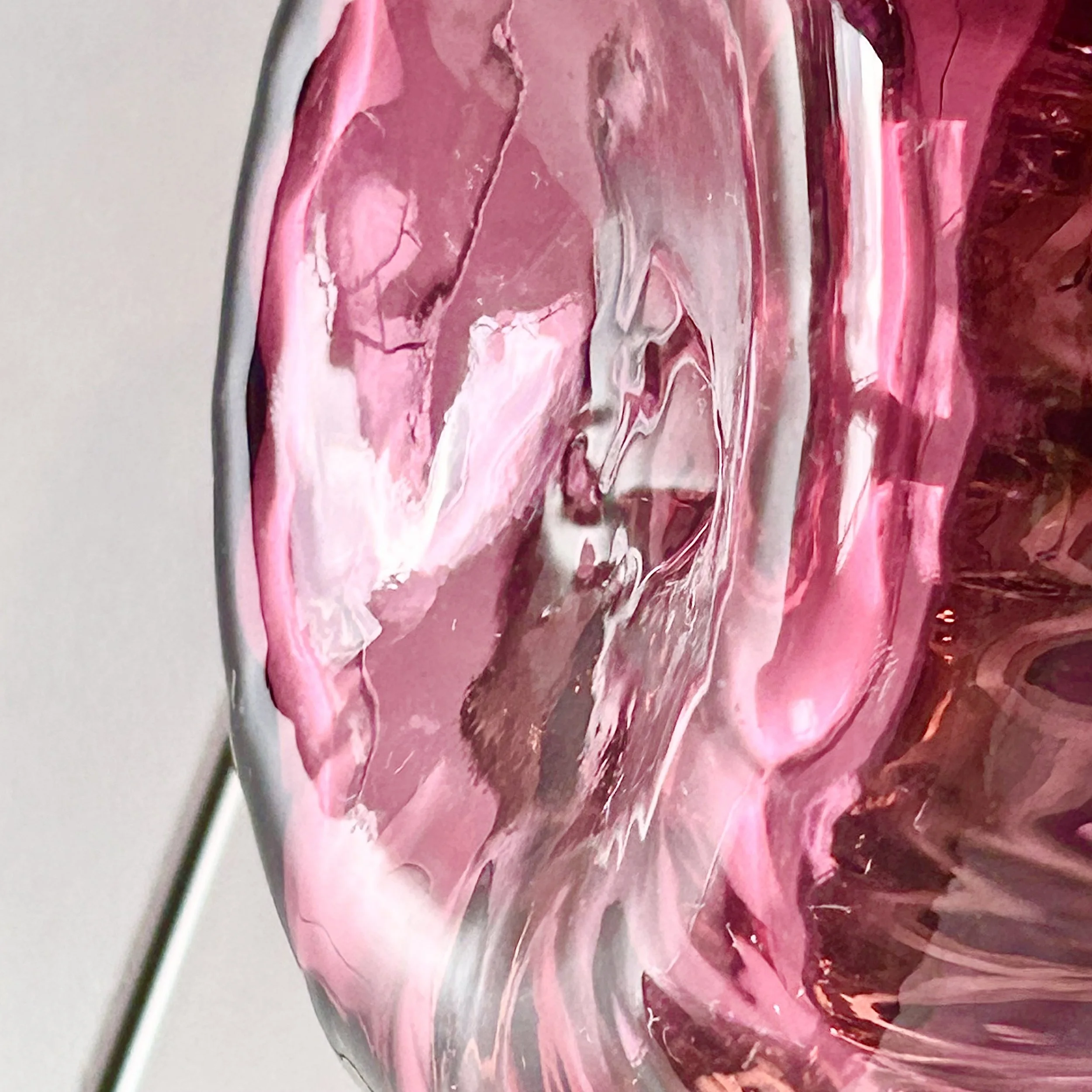 Image 14 of 16
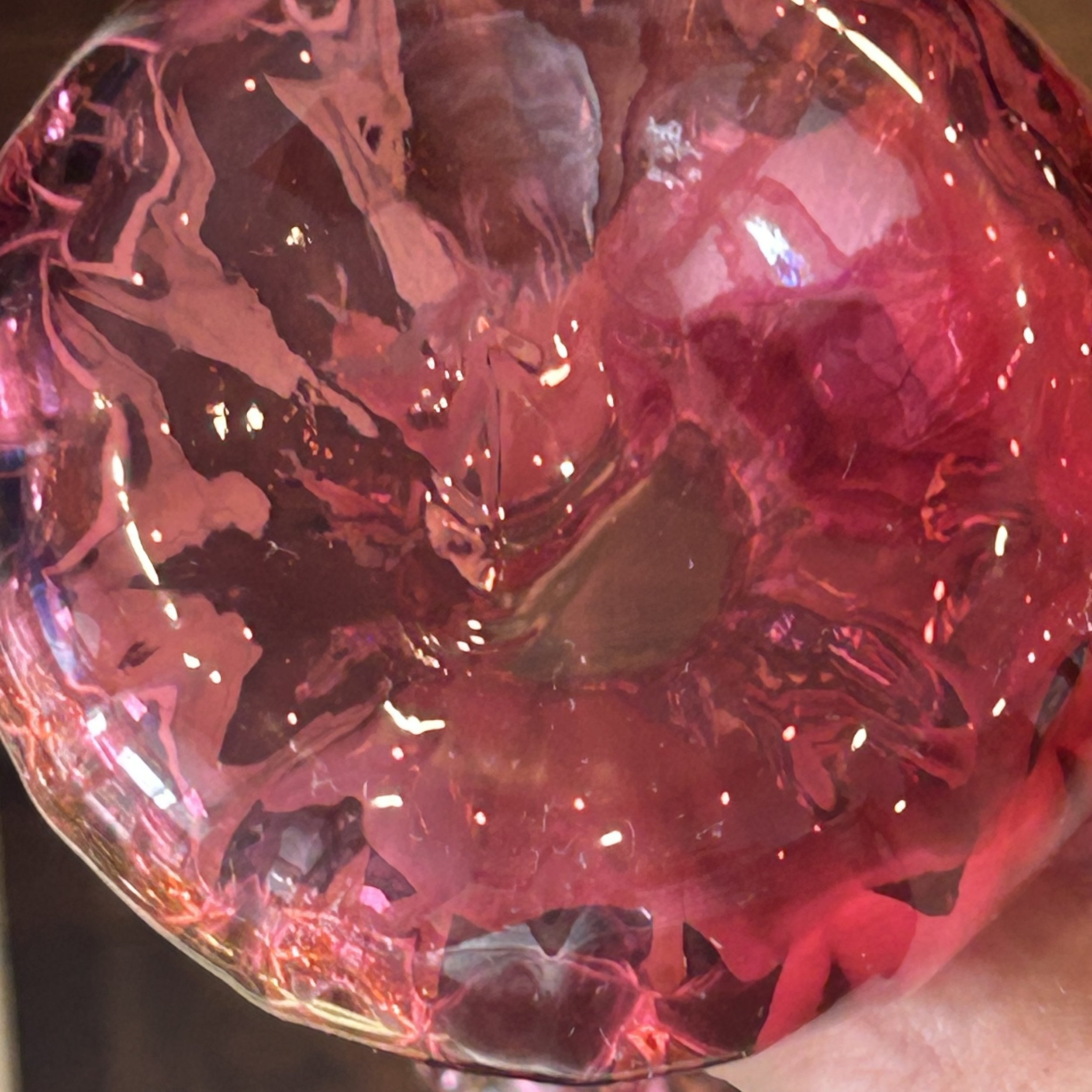 Image 15 of 16
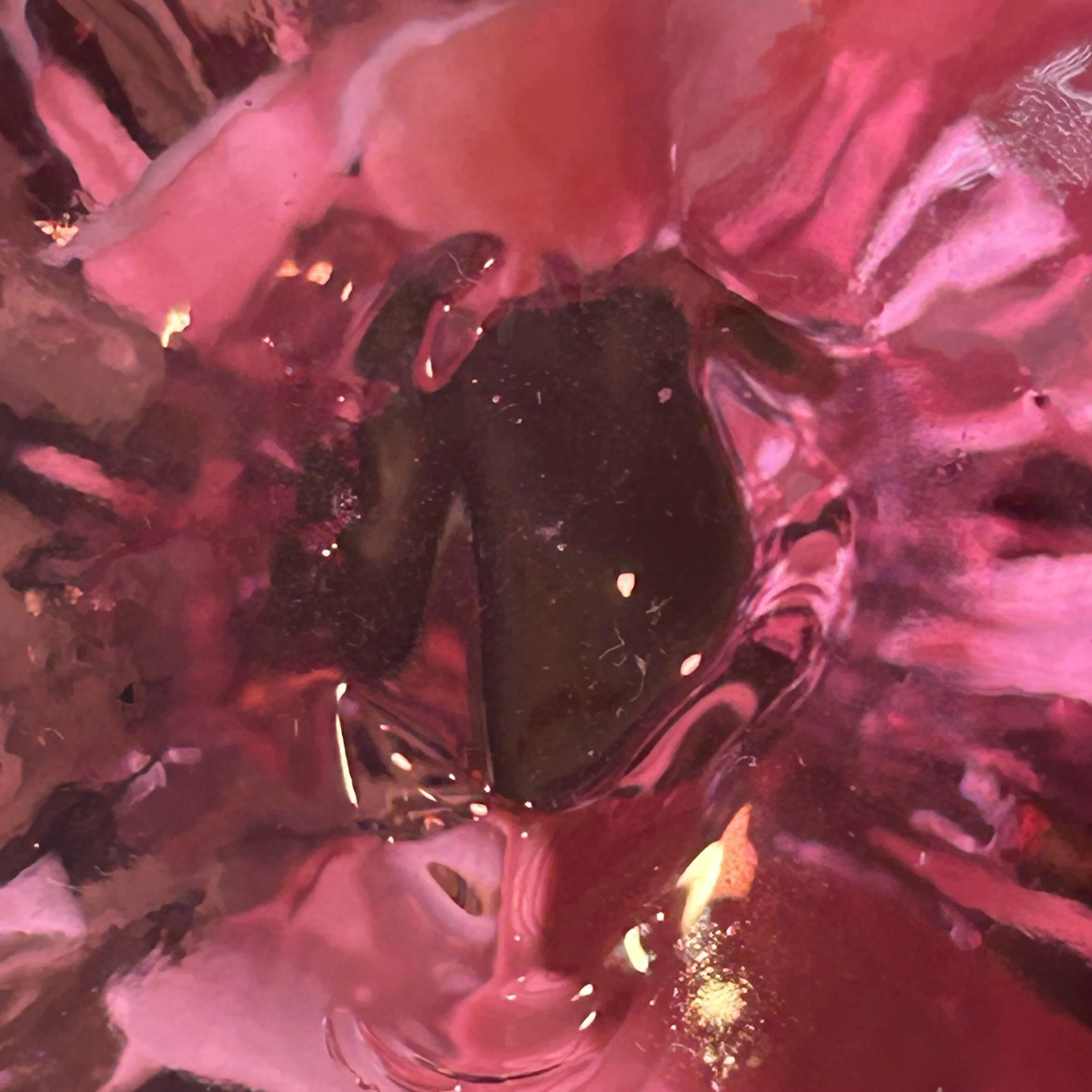 Image 16 of 16