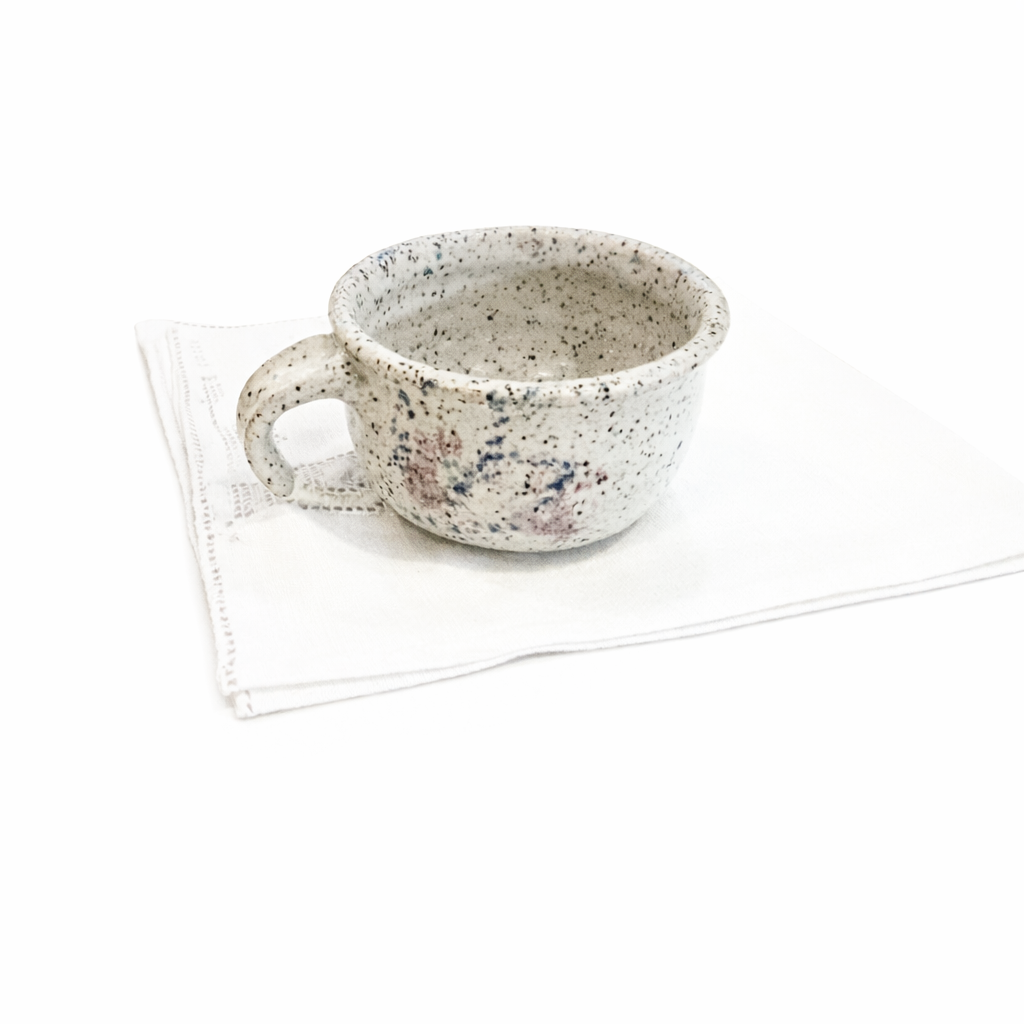
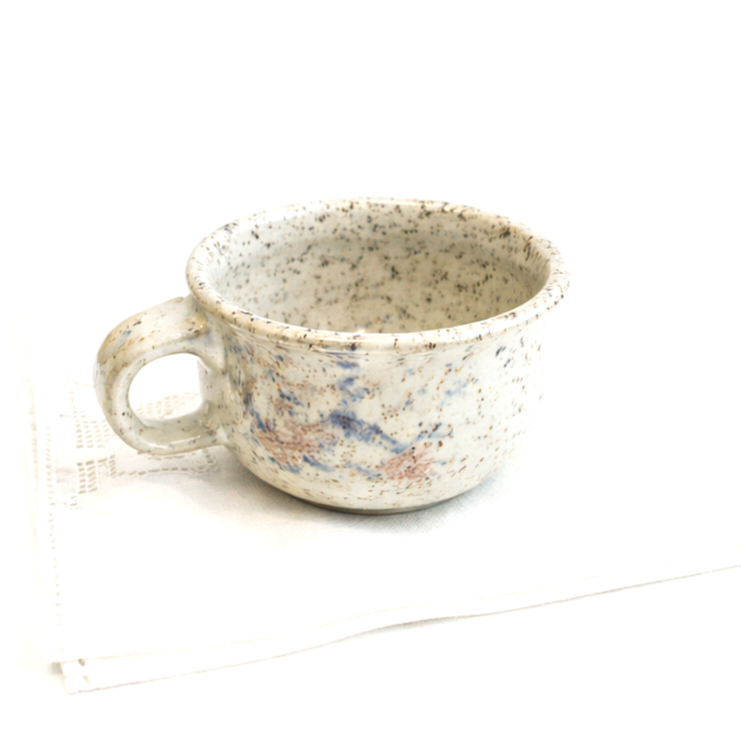
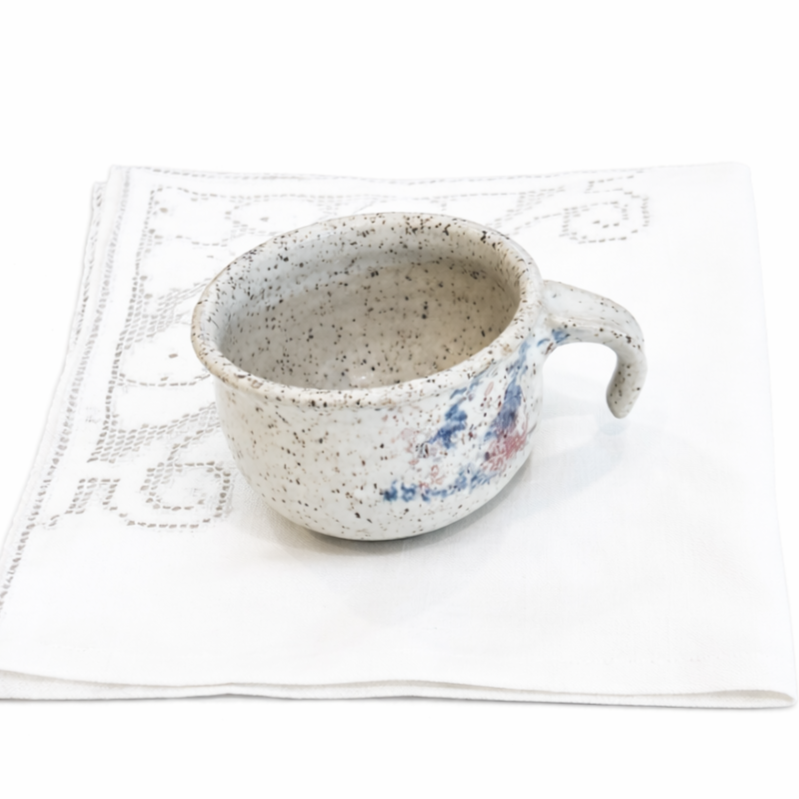
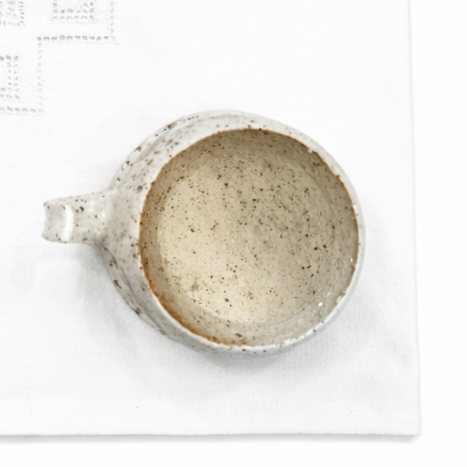
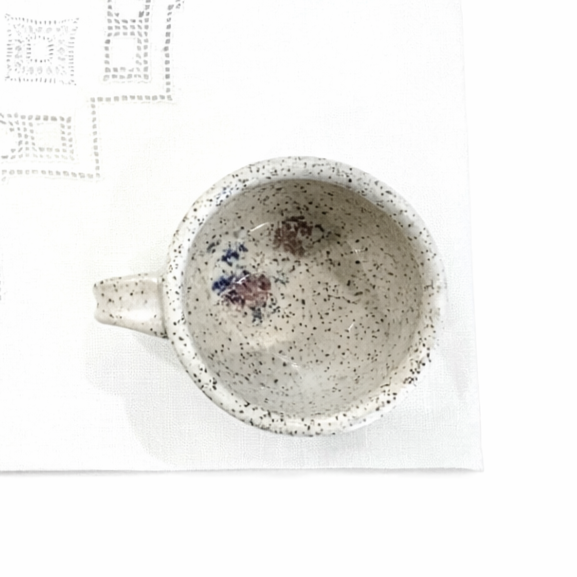
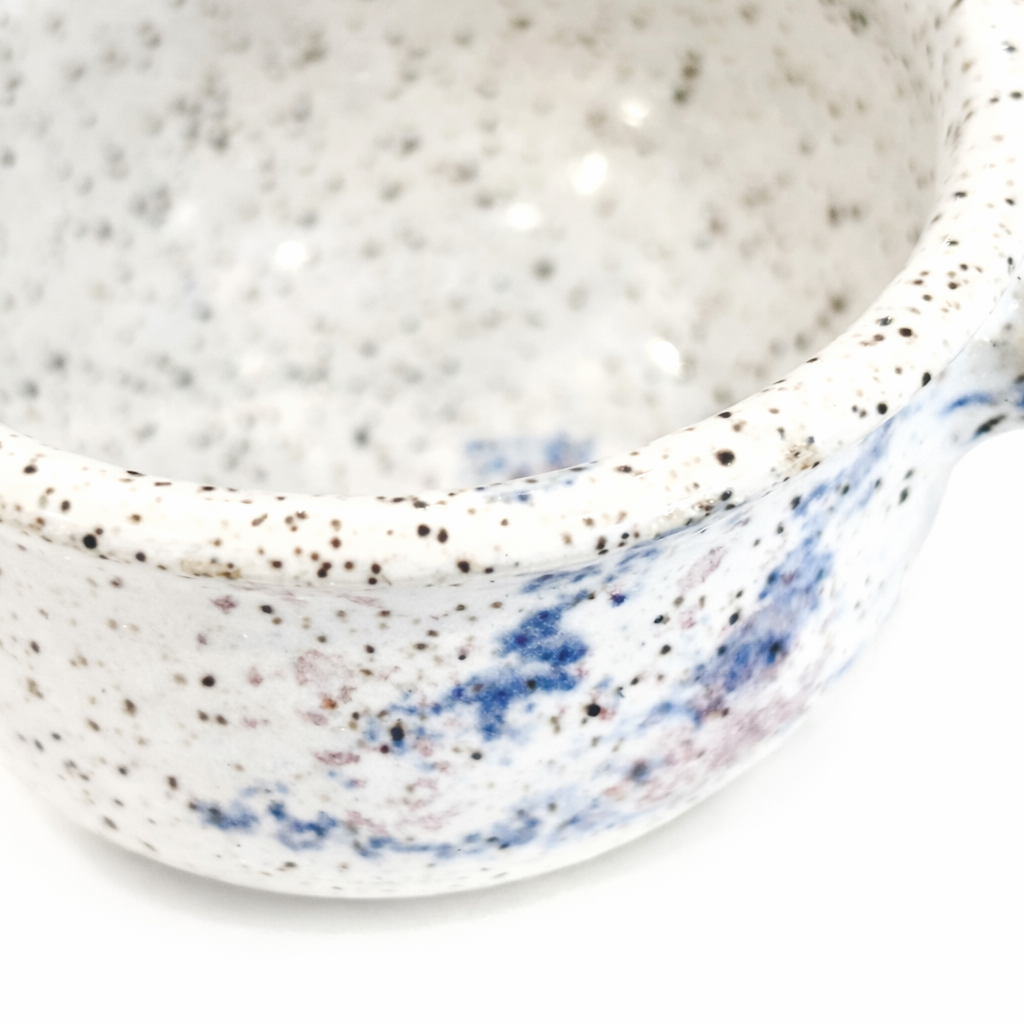
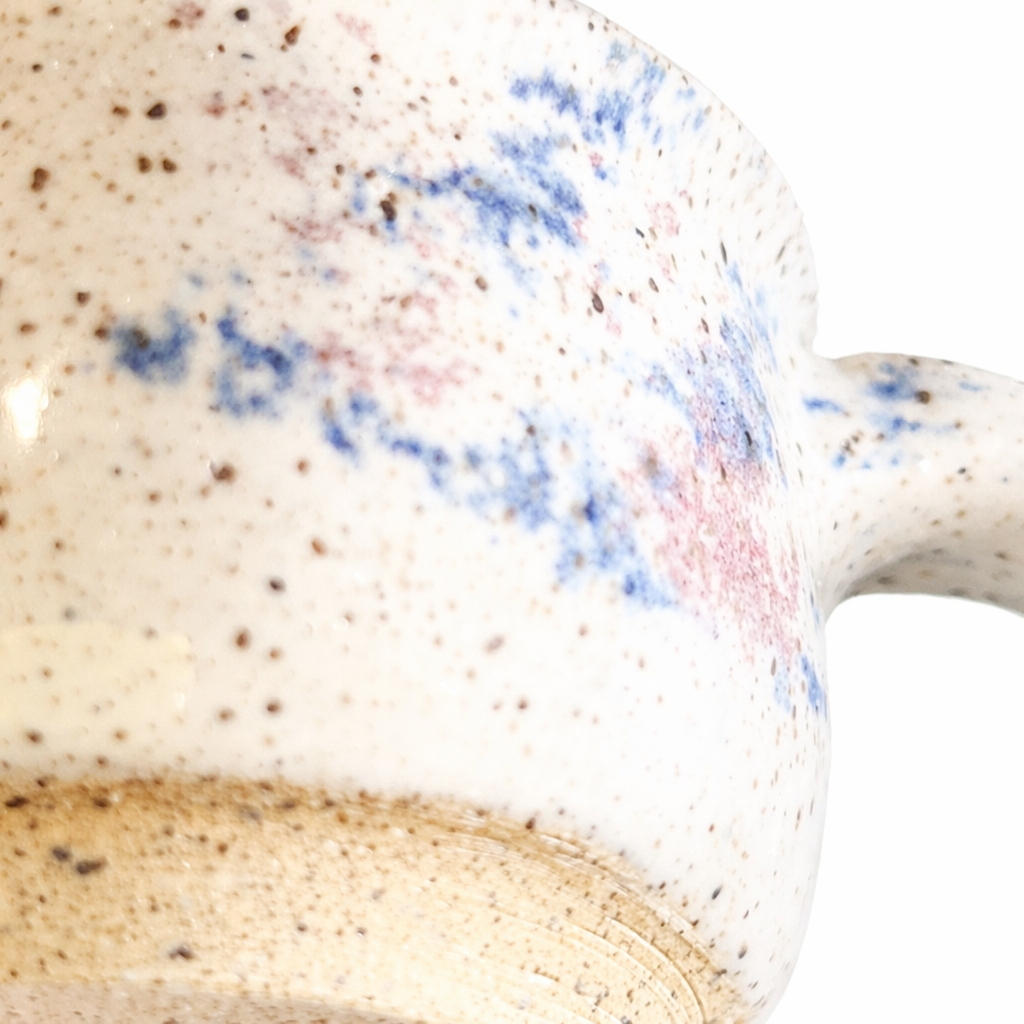
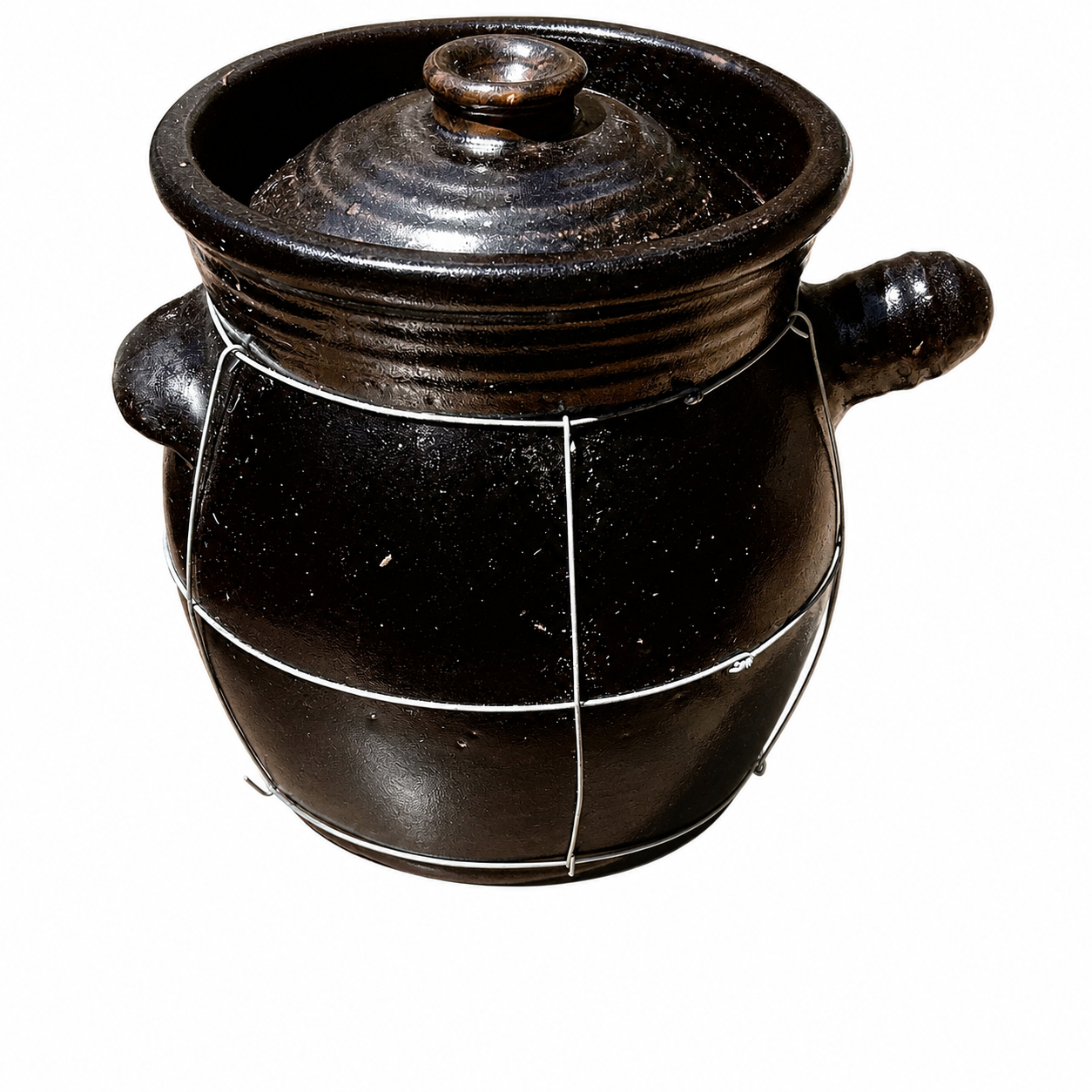
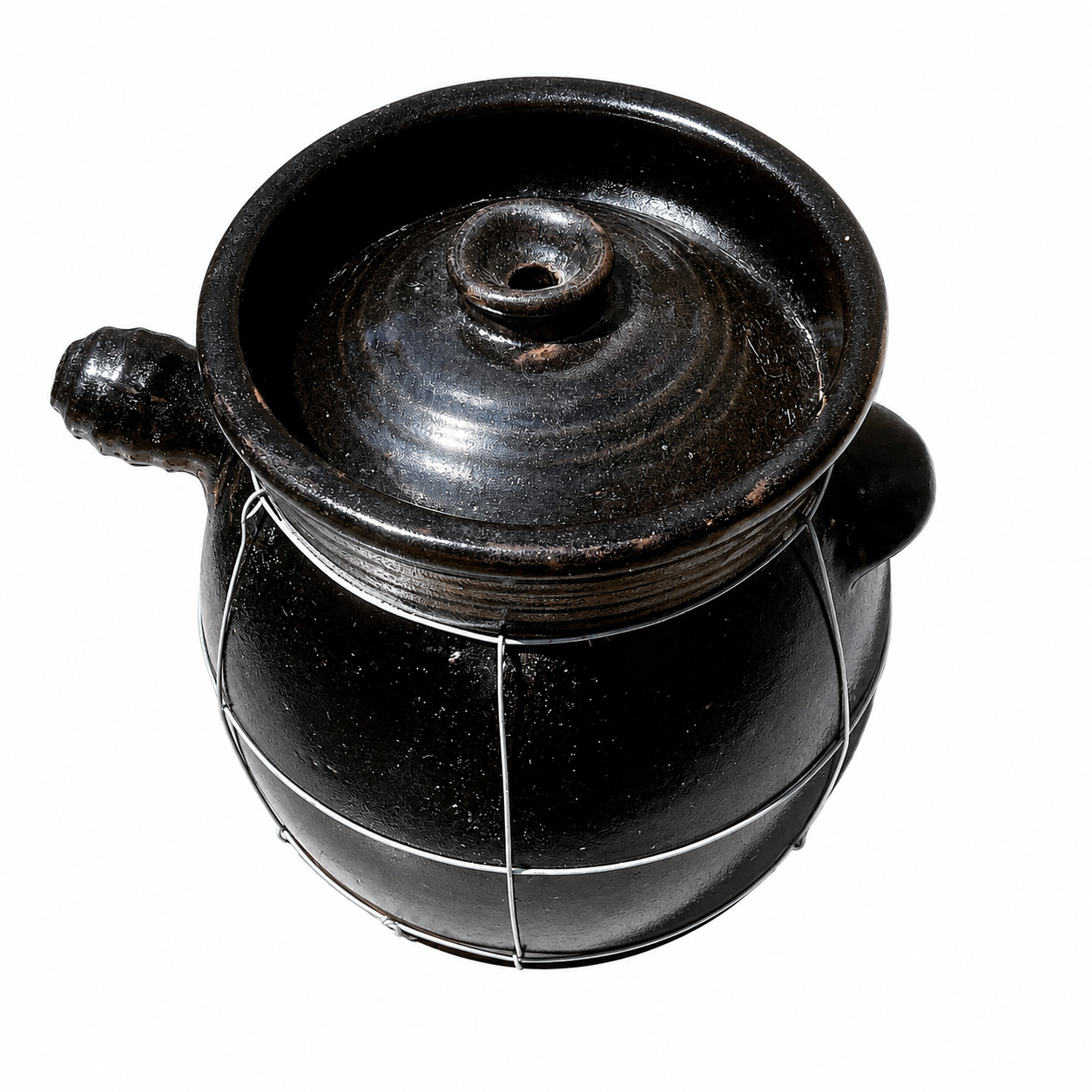
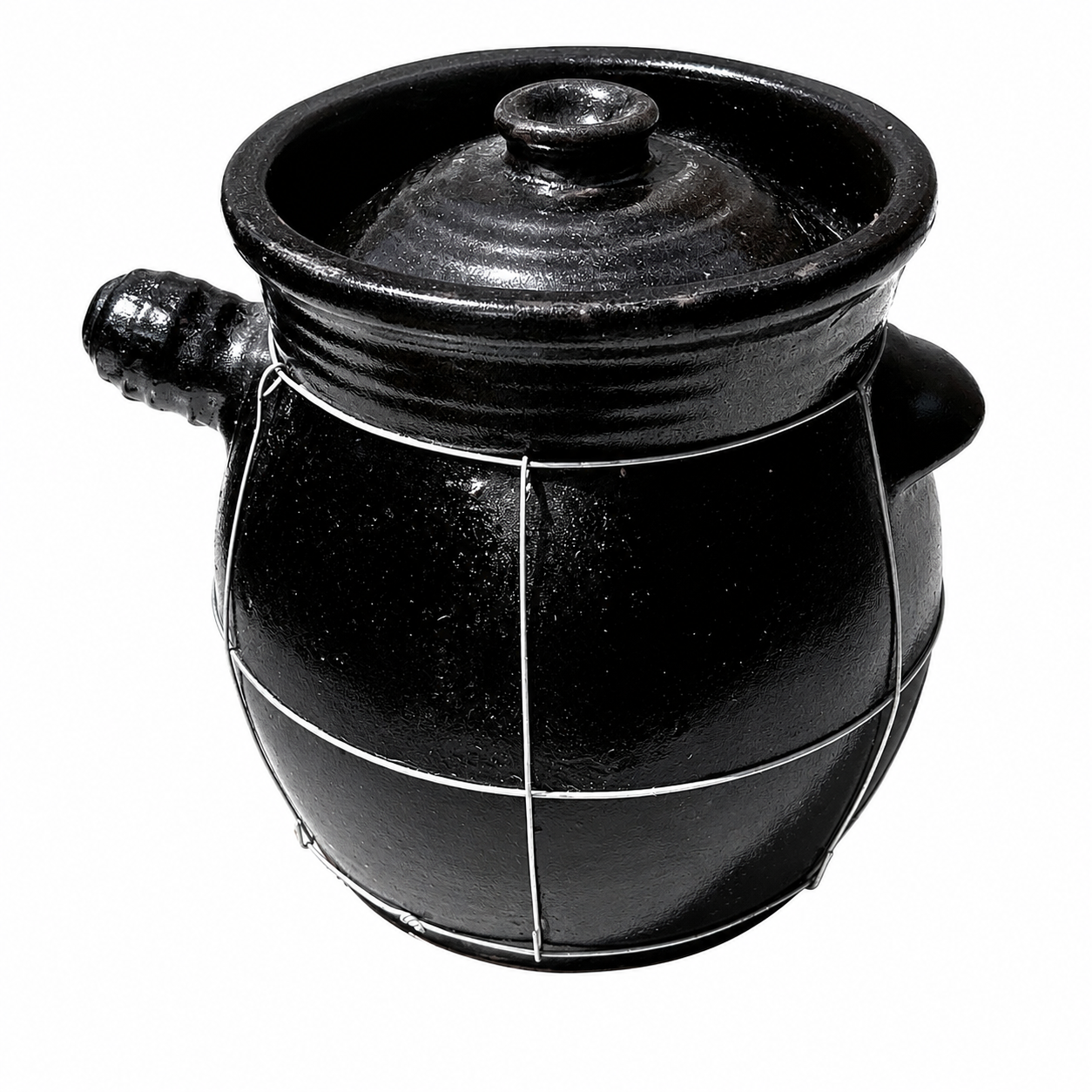
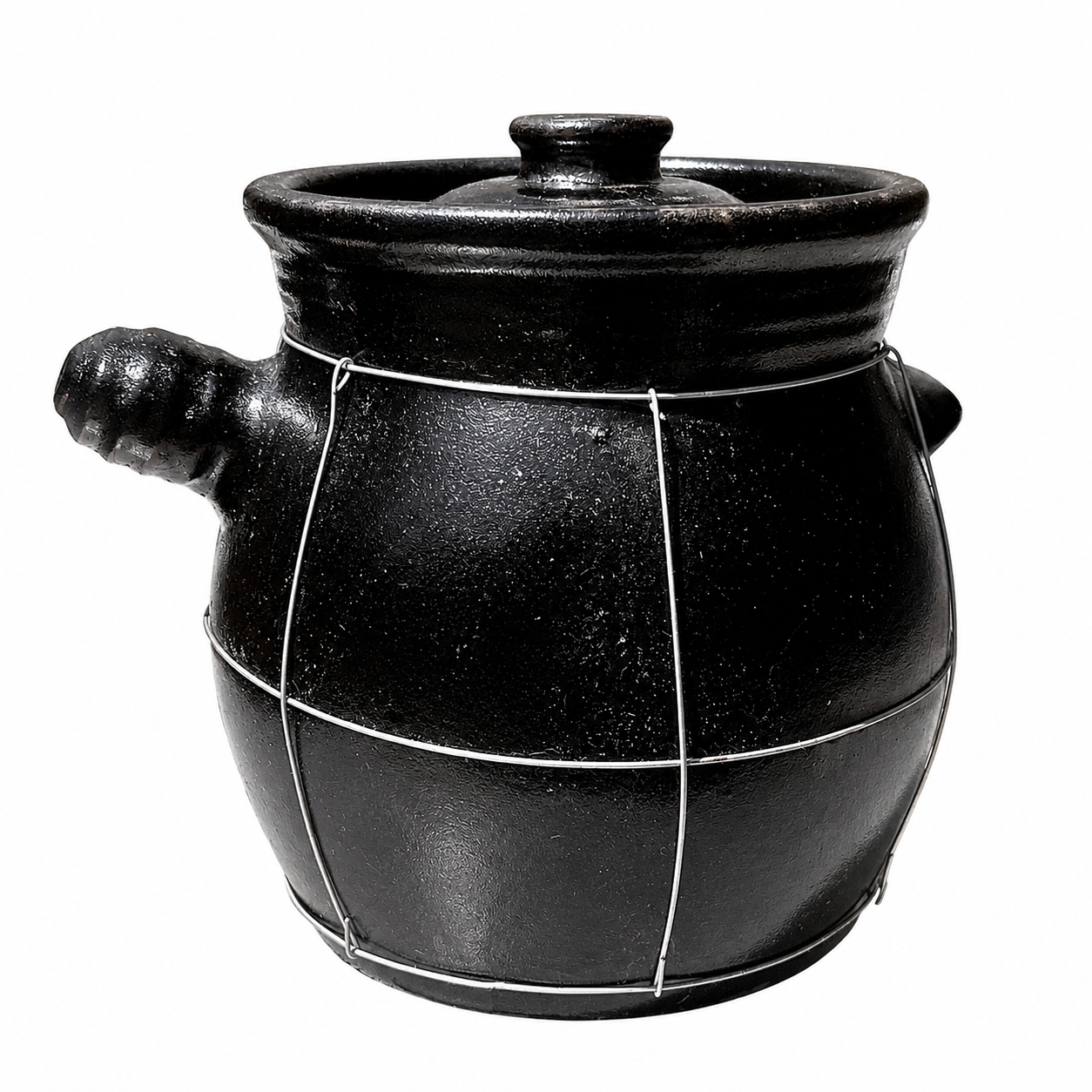
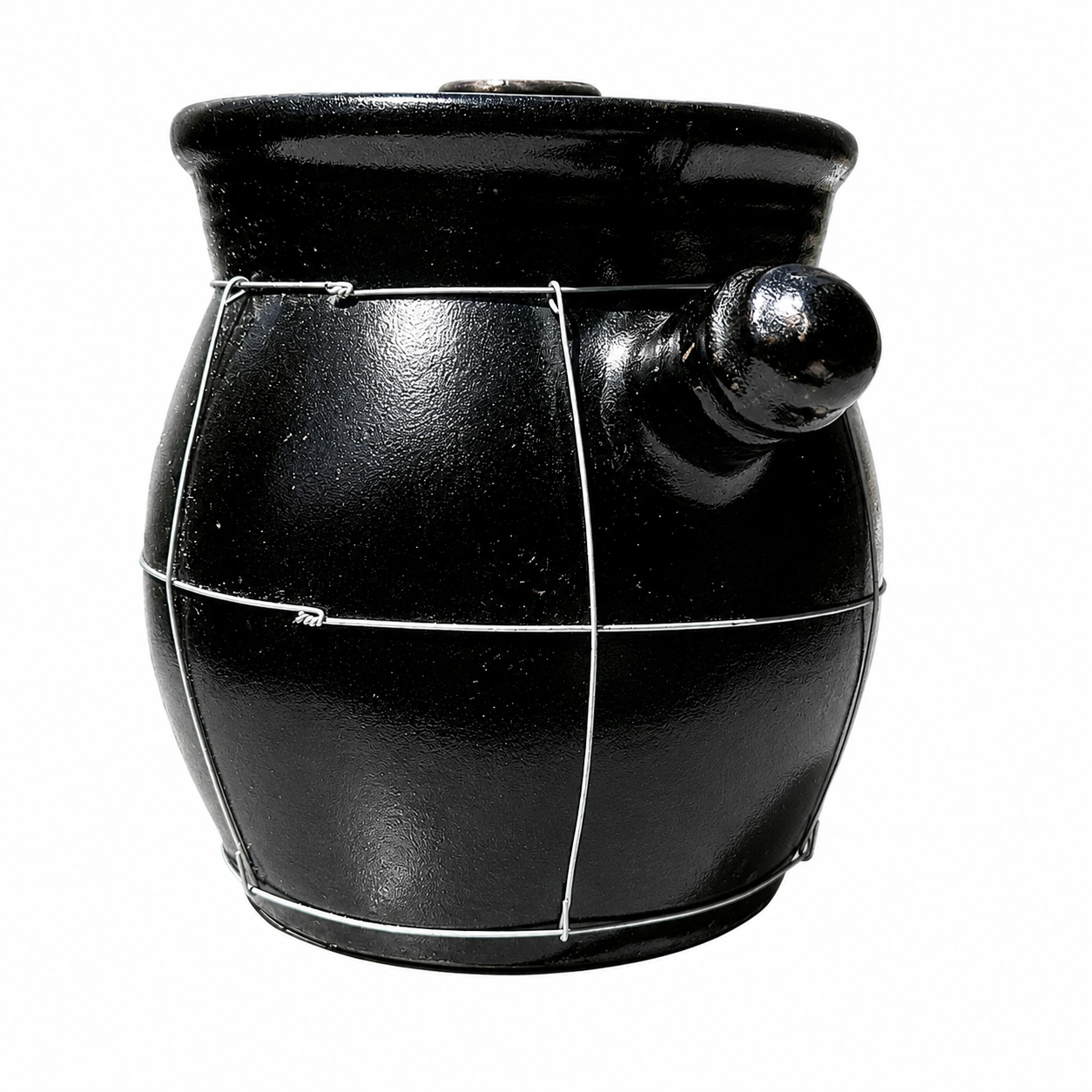
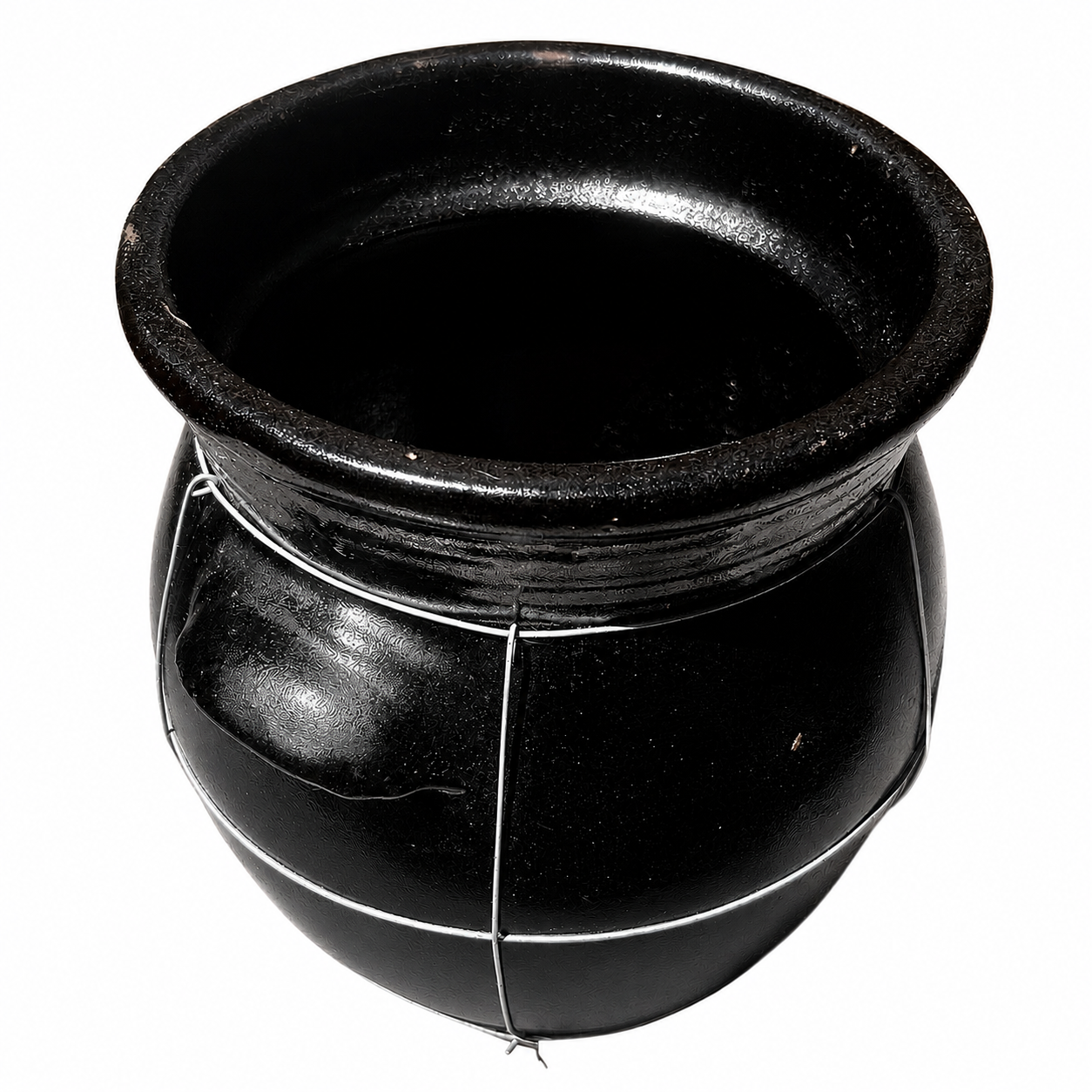
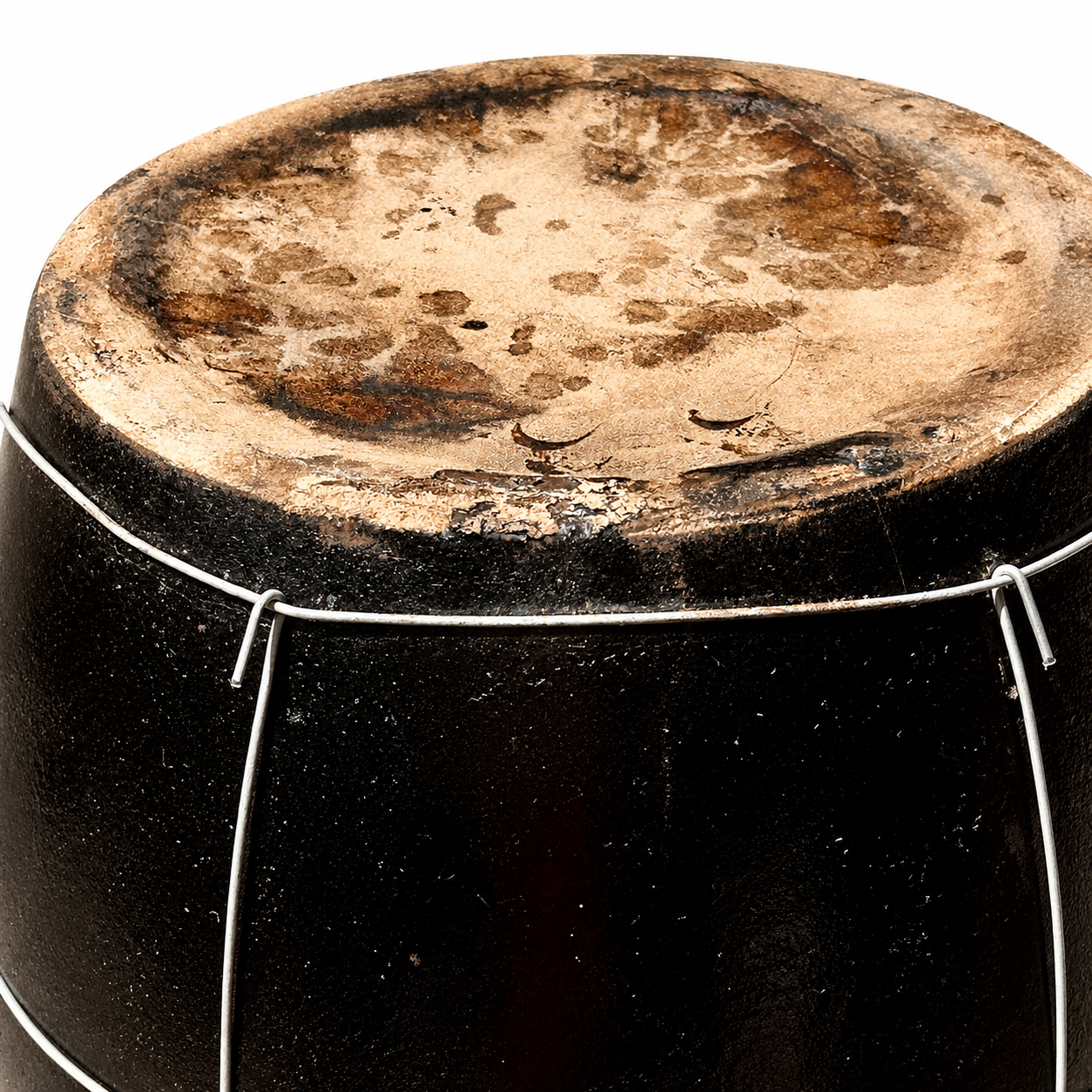
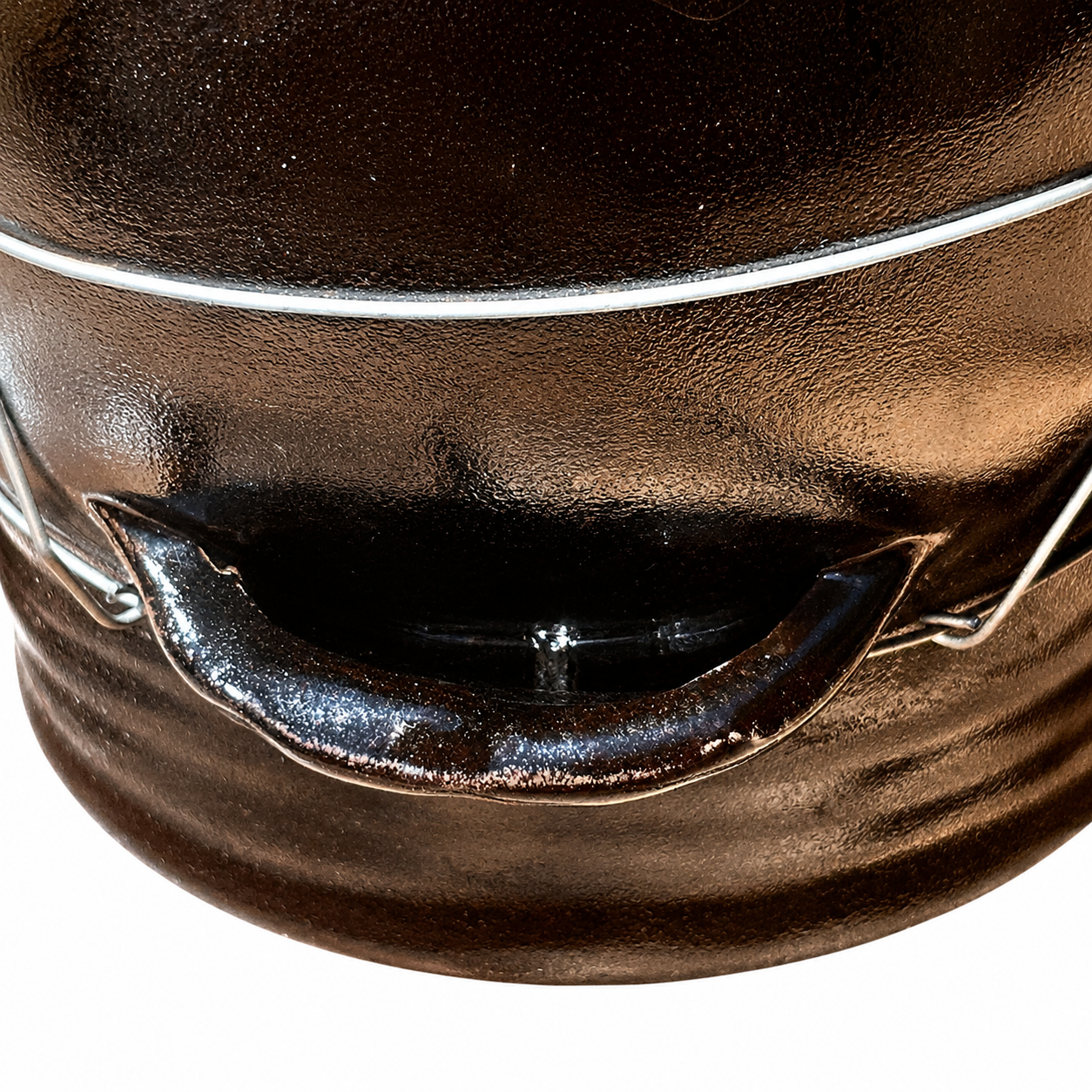
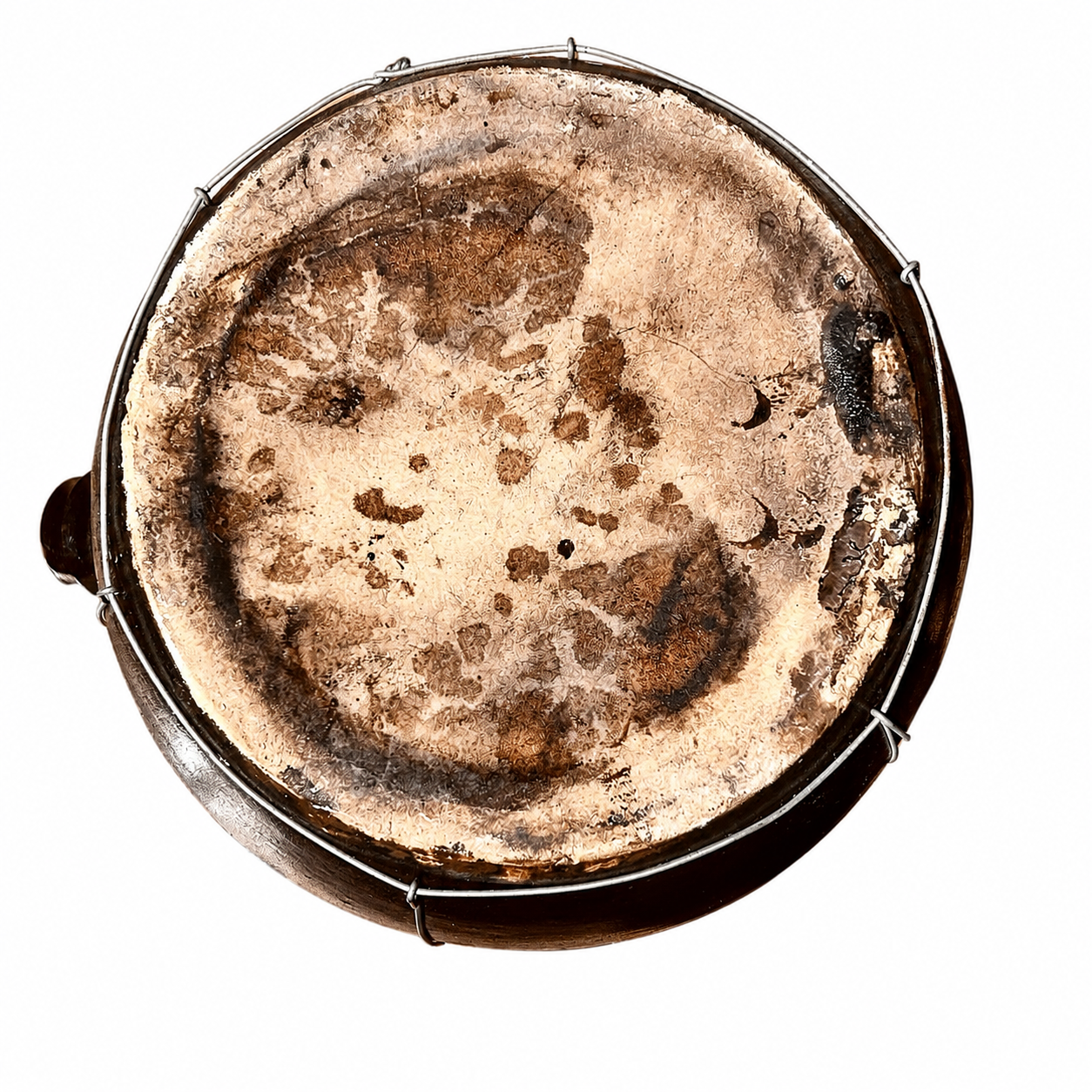
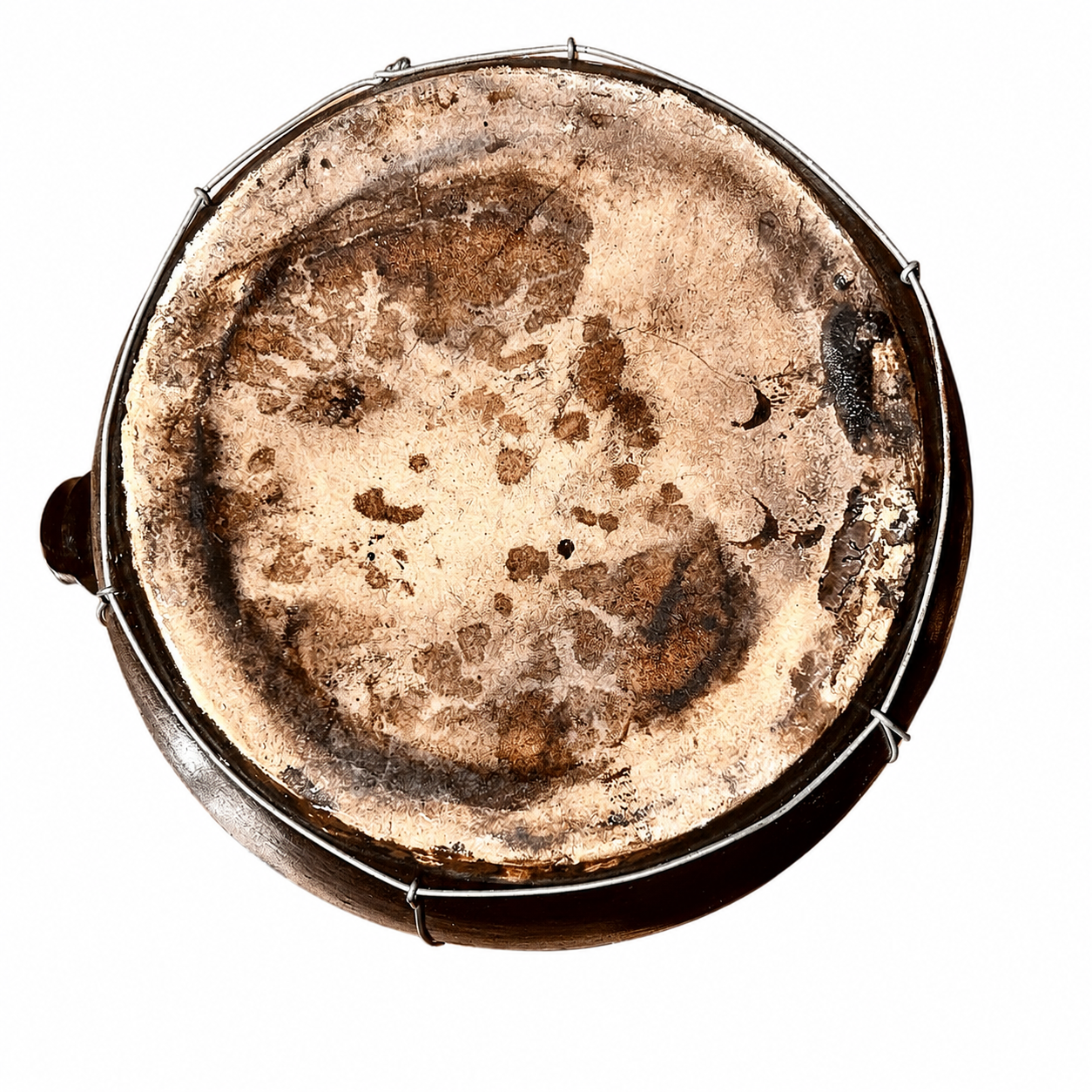
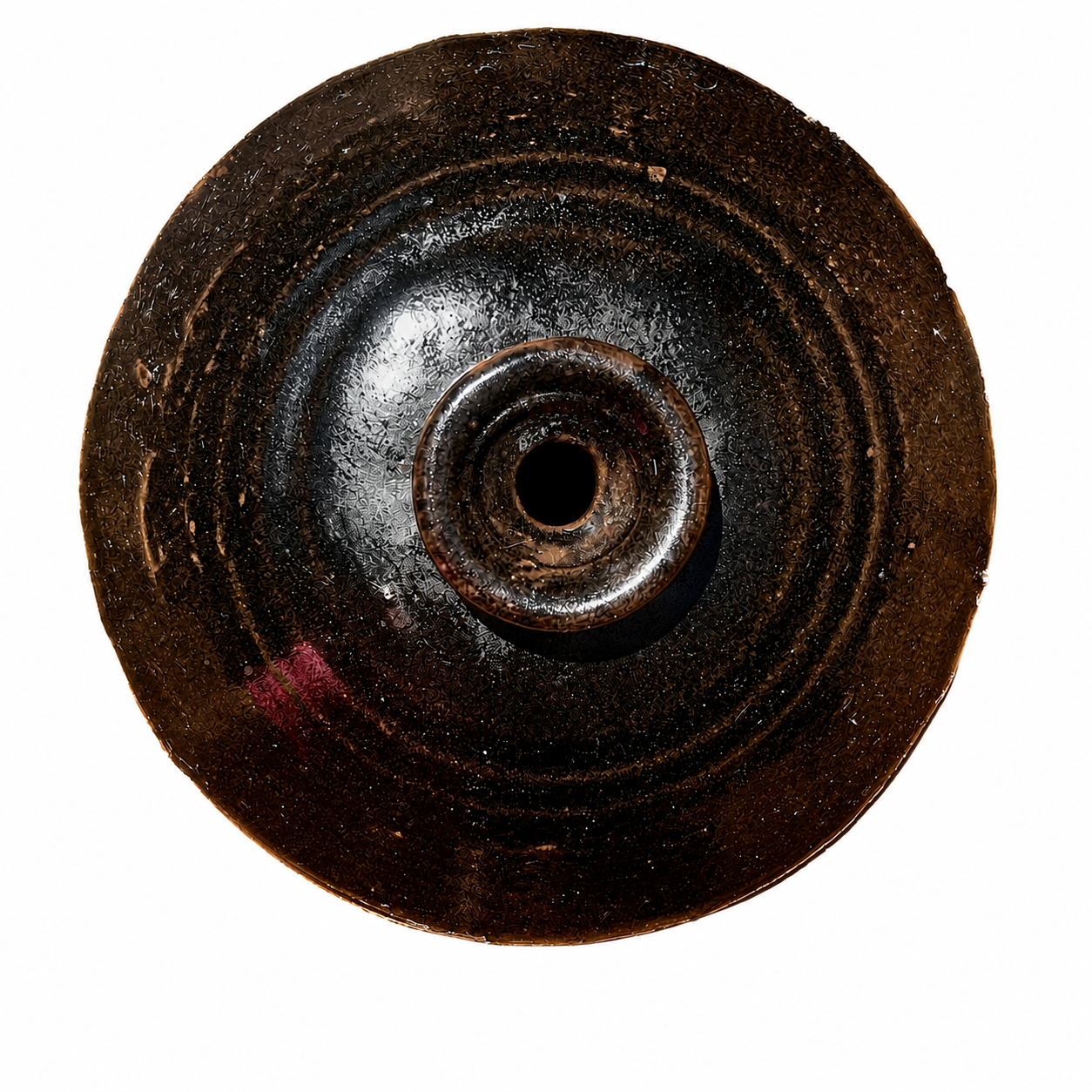
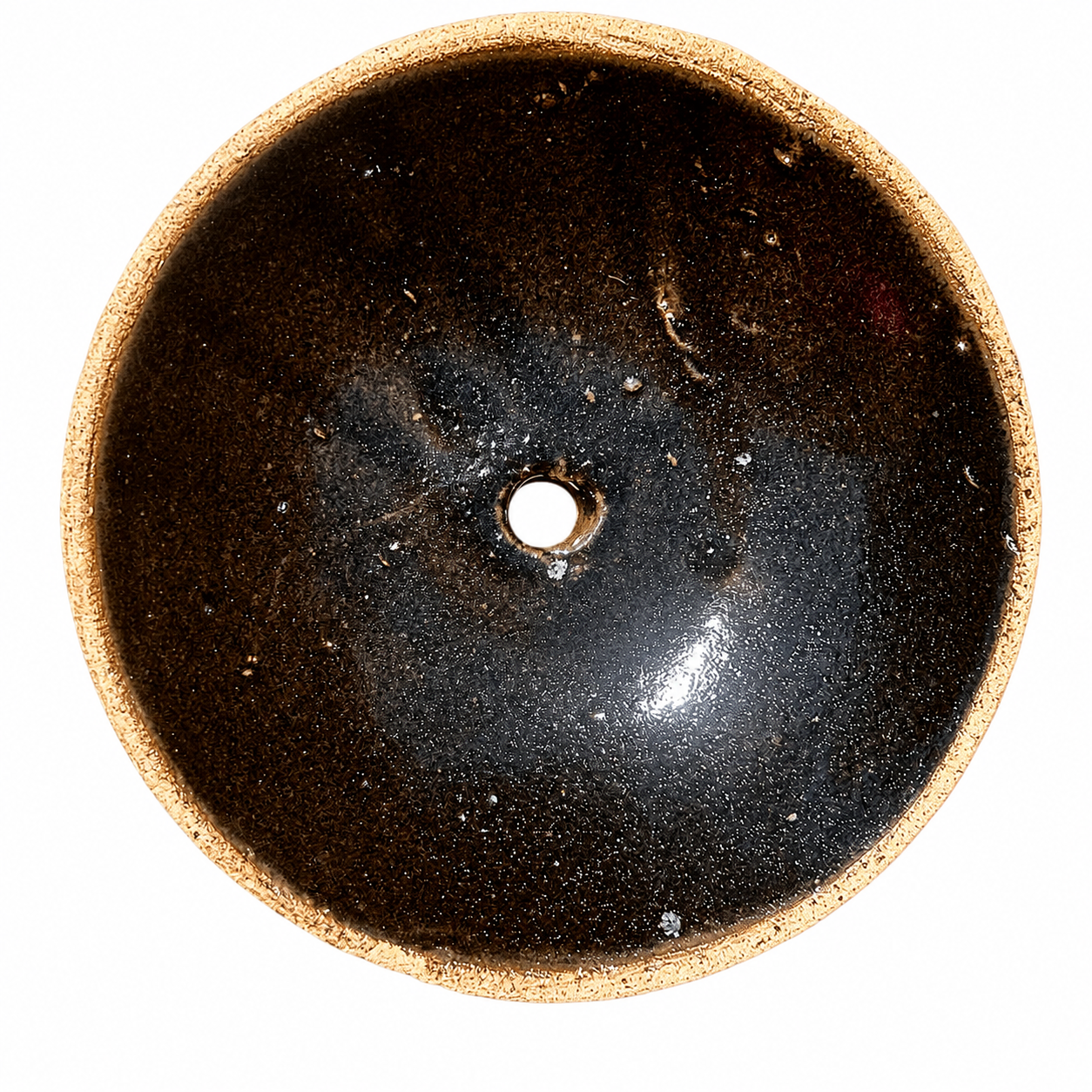
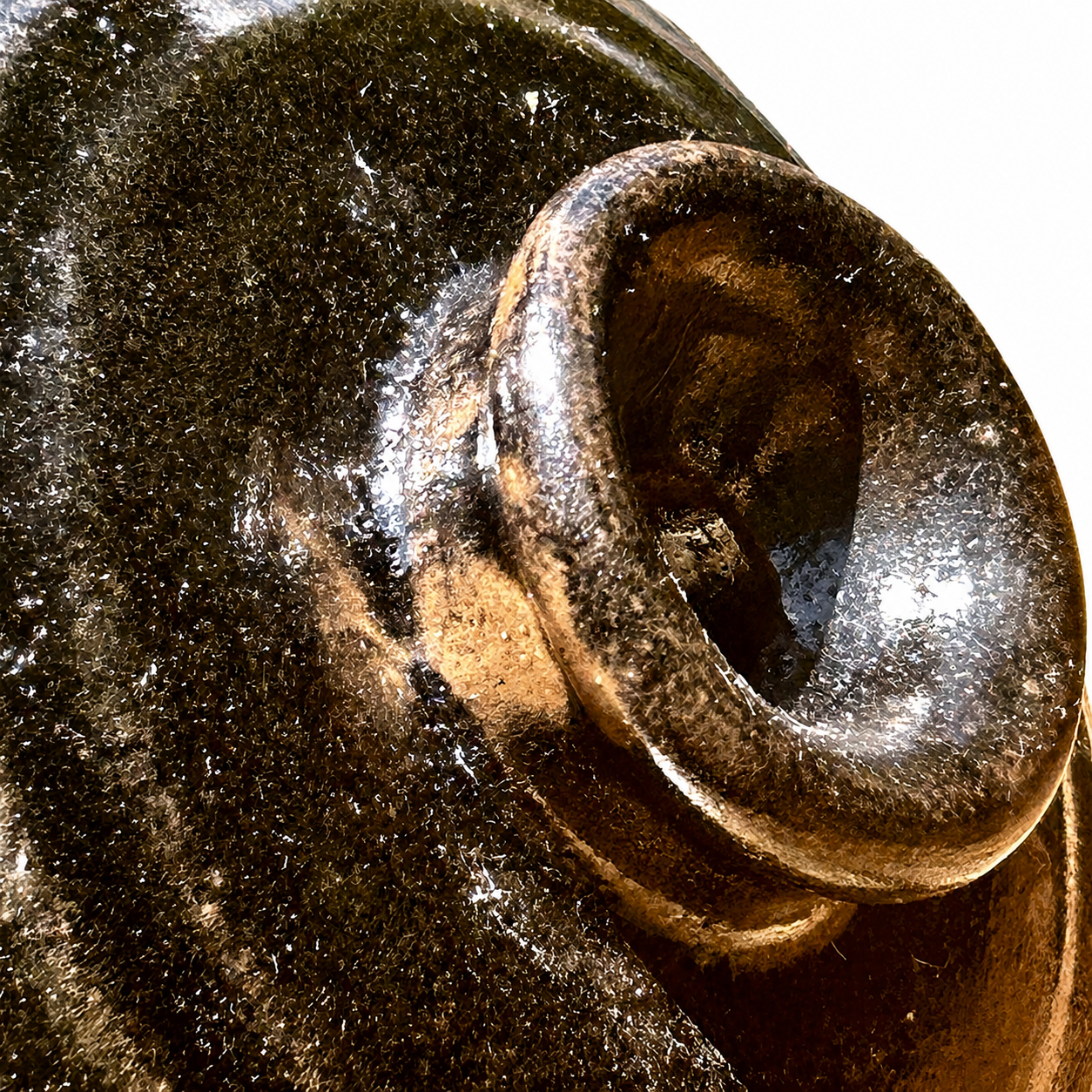
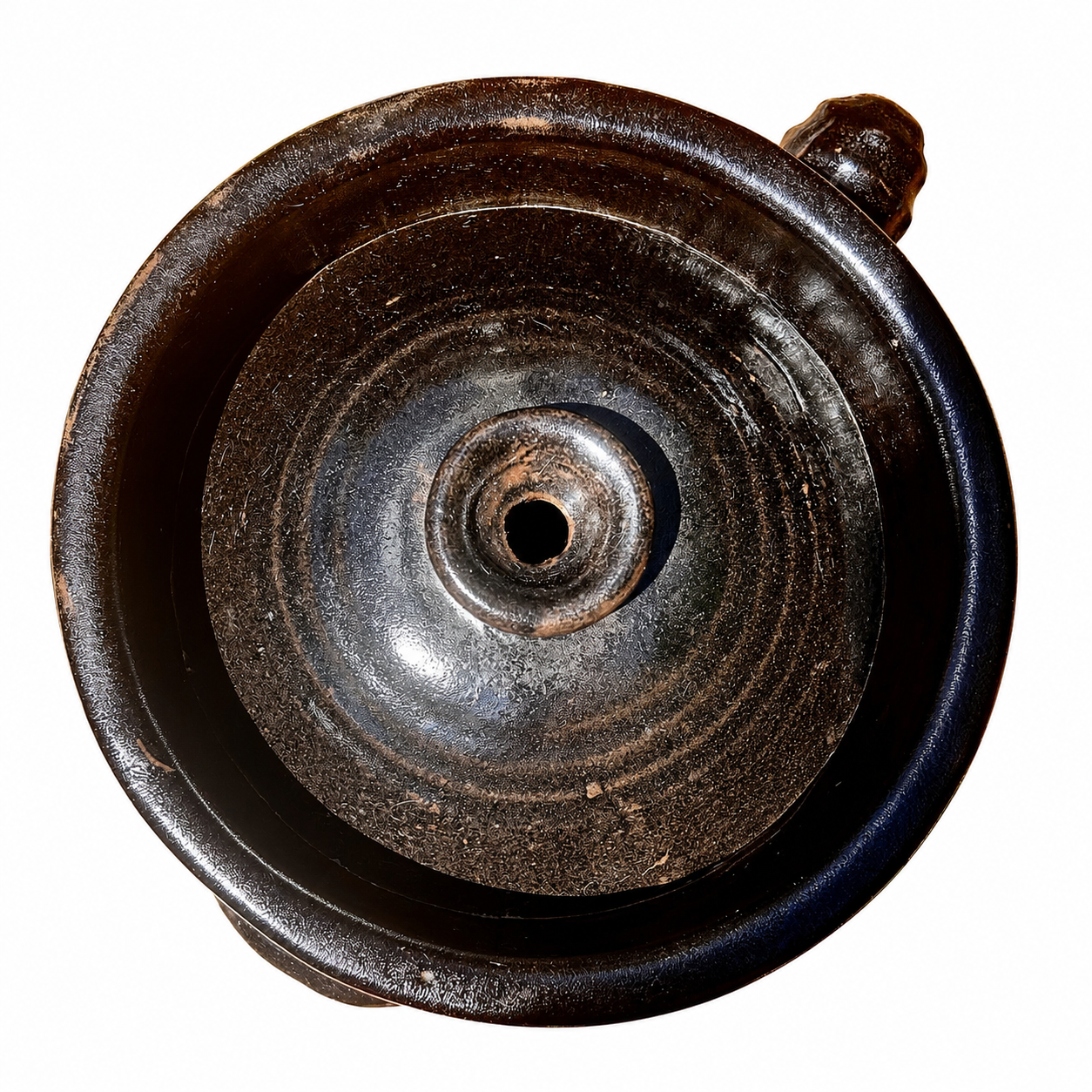
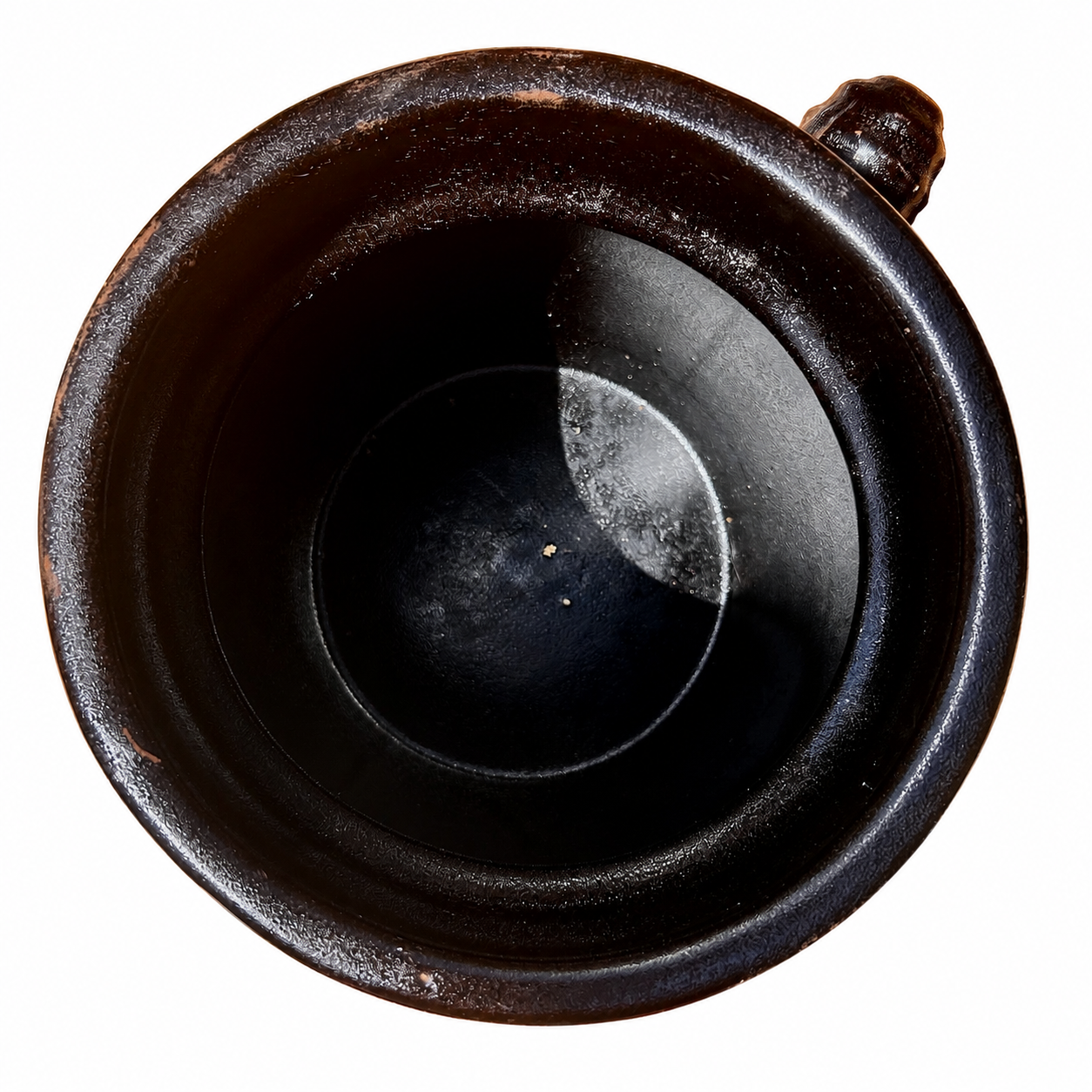
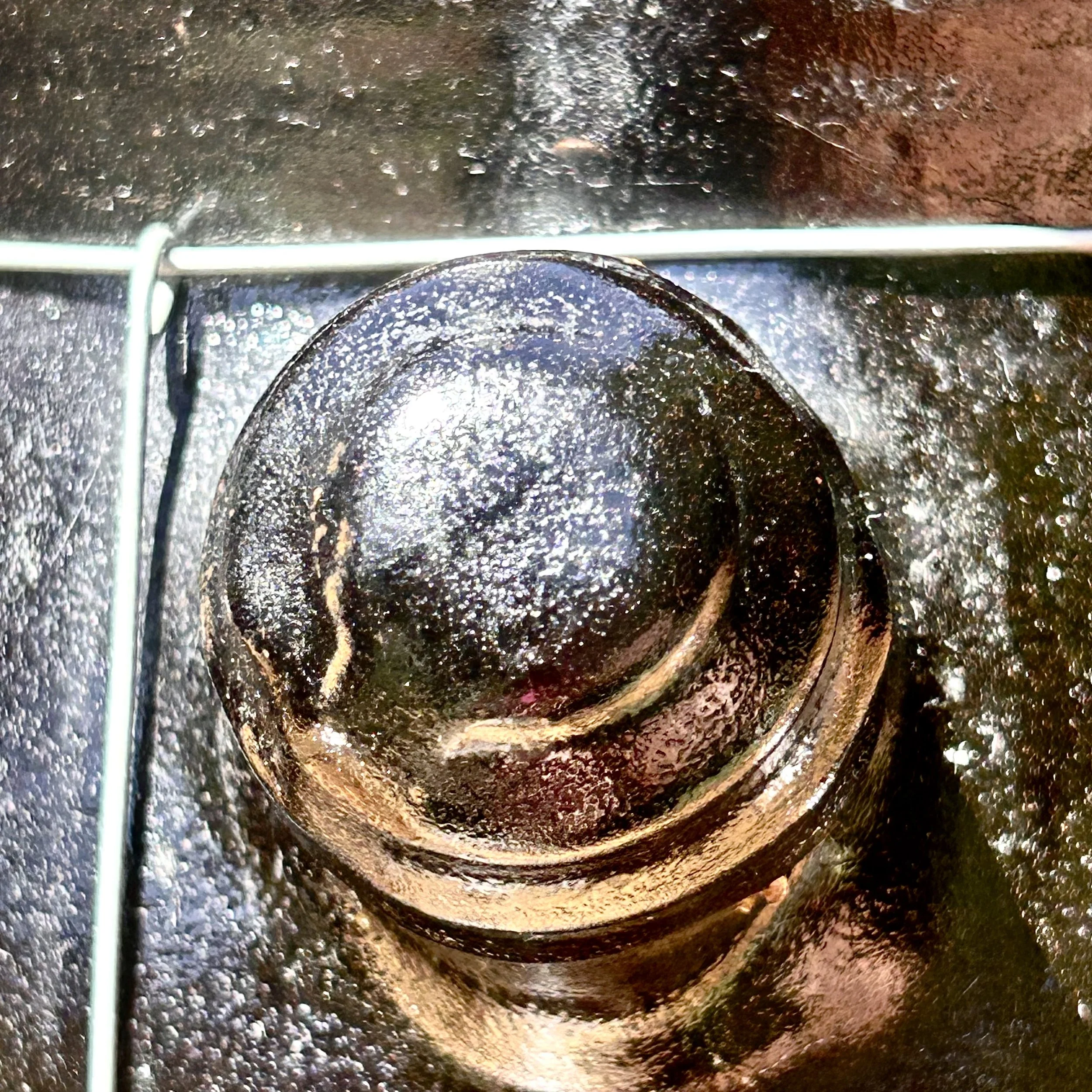
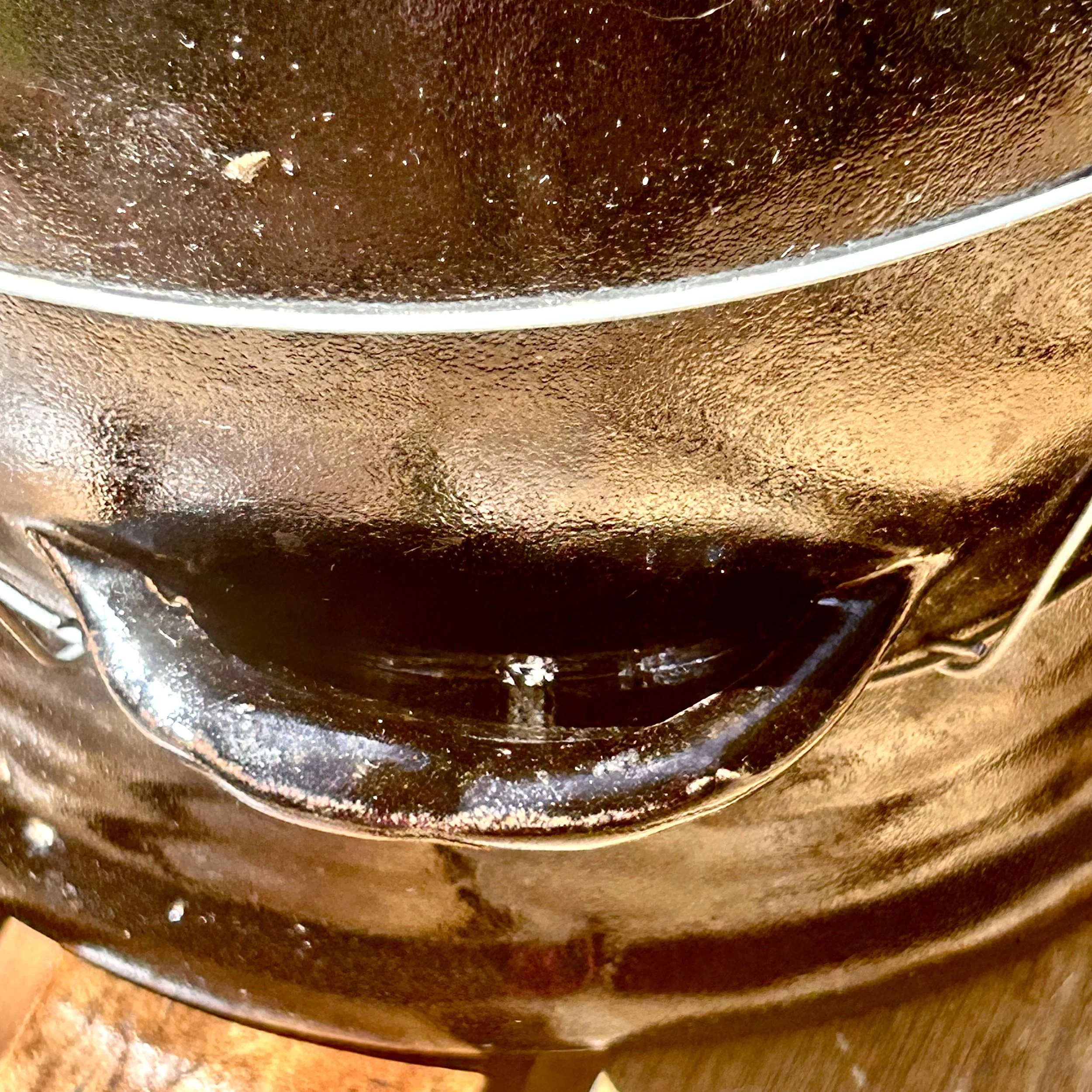
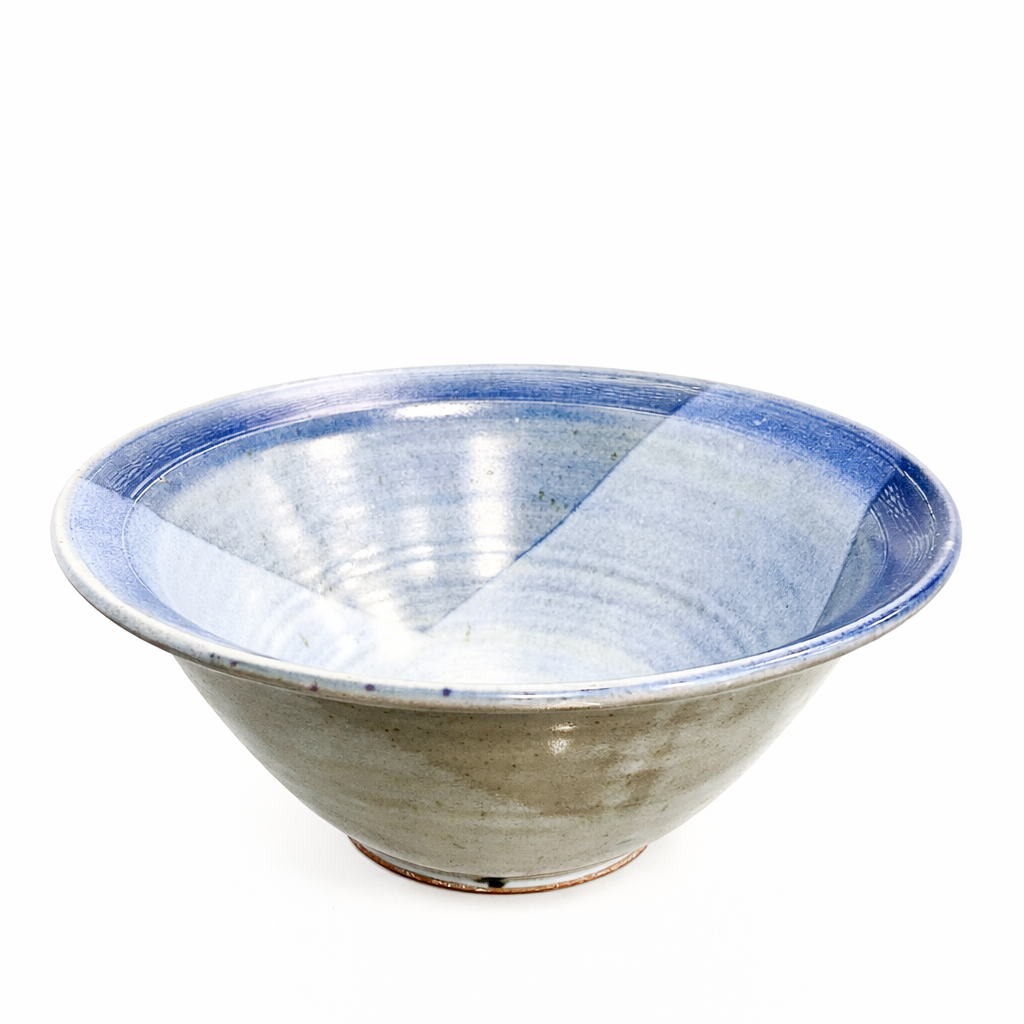
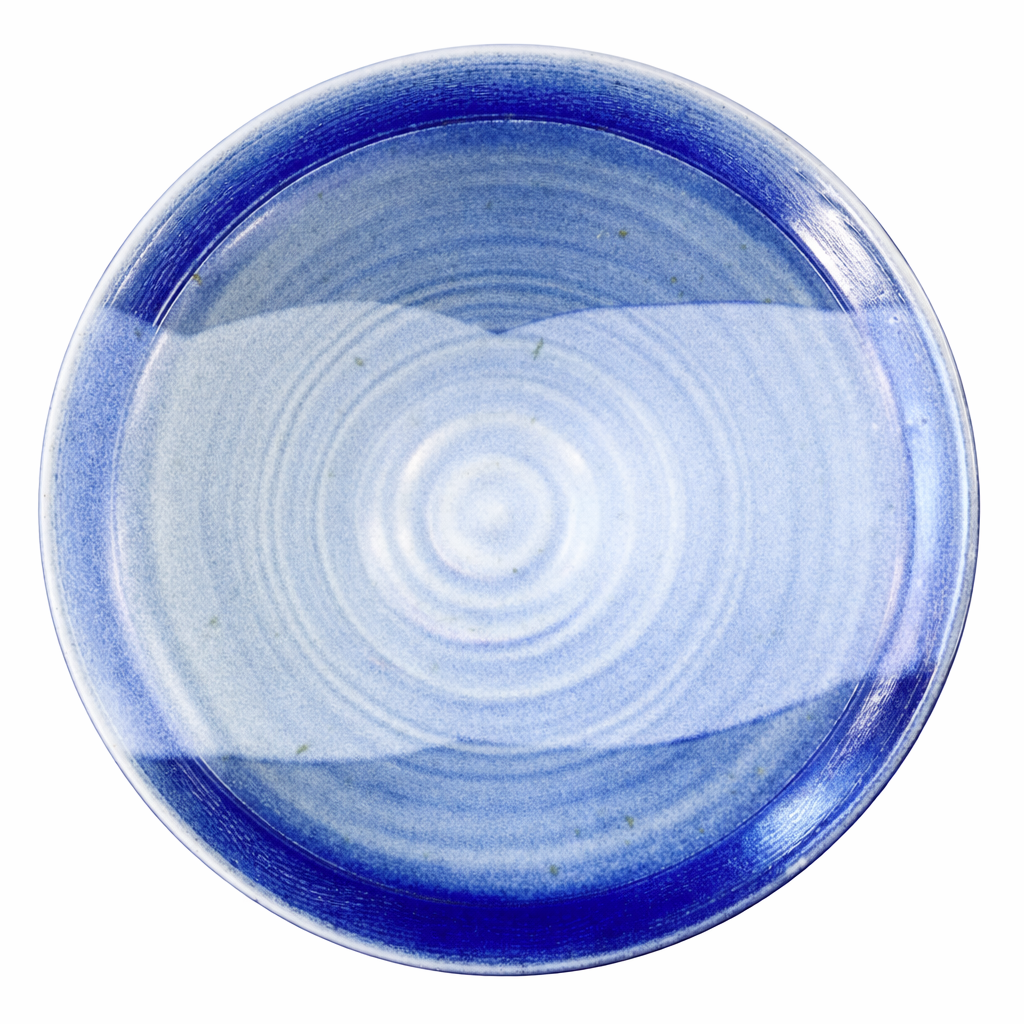
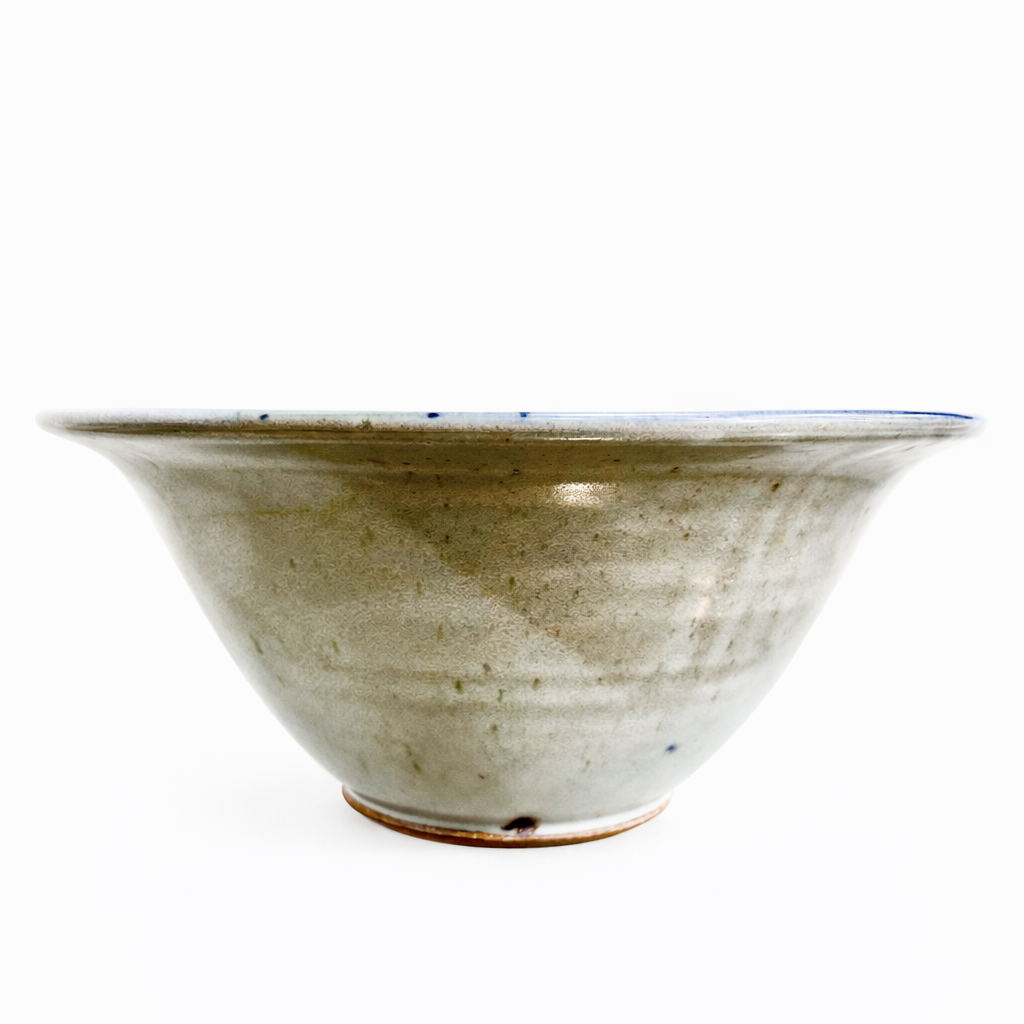
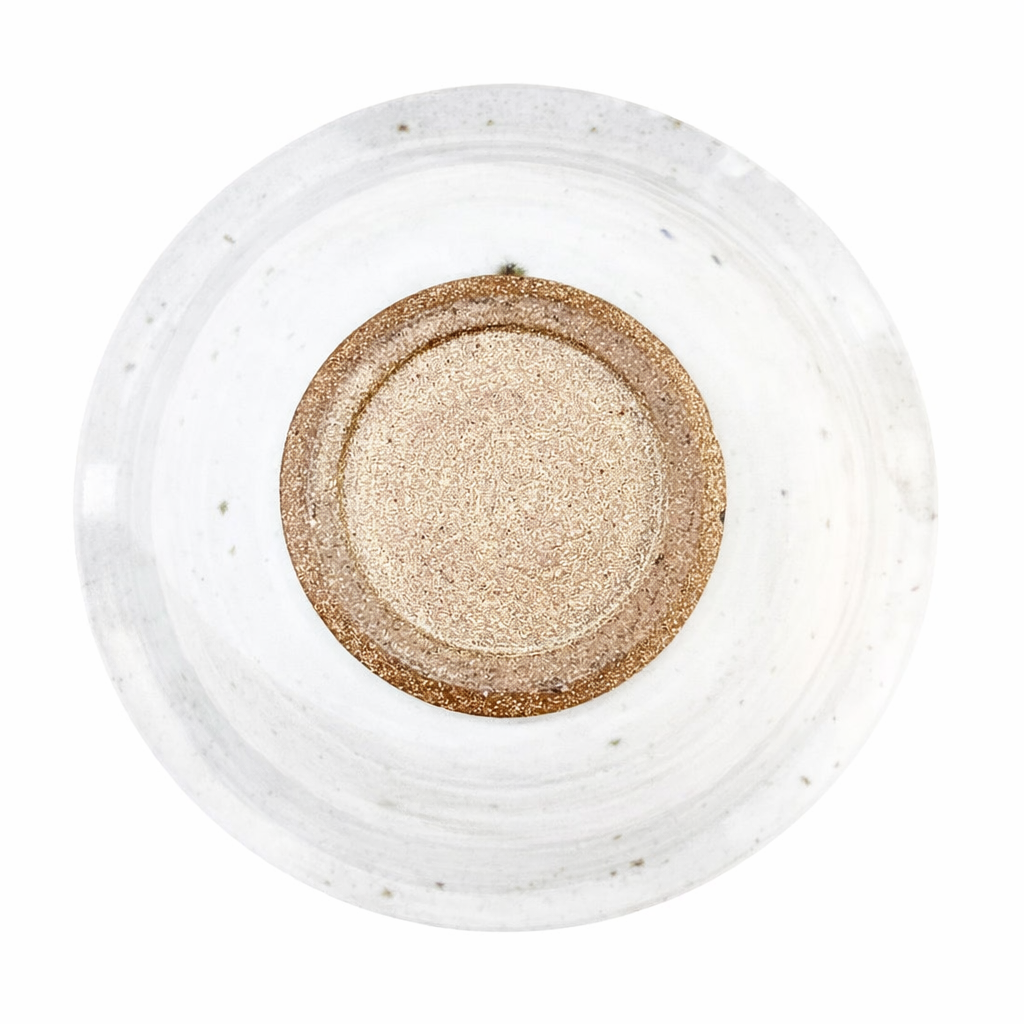
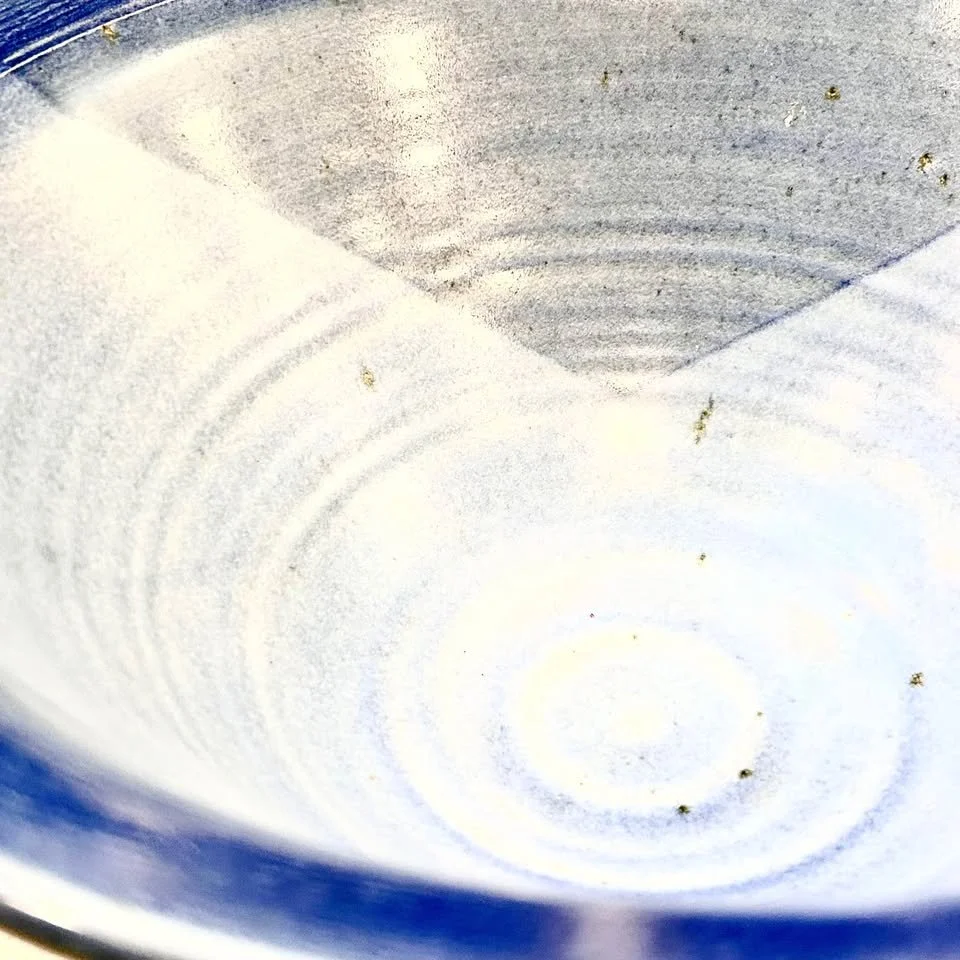
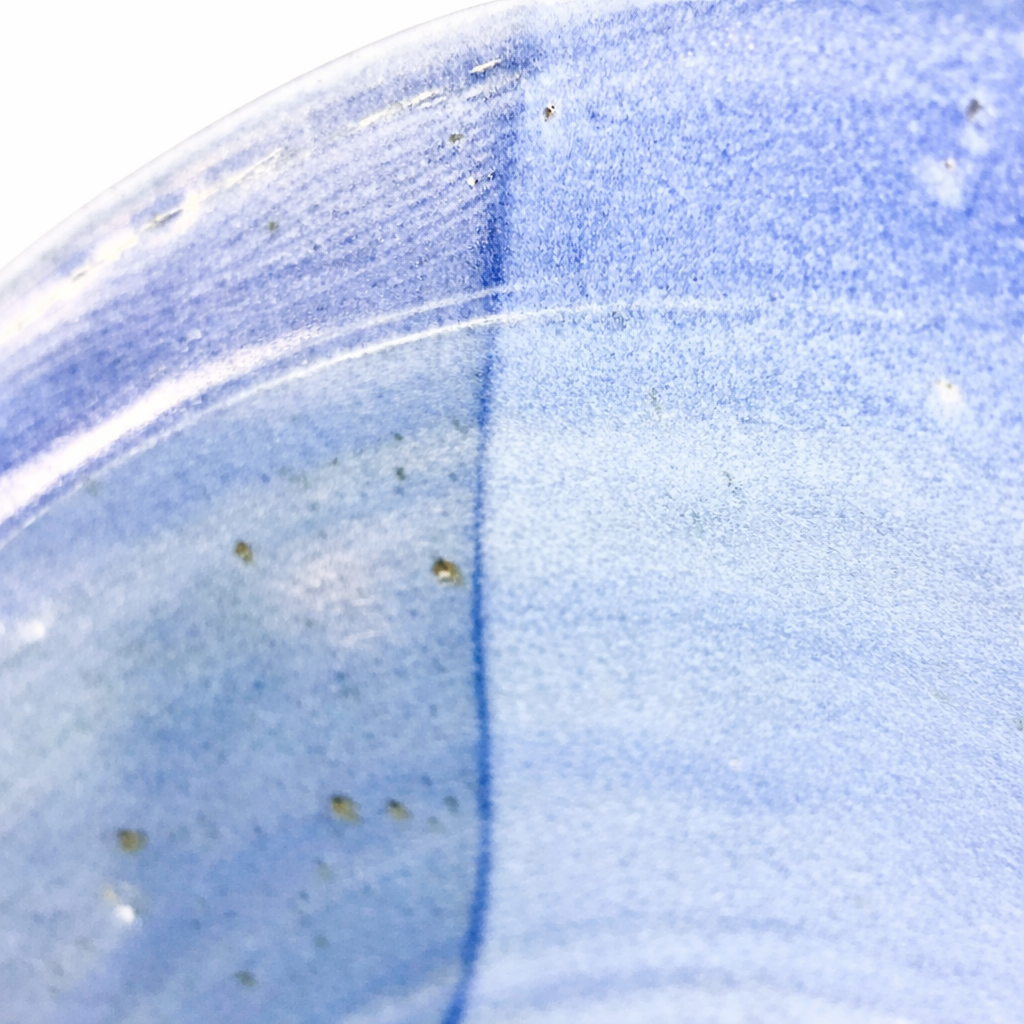
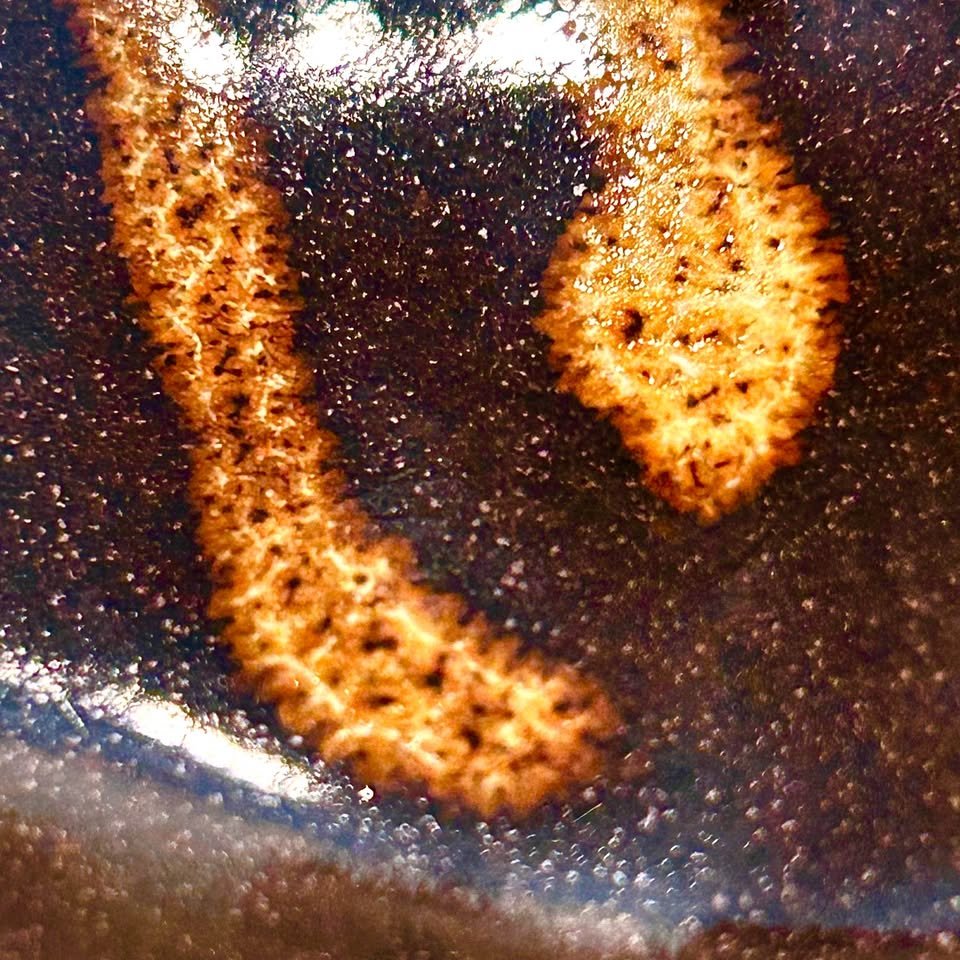
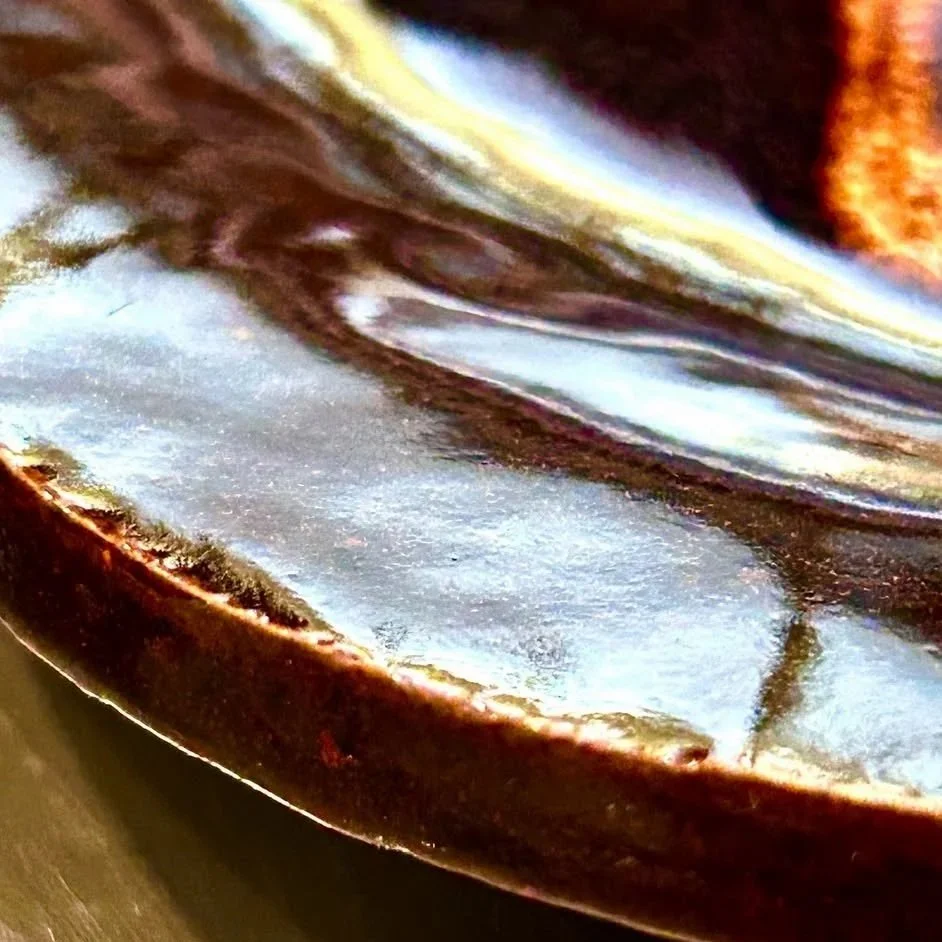
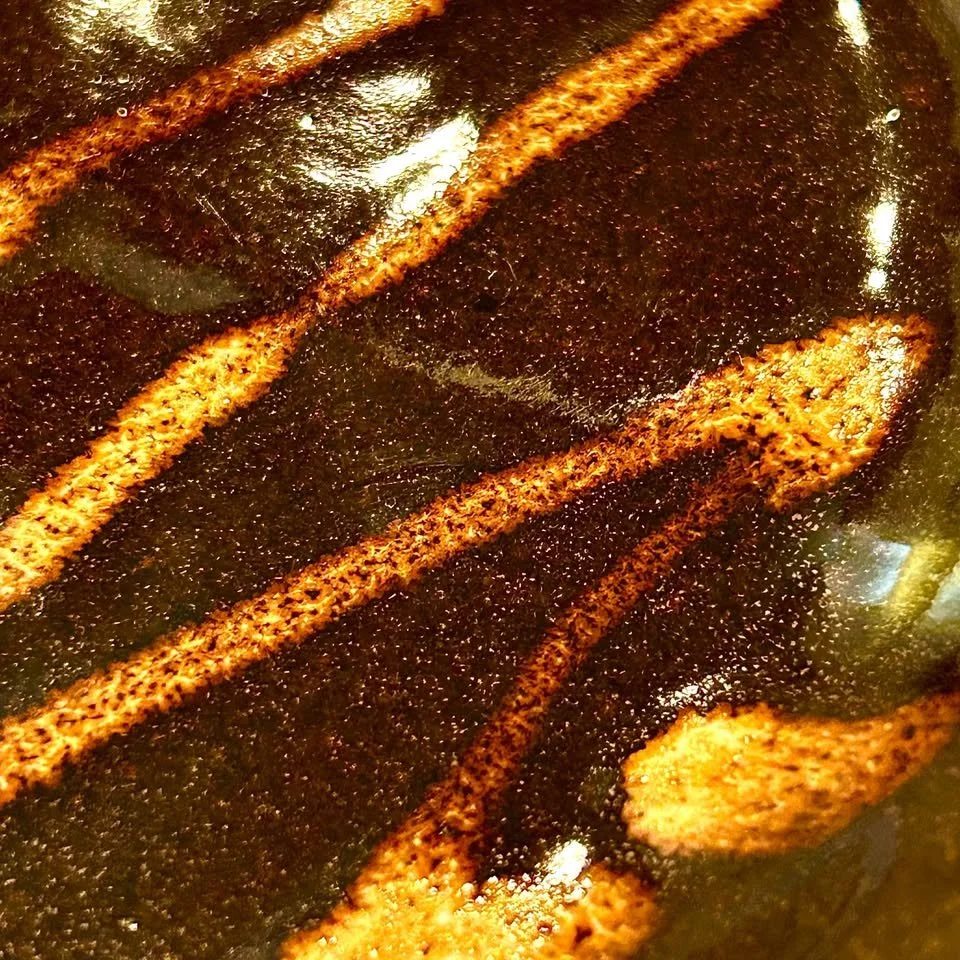
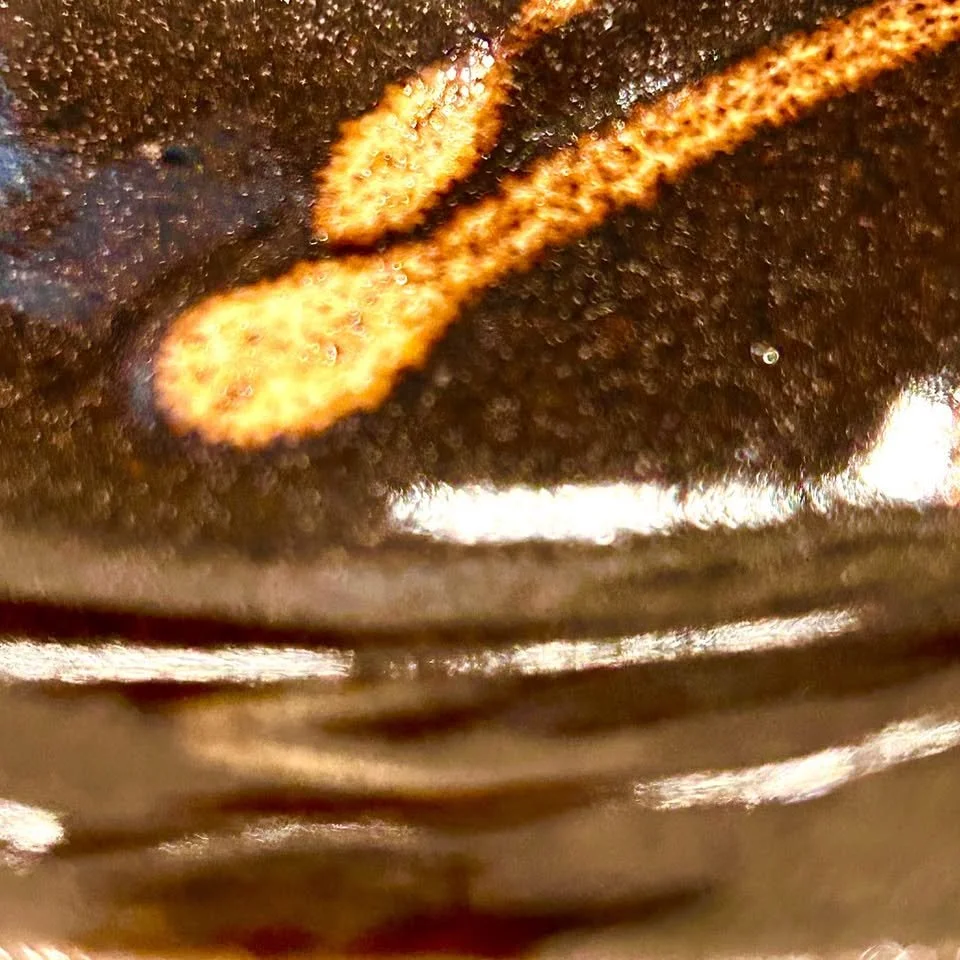
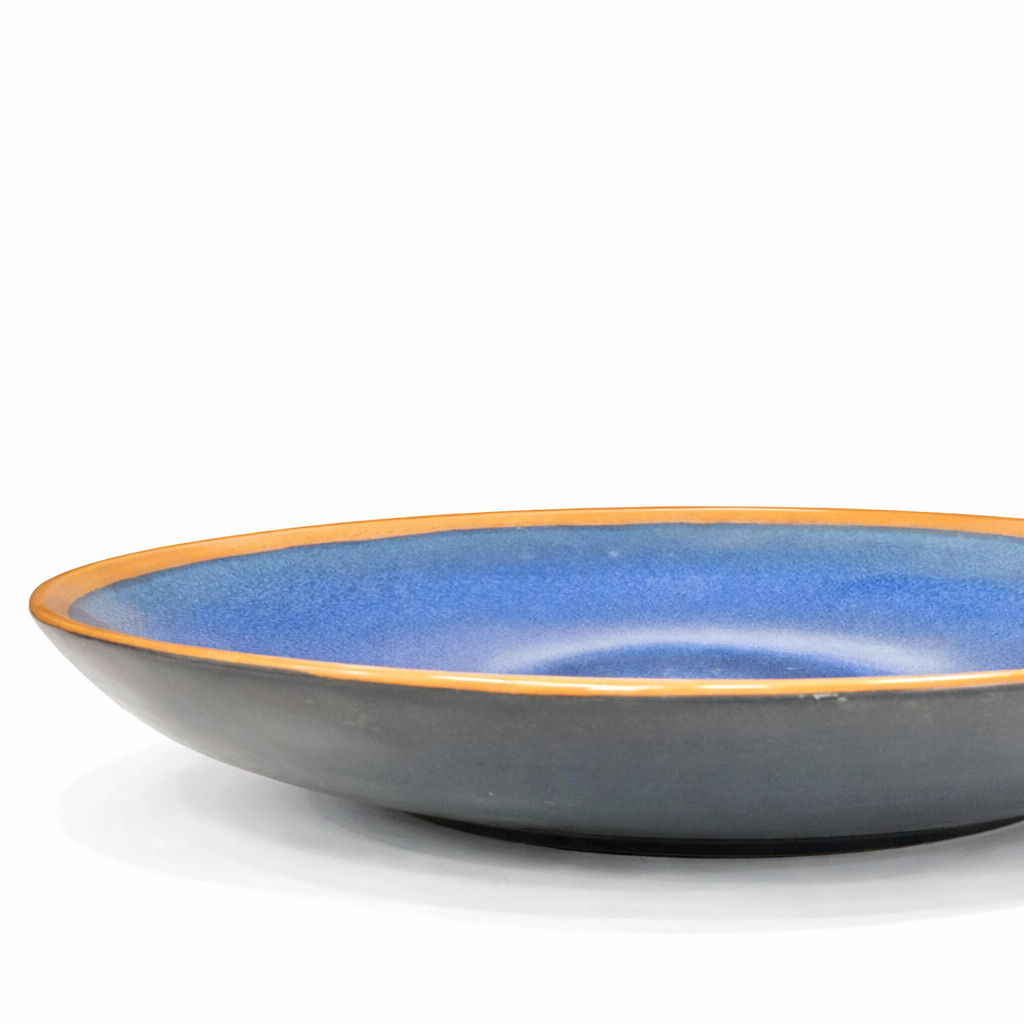
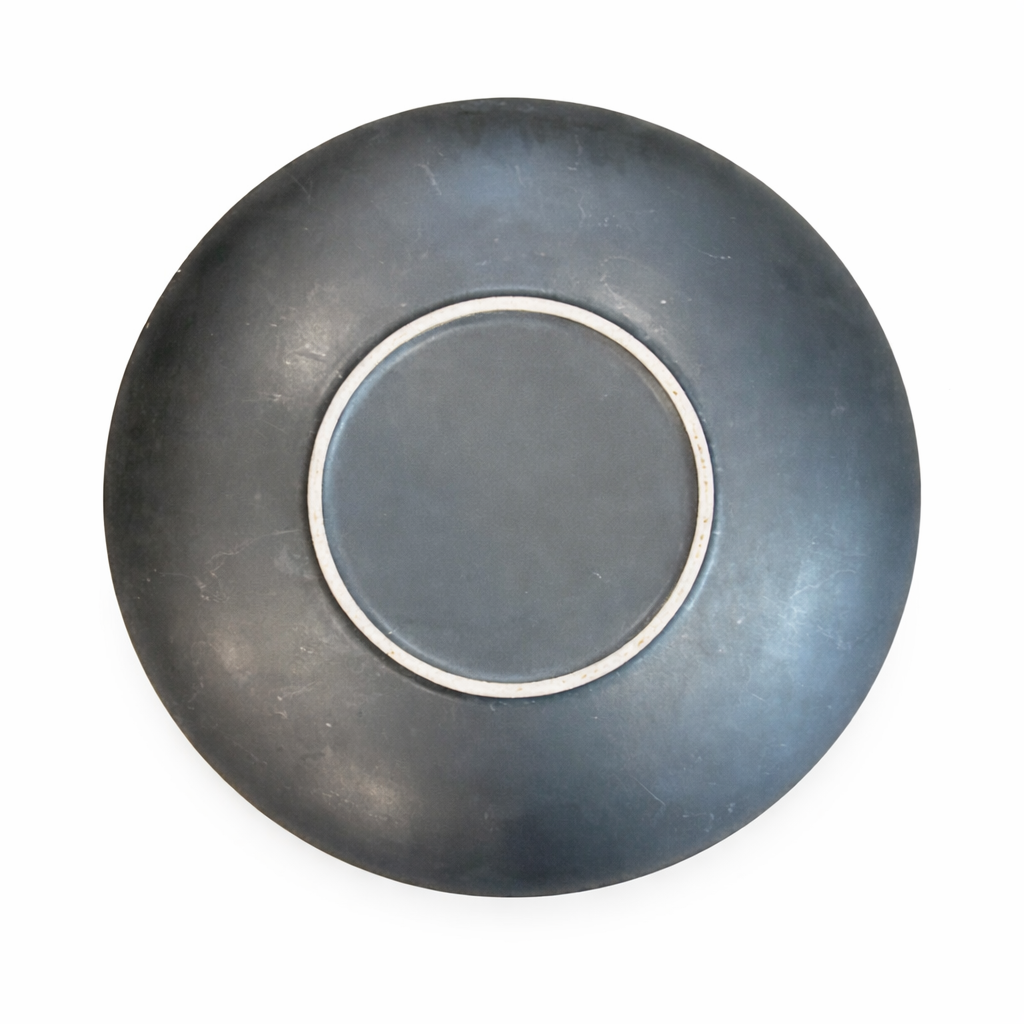
A striking mid-centurystyle studio pottery piece with a classic green drip glaze over a warm, speckled cream body. The formpart goblet, part small vasefeatures a thick rolled rim, a waisted midsection, and a ringed/turned foot that shows confident wheel work and a true handmade profile.
Why collectors like this look Drip and run glazes became especially sought-after in post-war studio and art pottery because they highlight kiln flow, gravity, and firing atmosphereno two come out the same. The deep green pooling and banding here has strong visual depth (especially around the rim and shoulder), giving it that high-impact display presence collectors chase.
Authenticity & Construction
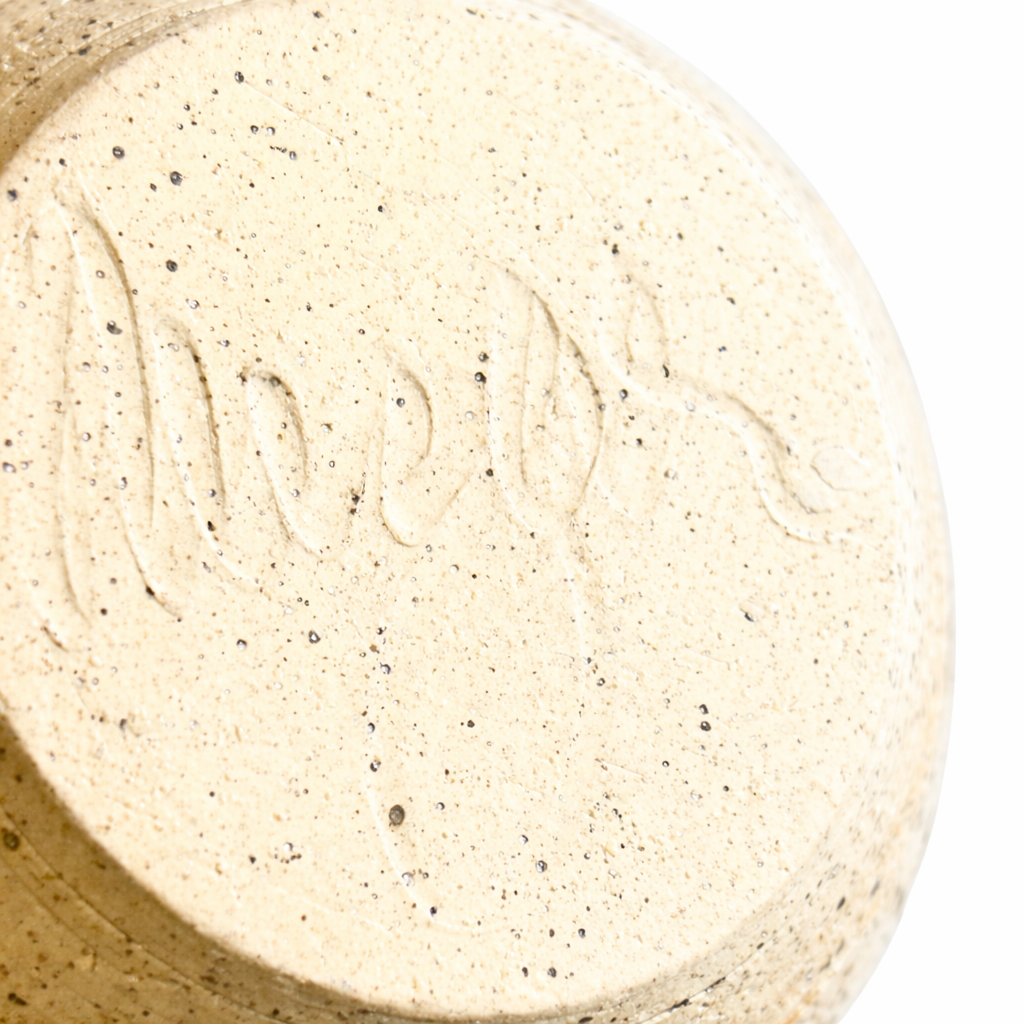
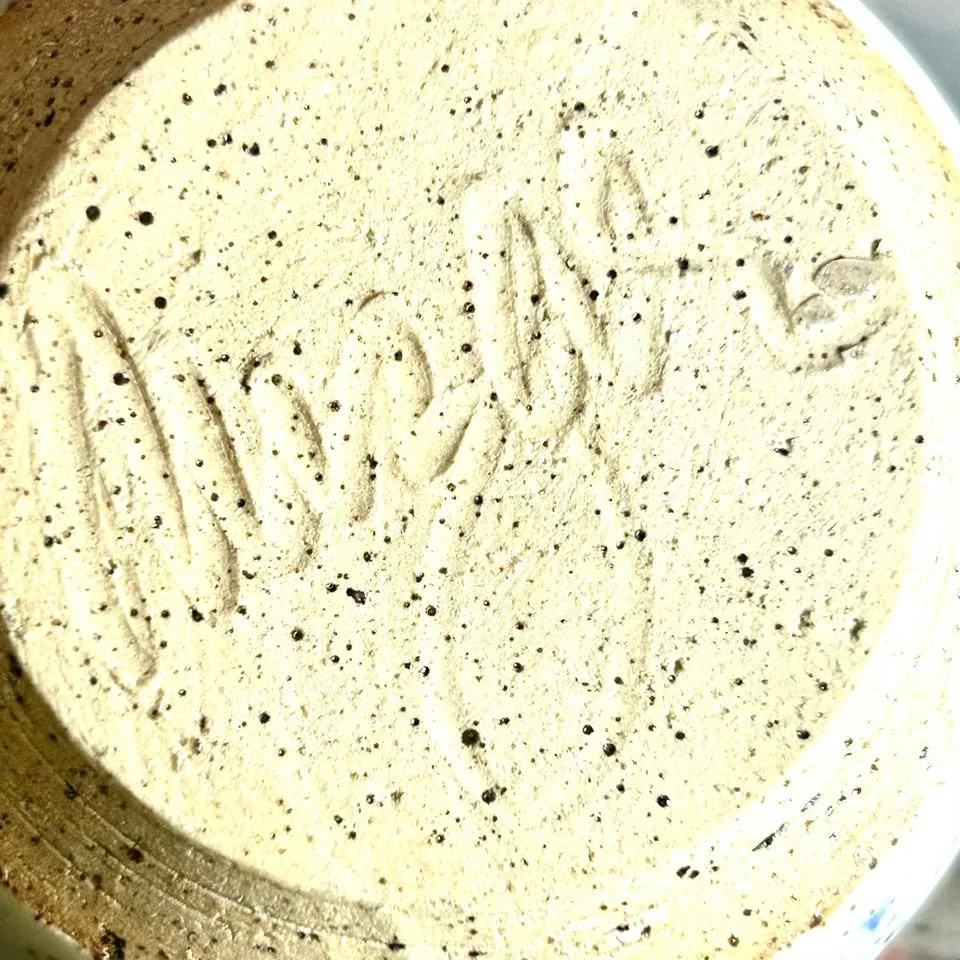
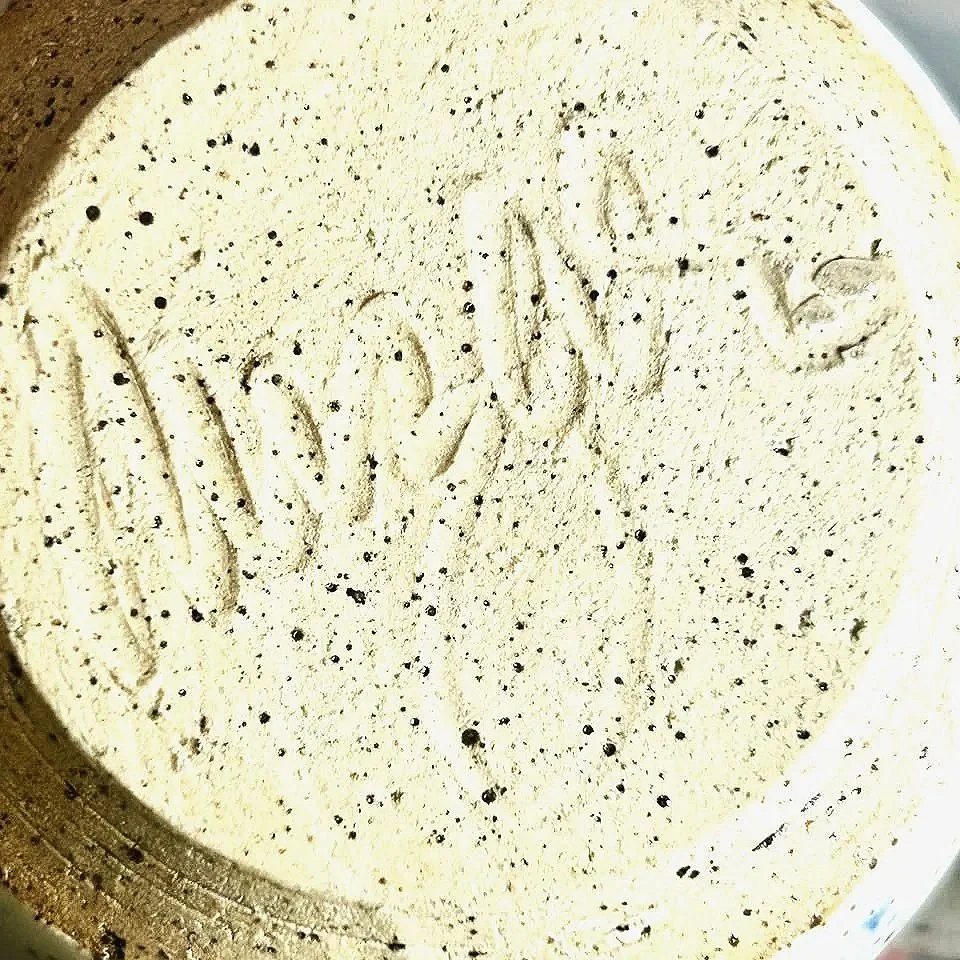
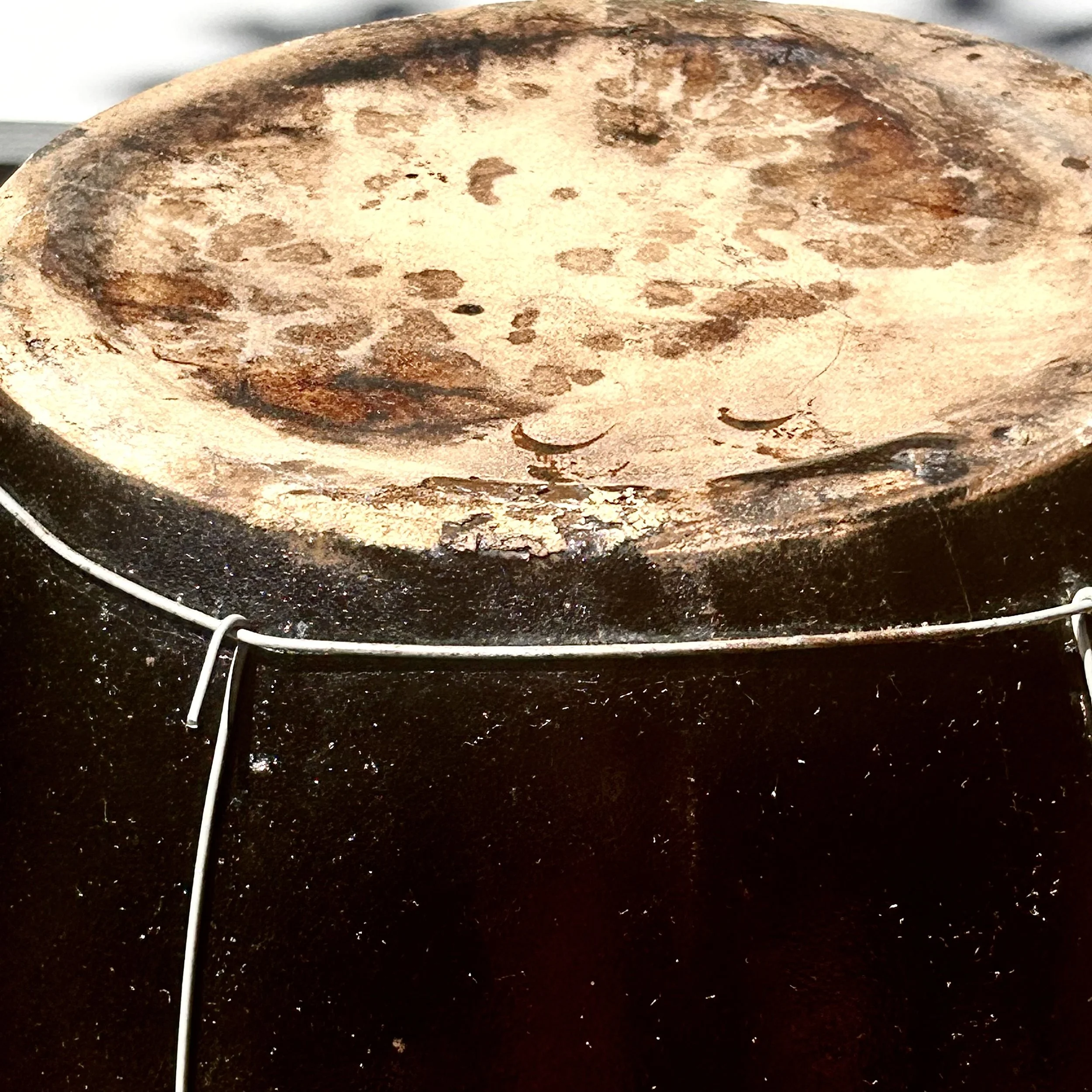
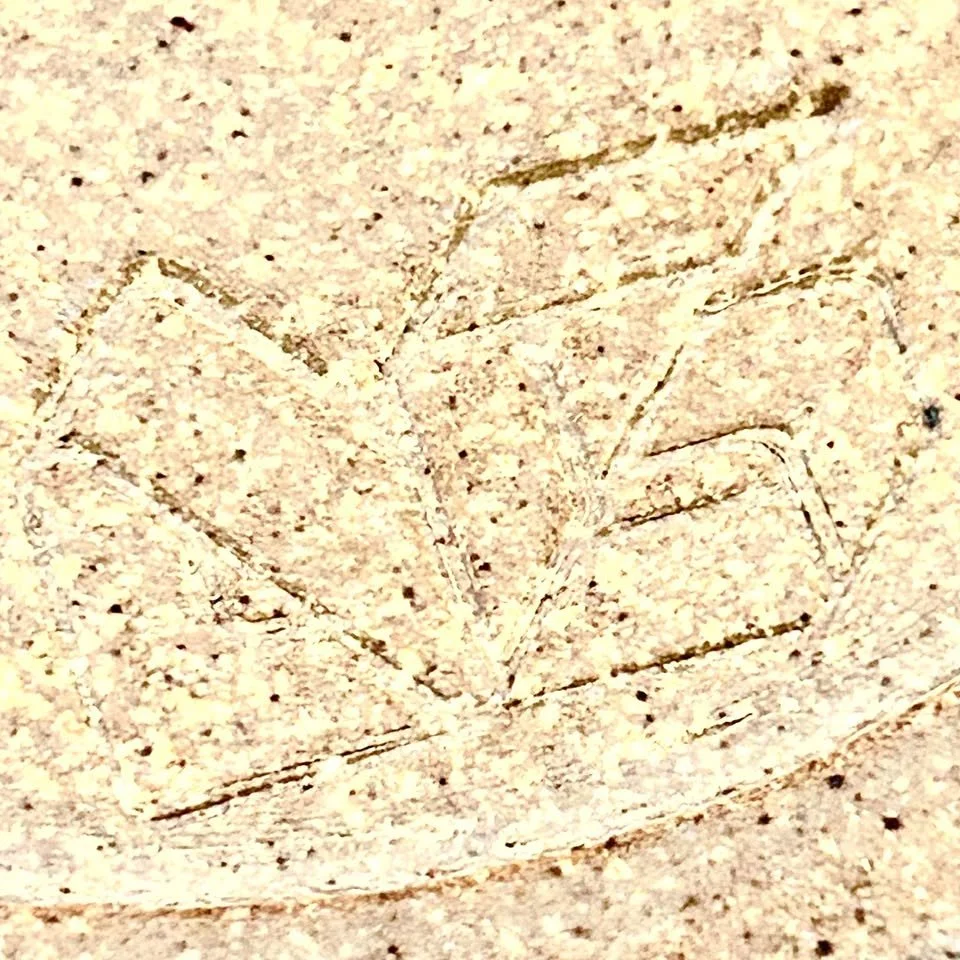
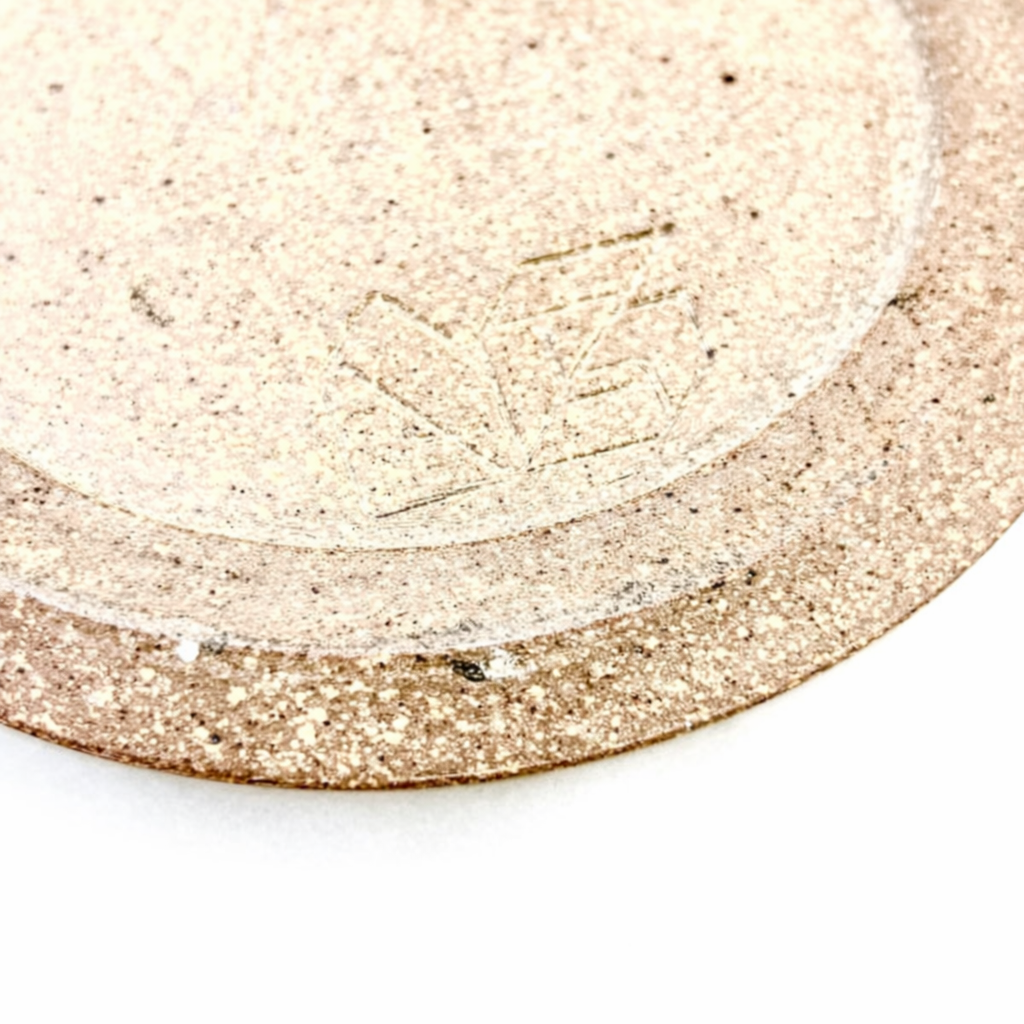
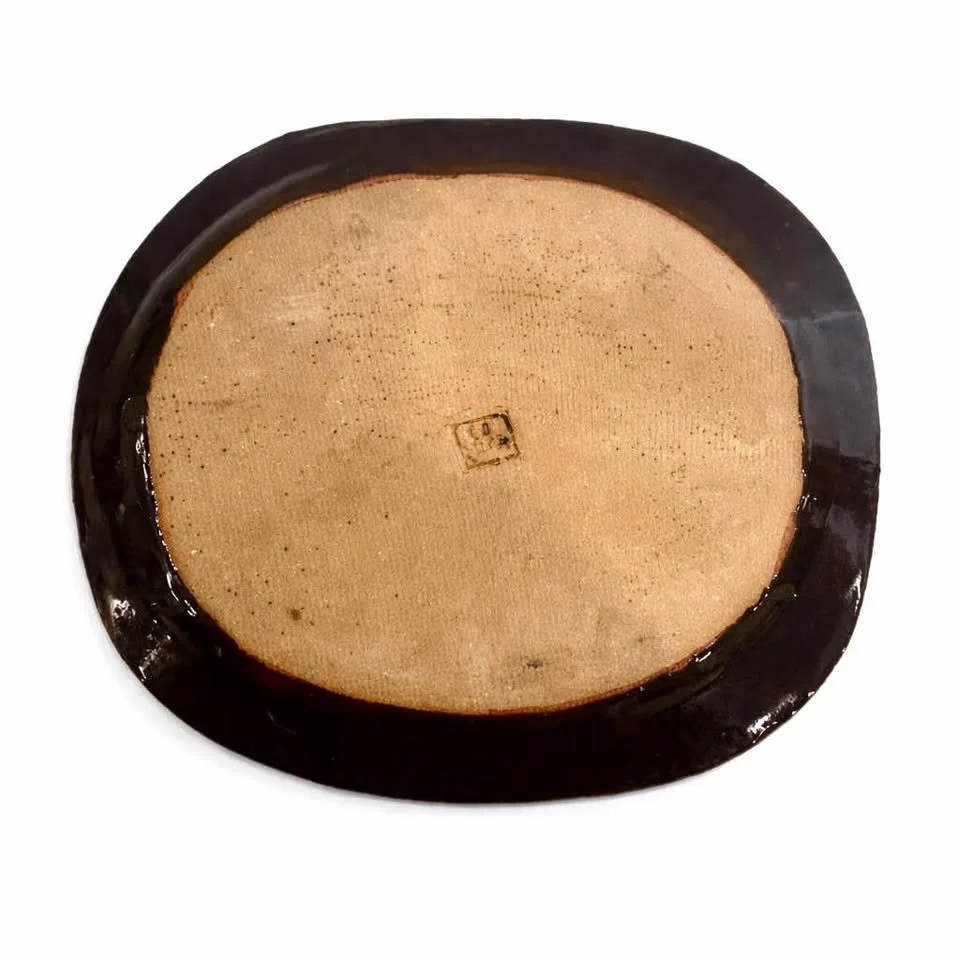
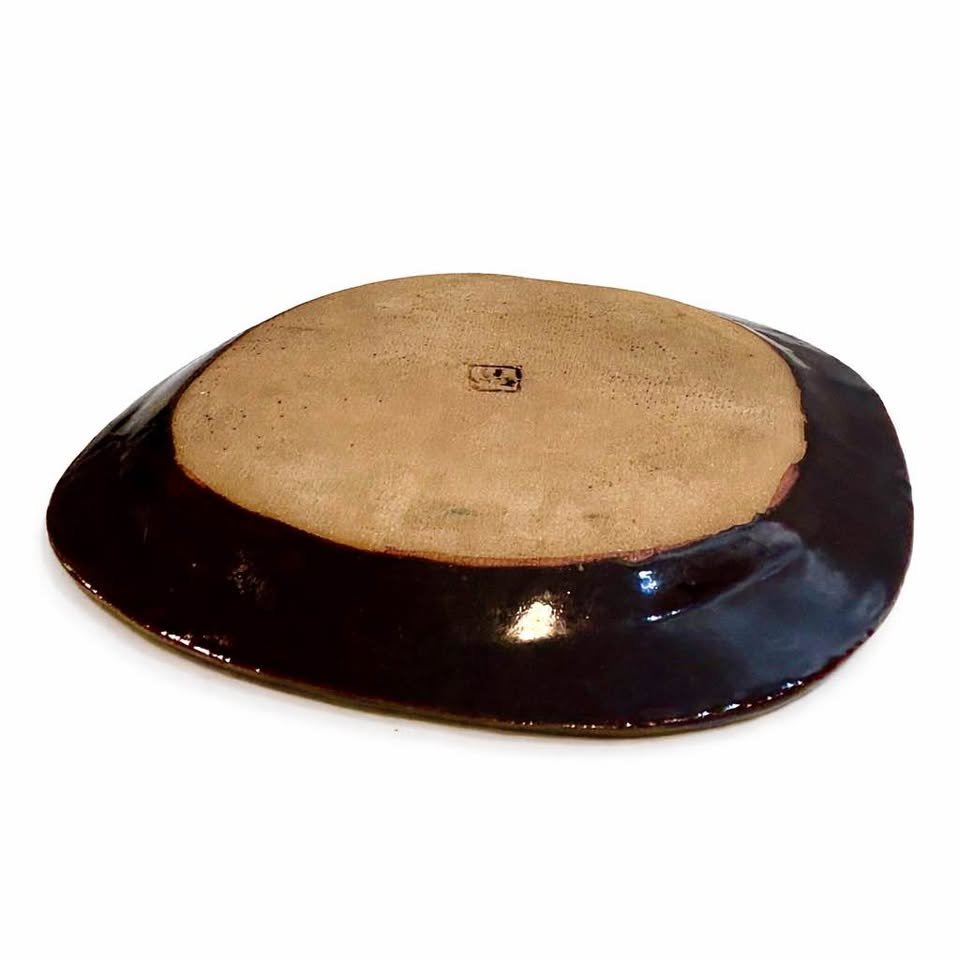
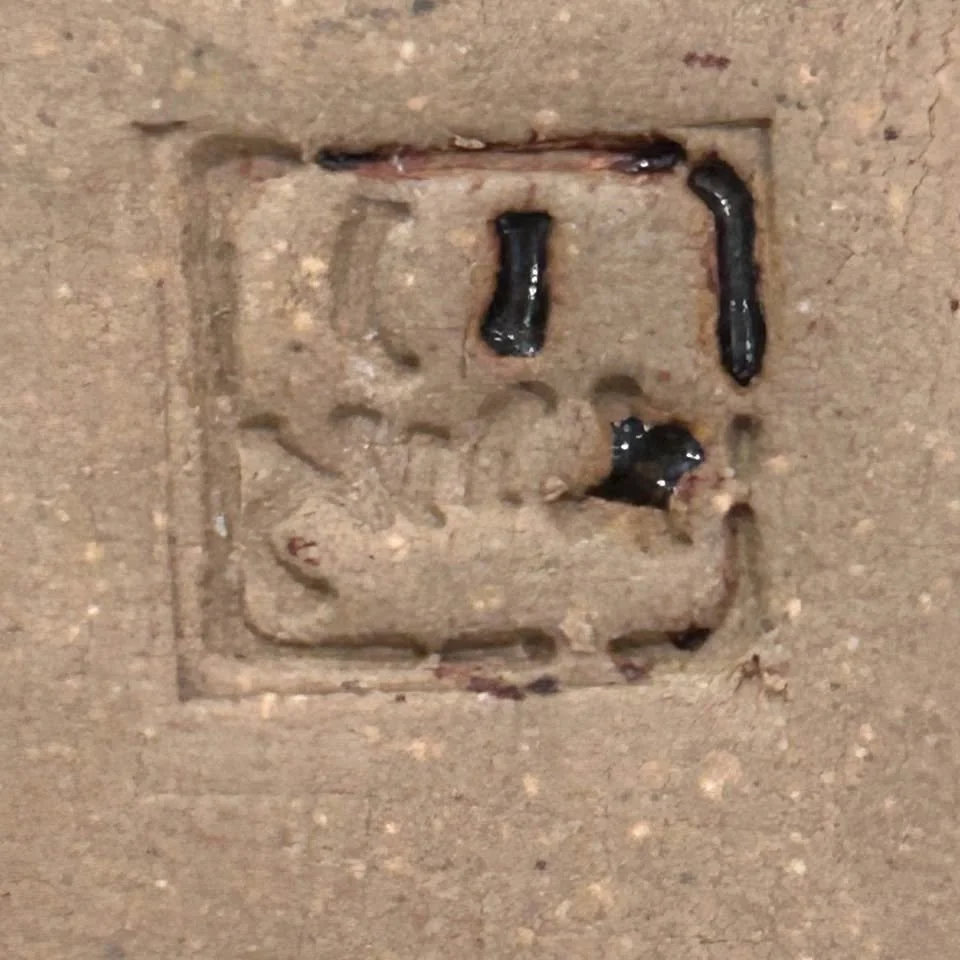
Country of origin (best-fit attribution) Canada (likely) This glaze palette and wheel-thrown studio form are consistent with Canadian studio/art pottery aesthetics popular in the 1960s1970s. Note: Theres no visible makers mark shown in your photos; without a stamp/signature, origin is an informed attribution rather than a guarantee. Circa 19601979 (mid-century / late mid-century studio pottery era).
Dimensions & Weight
Condition
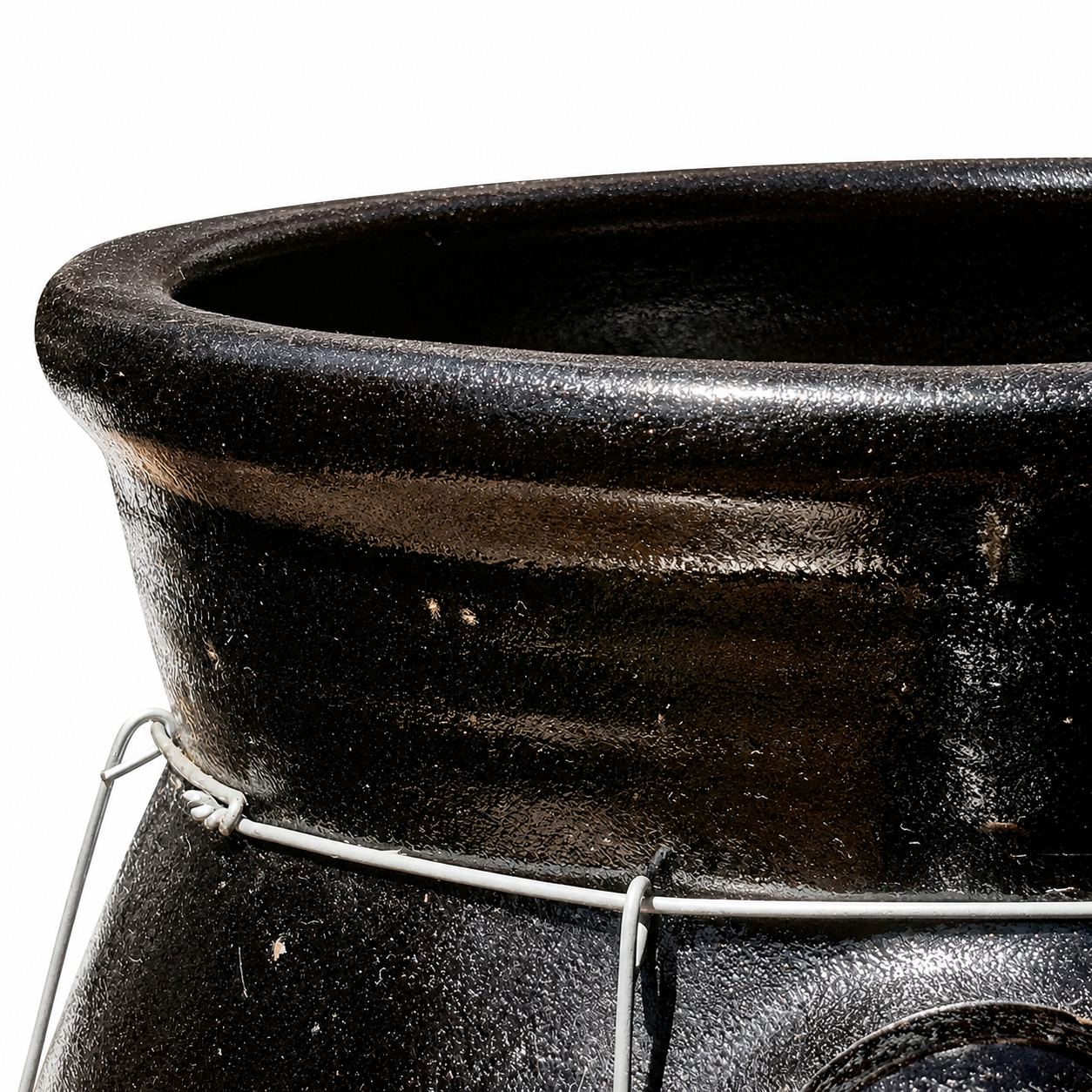
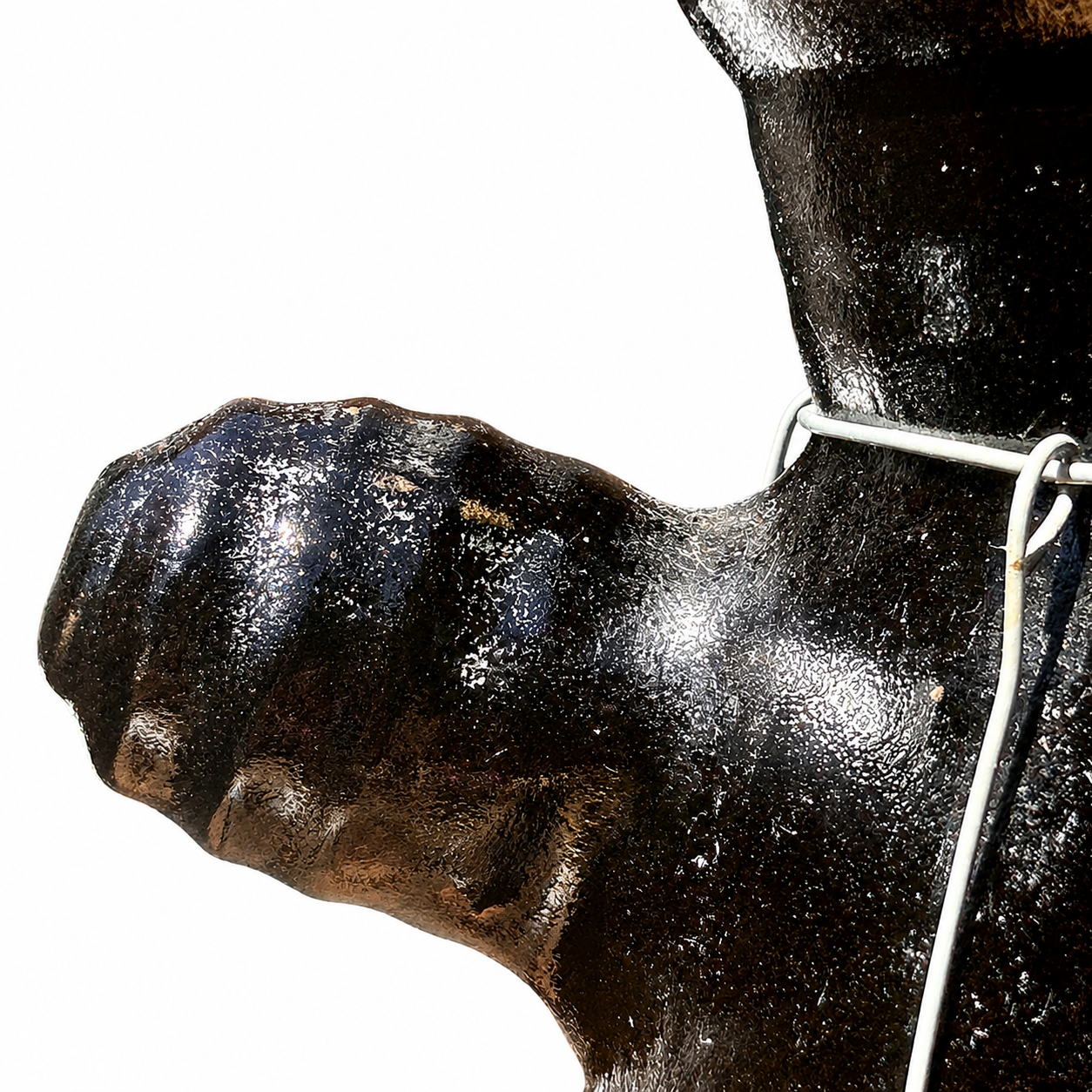
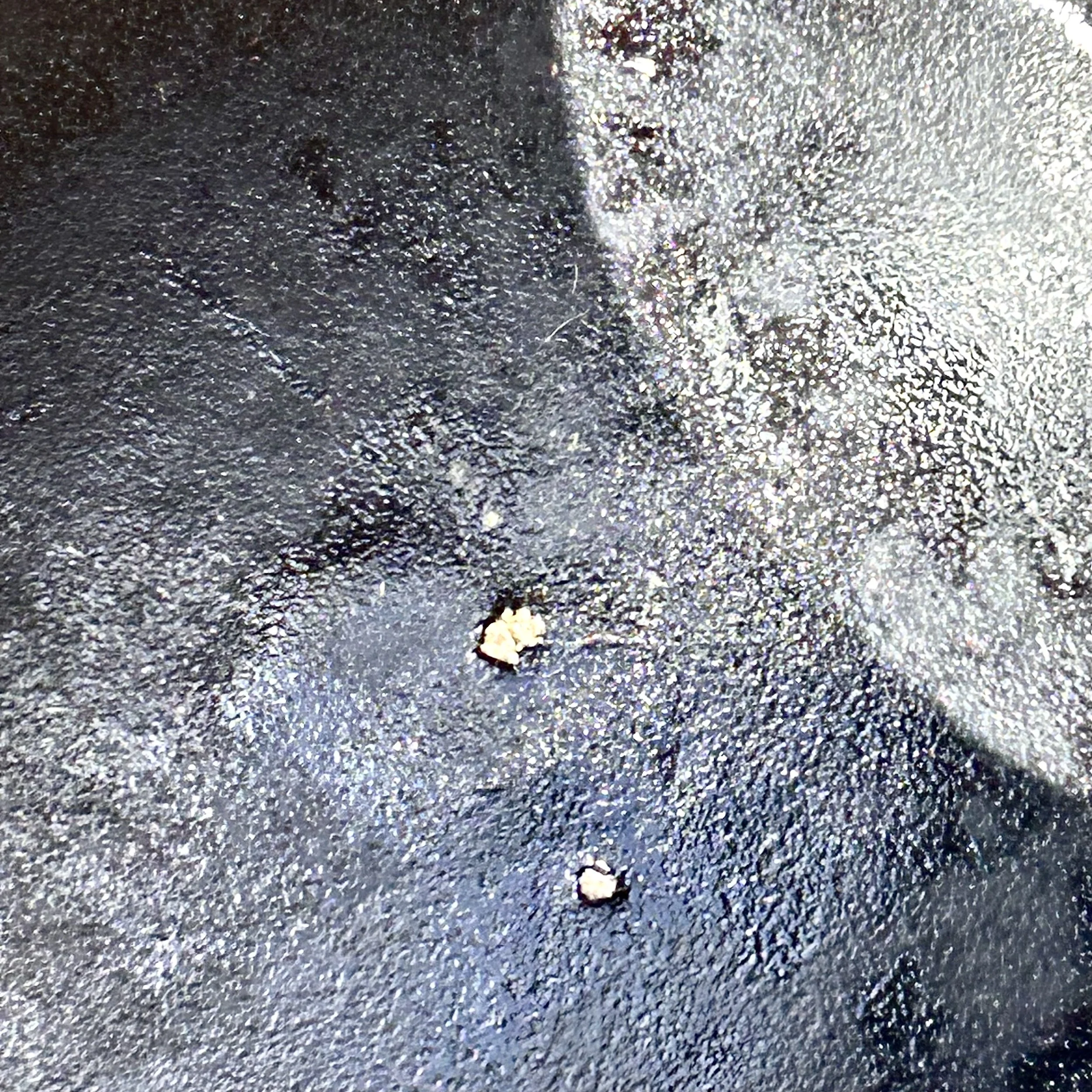
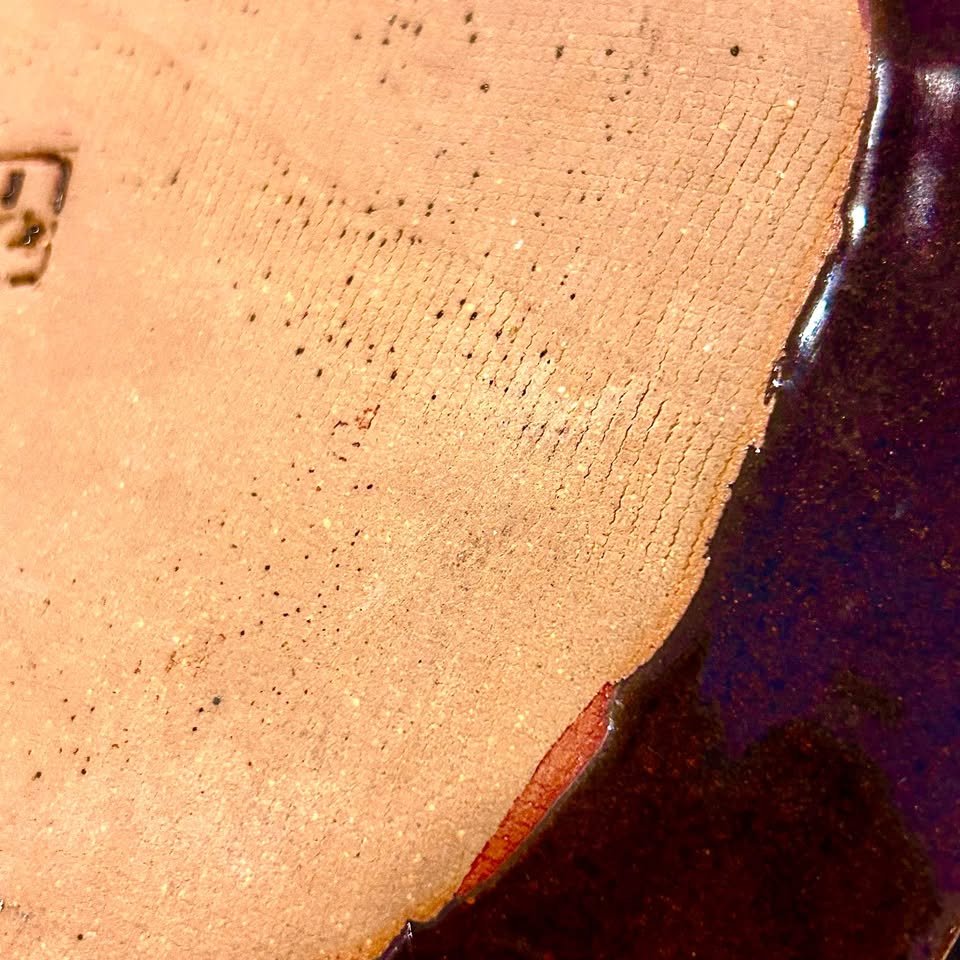
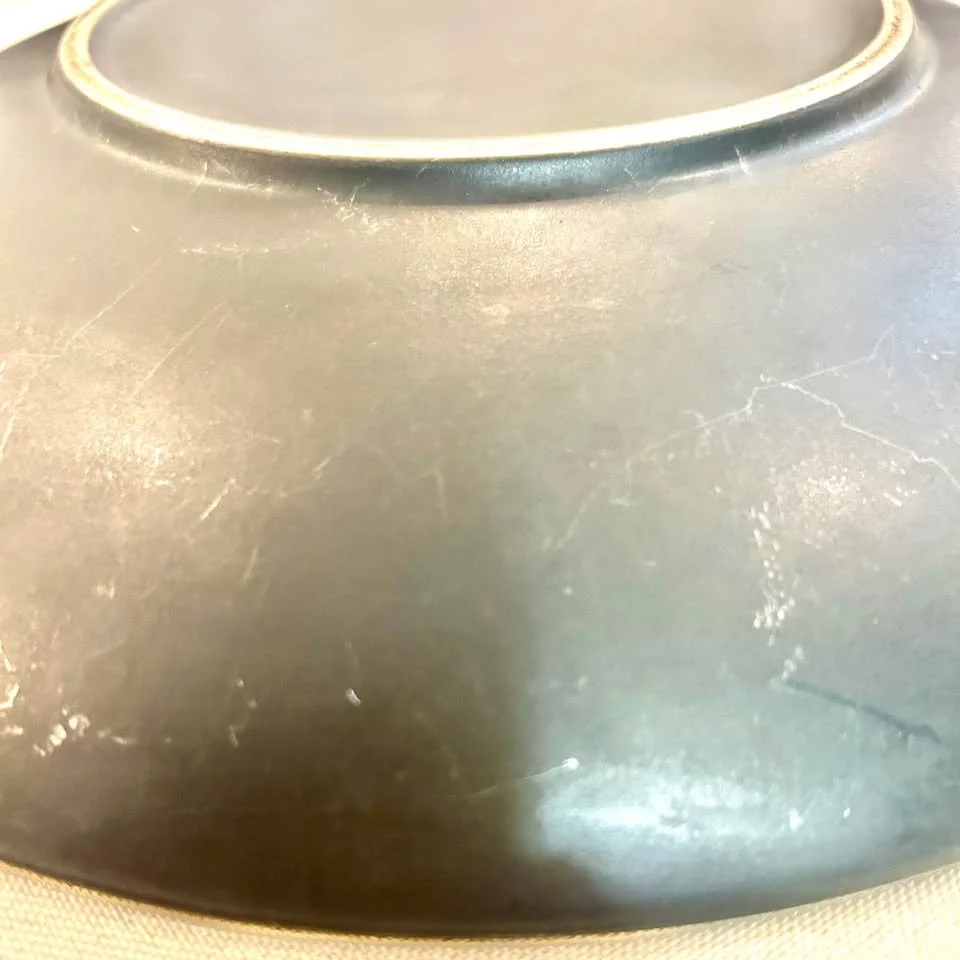
Appears glossy and well-kept with typical handmade character (minor surface speckling/ kiln freckles are normal for this clay/glaze type). No obvious chips or cracks visible in the images providedbuyers will still appreciate clear disclosure and close-up photos of rim and base.
STANDARD ATTRIBUTION & VALUE DISCLOSURE; This piece is described to the best of current scholarly and market knowledge. Any maker or regional attribution is based on visual analysis, materials, construction techniques, and documented stylistic comparisons. As with many vintage and antique glass objects, definitive attribution may not be possible without original labels or factory records. Pricing reflects condition, quality, decorative appeal, and current collector demand rather than a guaranteed maker identification.
A striking mid-centurystyle studio pottery piece with a classic green drip glaze over a warm, speckled cream body. The formpart goblet, part small vasefeatures a thick rolled rim, a waisted midsection, and a ringed/turned foot that shows confident wheel work and a true handmade profile.
Why collectors like this look Drip and run glazes became especially sought-after in post-war studio and art pottery because they highlight kiln flow, gravity, and firing atmosphereno two come out the same. The deep green pooling and banding here has strong visual depth (especially around the rim and shoulder), giving it that high-impact display presence collectors chase.
Authenticity & Construction
Country of origin (best-fit attribution) Canada (likely) This glaze palette and wheel-thrown studio form are consistent with Canadian studio/art pottery aesthetics popular in the 1960s1970s. Note: Theres no visible makers mark shown in your photos; without a stamp/signature, origin is an informed attribution rather than a guarantee. Circa 19601979 (mid-century / late mid-century studio pottery era).
Dimensions & Weight
Condition
Appears glossy and well-kept with typical handmade character (minor surface speckling/ kiln freckles are normal for this clay/glaze type). No obvious chips or cracks visible in the images providedbuyers will still appreciate clear disclosure and close-up photos of rim and base.
STANDARD ATTRIBUTION & VALUE DISCLOSURE; This piece is described to the best of current scholarly and market knowledge. Any maker or regional attribution is based on visual analysis, materials, construction techniques, and documented stylistic comparisons. As with many vintage and antique glass objects, definitive attribution may not be possible without original labels or factory records. Pricing reflects condition, quality, decorative appeal, and current collector demand rather than a guaranteed maker identification.

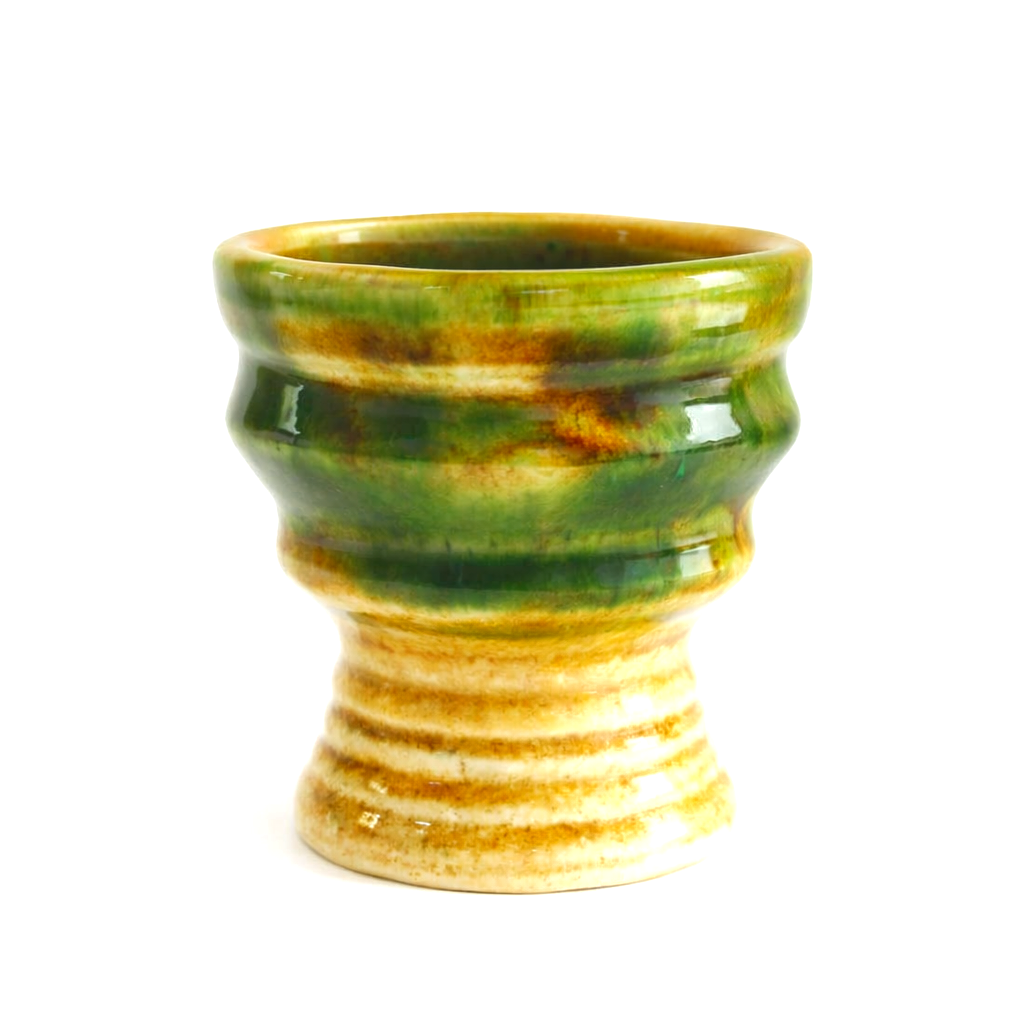 Image 1 of 11
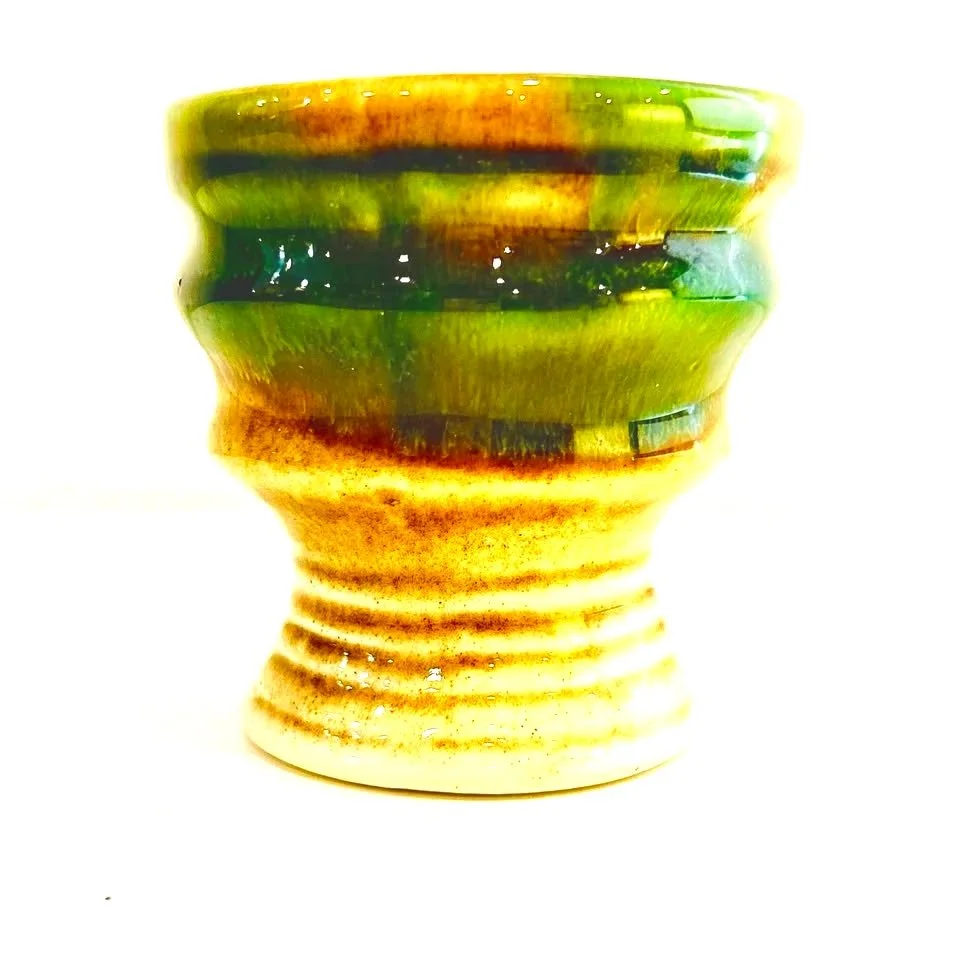 Image 2 of 11
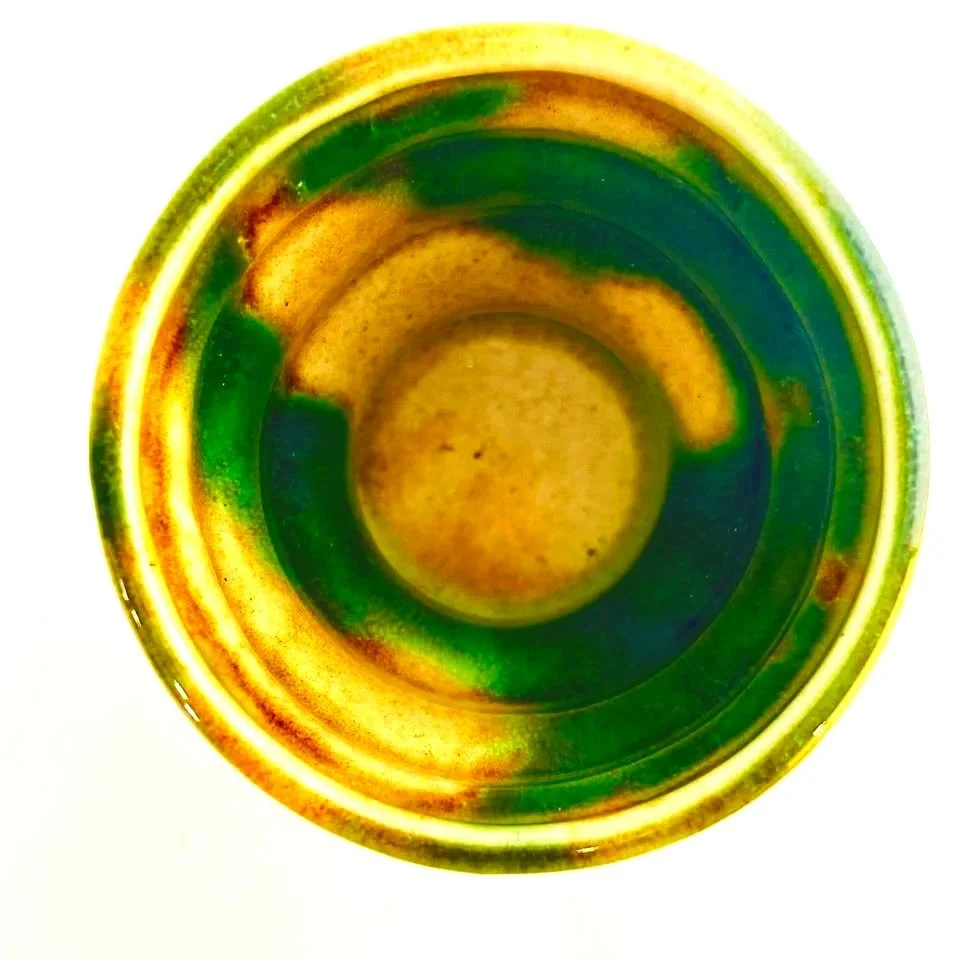 Image 3 of 11
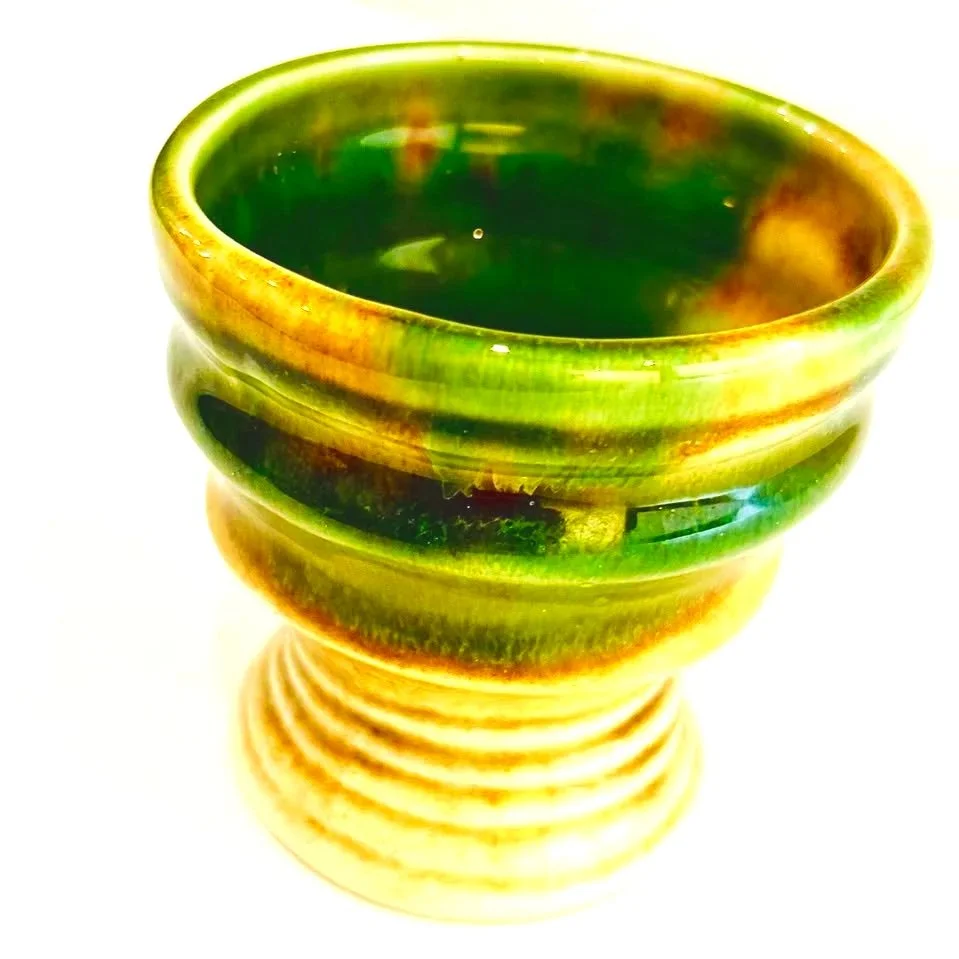 Image 4 of 11
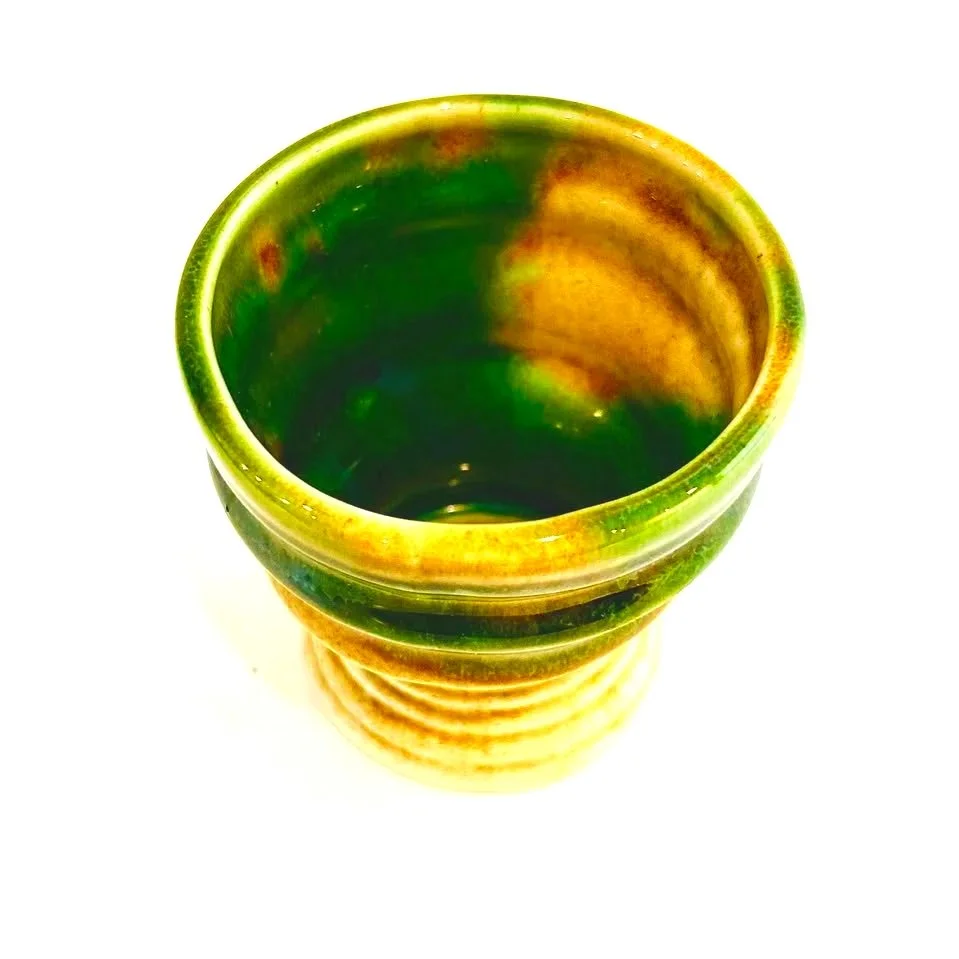 Image 5 of 11
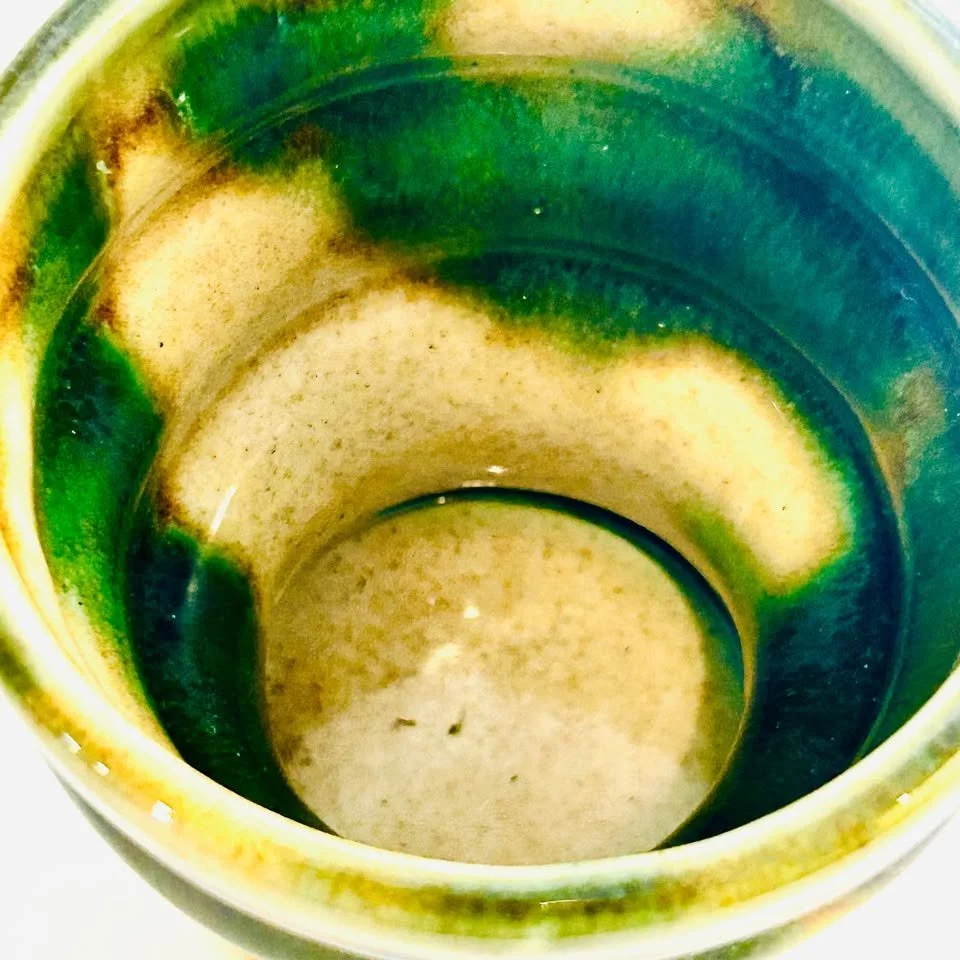 Image 6 of 11
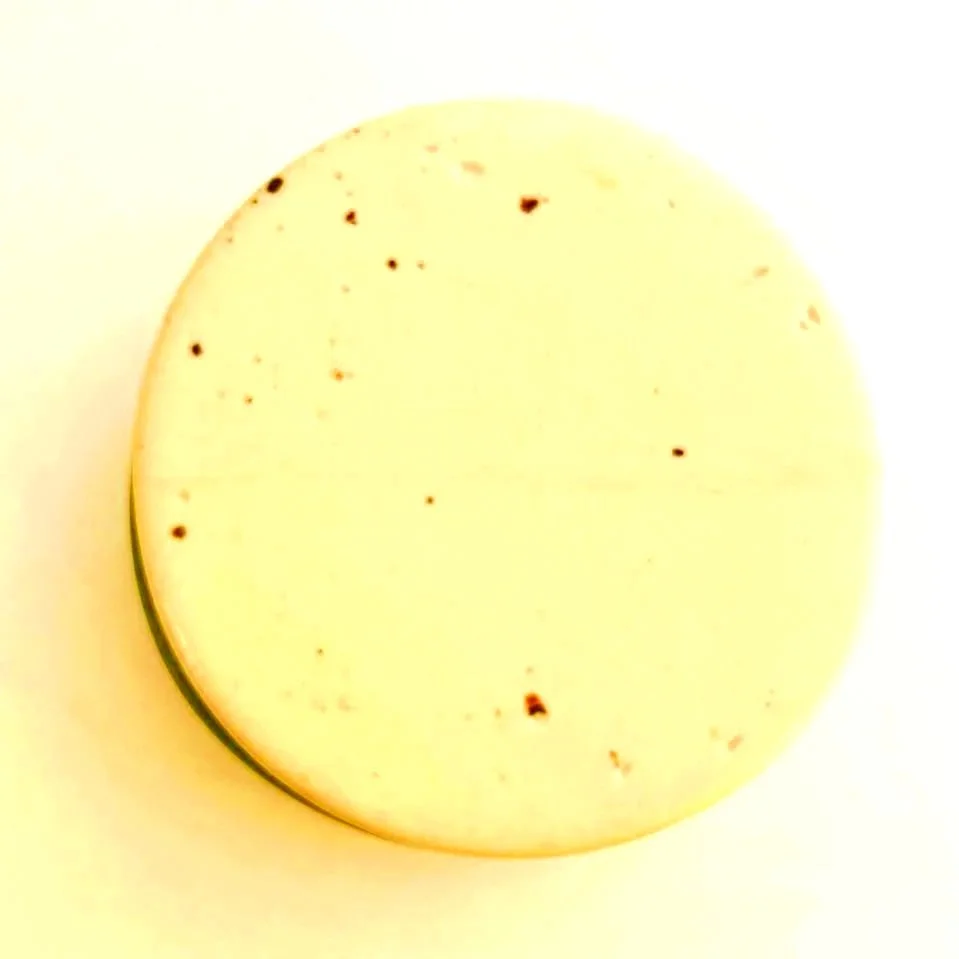 Image 7 of 11
 Image 8 of 11
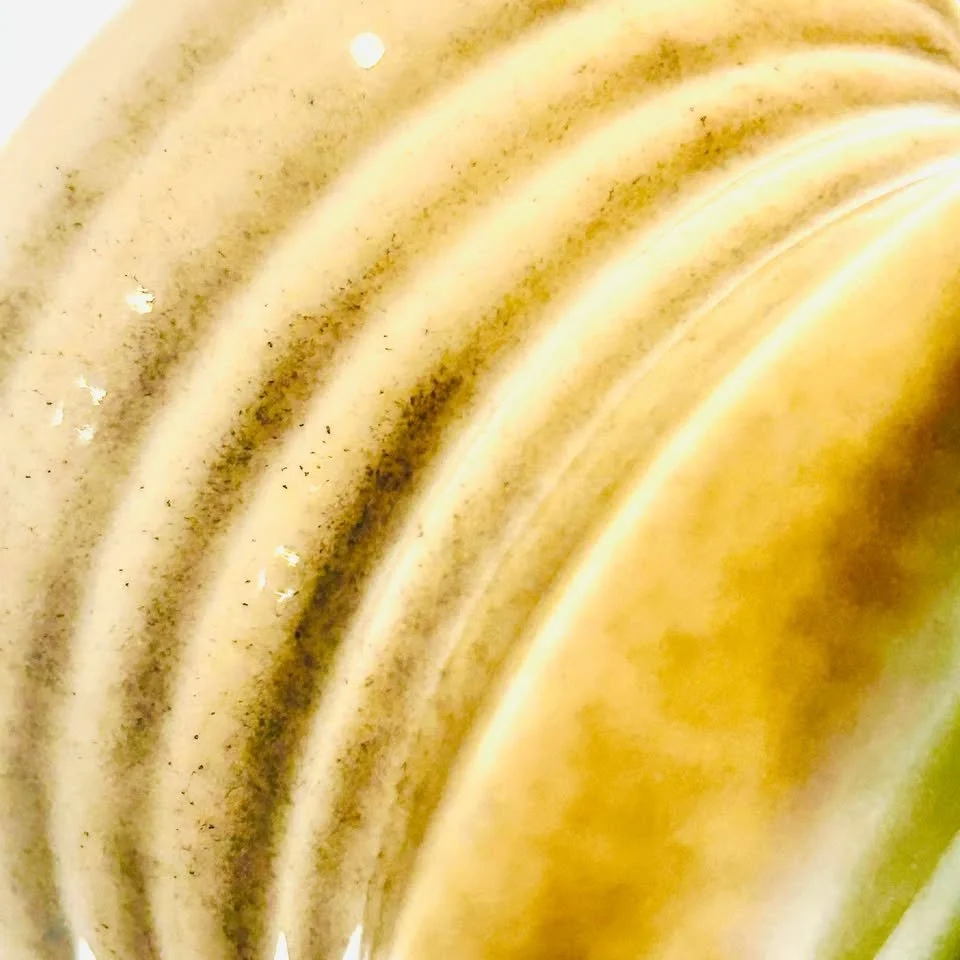 Image 9 of 11
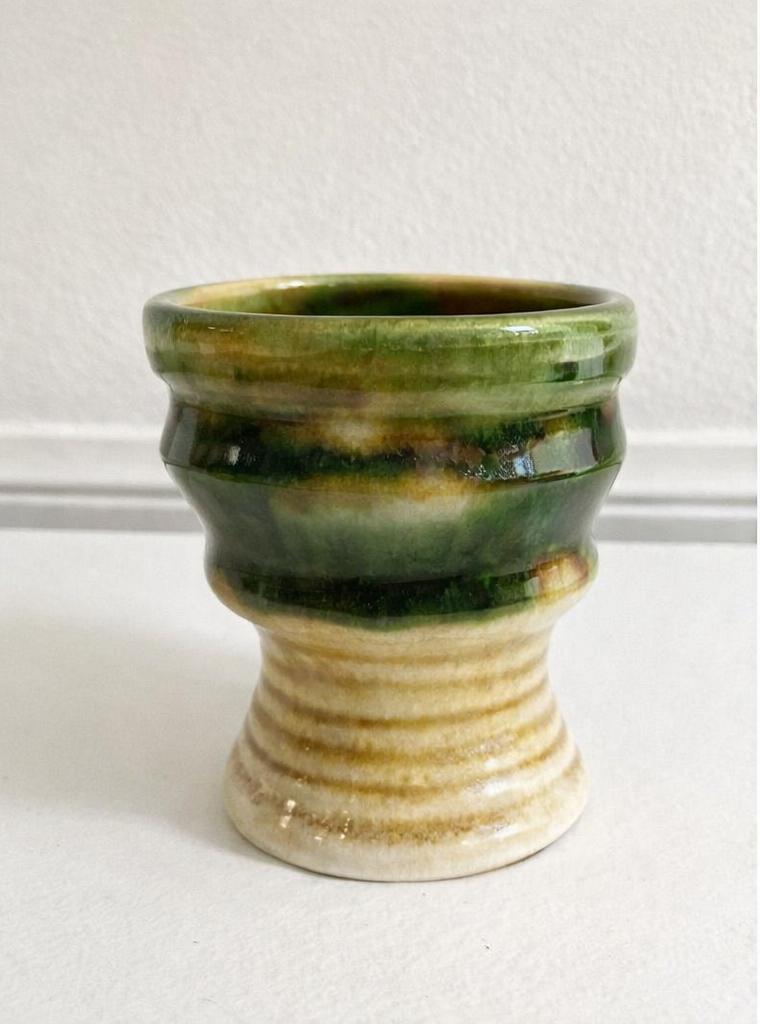 Image 10 of 11
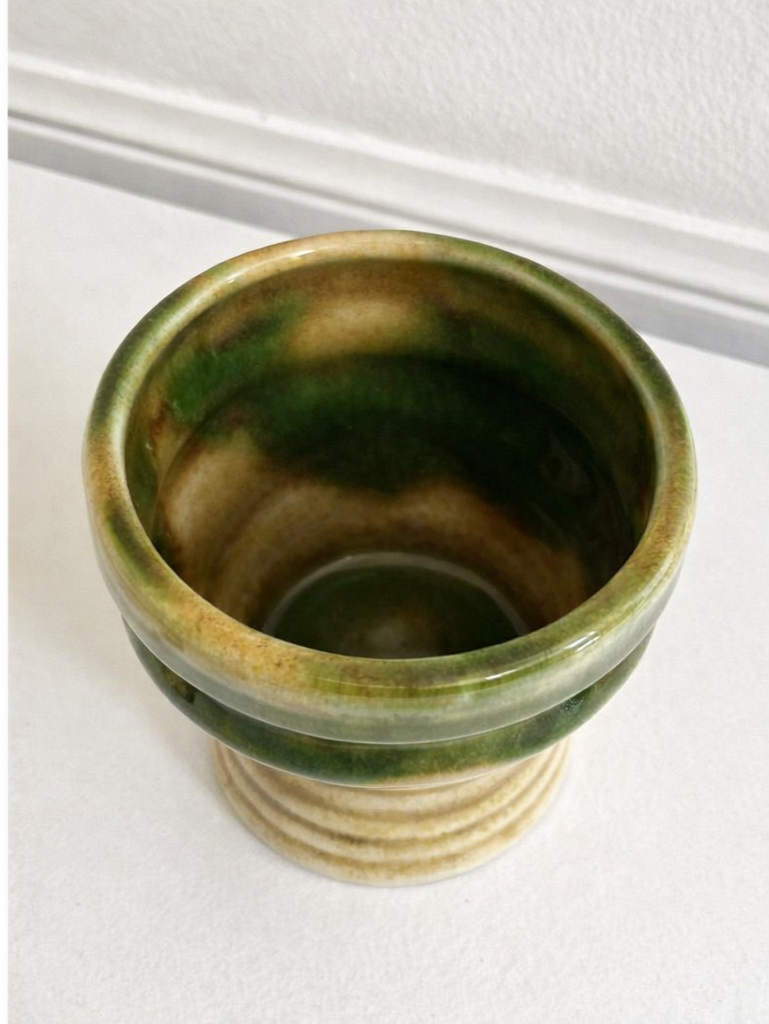 Image 11 of 11