Hand-glazed mid-century West German stoneware jug, produced during the 1950s-1960s modernist period and marked “W. Germany” to the underside. The form is architectural and sculptural, defined by a softly flared neck, articulated pouring lip, and a strong integrated handle that balances weight and proportion with precision. The surface displays layered hand-applied glaze in a restrained palette of cream, sand, ochre, and deep espresso brown. A bold abstract band encircles the lower body, creating visual rhythm against the neutral ground. Fine, even crackle throughout the glaze is inherent to the firing process and contributes tonal depth and authenticity characteristic of postwar West German stoneware. Unlike high-gloss mass-market examples, this piece reflects the quieter, organic modern direction within West German ceramics; grounded, tactile, and intentionally minimal. The hand-glazed execution and balanced silhouette give it strong display presence beyond simple utility.
Attribution & Period
West Germany, circa 1950s-1960s. Underside stamped “W. Germany”
Dimensions & Weight
Height: 9.5 in (24.1 cm)
Width (handle to spout): 6 in (15.2 cm)
Base diameter: 4 5/8 in (11.7 cm)
Mouth diameter: 3 1/4 in (8.3 cm)
Condition
Excellent condition consistent with age and studio firing. Fine glaze crackle present throughout. Two small chips are present; one within the brown glazed band near the base and one at the spout lip; both documented clearly in photographs. No structural cracks or repairs observed. The piece remains stable and display-forward.
Authenticity
This is authentic mid-century West German stoneware, hand-glazed and kiln-fired. It is not contemporary reproduction. Surface crackle and tonal variation are inherent to period production. High-fired hand-glazed stoneware.
Placement
A sculptural ceramic vessel that integrates seamlessly into organic modern, minimalist, and architectural interiors. Particularly strong when styled against travertine, plaster, walnut, or neutral-toned stoneware collections.
Hand-glazed mid-century West German stoneware jug, produced during the 1950s-1960s modernist period and marked “W. Germany” to the underside. The form is architectural and sculptural, defined by a softly flared neck, articulated pouring lip, and a strong integrated handle that balances weight and proportion with precision. The surface displays layered hand-applied glaze in a restrained palette of cream, sand, ochre, and deep espresso brown. A bold abstract band encircles the lower body, creating visual rhythm against the neutral ground. Fine, even crackle throughout the glaze is inherent to the firing process and contributes tonal depth and authenticity characteristic of postwar West German stoneware. Unlike high-gloss mass-market examples, this piece reflects the quieter, organic modern direction within West German ceramics; grounded, tactile, and intentionally minimal. The hand-glazed execution and balanced silhouette give it strong display presence beyond simple utility.
Attribution & Period
West Germany, circa 1950s-1960s. Underside stamped “W. Germany”
Dimensions & Weight
Height: 9.5 in (24.1 cm)
Width (handle to spout): 6 in (15.2 cm)
Base diameter: 4 5/8 in (11.7 cm)
Mouth diameter: 3 1/4 in (8.3 cm)
Condition
Excellent condition consistent with age and studio firing. Fine glaze crackle present throughout. Two small chips are present; one within the brown glazed band near the base and one at the spout lip; both documented clearly in photographs. No structural cracks or repairs observed. The piece remains stable and display-forward.
Authenticity
This is authentic mid-century West German stoneware, hand-glazed and kiln-fired. It is not contemporary reproduction. Surface crackle and tonal variation are inherent to period production. High-fired hand-glazed stoneware.
Placement
A sculptural ceramic vessel that integrates seamlessly into organic modern, minimalist, and architectural interiors. Particularly strong when styled against travertine, plaster, walnut, or neutral-toned stoneware collections.

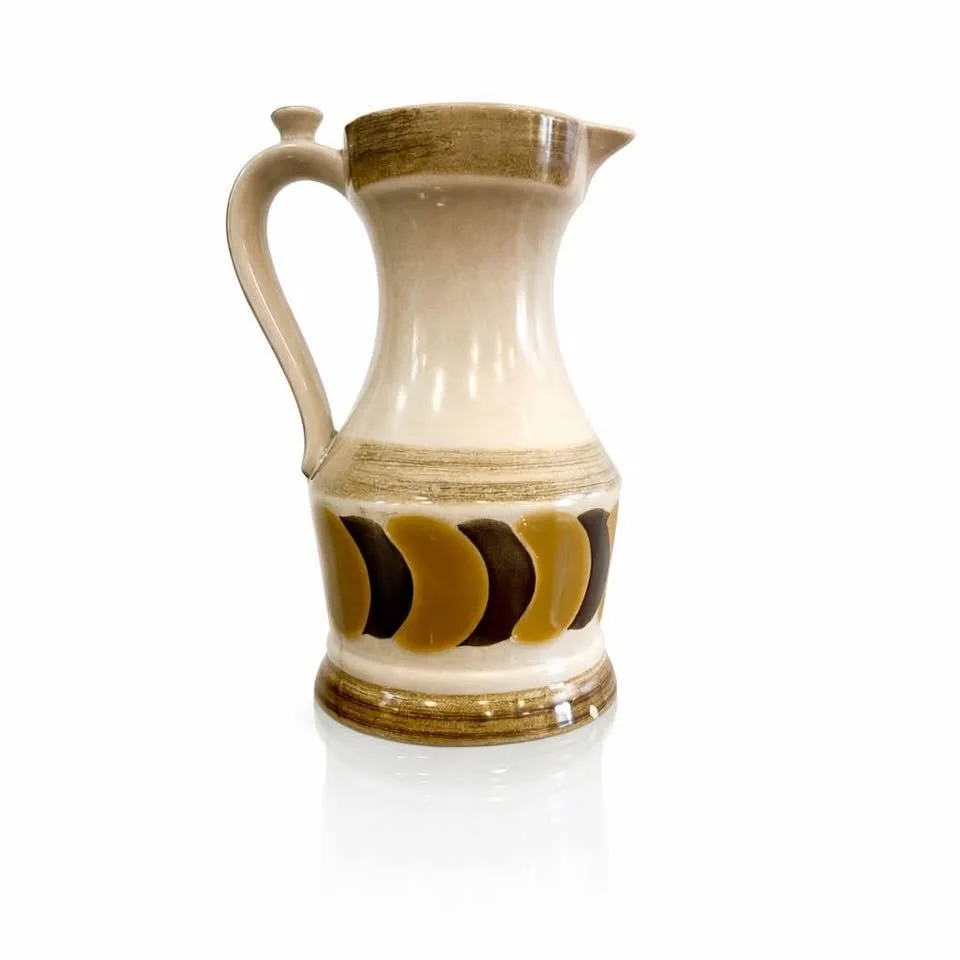 Image 1 of 10
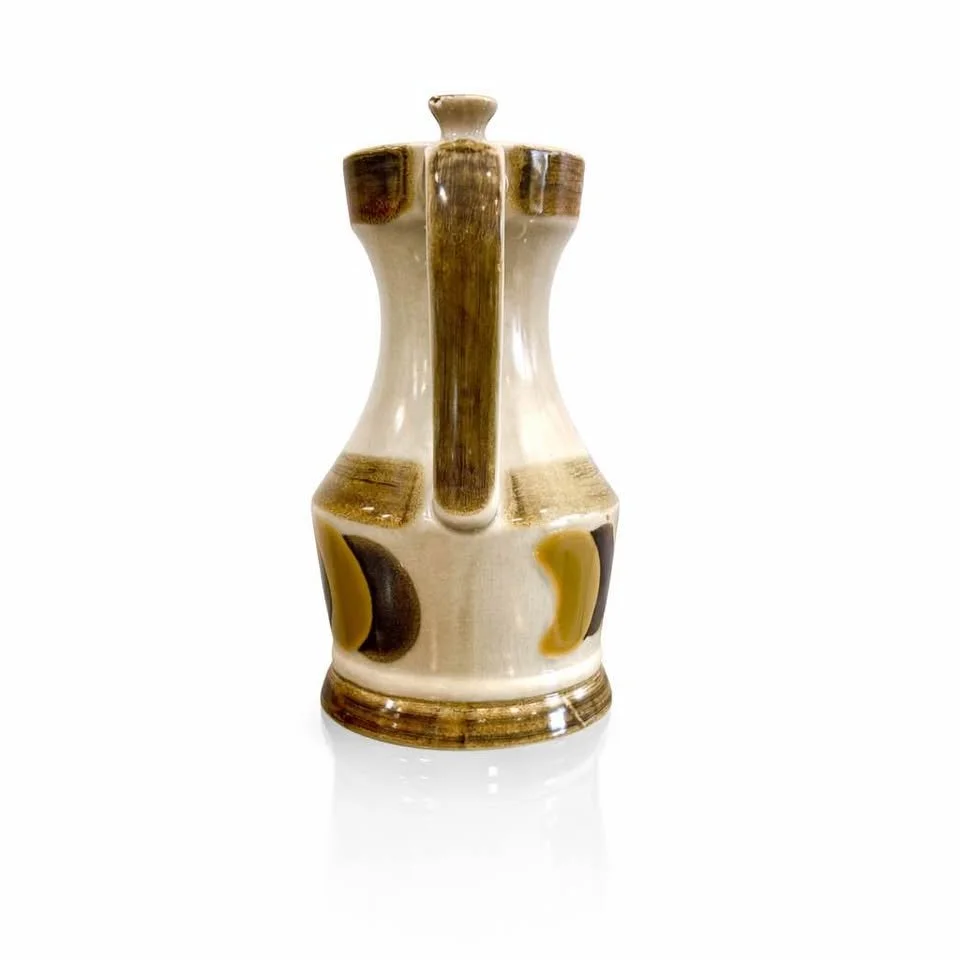 Image 2 of 10
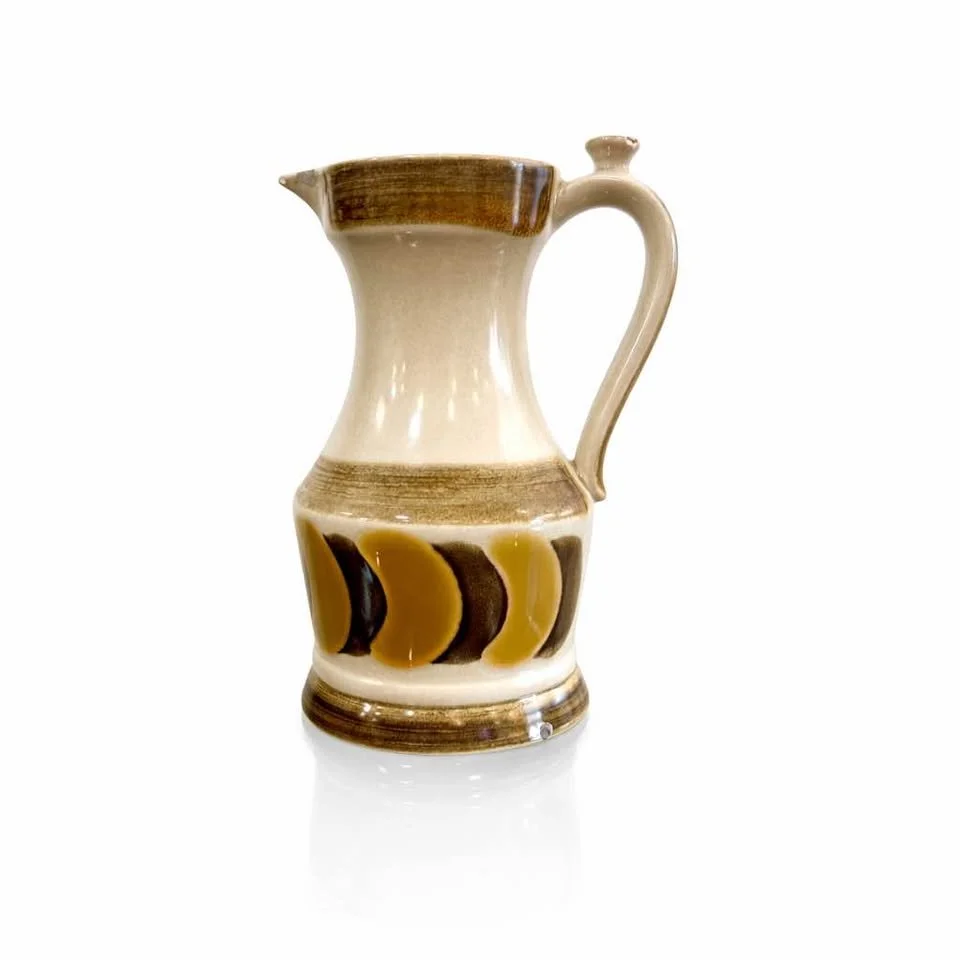 Image 3 of 10
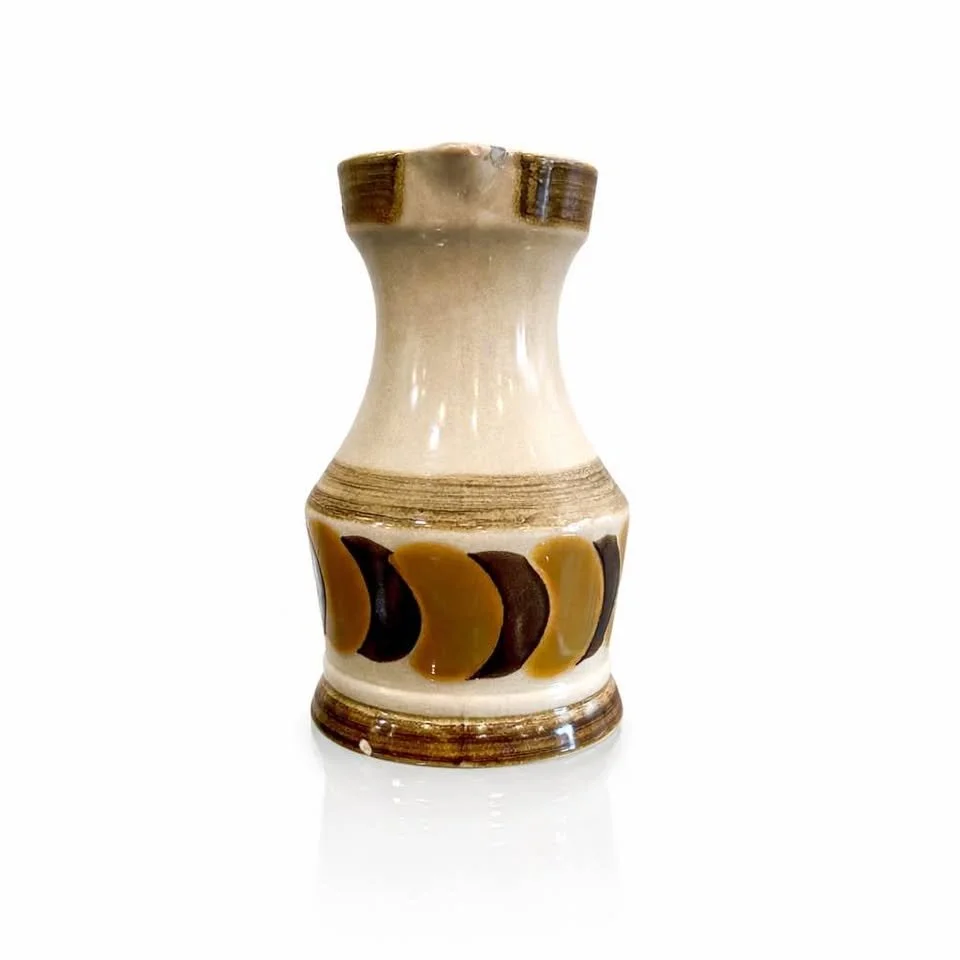 Image 4 of 10
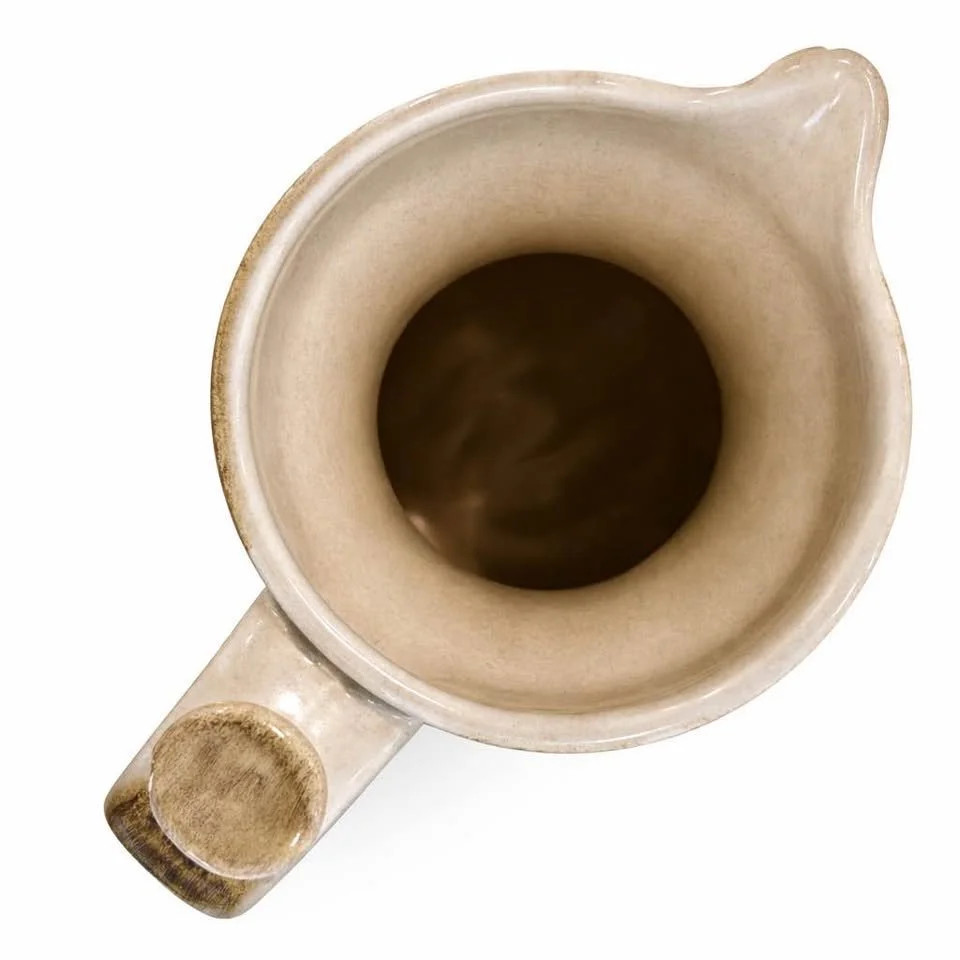 Image 5 of 10
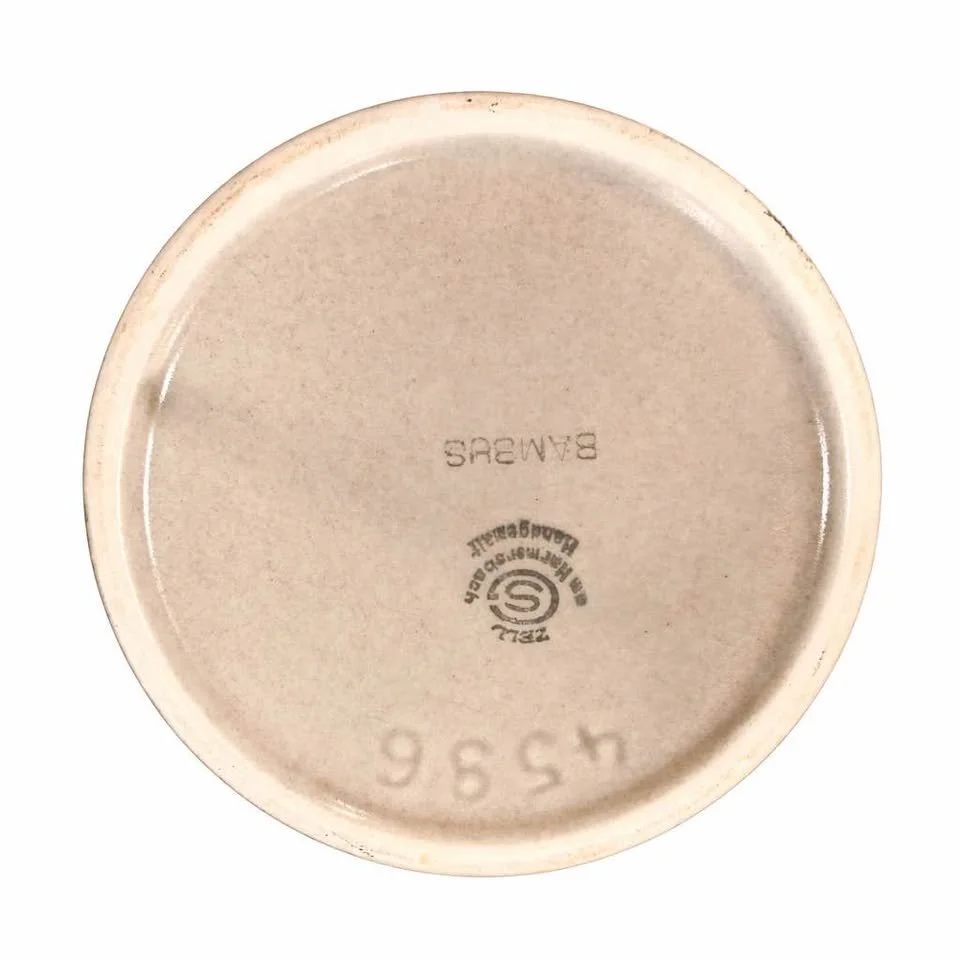 Image 6 of 10
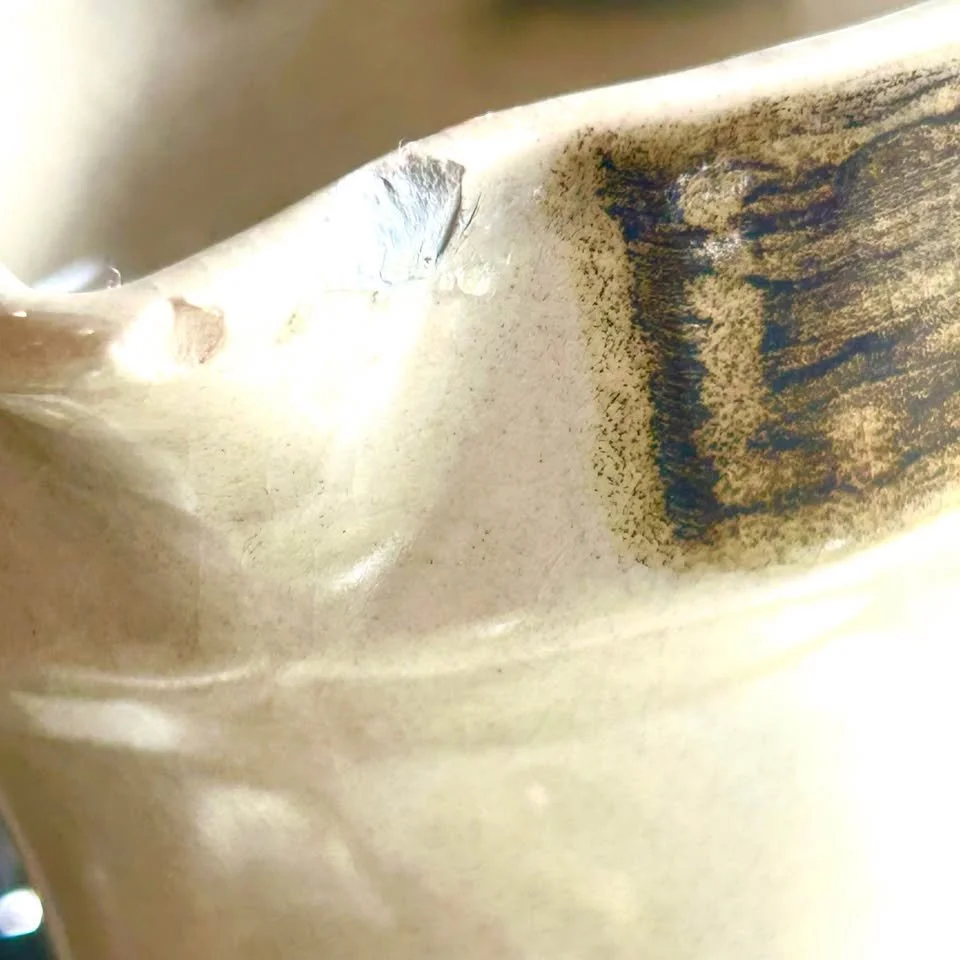 Image 7 of 10
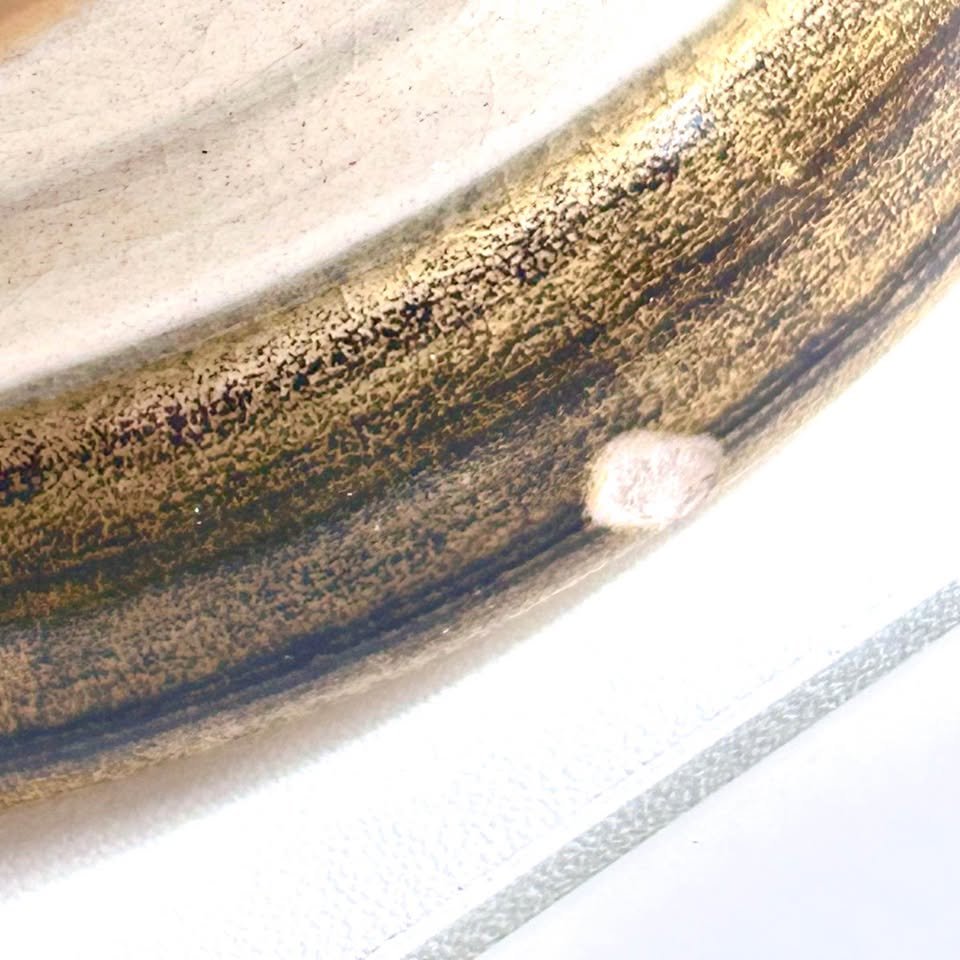 Image 8 of 10
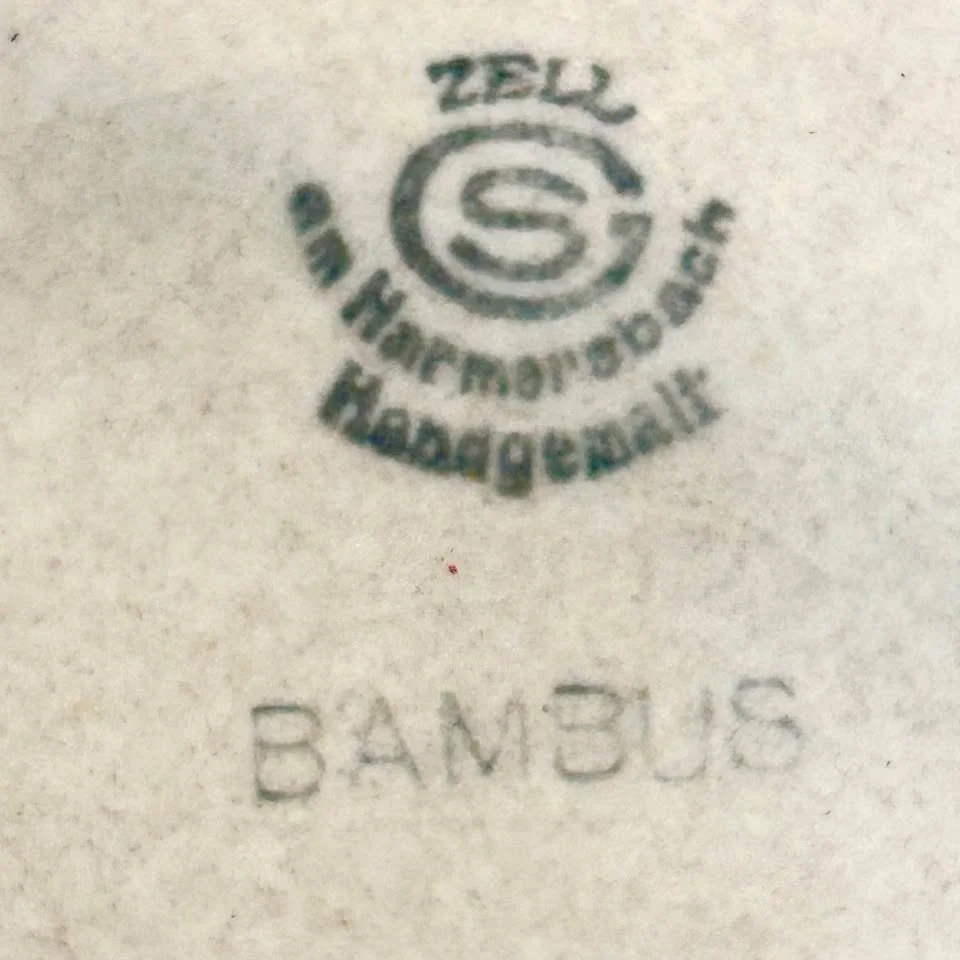 Image 9 of 10
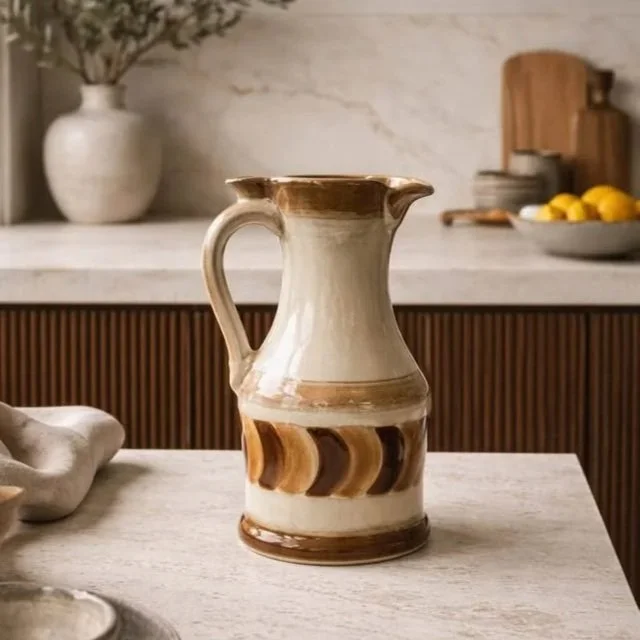 Image 10 of 10