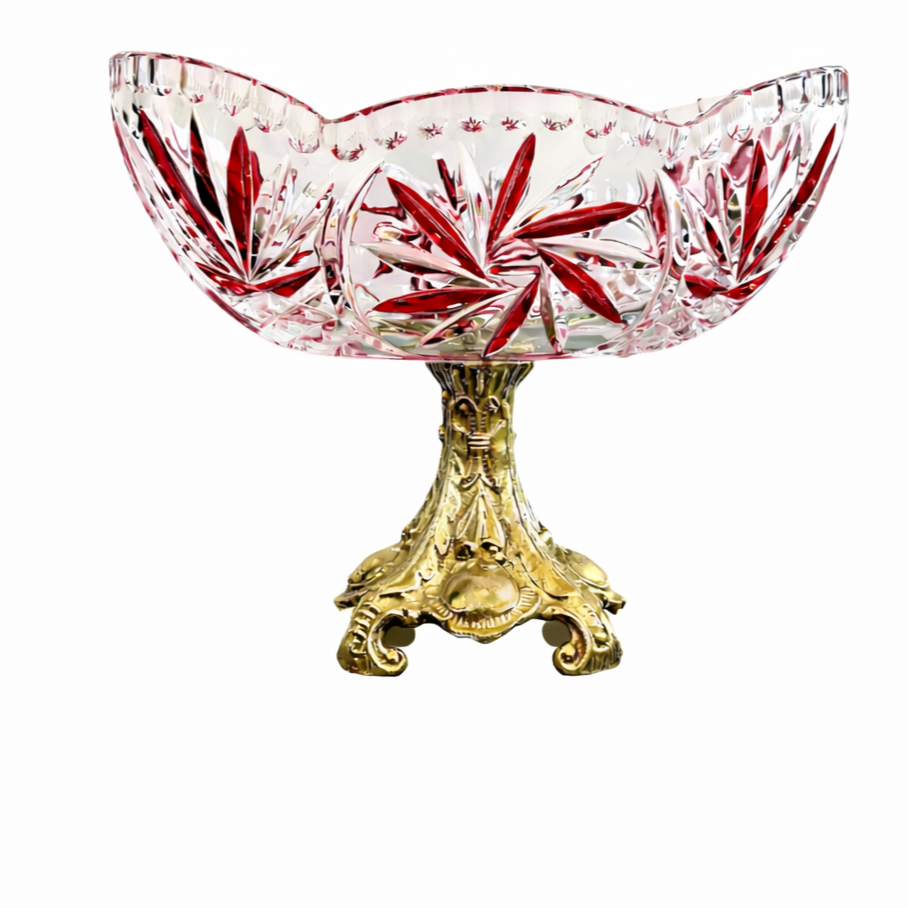
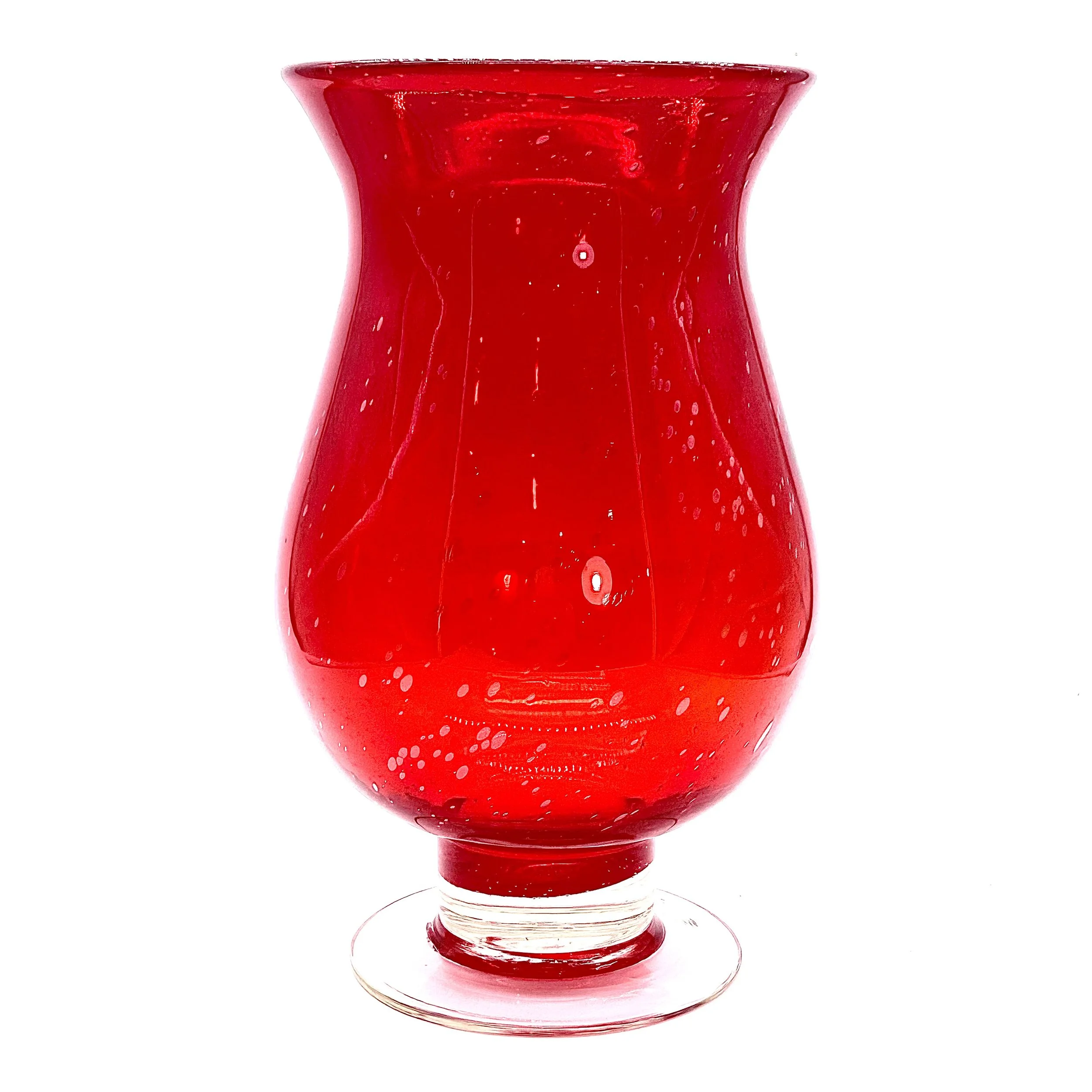
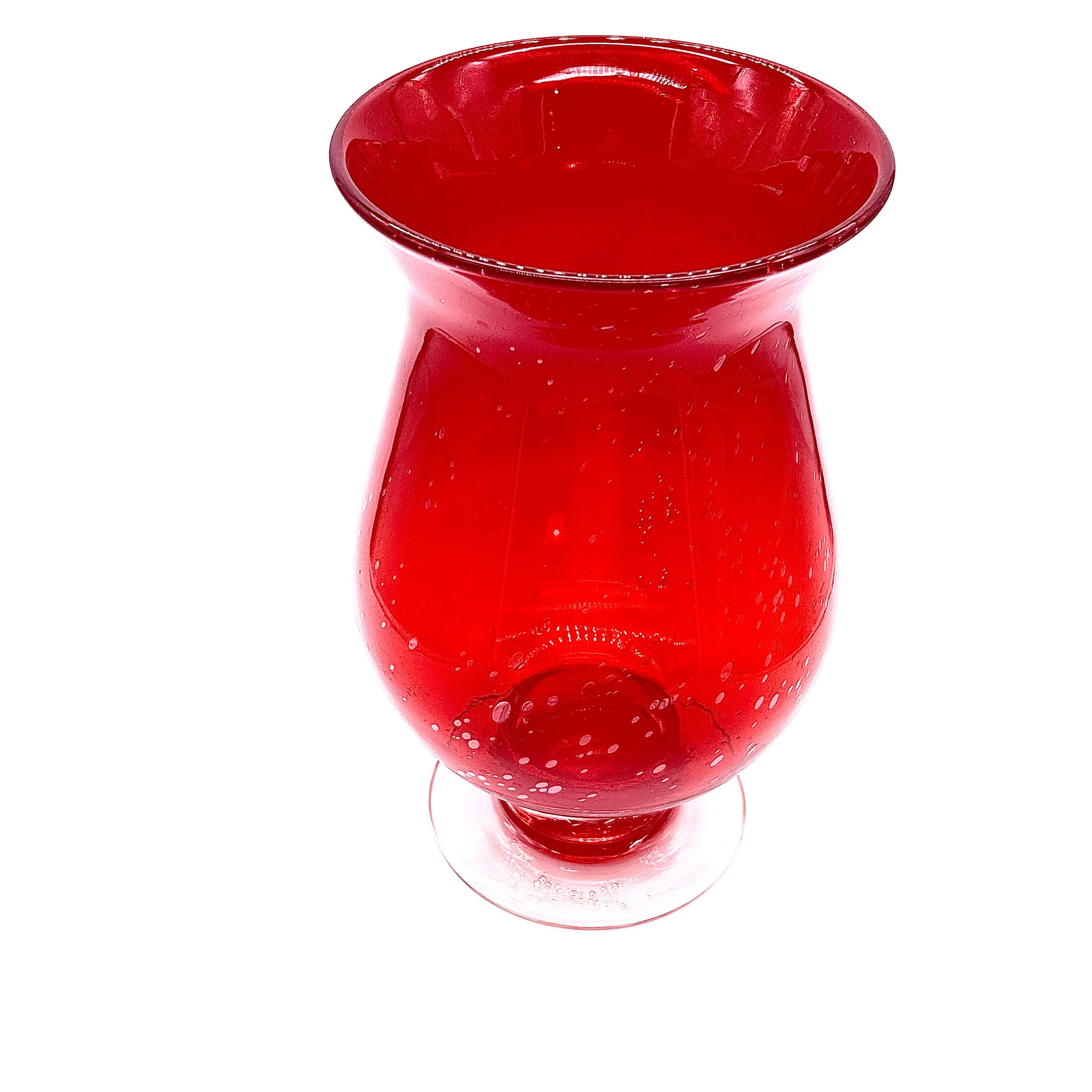
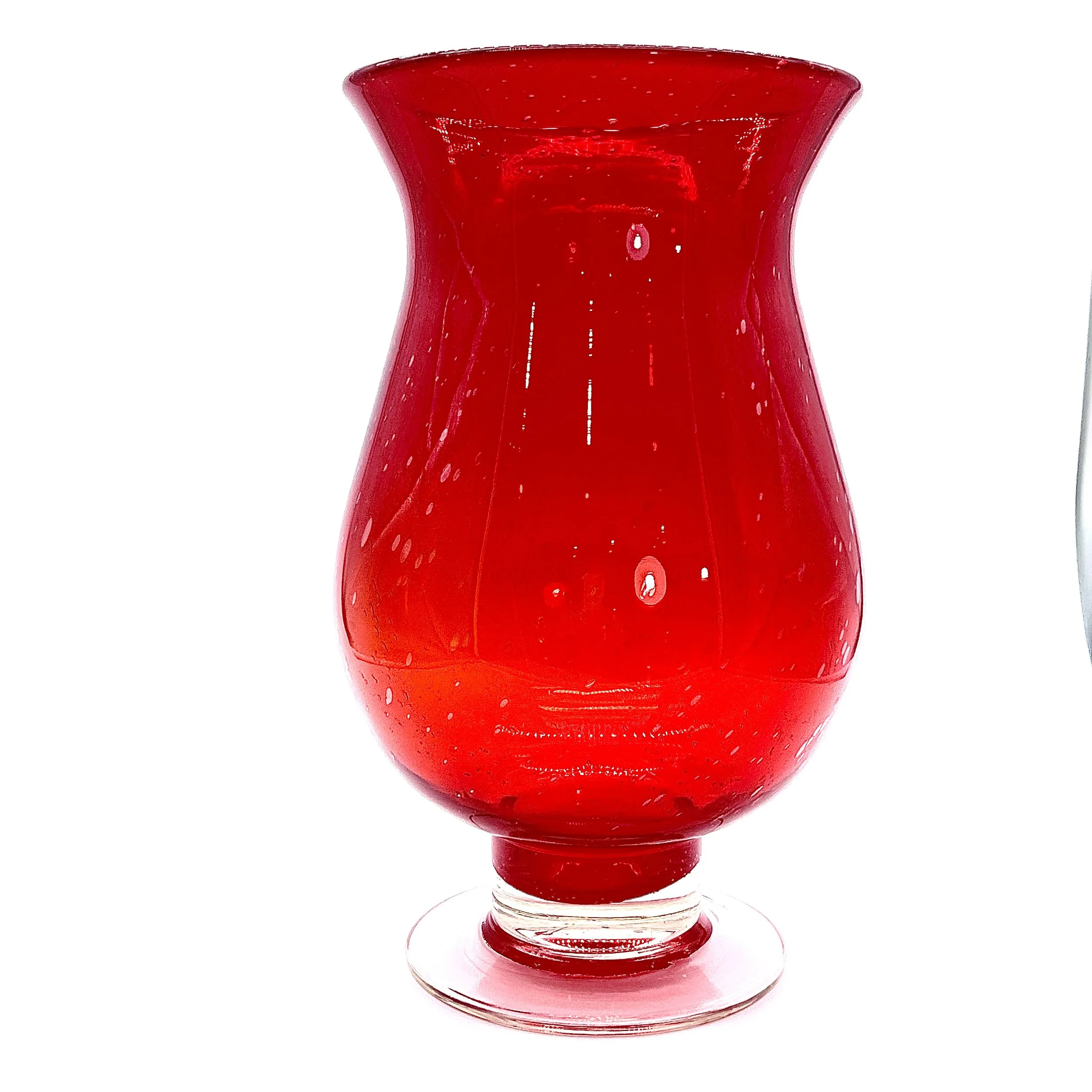
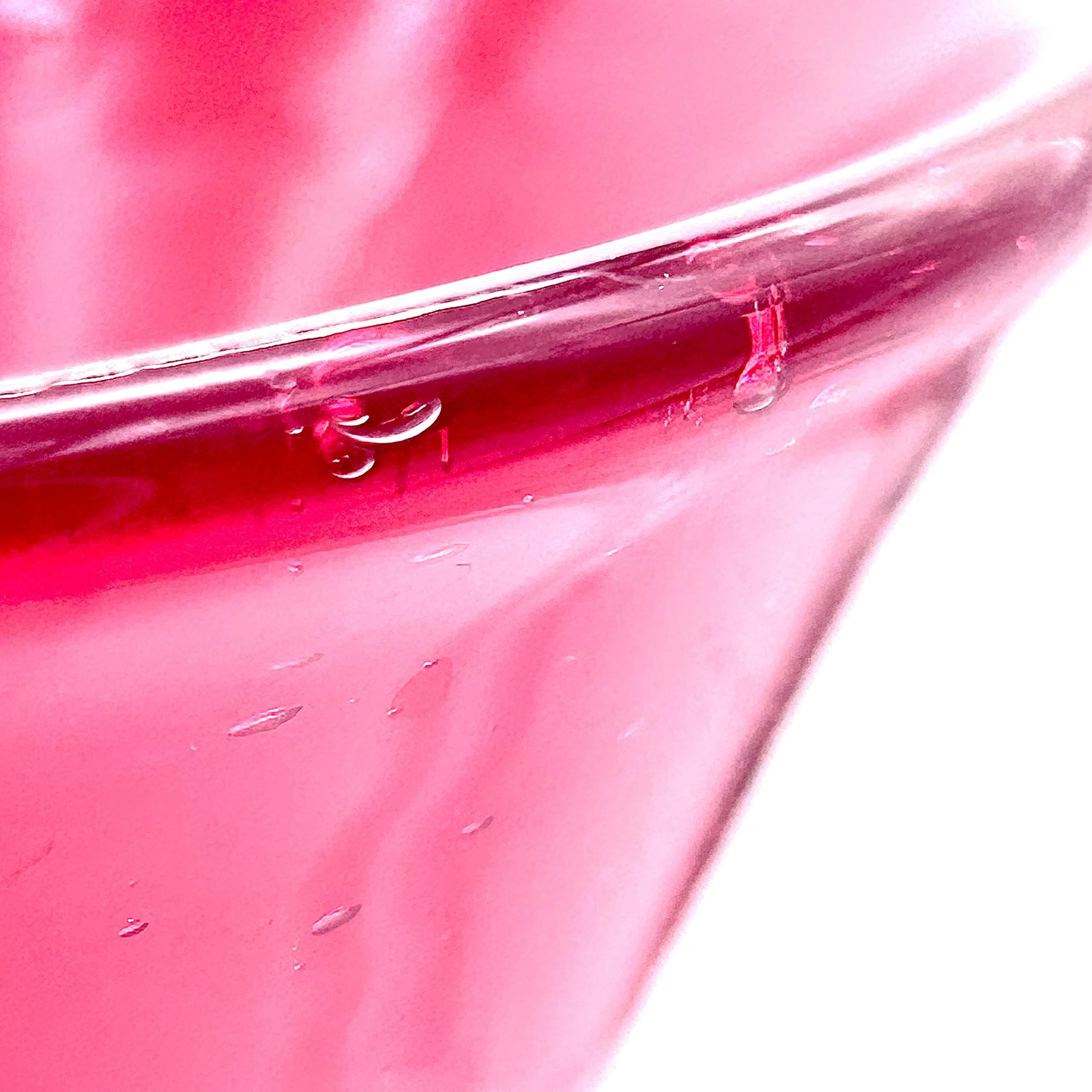
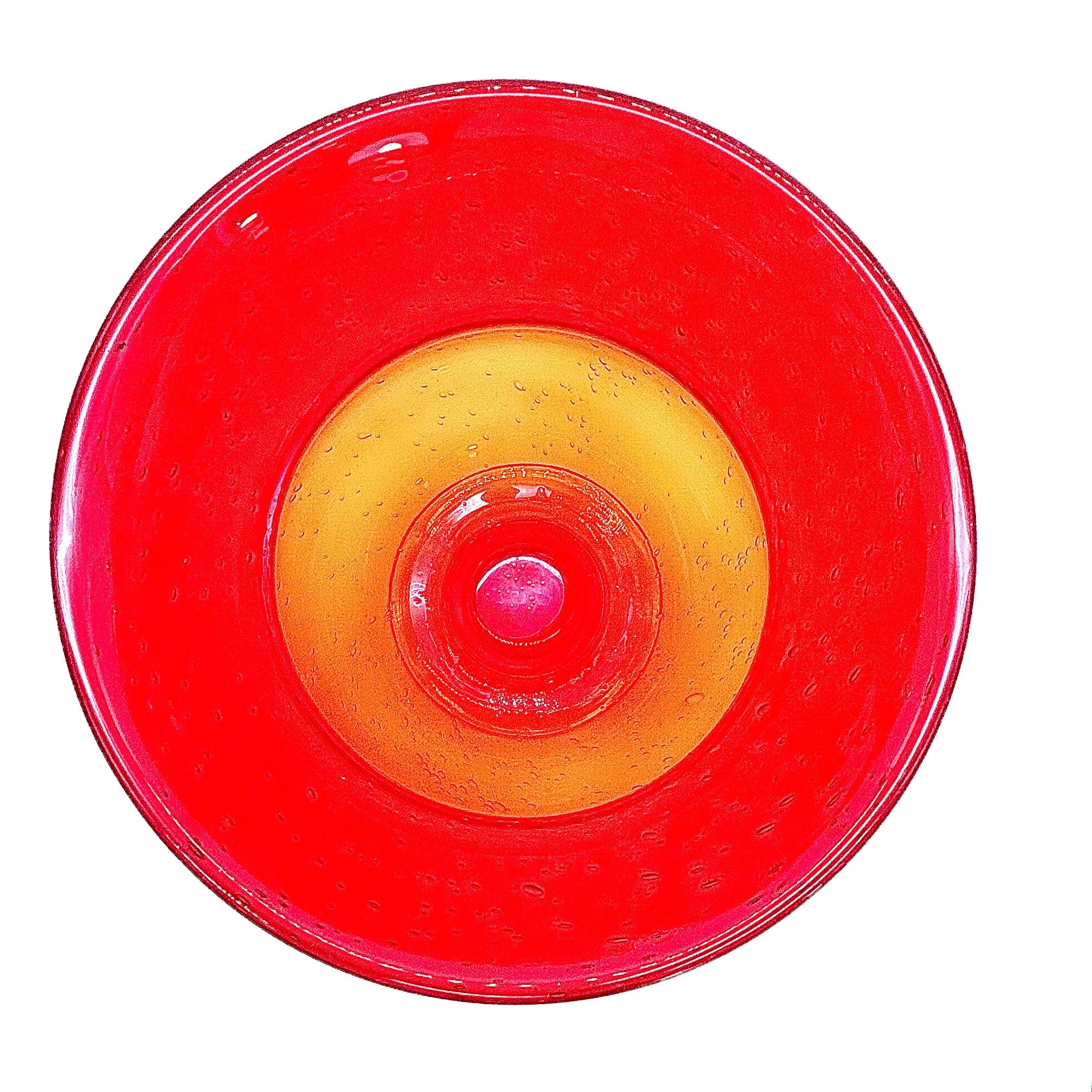
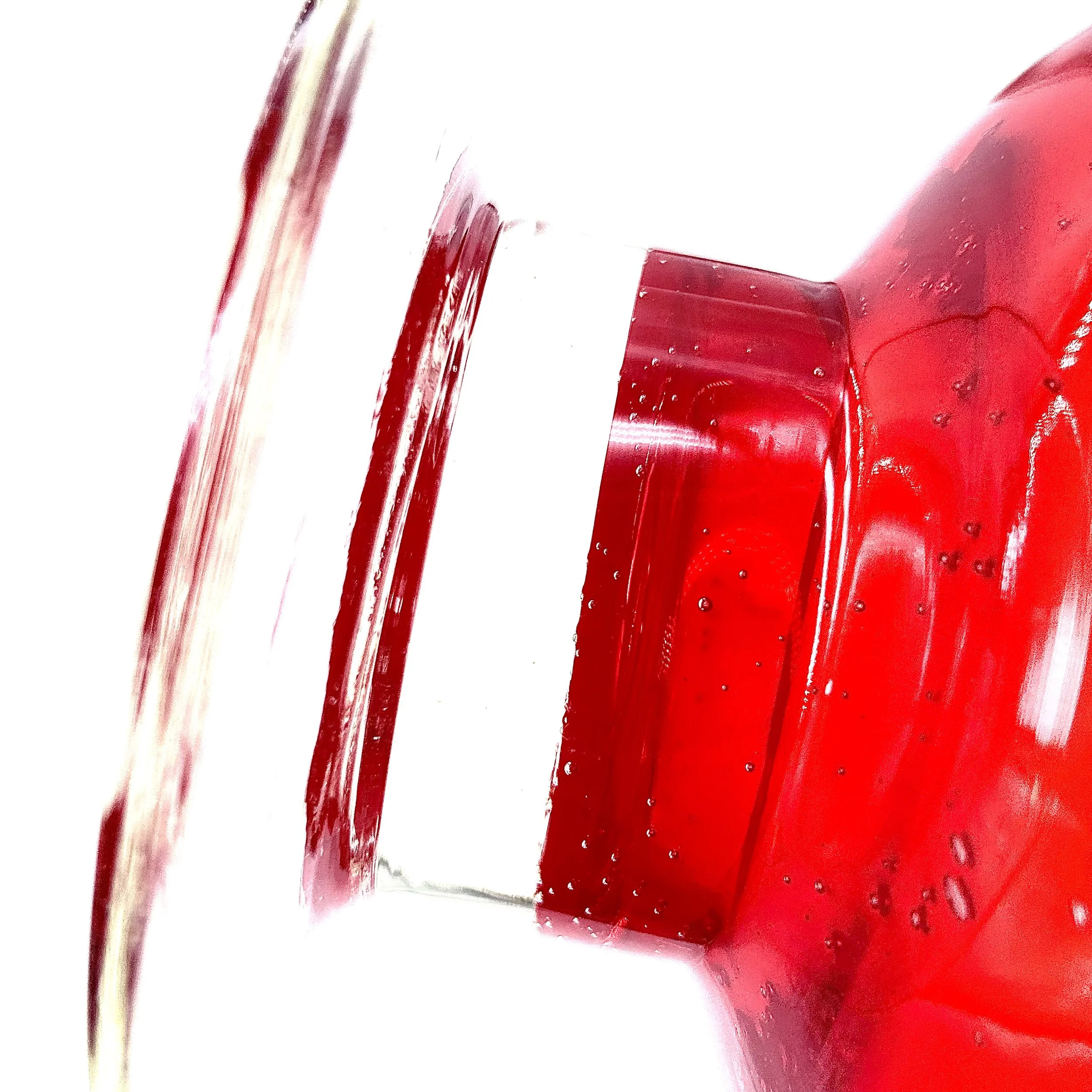
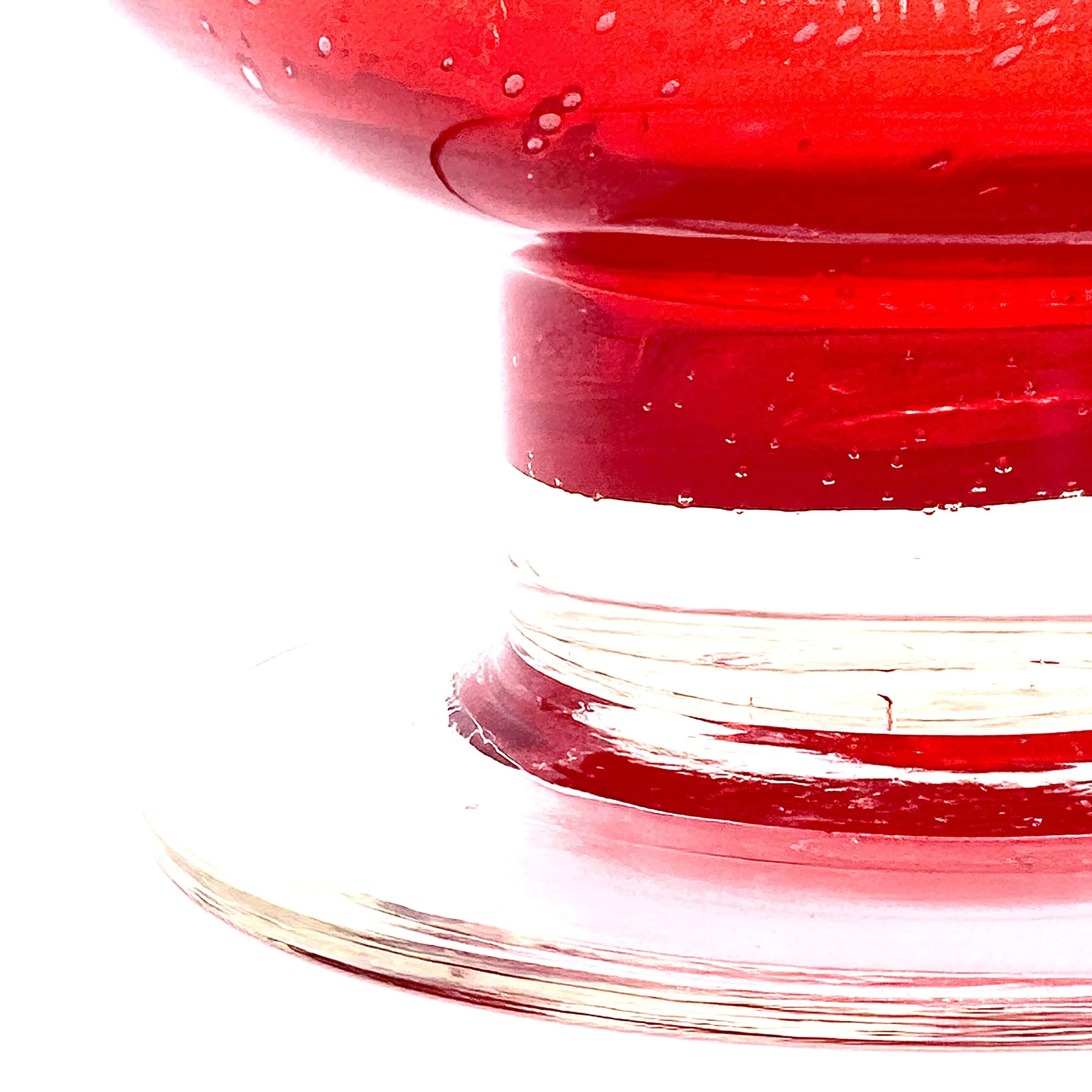
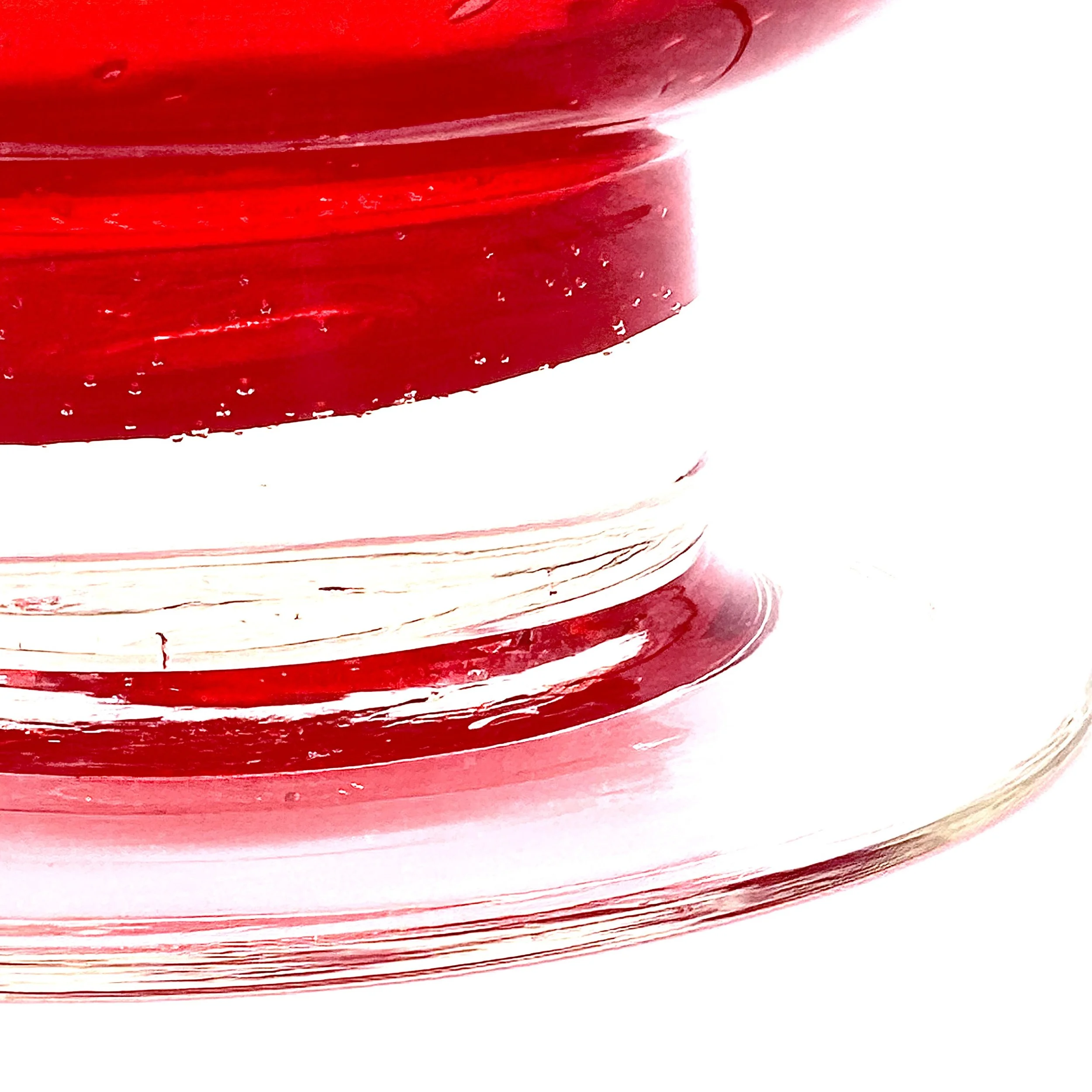
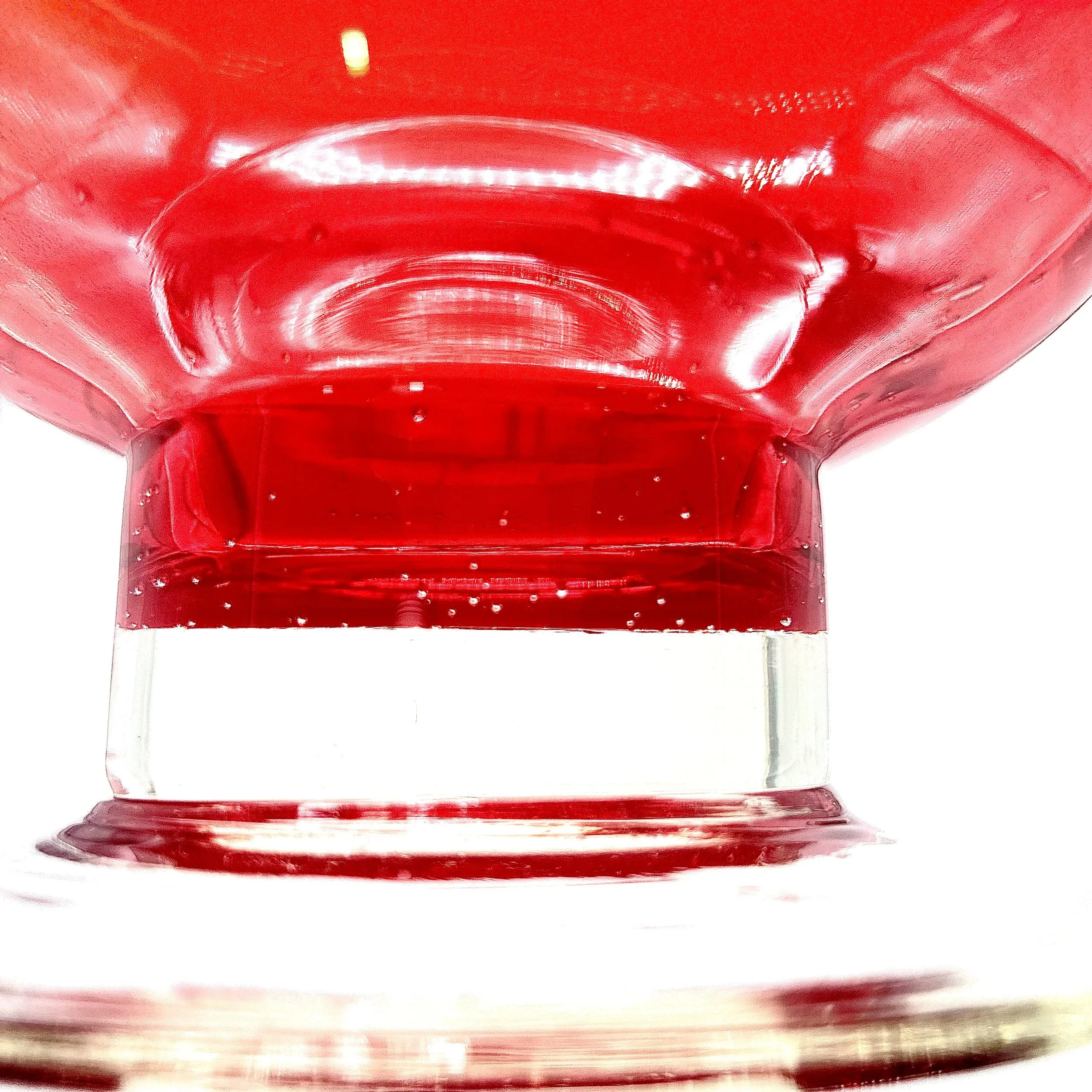
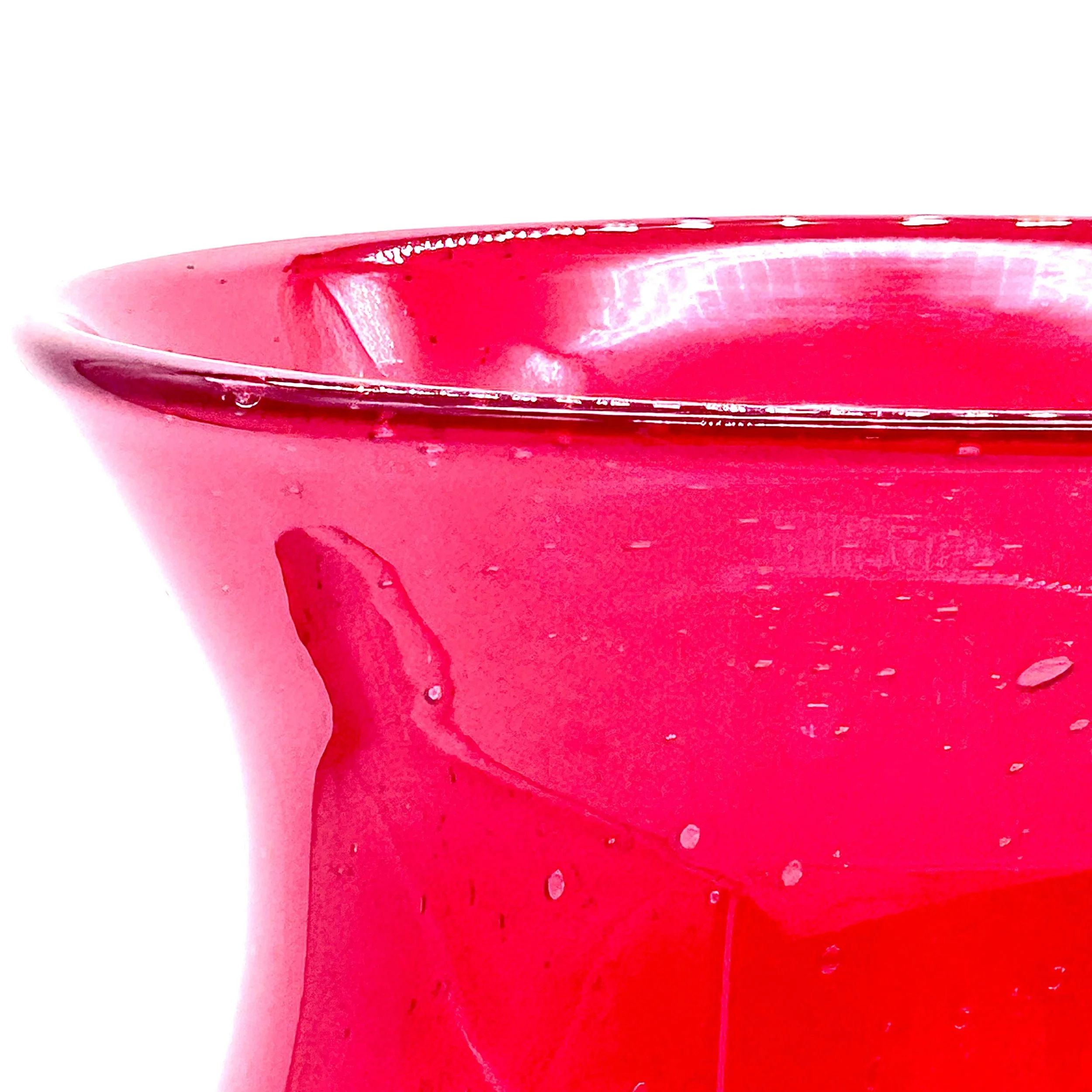
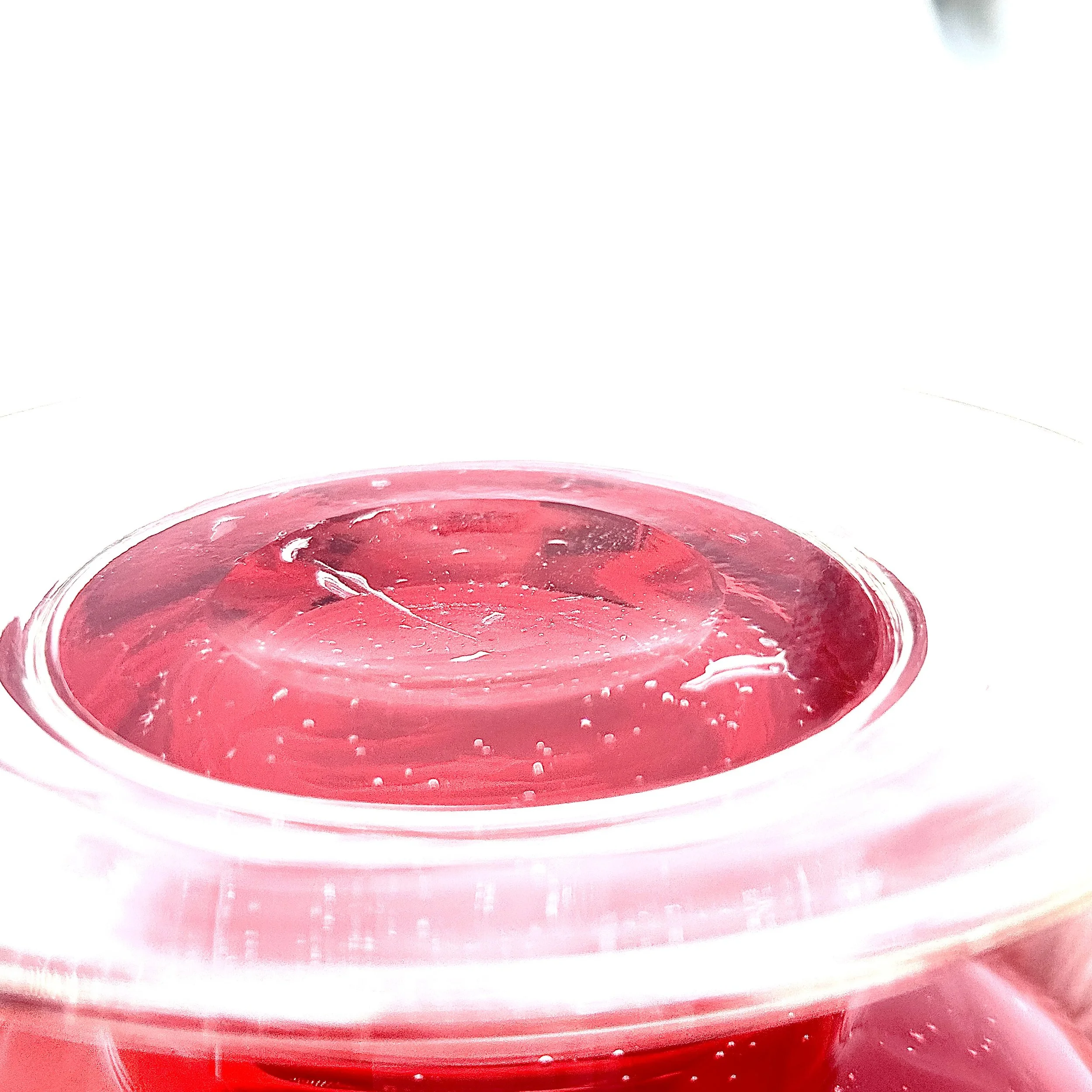
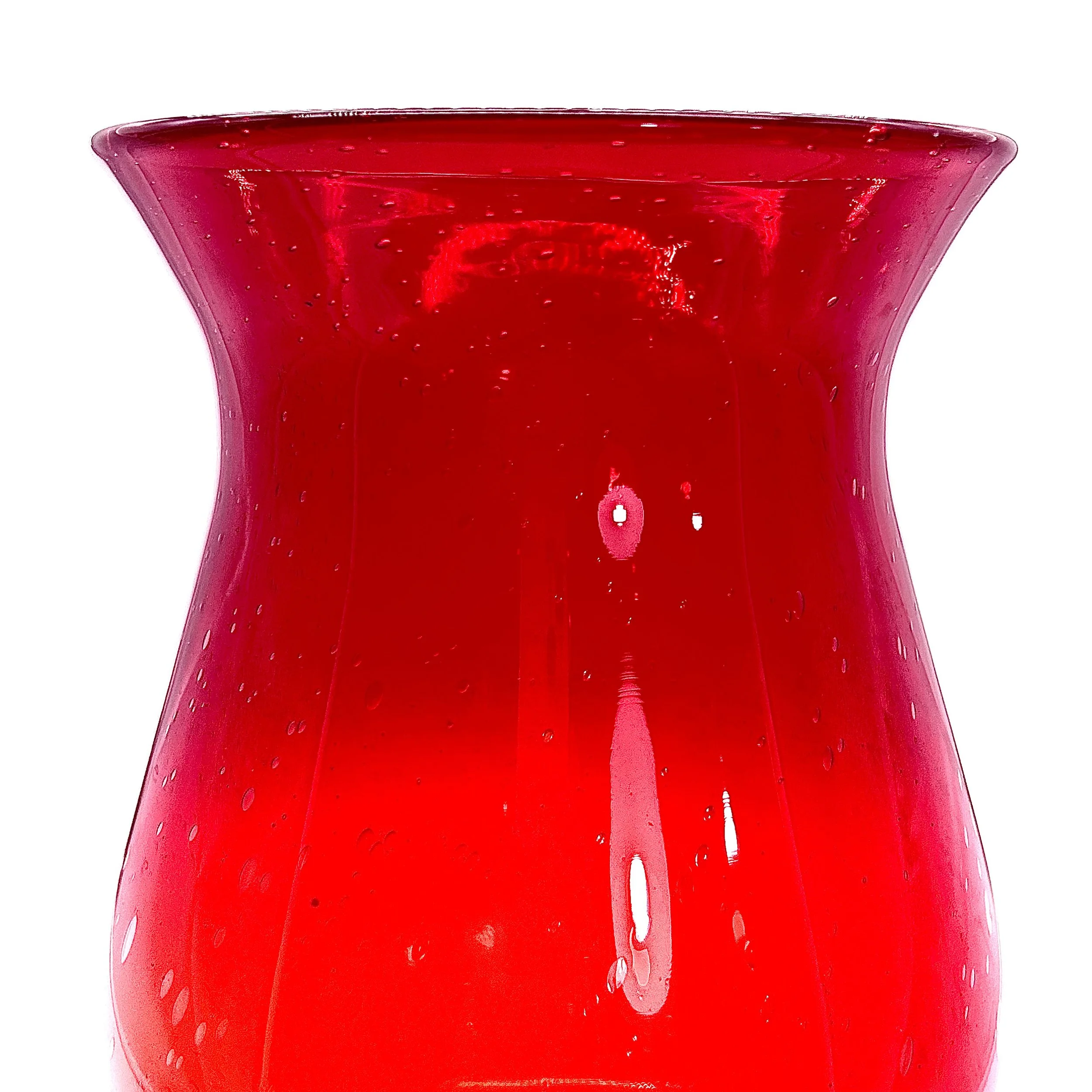
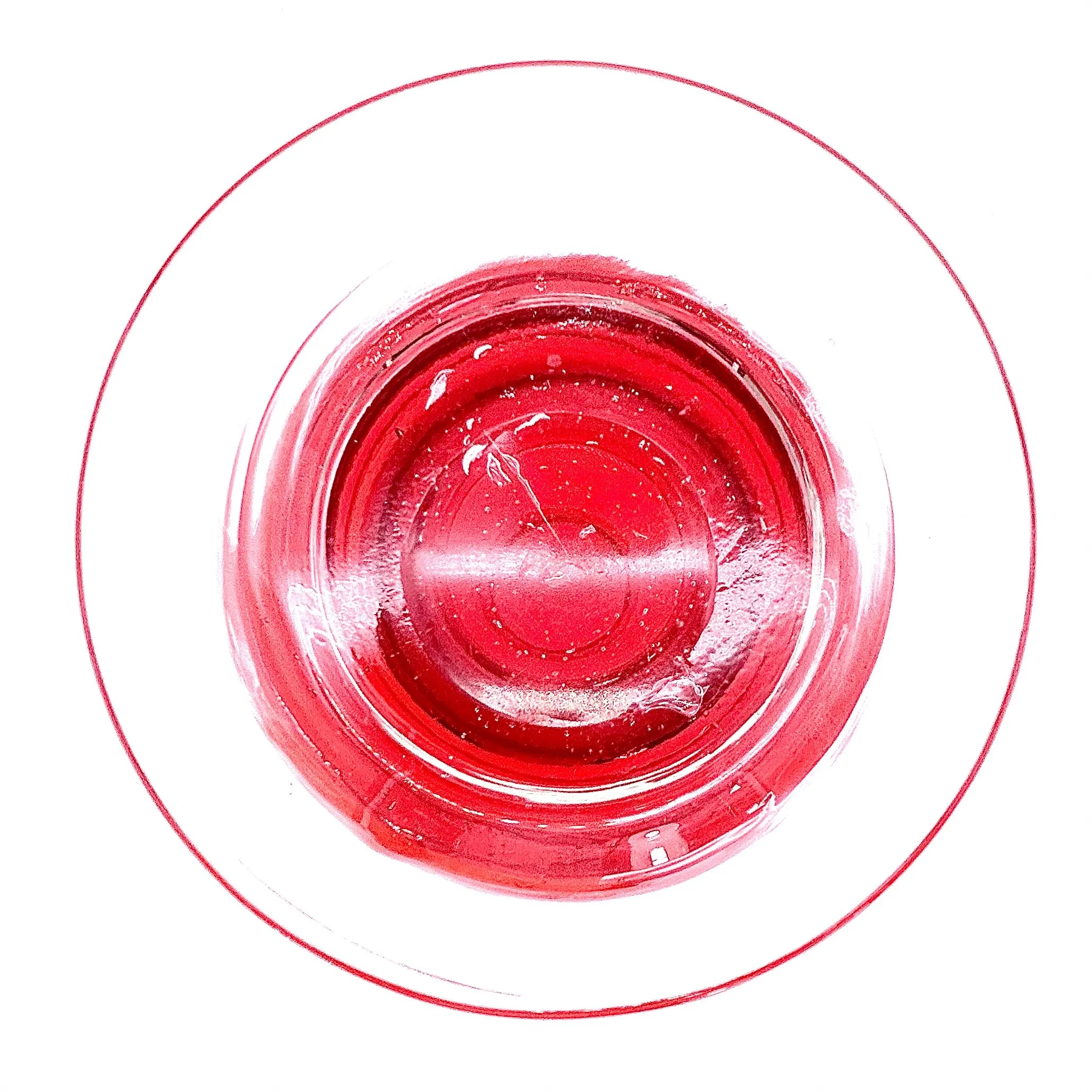
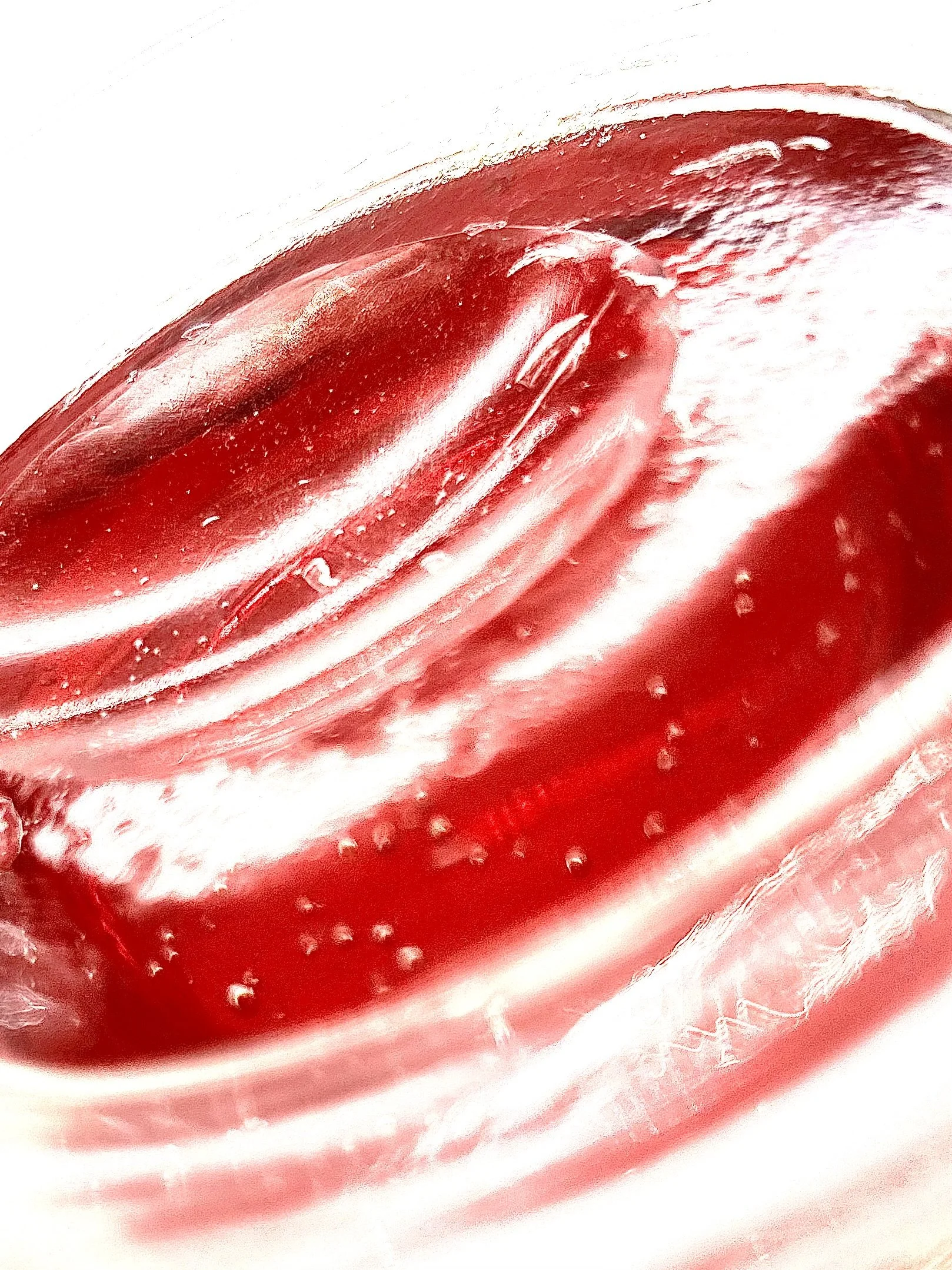
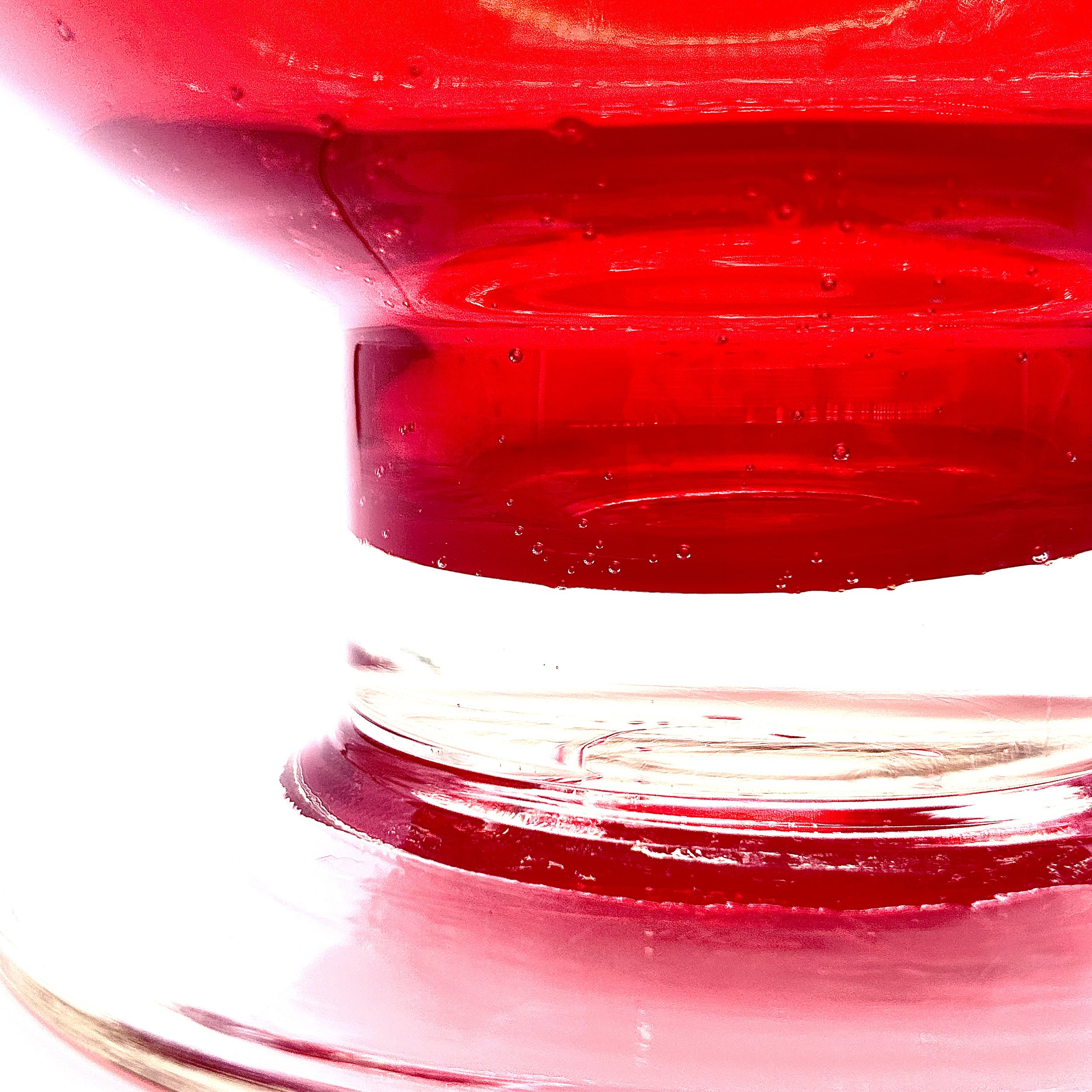
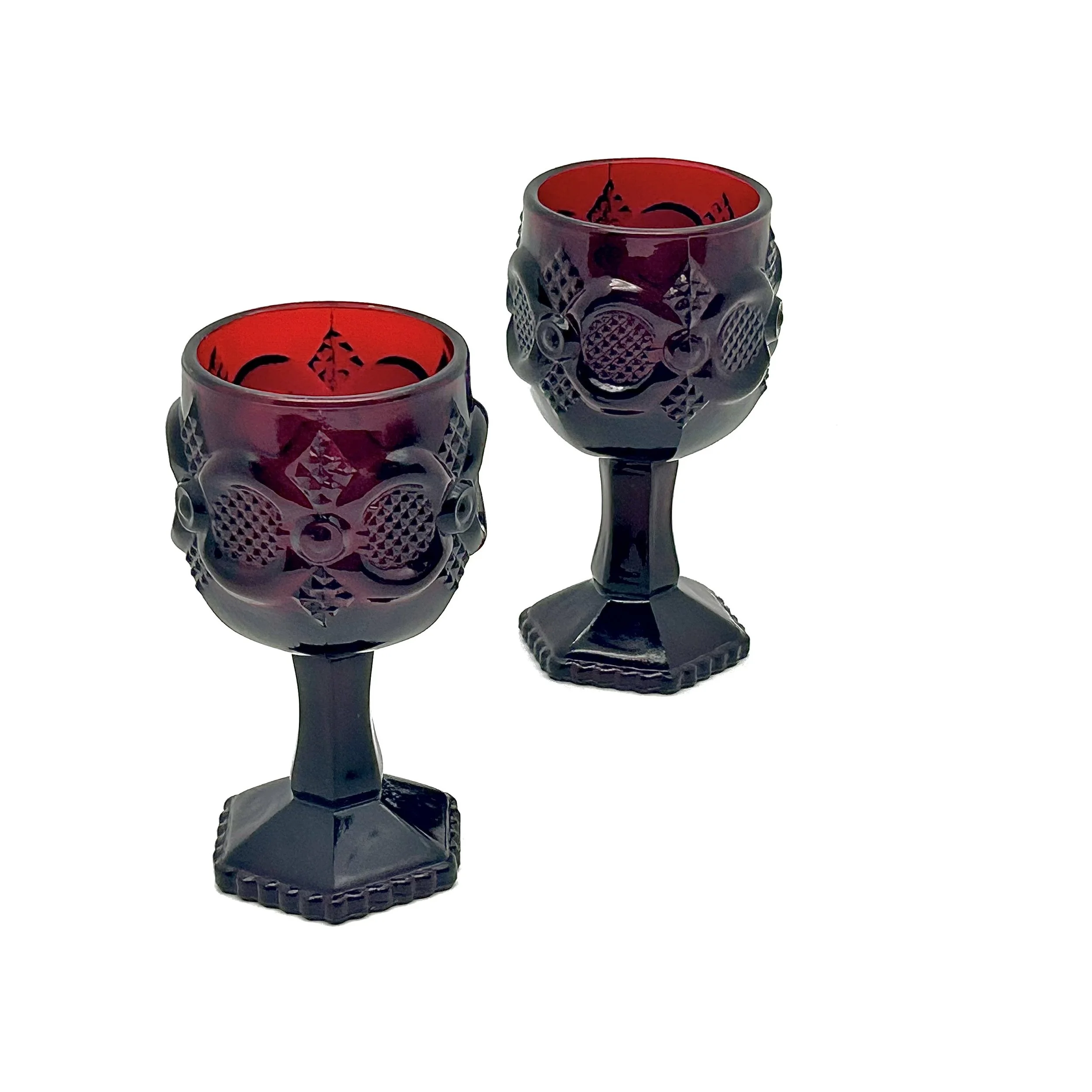
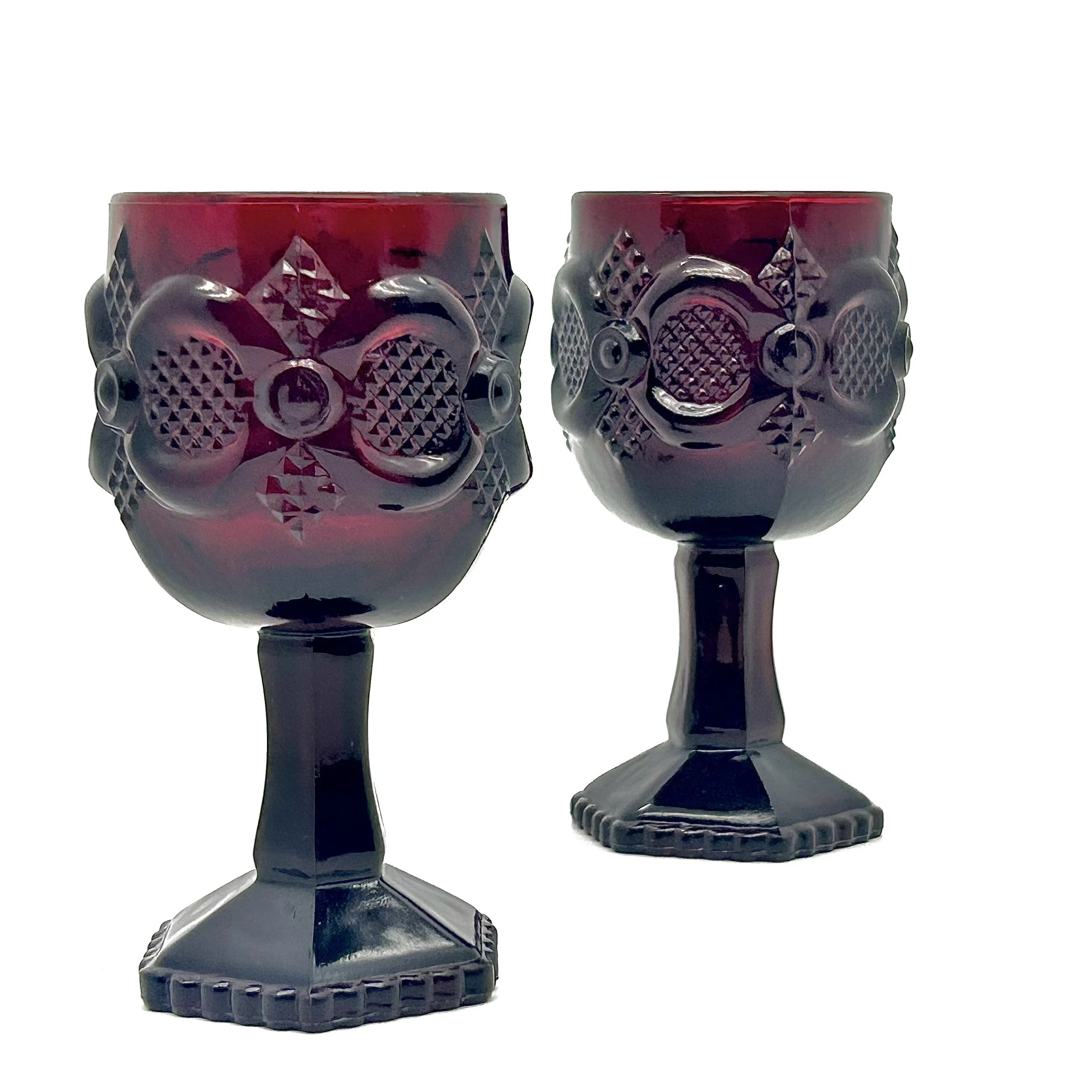
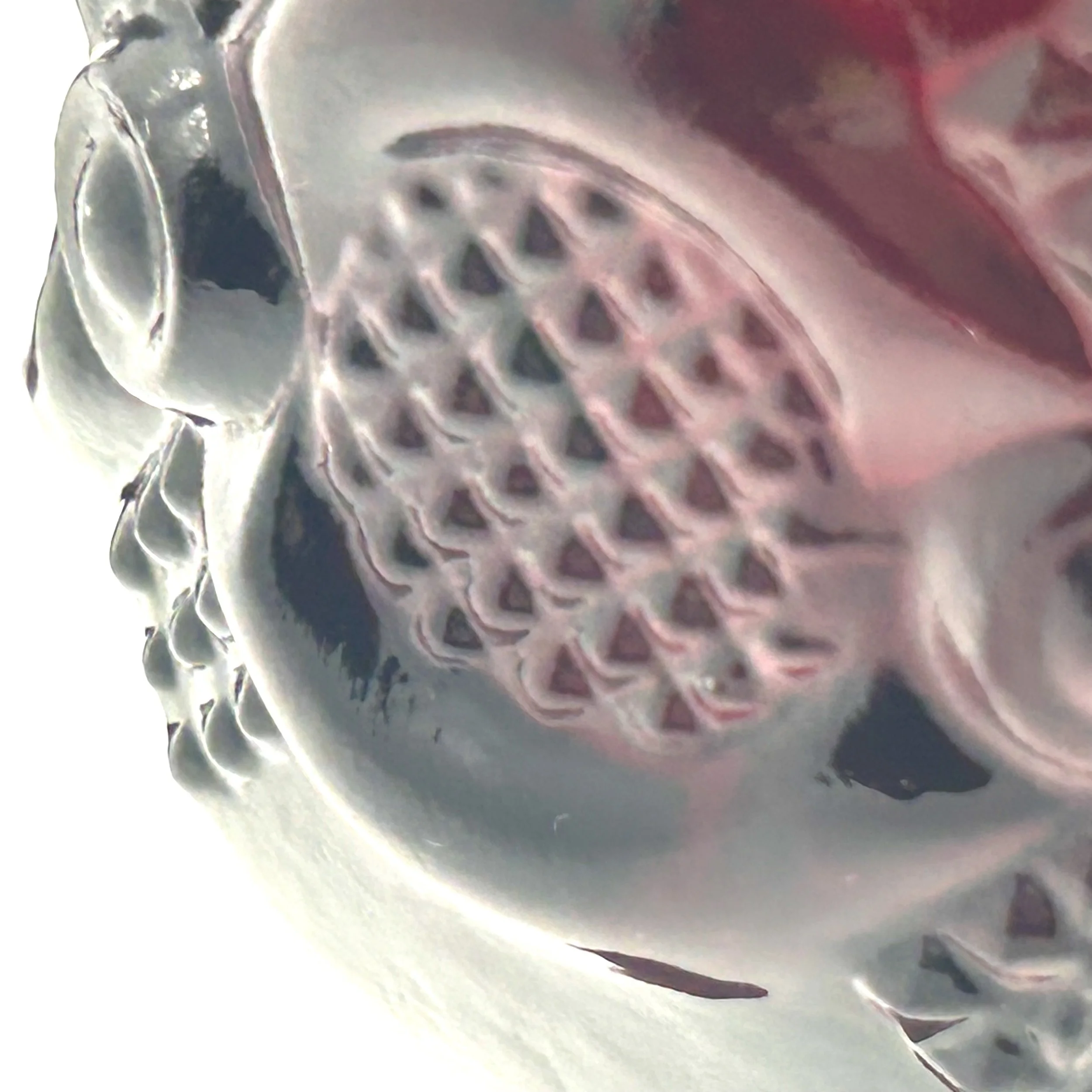
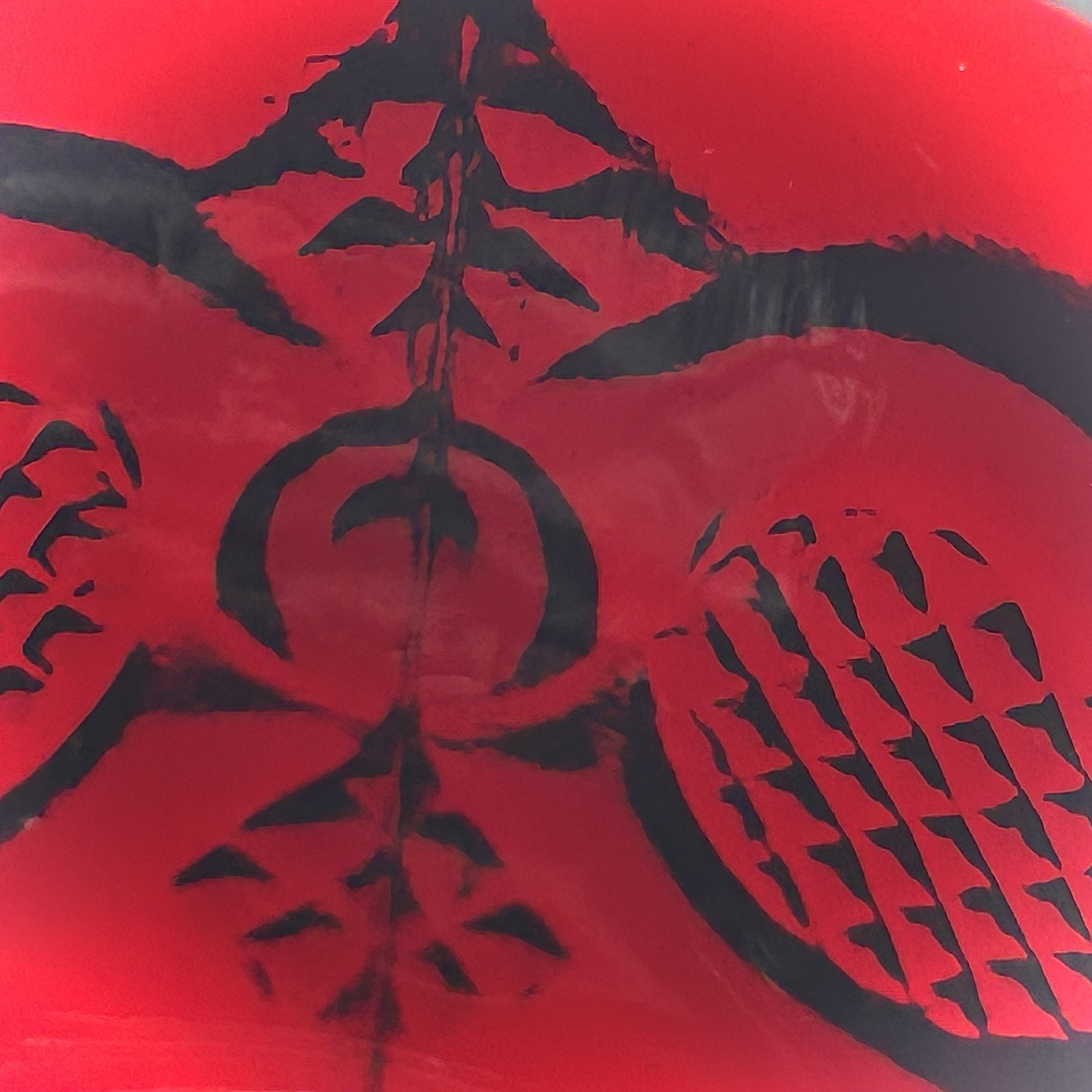
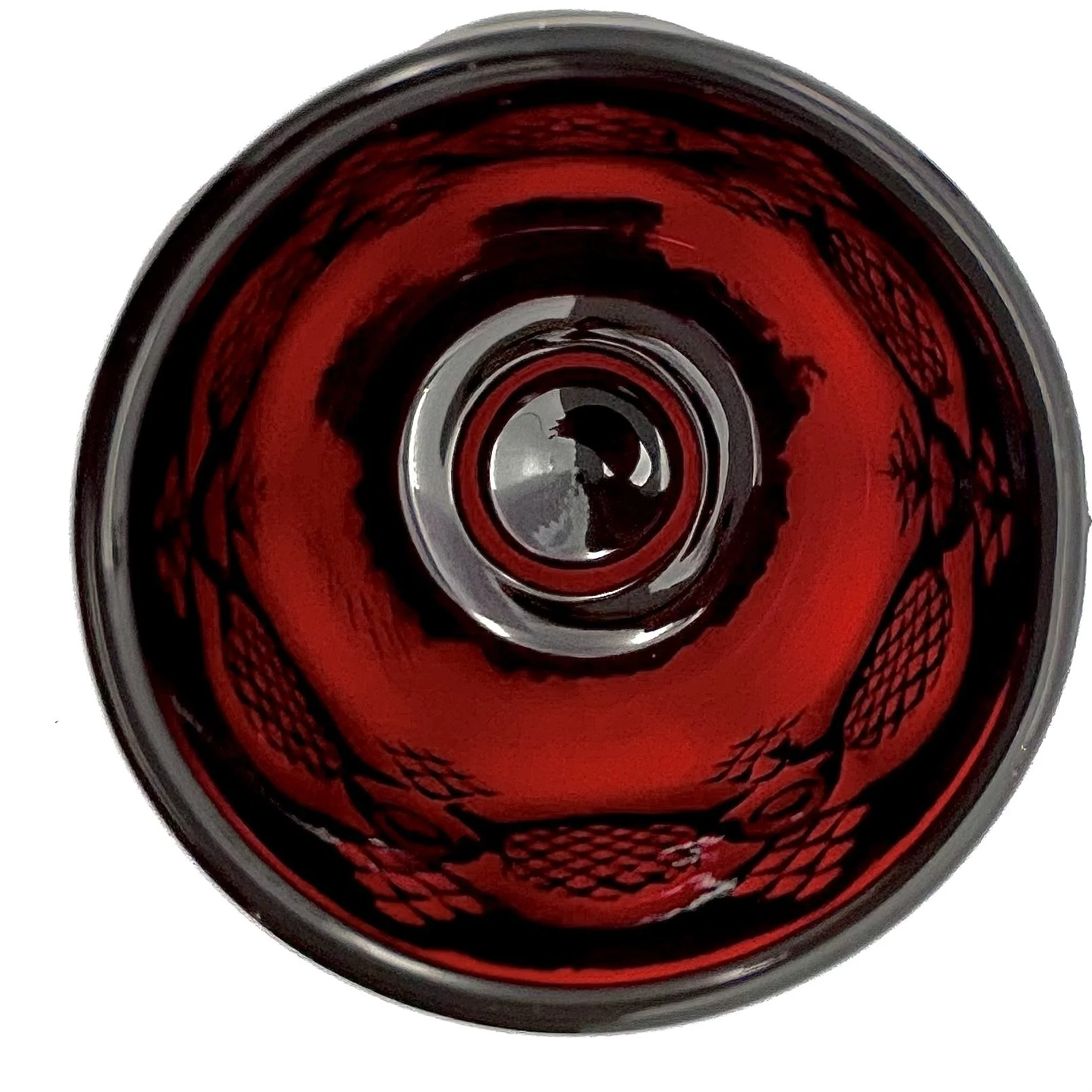
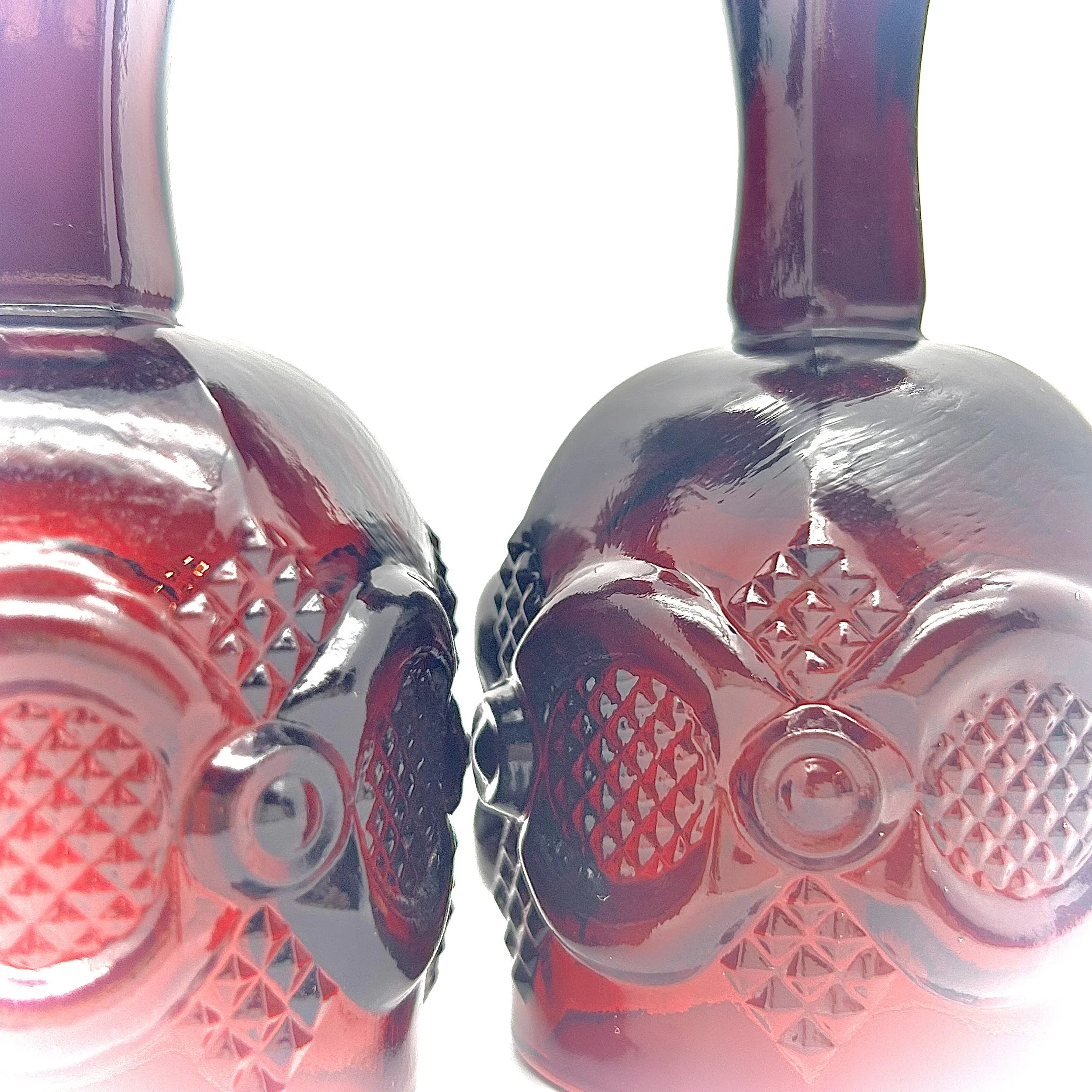
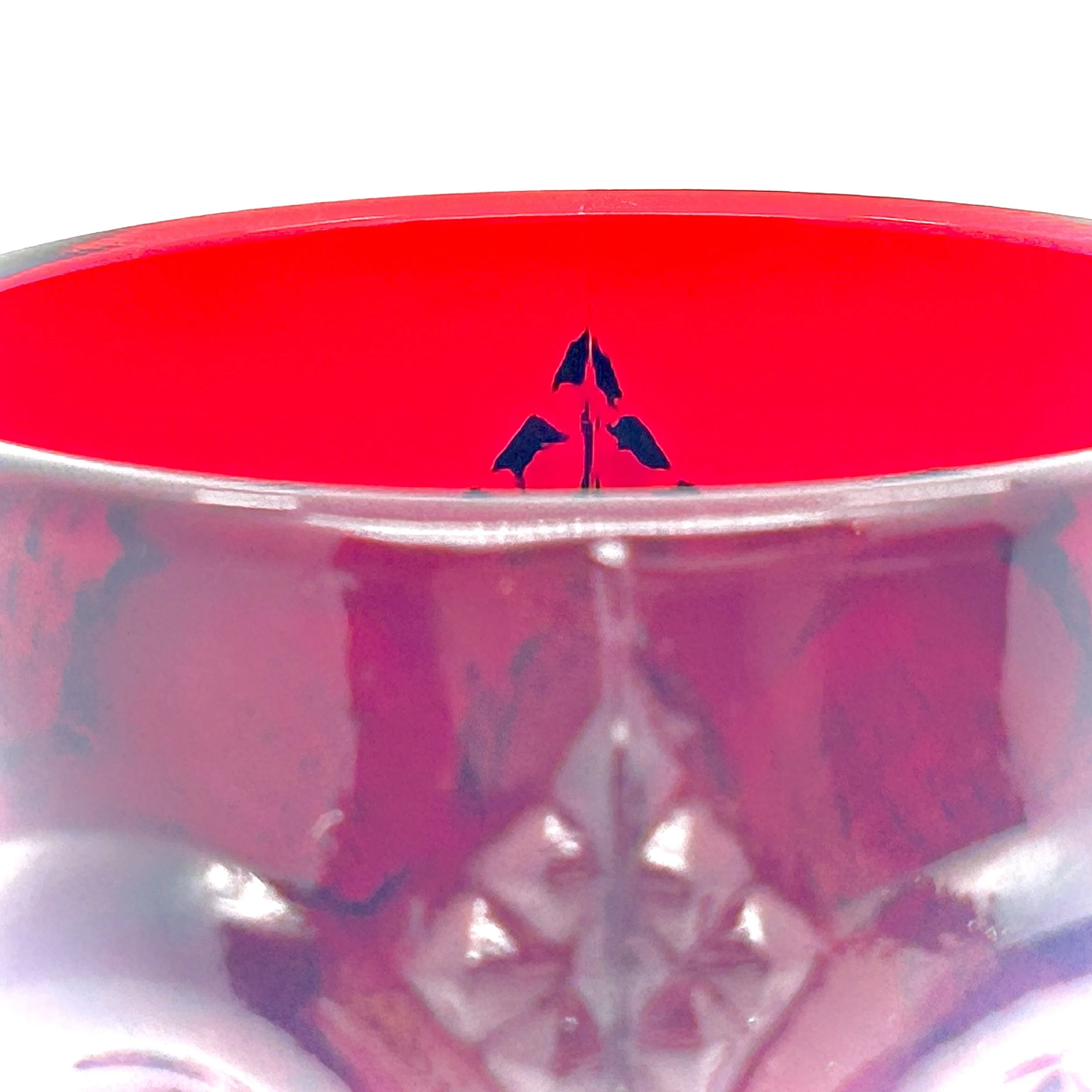
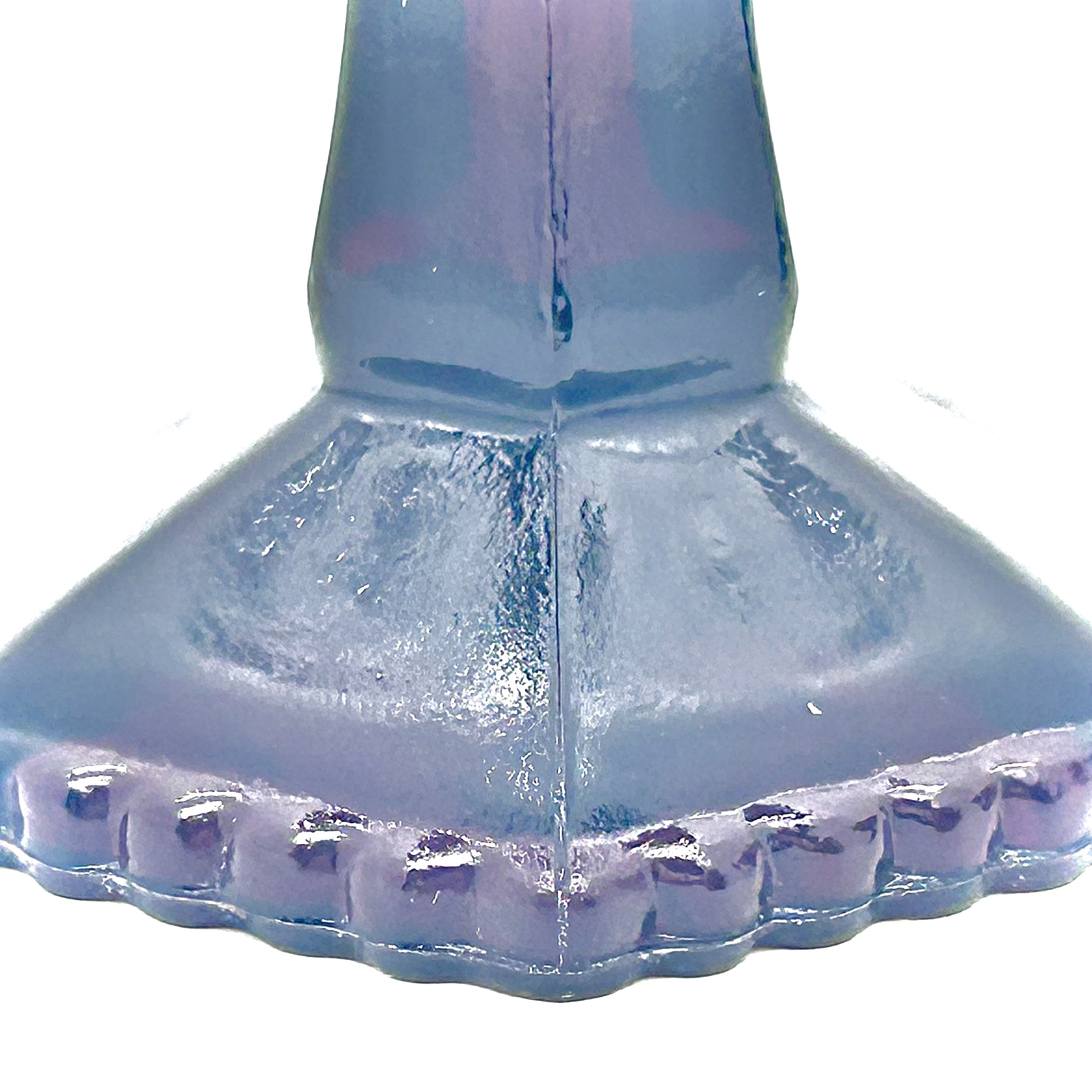
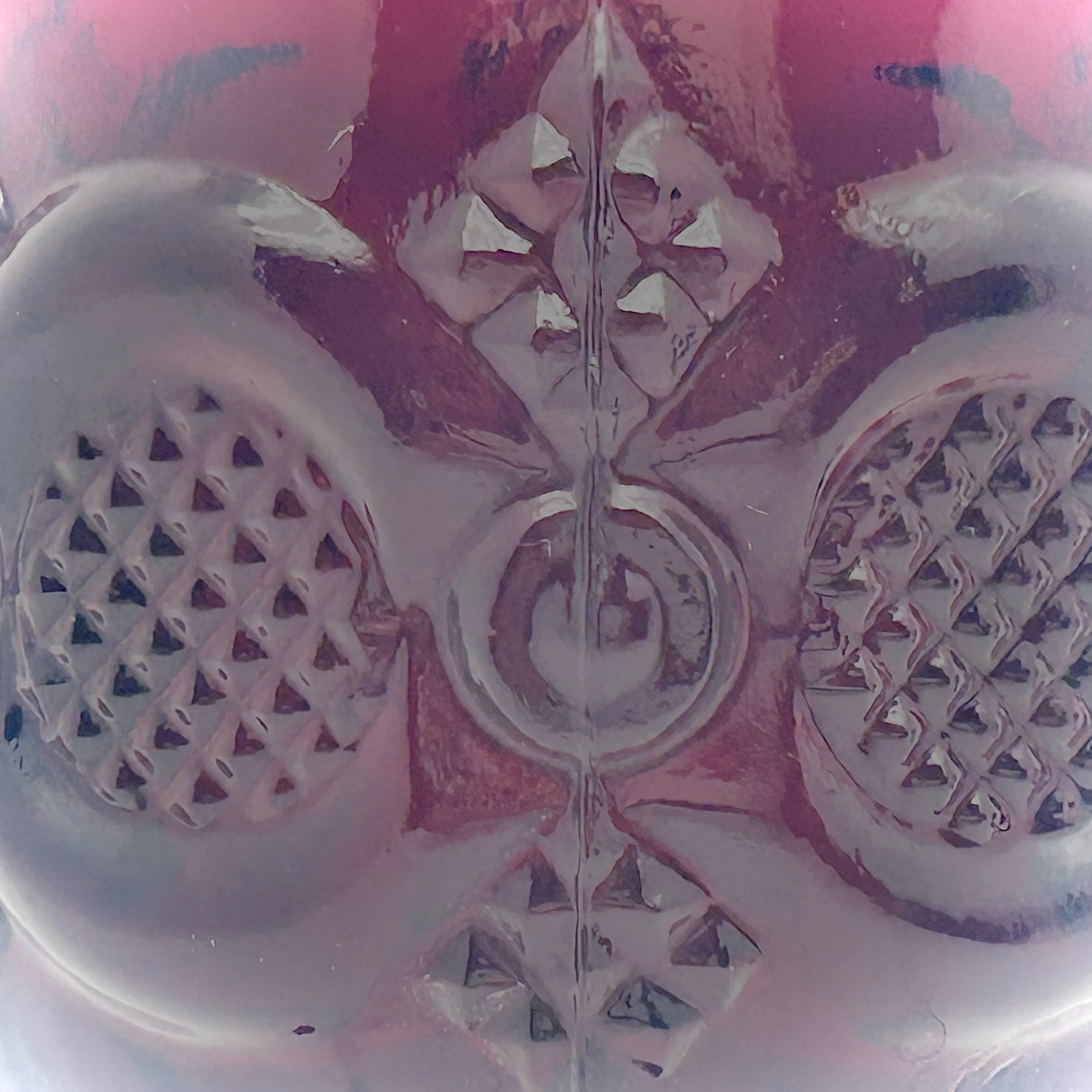
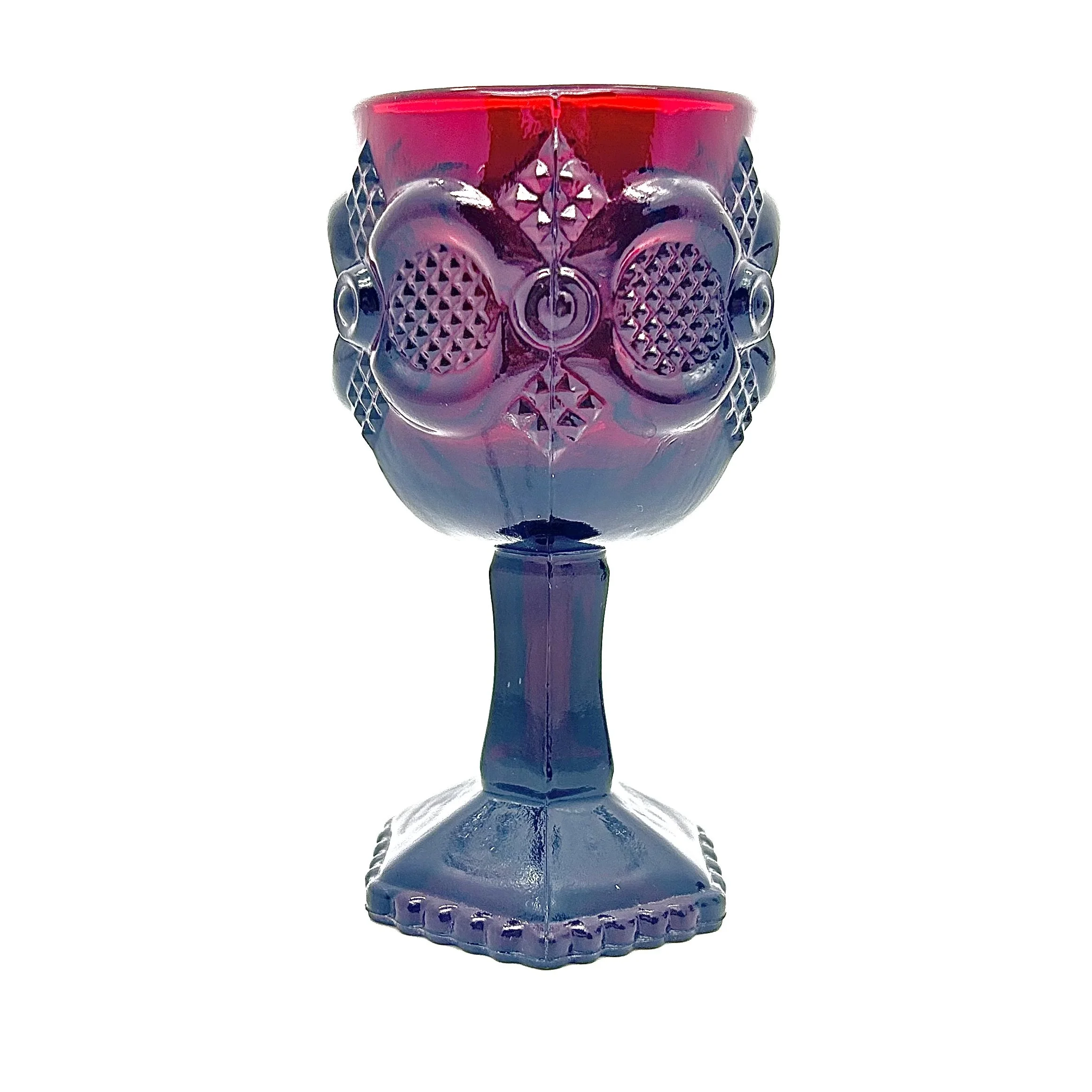
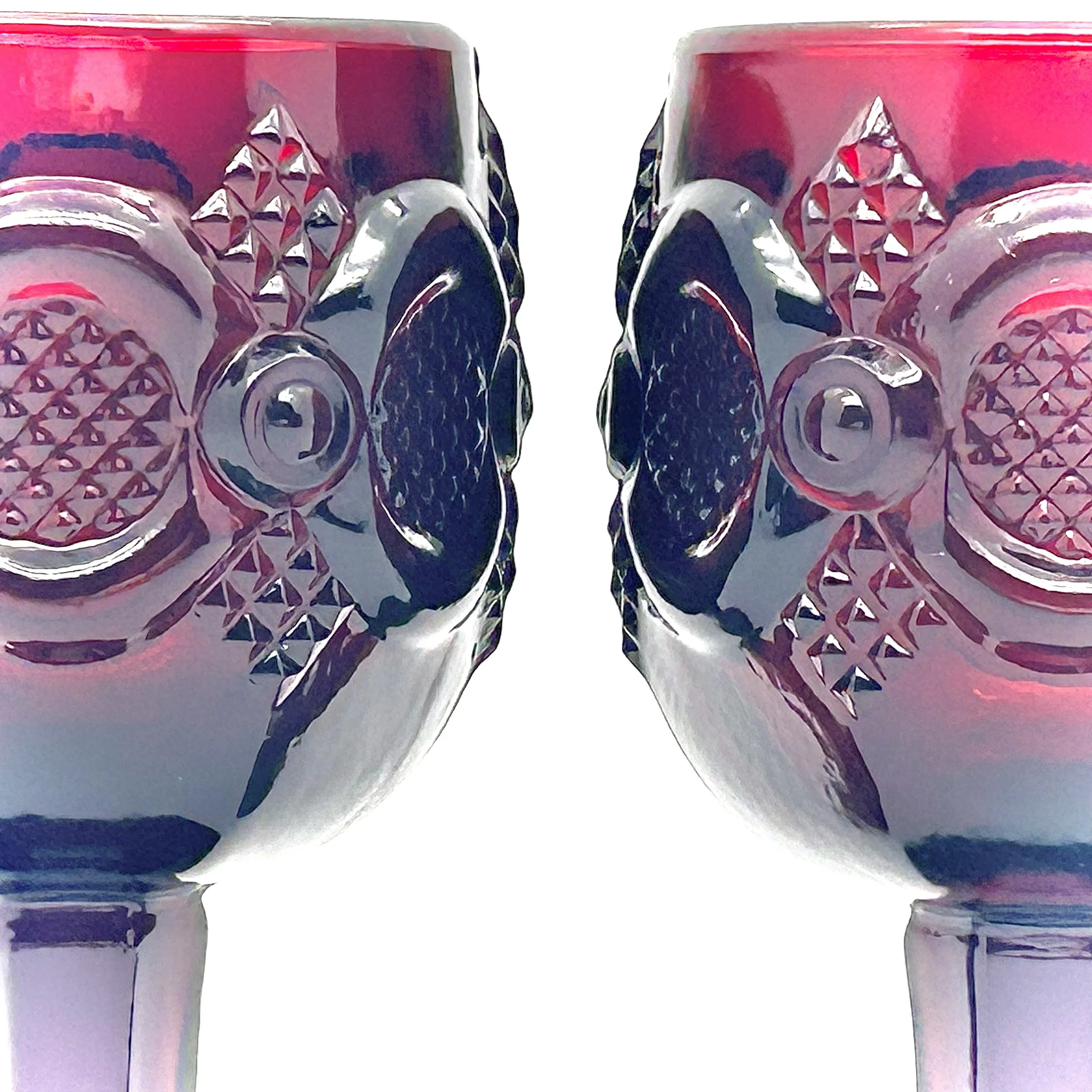
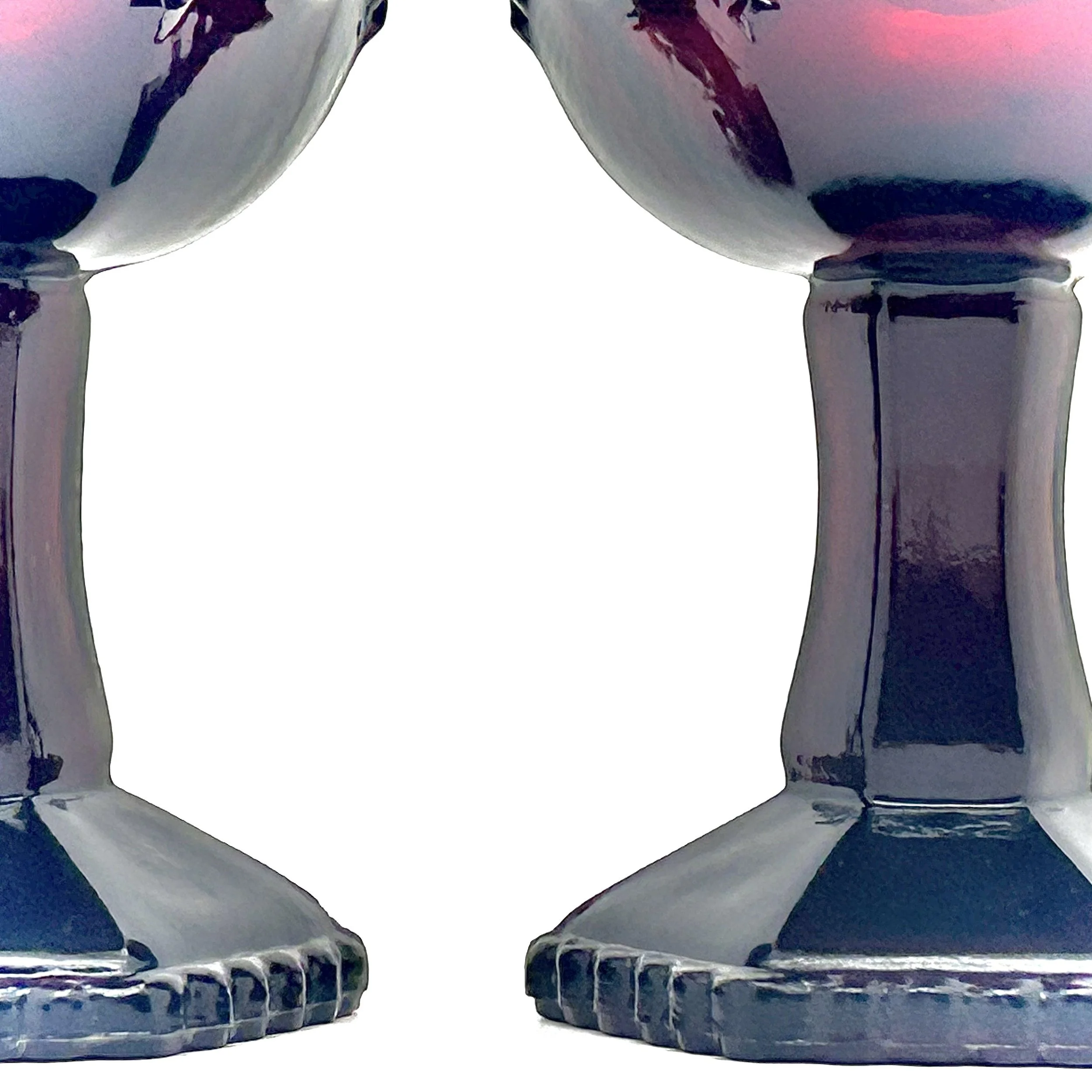
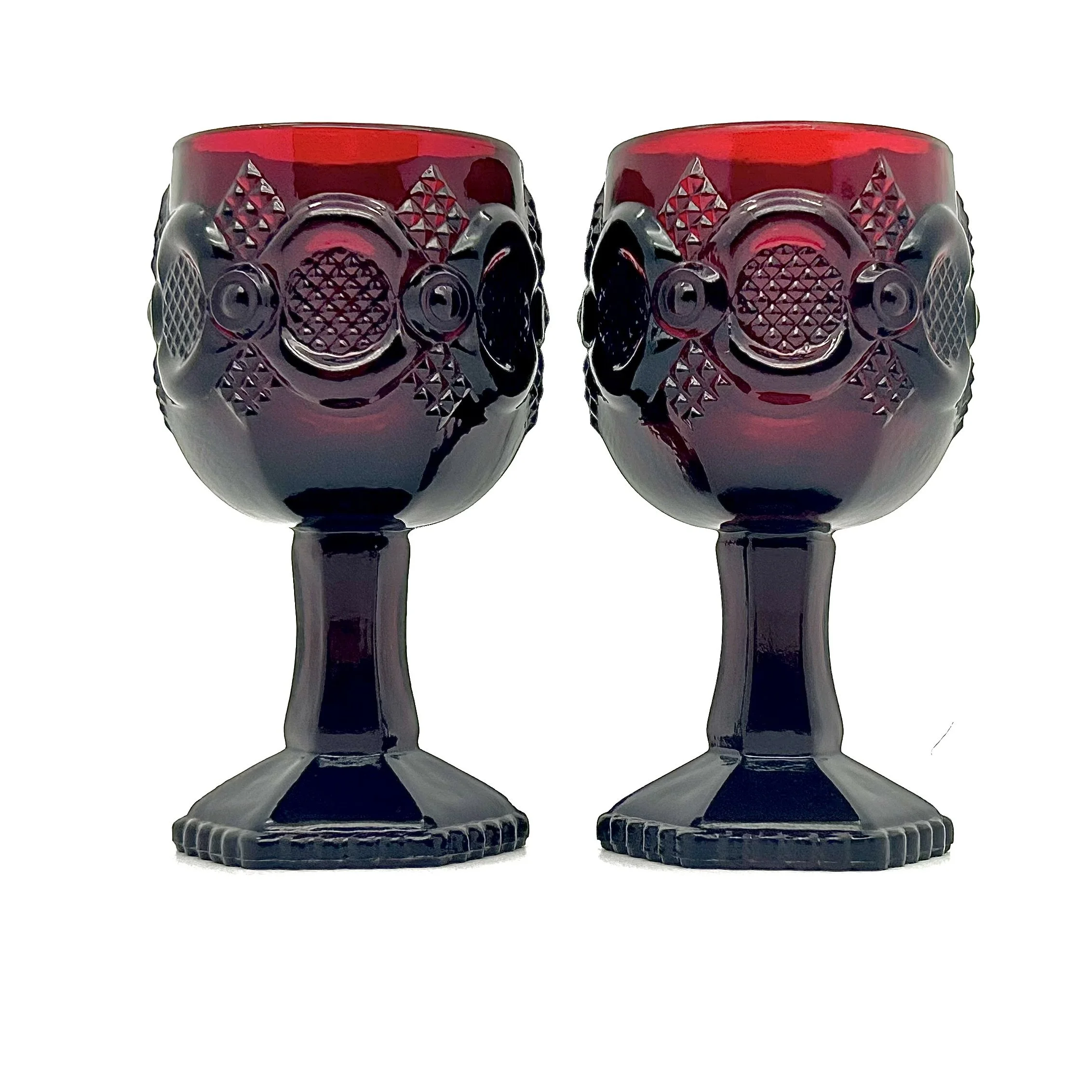
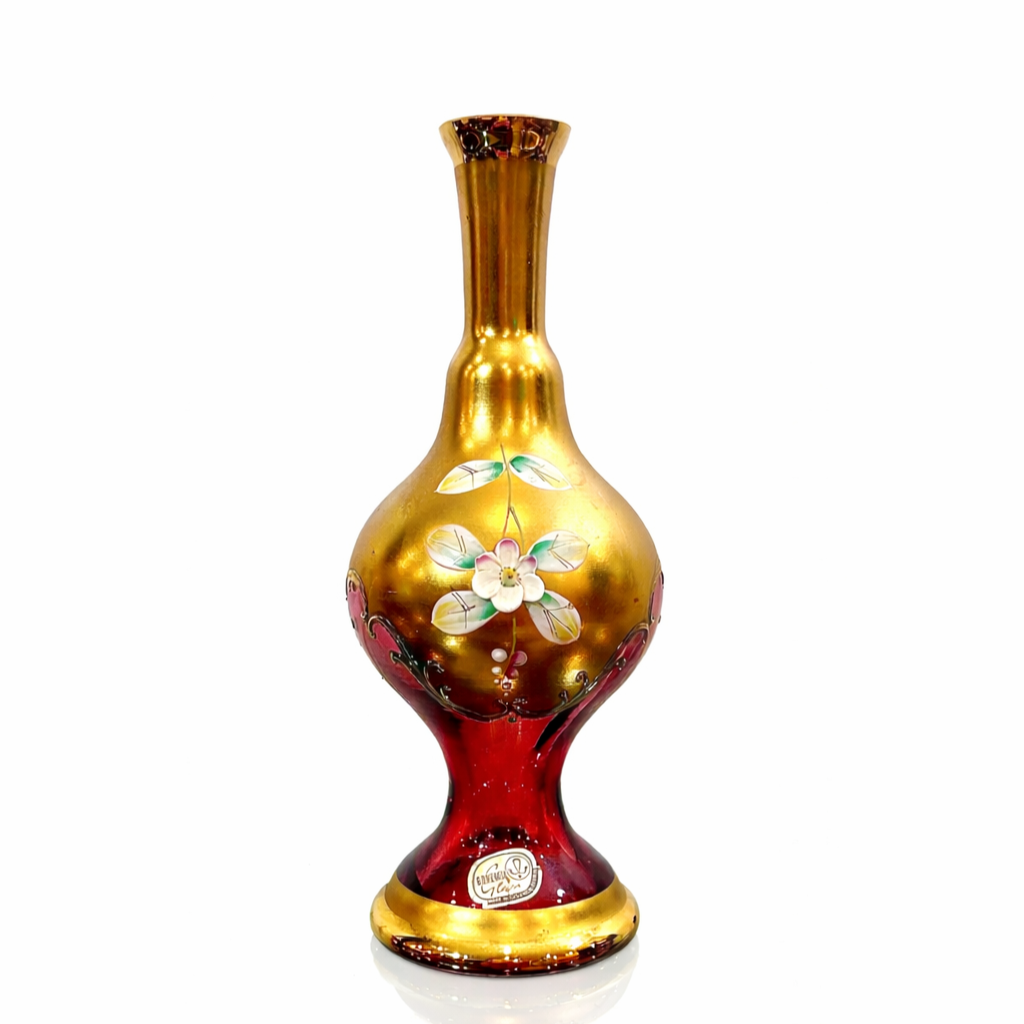
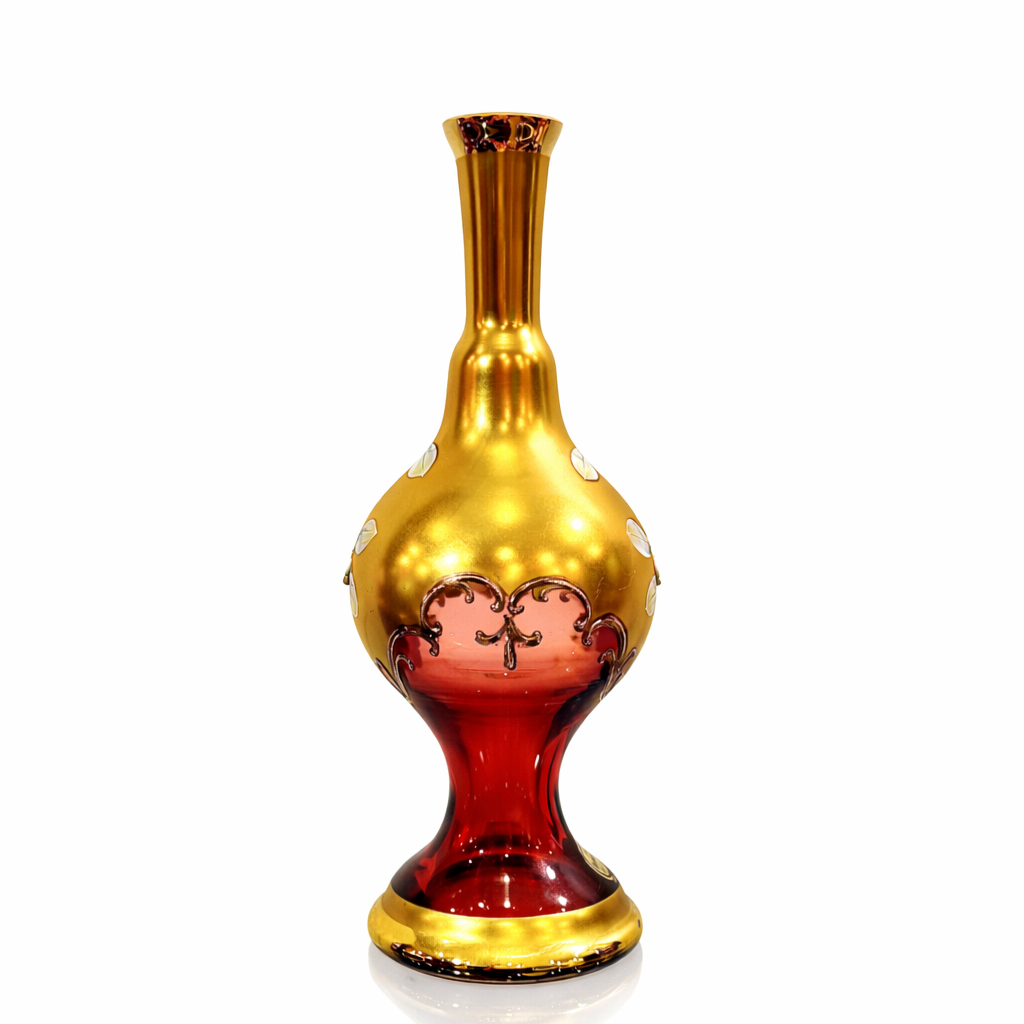
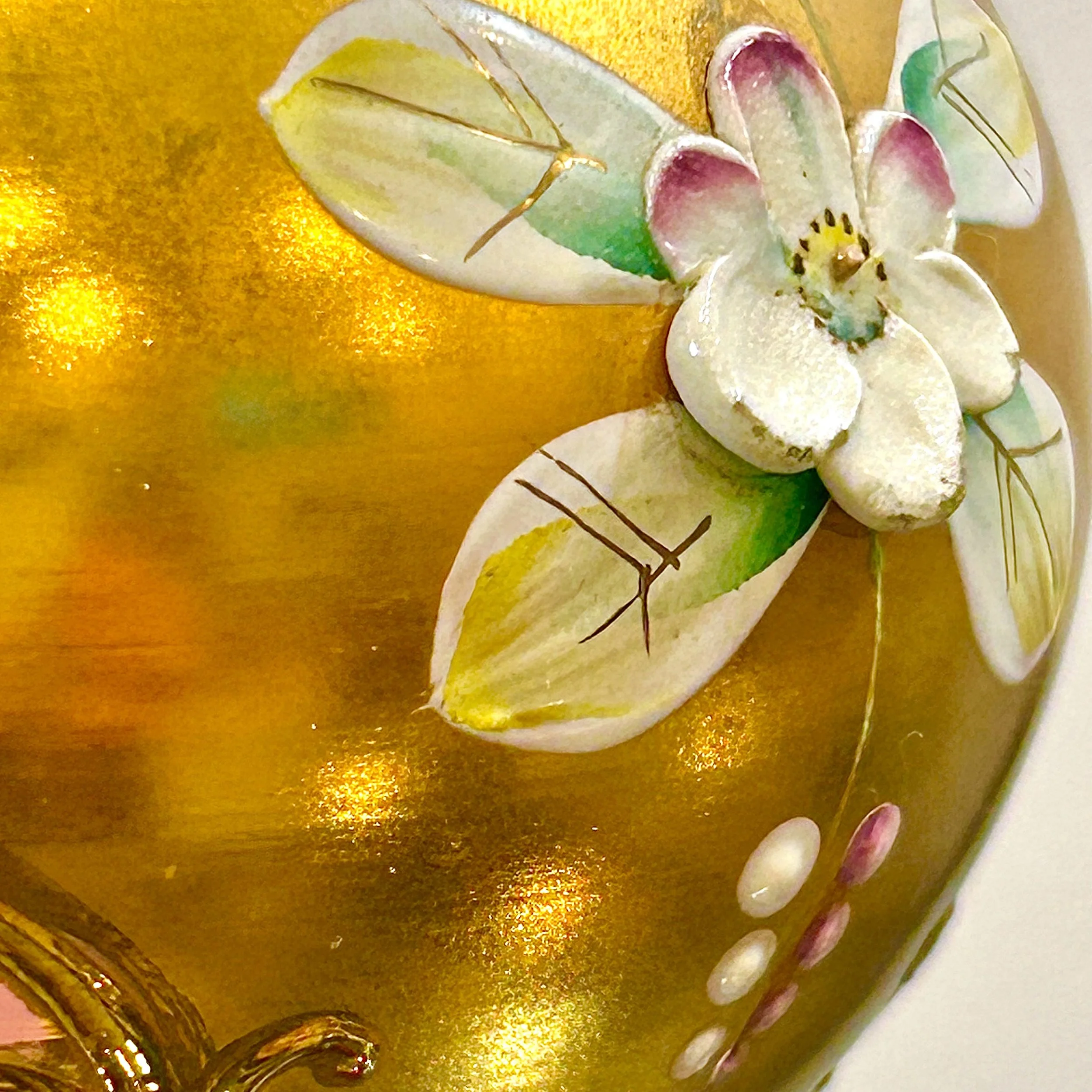
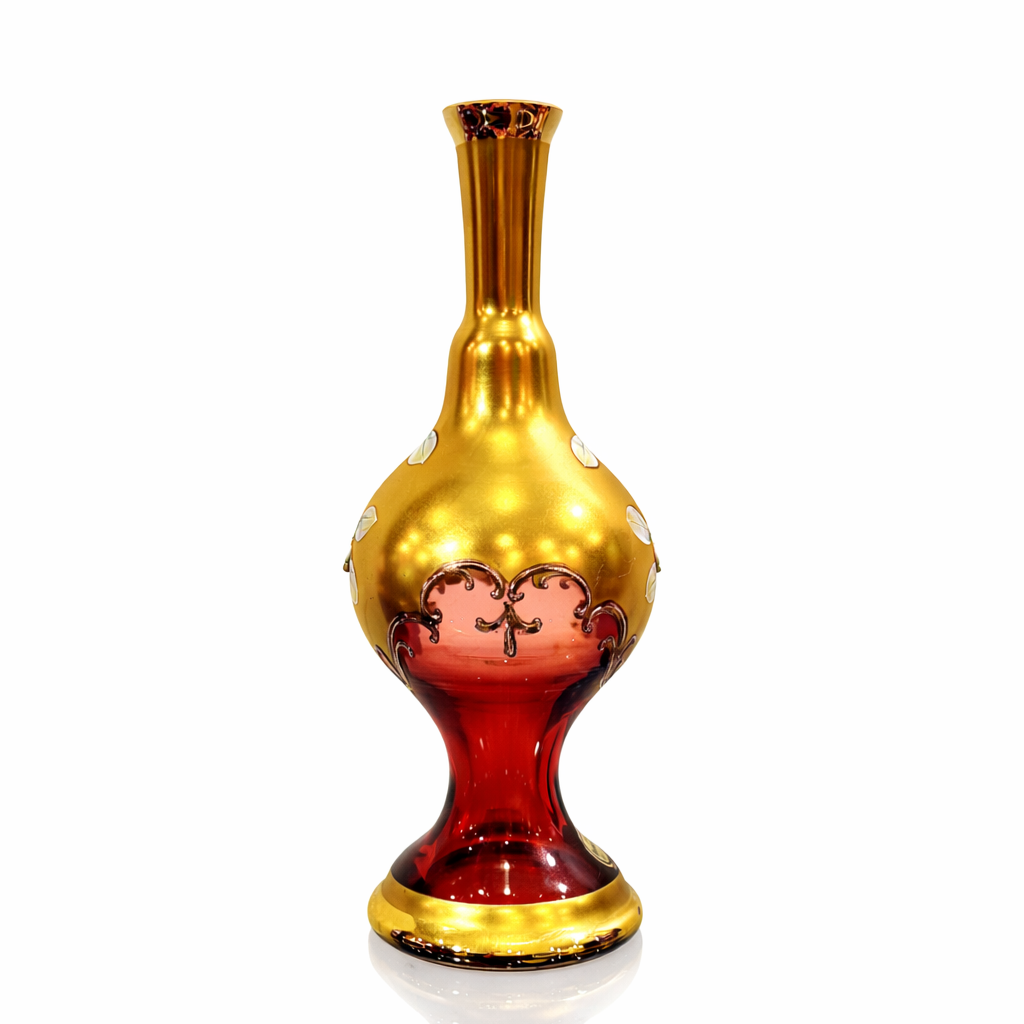
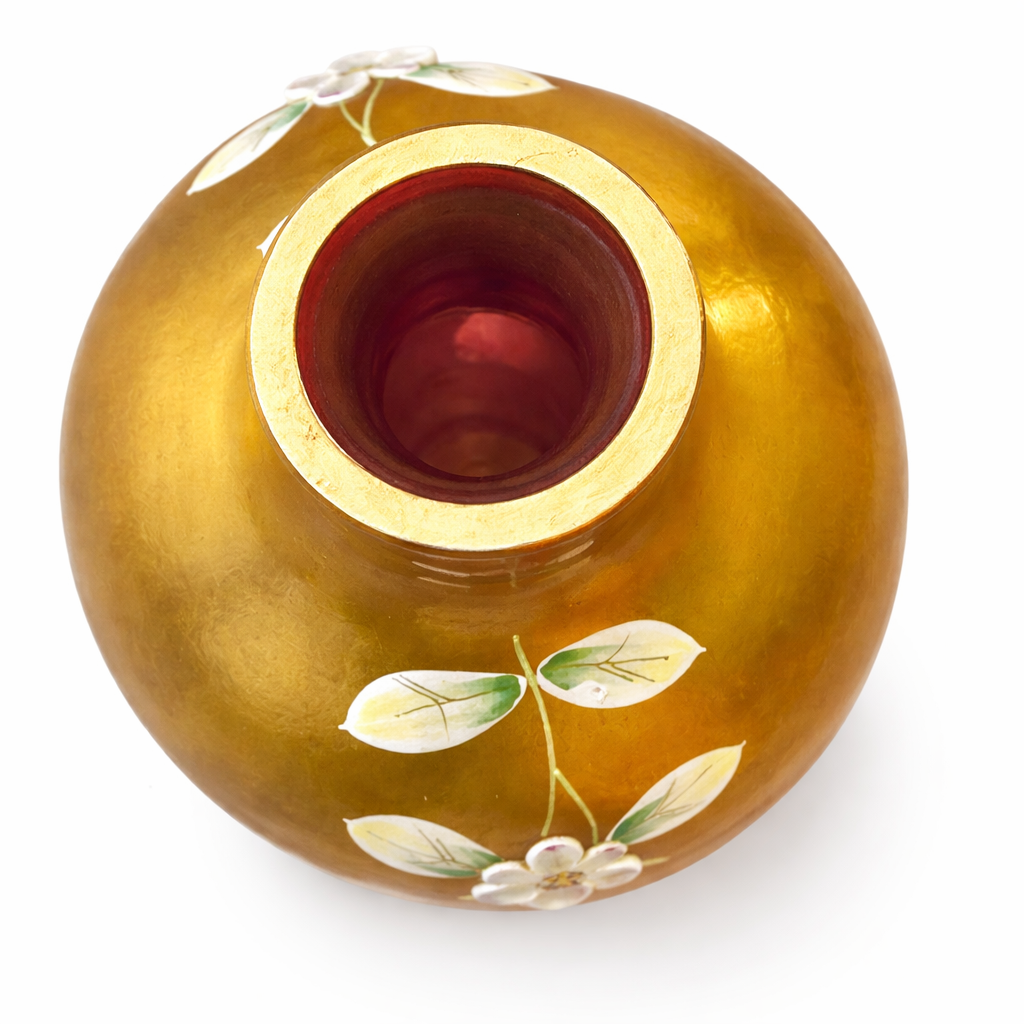
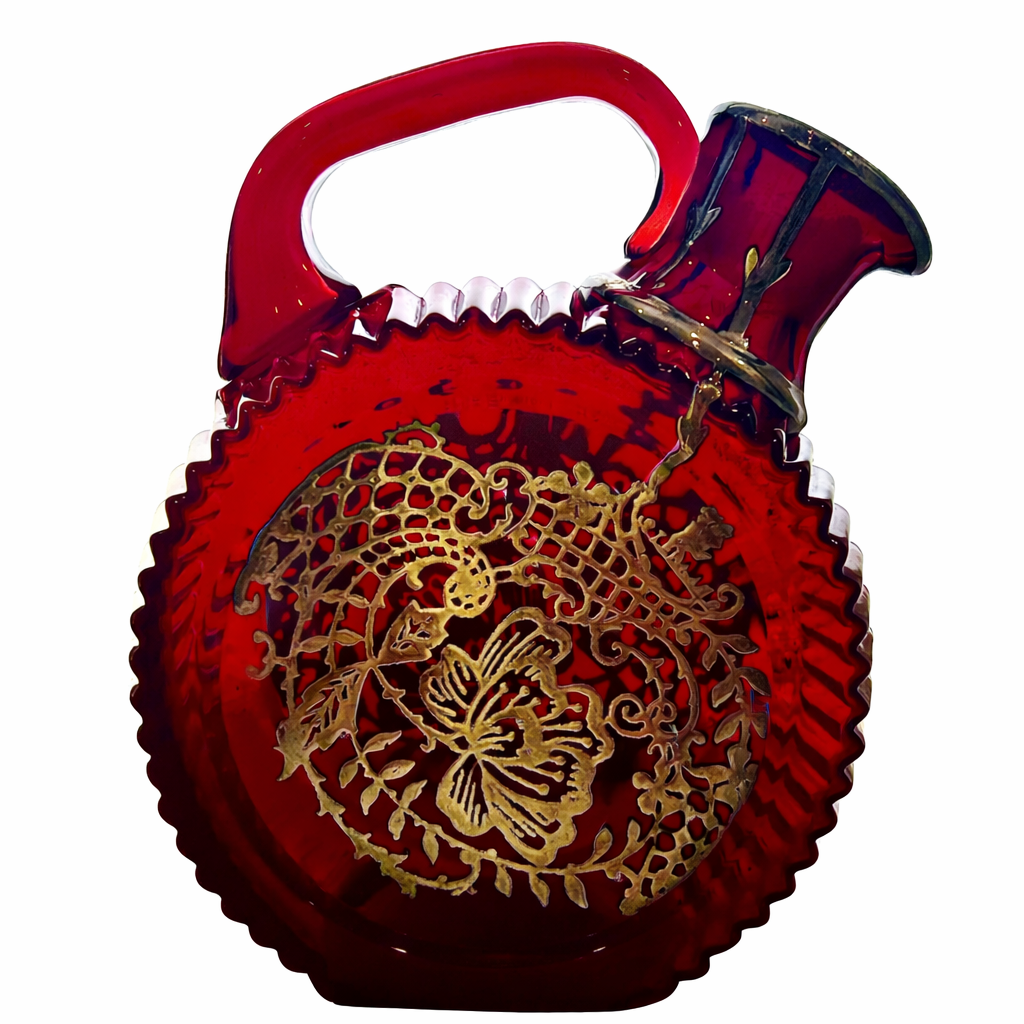
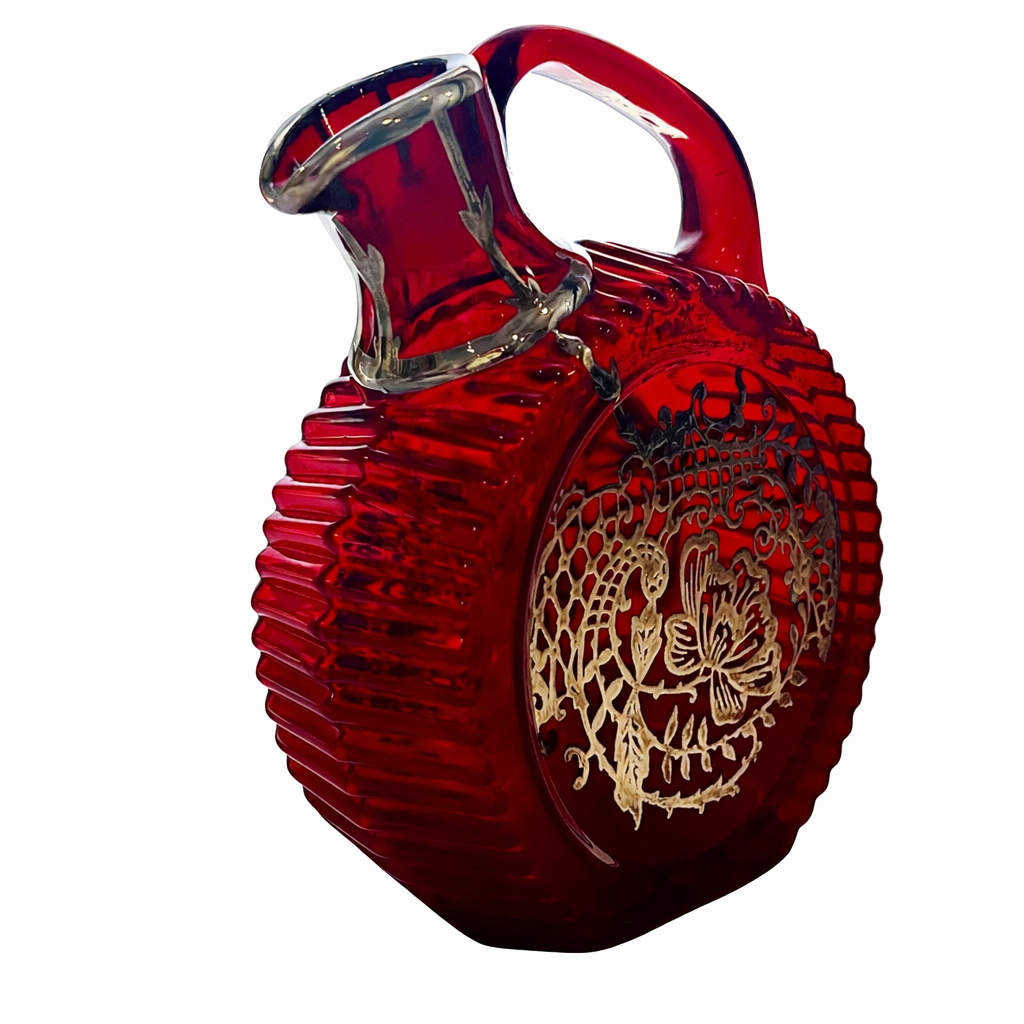
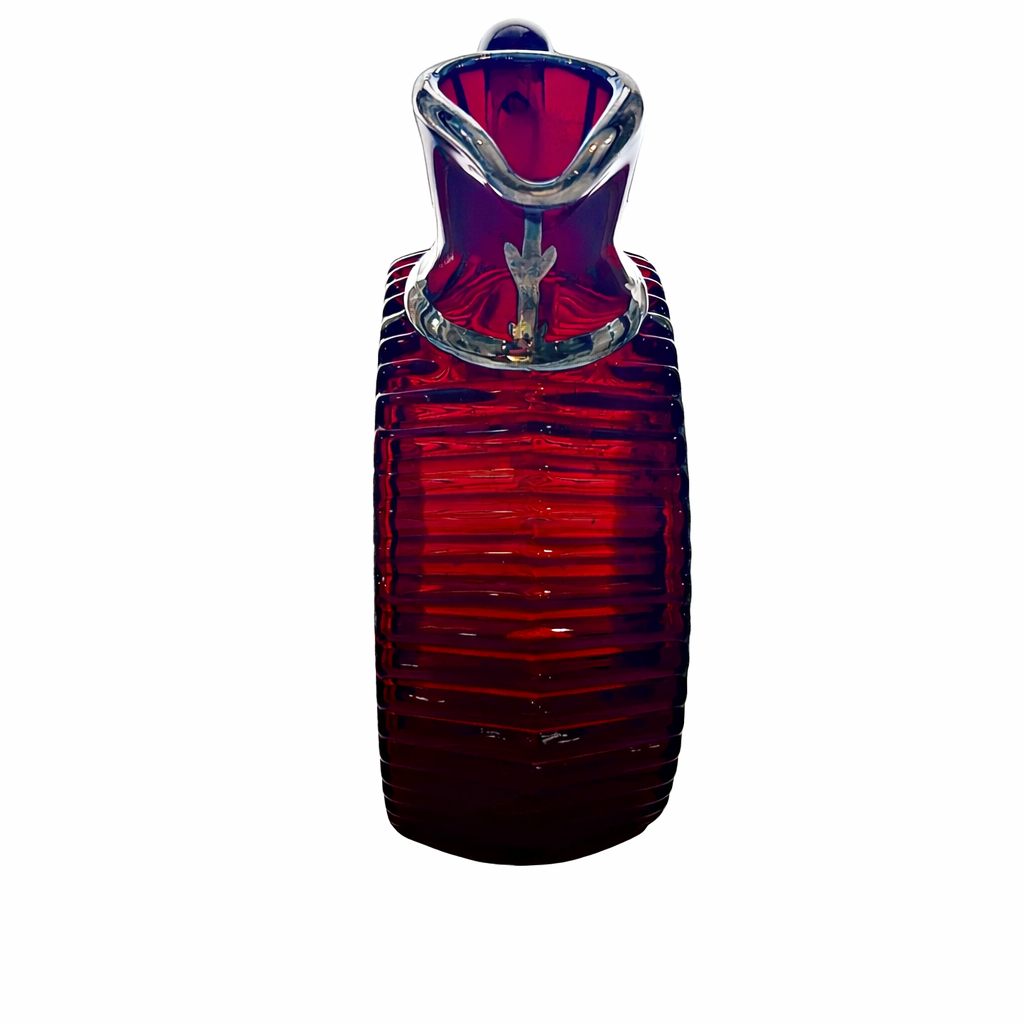
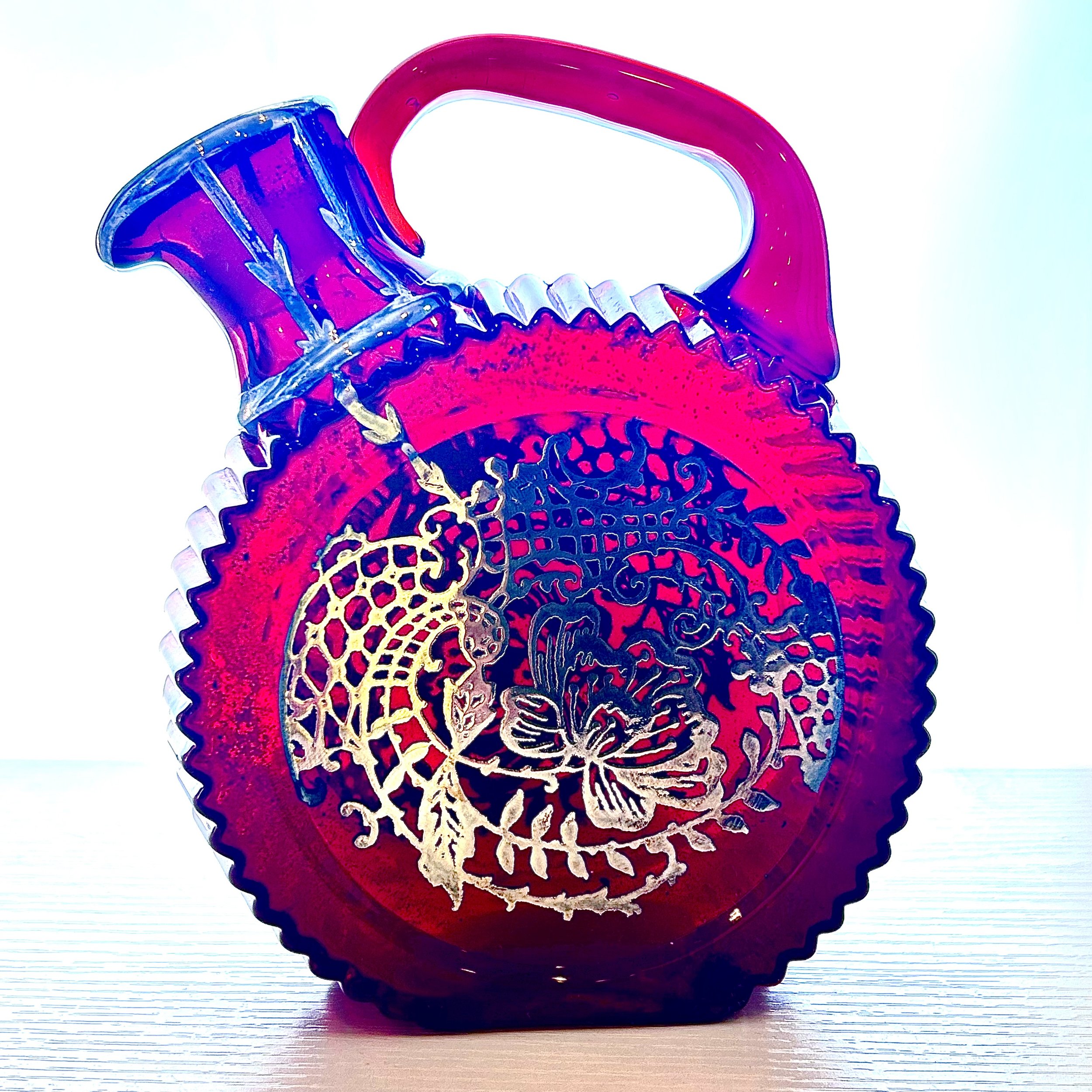
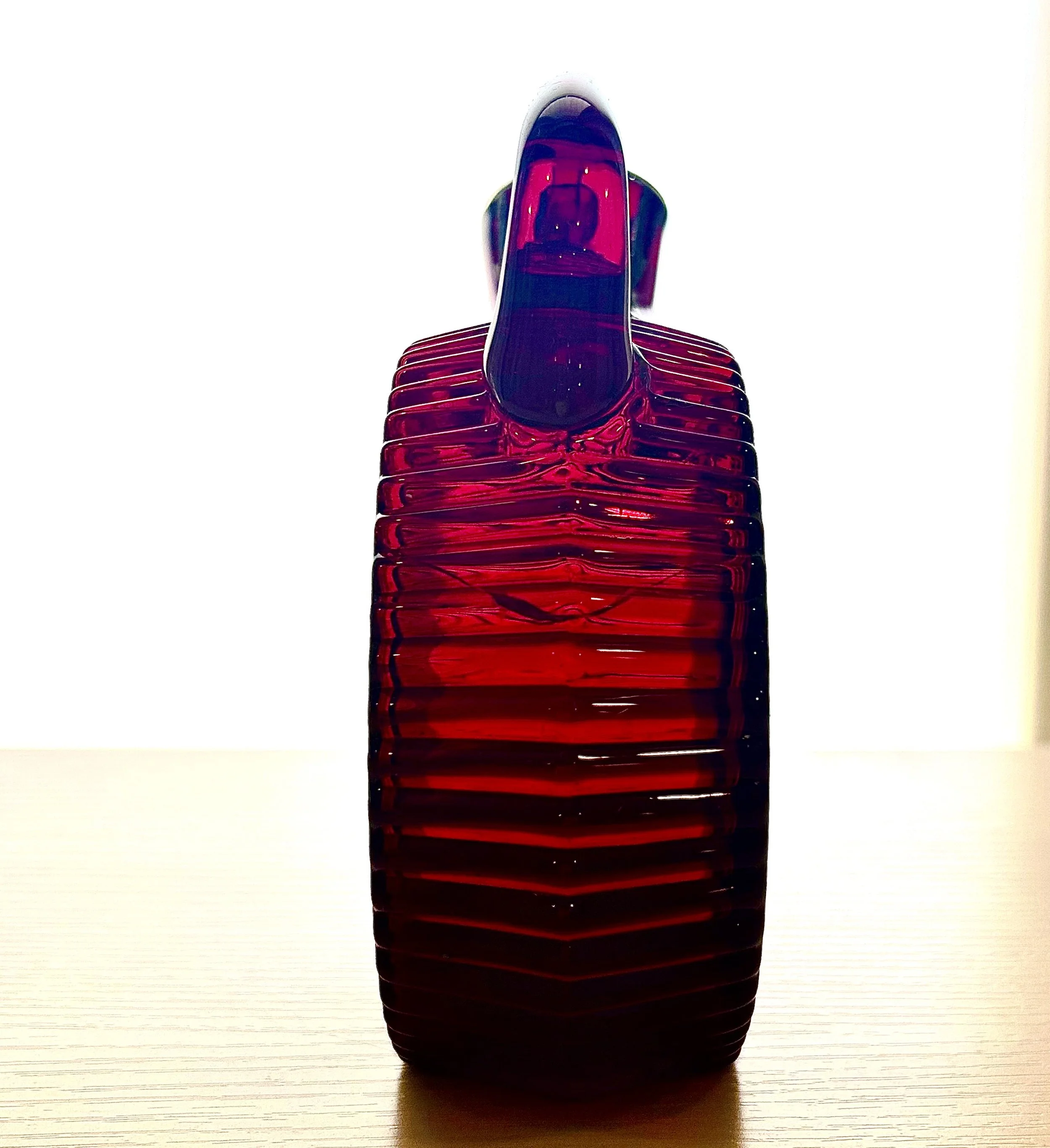
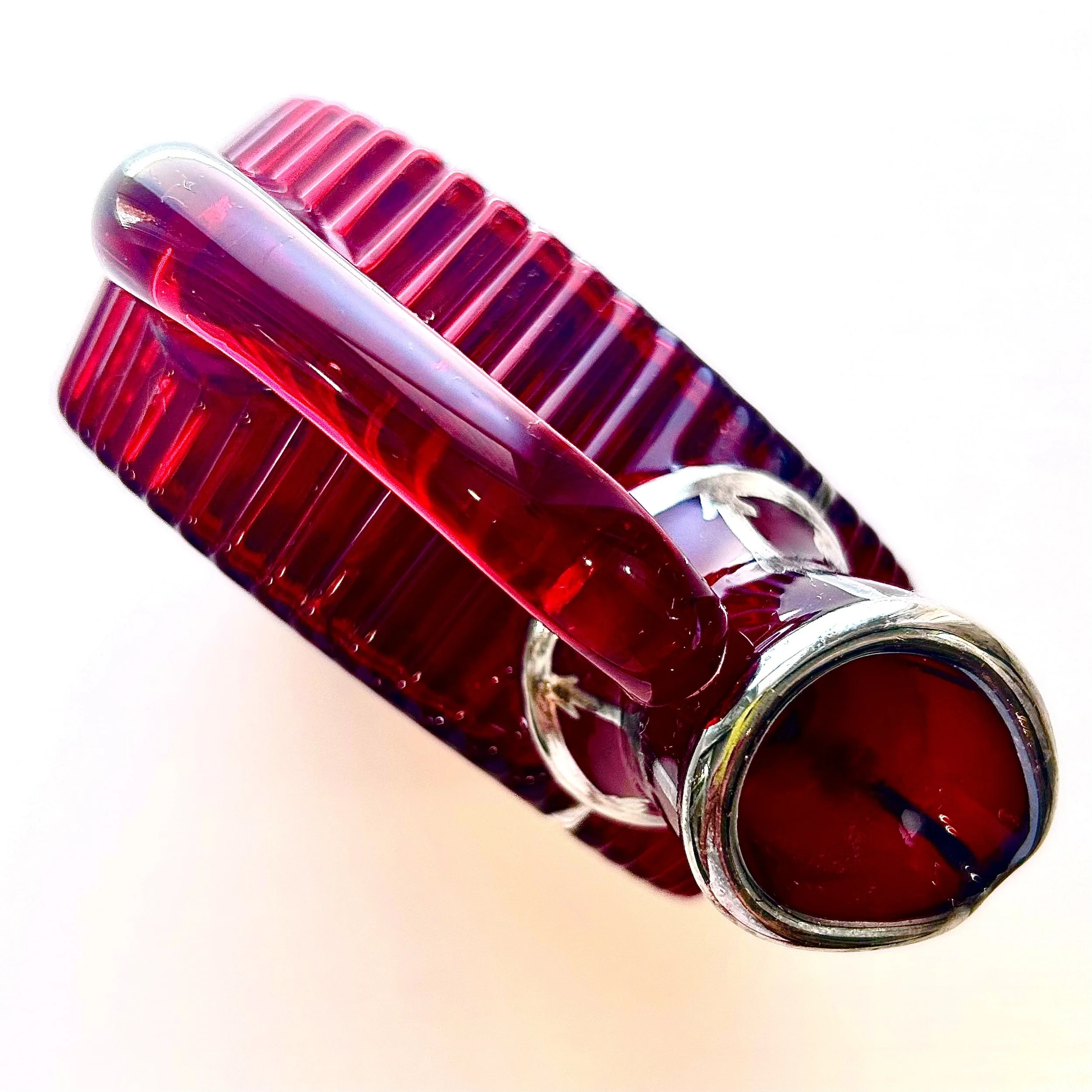
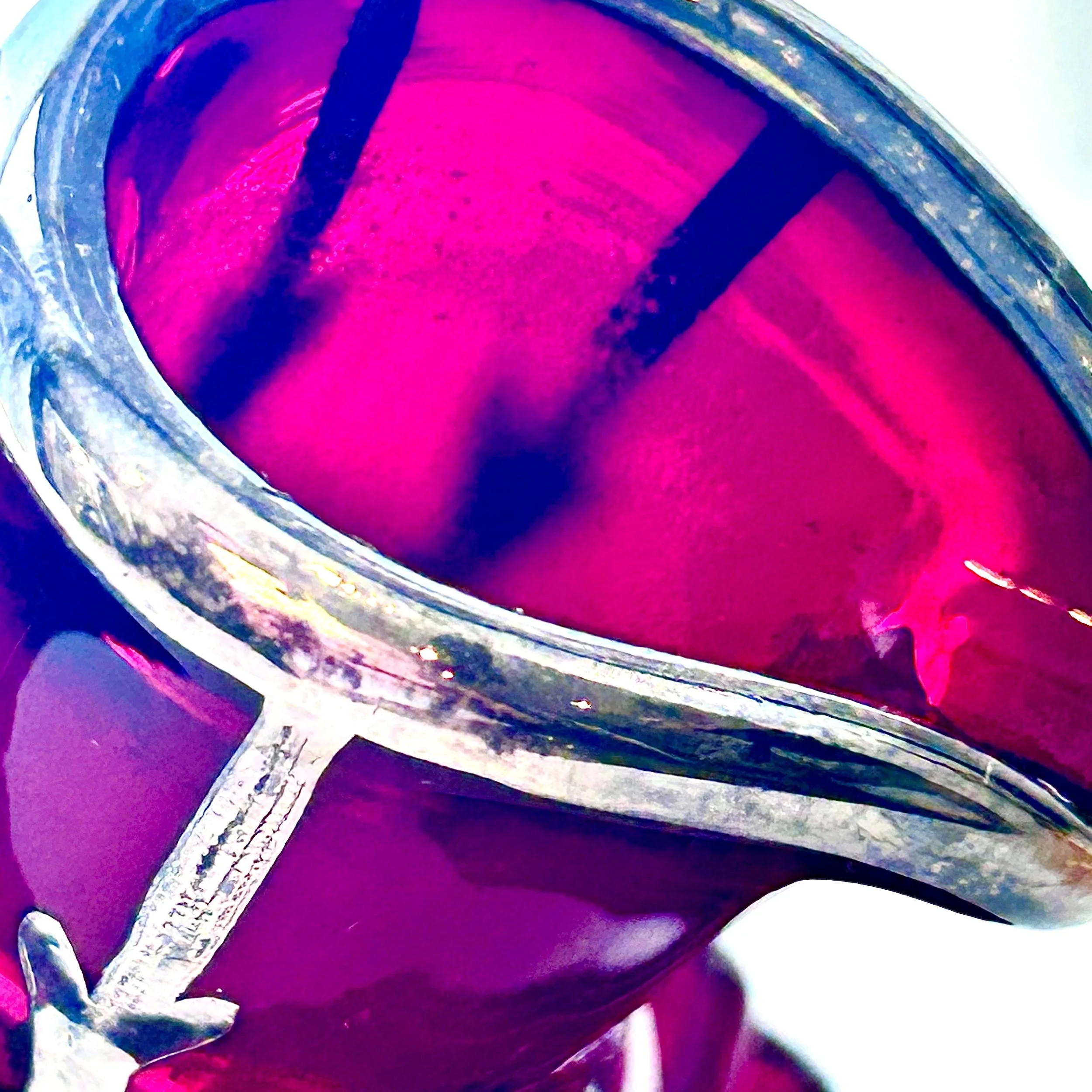
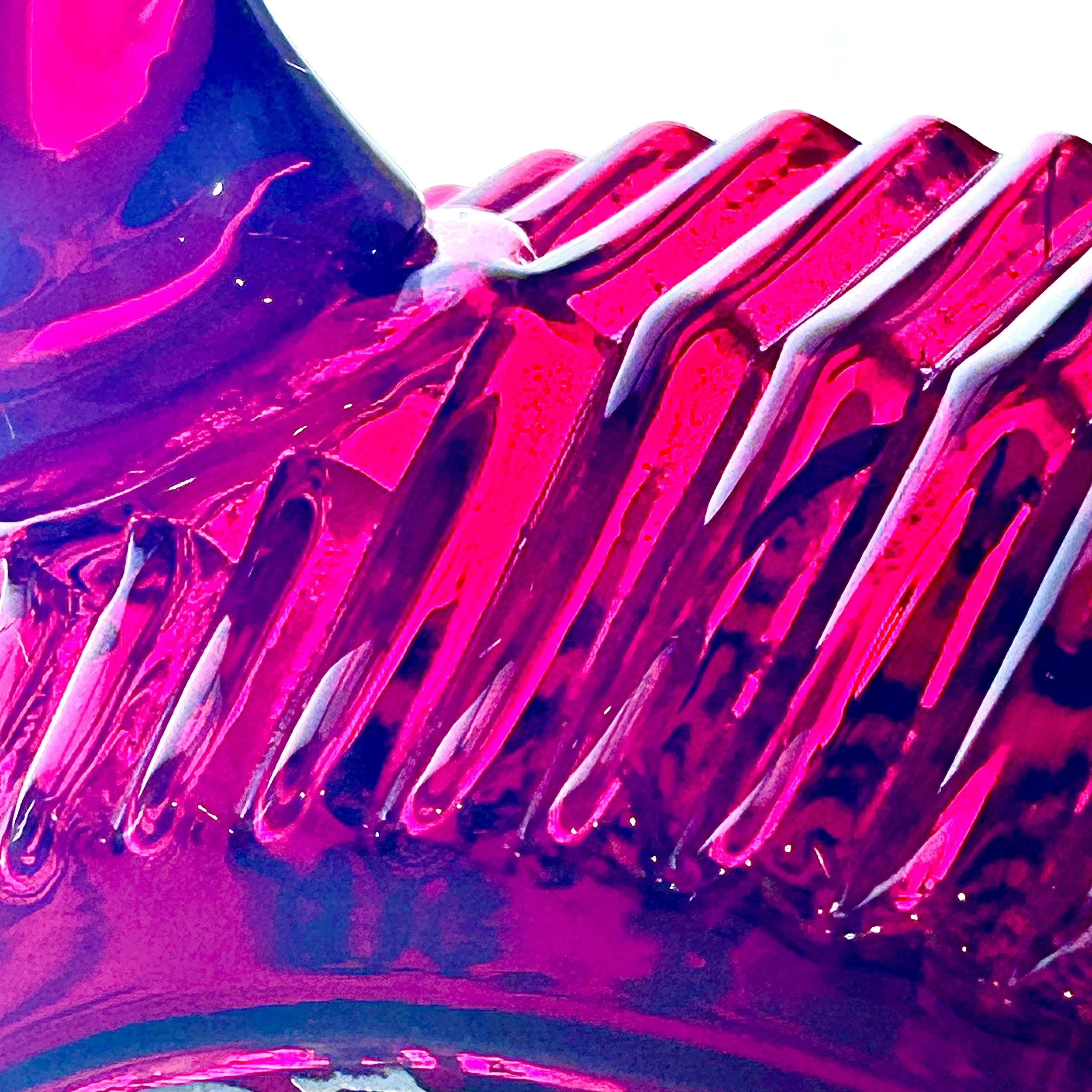
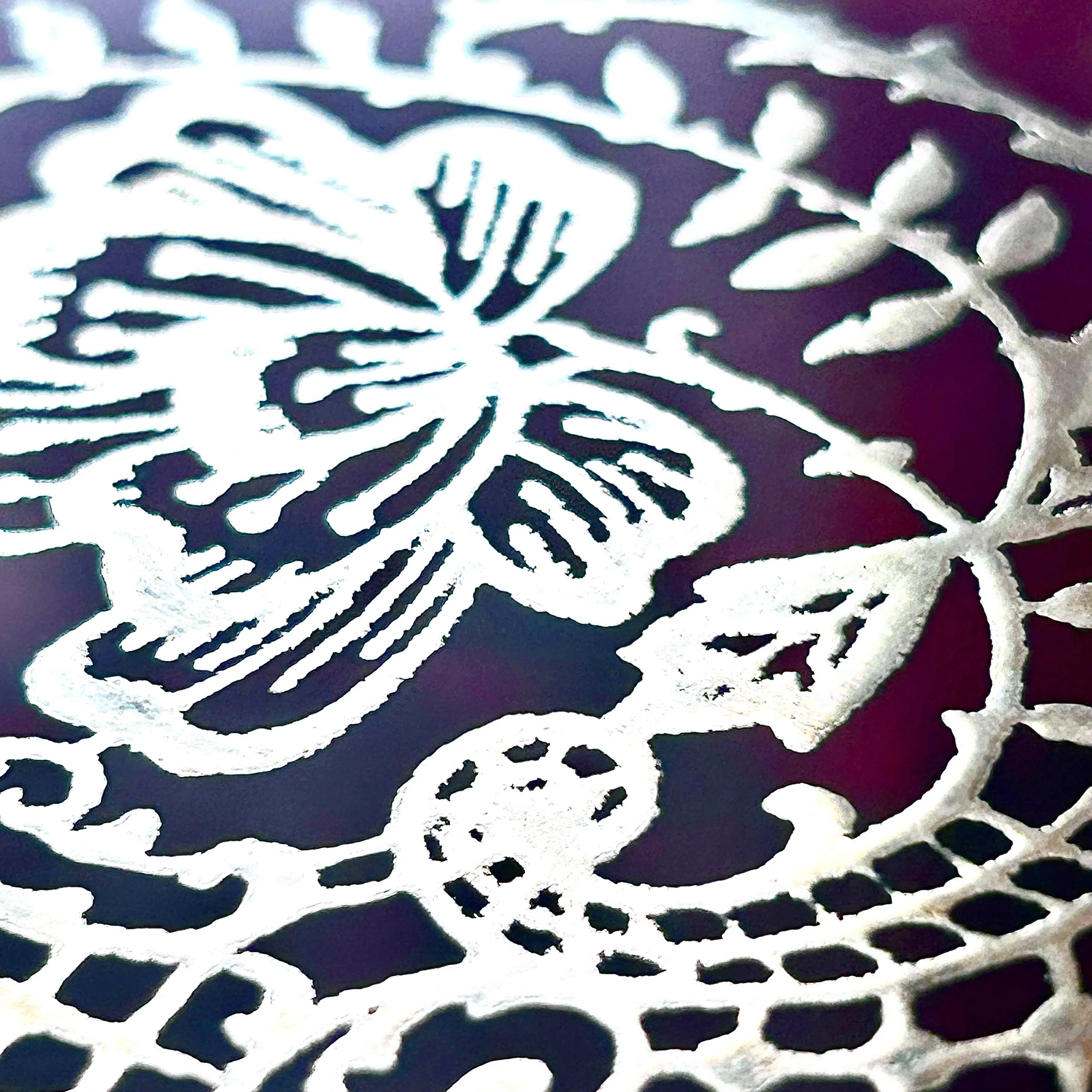
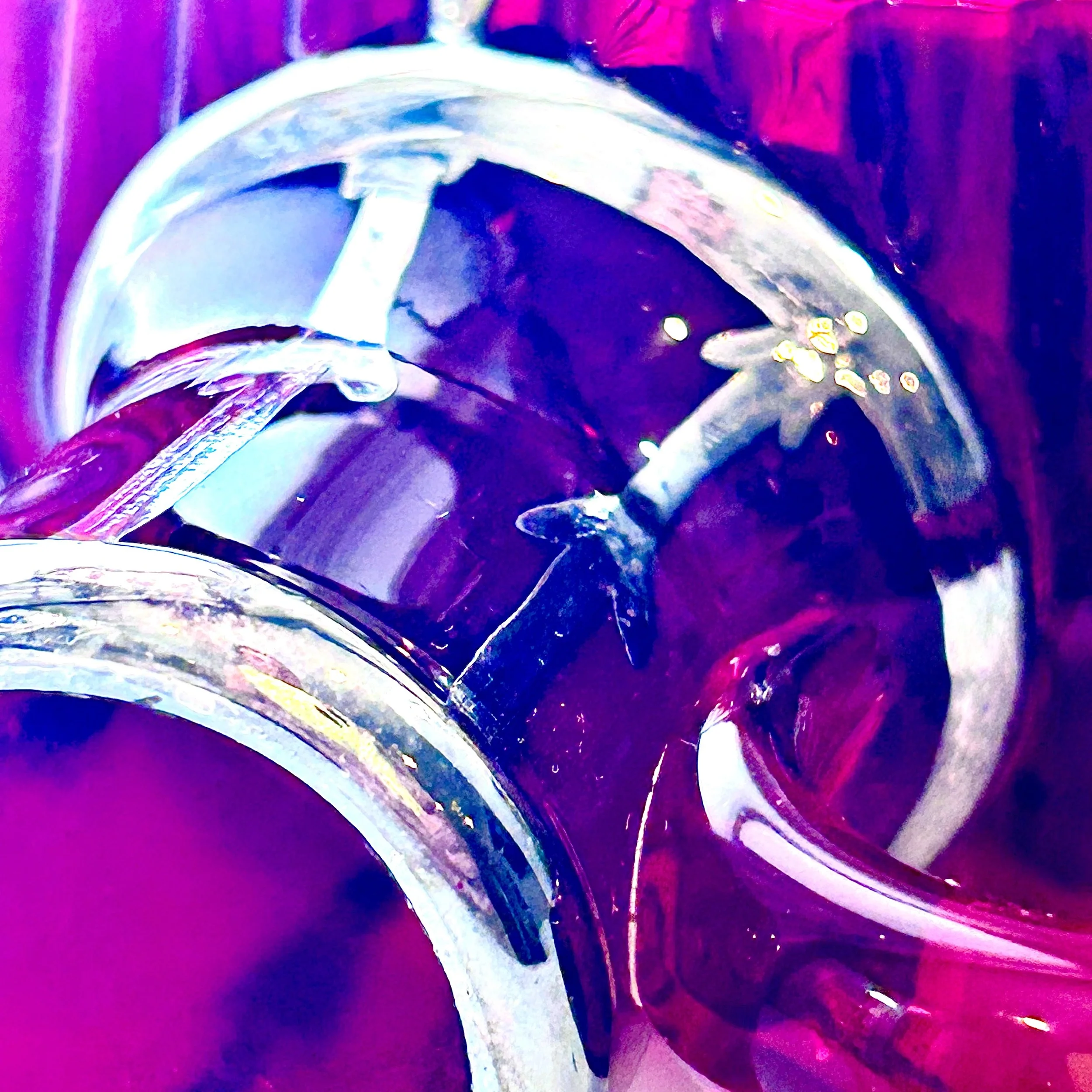
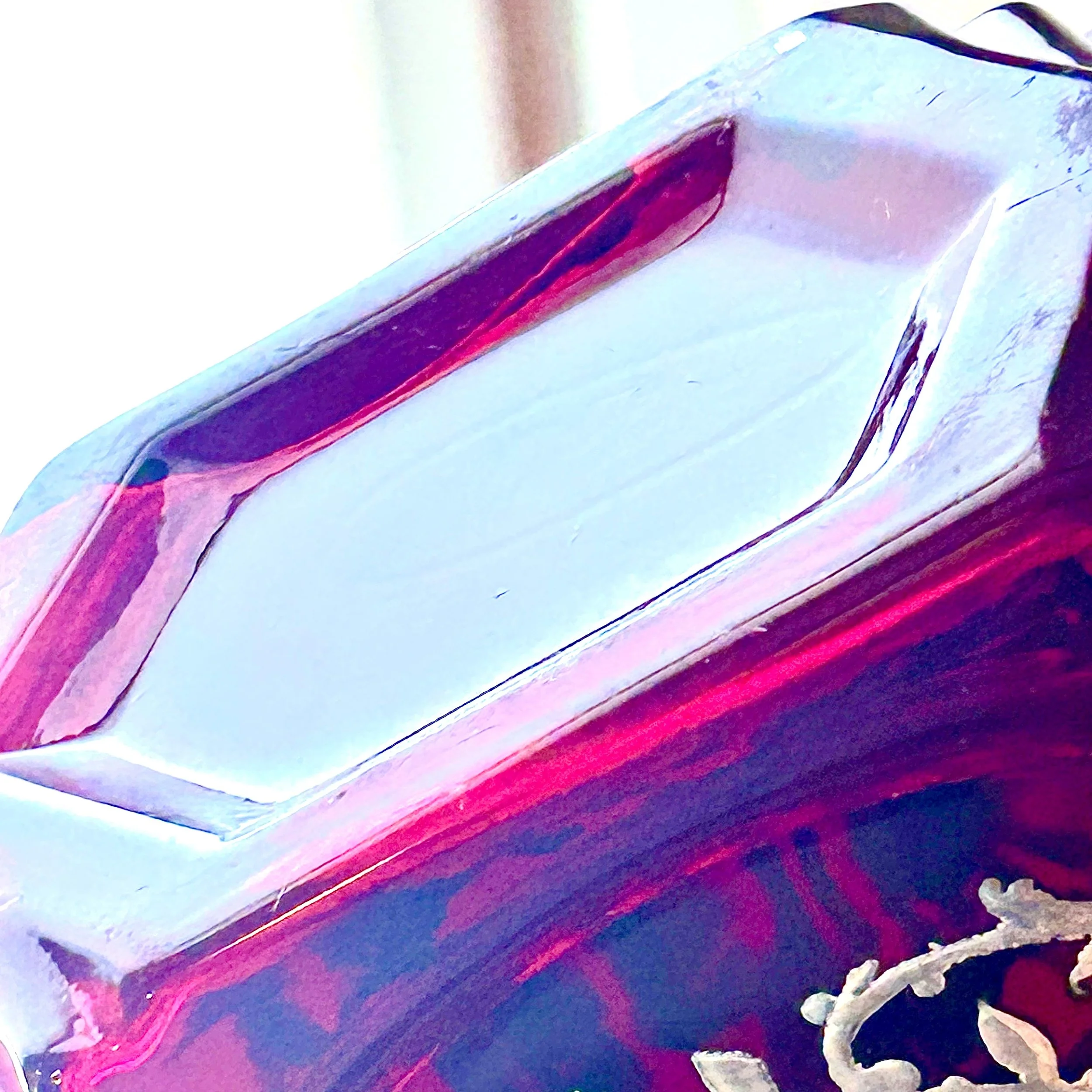
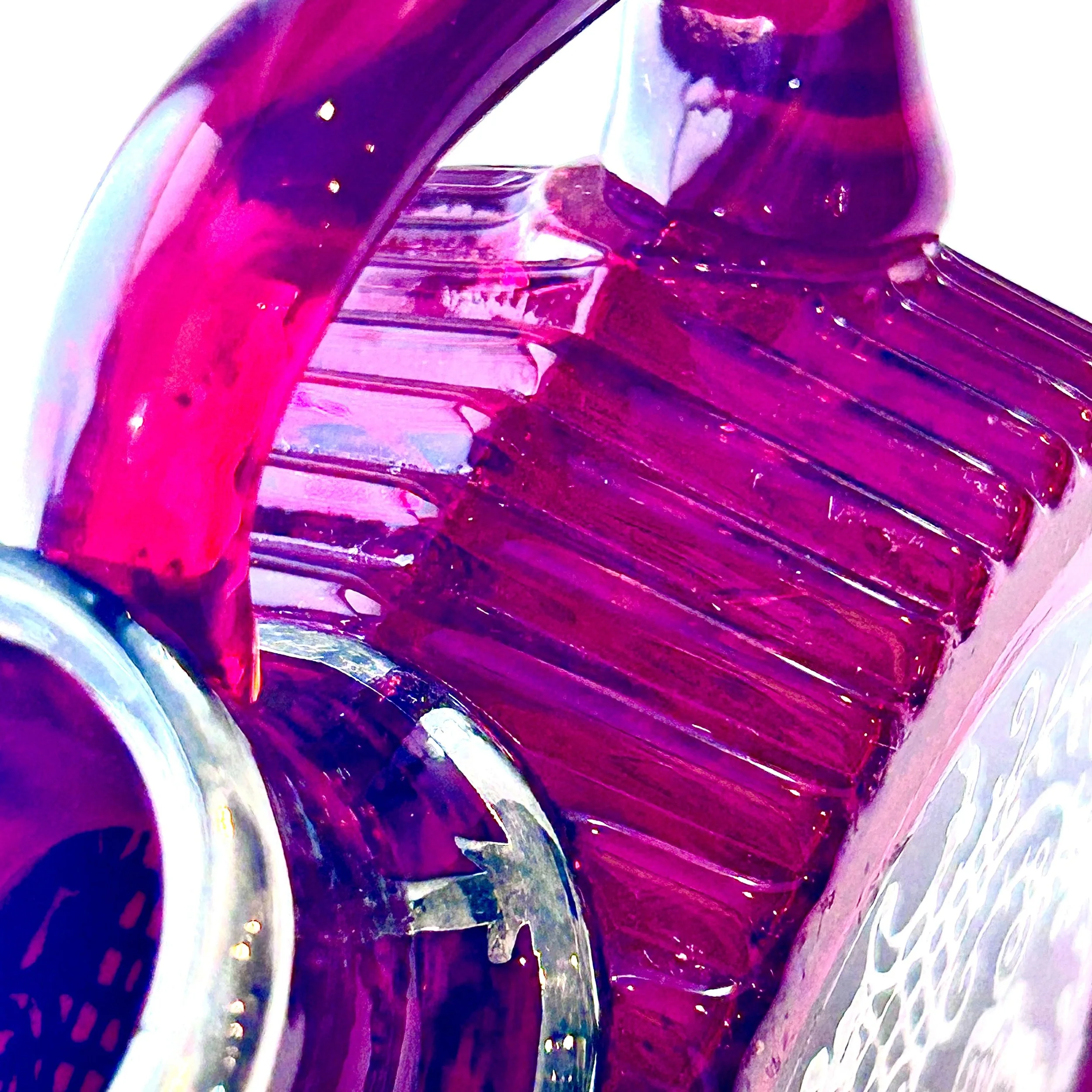
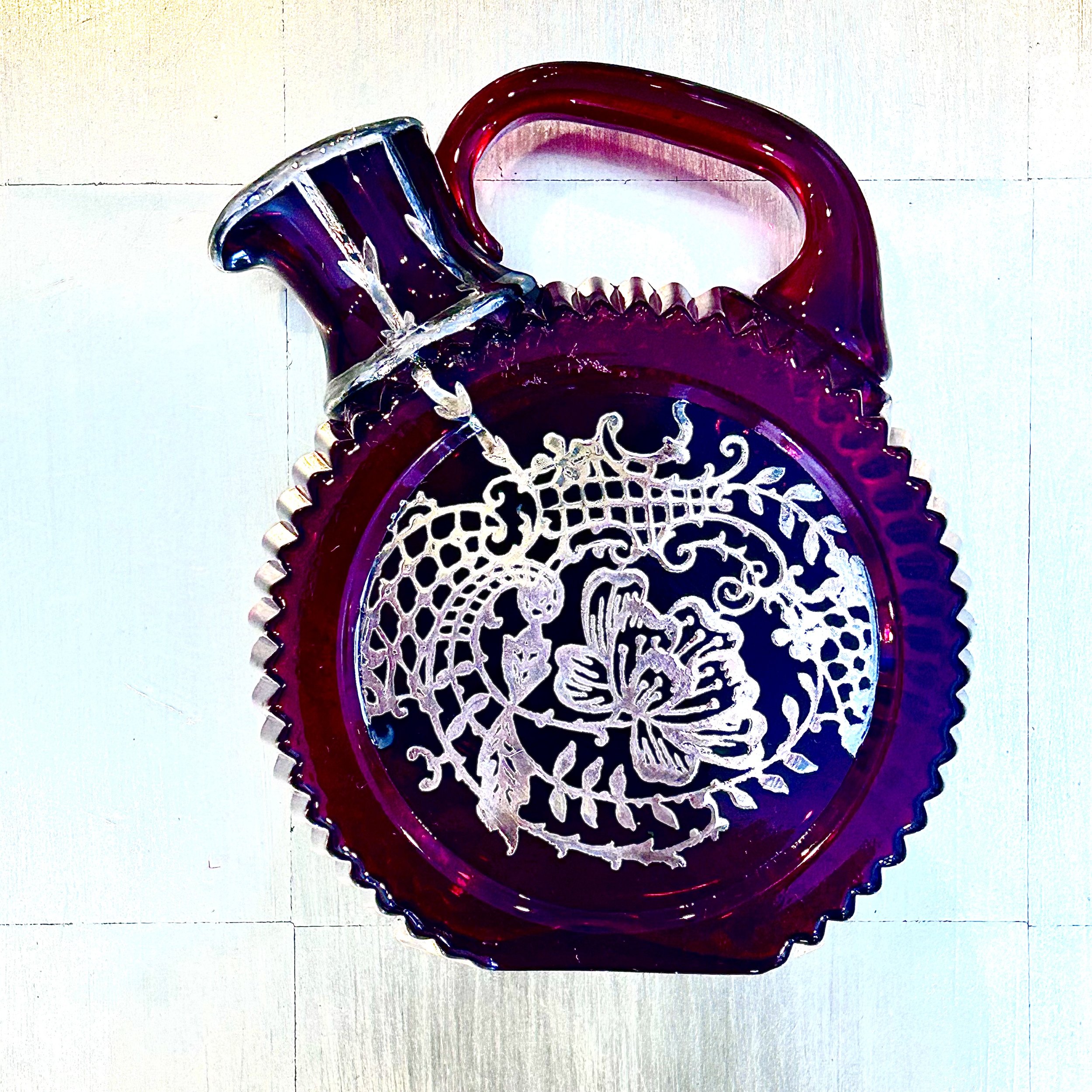
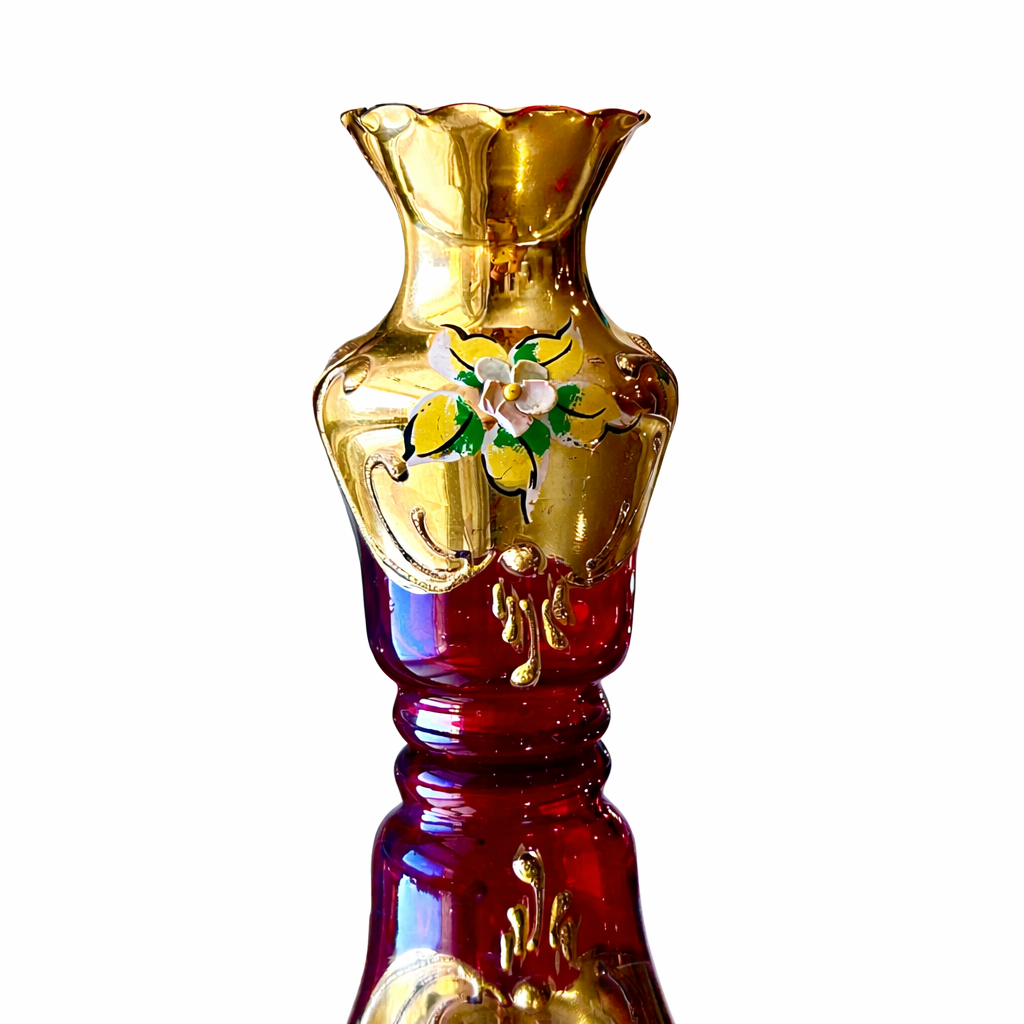
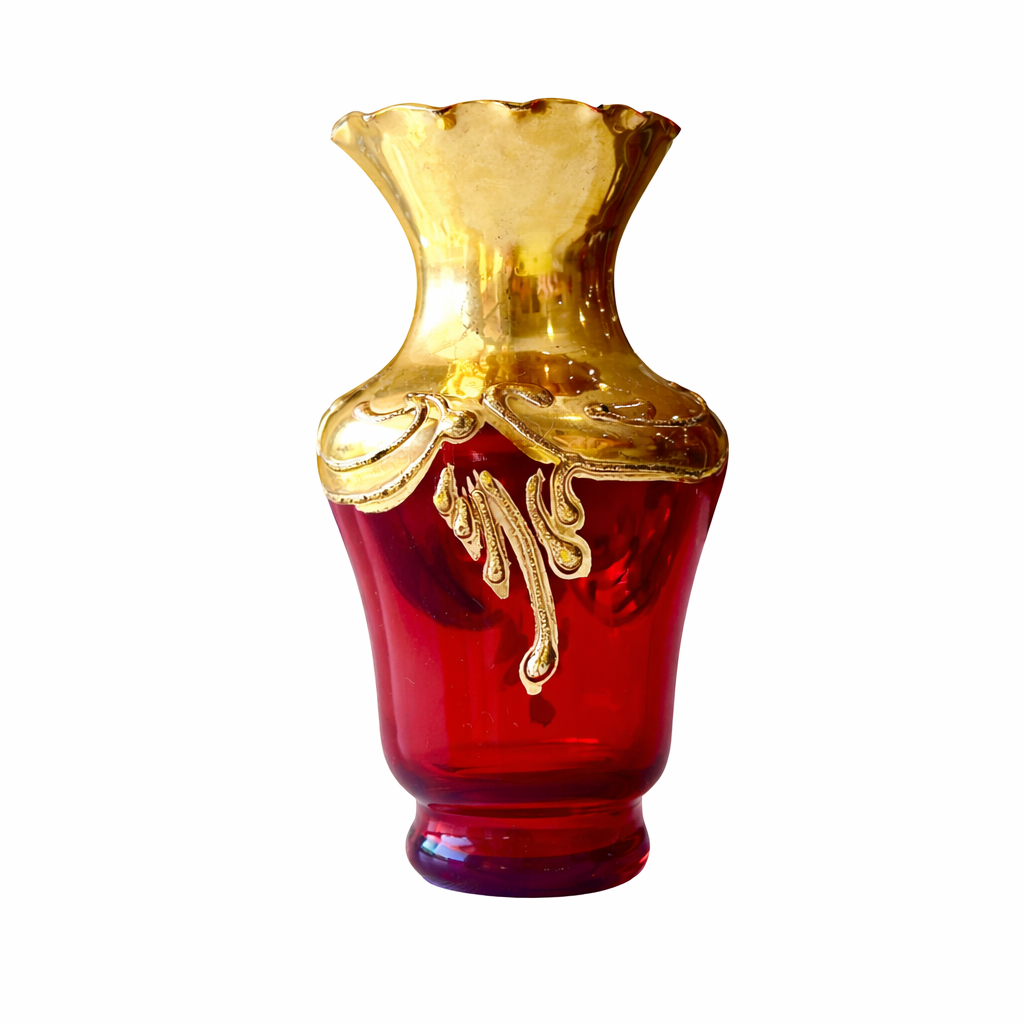
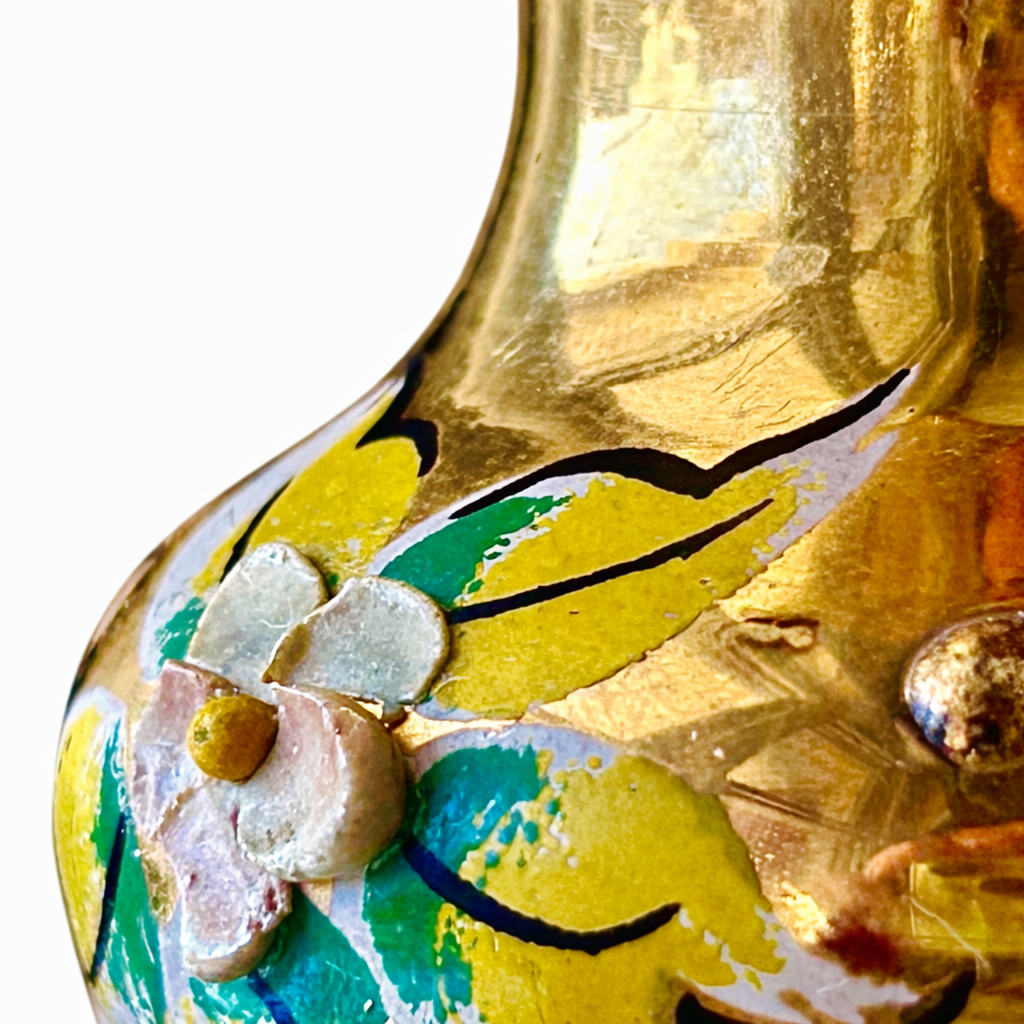
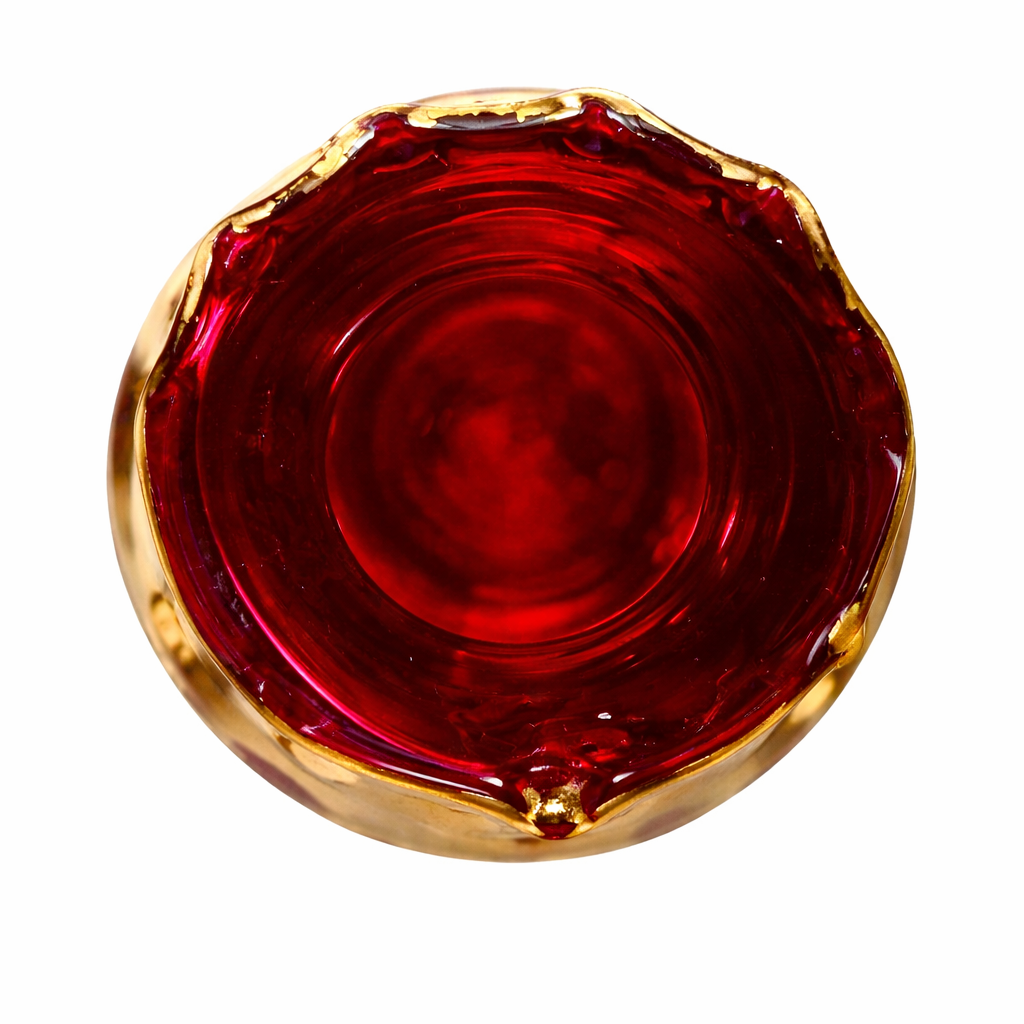
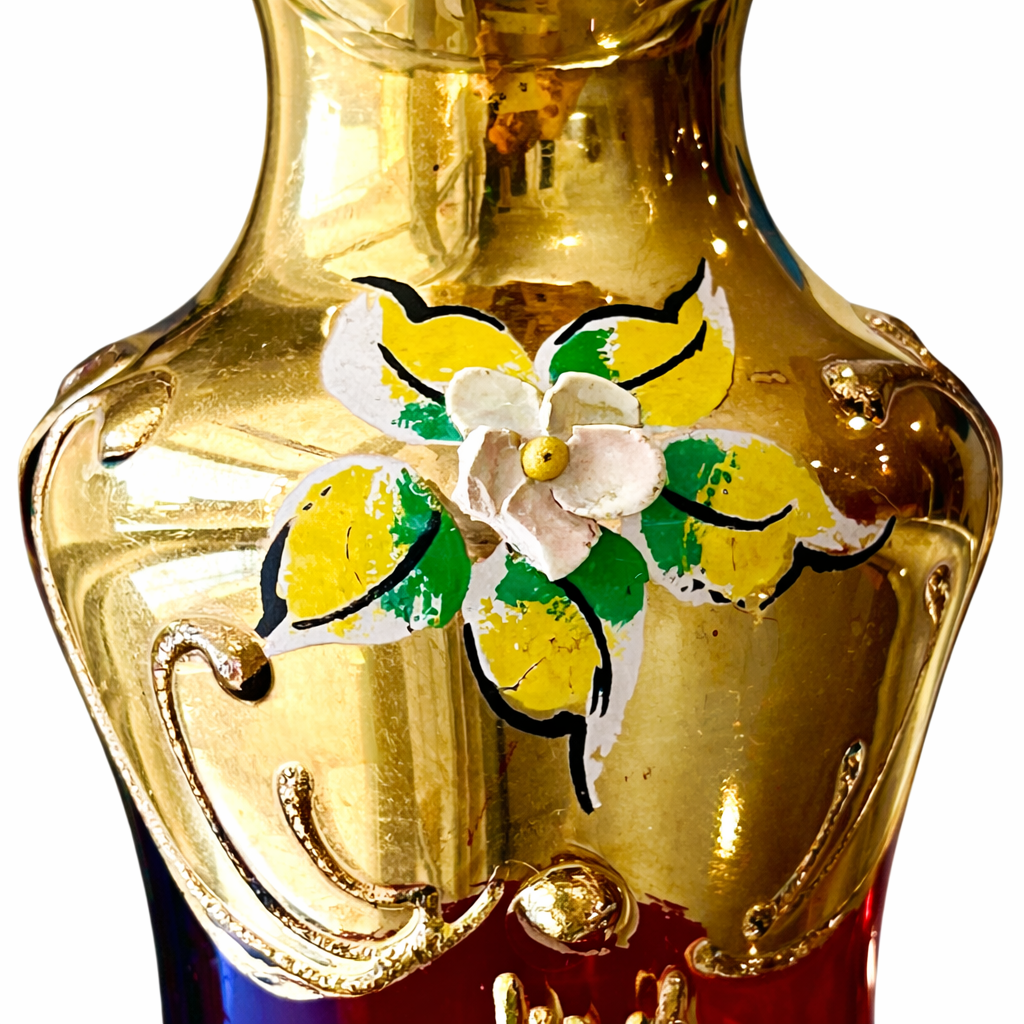
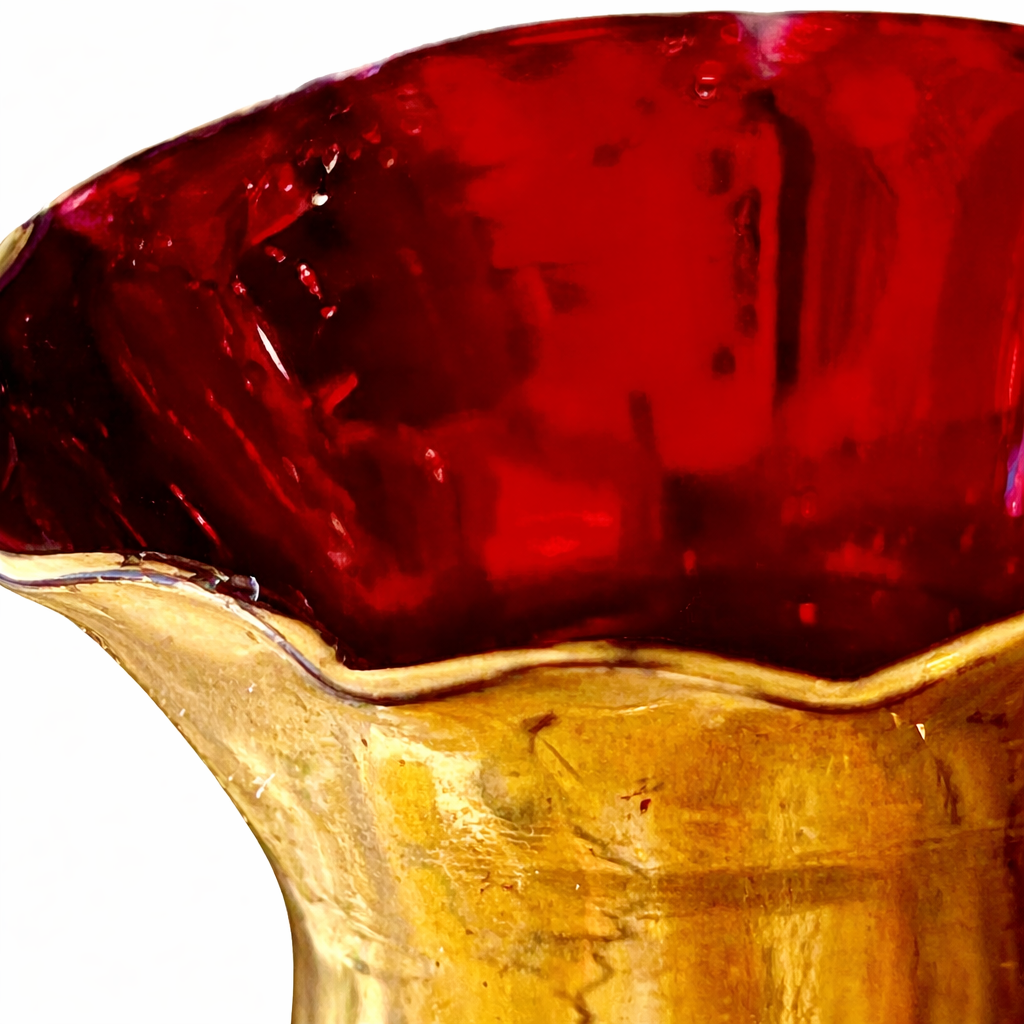
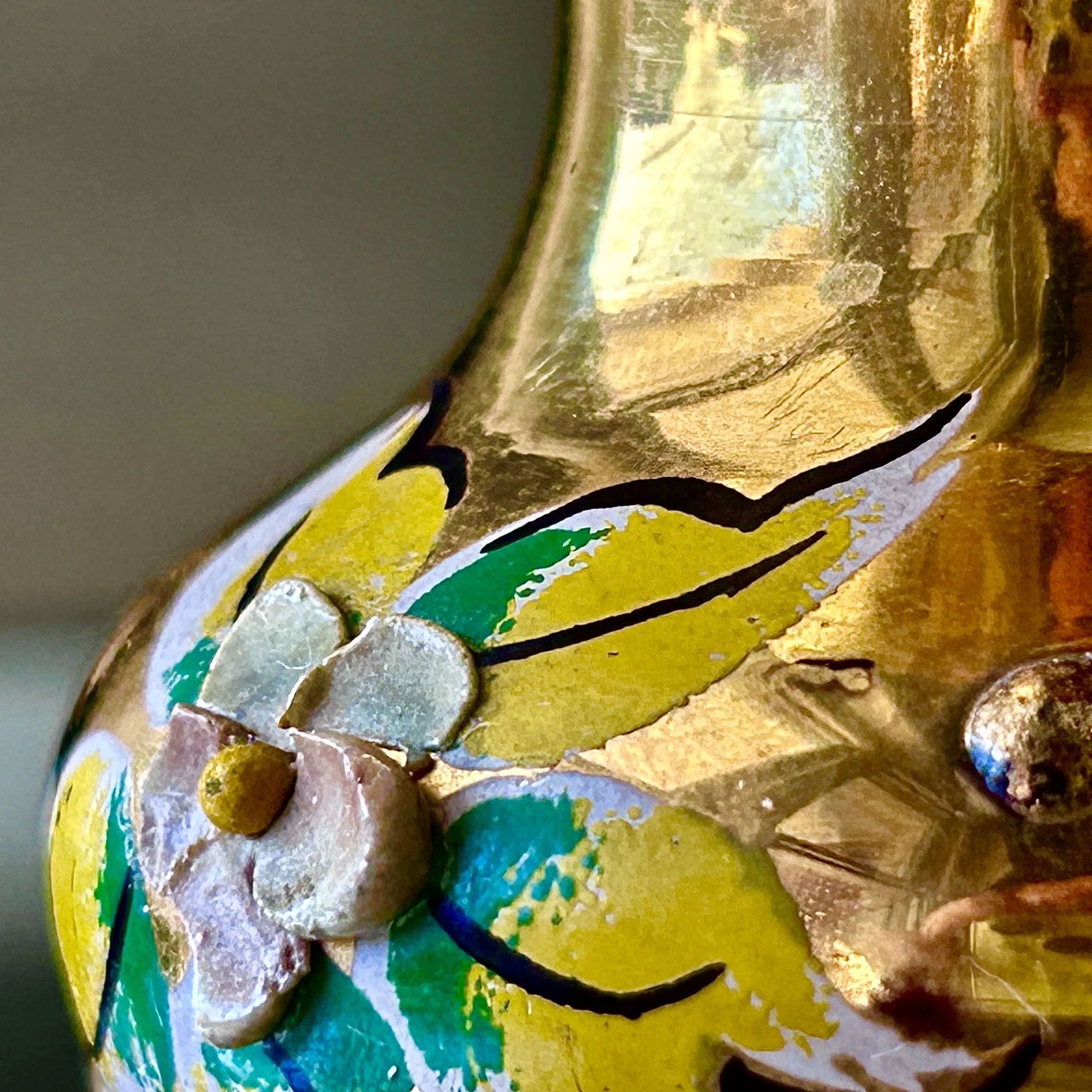
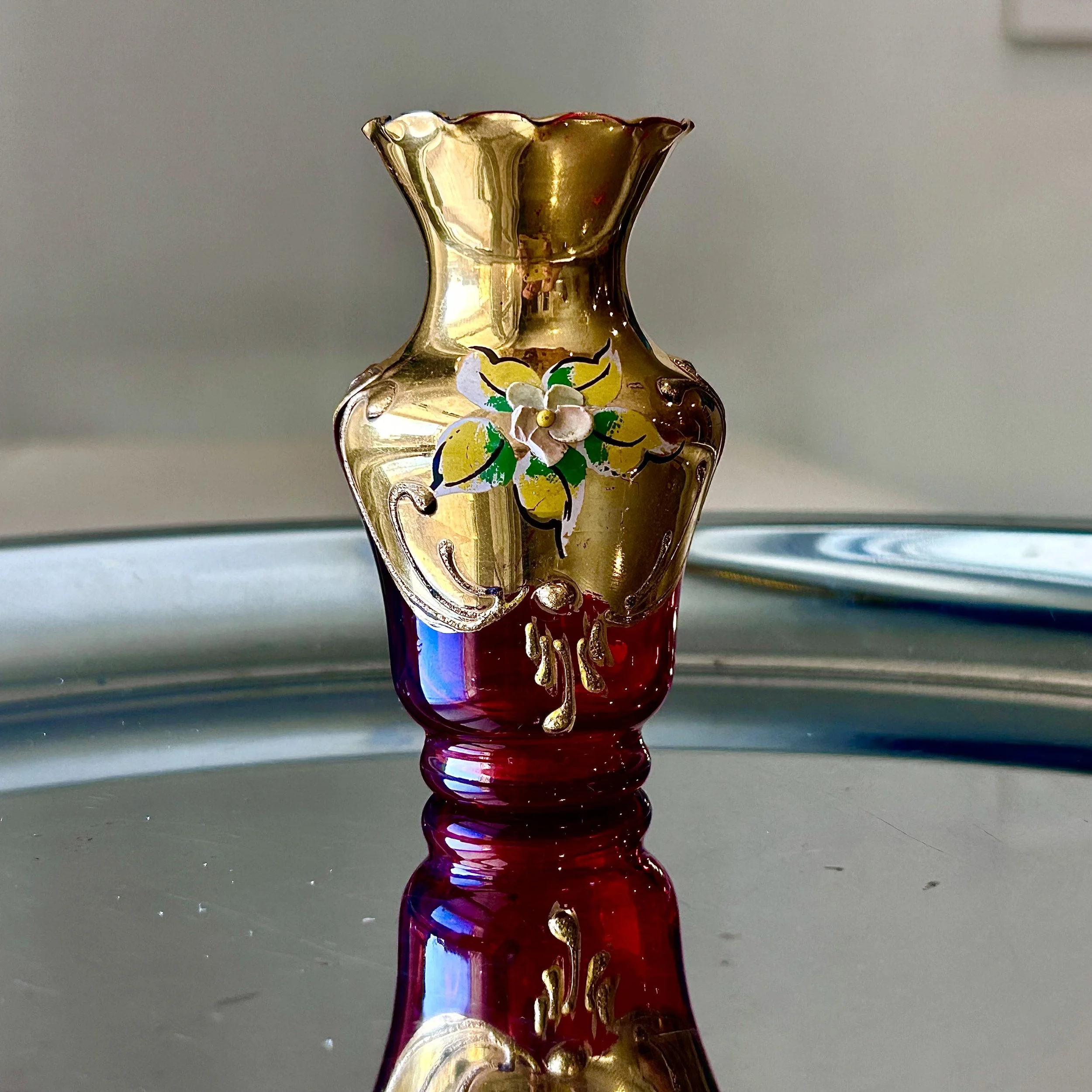
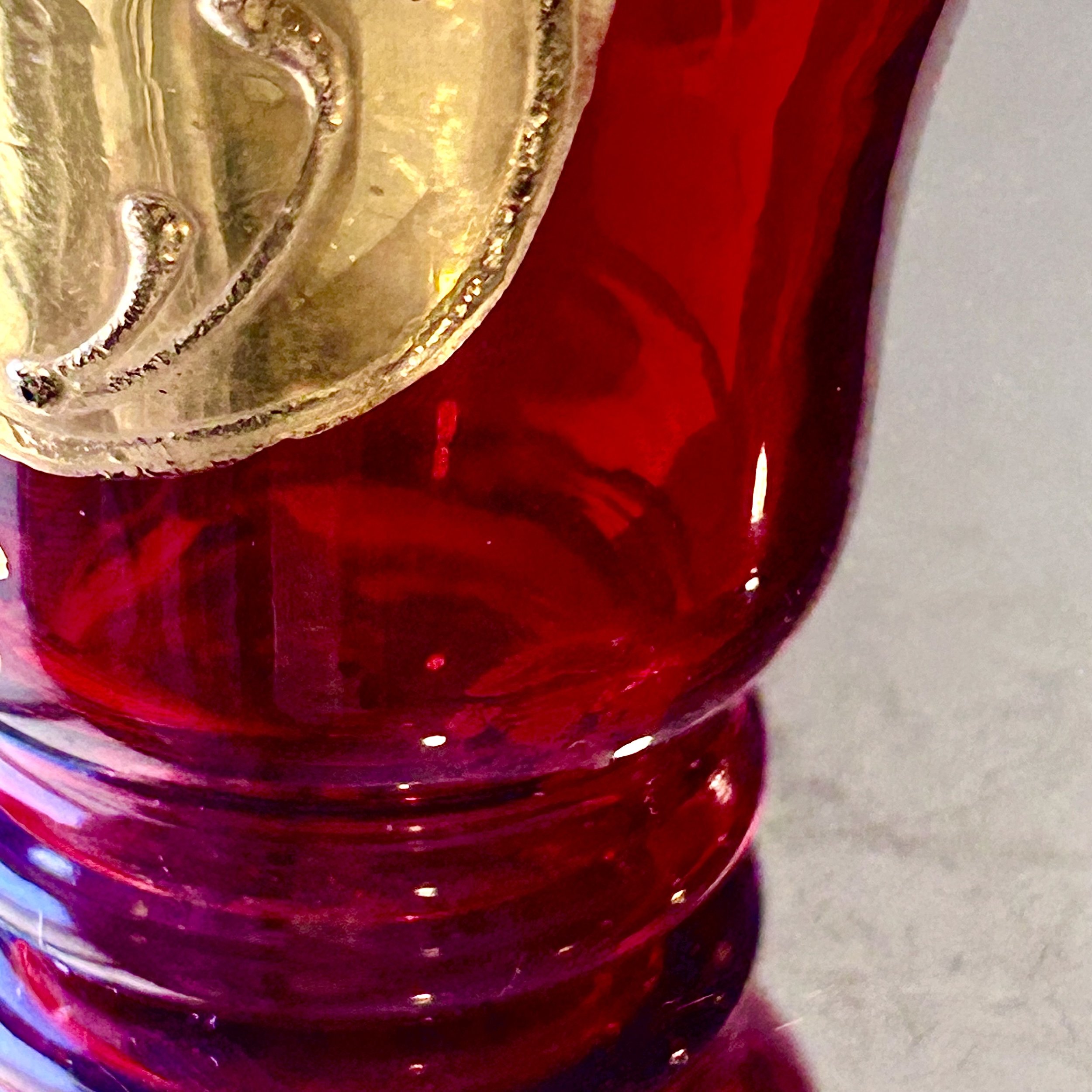
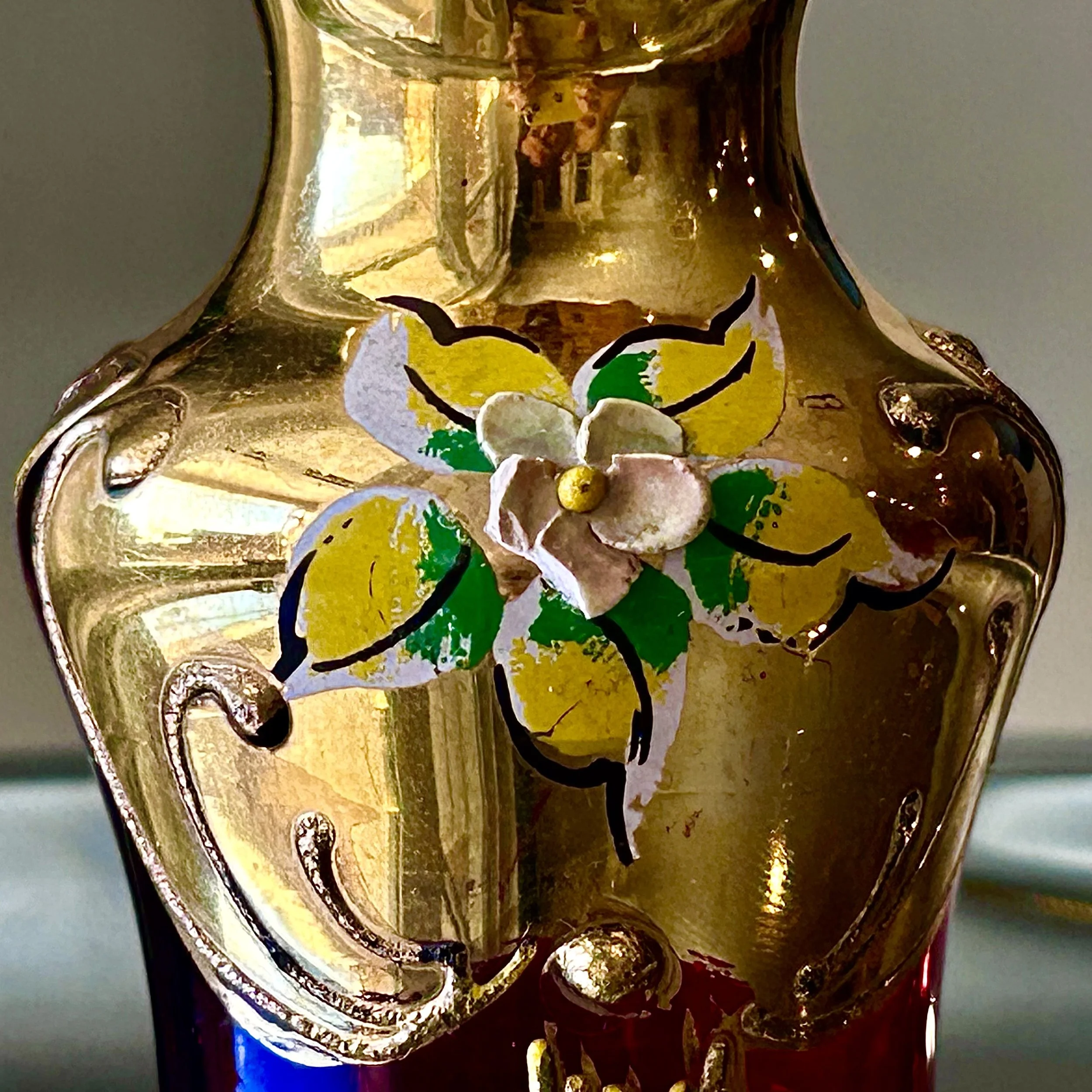
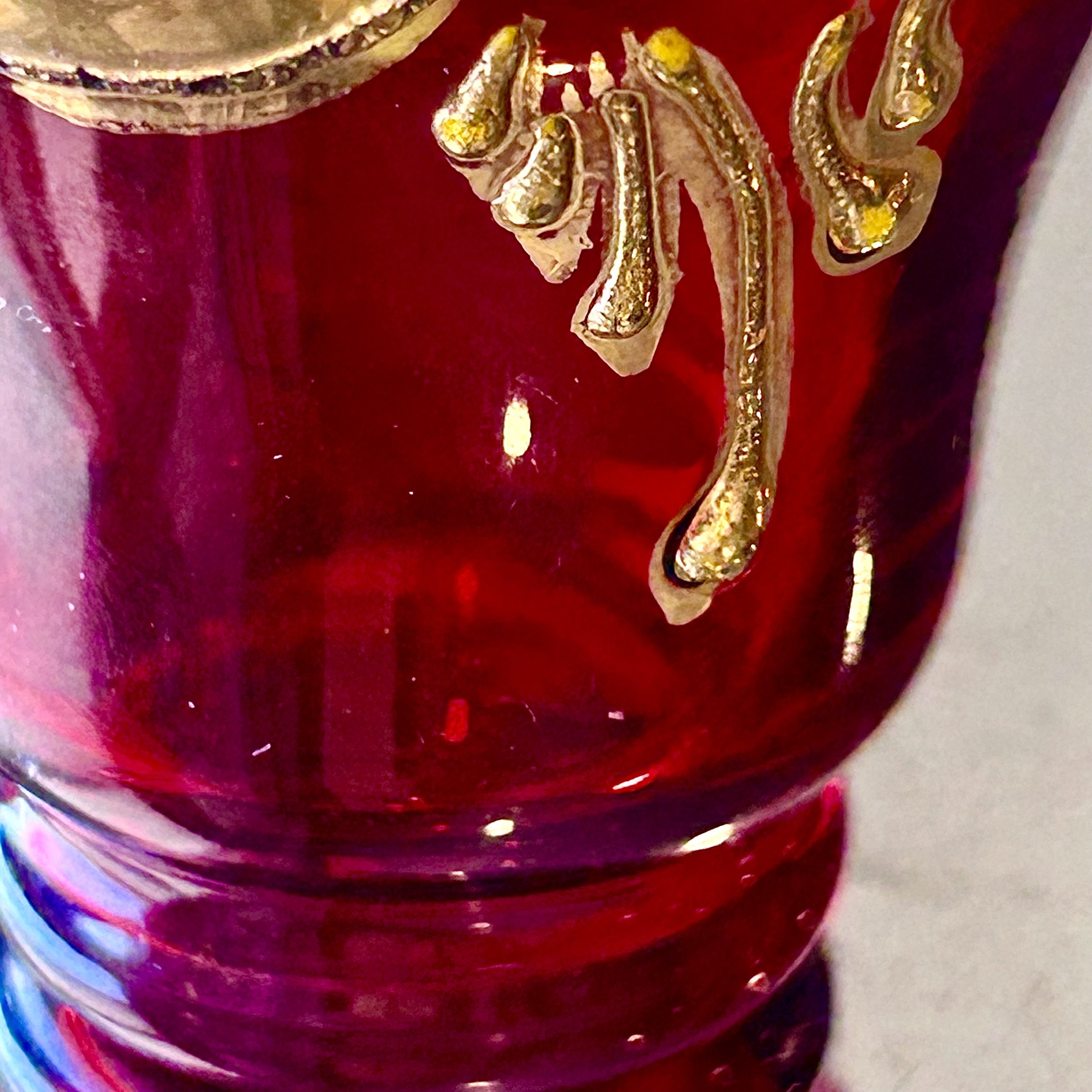
This exceptional vessel demonstrates the masterful "flashing" or staining techniques characteristic of 19th-century Central European glasshouses. The deep, oxblood red saturation is juxtaposed against intricate, hand-engraved motifs of fruiting grapevines and scrolling tendrils that reveal the clear crystal beneath. Topped with a precision-cut sawtooth rim and grounded by a heavy, star-cut base, the bowl possesses a significant sculptural weight that interacts dynamically with light, casting complex, ruby-tinted shadows across any surface.
Attribution & Period
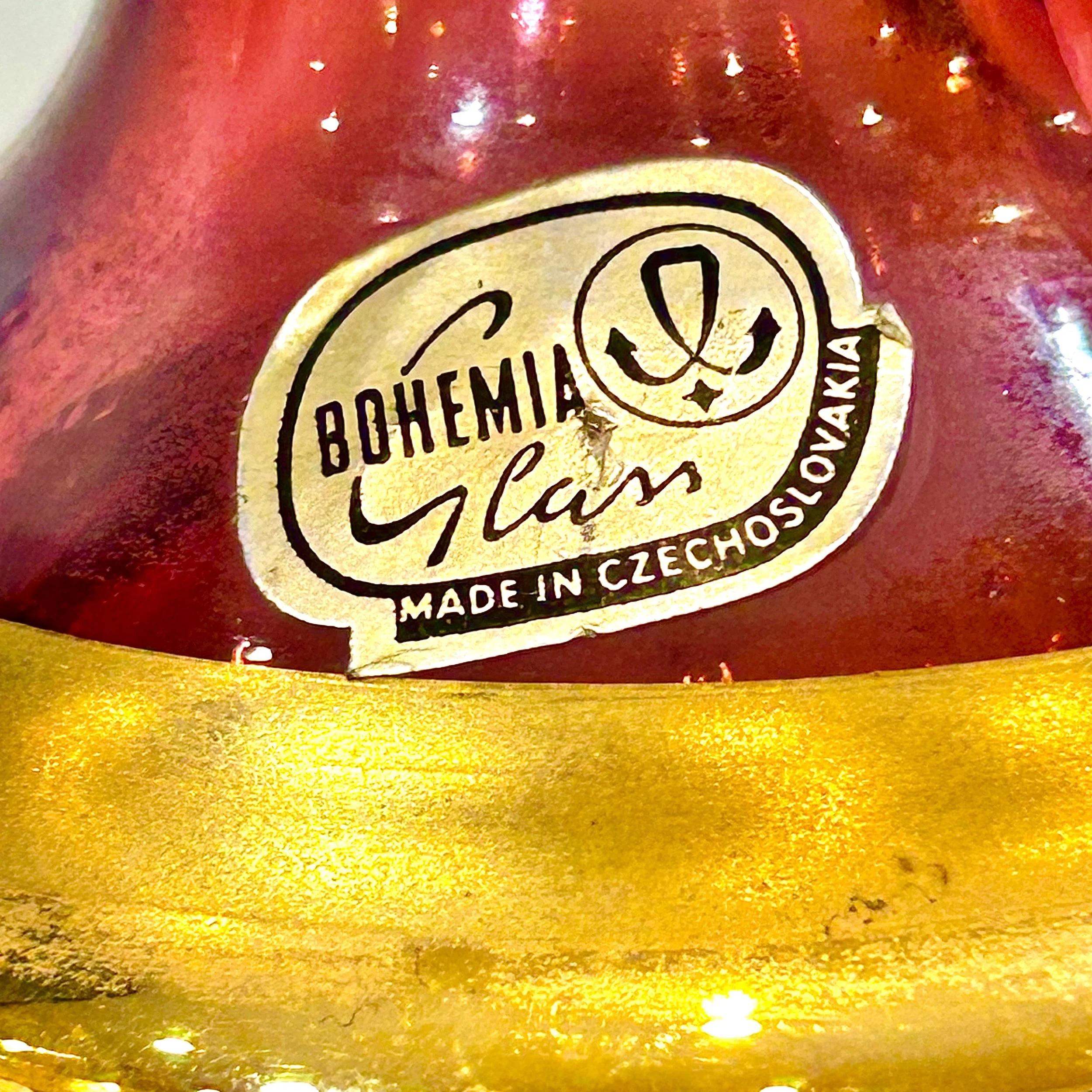
By Egermann (attributed), late 19th Century. Based on the material composition, the presence of the traditional grapevine engraving, and the distinct sawtooth rim geometry, this piece is stylistically aligned with the high-period Bohemian (Czech) glassworks of the 1880s. The wheel-cut execution and the thickness of the ruby stain are consistent with the "Egermann" technique, pioneered in Northern Bohemia, which set the world standard for stained art glass during the Victorian era.
Dimensions & Weight
Condition
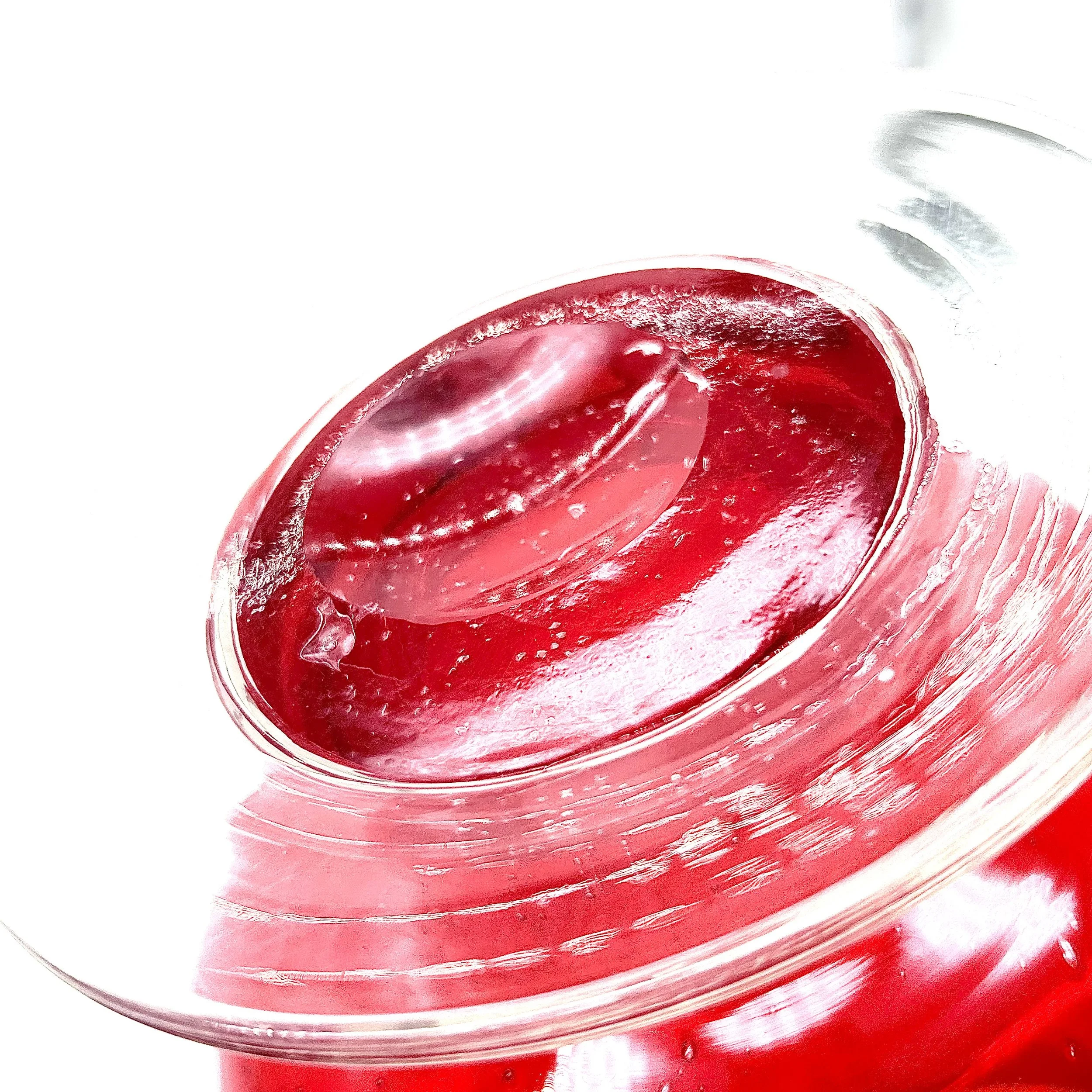
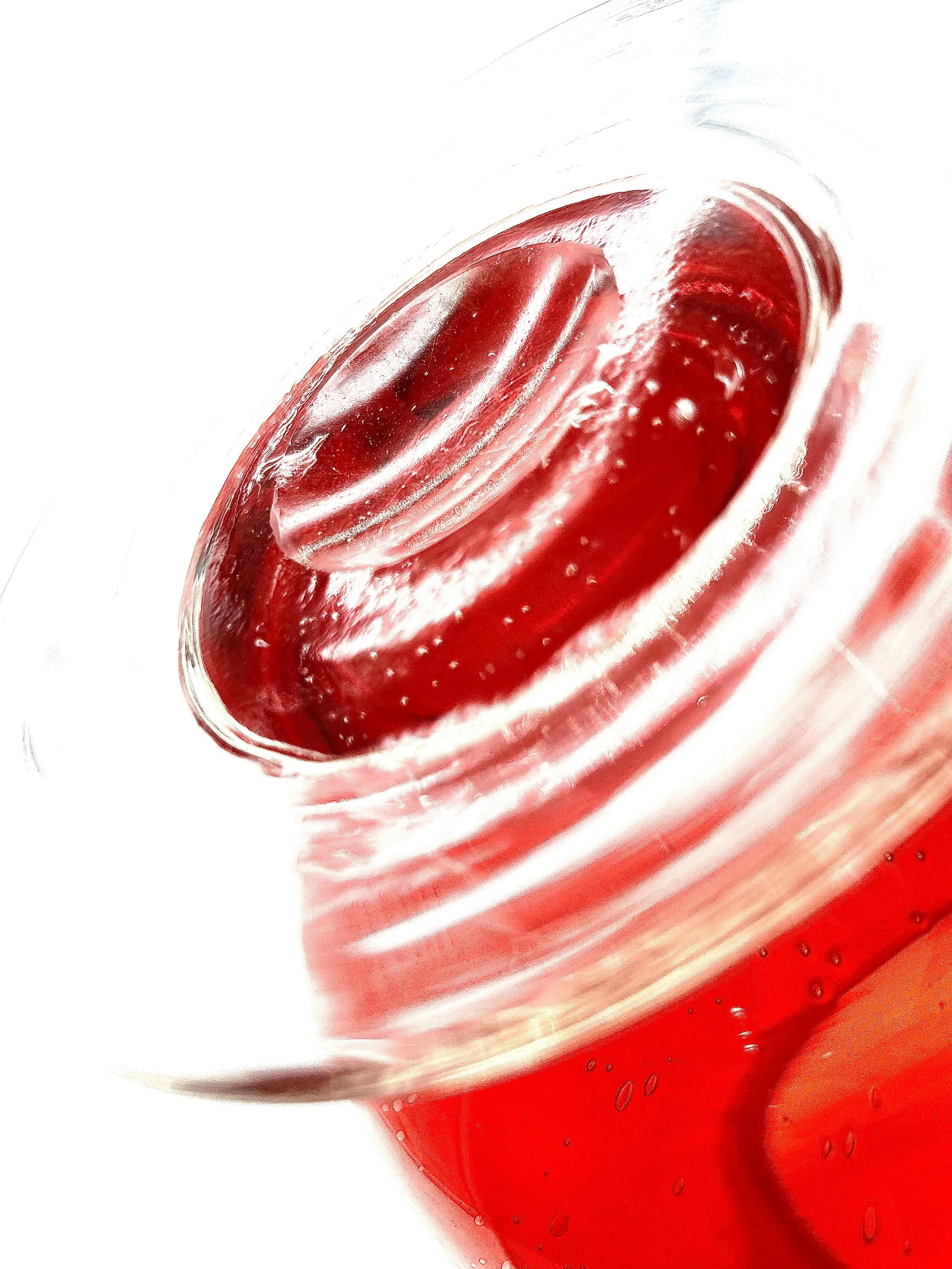
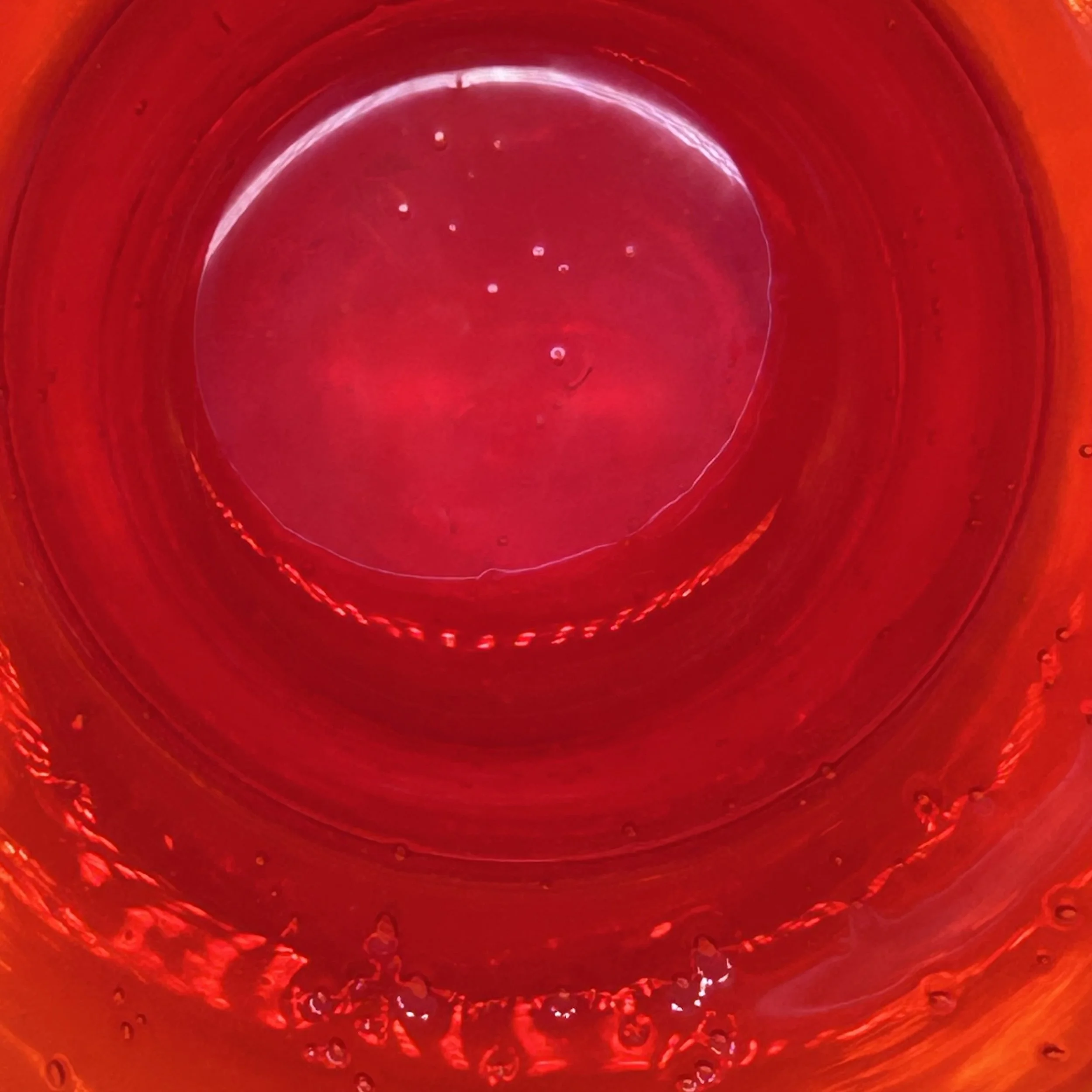
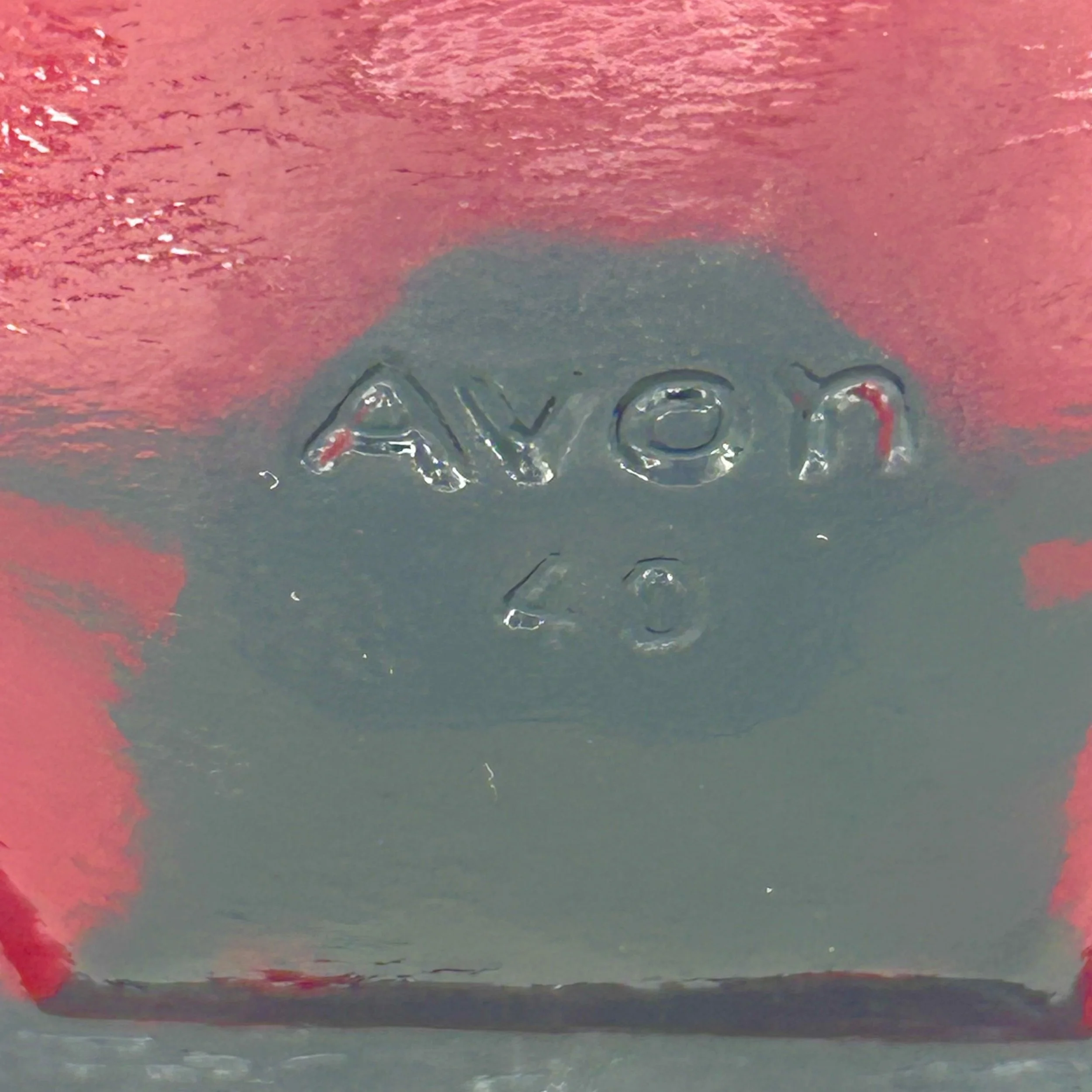
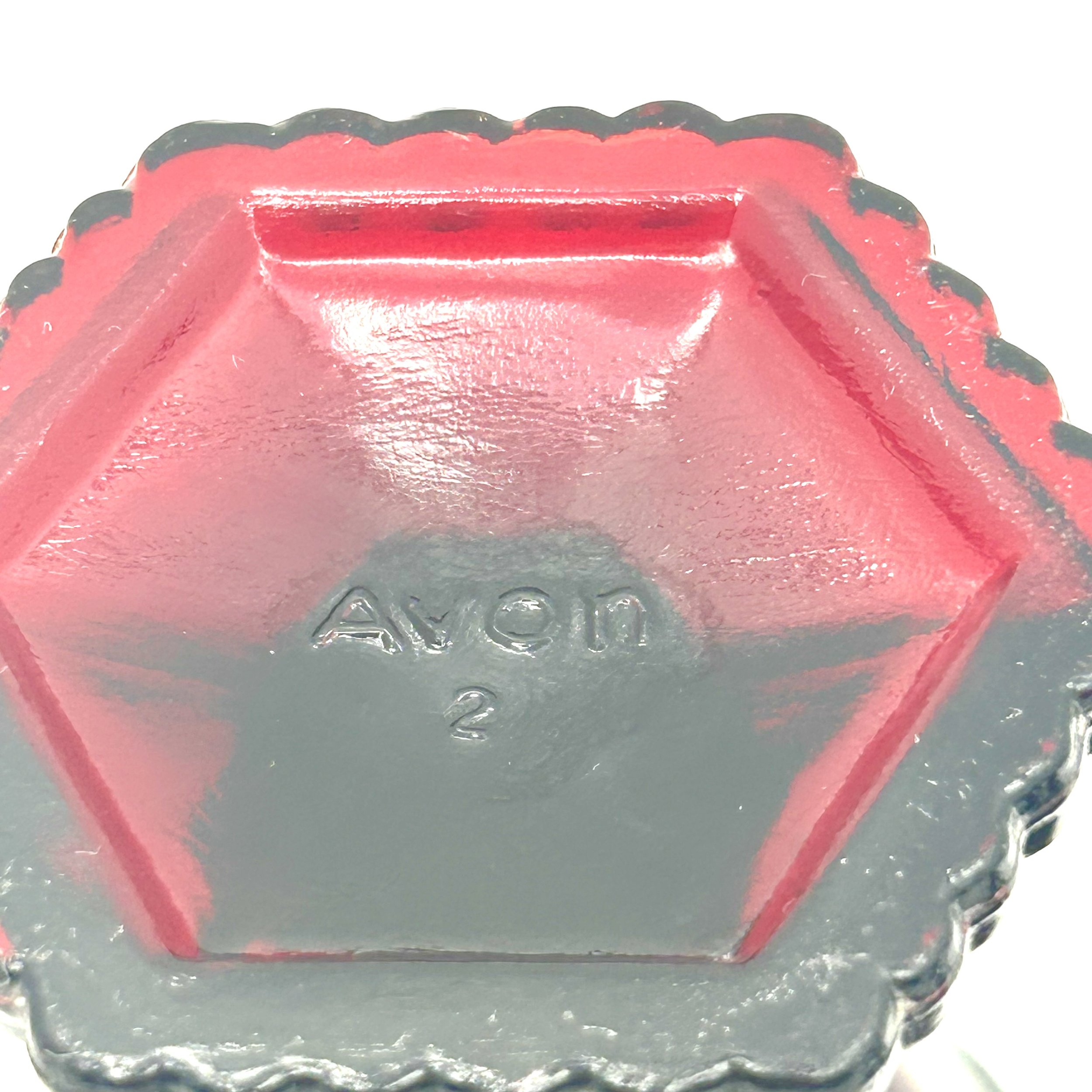
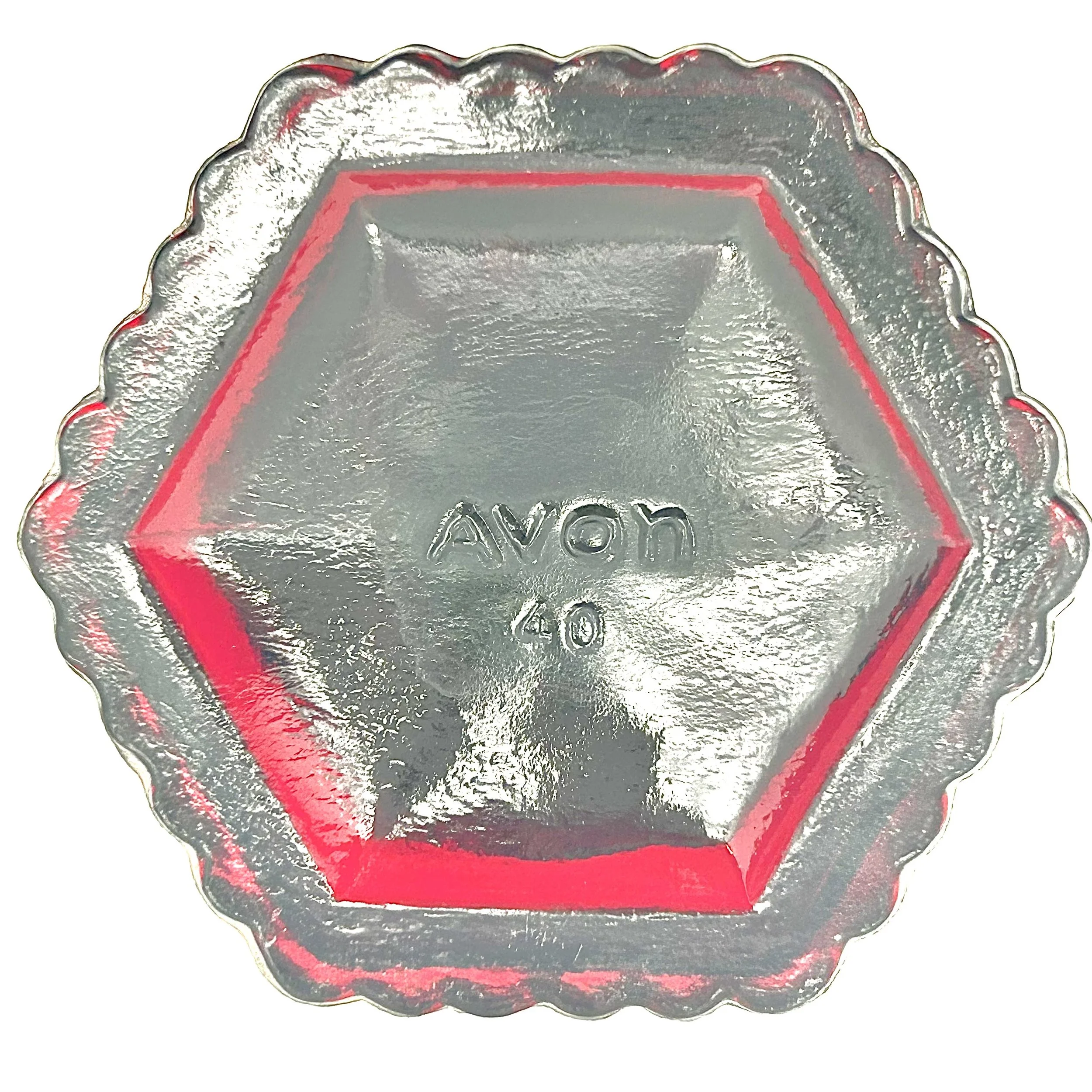
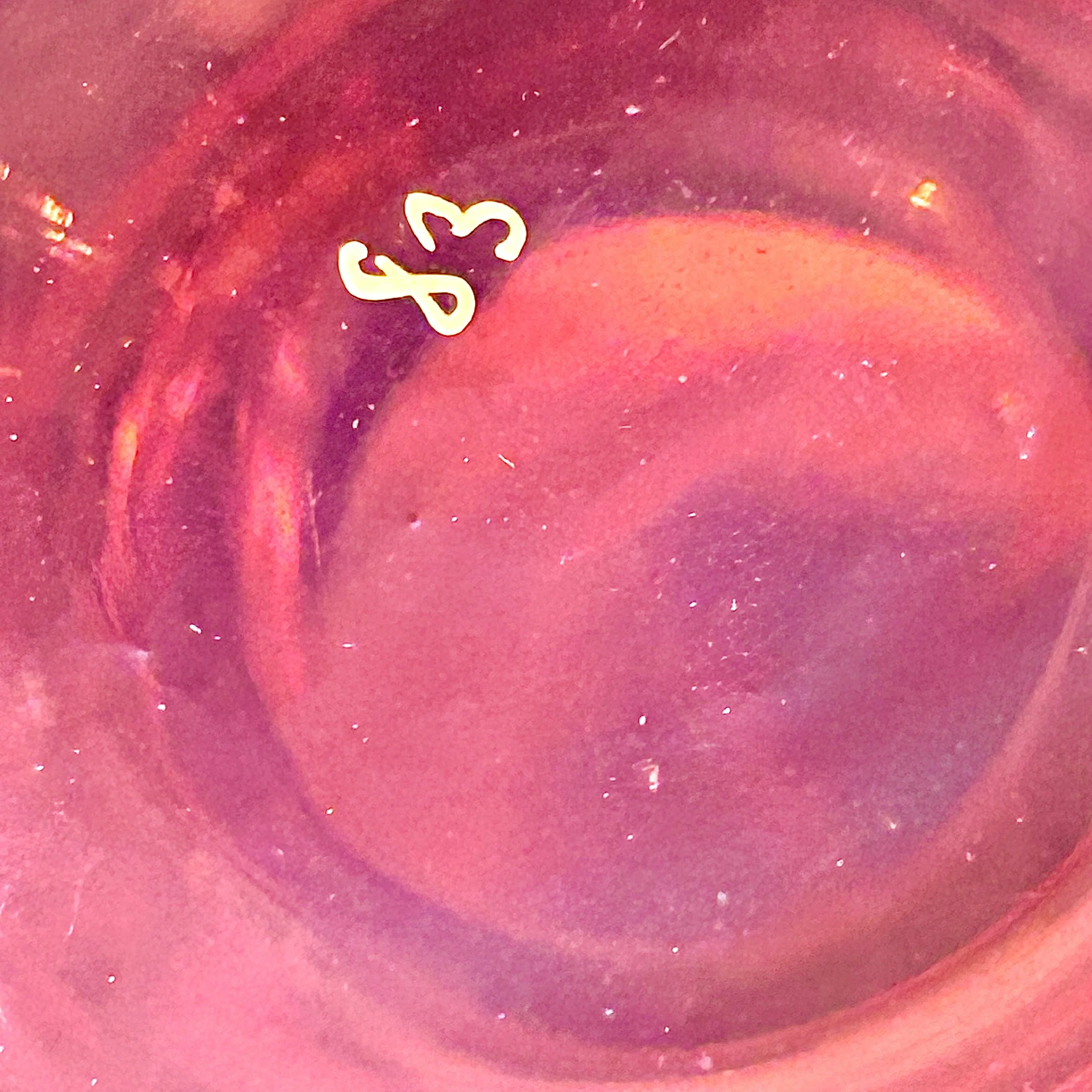
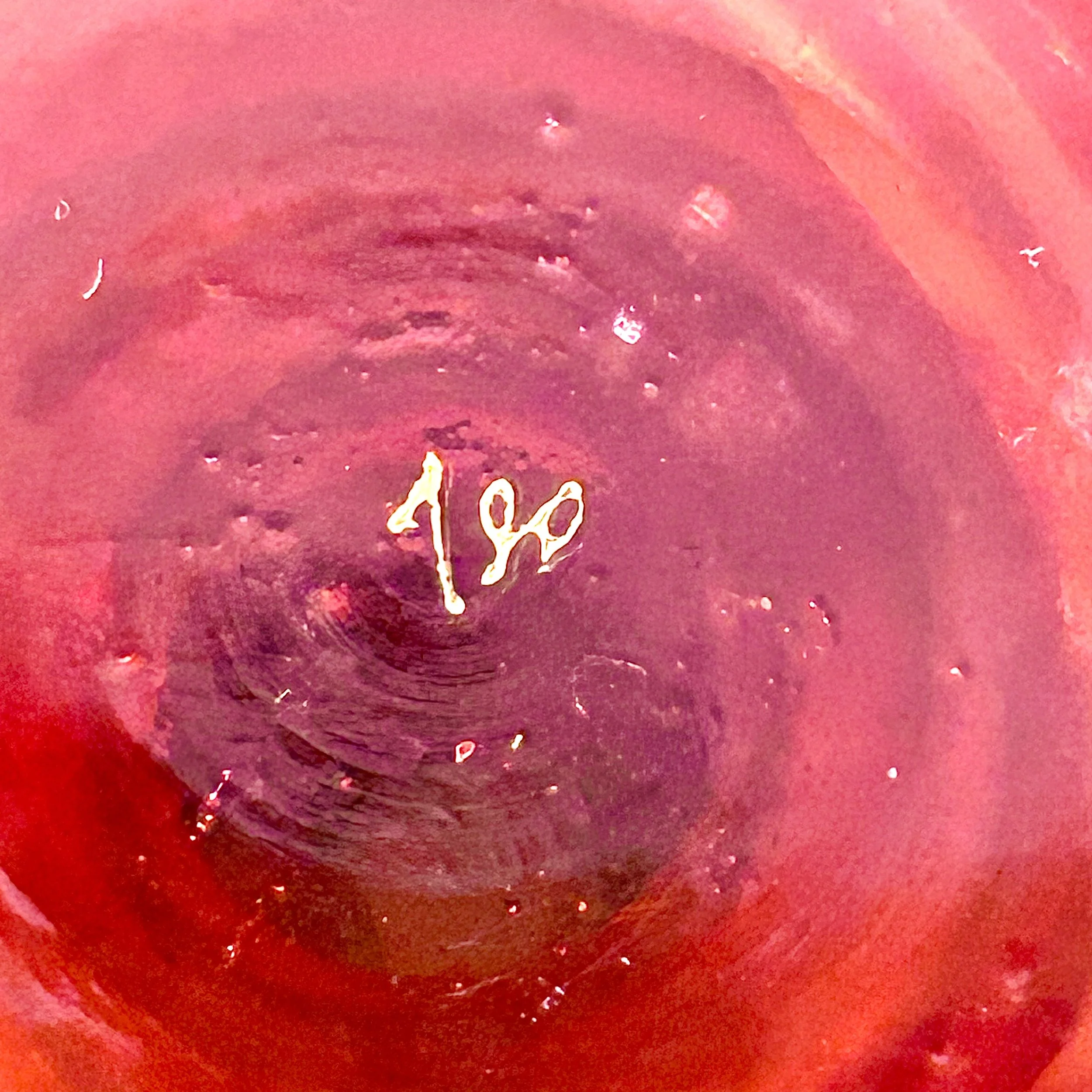
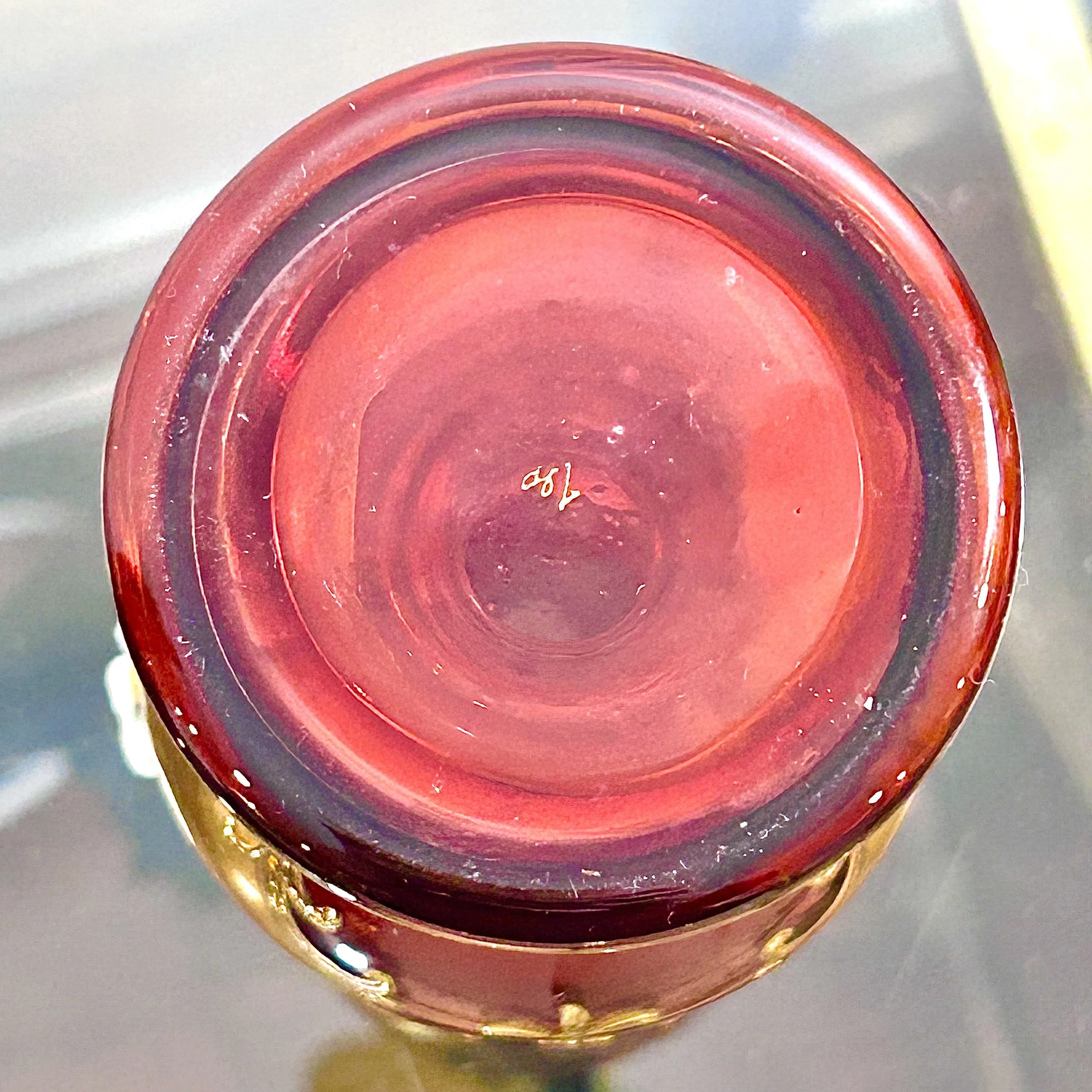
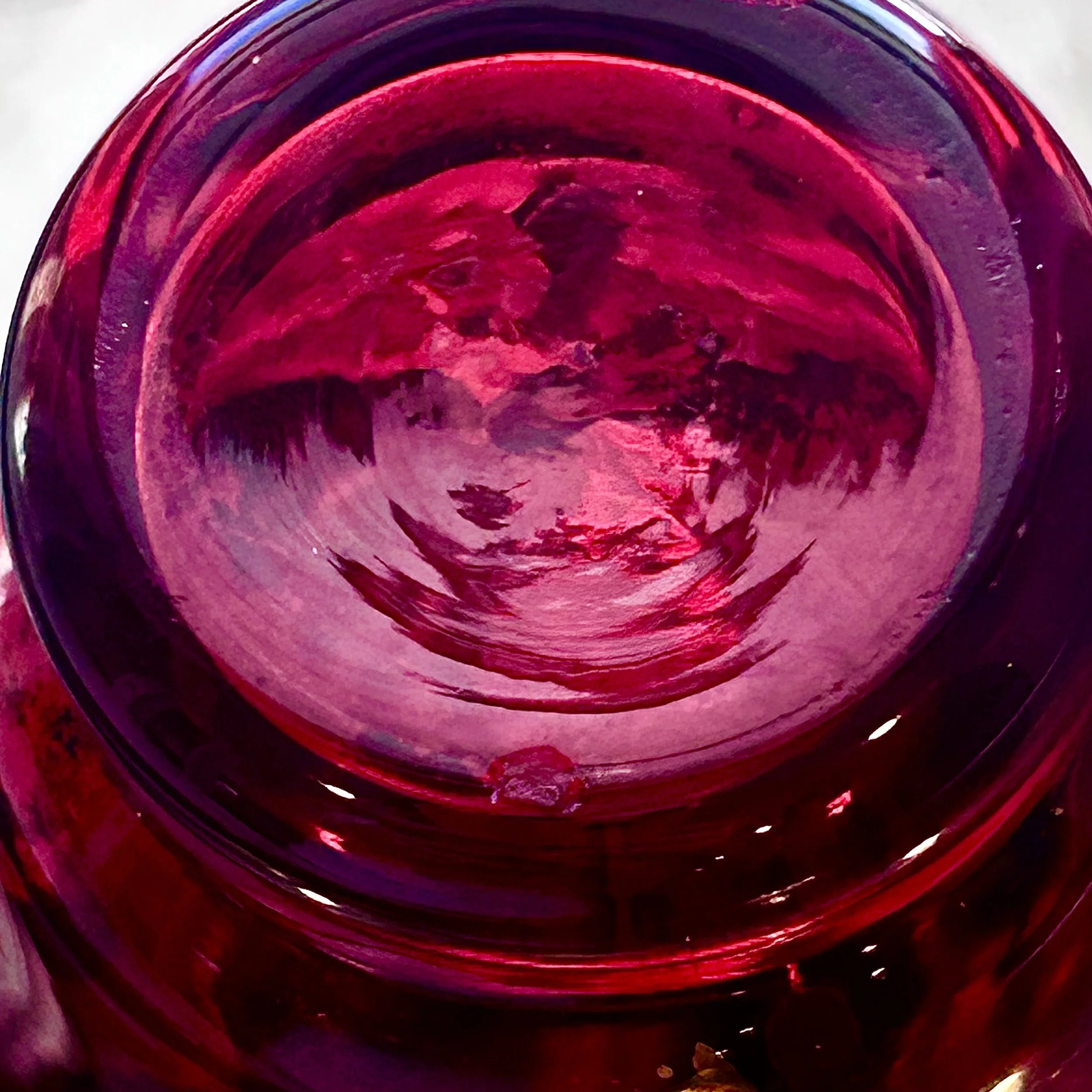
Excellent antique condition. The glass body is free of structural cracks, deep chips, or professional repairs. Consistent with its 19th-century origin, there is light, age-appropriate thinning of the ruby stain along the high points of the sawtooth rim, which serves as a testament to its authentic hand-finished history. The base shows genuine shelf wear appropriate for an object of this age.
Authenticity & Construction
This bowl is a primary example of high-lead crystal that has been wheel-engraved and ruby-stained. Unlike modern molded glass, the grapevine pattern is hand-cut through the red surface layer to the clear core. The "Sawtooth" or "V-cut" rim was achieved through labor-intensive grinding and polishing. The heavy weight relative to its size indicates a high mineral content in the glass, characteristic of premium Bohemian export wares of the 1800s.
Placement
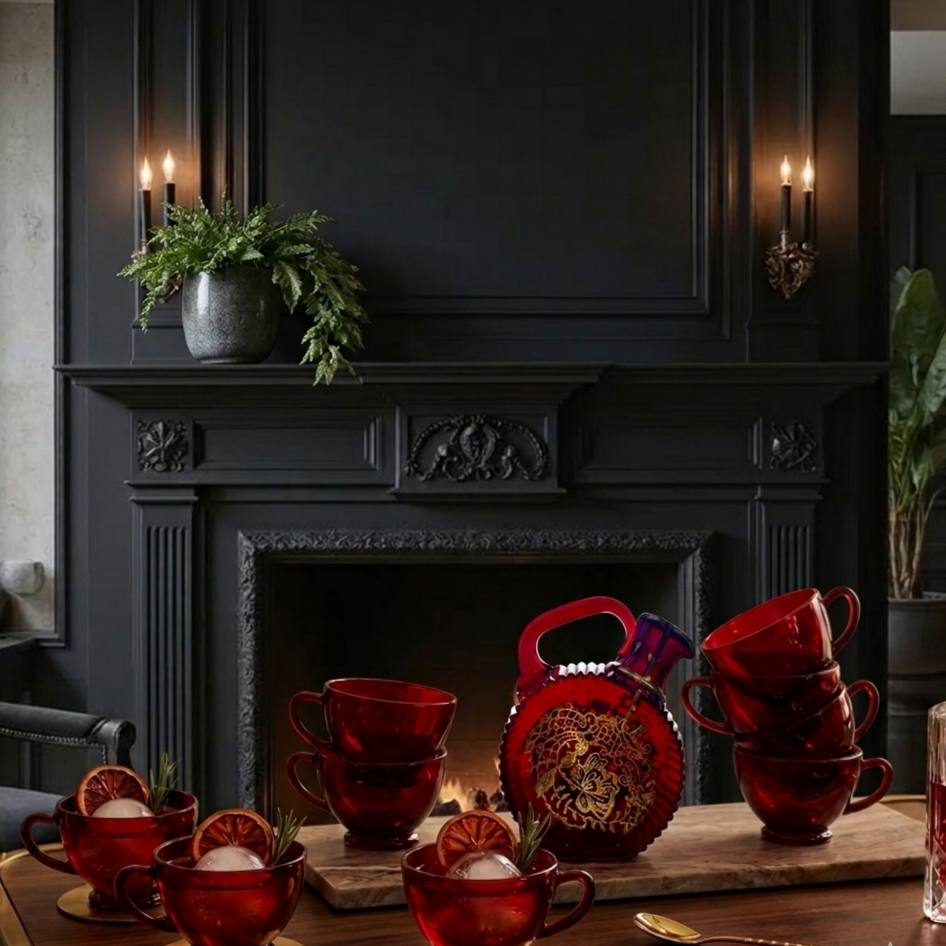
The intense color and historical pedigree make this a premier candidate for a backlit vitrine or a formal Neoclassical centerpiece. Its low, expansive profile allows it to function as a sophisticated finger bowl or a luxury vessel for dry botanicals, ideally positioned where its engraved clarity can be appreciated against a high-contrast background.
STANDARD ATTRIBUTION & VALUE DISCLOSURE; This piece is described to the best of current scholarly and market knowledge. Any maker or regional attribution is based on visual analysis, materials, construction techniques, and documented stylistic comparisons. As with many MCM and antique design objects, definitive attribution may not be possible without original labels or factory records. Pricing reflects condition, quality, decorative appeal, and current collector demand rather than guaranteed maker identification.
This exceptional vessel demonstrates the masterful "flashing" or staining techniques characteristic of 19th-century Central European glasshouses. The deep, oxblood red saturation is juxtaposed against intricate, hand-engraved motifs of fruiting grapevines and scrolling tendrils that reveal the clear crystal beneath. Topped with a precision-cut sawtooth rim and grounded by a heavy, star-cut base, the bowl possesses a significant sculptural weight that interacts dynamically with light, casting complex, ruby-tinted shadows across any surface.
Attribution & Period
By Egermann (attributed), late 19th Century. Based on the material composition, the presence of the traditional grapevine engraving, and the distinct sawtooth rim geometry, this piece is stylistically aligned with the high-period Bohemian (Czech) glassworks of the 1880s. The wheel-cut execution and the thickness of the ruby stain are consistent with the "Egermann" technique, pioneered in Northern Bohemia, which set the world standard for stained art glass during the Victorian era.
Dimensions & Weight
Condition
Excellent antique condition. The glass body is free of structural cracks, deep chips, or professional repairs. Consistent with its 19th-century origin, there is light, age-appropriate thinning of the ruby stain along the high points of the sawtooth rim, which serves as a testament to its authentic hand-finished history. The base shows genuine shelf wear appropriate for an object of this age.
Authenticity & Construction
This bowl is a primary example of high-lead crystal that has been wheel-engraved and ruby-stained. Unlike modern molded glass, the grapevine pattern is hand-cut through the red surface layer to the clear core. The "Sawtooth" or "V-cut" rim was achieved through labor-intensive grinding and polishing. The heavy weight relative to its size indicates a high mineral content in the glass, characteristic of premium Bohemian export wares of the 1800s.
Placement
The intense color and historical pedigree make this a premier candidate for a backlit vitrine or a formal Neoclassical centerpiece. Its low, expansive profile allows it to function as a sophisticated finger bowl or a luxury vessel for dry botanicals, ideally positioned where its engraved clarity can be appreciated against a high-contrast background.
STANDARD ATTRIBUTION & VALUE DISCLOSURE; This piece is described to the best of current scholarly and market knowledge. Any maker or regional attribution is based on visual analysis, materials, construction techniques, and documented stylistic comparisons. As with many MCM and antique design objects, definitive attribution may not be possible without original labels or factory records. Pricing reflects condition, quality, decorative appeal, and current collector demand rather than guaranteed maker identification.

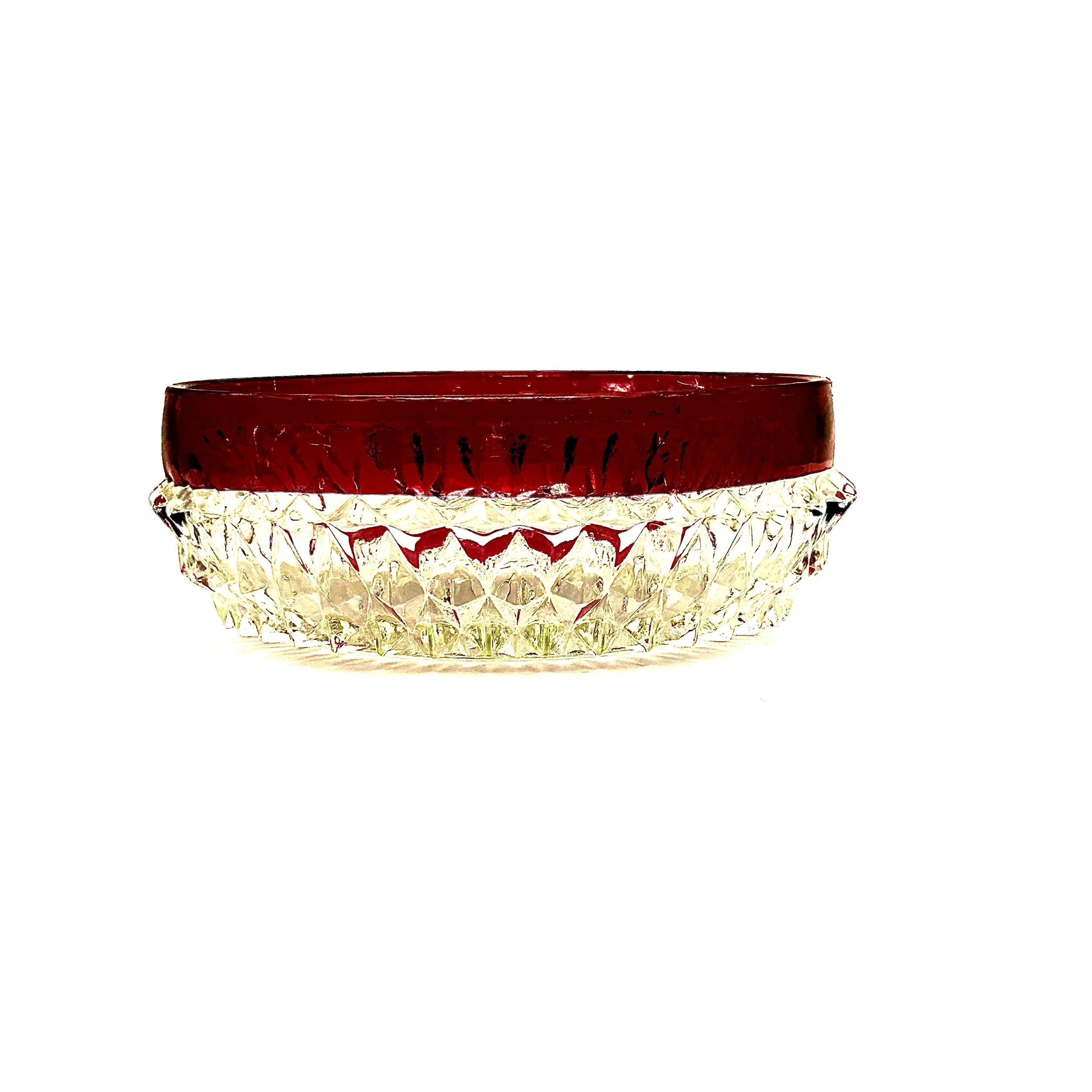 Image 1 of 10
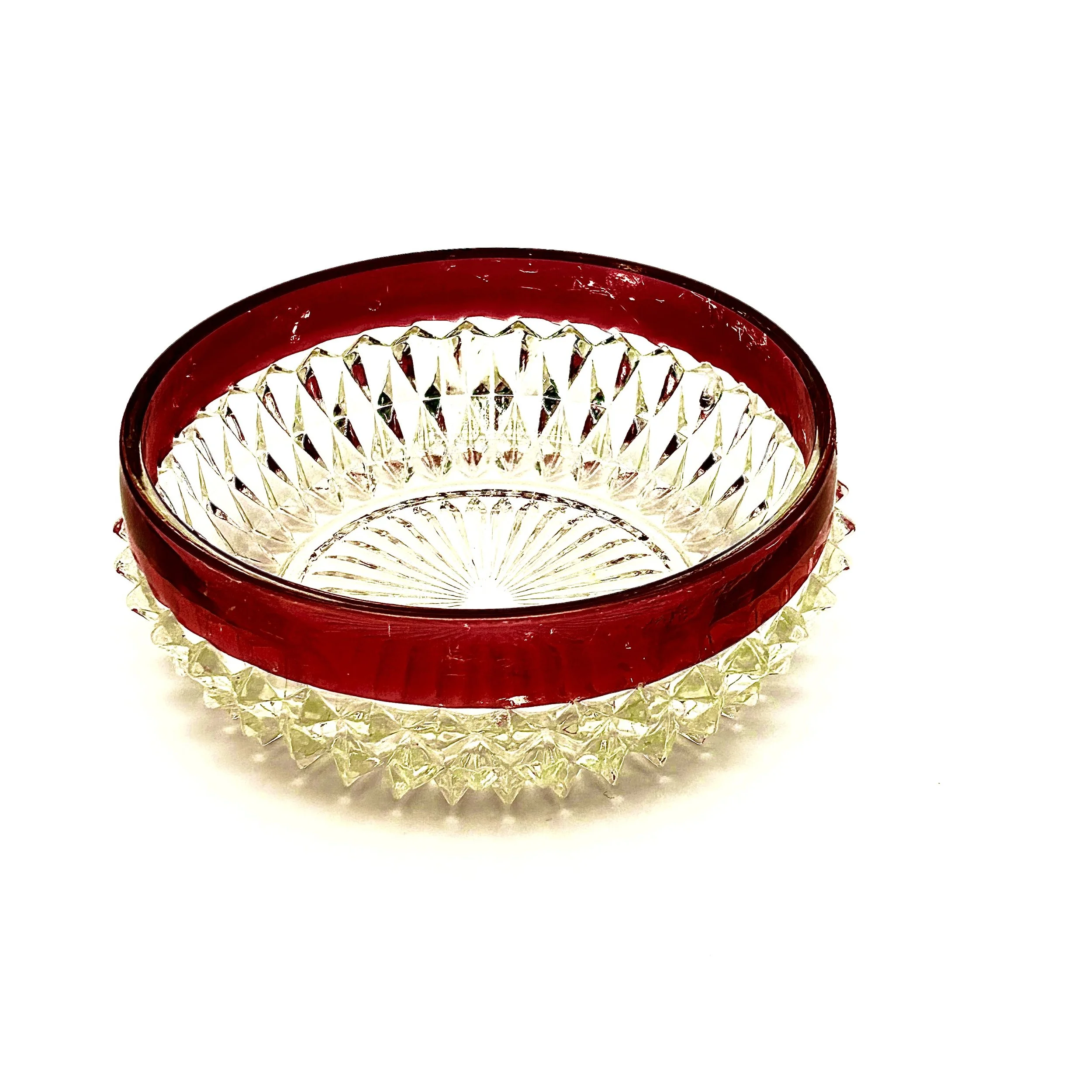 Image 2 of 10
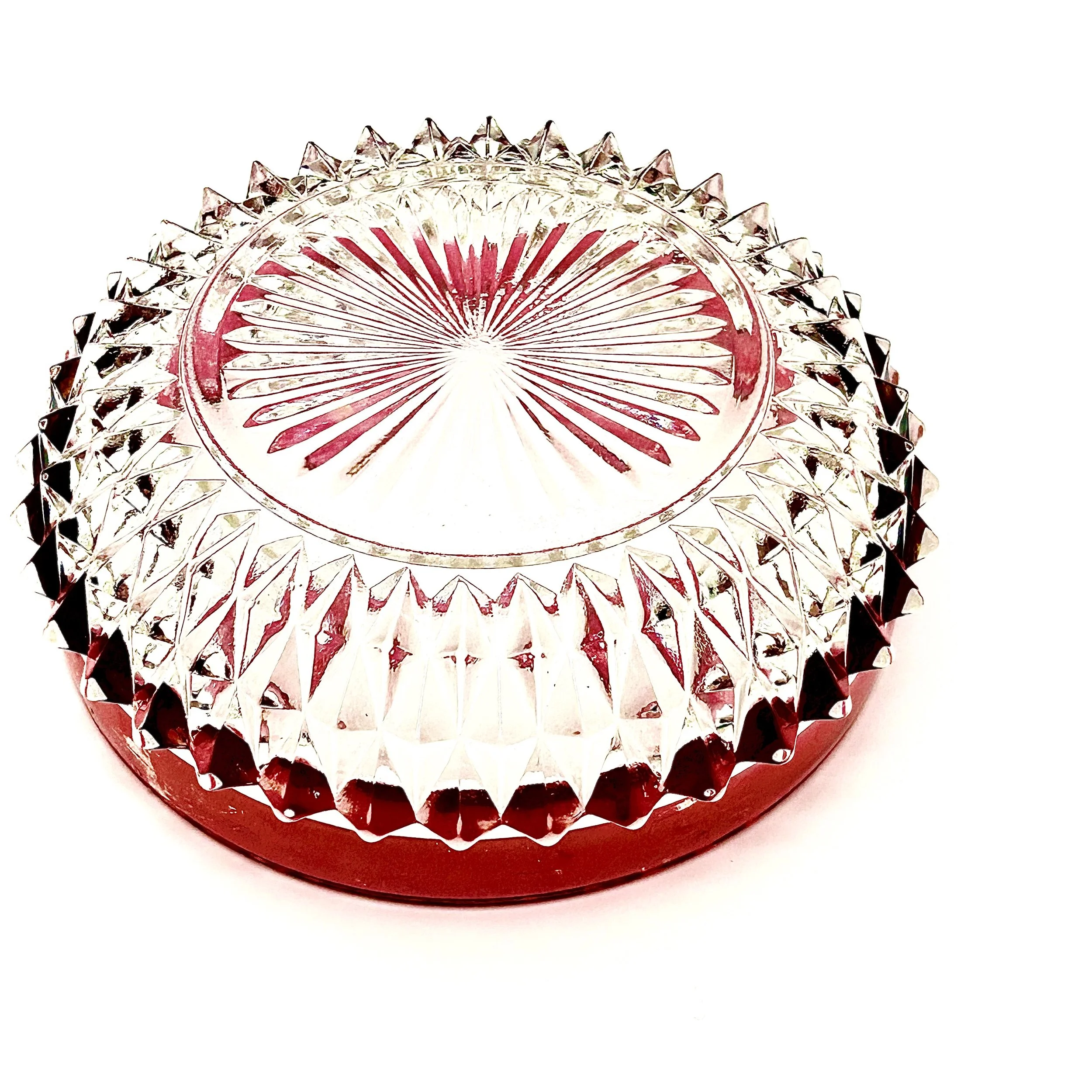 Image 3 of 10
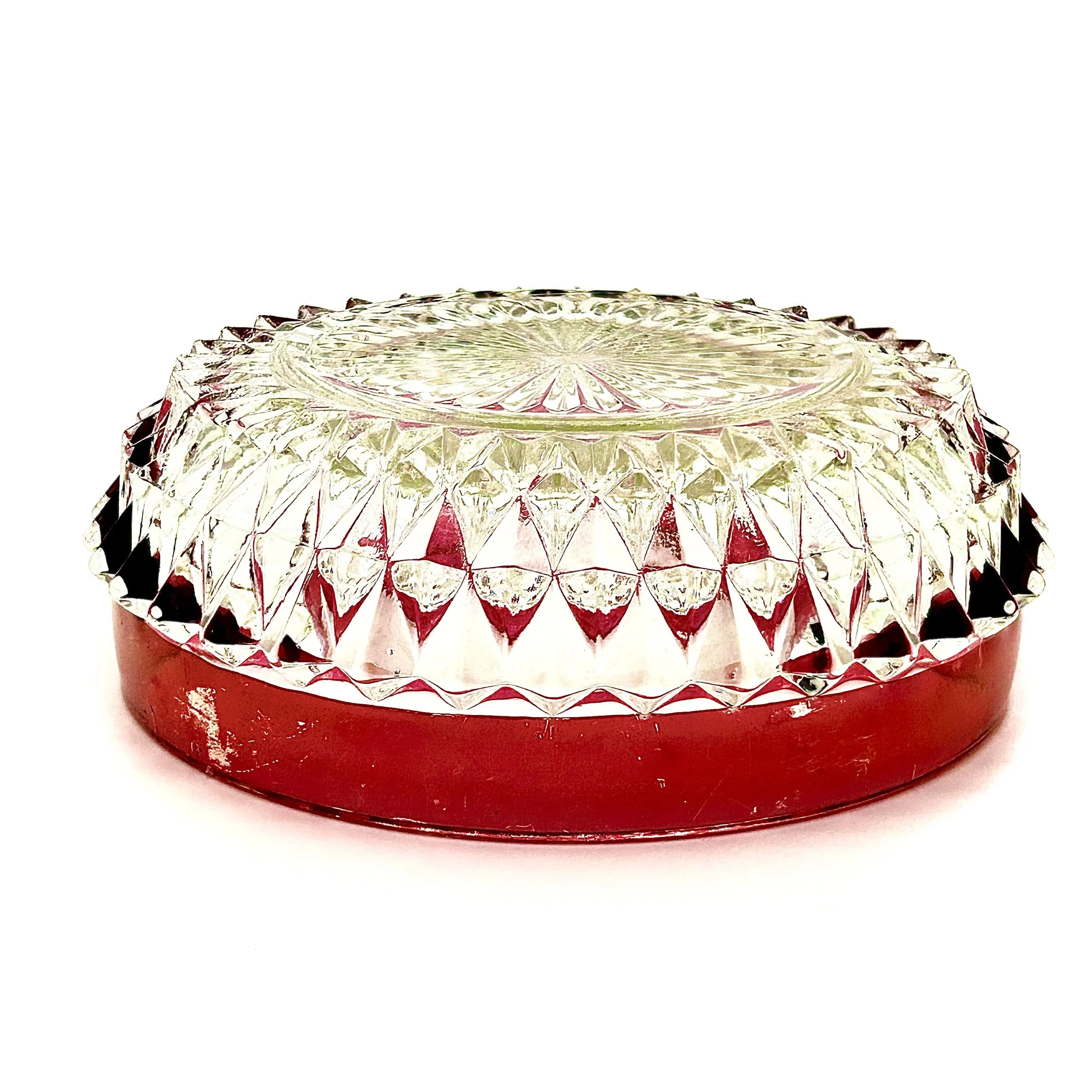 Image 4 of 10
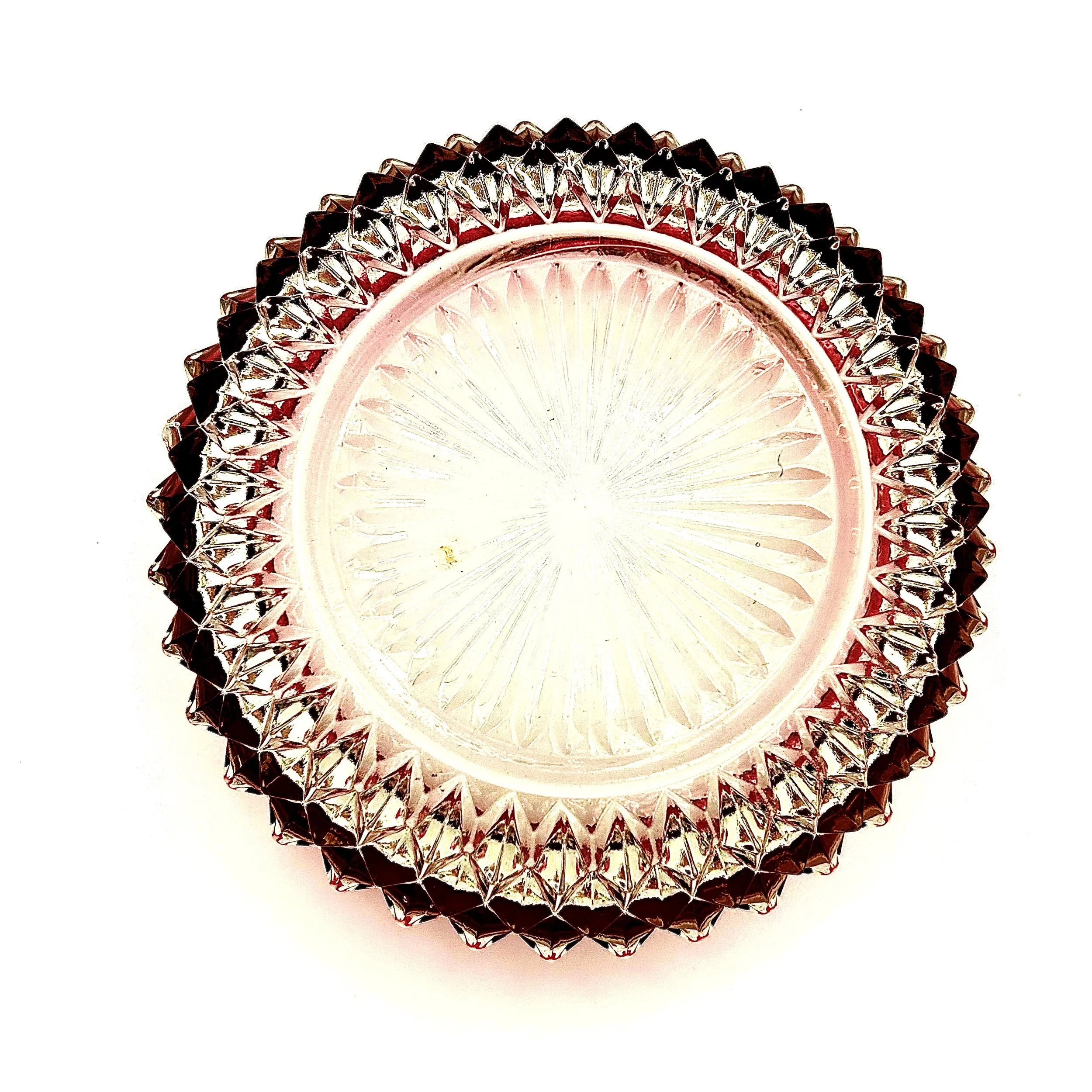 Image 5 of 10
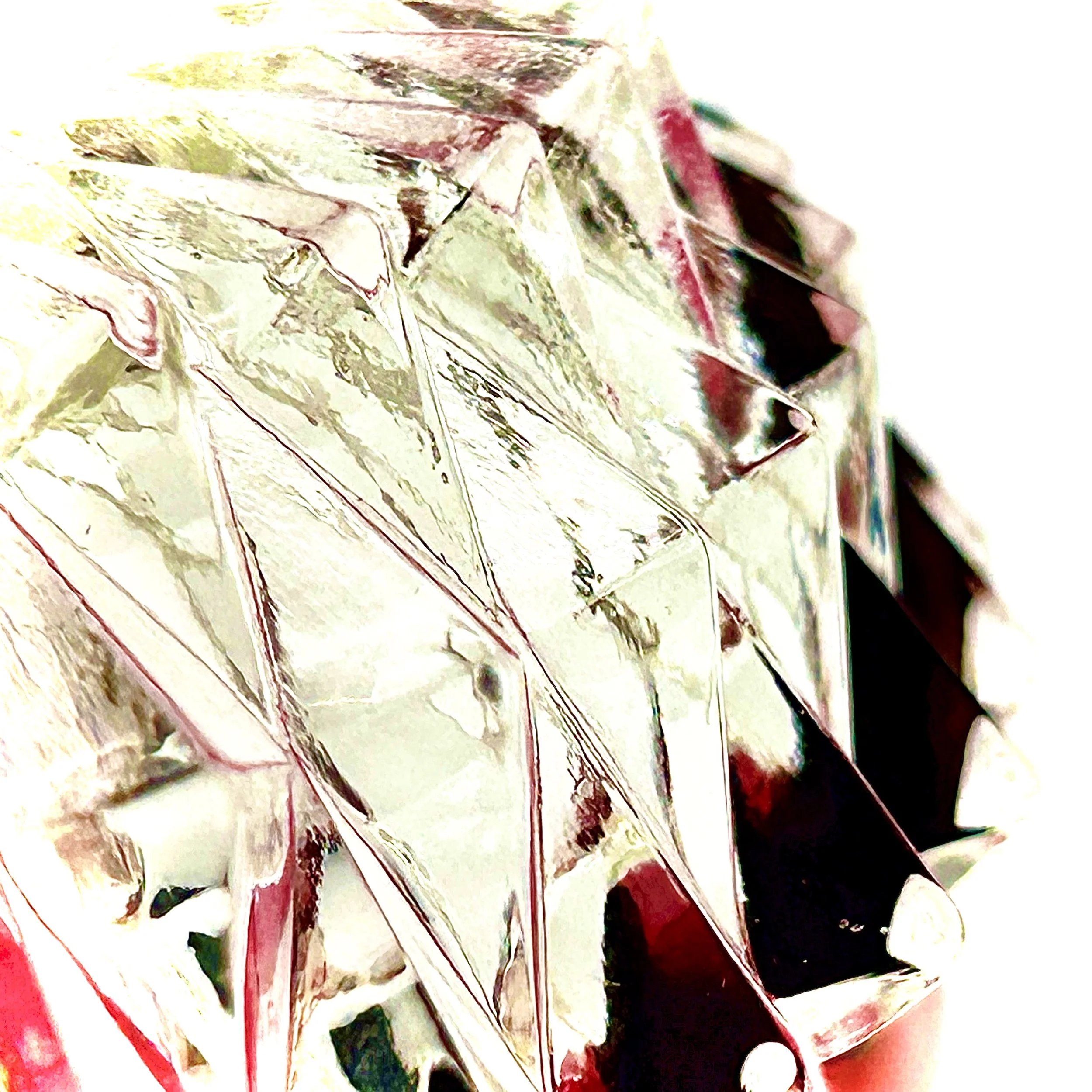 Image 6 of 10
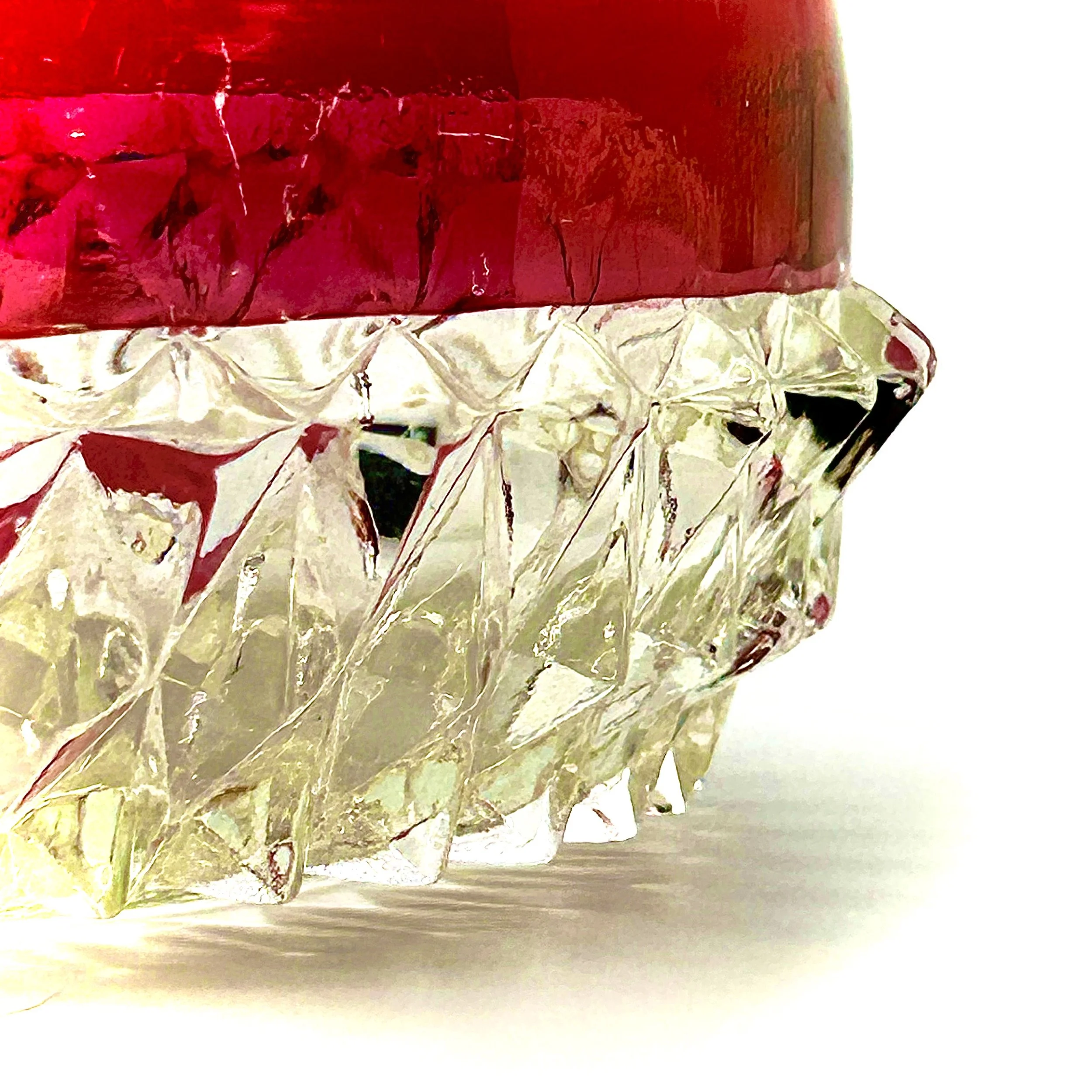 Image 7 of 10
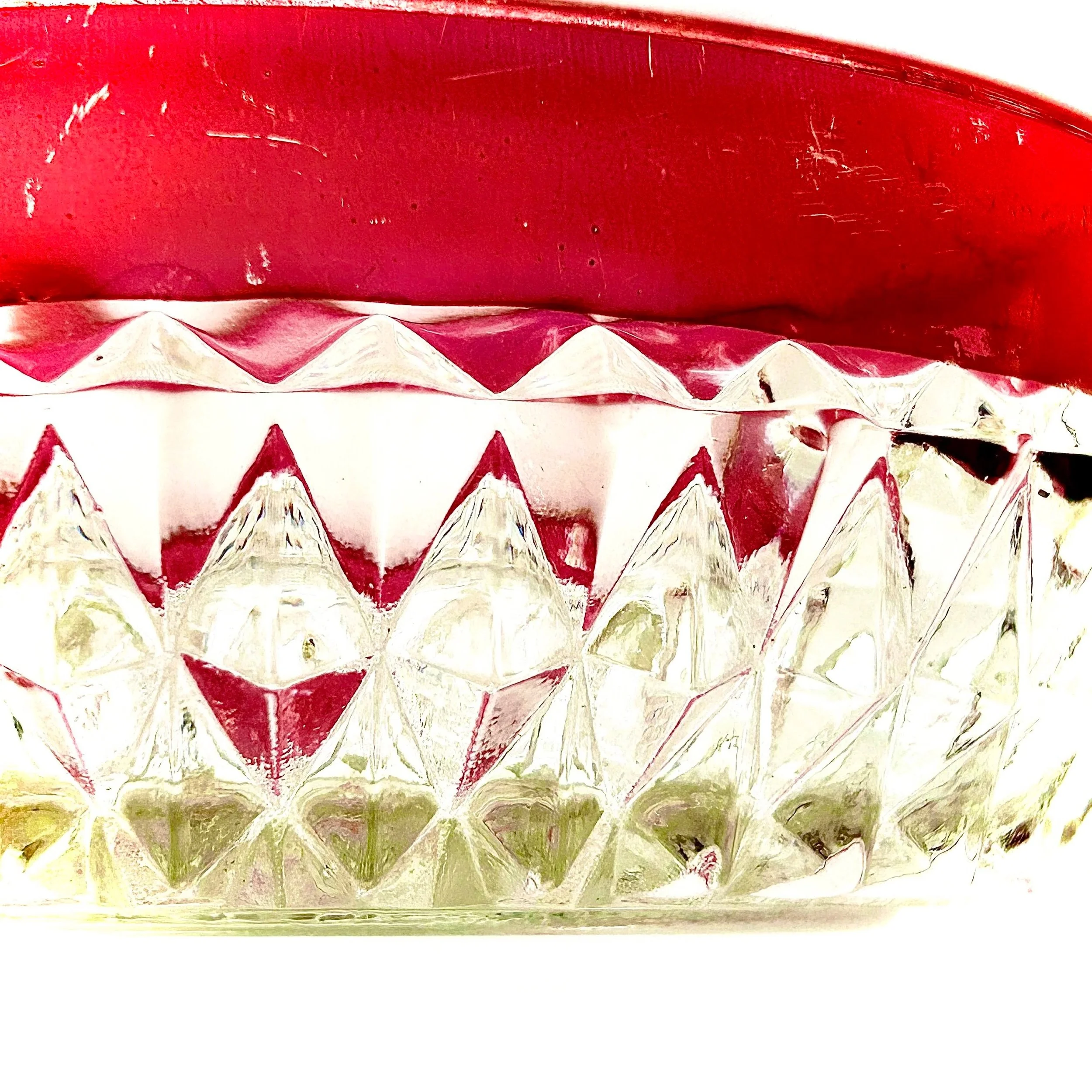 Image 8 of 10
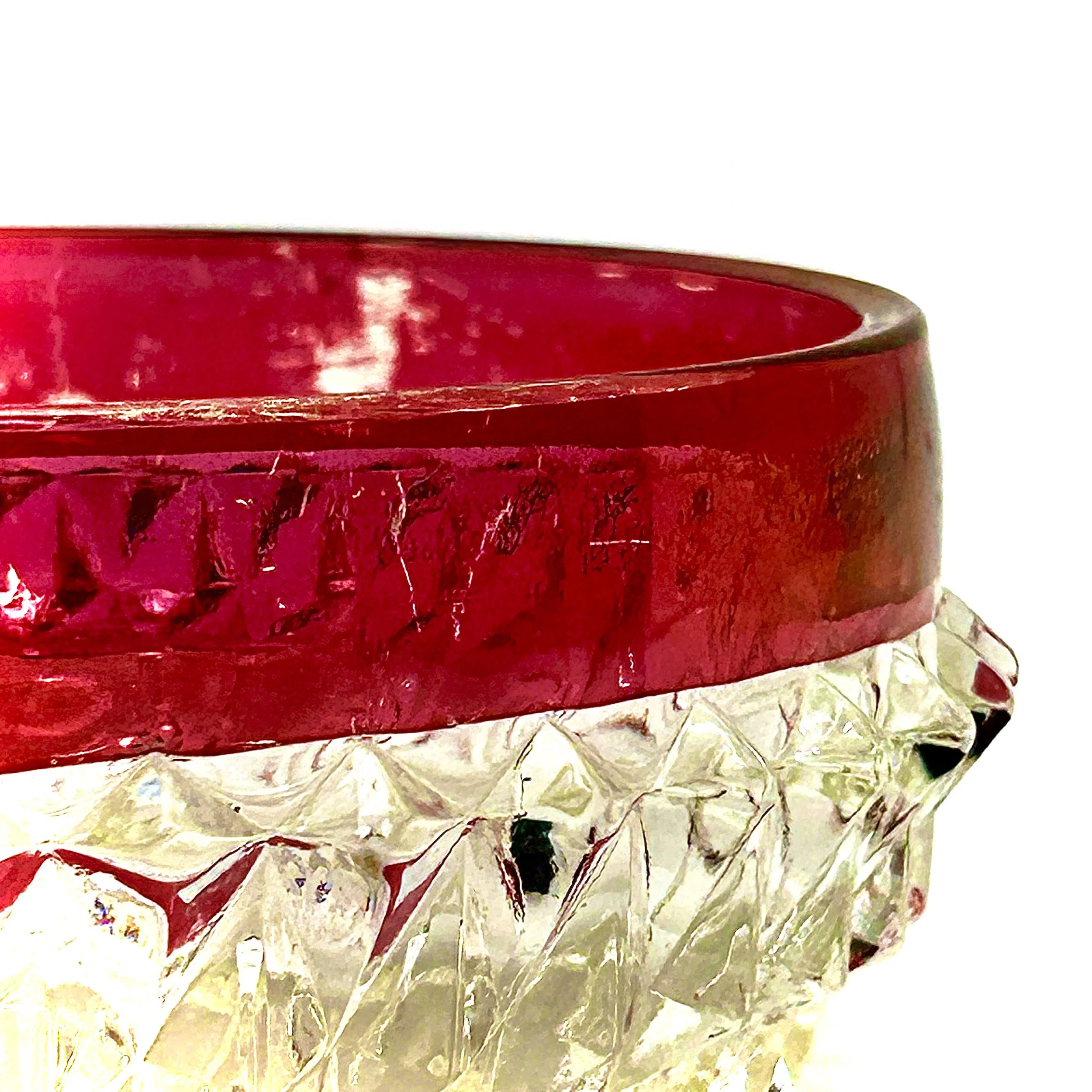 Image 9 of 10
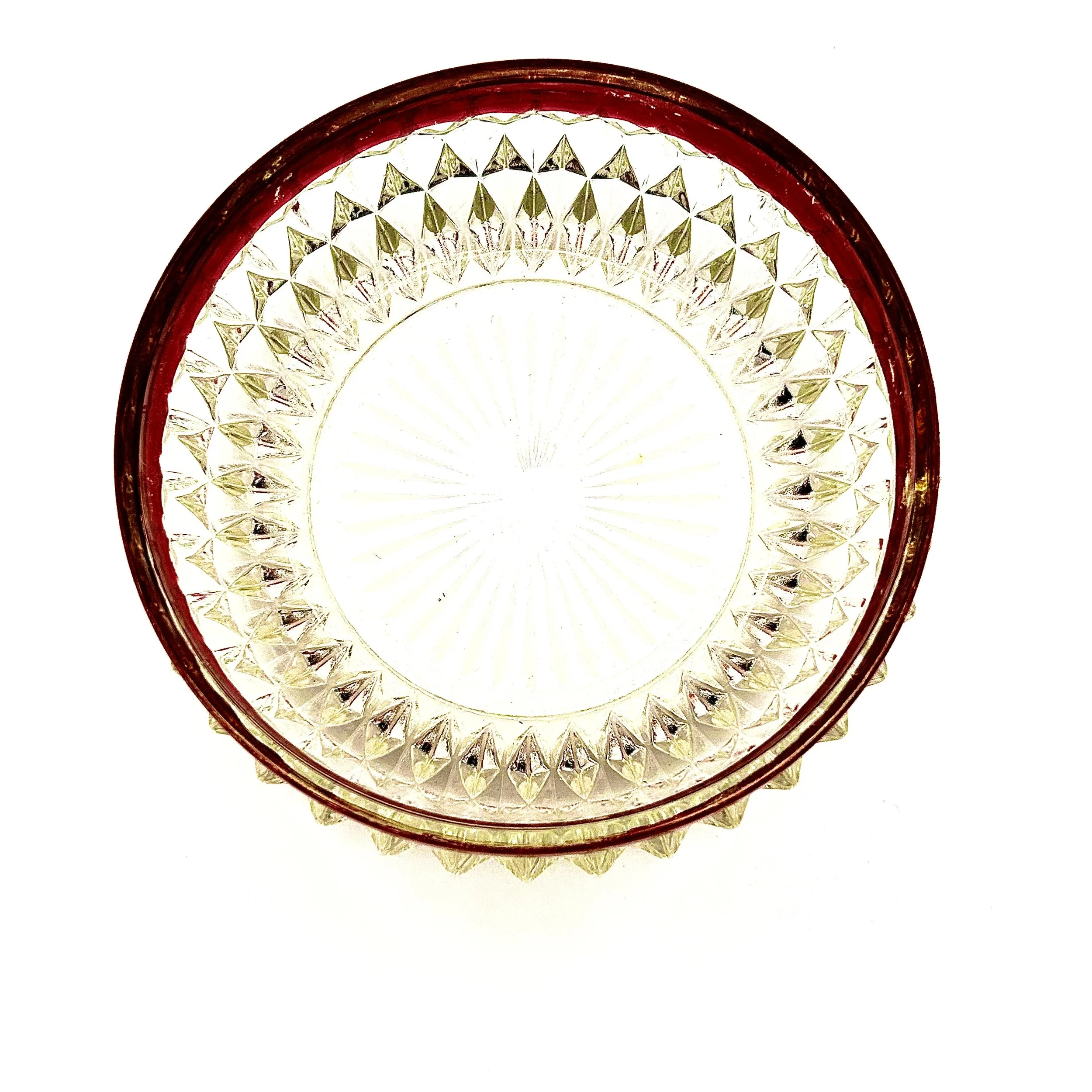 Image 10 of 10