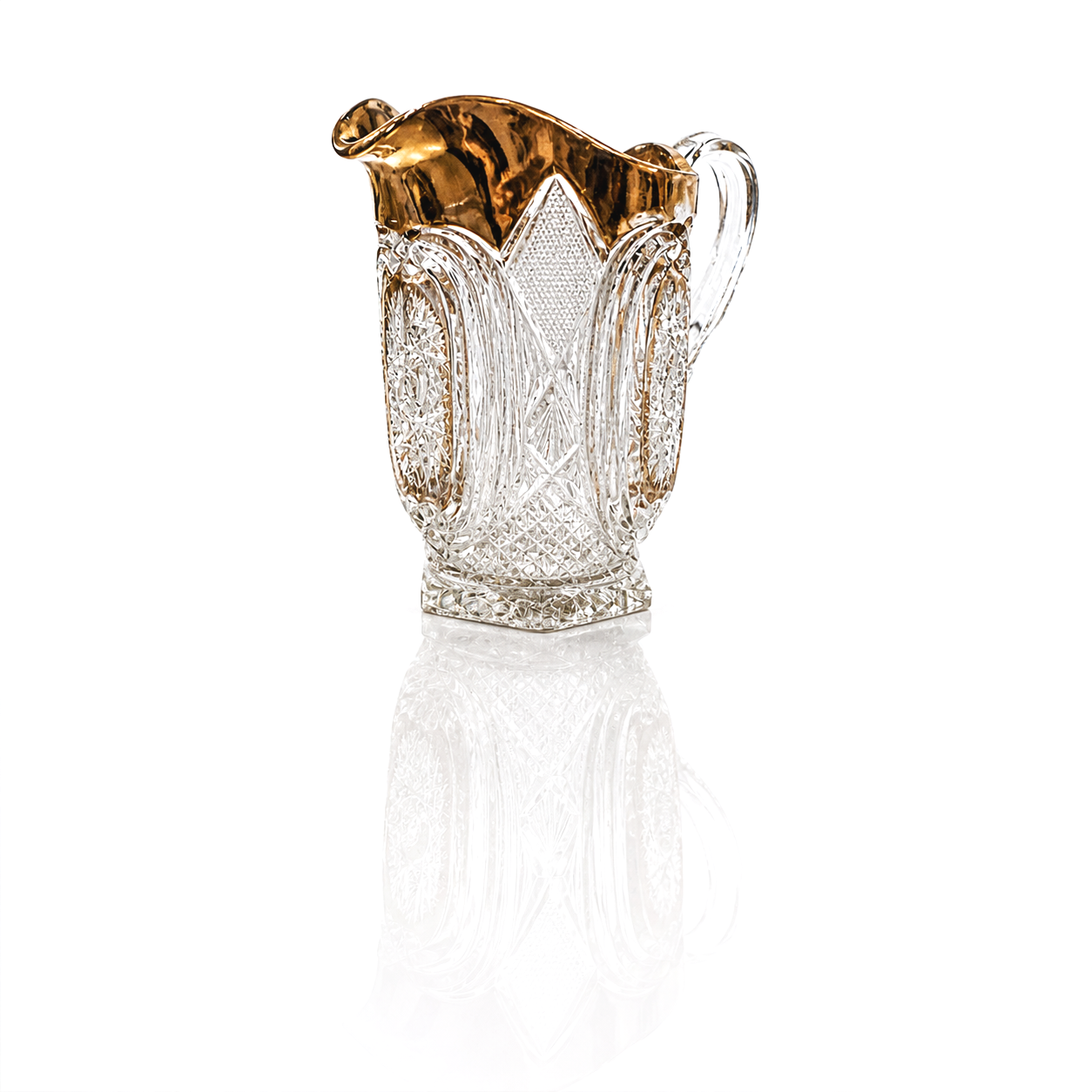
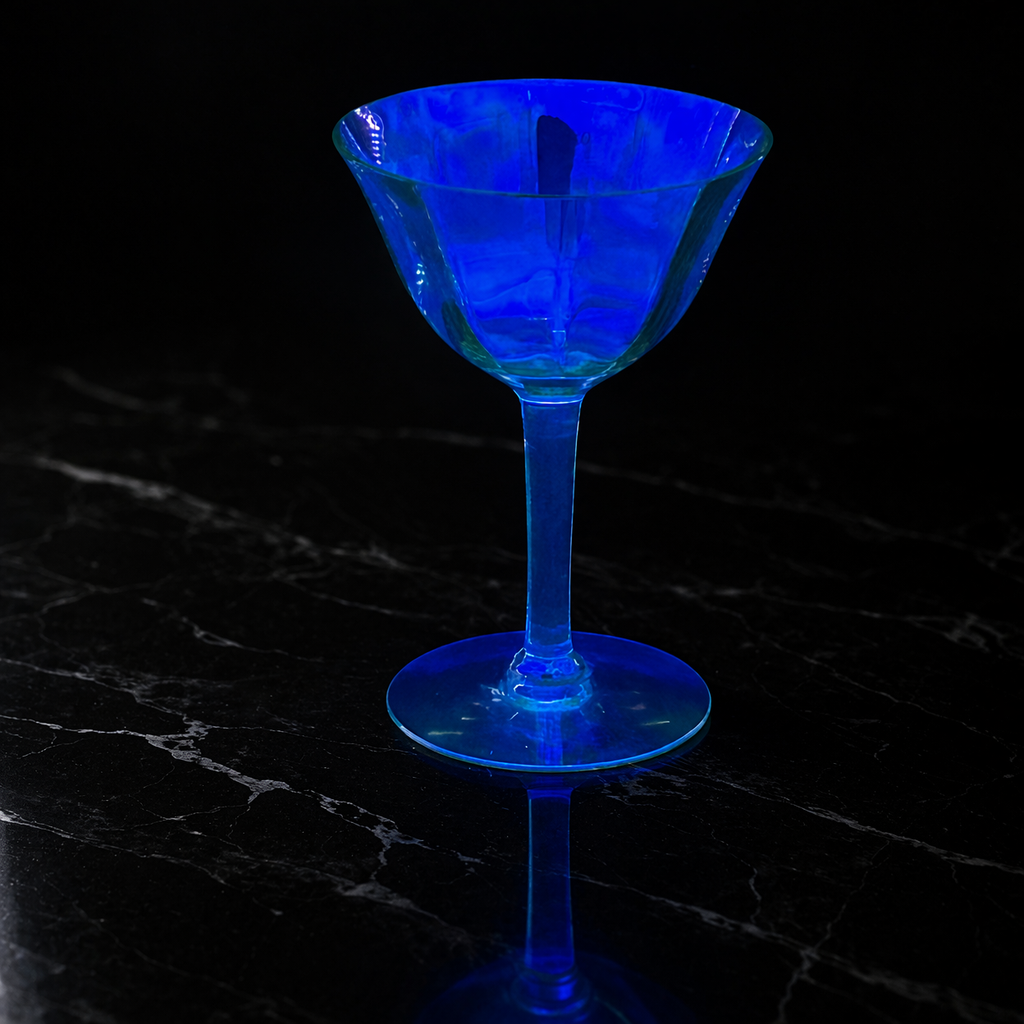
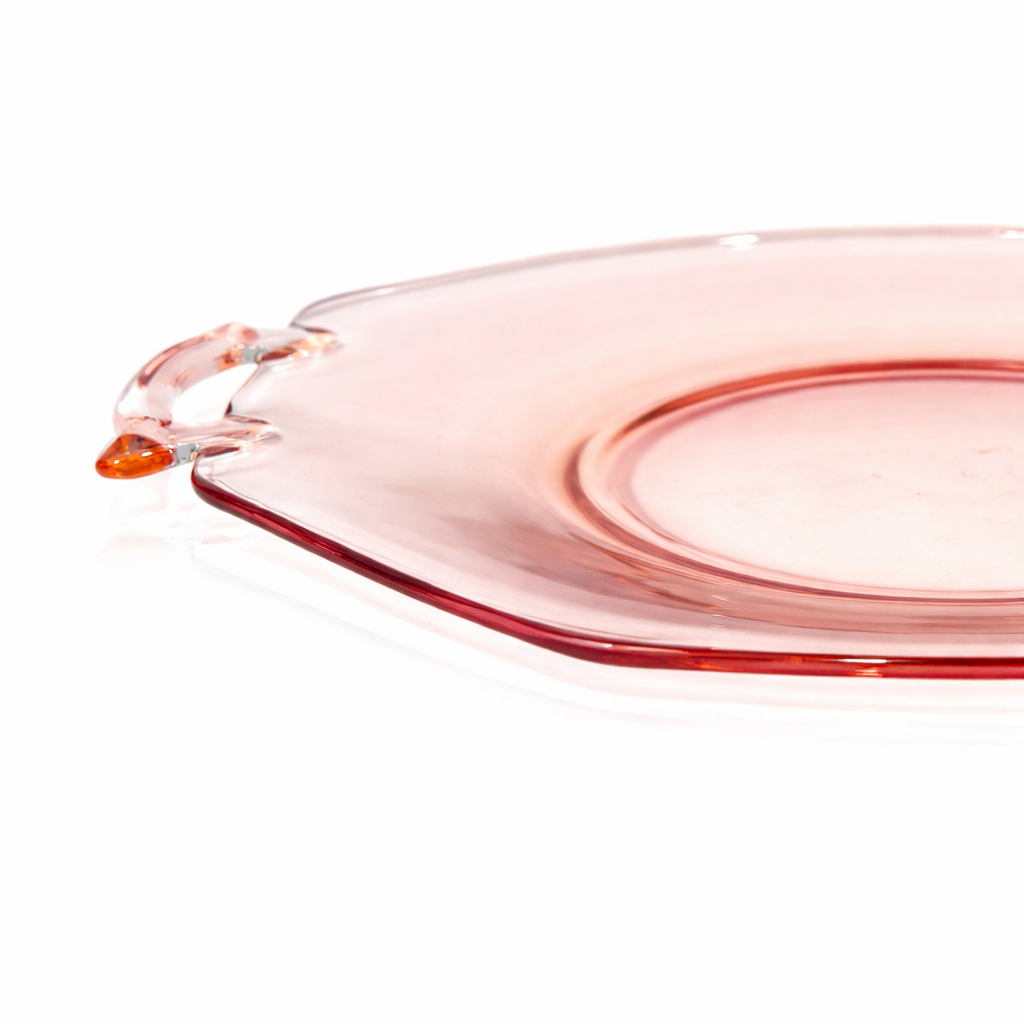
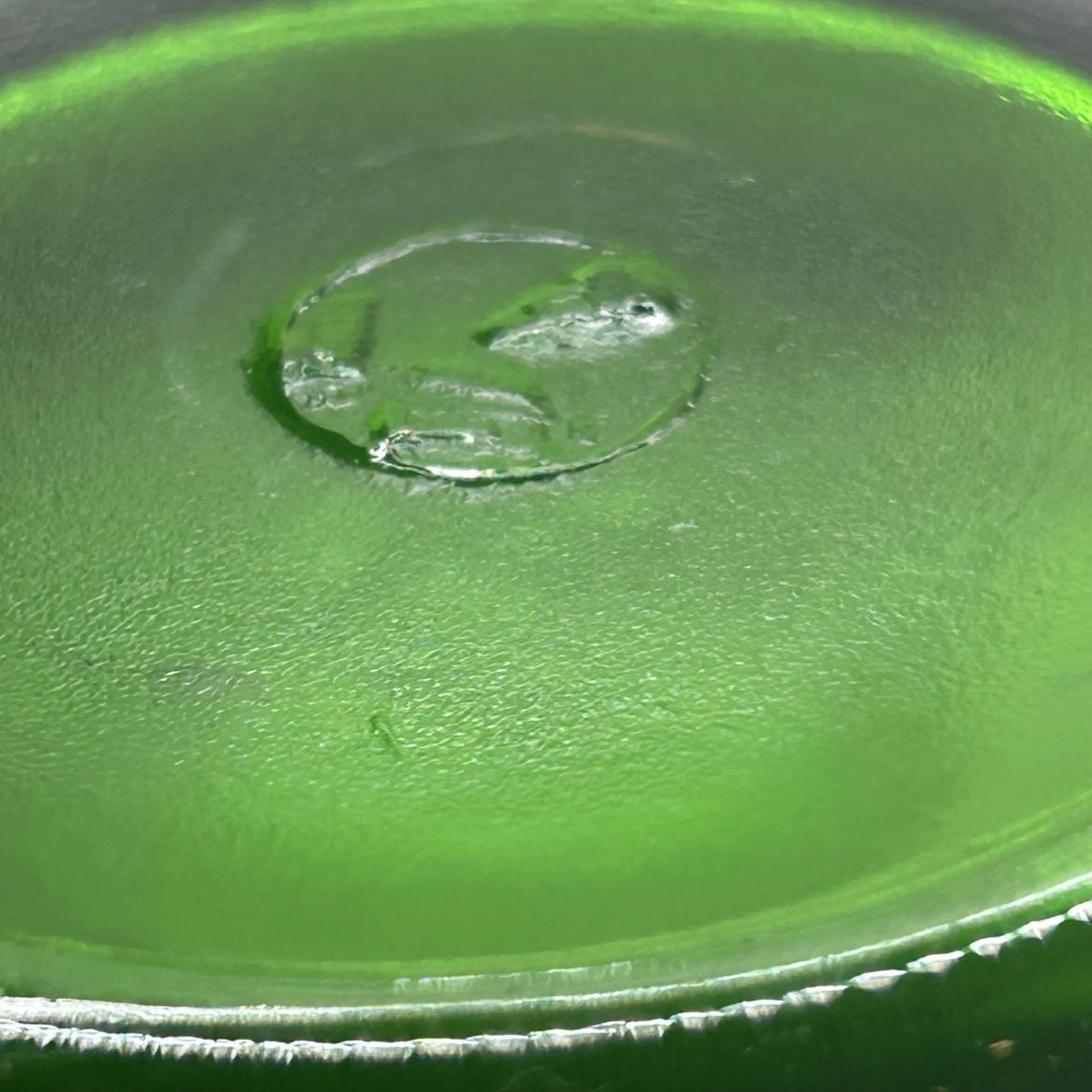
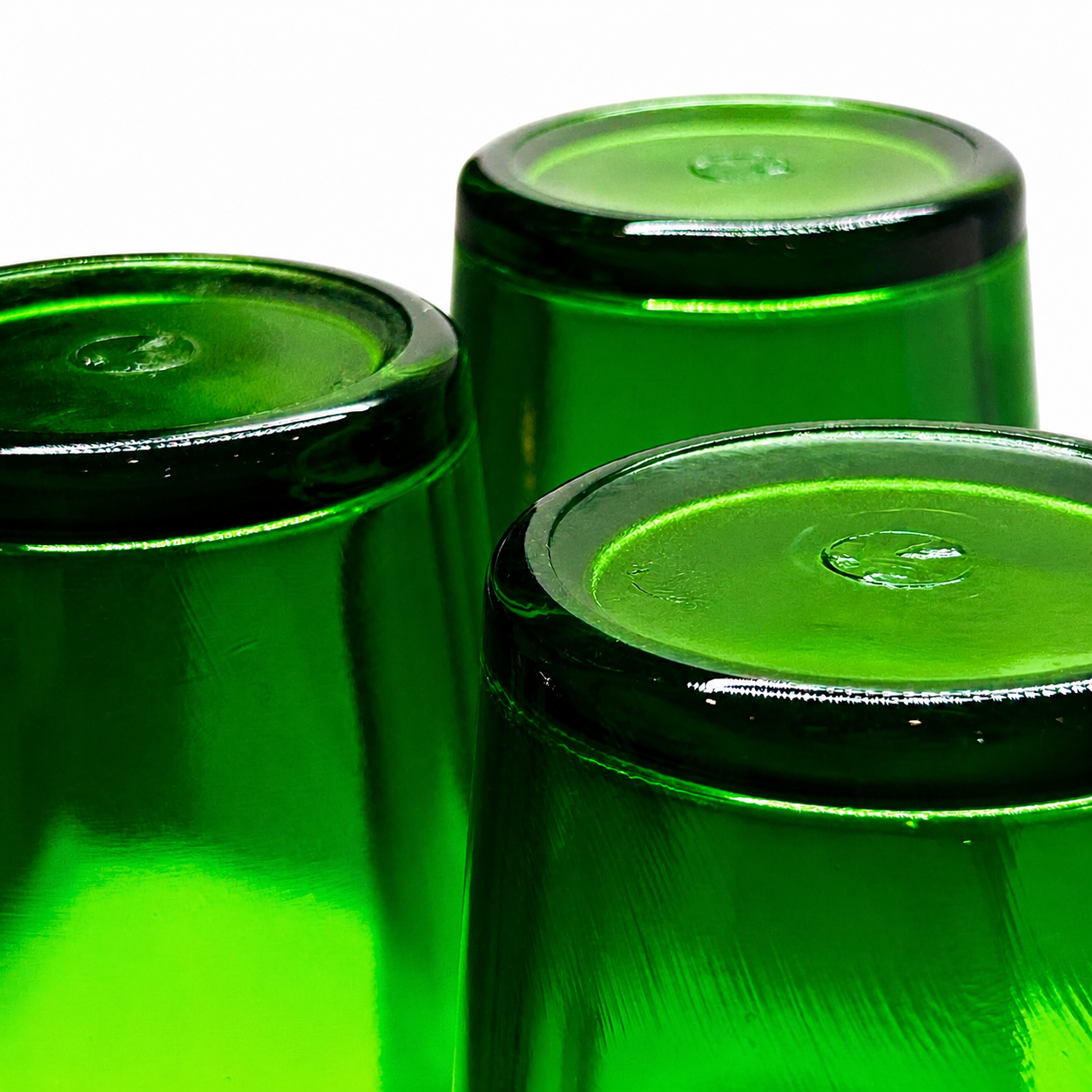
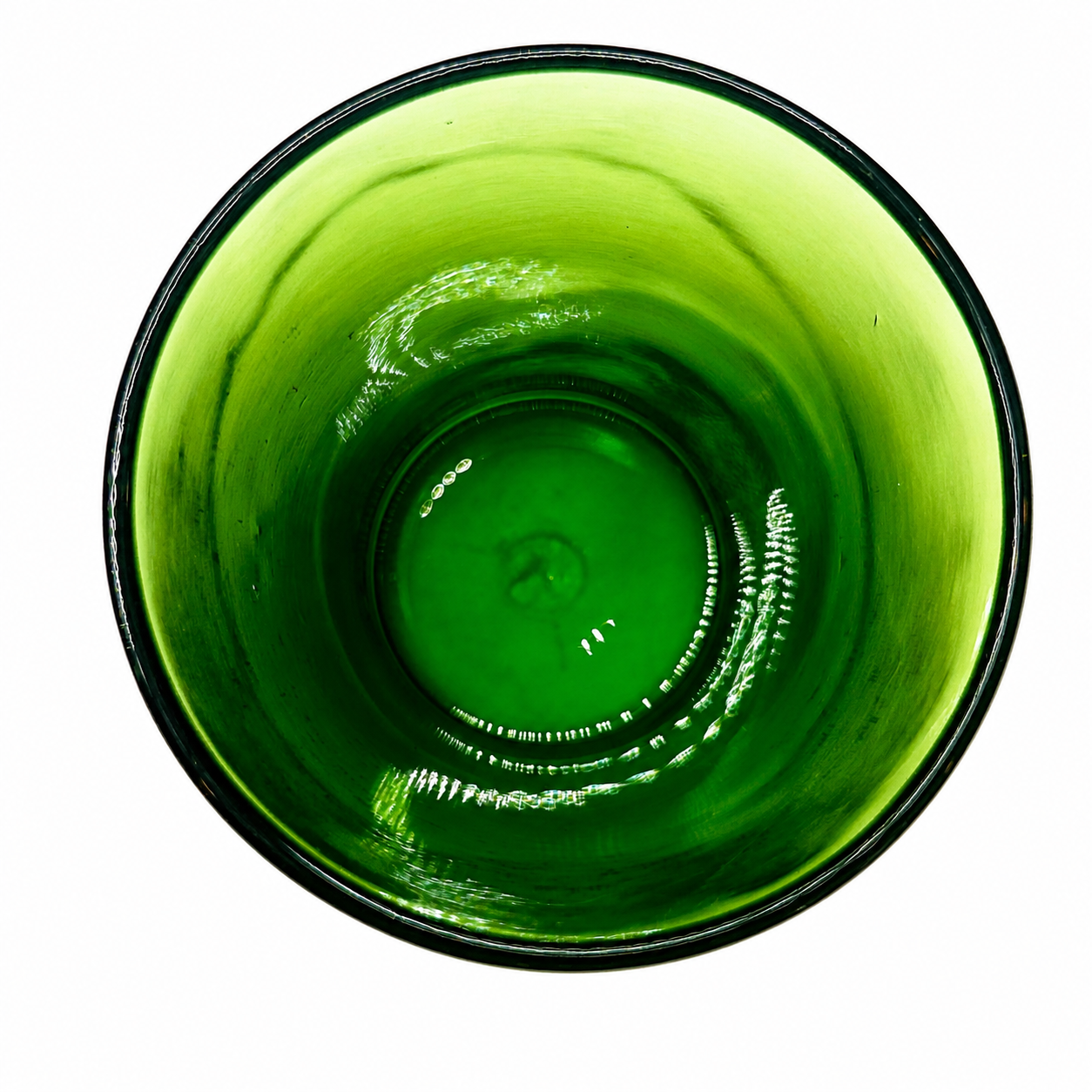
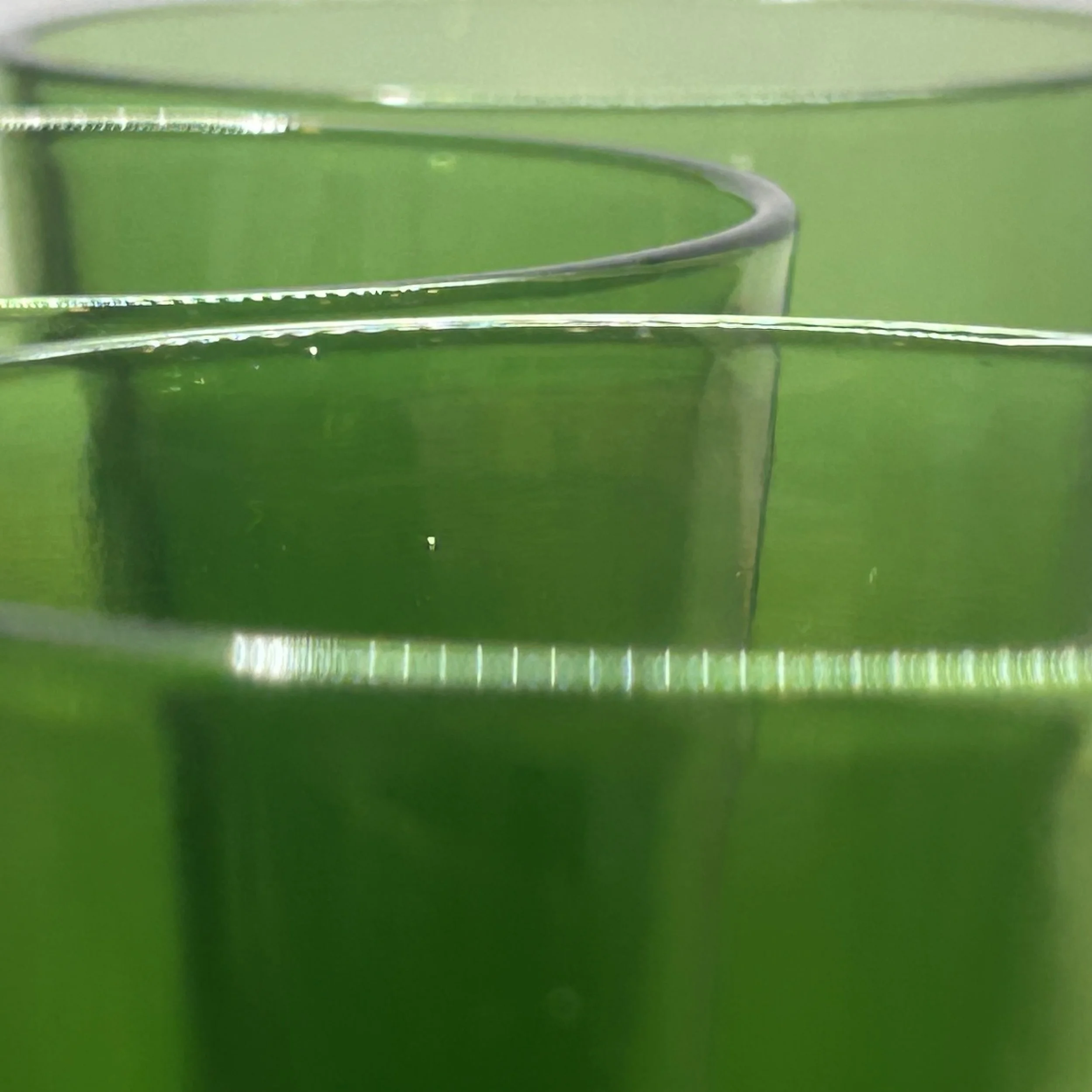
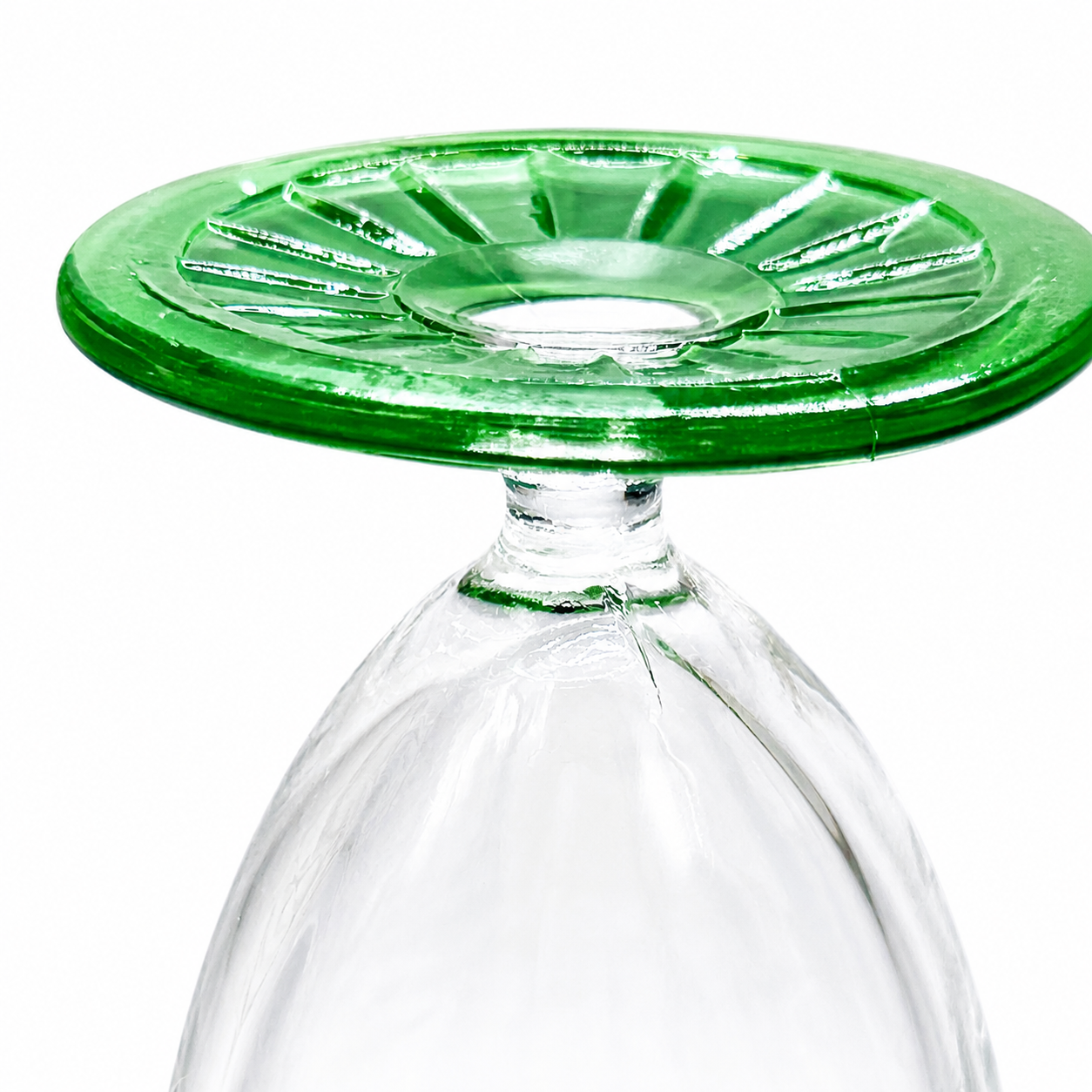
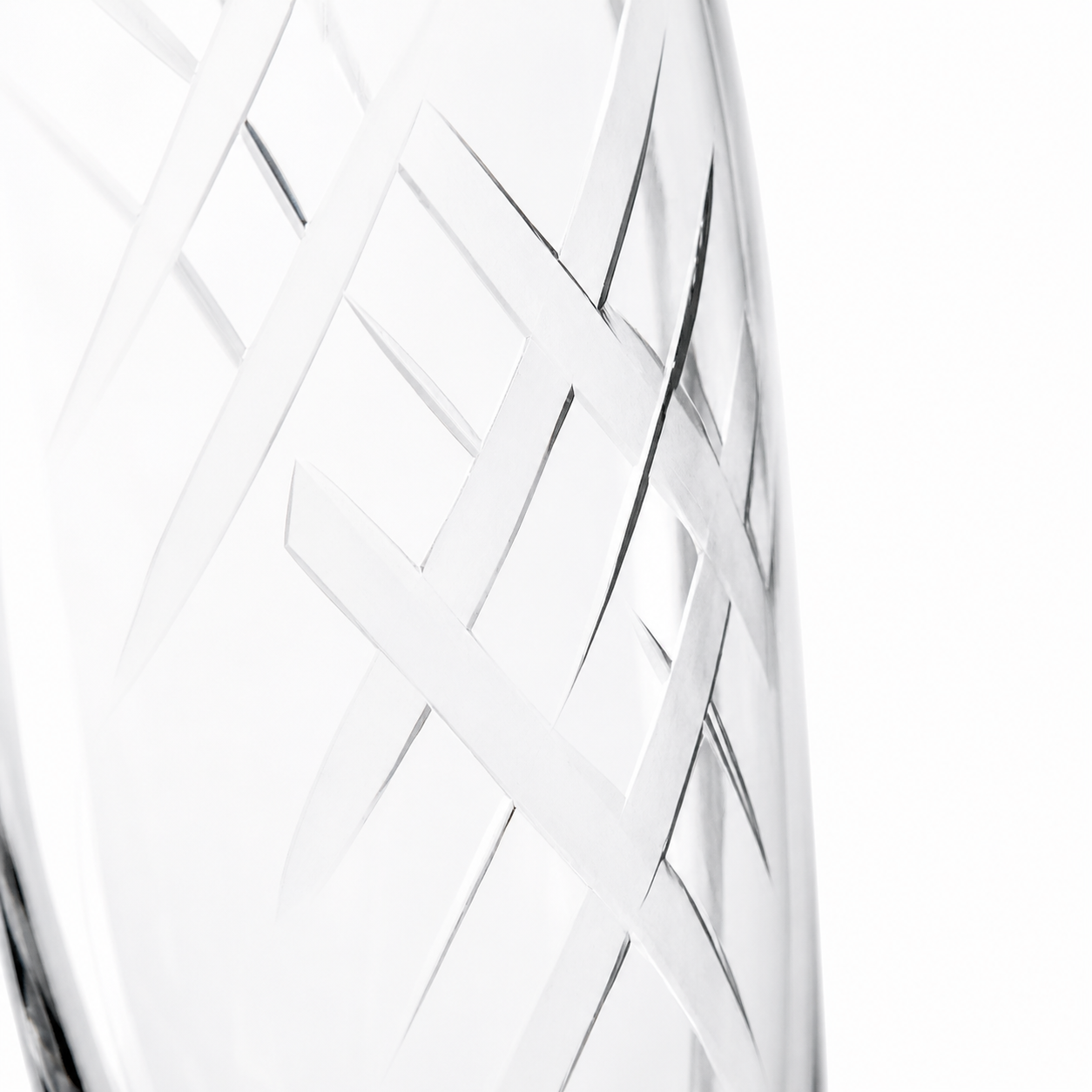
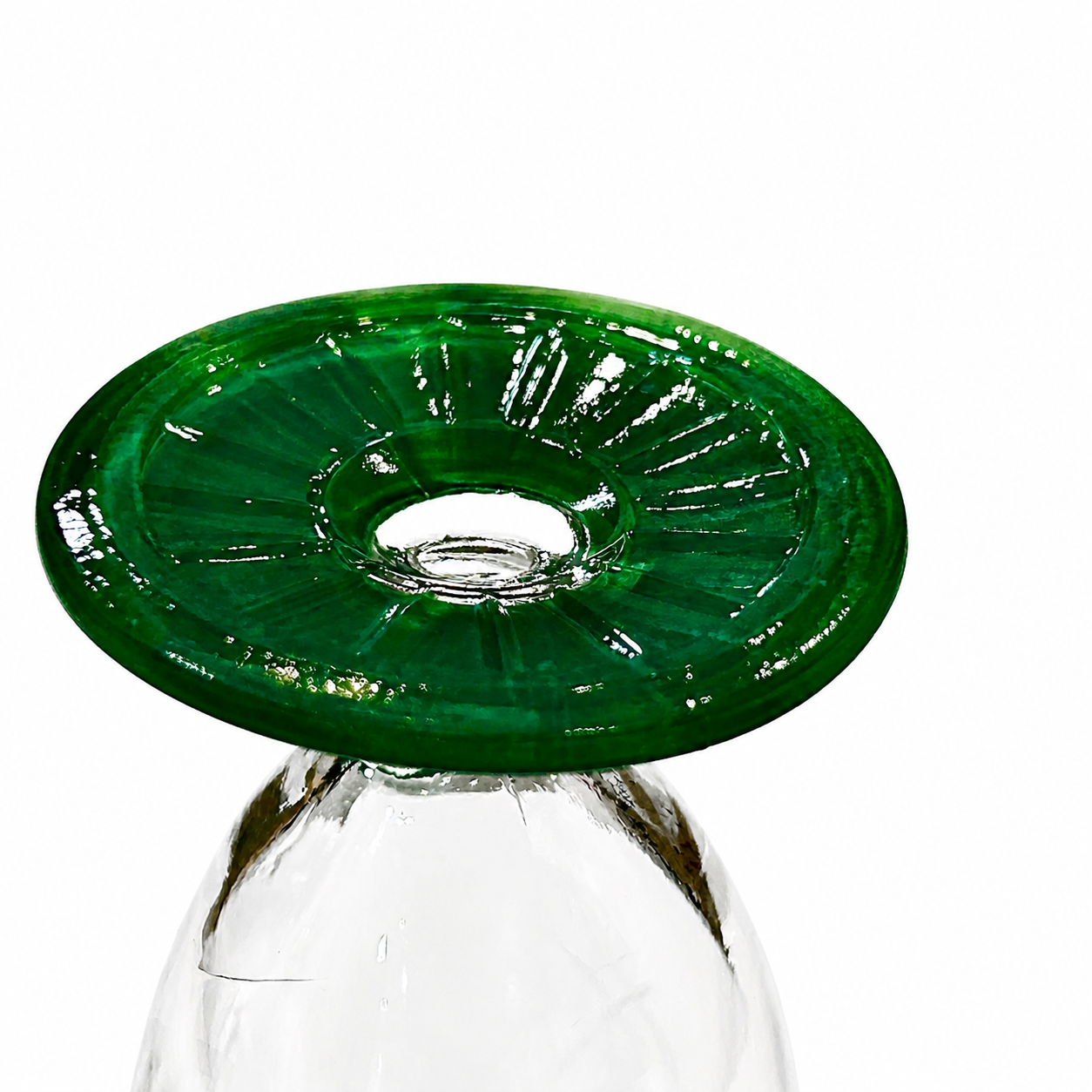
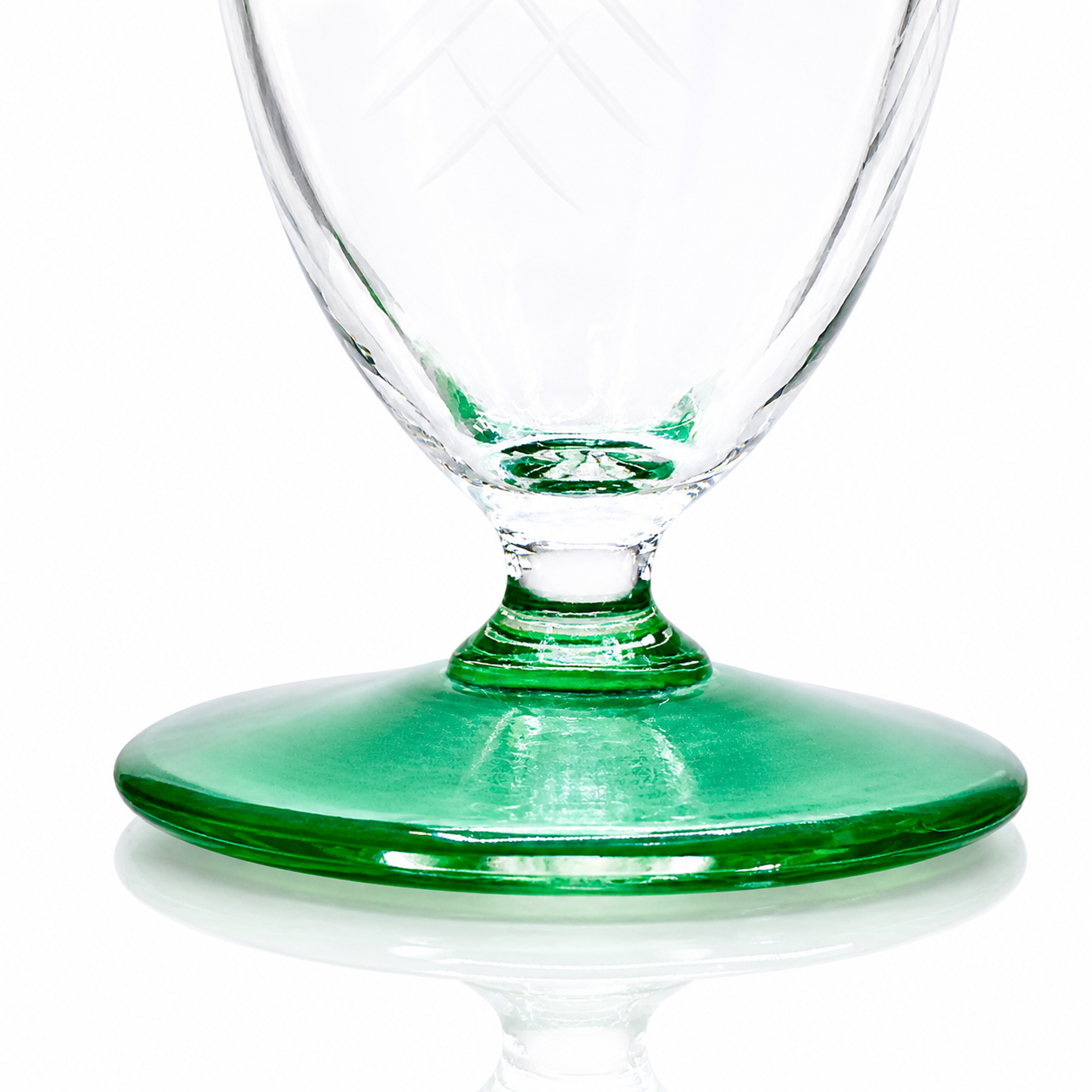
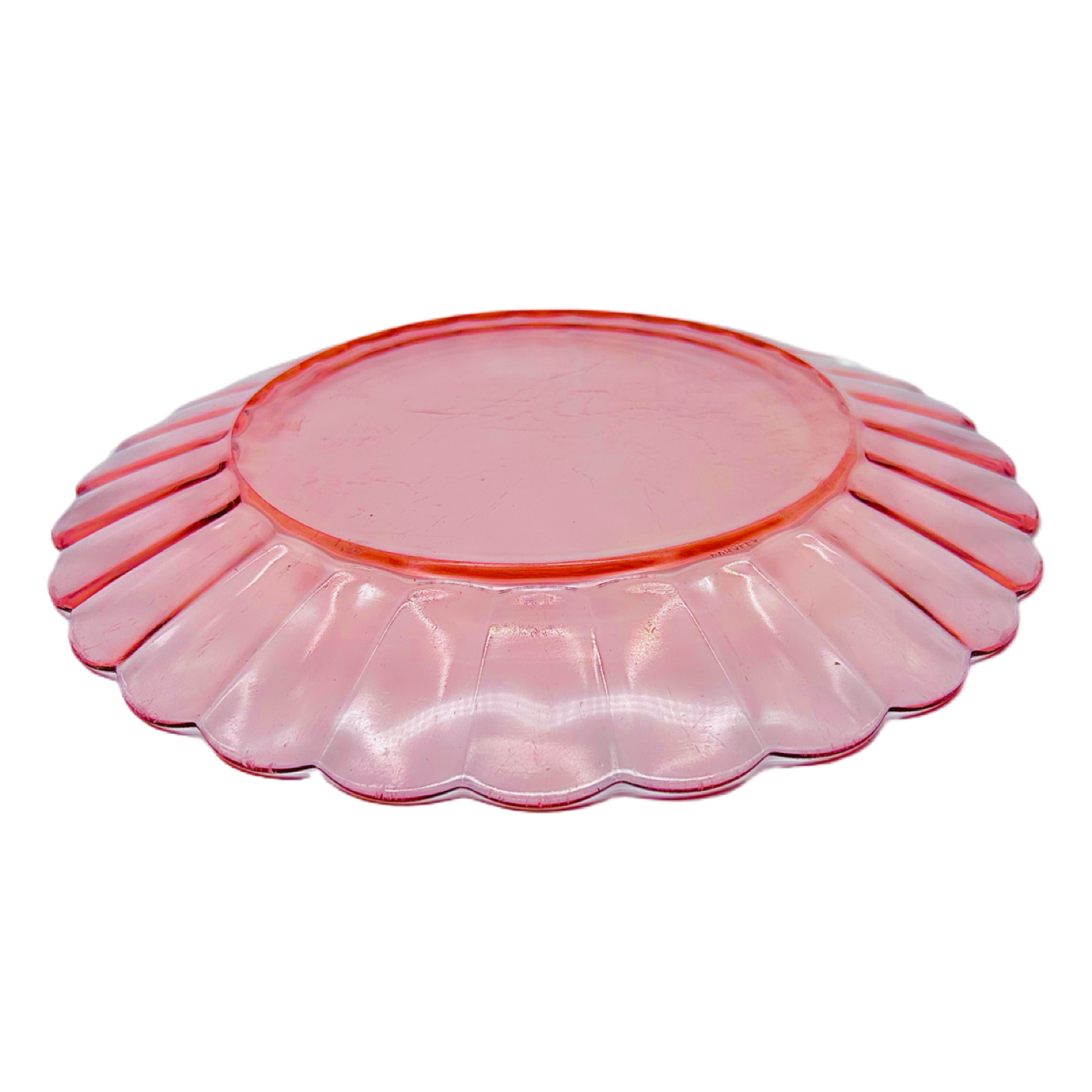
This exceptional custard glass gravy boat possesses a powerful sculptural presence, defined by its undulating scalloped rim and beautifully integrated, sweeping loop handle. The vessel features a creamy, pale yellow opaque hue that catches ambient light along its softly paneled body, culminating in a wide, elegant pouring spout. Under 365nm ultraviolet illumination, the piece reacts dynamically, emitting a striking neon green fluorescent uranium glow that adds a layer of compelling material intrigue to its classic, interior-designer friendly silhouette.
Attribution & Period
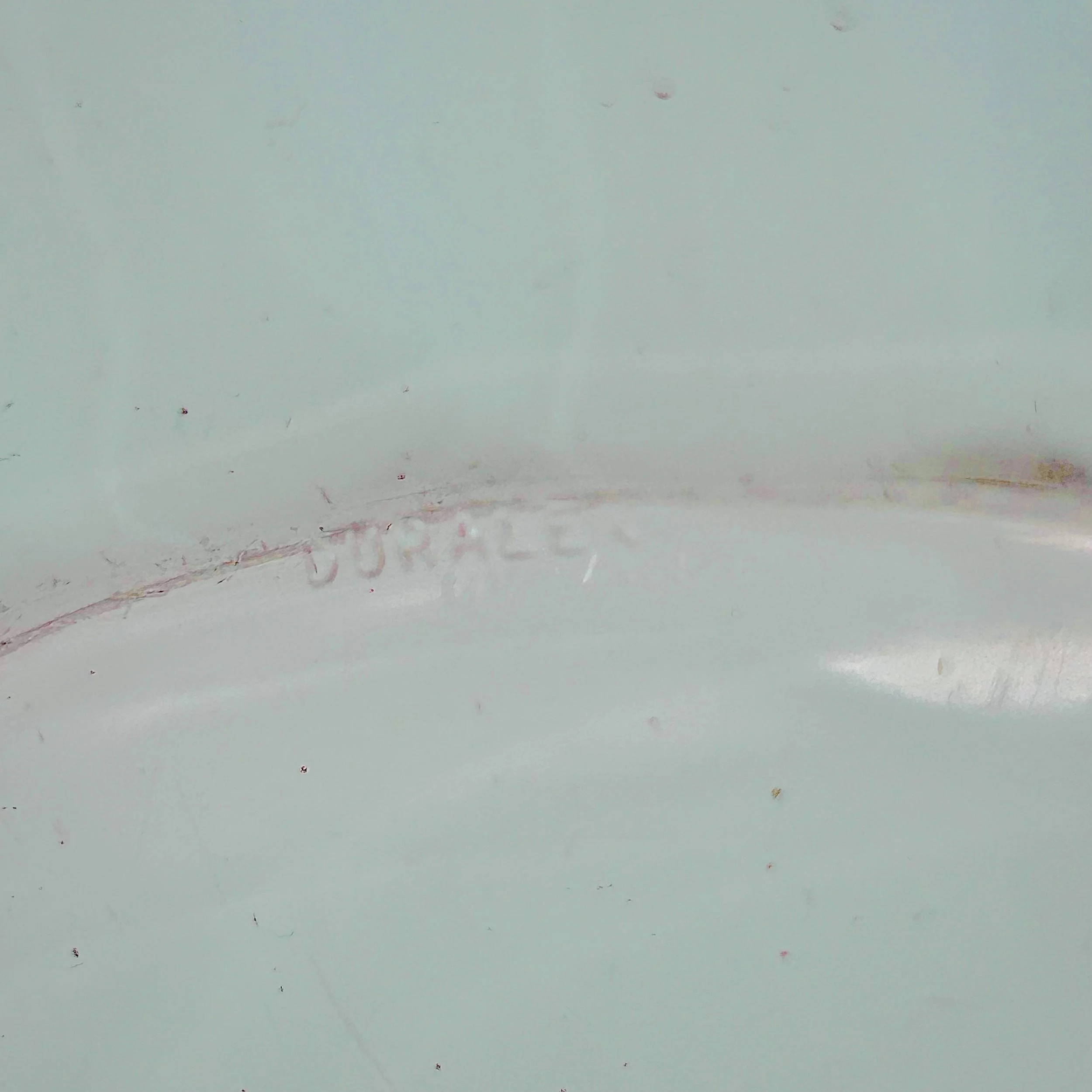
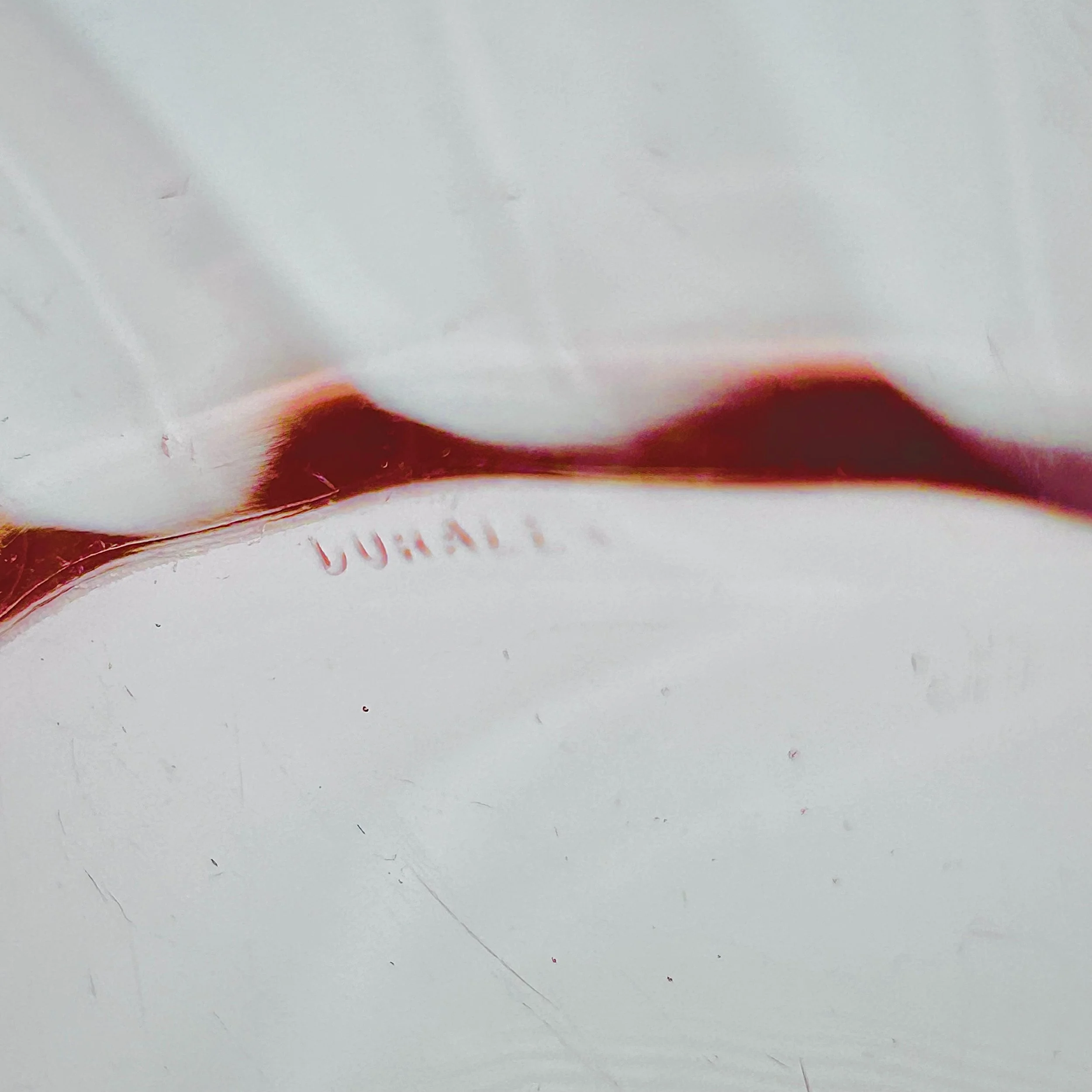
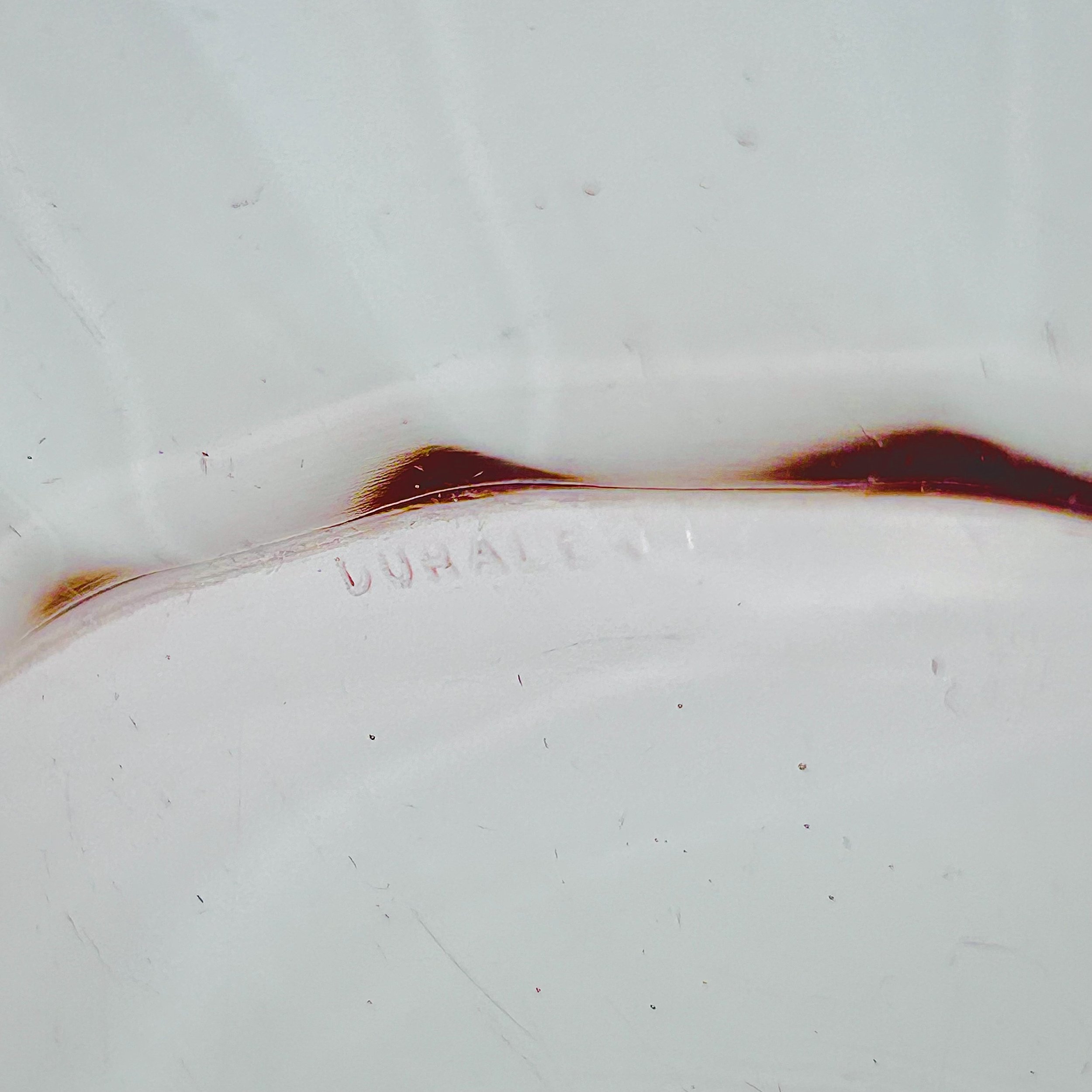
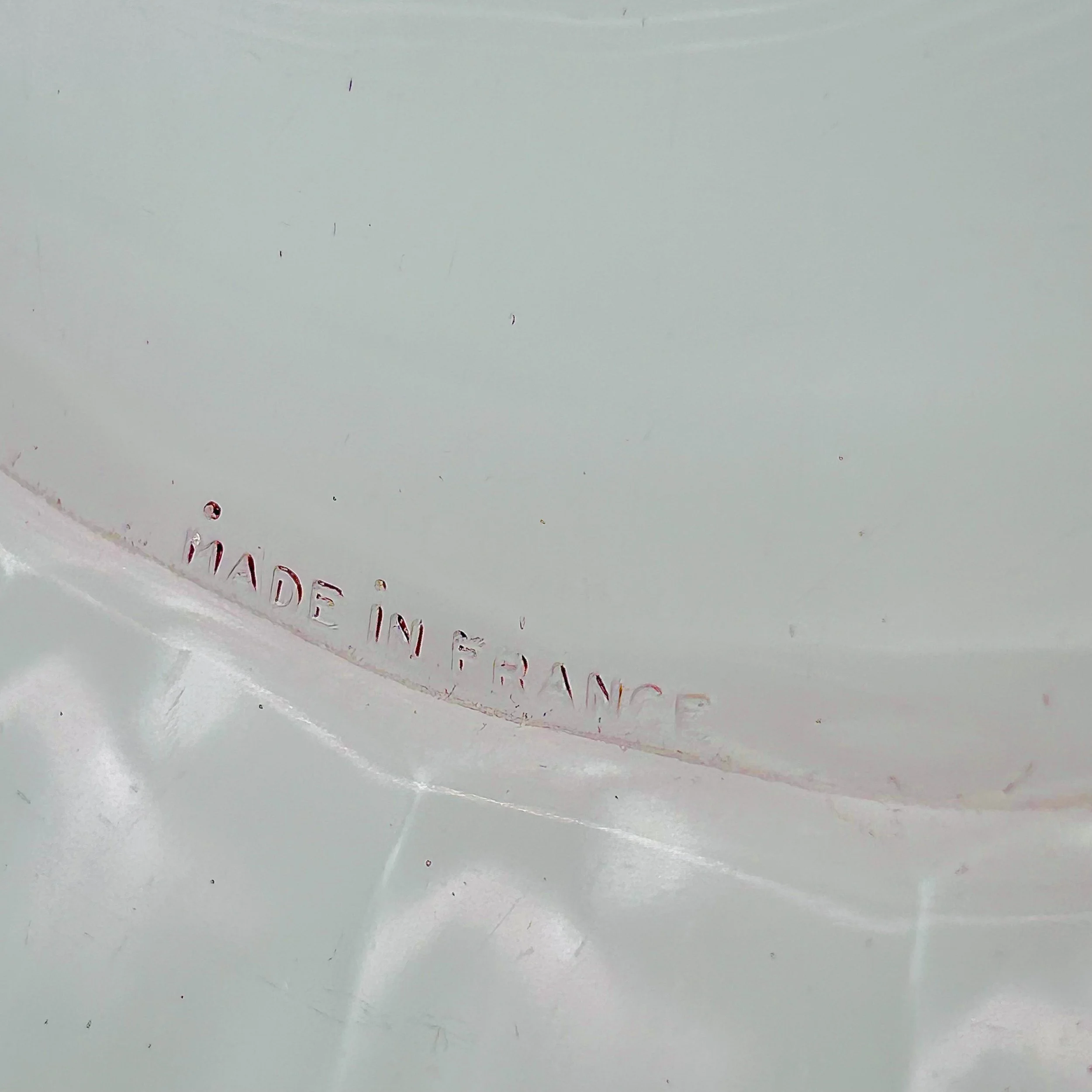
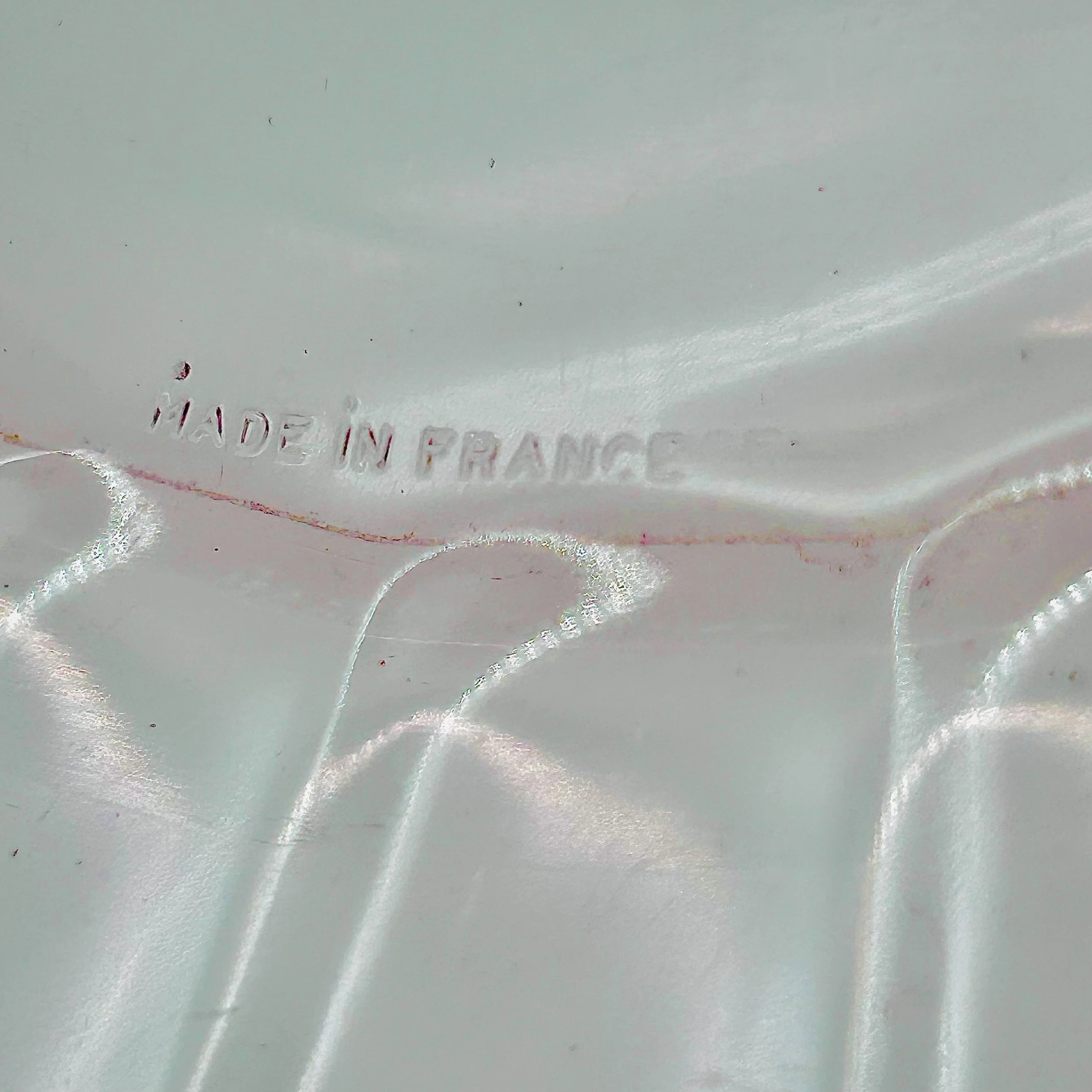
Stylistically aligned with the premier British glasshouses of the pre-war era, this piece is consistent with the celebrated custard glass ranges produced by manufacturers such as John Walsh Walsh or Davidson Glass during the interwar design boom. The soft, paneled geometry, delicate hand-painted gilt accents, and specific chemical formulation of the uranium-infused glass paste are highly characteristic of late 1930s European tableware. While no factory mark is observed, its distinct silhouette, material composition, and fluorescent signature place its production firmly within the 1930s.
Dimensions & Weight
Condition
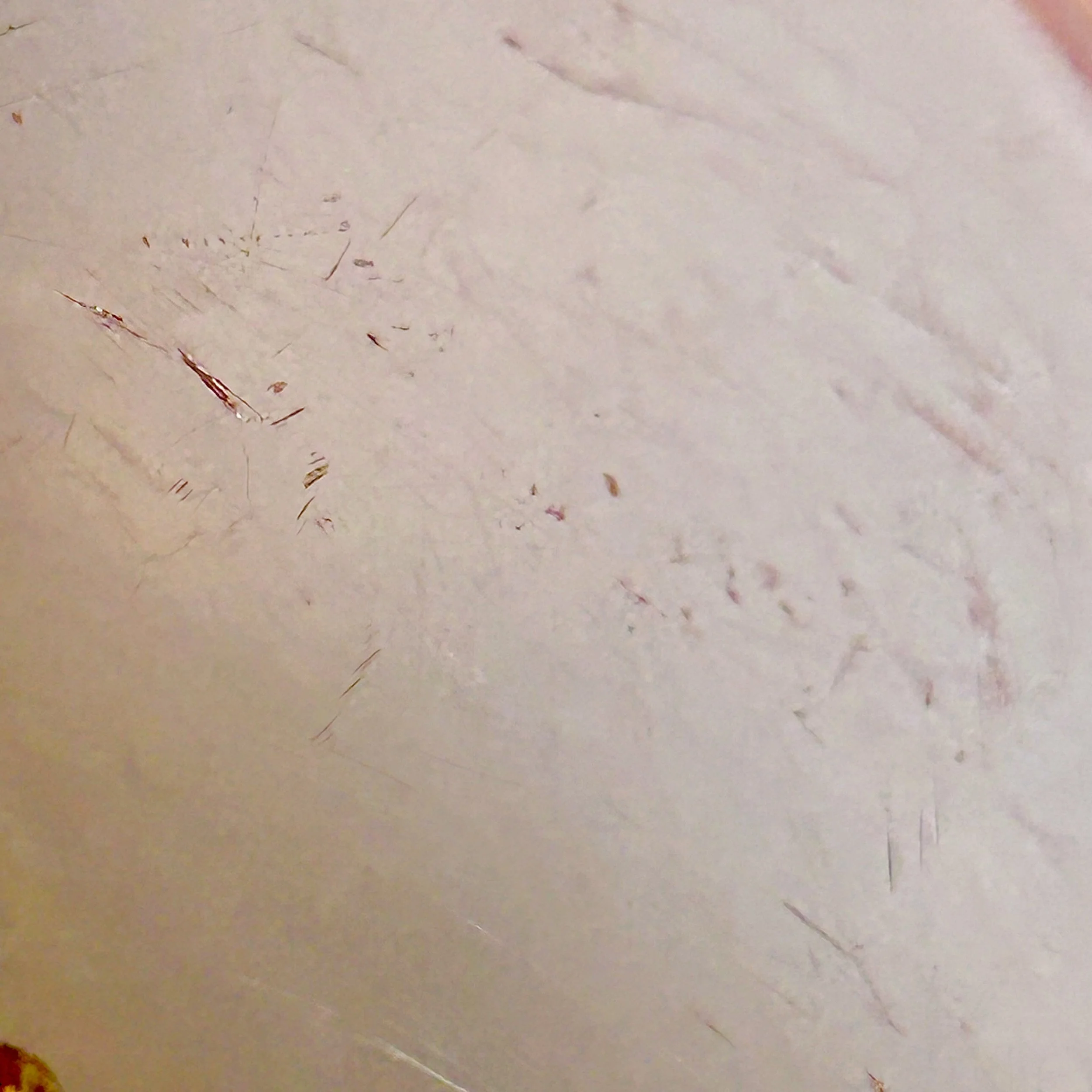
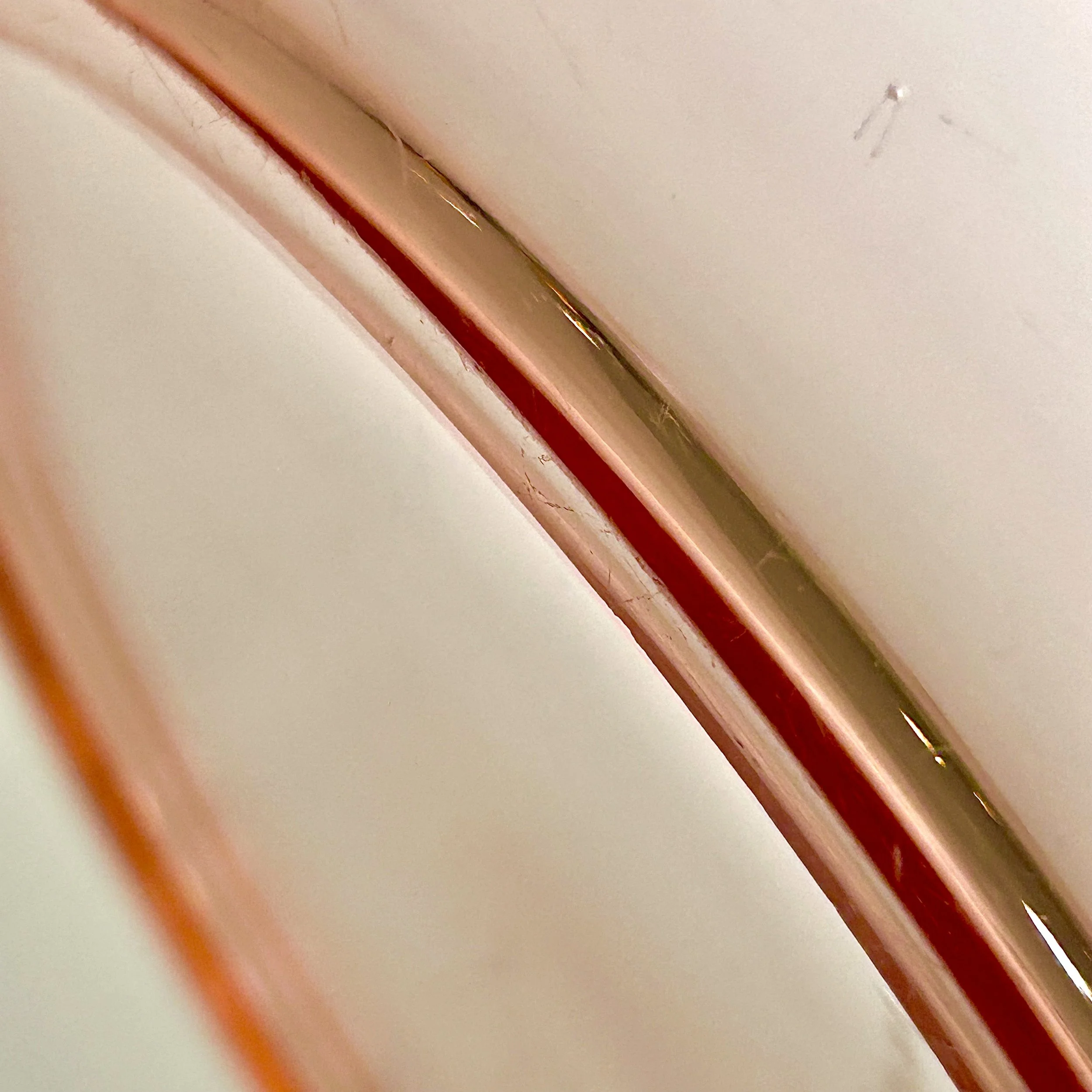
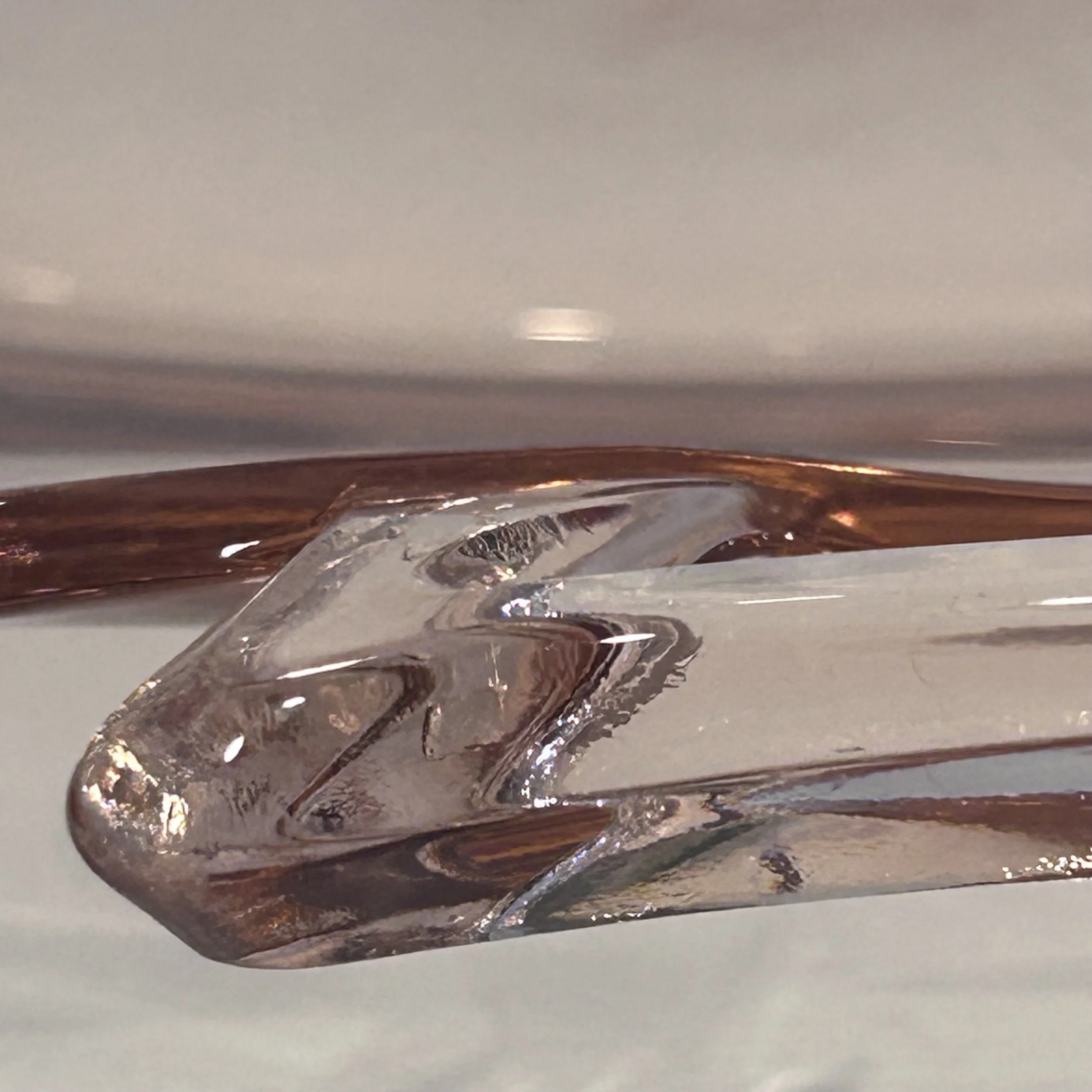
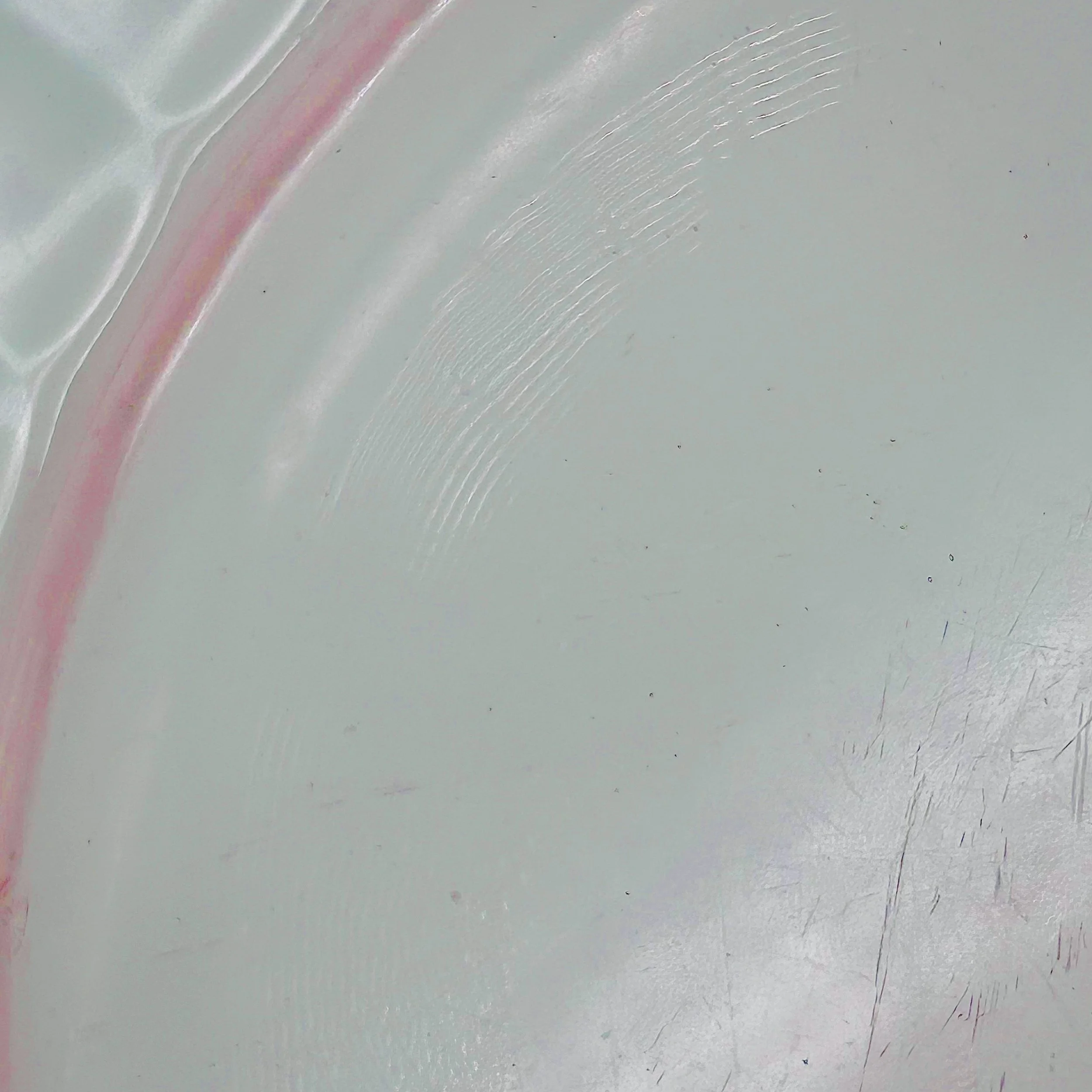
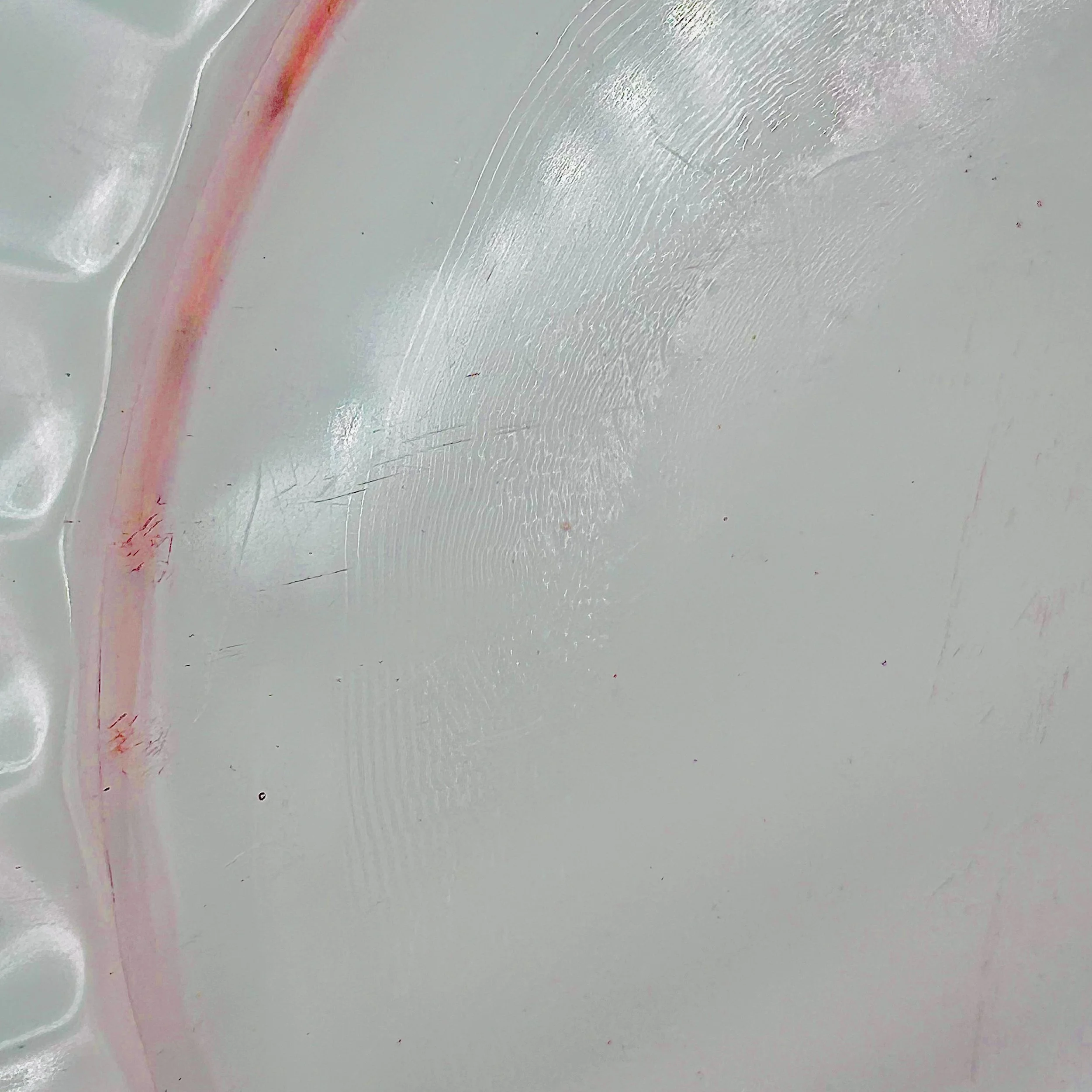
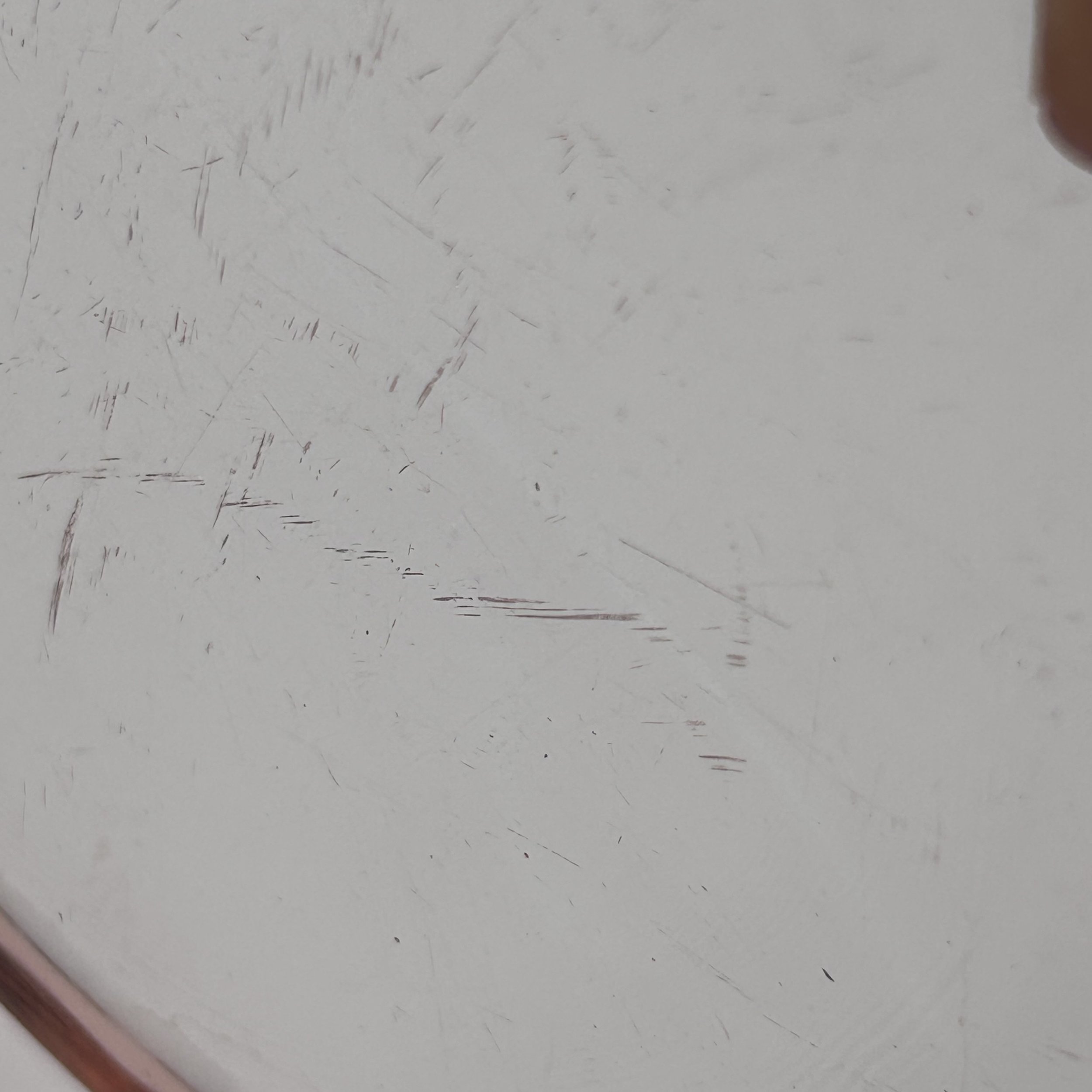
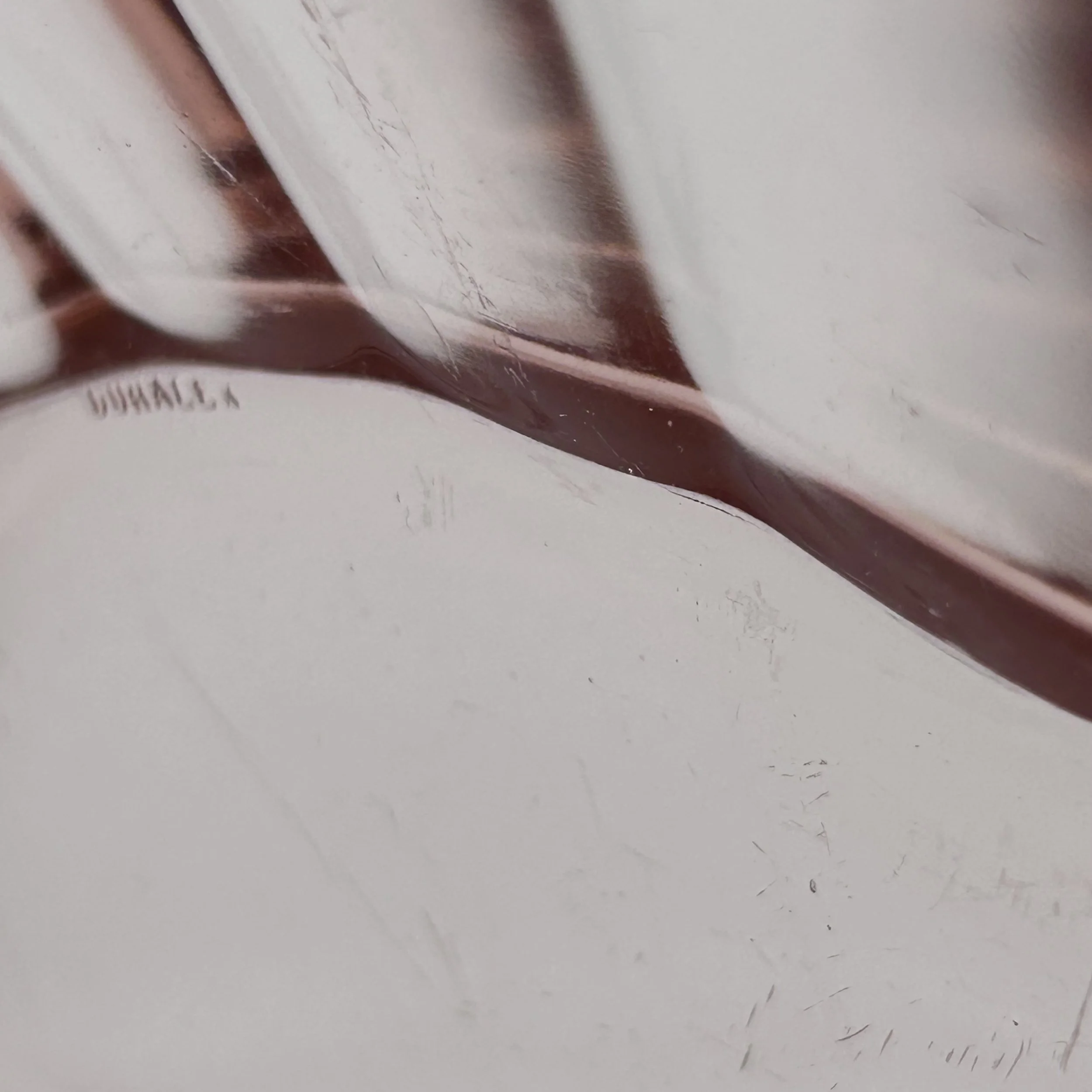
The vessel is in excellent antique condition, maintaining a very solid and structurally sound composition. Clinical inspection reveals no chips, cracks, or structural repairs across the rim, handle, or base. In accordance with its age and authentic history of use, there is minor, expected rubbing and faint wear to the hand-applied gold gilt trim along the scalloped edges, which softly elevates its historic character without compromising its collector appeal.
Authenticity & Construction
This piece showcases expert molded press-glass construction, utilizing an opaque, lead-free glass paste heavily infused with natural uranium oxides to achieve its classic "custard" coloration and signature UV reactivity. The structural handle and wide spout were engineered into a single seamless mold, a technique championed during the Machine Age to combine industrial precision with delicate, hand-decorated gilt finishes. Part of an original matching service—with coordinating pieces including a jug and cup available—this object stands as a testament to the unified design vocabulary of early modern European decorative arts.
Placement
With its subtle coloration and striking reaction to light, this piece serves as an ideal accent for an Art Deco sideboard, a curio cabinet, or a meticulously styled dining vignette. It pairs seamlessly with Early Modern, Traditional, or Eclectic luxury interiors, functioning beautifully as a conversation-starting standalone sculpture or as part of a curated collection of fluorescent glass under intentional accent lighting.
STANDARD ATTRIBUTION & VALUE DISCLOSURE; This piece is described to the best of current scholarly and market knowledge. Any maker or regional attribution is based on visual analysis, materials, construction techniques, and documented stylistic comparisons. As with many MCM and antique design objects, definitive attribution may not be possible without original labels or factory records. Pricing reflects condition, quality, decorative appeal, and current collector demand rather than guaranteed maker identification.
This exceptional custard glass gravy boat possesses a powerful sculptural presence, defined by its undulating scalloped rim and beautifully integrated, sweeping loop handle. The vessel features a creamy, pale yellow opaque hue that catches ambient light along its softly paneled body, culminating in a wide, elegant pouring spout. Under 365nm ultraviolet illumination, the piece reacts dynamically, emitting a striking neon green fluorescent uranium glow that adds a layer of compelling material intrigue to its classic, interior-designer friendly silhouette.
Attribution & Period
Stylistically aligned with the premier British glasshouses of the pre-war era, this piece is consistent with the celebrated custard glass ranges produced by manufacturers such as John Walsh Walsh or Davidson Glass during the interwar design boom. The soft, paneled geometry, delicate hand-painted gilt accents, and specific chemical formulation of the uranium-infused glass paste are highly characteristic of late 1930s European tableware. While no factory mark is observed, its distinct silhouette, material composition, and fluorescent signature place its production firmly within the 1930s.
Dimensions & Weight
Condition
The vessel is in excellent antique condition, maintaining a very solid and structurally sound composition. Clinical inspection reveals no chips, cracks, or structural repairs across the rim, handle, or base. In accordance with its age and authentic history of use, there is minor, expected rubbing and faint wear to the hand-applied gold gilt trim along the scalloped edges, which softly elevates its historic character without compromising its collector appeal.
Authenticity & Construction
This piece showcases expert molded press-glass construction, utilizing an opaque, lead-free glass paste heavily infused with natural uranium oxides to achieve its classic "custard" coloration and signature UV reactivity. The structural handle and wide spout were engineered into a single seamless mold, a technique championed during the Machine Age to combine industrial precision with delicate, hand-decorated gilt finishes. Part of an original matching service—with coordinating pieces including a jug and cup available—this object stands as a testament to the unified design vocabulary of early modern European decorative arts.
Placement
With its subtle coloration and striking reaction to light, this piece serves as an ideal accent for an Art Deco sideboard, a curio cabinet, or a meticulously styled dining vignette. It pairs seamlessly with Early Modern, Traditional, or Eclectic luxury interiors, functioning beautifully as a conversation-starting standalone sculpture or as part of a curated collection of fluorescent glass under intentional accent lighting.
STANDARD ATTRIBUTION & VALUE DISCLOSURE; This piece is described to the best of current scholarly and market knowledge. Any maker or regional attribution is based on visual analysis, materials, construction techniques, and documented stylistic comparisons. As with many MCM and antique design objects, definitive attribution may not be possible without original labels or factory records. Pricing reflects condition, quality, decorative appeal, and current collector demand rather than guaranteed maker identification.

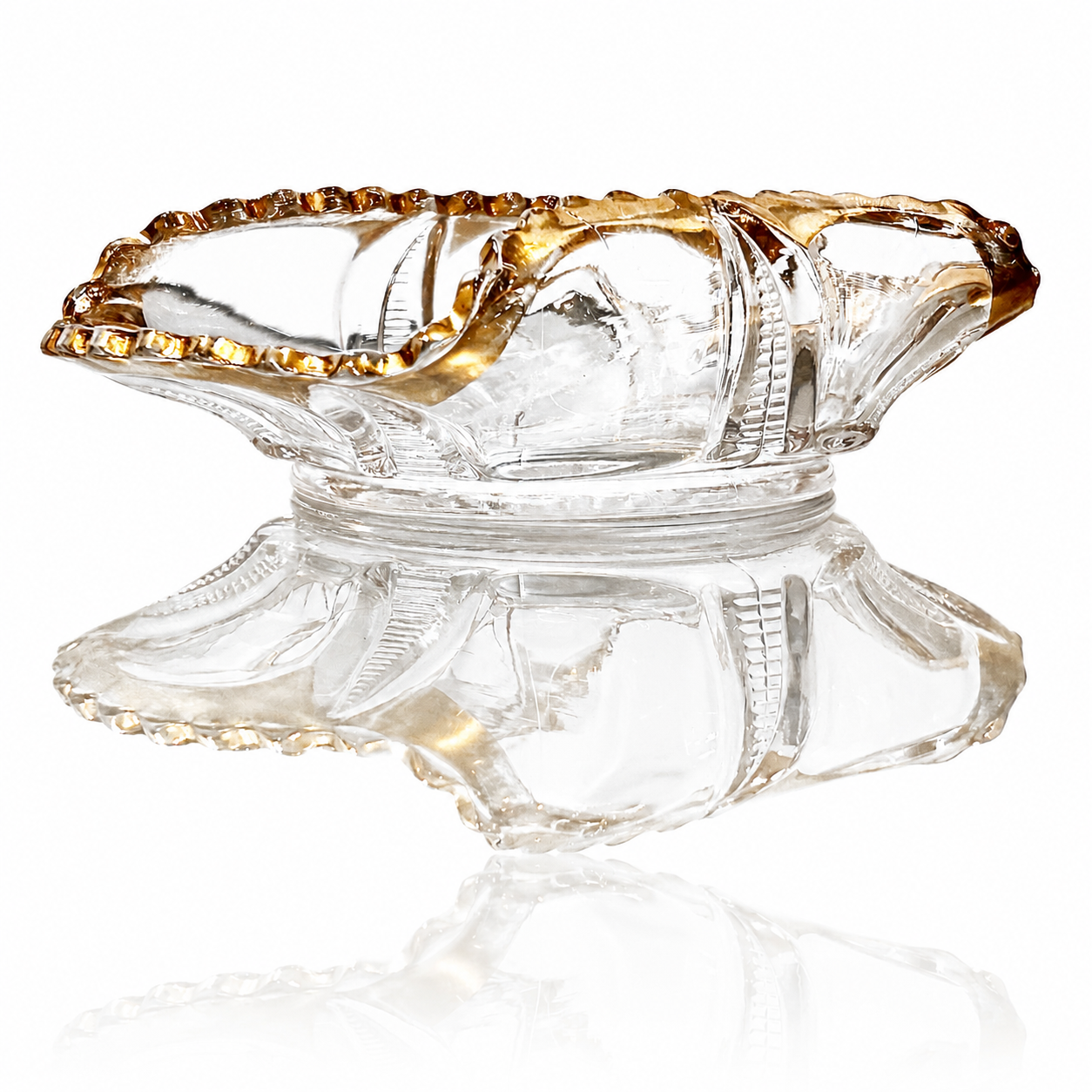 Image 1 of 14
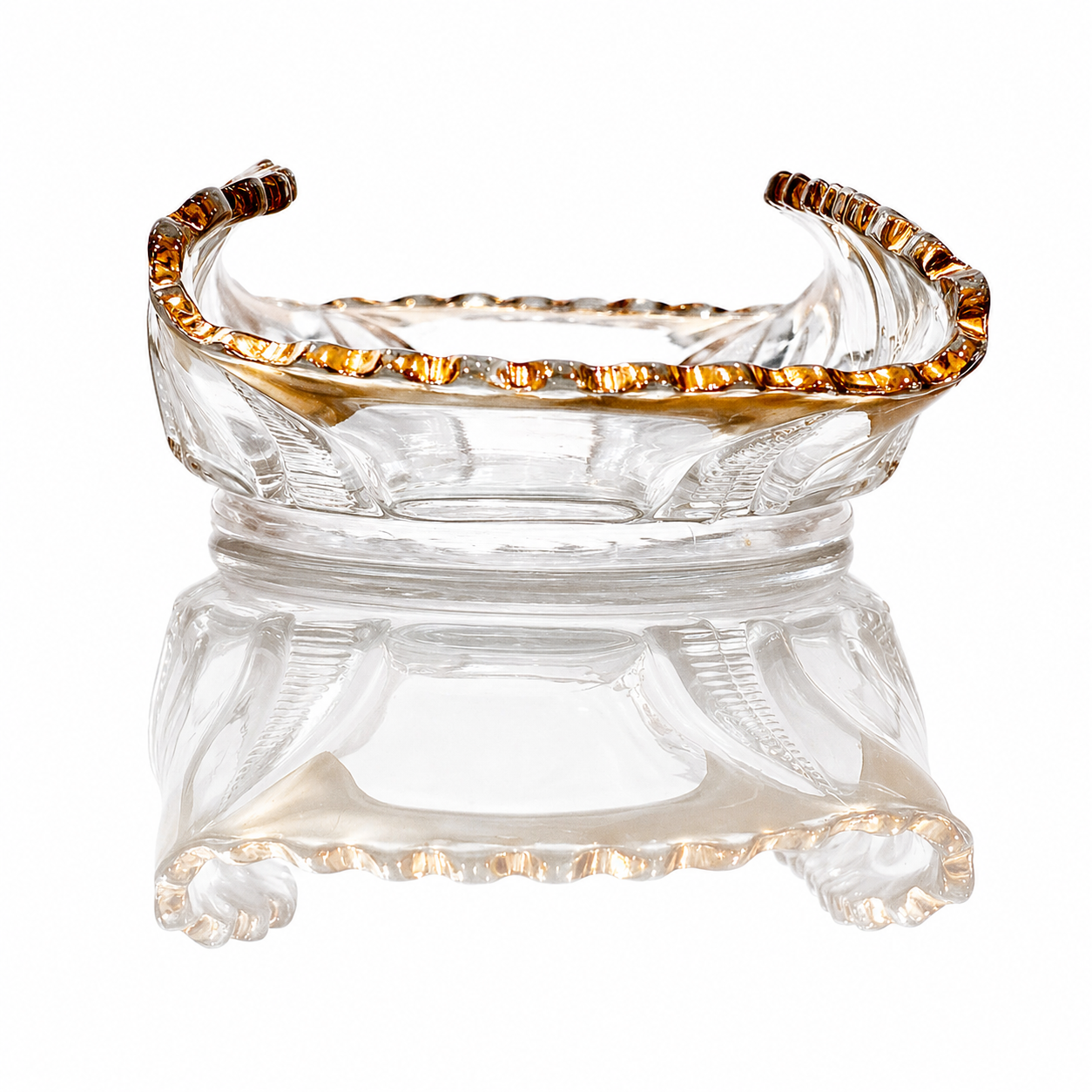 Image 2 of 14
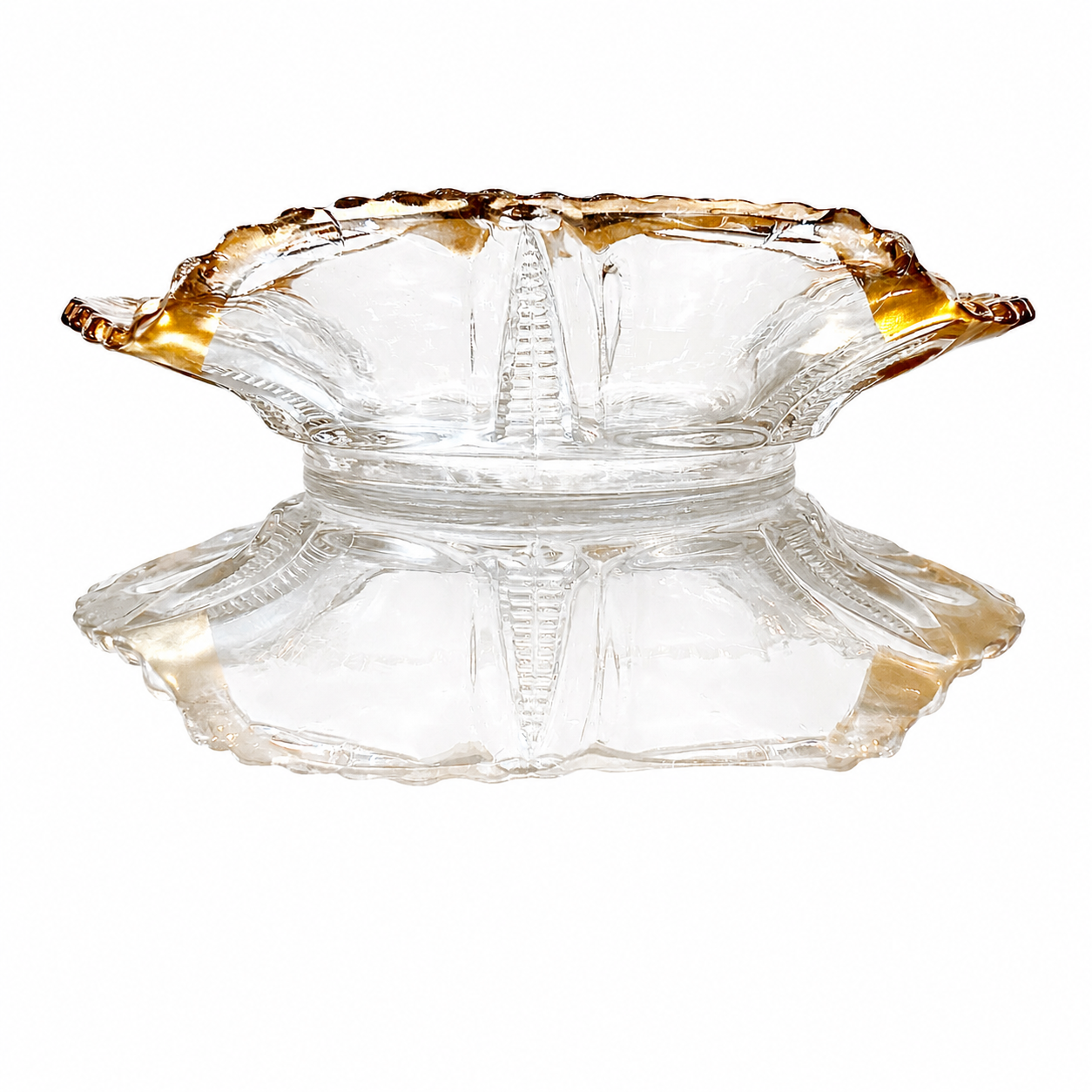 Image 3 of 14
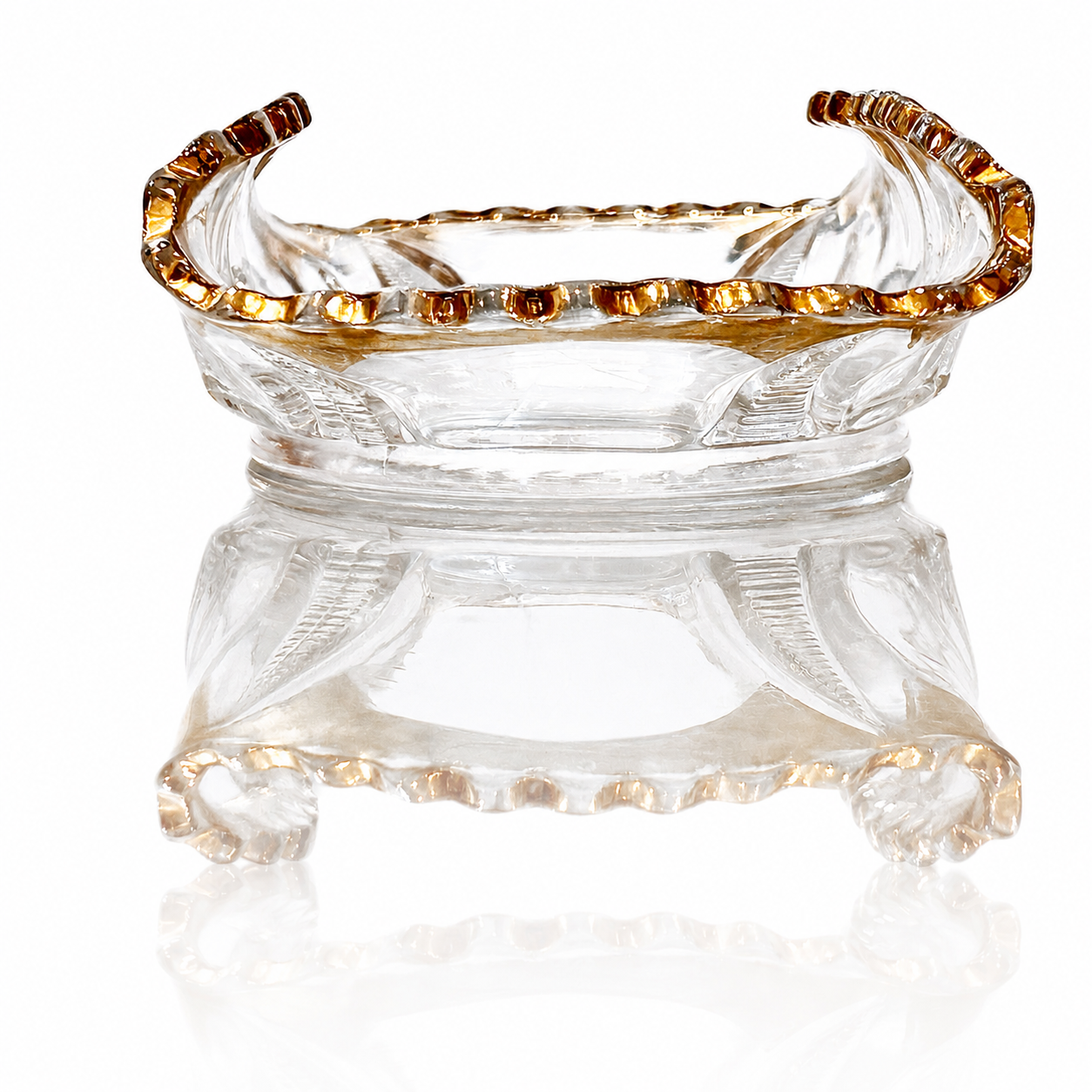 Image 4 of 14
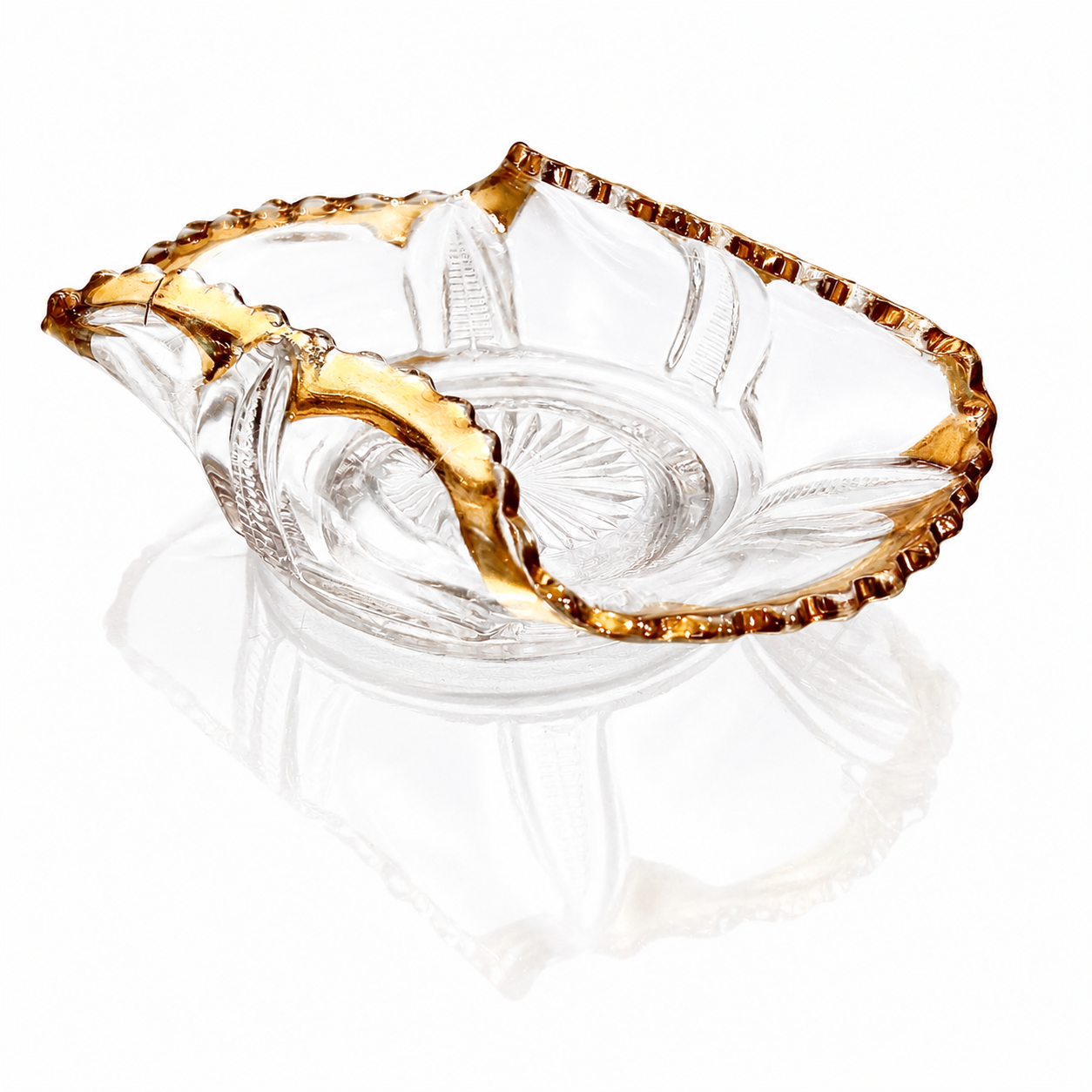 Image 5 of 14
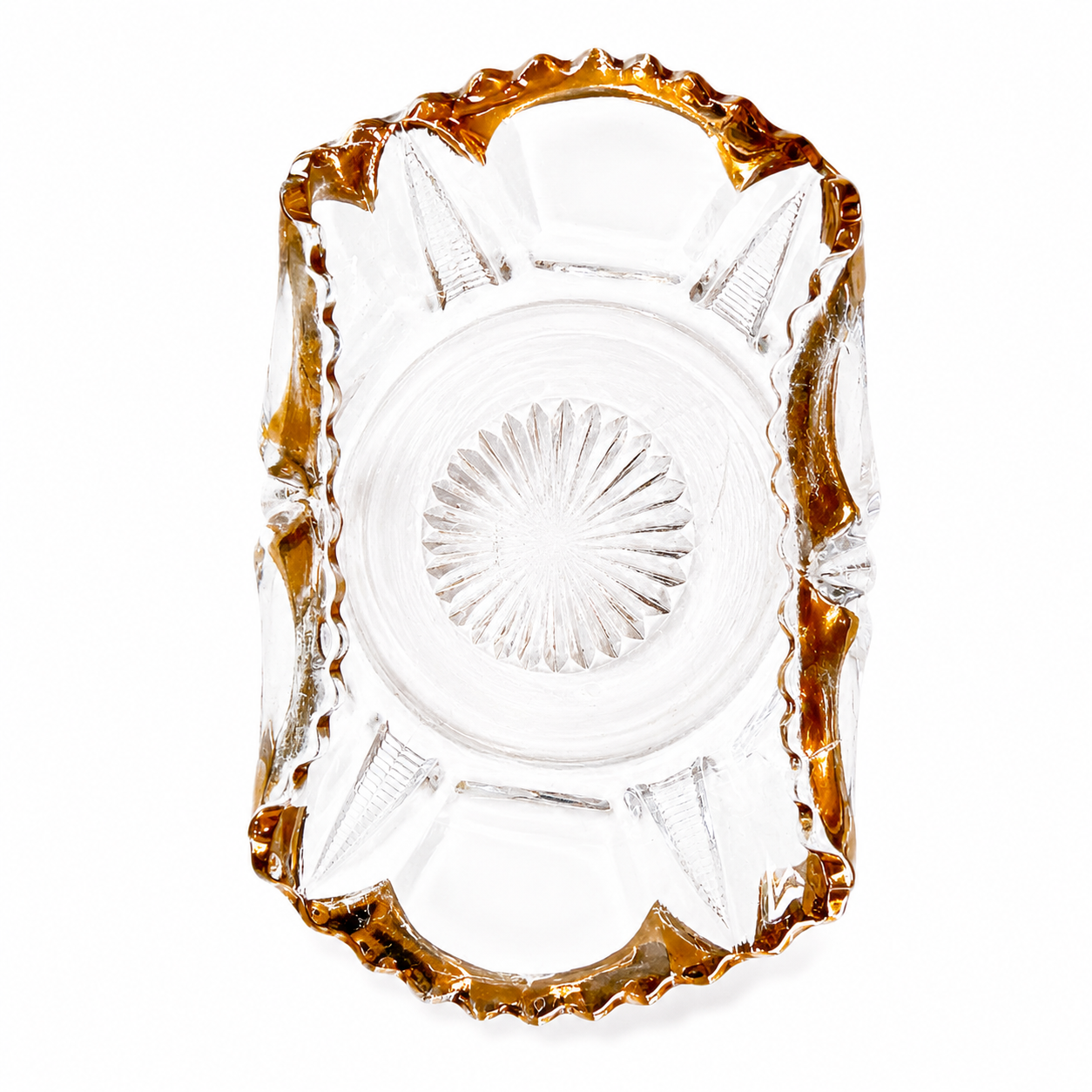 Image 6 of 14
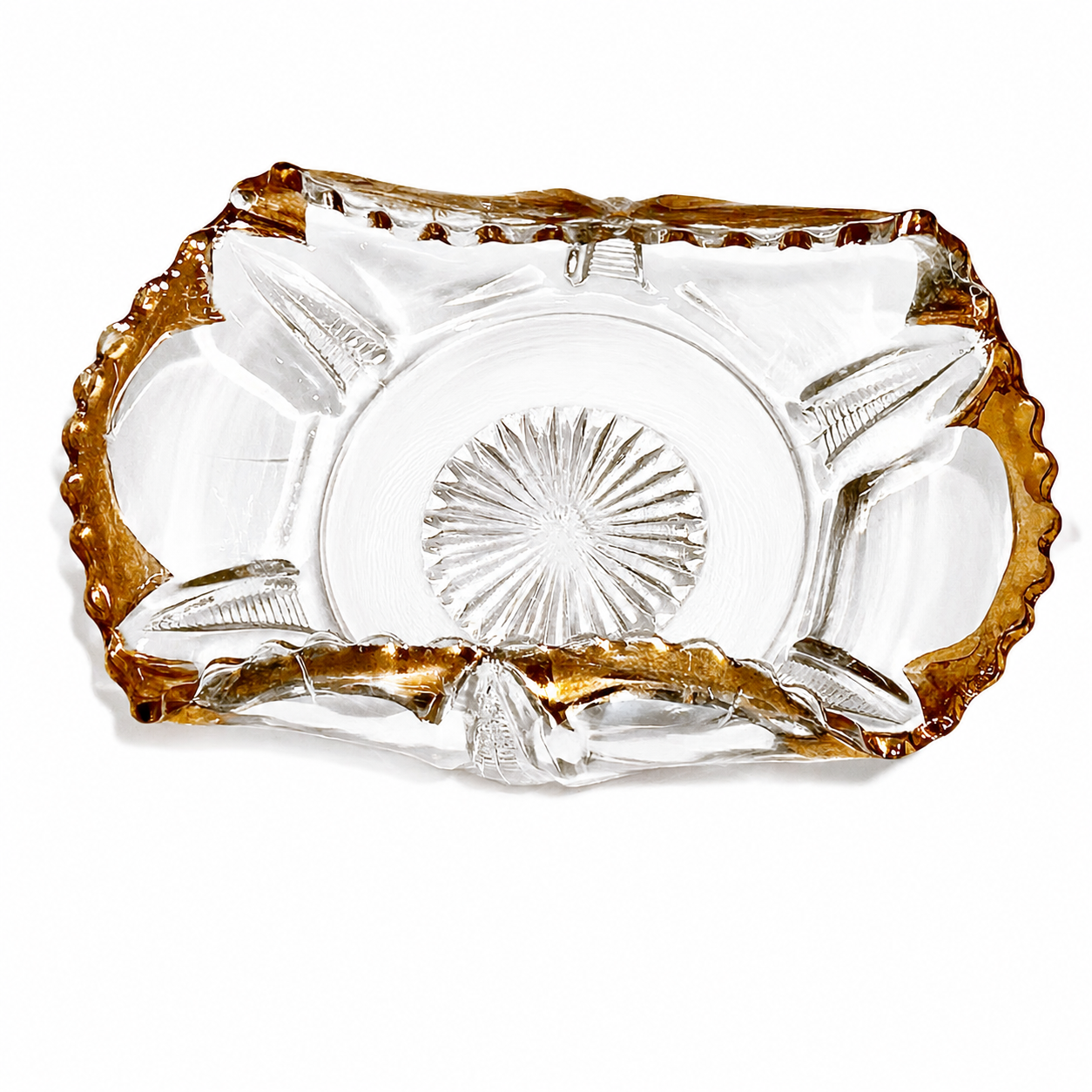 Image 7 of 14
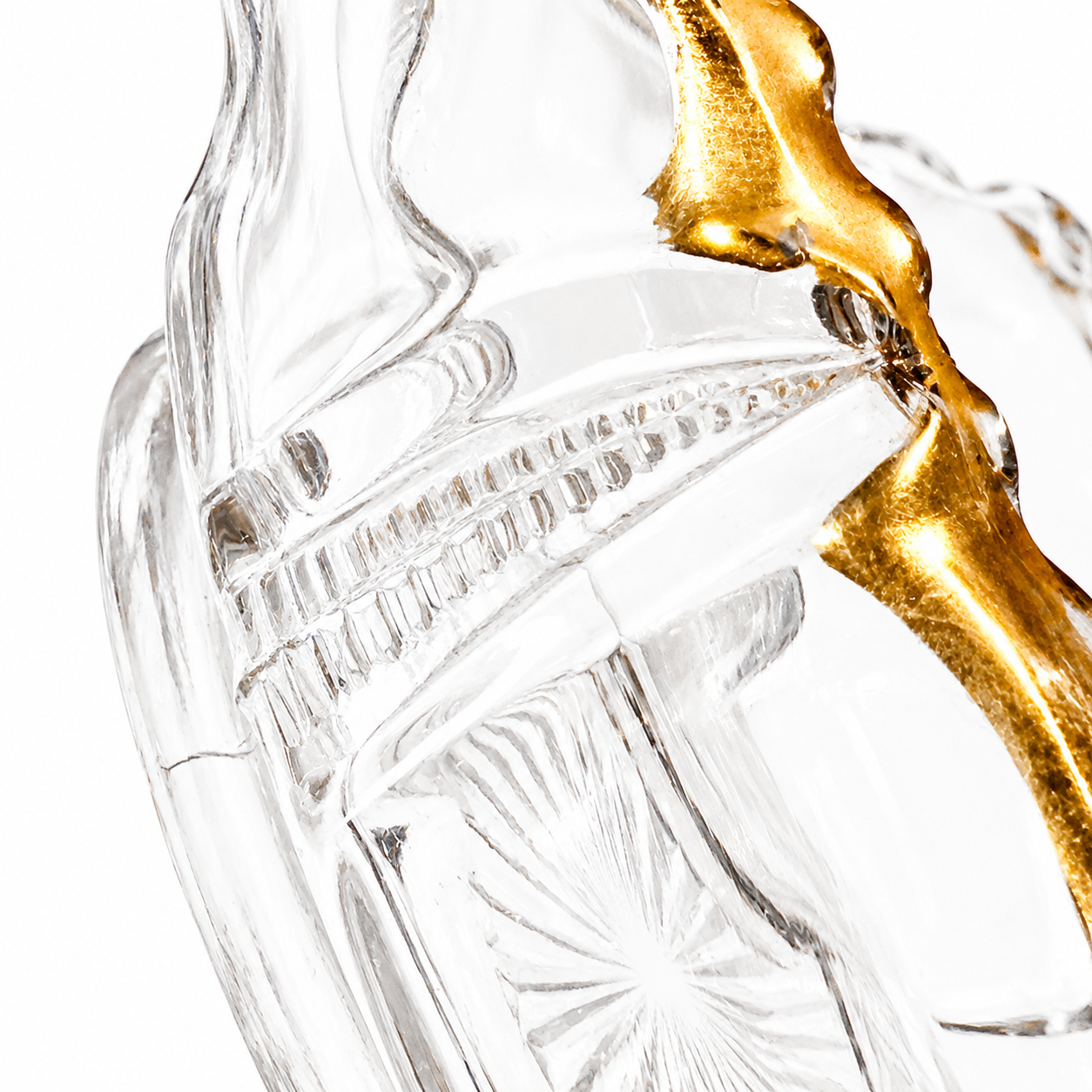 Image 8 of 14
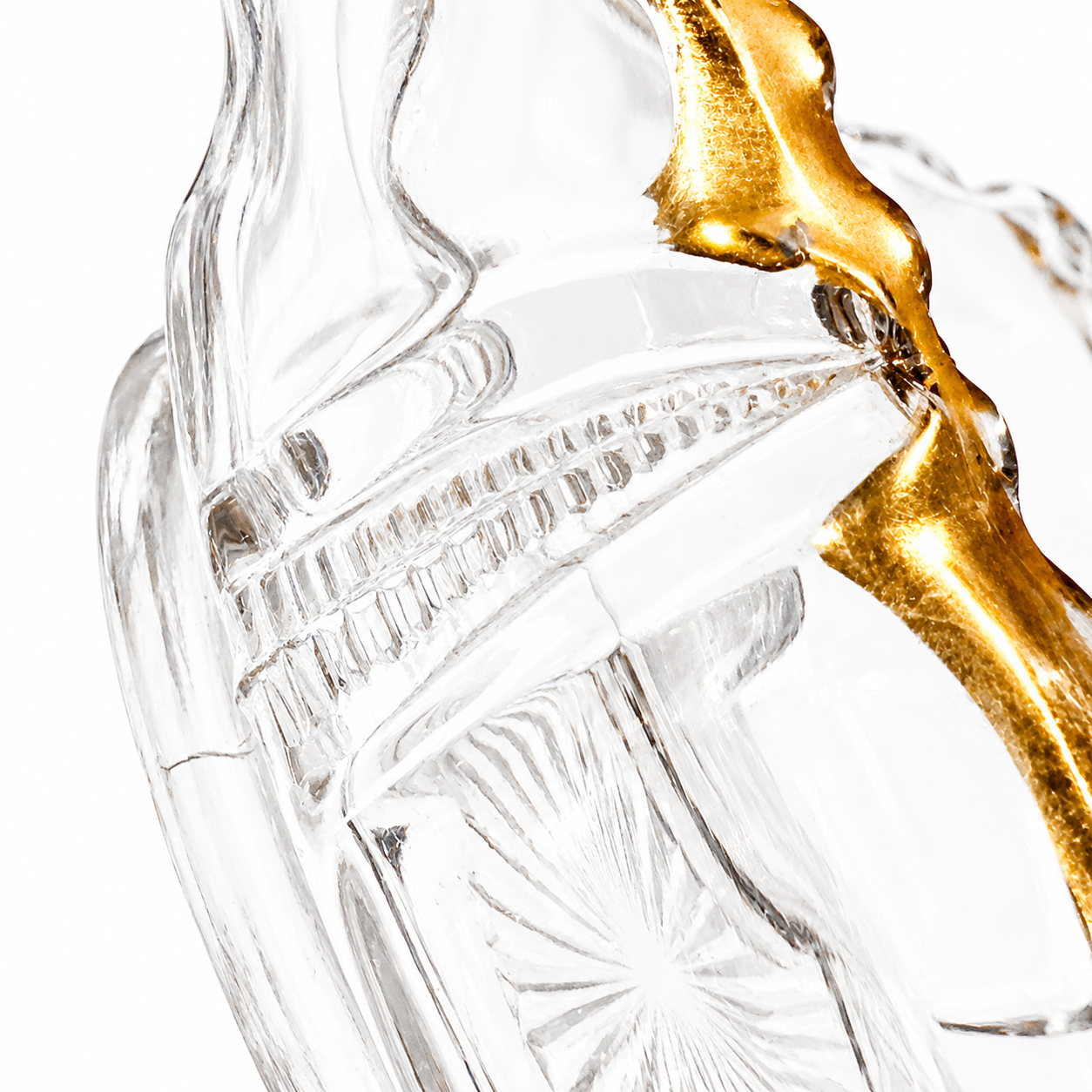 Image 9 of 14
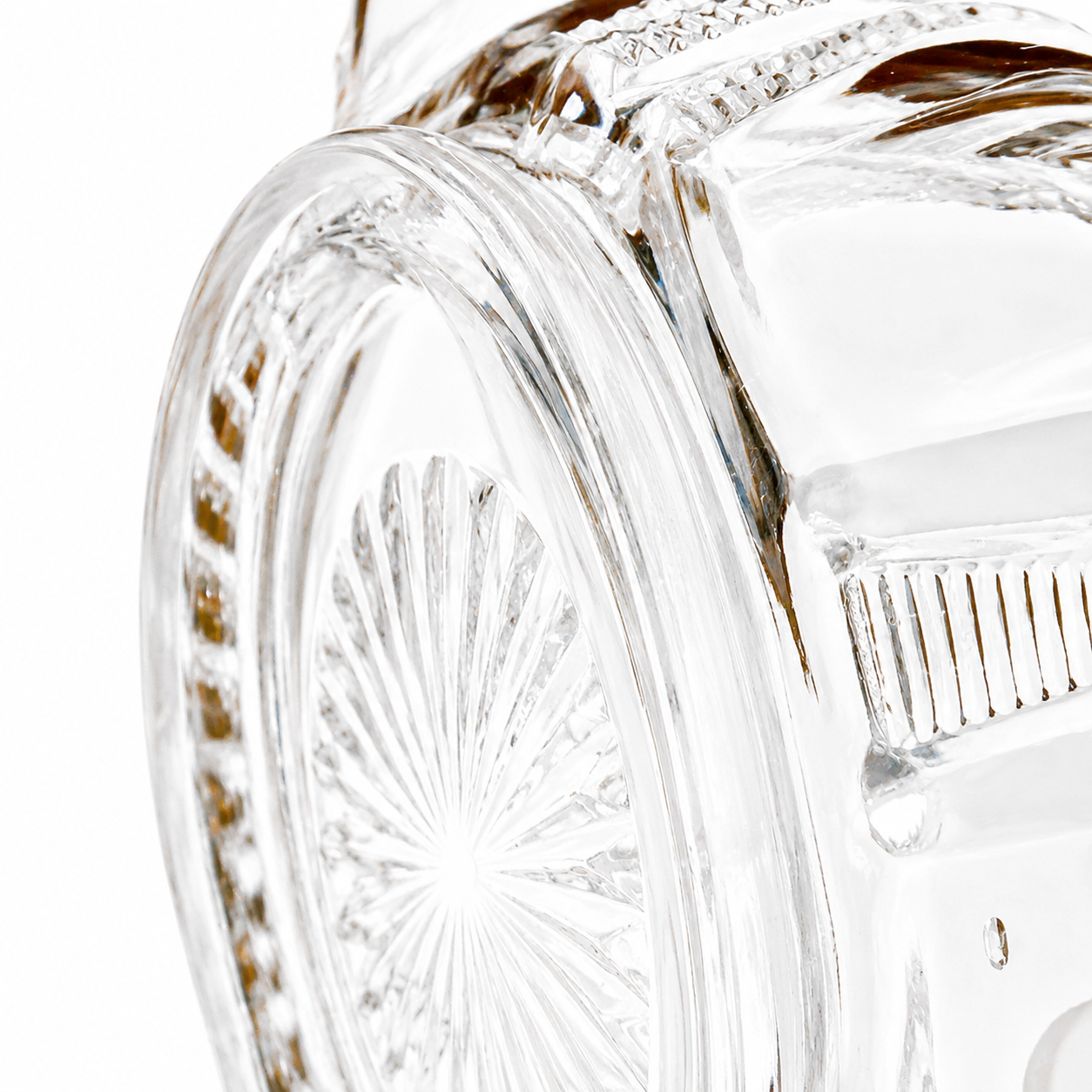 Image 10 of 14
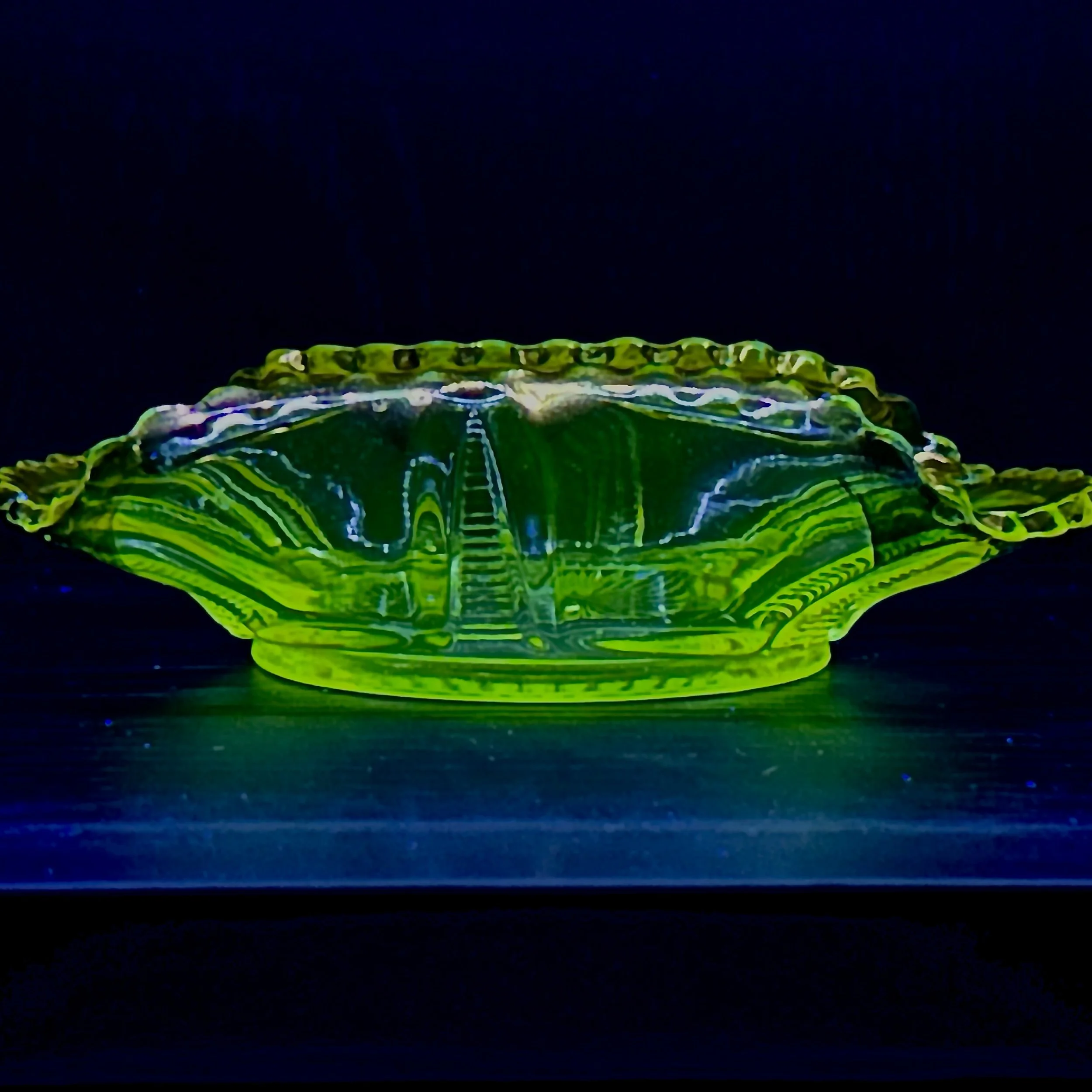 Image 11 of 14
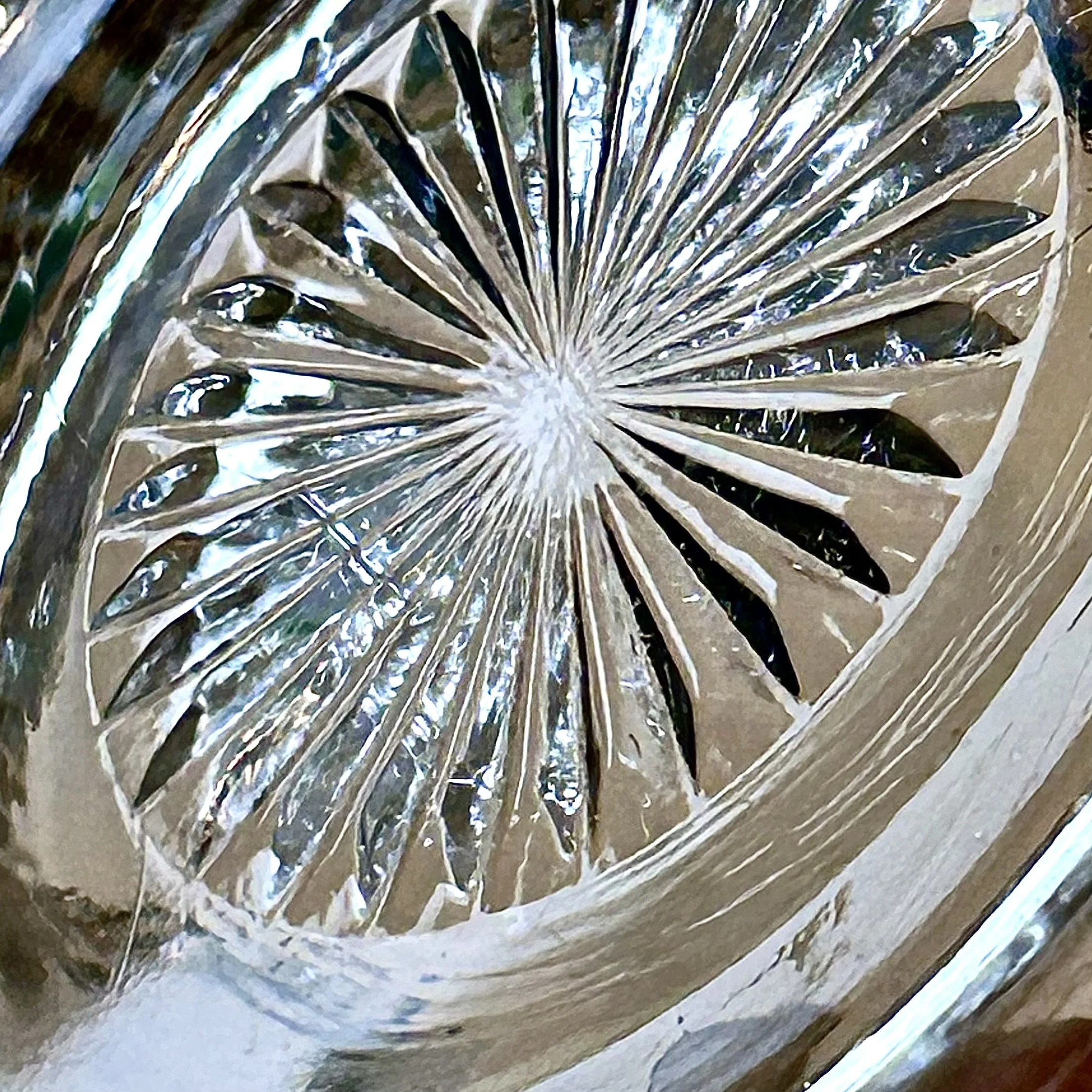 Image 12 of 14
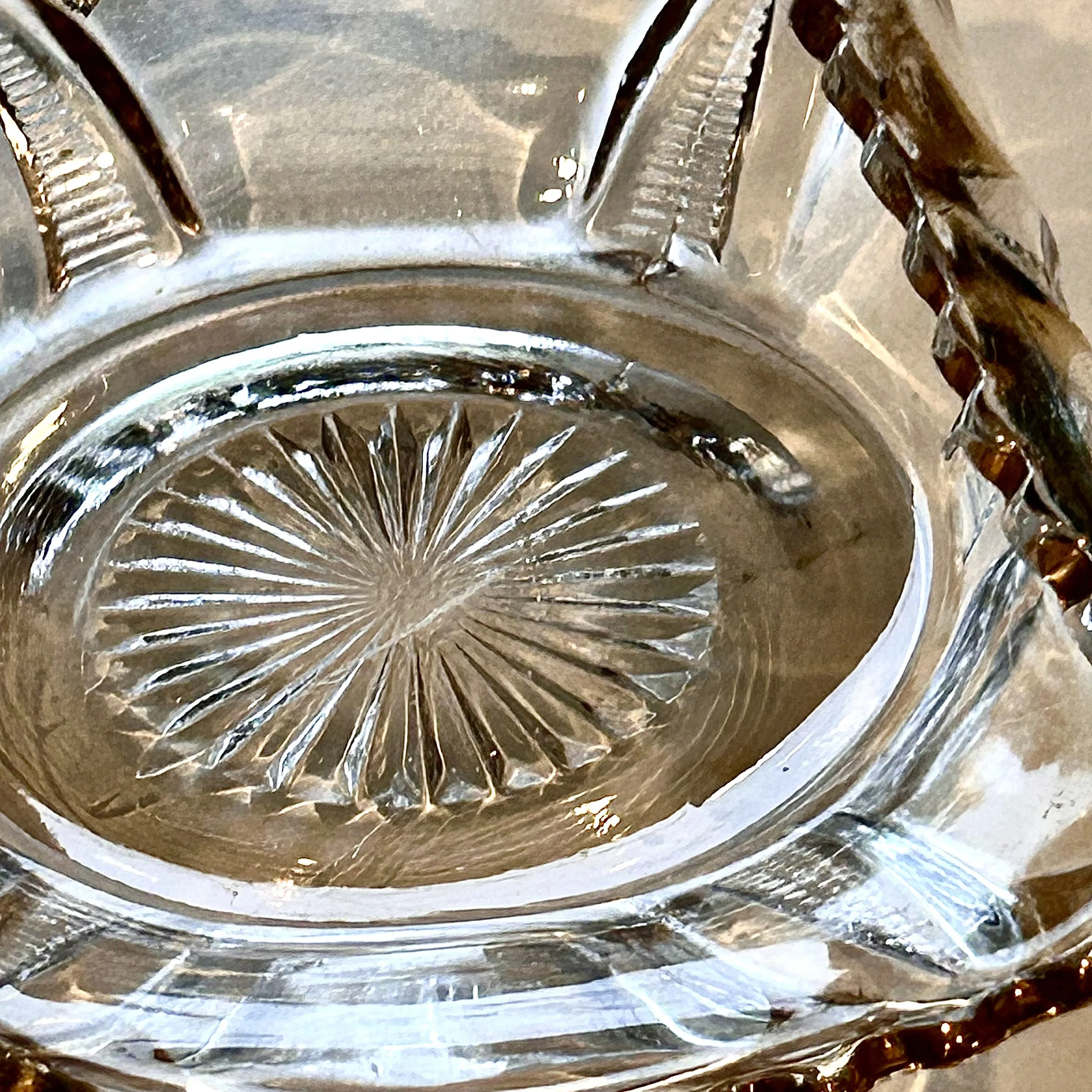 Image 13 of 14
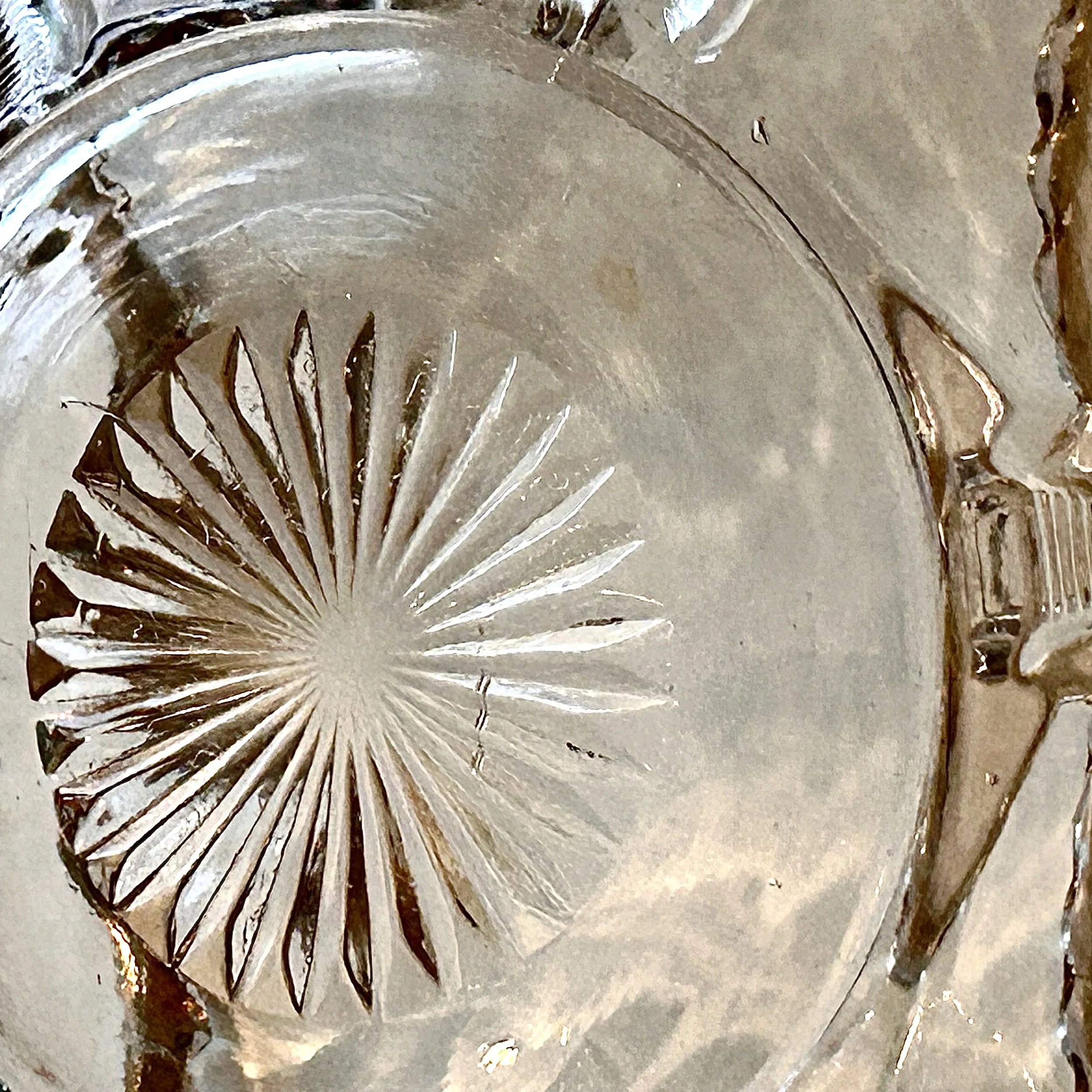 Image 14 of 14