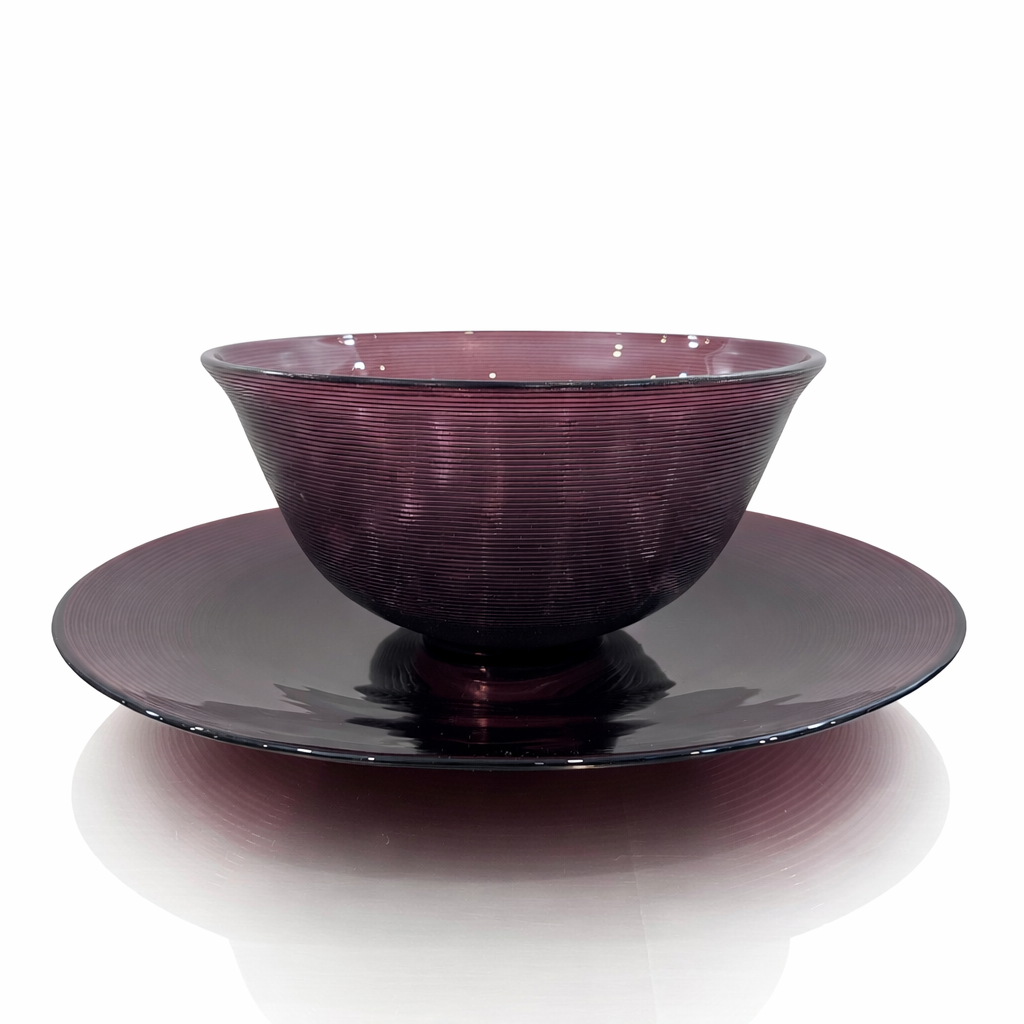
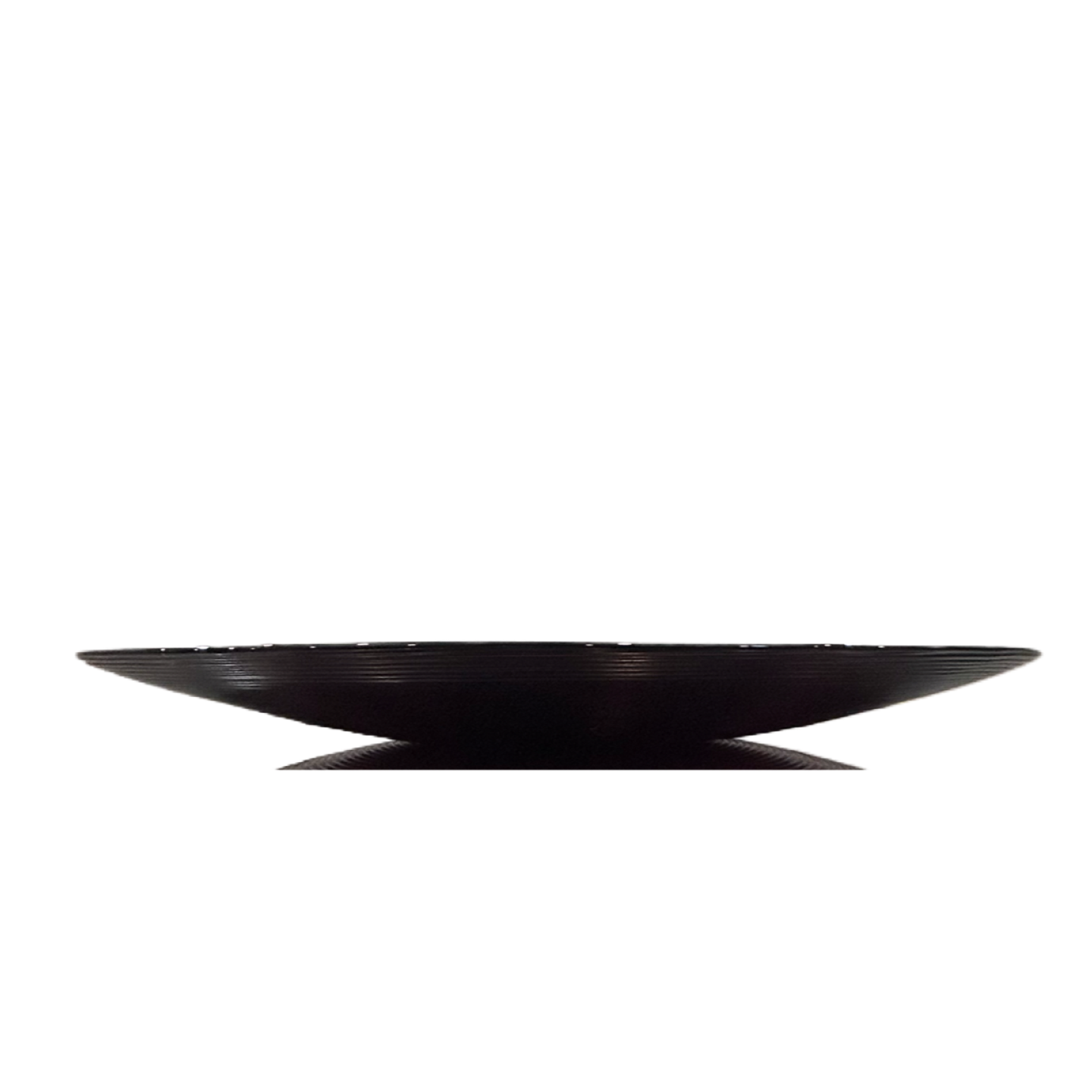
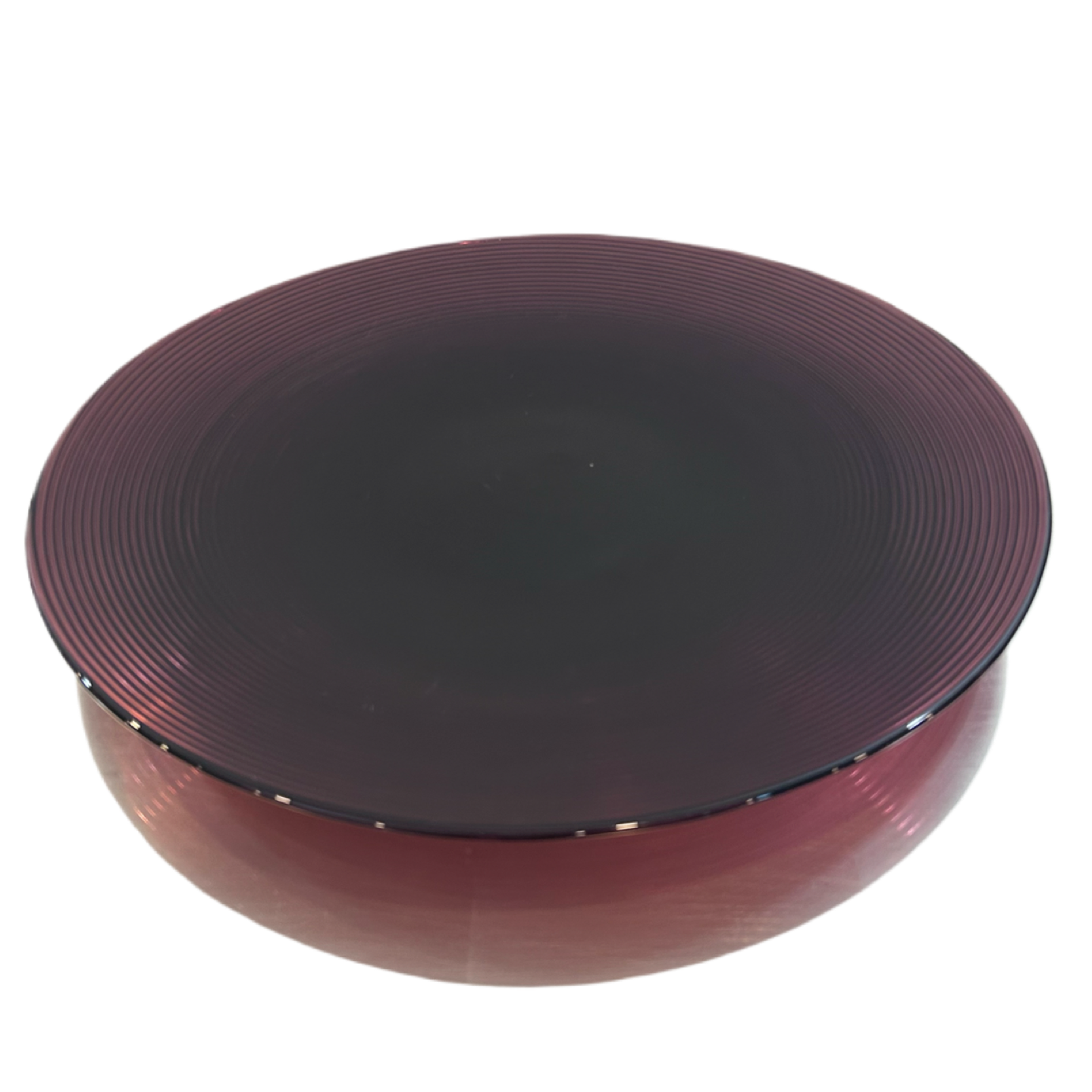
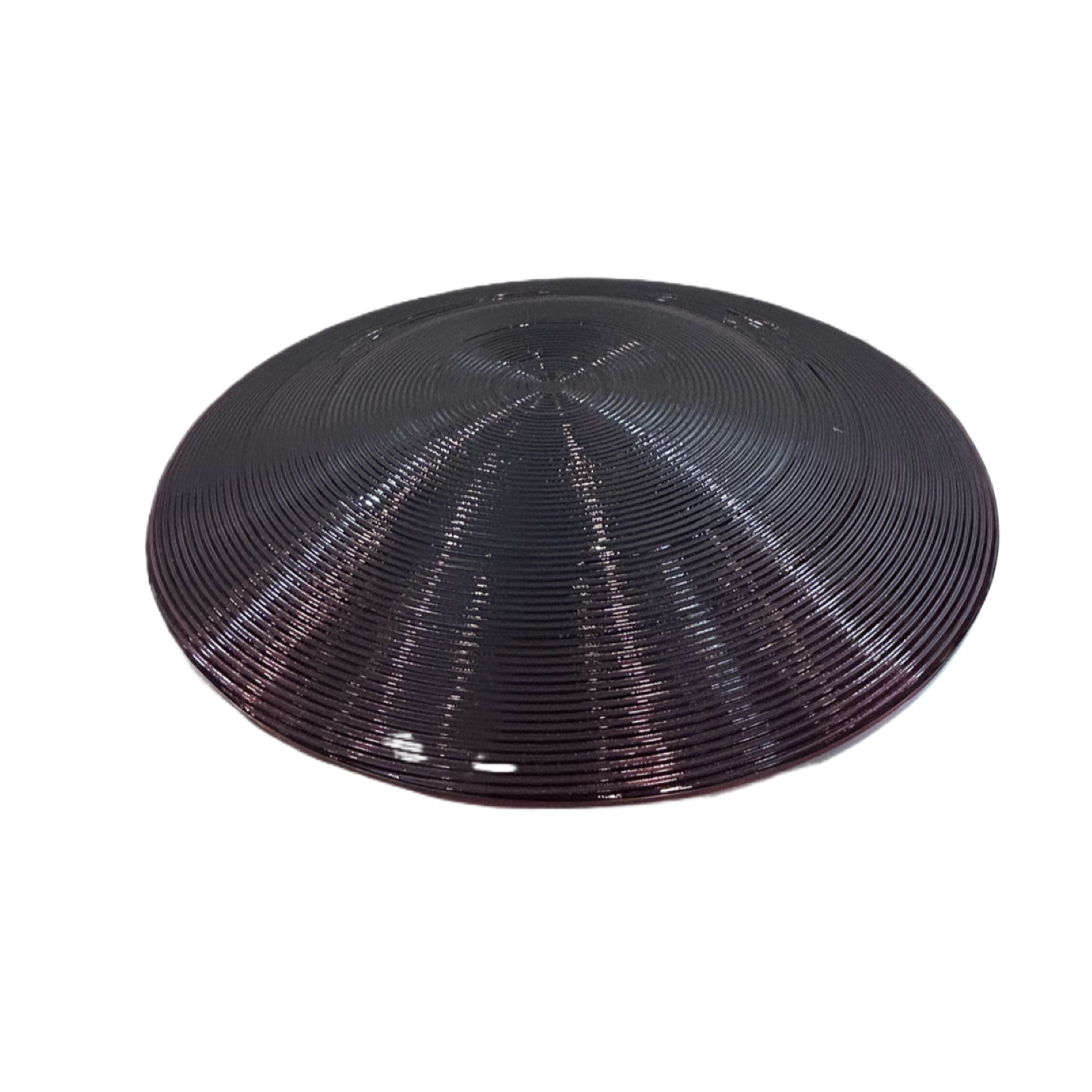
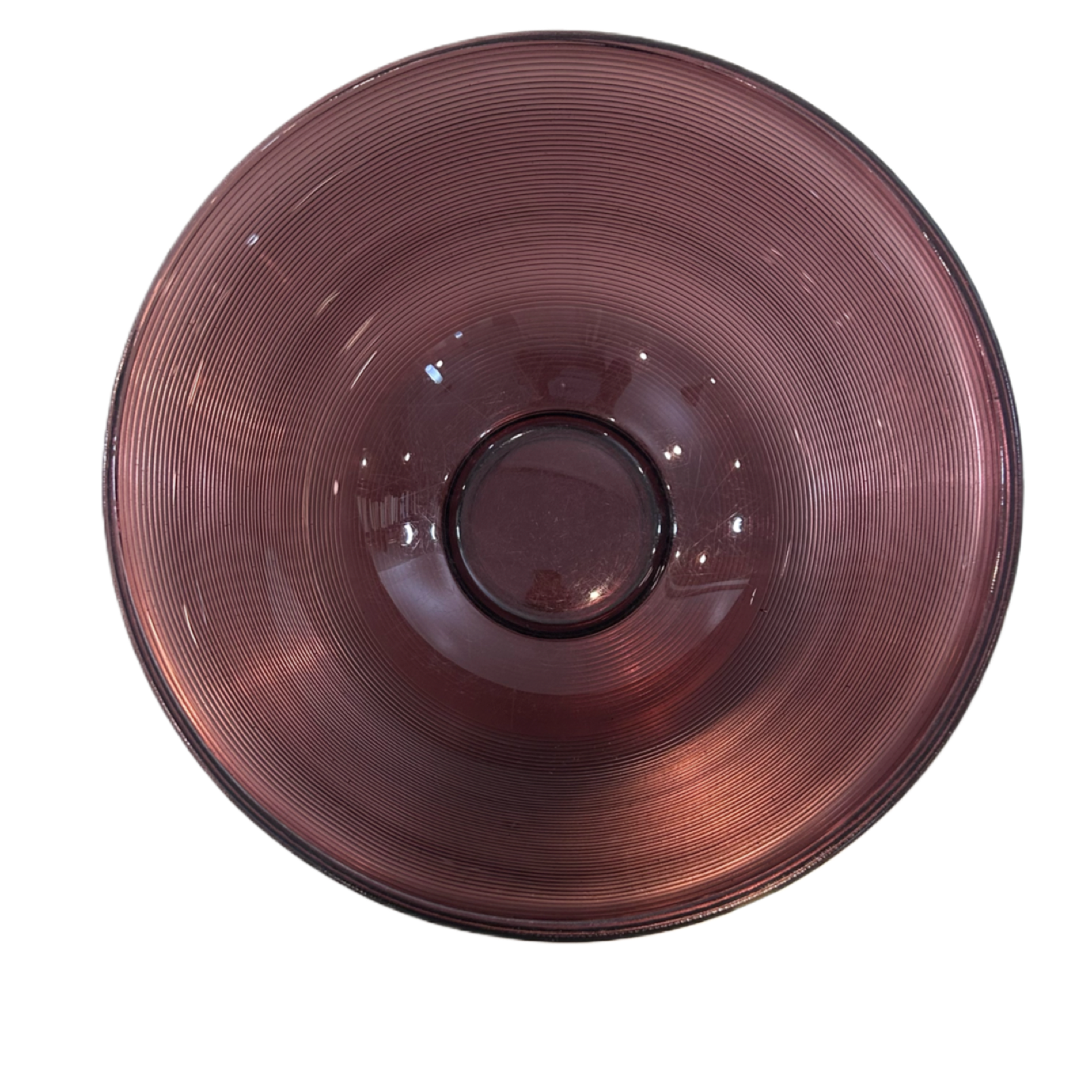
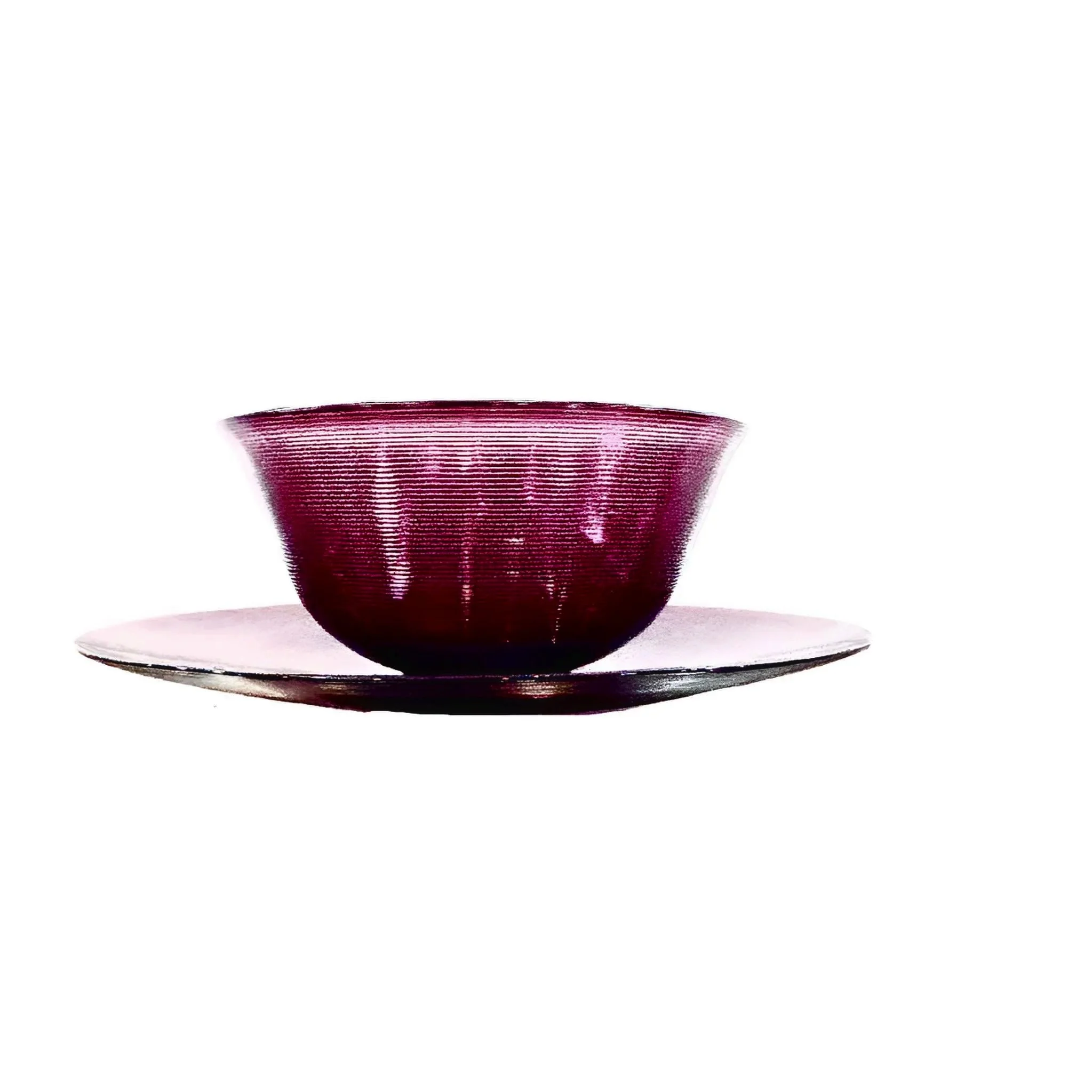
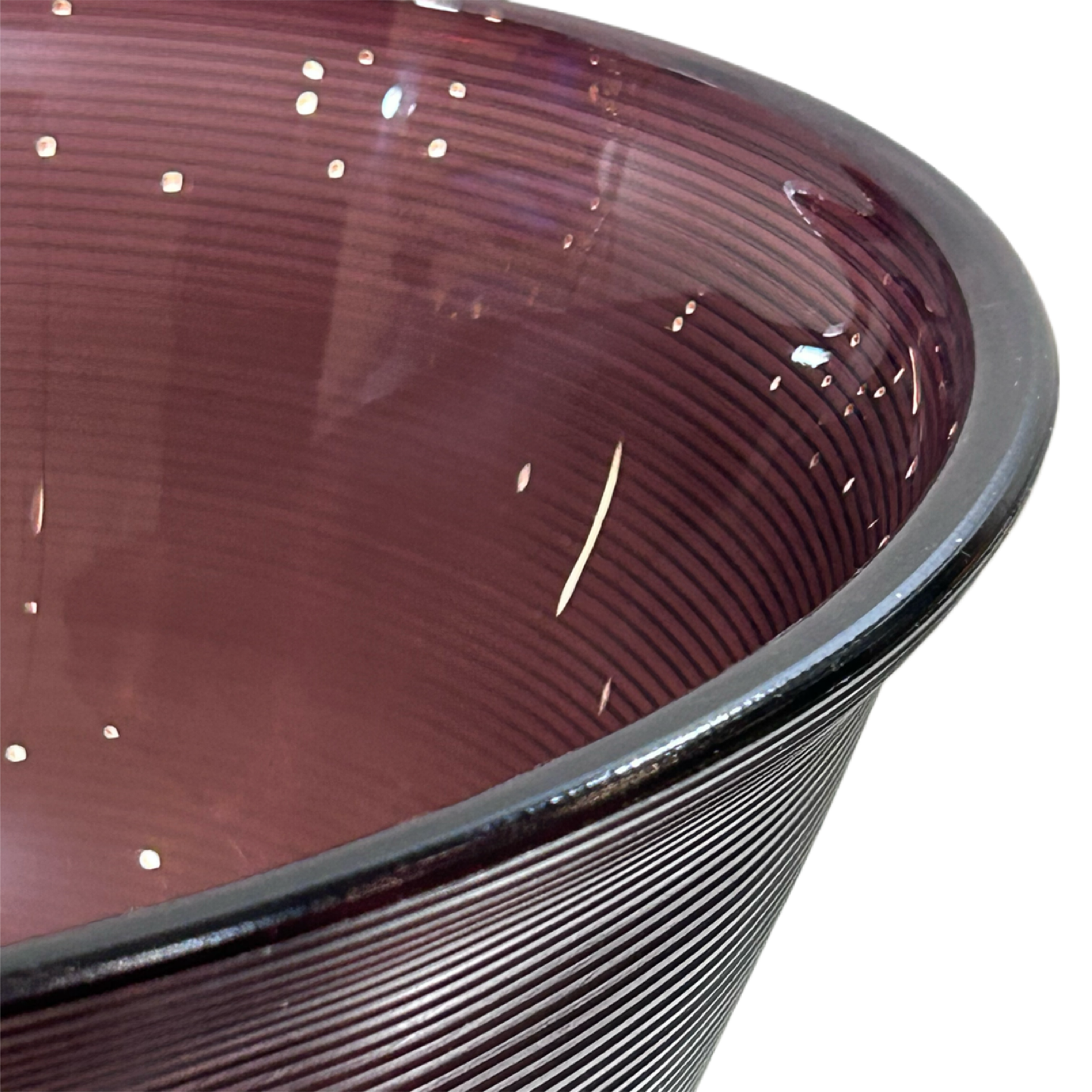
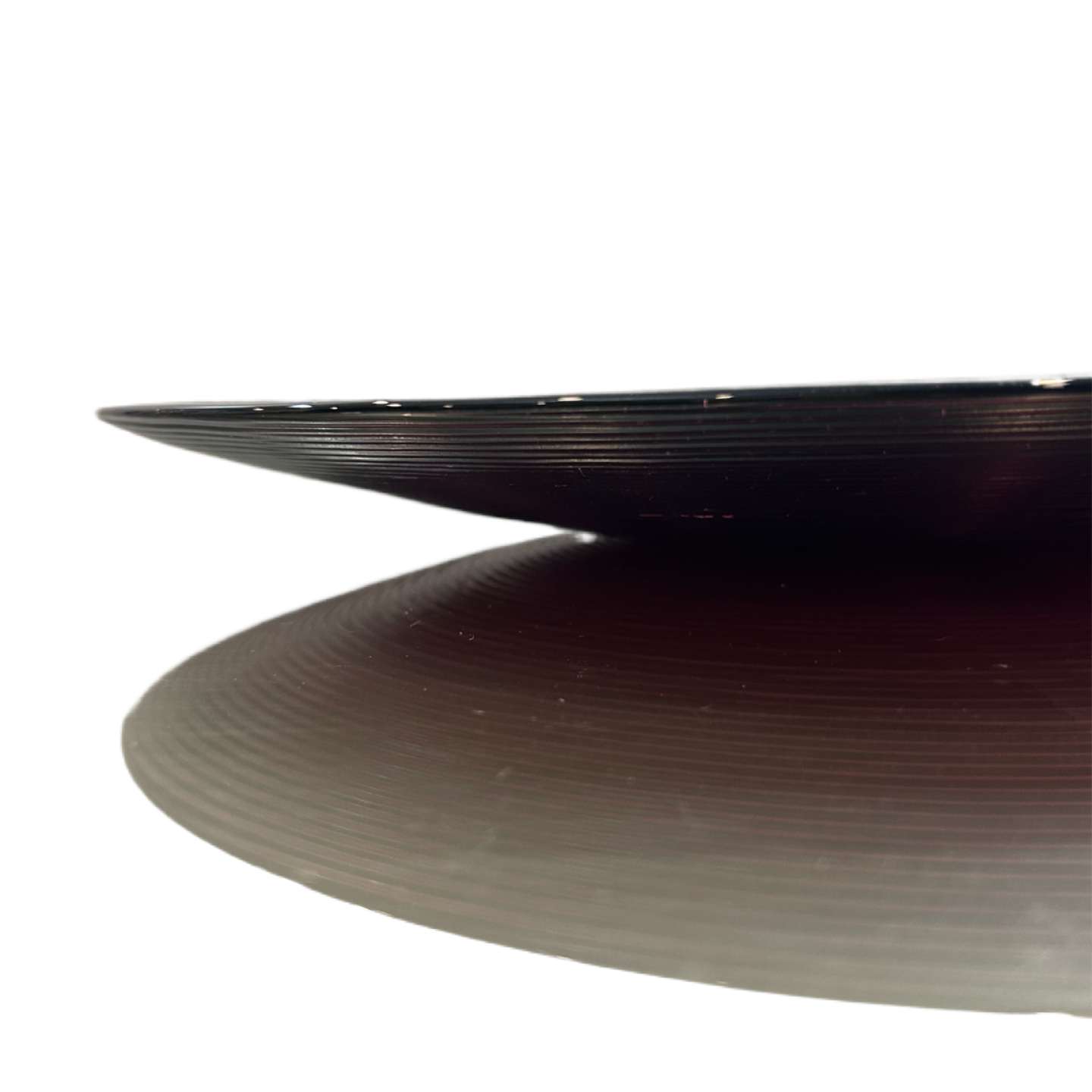
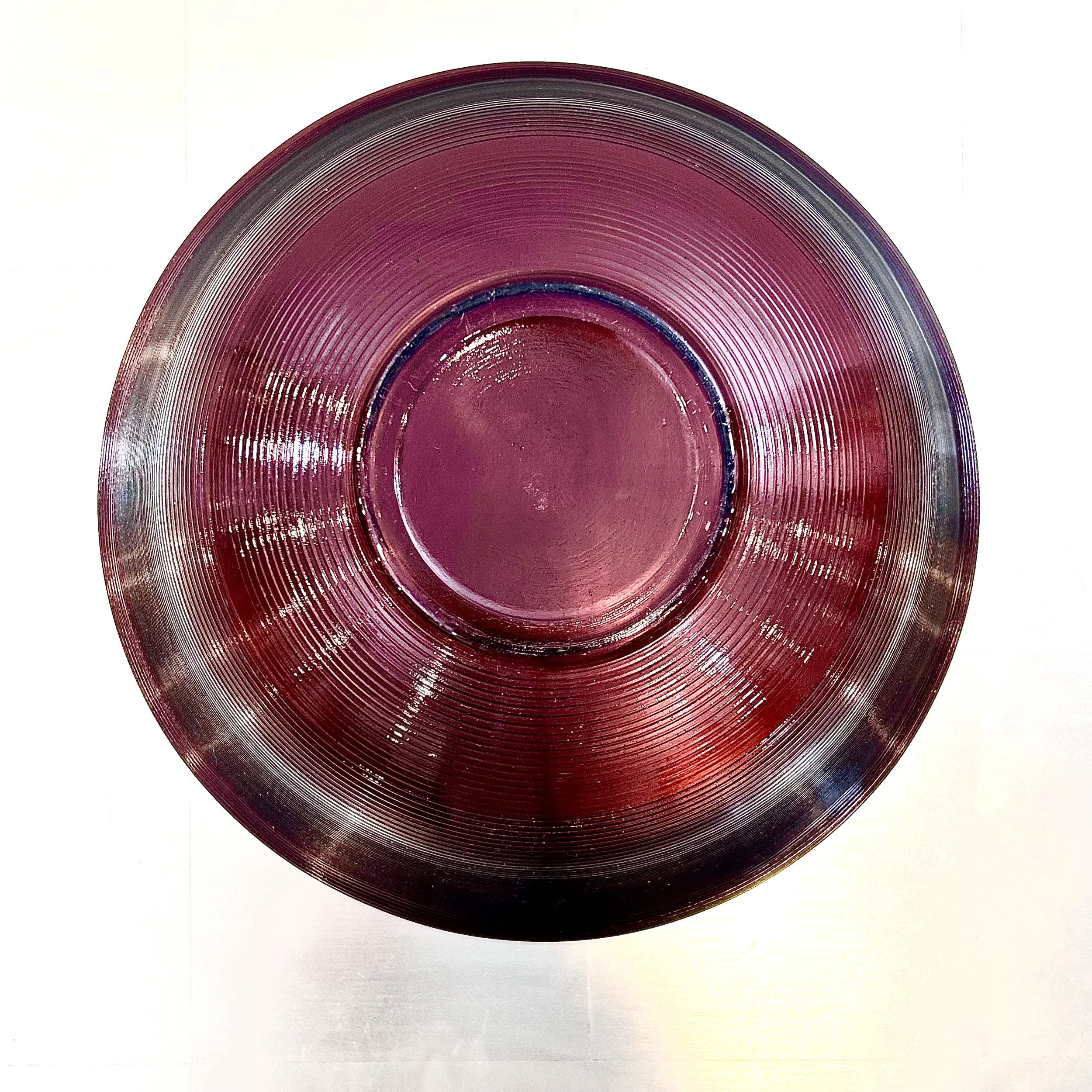
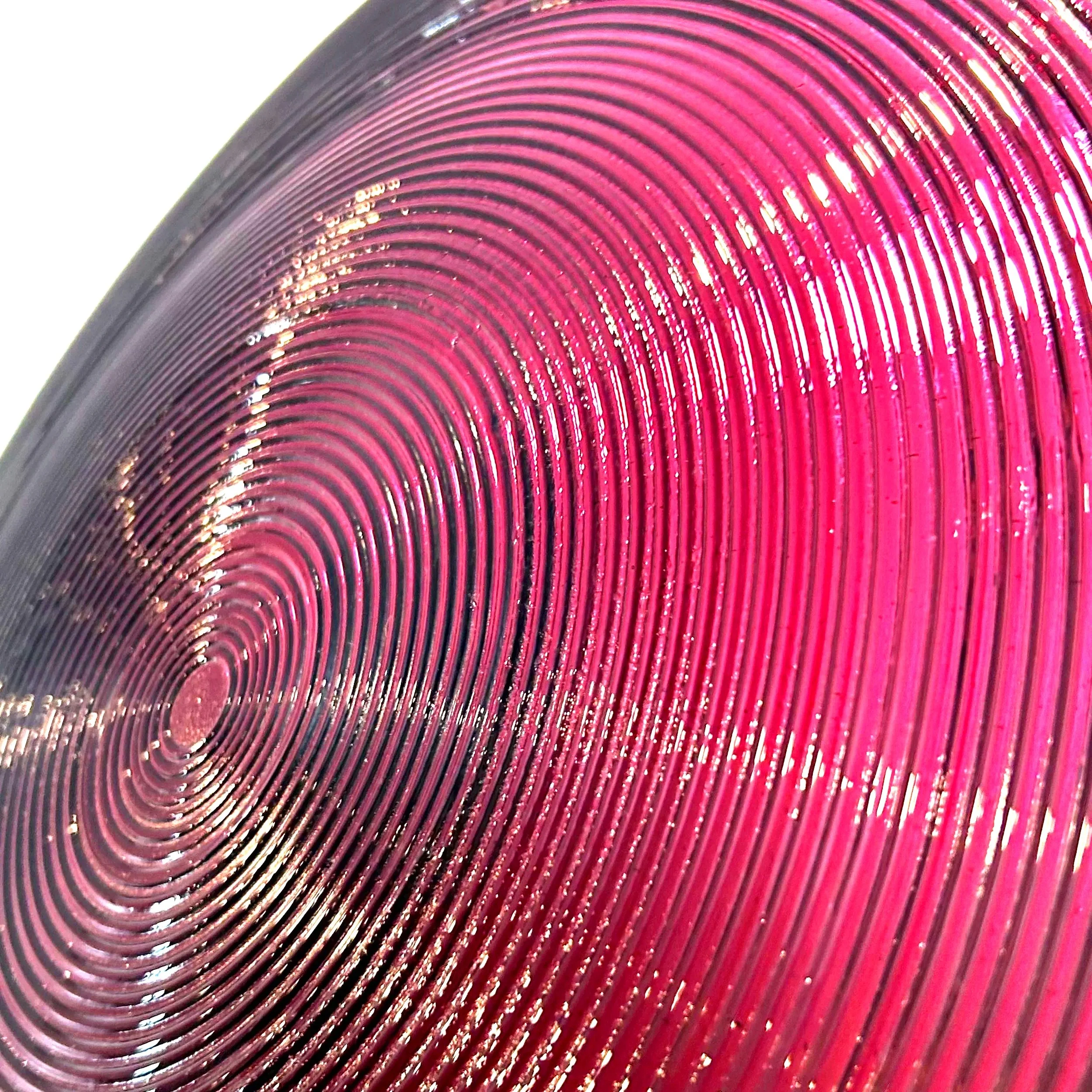
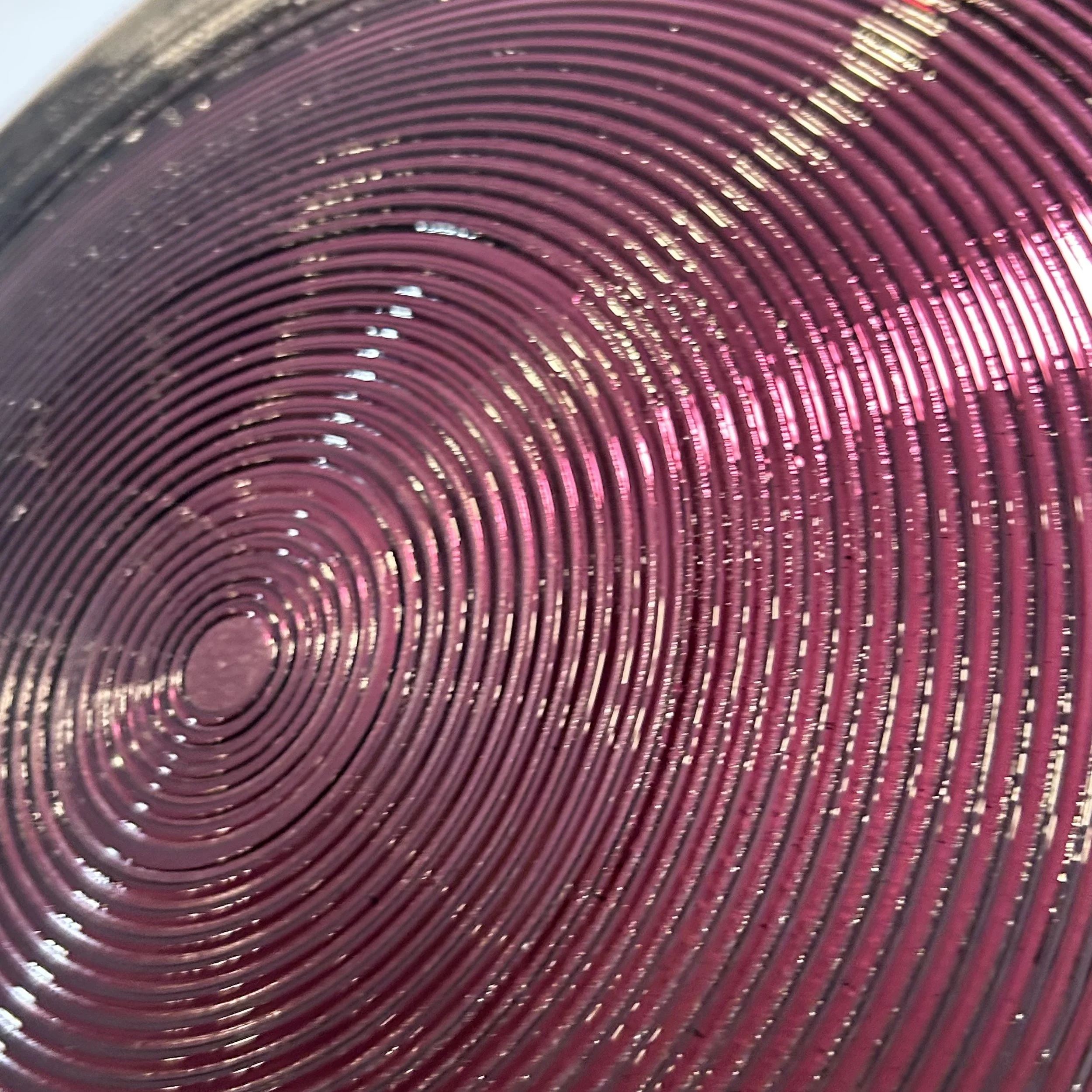
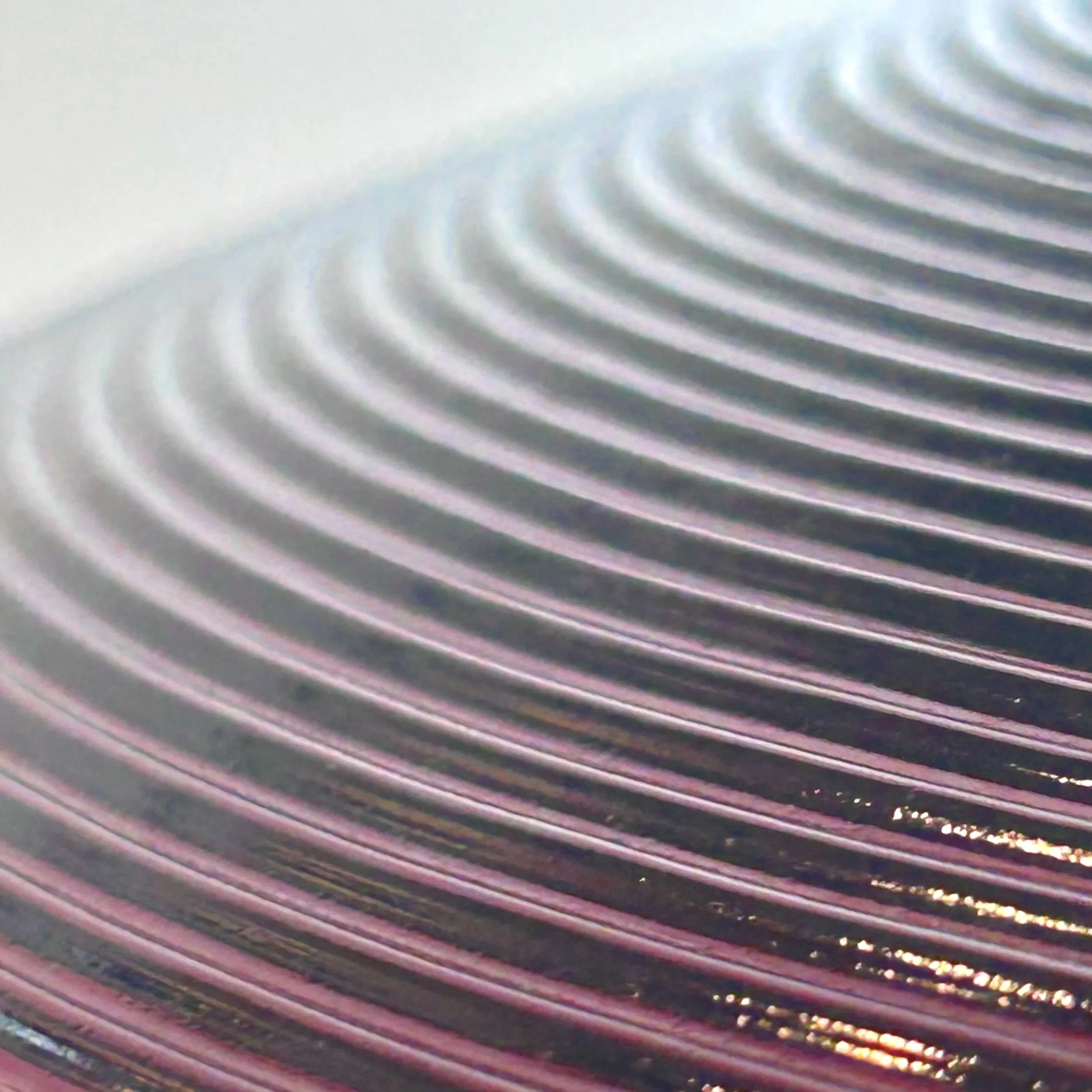
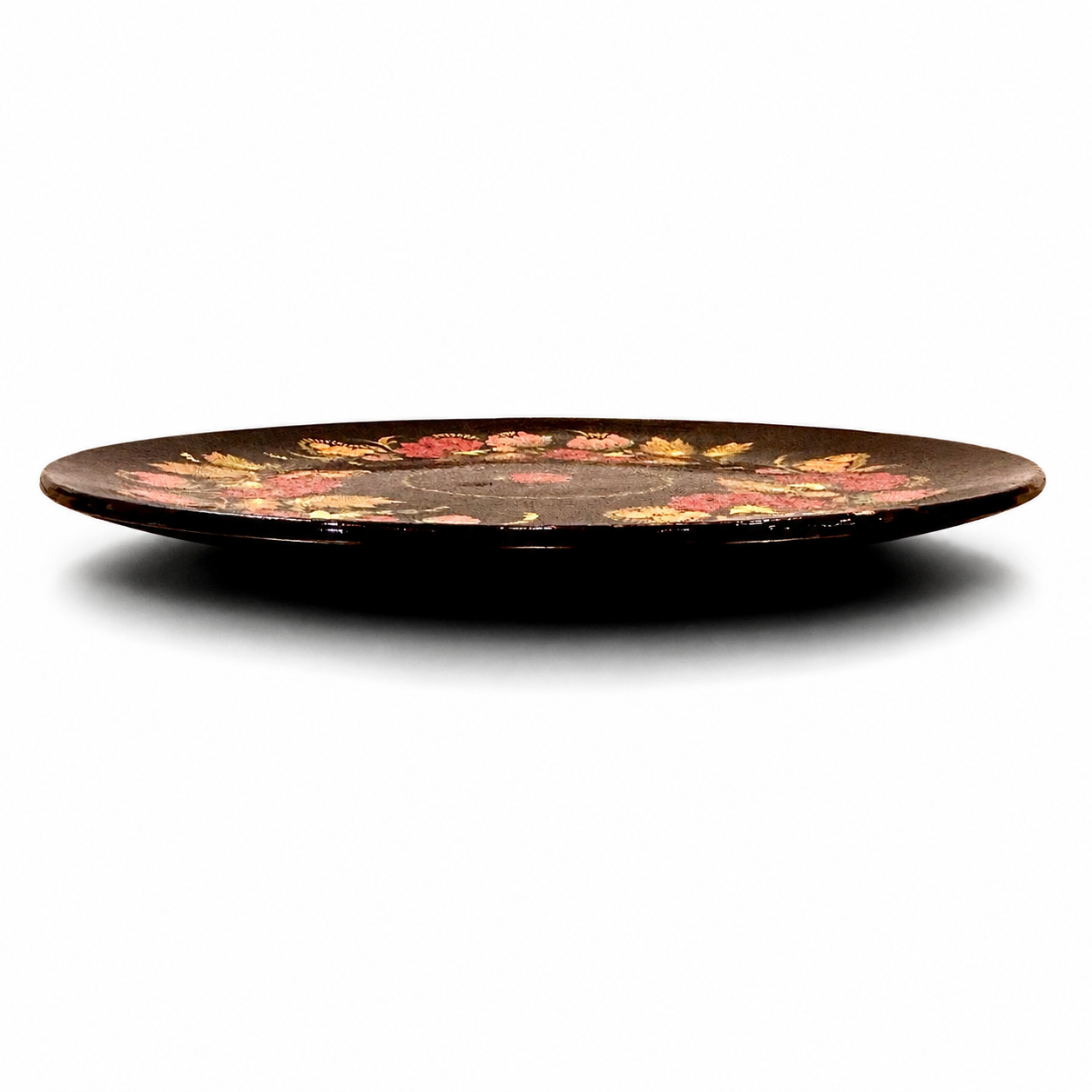
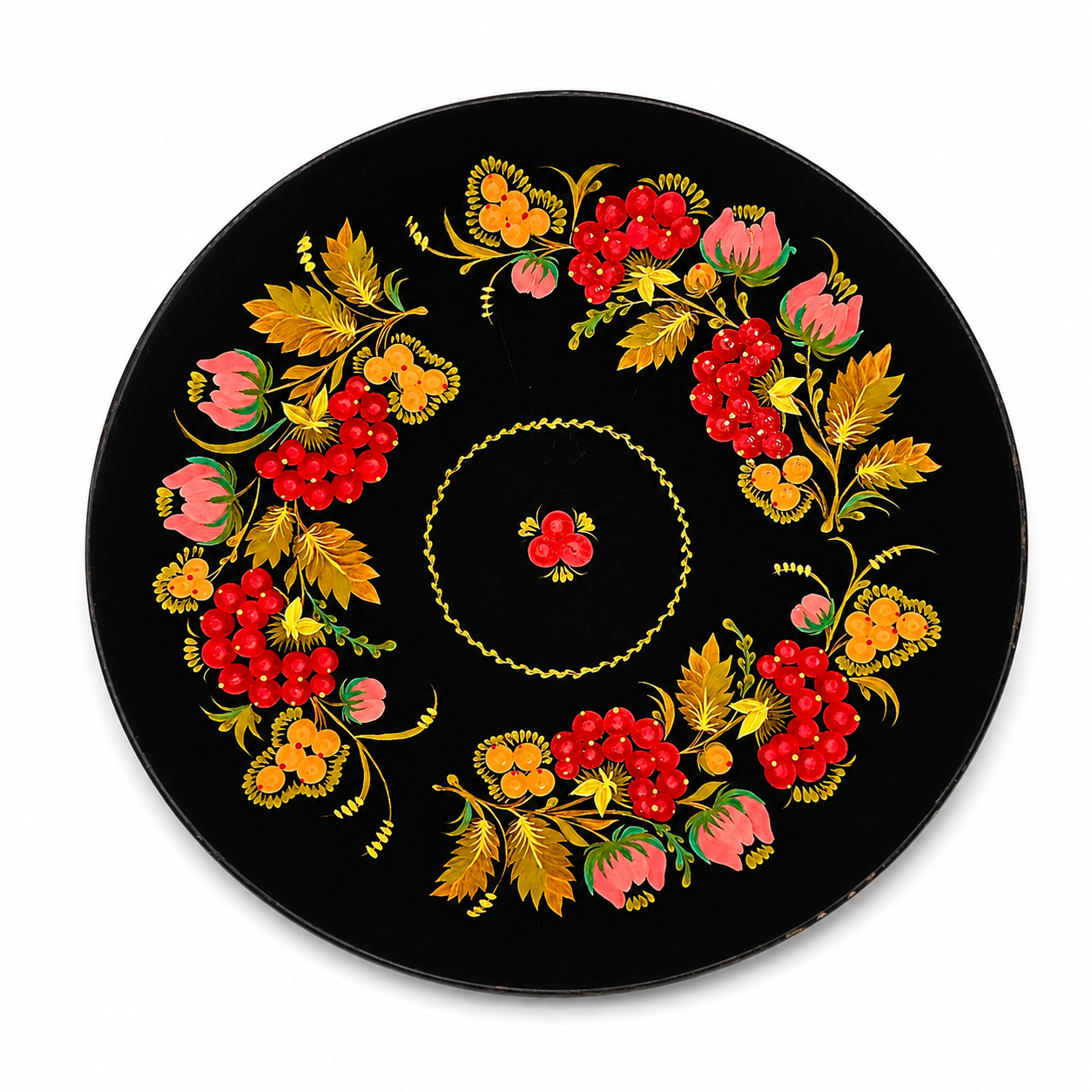
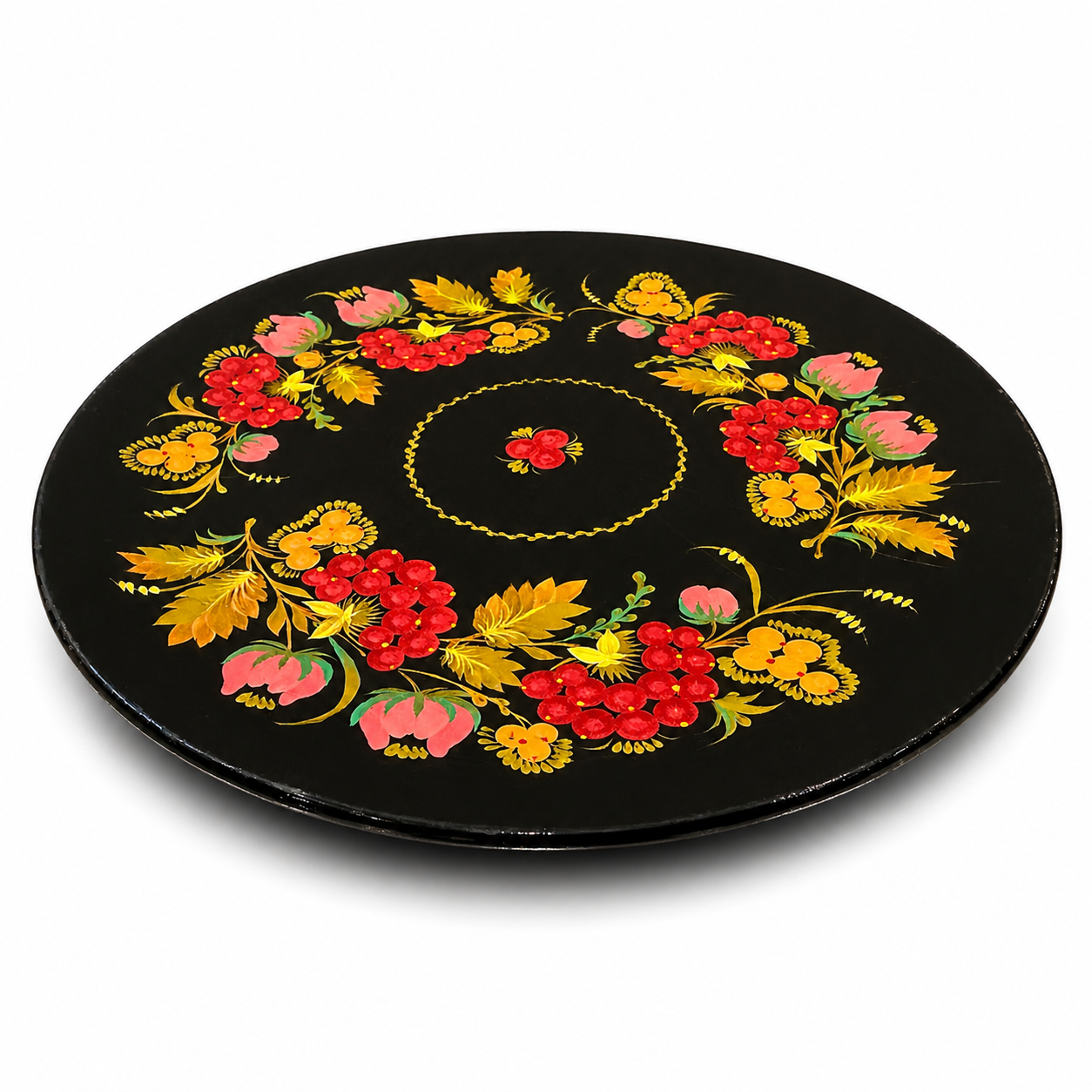
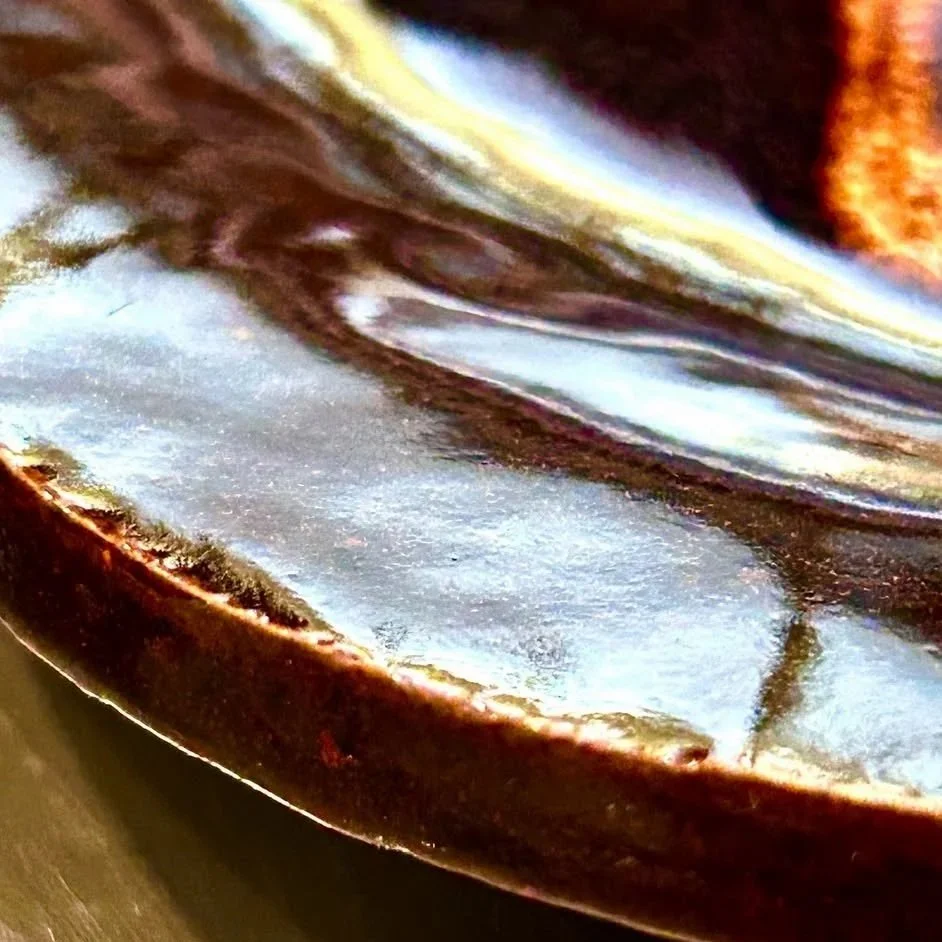
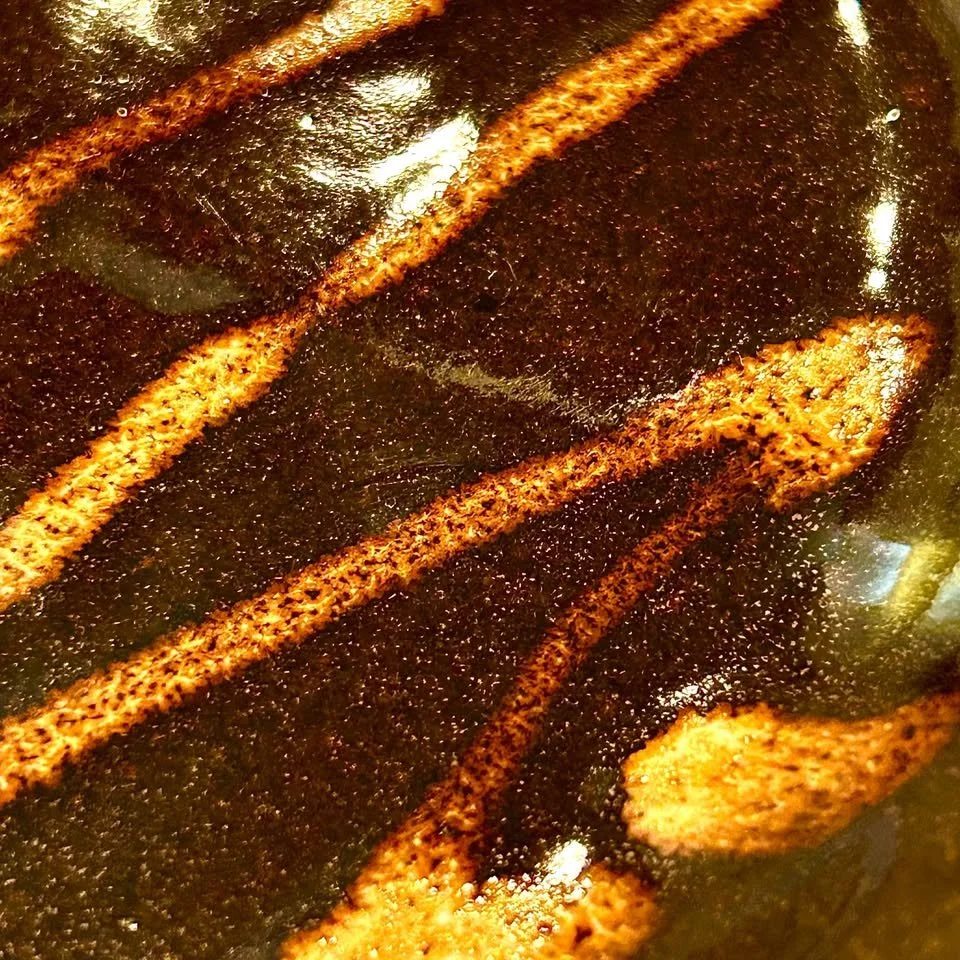
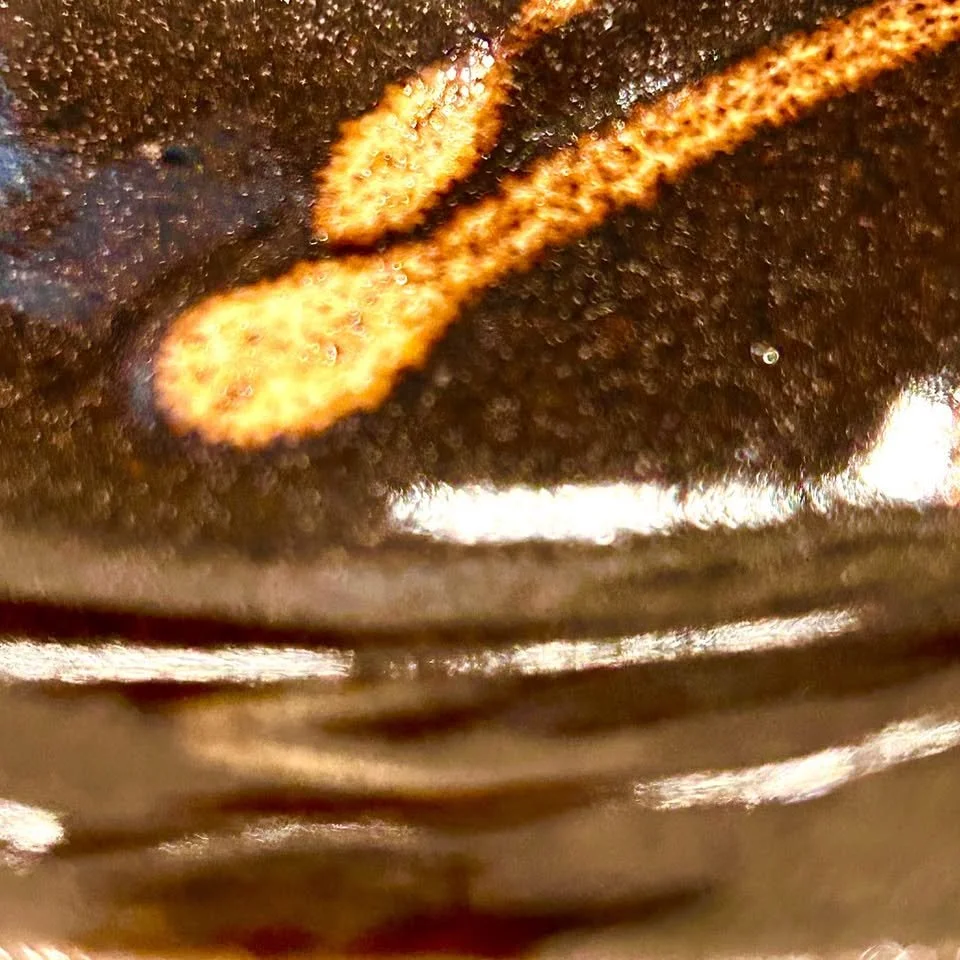
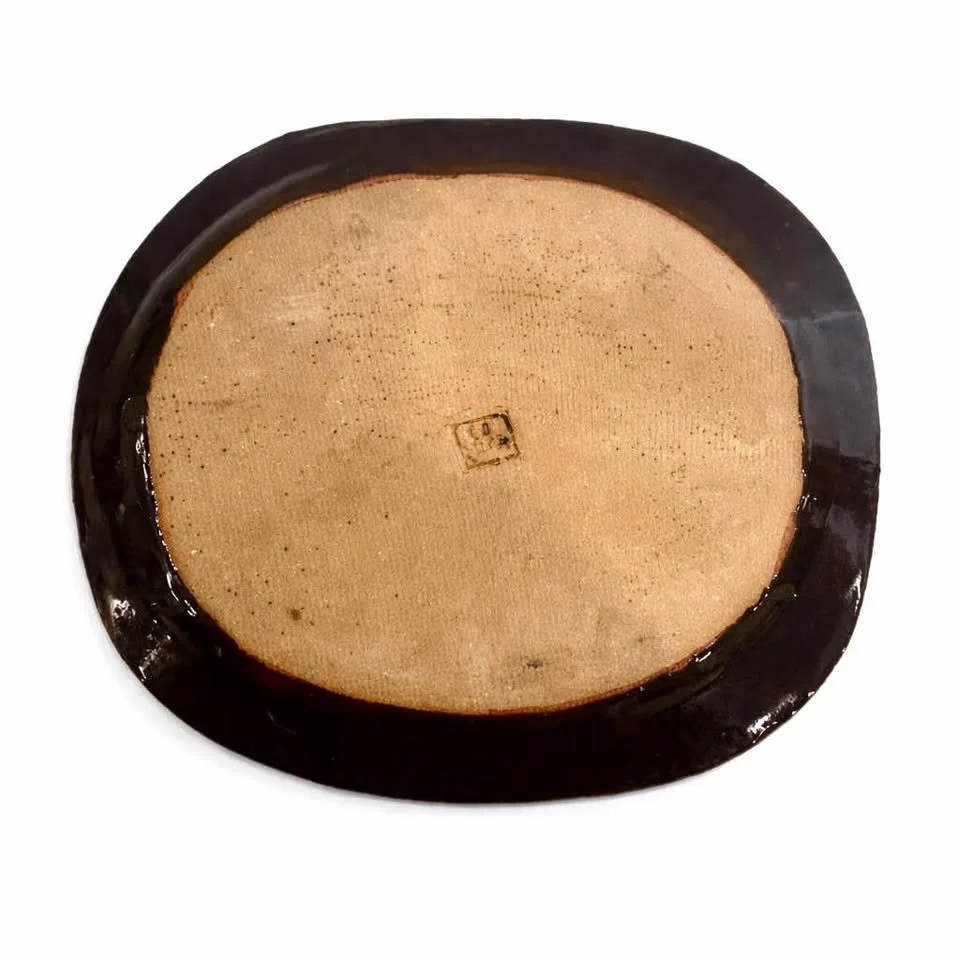
This exceptional center-handle serving tray captures the clean elegance of mid-century hospitality, balancing a low-profile geometric silhouette with a striking focal element. Crafted from clear pressed glass, the wide platter features subtle, stepped concentric rings that lead the eye inward to a beautifully integrated, sculptural glass handle. Hand-applied gold gilt highlights the rim and the stylized finial grip, adding a layer of refined luxury that beautifully catches and diffuses ambient light. Its substantial presence and structural geometry elevate it from a traditional pastry platter into a compelling piece of functional tabletop art.
Attribution & Period
American regional decorative arts example. The design vocabulary, circular tiered paneling, and center-ring handle configuration are highly consistent with elegant glass fabrications of the 1930s and 1940s, such as those produced by prominent American firms like Fostoria or Imperial Glass during the late Depression era. No factory mark was observed; attribution remains visual rather than documented, though it stands as a classic, stylistically aligned example of early modern American table glass.
Dimensions & Weight
Condition
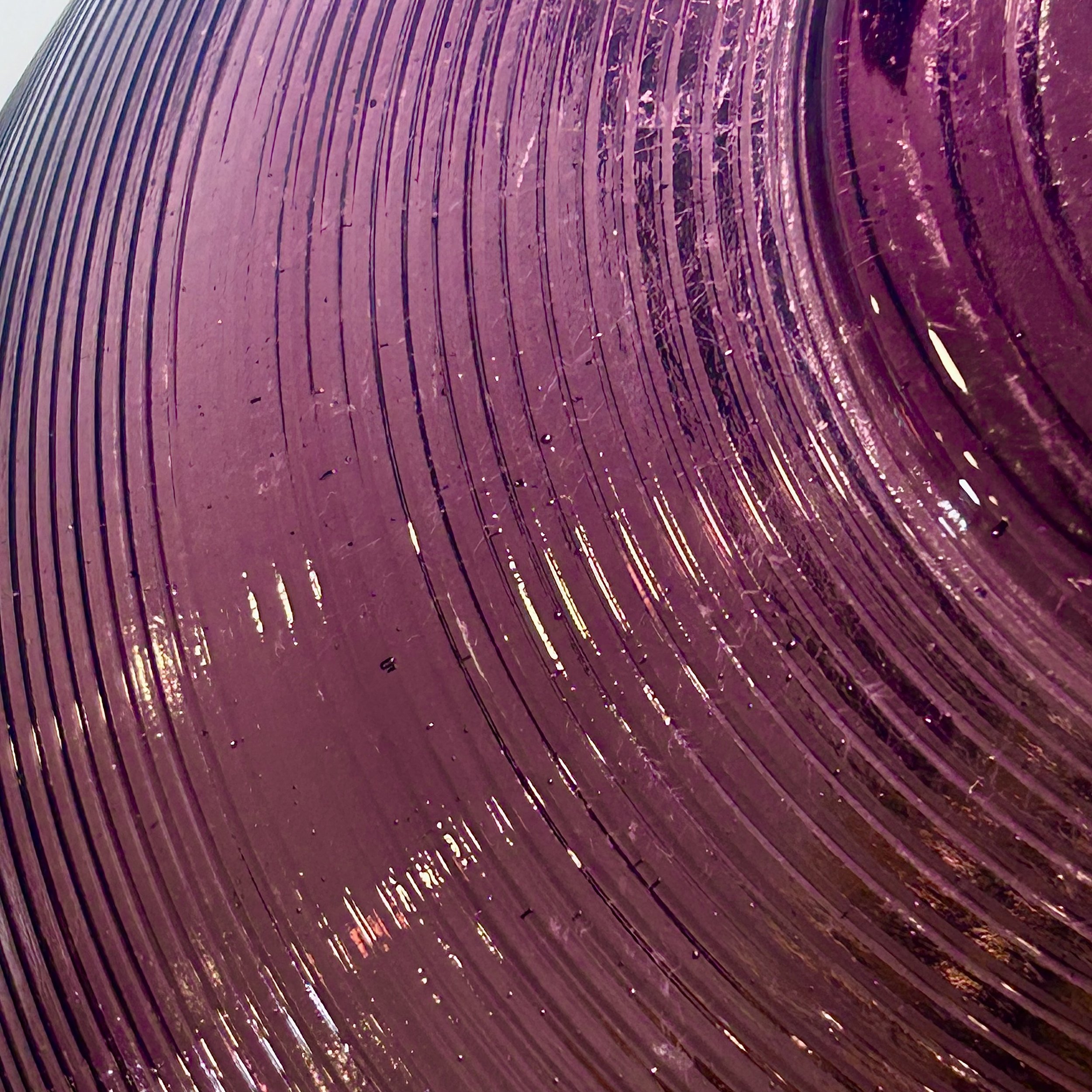
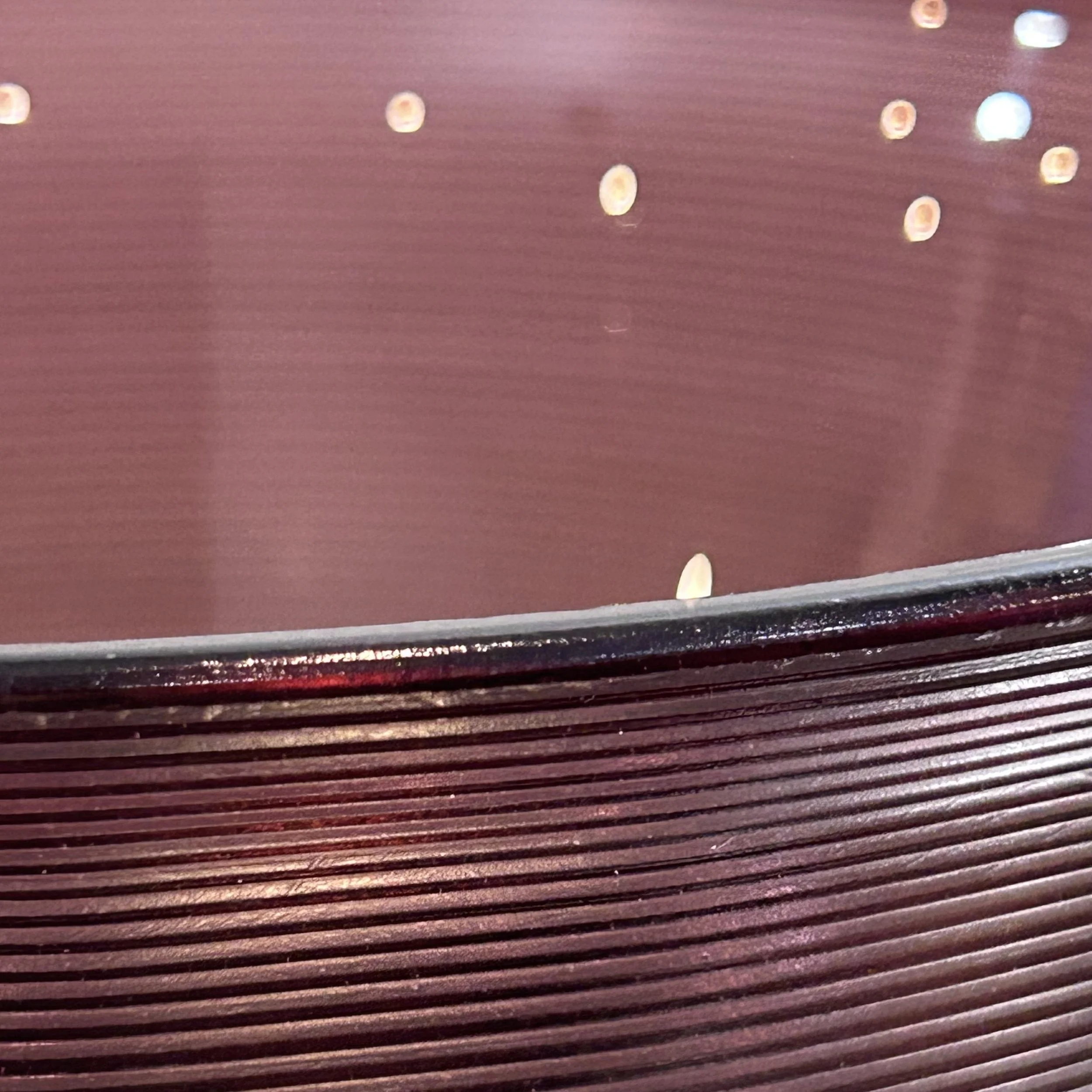
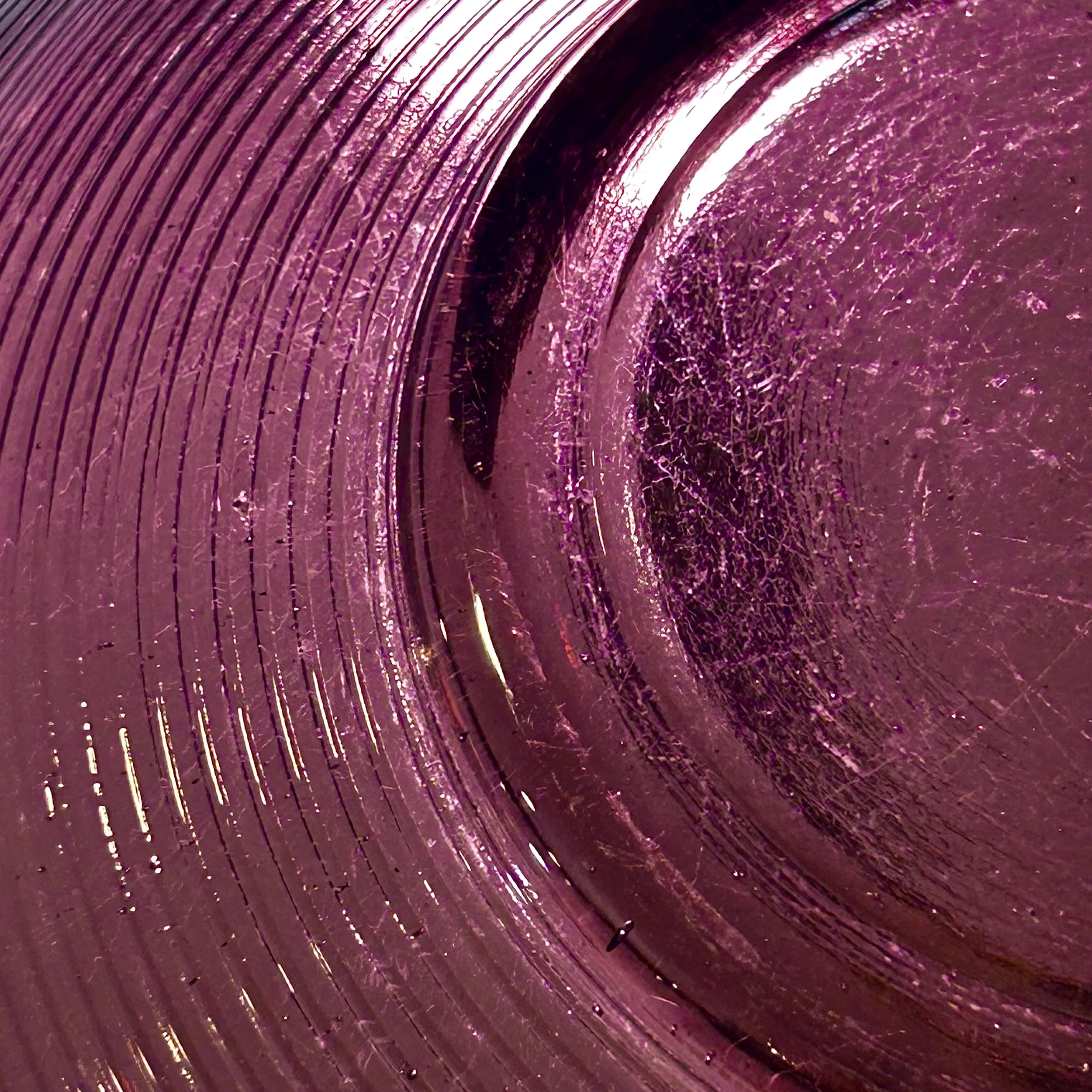
Excellent condition. The main glass body and integrated center handle are structurally flawless, completely free of chips, cracks, or repairs. Authentic, period-appropriate wear is present on the decorative elements, consisting of gentle fading and thinning to the gold gilt along the outer perimeter rim and the top of the handle grip, which yields a soft, character-rich patina that confirms its historic heritage.
Authenticity & Construction
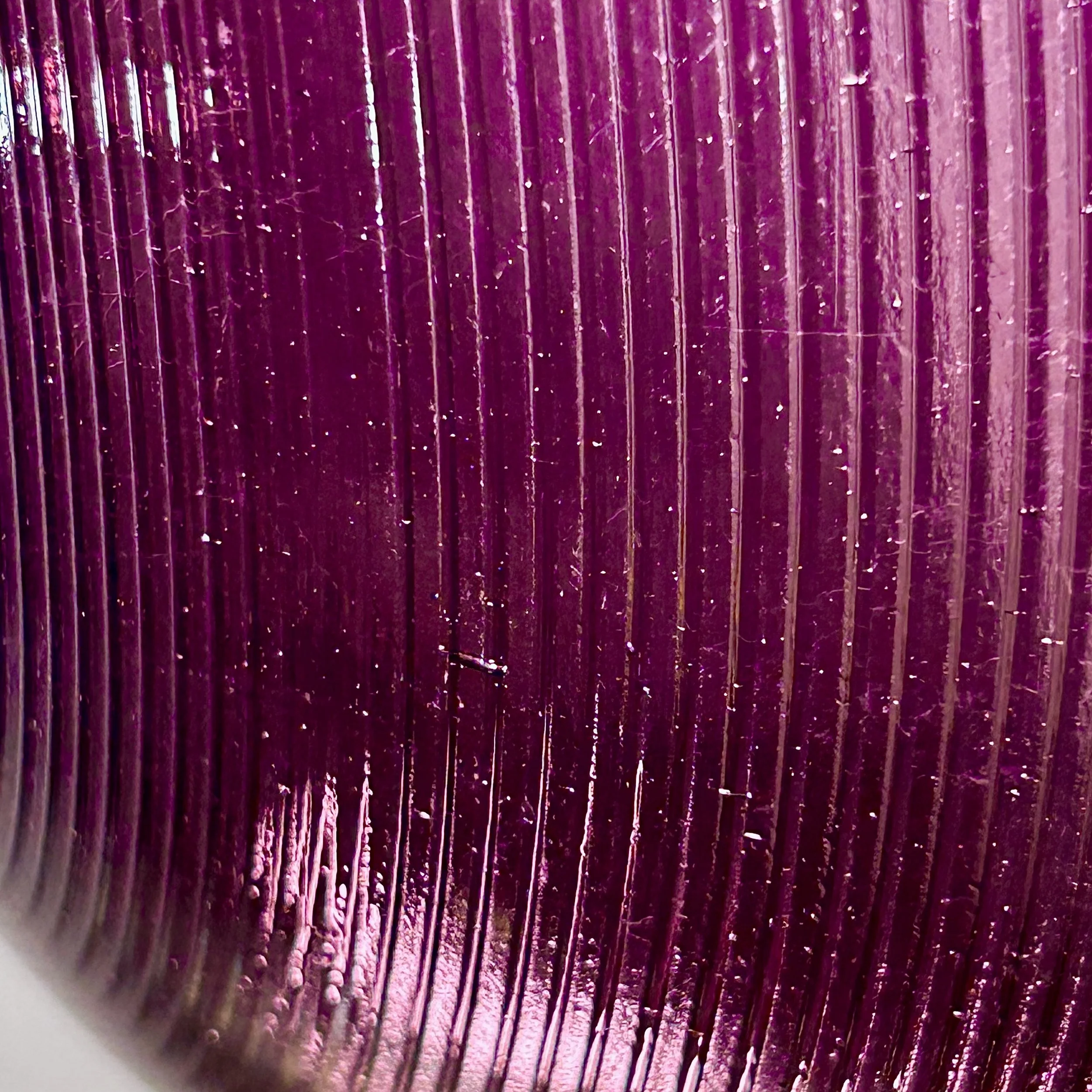
This piece is manufactured using a complex multi-part industrial press mold, an engineering technique perfected by mid-century glassworks to achieve uniform geometric lines and a seamlessly integrated central handle. The crisp definition of the stepped tiers ensures lasting structural integrity and brilliant clarity. The gold metallic accenting was layered onto the rim and handle following the cooling process, reflecting the high-end finishing techniques of traditional American table arts.
Placement
An incredibly chic and interior-designer-friendly accessory. This tray is ideally suited as a centerpiece for a high-end dessert or sandwich service on a dining table, a sophisticated vanity organizer for fine jewelry and perfumes, or a standalone sculptural object displayed on a contemporary bar cart or étagère.
STANDARD ATTRIBUTION & VALUE DISCLOSURE; This piece is described to the best of current scholarly and market knowledge. Any maker or regional attribution is based on visual analysis, materials, construction techniques, and documented stylistic comparisons. As with many MCM and antique design objects, definitive attribution may not be possible without original labels or factory records. Pricing reflects condition, quality, decorative appeal, and current collector demand rather than guaranteed maker identification.
This exceptional center-handle serving tray captures the clean elegance of mid-century hospitality, balancing a low-profile geometric silhouette with a striking focal element. Crafted from clear pressed glass, the wide platter features subtle, stepped concentric rings that lead the eye inward to a beautifully integrated, sculptural glass handle. Hand-applied gold gilt highlights the rim and the stylized finial grip, adding a layer of refined luxury that beautifully catches and diffuses ambient light. Its substantial presence and structural geometry elevate it from a traditional pastry platter into a compelling piece of functional tabletop art.
Attribution & Period
American regional decorative arts example. The design vocabulary, circular tiered paneling, and center-ring handle configuration are highly consistent with elegant glass fabrications of the 1930s and 1940s, such as those produced by prominent American firms like Fostoria or Imperial Glass during the late Depression era. No factory mark was observed; attribution remains visual rather than documented, though it stands as a classic, stylistically aligned example of early modern American table glass.
Dimensions & Weight
Condition
Excellent condition. The main glass body and integrated center handle are structurally flawless, completely free of chips, cracks, or repairs. Authentic, period-appropriate wear is present on the decorative elements, consisting of gentle fading and thinning to the gold gilt along the outer perimeter rim and the top of the handle grip, which yields a soft, character-rich patina that confirms its historic heritage.
Authenticity & Construction
This piece is manufactured using a complex multi-part industrial press mold, an engineering technique perfected by mid-century glassworks to achieve uniform geometric lines and a seamlessly integrated central handle. The crisp definition of the stepped tiers ensures lasting structural integrity and brilliant clarity. The gold metallic accenting was layered onto the rim and handle following the cooling process, reflecting the high-end finishing techniques of traditional American table arts.
Placement
An incredibly chic and interior-designer-friendly accessory. This tray is ideally suited as a centerpiece for a high-end dessert or sandwich service on a dining table, a sophisticated vanity organizer for fine jewelry and perfumes, or a standalone sculptural object displayed on a contemporary bar cart or étagère.
STANDARD ATTRIBUTION & VALUE DISCLOSURE; This piece is described to the best of current scholarly and market knowledge. Any maker or regional attribution is based on visual analysis, materials, construction techniques, and documented stylistic comparisons. As with many MCM and antique design objects, definitive attribution may not be possible without original labels or factory records. Pricing reflects condition, quality, decorative appeal, and current collector demand rather than guaranteed maker identification.

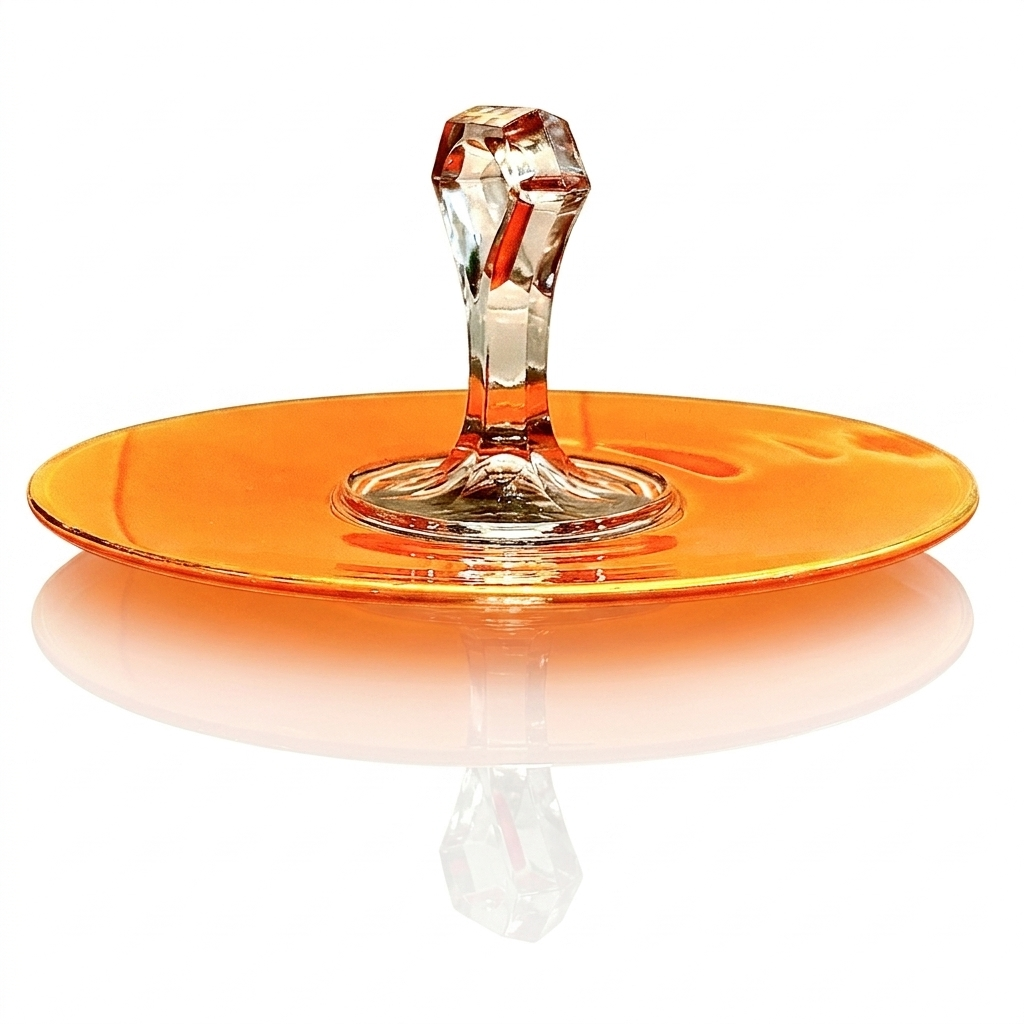 Image 1 of 16
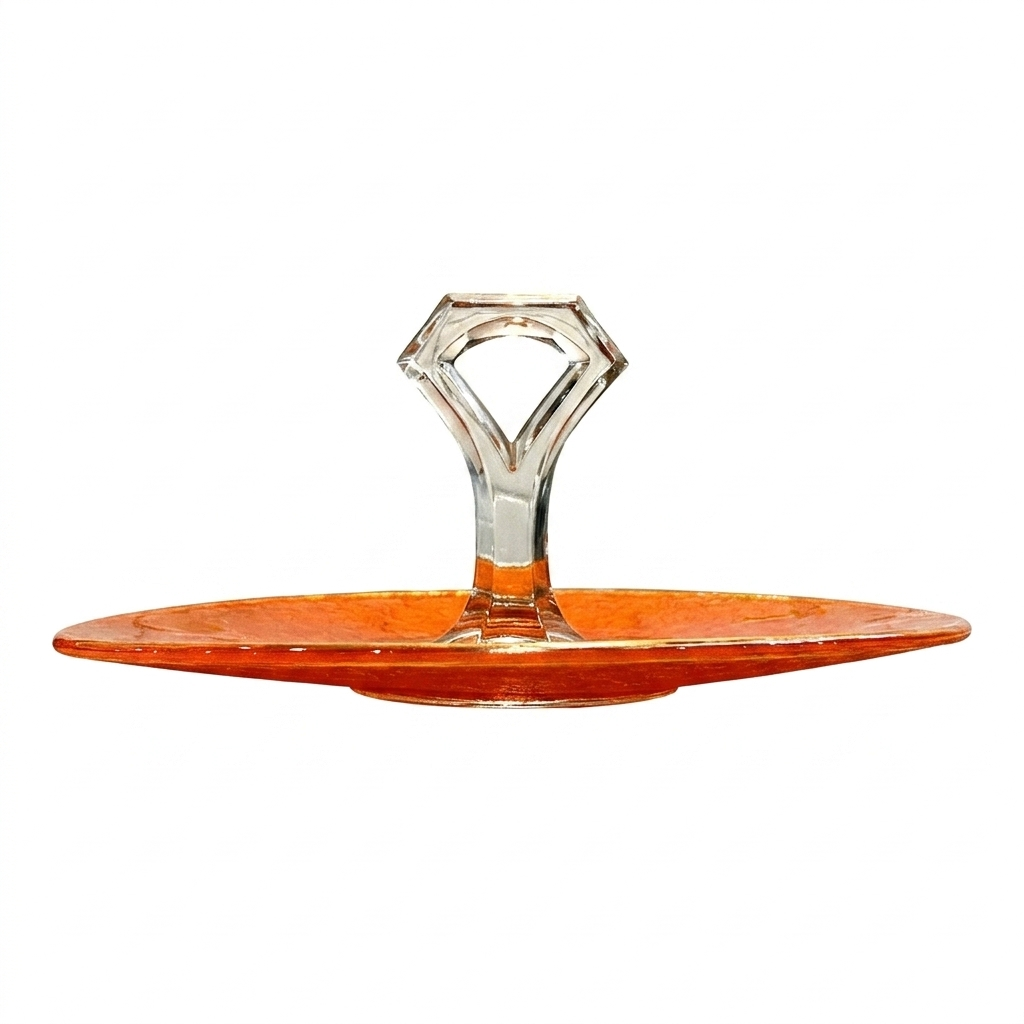 Image 2 of 16
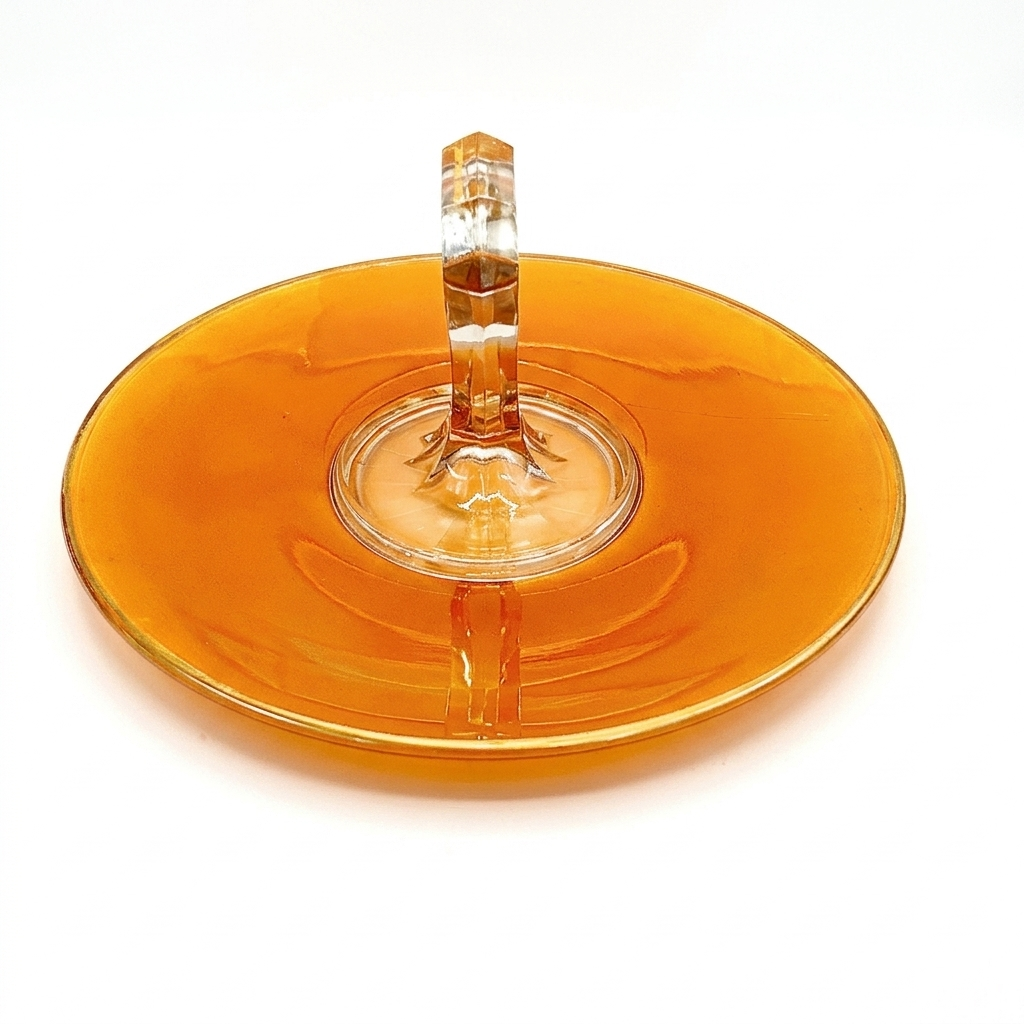 Image 3 of 16
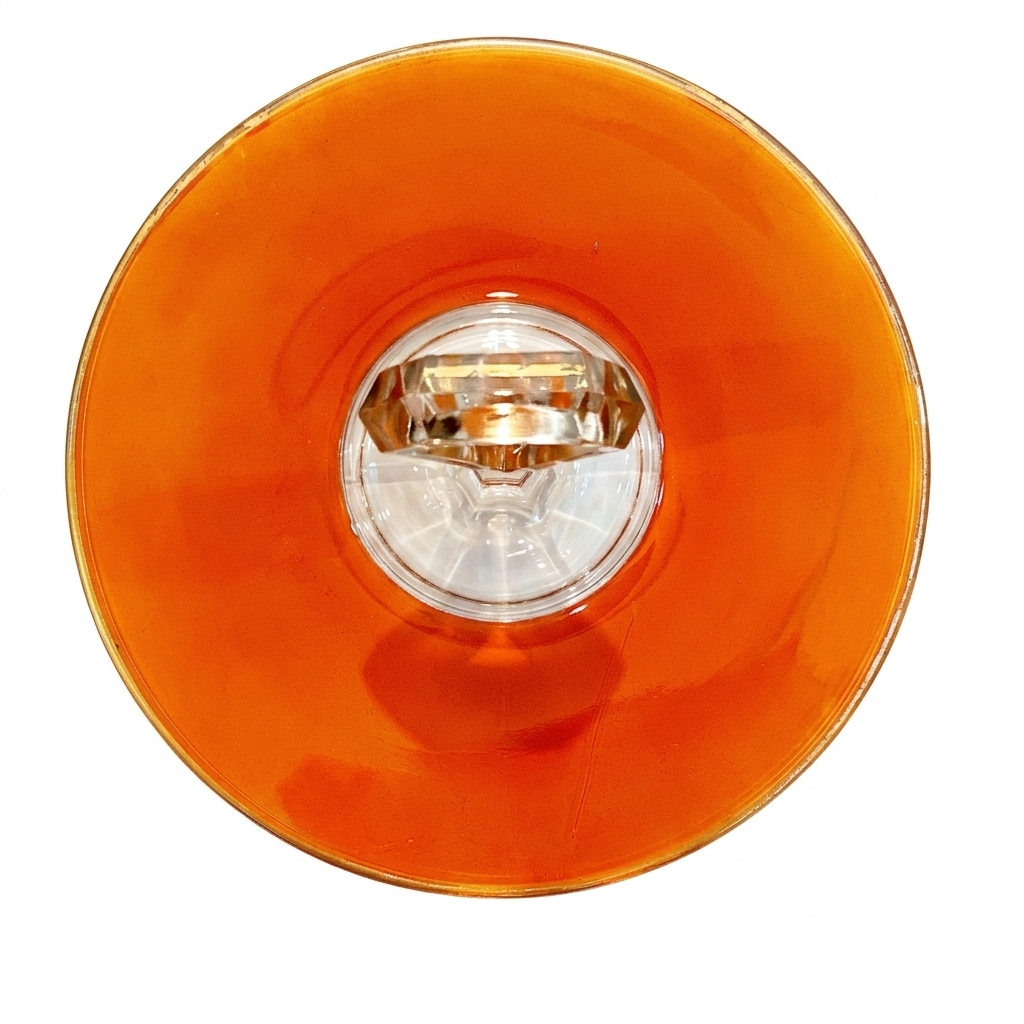 Image 4 of 16
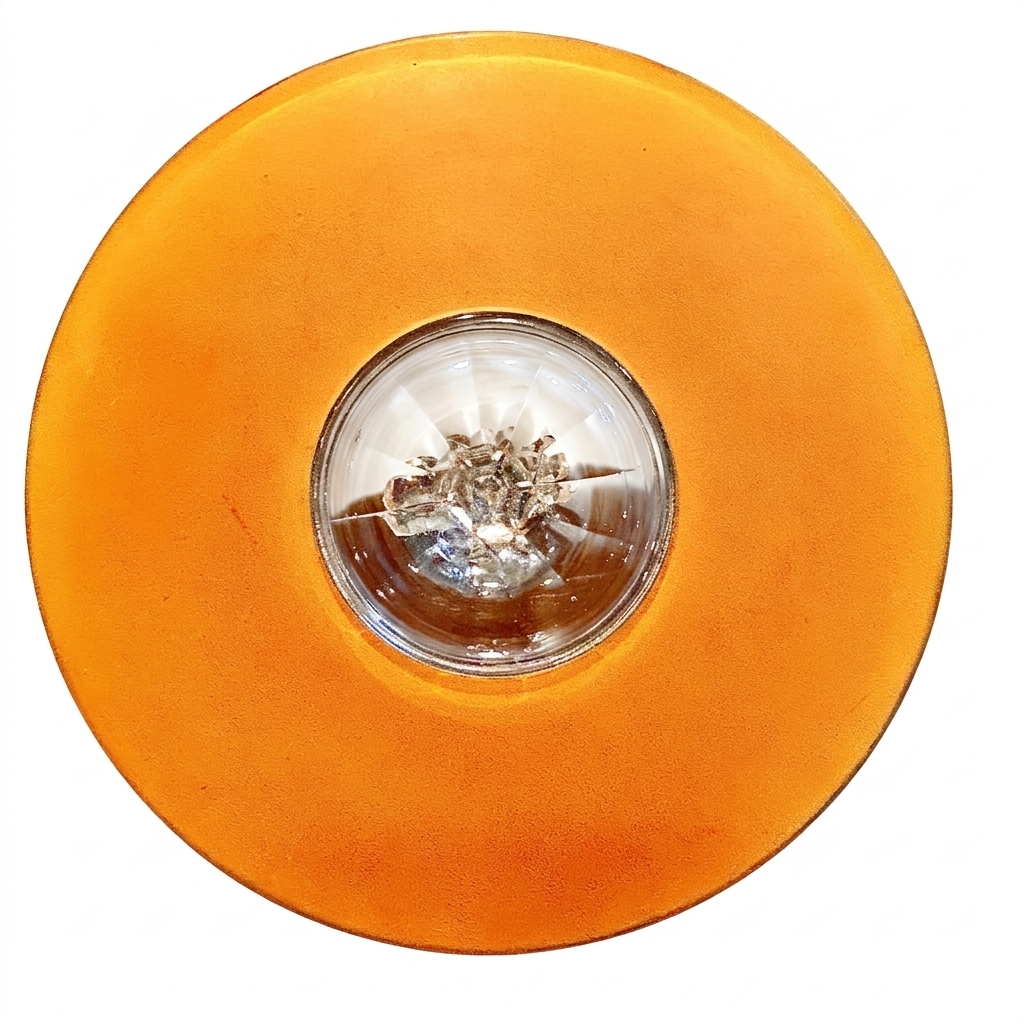 Image 5 of 16
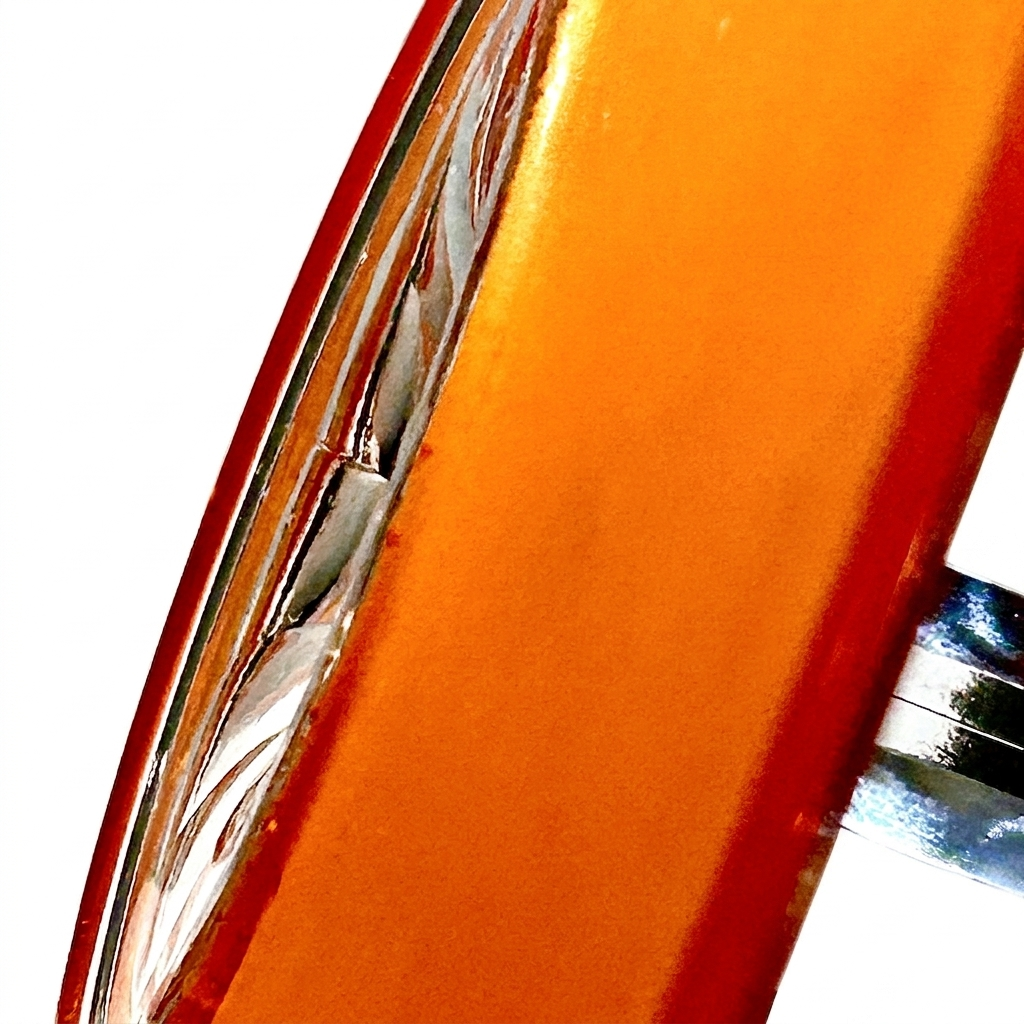 Image 6 of 16
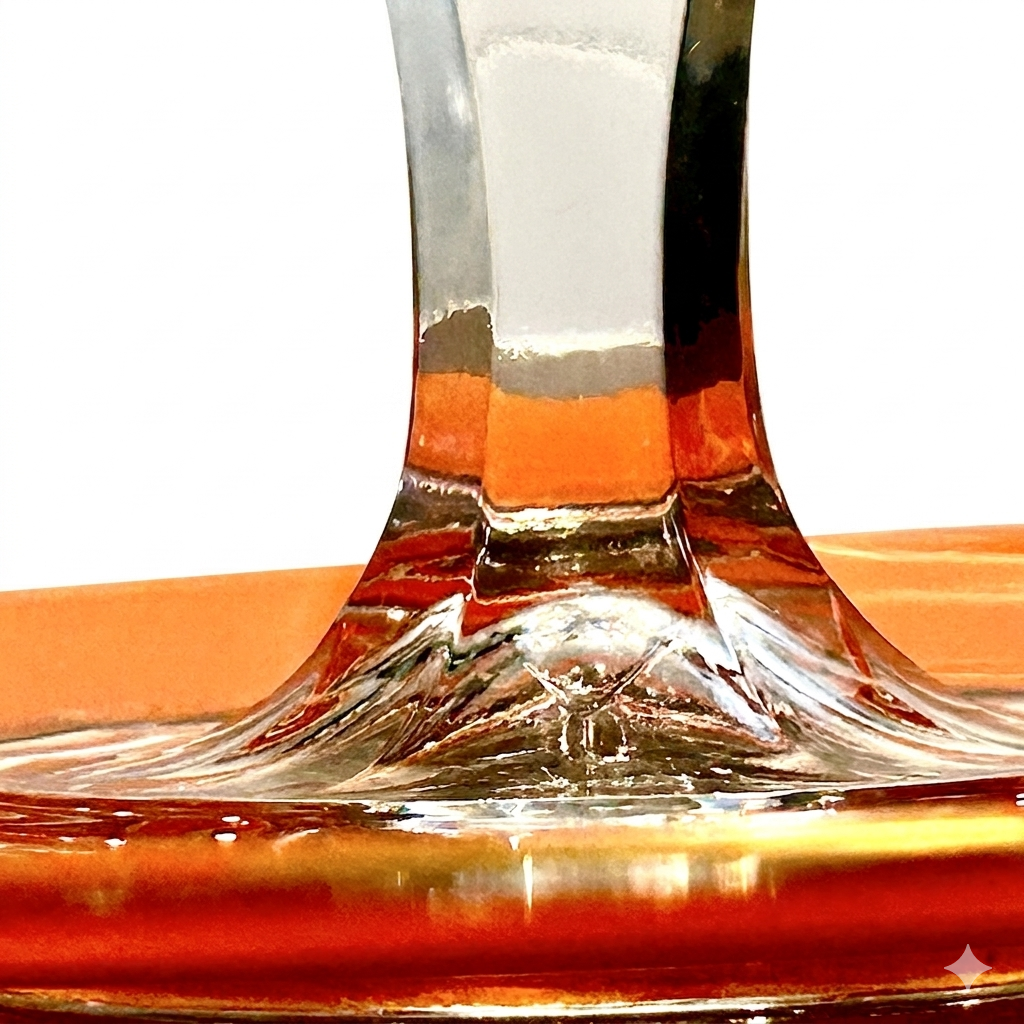 Image 7 of 16
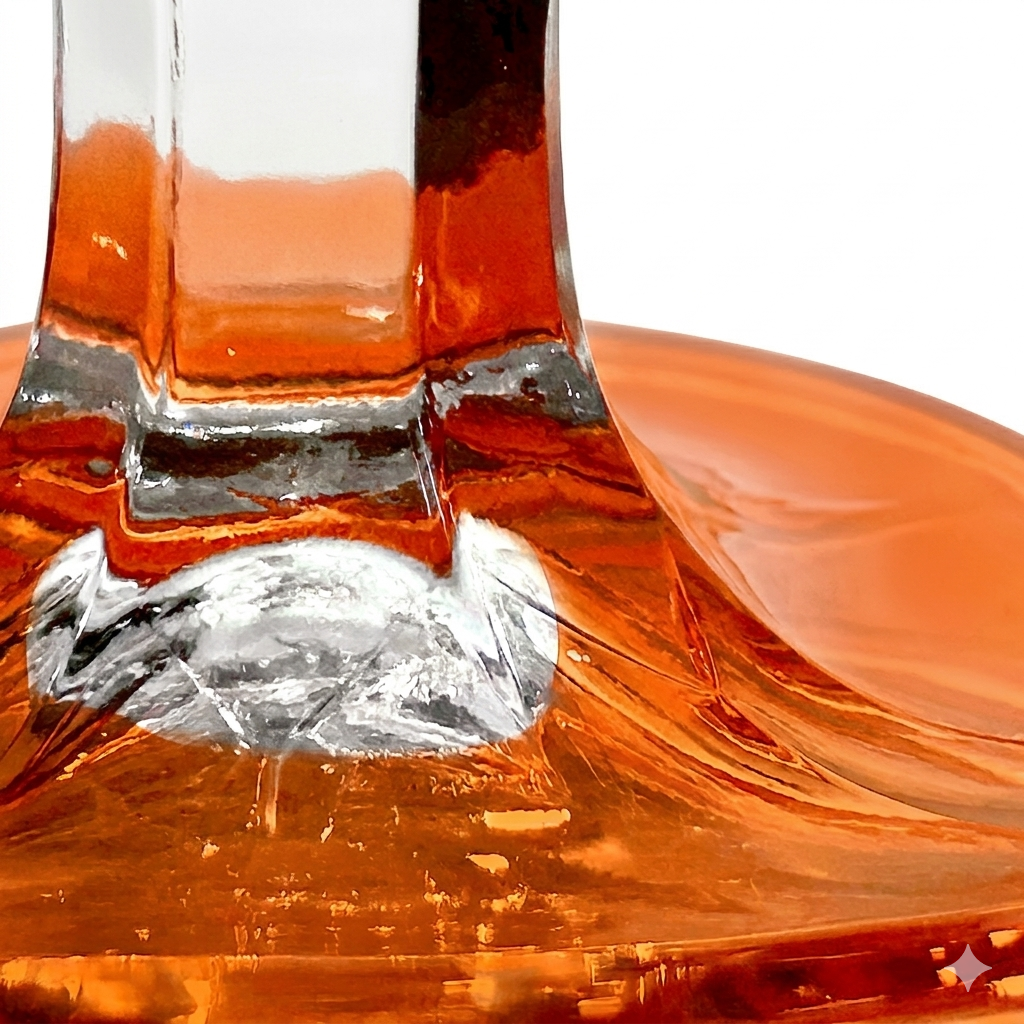 Image 8 of 16
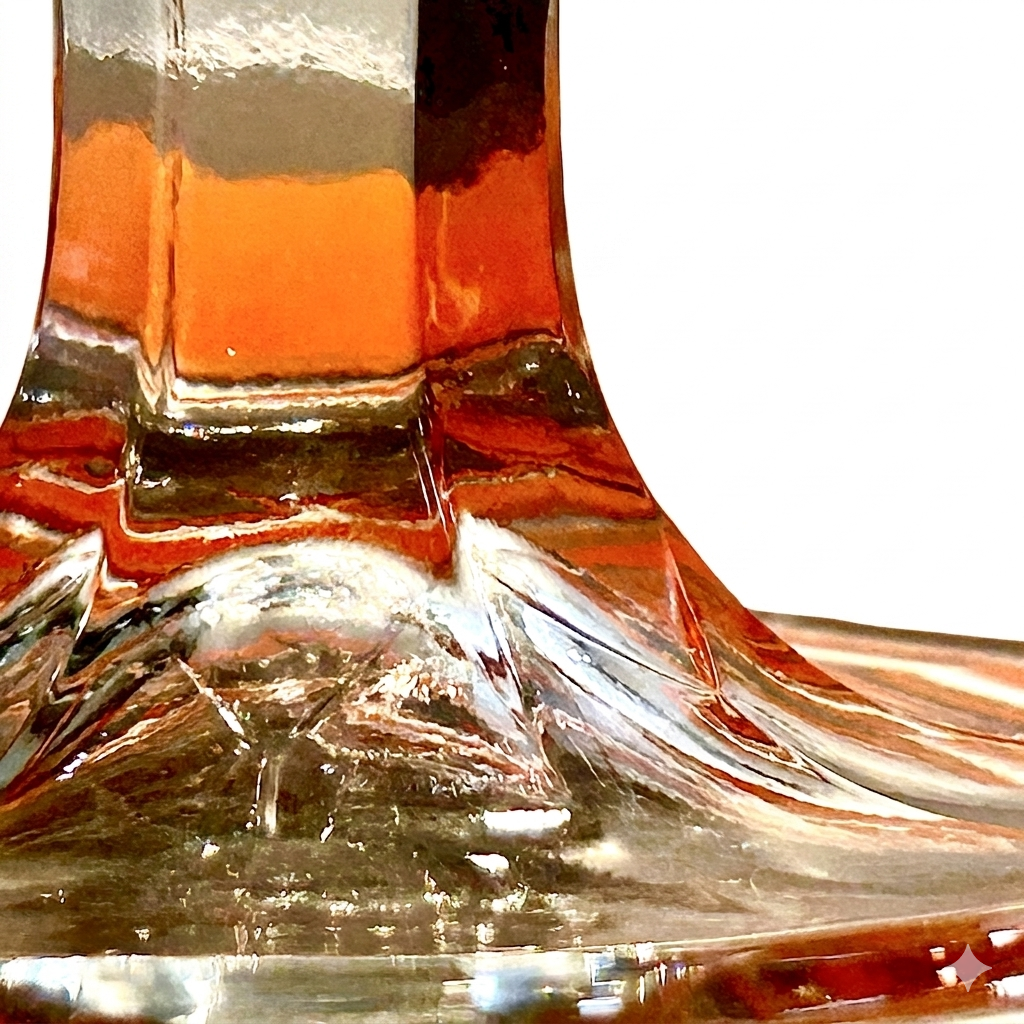 Image 9 of 16
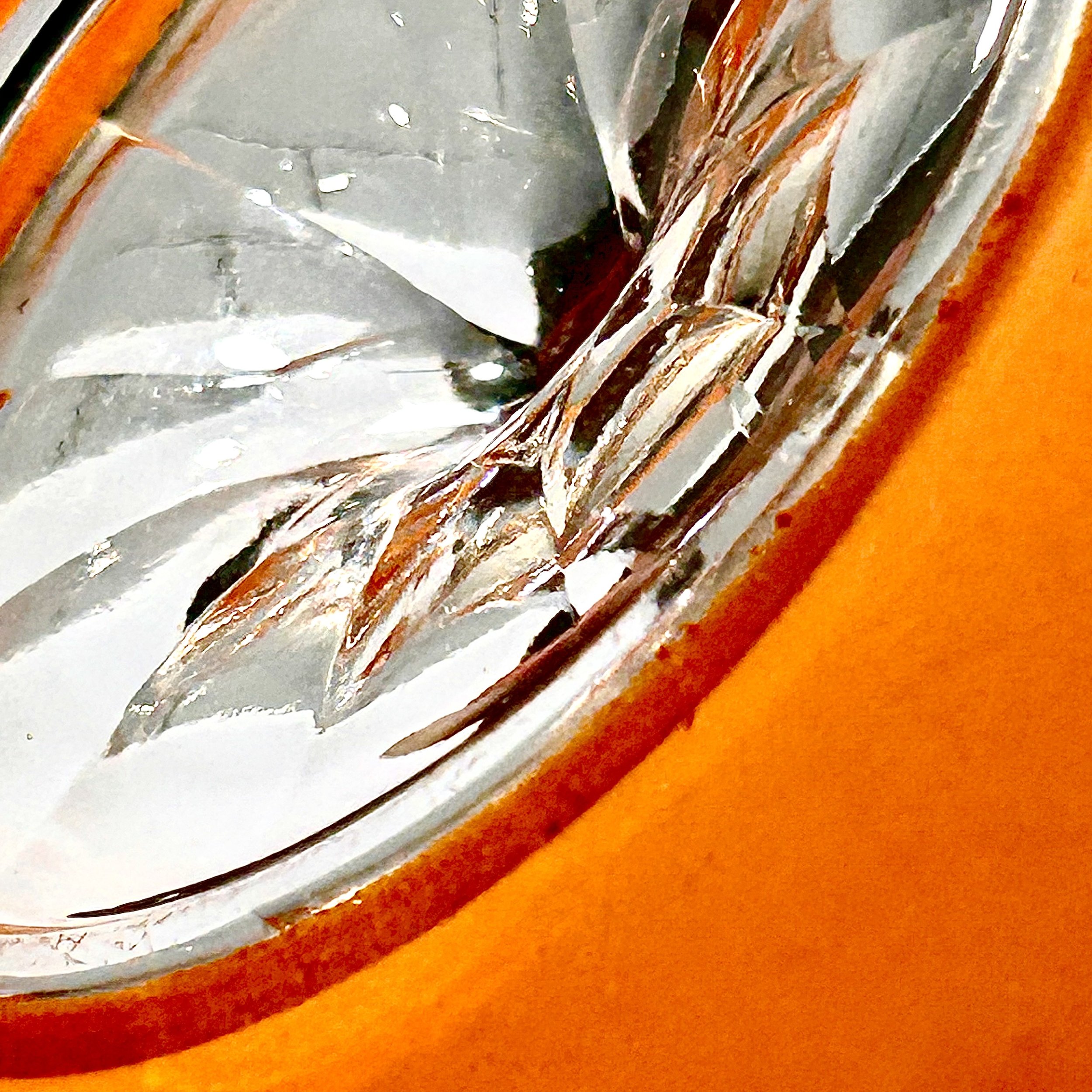 Image 10 of 16
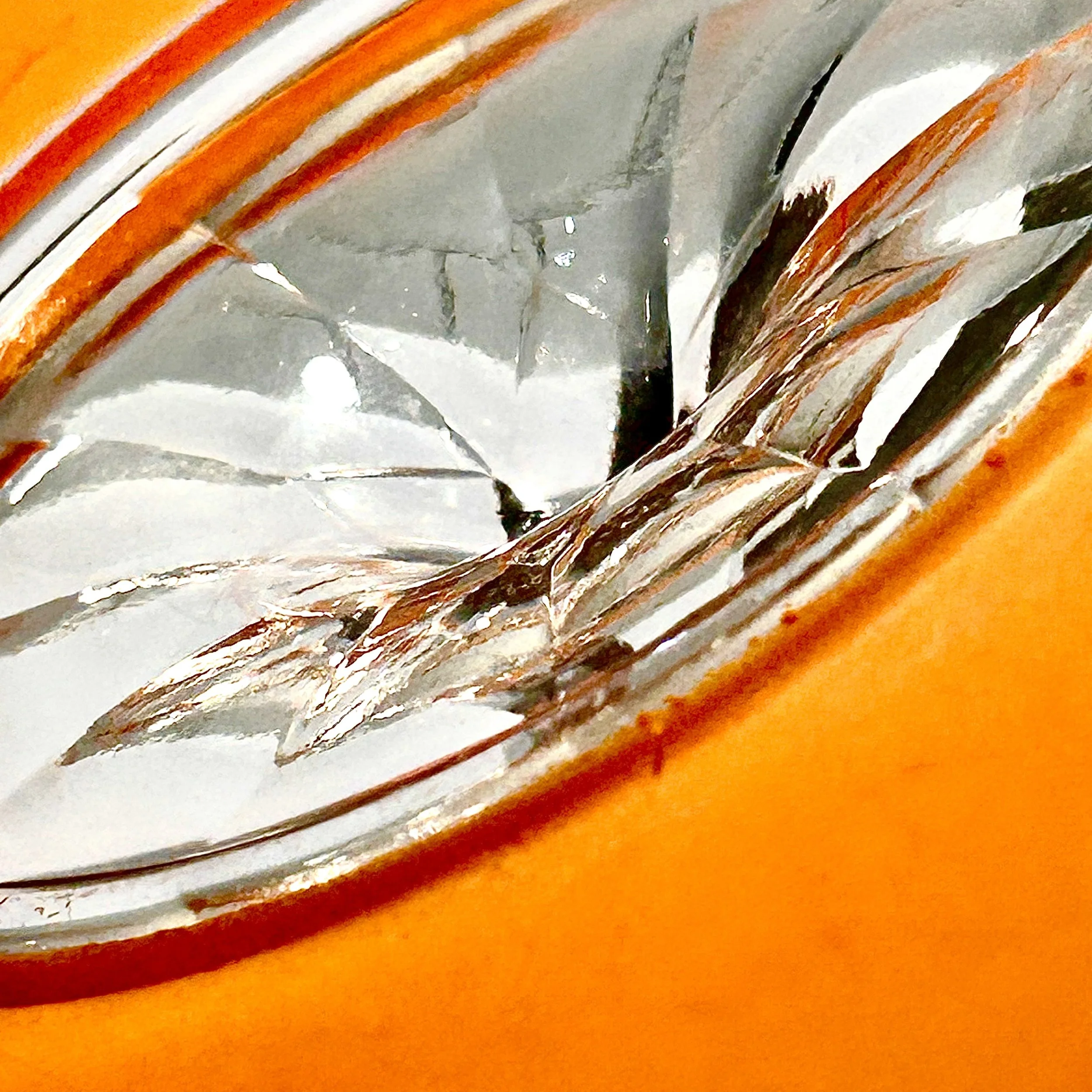 Image 11 of 16
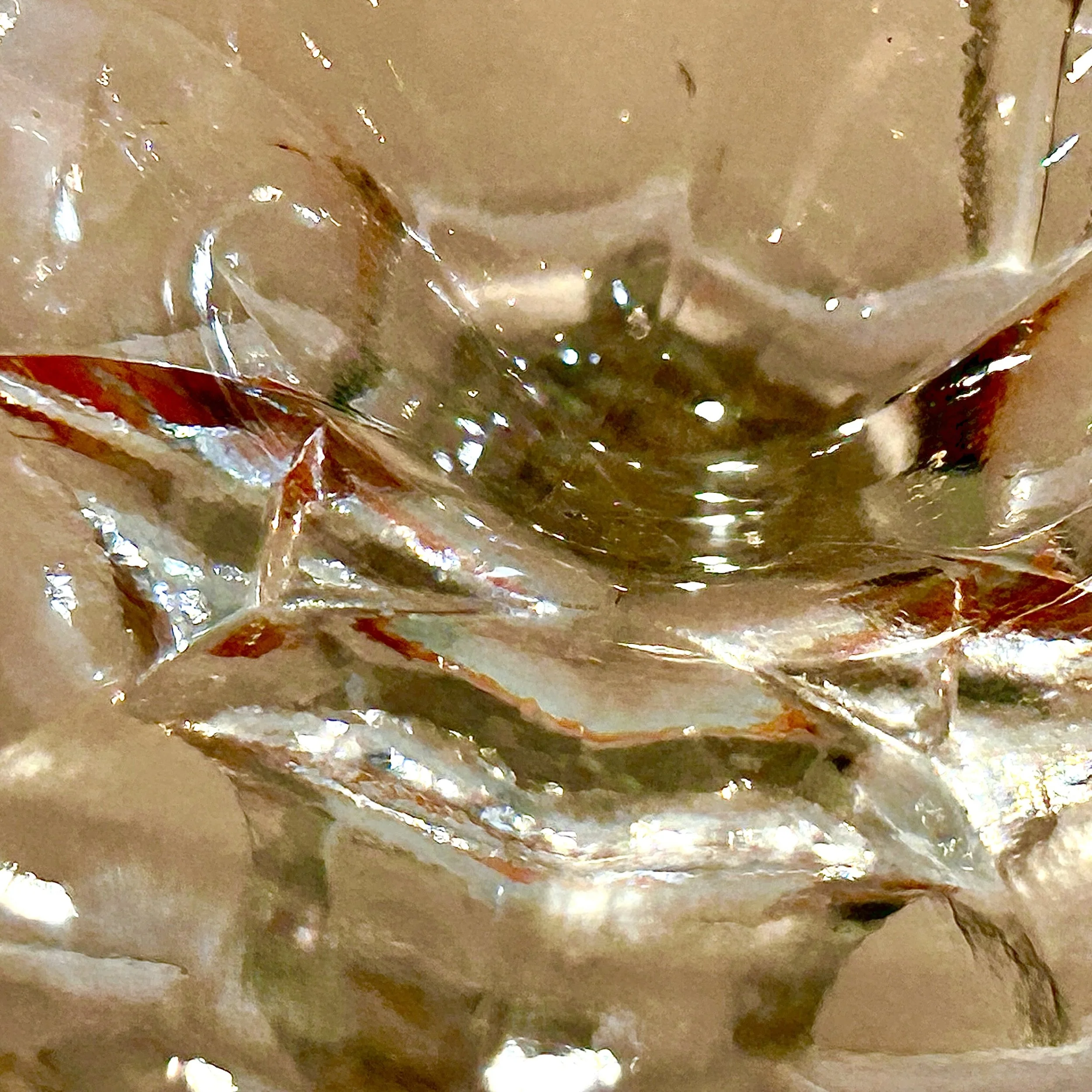 Image 12 of 16
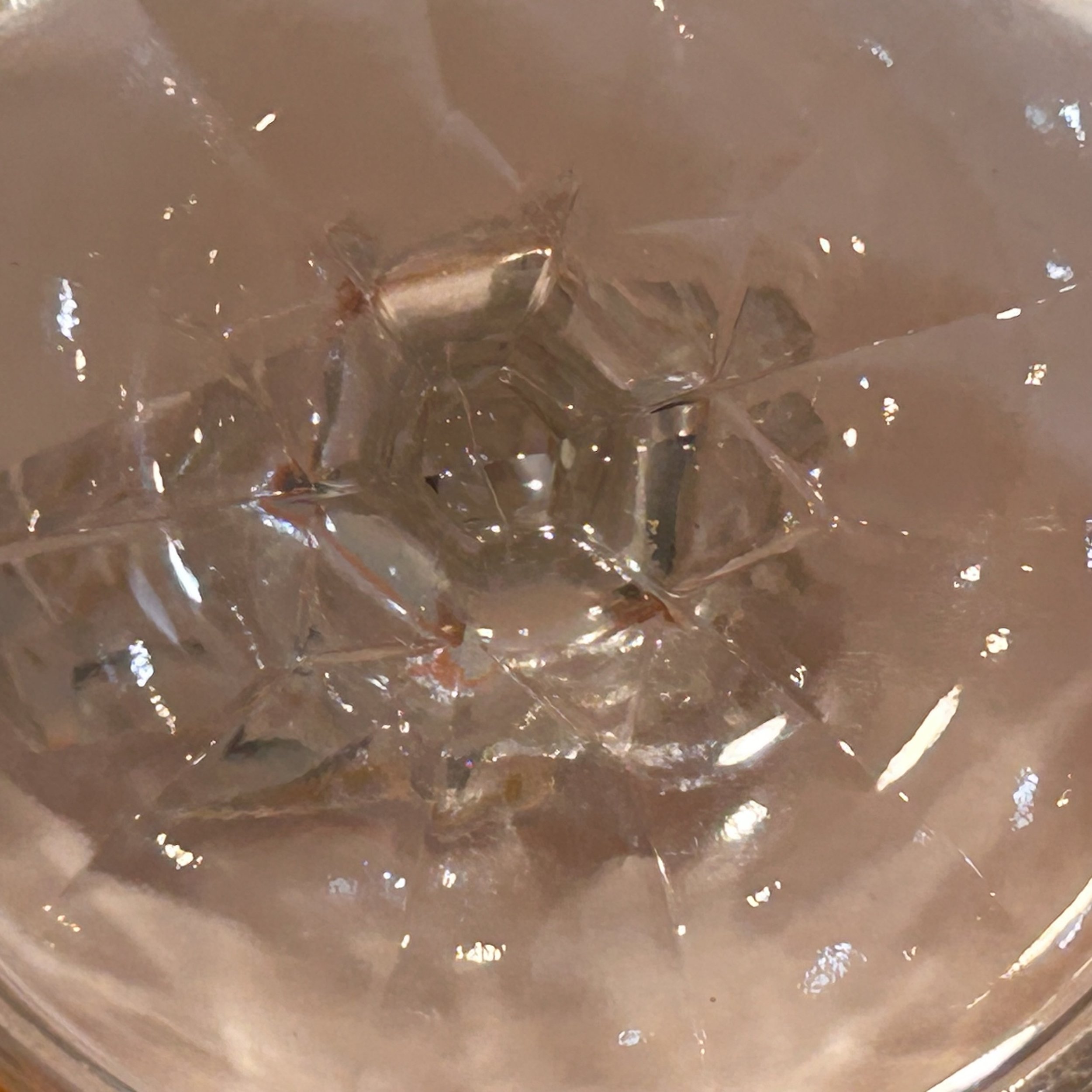 Image 13 of 16
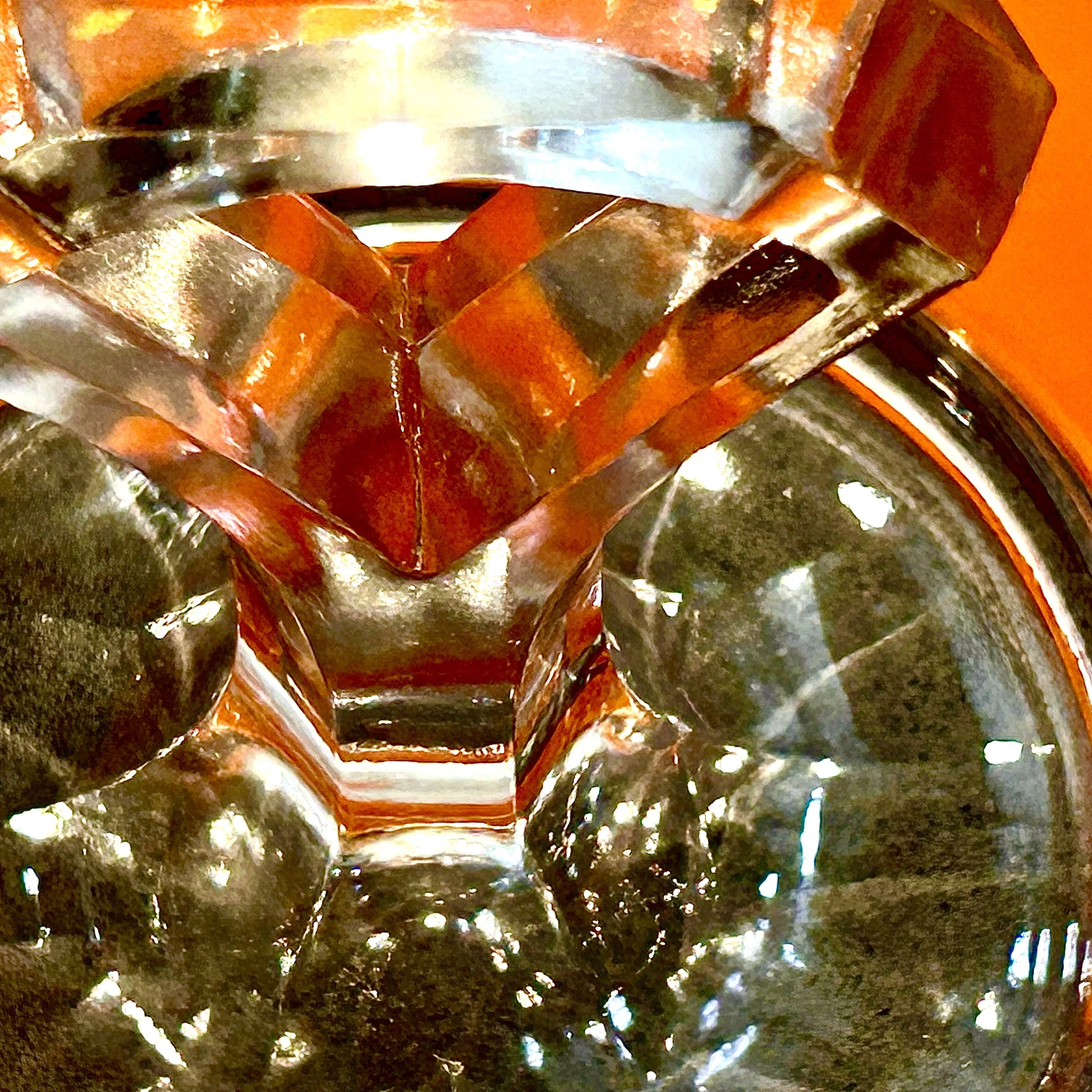 Image 14 of 16
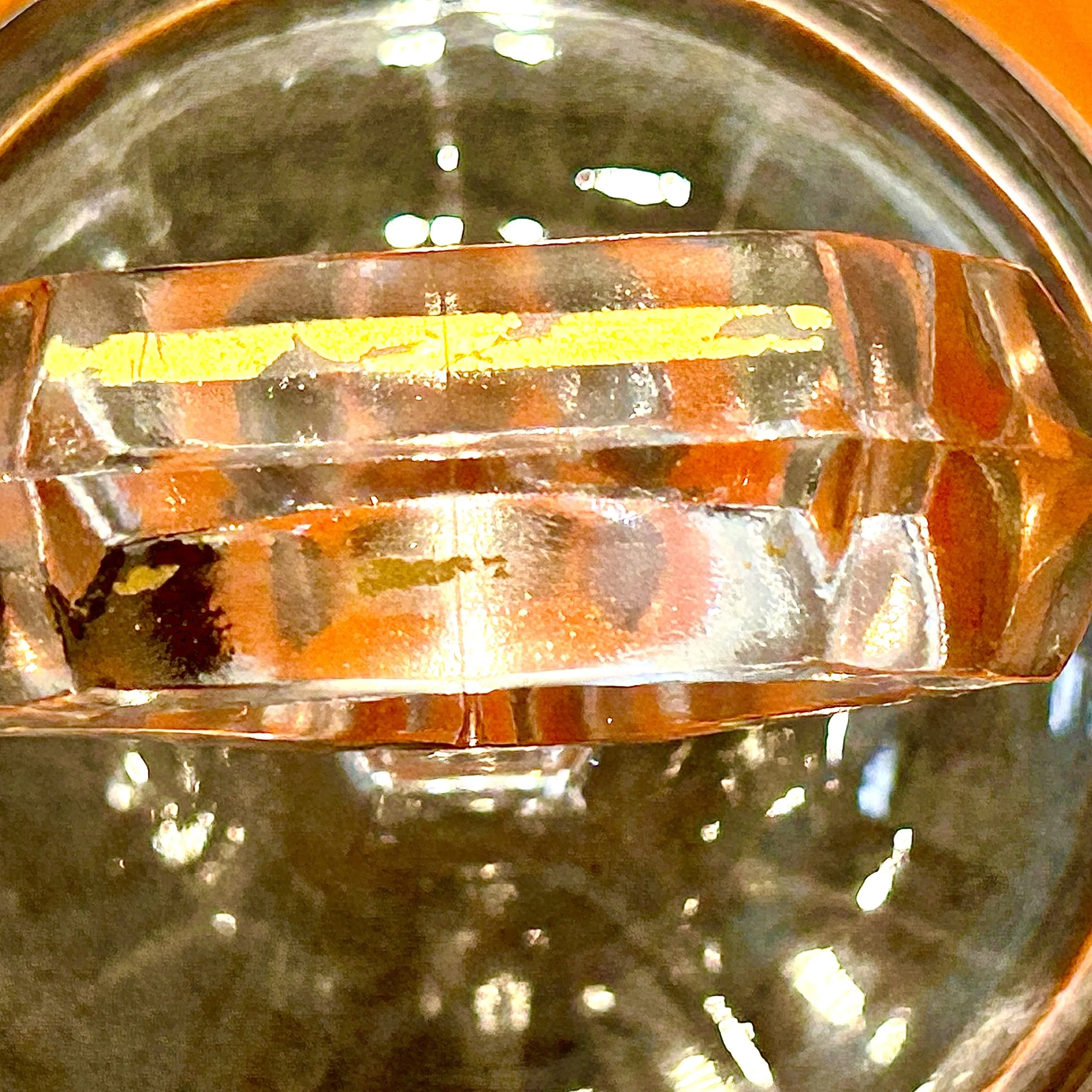 Image 15 of 16
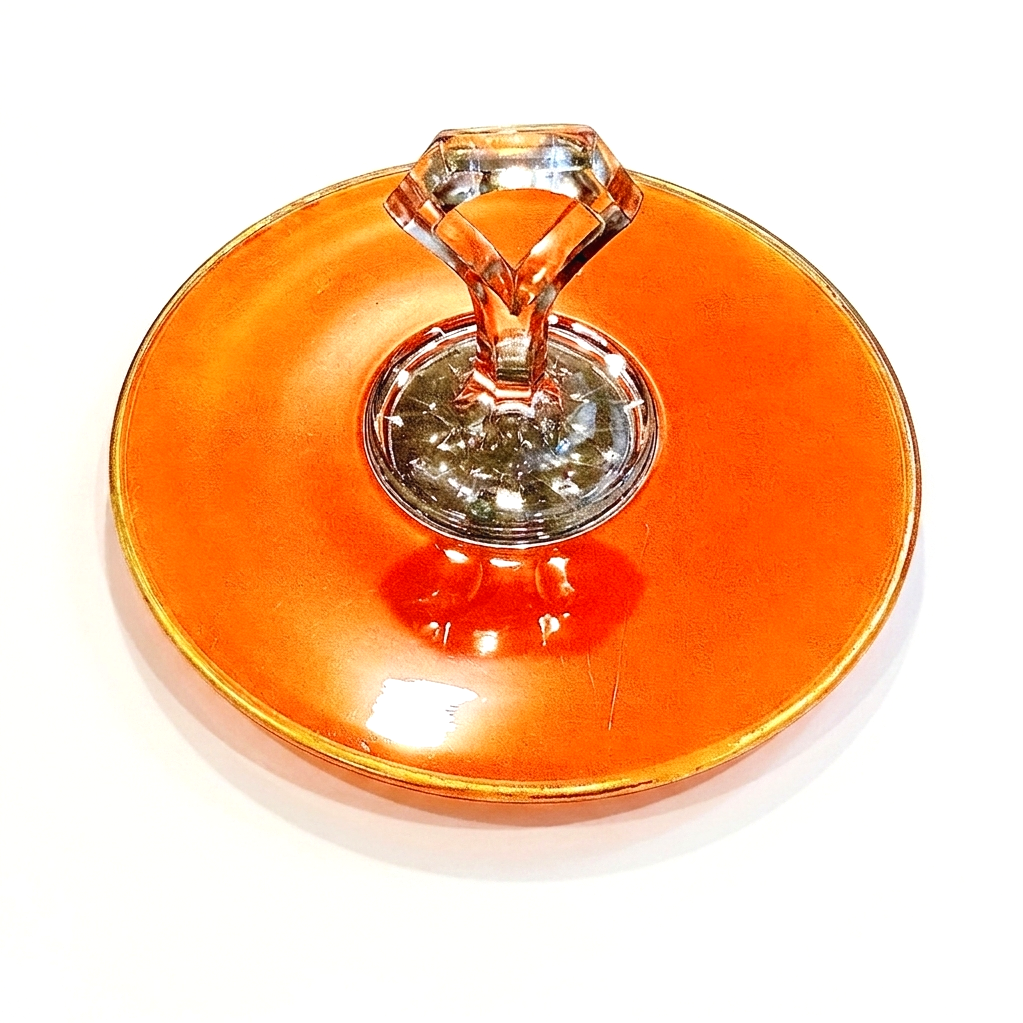 Image 16 of 16