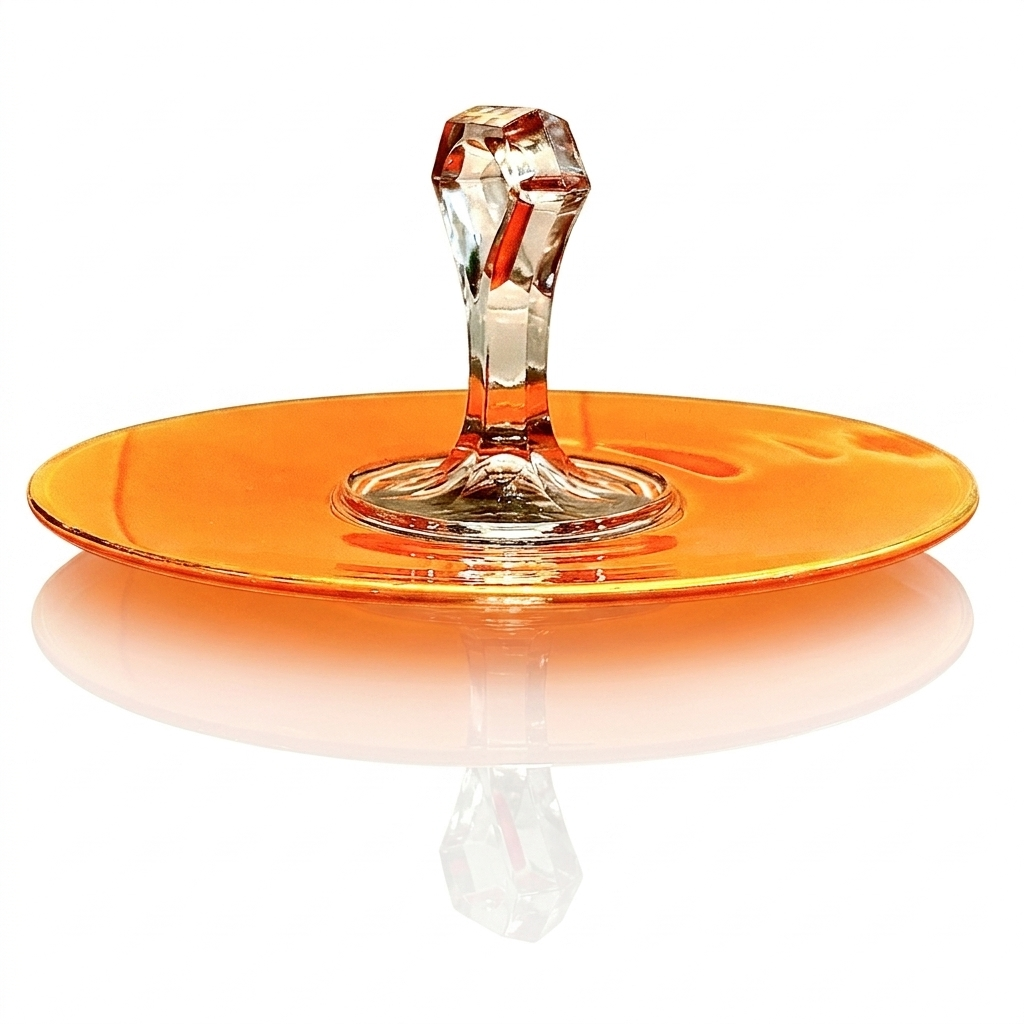
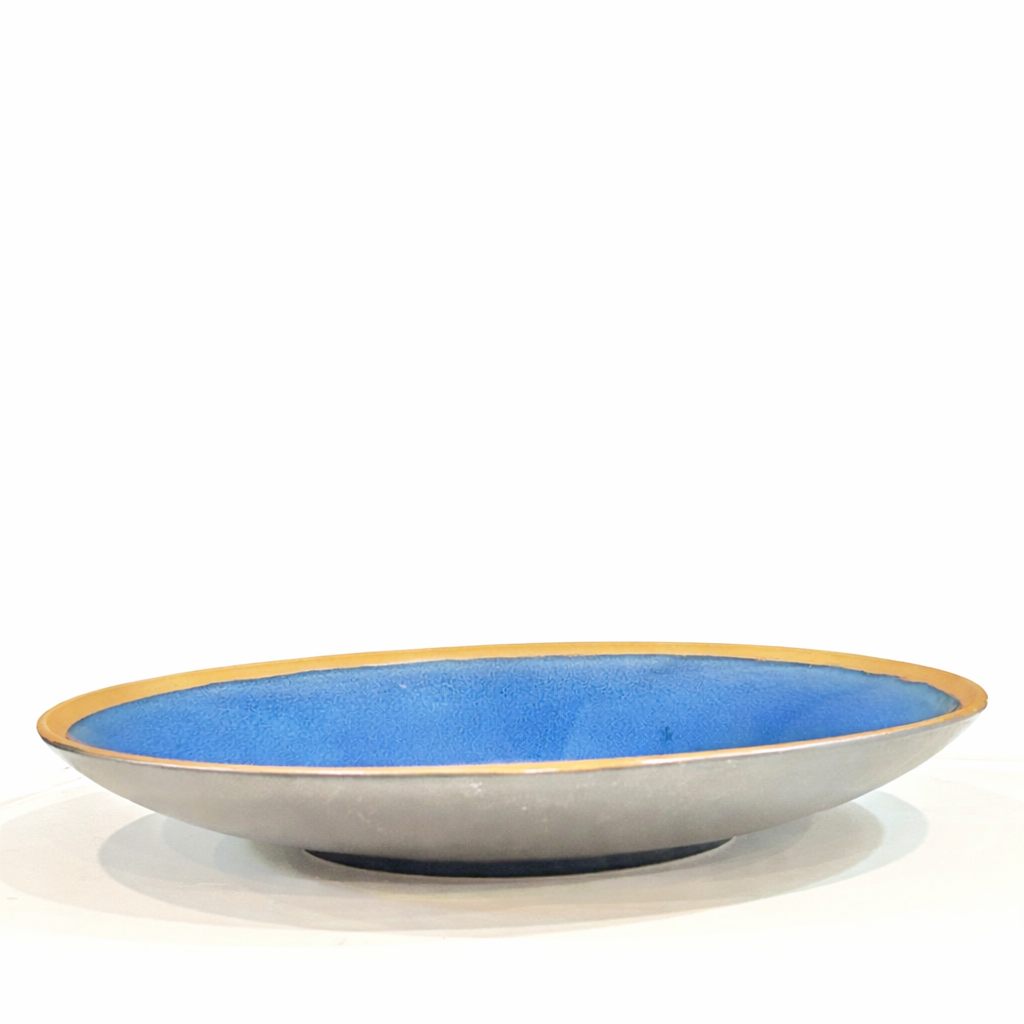
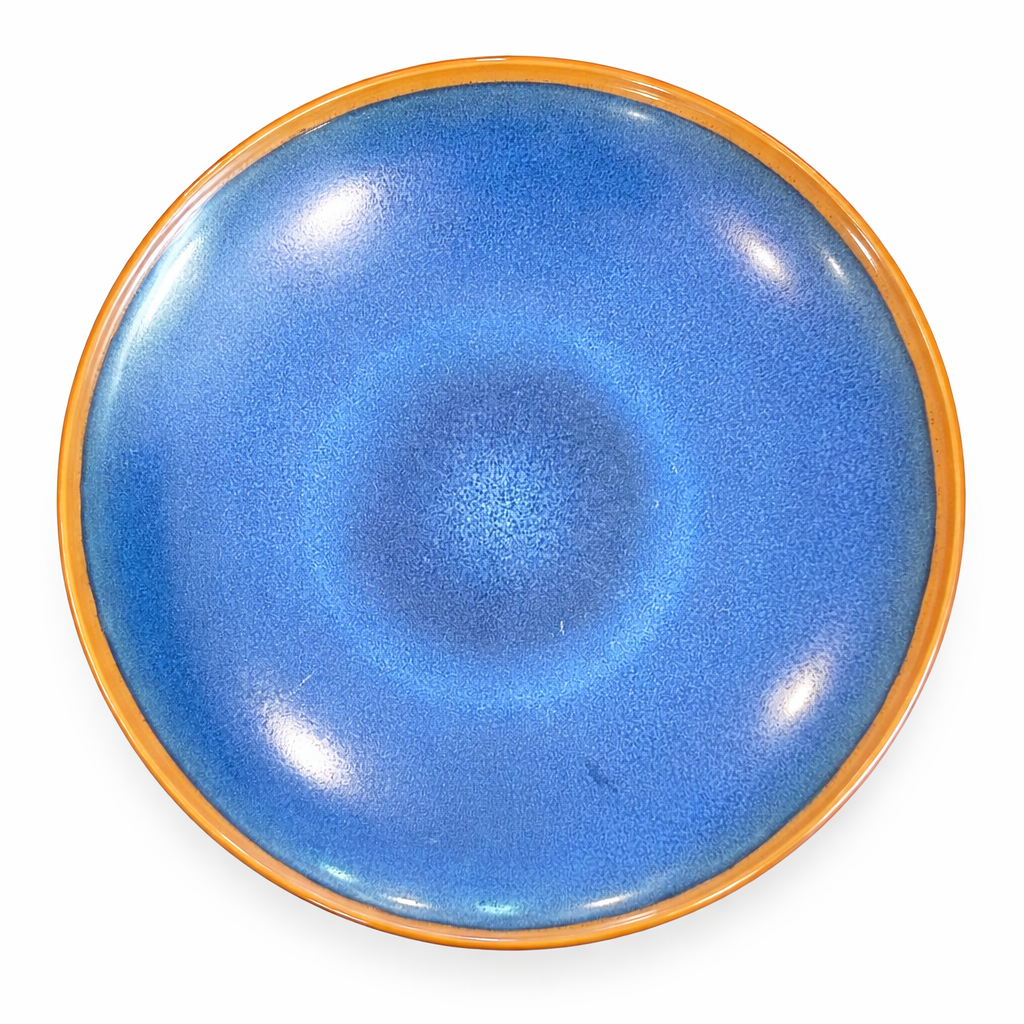
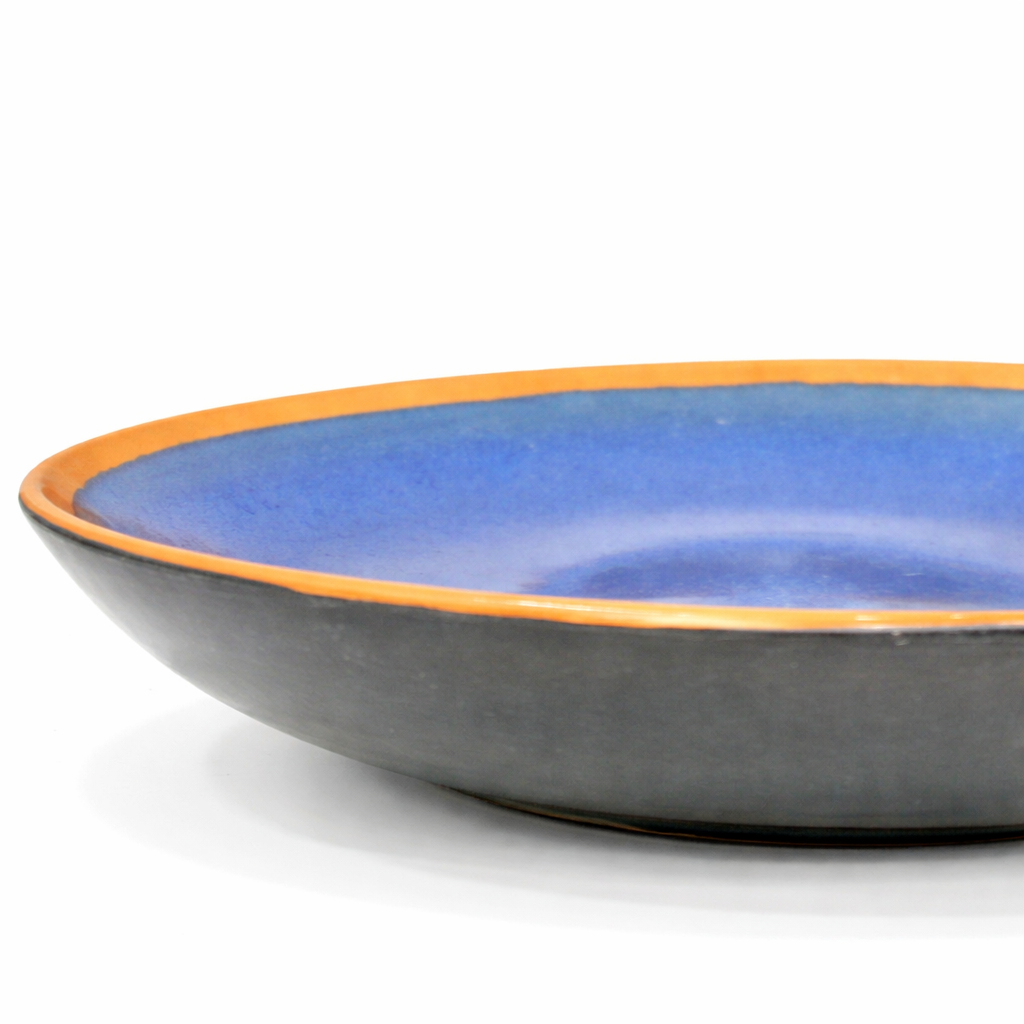
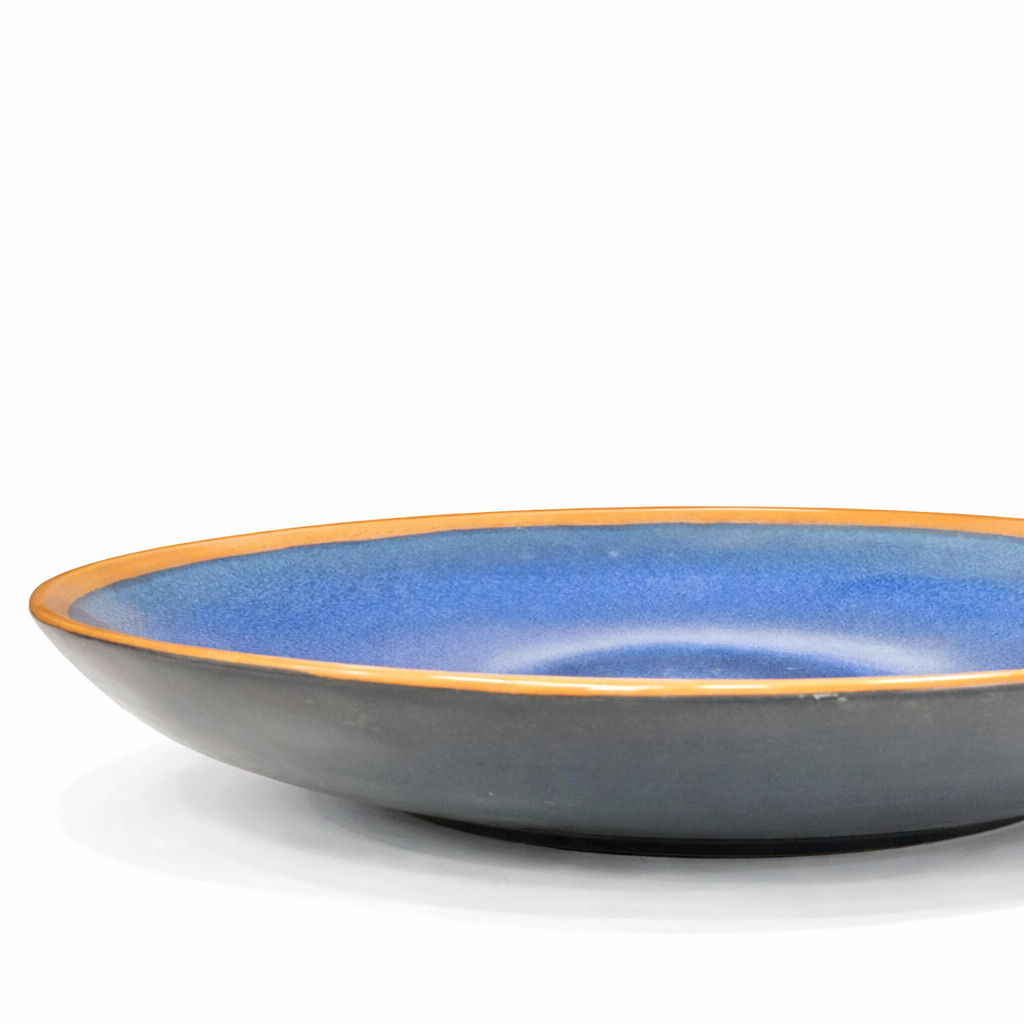
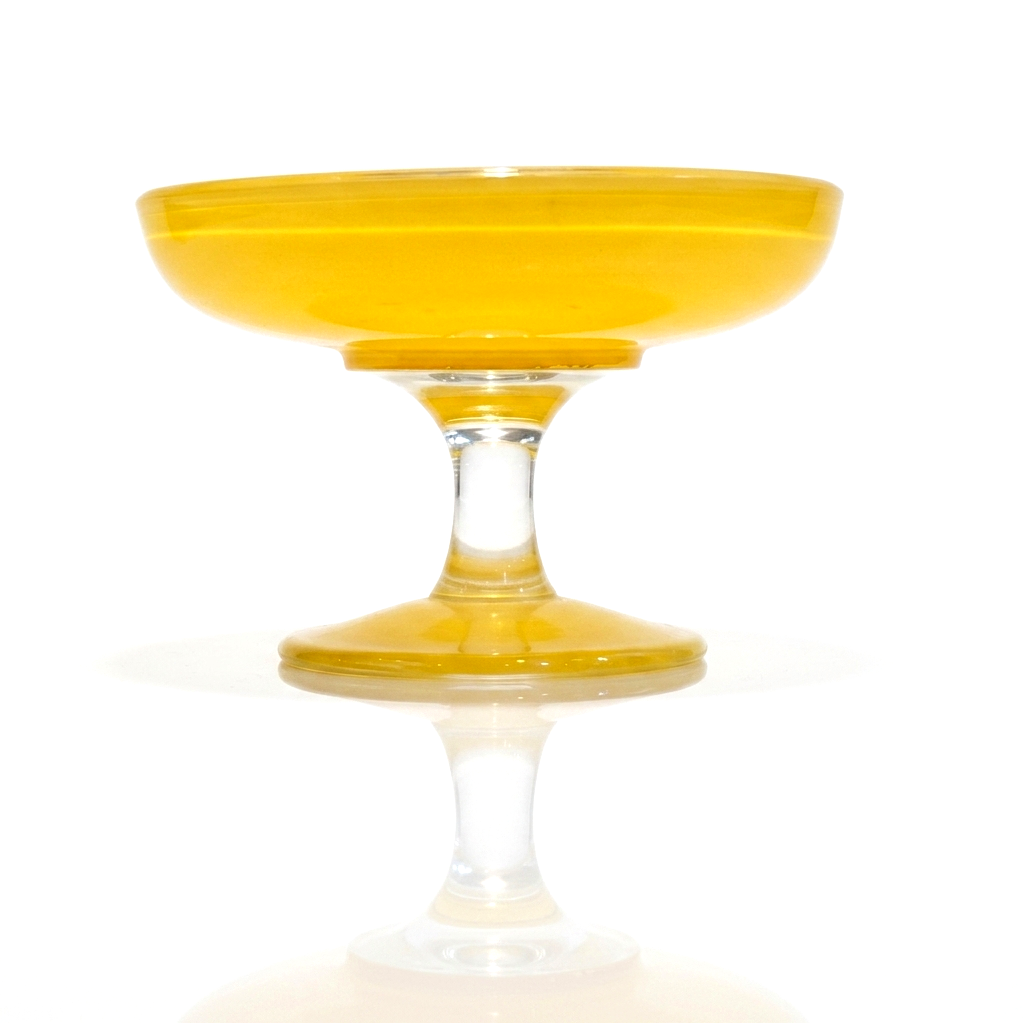
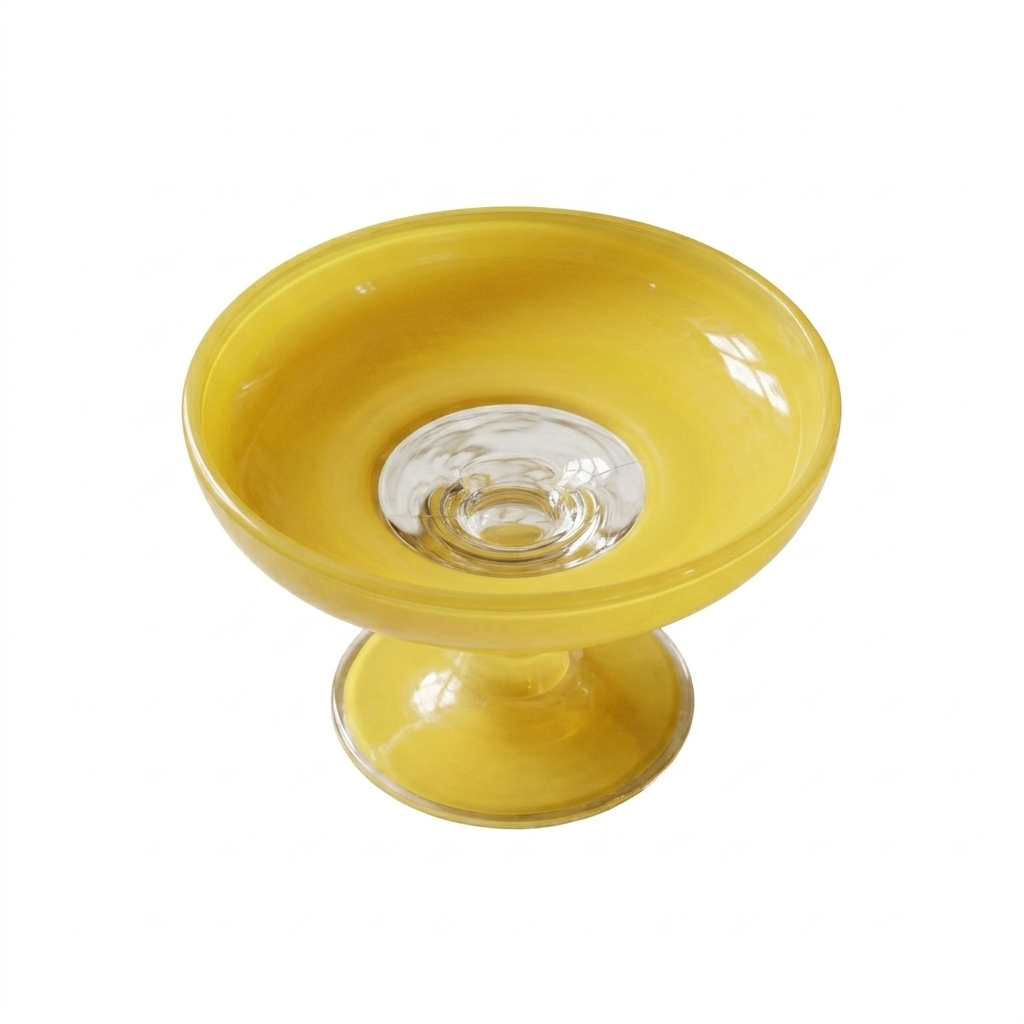
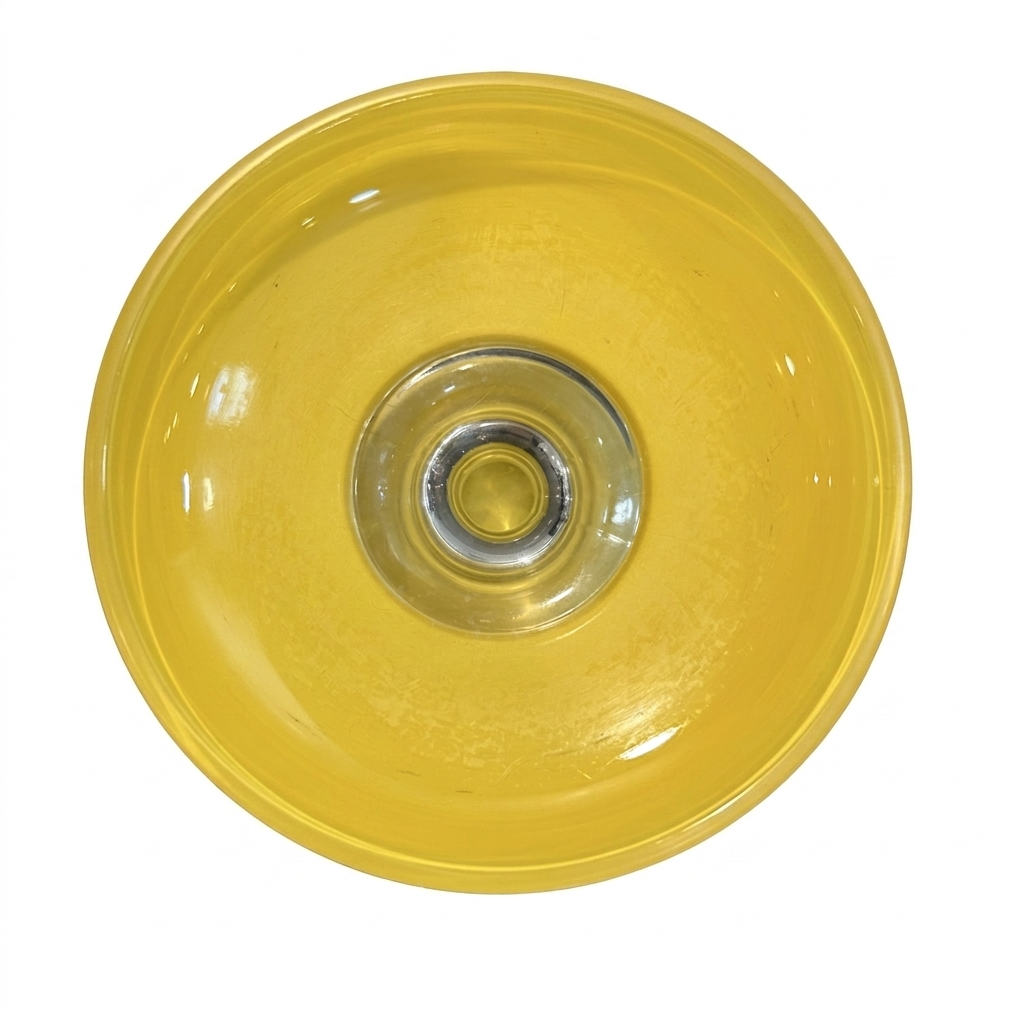
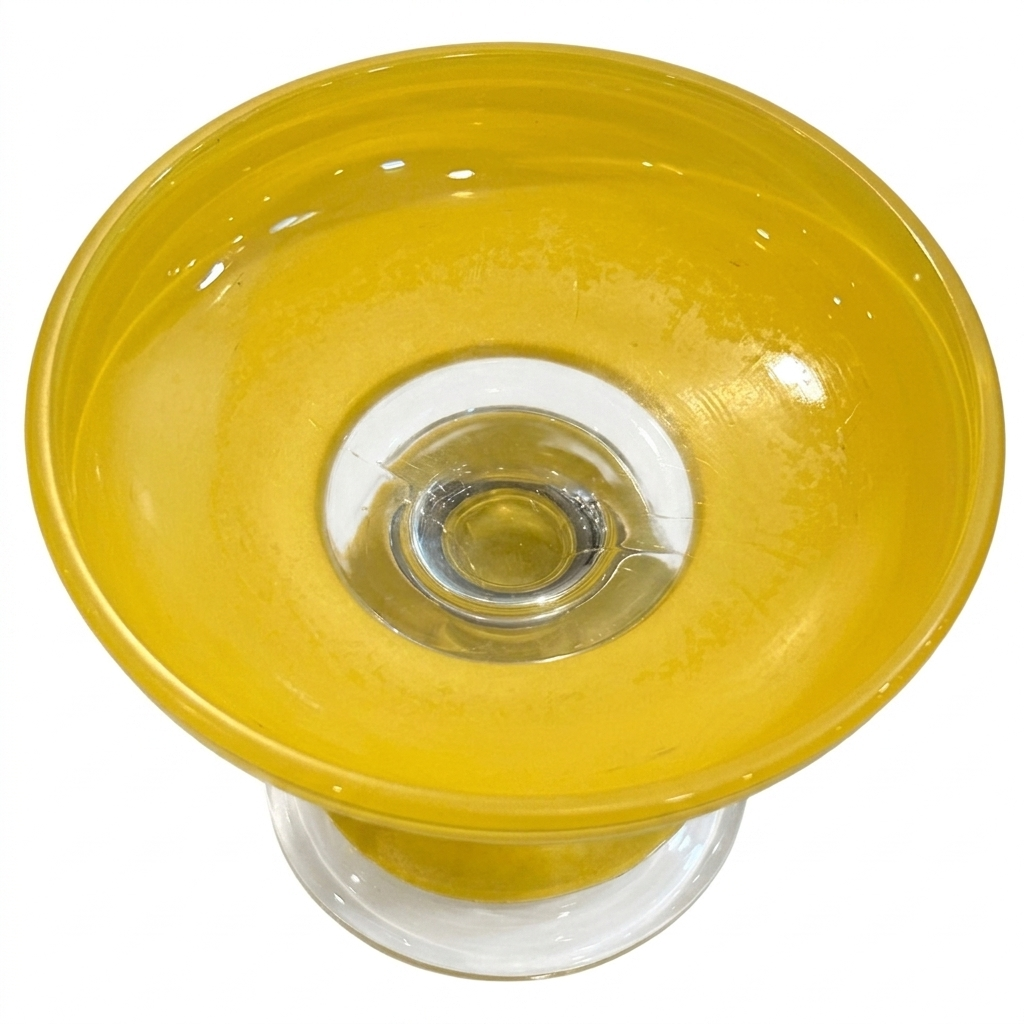
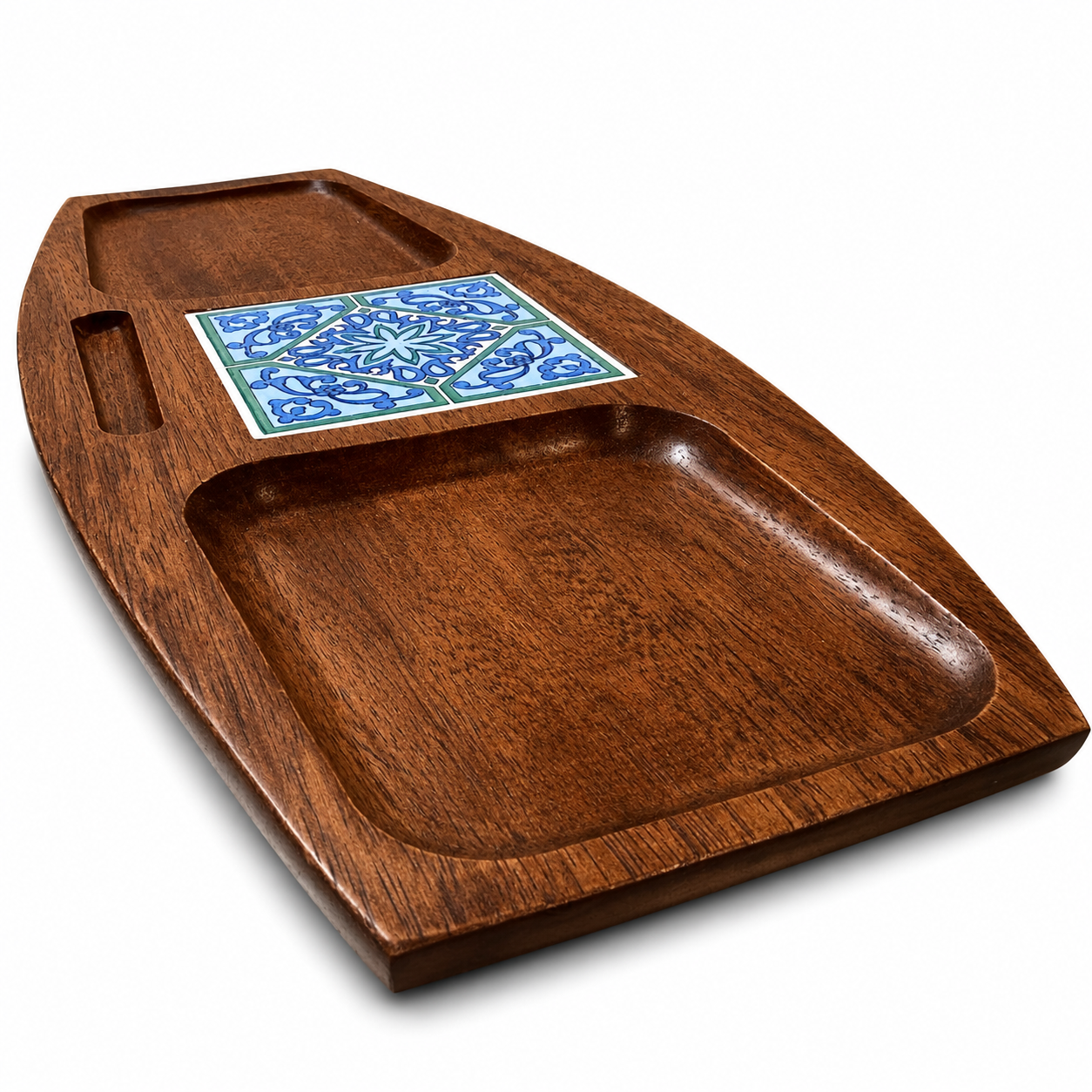
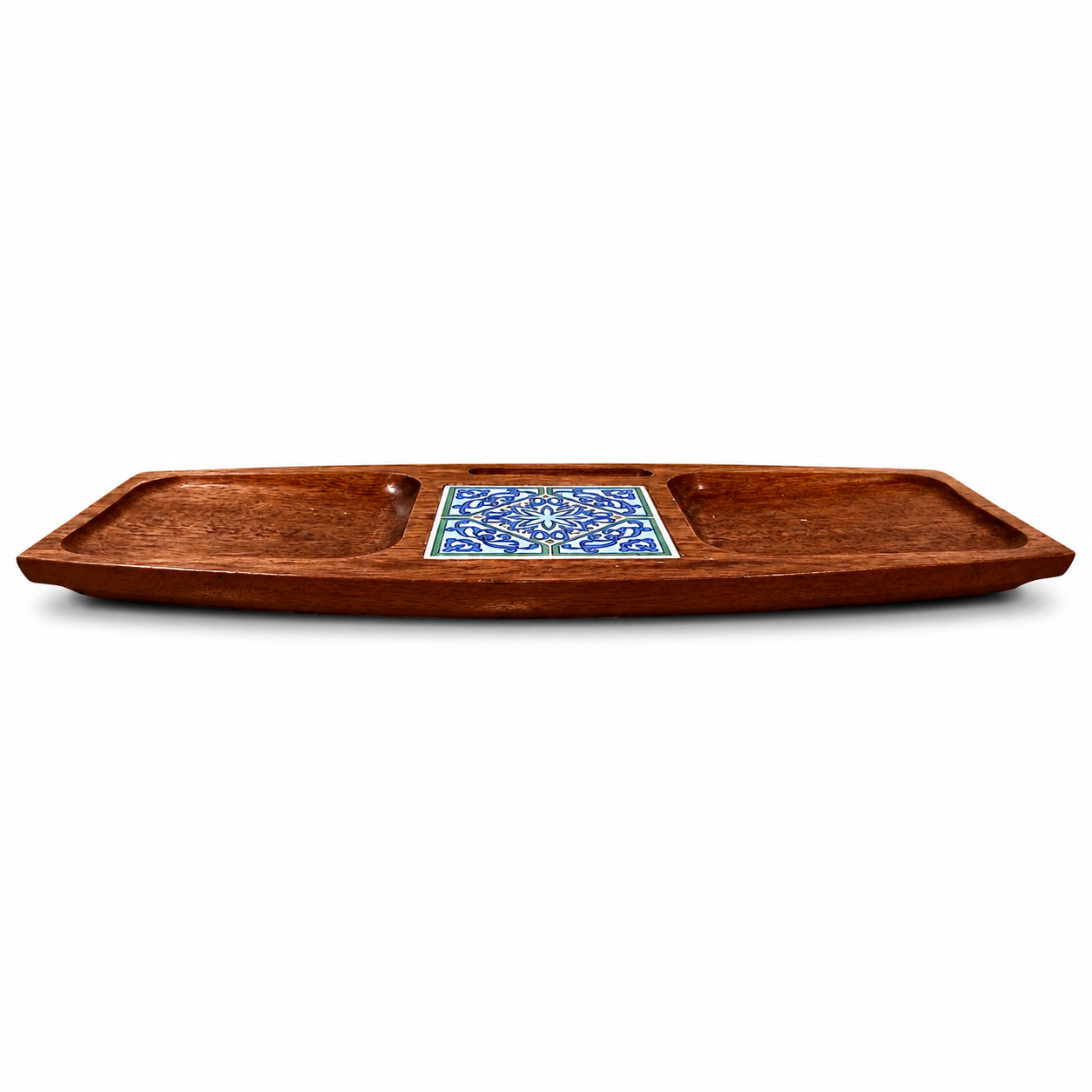
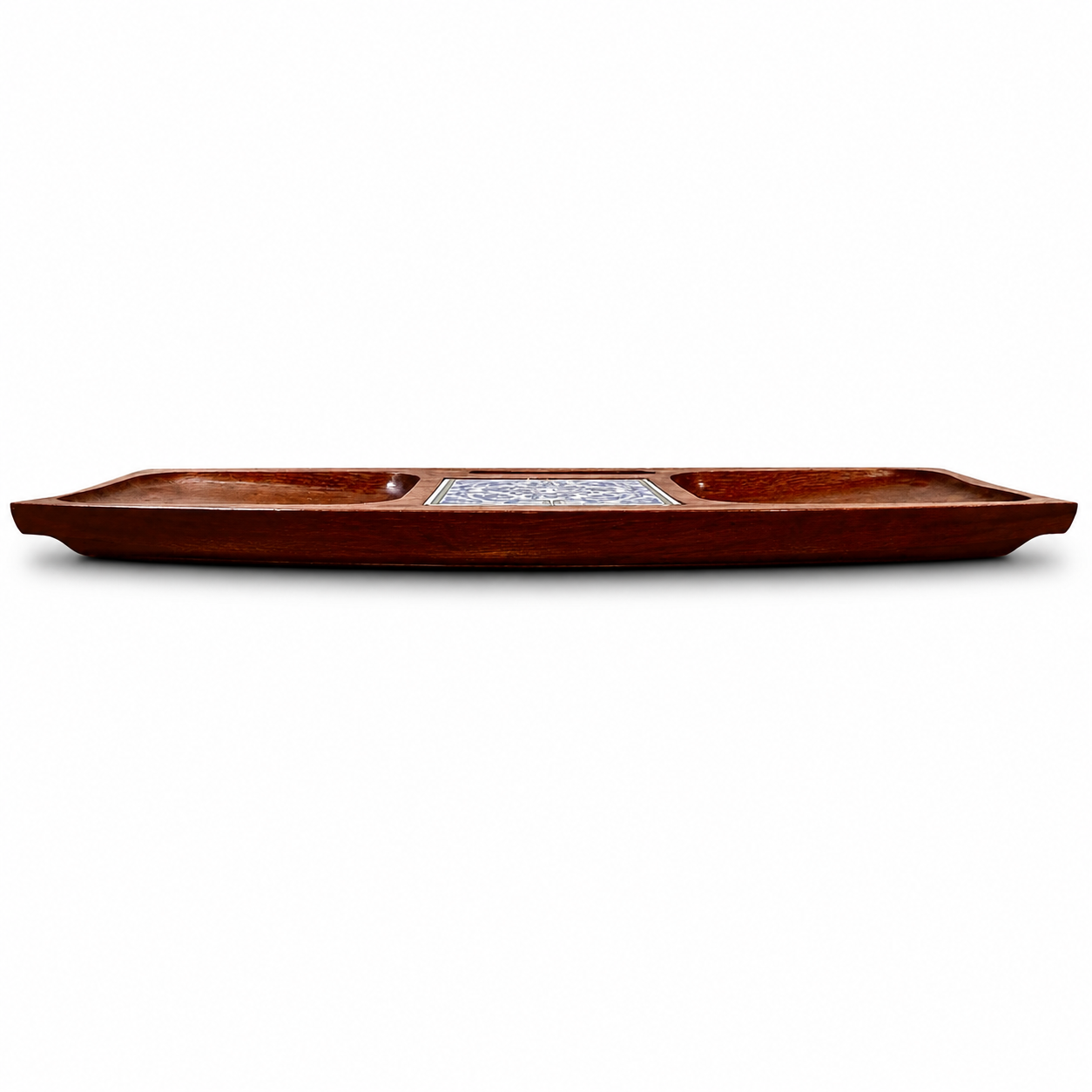
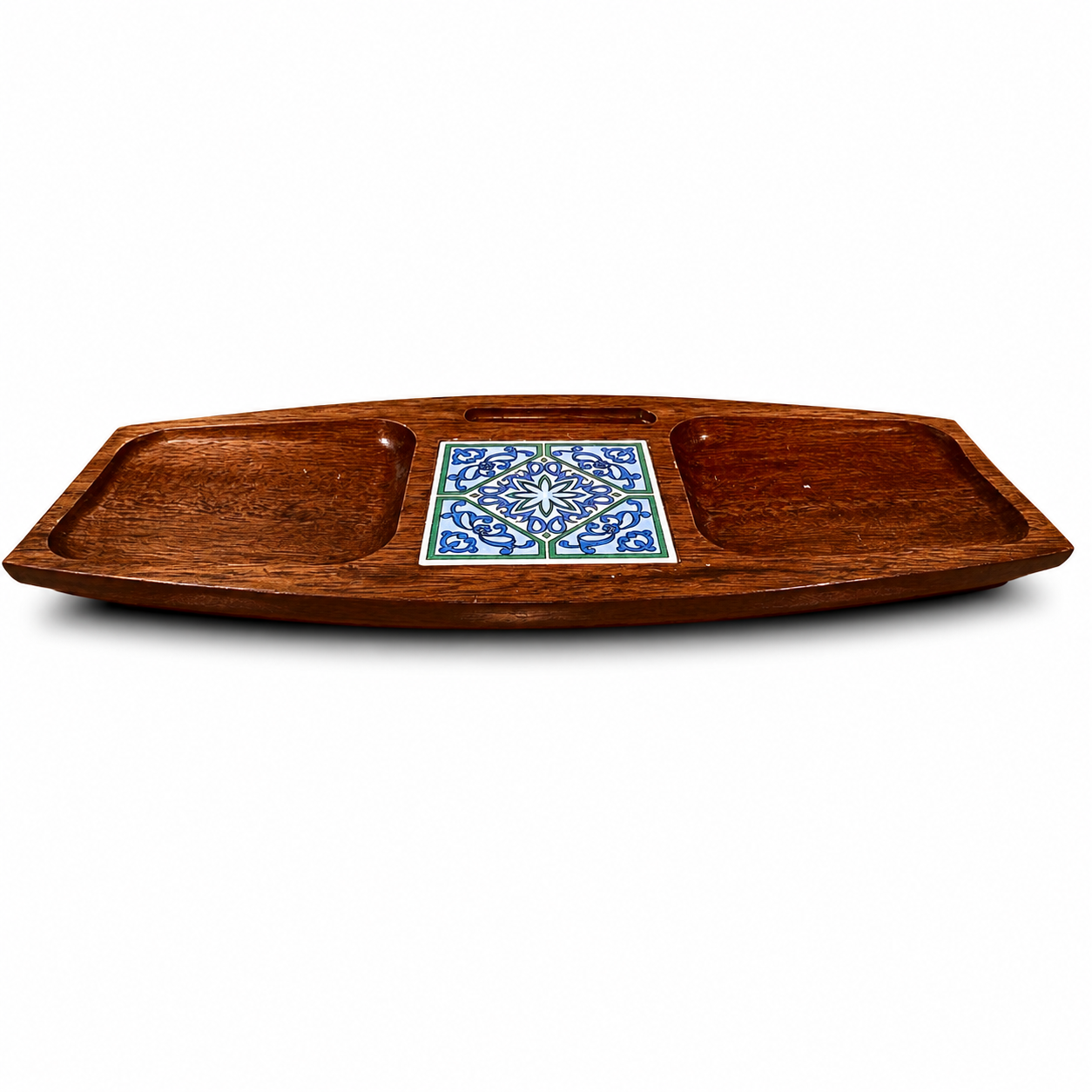
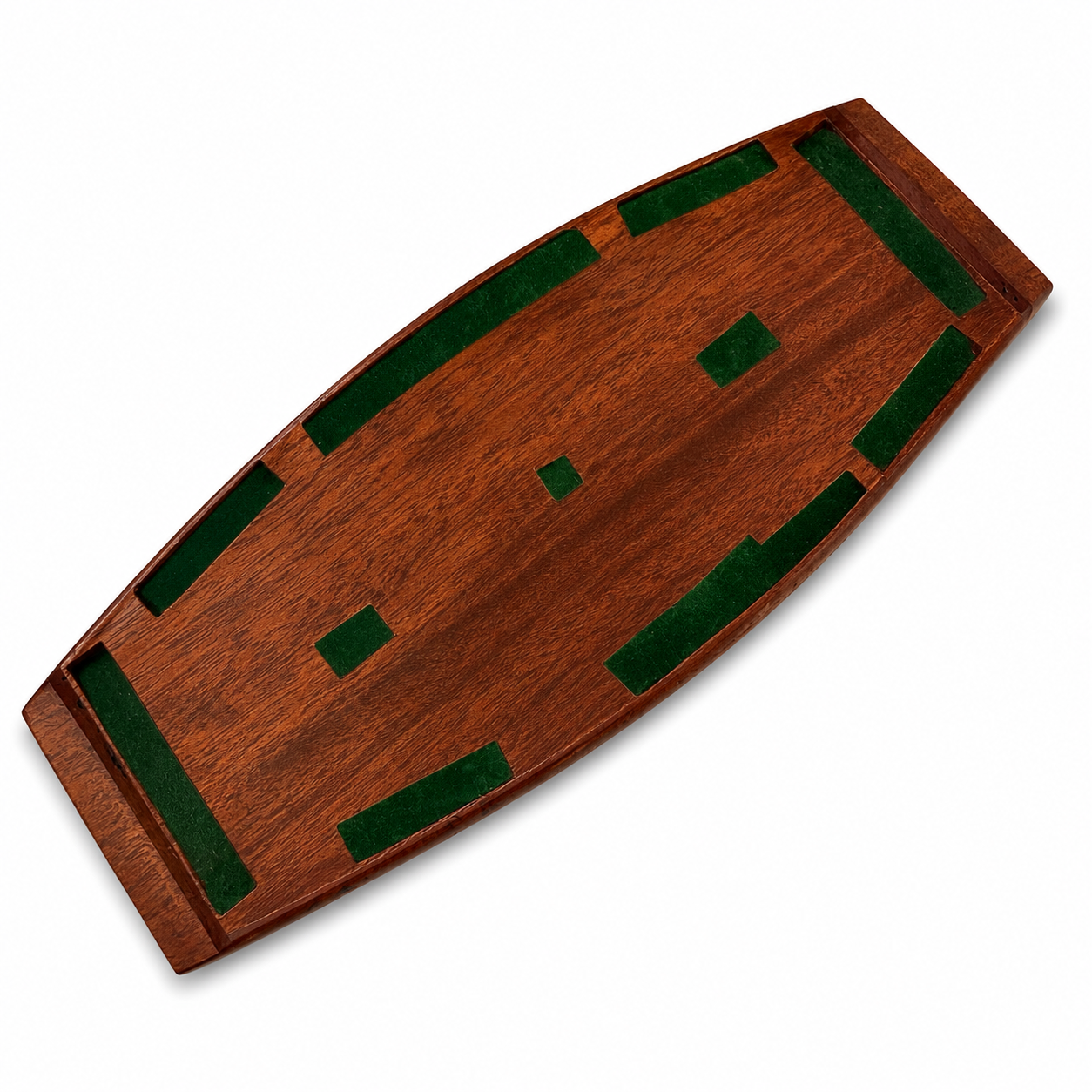
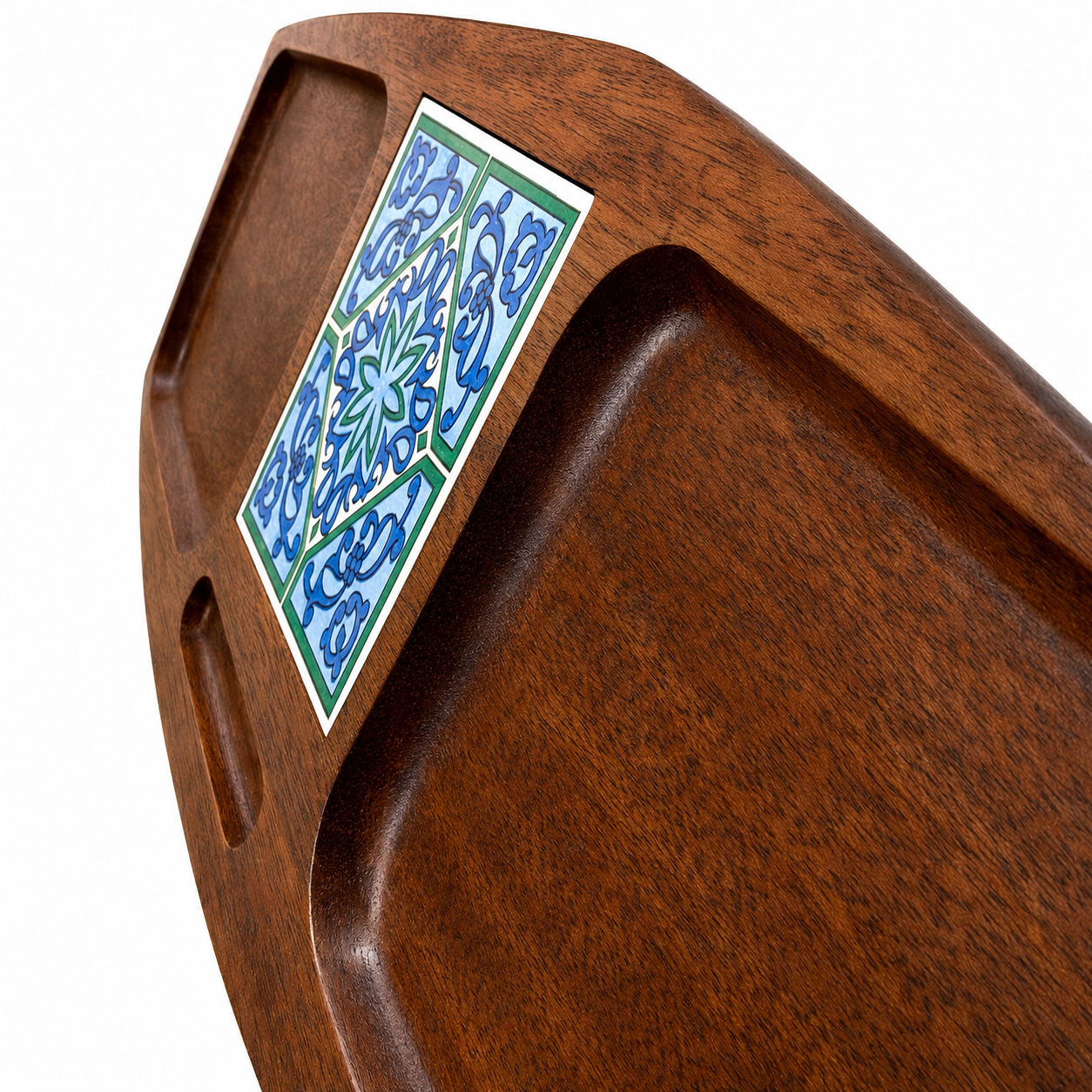
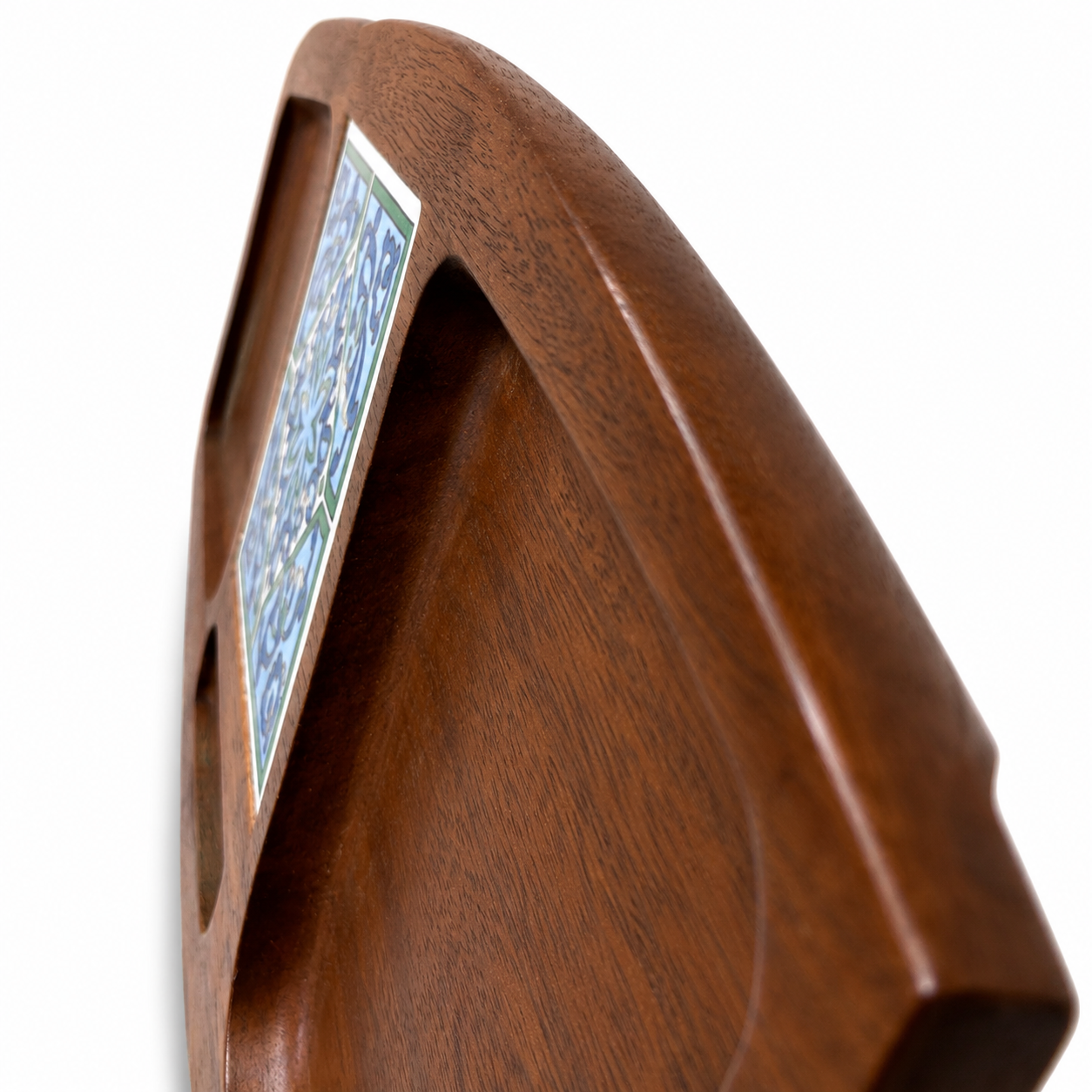
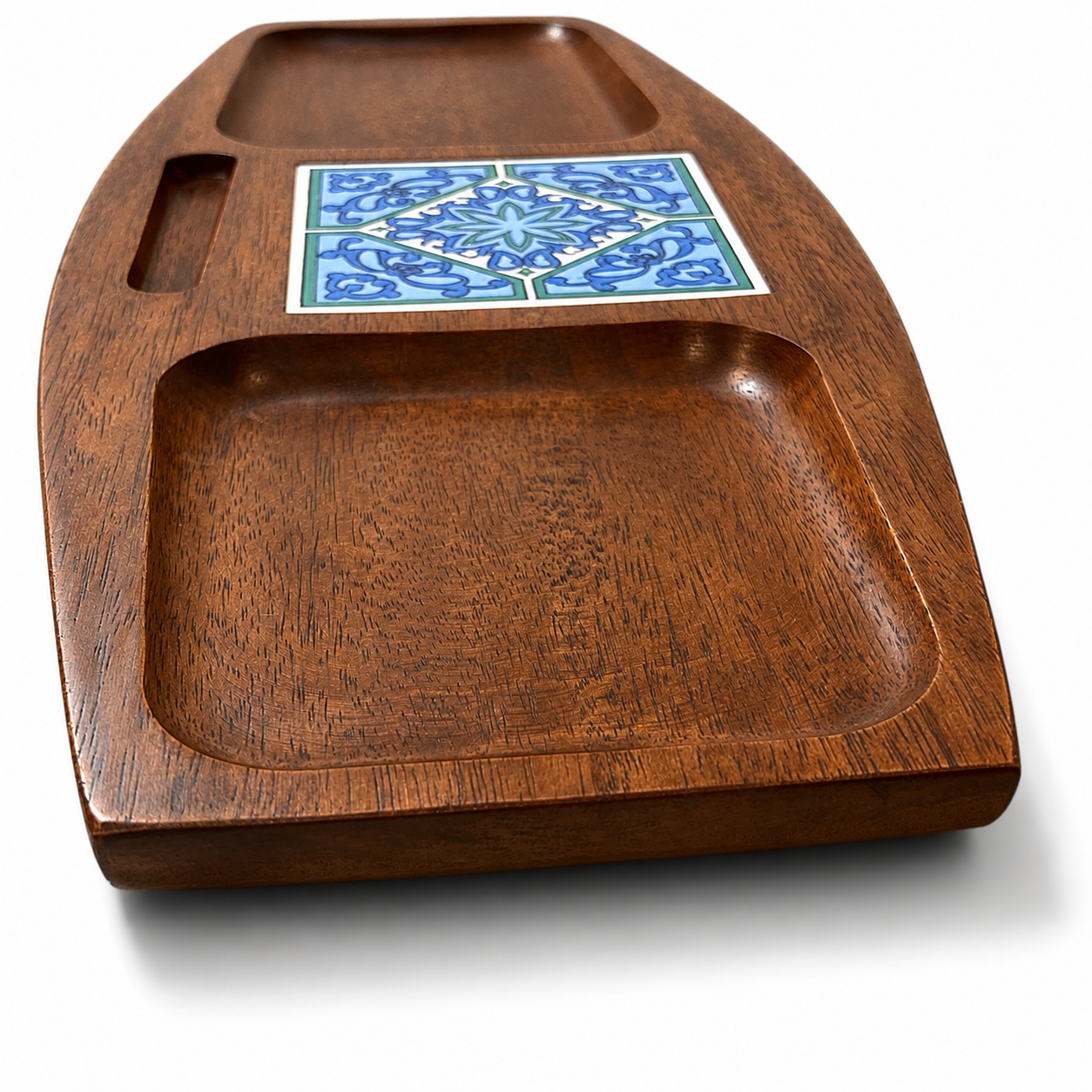
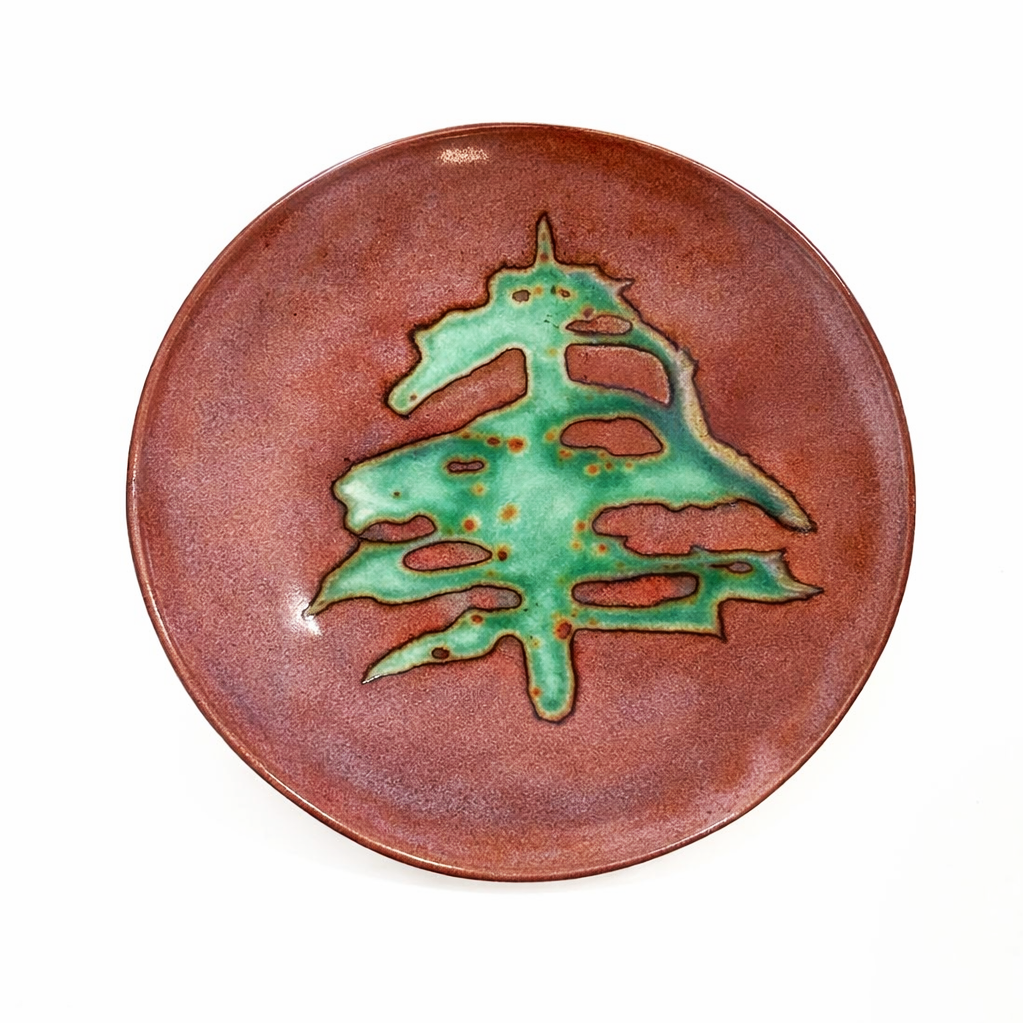
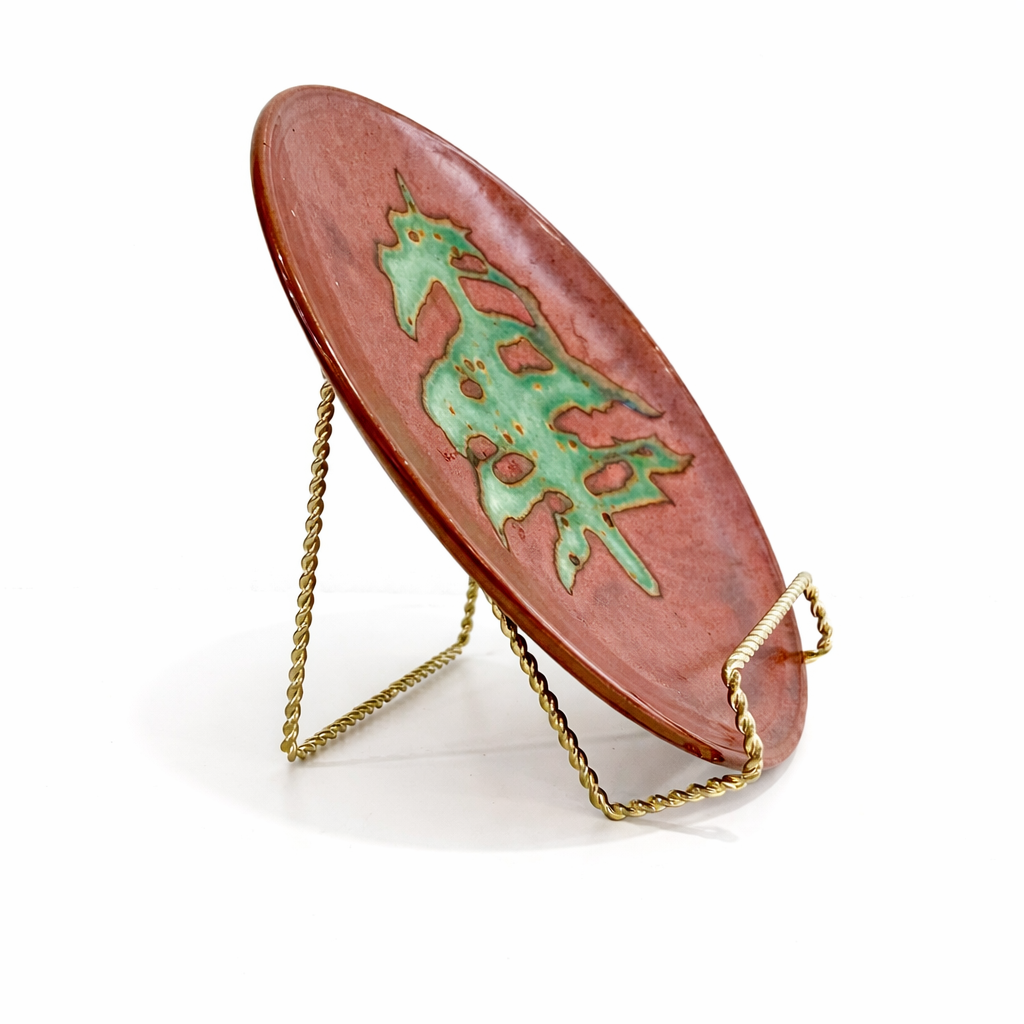
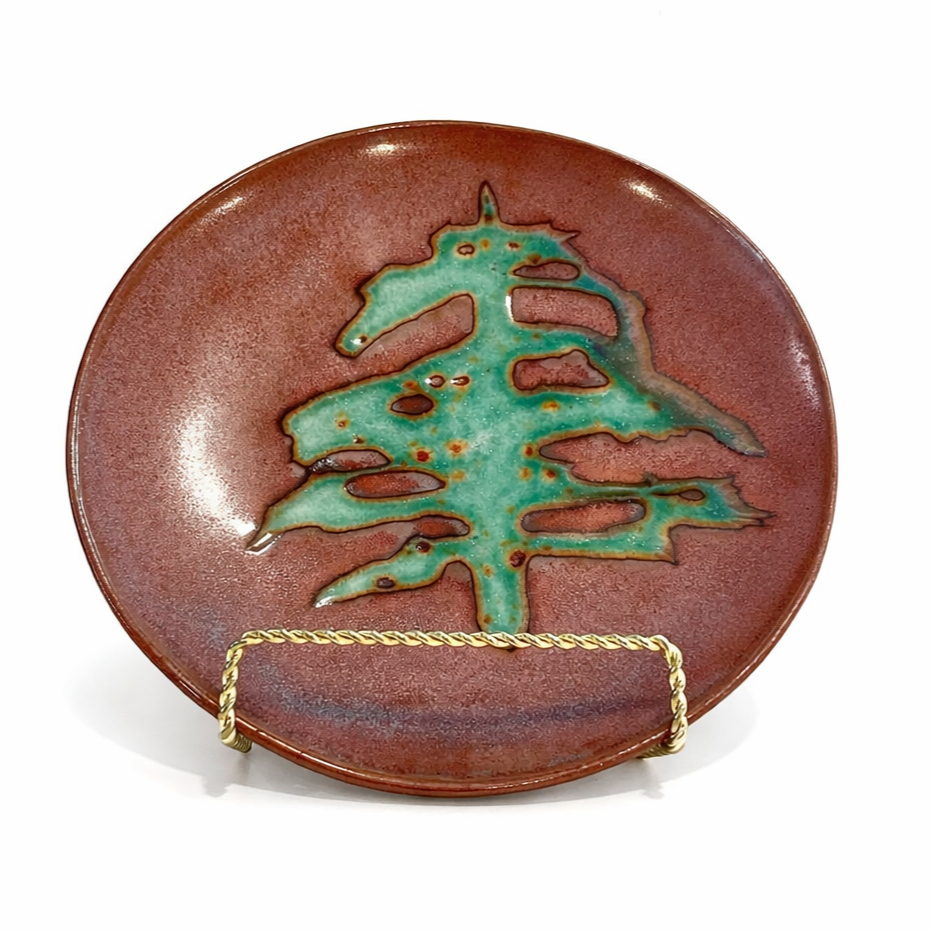
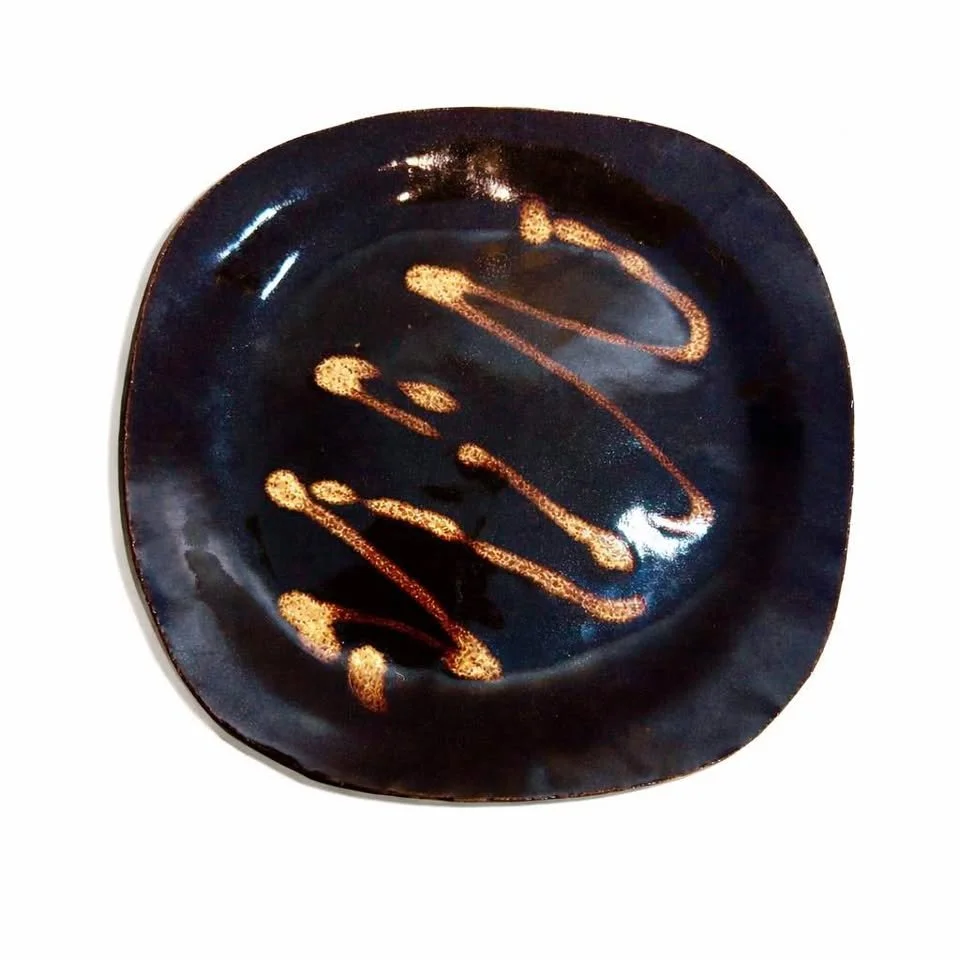
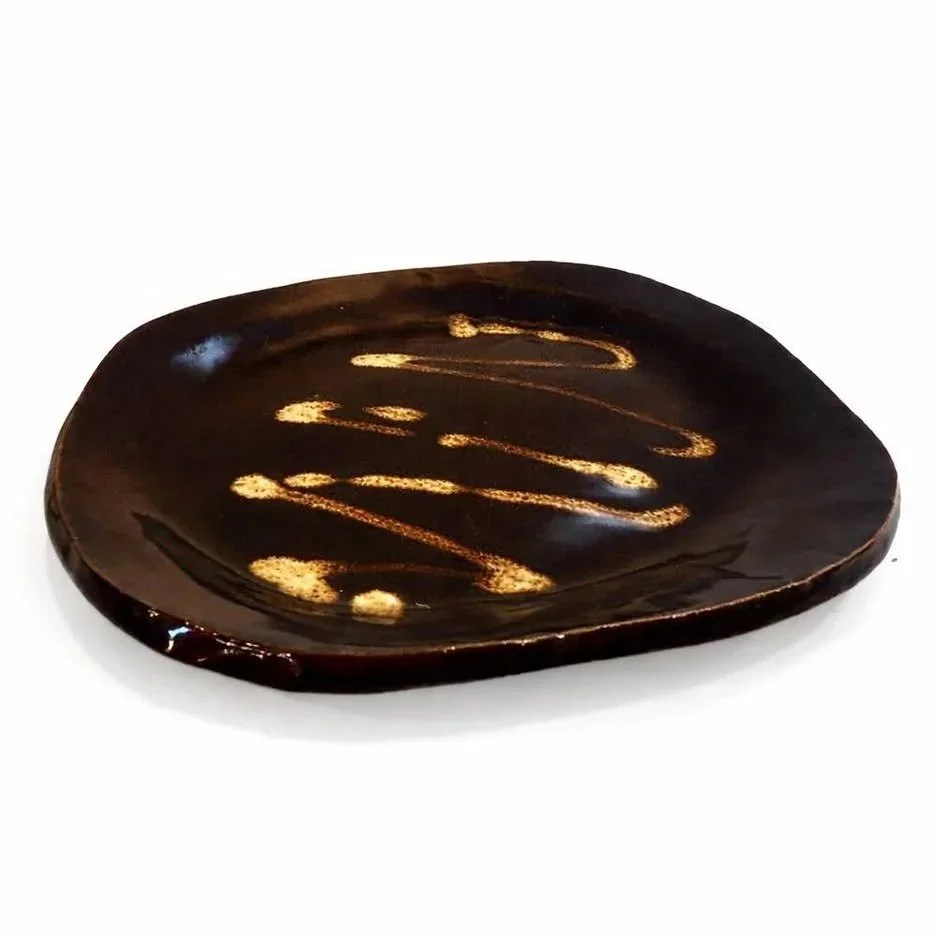
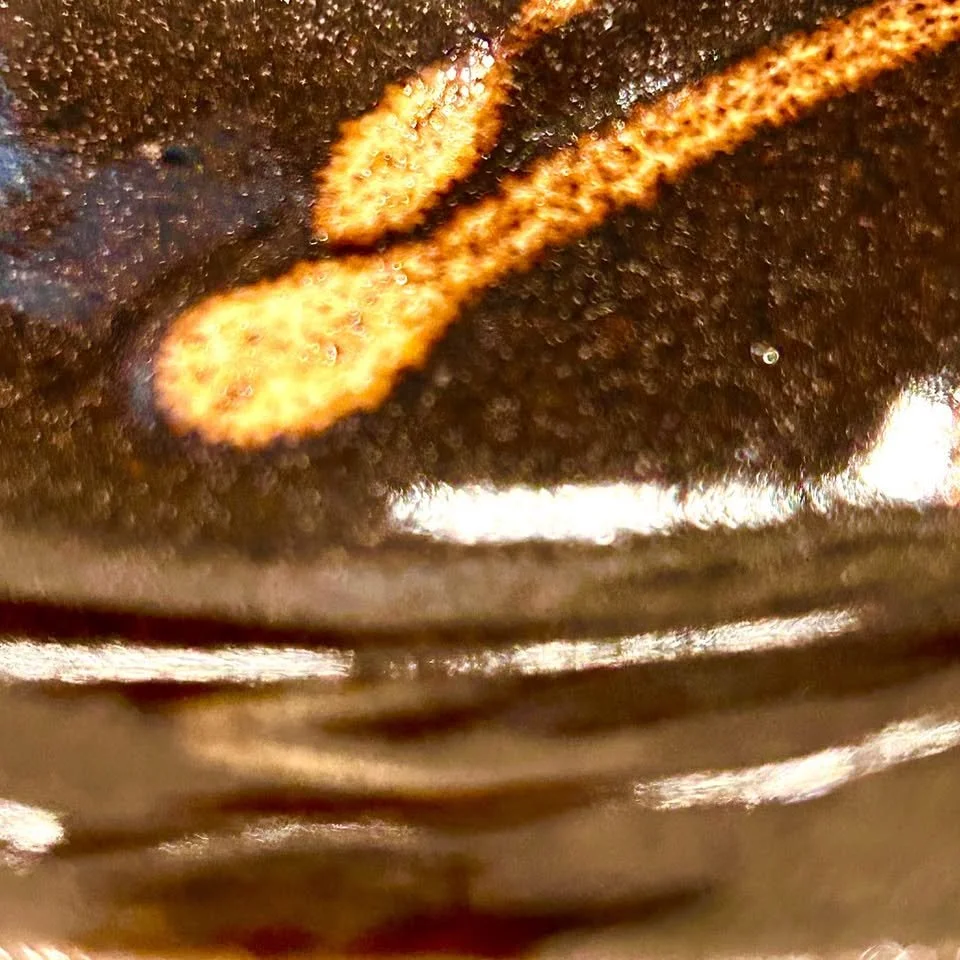
This exceptional ceramic pedestal server commands attention with its elegant architectural elevation and expansive, hand-painted surface. The low-profile tazza form interacts beautifully with ambient light, cast in a soft glaze that emphasizes its sweeping circular geometry and clean mid-century lines. Distinctly sculptural yet highly versatile, the piece serves as a compelling centerpiece or standalone decorative statement. Its sophisticated proportions and artisanal character offer an interior-designer friendly accent that effortlessly anchors a curated tablescape or sideboard display.
Attribution & Period
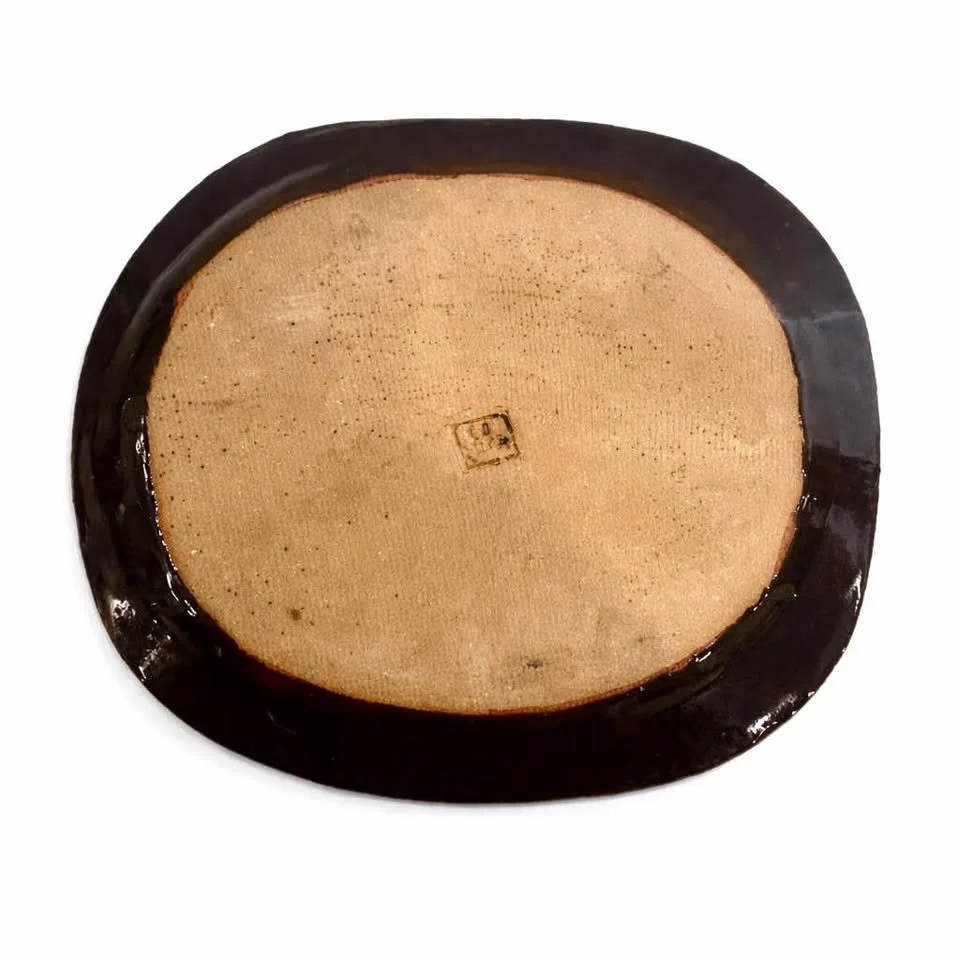
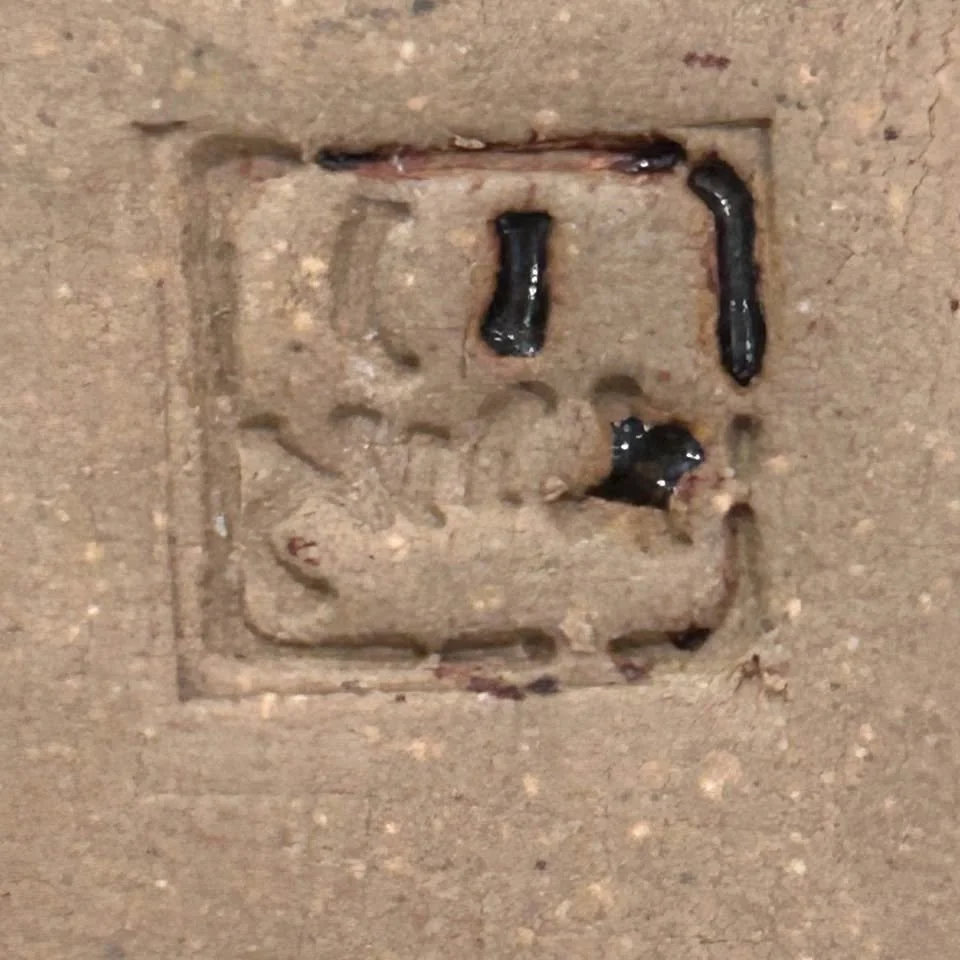
Unmarked decorative arts example. Stylistically aligned with mid-century Italian ceramic production of the 1960s, this pedestal plate reflects the era's celebrated tradition of hand-painted, functional artware. The clean, unadorned pedestal base combined with the expressive, fluid brushwork along the upper rim is highly characteristic of workshops active in regions like Deruta or Florence during the post-war design boom. As no factory mark is observed on the underside, attribution remains visual rather than documented, positioning it as an exquisite representative of mid-century European studio ceramics.
Dimensions & Weight
Condition
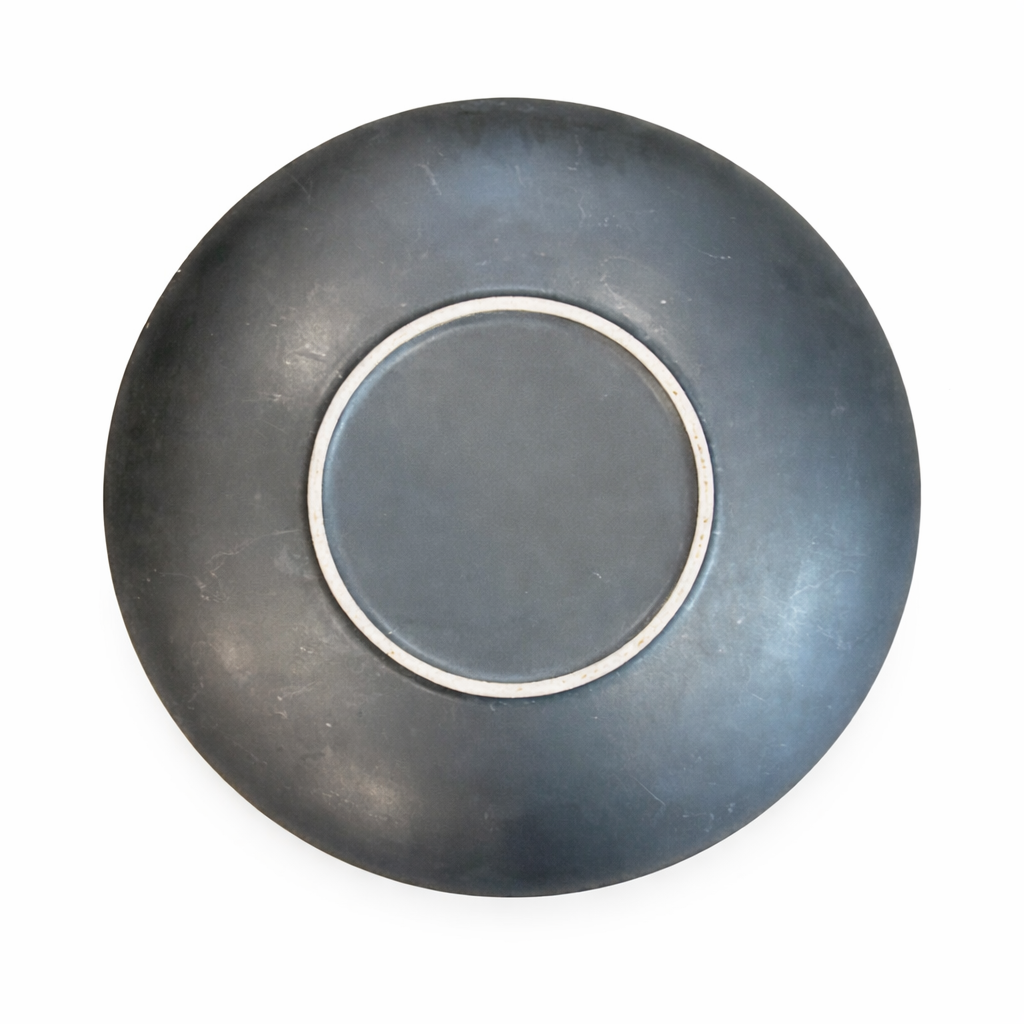
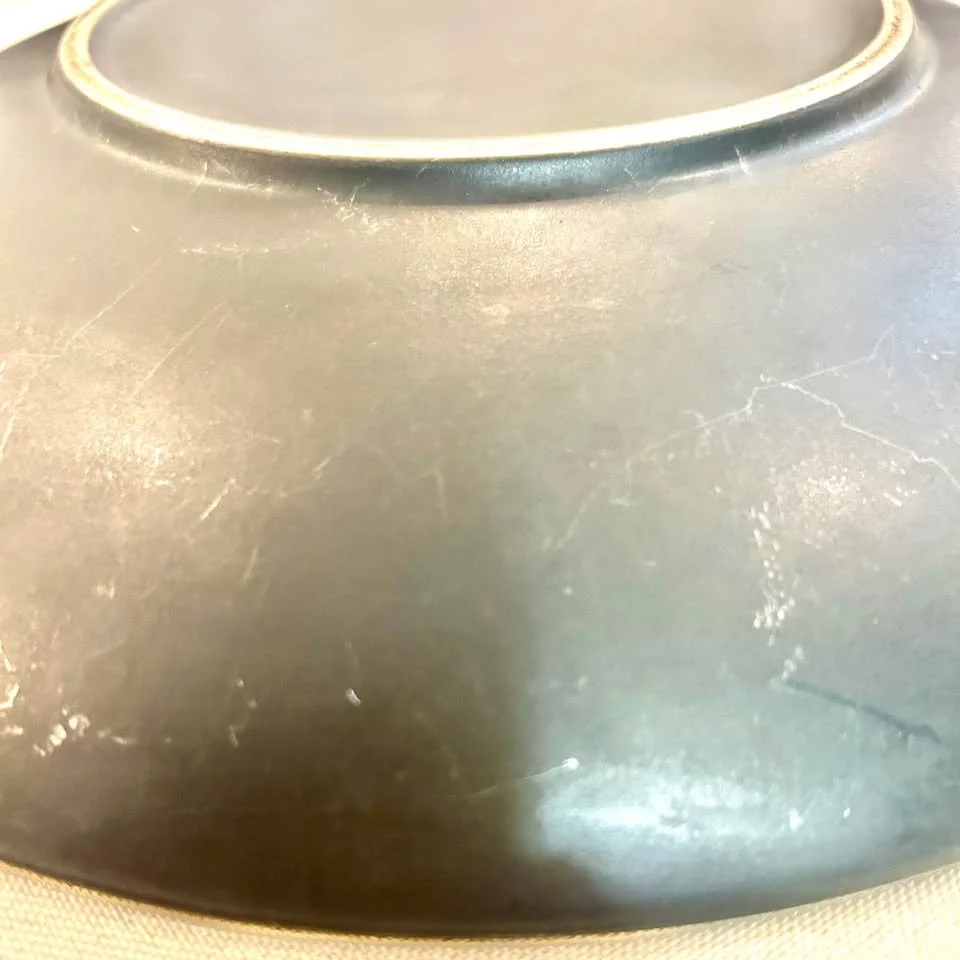
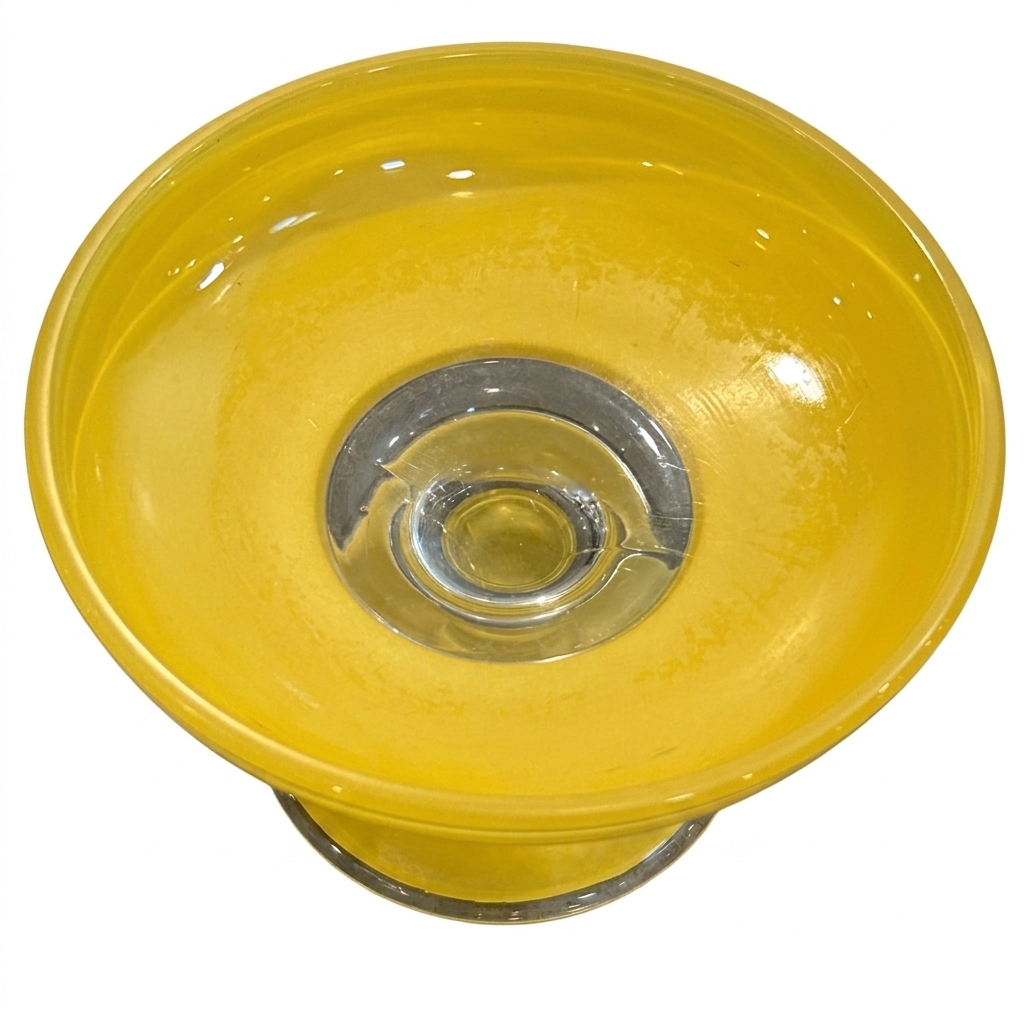
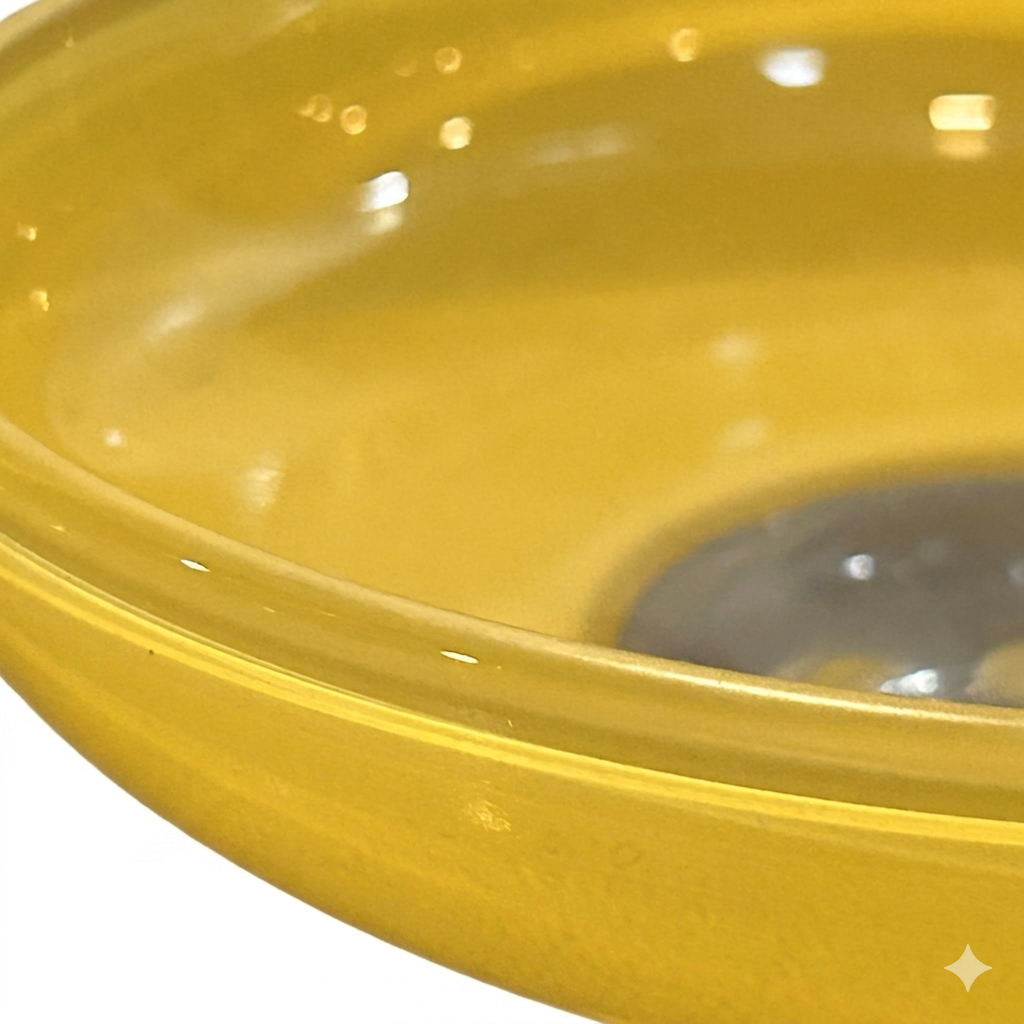
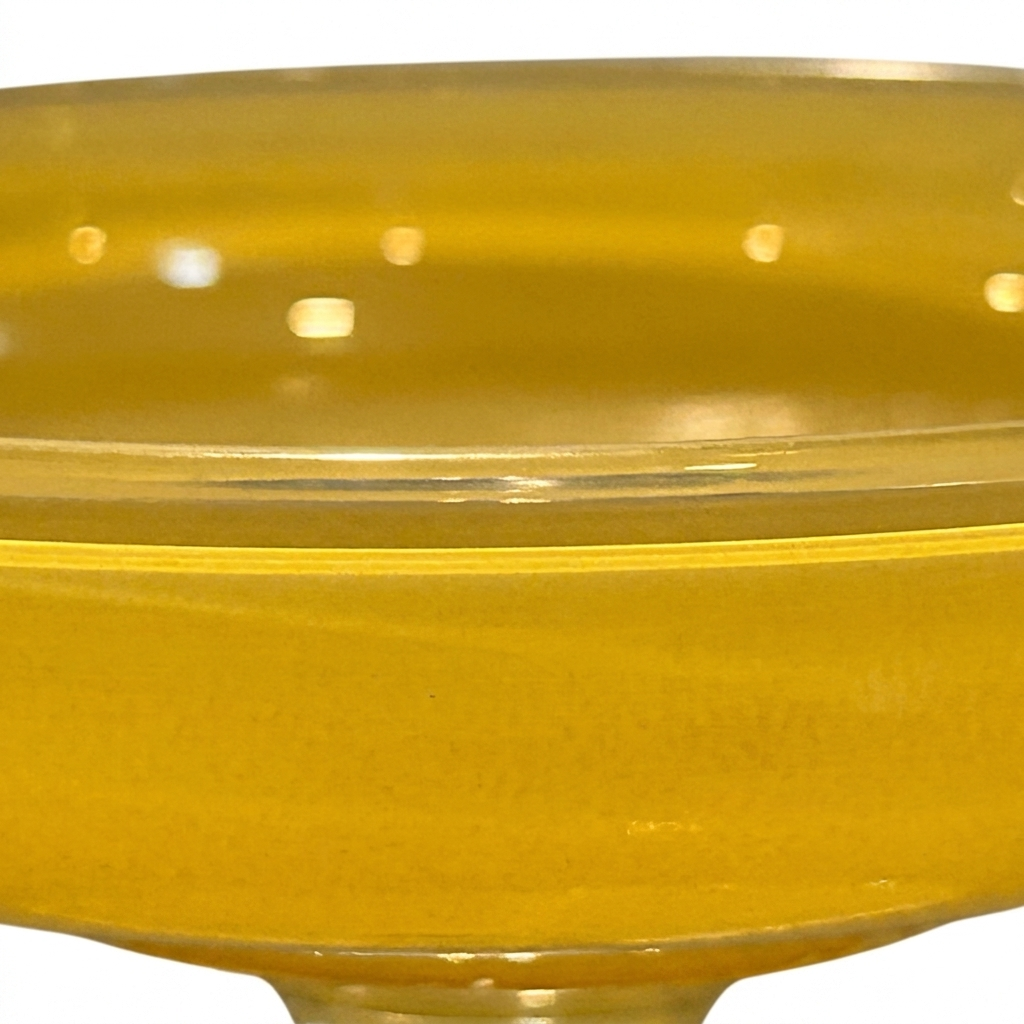
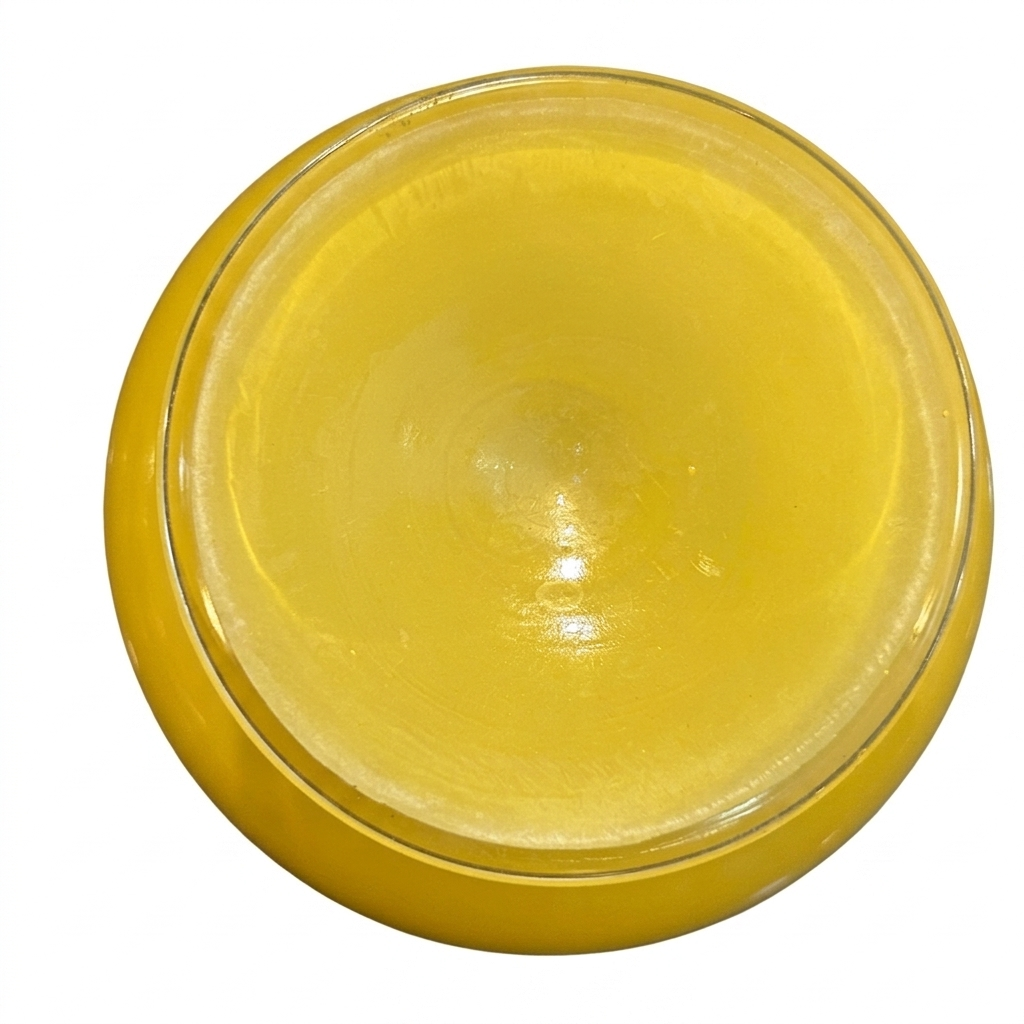
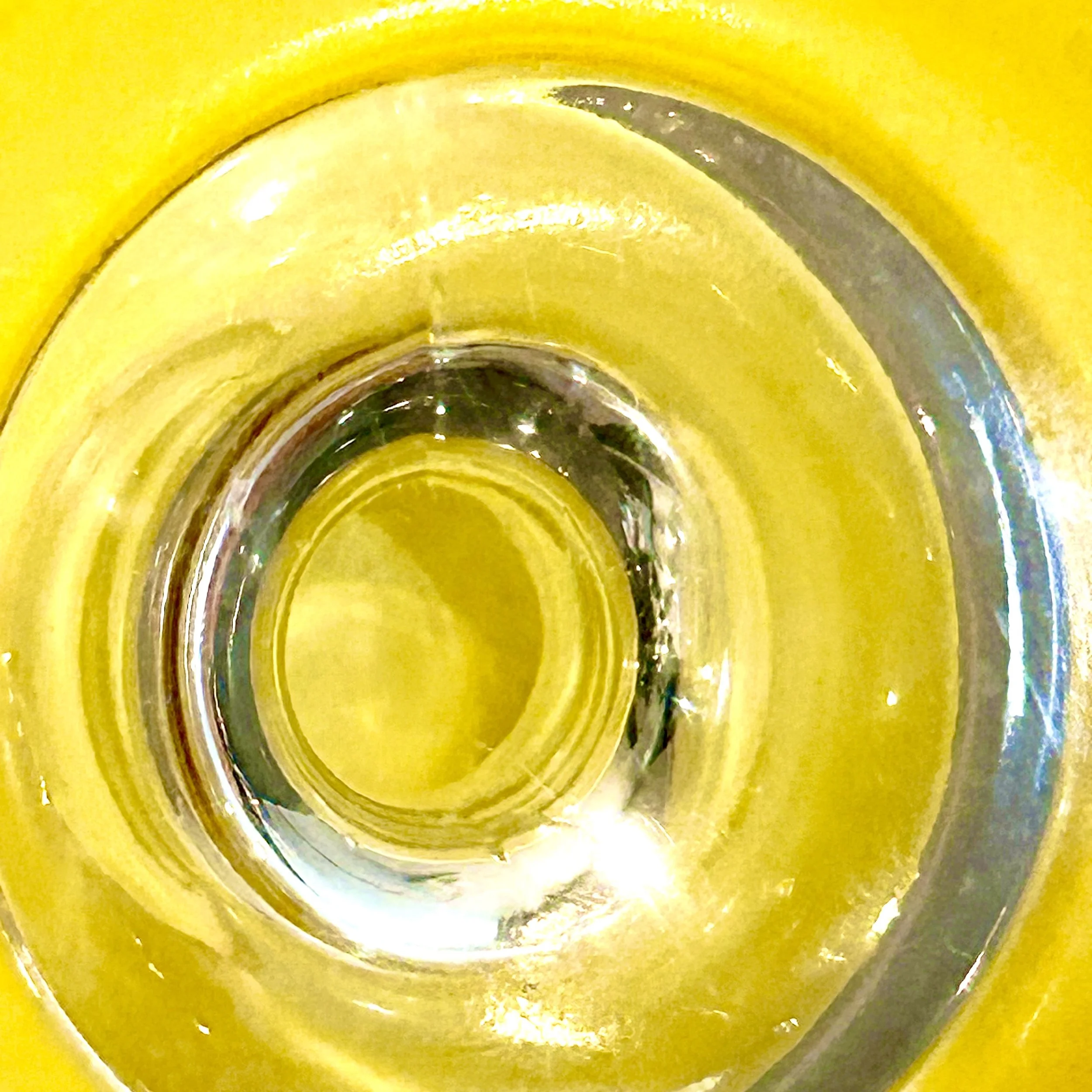
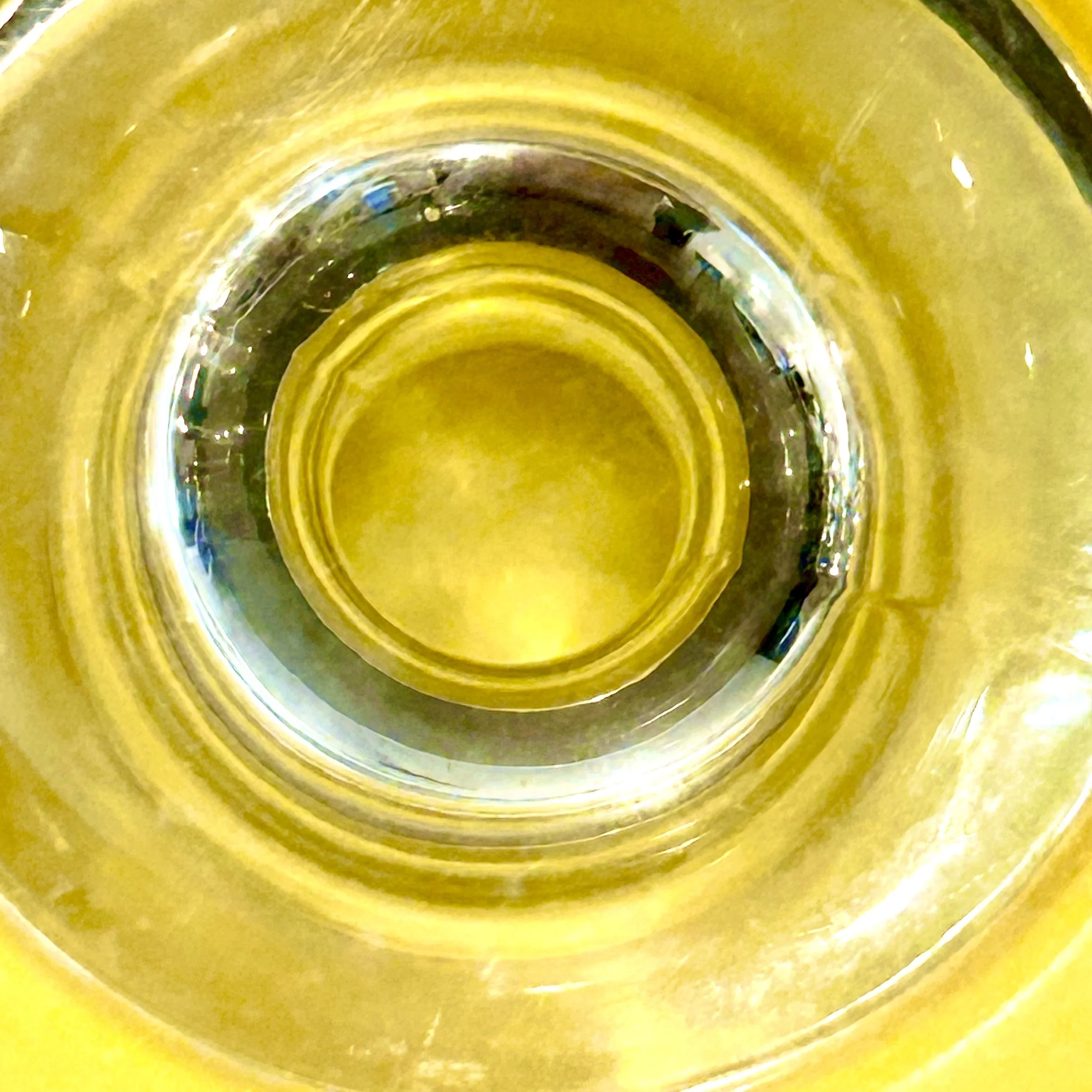
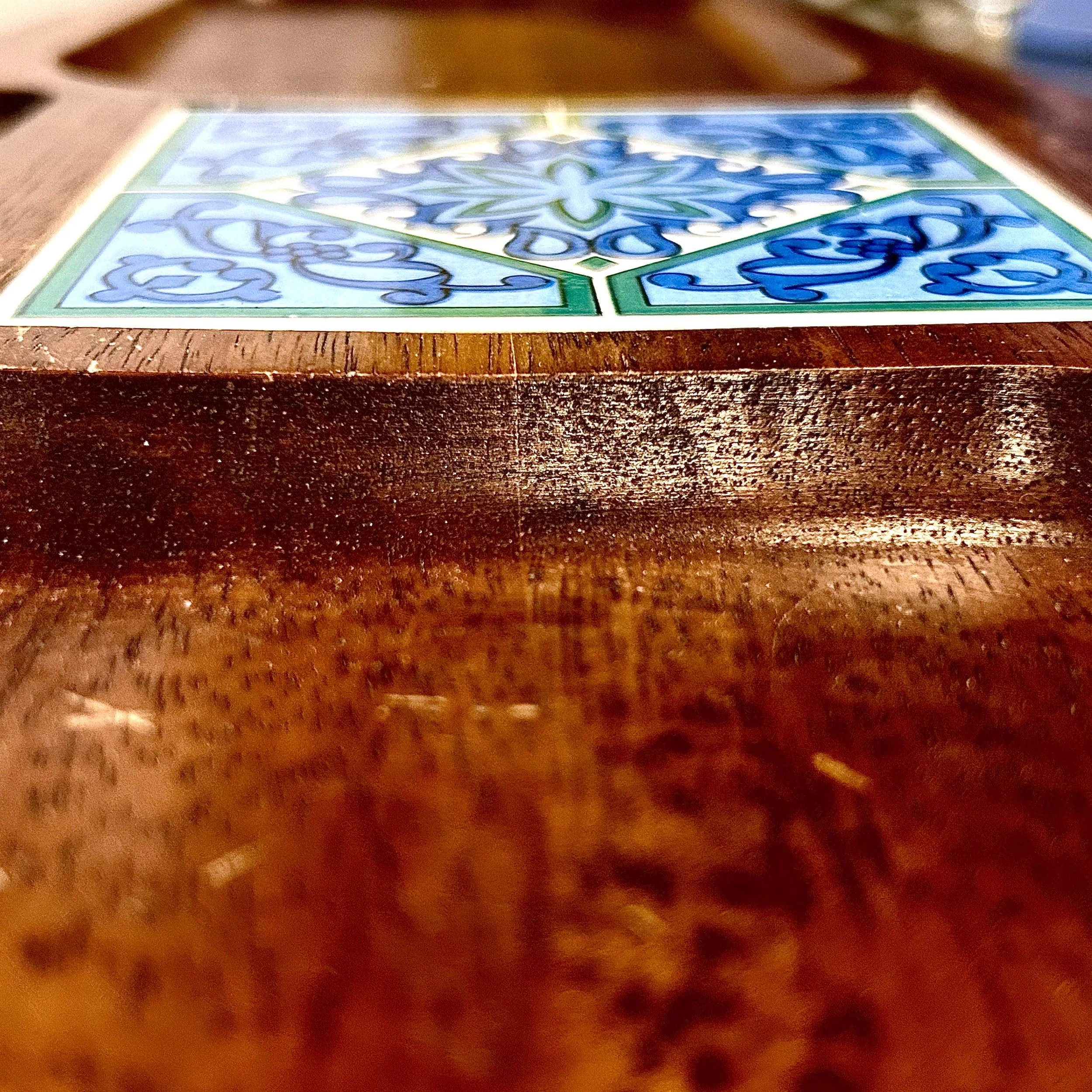
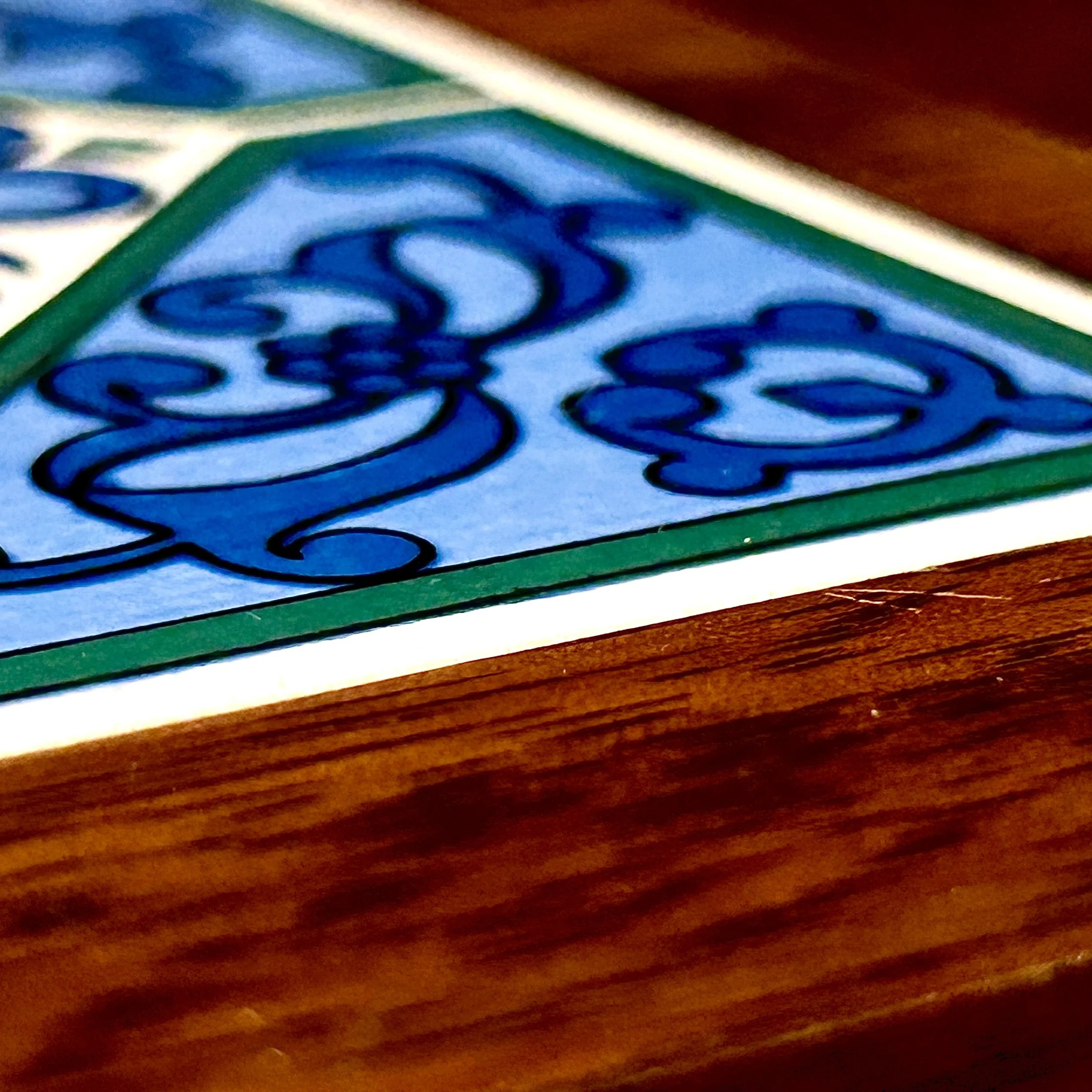
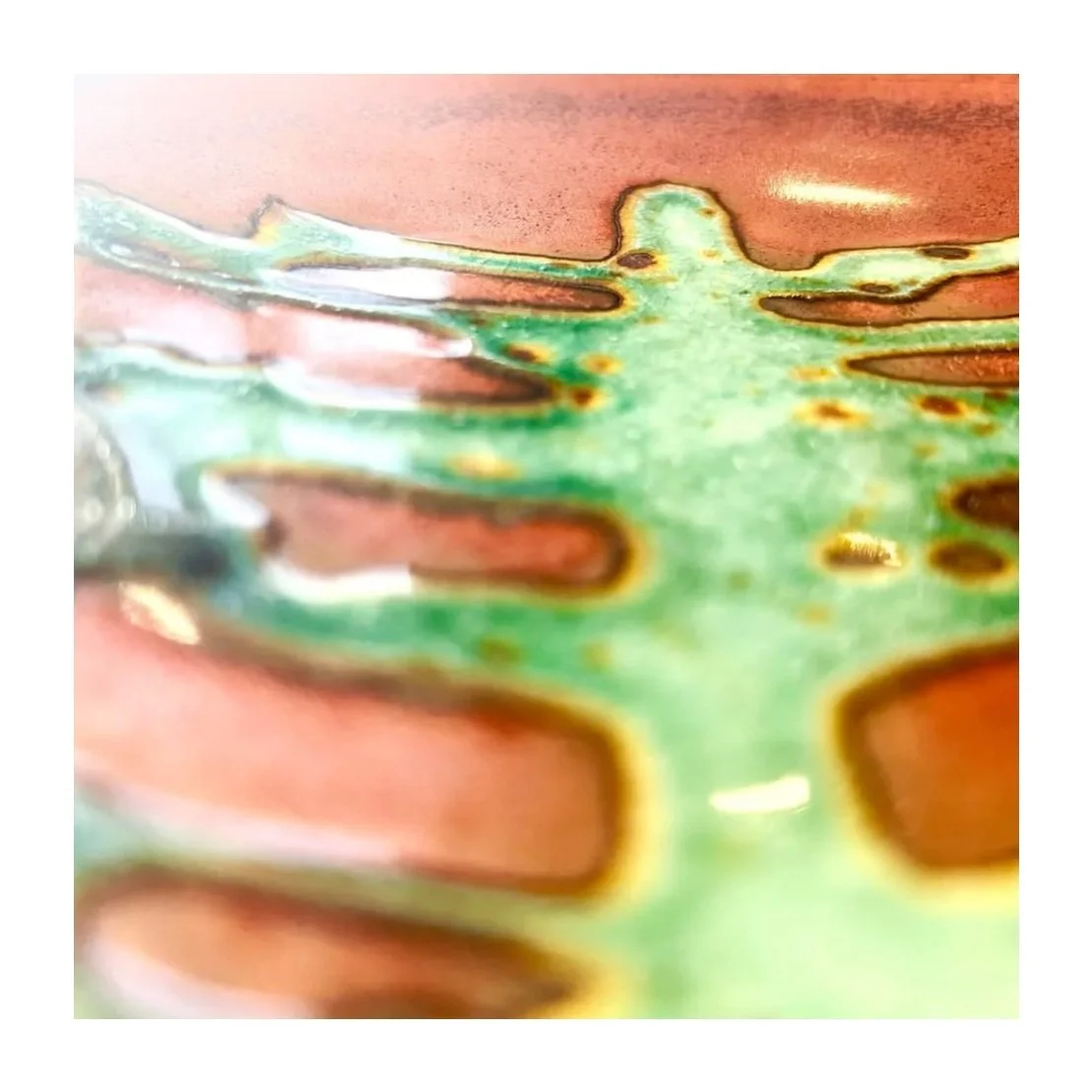
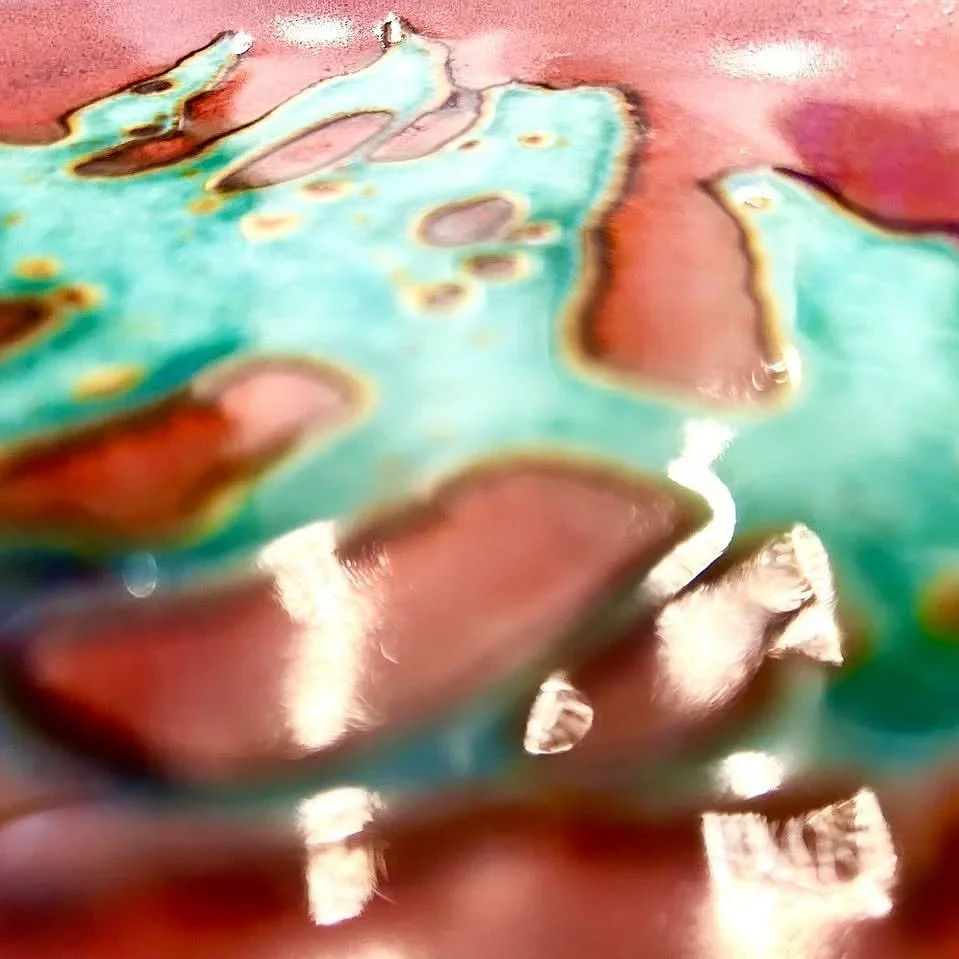
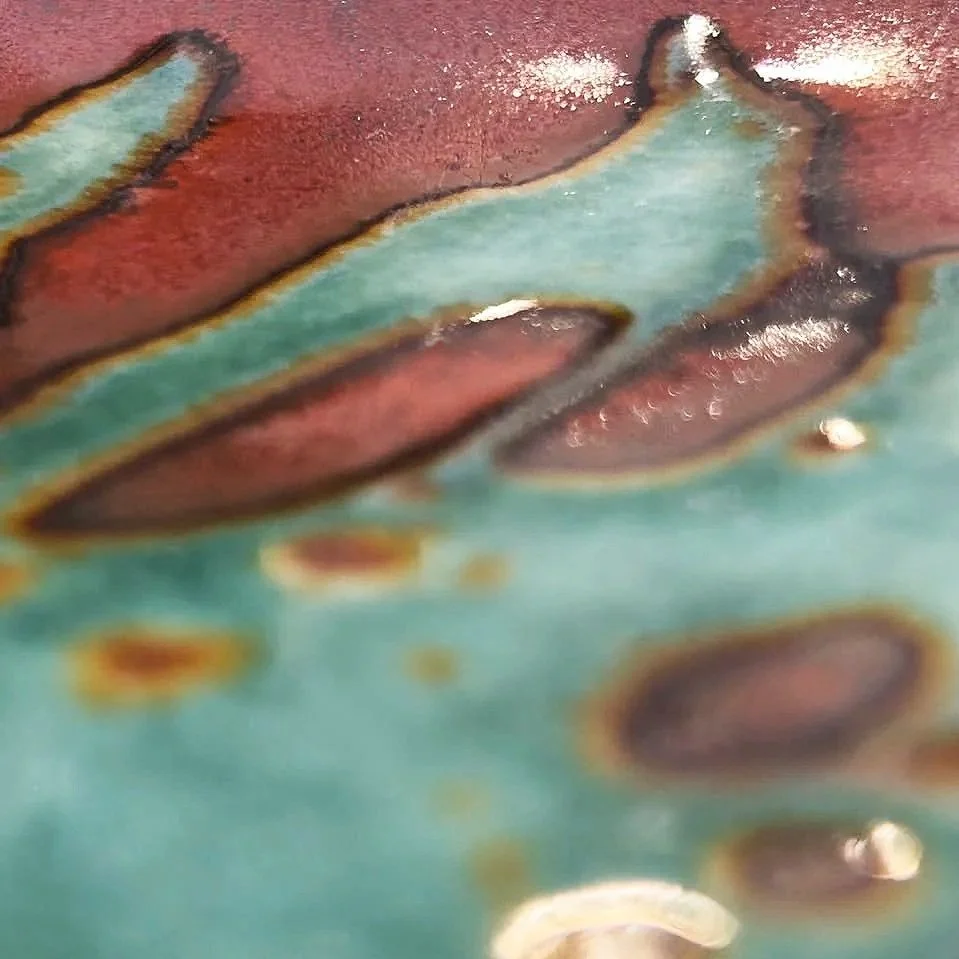
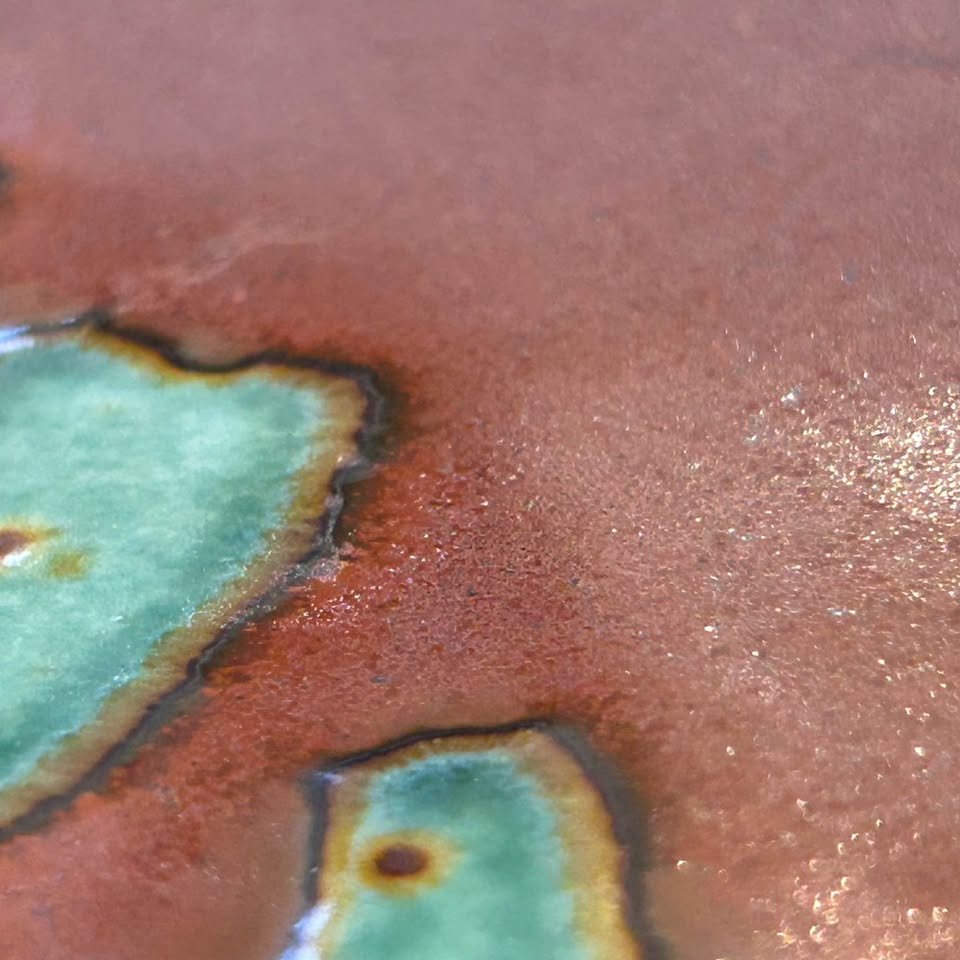
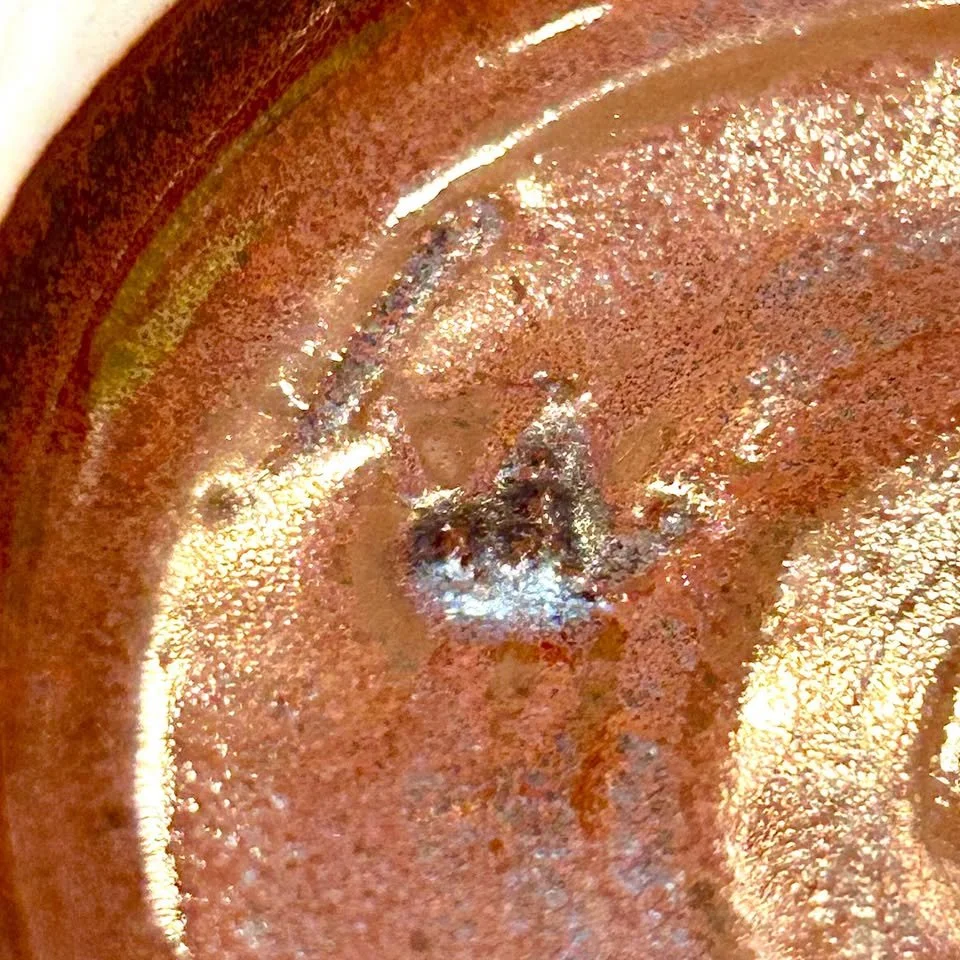
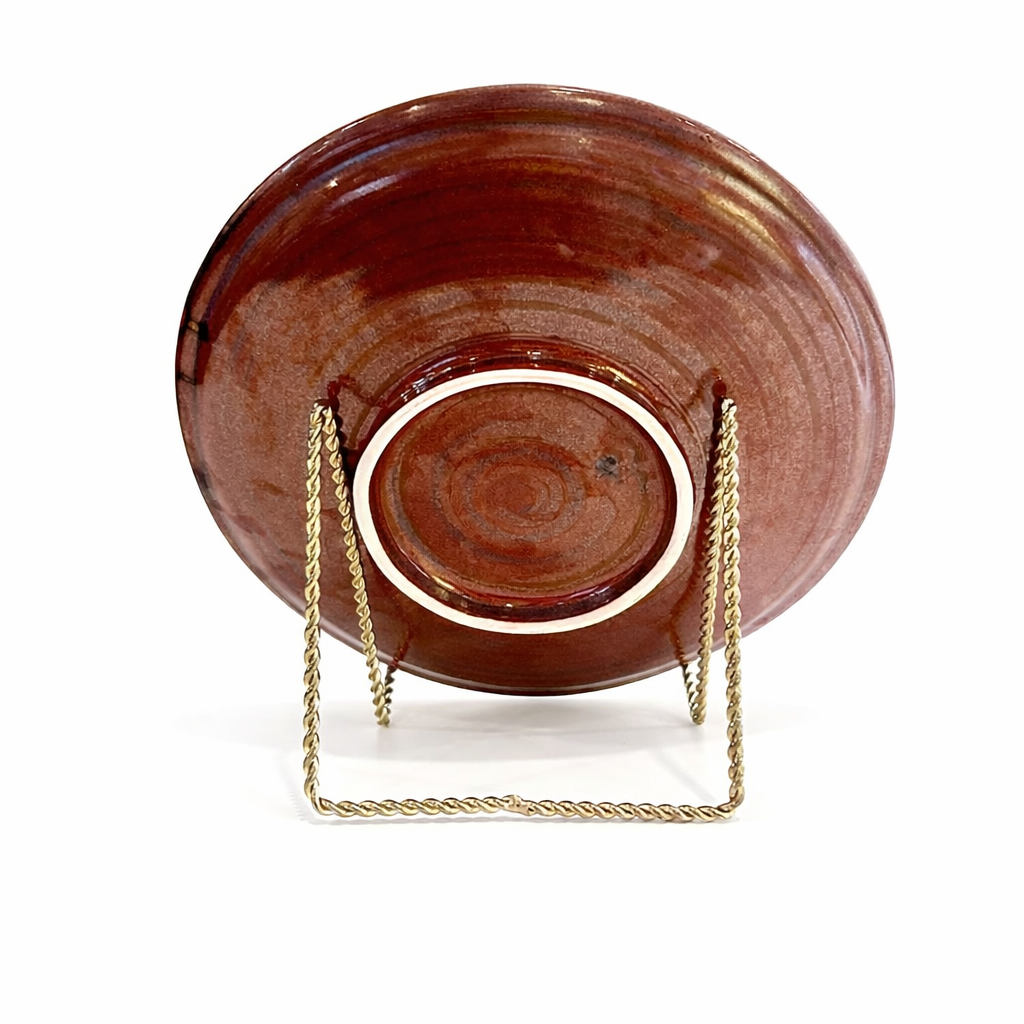
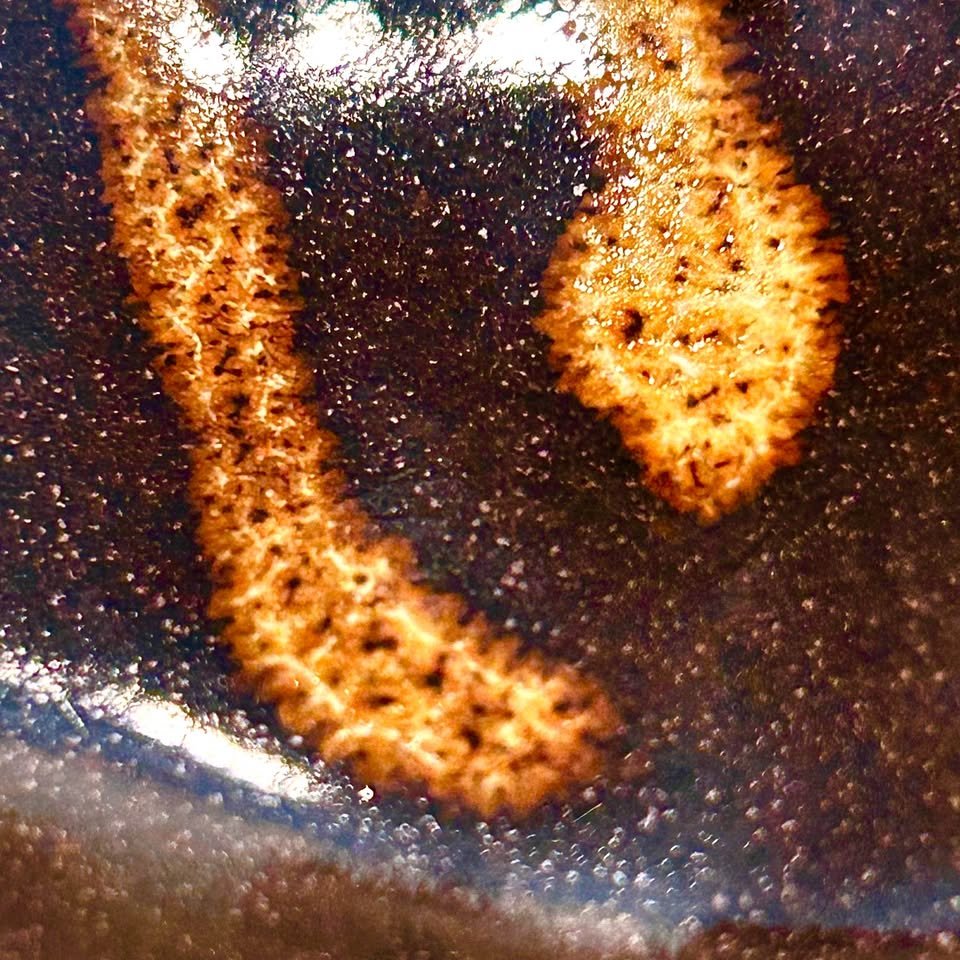
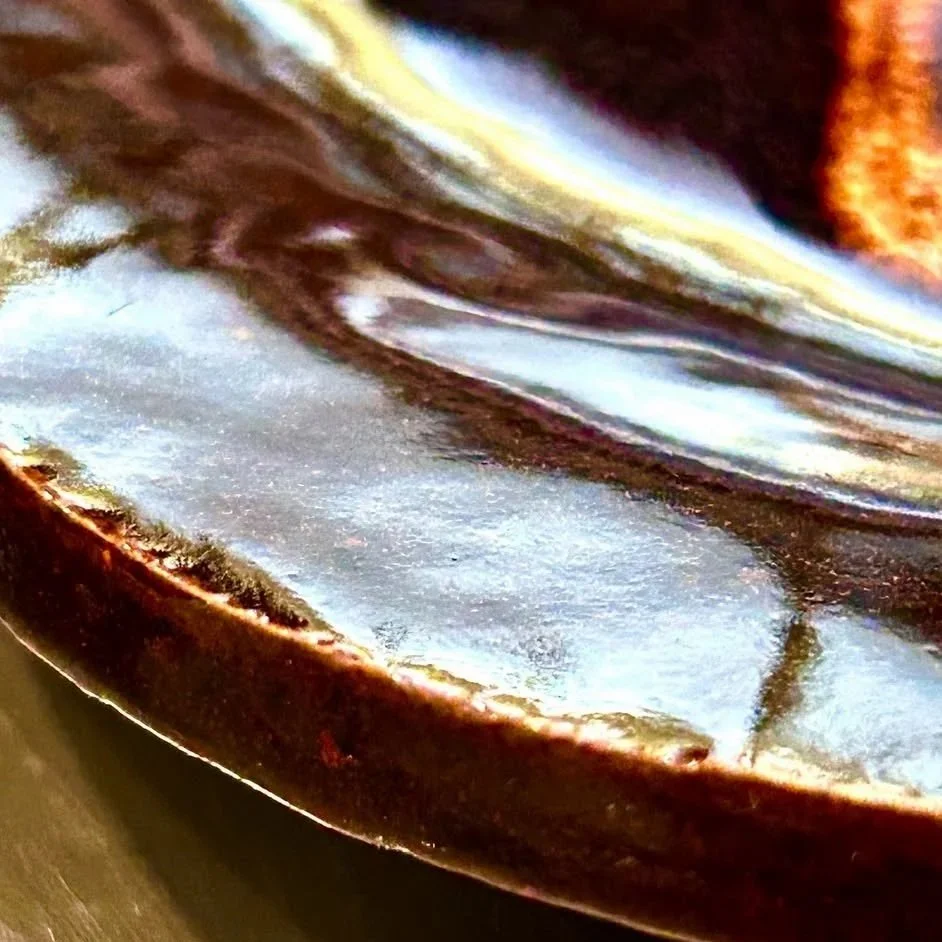
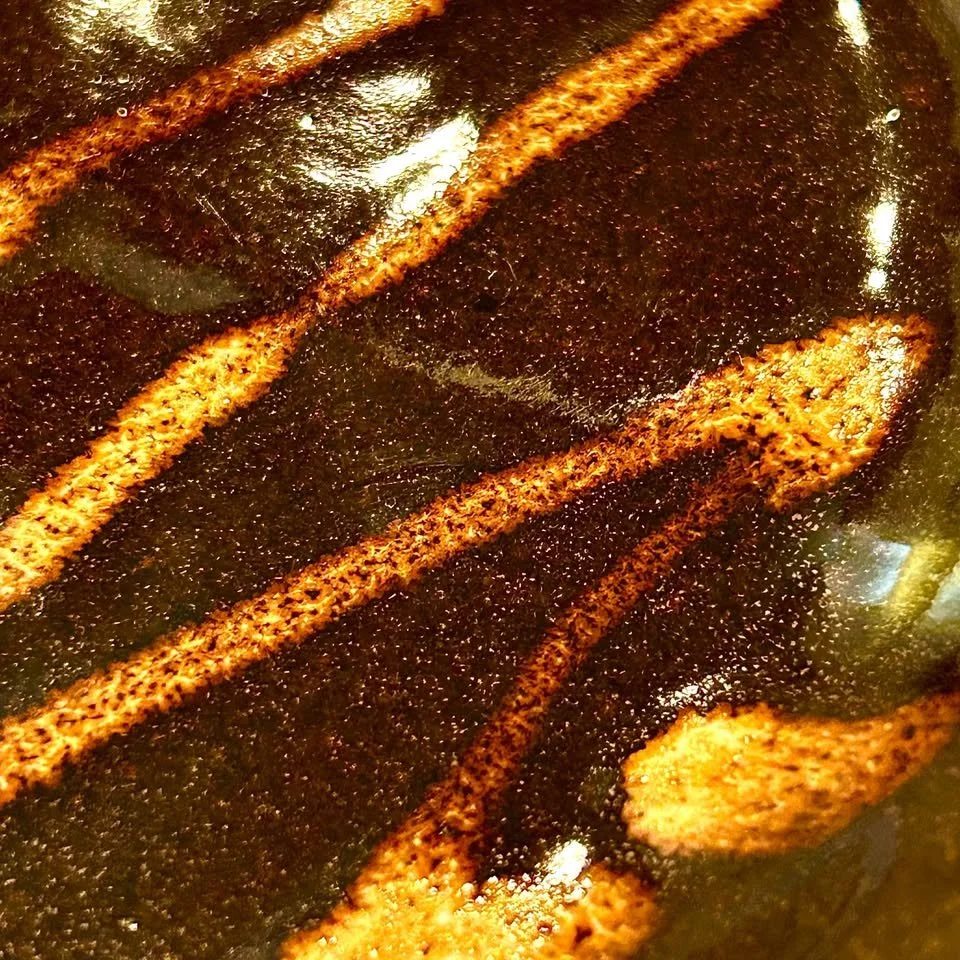
Clinical and direct condition report. The server is presented in excellent structural condition with no chips, cracks, or restorations. The upper hand-painted surface exhibits minor, age-appropriate wear and slight pigment thinning along specific sections of the painted motifs, which enhances its authentic historical patina. The unglazed base rim shows minor surface scratches and faint shelf wear consistent with careful handling and age.
Authenticity & Construction
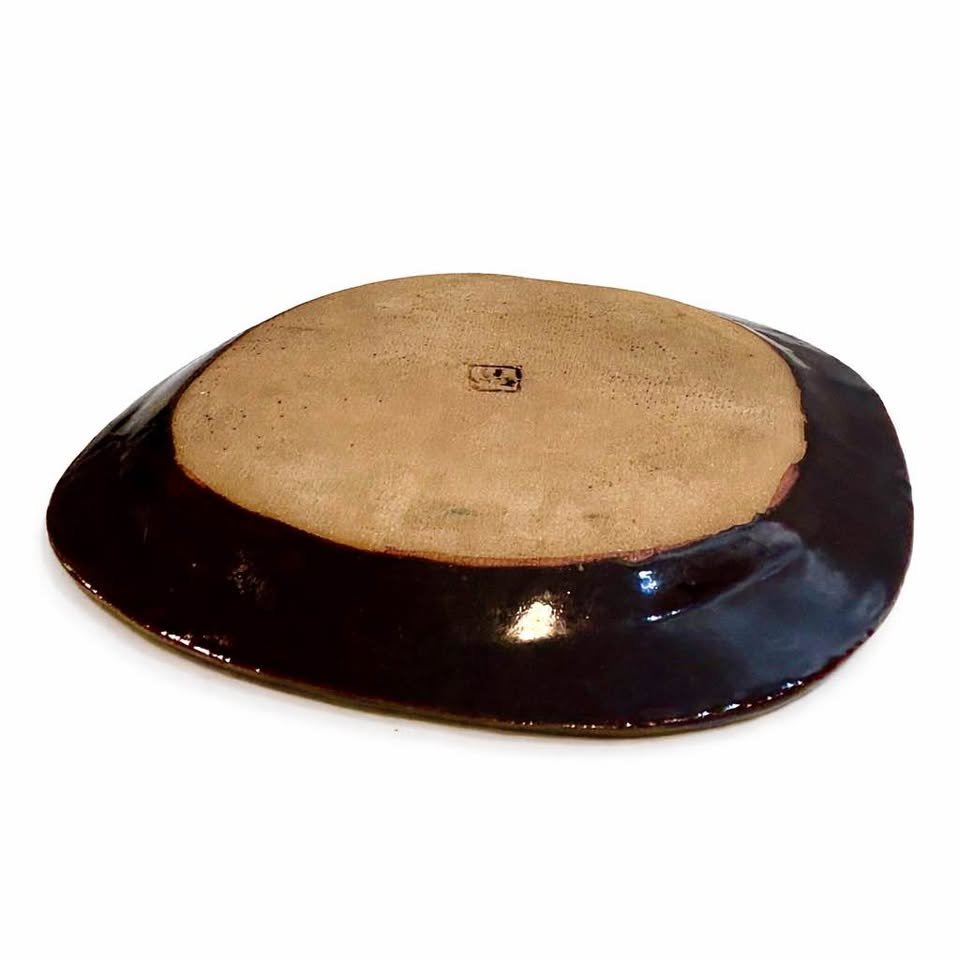
The pedestal server is executed in fine earthenware, constructed in two distinct parts—the broad circular plate and the supportive conical foot—before being seamlessly joined prior to firing. The upper surface features individually hand-applied painted embellishments, ensuring that no two examples are identical. This traditional slip-cast and hand-painted manufacturing process imbues the object with an organic warmth and tactile depth that mass-produced contemporary tableware cannot replicate.
Placement
An exquisite focal point for a minimalist dining table, an artisanal addition to a neoclassical sideboard, or styled within an open-shelf kitchen concept alongside modernist art pottery.
STANDARD ATTRIBUTION & VALUE DISCLOSURE; This piece is described to the best of current scholarly and market knowledge. Any maker or regional attribution is based on visual analysis, materials, construction techniques, and documented stylistic comparisons. As with many MCM and antique design objects, definitive attribution may not be possible without original labels or factory records. Pricing reflects condition, quality, decorative appeal, and current collector demand rather than guaranteed maker identification.
This exceptional ceramic pedestal server commands attention with its elegant architectural elevation and expansive, hand-painted surface. The low-profile tazza form interacts beautifully with ambient light, cast in a soft glaze that emphasizes its sweeping circular geometry and clean mid-century lines. Distinctly sculptural yet highly versatile, the piece serves as a compelling centerpiece or standalone decorative statement. Its sophisticated proportions and artisanal character offer an interior-designer friendly accent that effortlessly anchors a curated tablescape or sideboard display.
Attribution & Period
Unmarked decorative arts example. Stylistically aligned with mid-century Italian ceramic production of the 1960s, this pedestal plate reflects the era's celebrated tradition of hand-painted, functional artware. The clean, unadorned pedestal base combined with the expressive, fluid brushwork along the upper rim is highly characteristic of workshops active in regions like Deruta or Florence during the post-war design boom. As no factory mark is observed on the underside, attribution remains visual rather than documented, positioning it as an exquisite representative of mid-century European studio ceramics.
Dimensions & Weight
Condition
Clinical and direct condition report. The server is presented in excellent structural condition with no chips, cracks, or restorations. The upper hand-painted surface exhibits minor, age-appropriate wear and slight pigment thinning along specific sections of the painted motifs, which enhances its authentic historical patina. The unglazed base rim shows minor surface scratches and faint shelf wear consistent with careful handling and age.
Authenticity & Construction
The pedestal server is executed in fine earthenware, constructed in two distinct parts—the broad circular plate and the supportive conical foot—before being seamlessly joined prior to firing. The upper surface features individually hand-applied painted embellishments, ensuring that no two examples are identical. This traditional slip-cast and hand-painted manufacturing process imbues the object with an organic warmth and tactile depth that mass-produced contemporary tableware cannot replicate.
Placement
An exquisite focal point for a minimalist dining table, an artisanal addition to a neoclassical sideboard, or styled within an open-shelf kitchen concept alongside modernist art pottery.
STANDARD ATTRIBUTION & VALUE DISCLOSURE; This piece is described to the best of current scholarly and market knowledge. Any maker or regional attribution is based on visual analysis, materials, construction techniques, and documented stylistic comparisons. As with many MCM and antique design objects, definitive attribution may not be possible without original labels or factory records. Pricing reflects condition, quality, decorative appeal, and current collector demand rather than guaranteed maker identification.

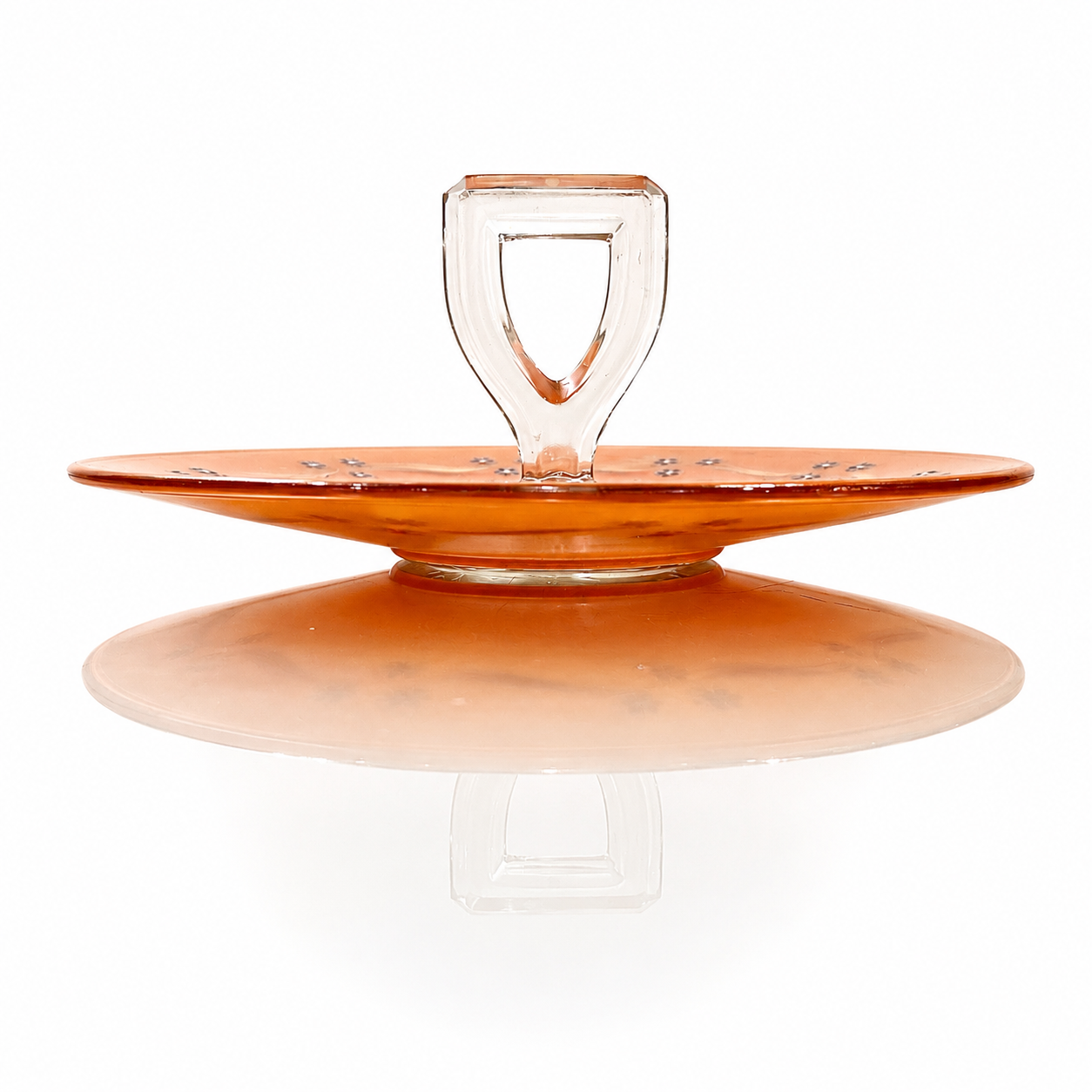 Image 1 of 10
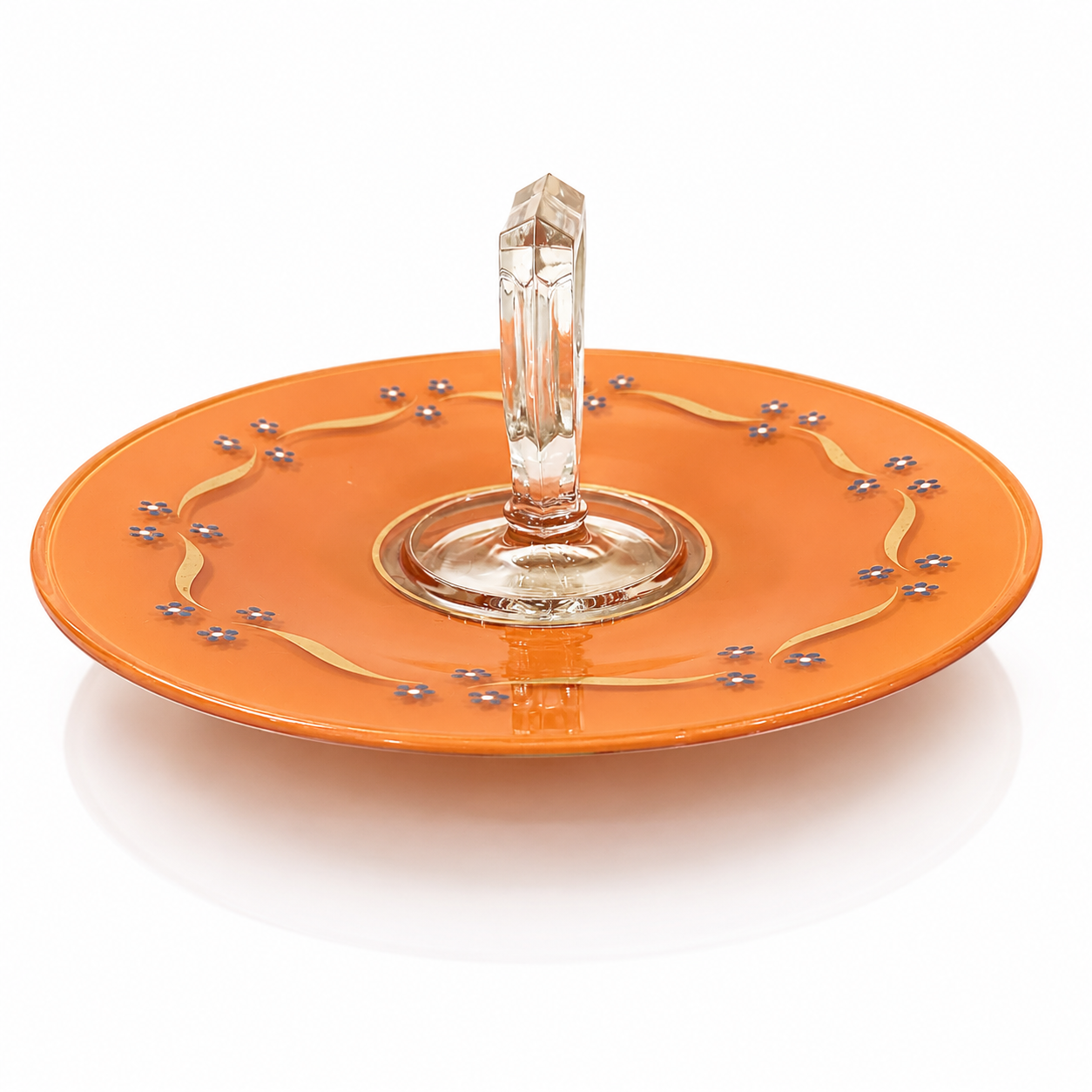 Image 2 of 10
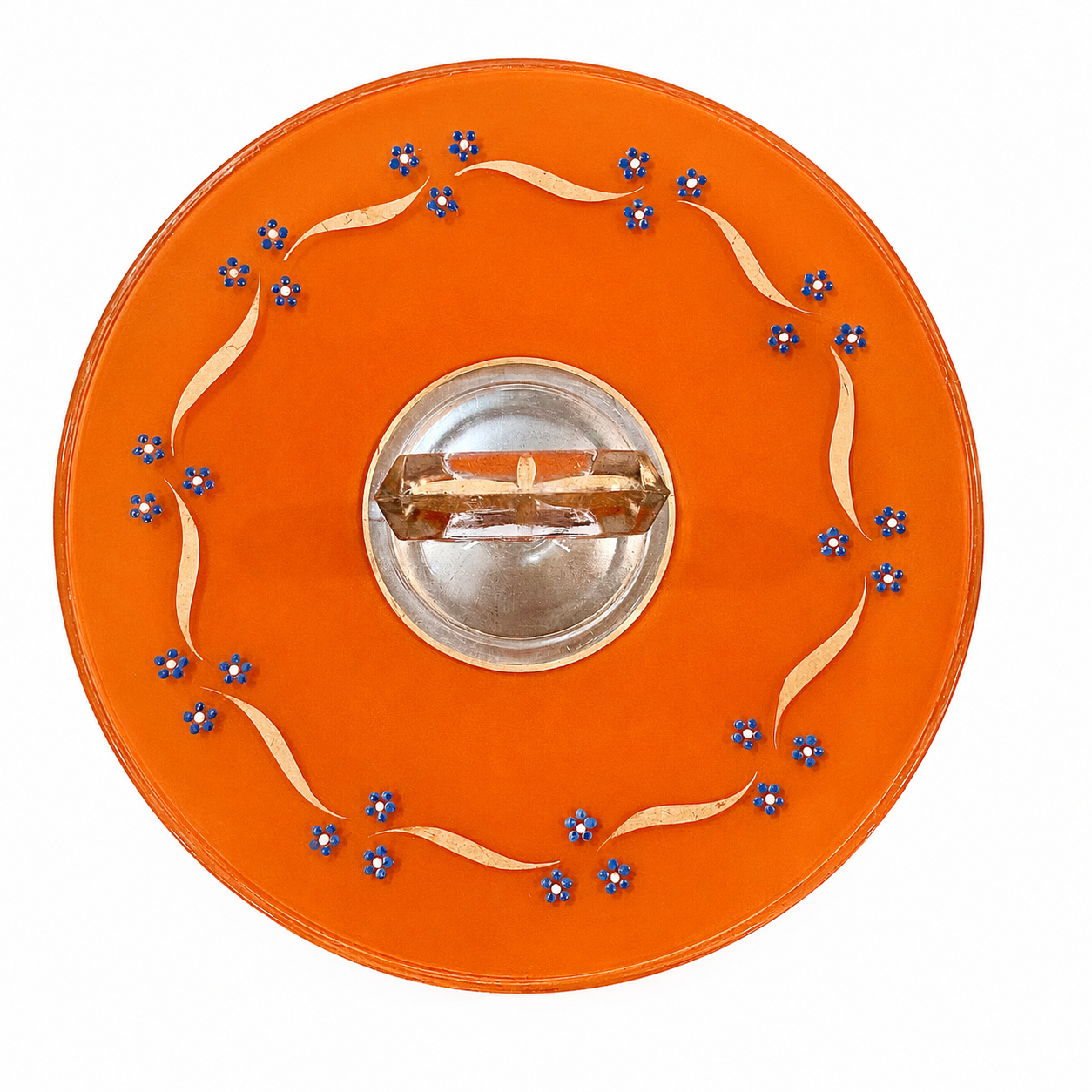 Image 3 of 10
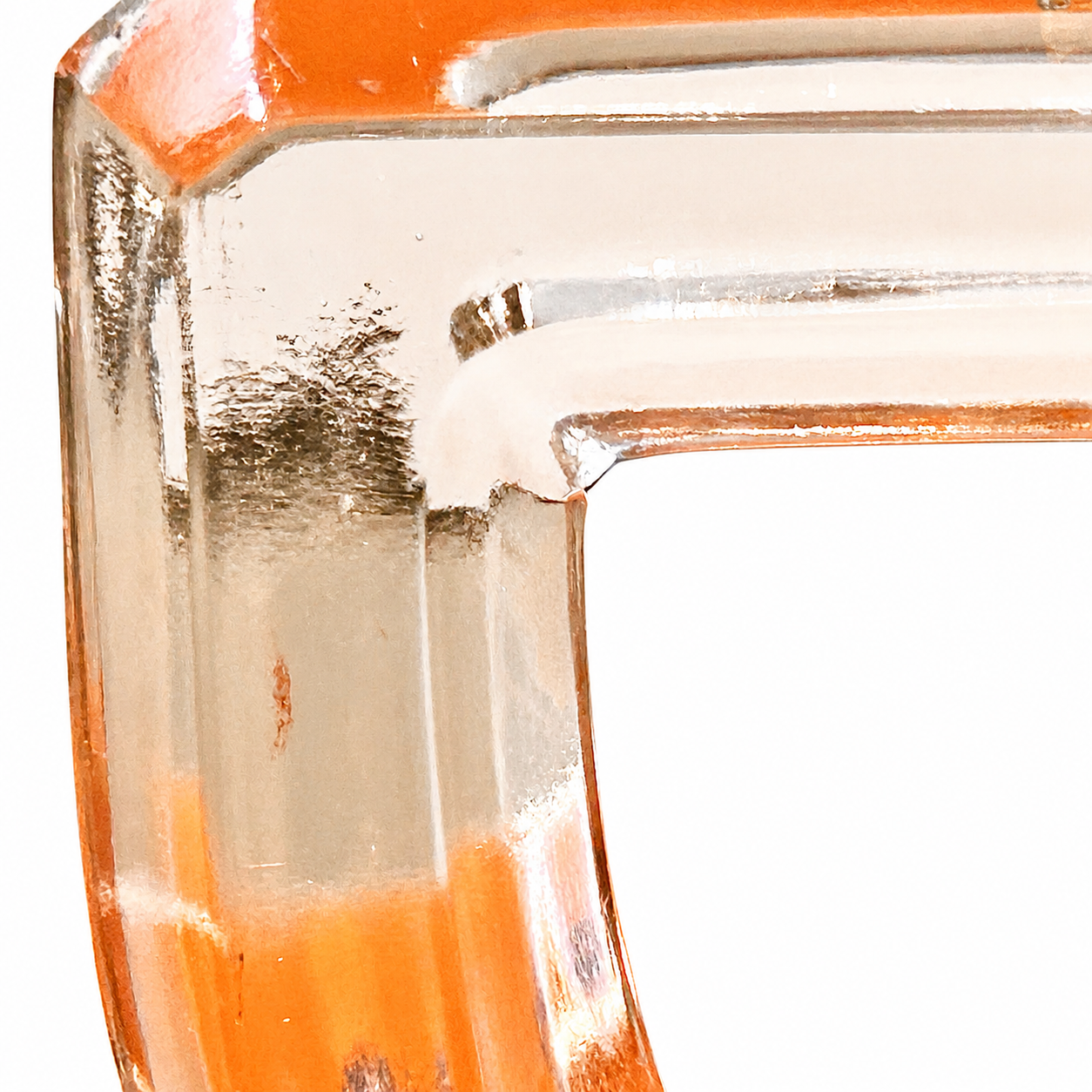 Image 4 of 10
 Image 5 of 10
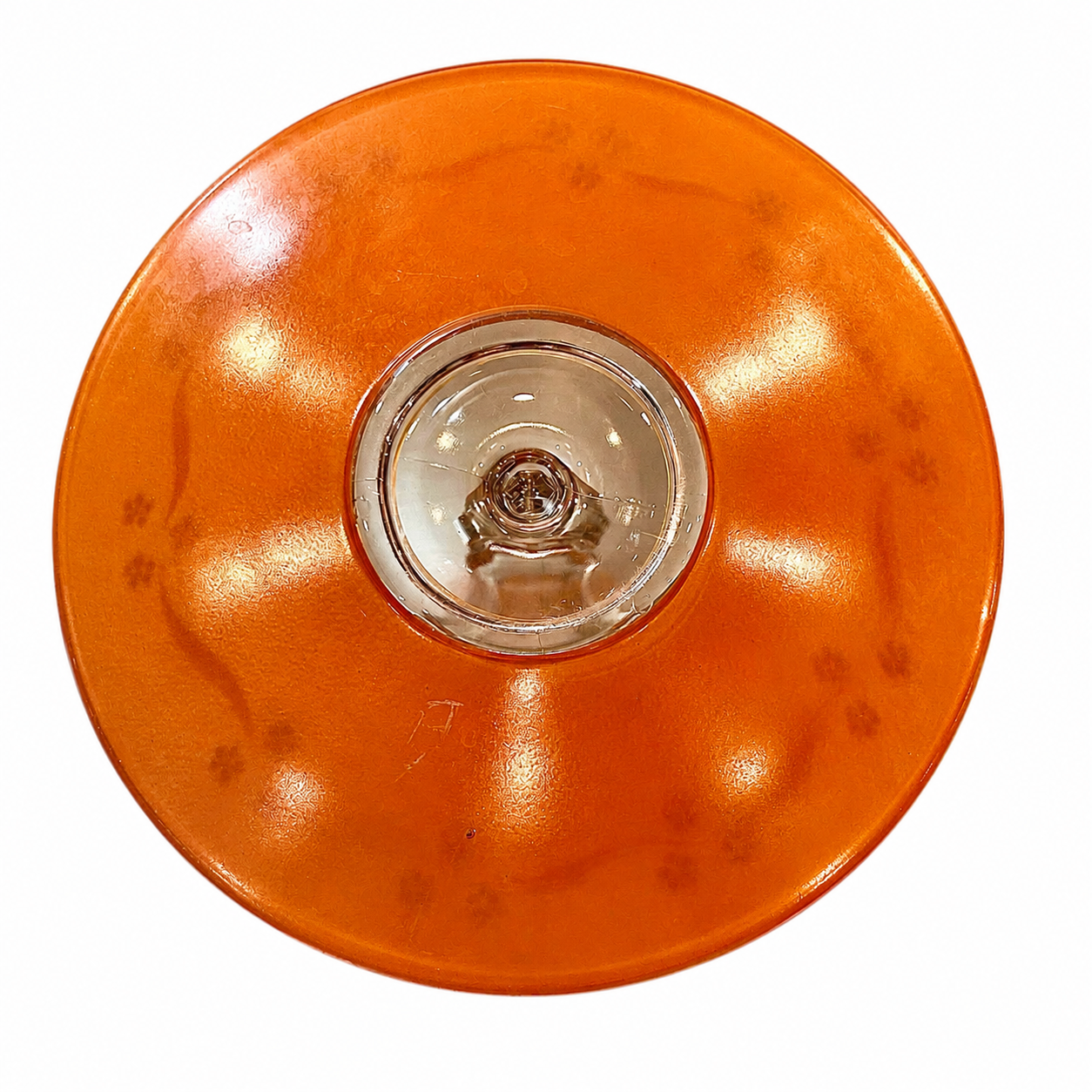 Image 6 of 10
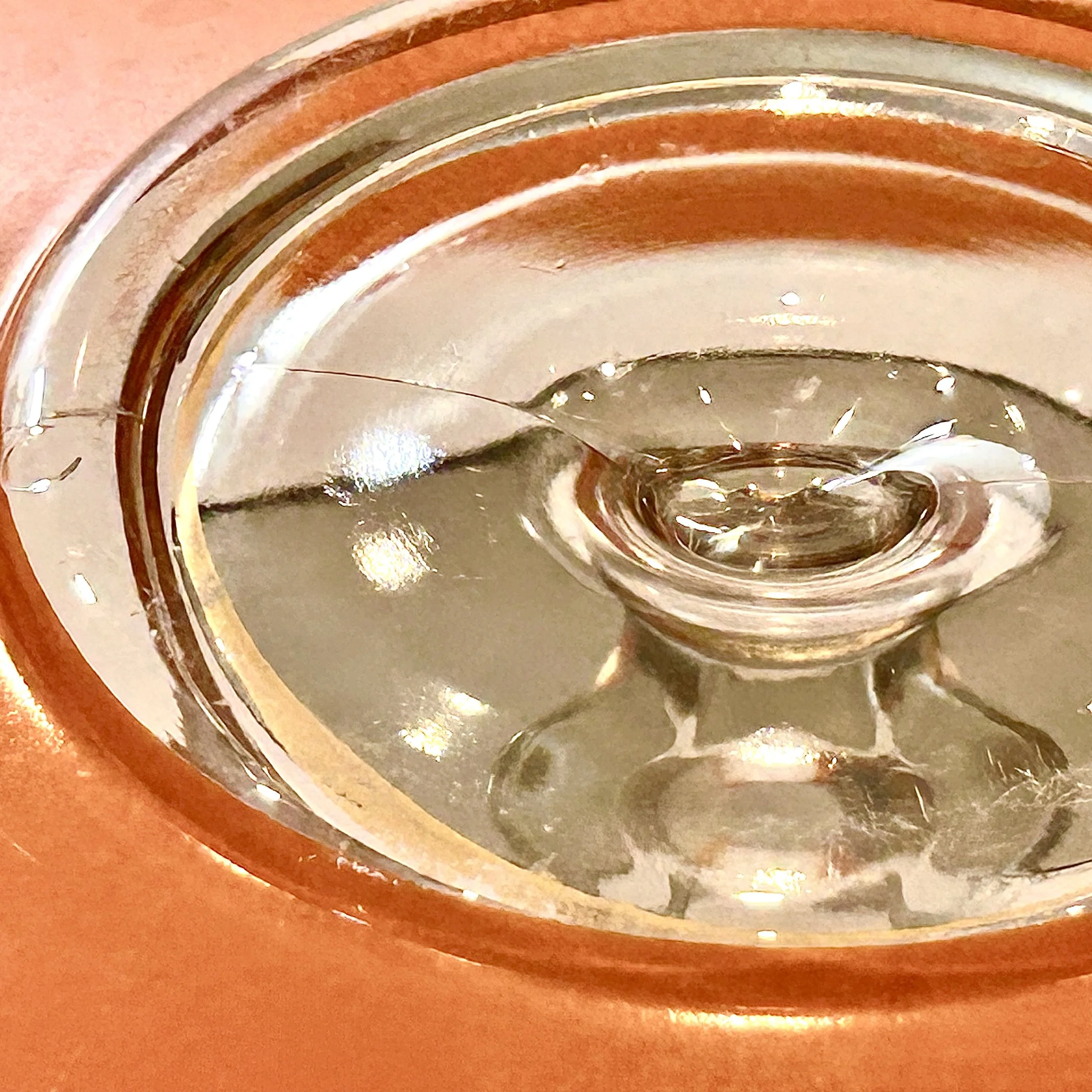 Image 7 of 10
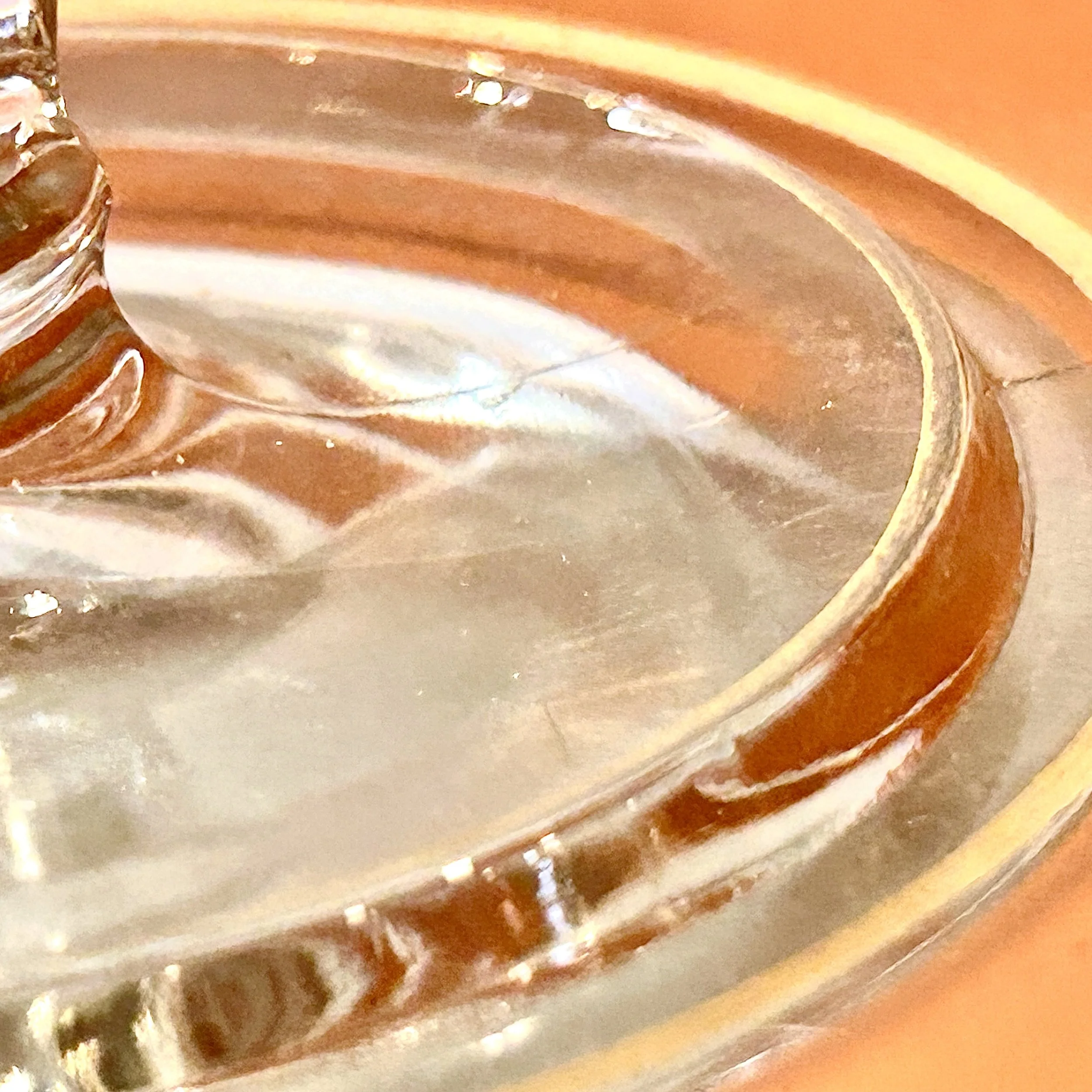 Image 8 of 10
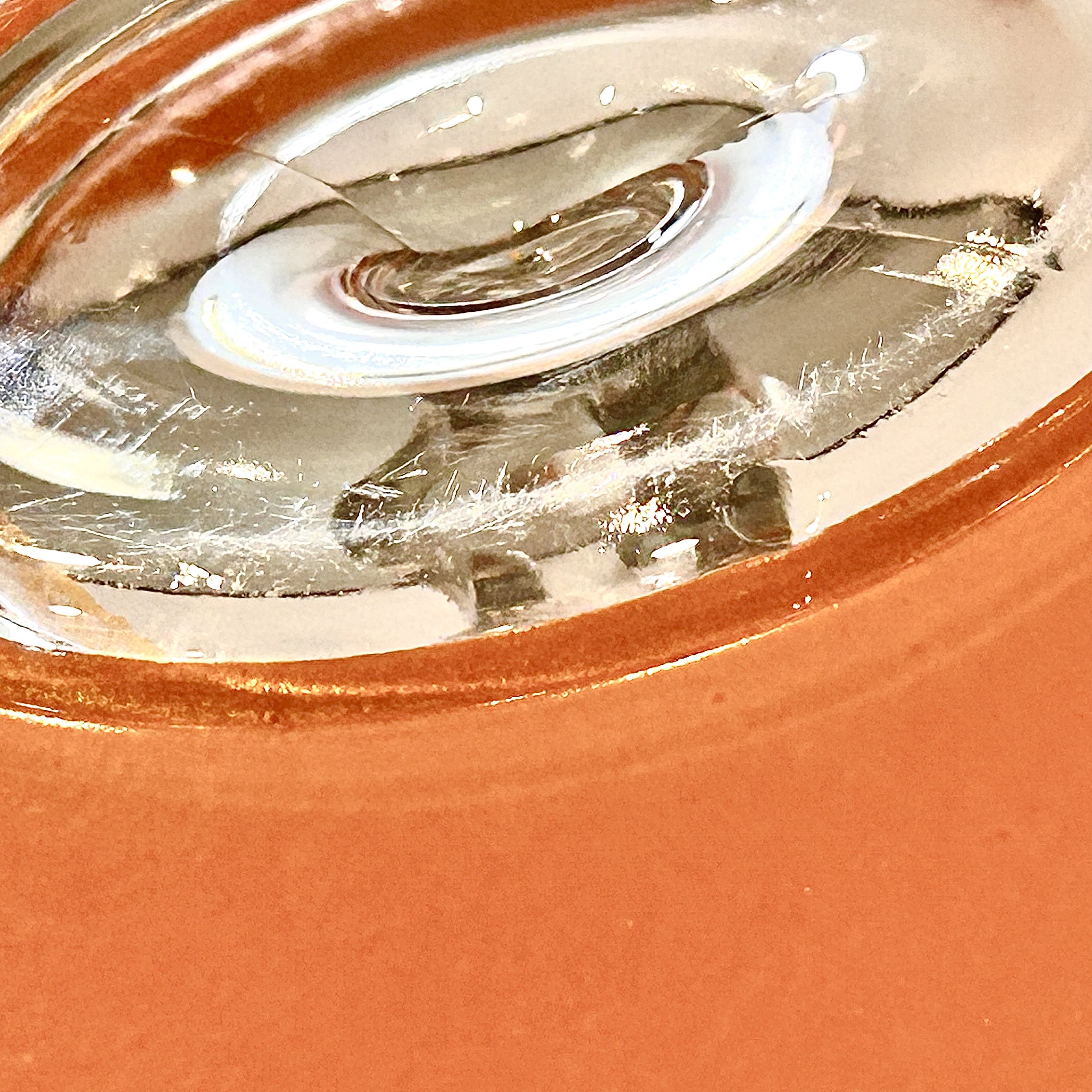 Image 9 of 10
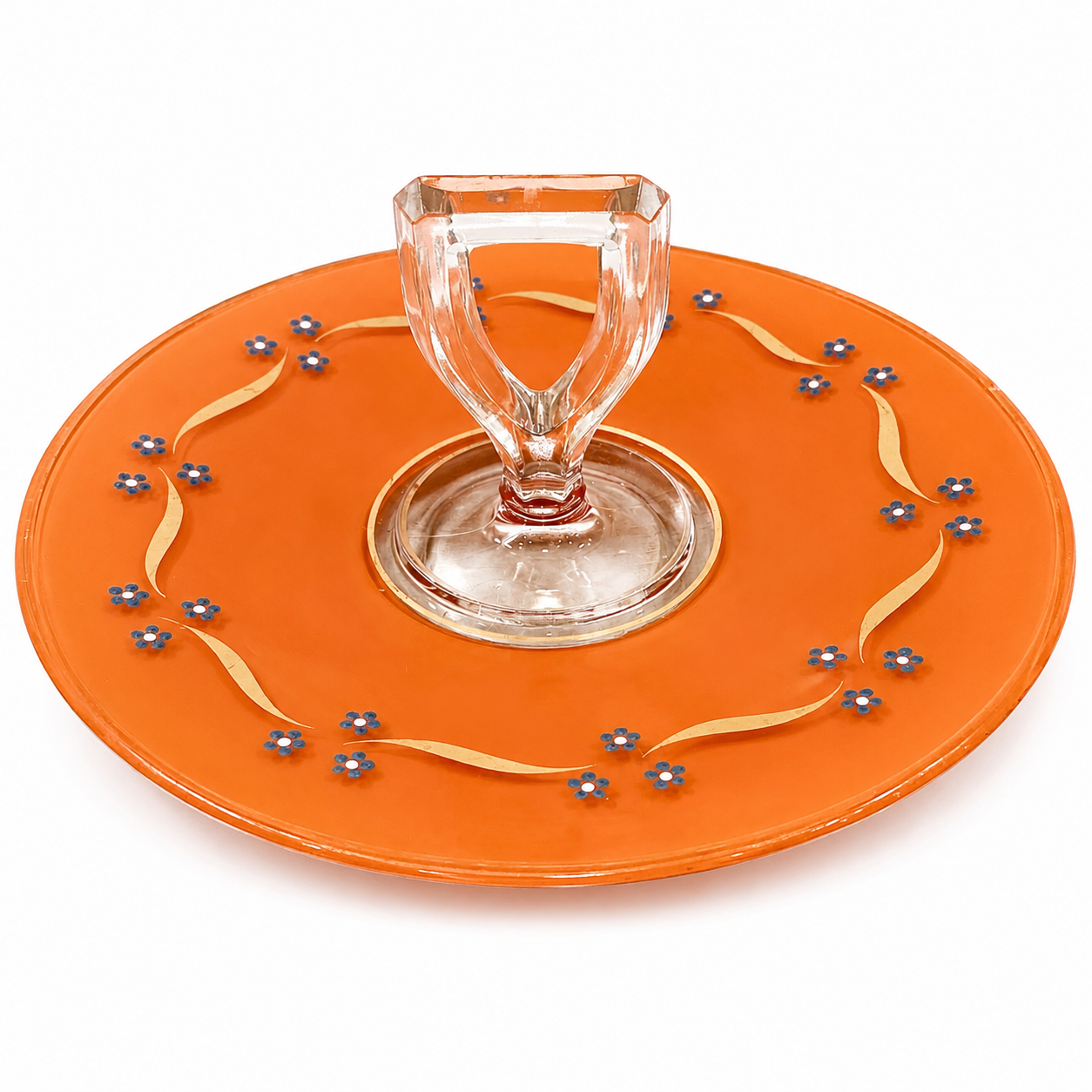 Image 10 of 10