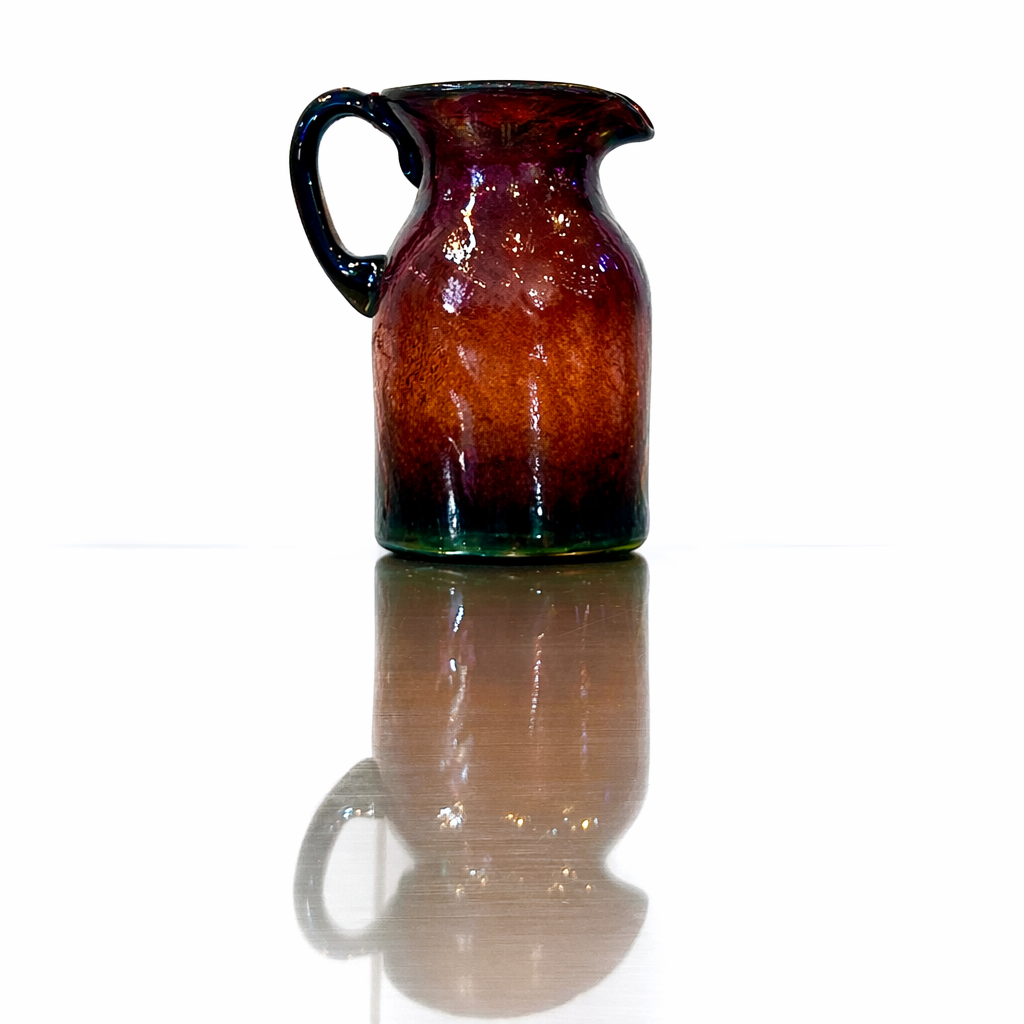
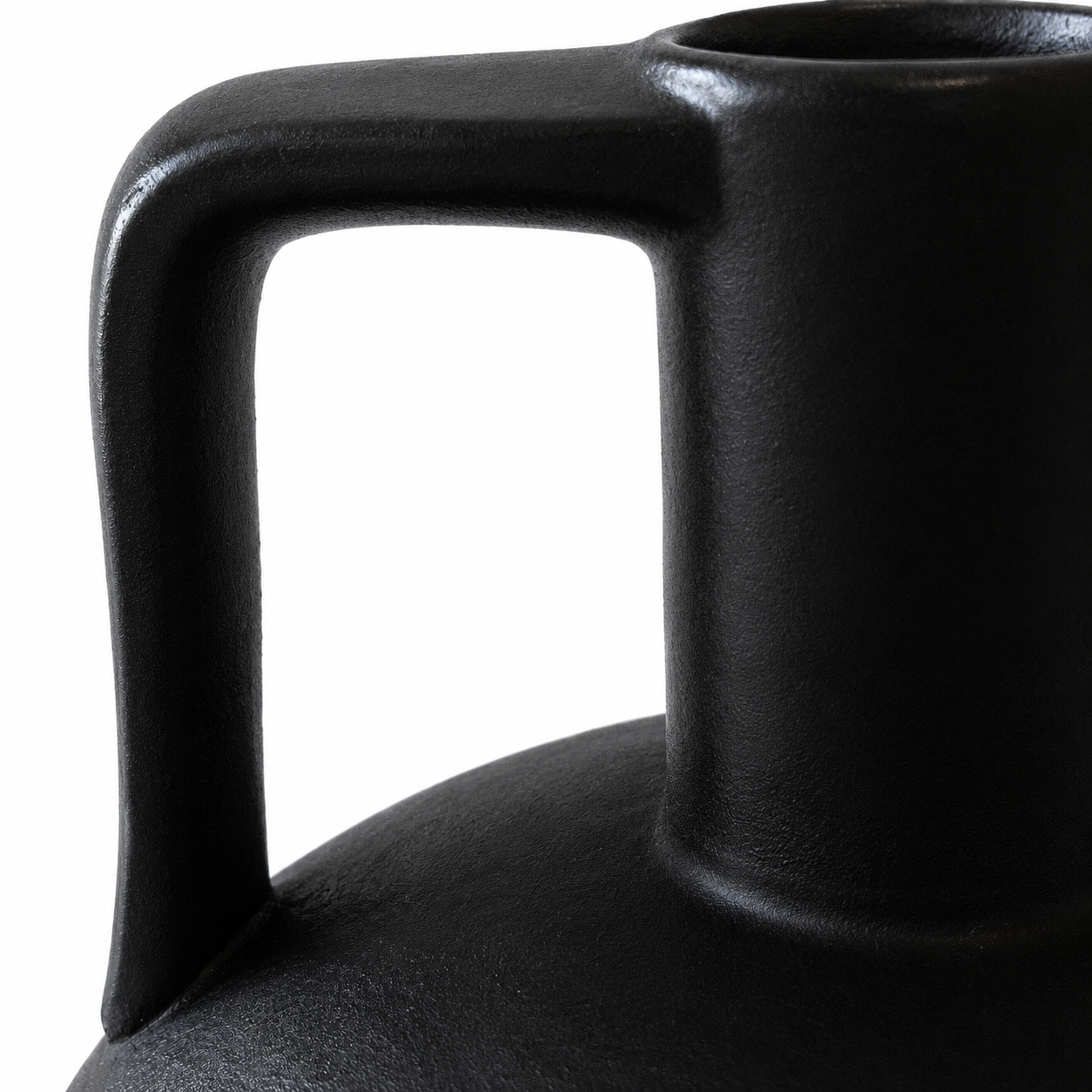
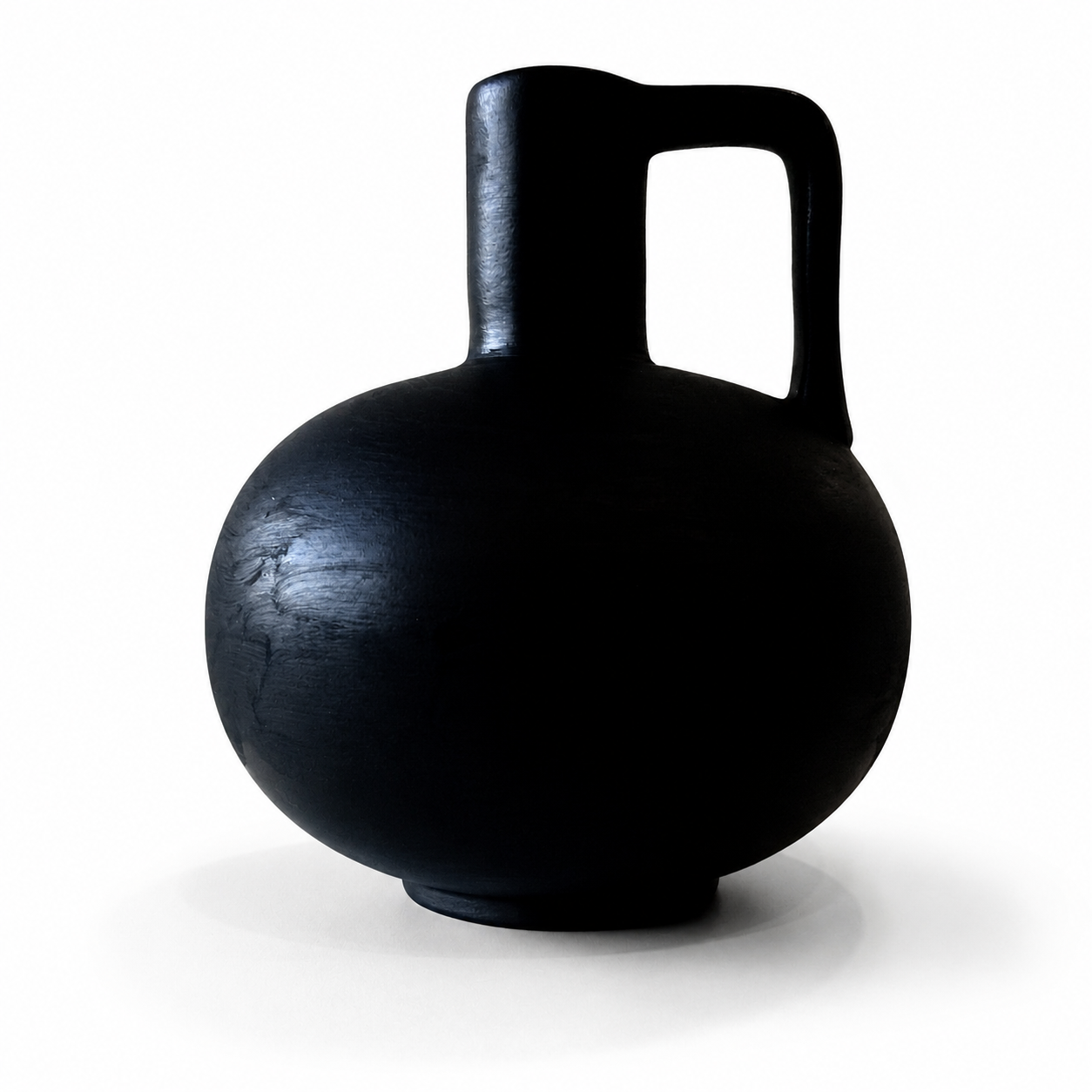
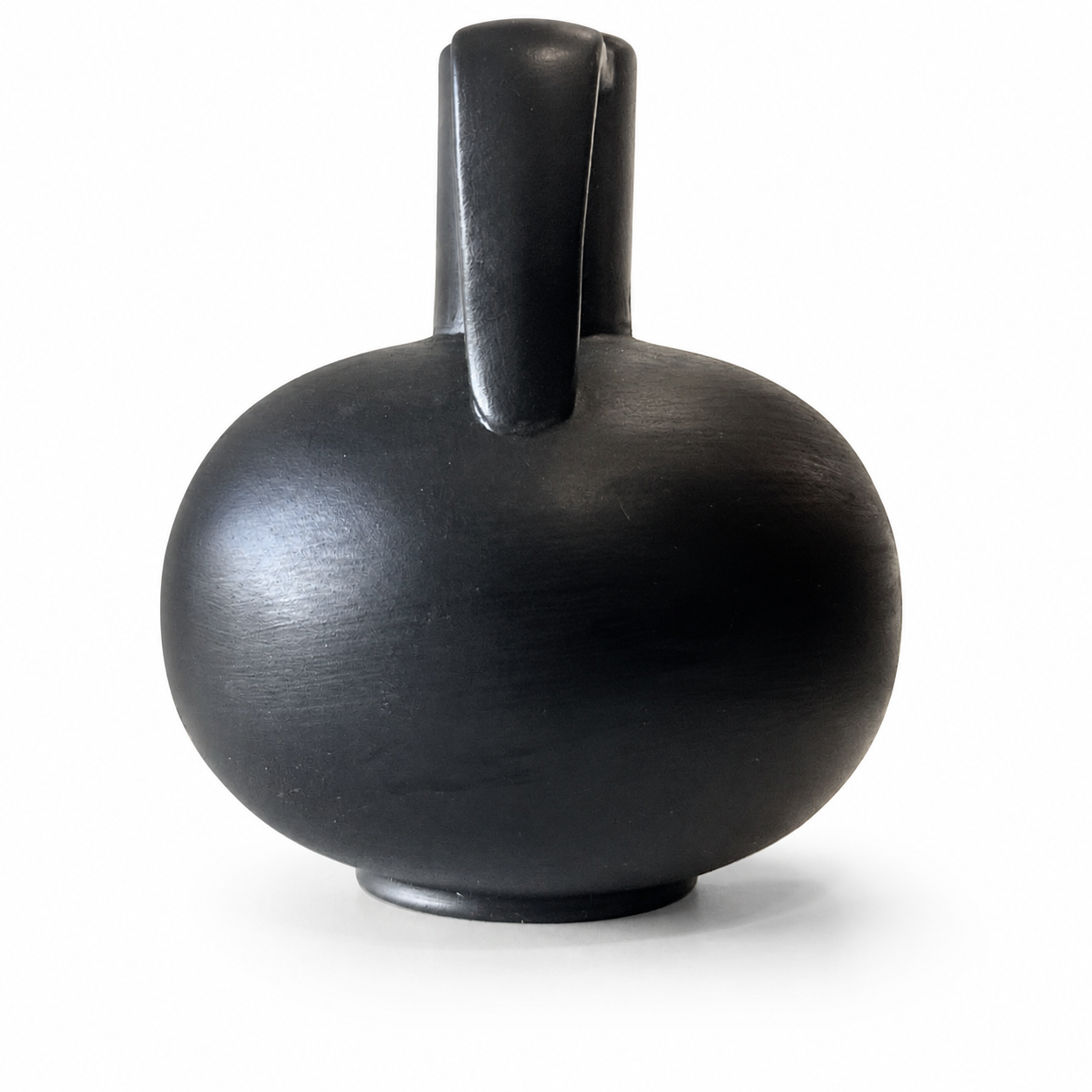
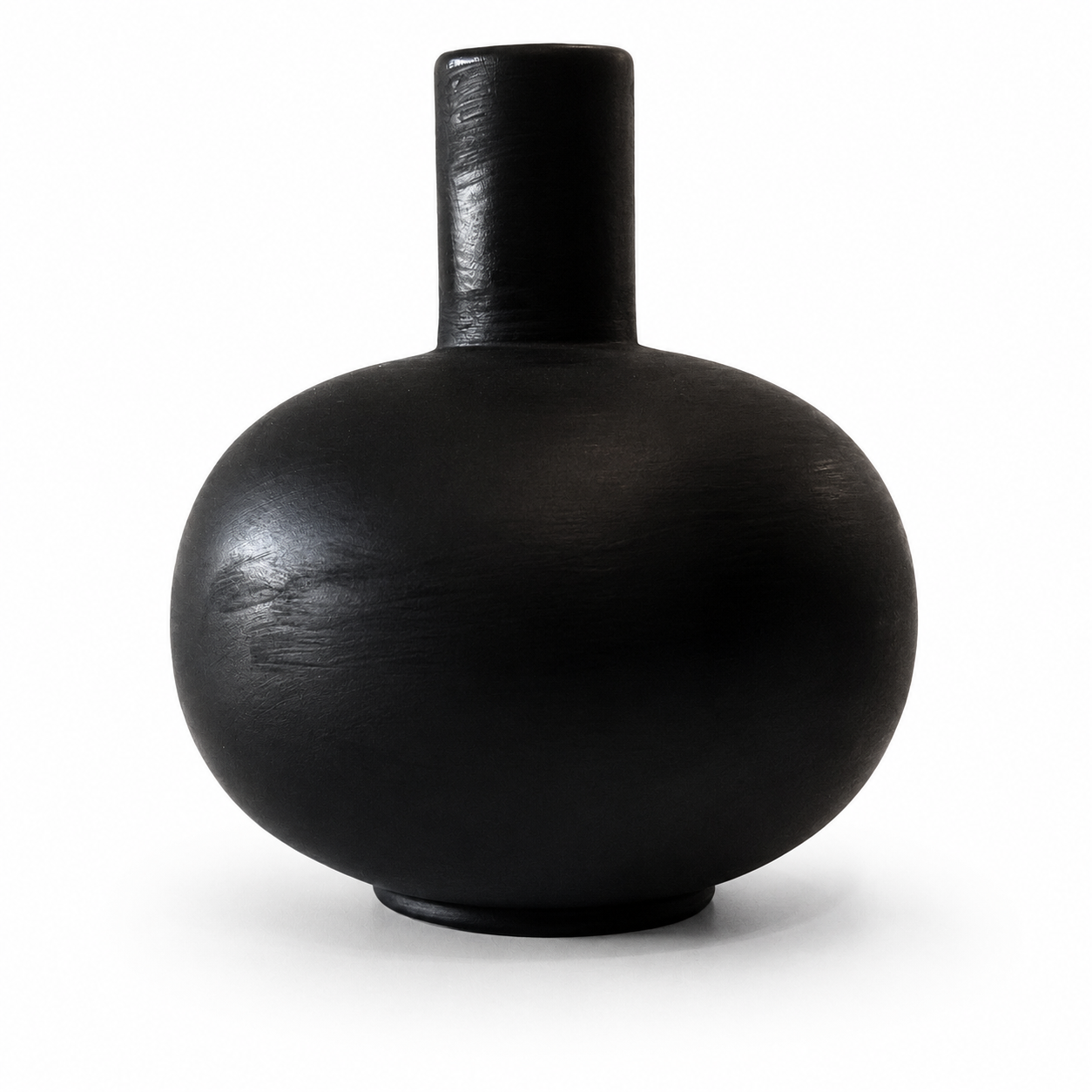
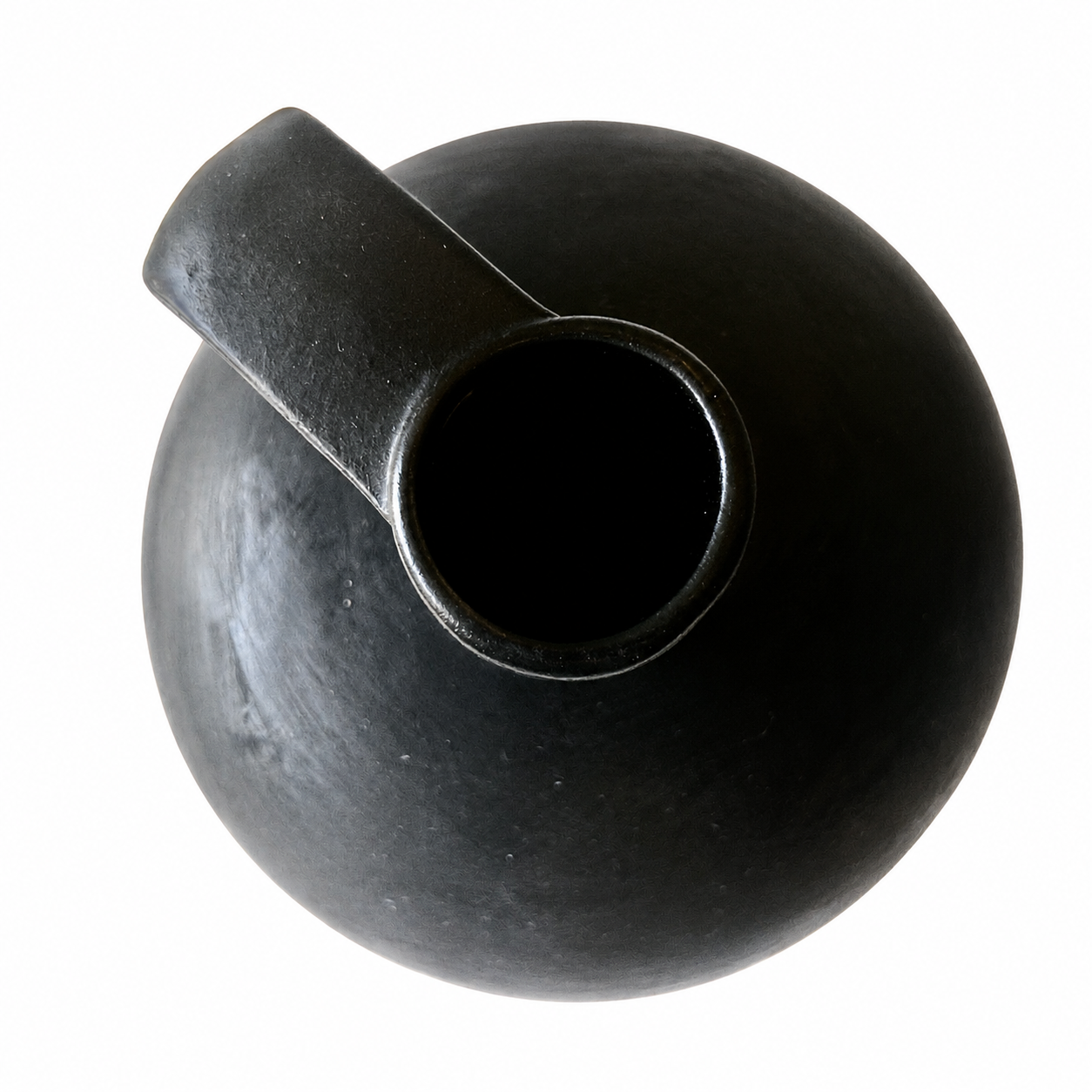
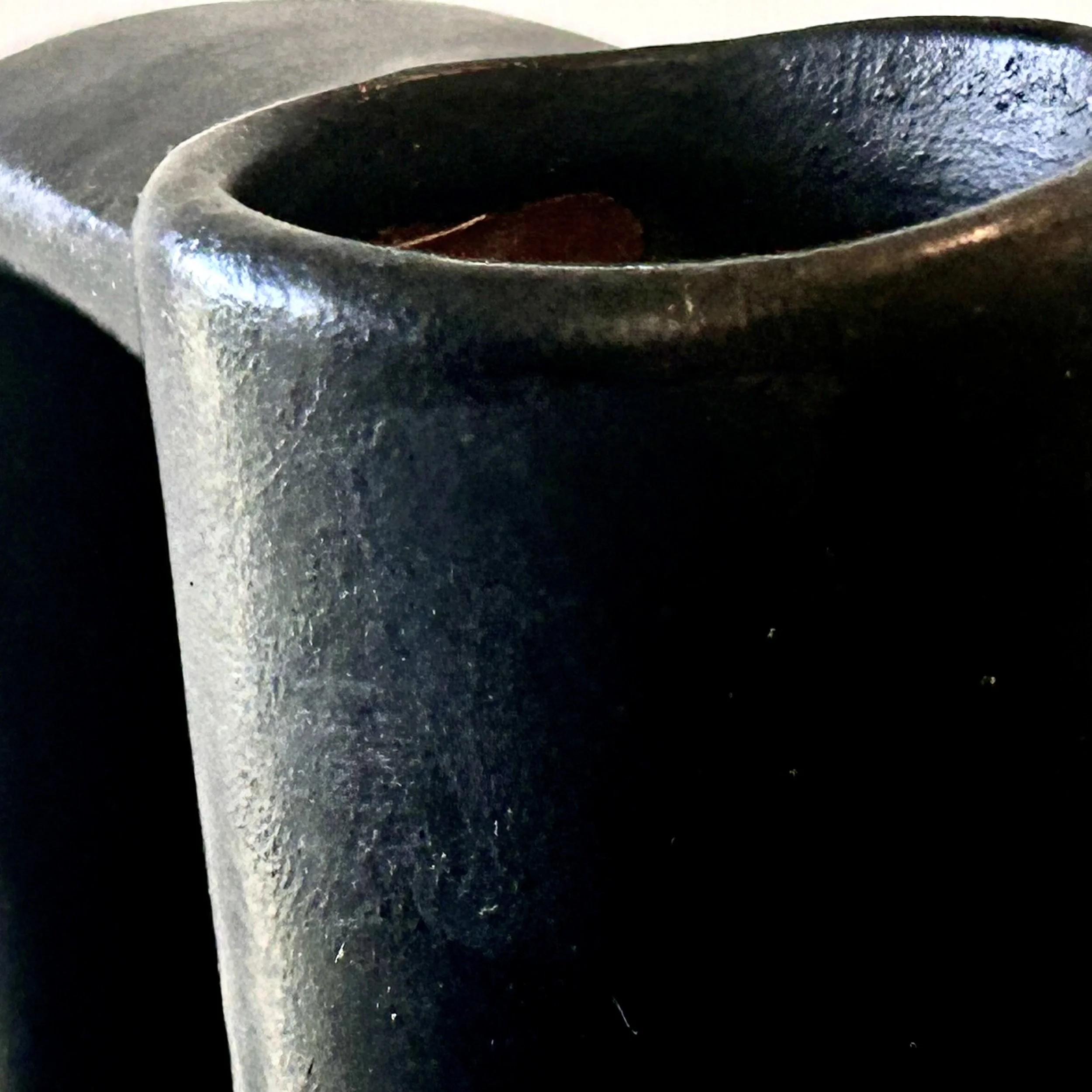
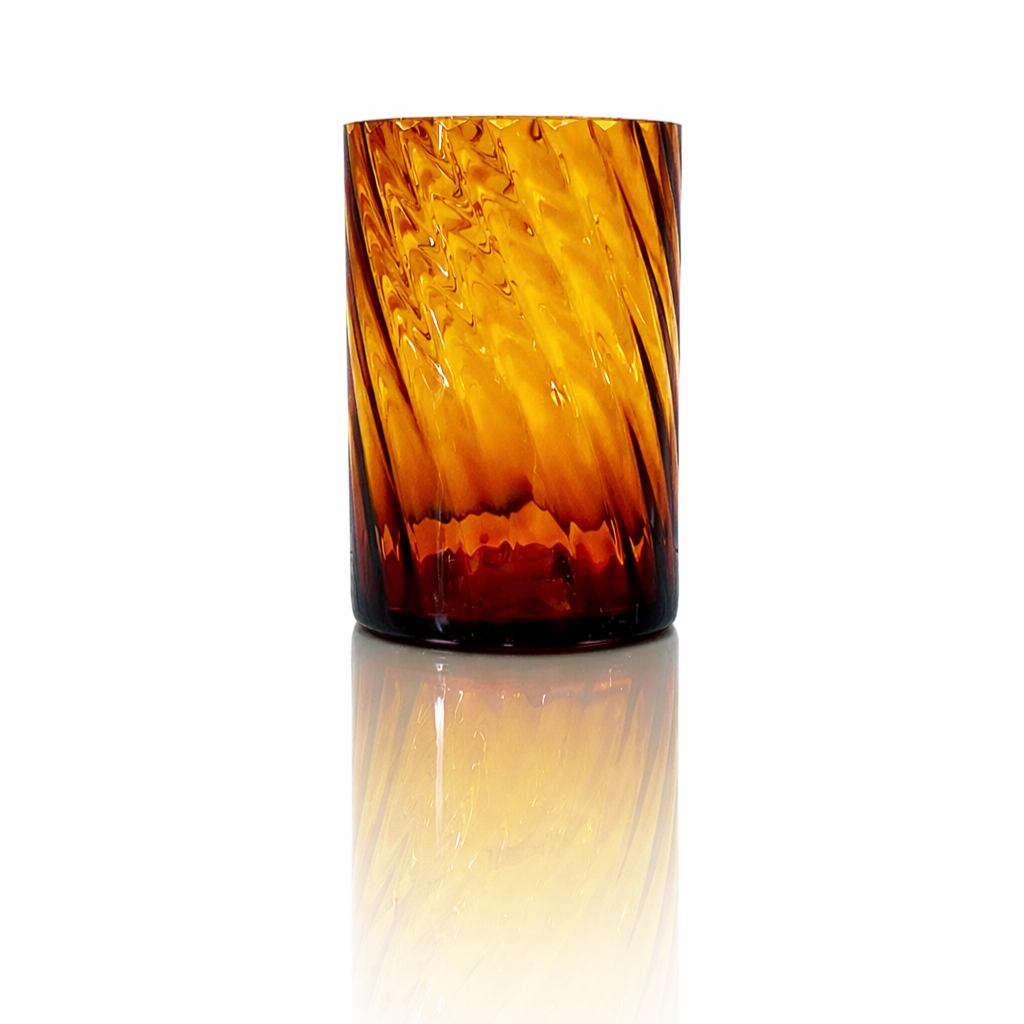
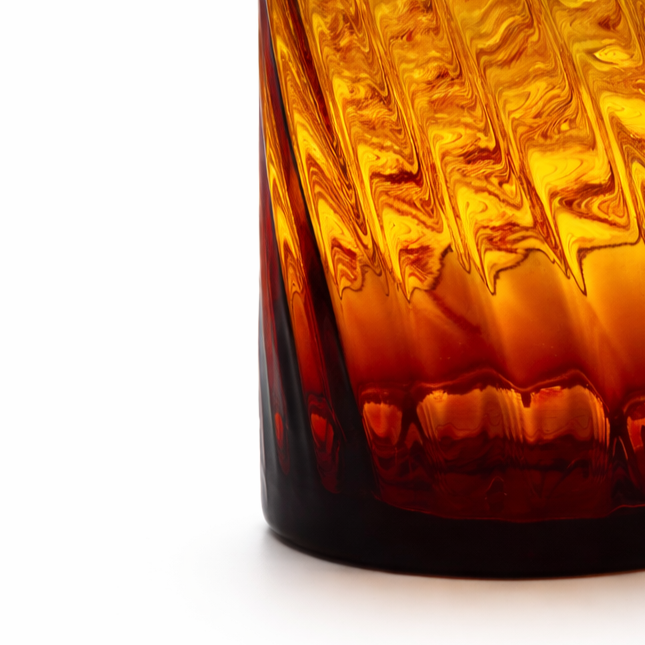
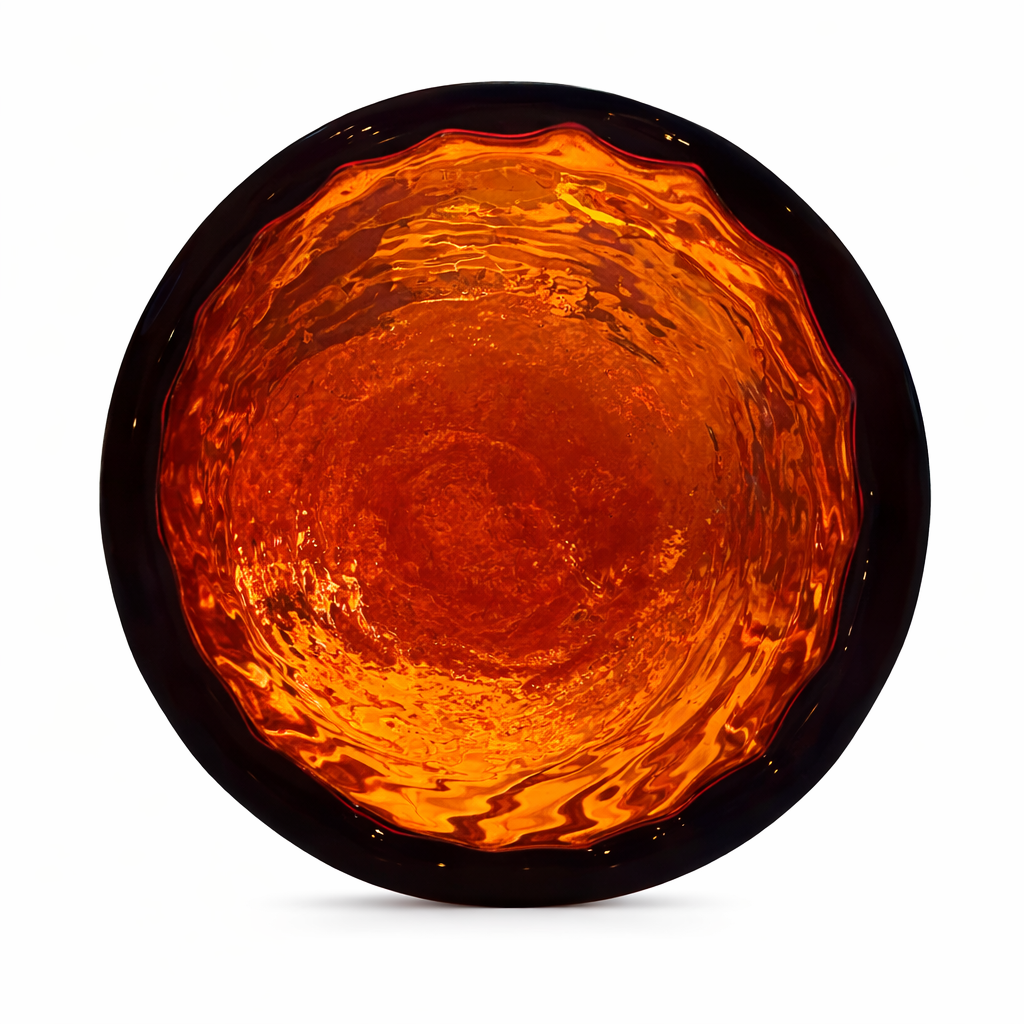
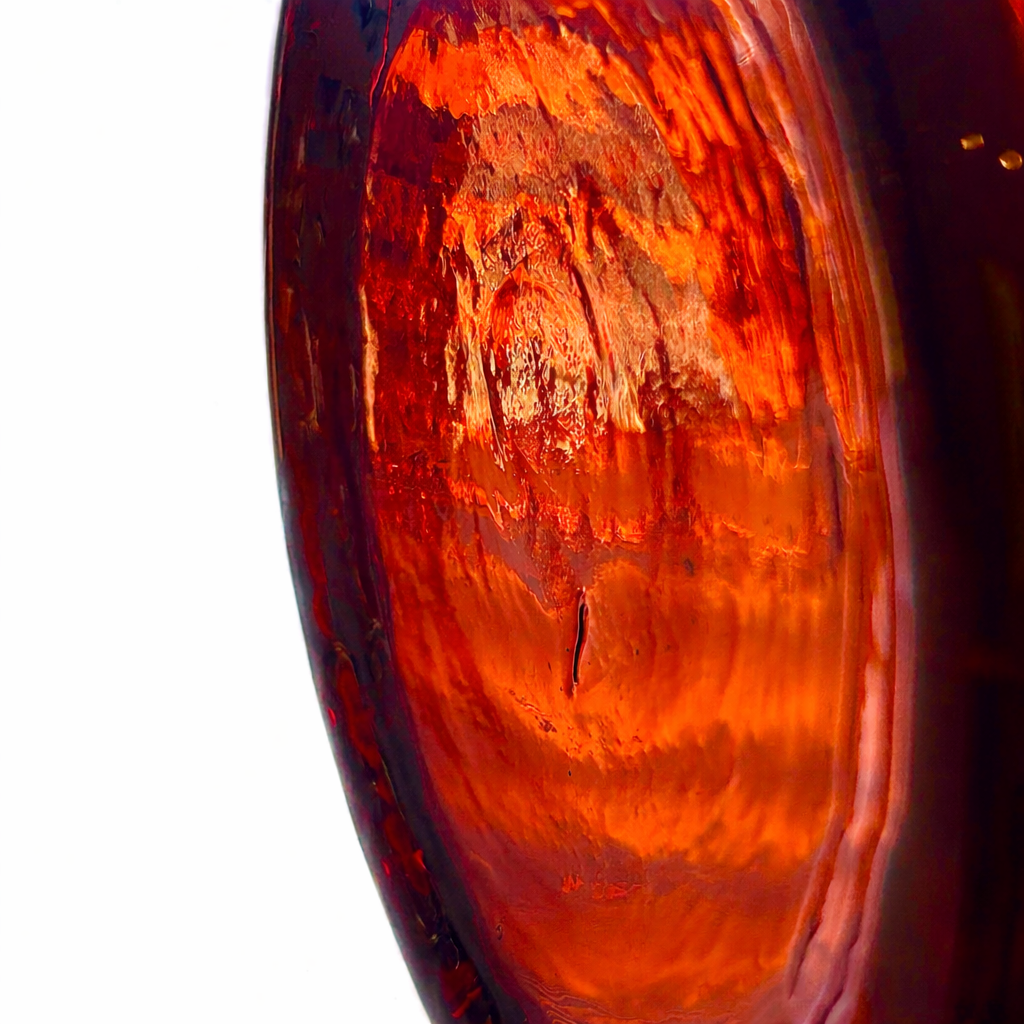
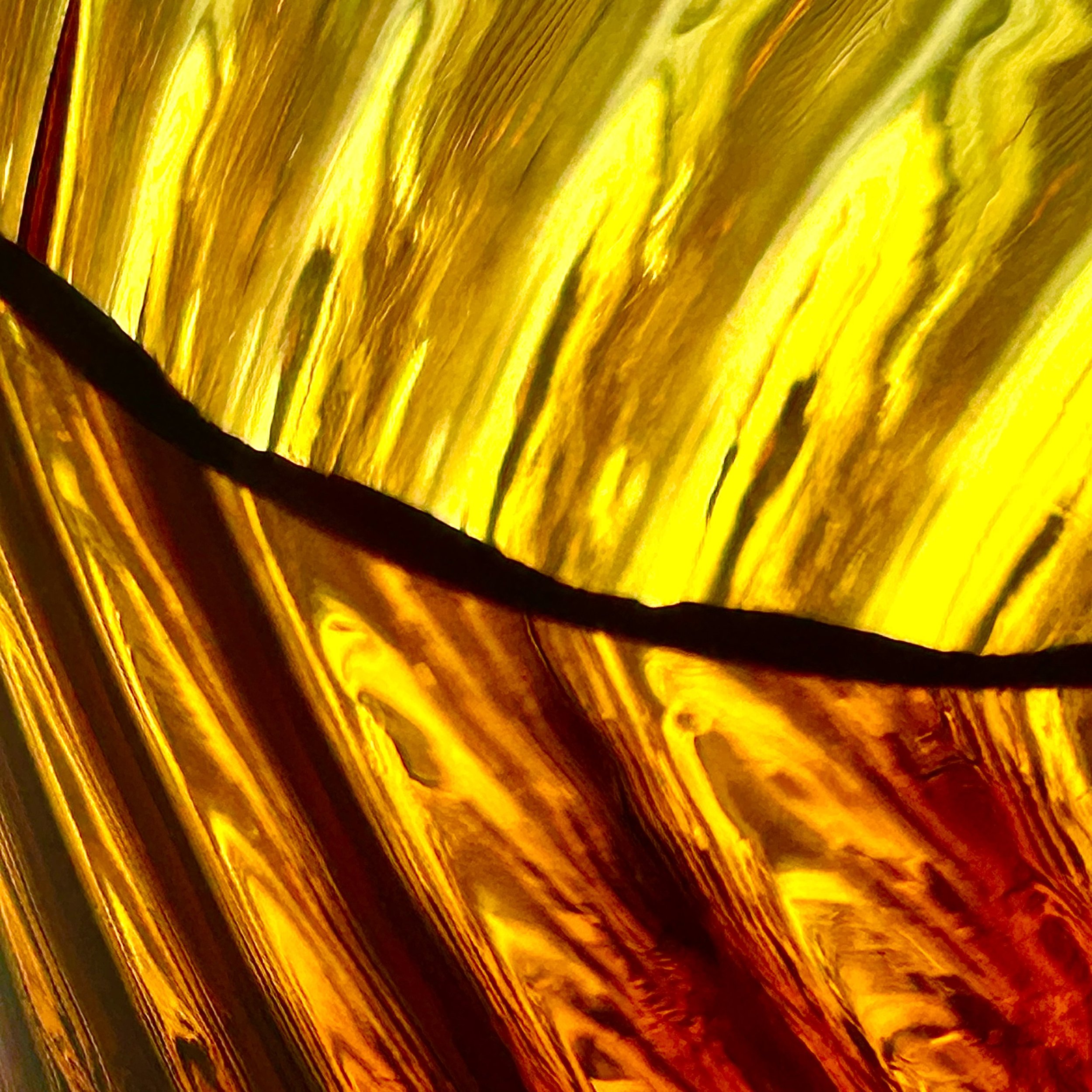
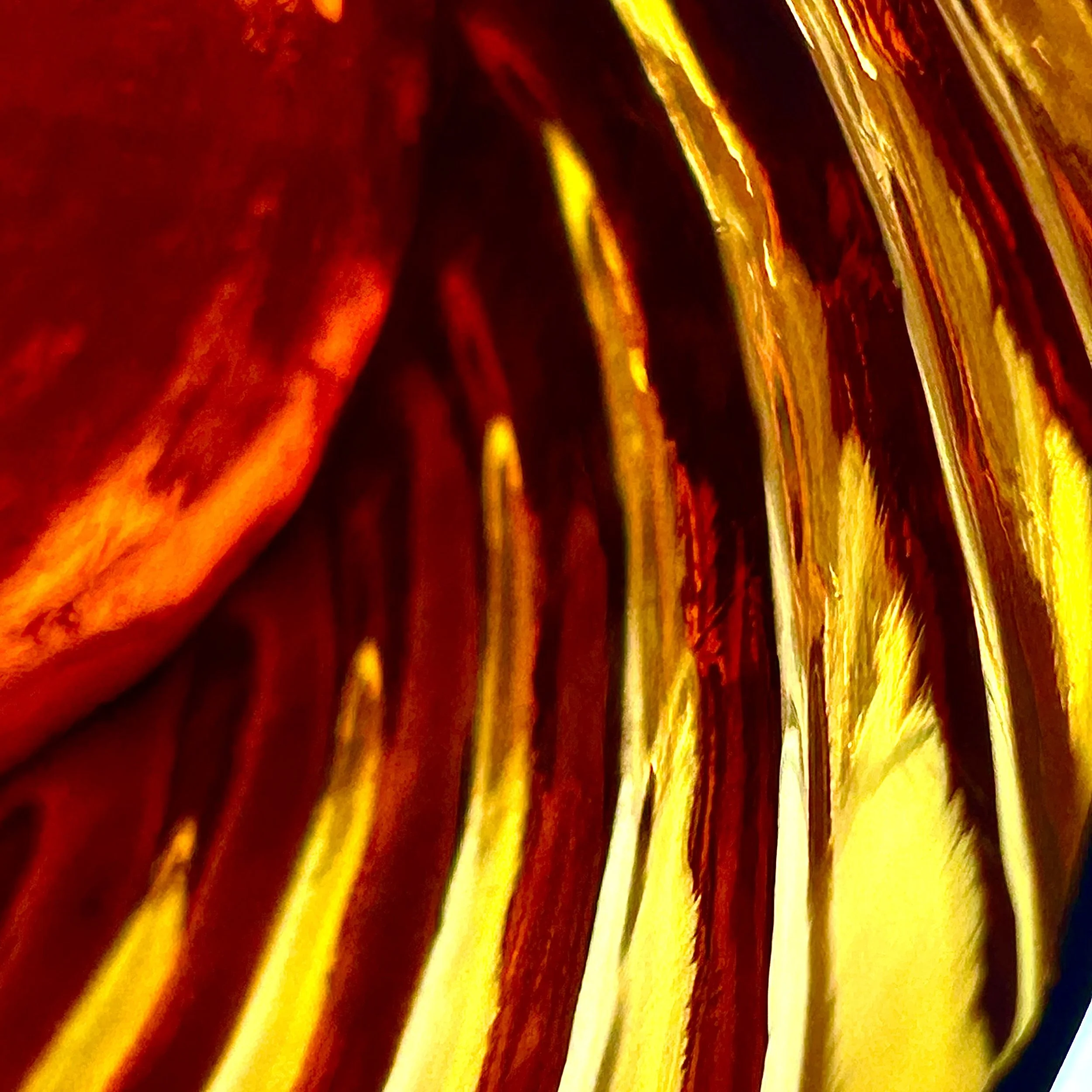
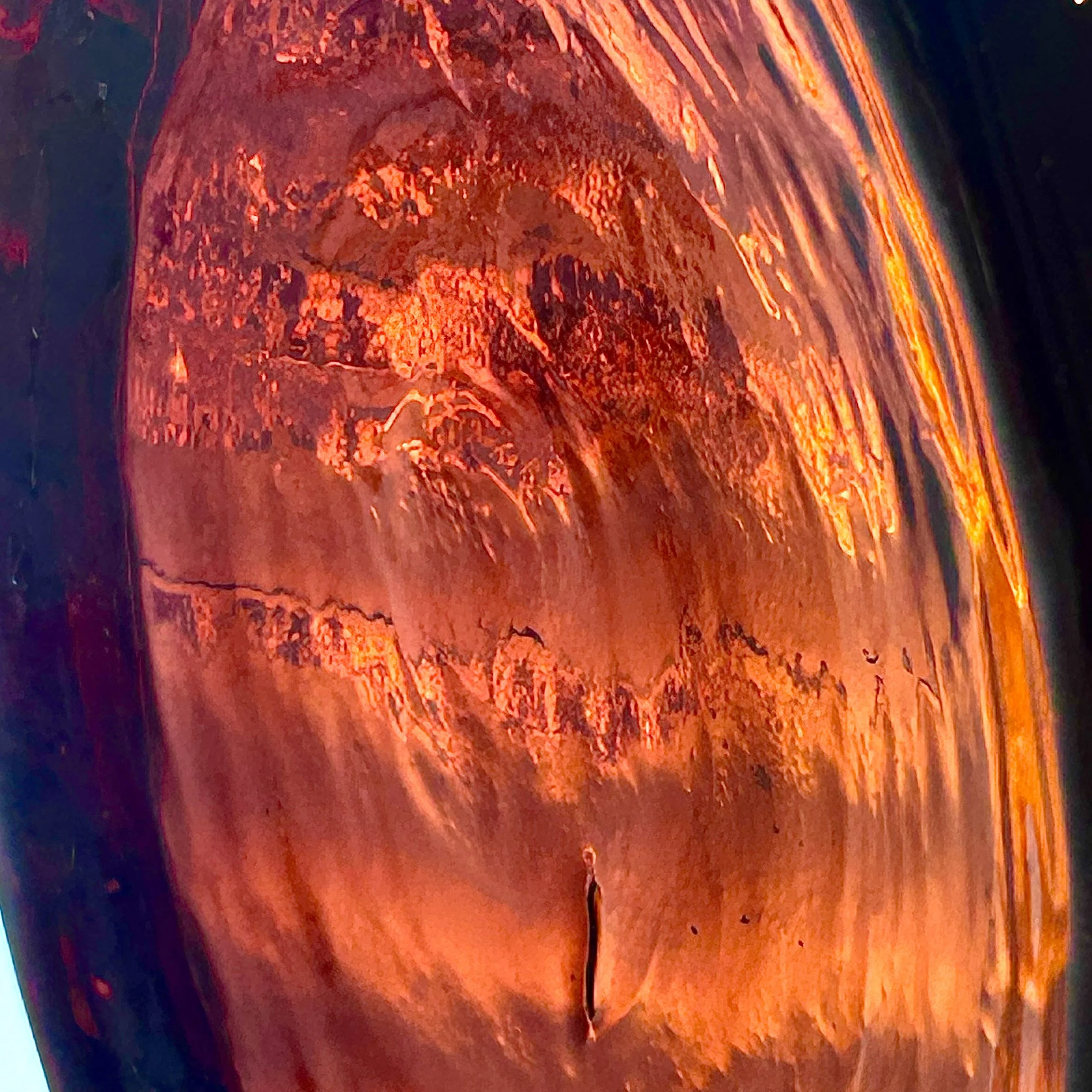
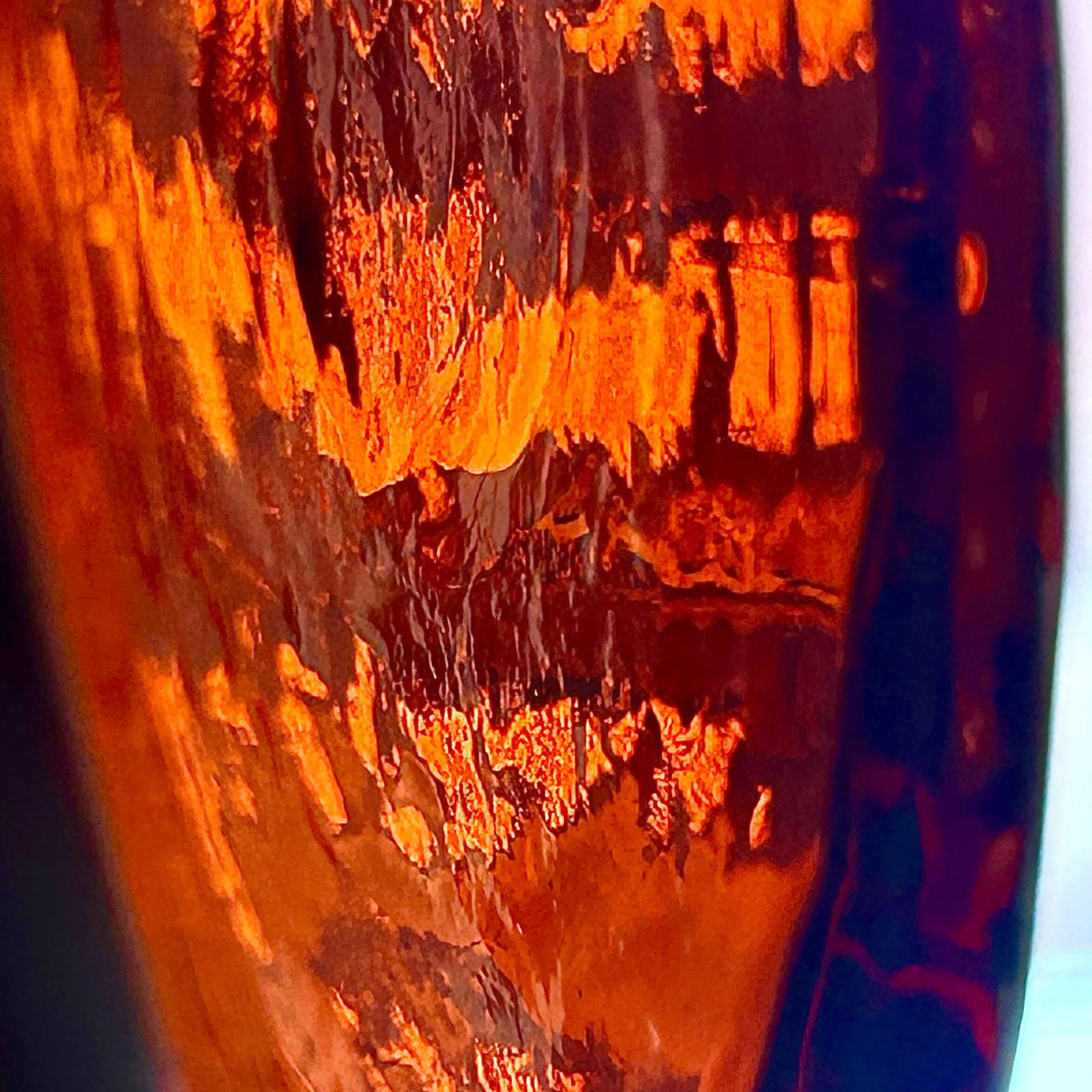
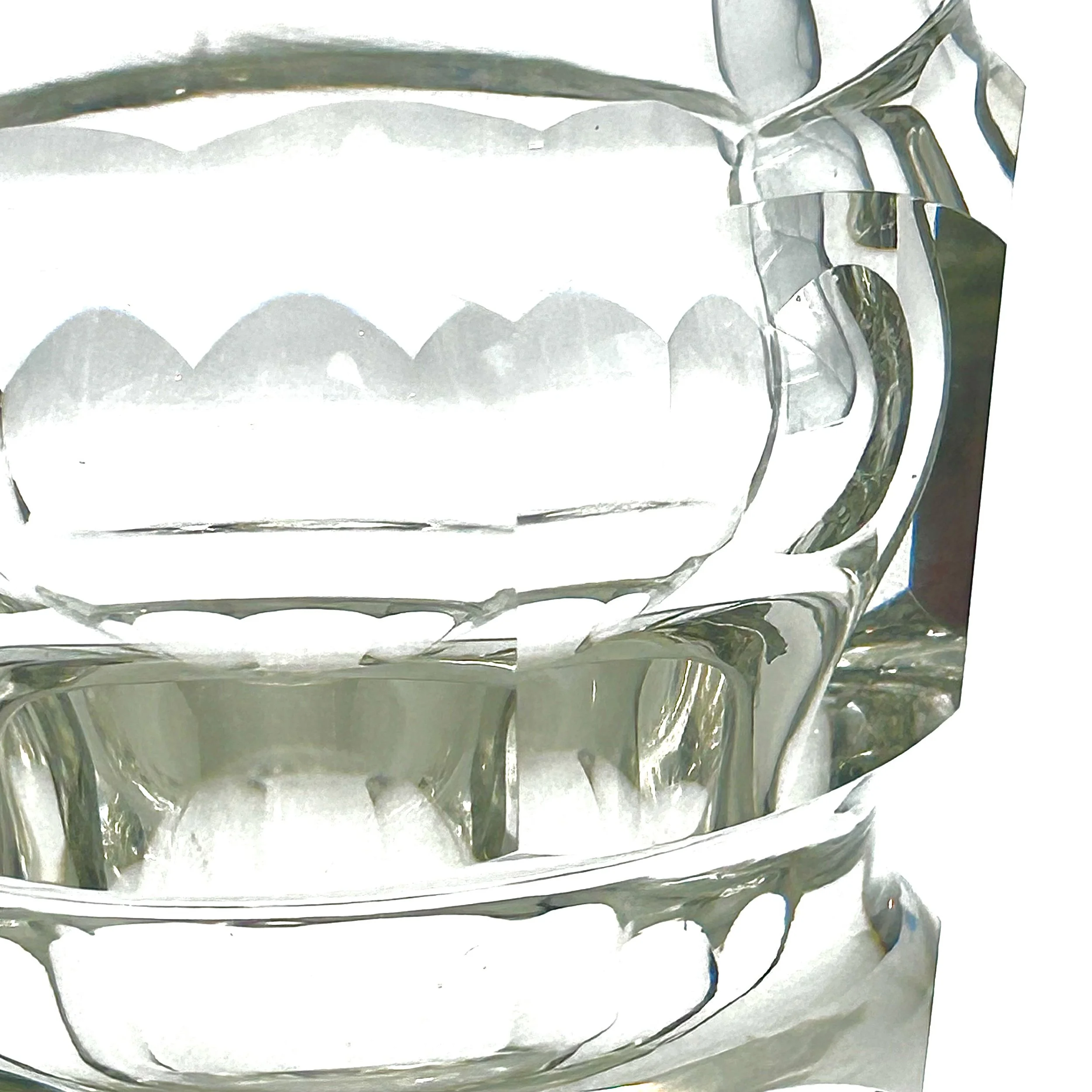
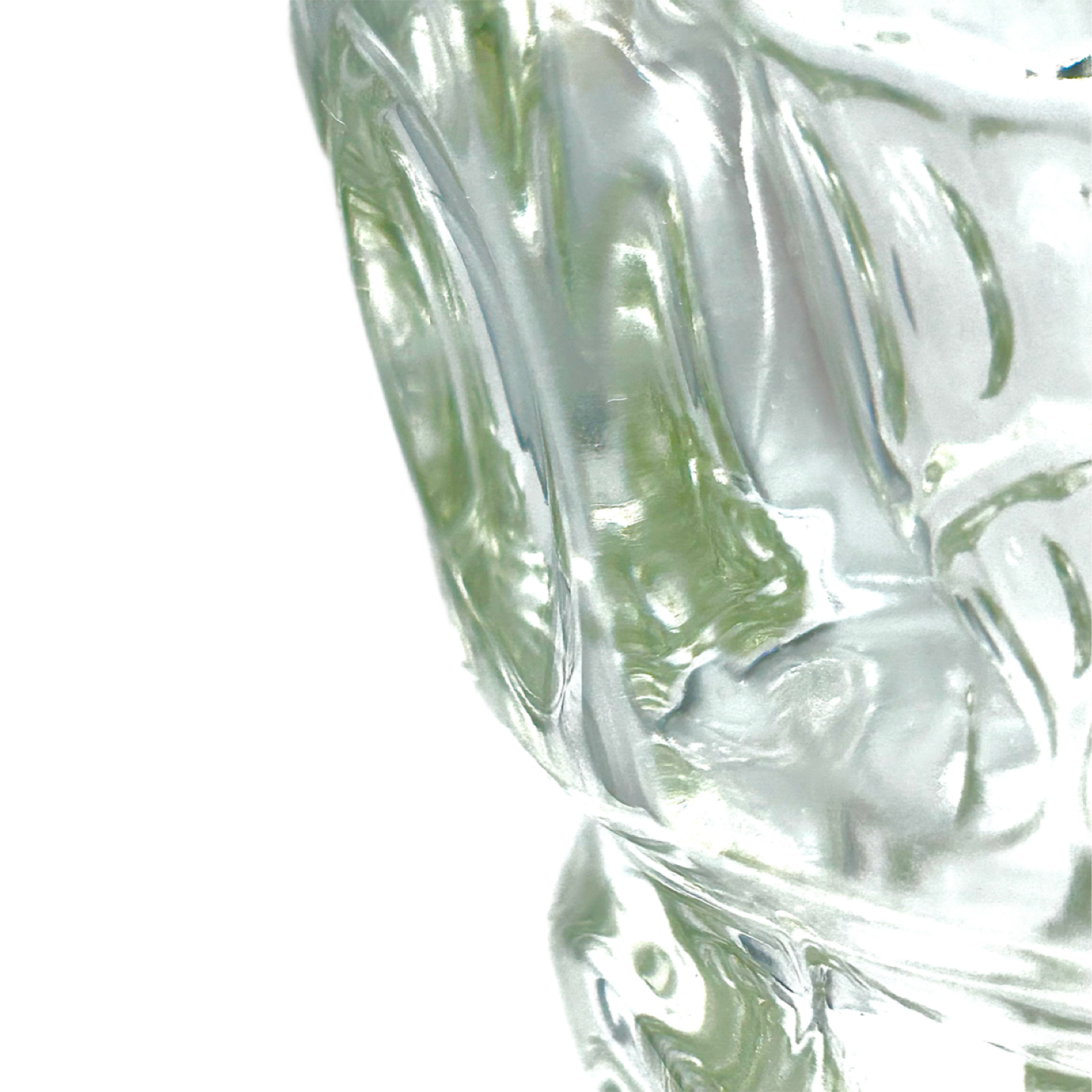
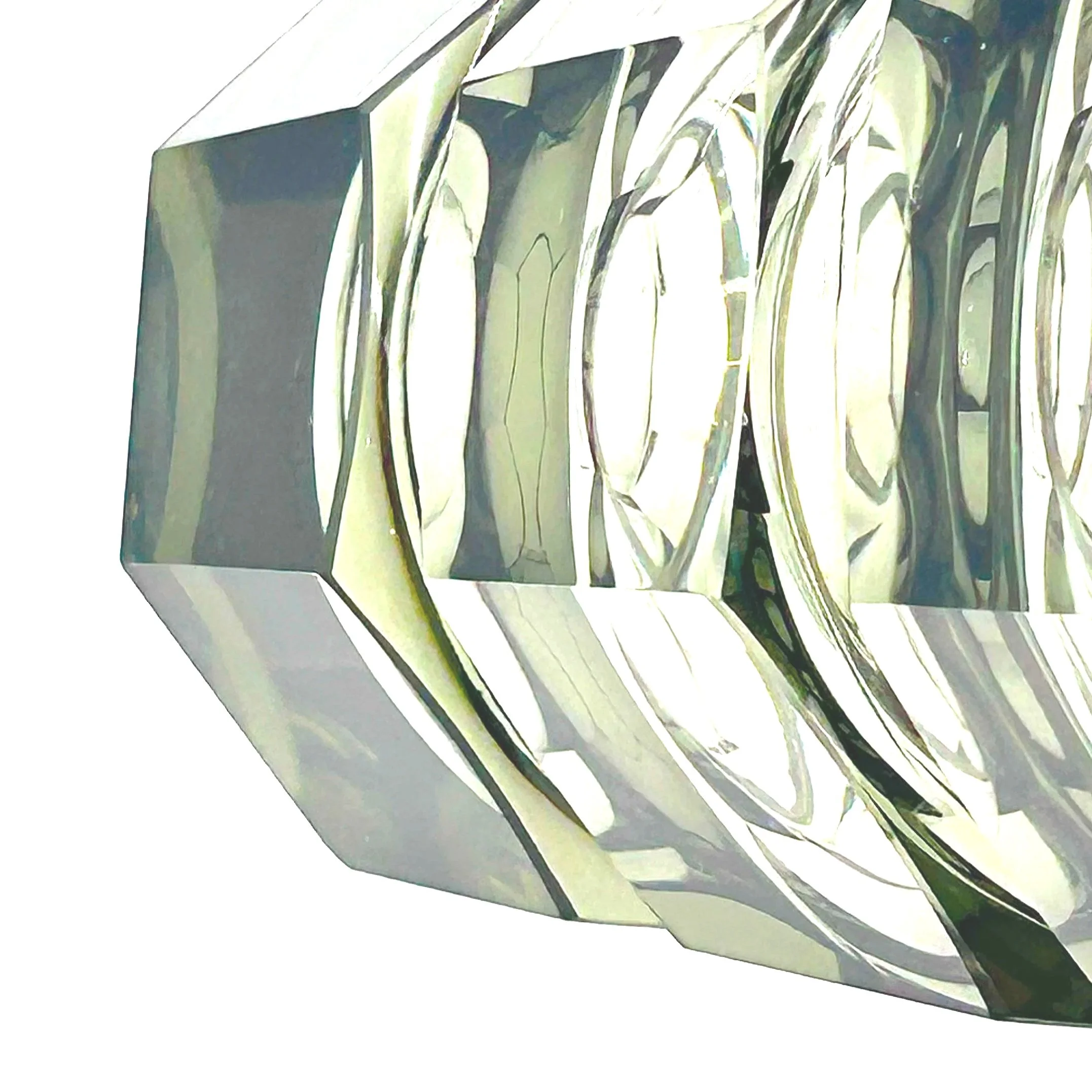
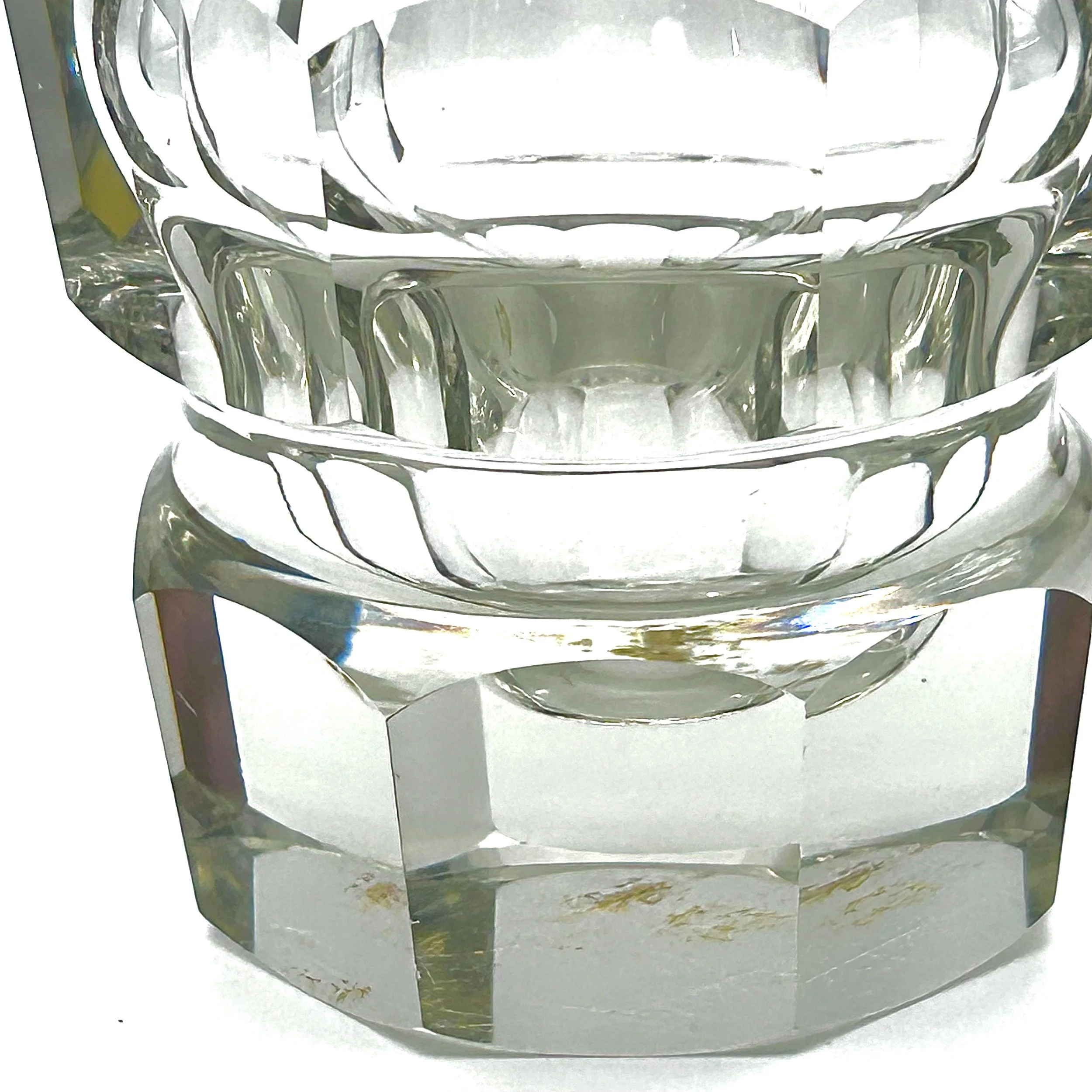
This artisanal glass jug commands attention with its substantial presence and distinctive pulegoso technique, which infuses the deep amethyst glass with a dense, frothy pattern of micro-bubbles. This texture captures light and creates a compelling visual depth, contrasted by a smoothly applied clear glass strap handle and a precisely pinched pouring spout. Adding to its complexity, the glass composition includes manganese or uranium-based agents, which allow it to emit a surprising and vivid green glow under 365nm UV light, revealing a hidden, scientific aspect to its beauty.
Attribution & Period
Consistent with Murano, Italy, 1960s
The execution of the pulegoso texture, combined with the heavy amethyst coloration and the traditional handle design, is highly characteristic of mid-century Venetian production. The specific combination of techniques and the manganese content (indicated by the UV reactive green glow) are stylistically aligned with a period of material experimentation on Murano in the 1960s. The dense, irregular bubbles distinguish it from standard controlled-bubble patterns, instead creating a foam-like appearance typical of pulegoso.
Dimensions & Weight
Height: 5 9/16 inches
Width / Diameter (Widest Point): 5 inches
Depth / Base Diameter: 2 1/2 inches
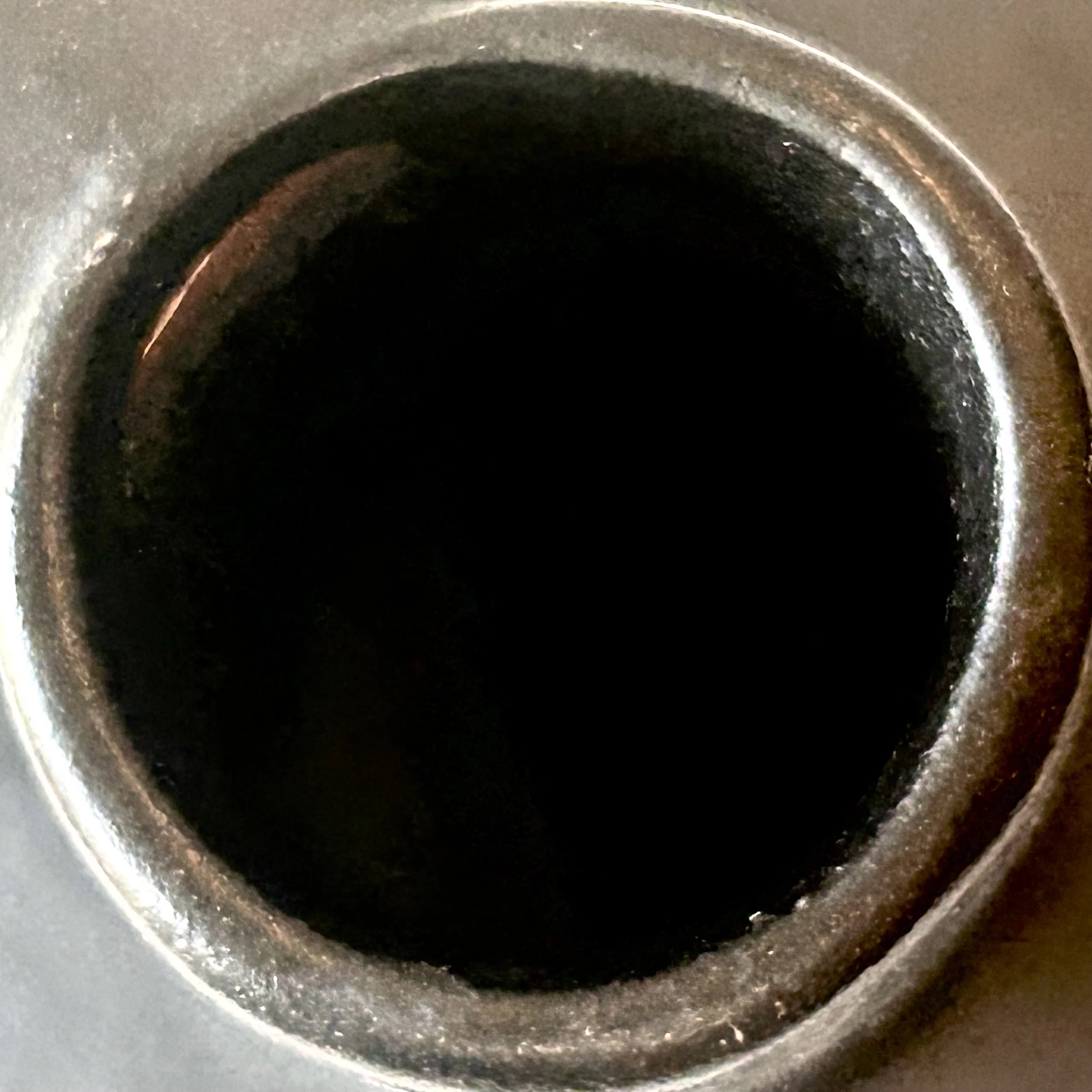
Opening Diameter: 2 1/4 inches
Weight: 1.78 lbs
Condition
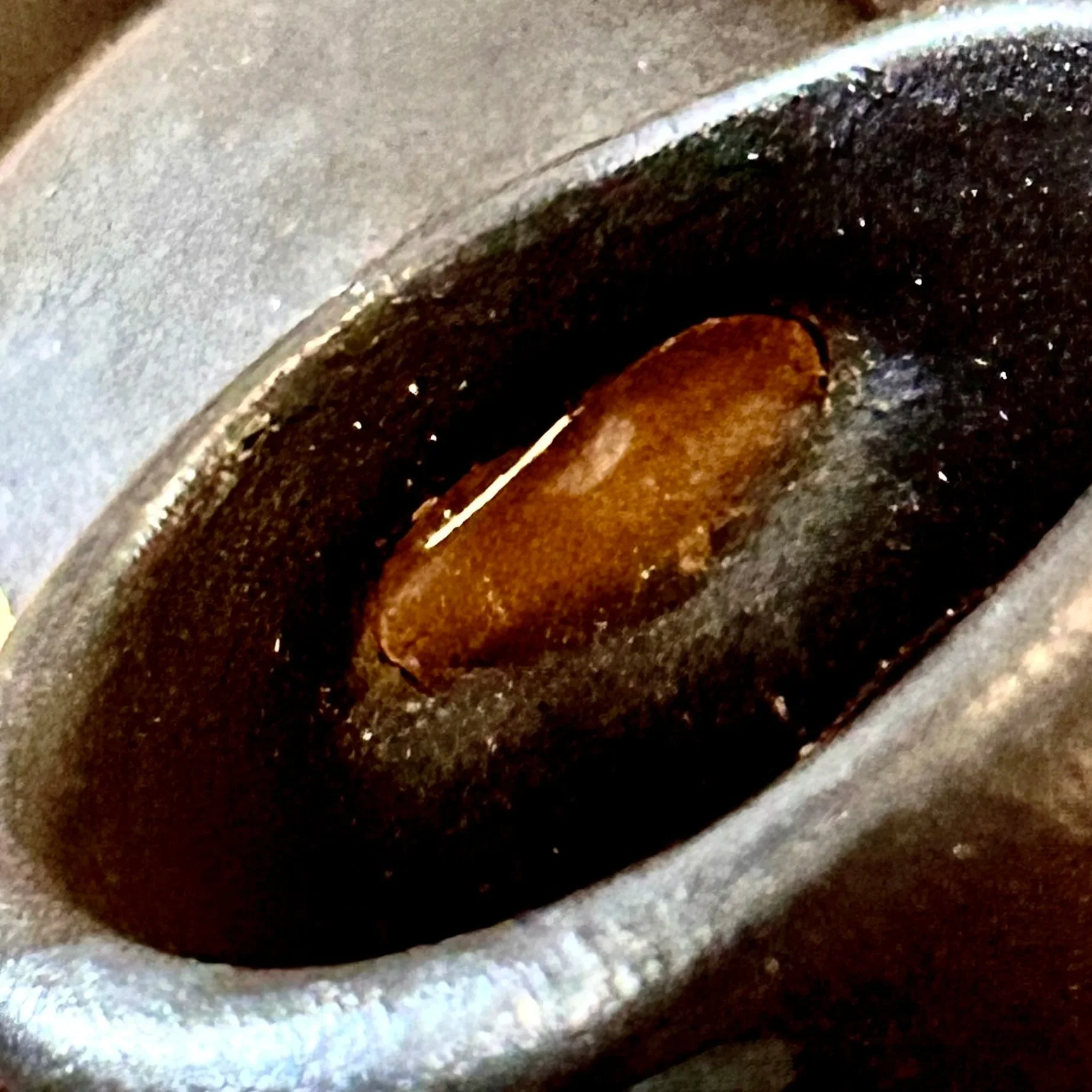
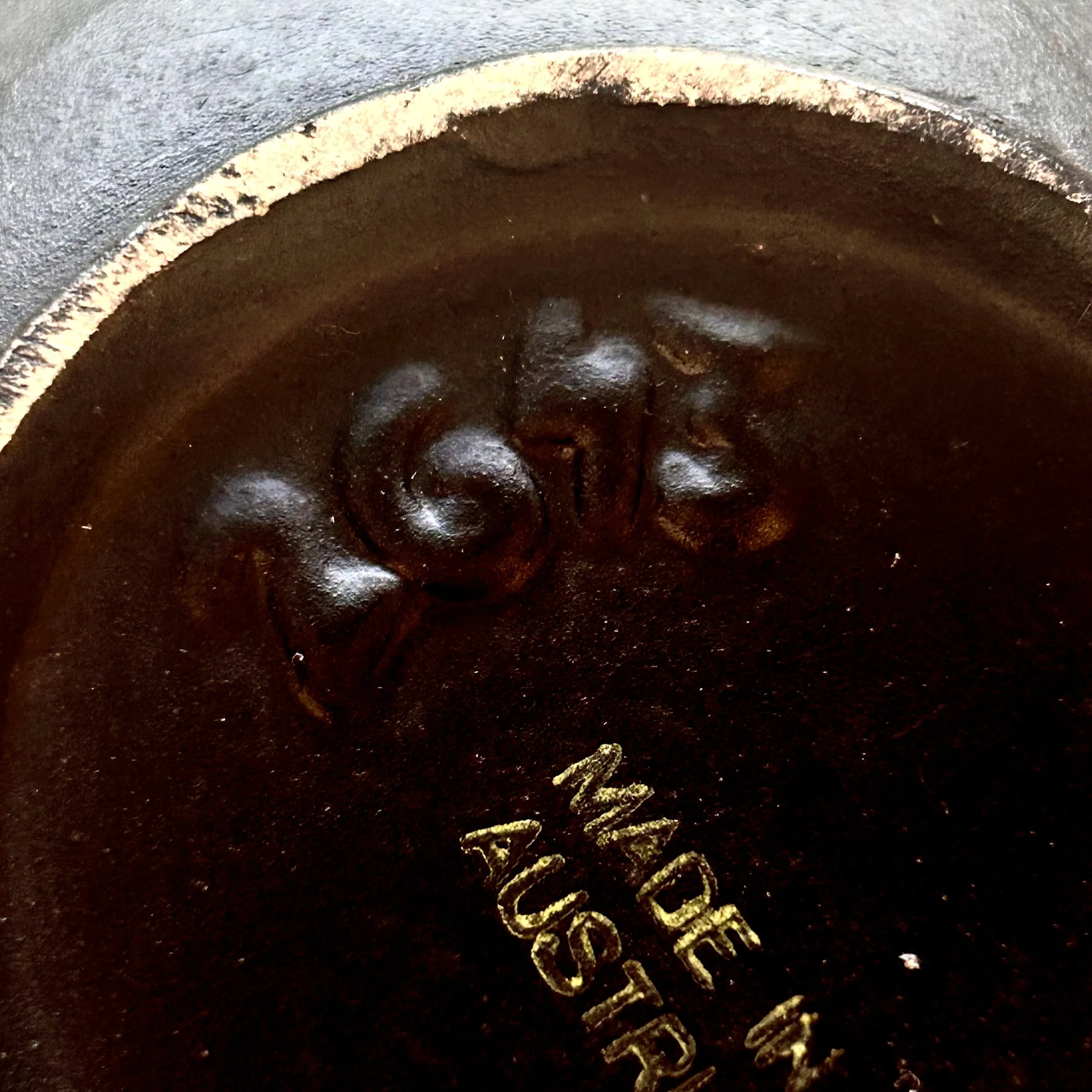
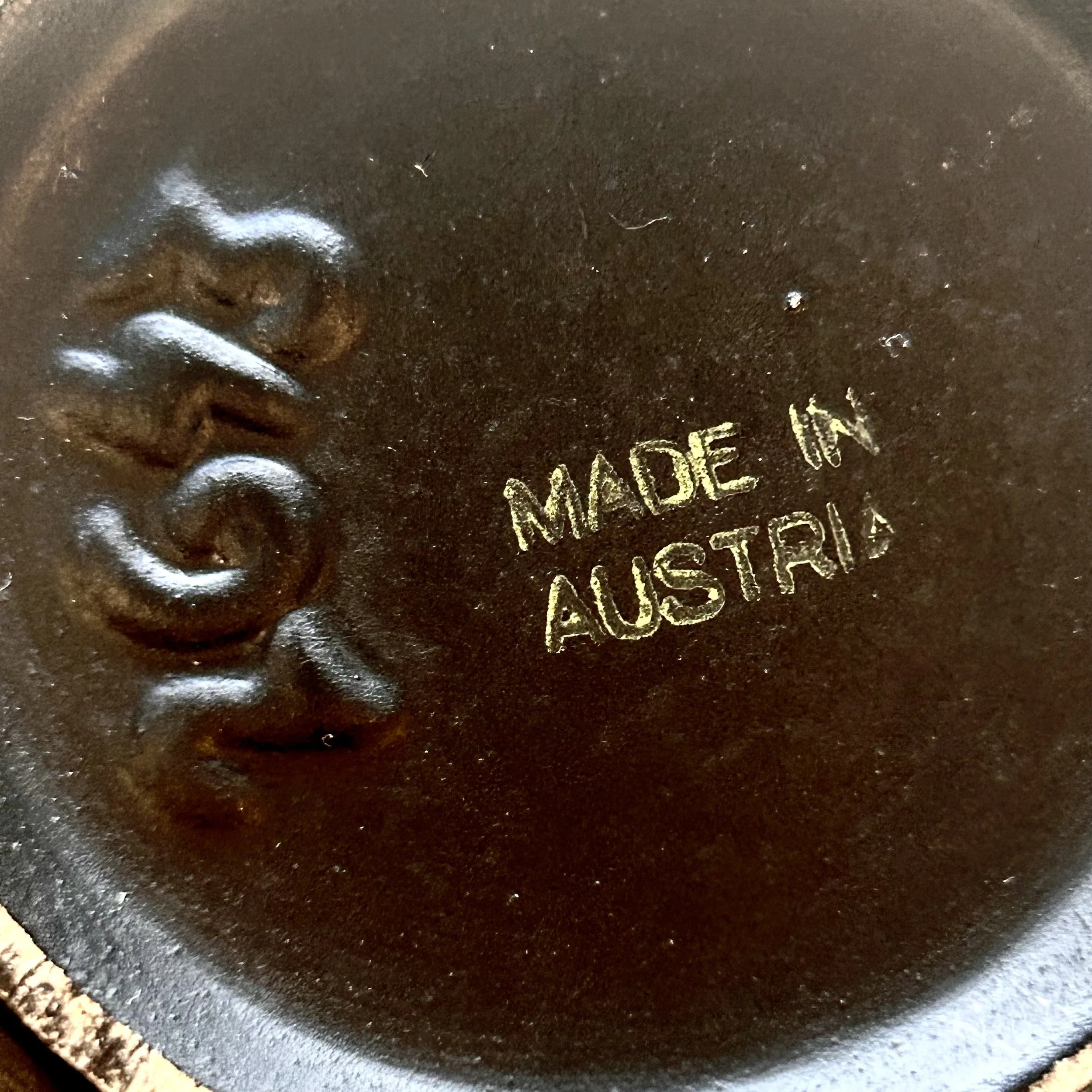
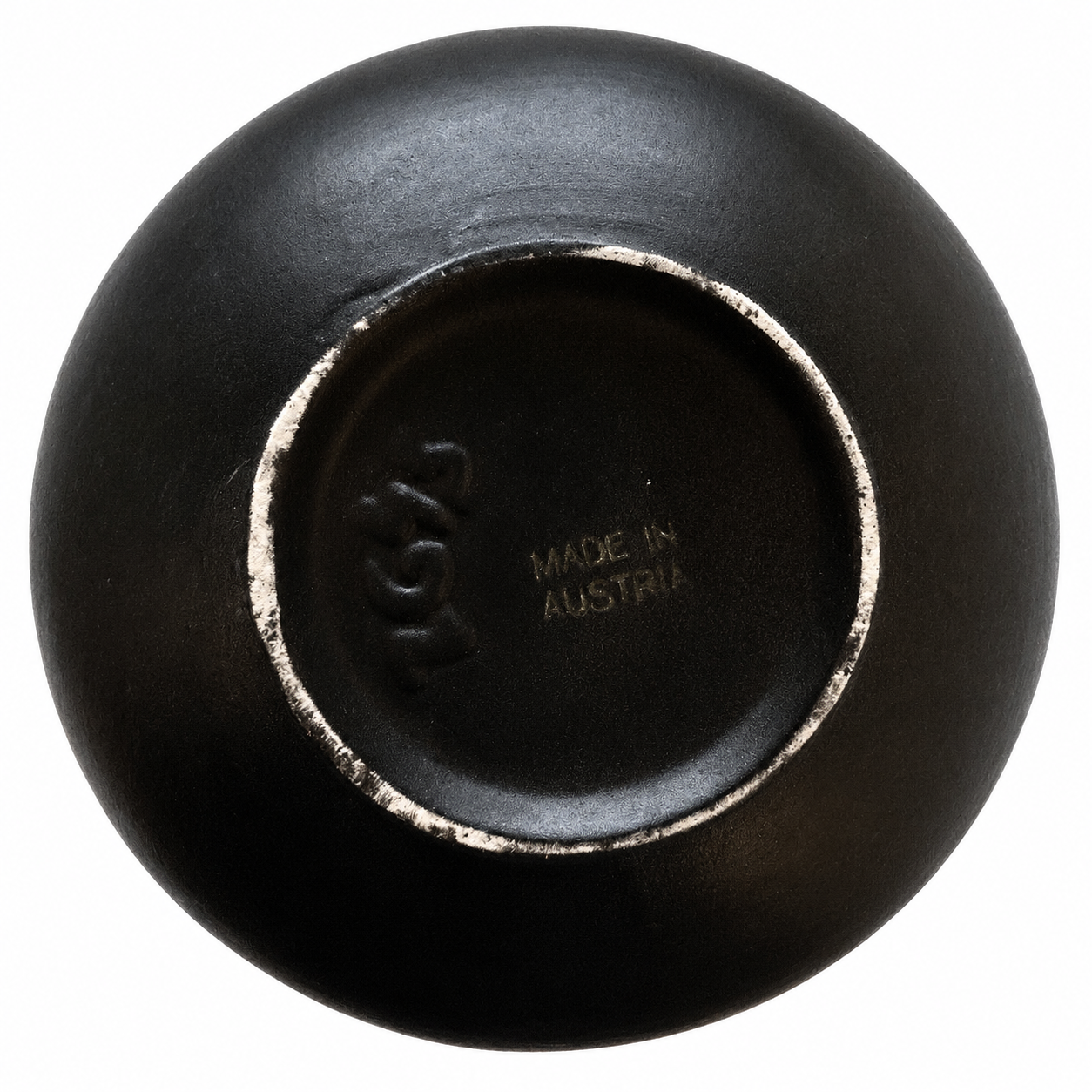
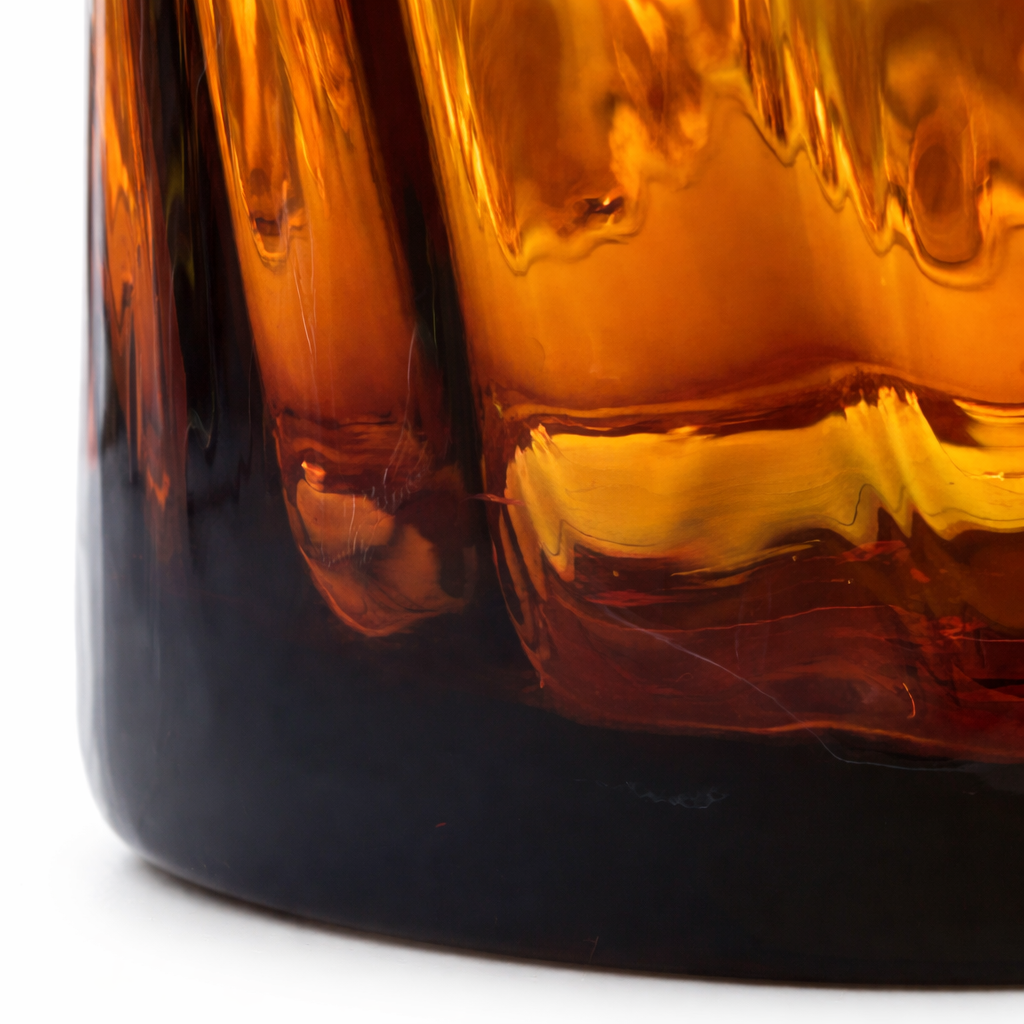
Excellent antique condition. The jug is incredibly well-preserved, with no observed cracks, chips, or surface scratches to the purple or clear glass. Its considerable weight for the size confirms its high material quality. The base shows a prominent, rough pontil scar, about 3/4 of an inch in diameter, which is a desirable characteristic of true hand-blown artisanal glass.
Authenticity & Construction
Hand-blown in Murano, Italy, this jug utilizes the pulegoso technique, achieved by introducing a substance that releases gas into the molten gather just before molding. This complex process requires precise temperature control to trap the bubbles rather than let them escape. The clear handle was added while still molten and attached by hand. The base features a prominent, unpolished pontil mark where the blowpipe was detached, left raw to prove its hand-fabricated origins.
Placement
This jug should be placed on a surface where its texture can be fully appreciated—perhaps on a travertine vanity or on a floating shelf where natural light can activate its dense bubbles. It serves as an elegant standalone sculptural element and, for collectors of unusual glass, can be paired with a UV light source to showcase its rare and dramatic fluorescence, offering a conversation-starting dynamic feature to any room.
STANDARD ATTRIBUTION & VALUE DISCLOSURE; This piece is described to the best of current scholarly and market knowledge. Any maker or regional attribution is based on visual analysis, materials, construction techniques, and documented stylistic comparisons. As with many MCM and antique design objects, definitive attribution may not be possible without original labels or factory records. Pricing reflects condition, quality, decorative appeal, and current collector demand rather than guaranteed maker identification.
This artisanal glass jug commands attention with its substantial presence and distinctive pulegoso technique, which infuses the deep amethyst glass with a dense, frothy pattern of micro-bubbles. This texture captures light and creates a compelling visual depth, contrasted by a smoothly applied clear glass strap handle and a precisely pinched pouring spout. Adding to its complexity, the glass composition includes manganese or uranium-based agents, which allow it to emit a surprising and vivid green glow under 365nm UV light, revealing a hidden, scientific aspect to its beauty.
Attribution & Period
Consistent with Murano, Italy, 1960s
The execution of the pulegoso texture, combined with the heavy amethyst coloration and the traditional handle design, is highly characteristic of mid-century Venetian production. The specific combination of techniques and the manganese content (indicated by the UV reactive green glow) are stylistically aligned with a period of material experimentation on Murano in the 1960s. The dense, irregular bubbles distinguish it from standard controlled-bubble patterns, instead creating a foam-like appearance typical of pulegoso.
Dimensions & Weight
Height: 5 9/16 inches
Width / Diameter (Widest Point): 5 inches
Depth / Base Diameter: 2 1/2 inches
Opening Diameter: 2 1/4 inches
Weight: 1.78 lbs
Condition
Excellent antique condition. The jug is incredibly well-preserved, with no observed cracks, chips, or surface scratches to the purple or clear glass. Its considerable weight for the size confirms its high material quality. The base shows a prominent, rough pontil scar, about 3/4 of an inch in diameter, which is a desirable characteristic of true hand-blown artisanal glass.
Authenticity & Construction
Hand-blown in Murano, Italy, this jug utilizes the pulegoso technique, achieved by introducing a substance that releases gas into the molten gather just before molding. This complex process requires precise temperature control to trap the bubbles rather than let them escape. The clear handle was added while still molten and attached by hand. The base features a prominent, unpolished pontil mark where the blowpipe was detached, left raw to prove its hand-fabricated origins.
Placement
This jug should be placed on a surface where its texture can be fully appreciated—perhaps on a travertine vanity or on a floating shelf where natural light can activate its dense bubbles. It serves as an elegant standalone sculptural element and, for collectors of unusual glass, can be paired with a UV light source to showcase its rare and dramatic fluorescence, offering a conversation-starting dynamic feature to any room.
STANDARD ATTRIBUTION & VALUE DISCLOSURE; This piece is described to the best of current scholarly and market knowledge. Any maker or regional attribution is based on visual analysis, materials, construction techniques, and documented stylistic comparisons. As with many MCM and antique design objects, definitive attribution may not be possible without original labels or factory records. Pricing reflects condition, quality, decorative appeal, and current collector demand rather than guaranteed maker identification.

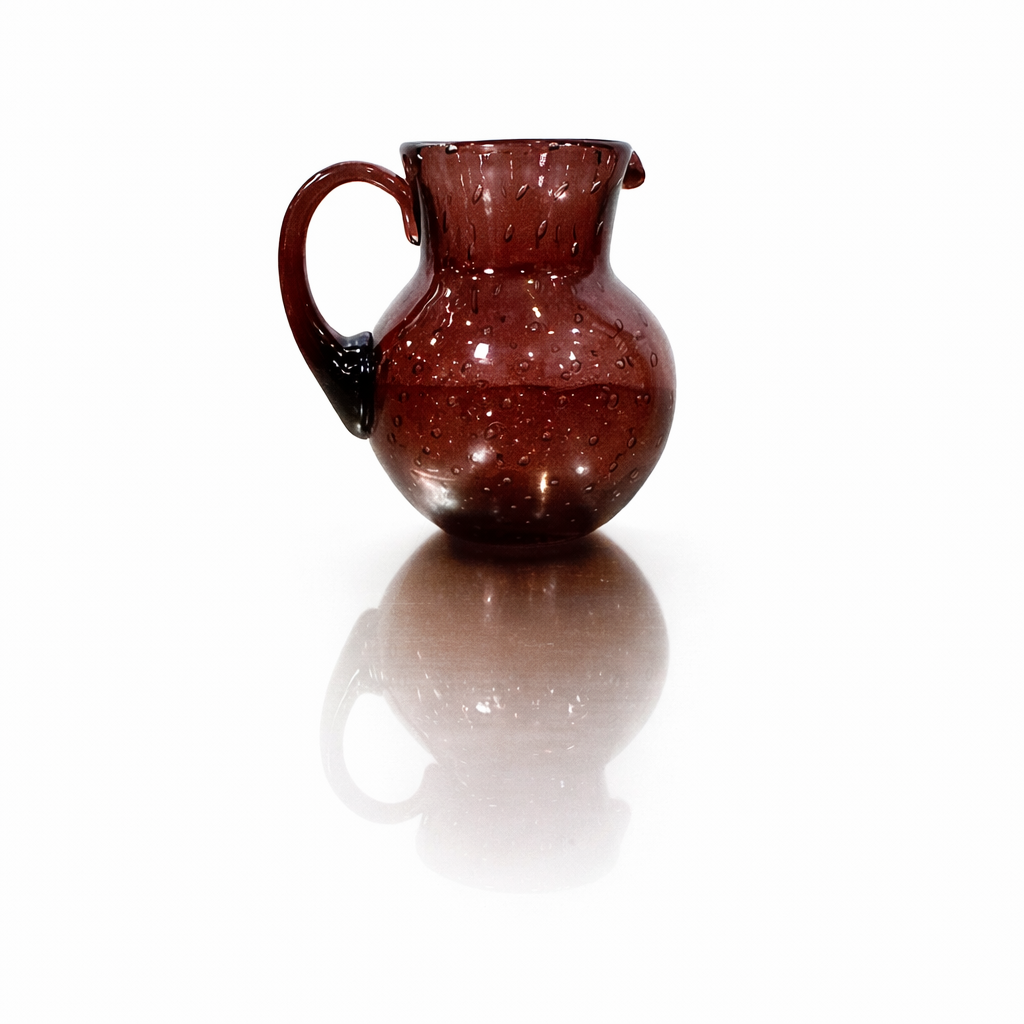 Image 1 of 18
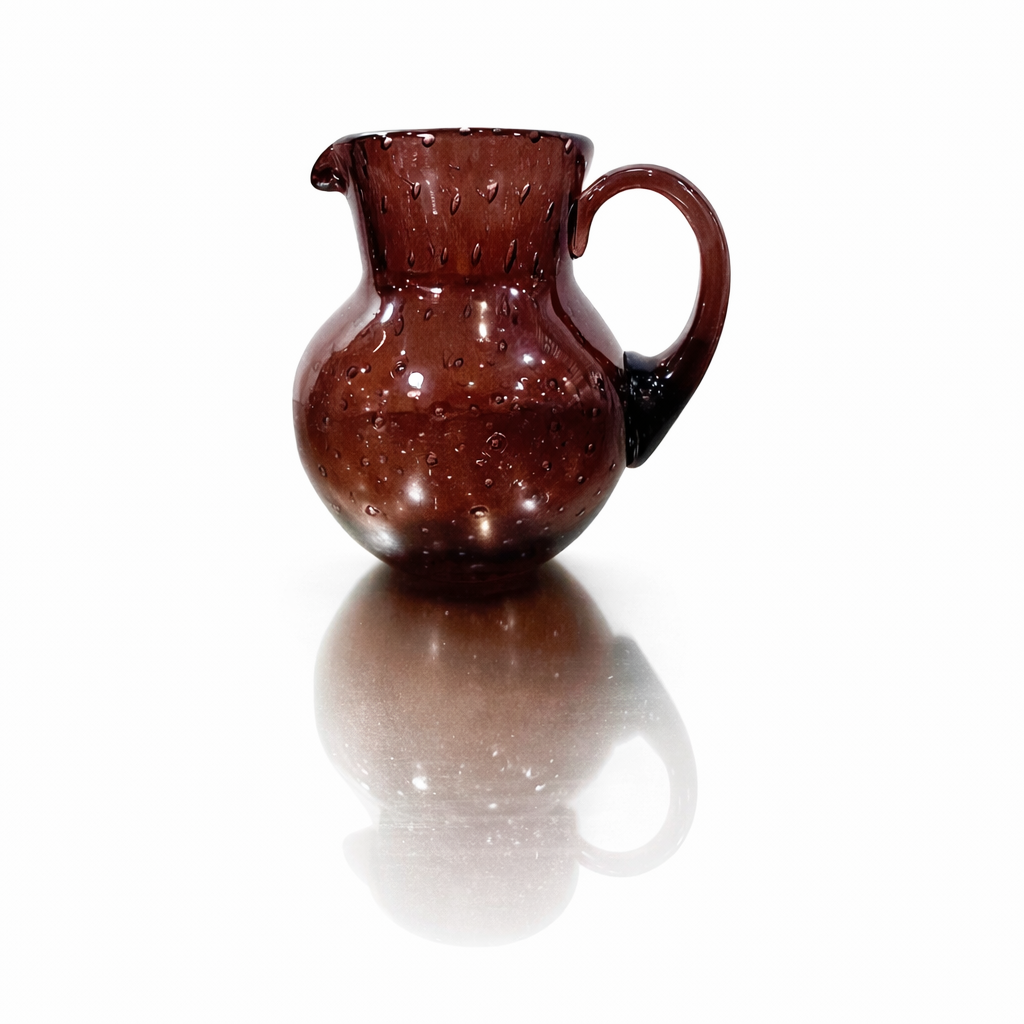 Image 2 of 18
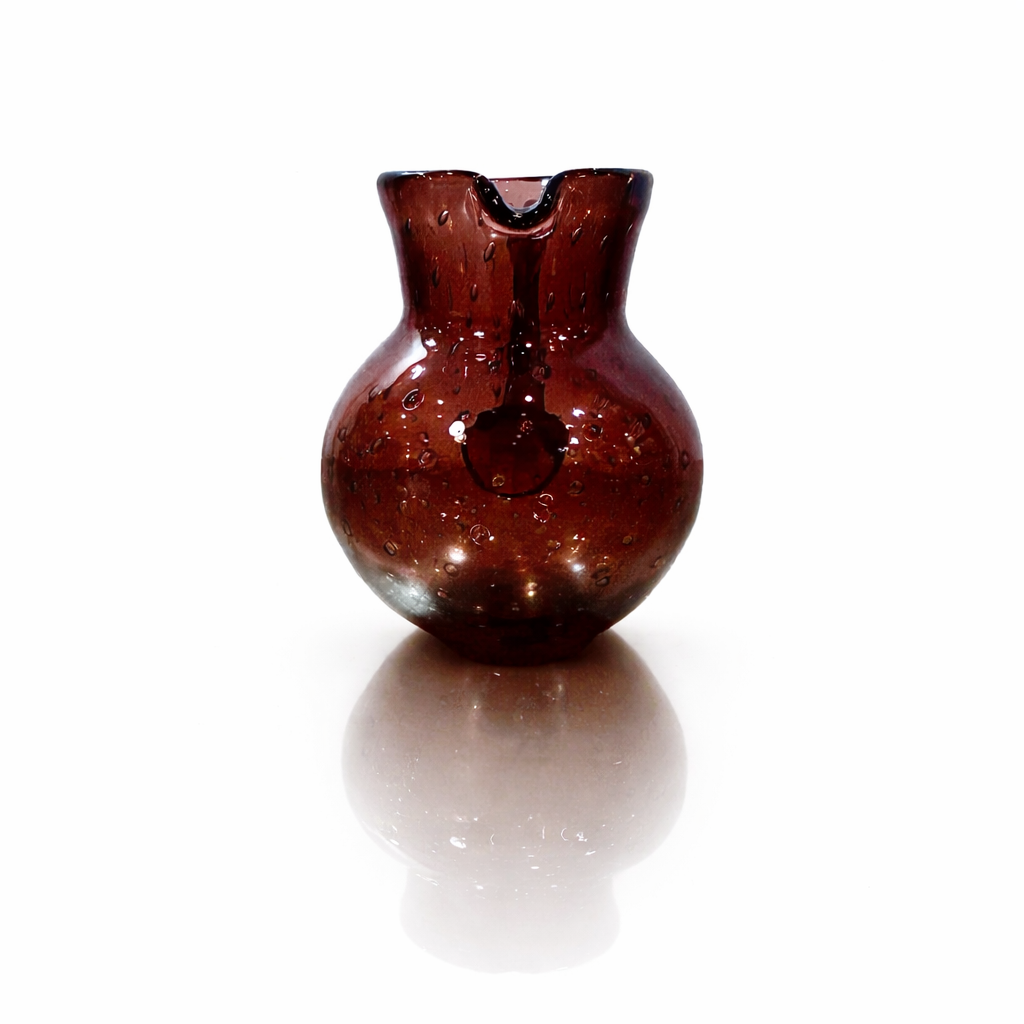 Image 3 of 18
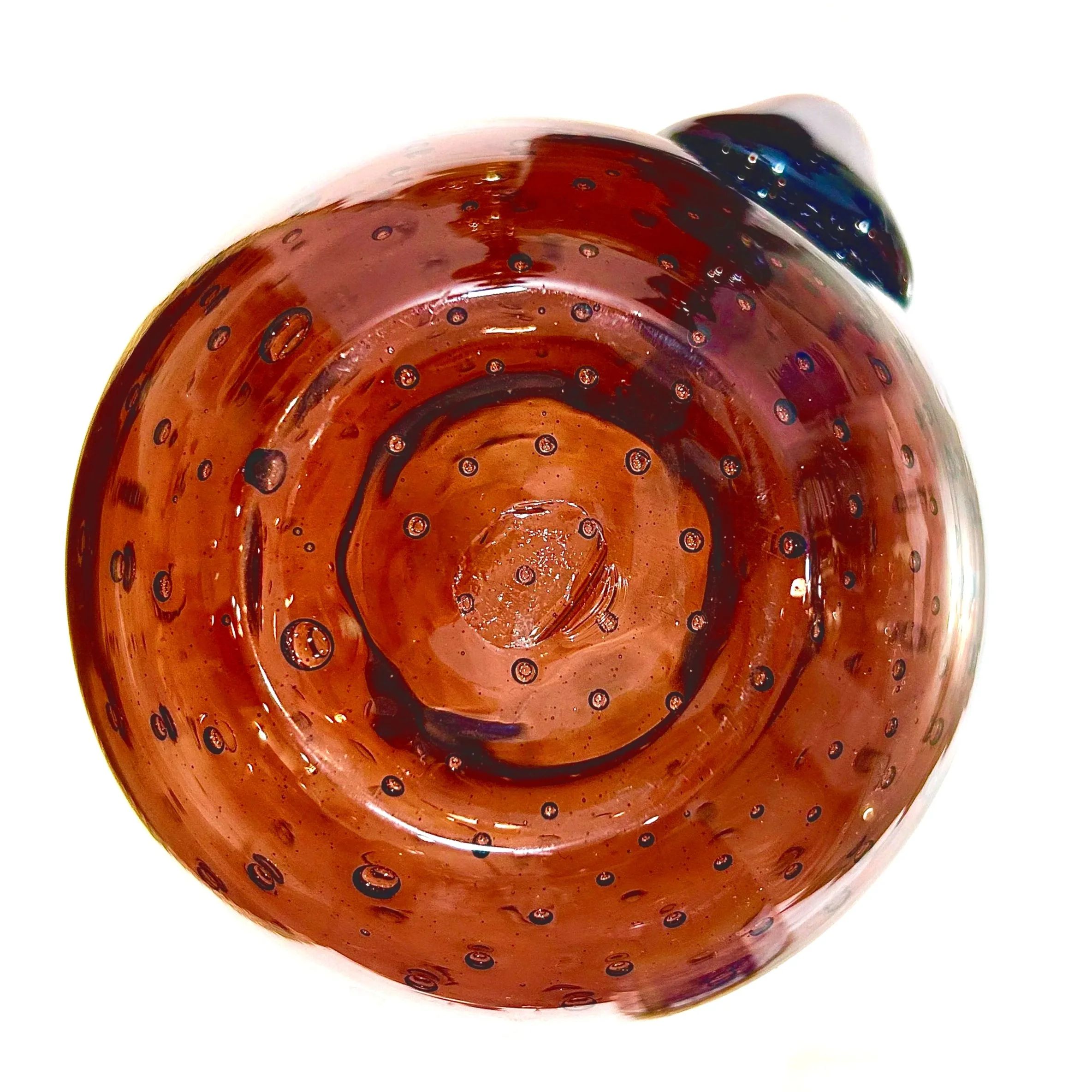 Image 4 of 18
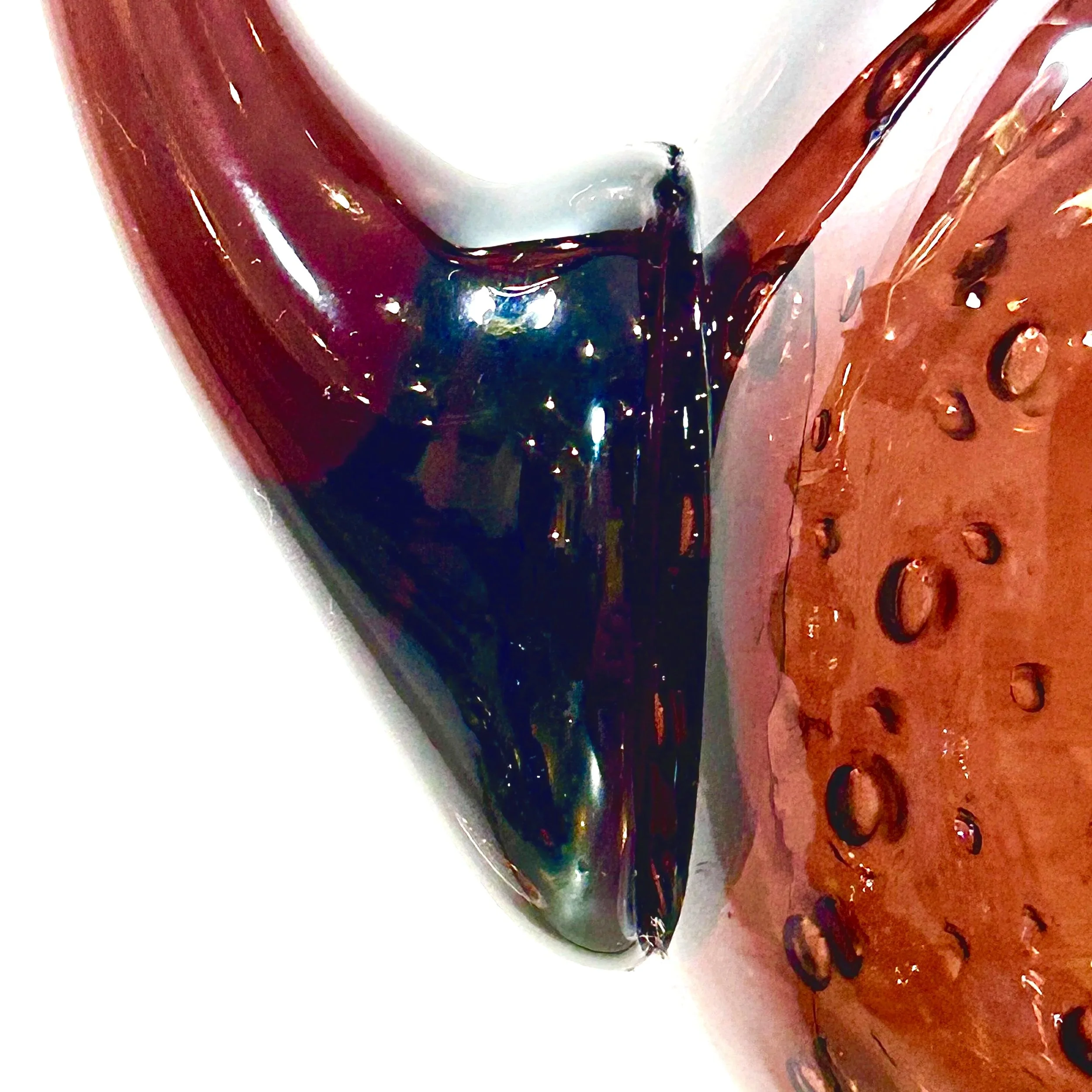 Image 5 of 18
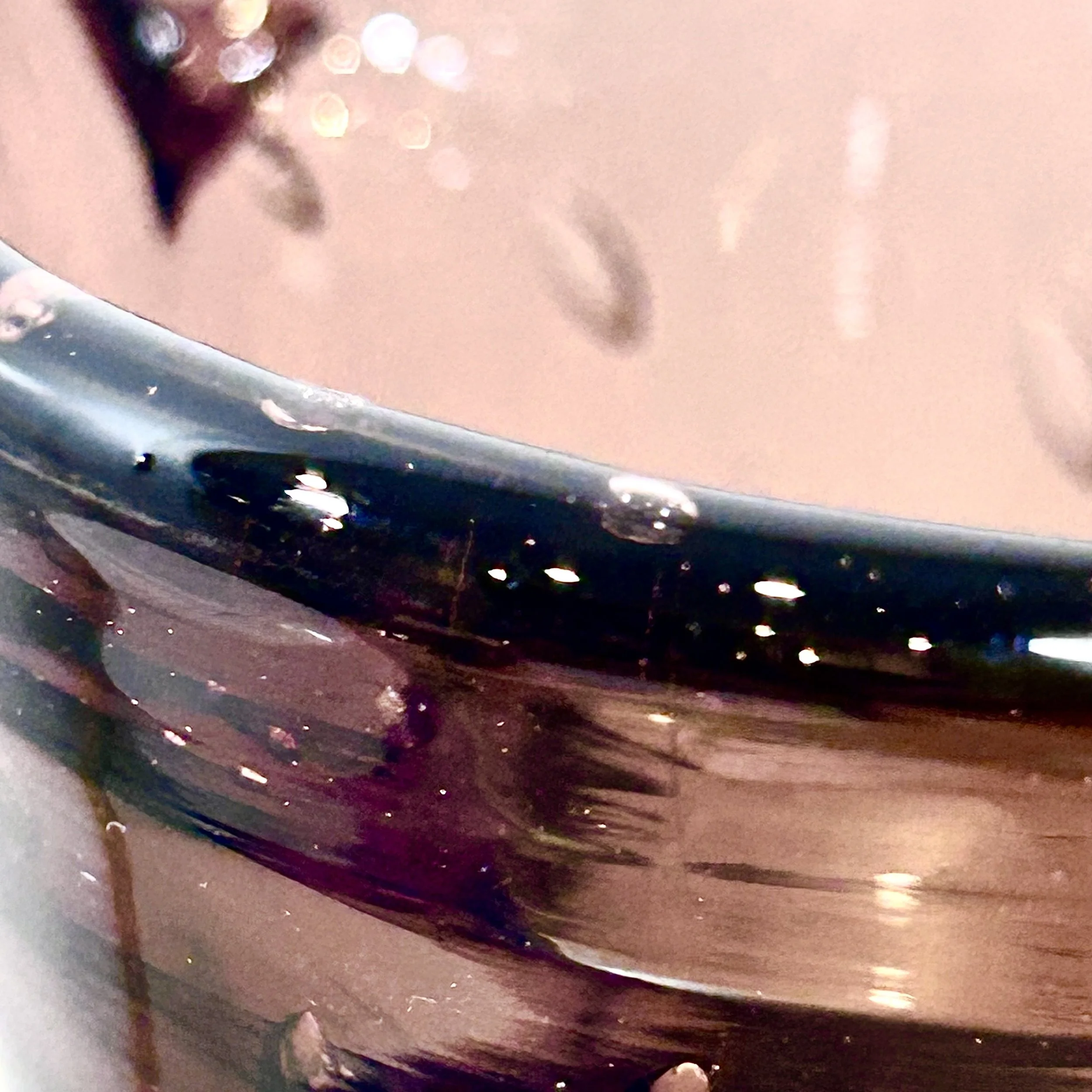 Image 6 of 18
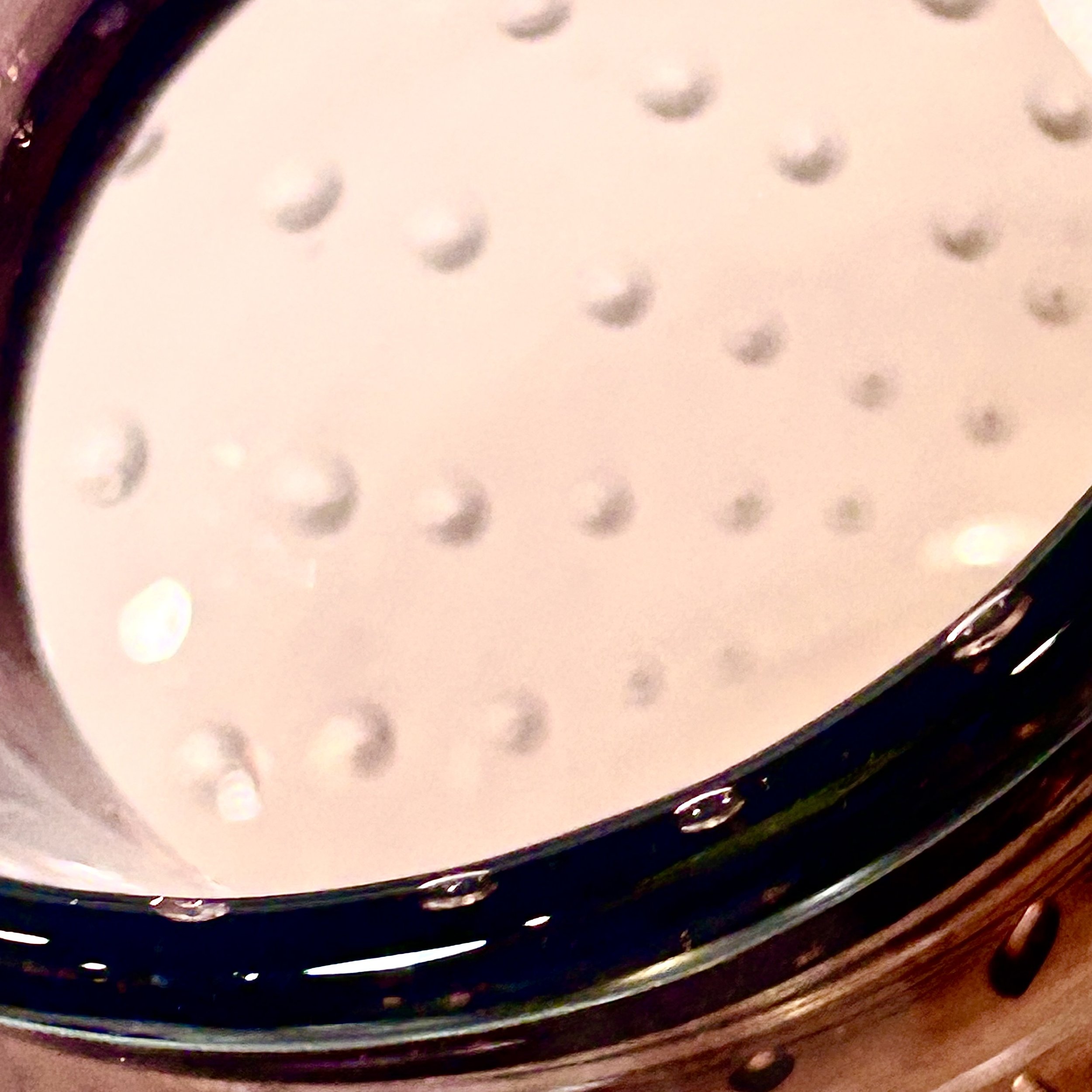 Image 7 of 18
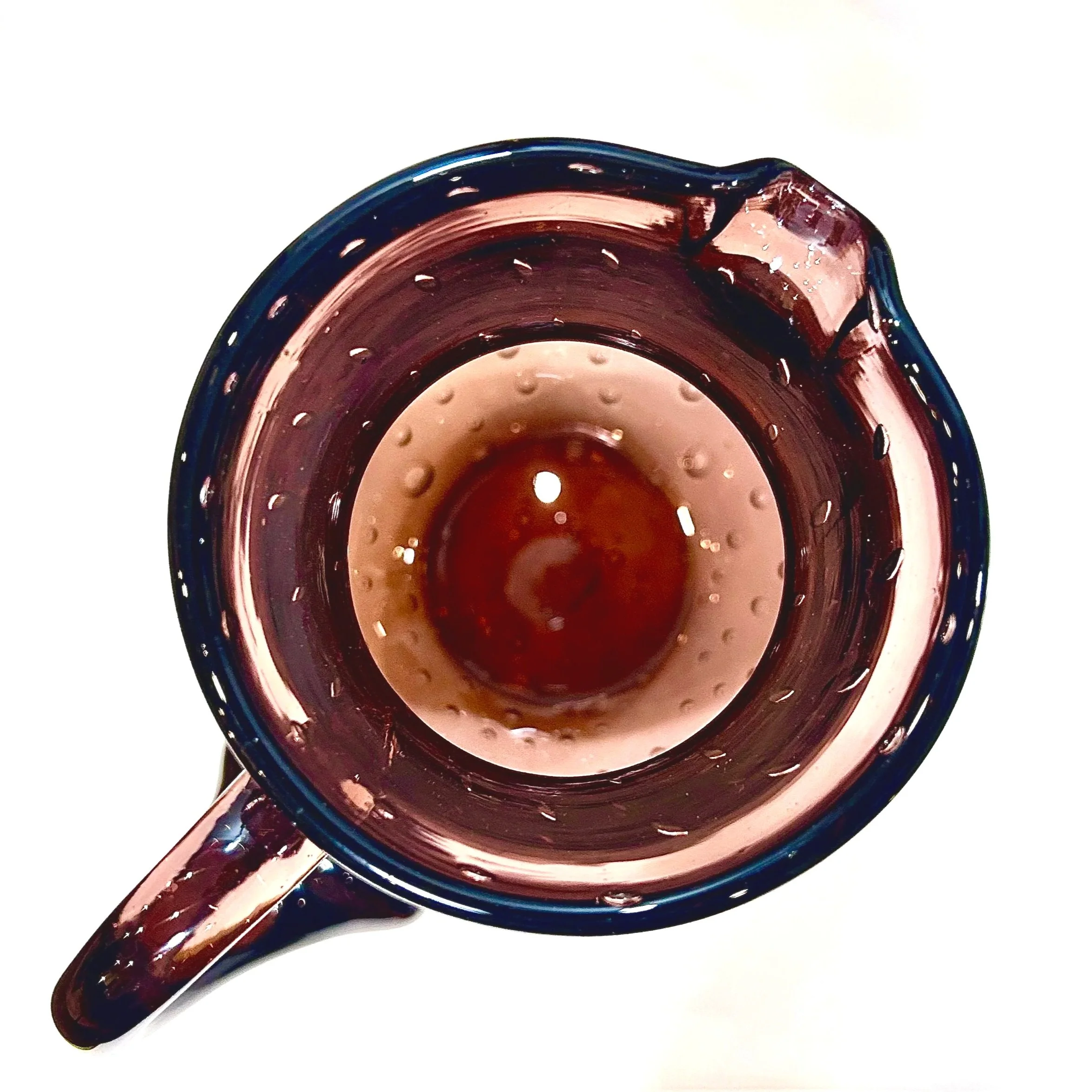 Image 8 of 18
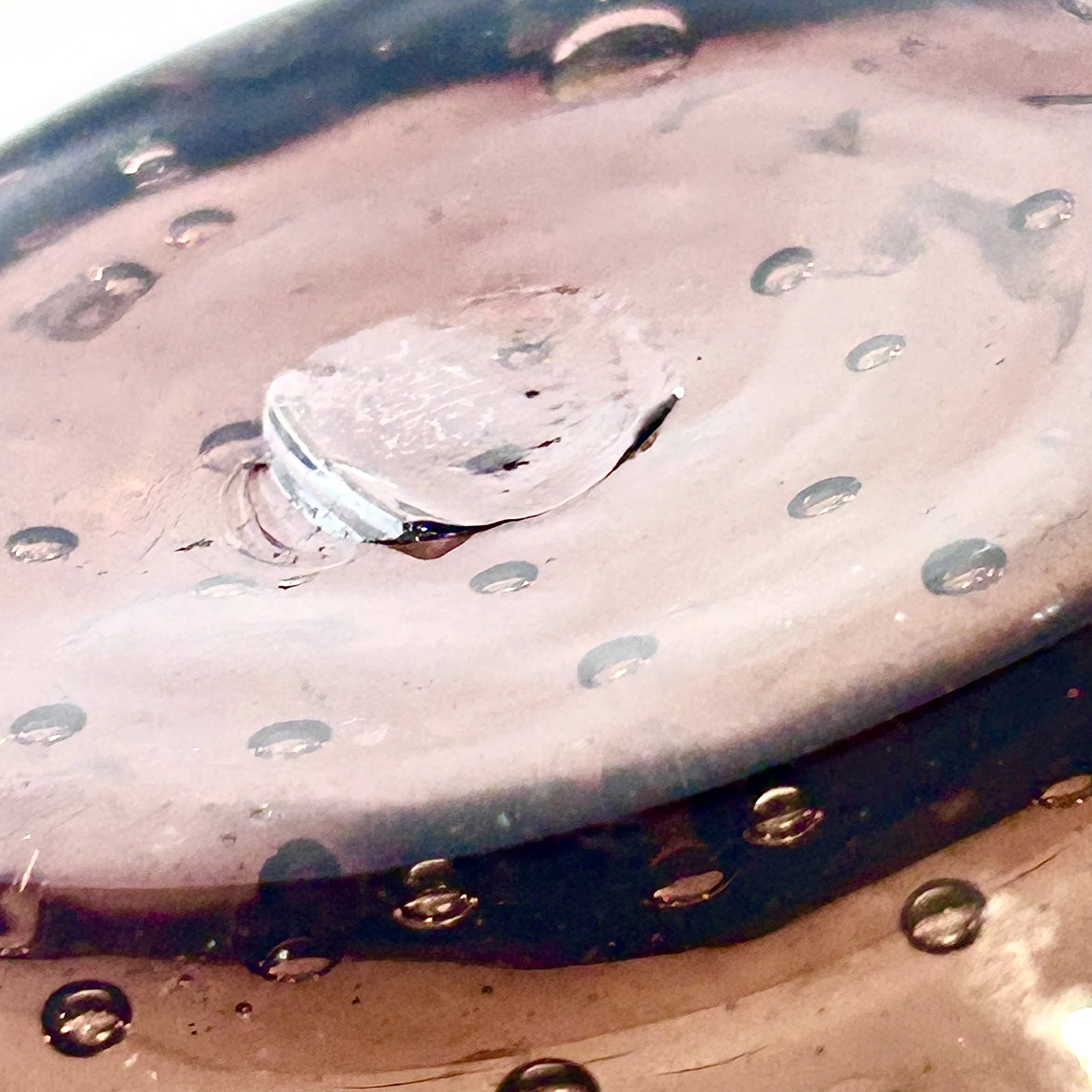 Image 9 of 18
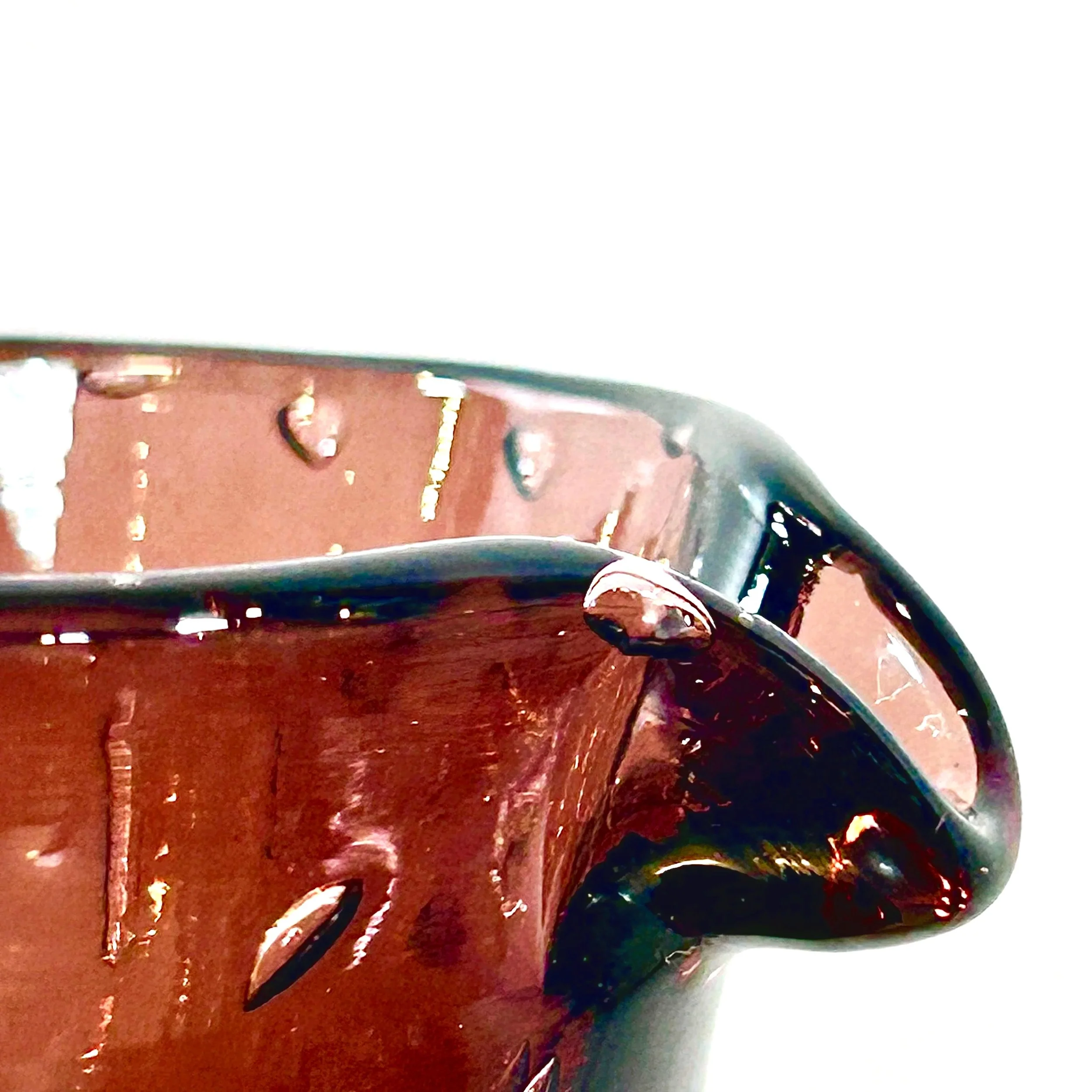 Image 10 of 18
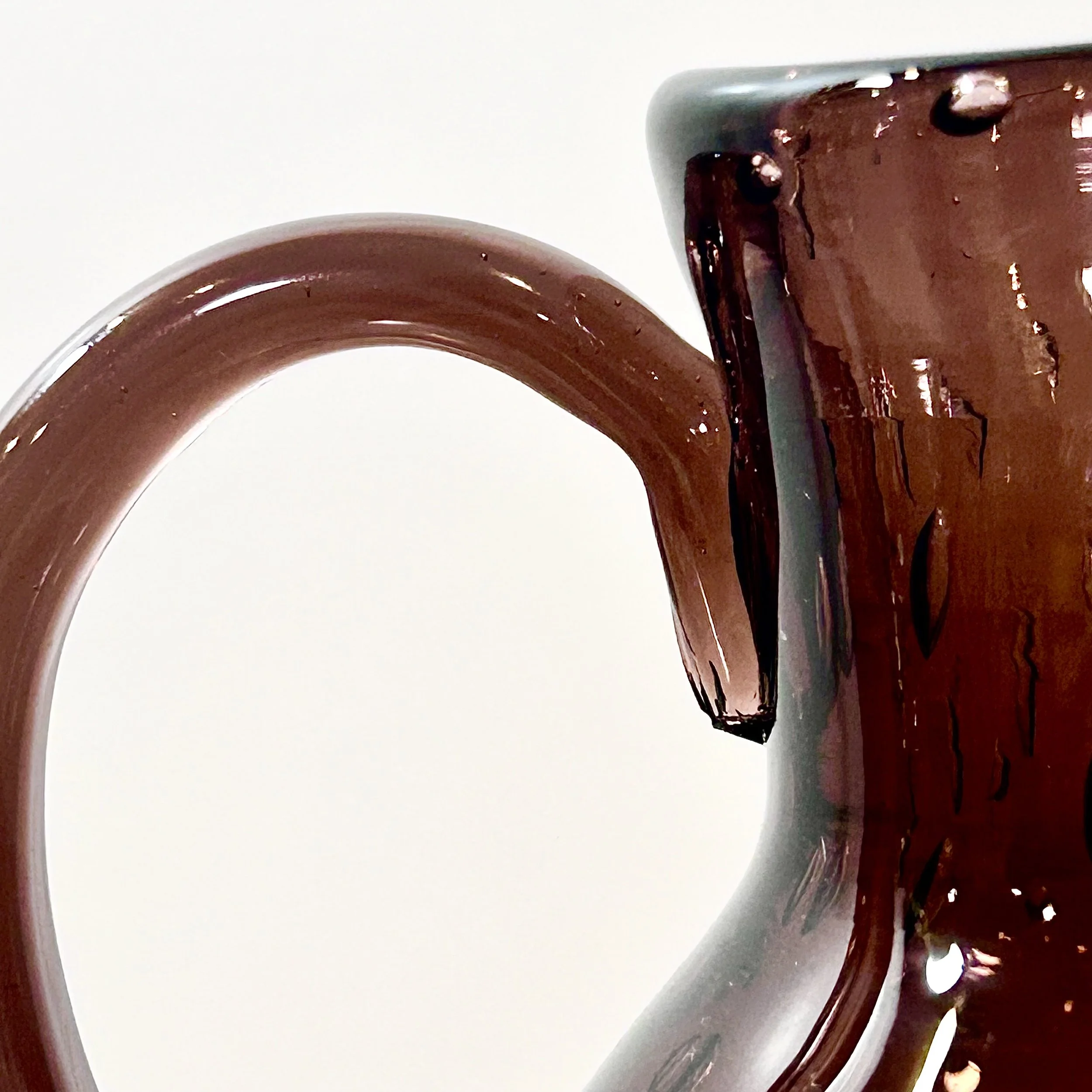 Image 11 of 18
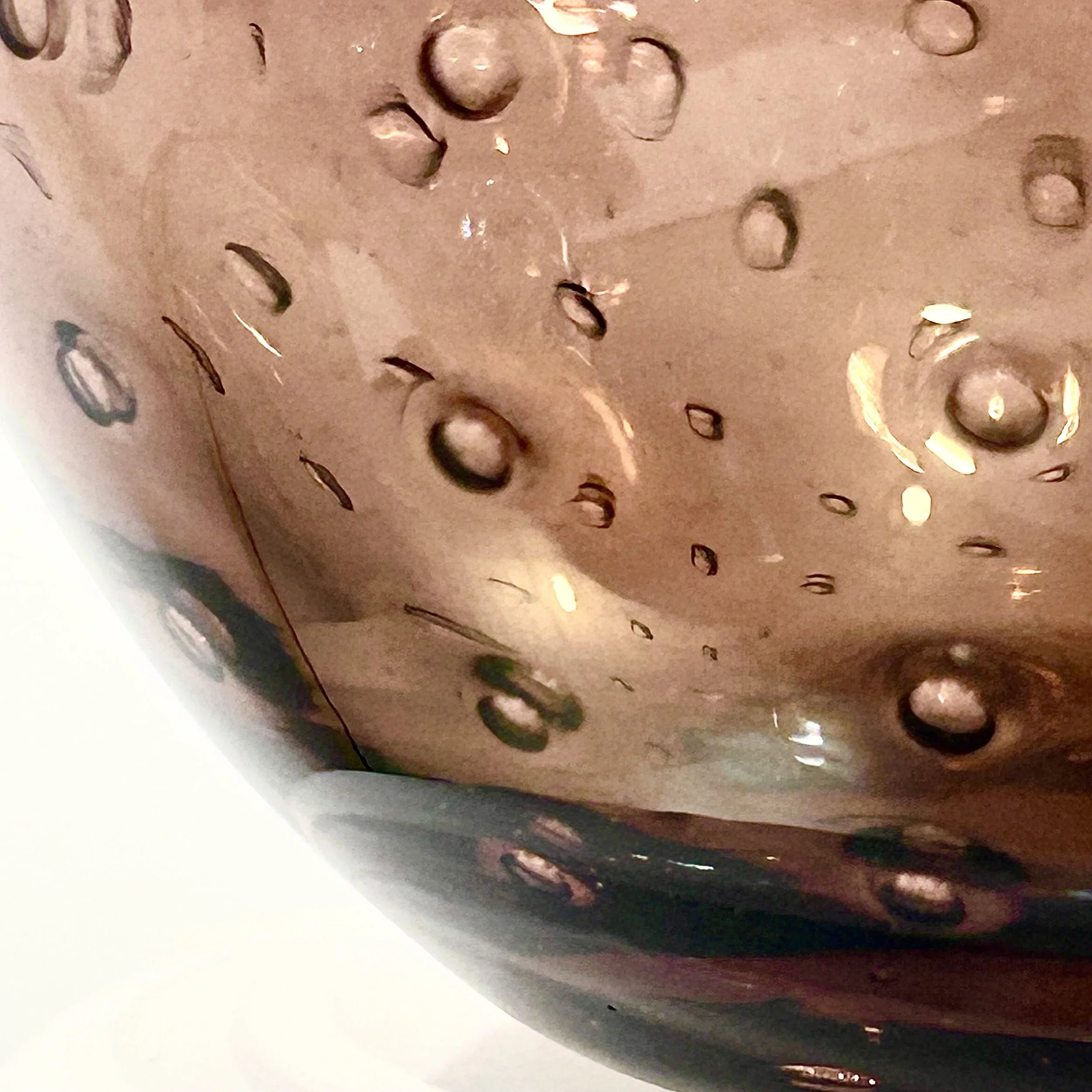 Image 12 of 18
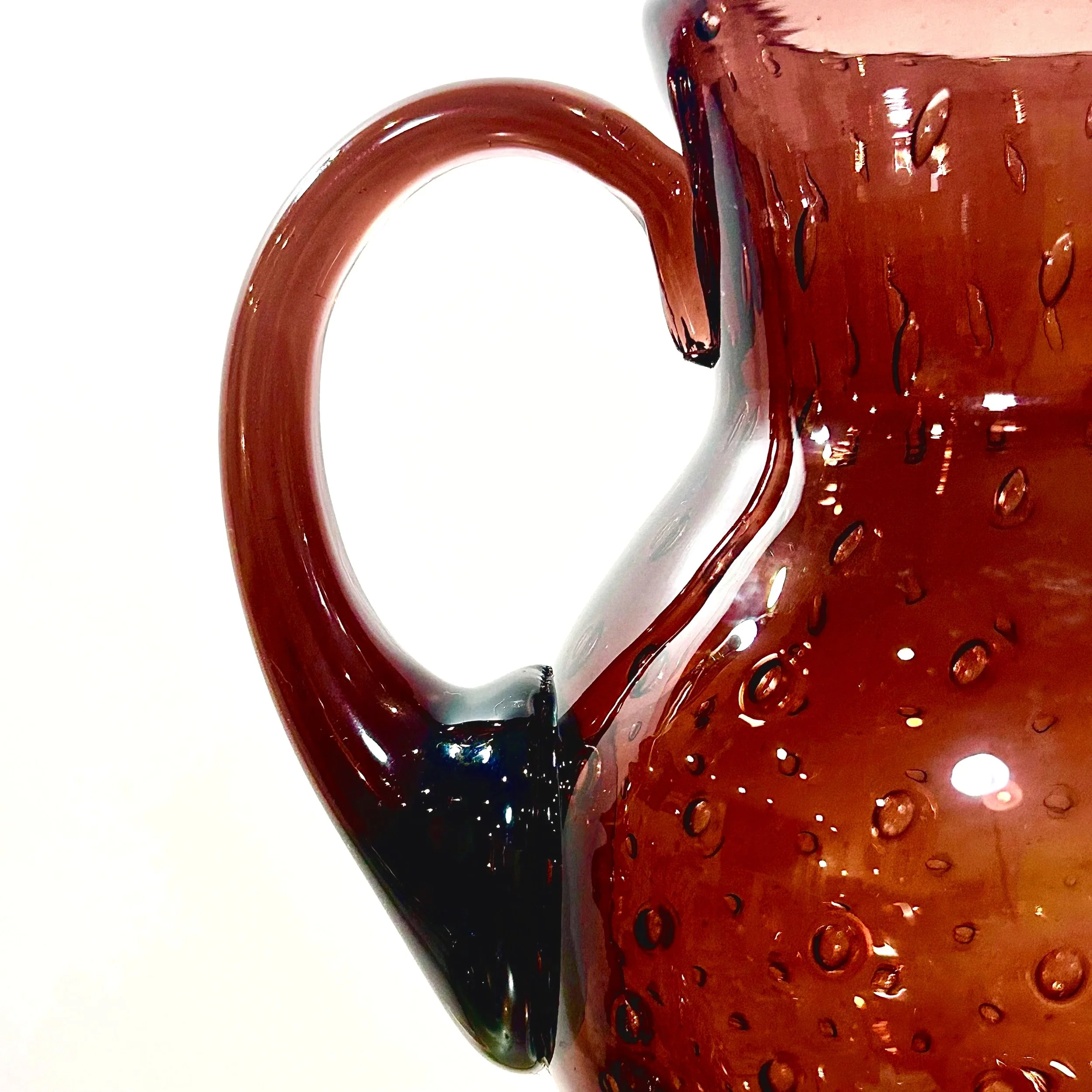 Image 13 of 18
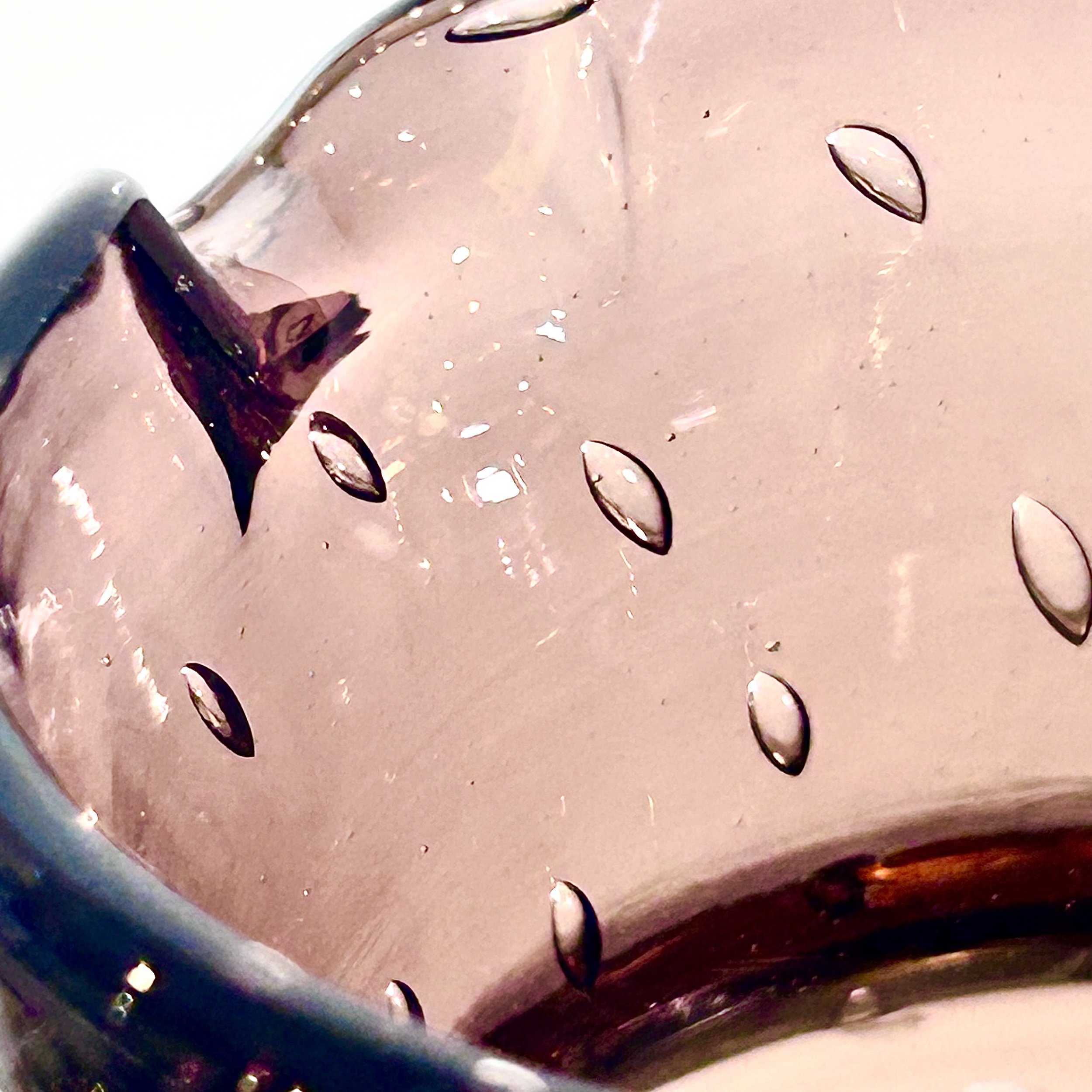 Image 14 of 18
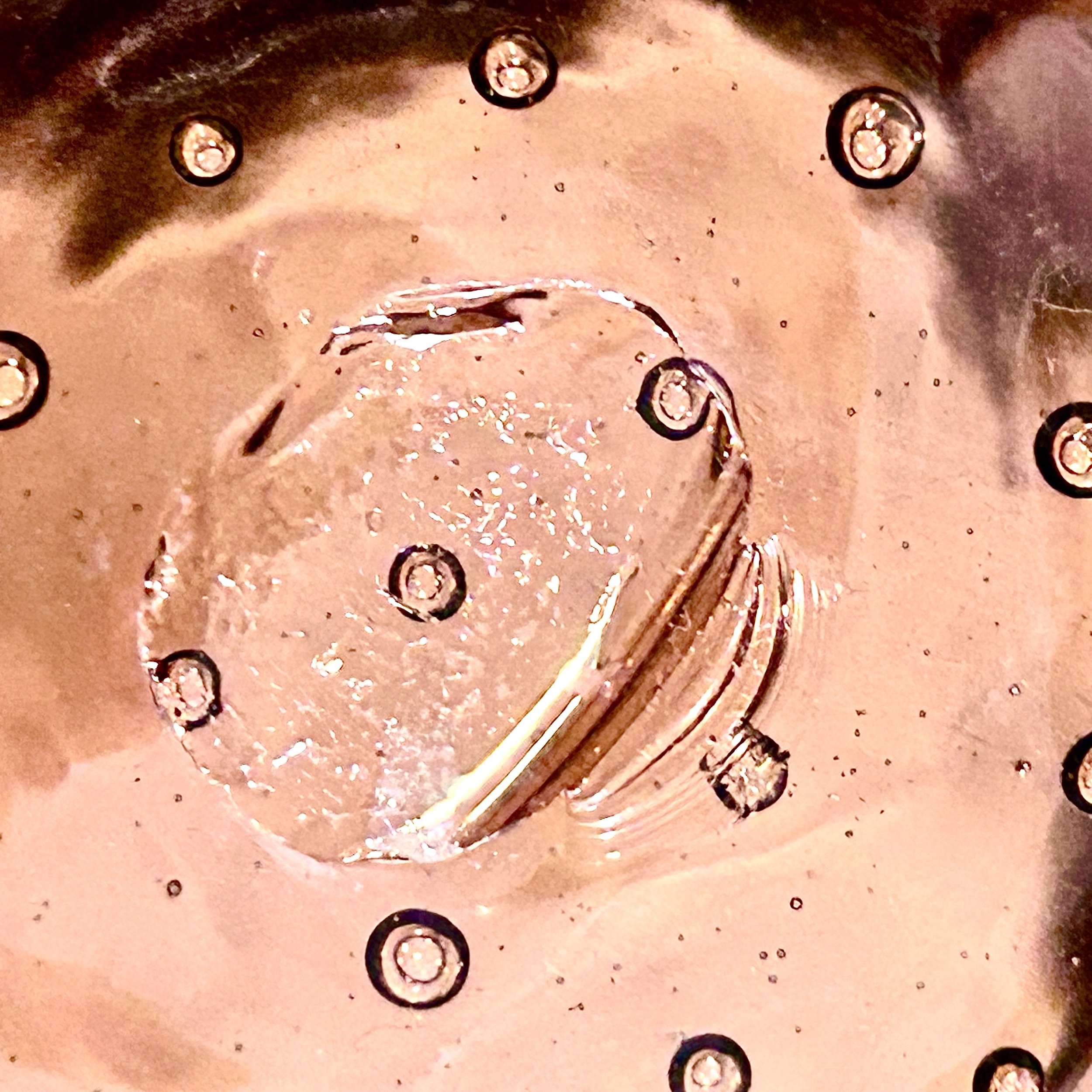 Image 15 of 18
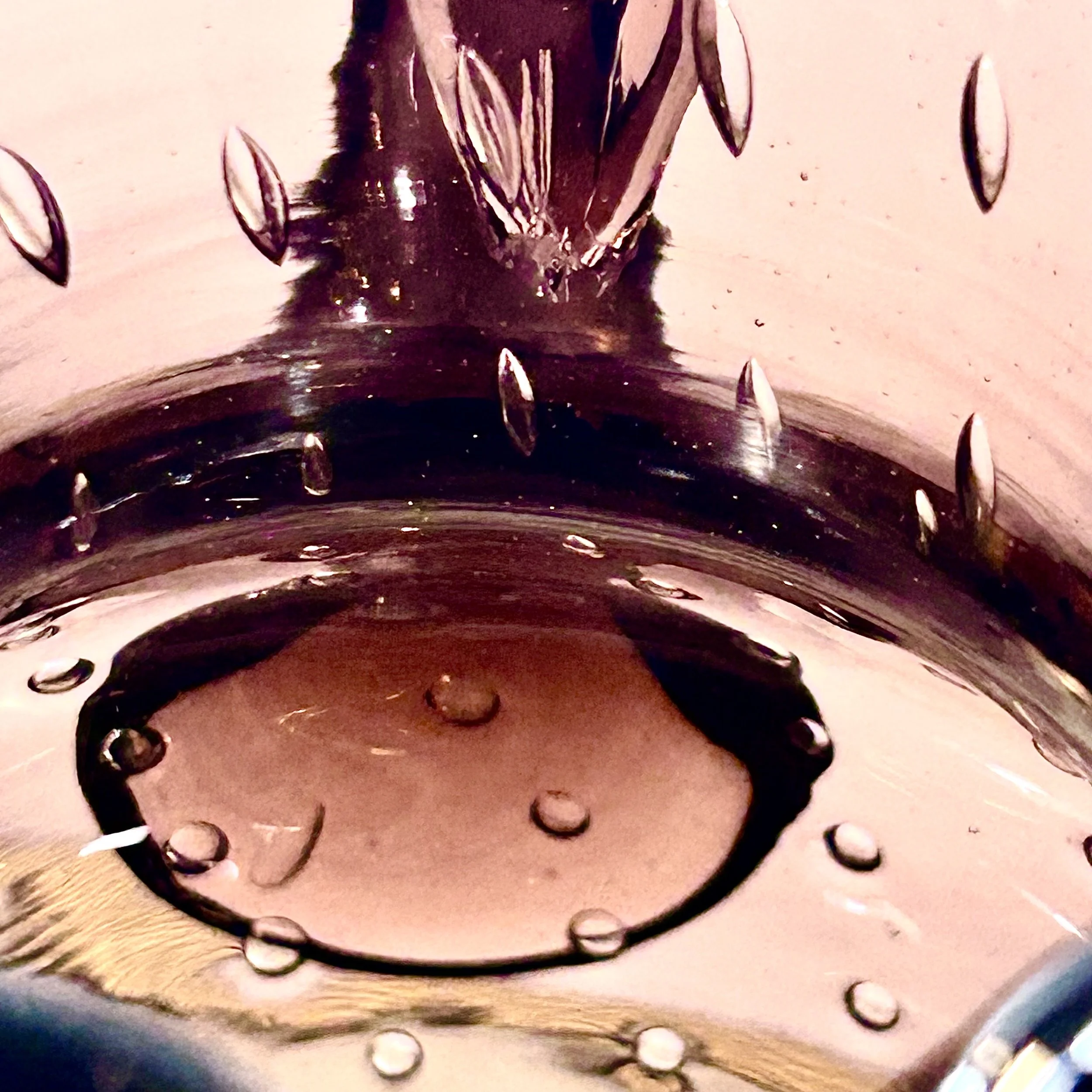 Image 16 of 18
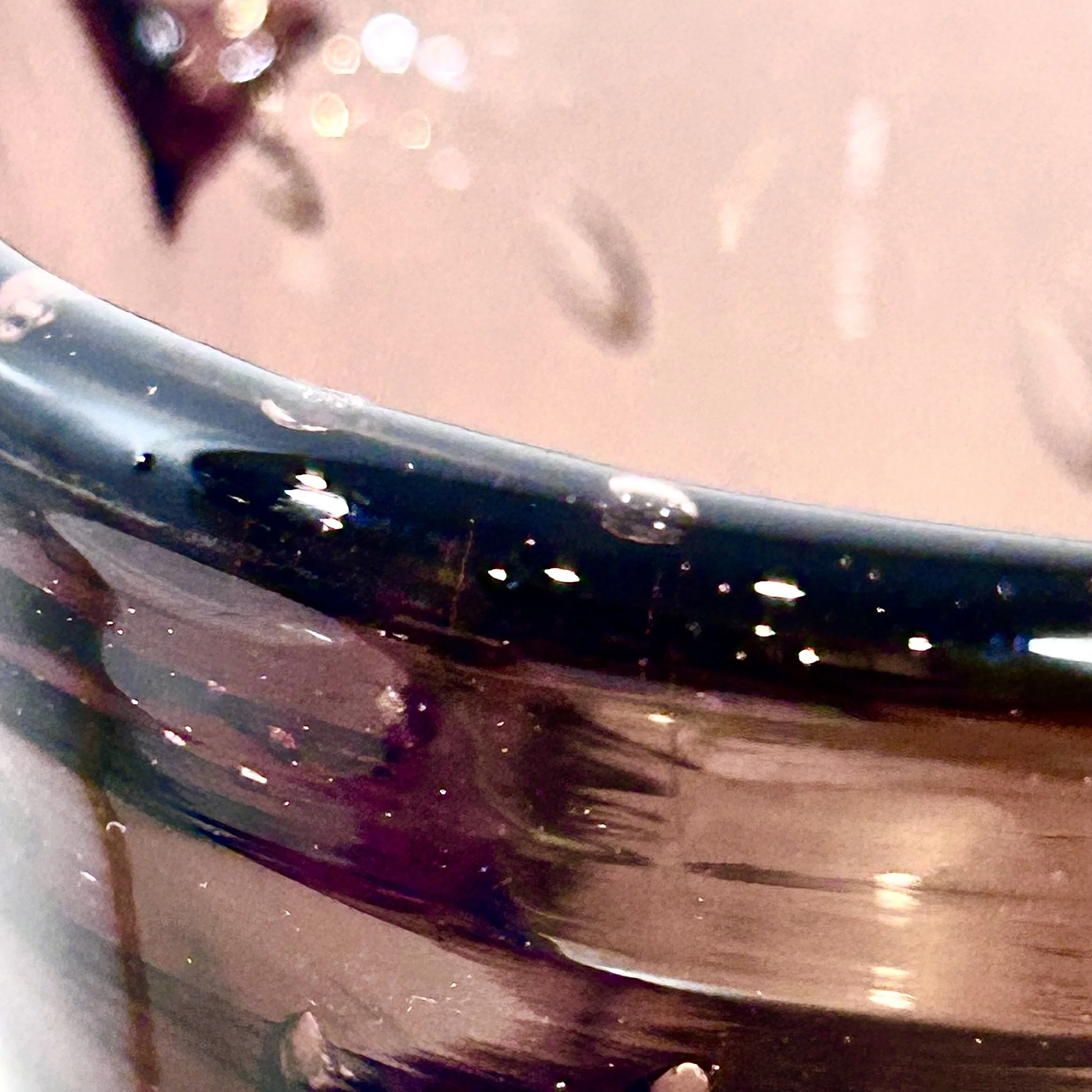 Image 17 of 18
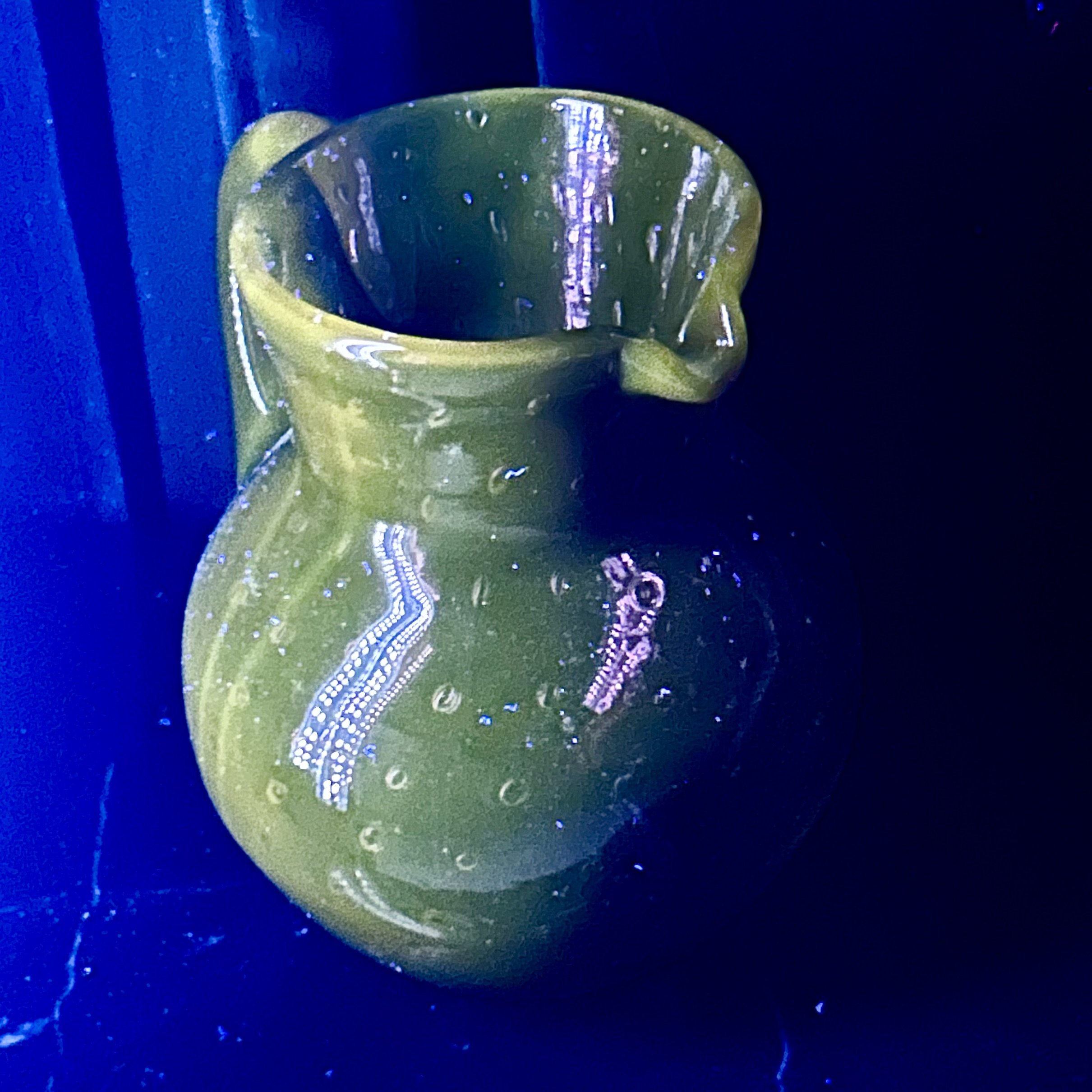 Image 18 of 18