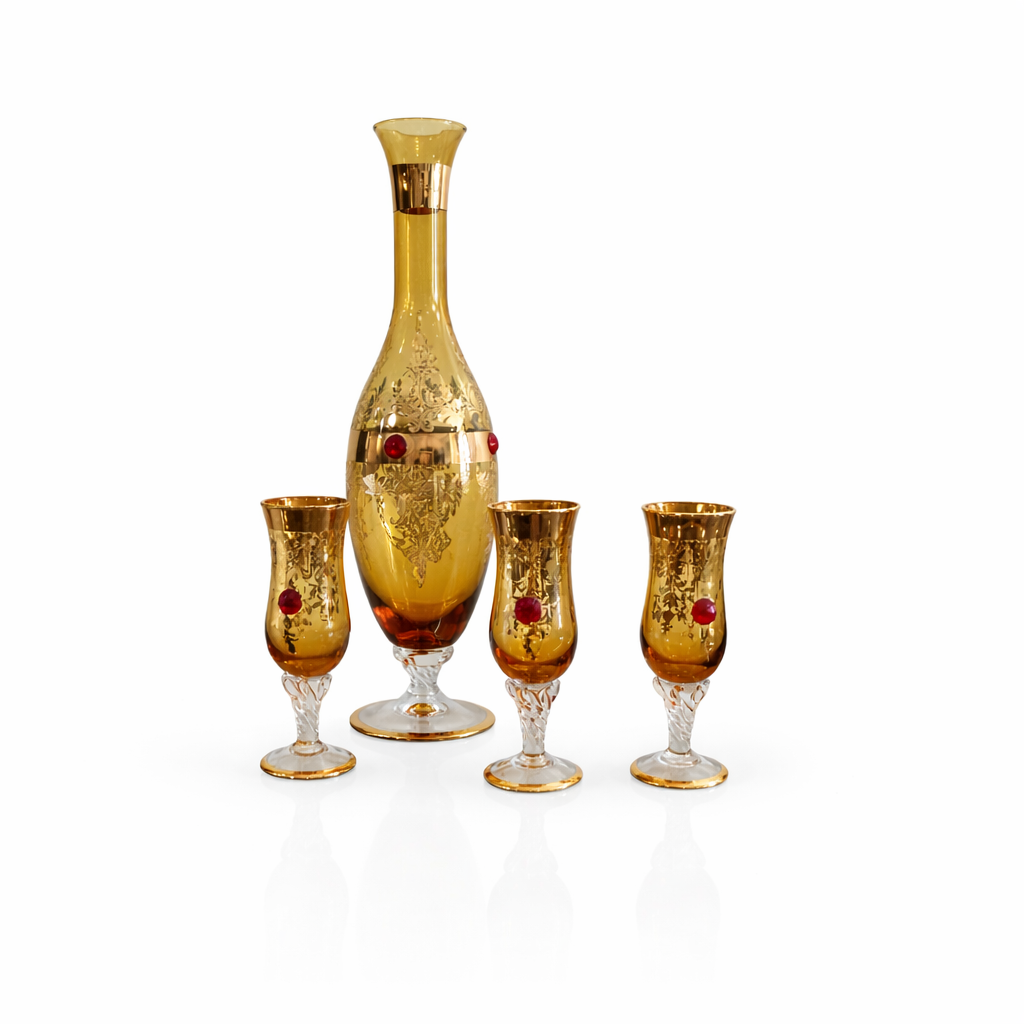
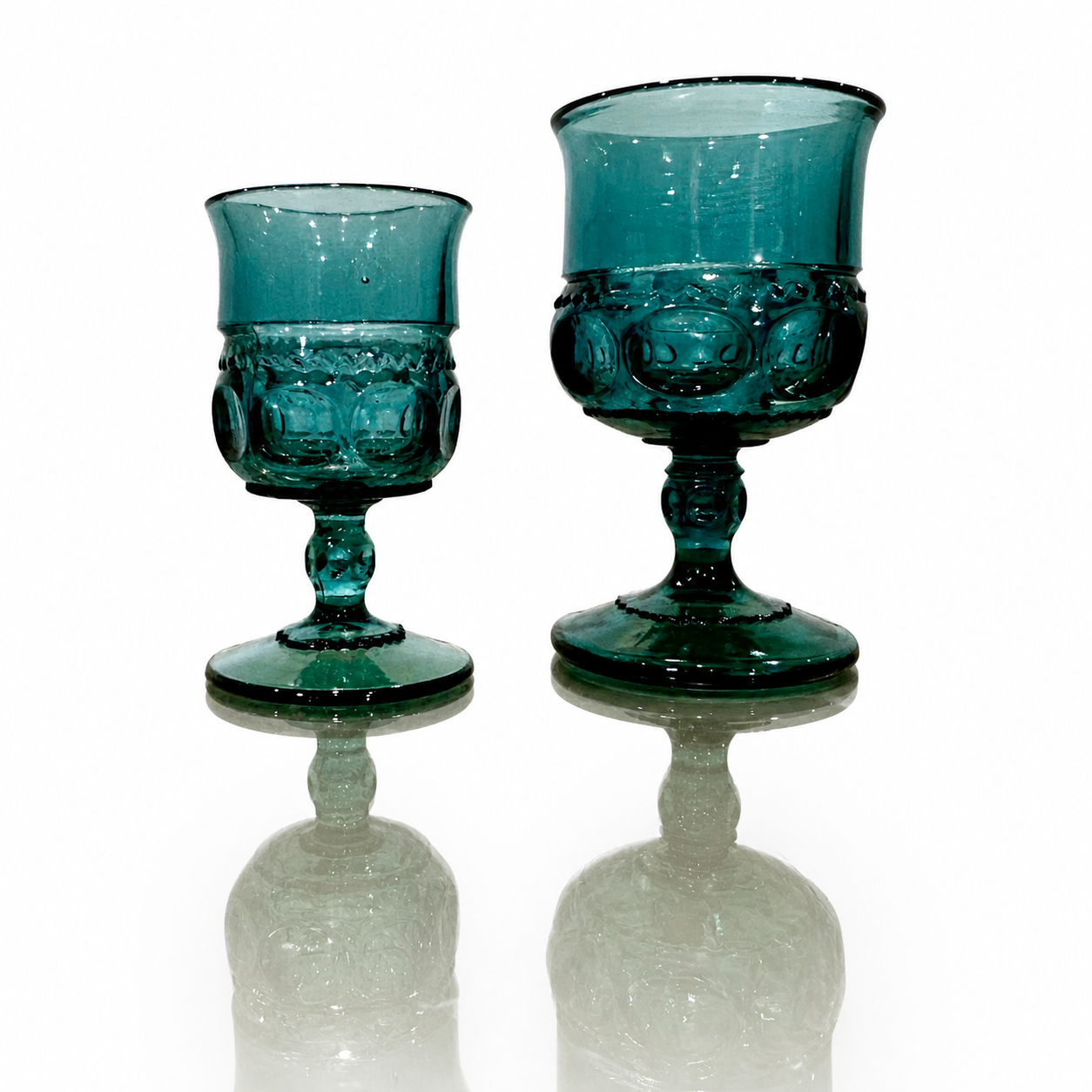
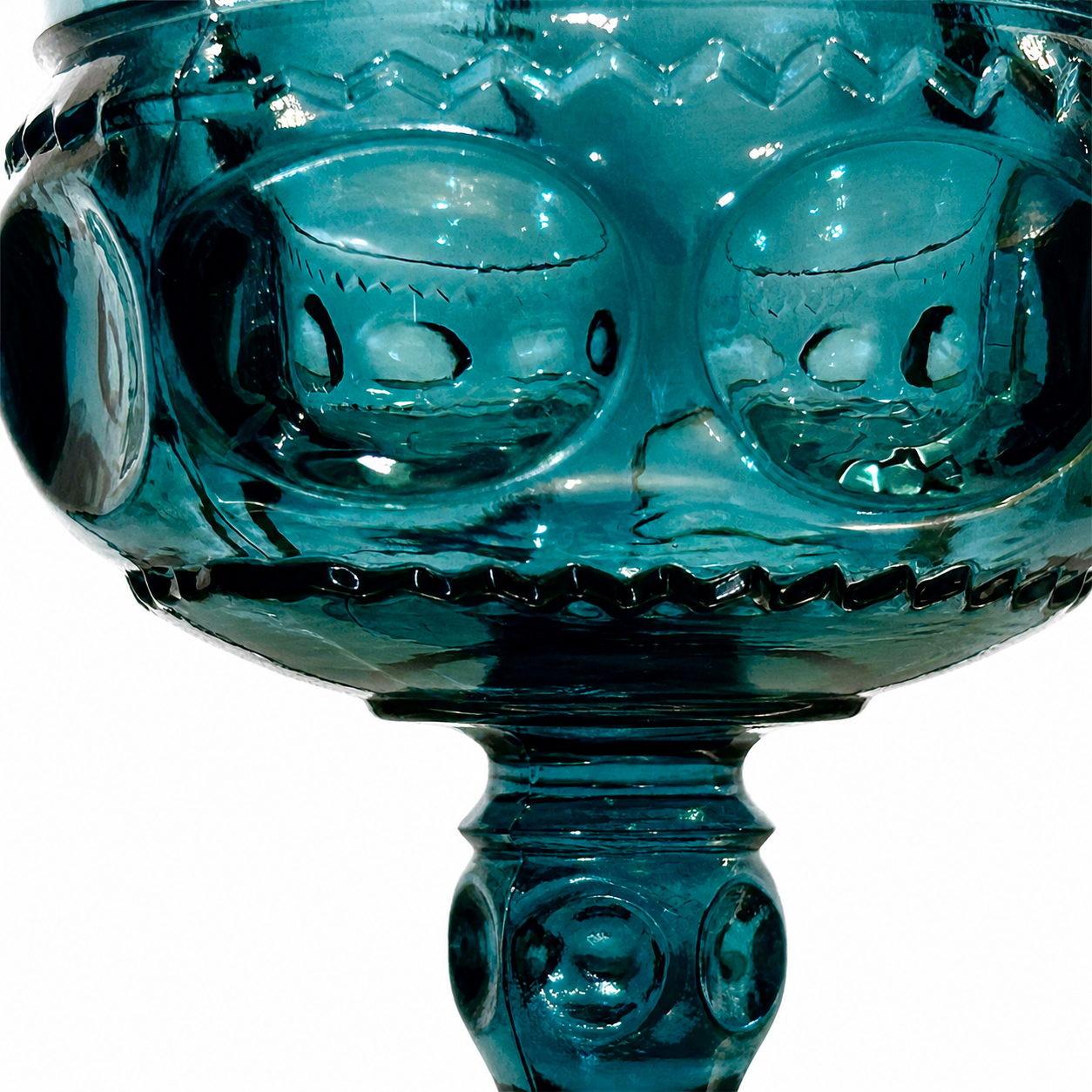
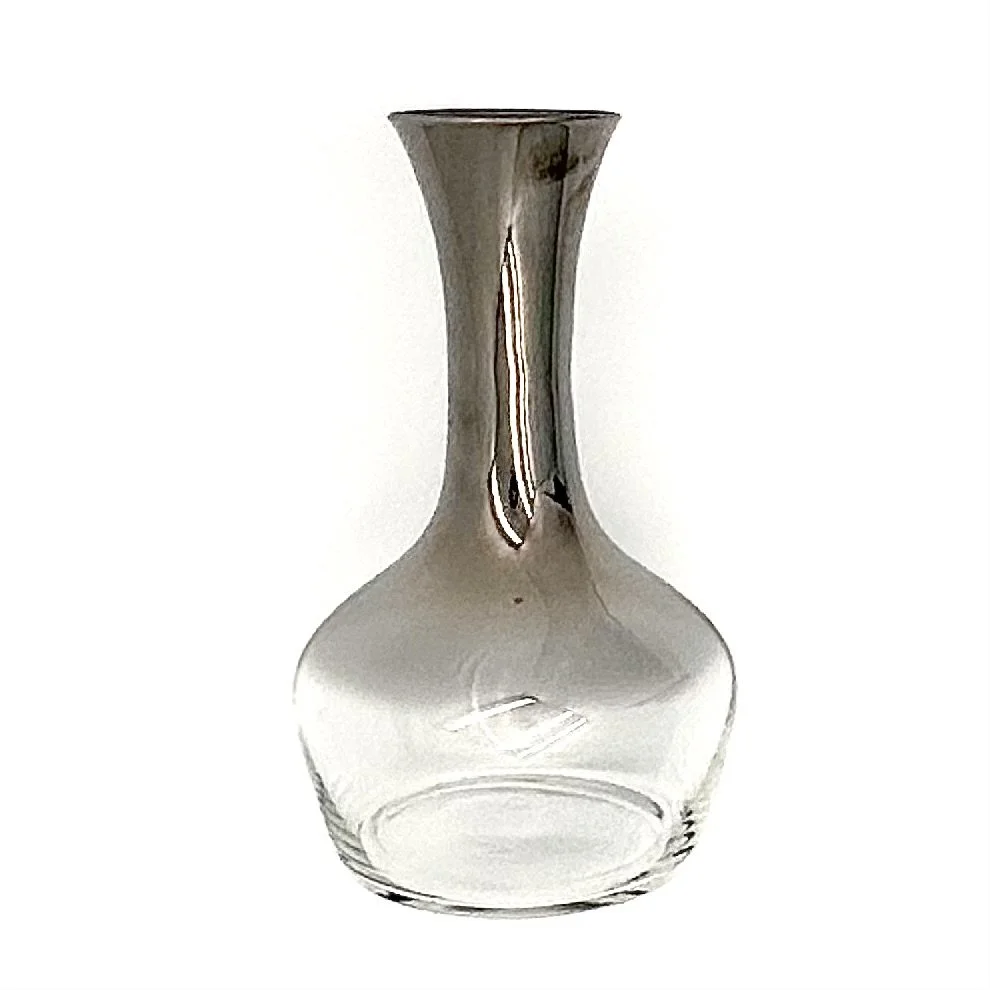
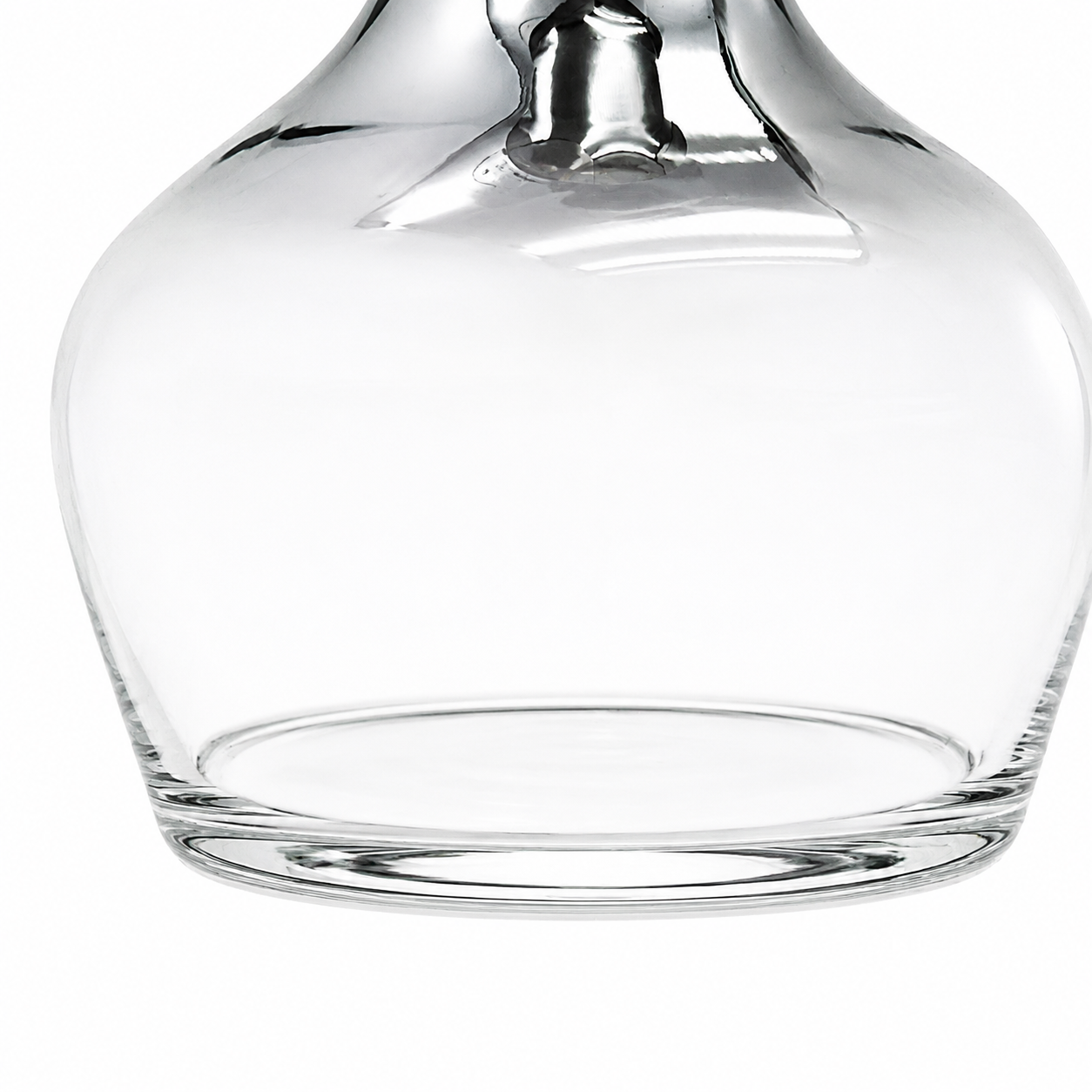
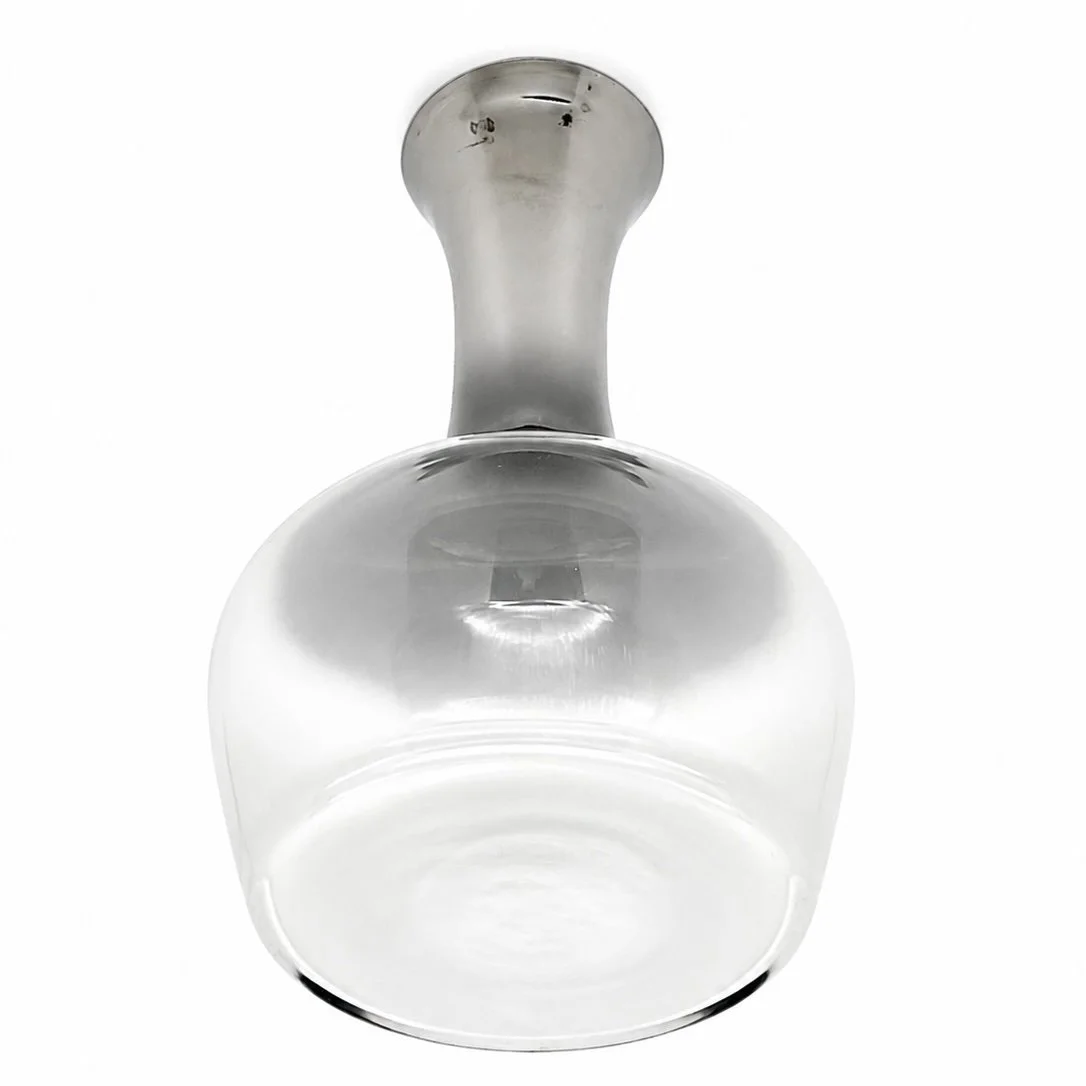
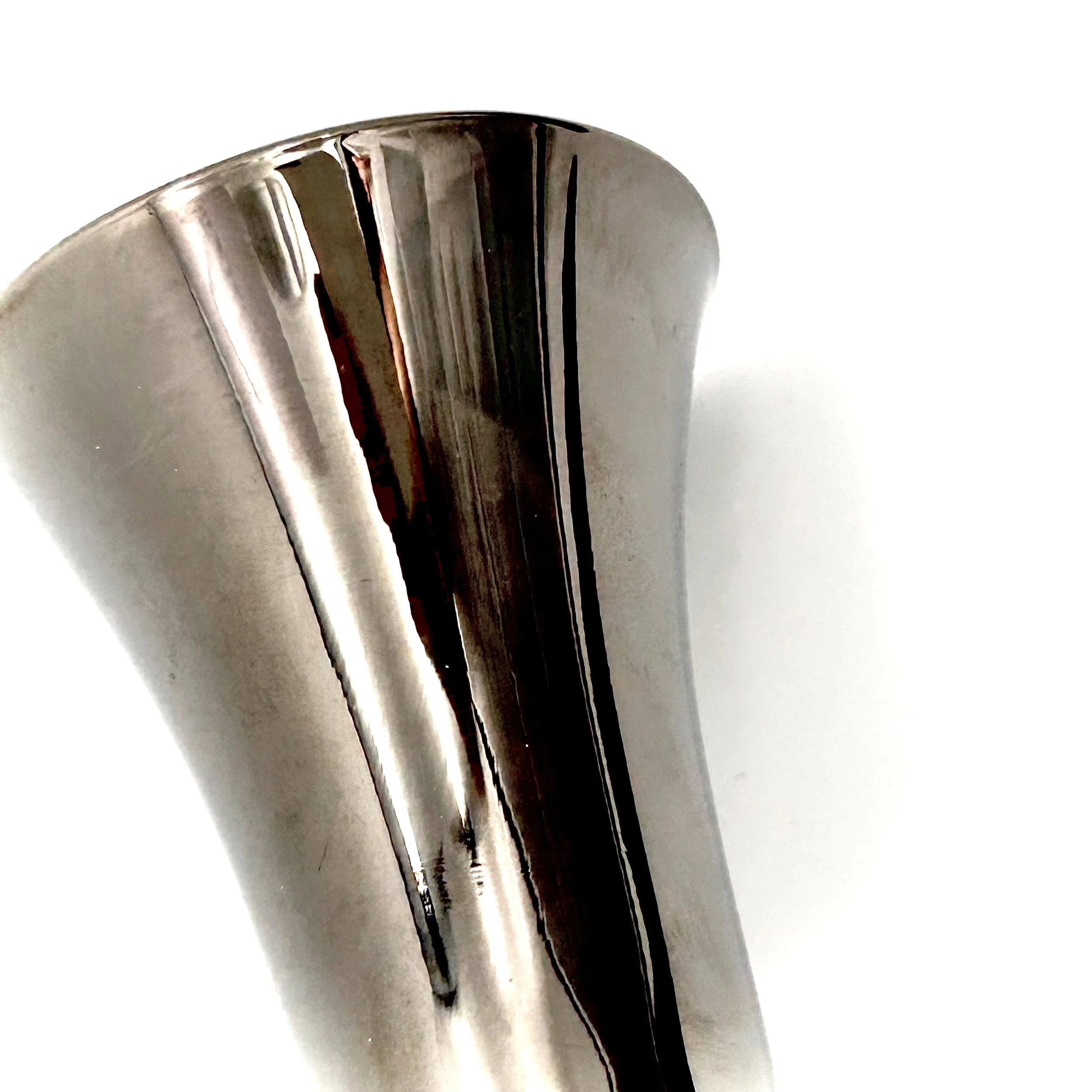
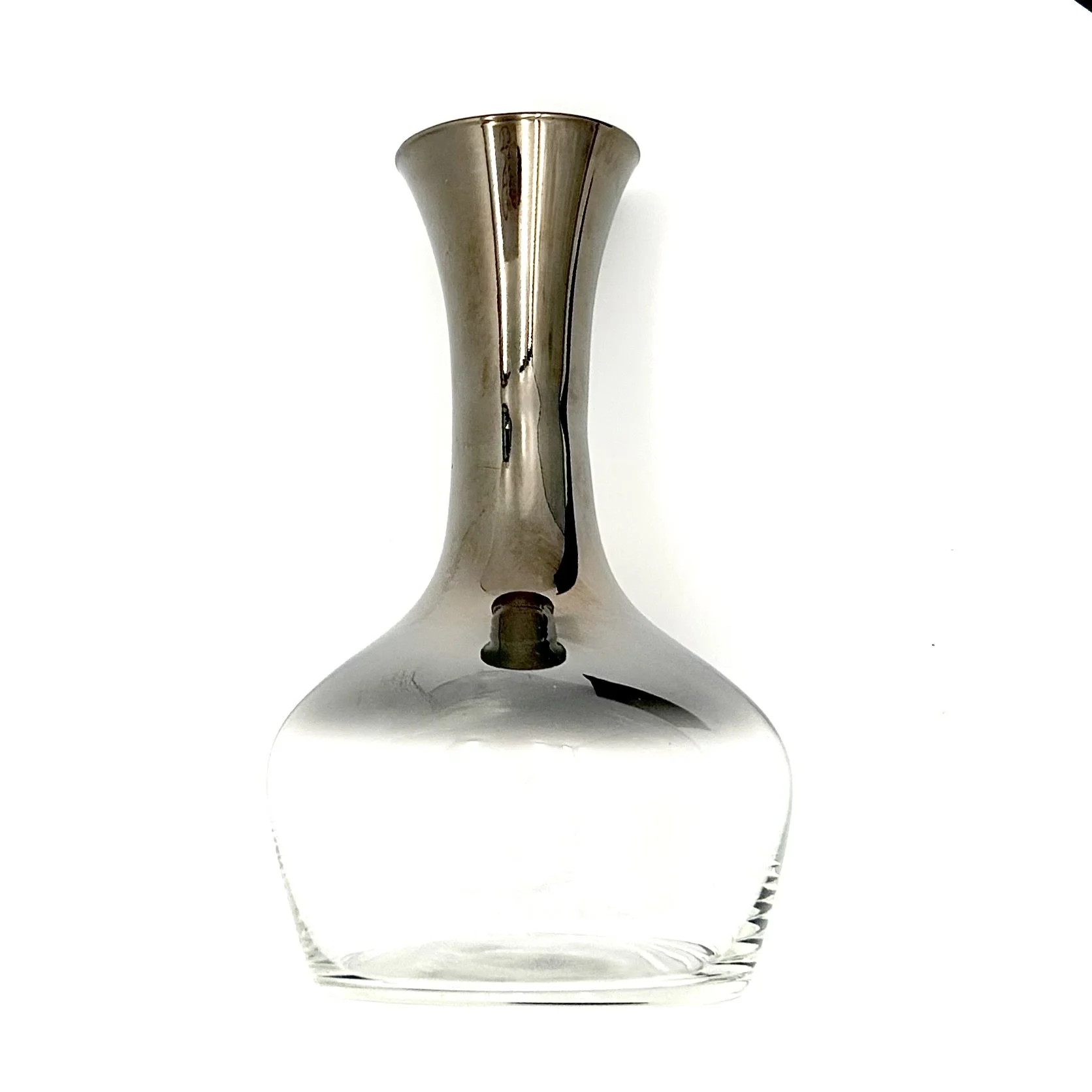
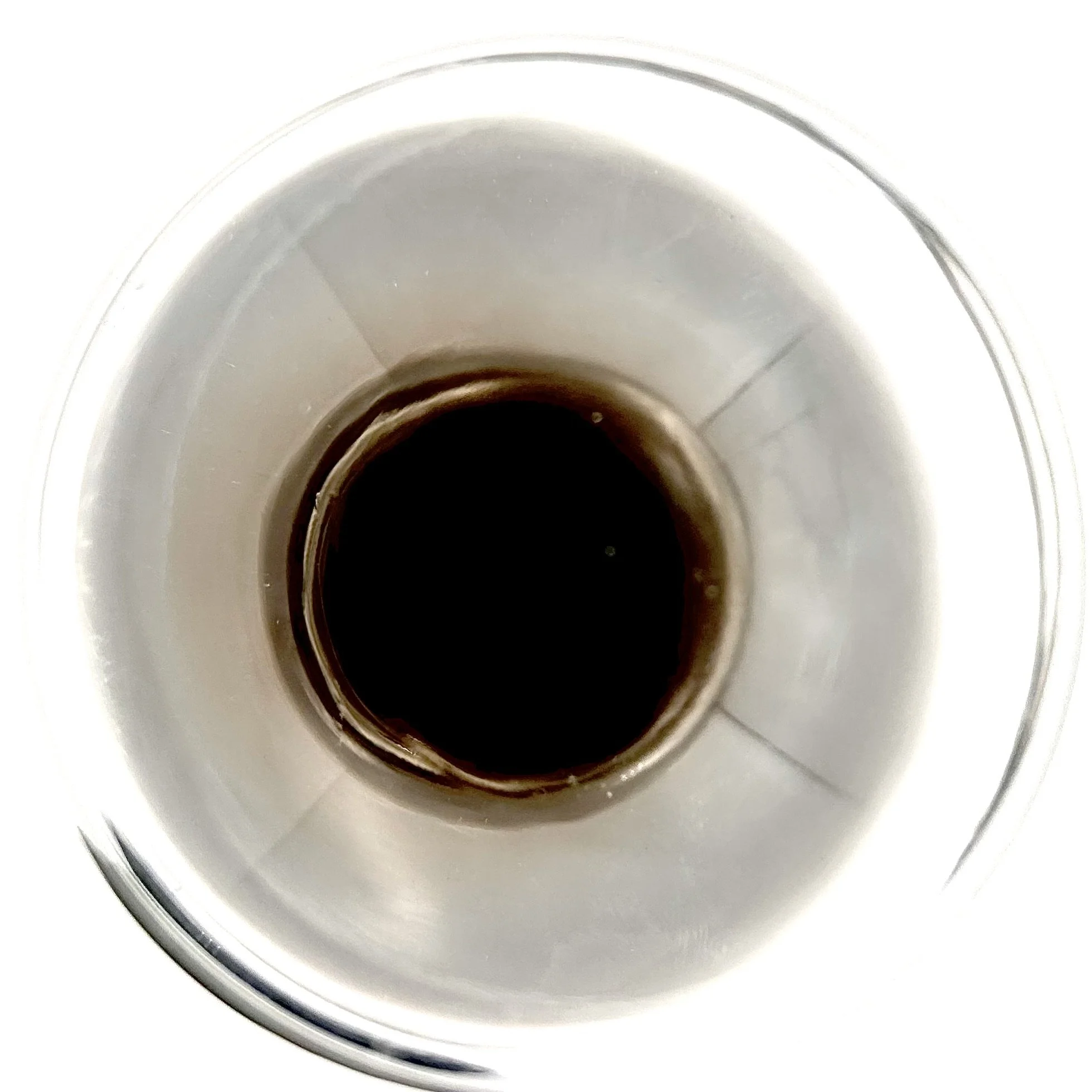
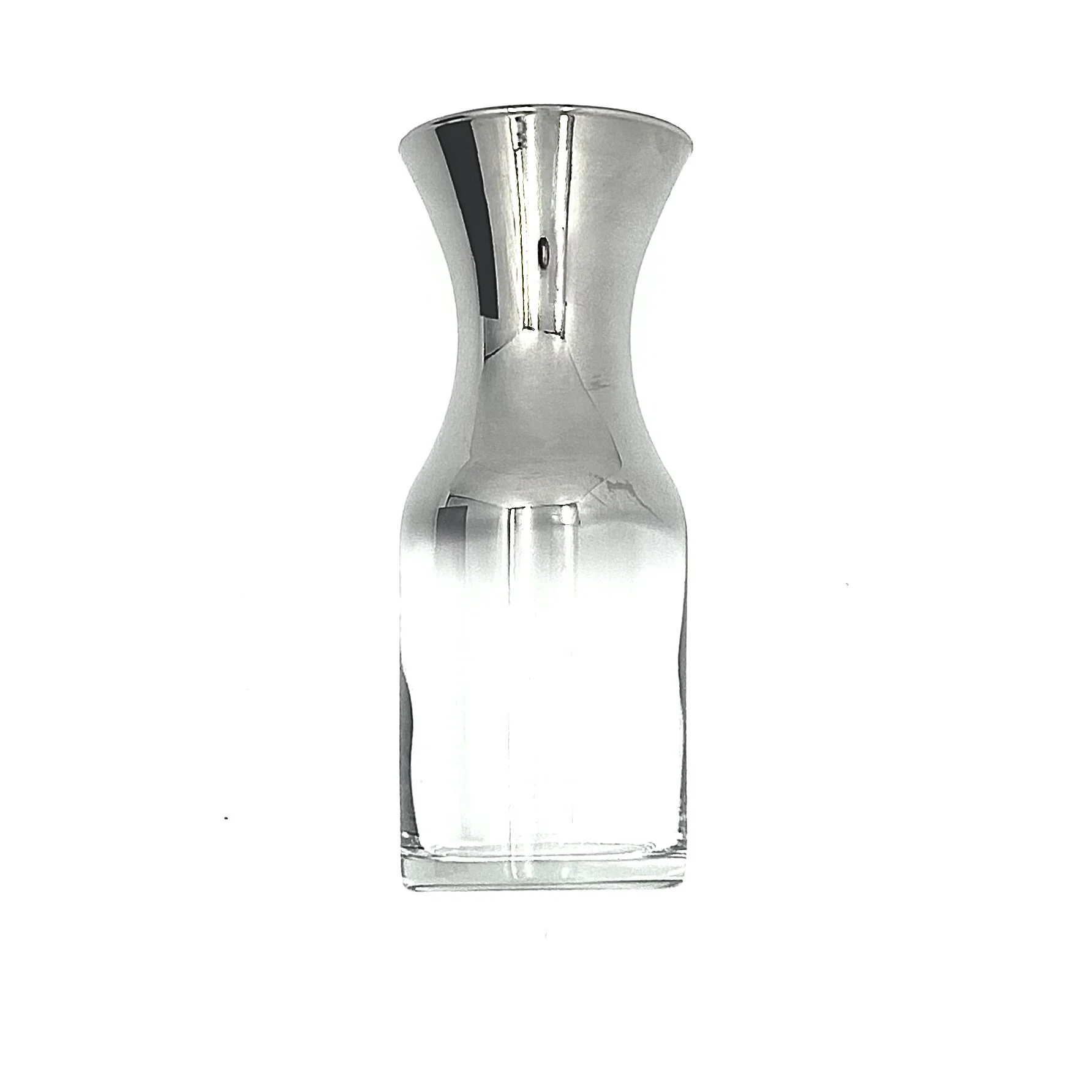
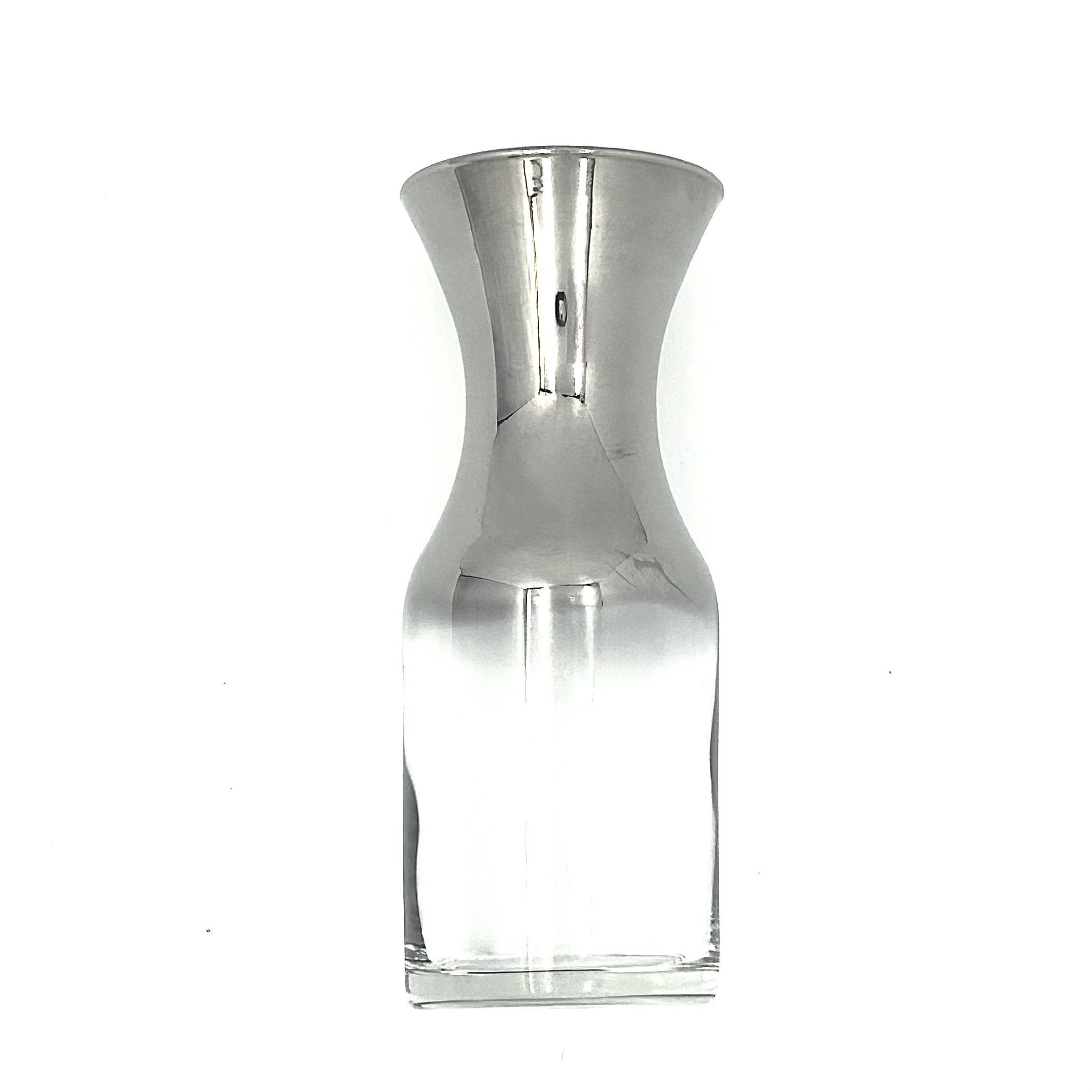
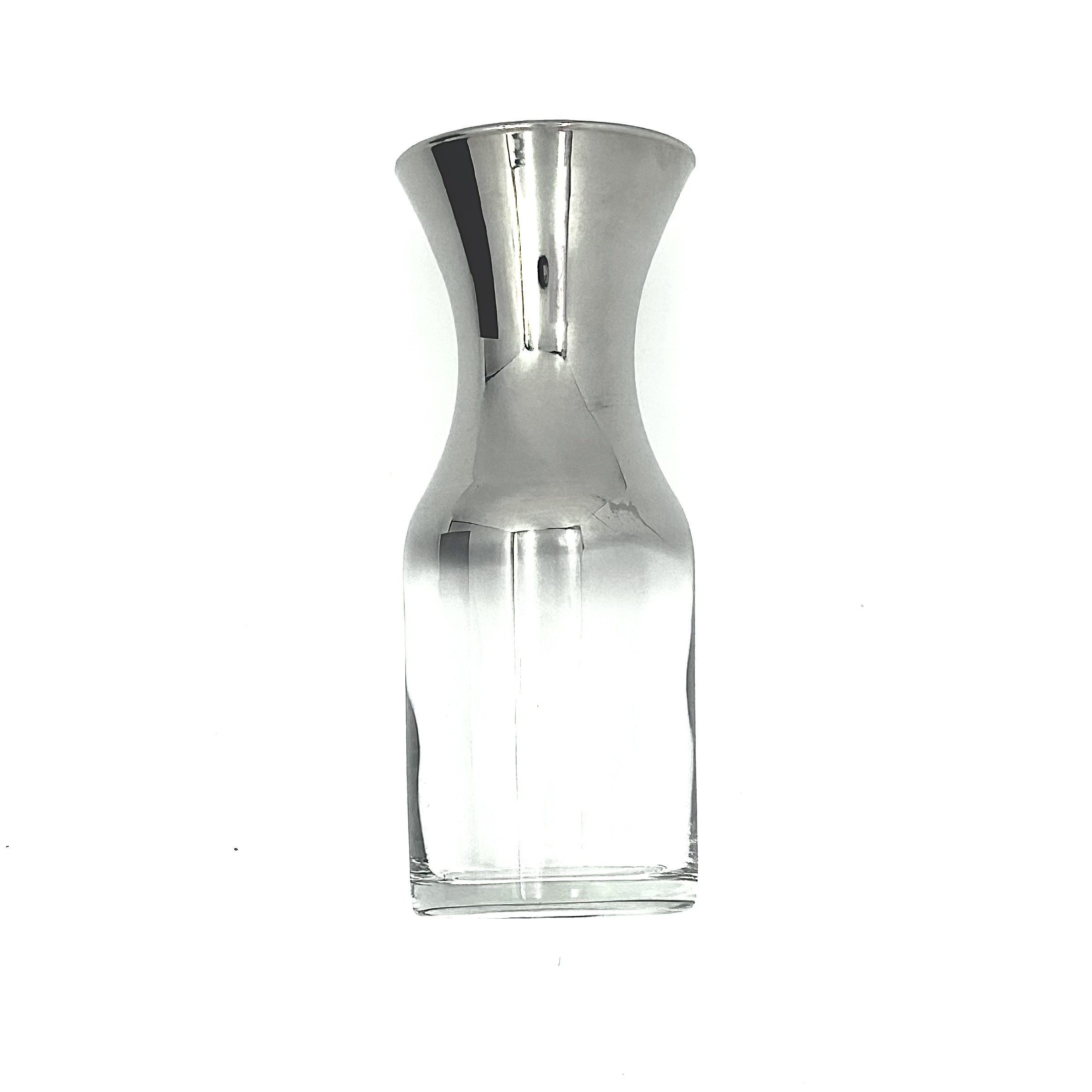
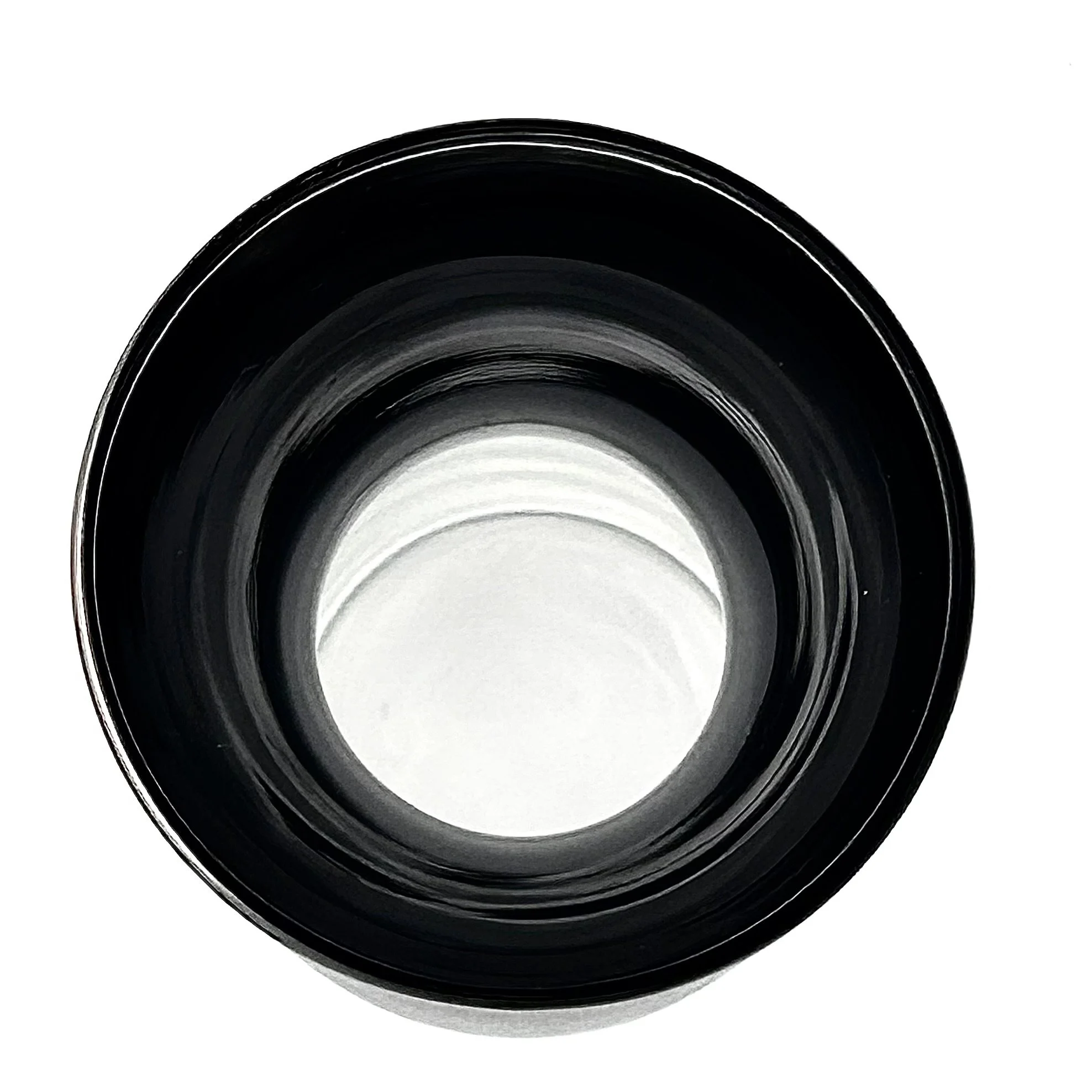
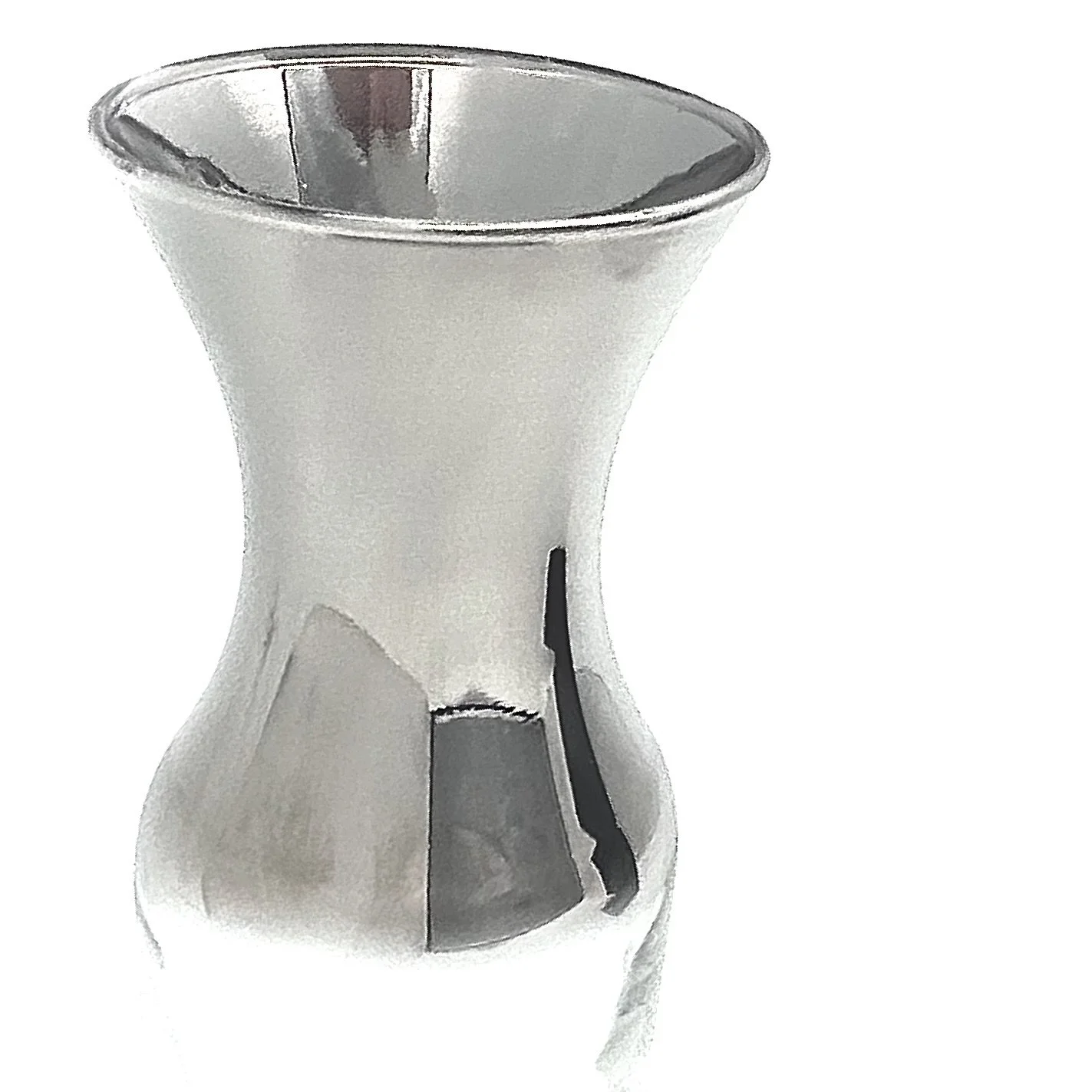
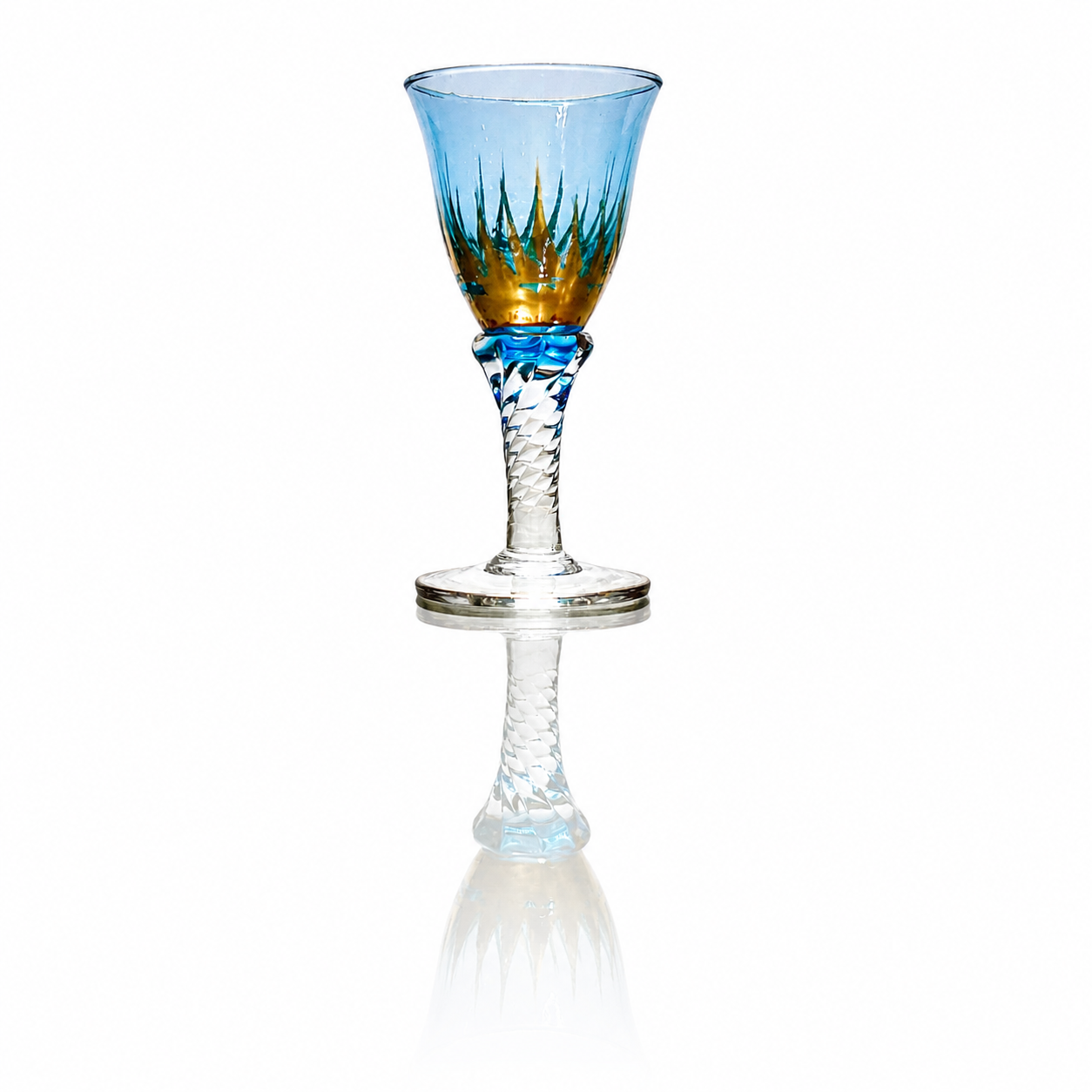
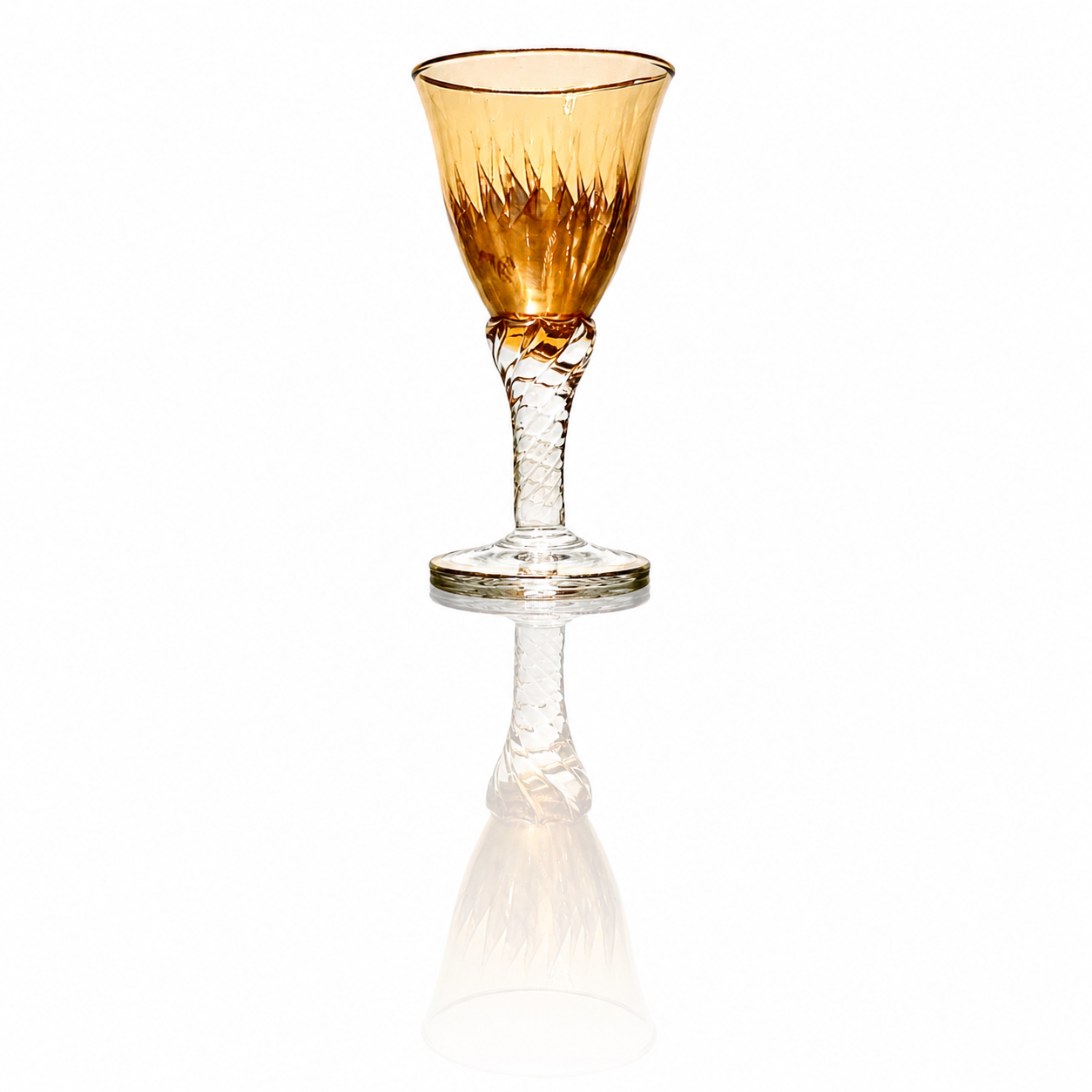
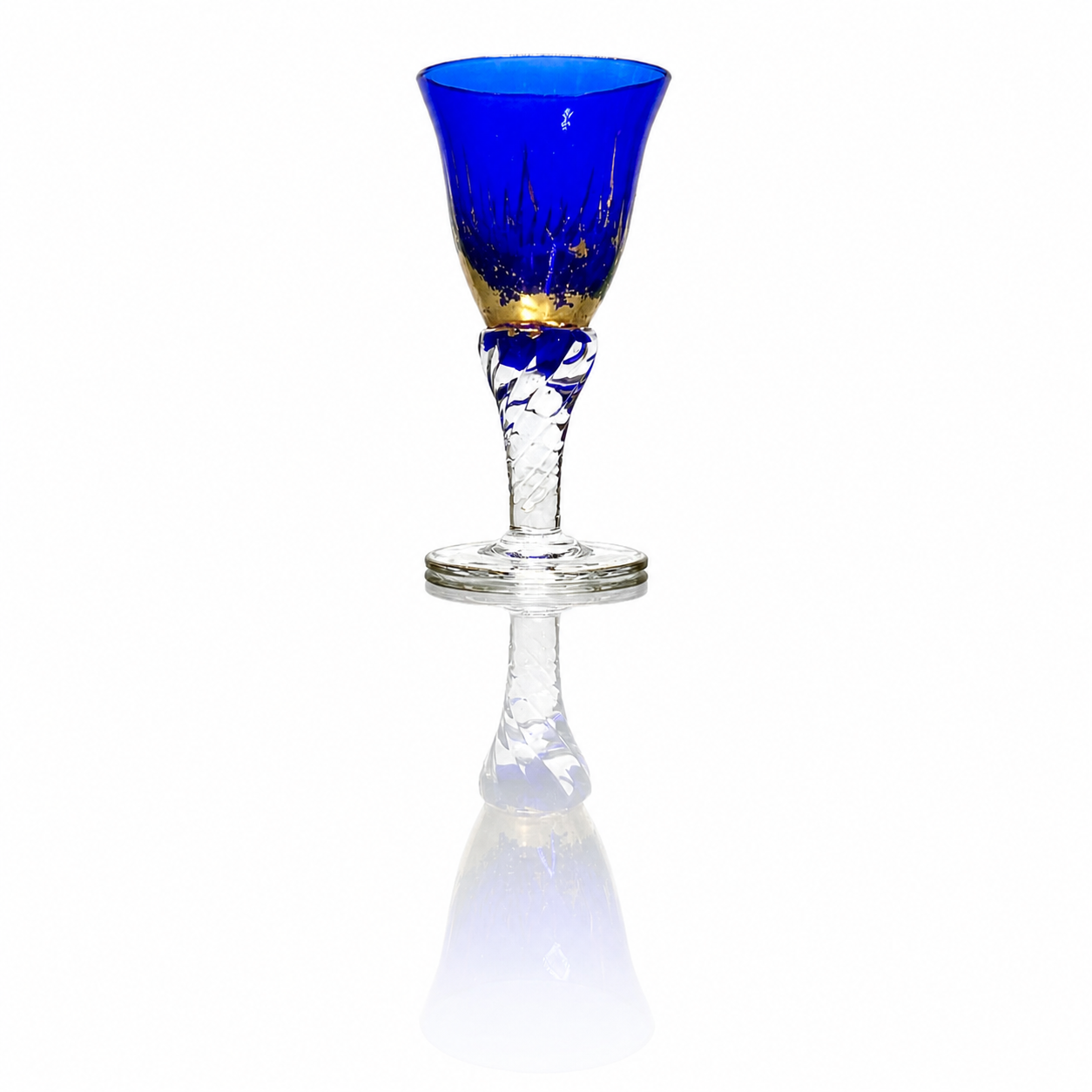
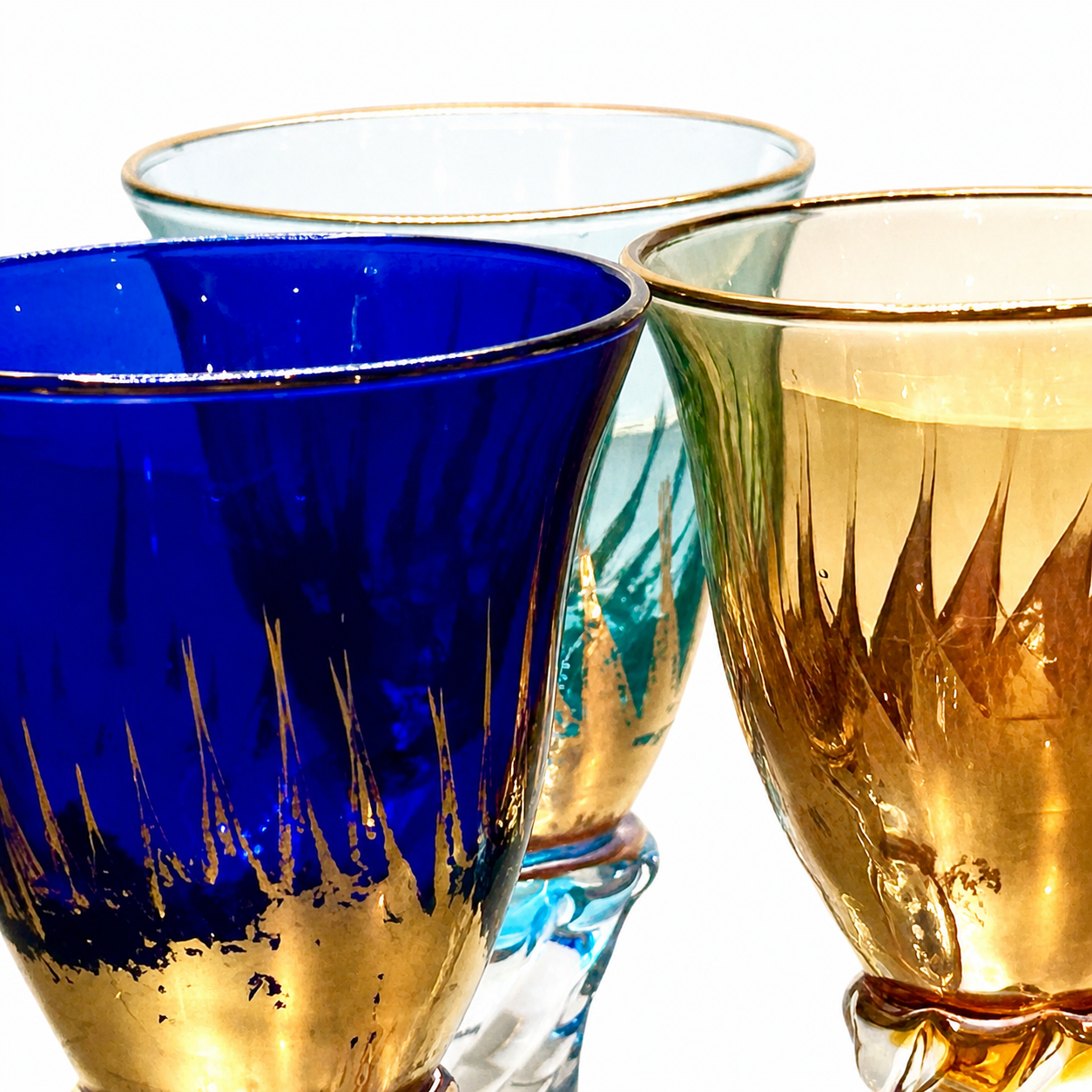
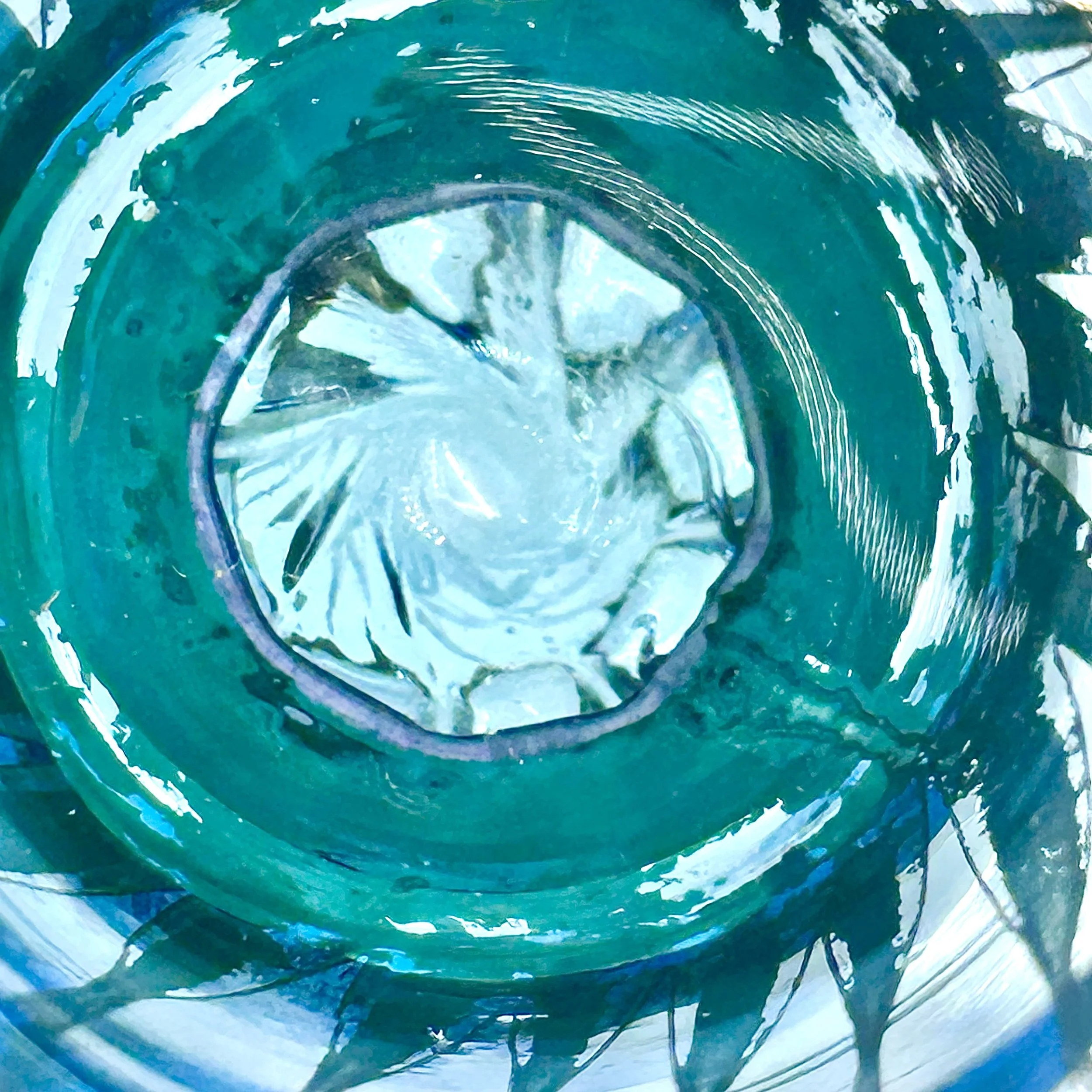
This monumental 10-inch cognac sifter is a commanding masterpiece of Venetian glassmaking, characterized by its rich amber palette and intricate 24kt gold leaf ornamentation. Crafted using the demanding Tre Fuochi (Three Fires) technique, the vessel exhibits a sophisticated "Amber-to-Clear" gradient, a premier luxury colorway of the late 1950s. The expansive, hand-blown form interacts dramatically with light, emphasizing the depth of the glass and the reflective brilliance of the hand-etched floral gilding and applied ruby-toned cabochons.
Attribution & Period
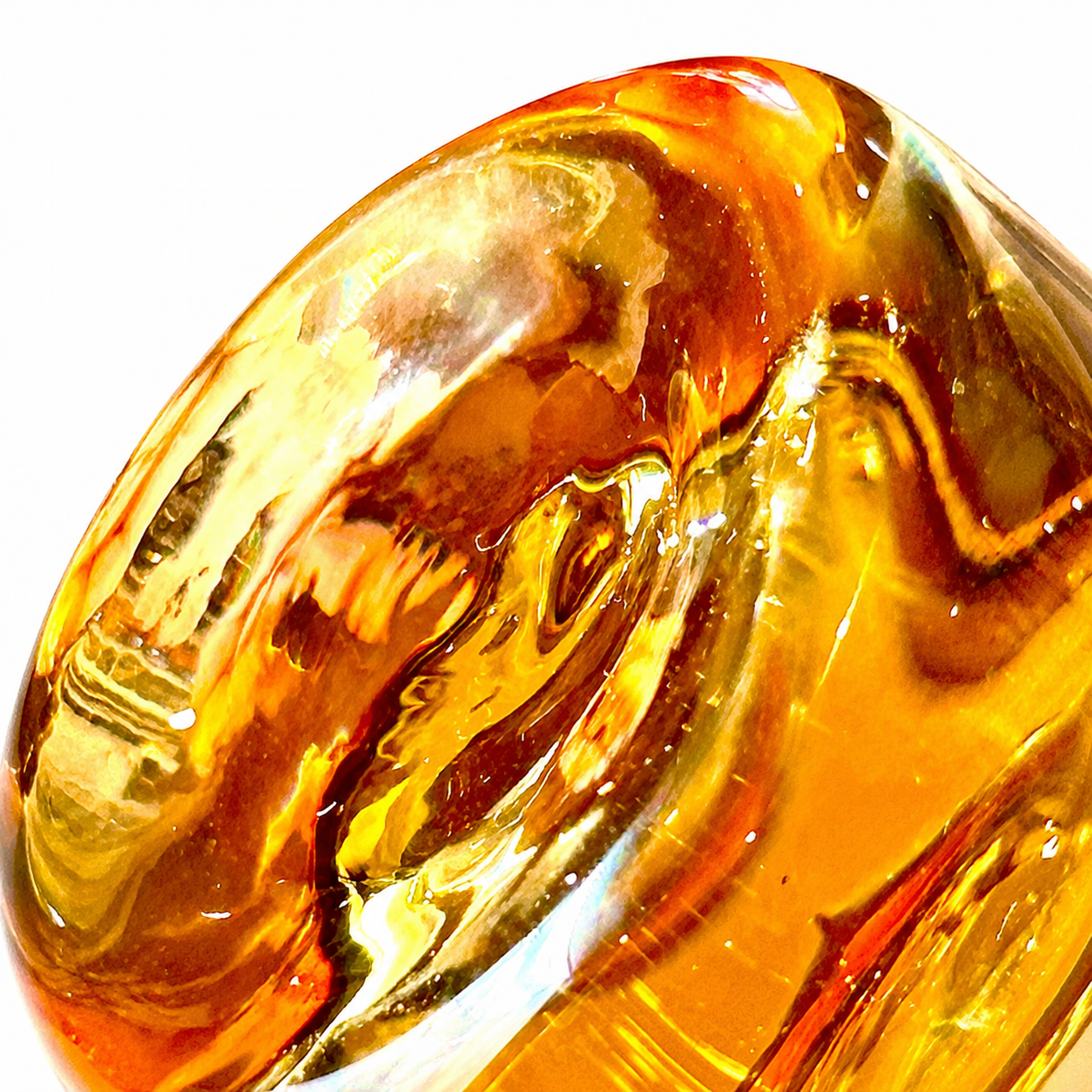
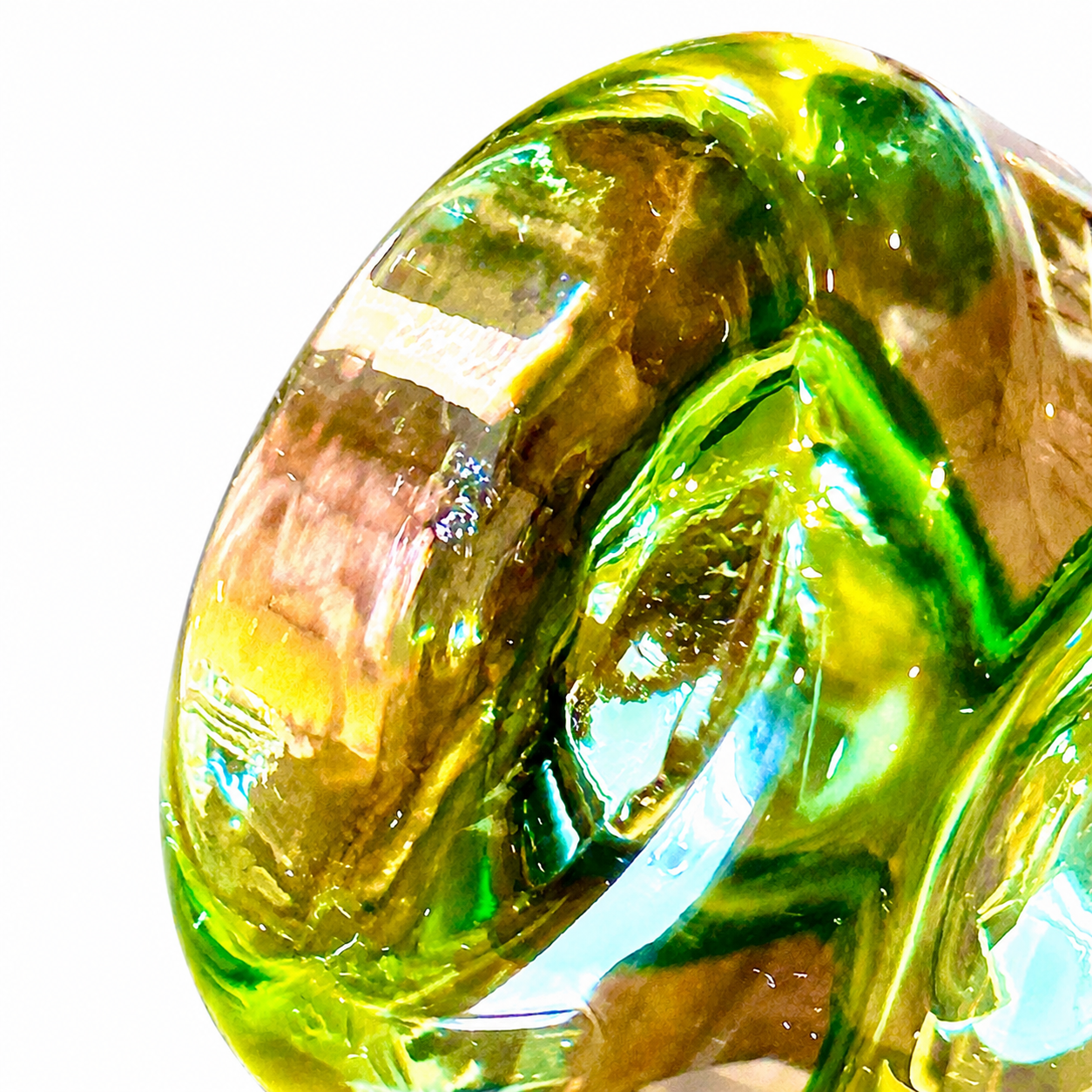
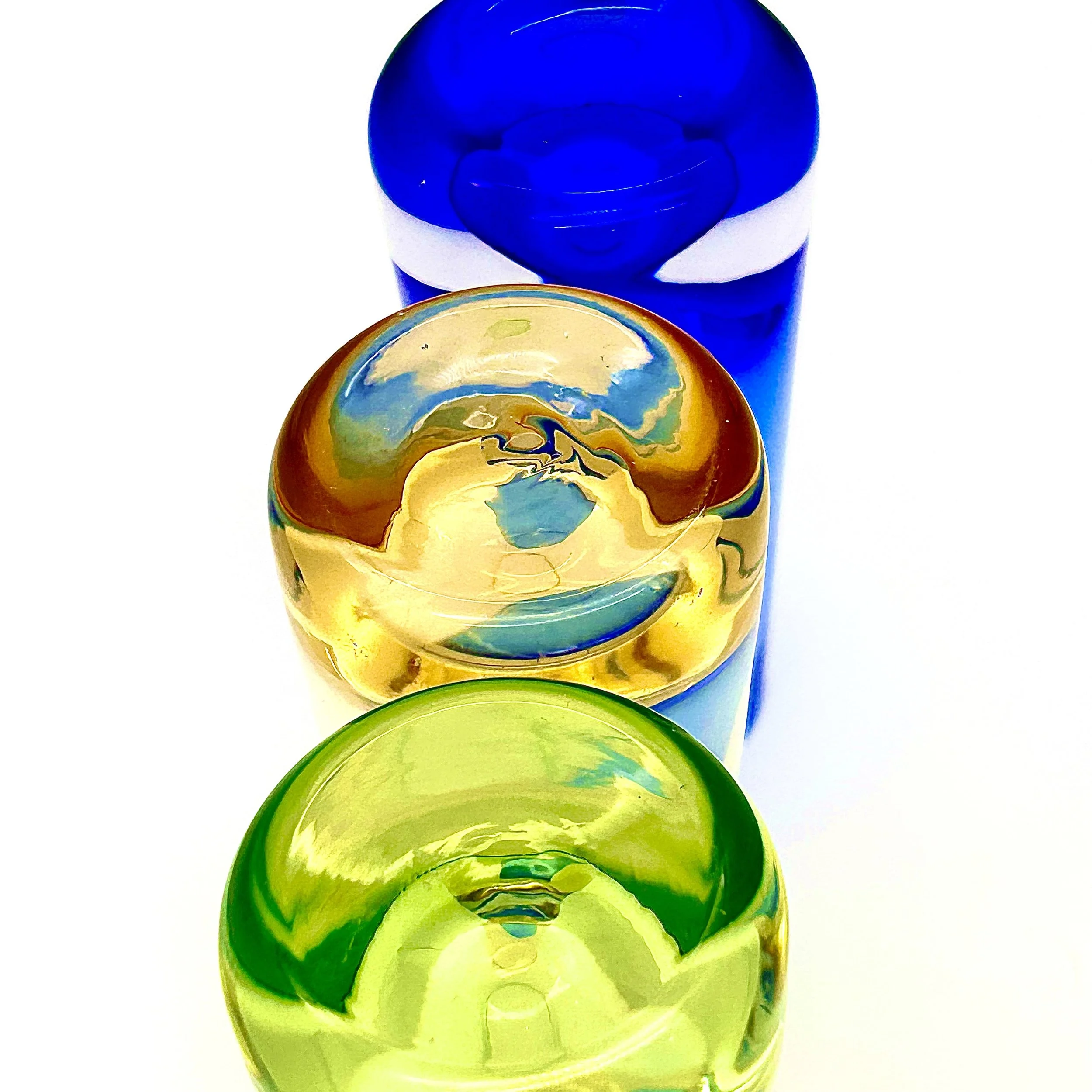
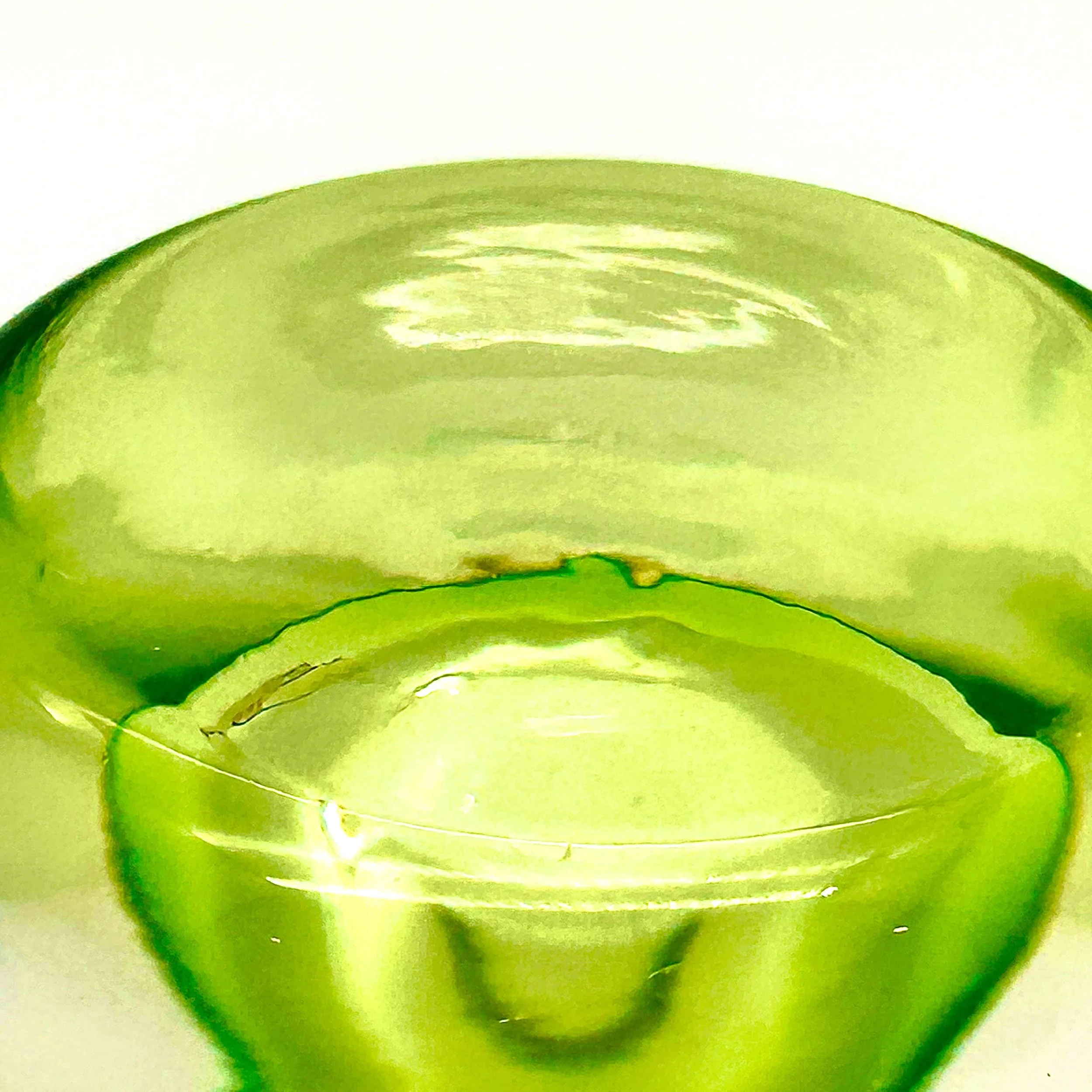
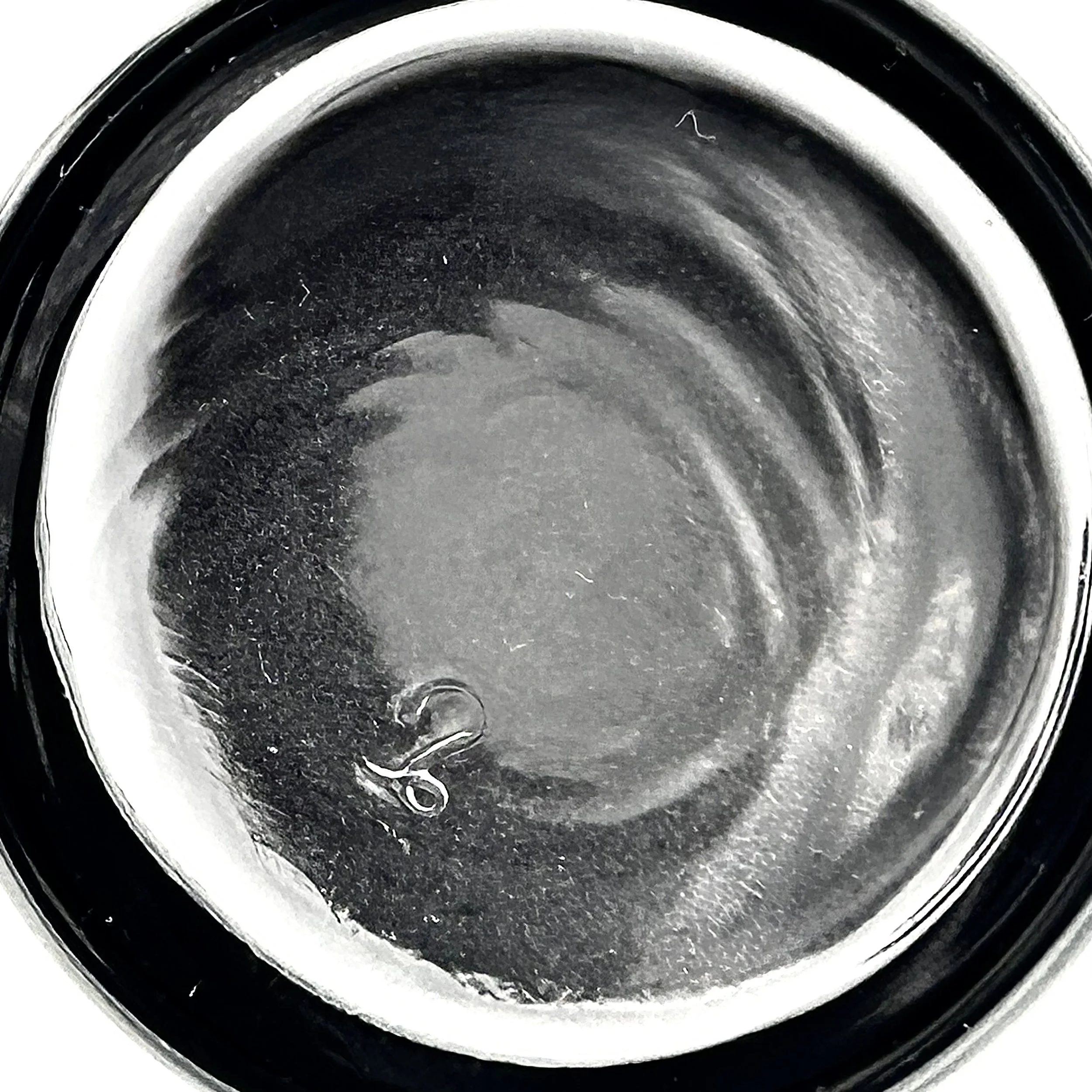
Circa 1960. This piece is stylistically aligned with the high-end Mid-Century production of premier Murano furnaces such as Salviati & C. or Pauly & C. The base features an authentic hand-pressed relief seal depicting the "Lion of Saint Mark" (the official symbol of Venice), used during this period to certify artisanal origin for the luxury export market. The presence of a raw, snapped pontil mark and the specific scale of the vessel—designed for the low-slung teak sideboards of the era—confirms its manufacture within the narrow window of 1958–1964.
Dimensions & Weight
Condition
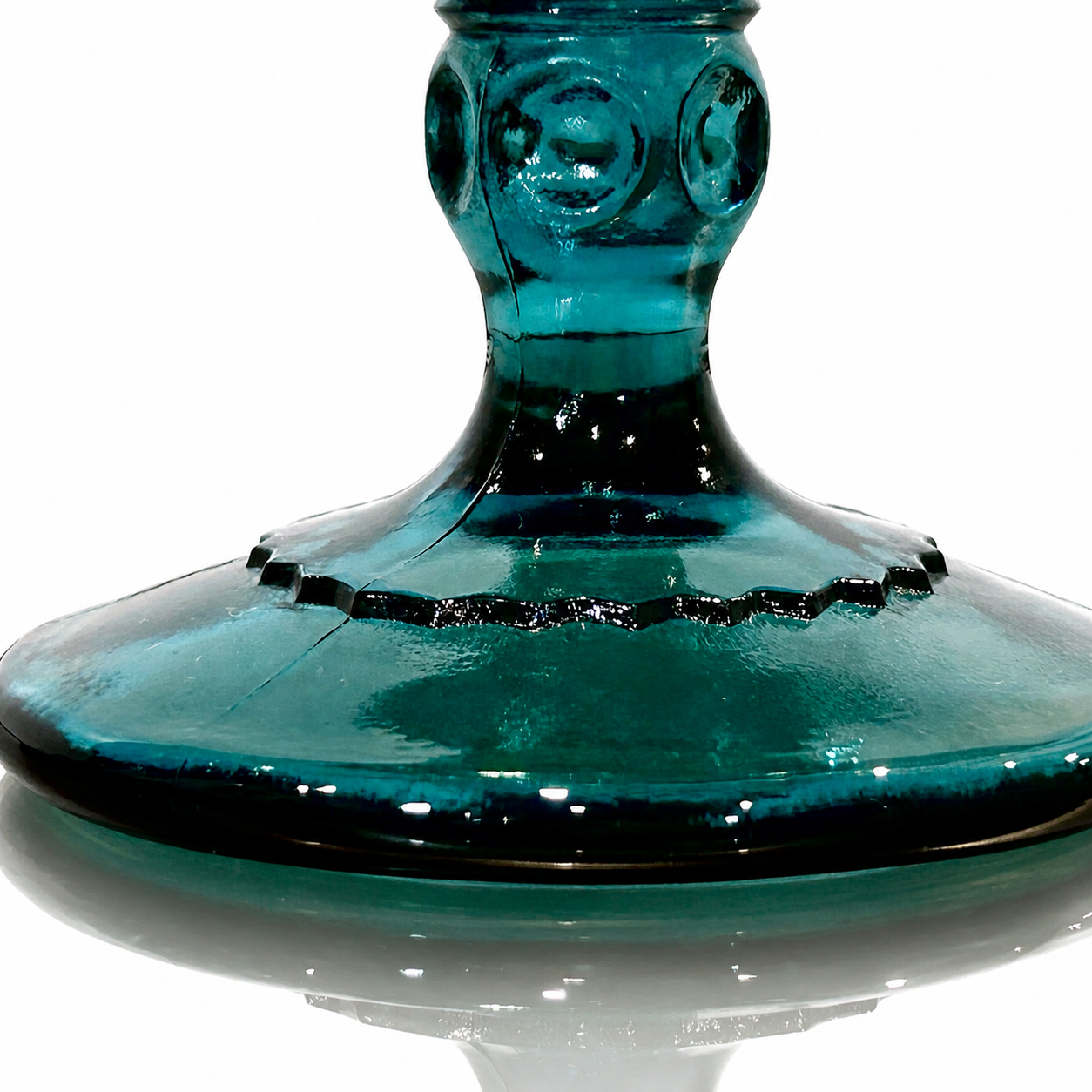
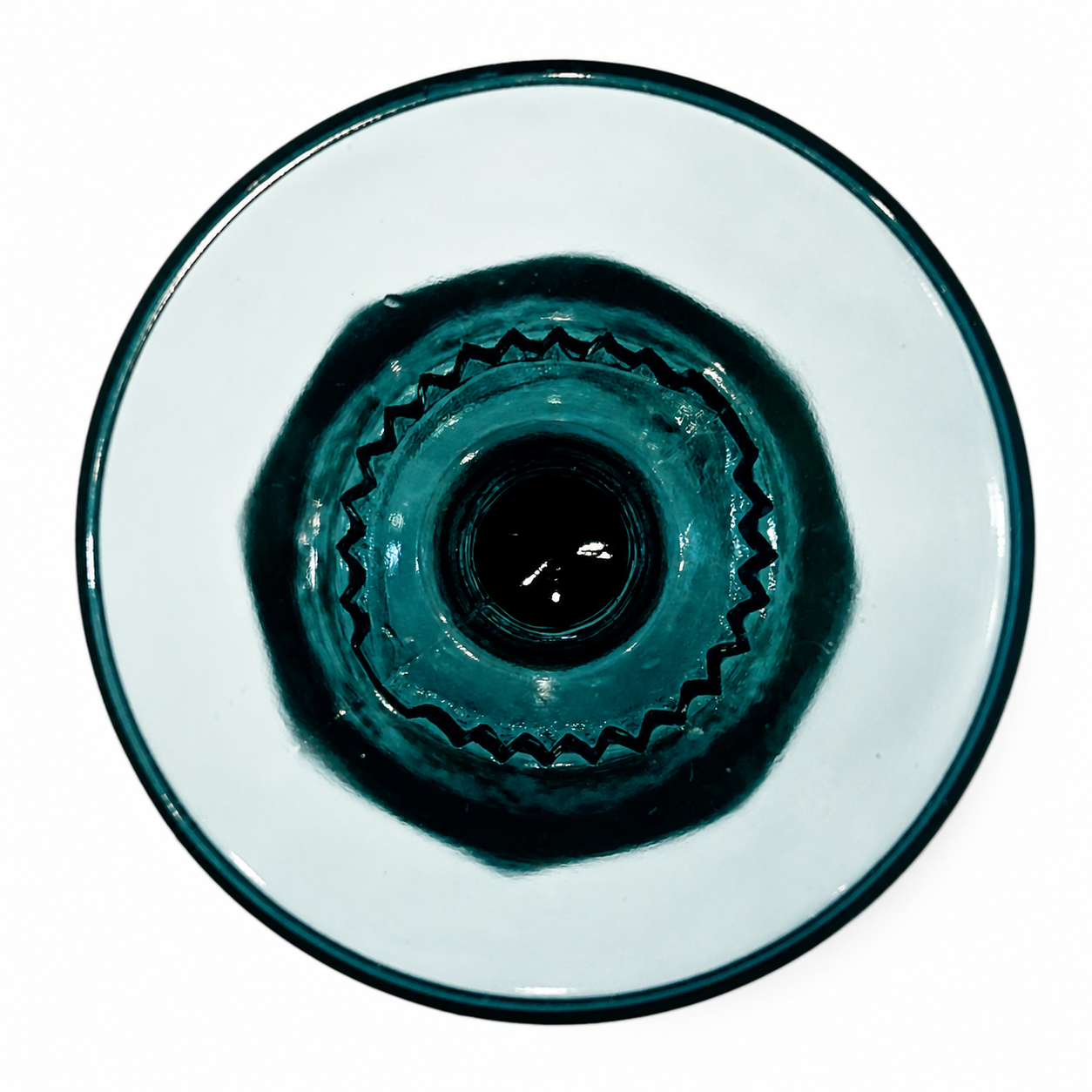
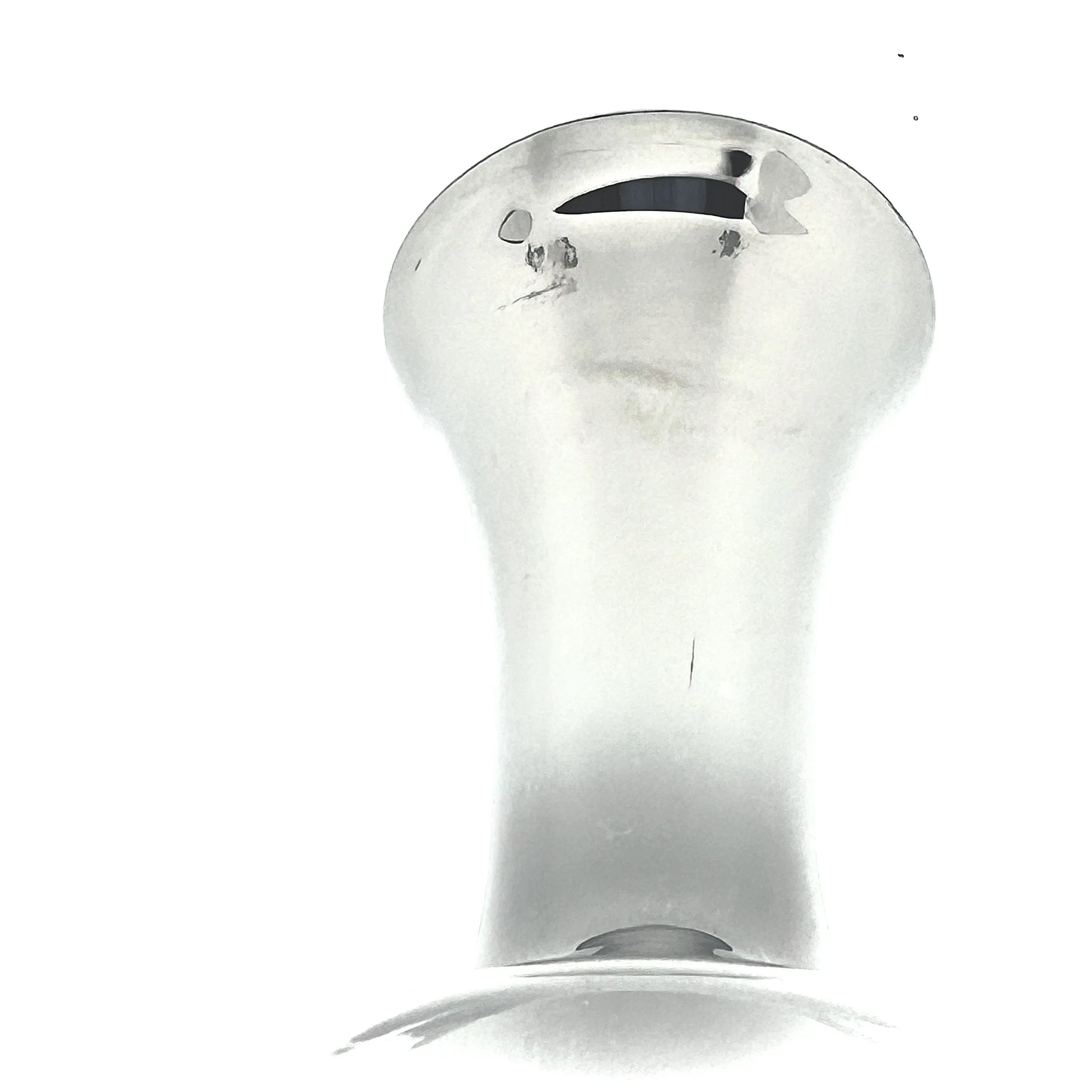
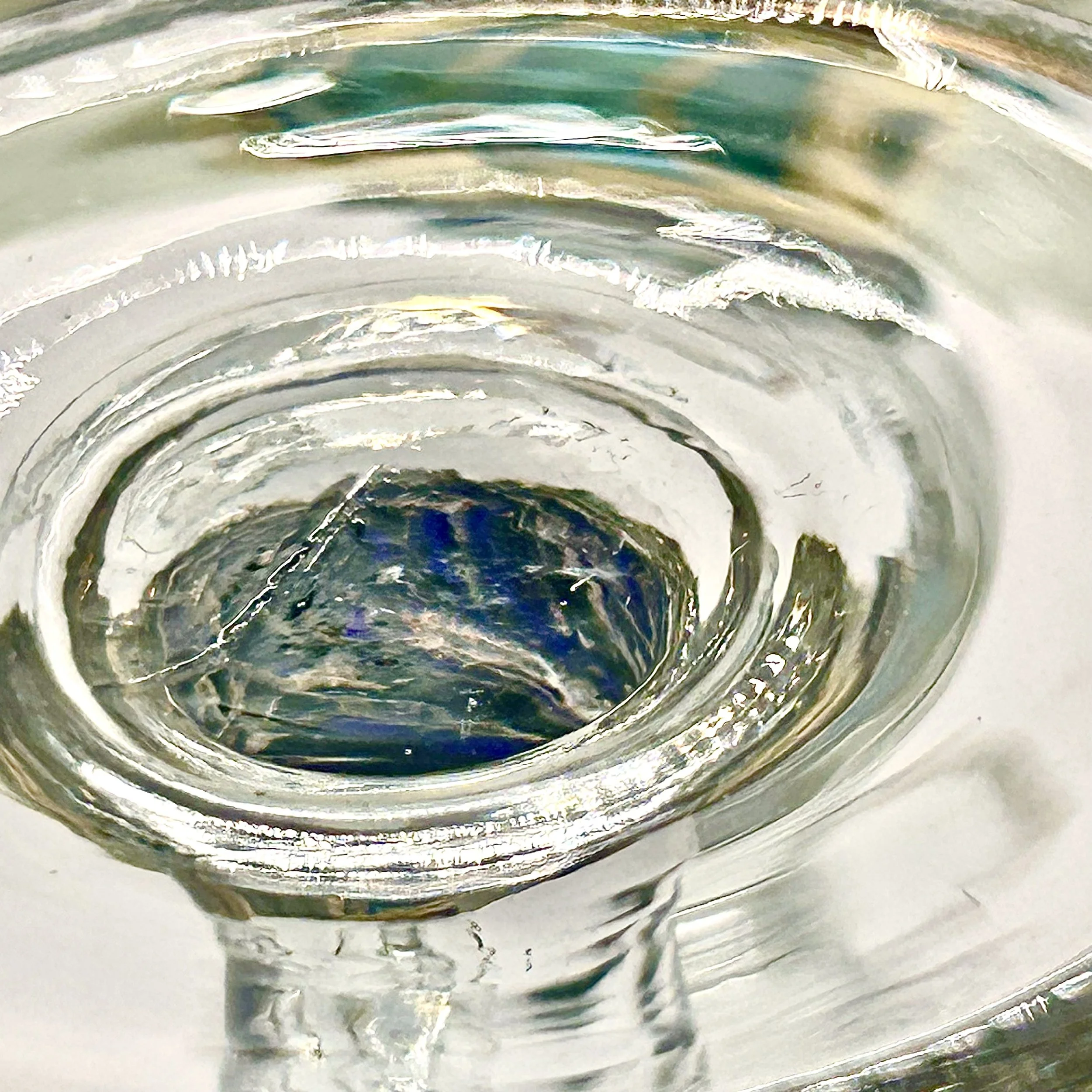
Clinical and excellent. The glass remains structurally sound with no chips, cracks, or repairs. The hand-applied gold overlay is remarkably well-preserved, showing only the lightest evidence of age-related surface wear to the gilding, which remains capable of a high-lustre polish. The base displays a prominent, authentic snapped pontil scar and a hand-pressed factory seal, both characteristic of the era’s manual construction methods.
Authenticity & Construction
This vessel was produced via three distinct kiln firings (Tre Fuochi): the initial mouth-blowing of the amber body, the fusion of the 24kt gold banding, and a final firing to set the hand-painted floral reliefs and ruby glass "jewels." The rough-hewn pontil on the underside is the "fingerprint" of the master glassblower, created when the ponty rod was snapped from the finished piece. This artisanal process ensures that while the design follows a classic Venetian motif, the execution of each element is unique.
The Identification of the "Pointer" Seal
The relief seal on the base is a "Prancing Lion" (Lion of Saint Mark), which is the official symbol of the Republic of Venice.
• The "Rough" Look: In the 1950s and 60s, these seals were hand-pressed into a molten "blob" of glass while the piece was still hot. Because it was done manually and quickly before the glass cooled, they often look "squished" or slightly off-center.
• What it confirms: This seal was a hallmark used by high-end Murano furnaces (such as Salviati, Pauly & C., or Venezia Glass) to certify that the piece was made in Murano, Italy, specifically for the luxury export market.
The Technique: "Tre Fuochi" (Three Fires)
This glass is a textbook example of the Tre Fuochi technique. You can tell by the "layered" nature of the decoration:
• First Fire: The hand-blown amber glass body is formed (creating the snapped pontil you see on the bottom).
• Second Fire: The 24kt gold leaf is applied in wide bands and fired to fuse it to the glass.
• Third Fire: The "Guilt" (Gilding) and the ruby glass cabochons (the "jewels") are hand-painted and applied in relief, then fired a final time.
Placement
With its grand proportions and Neoclassical opulence, this sifter serves as a sophisticated focal point for a mahogany bar, a library étagère, or an architecturally lit sideboard. It is an essential acquisition for collectors of Mid-Century Italian decorative arts or those seeking a statement piece for a refined interior.
STANDARD ATTRIBUTION & VALUE DISCLOSURE; This piece is described to the best of current scholarly and market knowledge. Any maker or regional attribution is based on visual analysis, materials, construction techniques, and documented stylistic comparisons. As with many MCM and antique design objects, definitive attribution may not be possible without original labels or factory records. Pricing reflects condition, quality, decorative appeal, and current collector demand rather than guaranteed maker identification.
This monumental 10-inch cognac sifter is a commanding masterpiece of Venetian glassmaking, characterized by its rich amber palette and intricate 24kt gold leaf ornamentation. Crafted using the demanding Tre Fuochi (Three Fires) technique, the vessel exhibits a sophisticated "Amber-to-Clear" gradient, a premier luxury colorway of the late 1950s. The expansive, hand-blown form interacts dramatically with light, emphasizing the depth of the glass and the reflective brilliance of the hand-etched floral gilding and applied ruby-toned cabochons.
Attribution & Period
Circa 1960. This piece is stylistically aligned with the high-end Mid-Century production of premier Murano furnaces such as Salviati & C. or Pauly & C. The base features an authentic hand-pressed relief seal depicting the "Lion of Saint Mark" (the official symbol of Venice), used during this period to certify artisanal origin for the luxury export market. The presence of a raw, snapped pontil mark and the specific scale of the vessel—designed for the low-slung teak sideboards of the era—confirms its manufacture within the narrow window of 1958–1964.
Dimensions & Weight
Condition
Clinical and excellent. The glass remains structurally sound with no chips, cracks, or repairs. The hand-applied gold overlay is remarkably well-preserved, showing only the lightest evidence of age-related surface wear to the gilding, which remains capable of a high-lustre polish. The base displays a prominent, authentic snapped pontil scar and a hand-pressed factory seal, both characteristic of the era’s manual construction methods.
Authenticity & Construction
This vessel was produced via three distinct kiln firings (Tre Fuochi): the initial mouth-blowing of the amber body, the fusion of the 24kt gold banding, and a final firing to set the hand-painted floral reliefs and ruby glass "jewels." The rough-hewn pontil on the underside is the "fingerprint" of the master glassblower, created when the ponty rod was snapped from the finished piece. This artisanal process ensures that while the design follows a classic Venetian motif, the execution of each element is unique.
The Identification of the "Pointer" Seal
The relief seal on the base is a "Prancing Lion" (Lion of Saint Mark), which is the official symbol of the Republic of Venice.
• The "Rough" Look: In the 1950s and 60s, these seals were hand-pressed into a molten "blob" of glass while the piece was still hot. Because it was done manually and quickly before the glass cooled, they often look "squished" or slightly off-center.
• What it confirms: This seal was a hallmark used by high-end Murano furnaces (such as Salviati, Pauly & C., or Venezia Glass) to certify that the piece was made in Murano, Italy, specifically for the luxury export market.
The Technique: "Tre Fuochi" (Three Fires)
This glass is a textbook example of the Tre Fuochi technique. You can tell by the "layered" nature of the decoration:
• First Fire: The hand-blown amber glass body is formed (creating the snapped pontil you see on the bottom).
• Second Fire: The 24kt gold leaf is applied in wide bands and fired to fuse it to the glass.
• Third Fire: The "Guilt" (Gilding) and the ruby glass cabochons (the "jewels") are hand-painted and applied in relief, then fired a final time.
Placement
With its grand proportions and Neoclassical opulence, this sifter serves as a sophisticated focal point for a mahogany bar, a library étagère, or an architecturally lit sideboard. It is an essential acquisition for collectors of Mid-Century Italian decorative arts or those seeking a statement piece for a refined interior.
STANDARD ATTRIBUTION & VALUE DISCLOSURE; This piece is described to the best of current scholarly and market knowledge. Any maker or regional attribution is based on visual analysis, materials, construction techniques, and documented stylistic comparisons. As with many MCM and antique design objects, definitive attribution may not be possible without original labels or factory records. Pricing reflects condition, quality, decorative appeal, and current collector demand rather than guaranteed maker identification.

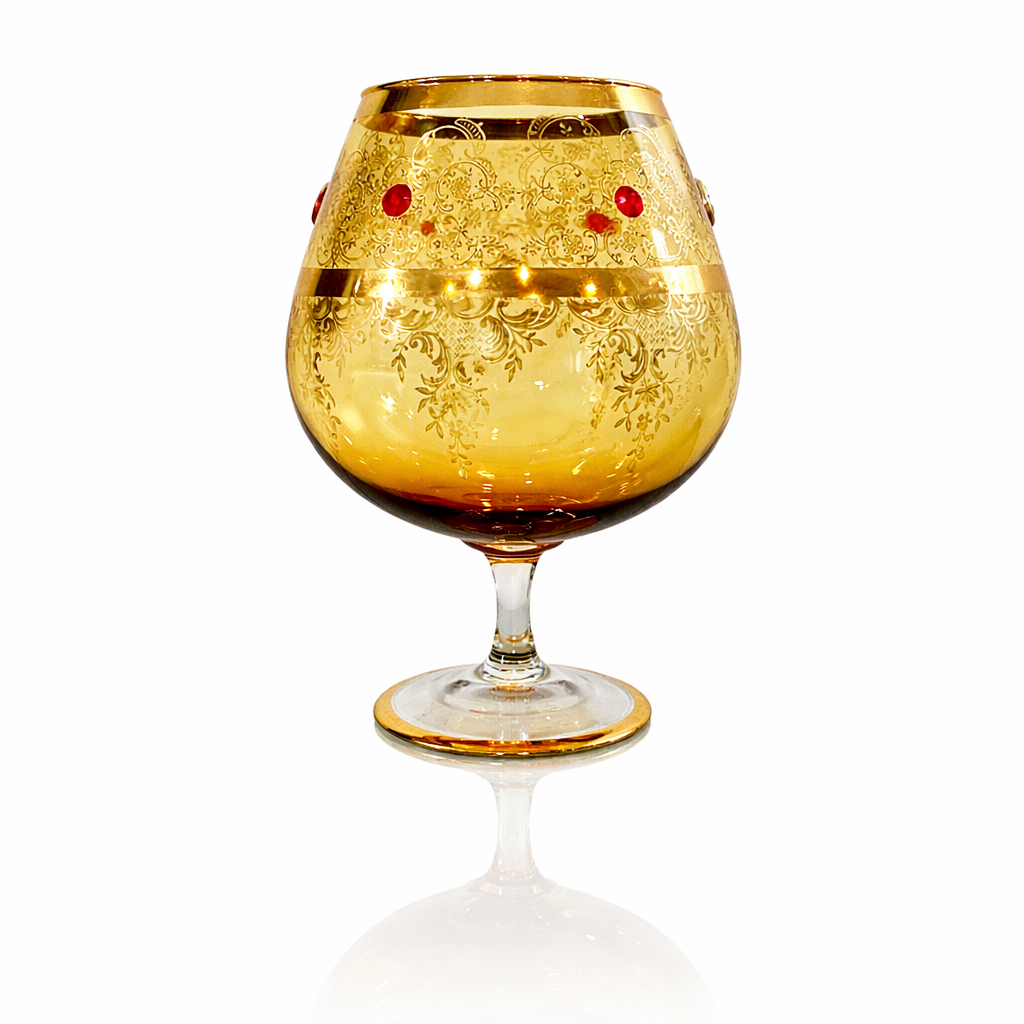 Image 1 of 12
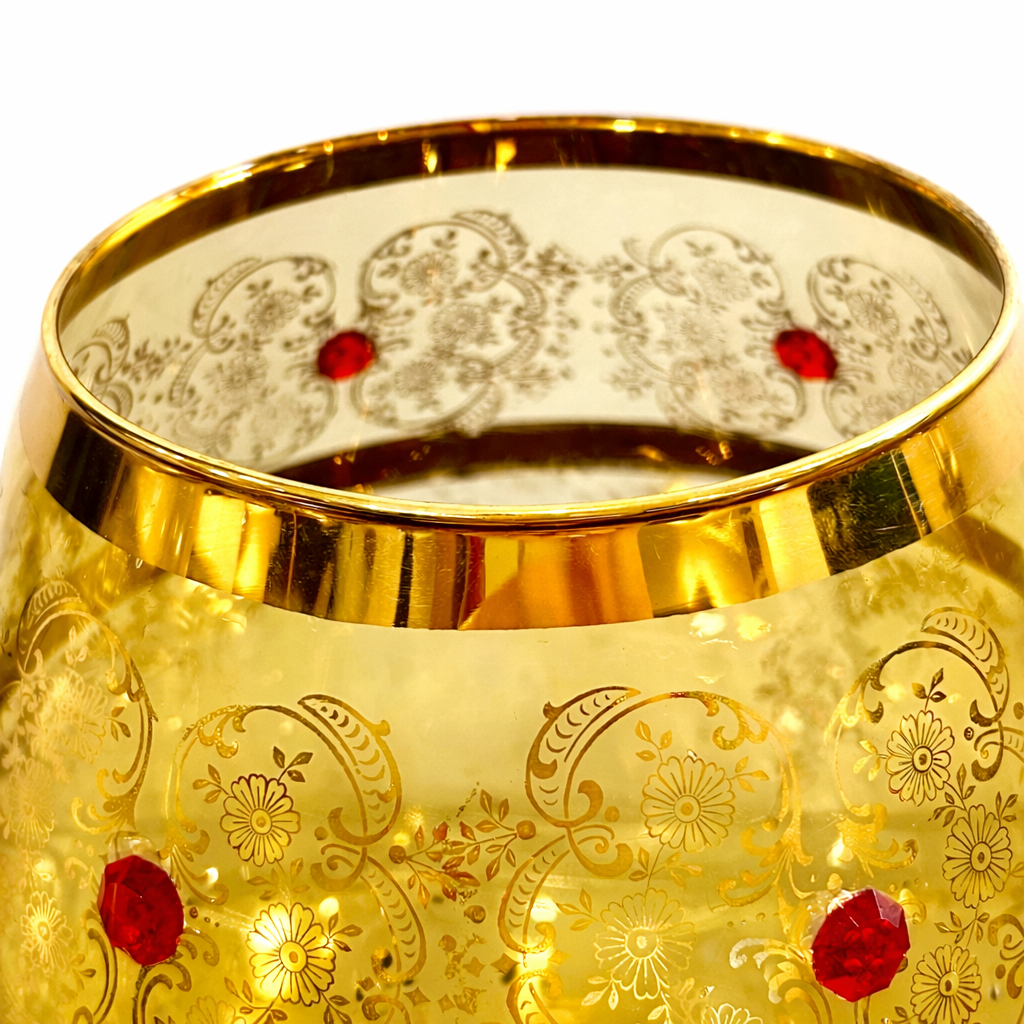 Image 2 of 12
 Image 3 of 12
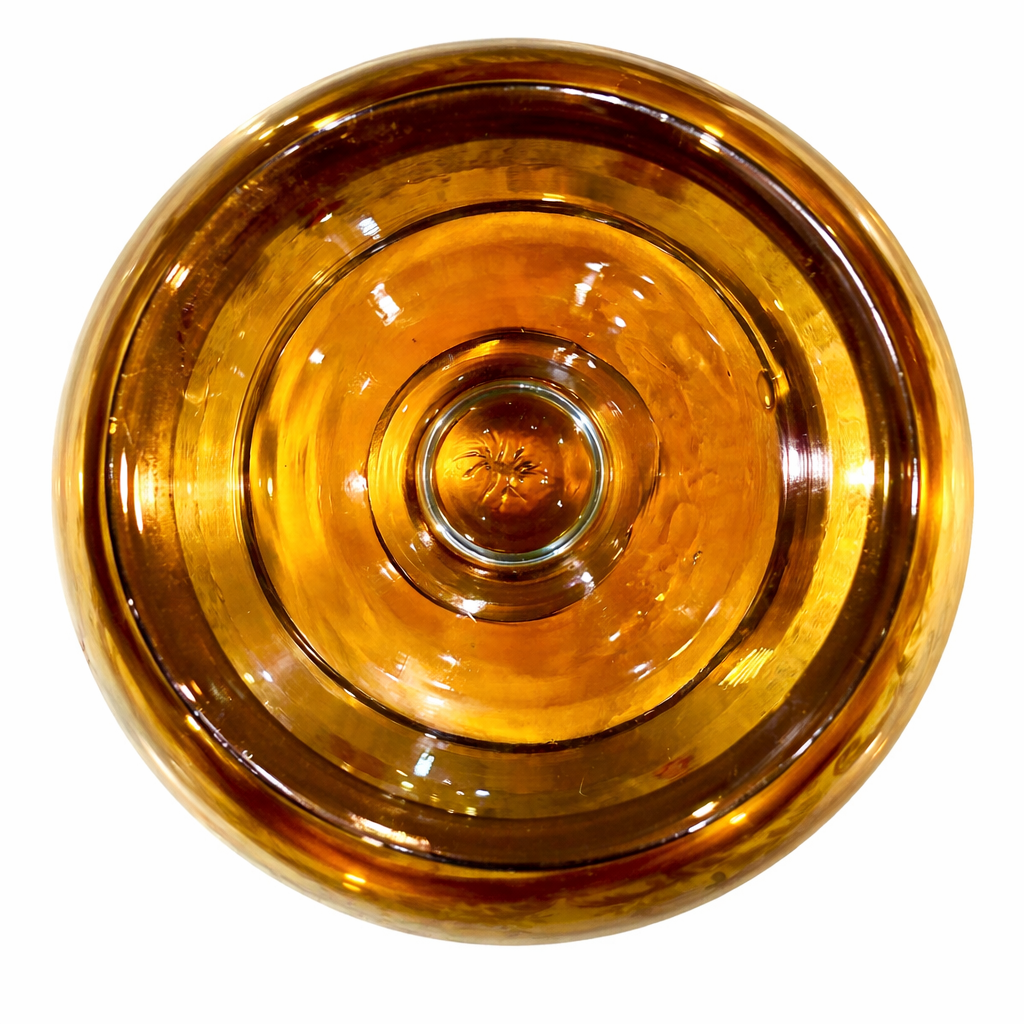 Image 4 of 12
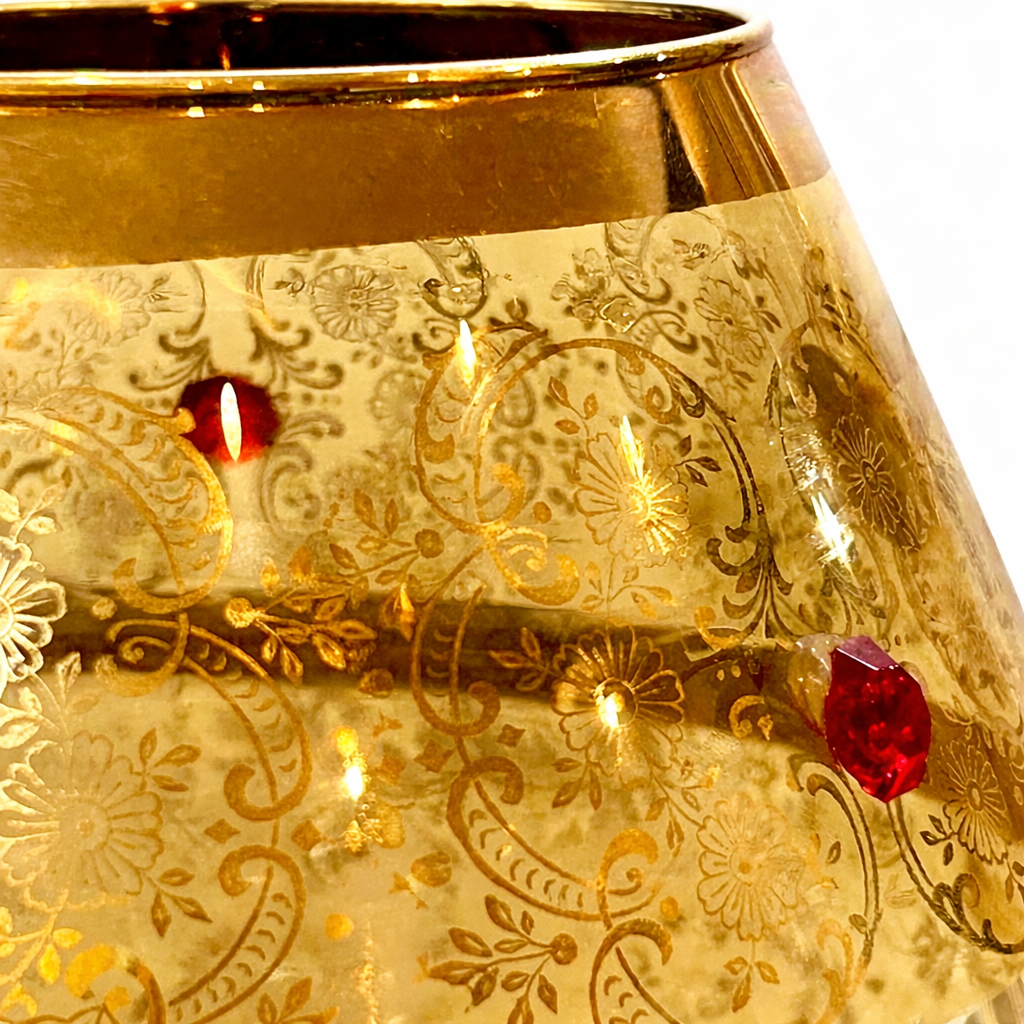 Image 5 of 12
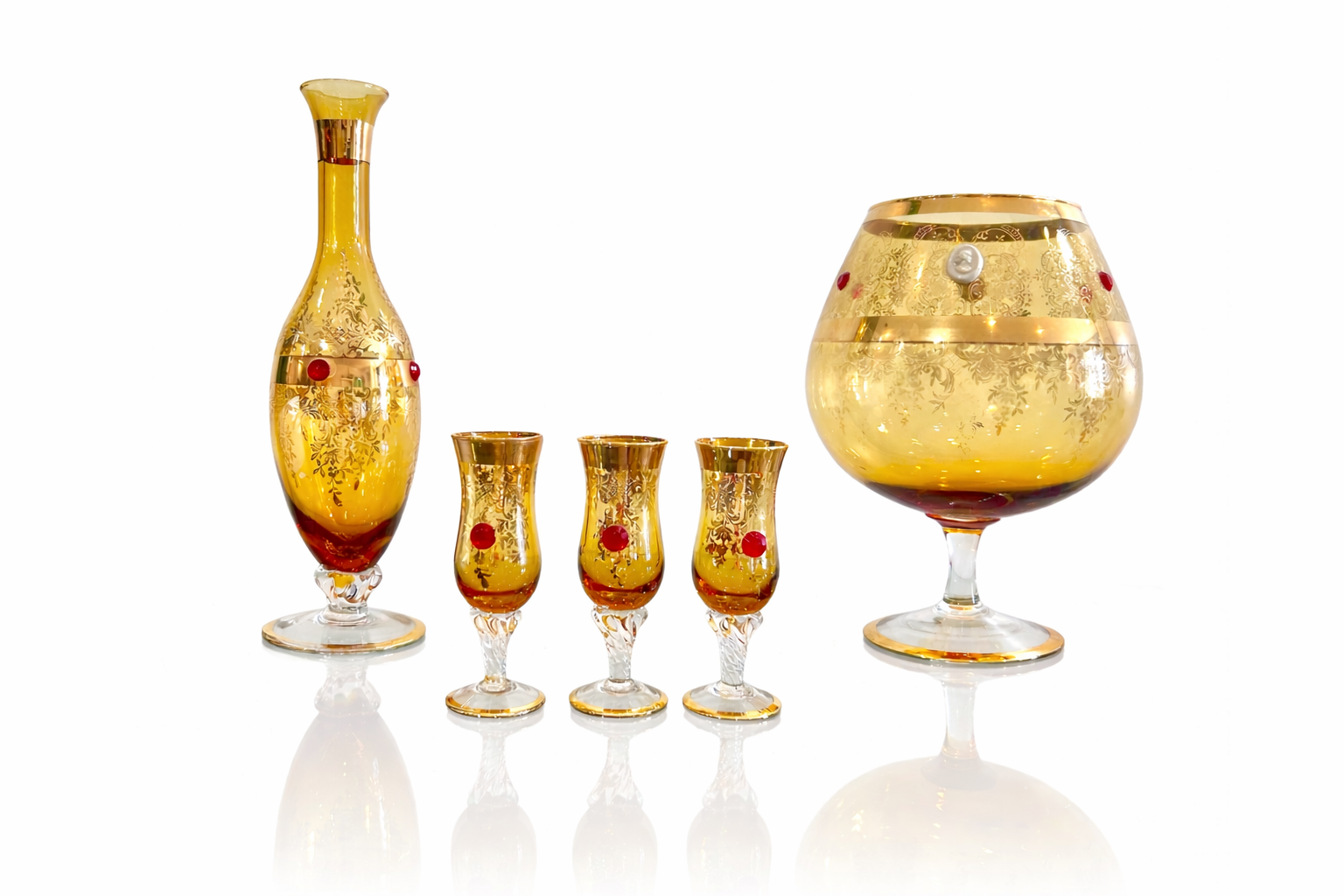 Image 6 of 12
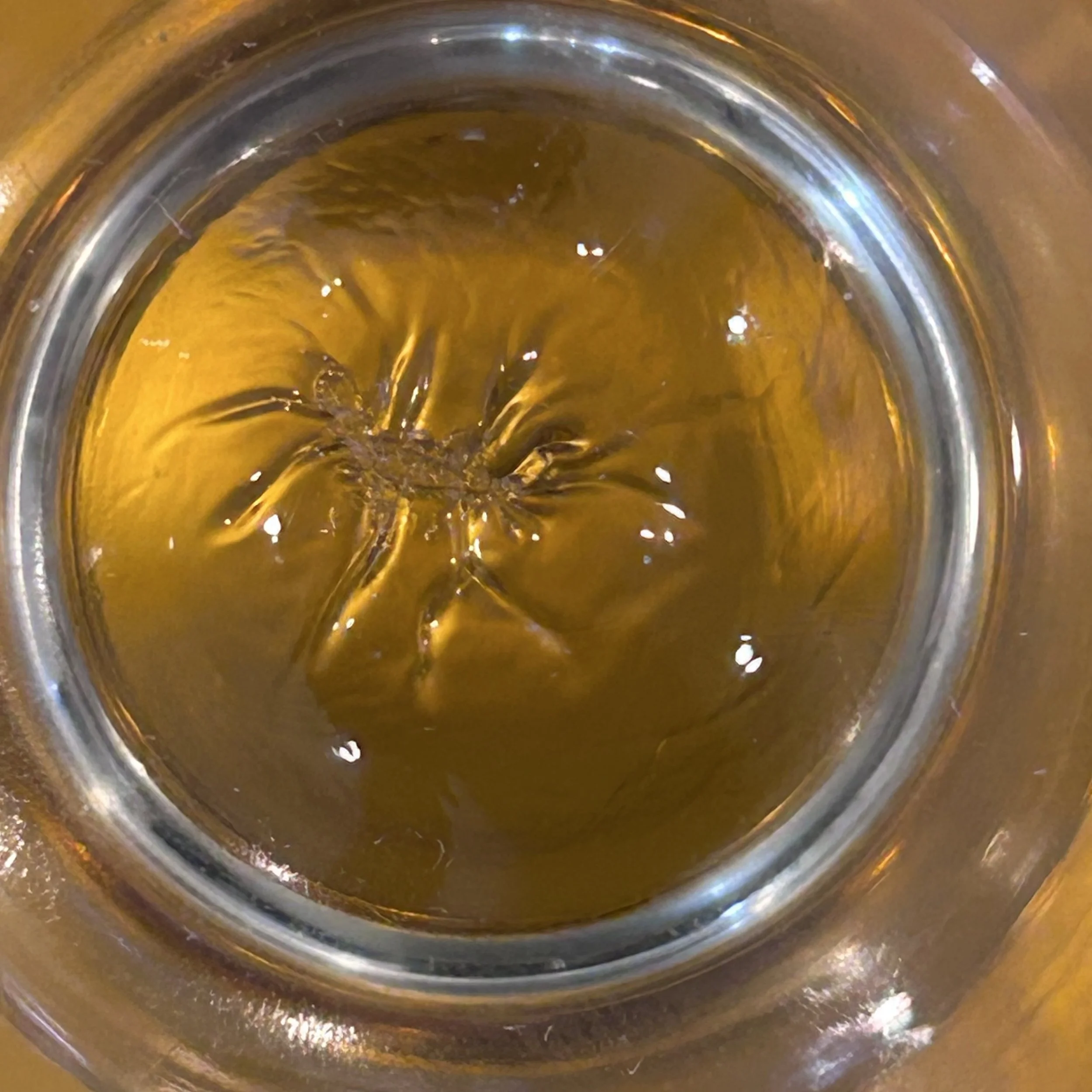 Image 7 of 12
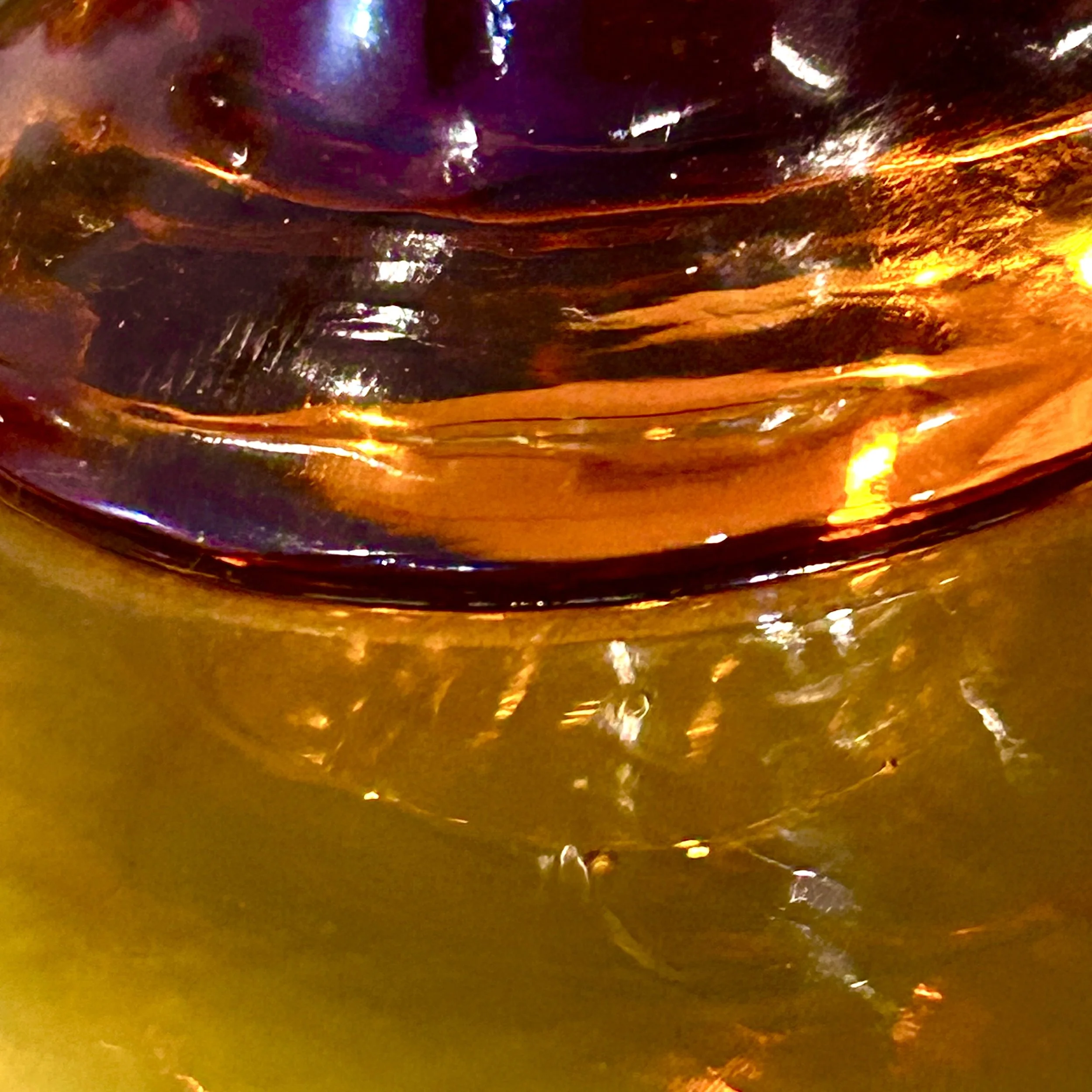 Image 8 of 12
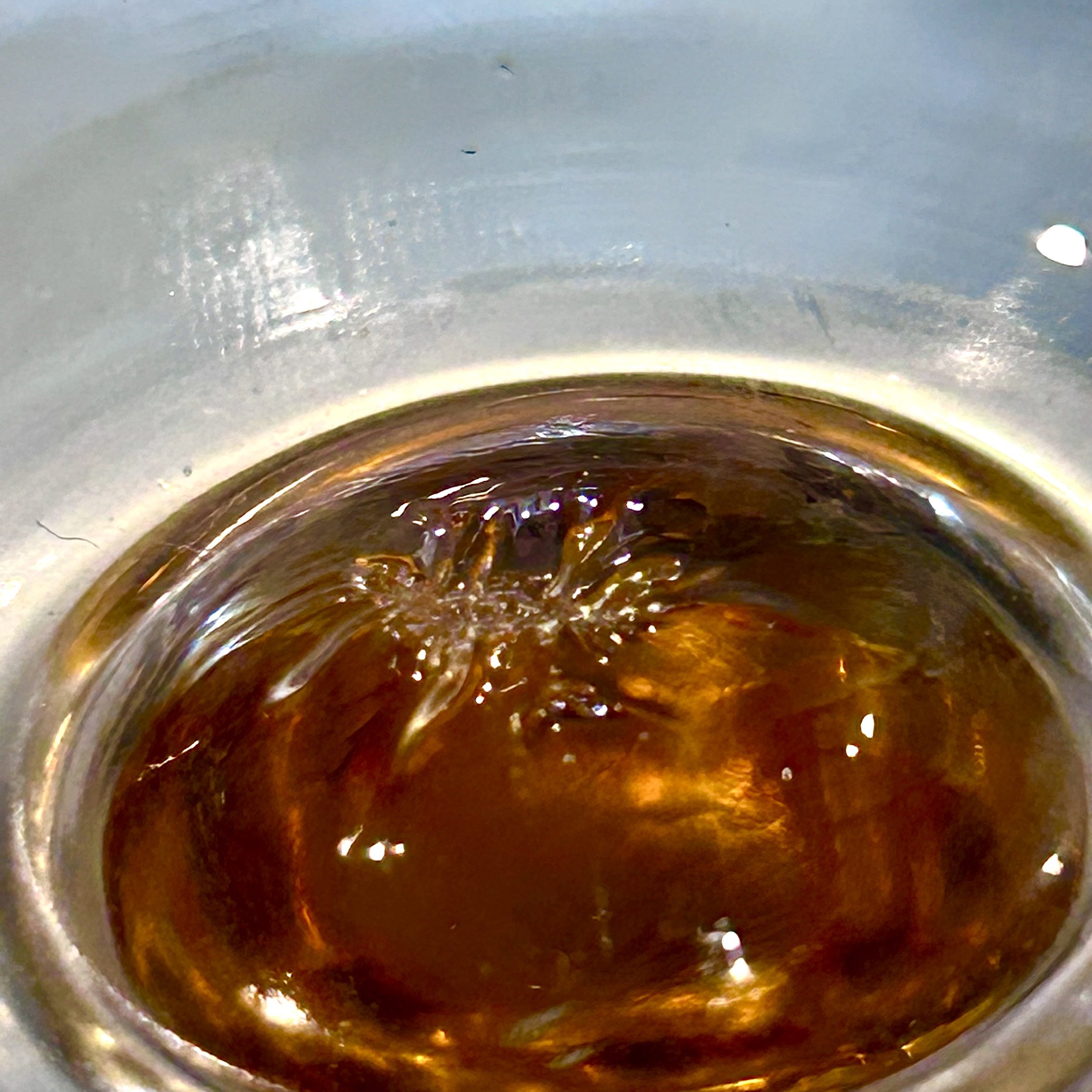 Image 9 of 12
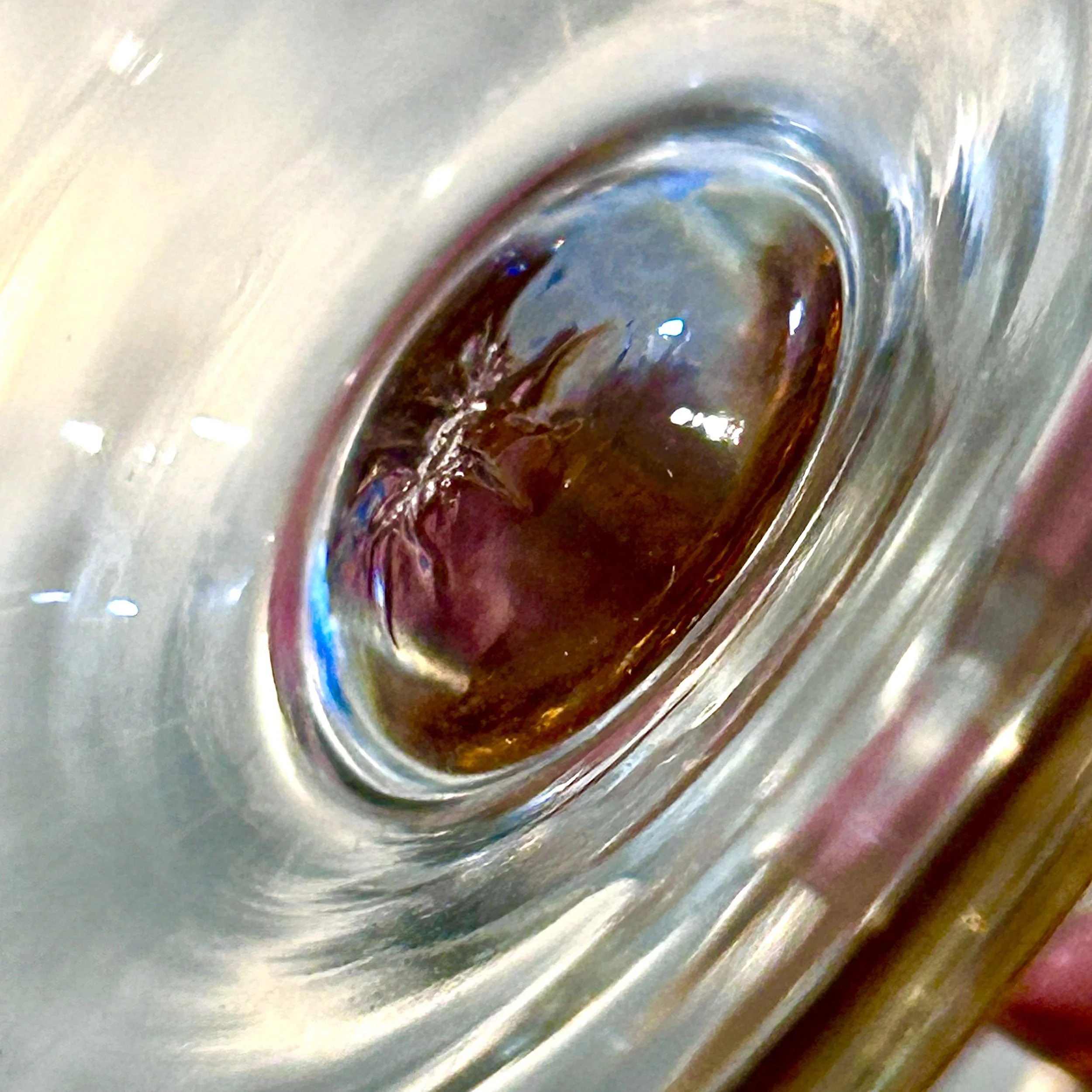 Image 10 of 12
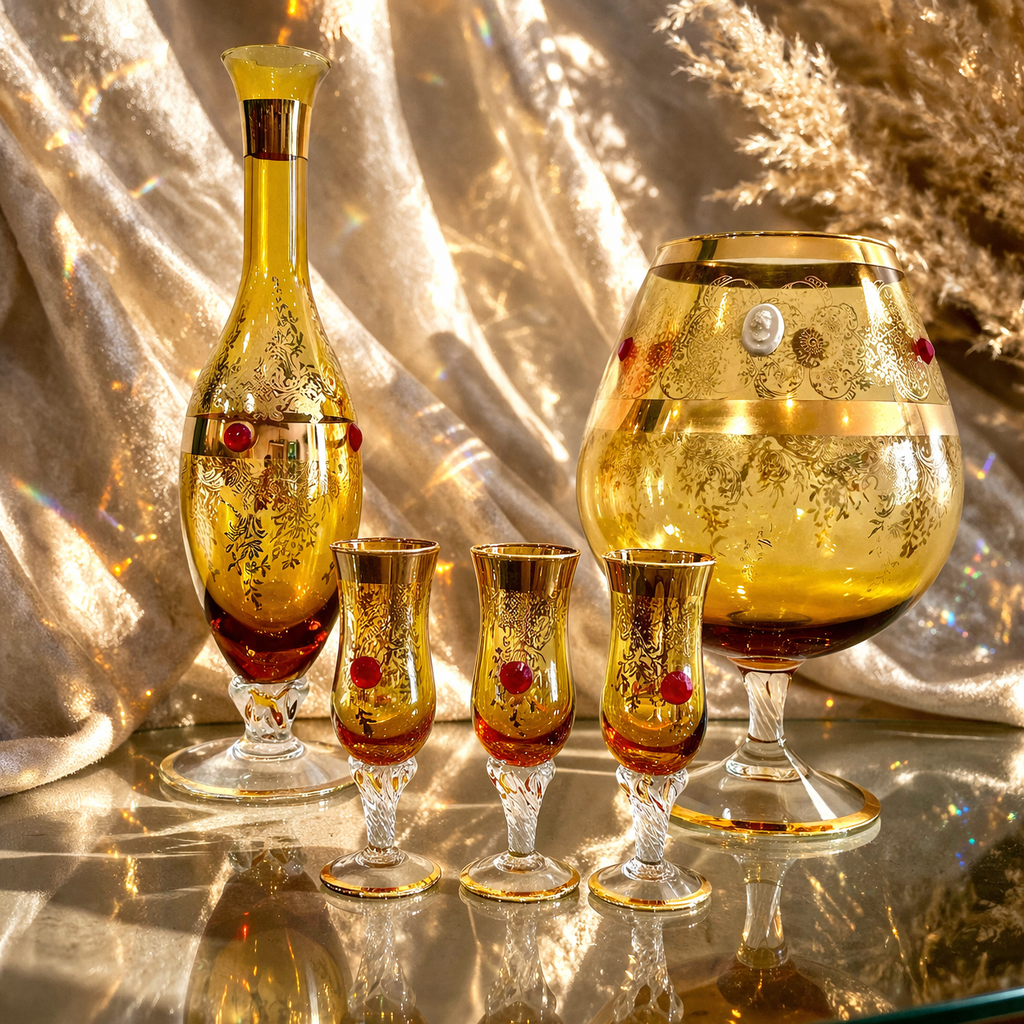 Image 11 of 12
 Image 12 of 12