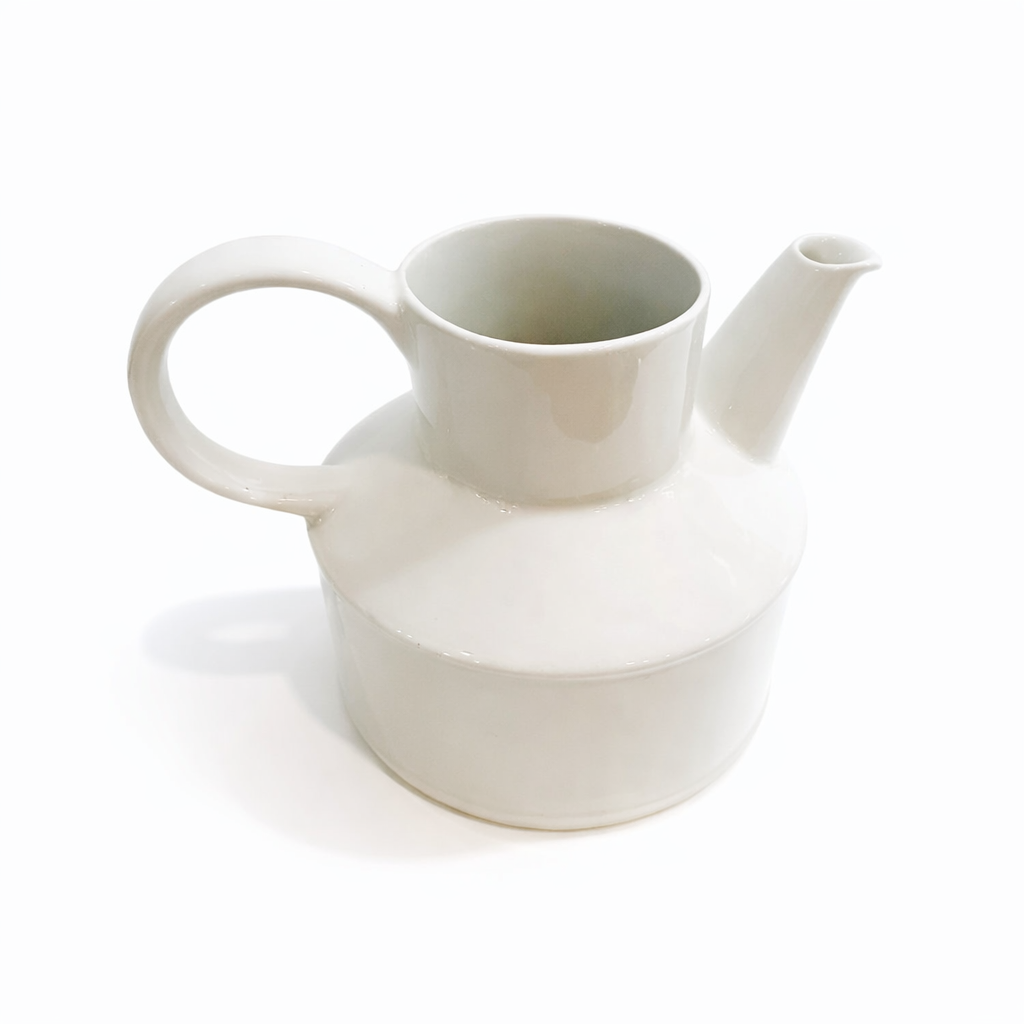
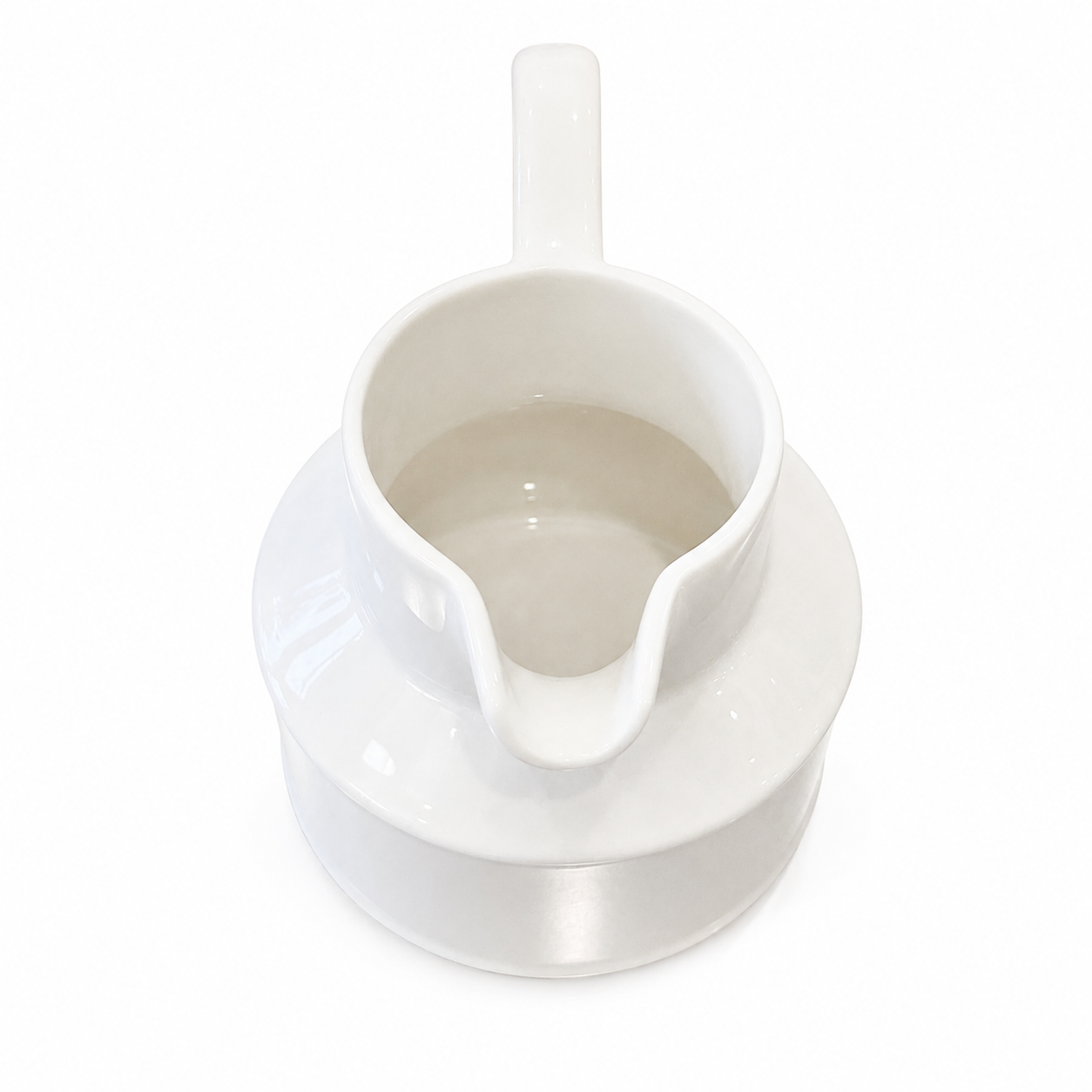
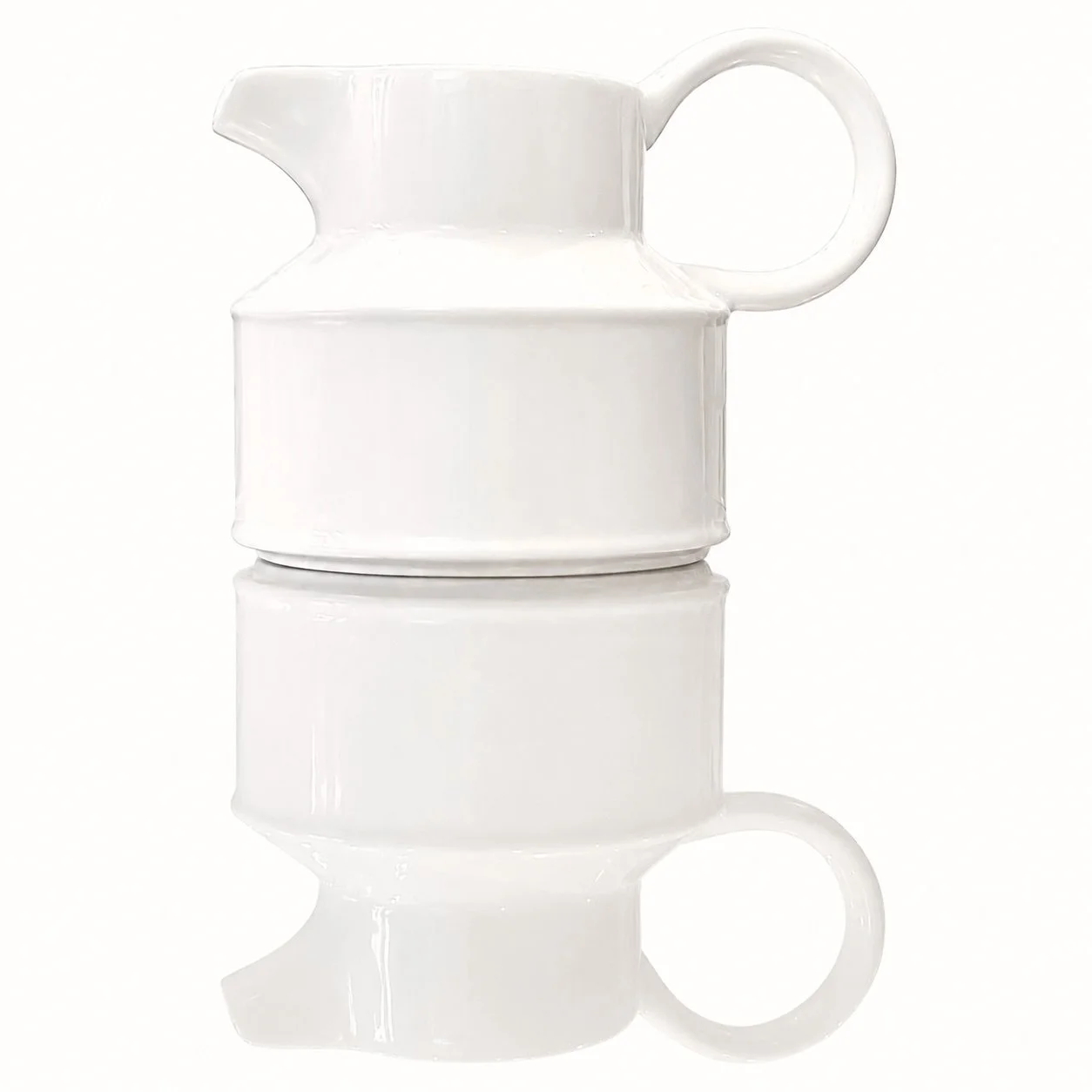
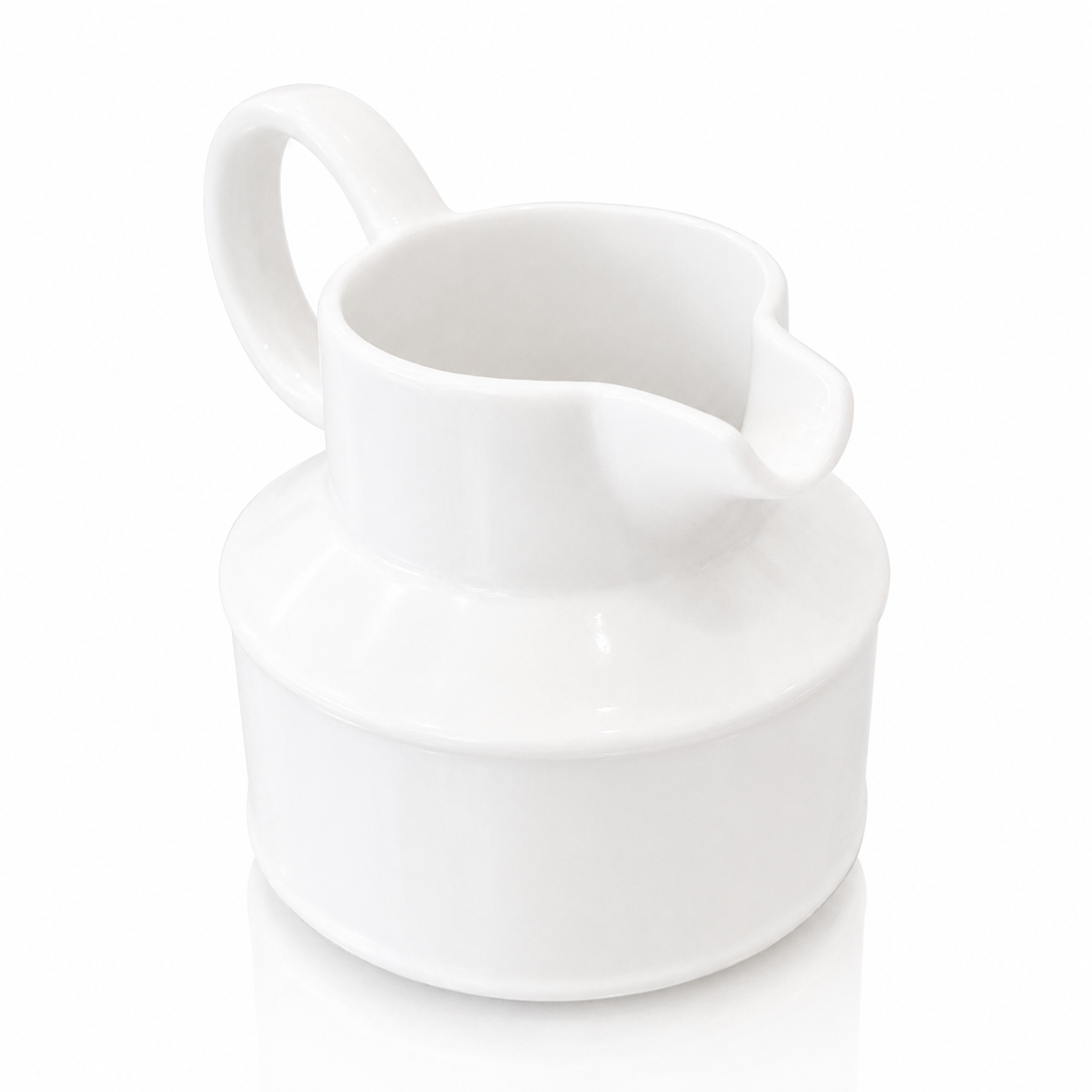
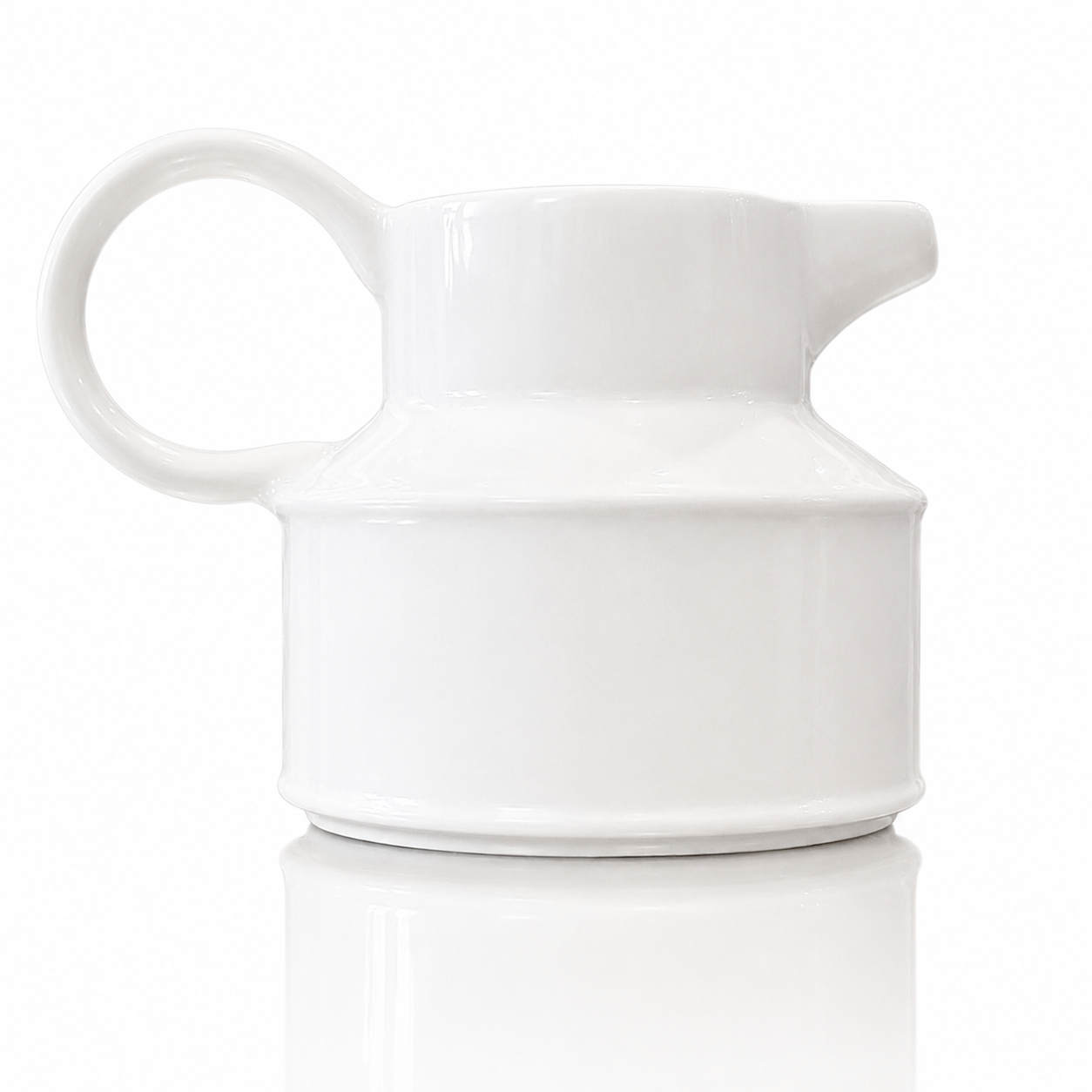
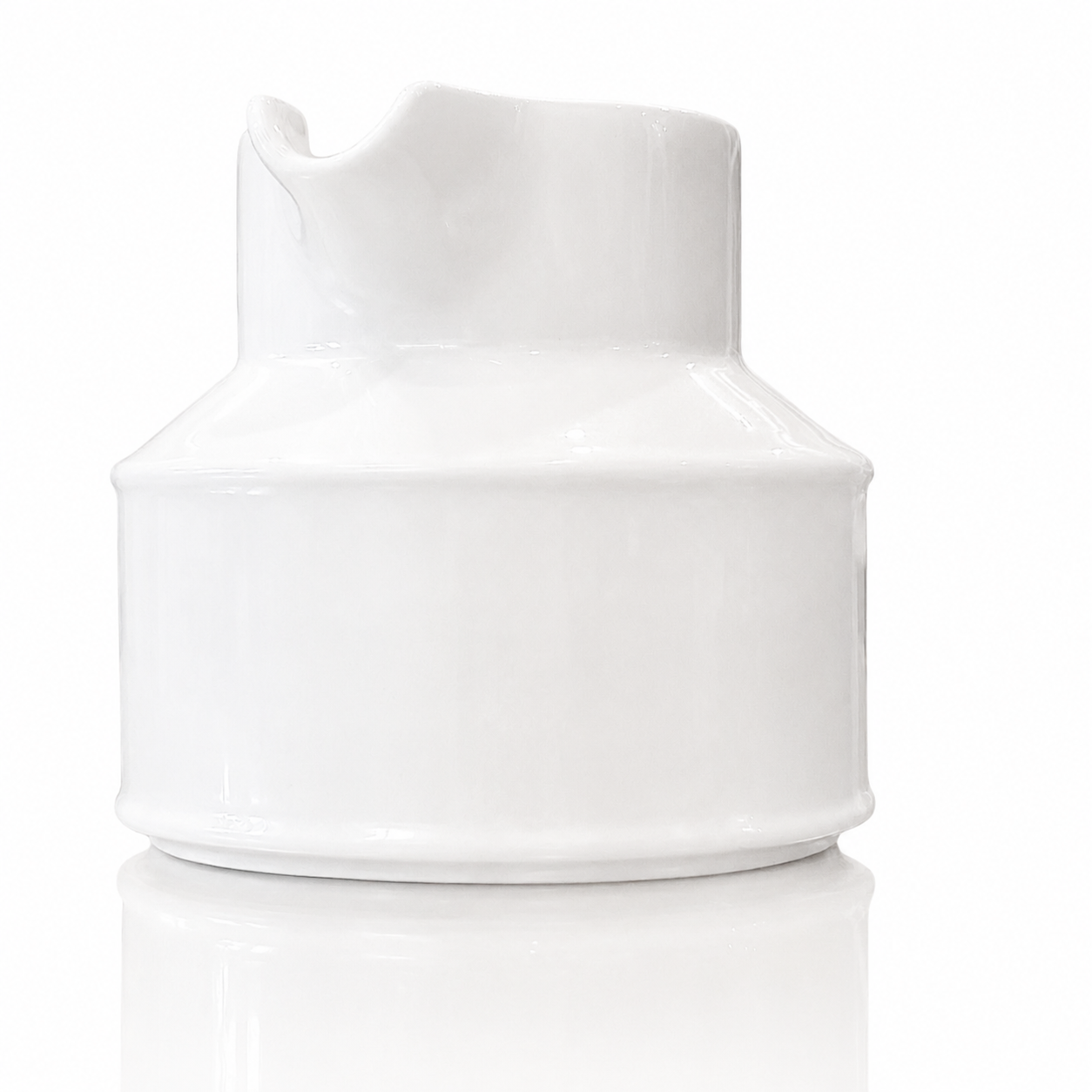
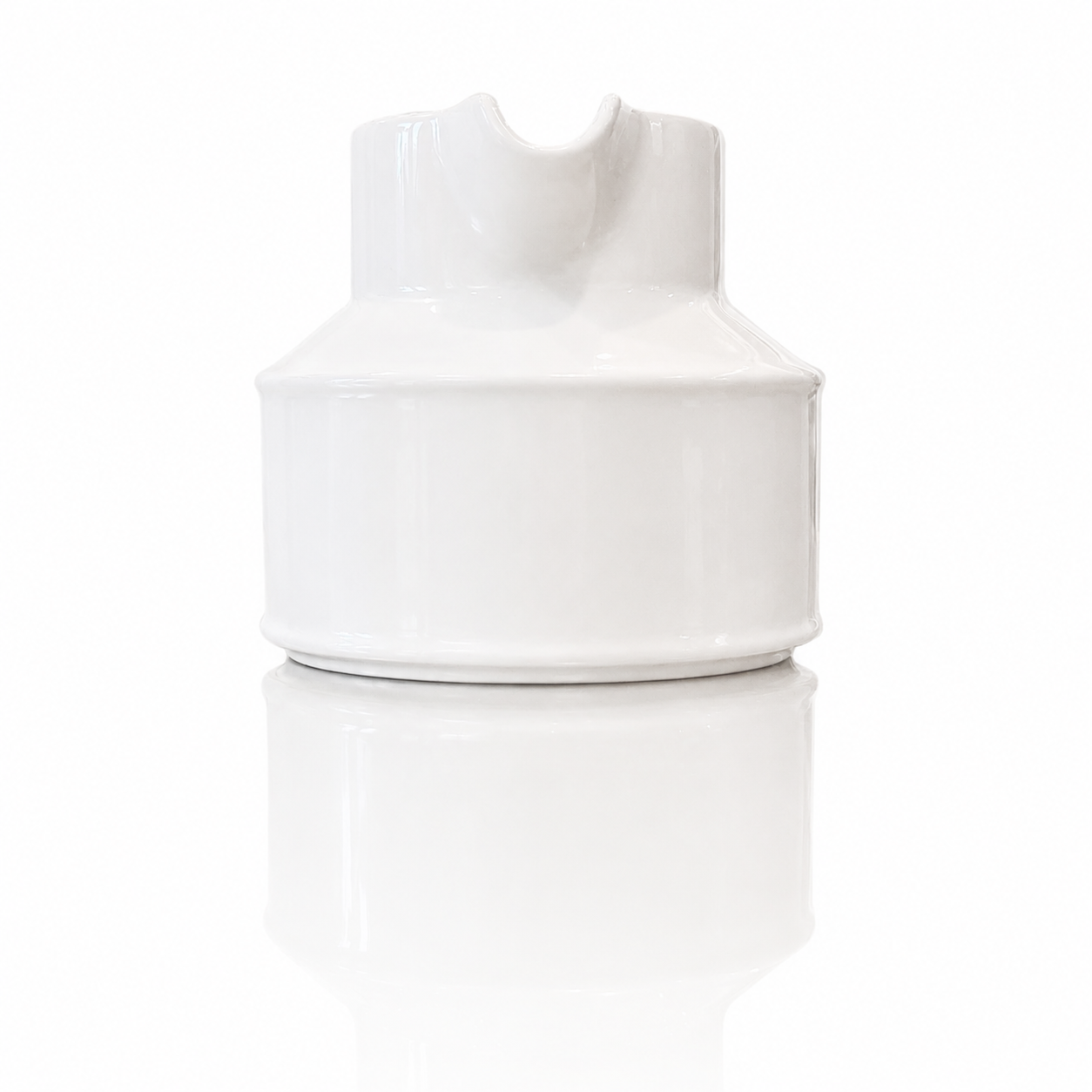
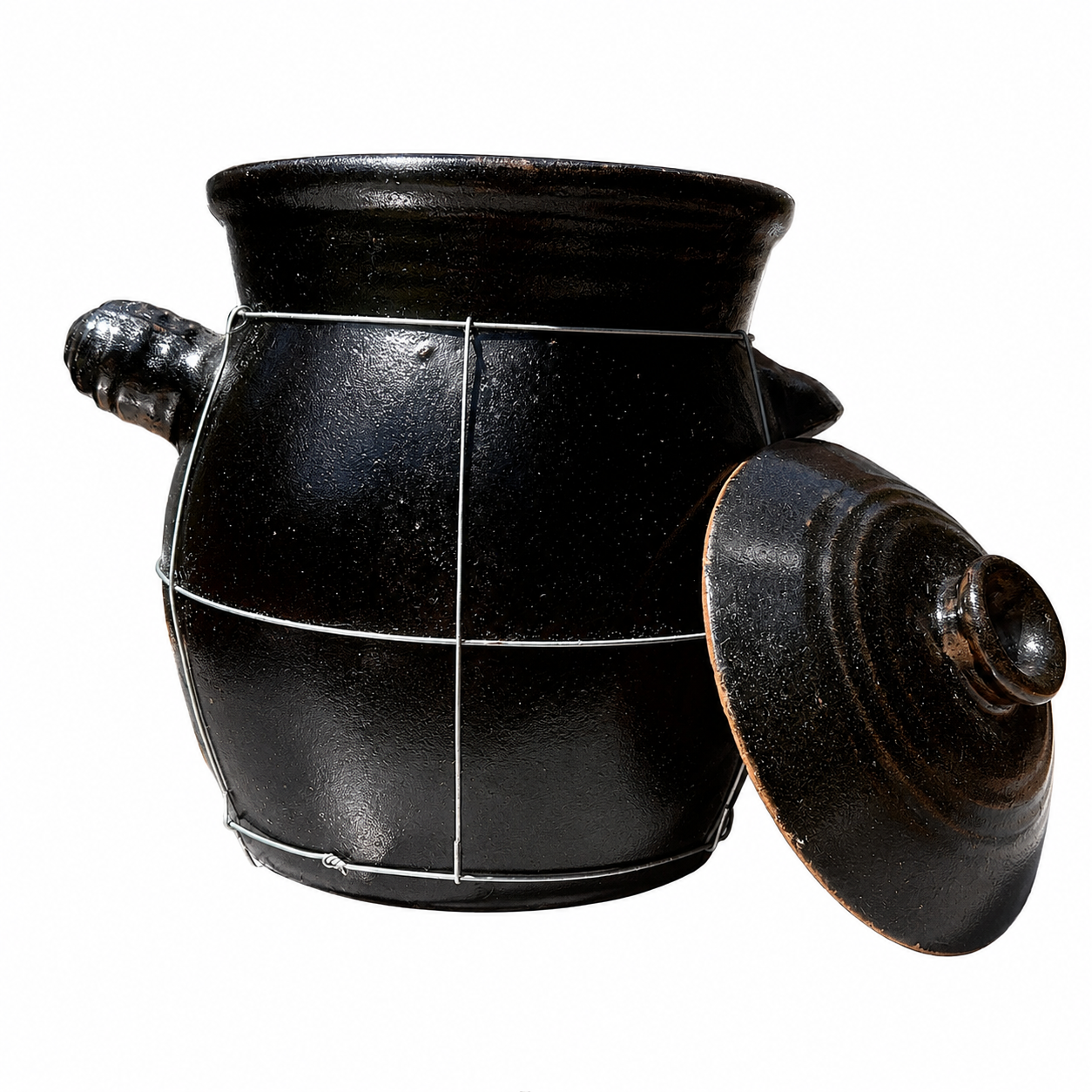
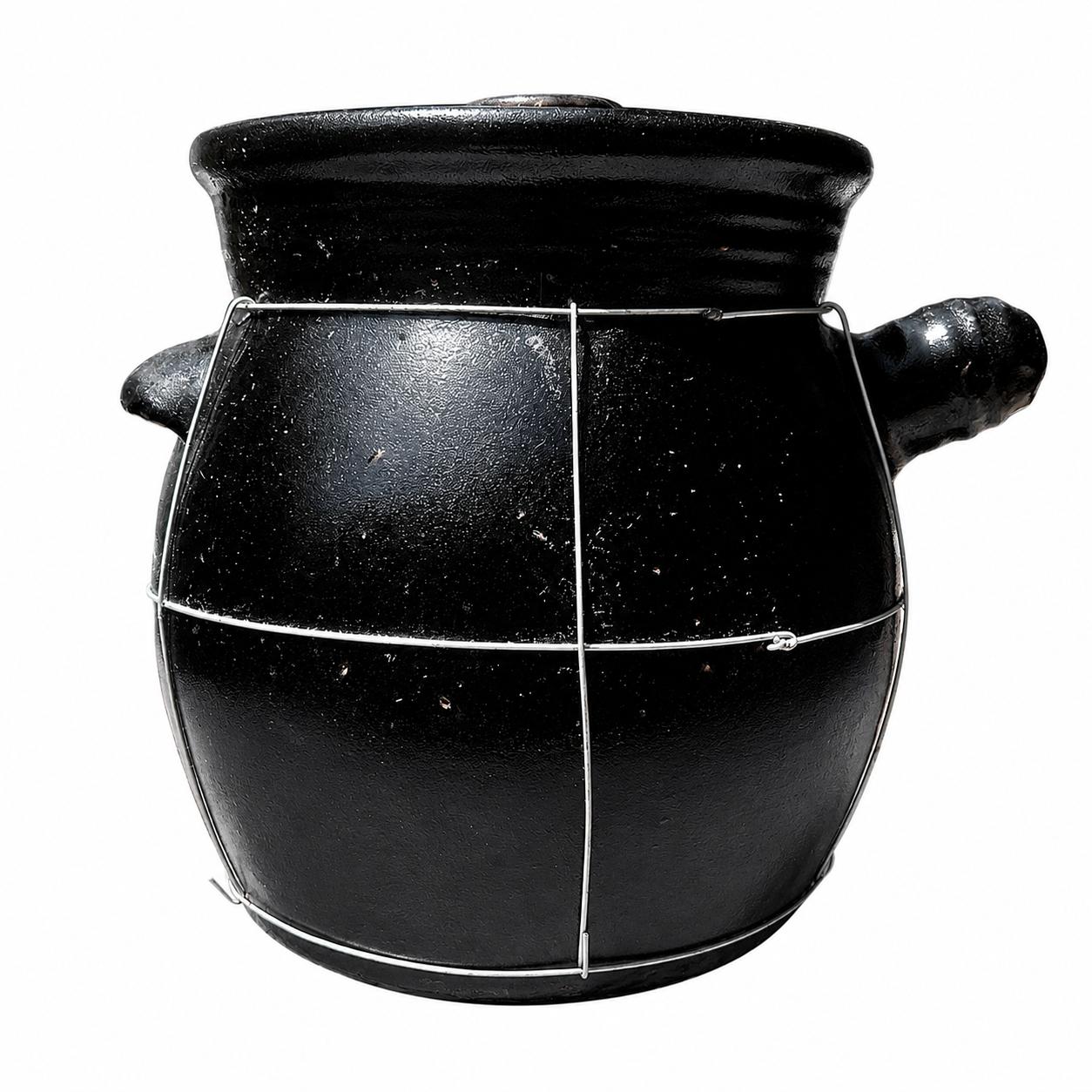
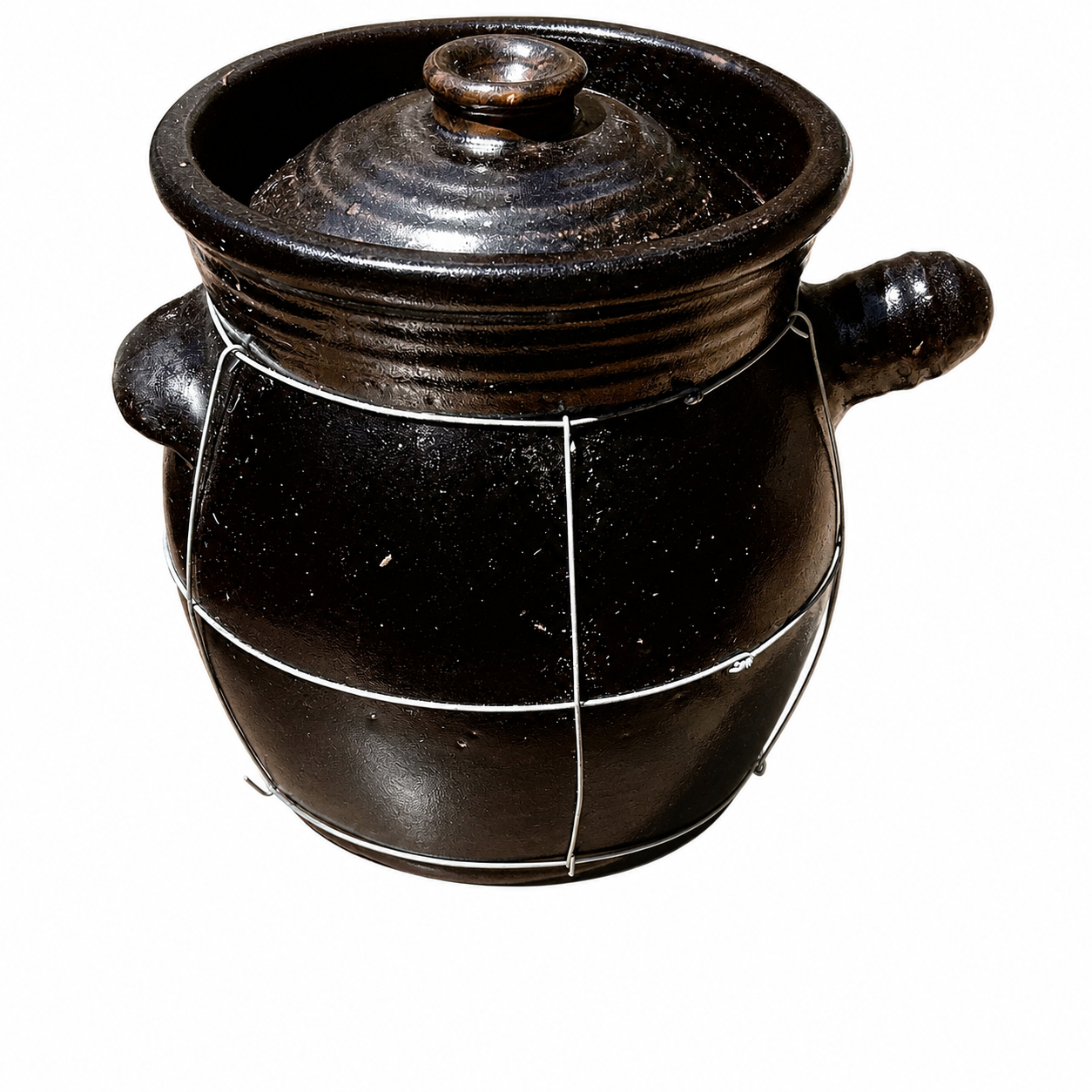
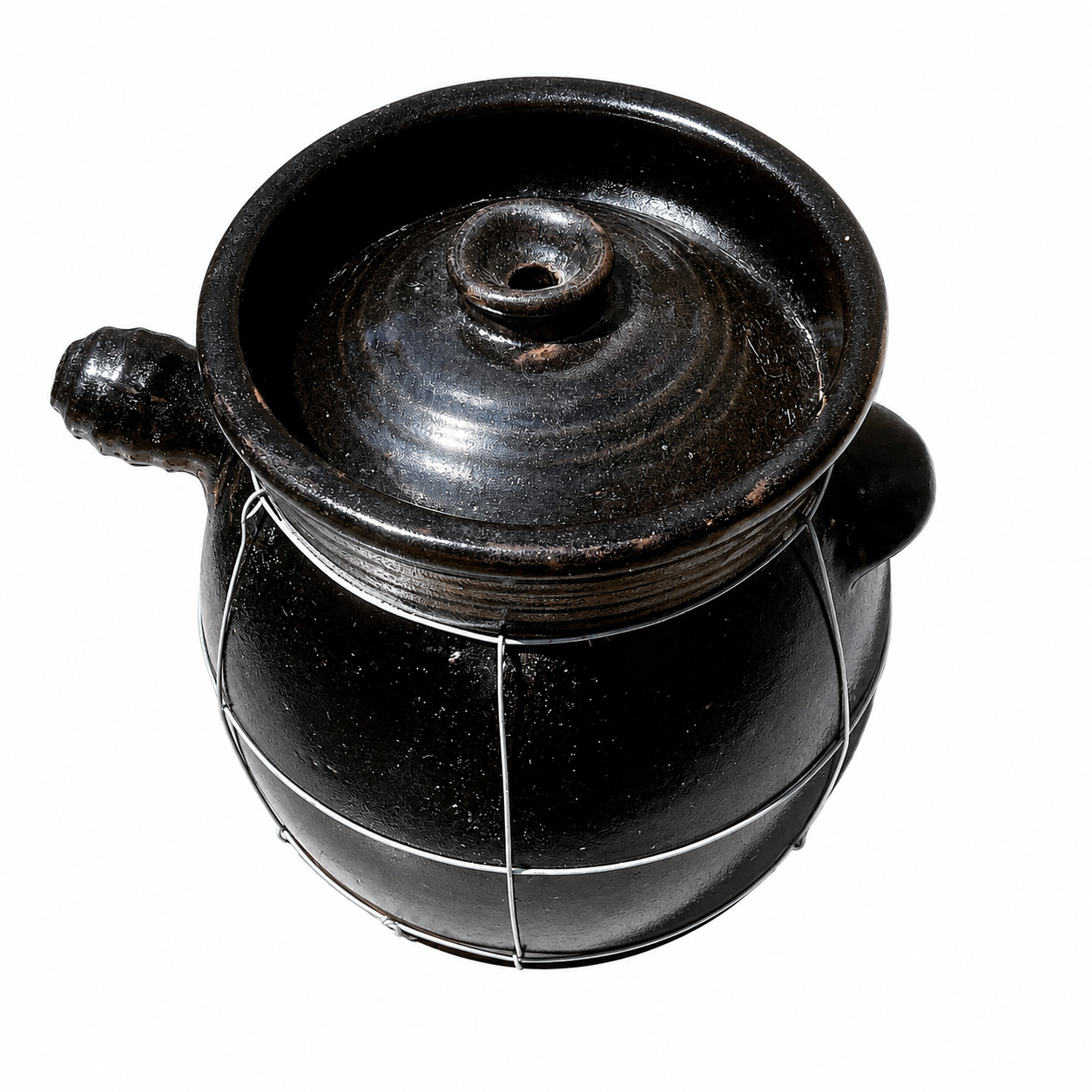
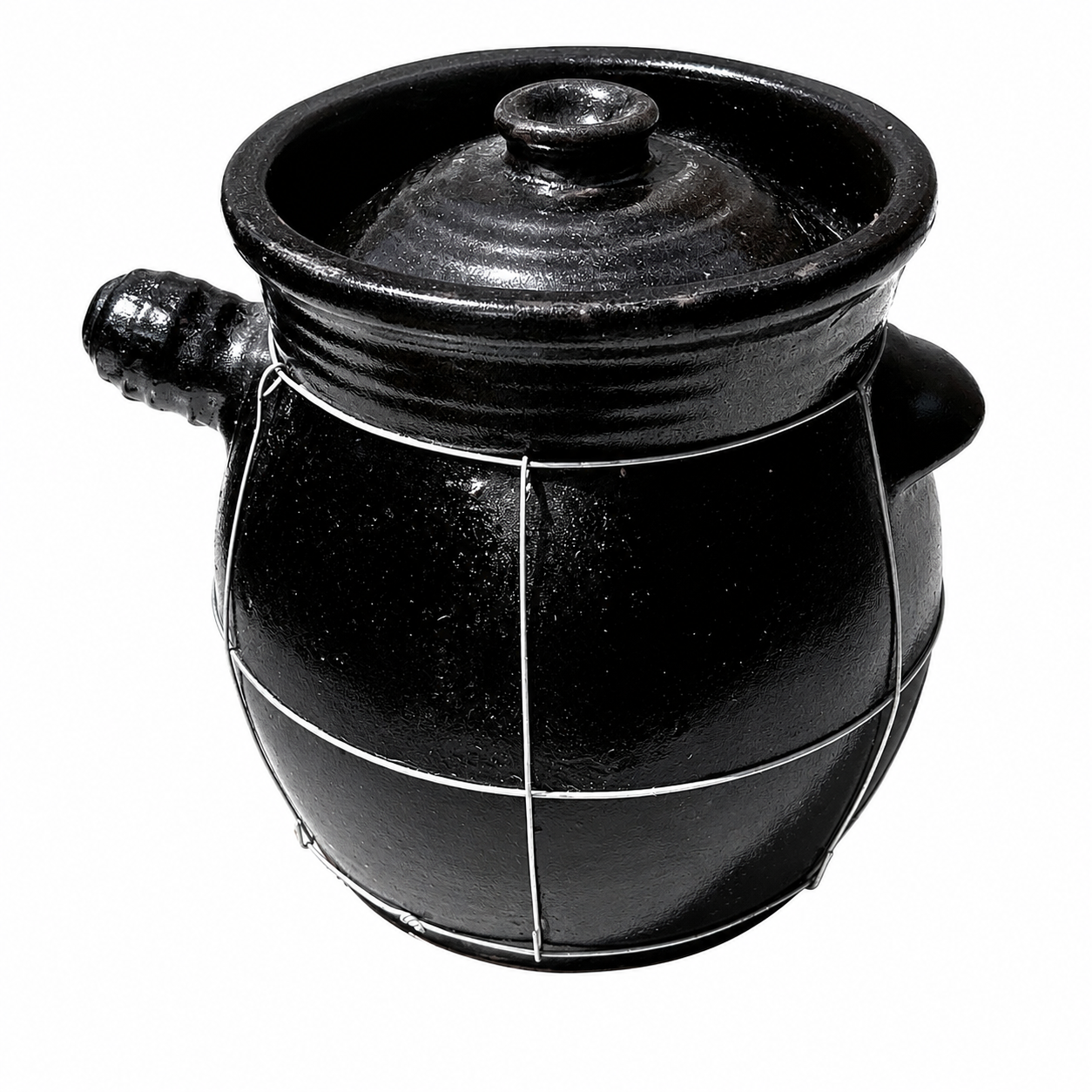
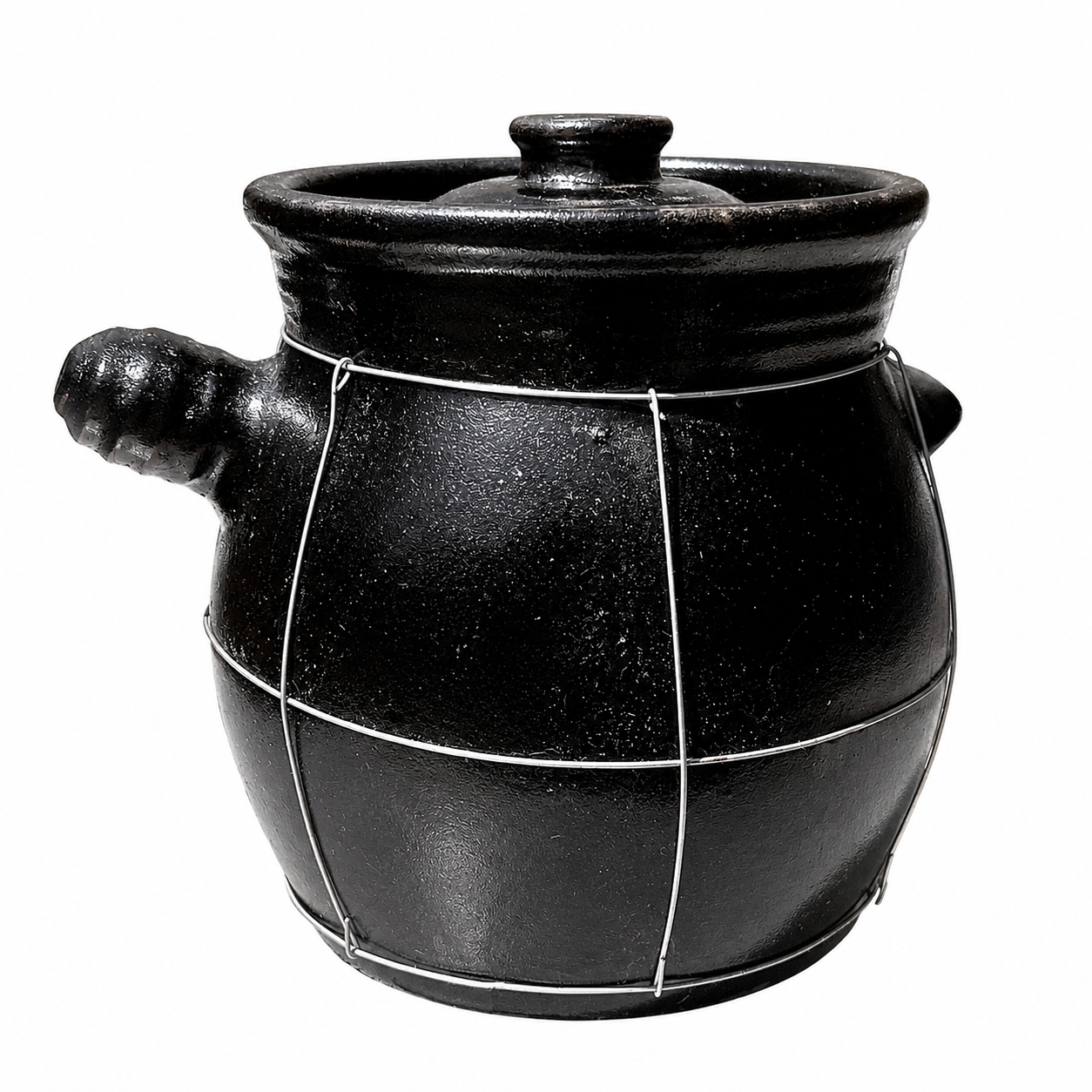
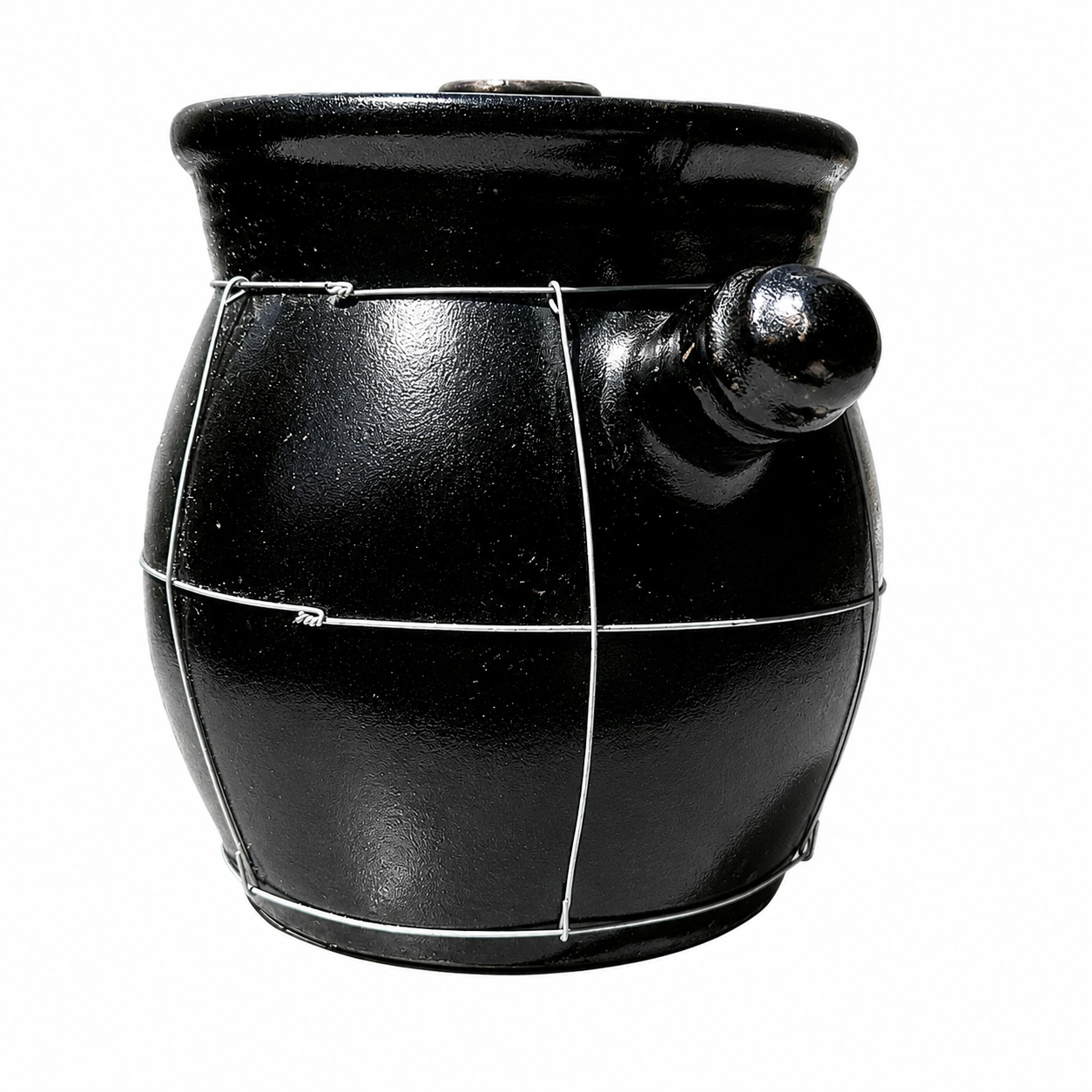
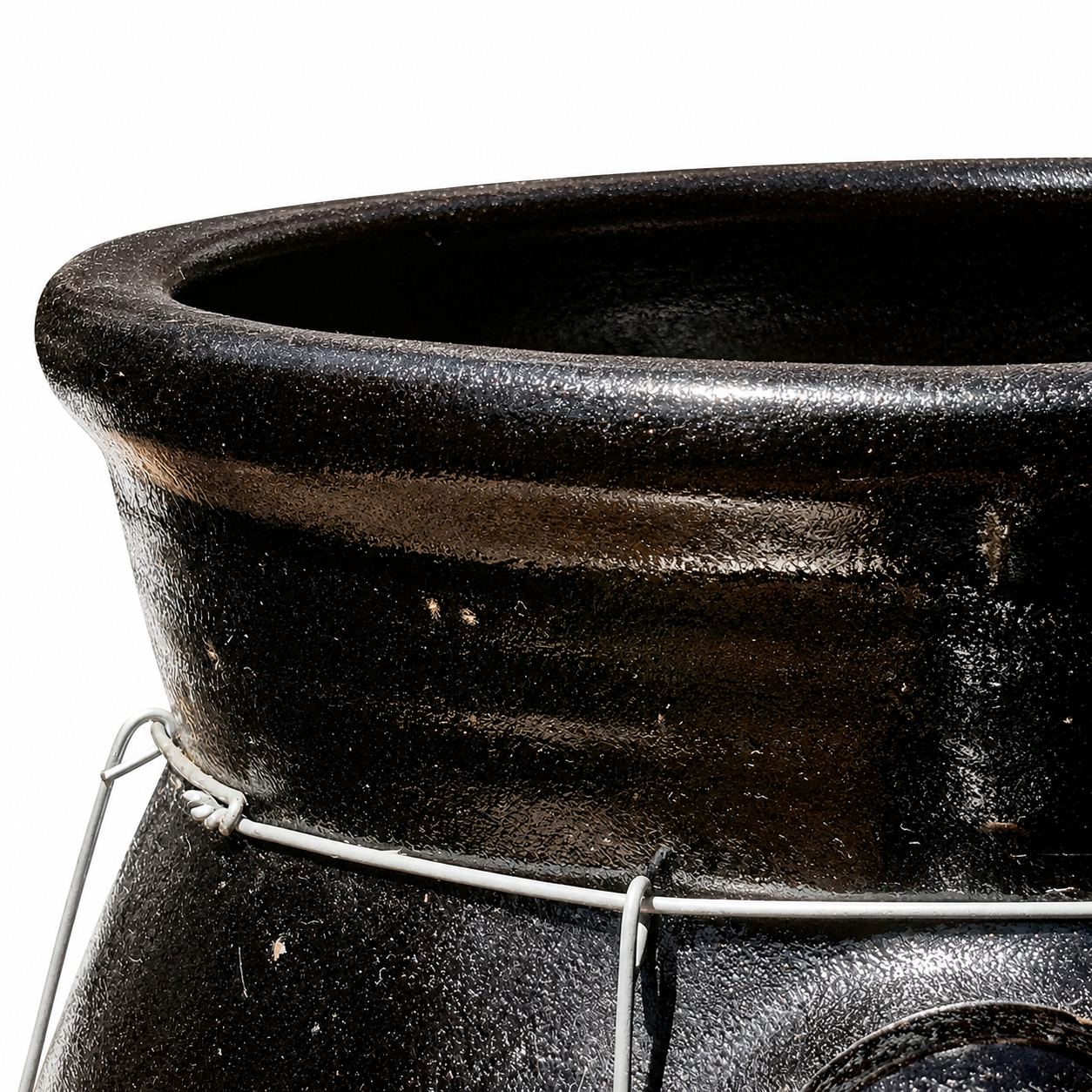
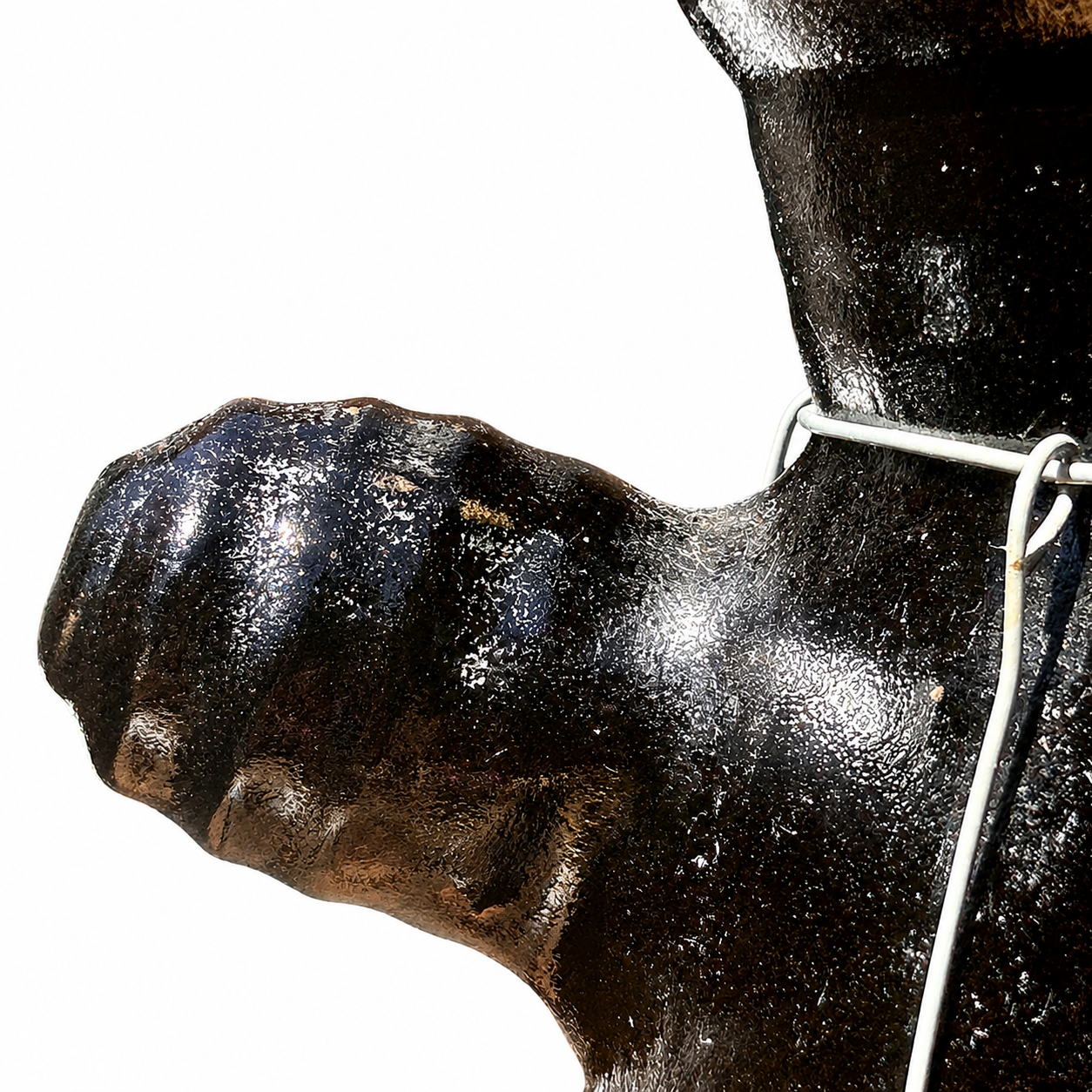
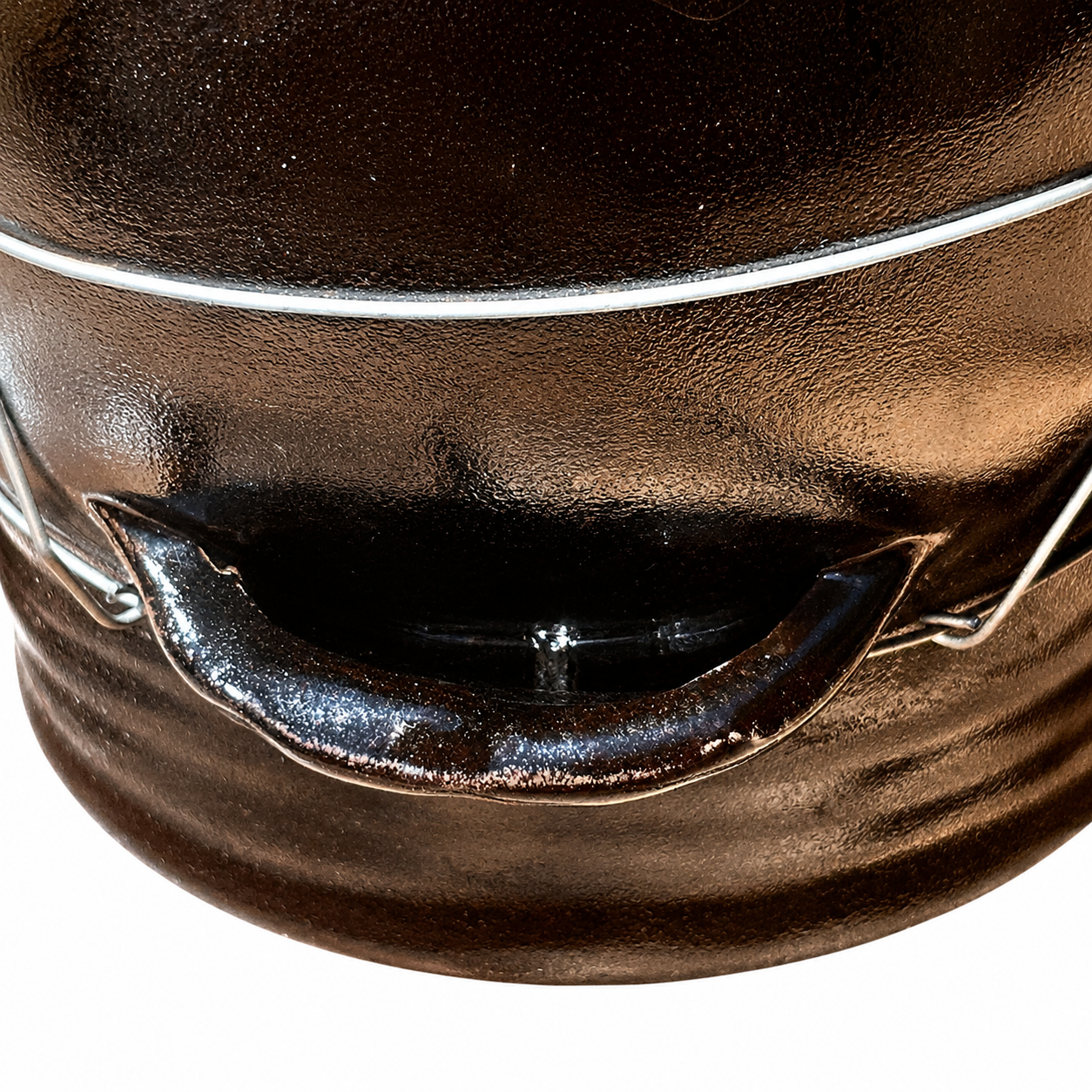
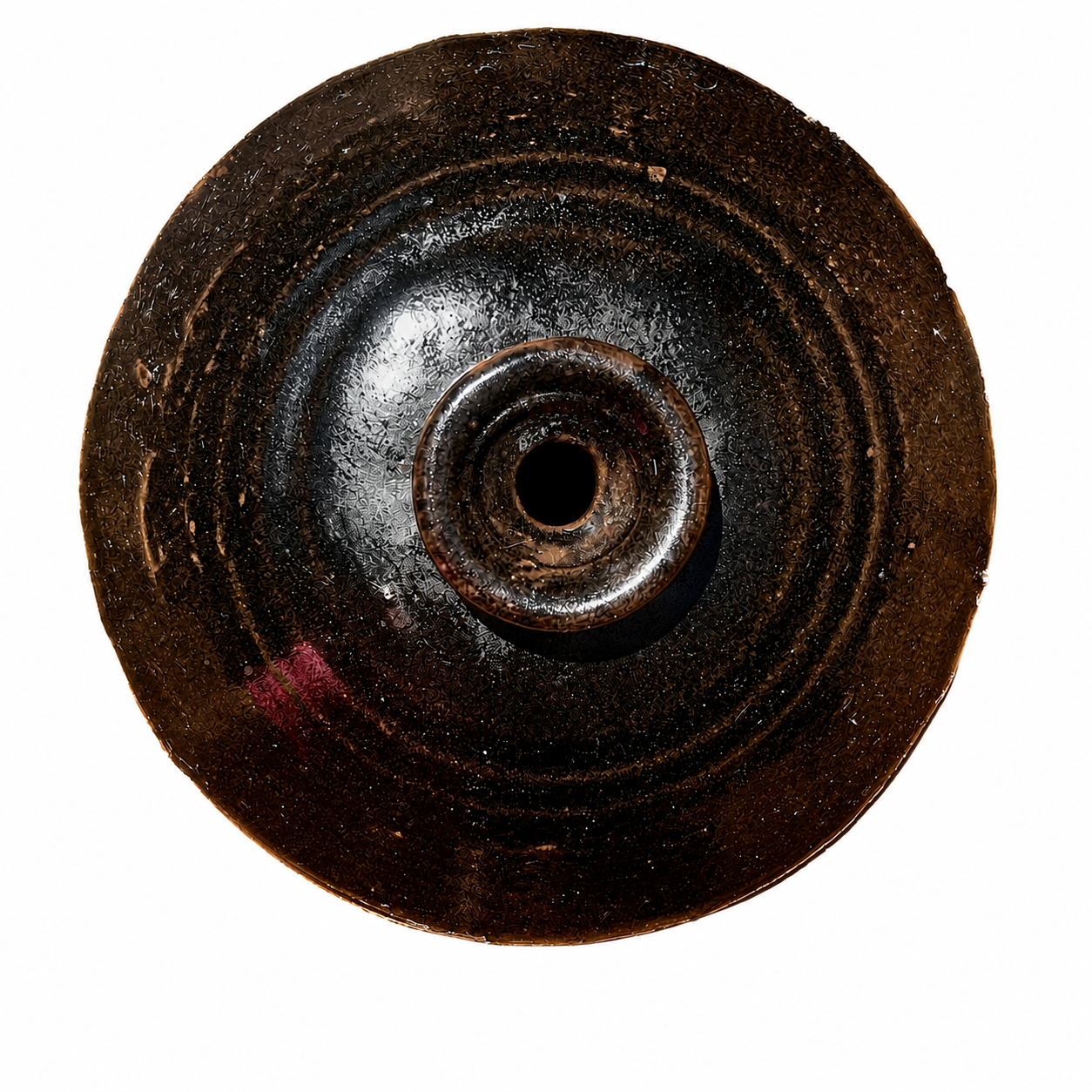
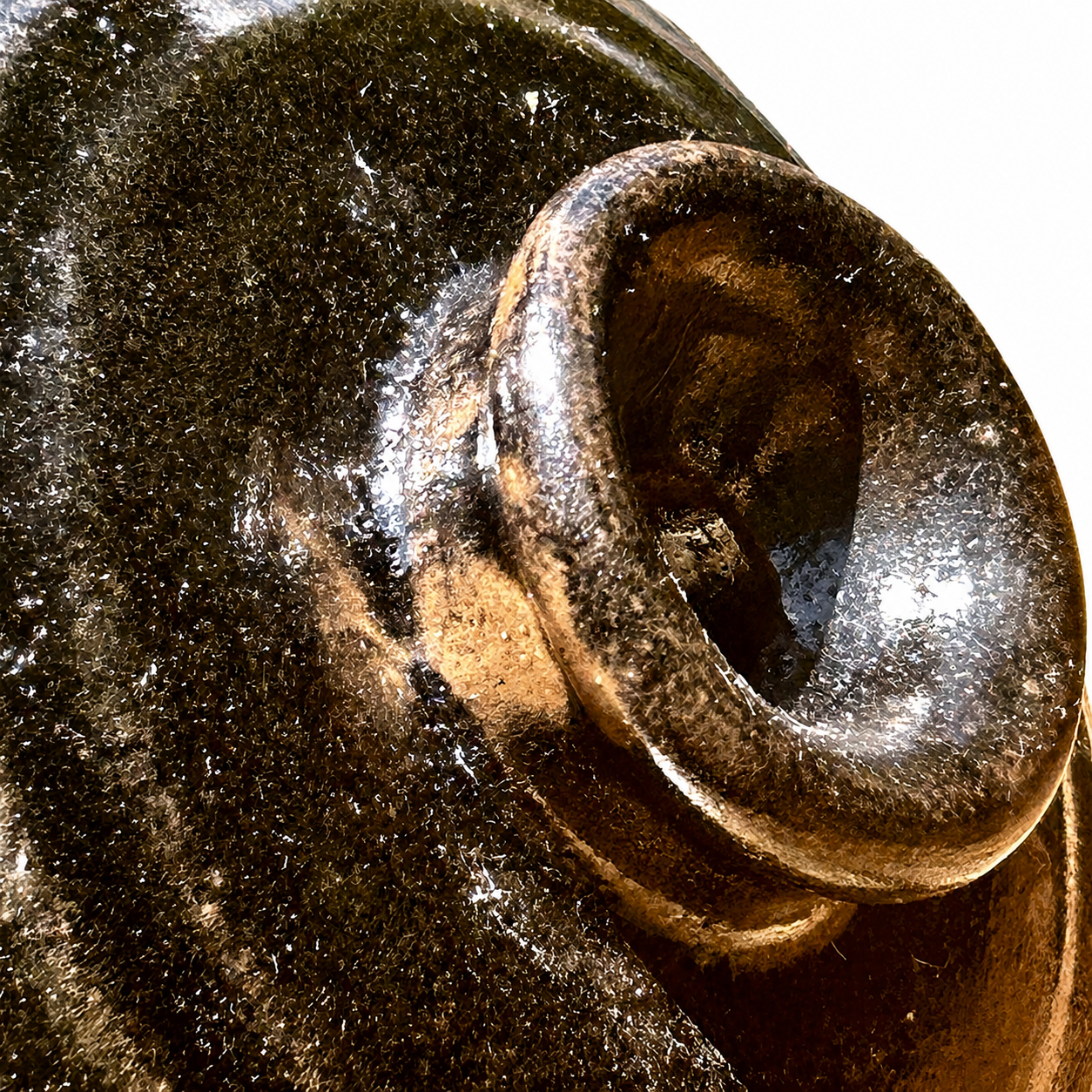
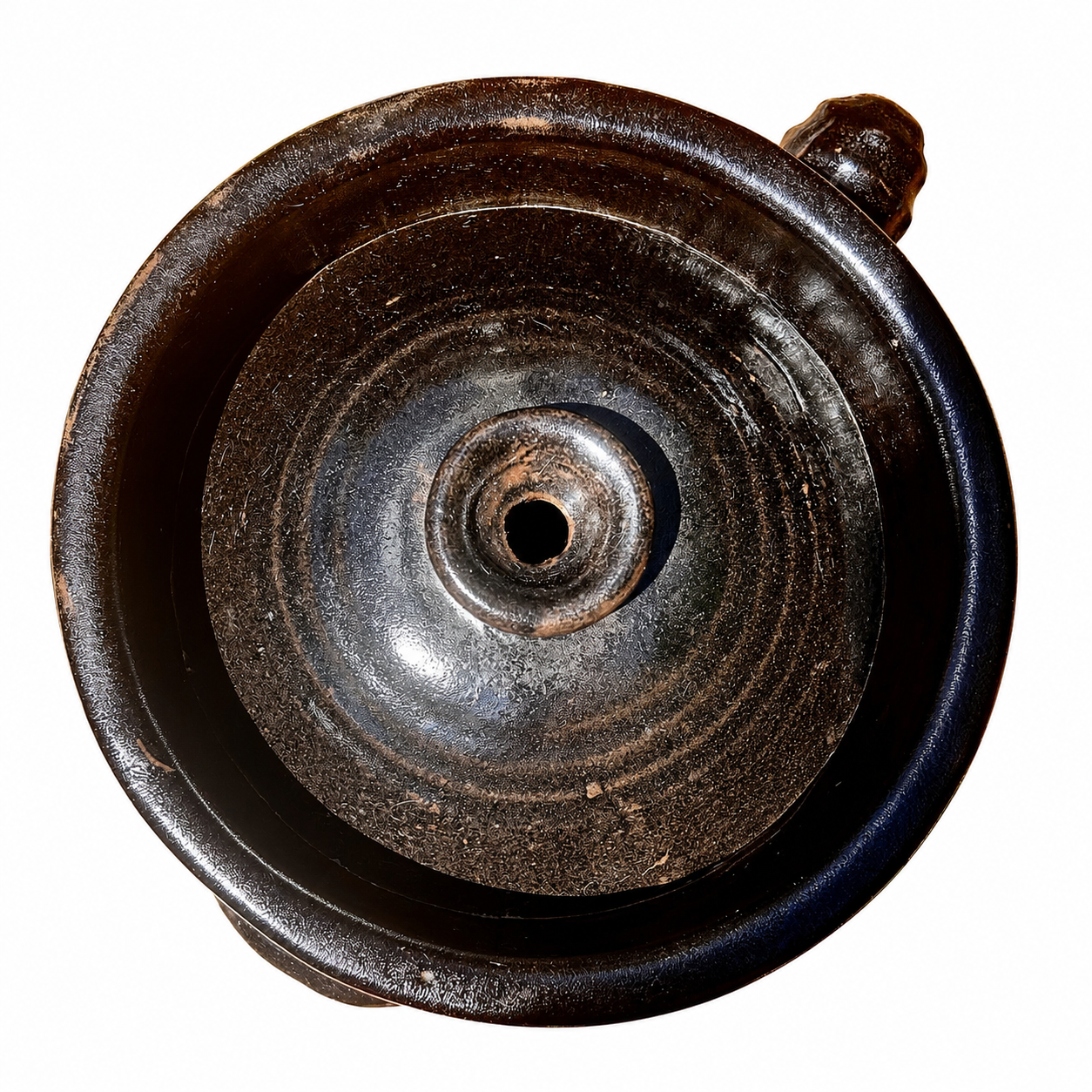
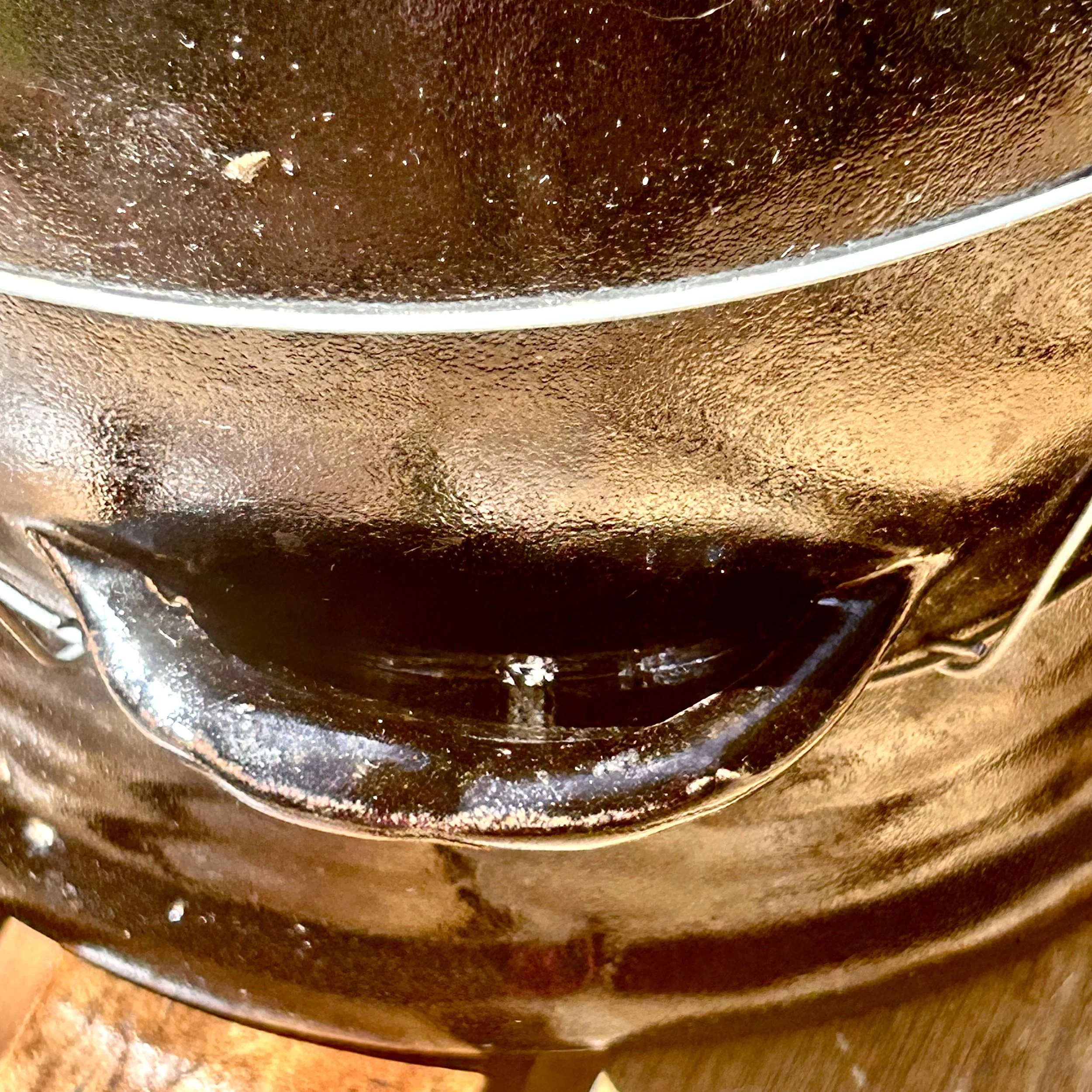
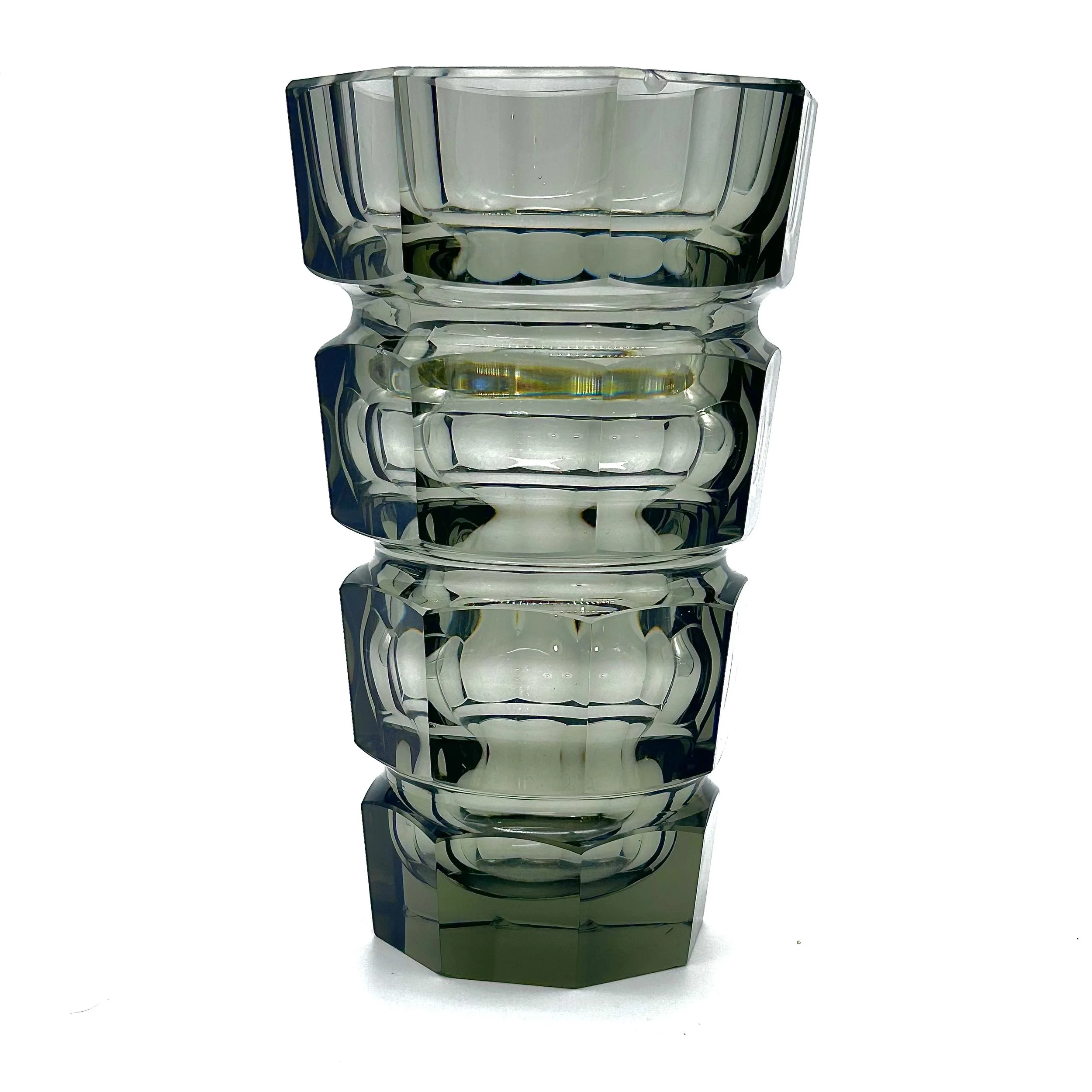
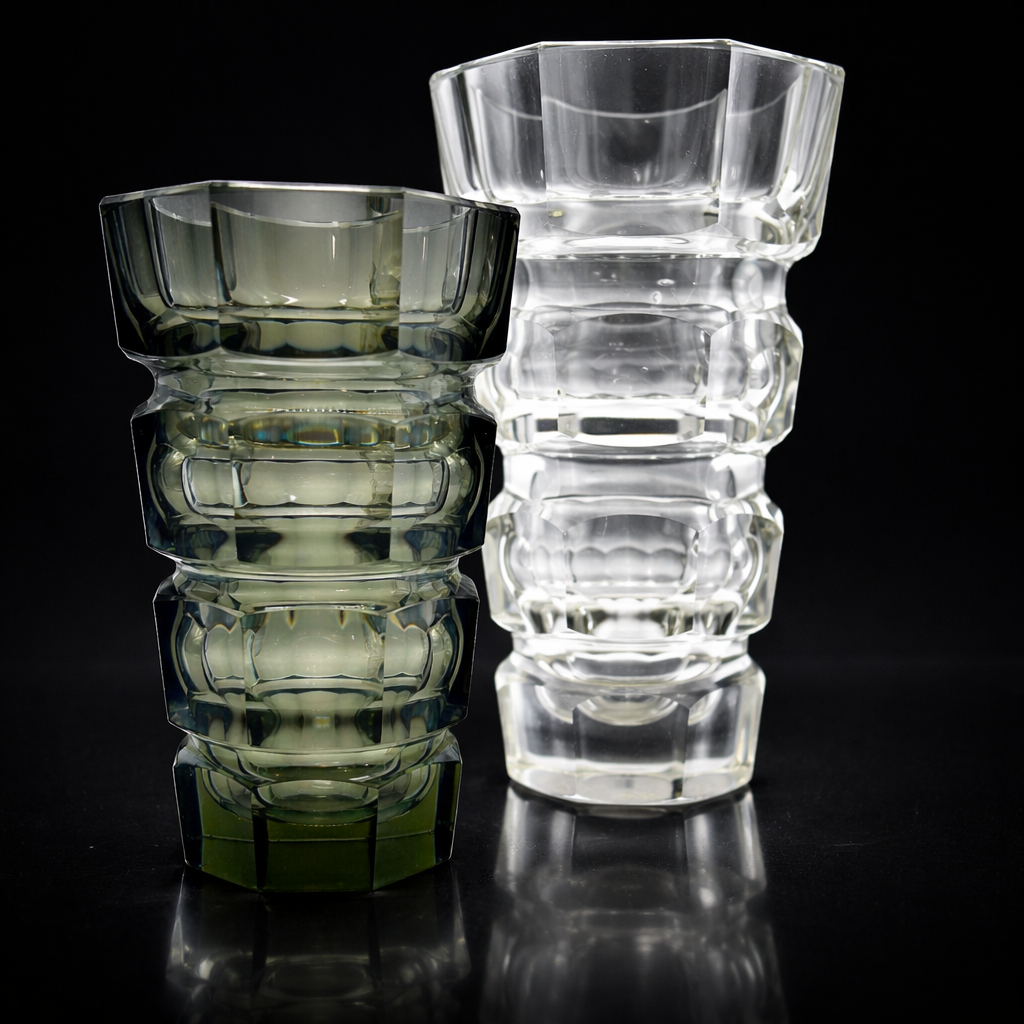
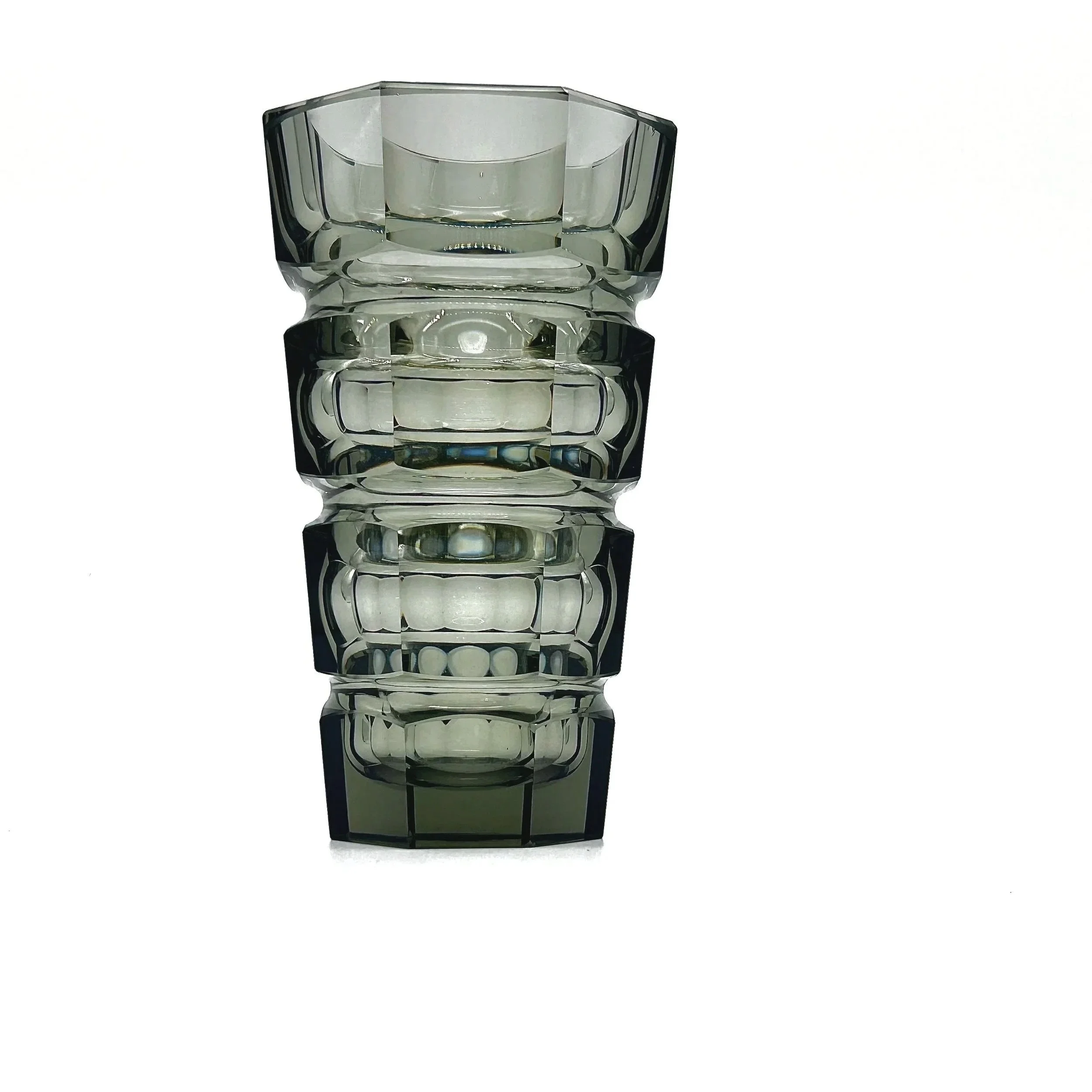
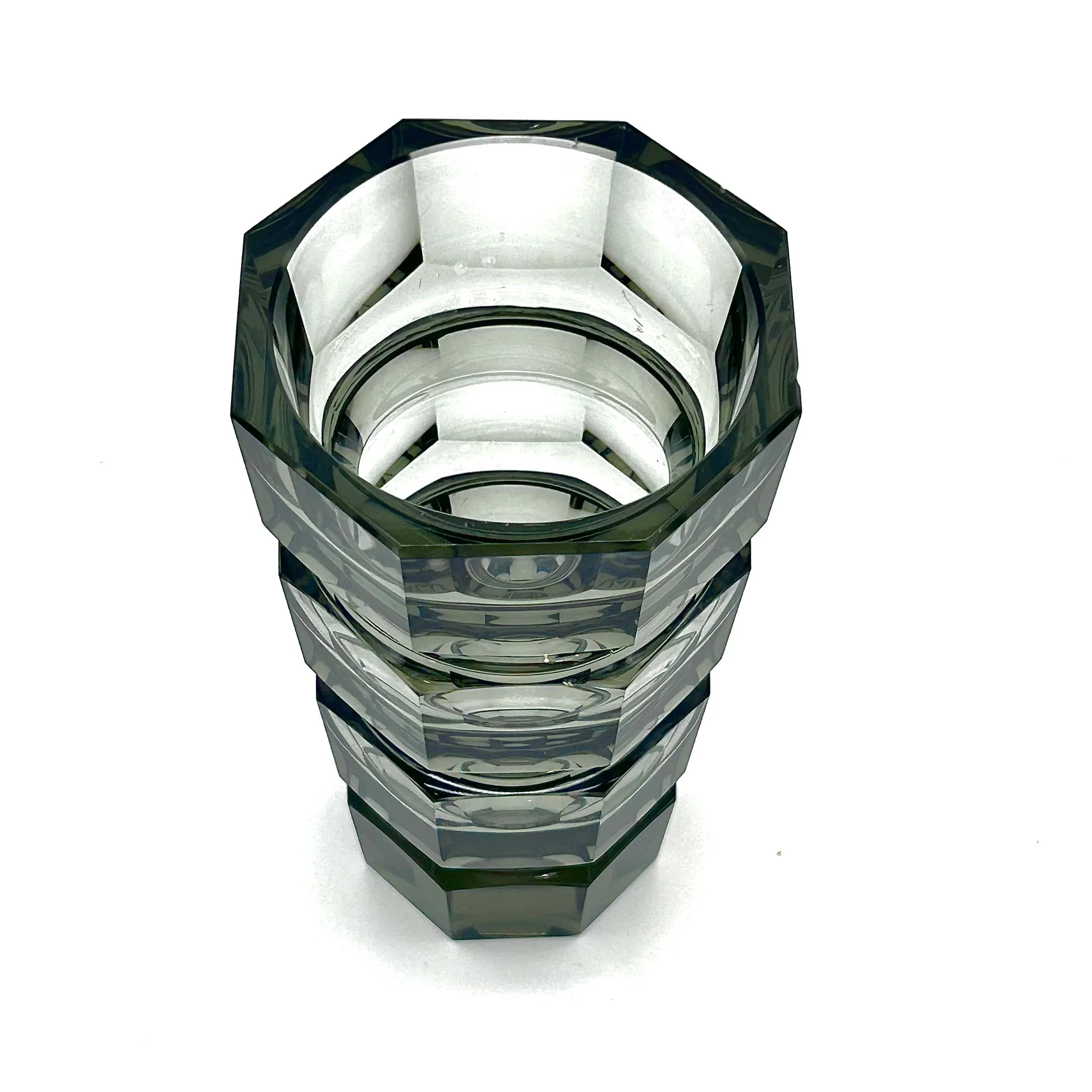
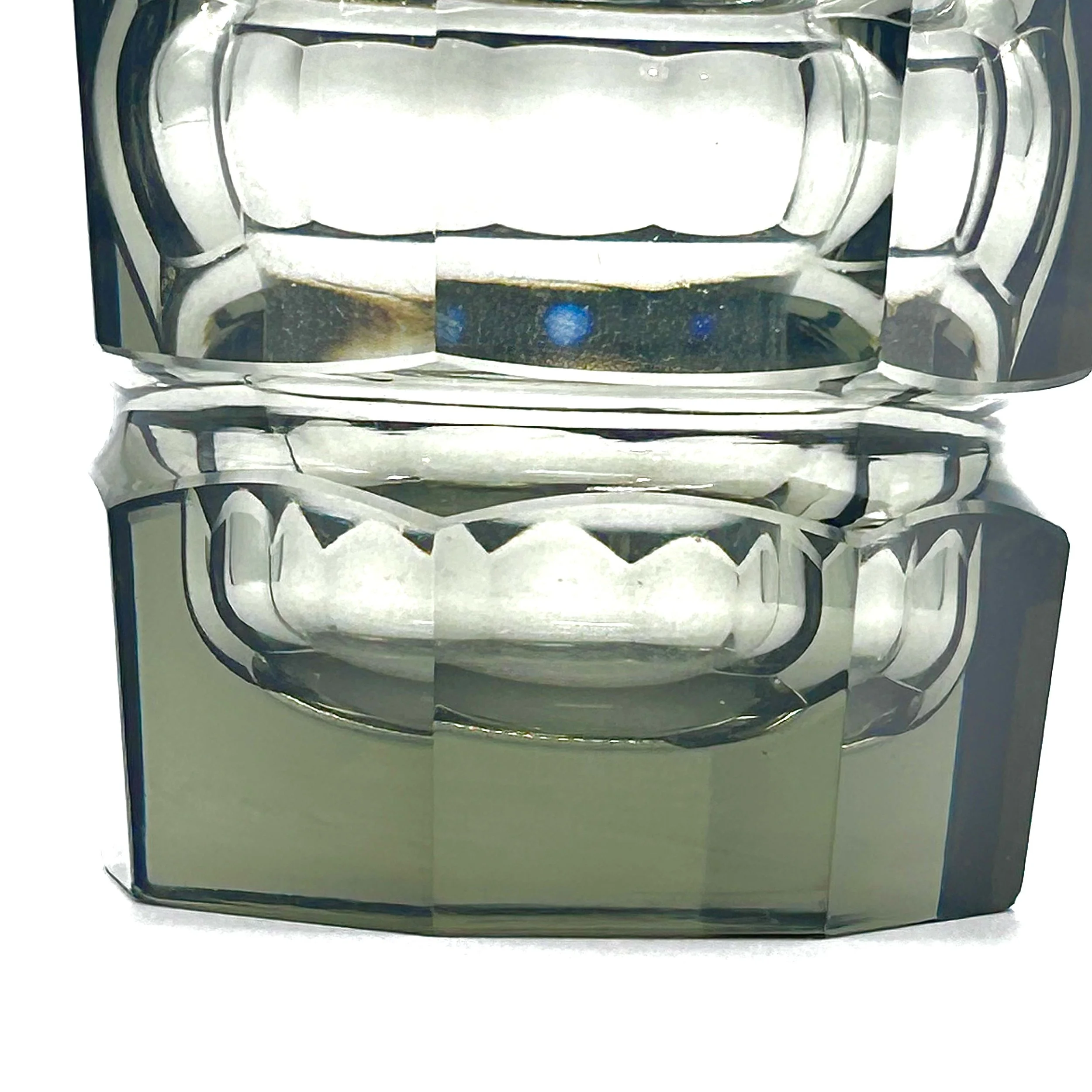
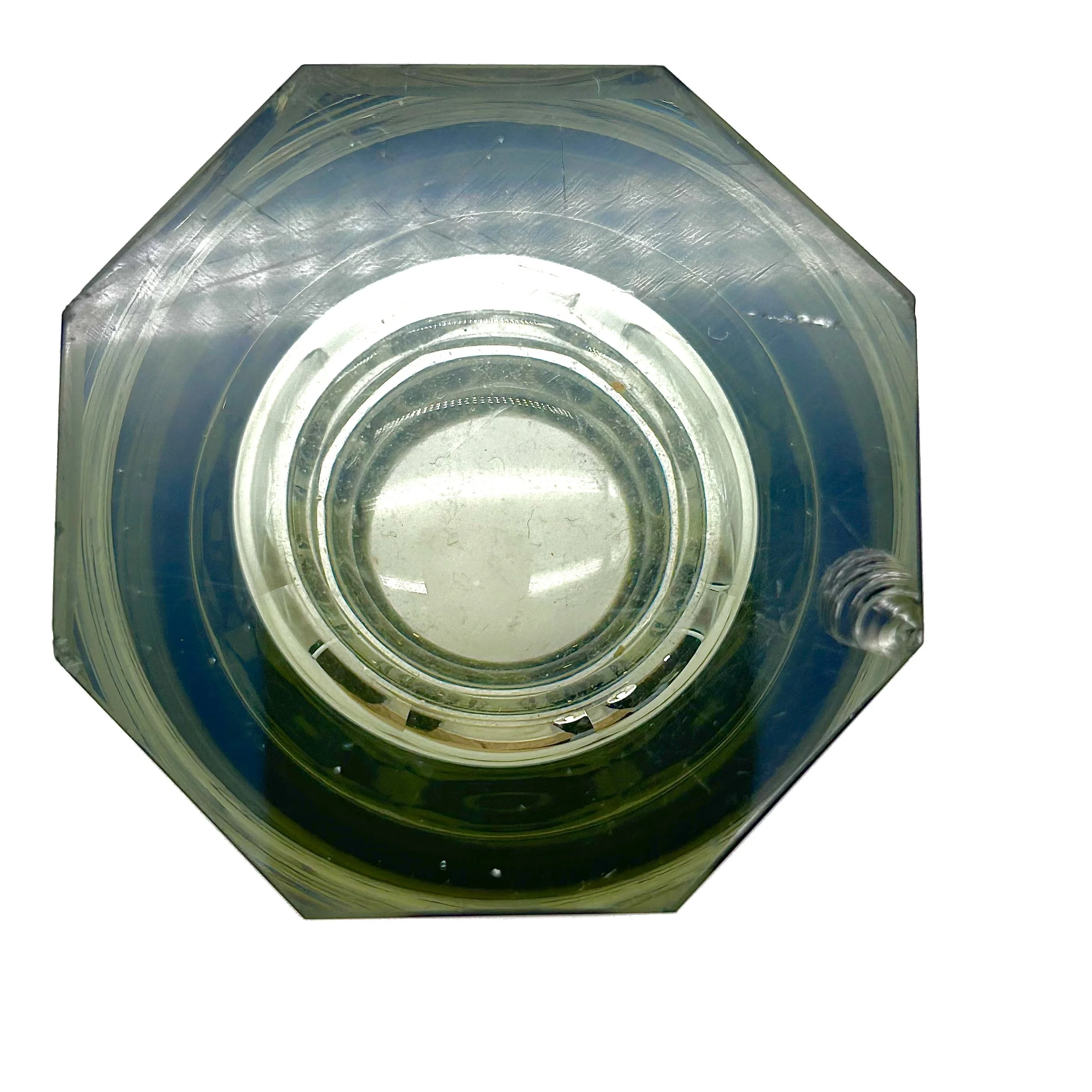
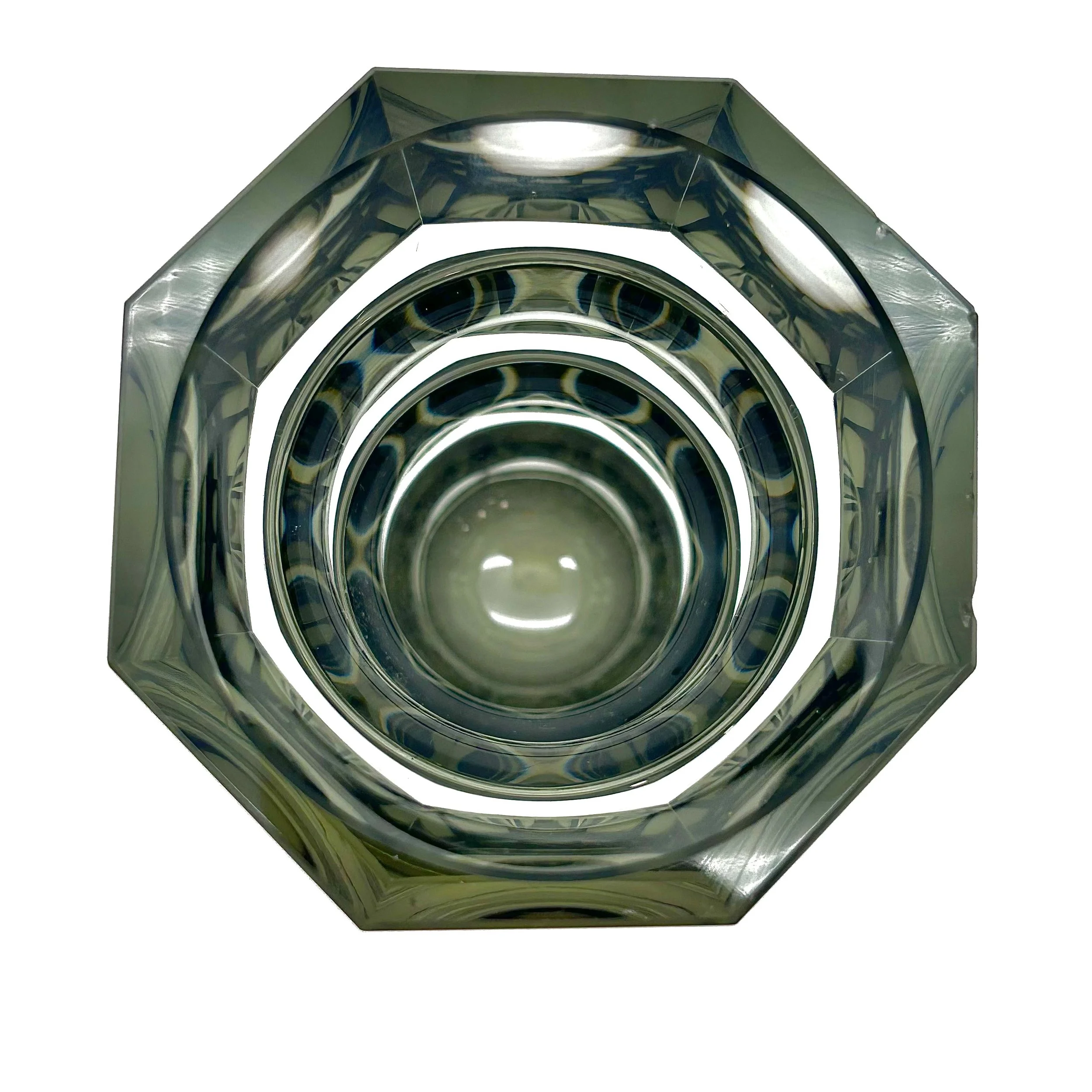
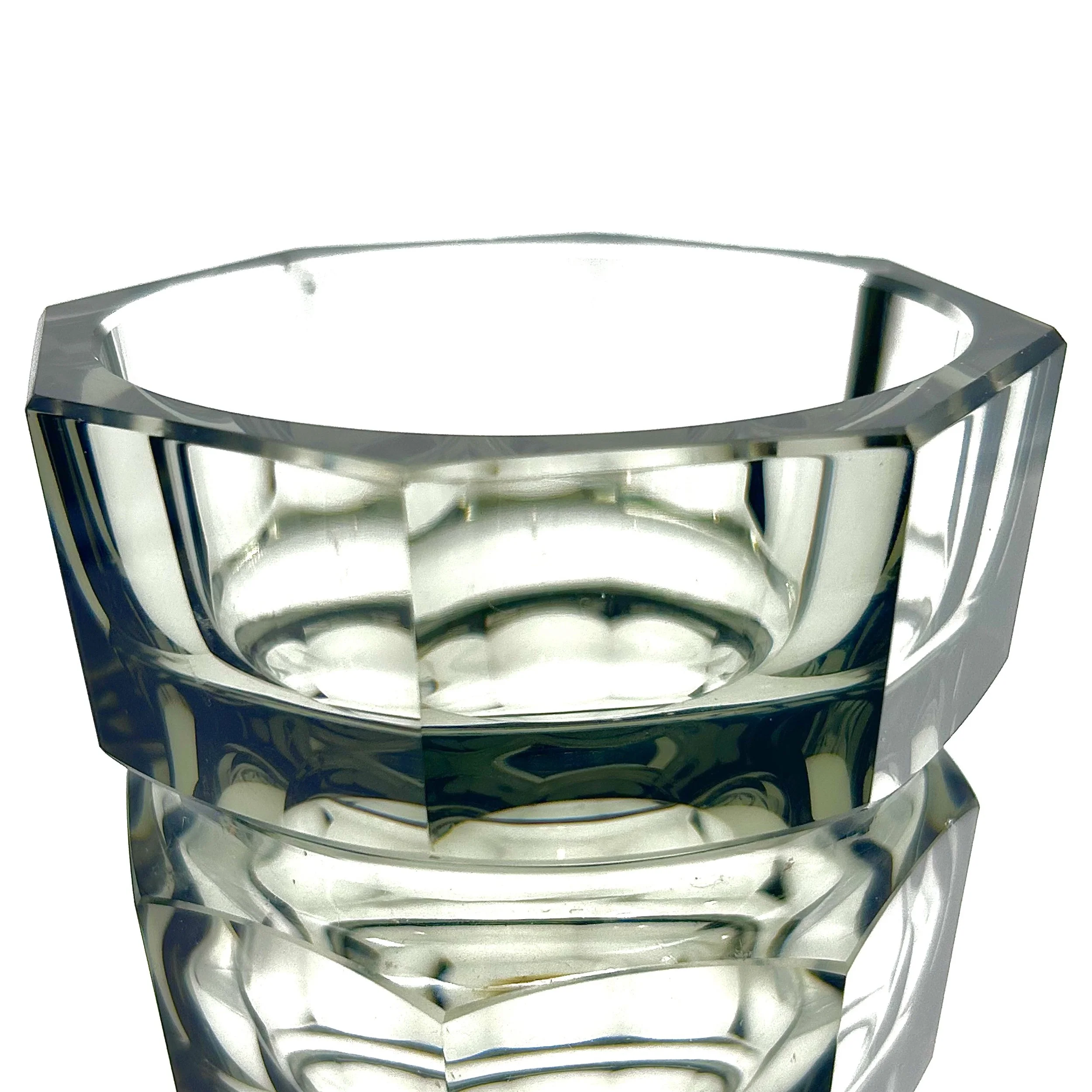
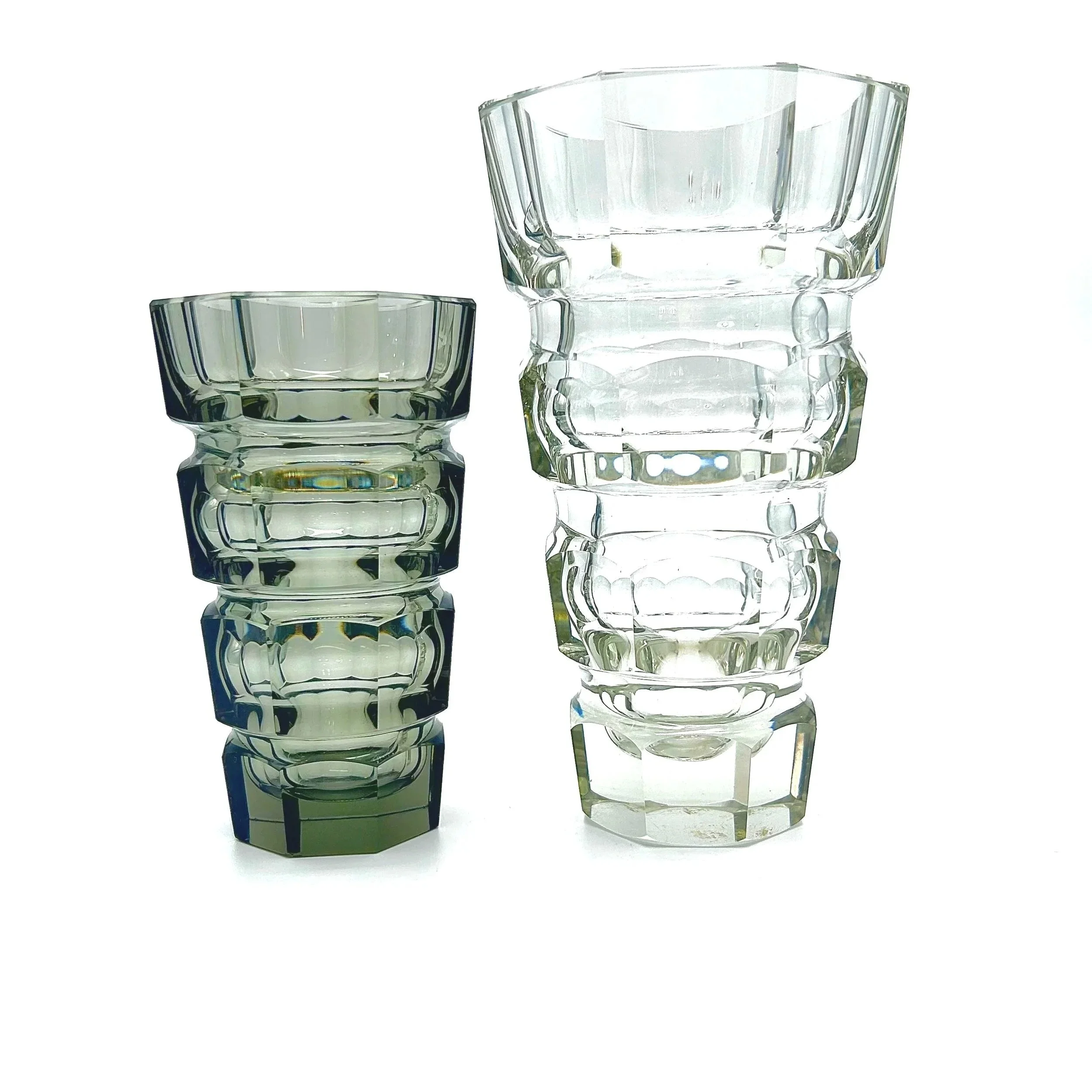
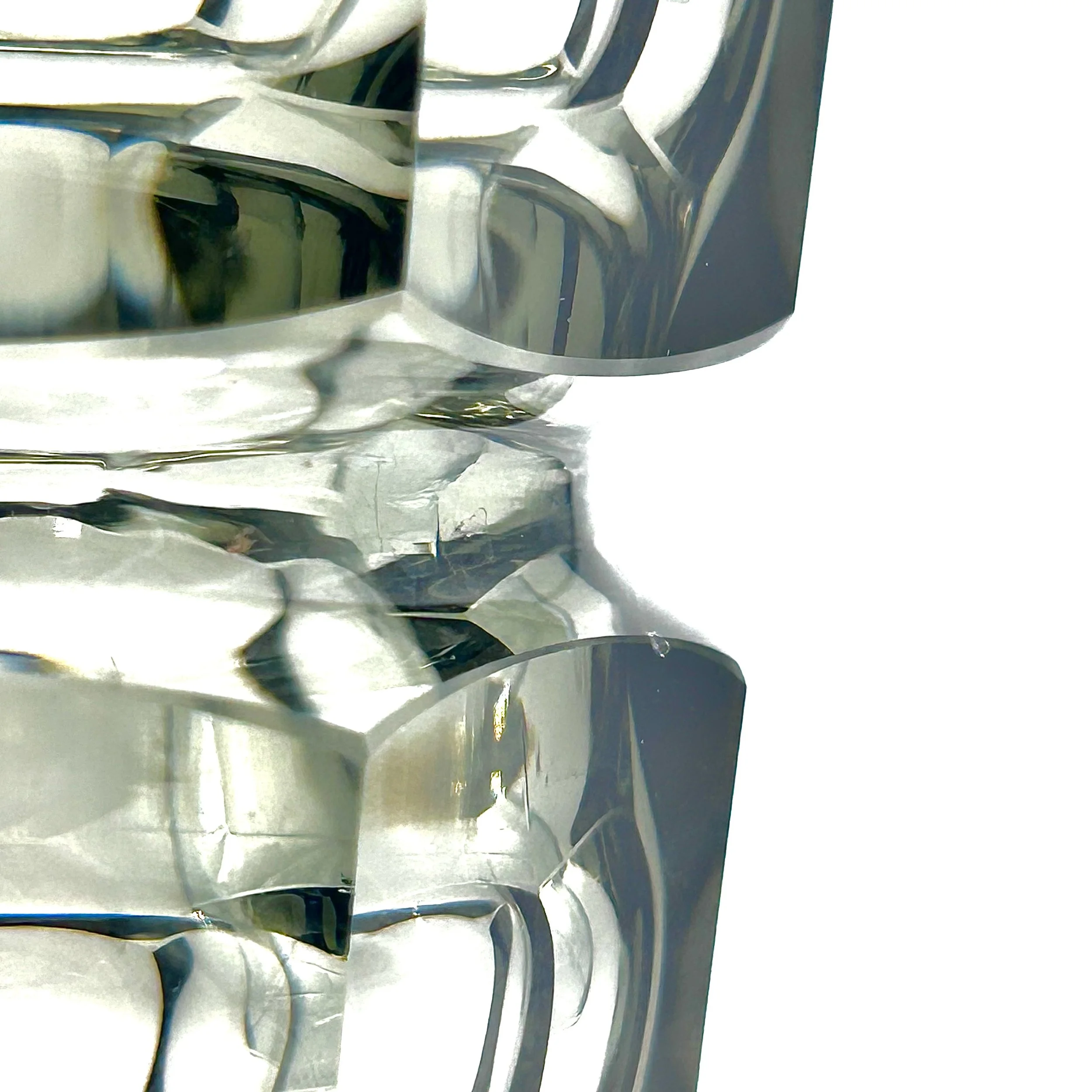
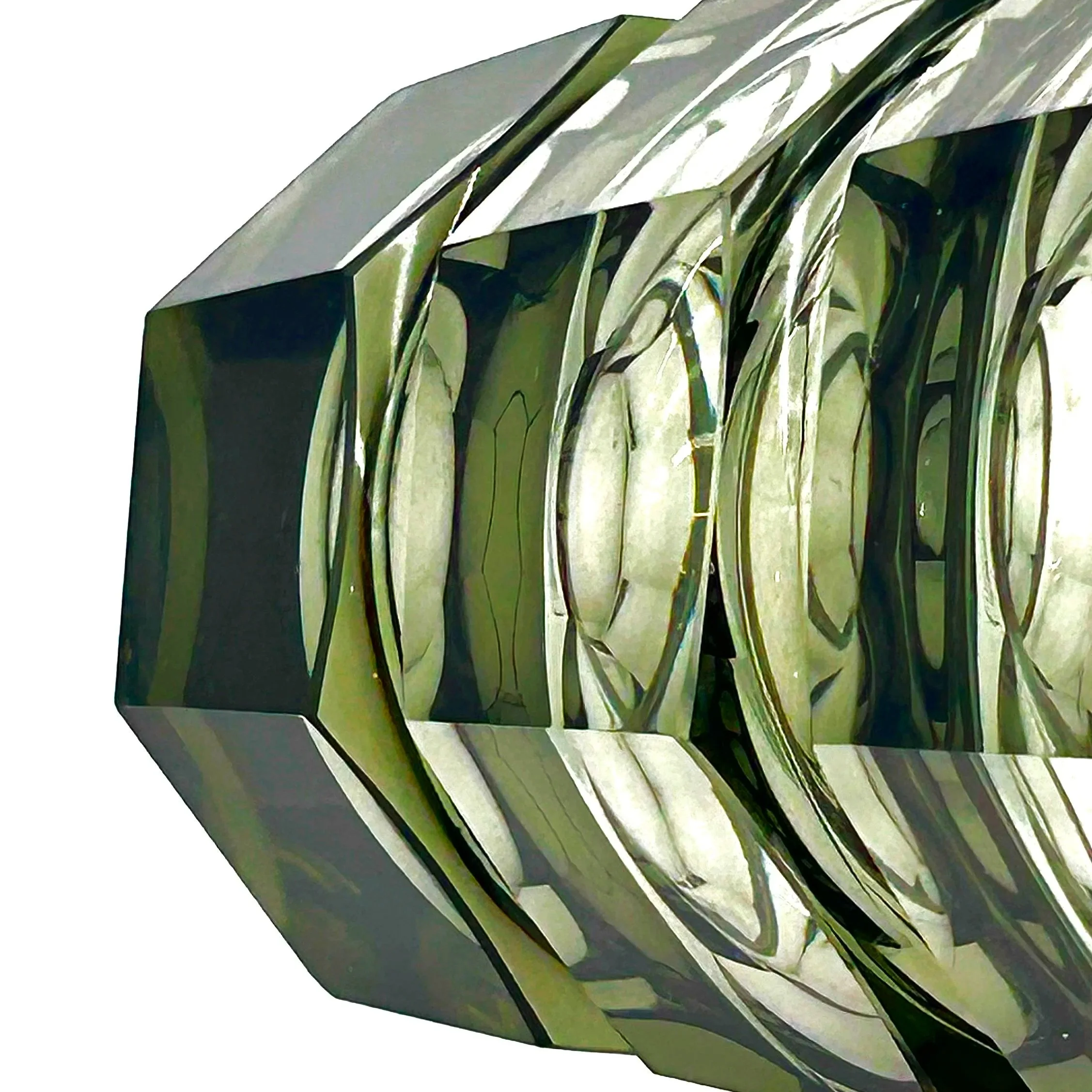
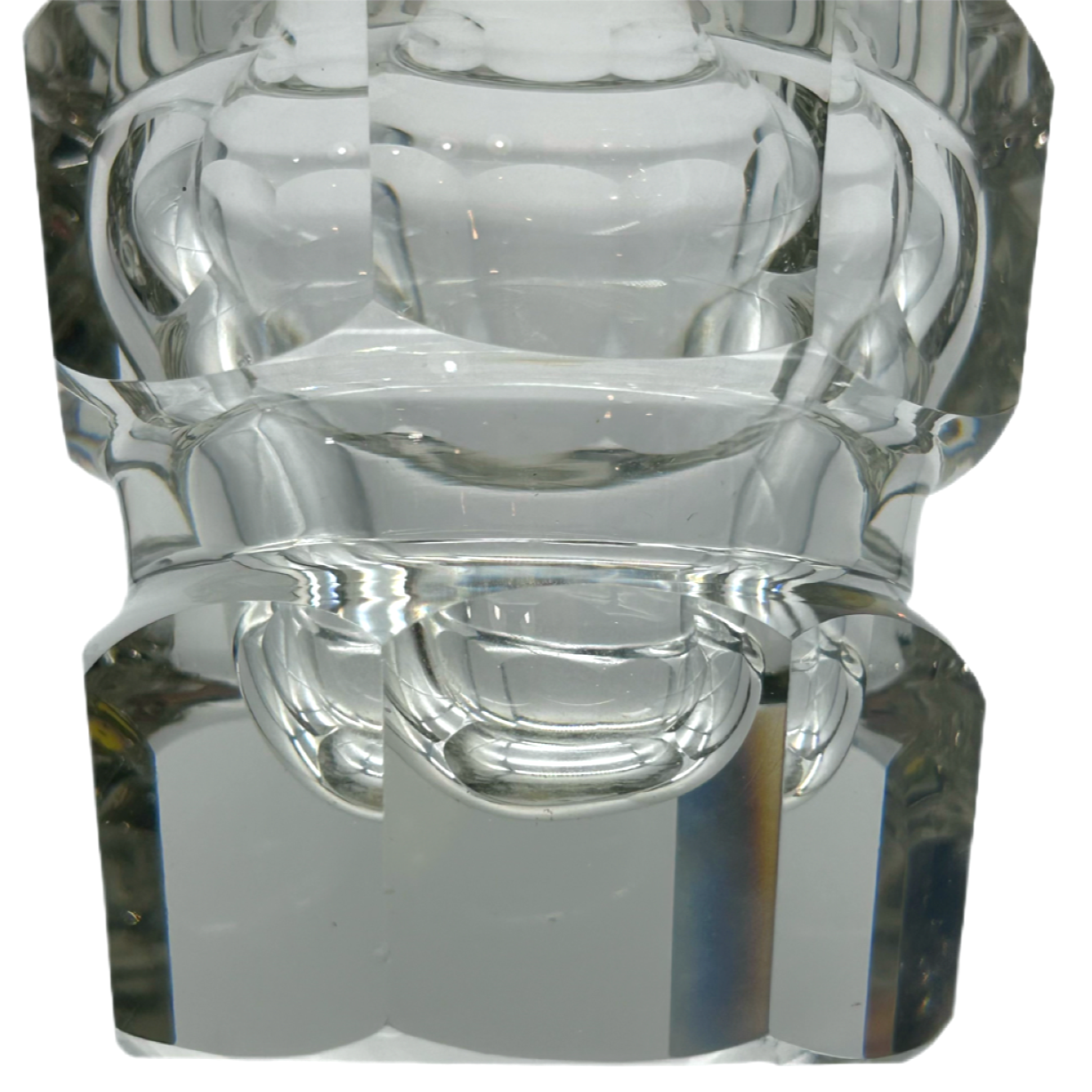
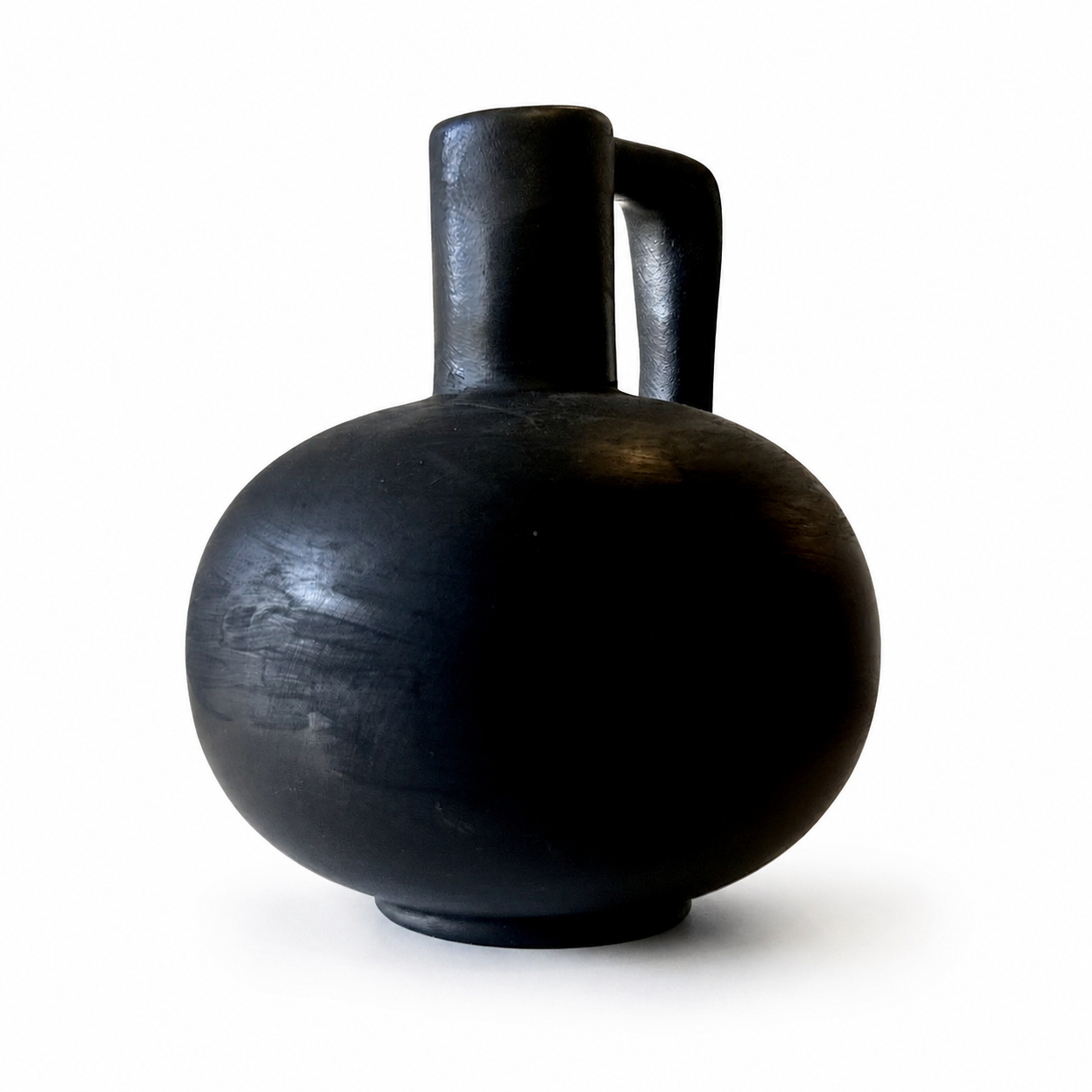
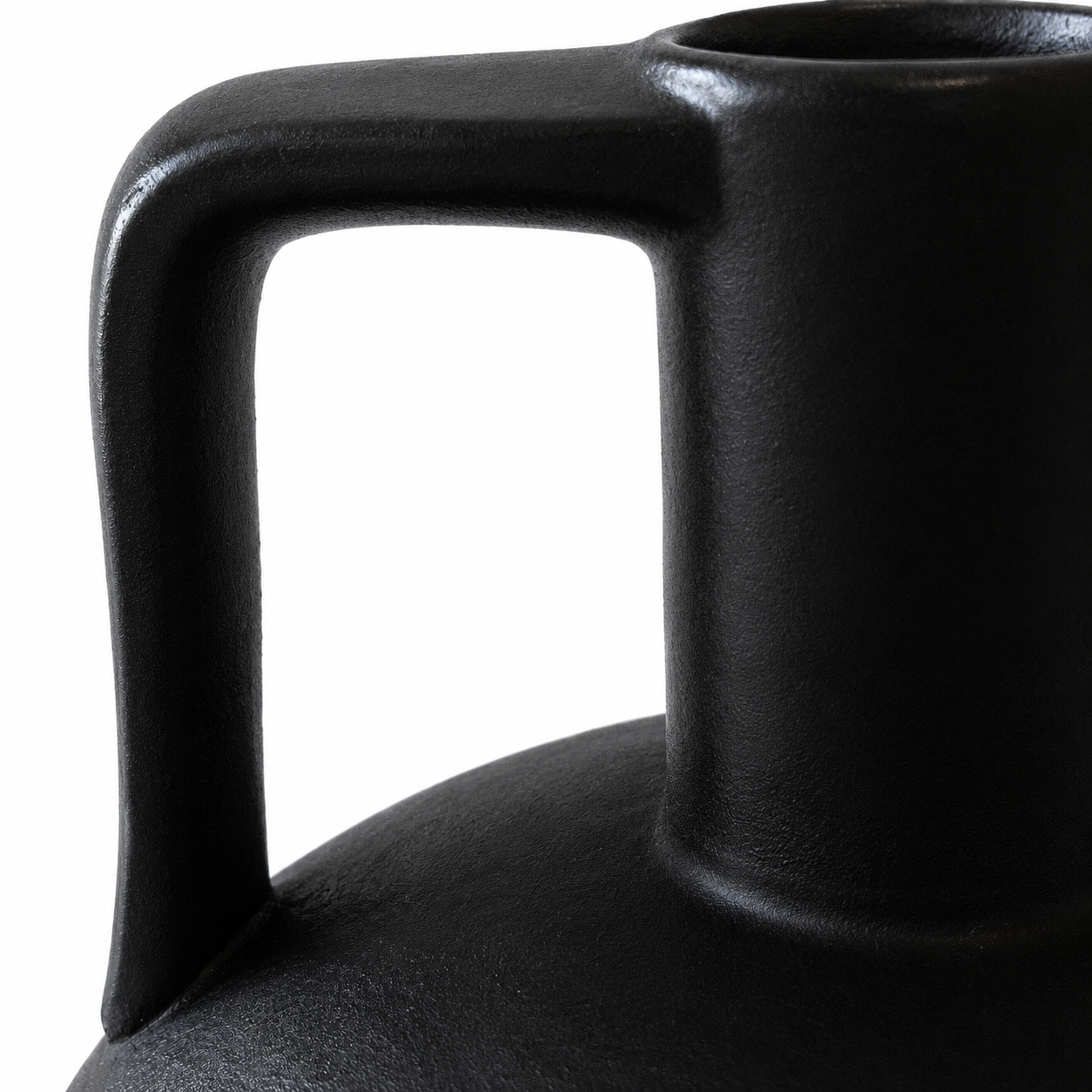
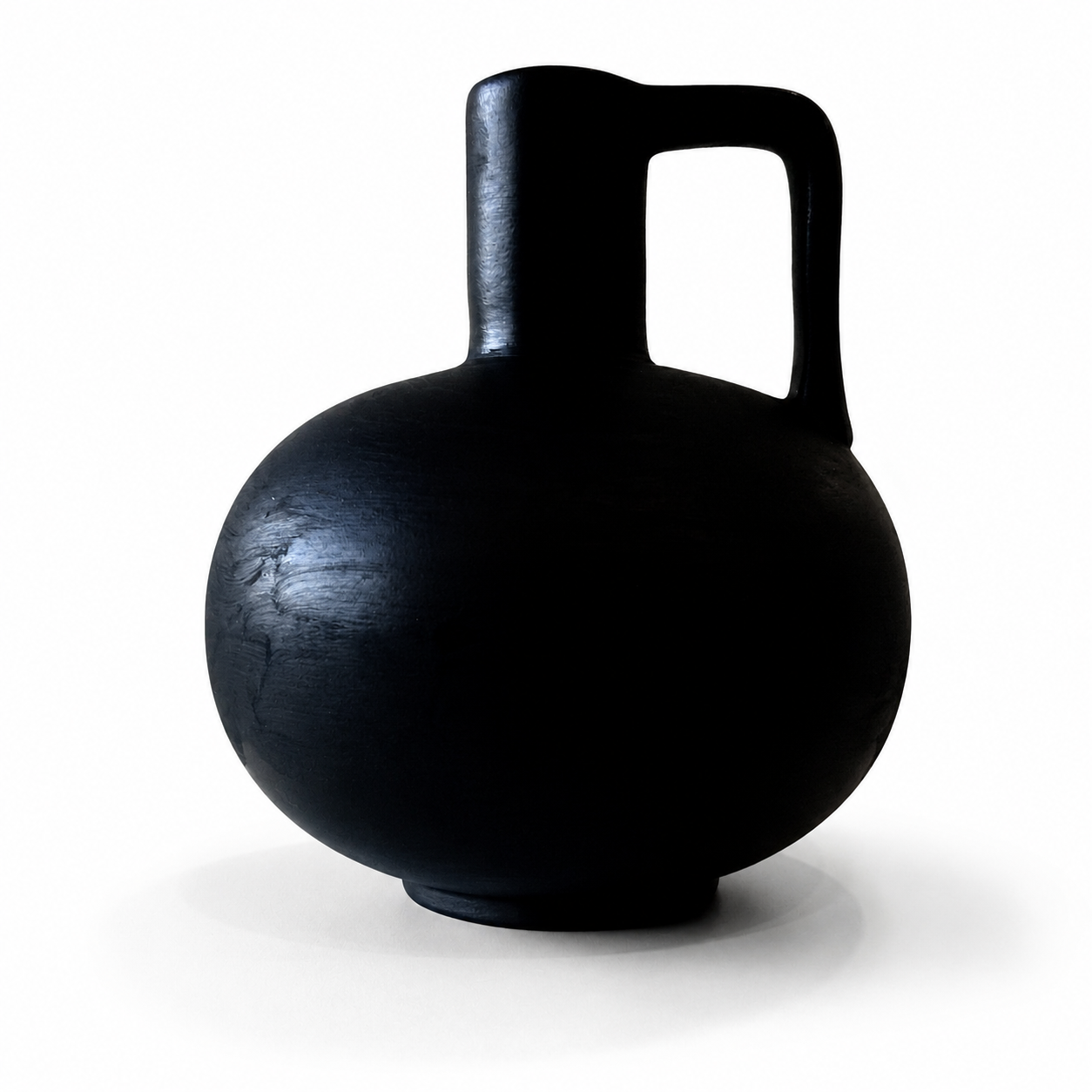
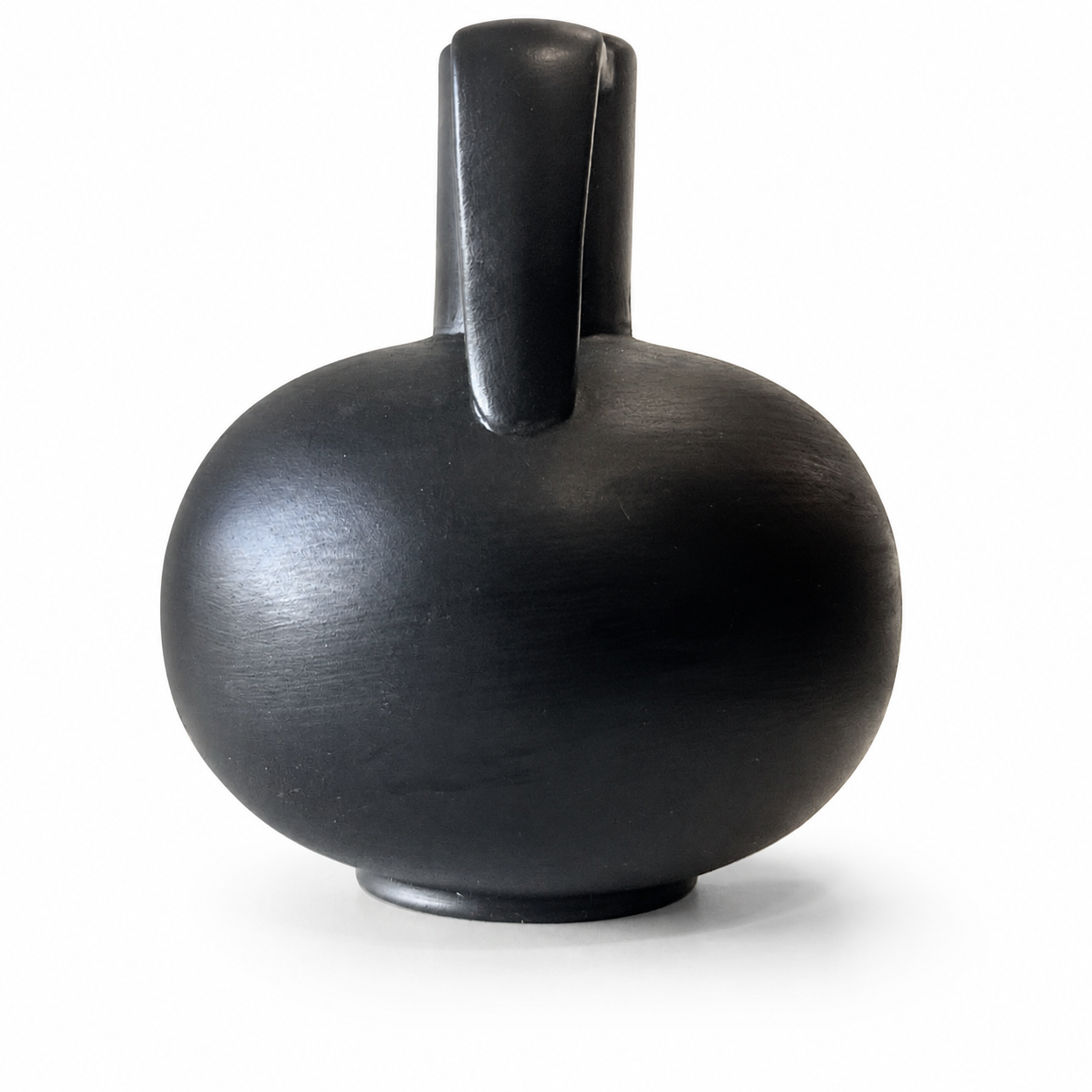
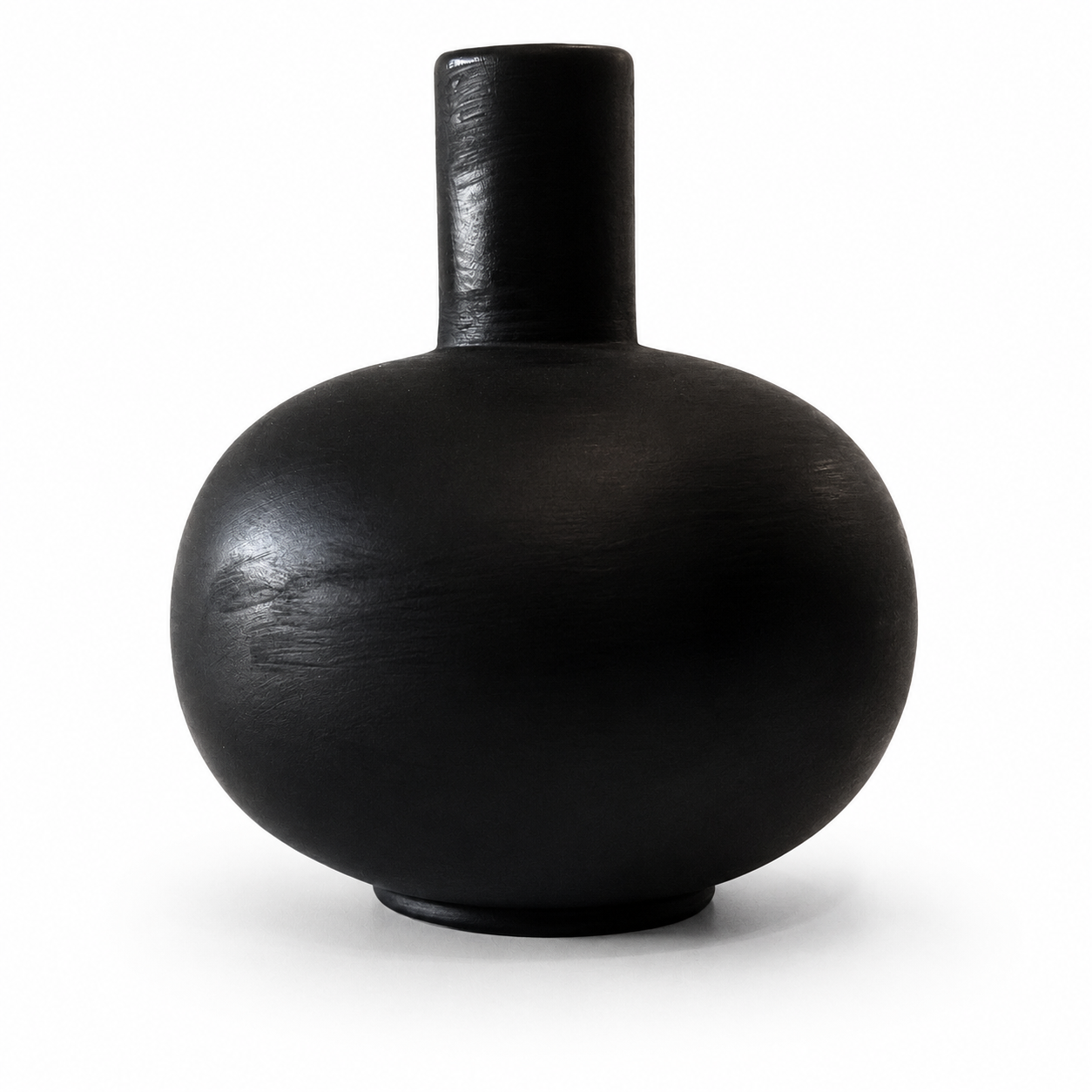
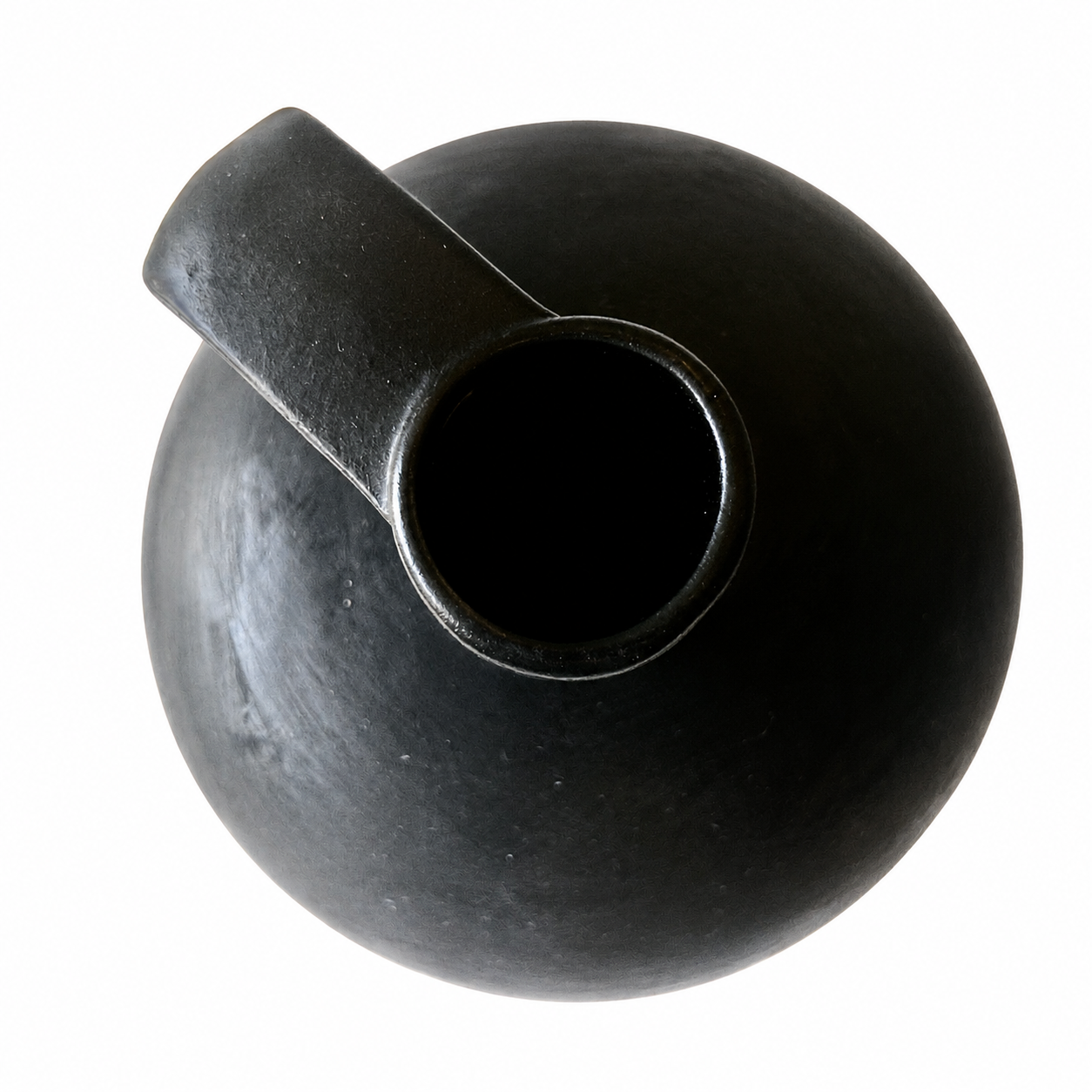
This powerful studio ceramic vase makes an assertive design statement with its dense, architectural silhouette and highly reflective metallic black glaze. Synthesizing the raw, expressive energy of late-century Brutalism with the polished sophistication of the 1980s, the gently flaring baluster body features deeply hand-carved geometric bands and sharp diagonal slashes. The exterior’s high-gloss finish plays dynamically against the matte, recessed channels of the incisions, transforming the vessel into a fascinating study of shadow and reflected light. Substantial in weight and presence, this sculptural object brings a compelling tactile grounding to avant-garde or minimalist spaces.
Attribution & Period
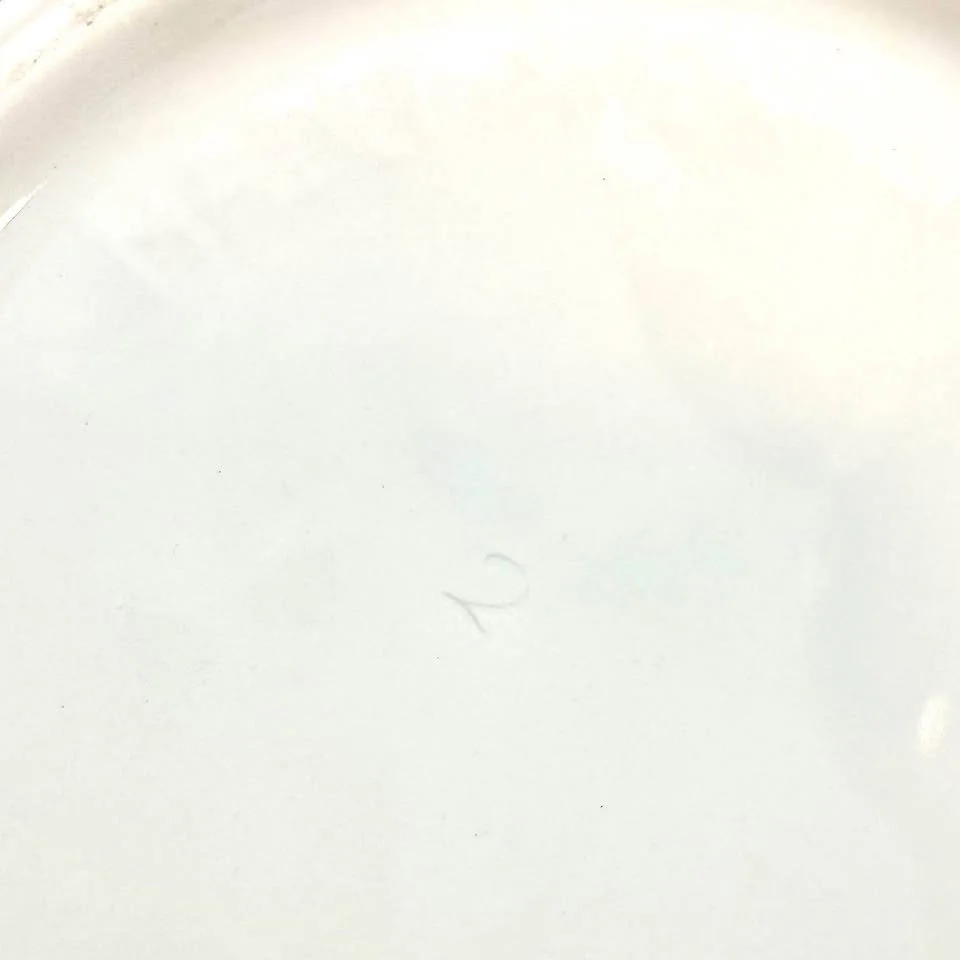
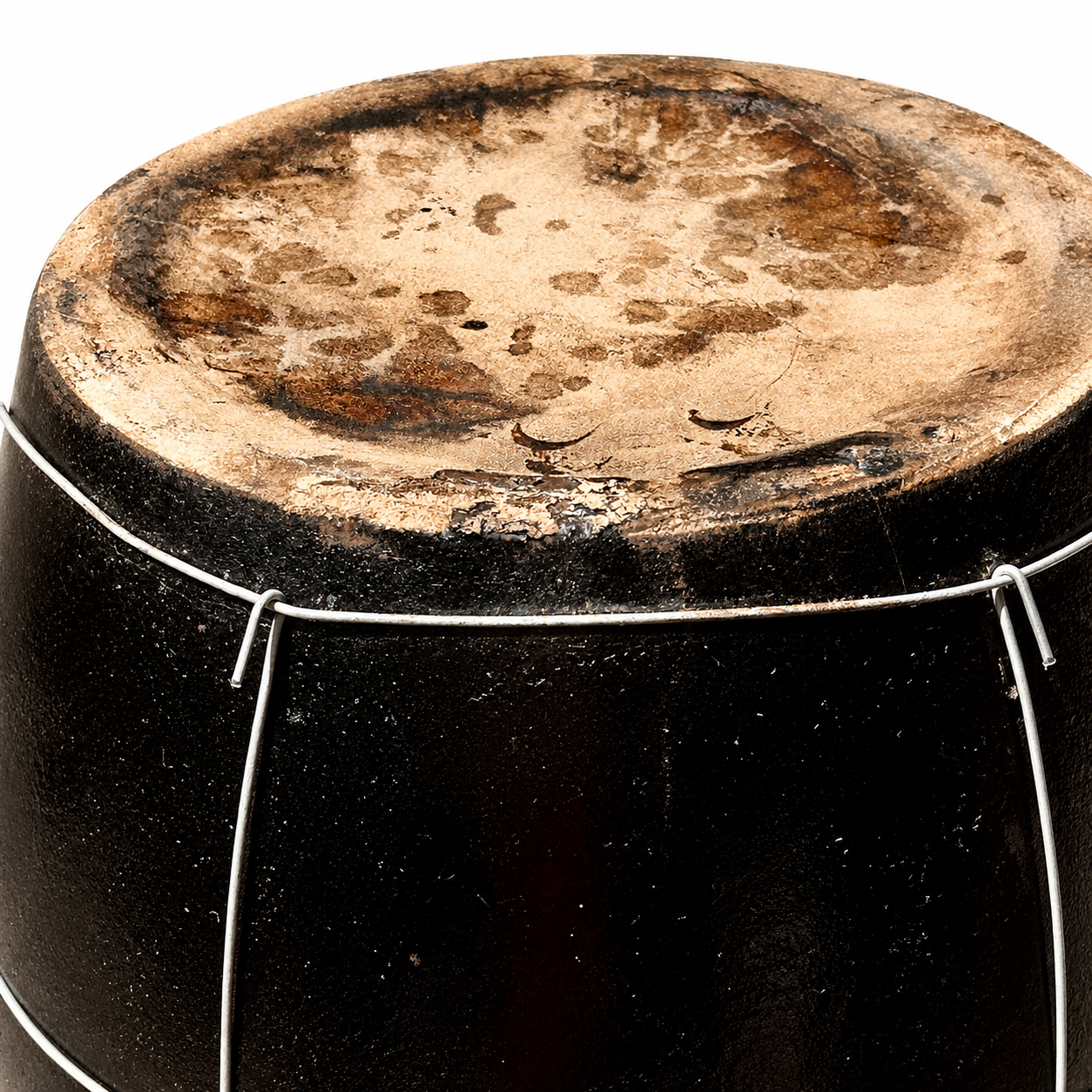
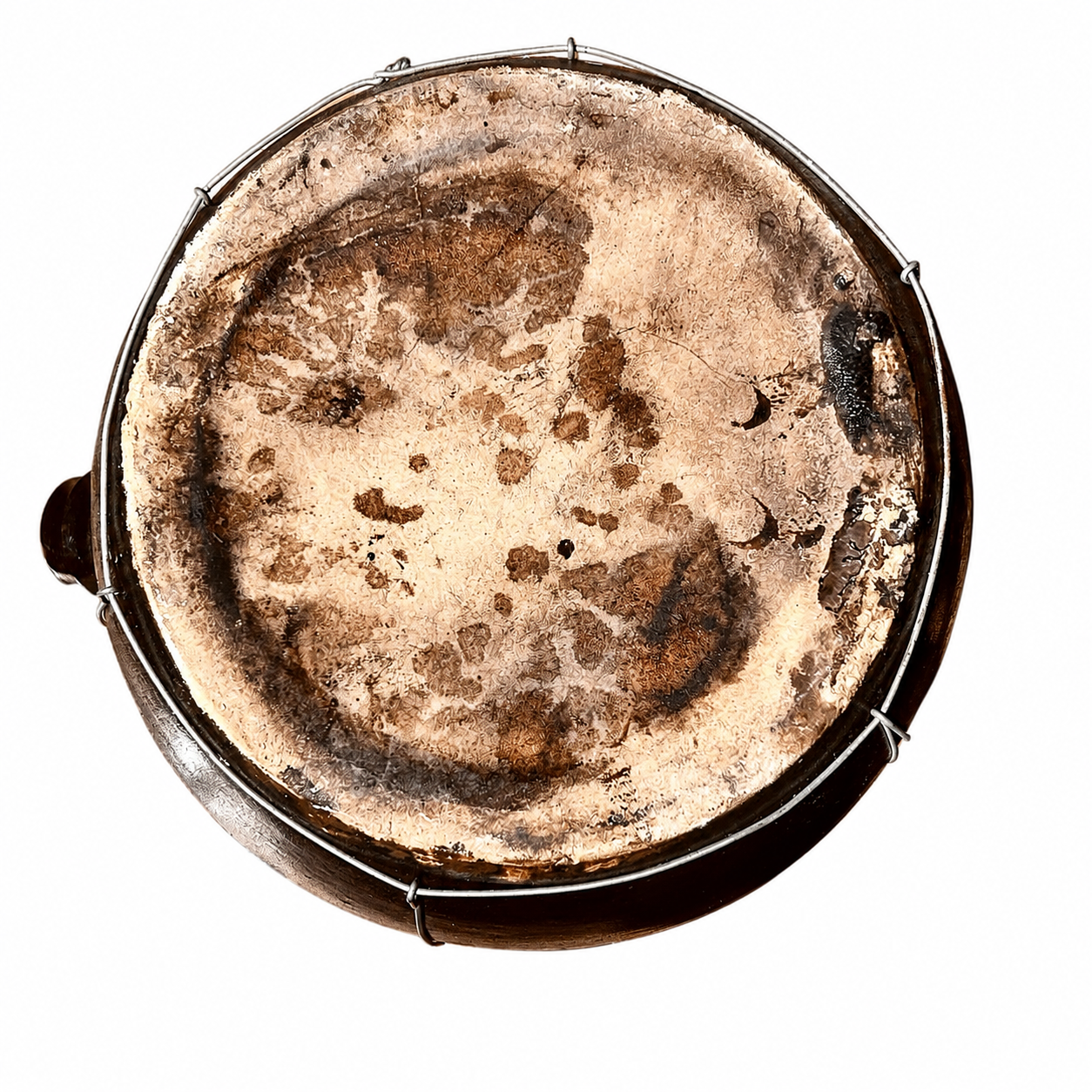
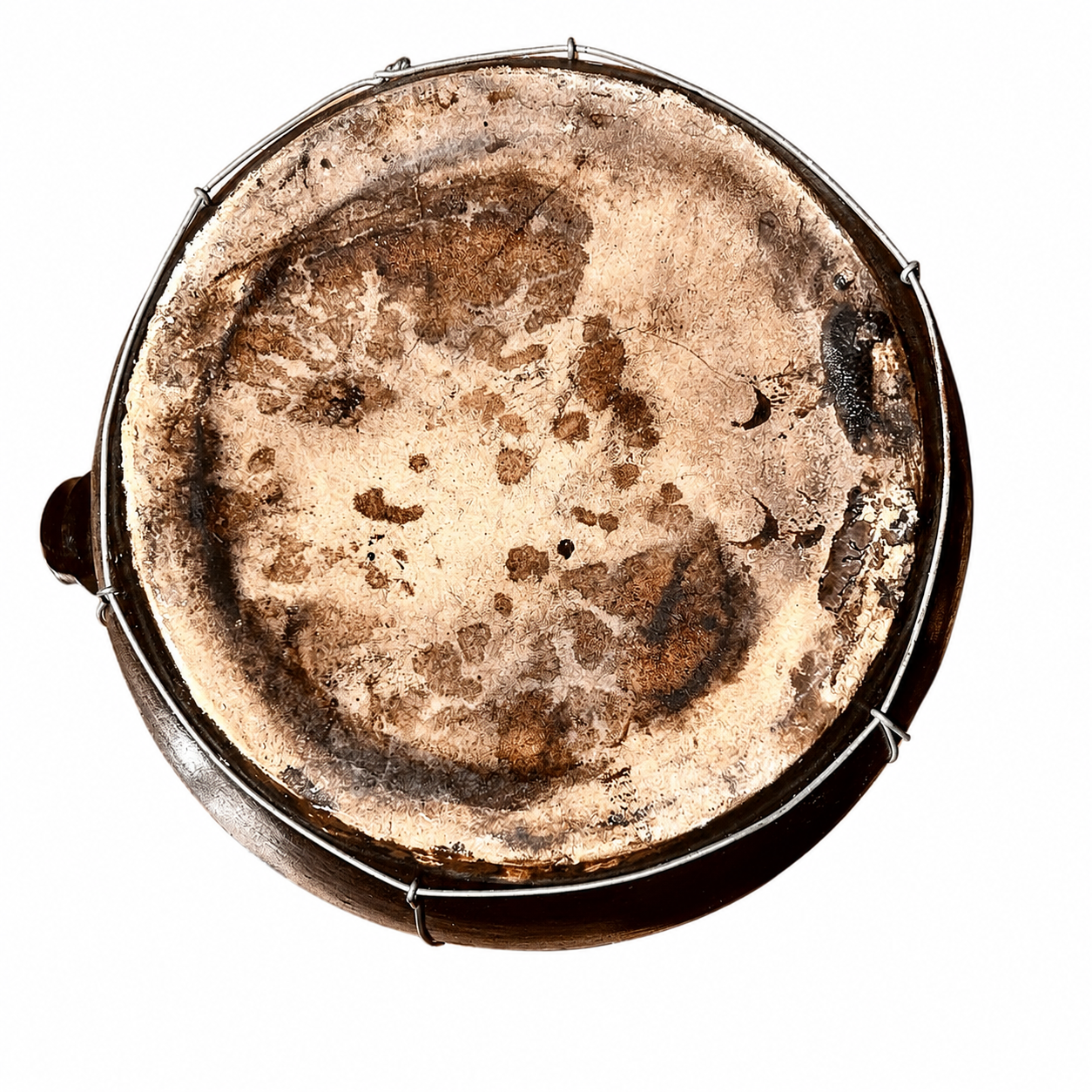
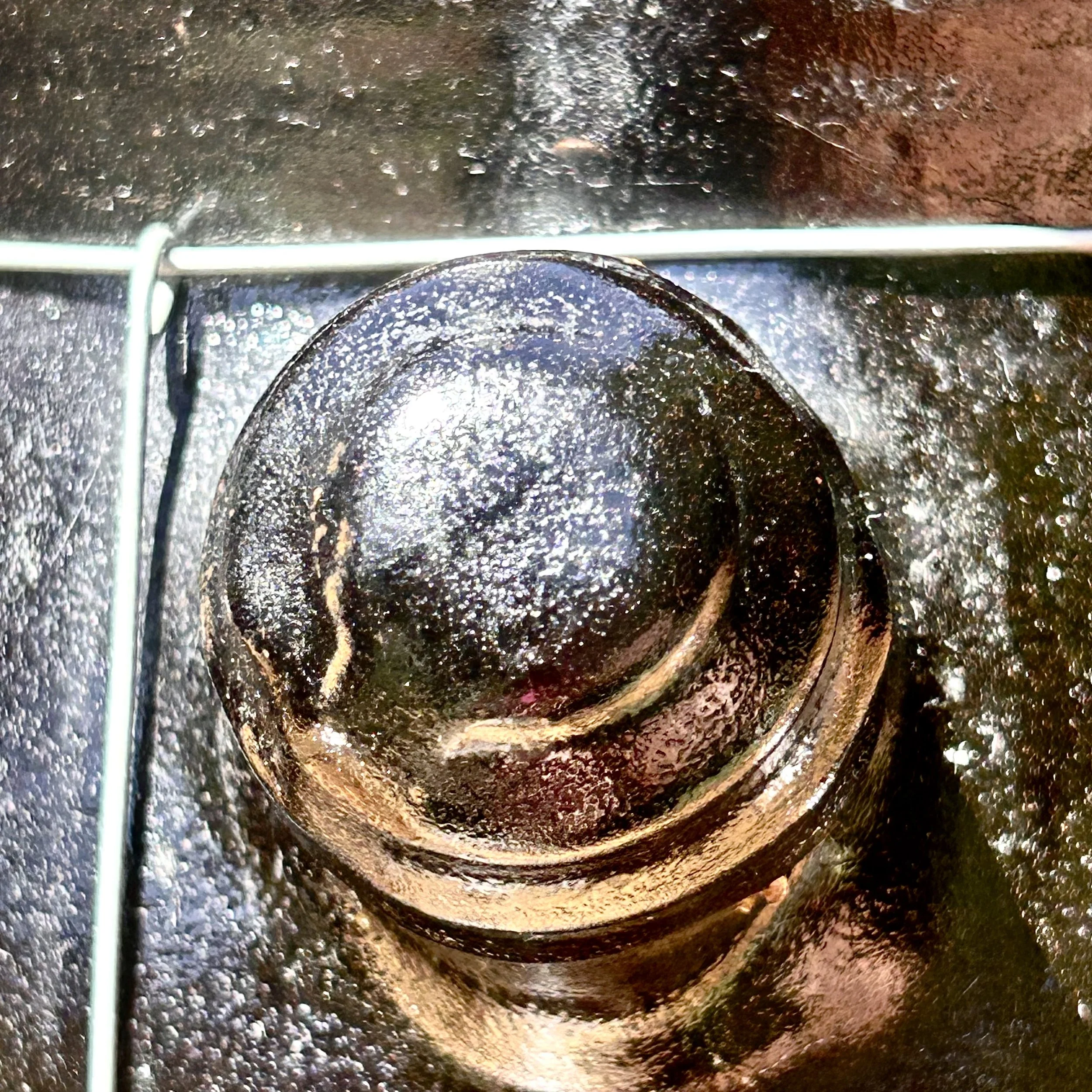
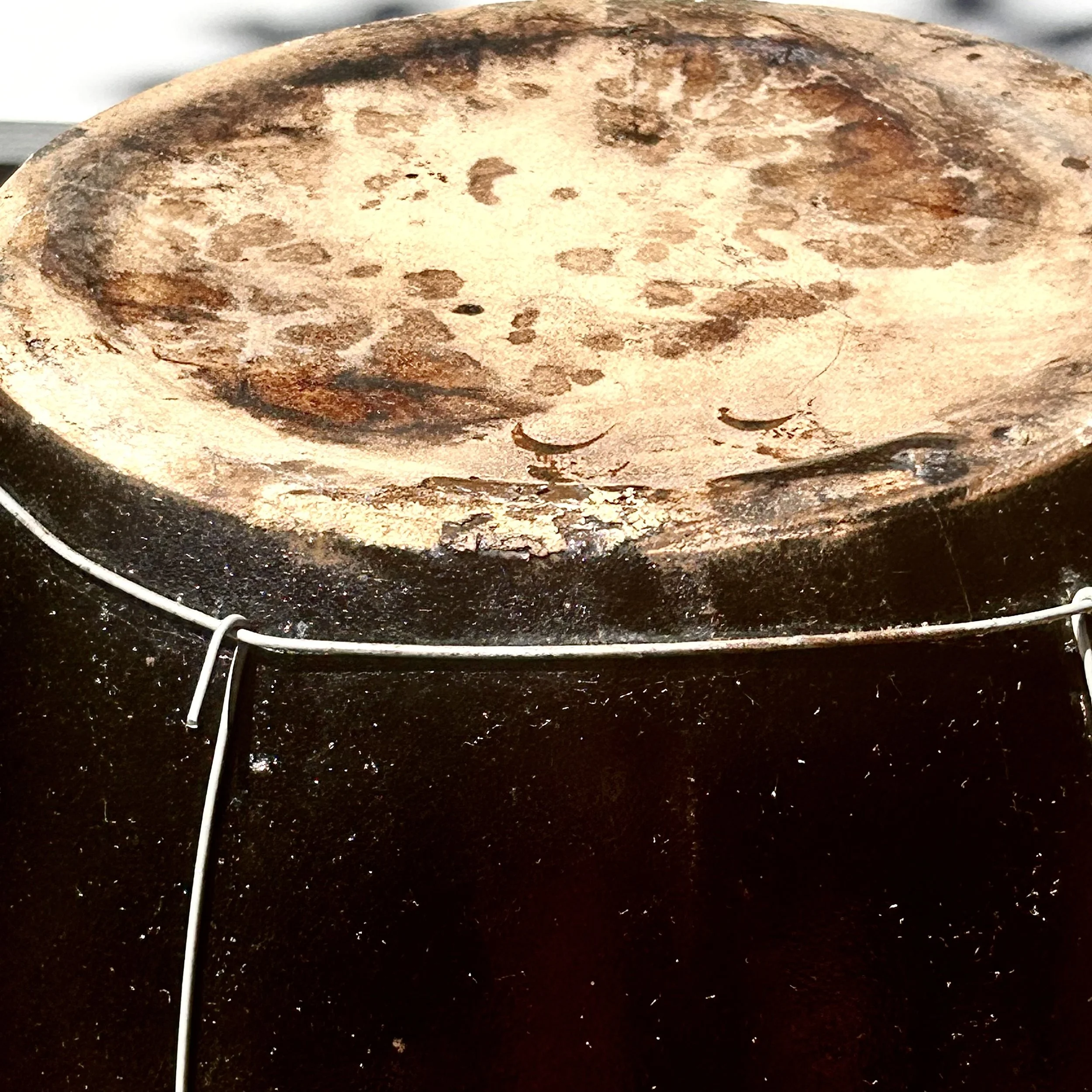
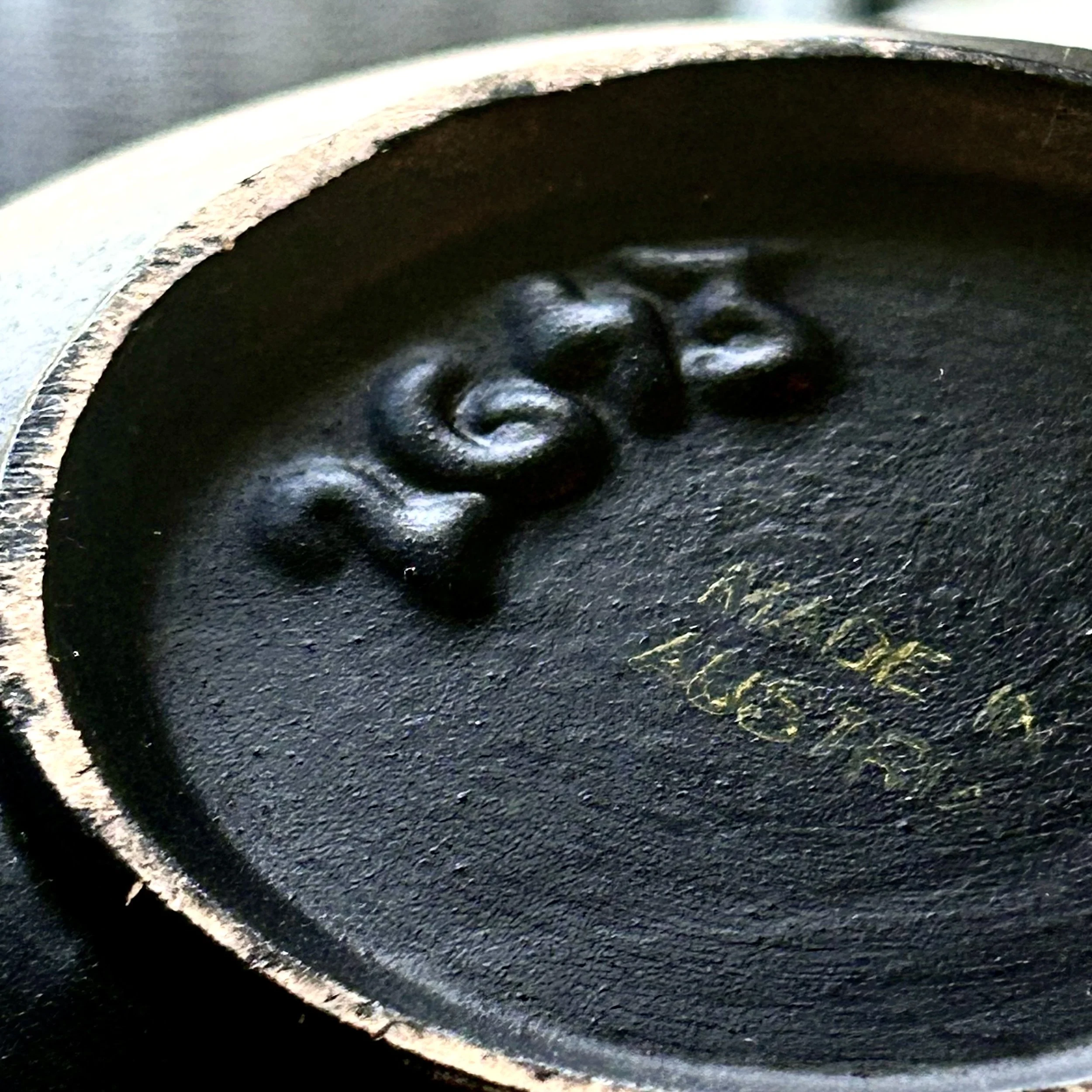
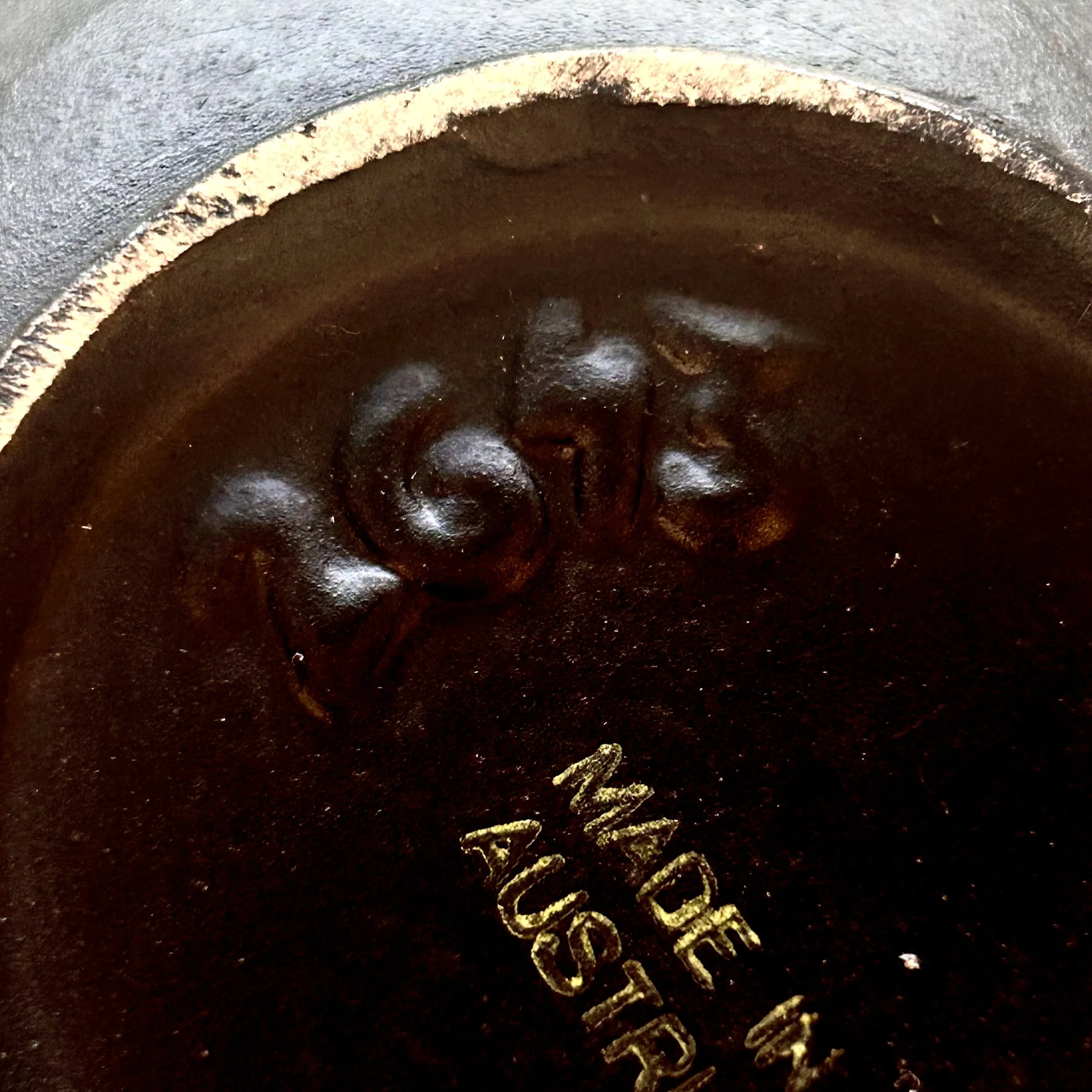
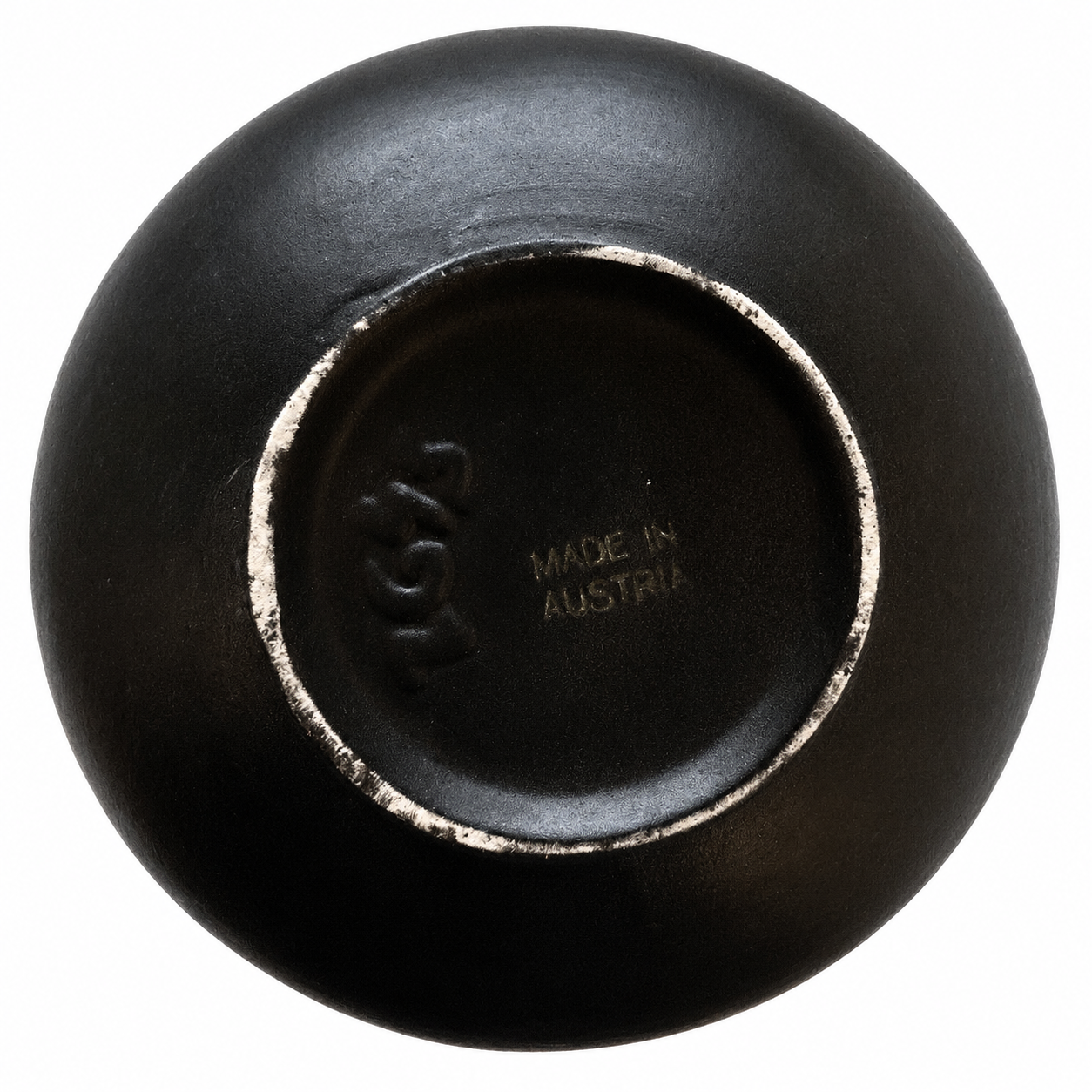
Stylistically aligned with the American and European Postmodern Brutalist movement of the 1980s. The unglazed underside bears two distinct, enigmatic markings: a sharp, hand-incised geometric monogram resembling a stylized "CZ" or interlocking chevrons, and a secondary, faint circular studio stamp near the outer edge as shown in image_17.png and image_19.png. This specific pairing of aggressive, "primitive" surface carving with a slick, dark glaze aligns perfectly with independent studio pottery from the mid-to-late 1980s, an era when artisans actively merged 1970s architectural texture with the high-contrast, graphic trends of the Art Deco revival.
Dimensions & Weight
Condition
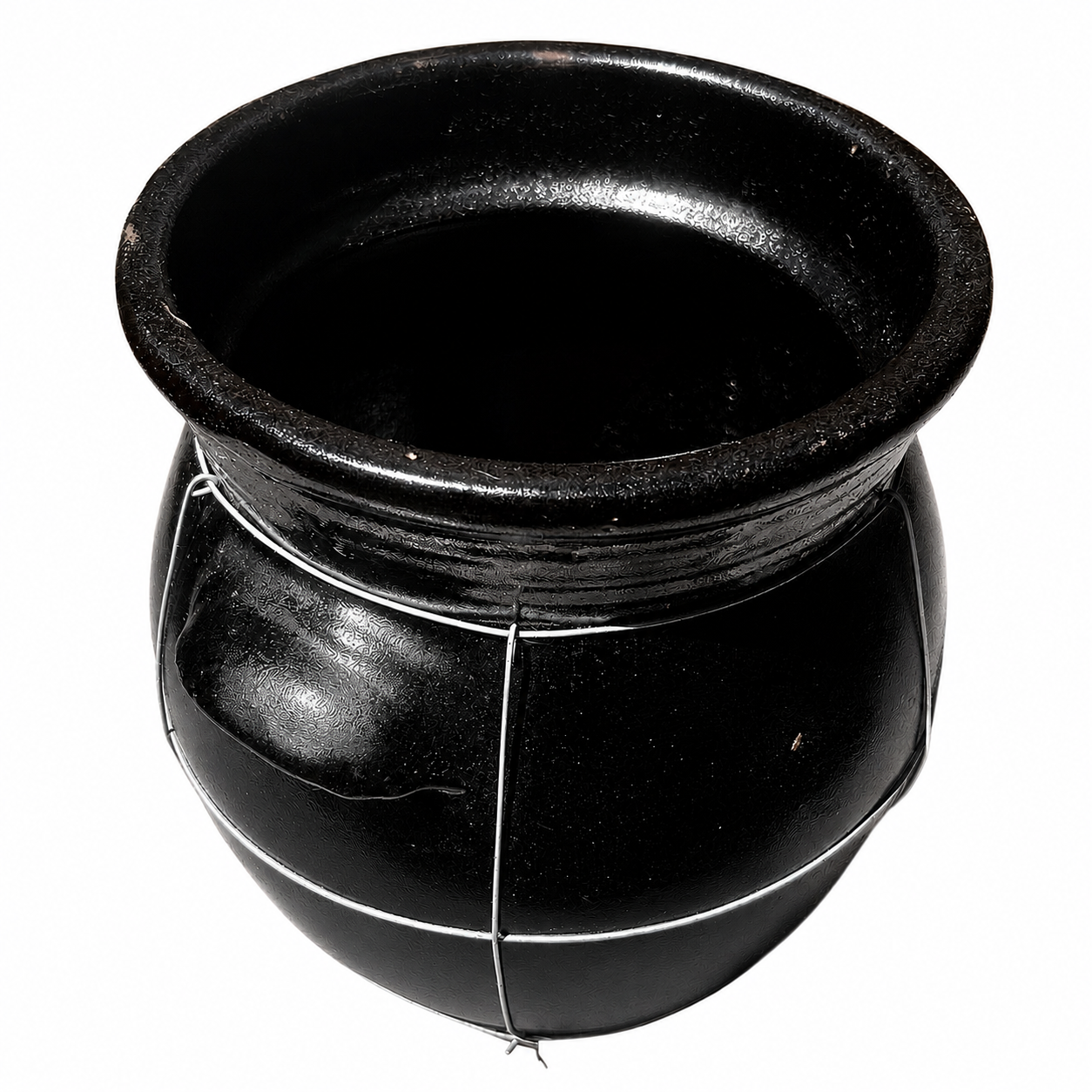
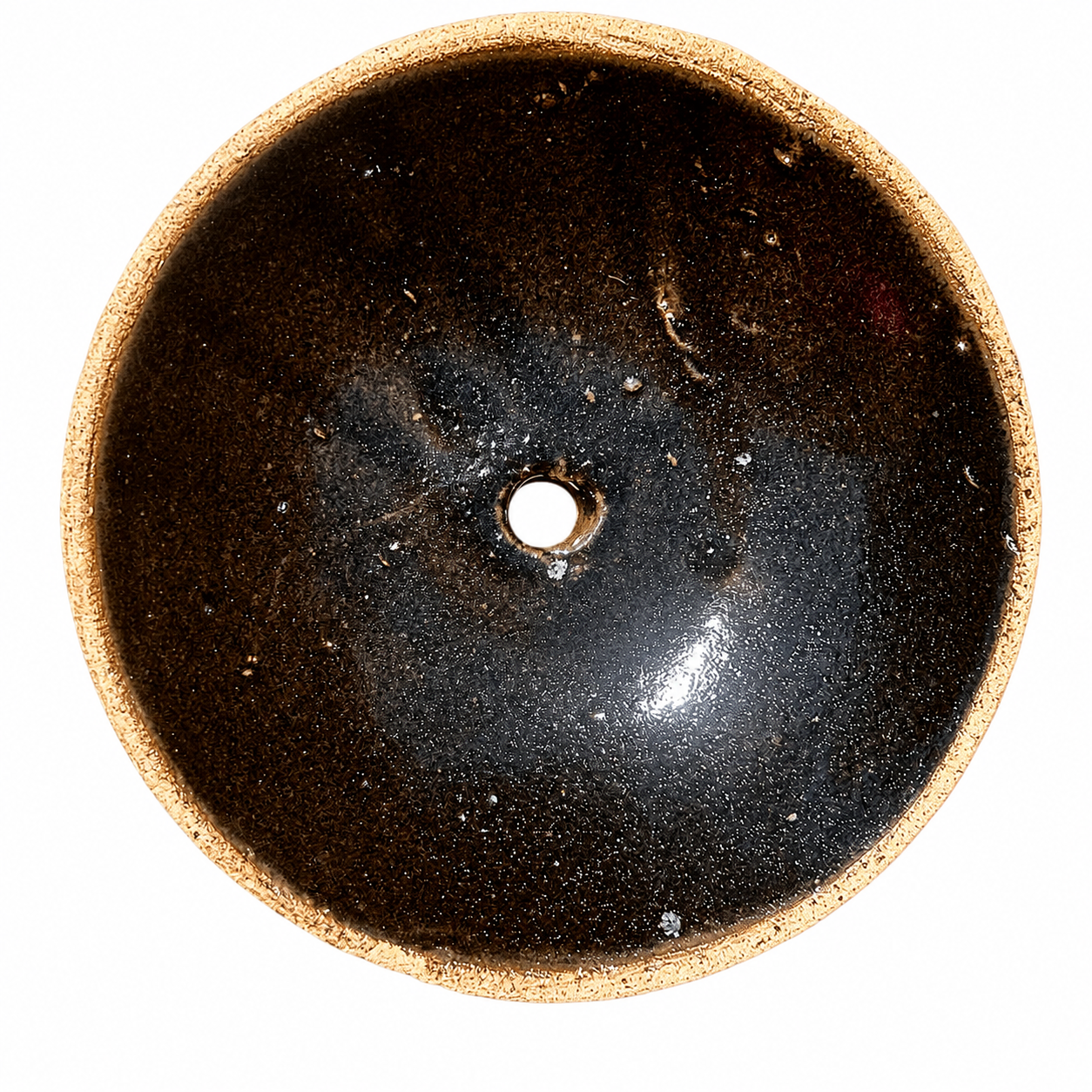
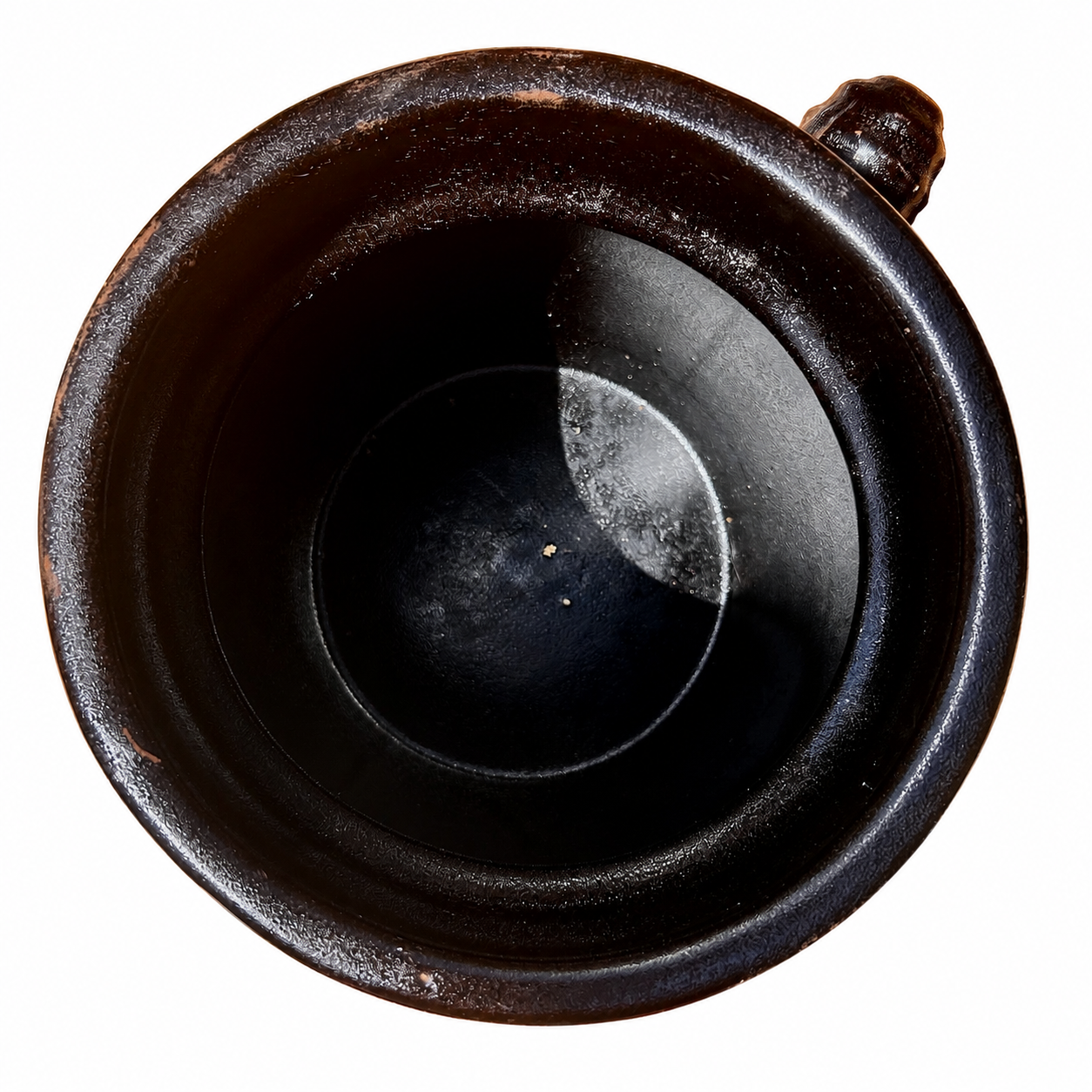
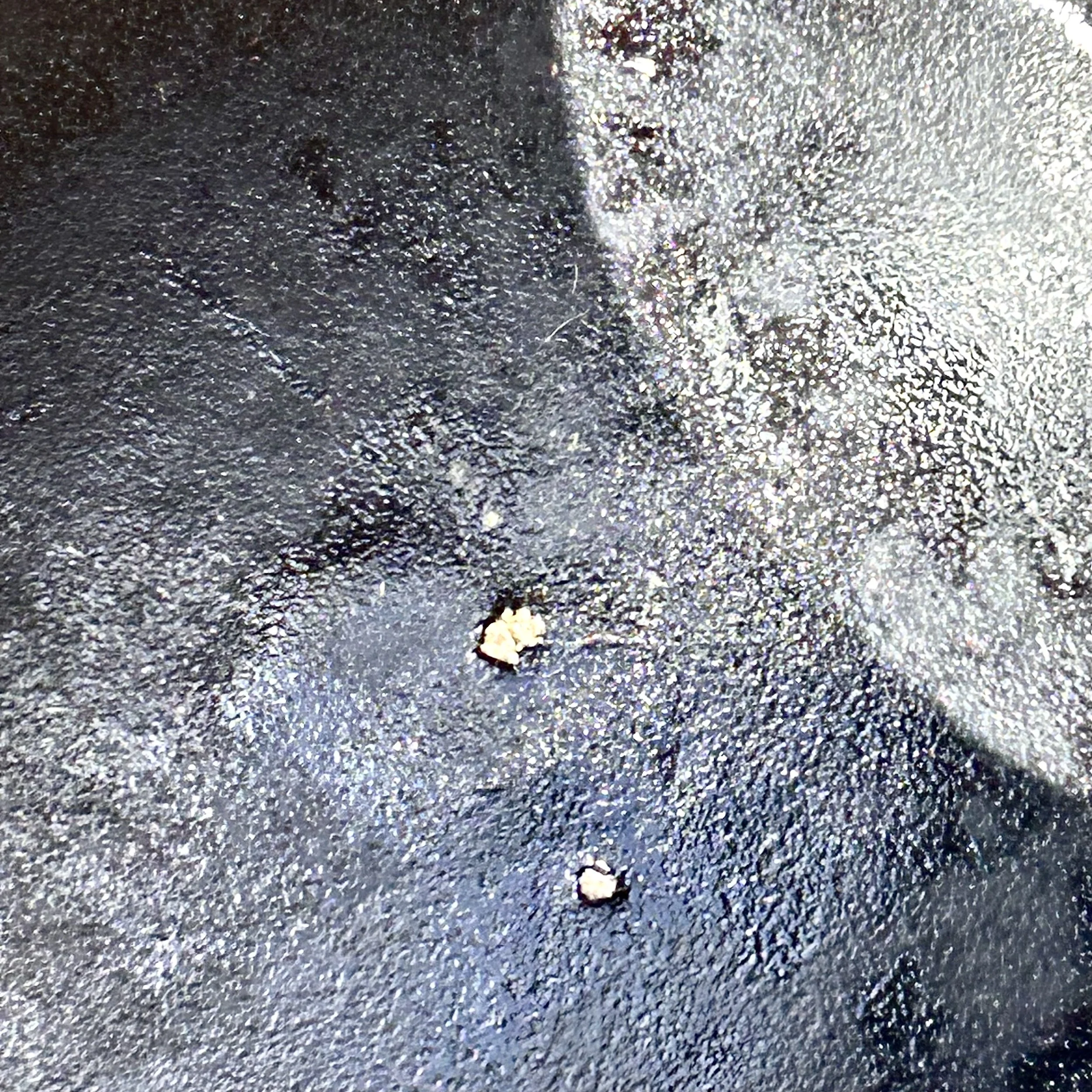
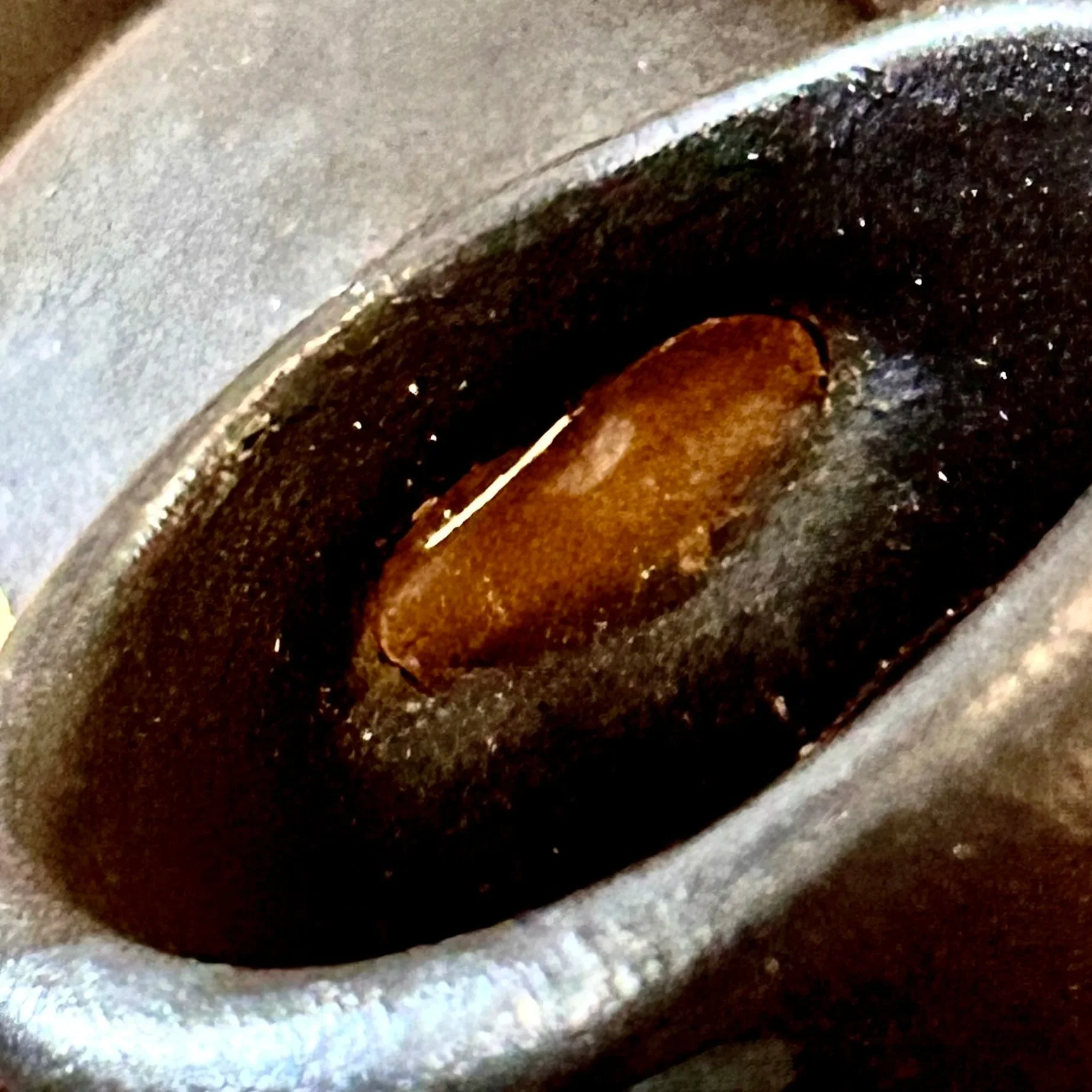
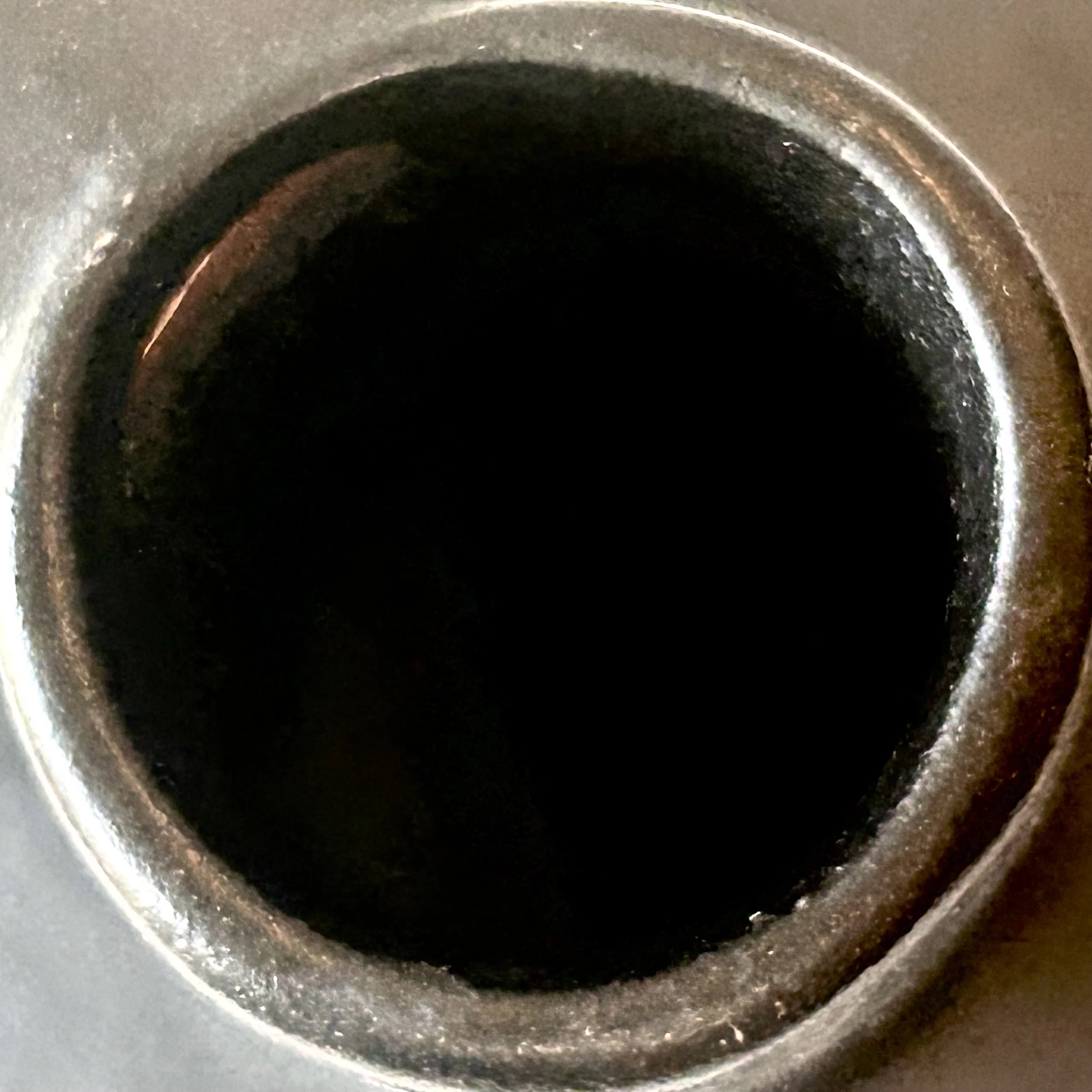
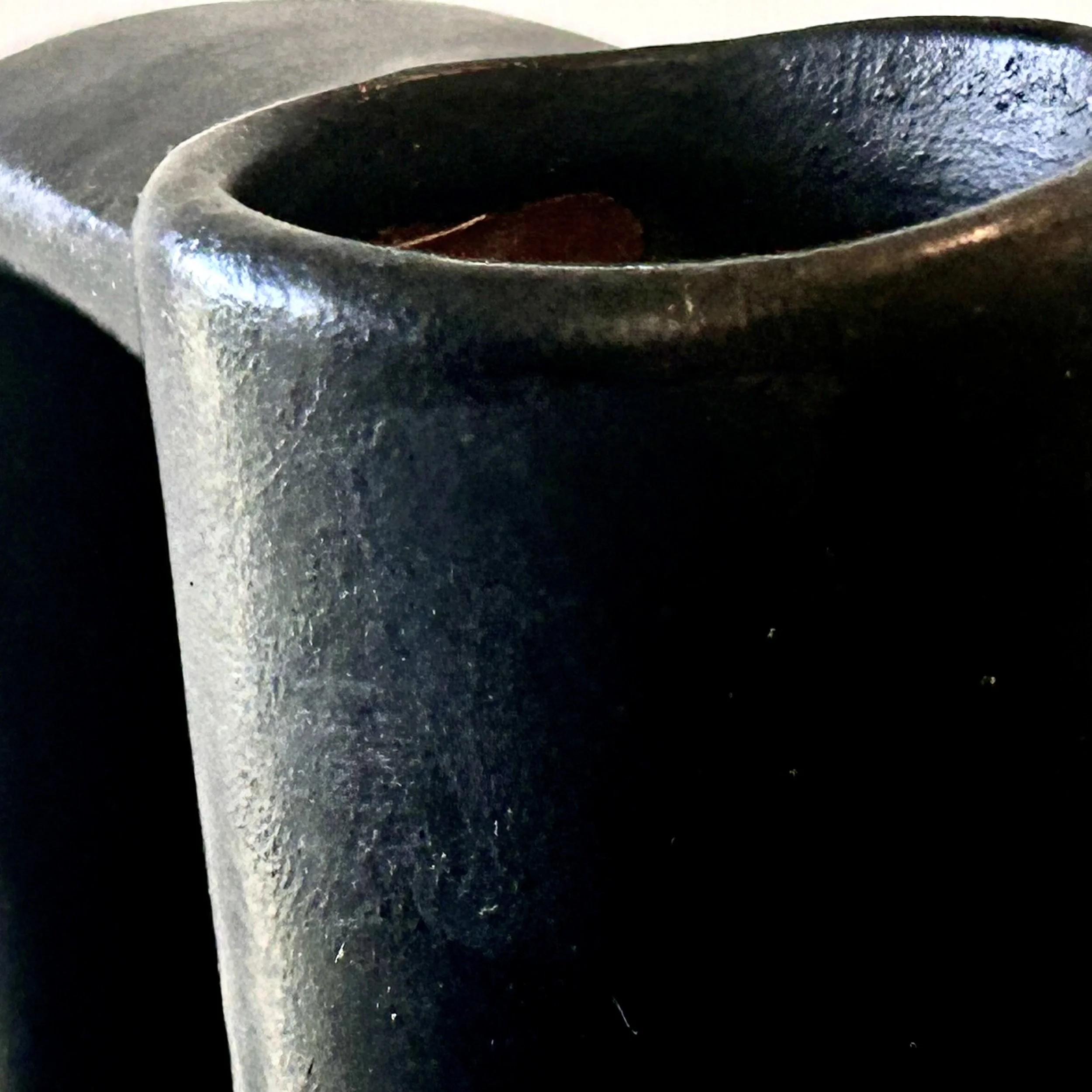
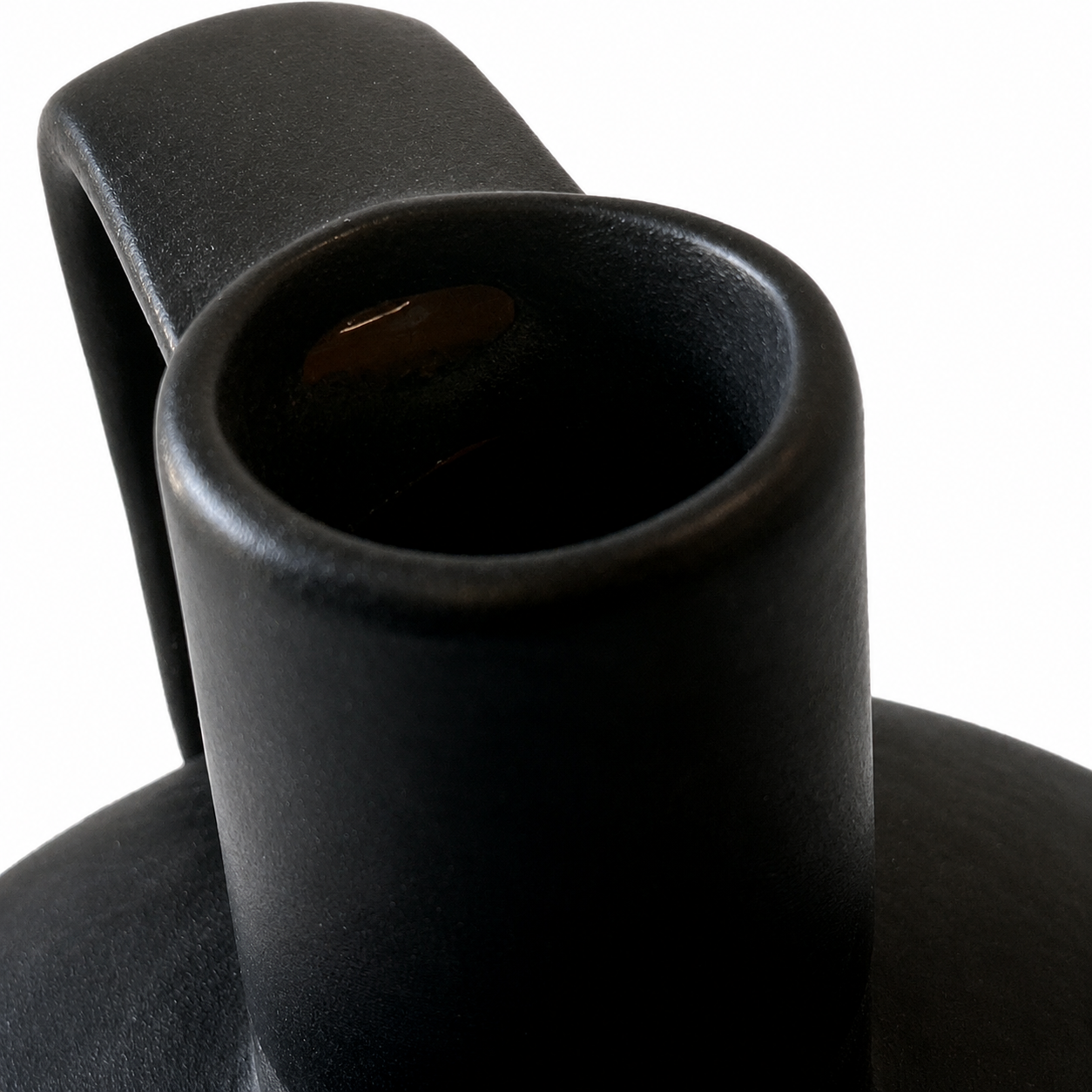
In excellent condition. Clinical inspection reveals a beautifully preserved exterior free of structural chips, cracks, or repairs, keeping the sharp contrast of the incised lines intact. The interior features natural mineral deposits and a beautifully weathered, water-worn patina resulting from historical utilitarian use, which lends an authentic, time-hewn character to the piece as documented in image_16.png. The unglazed base rim shows light, authentic shelf wear consistent with age.
Authenticity & Construction
This heavy vessel is a masterfully hand-thrown stoneware piece constructed with thick walls and an organic, weighted base designed to anchor its form. Prior to firing, the artist deeply gouged the damp clay body to create recessed geometric motifs, ensuring the cuts retained sharp, dramatic edges. A rich, iron- or manganese-dominant glaze was then applied to the exterior and fired to a high gloss; this allowed the metallic slip to pool naturally within the hand-carved channels, exaggerating the depth of the pattern and celebrating its artisanal origins.
Placement
With its brooding, monochromatic presence and striking geometric lines, this vase is exceptionally interior-designer friendly, bridging the gap between historical texture and modern luxury. It serves as an ideal sculptural accent on a raw concrete or white oak mantel, styled alongside post-modern art volumes on a minimalist shelf, or centered on a travertine console table where its dark, glossy finish can sharply contrast against light stone textures.
STANDARD ATTRIBUTION & VALUE DISCLOSURE; This piece is described to the best of current scholarly and market knowledge. Any maker or regional attribution is based on visual analysis, materials, construction techniques, and documented stylistic comparisons. As with many MCM and antique design objects, definitive attribution may not be possible without original labels or factory records. Pricing reflects condition, quality, decorative appeal, and current collector demand rather than guaranteed maker identification.
This powerful studio ceramic vase makes an assertive design statement with its dense, architectural silhouette and highly reflective metallic black glaze. Synthesizing the raw, expressive energy of late-century Brutalism with the polished sophistication of the 1980s, the gently flaring baluster body features deeply hand-carved geometric bands and sharp diagonal slashes. The exterior’s high-gloss finish plays dynamically against the matte, recessed channels of the incisions, transforming the vessel into a fascinating study of shadow and reflected light. Substantial in weight and presence, this sculptural object brings a compelling tactile grounding to avant-garde or minimalist spaces.
Attribution & Period
Stylistically aligned with the American and European Postmodern Brutalist movement of the 1980s. The unglazed underside bears two distinct, enigmatic markings: a sharp, hand-incised geometric monogram resembling a stylized "CZ" or interlocking chevrons, and a secondary, faint circular studio stamp near the outer edge as shown in image_17.png and image_19.png. This specific pairing of aggressive, "primitive" surface carving with a slick, dark glaze aligns perfectly with independent studio pottery from the mid-to-late 1980s, an era when artisans actively merged 1970s architectural texture with the high-contrast, graphic trends of the Art Deco revival.
Dimensions & Weight
Condition
In excellent condition. Clinical inspection reveals a beautifully preserved exterior free of structural chips, cracks, or repairs, keeping the sharp contrast of the incised lines intact. The interior features natural mineral deposits and a beautifully weathered, water-worn patina resulting from historical utilitarian use, which lends an authentic, time-hewn character to the piece as documented in image_16.png. The unglazed base rim shows light, authentic shelf wear consistent with age.
Authenticity & Construction
This heavy vessel is a masterfully hand-thrown stoneware piece constructed with thick walls and an organic, weighted base designed to anchor its form. Prior to firing, the artist deeply gouged the damp clay body to create recessed geometric motifs, ensuring the cuts retained sharp, dramatic edges. A rich, iron- or manganese-dominant glaze was then applied to the exterior and fired to a high gloss; this allowed the metallic slip to pool naturally within the hand-carved channels, exaggerating the depth of the pattern and celebrating its artisanal origins.
Placement
With its brooding, monochromatic presence and striking geometric lines, this vase is exceptionally interior-designer friendly, bridging the gap between historical texture and modern luxury. It serves as an ideal sculptural accent on a raw concrete or white oak mantel, styled alongside post-modern art volumes on a minimalist shelf, or centered on a travertine console table where its dark, glossy finish can sharply contrast against light stone textures.
STANDARD ATTRIBUTION & VALUE DISCLOSURE; This piece is described to the best of current scholarly and market knowledge. Any maker or regional attribution is based on visual analysis, materials, construction techniques, and documented stylistic comparisons. As with many MCM and antique design objects, definitive attribution may not be possible without original labels or factory records. Pricing reflects condition, quality, decorative appeal, and current collector demand rather than guaranteed maker identification.

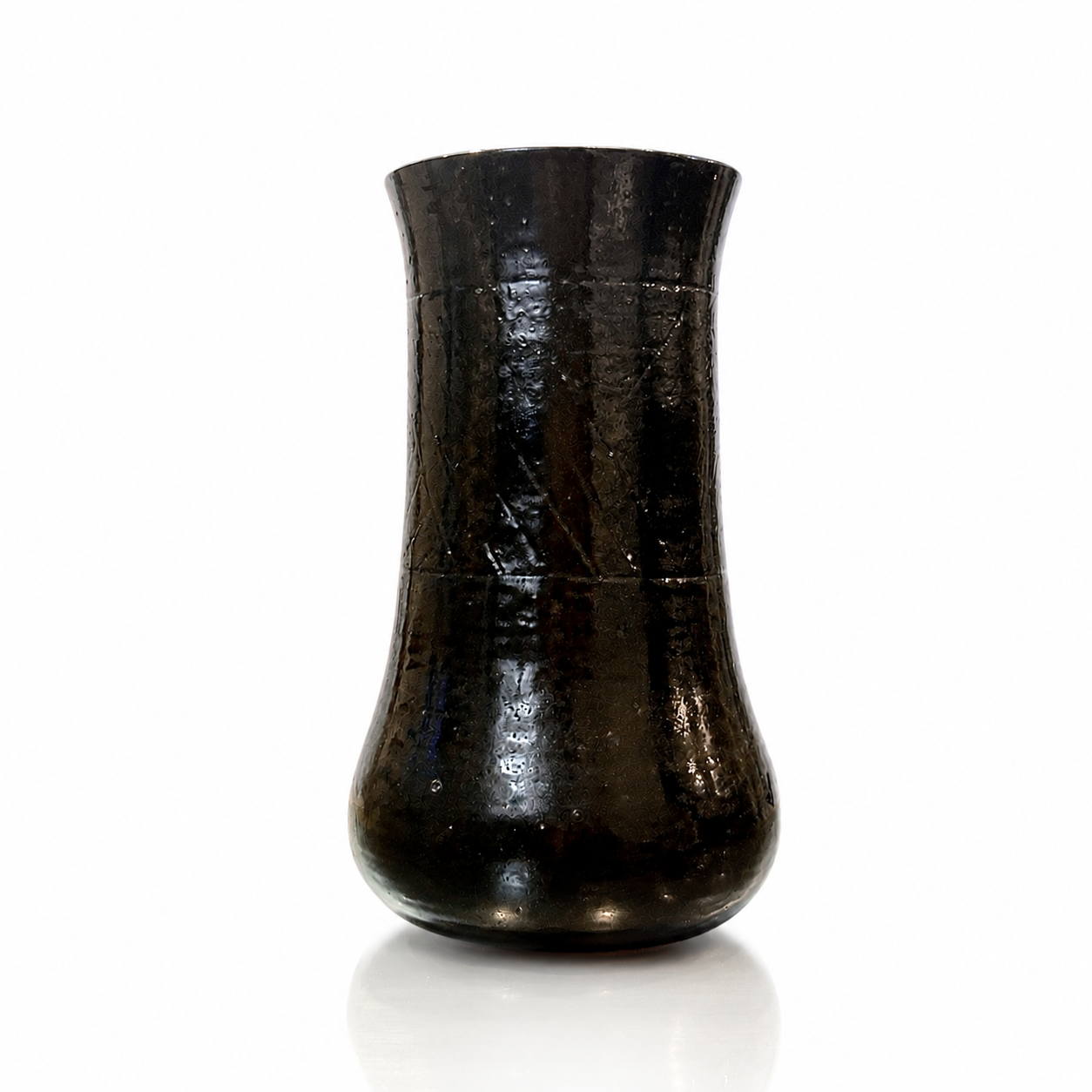 Image 1 of 20
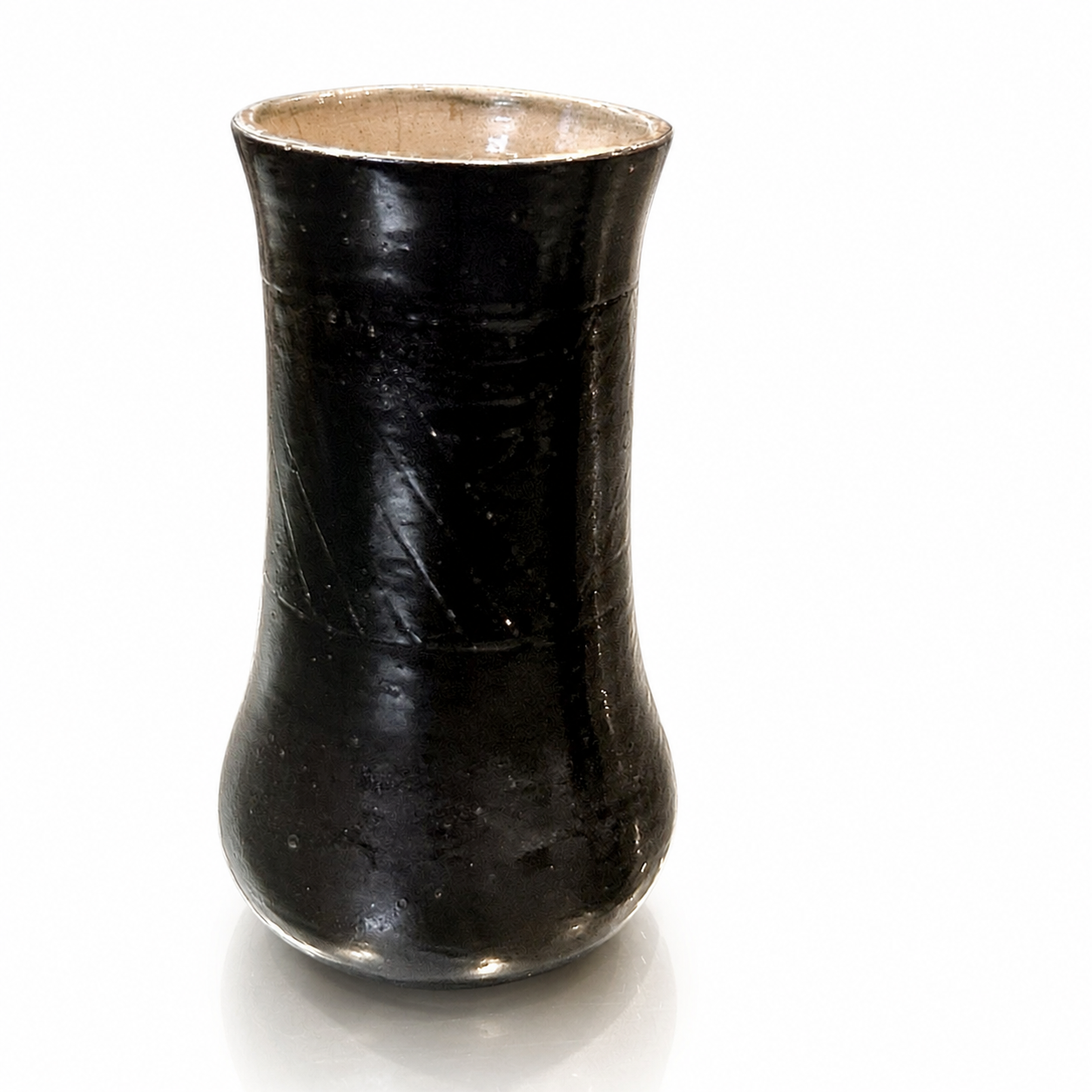 Image 2 of 20
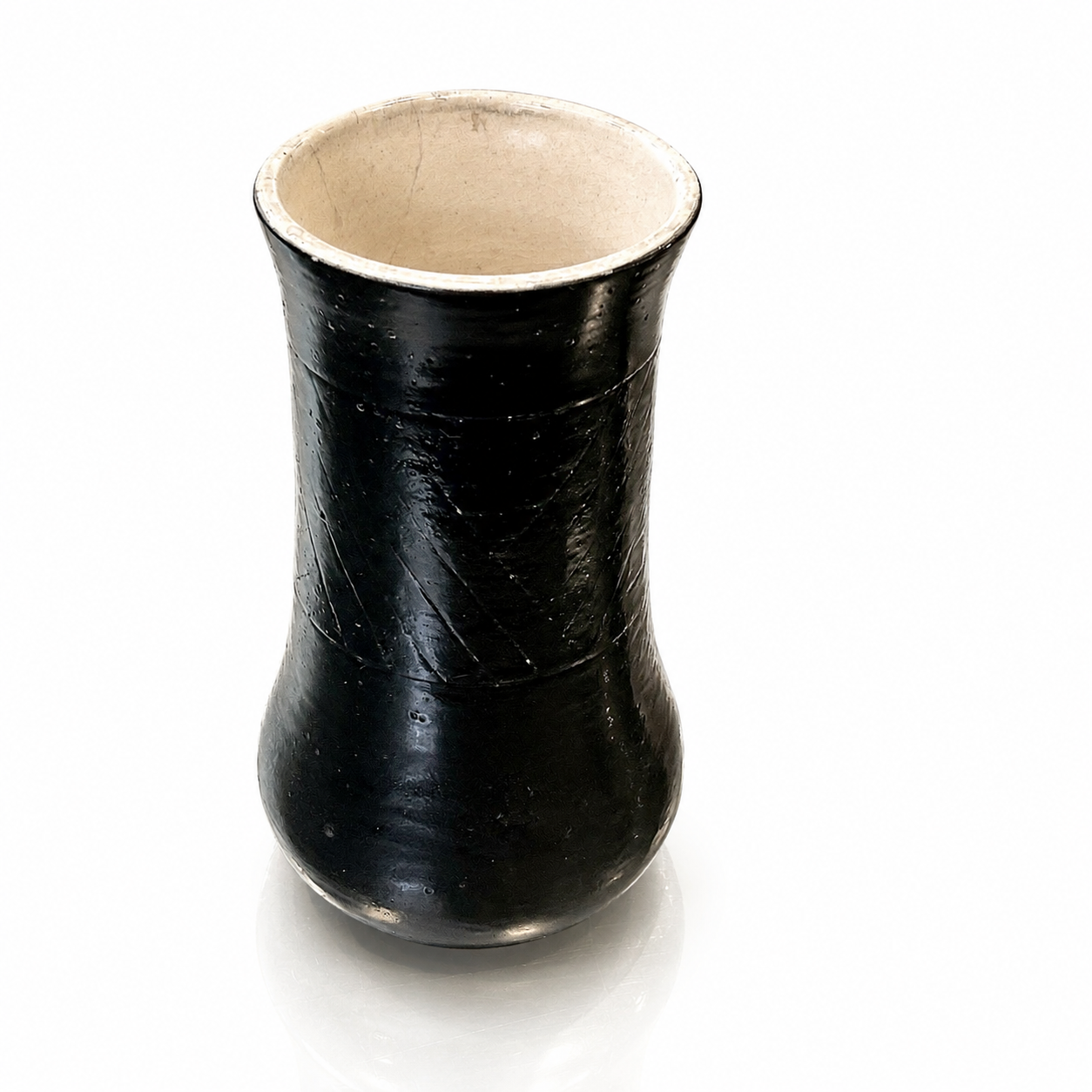 Image 3 of 20
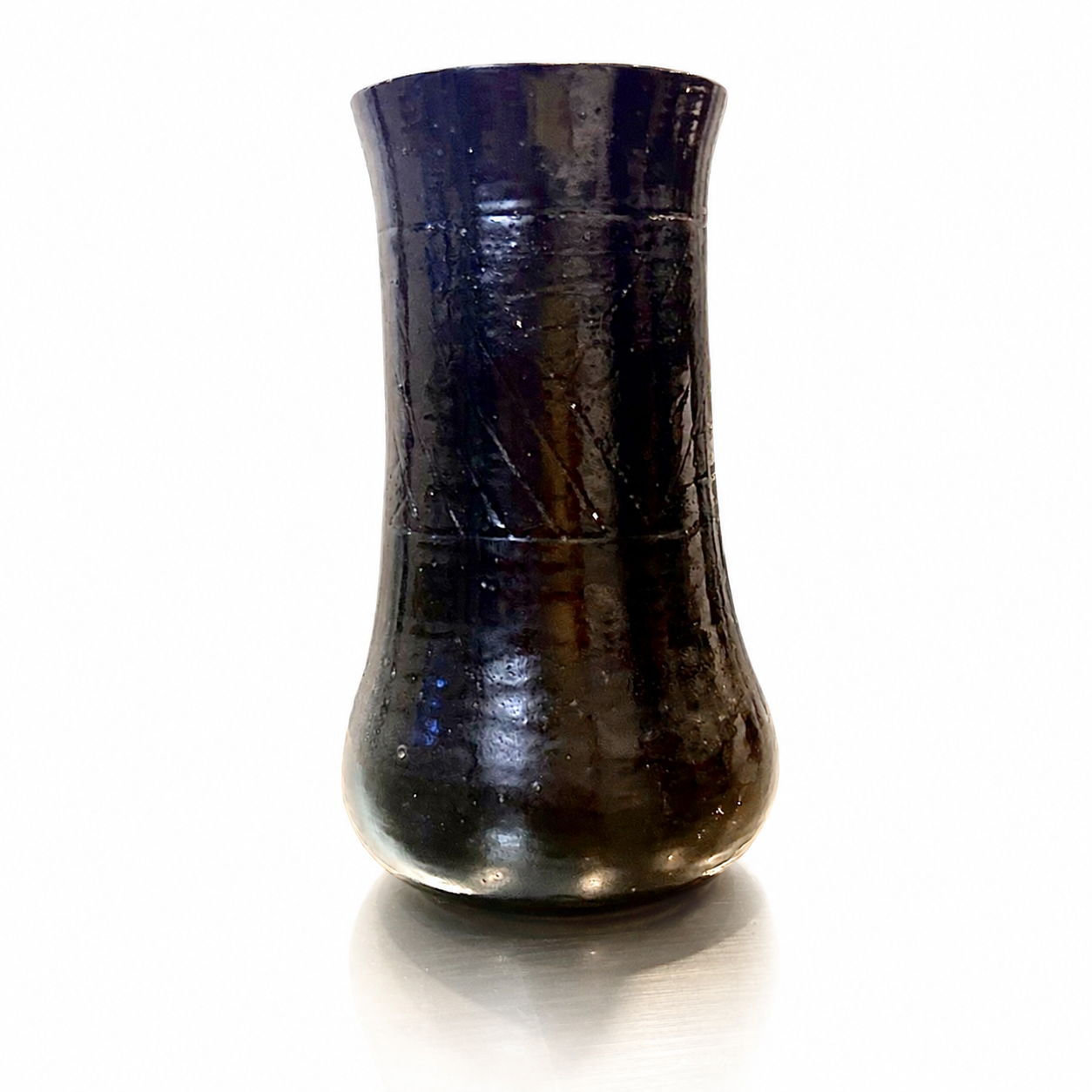 Image 4 of 20
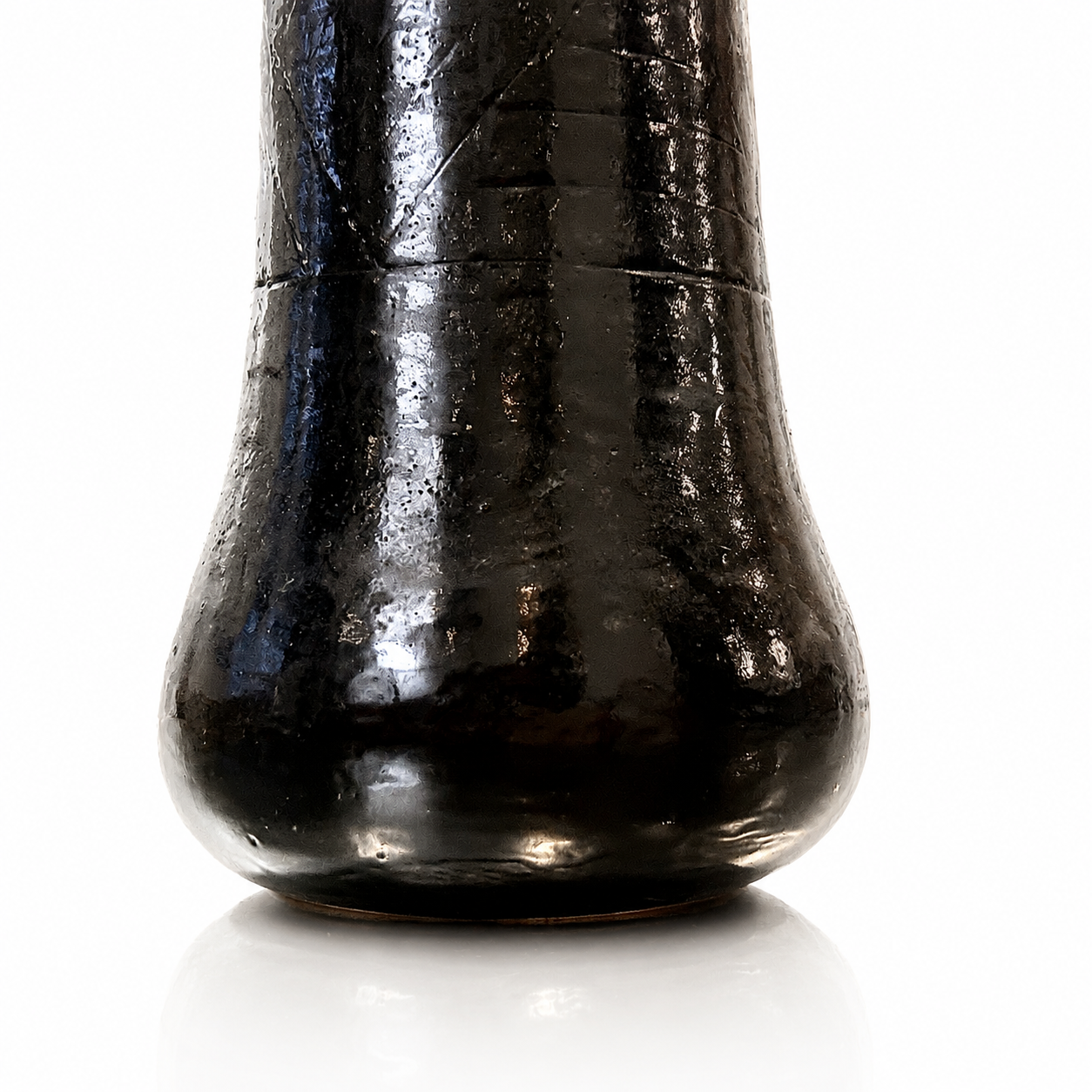 Image 5 of 20
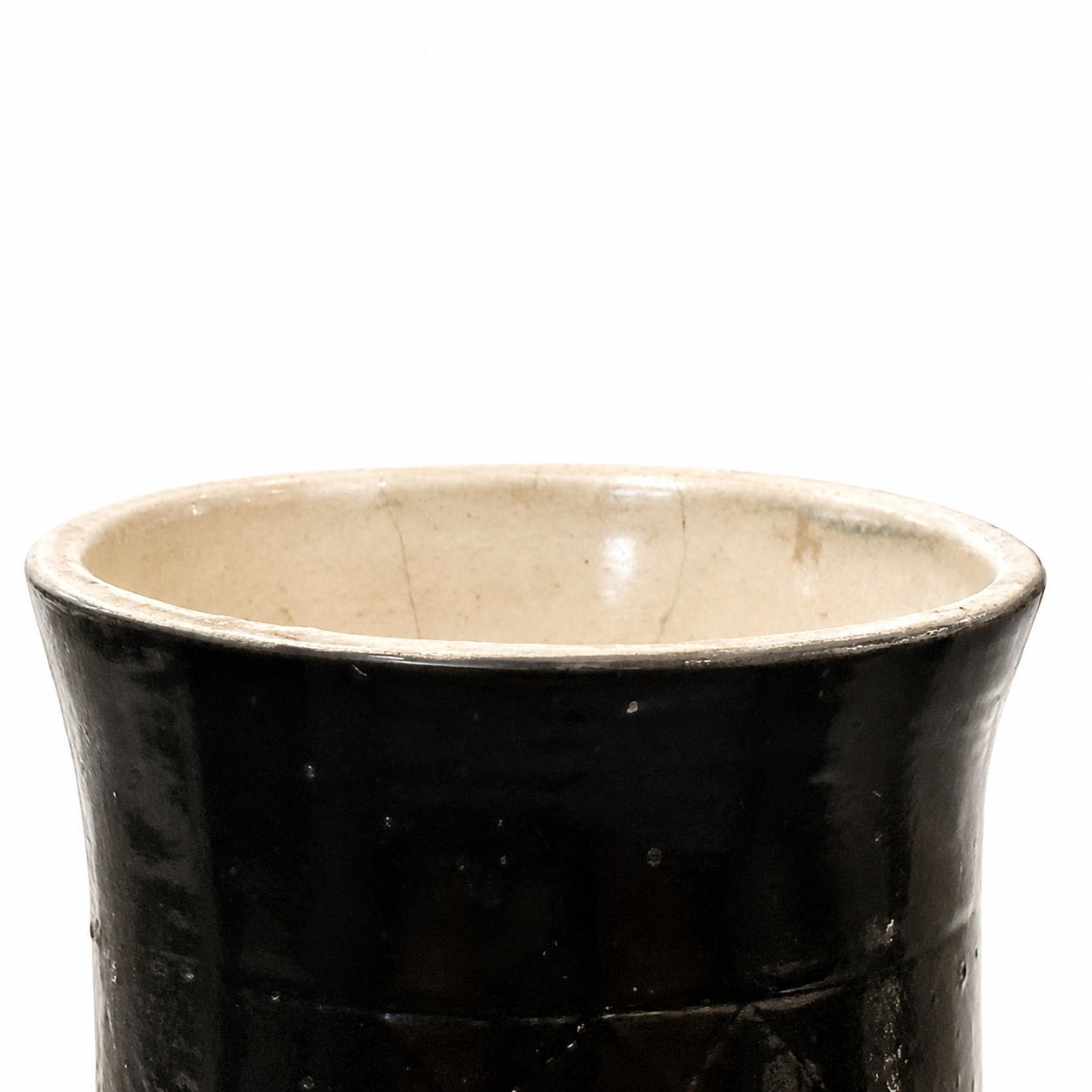 Image 6 of 20
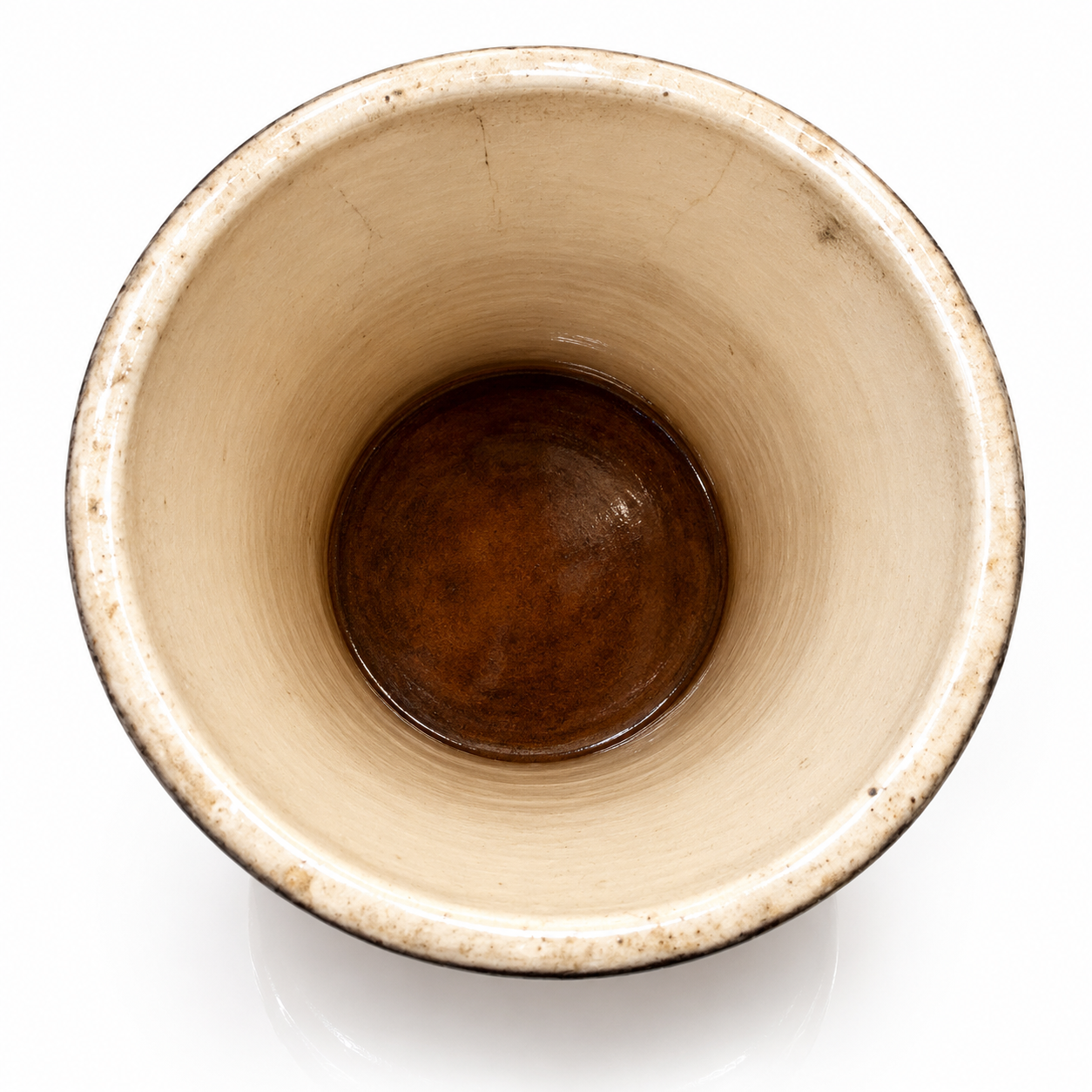 Image 7 of 20
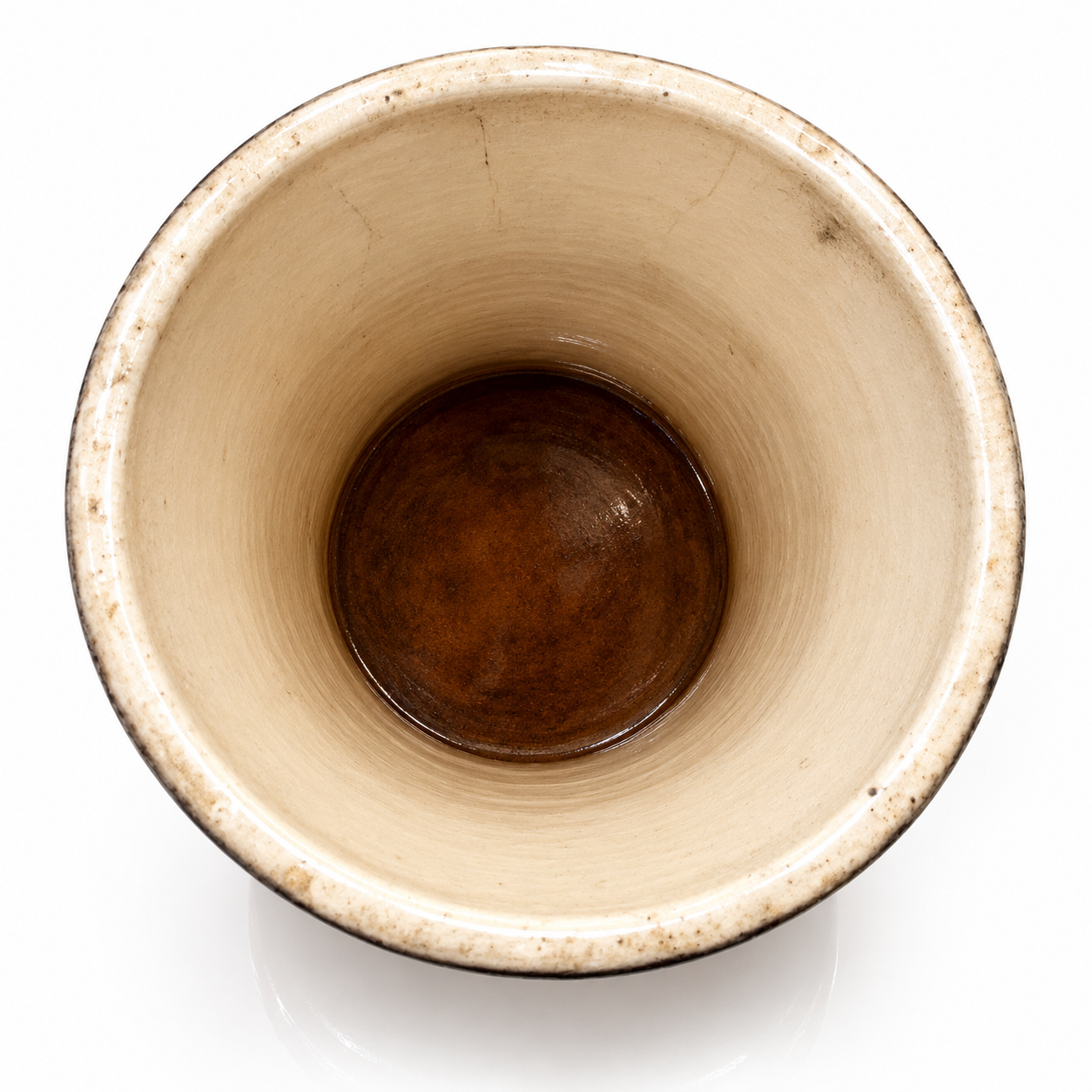 Image 8 of 20
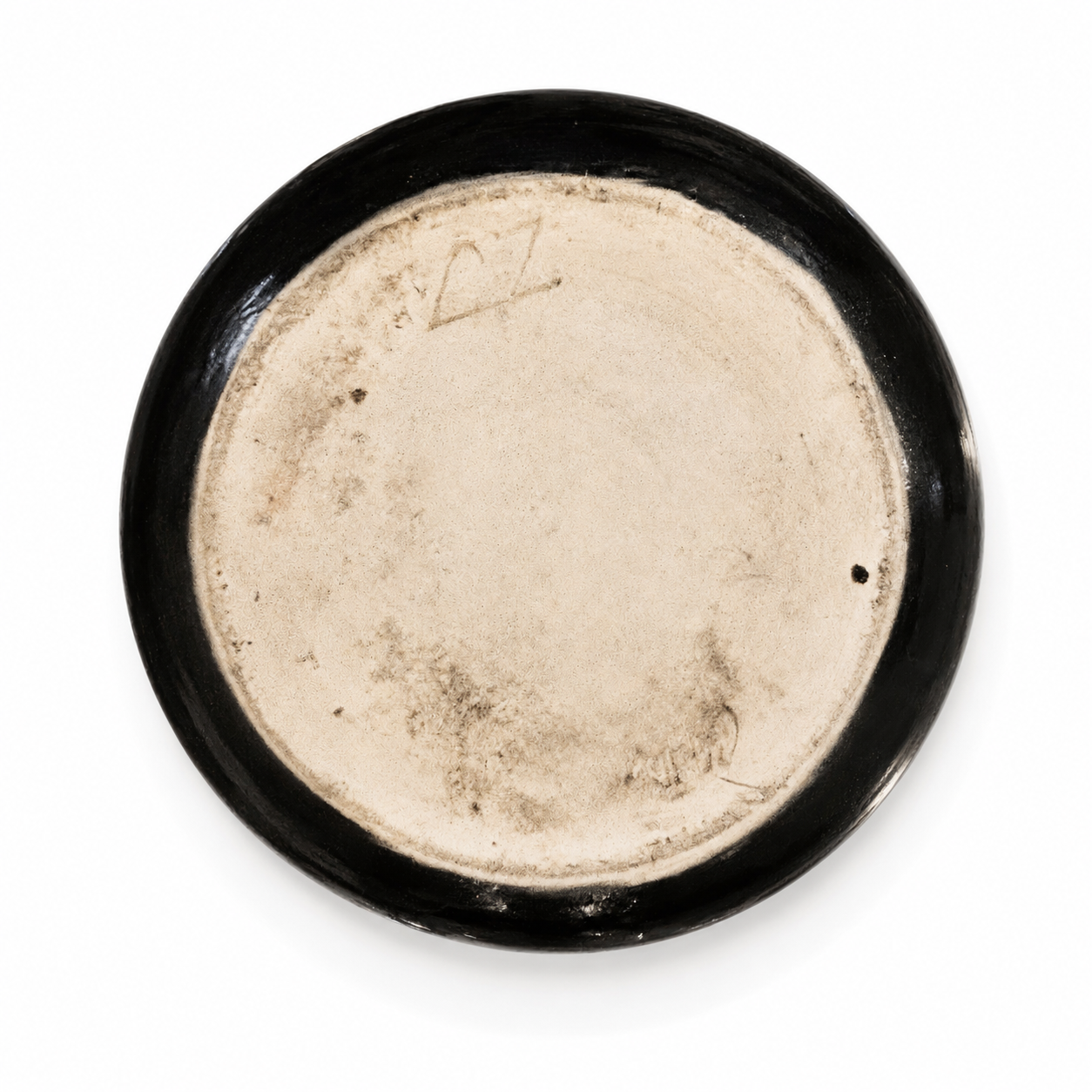 Image 9 of 20
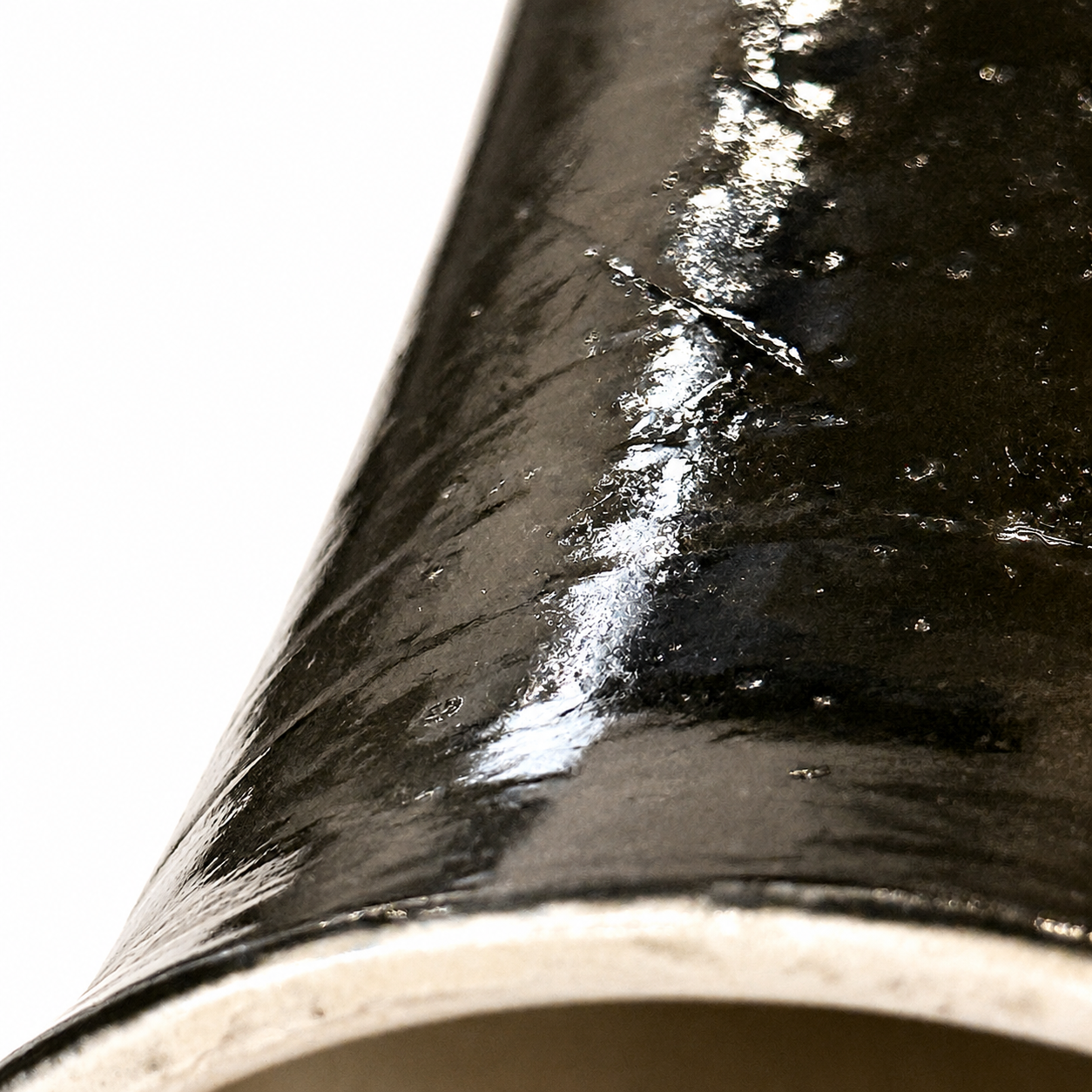 Image 10 of 20
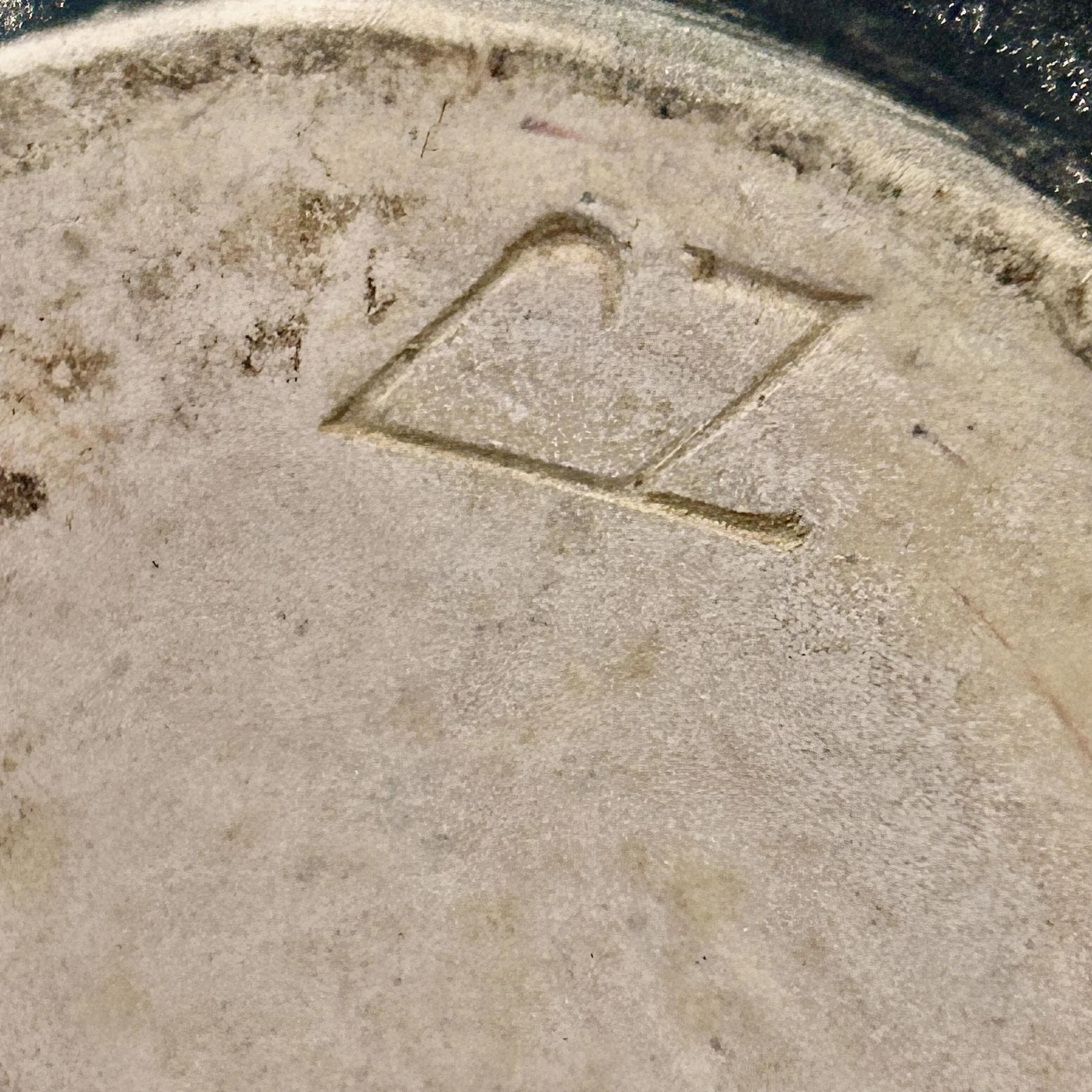 Image 11 of 20
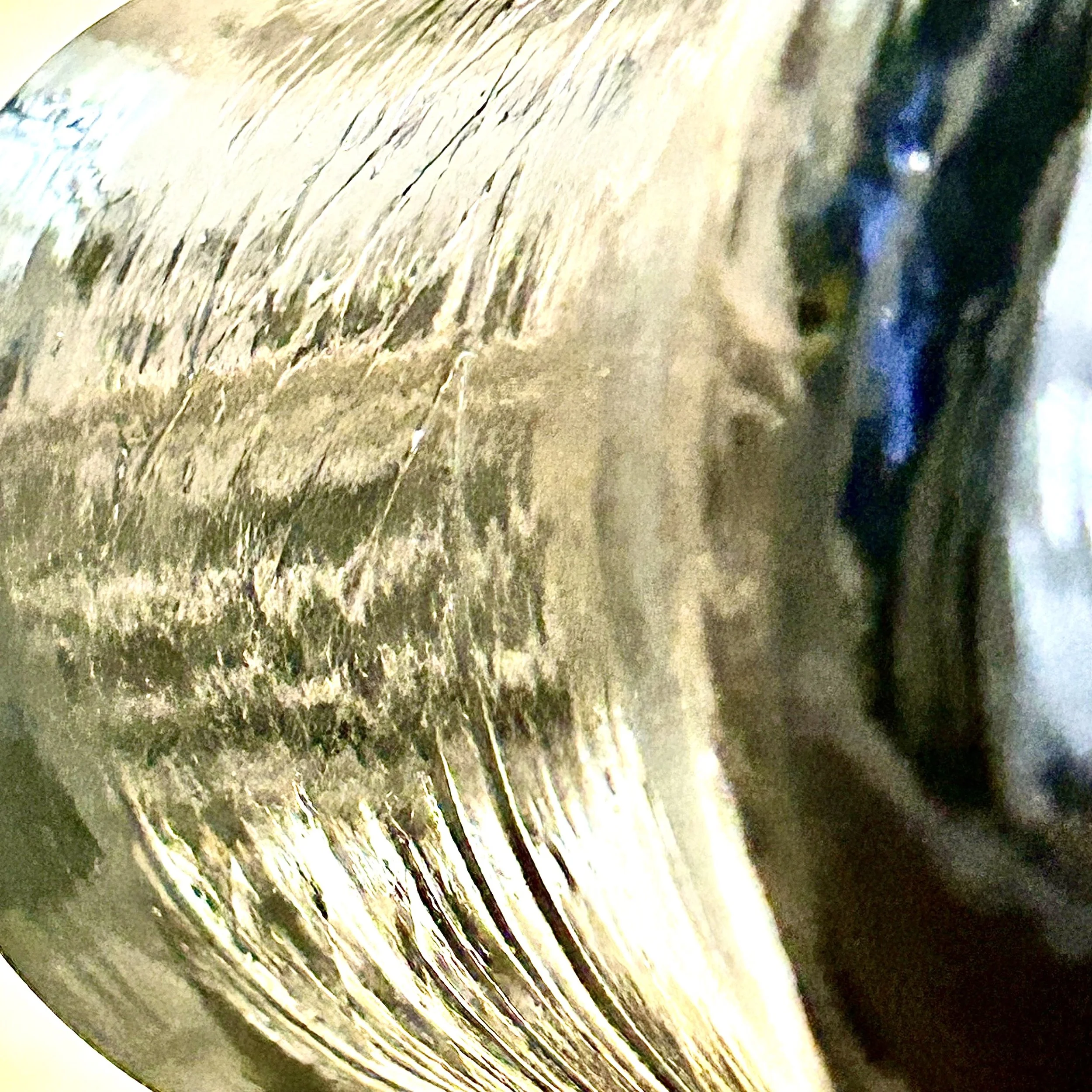 Image 12 of 20
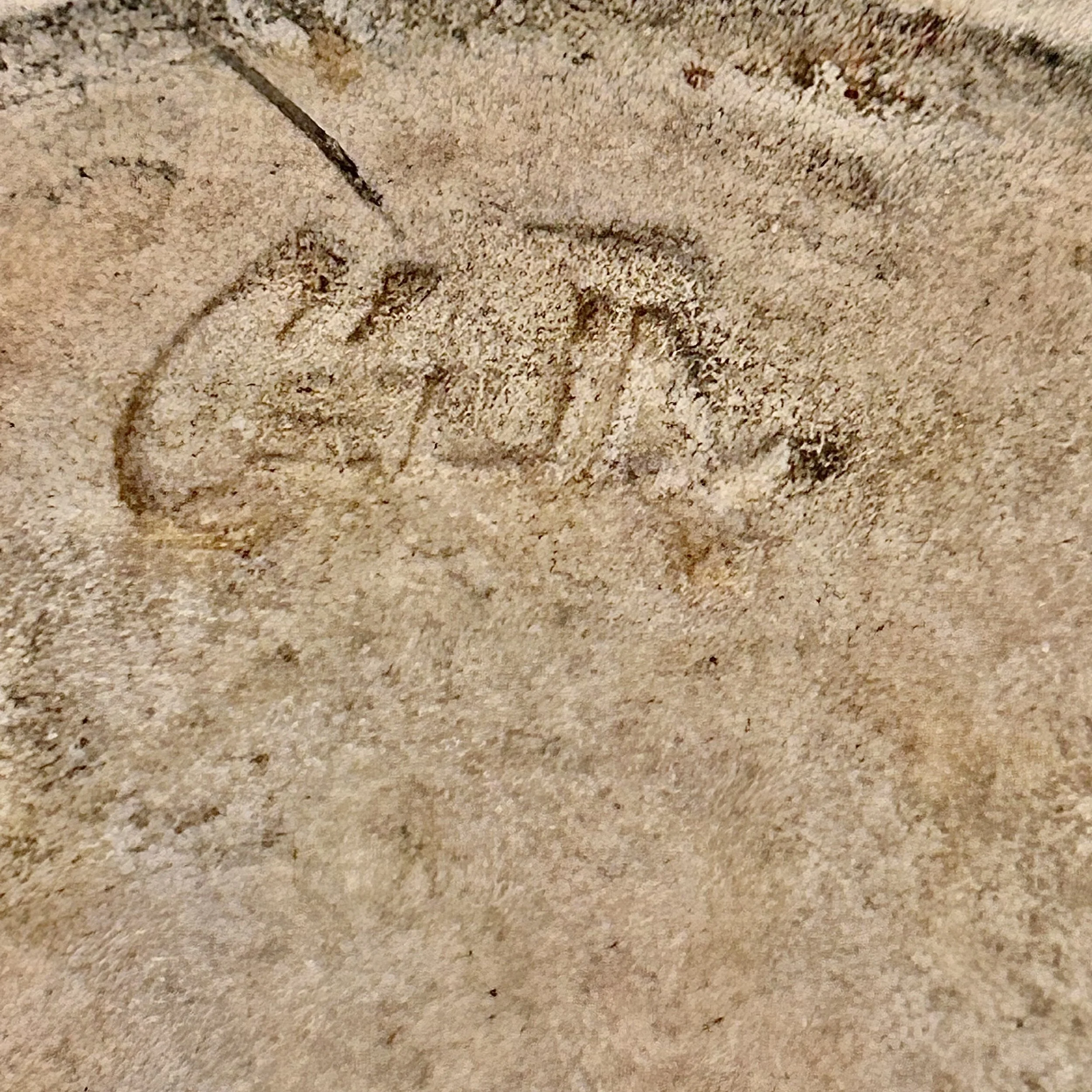 Image 13 of 20
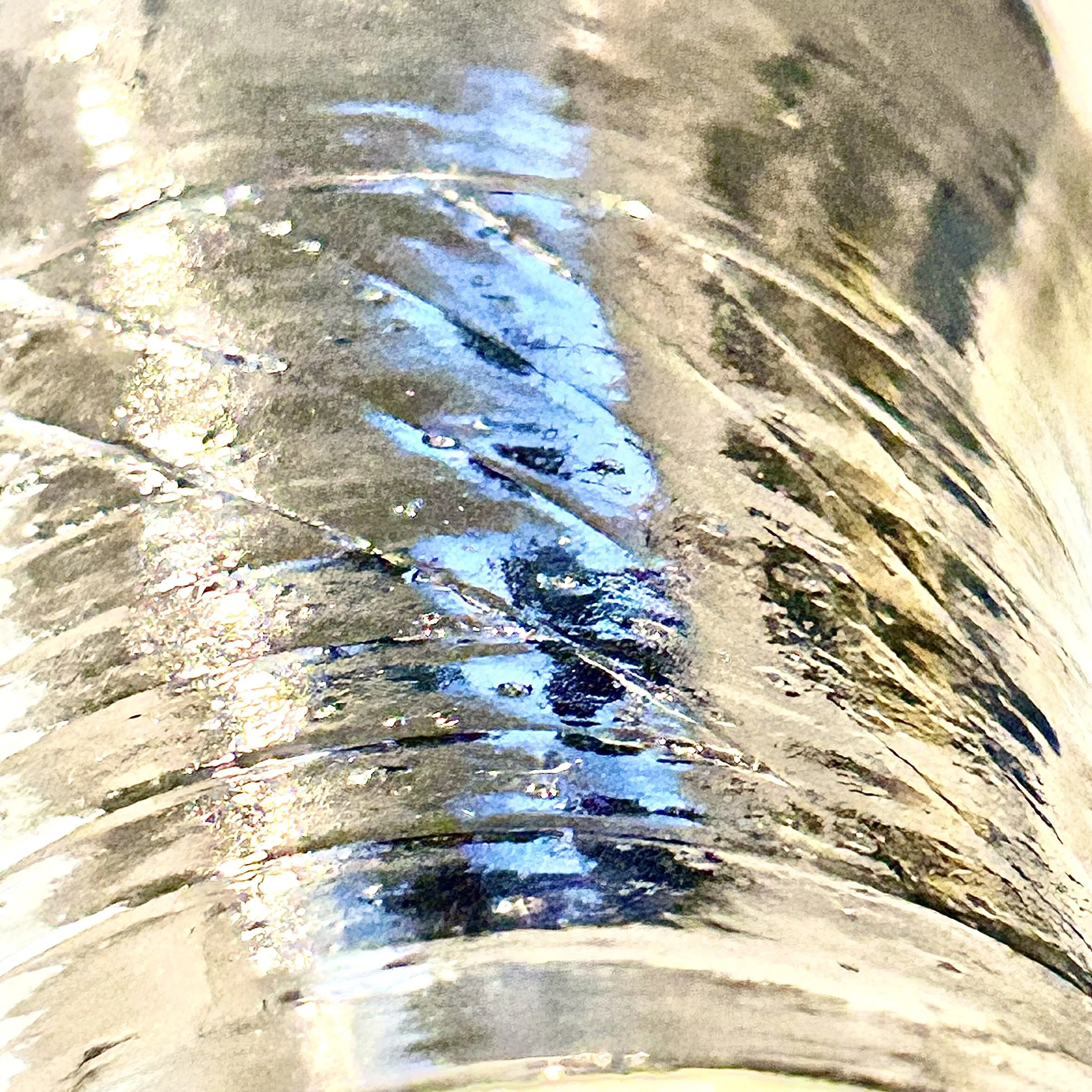 Image 14 of 20
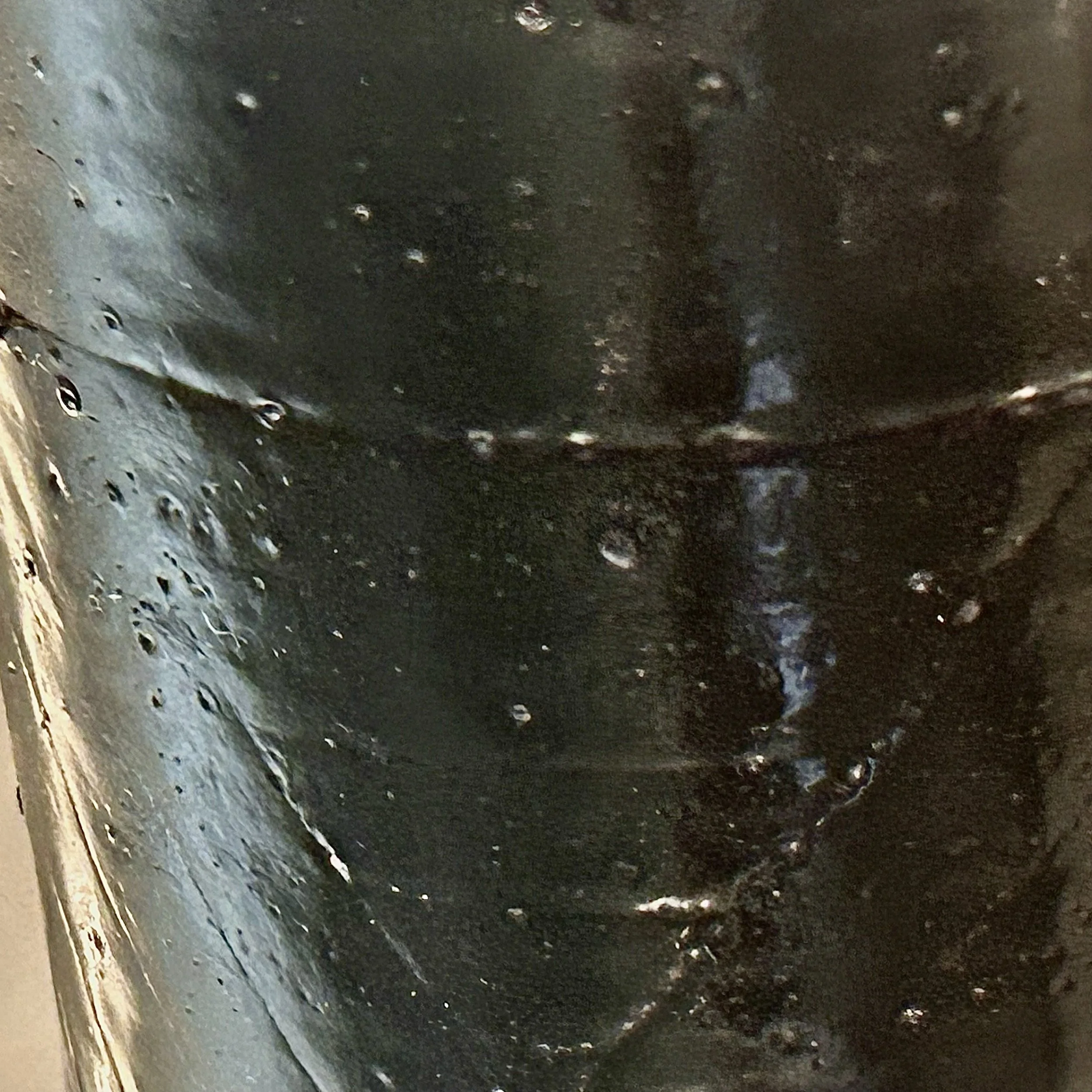 Image 15 of 20
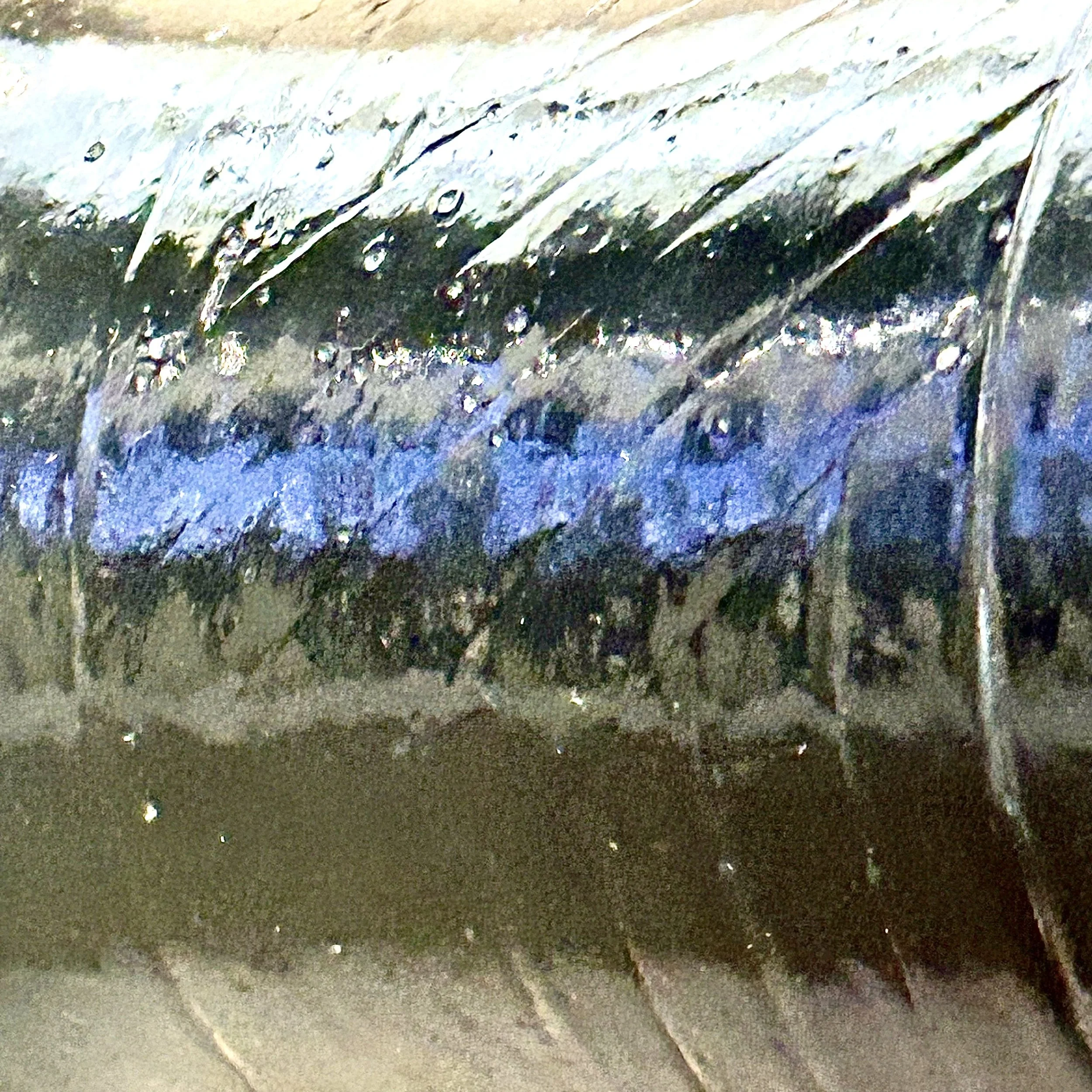 Image 16 of 20
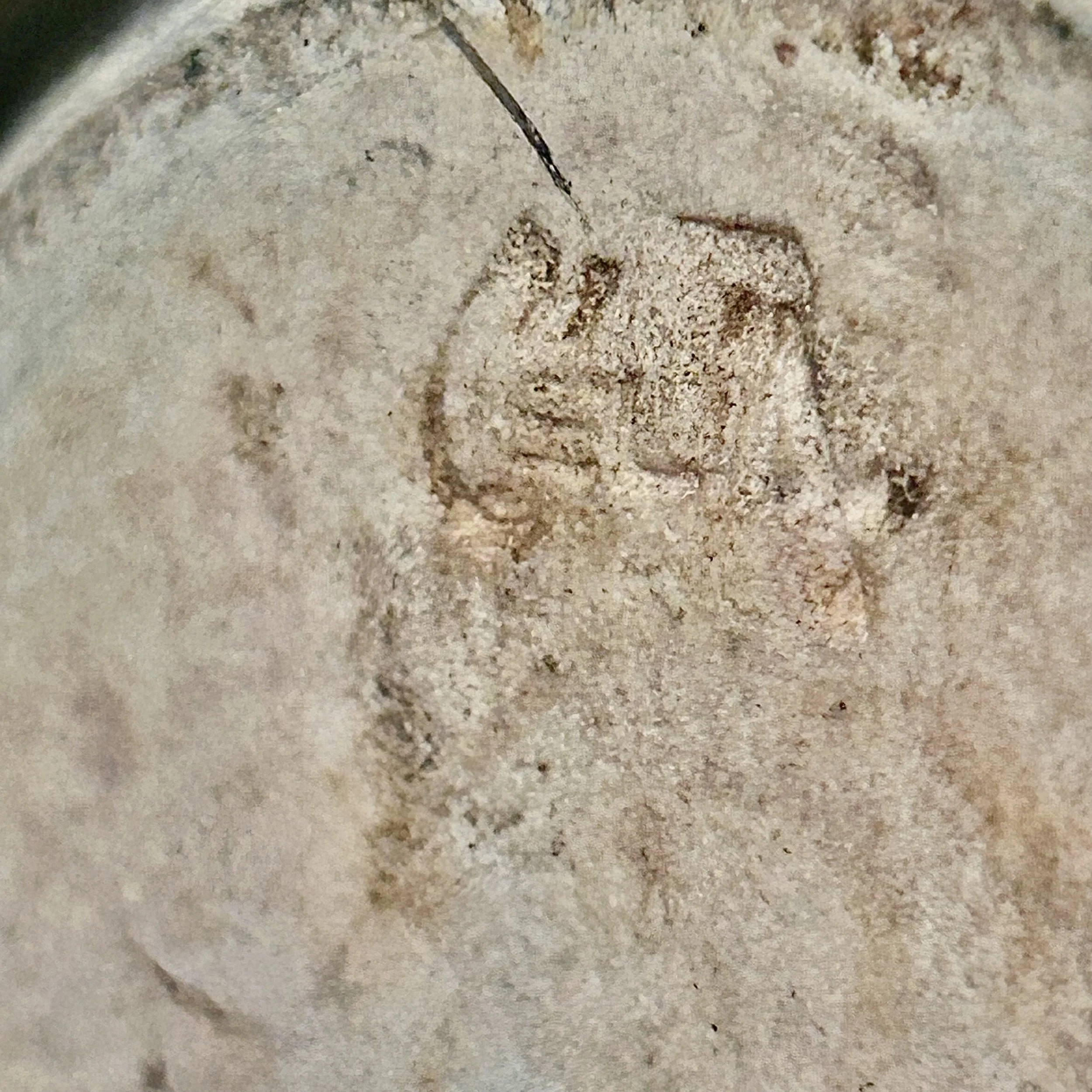 Image 17 of 20
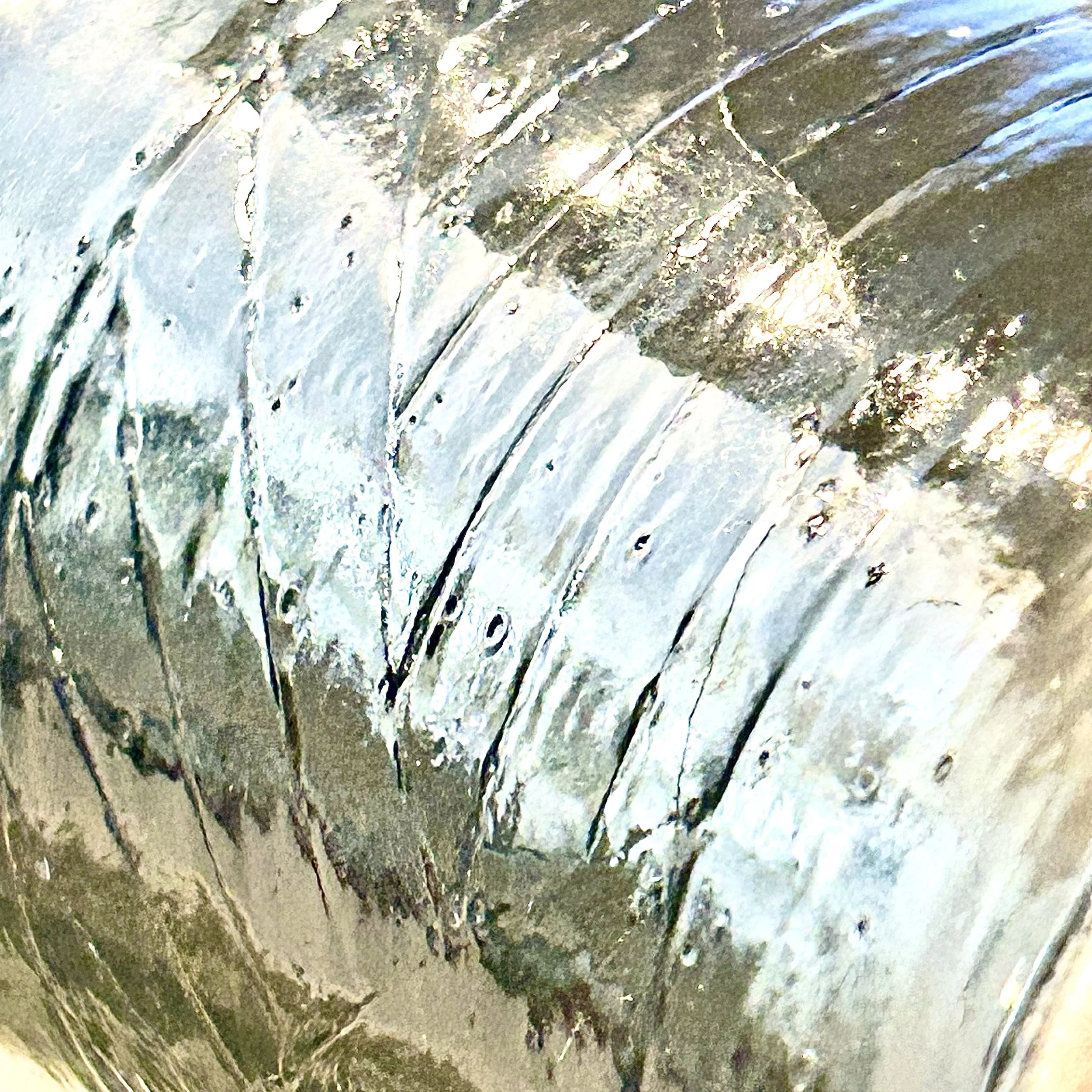 Image 18 of 20
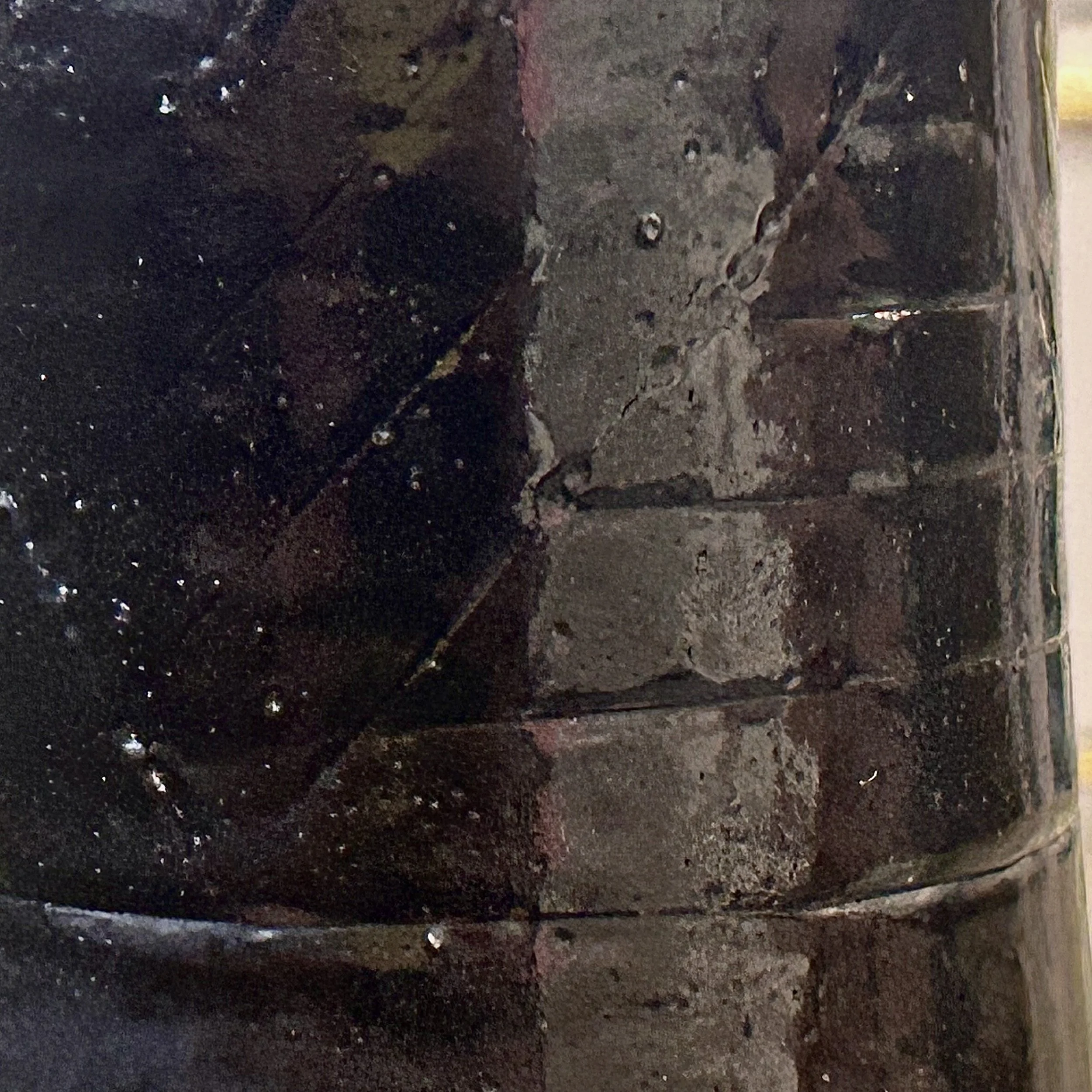 Image 19 of 20
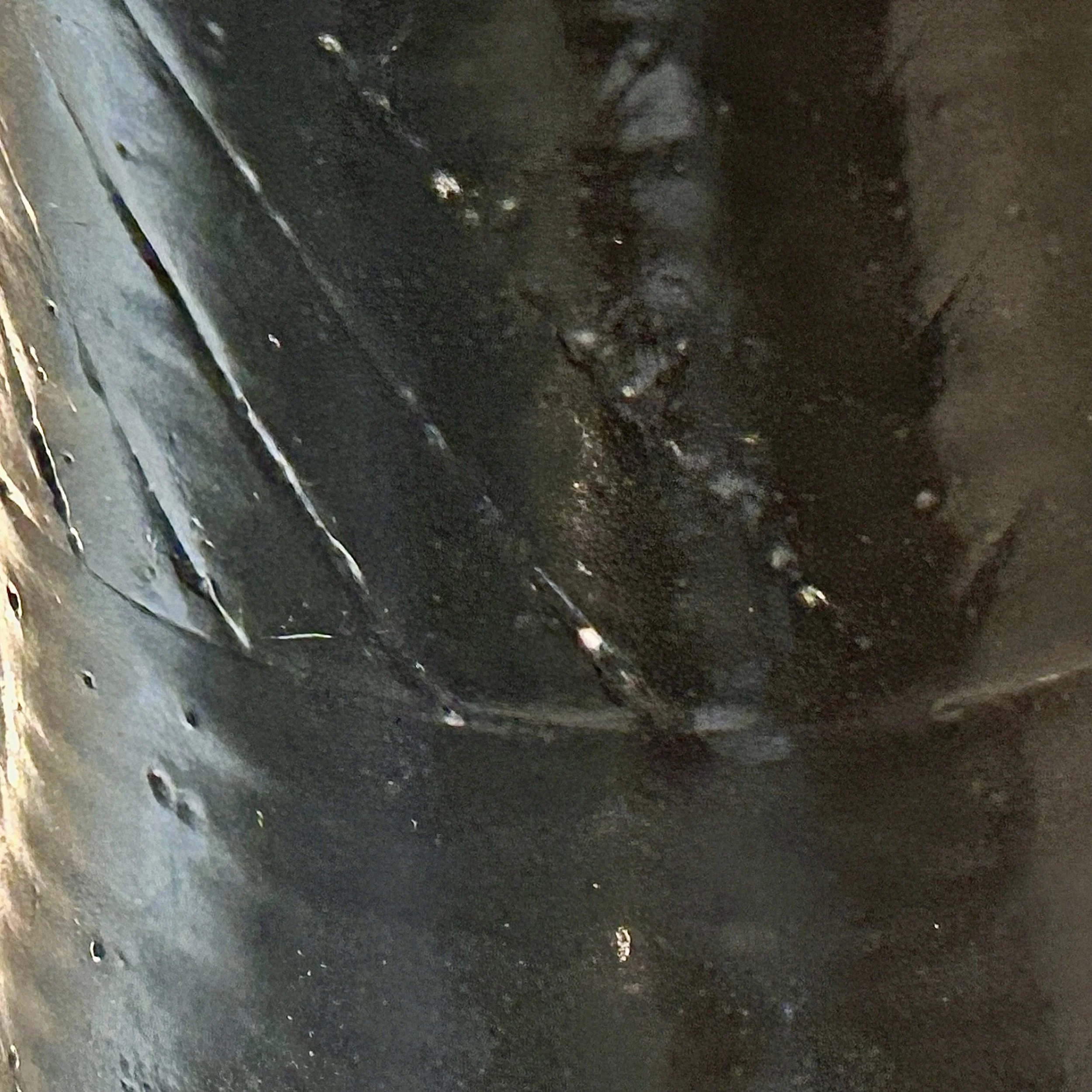 Image 20 of 20