Cobalt Pressed Glass Footed Compote, Neoclassical Pattern

US$325.00
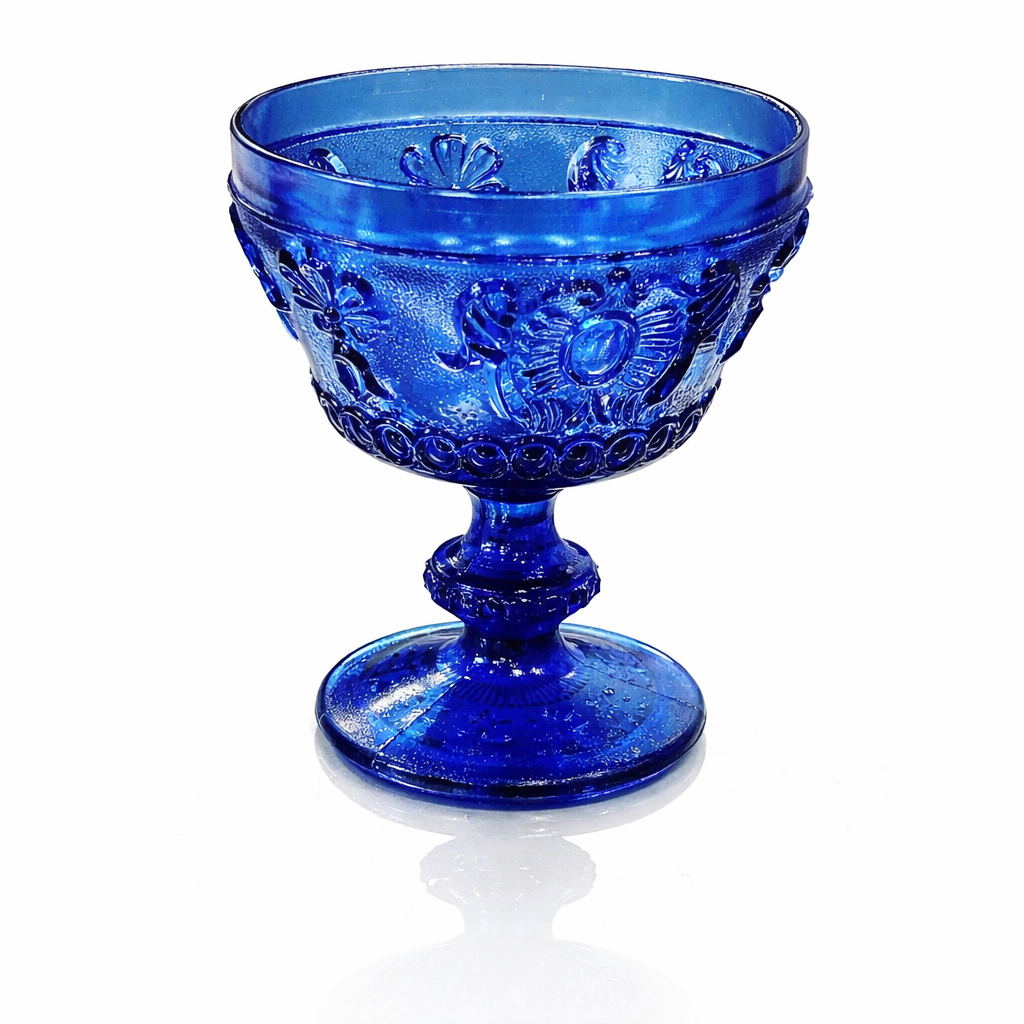
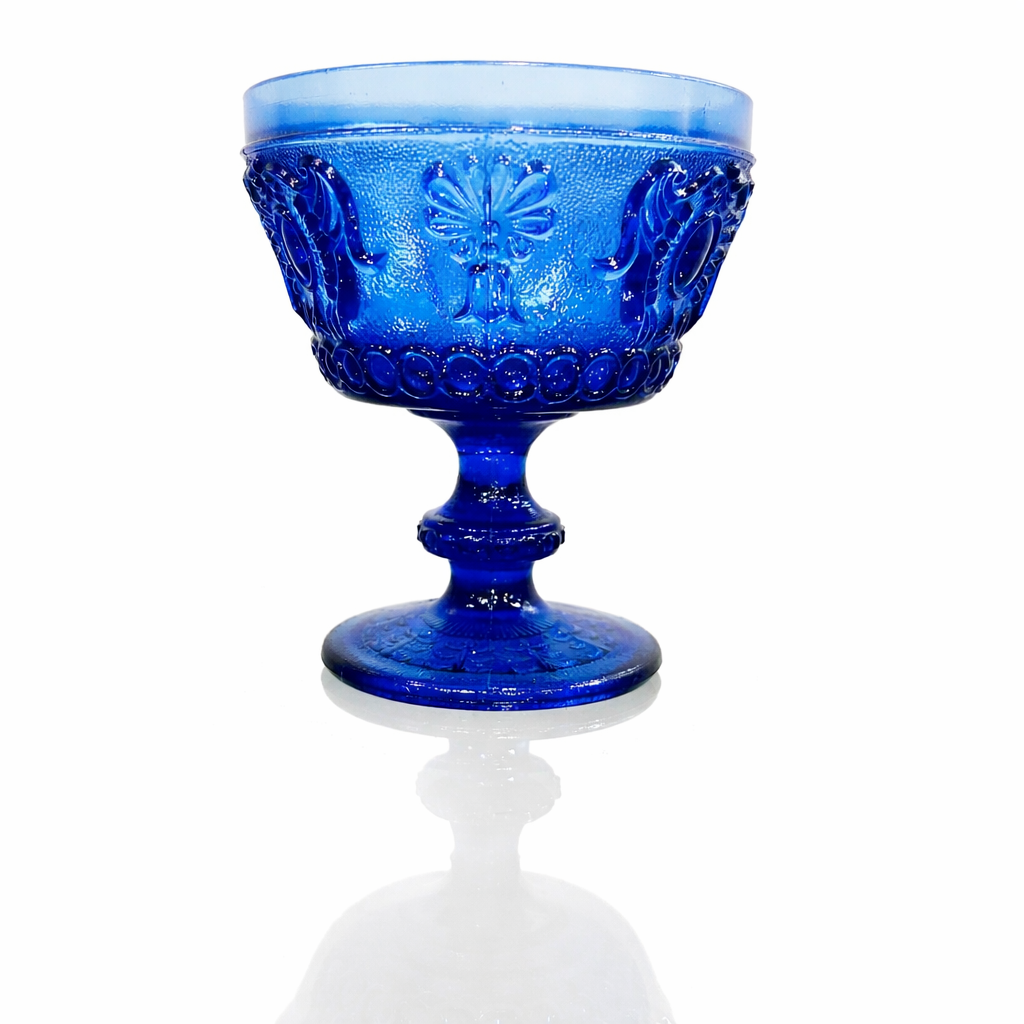
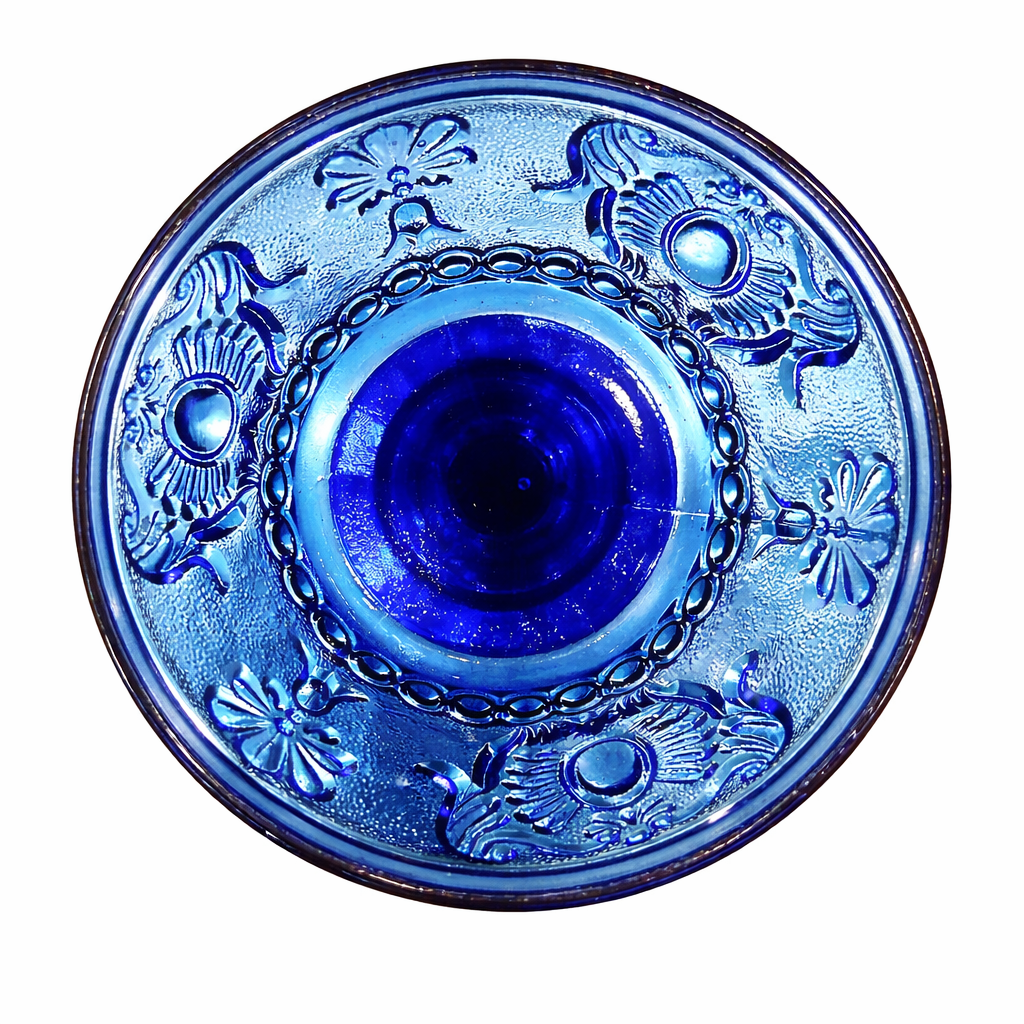
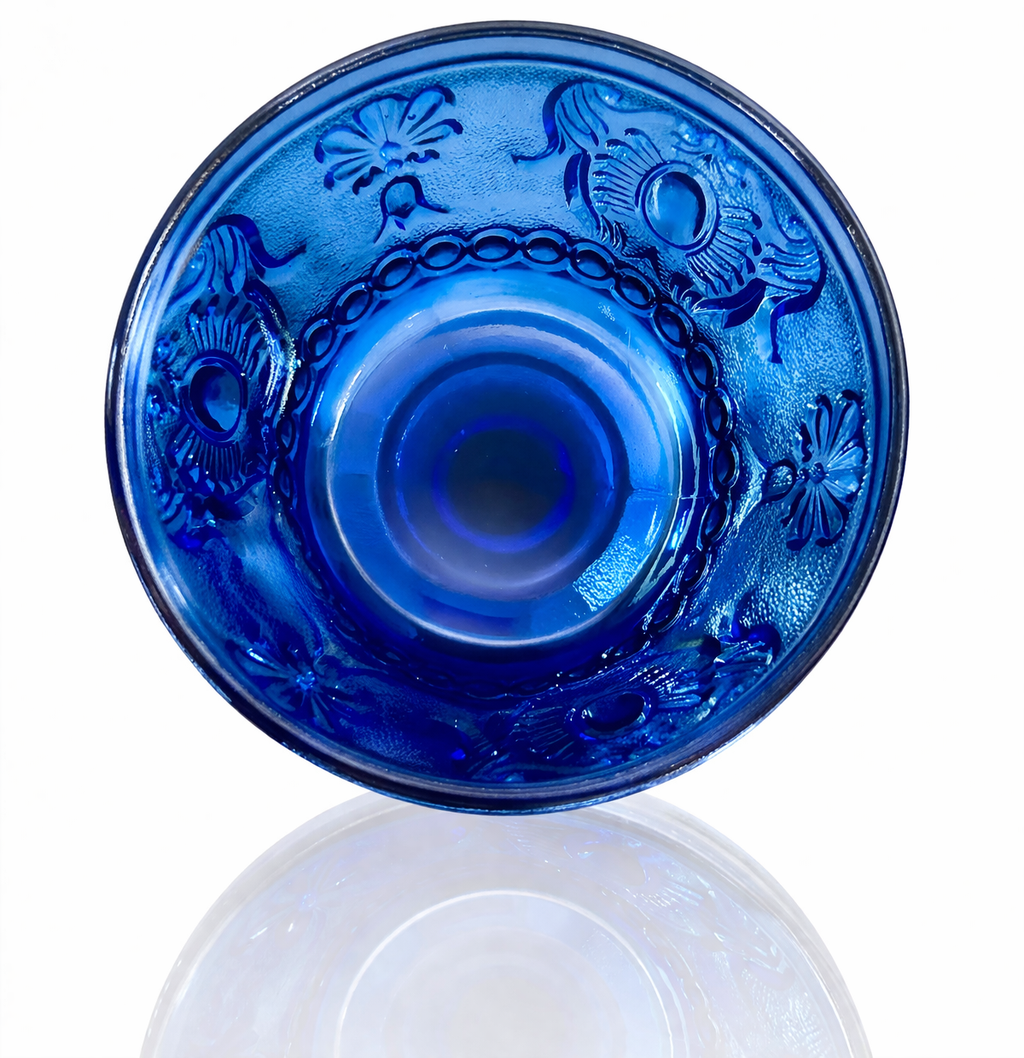
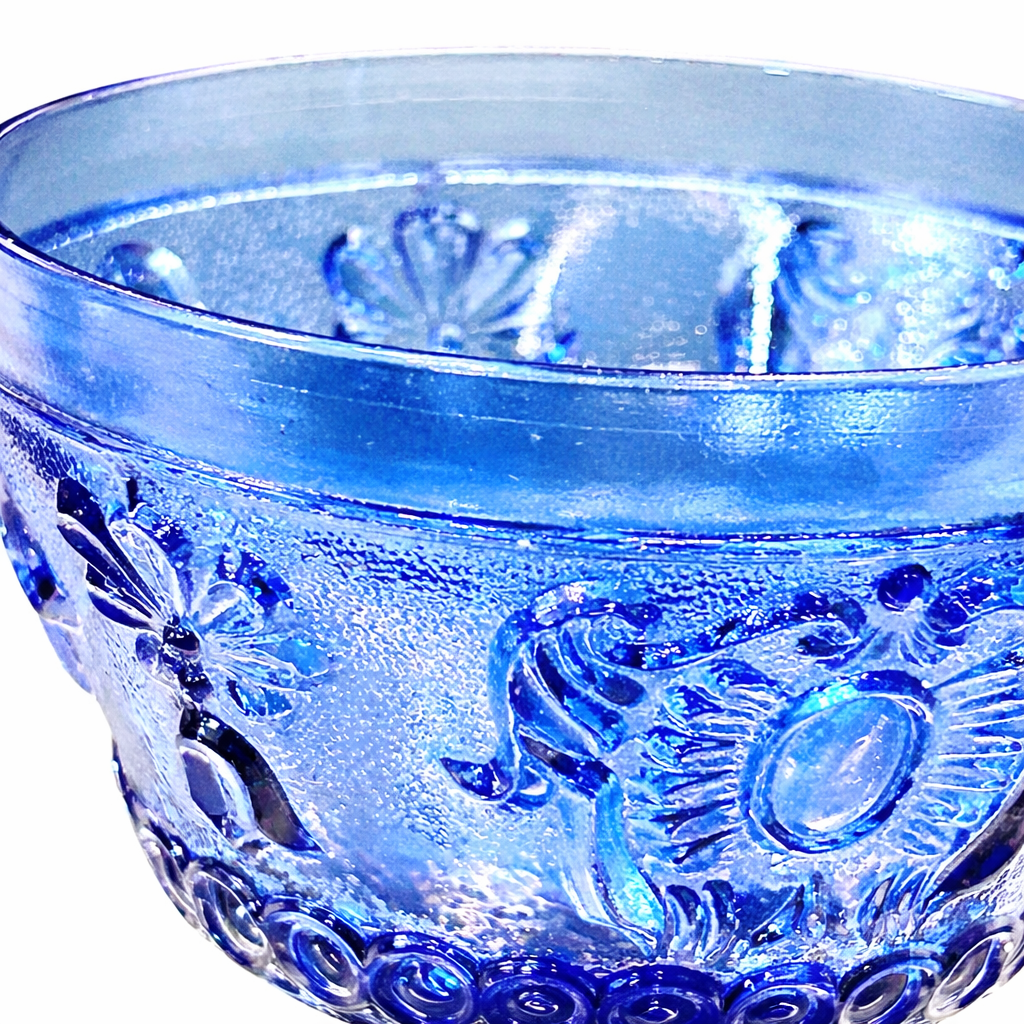
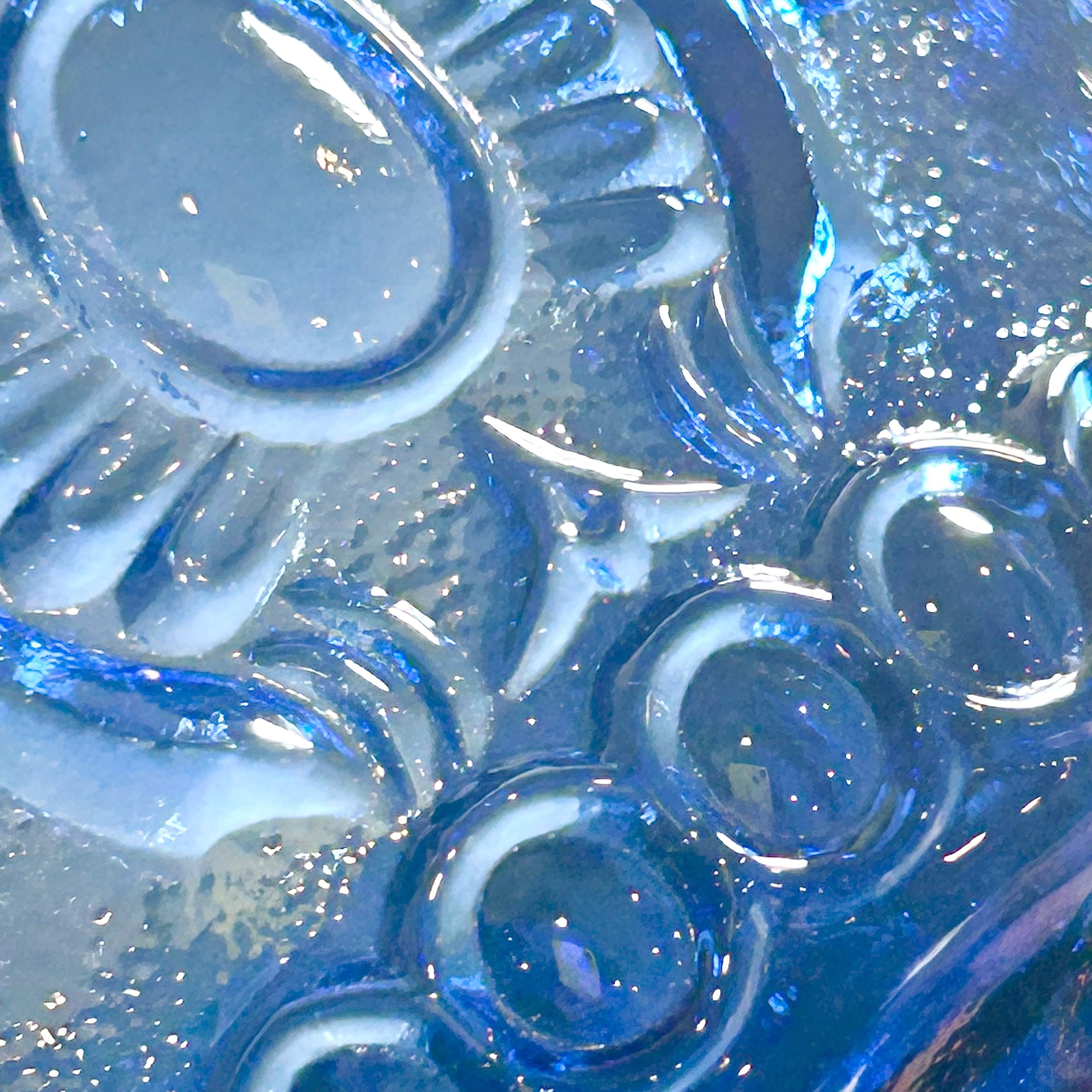
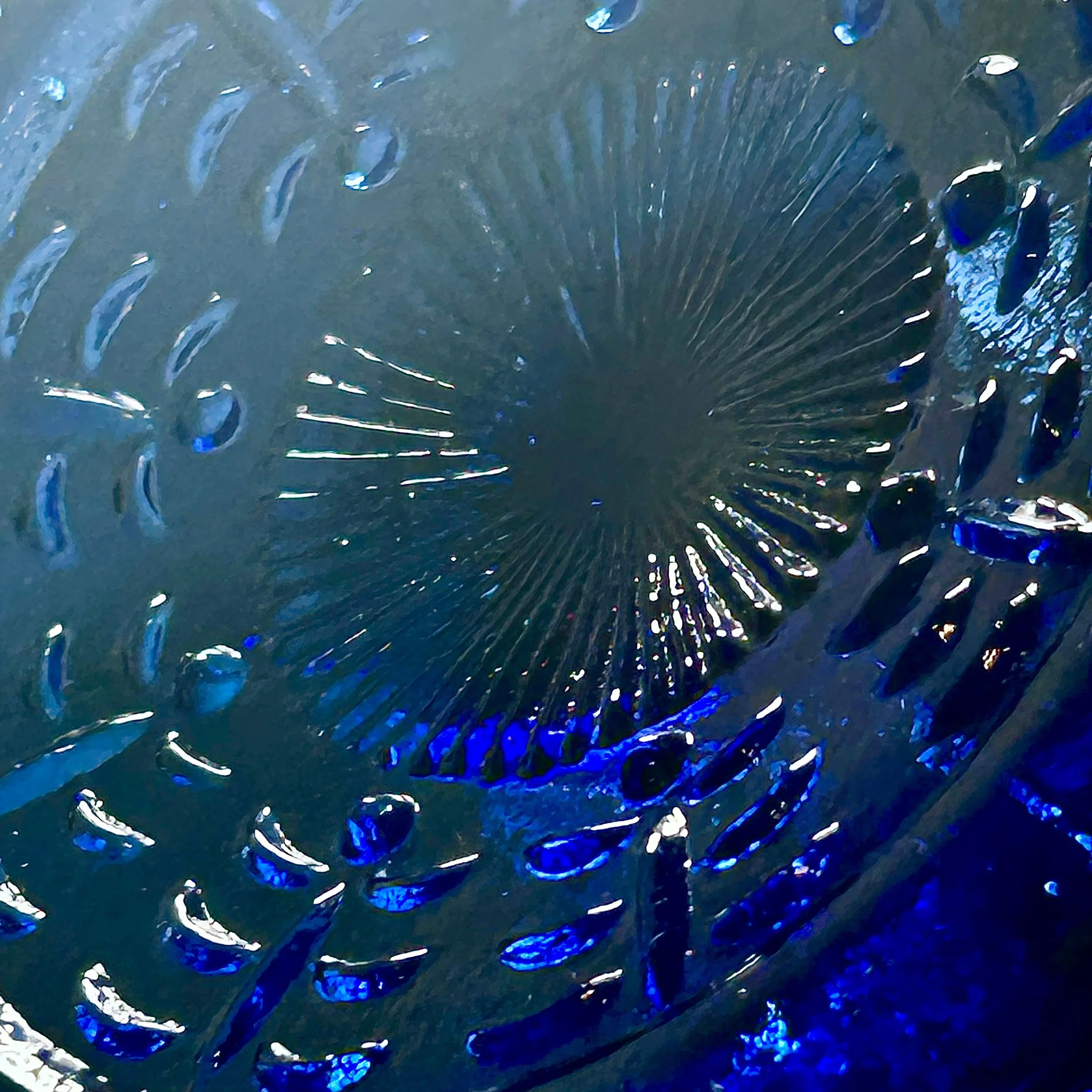
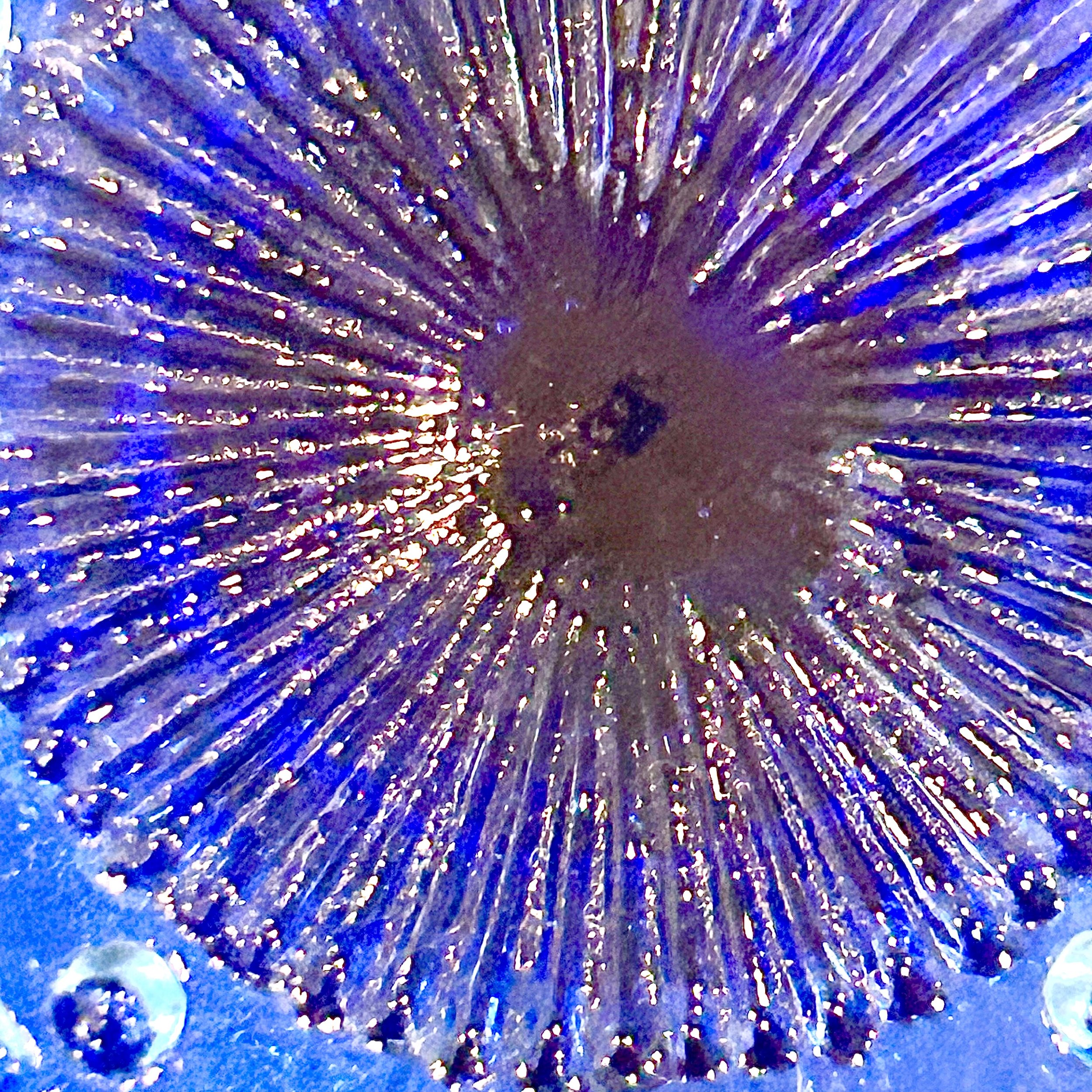
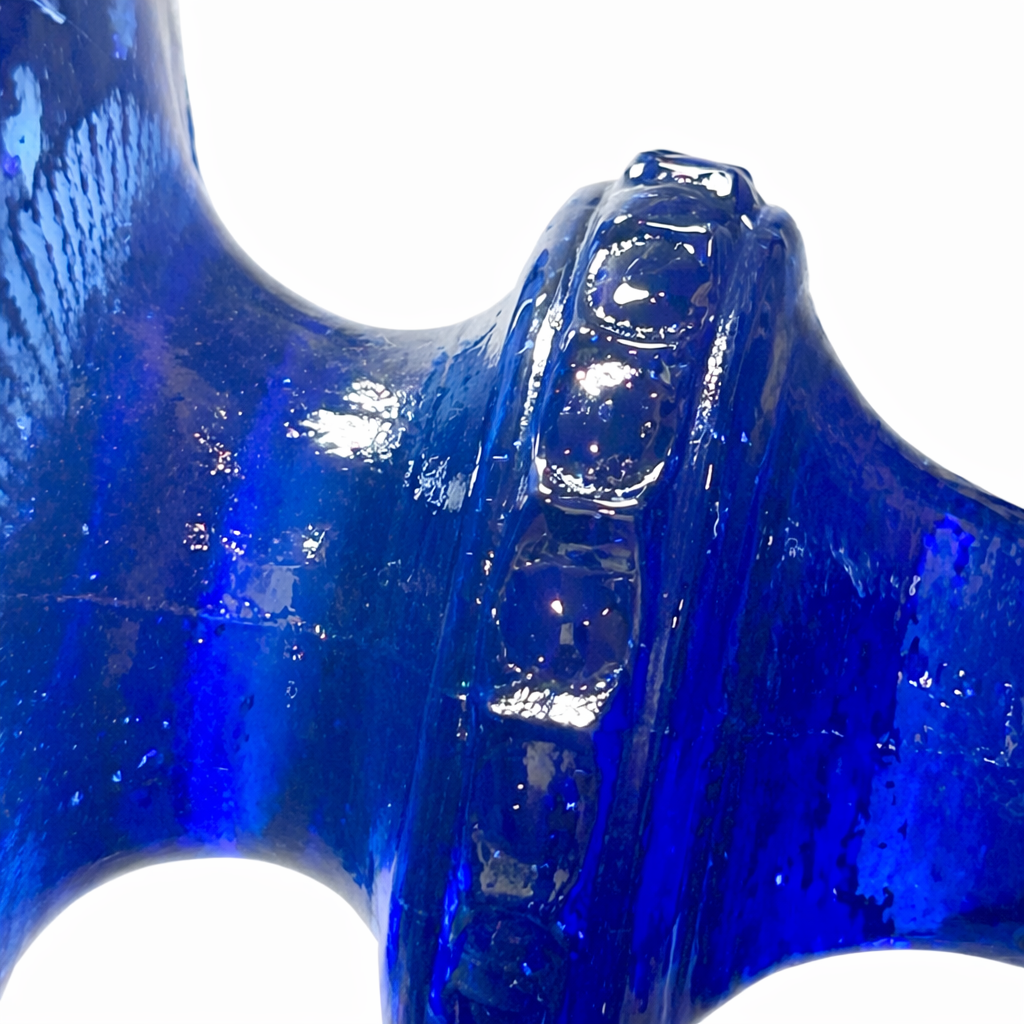
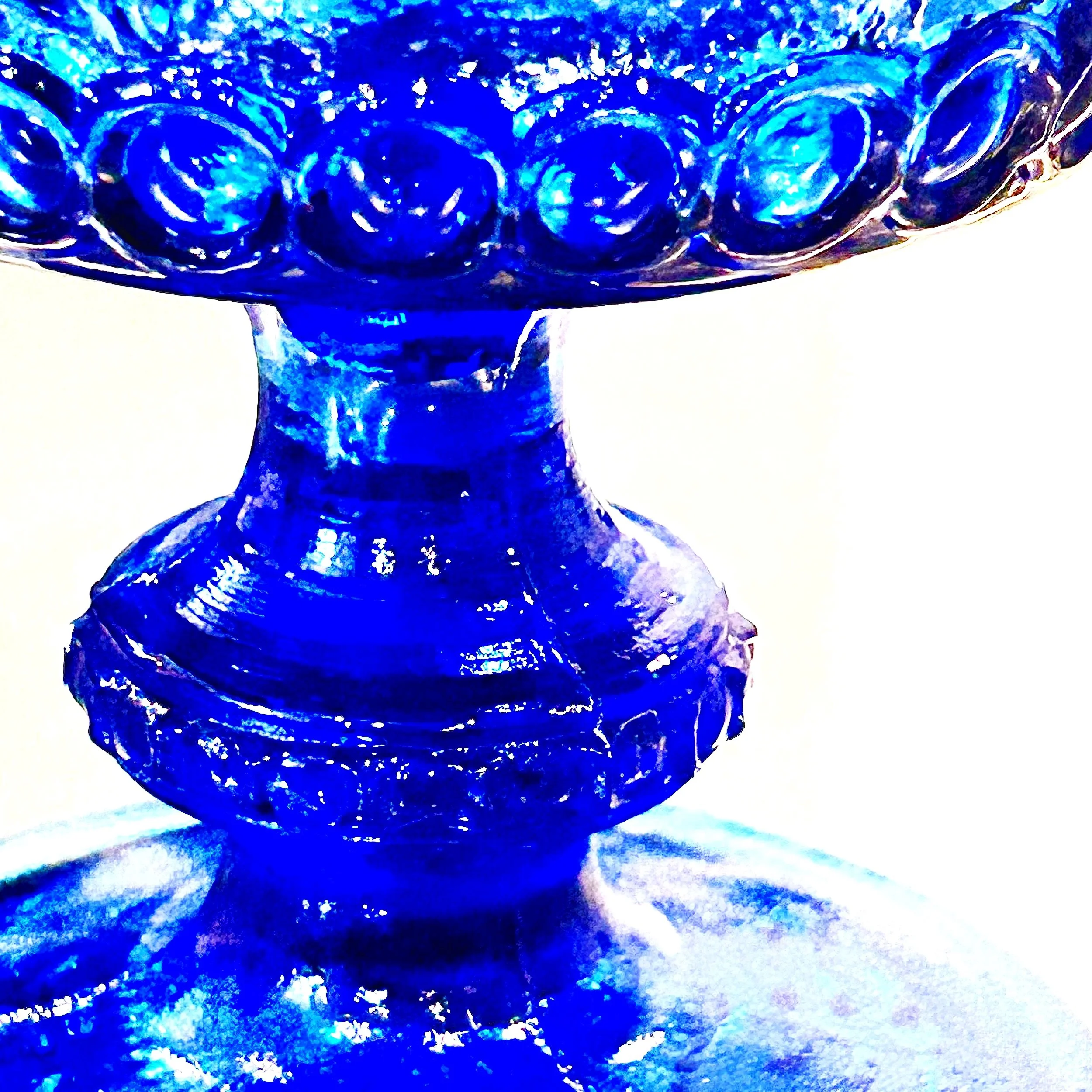
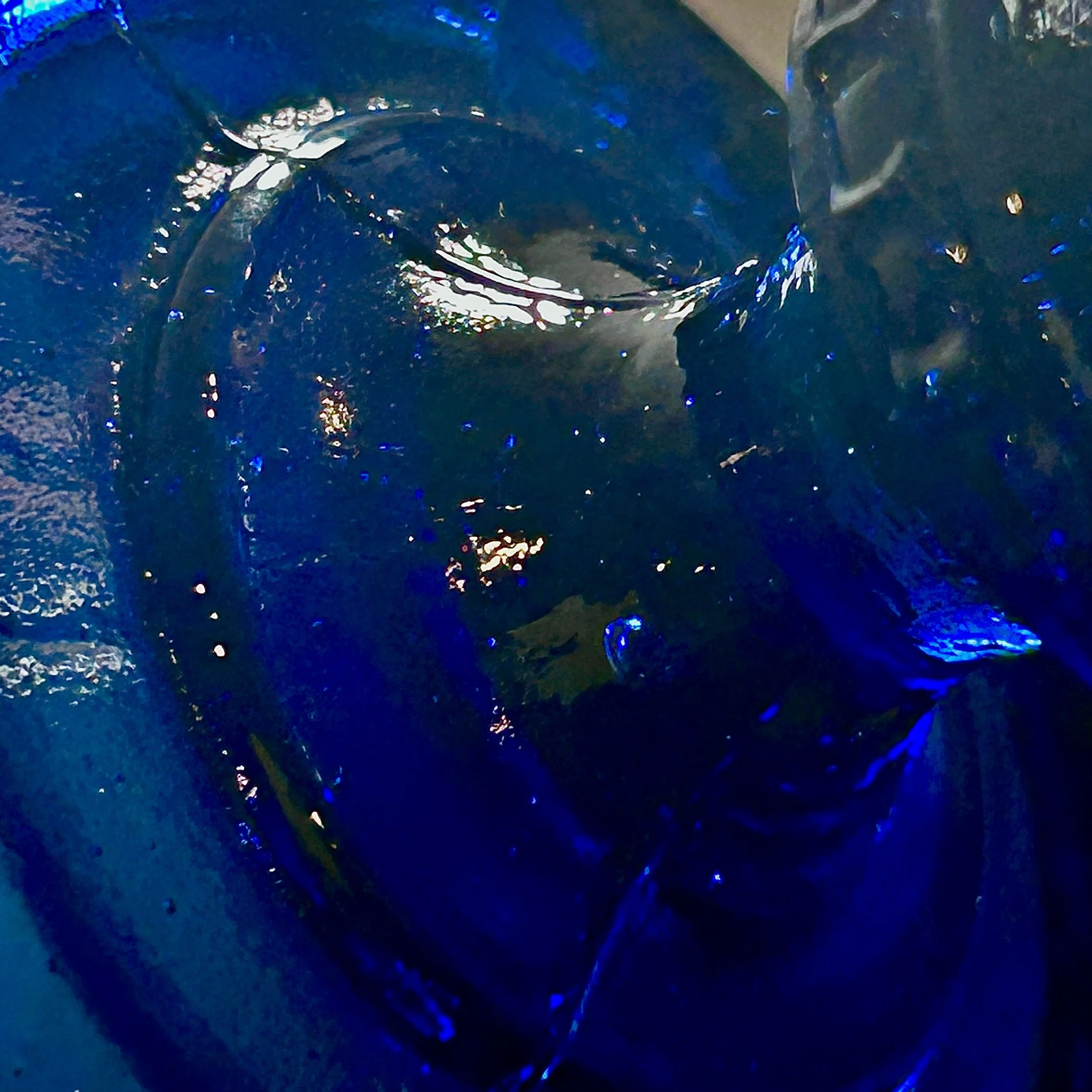
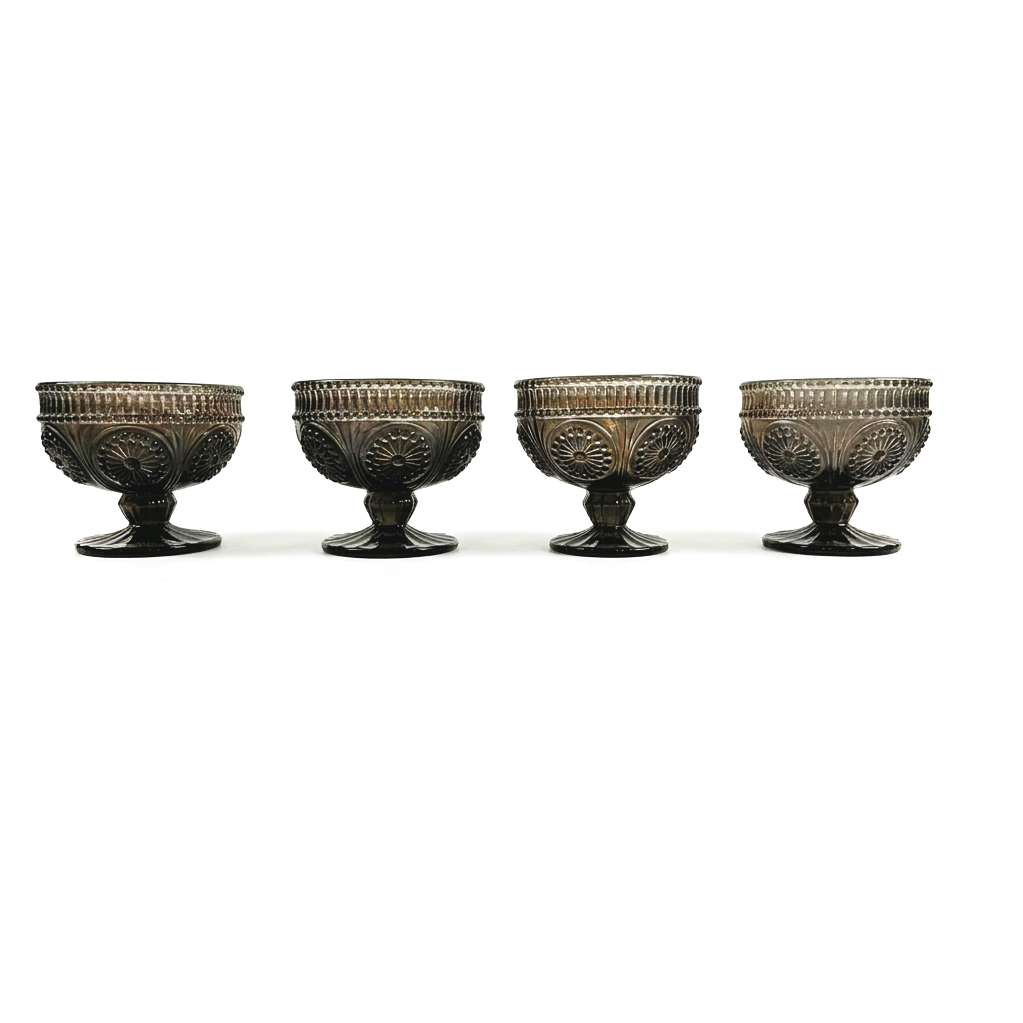
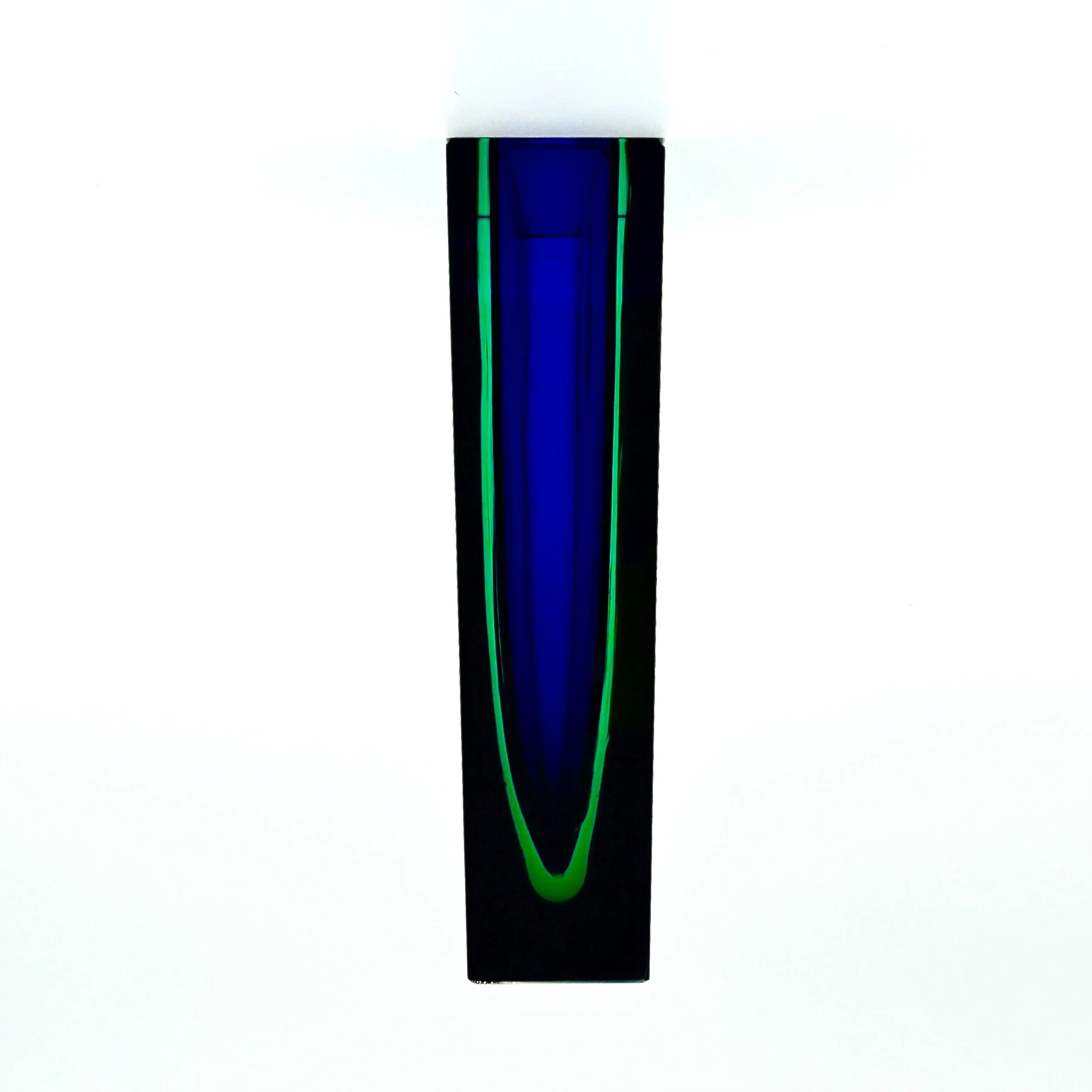
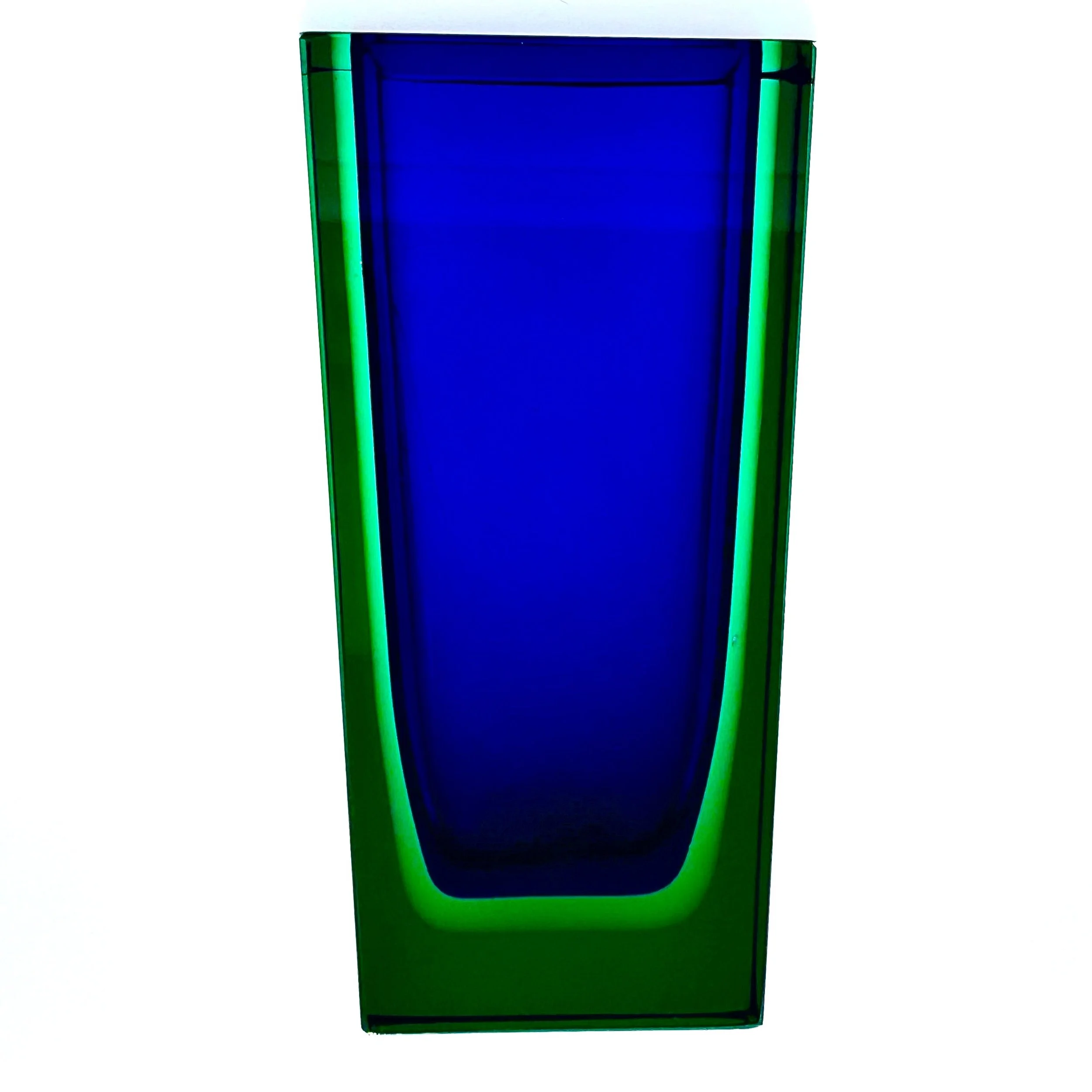
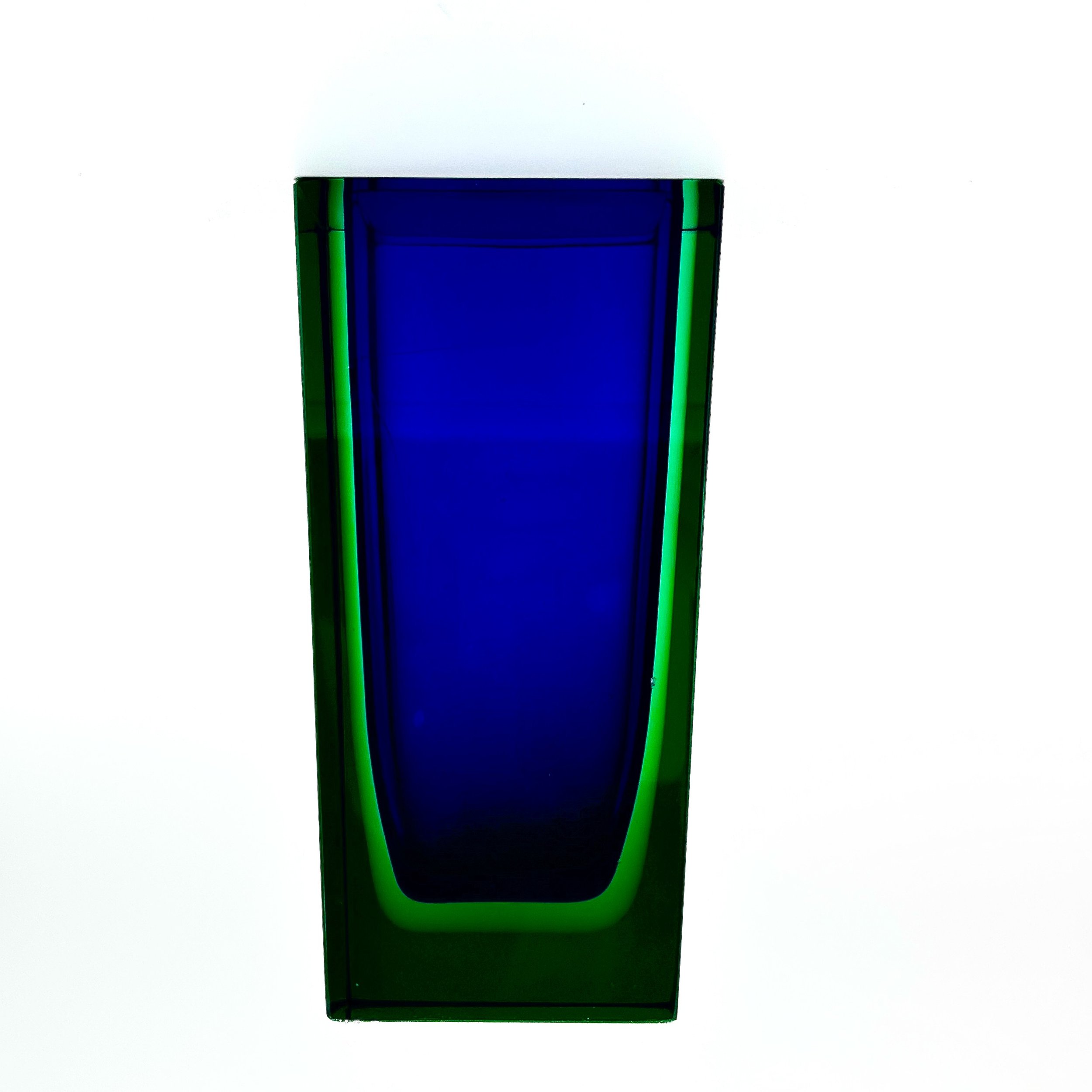
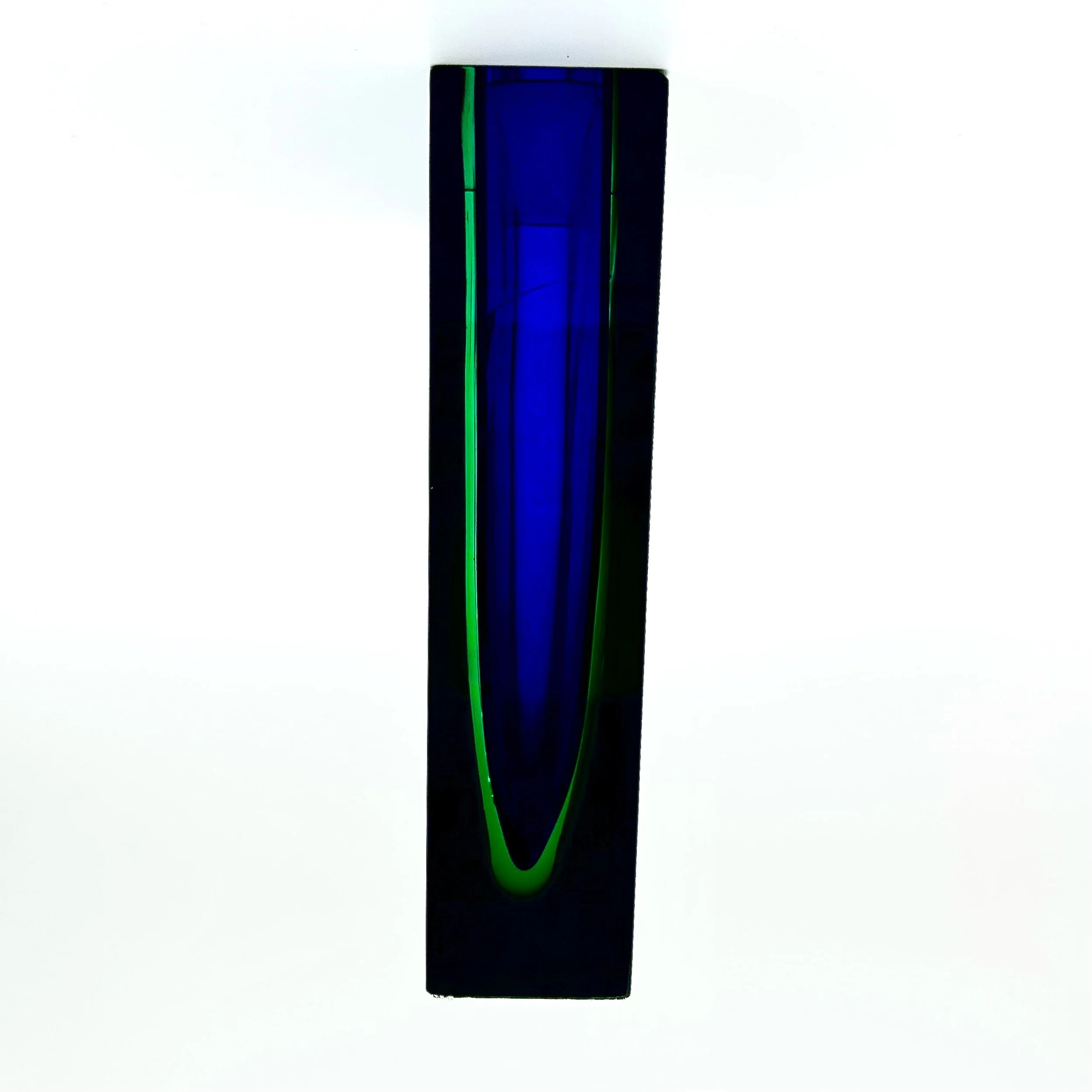
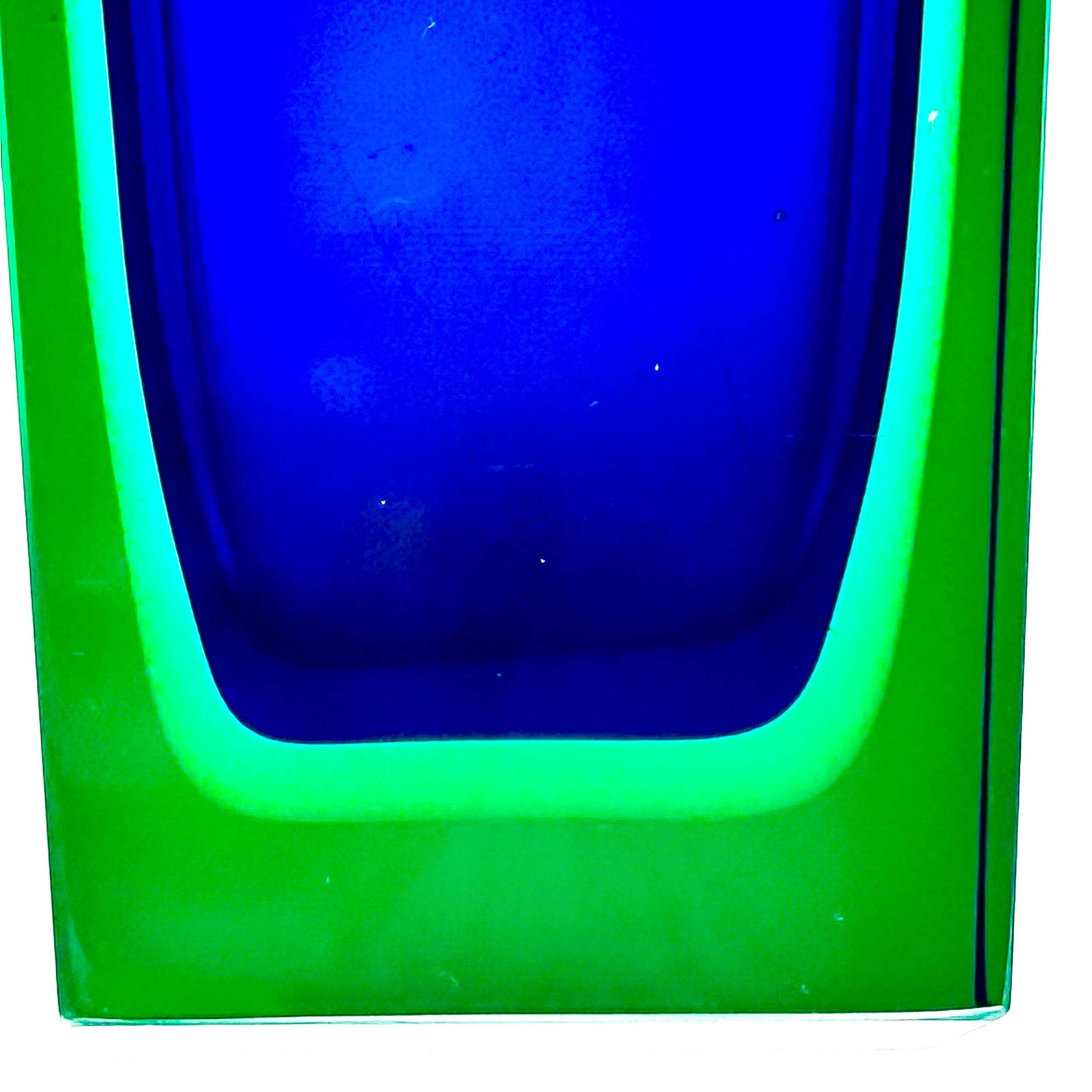
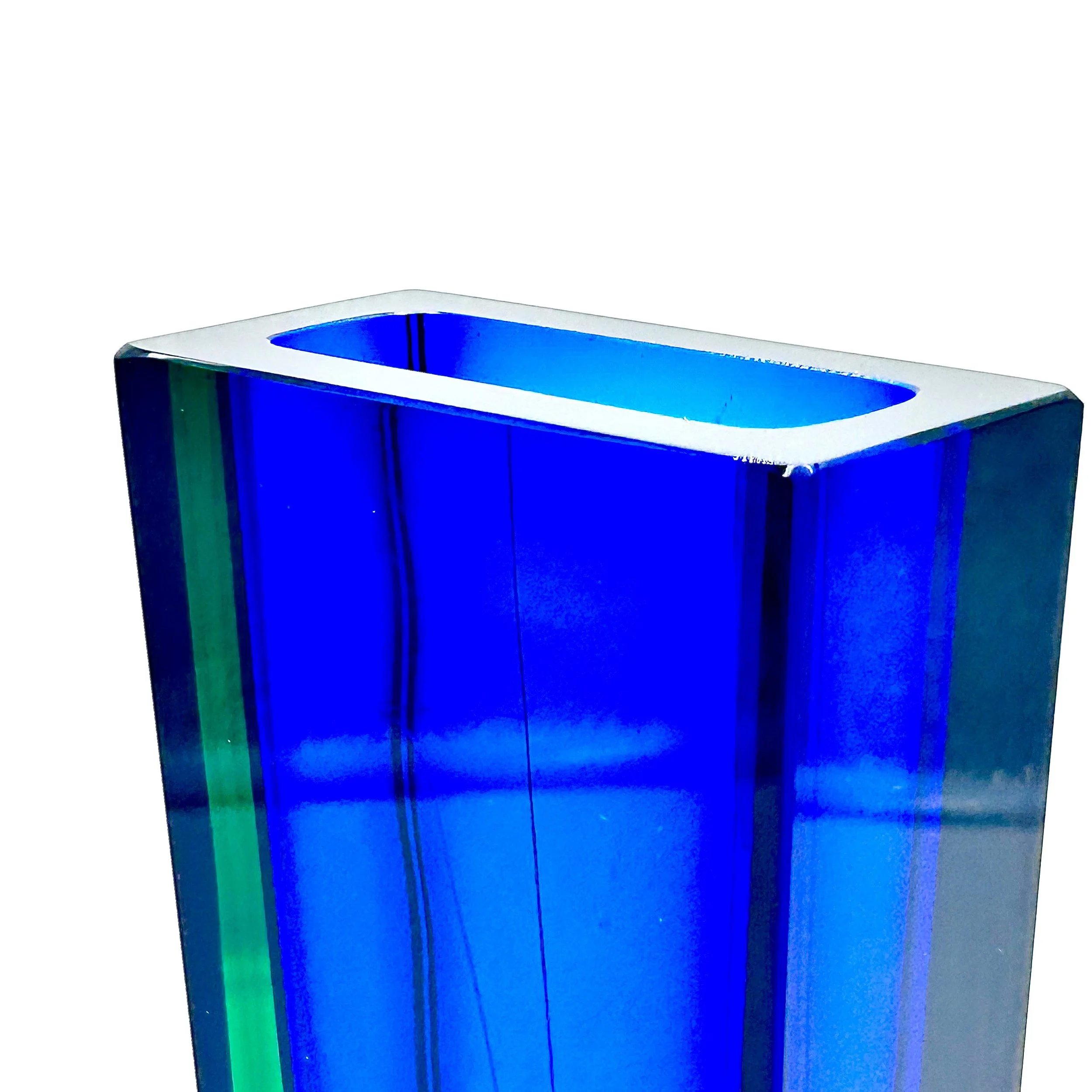
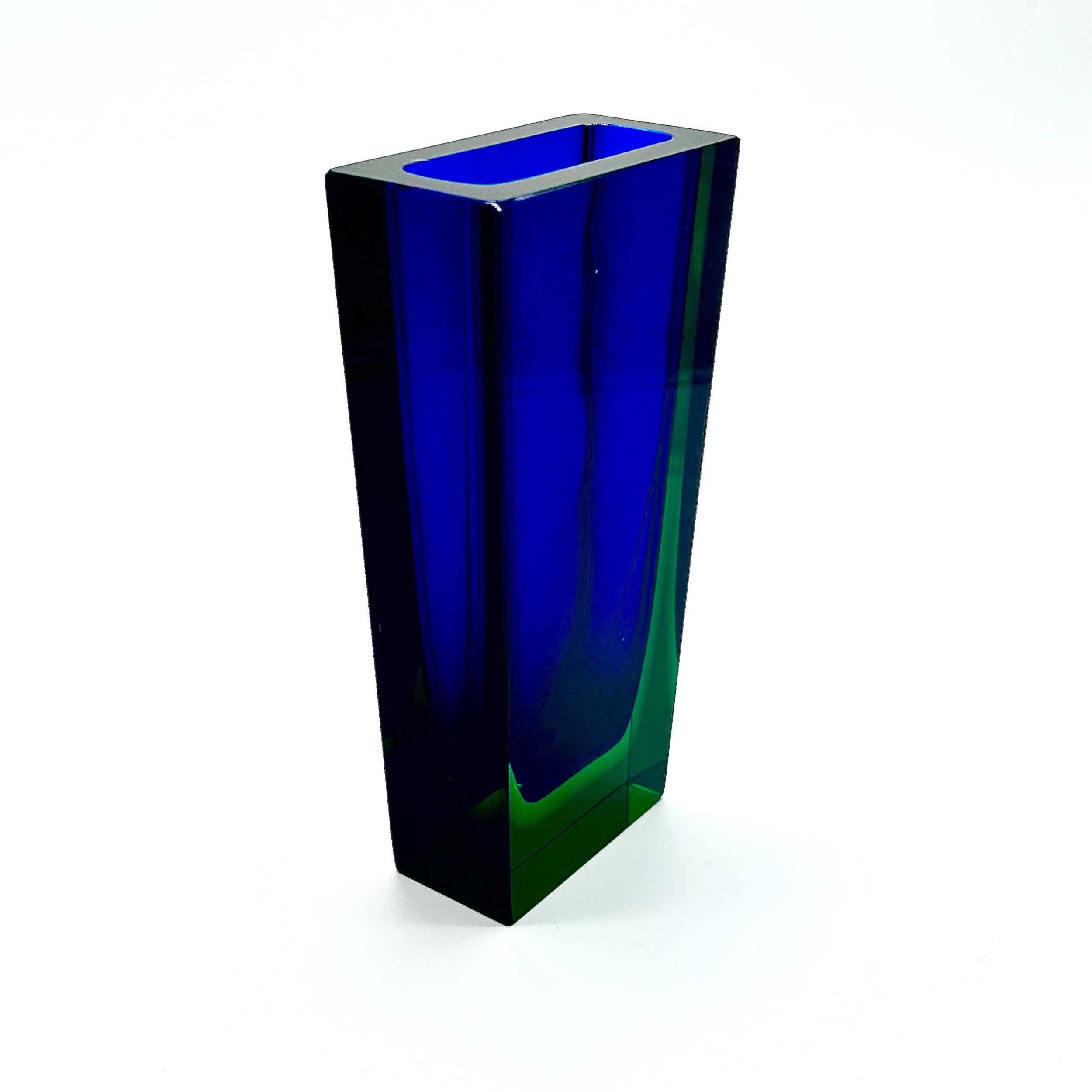
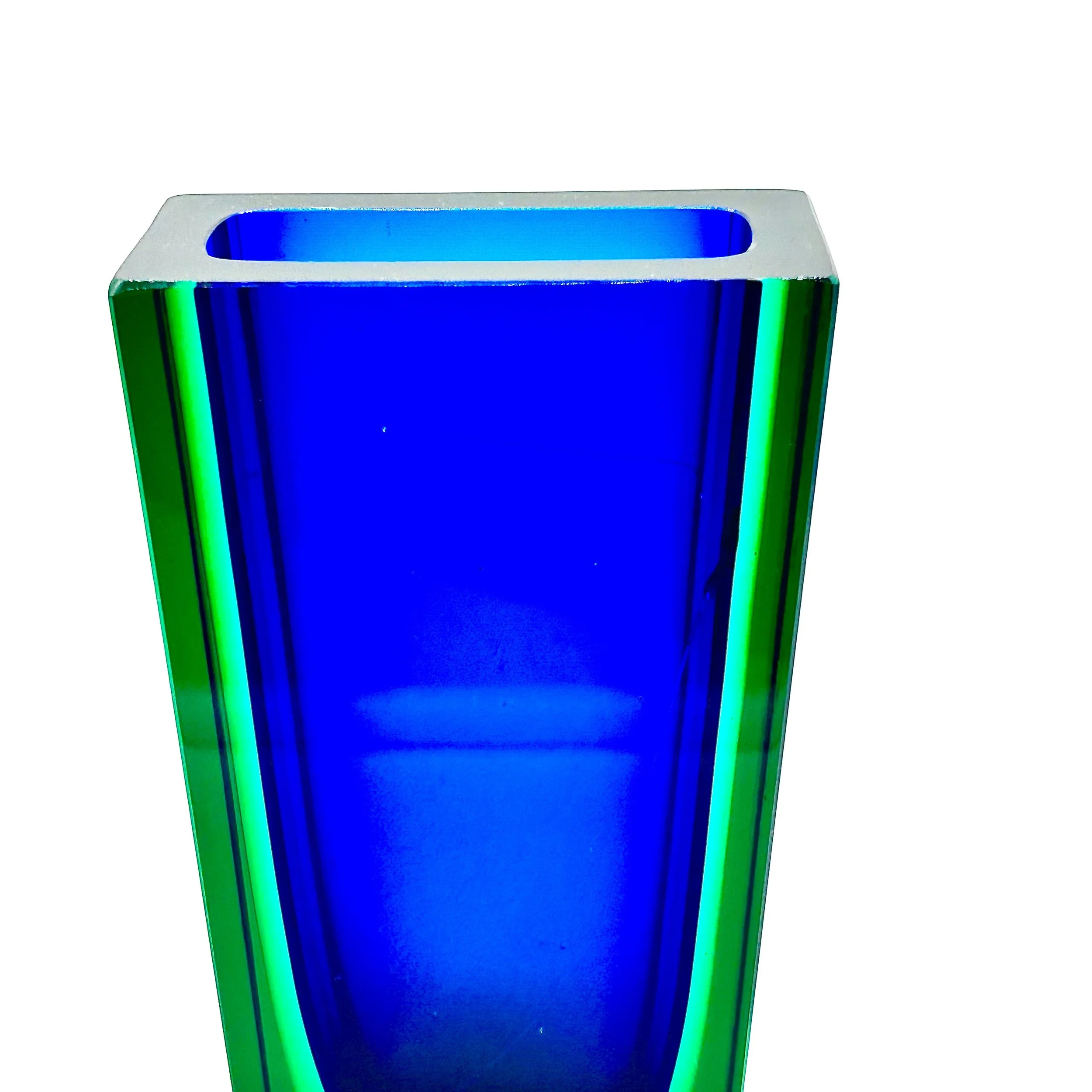
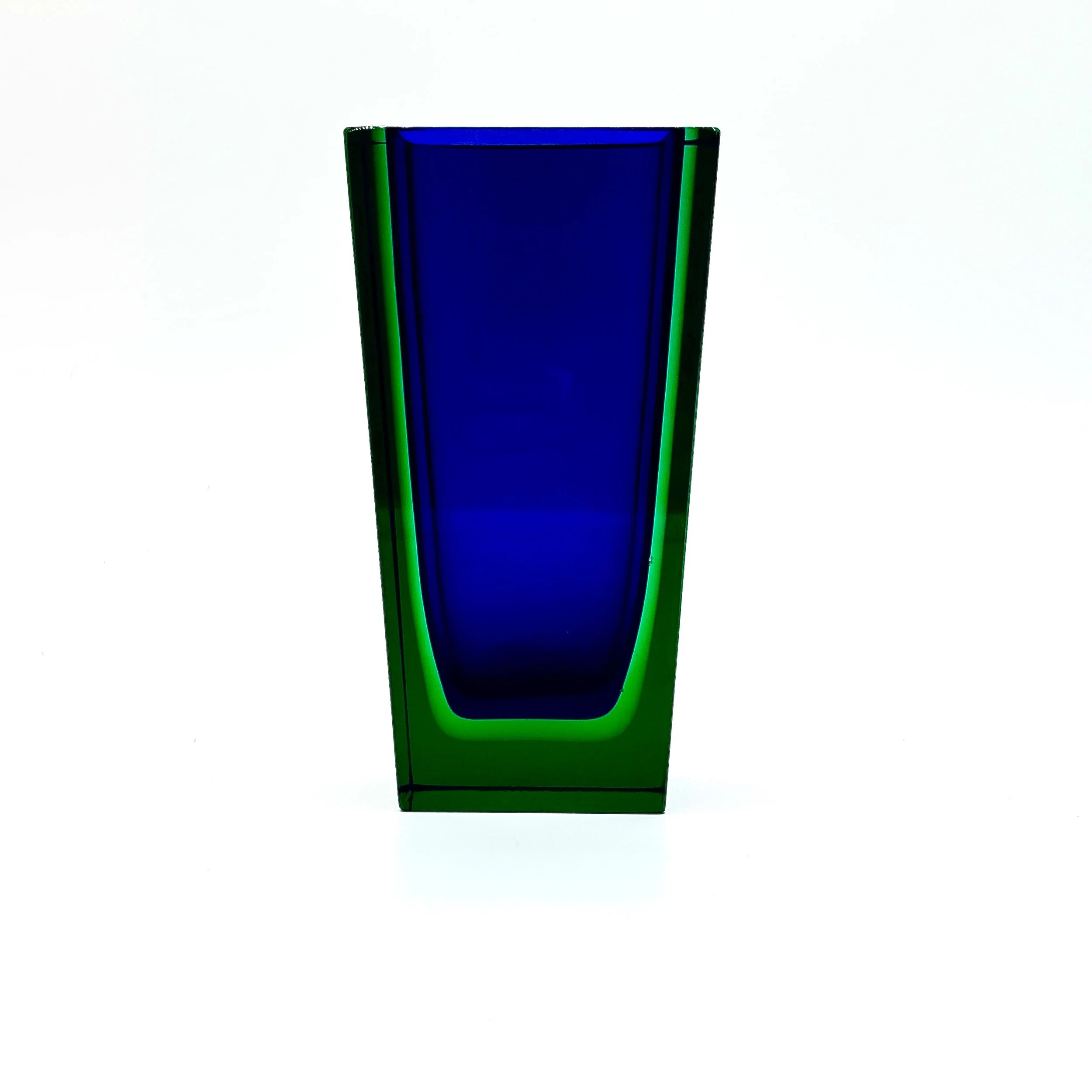
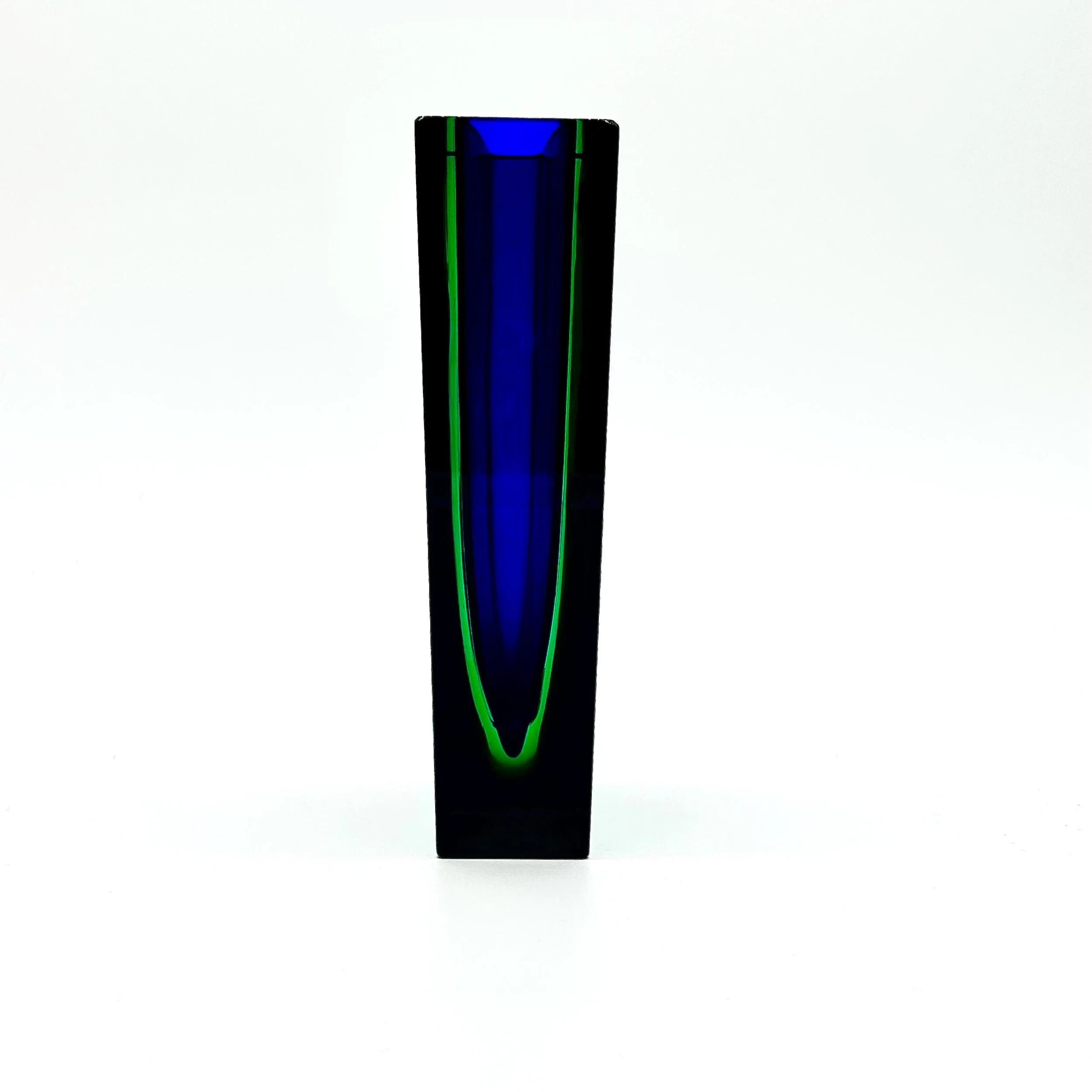
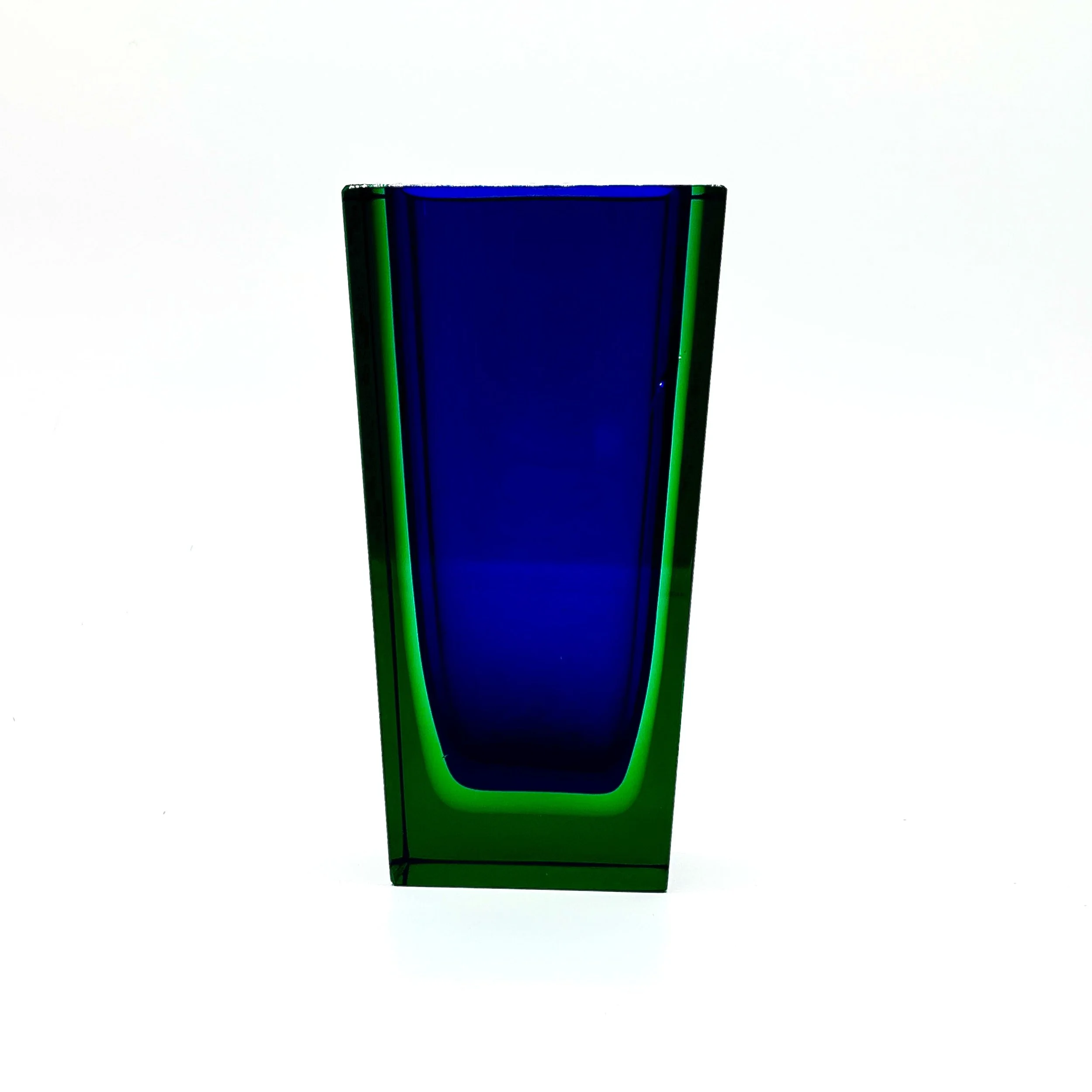
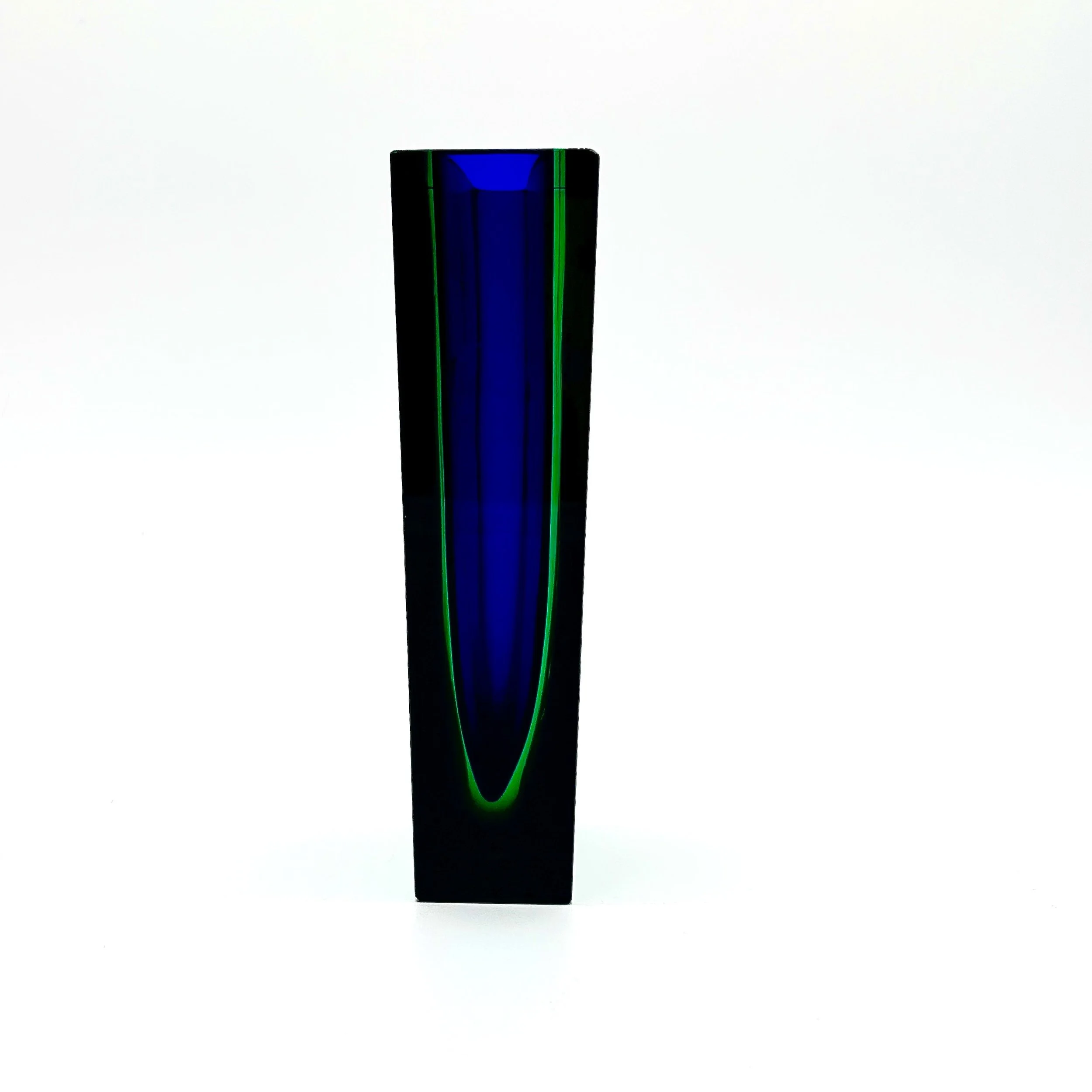
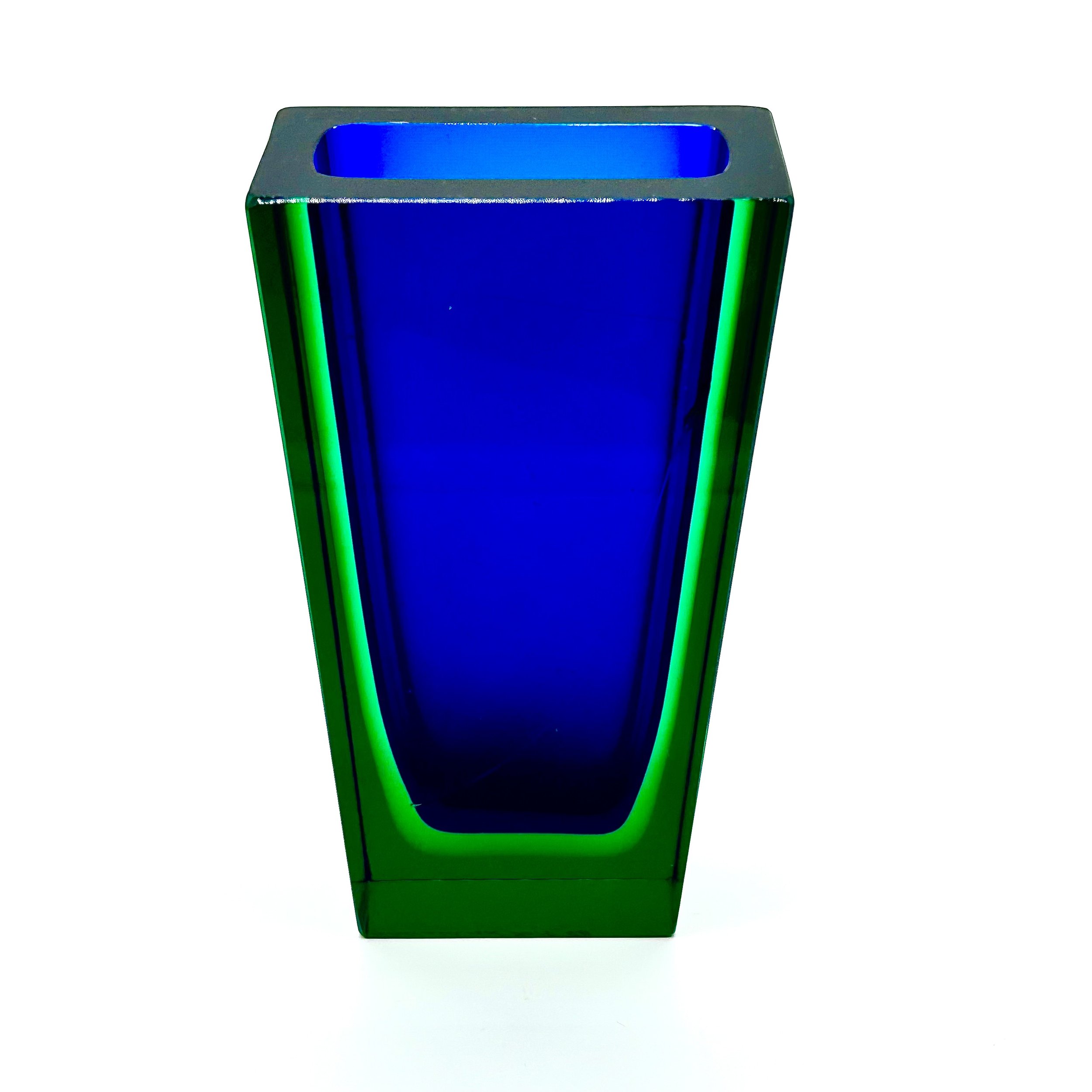
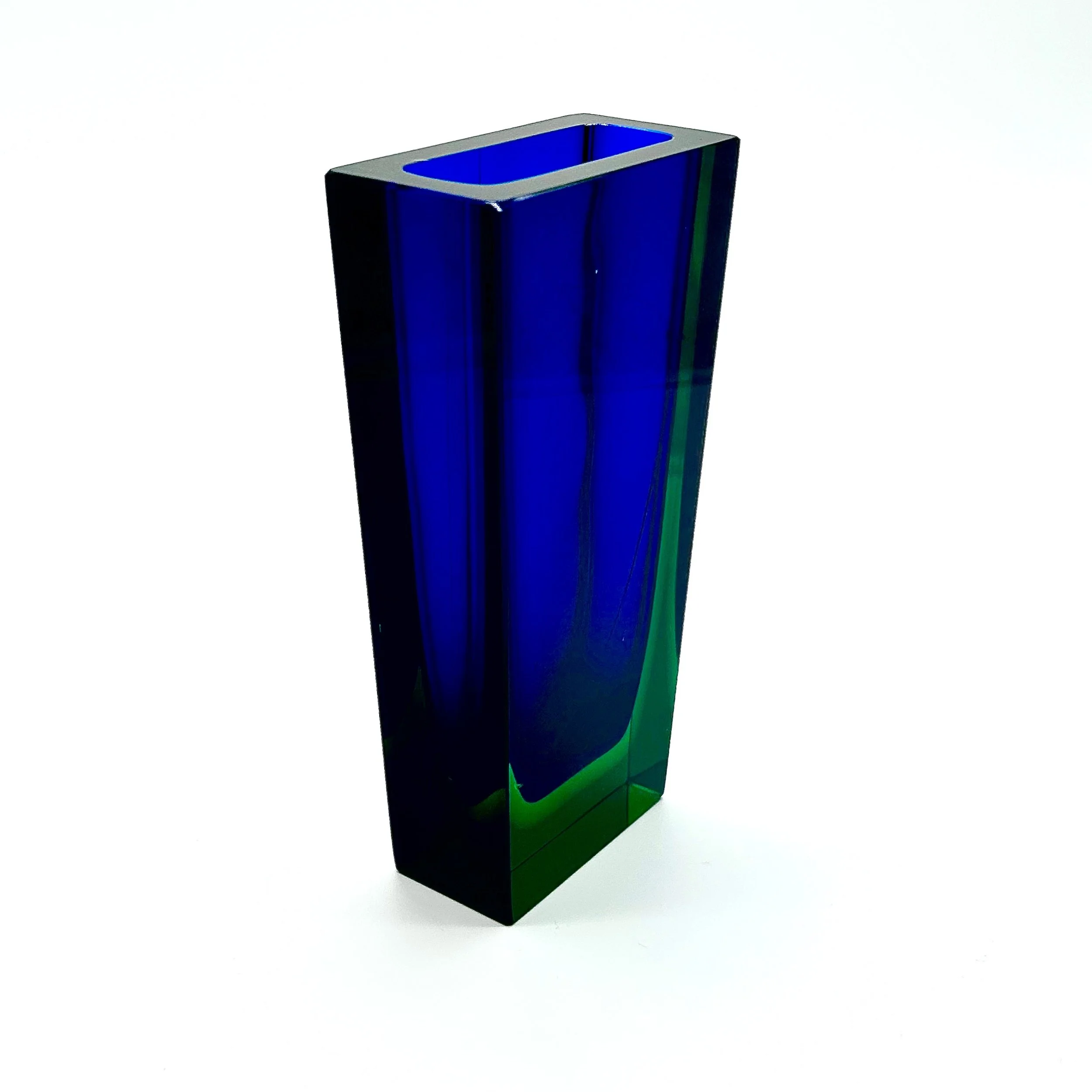
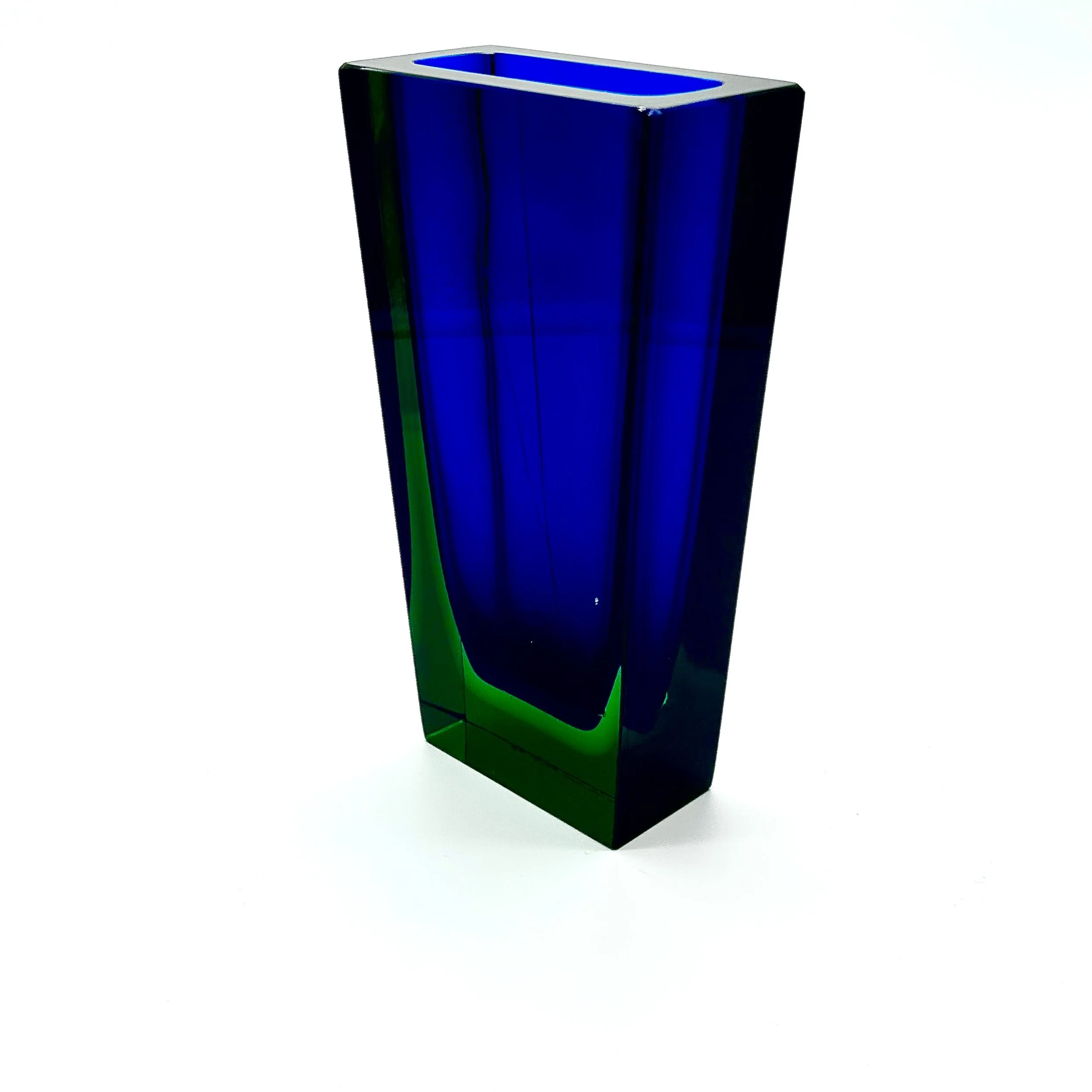
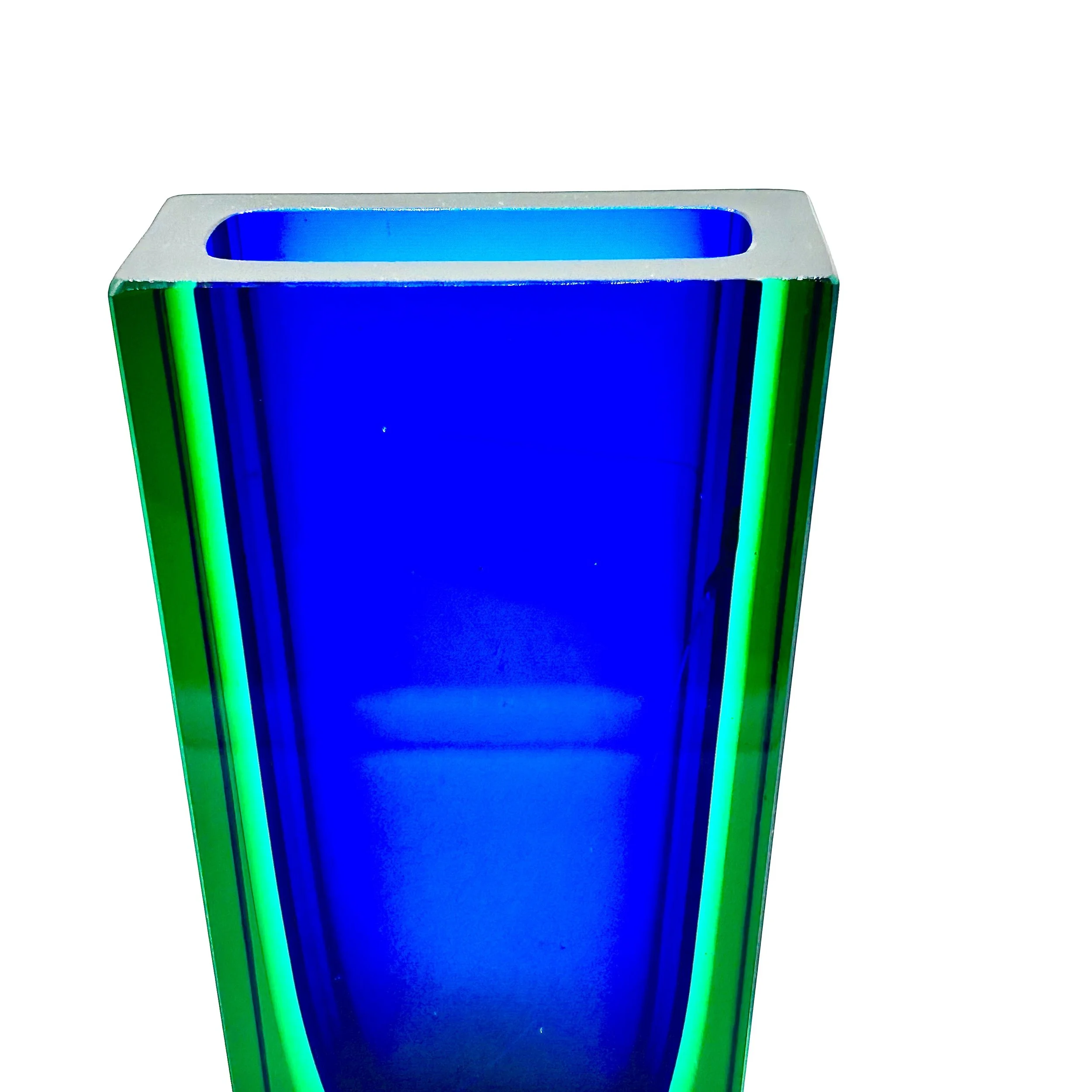
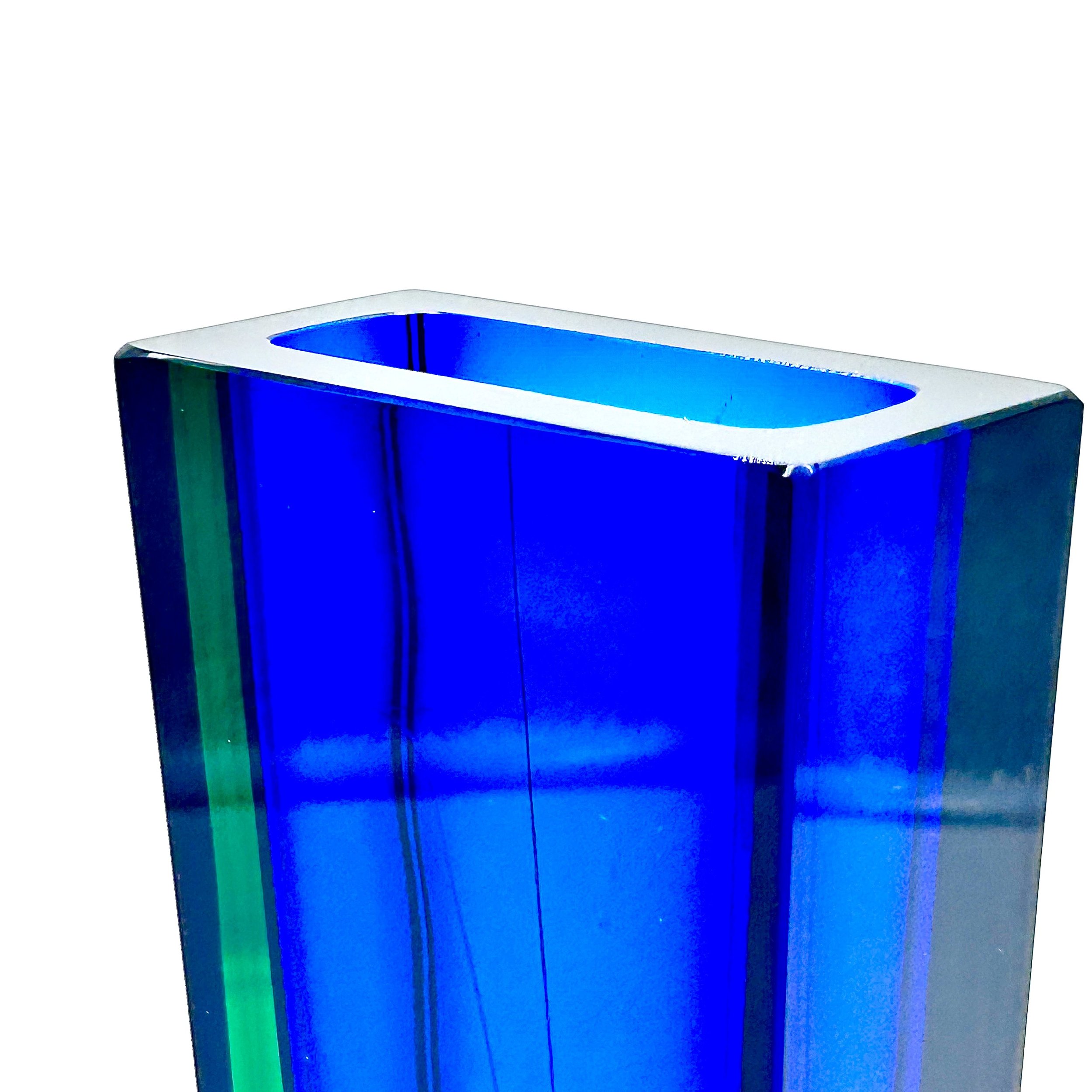
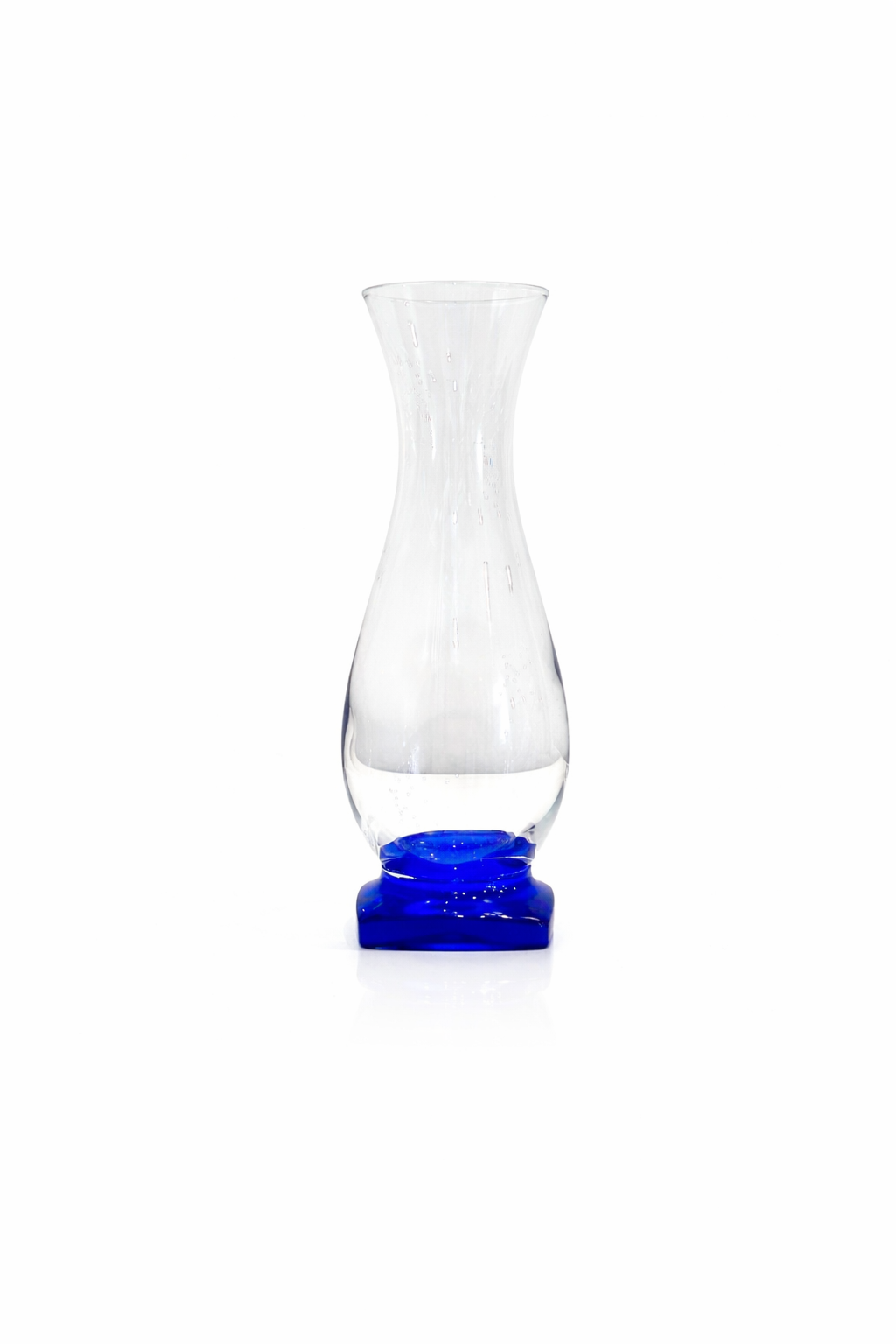
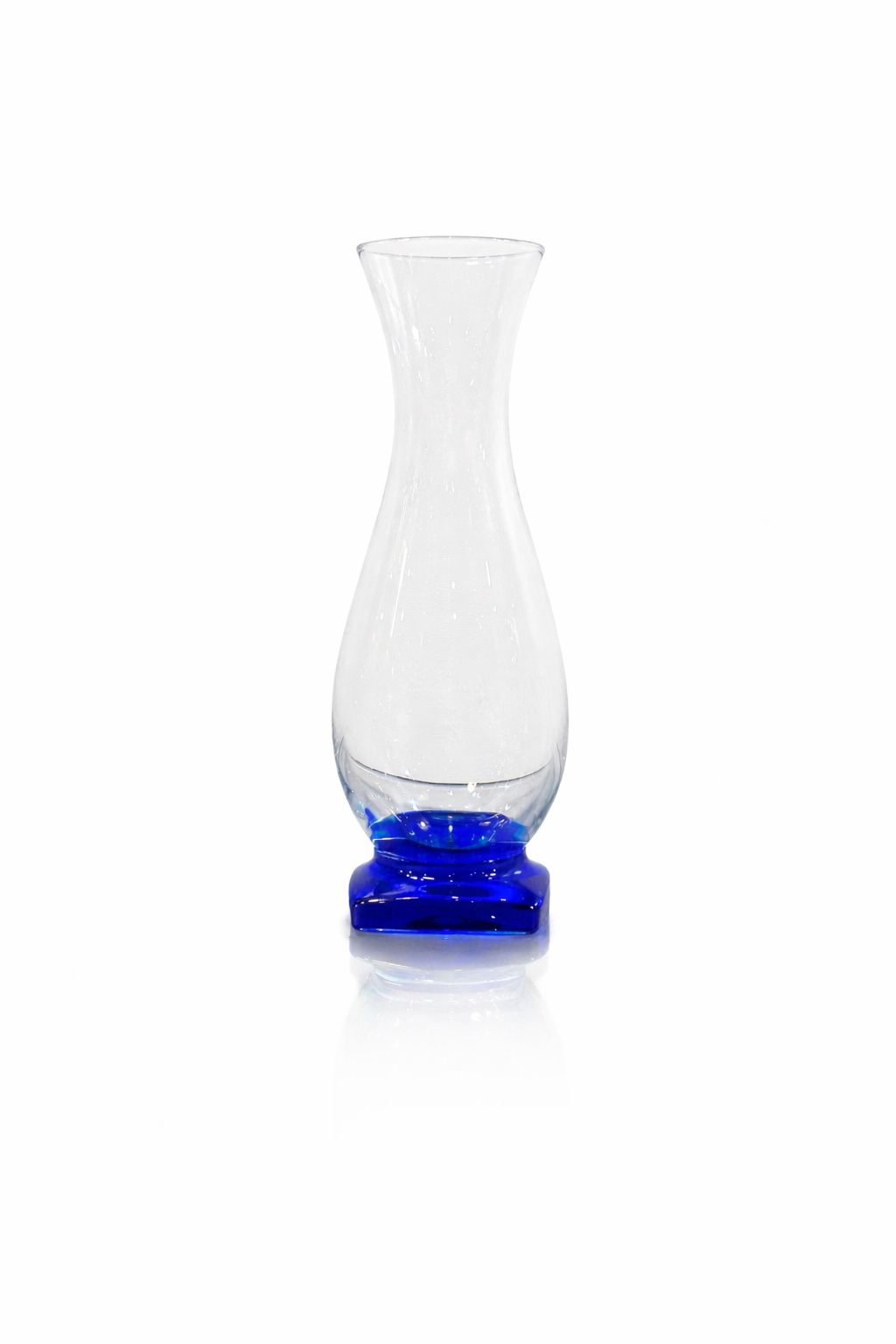
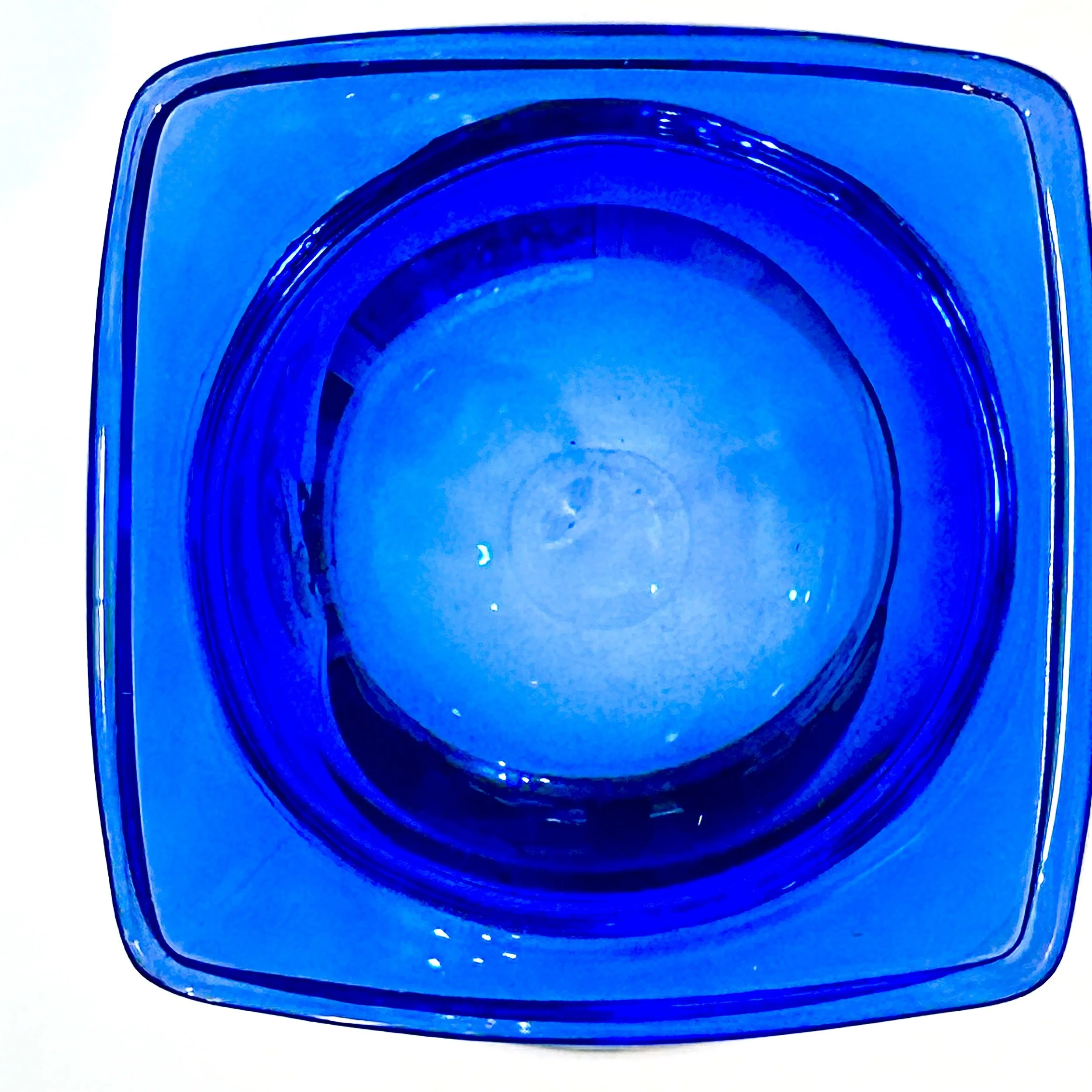
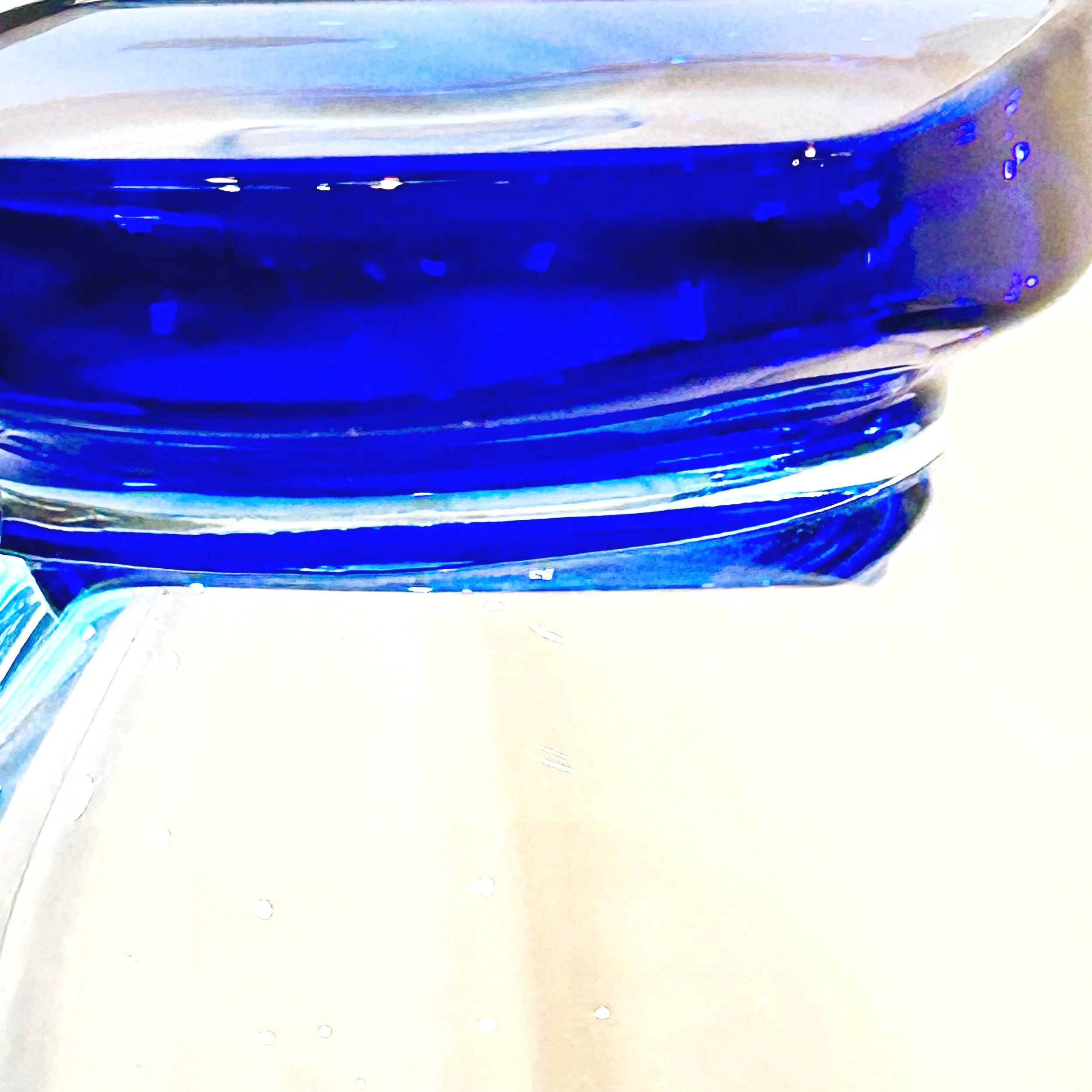
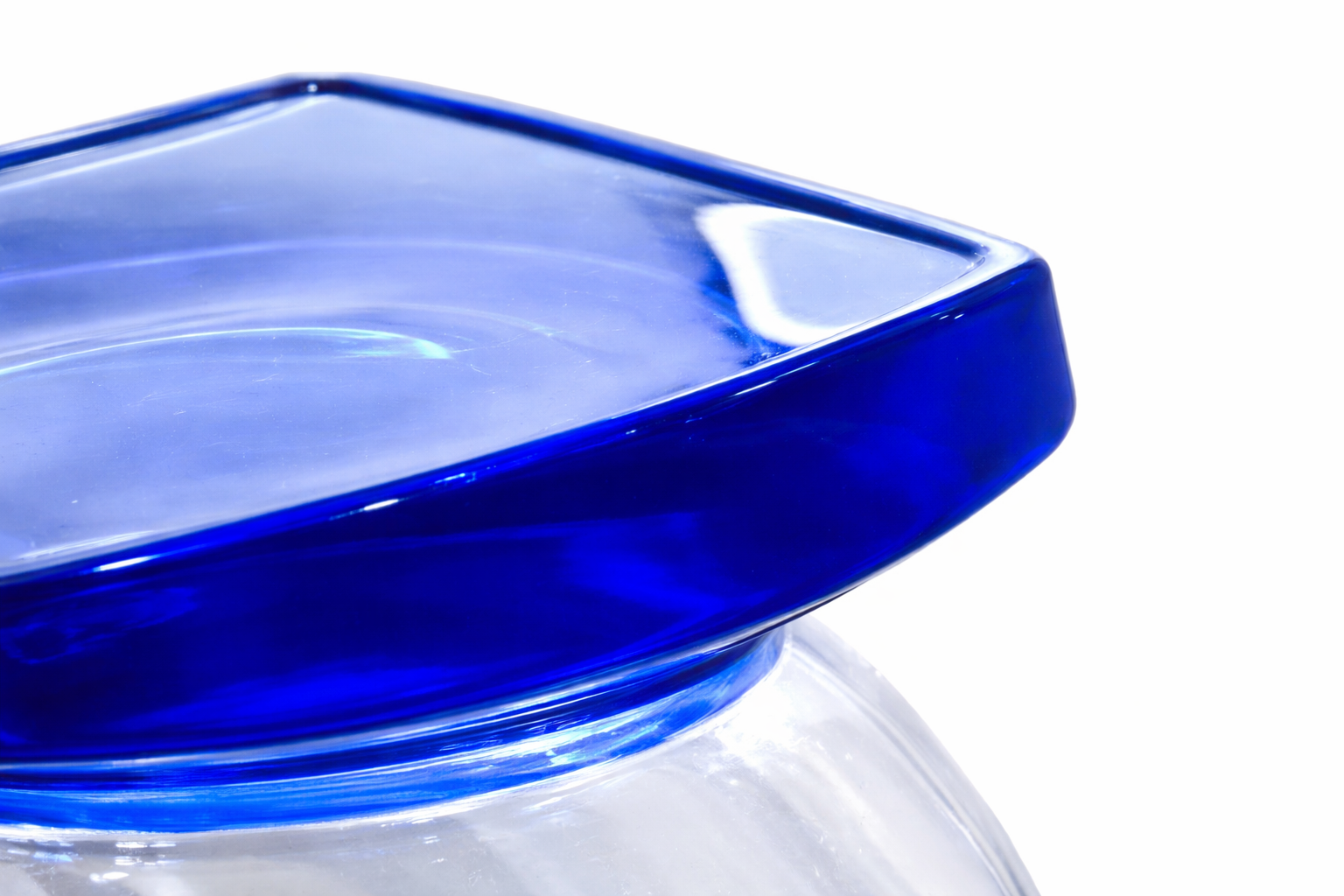
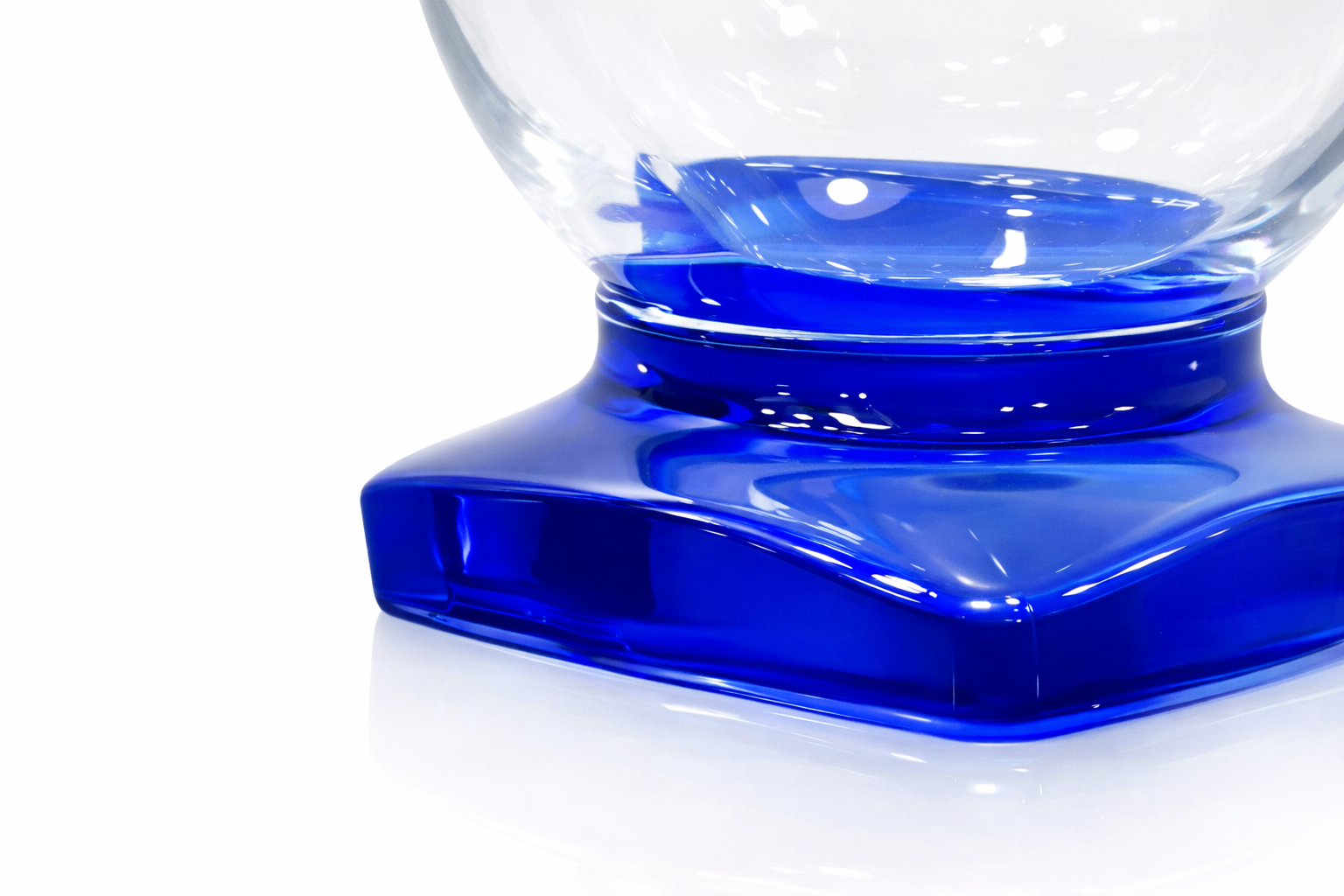
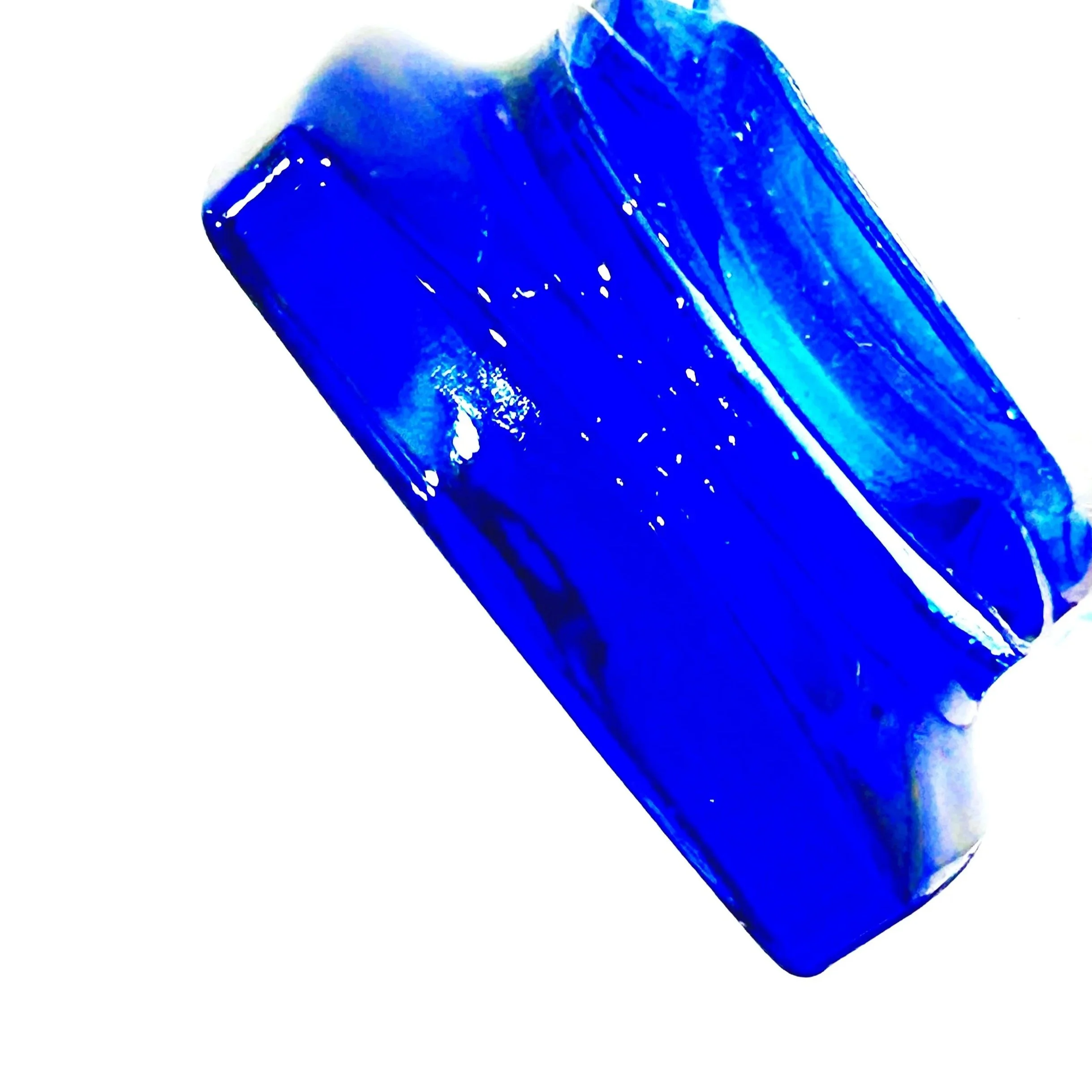
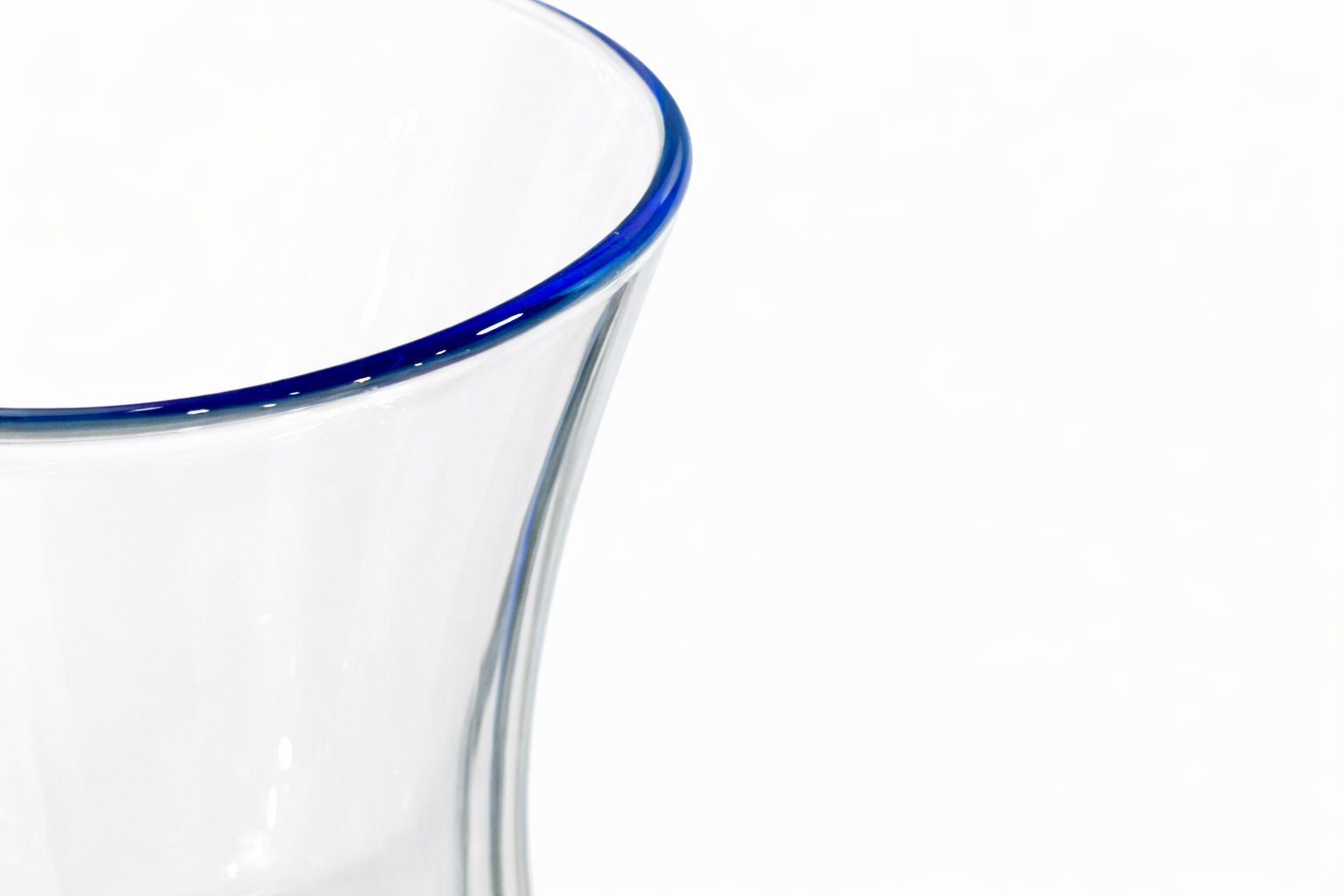
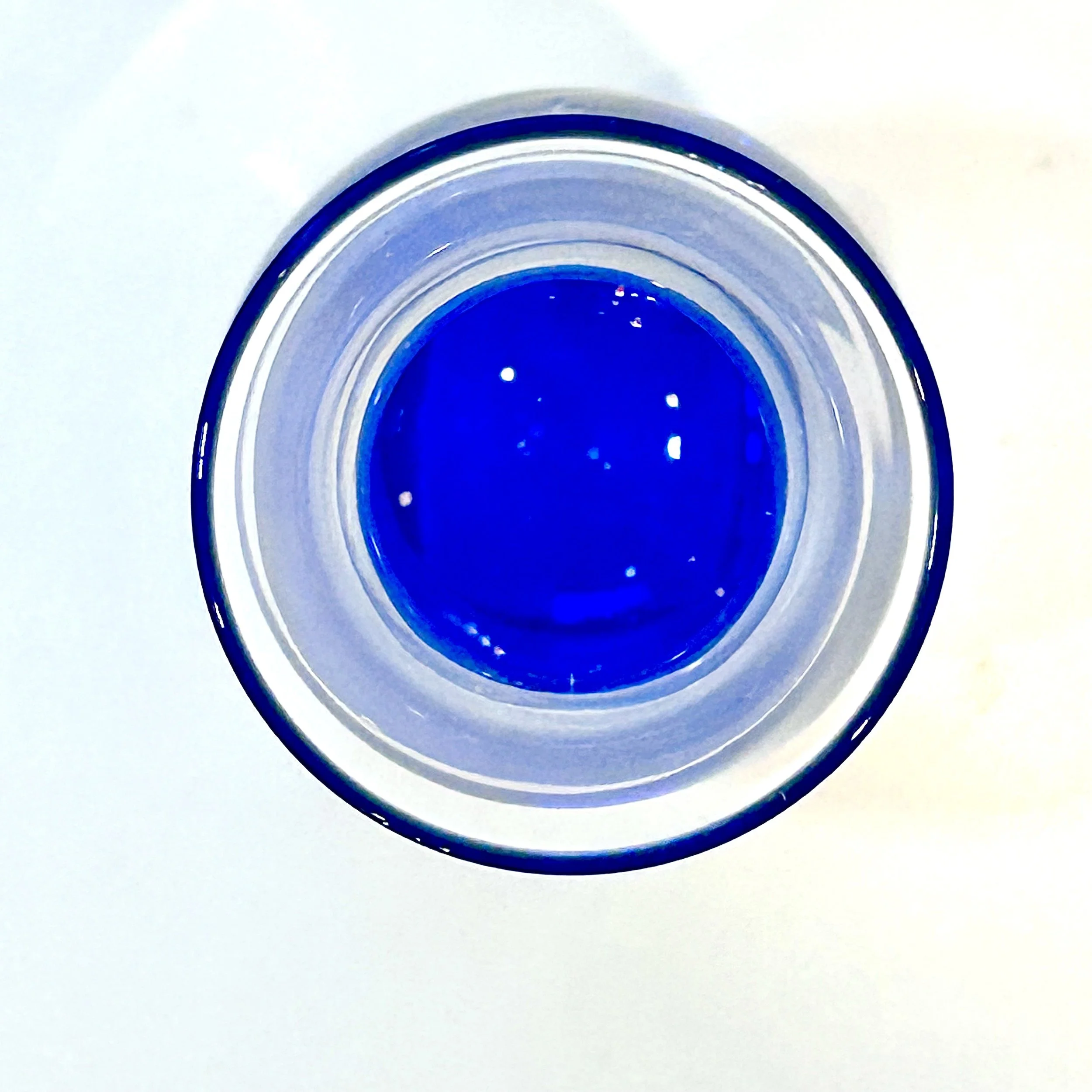
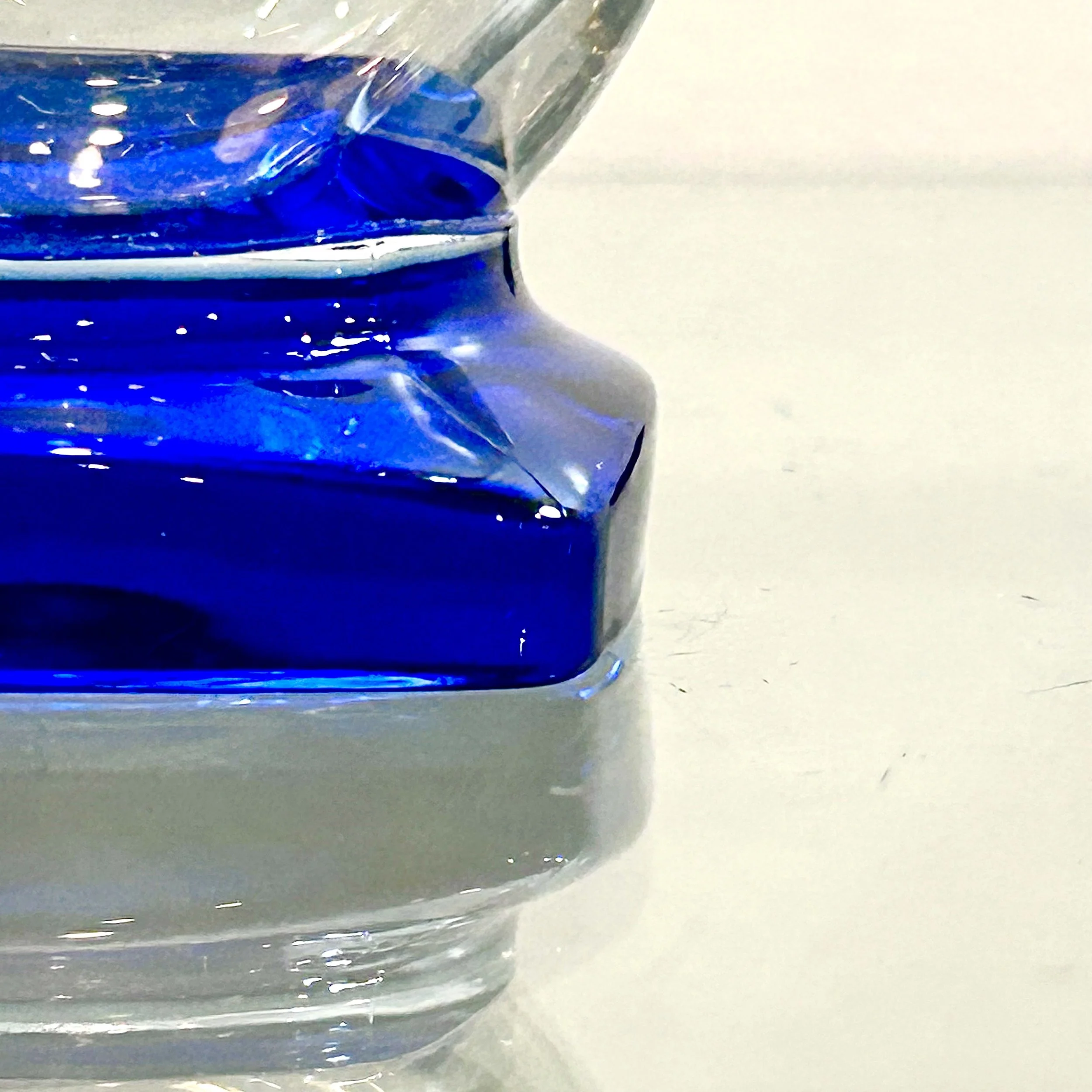
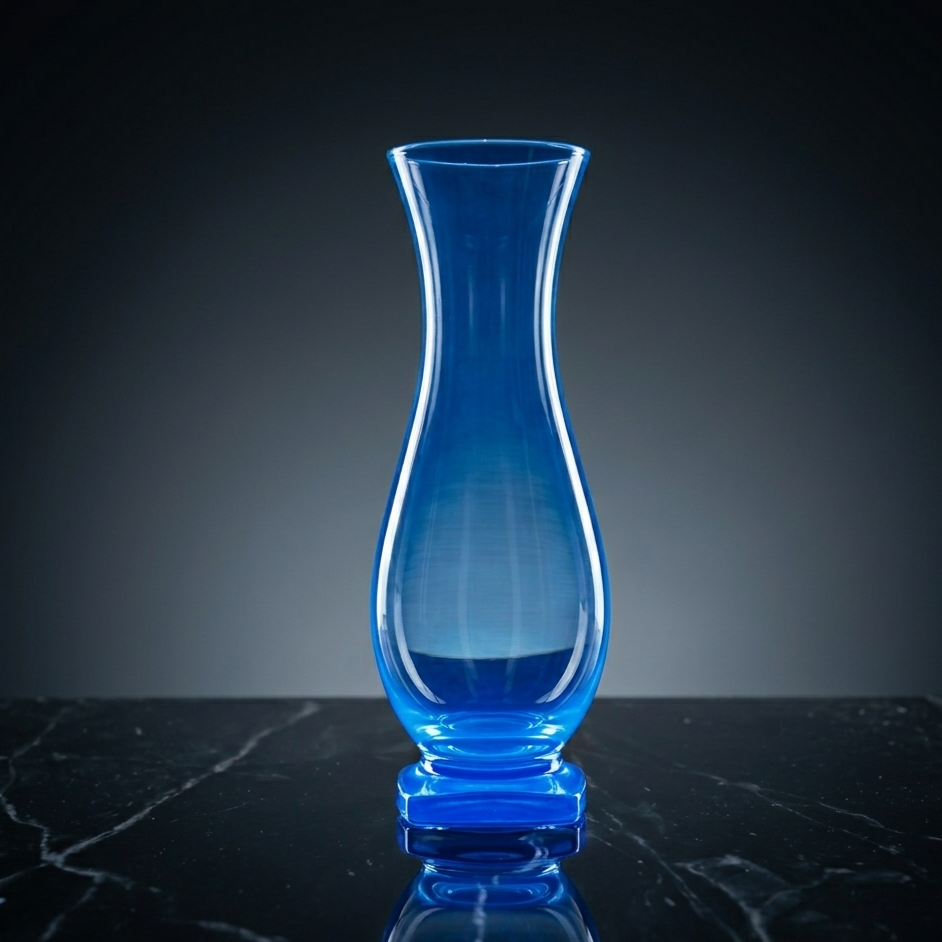
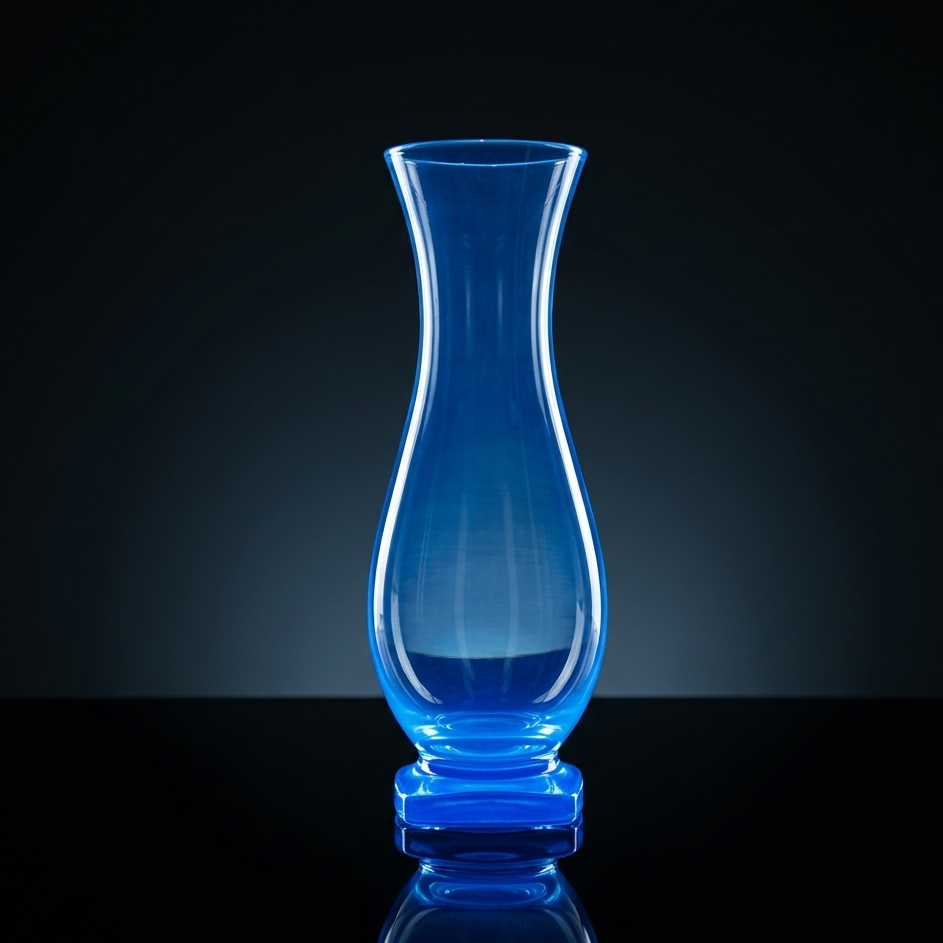
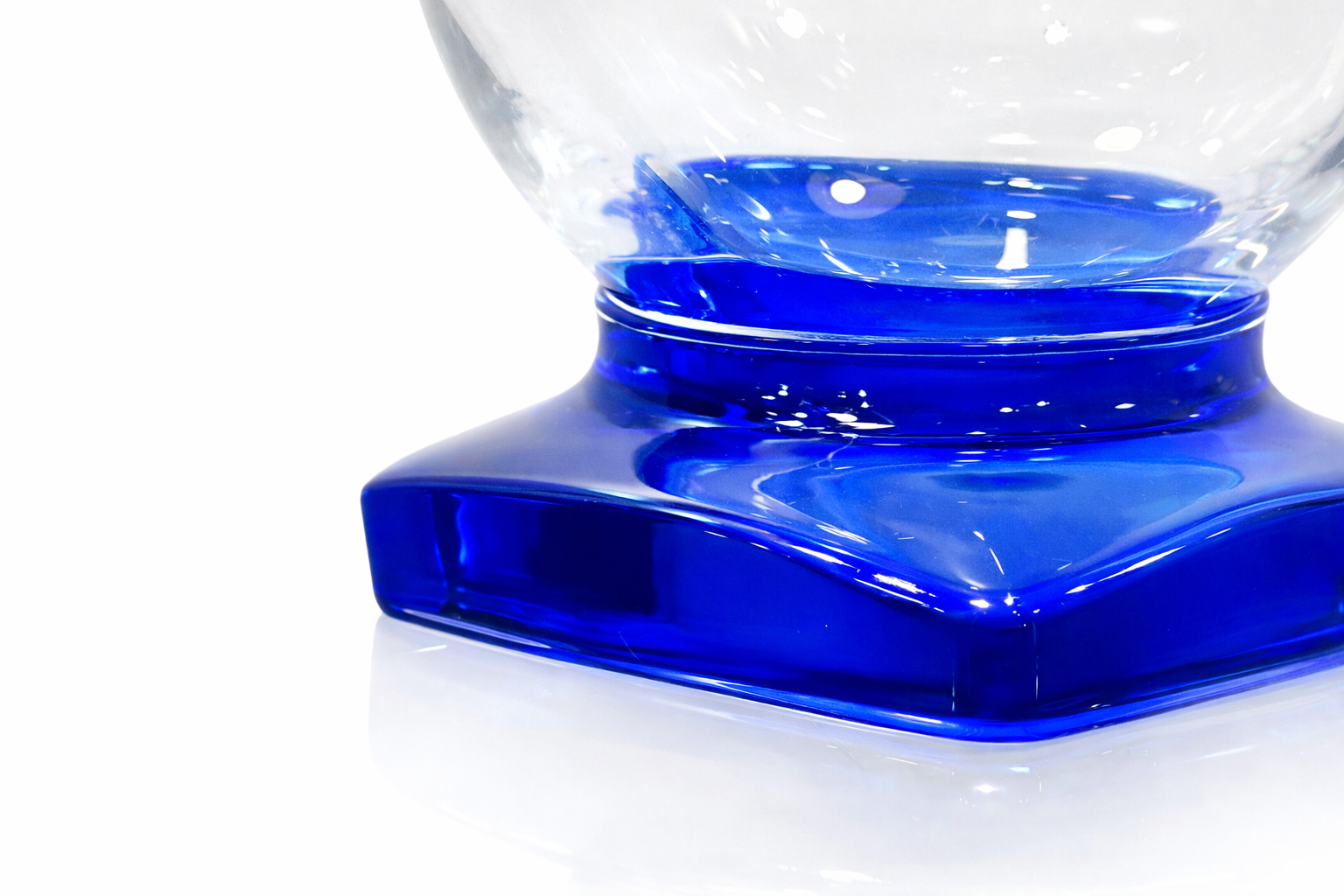
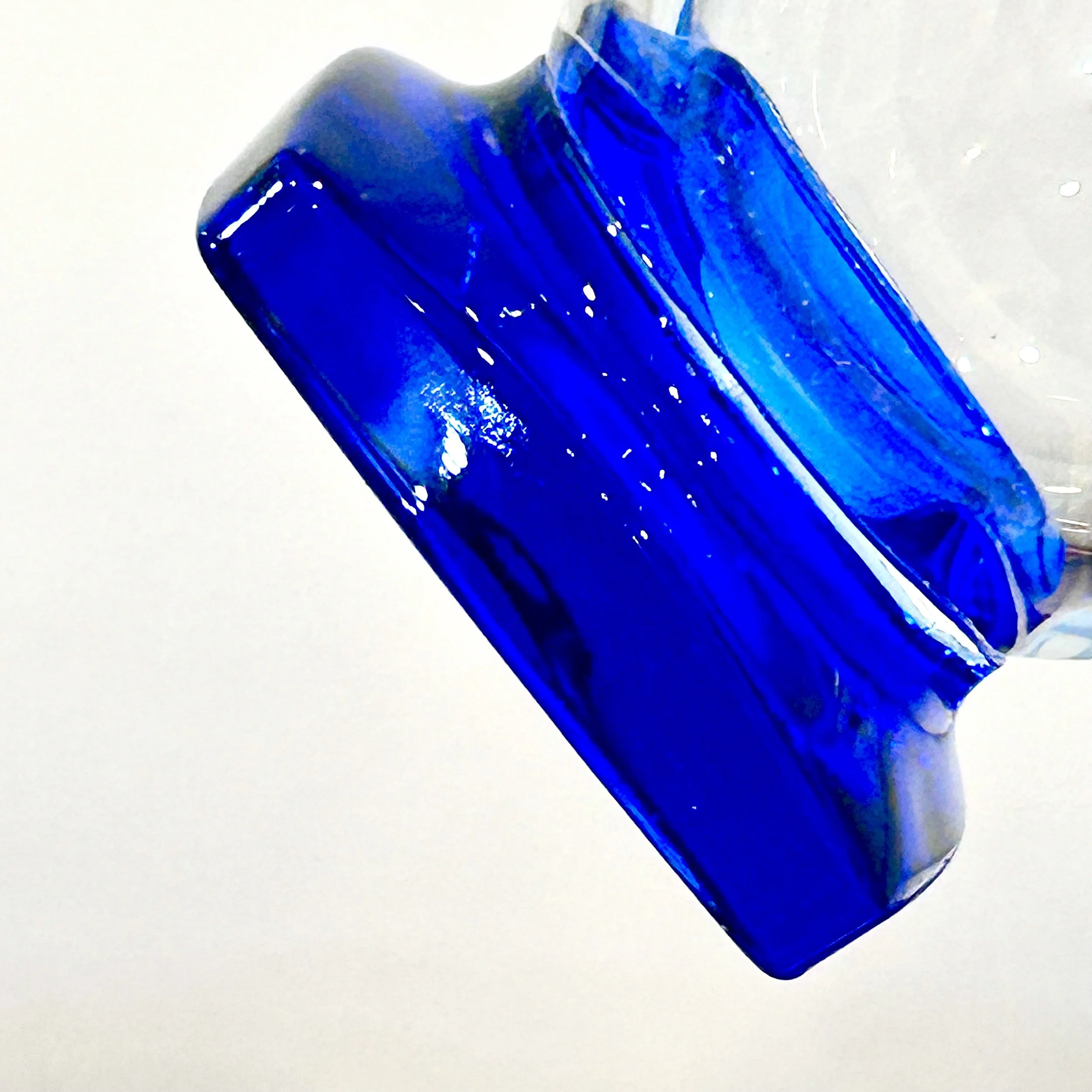
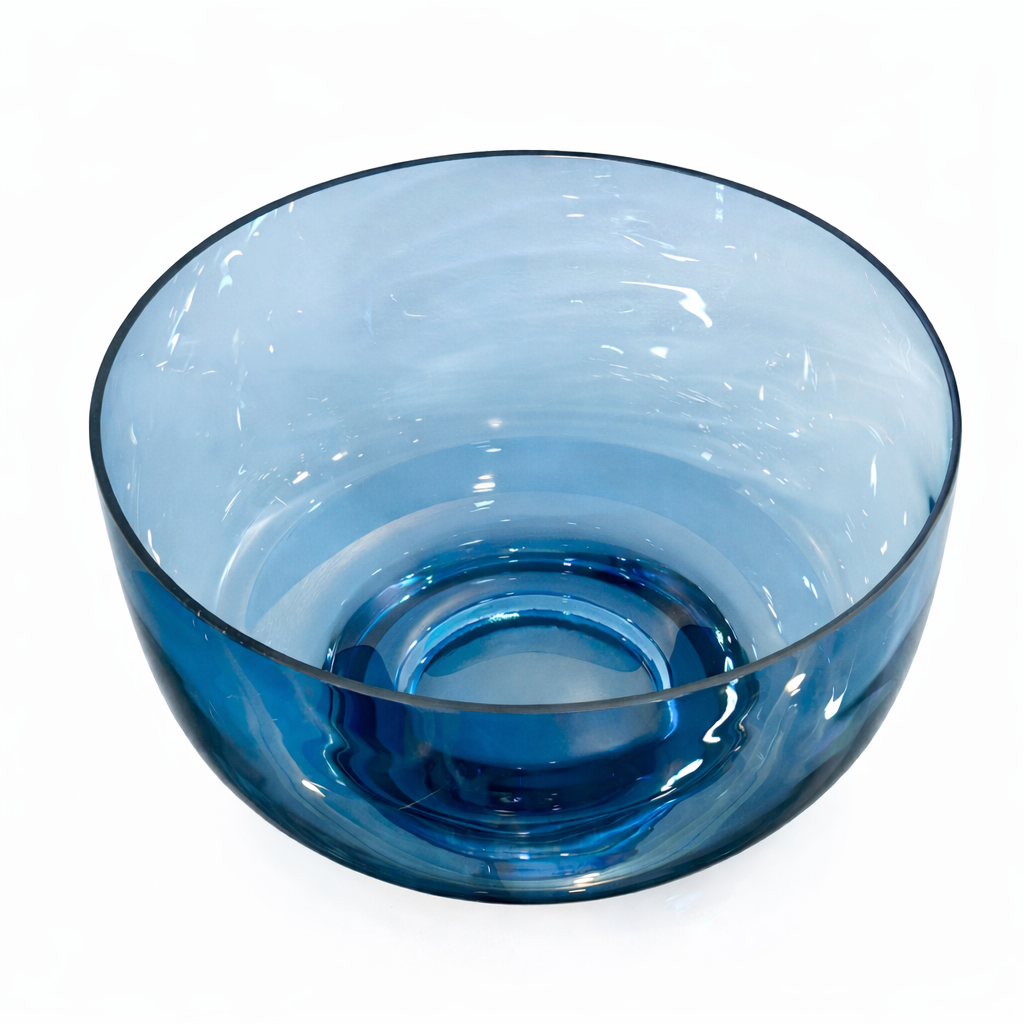
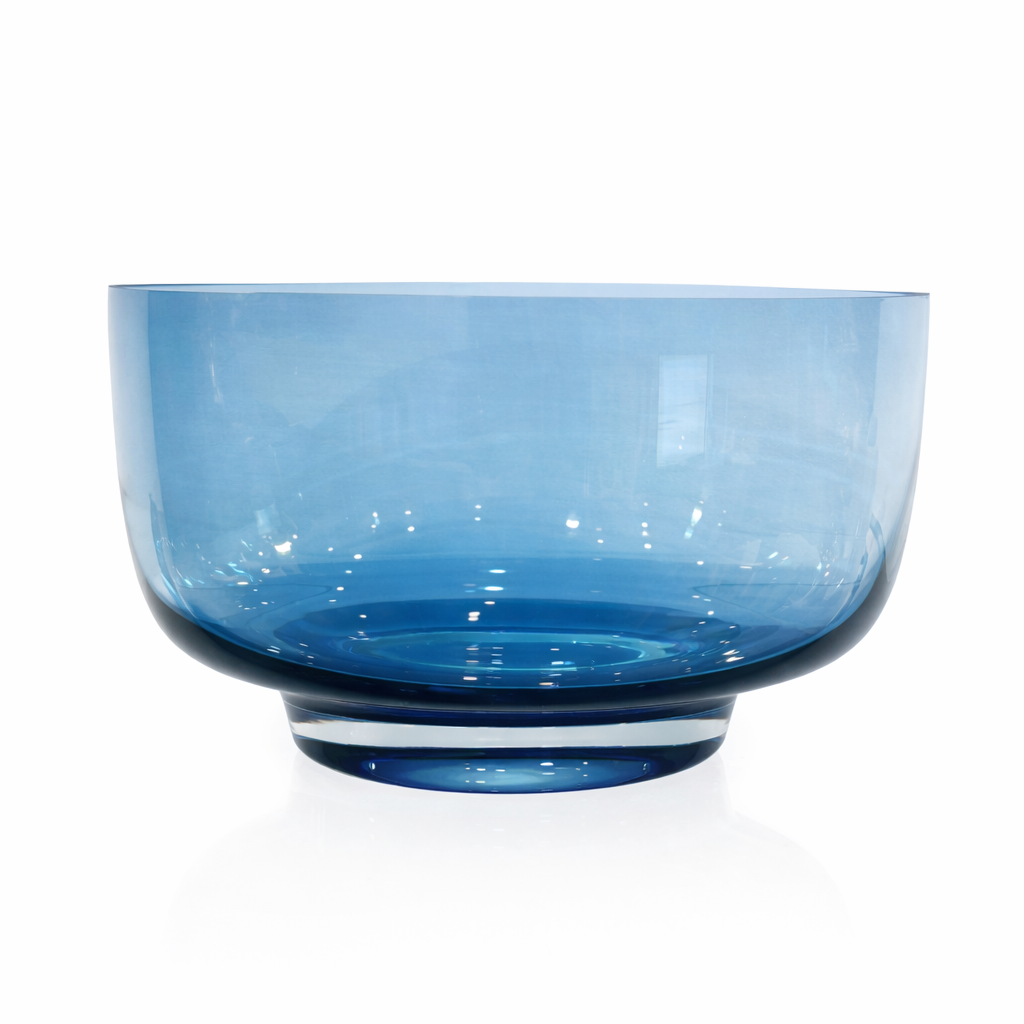
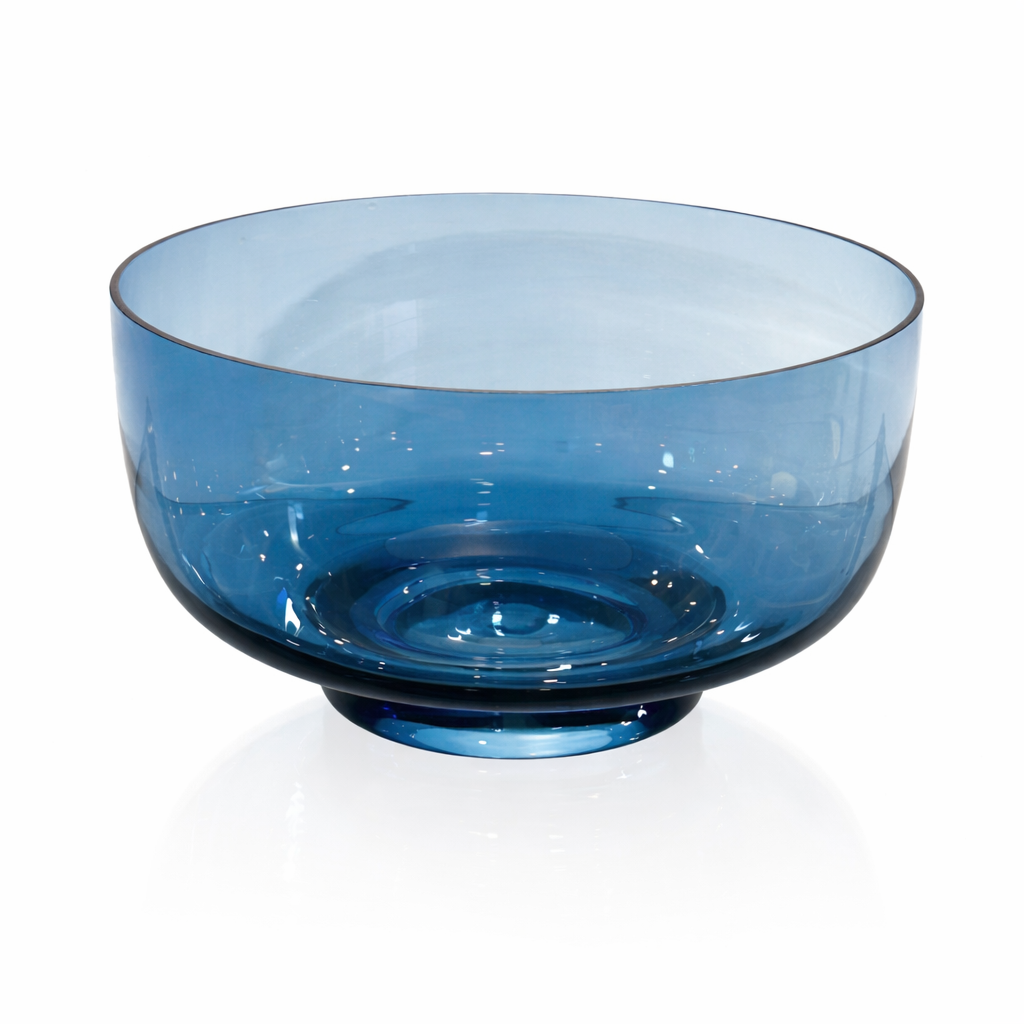
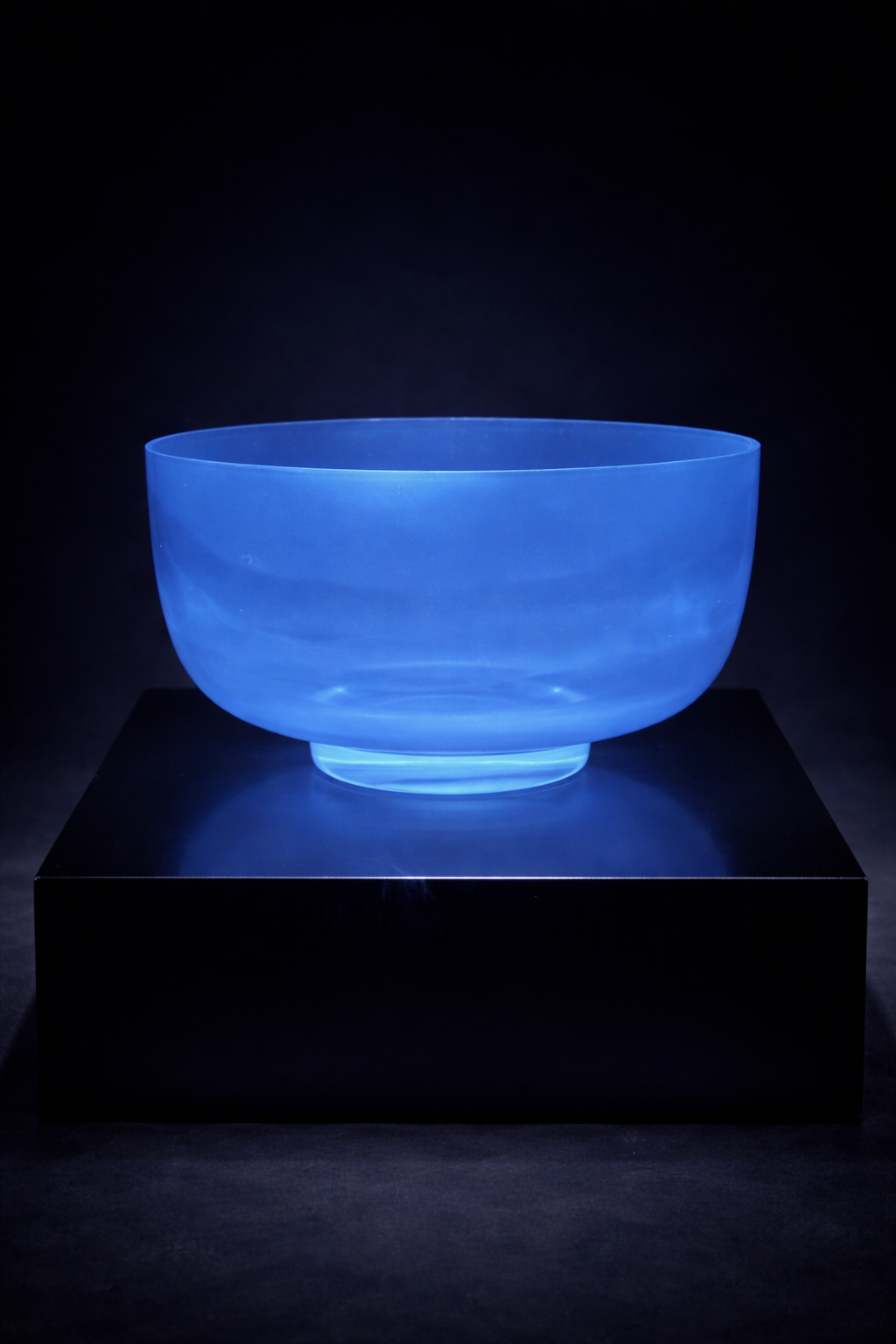
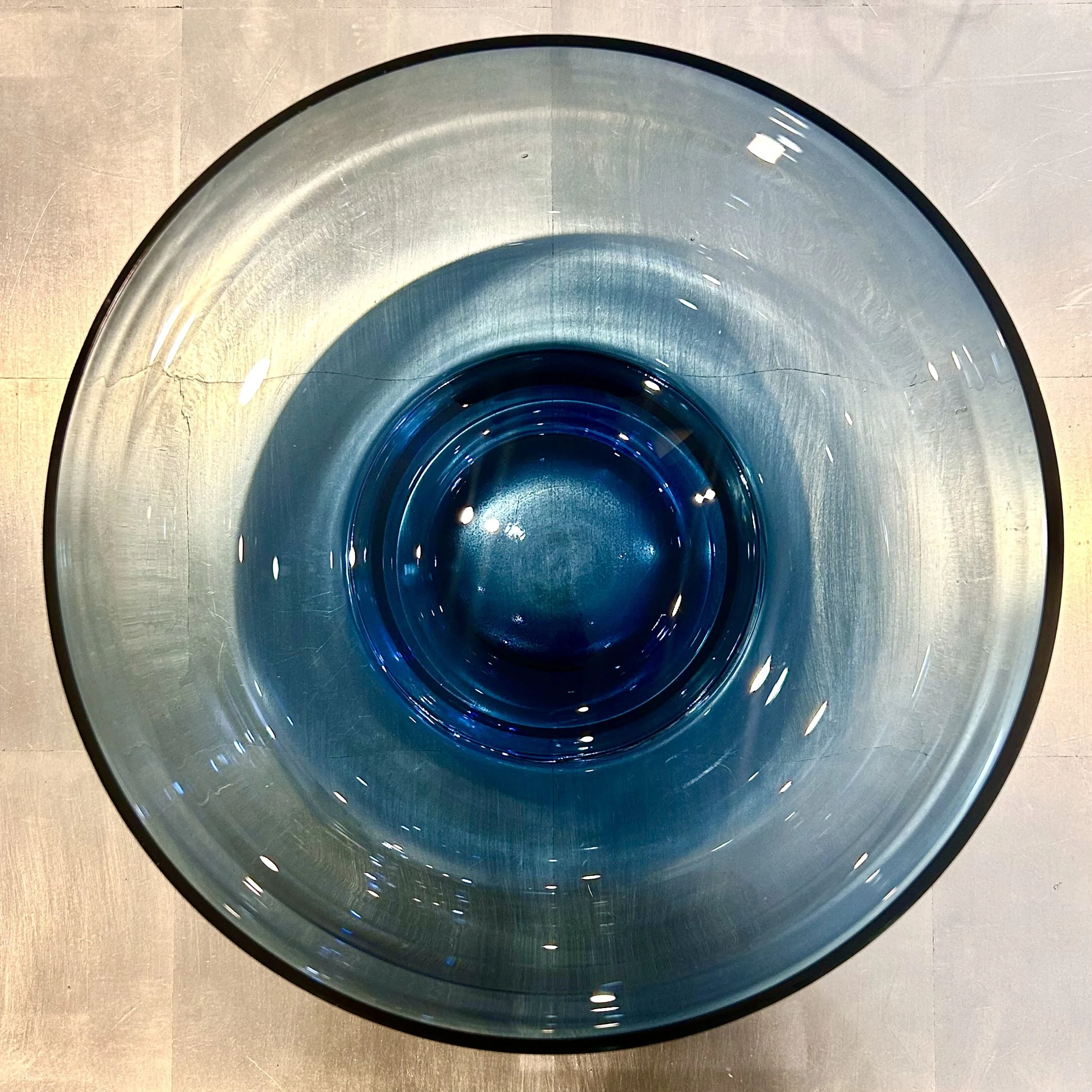
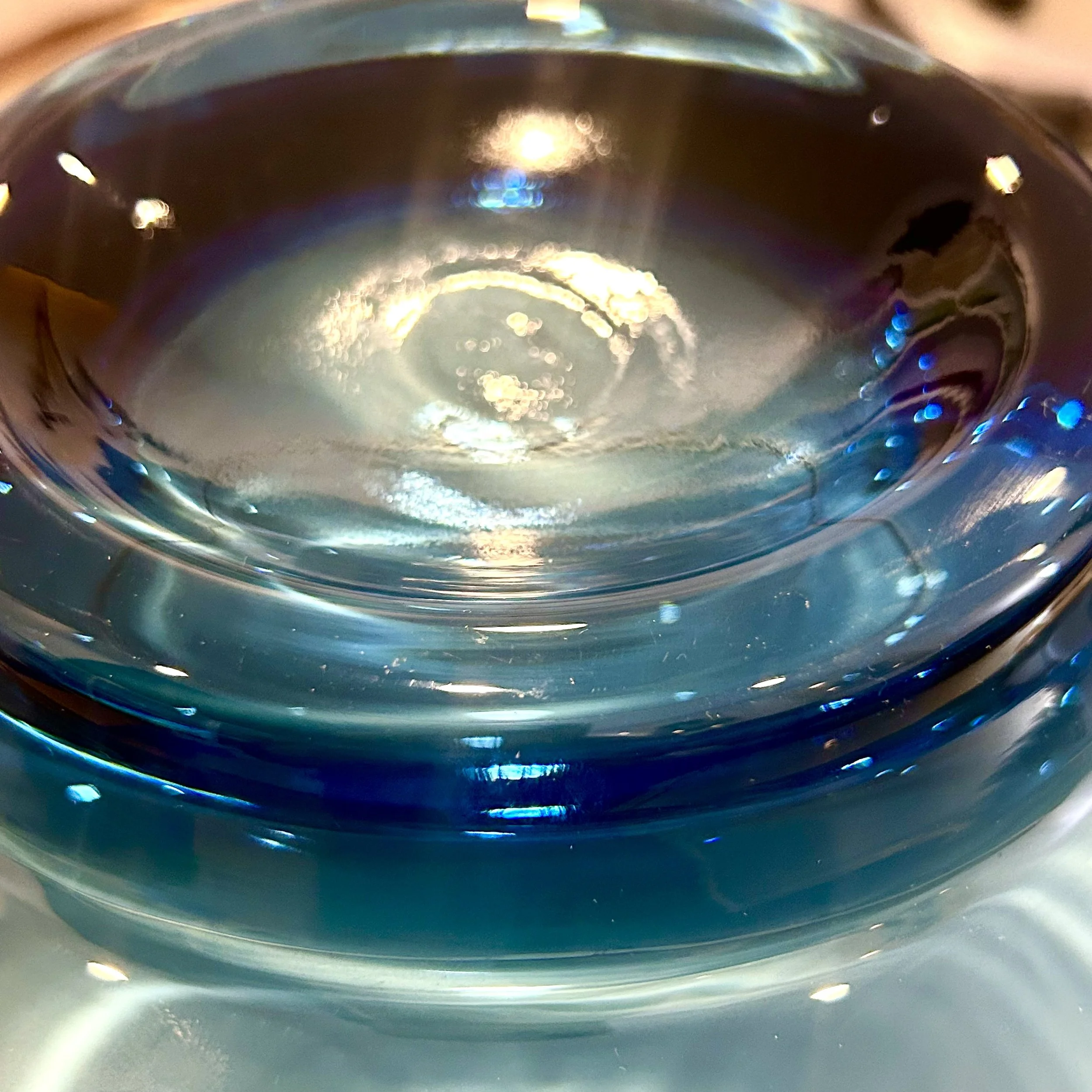
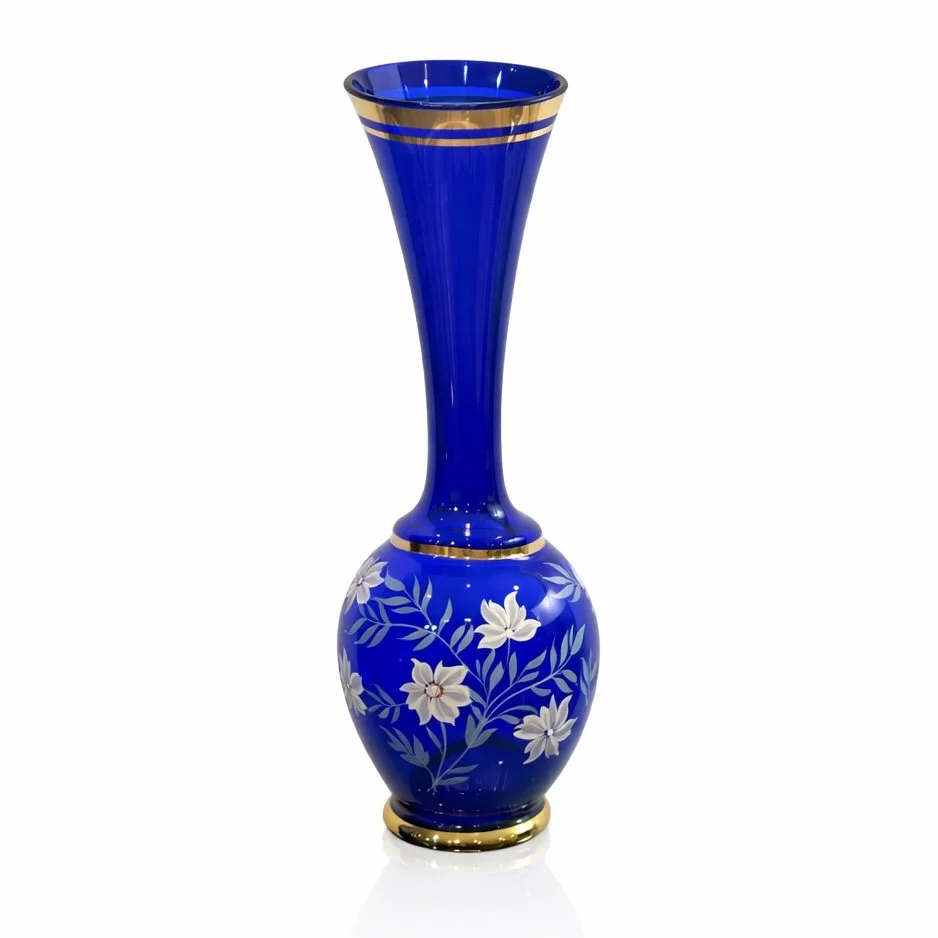
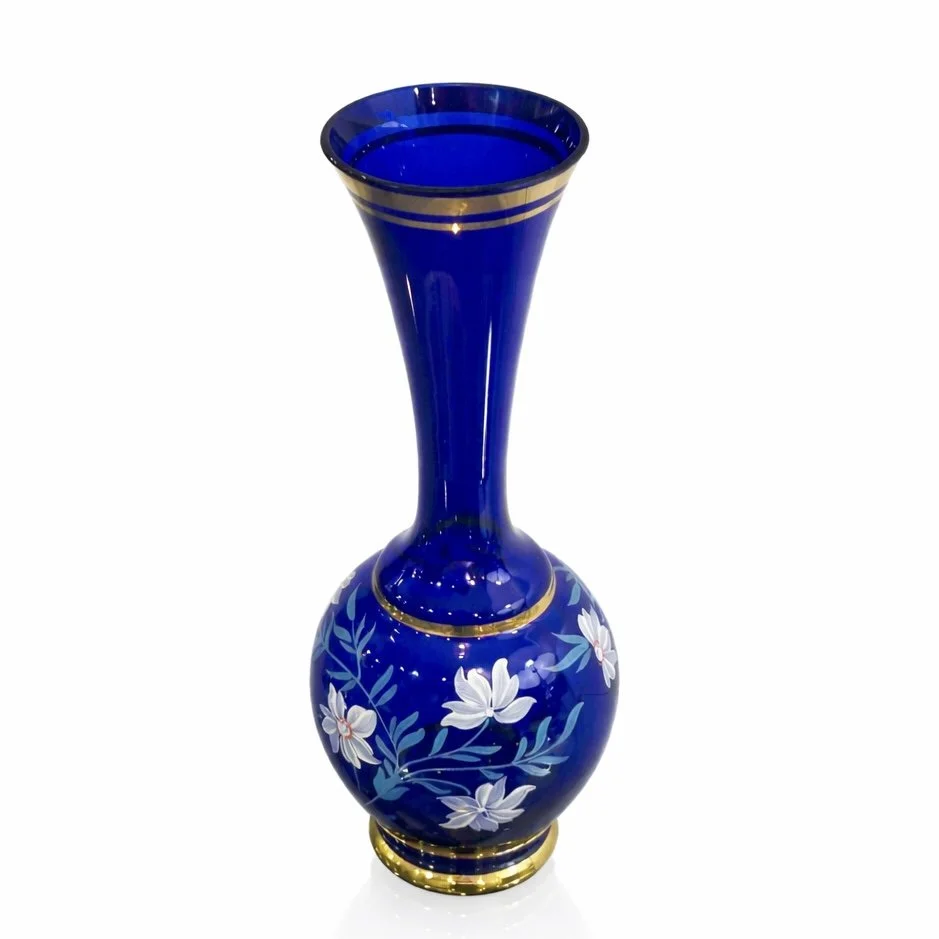
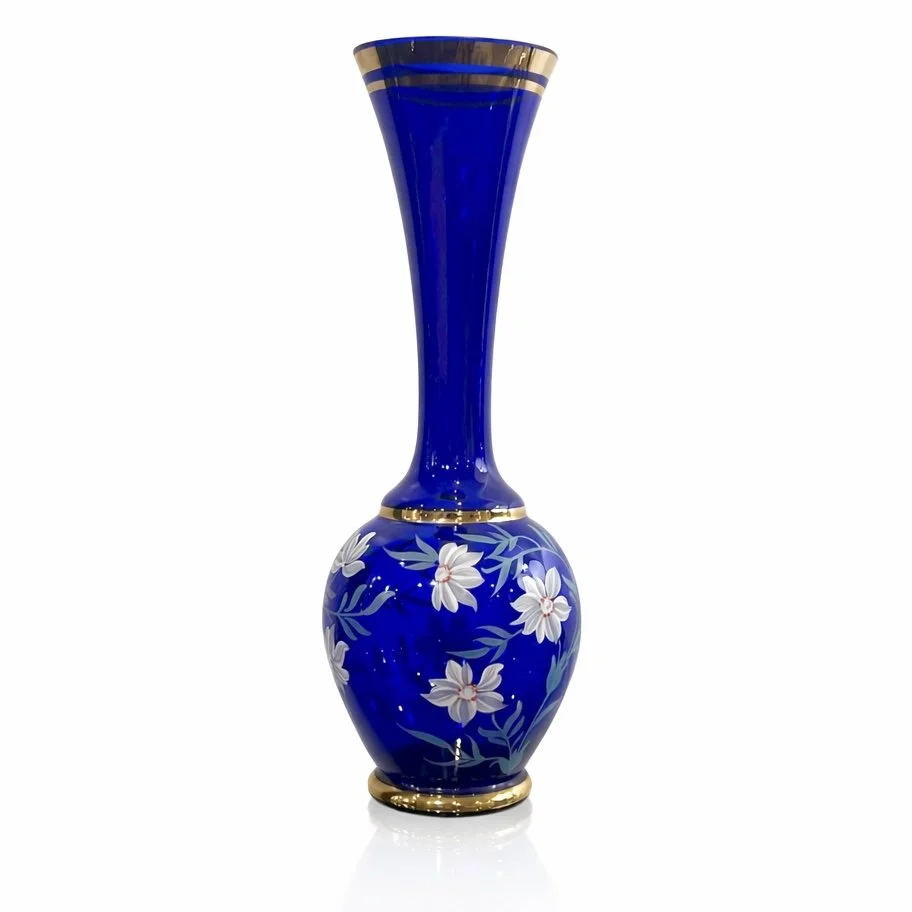
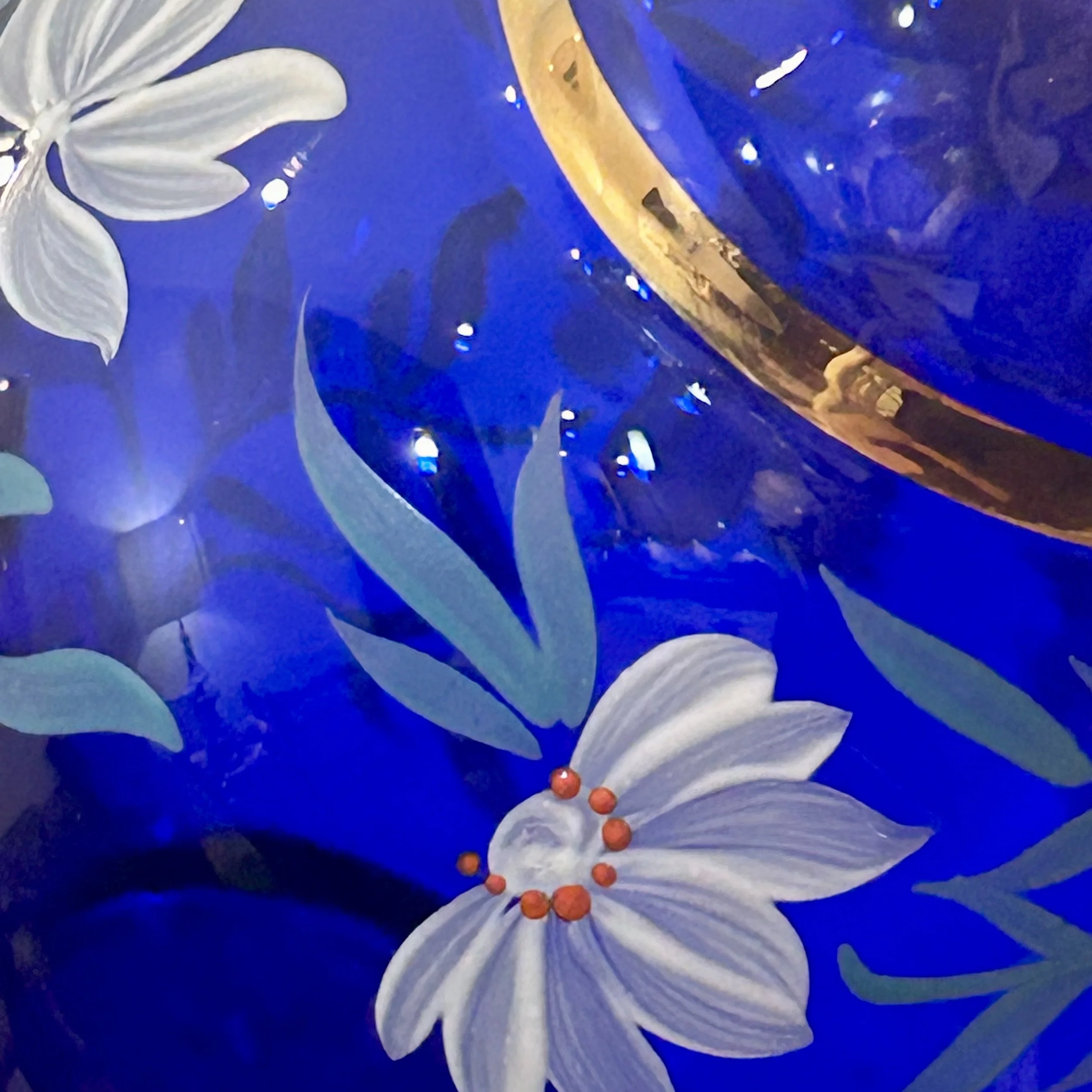
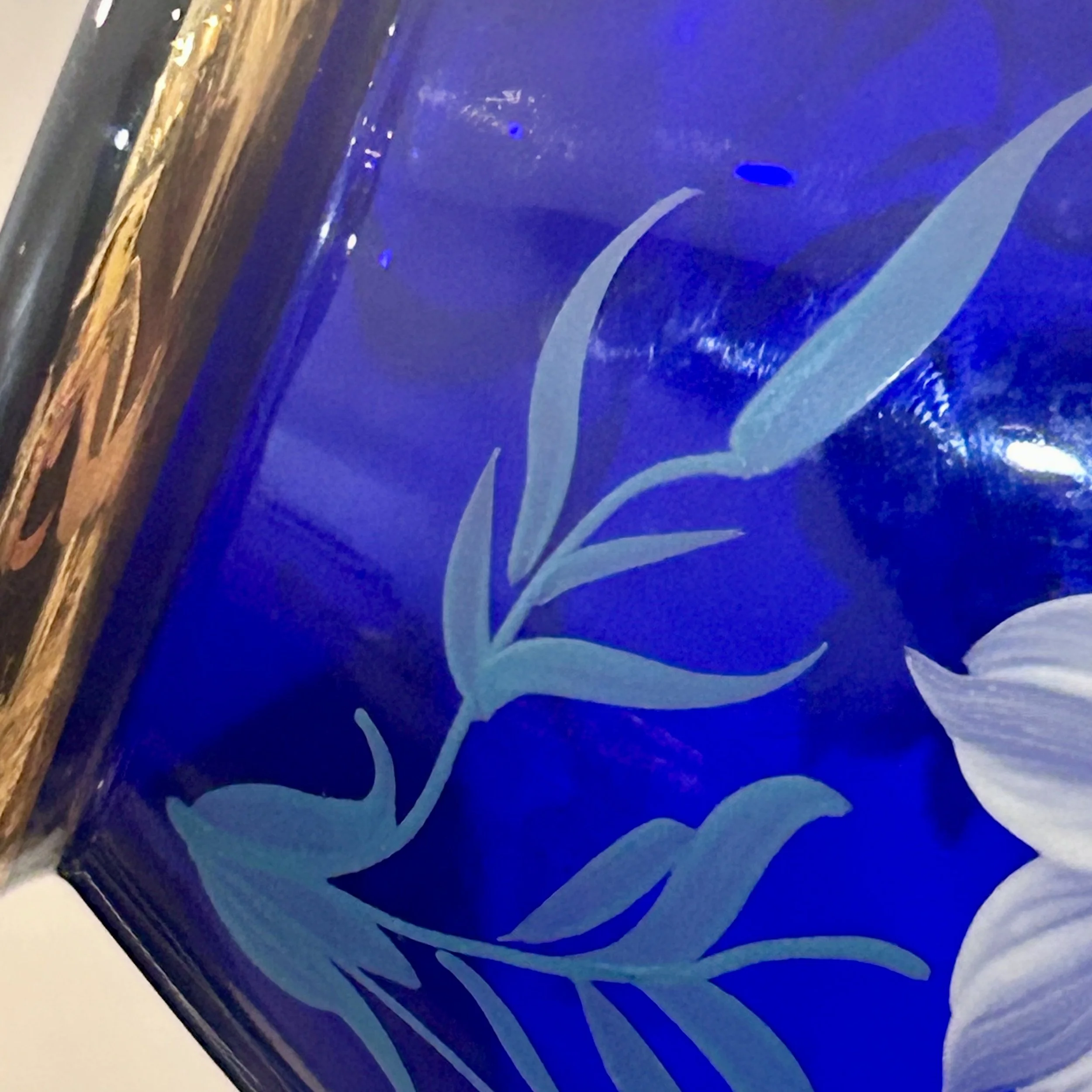
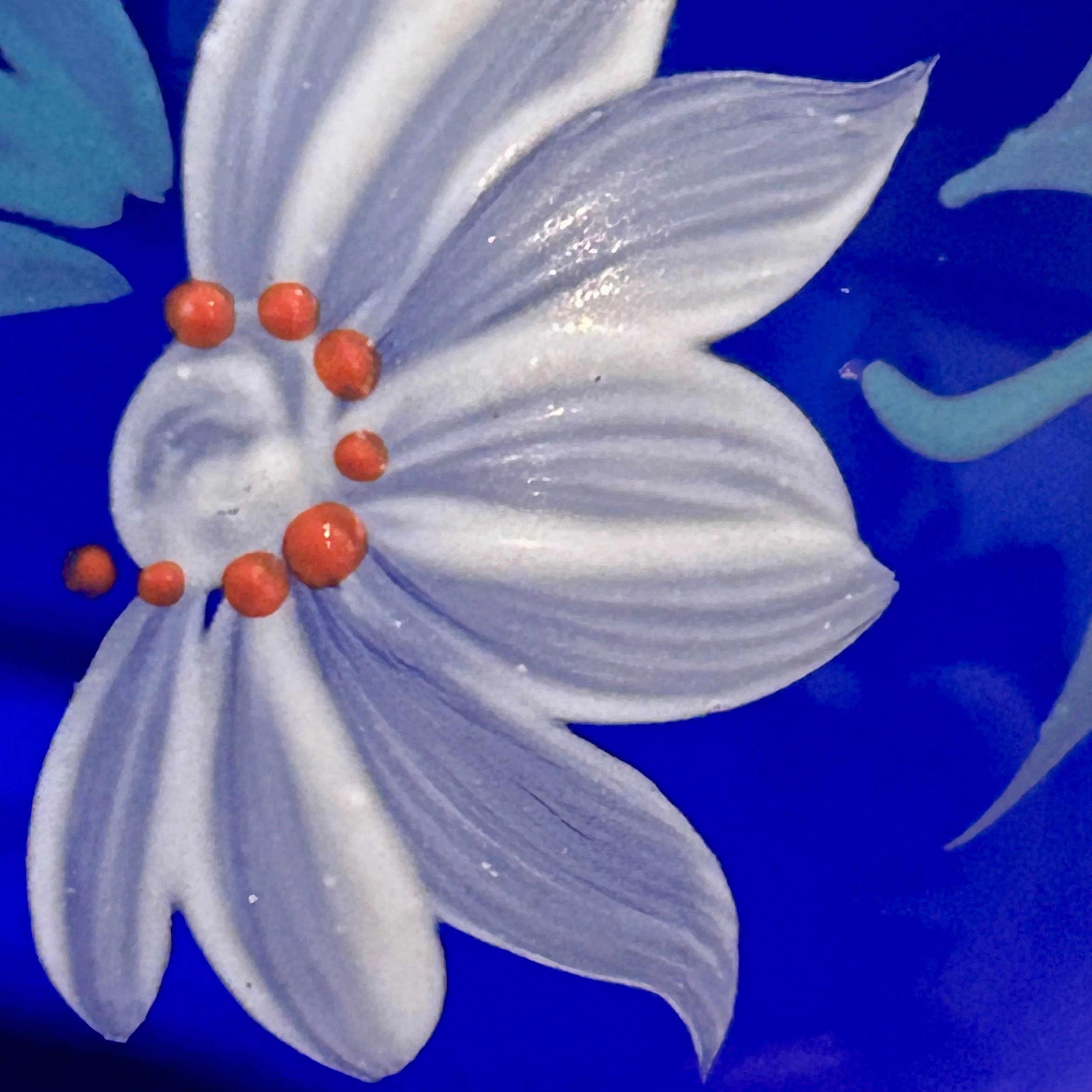
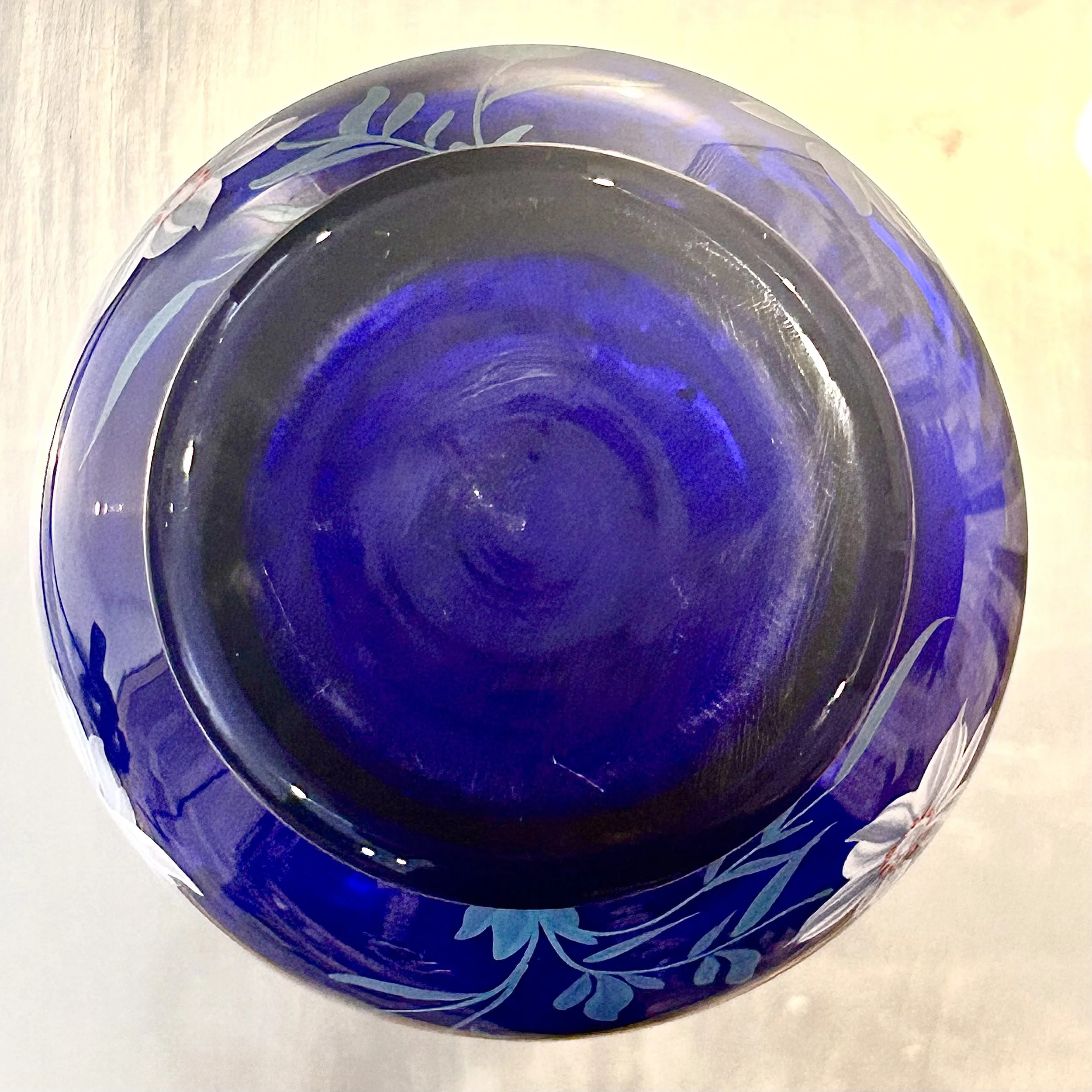
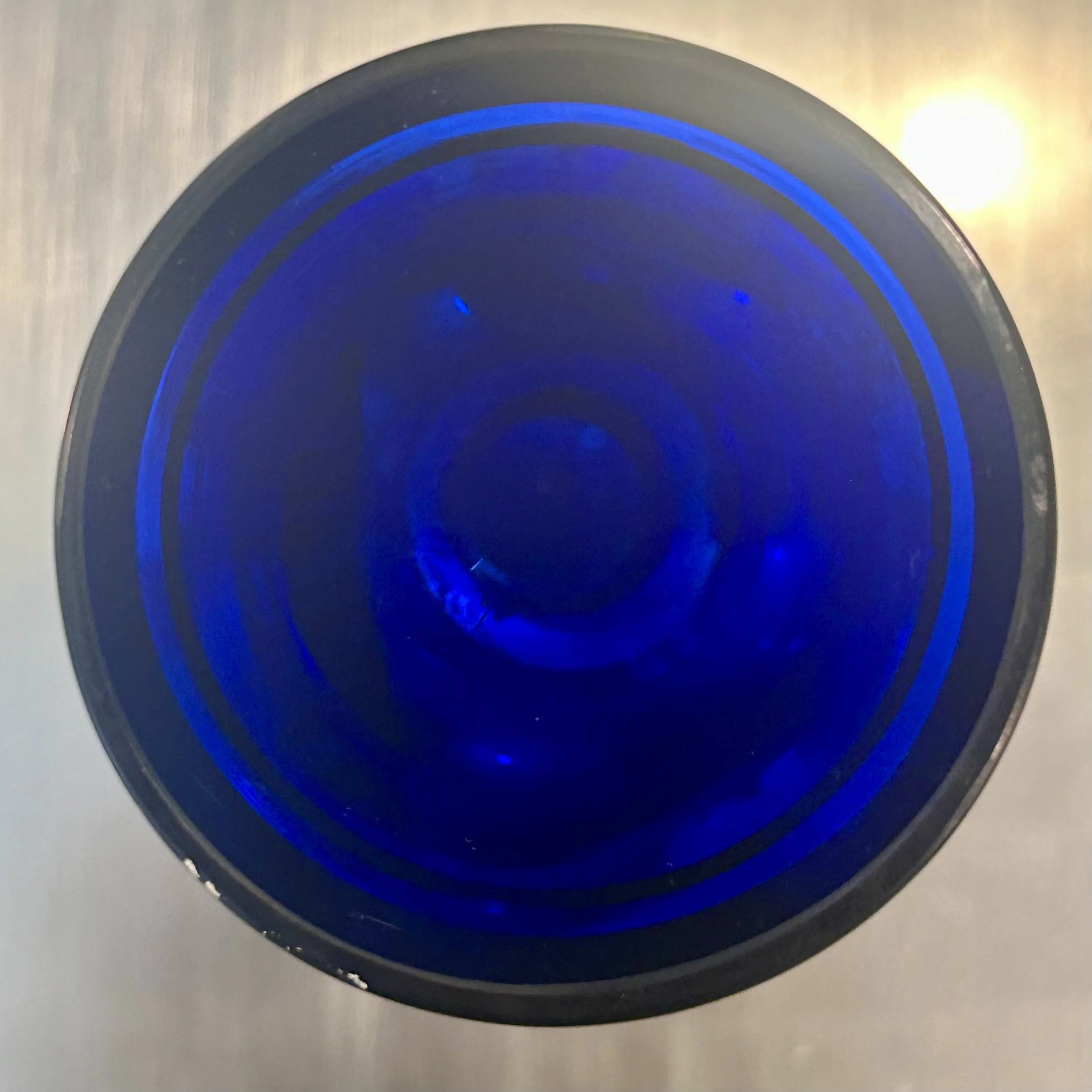
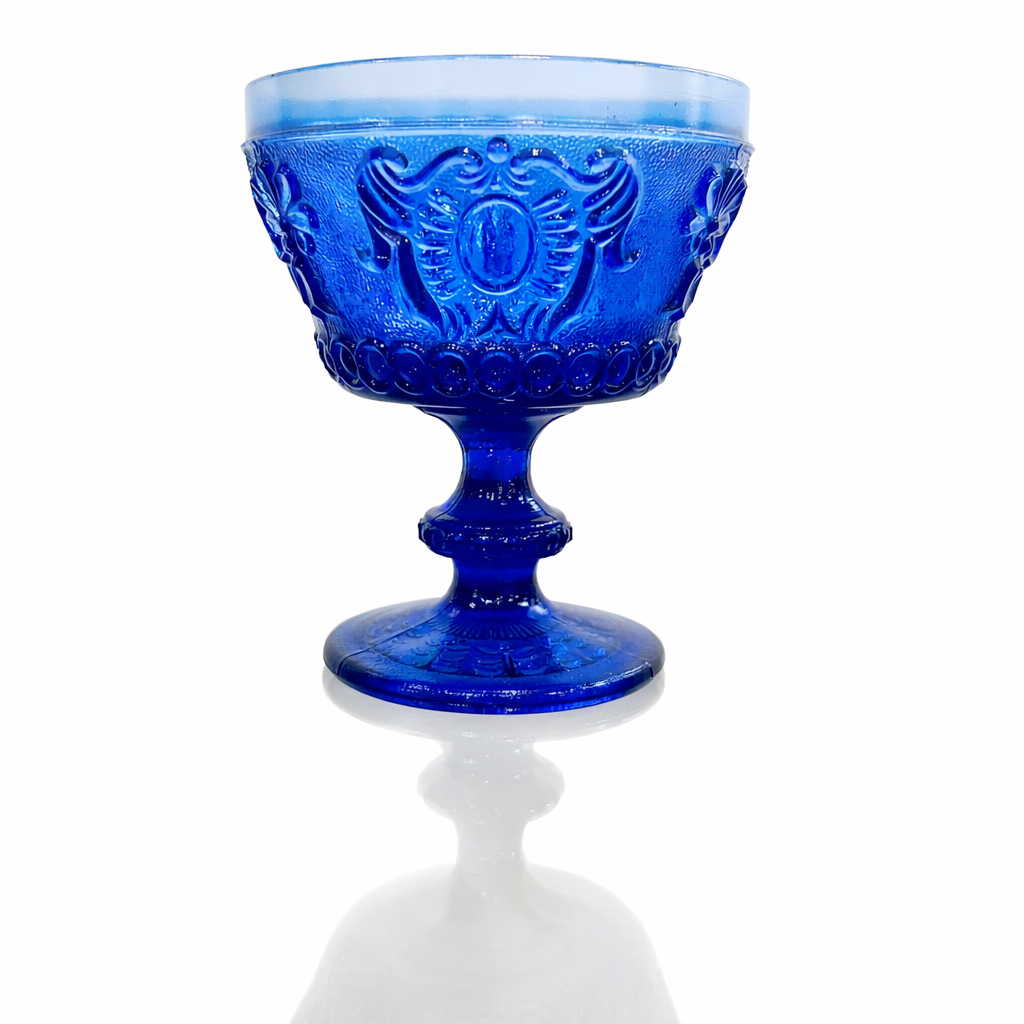
This sculptural vessel commands attention through its saturated, deep cobalt hue and intricate relief-molded ornamentation. The form features a flared bowl supported by a faceted, knopped stem and a stepped circular base, creating a rhythmic verticality. Light interacts dynamically with the pressed patterns, casting vivid blue shadows and highlighting the high-gloss fire-polished surface.

Attribution & Period

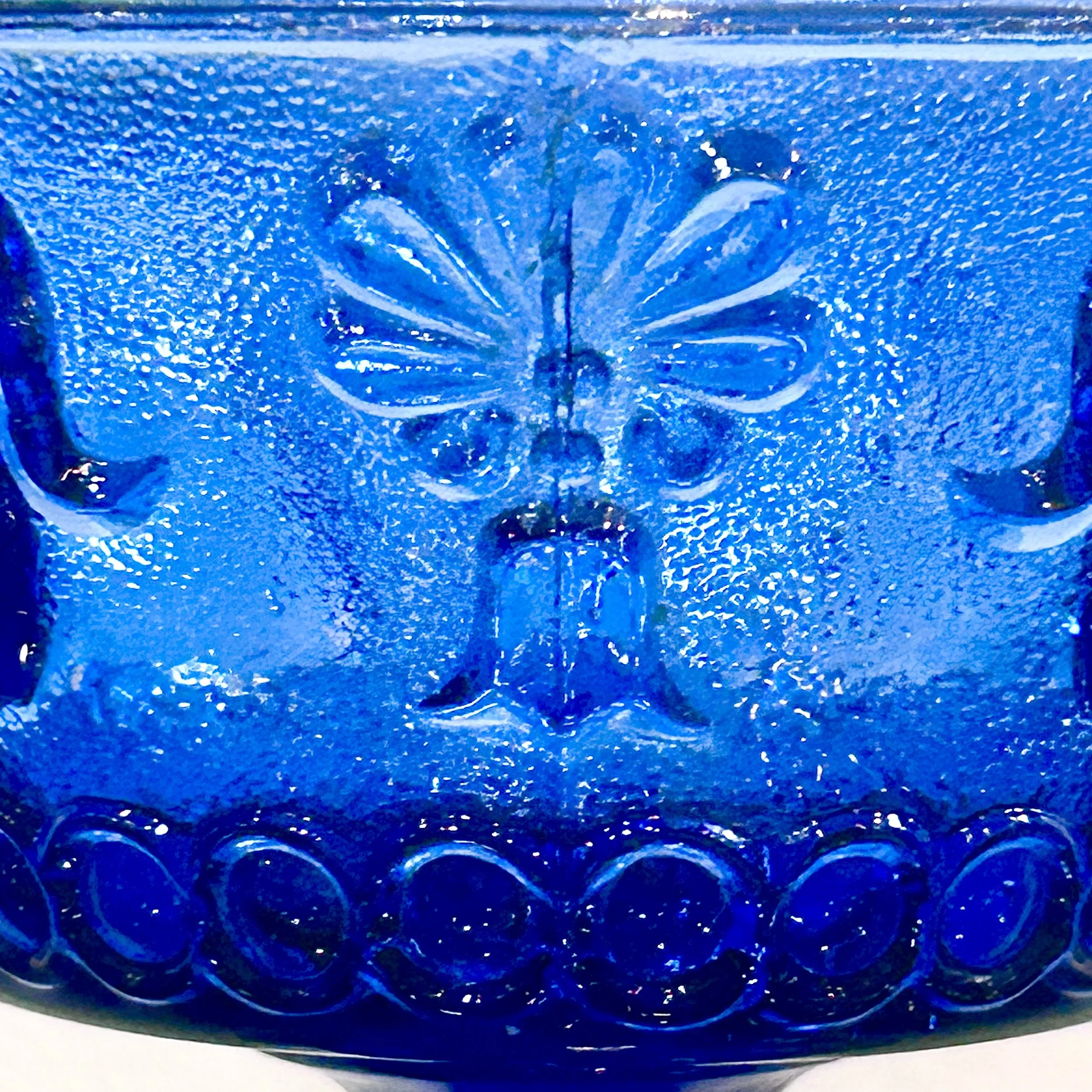
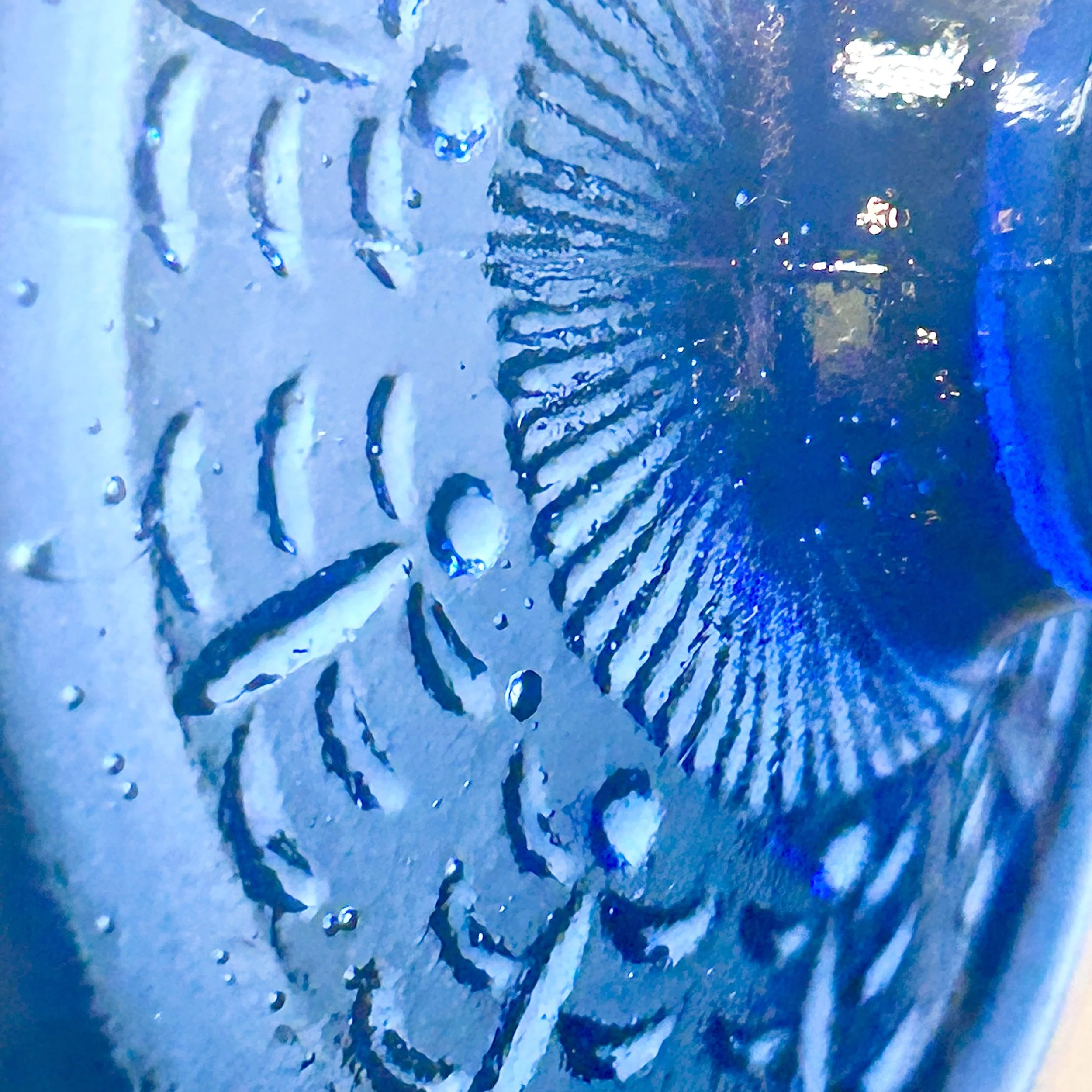
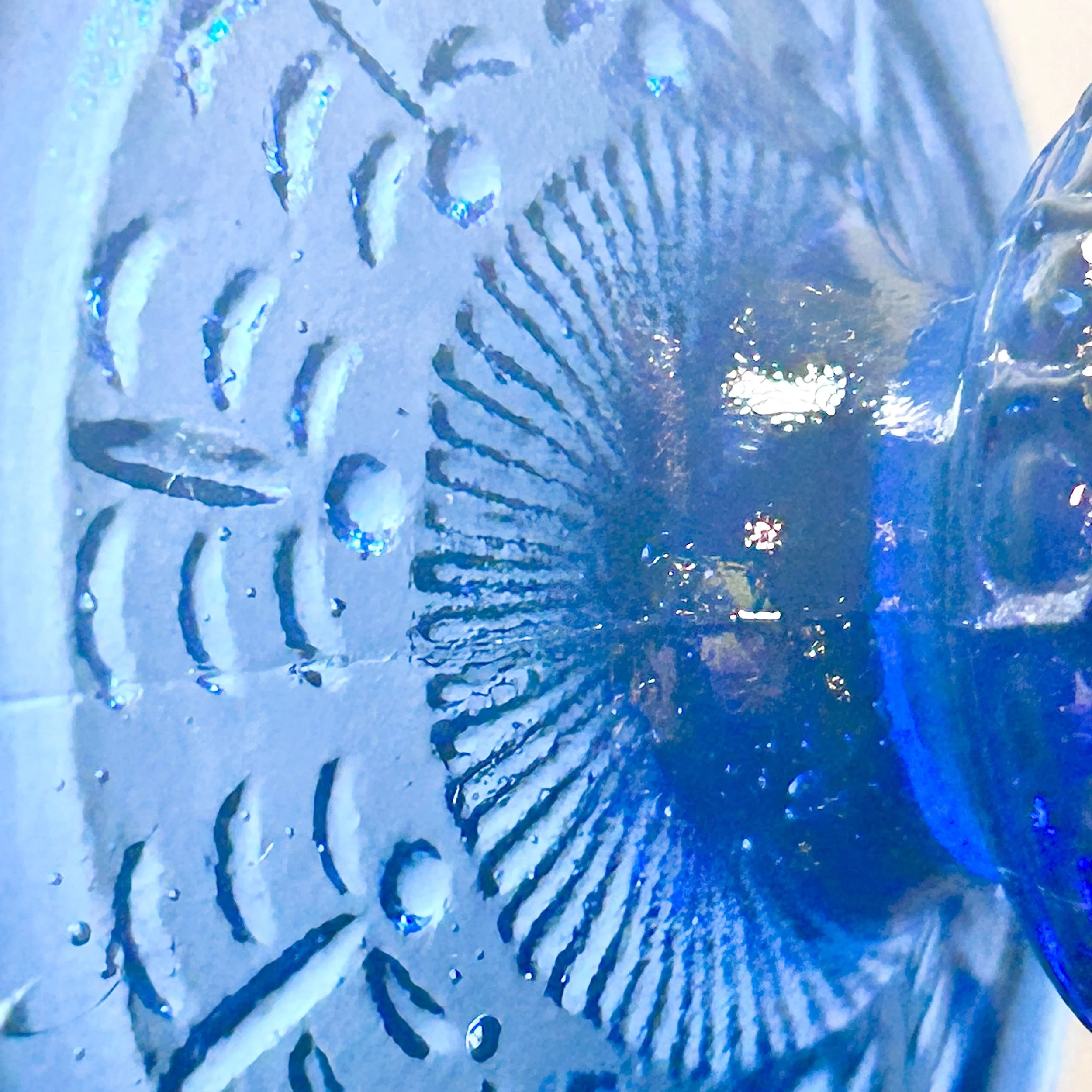
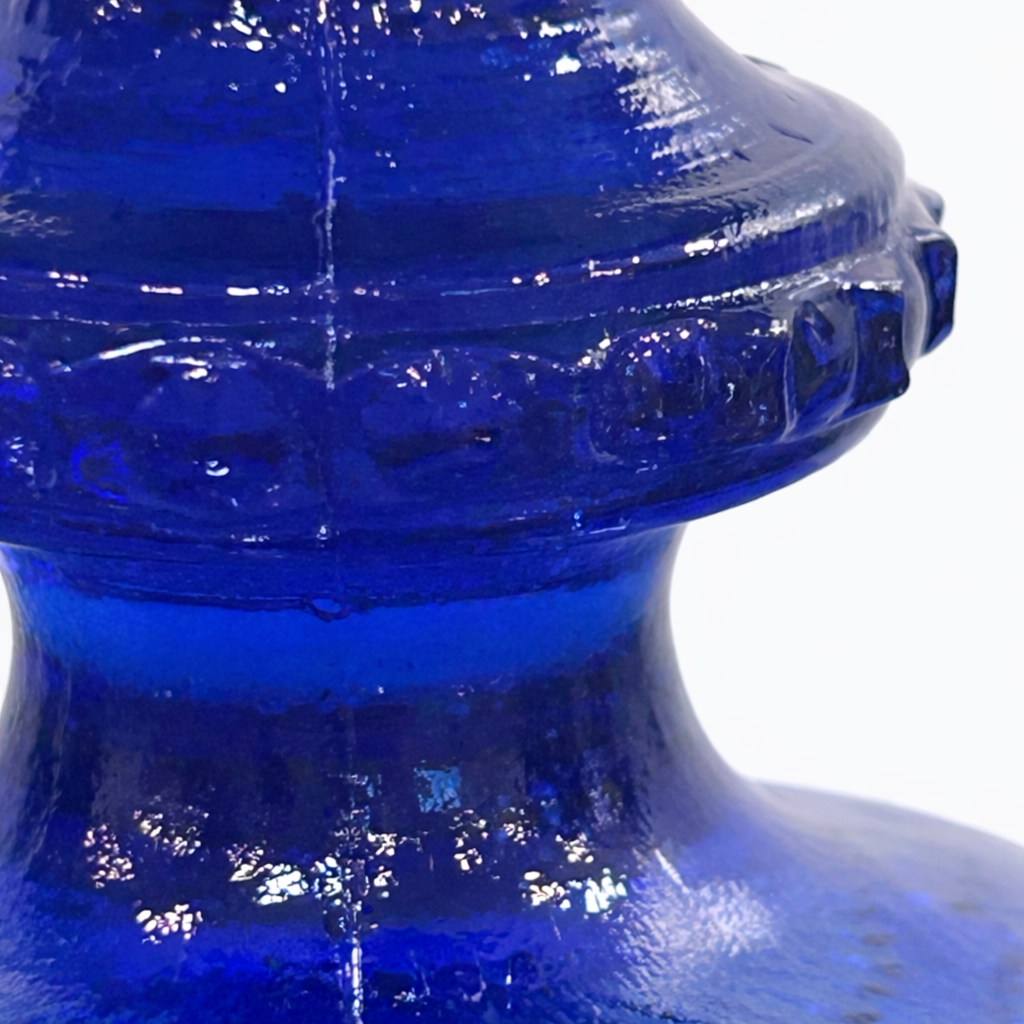
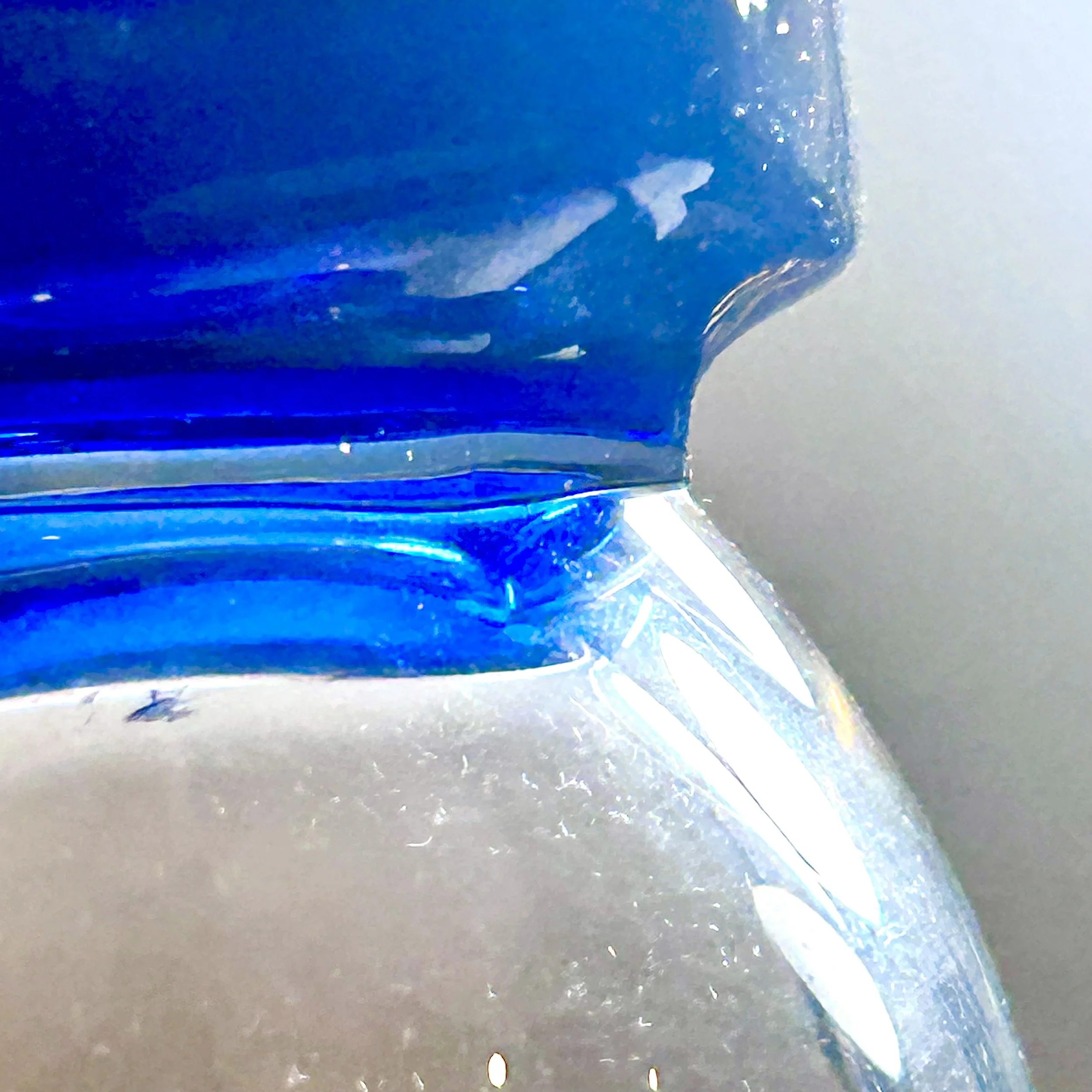
1880s. This piece is a regional American example of Victorian-era pressed glass, stylistically aligned with the EAPG (Early American Pattern Glass) movement. The construction exhibits distinct mold seams and a "stippled" ground within the decorative swags, a technique frequently employed by Pittsburgh-area glassworks such as Adams & Company or Bryce Brothers to mimic expensive cut crystal.

Dimensions & Weight

  • Height: 4.5 inches

  • Width / Diameter: 3.75 inches

  • Depth / Base Diameter: 2.75 inches

  • Weight: 0.692 lbs

Condition

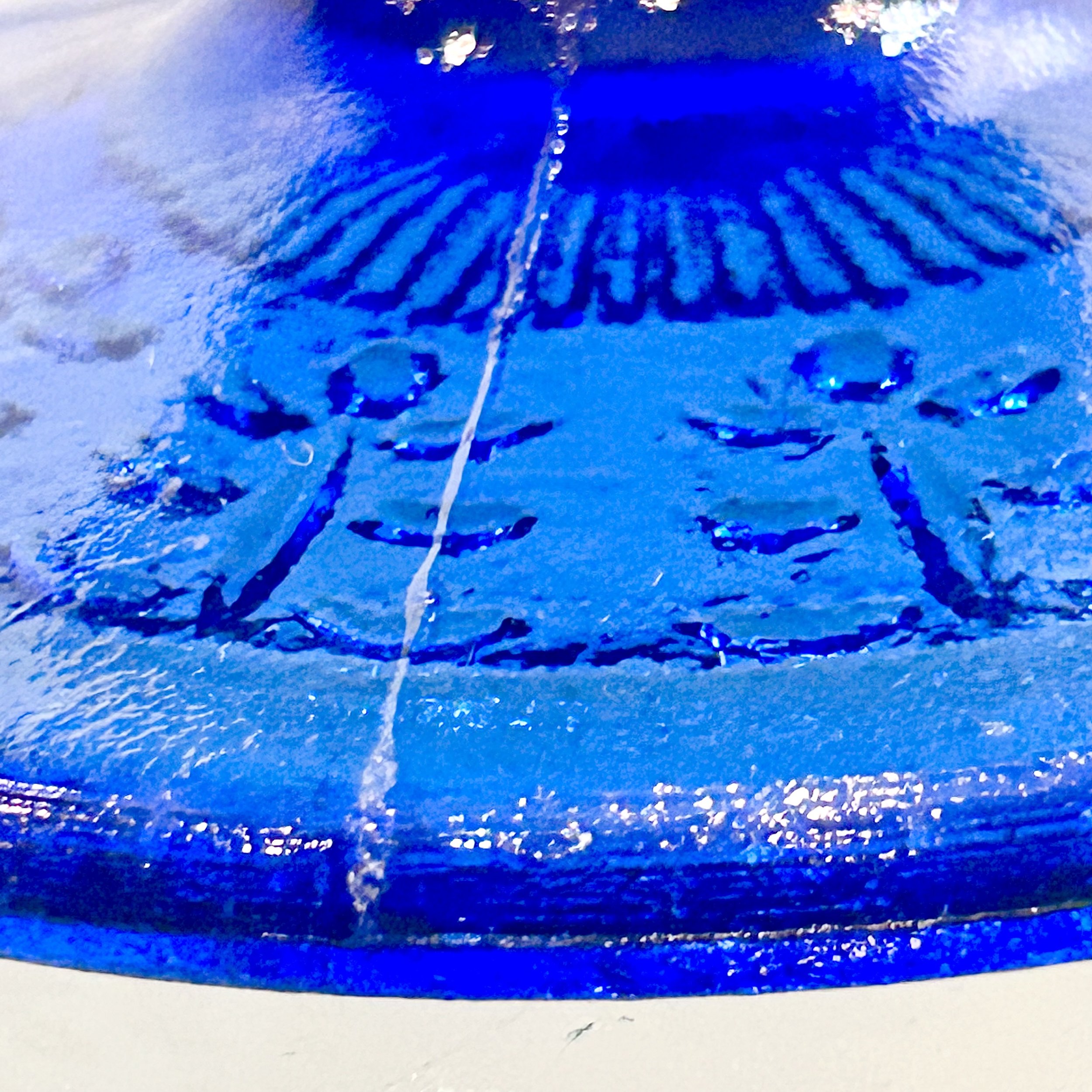
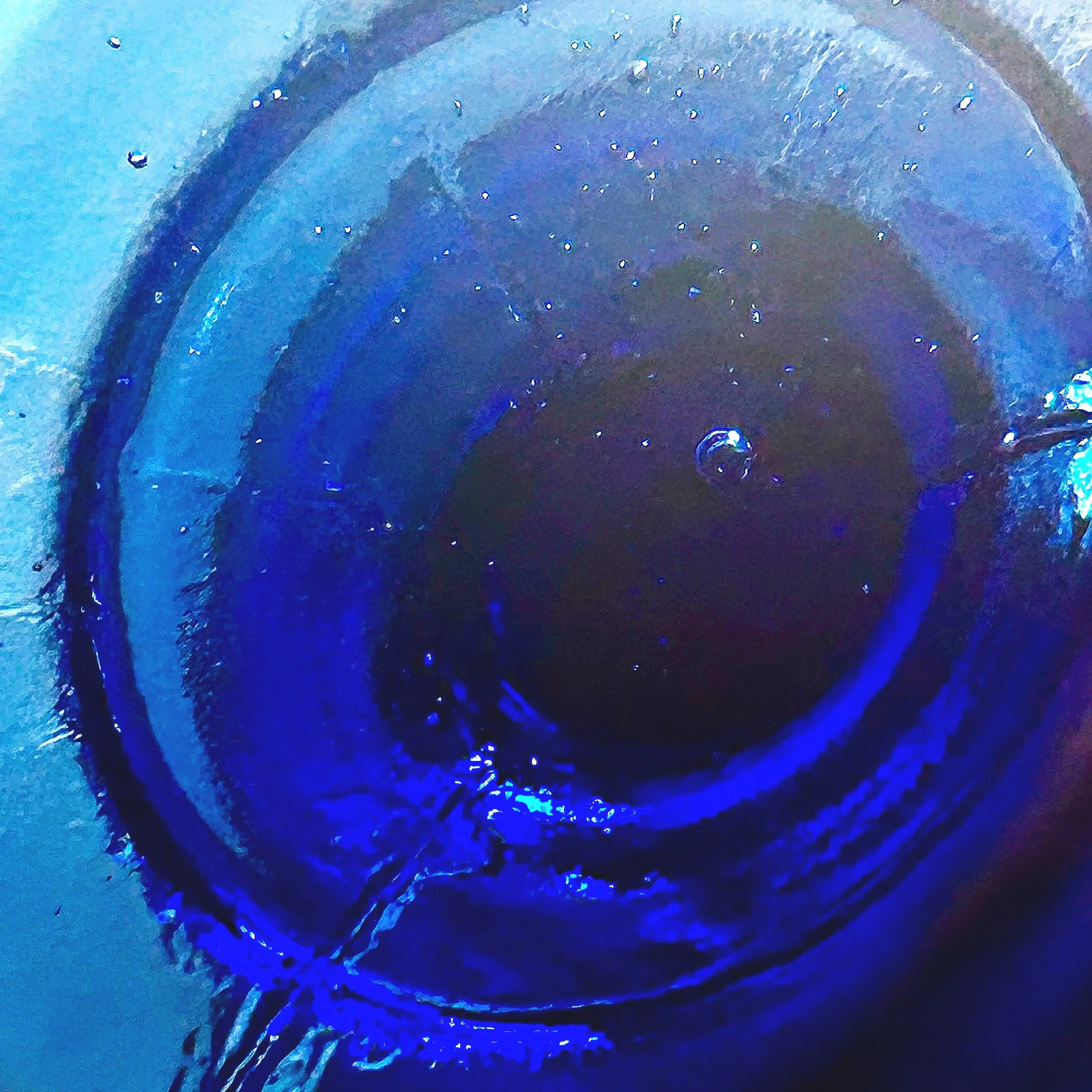
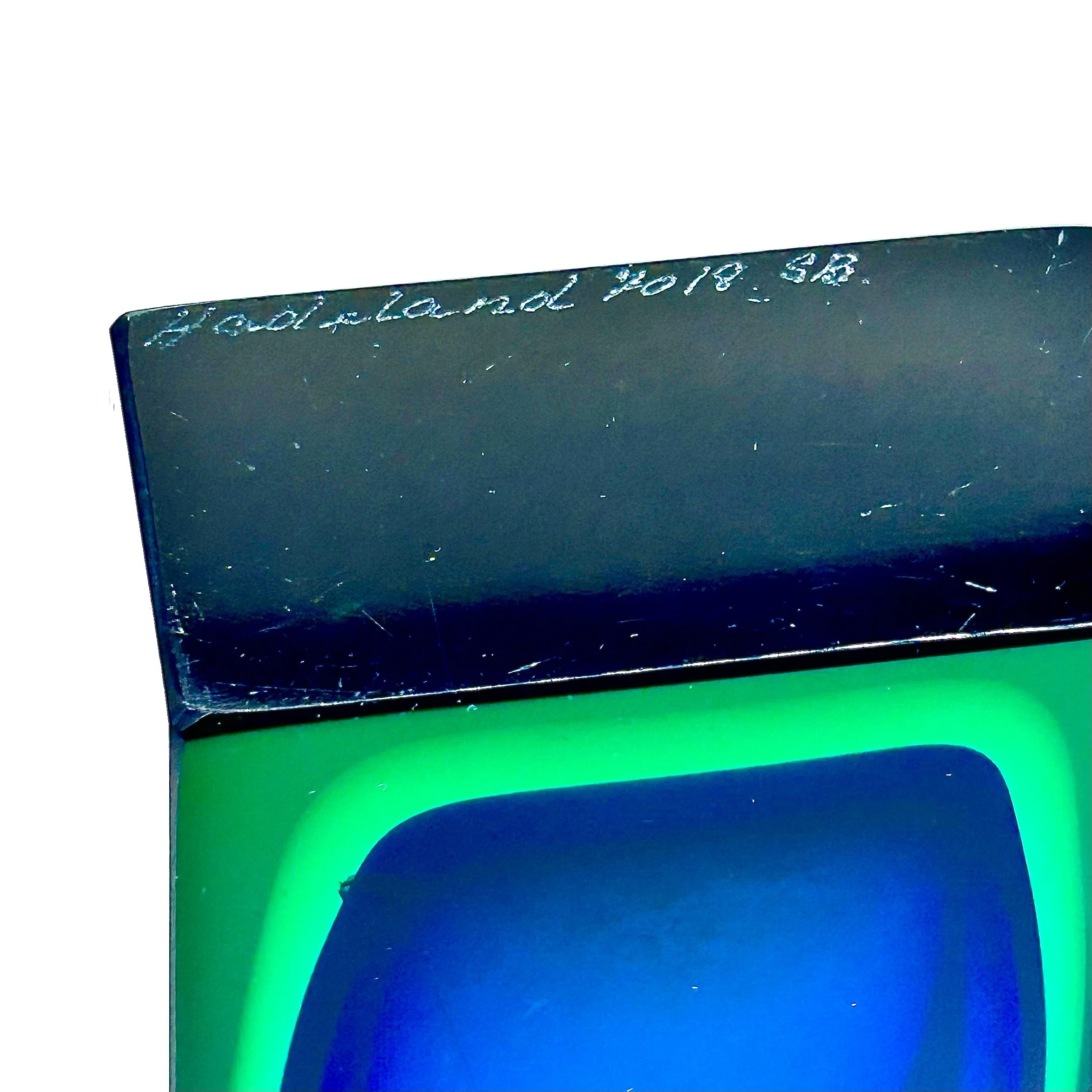
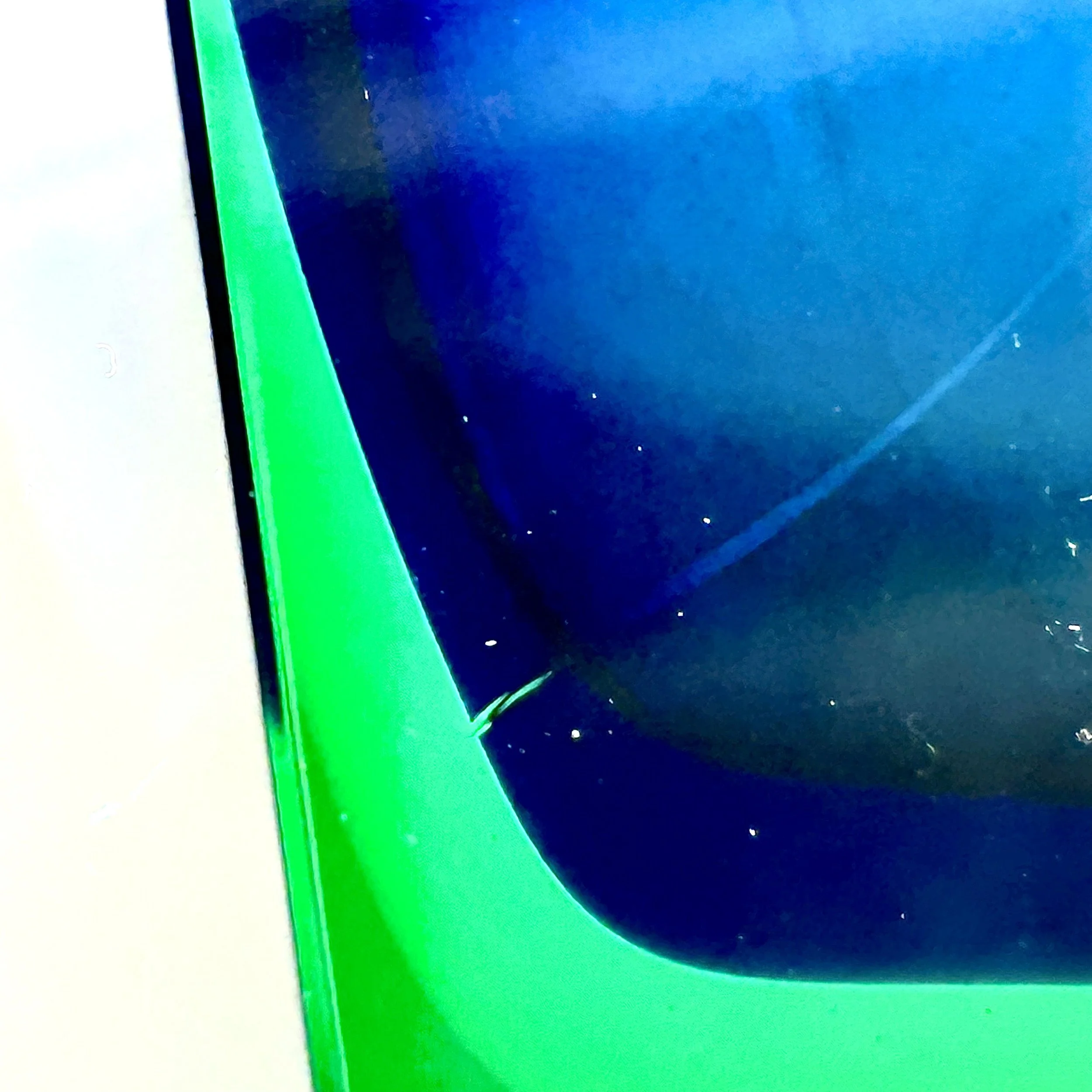
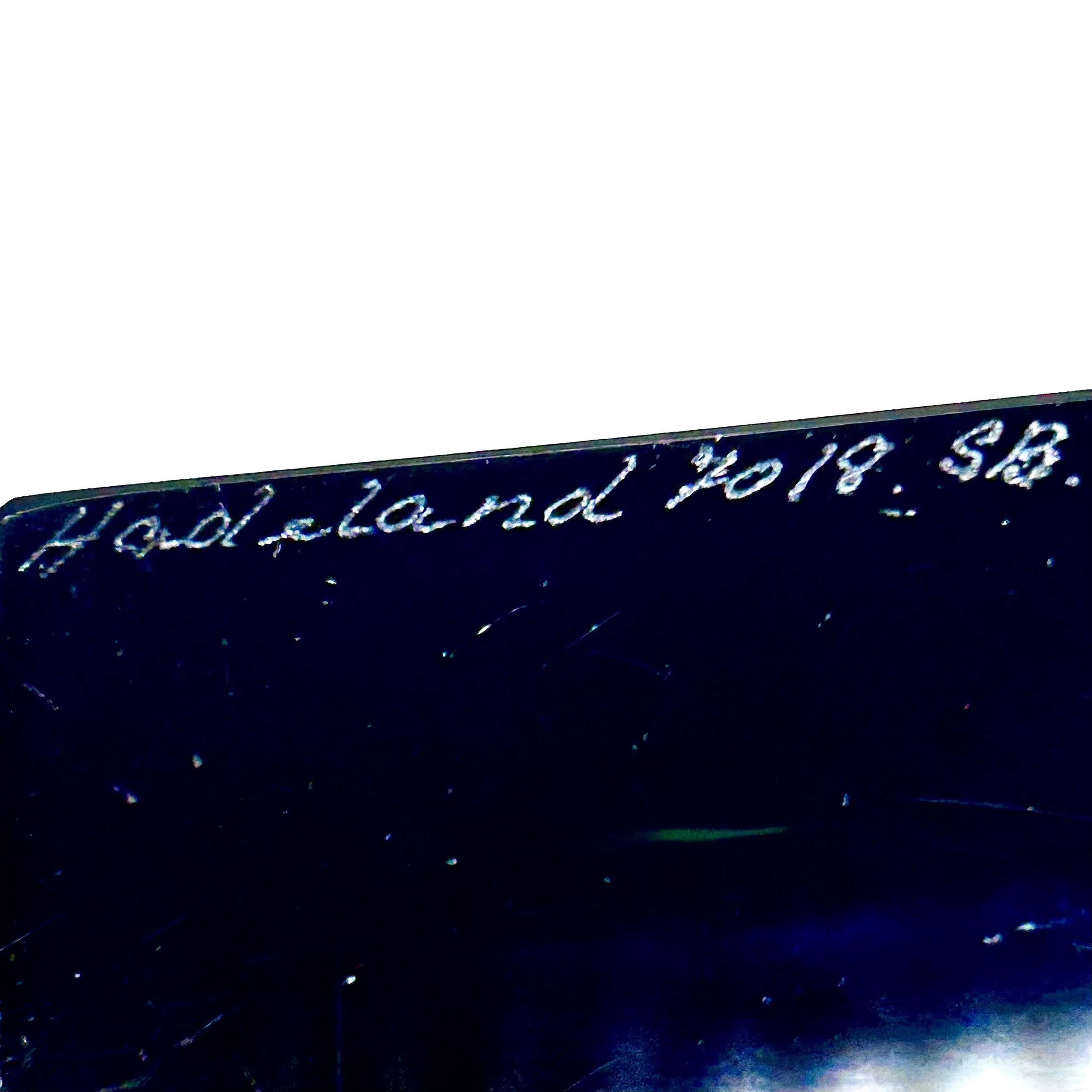
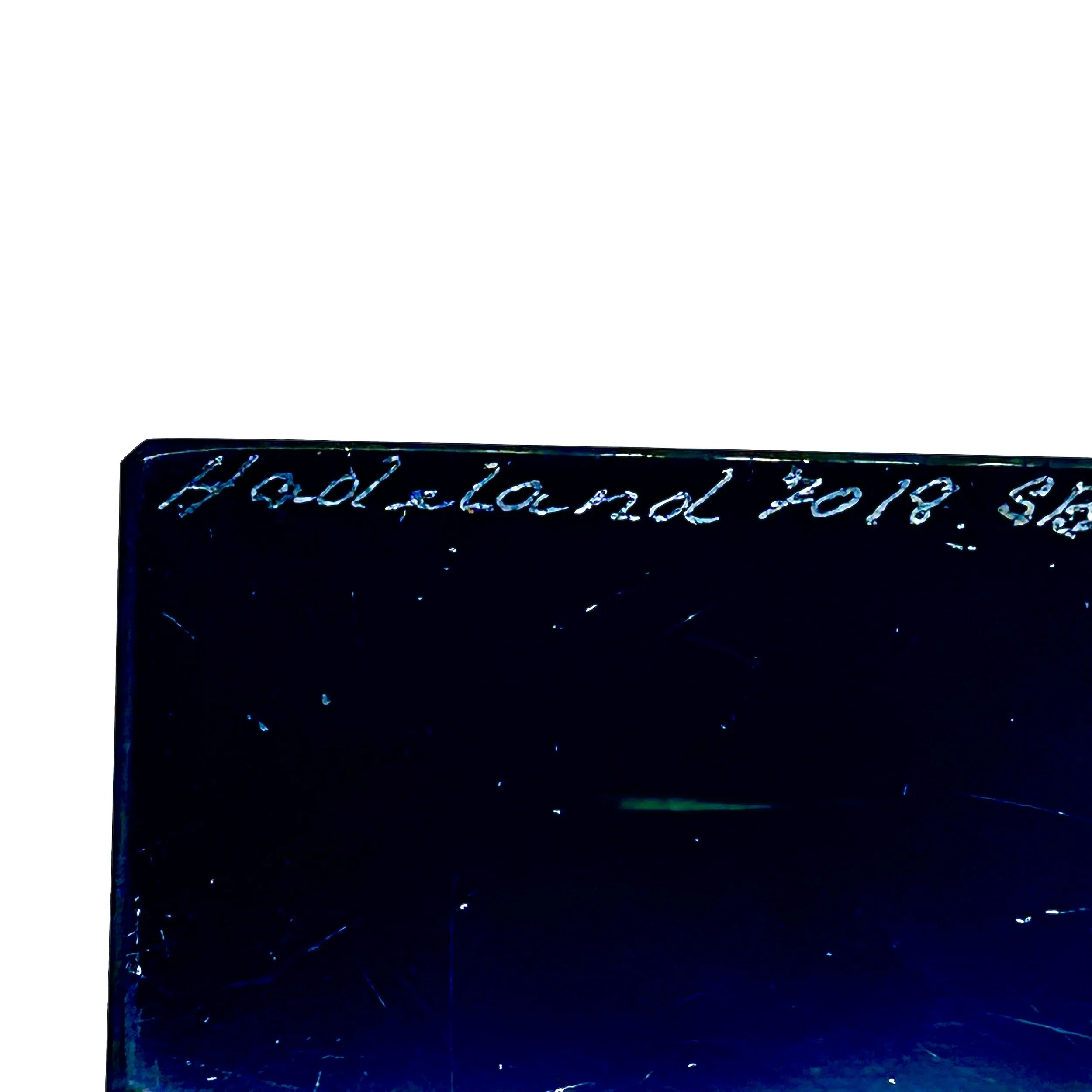
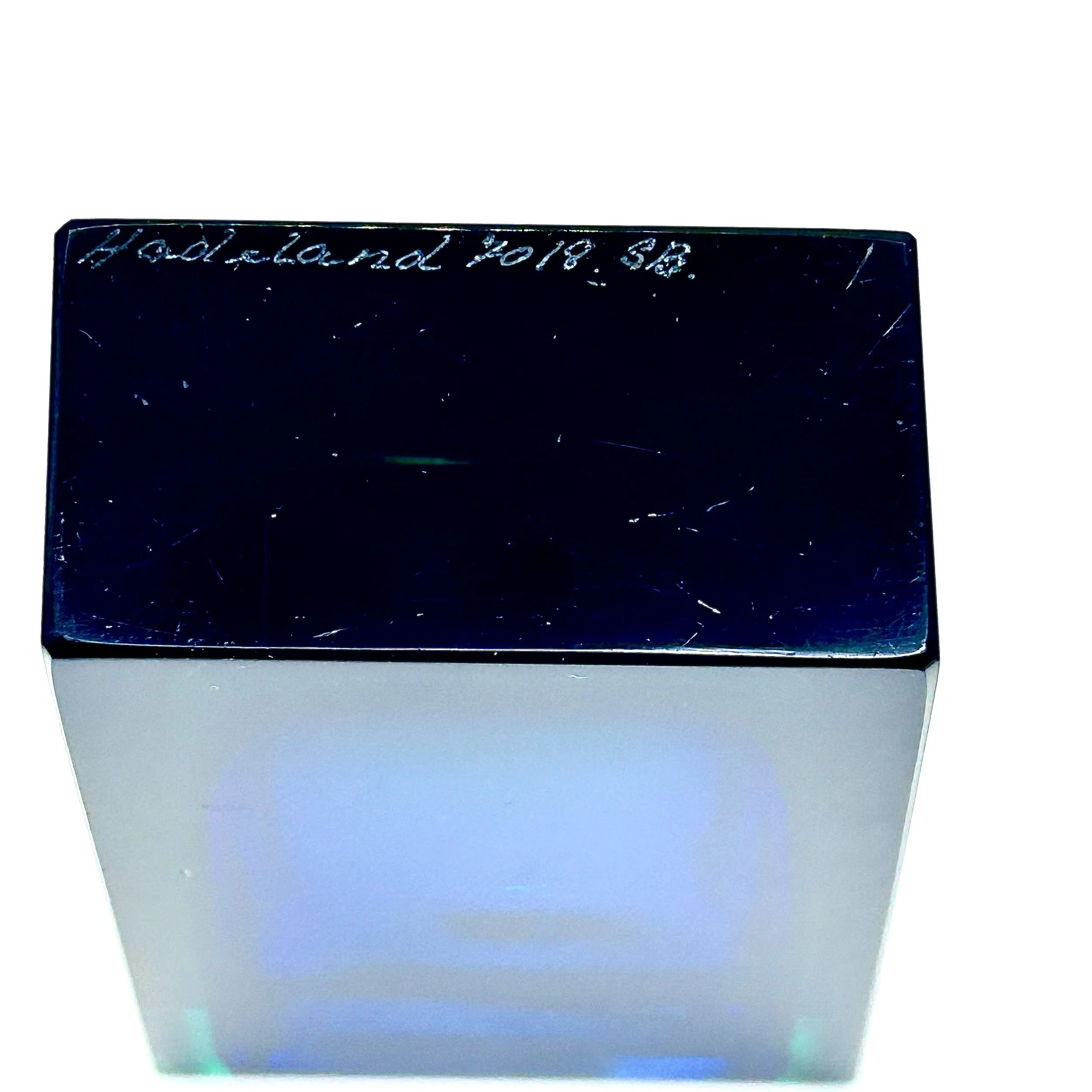
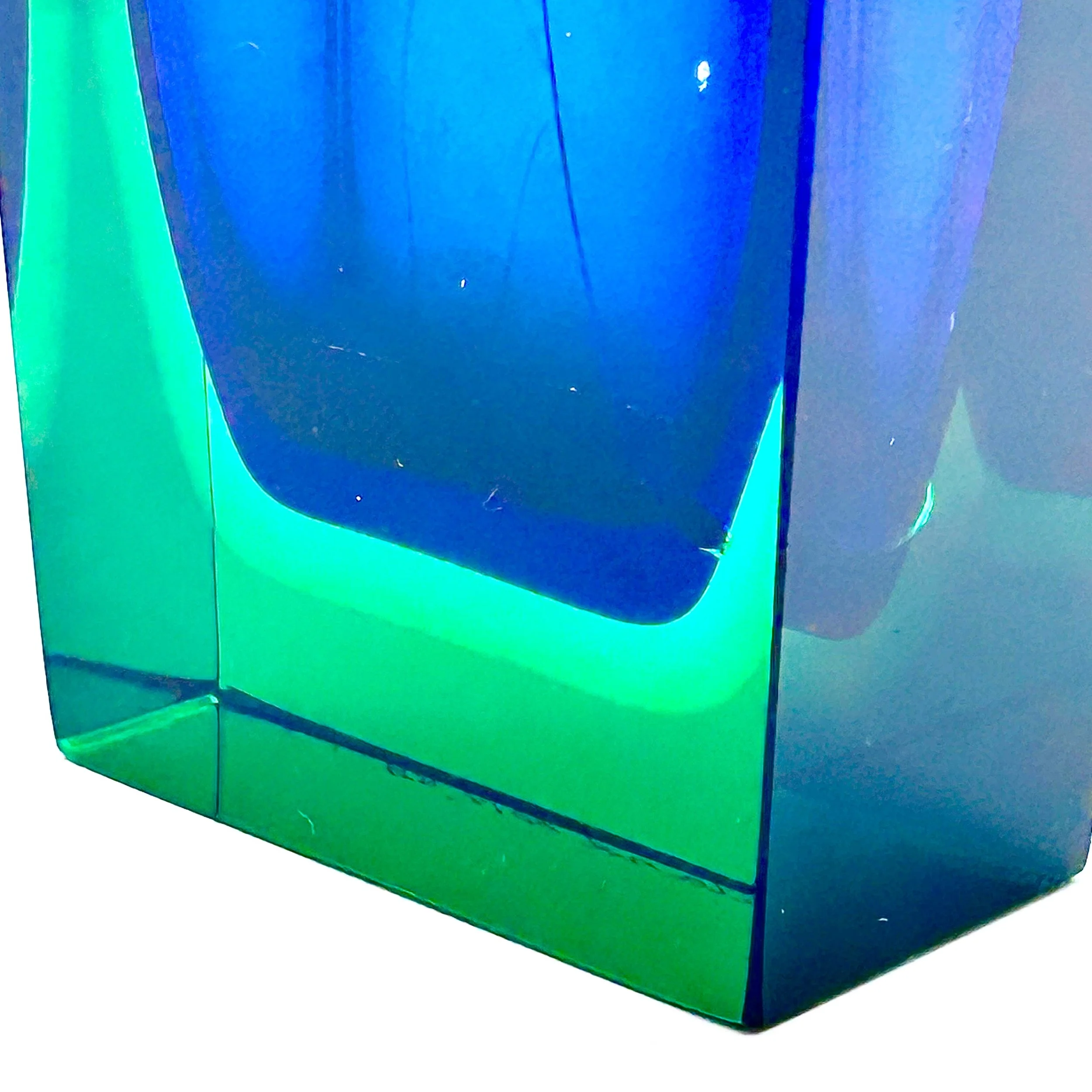
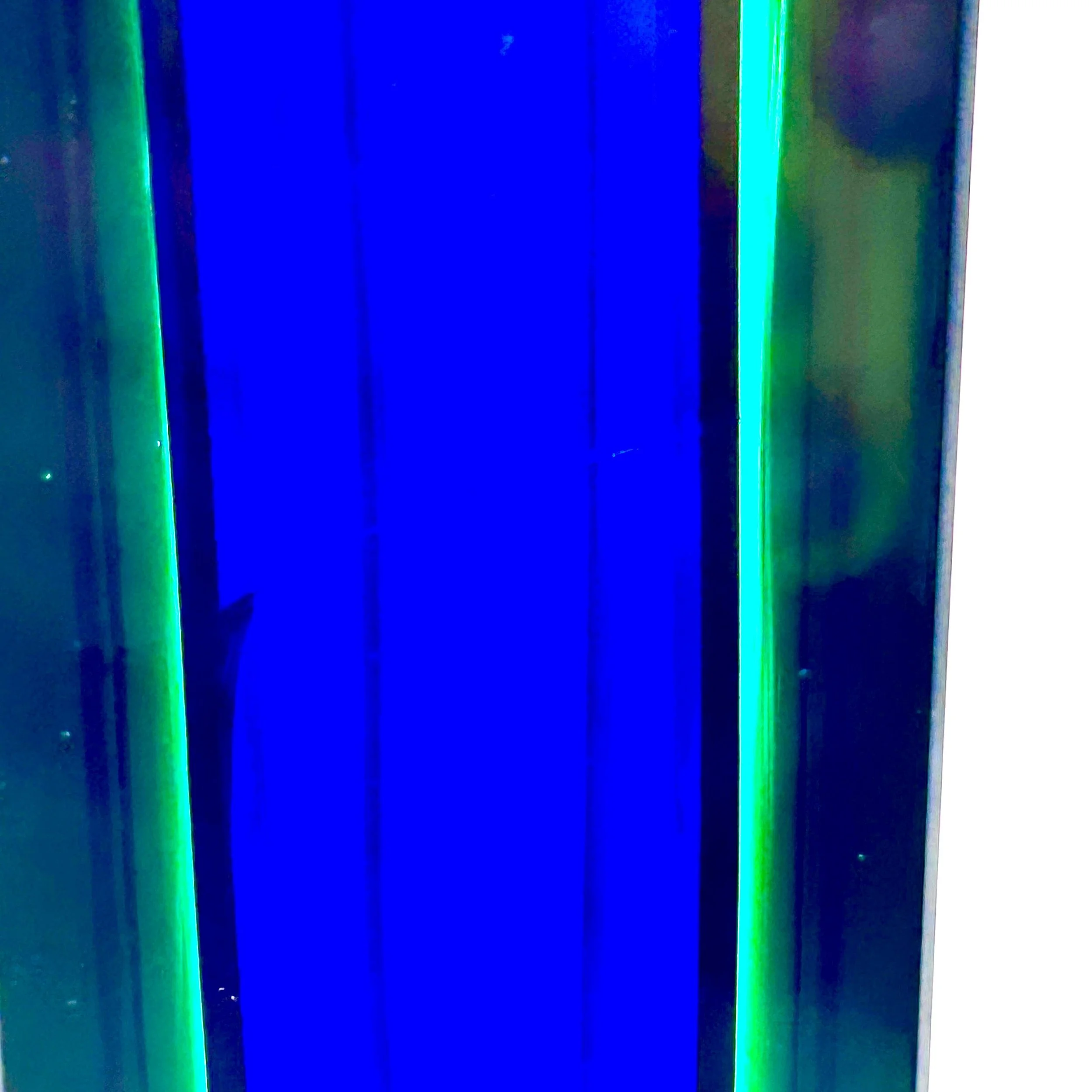
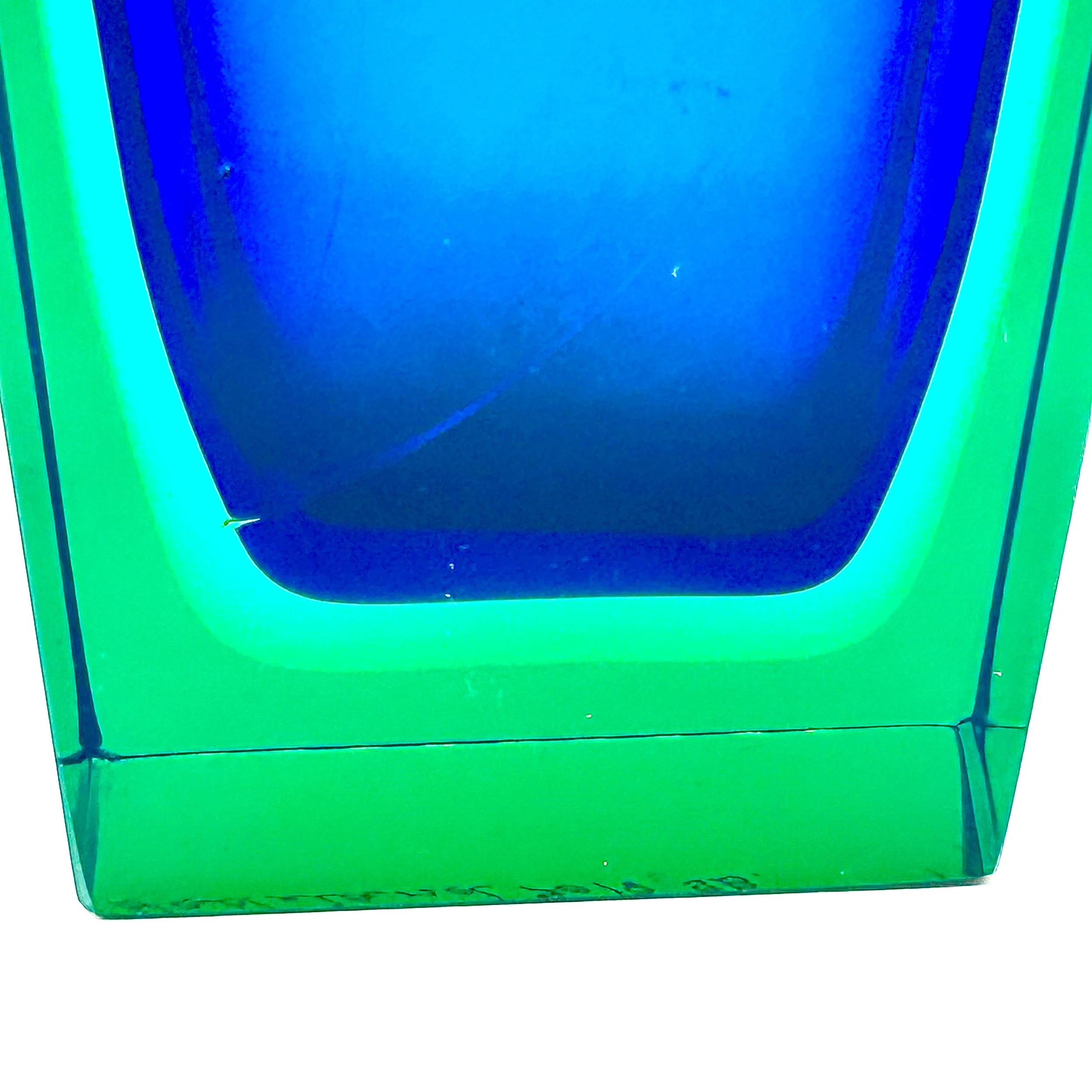
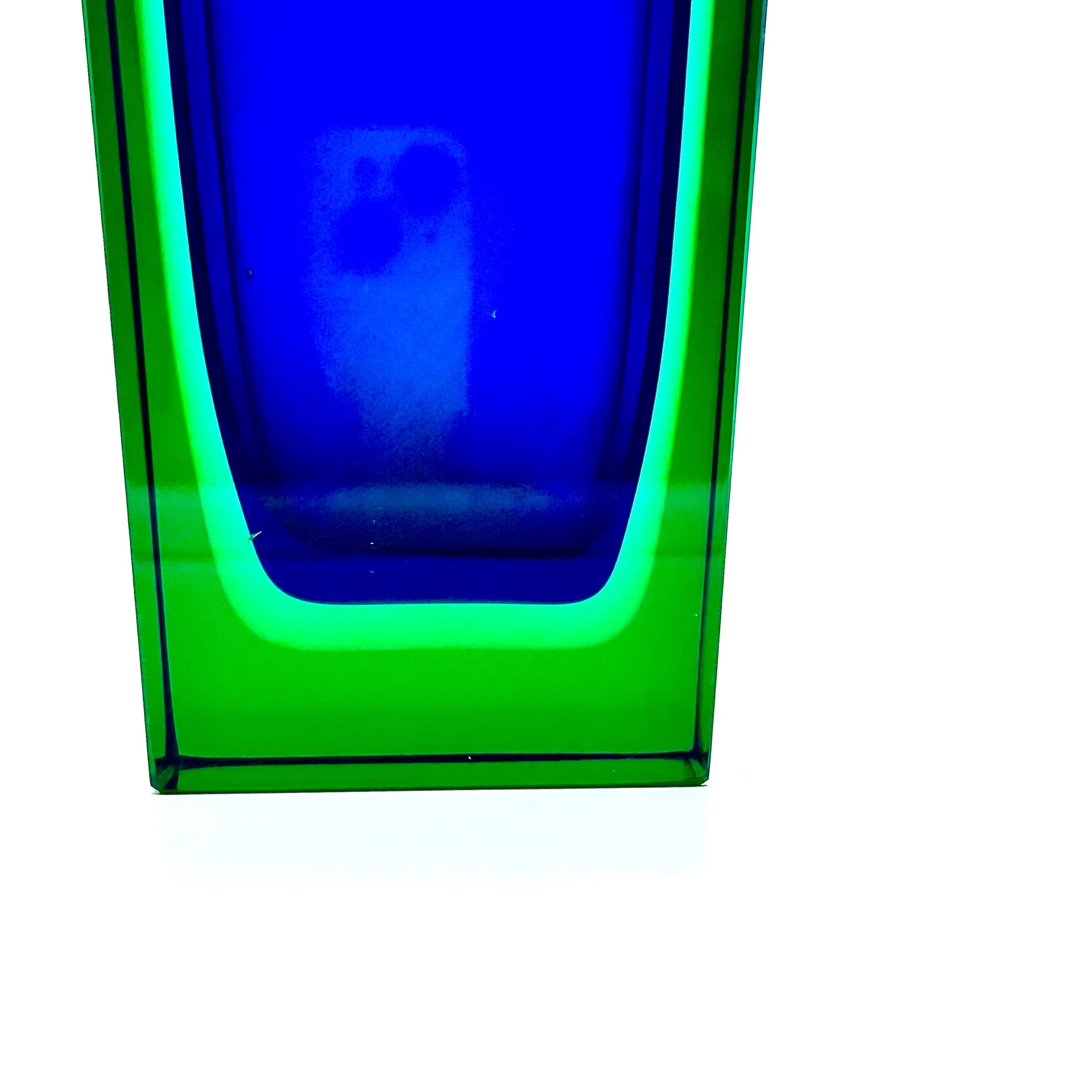
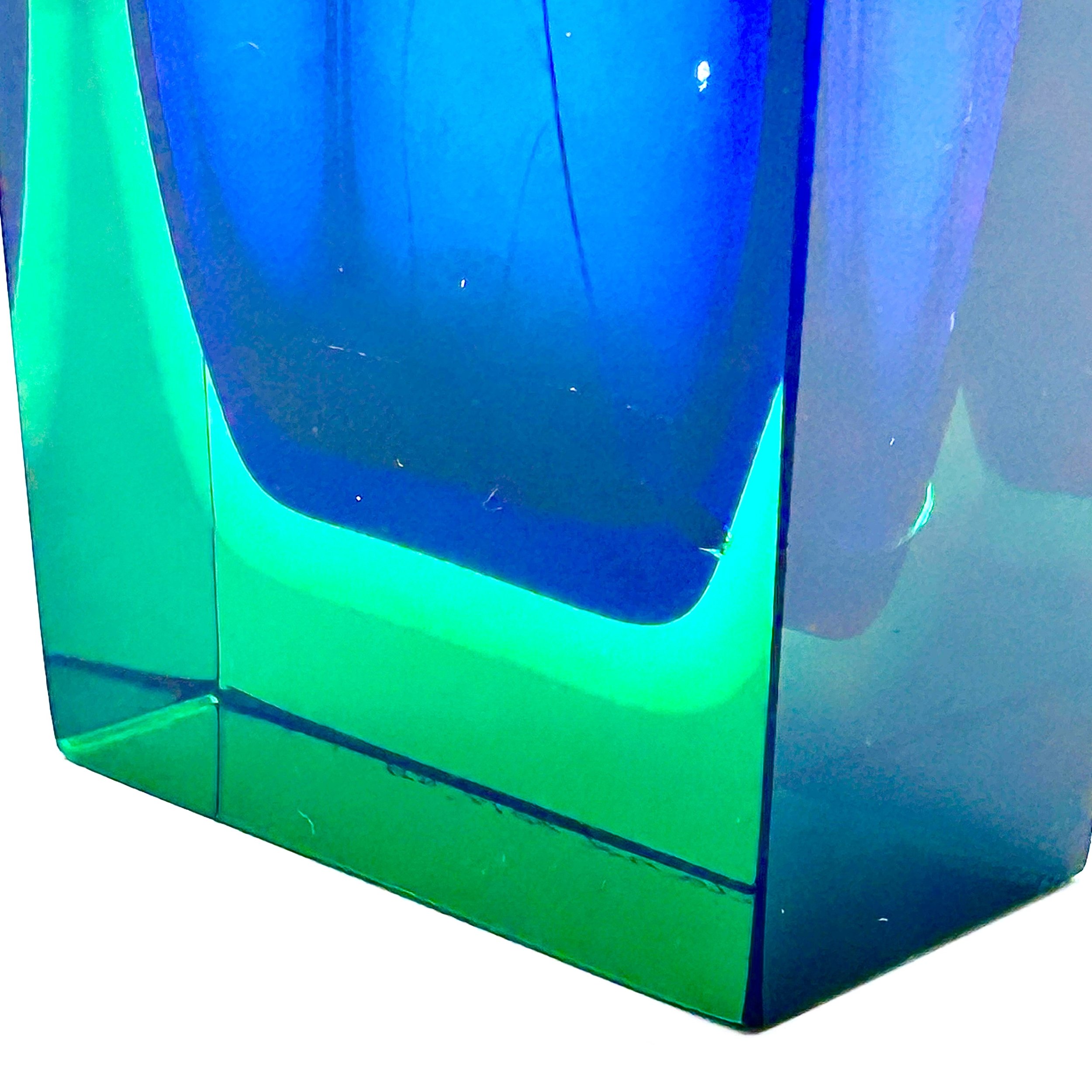
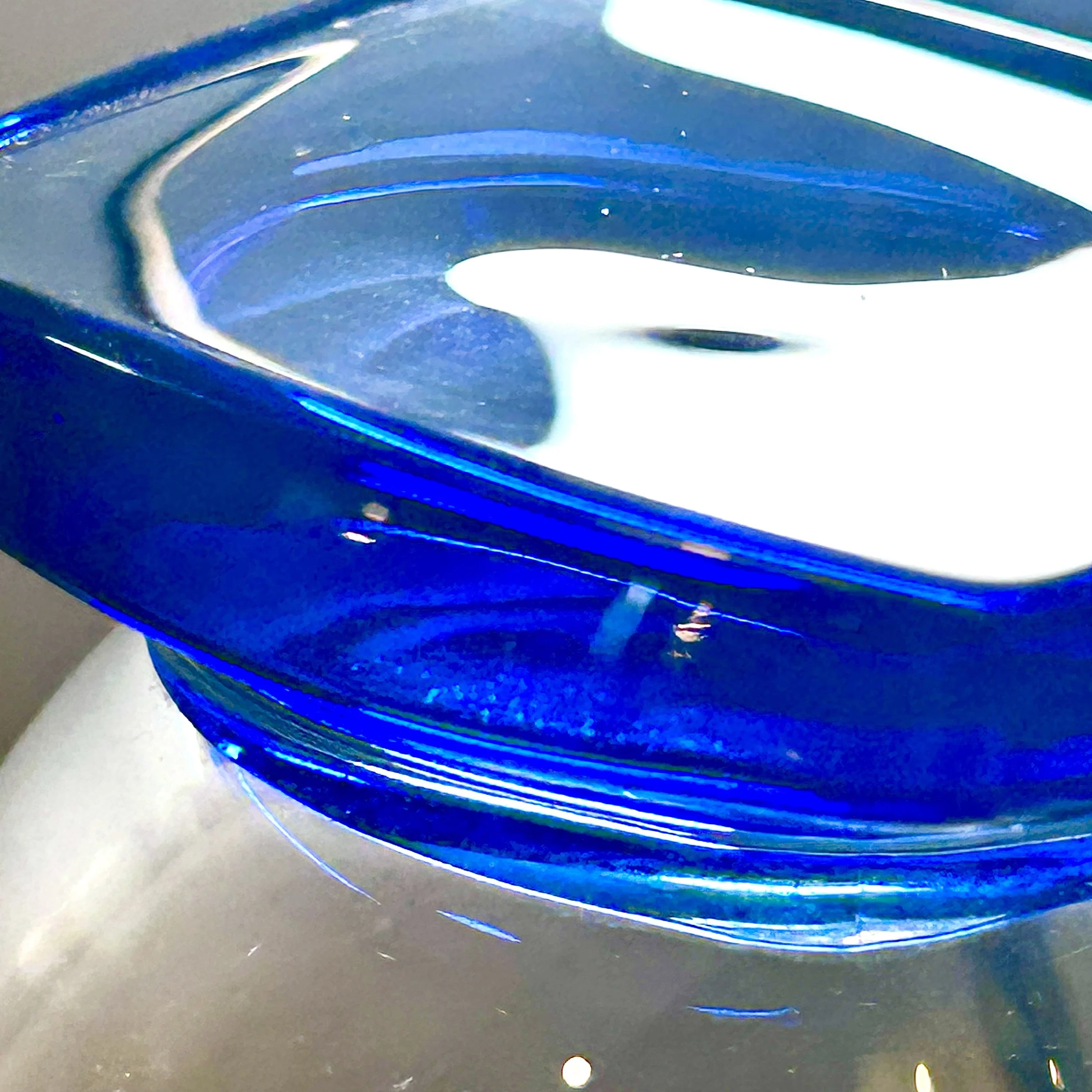
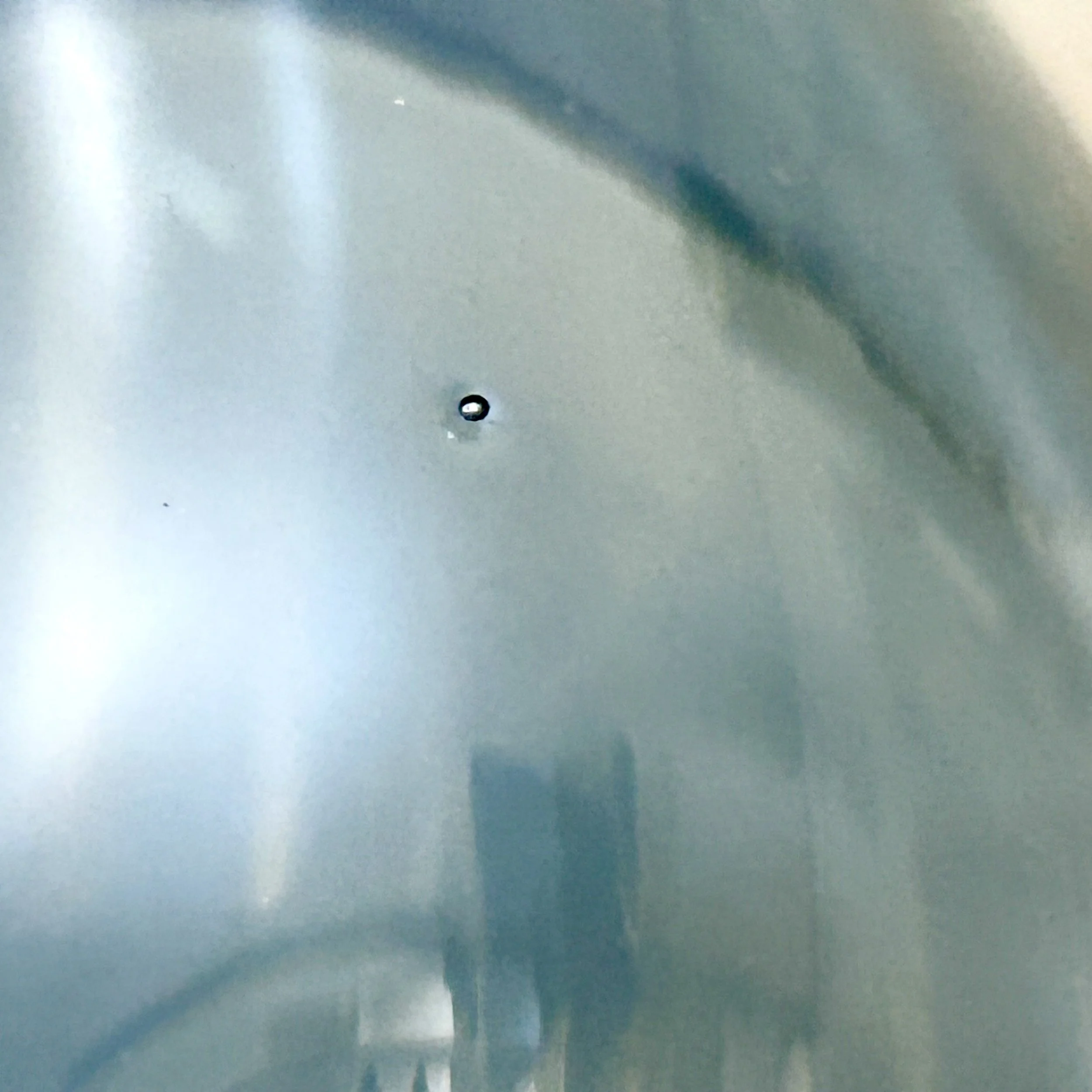
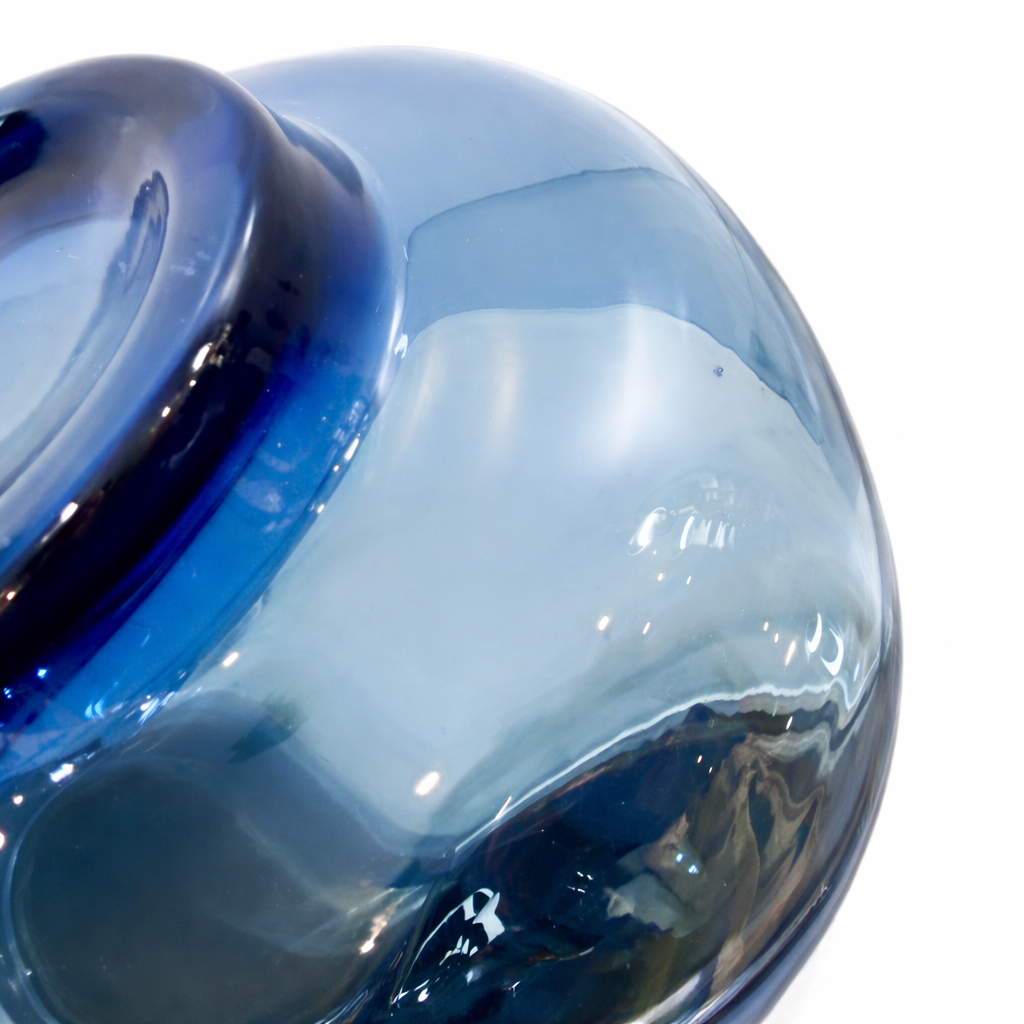
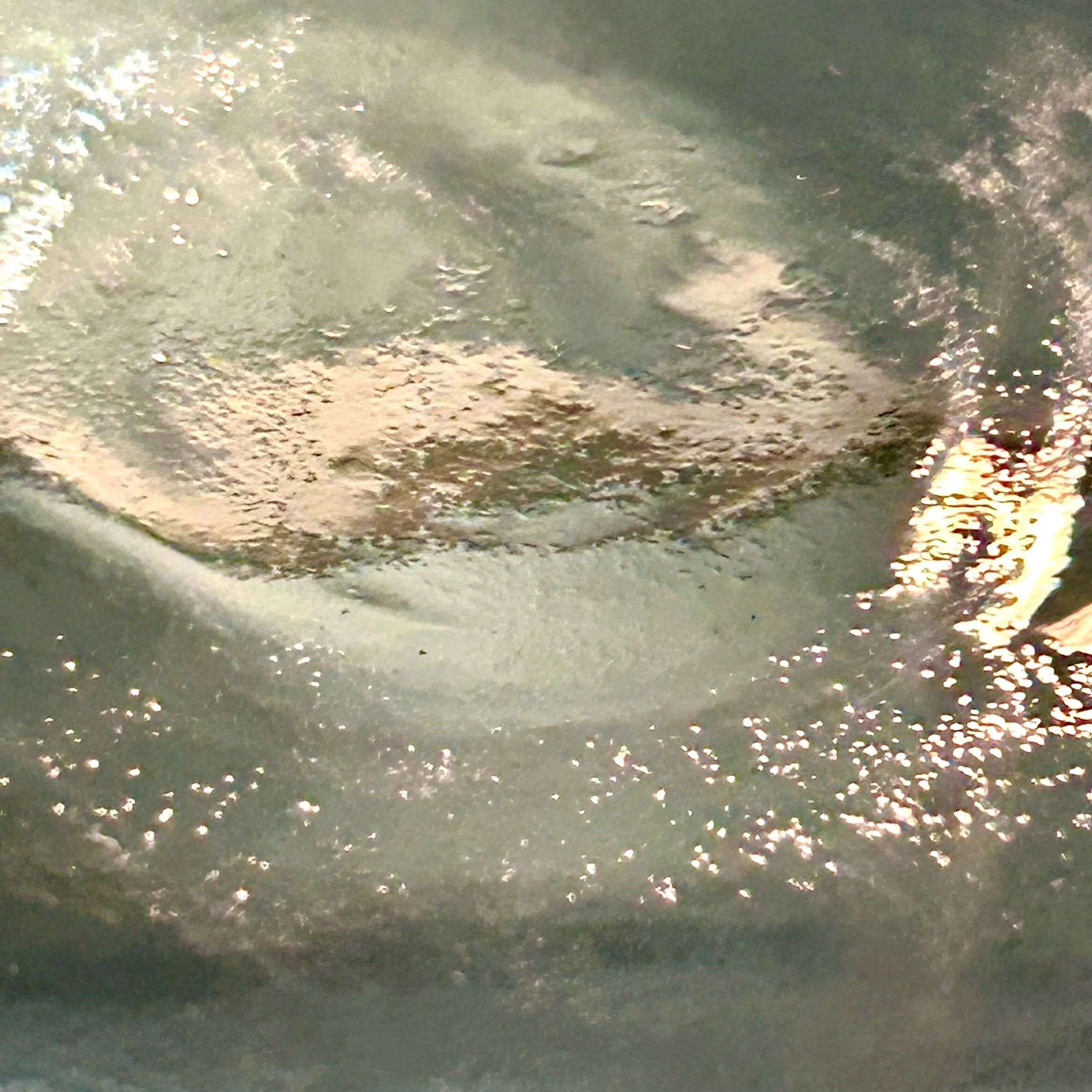
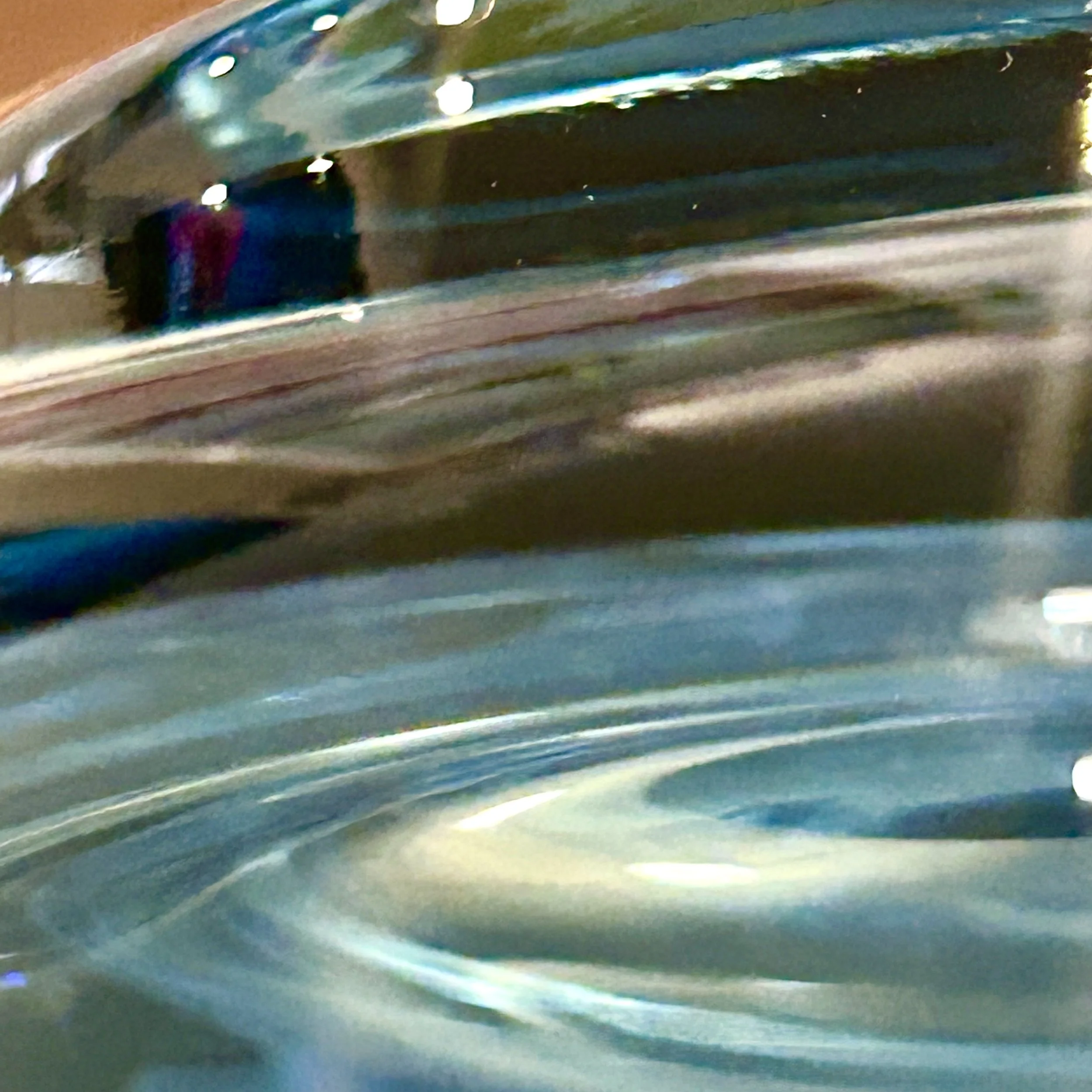
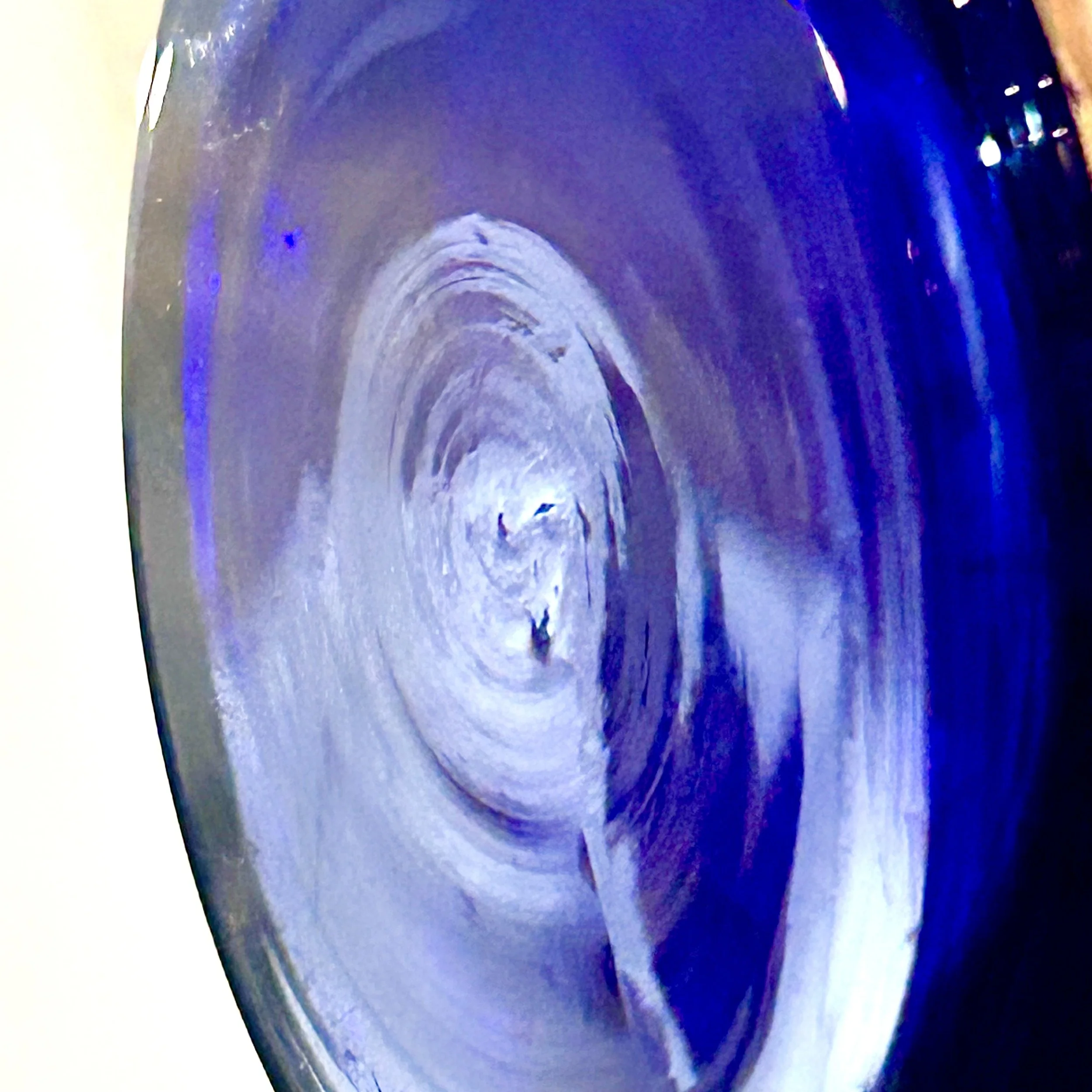
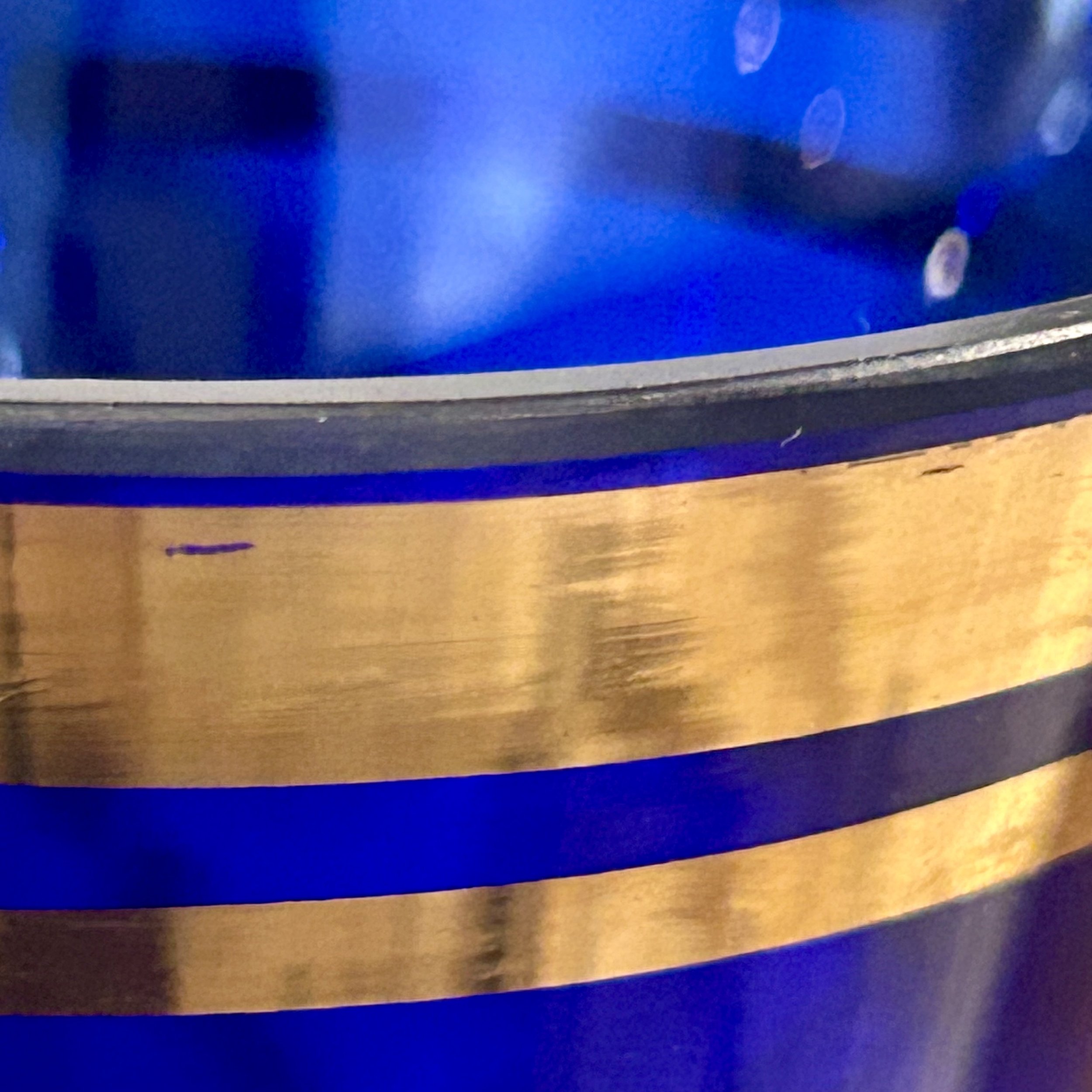
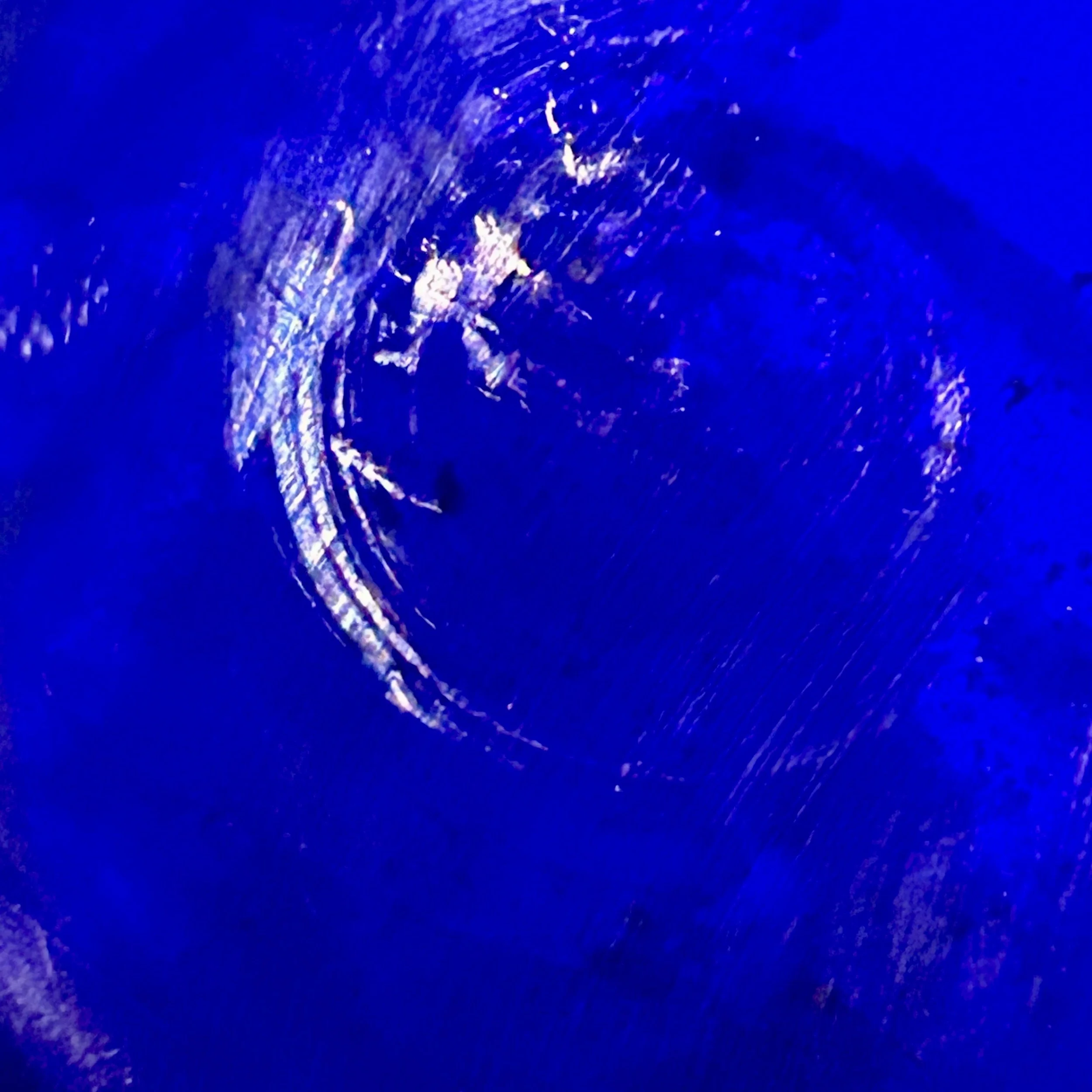
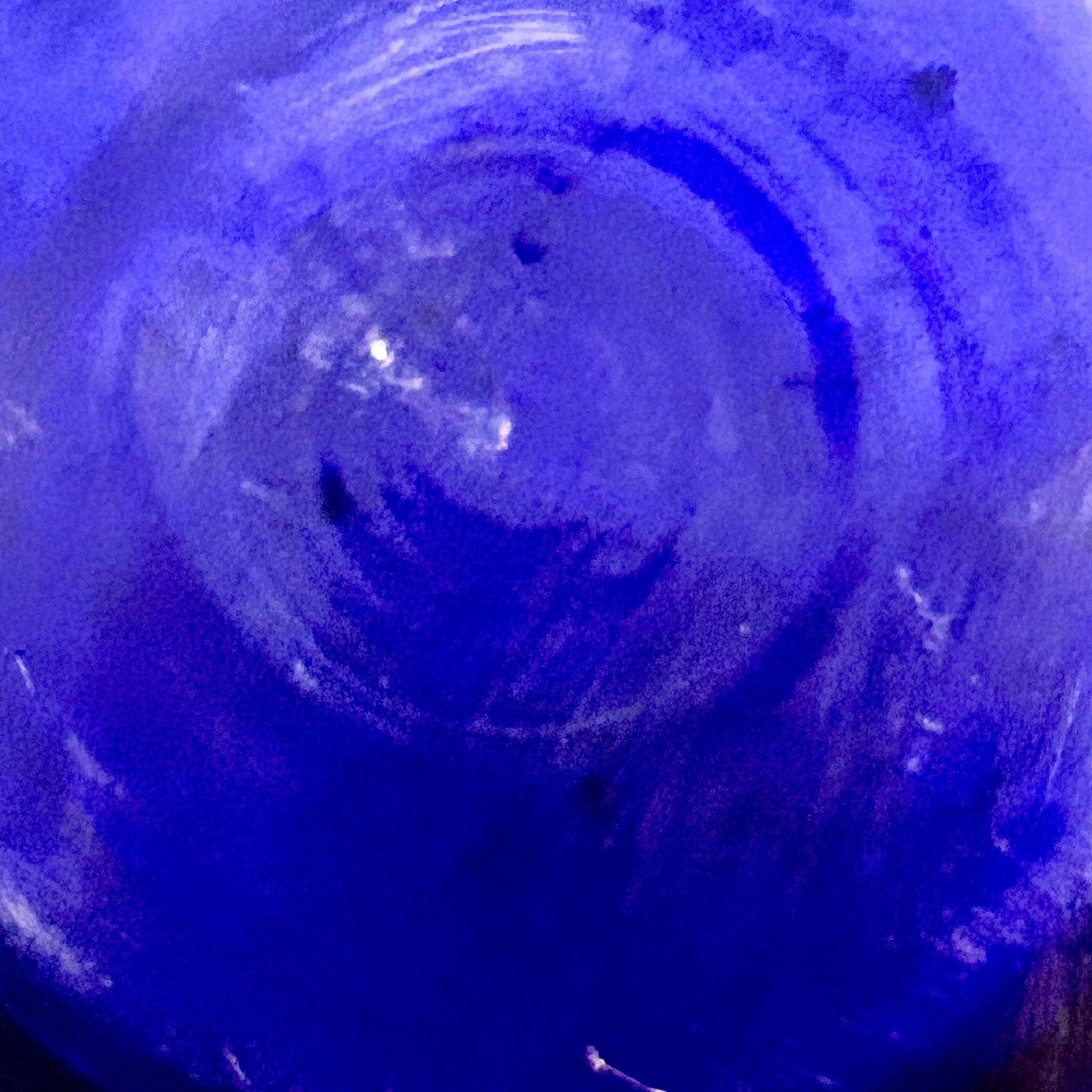
Excellent condition. No chips, cracks, or restorations. The glass retains high clarity and luster. Micro-bubbles and faint cooling lines are present within the glass matrix, along with prominent vertical mold seams, all of which are characteristic of the 19th-century manufacturing process.

Authenticity & Construction

Produced using the glass pressing method, where molten glass is forced into a multi-part metal mold. The crispness of the motifs indicates a high-quality mold. The presence of mold seams confirms its authentic 19th-century origin, representing a pivotal moment in American decorative arts.

Placement

Ideal as a sophisticated accent on a contemporary marble mantel or within a sunlit library. Its intense color profile allows it to stand alone as a minimalist sculptural element or function as a refined vessel for small botanicals.

STANDARD ATTRIBUTION & VALUE DISCLOSURE; This piece is described to the best of current scholarly and market knowledge. Any maker or regional attribution is based on visual analysis, materials, construction techniques, and documented stylistic comparisons. Pricing reflects condition, quality, decorative appeal, and current collector demand.

This sculptural vessel commands attention through its saturated, deep cobalt hue and intricate relief-molded ornamentation. The form features a flared bowl supported by a faceted, knopped stem and a stepped circular base, creating a rhythmic verticality. Light interacts dynamically with the pressed patterns, casting vivid blue shadows and highlighting the high-gloss fire-polished surface.

Attribution & Period

1880s. This piece is a regional American example of Victorian-era pressed glass, stylistically aligned with the EAPG (Early American Pattern Glass) movement. The construction exhibits distinct mold seams and a "stippled" ground within the decorative swags, a technique frequently employed by Pittsburgh-area glassworks such as Adams & Company or Bryce Brothers to mimic expensive cut crystal.

Dimensions & Weight

  • Height: 4.5 inches

  • Width / Diameter: 3.75 inches

  • Depth / Base Diameter: 2.75 inches

  • Weight: 0.692 lbs

Condition

Excellent condition. No chips, cracks, or restorations. The glass retains high clarity and luster. Micro-bubbles and faint cooling lines are present within the glass matrix, along with prominent vertical mold seams, all of which are characteristic of the 19th-century manufacturing process.

Authenticity & Construction

Produced using the glass pressing method, where molten glass is forced into a multi-part metal mold. The crispness of the motifs indicates a high-quality mold. The presence of mold seams confirms its authentic 19th-century origin, representing a pivotal moment in American decorative arts.

Placement

Ideal as a sophisticated accent on a contemporary marble mantel or within a sunlit library. Its intense color profile allows it to stand alone as a minimalist sculptural element or function as a refined vessel for small botanicals.

STANDARD ATTRIBUTION & VALUE DISCLOSURE; This piece is described to the best of current scholarly and market knowledge. Any maker or regional attribution is based on visual analysis, materials, construction techniques, and documented stylistic comparisons. Pricing reflects condition, quality, decorative appeal, and current collector demand.